

Running News Daily
Running News Daily is edited by Bob Anderson and team. Send your news items to bob@mybestruns.com Advertising opportunities available.
Index to Daily Posts · Sign Up For Updates · Run The World Feed
That article was not found.
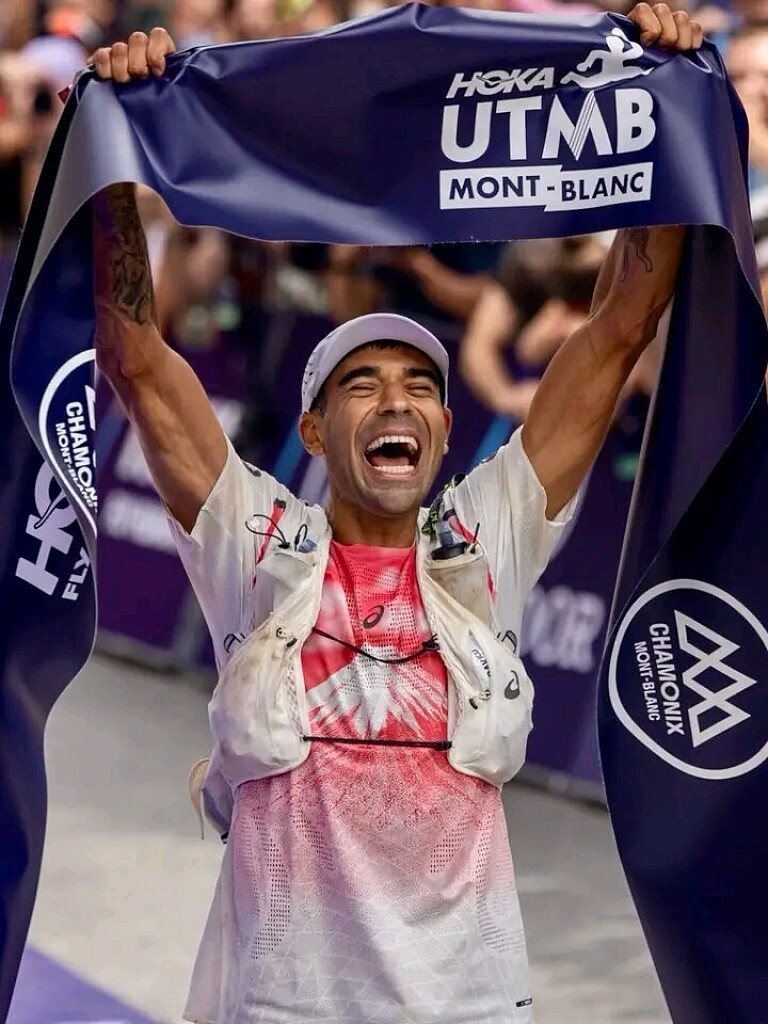


Ben Dhiman Shatters UTMB Course Record As 19-Hour Barrier Falls In Epic Mont-Blanc Triumph
Ben Dhiman has delivered a performance for the ages at UTMB Mont-Blanc, rewriting the history of the iconic 100-mile race with a stunning course-record run of 18:16:29.
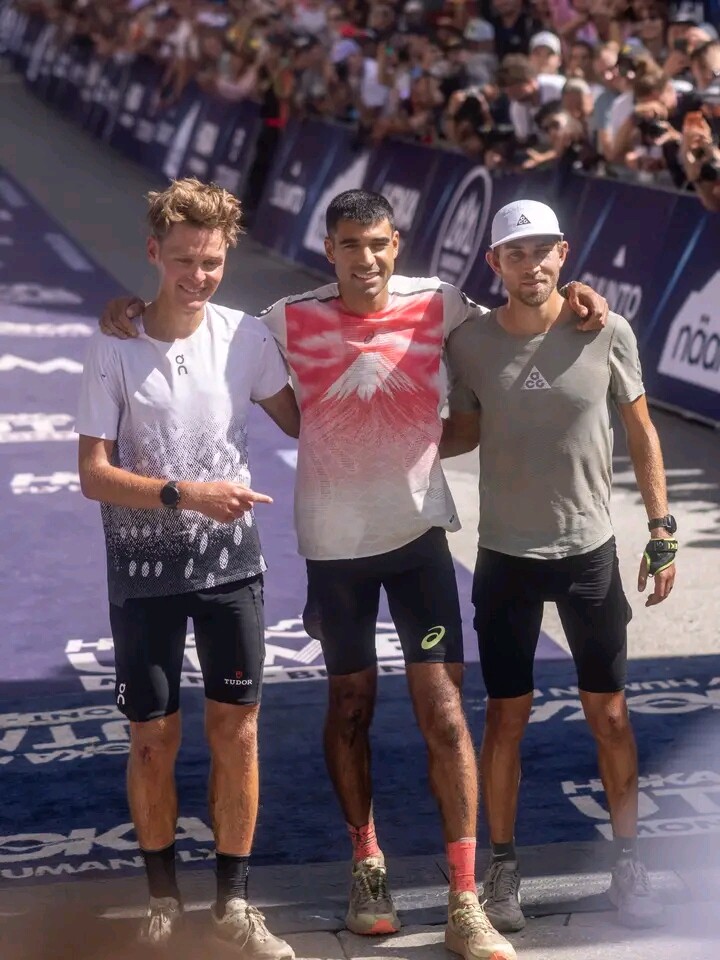
The American ultrarunner took control of the Ultra-Trail du Mont-Blanc at La Balme, 41 kilometres into the race, and once he moved to the front, he never surrendered the lead. More than 130 kilometres later, Dhiman arrived in Chamonix on Saturday afternoon to complete a remarkable journey through the Alps in 18:16:29 — becoming the first man to finish UTMB inside 19 hours.
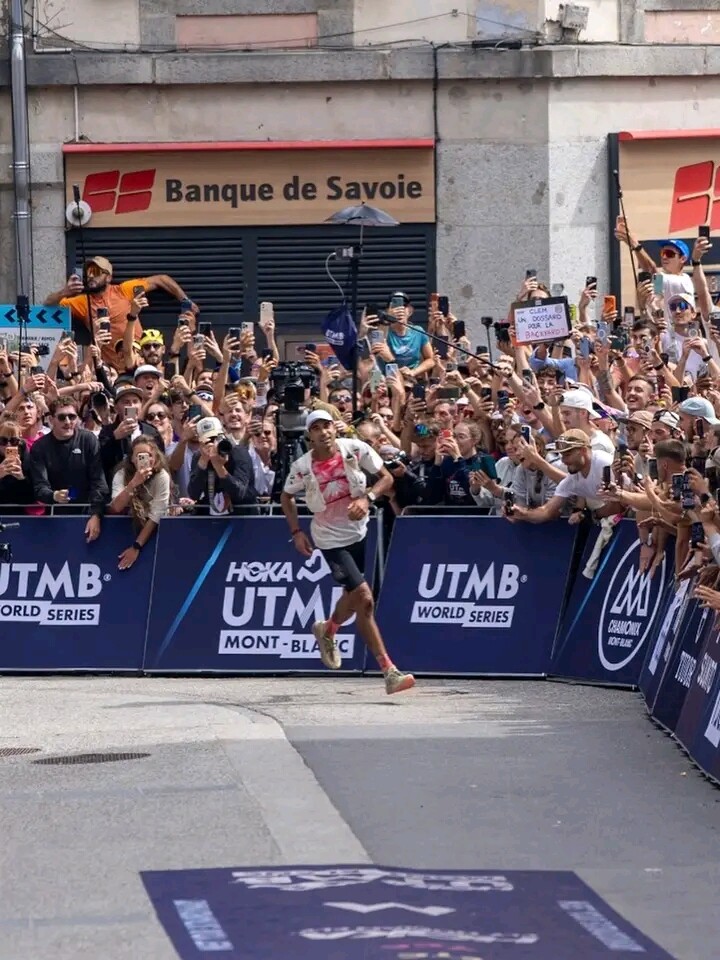
It was an extraordinary display of endurance, strength and determination, but Dhiman’s achievement becomes even more impressive when placed in the context of the conditions surrounding this year’s race. Organizers altered the course on the eve of the event, removing the Pyramides Calcaires section on the Italian side and delaying the start by two hours because of forecast thunderstorms.
Those changes left the field facing a 173.6-kilometre course with approximately 9,700 metres of elevation gain. Despite the demanding terrain and the revised race conditions, Dhiman maintained an astonishing level of consistency from the moment he took control.
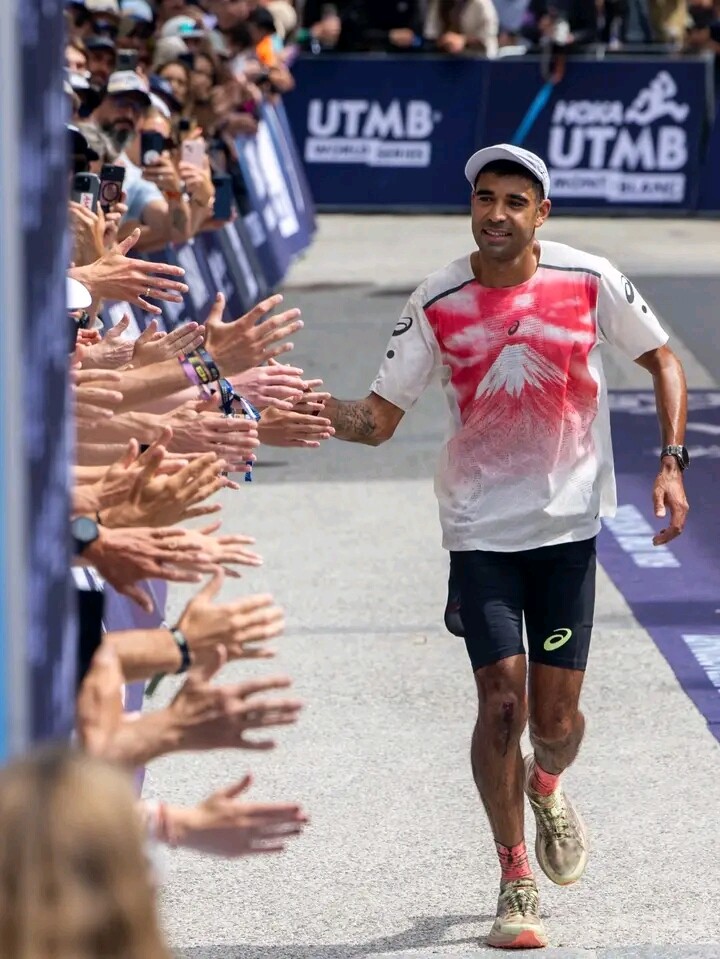
His winning time demolished the previous course record of 19:18:58, set by Britain’s Tom Evans in 2025, by an astonishing 1 hour, 2 minutes and 29 seconds. This was not a marginal improvement to an already formidable mark; it was a seismic leap that has dramatically reset the benchmark for one of the world’s most prestigious and demanding ultramarathons.
The scale of Dhiman’s progression is perhaps best illustrated by what happened 12 months ago. He finished second at UTMB last year in 19:51:37 on a nearly identical course. This time, he returned to Mont-Blanc and was 1 hour, 35 minutes and 8 seconds faster, transforming a runner-up finish into one of the most dominant performances in the race’s history.
Even more remarkable was his efficiency over the enormous distance. Dhiman spent just 9 minutes and 23 seconds stopped across the entire race, allowing him to maintain momentum while his rivals battled the relentless demands of the mountain course.
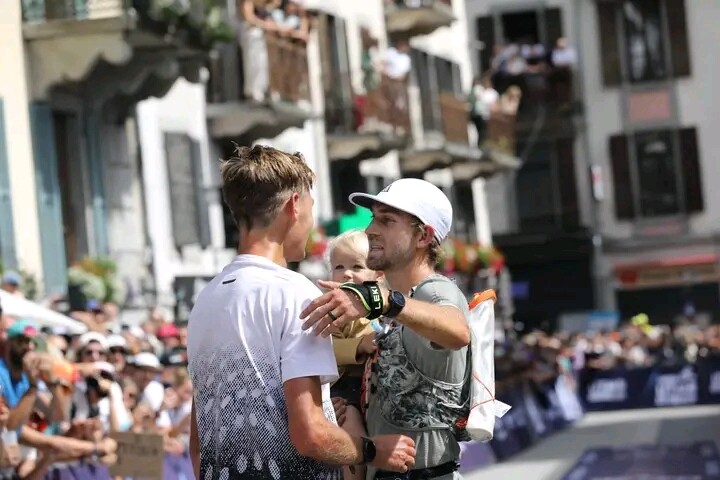
For years, the UTMB course record has represented the outer limits of human endurance. Vincent Bouillard’s 19:54:23 in 2024 and Jim Walmsley’s 19:37:43 in 2023 demonstrated the extraordinary level required to attack the race at record pace, while Kilian Jornet’s 19:49:30 in 2022 further underlined the rapid evolution of elite trail running.
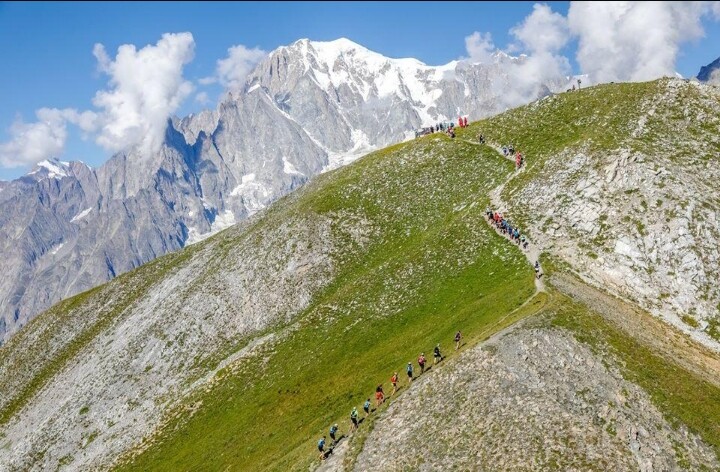
Tom Evans then raised the standard to 19:18:58 in 2025.
Now Dhiman has taken it to an entirely different level.
Behind the runaway winner, Baptiste Chassagne produced a superb performance to finish second in 18:47:38. Caleb Olson completed the podium in 18:48:24, but his fight for second provided one of the race’s most dramatic closing chapters.
Olson was still 6 minutes and 32 seconds behind Chassagne with seven kilometres remaining, yet he unleashed a remarkable final descent, covering the closing section in just 29:08. His late surge brought him within touching distance of second place, ultimately finishing only 46 seconds behind Chassagne.
Beyond the clock and the final standings, Dhiman’s triumph was a powerful demonstration of what it takes to master ultra-trail running. The challenge demanded patience, concentration and an extraordinary ability to keep moving when fatigue was at its most unforgiving. Every climb, descent and technical section tested his limits, but Dhiman remained composed when it mattered most.
For Dhiman, crossing the finish line after such a gruelling Alpine journey represented the culmination of a remarkable transformation. After 18 hours, 16 minutes and 29 seconds of relentless effort, he could finally celebrate not only becoming the 2026 UTMB champion, but also establishing a new benchmark that could stand for years.
And his record-breaking run has immediately opened another fascinating chapter for the sport.
Can anyone break the 18-hour barrier?
With more than an hour removed from a record that had stood at 19:18:58, the once-unthinkable 18-hour mark suddenly feels closer than ever. Yet breaking it would require another extraordinary combination of sustained speed, climbing power, descending skill, nutrition, favourable weather and near-perfect execution across the immense Alpine course.
Dhiman has set the bar exceptionally high.
The 19-hour barrier has fallen.
The 18-hour barrier is now the next frontier.
While Dhiman’s historic victory has already brought the men’s race to a spectacular conclusion, the mountain is still holding its secrets in the women’s competition. The women’s race remains underway, with Blandine L’Hirondel leading through Vallorcine as the battle for the women’s UTMB crown continues toward Chamonix.
Mont Blanc has a new king, and the next chapter of UTMB history has already begun.
by Erick Cheruiyot for My Best Runs.
Login to leave a comment
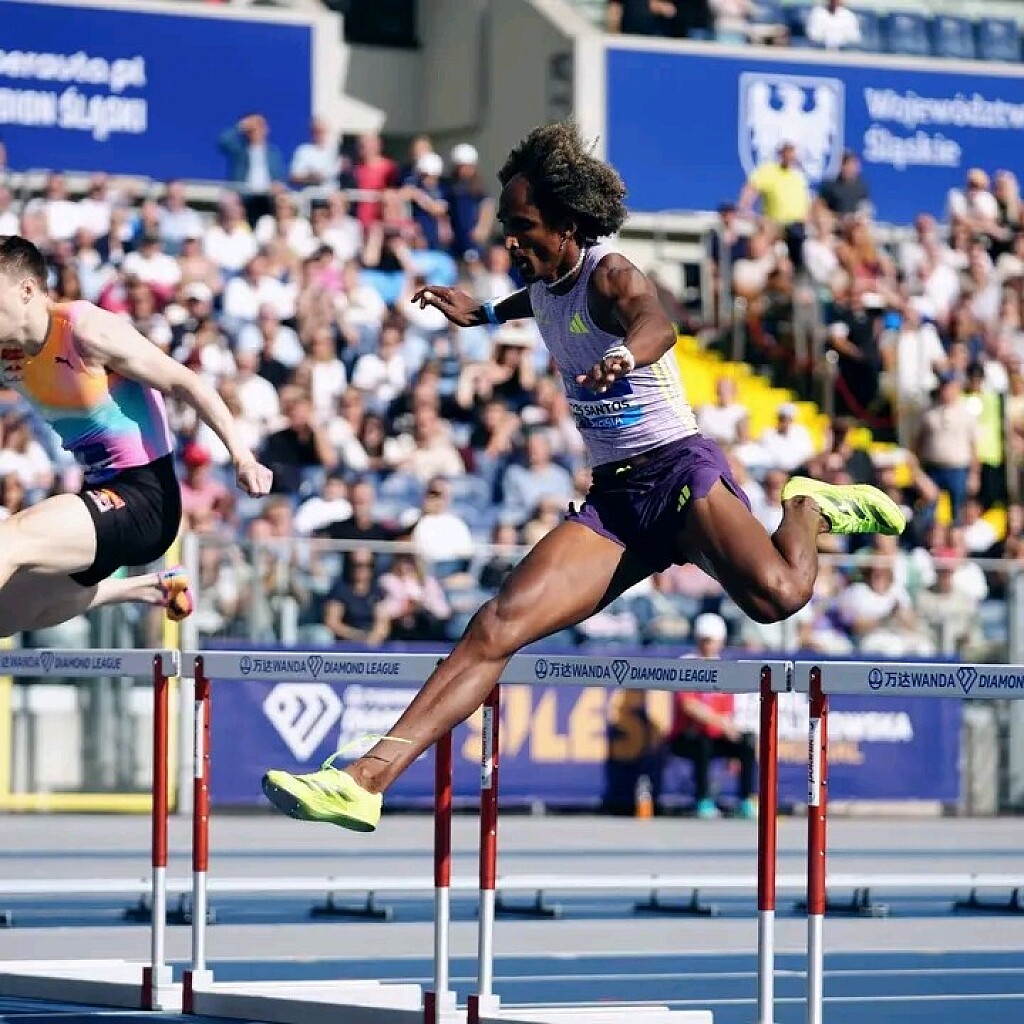
Is This the Greatest Era in Men’s 400m Hurdles History? Dos Santos Takes the Event to Another Level
The men’s 400m hurdles may be experiencing the greatest era in its history, and the numbers now make the argument almost impossible to ignore.
Brazilian superstar Alison dos Santos has taken the event to another level, storming to a sensational 45.80 world record in Zurich and moving to the summit of the all-time performance list.
But perhaps even more remarkable than the world record itself is what it has done to the historical rankings.
Every one of the 10 fastest performances in men’s 400m hurdles history is now owned by just three athletes: Alison dos Santos, Karsten Warholm and Rai Benjamin.
That extraordinary statistic perfectly captures the dominance of the current generation and highlights just how dramatically the event has evolved over the past few years.
Following his stunning performance in Zurich, dos Santos now sits at the top of the all-time list with 45.80, followed by Norway’s Karsten Warholm at 45.94, the time he ran in his historic world-record performance at the Tokyo Olympics in 2021.
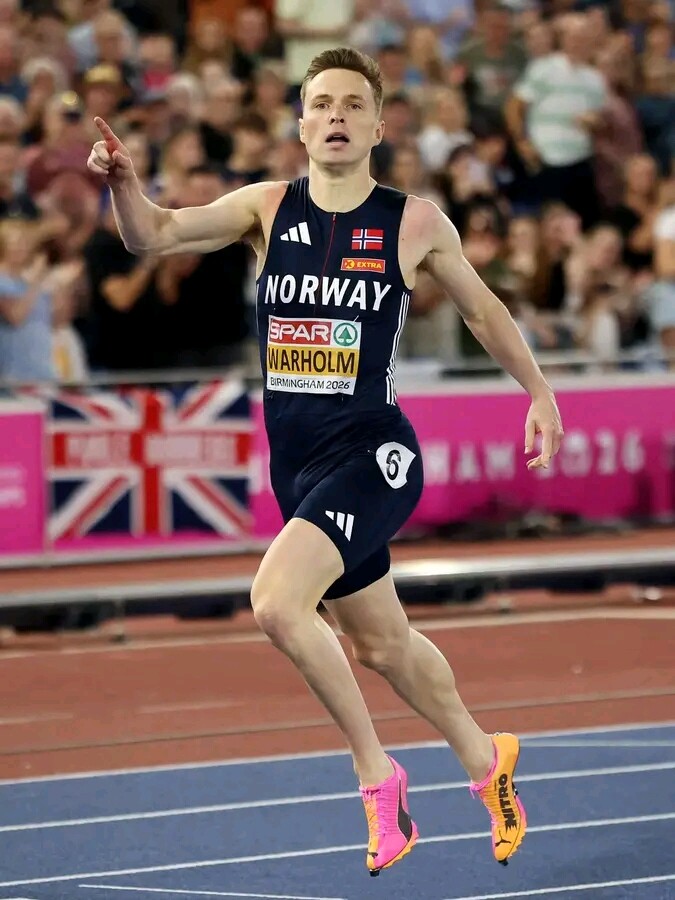
American star Rai Benjamin occupies third with 46.17, also from that unforgettable Tokyo final. Warholm is fourth with 46.28 from 2025, while dos Santos is fifth with his 46.29 from 2022.
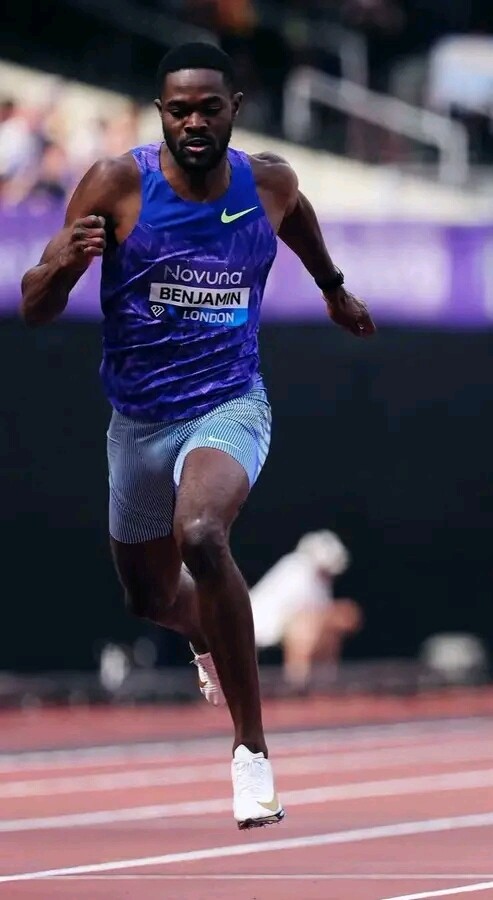
Benjamin appears again in sixth and seventh with 46.46 performances from 2024, while dos Santos takes eighth with 46.48 in 2026. Warholm completes the list with 46.51 from 2023 and 46.52 from 2023.
The distribution is extraordinary. Dos Santos owns three of the 10 fastest performances, Warholm owns four, while Benjamin owns the remaining three.
No other athlete has managed to break into the top 10.
That level of concentration at the very top of an event is a remarkable reflection of the era these three athletes have created.
At the centre of it all is dos Santos, whose 45.80 in Zurich has established a completely new benchmark. The Brazilian's performance did more than secure another historic victory; it pushed the boundaries of what is considered possible over one lap and 10 barriers.
Warholm had previously rewritten the history books in Tokyo when he clocked 45.94, becoming the first man to break the 46-second barrier and finally lowering Kevin Young’s legendary 46.78 world record, which had stood since the 1992 Barcelona Olympics.
Benjamin finished behind Warholm in Tokyo in 46.17, producing a performance that would itself have been considered extraordinary in almost any other era. Dos Santos completed the podium in 46.72, but his bronze medal would eventually prove to be just another chapter in his rise towards the summit.
The Tokyo final remains one of the most spectacular races in Olympic athletics history, but it also marked the beginning of an extraordinary period in which Warholm, Benjamin and dos Santos would repeatedly challenge the limits of the event.
Warholm has four performances inside the current top 10, including his 45.94 world record from Tokyo. Dos Santos has three, highlighted by his new global mark, while Benjamin also has three performances among the 10 fastest ever recorded.
Their remarkable consistency has transformed the 400m hurdles from an event once dominated by isolated historic performances into one defined by sustained excellence and intense rivalry.
For nearly three decades, Kevin Young’s 46.78 appeared almost untouchable. Then Warholm broke through. Benjamin immediately showed that the new standard could be challenged, and dos Santos emerged as another athlete capable of running at an astonishing level.
Now, times below 46 seconds are no longer viewed as an unimaginable frontier. They have become the territory occupied by the very best athletes of this generation.
And dos Santos has just moved that frontier even further.
His 45.80 has given the event a new target, but with Warholm and Benjamin still among the world's elite, the story may not be finished.
The question is no longer whether this generation is exceptional.
It is whether we are witnessing the greatest collection of men's 400m hurdlers ever assembled.
Three athletes now own every position in the all-time top 10.
Ten performances have been produced by just dos Santos, Warholm and Benjamin.
And at the very top stands Alison dos Santos, whose breathtaking 45.80 in Zurich has pushed the men’s 400m hurdles into territory that once seemed impossible.
Three superstars. Ten historic performances. One extraordinary era.
by Erick Cheruiyot for My Best Runs.
Login to leave a comment
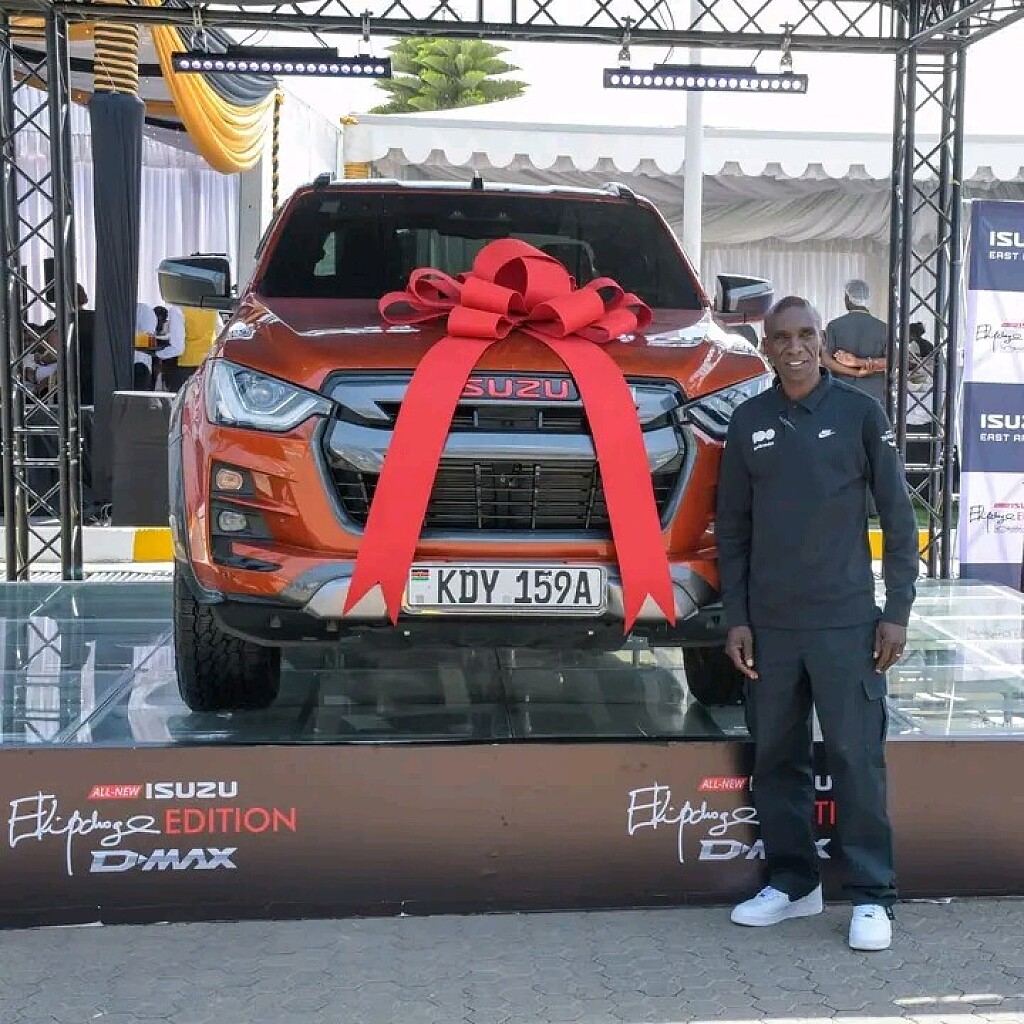
The Final 1:59 D-Max: Eliud Kipchoge Celebrates a Legacy of Breaking Limits
Eliud Kipchoge has marked another memorable chapter in his remarkable journey after receiving the 159th and final Isuzu D-Max 1:59 Limited Edition vehicle, completing a unique partnership that celebrates one of the greatest achievements in marathon history.
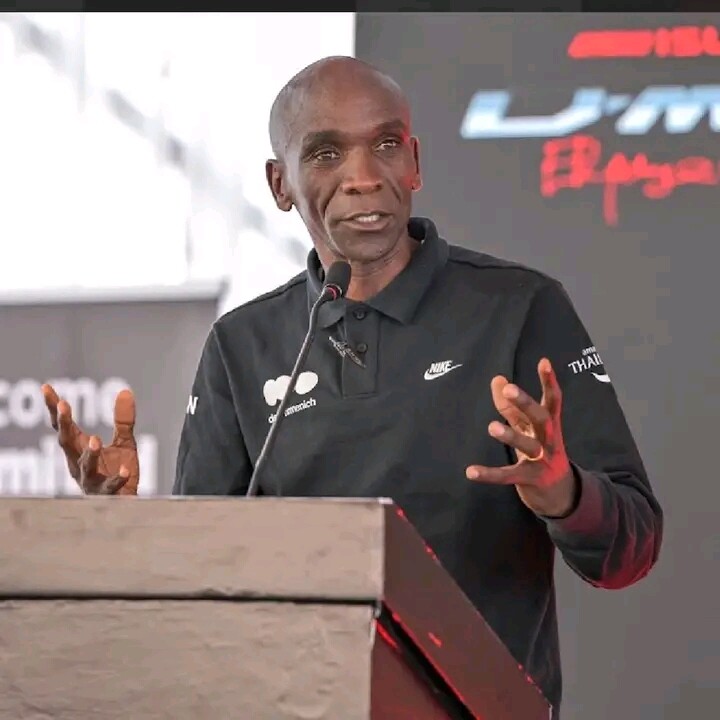
The legendary Kenyan marathoner expressed his appreciation to his Isuzu East Africa family after taking delivery of the final vehicle in a special series of just 159 units produced to commemorate his historic sub-two-hour marathon achievement.
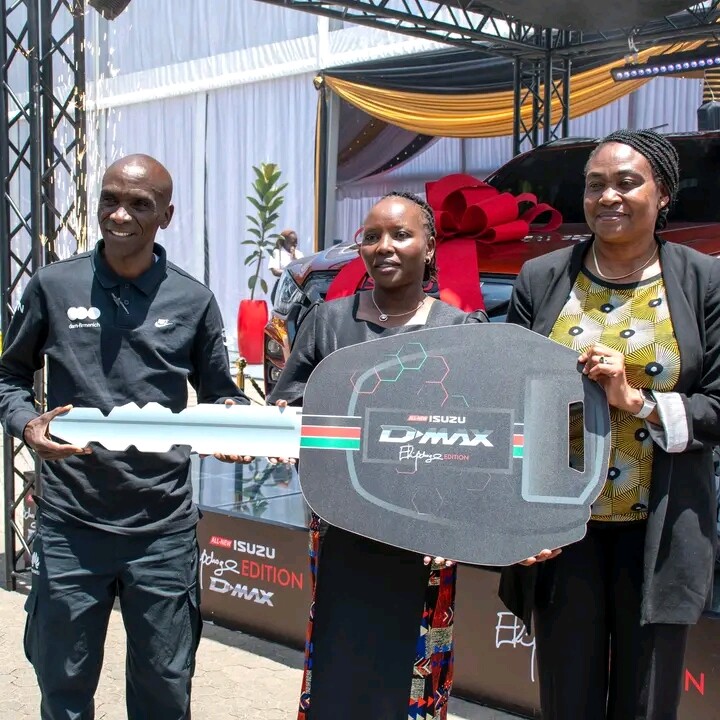
Each of the limited-edition D-Max vehicles carries Kipchoge’s name and signature, transforming the collection into more than a series of exclusive vehicles. It represents a story built around ambition, discipline, perseverance and the belief that seemingly impossible goals can be achieved through commitment and trust in the process.
The inspiration for the special edition dates back to October 12, 2019, when Kipchoge made history in Vienna, Austria, becoming the first person to run a marathon distance in under two hours in a controlled event. He completed the 42.195-kilometre distance in 1:59:40.2, a landmark moment that redefined the boundaries of human endurance.
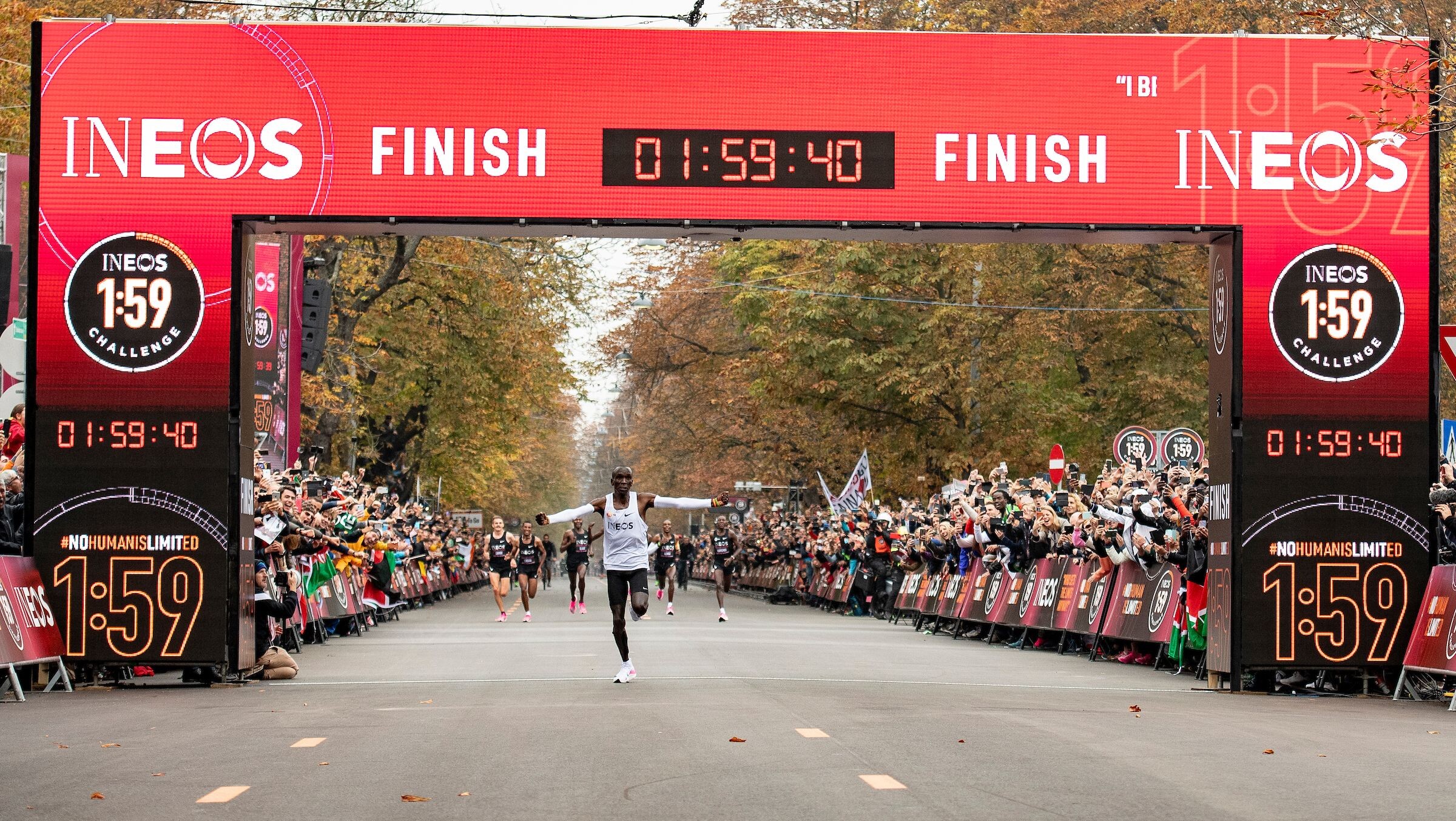
What began with that extraordinary morning in Vienna has since evolved into a lasting legacy on Kenyan roads, with 159 limited-edition vehicles now representing a shared connection between Kipchoge and their owners.
For Kipchoge, the final D-Max is therefore not simply the last vehicle to leave the production line. It is a symbolic conclusion to a story that connects his historic achievement with the values that have defined his career.
The number 159 carries particular significance, linking the limited production run to the historic 1:59 achievement while giving each owner a small piece of the story.
As he received the final unit, Kipchoge reflected on the journey from the streets of Vienna to the roads of Kenya, describing the 159 vehicles as a story shared by 159 owners who believe in the possibilities that emerge when people remain committed to their goals and trust the process.
The final D-Max consequently becomes another tangible reminder of a philosophy Kipchoge has carried throughout his career: no human is limited by the boundaries we initially believe exist.
From a historic morning in Vienna to a limited-edition collection spread across Kenya, the 1:59 legacy continues to inspire far beyond the marathon course.
by Erick Cheruiyot for My Best Runs.
Login to leave a comment
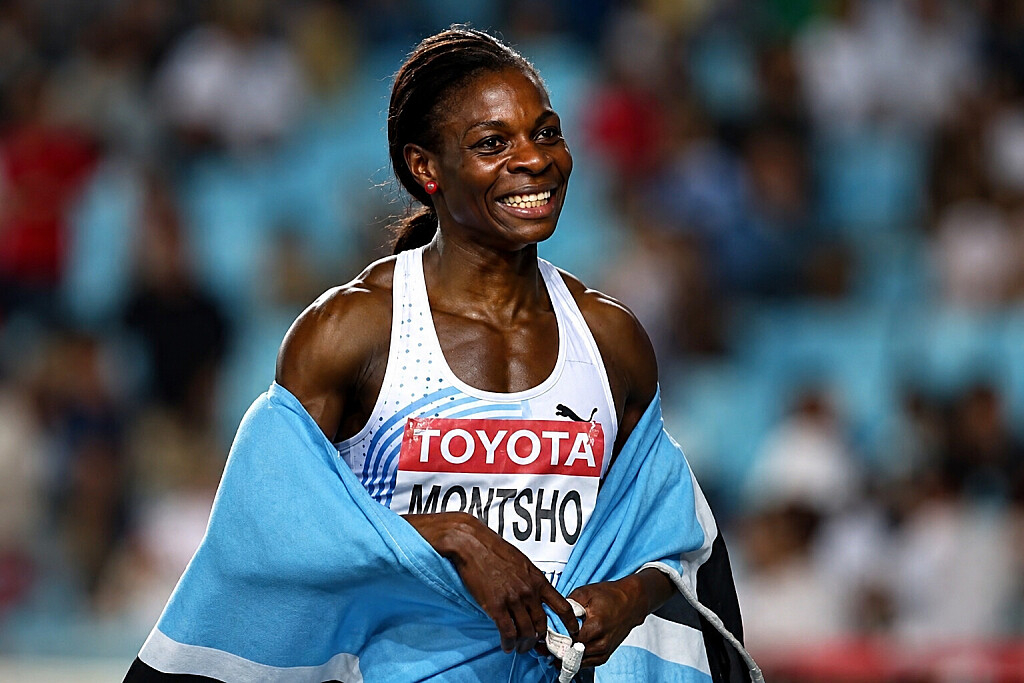
Montsho’s Historic 49.56: The Night Botswana Beat Allyson Felix in a Daegu Thriller
29 August 2011 — Daegu, South Korea
Some races are remembered for their times. Others are remembered for what they mean. The women’s 400m final at the 2011 World Championships in Daegu belonged firmly to the second category.
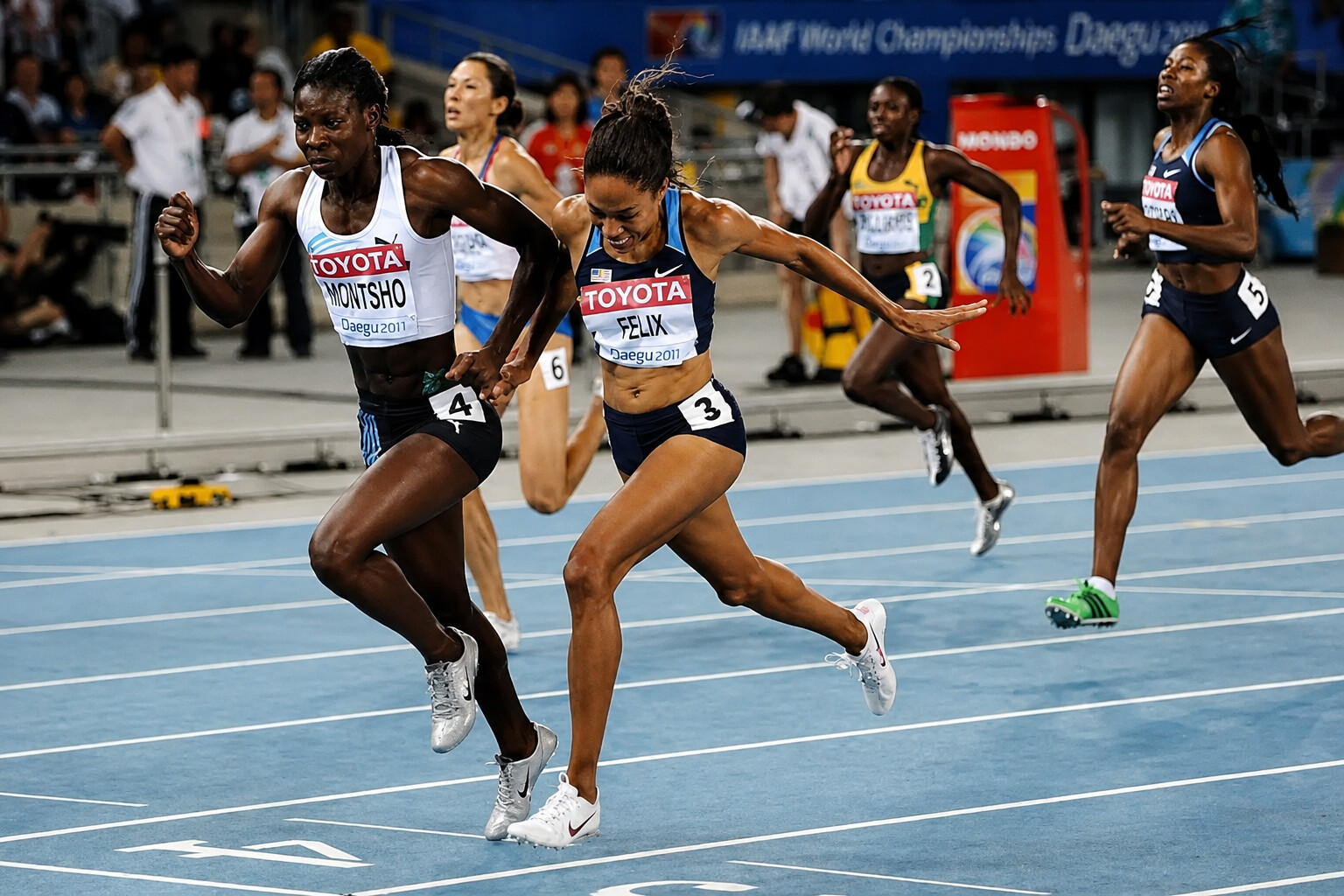
On 29 August 2011, Amantle Montsho produced one of the most important performances in Botswana’s athletics history, edging Allyson Felix by just three hundredths of a second to become the country’s first-ever World Championships gold medallist.
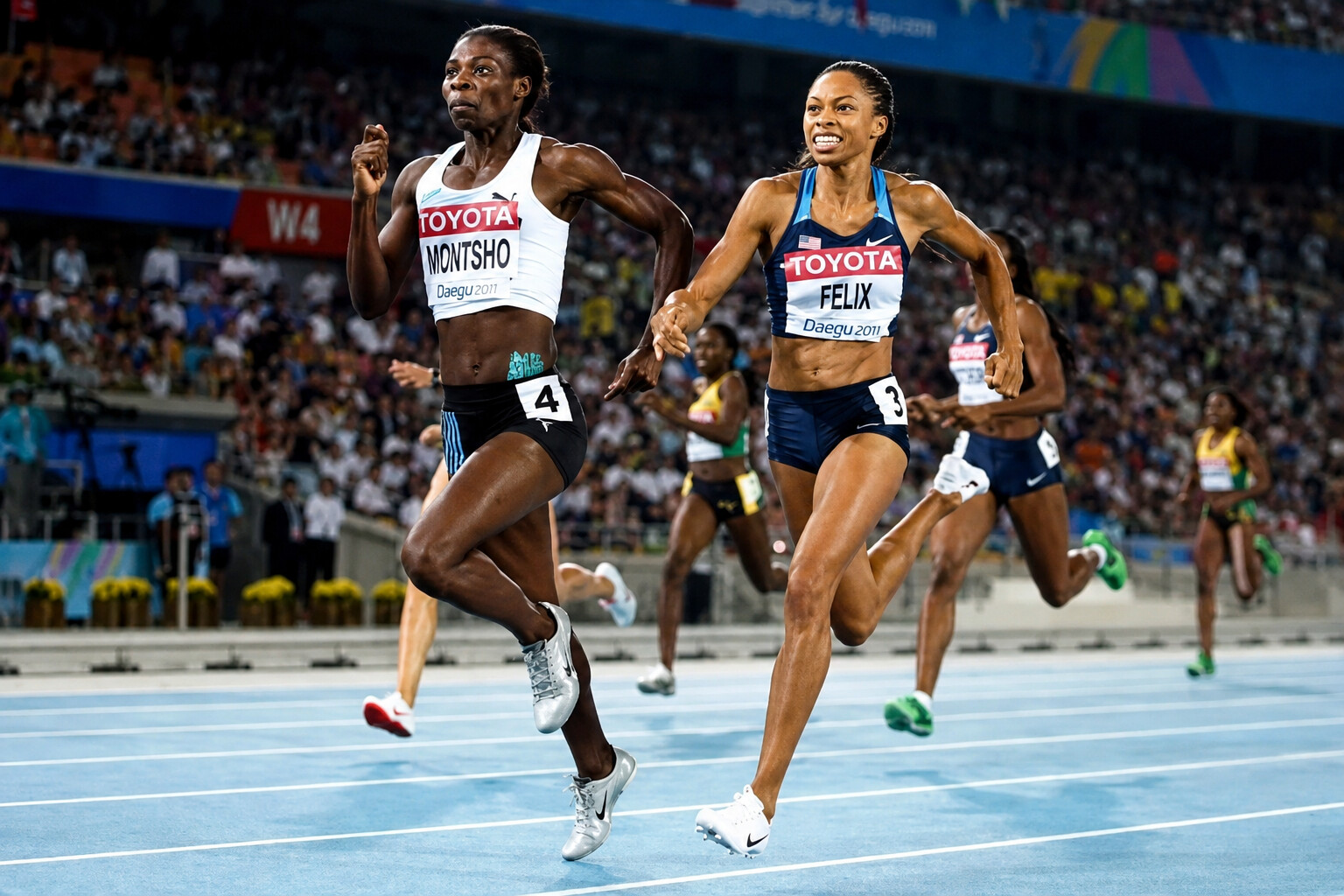
Montsho entered the final as one of the leading 400m runners in the world, having dominated much of the 2011 Diamond League season. But standing between her and global glory was a formidable field that included Olympic and world-class stars such as Felix, Sanya Richards-Ross, Shericka Williams and Anastasiya Kapachinskaya.
From the gun, Montsho attacked the race with purpose. Running in lane four, she carried tremendous momentum through the opening half of the lap and entered the home straight with a narrow advantage. Felix, drawn immediately inside her in lane three, responded brilliantly and began closing the gap as the two charged towards the finish.
The final metres became a straight fight between Botswana and the United States.
Felix threw everything at Montsho in the closing stages, but the Botswana star refused to surrender. She crossed the line in 49.56 seconds, with Felix just behind in 49.59. The margin was only 0.03 seconds, but it was enough to make history.
Montsho's winning time was not only a personal breakthrough but also a Botswana national record. It made her the first athlete from Botswana to win a World Championships gold medal and gave the southern African nation its first-ever World Championships medal in the process.
For Felix, the silver medal came with a remarkable performance of her own. Her 49.59 was a personal best and represented one of the finest 400m races of her career at that point. Despite coming agonisingly close to gold, Felix had pushed Montsho all the way to the finish line in one of the closest major championship 400m finals in history.
Behind the leading pair, Francena McCorory delivered another strong performance. Having already run a personal best of 50.24 in the semi-finals to qualify for the final, the American clocked 50.45 in the championship race. At the time, she crossed the line in fourth behind Kapachinskaya, who ran 50.24.
But the medal standings would later change.
Kapachinskaya was subsequently disqualified as part of a doping case involving violations dating back to the 2008 Olympic Games. As a result, her Daegu result was annulled, and McCorory was officially promoted from fourth to bronze medal position. World Athletics later recognised McCorory among the athletes receiving reallocated medals in 2017.
That change gave the race an additional historical dimension. What began as a breathtaking battle between Montsho and Felix ultimately became a championship podium of Montsho, Felix and McCorory.
More than a decade later, the image of Montsho and Felix racing shoulder-to-shoulder down the Daegu straight remains one of the defining moments of the 2011 World Championships. For Botswana, it was a breakthrough moment that announced Montsho on the biggest stage. For Felix, it was another chapter in a career filled with major championship success.
And for fans of the 400m, it was simply a spectacular race — 49.56 versus 49.59, with only three hundredths separating gold from silver.
by Erick Cheruiyot for My Best Runs.
Login to leave a comment
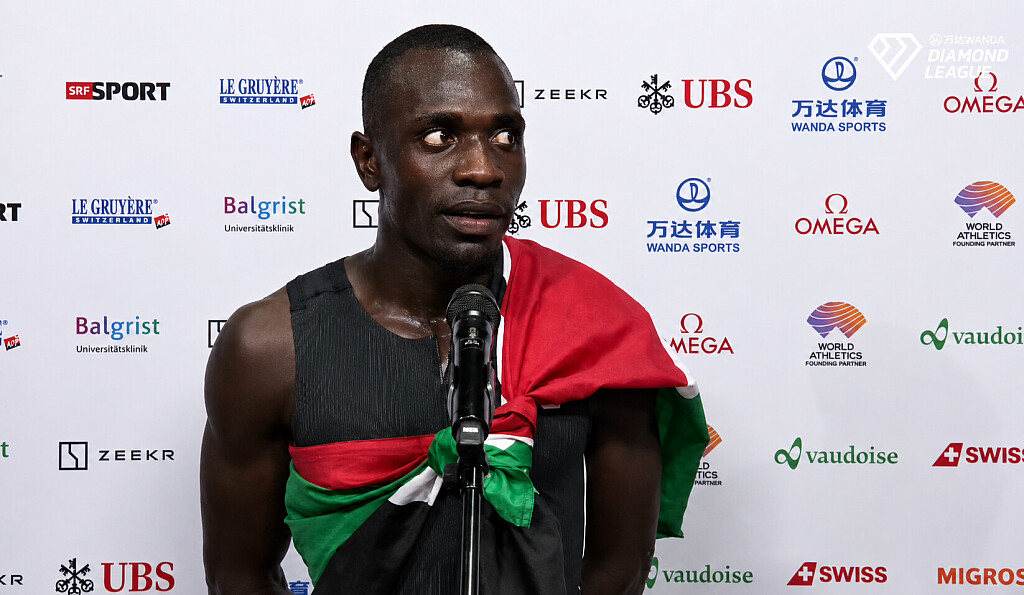
Wanyonyi’s Message To The World: “My Time Will Come” After Brilliant Zürich Victory
Olympic champion Emmanuel Wanyonyi delivered another statement of intent at the 2026 Weltklasse Zürich – Wanda Diamond League meeting on Thursday, producing a world-leading 1:41.76 to claim a commanding victory in one of the most anticipated 800m showdowns of the season.
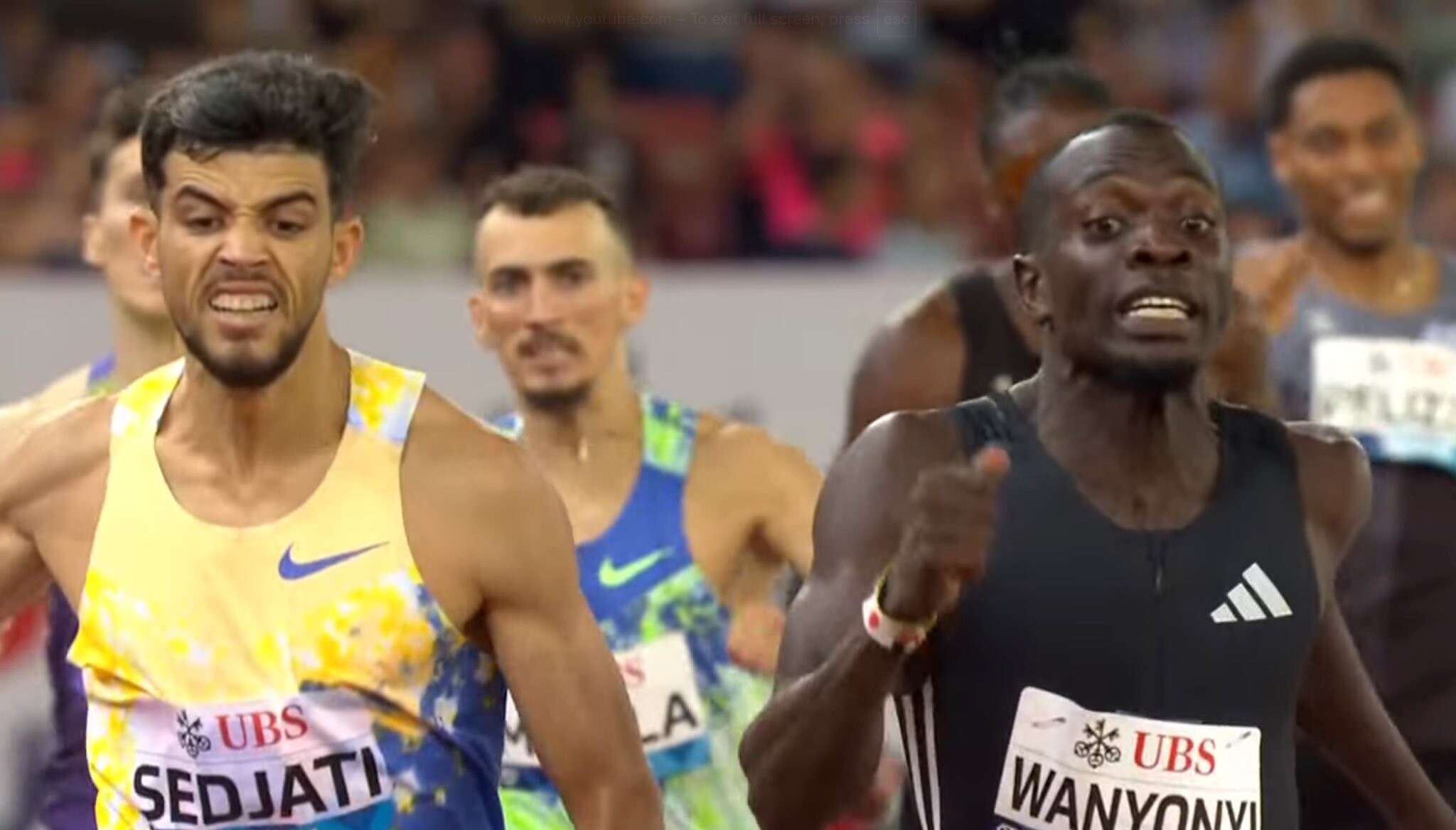
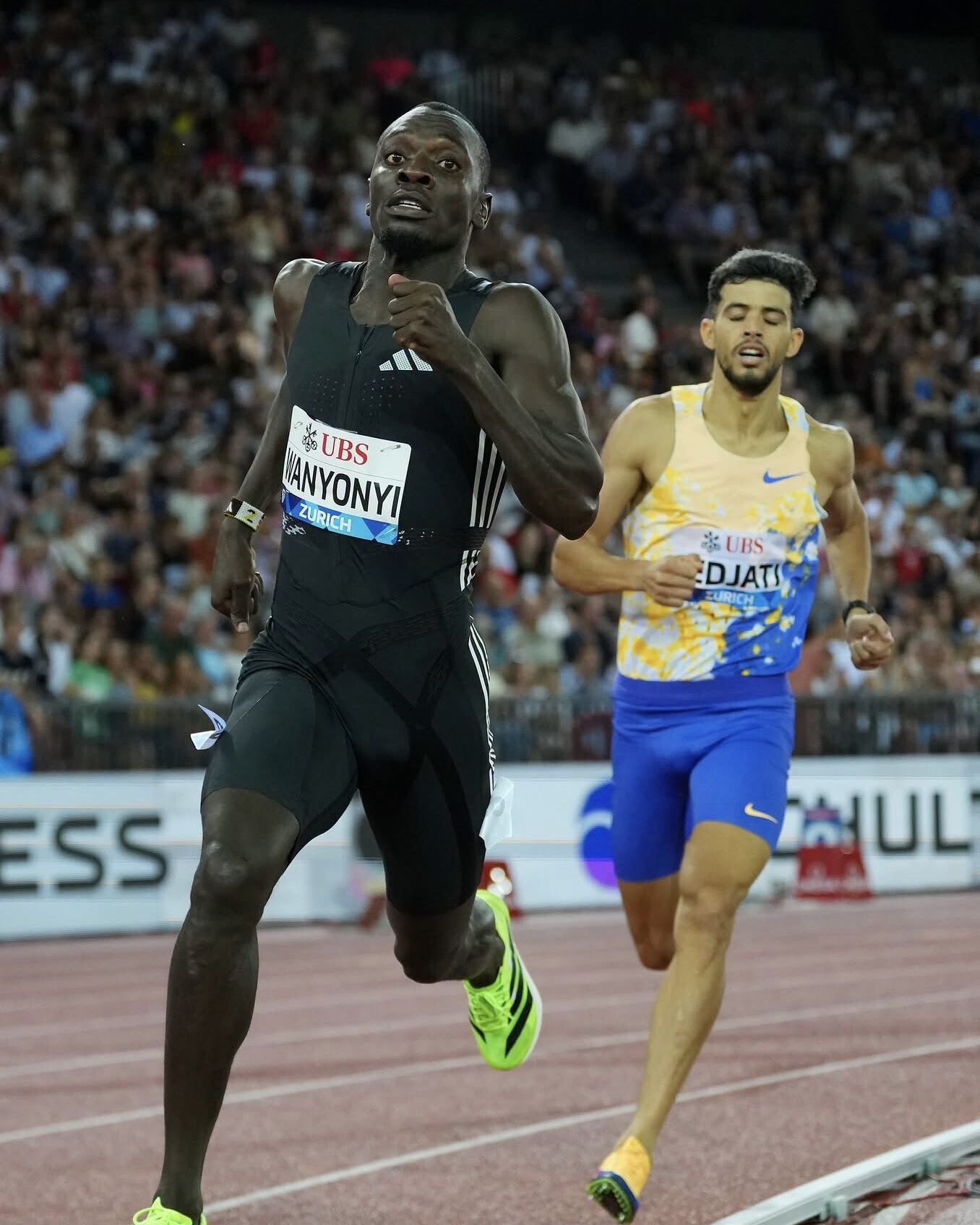
Wanyonyi faced a formidable challenge from Algeria’s Djamel Sedjati, but the Kenyan remained composed when it mattered most, holding off his rival in a thrilling battle down the home straight. Sedjati pushed Wanyonyi all the way to the finish, clocking a season’s best 1:41.83, just seven hundredths of a second behind the Olympic champion.
For Wanyonyi, however, the victory was about more than simply adding another Diamond League triumph to his growing résumé. It was a powerful indication that his body is responding positively as he builds towards the biggest challenges of the season.
“The time was amazing. The race was good. The weather conditions were good too. I could go out and compete, and my body was responding well to running fast,” Wanyonyi said after the race.
The Kenyan revealed that his preparations had been far from perfect. Shortly before the start, he experienced stomach problems and briefly feared that he might struggle to complete the race at the level he wanted.
“Before the start of the race, I had a big problem with my stomach. I thought maybe I could not finish the race well. But I just came here to win, to try to run fast and run my own race,” he explained.
Despite the discomfort, Wanyonyi trusted his preparation and racing instincts. Once the gun sounded, the Olympic champion settled into his rhythm and produced the kind of fearless finishing speed that has established him among the world’s leading 800m runners.
The 1:41.76 performance not only secured victory but also underlined his growing form at a crucial stage of the season. With Sedjati breathing down his neck, Wanyonyi maintained his composure and found enough strength to keep the Algerian at bay.
For the Kenyan star, the result was further evidence that his best is still to come.
“This result shows that my body is coming up, and I am so happy to be here with these great crowds. I give the atmosphere 200 per cent,” Wanyonyi said, praising the electric Zürich crowd.
The atmosphere became even more memorable as world records fell elsewhere on the night, providing Wanyonyi with additional motivation and reinforcing his belief that he, too, can produce something extraordinary when the right moment arrives.
“When I see the world records being broken, I know my time will come. There is time for everything,” he added.
That statement could prove to be a warning to the rest of the 800m field. Wanyonyi is already an Olympic champion, but his latest performance suggests that the 22-year-old Kenyan remains hungry for faster times and bigger victories.
In Zürich, he combined resilience, confidence and raw speed to defeat one of his strongest rivals. With his body responding, his confidence rising and his season gathering momentum, Wanyonyi has once again reminded the world that he remains a formidable force over two laps.
And if his words are anything to go by, the Olympic champion believes the biggest chapter of his story is still waiting to be written.
by Erick Cheruiyot for My Best Runs.
Login to leave a comment
