

Running News Daily
Top Ten Stories of the Week
10/31/2026
These are the top ten stories based on views over the last week.
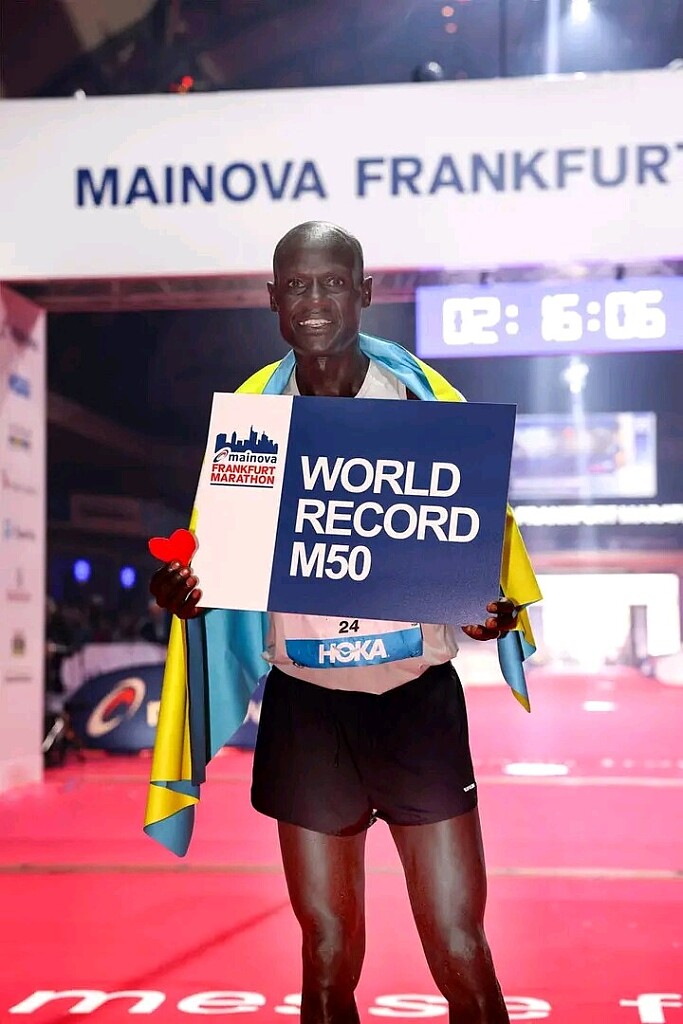


Mark Kiptoo Shatters M50 Marathon World Record As Ethiopian Duo Shine In Frankfurt
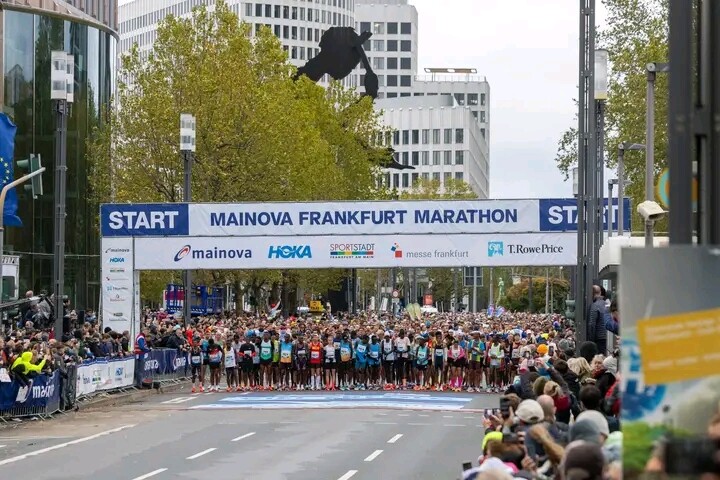
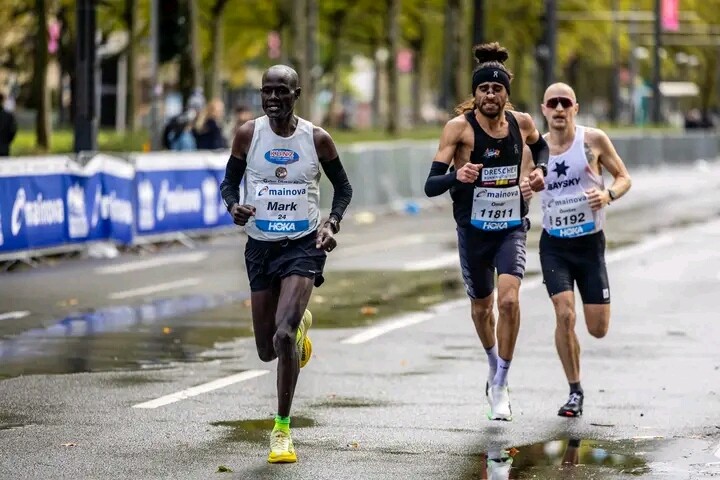
Kenyan distance-running veteran Mark Kiptoo delivered an extraordinary performance at the 2026 Frankfurt Marathon in Germany on Sunday, October 25, setting a new men's M50 marathon world record with a remarkable time of 2:15:24.
At 50, Kiptoo continues to defy expectations, demonstrating that age is no barrier to exceptional endurance, speed and determination. His performance highlighted another remarkable chapter in a career defined by longevity and an unwavering commitment to distance running.
The Kenyan improved on the previous M50 marathon world record of 2:19:29, set by South Africa's Titus Mamabolo in 1991, by an extraordinary four minutes and five seconds. The previous mark had stood for 35 years, making Kiptoo's achievement an especially significant milestone in masters marathon running.
His latest record-breaking performance comes just weeks after he reportedly set an M50 half-marathon world record of 1:03:57 in San Sebastián, Spain. The two achievements underline his exceptional form and ability to maintain an extraordinary level of competitiveness at an age when many athletes have long since retired from elite competition.
Frankfurt has played a defining role in Kiptoo's marathon journey. He made his marathon debut at the German race in 2013 at the age of 37, finishing second in 2:06:16. A year later, he returned to claim victory in 2:06:49, establishing himself among the leading marathoners of his era.
In 2018, Kiptoo again made history on the same course, recording 2:07:50 to establish a then-world record in the men's M40 masters marathon category. His return to Frankfurt in 2026 has now delivered another extraordinary chapter, with the Kenyan rewriting the M50 record books at the age of 50.
From competing against the world's leading marathoners in his 30s to producing record-breaking performances in the masters ranks, Kiptoo has demonstrated remarkable longevity, discipline and determination. His journey is a powerful reminder that age does not necessarily signal the end of sporting excellence.
Kiptoo's achievement was one of the standout stories of the Frankfurt Marathon, which also witnessed Ethiopian runners dominate the elite races, with Lelisa Denki and Zeineba Yimer claiming the men's and women's titles, respectively.
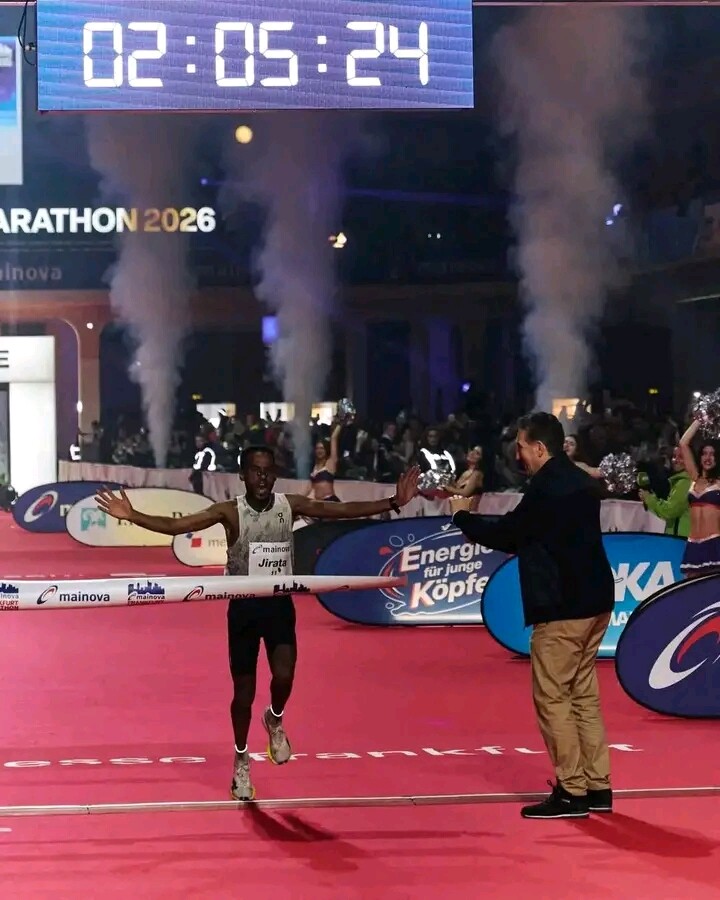
In the men's race, Denki produced an impressive performance to take victory in a personal-best time of 2:05:26. Germany's Amanal Petros delighted the home crowd by finishing second in 2:05:46, while Kenya's Benard Biwott secured third place in 2:06:23, ensuring a strong podium finish for the East African nation.
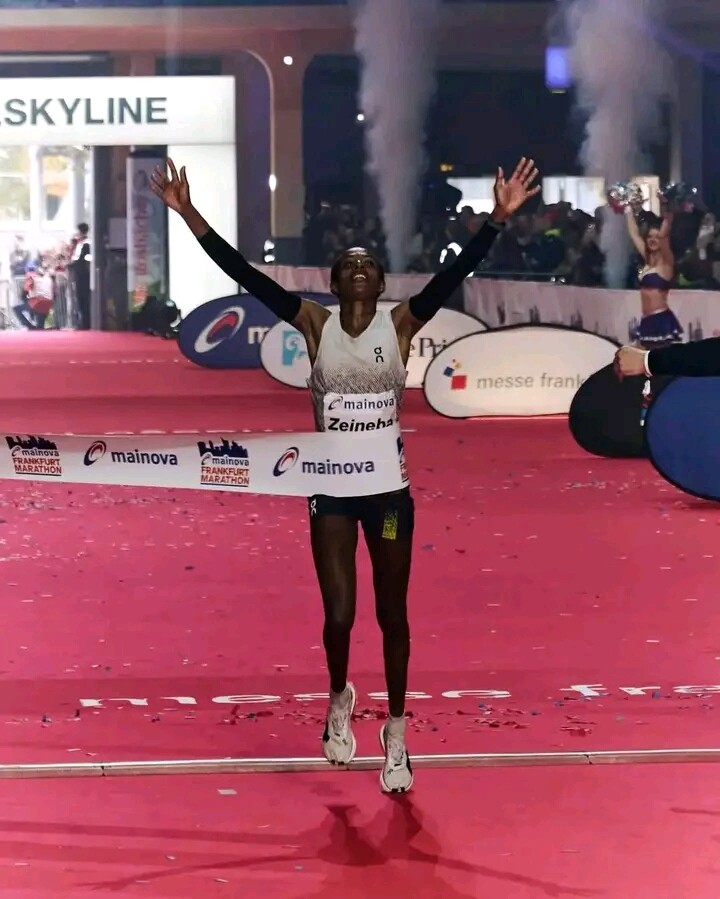
The women's contest was equally compelling, with Ethiopia's Yimer taking the title in 2:19:45. Germany's Blanka Dörfel finished second in 2:20:46, while Ethiopia's Beriha Gebreslasie completed the podium in third place with a time of 2:22:46.
The results underlined Ethiopia's strength in international marathon running, while the performances of Petros, Biwott and Dörfel provided memorable moments for German athletics fans on home soil.
For Kiptoo, however, the spotlight belonged to his remarkable achievement in the men's M50 category. His 2:15:24 performance represented an exceptional demonstration of endurance and competitive ability at an age when many former elite runners have long since stepped away from top-level competition.
Frankfurt has long held a special place in Kiptoo's marathon career. He made his marathon debut at the event in 2013, finishing second in 2:06:16 before returning a year later to claim victory in 2:06:49. He also established a world record in the men's over-40 category on the same course in 2018, clocking 2:07:50.
His latest performance further strengthens his connection with the German race, where he has repeatedly demonstrated his ability to produce outstanding results across different stages of his career.
Beyond the numbers, Kiptoo's achievement carries an inspiring message for runners around the world. His continued success demonstrates the value of discipline, experience and perseverance, challenging conventional assumptions about the age at which athletes can remain competitive.
For Kenya, his performance adds another remarkable chapter to the country's rich distance-running heritage. Meanwhile, the victories of Denki and Yimer ensured that Ethiopia also left Frankfurt celebrating a memorable day on the marathon circuit.
The 2026 Frankfurt Marathon therefore delivered a compelling combination of elite competition and sporting inspiration, from the fast times at the front of the men's and women's races to Kiptoo's extraordinary achievement in the masters category.
At 50, Kiptoo continues to challenge expectations and push the boundaries of what is possible in distance running, proving that a passion for excellence can endure long after many athletes have retired.
(10/25/26) Views: 373Erick Cheruiyot for My Best Runs.
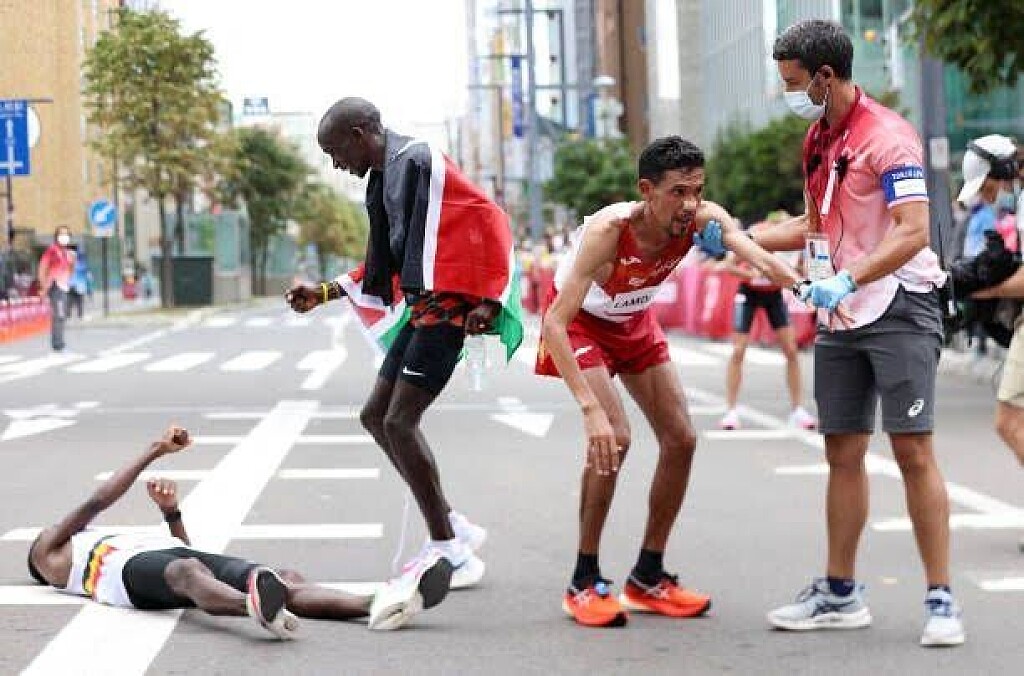
LA28 Olympic Marathon Qualification: Only 70 Runners Per Gender As World Athletics Tightens The Race To Los Angeles
The road to the Los Angeles 2028 Olympic marathon is set to become even more competitive after World Athletics introduced a tighter qualification framework that reduces the number of available places in both the men's and women's races.
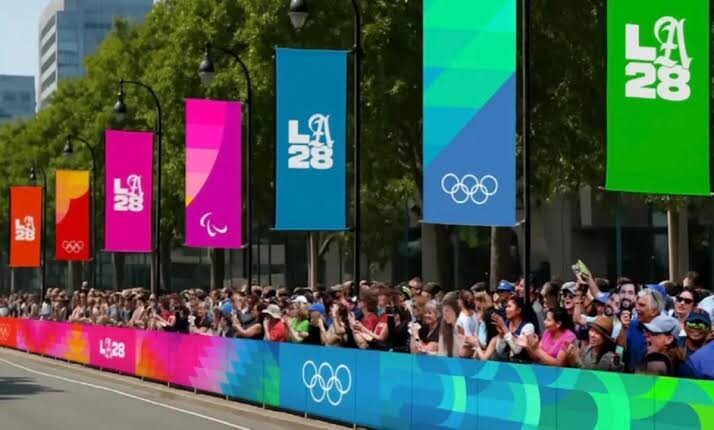
Each Olympic marathon field will be limited to 70 athletes, down from 80 at Paris 2024. The reduction means 20 fewer runners across the two races, raising the stakes for elite marathoners hoping to represent their countries on the world's biggest sporting stage.
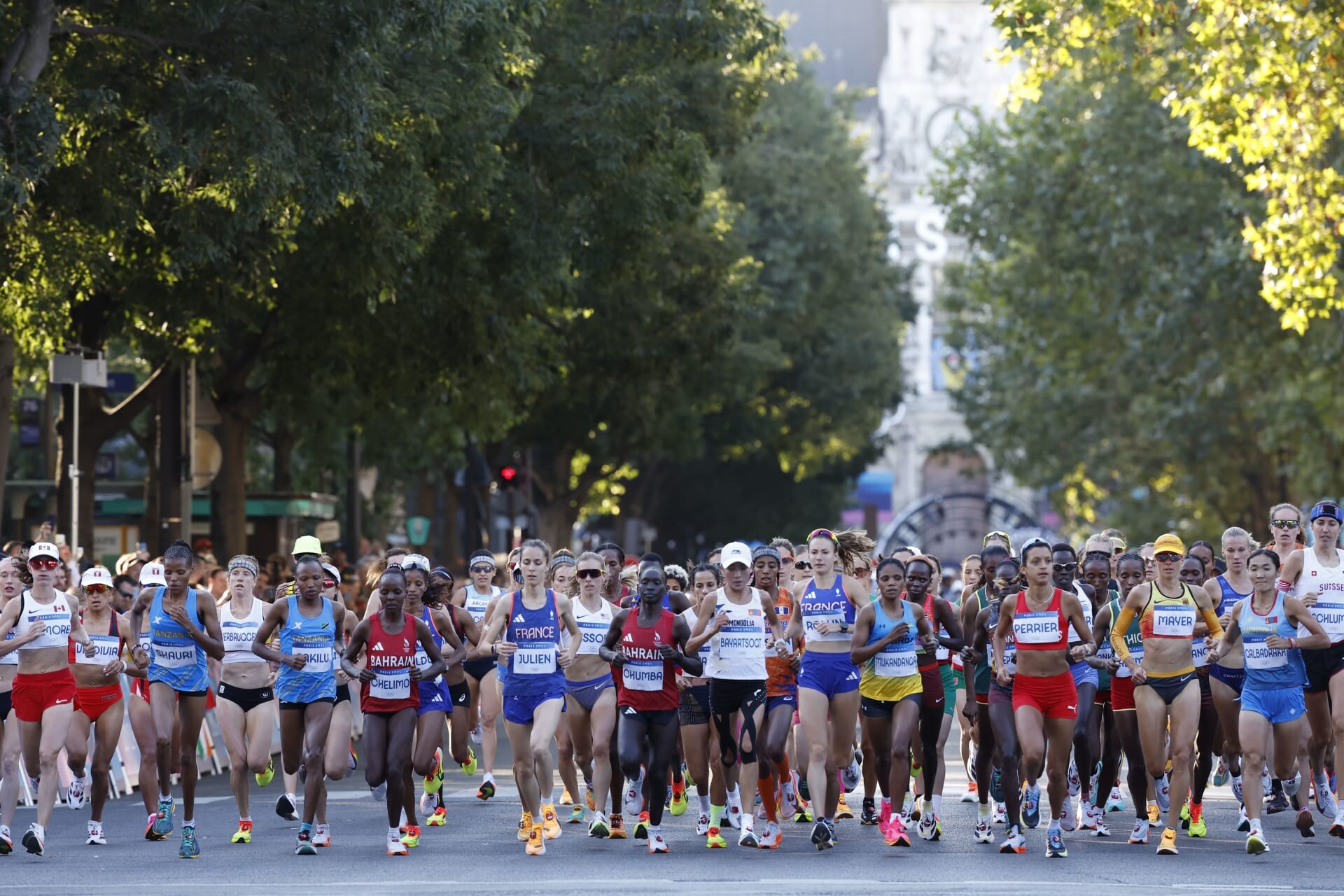
With fewer places available, athletes will need to combine outstanding performances, strategic race selection and strong world rankings to secure their Olympic dreams.
The qualification window opens on November 1, 2026, and closes on April 30, 2028. World Athletics is expected to announce the official Olympic marathon entry standards in December 2026, giving athletes a clearer picture of the performances required to qualify directly.
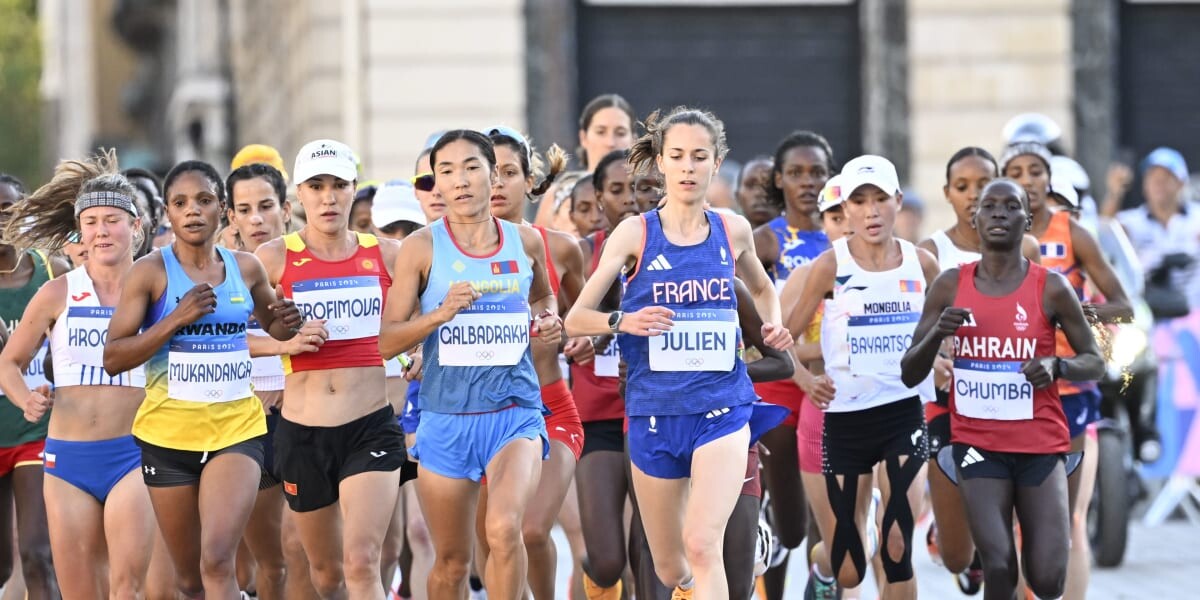
Approximately 40 percent of the 70 places in each race will be allocated through the entry-standard pathway, while the remaining 60 percent will be determined through the World Athletics rankings system. However, achieving the qualifying time will not automatically guarantee an Olympic place. If more athletes meet the entry standard than there are available places through that pathway, selection will depend on the applicable qualification rules and the number of quota places available.
Athletes will also have an alternative route through designated Platinum Label marathons. Finishing among the top five at eligible races can count towards meeting the entry standard under the qualification regulations. These prestigious events include the Boston, London, Berlin, Chicago, New York City and Tokyo marathons, providing elite runners with opportunities to strengthen their Olympic qualification prospects against world-class competition.
The qualification campaign will reach a decisive milestone on March 19, 2028, when athletes occupying the top 55 positions on the filtered quota list are set to secure their places under the published rules. That would leave the remaining 15 places in each race to be determined by the end of the qualification window on April 30, 2028.
For athletes outside the leading positions, the final weeks could prove decisive. Strong performances at major marathons, improvements in ranking points and carefully planned racing schedules may determine who makes the Olympic starting line. The smaller fields leave less room for error, particularly for runners whose qualification hopes depend on the rankings rather than a direct entry standard.
The competitiveness of the qualification process is underscored by the extraordinary depth of international marathon running. For comparison, the entry standards for the 2027 World Athletics Championships are 2:06:00 for men and 2:23:20 for women. During 2026 alone, 89 men and 82 women ran faster than those respective marks.
Although the World Championships standards differ from the Olympic entry standards yet to be announced, these performances illustrate how many athletes are already competing at an exceptionally high level. With only 70 places available in each Olympic race, runners from countries with several elite marathoners could face particularly intense domestic competition before even considering the international qualification battle.
The framework also provides a potential opportunity for eligible athletes who have not secured a place through the usual qualification routes. National Olympic Committees may be able to allocate a quota place to an otherwise unqualified athlete who records a marathon performance of 2:11:00 for men or 2:29:00 for women during the qualification period, subject to the applicable eligibility requirements and allocation rules.
This provision offers an additional pathway for countries seeking representation in the Olympic marathon. However, meeting the performance threshold does not automatically guarantee selection, as the relevant committee must follow the official qualification regulations.
Reducing the Olympic marathon fields from 80 to 70 athletes per gender represents a significant change for the world's leading distance runners. The combination of entry standards, Platinum Label marathon performances, world rankings and potential quota places creates several pathways to Los Angeles, but the reduced number of available positions will make every qualifying opportunity more valuable.
With the qualification window opening on November 1, 2026, and the official entry standards expected in December, marathoners will have nearly 18 months to build their cases for selection before the deadline on April 30, 2028.
For athletes dreaming of Olympic glory in Los Angeles, running fast will remain essential. However, choosing the right races, accumulating ranking points and delivering performances at the right time could prove equally important in a qualification campaign where every place counts.
Does the new LA28 qualification system reward the world's best marathoners, or could it disadvantage athletes from countries where opportunities to compete in major international races are limited?
(10/23/26) Views: 320Erick Cheruiyot for My Best Runs.
Mick Marshall Makes History With World Record For Fastest Marathon Completed On Crutches In Washington, D.C.
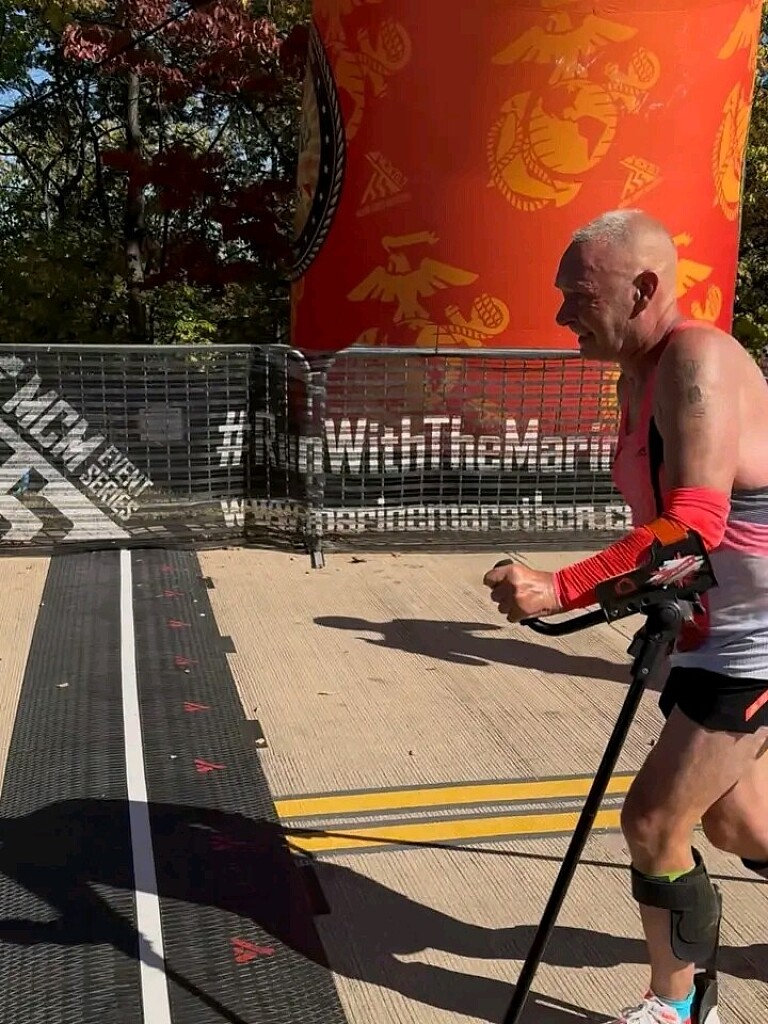
Australian endurance athlete Mick Marshall has achieved an extraordinary milestone at the 2026 Marine Corps Marathon in Washington, D.C., setting a world record for the fastest marathon completed on crutches after crossing the finish line in an incredible 5:35:50.
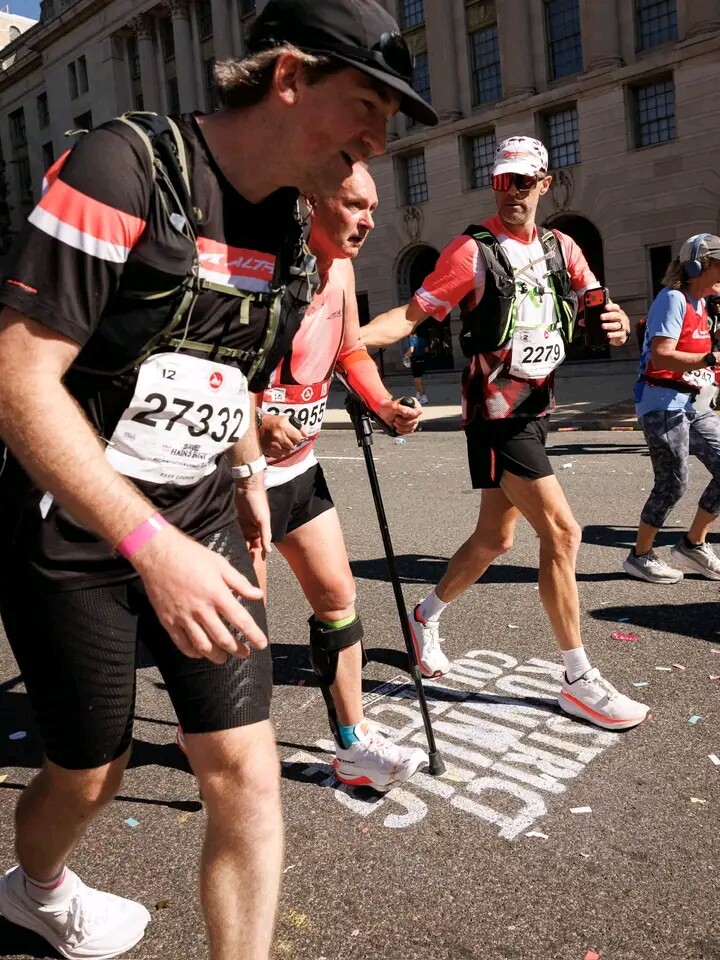
Representing Altra as an elite athlete, Marshall demonstrated remarkable determination and perseverance throughout the 26.2-mile (42.195-kilometre) race, turning one of the world's most celebrated marathon events into a stage for an inspiring display of human resilience.
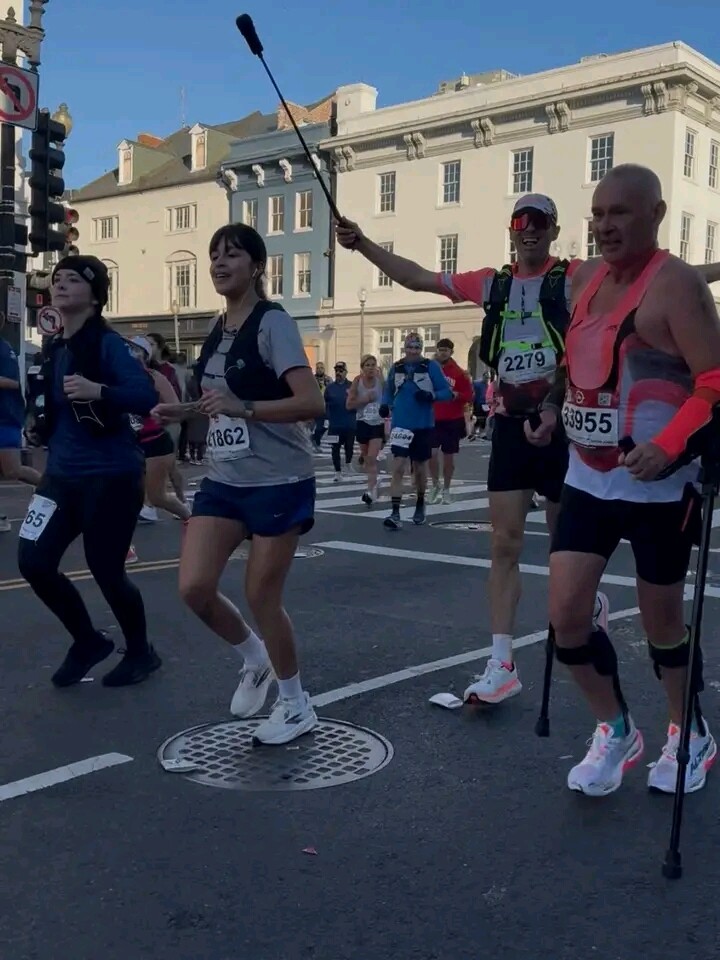
Completing a marathon is a demanding physical challenge for any athlete, requiring months of preparation, mental strength and the ability to push through fatigue. Covering the same distance on crutches presents a different set of challenges, placing considerable demands on the upper body, coordination and endurance. Marshall's achievement highlights the dedication required to overcome obstacles and pursue goals that many might consider beyond reach.
The Marine Corps Marathon, renowned for its patriotic atmosphere, enthusiastic spectators and scenic course through the nation's capital, provided a memorable setting for the record-breaking performance. As thousands of runners pursued their own finish-line goals, Marshall carved out a special place in the event's history with his remarkable effort.
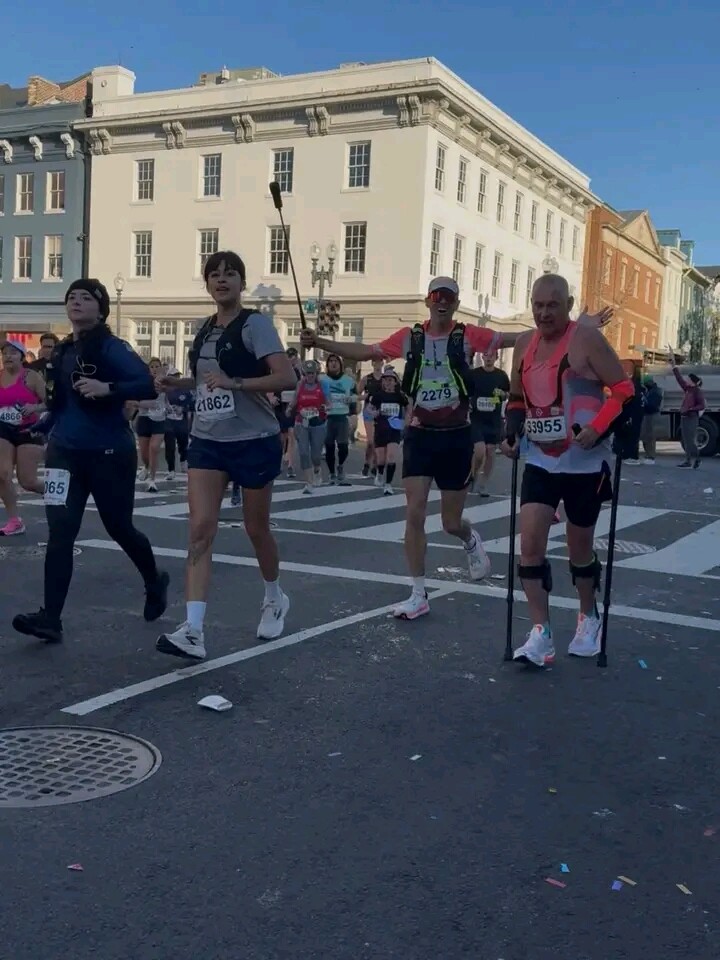
Beyond the record itself, Marshall's achievement carries a message that resonates far beyond the running community. Every movement toward the finish line required determination, patience and an unwavering commitment to the challenge before him. His performance is a reminder that greatness is not measured solely by how quickly someone reaches a destination, but also by the courage it takes to pursue a goal despite the difficulties along the way. For aspiring athletes and anyone facing personal challenges, his accomplishment offers a powerful lesson in perseverance, self-belief and the importance of refusing to give up when the journey becomes difficult.
His performance also serves as a reminder that marathon running is about far more than finishing times and podium positions. It is a test of courage, commitment and the willingness to redefine personal limits. Marshall's accomplishment demonstrates that the spirit of distance running extends beyond conventional expectations, inspiring athletes and spectators alike to reconsider what is possible through determination and hard work.
Marshall's remarkable run also reinforces the inclusive spirit of distance running, where the finish line belongs to everyone willing to take on the challenge. Whether competing for a championship, chasing a personal best or simply striving to complete the distance, every runner has a story worth celebrating. By setting a world record on crutches at one of America's prominent marathon events, Marshall has added an unforgettable chapter to that story, encouraging others to look beyond perceived limitations and pursue their ambitions with renewed confidence.
For Marshall, the 5:35:50 finish represents more than a time on the clock. It marks an extraordinary personal achievement and a moment that celebrates perseverance, resilience and the determination to keep moving forward. His performance has brought renewed attention to the remarkable possibilities within endurance sport and the many different ways athletes can challenge expectations.
Marshall's achievement at the Marine Corps Marathon stands as a powerful testament to the human spirit, demonstrating that success is not always about having the easiest path, but about finding the strength to keep going. His 5:35:50 performance is a reminder that the finish line can represent much more than the completion of a race: it can symbolise courage, possibility and the extraordinary things people can accomplish when they refuse to give up.
(10/26/26) Views: 320Erick Cheruiyot for My Best Runs.
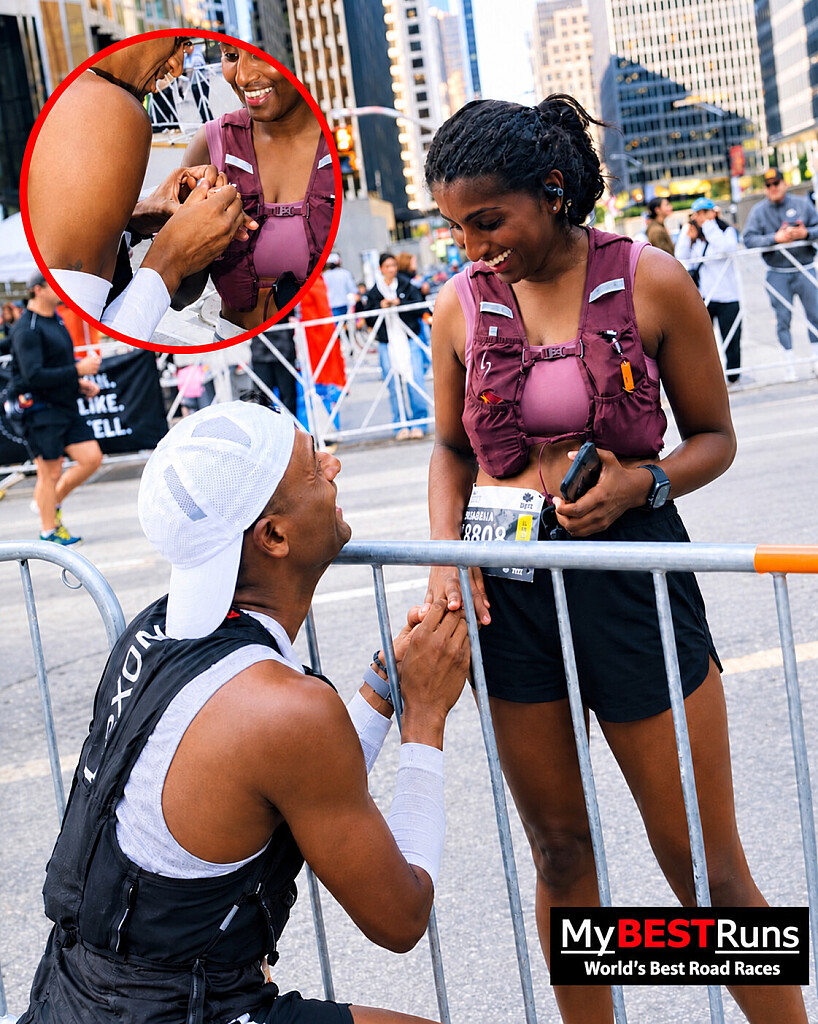
Love At The Half Marathon Mark: Gowsic Thevendran Proposes To Girlfriend Shaaruujaa Nadarajah During Toronto Marathon
For most marathon runners, reaching the halfway point means taking stock of their pace, conserving energy and preparing for the challenging kilometres ahead. But for Ontario runners Gowsic Thevendran and Shaaruujaa Nadarajah, the 21.1-kilometre mark of the TCS Toronto Waterfront Marathon became the setting for a moment that would change their lives forever.
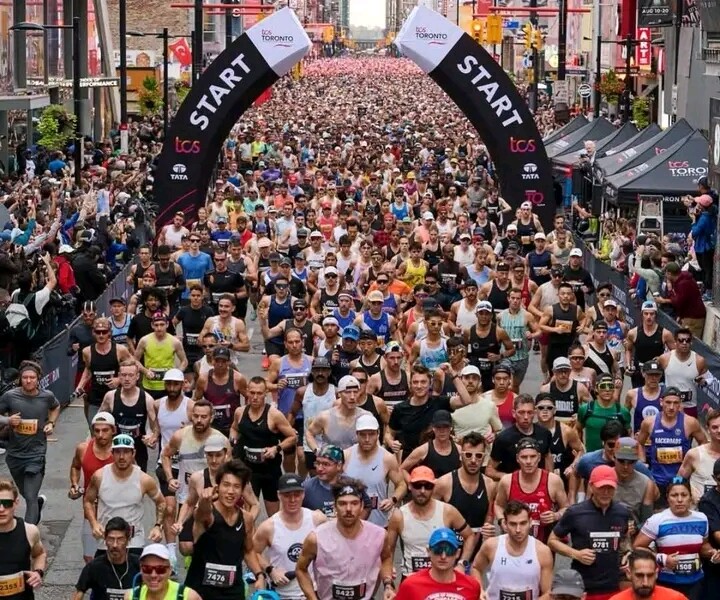
During Sunday's race, Gowsic turned an ordinary marathon checkpoint into an extraordinary romantic milestone by proposing to his girlfriend, Shaaruujaa, over the race barricade. The heartfelt moment transformed their shared running experience into a memory they will cherish long after the finish-line celebrations have ended.
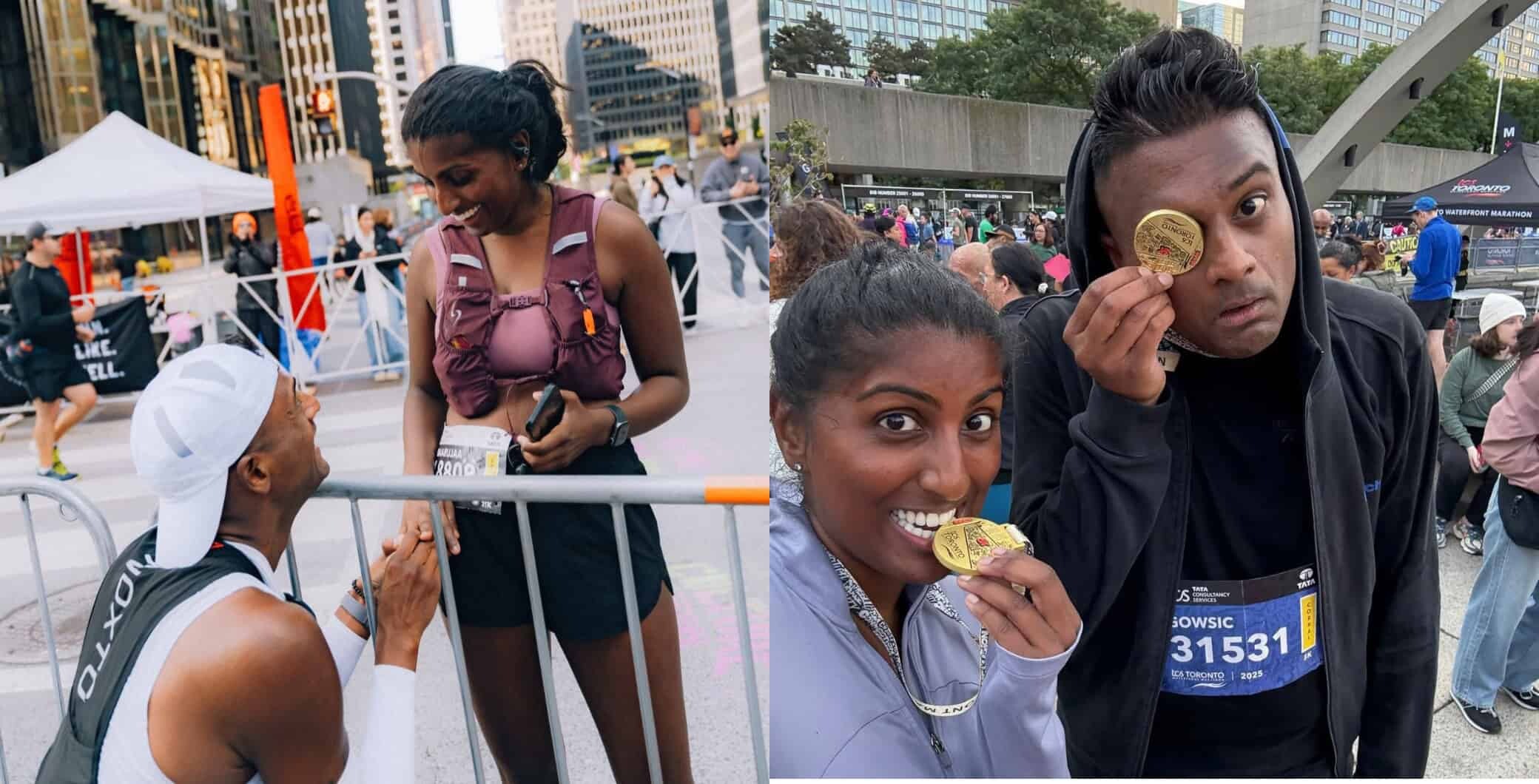
As Shaaruujaa stood on the other side of the barrier, Gowsic went down on one knee and asked the question that mattered far more than any finishing time or personal best. Her delighted reaction captured the emotion of the occasion, creating a memorable scene amid the excitement of one of Canada's major road-running events.
What made the moment even more remarkable was that the proposal came halfway through the marathon. With 21.1 kilometres already behind him, Gowsic still had another half marathon to complete after asking the biggest question of his life.
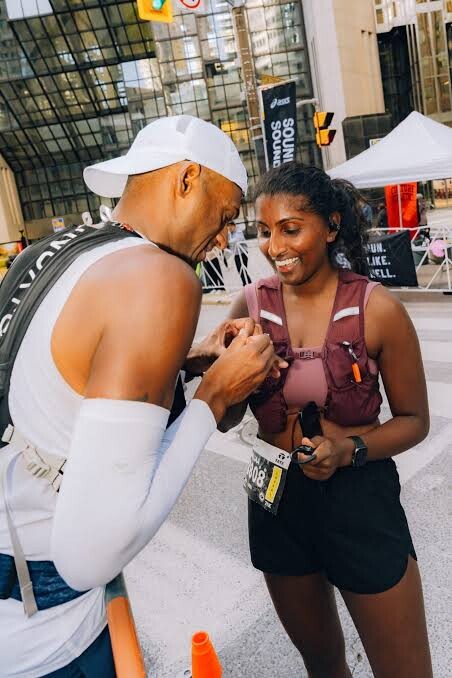
Rather than choosing a traditional setting for the proposal, he incorporated the couple's shared passion for running into a milestone they will forever associate with their relationship. Surrounded by fellow competitors, spectators and the energy of race day, the couple celebrated a moment that extended far beyond the sporting challenge unfolding around them.
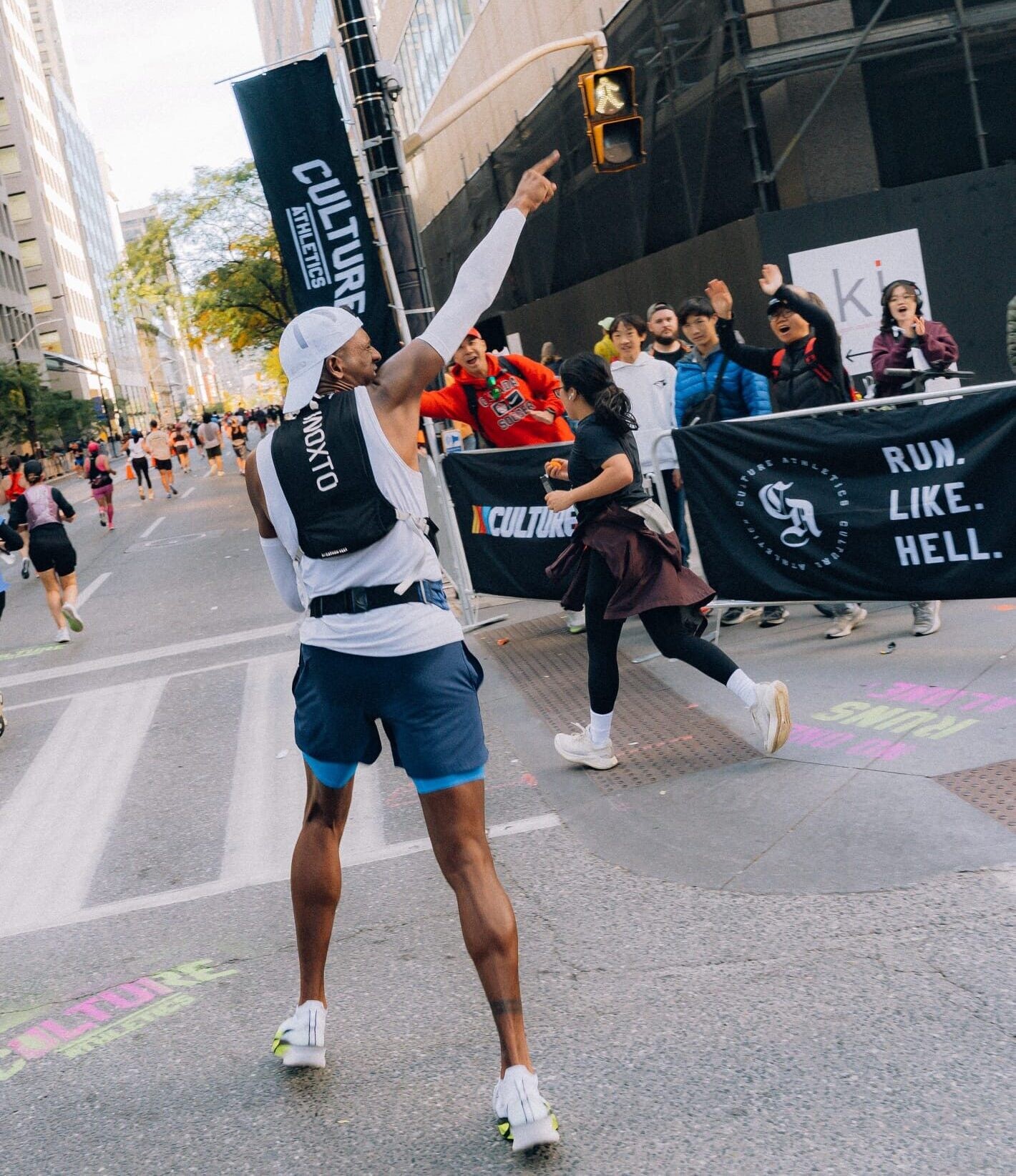
Marathon proposals can sometimes spark debate, particularly when they interrupt a runner's race or catch a partner off guard. However, this occasion brought a different perspective, with both Gowsic and Shaaruujaa participating in the event and sharing their love of running.
For thousands of athletes on the Toronto streets, Sunday was about chasing ambitious times, achieving personal goals and crossing the finish line. For Gowsic and Shaaruujaa, the race also became the backdrop for a deeply personal milestone.
Marathons test endurance, patience and determination, but they can also produce unexpected moments of happiness that have nothing to do with the clock.
And while Gowsic still had another 21.1 kilometres to run, he had already secured a moment that no finishing time could measure.
Some races are remembered for records. Others are remembered for the people who make every kilometre worthwhile. For Gowsic and Shaaruujaa, this was a marathon in which love took centre stage.
(10/24/26) Views: 314
Erick Cheruiyot for My Best Runs.
Several Notable Athletes Withdraw From 2026 New York City Marathon as Pro Field Changes Emerge
The professional field for the 2026 TCS New York City Marathon has undergone several changes after New York Road Runners announced that a number of athletes have withdrawn from Sunday's highly anticipated race.
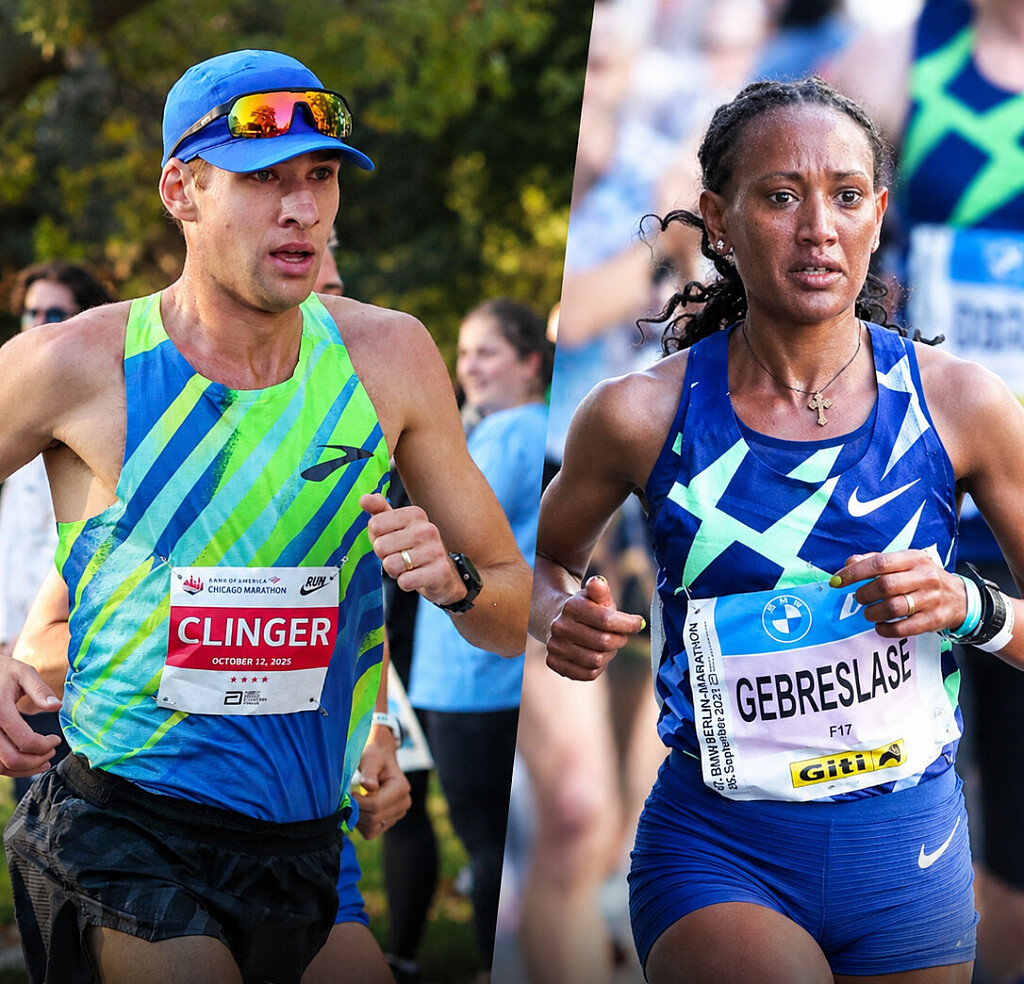
Among the notable names scratched from the lineup are Italian marathon star Iliass Aouani, Ethiopian distance runner Gotytom Gebreslase, American marathoner Casey Clinger and Olympic medalist Paul Chelimo, marking significant changes to the field ahead of one of the world's most prestigious marathons.
Aouani was among the most notable names on the withdrawal list. The Italian claimed bronze in the men's marathon at the 2025 World Athletics Championships and has also established himself as one of Europe's leading marathon runners, having won the European marathon title. His absence removes an experienced championship performer from the men's elite field.
Gebreslase is another significant withdrawal. The Ethiopian is a two-time World Championships marathon medallist and has consistently demonstrated her ability to compete at the highest level of international distance running. Her withdrawal represents a notable change to the women's professional lineup.
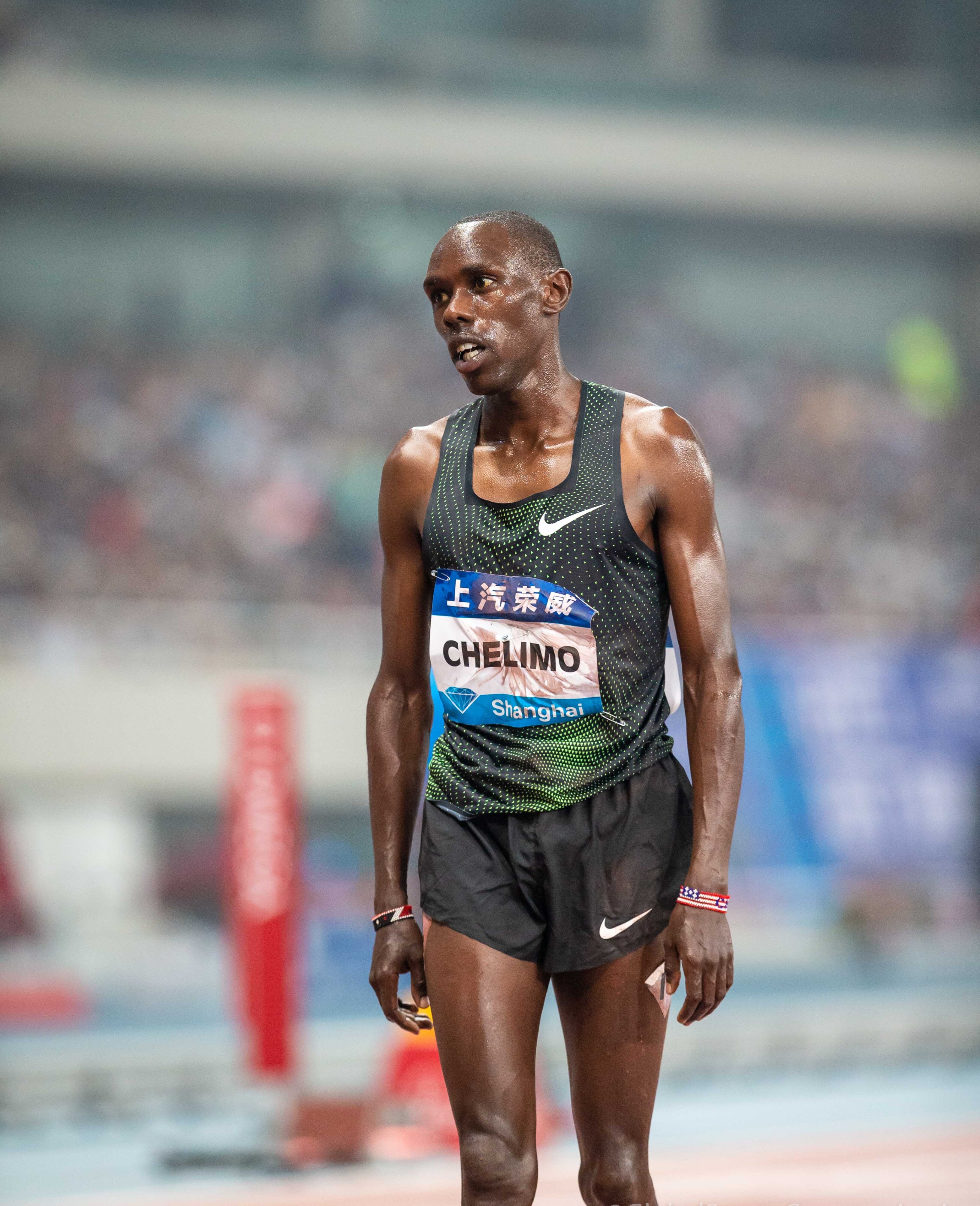
The American contingent has also been affected, with Clinger and Chelimo among those no longer scheduled to compete. Clinger, who owns a marathon personal best of 2:08:43, has emerged as a competitive presence in American distance running. His withdrawal removes another accomplished runner from the men's field.
Chelimo, meanwhile, brings an impressive track record to the list of withdrawals. The two-time Olympic medallist in the 5,000 metres has represented the United States on the biggest international stages, earning Olympic silver at Rio 2016 and bronze at Tokyo 2020. Although best known for his achievements on the track, his name had added further interest to the marathon's professional lineup.
The other athletes listed as scratched are Huseydin Mohamed Esa of Ethiopia, Erika Kemp, JP Trojan and Jared Ward of the United States. Their withdrawals further reshape the field as the final preparations continue for Sunday's race.
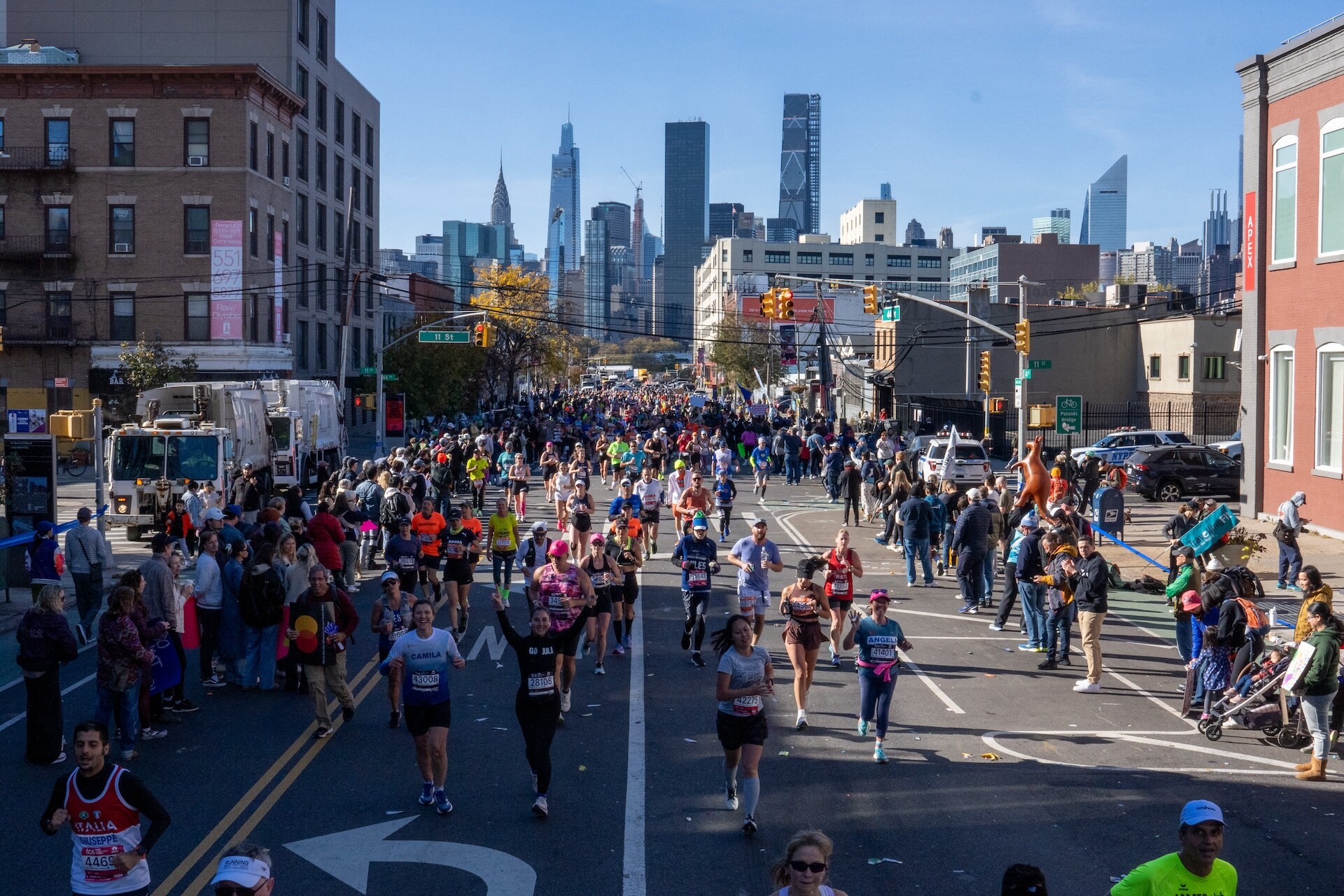
The New York City Marathon remains one of the most celebrated events on the global road-running calendar, attracting elite international competitors and tens of thousands of runners across its iconic five-borough course. With the race approaching, attention will now turn to the remaining professional athletes preparing to take on the demanding 26.2-mile challenge through New York City.
The latest withdrawals underline how quickly an elite marathon field can change in the days leading up to race day, leaving fans eager to see which athletes will ultimately line up for the 2026 edition.
(10/27/26) Views: 304Erick Cheruiyot for My Best Runs.
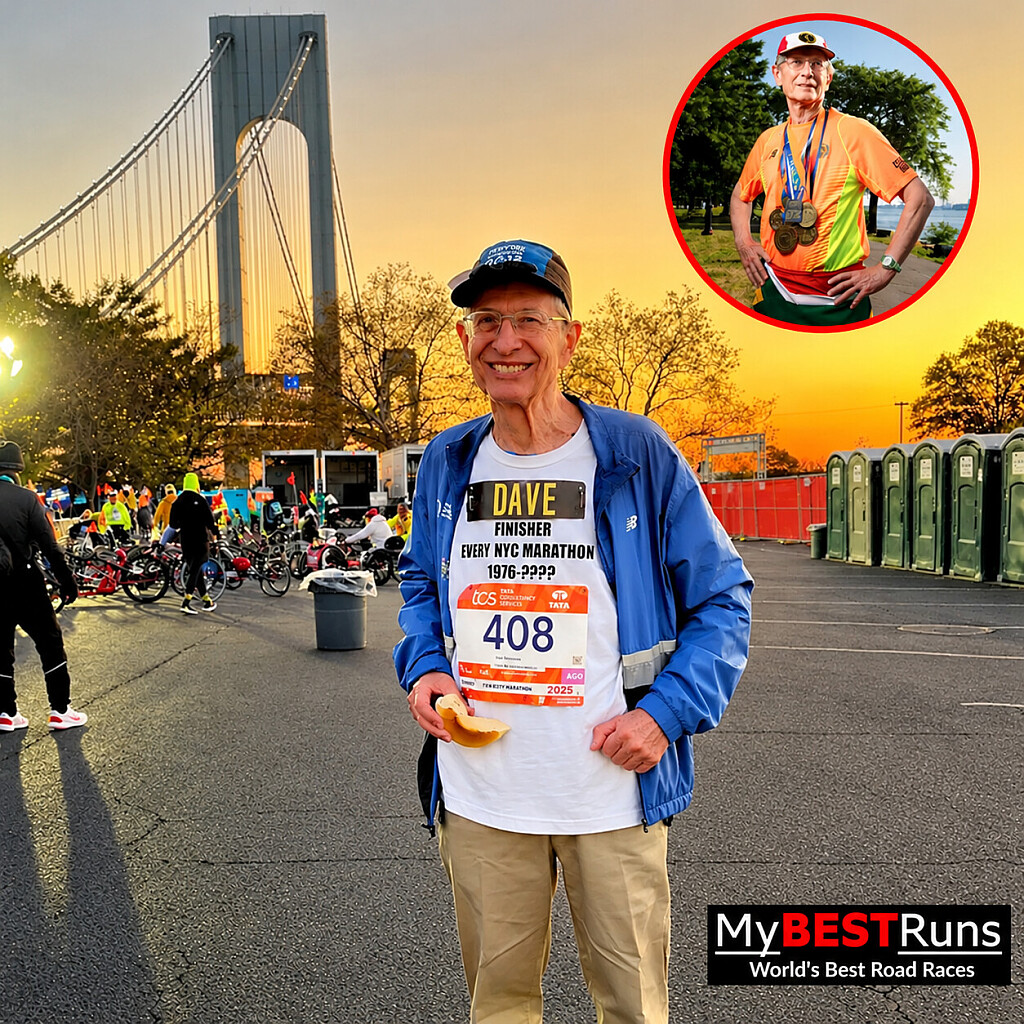
At 83, Dave Obelkevich Is Preparing To Run His 50th New York City Marathon After Five Decades Of Endurance
At 83, retired music teacher Dave Obelkevich is preparing to achieve an extraordinary milestone that reflects nearly half a century of dedication, resilience and an enduring love of running. On November 1, 2026, he is set to take on the TCS New York City Marathon for the 50th time, adding another chapter to a remarkable journey that began in 1976.
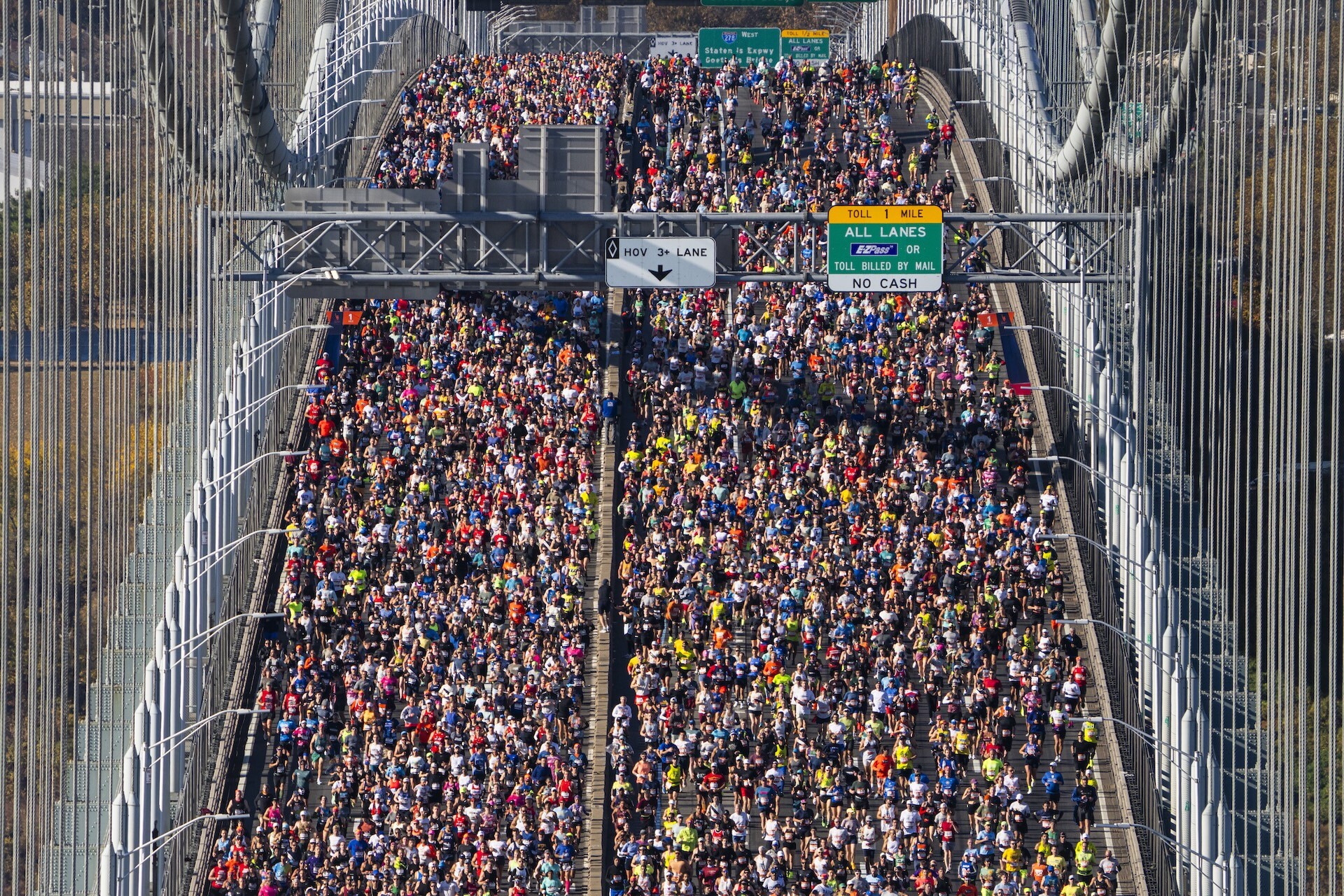
For Obelkevich, the road to this achievement has never been defined solely by finishing times, personal records or podium finishes. Instead, his story is about consistency, a passion for the sport and the determination to keep moving forward, even when life presents its toughest challenges.
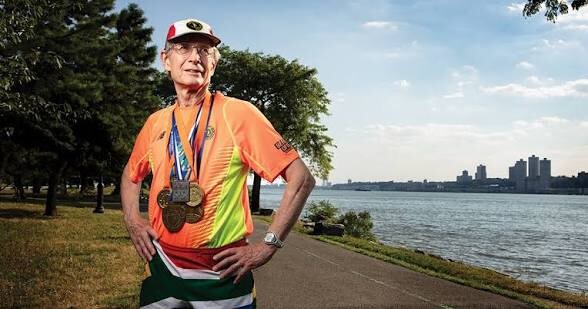
Since making his New York City Marathon debut five decades ago, Obelkevich has completed 49 editions of the iconic race. His remarkable running résumé also includes 15 other marathons and approximately 200 ultramarathons, demonstrating a level of endurance and commitment that continues to inspire runners across generations.
The 2026 edition would mark his 50th completion of the New York City Marathon, a milestone few runners ever approach, let alone achieve in their eighties.
However, his journey has not been without adversity. In 2020, Obelkevich survived a life-threatening aortic aneurysm that required emergency surgery and weeks of intensive care. Such a medical crisis could have brought his running career to a permanent end, but he refused to let the setback define his future.
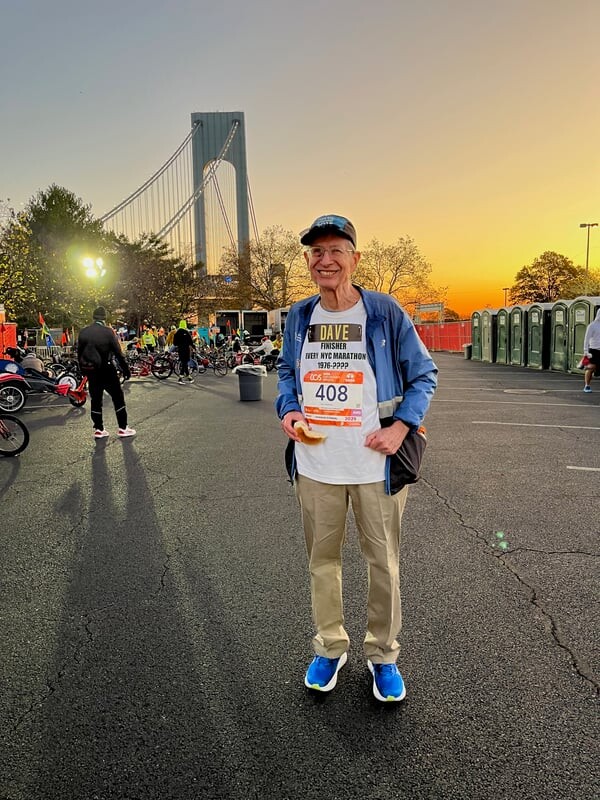
Remarkably, he returned to the New York City Marathon in 2021, making his way back to the starting line and proving that his determination to run remained stronger than the obstacles he had faced.
His comeback was a powerful reminder that resilience is not about avoiding difficult moments, but about finding the courage to move forward after them.
Now, as he prepares for another 26.2-mile journey through New York's five boroughs, Obelkevich represents something far greater than longevity in sport. His story illustrates how running can remain a source of purpose, happiness and human connection throughout a lifetime.
For him, the appeal extends beyond the finish line. It is found in the experience of moving through a city he loves, meeting fellow runners and sharing in the collective spirit that makes the New York City Marathon one of the world's most celebrated road races.
At 83, his determination also challenges conventional ideas about ageing and athletic achievement. While younger runners may focus on chasing personal bests or breaking records, Obelkevich's remarkable journey offers a different perspective: there is immense value in remaining active, embracing challenges and continuing to pursue what brings joy.
His story is not simply about the number of marathons he has completed. It is about the decades of commitment behind that number, the courage required to return after a life-threatening illness and the passion that has kept him connected to the sport for nearly 50 years.
On November 1, thousands of runners will take to the streets of New York in pursuit of their own goals. Among them, Obelkevich will have a particularly meaningful milestone in sight: his 50th New York City Marathon.
At an age when many people have long since stepped away from demanding physical challenges, he continues to demonstrate that determination does not have an expiry date.
Fifty New York City Marathons. Approximately 200 ultramarathons. Five decades of running. One extraordinary example of perseverance.
Dave Obelkevich's journey is a reminder that success is not always measured by how quickly we reach the finish line, but by our willingness to keep going, even when the road becomes difficult.
At 83, he is still showing up, still moving forward and still finding reasons to run.
And sometimes, that is a victory more powerful than any medal.
(10/25/26) Views: 291Erick Cheruiyot for My Best Runs.
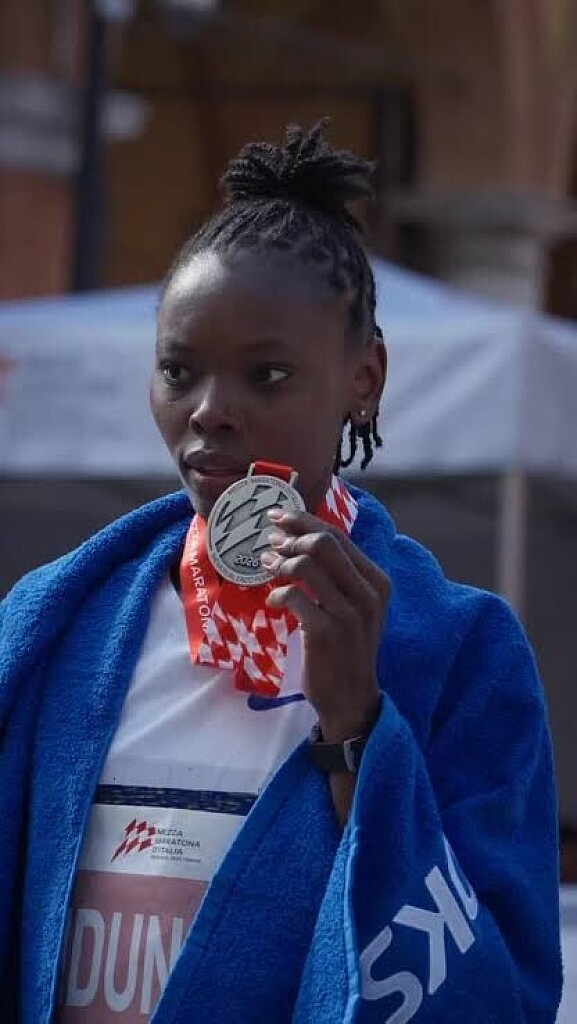
Casablanca Half Marathon 2026: Regina Wambui Ndungu Leads Kenyan Charge Against Morocco’s Best
The women’s elite race at the 2026 Casablanca Half Marathon promises an exciting battle for supremacy on Sunday, October 25, as Kenya’s Regina Wambui Ndungu leads a competitive international field featuring Uganda’s Rispa Cherop and Morocco’s homegrown stars.
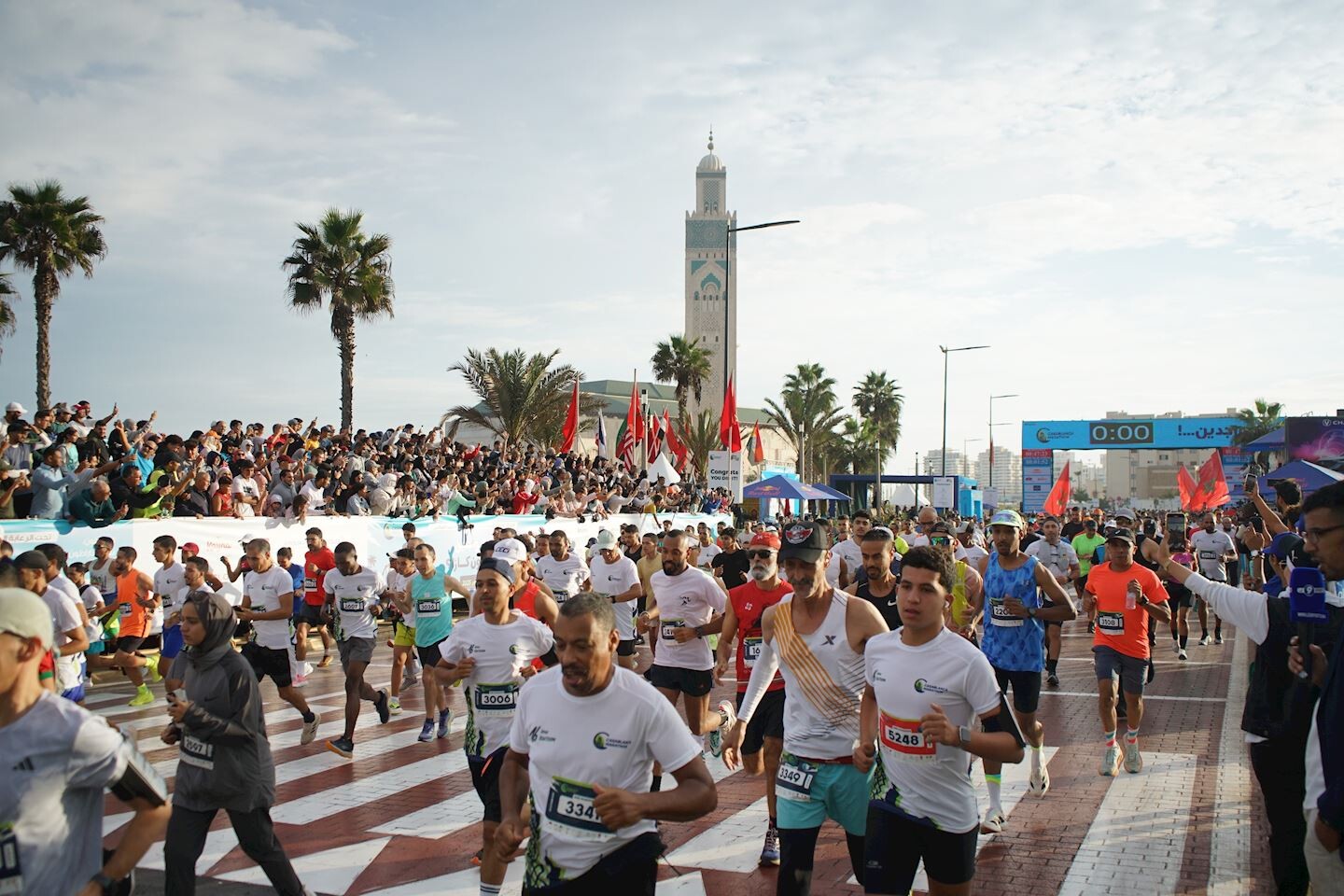
With a personal best of 1:07:10, Ndungu arrives as the fastest athlete listed in the women’s elite field, making her a leading contender for victory. However, the Kenyan will face a determined challenge from athletes eager to seize the spotlight on Moroccan soil, setting the stage for an intriguing contest over 21.0975 kilometres.
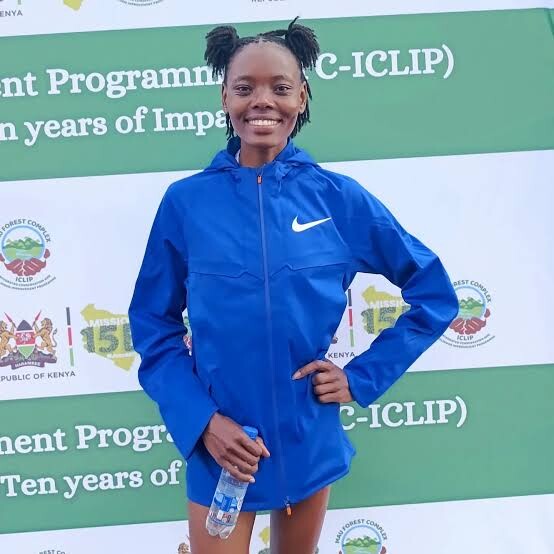
Ndungu’s credentials place her firmly among the favourites, but translating that status into victory will require a composed and tactically intelligent performance. The outcome could depend on how the leading contenders manage the pace, respond to changes in the race, and position themselves for the decisive kilometres.
Morocco’s Rahma Tahiri is expected to be among the principal challengers. With a personal best of 1:08:34, she possesses the speed to compete for the title and will have the added motivation of racing in front of the home crowd. A victory on familiar roads would be a significant achievement, and Tahiri will be eager to make the most of the opportunity.
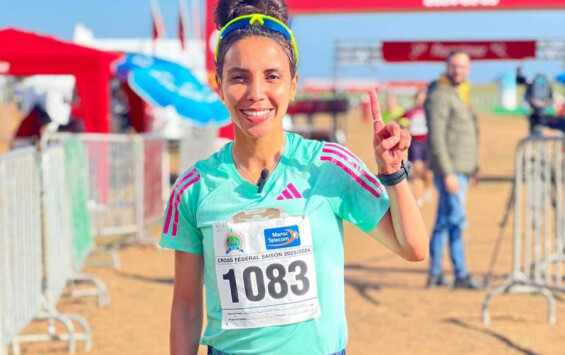
Uganda’s Rispa Cherop also enters the contest with a strong performance record. Her personal best of 1:08:53 places her among the leading contenders, within striking distance of Tahiri and close enough to Ndungu to make the contest unpredictable. If she can remain in contact with the front-runners through the early stages, Cherop could emerge as a serious threat in the closing kilometres.
Beyond the leading trio, the field features several Moroccan athletes seeking to challenge the established favourites. Meryeme Azrour, with a personal best of 1:09:46, and Kaoutar Farkoussi, who has run 1:09:58, are both capable of adding depth to the contest. Fatima Aafir, listed at 1:10:54, will also be among the athletes looking to produce a competitive performance.
Other names on the entry list include Soukaina Elhaji (1:12:49), Hanane El Bajjaoui (1:14:13), Rababe Arafi (1:14:20), Jamila Ayachi (1:15:12), Liz Romo (1:14:59), Sakina El Adel (1:16:51) and Fatima Zahra Erregui (1:17:44).
With several athletes boasting personal bests below 1:10, the leading group could produce an aggressive race from the outset. However, the fastest personal best does not guarantee victory, and the ability to execute the right strategy on race day will ultimately determine who comes out on top.
The Casablanca Half Marathon will provide an important opportunity for the elite women to test themselves against international opposition while showcasing the depth of distance-running talent from Morocco and beyond.
For Ndungu, the objective will be to convert her position as the fastest entrant into a winning performance. For Tahiri, the challenge is to turn home advantage into a memorable triumph. Cherop, meanwhile, will be looking to upset the leading contenders and take the title back to Uganda.
With Kenyan ambition, Ugandan determination and Moroccan home-crowd support converging on the same course, the women’s elite contest promises to be one of the key attractions of the 2026 Casablanca Half Marathon.
(10/23/26) Views: 289Erick Cheruiyot for My Best Runs.

Frankfurt Marathon Champions Wait For The Final Finisher In A Powerful Celebration Of Every Runner
The true spirit of marathon running was beautifully displayed at the 2026 Mainova Frankfurt Marathon, where the celebration extended far beyond the elite athletes who crossed the finish line first. In a heartwarming tradition, the race's men's and women's champions waited inside the historic Festhalle Frankfurt to welcome the final finisher, reminding the world that every marathon journey deserves recognition.
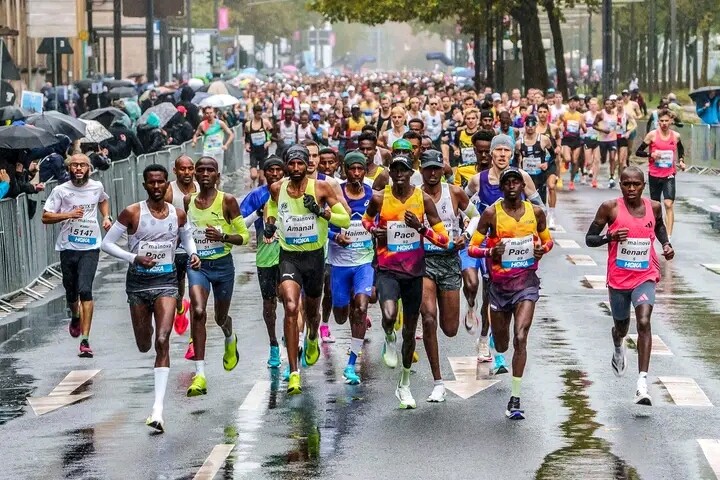
As the final runner entered the magnificent venue, the atmosphere transformed into an unforgettable celebration. Confetti filled the air as music, dazzling lights and a red-carpet welcome created a moment usually associated with the sport's biggest stars. Standing alongside the champions, the last finisher received a hero's reception, demonstrating that the achievement of completing a marathon deserves to be celebrated regardless of finishing position.
Ethiopia's Jirata Lelisa Dinki, who won the men's race in an impressive 2:05:26, and compatriot Zeineba Yimer Worku, the women's champion in 2:19:45, were among those celebrating the final runner's remarkable achievement.
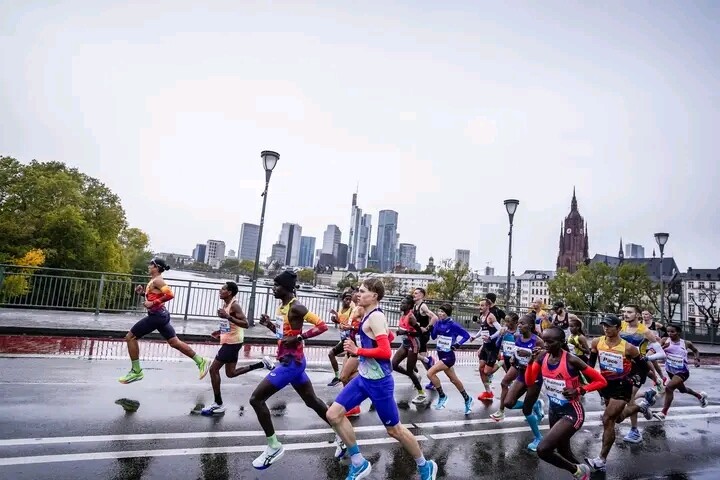
Their presence sent a powerful message about the values that make marathon running special. While elite athletes push the limits of human performance in pursuit of victory and fast times, thousands of other runners take on the same 42.195-kilometre challenge for deeply personal reasons. For some, the goal is to achieve a personal best; for others, it is to overcome adversity, fulfil a lifelong ambition or simply reach the finish line.
The final finisher's journey may have taken longer than that of the champions, but the determination required to keep moving forward deserves equal admiration. Every kilometre represents effort, sacrifice and perseverance, and crossing the finish line marks the successful completion of a challenge that demands both physical endurance and mental strength.
Frankfurt's special welcome captured an essential truth about distance running: a marathon is not only a race against the clock but also a personal battle against exhaustion, doubt and the temptation to give up. By waiting for the final runner, the champions helped ensure that the day's celebrations included someone whose achievement might otherwise have gone unnoticed.
In a sport often defined by world records, course records and podium finishes, this touching tradition offers a refreshing reminder that the value of a marathon cannot be measured by time alone. The fastest runners may make headlines for their performances, but every finisher has a story worth telling.
At the Mainova Frankfurt Marathon, the champions had already conquered their own challenges. Yet their decision to welcome the last runner created another memorable moment, showing that greatness in sport is measured not only by what athletes accomplish but also by the respect they show others.
Because when the final runner receives the same warmth, applause and celebration as the champions, the message is unmistakable: every runner matters, every finish line represents an achievement, and nobody should be left behind when it is time to celebrate.
(10/25/26) Views: 288Erick Cheruiyot for My Best Runs.
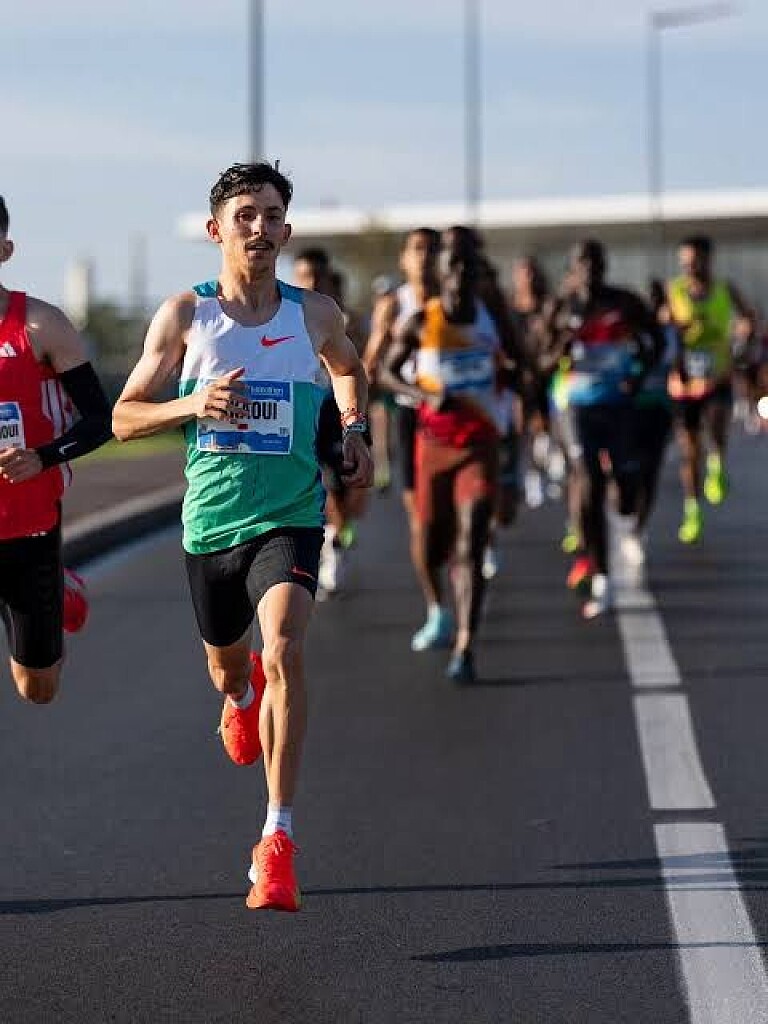
Casablanca Half Marathon 2026: Mustapha Akkaoui Leads The Home Charge As Kenyan Duo Threatens Moroccan Glory
The 2026 Casablanca Half Marathon is set to deliver an exciting contest on Sunday, October 25, with Morocco's leading distance runners preparing to defend home honours against a competitive international field featuring some of East Africa's finest athletes.
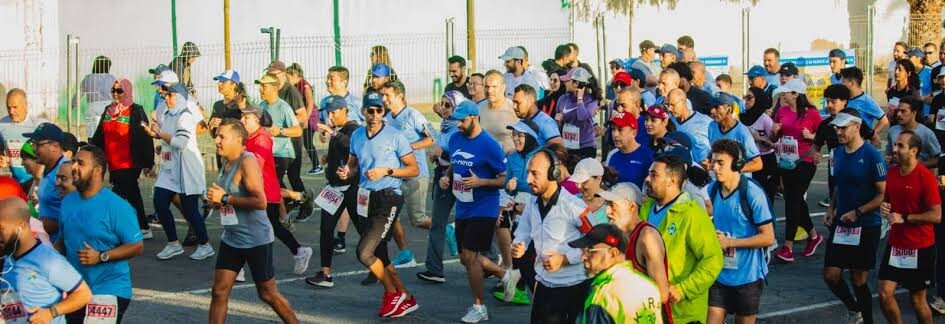
Moroccan standout Mustapha Akkaoui headlines the men's elite start list with an impressive personal best of 1:00:38, making him the fastest athlete entered on paper. With the support of the home crowd behind him, Akkaoui will be aiming to turn his credentials into a memorable performance on Moroccan soil.
However, the Moroccan favourite faces a serious challenge from Kenya, with Shadrack Korir Kipyegon and Joshua Munyoto Kithuku leading the international threat. Korir Kipyegon enters with a personal best of 1:01:19, while Kithuku has clocked 1:01:24. Both athletes possess the credentials to challenge for the podium and will be determined to disrupt Akkaoui's ambitions.
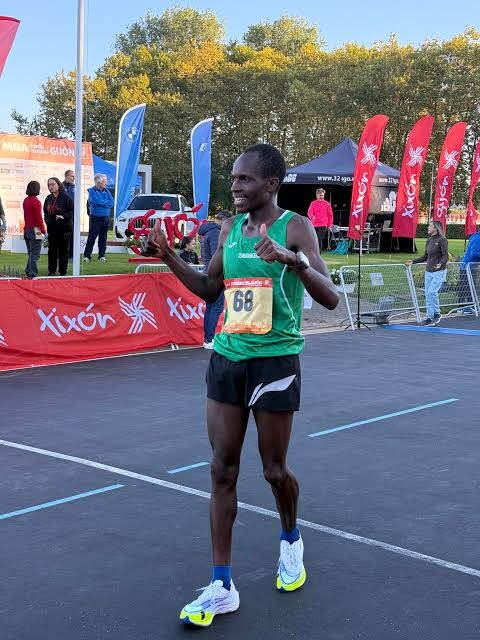
Uganda's Martin Kiprotich also adds considerable strength to the contest. With a personal best of 1:01:30, Kiprotich is another serious contender capable of making his presence felt in a race expected to feature an intense battle among the leading athletes.
The opening four names on the start list are separated by just 52 seconds in their respective personal bests, underlining the potential for a competitive race if the leading runners find favourable conditions and maintain a demanding pace. Although Akkaoui holds the fastest time, his advantage on paper offers no guarantee of victory against opponents eager to challenge the Moroccan favourite.
Beyond the leading international contenders, the men's field features a strong contingent of Moroccan athletes, including Allami Yassine, Fathi Abdenasir, El Hassouni Ahmed, Bybat Mohammed, Mounir Elouali and Ait Taghzant Mohammed. Their presence gives the host nation considerable depth and could produce an intriguing battle for the leading positions behind the principal contenders.
Ethiopia's Taha Adem Gudeto, listed with a personal best of 1:02:52, provides another international dimension to the race. Meanwhile, a host of Moroccan runners with personal bests ranging from the low 1:02s to the 1:04s will be looking to deliver strong performances and improve their standing against a competitive field.
With Akkaoui leading the entries, Kenya bringing two formidable challengers and Uganda represented by Kiprotich, the men's contest promises an engaging clash of national ambitions. The key question is whether the Moroccan favourite can capitalise on home advantage or whether the East African challenge will produce a different winner.
Men's Elite Start List — Leading Athletes
1. Mustapha Akkaoui (Morocco) — 1:00:38
2. Shadrack Korir Kipyegon (Kenya) — 1:01:19
3. Joshua Munyoto Kithuku (Kenya) — 1:01:24
4. Martin Kiprotich (Uganda) — 1:01:30
5. Allami Yassine (Morocco) — 1:01:30
6. Fathi Abdenasir (Morocco) — 1:01:32
7. El Hassouni Ahmed (Morocco) — 1:01:43
8. Bybat Mohammed (Morocco) — 1:01:47
9. Mounir Elouali (Morocco) — 1:02:08
10. Ait Taghzant Mohammed (Morocco) — 1:02:13
As race day approaches, attention will centre on whether Akkaoui can deliver a winning performance in front of his home supporters or whether Kenya's and Uganda's challenge will prove decisive. With several athletes possessing personal bests close to the leading mark, Casablanca is preparing for a compelling half-marathon showdown.
(10/23/26) Views: 287Erick Cheruiyot for My Best Runs.
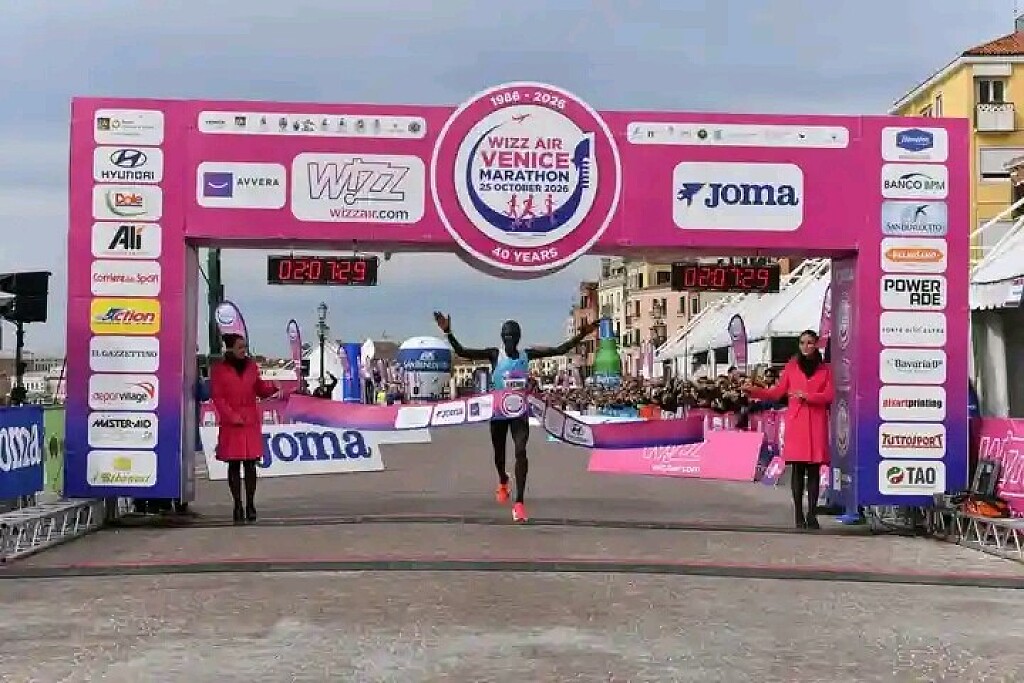
Peter Kwemoi Ndorobo Breaks Venice Marathon Course Record as Jackline Jerono Makes History in 40th Anniversary Edition
Kenya celebrated a memorable double victory at the 2026 Wizz Air Venice Marathon on Sunday, October 25, as Peter Kwemoi Ndorobo stormed to the men's title in a course-record 2:07:31 while Jackline Jerono claimed the women's crown in 2:26:16, the third-fastest women's marathon time in the race's history.
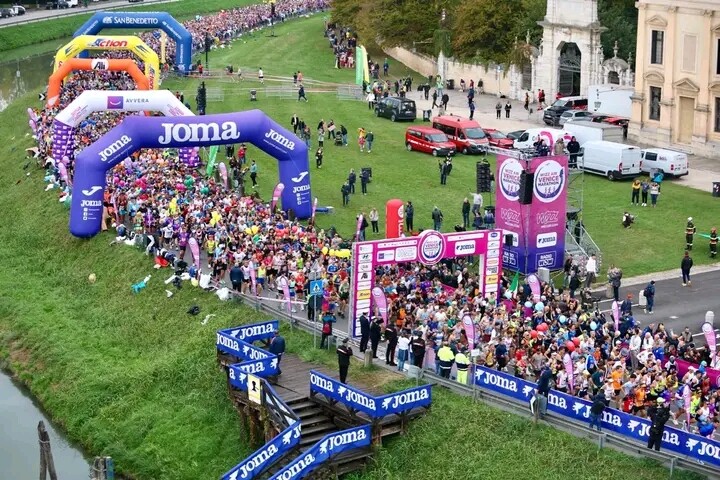
The 40th anniversary edition of the celebrated Italian road race delivered a spectacular combination of record-breaking performances, fierce competition and emotional moments, with Kenyan athletes taking centre stage in both elite races.
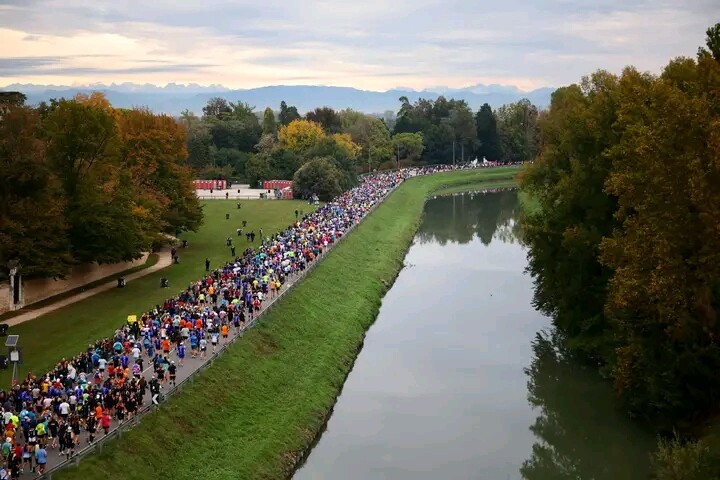
Ndorobo produced an outstanding performance in the men's race, crossing the finish line in 2:07:31 to establish a new course record. His victory highlighted his strength and composure over the demanding 42.195-kilometre distance, which includes challenging bridges and changes in terrain that test even the most experienced marathon runners.
Ethiopia's Berhanu Tarto Yatede finished a close second in 2:07:47, just 16 seconds behind the winner, after delivering an impressive performance of his own. Kenya's Dickson Simba Nyakundi completed the podium in third place in 2:07:56, making it a particularly strong showing for the East African nation.
The men's race also featured several other impressive performances. Kenya's Collins Kipsang Kemboi finished fourth in 2:08:07, followed by compatriot Evans Kipkorir in fifth in 2:08:41. Ethiopia's Teresa Nyakola Gela placed sixth in 2:08:50, while Kenya's Felix Kimutai finished seventh in 2:09:00 and Wesley Ledama eighth in 2:09:01. Kenya's Elkana Kipkemei Kiprop took ninth in 2:10:14, with Ethiopia's Deribe Robi Melka completing the top 10 in 2:10:55.
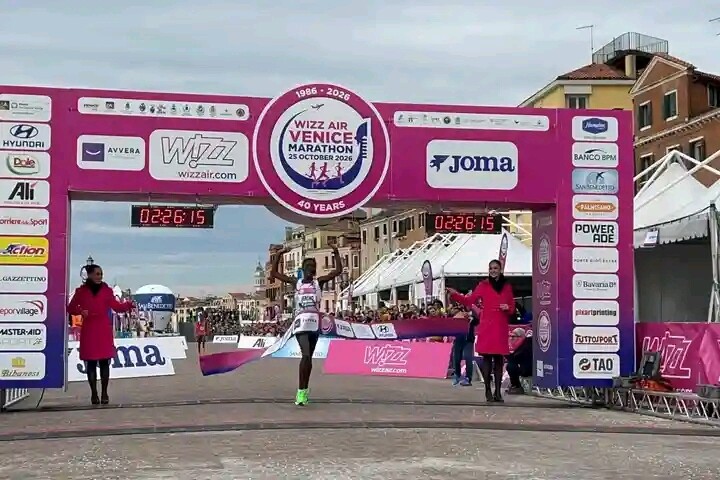
In the women's competition, Jerono delivered a superb performance to secure victory in 2:26:16, recording the third-fastest women's marathon time ever achieved at the Venice Marathon. Her performance added another memorable chapter to the event's 40-year history and underlined her strength over the classic distance.
The Kenyan runner faced a determined challenge from Ethiopia's Alemaz Samuel Teshale, who finished just seven seconds behind in 2:26:23. Teshale's performance was particularly notable as she made an impressive marathon debut, immediately establishing herself as a formidable competitor over the distance.
Ethiopia's Worknesh Alemu Mola completed the podium in third place in 2:28:46, ensuring that the leading positions were shared between Kenya and Ethiopia.
Kenya's Chepkemboi Domtyla Lagat finished fourth in 2:33:34, while Ethiopia's Webalem Basazew Ayele took fifth in 2:36:36. Italy's Federica Moroni was the leading Italian finisher in sixth place in 2:49:39, followed by compatriot Giorgia Bonci in seventh in 2:54:38. Lia Visintin finished eighth in 2:57:49, while Hungary's Zsofia Malatinszky completed the top 10 in 3:00:05.
The results underlined the continued strength of Kenyan and Ethiopian distance running, with athletes from the two nations dominating the leading positions in both elite competitions.
As the Wizz Air Venice Marathon marked four decades of racing, Ndorobo's course-record triumph and Jerono's historic performance provided two of the defining moments of the anniversary edition. Their victories ensured that Kenya left Venice celebrating a remarkable double, with both champions delivering performances worthy of the occasion.
(10/25/26) Views: 287Erick Cheruiyot for My Best Runs.
