

Running News Daily
Running News Daily is edited by Bob Anderson and team. Send your news items to bob@mybestruns.com Advertising opportunities available.
Index to Daily Posts · Sign Up For Updates · Run The World Feed



Useful tips on how to effectively use running for weight loss

If you’re looking to drop a few pounds, running is a great way to do it. The truth is that running is one of the most efficient forms of exercise for weight loss. It’s simple, easy to do, and doesn’t require any special equipment. This blog post will discuss some tips on how to effectively use running for weight loss.
Leverage running apps

One of the primary things that you can do to make running more effective for weight loss is to leverage running apps. Running apps can help you track your progress, set goals, and measure results. This can be a great way to stay motivated and on track with your weight loss goals. Take the time to explore online sources where you may come across https://finvsfin.com/found-weight-loss-review/. This article will give you a good insight into an app that you can use to help with weight loss. Otherwise, you can always look for other running apps that cater to your specific needs.
Create a routine

Another key thing to keep in mind when using running for weight loss is to create a routine. Having a set routine will help make running more of a habit, and it will be less likely for you to skip days. Try to schedule your runs for the same time each day, and make sure that you have everything you need ready to go before you start. This will help streamline the process and make it easier for you to get in some exercise each day.
When you first start running for weight loss, don’t push yourself too hard. You want to build up your strength and endurance gradually over time. If you try to do too much in the beginning, it will just result in injuries that can prevent you from exercising. Instead, make sure that you’re taking it easy at first and not pushing yourself too hard. Rest assured that you’ll be able to work up to longer and more intense runs as time goes on.
Recruit a friend or workout partner
You can also make running more effective by recruiting a friend or workout partner to join you. This will help hold you accountable and keep you motivated while exercising. It’s easy to skip out on your runs when it’s just yourself, but if someone is waiting for you, then you’re less likely to cancel or be late. In addition to this, you may even find running more enjoyable when you’re out there with a friend, and you may even push yourself to work harder. Keep in mind that it’s important to choose a friend who is also active and will be able to keep up with you.
Use hills
You can also make your runs more effective for weight loss by using hills. Hill sprints are a great way to work your entire body and burn a lot of calories in a short amount of time. Start by running up the hill at a slow pace, then increase your speed as you reach the top. Make sure that you’re slowing down as you go downhill so that you don’t risk getting injured. This will allow you to focus on using your leg muscles and burning calories.
Don’t forget the basics
Don’t forget the basics when it comes to running for weight loss. Make sure that you are staying hydrated, eating healthy foods, and getting enough rest. Staying hydrated is important because it will help you feel better while running, and it can help prevent injuries. The right type of food will help you have the energy that you need to keep going. You should also make sure that you are getting enough sleep at night so your body is rested for the next day’s run. If you can focus on these three things, then you’ll be well on your way to seeing results from your running. Just remember that weight loss takes time and dedication, so be patient and stick with it.
Keep track of your progress
Finally, be sure to keep track of your progress as you run. This will help you see how far you’ve come and it can be a great motivator. You may want to consider using a journal or tracking app to document your runs, weight loss, and other progress metrics. Seeing tangible evidence of your hard work is always motivating and can help keep you going when things get tough.
There are several steps that you can take to make running more effective for weight loss. The tips listed above are a great place to start, but be sure to explore other resources as well. With a little bit of effort, you should see great results in terms of weight loss. Good luck!
by Colorado Runner
Login to leave a comment
Latest Running News

One Year Ago: Eliud Kipchoge Completed His Seven-Major Marathon Journey
One year ago today, Eliud Kipchoge added another remarkable chapter to an already extraordinary marathon career.
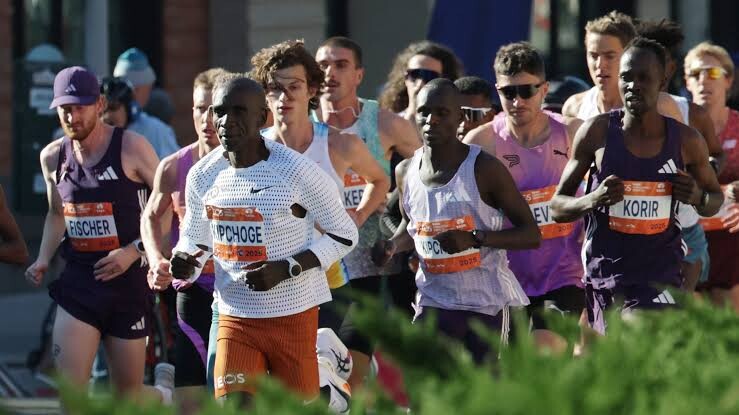
On November 2, 2025, the Kenyan marathon icon completed the TCS New York City Marathon, becoming a member of the exclusive Abbott World Marathon Majors Seven Star Hall of Fame after racing all seven of the sport’s major marathon events.
It was more than simply another marathon finish. It was the culmination of a journey that had taken Kipchoge across the world, from Tokyo to Boston, London to Berlin, and from Sydney and Chicago to the streets of New York.
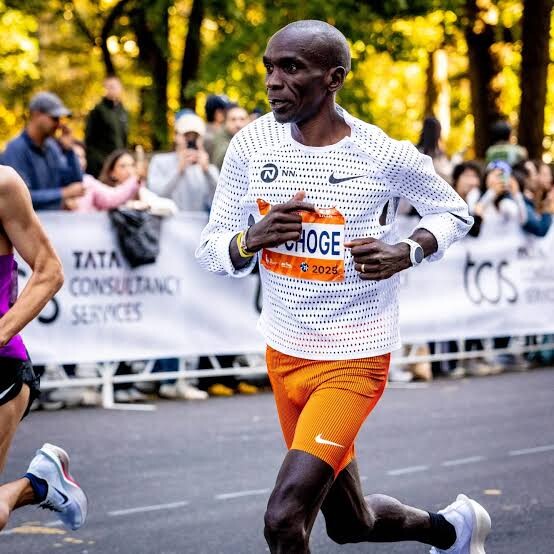
Each race represented a different challenge, but together they formed a remarkable collection of experiences that reflected the qualities that have defined Kipchoge throughout his career: consistency, discipline, patience, humility and an extraordinary commitment to excellence.
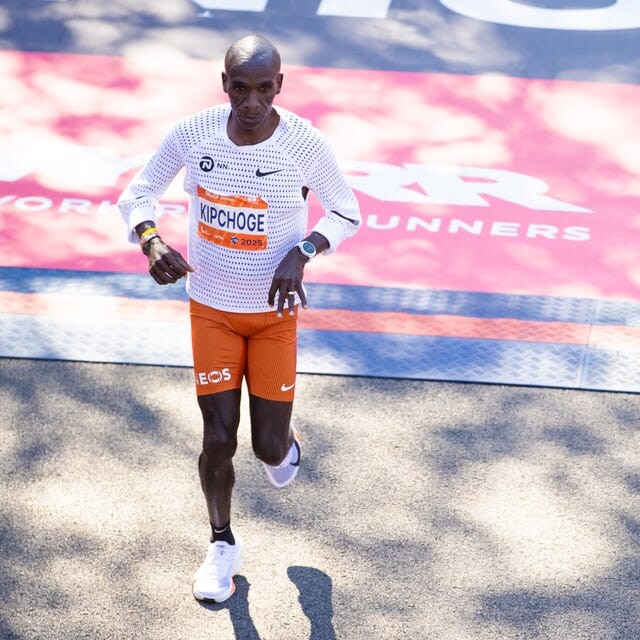
For more than a decade, Kipchoge has transformed the marathon landscape. He became the first man to break two hours over the distance in a controlled exhibition in 2019, established himself as one of the greatest marathoners in history and built a legacy that extends far beyond his victories and records.
Completing all seven Abbott World Marathon Majors added another prestigious milestone to that legacy.
The Seven Star Medal is reserved for runners who have completed the full World Marathon Majors series, and Kipchoge’s achievement carries particular significance because of everything he has accomplished on those same iconic courses.
A year later, the significance of that journey has not faded. Instead, it stands as another reminder of the extraordinary longevity and determination of a champion who has spent his career proving that limits are often only the boundaries we place on ourselves.
From the roads of Kenya to the biggest marathon stages on the planet, Eliud Kipchoge has continually inspired generations of runners with one simple philosophy:
NO HUMAN IS LIMITED.
One year on, his name remains firmly etched in marathon history — not only as a champion, but as an athlete whose journey has helped redefine what is possible in distance running.
Eliud Kipchoge — seven majors completed, a lifetime legacy secured.
by Erick Cheruiyot for My Best Runs.
Login to leave a comment
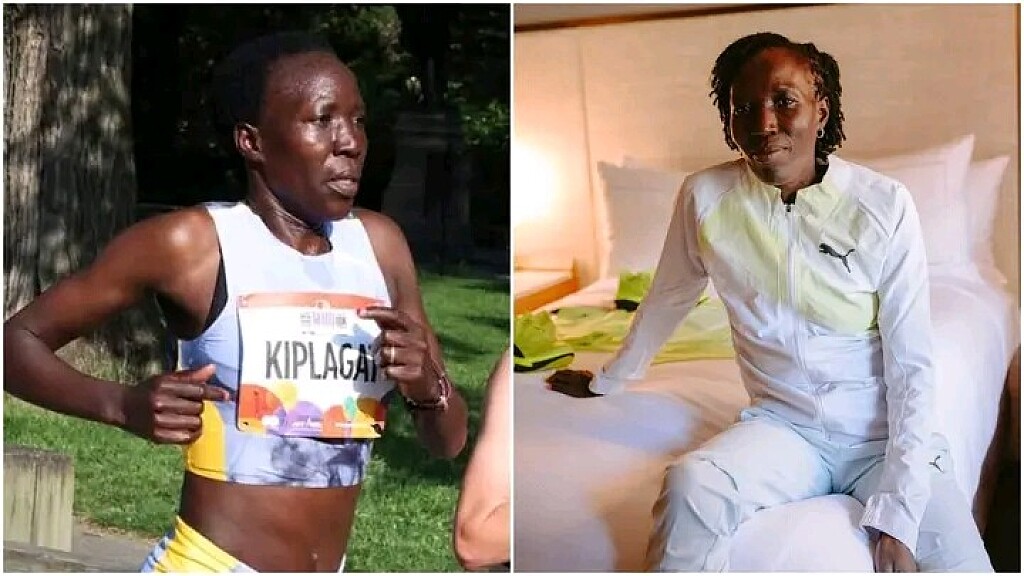
At 46, Edna Kiplagat Continues to Defy Time on the World Marathon Stage
There are few better examples of marathon longevity than Edna Kiplagat.
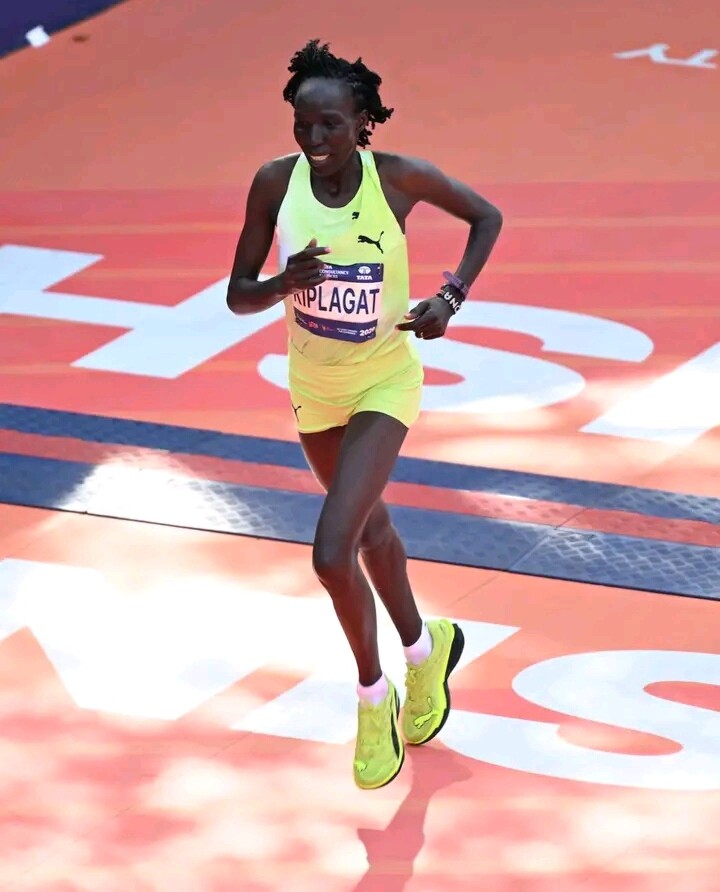
At 46, the Kenyan distance-running legend continues to compete with the world’s best, proving that age does not necessarily diminish an athlete’s ability to perform at the highest level when experience, discipline and an enduring passion for competition remain intact.
On Sunday, November 1, Kiplagat lined up for the 2026 TCS New York City Marathon and produced another remarkable performance, finishing fourth in 2:25:42 against a world-class women’s field.
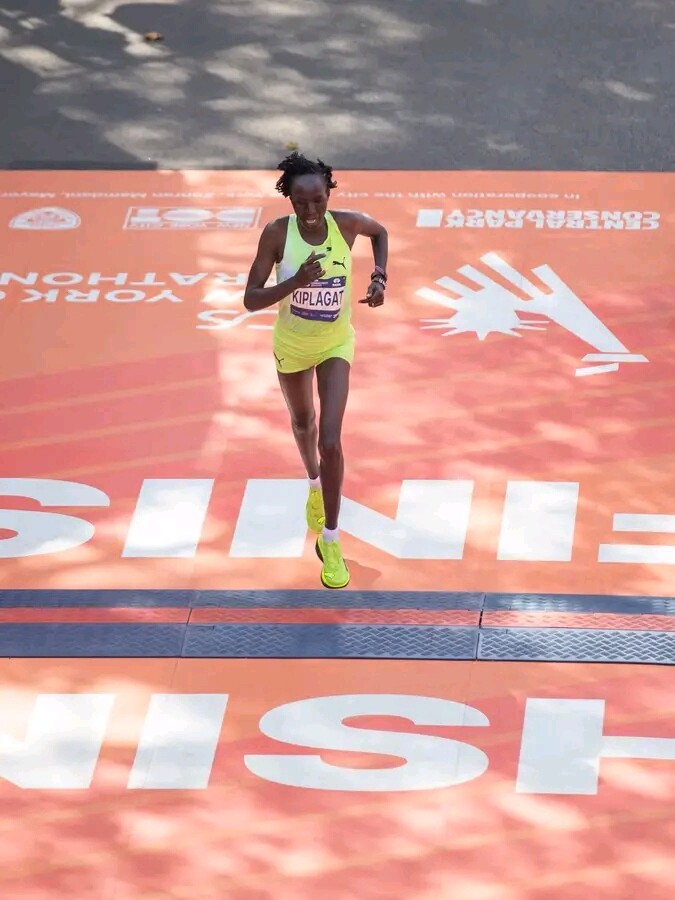
While the podium eluded her, the result once again underlined the extraordinary durability of a career that has spanned more than two decades at the elite level.
Kiplagat is a two-time World Athletics Championships marathon gold medallist, winning the world title in 2011 before successfully defending her crown in 2013. She has also built an extraordinary résumé on the world’s biggest marathon stages, claiming victories at the New York City Marathon in 2010, the London Marathon in 2014 and the Boston Marathon in both 2017 and 2021.
What makes Kiplagat’s latest performance even more striking is not simply the time on the clock, but the level of competition she continues to embrace. At an age when many athletes have long stepped away from elite racing, the Kenyan veteran is still willing to test herself on some of the sport’s biggest stages, sharing the starting line with runners from a much younger generation.
Born on November 15, 1979, Kiplagat is just days away from celebrating her 47th birthday. Yet rather than stepping away from elite competition, she continues to line up alongside athletes considerably younger than her, showing that experience can remain a formidable weapon over 42.195 kilometres.
Her fourth-place finish in New York was more than another result on a long list of achievements. It was another reminder of the consistency, resilience and professionalism required to remain competitive at the highest level of marathon running for so many years.
Kiplagat’s career has been defined by major victories, championship success and remarkable staying power. Now, well into her forties, she continues to add new chapters to a legacy that has already secured her place among Kenya’s most accomplished marathoners.
For Kiplagat, the marathon has become more than a collection of victories and medals; it is a story of extraordinary longevity. Every appearance adds another page to a career built on patience, toughness and an unwavering commitment to excellence. Her presence in New York was another powerful reminder that while time moves forward, champions with the right mindset can continue to write their own rules.
At 46, she is still racing. Still competing. Still challenging the best.
And perhaps most importantly, Edna Kiplagat is still proving that greatness is not measured by the number on a birth certificate, but by the standards an athlete continues to uphold.
by Erick Cheruiyot for My Best Runs.
Login to leave a comment

Arizona Mother Dies After Being Struck by Train During Morning Run
What began as an ordinary morning run ended in tragedy for 47-year-old Thelma Candelaria, a mother from Eloy, Arizona, who was killed by a train while out running on Thursday, October 15.

Candelaria had recently embraced running as part of a new chapter in her life. She had begun recording her runs and sharing them online, documenting what she described as a fresh start. Less than a week before her death, she had also been baptized, and she had told her followers that she was becoming increasingly committed to running.

Shortly after 6 a.m., Candelaria reached the railroad crossing near Sunshine Boulevard and Frontier Street. According to her daughter, Alaisha, she stopped to record a train passing through the area.
But while she was focused on the train in front of her, another train was approaching on a separate track from the opposite direction.
Alaisha said her mother was wearing noise-canceling headphones and apparently did not hear the approaching train. She described her mother as being completely absorbed in the moment during her run.
Eloy police said both trains sounded their horns. The second train also activated its emergency braking system, but there was not enough time or distance to prevent the collision.
Candelaria was pronounced dead at the scene.
Police said their vehicular crimes unit is investigating the circumstances surrounding the fatal incident. Her family had already become concerned and reported her missing after she failed to return home from her morning run.
For those who knew Candelaria, the tragedy has left behind far more than the shock of a sudden death. She was a mother, a caregiver and a woman who had recently begun documenting a renewed commitment to running and a new direction in her life.
Her daughter has asked that her mother's death be remembered as a heartbreaking accident rather than anything intentional. The family has also established a GoFundMe campaign to help support Candelaria's children as they navigate the difficult days ahead.
A morning run that was meant to represent a fresh beginning instead became the final chapter of a life remembered by her family, friends and followers.
Her story is also a painful reminder of the dangers runners can face around railway crossings, particularly when approaching trains may be difficult to hear or see.
Candelaria left home for what was supposed to be another ordinary run. She never made it back.
by Erick Cheruiyot for My Best Runs.
Login to leave a comment
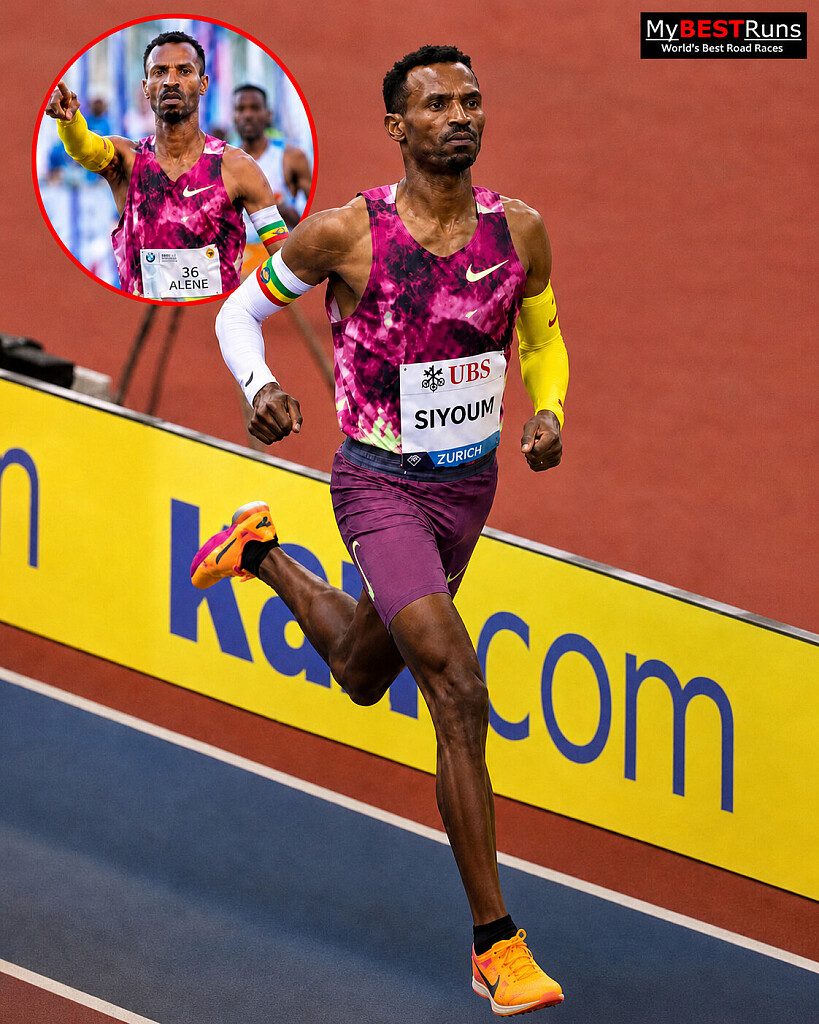
Eight-Year Ban: Mosisa Siyoum Suspended Until 2034 After EPO Positive and Tampering Violation
Ethiopian middle-distance runner Mosisa Siyoum has been handed an eight-year ban from athletics, ending his competitive career until 2034 after an investigation uncovered both an EPO violation and an attempt to mislead the anti-doping process.
The 27-year-old 1,500m runner tested positive for erythropoietin (EPO) from a sample collected in Toruń, Poland, in February 2026, during the weekend of the Copernicus Cup.
Siyoum initially provided a medical explanation for the presence of the prohibited substance. He told investigators that he had lost consciousness at home, was taken to a health facility, diagnosed with anaemia and subsequently given an EPO injection. To support his account, he submitted documents that he claimed came from the medical facility.
However, the Athletics Integrity Unit (AIU) began examining the circumstances surrounding the alleged treatment and found serious inconsistencies in the paperwork.
According to the AIU's investigation, the name of the healthcare provider listed on the documents did not correspond with the signature appearing on them. The investigation went further, with the AIU conducting two in-person interviews with Siyoum and making direct inquiries with the health centre identified in the documents.
Those inquiries ultimately established that Siyoum had not attended the facility on the date stated in the medical records.
The discovery significantly escalated the case. While the EPO violation alone carried a four-year period of ineligibility, the additional finding of tampering with the doping-control process resulted in another four-year sanction.
Under World Athletics' anti-doping rules, the two periods do not run concurrently. The four-year tampering sanction therefore follows the four-year doping ban, producing a total suspension of eight years.
Siyoum did not contest the charges. His period of ineligibility began on May 5, 2026, meaning he will remain banned from athletics until May 2034.
The sanctions also carry a major retrospective consequence. All of Siyoum's results dating back to December 13, 2025, have been disqualified, with the associated titles, rankings, prizes and other consequences subject to the applicable rules.
Despite competing at a high level domestically, Siyoum never represented Ethiopia at an international championship. His case was among four AIU decisions published on Thursday, adding another significant anti-doping case to athletics' continuing efforts to protect the integrity of competition.
What began as an EPO positive has ultimately become a much more serious case, with the investigation into the medical explanation leading to a second violation and an eight-year exclusion from the sport.
by Erick Cheruiyot for My Best Runs.
Login to leave a comment
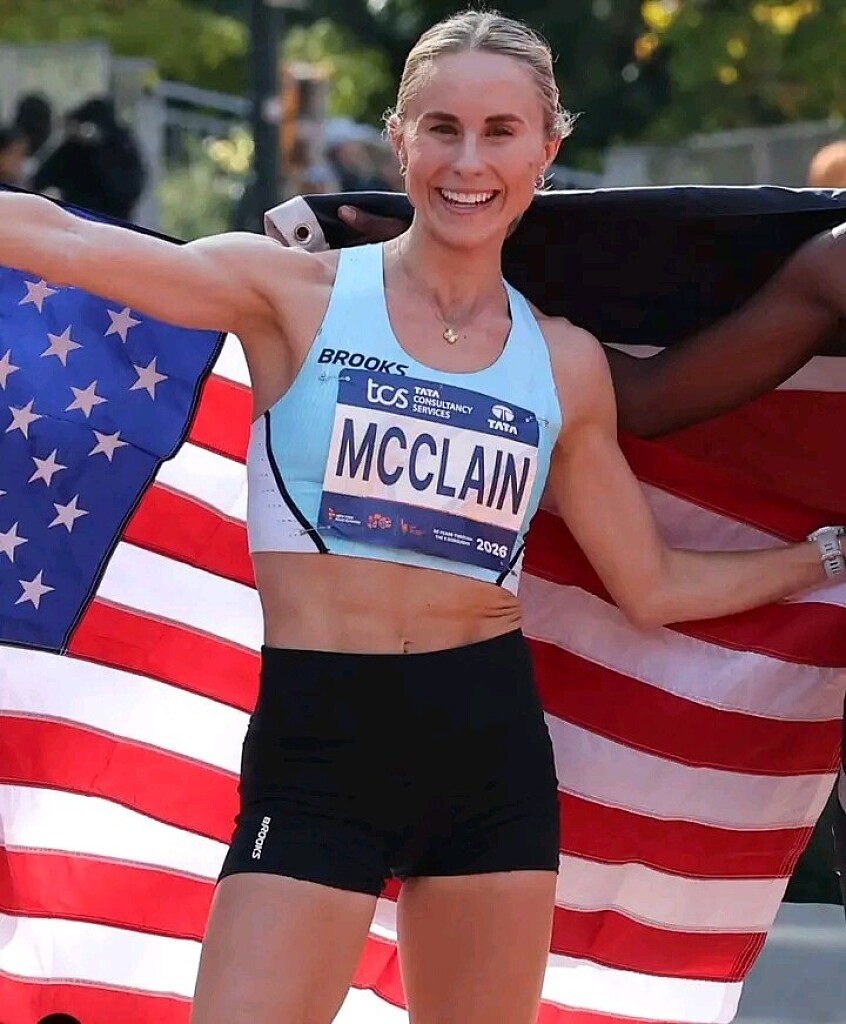
Jess McClain Ends Eight-Year American Podium Drought in New York
Jess McClain saved her best for the moment when the New York City Marathon demanded everything.
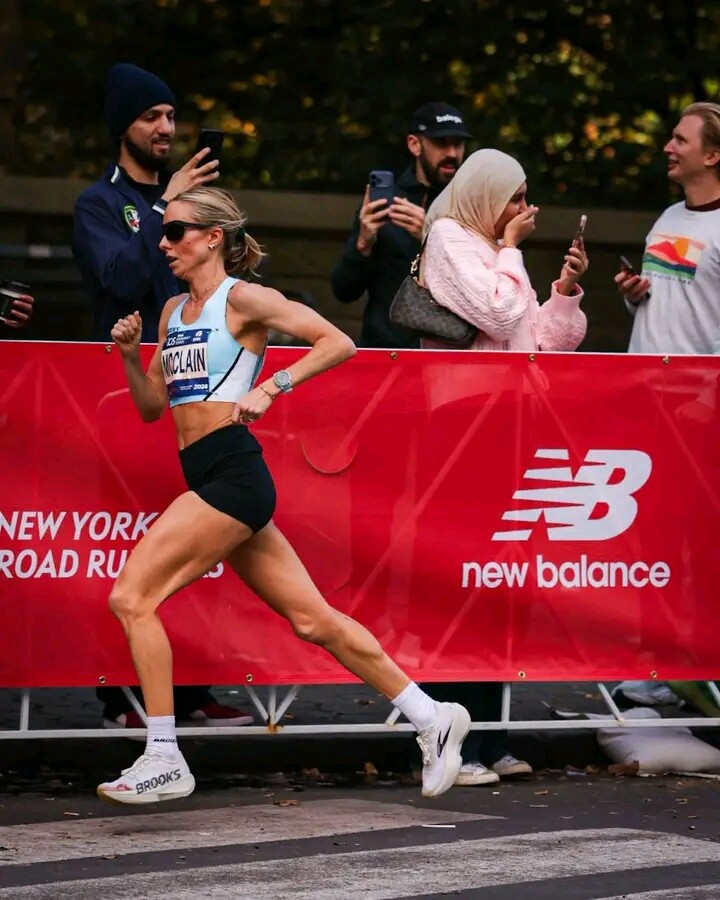
With the finish line approaching in Central Park, the 34-year-old American was still chasing the two-time Olympic medalist and defending champion Hellen Obiri. Then came the decisive move.
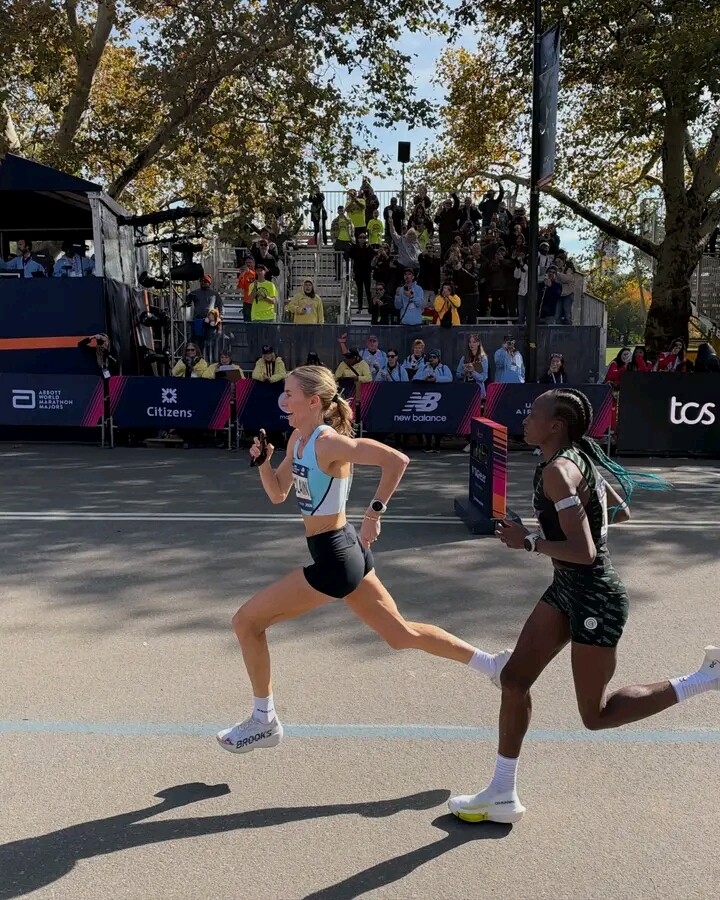
McClain surged through the closing stages, overtaking Obiri in the final meters to seize second place in 2:24:42 at the 2026 TCS New York City Marathon. Kenya’s Sheila Chepkirui held on for victory in 2:24:36, while Obiri finished just one second behind McClain in 2:24:43.
The result ended an eight-year wait for an American woman on the New York City Marathon podium. The last was Shalane Flanagan, who finished third in 2018 after winning the race the previous year. McClain became the first American woman since Flanagan to break into the top three on one of the sport’s most iconic stages.
McClain’s race was built on patience and belief. The opening half was covered in a relatively controlled 1:13:52, leaving a large group of contenders still within striking distance. Rather than forcing the pace early, McClain stayed composed and positioned herself for the decisive stages of the race.
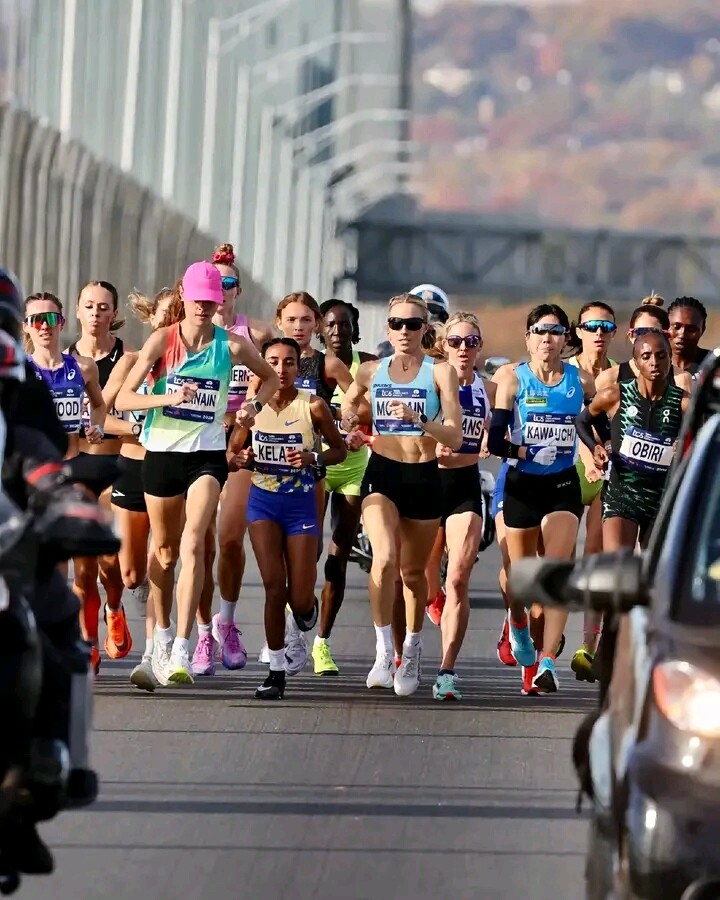
As the marathon moved toward Fifth Avenue and Central Park, the race finally began to fracture. Chepkirui and Obiri established themselves at the front, but McClain refused to let them disappear. She continued to close the gap while making the most of the Central Park curves, running the tangents efficiently and conserving precious distance.
By the final stretch, the opportunity was there.
McClain produced one last surge and caught Obiri just before the finish, turning what had looked like a battle for third into a stunning runner-up finish. World Athletics described her closing effort as superb, with McClain taking second by just one second.
The New York breakthrough comes during the strongest period of McClain’s marathon career. Earlier this year in Boston, she ran 2:20:49 to finish fifth and set the fastest marathon ever recorded by an American woman on the Boston course, breaking Shalane Flanagan’s previous mark of 2:22:02.
Her New York performance now adds another major milestone. McClain’s top-five finish qualifies her for the 2028 U.S. Olympic Marathon Trials, scheduled for March 25, 2028, in St. Louis. Three American women will ultimately earn places on the U.S. Olympic team for the Los Angeles Games.
For McClain, the journey has been anything but straightforward. A former Stanford standout and seven-time NCAA All-American, she stepped away from elite competition for a period before returning to the marathon and gradually rebuilding herself into one of America’s leading distance runners. Her fourth-place finish at the 2024 U.S. Olympic Marathon Trials showed she belonged among the country’s best; her performances in Boston and New York have now taken that belief to another level.
At 34, McClain is proving that marathon success is not always about arriving early. Sometimes it is about staying patient, learning from every setback and being ready when the biggest opportunity finally arrives.
In New York, with the crowds roaring through Central Park and the podium within reach, Jess McClain did exactly that.
She waited.
She believed.
And when the moment came, she took it.
by Erick Cheruiyot for My Best Runs.
Login to leave a comment
