

Running News Daily
Running News Daily is edited by Bob Anderson and team. Send your news items to bob@mybestruns.com Advertising opportunities available.
Index to Daily Posts · Sign Up For Updates · Run The World Feed
Articles tagged #Central Park
Today's Running News
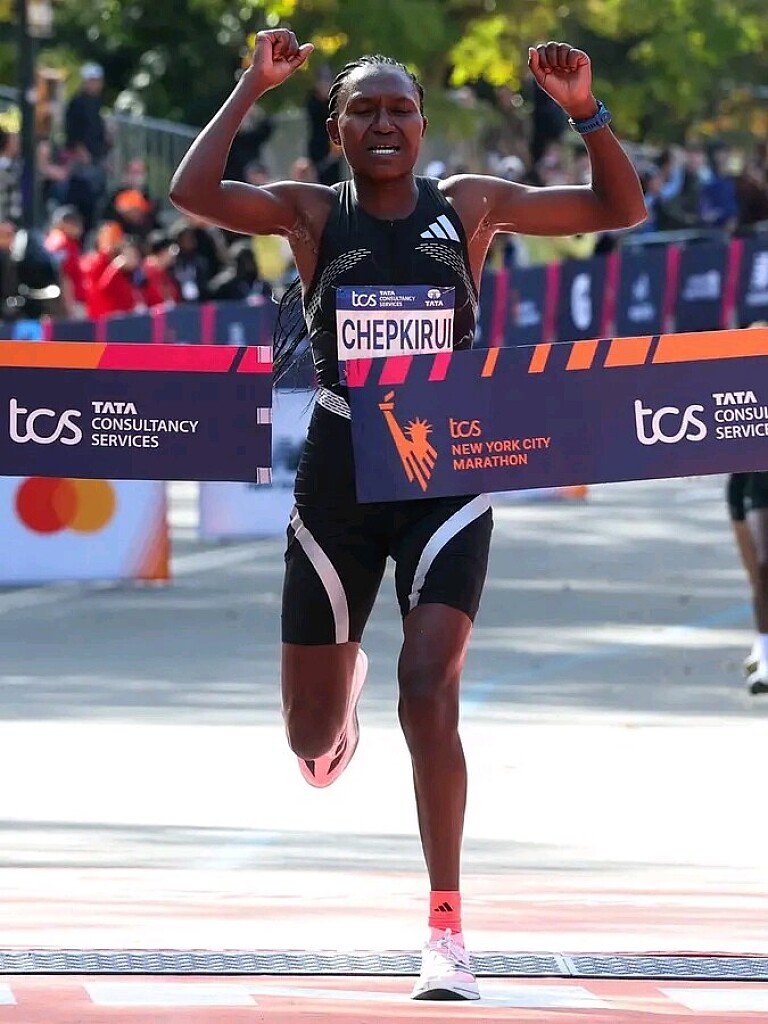


Sheila Chepkirui Conquers New York Again as McClain and Obiri Complete a Dramatic Podium
Kenya’s Sheila Chepkirui has conquered the streets of New York once again, claiming a second TCS New York City Marathon title after producing a perfectly timed late surge to win a thrilling women’s race in 2:24:36.
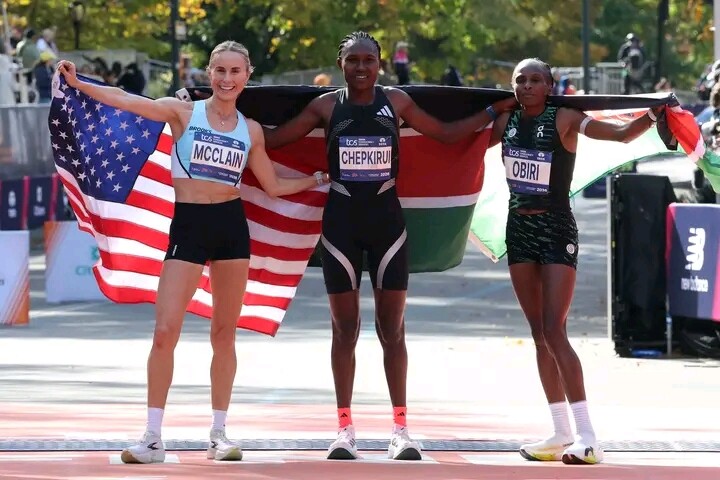
Chepkirui, who previously triumphed in New York in 2024, remained composed through a fiercely contested battle before making her decisive move in the closing stages. The Kenyan held off defending champion and compatriot Hellen Obiri to reclaim the title in one of the most dramatic finishes of the 2026 World Marathon Majors season.
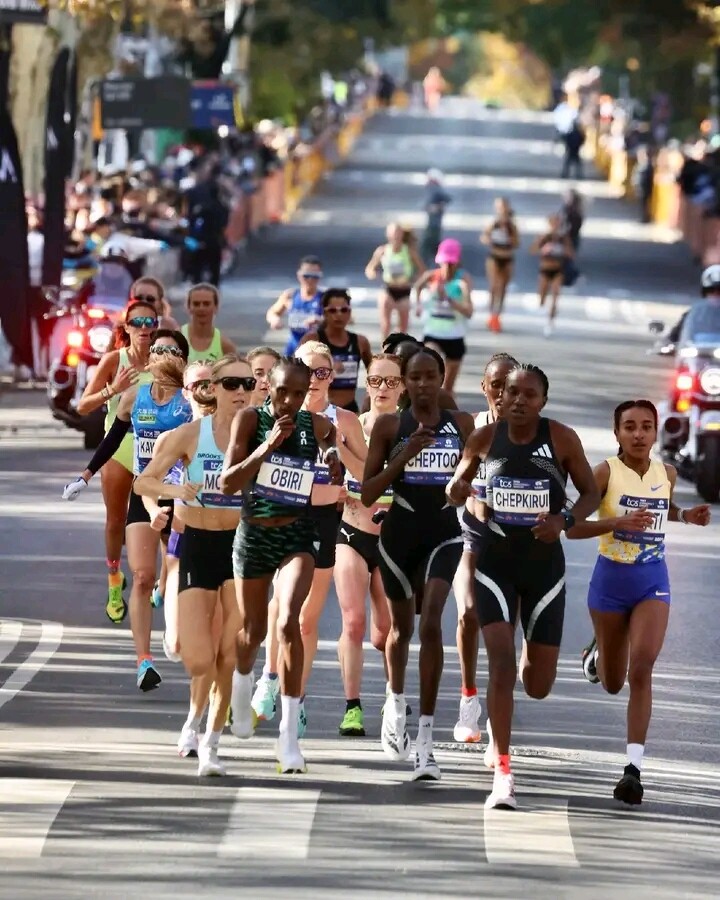
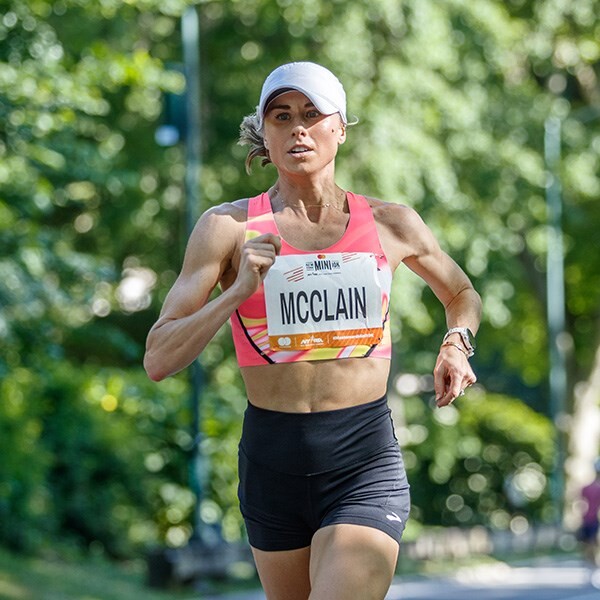
But behind the winner, American Jess McClain delivered one of the biggest moments of the race.
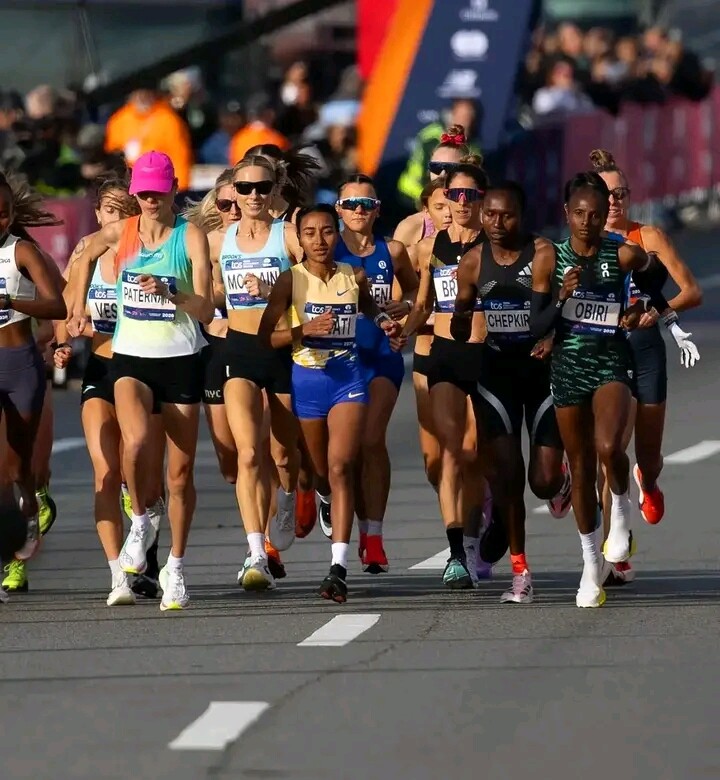
McClain produced a sensational finishing kick, closing rapidly on Chepkirui and Obiri as the trio approached the finish. After trailing the leading pair late in the race, she timed her move brilliantly and powered past Obiri in the closing metres.
McClain stopped the clock at 2:24:42, just six seconds behind Chepkirui and one second ahead of Obiri, who finished third in 2:24:43.
Age proved to be nothing more than a number as 46-year-old Kenyan veteran Edna Kiplagat produced another remarkable performance on the streets of New York, finishing fourth in 2:25:42. Just over a minute behind winner Sheila Chepkirui, Kiplagat once again demonstrated her remarkable longevity and ability to compete at the highest level, mixing it with a new generation of elite marathoners in one of the world’s most prestigious races.
The depth of the women’s field was further underlined by the performances behind the podium. Kenya continued to dominate the leading group, with Mercy Chelangat fifth in 2:25:46, while the United States placed three athletes inside the top eight. Viola Cheptoo also secured ninth in 2:28:34, giving Kenya five runners among the top 10. The results reflected the extraordinary quality and competitiveness of the 2026 New York City Marathon women’s race, with the leading athletes separated by only a handful of minutes.
2026 TCS NEW YORK CITY MARATHON — WOMEN'S TOP 10
1. Sheila Chepkirui — Kenya — 2:24:36
2. Jessica McClain — United States — 2:24:42
3. Hellen Obiri — Kenya — 2:24:43
4. Edna Kiplagat — Kenya — 2:25:42
5. Mercy Chelangat — Kenya — 2:25:46
6. Carrie Ellwood — United States — 2:26:28
7. Weini Kelati — United States — 2:26:51
8. Paige Wood — United States — 2:27:29
9. Viola Cheptoo — Kenya — 2:28:34
10. Fabienne Königstein — Germany — 2:28:49
The American’s performance was historic. McClain became the first U.S. woman since Shalane Flanagan in 2018 to reach the New York City Marathon podium, ending an eight-year wait for an American woman to finish among the top three in the iconic race.
Her runner-up finish also puts McClain in a strong position on the road to the 2028 U.S. Olympic Marathon Trials, adding another significant milestone to an already remarkable day.
For Obiri, the result was a rare departure from the top step in New York. The defending champion and course-record holder fought throughout the closing stages, repeatedly challenging Chepkirui before ultimately finishing just seven seconds behind the winner.
The Kenyan battle remained intense deep into Central Park, with Chepkirui and Obiri exchanging surges before Chepkirui finally managed to create enough separation. McClain then produced her spectacular late charge, overtaking Obiri in the final stretch to steal second place by the narrowest of margins.
Chepkirui’s 2:24:36 secured another chapter in her growing New York legacy, while McClain’s 2:24:42 announced her arrival on one of marathon running’s biggest stages.
In a race decided by seconds, Chepkirui had the winning move, McClain had the biggest late surge, and Obiri was left to settle for third.
New York once again delivered a finish worthy of its reputation.
by Erick Cheruiyot for My Best Runs.
Login to leave a comment
TCS New York City Marathon
The first New York City Marathon, organized in 1970 by Fred Lebow and Vince Chiappetta, was held entirely in Central Park. Of 127 entrants, only 55 men finished; the sole female entrant dropped out due to illness. Winners were given inexpensive wristwatches and recycled baseball and bowling trophies. The entry fee was $1 and the total event budget...
more...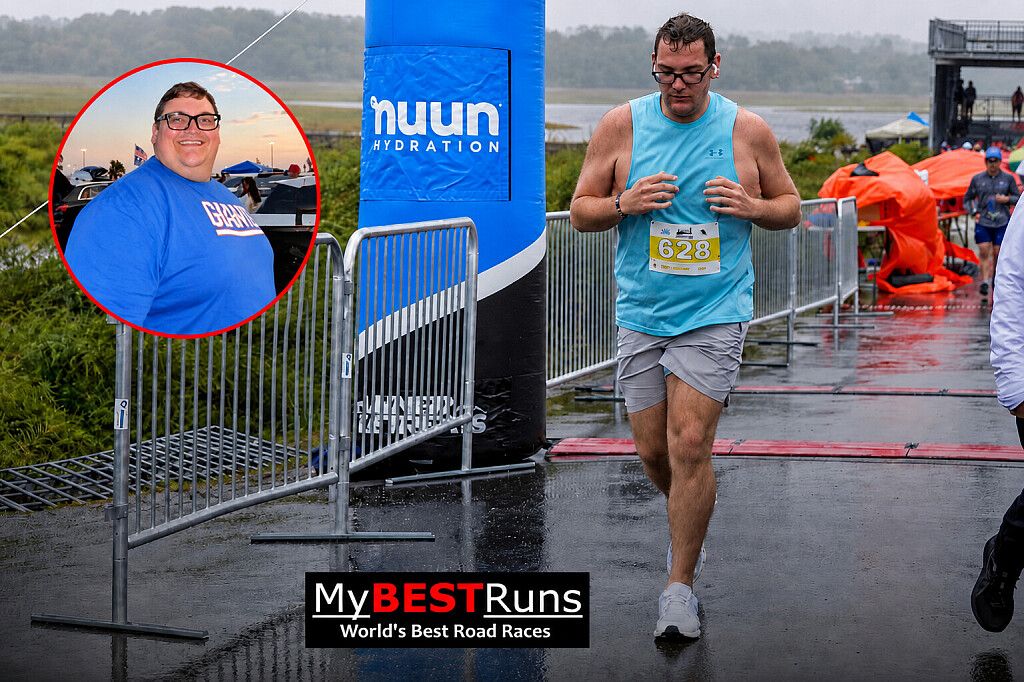
Nearly 200 Pounds Gone, 26.2 Miles Ahead: Staten Island Runner Takes His Transformation Home
For one Staten Island runner, the 2026 TCS New York City Marathon is about far more than completing 26.2 miles.
It is the latest chapter in a remarkable personal transformation that has seen him lose nearly 200 pounds and discover a completely different relationship with his body, his health and running.
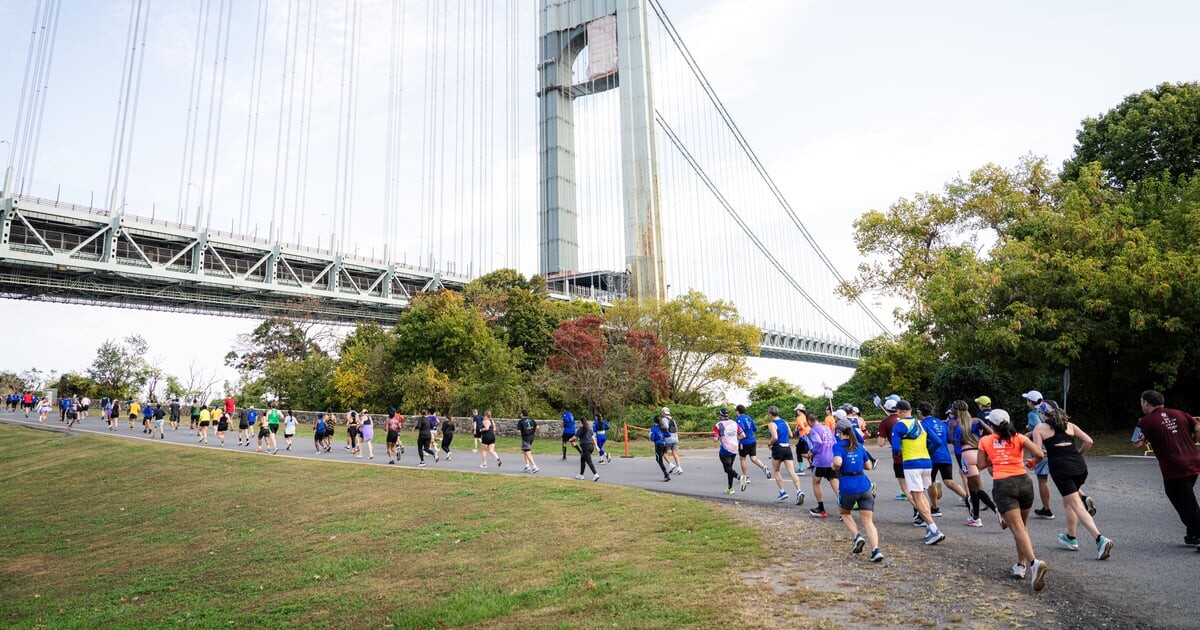
On November 1, he will line up among roughly 50,000 runners at Fort Wadsworth, beneath the Verrazzano-Narrows Bridge, waiting for the signal that will send the world's largest marathon field into the streets of New York.
For most competitors, Staten Island is simply where their marathon journey begins.
For him, it is home.
That makes those opening miles especially meaningful.
The New York City Marathon has started on Staten Island at the foot of the Verrazzano-Narrows Bridge since 1976, sending runners across the bridge before carrying them through Brooklyn, Queens, the Bronx and Manhattan toward the finish in Central Park.
This year, one hometown runner will make that journey carrying a story that began long before he ever dreamed of standing on the marathon start line.
Not long ago, he was carrying nearly 200 pounds more on his body.
Now, he is preparing to carry himself 26.2 miles through New York City.
The photographs tell part of the story.
In one earlier image, he appears in a blue Giants shirt, smiling at a tailgate. In a later photograph, the transformation is unmistakable: a much leaner runner wearing a racing singlet and bib, pushing through the rain during a tune-up race.
The difference is striking, but the real story is everything that happened between those two photographs.
Losing nearly 200 pounds is not simply about changing appearance. It can mean relearning how to move, rebuilding confidence and discovering physical possibilities that once seemed out of reach.
For someone who has spent years carrying substantial additional weight, everyday movement can itself become a demanding physical task. Walking, climbing stairs and simply staying active can require considerably more effort.
As weight comes off, however, the equation begins to change.
Movement becomes easier. Exercise becomes more accessible. And for some people, activities that once seemed impossible — including long-distance running — gradually become realistic goals.
That journey can be challenging, particularly when the goal eventually becomes a marathon.
The body still has to adapt to thousands upon thousands of running strides, while training must be increased carefully enough to allow the muscles, tendons, bones and cardiovascular system to adjust.
The knees are often one of the biggest concerns for runners returning to exercise after major weight loss.
But the relationship between body weight and running is more complicated than simply asking whether heavier runners should run. Training history, strength, biomechanics, injury history and how quickly mileage is increased all matter.
That is why a marathon transformation is not created in a single dramatic moment.
It is built through hundreds of ordinary decisions — one workout, one walk, one healthier choice and one difficult training day at a time.
And now, after making that transformation, this Staten Island resident is preparing to stand on one of the most recognizable marathon starting lines in the world.
There will be elite athletes chasing victory.
There will be experienced marathoners pursuing personal records.
There will be first-time marathoners simply hoping to reach Central Park.
And among them will be a hometown runner whose greatest race began long before November 1.
His marathon will be measured in miles, minutes and seconds, but those numbers will never tell the whole story.
The most important distance he has already covered is the one between who he was and who he has become.
On marathon morning, Staten Island will once again send thousands of runners toward the Verrazzano-Narrows Bridge.
For this runner, however, the journey will carry an especially powerful meaning.
He is not just running away from where his transformation began.
He is running from home — toward the finish line, toward a new personal milestone and toward the remarkable possibility of becoming a marathoner.
Nearly 200 pounds lighter.
Twenty-six-point-two miles ahead.
And one unforgettable New York City Marathon waiting to be conquered.
by Erick Cheruiyot for My Best Runs.
Login to leave a comment
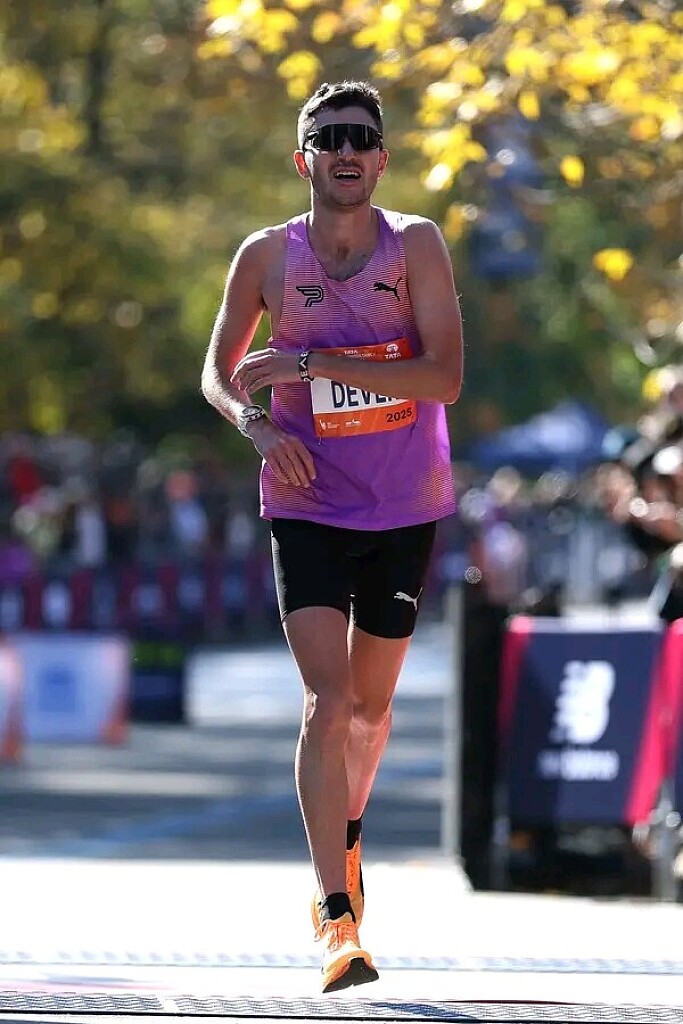
Patrick Dever Returns To New York With Olympic Ambitions: Can He Take Another Step Forward?
Patrick Dever returns to the streets of New York City on Sunday with unfinished business, renewed confidence and a much bigger target on the horizon.
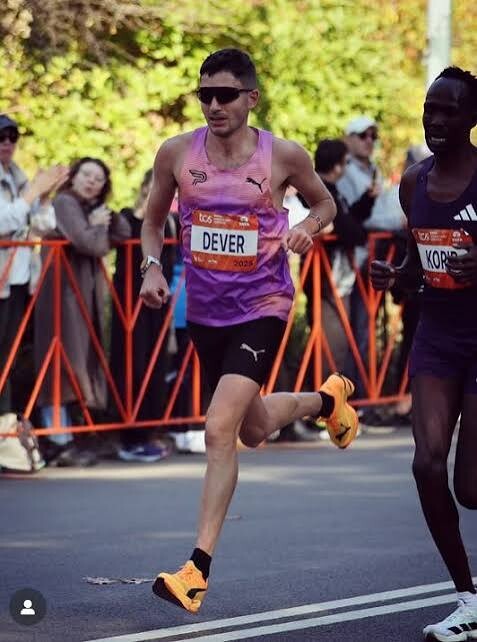
The 30-year-old Brit made an immediate impression on his marathon debut at last year’s New York City Marathon, crossing the line in 2:08:58 for what was initially recorded as fourth place. His result was later upgraded to third following Albert Korir’s five-year ban after anti-doping violations, giving Dever a podium finish on one of the world’s most demanding marathon stages.
But Dever has since shown that his potential stretches far beyond that breakthrough performance.
In April, he produced a major personal best of 2:06:18 at the London Marathon, elevating himself to third on the United Kingdom’s all-time marathon list. Only Mo Farah, with 2:05:11, and Mahamed Mahamed, with 2:06:14, have run faster for Britain.
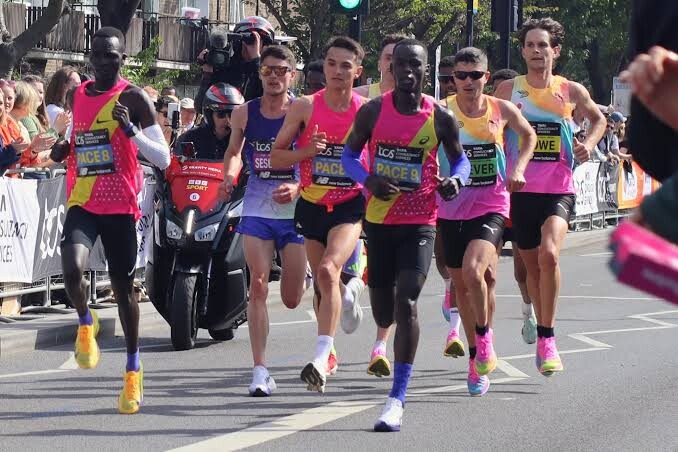
Now, Dever heads back to New York with another opportunity to test how far he has progressed.
The challenge will be particularly valuable because New York offers a very different racing environment from London. There will be no pacemakers to dictate the rhythm, meaning Dever will have to rely on his own tactical judgement, positioning and ability to respond when the race begins to unfold.
That is exactly the kind of experience he wants.
With the Los Angeles 2028 Olympic Games firmly in his long-term sights, Dever is using New York as an opportunity to sharpen his ability to race in a championship-style environment, where athletes must make their own decisions rather than simply follow a predetermined pace.
For a runner with ambitions of representing Great Britain on the Olympic stage, those lessons could prove invaluable.
New York is also a race that demands patience. The course features bridges, rolling terrain and a notoriously difficult final stretch through Central Park, making it less about simply chasing a fast time and more about executing a complete marathon.
Dever already knows what it takes to succeed there. This time, however, he returns as a significantly faster and more accomplished marathoner.
A year after announcing himself on the New York streets, the British star arrives with a 2:06:18 personal best, a place among Britain’s fastest marathoners and an Olympic dream that is beginning to look increasingly realistic.
The question now is whether Dever can turn that progress into another standout performance in the Big Apple.
by Erick Cheruiyot for My Best Runs.
Login to leave a comment
TCS New York City Marathon
The first New York City Marathon, organized in 1970 by Fred Lebow and Vince Chiappetta, was held entirely in Central Park. Of 127 entrants, only 55 men finished; the sole female entrant dropped out due to illness. Winners were given inexpensive wristwatches and recycled baseball and bowling trophies. The entry fee was $1 and the total event budget...
more...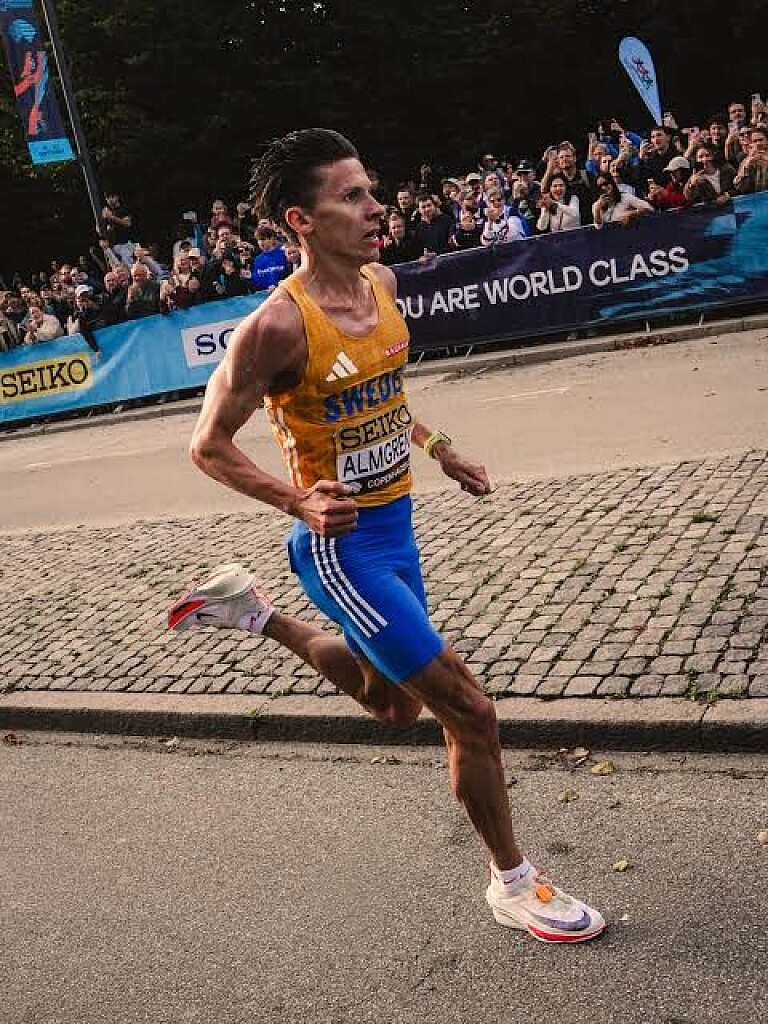
The Ultimate Test: Can Andreas Almgren Conquer New York On Marathon Debut?
Andreas Almgren is about to discover just how far his extraordinary speed can carry him.
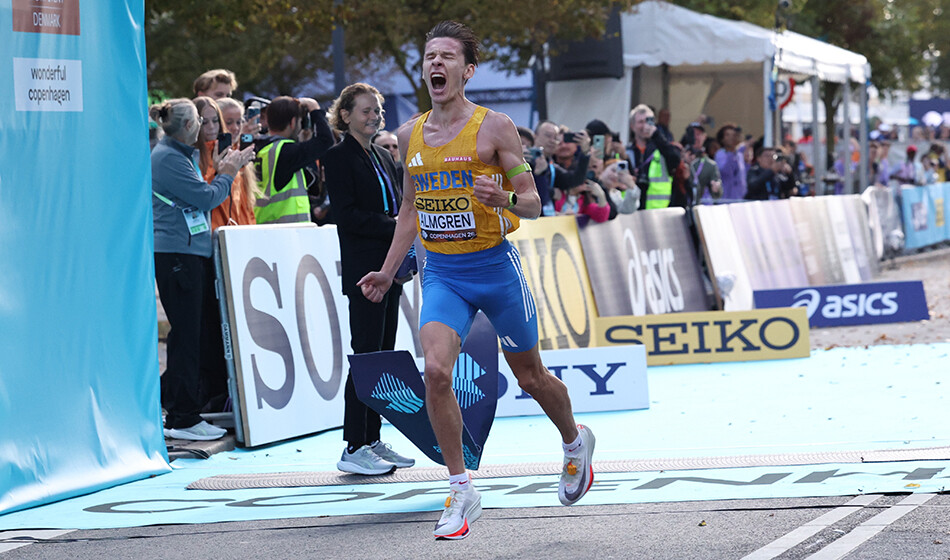
On Sunday, November 1, the Swedish star will line up for the TCS New York City Marathon, stepping into completely unfamiliar territory as he makes his highly anticipated marathon debut over 42.195 kilometres.
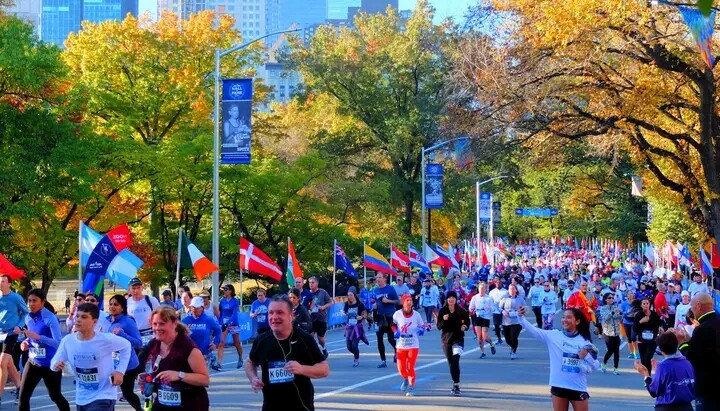
But Almgren is not arriving in New York as an ordinary debutant.
He comes armed with an extraordinary résumé. The Swede is the reigning world half-marathon champion, the 2026 European 10,000m champion and the European half-marathon record holder after producing a sensational 58:06 in Copenhagen.
That performance elevated the conversation surrounding his marathon potential. Running 58:06 means Almgren can sustain an average pace of roughly 2:45 per kilometre for 21.1 kilometres—a frightening level of speed for an athlete preparing to double the distance.
Only weeks earlier, he had produced another major statement by winning European 10,000m gold in Birmingham in a championship-record 27:23.44. His ability to combine elite track speed with increasingly impressive endurance has made him one of the most intriguing distance runners in the world.
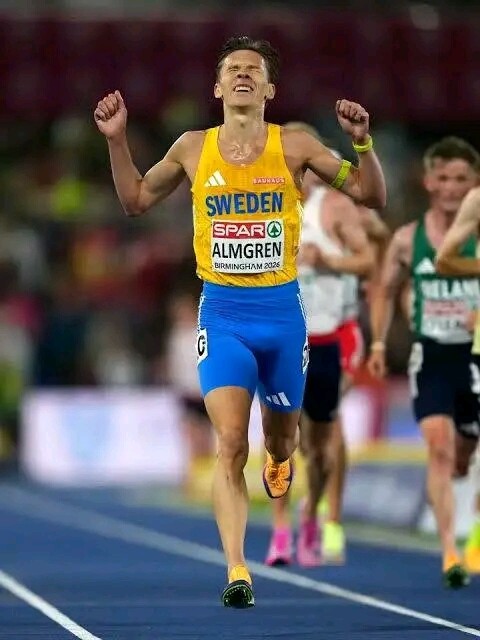
Yet Almgren's journey to the marathon has been anything but conventional.
He originally made his name as an 800m specialist, running a personal best of 1:45.59 before gradually transforming himself into a world-class long-distance athlete. The transition from two laps of the track to 42.195 kilometres represents an enormous change in physiological demands, but Almgren has embraced the challenge with remarkable ambition.
His preparation has reportedly included extremely high mileage, with his training volume reaching around 135 miles, or 217 kilometres, per week during parts of his build-up. He has also spent time training at altitude in Flagstaff, Arizona, as he prepares his body for the demands of the marathon.
What makes Almgren particularly fascinating is not only his athletic ability but also his analytical approach to the sport. The Swede has a background in data science and is known for taking a highly methodical approach to his training, using data and analysis to help shape his preparation.
That combination of brains, speed and endurance has earned him the nickname “The Nerd King.”
But New York will ask questions that no training spreadsheet can fully answer.
The marathon is a different beast, and the New York course is an especially unforgiving place to make a debut. The bridges, hills, sharp turns and tactical racing can punish even experienced marathoners, while the absence of traditional pacemakers means Almgren will have to judge the race himself.
That could make his decision to debut in New York even more intriguing.
Rather than choosing a flat, fast course designed purely for record chasing, Almgren has chosen one of the world's most iconic and demanding marathon stages. He will be surrounded by established marathon stars, including Abdi Nageeye, Benson Kipruto and Geoffrey Kamworor, giving the Swedish newcomer an immediate test against athletes with years of experience over the distance.
Still, Almgren is not approaching the race simply as a learning experience.
His ambition is clear. He wants to compete at the front and believes he can fight for victory.
His 58:06 half-marathon performance inevitably invites speculation about what he might eventually achieve over 42.195 kilometres. However, converting a half-marathon time directly into a marathon prediction is far from straightforward. The second half of the marathon is where endurance, fueling, pacing and accumulated fatigue become decisive, and New York adds another layer of difficulty.
That is the great unknown surrounding Almgren.
Can a man who once specialised in the 800m carry his extraordinary speed through 35 kilometres, 40 kilometres and finally into Central Park?
Can his analytical approach compensate for the lack of marathon racing experience?
And can his remarkable 58:06 half-marathon form translate into a winning marathon debut?
Those questions will finally be answered on Sunday.
From a 1:45 800m specialist to European 10,000m champion, world half-marathon champion and European half-marathon record holder, Almgren has already reinvented himself several times.
Now, the “Nerd King” is taking on the marathon.
And New York is waiting to find out just how far his speed, endurance and ambition can carry him.
by Erick Cheruiyot for My Best Runs.
Login to leave a comment
TCS New York City Marathon
The first New York City Marathon, organized in 1970 by Fred Lebow and Vince Chiappetta, was held entirely in Central Park. Of 127 entrants, only 55 men finished; the sole female entrant dropped out due to illness. Winners were given inexpensive wristwatches and recycled baseball and bowling trophies. The entry fee was $1 and the total event budget...
more...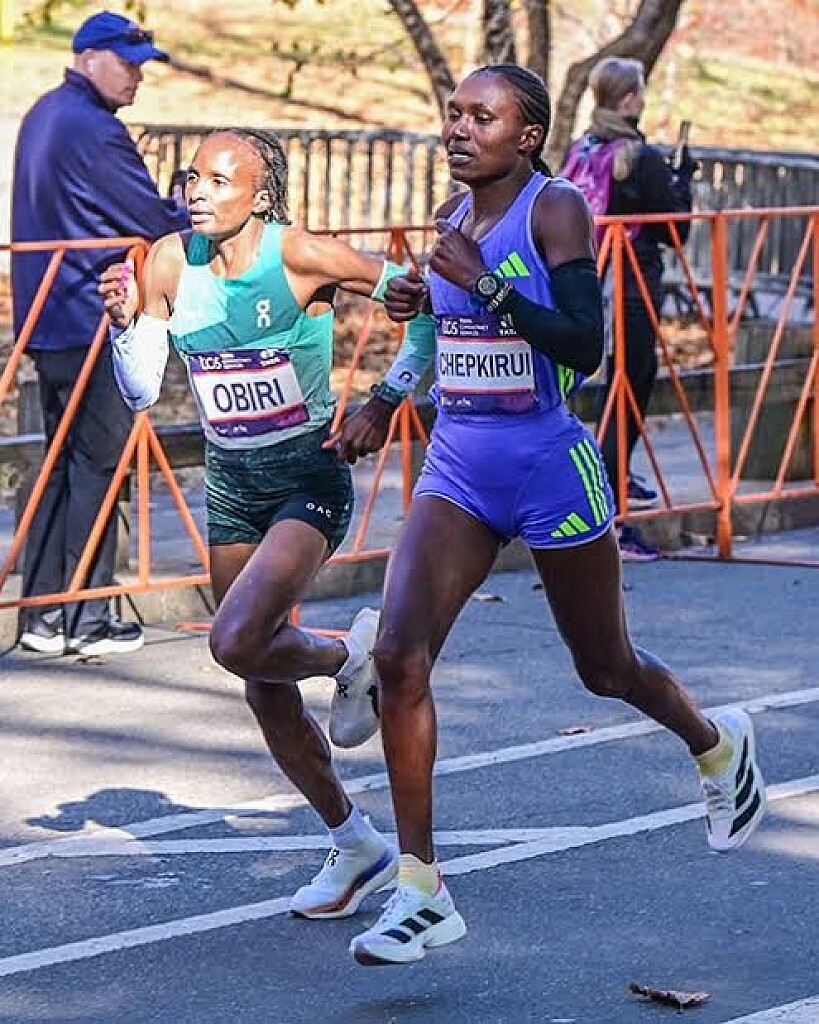
Hellen Obiri vs Sheila Chepkirui: A New York Rivalry Reignited
Hellen Obiri vs Sheila Chepkirui in New York City — round three.
The streets of New York are preparing for another fascinating chapter in a growing Kenyan marathon rivalry, as two of the last three winners of the TCS New York City Marathon return to the Big Apple for another showdown on Sunday.
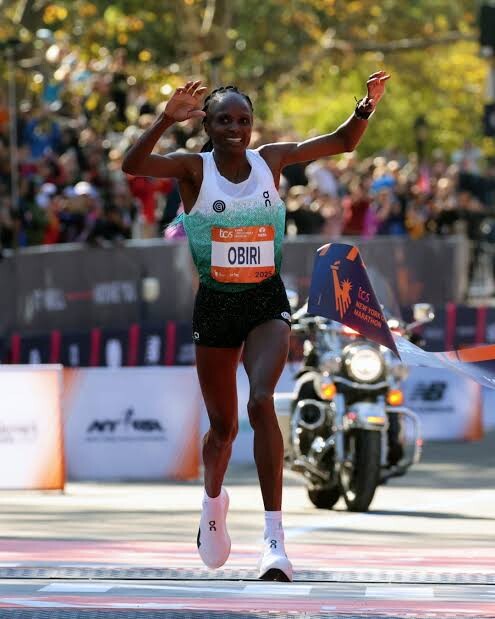
Obiri arrives as the defending champion and one of the biggest names in the elite women’s field, while Chepkirui returns determined to reclaim the title she won in 2024. Their recent history in New York has already produced two dramatically different outcomes, setting the stage for another potentially unforgettable battle.
Chepkirui announced herself on the New York stage in 2024 by producing a breakthrough performance to win her first TCS New York City Marathon title in 2:24:35. Obiri, who had won the race the previous year in 2:27:23, finished runner-up in 2:24:49 — just 14 seconds behind her fellow Kenyan.
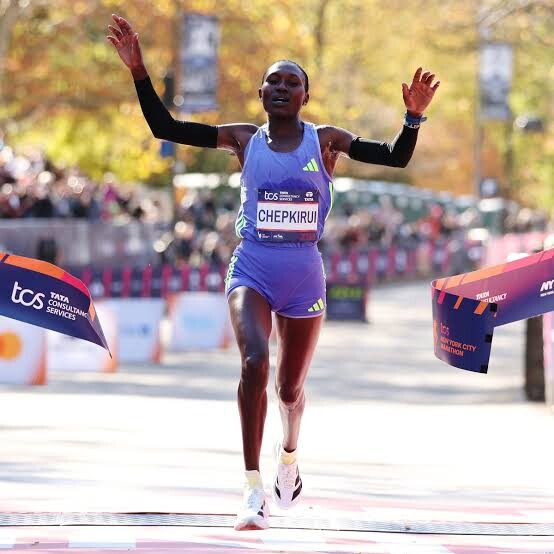
But Obiri responded in emphatic fashion twelve months later. In the 2025 edition, she produced a sensational performance to win in 2:19:51, smashing the previous course record and becoming a two-time New York champion. Sharon Lokedi finished second in 2:20:07, while Chepkirui placed third in 2:20:24.
Now they meet again, with the balance of power once more up for debate.
Obiri has plenty of momentum behind her. Earlier this year, she lowered her marathon personal best to 2:15:53 when she finished second at the 2026 London Marathon, establishing herself as the fastest woman entered in this year’s New York field.
Chepkirui, however, is far from an outsider. Her 2:17:29 personal best makes her one of the strongest challengers in the field, and her victory over Obiri in New York two years ago is proof that she has the strength, patience and tactical ability to thrive on one of marathon running’s most demanding courses.
For Obiri, the motivation goes beyond simply defending her crown. A third New York victory would elevate her into the exclusive company of three-time champions, alongside the legendary Paula Radcliffe. After winning in 2023 and again in 2025, Obiri now has another opportunity to add her name to one of the race’s most prestigious lists.
Yet Chepkirui knows exactly what it takes to defeat her. She has already stood on top of the podium in New York, and after finishing third behind Obiri last year, she will have every reason to believe she can reverse the order once again.
The race itself could make their battle even more intriguing. New York’s five-borough course, bridges, hills and notoriously unpredictable tactics rarely allow the marathon to unfold like a straightforward time trial. Every surge and every decision could become decisive as the runners make their way toward the final miles and the iconic finish in Central Park.
Two Kenyan champions. Two recent New York winners. One course that has already witnessed them trade victories.
Obiri wants history. Chepkirui wants revenge.
And when the battle reaches the streets of Manhattan and the final stretch into Central Park, the question will be simple:
Who will rule New York this time — Hellen Obiri or Sheila Chepkirui?
by Erick Cheruiyot for My Best Runs.
Login to leave a comment
TCS New York City Marathon
The first New York City Marathon, organized in 1970 by Fred Lebow and Vince Chiappetta, was held entirely in Central Park. Of 127 entrants, only 55 men finished; the sole female entrant dropped out due to illness. Winners were given inexpensive wristwatches and recycled baseball and bowling trophies. The entry fee was $1 and the total event budget...
more...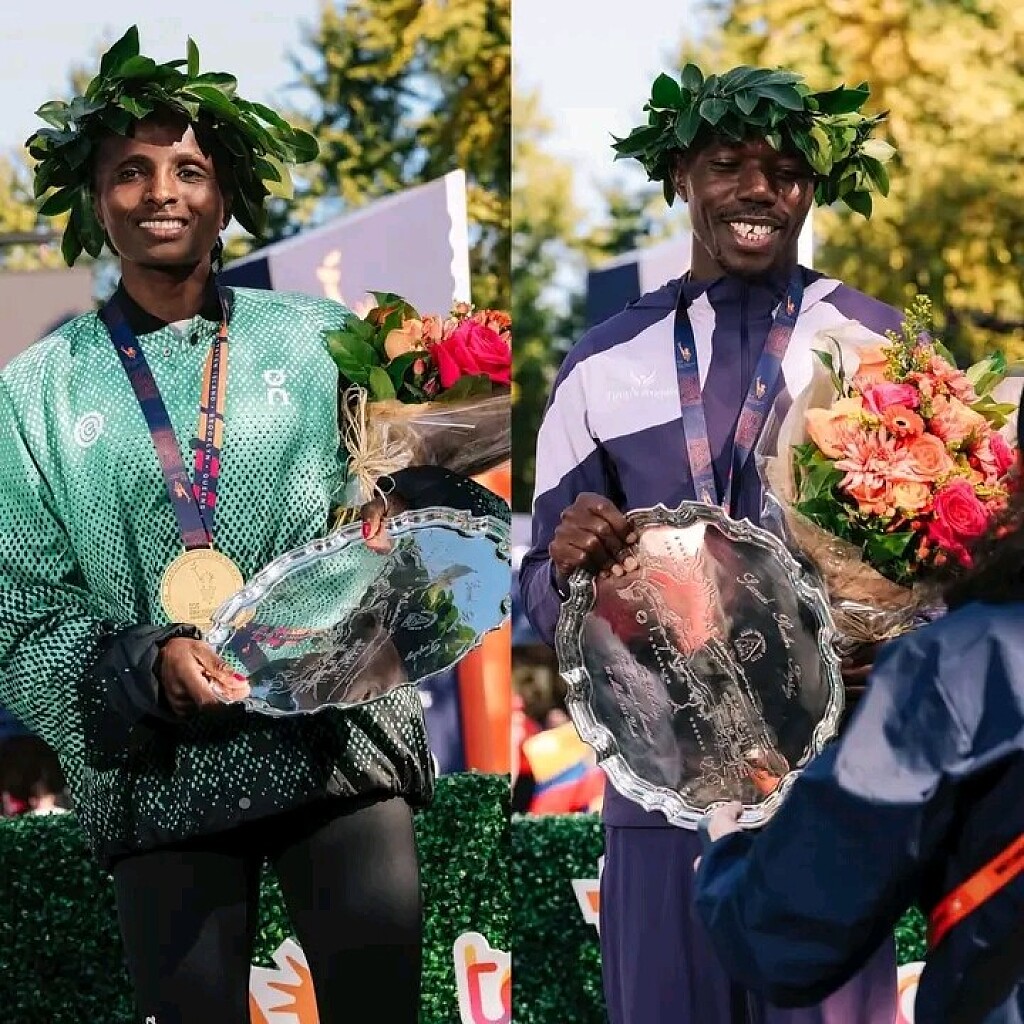
Obiri and Kipruto Return to New York With Titles to Defend as Kenyan Stars Target Another Double
Kenyan marathon stars Hellen Obiri and Benson Kipruto will return to the streets of New York on Sunday, November 1, 2026, aiming to retain their titles at the TCS New York City Marathon and extend Kenya’s remarkable legacy in one of the world’s most prestigious road races.
Both athletes arrive as defending champions, carrying the confidence of previous victories but facing formidable opposition in their pursuit of another memorable triumph through the five boroughs of New York City.
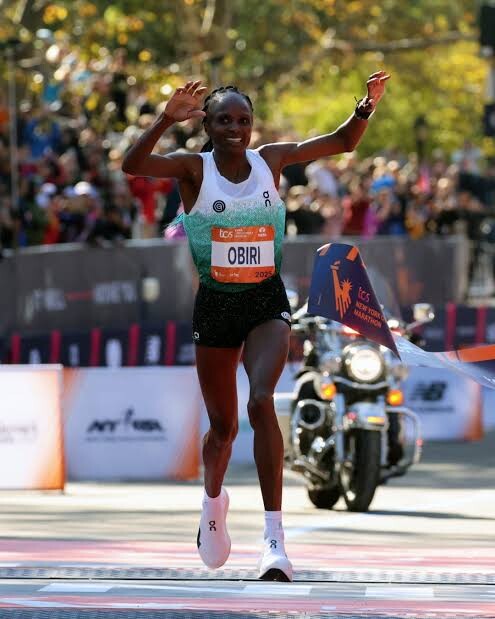
Obiri Targets Another Historic New York Triumph
In the women’s race, Obiri will be looking to build on her outstanding performance in 2025, when she won in a course-record time of 2:19:51. The victory further underlined her exceptional ability to excel over the marathon distance and on New York’s demanding course.
A three-time winner would strengthen Obiri’s standing among the most successful women to have competed in the event. However, retaining her crown will require another outstanding performance against a competitive field featuring familiar rivals and accomplished marathoners.
Among her principal challengers is compatriot Sheila Chepkirui, the 2024 champion, who knows what it takes to conquer the streets of New York. Veteran Kenyan marathoner Edna Kiplagat also brings considerable experience and a distinguished record to the contest, adding further depth to the women’s race.
Obiri’s combination of speed, endurance and championship experience makes her a leading contender, but the defending champion will need to deliver another commanding performance to remain ahead of the competition.
Kipruto Seeks Consecutive Victories After Dramatic 2025 Finish
In the men’s race, Kipruto returns with the same objective: to defend his title and prove once again that he belongs among the elite marathoners of his generation.
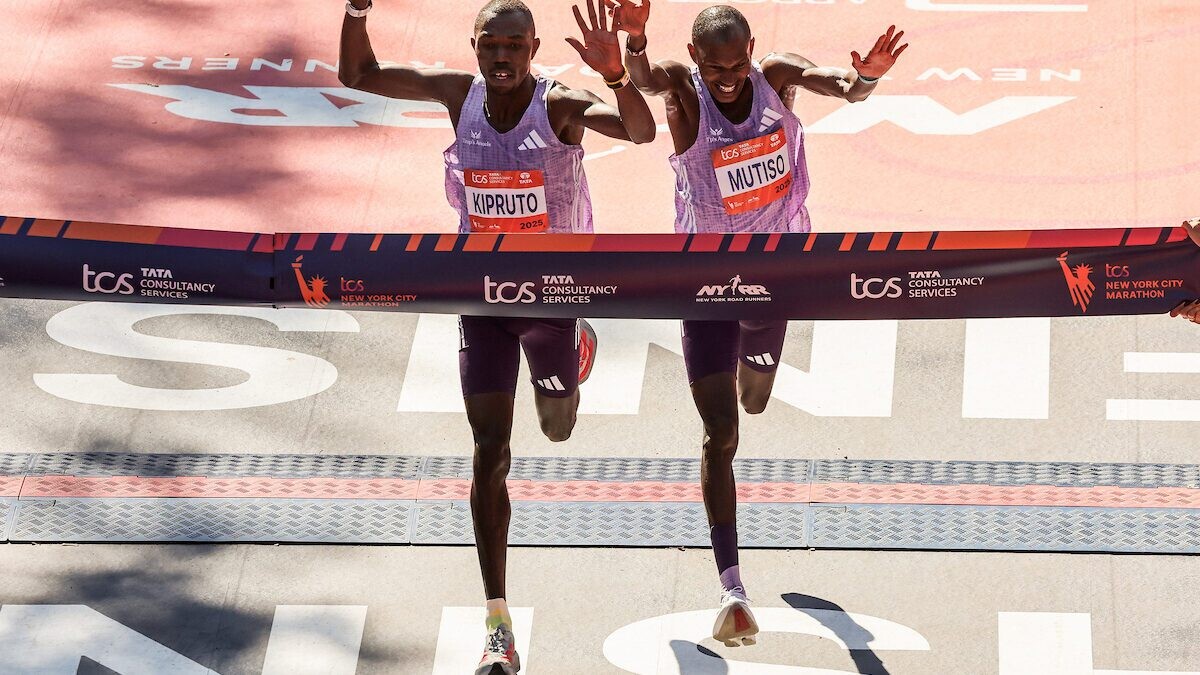
His 2025 victory remains memorable for its extraordinary finish. Kipruto clocked 2:08:09, edging training partner Alexander Mutiso by just 0.03 seconds in a thrilling sprint through Central Park. The razor-thin margin provided a dramatic conclusion to a fiercely contested race and highlighted the fine margins separating victory from defeat at the highest level.
Kipruto will now attempt to become a back-to-back champion in a field expected to test his endurance, tactical awareness and finishing strength. Standing among the notable challengers are former New York City Marathon champions Geoffrey Kamworor and Abdi Nageeye, both of whom possess the experience and ability to challenge for the title.
With the course demanding sustained effort across all five boroughs before the decisive final miles in Central Park, Kipruto will need to manage his race carefully if he is to repeat last year's success.
His previous victory provides a strong foundation, but defending a major marathon title is never straightforward, particularly against opponents who understand the demands of the course.
Kenya's Double Defence Takes Centre Stage
The prospect of Obiri and Kipruto successfully defending their respective crowns adds an exciting dimension to Sunday's race. Both athletes have already demonstrated that they can handle the pressure of competing at the highest level, but the challenge now is to reproduce those performances against determined challengers.
For Obiri, another victory would further enhance an already impressive marathon résumé. For Kipruto, consecutive titles would reinforce his reputation as one of the sport's most formidable competitors over 42.195 kilometres.
Kenya has a proud tradition at the New York City Marathon, and the two defending champions will once again carry the nation's hopes into one of the biggest events on the global road-running calendar.
With the starting gun set to send thousands of runners through the streets of New York, all eyes will be on the elite races as Obiri and Kipruto attempt to turn another demanding Sunday into a memorable chapter in their careers.
Two defending champions, two fiercely contested races and one major opportunity for Kenya to celebrate another New York double.
by Erick Cheruiyot for My Best Runs.
Login to leave a comment
TCS New York City Marathon
The first New York City Marathon, organized in 1970 by Fred Lebow and Vince Chiappetta, was held entirely in Central Park. Of 127 entrants, only 55 men finished; the sole female entrant dropped out due to illness. Winners were given inexpensive wristwatches and recycled baseball and bowling trophies. The entry fee was $1 and the total event budget...
more...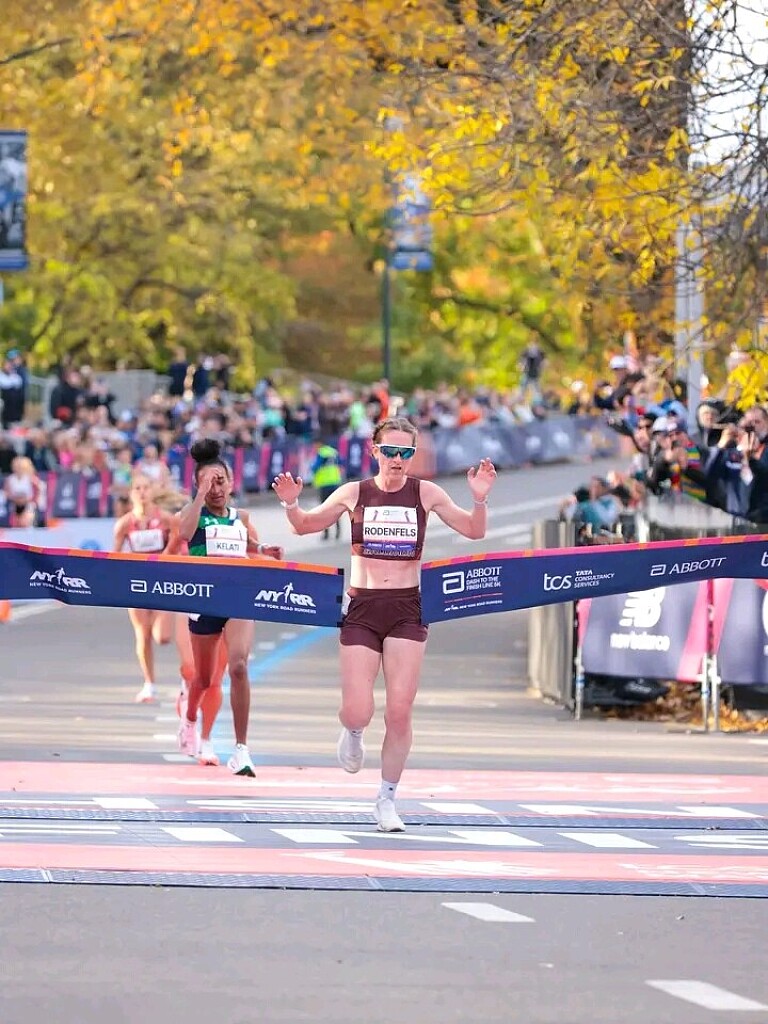
National Champions And Rising Stars Set To Light Up NYC Marathon Weekend 5K
The 2026 TCS New York City Marathon weekend will get an early burst of elite racing when a stacked field of national champions, established distance runners and emerging talents line up for the Abbott Dash to the Finish Line 5K on Saturday, October 31.
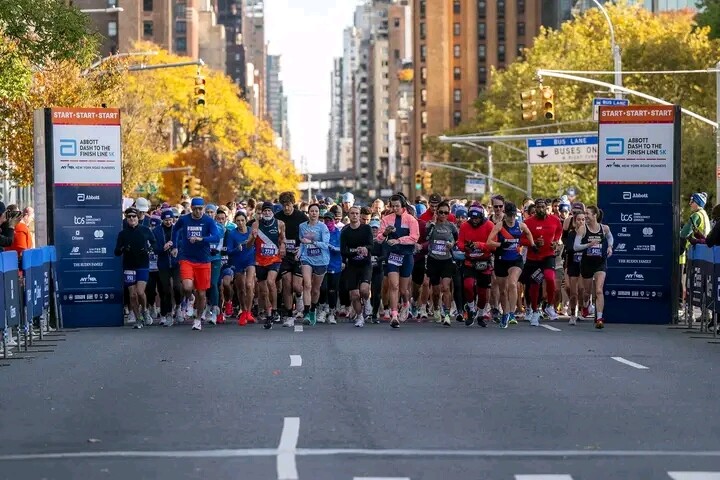
With the world’s biggest marathon taking place the following day, the popular Central Park race promises to deliver a thrilling showcase of speed and depth, bringing together elite athletes from the United States and several other countries ahead of Sunday’s main event.
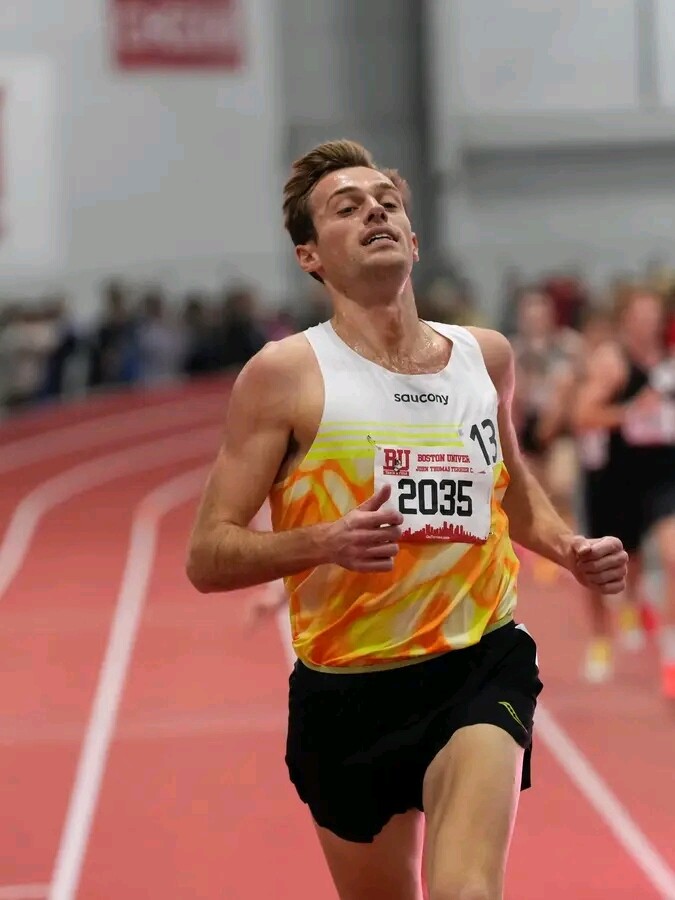
The men’s field features a formidable international lineup, led by Kenya’s Edwin Kurgat, whose personal best of 12:57.52 places him among the fastest entrants. Fellow Kenyan Amon Kemboi, with a best of 12:58.51, adds further strength to the field, setting the stage for a potentially exciting contest over the five-kilometre distance.
Australia’s Morgan McDonald, boasting a personal best of 13:00.48, is another major contender, while American Anthony Camerieri enters with a best of 13:04.07. Other notable names include Jackson Sharp of Australia, American Bob Liking and Reid Buchanan, Latvia’s Arturs Medveds, H abtom Samuel of Eritrea, and American Luke Tewalt.
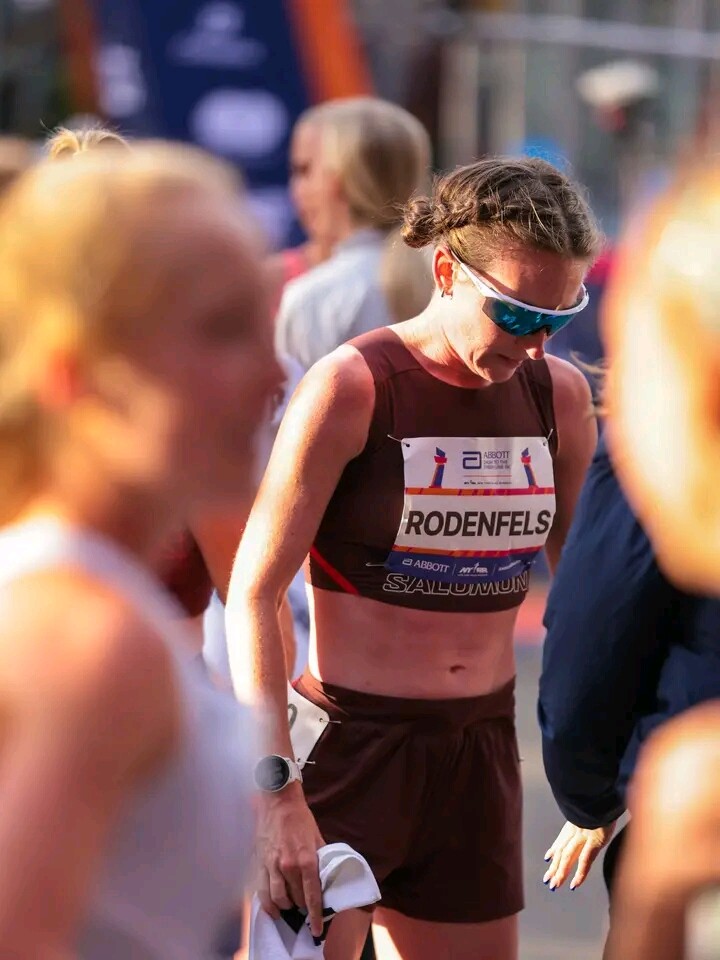
The women’s race is equally compelling, featuring a deep field packed with American talent and international challengers. Josette Andrews headlines the entries with an impressive personal best of 14:25.37, while Annie Rodenfels, whose best stands at 15:00.64, adds further quality to the American contingent.
Bailey Hertenstein and Elly Henes are also among the leading entrants, with personal bests of 14:48.91 and 14:47.15, respectively. Great Britain’s Alex Millard, with a best of 15:02.64, provides international competition, while Whittni Morgan, Ednah Kurgat, Katelyn Tuohy, Rachael R udel, Madie Boreman and Ella Donaghu strengthen an impressive domestic lineup.
Kenya will also be represented in the women’s race by Hilda Olemomoi, whose personal best of 14:52.84 makes her one of the athletes to watch. With several runners capable of producing a fast performance, the battle for the podium could be fiercely contested.
Beyond the individual names, the event offers a compelling opportunity for elite athletes to test their speed on one of the most prominent stages of New York’s running calendar. The short, fast-paced contest also provides fans with a chance to see some of the sport’s leading distance runners in action before marathon Sunday.
The Abbott Dash to the Finish Line 5K will take place through Central Park on Halloween, Saturday, October 31, one day before the 2026 TCS New York City Marathon on Sunday, November 1.
With national champions, international contenders and promising rising stars all in the mix, the race is shaping up to be a major highlight of an action-packed marathon weekend in New York City.
by Erick Cheruiyot for My Best Runs.
Login to leave a comment
Dash to the Finish Line
Be a part of the world-famous TCS New York City Marathon excitement, run through the streets of Manhattan, and finish at the famed Marathon finish line in Central Park—without running 26.2 miles! On TCS New York City Marathon Saturday, our NYRR Dash to the Finish Line 5K (3.1 miles) will take place for all runners who want to join in...
more...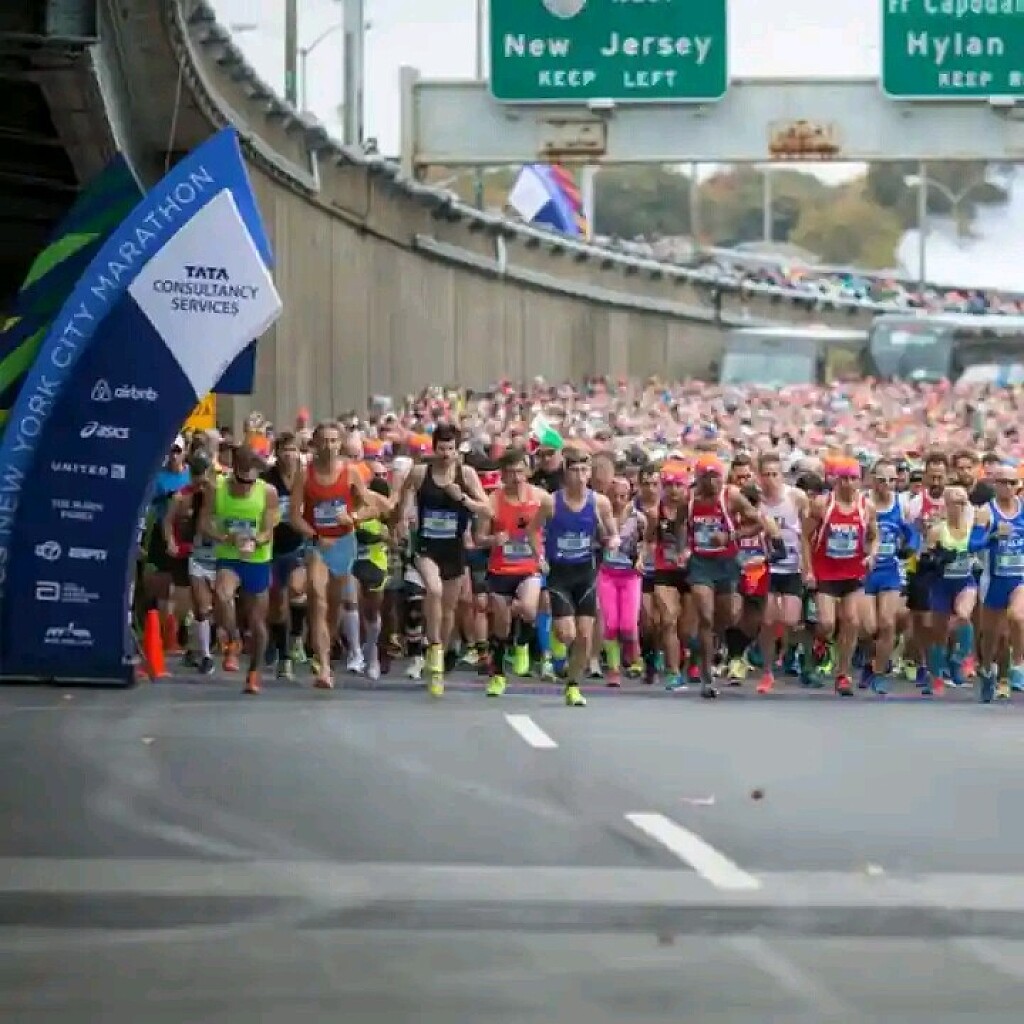
From $1 To $358: How The New York City Marathon Became A Global Running Phenomenon
What began as a modest race through Central Park, with a handful of determined runners and a budget of just $1,000, has evolved into one of the most prestigious and sought-after marathons in the world. More than five decades later, the New York City Marathon tells a remarkable story of how distance running has grown from a grassroots sporting event into a global spectacle.
When the inaugural New York City Marathon took place in 1970, the entry fee was just $1. Organised by the New York Road Runners, the race was held entirely within Central Park, far removed from the enormous crowds, international attention and commercial scale that define the event today.
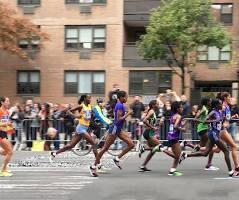
Of the 127 registered participants, only 55 completed the race. Yet, despite its modest beginnings, the event laid the foundation for a marathon that would eventually capture the imagination of runners from every corner of the world.
The first champion was Gary Muhrcke, a New York City firefighter whose victory remains one of the most memorable stories from the race's early years. According to accounts of the inaugural edition, Muhrcke had finished a night shift before entering the competition shortly before the start. He went on to win in approximately 2:31, securing his place in the marathon's history.
The inaugural race also featured Nina Kuscsik, the only woman in the field. She started the event but withdrew after becoming ill, meaning no woman finished that first edition. Kuscsik would later become an important figure in the campaign for women's inclusion in competitive distance running.
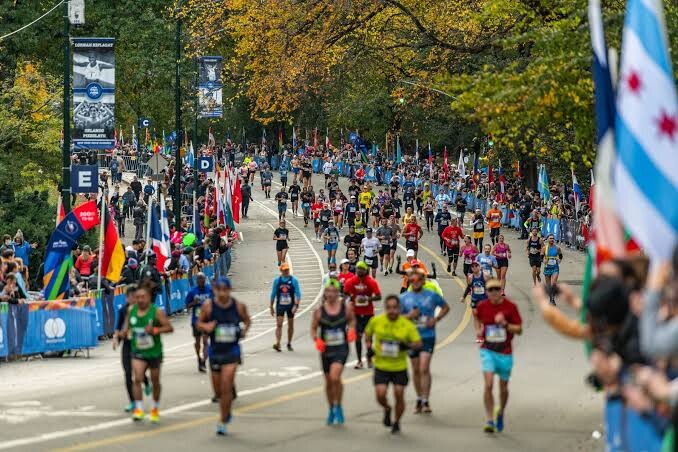
Over the years, the New York City Marathon expanded beyond Central Park, eventually developing into the iconic five-borough journey that takes runners through Staten Island, Brooklyn, Queens, the Bronx and Manhattan. Its transformation helped turn the race into a celebration of athletic achievement, community spirit and the extraordinary diversity of New York City.
Today, the marathon attracts elite athletes chasing victories and records, recreational runners pursuing personal milestones, charity participants raising funds for important causes, and thousands of international visitors eager to experience one of running's most celebrated events.
by Erick Cheruiyot for My Best Runs.
Login to leave a comment
TCS New York City Marathon
The first New York City Marathon, organized in 1970 by Fred Lebow and Vince Chiappetta, was held entirely in Central Park. Of 127 entrants, only 55 men finished; the sole female entrant dropped out due to illness. Winners were given inexpensive wristwatches and recycled baseball and bowling trophies. The entry fee was $1 and the total event budget...
more...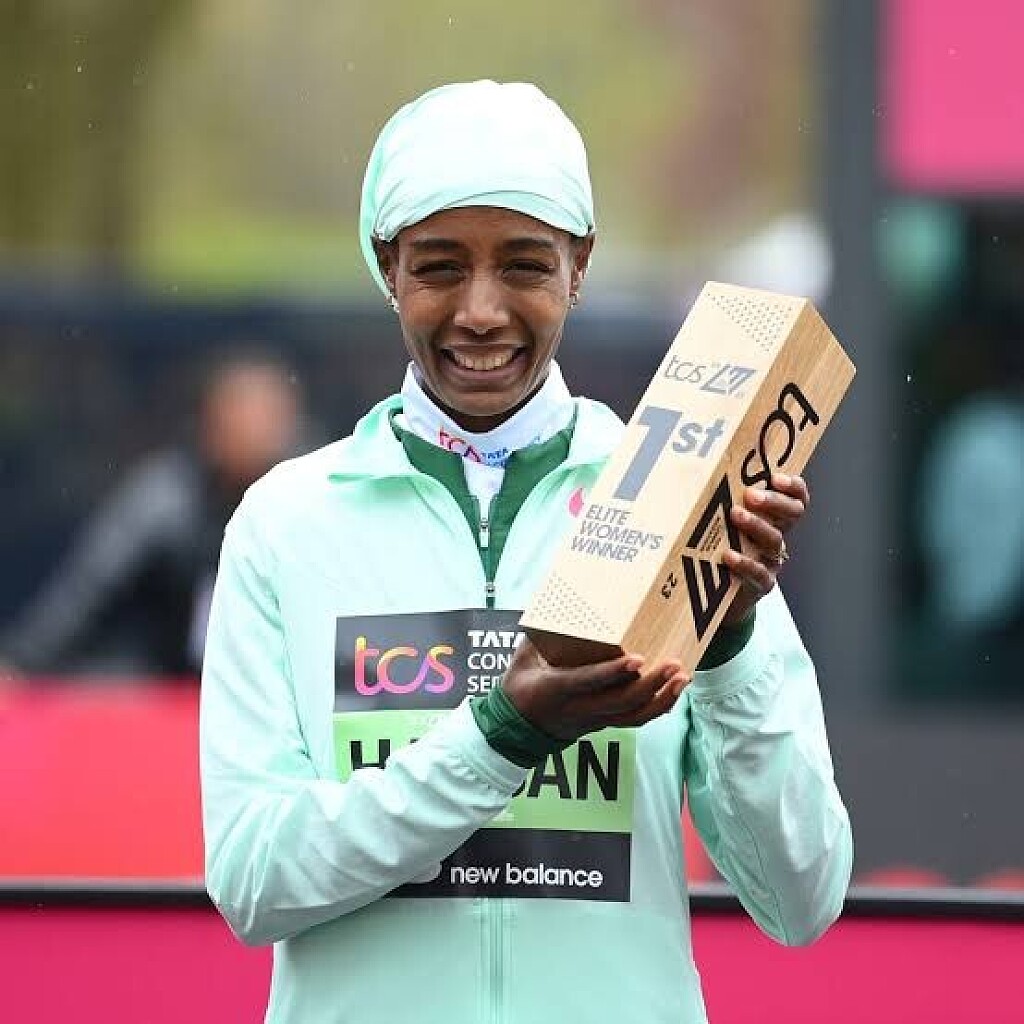
Sifan Hassan Withdraws From 2026 New York City Marathon As Illness Disrupts Her Preparation
Olympic marathon champion Sifan Hassan of the Netherlands has officially withdrawn from the 2026 TCS New York City Marathon after illness disrupted her preparations, ending hopes of seeing the versatile distance-running star return to one of the world’s most prestigious road races this autumn.
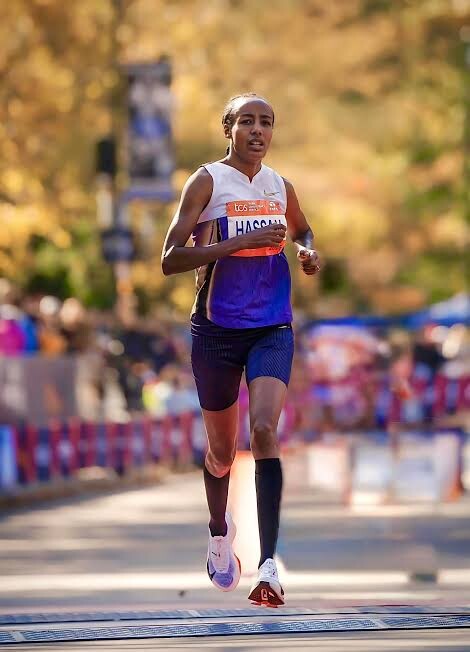
Hassan announced her decision on social media, explaining that sickness had slowed her training and left her short of the level of preparation she had hoped to achieve ahead of the November 1 race. The withdrawal is a setback for the Dutch star, who had been looking forward to returning stronger after her previous appearance in New York.
“I was so excited to come back stronger, but a sickness slowed down my training and I’m not where I wanted to be. Sometimes, things just don’t go as planned,” Hassan wrote.
Despite her disappointment, the Olympic champion also sent her best wishes to the athletes preparing to compete in New York, demonstrating her support for the wider running community even as she steps away from the competition.
Hassan, who holds a personal best of 2:13:44, ranks fifth on the women’s all-time marathon list. Her extraordinary range across track and road running has established her as one of the most versatile athletes of her generation, capable of competing at the highest level from shorter distances to the marathon.
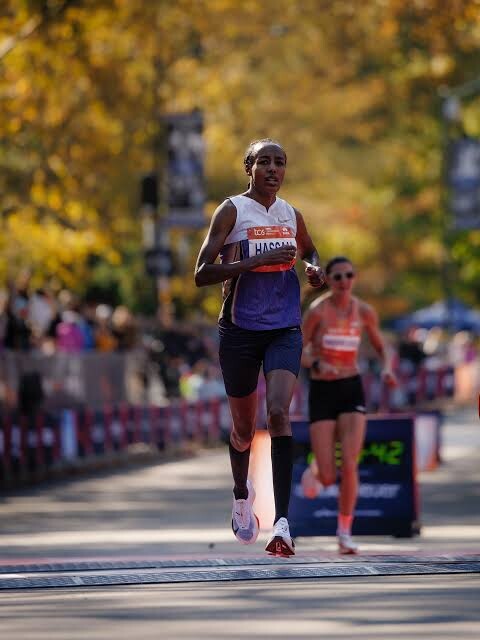
Her marathon career has already produced several memorable achievements. Hassan has won the London Marathon and Chicago Marathon, claimed victory at the Sydney Marathon, and secured Olympic marathon gold at the Paris 2024 Games. Those accomplishments underline her ability to adapt to different courses, race conditions and competitive challenges.
The withdrawal from New York follows another interruption to her 2026 campaign. Hassan previously pulled out of the London Marathon because of an Achilles injury, and the latest illness has further disrupted her plans for the season. With her training affected, stepping aside from New York allows her to prioritise her recovery rather than compete without the preparation she considers necessary.
Hassan’s absence will be a significant talking point in the build-up to the New York City Marathon, which takes runners through all five boroughs of the city before finishing in Central Park. The demanding course and deep international field regularly produce compelling racing, and her withdrawal creates an opportunity for other leading contenders to strengthen their ambitions.
Although the precise implications for the women’s elite field will depend on the final start list, the race remains an important opportunity for leading East African athletes and top American runners to challenge for victory. Without Hassan on the starting line, attention will turn to the athletes capable of taking advantage of the opportunity and delivering a memorable performance on the streets of New York.
For Hassan, however, the priority is no longer the immediate challenge of another marathon. The Dutch star has built her reputation through resilience, adaptability and a willingness to take on some of the toughest challenges in distance running. Recovering fully and returning to structured training will be essential as she considers her next competitive objectives.
At 33, Hassan already has an exceptional record that includes Olympic glory and victories at some of the world's most prestigious marathons. While her withdrawal is disappointing for fans who hoped to see her compete in New York again, it does not diminish the achievements that have made her one of the defining distance runners of her era.
The running world will now wait for news of her recovery and next racing plans. For the moment, Hassan’s message is clear: sometimes, even the best-laid preparations do not go according to plan, and knowing when to step back is part of an athlete’s journey.
The 2026 TCS New York City Marathon is scheduled for November 1. Hassan’s withdrawal removes one of the most accomplished names from the anticipated women’s field, but the race will continue to bring together elite athletes from around the world for another major contest over the five-borough course.
by Erick Cheruiyot for My Best Runs.
Login to leave a comment
TCS New York City Marathon
The first New York City Marathon, organized in 1970 by Fred Lebow and Vince Chiappetta, was held entirely in Central Park. Of 127 entrants, only 55 men finished; the sole female entrant dropped out due to illness. Winners were given inexpensive wristwatches and recycled baseball and bowling trophies. The entry fee was $1 and the total event budget...
more...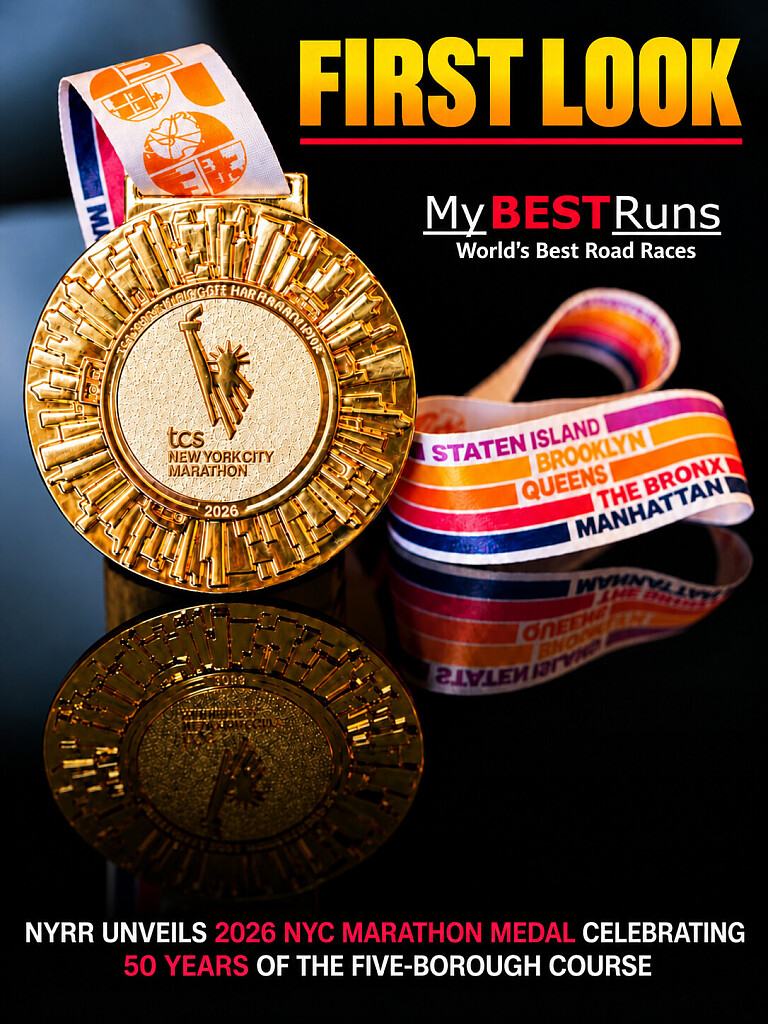
New York City Marathon Unveils Special 50th-Anniversary Finisher Medal
The TCS New York City Marathon is preparing to mark a major milestone in its history, and runners crossing the finish line on November 1 will take home a medal designed to celebrate five decades of the iconic five-borough course.
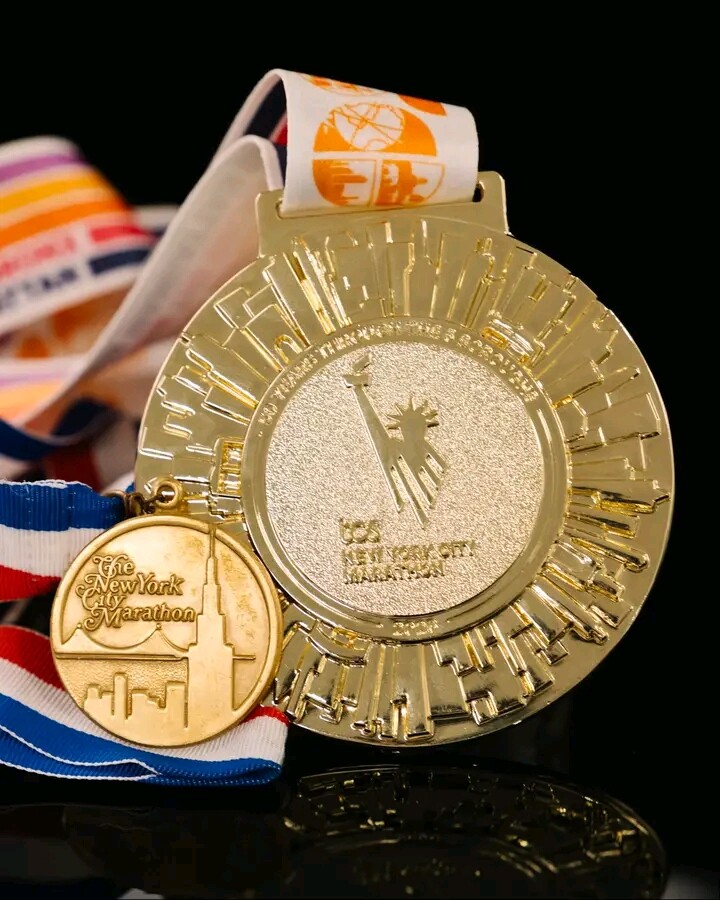
New York Road Runners (NYRR) has unveiled the official 2026 finisher medal, commemorating the 50th anniversary of the course that transformed the race after it moved beyond Central Park in 1976. The anniversary also marks 50 years since NYRR first introduced a finisher medal for the event.
The new medal combines elements of New York City and the marathon into a distinctive sculptural design. An abstract skyline spreads outward in a sunburst pattern, while the five bridges encountered along the marathon route are incorporated into the design, creating a visual connection between the race and the city through which it travels.
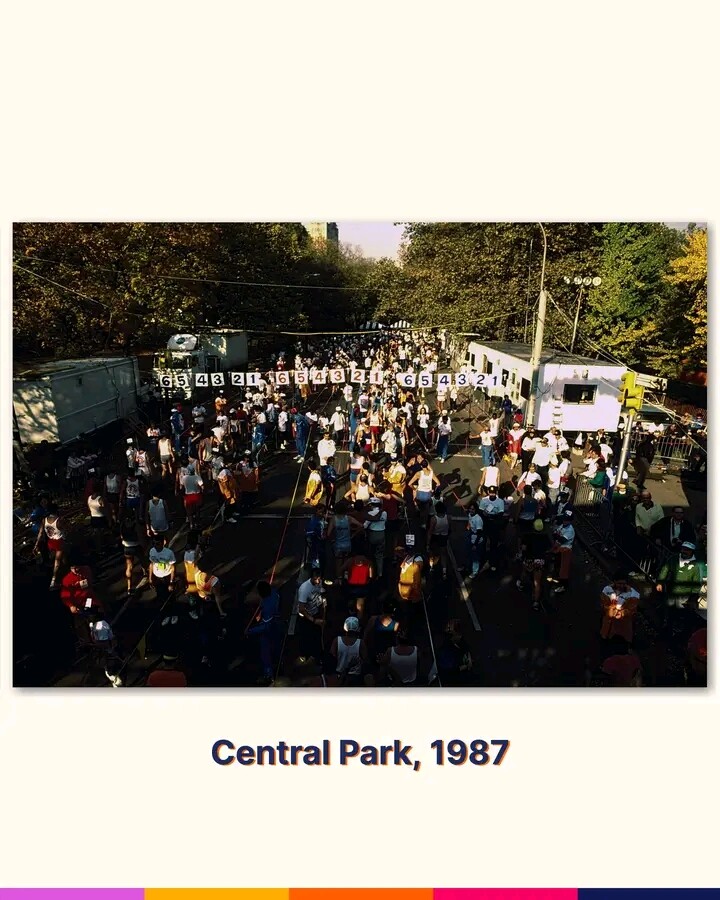
At the heart of the concept is an unbroken circular skyline, symbolising the five boroughs coming together as one. It reflects one of the defining characteristics of the New York City Marathon: a single 26.2-mile journey that connects Staten Island, Brooklyn, Queens, the Bronx and Manhattan.
The 2026 medal will be produced in zinc with an electroplated gold finish and measures 3.5 inches across, making it slightly larger than the standard medal in recognition of the anniversary. Despite the larger overall size, the central medallion remains 2.12 inches, the same measurement used for the 2025 edition.
The ribbon also pays tribute to the race's history, drawing inspiration from the visual style of the 1970s. It features the marathon logo, the 50th-anniversary emblem and references to all five boroughs, completing a design that blends the event's past with its present.
For thousands of runners, the medal will represent far more than simply a race souvenir. It will be a lasting reminder of the miles covered through one of the world's most recognisable cities and of the personal achievement of reaching the finish line in Central Park.
NYRR chief marketing and digital officer Juliette Morris said the design was created to capture the unique character of the marathon, from the atmosphere of New York City to the shared experience that brings runners and spectators together every year.
As the 2026 edition approaches, the special medal adds another layer of significance to a race already steeped in history. For those who complete the journey on November 1, it will serve as a tangible symbol of both their individual achievement and the 50-year legacy of the modern New York City Marathon.
by Erick Cheruiyot for My Best Runs.
Login to leave a comment
TCS New York City Marathon
The first New York City Marathon, organized in 1970 by Fred Lebow and Vince Chiappetta, was held entirely in Central Park. Of 127 entrants, only 55 men finished; the sole female entrant dropped out due to illness. Winners were given inexpensive wristwatches and recycled baseball and bowling trophies. The entry fee was $1 and the total event budget...
more...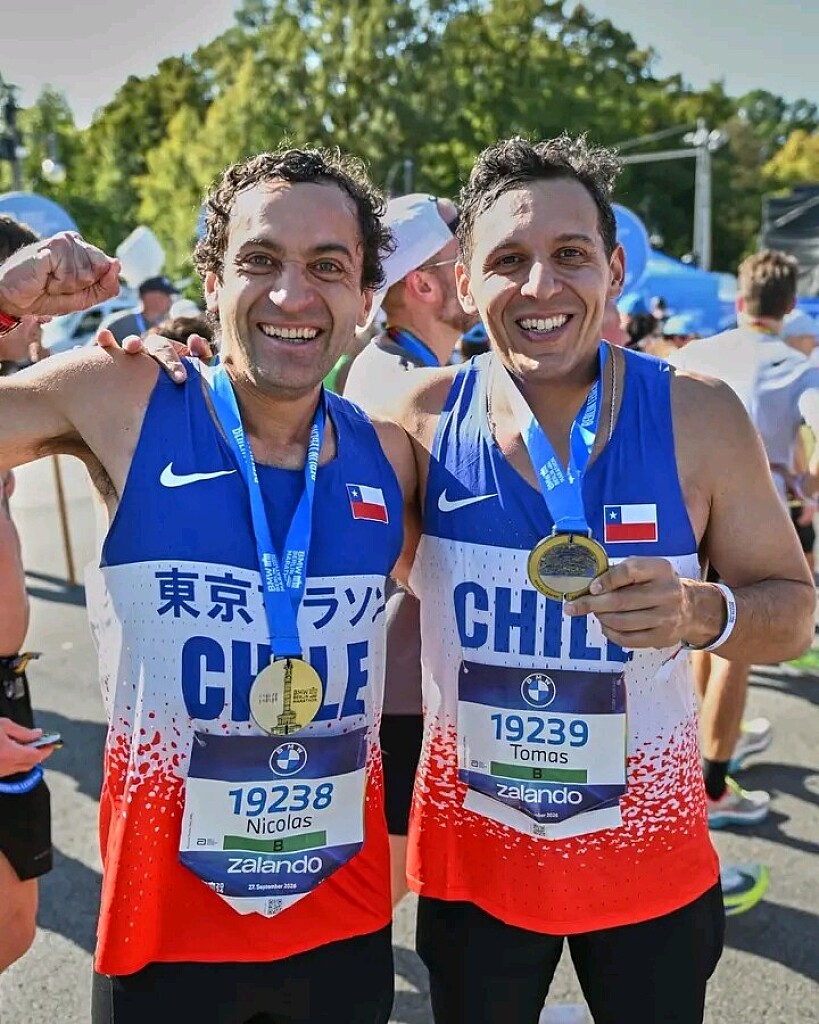
Chilean Duo Chase History With Ambitious Abbott World Marathon Majors Slam
Two Chilean athletes, Tomás and Nicolás, are chasing a remarkable piece of marathon history as they attempt to complete all seven Abbott World Marathon Majors races in a single calendar year.
Their ambitious journey began with a clear objective: to race the world’s biggest marathon stages throughout 2026 and become the first athletes from Chile to complete an Abbott World Marathon Majors Slam.
Their challenge has taken them across continents, following the prestigious Major circuit from one iconic city to another. Each race has brought a different course, atmosphere and test of endurance, but the ultimate goal has remained unchanged — reaching the finish line of every Major in the same year.
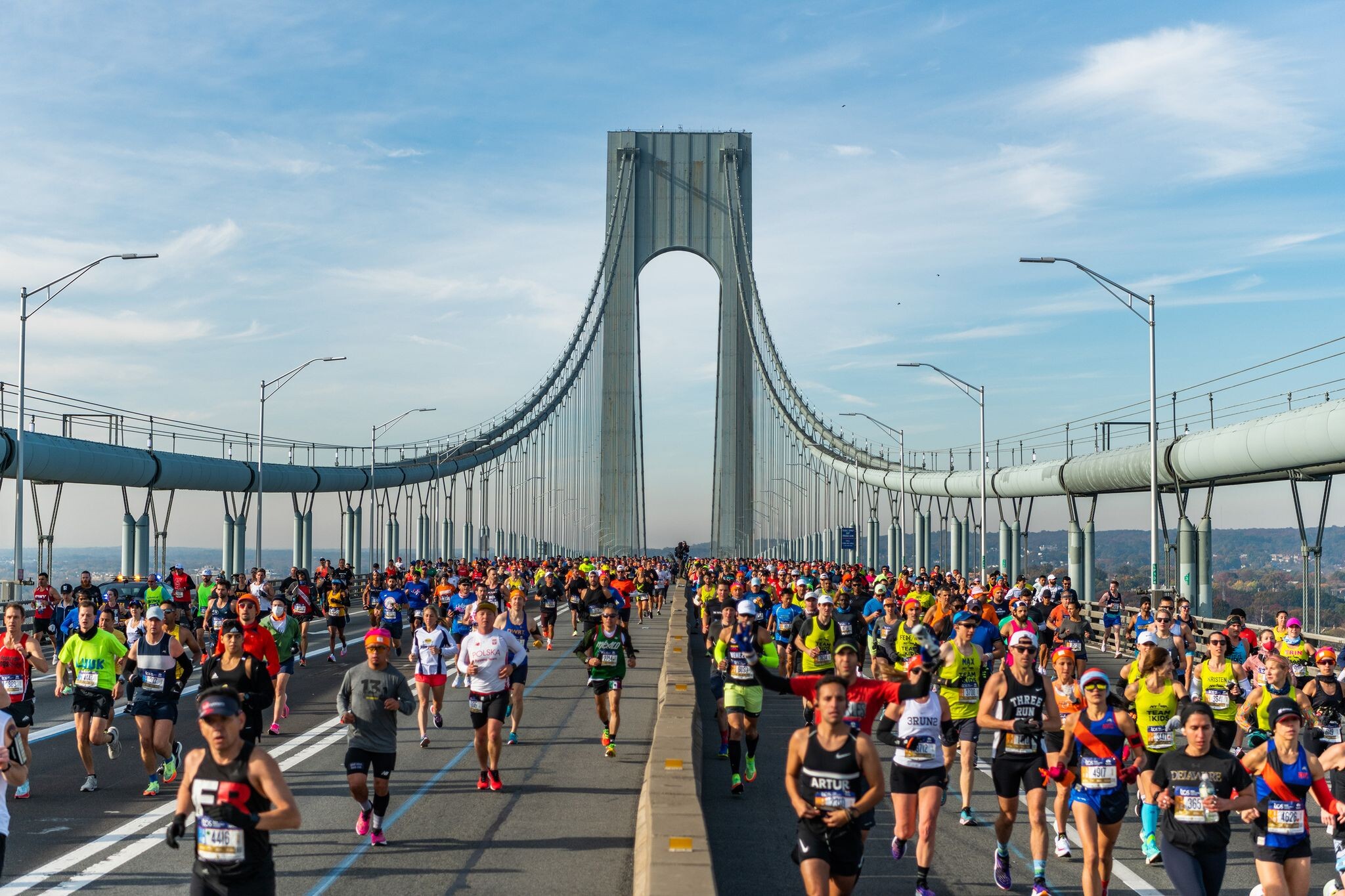
The journey is demanding not only because of the physical challenge of racing seven world-class marathons, but also because of the travel, recovery and preparation required between events. Moving from one international marathon to another leaves little room for error, making consistency and resilience just as important as speed.
For Tomás and Nicolás, every starting line represents another step towards a milestone that would carry special significance for Chilean distance running. Their campaign has turned the marathon calendar into a year-long adventure, with each race adding another chapter to a story that could ultimately end in the heart of New York City.
With the series now approaching its final stages, Tomás and Nicolás are closing in on a destination that could complete their extraordinary journey: Central Park in New York City, where the 2026 New York City Marathon will be held on November 2.
They are not alone in the pursuit. Fifty-three athletes are currently on course for an Abbott Slam in 2026, creating an intriguing race against time as the remaining Majors determine who will ultimately complete the demanding seven-race challenge.
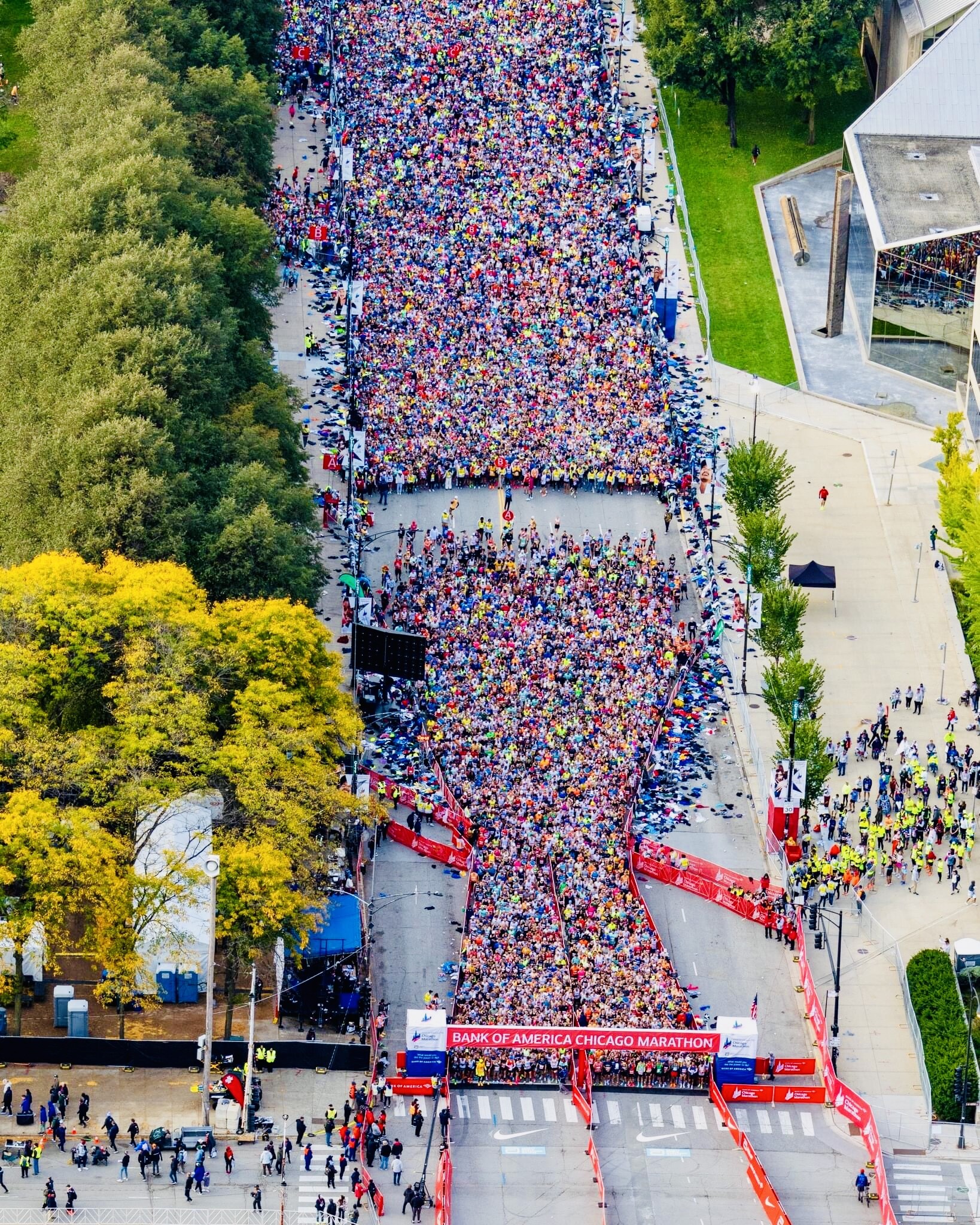
Before New York, however, the athletes still have another major chapter to write in Chicago, where the Bank of America Chicago Marathon will provide the next opportunity to keep their dreams alive.
For Tomás and Nicolás, this is about more than collecting marathon medals. It is a journey representing Chile on some of the most prestigious stages in global distance running — with the possibility of ending the year as the first Chileans to accomplish something truly historic.
Chicago is next. New York awaits. And the dream of a Chilean Abbott Slam is getting closer to reality.
by Erick Cheruiyot for My Best Runs.
Login to leave a comment
Bank of America Chicago
Running the Bank of America Chicago Marathon is the pinnacle of achievement for elite athletes and everyday runners alike. On race day, runners from all 50 states and more than 100 countries will set out to accomplish a personal dream by reaching the finish line in Grant Park. The Bank of America Chicago Marathon is known for its flat and...
more...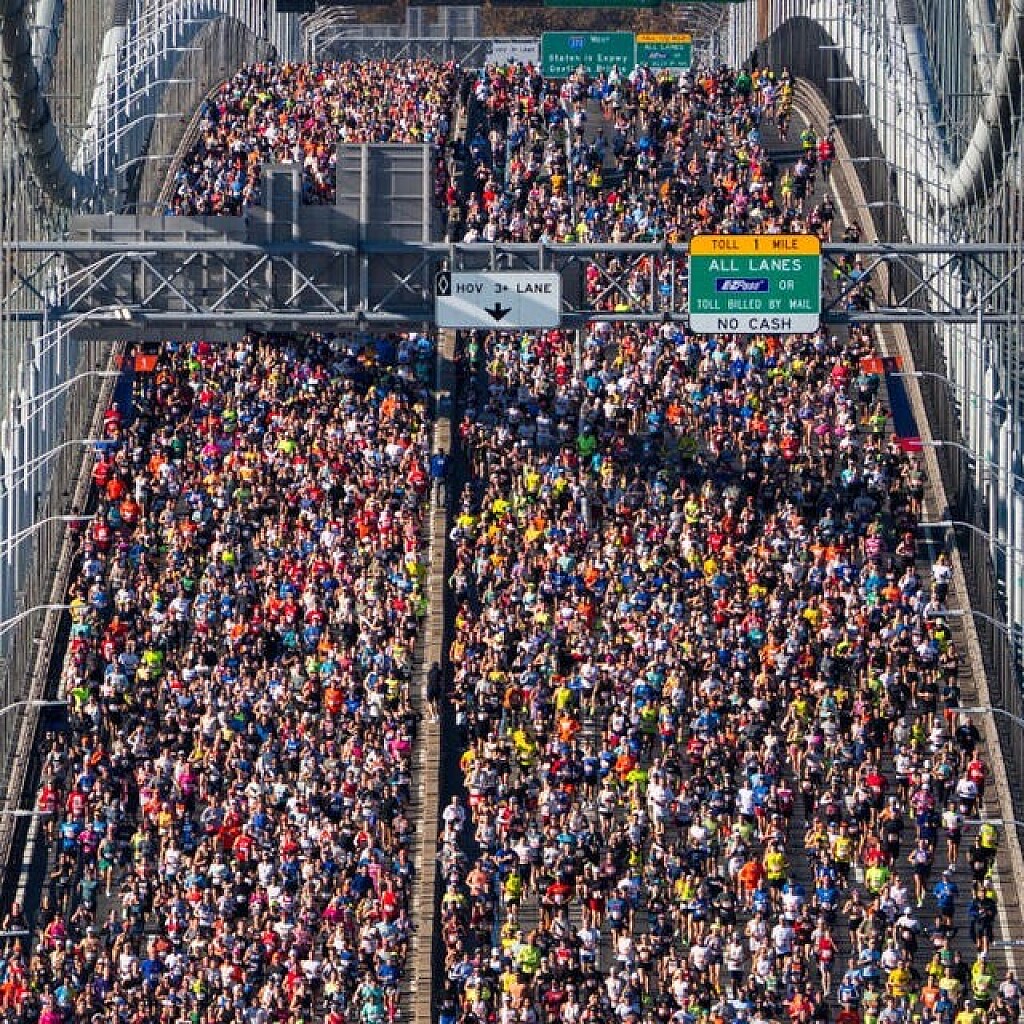
New York City Marathon Makes First Course Change in 15 Years
The TCS New York City Marathon is set for a small but significant change to its iconic 26.2-mile course, with runners facing a revised section in the Bronx between Miles 20 and 21.
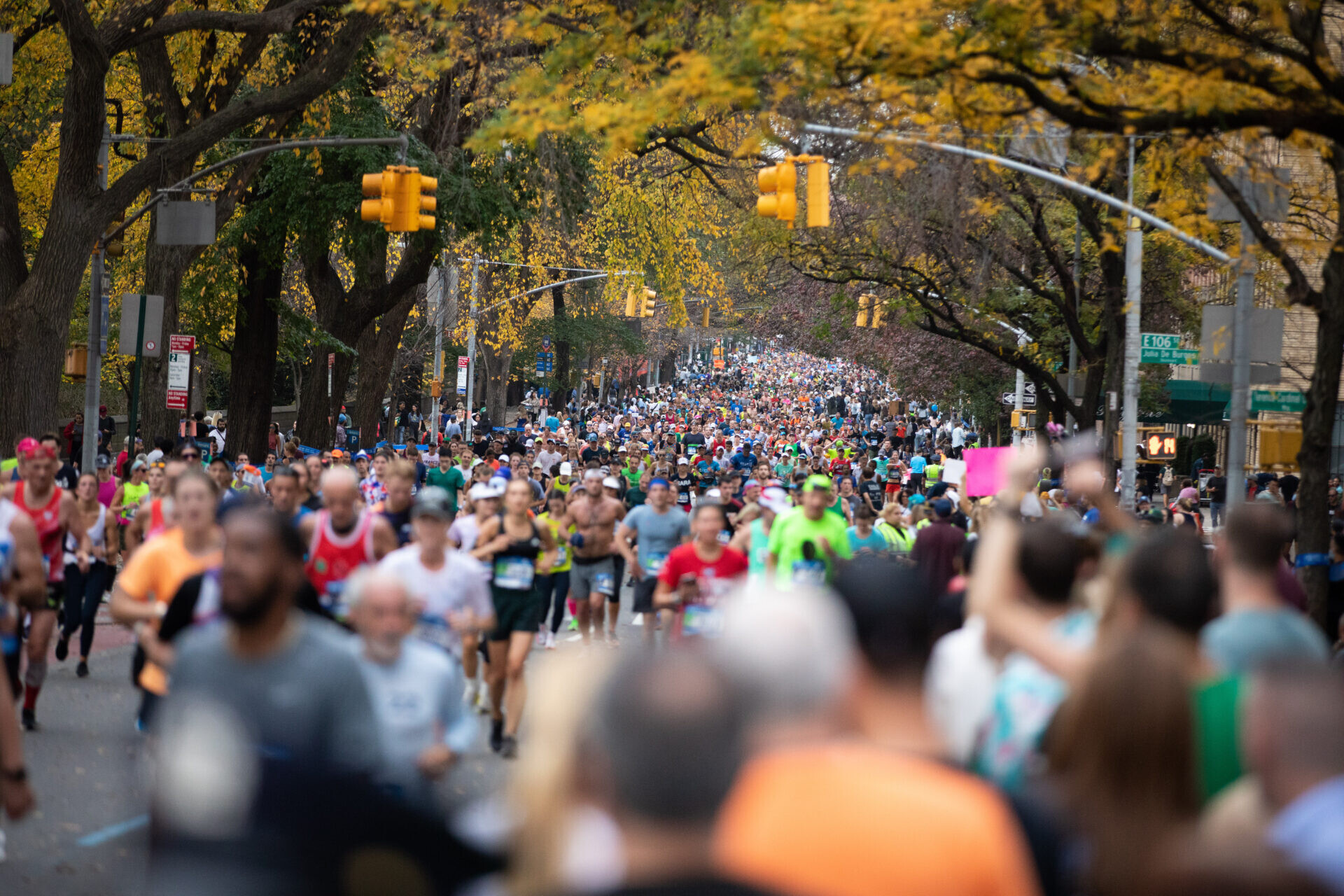
For 15 years, every New York City Marathon runner passed through the exact same stretch of the Bronx around Mile 20, navigating a short loop that surrounded a neighborhood supermarket and a 24-hour laundromat for much of race day. This November, that familiar loop will disappear.
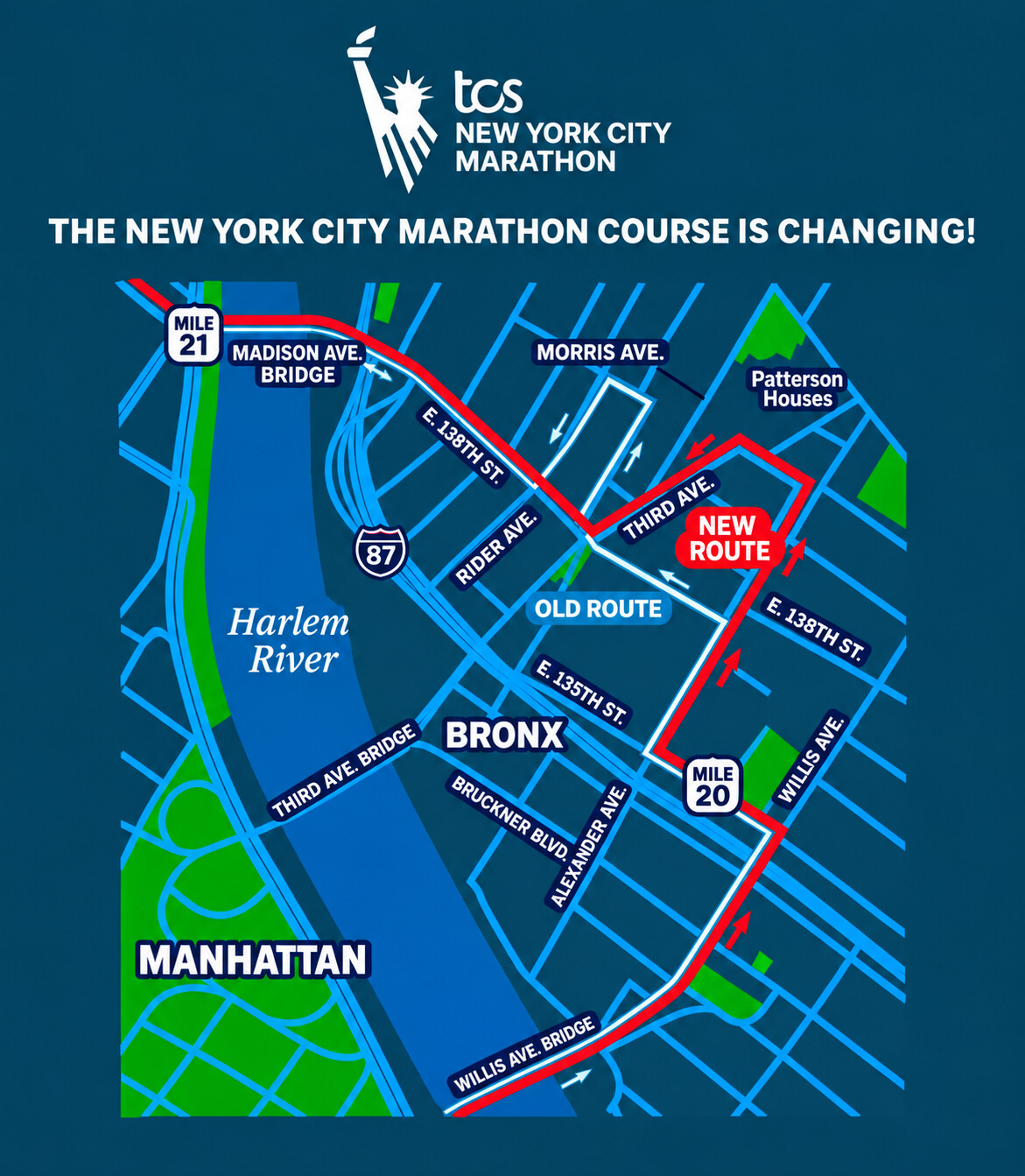
New York Road Runners (NYRR) is making its first course change to the marathon in 15 years. Instead of looping near East 140th Street, runners will head north on Alexander Avenue, turn onto Third Avenue and then cut south on 138th Street toward the Madison Avenue Bridge.
The adjustment removes two turns from the Bronx section, reducing the number from seven to five. While that may sound insignificant for a race covering 26.2 miles, the change comes at a point when runners are already deep into the marathon and every turn, road surface and change in rhythm can become more noticeable.
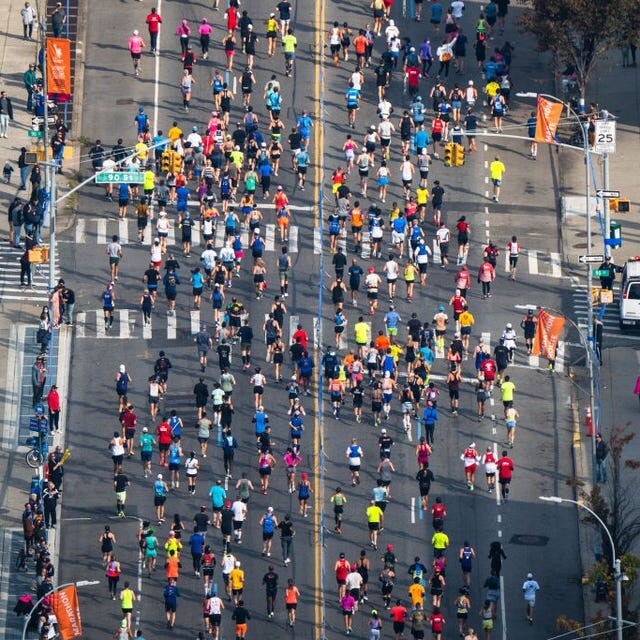
However, the primary reason for the change is not to make the course faster or help runners shave seconds from their finishing times.
Bronx resident Jennifer Alicea told The New York Times that the previous route made it extremely difficult to reach her only nearby grocery store on marathon day. NYRR's Metellus, who grew up in the Bronx, described the affected blocks as food deserts and saw the course's required recertification as an opportunity to address the problem.
The timing also carries added significance. This year marks 50 years since the New York City Marathon expanded beyond Central Park in 1976, becoming the five-borough race that has since grown into one of the world's most famous marathons.
The route will still cover the same 26.2 miles through New York's five boroughs, but the Bronx experience will be slightly different. For elite athletes, two fewer turns could mean a smoother rhythm during the crucial closing stages. For thousands of recreational runners, the bigger difference may be felt by the communities living along the course rather than on the race clock.
The New York City Marathon has long been celebrated not only for its elite competition but also for the connection between the race and the communities it passes through. The latest adjustment reflects that relationship, showing how even an established course can evolve while preserving the character of the event.
So, two fewer turns, the same five boroughs and the same 26.2 miles — but potentially one less headache for residents of the Bronx.
For runners taking on New York this November, the question remains: will you even notice those two fewer turns when you reach Mile 20?
by Erick Cheruiyot for My Best Runs.
Login to leave a comment
TCS New York City Marathon
The first New York City Marathon, organized in 1970 by Fred Lebow and Vince Chiappetta, was held entirely in Central Park. Of 127 entrants, only 55 men finished; the sole female entrant dropped out due to illness. Winners were given inexpensive wristwatches and recycled baseball and bowling trophies. The entry fee was $1 and the total event budget...
more...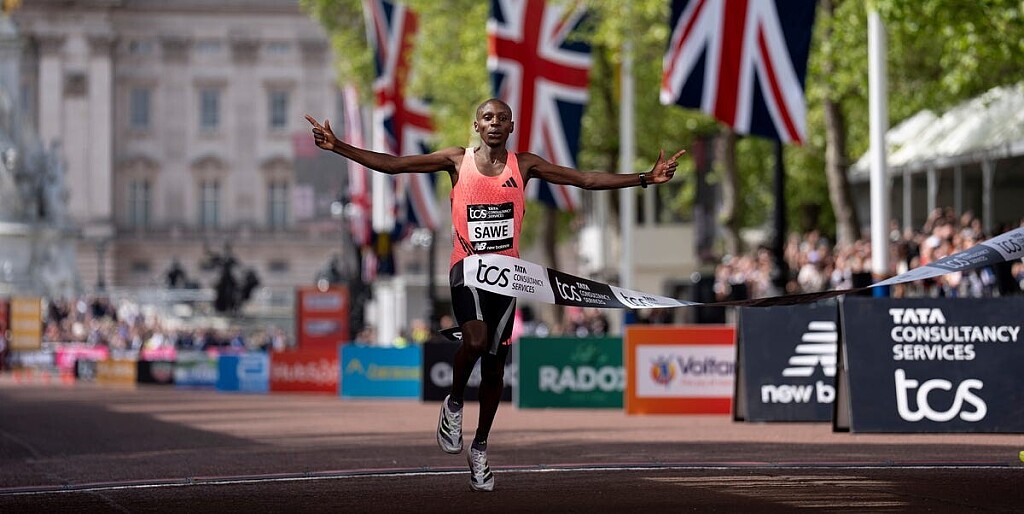
Marathon Majors Course Records: Where Speed, History And The Course Collide
The world’s biggest marathons are united by prestige, elite fields and unforgiving 26.2-mile battles, but their course records tell very different stories. From Tokyo to Sydney, each course has its own character, while London and Chicago have become synonymous with extraordinary speed.
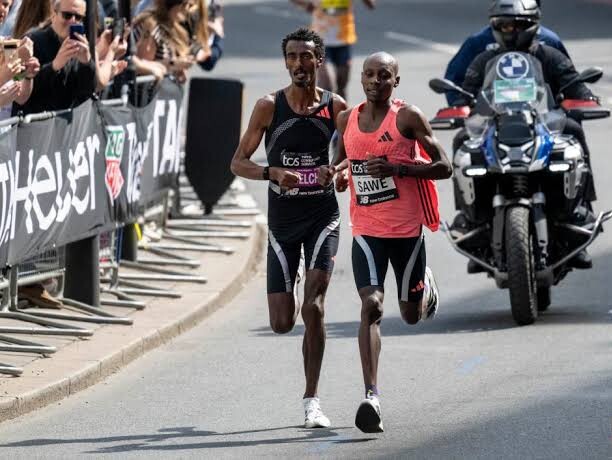
At the top of the men’s list stands the London Marathon, where Kenya’s Sabastian Sawe produced one of the greatest performances in road-running history. Sawe clocked 1:59:30 in April 2026, becoming the first athlete to officially break the two-hour barrier in a marathon. His performance also lowered the world record from Kelvin Kiptum’s previous mark of 2:00:35.
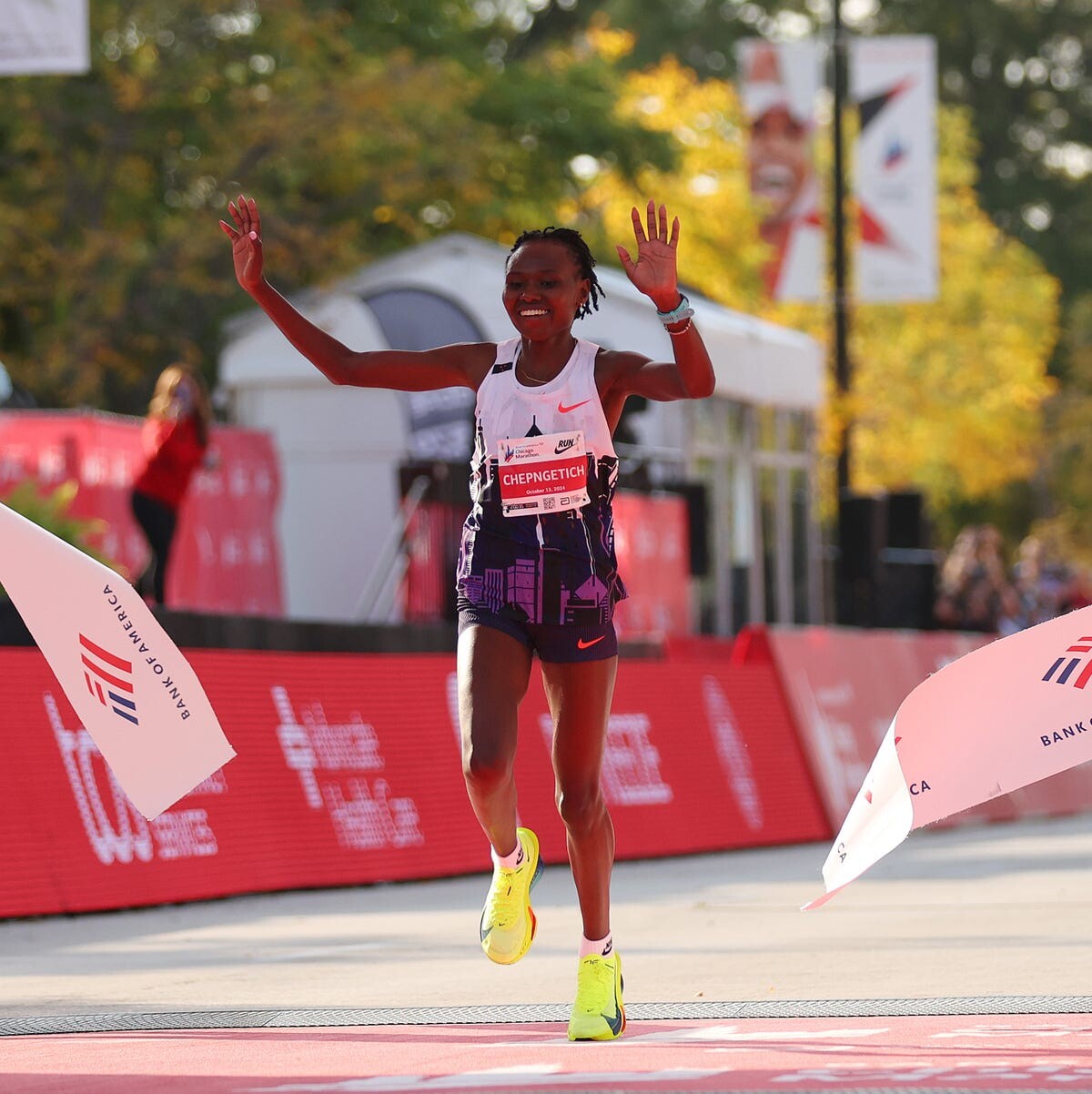
Chicago, meanwhile, owns one of the most remarkable records in women’s marathon history. Kenya’s Ruth Chepngetich ran 2:09:56 in 2024, becoming the first woman to break the 2:10 barrier. The performance remains a landmark in the event’s history and gives Chicago a special place among the fastest marathon courses in the world.
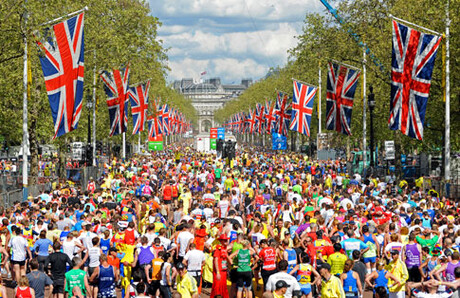
The men’s Chicago record is 2:00:35, set by the late Kelvin Kiptum in 2023. That performance stood as the world record until Sawe’s extraordinary 1:59:30 in London in 2026.
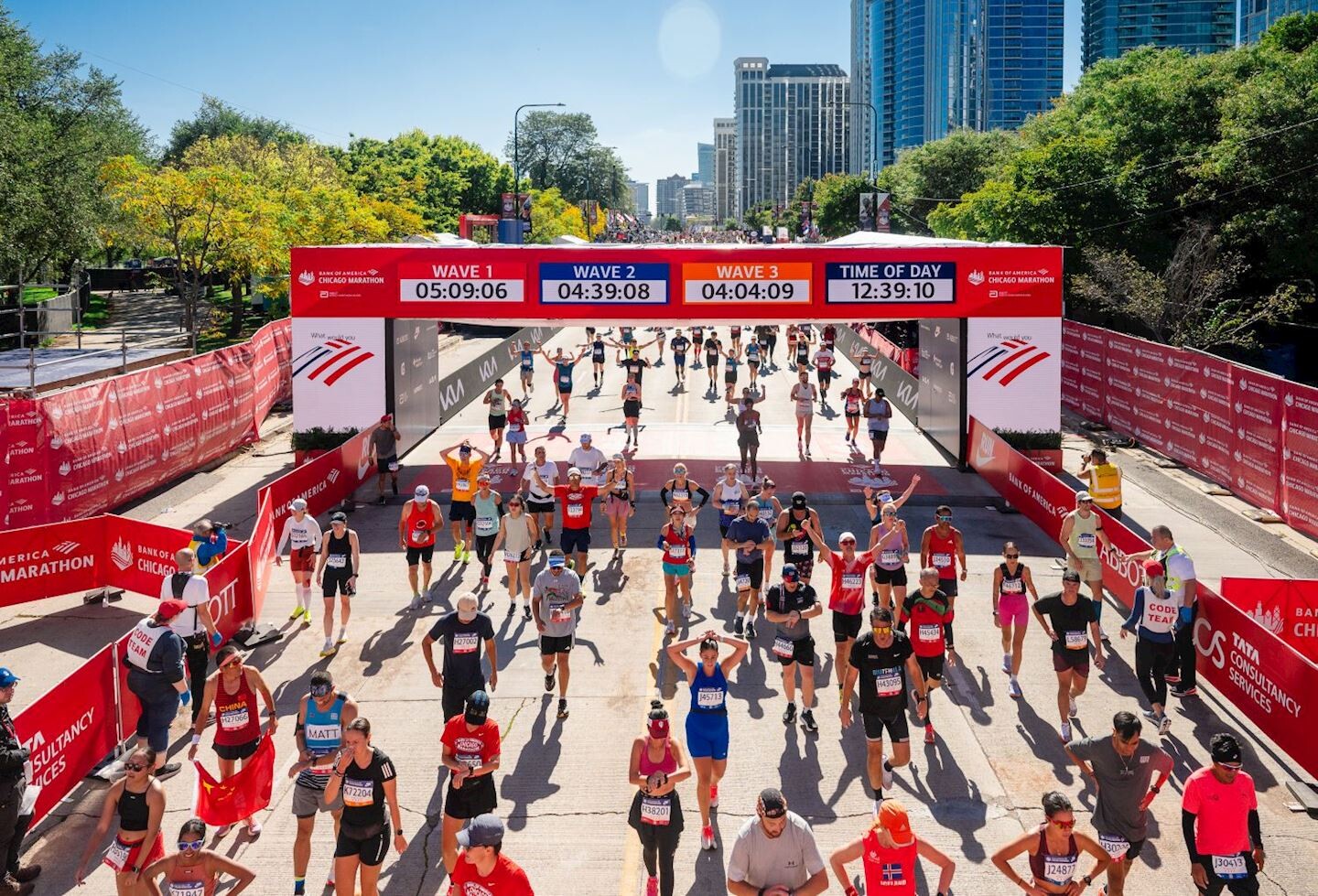
Then there is Berlin, perhaps the most celebrated world-record factory in marathon history. Kenya’s Eliud Kipchoge holds the men’s course record at 2:01:09, while Ethiopia’s Tigist Assefa owns the women’s mark at 2:11:53. Berlin has hosted numerous men’s world records over the years, underlining its reputation as one of the fastest marathon courses on the planet.
The elevation figures help explain why the courses produce such different performances. Berlin has relatively modest elevation changes, creating a fast and rhythm-friendly route. Other Majors present considerably greater challenges.
Boston, for example, climbs 248 metres but descends 388 metres. Its famous point-to-point layout and net downhill profile make it exceptionally fast in places, but its course does not qualify for official world-record purposes because the elevation drop exceeds the limit permitted by World Athletics.
New York City is a completely different proposition. With approximately 246 metres of climbing, it is among the toughest Major Marathon courses, demanding strength and tactical patience rather than simply raw speed. Its records therefore carry a different kind of significance, earned on a course that tests athletes through bridges, climbs and a demanding closing stretch into Central Park.
Tokyo offers another fast but distinctive challenge, with Benson Kipruto holding the men’s course record in 2:02:16. Brigid Kosgei’s 2:14:29 remains the women’s course record, illustrating the exceptional standard required to rewrite the record books in the Japanese capital.
And then there is Sydney, the newest addition to the Abbott World Marathon Majors family. Its course has already produced outstanding performances, with Addisu Gobena’s 2:04:42 listed as the men’s course record and Sifan Hassan’s 2:18:22 as the women’s mark in the graphic. With its demanding elevation profile, those performances underline just how quickly the Sydney course has established itself among the world’s major marathon stages.
What makes these records fascinating is that they cannot be judged by the clock alone. A 2:01 on a fast, record-legal course is a completely different achievement from a 2:04 on a demanding route, while Boston’s unique course rules mean that even exceptionally fast performances cannot enter the official world-record conversation.
For decades, marathon greatness was largely measured by who could run fastest. Today, the Majors show that where the time is run can be almost as important as the time itself. From Sawe’s historic sub-two-hour breakthrough in London to Chepngetich’s barrier-breaking run in Chicago and Berlin’s remarkable record history, these performances represent different chapters of marathon history—and the next chapter could be written at any Major.
by Erick Cheruiyot for My Best Runs.
Login to leave a comment
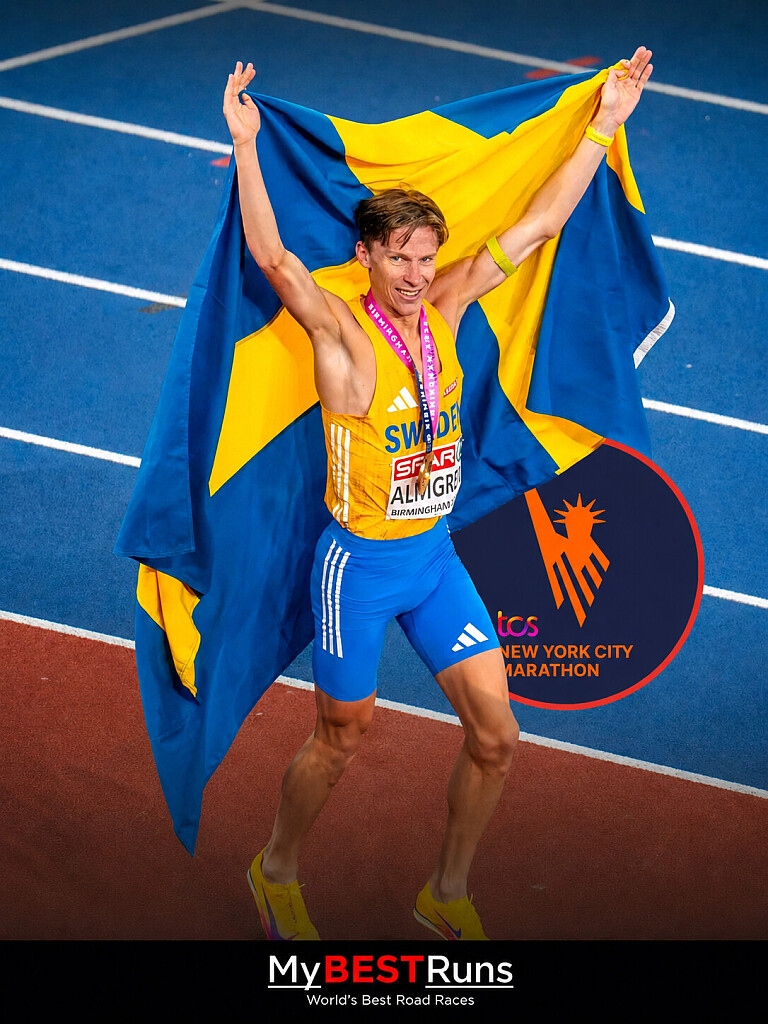
From European Records to 42.195km: Andreas Almgren Takes on New York
Andreas Almgren has spent the past two seasons transforming himself into one of Europe’s most formidable distance runners. Now, the Swedish star is ready to take on an entirely new challenge — the marathon.
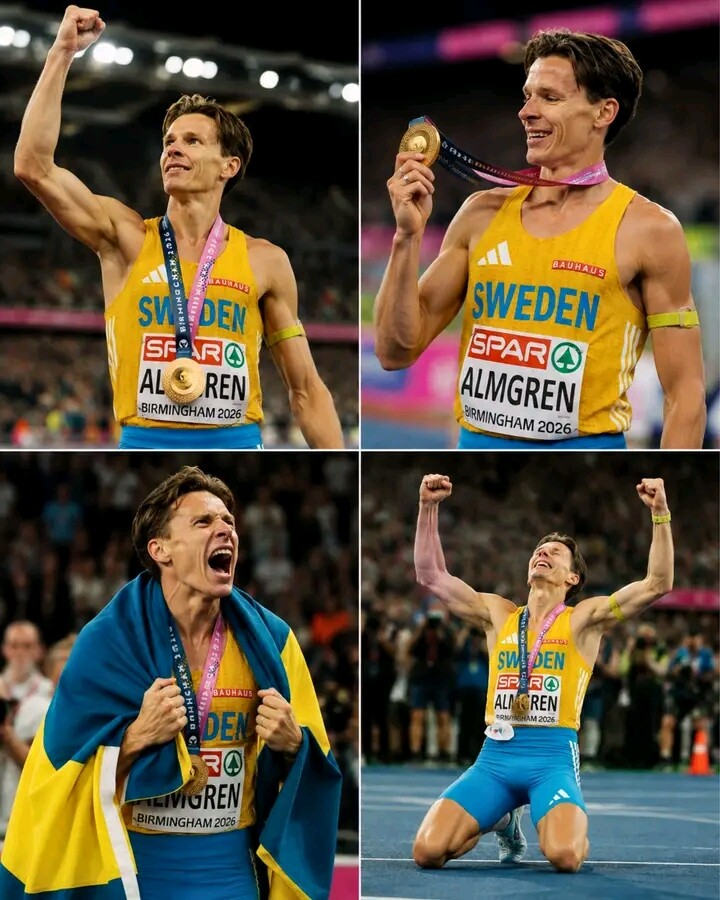
Fresh from a commanding European 10,000m triumph in Birmingham, Almgren has confirmed that he will make his marathon debut at the TCS New York City Marathon on November 1. The decision adds another intriguing chapter to a remarkable rise that has seen him repeatedly rewrite the European record books.
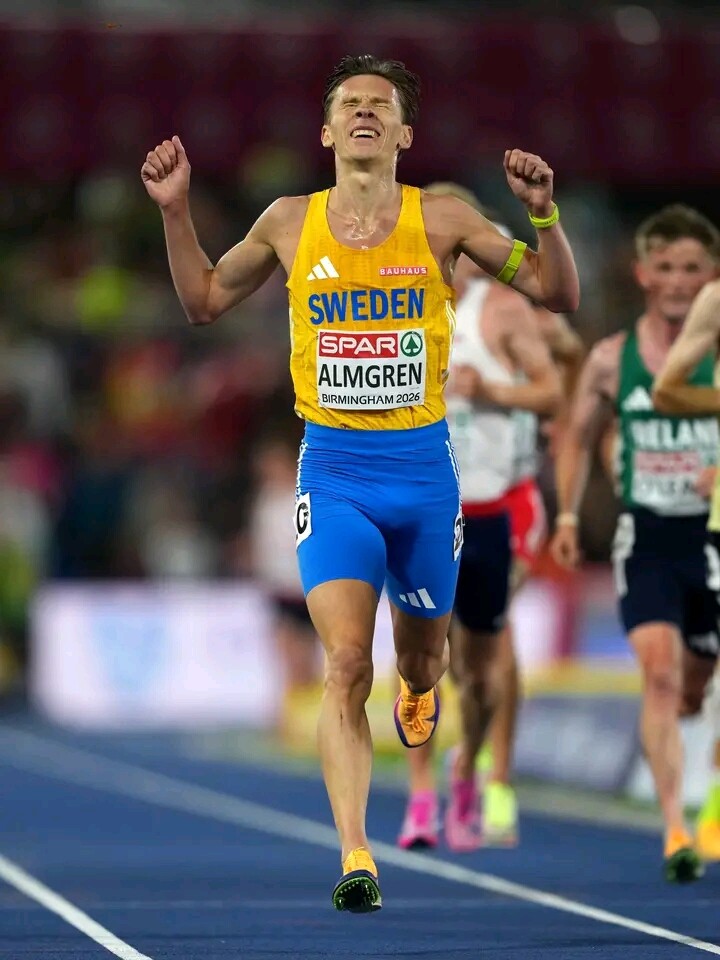
The 31-year-old owns European records of 12:44.27 for 5,000m, 26:45 for 10km on the road and 58:41 for the half marathon — extraordinary marks that underline both his speed and his growing endurance. His 26:45 in Valencia in January 2026 lowered his own European 10km record, while his 58:41 in Valencia last October made him the first European athlete to break the 59-minute barrier for the half marathon.
His latest achievement came in Birmingham, where Almgren produced one of the most dominant performances of the European Championships. He stormed to the 10,000m title in 27:23.44, setting a championship record and adding a major senior title to the World Championships bronze medal he won over the same distance in Tokyo last year.
Yet his choice of New York for his first marathon is what makes the announcement particularly fascinating.
Rather than selecting a traditionally fast, flat course where a debutant can concentrate almost exclusively on the clock, Almgren has chosen one of the most demanding and tactically complex marathons on the calendar. The New York course takes runners through all five boroughs and across five bridges before the finish in Central Park, combining repeated climbs, descents, turns and constantly changing race dynamics.
It is a course that rewards patience, strength and tactical intelligence as much as raw speed. For Almgren, whose career has been built around racing at the highest level rather than simply accumulating fast times, the setting could provide a fascinating test of how his exceptional track and road credentials translate to 42.195 kilometres.
And he will not be entering a quiet debut race. The 2026 field features defending men's champion Benson Kipruto, former champion Geoffrey Kamworor, Dutch star Abdi Nageeye, American contenders Conner Mantz and Zouhair Talbi, as well as several other elite marathoners. Almgren is one of a small group of high-profile athletes making their marathon debuts in New York.
The race will also mark the 50th anniversary of the modern five-borough New York City Marathon course, adding even greater significance to an already prestigious occasion. With Almgren bringing European-record credentials, a fresh continental title and the confidence of a breakthrough period behind him, his first encounter with the marathon promises to be one of the most closely watched stories of the autumn road-racing season.
For a runner who has already conquered the track and rewritten the European road-running record books, New York represents the beginning of another journey.
On November 1, the question will no longer be how fast Andreas Almgren can run 5,000m, 10km or a half marathon.
It will be how far that extraordinary speed and endurance can carry him over 42.195 kilometres through the streets of New York.
by Erick Cheruiyot for My Best Runs.
Login to leave a comment
TCS New York City Marathon
The first New York City Marathon, organized in 1970 by Fred Lebow and Vince Chiappetta, was held entirely in Central Park. Of 127 entrants, only 55 men finished; the sole female entrant dropped out due to illness. Winners were given inexpensive wristwatches and recycled baseball and bowling trophies. The entry fee was $1 and the total event budget...
more...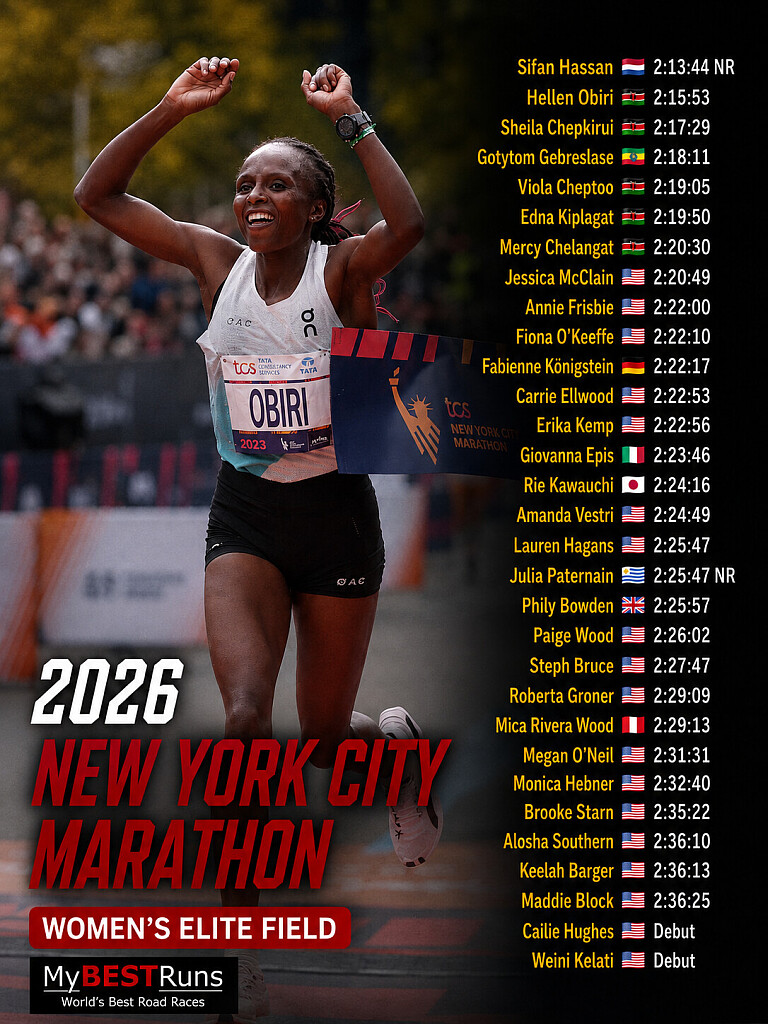
Sifan Hassan and Hellen Obiri Headline Star-Studded 2026 New York City Marathon Field
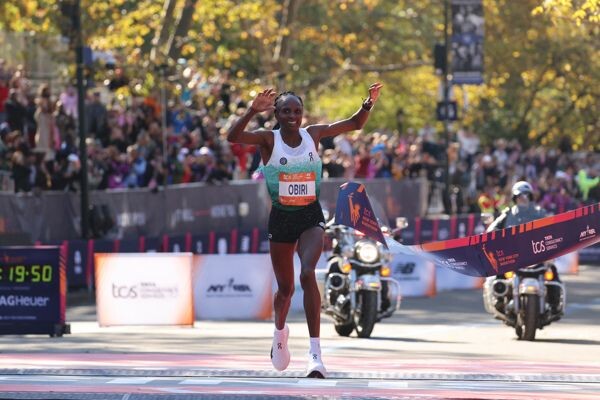
The 2026 TCS New York City Marathon is shaping up to be one of the most anticipated women’s marathon showdowns of the year, with Olympic champion Sifan Hassan of the Netherlands (2:13:44 NR) and defending champion Hellen Obiri of Kenya (2:15:53) leading a sensational field for November 1.
The pair headline a world-class lineup featuring Olympic and world champions, major-marathon winners, national record holders and some of the most exciting marathoners from around the globe.
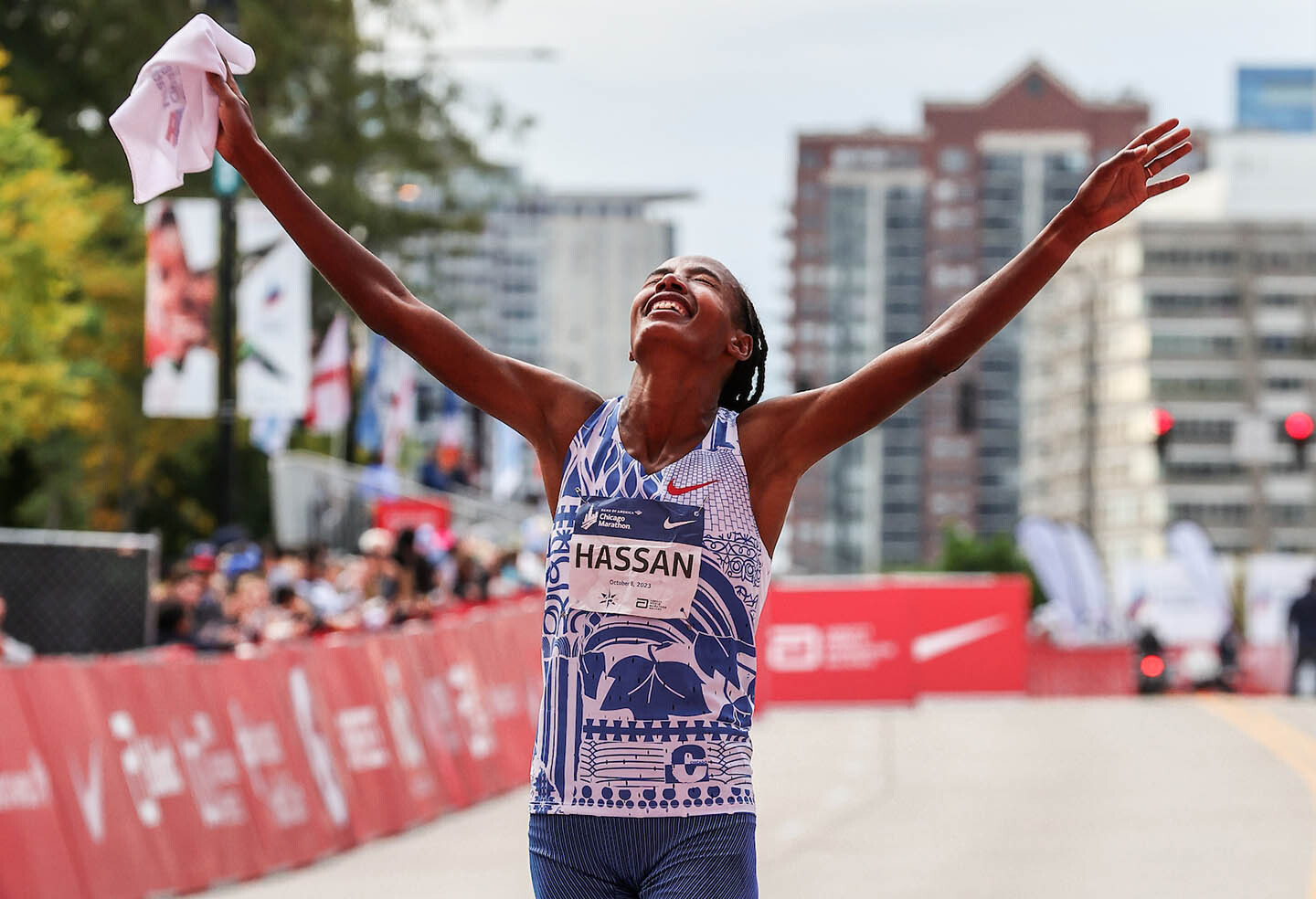
Hassan arrives with the fastest personal best in the field, while Obiri will return to New York seeking to defend the title she won last year in 2:19:51. The Kenyan star has established herself as one of the defining figures of the modern marathon, and another victory in New York would further strengthen her remarkable record over the distance.
“New York always brings out the best in me and I’m excited to return and feel the energy of each borough during such a historic year,” Obiri said.
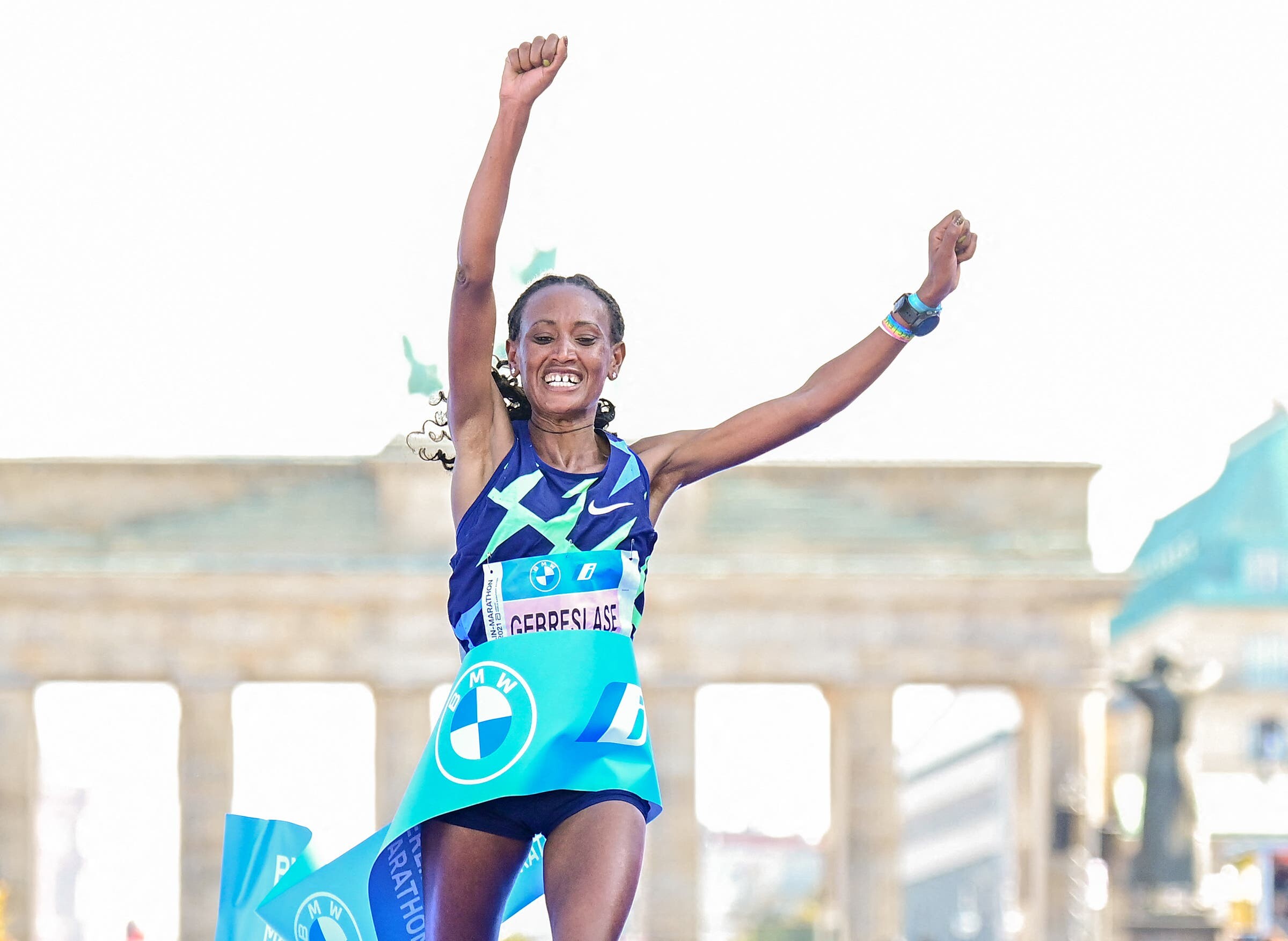
She will face a formidable Kenyan challenge led by Sheila Chepkirui (2:17:29), Viola Cheptoo (2:19:05), Edna Kiplagat (2:19:50) and Mercy Chelangat (2:20:30). Ethiopia will be represented by former world champion Gotytom Gebreslase (2:18:11), adding even more championship pedigree and experience to an already formidable front pack.
The strength of the field continues with Jessica McClain of the United States (2:20:49), Annie Frisbie of the United States (2:22:00), Fiona O’Keeffe of the United States (2:22:10) and Fabienne Königstein of Germany (2:22:17). They will be joined by fellow American contenders Carrie Ellwood (2:22:53), Erika Kemp (2:22:56), Amanda Vestri (2:24:49) and Lauren Hagans (2:25:47), while Giovanna Epis of Italy (2:23:46) and Rie Kawauchi of Japan (2:24:16) add further international quality.
The lineup also features Julia Paternain of Uruguay (2:25:47 NR), Phily Bowden of Great Britain (2:25:57), Paige Wood of the United States (2:26:02) and Steph Bruce of the United States (2:27:47). The experience continues with Roberta Groner of the United States (2:29:09) and Mica Rivera Wood of Peru (2:29:13), while Megan O’Neil (2:31:31), Monica Hebner (2:32:40), Brooke Starn (2:35:22), Alosha Southern (2:36:10), Keetah Barger (2:36:13) and Maddie Block (2:36:25) add considerable depth to the American contingent.
Two particularly intriguing names will also be making their marathon debuts: Cailie Hughes and Weini Kelati of the United States. Kelati enters the new chapter of her career after lowering the American half-marathon record to 1:06:04 in February, giving her a strong foundation as she steps up to the classic 26.2-mile distance for the first time.
Her marathon debut adds another layer of intrigue to an already star-studded race. Kelati’s speed and endurance could make her a dangerous contender if she adapts quickly to the demands of the marathon, while Hughes will also bring the unpredictability that comes with tackling the distance for the first time.
With athletes representing the Netherlands, Kenya, Ethiopia, the United States, Germany, Italy, Japan, Uruguay, Great Britain and Peru, the 2026 women’s field boasts remarkable international depth. The leading contenders bring contrasting strengths, experiences and racing backgrounds, setting the stage for a fascinating battle across New York’s five boroughs before the famous finish in Central Park.
For Hassan, the race represents another opportunity to showcase her extraordinary range and marathon pedigree. For Obiri, it is a chance to defend her New York crown against one of the deepest fields assembled for the race. Behind them, Chepkirui, Gebreslase, Cheptoo, Kiplagat and a host of talented contenders will be waiting to challenge for the podium.
With Olympic pedigree, world championship experience, major-marathon success and two highly anticipated marathon debuts all converging on New York, the stage is set for a compelling battle on November 1.
The question is no longer whether the 2026 TCS New York City Marathon will deliver drama, but who will emerge victorious when the battle reaches Central Park.
Who is your favorite to take the crown in New York?
by Erick Cheruiyot for My Best Runs.
Login to leave a comment
TCS New York City Marathon
The first New York City Marathon, organized in 1970 by Fred Lebow and Vince Chiappetta, was held entirely in Central Park. Of 127 entrants, only 55 men finished; the sole female entrant dropped out due to illness. Winners were given inexpensive wristwatches and recycled baseball and bowling trophies. The entry fee was $1 and the total event budget...
more...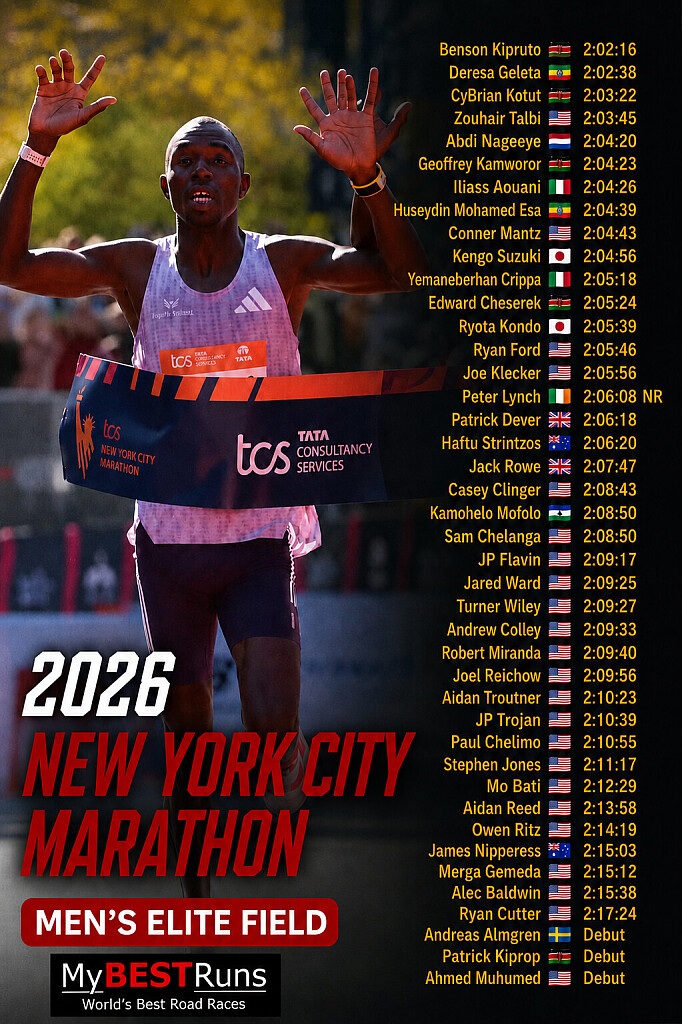
New York Marathon Set For Blockbuster Showdown As America’s Two Fastest Men Collide
The 2026 TCS New York City Marathon is shaping up to be one of the most anticipated editions in recent history, with New York Road Runners unveiling a remarkable men’s professional field that brings together the two fastest American marathoners ever on the same starting line.
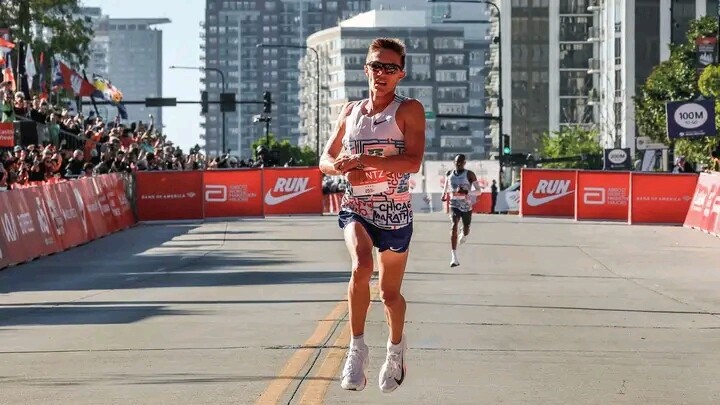
The race, scheduled for November 1, will feature American record-holder Conner Mantz (2:04:43) and Zouhair Talbi (2:03:45), whose performance at the 2026 Boston Marathon is the fastest marathon ever run by an American by clock time. However, because Boston is not a record-eligible course, Talbi’s mark does not replace Mantz’s official American record.
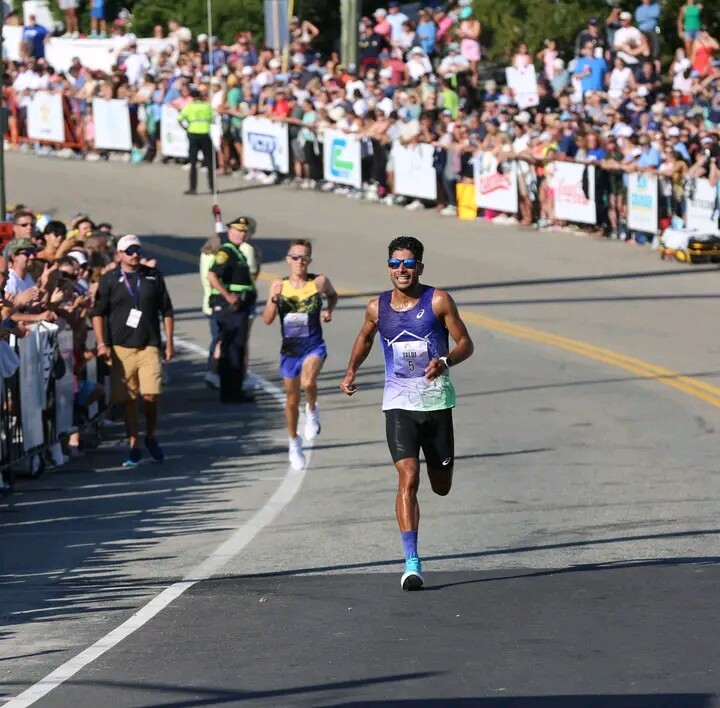
Mantz established the American record with his 2:04:43 fourth-place finish at the 2025 Chicago Marathon, breaking a national record that had stood since 2002. Talbi went even faster in Boston in April, crossing the line fifth in 2:03:45 and adding another extraordinary chapter to the rapid evolution of American marathon running.
That makes New York particularly intriguing. For the first time, the two men who occupy the top two positions on the all-time American marathon performance list will have the opportunity to race each other over a record-eligible course, with the streets of New York providing the stage.
And the American showdown will be only one part of a much bigger battle.
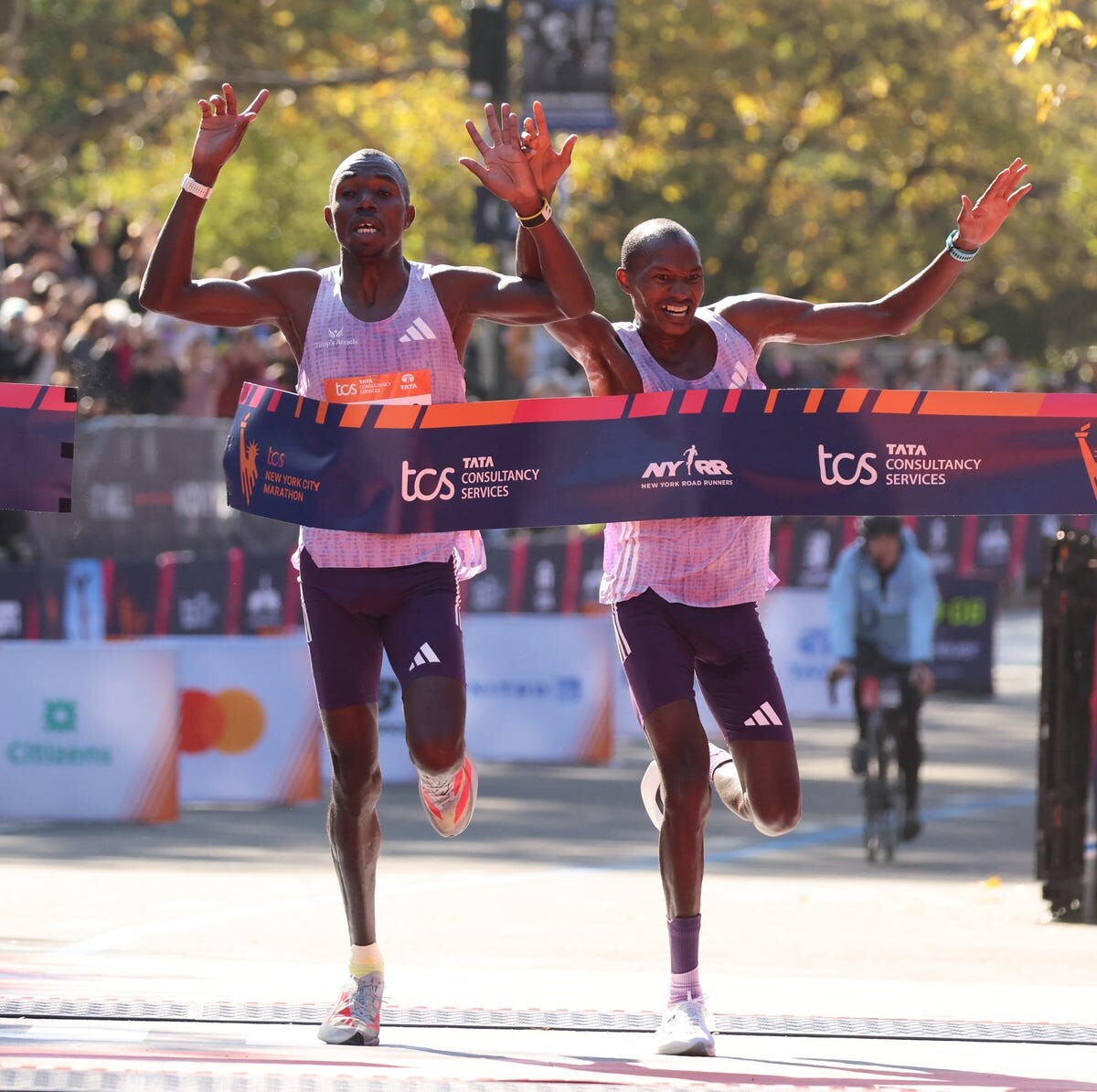
The international challenge is formidable. Defending champion Benson Kipruto (2:02:16) leads the field, followed by Ethiopia’s Deresa Geleta (2:02:38) and Kenya’s CyBrian Kotut (2:03:22). The lineup also includes the Netherlands’ Abdi Nageeye (2:04:20), Kenya’s Geoffrey Kamworor (2:04:23), Italy’s Iliass Aouani (2:04:26) and Ethiopia’s Huseydin Mohamed Esa (2:04:39).
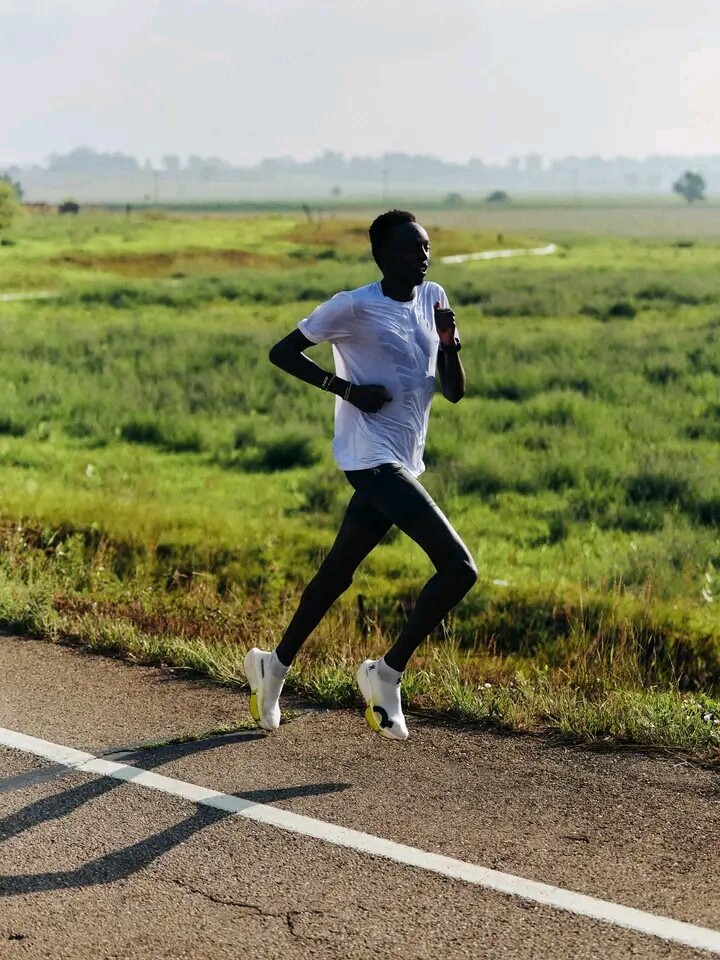
Just behind that group is Japan’s Kengo Suzuki (2:04:56), Italy’s Yemaneberhan Crippa (2:05:18), Kenya’s Edward Cheserek (2:05:24) and Japan’s Ryota Kondo (2:05:39). Ireland’s Peter Lynch (2:06:08), Great Britain’s Patrick Dever (2:06:18), Australia’s Haftu Strintzos (2:06:20) and Britain’s Jack Rowe (2:07:47) further strengthen a field that possesses extraordinary depth.
The American contingent is just as fascinating. Alongside Mantz and Talbi are Ryan Ford (2:05:46), Joe Klecker (2:05:56), Casey Clinger (2:08:43), Sam Chelanga (2:08:50), JP Flavin (2:09:17), Jared Ward (2:09:25), Turner Wiley (2:09:27), Andrew Colley (2:09:33), Robert Miranda (2:09:40) and Joel Reichow (2:09:56).
The depth continues with Aidan Troutner (2:10:23), JP Trojan (2:10:39), Paul Chelimo (2:10:55), Stephen Jones (2:11:17), Mo Bati (2:12:29), Aidan Reed (2:13:58), Owen Ritz (2:14:19), Merga Gemeda (2:15:12), Alec Baldwin (2:15:38) and Ryan Cutter (2:17:24). Australia’s James Nipperess (2:15:03) and Lesotho’s Kamohelo Mofolo (2:08:50) are also on the start list.
Three athletes will make their marathon debuts in New York: Sweden’s Andreas Almgren, Kenya’s Patrick Kiprop and American Ahmed Muhumed. Almgren, in particular, brings tremendous track credentials into his first attempt at 26.2 miles after winning the European 10,000m title in Birmingham in a championship-record 27:23.44.
The numbers tell the story of just how deep this field is. Ten men have personal bests faster than the existing New York City Marathon course record of 2:04:58, set by Tamirat Tola in 2023. Remarkably, Tola himself is not entered, nor is Alexander Mutiso, who finished runner-up to Kipruto in last year’s dramatic race.
For Mantz and Talbi, however, the stakes extend beyond the American record books. No American man has won the New York City Marathon since Meb Keflezighi in 2009, meaning the American contingent will arrive carrying a 17-year wait for another homegrown champion. Mantz and Talbi will have to overcome a formidable international field if either is to end that drought.
New York’s course will add another layer of difficulty. The bridges, sharp turns, rolling sections and notoriously demanding final miles toward Central Park have humbled some of the world’s fastest marathoners. Raw personal-best times will matter, but so will patience, positioning, tactical intelligence and the ability to produce a decisive move when the race reaches its most unforgiving stages.
With the official American record-holder, the fastest American by clock time, a defending champion, multiple 2:04 marathoners and a host of world-class contenders all converging on the Big Apple, the 2026 New York City Marathon has the ingredients of a classic.
On November 1, the streets of New York could become the setting for another extraordinary chapter in marathon history.
by Erick Cheruiyot for My Best Runs.
Login to leave a comment
TCS New York City Marathon
The first New York City Marathon, organized in 1970 by Fred Lebow and Vince Chiappetta, was held entirely in Central Park. Of 127 entrants, only 55 men finished; the sole female entrant dropped out due to illness. Winners were given inexpensive wristwatches and recycled baseball and bowling trophies. The entry fee was $1 and the total event budget...
more...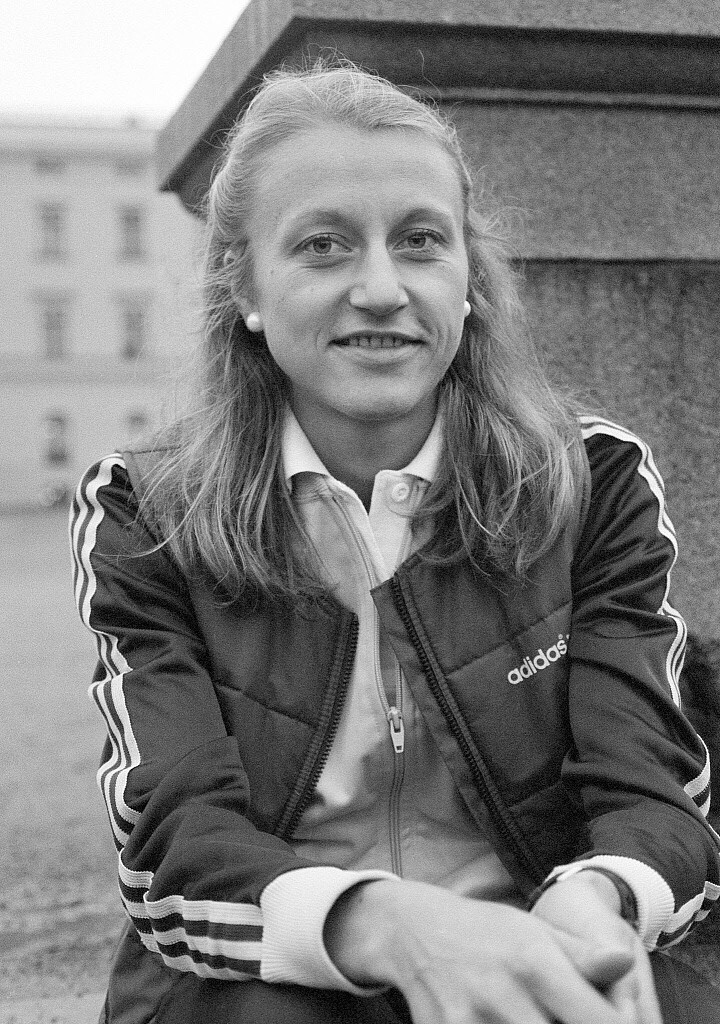
From an Unplanned Marathon to Immortality: The Incredible Story of Grete Waitz's Nine New York City Marathon Victories
When Grete Waitz boarded a flight to New York in October 1978 with her husband, Jack, becoming one of the greatest marathon runners in history was the last thing on her mind.
At just 25 years old, the Norwegian schoolteacher was an accomplished middle-distance athlete and a two-time Olympian over 1,500 metres. She had never raced a marathon, and the furthest she had ever run was only 10 miles in training. The journey to the United States was intended to be more of a holiday than a sporting mission.
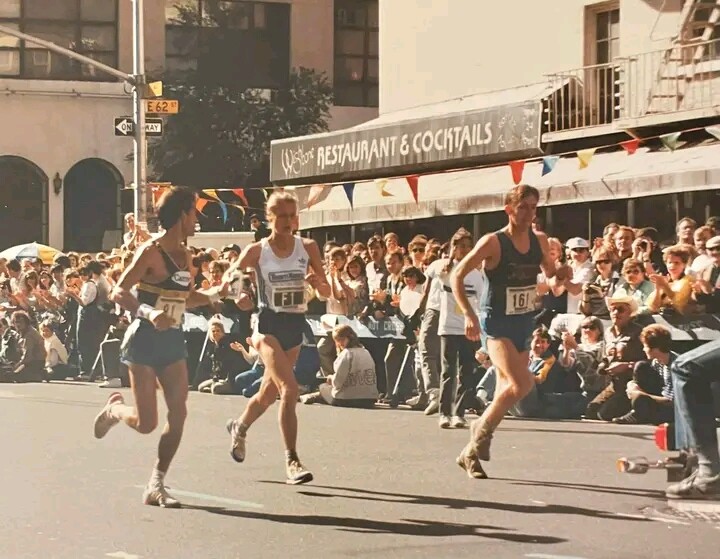
New York City Marathon co-founder Fred Lebow had personally invited Waitz to compete. Privately, he believed her lack of endurance experience would eventually catch up with her and that she would likely fade in the second half of the race. Instead, he unknowingly invited a future legend.
The evening before the marathon reflected just how little pressure Waitz placed on the race. She and Jack enjoyed an elegant dinner in Manhattan, complete with shrimp cocktail, filet mignon, ice cream, and red wine. It was hardly the meal most would associate with preparing for a world-class marathon, but for the couple, the trip was simply another adventure.
Even on race morning, Waitz admitted she barely knew where Central Park was.
Wearing bib 1173, she settled into the race with no expectations. As the miles unfolded, however, the Norwegian newcomer grew stronger while others began to struggle. In the second half, she surged into the lead and never looked back.
When she crossed the finish line in 2:32:30, the athletics world was left in disbelief.
Not only had Waitz won her marathon debut by an astonishing nine minutes, but her performance was also recognized as a new world record at the time, lowering the previous mark by more than two minutes. A woman virtually unknown to marathon running had rewritten the sport's history in a single afternoon.
Yet the finish line brought anything but celebration.
Completely exhausted, battling severe cramps and overwhelmed by the pain of her first marathon, Waitz reportedly threw her running shoes toward her husband and coach, Jack, insisting she would never run another marathon.
Fortunately for the sport, she changed her mind.
Her remarkable victory transformed her career. Inspired by what she had achieved, Waitz left her teaching profession in Norway and dedicated herself fully to long-distance running. What began as a one-time experience evolved into one of the greatest careers the marathon has ever witnessed.
Between 1978 and 1988, she captured an unprecedented nine New York City Marathon titles—a record that still stands as the most victories by any athlete, male or female, in a World Marathon Major. She also became the first woman in history to run under 2 hours and 30 minutes in 1979 and established four marathon world records, helping redefine what women could accomplish over 42.195 kilometres.
Beyond the records and victories, Grete Waitz became a global icon whose humility, determination, and fearless approach inspired generations of runners. She proved that greatness sometimes arrives when opportunity meets courage—even when no one, including the athlete herself, expects it.
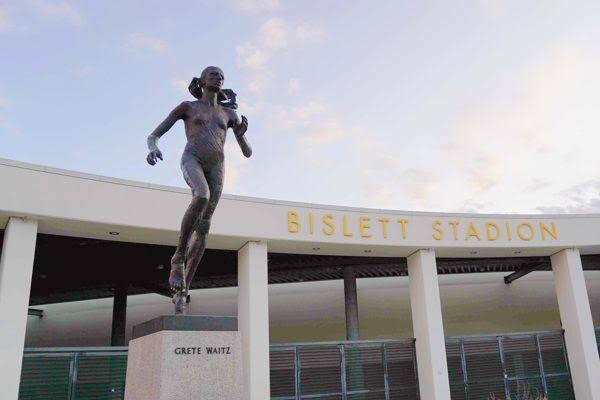
Grete Waitz passed away from cancer in 2011 at the age of 57, but her legacy continues to endure. A statue outside Bislett Stadium in Oslo stands as a permanent tribute to the woman who arrived in New York as a schoolteacher on holiday and left as the athlete who forever changed marathon history.
by Erick Cheruiyot for My Best Runs.
Login to leave a comment
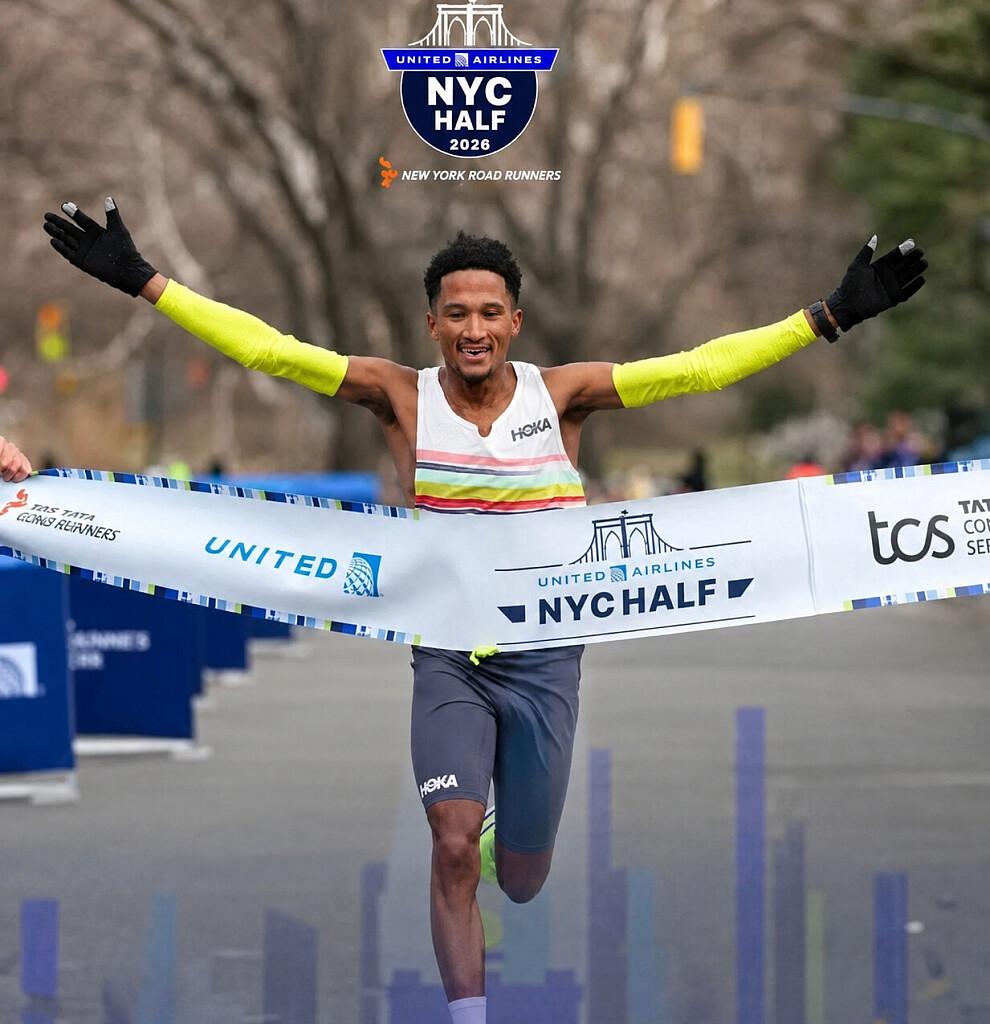
The Winning Move: How Adriaan Wildschutt Conquered New York with a Perfect Final 5K
Success in distance running is often decided long before the finish line comes into view. It is built through months of preparation, tactical discipline, and the ability to execute a plan when fatigue is at its greatest. For South Africa's Adriaan Wildschutt, one simple piece of advice from his coach became the foundation of a historic victory at the 2026 United Airlines NYC Half Marathon.
"My coach told me — if you want to win the race, you have to have the best last 5K."
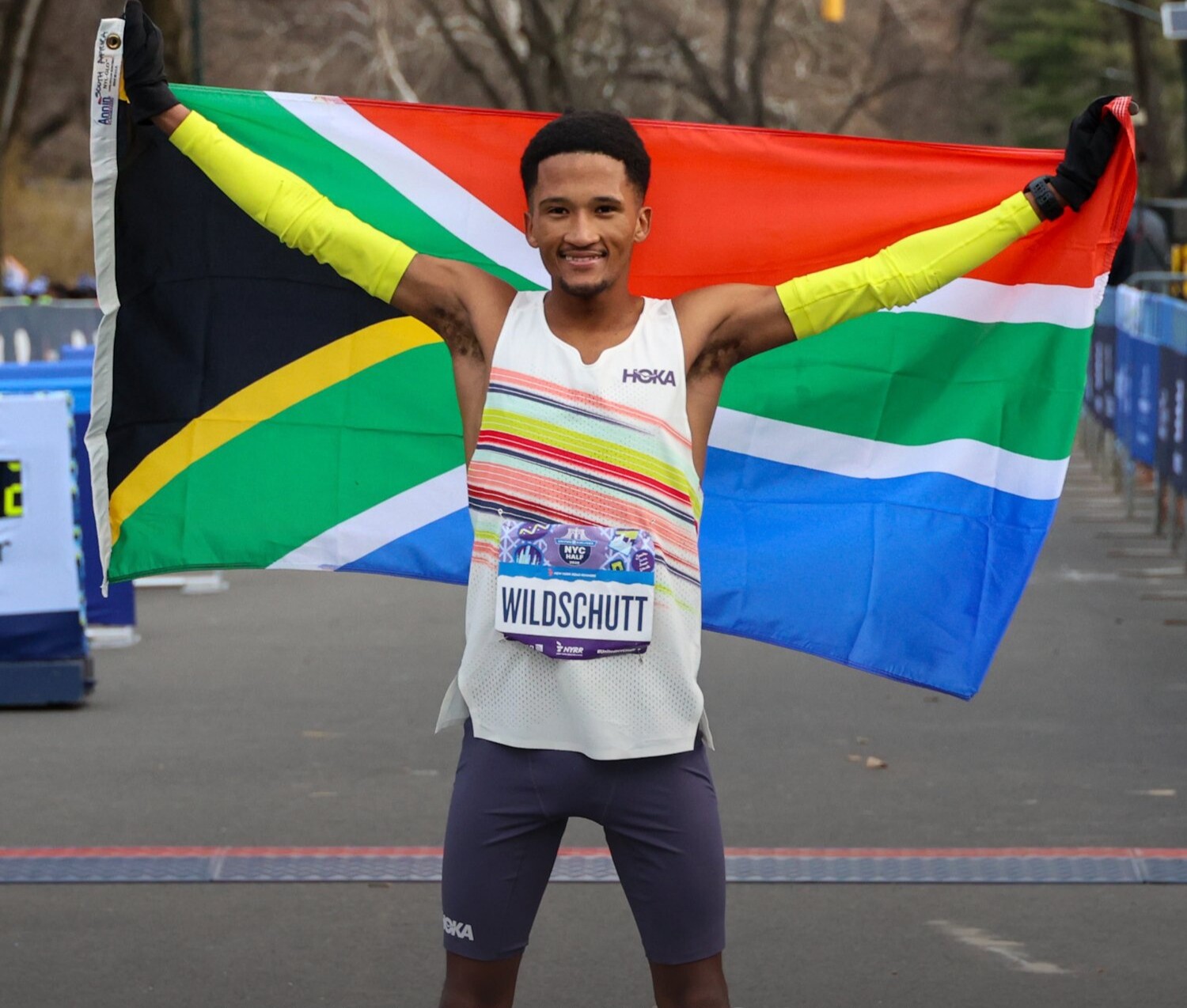
On March 15, 2026, Wildschutt turned those words into reality, becoming the first South African ever to win the prestigious New York City Half Marathon. Crossing the finish line in an impressive 59:30, the 27-year-old delivered a performance that announced his arrival among the world's elite road racers.
The victory was particularly significant because Wildschutt's reputation had been built primarily on the track. During a standout collegiate career at Florida State University, he captured two NCAA titles over 10,000 metres and established himself as one of the most accomplished distance runners South Africa has produced in recent years. Yet while his track credentials were unquestioned, his transition to road racing remained a work in progress.
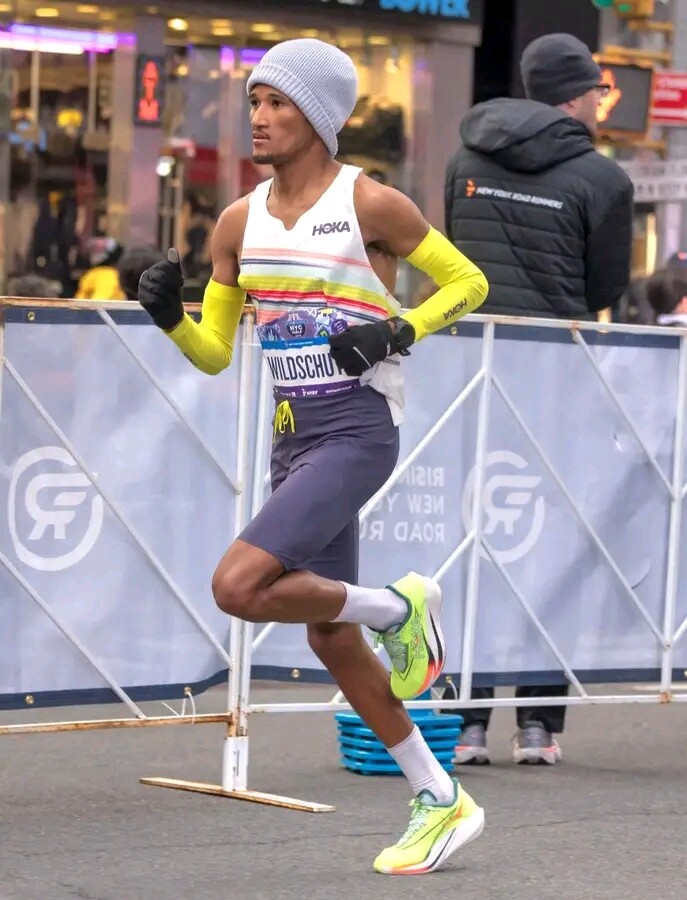
That transition began in earnest in 2024 when he made his marathon debut in Houston. The talent was obvious, but the question remained whether he could translate his track speed and endurance into major victories on the roads. New York provided a resounding answer.
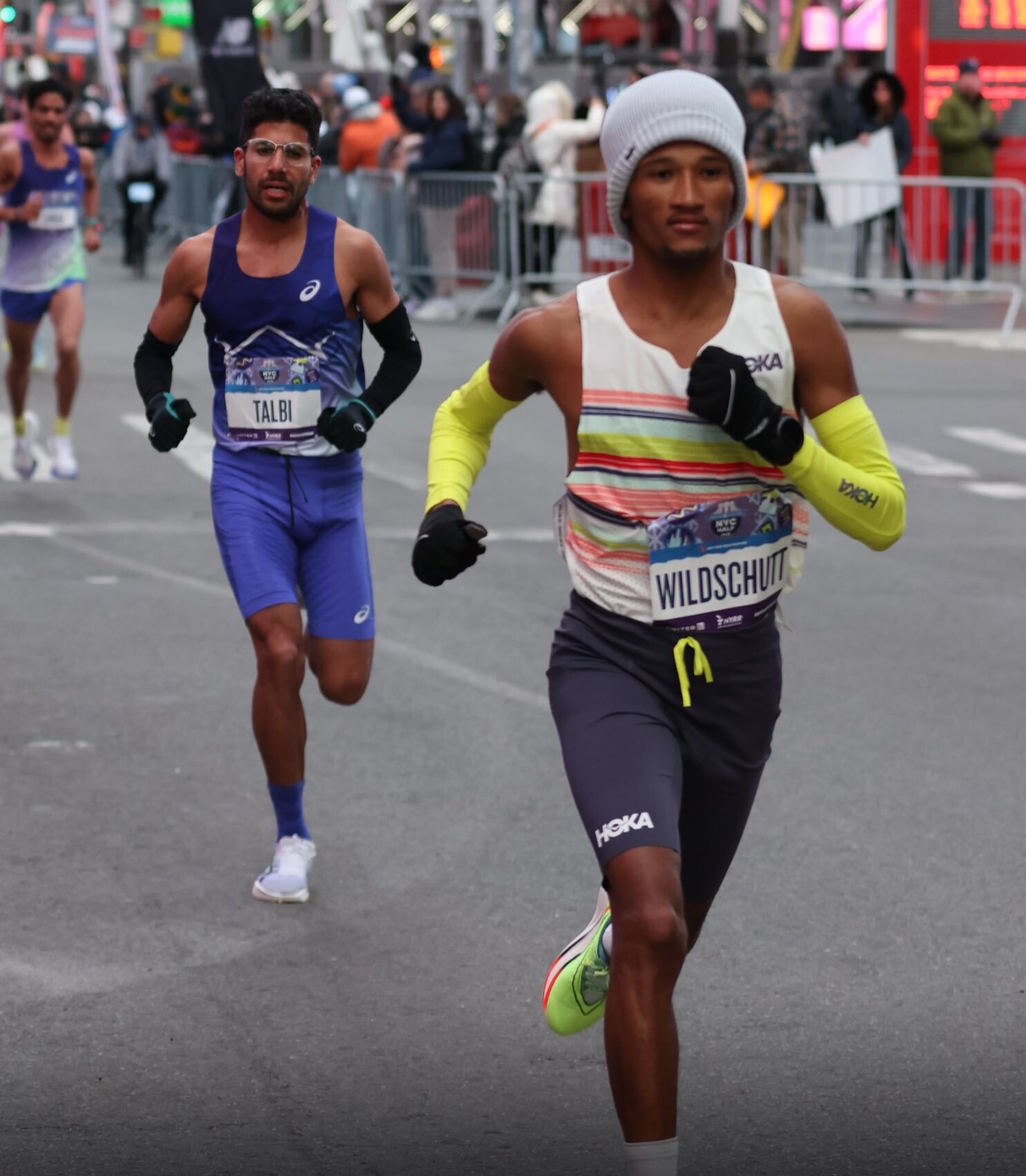
The NYC Half Marathon is far from a straightforward race. The opening stages through Central Park feature relentless rolling terrain that can punish athletes who become overly ambitious too early. From there, runners navigate the iconic streets of Manhattan, passing through Times Square before heading south toward the finish. Historically, many champions establish their winning position during the demanding first half of the race and then defend it over the closing kilometres.
Wildschutt chose a different approach.
Rather than forcing the pace early, he remained patient within the lead pack. He matched every move, conserved energy, and resisted the temptation to attack before the decisive moment arrived. Through 15 kilometres, he stayed composed while others tested one another.
Then came the moment his coach had prepared him for.
With approximately five kilometres remaining, Wildschutt unleashed a powerful surge on a slight uphill section. It was not a reckless acceleration but a calculated move born from confidence and preparation. The pace immediately stretched the lead group, and one by one his rivals lost contact. What had been a tightly contested race suddenly belonged to the South African.
From that point forward, Wildschutt never looked back.
The decisive attack showcased more than physical strength. It revealed tactical maturity and the ability to execute under pressure. Elite racing is often less about who feels strongest at halfway and more about who can deliver when exhaustion begins to cloud judgement. Wildschutt's final 5K demonstrated exactly that quality.
His triumph in New York represents more than a breakthrough victory. It is the strongest evidence yet that his future on the roads may be every bit as successful as his celebrated track career. Winning a major international half marathon against world-class competition requires a different skill set from championship track racing, and Wildschutt proved he possesses both.
For South African athletics, the achievement adds another milestone to a proud distance-running tradition. For Wildschutt himself, it may be remembered as the day his road-racing career truly arrived.
The advice was simple. Have the best last 5K.
In the streets of New York, Adriaan Wildschutt did exactly that—and made history in the process.
by Erick Cheruiyot for My Best Runs.
Login to leave a comment
United Airlines NYC Half-Marathon
The United Airlines NYC Half takes runners from around the city and the globe on a 13.1-mile tour of NYC. Led by a talent-packed roster of American and international elites, runners will stop traffic in the Big Apple this March! Runners will begin their journey on Prospect Park’s Center Drive before taking the race onto Brooklyn’s streets. For the third...
more...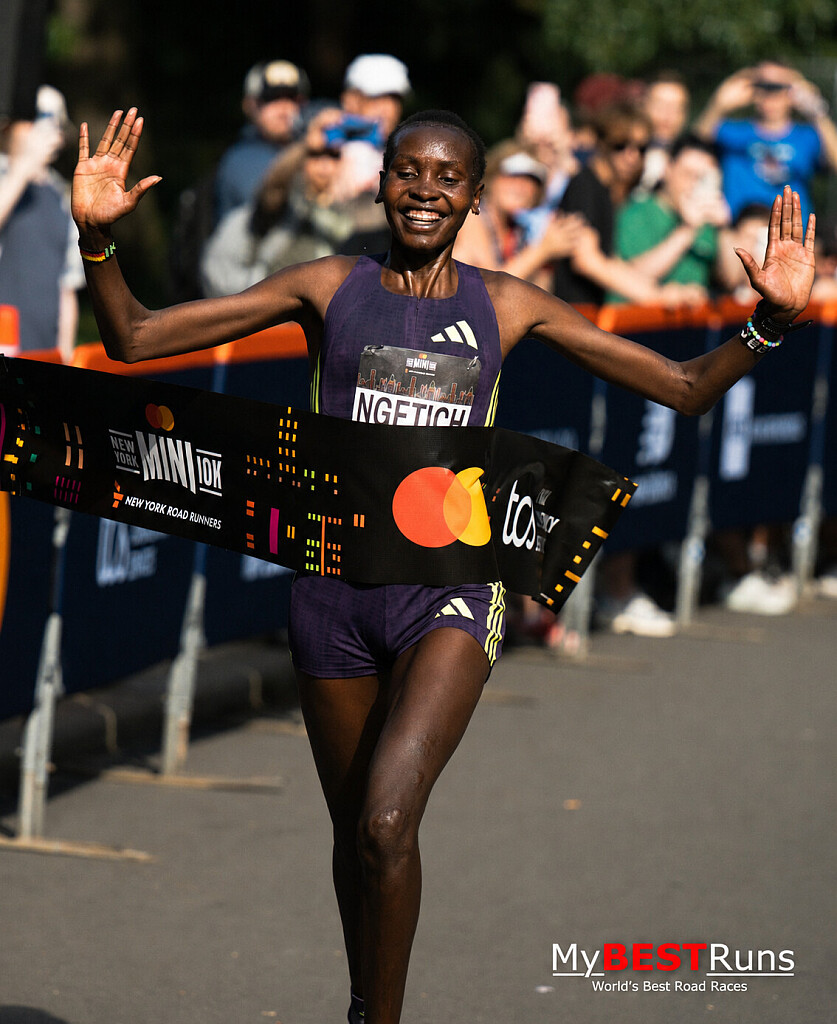
Agnes Ngetich's Remarkable Redemption: From New York Heartbreak to Historic Glory
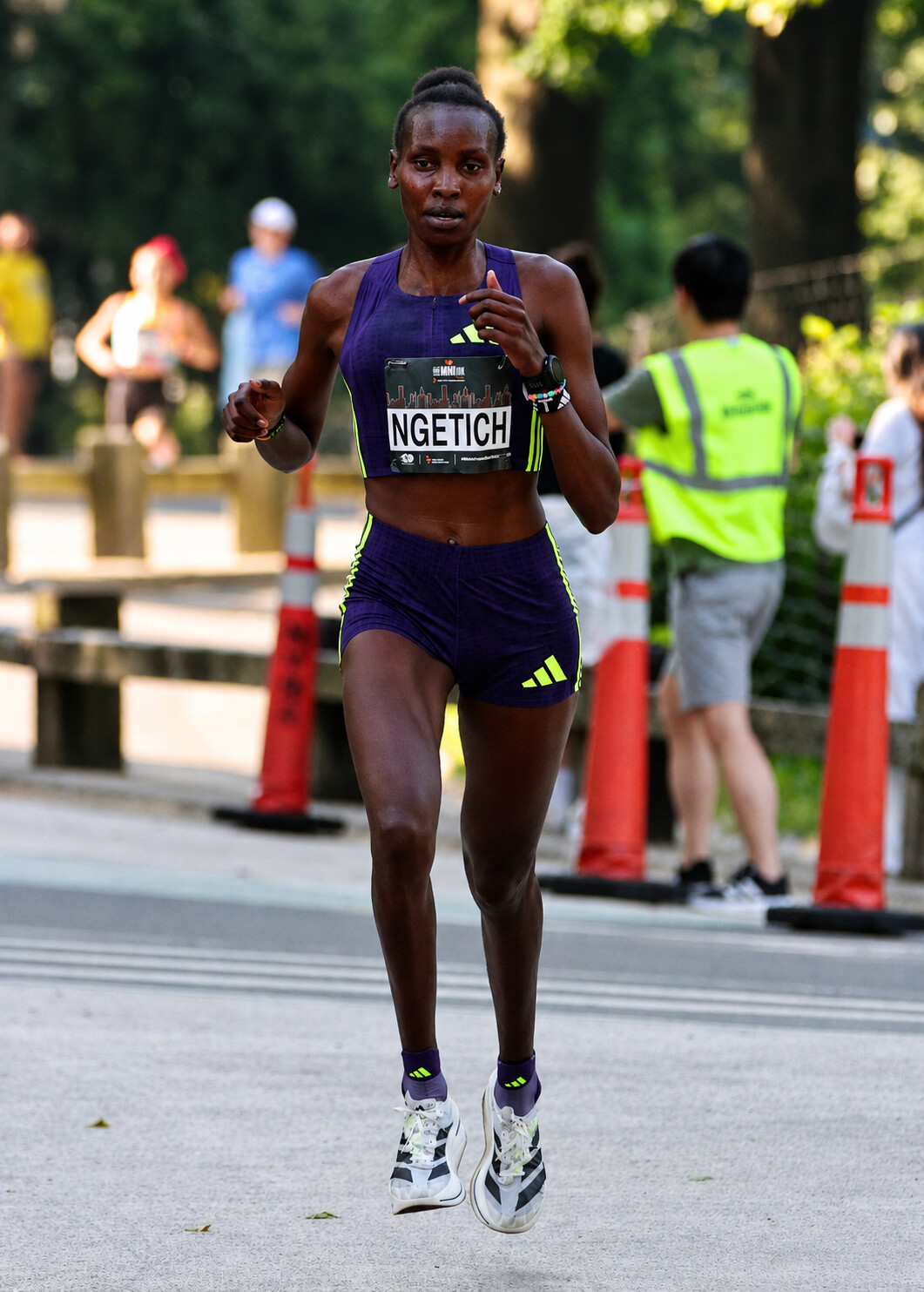
Kenya’s Agnes Ngetich delivered one of the most commanding performances of the road racing season on Saturday, storming to victory at the 54th Mastercard New York Mini 10K in a breathtaking course-record time of 30:07.
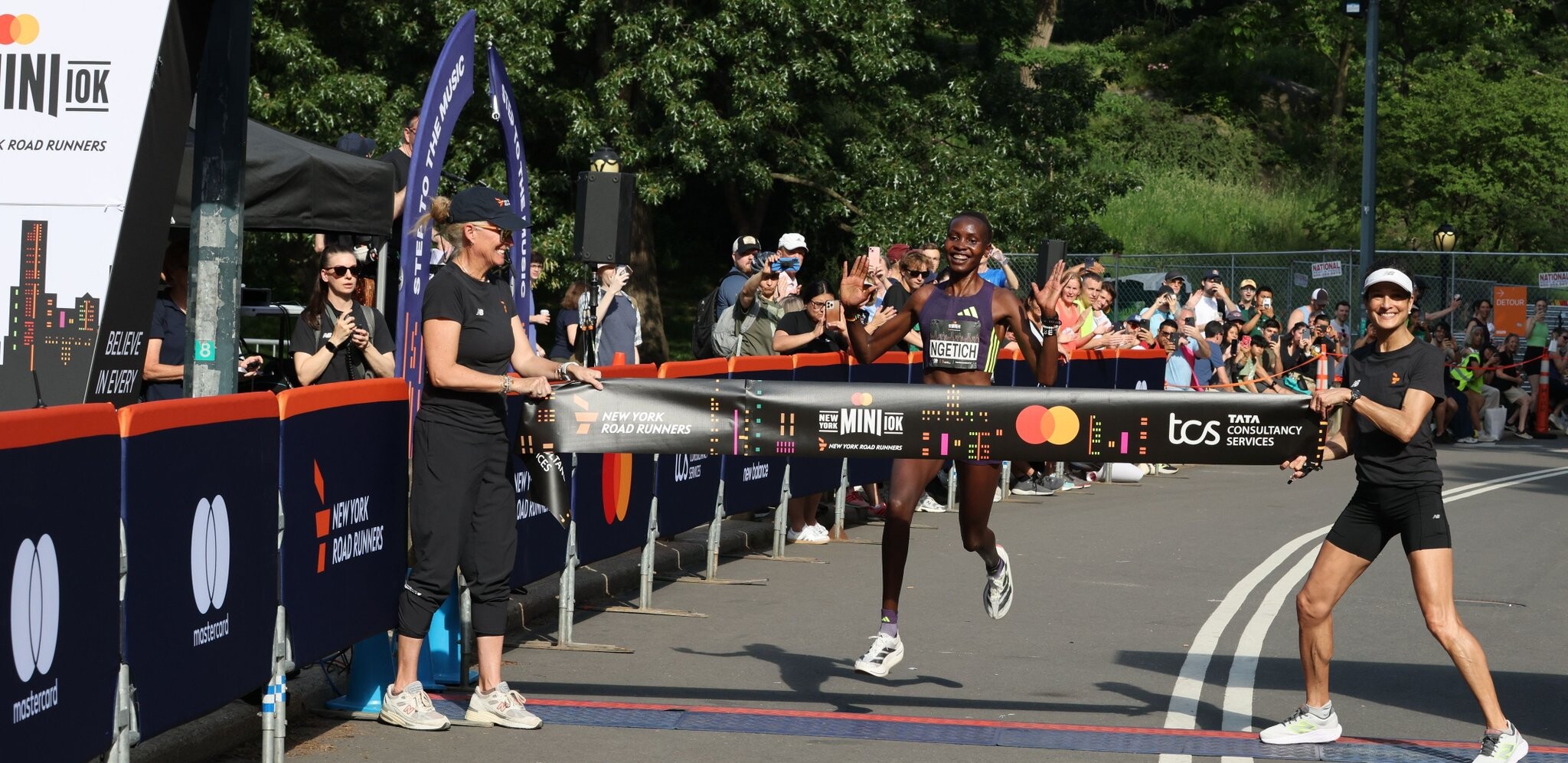
On a warm summer morning in Central Park, Ngetich turned what was expected to be a competitive contest into a solo exhibition of world-class distance running. The Kenyan superstar surged to the front before the second kilometer and immediately separated herself from the field, leaving her rivals with no answer to her relentless pace.
From that moment on, the race became a battle against the clock.
Passing the 5-kilometer mark in a blistering 14:57, Ngetich briefly looked capable of becoming the first woman to break the 30-minute barrier on the iconic course. However, rising temperatures, which climbed to nearly 80°F (27°C) by the finish, slowed her late-race charge. Even so, she crossed the line in 30:07, smashing the previous course record and securing one of the most memorable victories in the event's history.
The margin of victory underscored her dominance. Ethiopia’s Tsigie Gebreselama finished a distant second, 46 seconds behind the winner, while reigning champion Hellen Obiri settled for third after fading from contention.
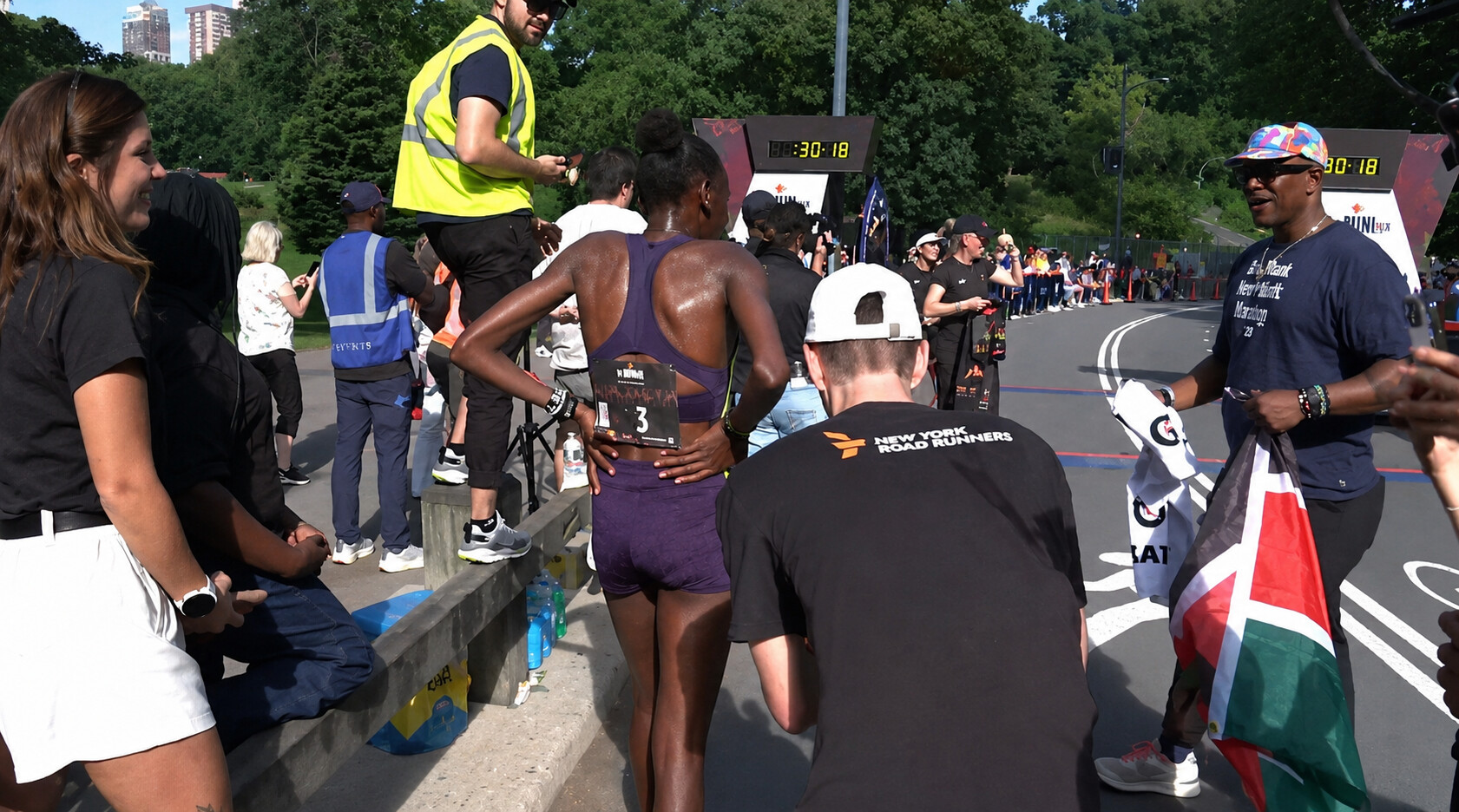
What makes the achievement even more extraordinary is the dramatic contrast to Ngetich’s last appearance in New York.
Just three months ago, the Kenyan endured a nightmare outing at the NYC Half Marathon, where severe cold conditions left her battling hypothermia and struggling simply to reach the finish line. It was a painful experience that raised questions about what might have been on a better day.
Saturday provided a resounding answer.
Instead of fighting the elements, Ngetich embraced them, producing a performance that showcased not only her exceptional fitness but also her resilience and determination. The athlete who left New York disappointed in March returned to rewrite the record books in June.
The victory is the latest highlight in what is rapidly becoming a spectacular season for the 25-year-old. Ngetich has already captured the 2026 World Cross Country title, claimed victory at the prestigious Lille 10K, and continues to hold the women's 10-kilometer world record of 28:46, one of the fastest road performances ever recorded.
Despite the record-breaking run, Ngetich appeared remarkably relaxed after crossing the finish line.
Asked about her experience at the Mini 10K, she offered a response that perfectly reflected her strength on the day.
"It's my favorite race already. I could have run 20K."
Given the way she dismantled an elite field in Central Park, few would doubt her.
For Agnes Ngetich, New York has become a story of redemption, resilience, and record-breaking brilliance—a reminder that champions often return strongest where they once suffered their greatest setbacks.
by Erick Cheruiyot for My Best Runs.
Login to leave a comment
New York Mini 10K
Join us for the NYRR New York Mini 10K, a race just for women. This race was made for you! It’s the world’s original women-only road race, founded in 1972 and named for the miniskirt, and it empowers women of all ages and fitness levels to be active and to look and feel great on the run. Every woman who...
more...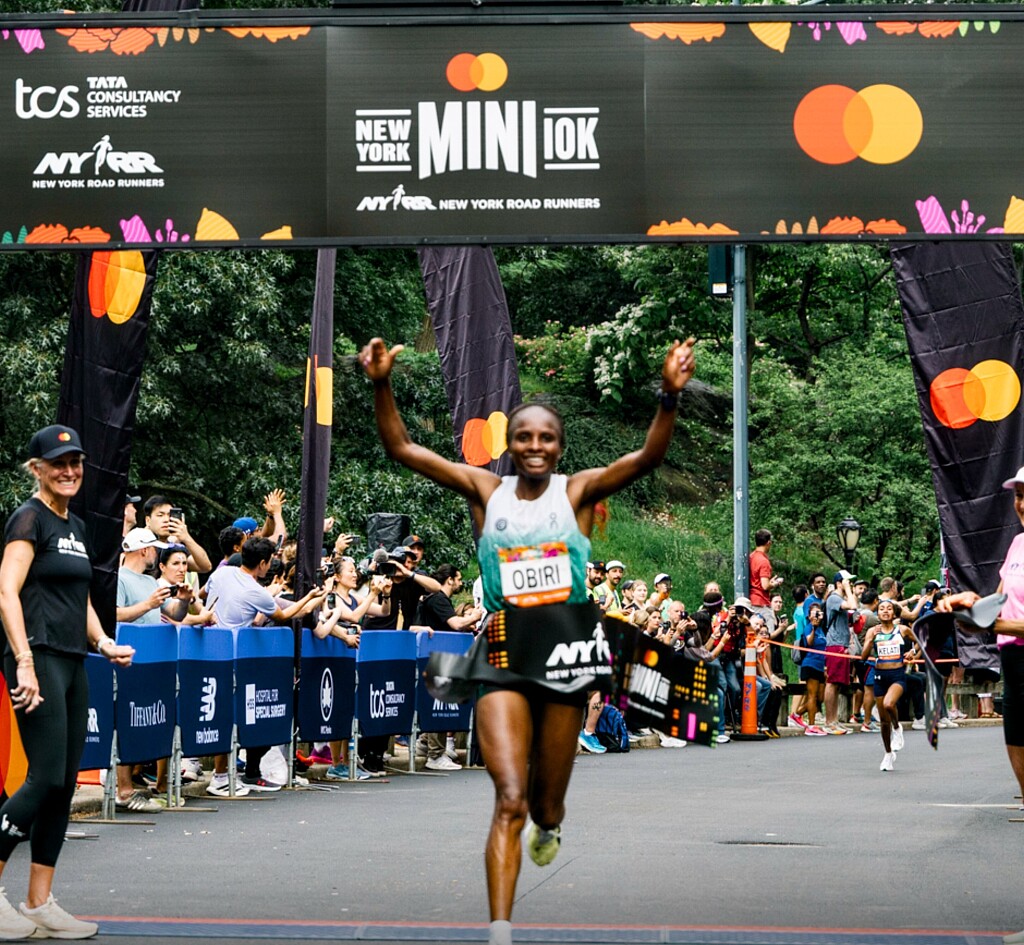
Queens of Distance Running Set for Explosive Showdown at 2026 Mastercard New York Mini 10K
The streets of Central Park are once again preparing for a spectacle of speed, rivalry, and history as the 54th edition of the iconic Mastercard New York Mini 10K returns on Saturday, June 6. Widely celebrated as the world’s original women-only road race, the event has assembled one of the strongest fields ever seen in global road running, headlined by Olympic champions, world record holders, and national icons ready to ignite New York City.
At the center of attention will be Kenya’s marathon queen Hellen Obiri, who returns to defend her crown after establishing herself as one of the most dominant athletes on the New York Road Runners circuit. Obiri already owns an extraordinary NYRR triple crown, having conquered the Mini 10K, the NYC Half, and the New York City Marathon, and now faces another major test against a world-class lineup hungry to dethrone her.
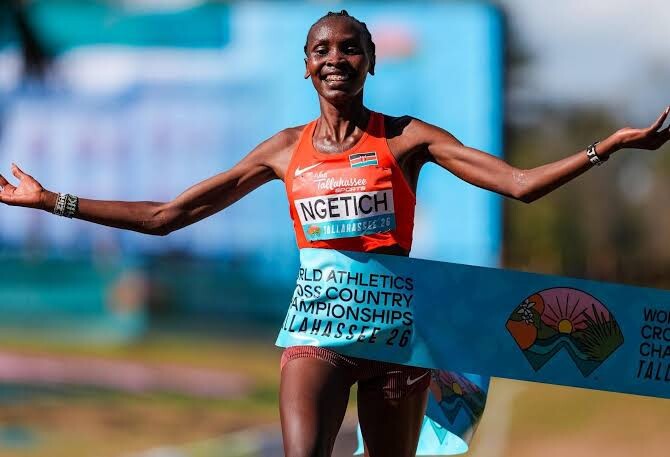
Standing directly in her path is fellow Kenyan sensation Agnes Ngetich, the reigning world 10K record holder whose astonishing 28:46 performance rewrote history and made her the first woman ever to break the 29-minute barrier on the roads. Ngetich arrives in New York carrying immense momentum after capturing victory at the 2026 World Cross Country Championships, and her Mini 10K debut immediately elevates the race into must-watch territory.
The highly anticipated clash becomes even more compelling with the return of Sharon Lokedi. Fresh from cementing her status as a two-time Boston Marathon champion, Lokedi is eager to improve on last year’s runner-up finish in New York. Her recent rivalry with Obiri has already captivated the distance running world, and fans who were left wanting more after their dramatic Boston battle will now witness another thrilling chapter unfold in Central Park.
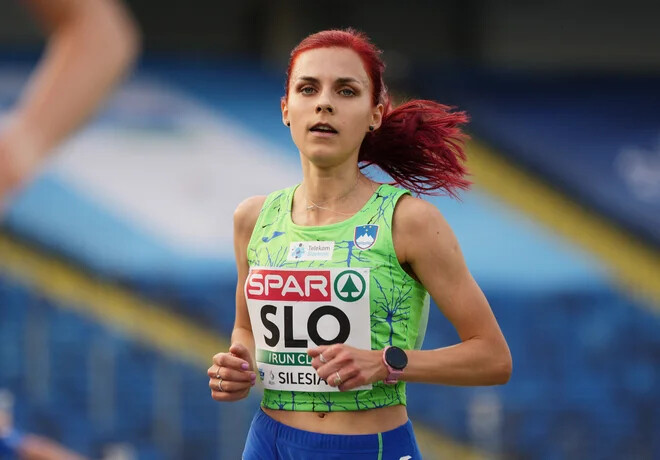
Adding further international firepower is Slovenia’s Klara Lukan, who continues to redefine European distance running standards. Lukan recently became the first European woman in history to run under 30 minutes for 10 kilometers, and her NYRR debut introduces yet another dangerous contender capable of shaking up the podium.
The American challenge is equally formidable. Leading the home contingent is Weini Kelati, the fastest American woman ever over 10 kilometers and the newly crowned American half marathon record holder following her brilliant 1:06:04 run in Barcelona. Kelati’s rise has positioned her among the world’s elite, and racing on home soil could provide the perfect stage for another breakthrough performance.
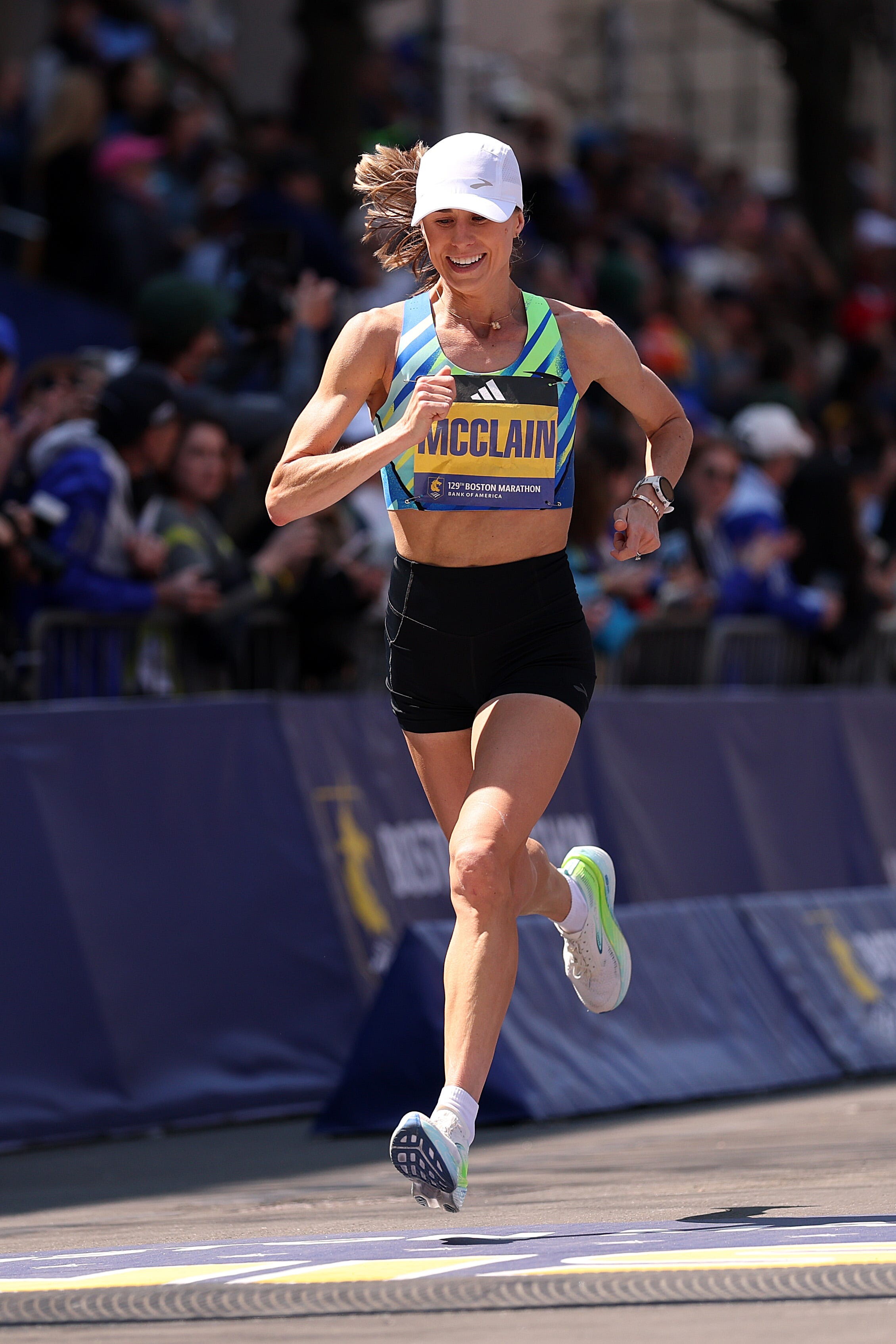
Jess McClain also enters with confidence soaring after finishing as the top American at the 2026 Boston Marathon while simultaneously breaking the women’s course record. Emma Grace Hurley, the American 8K record holder and two-time national champion, further strengthens the domestic lineup alongside notable names such as Annie Frisbie, Dakotah Popehn, Ednah Kurgat, and Amanda Vestri.
With Olympic pedigree, world records, national milestones, and fierce rivalries all converging in one race, the 2026 Mastercard New York Mini 10K promises far more than a traditional road event. It is shaping up to be a celebration of women’s distance running at its absolute highest level — a race where legends defend their legacy and rising stars chase history beneath the iconic skyline of New York City.
by Erick Cheruiyot for My Best Runs.
Login to leave a comment
New York Mini 10K
Join us for the NYRR New York Mini 10K, a race just for women. This race was made for you! It’s the world’s original women-only road race, founded in 1972 and named for the miniskirt, and it empowers women of all ages and fitness levels to be active and to look and feel great on the run. Every woman who...
more...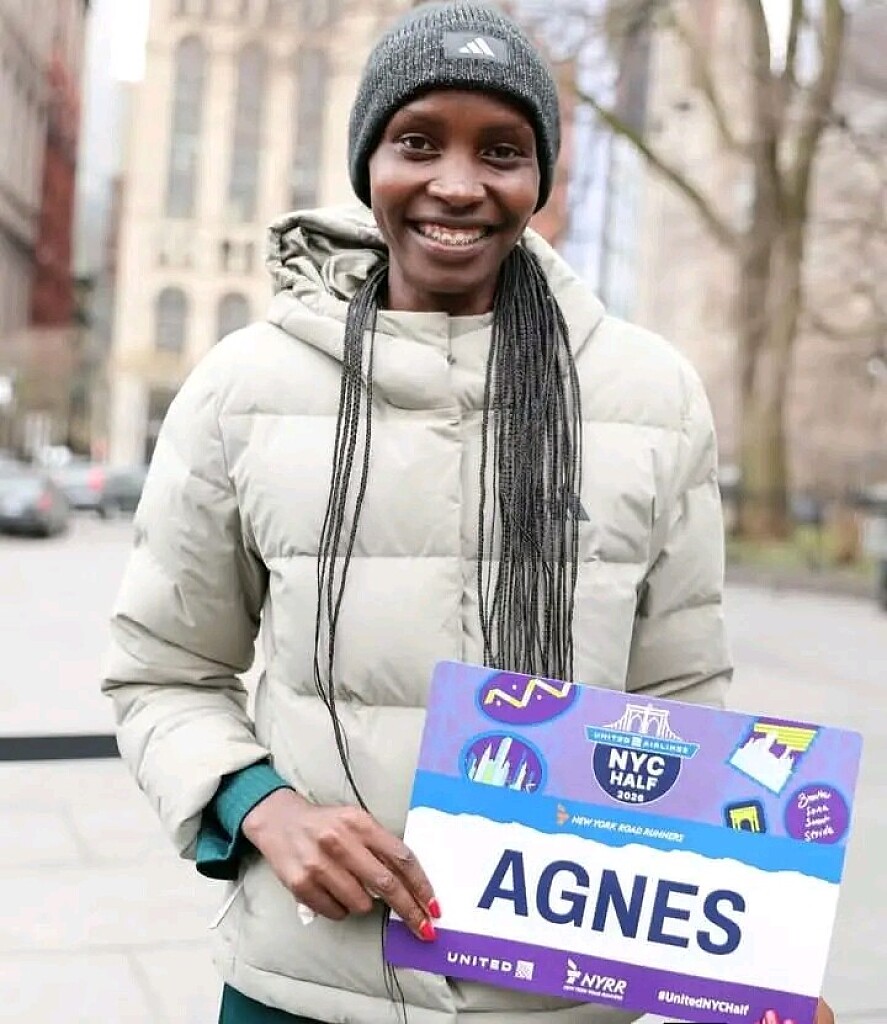
All Eyes on Agnes Ngetich as World-Class Field Gathers for New York City Half Marathon
Before dawn breaks over the towering skyline of Manhattan, the city begins to stir with a familiar rhythm. The streets that rarely sleep slowly fill with anticipation — runners stretching under the glow of streetlights, spectators gathering along the sidewalks, and the distant echo of footsteps preparing to turn New York into a theater of endurance. On Sunday, March 15, 2026, the New York City Half Marathon promises more than just another race; it will be a global showcase of speed, courage, and relentless ambition.
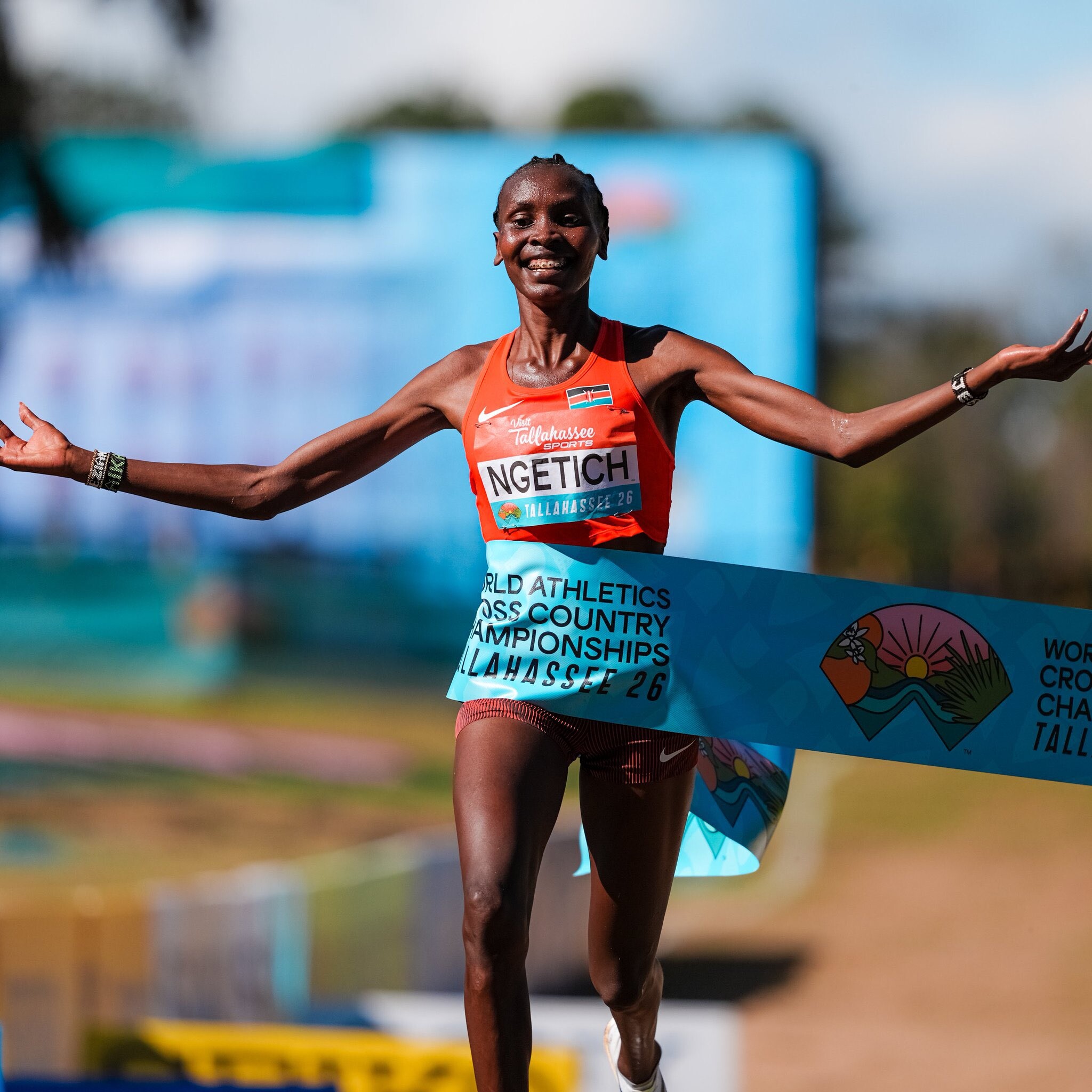
At the center of this unfolding spectacle stands Agnes Jebet Ngetich, the Kenyan long-distance phenomenon whose rise through the ranks of world athletics has been both swift and remarkable.
“Of course Lokedi is there. Of course Obiri is there,” she said with calm confidence while acknowledging the elite competition assembled for the race. “But then I’m there to run my race.”
Those few words reveal the quiet self-belief that has defined Ngetich’s journey.
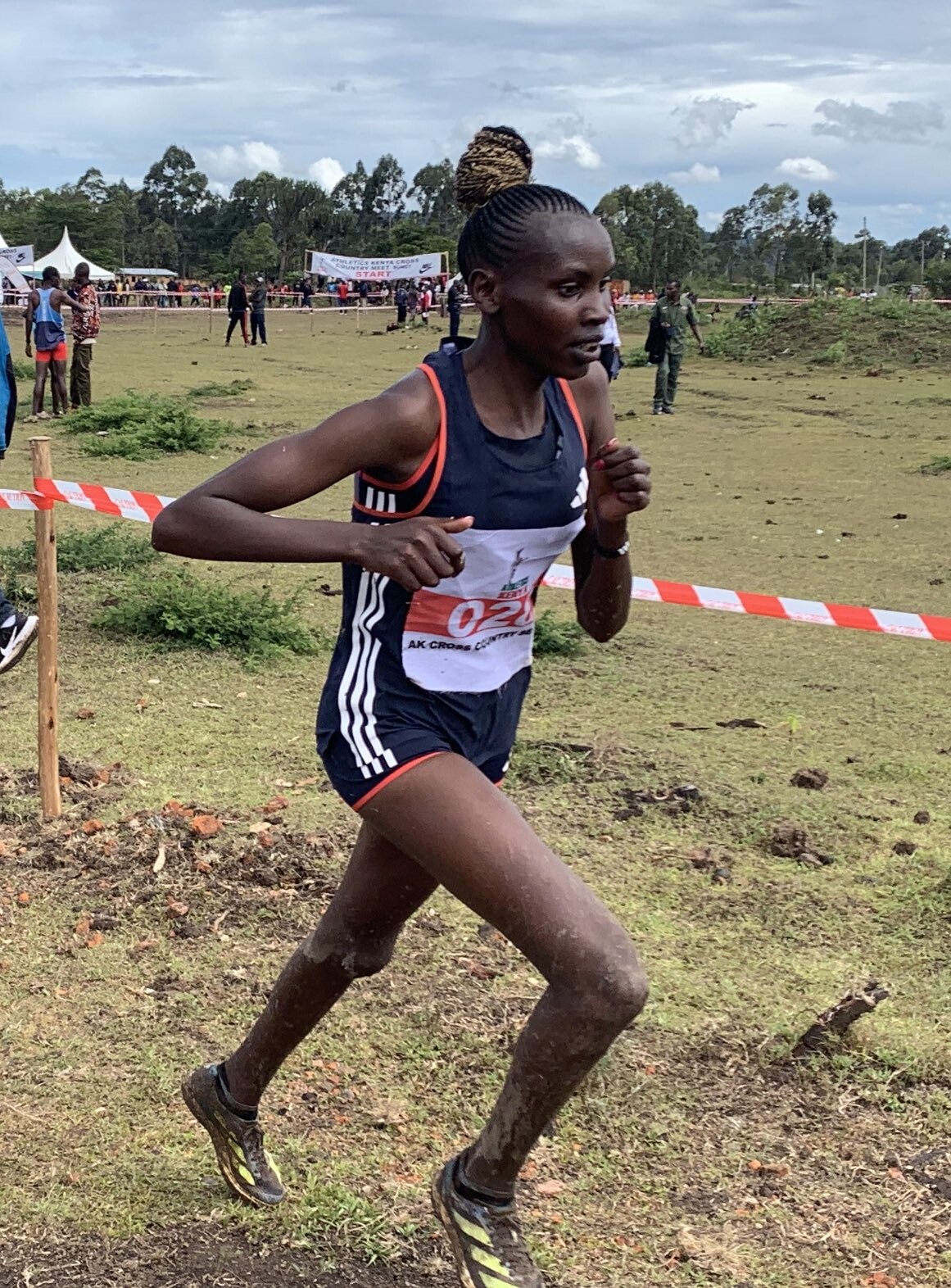
Born on January 23, 2001, in Kenya’s Keiyo District, a region renowned for producing some of the world’s greatest distance runners, Ngetich has steadily transformed from a promising young athlete into one of the most exciting talents in global athletics. Her career has flourished across multiple terrains — from the rugged intensity of cross-country courses to the fast, unforgiving asphalt of the world’s biggest road races.
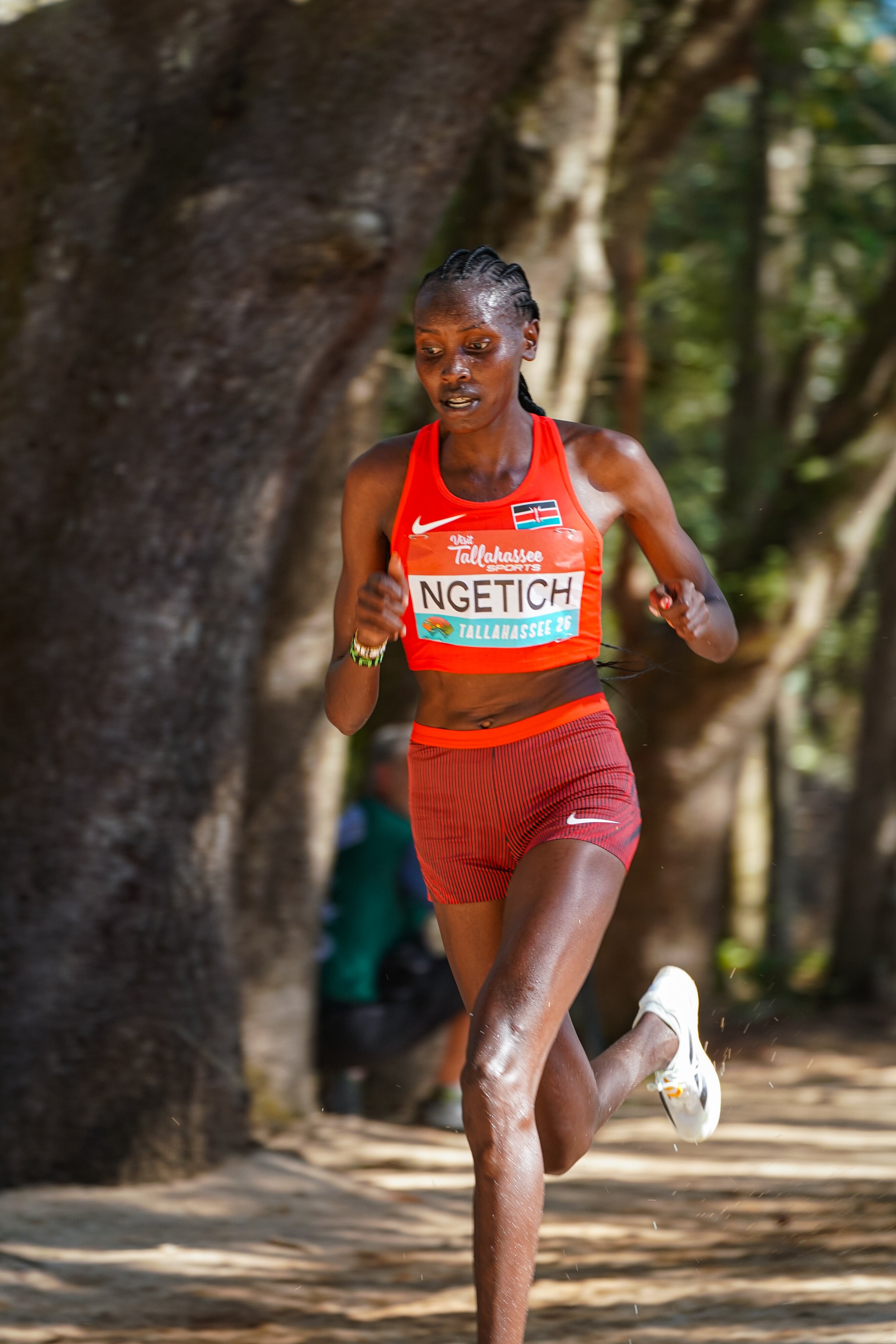
Her breakthrough on the global stage came through cross-country running, where her resilience and strength quickly caught international attention. After earning individual bronze and helping Kenya secure team gold at the World Cross Country Championships in 2023, she continued her upward trajectory with a defining triumph in 2026, capturing the senior women’s world title in Tallahassee, Florida. That victory cemented her reputation as one of the sport’s most formidable competitors.
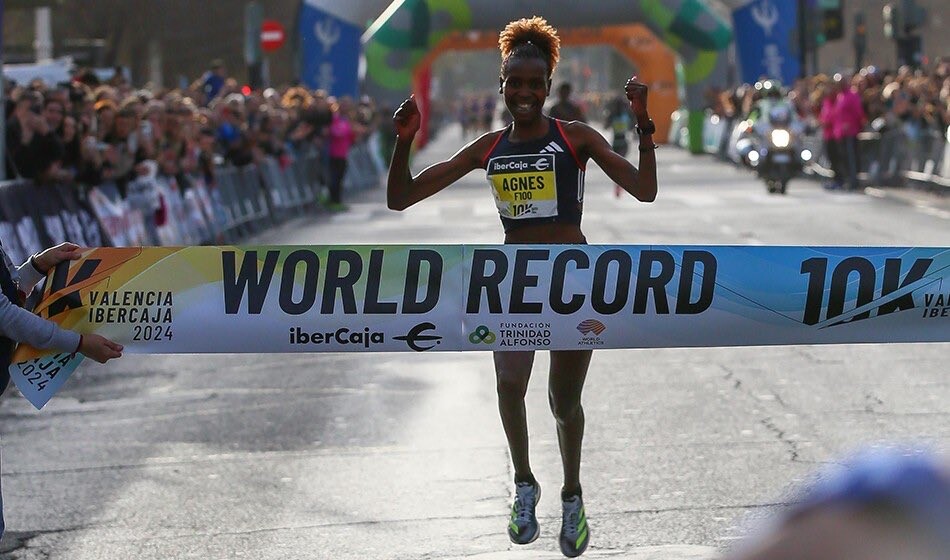
On the roads, Ngetich has been equally spectacular. In January 2024, racing through the streets of Valencia, Spain, she delivered one of the most historic performances in distance running history, becoming the first woman ever to complete a 10-kilometre road race in under 29 minutes, clocking a breathtaking 28:46. She has also recorded one of the fastest half-marathon times ever run by a woman, with a personal best of 1:03:04, further solidifying her place among the sport’s elite.
Yet beyond the records and accolades lies the essence of what makes Agnes Ngetich so compelling. She combines fierce competitiveness with remarkable tactical intelligence, capable of adapting to the unpredictable rhythm of championship racing. Her preparation reflects that balance — long, punishing threshold runs at sunrise, grueling hill sessions that test endurance and character, and carefully structured recovery days designed to sharpen both body and mind.
This disciplined approach has shaped a runner who is not only physically formidable but mentally resilient — a competitor who thrives under pressure and understands that greatness is built one stride at a time.
The challenge awaiting her in New York will be formidable. The women’s elite field assembled for the race is among the deepest of the season, bringing together Olympic medalists, global champions, and emerging stars from around the world.
Women’s Elite Field – New York City Half Marathon (March 15, 2026)
1. Agnes Ngetich – 1:03:04
2. Hellen Obiri – 1:04:22
3. Fantaye Belayneh – 1:04:49
4. Sharon Lokedi – 1:05:00
5. Konstanze Klosterhalfen – 1:05:41
6. Emily Sisson – 1:06:52
7. Calli Hauger-Thackery – 1:06:58
8. Natosha Rogers – 1:07:30
9. Annie Frisbie – 1:07:34
10. Amanda Vestri – 1:07:35
11. Dakotah Popehn – 1:07:42
12. Emily Durgin – 1:07:54
13. Diane Van Es – 1:08:03
14. Sarah Lahti – 1:08:19
15. Susanna Sullivan – 1:08:44
16. Emily Venters – 1:08:48
17. Mercy Chelangat – 1:08:57
18. Lauren Gregory – 1:09:12
19. Lindsay Flanagan – 1:09:17
20. Natasha Wodak – 1:09:41
21. Stephanie Bruce – 1:09:55
22. Julia Paternain – 1:10:16
23. Elena Hayday – 1:10:56
24. Felicia Pasadyn – 1:11:29
25. Erika Priego – 1:15:55
26. Gabrielle Yatauro – 1:15:59
27. Alosha Southern – 1:16:40
28. Megan Keith – Debut
With such a powerful lineup, the race promises to unfold as a thrilling tactical battle through the streets of New York. Yet for Agnes Ngetich, the objective remains simple and unwavering: to run her own race.
As the race unfolds across the vibrant streets of Manhattan, the athletes will surge forward through some of the city’s most iconic landmarks — racing past roaring crowds, through Times Square, and into Central Park, where the final decisive strides will be taken. It is along this unforgettable stretch that champions are often revealed, and where the drama of the New York City Half Marathon reaches its crescendo.
As the morning sun rises over Manhattan and the pack surges forward, Ngetich will carry with her the hopes of a proud running nation and the confidence of an athlete who knows she belongs among the very best. And when the final miles begin to bite and the finish line draws near, she will not simply be chasing victory — she will be writing another chapter in a remarkable journey defined by courage, resilience, and the fearless pursuit of greatness.
by Erick Cheruiyot for My Best Runs.
Login to leave a comment
United Airlines NYC Half-Marathon
The United Airlines NYC Half takes runners from around the city and the globe on a 13.1-mile tour of NYC. Led by a talent-packed roster of American and international elites, runners will stop traffic in the Big Apple this March! Runners will begin their journey on Prospect Park’s Center Drive before taking the race onto Brooklyn’s streets. For the third...
more...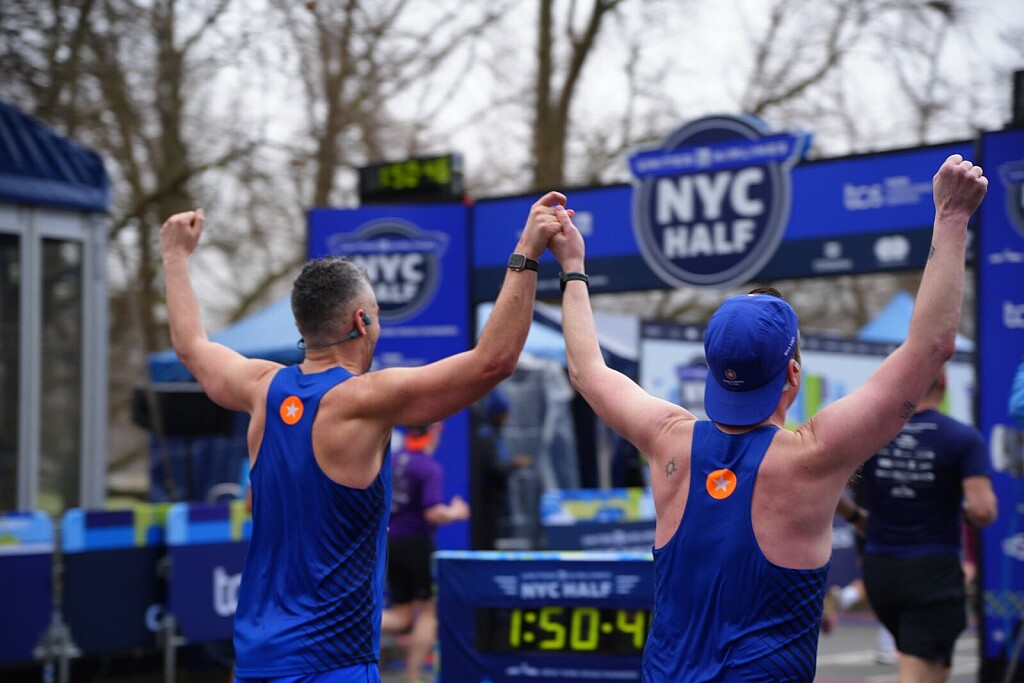
NYC HALF MARATHON 2026 – ELITE MEN READY TO LIGHT UP CENTRAL PARK
The first rays of dawn slice through the towering skyline of New York City, and the streets surrounding Central Park, the iconic venue of the NYC Half Marathon 2026, hum with anticipation. On Sunday, March 15, 2026, fans and runners alike converge on the city’s most famous park, flags waving and cameras clicking, hearts racing in sync with the city’s heartbeat. Volunteers adjust barricades, photographers focus their lenses, and the world’s fastest men stretch with a mix of calm and tension—the calm before the storm. From the leafy loops of Central Park to the bridges spanning the East River, the city seems to hold its breath, ready to witness history.
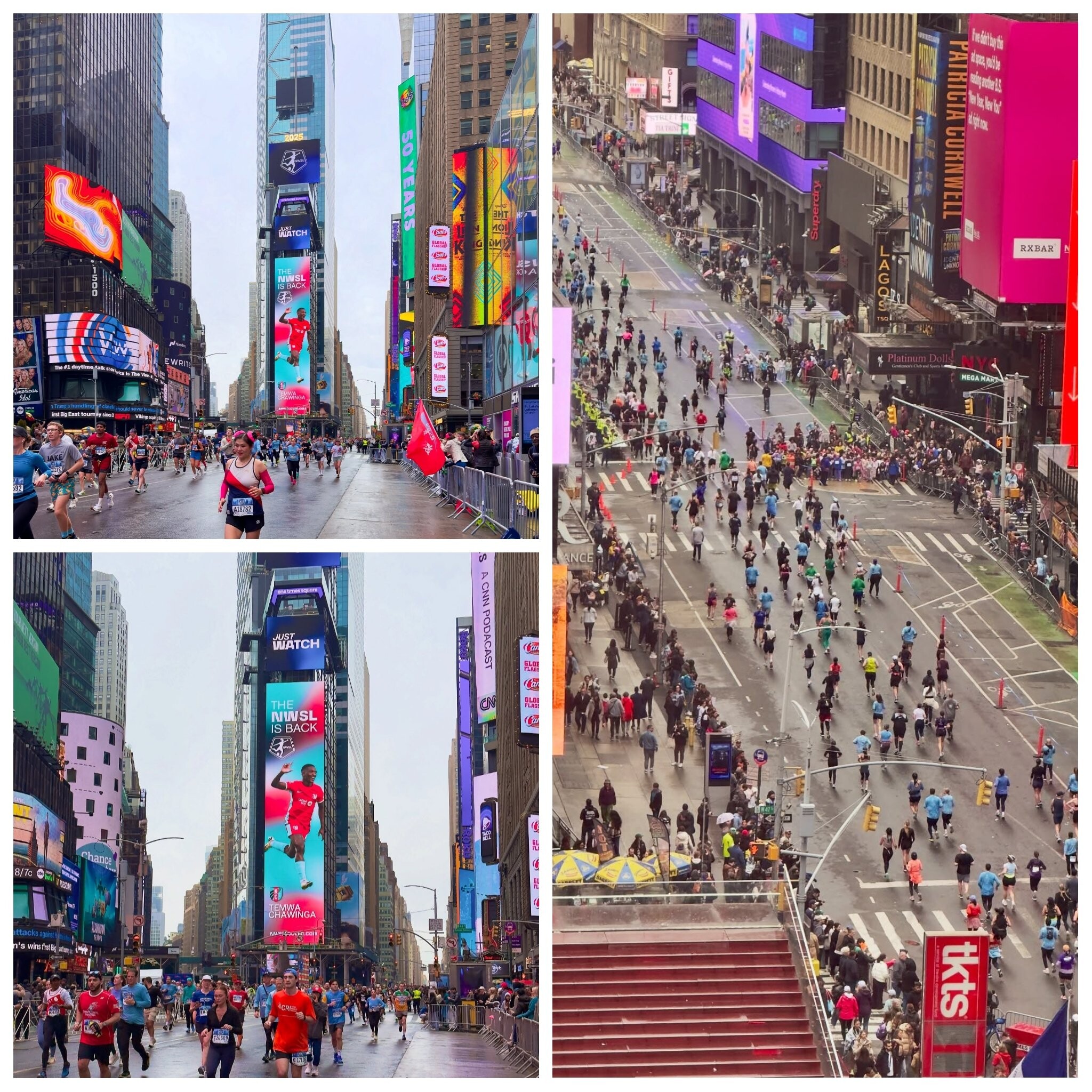
The air is thick with excitement. Coaches give last-minute instructions; elite athletes exchange polite nods and steely glances, each calculating pace, strategy, and the perfect moment to strike. Sirens echo faintly in the distance, signaling the approaching race vehicles, while the smell of morning coffee mixes with the cool March air. Somewhere high above, the first light glints off glass towers, reflecting the golden promise of competition. In this city of dreams, ambitions, and grit, every step matters—and the men’s elite field of the NYC Half Marathon 2026 is about to prove it.
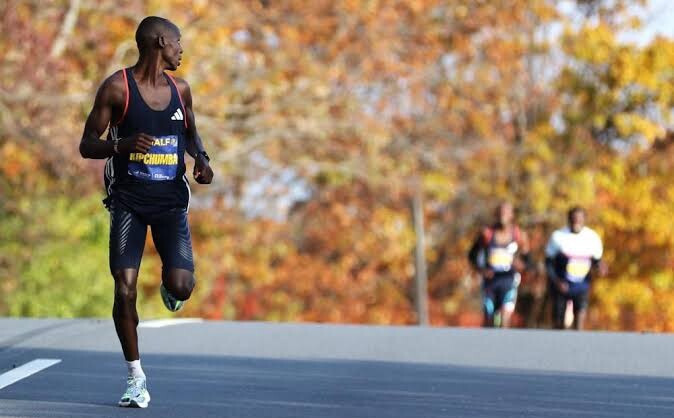
Race Schedule – Men’s Elite
Date & Venue: Sunday, March 15, 2026 – Central Park, New York City, USA
New York (EDT): 7:00 AM
Kenya (EAT): 2:00 PM (+7 hours from NYC)
Japan (JST): 8:00 PM (+13 hours from NYC)
Thailand (ICT): 6:00 PM (+11 hours from NYC)
Australia Sydney/Melbourne (AEDT): 10:00 PM (+15 hours from NYC)
USA Pacific (PDT): 4:00 AM (−3 hours from NYC)
Champions, Contenders, and Rising Stars
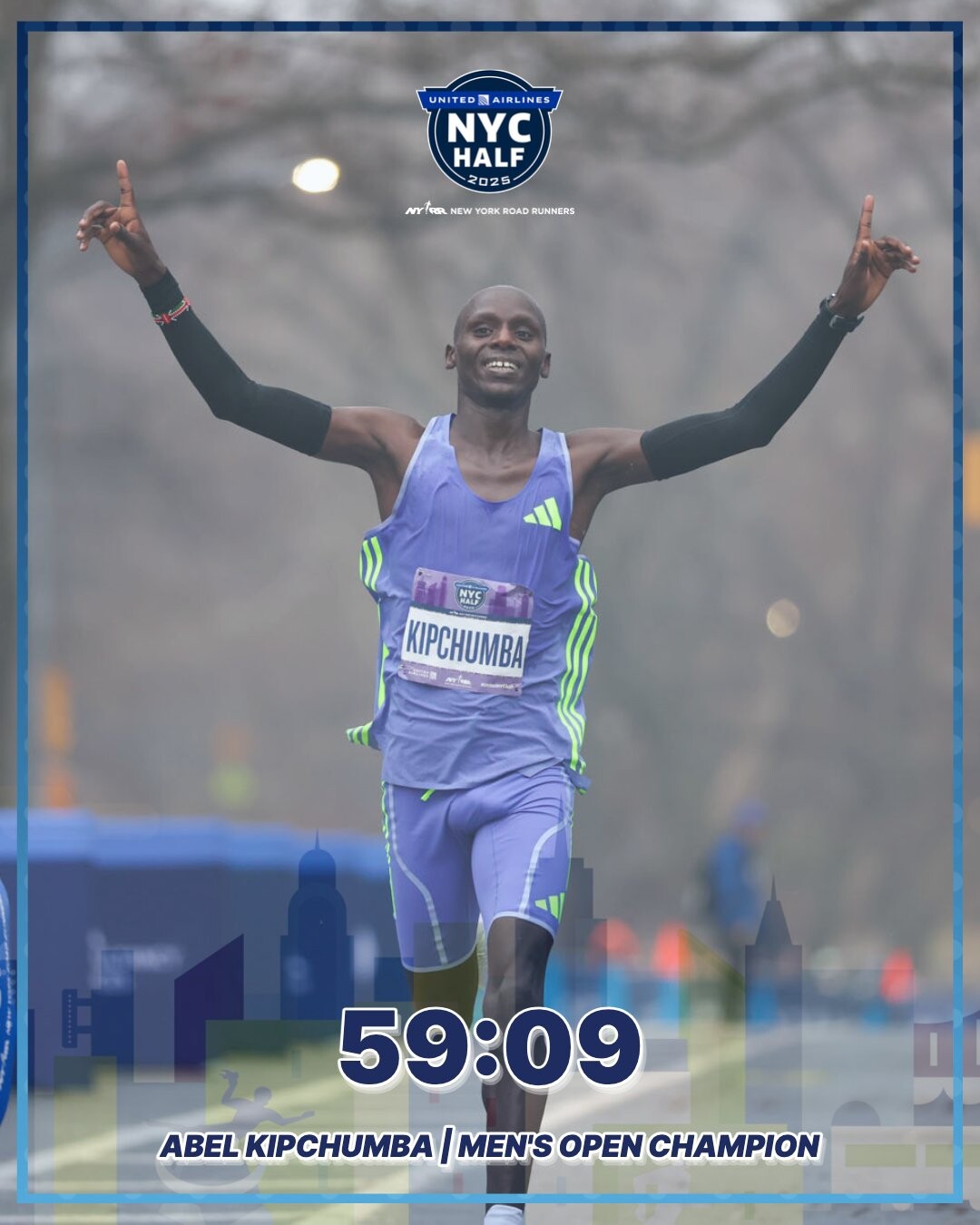
At the heart of this high-stakes drama is Abel Kipchumba of Kenya, last year’s champion, whose lightning-fast 58:07 PB from Valencia 2021 has runners and fans alike holding their breath. Kipchumba returns to defend his crown, but the field has grown stronger, faster, and hungrier than ever.
Challenging him will be Daniel Ebenyo of Kenya, bronze medalist at the 2026 World Cross Country Championships, Grant Fisher of the United States, two-time Olympic bronze medalist making his half marathon debut, and Rory Linkletter of Canada, Canada’s national record holder. Each brings a unique blend of speed, endurance, and tactical cunning that could turn any mile into a decisive moment.
Team USA brings an extraordinary depth of talent, including Galen Rupp, Ryan Ford, Alex Maier, Zouhair Talbi, and Joe Klecker, promising a race filled with high stakes, strategic surges, and perhaps a new record etched into the streets of Manhattan.
Men’s Elite Field – NYC Half Marathon 2026
Athlete
Country
PB / Notable Performance
1. Abel Kipchumba
Kenya
58:07 (Valencia 2021)
2. Daniel Ebenyo
Kenya
59:04 (Manama 2022)
3. Adriaan Wildschutt
South Africa
59:13 (Valencia 2025)
4. Patrick Kiprop
Kenya
59:14 (Houston 2026)
5. Mohammed El Youssfi
Morocco
59:21 (Houston 2026)
6. Alex Maier
United States
59:23 (Houston 2026)
7. Galen Rupp
United States
59:47 (Ostia 2018)
8. Ryan Ford
United States
59:48 (Houston 2026)
9. Sondre Nordstad Moen
Norway
59:48 (Valencia 2017)
10. Rory Linkletter
Canada
59:49 (Houston 2026)
11. Patrick Dever
United Kingdom
1:00:11 (Houston 2025)
12. Zouhair Talbi
United States
1:00:41 (NYC Half 2024)
13. Rui Aoki
Japan
1:00:45 (Ageo 2025)
14. Shunsuke Kuwata
Japan
1:00:48 (Ageo 2025)
15. Tsegay Tuemay Weldlibanos
Eritrea
1:00:50 (Houston 2018)
16. Alex Masai
Kenya
1:00:51 (Houston 2026)
17. Jack Rowe
United Kingdom
1:00:53 (Copenhagen 2025)
18. Joe Klecker
United States
1:01:06 (Houston 2025)
19. Peter Lynch
Ireland
1:01:15 (Houston 2025)
20. Camren Todd
United States
1:01:23 (Houston 2026)
21. Hendrik Pfeiffer
Germany
1:01:28 (Larne 2025)
22. Benjamin Preisner
Canada
1:02:25 (Houston 2025)
23. Jacob Thomson
United States
1:02:26 (Riga 2023)
24. Joel Reichow
United States
1:02:30 (Duluth 2023)
25. Max Turek
Canada
1:02:45 (Boston 2024)
26. Haftu Knight
United States
1:02:47 (Chicago 2025)
27. Matthew Leach
United Kingdom
1:02:57 (Houston 2020)
28. Nick Hauger
United States
1:03:06 (NYC Half 2025)
29. Kieran Tuntivate
Thailand
1:03:19 (South Shields 2025)
30. Turner Wiley
United States
1:04:04 (Hardeeville 2021)
31. Owen Ritz
United States
1:04:34 (RBC Brooklyn Half 2024)
32. Evan Sherman
United States
1:04:51 (Indianapolis 2025)
33. Charlie Lawrence
United States
1:05:07 (Houston 2022)
34. Grant Fisher
United States
Debut
35. Gulveer Singh
India
Debut
The starting gun cracks through the morning calm. The elite men surge forward, every stride a blend of power, precision, and daring. The NYC Half Marathon 2026 at Central Park unfolds like a living story—each mile a chapter, each sprint a dramatic twist. Legends may rise, records may fall, but one thing is certain: Manhattan will witness an unforgettable morning of speed, endurance, and sheer determination.
by Erick Cheruiyot for My Best Runs.
Login to leave a comment
United Airlines NYC Half-Marathon
The United Airlines NYC Half takes runners from around the city and the globe on a 13.1-mile tour of NYC. Led by a talent-packed roster of American and international elites, runners will stop traffic in the Big Apple this March! Runners will begin their journey on Prospect Park’s Center Drive before taking the race onto Brooklyn’s streets. For the third...
more...
Obiri, Lokedi, Ngetich and Sisson Headline Elite Women’s Race at NYC Half Marathon
A stacked international women’s field will headline the 2026 United Airlines NYC Half Marathon on Sunday, March 15, 2026, in New York City, where world-class road specialists from Kenya, the United States, and Europe will battle for supremacy on one of the world’s most competitive half marathon stages.
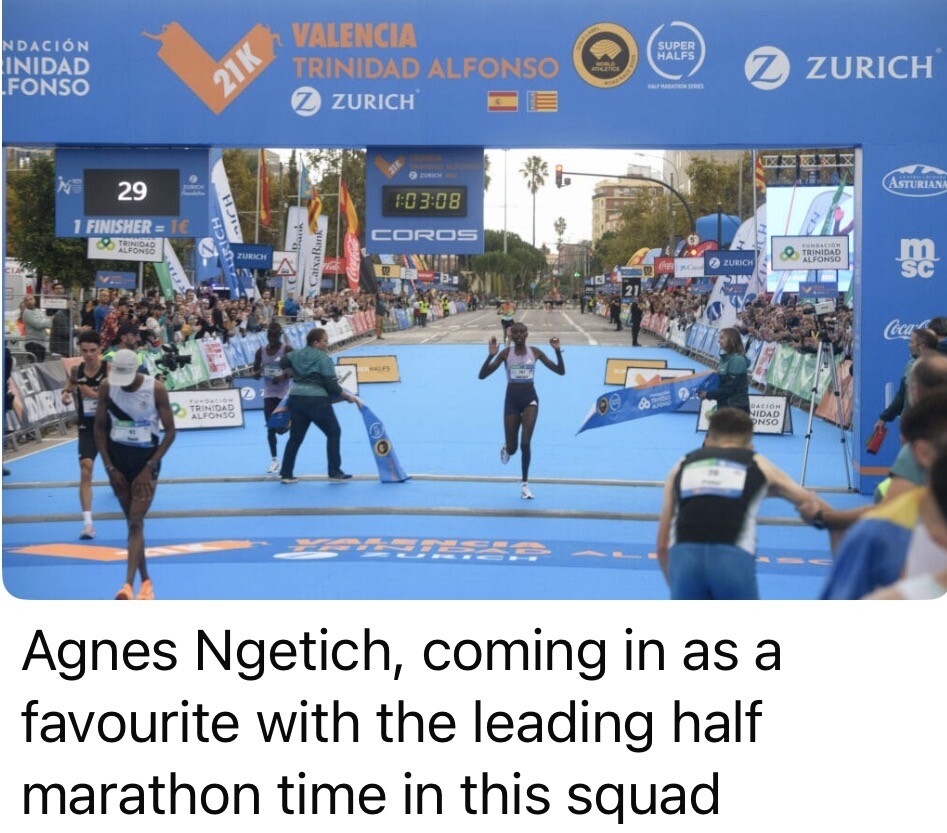
Leading the lineup is Kenyan road sensation Agnes Ngetich, who enters the race with the fastest personal best in the field at 1:03:04. The rising star has quickly established herself as one of the most formidable talents on the roads, and her aggressive racing style could make her the athlete to watch as the race unfolds through the streets of Brooklyn, across the Manhattan Bridge, and into Central Park.
Kenyan Powerhouses Set the Pace
Ngetich will face formidable opposition from a powerful Kenyan contingent that includes Hellen Obiri and Sharon Lokedi.
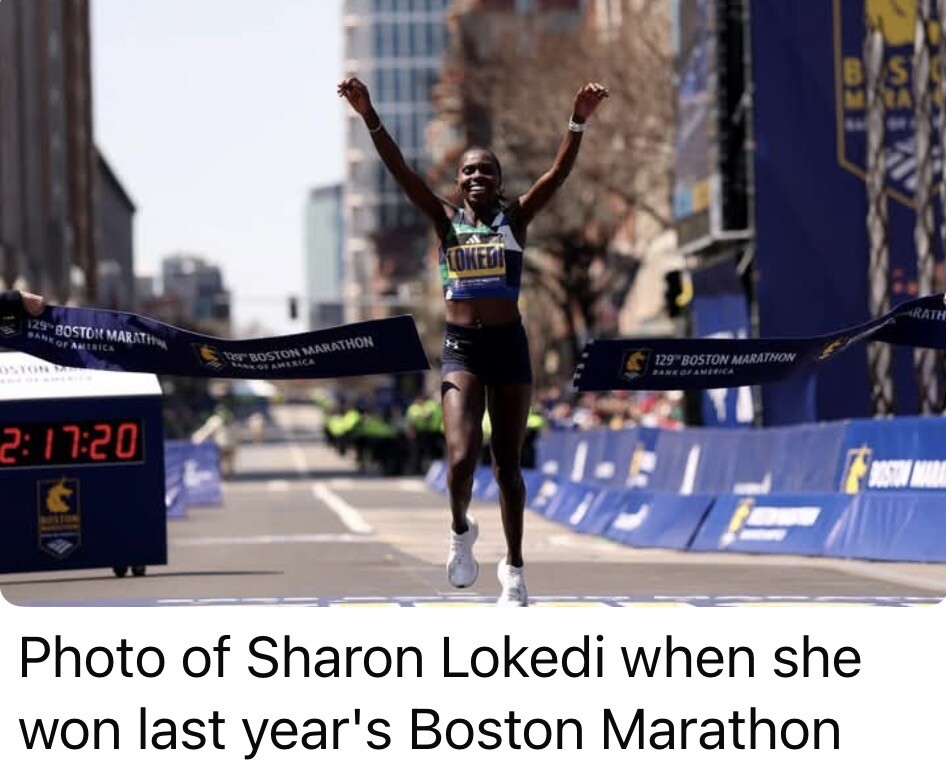
Obiri, a multiple Olympic and World Championship medalist on the track before transitioning successfully to the roads, boasts a half marathon best of 1:04:22. Known for her tactical brilliance and finishing speed, Obiri remains one of the most dangerous competitors in any elite field.
Lokedi, the Boston Marathon champion, arrives with a personal best of 1:05:00 and the experience of winning on the world’s biggest marathon stages. Her strength and racing intelligence make her a serious podium contender.
Completing the Kenyan lineup is Mercy Chelangat, who has steadily built her reputation on the roads and will be hoping to challenge the frontrunners.
International Contenders Ready to Challenge
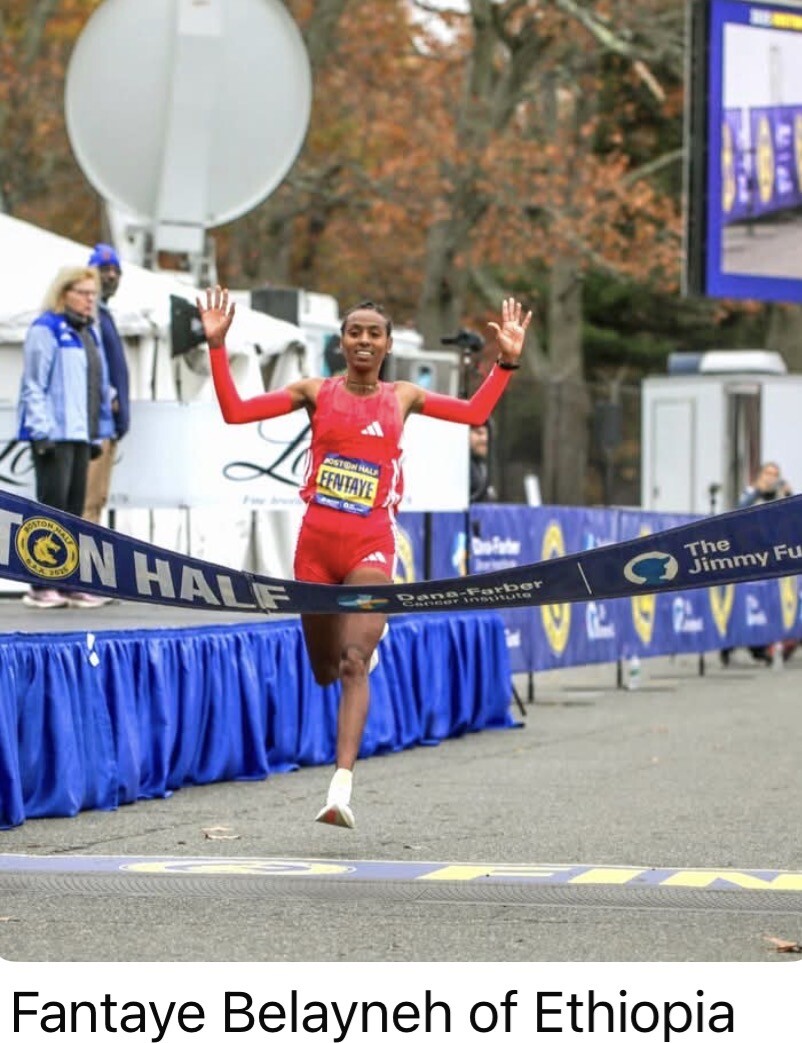
Ethiopia will be represented by Fantaye Belayneh, whose personal best of 1:04:49 places her among the fastest entrants. Belayneh has demonstrated impressive consistency on the international road circuit and could prove dangerous if the race develops into a fast early pace.
Germany’s Konstanze Klosterhalfen adds further depth to the field. The former European champion owns a half marathon best of 1:05:41 and has the pedigree to challenge the East African stars.
Strong American Home Challenge
The host nation will also field a strong challenge led by American distance standout Emily Sisson. The U.S. record holder in the half marathon brings a personal best of 1:06:52 and will be eager to deliver a strong performance in front of the home crowd.
Sisson will be joined by a deep American lineup that includes Natosha Rogers, Annie Frisbie, Amanda Vestri, and Dakotah Popehn, all of whom have recorded competitive performances on the roads in recent seasons.
Their presence ensures the United States will have multiple athletes capable of mixing it up with the international elite.
Debuts and Rising Stars Add Intrigue
Britain’s Calli Hauger-Thackery enters the race with a personal best of 1:06:58, while her compatriot Megan Keith will make her half marathon debut, adding an intriguing storyline to the competition.
Elsewhere, Diane Van Es of the Netherlands and Sweden’s Sarah Lahti will also be aiming to make an impact, while Canada’s experienced marathoner Natasha Wodak brings valuable championship experience to the elite field.
The international lineup is further strengthened by athletes from Latin America, including Uruguay’s Julia Paternain and Mexico’s Erika Priego.
A Race That Could Turn Fast
With several athletes in the field boasting personal bests under 1:06, the women’s race could develop into a fast and tactical contest. Much will depend on whether the frontrunners choose an aggressive early pace or adopt a more cautious strategy before the decisive moves in the final miles.
For Ngetich, the race presents another opportunity to underline her growing reputation as one of the leading figures in global road running. But with seasoned competitors such as Obiri, Lokedi, and Sisson in the lineup, the women’s elite race promises to be one of the highlights of the 2026 United Airlines NYC Half Marathon on March 15.
Elite Women to Watch
Agnes Ngetich (Kenya)
Personal Best: 1:03:04
The fastest entrant on paper, Ngetich arrives as the athlete to beat. Known for her aggressive front-running style, she has the credentials to dictate the pace and could turn the race into a fast contest if she pushes early.
Hellen Obiri (Kenya)
Personal Best: 1:04:22
A proven championship racer, Obiri brings tactical brilliance and finishing strength. The former world champion on the track has successfully transitioned to the roads and remains a major threat.
Sharon Lokedi (Kenya)
Personal Best: 1:05:00
The Boston Marathon champion has established herself as a consistent performer on the global road circuit and is always dangerous in tactical races.
Emily Sisson (USA)
Personal Best: 1:06:52
The American record holder will lead the home challenge and will look to use local support to test the East African dominance.
Fantaye Belayneh (Ethiopia)
Personal Best: 1:04:49
Belayneh has consistently delivered strong performances internationally and possesses the speed to stay with the leaders deep into the race.
by Robert Kibet for My Best Runs
Login to leave a comment
United Airlines NYC Half-Marathon
The United Airlines NYC Half takes runners from around the city and the globe on a 13.1-mile tour of NYC. Led by a talent-packed roster of American and international elites, runners will stop traffic in the Big Apple this March! Runners will begin their journey on Prospect Park’s Center Drive before taking the race onto Brooklyn’s streets. For the third...
more...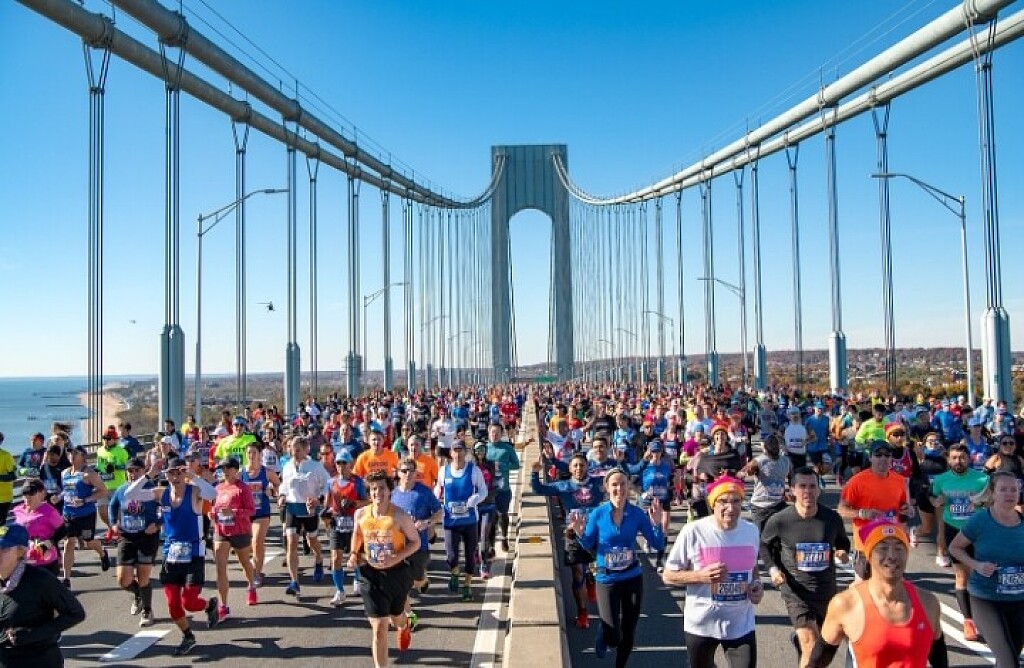
2026 TCS New York City Marathon Draws Record Global Demand as Applications Surge Past 240,000
The road to New York has never been more competitive.
Organizers at New York Road Runners (NYRR) have confirmed that more than 240,000 runners from over 160 countries submitted applications for the 2026 edition of the TCS New York City Marathon. The figure represents nearly a 20 percent increase from 2025, marking the second straight year of record-breaking demand for one of the world’s most celebrated road races.
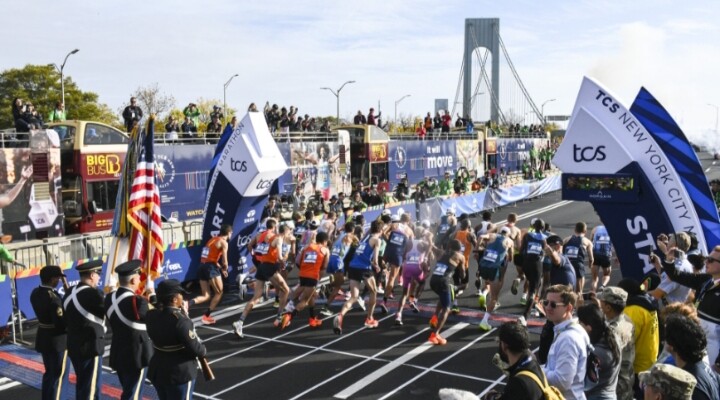
The numbers tell a powerful story: global appetite for the five-borough spectacle continues to accelerate at an unprecedented pace. Yet for the overwhelming majority, the dream will remain just that. With only about one percent of applicants ultimately securing a place through the highly competitive drawing process, earning a bib has become as formidable as completing the 26.2-mile journey itself.
For time qualifiers outside the NYRR program, the bar was set exceptionally high. Athletes were required to run 22 minutes and 52 seconds faster than the published qualifying standards for their respective age and gender categories. Even then, only the top 10 percent of those applicants were accepted — a reflection of both the race’s prestige and the extraordinary depth of performance now seen in global marathoning.
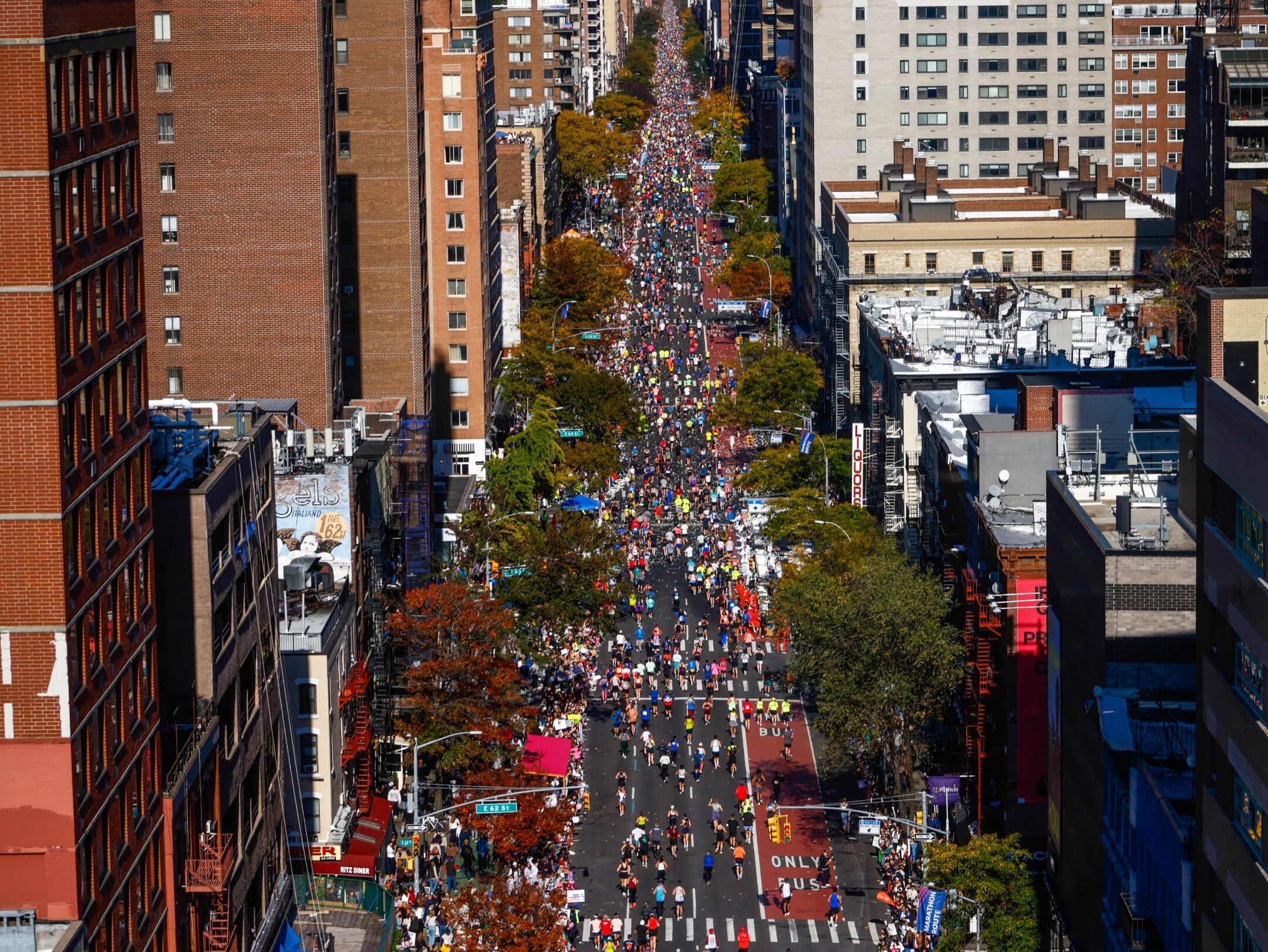
The soaring demand comes on the heels of a historic 2025 race, which established a world record as the largest marathon ever held, with 59,226 finishers crossing the line in Central Park. That landmark achievement further cemented New York’s reputation as the sport’s grandest stage.
The 2026 edition, scheduled for November 1, will carry added emotional weight. It marks the 50th anniversary of the iconic five-borough course — a route that threads through Staten Island, Brooklyn, Queens, the Bronx, and Manhattan before culminating in Central Park. Over five decades, the course has evolved into more than a race route; it is a cultural corridor where elite ambition meets everyday courage.
As the marathon approaches its golden milestone, the extraordinary surge in applications underscores a simple truth: the New York City Marathon is no longer just an event on the global running calendar — it is a coveted experience, a symbol of endurance, and, for hundreds of thousands each year, a dream worth chasing against daunting odds.
by Erick Cheruiyot for My Best Runs.
Login to leave a comment
TCS New York City Marathon
The first New York City Marathon, organized in 1970 by Fred Lebow and Vince Chiappetta, was held entirely in Central Park. Of 127 entrants, only 55 men finished; the sole female entrant dropped out due to illness. Winners were given inexpensive wristwatches and recycled baseball and bowling trophies. The entry fee was $1 and the total event budget...
more...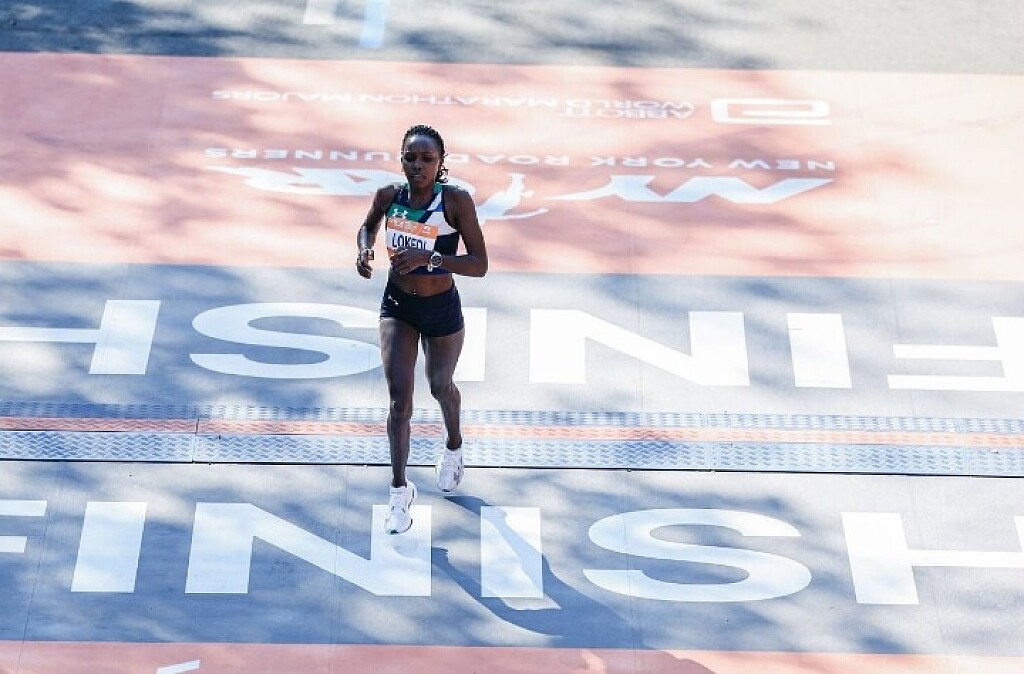
Queens of the Road: A Blockbuster Showdown Awaits at the 2026 NYC Half
There are certain race days that carry a different kind of electricity — the sense that something unforgettable is about to unfold long before the starting gun fires. The women’s field at the 2026 edition of the NYC Half is one of those rare moments. On March 15th, 2026, the world’s best distance runners will charge through the streets of the Big Apple, beginning on Center Drive in Prospect Park and racing all the way into the iconic finish in Central Park. It is a course that blends speed, scenery, and history — and this year, it will host a competition deep enough to resemble a global championship rather than a city half marathon.
From returning champions to record holders and emerging stars, the lineup brings together athletes whose careers are already intertwined with New York’s racing legacy, alongside newcomers eager to create their own defining moments. The combination of proven excellence and rising ambition sets the tone for a contest where tactics, courage, and timing could matter just as much as raw fitness.
Leading the narrative is defending champion Sharon Lokedi, returning to a city that has become a defining chapter of her career. New York has consistently brought out her best — bold racing, fearless moves, and an ability to rise when the competition is strongest. Last year’s course record victory proved she thrives under pressure, but defending a title against an even deeper field presents a completely different challenge. Champions are measured not only by how they win, but by how they respond when everyone is chasing them.
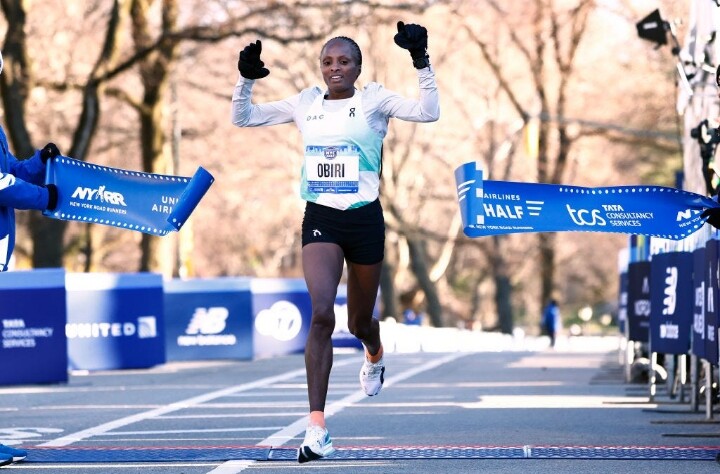
Waiting to test her once again is none other than Hellen Obiri, the reigning New York City Marathon champion and one of the most competitive racers in global distance running. Obiri doesn’t just run races — she reads them, calculates them, and then strikes when it matters most. Every meeting between her and Lokedi adds another layer to what is quickly becoming one of the sport’s most intriguing rivalries. Their battles are rarely predictable, and that uncertainty is exactly what makes this matchup so compelling.
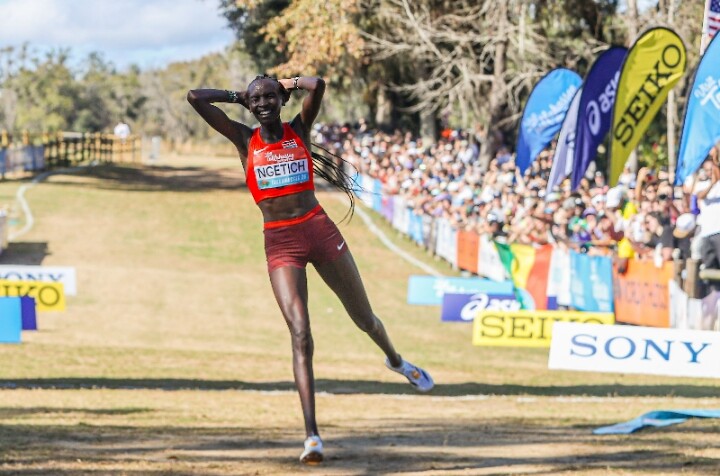
Then comes the wildcard with enormous credentials: Agnes Ngetich. Making her debut with New York Road Runners, she arrives carrying momentum that few athletes in the world can match. A world 10K record holder and the 2026 World Cross Country champion, Ngetich blends raw speed with endurance strength — a combination that can unsettle even the most experienced competitors. With one of the fastest half marathon times ever recorded, she has already proven she belongs at the very top level. Now the question becomes whether she can translate that dominance onto one of the sport’s biggest stages.
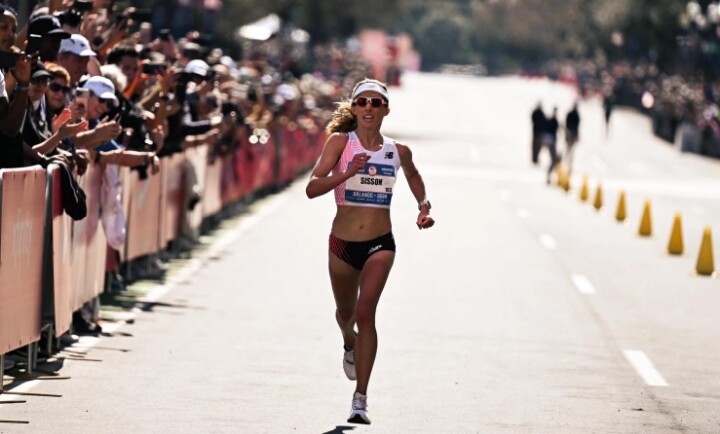
The home crowd will also have a major contender to rally behind in American star Emily Sisson, who leads a strong domestic group determined to challenge the international dominance. Known for her toughness and consistency, Sisson brings both experience and ambition into a race where positioning and patience could be just as important as speed.
What makes this year’s race special is the collective quality of the field. On paper, it resembles a global championship lineup — Olympic medalists, world champions, national record holders, and emerging forces all sharing the same start line. That depth changes the psychology of racing. No one can afford hesitation. No move goes unanswered.
The international range of athletes in this year’s race highlights just how competitive the field has become, bringing together runners from established distance-running powerhouses and emerging nations alike.
Elite Women's Field - Personal Bests and Countries
Agnes Ngetich (Kenya) — 1:03:04
Hellen Obiri (Kenya) — 1:04:22
Fantaye Belayneh (Ethiopia) — 1:04:49
Sharon Lokedi (Kenya) — 1:05:00
Konstanze Klosterhalfen (Germany) — 1:05:41
Emily Sisson (United States) — 1:06:52
Calli Hauger-Thackery (Great Britain) — 1:06:58
Natosha Rogers (United States) — 1:07:30
Annie Frisbie (United States) — 1:07:34
Amanda Vestri (United States) — 1:07:35
Dakotah Popehn (United States) — 1:07:42
Emily Durgin (United States) — 1:07:54
Diane van Es (Netherlands) — 1:08:03
Sarah Lahti (Sweden) — 1:08:19
Susanna Sullivan (United States) — 1:08:44
Emily Venters (United States) — 1:08:48
Mercy Chelangat (Kenya) — 1:08:57
Lauren Gregory (United States) — 1:09:12
Lindsay Flanagan (United States) — 1:09:17
Natasha Wodak (Canada) — 1:09:41
Stephanie Bruce (United States) — 1:09:55
Julia Paternain (Uruguay) — 1:10:16
Elena Hayday (United States) — 1:10:56
Felicia Pasadyn (United States) — 1:11:29
Erika Prieto (Mexico) — 1:15:55
Gabrielle Yatauro (United States) — 1:15:59
Alosha Southern (United States) — 1:16:40
Megan Keith (Great Britain) — Debut
As race day approaches, anticipation continues to build for what could become one of the defining women’s distance races of the season. With champions returning, rivalries intensifying, and new contenders ready to make their mark, the stage is perfectly set for drama on the streets of New York. The energy, the depth, and the unpredictability all point toward something special — the kind of competition that reminds us why elite racing captivates audiences around the world. When the gun goes off at the NYC Half, it won’t just be about times or titles, but about who is ready to rise in the moment and seize it. March 15 promises speed, courage, and unforgettable racing.
by Erick Cheruiyot for My Best Runs.
Login to leave a comment
United Airlines NYC Half-Marathon
The United Airlines NYC Half takes runners from around the city and the globe on a 13.1-mile tour of NYC. Led by a talent-packed roster of American and international elites, runners will stop traffic in the Big Apple this March! Runners will begin their journey on Prospect Park’s Center Drive before taking the race onto Brooklyn’s streets. For the third...
more...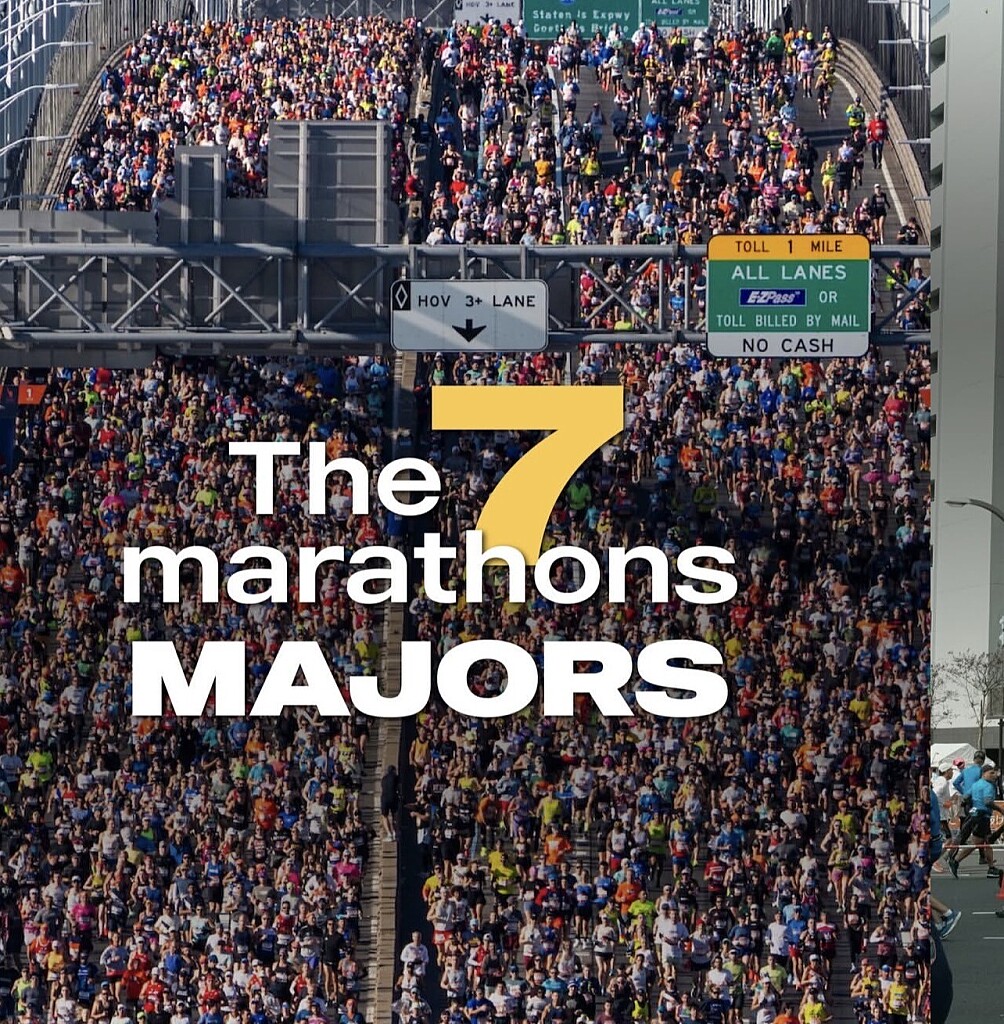
The 2026 World Marathon Majors Calendar Is Set
The global marathon spotlight will once again circle the world in 2026 as the Abbott World Marathon Majors return with a powerful seven-race series that stretches from Asia to Europe, Australia to North America. Each stop carries its own personality, history, and racing rhythm — but together they represent the highest level of marathon competition on the planet.
Here is the confirmed 2026 World Marathon Majors calendar:
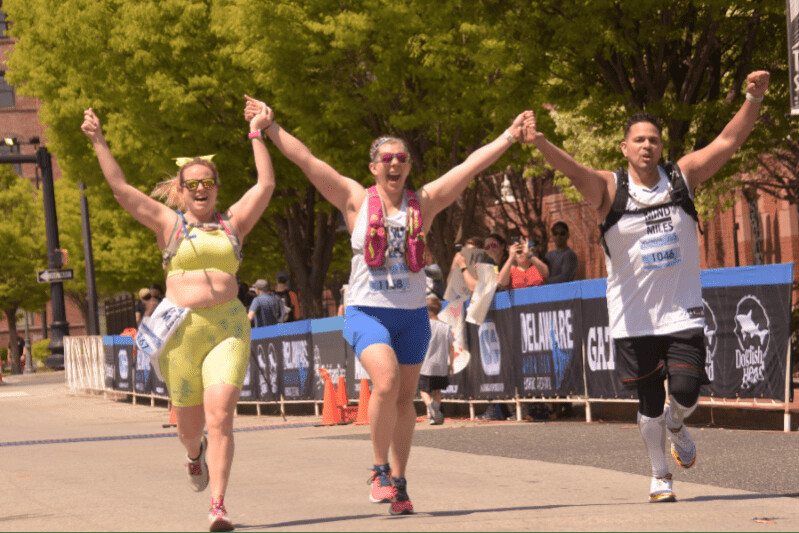
Tokyo Marathon – March 1, 2026
Boston Marathon – April 20, 2026
London Marathon – April 26, 2026
Sydney Marathon – August 30, 2026
Berlin Marathon – September 27, 2026
Chicago Marathon – October 11, 2026
New York City Marathon – November 1, 2026
Seven races. Seven cities. One global championship narrative.
Season Opener in Asia
The series begins with the Tokyo Marathon on March 1. Known for its flat layout and disciplined organization, Tokyo has become a consistent stage for fast times and tactical early-season showdowns. Elite athletes often use Tokyo to set the tone for the year — and occasionally to chase course records.
April: Marathon Royalty Month
April remains the heart of the marathon calendar.
The Boston Marathon on April 20 returns to Patriots’ Day tradition. With its point-to-point course from Hopkinton to Boylston Street, Boston remains the ultimate test of racing intelligence, strength, and patience. You don’t just run Boston — you compete Boston.
Six days later, the London Marathon on April 26 brings a different dynamic: deep elite fields, aggressive pacing, and often the fastest head-to-head racing of the spring season. London has become a proving ground for Olympic champions, world record holders, and breakout stars alike.
The April double — Boston and London — continues to define legacies.
Sydney’s Growing Influence
The Sydney Marathon on August 30 strengthens the Majors’ global footprint. As the newest addition to the series, Sydney represents the expansion of the championship to Oceania and adds a late-summer championship feel before the traditional fall European and American races.
Its presence reshapes how athletes build their seasons. With Sydney now in the mix, the Majors truly span the globe.
Fall Speed Season
The Berlin Marathon on September 27 remains synonymous with world records. Its flat, fast course has witnessed some of the greatest performances in distance running history. If athletes are chasing the clock, Berlin is often the chosen battlefield.
Two weeks later, the Chicago Marathon on October 11 continues the speed theme. Chicago’s downtown course has produced extraordinary times and dramatic finishes. It blends American racing culture with global elite competition in one of the sport’s most electric settings.
The Grand Finale in New York
The New York City Marathon closes the 2026 series on November 1. Five boroughs, 26.2 miles, and more than two million spectators lining the course. New York is rarely about world records — it’s about resilience, atmosphere, and championship racing. It’s the ultimate test of strength over speed.
The hills of the Verrazzano-Narrows Bridge and the roar in Central Park ensure that the season ends with drama.
The Bigger Picture
The 2026 calendar highlights the evolution of the World Marathon Majors into a truly global championship. With seven events spanning three continents, the series now demands strategic planning from elite athletes and offers recreational runners the opportunity to pursue the coveted Six (now Seven) Star journey.
For professionals, the Majors series often determines annual rankings, sponsorship leverage, and historical standing. For age-groupers, it represents bucket-list achievement. For fans, it offers nearly nine months of high-level marathon drama.
From Tokyo’s precision to Boston’s grit, London’s speed, Sydney’s emergence, Berlin’s records, Chicago’s rhythm, and New York’s spectacle — the 2026 World Marathon Majors promise another unforgettable season.
The road to greatness is mapped out.
Now it’s time to run it.
by Bob Anderson for My Best Runs
Login to leave a comment
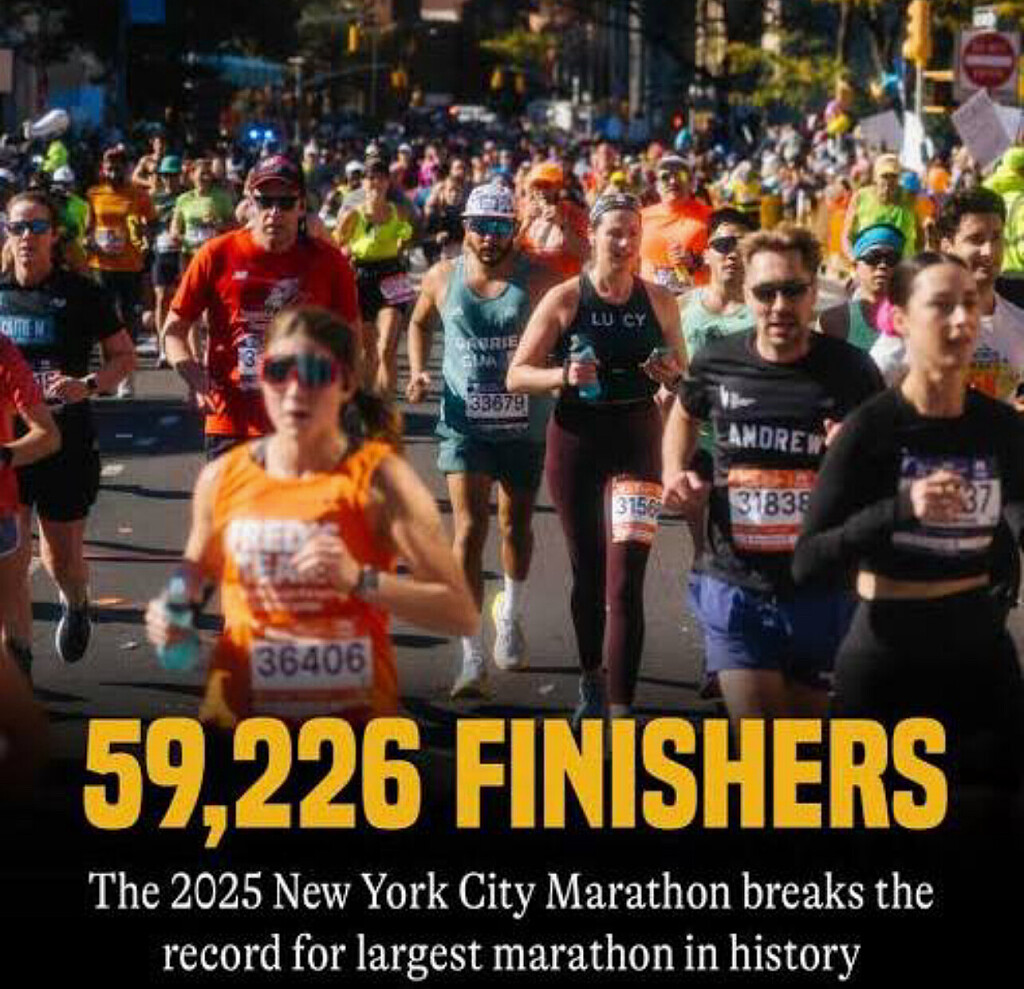
NYC Marathon Sets New World Record for Largest Number of Finishers
The 2025 TCS New York City Marathon has officially set a new world record for the largest number of finishers in a marathon, surpassing the mark set by the London Marathon earlier this year.
A total of 59,226 runners crossed the finish line in Central Park, eclipsing London’s 2025 record of 56,640 finishers achieved back in April. Last year, New York welcomed 55,643 finishers — making this year’s turnout an impressive increase of more than 3,500 participants.
This year’s field included 31,927 men, 27,156 women, and 143 non-binary runners, reflecting the marathon’s continued growth in global diversity and participation.
Average finish times:
• Men: 4:18:55
• Women: 4:48:11
• Non-binary: 4:43:59
• Overall: 4:32:25
The record underscores New York’s enduring status as one of the world’s most iconic marathons. Every November, the five-borough race captures the imagination of runners and fans alike, transforming the city into a global stage of endurance, determination, and celebration.
As one runner posted after finishing, “There’s nothing like New York — the crowd, the bridges, the skyline, and the feeling when you cross that line.”
With 59,226 finishers, the 2025 New York City Marathon is now not only the largest marathon in history but also a testament to the global passion for running that continues to grow stronger every year.
by Boris Baron
Login to leave a comment
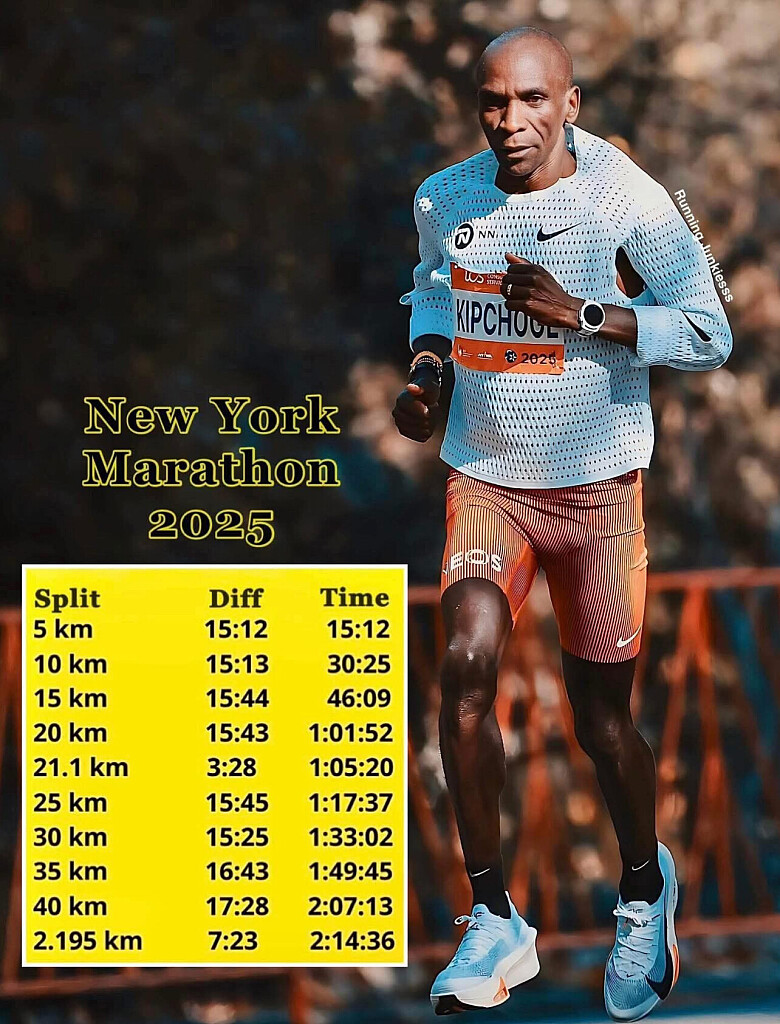
Eliud Kipchoge Finishes the 2025 New York City Marathon in 2:14:36
Eliud Kipchoge, the greatest marathoner of all time, took on the challenging streets of New York City for the first time — and finished strong in 2:14:36. Known for his smooth efficiency and calm composure, Kipchoge tackled the hilly and tactical course with trademark focus, staying consistent through the early stages before the pace slowed slightly in the latter half.
His early splits showed controlled aggression: 15:12 at 5K, 30:25 at 10K, and 1:05:20 at halfway. Through 30K, he was still moving well in 1:33:02, but the final 10 kilometers through Central Park tested even the marathon master, bringing him home in 2:14:36.
Though not among his fastest times, this was a run filled with purpose and legacy. For Kipchoge, New York was never about breaking records — it was about embracing one of the sport’s most iconic stages and completing his journey across all six World Marathon Majors.
At 40 years old, the Kenyan legend has now conquered every major marathon city, further solidifying his place as the face of modern distance running. "Many at age 40 have run much faster but this is still very respectable," says KATA founder Bob Anderson.
by Boris Baron
Login to leave a comment
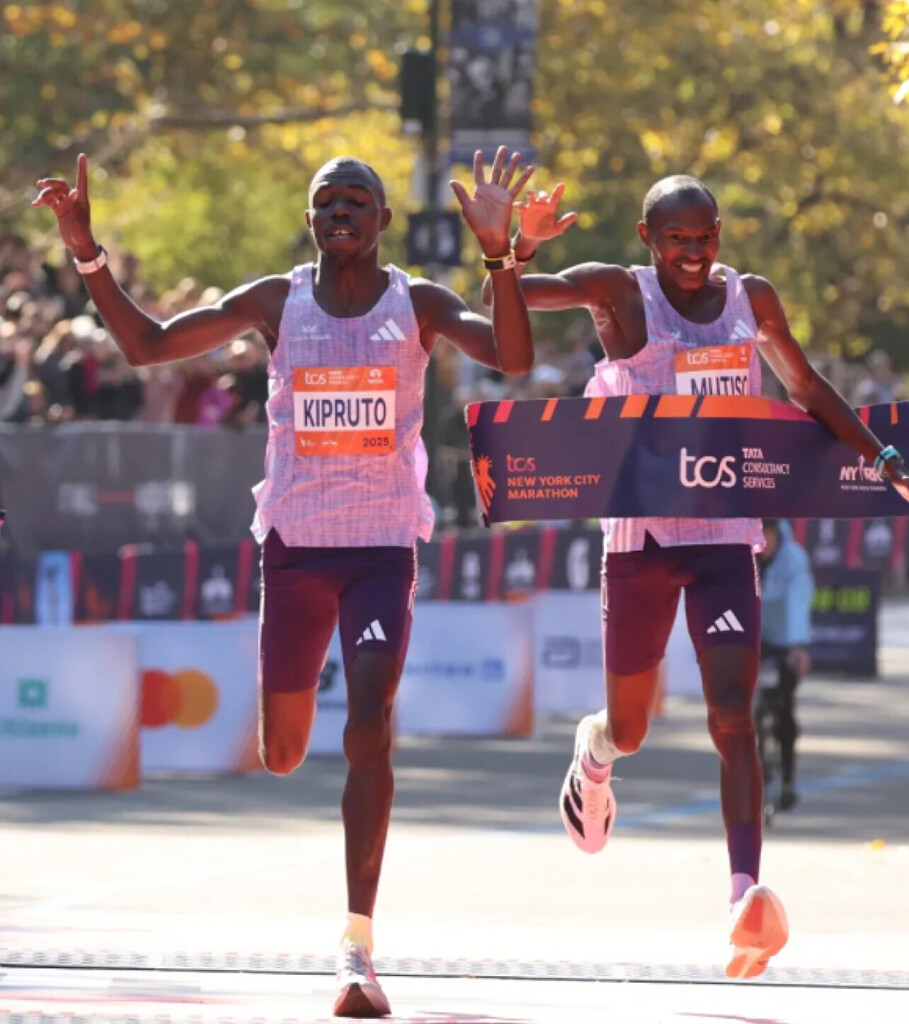
Benson Kipruto Wins a Thrilling 2025 New York City Marathon as Kipchoge and Bekele Fade
The streets of New York witnessed one of the most dramatic finishes in recent marathon history as Benson Kipruto of Kenya edged compatriot Alexander Mutiso by fractions of a second to win the 2025 TCS New York City Marathon. Both men were clocked at 2:08:09, with Kipruto leaning ahead in the final meters of Central Park to claim the title.
The victory marked a triumphant return to the top for Kipruto, who has previously won the Boston and Chicago Marathons. On a day when tactics mattered as much as fitness, he delivered a perfectly timed surge to secure the crown.
Alexander Mutiso finished a close second in 2:08:09, just 0.16 seconds behind, while 2021 New York champion Albert Korir completed the Kenyan sweep in third with a time of 2:08:57. Great Britain’s Patrick Dever ran a superb debut marathon to finish fourth in 2:08:58, and Swiss athlete Matthias Kyburz crossed the line fifth in 2:09:55.
All eyes were on Eliud Kipchoge, the two-time Olympic champion and marathon world record holder, making his long-awaited debut in New York. The legendary Kenyan started conservatively and remained in the lead pack through halfway, but the relentless climbs and bridges of the course eventually took their toll. Kipchoge finished 17th in 2:14:36, smiling as he crossed the line, suggesting this could be his final appearance at a World Marathon Major.
Ethiopian great Kenenisa Bekele also started among the favorites but faded after the 30-kilometer mark and did not finish the race. His withdrawal, along with Kipchoge’s struggles, highlighted the unique difficulty of New York’s course—one that tests strategy and strength more than sheer speed.
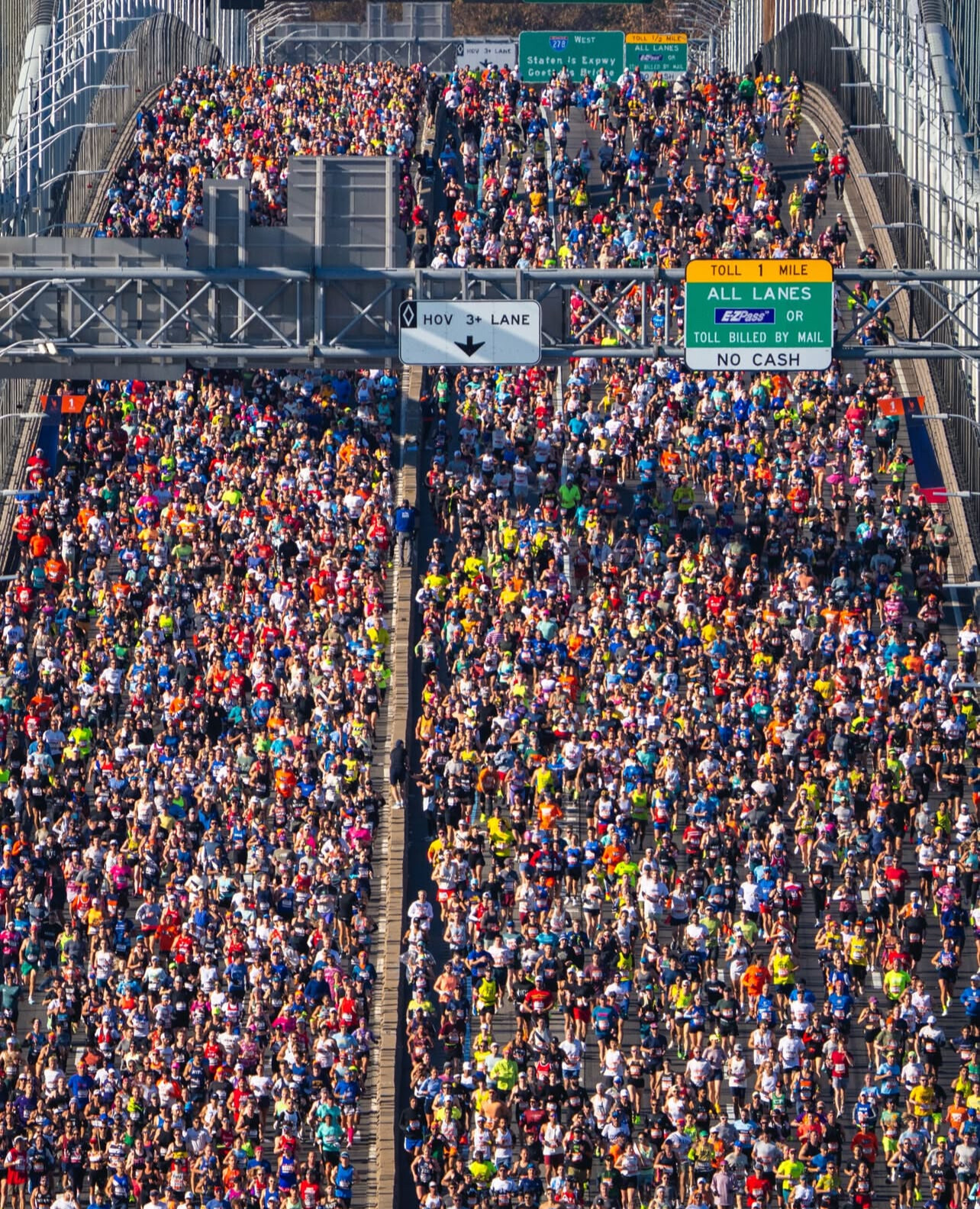
Despite the absence of a record-breaking time, the 2025 edition of the TCS New York City Marathon delivered unforgettable drama. The Kenyan trio’s podium sweep reaffirmed the country’s dominance in distance running, while thousands of runners from across the globe once again turned the streets of the five boroughs into a festival of endurance and inspiration.
Top 10 Men’s Results – 2025 TCS New York City Marathon:
1. Benson Kipruto (Kenya) – 2:08:09
2. Alexander Mutiso (Kenya) – 2:08:09
3. Albert Korir (Kenya) – 2:08:57
4. Patrick Dever (Great Britain) – 2:08:58
5. Matthias Kyburz (Switzerland) – 2:09:55
6. Joel Reichow (United States) – 2:09:56
7. Charles Hicks (United States) – 2:09:59
8. Sondre Moen (Norway) – 2:10:15
9. Tsegay Weldlibanos (Eritrea) – 2:10:36
10. Joe Klecker (United States) – 2:10:37
Eliud Kipchoge finished 17th in 2:14:36.
Kenenisa Bekele did not finish (DNF).
by Boris Baron
Login to leave a comment
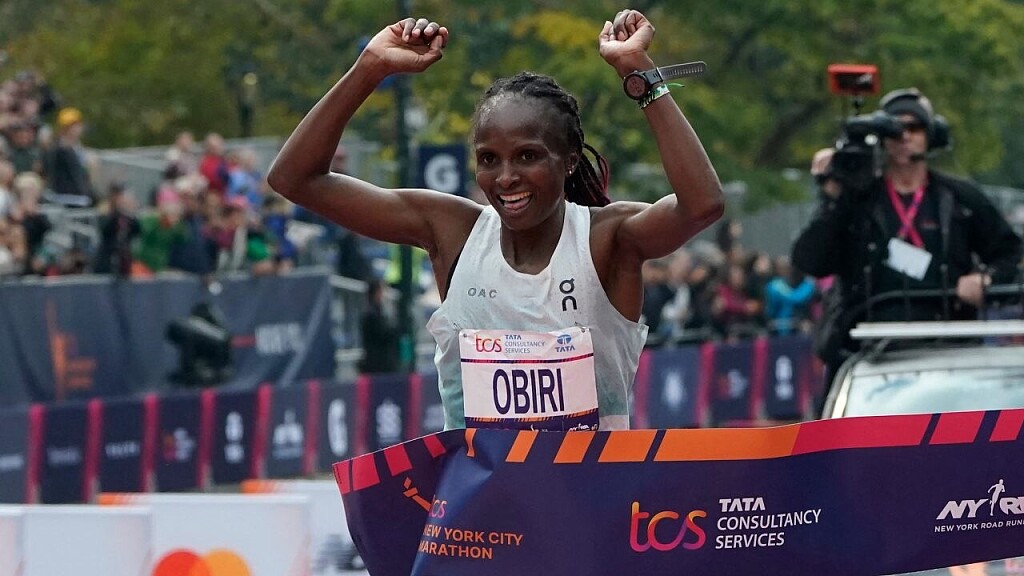
Hellen Obiri Makes History in New York — First Woman to Break 2:20 in the Big Apple
NEW YORK CITY — Kenya’s Hellen Obiri produced a sensational performance at the 2025 TCS New York City Marathon, reclaiming her crown and making history with a course-record run of 2:19:51.
Obiri became the first woman ever to break 2 hours 20 minutes on New York’s notoriously challenging course, smashing Margaret Okayo’s 2003 record of 2:22:31 by more than two and a half minutes.
The two-time Olympic silver medalist and double world 5,000 m champion ran a controlled race through the early boroughs before unleashing a decisive surge over the final miles through Central Park. Her combination of power and precision over the rolling terrain solidified her place among the all-time marathon greats.
“This victory means everything,” Obiri said after crossing the line. “New York is one of the toughest courses in the world, and to break 2:20 here feels unbelievable. I wanted to show that history can be made anywhere.”
The result capped a remarkable day for Kenya, which swept the women’s podium.
Top 3 Women – 2025 TCS New York City Marathon
1. Hellen Obiri (KEN) — 2:19:51 (Course Record)
2. Sharon Lokedi (KEN) — 2:20:07
3. Sheila Chepkirui (KEN) — 2:20:24
by Boris Baron
Login to leave a comment
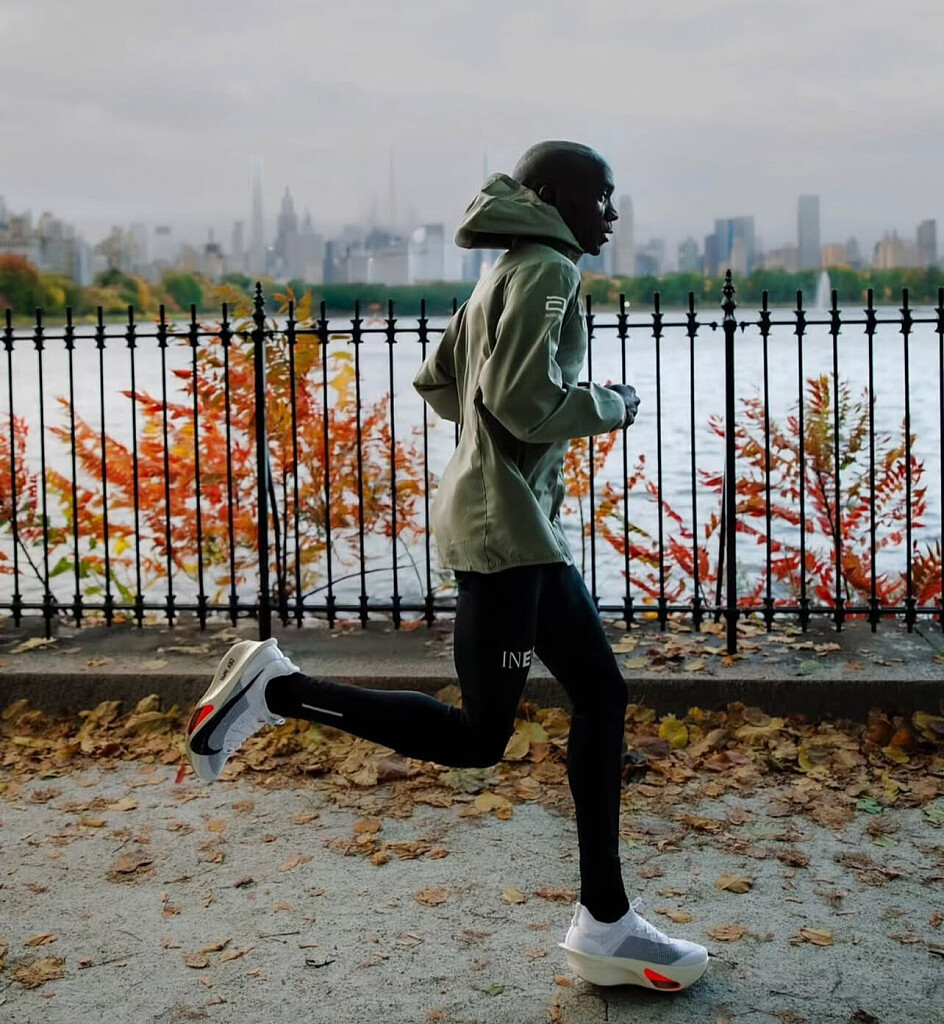
Eliud Kipchoge’s Final Quest: Chasing Meaning, Not Medals in New York
When the sun rises over Staten Island this Sunday, the world will witness something special — Eliud Kipchoge, the greatest marathoner of all time, running the TCS New York City Marathon for the first time. At 40, the Kenyan legend isn’t chasing records. He’s chasing completeness — the final chapter of a career that redefined endurance and possibility.
With two Olympic golds, 11 major marathon victories, and the historic sub-two-hour run, Kipchoge already stands alone. Yet New York remains the one missing jewel in his Abbott World Marathon Majors crown. “If I don’t complete all of them,” he says, “I feel like I am halfway. My legacy will be complete when I have a sixth star.”
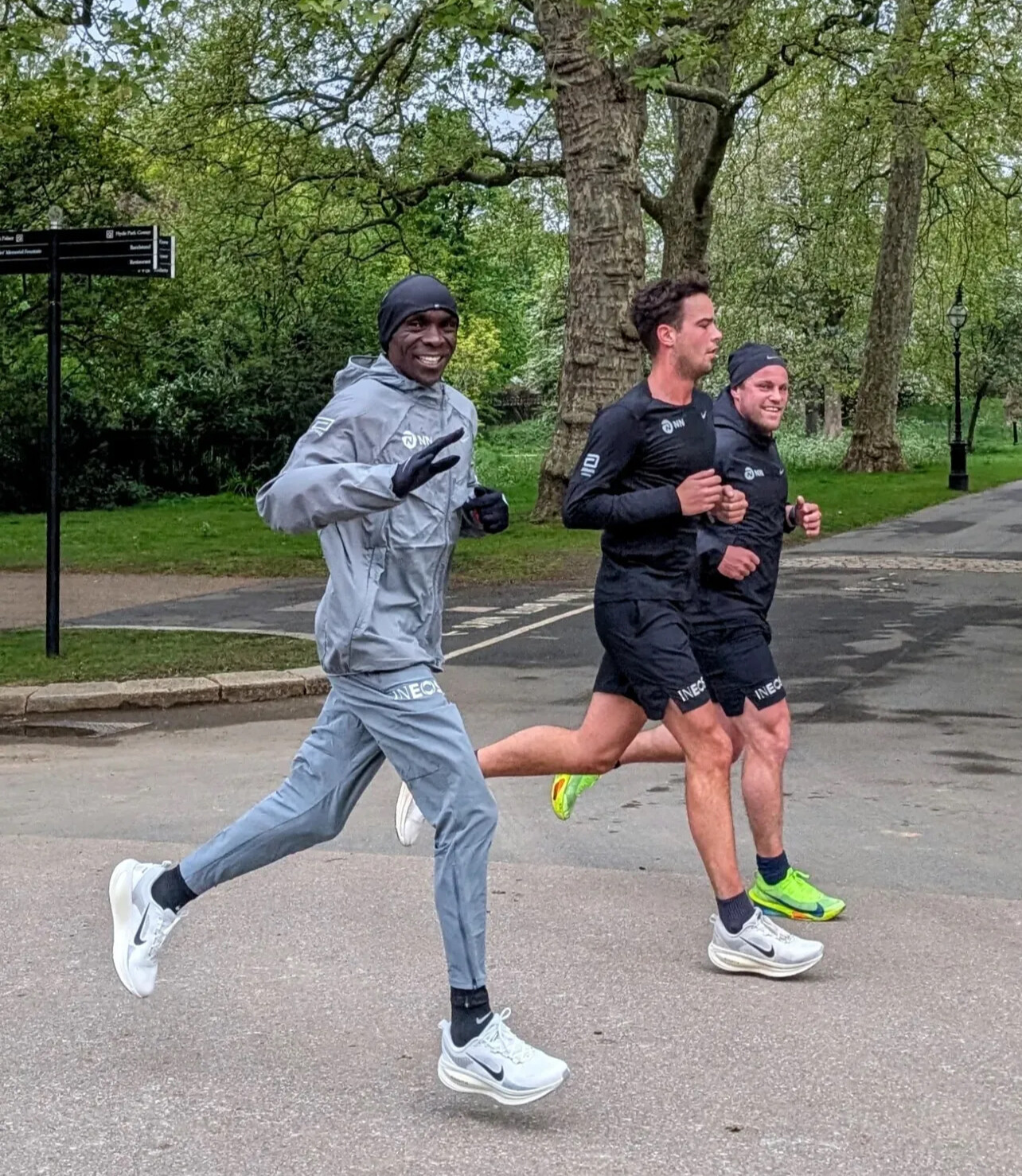
But New York is no Berlin. Its hills and bridges test rhythm and resolve. Kipchoge faces a tough field, led by his former training partner and defending champion Abdi Nageeye, along with Benson Kipruto, Alexander Mutiso, and Ethiopia’s Deresa Geleta. Nageeye, coming off a 2:04:20 in London, aims to defend his title and disrupt the legend’s farewell.
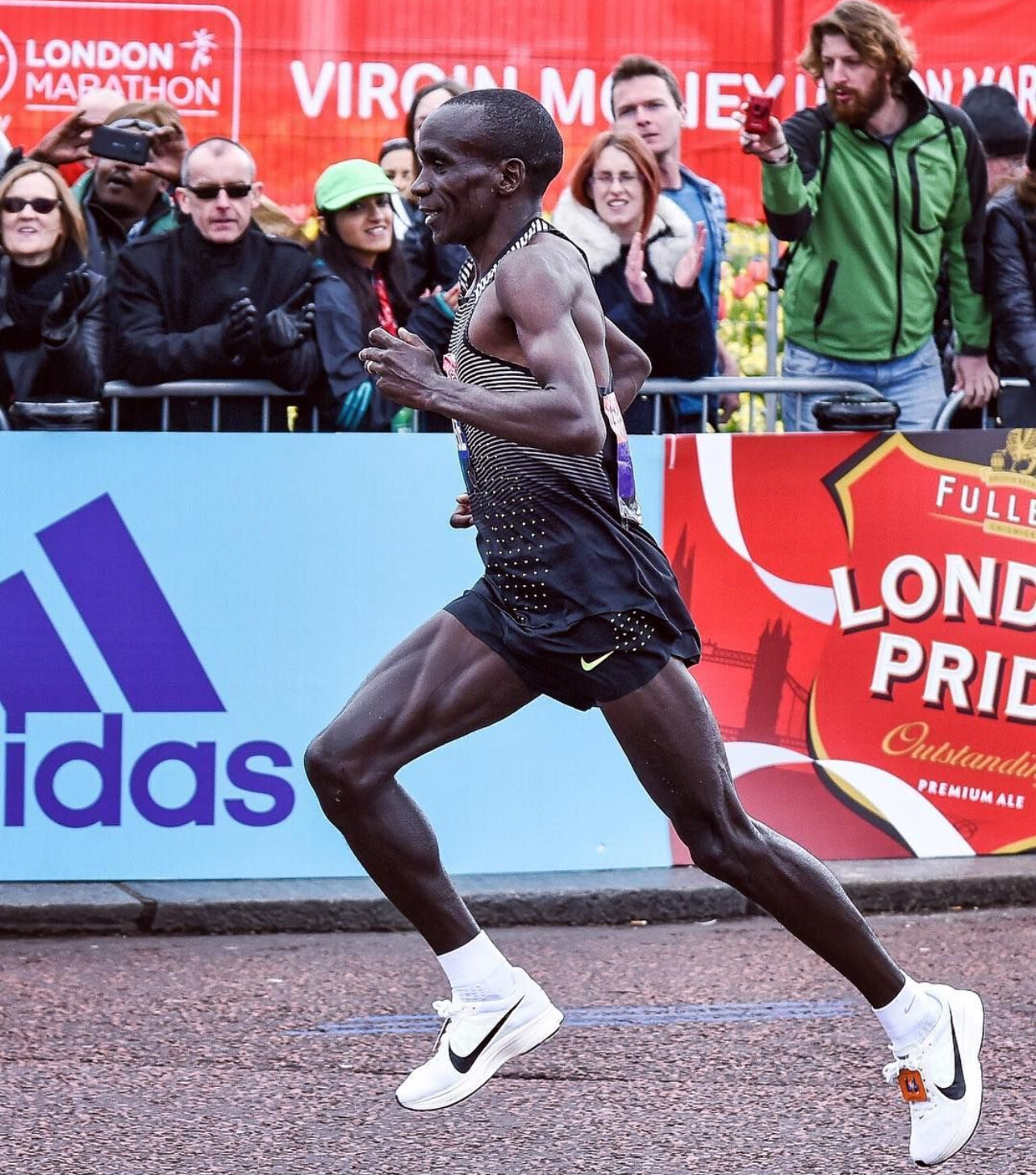
Still, for Kipchoge, this race is about purpose, not podiums. “My happiness is to see people getting interested in what I’m selling,” he says. “I’m selling the sport as a profession.” His mission now is to inspire — through running, mentorship, and his wellness platform Kotcha, which blends training, nutrition, and education. “We’re bringing knowledge to people’s fingertips,” he explains.
To him, running is a universal language. “All human beings are beautiful,” Kipchoge says. “The problem is ourselves — not using our knowledge.”
As 50,000 runners take on the five boroughs, Kipchoge’s presence turns the marathon into something larger — a meditation on effort, purpose, and legacy. His calm smile and relentless discipline remind the world that greatness isn’t about medals, but meaning.
On Sunday, as he strides through Central Park, Kipchoge won’t just be chasing a finish line. He’ll be closing a circle — running not for glory, but for the joy of fulfillment.
by Robert Kibet for My Best Runs
Login to leave a comment
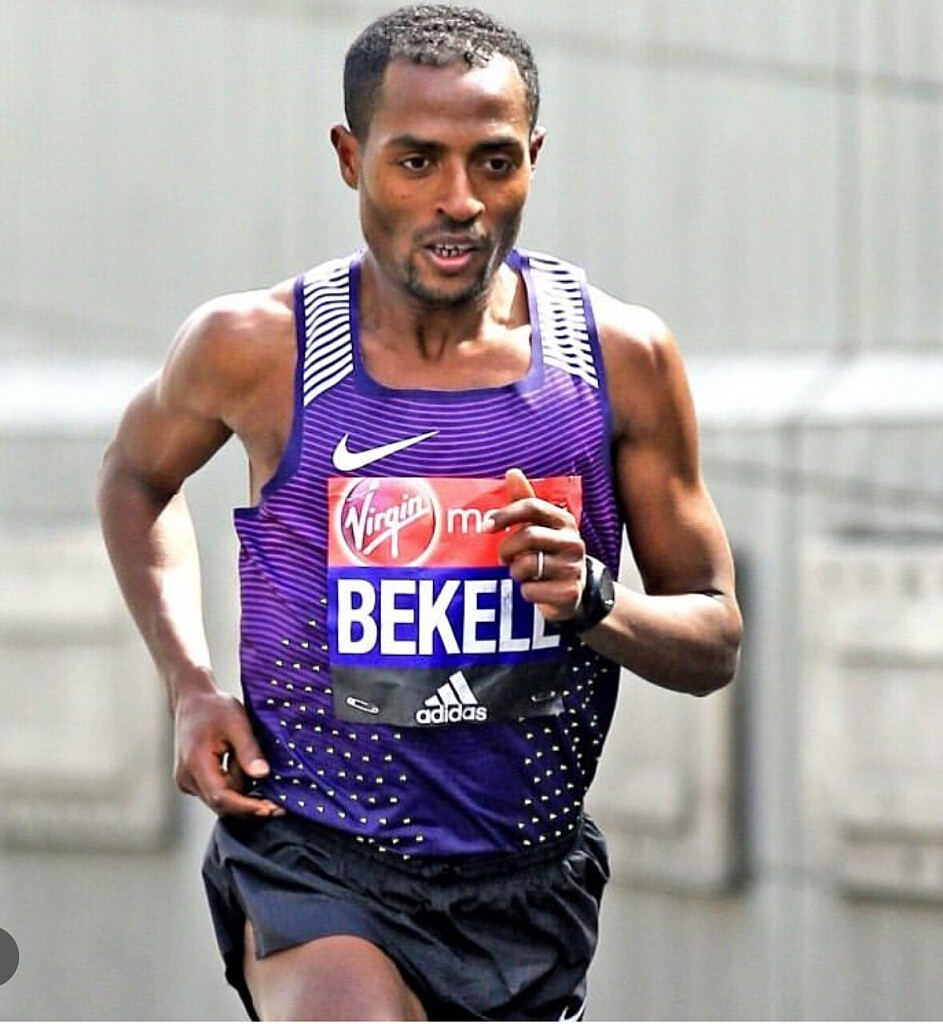
Kenenisa Bekele Joins 2025 New York City Marathon Elite Field
Ethiopian legend Kenenisa Bekele, the third-fastest marathoner in history with a 2:01:41 personal best from Berlin 2019, has officially been added to the 2025 TCS New York City Marathon elite men’s field — setting up yet another thrilling clash with Eliud Kipchoge.
Bekele, now 43, withdrew from April’s London Marathon due to recurring injuries that disrupted his buildup. His most recent marathon finish came at the Paris Olympic Marathon, where he placed 39th in 2:12:24. Despite the setback, Bekele’s experience and resilience continue to make him one of the sport’s most compelling figures.
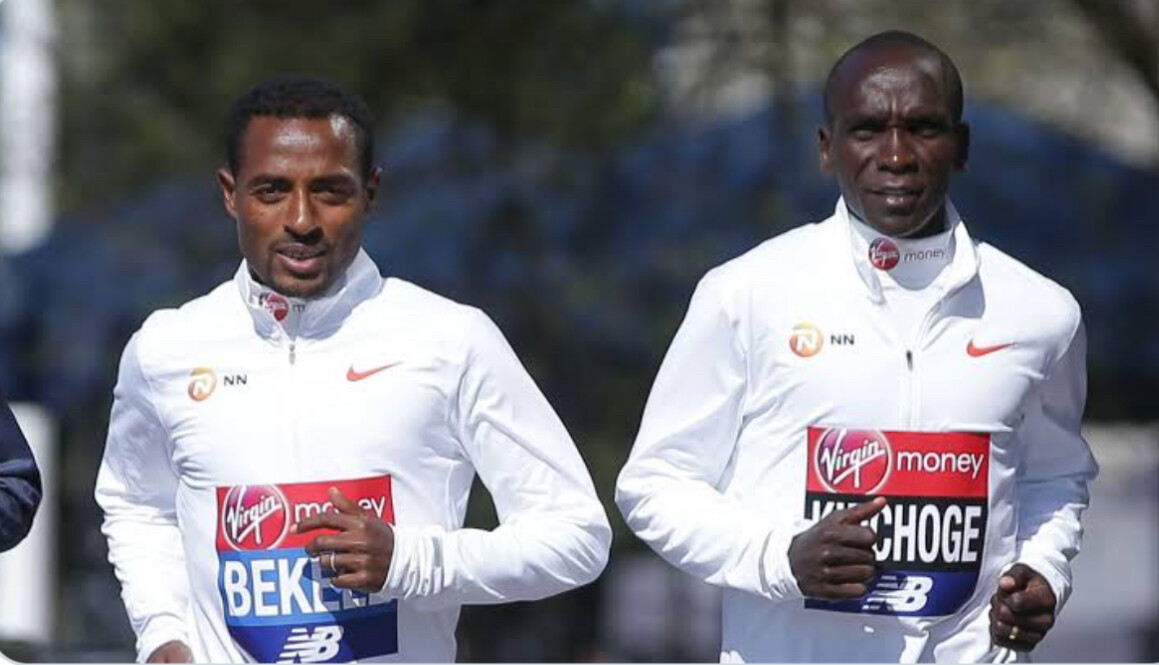
This year’s New York City Marathon will mark Bekele’s sixth career race against Kipchoge, the reigning Olympic champion and former world record holder. Bekele’s only “victory” in that rivalry came at the Paris Olympics, when Kipchoge dropped out mid-race.
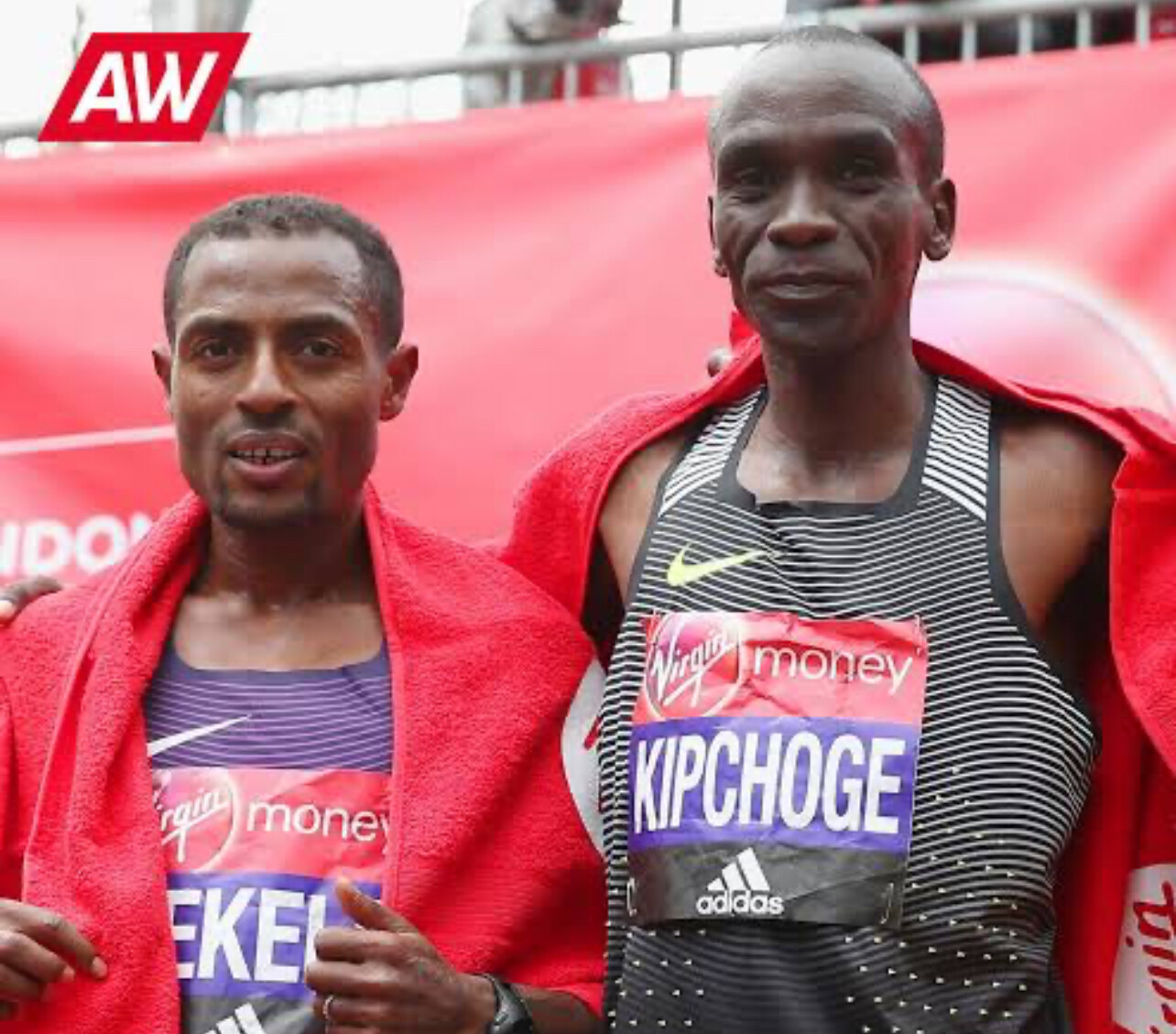
Bekele’s addition brings new intrigue to a field already rich in talent and storylines. While New York’s undulating course rarely produces record times, it remains one of the most prestigious and unpredictable races on the global marathon calendar — a true test of strategy and mental strength.
Notably absent from the 2025 lineup is Evans Chebet, the 2022 NYC Marathon champion and last year’s runner-up. Chebet has withdrawn from this year’s race after failing to finish at the Boston Marathon in April.
As the countdown begins, all eyes turn to Central Park, where two of the greatest marathoners of all time — Bekele and Kipchoge — are set to renew their rivalry on one of the world’s toughest stages.
Will Bekele’s comeback write a new chapter in marathon history, or will Kipchoge’s consistency once again define the day? On November 2, New York will have its answer.
by Boris Baron
Login to leave a comment
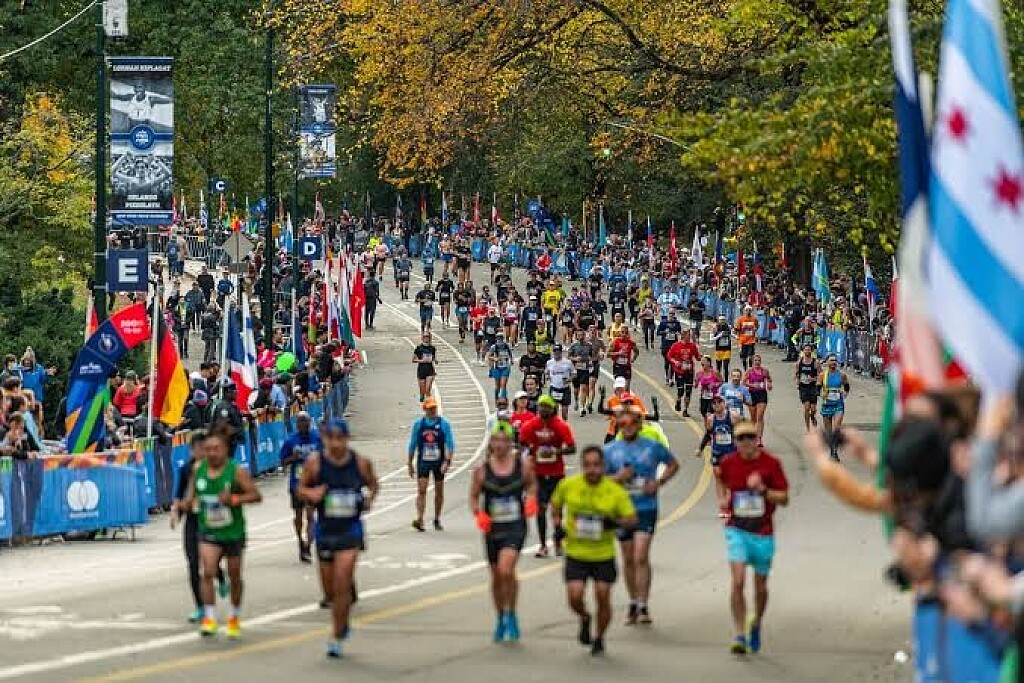
Running Through The City Of Dreams New York Marathon 2025
On Sunday, November 2, 2025, the five-borough spectacle of the New York City Marathon will unfold once again, offering more than 50,000 runners the chance to push 26.2 miles through the heart of New York. From the cannon blast on Staten Island to the triumphant finish in Central Park, this is a race that marries endurance, emotion and urban drama.
Kipchoge and Hassan Headline an Extraordinary Field
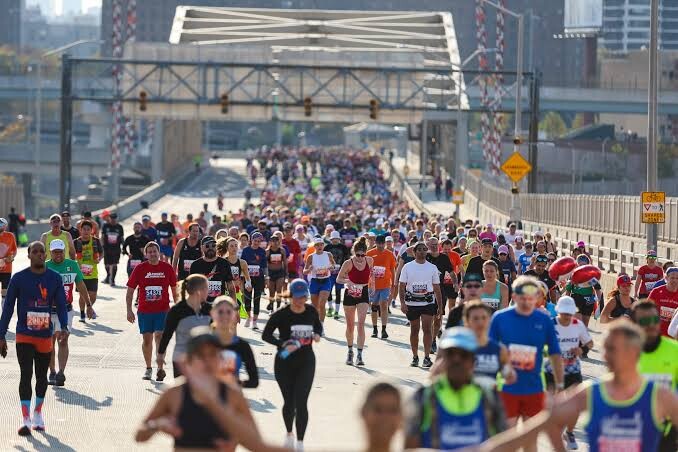
The biggest storyline heading into this year’s race is the presence of Eliud Kipchoge, the greatest marathoner in history, and Sifan Hassan, the double Olympic champion who stunned the world with marathon victories in both London and Chicago. For Kipchoge, New York completes his journey through all six Abbott World Marathon Majors — a crown that has eluded him until now.
Hassan, meanwhile, returns to the marathon distance after a string of world-class performances on both track and road, her fearless racing style perfectly suited to the unpredictable rhythm of New York’s streets.
They’ll face an elite field stacked with world-class names, including Benson Kipruto of Kenya (2:02:16 PB), Evans Chebet (two-time Boston champion, 2:03:00 PB), and defending champion Tamirat Tolaof Ethiopia (course record holder at 2:04:58). The women’s field is equally star-studded, featuring 2022 champion Sharon Lokedi, Tokyo winner Rosemary Wanjiru, and a host of East African contenders ready to test Hassan on one of the sport’s toughest stages.
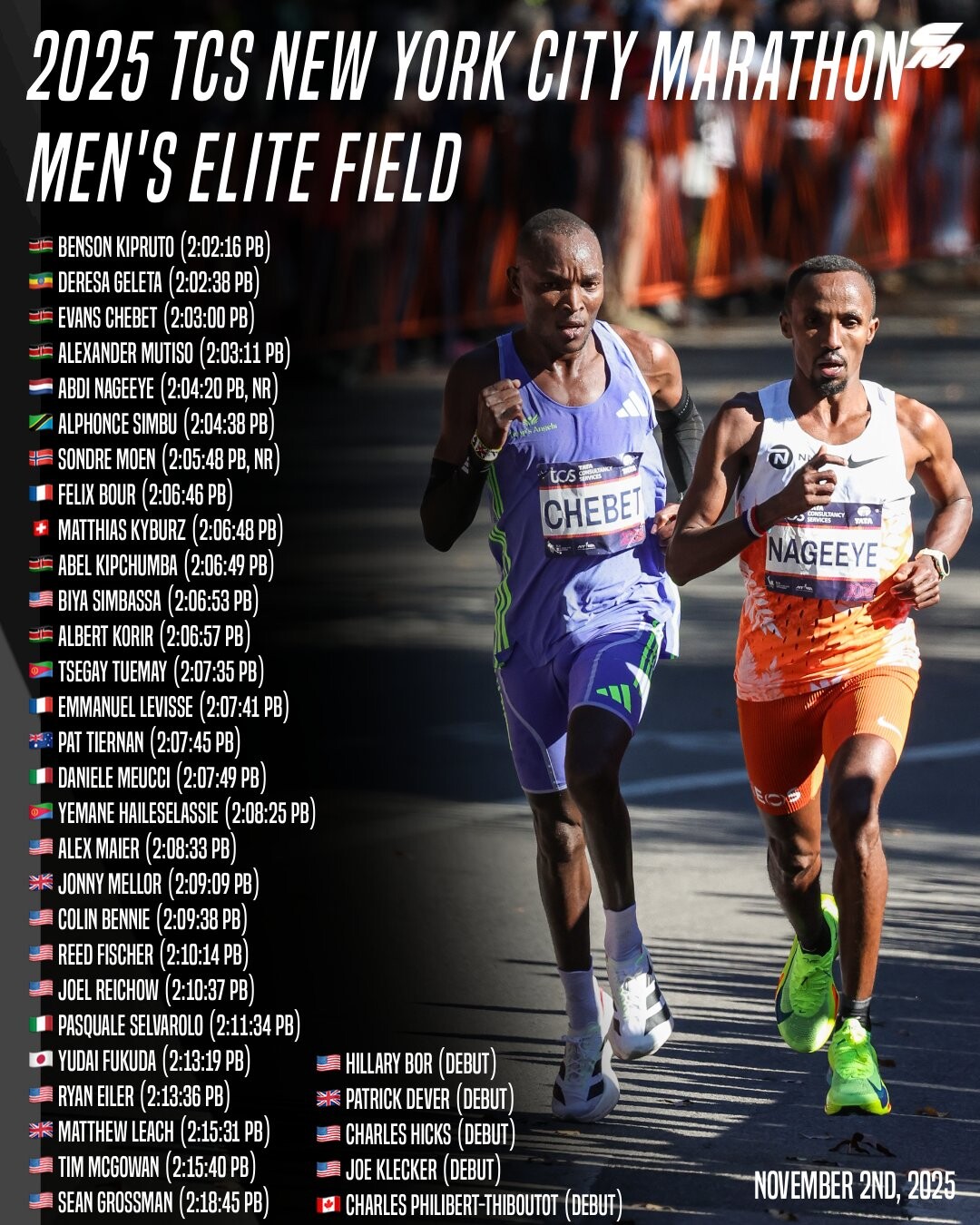
Among the American hopefuls, Emily Sisson, the U.S. record holder in the marathon, headlines the women’s field and will make her New York debut. On the men’s side, Biya Simbassa leads the U.S. charge, joined by a deep domestic field racing for top-American honors and prize bonuses.
Course Records
• Men: 2:04:58 — Tamirat Tola (ETH), 2023
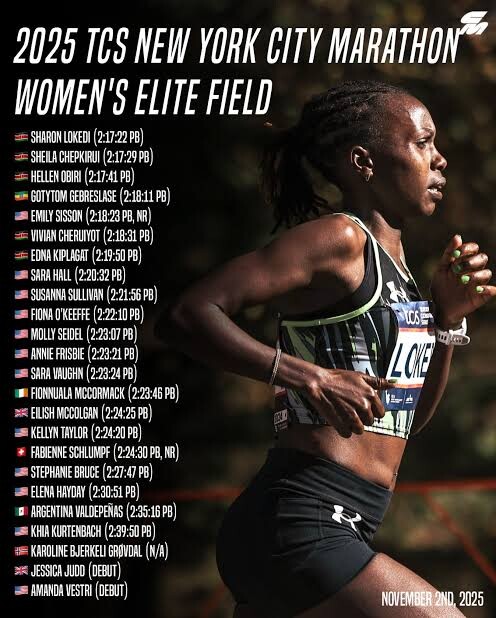
• Women: 2:22:31 — Margaret Okayo (KEN), 2003
These records reflect both top-tier performance and the challenging character of the course — rather than flat, pacer-assisted routes that routinely see world-record times.
Prize Purse
The stakes are high. Open-division winners stand to earn $100,000, with descending prizes through 10th place. The event also offers a $50,000 bonus for a winner who breaks the standing course record, plus separate prize pools for top U.S. finishers and wheelchair divisions. With total payouts approaching nearly a million dollars, the financial motivation is real — even if the course isn’t built for world-record thrills.
Why a World Record Isn’t Realistic
Make no mistake: the New York course is legendary for its toughness rather than its speed. Runners face five major bridge crossings, a long ascent up the Queensboro Bridge around mile 15–16, variable terrain, sharp turns and a final push up Fifth Avenue into Central Park. Unlike flat, pacemaker-led courses such as Berlin or Chicago, NYC emphasises tactical racing, rivalries and finish-line theatre. The organising body eliminated dedicated elite pacemakers years ago in favour of pure head-to-head competition.
While pace groups may support recreational waves, elite winners will race without the type of structured pacemaking that enables constant sub-2:03 splits. In short: this is a championship-style contest, not a time-trial.
What Makes NYC Unique
• Cityscape & crowd noise: From Staten Island’s Verrazzano Narrows Bridge to Brooklyn’s vibrant neighborhoods, the Queensboro Bridge, Manhattan’s First Avenue and the final loop in Central Park, the scenery is unmatched.
• Massive scale but elite depth: The global field, the tens of thousands of recreational runners, the international media — the race’s atmosphere is unmatched in road-racing.
• Legacy of racing over timing: Past editions have celebrated bold attacks and dramatic finishes more than normally smooth pacing. That makes this one of the world’s most storied and unpredictable marathons.
What to Watch on November 2
• How Kipchoge adapts his disciplined, flat-course style to a course that demands rhythm changes, hills and surges.
• Whether Hassan will leverage her track speed and tenacity to counter a course that rewards strength and race-tactics.
• Whether Sisson (and other U.S. entrants) can navigate the final tougher miles to claim top-American status or even an open podium spot.
• The weather and pacing strategy: any wind across the bridges or mis-timed surge could decide the race more than early splits.
• Whether someone dares to go after Tola’s 2:04 : 58 mark — unlikely but possible under perfect conditions.
The 2025 New York City Marathon is more than a race. It is a testament to endurance, to the city that hosts it and to runners who thrive in challenge rather than comfort. Kipchoge and Hassan bring star power. The U.S. challengers bring ambition. And the 50,000+ starters bring stories.
Whether you’re chasing a personal best, seeking a finish-line moment or just watching from the sidelines, November 2 will be unforgettable. The bridges, the boroughs, the final climb into Central Park — the city will judge your resolve. And with no pacemakers to pull you through, this year’s finishers will know they earned every step with heart.
by Boris Baron
Login to leave a comment
TCS New York City Marathon
The first New York City Marathon, organized in 1970 by Fred Lebow and Vince Chiappetta, was held entirely in Central Park. Of 127 entrants, only 55 men finished; the sole female entrant dropped out due to illness. Winners were given inexpensive wristwatches and recycled baseball and bowling trophies. The entry fee was $1 and the total event budget...
more...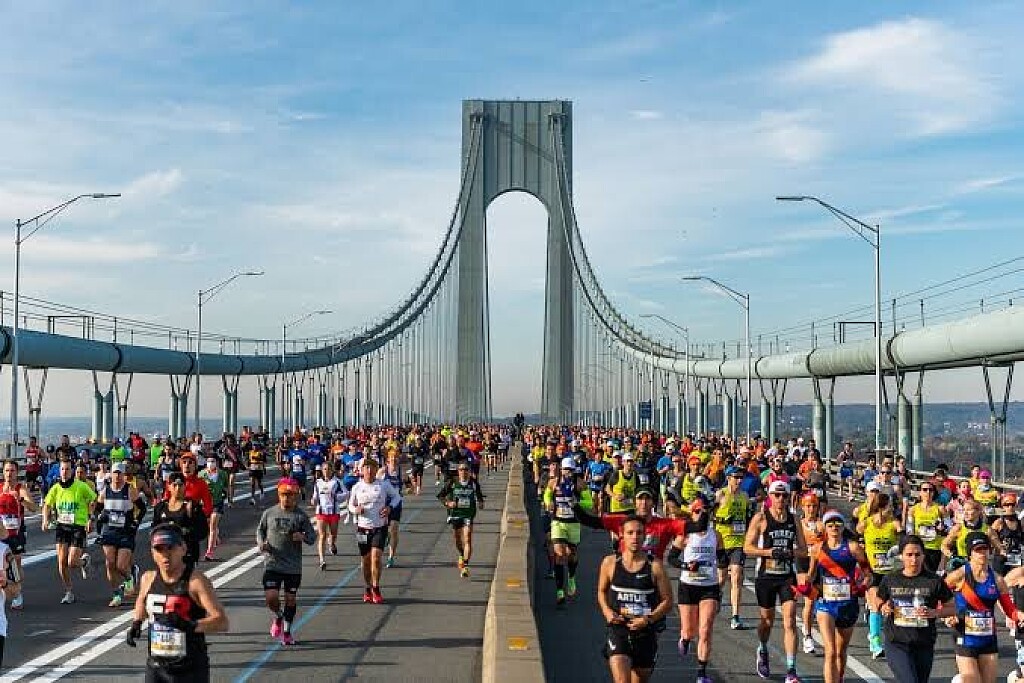
Chasing New York: What to Watch at the 2025 TCS New York City Marathon
Every November, the streets of New York City transform. Five boroughs become a stage. Dreams meet asphalt.
The 2025 TCS New York City Marathon is fast approaching — and for runners, coaches, and fans alike, it remains one of the most electric events on the global running calendar.
The Big Picture
• Date: Sunday, November 2, 2025
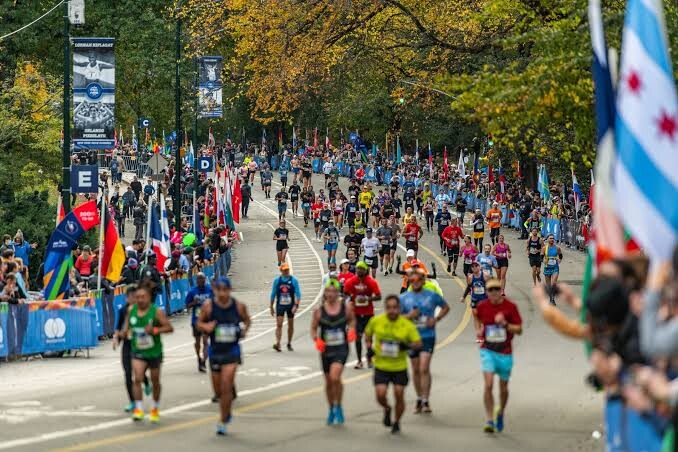
• Field size: More than 55,000 runners representing over 130 nations will take on the 26.2-mile journey from Staten Island to Central Park.
• Defending champions: Abdi Nageeye (Netherlands) and Sheila Chepkirui (Kenya) return to defend their crowns.
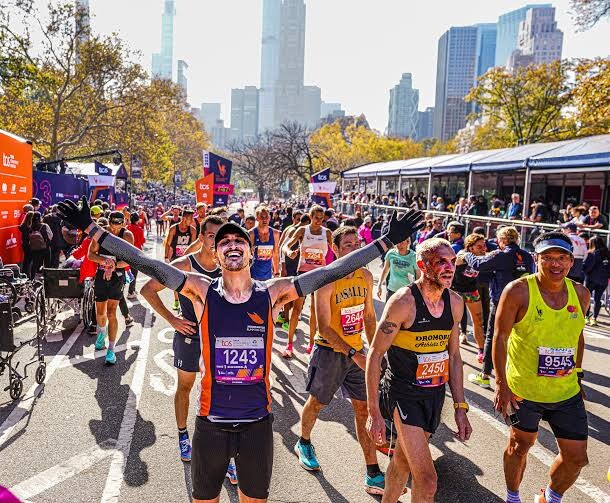
• Debut stars: Marathon legend Eliud Kipchoge and Olympic champion Sifan Hassan will make their long-awaited New York debuts — a storyline that has the running world buzzing.
• Classic route: The course again threads through all five boroughs, starting at Fort Wadsworth on Staten Island, crossing the Verrazzano-Narrows Bridge, and finishing in Central Park.
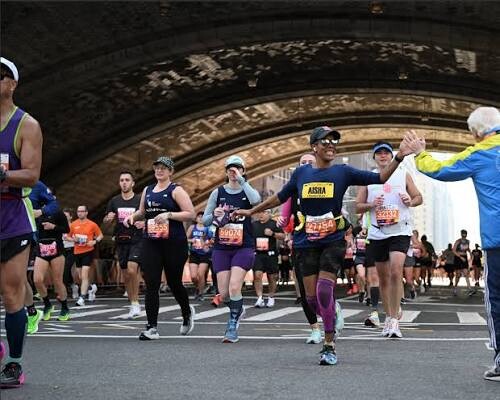
• Sustainability focus: Organizers at New York Road Runners (NYRR) continue to expand environmental initiatives, including recyclable aluminum water bottles and reduced single-use plastics.
Course Records
• Men’s Record: 2:04:58 – Tamirat Tola (2023)
• Women’s Record: 2:22:31 – Margaret Okayo (2003)
Both marks remain tough to challenge on New York’s rolling, bridge-laden course — but with Kipchoge, Chebet, and Nageeye in the men’s field, and Hassan, Obiri, and Lokedi among the women, the potential for history is very real.
Men’s Elite Highlights
• Eliud Kipchoge (Kenya) – two-time Olympic champion, 2:01:09 PB, running NYC for the first time.
• Abdi Nageeye (Netherlands) – defending champion and Olympic silver medalist.
• Evans Chebet (Kenya) – two-time Boston Marathon champion.
• Benson Kipruto (Kenya) – Chicago 2022 winner.
• Albert Korir (Kenya) – former NYC champion.
• Joe Klecker (USA) – U.S. Olympian making his marathon debut.
• Hillary Bor (USA) – U.S. steeplechase champion transitioning to the roads.
• Charles Hicks (USA) – NCAA cross-country champion now turning professional.
Women’s Elite Highlights
• Sifan Hassan (Netherlands) – Olympic champion, winner in London (2023) and Chicago (2024).
• Hellen Obiri (Kenya) – Boston 2023 and NYC 2023 champion.
• Sharon Lokedi (Kenya) – NYC 2022 winner, still a local favorite.
• Sheila Chepkirui (Kenya) – defending NYC champion.
• Emily Sisson (USA) – current American marathon record holder (2:18:29).
• Molly Seidel (USA) – Tokyo Olympic bronze medalist.
• Fiona O’Keeffe (USA) – 2024 U.S. Olympic Trials marathon champion.
• Susanna Sullivan (USA) – Top-10 finisher at Boston 2023, consistent national contender.
This year’s field features 49 Olympians and Paralympians, nine past major marathon winners, and 16 medalists from Olympic or World Championship events — arguably the deepest lineup in New York history.
What Makes New York Unique (and Brutal)
• Rolling terrain and bridges: The Verrazzano, Pulaski, Queensboro, and Willis bridges each sap rhythm and energy.
• Crowd power: Two million spectators line the course, creating unmatched atmosphere — and volume.
• Late-season unpredictability: Weather can swing from cold drizzle to crisp fall perfection.
• Tactical racing: With its uneven pacing demands, NYC rewards strategy over pure speed.
Storylines to Watch
• Kipchoge’s debut: The marathon GOAT takes on the sport’s loudest stage. Can he master New York’s relentless hills and twists?
• Hassan’s bold quest: Coming off London and Chicago wins, can she complete the trifecta in her first NYC appearance?
• Lokedi vs. Obiri: The Kenyan duo continue their fierce rivalry on familiar ground.
• Nageeye’s defense: Last year’s champion faces his toughest test yet with Chebet and Kipruto in pursuit.
• American charge: Sisson, Seidel, O’Keeffe, and Sullivan lead the most complete U.S. women’s team in years — while Klecker and Bor look to ignite the next chapter for American men’s marathoning.
• Record watch: Tola’s 2:04:58 may finally be tested, and Okayo’s 22-year-old mark could fall if conditions align.
For Runners and Coaches
• Train the bridges. Practice long tempo runs that mimic New York’s undulating rhythm.
• Respect the pace. The roar of Brooklyn can trick even the best into going out too fast.
• Fuel flexibly. NYRR’s eco-station setup may differ from other majors — plan accordingly.
• Stay mentally sharp. The final 10 K through Central Park can break anyone unprepared for its hills.
• Layer smartly. Start slightly chilled; the crowds and effort will warm you fast.
The Bottom Line
The 2025 TCS New York City Marathon blends star power, unpredictability, and history like no other race. From Kipchoge’s long-awaited debut to the fiercest women’s field ever assembled in New York, every mile promises drama.
For runners chasing personal bests, and for millions of spectators lining the streets or watching from afar, November 2 will again remind us why this marathon is more than a race — it’s a celebration of endurance, spirit, and the human story that unfolds across 26.2 miles of the world’s greatest city.
by Boris Baron
Login to leave a comment
TCS New York City Marathon
The first New York City Marathon, organized in 1970 by Fred Lebow and Vince Chiappetta, was held entirely in Central Park. Of 127 entrants, only 55 men finished; the sole female entrant dropped out due to illness. Winners were given inexpensive wristwatches and recycled baseball and bowling trophies. The entry fee was $1 and the total event budget...
more...
Oz Pearlman: Mentalist and Marathoner with a 2:23:52 Personal Best
Oz Pearlman is most known as a world-class mentalist and entertainer, dazzling audiences with mind-reading feats. While his stage act is about illusions and mind-reading, his running accomplishments are very real and recognized in the endurance community.
Oz has carved out a reputation as an elite runner, with marathon credentials and ultra-endurance performances that prove his strength goes far beyond the stage.
Marathon Credentials
Oz’s personal best marathon of 2:23:52, set at the Philadelphia Marathon in 2014, is a time most competitive runners can only dream of. He’s also posted:
• 2:26:59 at the 2014 New York City Marathon
• 2:29:19 at the 2021 NYC Marathon
• 2:40:14 at the 2022 NYC Marathon
Along the way, he’s notched victories in regional races, including the New Jersey Marathon, underscoring his range and consistency.
From Marathons to Ultramarathons
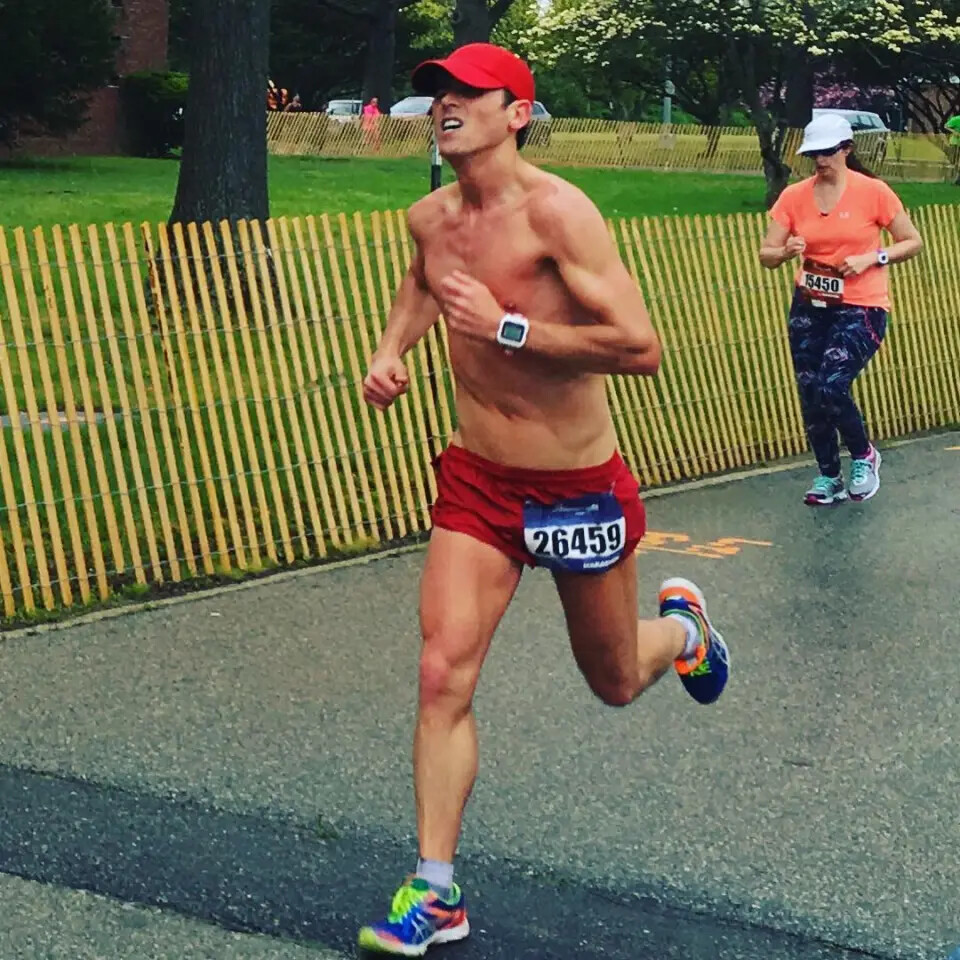
Oz didn’t stop at 26.2. He’s tested his limits in some of the sport’s toughest arenas:
• 100 miles in 16:53:25 at the Keys Ultra (2021), finishing second overall.
• 100 miles in 18:25:23 at the Umstead 100-Mile Endurance Run (2025).
• 117 miles in Central Park (2022), setting the record for most loops in a single day while raising funds for Ukrainian relief.
• A nonstop run from Montauk Point Lighthouse to Times Square — over 130 miles in 24 hours.
These efforts highlight not only his physical endurance but also his ability to push through the mental barriers that define ultra running.
Mind Over Miles
As a mentalist, Oz has honed a mastery of focus, patience, and mental toughness — qualities that translate seamlessly to distance running. Whether chasing sub-2:25 marathons or grinding through 100-mile ultras, he shows that success in endurance sport comes as much from the mind as from the legs.
Running With Purpose
Many of Oz’s longest challenges have doubled as fundraising efforts, proving that his running is about more than personal achievement. His Central Park ultra raised significant support for Ukraine, reflecting how he uses his talents — both on stage and on the course — to make an impact.
Oz Pearlman is more than an entertainer. He is a reminder that resilience, consistency, and the power of the mind can take us further than we imagine — sometimes all the way from Montauk to Manhattan.
by Boris Baron
Login to leave a comment

Four Scenic Routes to Explore in San Francisco Plus: A Unique Race Experience Coming August 3
San Francisco isn’t just a city of hills and cable cars—it’s a runner’s dream. With its unique blend of urban energy, coastal serenity, and panoramic vistas, the City by the Bay offers some of the most scenic running routes in the world. Whether you’re training for a race or simply looking for a refreshing jog, these four routes provide the perfect introduction to San Francisco’s running scene.
1. Golden Gate Park Loop

• Distance: 7 miles
• Terrain: Paved paths and dirt trails
• Highlights: Botanical gardens, Stow Lake, and peaceful groves
Golden Gate Park is San Francisco’s version of Central Park—only longer and filled with even more natural variety. This 7-mile loop guides runners past the Japanese Tea Garden, the Conservatory of Flowers, and around Stow Lake. It’s ideal for tempo runs, long runs, or easy days, offering both paved and soft-surface options with minimal traffic distractions. You’ll find moments of quiet and lush green scenery that make you forget you’re in the middle of a major city.
2. Presidio Challenge
• Distance: 4 miles
• Terrain: Hilly with stairs and varied paths
• Highlights: Sweeping views of the Golden Gate Bridge and Bay, forested trails, military history

Looking for a climb and a challenge? The Presidio route rewards effort with unmatched views and tranquil forest trails. Once a military post, this national park is now one of the most scenic places to run in San Francisco. Start near Crissy Field, ascend via the Batteries to Bluffs Trail or the Ecology Trail, and loop back through shaded switchbacks and historic military bunkers. It’s a great test of fitness with picture-perfect moments.
3. Embarcadero Waterfront Run
• Distance: 3–6 miles
• Terrain: Flat, paved promenade
• Highlights: Bay Bridge, Ferry Building, Pier 39, sea lions
This runner-friendly route delivers postcard-worthy views and an easy-to-follow course along the Bay. Begin at Oracle Park or the Ferry Building and head north past piers, ships, shops, and cafés. The Embarcadero is ideal for morning or evening runs, with great lighting, plenty of water stops, and occasional sea lion cameos at Pier 39. It’s also one of the most accessible spots for visitors staying downtown.
4. Lands End Coastal Trail
• Distance: 3–4 miles
• Terrain: Dirt trails and stairs
• Highlights: Cliffside Pacific views, Sutro Baths, Golden Gate Bridge overlook
Lands End feels like a trail runner’s escape—without leaving the city. The route snakes along the cliffs on the city’s northwest edge, offering stunning ocean views, cypress trees, and a glimpse of the iconic Golden Gate Bridge in the distance. While the terrain includes stairs and some narrow paths, the scenery is unforgettable. Make time to stop at the Sutro Baths ruins and the Lands End Labyrinth for a true San Francisco experience.
Looking for a Race? Don’t Miss August 3
If you’re inspired to test your fitness on one of these routes, sign up for one of San Francisco’s most scenic events: the Golden Gate 10K, 5K, and Double 8K, happening on August 3. Held at Crissy Field, these flat and fast courses offer panoramic views of the Golden Gate Bridge and the bay—without ever crossing the bridge itself.
The event also features the Golden Gate Double 8K, a unique two-part challenge: run a 5K, take a short recovery break, then race a 3K. The combined time determines your score, adding a strategic twist that rewards consistency and pacing.
It’s an ideal race for all levels—from competitive racers to weekend warriors—and a memorable way to experience the San Francisco waterfront on foot.
Tips for Running in San Francisco
• Layer Up: Weather can shift quickly. Fog and chilly breezes are common even in summer.
• Mind the Terrain: Hills and stairs are frequent. Don’t underestimate them.
• Stay Hydrated: Water fountains are available in parks and along the Embarcadero.
• Beat the Crowds: Early mornings offer the quietest, most peaceful running conditions.
• Use Public Transit: Many routes are easily accessible via BART, Muni, or bike share.
Whether you’re a local or just visiting, San Francisco delivers a unique mix of urban running and natural beauty. With iconic views, varied terrain, and a welcoming fitness community, the city makes it easy to fall in love with running all over again.
So lace up your shoes, pick a path, and let San Francisco move you.
Would you like me to add clickable registration or map links for the August 3 races?
by Boris Baron
Login to leave a comment

Golden Gate 10k/5k DOUBLE 8K
The Golden Gate courses offers unparalleled views of the Golden Gate Bridge for more than 80% of the way! The course will begin at historic Crissy Field near the Presidio of San Francisco. Runners will enjoy the gorgeous vistas of the Golden Gate National Recreation Area. We are offering three races: Golden Gate 10K and 5K (run/walk) and Golden Gate...
more...
Running Along the Seine River in Paris: My Second Favorite Place to Run
Some runs are so memorable that they stay with you long after you’ve finished them. For me, running along the Seine River in Paris is one of those special experiences. It’s my second favorite place to run, just behind Central Park in New York.
Starting at Notre-Dame: A Run Through the Heart of Paris
My favorite way to run along the Seine starts at Notre-Dame Cathedral on Île de la Cité. Being there when they reopened the cathedral after the devastating fire was a moment I’ll never forget. Seeing it restored and standing tall again makes this starting point even more special.
I prefer to run on the right side of the Seine (Rive Droite) first, heading west toward the Eiffel Tower. The early morning is the best time—Paris is still quiet, the air is crisp, and the river reflects the soft glow of the sunrise.
Running West Along the Right Bank (Rive Droite)
Starting at Notre-Dame, I follow the pedestrian paths along the Right Bank. This side of the Seine has a mix of cobblestone walkways and smooth running paths, with plenty of open space.

One of the first landmarks I pass is the Louvre, its grand architecture and glass pyramid still peaceful before the crowds arrive. Continuing west, I run through Port de l’Arsenal and past Pont Neuf, the oldest bridge in Paris, which has stood here since the early 1600s.
As I approach the Pont Alexandre III, I know I’m getting close to my turnaround point. This is one of the most beautiful bridges in the world, with its golden sculptures and ornate details. Beyond it, the Eiffel Tower rises in the distance, marking the midway point of my run.
Turning Around at the Eiffel Tower
Reaching the Eiffel Tower is always a highlight. No matter how many times I’ve run here, the sight of this iconic landmark never gets old. I take a moment to appreciate the view—sometimes stopping for a quick photo, sometimes just soaking it all in.
This is where I cross over to the Left Bank (Rive Gauche) to begin the second half of the run back toward Notre-Dame.

Returning Along the Left Bank (Rive Gauche)
The Left Bank has a different feel—more relaxed, with wider paths and fewer cobblestones. I pass by the Musée d’Orsay, the beautiful former train station turned art museum, and then continue past Port de Solférino, a scenic section of the river where the city’s energy starts to build.
Running past the Bouquinistes, the historic booksellers who line the riverbanks, is always a treat. Their green wooden stalls, filled with rare books and vintage prints, are a reminder that Paris is a city that treasures history and culture.
As I approach Île de la Cité, the home stretch of the run comes into view. Crossing back over the Seine near Pont Saint-Michel, I finish my run where I started—at Notre-Dame. By now, Paris is fully awake, and the city is alive with movement.
Why This Run is Special
This route is perfect for so many reasons. The mix of smooth paths, breathtaking landmarks, and the feeling of running through history makes every step enjoyable. Splitting the run between the Right Bank on the way out and the Left Bank on the way back also provides a unique perspective of Paris—like seeing the city in two different ways during the same run.
Why It’s My Second Favorite Run
Some runs stand out above all others:
1. Central Park, New York – The perfect balance of nature, varied terrain, and city energy.
2. The Seine River, Paris – A stunning out-and-back run along both banks of the Seine, with world-famous landmarks at every turn.
Final Thoughts
If you’re ever in Paris, I highly recommend running this route. Start at Notre-Dame, head west on the Right Bank, cross at the Eiffel Tower (I had to stop and take a photo of the Tower through the trees) and return along the Left Bank. It’s an unforgettable way to experience the city—and one of the best ways to truly feel the magic of Paris.
And as a special treat, I like to meet my wife Catherine at the little café across (Cafe Paris) from Notre-Dame for a coffee and maybe an avocado toast—and, of course, a nice conversation.
by Bob Anderson
Login to leave a comment
Moh Ahmed Makes Half Marathon Debut A New Chapter for Canadas Distance Running Star
For elite runners, moving up in distance as they age is a natural progression History has shown this with legends like Kenenisa Bekele Haile Gebrselassie and Eliud Kipchoge all of whom transitioned from middle distance events to dominate the 5000m 10000m and eventually the marathon Now following a similar trajectory Canadian distance running star Moh Ahmed is set to make his highly anticipated half marathon debut at the United Airlines NYC Half Marathon on Sunday March 16 2025
From the Track to the Roads
Ahmed a native of St Catharines Ontario has been a force in international athletics for over a decade He has built an impressive résumé earning
• Olympic Glory Silver in the 5000m at the Tokyo 2020 Olympics
• World Championship Medals Bronze in the 5000m at the 2019 and 2022 World Championships
• National Records Holding Canadian records in the 5000m 124720 and 10000m 263414
As he transitions from the track to road racing Ahmed joins a long list of elite runners who have sought new challenges over longer distances His decision to step up to the half marathon has generated excitement as fans and analysts eagerly anticipate how his track speed will translate to 131 miles
The NYC Half A Premier Road Racing Test
The United Airlines NYC Half Marathon is one of the most prestigious half marathons in the world drawing elite and amateur runners alike The race begins near the Brooklyn Museum passes through Times Square one of the only times the area is closed to traffic for a race and finishes in the heart of Central Park The course presents a challenging mix of hills and fast sections making it an excellent test for Ahmeds road racing debut
Ahmed will face a strong field that includes fellow Canadian Olympian Ben Flanagan a national record holder and a formidable competitor in the event The race will be a major test of Ahmeds endurance and strategic racing skills against some of the best long distance runners in the world
Breaking Barriers in the Big Apple
To date only three runners have broken the 60 minute barrier at the NYC Half Marathon a testament to the courses difficulty If Ahmed can challenge this mark in his debut it will further solidify his potential as a future marathon star With a background of blistering track times and world class endurance his performance in New York could signal the beginning of a new era for Canadian distance running
A New Beginning
As Ahmed takes on this new challenge all eyes will be on him to see how he adapts to the demands of road racing Whether this debut is a stepping stone toward future marathon ambitions or simply an exciting new test one thing is certain Moh Ahmeds journey is far from over His transition to the half marathon is just the beginning of another thrilling chapter in his already legendary career
by Boris Baron
Login to leave a comment
United Airlines NYC Half-Marathon
The United Airlines NYC Half takes runners from around the city and the globe on a 13.1-mile tour of NYC. Led by a talent-packed roster of American and international elites, runners will stop traffic in the Big Apple this March! Runners will begin their journey on Prospect Park’s Center Drive before taking the race onto Brooklyn’s streets. For the third...
more...
The Magical Feeling of Running in Central Park, NYC
New York City is a place of hustle and movement, where the streets are alive with energy, and the skyline is iconic. But tucked within the towering buildings and endless motion lies a runner’s paradise—Central Park. For those who have had the privilege of running here, the experience is nothing short of magical.
Whether you’re an early-morning jogger, a seasoned marathoner, or someone visiting the city with running shoes packed, Central Park offers an unforgettable running experience that blends nature, history, and the sheer excitement of running in the heart of the most famous city in the world.

A Runner’s Sanctuary in the Heart of NYC
Central Park spans 843 acres in the middle of Manhattan, creating a green oasis amid the urban sprawl. With its rolling hills, shaded pathways, and scenic lake views, it’s the perfect place for runners seeking a retreat from the city’s concrete and congestion.
The park provides a welcoming and diverse running environment—a place where runners of all backgrounds and abilities come together. On any given day, you’ll see world-class athletes training for the New York City Marathon, casual runners enjoying a peaceful jog, and tourists soaking in the beauty of one of the most legendary parks on the planet.

Bob Anderson, the founder of Runner’s World and My Best Runs, has run many miles in Central Park, and it just seemed like the perfect location to marry his wife, Catherine. On New Year’s Eve 2016, they exchanged vows in a treehouse in the park, celebrating their love for each other and for this special place.
Why Running in Central Park Feels So Special

1. The Perfect Blend of Nature and City
One of the most unique aspects of running in Central Park is the ability to feel completely immersed in nature while still being surrounded by the city skyline. As you glide past tree-lined paths and shimmering ponds, you’ll catch glimpses of the skyscrapers rising above, reminding you that you’re in the heart of one of the most vibrant cities in the world.
Running in Central Park at sunrise is an experience like no other—watching the first rays of light peek through the trees and reflect off the buildings, turning the entire city golden. In the fall, the park transforms into a kaleidoscope of autumn colors, while spring brings blooming cherry blossoms and fresh greenery.
2. Iconic Running Routes
Central Park offers several legendary running routes, each with its own charm:
• The Full Loop (6.1 miles / 9.8 km) – A complete circuit of the park, featuring rolling hills, open views, and famous landmarks.
• The Reservoir Loop (1.58 miles / 2.54 km) – One of the most famous running paths in the world, circling the Jacqueline Kennedy Onassis Reservoir with a stunning skyline backdrop.
• The Lower Loop (1.7 miles / 2.7 km) – A flatter, shorter route perfect for an easy jog or speed workouts.
• The Bridle Path (4.2 miles / 6.8 km total) – A softer dirt trail, ideal for runners who want to reduce impact on their joints.
One of the most well-known sights along the running route is The Lake, which was prominently featured in the classic thriller Marathon Man (1976), starring Dustin Hoffman. While the movie is not about running, Hoffman’s character, Thomas “Babe” Levy, is frequently shown running in Central Park, using it as an outlet for stress and survival. For runners who love cinema, retracing Hoffman’s steps adds an extra layer of history to an already iconic location.
3. The Statue Honoring a Running Legend: Fred Lebow
As you run through Central Park, you’ll pass the Fred Lebow statue, a tribute to the founder of the New York City Marathon. Lebow was instrumental in turning the NYC Marathon into one of the world’s most famous races. The statue, located near the marathon’s finish line, serves as an inspiring reminder of his contributions to the sport.
Many runners stop to touch the statue or take a moment of reflection before completing their final strides—whether it’s during a training run or on race day.
4. A Shared Energy Like No Other
The atmosphere in Central Park is unlike anywhere else. It’s a place where runners from all over the world come to test their limits, find their rhythm, and be part of something bigger.
The community of runners in Central Park is welcoming and diverse. You’ll pass runners speaking different languages, elite marathoners training for their next big race, and even a few familiar faces from the professional running world. On race weekends, the energy is electric, as groups gather to cheer, pace, and celebrate the sport of running.
There’s an unspoken bond among Central Park runners—a shared understanding that this is a place where you come to feel alive.
Running Through History: The Legacy of Central Park
Beyond its beauty and convenience, Central Park has an incredible running history. It has been the training ground for some of the greatest runners in history, from legendary marathoners to track stars preparing for the Olympics.
The park plays a pivotal role in the TCS New York City Marathon, with the final miles winding through its paths before runners cross the finish line near Tavern on the Green. The sense of accomplishment felt when finishing a race in Central Park is something runners cherish forever.
Even if you’re not racing, running here allows you to be a part of that history—to step where champions have run, to push yourself the way so many others have before.
The Best Times to Run in Central Park
• Early Morning (5:30 AM - 8:00 AM): The most peaceful time to run, with fewer crowds and a stunning sunrise over the city.
• Late Afternoon (4:00 PM - 7:00 PM): The golden hour of running, when the sun sets behind the skyline, creating a surreal backdrop.
• Night Runs: Running Central Park at night offers a different kind of magic, with the city lights creating a glowing contrast against the trees.
No matter when you run, Central Park feels alive, providing motivation with every step.
Tips for First-Time Runners in Central Park
• Stick to the right. The running and biking lanes are clearly marked—stay on the right to avoid collisions.
• Hydration stations are available. Water fountains are scattered throughout the park, but in hot months, bring your own bottle.
• Be prepared for hills. While some sections are flat, parts of the park (like Harlem Hill) will test your strength.
• Enjoy the experience. Whether you’re running for speed, endurance, or simply for fun, Central Park is a place to embrace the joy of running.
Why Every Runner Should Experience Central Park
Running in Central Park is more than just a workout—it’s a moment of connection. Connection to nature, to the rhythm of the city, and to the countless runners who have made this park their sanctuary.
It’s a place where you can lose yourself in the run while feeling completely present. Where the city’s chaos fades away, replaced by the steady sound of your footsteps on the pavement.
If you ever find yourself in New York City, put on your running shoes and head to Central Park. Whether you go for a quick jog or a long run, you’ll leave feeling inspired, refreshed, and part of something greater than yourself.
Because running in Central Park isn’t just about exercise—it’s about experiencing one of the most iconic and magical places in the world, one step at a time.
Have you ever run in Central Park? Share your experience in the comments!
by Boris Baron
Login to leave a comment
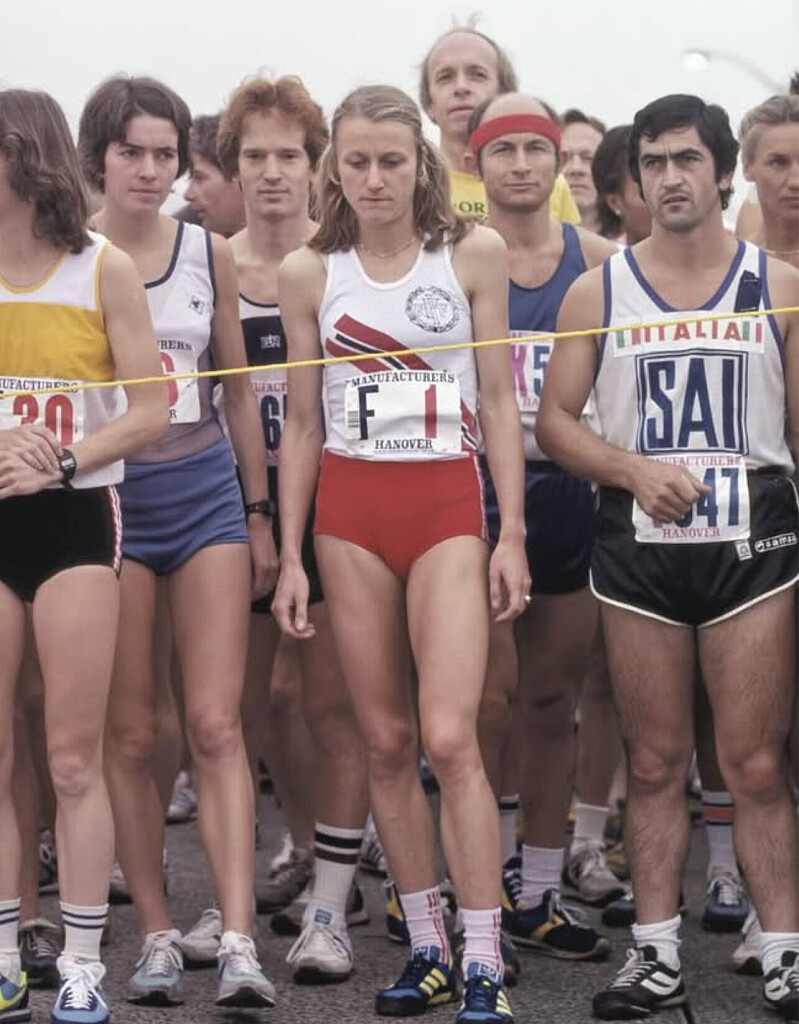
Grete Waitz The Runner Who Changed Marathoning Forever
On a crisp October morning in 1978, an unassuming schoolteacher from Norway stepped up to the starting line of the New York City Marathon. Grete Waitz, a world-class middle-distance runner, had never raced beyond 3,000 meters. That day, she would not only cover 26.2 miles for the first time but also redefine women’s marathoning in a way no one could have predicted.
An Accidental Marathoner
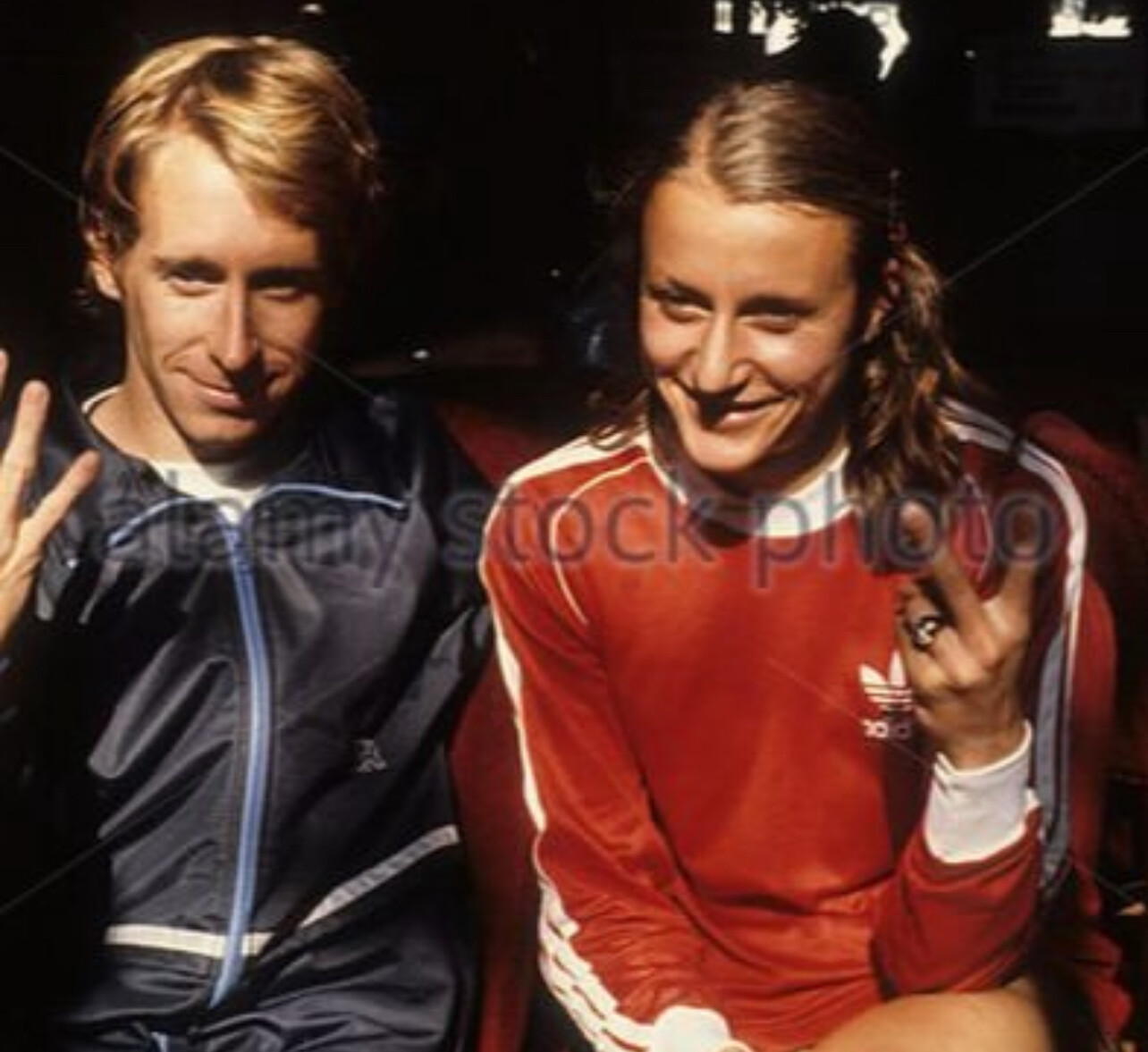
At the time, Waitz was a highly accomplished track athlete, having competed in the 1972 and 1976 Olympics in the 1,500 meters. Her husband and coach, Jack Waitz, believed she had the endurance for the marathon and convinced her to give it a try. The New York City Marathon, then in its third year of running through all five boroughs, was growing in popularity, with nearly 10,000 entrants that year—including 1,240 women, a significant number in an era when women’s distance running was still fighting for recognition.
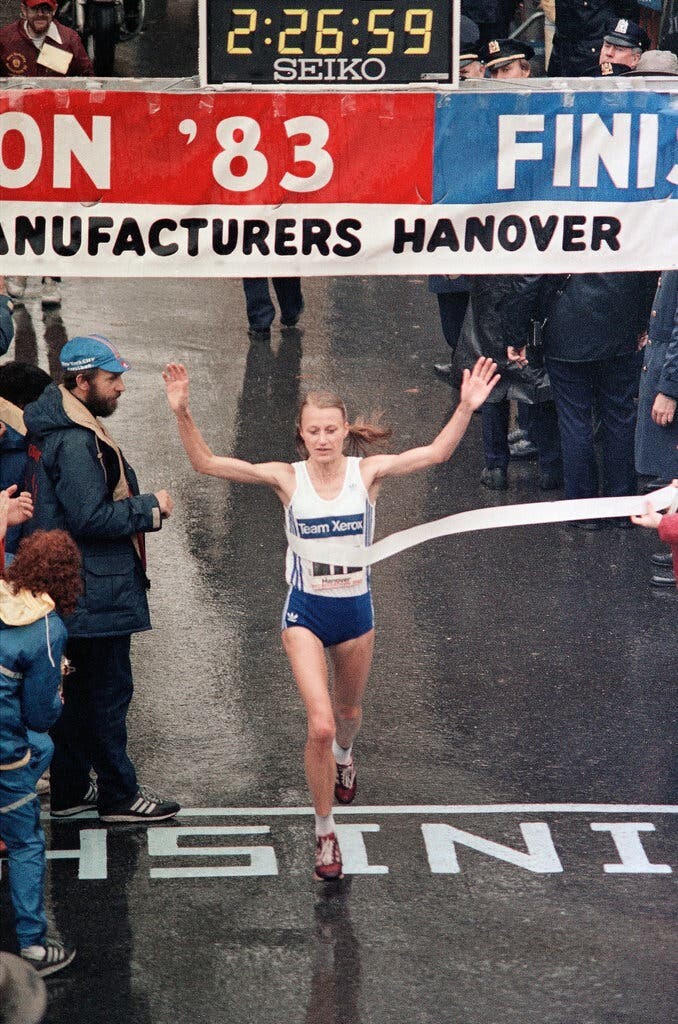
Waitz arrived in New York with no expectations, mostly treating the experience as an experiment. She was given bib “F1,” but that number did not signify any previous success in the marathon—it was merely assigned based on her status as a female elite athlete.
A Race for the Ages
Unlike today’s marathons, where elite runners typically start separately, in 1978, all competitors—professional, amateur, and first-timers alike—began together. The masses surged forward, and Waitz, running with a mix of excitement and nerves, settled into a steady pace.
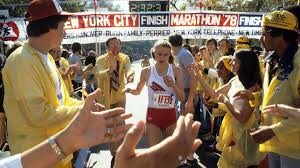
She was strong early on, but by mile 18, she was frustrated. She had no idea what she was doing, she later recalled, and even threw a cup of water at her husband in irritation when he shouted encouragement. Yet, despite her doubts, she was running at a record-setting pace.
As she entered Central Park, fatigue set in, but she powered through, breaking the tape in 2 hours, 32 minutes, and 30 seconds—a world record at the time. When race director Fred Lebow greeted her at the finish line, she collapsed into his arms, exhausted and overwhelmed.
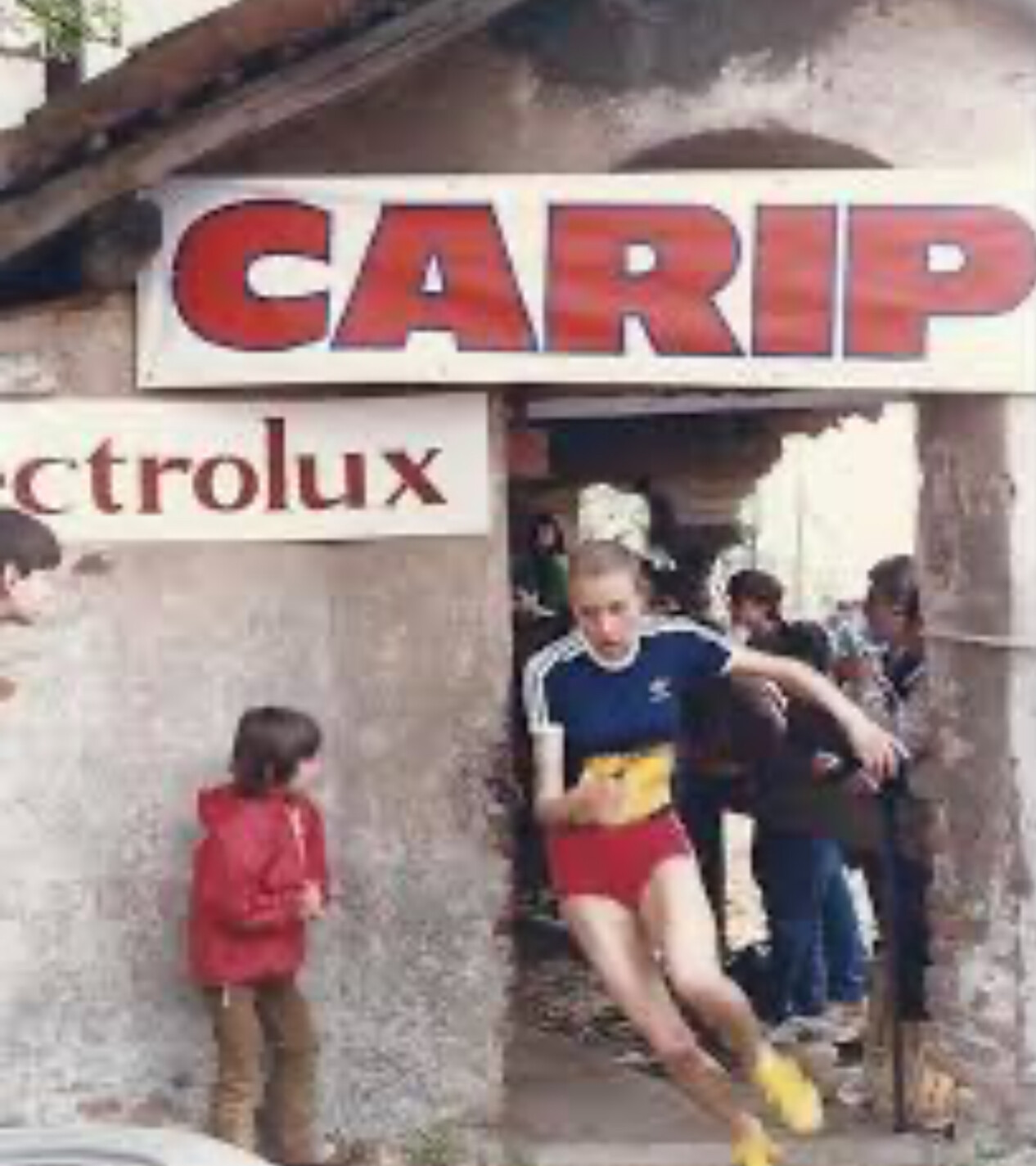
“I’ll never do another one of these,” she famously said. That promise, of course, didn’t last.
A Legacy of Dominance
That win in 1978 was just the beginning. Waitz would return to New York eight more times, winning a record nine titles between 1978 and 1988. She became the face of women’s marathoning, inspiring countless runners and proving that women not only belonged in the sport but could dominate it.
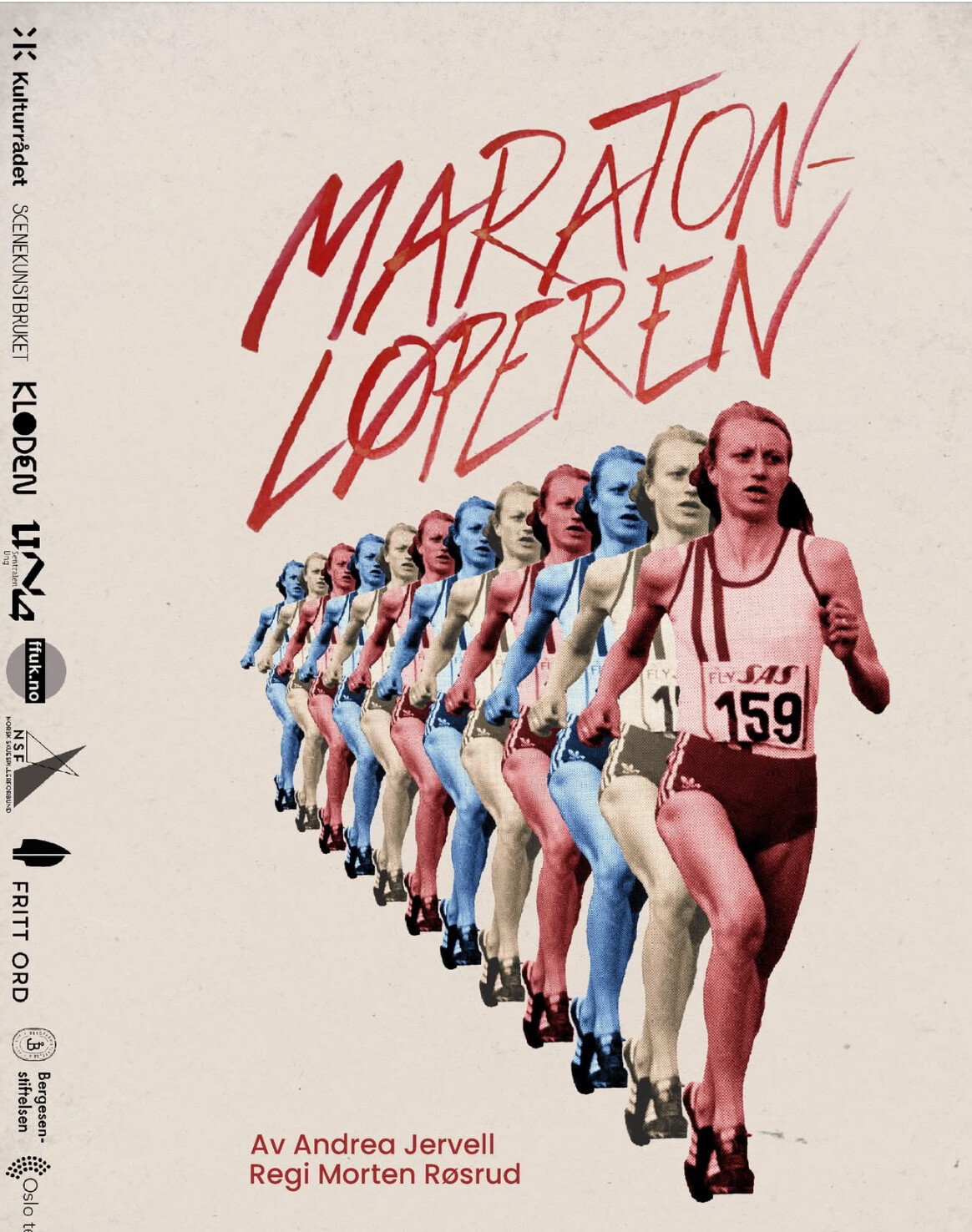
Her influence stretched beyond New York. In 1983, she won the first-ever Women’s World Championship Marathon, and a year later, she took silver in the first Women’s Olympic Marathon at the 1984 Los Angeles Games, finishing behind Joan Benoit Samuelson.
More Than a Champion
While her records and wins made her a legend, Waitz’s true impact came from the doors she opened for female distance runners. Before her era, women’s marathoning was an afterthought. The Boston Marathon had only officially allowed women to compete in 1972, and many still believed that running long distances was dangerous for women. Waitz shattered those myths.
She continued to race into her 40s and later devoted much of her time to coaching and philanthropy. In 2005, she was diagnosed with cancer, but she faced it with the same resilience she showed on the race course.
Jack Waitz: Continuing the Legacy
Grete’s husband and coach, Jack Waitz, played an instrumental role in her career, guiding her training and race strategies. Following Grete’s passing in 2011, Jack has remained deeply involved in the running community. He continues to share his expertise, offering training advice and motivational tips to runners of all levels.
Jack’s ongoing commitment ensures that Grete’s legacy endures, inspiring new generations of runners to pursue their passion for the sport.
A Lasting Inspiration
Grete Waitz passed away in 2011 at the age of 57, but her influence is still deeply felt. She was not just a marathoner; she was a trailblazer who proved that women could race—and win—on the biggest stages.
Today, the New York City Marathon regularly features over 50,000 runners, nearly half of them women, a testament to how far the sport has come since 1978. The shoes are faster, the crowds are bigger, and the elites now start separately, but the legacy of Grete Waitz remains woven into the fabric of the event she helped define.
Her first marathon may have been accidental, but her impact on the sport was anything but.
by Boris Baron
Login to leave a comment
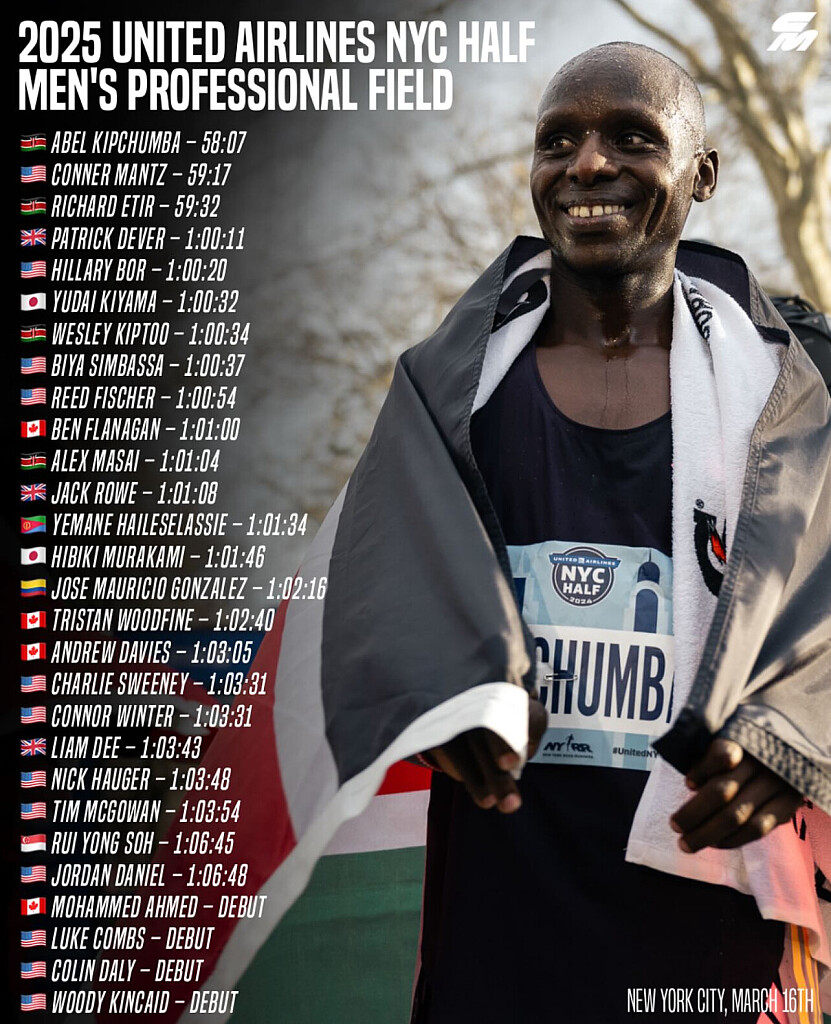
Thrilling Showdown Awaits at the 2025 United Airlines NYC Half Marathon
The 2025 United Airlines NYC Half Marathon is set to captivate runners and spectators alike on Sunday, March 16, 5, starting at 7:30 a.m. This year's race introduces a historic course alteration, featuring the Brooklyn Bridge for the first time, replacing the Manhattan Bridge due to ongoing construction on South Street.
Participants will embark on a 13.1-mile journey beginning on Washington Avenue near the Brooklyn Botanic Garden. The route traverses through Prospect Park, crosses the East River via the Brooklyn Bridge, and continues along the FDR Drive. Runners will experience the vibrant streets of the Lower East Side, the bustling energy of Midtown Manhattan, and the rare opportunity to race through a traffic-free Times Square, culminating in a finish at Central Park.
Elite Field Highlights:
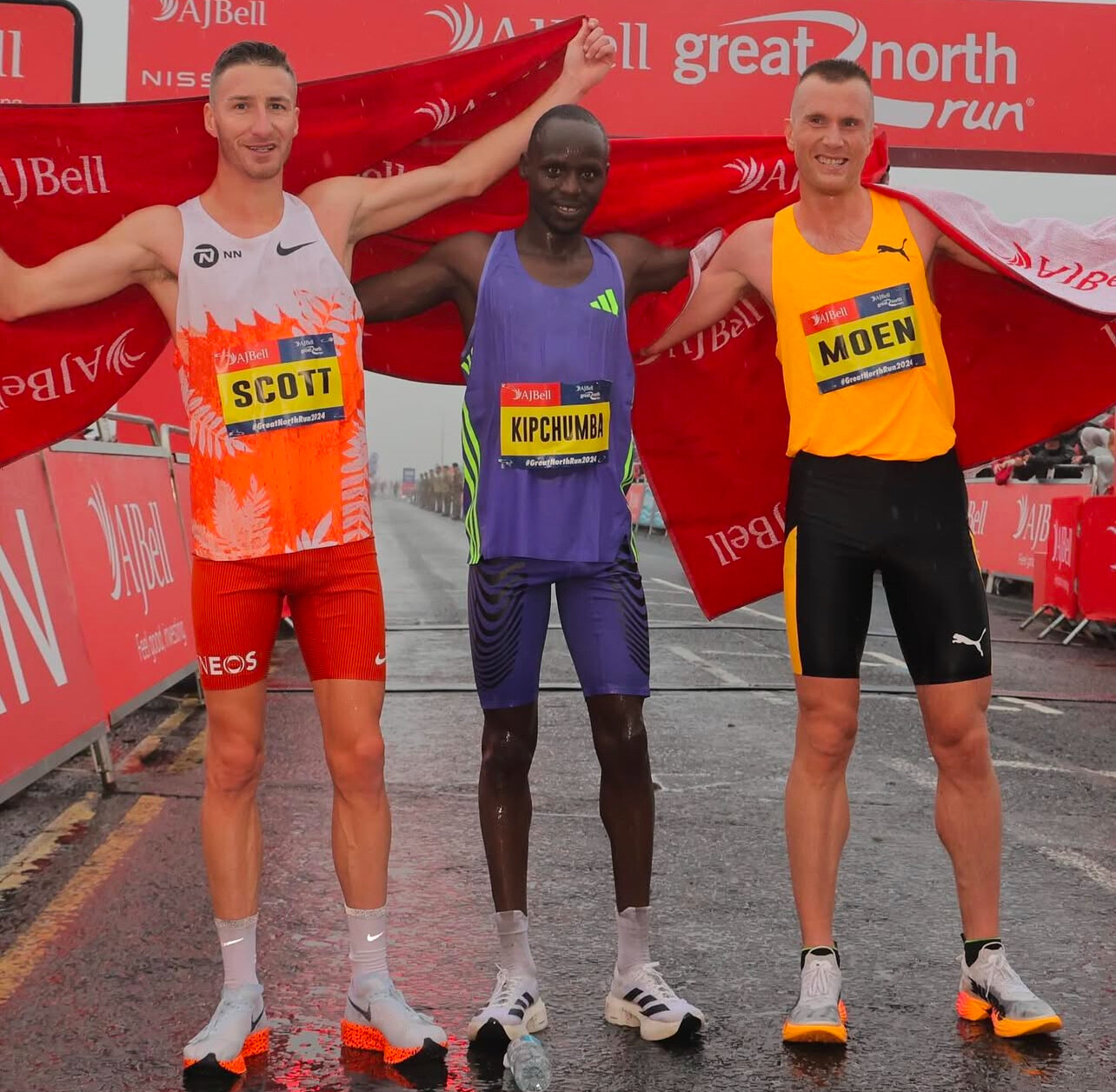
The 2025 race boasts a stellar lineup of professional athletes:
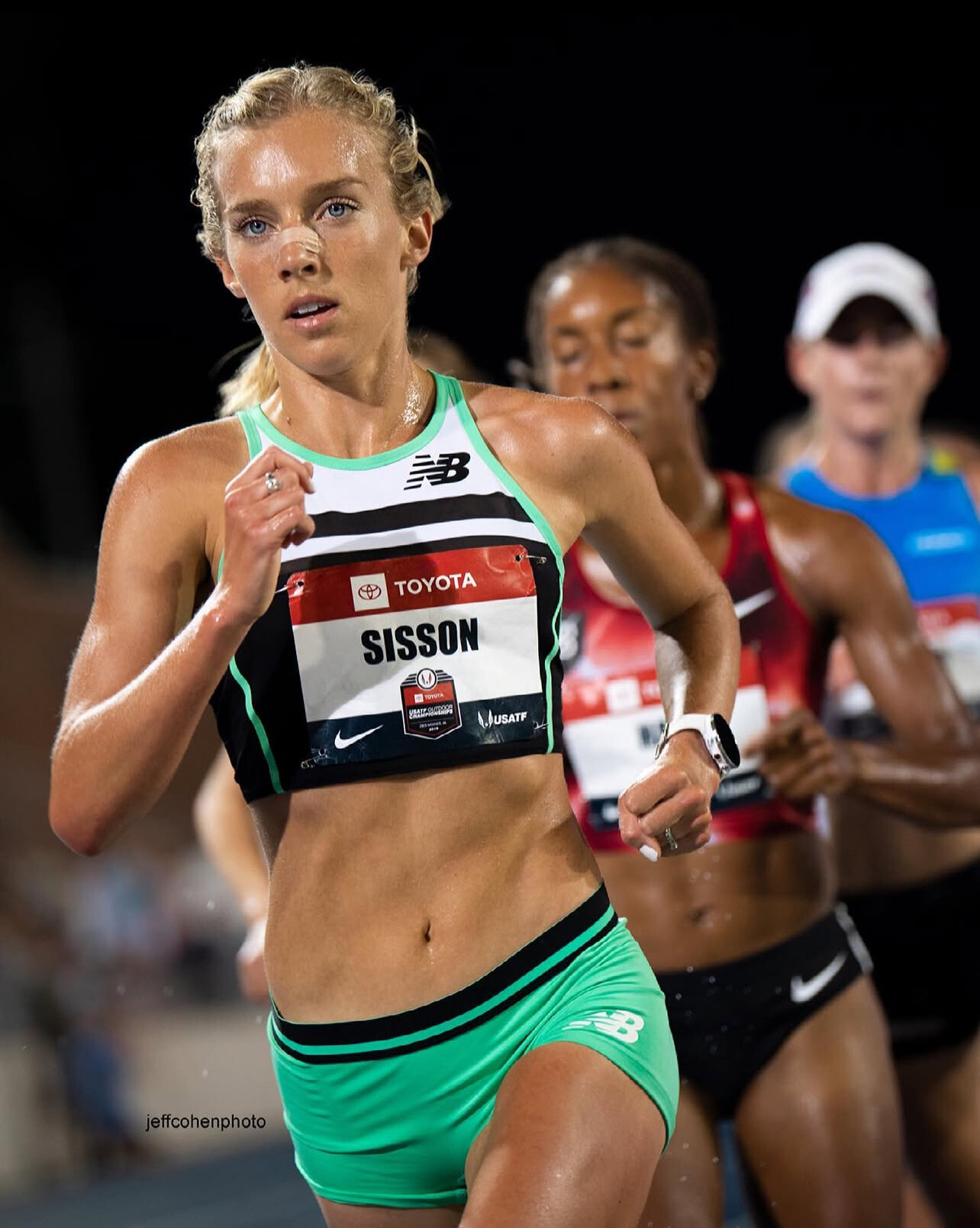
Men's Division:
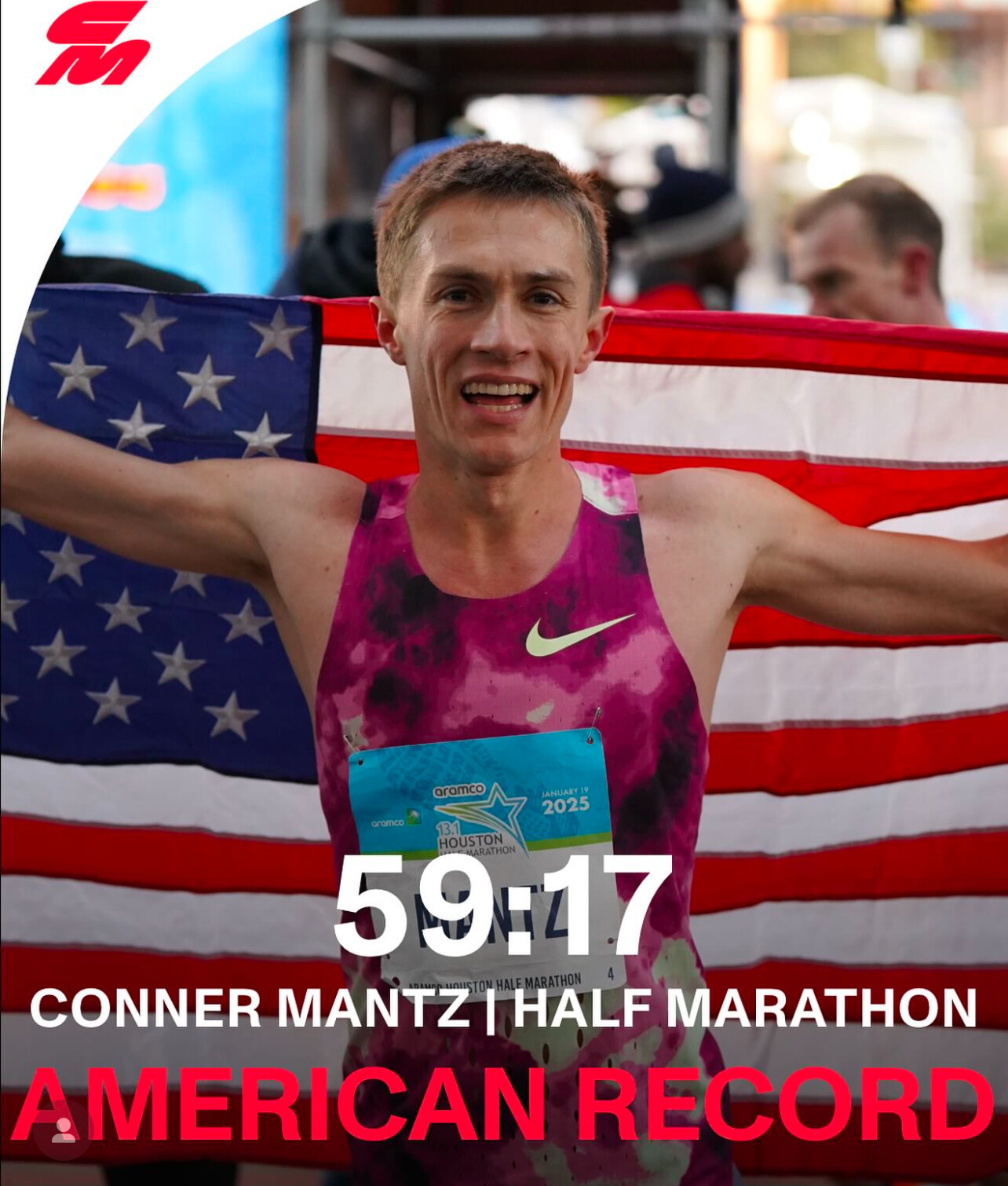
Conner Mantz (USA): Olympian and American half marathon record holder, having set a new record of 59:17 at the 2025 Houston Half Marathon.
Abel Kipchumba (Kenya): Defending champion with a personal best of 58:07, aiming to retain his title.
Richard Etir (Kenya): Making his New York debut with a personal best of 59:32.
Women's Division:
Karoline Bjerkeli Grøvdal (Norway): Defending champion, returning after her 2024 victory in 1:09:09.
Emily Sisson (USA): American marathon record holder, returning to the NYC Half after a strong debut in 2017.
Fiona O'Keeffe (USA): Winner of the 2024 U.S. Olympic Marathon Trials with a time of 2:22:10, representing the U.S. in the Paris Olympics.
Dakotah Lindwurm (USA): Secured her spot on the 2024 U.S. Olympic team by finishing third in the trials with a time of 2:25:31 and led American women at the Paris Olympics with a 12th-place finish in 2:26:44.
In the previous year's event, Abel Kipchumba clinched the men's title with a time of 1:00:25, while Karoline Bjerkeli Grøvdal secured the women's title in 1:09:09.
With an expected participation of approximately 25,000 runners from around the globe, the 2025 United Airlines NYC Half Marathon promises to be a memorable event, blending elite competition with the vibrant spirit of New York City.
by Boris Baron
Login to leave a comment
United Airlines NYC Half-Marathon
The United Airlines NYC Half takes runners from around the city and the globe on a 13.1-mile tour of NYC. Led by a talent-packed roster of American and international elites, runners will stop traffic in the Big Apple this March! Runners will begin their journey on Prospect Park’s Center Drive before taking the race onto Brooklyn’s streets. For the third...
more...
Historic Course Change for 2025 United Airlines NYC Half: Runners to Cross Brooklyn Bridge for the First Time
The 2025 United Airlines NYC Half Marathon is set to captivate runners with a historic course alteration and a lineup of elite athletes. Scheduled for Sunday, March 16, 2025, this year's race introduces a significant change: participants will traverse the iconic Brooklyn Bridge for the first time in the event's history.
Course Modification: Crossing the Brooklyn Bridge
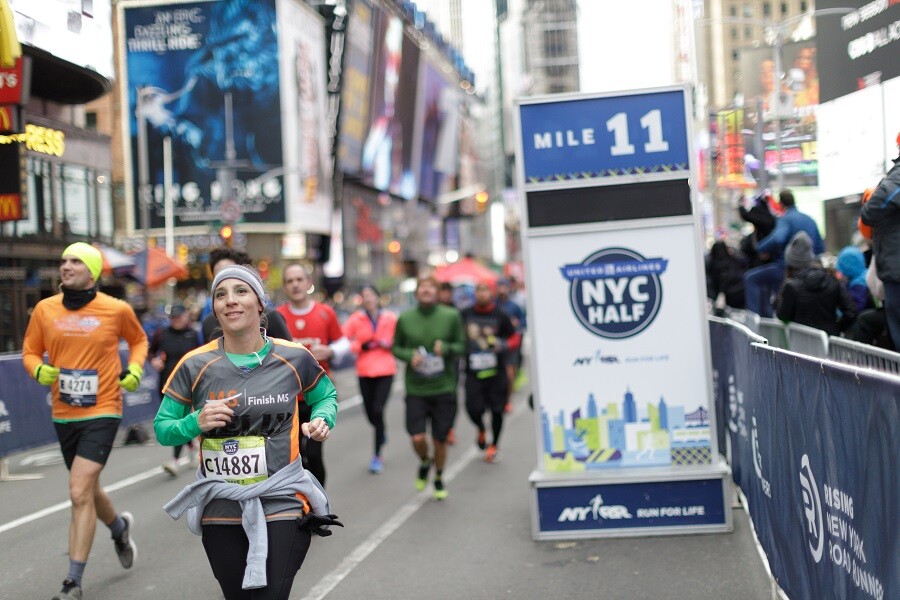
Due to ongoing construction on South Street in Manhattan, the New York Road Runners (NYRR) have rerouted the course to cross the Brooklyn Bridge instead of the Manhattan Bridge, which had been part of the race since 2018. This adjustment not only offers runners a fresh perspective of the city but also marks the inaugural inclusion of the Brooklyn Bridge in an NYRR race.
The revised course begins on Washington Avenue near the Brooklyn Botanic Garden, leading runners through Prospect Park. Upon reaching the junction of Flatbush Avenue and Tillary Street, participants will turn left onto Tillary Street, then right onto Brooklyn Bridge Boulevard to cross the Brooklyn Bridge.
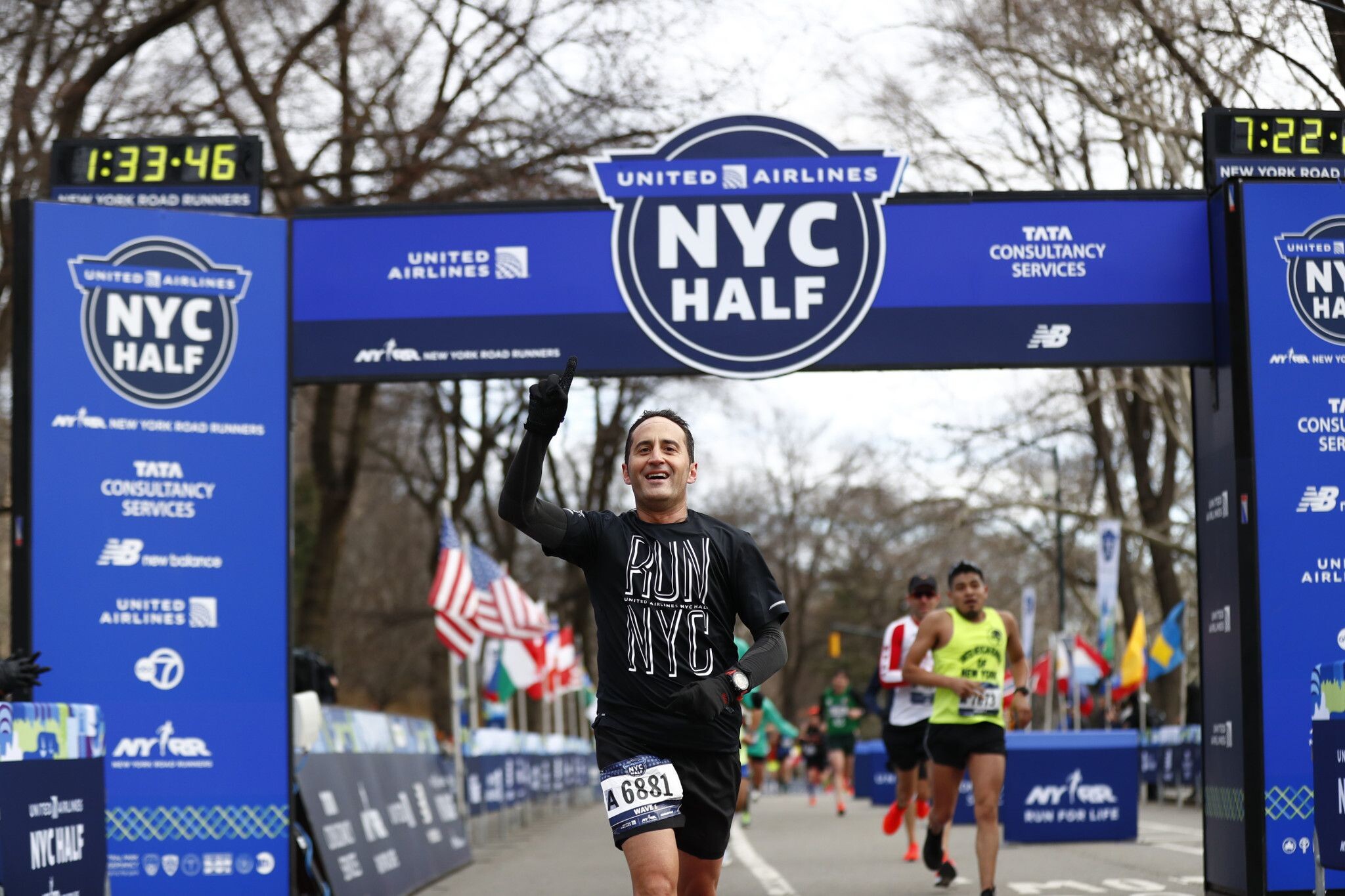
After descending the bridge’s exit ramp, runners will join the FDR Drive in Manhattan, continue through the Lower East Side, proceed into Midtown, experience the rare opportunity to run through Times Square, and ultimately finish in Central Park.
The 2025 United Airlines NYC Half Marathon promises to be a landmark event, blending a historic course update with the anticipation of elite athletic performances, all set against the vibrant backdrop of New York City.
by Boris Baron
Login to leave a comment
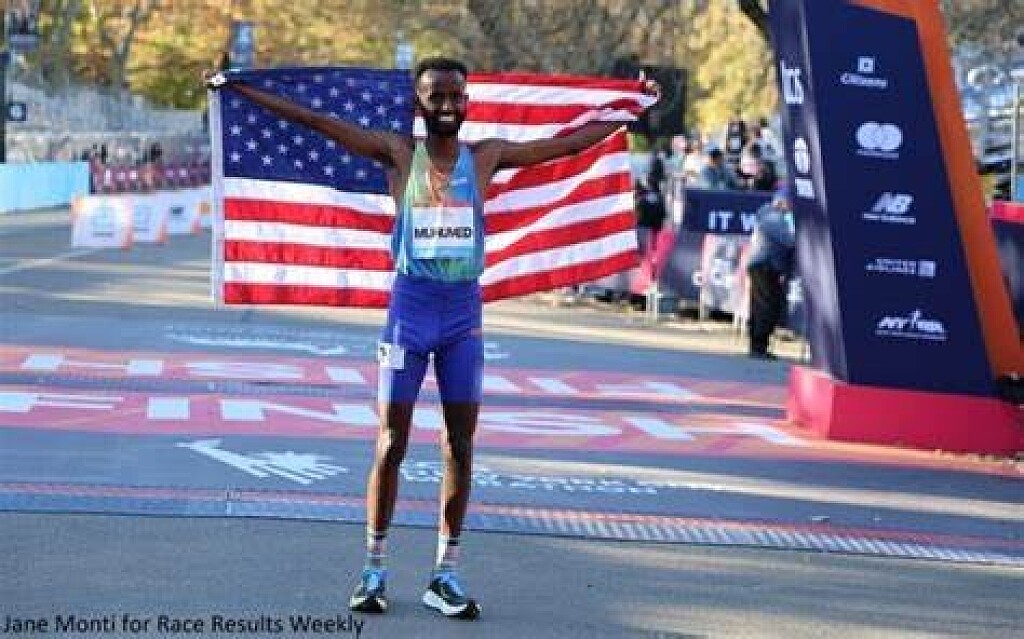
2024 USATF 5K: Ahmed Muhumed And Annie Rodenfels Win
Annie Rodenfels went back-to-back while Ahmed Muhumed claimed his second US title of the year at the 2024 USATF 5K Road Championships on Saturday morning in Central Park. Rodenfels, who runs for the B.A.A. High Performance Team, broke away from Emily Venters and Emma Grace Hurley in the final mile to win in 15:20.
Muhumed, who won the US 8k road title in July and was the runner-up here last year, dropped the field with a hard move at 2 miles and held off a late charge from Sam Prakel to win in 13:38 to Prakel’s 13:39.
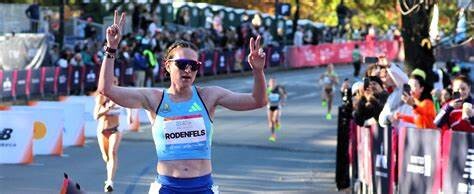
Top 10 results
Men
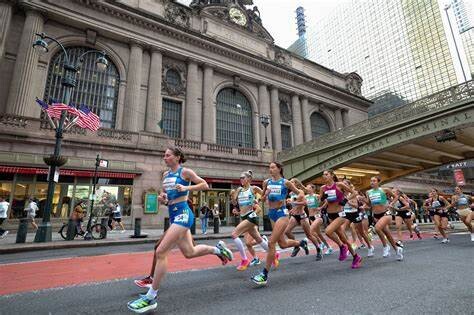
1. Ahmed Muhumed, HOKA NAZ Elite 13:38
2. Sam Prakel, adidas 13:39
3. Brian Barraza, Roots Running Project 13:42
4. Kirubel Erassa, unattached 13:44
5. Hillary Bor, HOKA One One 13:45
6. Anthony Rotich, US Army 13:48
7. Drew Bosley, unattached 13:49
8. Afewerki Zeru, McKirdy Trained 13:52
9. Abbabiya Simbassa, Under Armour 13:57
10. Morgan Beadlescomb, adidas 13:59
Women
1. Annie Rodenfels, B.A.A. 15:20
2. Emily Venters, Nike 15:25
3. Emma Grace Hurley, Asics 15:31
4. Bailey Hertenstein, Nike 15:32
5. Susanna Sullivan, Brooks 15:36
6. Abby Nichols, HOKA NAZ Elite 15:41
7. Paige Wood, HOKA NAZ Elite 15:41
8. Taylor Roe, Puma 15:43
9. Natosha Rogers, Puma 15:45
10. Molly Born, Puma 15:47
by Jonathan Gault
Login to leave a comment
Dash to the Finish Line
Be a part of the world-famous TCS New York City Marathon excitement, run through the streets of Manhattan, and finish at the famed Marathon finish line in Central Park—without running 26.2 miles! On TCS New York City Marathon Saturday, our NYRR Dash to the Finish Line 5K (3.1 miles) will take place for all runners who want to join in...
more...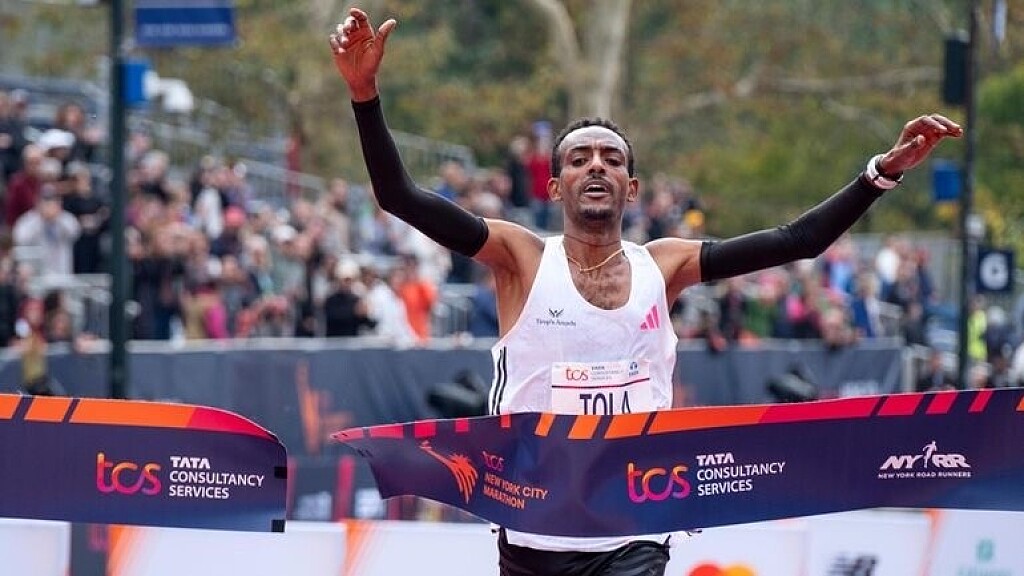
Netherlands runner wins the 2024 New York City marathon
It was a crisp, sunny morning on November 3, 2024, as runners gathered at the start line of the New York City Marathon, their breath visible in the chill air, yet their spirits high. The annual race had drawn over 50,000 participants from across the globe, each ready to challenge themselves across 26.2 miles through the city’s five boroughs. This year’s race was especially notable, with a lineup of world-class athletes and hopeful first-timers mingling together, all united by their love for running and their dedication to crossing that finish line in Central Park.
Among the crowd was Abdi Nageeye of the Netherlands, a seasoned marathoner who had been a runner-up in major events but was still chasing his first New York City Marathon victory. On the women’s side, Kenya’s Sheila Chepkirui stood out as a formidable contender, even though it was her New York debut. Both had trained for months, pushing their limits in preparation for this iconic race. In the wheelchair division, American favorites Daniel Romanchuk and Susannah Scaroni were also in attendance, their sights set on reclaiming titles and setting records.
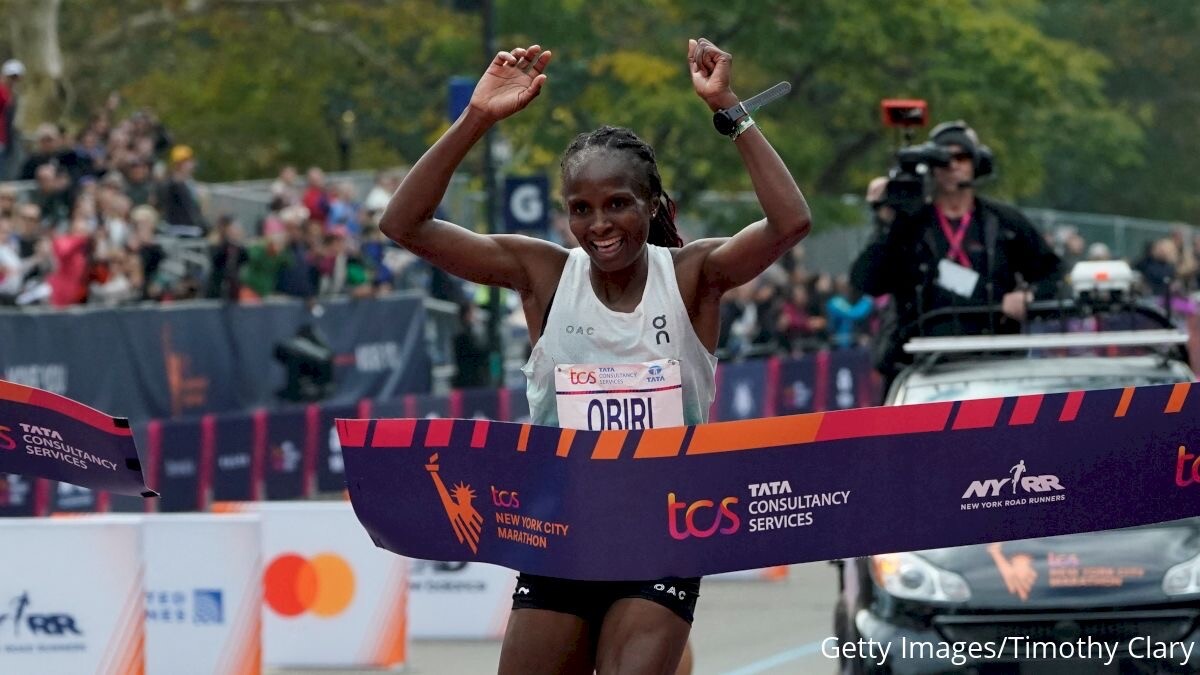
As the race began, the runners surged forward from the Staten Island start, quickly falling into a rhythm as they tackled the Verrazzano-Narrows Bridge. The marathon’s energy was palpable, with spectators lining the streets, cheering, waving flags, and holding up colorful signs of encouragement. Each borough had its own personality, adding to the unique feel of the race: Brooklyn’s lively bands, Queens’ family-friendly crowds, the Bronx’s upbeat energy, and finally, Manhattan’s skyscrapers looming above as runners approached the finish.
By mile 20, the pack had thinned, and the leaders emerged. Nageeye ran with focus and determination, his stride smooth and steady. He knew the competition was fierce, and every step had to count. Despite fatigue setting in, he drew strength from the cheering crowd and his own desire to win. When he finally approached Central Park, his energy surged with the knowledge that he was within reach of the finish line. He crossed in a remarkable time of 2 hours, 7 minutes, and 39 seconds, marking a career milestone and celebrating his first New York City Marathon victory. Cheers erupted, and he was embraced by his team as they celebrated his achievement.
Meanwhile, Sheila Chepkirui was making her own statement in the women’s division. Running with grace and speed, she navigated the final miles with a steady pace, her eyes fixed on the finish line. Despite being new to the course, she ran like a seasoned pro, crossing the line at 2 hours, 24 minutes, and 35 seconds. Her performance cemented her place as one of the top female marathoners in the world, and she was greeted with overwhelming applause from the crowd.
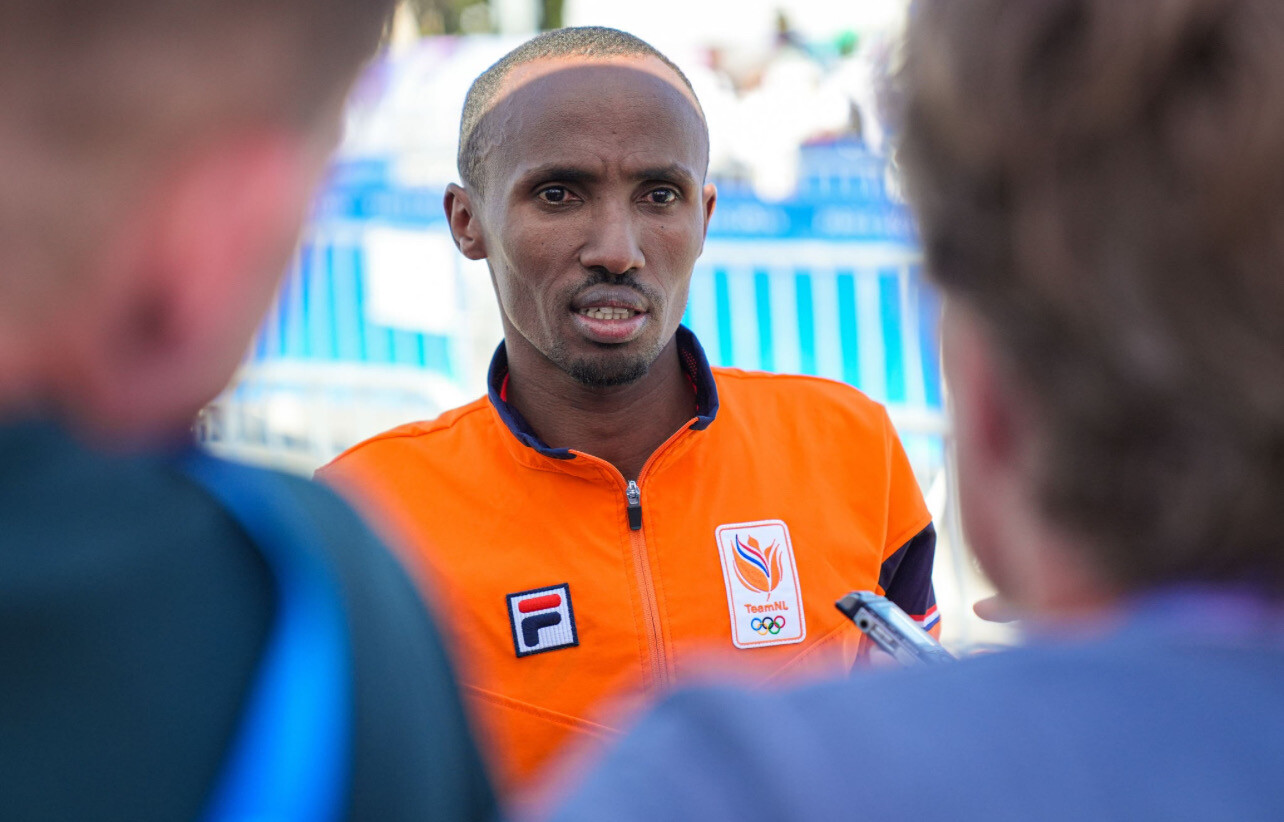
In the wheelchair division, Daniel Romanchuk and Susannah Scaroni did not disappoint. Romanchuk, finishing in 1 hour, 36 minutes, and 31 seconds, celebrated his third title, while Scaroni’s powerful finish at 1 hour, 48 minutes, and 5 seconds secured her second New York victory. Both athletes were a testament to perseverance and resilience, inspiring runners and spectators alike.
This year’s New York City Marathon was more than just a race; it was a celebration of human spirit, resilience, and unity. From elite athletes to recreational runners, each participant crossed the finish line carrying their own story of triumph and determination, etching another unforgettable chapter into the marathon’s history.
Men’s Elite Division:
1. Abdi Nageeye (Netherlands) – 2:07:39
2. Evans Chebet (Kenya) – 2:07:45
3. Albert Korir (Kenya) – 2:08:01
4. Tamirat Tola (Ethiopia) – 2:08:15
5. Bashir Abdi (Belgium) – 2:08:30
Women’s Elite Division:
1. Sheila Chepkirui (Kenya) – 2:24:35
2. Hellen Obiri (Kenya) – 2:24:50
3. Vivian Cheruiyot (Kenya) – 2:25:10
4. Sharon Lokedi (Kenya) – 2:25:25
5. Edna Kiplagat (Kenya) – 2:25:40
Login to leave a comment
TCS New York City Marathon
The first New York City Marathon, organized in 1970 by Fred Lebow and Vince Chiappetta, was held entirely in Central Park. Of 127 entrants, only 55 men finished; the sole female entrant dropped out due to illness. Winners were given inexpensive wristwatches and recycled baseball and bowling trophies. The entry fee was $1 and the total event budget...
more...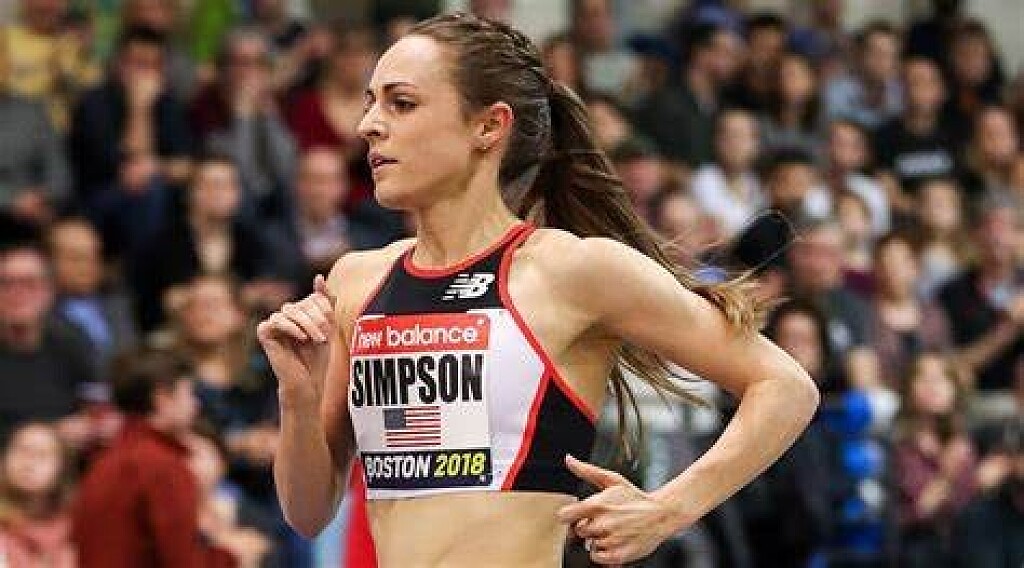
Jenny Simpson is Retiring after the New York City Marathon and Starting a New Adventure
After concluding a stellar, 20-year career, the Olympic bronze medalist will embark on a 50-state running-infused van-life tour of the U.S. with her husband, Jason, in 2025
Jenny Simpson will go down in the annals of American running as one of the greatest of all time. No question about it.
So as she approaches what is likely the last elite-level race of her long and storied career at the November 3 New York City Marathon, she has nothing to prove, no one to impress, and no specific performance goal that she needs to attain to secure her legacy.
As a four-time global championship medalist in the 1500 meters—including a victory in the 2011 World Championships in Daegu, South Korea, Diamond League title in 2014, and bronze medal at the 2016 Rio Olympics—Simpson has long been destined to go down as one of the best runners in U.S. history.
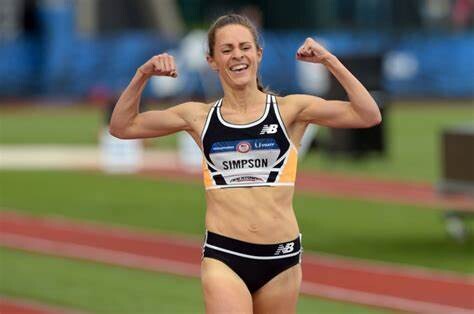
Add to that three Olympic appearances, 11 U.S. titles, three NCAA championships, eight top-10 finishes in international championships, eight Fifth Avenue Mile victories, six NCAA records (in six different events), and two American records (in the 3,000-meter steeplechase), and Simpson will rank among American legends for decades to come.
The fact that she’s been earnestly training to finish her career with a strong marathon performance in New York City epitomizes much of what the 38-year-old runner from Boulder, Colorado, has been about during her 20-year career. She’s not necessarily going out on top—that, she says, would have entailed making the U.S. Olympic team in the marathon for the Paris Olympic Games. But she is going out on her terms: focused, tenacious, and relentless to the end. It’s an opportunity afforded to few athletes, and even fewer distance runners.
“When I say I’m feeling good, it’s that I’m really excited for New York and I feel like I have a really, really good sense about my ability to run well,” she says. “I’m not going into it saying I’m gonna set the world on fire and be the top American or run 2:25 on that course. But I just know as good as I feel and as good as the training has gone, I know I’m capable of having a good day, and, most importantly, I have peace about it all.”
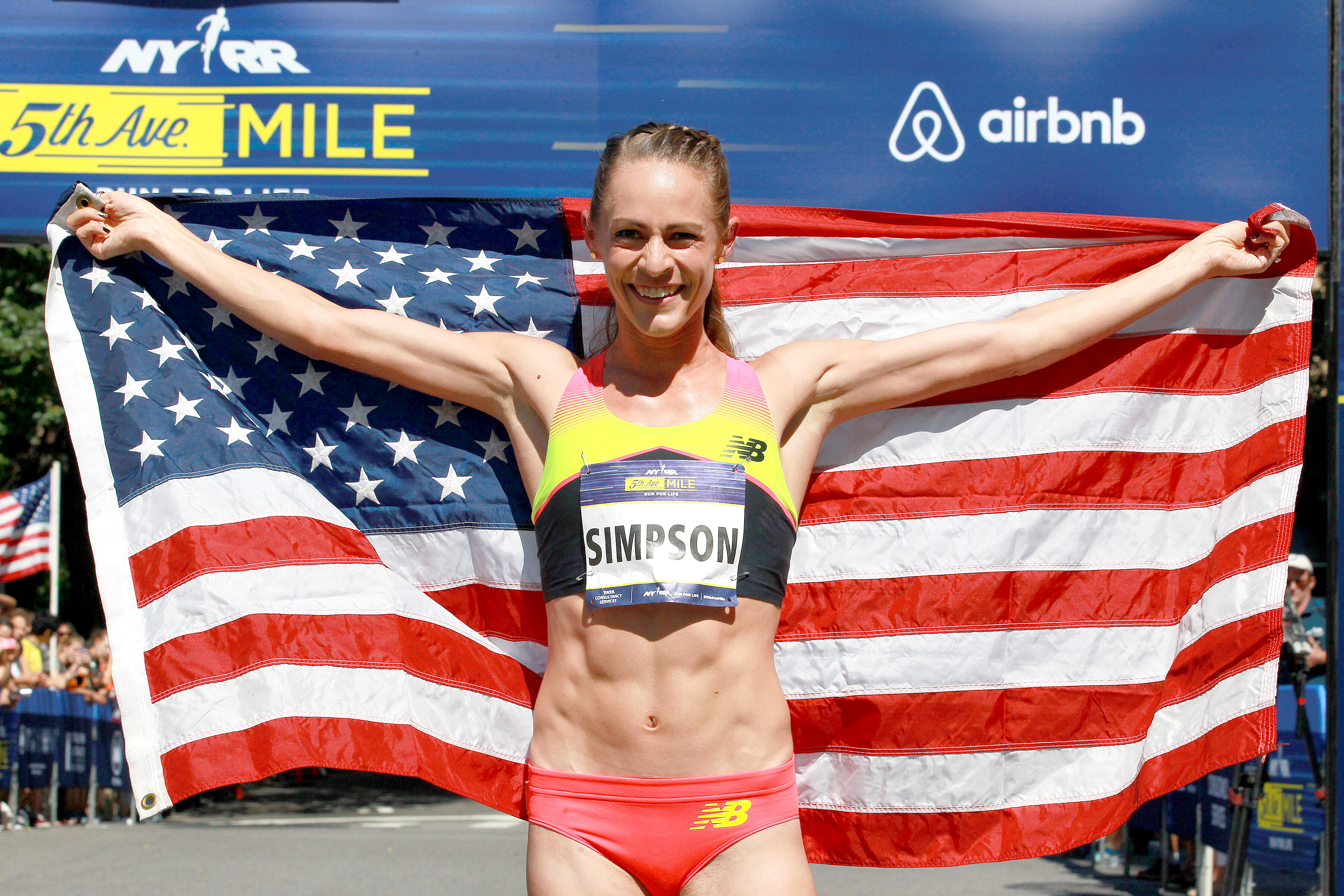
But as this chapter of life closes for Simpson, another very exciting one is about to begin, and that one will include quite a bit of running, too. She and her husband, Jason, are planning to embark on a year-long tour of the U.S. in 2025 that will take them—and their two Jack Russell Terriers, Truman and Barkley—to all 50 states while living out a van-life adventure focused on immersing in America’s thriving running culture.
From participating in races and visiting national parks to running iconic routes like Rim to Rim across the Grand Canyon and discovering hidden trails, Jenny and Jason have said their goal is to capture the heartwarming and inspiring essence of the country through the eyes of runners.
“We want to experience the beauty of this country firsthand, meet the incredible people who call it home, and celebrate everything that makes the U.S. so special,” says Jenny Simpson, who has represented the U.S. on the world stage for nearly two decades. “Through this journey, we hope to show that America’s beauty is not just in its landmarks, but in its people and the unique places they live, run, and explore.”
Out of the Ashes
In December of 2021, a devastating wildfire ripped through the south end of Boulder County—including the communities of Marshall, Louisville, and Superior, where it burned more than 1,084 homes and killed two residents and more than 900 pets. Miraculously, it didn’t burn the Simpson’s house—a restored circa-1900 schoolhouse they bought several years ago that was less than a half mile from the fire’s origin—but the house did incur significant smoke damage that needed mitigating.
The Simpsons were displaced and spent several months living in an apartment with little furniture, which forced them to live a rather spartan lifestyle. While Jason was still able to work as a creative director for a design firm, Jenny’s contract hadn’t been renewed by New Balance, and she wasn’t sure what the future held.
During that time, she had been doing a weekly call with her sister, Emily, and Jason’s sister, Annie, to discuss the book Designing Your Life: How to Build a Well-Lived, Joyful Life, a guide aimed at helping people to reimagine their professional and personal lives. It was through those discussions that Jenny came up with an idea of buying a Winnebago so she and Jason could drive around the country with Truman, who they rescued in 2020 just before the Covid lockdown. (They got Barkley about three years later.)
“My idea was that we can just drive around America and see the place that I’ve had stamped across my chest on my Team USA gear all these years,” she says. “I have been on Team USA, but I really want to know what that means. I’ve raced in some amazing places all around the world, but I really haven’t seen much of our own country. I want to go see the places and the people that I haven’t seen. And then I had this idea of doing a 50 states, 50 weeks tour.”
Jenny told Jason about the idea and he was interested from the start, but it was initially just a fun distraction while Jenny was battling injuries. Jason was so intrigued, though, that he started searching for information about vans online and indulging in YouTube content from a variety of van-life influencers. Eventually, Jenny was healthy and racing on the roads for Puma, ultimately with a quest to qualify for the 2024 U.S. Olympic Trials Marathon.
A year later, they were still casually talking about the enticing “what if” possibilities of owning a van.
“So by 2023, we were like, ‘What do these vans look like? What do they cost? What kind of different layouts are best?” says Jason, 40, a 20-time marathoner with a 2:18:44 personal best. “And then I got really into the travel influencer YouTube videos and at some point told Jenny, ‘Hey, let’s just go look at them.’ And that led to looking at the timelines of: if we were to do this in 2024 or 2025, what would it take? It takes like a long time to build out the vans, and we are definitely not build-it-yourself van people.”
On Her Own Terms
Perhaps the most impressive aspect of Simpson’s career has been her consistency. She qualified for every U.S. national team on the track between 2007 and 2019. Not only did she put in the work and remain virtually injury-free during that time, but she also raced fiercely and rose to the occasion every single time without a single hiccup in any of her preliminary races. (She also made it to the 1500-meter final of the Covid-delayed U.S. Olympic Trials in 2021 at age 35 after what she admitted was a rough gap in competition during the pandemic.)
For most of that time, she was coached by her University of Colorado coaches Mark Wetmore and Heather Burroughs. They continued coaching her as she transitioned to road running over the past three years and ultimately to the build-up to the 2024 U.S. Olympic Trials Marathon in Orlando, Florida. Although she had brief moments of success on the roads—finishing second in the U.S. 10-mile championship in 2021 and turning in a solid ninth-place, 1:10:35 effort in the Houston Half Marathon in 2023—the first injuries of her career disrupted her training and delayed her debut at 26.2 miles until the Olympic Trials.
Over the past three years, continuing to adhere to the rigid lifestyle needed to keep racing competitively was increasingly met at an internal crossroads of wondering when it would feel OK to retire and move on in life and what that would look like.
“Running the Olympics Trials and then running Boston, I would say those were not successful outings,” Simpson says. “I did the best that I could and I got as prepared as I could, but they weren’t what I had hoped for, neither of them were what I’m capable of. I’m really proud of how I ran in Boston because I ran entirely alone after mile 3, but that’s not how I wanted to end my career.”
After Boston, Jenny still wasn’t ready to retire. But she’d heard the chatter that suggested she could give up the ghost and not try to remain competitive on the roads, knowing her legacy was already secure. After she took some time off to recover and reflect, she knew she wanted to get back into training and target one more race on the biggest stage and settled on the New York City Marathon.
She parted ways with Wetmore and Burroughs in the spring and decided to train on her own, although she’s continually received subtle guidance from Jason, who qualified for and raced in the 2020 U.S. Olympic Trials in Atlanta. Although he has imparted bits of knowledge to help keep her balanced, Simpson has been following a training plan in her marathon buildup that she designed.
From Best in the U.S. to Across the U.S.
Casual interest in buying a van led to more in-depth investigation and, after what was an otherwise random training run on the dirt roads north of Denver last year, they passed an RV sales lot and decided to take a look. One thing led to another and they put down a small, refundable deposit that would hold a fully appointed 23-foot Winnebago Ekko during what was expected to be nearly a year-long wait until it was built and delivered.
Fast forward to 2024 and Jenny made her marathon debut on February 3 in Orlando, but it didn’t go at all as she had hoped. She had been running among the top 20 early in the race but eventually dropped out at mile 18. She returned 10 weeks later to run a respectable Boston Marathon in mid-April (she placed 18th overall in 2:31:39 and was the fourth American finisher), and although her effort was commensurate with her inner drive—and some degree of success felt good—she still wasn’t ready to call it a career.
Finally, in April, several days before they were going to travel to Boston, the RV dealership called and told them the van had arrived and they had a week to consider buying it. At that point, Jenny was eager to run Boston to make amends for her Olympic Trials experience, but she was also physically and emotionally fried.
“And I was like, we’re doing it,” she says. “It was the perfect time in the perfect year. Because I was like, ‘I’ve got to get out of here. I’ve got to be done.’ It was killing me. I actually might perish in the middle of the Boston Marathon. I just was so burnt out, and so it was the perfect time for them to call and essentially say, ‘Do you want to drive away into the sunset?’ And I was like, ‘Yes, I do. I really do.’”
Two days after the Boston Marathon, they paid the remainder of the balance on the van and picked it up, immediately sending them into daydreaming mode about where they wanted to go.
Although their plans are still being formulated, they intend to rent their house and hit the road with the charming dogs in January, officially starting their “Jenny and Jason Run USA” tour in Florida. Along the way, they plan to see numerous sights, host or join at least one fun run in every state, promote dog adoptions by publicizing local humane societies, and create a wide range of engaging social media content on their Instagram, Facebook, and YouTube accounts along the way. Given that their longest stint in the van so far was the six-day trip they took to the Grand Tetons and Yellowstone National Park in Wyoming early last summer, they know they’re going to have to learn on the fly and continually adapt. But that’s what an adventure is all about.
“I’ve been nothing but focused on running New York, but I am excited about what’s next,” Jenny said this week. “As I have been tiptoeing toward the idea of being retired from professional running, I don’t know that I’m going to be really great at it or that it’s going to come easily for me. That’s why it’s so wonderful to have a partner in life like Jason because I think he sees that, too. So our goal is to create a lot of time and space to figure that out. I think the year will be kind of interesting and fun and wild and I really don’t know how it’ll end up, and I think that’s really good.”
Approaching the End … and a Beginning
Simpson admits her post-Boston malaise contributed to her having an inconsistent summer of training, in part because she was listening to voices that suggested she should relax and not be so rigid in her approach. When she showed up to run the Beach to Beacon 10K in Cape Elizabeth, Maine, on August 3, she admits she wasn’t very fit, and, as a result, finished a distant 12th in 34:30.
“My Beach to Beacon race was just so bad that it was like validation to me that caring less and trying less doesn’t work for me ever in anything,” she said. “I’m just not that person. It works for some people, but that’s not who I am. I used to joke that when you show up to the track and someone asks, ‘How do you feel?’ I always thought to myself it doesn’t matter how I feel. It’s about doing the work. I always feel like it’s execution over emotion for me all the time and that I have a job to do. I know who I am and I know how I operate, and how I operate is great.”
Simpson got back to work immediately after that race, ramping up her weekly mileage to the 100-mile range in the high altitude environs of Colorado. She says she’s done more than half of her long runs between 8,500 and 10,500 feet, including runs on Magnolia Road above Boulder, Golden Gate Canyon State Park near Golden, and even a loop around the paved Mineral Belt Trail in Leadville.
Her return to rigidity and improved fitness helped bring mental clarity that not only convinced her that she’d be ready to run a strong marathon in New York City, but also brought the revelation that she was ready to admit it was her last race knowing it would allow her to retire on her own terms.
Two months after feeling flat in the 10K, she won the Wineglass Half Marathon on October 5 in Corning, New York, running a near-PR of 1:10:50 (5:24 per-mile pace) as she ran stride-for-stride to the finish line with Jason. (She broke the women’s finisher’s tape for the win, while he ran slightly to the side as the 12th-place men’s finisher and 13th overall.) Now she’s likely in sub-2:30 marathon shape, even though the hilly New York City Marathon course is as equally challenging as Boston in its own way. Jason, meanwhile, will race in the Abbott Dash to the Finish Line 5K the day before the marathon, not only so he can track Jenny on Sunday and meet her at the finish line, but also because he’s running the California International Marathon on December 8.
2025 and Beyond
Simpson arrived in New York City on October 30 healthy, happy, and ready to run hard—definitely not the feeling of holding on for dear life that she felt going into the Olympic Trials and the Boston Marathon. She says she couldn’t be more excited to run through the city’s five boroughs to the finish line in Central Park that she hopes will come with a satisfying result, as well as the beginning of closure to her star-spangled career.
Who knows what’s next after that—Coaching? Law school? A corporate career with a shoe brand? The world seems to be her oyster, but for the time being the cross-country tour might be just what she needs most. She’s excited to detach a bit from the rigid schedule and identity she’s clung to for the past 20 years and enjoy the freedom of the open road. She knows it will be a complete departure from the essence of what she’s all about, and to that point, she’ll likely dig into planning and scheduling early next week even before she recovers from the marathon.
Although she admits she was intrigued while watching some of the top runners finish the Leadville Trail 100 this summer, she says she’s decidedly not interested in running ultras. (However, Jason might be, and Jenny says she’s been keen to pace and crew him.) She might get more into trail running, something she did a little bit early in her University of Colorado career. Or she might even return to road running, but she’s not thinking that far ahead. For now, she’s focused on racing in New York and then continuing to run in 2025—on the magical mystery tour that awaits—and beyond.
“I feel a lot of peace about it, but it’s not like I’m over running. I want to retire so I can do more running and to explore the beautiful country I raced for,” she says. “I wanted to be world class at the marathon, and I’m not. I gave it a good try, and now it’s time to try something else, and I just feel really good about it.”
by Brian Metzler
Login to leave a comment
TCS New York City Marathon
The first New York City Marathon, organized in 1970 by Fred Lebow and Vince Chiappetta, was held entirely in Central Park. Of 127 entrants, only 55 men finished; the sole female entrant dropped out due to illness. Winners were given inexpensive wristwatches and recycled baseball and bowling trophies. The entry fee was $1 and the total event budget...
more...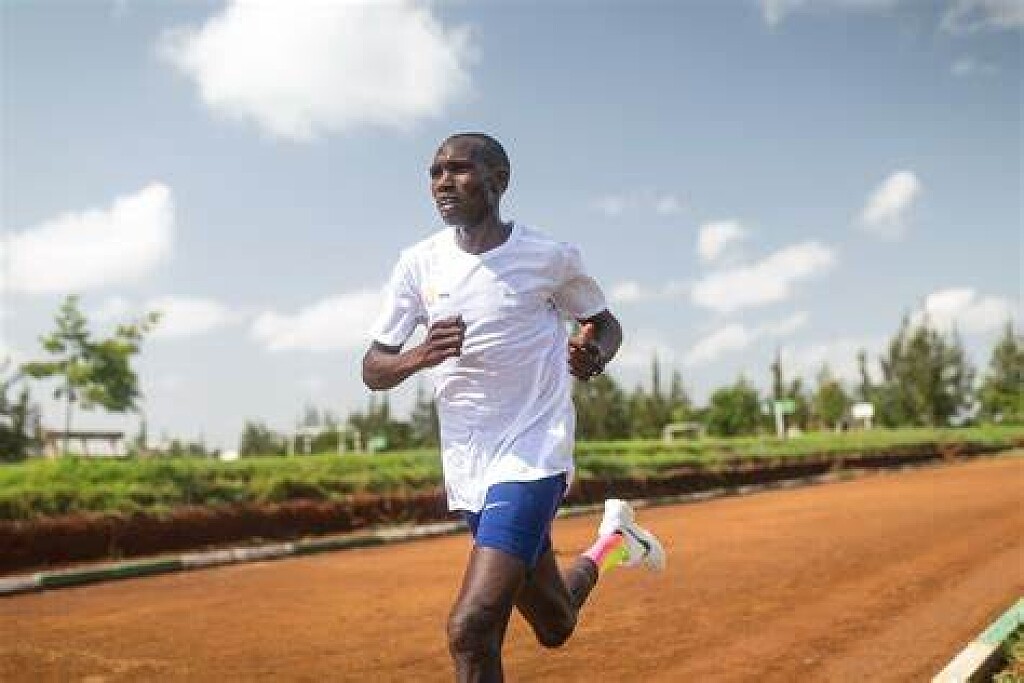
'I know I can do something'- Geoffrey Kamworor confident ahead of New York City Marathon return
Geoffrey Kamworor is excited and confident about returning to the New York City Marathon, where he’s previously won twice, after overcoming past injuries.
Geoffrey Kamworor has expressed eagerness ahead of returning to one of his favourite course at Sunday’s New York City Marathon.
Kamworor, a two-time New York City marathon champion, has suffered a series of injuries that forced him to pull out of many races but has expressed confidence ahead of Sunday’s challenge and confirmed he will be on the starting line.
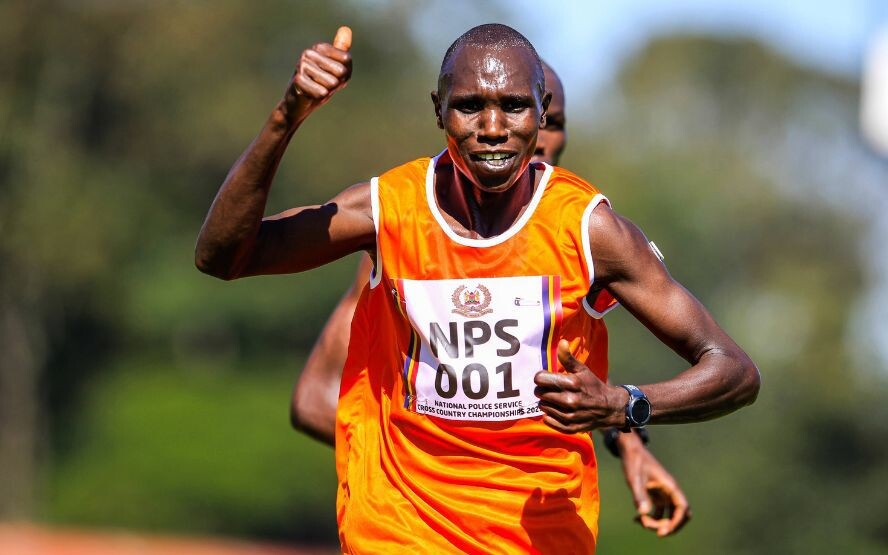
The five-time world cross country champion revealed that he is in great shape and ready to show the world what he is capable of, explaining that he believes in his abilities and having raced in the streets of New York a series of times.
He won the 2017 and 2019 editions of the New York City Marathon and proceeded to finish second in 2015 and third in 2018.
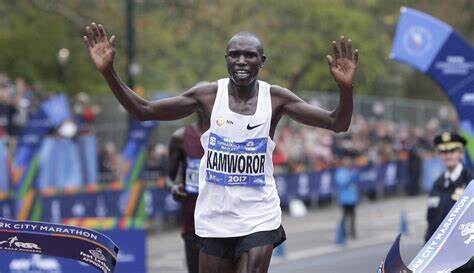
“I always believe in myself and I’ll never doubt my potential and whenever I’m healthy, I know I can do something. It will be an exciting moment for me, going back after sometime. I really wanted to go back last year and I trained very well but I had to pull out because of an injury,” Geoffrey Kamworor said.
“My preparations towards New York City Marathon are going really well and my memories of the course are really great because I’ve won there twice, finished second on one occasion and third in another. It has been nice for me and New York is really a great place and has a nice course especially towards the finish, the last 5km towards Central Park,” he added.
Geoffrey Kamworor added that he has mastered the course very well and has an idea of what to expect throughout the race. He has not done any special training ahead of the challenge as he admitted that the training course in Kenya looks like the one at the New York City Marathon.
He admitted that injuries have plagued him and finishing second at last year’s London Marathon was a sign that he is bouncing back slowly.
“The course is pretty well, sometimes very challenging…there is an uphill challenge and a little bit of downhill challenges. However, it’s nice to me and I don’t see any problem with the course and I think I like the course so much,” he said.
“Actually, I didn’t do any special training going into the race because where we train here in Kenya, it’s sometimes very hilly and some downhills. I was excited to finish second in London last year after coming back from a series of injuries.”
by Abigael Wafula
Login to leave a comment
TCS New York City Marathon
The first New York City Marathon, organized in 1970 by Fred Lebow and Vince Chiappetta, was held entirely in Central Park. Of 127 entrants, only 55 men finished; the sole female entrant dropped out due to illness. Winners were given inexpensive wristwatches and recycled baseball and bowling trophies. The entry fee was $1 and the total event budget...
more...
U.S. vice-presidential candidate Tim Walz runs with TikTok influencer in Central Park
Vice-Presidential candidate Tim Walz ditched his usual running mate on Wednesday, instead joining content creator Kate Mackz on a one-mile run through Central Park. Their vlog quickly went viral on TikTok. The video shows multiple Secret Service agents running alongside the pair.
Mackz, recognized on TikTok as “The Running Influencer,” is known for approaching celebrities on the streets of New York City or Los Angeles and inviting them on a run. When meeting up with Walz, the pair agreed to begin with one mile (1.6 km). As a runner myself, I was surprised to notice that Walz knows what he’s doing–he had a solid, comfortable stride and held up a conversation for the entire run–which ended up being just farther than a mile.


Walz revealed that he picked up running 12 years ago. “It’s the best stress reliever you could possibly find,” he told Mackz. “Good for the soul, good for the body–and you meet a ton of great people.” He admitted that the accompaniment of several Secret Service agents makes the run a little busier, but still fun. Walz noted that all Minnesotans are “outdoor people,” running in all seasons. “This (interview) is great,” Walz said. “I would take every one like this.”
The avid runner has run one marathon: the 2014 Rochester [N.Y.] Marathon, where he finished in 4 hours 41 minutes. “I like half better,” he noted. “I’ve been doing a lot of 10-miles.” In
Impressively, Walz seemed hardly out of breath after Mackz suggested they “pick up the pace a little bit,” talking steadily about the upcoming election. The former teacher and football coach says he was influenced to pursue a political career after the age of 40 by his former students; he revealed that some of his former football players have come out to support him.
“Live in the moment,” Walz said while leaving advice for first-time marathoners. “Don’t get out too fast, enjoy what you’re doing, and know that 99 per cent of people will never do what you’re doing.”
Mackz has also posted videos with world record holder Sydney McLaughlin-Levrone and Australian 10,000m national record holder Lauren Ryan, along with celebrities Jason Derulo, John Krasinski and Jared Leto.
by Running Magazine
Login to leave a comment
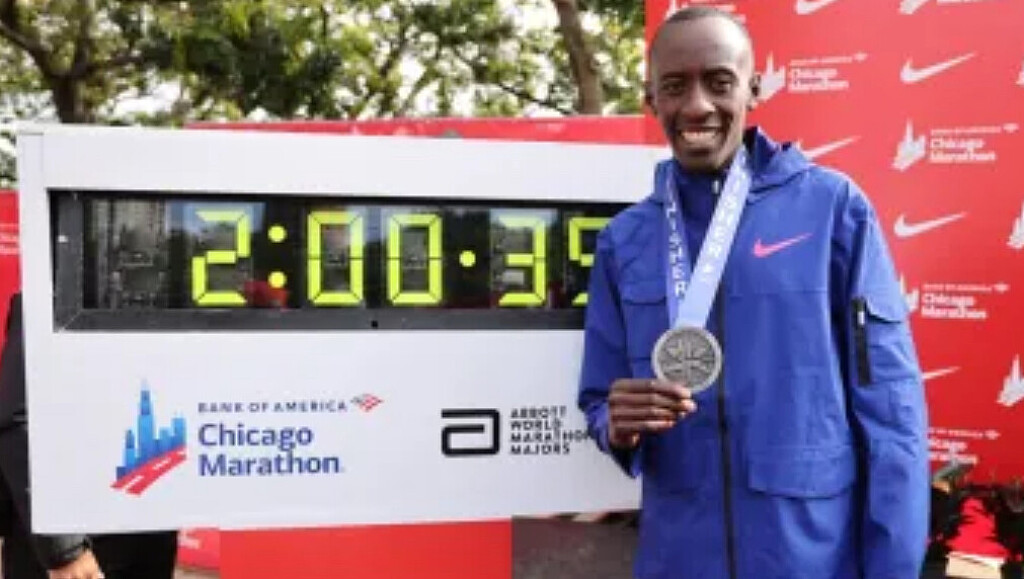
The Chicago Marathon has a strong history
First run in 1977, this Sunday, Chicago hosts its 46th marathon (it lost 2020 to the Covid-19 pandemic; 1987 to sponsorship issues). One of the six Abbott World Marathon Majors, the history of the BofA Chicago Marathon has been one of rising, falling, and rising again.
In 2023, it witnessed its third men’s marathon world record, 2:00:35, gloriously produced by the late Kenyan star, Kelvin Kiptum, who tragically died in a car accident on February 11, 2024 (age 24 years), in Kaptagat, Kenya.
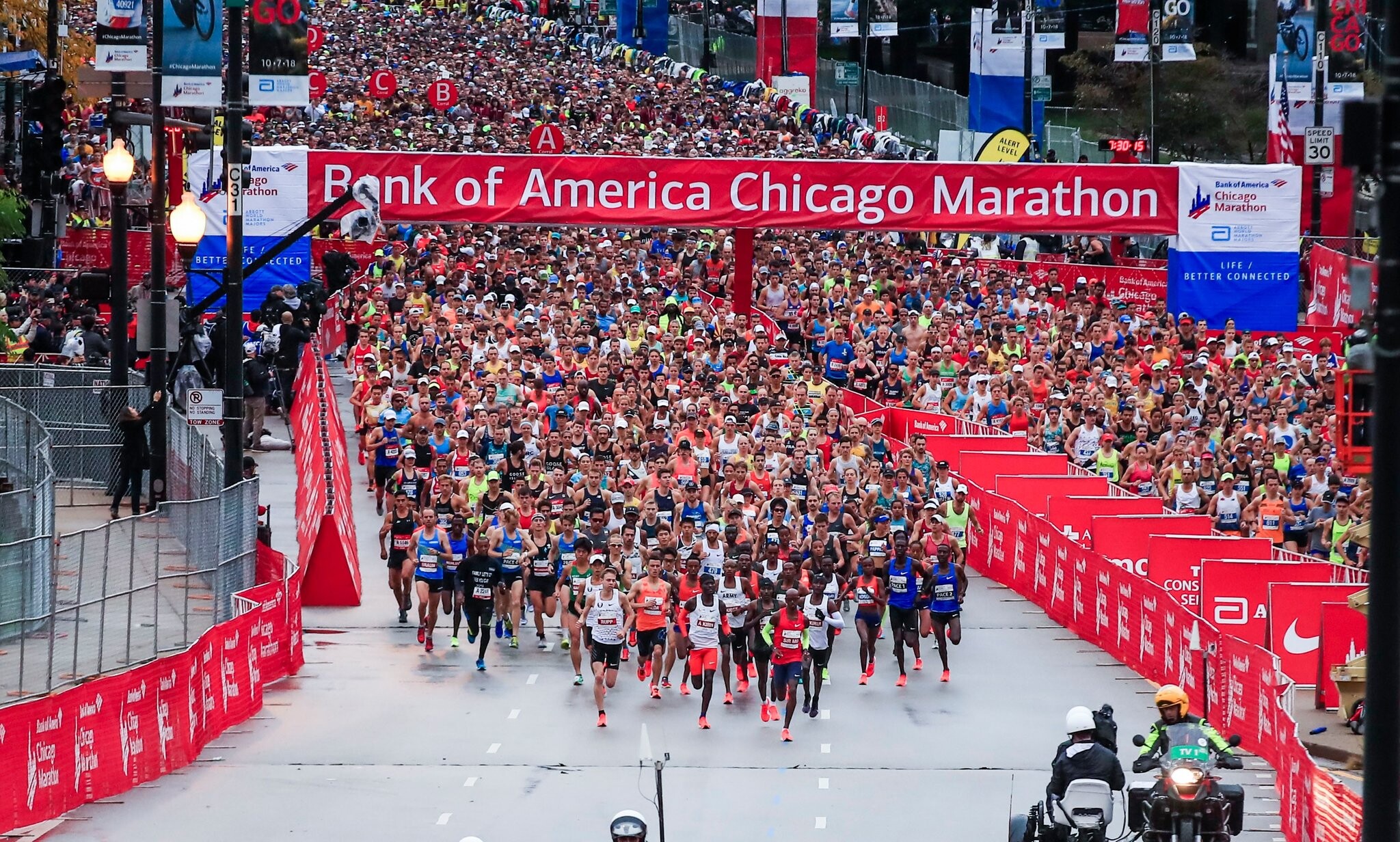
But the roots of the modern Bank of America Chicago Marathon traces back to 1982 when, in its sixth year, known as America’s Marathon/Chicago, the event rebooted, much as New York City 1976 was a reordering for the Big Apple 26-miler.
In America’s bicentennial year, the New York Road Runners expanded their event from four laps of Central Park to all five boroughs. It was a gamble. But in one fell swoop, the event grabbed the public’s attention, took on international importance, and ushered in a new era of urban marathons, even though they had run six previous marathons under the same banner.
In 1982, Chicago’s move from a regional marathon to the big time came about because of two things: one, the $600,000 budget put up by race sponsor, Beatrice Foods, and the hiring of one Robert Bright III of Far Hills, New Jersey to serve as athlete recruiter.
Bob Bright (left) at the Litchfield Hills Road Race in Connecticut with Nike east coast promo man, Todd Miller.
Recommended to the event by Olympians Frank Shorter and Garry Bjorlund, Bright had successfully elevated a modest 15K road race in Far Hills, New Jersey, called the Midland Run, to international prominence in 1980. So loaded was the Midland Run elite field, Sports Illustrated sent a reporter and photographer to cover the event.
What Bright brought to Chicago was zeal and a vision. Before Bright, there had been very little orchestration of competitive marathon racing. The Bright idea was simple: actively recruit a field of international athletes who came ready to run, so elite competition would become the hallmark of the event.
First, a brief history. For many decades, Boston dominated the marathon scene as essentially the only game in town. Yes, there was the Yonkers Marathonin New York, first contested in 1907; the Polytechnic Harriers’ Marathon for the Sporting Life trophy in England, which began in 1909. The Košice Peace Marathon in Slovakia joined the club in October 1924; Enschede and Fukuoka in 1947; Beppu in ’52.
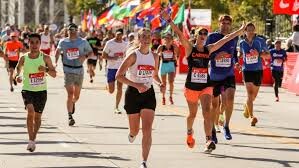
But the Boston Athlettic Association’s attitude from its marathon’s inception in 1897 up to the mid-1980s remained, “We’re running our race on Patriots’ Day starting in Hopkinton, Massachusetts at noon. It will cost you three bucks to enter. See you at the bus line for the ride out to the start.” No bells, no whistles, no invitations.
When New York City debuted in 1970, it spun four laps of Central Park to total its 26.2 miles. But in 1976, with the city in a major financial difficulty amidst America’s Bicentennial, the New York Road Runners boldly took its marathon from the confines of Central Park and expanded it through all five boroughs hoping to attract more tourists.
Race Director Fred Lebow recruited a few big guns upfront to entice press coverage, Olympic gold and silver medalist Frank Shorter along with Shorter’s rival, American record holder from Boston 1975, fellow Olympian, Bill Rodgers. Everyone else filled in from behind, with the City of New York being the true star attraction.
First considered a onetime gimmick, the five-borough experience proved so successful, the NYRRs embraced it as the path forward. Still, the actual races in NYC were never very competitive. Rodgers won by three minutes over Shorter in ‘76, 2:10:10 to 2:13:12. Then dominated for the next three years, as well.
Chicago 1982 would be the first, full–blown, orchestrated marathon race, as Bright had a specific recruitment strategy.
“We wanted six guys who thought coming in that they had a chance to win,” said Bright. “Then we wanted six more behind them who figured they had a shot at the top 10. So, right away we didn’t go after a guy like Alberto Salazar (who was ranked number one in the world after wins in New York City in 1980, a short-course world record in ‘81, and a Boston title in 1982.)
“And if you figure that a top race has a main pack of 10 to 15 athletes, you’re going to double that number in invitations. That guarantees that even if two of every five don’t run well for one reason or another, you still have a big group ready to race.”
Redundancy was the key, the money, the magnet. The total amount taken home by runners from Chicago in 1982 was $130,000.
This was when Boston was still embracing its amateur roots, stiff-arming the new breed of runners looking to get paid for their craft. In New York, Lebow had to keep his payments under the table in order to avoid being billed for city services on race day.
Chicago put up $48,000 in prize money for the men in 1982, with $12,000 going to the winner, 600 for 15th place. The women’s split was $30,000, with $10,000 awarded for the win through $500 for 10th. The remaining $52,000 represented the grease in upfront, under-the-table appearance fees.
“We wanted the money to be respectable, but not overwhelming the first year,“ explained Bright, whose history as a dog sled racer and thoroughbred horse trainer made him one of the best judges of the running animal. “We didn’t want it to appear like the race was store-bought, like the Atlantic City pro race a few years ago, where the money was good, but no one took the race seriously.
“So, we put up $78,000 in prize money, which, to the public, doesn’t sound like all that much. But when you added on the appearance money, it represented as much as any other race handed out.“
For the money on offer, and the prestige of doing well against a field of that caliber – as good as the group assembled at the 1980 Moscow Olympics, according to Sweden’s Kjell Eric Stahl – what came down in Chicago 1982 was a new course record by University of Michigan grad Greg Meyer (2:10:59), along with 22 more sub -2:220s, and nine personal bests out of the first 11 finishers.
The top five women followed suit, led by Northampton, Massachusetts’s Nancy Conz, whose 2:33:33 also represented a new course record for Chicago, some 12 minutes faster than the old mark.
The event treated the athletes well; offered a new opportunity in the fall, competing with New York City; Chicago witnessed its first truly world-class marathon; the sponsor, Beatrice Foods, received enormous visibility for its dollars; and a new professionalism attended the art of marathon orchestration. Chicago was now the new kid on the block, with toys to match anyone’s.
But now the pressure was on, not just to maintain its pace, but to top itself in 1983. The story continues.
by Toni Reavis
Login to leave a comment
Bank of America Chicago
Running the Bank of America Chicago Marathon is the pinnacle of achievement for elite athletes and everyday runners alike. On race day, runners from all 50 states and more than 100 countries will set out to accomplish a personal dream by reaching the finish line in Grant Park. The Bank of America Chicago Marathon is known for its flat and...
more...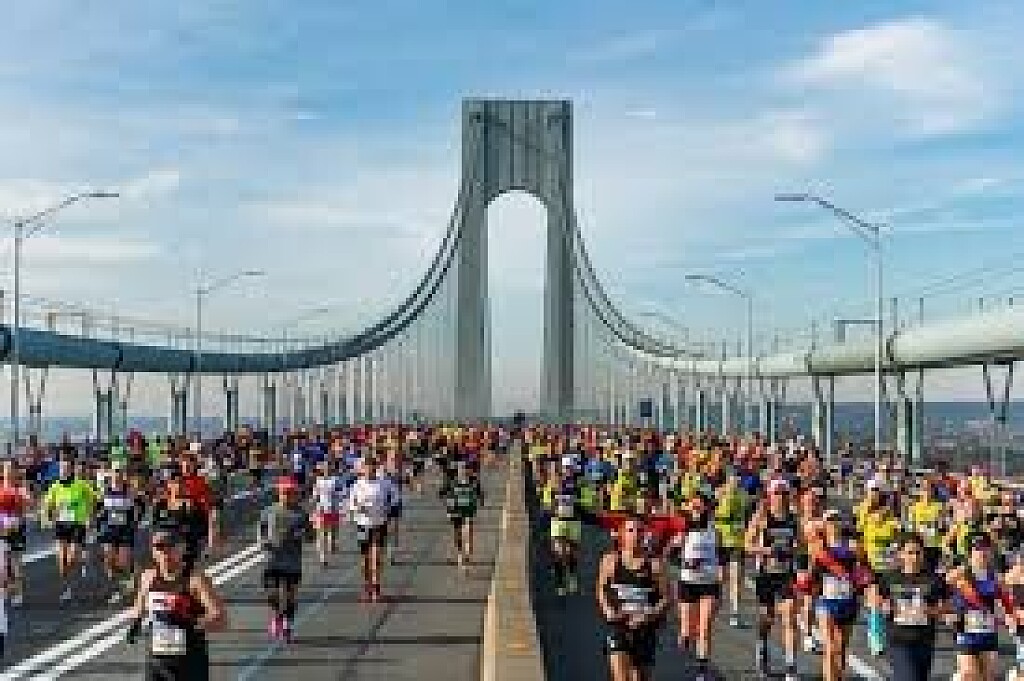
Tola and Obiri lead elite fields for New York City Marathon
Organisers of the 2024 TCS New York City Marathon have revealed a world-class line up for this year’s World Athletics Platinum Label road race on 3 November, led by defending champions Tamirat Tola and Hellen Obiri.
Since winning last year in a course record of 2:04:58, Tola won the Olympic title in Paris in a Games record of 2:06:26. What made his feat all the more impressive is that he was only drafted into the Ethiopian team two weeks before the Games, having initially been named as a reserve.
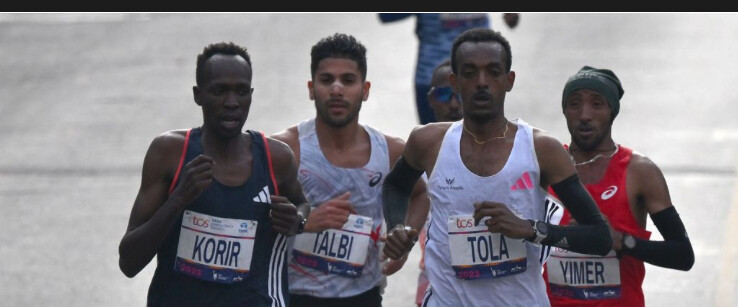
“I’m excited to defend my title in New York, especially coming off an Olympic-record marathon performance,” said Tola. “The hilly course and crowds in Paris definitely prepared me well for the bridges and spectators in New York, where maybe I can go even faster this year.”
Two-time Olympic medallist Bashir Abdi will also be one to watch; the Belgian earned silver at the recent Olympics, having taken bronze at the Tokyo Olympics in 2021 and at the 2022 World Championships.
Three past winners – all from Kenya – are also in the field: 2022 champion Evans Chebet, 2021 winner Albert Korir, and 2019 and 2017 victor Geoffrey Kamworor. Chebet has twice won the Boston Marathon, and has finished first or second in 13 marathons. Kamworor has made it on to the podium in all four of his New York Marathon appearances.
Fellow Kenyan Abel Kipchumba, who won this year’s NYC Half Marathon, will be making his New York City Marathon debut.
The US charge is led by Conner Mantz and Clayton Young, who finished eighth and ninth respectively in the Paris Olympic marathon.
Women’s Open Division
Obiri is a three-time Olympic medallist and seven-time world medallist. Last year the Kenyan became the first woman in 34 years to win both Boston and New York in the same calendar year. So far this year, she retained her Boston Marathon title and went on to earn bronze in the Olympic marathon.
“There’s no place like New York, and I am so ready to defend my title,” said Obiri. “I have been racing very well on the roads in the US, and I hope I can have another good day that sees me in contention once we enter the final stages in Central Park.”
Fellow Kenyan Sharon Lokedi, the 2022 NYC Marathon winner, will return after finishing third last year and fourth in the Olympic marathon in Paris. The Kenyan delegation will also include 2010 champion Edna Kiplagat, four-time Olympic medallist Vivian Cheruiyot, and Sheila Chepkirui, who owns the fastest personal best in the field.
Ethiopia’s Tirunesh Dibaba will make her New York City Marathon debut and is one of the world’s most accomplished long-distance runners as a three-time Olympic and 16-time world champion. She will be joined by compatriot Senbere Teferi.
Dakotah Lindwurm, the top US finisher in the marathon at the Paris Olympics, will lead the US contingent.
Elite field
WomenSheila Chepkirui (KEN) 2:17:29Tirunesh Dibaba (ETH) 2:17:56Vivian Cheruiyot (KEN) 2:18:31Senbere Teferi (ETH) 2:19:21Dera Dida (ETH) 2:19:24Edna Kiplagat (KEN) 2:19:50Eunice Chumba (BRN) 2:20:02Sharon Lokedi (KEN) 2:22:45Hellen Obiri (KEN) 2:23:10Fatima Gardadi (MAR) 2:24:12Kellyn Taylor (USA) 2:24:29Fabienne Schlumpf (SUI) 2:24:30Aliphine Tuliamuk (USA) 2:24:37Dakotah Lindwurm (USA) 2:24:40Lily Partridge (GBR) 2:25:12Jessica McClain (USA) 2:25:46Des Linden (USA) 2:25:55Tristin Van Ord (USA) 2:25:58Khishigasaikhan Galbadrakh (MGL) 2:26:32Maggie Montoya (USA) 2:28:07Katja Goldring (USA) 2:29:01Savannah Berry (USA) 2:29:13
MenEvans Chebet (KEN) 2:03:00Gabriel Geay (TAN) 2:03:00Bashir Abdi (BEL) 2:03:36Tamirat Tola (ETH) 2:03:39Geoffrey Kamworor (KEN) 2:04:23Abdi Nageeye (NED) 2:04:45Addisu Gobena (ETH) 2:05:01Abel Kipchumba (KEN) 2:06:49Albert Korir (KEN) 2:06:57Conner Mantz (USA) 2:07:47Clayton Young (USA) 2:08:00Rory Linkletter (CAN) 2:08:01Callum Hawkins (GBR) 2:08:14Ser-Od Bat-Ochir (MGL) 2:08:50Elkanah Kibet (USA) 2:09:07Noah Droddy (USA) 2:09:09Jonny Mellor (GBR) 2:09:09Jared Ward (USA) 2:09:25Colin Bennie (USA) 2:09:38Futsum Zienasellassie (USA) 2:09:40CJ Albertson (USA) 2:09:53Nico Montanez (USA) 2:09:55Yuma Morii (JPN) 2:09:59
by World Athletics
Login to leave a comment
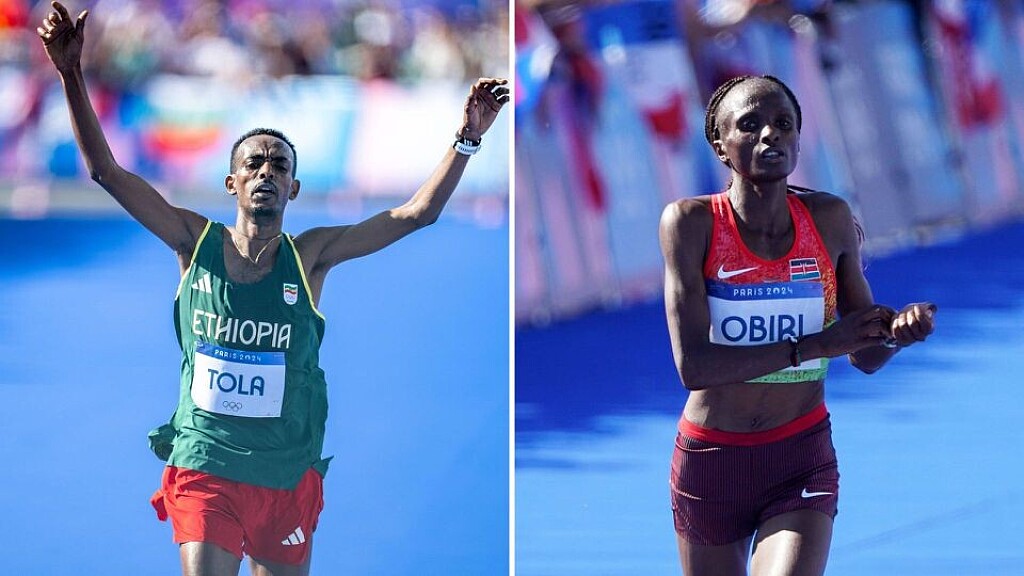
No rest for Hellen Obiri and Tamirat Tola as they look to defend their New York City Marathon titles
Days after being impressive at the Paris Olympics marathon, Hellen Obiri and Tamirat Tola will immediately return to train as they gear up for a grueling task to defend their titles at the New York City Marathon.
The 2024 New York City Marathon yet again promises exciting match-ups from top athletes as defending champions Hellen Obiri and Tamirat Tola return with the main focus on defending their titles on Sunday, November 3.
The professional line-up remains historic as it will feature 14 past champions, 27 Olympians, and 19 Paralympians. As per the New York City marathon organizers, the field features 31 athletes from the just-concluded Paris Olympic Games.
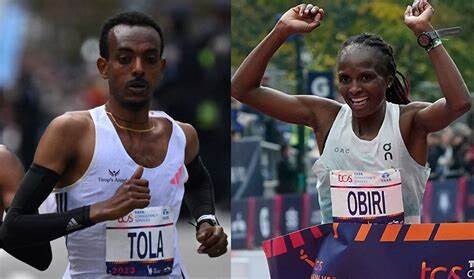
Obiri is fresh from winning an Olympic bronze medal after conquering the grueling marathon course and she will be out to impress once she races in the streets of New York City. She has the much-needed confidence after beating a stacked field at the Olympic marathon where she finished third. In April, she became the first woman since 2005 to repeat as the Boston Marathon champion.
“There’s no place like New York, and I am so ready to defend my title on what has become one of my favorite days of the year,” said Obiri.
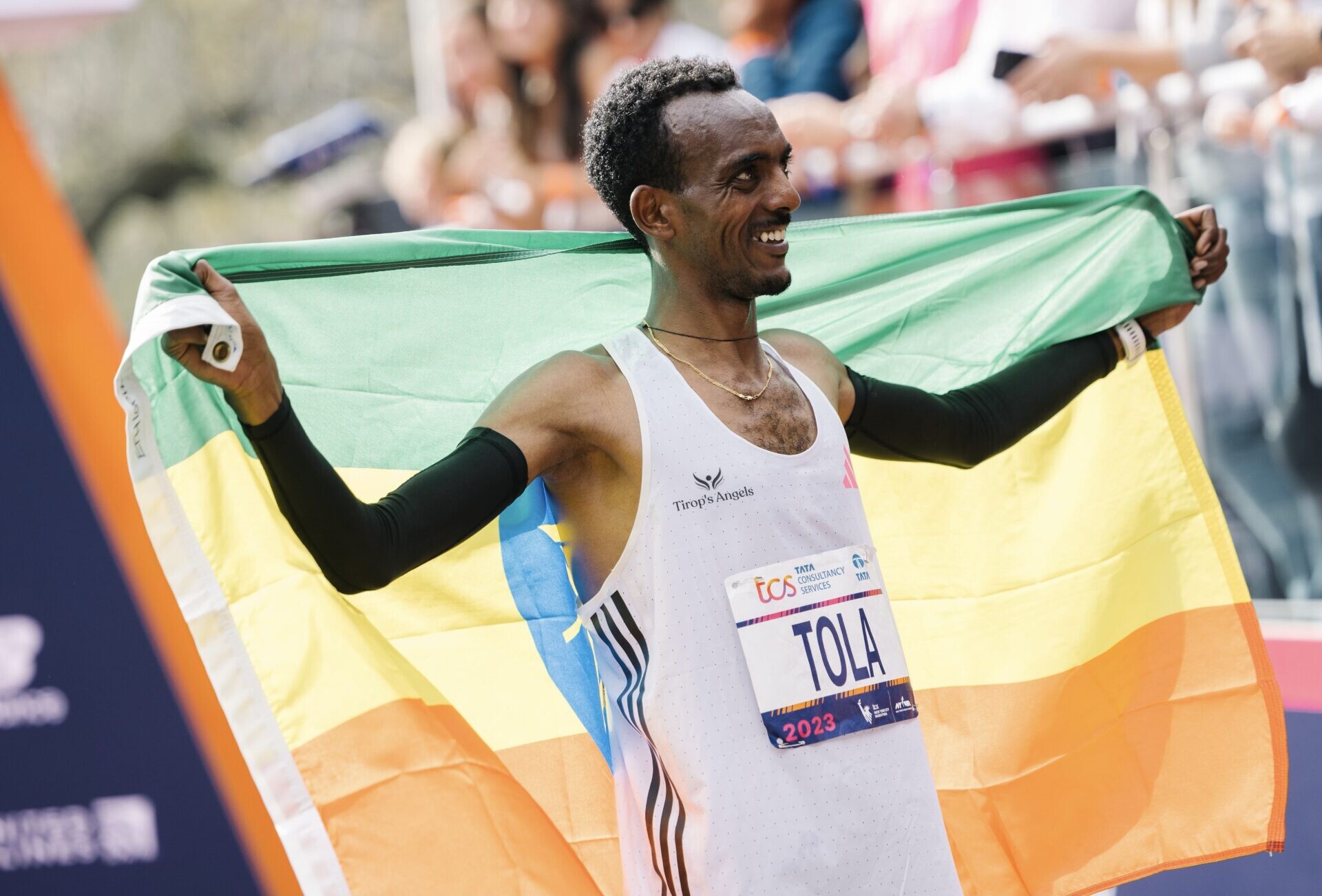
“I have been racing very well on the roads in the U.S., and I hope I can have another good day that sees me in contention once we enter the final stages in Central Park.”
Obiri will be challenged by compatriot Sharon Lokedi who finished fourth in the marathon at the Paris Olympic Games. Lokedi won the 2022 edition of the event in her marathon debut and was the runner-up at the 2024 Boston Marathon.
Edna Kiplagat, four-time Olympic medalist Vivian Cheruiyot, and Sheila Chepkirui, who owns the fastest personal best in the field will also be in the mix.
Ethiopia’s Tirunesh Dibaba makes her New York City Marathon debut and is one of the world’s most accomplished long-distance runners. She will be joined by Senbere Teferi.
Olympic champion Tola will be back to defend his title in the men’s race. Tola won the Olympic marathon in an Olympic-record time of 2:06:26. He also won marathon gold at the 2022 World Championships and silver at the 2017 world championships and goes into the race with the much-needed experience.
“I’m excited to defend my title in New York, especially coming off an Olympic-record marathon performance,” said Tola.
“The hilly course and crowds in Paris definitely prepared me well for the bridges and spectators in New York, where maybe I can go even faster this year.”
Belgium’s Bashir Abdi will be in the mix after winning a silver medal in the Paris 2024 Olympic marathon. The 2022 TCS New York City Marathon champion Evans Chebet, 2021 champion Albert Korir, 2019 and 2017 champion Geoffrey Kamworor, and 2024 United Airlines NYC Half champion Abel Kipchumba will also be in the mix, out to challenge the duo.
by Abigael Wafula
Login to leave a comment
TCS New York City Marathon
The first New York City Marathon, organized in 1970 by Fred Lebow and Vince Chiappetta, was held entirely in Central Park. Of 127 entrants, only 55 men finished; the sole female entrant dropped out due to illness. Winners were given inexpensive wristwatches and recycled baseball and bowling trophies. The entry fee was $1 and the total event budget...
more...