

Running News Daily
Running News Daily is edited by Bob Anderson and team. Send your news items to bob@mybestruns.com Advertising opportunities available.
Index to Daily Posts · Sign Up For Updates · Run The World Feed
Articles tagged #kATA
Today's Running News
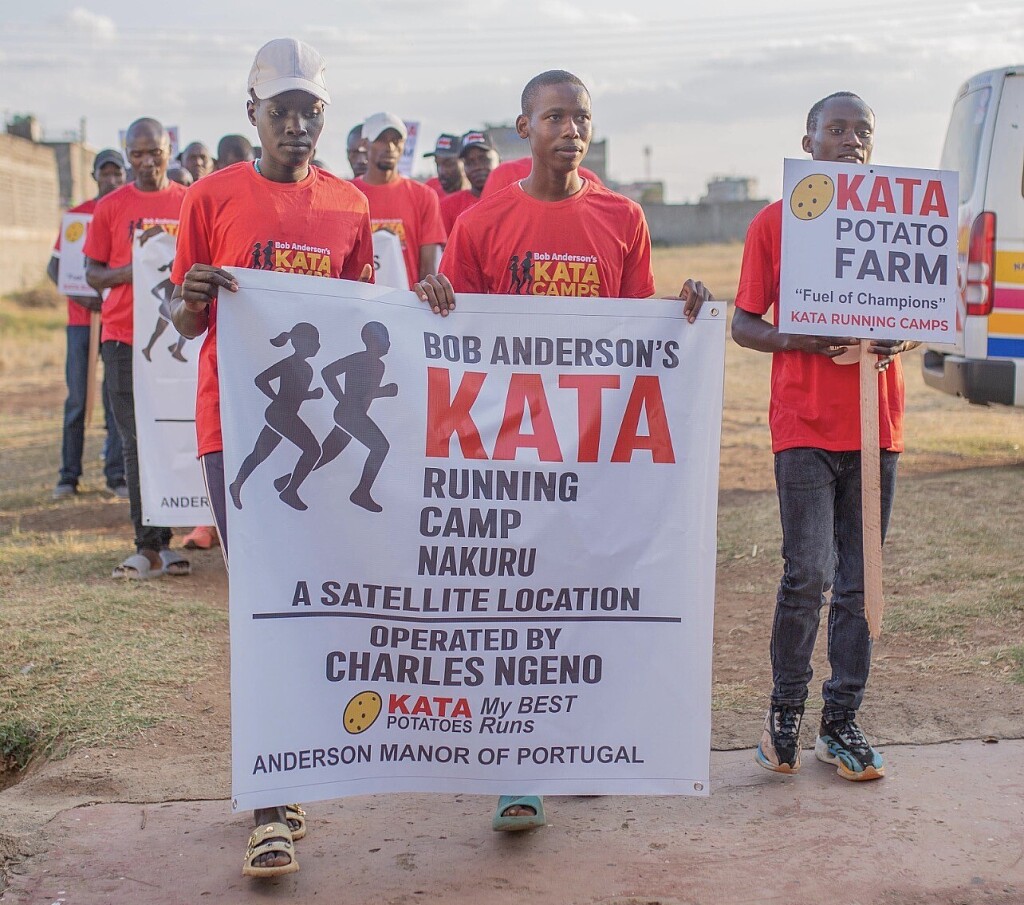


Was KATA’s Vision Too Grand? The 60-Camp Network That Could Have Supported 1,800 Kenyan Runners
KATA had assembled 30 running camps and planned to double that number. Its model used repayable, interest-free startup financing and potato farming to create a self-sustaining national network—but the expected repayments never materialized.
By Robert Kibet
Could a network of 60 self-supporting training camps have transformed life for 1,800 promising Kenyan runners?
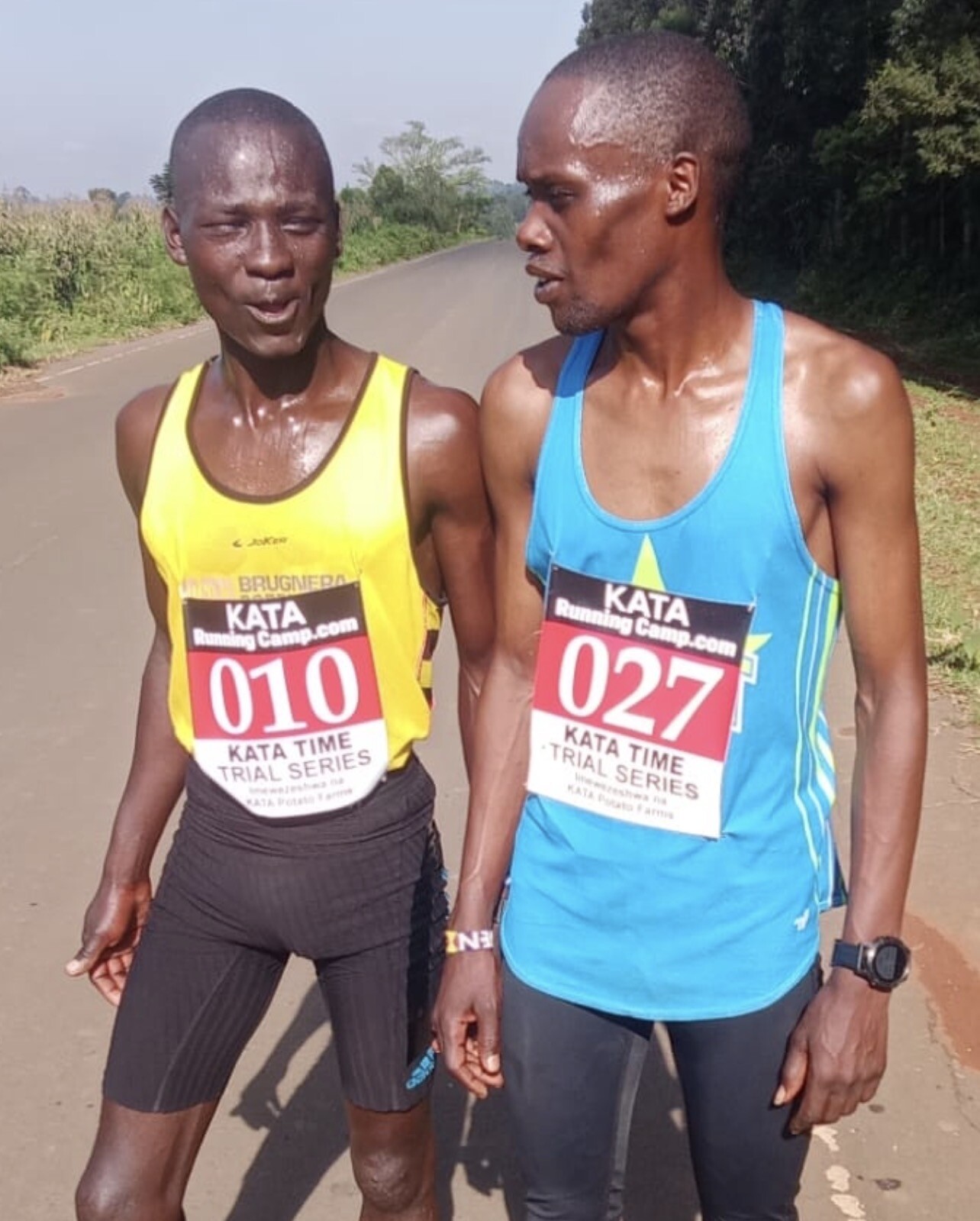
That was the vision behind the Kenyan Athletics Training Academy (KATA) programme created by Bob and Catherine Anderson.
KATA had assembled 30 running camps and planned to expand to at least 60. At 30 athletes per camp, the completed network could have provided accommodation, food and high-level training for approximately 1,800 runners at one time.
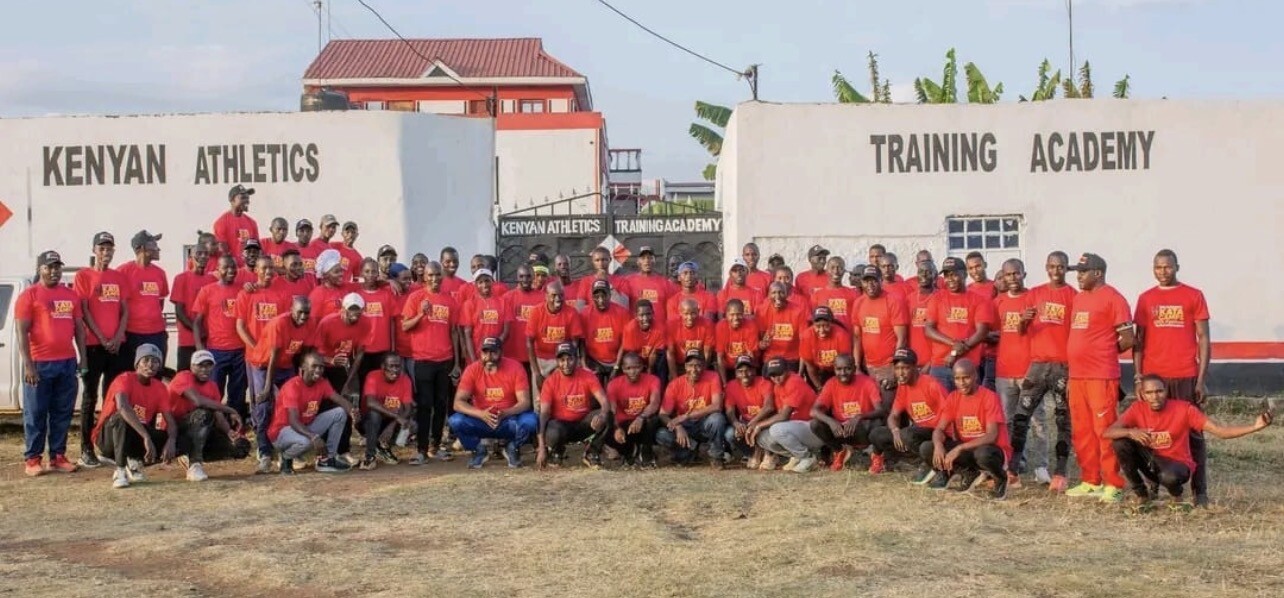
The objective was not simply to produce champions. KATA sought to improve daily living and training conditions for developing athletes while strengthening grassroots coaching.
The programme was ambitious, but it was not intended to depend permanently upon money from the Andersons.
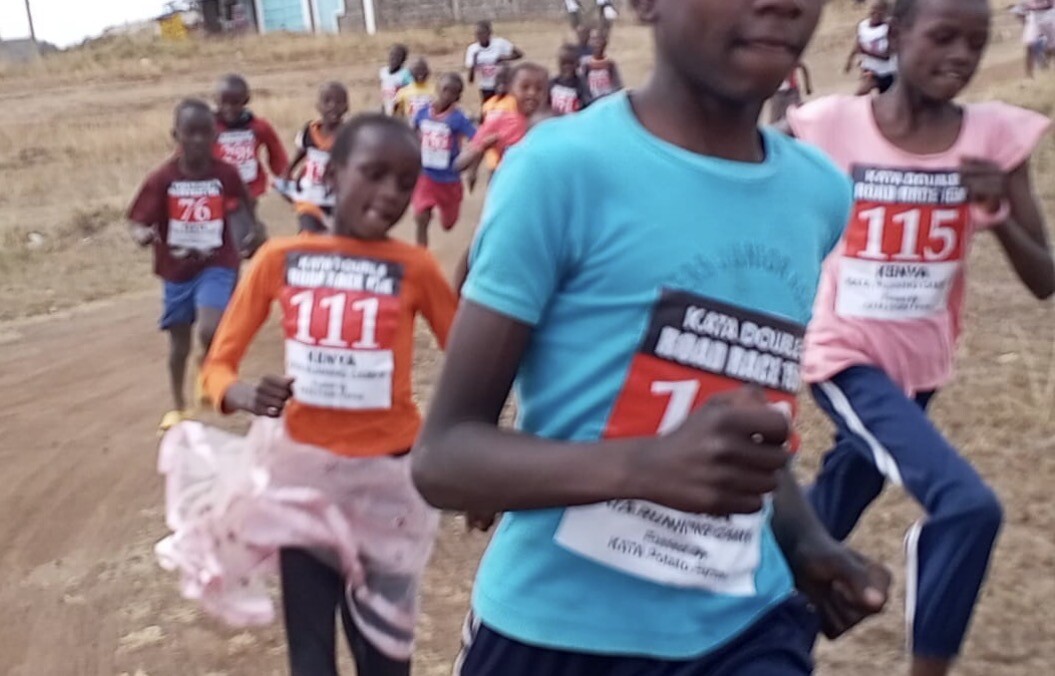
(These eight photographs were among more than 5,000 images sent to KATA founder Bob Anderson and his team as evidence of how the programme was progressing.
The photographs showed why individual coaches and camp operators believed they should receive interest-free loans and become part of the KATA family. Others documented the development of the camps, potato farming activities and the required 10-kilometre time trials held every two months.

In September 2025, athletes from most of the 30 KATA camps travelled to Thika to compete in the KATA Double Road Race, where KSh100,000 in prize money was awarded. At that point, the programme appeared to be working as planned.
The situation changed shortly afterward. Potato harvests were completed and crops were sold, but despite repeated explanations and delays, very little of the money collected was returned to KATA.)

How a camp was supposed to become self-supporting
KATA’s financial model began with two interest-free loans.
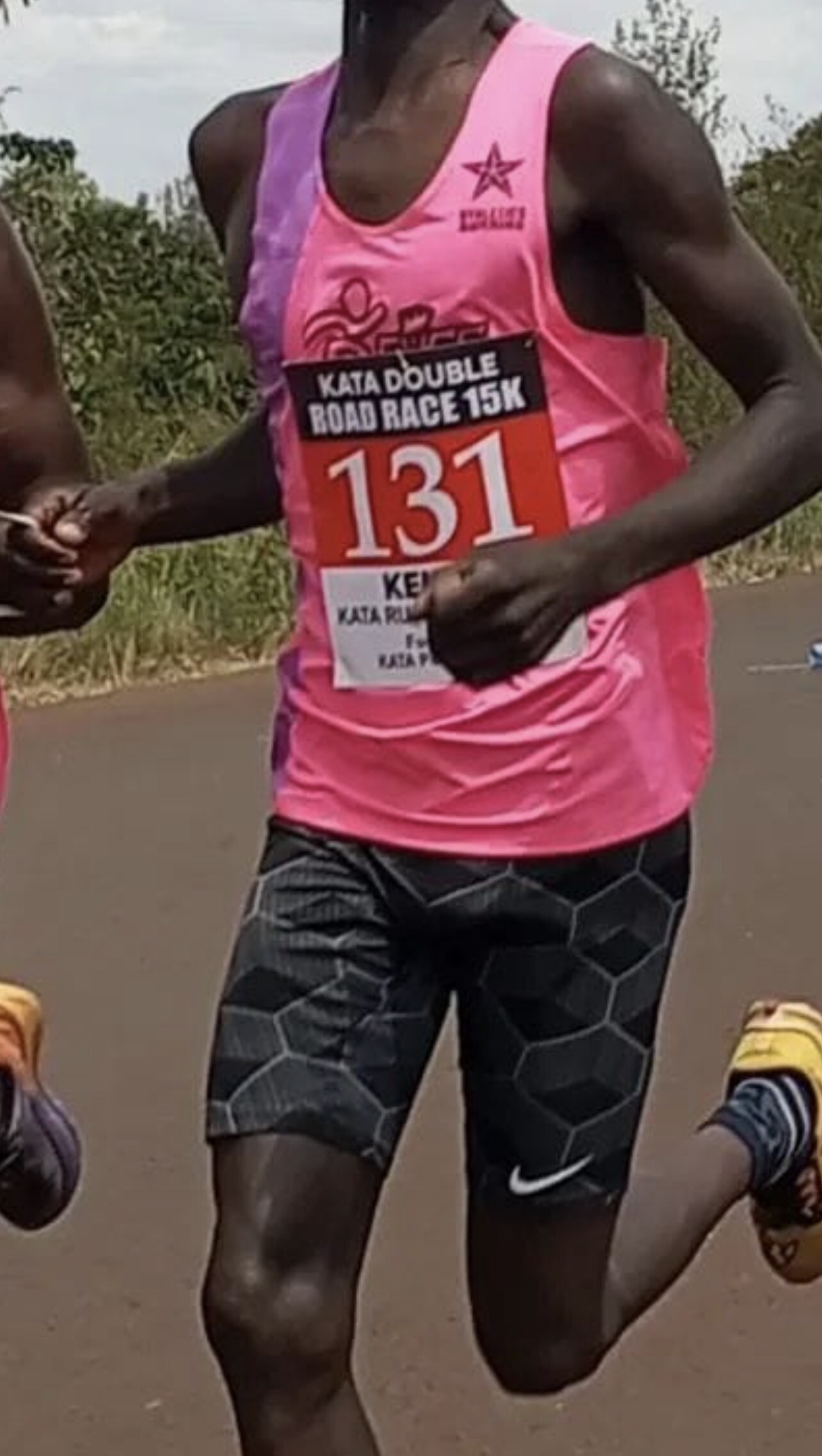
The first supplied the capital required to open a running camp. An approved operator could receive as much as KSh500,000 for rent, beds, mattresses, furniture, food and other startup needs.
That money remained a debt to KATA. It was not a gift, grant or donation.
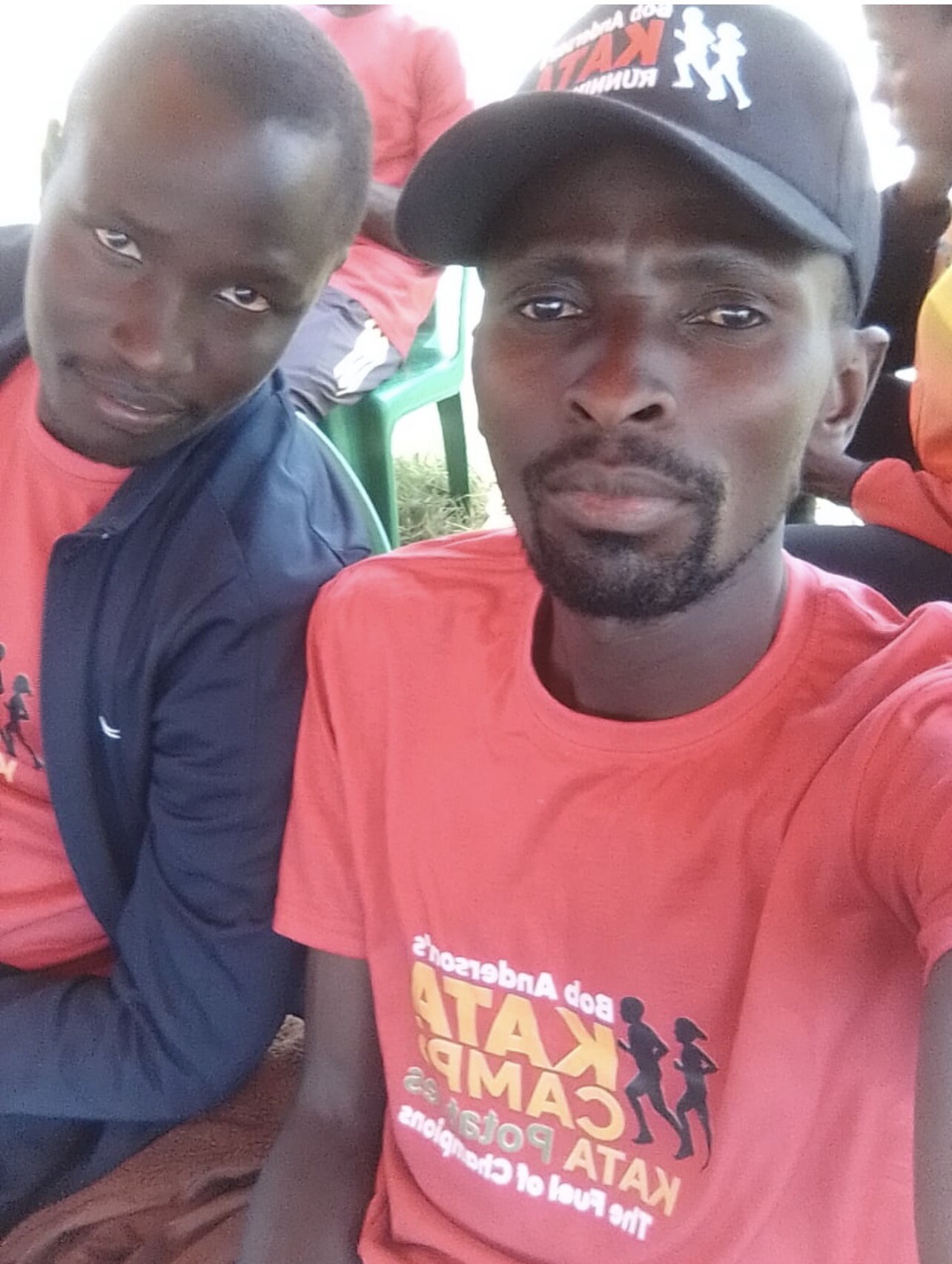
A second interest-free loan financed potato cultivation at a projected cost of approximately KSh100,000 per acre.
The plan called for the harvest revenue to retire both debts—the farming advance and the camp-establishment advance—before the remaining proceeds were used locally.
Potatoes were chosen because they are Kenya’s second-most important food crop after maize and form an industry worth an estimated US$400 million to US$500 million annually.
KATA’s working projection placed gross sales from a successful acre at about KSh400,000. This was a programme estimate rather than a guaranteed or national average result. Actual returns depended upon production, disease, weather and selling prices.
The projected economics of three acres illustrate the plan:
Estimated cultivation loan: KSh300,000;
Projected gross sales: KSh1.2 million;
Repayment of cultivation financing: KSh300,000;
Repayment of camp startup financing: up to KSh500,000; and
Potential balance for athletes and the next season: approximately KSh400,000.
Under this model, one strong three-acre harvest could potentially clear the money advanced to establish the camp and grow the crop. The following season could then help pay for food, housing and training while keeping the farm productive.
“We did not give away startup money,” Anderson said. “We provided interest-free loans that had to be repaid. The potatoes were the engine intended to repay both loans and create continuing income for the athletes.”
From 30 camps to a potential 60
Bob and Catherine Anderson say they invested more than KSh42 million in the wider programme.
Approximately KSh36 million was provided as interest-free financing, with more than KSh6 million spent on Kenyan independent contractors and related operational expenses.
The Andersons did not form a Kenyan company. Their California-based operation directed the programme and retained independent contractors in Kenya for coordination and monitoring.
If 75 percent of participating coaches, farmers and operators had repaid their loans, Anderson believes KATA would have had enough revolving capital to strengthen the 30 camps and expand to 60.
“The money was supposed to keep moving,” he said. “A repayment from one harvest could help establish or strengthen another camp. We would not have needed to start again with new outside money every season.”
A 60-camp network supporting 1,800 runners could also have developed a significant voice within Kenyan athletics.
“KATA was not created to oppose Athletics Kenya,” Anderson said. “But an independent programme improving conditions for 1,800 athletes would naturally have carried influence.”
Anderson has wondered whether that potential might have concerned people who wanted to control opportunities within the sport. He emphasizes that he has no evidence Athletics Kenya attempted to undermine KATA.
Charles Ngeno and claims of high-level access
While developing two proposed KATA camps, coach Charles Ng’eno repeatedly portrayed himself to Anderson as closely connected to leading figures in Kenyan athletics.
On July 22, 2025, Ng’eno wrote:
“I need to brief you tomorrow about good news we discussed with AK PRESIDENT about KATA.”
The message did not explain the “good news,” and no response from the Athletics Kenya president has been provided to confirm that discussion.
Ng’eno also sent photographs appearing to show him attending Athletics Kenya functions, including one in which he sat behind an Athletics Kenya nameplate and another showing him addressing a gathering.
The photographs indicate attendance at athletics-related events. They do not prove that AK supported KATA or authorized Ng’eno to speak on its behalf.
Ng’eno also supplied Anderson with messages addressed to senior athletics official Barnabas Korir.
In one, Ng’eno told Korir:
“You expressed happiness with KATA.”
He further attributed to Korir statements about protecting KATA because of its importance in empowering young people.
The screenshots do not show Korir confirming the statements. It remains unclear whether all the communications were sent, received or answered.
Prominent athletes and coaches
Ng’eno strengthened the appearance of influence by invoking other respected names.
In June 2025, he sent Anderson a message addressed to Faith Kipyegon in which he described himself as her “grassroots coach.” The screenshot contains no response from Kipyegon and does not independently establish the extent of Ng’eno’s early coaching role.
Ng’eno later said prominent coach Bernard Rono had consulted him about KATA and joined the programme.
“We are glad to have him with us at KATA,” Anderson replied. “We have a strong group of operators!”
Anderson says the combined effect of the messages and AK photographs was significant.
“Charles made it appear that he was plugged into the highest levels of Kenyan athletics,” Anderson said. “That gave me confidence that he could build successful camps and bring respected people into the KATA network.”
Whether Ng’eno accurately described those relationships remains unconfirmed.
Two camps appeared to be taking shape
Ng’eno supported his requests for money with budgets, reports, photographs and videos.
After confirming receipt of KSh40,000 in June 2025, he sent a photograph of a truck at a residential property and said he was installing items at the camp.
He later requested financing for nearby land, reported renting a house in Nakuru and sought money for beds and mattresses.
On August 3, Ng’eno submitted figures for the proposed Olenguruone and Nakuru camps. His presentation referred to a combined KSh1.3 million budget and reported KSh531,400 used for farming and camp expenses.
The KSh1.3 million was the proposed allocation—not the amount Anderson ultimately transferred.
Anderson says Ng’eno actually received KSh1,077,500. The funding was intended to establish two camps and cultivate six acres.
A video Ng’eno sent on August 5 appeared to show young athletes training indoors.
“These are the real stars,” he wrote, predicting they could reach the next World Cross Country Championships.
The material led Anderson to believe the camps were progressing.
“I could see athletes training and equipment apparently arriving,” he said. “It looked as though the programme was creating exactly what we intended.
Red flags halted further funding
Ng’eno continued presenting expansion plans, but promised repayments did not arrive.
In November 2025, he told Anderson nearly KSh600,000 would be paid before the end of December, followed by another KSh200,000 in January or February.
Ng’eno also referred to a plot of land allegedly worth KSh1.5 million that could be sold to clear the debt.
At the same time, he continued seeking additional money. When an account was restricted because no repayment had arrived, Ng’eno suggested that funds be sent through his wife’s M-Pesa number or another person.
Anderson refused to bypass the restriction.
In January 2026, Ng’eno made another commitment:
“Yes Bob, I need to start with 400,000 ksh.”
He said he was responsible and “must do payments.” He also attributed the delay to money spent constructing a residential building that would become a KATA camp.
Anderson says the KSh400,000 was not paid.
Ng’eno later attempted to persuade him to finance another six acres with approximately KSh600,000 in additional interest-free funding.
Anderson declined.
“I probably would have sent more if the promised repayments had started,” he said. “Fortunately, each missed date raised another red flag. I stopped after KSh1,077,500.”
What is known—and what remains unverified
The available communications show that Ng’eno:
Claimed to have discussed KATA with the Athletics Kenya president;
Attributed favorable statements about KATA to Barnabas Korir;
Presented himself as connected to leading athletes and coaches;
Supplied budgets and reports for two camps;
Sent images appearing to show camp development and athletes training;
Continued seeking new funding; and
Made several substantial repayment promises.
They do not establish whether Athletics Kenya endorsed or opposed KATA, whether the named officials made the statements attributed to them or how all the money was ultimately used.
There is no current evidence that Athletics Kenya developed or participated in a plan to stop KATA.
There is evidence that Ng’eno’s representations increased Anderson’s confidence in the camps and the wider programme.
Questions for Ng’eno and Athletics Kenya
Ng’eno should be asked:
What did he discuss with the Athletics Kenya president?
Did Barnabas Korir make the statements attributed to him?
What official athletics positions did Ng’eno hold?
How many athletes lived and trained at the two camps?
Was the residential building completed and operated as a KATA camp?
How was the KSh1,077,500 used?
What income was produced by the six acres?
Why were the promised repayments not made?
Did he own the reported KSh1.5 million property?
Athletics Kenya and the officials named in Ng’eno’s messages should have an opportunity to clarify what they knew about KATA and whether their positions were represented accurately.
Grand—but not impossible
KATA’s vision was undeniably large: 60 camps capable of supporting 1,800 runners.
Its financial premise was that repaid loans would become revolving capital. Each successful camp and harvest would help finance the next cycle of athlete support.
“The vision may have been grand, but it was not impossible,” Anderson said. “We already had 30 camps. What failed was the repayment system and our reliance on reports that were not independently verified.”
Whether Ng’eno truthfully described his Athletics Kenya discussions remains unanswered. Whether AK understood KATA’s potential scale is also unclear.
What is clear is that the programme was not offering free startup money. Every camp and agricultural advance was an interest-free loan that had to be returned.
Without those repayments, the revolving system stopped—and the planned network of 60 camps has never became a reality. If only most of the KATA operators had paid back their loan! "When they do things could still get back on track," says Bob Anderson.
by Robert Kibet
Login to leave a comment

KSh42 Million KATA Programme Dispute: Questions Over Funding Advanced to Coach Charles Ng’eno
KATA founder Bob Anderson says coach Charles Ngeno received KSh1.077 million in repayable, interest-free financing for two running camps and six acres of potatoes, repeatedly discussed repayment and later sought additional funding.
A programme in which Bob and Catherine Anderson say they committed more than KSh42 million to support Kenyan runners is now at the centre of a dispute over money advanced to coach Charles Ng’eno.
Anderson, founder of My Best Runs, the Kenyan Athletics Training Academy and Runners World, says Ng’eno received KSh1,077,500 in interest free loans to establish two KATA running camps and cultivate six acres of potatoes.

Anderson says none of the money has been repaid.
Ng’eno should be given a full opportunity to respond to the allegations and provide his own financial records, contracts, harvest records and explanation of the transactions before publication.

Anderson founded Runner’s World as a teenager and says his motivation for developing KATA came from decades spent in athletics and from seeing the conditions faced by some aspiring Kenyan runners.
“This was never simply a potato farming project,” Anderson said. “The purpose was to establish camps where talented athletes could receive accommodation, food and world-class training. Every shilling provided to establish the camps and grow the potatoes was an interest-free loan that had to be repaid.”
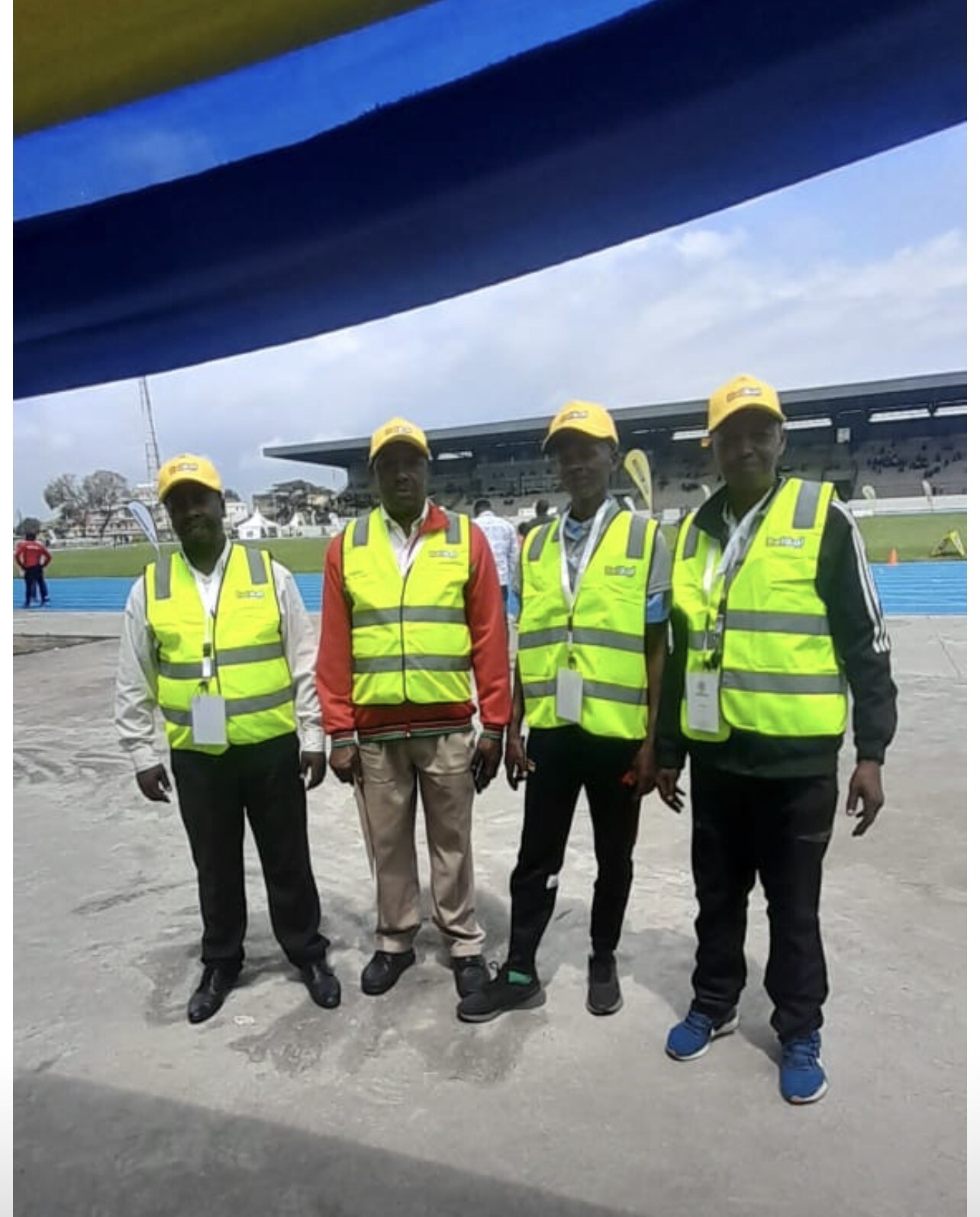
Two loans supporting one objective
According to Anderson, the KATA model combined two forms of repayable financing.

Camp operators could receive interest-free startup loans to cover expenses including rent, beds, mattresses, furniture and initial food supplies. Depending on the camp's requirements, Anderson says this financing could reach KSh500,000.
Separate interest-free loans were used to finance potato production, generally budgeted at approximately KSh100,000 per acre.
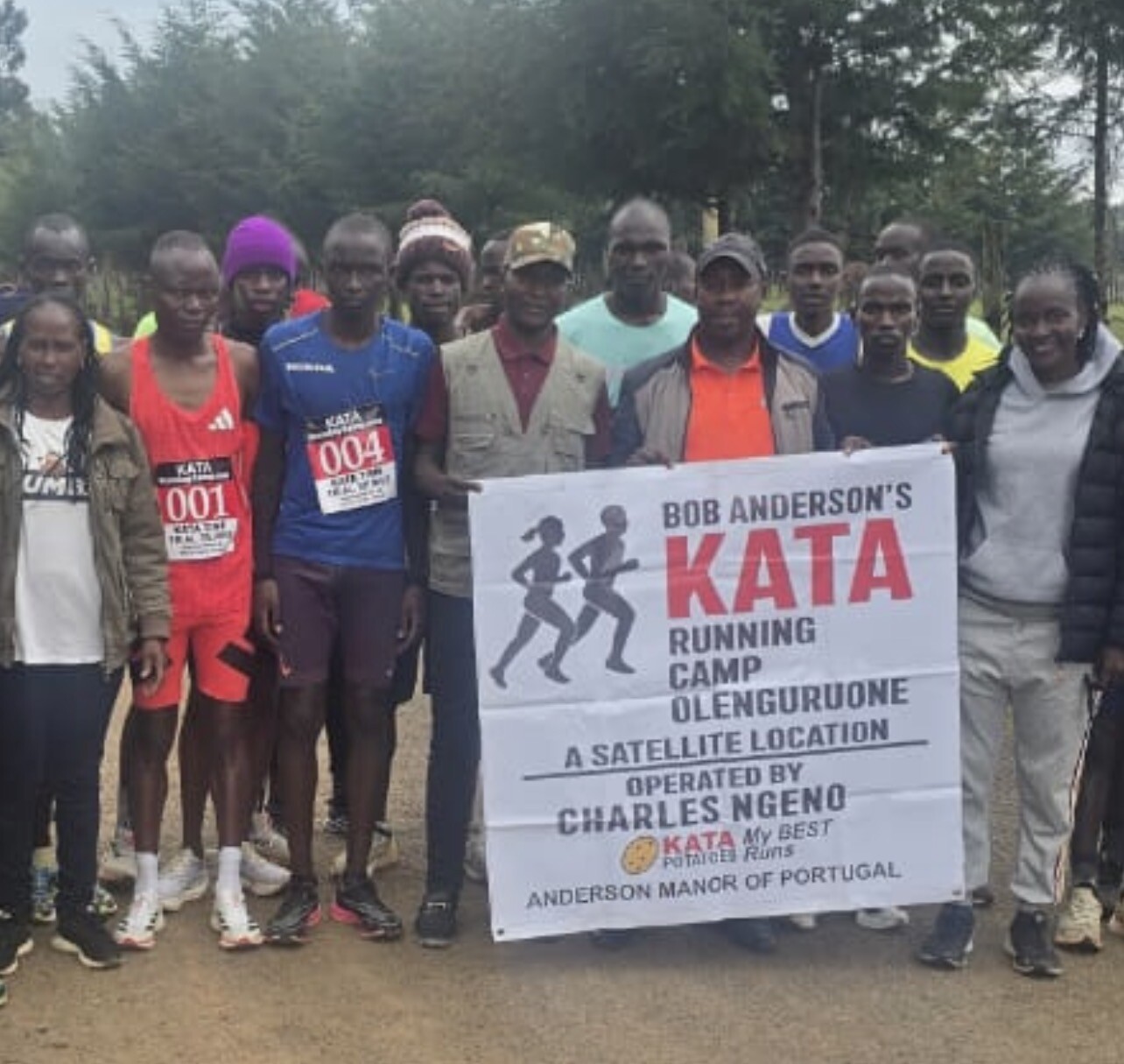
The intention was for proceeds from potato sales to repay both the farming costs and the money advanced to establish the running camp.
The funds were therefore not intended to operate as grants that beneficiaries could retain without repayment.

After the loans were cleared, the remaining income was intended to support athletes and help finance subsequent farming seasons.
Anderson says the model was designed to create a revolving system in which money recovered from one camp could eventually help another.

“The idea was to provide the seed capital once and then have the potato proceeds repay everything,” Anderson said. “After the camp and farming loans were cleared, each camp could continue operating without depending upon Catherine and me for more money.”
The financial projections used by KATA were based on anticipated agricultural returns. Anderson says the programme estimated that a well-managed acre could generate about KSh400,000 in gross sales, although actual returns would depend on yields, disease, weather and market prices.
These were projections rather than guaranteed returns.
More than KSh42 million committed
Anderson says he and Catherine committed more than KSh42 million to establishing and operating the wider programme.
Approximately KSh36 million, he says, was provided through interest-free loans to coaches, farmers and camp operators, while more than KSh6 million was spent on independent contractors and related programme expenses.
The Kenyan personnel engaged to coordinate activities and monitor participating farms were independent contractors, according to Anderson, rather than employees.
The Andersons did not establish a company in Kenya, with the programme directed through their California-based business.
The complete financial records covering the wider KATA programme have not been independently reviewed for this article.
The KSh1,077,500 advanced to Charles Ngeno represents only one part of the wider programme.
But Anderson says the failure to recover the money meant funds intended to circulate to other camps and athletes became unavailable.
Athletics Kenya references
Anderson says Ng’eno regularly communicated with him about athletics, farming and the proposed camps.
Among the material provided are photographs appearing to show Ng’eno participating in Athletics Kenya-related meetings, including one in which he is seated behind an Athletics Kenya nameplate and another in which he appears to address a gathering.
Ng’eno also told Anderson that he had discussed KATA with senior Athletics Kenya officials.
According to Anderson, Ng’eno reported that the Athletics Kenya president had praised the programme and believed it could benefit Kenyan athletes.
Those claims have not been independently confirmed.
The photographs show Ng’eno at athletics-related functions but do not establish that Athletics Kenya endorsed KATA or participated in the financing arrangement.
“It gave me confidence,” Anderson said. “Charles presented himself as a senior and respected figure in Kenyan athletics. He talked about discussions with the AK president, and I believed he had the standing to make the camps successful.”
Athletics Kenya has not been accused of receiving any of the disputed money.
KSh1.07 million and requests for more
According to Anderson, the KSh1,077,500 advanced to Ng’eno was intended to cover work toward two camps and six acres of potatoes.
In August 2025, Ng’eno sent what he described as bookkeeping for the Olenguruone and Nakuru camps. The figures referred to a proposed total allocation of KSh1.3 million, including potato projects, rent, bunk beds, mattresses, blankets and food.
The KSh1.3 million was a proposed budget and was not the amount Anderson says Ng’eno ultimately received.
Anderson says he stopped advancing money after repayment dates were missed and other concerns emerged.
“I probably would have sent more because Charles kept presenting new plans,” Anderson said. “Fortunately, one red flag after another was raised, and I cut him off after KSh1,077,500.”
Anderson says Ng’eno later sought approximately KSh600,000 to cultivate another six acres.
Had that request been approved, Anderson's total exposure to Ng’eno could have approached KSh1.7 million.
Ng’eno's own messages about the harvest
WhatsApp correspondence provided by Anderson contains messages attributed to Ng’eno discussing the farming operation and anticipated returns.
In an October 7, 2025 message, Ng’eno said he expected his first harvest to produce more than 150 bags of 50kg potatoes.
“For my first harvest, I'm expecting to have more than 150 bags of 50kg,” he wrote.
In the same exchange, Ng’eno referred to the “agreed loan” and said he was aware of the remaining obligation.
He also promised a “good return” and asked Anderson to proceed with what he described as a final disbursement.
“Please let us make an agreement that this be final dispersal until you experience the delivery of revenue,” he wrote.
In November, the correspondence moved to the practical issue of harvesting and selling the potatoes.
On November 11, Ng’eno told Anderson that some of his other acres were ready for harvesting but said market prices were poor.
“My other acres are ready for harvesting but this is not the time to do so. price is terrible,” he wrote.
He said the crop required spraying against worms and requested KSh15,000.
The following day, Ng’eno referred to potatoes from two acres that he expected to harvest within two weeks.
“Bob. Please send me 15k for Olenguruone camp. Potatoes to be harvested in 2 weeks. 2 acres,” he wrote.
Anderson subsequently asked for information about the number of bags, total weight, and photographs showing where the potatoes were being stored.
Ng’eno said he had secured free storage space and added that his farm manager was working on the ground.
The exchanges establish that the two sides were discussing the loan, potato farming, anticipated harvests and additional funding. They do not by themselves establish the final size of the harvest, sales proceeds or repayment.
Repeated repayment promises
Other correspondence reviewed for this story contains further discussions about repayment.
In November 2025, Anderson says Ng’eno indicated that nearly KSh600,000 would be paid before the end of December, with another KSh200,000 expected in January or February after seeds were sold.
Ng’eno also referred to a plot allegedly worth KSh1.5 million that could be disposed of if necessary to clear the loan.
“Don’t worry about me,” he wrote.
On January 31, 2026, after Anderson asked how much Ng’eno would begin repaying, Ng’eno responded:
“Yes, Bob, I need to start with Ksh. 400,000.”
He added that he was responsible and “must make payments.”
Anderson says the KSh400,000 payment was not made.
Ng’eno also told Anderson that repayment had been delayed because he was constructing a residential building that would become a KATA camp. He offered to show Anderson the building through a video call.
The correspondence shows that repayment was repeatedly discussed. It does not, without the underlying bank records, establish precisely how much money was ultimately generated from the farms or how the funds advanced were used.
A programme built around trust
For Anderson, the dispute goes beyond one borrower.
He says the KATA programme was created after he and Catherine saw the challenges facing some Kenyan athletes and wanted to provide better accommodation, food and training environments.
The agricultural component was intended to give camps an independent source of income.
But Anderson says the experience with Ng’eno and other beneficiaries ultimately forced the programme to stop advancing money.
“This was not simply a case of Charles misleading Catherine and me,” Anderson said. “Fellow Kenyans working with us in good faith also relied on the information and promises he provided.”
Those contractors have not been publicly identified.
Anderson has made broader claims about repayment problems involving other beneficiaries. Those claims require separate verification and should not be treated as established facts without supporting records and responses from those involved.
The questions requiring answers
The Ng’eno case leaves several questions that can be answered only through the underlying records.
How was the KSh1,077,500 used?
How much went into each camp?
Were all six acres planted?
What was harvested?
How much was sold?
Who bought the potatoes?
How much revenue was generated?
Were any proceeds used to repay the loan?
Did the two proposed camps operate, and how many athletes did they support?
Why were the promised repayments not made?
And does the reported KSh1.5 million property exist and was it available to secure or repay the debt?
Ng’eno should also be given an opportunity to respond to the claims concerning his representations about Athletics Kenya and to provide evidence of any discussions with its officials.
For Anderson, the principle behind the programme remains straightforward.
“This money was not donated to Charles,” he said. “It was loaned to establish camps and grow crops. It had to come back so it could help other athletes and camps.”
The dispute is now about whether the funds were used according to the agreements, what income the projects generated and why Anderson says none of the money has been returned.
Until complete financial records, contractual documents and Ng’eno's response are obtained, the allegations should remain clearly identified as contested claims rather than established findings.
by Robert Kibet
Login to leave a comment
 We wanted to help lots of Kenyan athletes and because of Charles the program is on hold. - Bob Anderson 8/22 9:07 pm |

Sofia Fiorini Storms to World Record and European Gold in Birmingham
Italy’s Sofia Fiorini produced a stunning performance in Birmingham on Saturday, rewriting the women’s marathon race walk world record while cruising to European Championships gold in emphatic fashion.

Fiorini crossed the finish line in 3:15:11, smashing the existing world-record benchmark of 3:17:00 and delivering the defining performance of her young career. The mark remains subject to the usual ratification procedures.

The 21-year-old Italian controlled the race with remarkable authority before making a decisive move inside the final 10 kilometres. From there, she opened an unbridgeable gap and powered away from the chasing pack to secure the European title in spectacular style.
Her winning margin was more than four and a half minutes, underlining just how dominant Fiorini was over the marathon distance. Poland’s Katarzyna Zdzieblo took silver, while Spain’s Raquel González completed the podium with bronze in 3:20:49.
Fiorini’s breakthrough comes just four months after she claimed silver at the World Athletics Race Walking Team Championships in Brasília. There, she set a European U23 record of 3:25:42, finishing behind Ecuador’s Paula Milena Torres.
That performance had already established Fiorini as one of the emerging forces in the new marathon race walk discipline. In Birmingham, however, she took another extraordinary leap forward, improving her personal best by more than 10 minutes and moving herself into the history books with a world-record performance.
For Italy, it was a remarkable statement of strength on the European stage. For Fiorini, it was the perfect combination of endurance, confidence and tactical precision — a commanding victory that transformed her from a rising talent into a world-record holder.
Sofia Fiorini: European champion, world-record holder and the undisputed queen of the Birmingham marathon race walk.
by Erick Cheruiyot for My Best Runs.
Login to leave a comment

European Athletics Champioships
The27thEuropean Athletics Championshipswill be held from 10 to 16 August 2026 at theAlexander StadiuminBirmingham, United Kingdom.[1] This is the first time that a British city will have staged the European Athletics Championships although Birmingham has hosted many high-profile events, including the2007 European Athletics Indoor Championships, the2003and2018 IAAF World Indoor Championshipsand the2022 Commonwealth Games. Alexander Stadium was renovated between 2019 and...
more...
More Than One Million Shillings, Repeated Promises — and Not One Shilling Repaid. - Why I Finally Stopped Sending Money to Kenyan Coach Charles Ngeno
By Bob Anderson, Founder of KATA
I wanted Charles Ngeno to succeed.
That is important to say at the beginning because this didn’t start as a fight. It started with trust.
In June 2025, Kenyan coach Charles Ngeno joined our KATA program. I agreed to loan him money to establish two KATA Running Camps and grow six acres of potatoes in Kenya.

The idea was straightforward. KATA would provide the startup capital. Charles would operate the camps and potato farms. The potatoes would generate revenue, our loan would be repaid, profits would be shared according to our agreement, and the operation could become increasingly self-supporting.
Instead, Catherine and I ultimately advanced Charles 1,077,500 Kenyan shillings.
As of August 12, 2026, according to our records, Charles has repaid:
Zero.
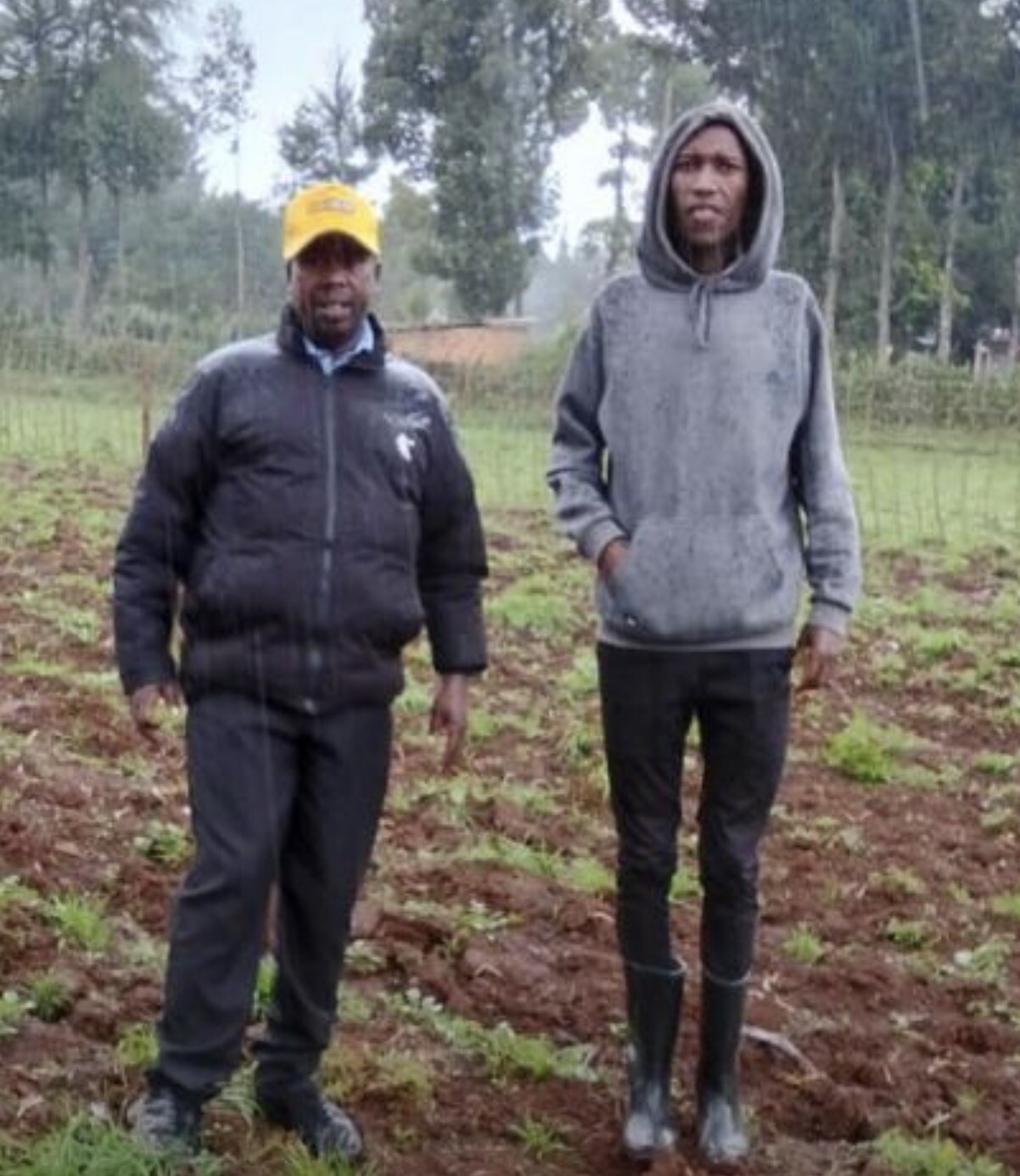
Not one shilling.
And when I asked him again on August 12 when he was going to start paying back the loan, his response included:
“Let’s meet in centuries.”
He subsequently wrote:
“The time will come”
After more than a year of promises, those words told me a lot.
I Was Warned About Charles
Shortly after entering into our agreement, people in Kenya began warning me about Charles.
I listened, but I also listened to Charles.
He called me regularly. We talked at length. He assured me that the things people said about him weren’t true. He presented himself as someone dedicated to helping young Kenyan athletes.
I chose to give him a chance.
Looking back, I believe Charles took advantage of that trust.
The important thing now is not what Charles says about me or what I say about him. It is what the written record shows.
And we have a substantial written record.
Charles Himself Called It a Loan
There should be no confusion now about whether this money was a gift.

It wasn’t.
My WhatsApp correspondence repeatedly describes these payments as loans, and Charles himself used exactly that word.
By September 29, 2025, I wrote to Charles:
“I have sent you 959,000 against your loan of 650k for your two camps and 600k for your six acres.”
Charles did not respond that the money wasn’t a loan.
Quite the opposite.
On October 7, while asking me for another 21,000 KES, Charles wrote:
“Then I will be knowing that my total loan is 1000000ksh.”
Two days later he made it even clearer:
“With this support, my total loan will now stand at Ksh 1,000,000.”
Those are Charles Ngeno’s words, not mine.
The Requests for Money Just Kept Coming
The pattern became remarkably consistent.
Charles would describe progress.
Then he would ask for more money.
On September 15 he told me he had planted the remaining quarter acre and said the 20,000 KES I had just sent had helped him.
Then came:
“Please send me 25k. Now.”
On October 3 he said his Nakuru camp rent was urgent and warned:
“Its very embarrassing to have my KATA camp closed.”
He urged Catherine and me to continue funding him, saying we had completed “90% journey” and shouldn’t stop with only 10 percent remaining.
On October 7 he predicted a very substantial potato harvest:
“Bob for my first harvest I’m expecting to have more than 150 bags of 50kg.”
He added:
“i promise good return.”
On October 21, as harvest approached, there was another request:
“Bob. Please send me 15k for olenguruone camp.”
On October 26, Charles said he needed another 28,000 KES to pay cooks at both camps and top up the Nakuru operation.
I sent it.
Two days later, after telling Charles that KATA existed to train, house and feed athletes and that potato revenue was supposed to support the operation, Charles wrote:
“Bob i do respect you. You really uplift me. I will assure you that all will be well.”
Four minutes later he asked me for another 5,000 KES.
This went on and on.
Eventually I stopped the bleed.
Where Were the Returns?
By October, potatoes were supposedly approaching harvest.
Charles gave me specific projected harvest dates.
He told me his first harvest would produce more than 150 bags of 50 kilograms.
I repeatedly explained how the money was supposed to work.
Potatoes would be harvested and sold. Sale proceeds would first go into the KATA account. The appropriate portion of the original farming loan would be recovered. The remaining profit would then be divided according to our agreement.
I wasn’t trying to take Charles’s livelihood away from him.
The opposite was true.
I wanted the operation to succeed so Charles could make money, KATA could recover its capital, athletes could be supported and the money could be recycled into additional farming.
But when harvest time arrived, getting money back became increasingly difficult.
In November, when I asked when funds would be transferred to our Equity Bank account in Kenya, Charles answered:
“When the potatoes market will show fairness in price.for now all has to wait.”
He later wrote:
“as soon as I sell potatoes, I will ask for bank account.”
But there was another revealing sentence:
“Untill I see there is return, I will sell. Else for now not yet.”
The person who had enthusiastically accepted our money was now deciding on his own when the crop financed by that money would be sold.
I Kept Giving Him the Benefit of the Doubt
This is perhaps the part that bothers me most.
Every time something didn’t add up, I wanted to believe there was an explanation.
When others questioned Charles, he frequently suggested that they were enemies trying to damage him.
At one point, after I asked for basic proof of his camps and potato operation, Charles told me:
“I know who is behind all this.”
He said the person was a “pure enemy” and told me:
“I only expect communication from you directly.”
That should have been another warning sign.
Instead of welcoming independent verification of an operation financed with our money, Charles repeatedly tried to turn questions about documentation into questions about the motives of the people asking them.
I nevertheless continued working with him.
There Was Another History I Should Have Examined More Closely
I also later learned much more about a serious controversy involving Charles a decade earlier.
In 2015, Kenyan media reported allegations by Athletics Kenya officials concerning Charles and young female athletes at the Keringet training camp.
The allegations were extremely serious.
Charles denied them.
Contemporary reporting said Athletics Kenya announced a lifetime ban and ordered the camp closed amid allegations involving manipulation and improper relationships with female athletes.
Charles publicly disputed the accusations and said they were rumors intended to tarnish his name.

Those allegations should not be presented as proven facts simply because they were published.

But they were serious enough that I wish I had investigated the entire episode much more carefully before trusting Charles with our money.
Charles has also had genuine accomplishments as a coach, and athletes associated with Keringet have achieved considerable success. That is part of his history too.
None of that, however, answers the question before us today:
What happened to KATA’s 1,077,500 KES, and when will it be repaid?
From Promises to “Let’s Meet in Centuries”
For months I received assurances.
Charles told me:
“I’m promising you will see the Impact.”
He promised a “good return.”
He told me:
“I will assure you that all will be well.”
He acknowledged in writing that the money was a loan.
He told me how much that loan totaled.
He gave us projected harvest dates.
He predicted more than 150 bags from his first harvest.
And at one point he assured me that he would repay 400,000 KES.
That payment never arrived.
Eventually the total amount Catherine and I advanced reached 1,077,500 KES.
According to our records:
Money advanced: 1,077,500 KES
Money repaid: 0 KES
Outstanding: 1,077,500 KES
Then, on August 12, 2026, after I again asked when he was going to start paying back the loan, I got:
“Let’s meet in centuries.”
For me, that was the end of the excuses.
Charles Ngeno Has the Opportunity to Answer
I am publishing this because other people considering financial dealings with Charles deserve to know what happened to us.
But Charles deserves the opportunity to respond as well.
So I am asking him publicly:
Did you receive 1,077,500 KES from us?
Do you acknowledge that this money was advanced under our KATA loan arrangement?
How much money did the six acres of potatoes actually produce?
Where did the proceeds go?
What happened to the two KATA camps we financed?
Why have you not repaid a single shilling?
What happened to the 400,000 KES you said you would repay?
And finally:
When are you going to repay the 1,077,500 KES?
Charles doesn’t need to answer with another promise.
He doesn’t need to tell me that “the time will come.”
And he certainly doesn’t need to tell me:
“Let’s meet in centuries.”
He can answer with something much simpler
A payment.
Until that happens, I believe people dealing financially with Charles Ngeno deserve to see the record and make up their own minds.
We trusted him.
We funded him.
We waited.
Now we are making the record public.
Login to leave a comment
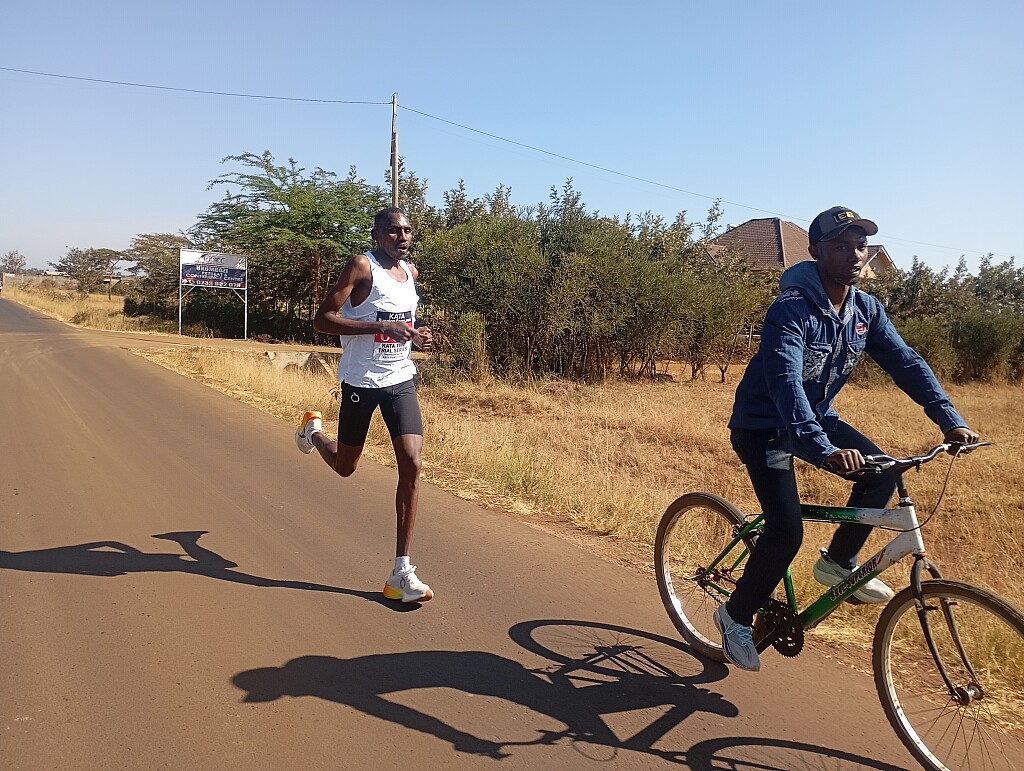
KATA Time Trial Series Reaches 59th Edition as Runners Chase Breakthroughs in Testing Conditions
There was plenty of energy, ambition and competitive fire at the 59th edition of the KATA Time Trial Series today, as athletes returned to the familiar challenge of testing their fitness, sharpening their race rhythm and measuring just how far their training has taken them.
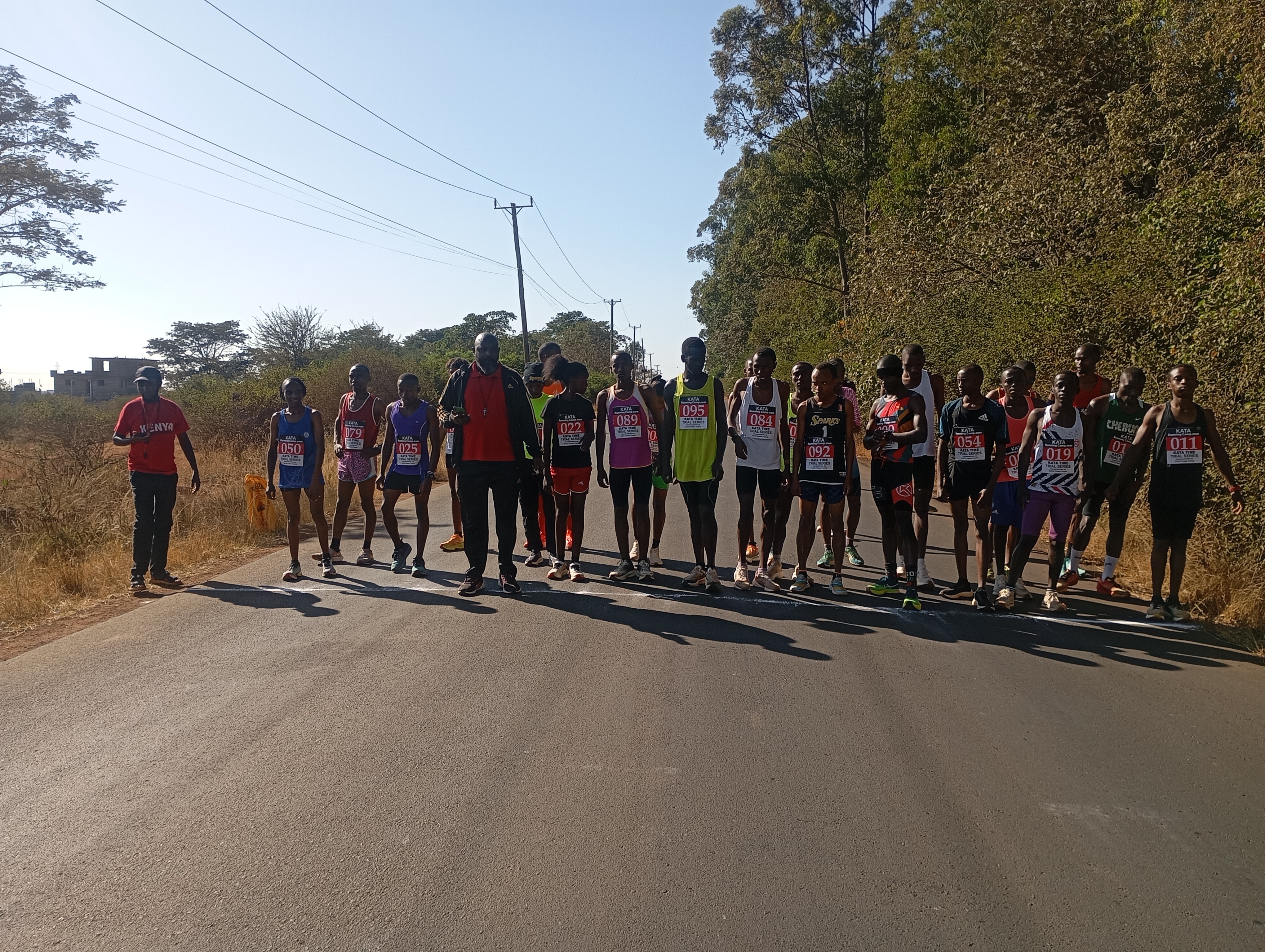
The latest edition brought together runners across the 5km and 10km distances, creating another rewarding morning of competition. The weather was generally favourable for racing, although temperatures were quite high, adding an extra layer of difficulty to an already demanding test of endurance.
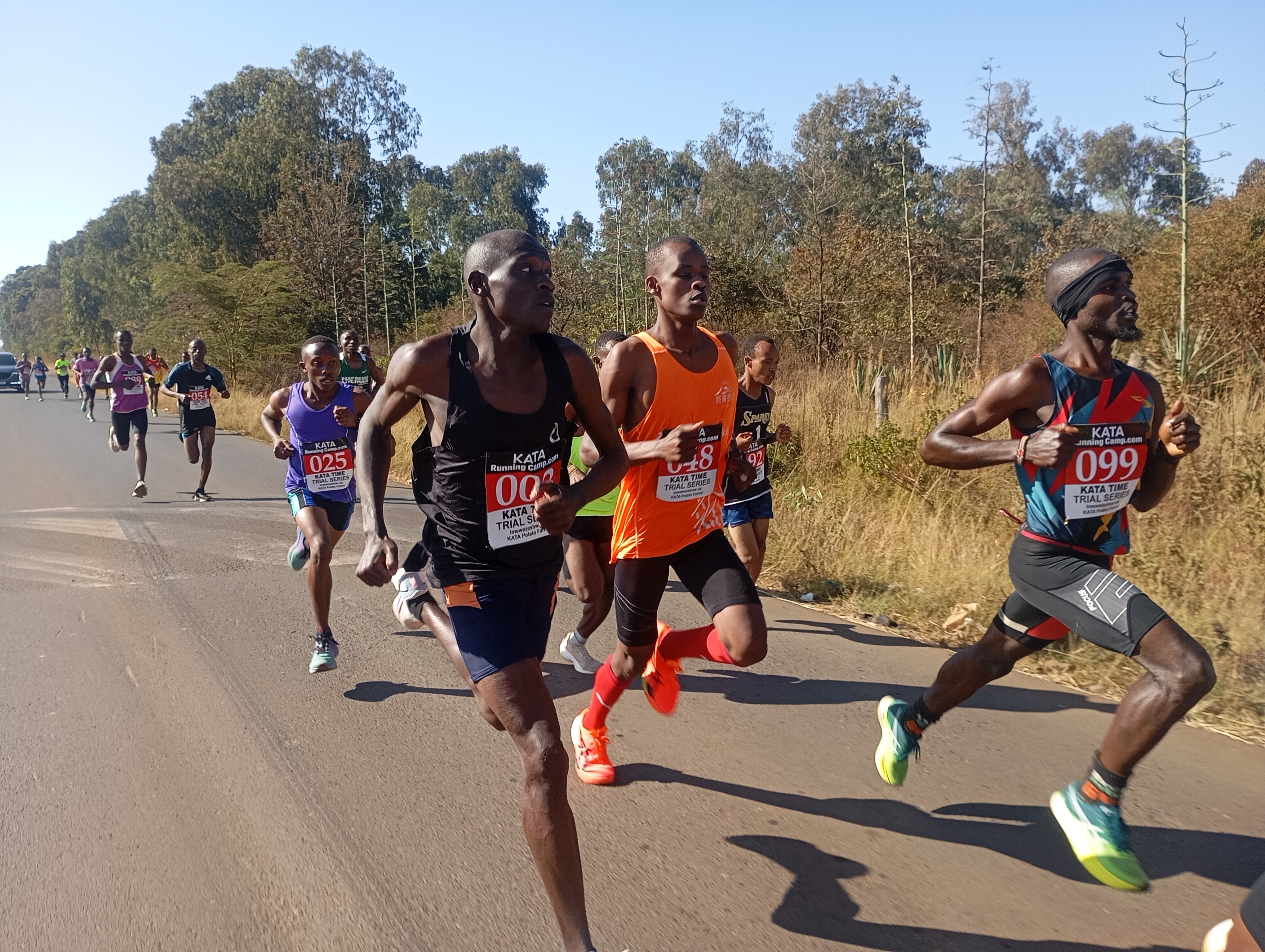
From the opening kilometres of the 10km races, the runners moved as tightly packed groups, carefully gauging one another while pushing a strong and controlled pace. The leaders remained close together through the early stages, each athlete seemingly unwilling to surrender precious ground. As the kilometres rolled by and the heat gradually began to make its presence felt, maintaining that rhythm required patience, discipline and a willingness to suffer.
Eventually, the sustained pace began to stretch the field. The compact groups slowly fractured, with the strongest runners beginning to establish their advantage and the battles for the leading positions becoming increasingly intense. Every surge mattered, every gap carried significance, and each athlete had to find the delicate balance between ambition and conserving enough strength for the decisive kilometres.
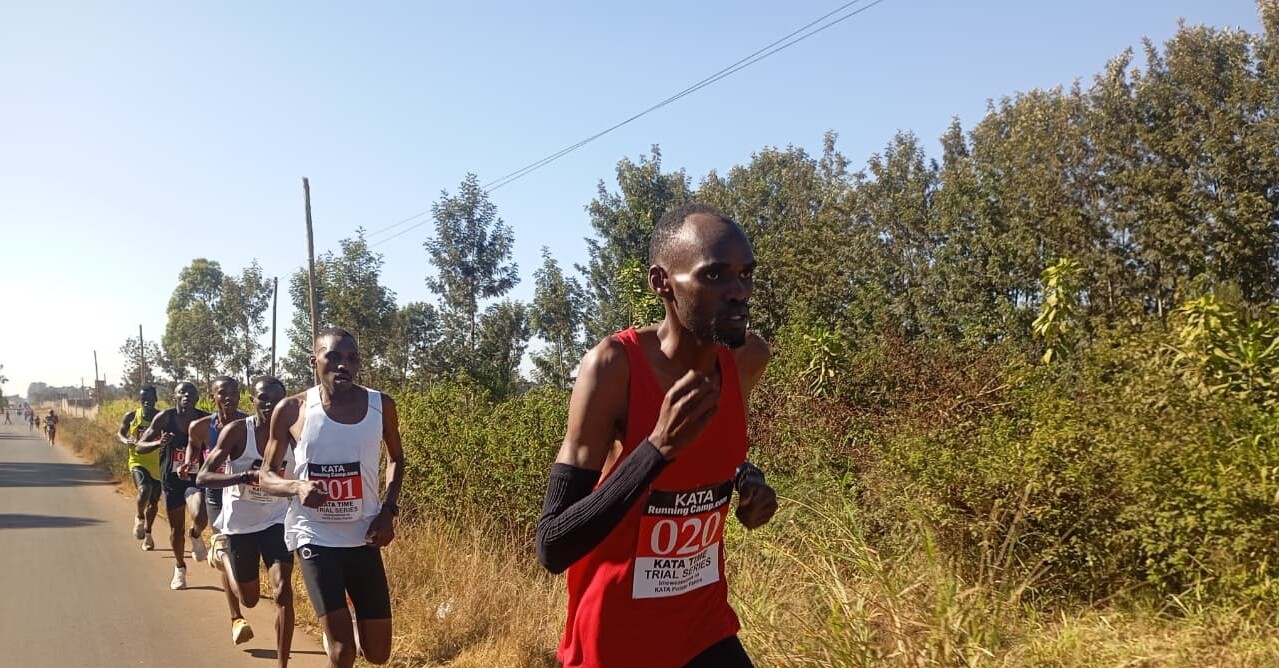
In the men’s 10km, Peter Wanyoike produced the standout performance of the day, powering to victory in 30:36. He was closely followed by Robin Musa, who crossed the line in 30:51, while Charles Wanjora completed the podium in 31:01.
Erick Cheruiyot was only two seconds further back, finishing fourth in 31:03, with Vincent Kiprotich rounding out the top five in 31:28. Justus Nyamai followed in 31:38, ahead of Fredrick Wambua in 32:23 and Ismael Mburu in 32:44.
The field remained competitive deeper into the results, with Martin Mambo recording 33:39 and Francis Maina finishing in 33:48. Anthony Kariuki crossed the line in 34:21, followed by Andrew Kimanzi in 35:21, Lewis Kamau in 35:29, Eric Mwaura in 36:24, Eugene Wambua in 37:48 and Simon Ngereza in 38:08.
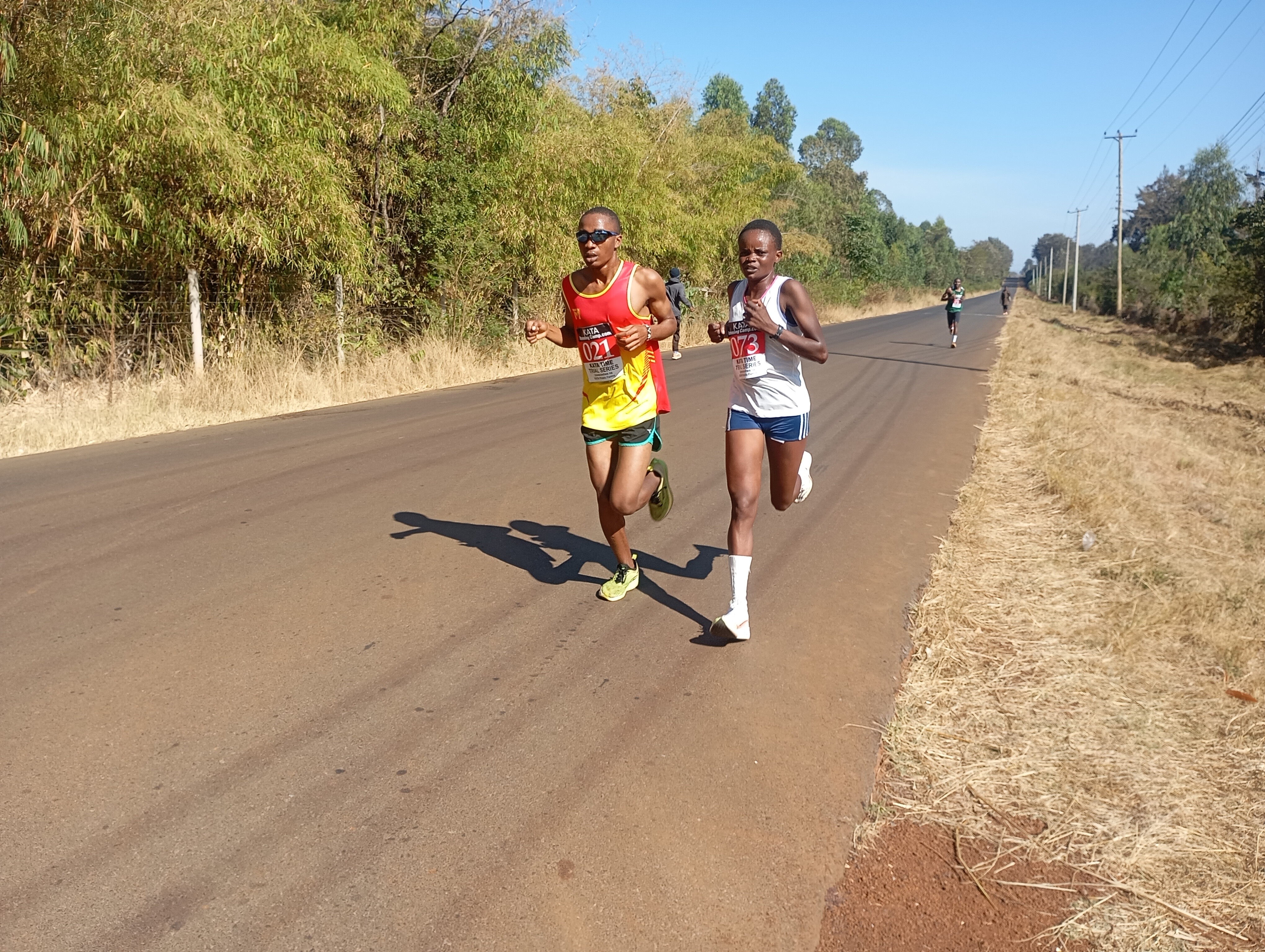
The women’s 10km also delivered an impressive display of determination, with Felister Maina leading the way in 37:37. Naomi Wambui Muriuki was a close second in 37:52, while Felister Mbatha completed the top three in 47:40.
The shorter races provided their own moments of excitement. In the men’s 5km, Edwin Muasa set the pace from the front to win in 16:17, with John Mutuku taking second in 16:54. Jason Wambua finished third in 17:52, while John Nzioka was fourth in 19:22.
The women’s 5km was won by Rachel Njeri, who stopped the clock at 22:21. Winfred Mueni followed in 24:05, with Janet Thuguri completing the podium in 25:43.
For some athletes, the morning brought the sweetest reward of all—a new personal best. After weeks of disciplined training and countless kilometres, seeing a new mark appear on the stopwatch offered a special reminder that patience and persistence eventually bear fruit. Others stepped onto the KATA Time Trial stage for the first time, embracing the excitement of making their debut and adding a fresh spark to the competition.
But not every runner walked away with the performance they had hoped for. Some found the pace, the heat or simply the demands of the day more challenging than expected, finishing without quite reaching their personal targets. Yet those performances should not be viewed as setbacks without value. Every race has its lessons, and an unexpected result can often become the starting point for renewed determination, smarter training and a stronger performance the next time around.
That mixture of breakthroughs, debuts, lessons and unfinished ambitions is what makes the KATA Time Trial Series so meaningful. Whether an athlete leaves with a personal best, a podium finish, a first taste of competition or a result that leaves them hungry for more, everyone gains another piece of experience to take back into training.
The relatively high temperatures demanded composure and careful effort, but the athletes continued to fight for every second until the finish. For many, the 59th edition was not simply about where they finished—it was another important chapter in their individual journeys.
The KATA Time Trial Series continues to provide a valuable platform for athletes to challenge themselves, measure progress and turn hard training into tangible performance. With the 59th edition now in the books, the stopwatch has delivered another set of stories—of breakthroughs, perseverance, first steps and lessons learned.
And as the runners return to training, one thing remains certain: the next opportunity to run faster is already waiting.
*5k men*
1. Edwin Muasa 20 25 16:17
2. John Mutuku 16 54 16:54
3. Jason Wambua 18 89 17:52
4. John Nzioka 17 33 19:22
*5k women*
1. Rachel Njeri 14 04 22:21
2. Winfred Mueni 15 22 24:05
3. Janet Thuguri 15 13 25:43
*10km women*
1. Felister Maina 37 73 37:37
2. Naomi Wambui Muriuki 42 50 37:52
3. Felister Mbatha 19 12 47:40
*10km men*
1. Peter Wanyoike 01 28 30:36
2. Robin Musa 18 84 30:51
3. Charles Wanjora 24 03 31:01
4. Erick Cheruiyot 30 20 31:03
5. Vincent Kiprotich 24 95 31:28
6. Justus Nyamai 18 94 31:38
7. Fredrick Wambua 21 96 32:23
8. Ismael Mburu 26 99 32:44
9. Martin Mambo 34 30 33:39
10. Francis Maina 20 11 33:48
11. Anthony Kariuki 28 29 34:21
12. Andrew Kimanzi 21 92 35:21
13. Lewis Kamau 38 79 35:29
14. Eric Mwaura 19 19 36:24
15. Eugene Wambua 21 21 37:48
16. Simon Ngereza 25 16 38:08
by Erick Cheruiyot for My Best Runs.
Login to leave a comment

KATA Time Trial Series
Welcome to the KATA Monthly Time Trial Held at the Kenyan Athletics Training Academy in Thika, Kenya, the KATA Monthly Time Trial is a unique and inclusive event designed to support runners of all levels in achieving their goals and showcasing their fitness. This event offers both 10K and 5K distances on an accurate, certified course, providing participants with...
more...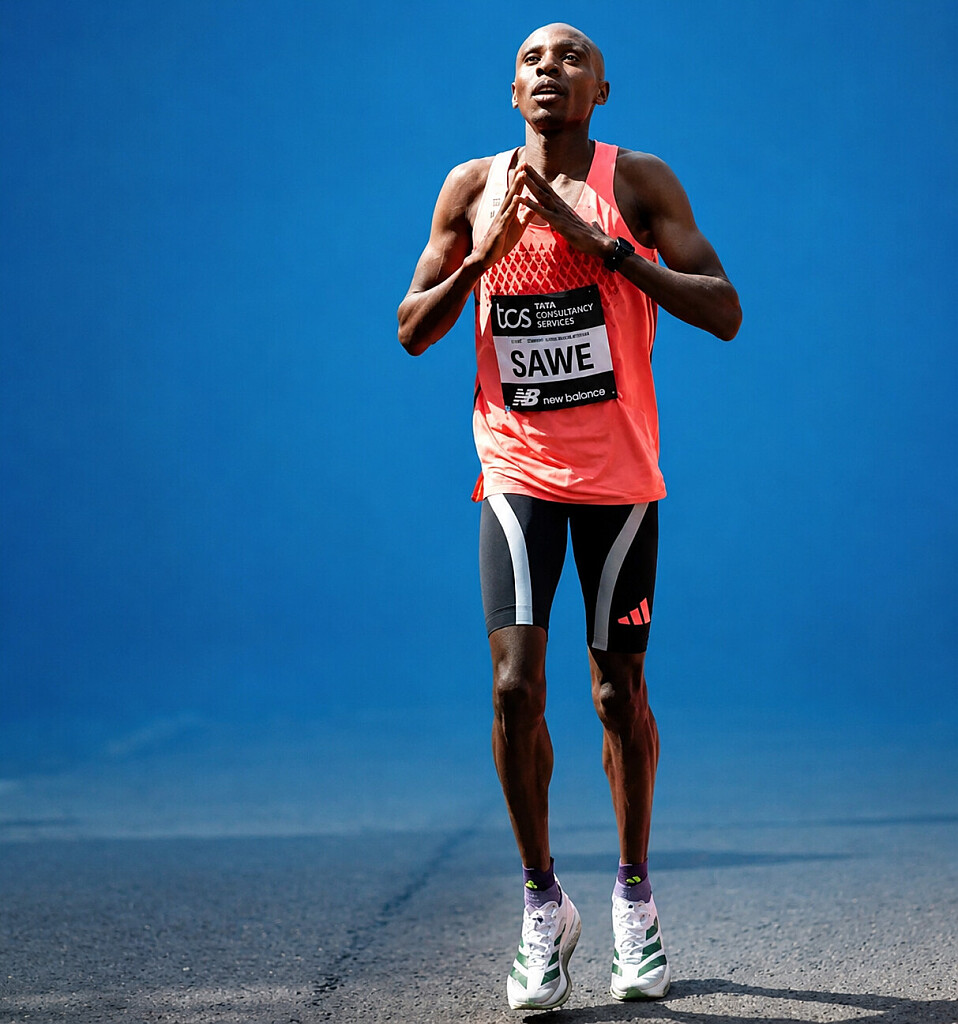
Sabastian Sawe Set for Another Historic Berlin Marathon as Elite Field Takes Shape
World record holder Sabastian Sawe is set to return to the BMW Berlin Marathon on September 27, where the Kenyan superstar will defend his title and attempt to add another remarkable chapter to his already extraordinary marathon career.
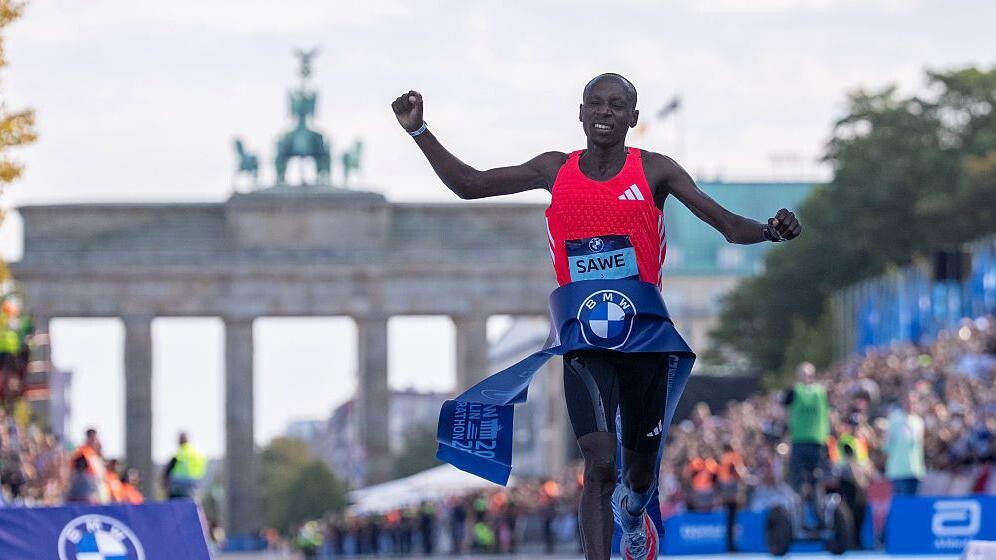
Sawe arrives in Berlin with unprecedented confidence after his sensational 1:59:30 performance in London, which made him the first athlete to officially break the two-hour barrier in the marathon. That landmark achievement has elevated expectations for his return to the German capital, where he will once again line up on one of the fastest marathon courses in the world.
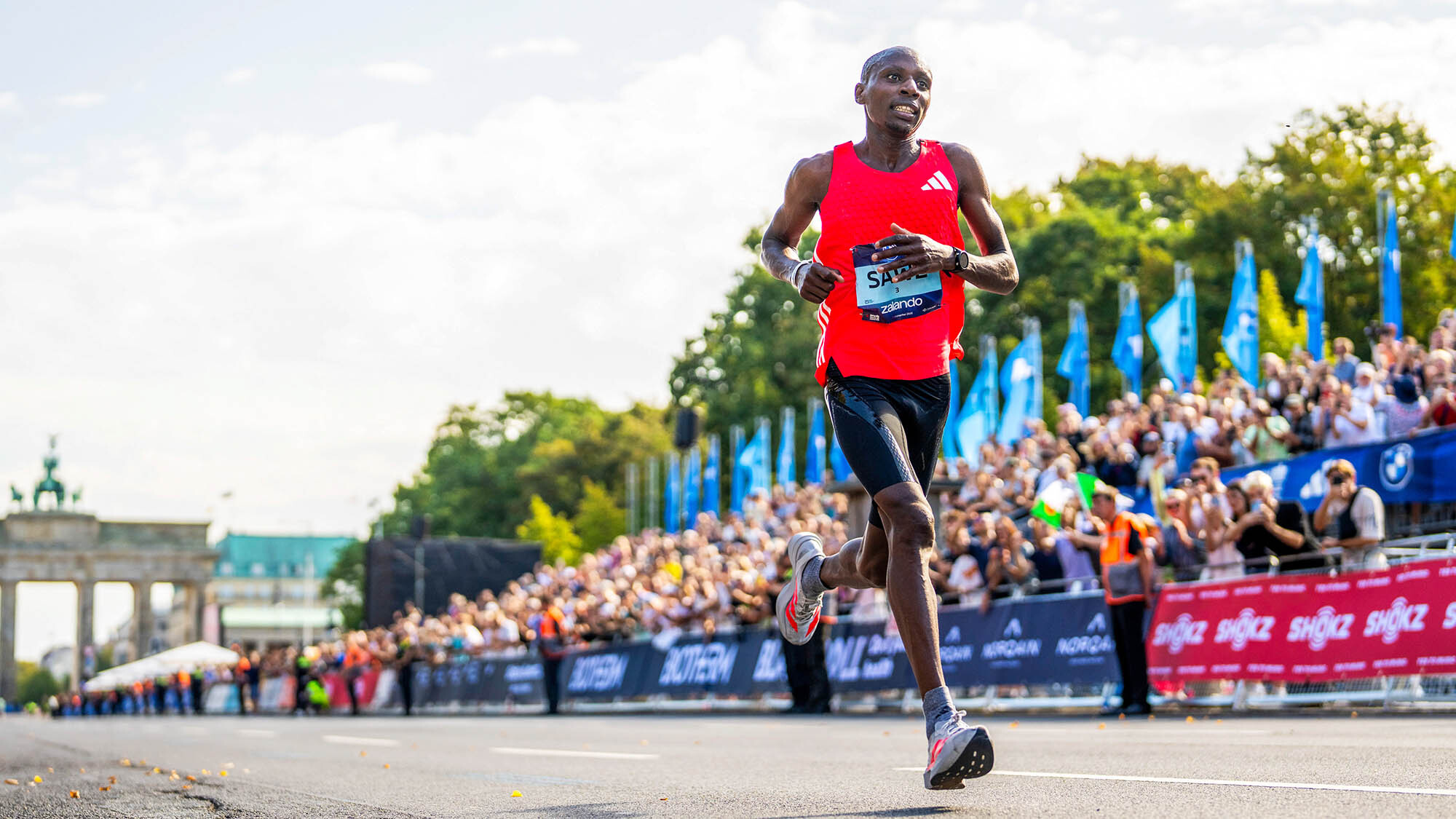
The Kenyan won the 2025 Berlin Marathon in 2:02:16 despite warm conditions, demonstrating his ability to produce a world-class performance even when circumstances are far from ideal. This time, he returns as the defending champion and world-record holder, with the famously flat Berlin course providing another opportunity to test the limits of what is possible over 42.195km.
Berlin has a remarkable history of producing record-breaking performances, and Sawe's presence immediately raises the possibility of another extraordinary race. The question now is whether the 31-year-old can go beyond his own 1:59:30 world record and take the marathon to an even higher level.
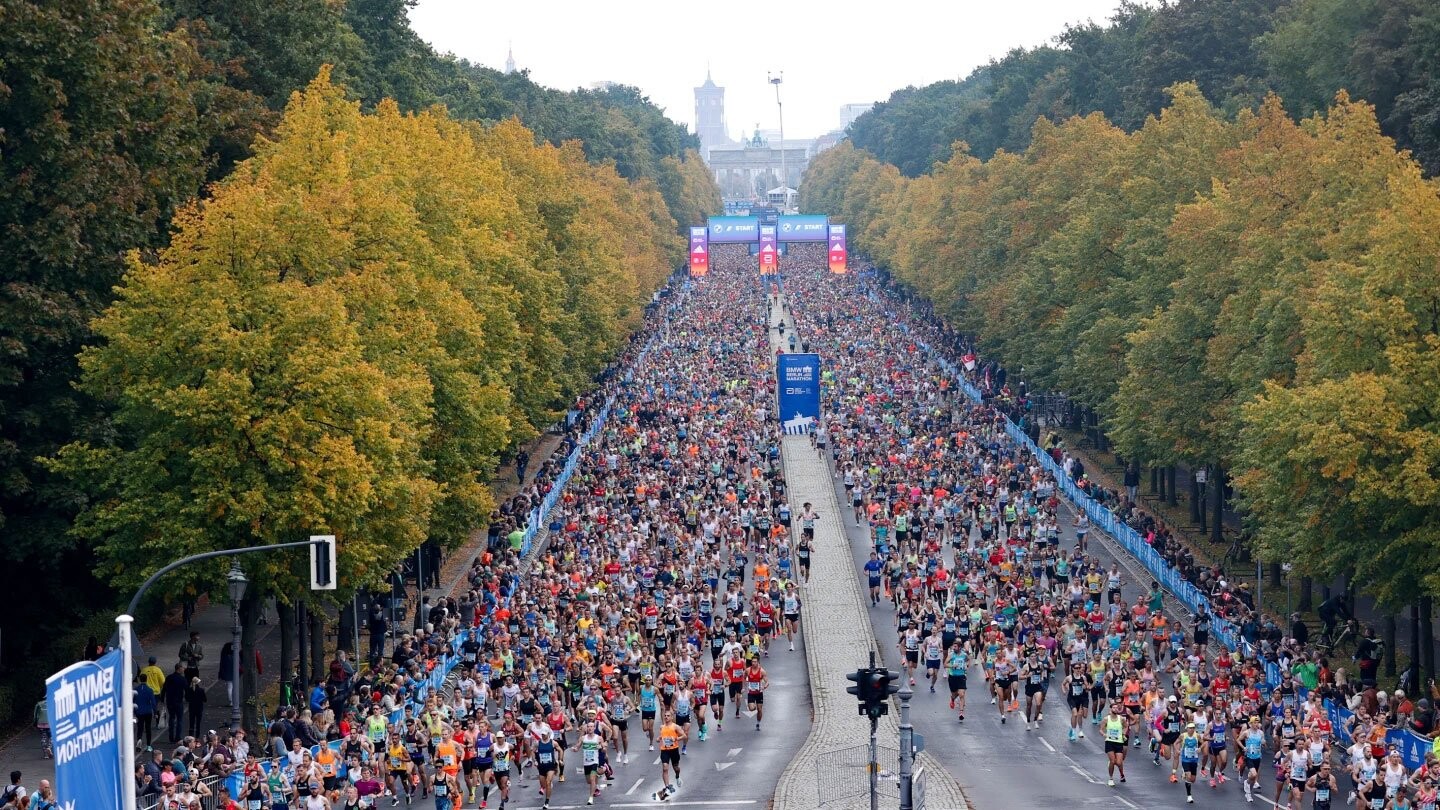
However, Sawe will face formidable opposition.
Tanzania’s Gabriel Geay has joined the elite field, bringing a personal best of 2:03:00 set in Valencia in 2022. The 29-year-old Tanzanian record holder established himself among the world’s leading marathoners with that performance and further underlined his credentials by finishing runner-up at the 2023 Boston Marathon.
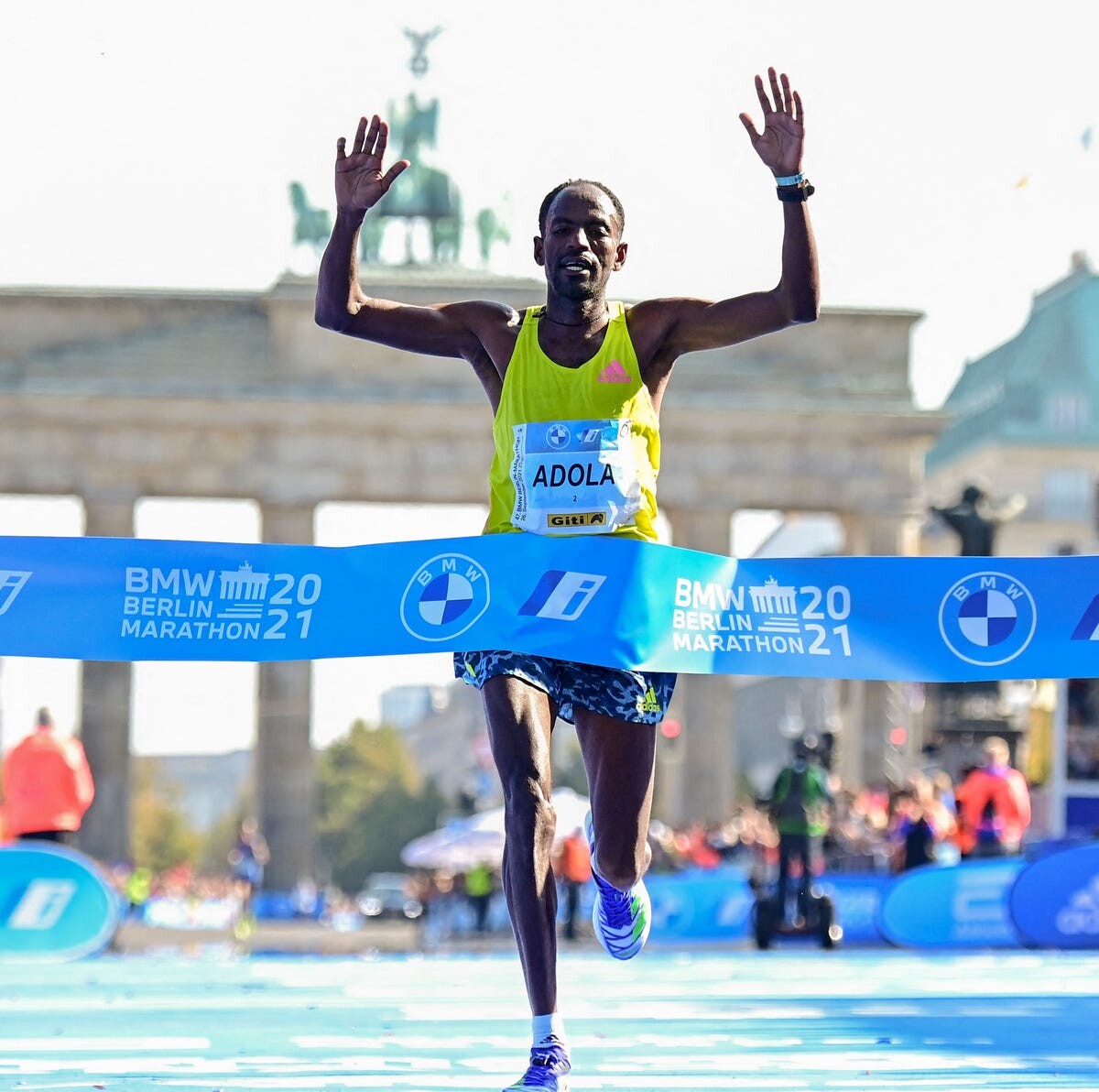
Ethiopia’s Guye Adola will also return to Berlin, the scene of some of the most memorable moments of his marathon career. In 2017, Adola stunned the athletics world on his marathon debut, pushing Eliud Kipchoge deep into the race before finishing second in a remarkable 2:03:46. Four years later, on September 26, 2021, Adola returned to Berlin and claimed victory in 2:05:45, adding another significant chapter to his association with the iconic German marathon. Now, after his recent return to top form, he will once again line up on the streets where he has already made history.
Now 35, Adola has endured injury setbacks in recent years, but his victory at the Rotterdam Marathon in 2:03:54 this spring proved that he remains a major force on the international marathon circuit.
The addition of Geay and Adola adds further quality to a field already packed with athletes capable of running at an extraordinary pace. With Sawe leading the charge, Berlin is shaping up to deliver another thrilling battle among some of the world's finest marathoners.
The depth of the field extends well beyond the leading contenders, with Ethiopia boasting an imposing group of marathoners. Getaneh Molla (2:03:34), Shura Kitata (2:03:59), Dejene Hailu (2:04:15), Selemon Barega (2:05:00), Taresa Tolosa (2:05:17), Tadu Abate (2:05:38), Asefa Boki (2:05:40) and Andamlak Belihu (2:06:40) will all bring proven credentials and the ambition to challenge for fast times in Berlin.
Japan, meanwhile, has assembled a particularly deep contingent, led by Kenya Sonota (2:05:59), Tsubasa Ichiyama (2:06:00), Kyoto Hirabayashi (2:06:14), Yuhei Urano (2:06:23), Hidekazu Hijikata (2:06:26), Yusuke Nishiyama (2:06:31), Naoki Koyama (2:06:33), Kazuya Nishiyama (2:06:45), Daisuke Uekado (2:06:54) and Shin Kimura (2:07:34). China’s Jie He (2:06:57) and Kenya’s Richard Yator (2:07:36) complete a remarkably deep field, setting the stage for a race where the battle for victory could be accompanied by a long list of outstanding personal performances.
For Sawe, though, the challenge goes beyond defending his Berlin crown. Having already broken the two-hour barrier, he now has an opportunity to chase an even more remarkable achievement on a course renowned for producing marathon history.
Can Sabastian Sawe lower his own 1:59:30 world record in Berlin on September 27?
The countdown is on, and if the conditions are right, the defending champion could once again have the marathon world watching every step.
by Erick Cheruiyot for My Best Runs.
Login to leave a comment

BMW Berlin Marathon
The story of the BERLIN-MARATHON is a story of the development of road running. When the first BERLIN-MARATHON was started on 13th October 1974 on a minor road next to the stadium of the organisers‘ club SC Charlottenburg Berlin 286 athletes had entered. The first winners were runners from Berlin: Günter Hallas (2:44:53), who still runs the BERLIN-MARATHON today, and...
more...
KATA Time Trial Series 58th Edition: Athletes Rise to the 10km Challenge Under Tough Conditions
The 58th edition of the KATA Time Trial Series was held today, once again bringing together athletes eager to measure their progress and put their training to the test. As has become tradition, the time trial served as a valuable benchmark for fitness and race readiness, with competitors giving their all despite warm and demanding conditions.
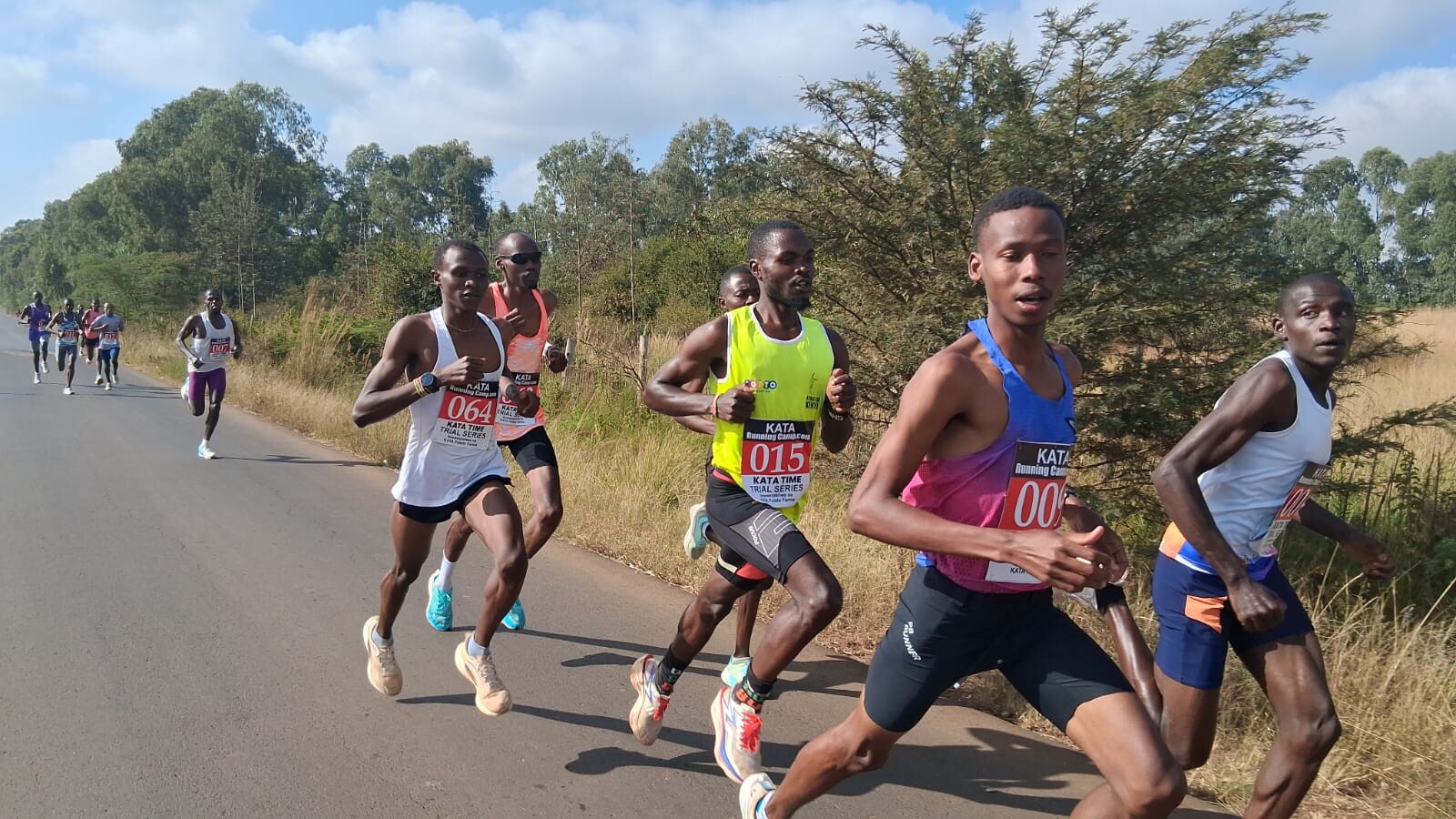
Unlike previous editions, there were no entries in the 5km race. Every athlete chose to tackle the more demanding 10km distance, making for a competitive morning where endurance, discipline, and determination were put to the ultimate test.
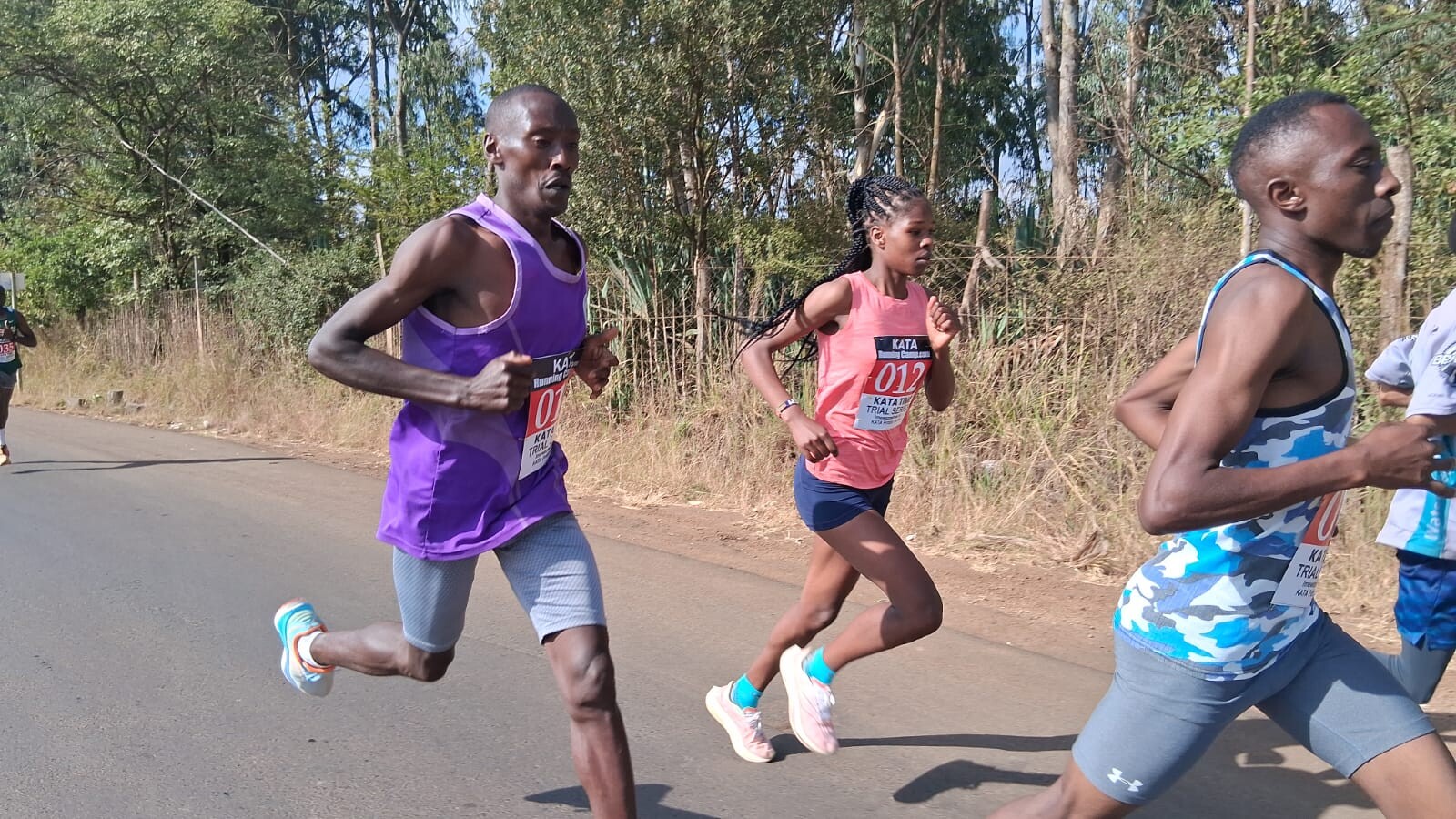
The hot weather added another layer of difficulty, forcing athletes to manage their pace carefully from start to finish. Even so, several runners produced remarkable performances, with a number of them lowering their personal best times. Others found the conditions more challenging than expected, but every athlete gained valuable racing experience that will strengthen their preparations for future competitions.
In the women's race, Caren Chepkwony produced an outstanding run to claim victory in 36:52, while Felistter Mbatha completed the course in 48:13, showing great determination throughout the race.
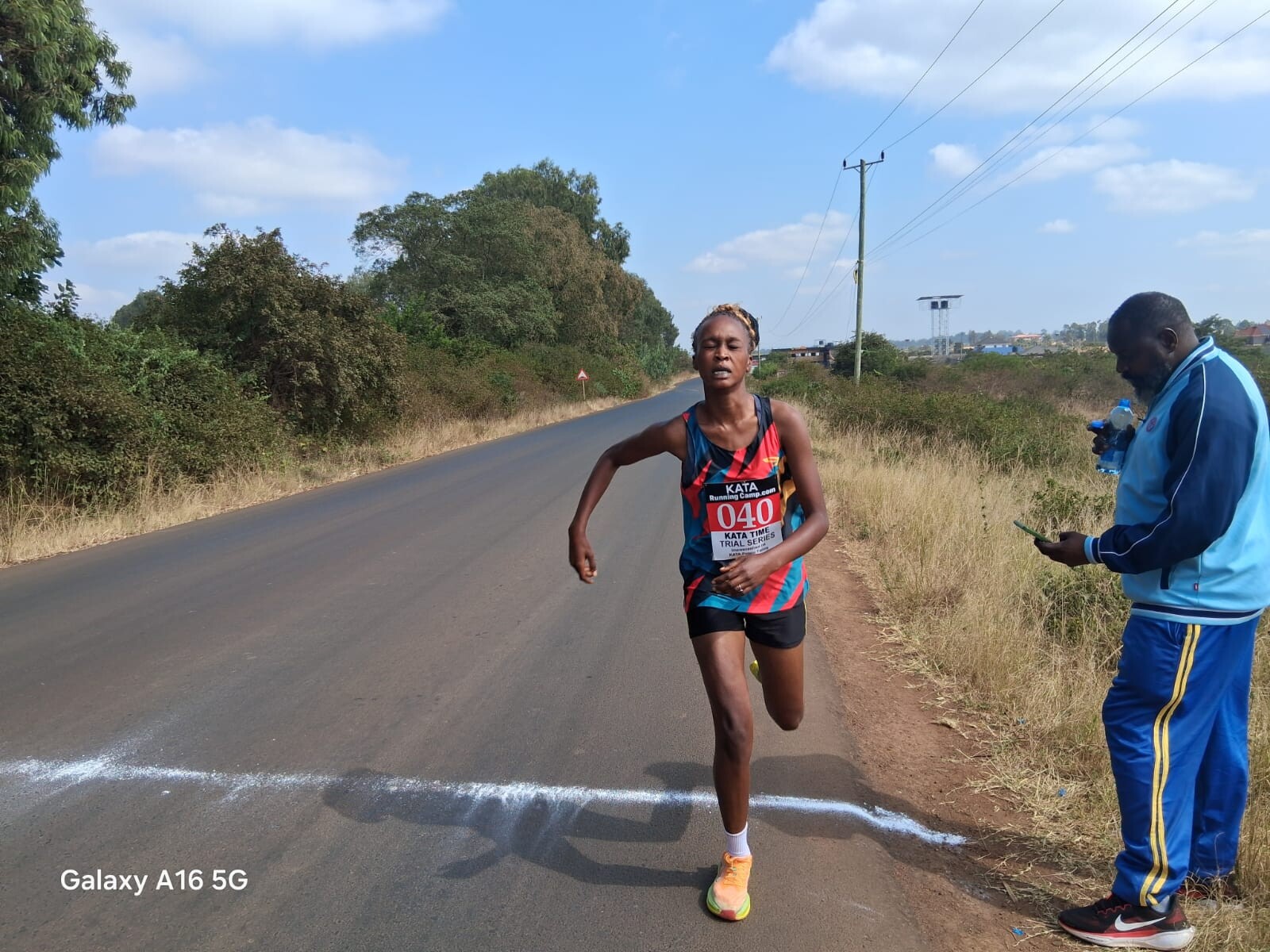
The men's competition was equally impressive. Robin Musa led the field with an excellent winning time of 30:26, followed by Charles Wanjora in second place with 31:21. Justus Nyamai secured third in 31:40, while Erick Cheruiyot crossed the line fourth in 32:11. Ishmael Mburu completed the top five with 32:41.
Also delivering commendable performances were David Muriuki (33:26), Anthony Kariuki (33:28), Paul Ng'ang'a (35:58), Andrew Kimanzi (37:22), George Kamau (37:29), Simon Ngereza (37:34), and Charles Ndirangu (39:31), each demonstrating commitment and resilience in the challenging conditions.
While today's event produced new personal bests for some athletes, others were reminded that improvement is a journey built through persistence and consistency. Every finish line crossed represented another step forward in preparation for the races ahead.
The KATA Time Trial Series continues to be more than just a race. It is a platform where athletes evaluate their progress, learn from every performance, and continue pursuing excellence. With the 58th edition now complete, attention shifts to the next challenge as runners return to training inspired to come back stronger and faster.
10km women
1 Caren Chepkwony 24 12 36:52
2 Felistter Mbatha 19 40 48:13
10km MEN
1 Robin Musa 17 64 30:26
2 Charles Wanjora 24 06 31:21
3 Justus Nyamai 18 09 31:40
4 Erick Cheruiyot 30 62 32:11
5 Ishmael Mburu 26 15 32:41
6 David Muriuki 40 38 33:26
7 Anthony Kariuki 28 11 33:28
8 Paul Ng'ang'a 43 14 35:58
9 Andrew Kimanzi 21 17 37:22
10 George Kamau 35 07 37:29
11 Simon Ngereza 25 35 37:34
12 Charles Ndirangu 65 10 39:31
by Erick Cheruiyot for My Best Runs.
Login to leave a comment
KATA Time Trial Series
Welcome to the KATA Monthly Time Trial Held at the Kenyan Athletics Training Academy in Thika, Kenya, the KATA Monthly Time Trial is a unique and inclusive event designed to support runners of all levels in achieving their goals and showcasing their fitness. This event offers both 10K and 5K distances on an accurate, certified course, providing participants with...
more...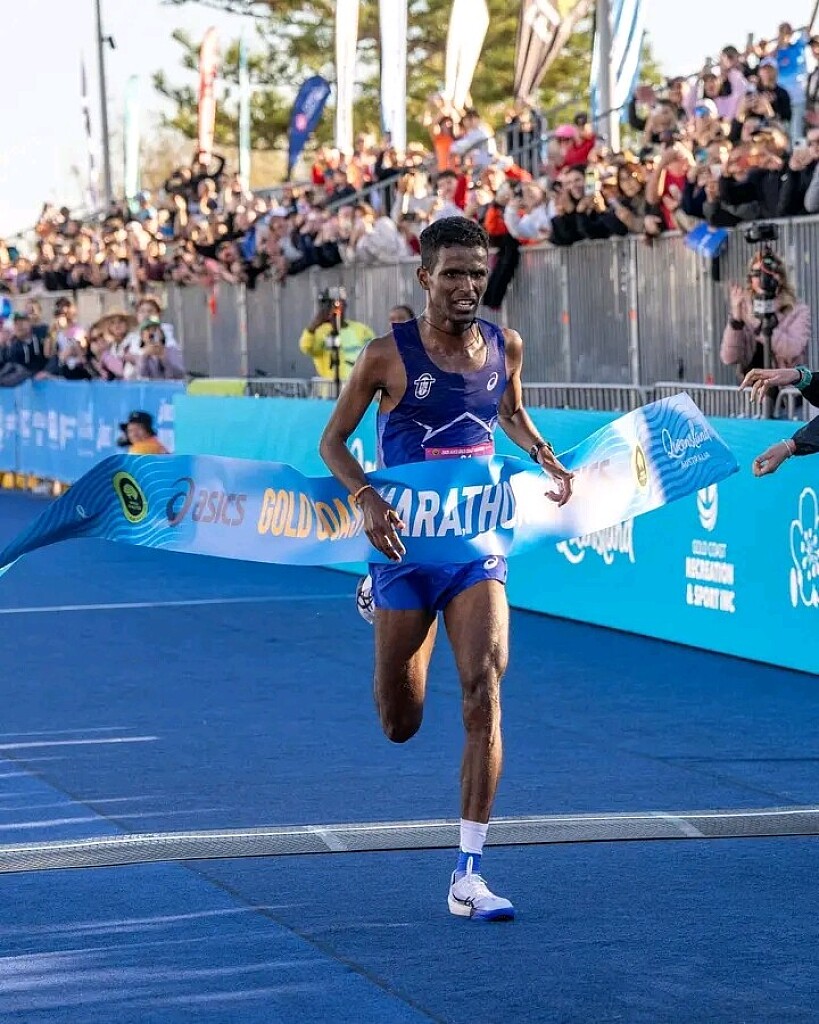
Haftu Strintzos Produces a Stunning Breakthrough to Win the 2026 ASICS Gold Coast Marathon
Australian distance runner Haftu Strintzos delivered the performance of his career with a commanding victory at the 2026 ASICS Gold Coast Marathon, storming to the men's title in an outstanding 2:06:20. Displaying remarkable strength, composure, and endurance from start to finish, Strintzos crossed the line alone to claim one of the biggest wins of his professional career on the famous streets of Queensland.
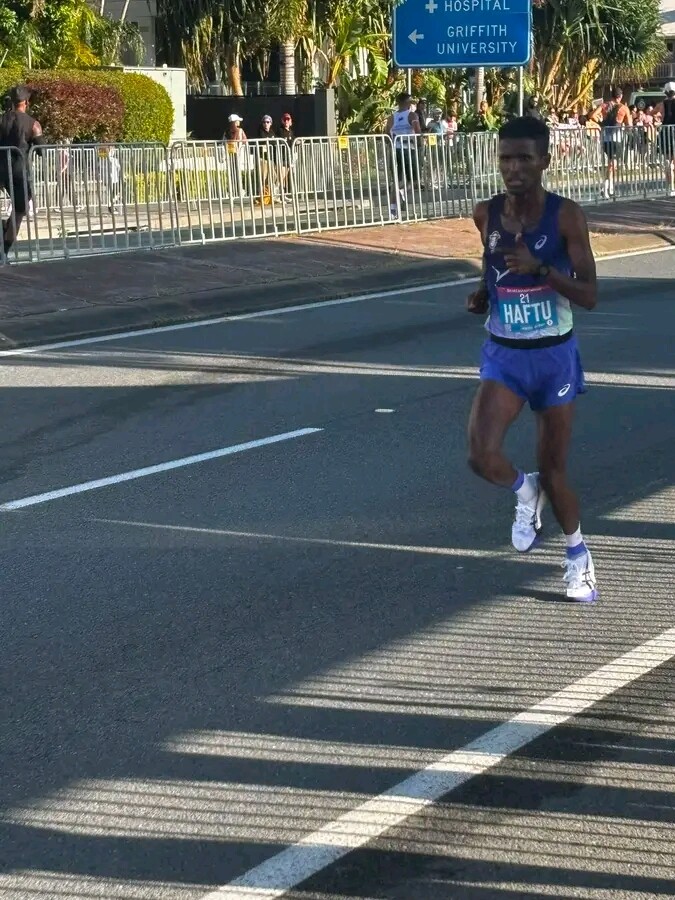
The triumph marked a significant milestone for the talented Australian, who mastered the fast Gold Coast course with an impressive blend of tactical intelligence and relentless pace. Roared on by enthusiastic home supporters, Strintzos maintained complete control in the closing stages before breaking the tape in emphatic fashion, confirming his emergence as one of Australia's leading marathon talents.
Japan enjoyed an exceptional day with a strong collective performance, filling four of the top seven positions. Hidekazu Hijikata secured second place in 2:07:20, while compatriot Jinya Ozaki completed the podium in 2:07:48. Ryoma Takeuchi followed in fourth with 2:08:20, and Kaisei Sugiyama rounded out the top five in 2:09:03, underlining Japan's remarkable depth in the marathon.

Kenya's Benson Tunyo Murkomen finished sixth in 2:09:18, producing another solid international performance, while Naoki Tomita of Japan claimed seventh place in 2:09:28 to complete an impressive display from the Japanese contingent.
Beyond the individual achievements, the race highlighted the growing global competitiveness of marathon running, with athletes from Australia, Japan, Kenya, and several other nations producing world-class performances on one of the sport's fastest courses. The high standard of competition and the thrilling battles throughout the field once again demonstrated why the Gold Coast Marathon remains one of the premier road racing events on the international calendar.
The 2026 ASICS Gold Coast Marathon once again lived up to its reputation as one of the world's fastest and most prestigious marathons. With elite athletes delivering outstanding performances and thousands of passionate spectators creating an unforgettable atmosphere, the event celebrated the very best of distance running. Haftu Strintzos' unforgettable breakthrough victory will be remembered as one of the defining moments of this year's race, marking a landmark achievement for Australian athletics and further enhancing the rich legacy of the Gold Coast Marathon.
by Erick Cheruiyot for My Best Runs.
Login to leave a comment

Gold Coast Airport Marathon
The Gold Coast Airport Marathon is held annually in one of the most popular holiday destinations in the world. It is Australia’s premier road race and was the first marathon in the country to hold an International Association of Athletics Federations (IAAF) Road Race Gold Label. The event is held on the first weekend of July and attracts more than...
more...
Gold Coast Marathon Set for a Spectacular Showdown as World-Class Elite Field Targets Fast Times
The countdown to the 46th edition of the ASICS Gold Coast Marathon is gathering momentum, and all signs point to one of the deepest and most competitive men's fields in the race's history. Scheduled for Sunday, 5 July, the prestigious Australian marathon has assembled an outstanding blend of proven champions, rising stars, and international contenders eager to leave their mark on the famous Gold Coast course.
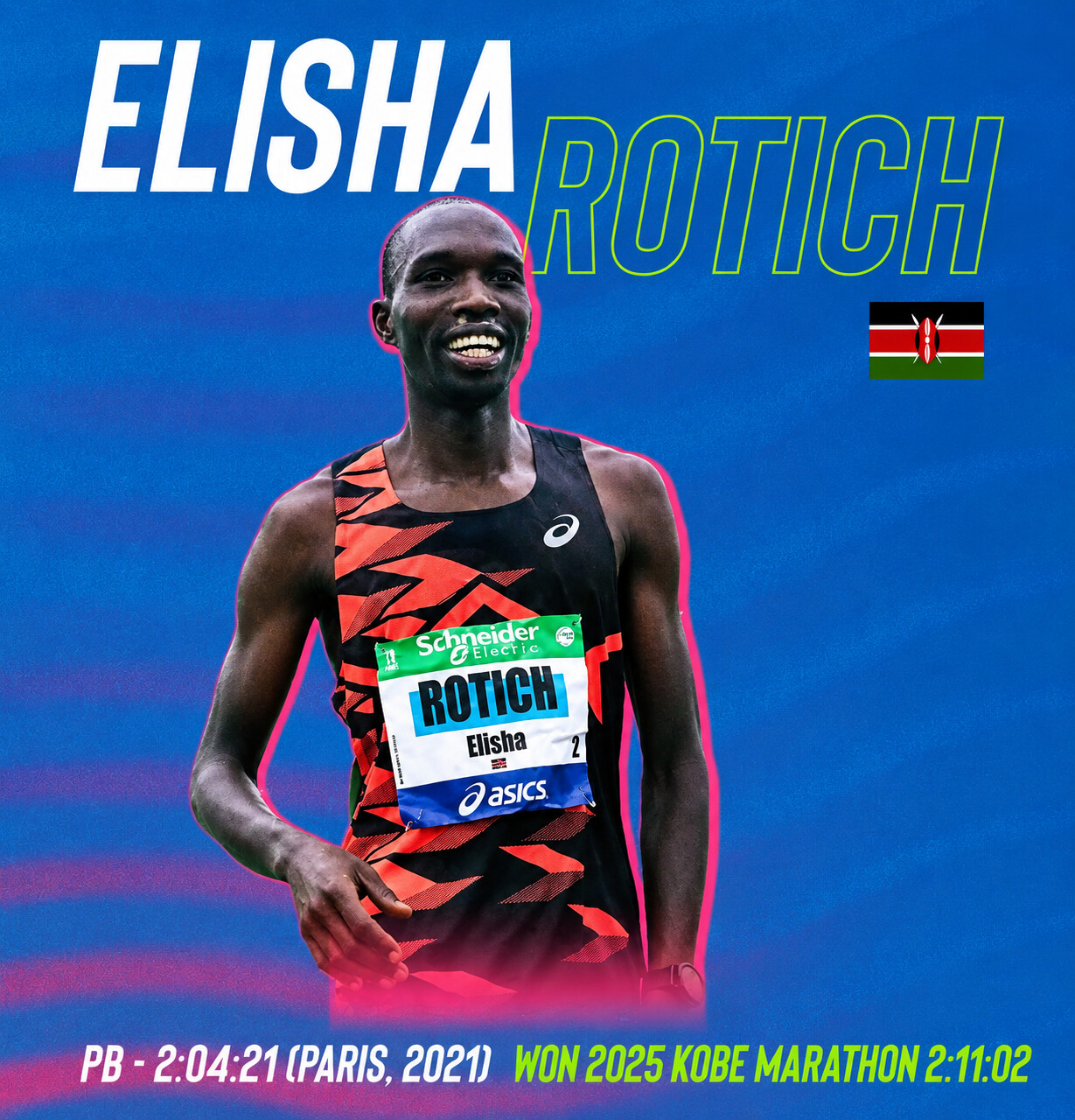
Leading the field is Kenya's Elisha Rotich, the fastest athlete on the start list with a personal best of 2:04:21, set in Paris. Rotich arrives as the man to beat, bringing world-class credentials and the experience of performing on the biggest marathon stages.
Ethiopia's Abayneh Degu Tsehay is expected to provide one of the sternest challenges after clocking 2:04:53, while fellow Kenyan Benson Tunyo, fresh off his impressive 2:06:10 performance in Osaka earlier this year, adds even greater firepower to an already stacked field.
Kenya's strength runs even deeper with Dominic Ngeno (2:06:37) and James Ngandu (2:10:17), both capable of pushing the pace and challenging for podium honours if conditions favour fast running.
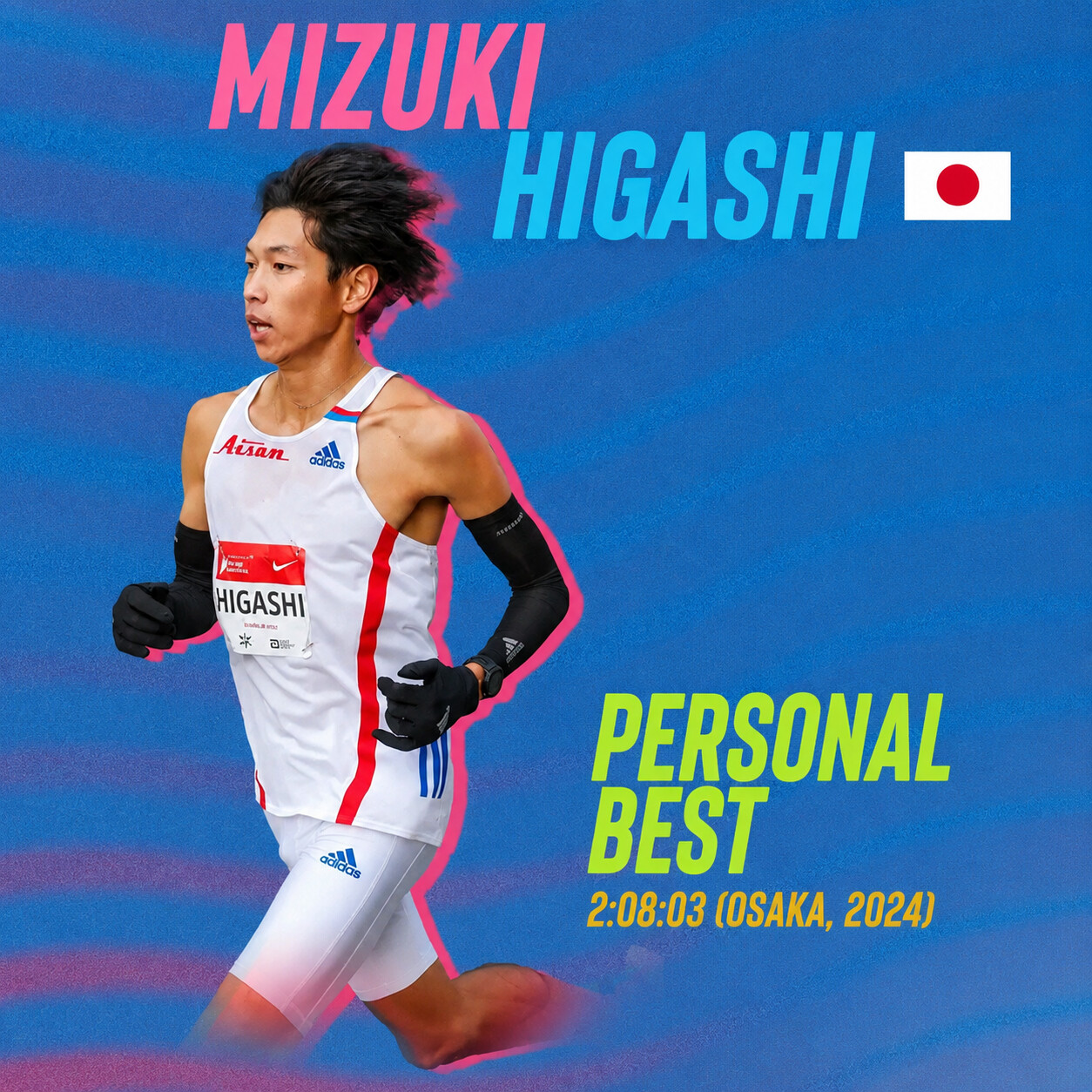
Japan, meanwhile, will have one of the largest representations in the elite race. Athletes including Hidekazu Hijikata (2:06:26), Mizuki Higashi (2:08:03), Ryoma Takeuchi (2:08:38), Ryuichi Hashimoto (2:09:40), Jo Fukuda (2:09:52), Kaisei Sugiyama (2:09:55), Hiromasa Kumahashi (2:10:31), Ryuichi Yoshioka (2:10:49), Naoki Tomita (2:10:49), Yudai Fukuda (2:11:16), Yuya Yamashita (2:11:37) and debutant Jinya Ozaki highlight the nation's remarkable depth in marathon running.
The international flavour of the race is further strengthened by Turkey's Ilham Ozbilen, Ethiopia's Enyew Nigat, American Josh Izewski, and Australian hopeful Haftu Strintzos, ensuring fans will witness a truly global contest.
One athlete who could surprise many is Jinya Ozaki, who will make his marathon debut after posting an outstanding 1:01:24 in the half marathon. His transition to the full distance will be one of the most intriguing storylines of the race.
With multiple athletes boasting personal bests under 2:07 and several others capable of significant breakthroughs, the battle is expected to unfold at a relentless pace from the opening kilometres. The Gold Coast's famously flat and fast course has produced exceptional performances over the years, and another memorable edition appears to be on the horizon.
As the world's attention turns to Australia's premier road race, fans can expect tactical racing, fierce international rivalry, and the possibility of spectacular finishing times. With such extraordinary depth assembled on one start line, the 2026 ASICS Gold Coast Marathon promises to deliver a thrilling chapter in the event's rich history.
by Erick Cheruiyot for My Best Runs.
Login to leave a comment
Gold Coast Airport Marathon
The Gold Coast Airport Marathon is held annually in one of the most popular holiday destinations in the world. It is Australia’s premier road race and was the first marathon in the country to hold an International Association of Athletics Federations (IAAF) Road Race Gold Label. The event is held on the first weekend of July and attracts more than...
more...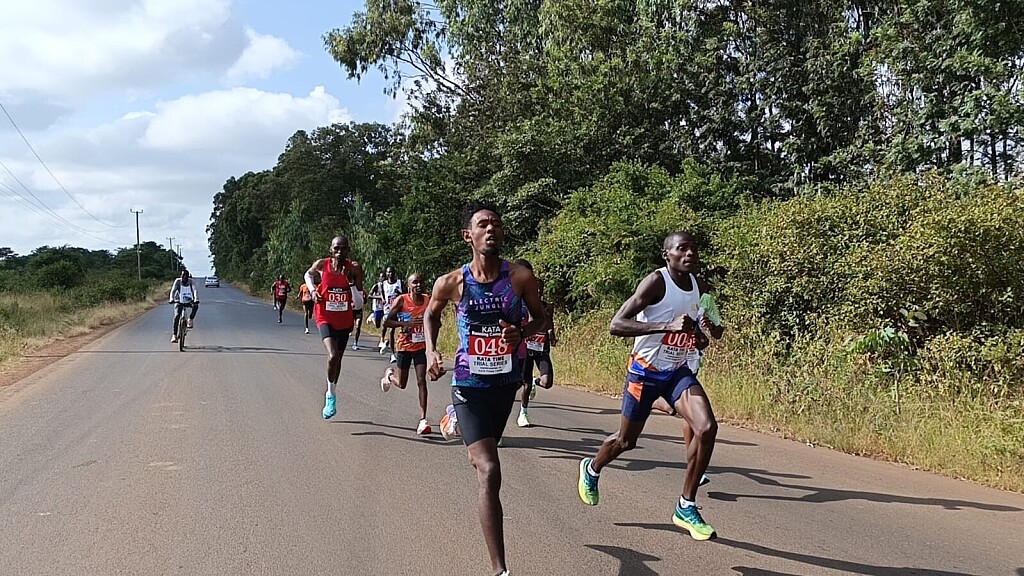
Personal Bests and Promising Performances Highlight the 57th KATA Time Trial Series in Thika
The stopwatch once again took centre stage in Thika as athletes gathered for the 57th edition of the KATA Time Trial Series, an event that continues to serve as one of Kenya's most respected platforms for measuring progress and pursuing excellence.
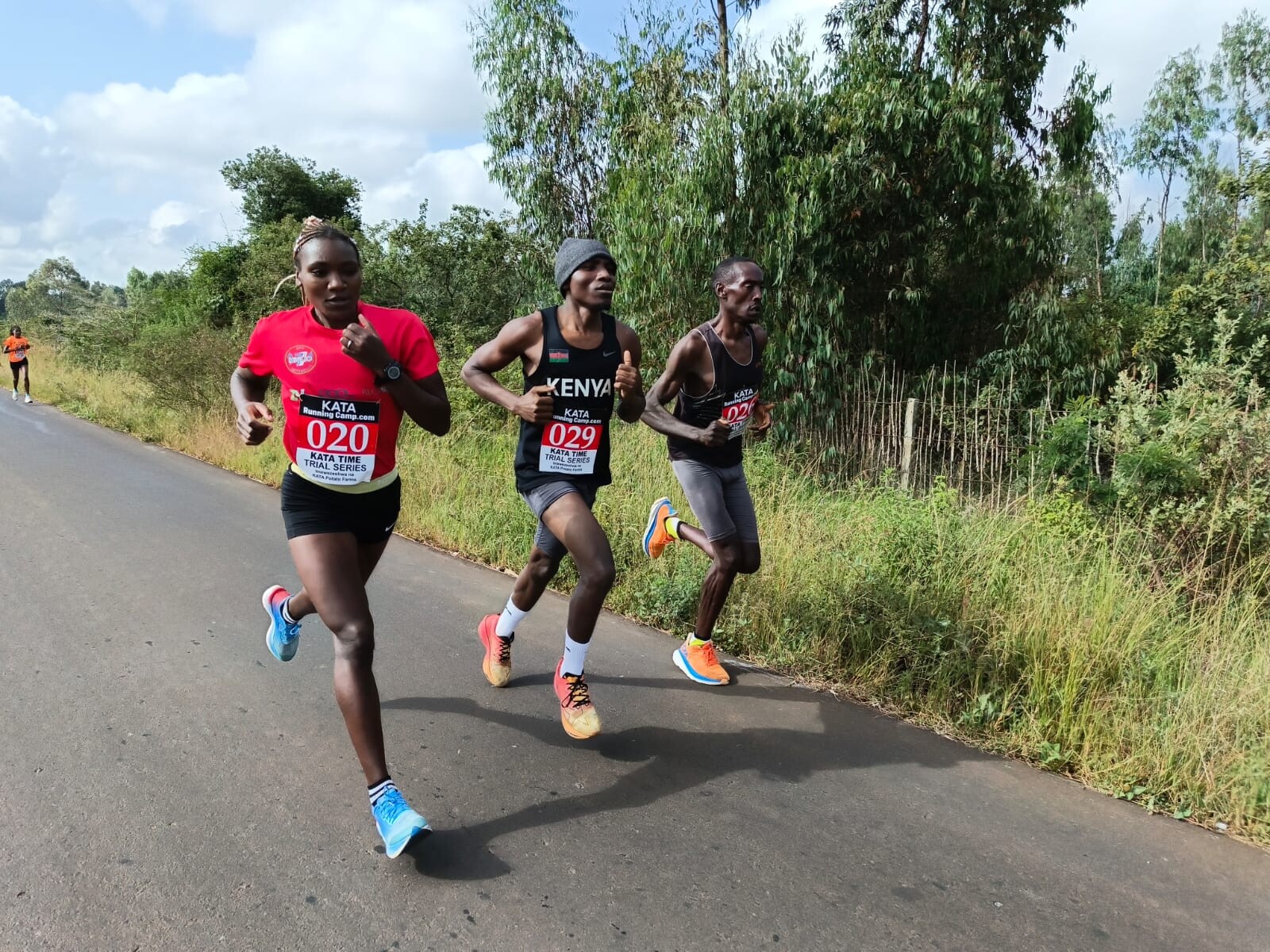
Held on the familiar roads surrounding the Kenyan Athletics Training Academy (KATA), the latest edition brought together runners at different stages of their athletic journeys, all united by a common objective: to test their fitness, challenge their limits, and chase new personal bests.
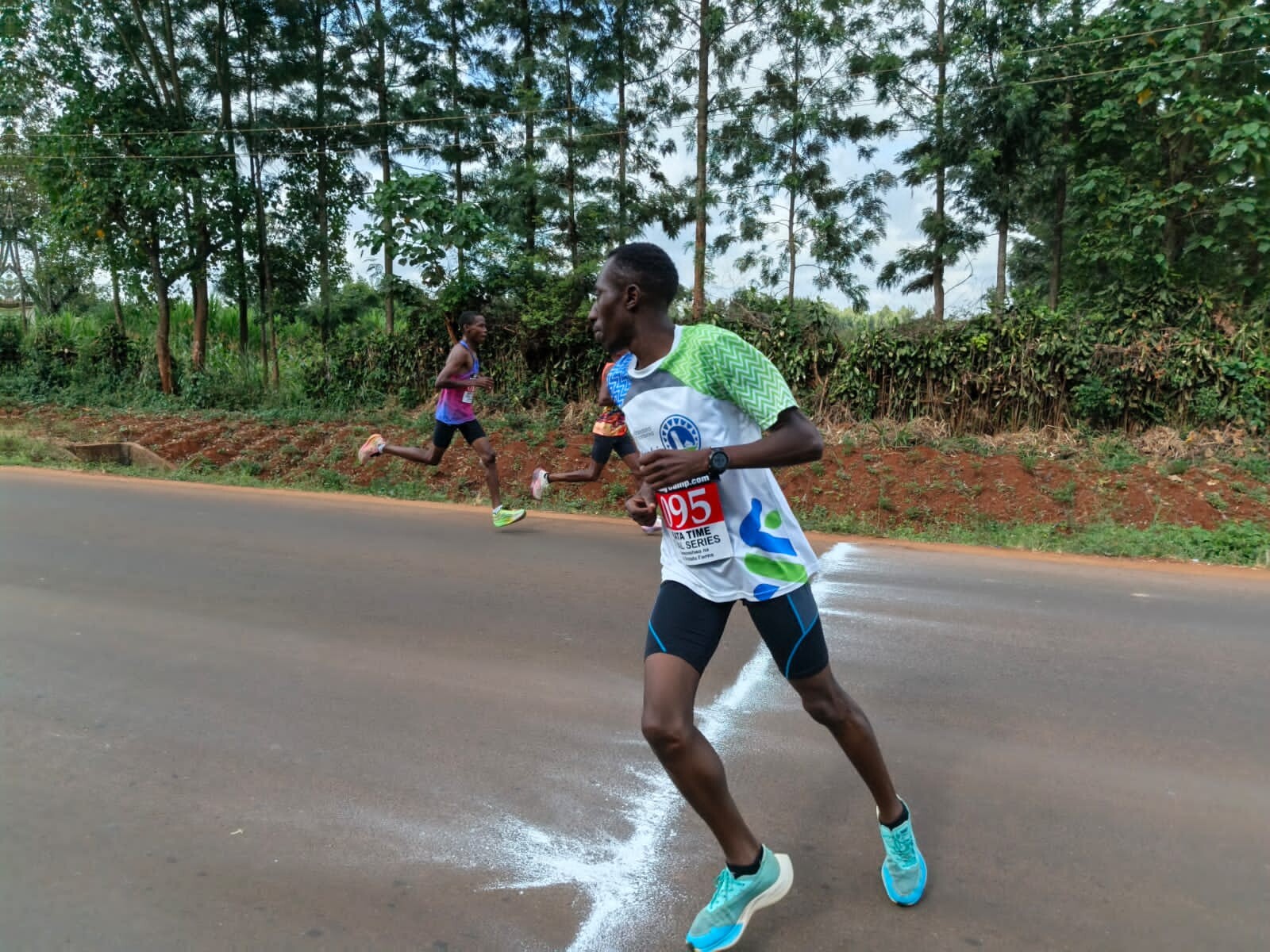
As expected, the competition was less about medals and fanfare and more about honest performances against the clock. Every athlete arrived carrying the weight of weeks and months of disciplined training, hoping to see that effort reflected in the final results.
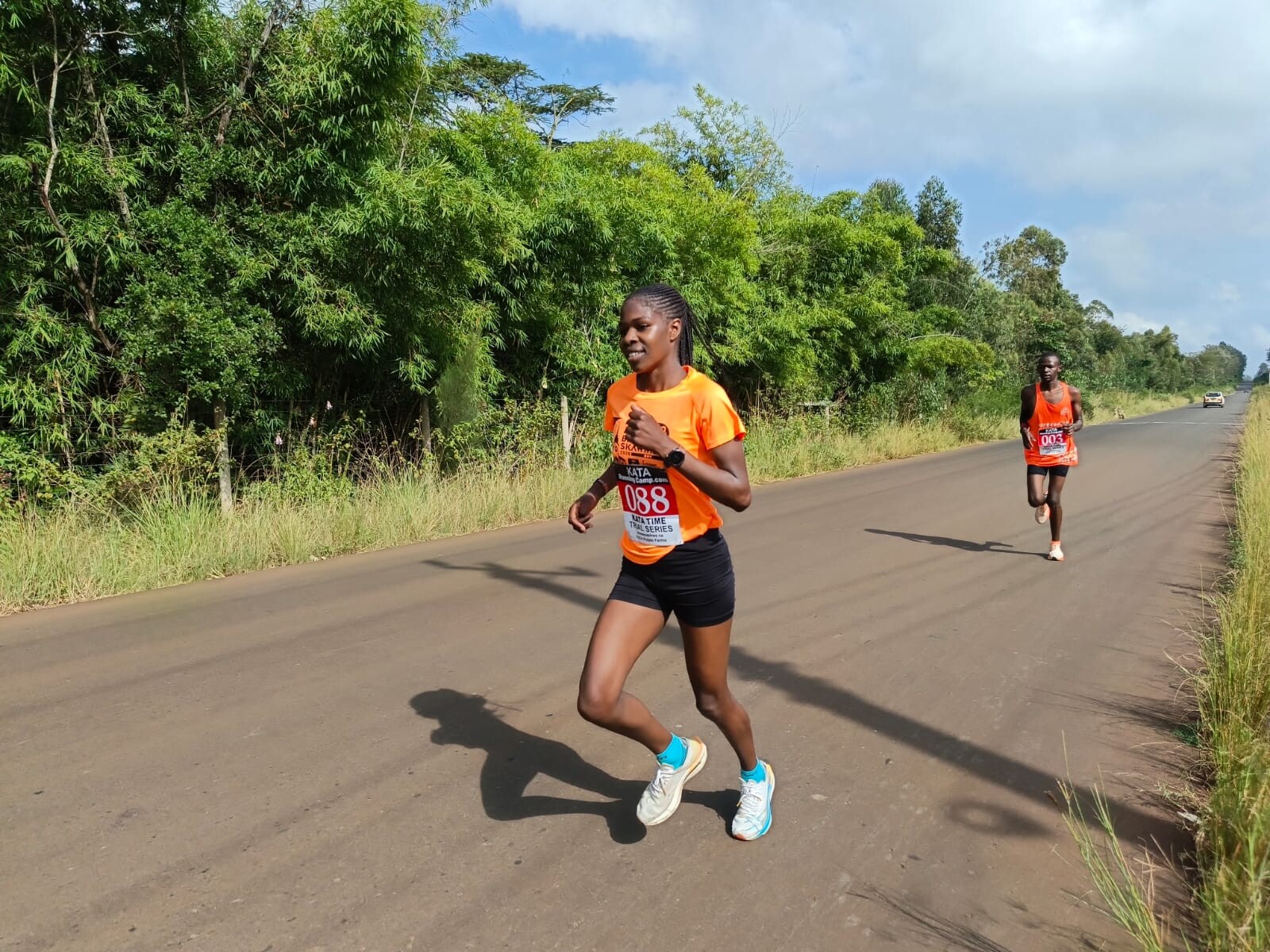
In the men's 5km race, John Ndung'u produced the fastest performance of the day, crossing the line in 15:36. Anthony Kariuki followed in 16:15, while Eugene Nambua secured third place in 17:44. Simon Ngereza completed the leading group with a time of 18:31.
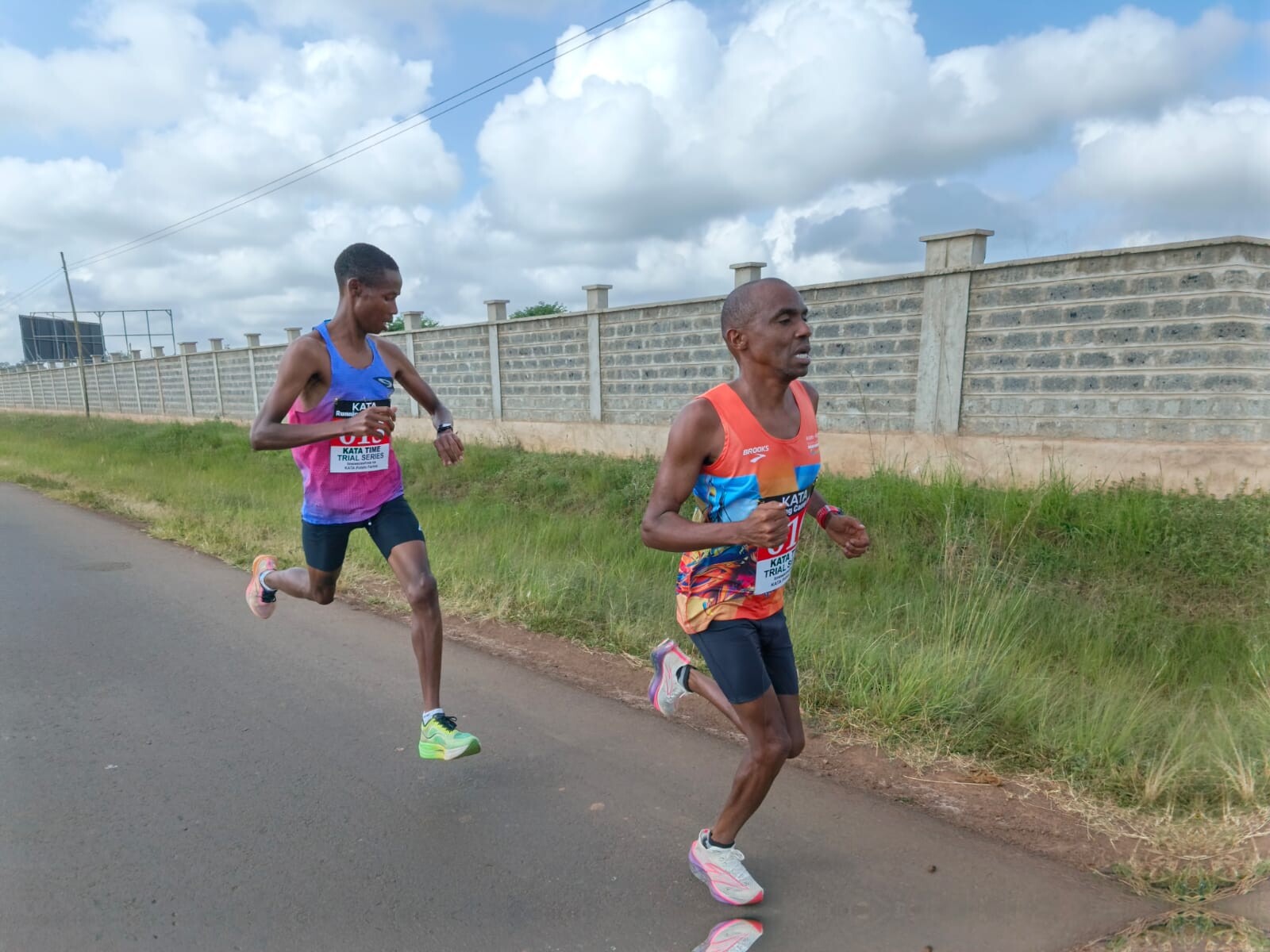
The women's 10km race delivered a closely contested battle at the front. Jane Wanja emerged victorious in 36:16 after a strong and controlled run, holding off Caren Chepkwony, who finished just nine seconds behind in 36:25. The narrow margin highlighted the competitive nature of the race and the determination shown by both athletes throughout the morning.
The deepest field of the day came in the men's 10km event, where several runners produced encouraging performances. John Chege led the standings with an impressive 30:12, demonstrating both strength and consistency over the distance. Charles Wanjora followed in second place with 30:54, while Erick Cheruiyot claimed third in 31:42 after a well-executed effort.
Joel Maina continued the strong pace of the leading pack to finish fourth in 32:26, while Justus Nyamai completed the top five in 33:24. David Mwangi recorded 35:24 for sixth place, followed by Paul Nganga in 35:38. Ewand Niyukiru crossed the line in 36:27, with Charles Ndirangu clocking 37:21 and Brandon Mutugi completing the top ten in 38:31.
KATA Time Trial Series – 57th Edition Results
Thika, Kenya | June 10, 2026
Men's 5km
1. John Ndung'u – 15:36
2. Anthony Kariuki – 16:15
3. Eugene Nambua – 17:44
4. Simon Ngereza – 18:31
Women's 10km
1. Jane Wanja – 36:16
2. Caren Chepkwony – 36:25
Men's 10km
1. John Chege – 30:12
2. Charles Wanjora – 30:54
3. Erick Cheruiyot – 31:42
4. Joel Maina – 32:26
5. Justus Nyamai – 33:24
6. David Mwangi – 35:24
7. Paul Nganga – 35:38
8. Ewand Niyukiru – 36:27
9. Charles Ndirangu – 37:21
10. Brandon Mutugi – 38:31
Beyond the finishing positions, the true success of the KATA Time Trial lies in what the numbers represent. Every result tells a story of early mornings, demanding workouts, sacrifices, and the relentless commitment required to improve in one of the world's most competitive athletics environments.
For some athletes, Wednesday's performances marked confirmation that their training is moving in the right direction. For others, the results provided valuable lessons and clear targets for the weeks ahead. Such is the nature of time trials: they offer an honest assessment of where an athlete stands and where improvement is still needed.
The KATA Time Trial Series has earned its reputation not through spectacle but through consistency. Edition after edition, it provides athletes with a stage to evaluate their progress, sharpen their racing instincts, and build confidence ahead of larger competitions.
As the 57th edition comes to a close, the performances recorded on the roads of Thika serve as another reminder that success in athletics is rarely achieved overnight. It is built through patience, resilience, and the willingness to keep chasing improvement. On this occasion, the clock once again revealed stories of ambition, determination, and the enduring pursuit of personal excellence.
by Erick Cheruiyot for My Best Runs.
Login to leave a comment
KATA Time Trial Series
Welcome to the KATA Monthly Time Trial Held at the Kenyan Athletics Training Academy in Thika, Kenya, the KATA Monthly Time Trial is a unique and inclusive event designed to support runners of all levels in achieving their goals and showcasing their fitness. This event offers both 10K and 5K distances on an accurate, certified course, providing participants with...
more...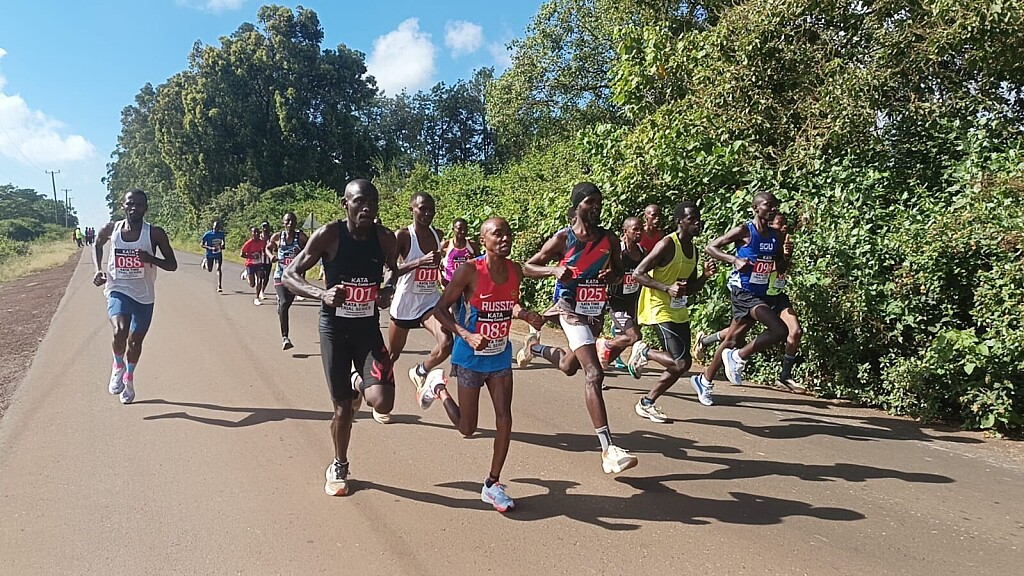
Chasing the Clock: Athletes Target Personal Bests at the 57th KATA Time Trial in Thika
Before sunrise breaks over Thika and before the wider athletics world begins to follow the results, a competitive field of determined runners will already be locked in a battle against the clock, their limits, and their ambitions. On Wednesday, June 10, 2026, the 57th edition of the KATA Time Trial Series returns to the quiet roads around the Kenyan Athletics Training Academy (KATA), offering athletes another invaluable opportunity to test their progress and pursue new personal bests.
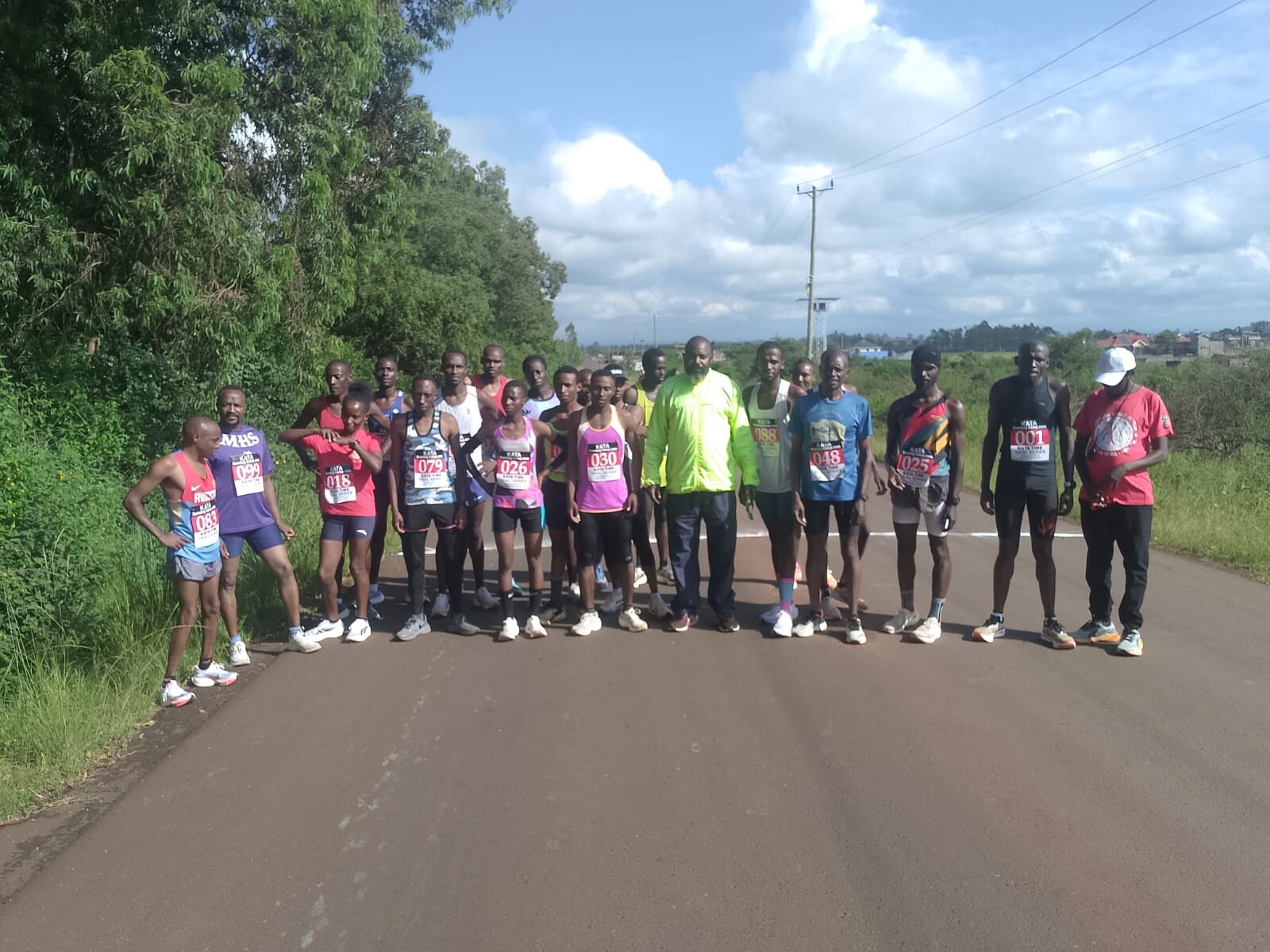
While major championships often capture global headlines, events like the KATA Time Trial remain the heartbeat of athlete development in Kenya. There are no packed grandstands, dramatic presentations, or lavish celebrations. Instead, the focus is placed squarely where it belongs—on performance, discipline, and the relentless pursuit of improvement.
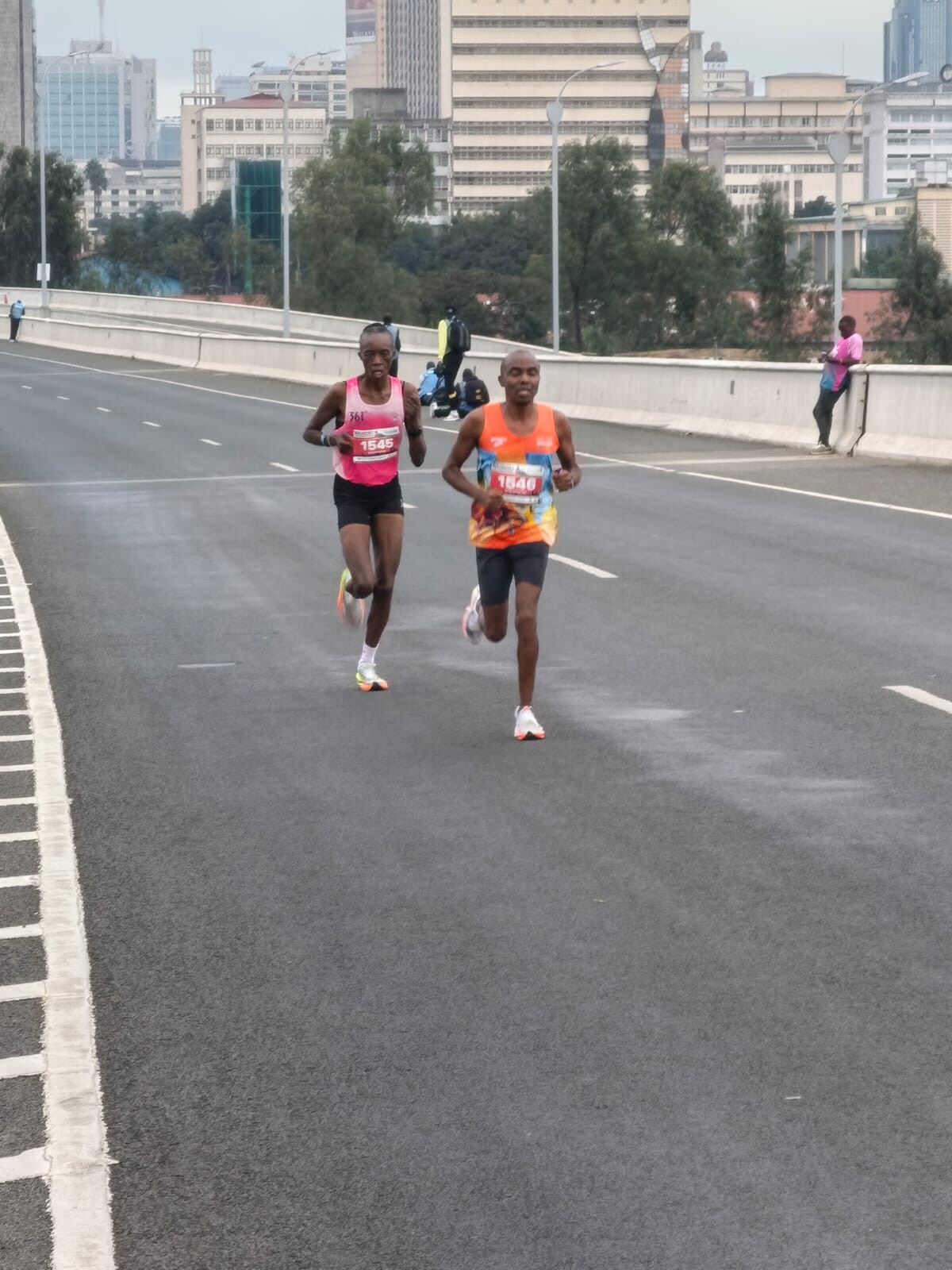
Over the years, the KATA Time Trial has built a reputation as one of the country's most respected performance-testing platforms. For emerging talents and experienced competitors alike, it serves as a crucial checkpoint where months of demanding training are measured against the unforgiving honesty of the stopwatch.
This edition is expected to attract athletes eager to evaluate their fitness levels and, above all, lower their personal bests. For many runners, a personal record represents far more than a number on a results sheet. It symbolizes countless kilometres covered before dawn, punishing interval sessions, sacrifices made away from competition, and the unwavering belief that hard work will eventually be rewarded.
The programme will once again feature the traditional 5km and 10km races, each presenting its own unique challenge. The 5km demands speed, courage, and the ability to sustain a relentless pace from start to finish. The 10km, meanwhile, requires patience, tactical awareness, and exceptional endurance, rewarding athletes who can distribute their effort wisely over the longer distance.
As always, intelligent pacing is expected to play a decisive role. Athletes are likely to work together through the opening kilometres, sharing the workload and maintaining consistent rhythm in pursuit of faster times. In a race where every second matters, a controlled start often proves more valuable than an aggressive surge. Those who judge their effort correctly can unlock breakthrough performances, while those who miscalculate their pace risk seeing their ambitions fade before the finish line.
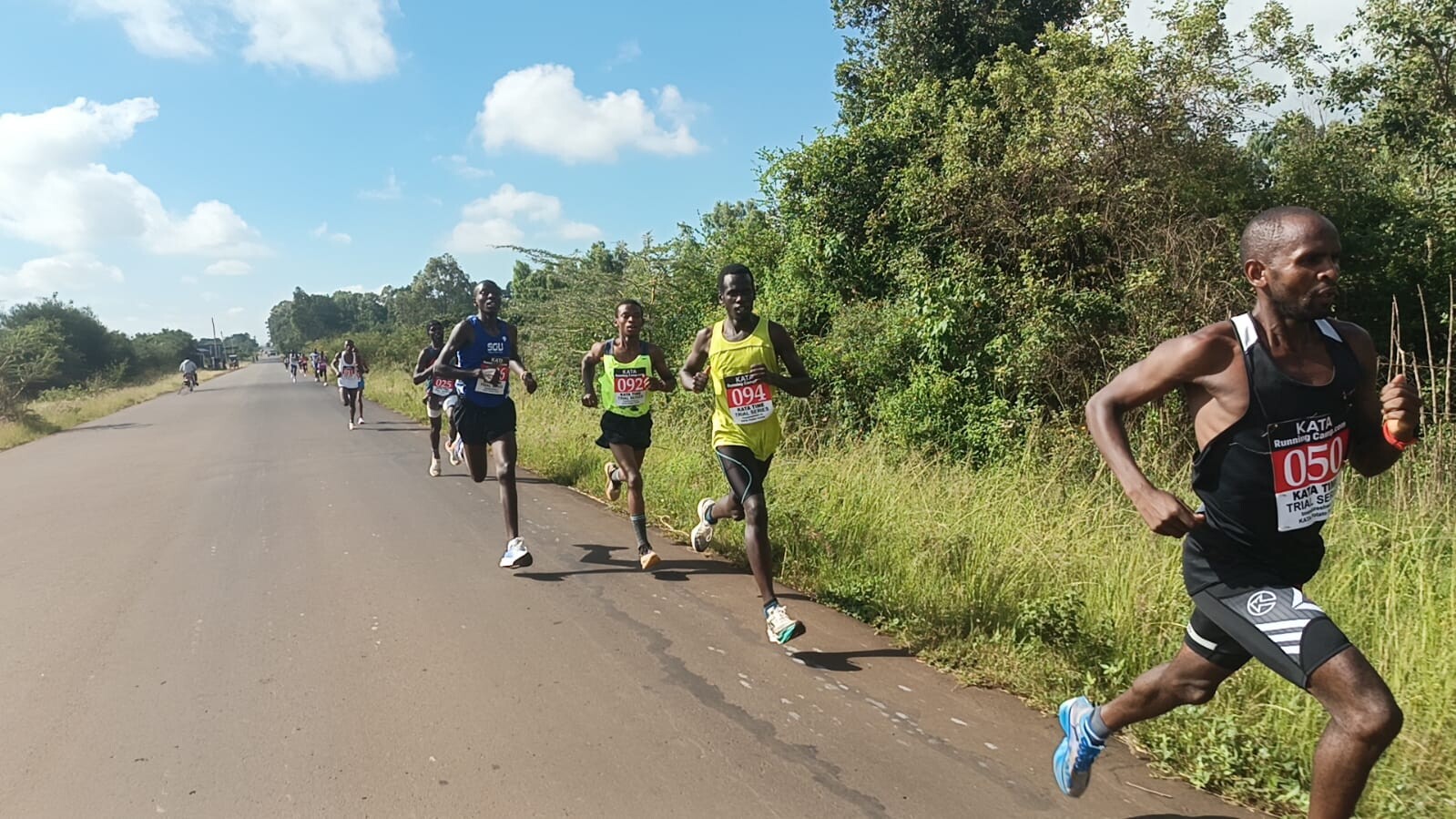
The roads of Thika have witnessed countless stories of progress throughout the history of the series. Some athletes have announced their arrival with career-defining performances, while others have gained valuable lessons that later shaped future success. Every edition adds another chapter to that legacy, and the 57th installment promises to be no different.
Weather and course conditions are expected to favour athletes who combine patience with determination. The runners who remain composed during the early stages will likely be the ones producing their strongest performances when fatigue begins to take hold in the closing kilometres.
Yet beyond the times and finishing positions, the true significance of the KATA Time Trial lies in what it represents. It is a celebration of continuous growth, a proving ground for ambition, and a reminder that excellence is built through consistency rather than spectacle.
When the final watches stop on Wednesday morning, the results will reveal much more than who ran the fastest. They will tell stories of perseverance, dedication, and dreams pursued one stride at a time. For many athletes lining up in Thika, the ultimate victory will not be defeating their rivals—it will be conquering their previous best and taking another important step forward in their athletic journey.
by Erick Cheruiyot for My Best Runs.
Login to leave a comment
KATA Time Trial Series
Welcome to the KATA Monthly Time Trial Held at the Kenyan Athletics Training Academy in Thika, Kenya, the KATA Monthly Time Trial is a unique and inclusive event designed to support runners of all levels in achieving their goals and showcasing their fitness. This event offers both 10K and 5K distances on an accurate, certified course, providing participants with...
more...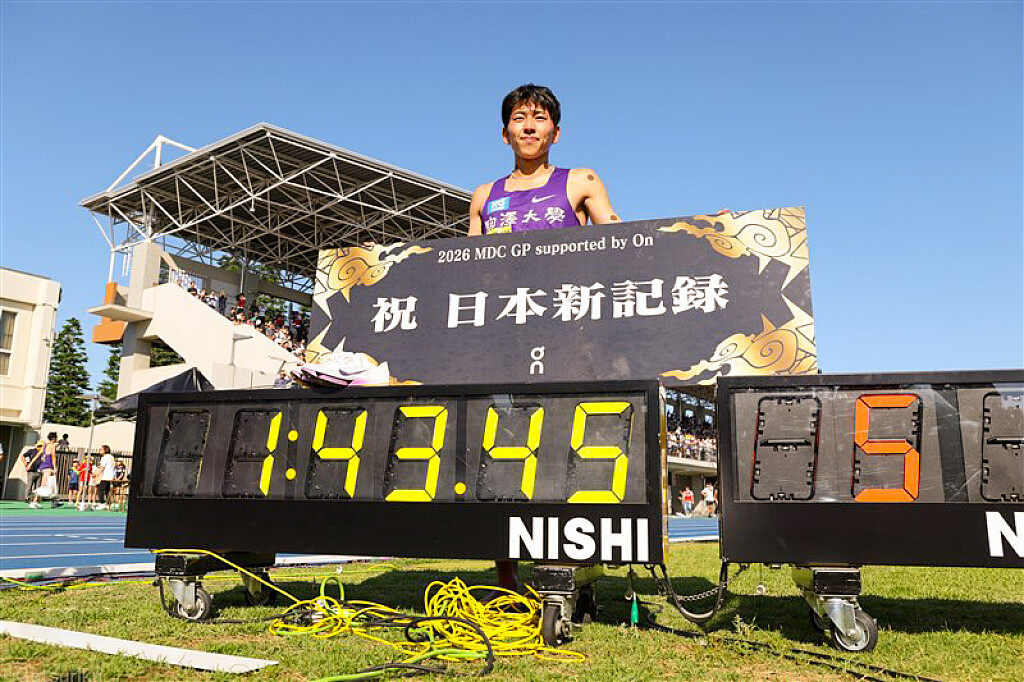
Teen Sensation Ko Ochiai Rewrites Japanese History with Stunning National Record in Tokyo
Japanese middle-distance prodigy Ko Ochiai continues to redefine what is possible at just 19 years old.
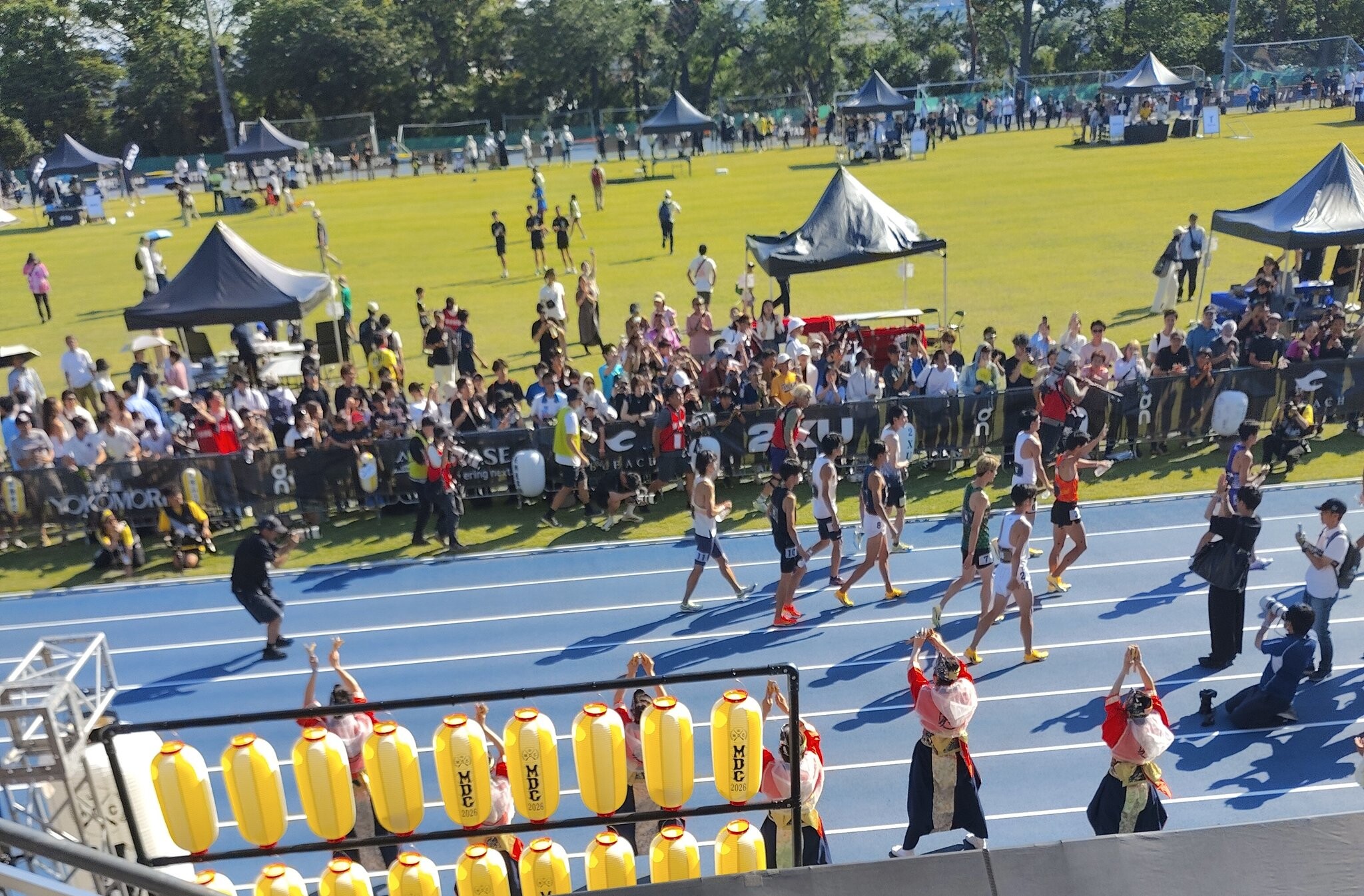
Competing at the Twolaps MDC Meet in Tokyo, Ochiai delivered the race of his life, storming to a remarkable personal best of 1:43.45 in the men's 800 metres to break his own Japanese national record and further cement his status as one of the brightest young talents in world athletics.
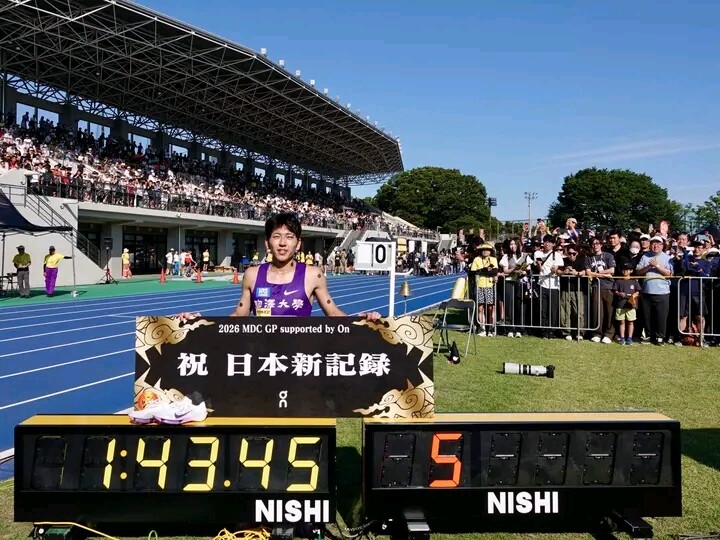
The performance was historic on multiple levels. Not only did Ochiai lower the national mark he already held, but the time also elevated him to second place on the all-time Asian 800m rankings, trailing only former world champion Yusuf Saad Kamel, whose continental record of 1:42.79 remains the benchmark.
In a discipline traditionally dominated by athletes from Africa and Europe, Ochiai's rapid rise is capturing attention far beyond Japan. His latest breakthrough highlights both his exceptional talent and the growing strength of Asian middle-distance running on the global stage.
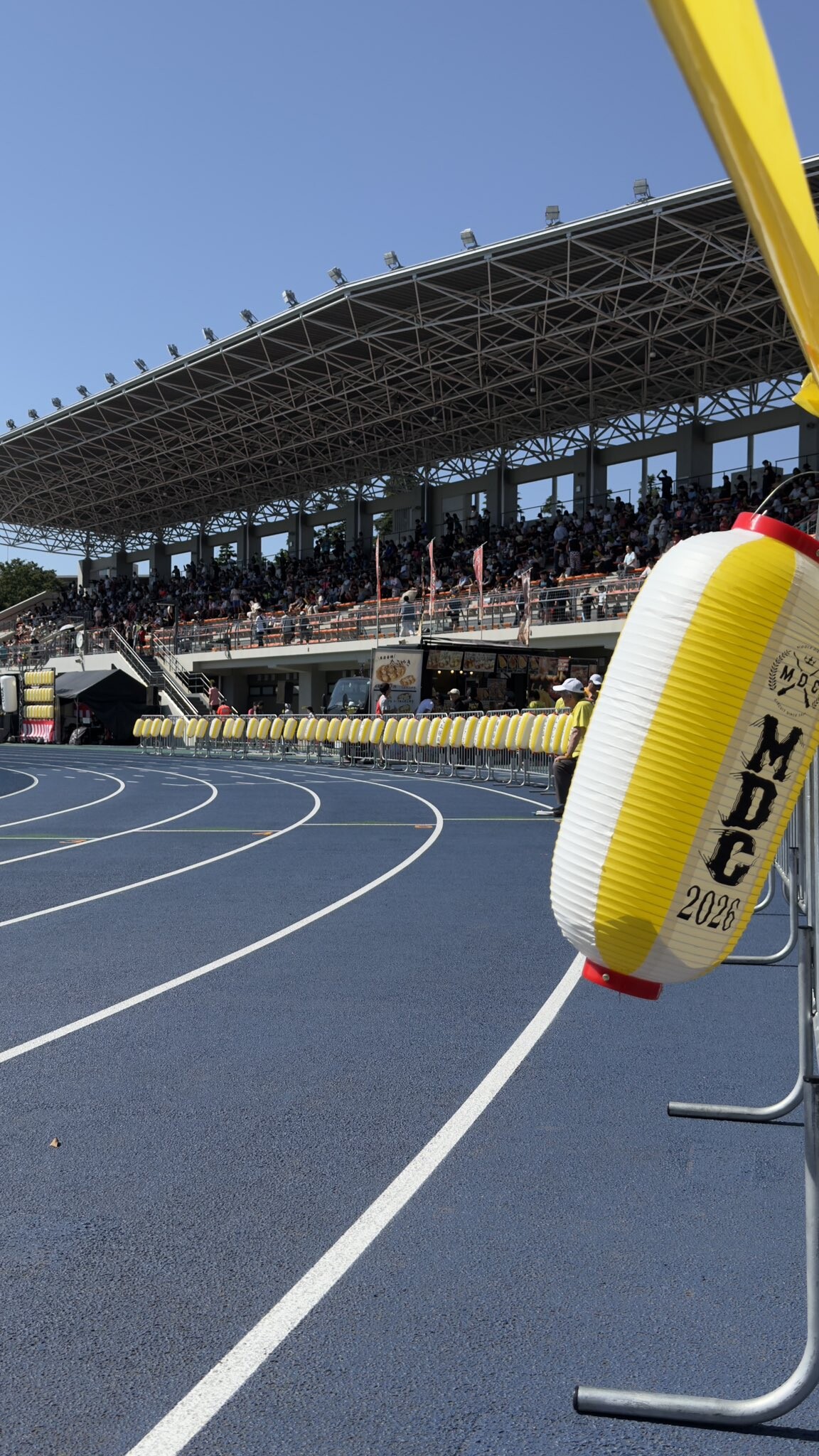
The Tokyo crowd witnessed a race of extraordinary quality as Ochiai pushed the pace from the gun and held firm through the closing stages, producing a performance that suggests even faster times may lie ahead. With years of development still ahead of him, the teenager is already establishing himself among the elite 800m runners in the world.
Behind the record-breaking run, fellow Japanese athlete Yugo Shikata also enjoyed a memorable evening. Shikata crossed the line in second place with a personal best of 1:44.94, becoming another major beneficiary of the fast-paced contest and underlining the depth emerging in Japan's middle-distance ranks.
For Ochiai, however, the night belonged entirely to him. Breaking a national record is a rare achievement; breaking your own national record at 19 years old while climbing to second on Asia's all-time list is something truly exceptional.
As the global athletics season gathers momentum, Ko Ochiai's latest masterpiece sends a clear message: Japan's teenage star is no longer simply a promising prospect—he is rapidly becoming one of the most exciting 800m athletes in the world.
by Erick Cheruiyot for My Best Runs.
Login to leave a comment
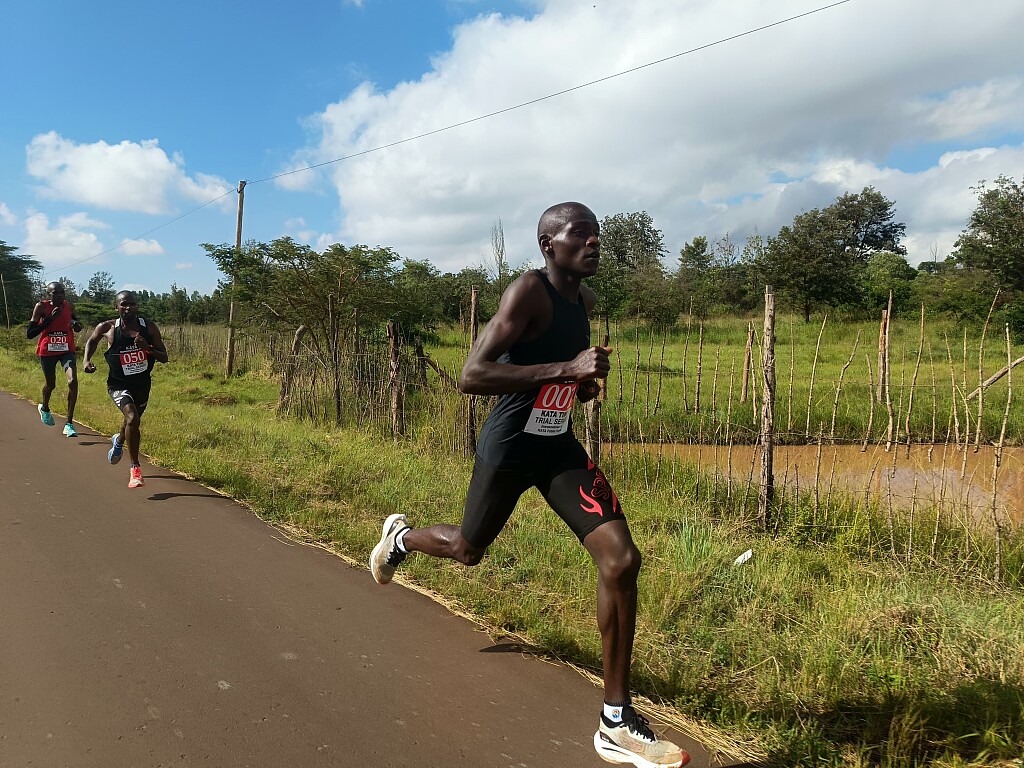
Elite Rhythm and Relentless Effort Headline the 56th KATA Time Trial Series
The roads of Thika once again became a proving ground for ambition, endurance, and personal growth as athletes delivered impressive performances during the 56th edition of the KATA Time Trial held on Wednesday, May 13, 2026. In an event built around discipline rather than spectacle, runners turned months of preparation into measurable results, producing a morning filled with fast times, tactical execution, and valuable lessons for the season ahead.
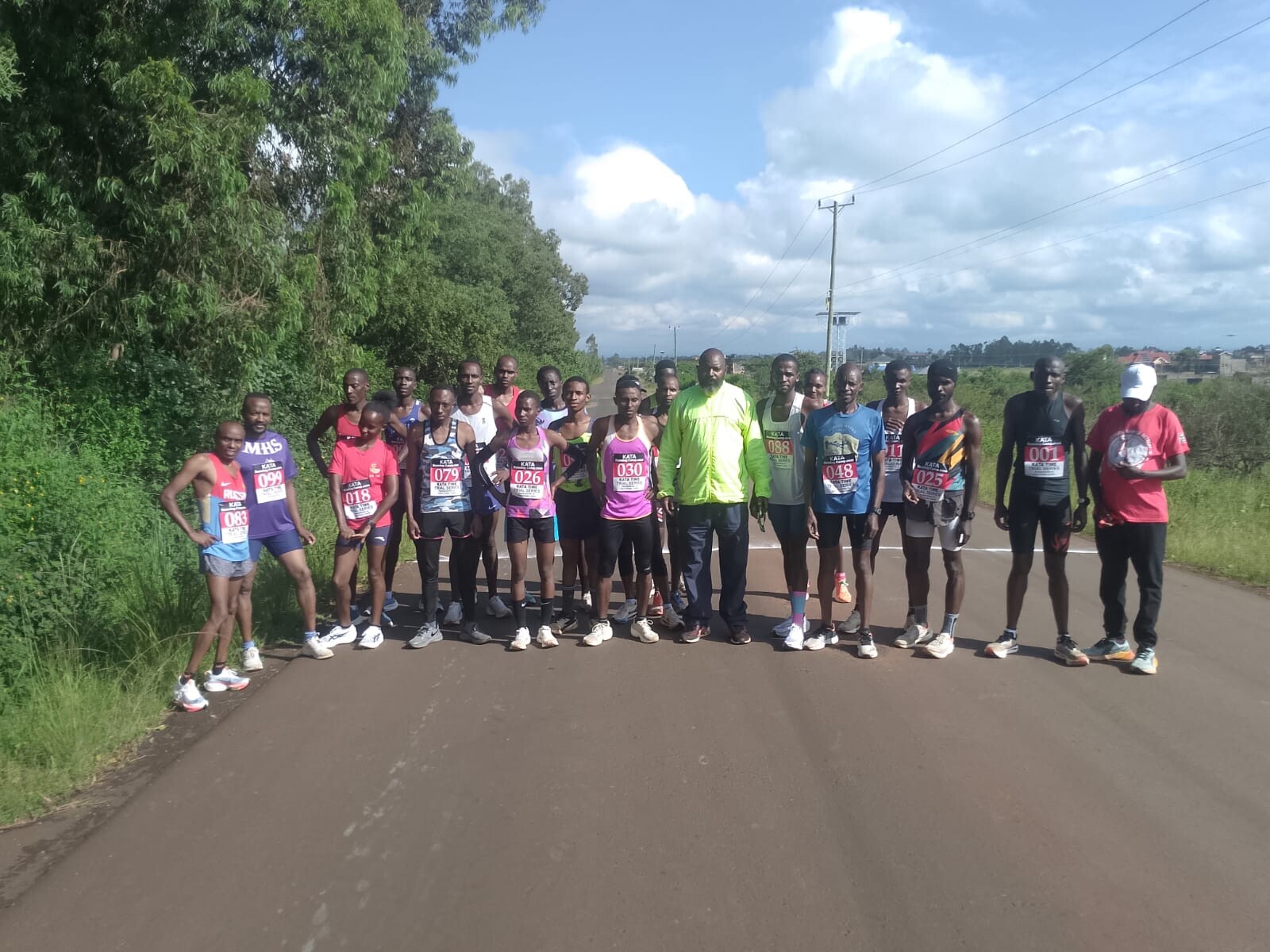
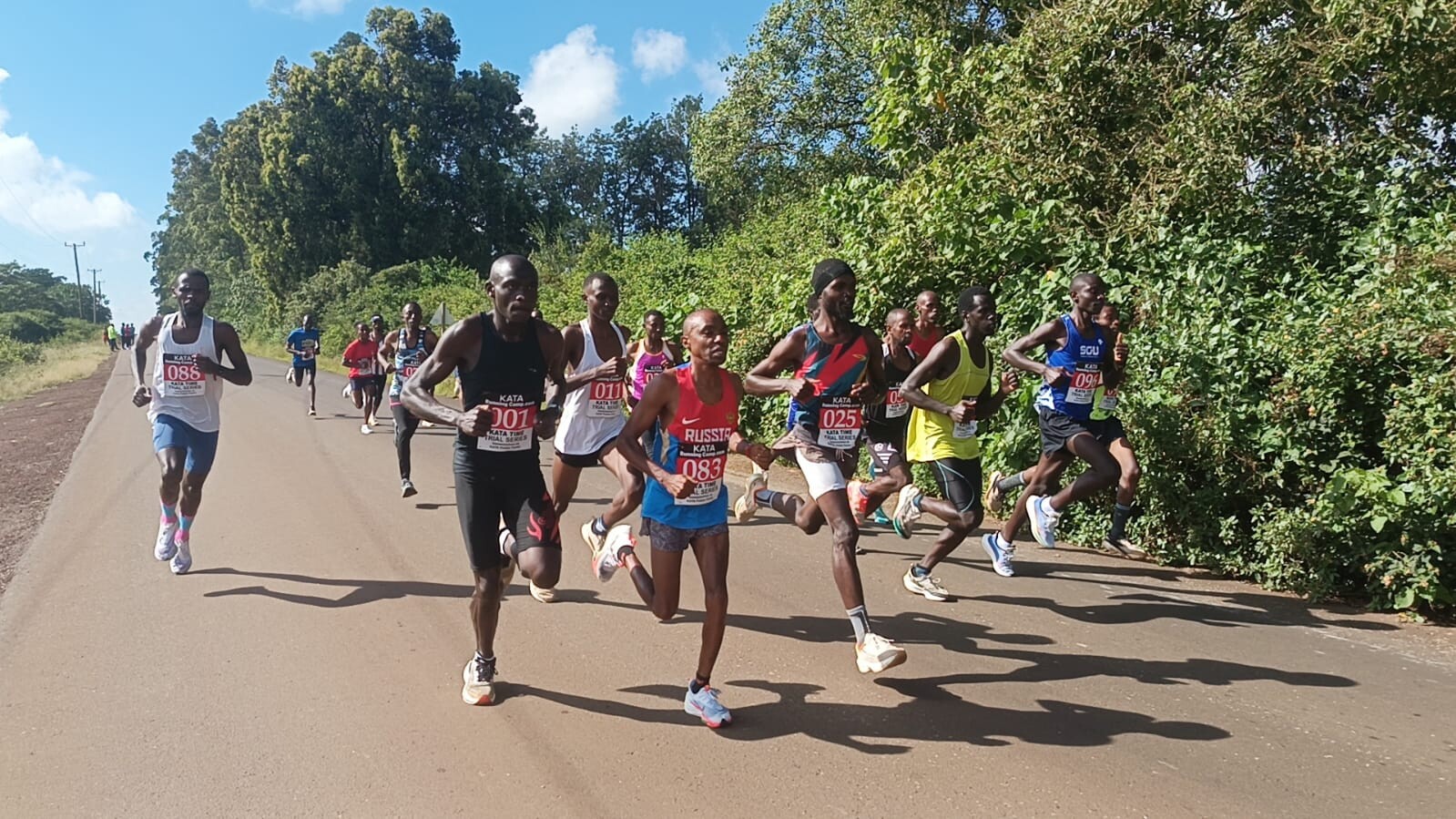
Widely respected among developing and competitive athletes, the KATA Time Trial continues to serve as one of the most reliable performance tests on the local athletics calendar. Unlike major championship races driven by crowd energy and medals, the Thika event places athletes face-to-face with the stopwatch, demanding honesty, rhythm, and mental toughness from start to finish.
The men’s 10-kilometre contest produced one of the strongest performances of the day as Charles Wanjora stormed to victory in an impressive 30:44. Running with confidence and composure, Wanjora controlled the pace effectively and held off a determined challenge from Bernard Waweru, who crossed the line just a second later in 30:45 after a highly competitive battle. Robin Musa completed the top three with a strong 31:12, confirming the high quality of the front pack throughout the race.
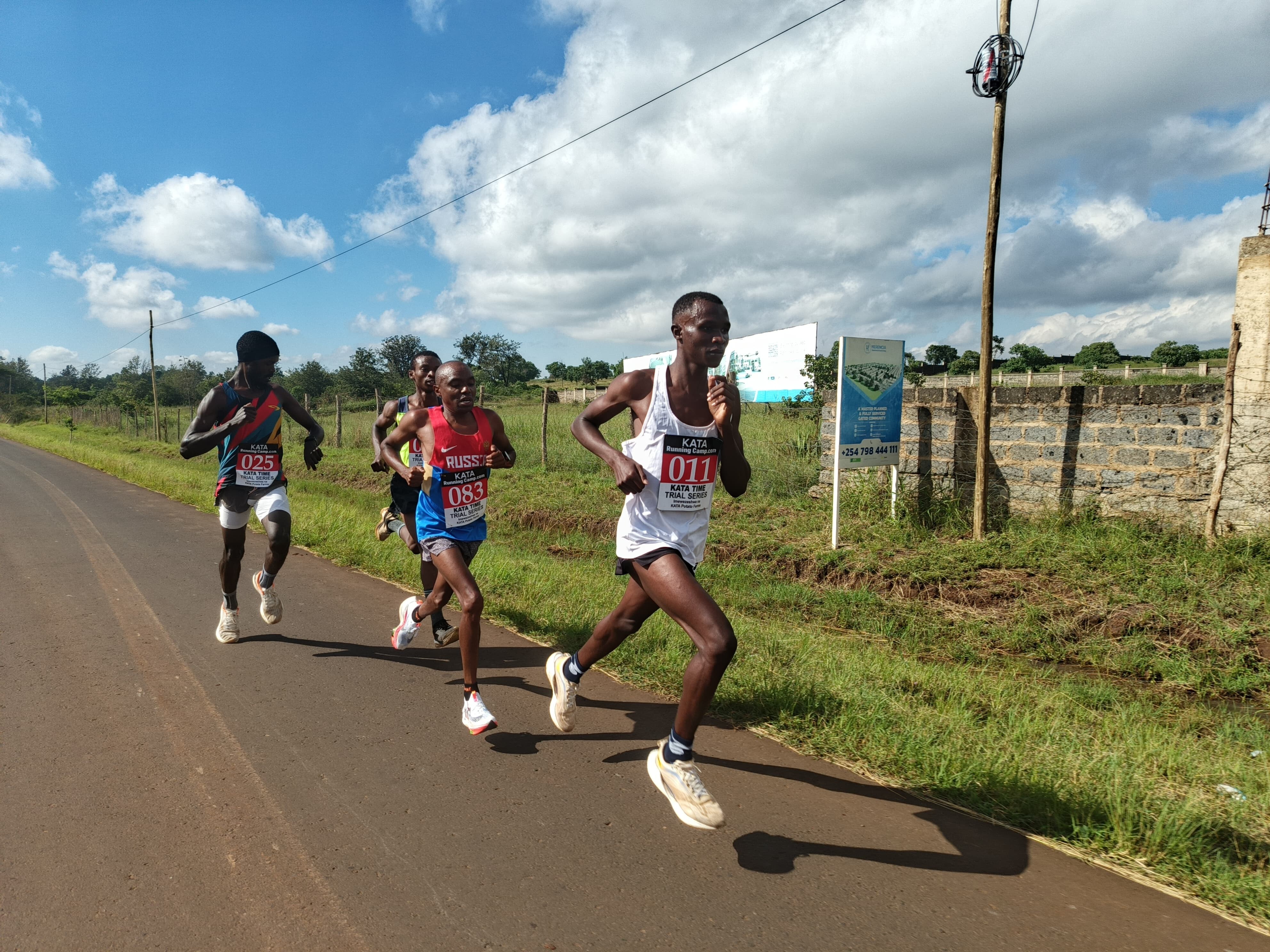
Joel Maina secured fourth place in 31:52, while Ismael Mburu finished fifth in 32:36 after maintaining a consistent rhythm over the demanding course. Vincent Kiprotich followed in sixth position with 33:12, narrowly ahead of Erick Cheruiyot, who clocked 33:14 in another tightly contested finish. Fredrick Wambua placed eighth in 33:46, as George Kamau and Paul Ng’ang’a completed the top ten in 36:10 and 36:11 respectively.
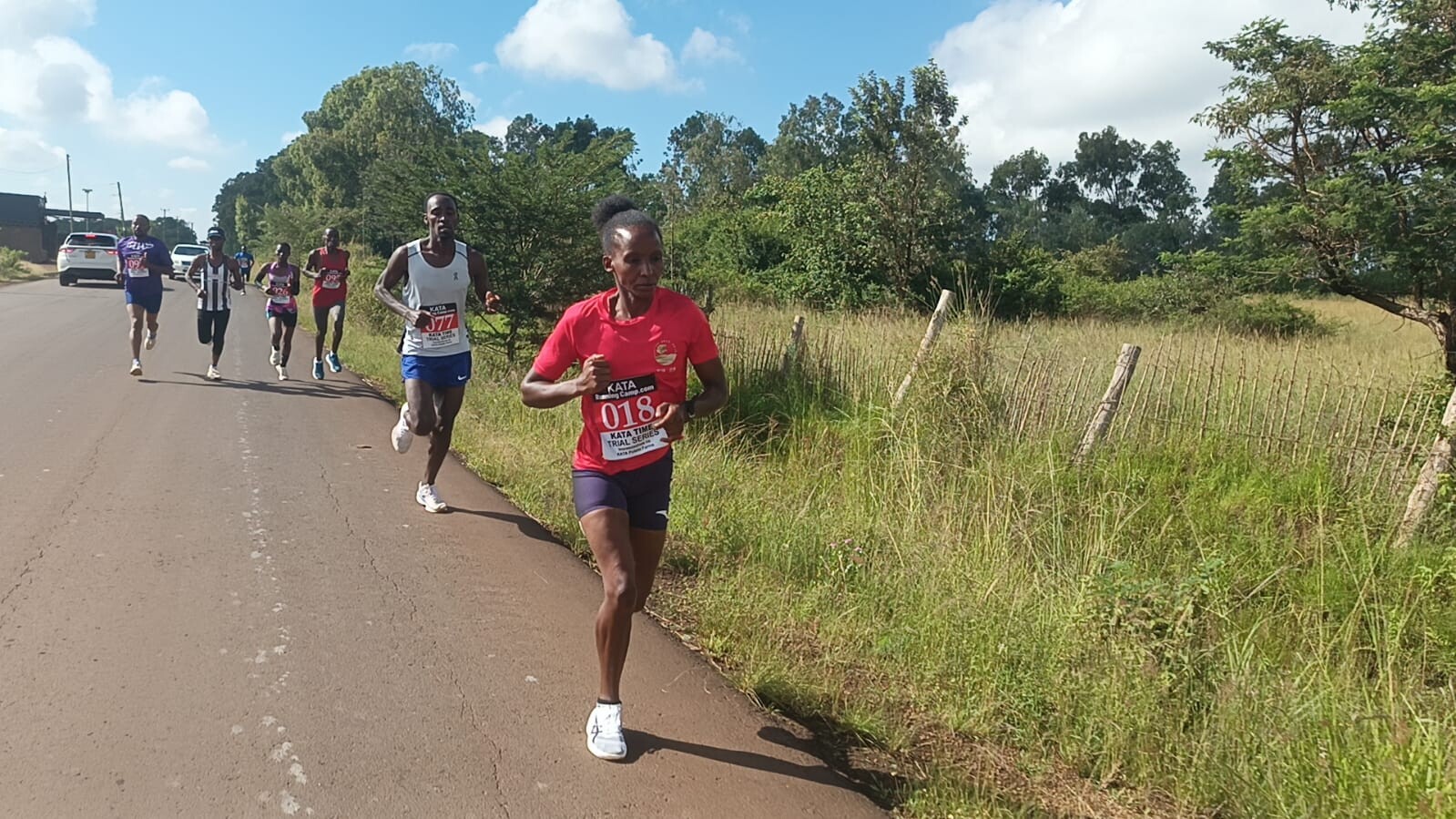
In the women’s 10km race, Kellen Waithira produced a commanding performance to take victory in 35:34. Her controlled pacing and strong finishing stretch allowed her to separate herself from the field and secure a well-earned win. Jane Wanja followed closely in second place with 35:44, ensuring a highly competitive women’s contest from start to finish. Regina Sandiki completed the podium after crossing the line in 36:45 following a determined run.
The men’s 5-kilometre race also delivered several impressive performances, with Francis Maina leading the field in 16:06 after an aggressive but well-managed effort. Anthony Kariuki secured second position in 16:49, while Harrison Mathenge finished third in 17:20 to round off the podium places.
5KM MEN
1. Francis Maina – 19 – Bib 92 – 16:06
2. Anthony Kariuki – 28 – Bib 79 – 16:49
3. Harrison Mathenge – 18 – Bib 96 – 17:20
4. John Mwangi – 45 – Bib 99 – 18:36
5. Kennedy Ochieng – 20 – Bib 33 – 22:24
MEN 10KM
1. Charles Wanjora – 24 – Bib 01 – 30:44
2. Bernard Waweru – 40 – Bib 50 – 30:45
3. Robin Musa – 17 – Bib 11 – 31:12
4. Joel Maina – 41 – Bib 83 – 31:52
5. Ismael Mburu – 25 – Bib 25 – 32:36
6. Vincent Kiprotich – 24 – Bib 94 – 33:12
7. Erick Cheruiyot – 30 – Bib 20 – 33:14
8. Fredrick Wambua – 20 – Bib 30 – 33:46
9. George Kamau – 35 – Bib 88 – 36:10
10. Paul Ng’ang’a – 43 – Bib 95 – 36:11
11. Edward Niyukuri – 24 – Bib 77 – 36:47
12. Charles Ndirangu – 65 – Bib 48 – 39:30
WOMEN 10KM
1. Kellen Waithira – 39 – Bib 18 – 35:34
2. Jane Wanja – 35 – Bib 16 – 35:44
3. Regina Sandiki – 19 – Bib 26 – 36:45
Beyond the finishing times, the true significance of the KATA Time Trial once again lay in the personal battles fought across every kilometre. For many athletes, the event represented far more than competition alone. It was an opportunity to measure improvement, test race fitness, and evaluate the effectiveness of months of disciplined training. Every second gained reflected sacrifice, resilience, and the determination to reach higher standards.
The conditions in Thika rewarded athletes who respected the demands of the course and managed their pacing intelligently. Those who remained patient during the early stages found strength in the closing kilometres, while the unforgiving nature of the road exposed even the smallest tactical mistakes. It was another reminder that success in distance running depends not only on physical preparation, but also on judgment, composure, and mental strength under pressure.
As the morning came to an end and the watches finally stopped, the 56th KATA Time Trial once again proved why it remains an important fixture in Kenya’s athletics culture. On a simple stretch of road in Thika, athletes continued chasing excellence, refining their craft, and turning ambition into reality — one stride at a time.
by Erick Cheruiyot for My Best Runs.
Login to leave a comment
KATA Time Trial Series
Welcome to the KATA Monthly Time Trial Held at the Kenyan Athletics Training Academy in Thika, Kenya, the KATA Monthly Time Trial is a unique and inclusive event designed to support runners of all levels in achieving their goals and showcasing their fitness. This event offers both 10K and 5K distances on an accurate, certified course, providing participants with...
more...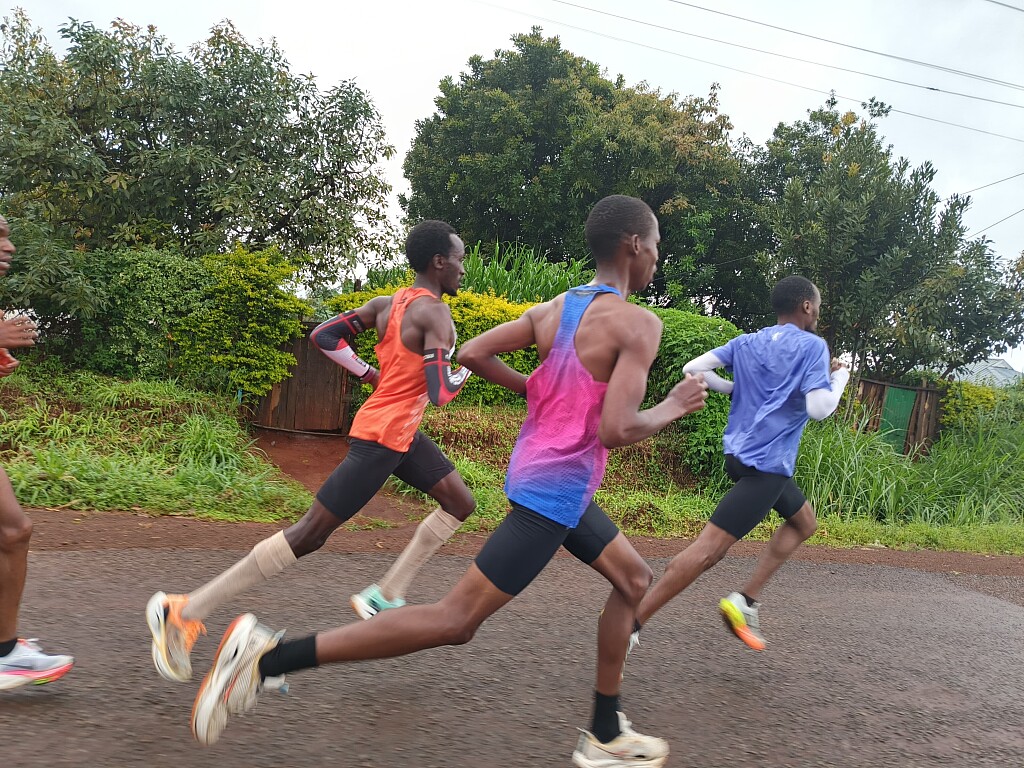
Chasing Personal Bests: Speed, Strategy and Rivalry Set the Stage for the 56th KATA Time Trial Series in Thika
Long before the crowds awaken and the world notices the results, athletes in Thika will already be battling exhaustion, pressure, and expectation. The rhythm of pounding footsteps will once again echo across the tarmac roads of Thika on Wednesday, May 13, 2026, as the 56th edition of the KATA Time Trial Series returns with renewed intensity, ambition, and anticipation. This is more than a race against time — It's a reflection of sacrifice, resilience, and the endless pursuit of personal growth in athletics dream.
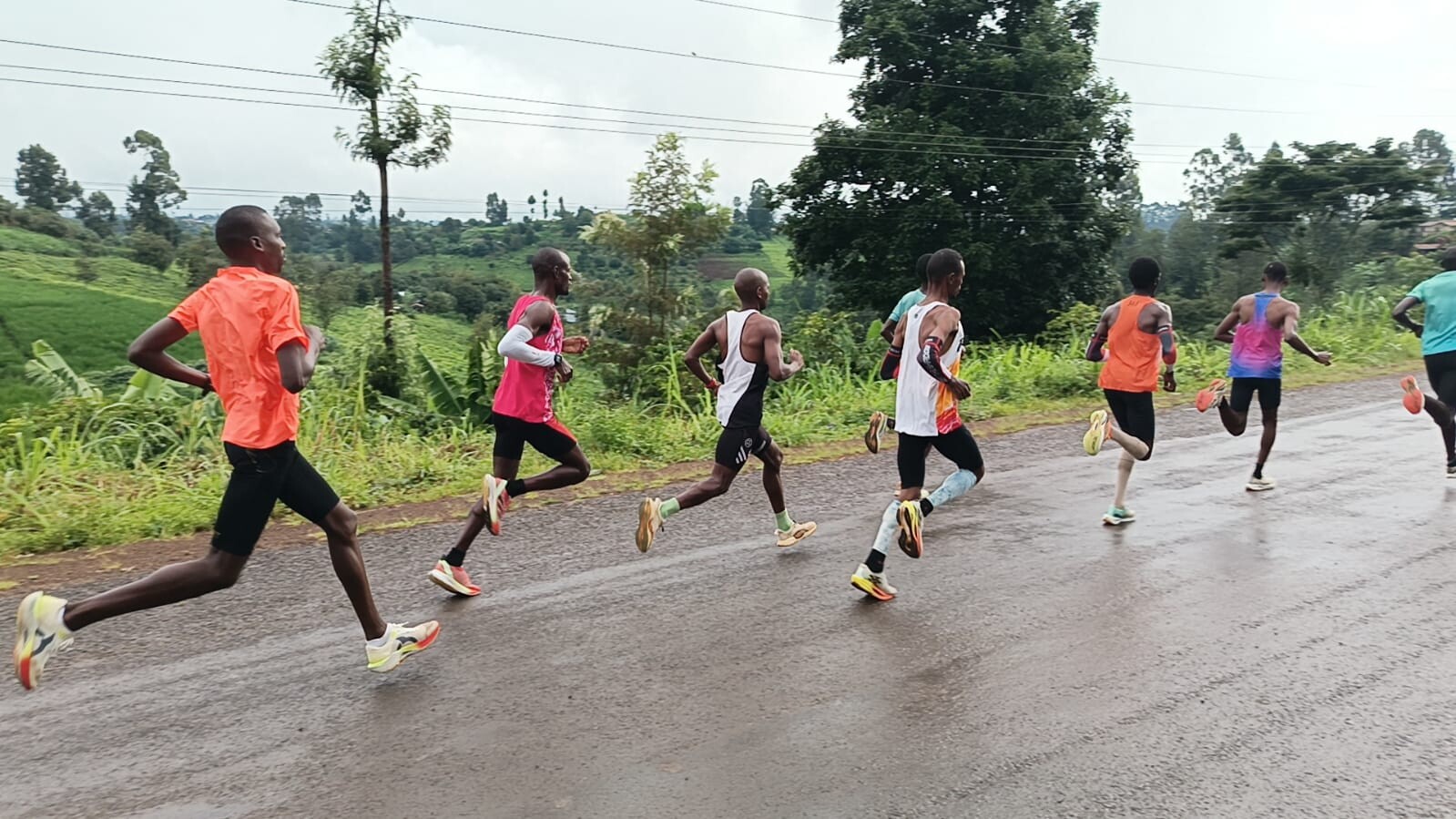
There may be no roaring stadium crowd, no flashing lights, and no elaborate finish-line celebrations, yet within Kenya’s athletics circles, few events command as much quiet respect as this one. For the athletes preparing to line up, the occasion is not about spectacle—it is about testing limits, measuring progress, and pursuing the relentless dream of improvement.
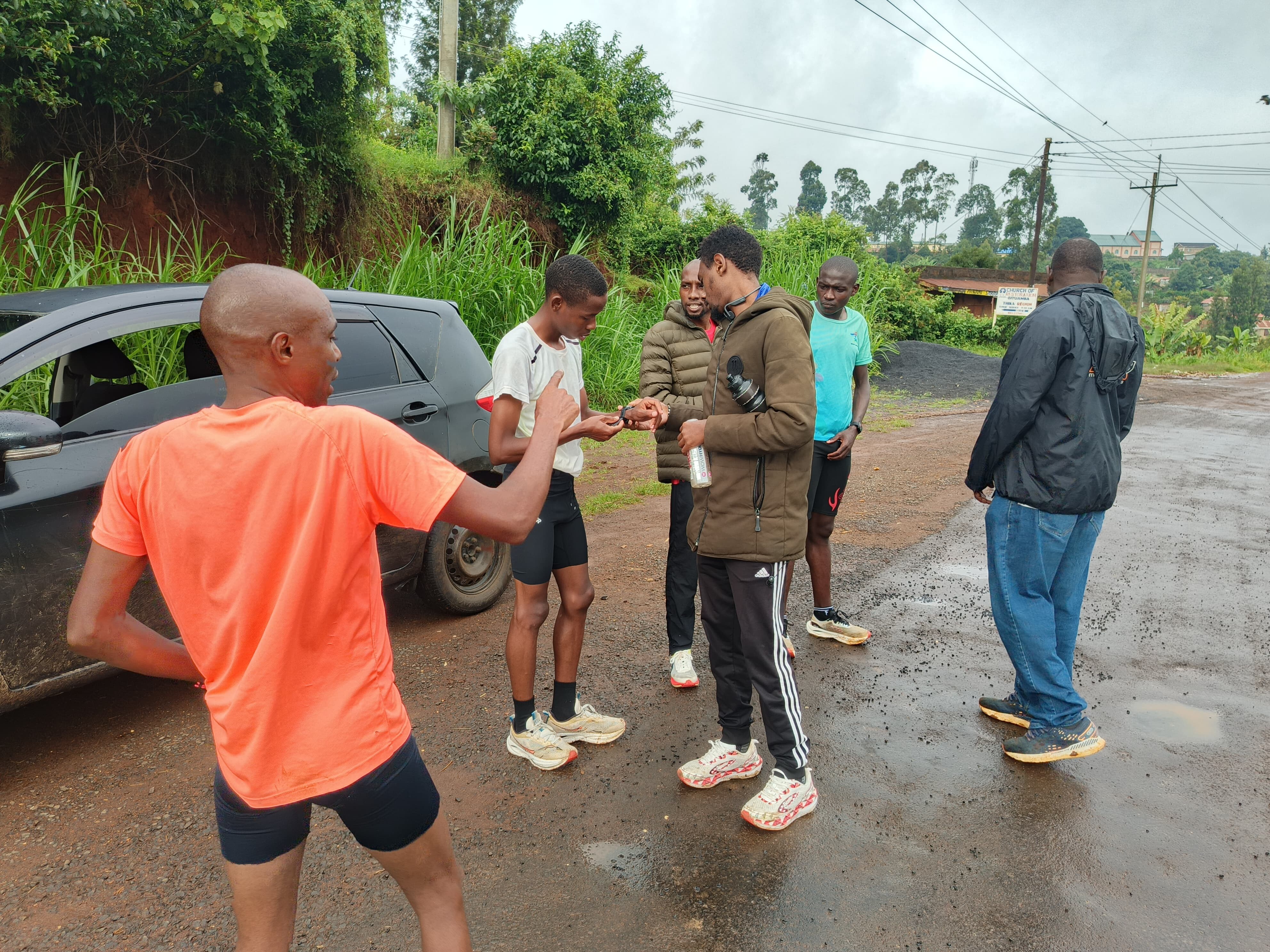
Held near the training base of the Kenyan Athletics Training Academy in Thika, the KATA Time Trial has steadily evolved into one of the most trusted performance platforms for developing and experienced athletes alike. Over the years, it has earned its reputation as a proving ground where months of sacrifice, demanding training sessions, and disciplined preparation are transformed into measurable reality. Every edition carries stories of breakthrough performances, painful lessons, and moments that redefine confidence.
Traditionally, the event has stood apart from conventional road races by stripping competition down to its purest form. Athletes do not simply race each other—they race the clock, their previous performances, and the invisible standards they set for themselves during training. Yet this 56th edition is expected to introduce a more tactical dimension. While fast times remain the primary objective, strategy and intelligent pack running are likely to shape the morning in significant ways.
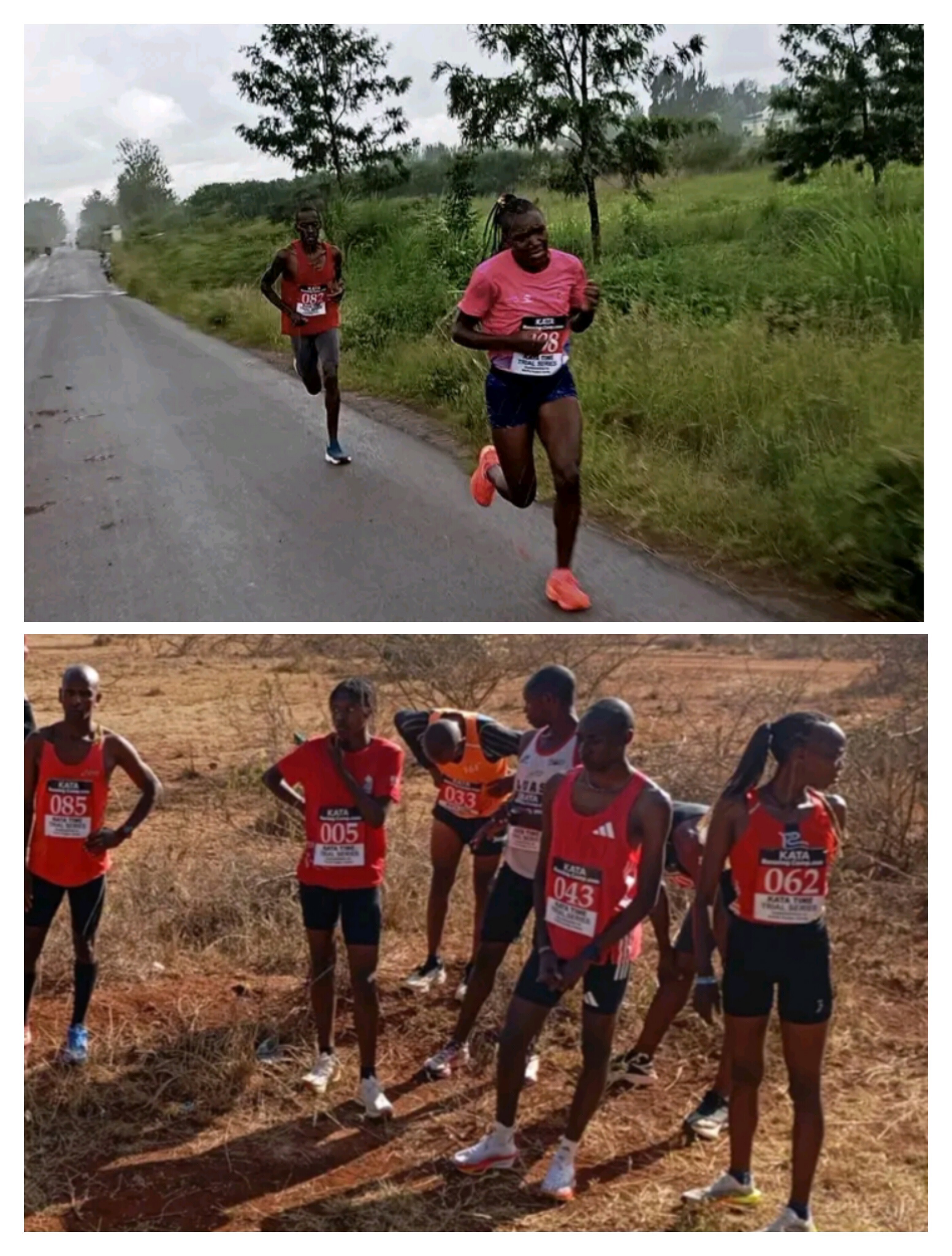
Athletes are expected to work together through the opening stages, carefully maintaining rhythm and pacing in pursuit of stronger finishing times and valuable personal bests. In such races, patience becomes just as important as raw speed. A poorly judged opening kilometre can destroy an otherwise promising performance, while disciplined execution often rewards those who conserve energy for the decisive closing stretch. It is this delicate balance between aggression and control that makes the KATA Time Trial so compelling.
The programme will once again feature the classic 5km and 10km distances, each demanding a very different kind of athlete. The 5km rewards sharpness, rhythm, courage, and the ability to sustain discomfort at relentless speed. The 10km, meanwhile, is a deeper examination of endurance, mental strength, and tactical discipline. On the unforgiving roads of Thika, even the slightest pacing mistake can separate a brilliant run from a disappointing result.
Perhaps the most powerful storyline surrounding this edition is the universal pursuit of personal bests. For many athletes, the stopwatch represents far more than numbers on a screen. Every second gained reflects countless early mornings, exhausting intervals, sacrifices away from competition, and unwavering belief in the training process. The KATA Time Trial has always provided athletes with an honest answer to one important question: has the work truly paid off?
Conditions in Thika are expected to favour runners who combine patience with intelligence. Those who remain composed in the early kilometres often find the strength to finish aggressively, while athletes who force the pace too early may struggle before the final stretch. It is an environment where discipline is rewarded and resilience is exposed in real time.
Though the event may unfold without major fanfare, its significance stretches far beyond a single morning of racing. On this modest stretch of road, athletes continue refining their craft, sharpening their instincts, and chasing the standards that define excellence in Kenyan athletics. When the watches finally stop at the end of the 56th edition, the results will reveal far more than finishing times. They will tell the story of ambition, rivalry, sacrifice, and the endless pursuit of becoming better with every stride.
by Erick Cheruiyot for My Best Runs.
Login to leave a comment
KATA Time Trial Series
Welcome to the KATA Monthly Time Trial Held at the Kenyan Athletics Training Academy in Thika, Kenya, the KATA Monthly Time Trial is a unique and inclusive event designed to support runners of all levels in achieving their goals and showcasing their fitness. This event offers both 10K and 5K distances on an accurate, certified course, providing participants with...
more...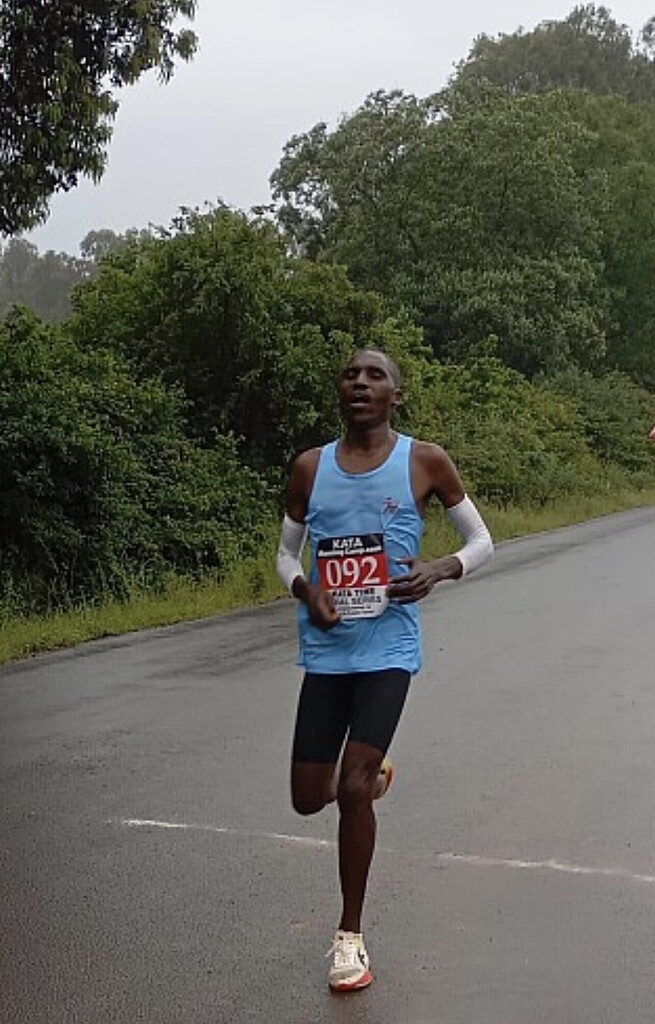
Storm, Spirit and Greatness: KATA Time Trial’s 55th Edition Delivers a Masterpiece in Thika
The 55th edition of the KATA Time Trial Series unfolded in unforgettable fashion in Thika, where heavy rainfall, cold temperatures and high humidity created a demanding stage for one of the region’s most respected road tests. What began beneath grey skies became a celebration of resilience, ambition and the enduring beauty of athletes daring to challenge their limits.
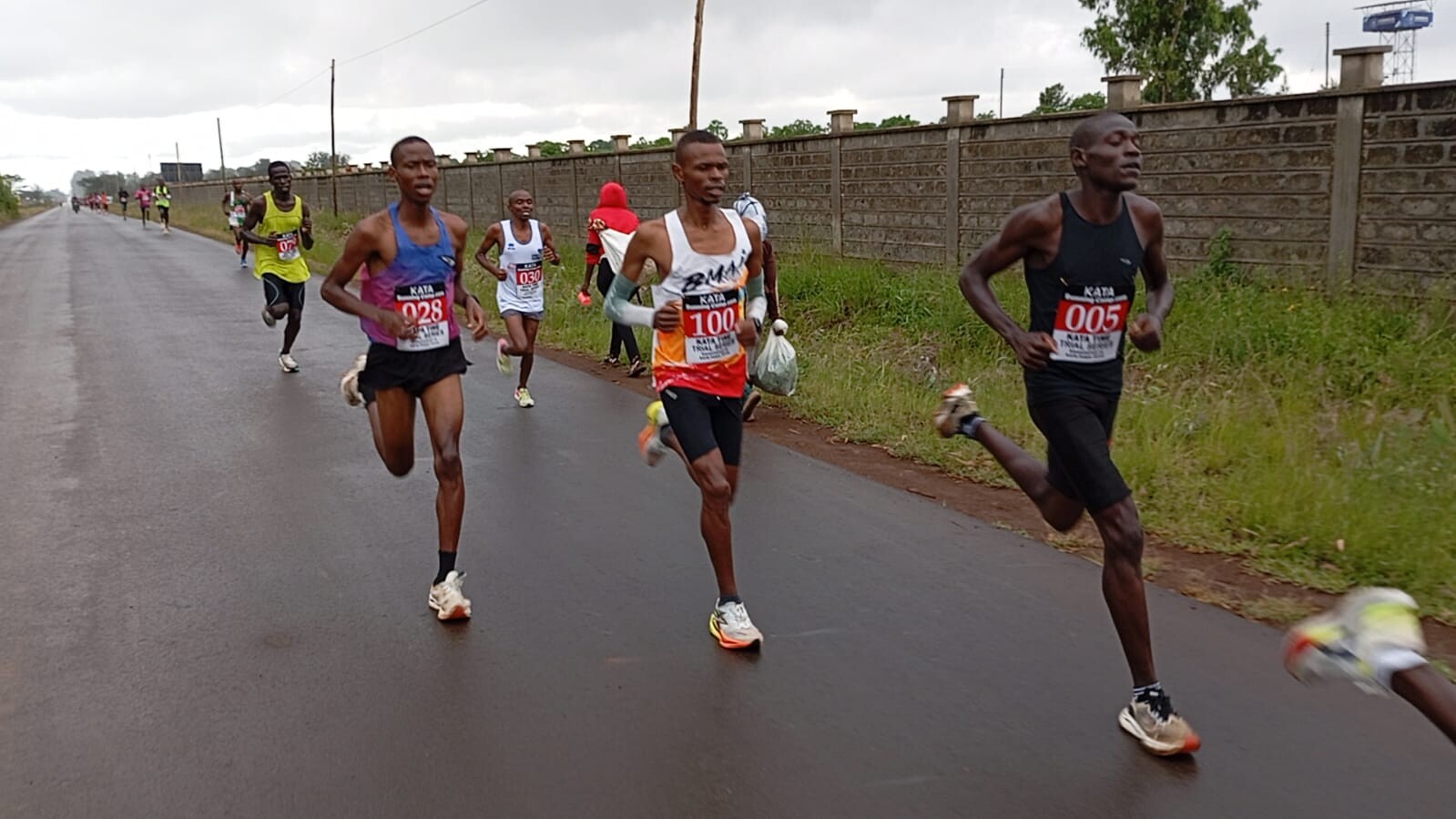
The KATA Time Trial has never relied on grand stadiums or roaring crowds to define its importance. Its prestige is rooted in something deeper—the purity of competition, the honesty of effort and the relentless pursuit of progress. Here, there are no shortcuts and no hiding places. Every stride must be earned, every second must be fought for, and every finish line tells a story of discipline, sacrifice and belief.
Even with the weather working against them, the athletes rose magnificently to the occasion. In the men’s 10km race, the early pace was expertly guided by Peter Mwaniki, whose calm and measured rhythm gave the field structure through the opening stages. When the contest reached its decisive moment, Peter Wanyoike surged clear to win in 29:46, holding off John Kuria, who finished strongly in 30:02, while Charles Wanjora completed the podium in 30:37.
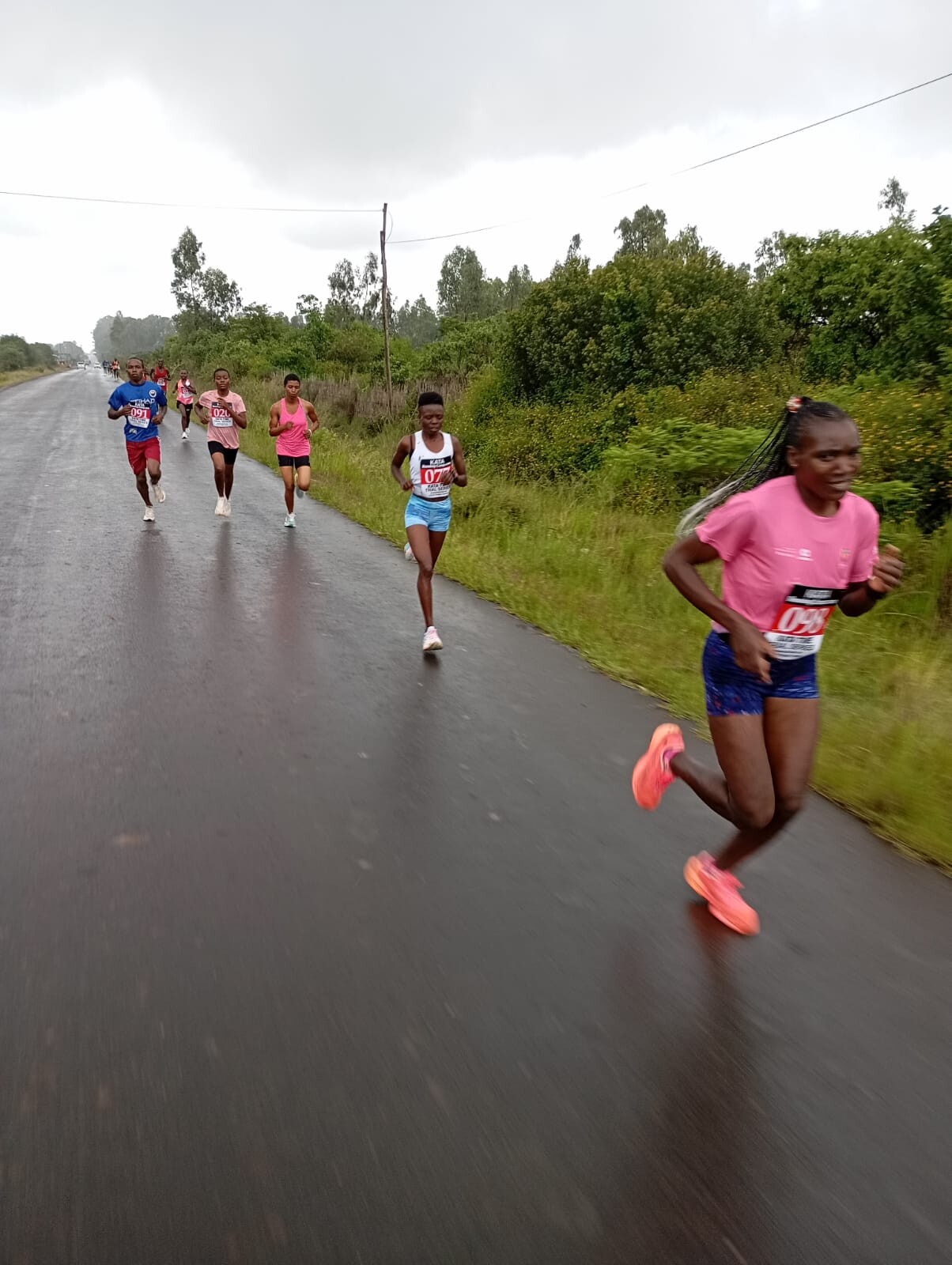
The women’s 10km produced another fine display of strength and composure as Nyimpha Kiteta mastered the difficult conditions to claim victory in 34:04. She finished ahead of Jane Wanja in 35:44 and Ruth Maina in 36:42, both of whom ran with grit and admirable resolve.
In the men’s 5km, one of the day’s most captivating stories came through the spirited rivalry between Dennis Musau and Elam Okato. Their battle brought colour, drama and extra intensity to the morning. Dennis attacked with courage and hunger to clock 18:51, while Elam answered with experience and patience to finish in 20:07. Though the official race winner was the outstanding Francis Maina in 16:04, with Harrison Mathenge second in 16:41 and Kelvin Muko third in 16:59, the duel between Dennis and Elam became one of the moments people will remember longest.
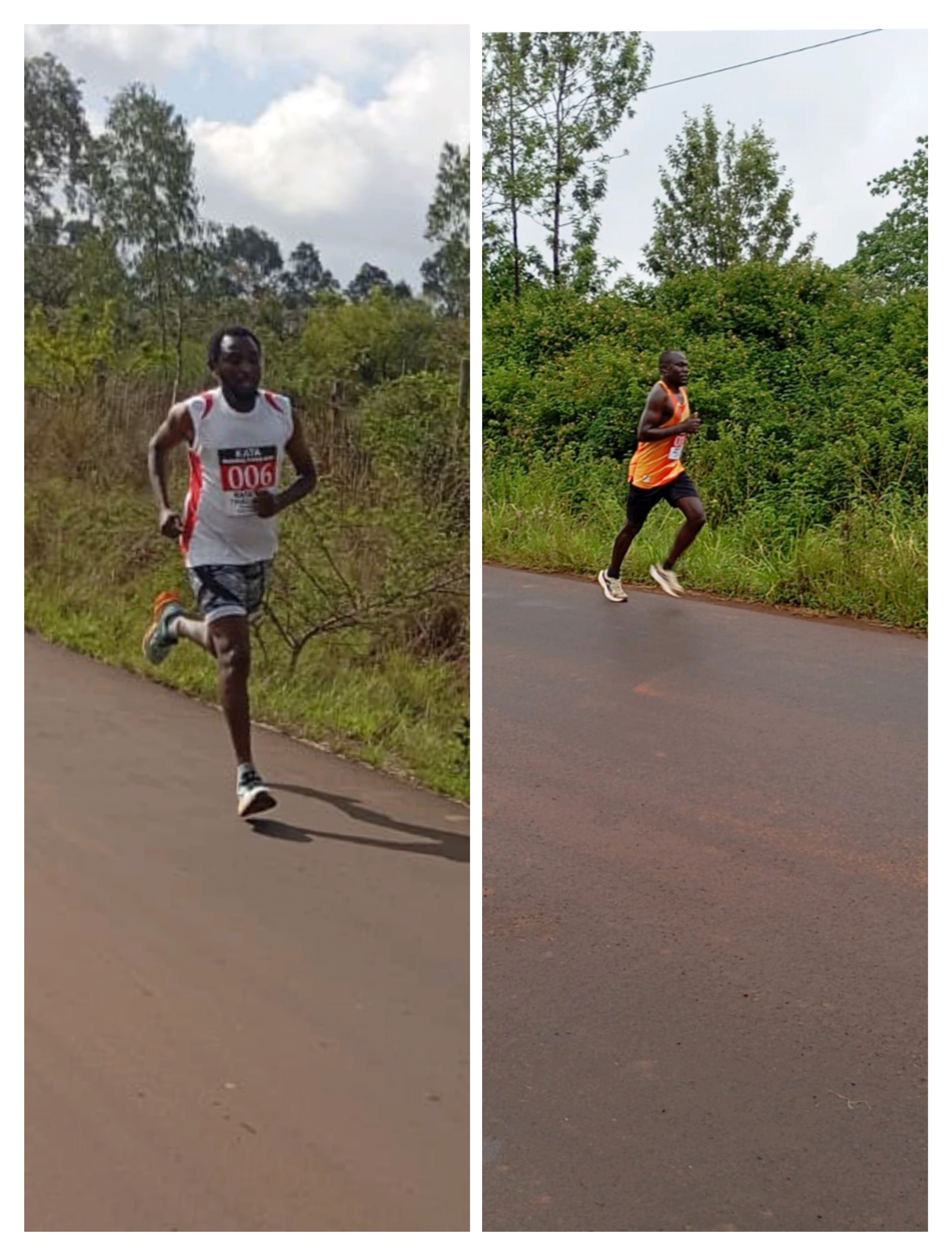
The women’s 5km was equally thrilling, with Doreen Mutua producing a superb run of 18:17 to secure victory after a fiercely contested race. She held off the fast-finishing Lucy Njeri, who ran 18:24, and Faith Kitonga, who crossed in 18:26, in one of the closest finishes of the day.
Beyond the victories and podium finishes, the morning also belonged to the many athletes who achieved Personal Bests. In such difficult weather, those breakthroughs carried even greater meaning. They were not simply numbers on a stopwatch, but proof that patient work, quiet sacrifice and countless unseen training sessions can still produce progress when conditions are toughest.
The lessons of the day continued after the finish line during the post-race gathering, where coaches and veteran athletes shared wisdom with the competitors. They urged the younger runners to remain patient with their journey, to trust consistency, and to understand that lasting success is never rushed. Greatness, they reminded them, is built quietly through daily discipline, one honest effort at a time.
When the rain finally faded and the roads grew silent once more, the legacy of this edition remained clear. The 55th KATA Time Trial was more than a race—it was a portrait of courage, a song of perseverance and a shining reminder that dreams often grow strongest in difficult weather. In every stride there was hope, in every finish there was pride, and in every athlete there burned the beautiful promise of something greater still to come.
by Erick Cheruiyot for My Best Runs.
Login to leave a comment
KATA Time Trial Series
Welcome to the KATA Monthly Time Trial Held at the Kenyan Athletics Training Academy in Thika, Kenya, the KATA Monthly Time Trial is a unique and inclusive event designed to support runners of all levels in achieving their goals and showcasing their fitness. This event offers both 10K and 5K distances on an accurate, certified course, providing participants with...
more...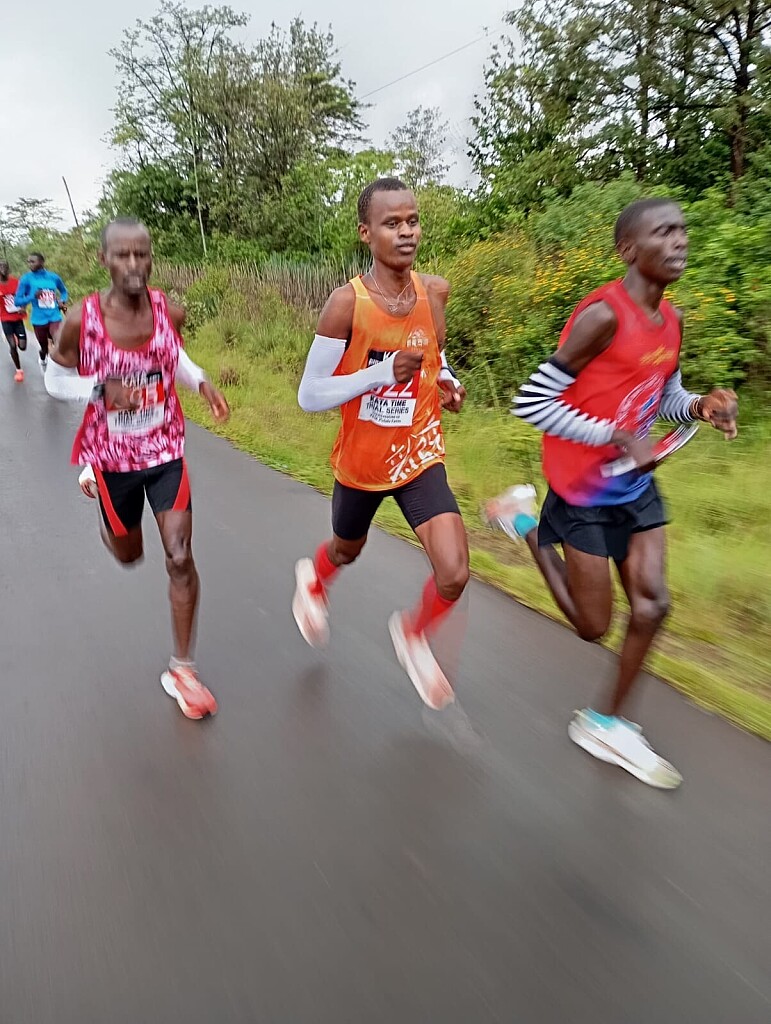
Strong Performances Highlight KATA Time Trial No. 55 at Thika
KATA Time Trial No. 55, part of the ongoing monthly series at KATA Thika, produced a number of strong performances and personal breakthroughs—clear signs that the program continues to move athletes forward.
Breakthrough Run from Francis Maina
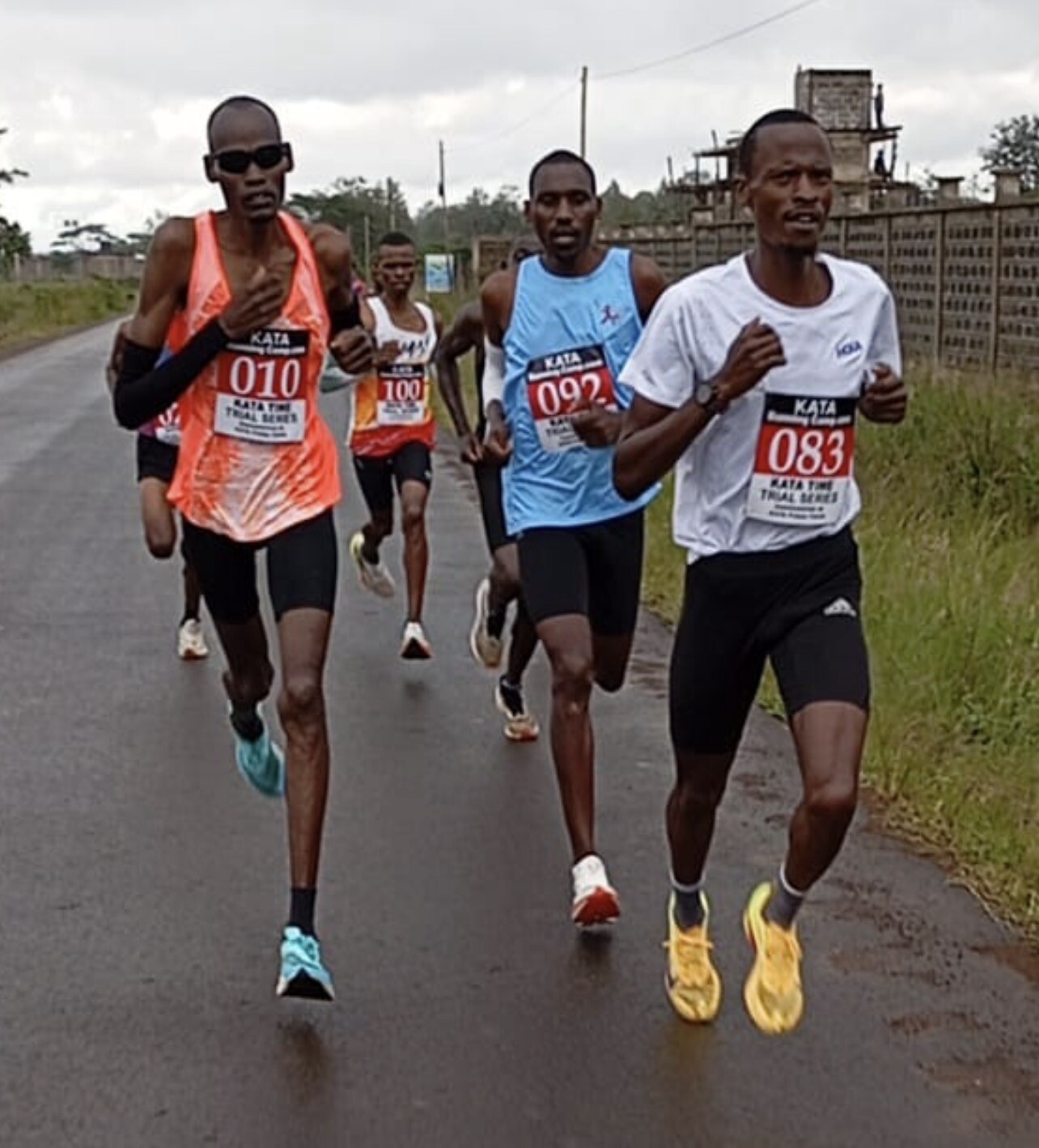
In the men’s 5km, Francis Maina (20) delivered a standout performance, winning in 16:04, a personal best. He improved by 42 seconds from his previous mark of 16:46 set just last month—an impressive jump that reflects consistency and growing confidence.
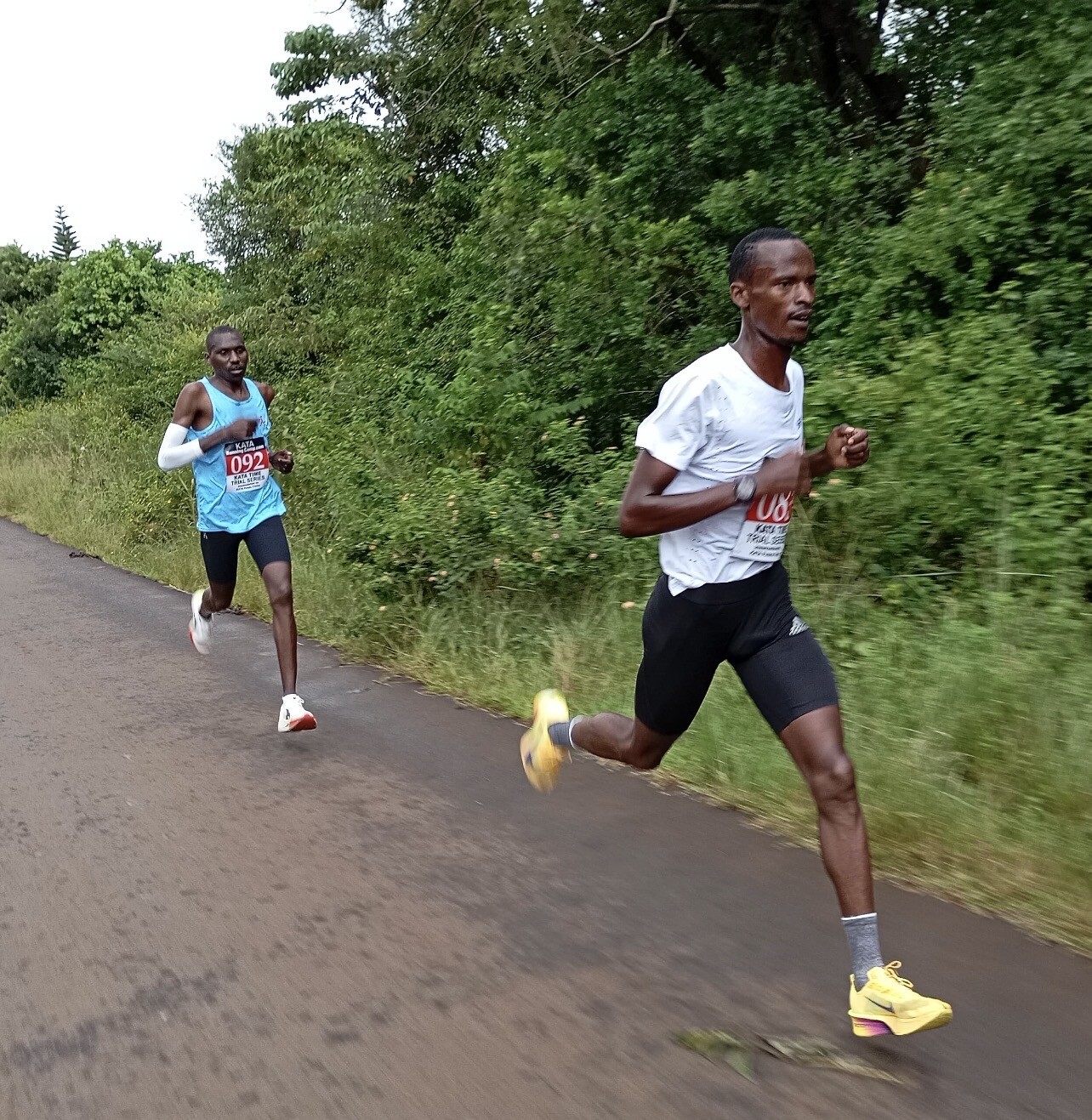
Harrison Mathenge (18) followed in second place with 16:41, continuing his steady progression.
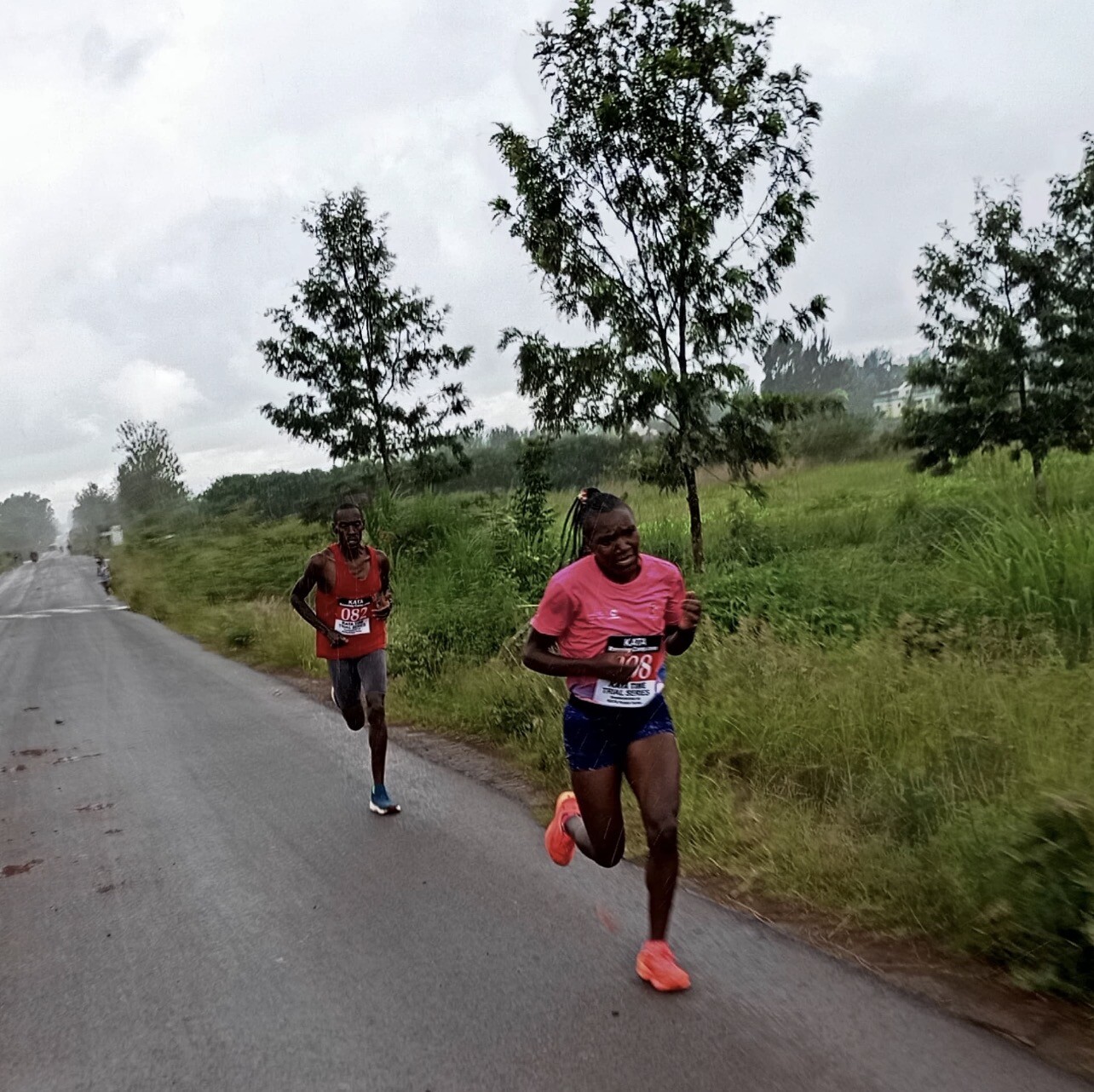
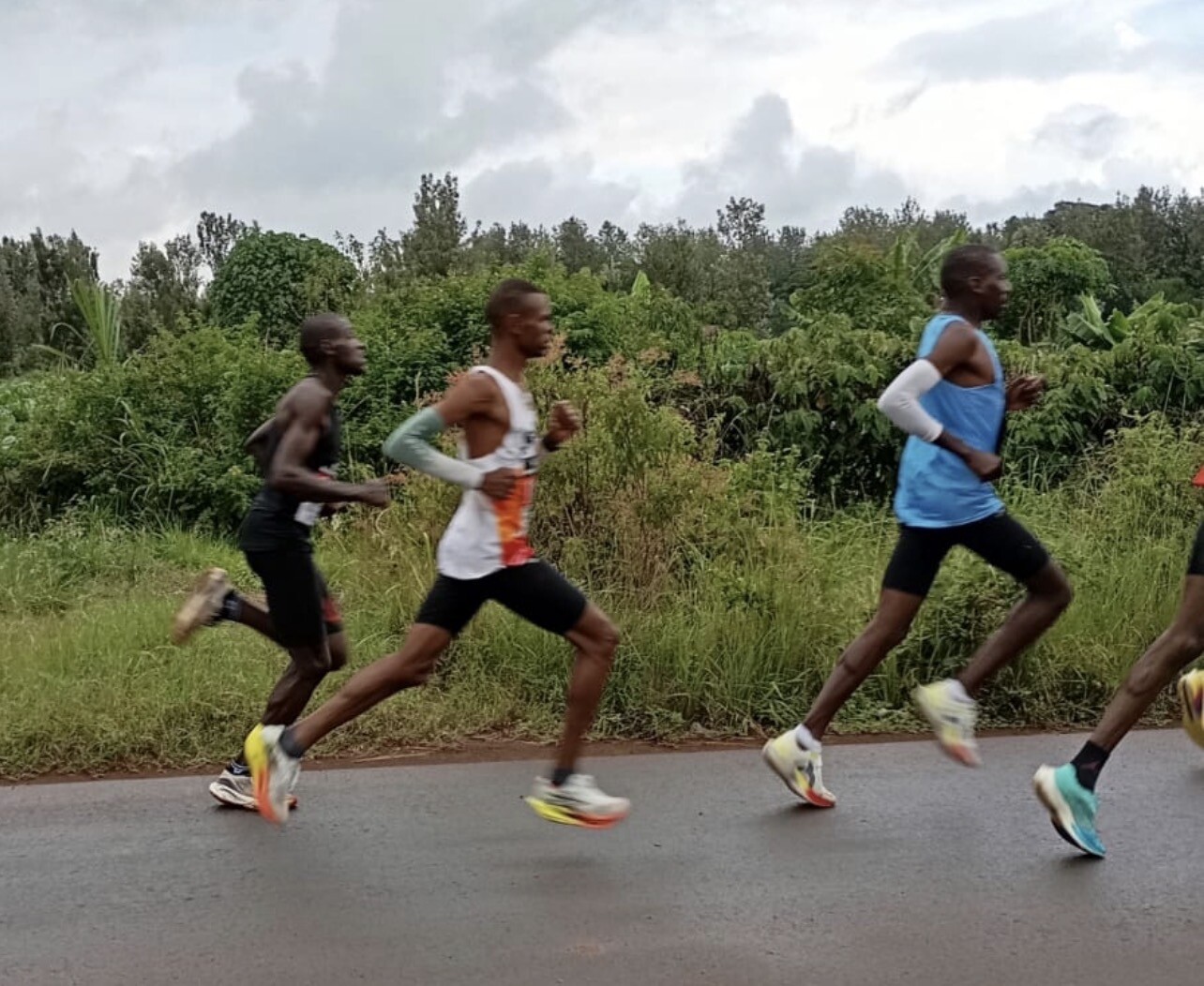
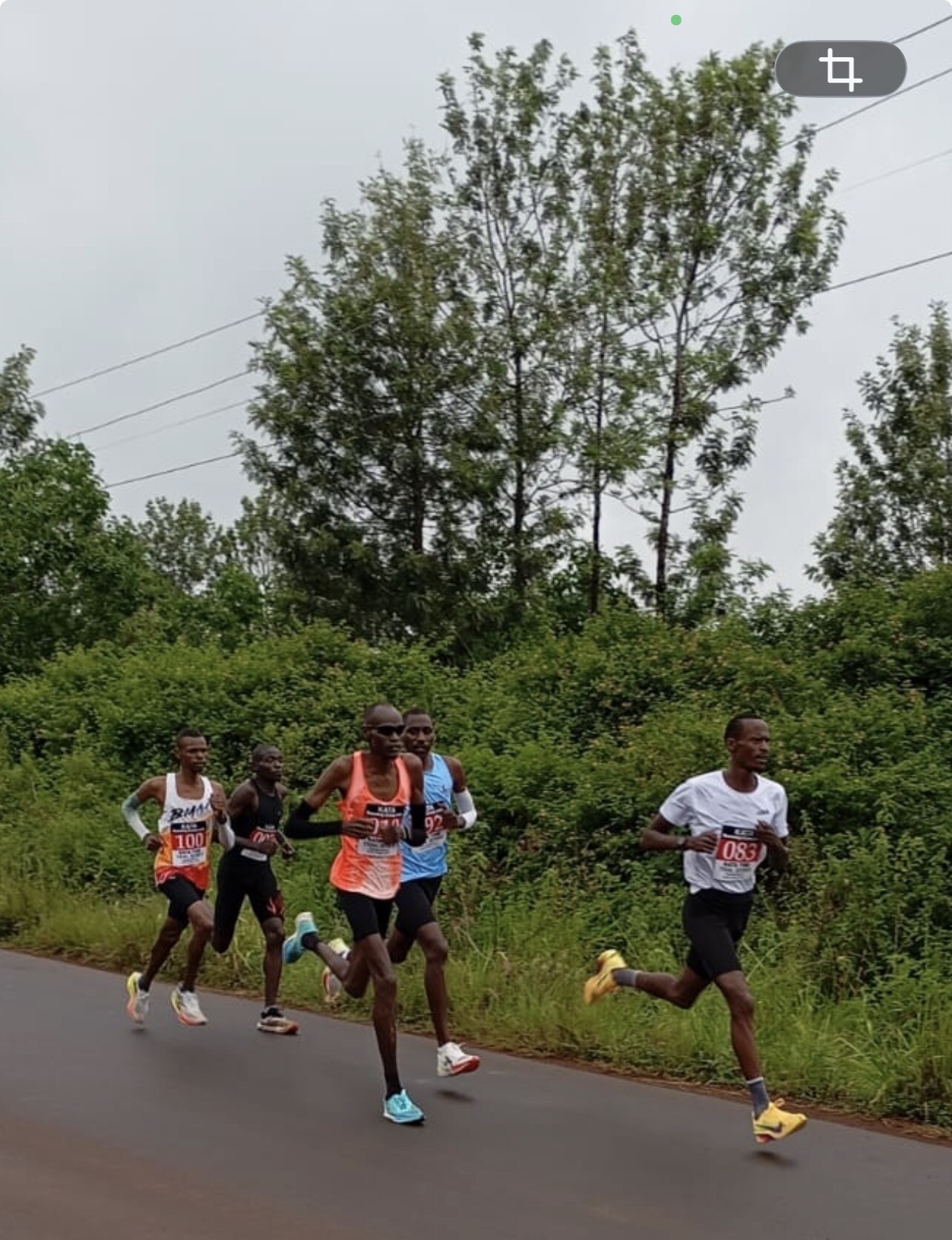
On the women’s side, Doreen Mutua (17) took the win in 18:17, holding off Lucy Njeri (18), who finished close behind in 18:24.
Sub-30 Performance Leads Men’s 10K
In the men’s 10km, Peter Wanyoike (30) led the field with a winning time of 29:46, with John Kuria (30) finishing second in 30:02.
One of the most encouraging performances came from Erick Cheruiyot (30), who finished fourth in 30:43, setting a new personal best and improving by 17 seconds. His progress continues to reflect the purpose behind the KATA program.
Kiteta Leads Women’s 10K
In the women’s 10km race, Nympha Kiteta (20) claimed victory in 34:04, followed by Jane Wanja (38) in 35:44 and Ruth Maina (23) in 36:42.
Full Results
5KM MEN
1. Francis Maina (20 / 084) – 16:04
2. Harrison Mathenge (18 / 019) – 16:41
3. Kelvin Muko (18 / 006) – 16:59
4. John Mutuku (15 / 090) – 17:06
5. Eric Mwaura (19 / 043) – 17:21
6. Samuel Maingi (15 / 026) – 17:28
7. Joseph Mulwa (17 / 091) – 18:17
8. John Mwangi (42 / 050) – 18:24
9. Dennis Musau (43 / 089) – 18:51
10. Benjamin Ndaro (14 / 097) – 20:03
11. Elam Okato (38 / 014) – 20:07
12. Raphael Masese (15 / 095) – 22:07
5KM WOMEN
1. Doreen Mutua (17 / 020) – 18:17
2. Lucy Njeri (18 / 023) – 18:24
3. Faith Kitonga (18 / 018) – 18:26
4. Felister Mbatha (19 / 099) – 22:10
5. Rachel Njeri (15 / 093) – 22:14
6. Ann Monthe (15 / 011) – 23:20
7. Cynthia Ndanu (15 / 017) – 23:21
10KM MEN
1. Peter Wanyoike (30 / 092) – 29:46
2. John Kuria (30 / 100) – 30:02
3. Charles Wanjora (24 / 005) – 30:37
4. Erick Cheruiyot (30 / 010) – 30:43 (PB)
5. Bernard Waweru (40 / 073) – 31:16
6. Justus Nyamai (18 / 028) – 31:21
7. Robin Musa (17 / 033) – 32:07
8. Frederick Wambua (20 / 054) – 32:24
9. Vincent Kiprotich (24 / 079) – 32:28
10. Ismael Mburu (24 / 025) – 32:48
11. Joel Maina (42 / 030) – 33:04
12. David Muriuki (40 / 001) – 33:17
13. Bernard Gicheha (35 / 085) – 33:27
14. Joseph Nyota (20 / 022) – 33:46
15. Brian Mwangi (22 / 048) – 34:02
16. Paul Ng’ang’a (43 / 082) – 35:29
17. Charles Ndirangu (65 / 070) – 38:29
10KM WOMEN
1. Nympha Kiteta (20 / 047) – 34:04
2. Jane Wanja (38 / 098) – 35:44
3. Ruth Maina (23 / 077) – 36:42
4. Regina Sandiki (19 / 096) – 37:42
5. Felister Maina (37 / 094) – 38:01
Final Word
Now at Time Trial No. 55, this monthly KATA series continues to do exactly what it was designed to do—create opportunities for athletes to test themselves, improve, and move forward.
At KATA, progress matters—and today showed plenty of it.
by Coach John
Login to leave a comment
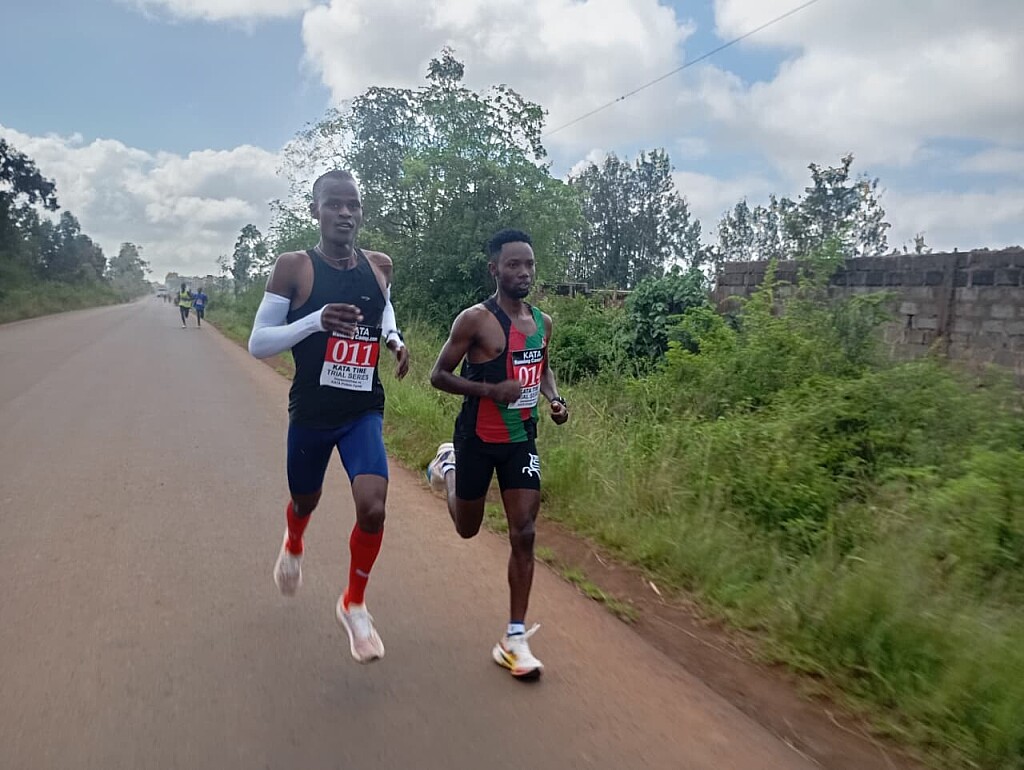
Speed, Strategy and Rivalry: KATA Time Trial Returns for a Thrilling 55th Edition
The familiar sound of pounding footsteps will once again roll across the tarmac course in Thika on Wednesday, 15th April 2026, as the 55th edition of the KATA Time Trial takes centre stage. There may be no grand stadium atmosphere, no roaring crowds, and no glittering finish-line ceremony, yet within the athletics world this event carries enormous value. For the runners who gather there, it is not about spectacle—it is about precision, progress, and the relentless pursuit of improvement.

Held near the training grounds of the Kenyan Athletics Training Academy in Thika, the KATA Time Trial has steadily built a reputation as one of the most respected performance tests on the local calendar. Over the years, it has become a trusted benchmark where athletes measure their development, sharpen their race instincts, and turn months of disciplined training into meaningful results.
Unlike conventional races, where tactical battles and pack dynamics often shape the outcome, the KATA Time Trial has traditionally reduced competition to its purest form, with athletes racing mainly against the clock and their own previous bests. However, this 55th edition is expected to bring a different dimension. While time remains the ultimate target, the event is likely to be defined by calculated tactical battles and well-organised pack running, as athletes work together to sustain strong rhythms and create the ideal conditions for faster times and more personal bests. Success will still demand disciplined pacing, sharp judgment, and composure under pressure, but strategy could prove just as decisive as strength. Adding further intrigue to the programme, the 5km race is set to feature an exciting showdown between two experienced veterans, Dennis and Elam, whose rivalry promises to inject extra intensity into an already highly anticipated morning.
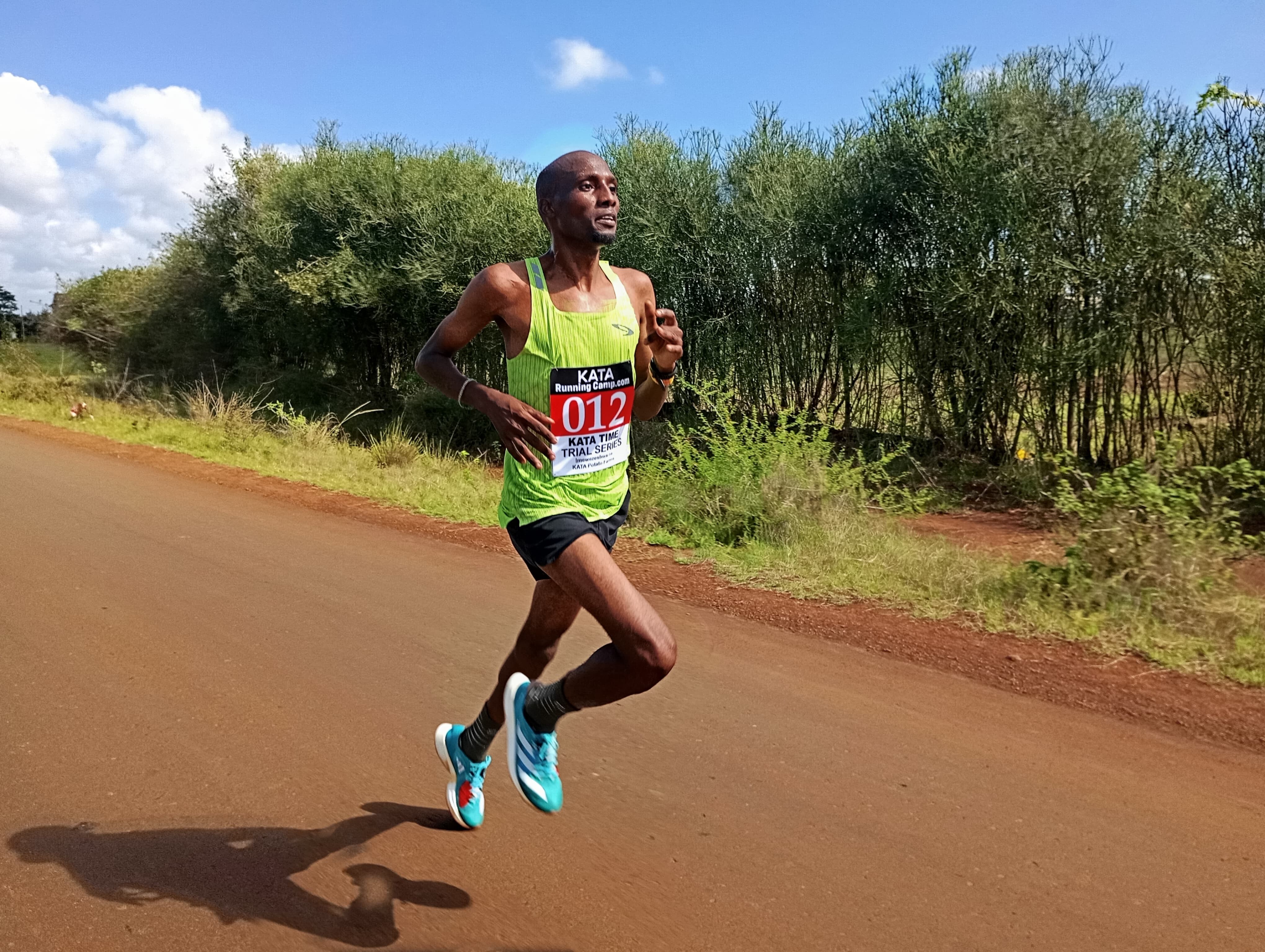
This edition will once again feature the classic 5-kilometre and 10-kilometre tests, two distances that reveal different dimensions of an athlete’s fitness. The 5km demands sharp speed, efficiency, and the courage to sustain discomfort at a fast rhythm. The 10km, by contrast, rewards patience, endurance, and the discipline to manage effort over a longer stretch. In both events, even the smallest pacing error can prove costly on the unforgiving road.
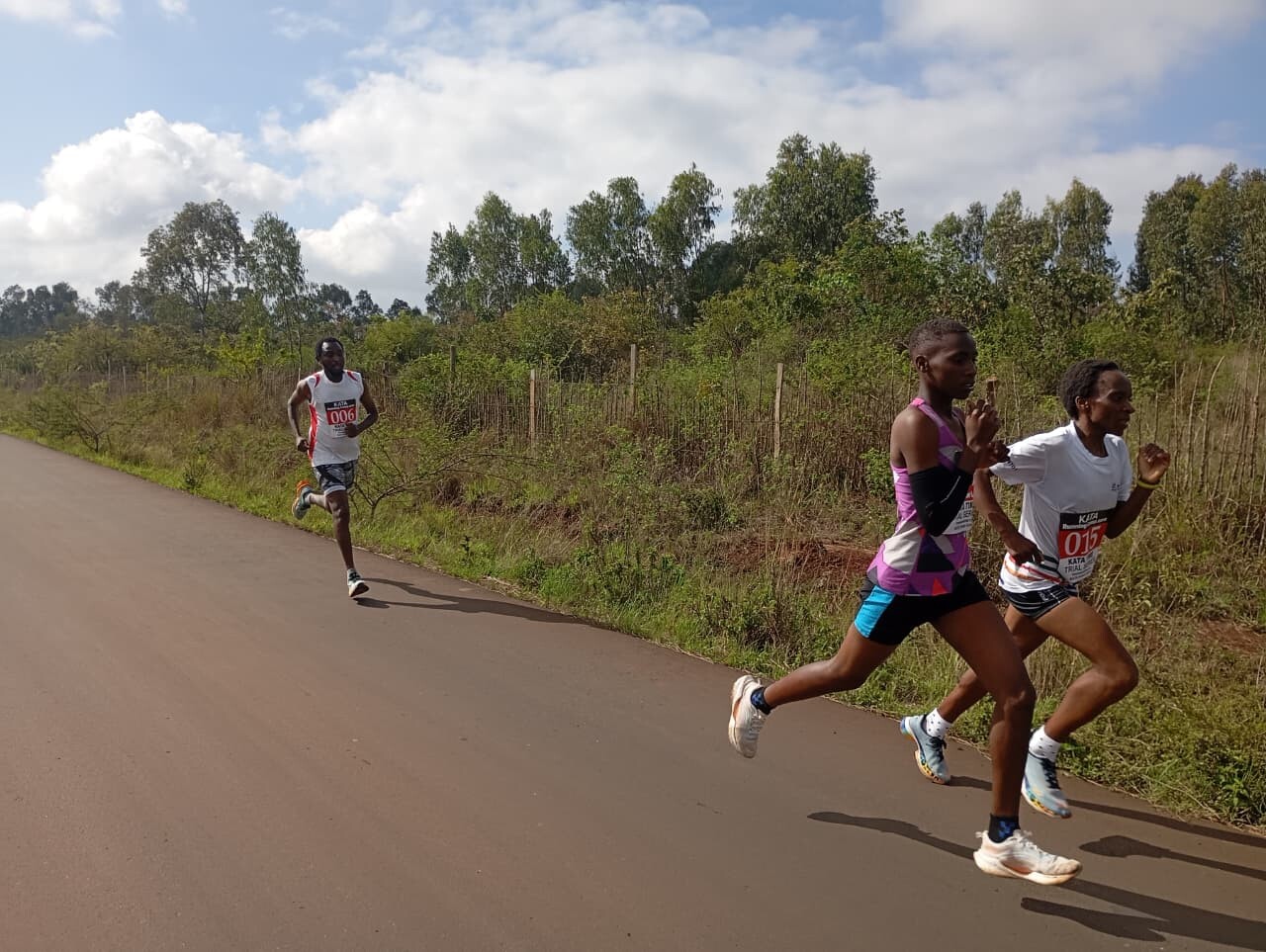
One of the most exciting themes of this edition will be the determined chase for personal bests. For many runners, the stopwatches in Thika represent more than numbers—they represent evidence of growth, sacrifice, and progress. Every second gained is the reward for countless early mornings, demanding sessions, and unwavering commitment. That is what makes the time trial so significant: it transforms training into truth.
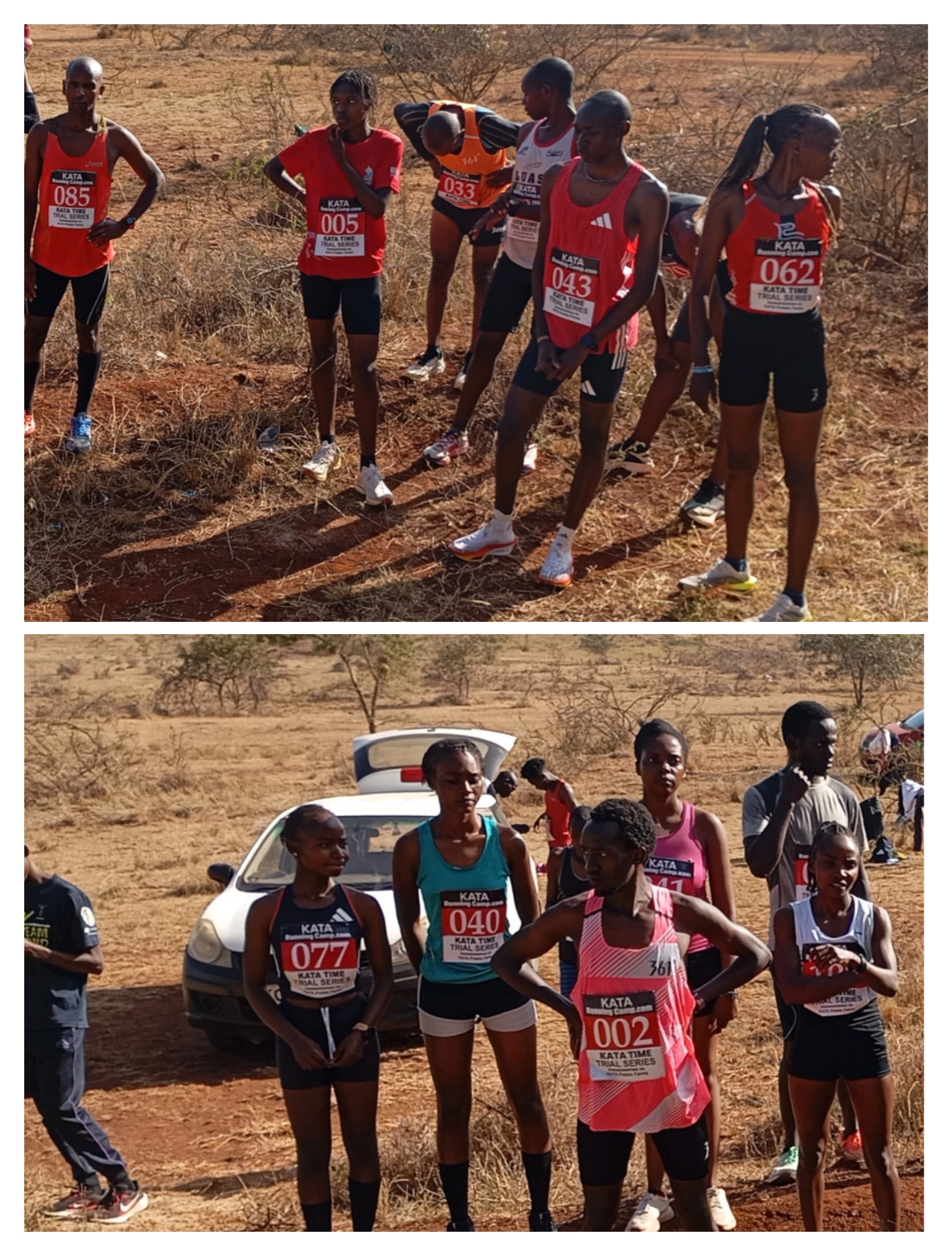
The conditions in Thika are expected to favour athletes who respect the distance and run with intelligence. Those who remain patient in the opening kilometres often finish strongly, while those who attack too early may pay the price before the line. It is a setting where discipline is rewarded and lessons are learned in real time.
Though it may unfold quietly, the impact of the KATA Time Trial reaches far beyond a single morning. On this modest stretch of tarmac, athletes continue to refine their craft, build resilience, and chase the standards that define excellence. When the watches stop at the end of the 55th chapter, the results will tell more than finishing times—they will tell the story of ambition, hard work, and the endless pursuit of becoming better.
by Erick Cheruiyot for My Best Runs.
Login to leave a comment
KATA Time Trial Series
Welcome to the KATA Monthly Time Trial Held at the Kenyan Athletics Training Academy in Thika, Kenya, the KATA Monthly Time Trial is a unique and inclusive event designed to support runners of all levels in achieving their goals and showcasing their fitness. This event offers both 10K and 5K distances on an accurate, certified course, providing participants with...
more...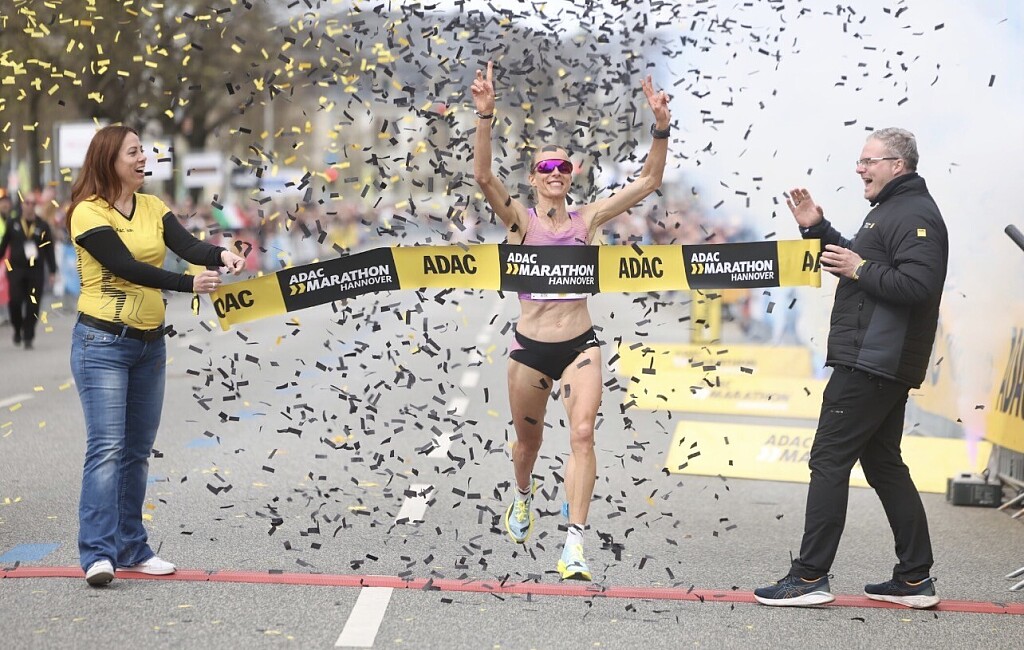
Domenika Mayer Crushes Hannover Course Record with 2:21:26 Breakthrough
Germany’s Domenika Mayer delivered a commanding performance to win the ADAC Marathon Hannover in a course record of 2:21:26, securing the national championship title as well.
Improving significantly on her previous personal best of 2:23:16, Mayer moved to second on the German all-time list and 11th on the European all-time rankings. Her performance also stands as the second fastest time by a European woman this year. With the victory, Mayer became the first athlete to win the Hannover Marathon four times.
Fellow German Fabienne Königstein finished second in 2:24:31, while Ethiopia’s Almaz Negede took third in 2:30:25.
Kibet Surges Late to Win Men’s Race
Kenya’s Maru Thomas Kibet captured the men’s title in dramatic fashion, running a personal best of 2:07:53.
After trailing late in the race, Kibet closed a significant gap and overtook Zimbabwe’s Godwin Katakura with just over two kilometers remaining. Katakura held on for second in 2:08:46, also a major personal best, while Ethiopia’s Asnake Dubre finished third in 2:10:22.
Germany’s Tom Thurley placed sixth overall in 2:11:02, earning the German national title.
A Record Event in Hannover
More than 6,000 marathon runners registered for the 34th edition of the race. Including shorter distance events staged throughout the weekend, total participation reached nearly 34,000 athletes, setting a new event record.
Mayer Dominates from the Start
The anticipated duel between Mayer and Königstein never materialized. Königstein entered the race with limited preparation following an injury, and Mayer quickly took control.
By the halfway mark, Mayer split 70:31, nearly a minute ahead of Königstein (71:25). From there, the gap continued to grow.
“Given the short preparation time, I am happy with my race. I had no problems after the injury—that’s great. Domenika was very strong today,” said Königstein, who is now targeting the European Championships marathon in Birmingham this August.
Mayer admitted the early pace may have been ambitious but remained strong enough to deliver a breakthrough performance.
“I am really happy. The pace was a bit too fast early, and you pay for that later,” she said. “But there is still more to come. I am aiming for the 2:20 mark. I’m always trying to run faster and see what is possible—after all, my time is limited. I’m not 25 anymore.”
With this performance, Mayer now trails only national record holder Irina Mikitenko (2:19:19) on Germany’s all-time list.
Late Drama in the Men’s Race
The men’s race saw a dramatic shift in the closing kilometers. Godwin Katakura, who had led for most of the race, slowed significantly in the final stages, opening the door for Kibet.
“I did not expect to win and had already settled for second,” said Kibet. “This is a huge personal best. In the future, I want to run 2:03.”
Thurley Claims National Title
After pre-race favorite Johannes Motschmann dropped out around 25K due to a groin issue, the path cleared for Tom Thurley.
The 32-year-old delivered a personal best of 2:11:02 to secure the German title
“I had hoped it might work out this way—but a marathon is long, and you never know,” said Thurley. “My goal is to run under 2:10. If I get the opportunity to compete for Germany at the European Championships, I will take it.”
Results
Men
1. Maru Thomas Kibet (KEN) – 2:07:53
2. Godwin Katakura (ZIM) – 2:08:46
3. Asnake Dubre (ETH) – 2:10:22
4. Christopher Kitetu (KEN) – 2:10:45
5. Archie Casteel (SWE) – 2:10:56
6. Tom Thurley (GER) – 2:11:02
Women
1. Domenika Mayer (GER) – 2:21:26
2. Fabienne Königstein (GER) – 2:24:31
3. Almaz Negede (ETH) – 2:30:25
4. Cecilia Wayua (KEN) – 2:30:36
5. Katharina Saathoff (GER) – 2:30:51
6. Mercy Kipkemoi (KEN) – 2:31:48
by Race News Service
Login to leave a comment

ADAC Hannover Marathon
It is not only the gripping competition that makes the marathon in Hannover so captivating, but also the exceptionally attractive side programme.With numerous samba bands and musicians accompanying the athletes along their sightseeing tour through the city, a feel-good mood is guaranteed on the course. The city will be transformed with a mix of musical entertainment, shows and activities that...
more...
New Era Unfolds in Brasília as Race Walking Stars Chase Historic Half Marathon Glory
A fresh chapter in global race walking is set to be written in Ciaxa World Athletics Race Walking Team Championships Brasília 26, where the women’s half marathon makes its long-awaited championship debut in the Brazilian Capital. On Sunday, April 12, the Brazilian capital will host a compelling mix of proven champions and rising contenders, all navigating the uncertainty of a distance that promises both opportunity and unpredictability.
With 74 athletes representing 28 nations, the race introduces a new tactical dimension to elite race walking. The one-kilometre loop course in Brasília will test not only endurance and pacing but also adaptability, as athletes transition from the traditional 20km format to this slightly longer challenge.
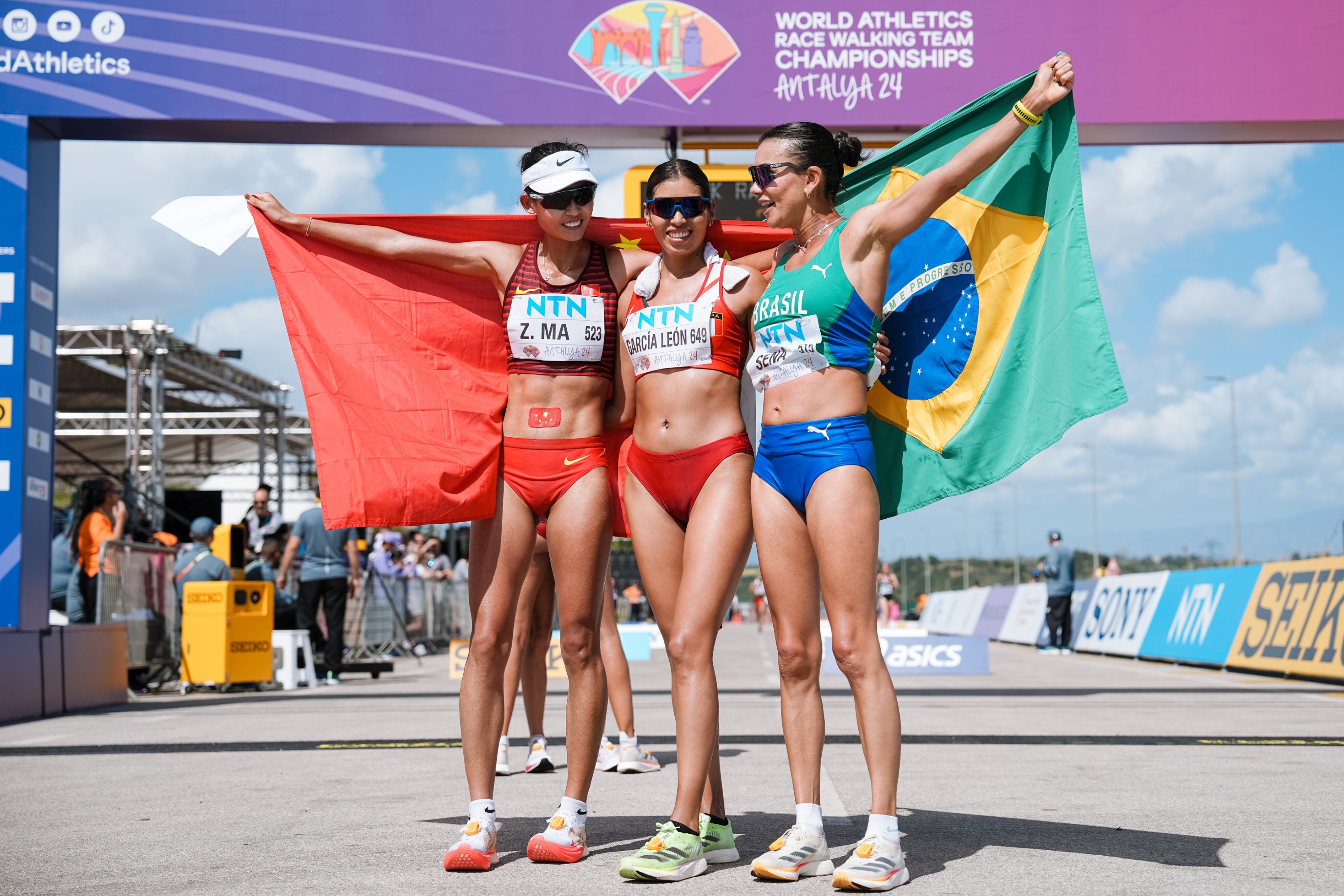
Leading the charge is Peru’s Kimberly García, a double world champion from 2022 and the reigning 20km champion from the previous edition. García has opened her 2026 season in impressive fashion, clocking a personal best of 1:34:17 at Dudince, underlining her readiness to contend for top honours. Her consistency and championship pedigree make her one of the standout names heading into this historic race.
She is joined by compatriot Evelyn Inga, who arrives with momentum after a breakthrough victory at the Dudinská 50, where she set a South American record of 1:33:49. Together, the Peruvian duo not only strengthens their individual medal prospects but also boosts their nation’s chances in the team standings, having narrowly missed out on the title in the previous championships.
China, however, looms large once again. With exceptional depth, the Asian powerhouse fields five of the six fastest entrants. At the forefront is Ji Haiying, who leads the field with a world-class 1:32:22 recorded in Taicang. She is closely backed by Guo Na (1:32:24) and Dou Maocuo (1:32:27), forming a formidable trio that places China as overwhelming favourites for the team crown.
Spain’s Antía Chamosa adds further intrigue. The 26-year-old has steadily climbed the ranks and enters the championships in peak form after securing the national title with a personal best of 1:33:45. Her progression, combined with a strong showing at recent global events, suggests she could be a serious threat in this new format.
Meanwhile, Poland’s Katarzyna Zdziebło brings invaluable experience. A double world silver medallist, she thrives in high-pressure championship races. Although yet to record a time over the half marathon distance, her tactical awareness and finishing strength could prove decisive in what is expected to be a closely contested race.
Australia also enters the fray with genuine medal ambitions. Rebecca Henderson recently surged to a personal best of 1:32:25 to claim her national title, placing her among the fastest in the field. Alongside her, Olivia Sandery adds depth, having finished second domestically with 1:34:09, ensuring Australia remains competitive in both individual and team battles.
Elsewhere, Mexico’s Alejandra Ortega—third in Dudince—continues to show consistent form, while France’s emerging talent Pauline Stey is steadily gaining ground on the global stage and could challenge the established names.
Italy’s Nicole Colombi remains an intriguing wildcard, having entered both the half marathon and marathon events, with her final decision still pending.
Notably absent, however, are two of the sport’s biggest names: Spain’s double world champion María Pérez and Italy’s Olympic champion Antonella Palmisano. Their absence leaves the podium wide open, creating a rare opportunity for new champions to emerge.
As the sport embraces this new distance, Brasília stands as the stage for innovation, ambition, and history. With no established blueprint for success, the women’s half marathon promises a race defined not just by speed, but by strategy, resilience, and the courage to master the unknown.
by Erick Cheruiyot for My Best Runs.
Login to leave a comment
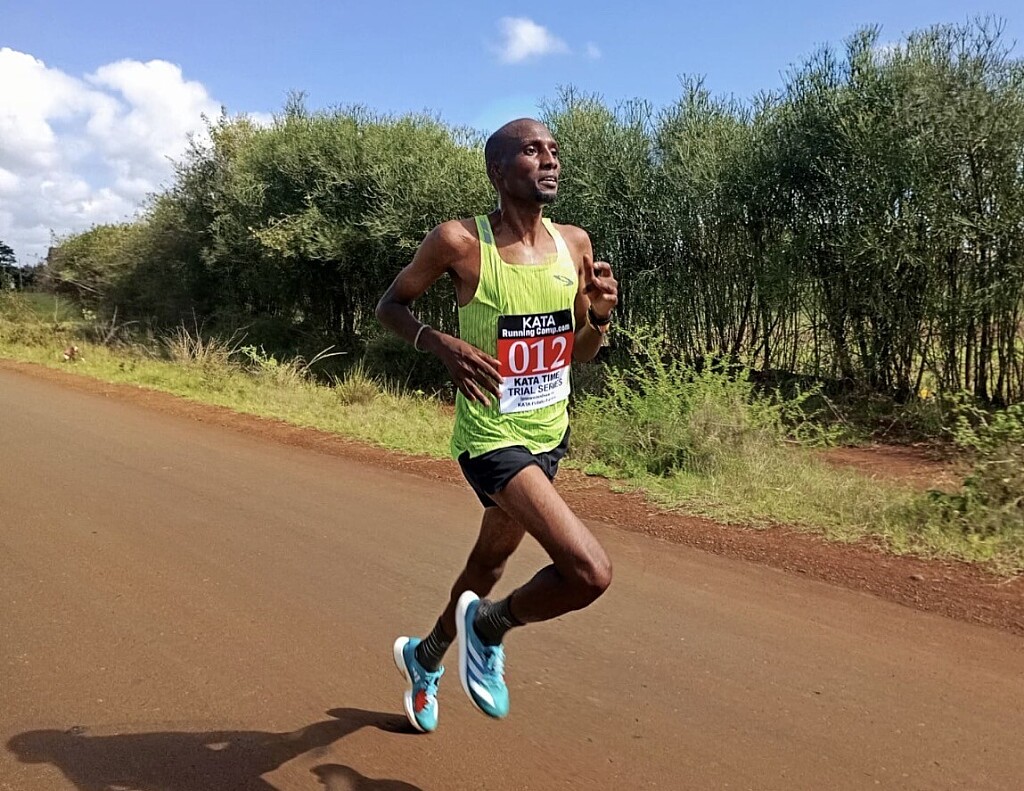
Under Warm and Humid Skies, Athletes Deliver Strong Performances at the 54th KATA Time Trial
The familiar stretch of tarmac in Thika, running alongside the Kenyan Athletics Training Academy (KATA), once again came alive as athletes gathered for the 54th edition of the KATA Time Trial, a session defined by quiet determination, controlled pacing, and purposeful competition. Under mostly sunny skies, the morning carried a noticeable layer of warmth and humidity, conditions that subtly tested the discipline and race management of every runner who lined up across the 5km and 10km distances.
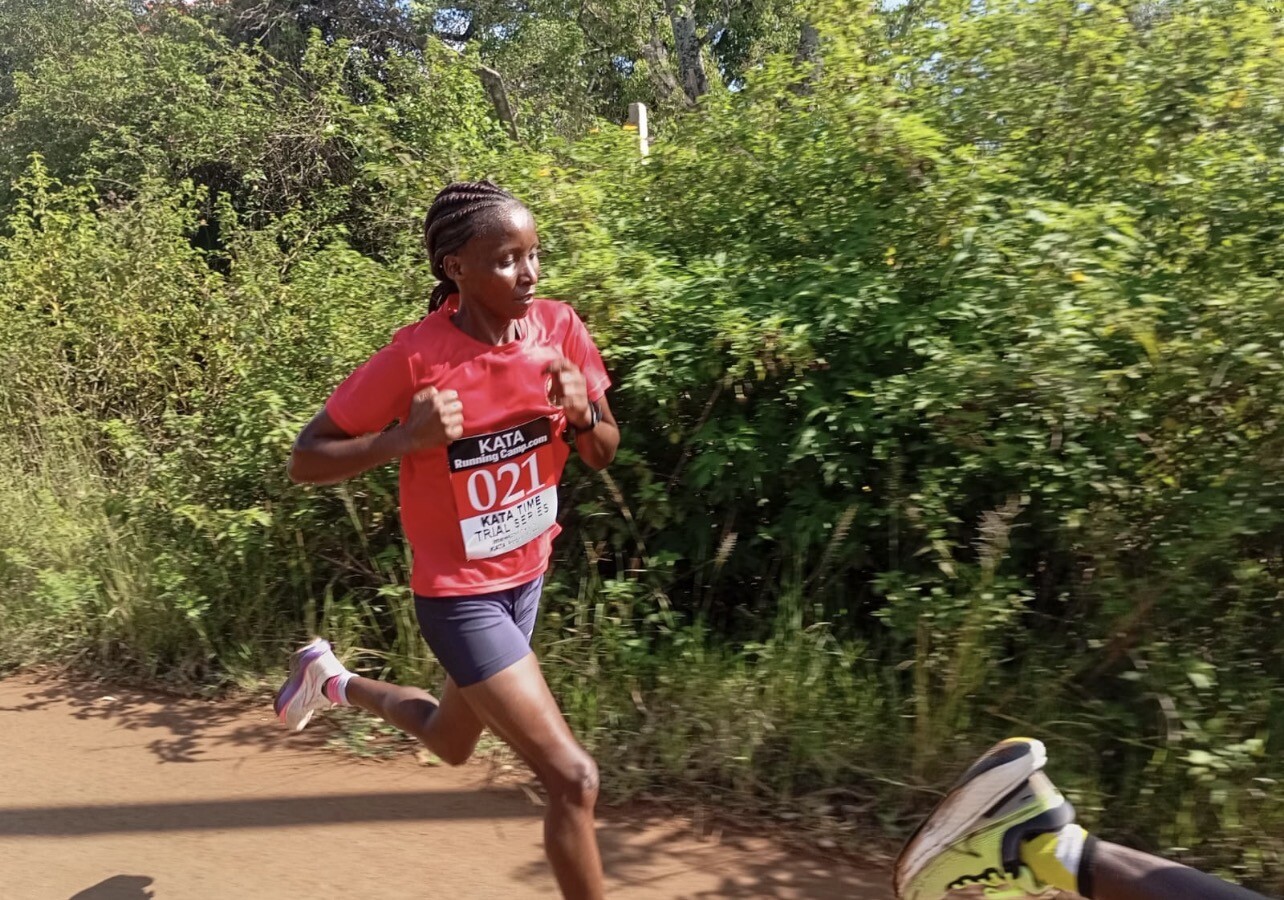
From the outset, the atmosphere demanded patience. The combination of heat and humidity meant that athletes had to measure their effort carefully, balancing ambition with composure as they navigated the now-familiar loop. Yet such conditions have always been part of the character of the KATA time trials — a training ground where athletes refine not only their speed but also their judgment, learning to listen to their bodies while maintaining rhythm through every stride.
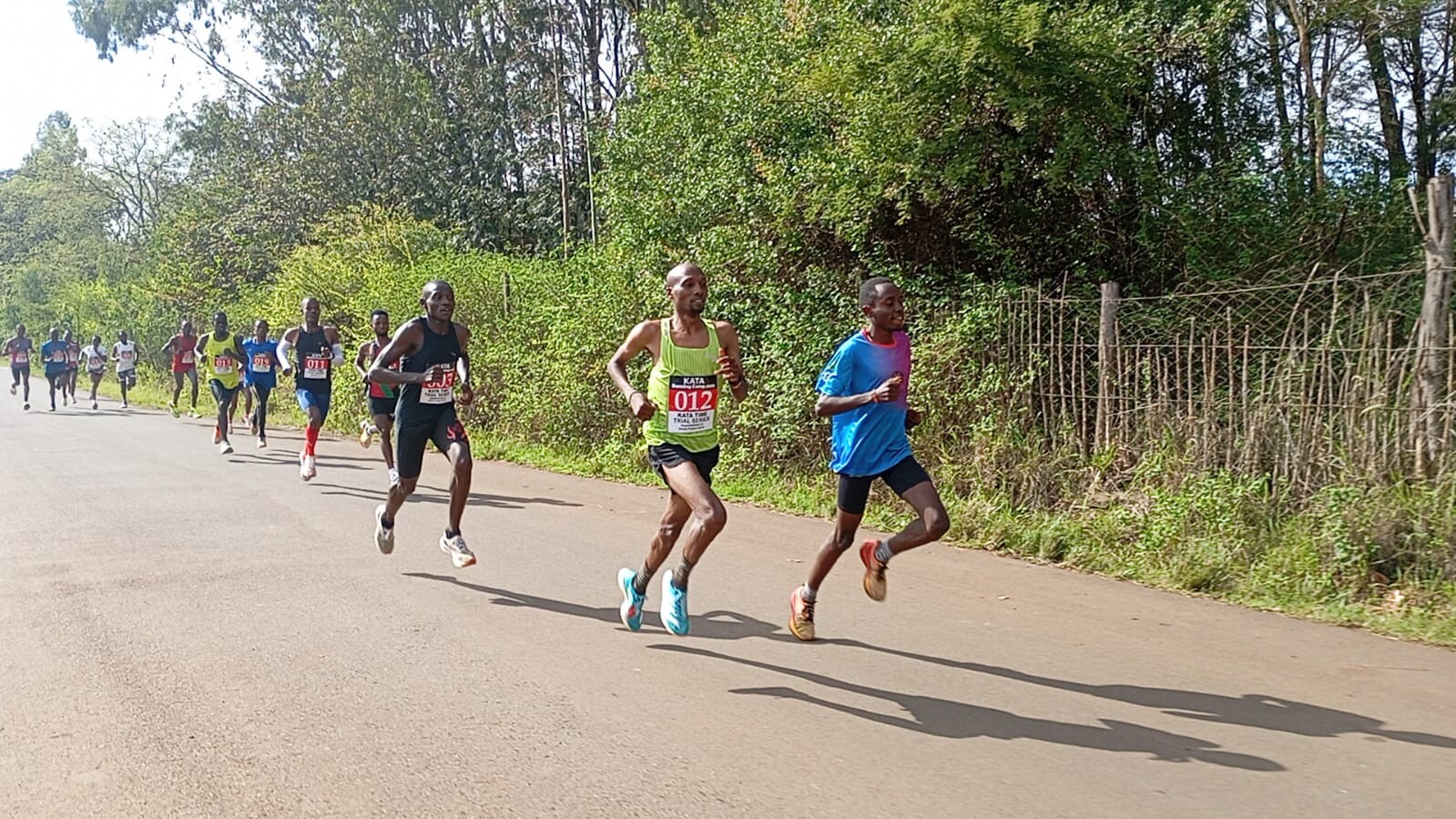
In the women’s 5km race, Naomi Wambui produced a confident and well-controlled performance to claim victory in 18:21. Running with composure from the early stages, Wambui settled into a steady rhythm and maintained her form despite the rising warmth. Her stride remained relaxed through the middle stages before she closed strongly, delivering a performance that reflected both experience and control. Felister Mbatha followed in 22:21, showing determination and steady effort throughout the course as she secured second place.
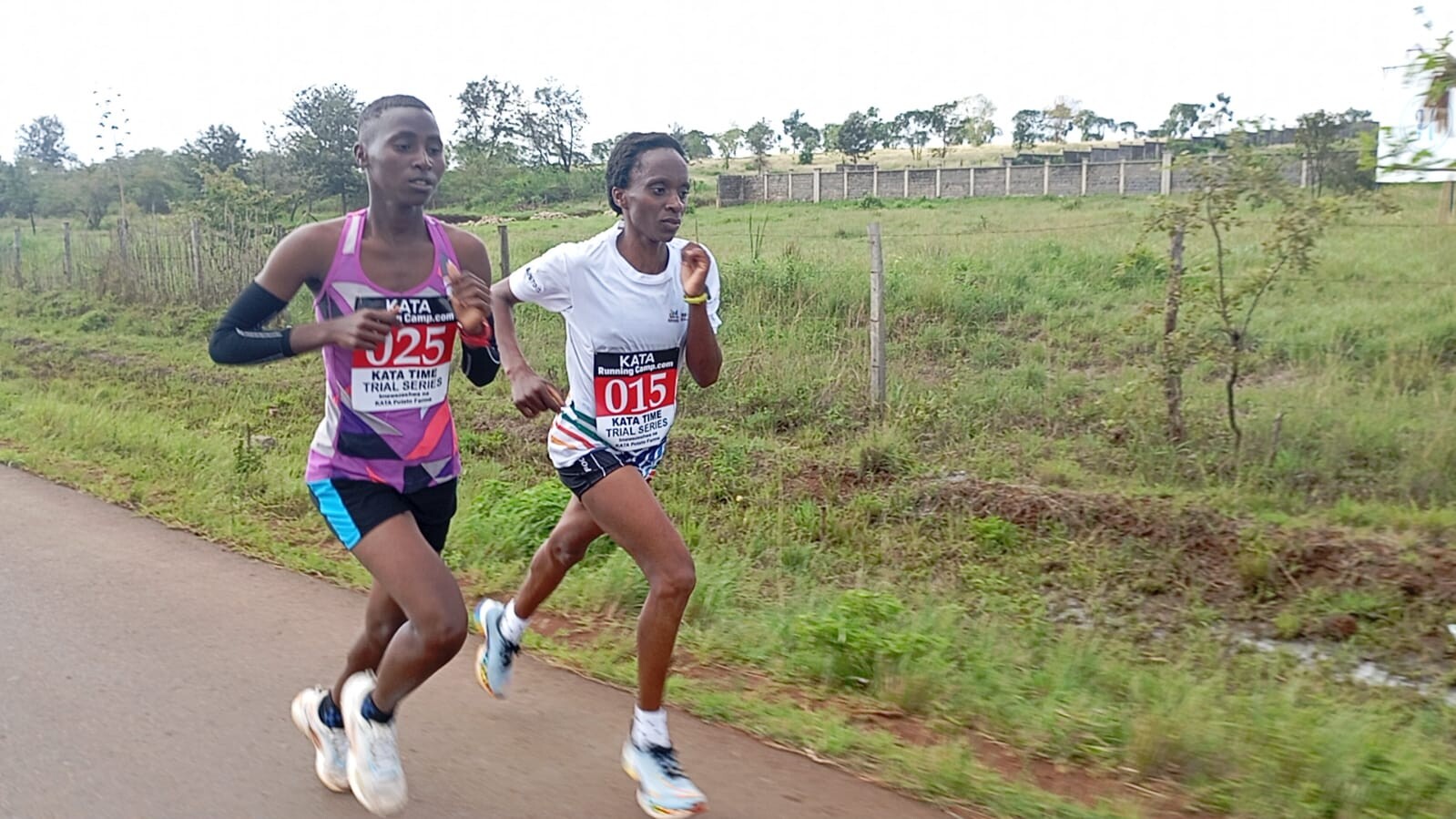
The men’s 5km brought an energetic display from Francis Maina, who ran decisively to take the win in 16:46. His race was defined by an assertive tempo and efficient cadence that allowed him to maintain momentum from start to finish.
Just behind him, the enduring Dennis Musau reminded everyone that experience is sometimes the most valuable training partner. Clocking 19:46, the veteran moved through the course with the calm rhythm of someone who has seen many race mornings come and go. While the younger runners pushed hard up front, Musau seemed to glide along with a knowing smile, almost as if he was quietly reminding them that endurance running is not only about speed — it’s also about patience, wisdom, and the occasional ability to make it look easier than it really is. His performance added a light and enjoyable touch to the race, proving that the sport always has room for both youthful fire and seasoned composure.
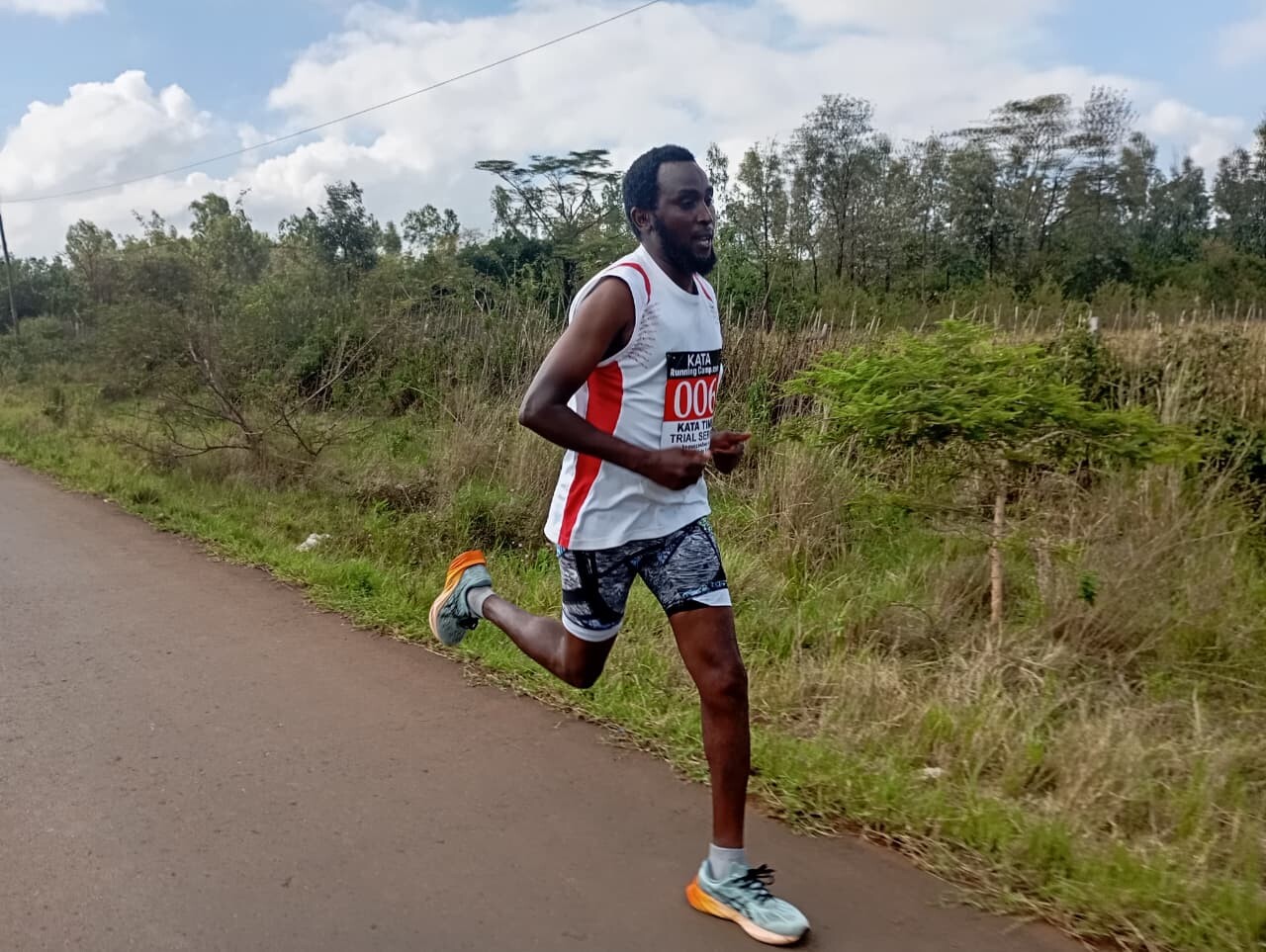
As attention shifted to the longer distance, the 10km races demanded greater endurance and discipline. In the women’s contest, Kellen Waithera delivered one of the most composed performances of the morning, crossing the finish line in 34:58. Her run was marked by consistency and intelligent pacing, holding a steady tempo across each kilometer despite the humidity that hung in the air. Regina Sandiki followed with a determined 36:57, maintaining her rhythm and finishing strongly to secure second place.
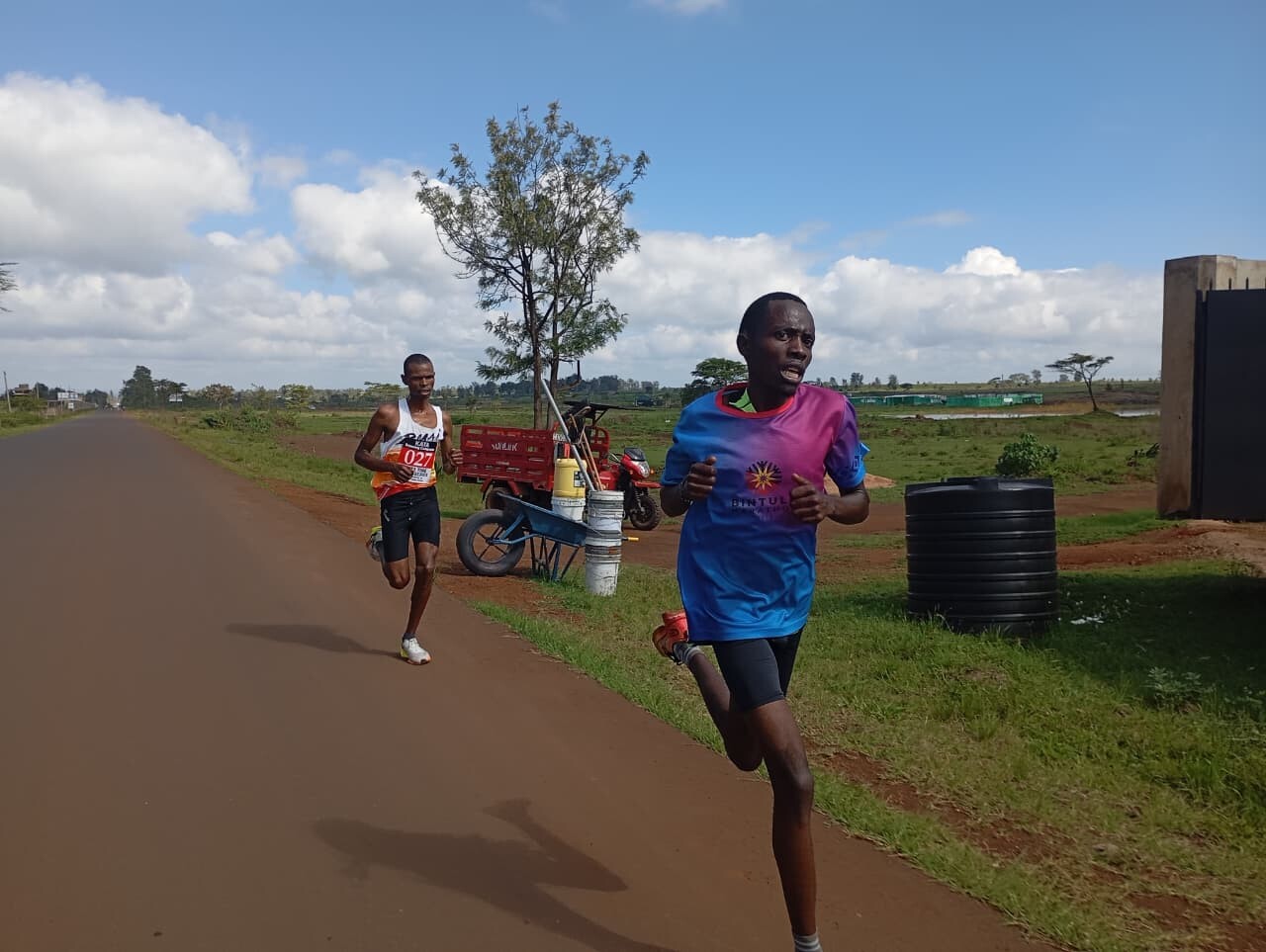
The men’s 10km proved to be the deepest and most competitive event of the day. Bernard Musau set the benchmark with a commanding 29:24, establishing control early before sustaining a strong and balanced pace through the final kilometers. His performance stood as the fastest of the morning and highlighted impressive endurance on the demanding course. Close behind, Kelvin Nganga finished in 29:41, while John Kuria completed the top three in 29:46, underlining the competitiveness at the front of the field.
Further down the standings, strong performances continued to emerge as athletes maintained disciplined pacing despite the warm and slightly humid conditions. Bernard Waweru crossed in 30:38, followed by Erick Cheruiyot in 31:07 and Charles Wanjora in 31:29. A deep field continued through the results, with determined efforts from Joel Maina, Joseph Makeri, Joseph Nyota, Justus Wambua, Vincent Kiprotich, Paul Nganga, and veteran runner Charles Ndirangu, whose resilience over the distance added another layer of inspiration to the morning’s competition.
Results
Women 5km
1. Naomi Wambui — Age 41 — Bib 15 — 18:21
2. Felister Mbatha — Age 19 — Bib 26 — 22:21
Men 5km
1. Francis Maina — Age 19 — Bib 19 — 16:46
2. Dennis Musau — Age 43 — Bib 06 — 19:46
Women 10km
1. Kellen Waithera — Age 39 — Bib 21 — 34:58
2. Regina Sandiki — Age 19 — Bib 25 — 36:57
Men 10km
1. Bernard Musau — Age 30 — Bib 12 — 29:24
2. Kelvin Nganga — Age 24 — Bib 02 — 29:41
3. John Kuria — Age 30 — Bib 27 — 29:46
4. Bernard Waweru — Age 40 — Bib 01 — 30:38
5. Erick Cheruiyot — Age 30 — Bib 28 — 31:07
6. Charles Wanjora — Age 24 — Bib 03 — 31:29
7. Joel Maina — Age 43 — Bib 20 — 31:36
8. Joseph Makeri — Age 41 — Bib 14 — 32:51
9. Joseph Nyota — Age 20 — Bib 11 — 33:11
10. Justus Wambua — Age 18 — Bib 09 — 33:22
11. Vincent Kiprotich — Age 24 — Bib 13 — 34:56
12. Paul Nganga — Age 43 — Bib 29 — 34:57
13. Charles Ndirangu — Age 64 — Bib 23 — 38:02
As the final runners crossed the line and the morning warmth lingered over the Thika tarmac, the 54th KATA Time Trial once again revealed what makes these sessions special. Beyond the stopwatch and finishing order lies a culture built on discipline, growth, and shared purpose. Here, young athletes chase new limits while experienced runners quietly remind them that progress is a long road. With every stride, every split, and every edition, the KATA time trials continue to shape not just stronger runners, but a community bound together by the simple, enduring rhythm of the run.
by Erick Cheruiyot for My Best Runs.
Login to leave a comment
KATA Time Trial Series
Welcome to the KATA Monthly Time Trial Held at the Kenyan Athletics Training Academy in Thika, Kenya, the KATA Monthly Time Trial is a unique and inclusive event designed to support runners of all levels in achieving their goals and showcasing their fitness. This event offers both 10K and 5K distances on an accurate, certified course, providing participants with...
more...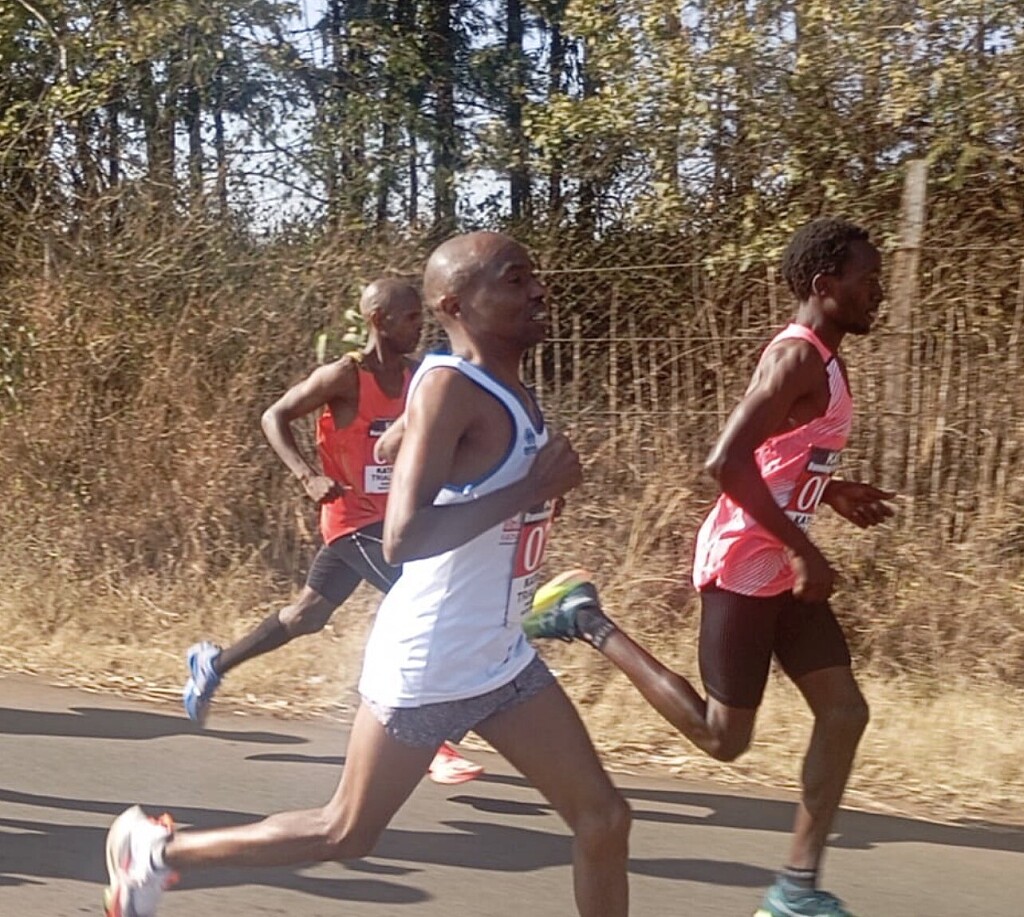
Precision on the Tarmac: KATA Time Trial Returns for Its 54th Chapter in Thika
The steady rhythm of footsteps will once again echo along the familiar tarmac roads of Thika on Wednesday morning, March 11, 2026, as the 54th edition of the KATA Time Trial takes center stage. Held just outside not far from the grounds of Kenyan Athletics Training Academy – Thika, the session may unfold without the noise and spectacle of major races, but within the running community it carries a quiet importance. For the athletes who gather there, the time trial is less about applause and more about discipline, precision, and honest evaluation.
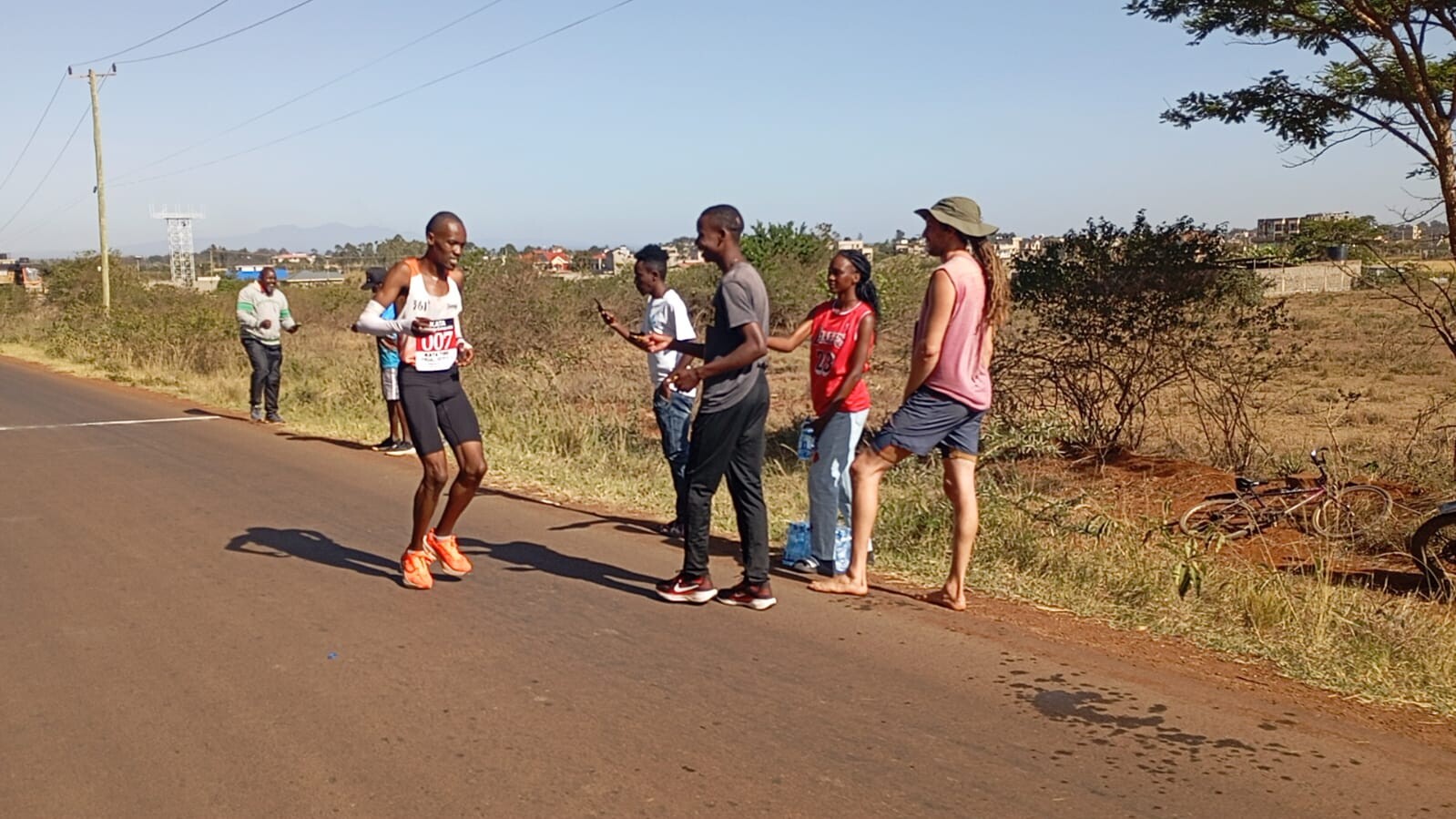
Over the years, the KATA Time Trial has grown into a respected training tradition, providing athletes with a structured environment to measure progress and sharpen their racing instincts. Rather than encouraging head-to-head competition, the philosophy behind the trial is rooted in controlled execution—following a training plan, maintaining rhythm, and understanding one’s physical limits. Each edition becomes an opportunity for runners to listen to their bodies and translate months of training into measurable performance.
The upcoming 54th edition will once again focus on two classic testing grounds: the 5-kilometer and 10-kilometer distances. Both races serve as powerful indicators of an athlete’s development. The shorter 5km demands efficiency, sharp pacing, and speed endurance, while the 10km places greater emphasis on patience, tactical awareness, and sustained effort. In both cases, even the smallest miscalculation in pace can quickly reveal itself along the unforgiving stretch of tarmac.
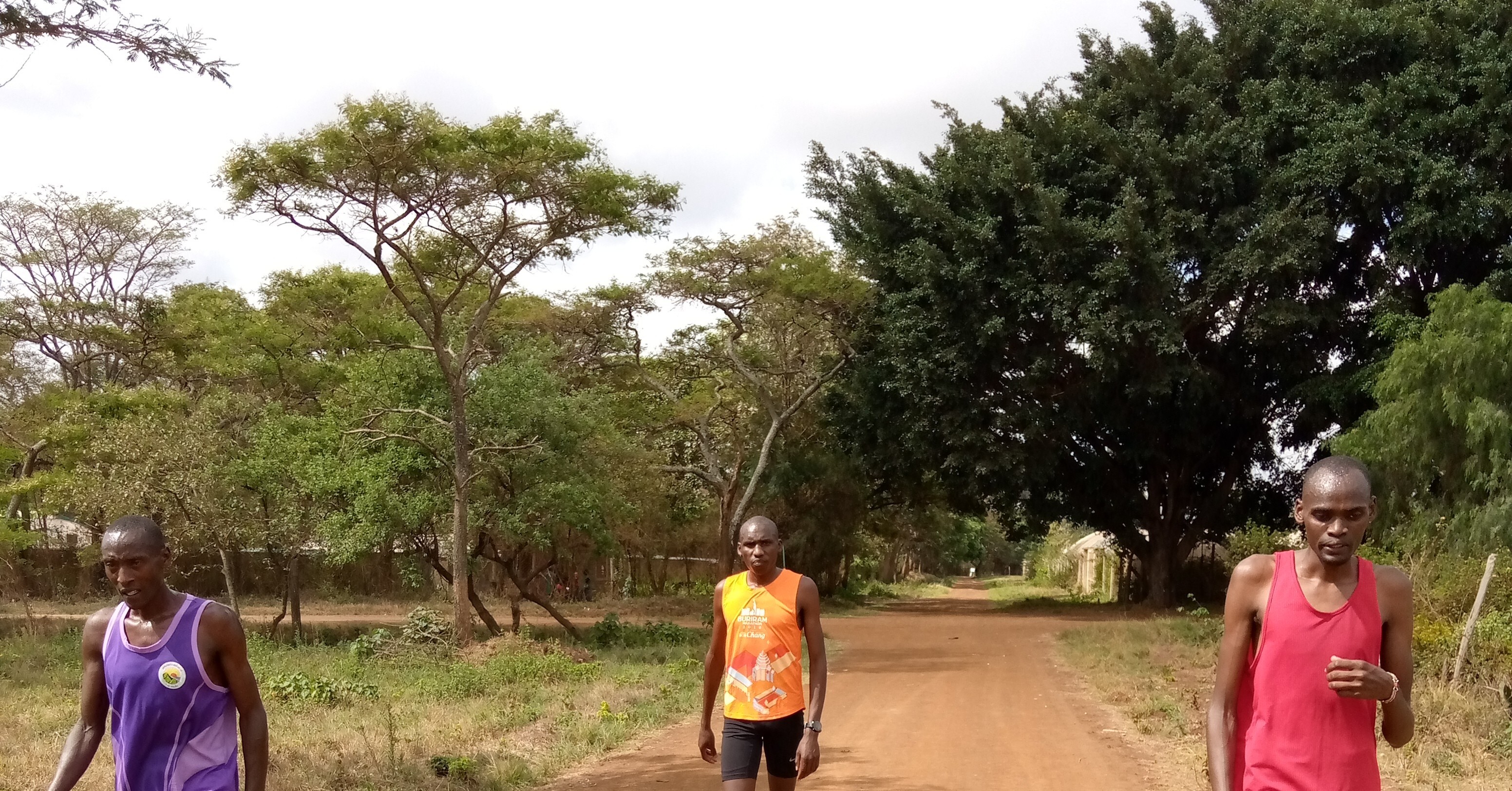
What makes the KATA Time Trial unique is the absence of typical race dynamics. There are no large packs to hide within and no tactical surges to follow. Each athlete runs against the clock—and against their own expectations. The responsibility for pacing rests entirely on individual judgment, turning every kilometer into a test of both physical strength and mental clarity.
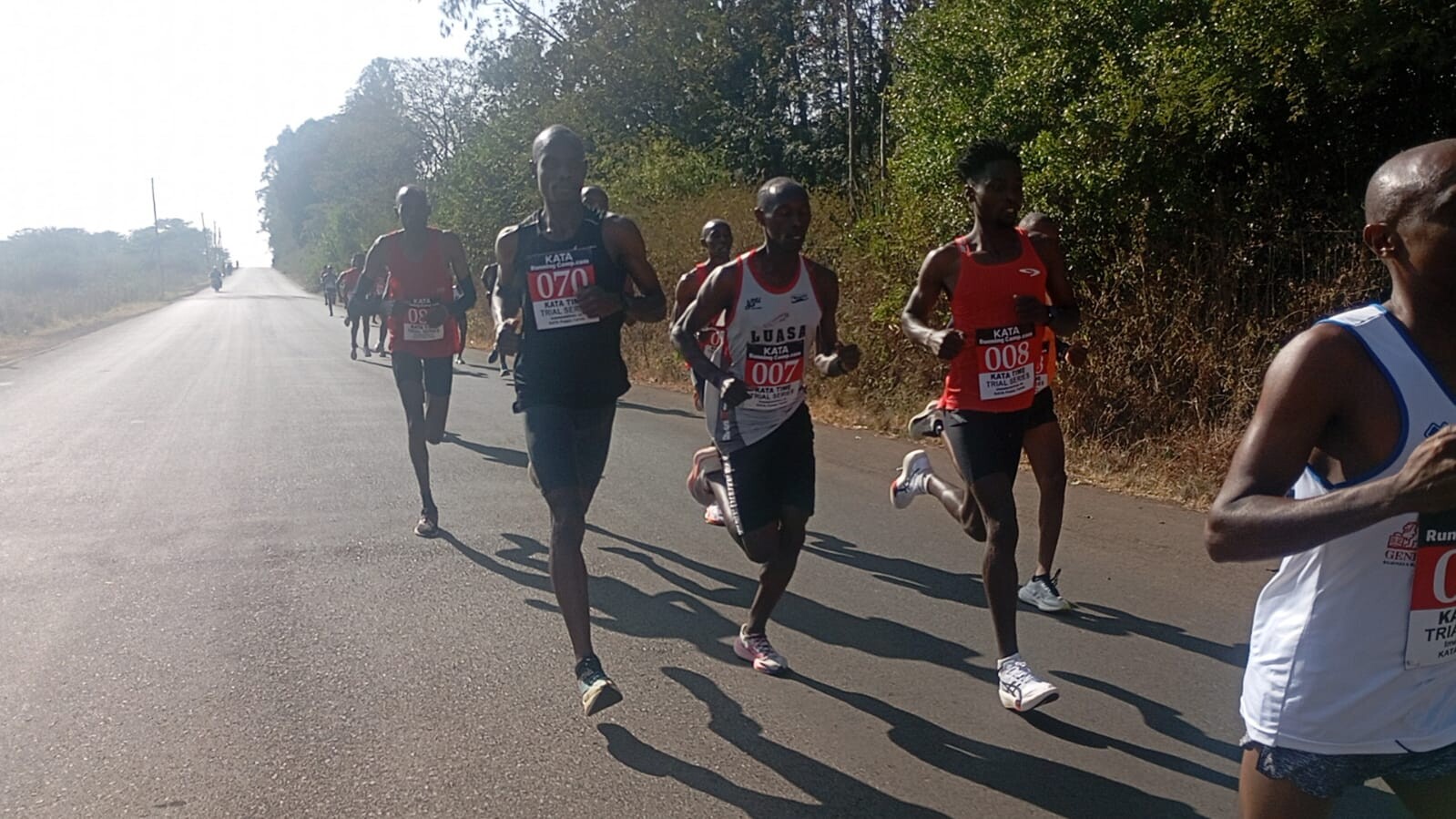
Conditions in Thika are expected to favor steady, well-managed efforts. Runners who resist the temptation to push too hard in the opening kilometers often find themselves finishing with strength, while those who misjudge the early pace quickly learn the lessons that only the road can teach. In this environment, progress becomes unmistakably clear.
Though the event may pass quietly, the significance of the KATA Time Trial extends far beyond a single morning of running. On this modest stretch of road in Thika, athletes refine their craft, build resilience, and measure the subtle gains that define long-term development. When the stopwatches click to a halt at the end of the 54th edition, the numbers recorded will tell more than just finishing times—they will reveal the ongoing story of growth, discipline, and pursuit of excellence.
by Erick Cheruiyot for My Best Runs.
Login to leave a comment
KATA Time Trial Series
Welcome to the KATA Monthly Time Trial Held at the Kenyan Athletics Training Academy in Thika, Kenya, the KATA Monthly Time Trial is a unique and inclusive event designed to support runners of all levels in achieving their goals and showcasing their fitness. This event offers both 10K and 5K distances on an accurate, certified course, providing participants with...
more...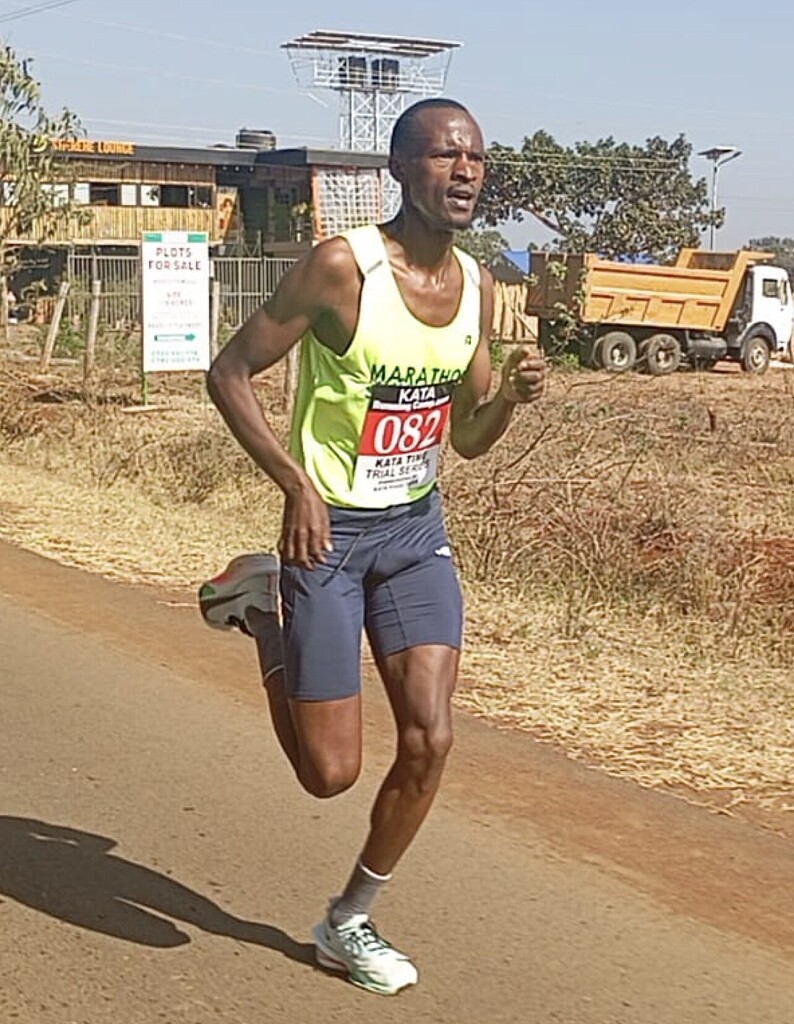
Sunlit Efforts and Strong Benchmarks Mark KATA Time Trial No. 53 in Thika
The familiar tarmac course of Thika, located just adjacent to the Kenyan Athletics Training Academy – Thika, provided the stage for another purposeful morning of measured competition as KATA Time Trial No. 53 unfolded under mostly sunny and warm conditions.
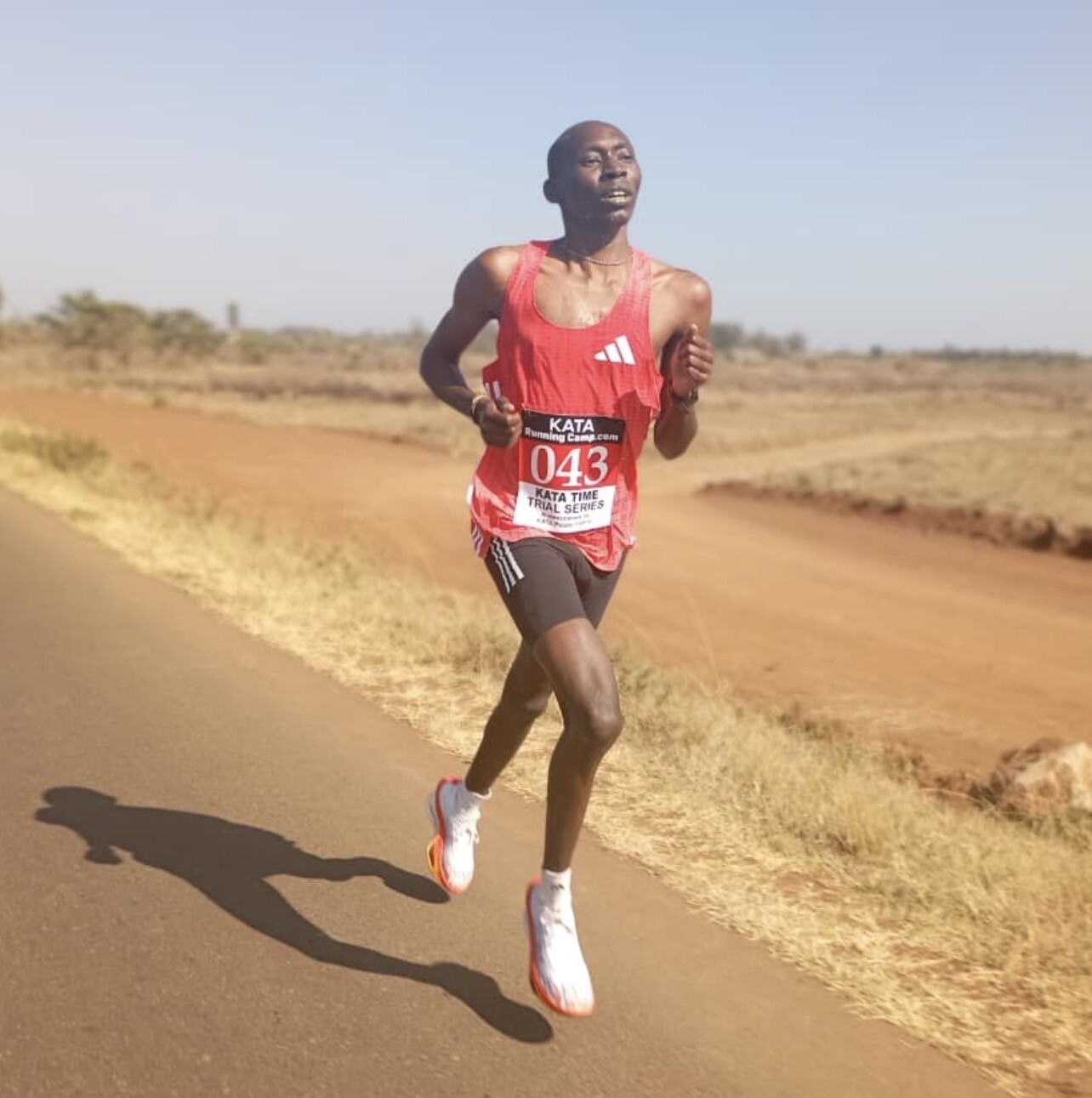
With the sun already asserting itself, the atmosphere demanded discipline from the outset. The warmth added a subtle layer of challenge, particularly over the longer distances, requiring athletes to manage their effort carefully while maintaining rhythm and composure. True to the philosophy of the KATA series, the session prioritized execution over spectacle, offering participants a clear and structured test across both the 5km and 10km distances.
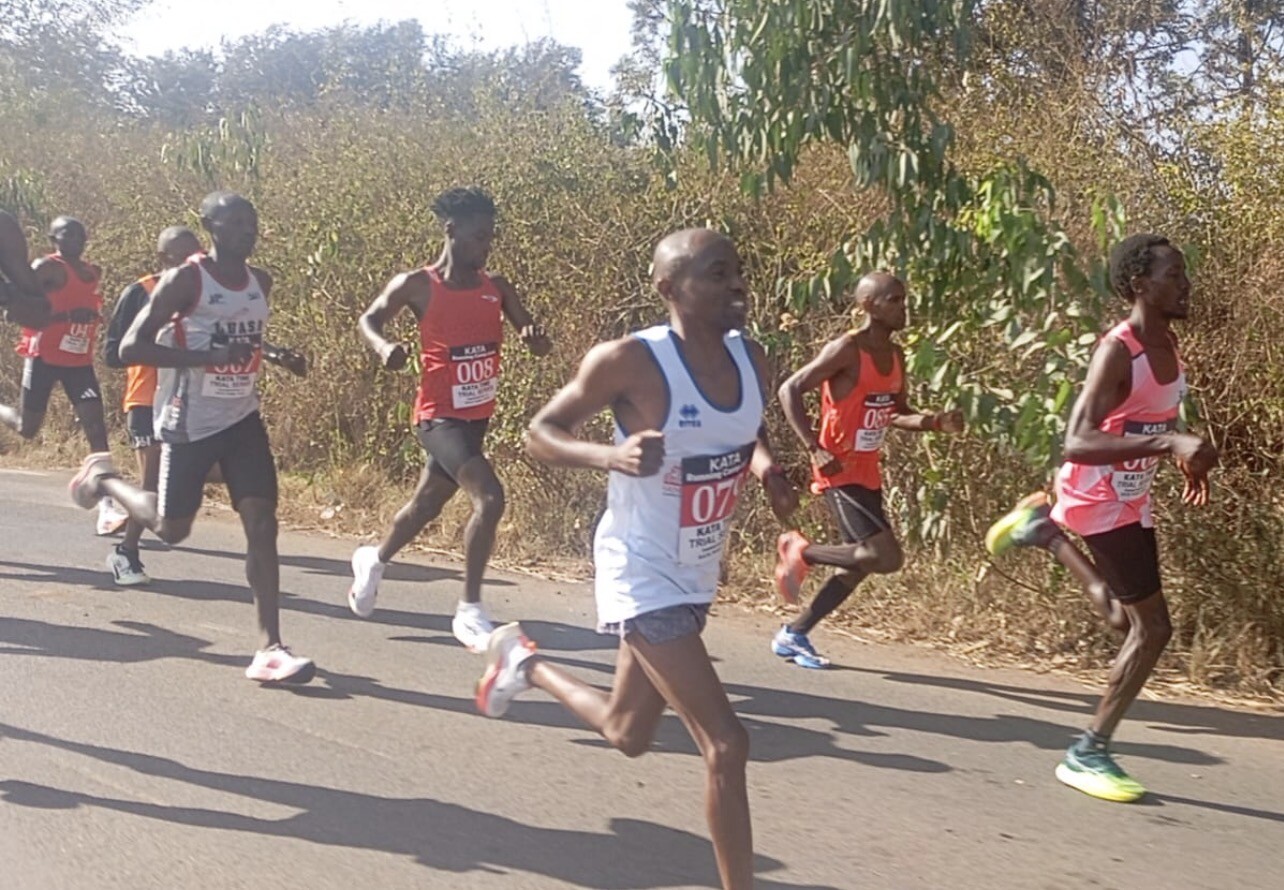
In the women’s 5km, Lucy Njeri delivered a poised and confident display, guiding the field home in 19:38 with a performance built on control and rhythm. From the opening stretch, she established a steady tempo, running with relaxed efficiency despite the rising warmth. Her stride remained fluid through the middle kilometers, and she finished strongly, underscoring both fitness and race awareness.
Behind her, Felister Mbatha clocked 23:44, showing admirable determination as she maintained her effort throughout the sunlit course, while Dolphine Shikailwa completed the distance in 30:35, demonstrating resilience and commitment. Together, the trio brought composure and quiet intensity to the morning session, turning the women’s 5km into a display of patience, strength, and steady progression rather than mere numbers on the clock.
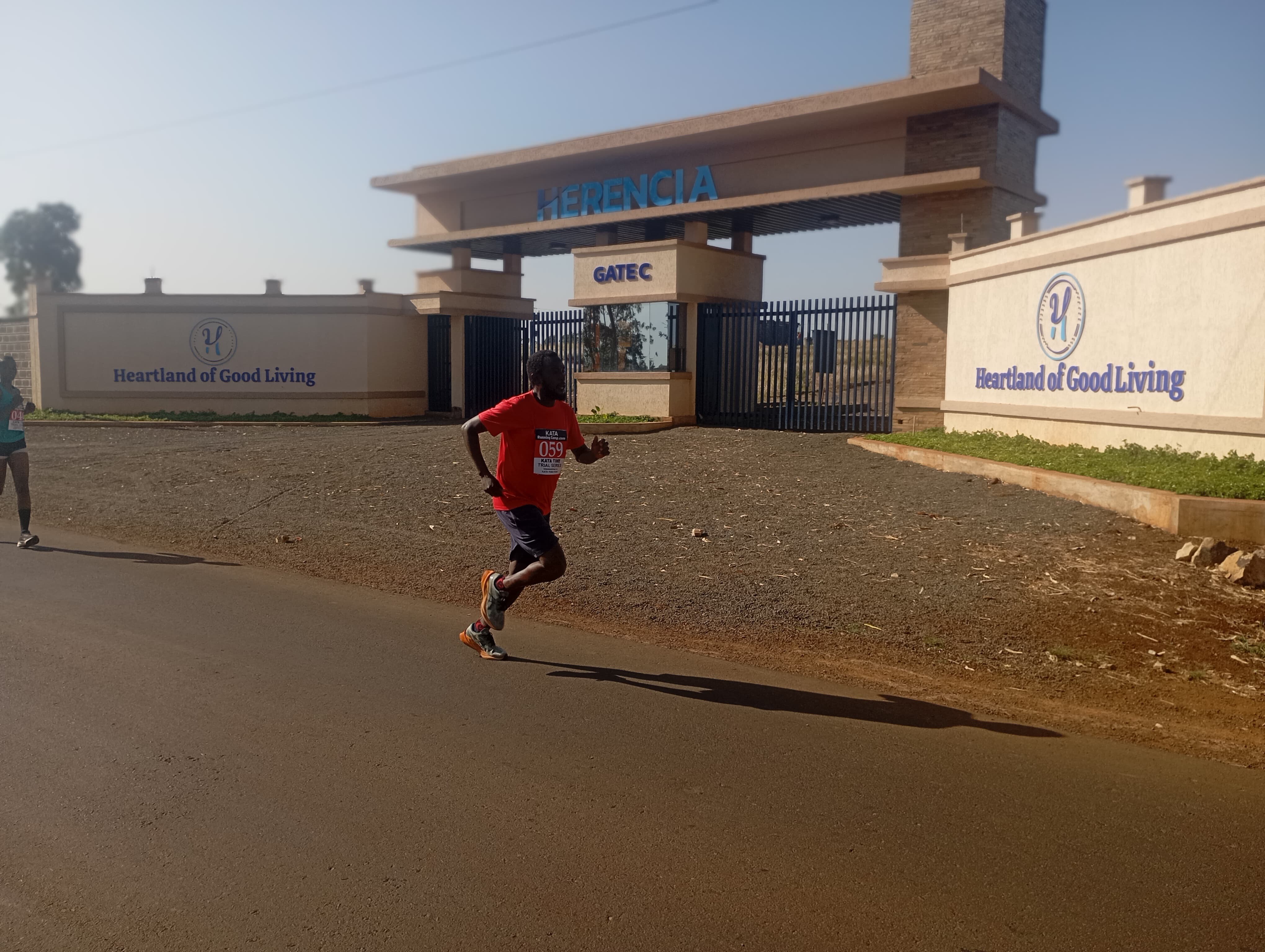
The men’s 5km saw Dennis Musau produce one of the most balanced efforts of the morning, clocking 22:23. Running with composure and steady cadence, Musau managed the early pace effectively before sustaining his rhythm through the latter stages of the course. His performance reflected patience and control—qualities that are central to the KATA time-trial structure. Rather than chasing early speed, he maintained consistency throughout, delivering a performance that highlighted both discipline and growing confidence over the distance.
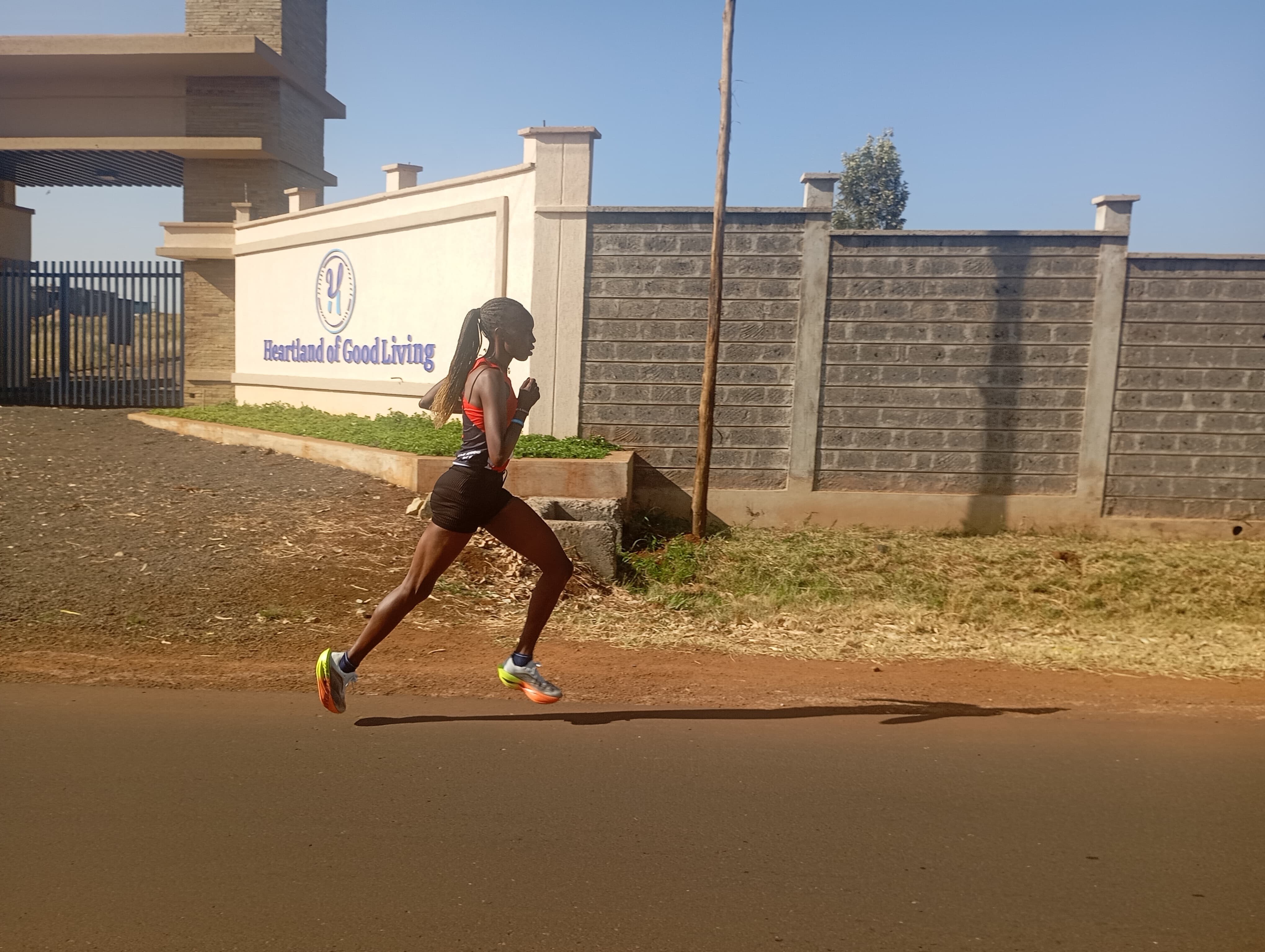
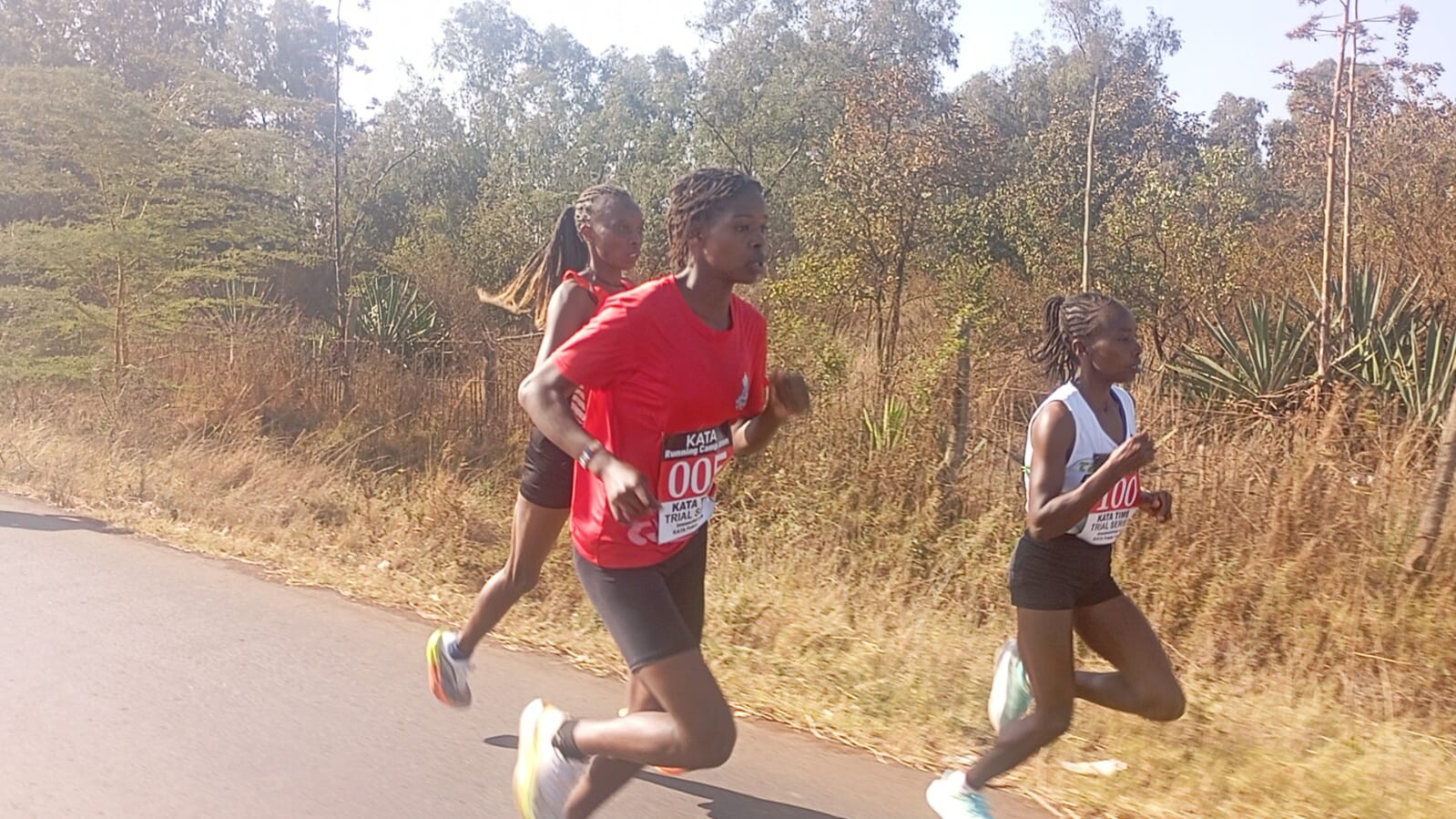
Attention then shifted to the 10km events, where endurance and race management came into sharper focus. In the women’s category. Susan Njuu delivered one of the standout performances of the day, crossing the line in 34:35. Her run combined endurance and poise, maintaining a consistent tempo from start to finish. Equally notable was Hellen Mutheu whose 34:56 marked a significant personal breakthrough. Her progression was evident in the strength she displayed over the closing kilometers, a performance that signals upward momentum. Caren Chepkemoi followed in 36:08, rounding out a competitive women’s field that handled the heat with admirable resolve.
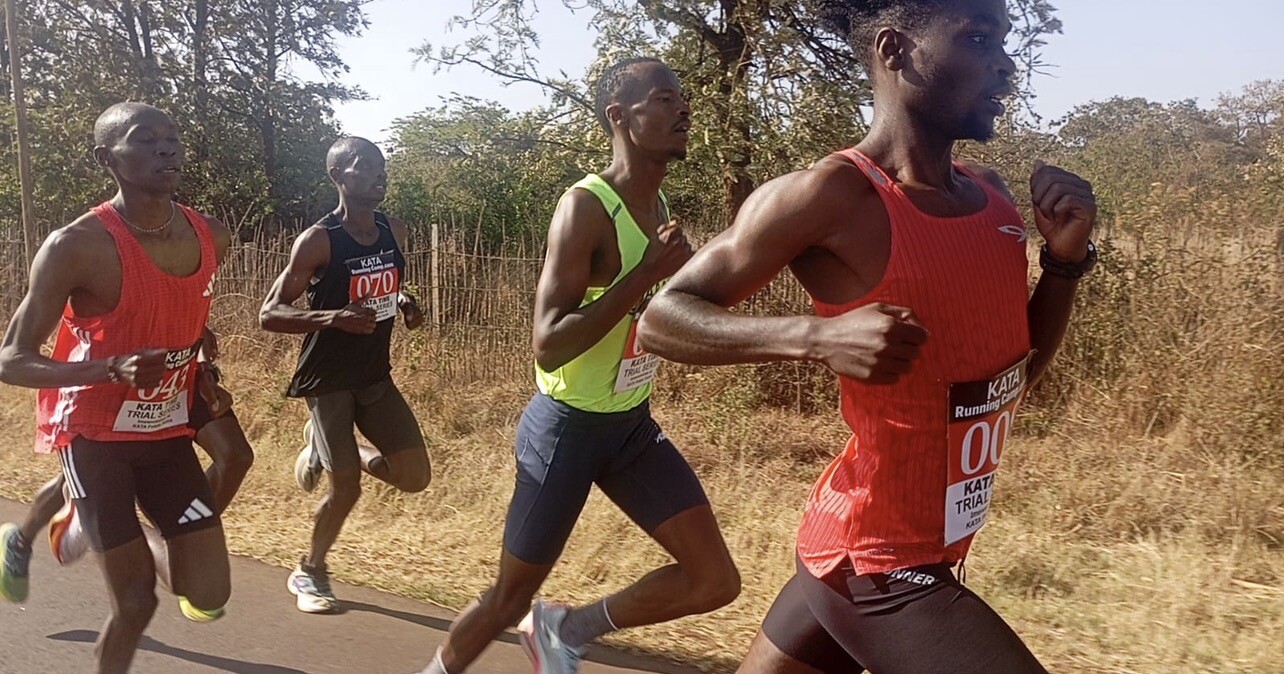
The men’s 10km produced notable depth and competitive balance. Peter Njeru led the standings in 29:25, establishing a clear marker for the field. Levis Githinji followed closely in 29:51, with Raphael Gacheru completing the top three in 30:13.
Close margins defined the subsequent positions, as James Muriithi (30:32), Julius Maina (30:33), and Bernard Waweru (30:39) maintained strong tempo throughout. They were followed by Bonface Mungai (31:10) and Charles Wanjora (31:22), while Joel Maina (32:26) and Erick Cheruiyot (32:28) delivered steady efforts. The field was completed by Bernard Gicheha (34:15), Paul Nganga (34:16), Vincent Kiprotich (36:22), and Charles Ndirangu (37:47), each performance contributing to a competitive and well-structured session.
KATA Time Trial No. 53 ultimately reaffirmed what these sessions represent. Beyond the stopwatch and finishing order, the morning underscored growth, discipline, and the quiet pursuit of excellence. On the familiar tarmac course of Thika, every stride carried intention, every split demanded focus, and every athlete contributed to a collective standard that continues to rise. As the academy looks ahead to future editions, the message from the 53rd trial is clear — progress here is deliberate, competitive, and steadily advancing toward higher levels of performance.
Race Results
Women’s 5K
1. Lucy Njeri (18) – Bib 77 – 19:38
2. Felister Mbatha (19) – Bib 40 – 23:44
3. Dolphine Shikailwa (22) – Bib 41 – 30:35
Men’s 5K
1. Dennis Musau (50) – Bib 59 – 22:23
Women’s 10K
1. Susan Njuu (40) – Bib 62 – 34:35
2. Hellen Mutheu (29) – Bib 100 – 34:56
3. Caren Chepkemoi (24) – Bib 05 – 36:08
Men’s 10K
1. Peter Njeru (28) – Bib 82 – 29:25
2. Levis Githinji (25) – Bib 43 – 29:51
3. Raphael Gacheru (27) – Bib 08 – 30:13
4. James Muriithi (32) – Bib 07 – 30:32
5. Julius Maina (33) – Bib 70 – 30:33
6. Bernard Waweru (40) – Bib 85 – 30:39
7. Bonface Mungai (30) – Bib 02 – 31:10
8. Charles Wanjora (24) – Bib 24 – 31:22
9. Joel Maina (41) – Bib 79 – 32:26
10. Erick Cheruiyot (30) – Bib 84 – 32:28
11. Bernard Gicheha (39) – Bib 99 – 34:15
12. Paul Ng’ang’a (43) – Bib 30 – 34:16
13. Vincent Kiprotich (24) – Bib 83 – 36:22
14. Charles Ndirangu (65) – Bib 76 – 37:47
by Erick Cheruiyot for My Best Runs.
Login to leave a comment
KATA Time Trial Series
Welcome to the KATA Monthly Time Trial Held at the Kenyan Athletics Training Academy in Thika, Kenya, the KATA Monthly Time Trial is a unique and inclusive event designed to support runners of all levels in achieving their goals and showcasing their fitness. This event offers both 10K and 5K distances on an accurate, certified course, providing participants with...
more...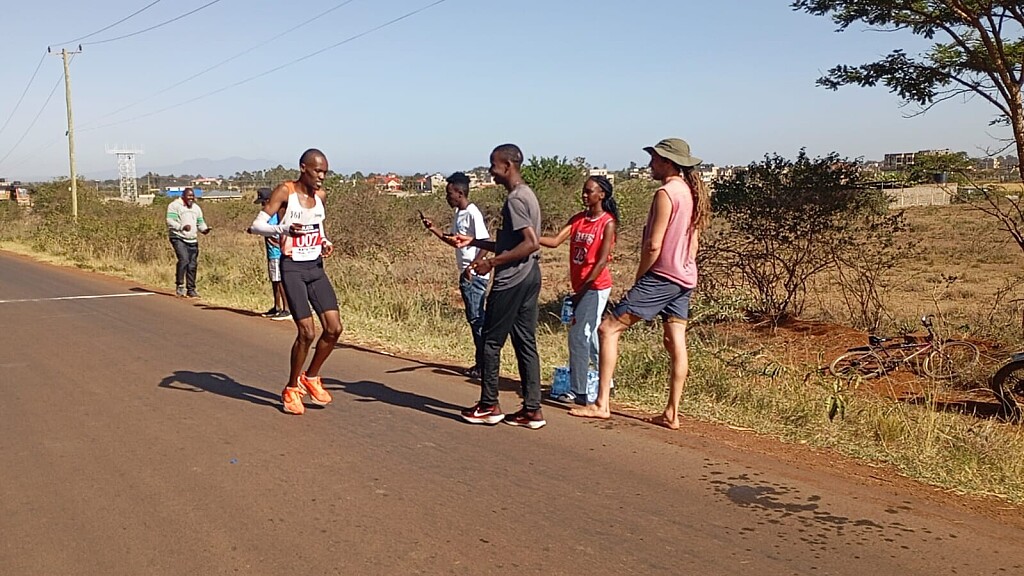
All Eyes on Thika: KATA Time Trial No. 53 Poised to Raise the Bar
The familiar tarmac course of Thika, located just adjacent to the Kenyan Athletics Training Academy – Thika, is set to come alive again on Wednesday morning, February 11, 2026, as KATA Time Trial No. 53 takes center stage. Quiet in atmosphere but demanding in execution, the upcoming edition promises another rigorous test of pacing, discipline, and mental resilience—the defining traits of the KATA time-trial culture.
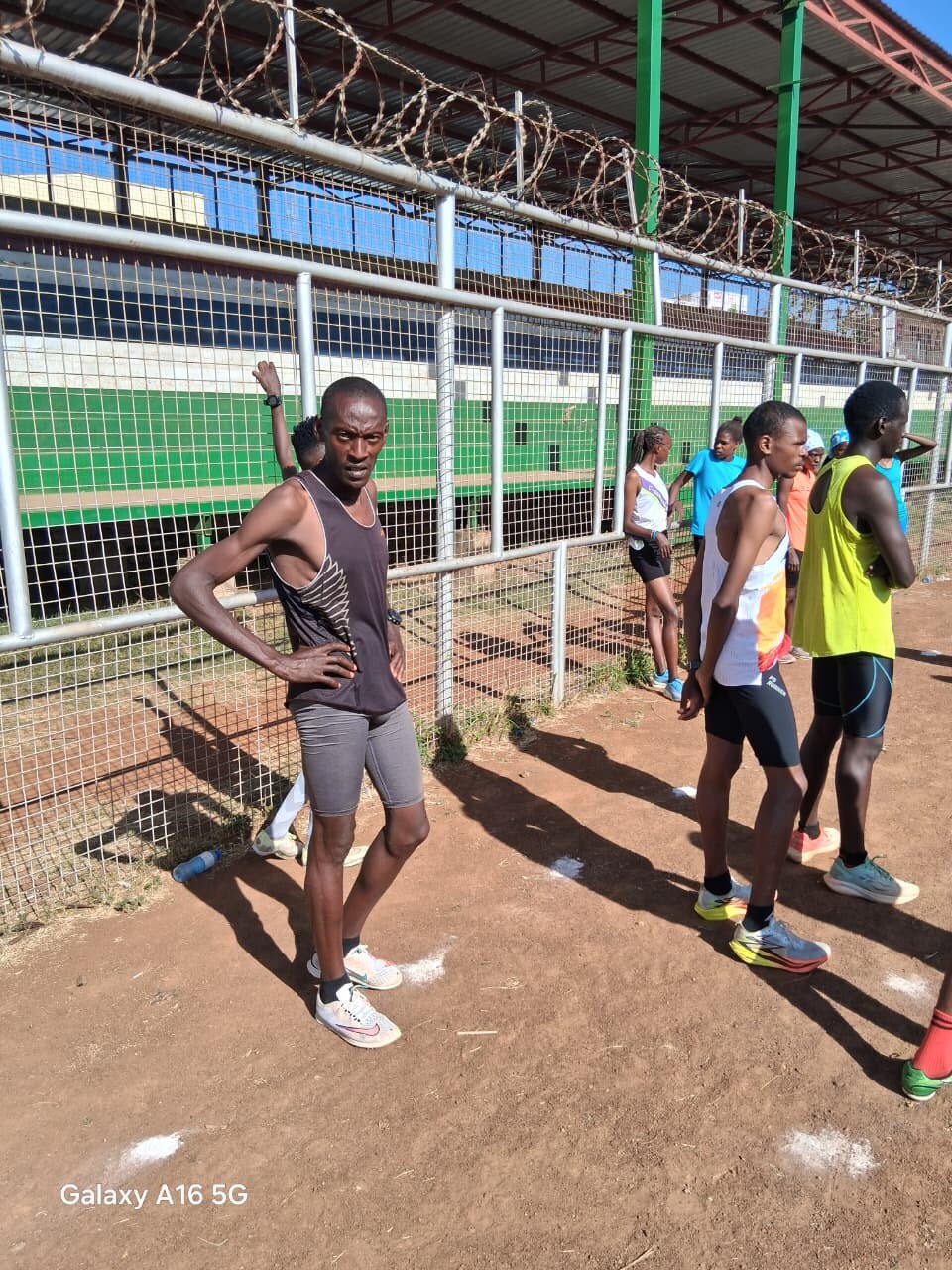
Recent sessions have continued to provide a steady platform for athletes, with each trial focusing on controlled, well-executed efforts rather than outright competition. KATA time trials emphasize following training plans and assessing progress through performance. Tomorrow’s 53rd edition is expected to maintain this approach while offering athletes the opportunity to test improvements and refine their pacing.
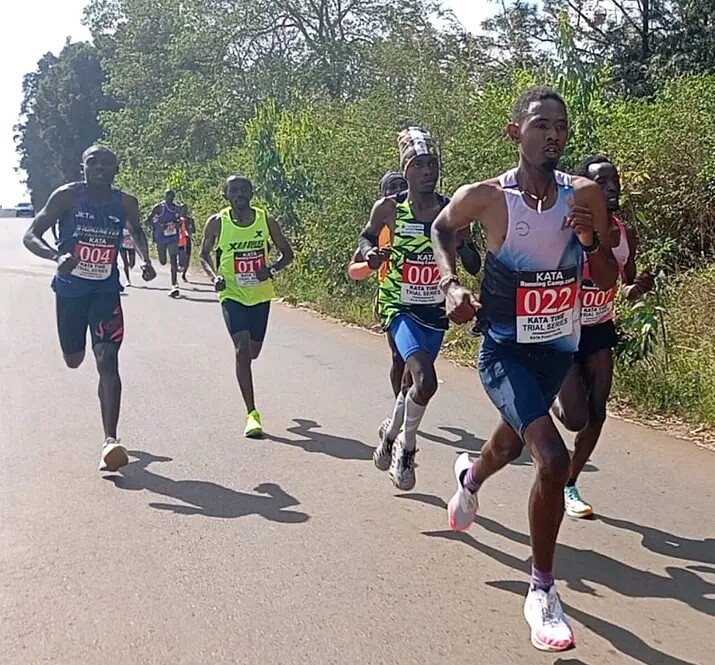
The focus on this edition is linked to both the 5km and 10km distances, which continue to serve as key indicators of development. Past trials have shown that these distances reward consistent pacing and discipline while exposing any misjudgment in strategy. Athletes are expected to approach the course with patience, maintain rhythm, and finish strongly.
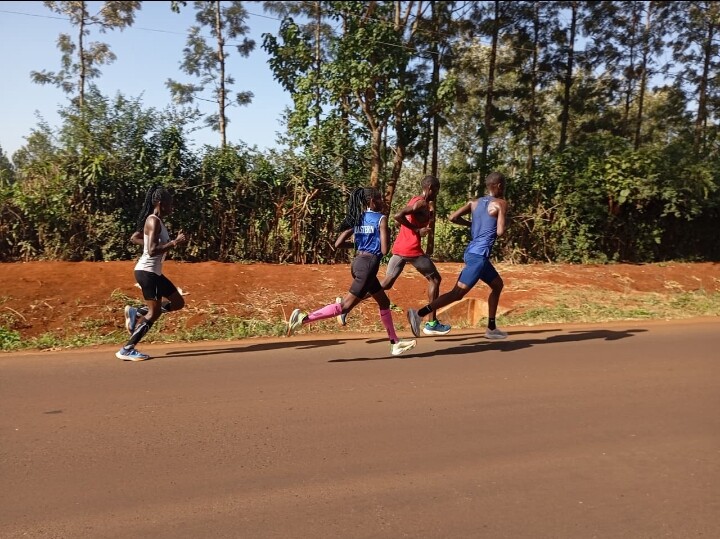
As the 53rd edition approaches, attention shifts entirely to execution. Participants will aim to refine pacing, test aerobic capacity, and address any issues identified in previous runs. The 5km offers a chance to focus on speed and efficiency, while the 10km challenges endurance, strategy, and sustained control.
Conditions in Thika are expected to favor steady, well-paced efforts, rewarding athletes who manage the early kilometers effectively and finish with strength. In the absence of pack dynamics, responsibility rests entirely on individual judgment—making performances over both the 5km and 10km as unfiltered as they are revealing.
KATA Time Trial No. 53 may once again unfold without fanfare, but its significance will extend far beyond the final stopwatch click. On the tarmac course of Thika, progress is measured by execution—and tomorrow morning, the performances will tell the story
by Erick Cheruiyot for My Best Runs.
Login to leave a comment
KATA Time Trial Series
Welcome to the KATA Monthly Time Trial Held at the Kenyan Athletics Training Academy in Thika, Kenya, the KATA Monthly Time Trial is a unique and inclusive event designed to support runners of all levels in achieving their goals and showcasing their fitness. This event offers both 10K and 5K distances on an accurate, certified course, providing participants with...
more...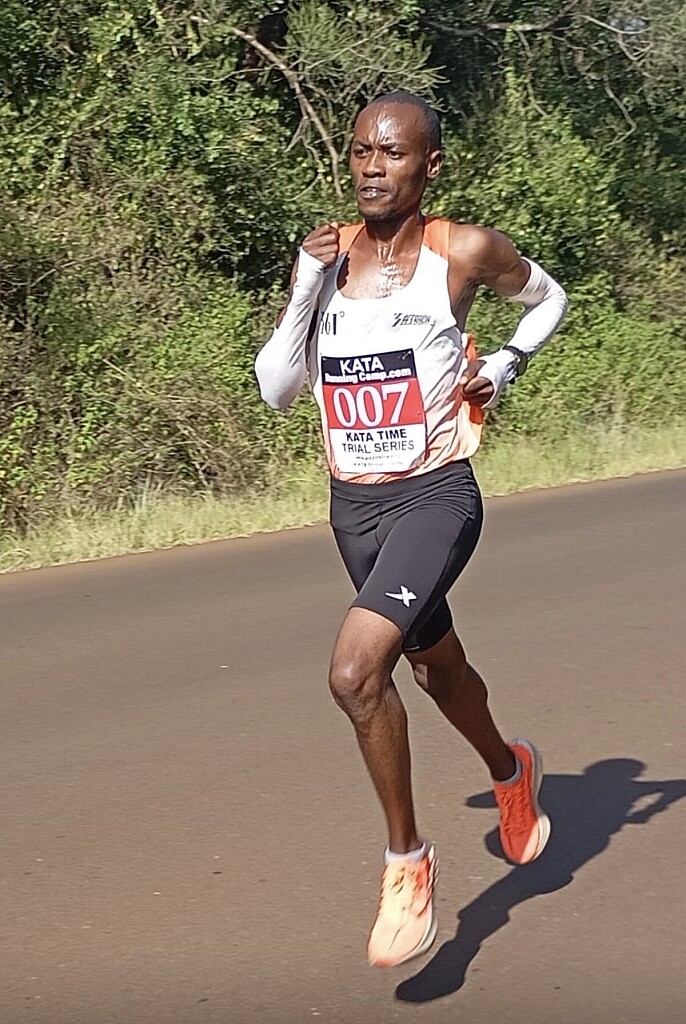
KATA Time Trial #52 Rewards Grit and Solo Efforts in Thika
KATA Time Trial No. 52 unfolded quietly on the familiar tarmac roads of Thika, but the morning (Jan 21) delivered a series of determined solo efforts and encouraging performances across the distances. With athletes often running alone against the clock, the session tested discipline, pacing, and mental toughness—hallmarks of the KATA training philosophy.
In the men’s 5km, 17-year-old Robin Musa delivered the standout performance of the morning, stopping the clock at 15:37. Running entirely on his own, Musa showed maturity beyond his years, holding his rhythm without the benefit of a pack. His effort drew appreciation from coaches and observers, underscoring his growing potential.
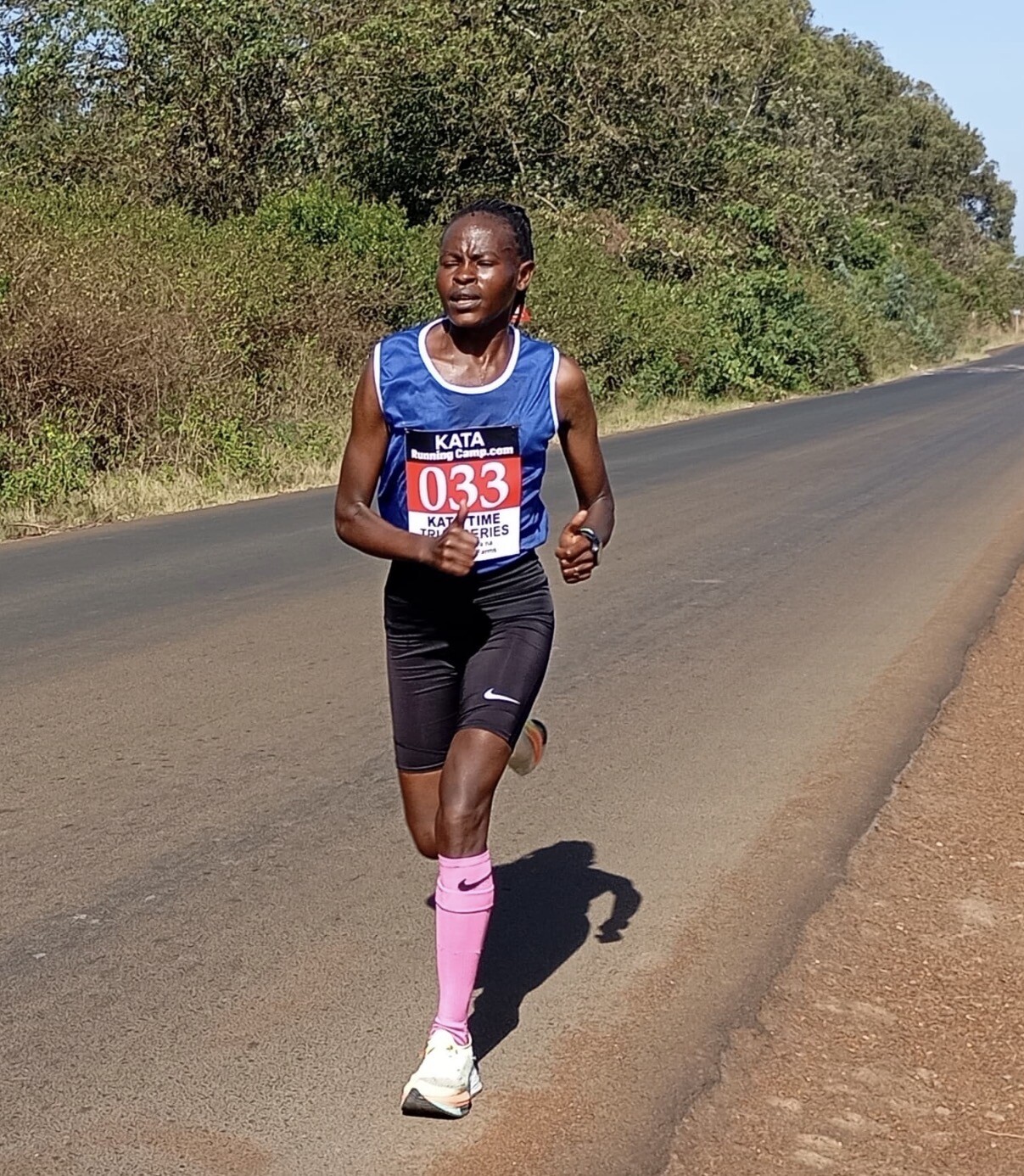
Finishing second was Yedi Kohen, KATA’s paid guest from Israel, who continues his preparation for an upcoming race. Kohen clocked 24:14, running barefoot on the tarmac. Beyond the footwear choice, his relaxed stride and controlled execution reflected steady progress within his training block.
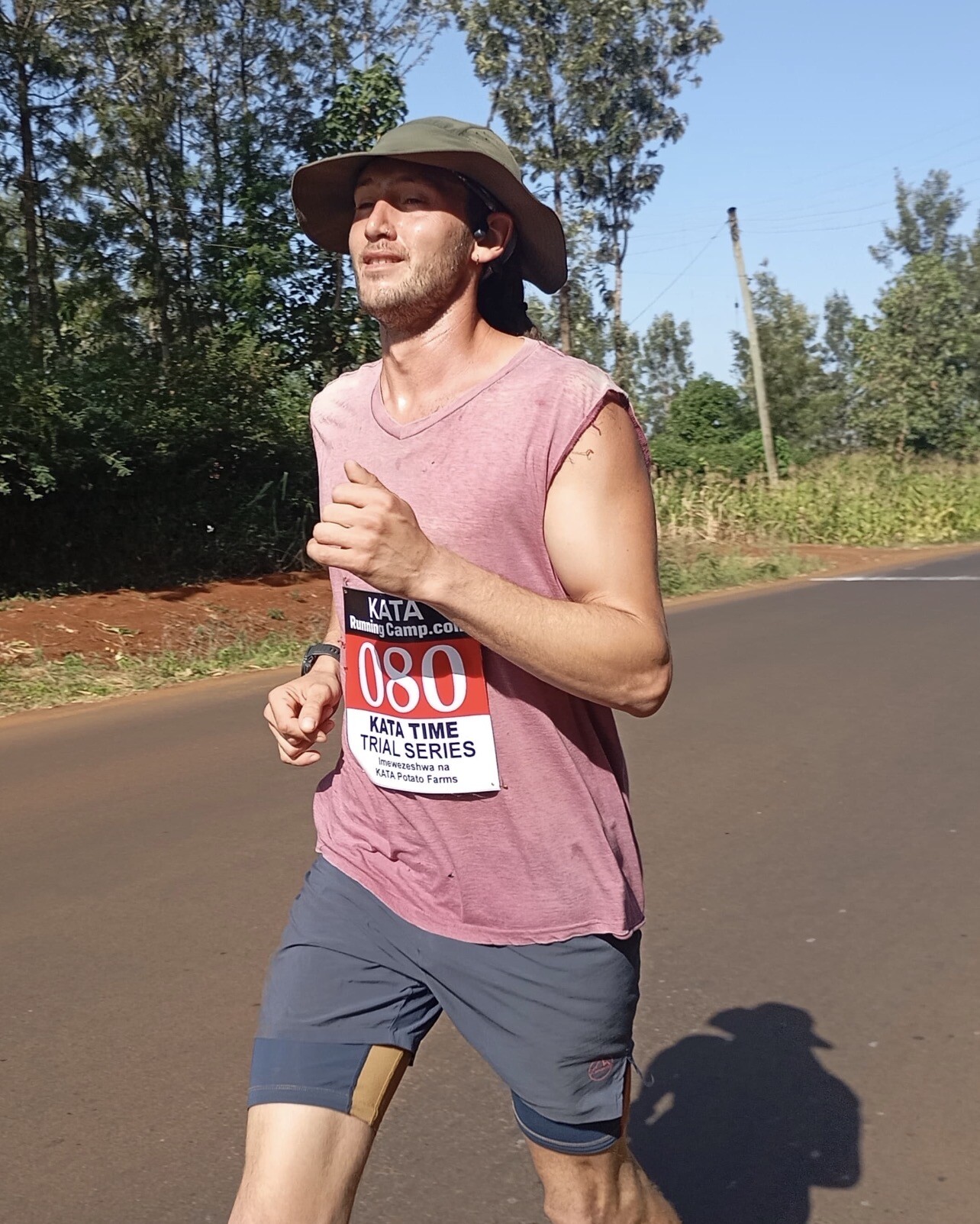
The women’s 5km featured a single competitor, but Regina Sandiki made the most of the opportunity, posting an impressive 19:18. A 400-metre specialist transitioning to longer distances, Sandiki continues to adapt well to endurance training, with her development suggesting a promising future.
The men’s 10km saw Stephen Kangethe take control early and maintain his lead throughout, crossing the line in 28:45. Running much of the race alone, Kangethe demonstrated strength and composure, particularly over the final kilometres. He later noted the challenge of pushing the pace without competition, having opened nearly a one-minute gap on the field.
Second place went to Raphael Karita in 29:43, followed by Peter Njeru, who rounded out the podium with 30:02.
In the women’s 10km, Loise Kiaríe claimed victory with a strong and consistent run, stopping the clock at 33:53. Jacinta Kamau followed in 34:41, while Susan Njuu secured third in 35:37, highlighting solid depth among KATA’s women over the longer distance.
Time Trial No. 52 may have been modest in size, but it reinforced a central truth of KATA’s program: progress is forged through honest effort, whether running in a pack or alone against the clock.
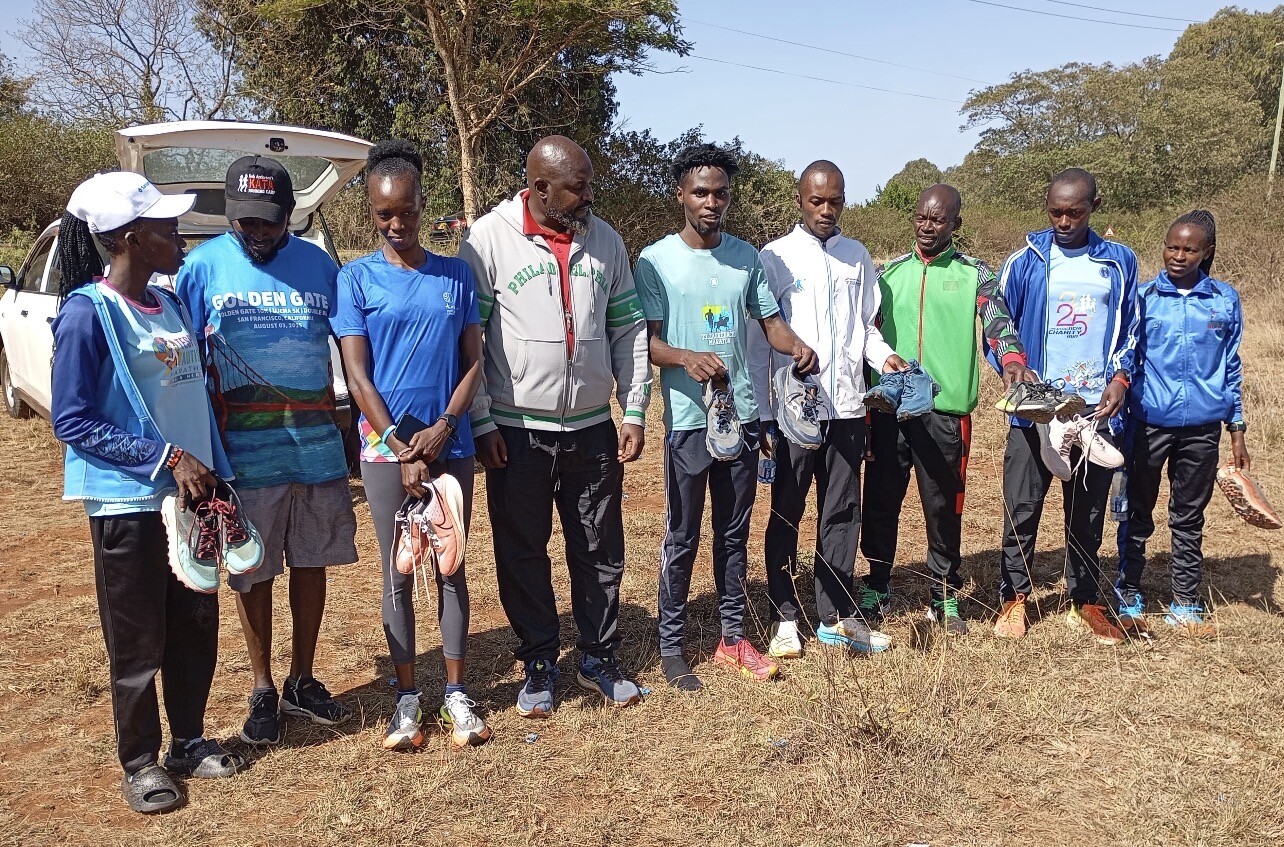
A previous guest from France, Marie Barin donated 30 pairs of running shoes to KATA. The fourth photo shows some of those shoes being handed out as prizes and the next photos shows some being handed out at KATA, The next photo is Dennis picking up the shoes. "This was so nice of Marie and Arthur, her mate, to make such a kind donation," says KATA director Bob Anderson.
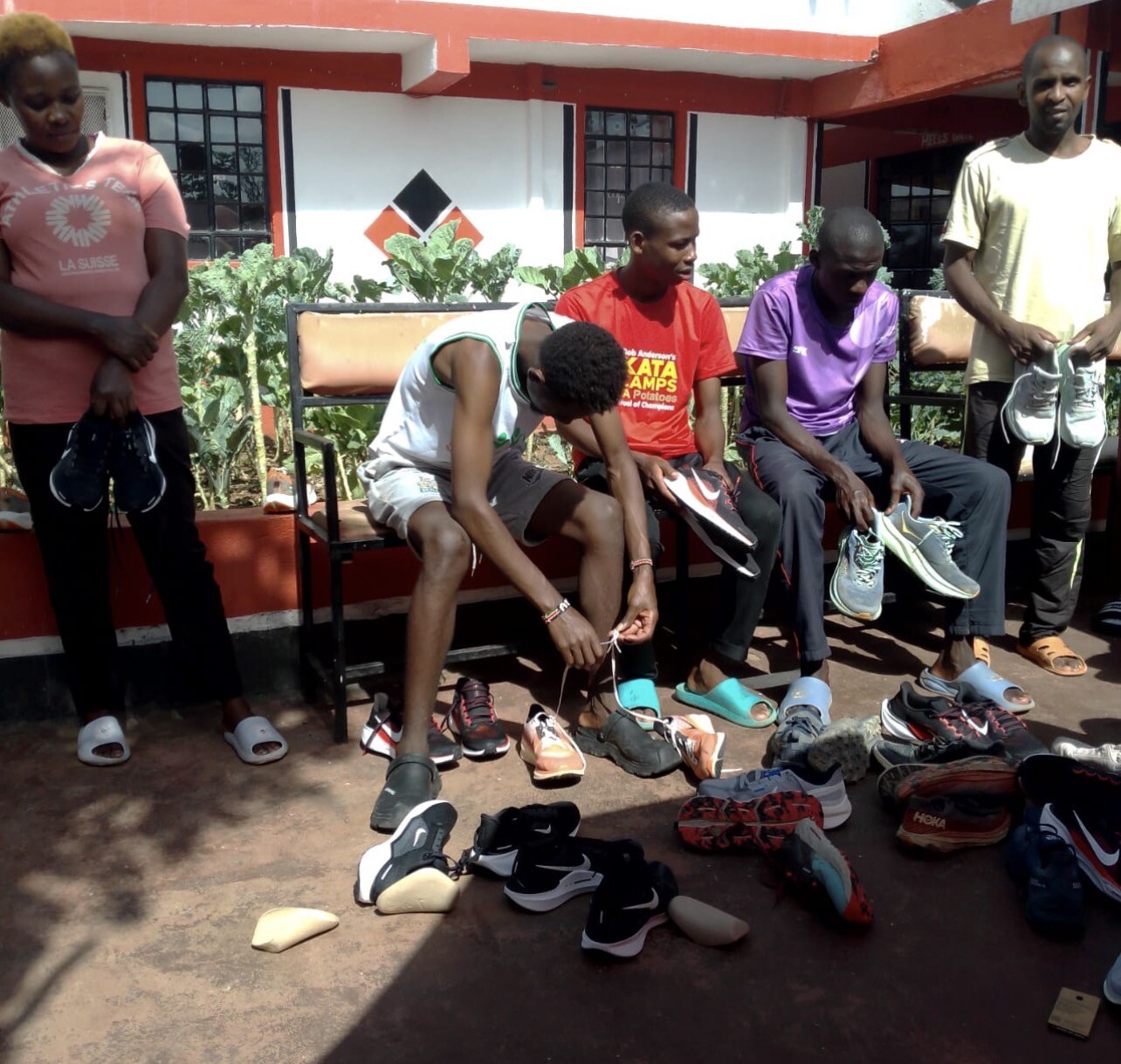

Race Results
MEN 5km
1. Robin Musa (17) — Bib 08 — 15:37
2. Yedi Kohen (28) — Bib 80 — 24:14
WOMEN 5km
Out 1. Regina Sandiki (19) — Bib 81 — 19:18
MEN 10km
1. Stephen Kangethe (22) — Bib 07 — 28:45
2. Raphael Karita (27) — Bib 85 — 29:43
3. Peter Njeru (28) — Bib 46 — 30:02
4. James Murithi (29) — Bib 100 — 30:41
5. Bernard Waweru (40) — Bib 39 — 31:26
6. Joel Maina (40) — Bib 32 — 31:42
7. Boniface Mungai (30) — Bib 05 — 32:13
8. Charles Ndirangu (24) — Bib 79 — 32:31
9. Erick Cheruiyot (30) — Bib 40 — 32:35
10. Joseph Nyota (20) — Bib 31 — 33:31
11. Paul Nganga (45) — Bib 30 — 34:14
12. David Muriuki (40) — Bib 44 — 34:25
13. Bernard Gicheha (35) — Bib 76 — 35:37
14. Charles Ndirangu (64) — Bib 82 — 37:32
WOMEN 10km
1. Loise Kiaríe (24) — Bib 33 — 33:53
2. Jacinta Kamau (24) — Bib 36 — 34:41
3. Susan Njuu (40) — Bib 43 — 35:37
4. Jane Wanja (35) — Bib 83 — 36:52
5. Caren Chepkemoi (24) — Bib 70 — 38:22
6. Ruth Macharia (27) — Bib 68 — 43:39
by Boris Baron
Login to leave a comment
KATA Time Trial Series
Welcome to the KATA Monthly Time Trial Held at the Kenyan Athletics Training Academy in Thika, Kenya, the KATA Monthly Time Trial is a unique and inclusive event designed to support runners of all levels in achieving their goals and showcasing their fitness. This event offers both 10K and 5K distances on an accurate, certified course, providing participants with...
more...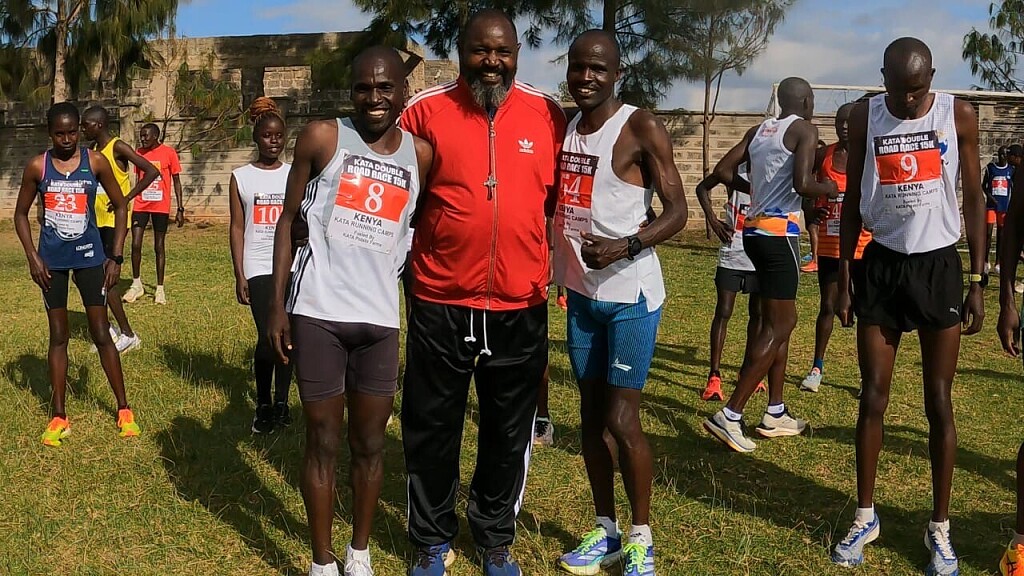
From Soil to Stride: How KATA Kenya and the Double Road Race Redefined Athlete Development in 2025
As 2025 draws to a close, year-end reflections in distance running often gravitate toward times, titles, and breakthrough performances. Yet some of the most compelling stories in Kenya this year unfolded far from finish lines—across high-altitude farms, disciplined training camps, and an unconventional road race that asked athletes to start twice in a single day.
In 2025, the Kenya Athletics Training Academy (KATA) quietly reshaped what athlete development looks like in practice. Across Kenya’s famed running regions—Iten, Kaptagat, Nyahururu, Keringet, Molo, Kericho, Bomet, and Elgeyo Marakwet—KATA, under the guidance of Chief Technical Officer Denis Musau, expanded its focus beyond mileage and workouts to include nutrition, recovery, sustainability, and innovative competition design.
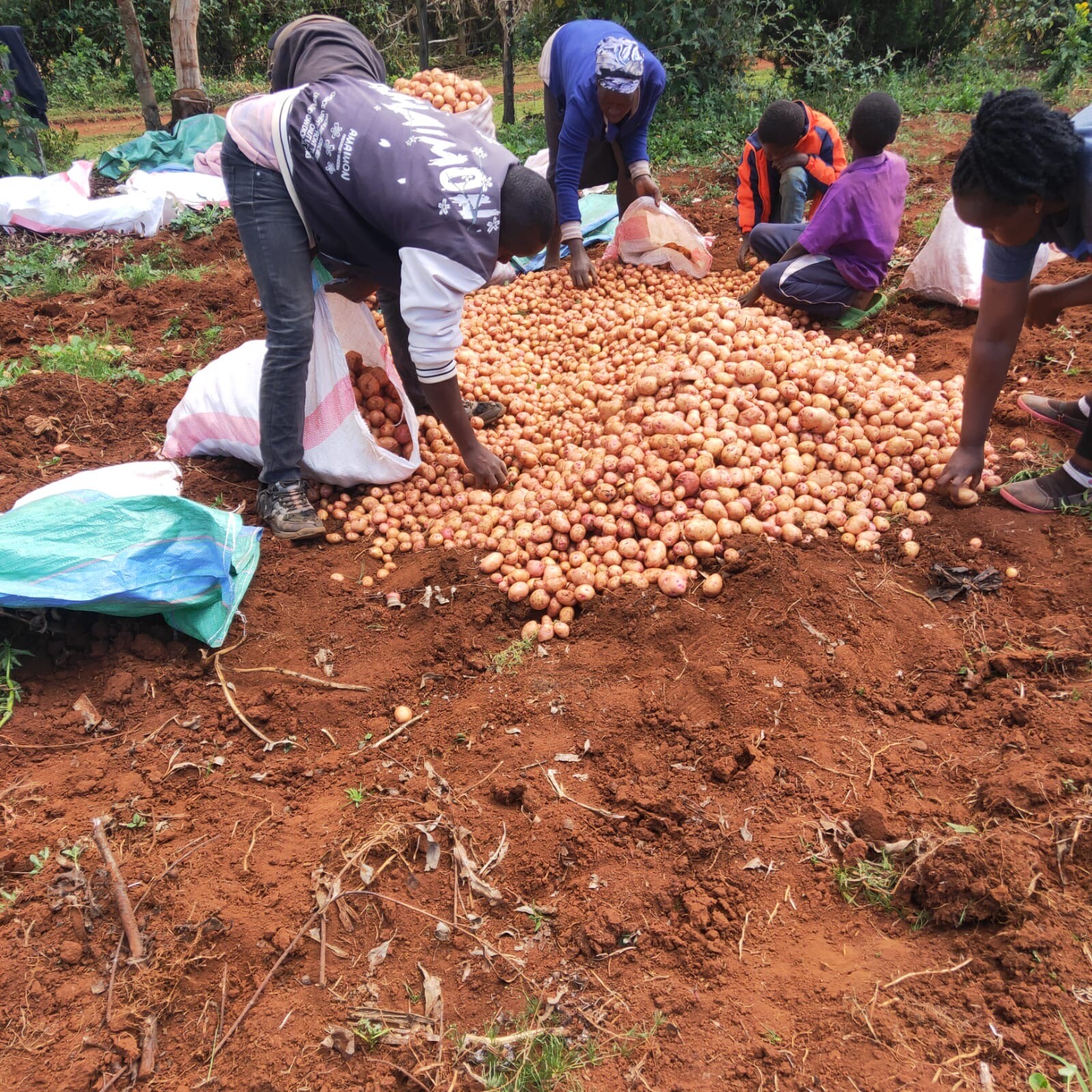
At the center of that shift was an initiative that seemed deceptively simple: potato farming.
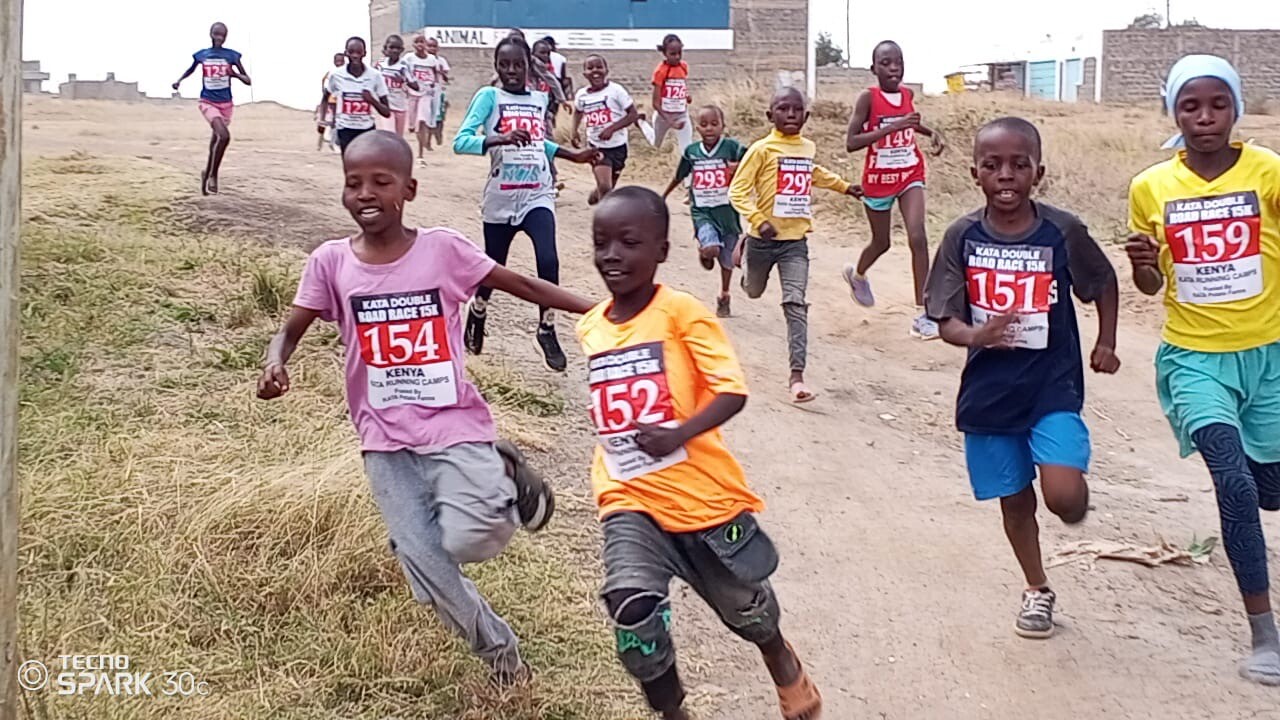
Originally launched to support camp operators, the program quickly addressed two pressing challenges—nutrition and economic stability. For athletes living and training full-time at altitude, consistent access to energy-rich food proved as critical as any interval session.
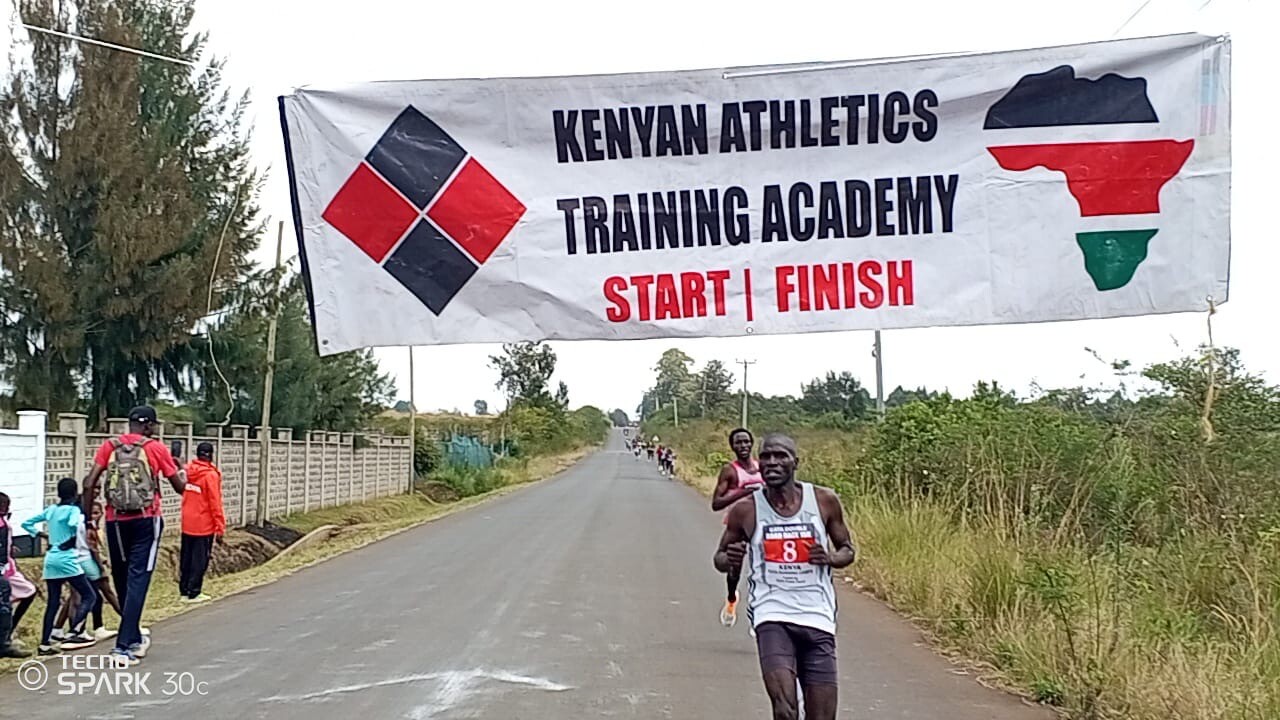
“The potato farm has helped some of our camp operators and the entire athletics fraternity,” Musau said. “It is very nutritious, gives energy, and supports recovery for our athletes. Despite being cheap and easy to find in the market, potatoes play a big role in our training environment.”
The initiative aimed to ease food costs, improve diet quality, and reinforce camps running sustainably. It also fostered a sense of ownership within camps—reflecting KATA’s long-term goal of building resilient training ecosystems rather than dependence on outside support.
Kenya’s varied geography, however, quickly revealed that not every region was equally suited to potato farming.
“Potato farming has been good across the nation where we have camps,” Musau explained, “but some parts of the country are not suitable because of climate factors such as rainfall and soil type.”
Rather than dilute the project, KATA responded with refinement. Future planting will be concentrated in regions that best support both agriculture and elite training, including Keringet in Nakuru County, Kapcherop in Elgeyo Marakwet, and Olkalou in Nyandarua County.
“Next season, we must carefully consider the best areas to plant potatoes,” Musau added.
Life inside KATA camps remains demanding. Athletes rise before dawn for long runs at altitude, balancing hill work, track sessions, and cross-country trails with careful attention to recovery, diet, and mental preparation. In such an environment, even modest improvements—better nutrition, improved recovery routines—can produce meaningful gains.
While farming strengthened life off the track, competition remained central to KATA’s mission. Structured time trials across camps continued to provide performance benchmarks and exposure to international opportunities.
“Normally, we conduct time trials across our camps, which help expose and link our athletes to international opportunities,” Musau noted.
Yet one event stood out as both a philosophical statement and a competitive crucible: the Double Road Race.
Conceived by Bob Anderson, veteran running journalist and founder of Runner’s World magazine and My Best Runs, the Double Road Race challenges athletes to race twice in a single day—testing endurance, recovery, pacing, and mental resilience. Designed to reward discipline and preparation over raw talent alone, the format has become a rare meeting point for athletes from different camps, regions, and backgrounds.
“Every year in September, we hold the Double Road Race, where athletes from across the country come together to compete,” Musau said. “This year, we had a successful race in Thika, Kiambu County.”
For many KATA athletes, the event served as a real-world stress test. Racing twice in one day exposed weaknesses in recovery, fueling, and mental focus—validating training systems built on consistency rather than shortcuts. Athletes returned to camp with lessons that extended beyond the road: how to manage energy, respect process, and embrace discipline.
By year’s end, the significance of 2025 lay not in a single headline result but in the quiet evolution of systems. From structured camps and practical nutrition initiatives to innovative competition formats, Kenya continued to offer a blueprint for athlete development that resonates far beyond its borders.
From potato fields at altitude to double starts on Kenyan roads, KATA’s 2025 reinforced a simple truth: performance is cultivated long before race day—and often, the most meaningful progress happens where few are watching, until the results speak for themselves.
Looking ahead to 2026, these lessons provide a clear roadmap for the next generation of athletes. The blend of practical support, strategic training, and innovative racing promises to keep Kenya at the forefront of global distance running—and ensures that transformation continues both on and off the track.
by Robert Kibet for My Best Runs
Login to leave a comment
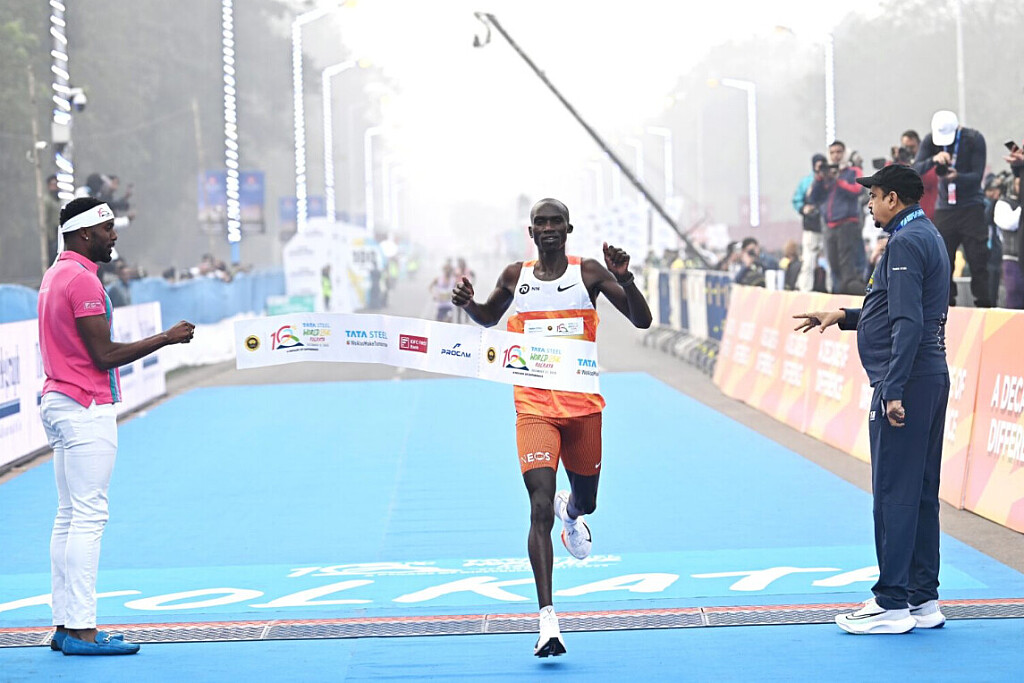
Joshua Cheptegei and Degitu Azimeraw Win Kolkata 25K
The 10th edition of the Tata Steel World 25K delivered a compelling blend of experience and debut brilliance on Sunday (Dec 21) morning in Kolkata, India. Ethiopia’s Degitu Azimeraw claimed a comeback victory in the women’s race, while Olympic and world champion Joshua Cheptegeiproduced a measured, authoritative win in his first-ever 25K appearance.
Azimeraw Returns to the Top
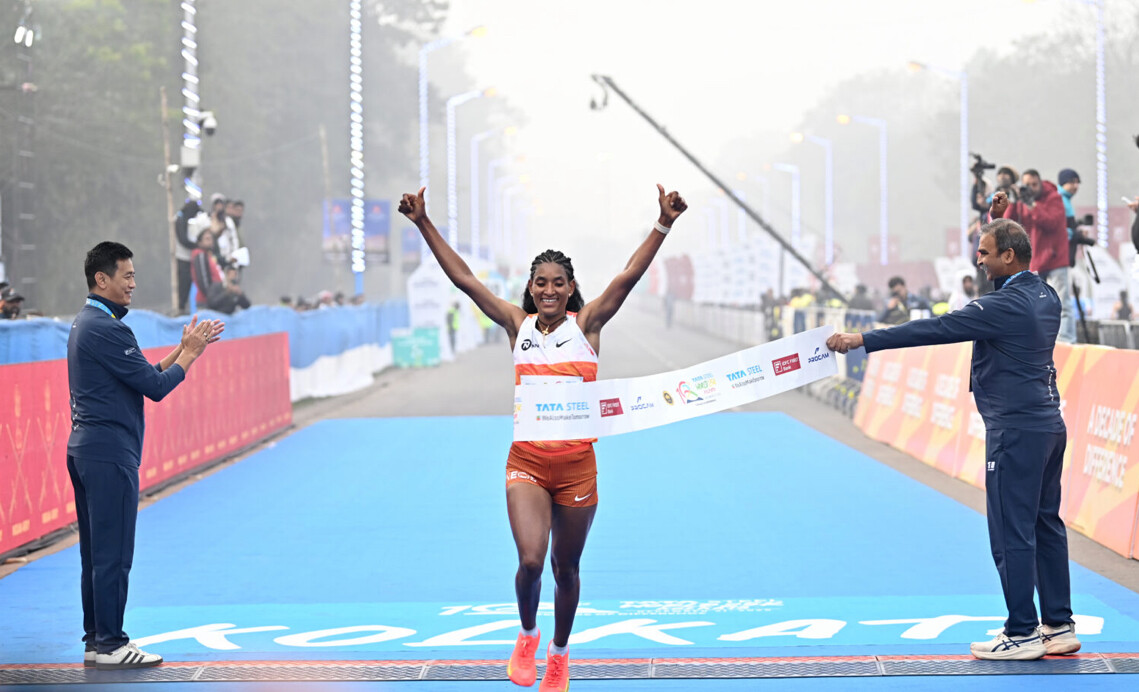
Run under cool conditions, the women’s race opened with a tightly packed Ethiopian quartet through the opening 5 km. Sutume Asefa Kebede—winner of this year’s Tokyo Marathon and a two-time defending champion in Kolkata—was the most decorated name in the group, joined by Azimeraw and Meselech Alemayehu.
Azimeraw, who won in Kolkata in 2017 and finished fourth the following year, stayed patient through the early stages. Alemayehu briefly edged ahead around 15 km, but Azimeraw responded decisively soon after, lifting the pace and asserting control.
She crossed the line in 1:19:36, securing her second Kolkata title eight years after her first. Kebede rallied late but had to settle for second in 1:20:28, with Alemayehu third in 1:20:48.
“It wasn’t the plan before for me,” Azimeraw said afterward. “My legs were a little stiff early, so I focused on staying strong. After 10 km, they felt better, and I kept building my race and speed. I’m very happy with this win.”
Cheptegei Delivers on 25K Debut

The men’s race unfolded as a tactical contest, led for much of the distance by Lesotho’s Tebello Ramakongoana. Tanzania’s Alphonce Simbu and Cheptegei shadowed closely as the leaders passed 20 km in 57:34 and the half-marathon mark in 60:49.
Cheptegei made his move soon after, breaking clear with a controlled surge that gradually opened daylight. Despite a determined late chase from Simbu, the Ugandan star held firm to win in 1:11:49, his first victory at the distance. Simbu followed in 1:11:56, with Ramakongoana third in 1:11:59.
“Winning mattered more than the record for me,” Cheptegei said. “Coming back to Kolkata and winning here is special. This victory gives me confidence and positivity as I prepare for my next marathon.”
Neither winner managed to break the world best or course record, narrowly missing out on the event’s top performance bonuses.
Indian Runners Rewrite the Record Books
India’s elite races provided some of the day’s most striking storylines. Gulveer Singh delivered a statement run, finishing sixth overall in 1:12:06 and slicing more than two minutes off his own Indian best of 1:14:10 set in 2024. His aggressive yet controlled effort left the rest of the domestic field trailing by significant margins.
“Records come from consistency,” Gulveer said. “With strong support, dedicated coaches, and relentless training, the goal is to be better than yesterday. India is rising, step by step.”
In the women’s Indian elite race, Seema matched that authority. The Asian cross-country champion stopped the clock at 1:26:04, breaking the long-standing Indian course record of 1:26:53 set in 2017. She dominated from early on, steadily increasing her lead before cruising home with energy to spare.
“The course is more challenging now, but I came here with the mindset of winning,” Seema said. “Discipline and sacrifice are everything. My next goal is qualifying for the Asian and Commonwealth Games.”
A Decade of World-Class Racing
As the Tata Steel World 25K celebrated its 10th edition, Sunday’s results reinforced its status as one of Asia’s premier road races—where Olympic champions, seasoned marathoners and rising national talents meet on equal footing. For Azimeraw and Cheptegei, Kolkata offered confidence and momentum; for India’s best, it marked another step forward on the global stage.
Overall International Men
1. Joshua Cheptegei (UGA) — 1:11:49
2. Alphonce Felix Simbu (TAN) — 1:11:56
3. Tebello Ramakongoana (LES) — 1:11:59
4. Collins Kipkorir (KEN) — 1:12:02
5. Gulveer Singh (IND) — 1:12:06
6. Fikadu Liche (ETH) — 1:12:09
7. Wisley Yego (KEN) — 1:12:12
8. Haymanot Alew (ETH) — 1:14:35
9. Niguse Abera (ETH) — 1:14:38
10. Harmanjot Singh (IND) — 1:15:11
Overall International Women
1. Degitu Azimeraw (ETH) — 1:19:36
2. Sutume Asefa Kebede (ETH) — 1:20:28
3. Meselech Alemayehu (ETH) — 1:20:48
4. Kuftu Tahir (ETH) — 1:23:32
5. Demilew Zemenaw (ETH) — 1:23:34
6. Netsanet Tafere (ETH) — 1:23:56
7. Rediet Daniel (ETH) — 1:24:18
8. Aberash Minsewo (ETH) — 1:24:48
9. Ergat Heshe (ETH) — 1:24:59
10. Seema (IND) — 1:26:04
by Christopher Kelsall
Login to leave a comment

Kolkata 25k
In Kolkata, a city rich in history, culture and custom, the third Sunday in December is a date that is eagerly anticipated. The Tata Steel Kolkata 25K (TSK 25K) has become synonymous with running in eastern India since it began in 2014. India’s first AIMS-certified race in the unique 25 km distance, the TSK 25K went global in its fourth...
more...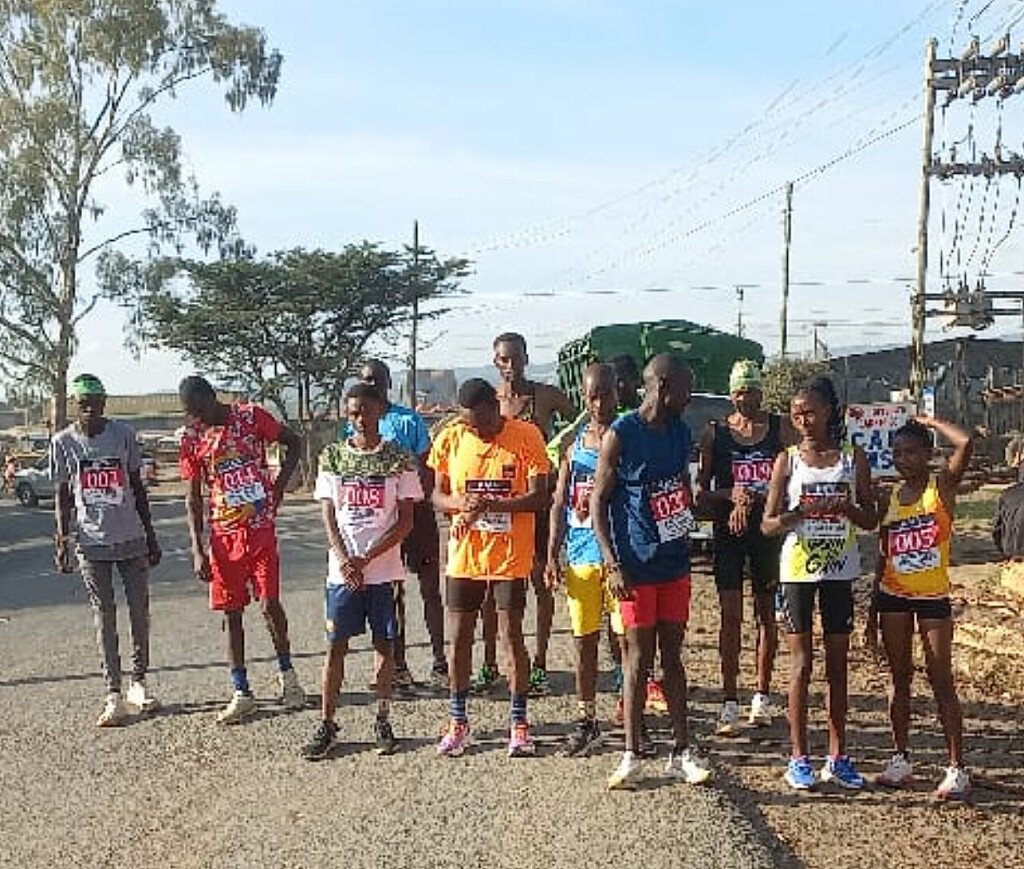
Tough Conditions but Strong Performances at KATA (07) Salgaa–Rongai Time Trial
The fourth KATA (07) Time Trial was held today on the Salgaa–Rongai route, with Camp ID KATA (07) under the direction of operator Amos Chirchir, based in Sachangwan, Kenya.
Athletes were tested by a demanding environment, yet still delivered solid performances and personal bests. Conditions at race time included:
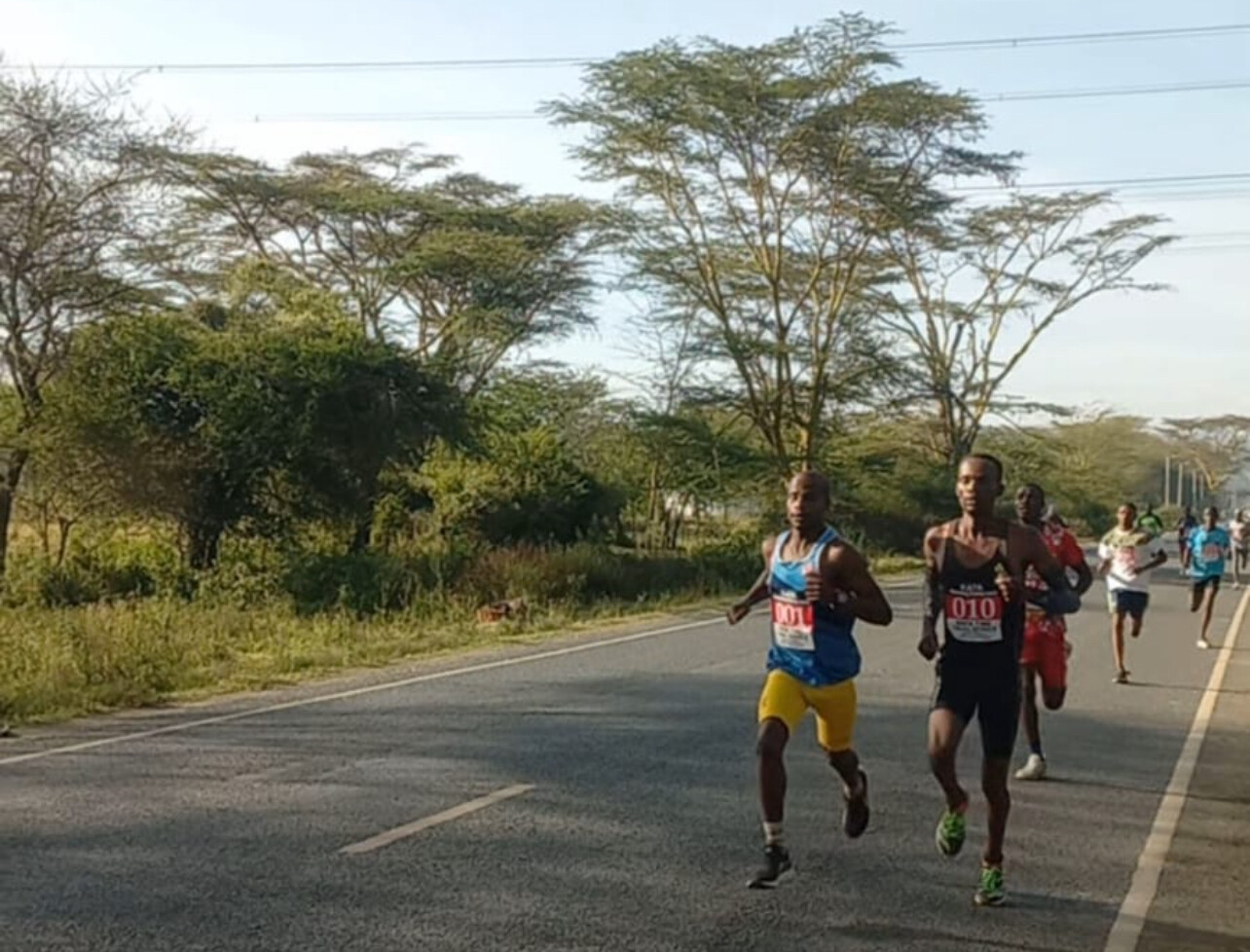
• Temperature: 68°F (20°C)
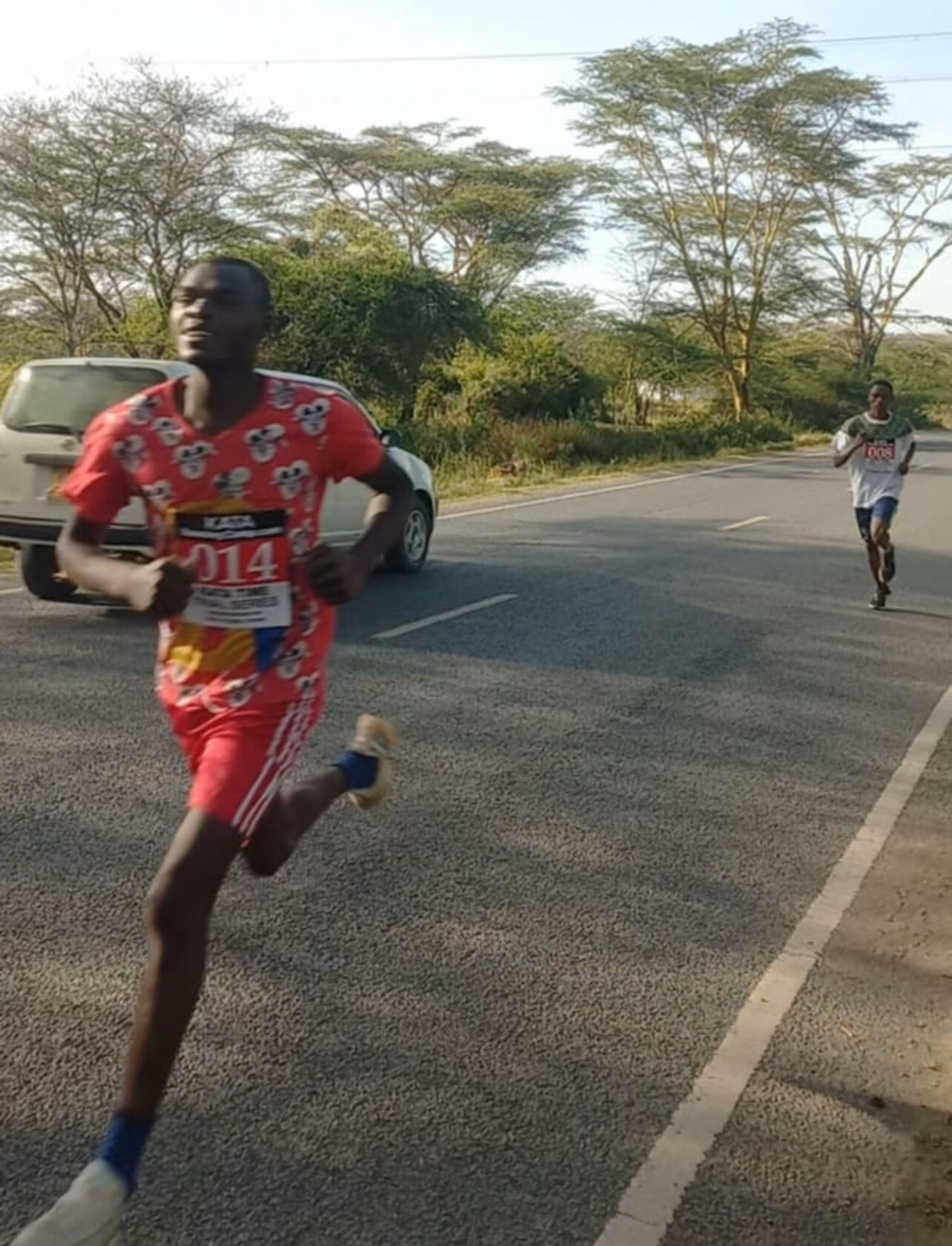
• Humidity: 71%
• Wind: 4 mph from the south
• UV Index: 4.9
Despite these factors, the field responded with determination and competitive depth.
Men’s 10K: Kirui Controls the Race on Home Roads
The men’s 10K was dominated by Robert Kirui (23, Bib 010), who hails from the Salgaa–Rongai area and trains regularly on the route. Kirui controlled the race from the front, stopping the clock at 30:45
Weldon Langat (19, Bib 001) finished second in 30:53, drawing on his experience despite managing a minor arch injury in recent weeks. Emmanuel Bor (24, Bib 026) completed the podium in 31:15.
Men’s 10K Results
1. Robert Kirui (23, 010) – 30:45
2. Weldon Langat (19, 001) – 30:53
3. Emmanuel Bor (24, 026) – 31:15
4. Kelvin Kipngetich (18, 023) – 32:28
5. Ronald Cheruiyot (25, 022) – 32:49
6. Bernard Kiptum (19, 002) – 34:50
7. Lameck Mokua (35, 021) – 35:04
8. Samuel Sang (35, 019) – 36:10
9. Mark Kibet (18, 008) – 36:34
10. Gedion Rotich (20, 014) – 37:04
Women’s 5K: Wambui Leads Under Testing Conditions
In the women’s 5K, Elizabeth Wambui (20, Bib 016) delivered the top performance of the day, winning in a fast 17:42 despite the challenging conditions.
Ida Chepkorir (16, Bib 005) followed in 19:54, continuing to gain valuable racing experience.
Women’s 5K Results
1. Elizabeth Wambui (20, 016) – 17:42
2. Ida Chepkorir (16, 005) – 19:54
Building Resilience Through Racing
With four time trials now completed at KATA (07), the Salgaa–Rongai route continues to serve as an effective proving ground. Harsh conditions, honest courses, and regular competition remain central to the KATA model—developing not only speed, but resilience and race intelligence.
by Boris Baron
Login to leave a comment
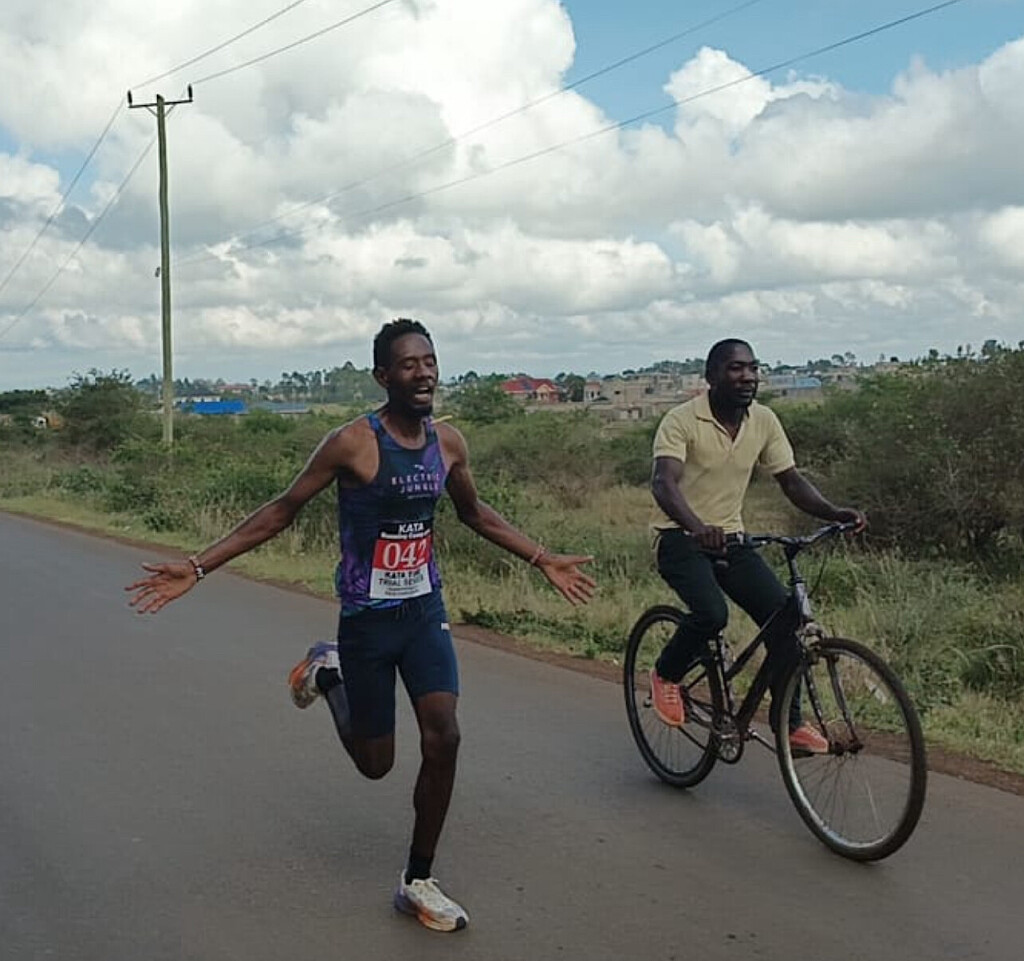
KATA Thika Hosts 51st Monthly Time Trial as Youth and Experience Deliver Strong Performances
The 51st KATA Monthly Time Trial was held today in Thika, Kenya, continuing a tradition that has become a cornerstone of athlete development at the Kenyan Athletics Training Academy (KATA).
With competitive fields in the 5K and 10K for both men and women, today’s time trial highlighted emerging junior talent alongside experienced runners, reinforcing KATA’s depth across age groups.
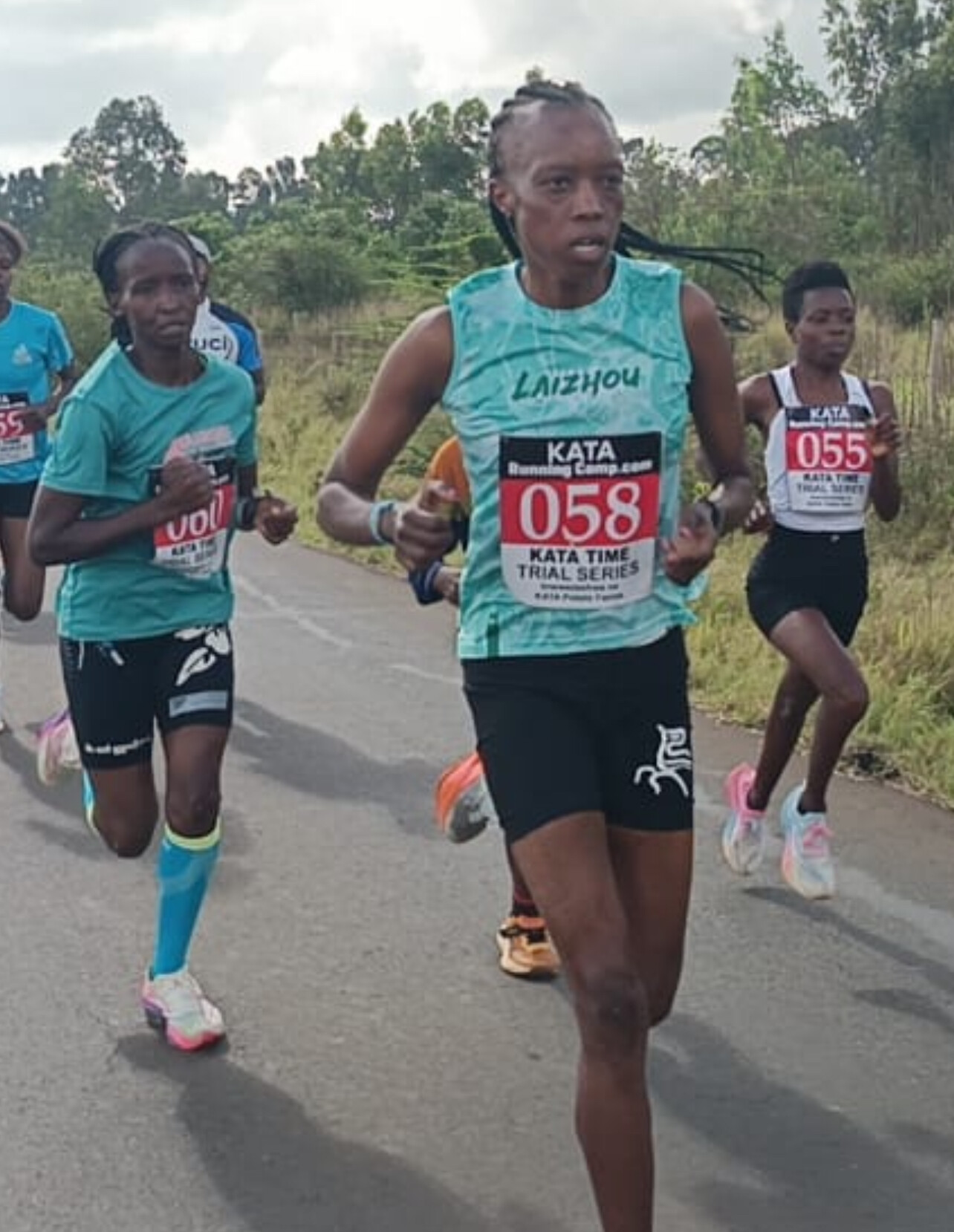
Men’s 10K: John Chege Powers to Solo Victory
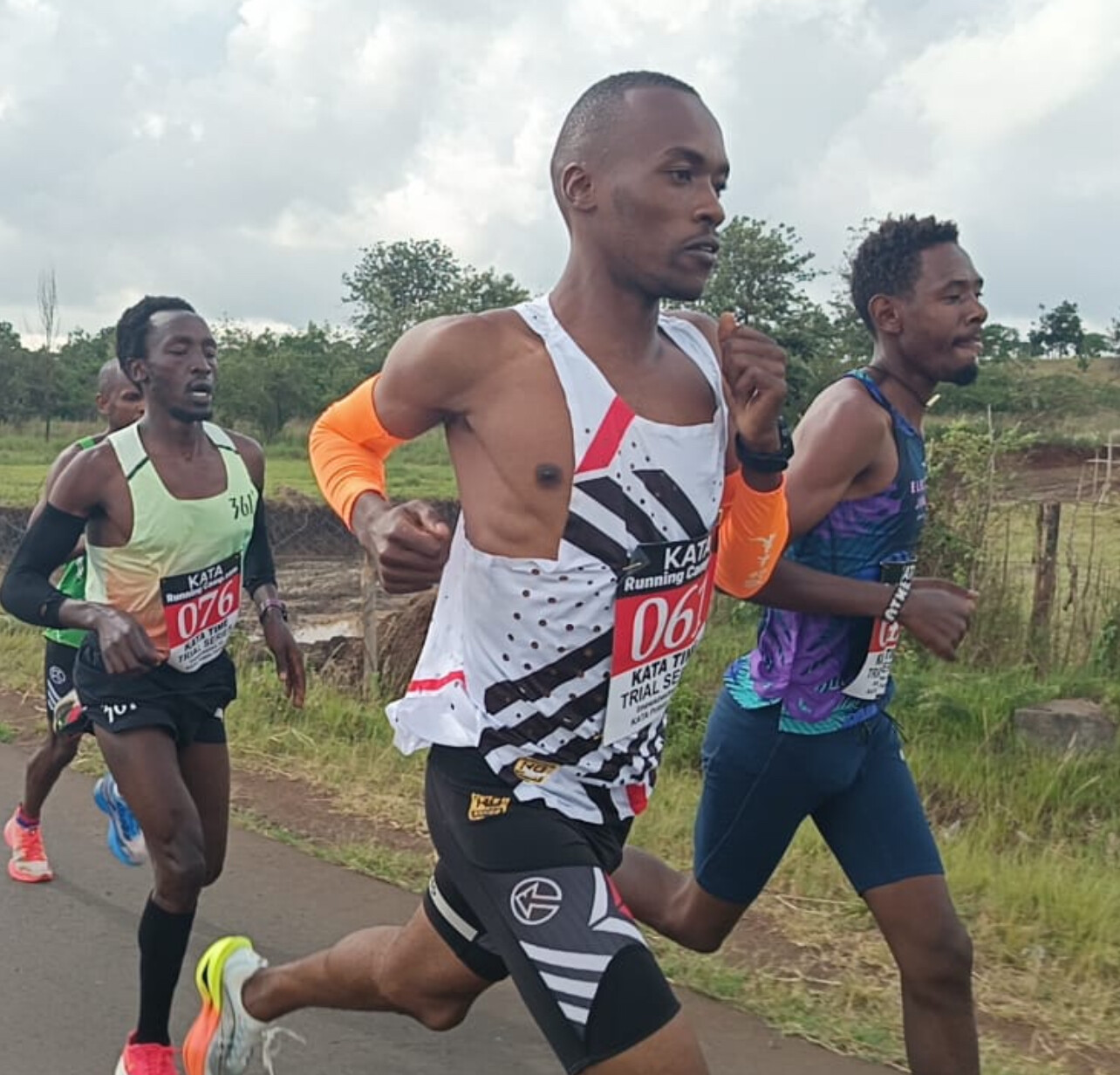
The men’s 10K saw John Chege (21, Bib 042) take control early and push on alone for much of the race, stopping the clock at 29:49 for a convincing win. Chege said afterward that he felt ready to run under 29 minutes, but acknowledged how difficult it was to maintain pace without company.
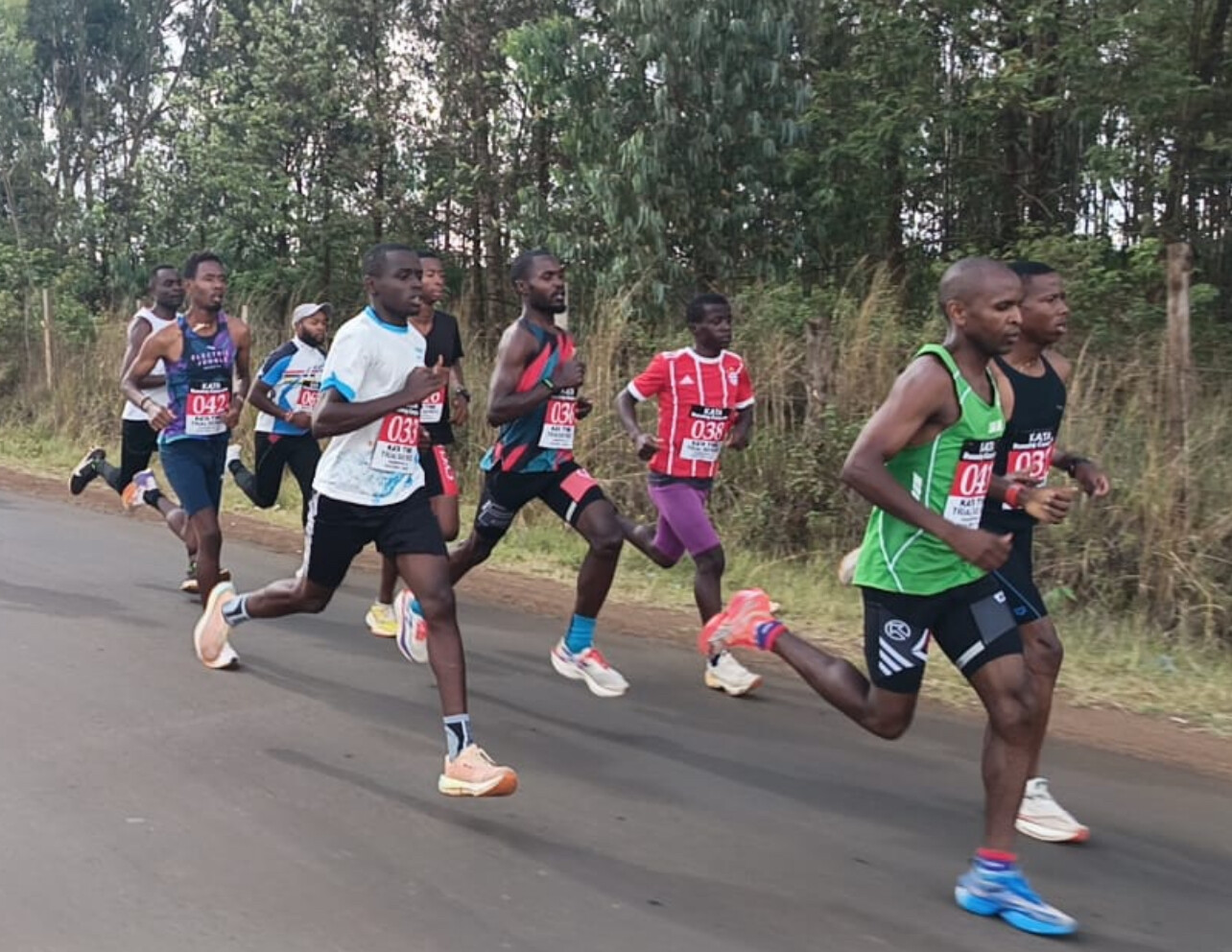
Stephen Ngigi (22, Bib 061) claimed second place in 30:04, followed by Raphael Karita (26, Bib 043) in 30:22.
Men’s 10K Results
1. John Chege (21, 042) – 29:49
2. Stephen Ngigi (22, 061) – 30:04
3. Raphael Karita (26, 043) – 30:22
4. Bernard Waweru (40, 041) – 30:38
5. Erick Mutuku (23, 040) – 30:39
6. Kristian Muthini (29, 074) – 31:57
7. Charles Ndirangu (24, 031) – 32:26
8. Erick Cheruiyot (30, 032) – 32:32
9. Fredrick Wambua (20, 073) – 32:56
10. Ismael Mburu (25, 036) – 33:31
11. Joseph Wanjiru (40, 064) – 34:12
12. John Wekesa (29, 045) – 34:27
13. Joseph Nyota (20, 035) – 35:05
14. Paul Ng’ang’a (43, 039) – 35:44
15. Joel Maina (40, 062) – 35:56
16. Kelvin Waiganjo (29, 065) – 43:23
Women’s 10K: Susan Njuu Leads, Chepkemoi Sets PB
In the women’s 10K, Susan Njuu (40, Bib 058) took the win in 35:58, showing strength and consistency throughout the race.
She was followed closely by Caren Chepkemoi (24, Bib 059), who ran a personal best of 36:12, taking more than 30 seconds off her previous mark. Naomi Wambui (40, Bib 057) completed the podium in 36:44.
Women’s 10K Results
1. Susan Njuu (40, 058) – 35:58
2. Caren Chepkemoi (24, 059) – 36:12 (PB)
3. Naomi Wambui (40, 057) – 36:44
4. Ruth Maina (23, 055) – 38:46
5. Mary Wangari (34, 077) – 39:32
6. Regina Sandiki (19, 048) – 40:22
7. Faith Mutua (16, 052) – 44:38
Men’s 5K: Teenagers Set the Pace
The men’s 5K belonged to Robin Musa (17, Bib 072), who delivered an impressive performance to win in 15:46. Close behind was Justus Nyamai (18, Bib 037) in 15:51, with Kelvin Mutunga (19, Bib 053) taking third in 16:34.
Men’s 5K Results
1. Robin Musa (17, 072) – 15:46
2. Justus Nyamai (18, 037) – 15:51
3. Kelvin Mutunga (19, 053) – 16:34
4. James Wahome (16, 033) – 16:48
5. Timothy Juma (20, 046) – 17:25
6. Erick Mwaura (18, 038) – 17:33
7. Samuel Maingi (14, 045) – 17:39
8. John Nzioka (16, 071) – 20:40
9. Ryan Kiarie (17, 075) – 23:28
Women’s 5K: Macharia Returns Strong Despite Injury
Despite nursing an injury, Ruth Macharia (27, Bib 056) topped the women’s 5K field, winning in 20:44.
She was followed by Irene Kameme (12, Bib 050), who impressed with a 21:50 run, while Assumpta Mwende (17, Bib 051) placed third in 22:08.
Women’s 5K Results
1. Ruth Macharia (27, 056) – 20:44
2. Irene Kameme (12, 050) – 21:50
3. Assumpta Mwende (17, 051) – 22:08
4. Winfred Munini (17, 047) – 22:26
5. Agnes Kavuu (13, 049) – 23:27
6. Catherine Waithera (22, 063) – 23:21
Consistency Builds Champions
Now 51 editions strong, the KATA Monthly Time Trial remains a vital proving ground for athletes across Kenya. Held today under competitive conditions, the event once again demonstrated how regular racing, honest competition, and a supportive training environment continue to produce measurable progress.
by Boris Baron
Login to leave a comment
KATA Time Trial Series
Welcome to the KATA Monthly Time Trial Held at the Kenyan Athletics Training Academy in Thika, Kenya, the KATA Monthly Time Trial is a unique and inclusive event designed to support runners of all levels in achieving their goals and showcasing their fitness. This event offers both 10K and 5K distances on an accurate, certified course, providing participants with...
more...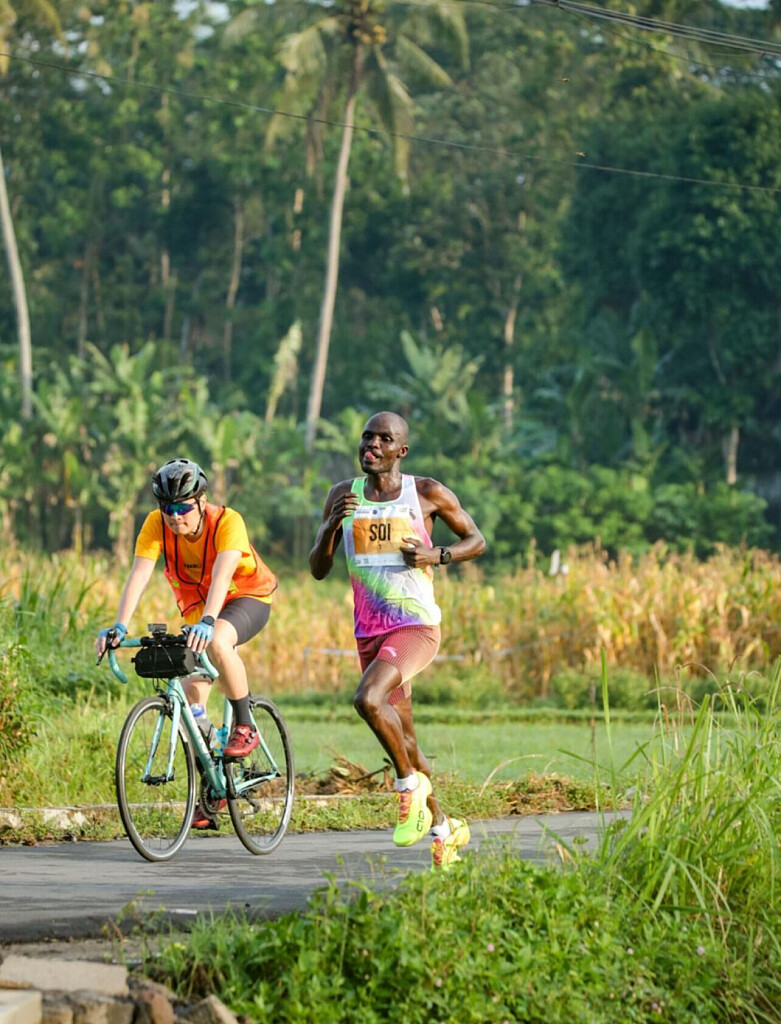
Edwin Soi’s Second Act: Veteran Track Star Turns Mentor While Leading Kenyan Charge at the Borobudur Marathon
In the tranquil dawn surrounding Indonesia’s ancient Borobudur Temple, Kenya’s Edwin Soi—once one of the world’s deadliest final-lap specialists—returned to the global stage with a performance defined by grit, maturity, and renewed purpose. His 2:20:21 fourth-place finish may have placed him just outside the podium, but it became one of the most compelling stories of this year’s Borobudur Marathon.
On a redesigned course rich in culture and punishing in terrain, Soi showed the poise of an athlete embracing the complexities of his second act—a transition from mid-distance brilliance to marathon resilience.
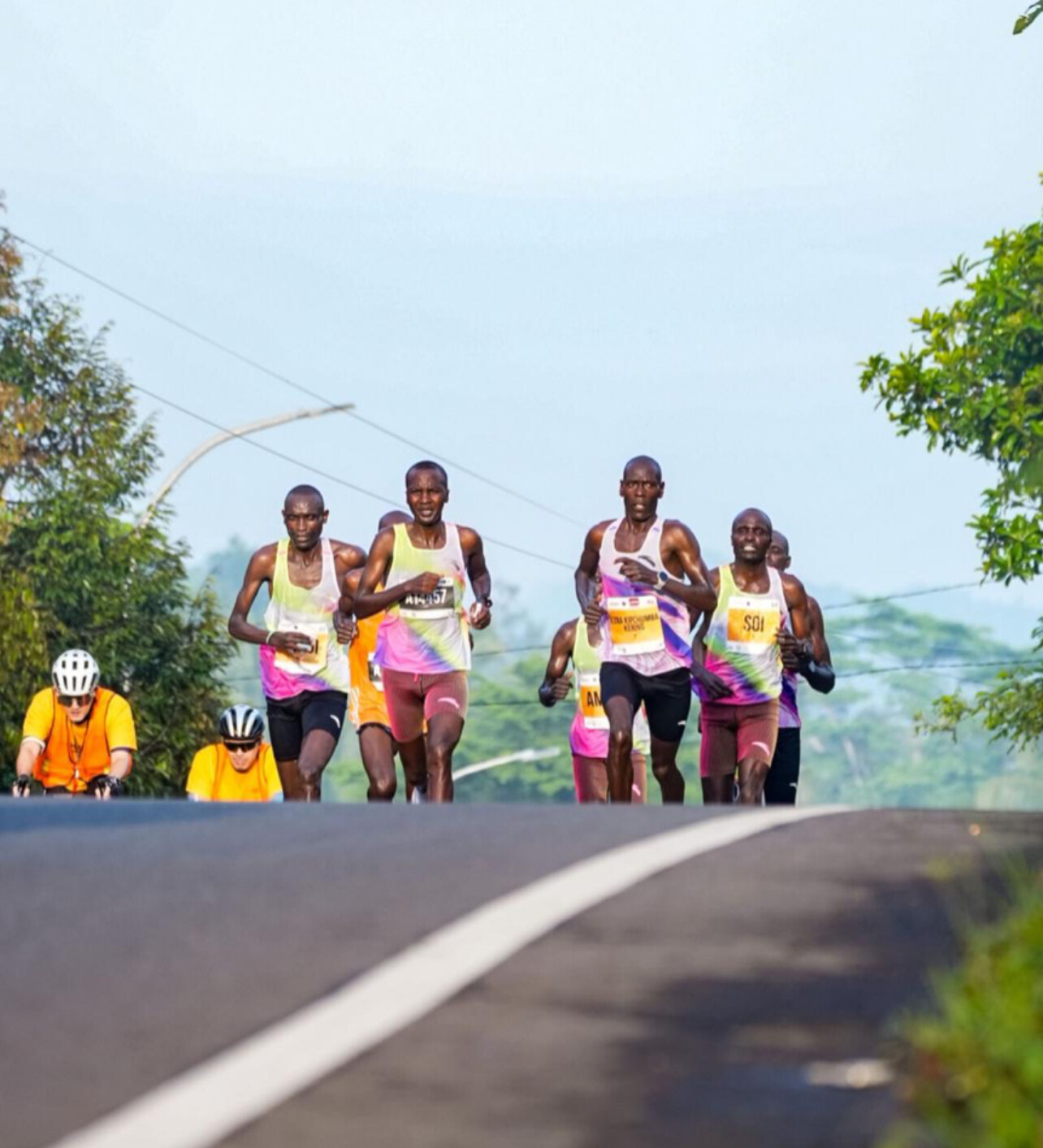
Speaking with My Best Runs after the race, Soi described the deep transformation required to evolve from track icon to marathon contender.
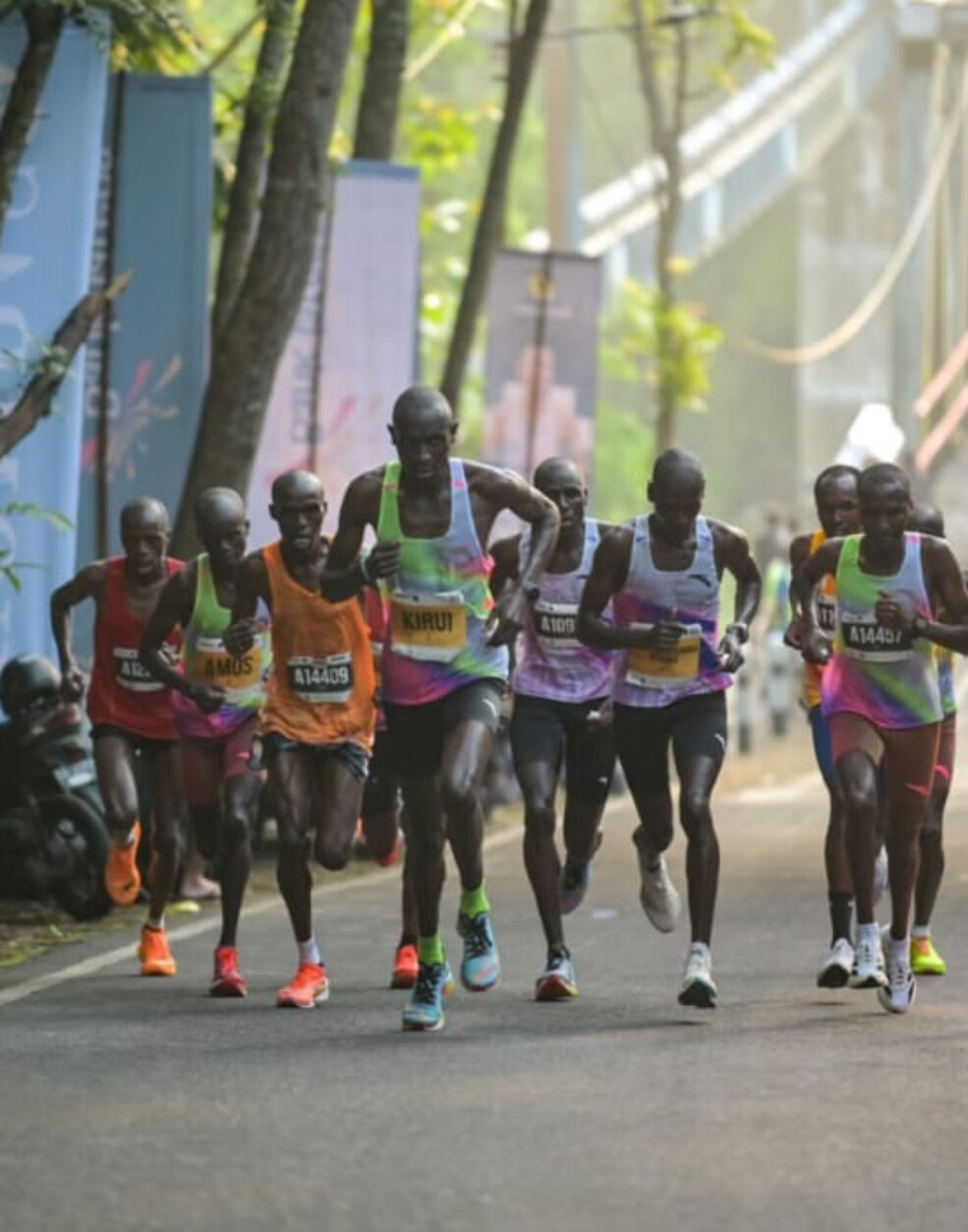
“My career on the track—my Olympic bronze in the 5,000m—was built on the fast finish,” he said. “But the marathon is completely different in the final 5km. You can’t just turn your legs over like on the track; the fuel is nearly gone. The biggest adjustment is shifting from raw speed to relentless endurance.”
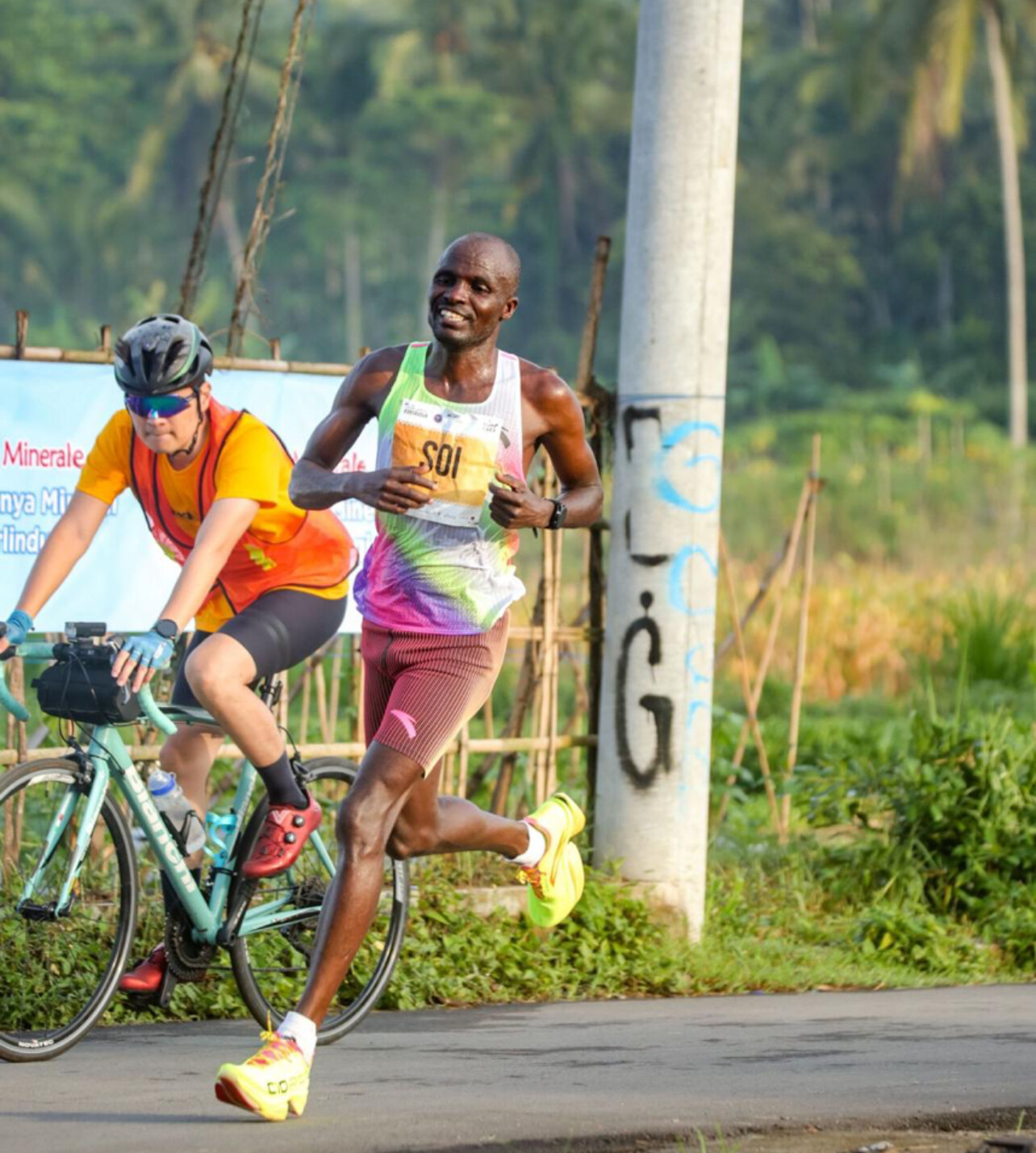
A Course That Demands Respect
The Borobudur route, winding through rice terraces, traditional villages, and the rolling Menoreh highlands, offered no shortcuts—and no mercy. It rewarded steady pacing, intelligent energy management, and deep aerobic strength, qualities Soi has been sharpening as he shifts to longer distances.
“The tropical heat and especially the humidity were the biggest challenges,” he said. “Even with the early start, the air felt heavy and thick as the sun rose. For us, training in the altitude and cooler air of Kenya, it required immense discipline with hydration from the first kilometer.”
The constant undulation of the course forced him into a measured rhythm:
“I had to run more conservatively in the first half to save energy for the inevitable struggle after 25km. But the scenery, the villages, the people cheering… it is one of the most beautiful races I’ve experienced.”
From Track Legend to Builder of Future Champions
Though he remains globally known for his devastating last-lap kick, Soi’s greatest work today may be happening far from stadium lights. In Kuresoi, through Bob Anderson’s KATA programme, he now mentors a rising generation of disciplined young runners.
“This has been a year of deepening purpose,” he said. “My reflection is less about my personal stopwatch and more about the impact I can have on the future of Kenyan running.”
He still trains at a high level, balancing heavy marathon mileage with the demands of leadership.
“Running competitively keeps me sharp and helps me understand the sacrifices my young athletes are making. Every morning, I run alongside them—I’m not just a coach shouting instructions; I am a competitor in the pain cave with them.”
On the misty loops of Kuresoi, he passes down the two things that shaped him: the speed of the track and the patience of the marathon.
Kenyan Depth on Full Display
Despite missing the podium, Soi helped anchor a dominant Kenyan performance in Magelang, Central Java, Indonesia, where the marathon began and finished inside the historic Lumbini Park complex at Borobudur Temple.
The top four in the elite men’s marathon—all representing Kenya—were:
1. Ezra Kipchumba Kering (Kenya) — 2:17:33
2. Alex Oloitiptip Korio (Kenya) — 2:17:43
3. Kiprop Tonui (Kenya) — 2:18:01
4. Edwin Cheruiyot Soi (Kenya) — 2:20:21
A Cultural and Competitive Showcase
The 2025 Borobudur Marathon, elevated to World Athletics Elite Label status, attracted more than 11,500 runners from 38 countries. Its scenery, cultural performances, and enthusiastic supporter crowds generated more than Rp 73 billion in economic impact, cementing its place as one of Asia’s rising marathon gems.
A Legacy in Motion
For Soi, Borobudur was more than a race—it was a declaration. A reminder that champions don’t fade; they evolve.
His footsteps now tell two intertwined stories: a veteran still capable of racing among the world’s best, and a mentor shaping futures in the hills of Kuresoi.
As Kenyan runners painted the leaderboard red, green, and black, Soi’s fourth-place finish stood out not for what it lacked, but for what it symbolized: a champion transforming—and lighting the path for those who follow.
by Robert Kibet
Login to leave a comment

Introducing the 200,000 KES KATA Athletics Performance Contest
To further motivate and reward our dedicated athletes, we’re launching the KATA Athletics Performance Contest—a biannual competition designed to celebrate the top earners among our athletes and camps.
How It Works:
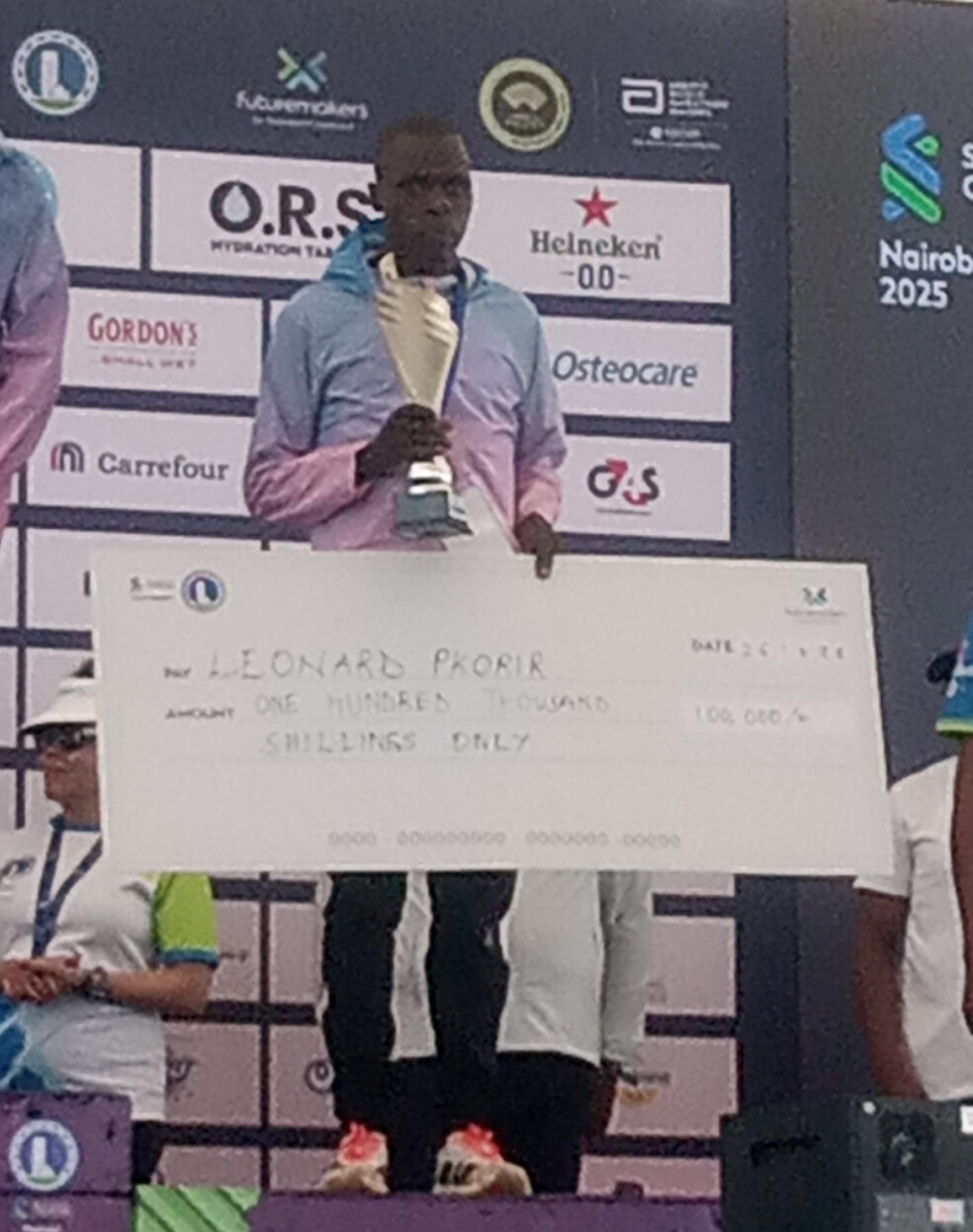
Twice a year, KATA will reward the athlete who has earned the most prize money by sending 15% of their winnings to KATA’s bank account. The responsibility lies with the camp or farm operator to ensure these funds are submitted, as results only count once the money is received in our account.
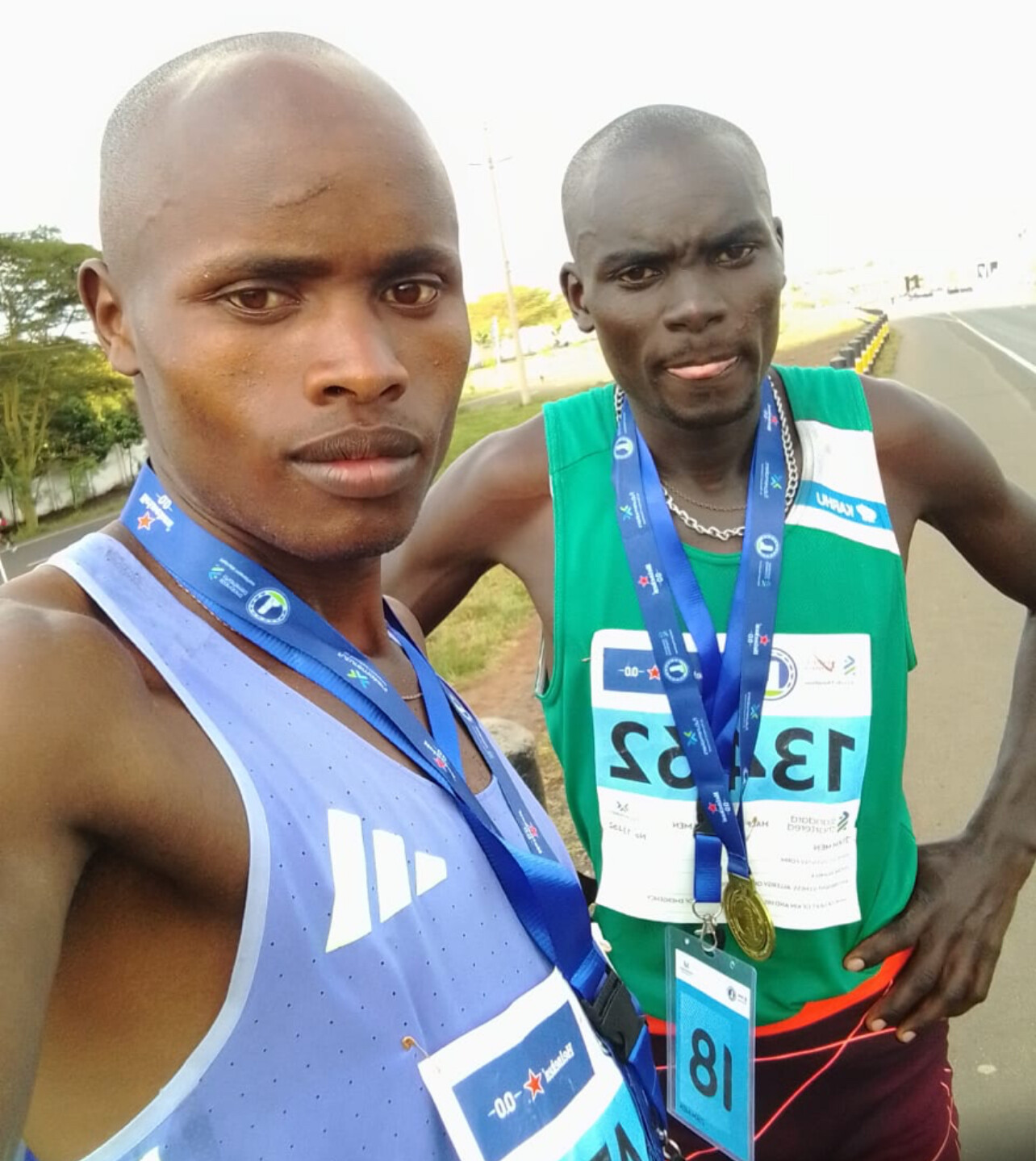
The first contest period will conclude at the end of January 2026, allowing for any delays in prize money payments. The second contest will wrap up at the end of July. This twice-annual schedule ensures everyone has ample time to report and account for their winnings.
Camp and Athlete Rewards:
At the end of each contest period, the individual athlete who has earned the most prize money will receive a 25,000 KES bonus. Additionally, the top three KATA camps—those whose athletes collectively submit the highest total winnings—will each receive 25,000 KES.
In other words, each contest distributes a total of 100,000 KES: 75,000 KES to the top three camps (25,000 each) and 25,000 KES to the top individual athlete. Over the course of a year, that’s a total of 200,000 KES in rewards.
Conclusion:
Because there can be delays in receiving prize money, the contest periods are extended slightly to ensure all earnings are accounted for. We’re excited to see our athletes and camps compete and look forward to celebrating their achievements together!
by Bob Anderson
Login to leave a comment
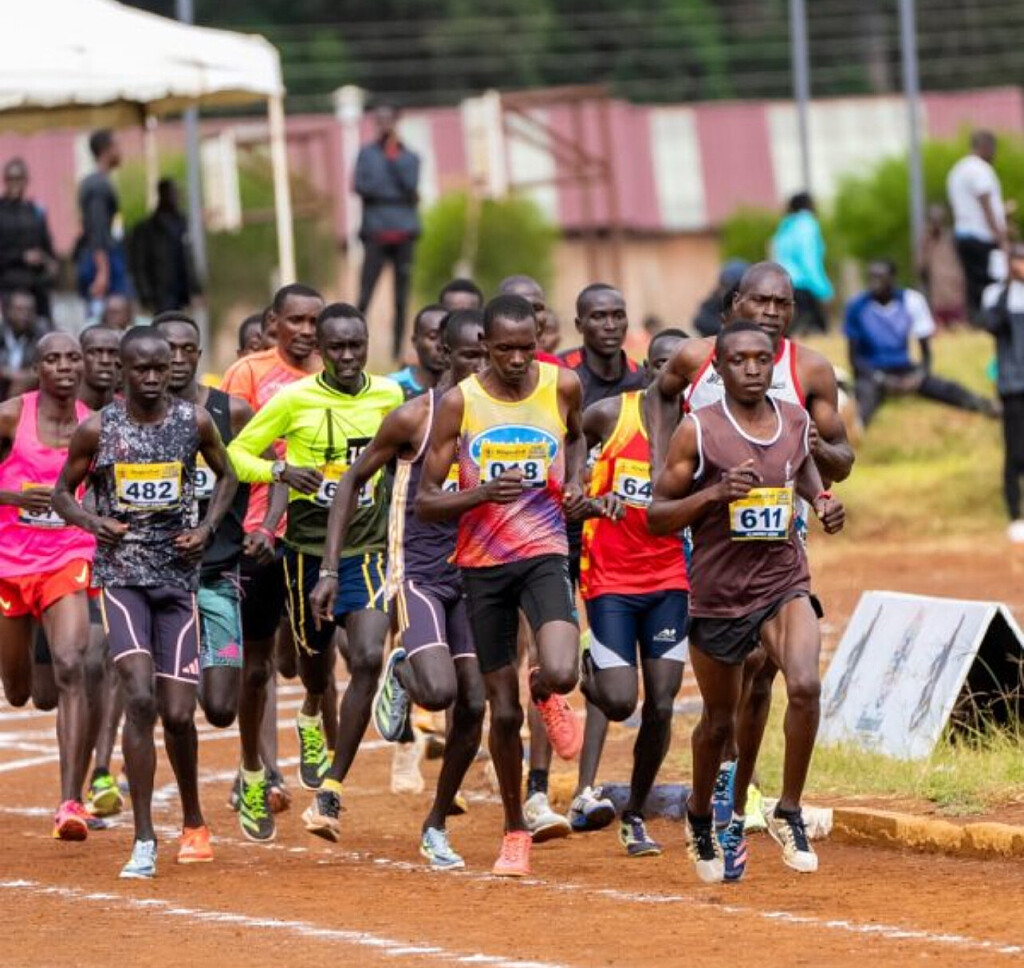
BingwaFest Returns: A High-Stakes Track Opportunity for KATA Athletes
After a competitive season across Nakuru, Siaya, and Machakos, Nairobi is set to host the Season 2 BingwaFest Nairobi Edition on November 22 at Kasarani Stadium. For KATA athletes spread across Kenya, this meet is far more than another race on the calendar—it’s a chance to shine on home soil, compete for substantial prize money, and demonstrate the strength of regionally developed talent. Powered by Betika, the Nairobi edition underscores the resurgence of Kenyan athletics and the rising impact of local competitions.
The season opened in Nakuru, where Maurine Jepkoech Chebor stamped her authority by sweeping both the women’s 5,000m and 10,000m. In the men’s events, Richard Etir and Daniel Kimaiyo delivered standout performances that set an early standard. Their efforts framed a season defined not just by speed and endurance, but by smart racing and tactical maturity.
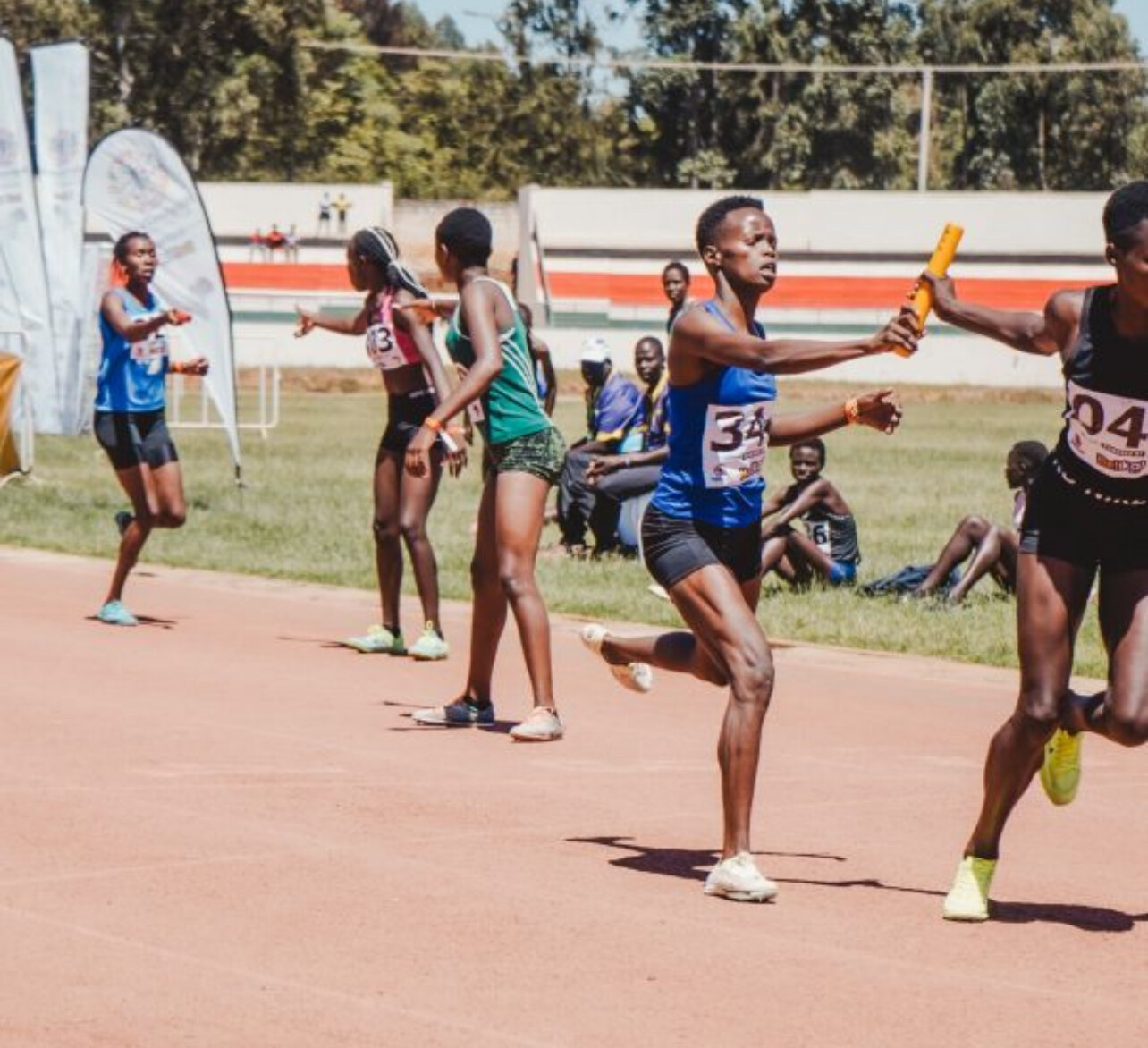
Siaya continued the trend, with Miriam Chebet taking double gold in the 5,000m and 10,000m. “Winning both races is a big confidence boost,” she said after her victories. “I hope to perform even better.” Titus Kiprotich provided a masterclass in patience and pacing to secure the men’s 10,000m. In Machakos, veterans Glorious Chepkurui and Francis Langat showcased consistency and experience, winning their respective 5,000m and 10,000m races with measured execution.
KATA athletes have been prominent across the domestic circuit, bolstered by strong results at major recent events such as the Standard Chartered Nairobi Marathon 2025. Under the guidance of Coach Philemon Kiptoo of KATA001 Kapcherop, athletes have not only raced well—they have emerged as crowd favorites, blending disciplined training with tactical sharpness. Their appearance in Nairobi reinforces the rising credibility of Kenya’s regional training hubs and shows that structured local programs can produce athletes capable of competing at international levels.
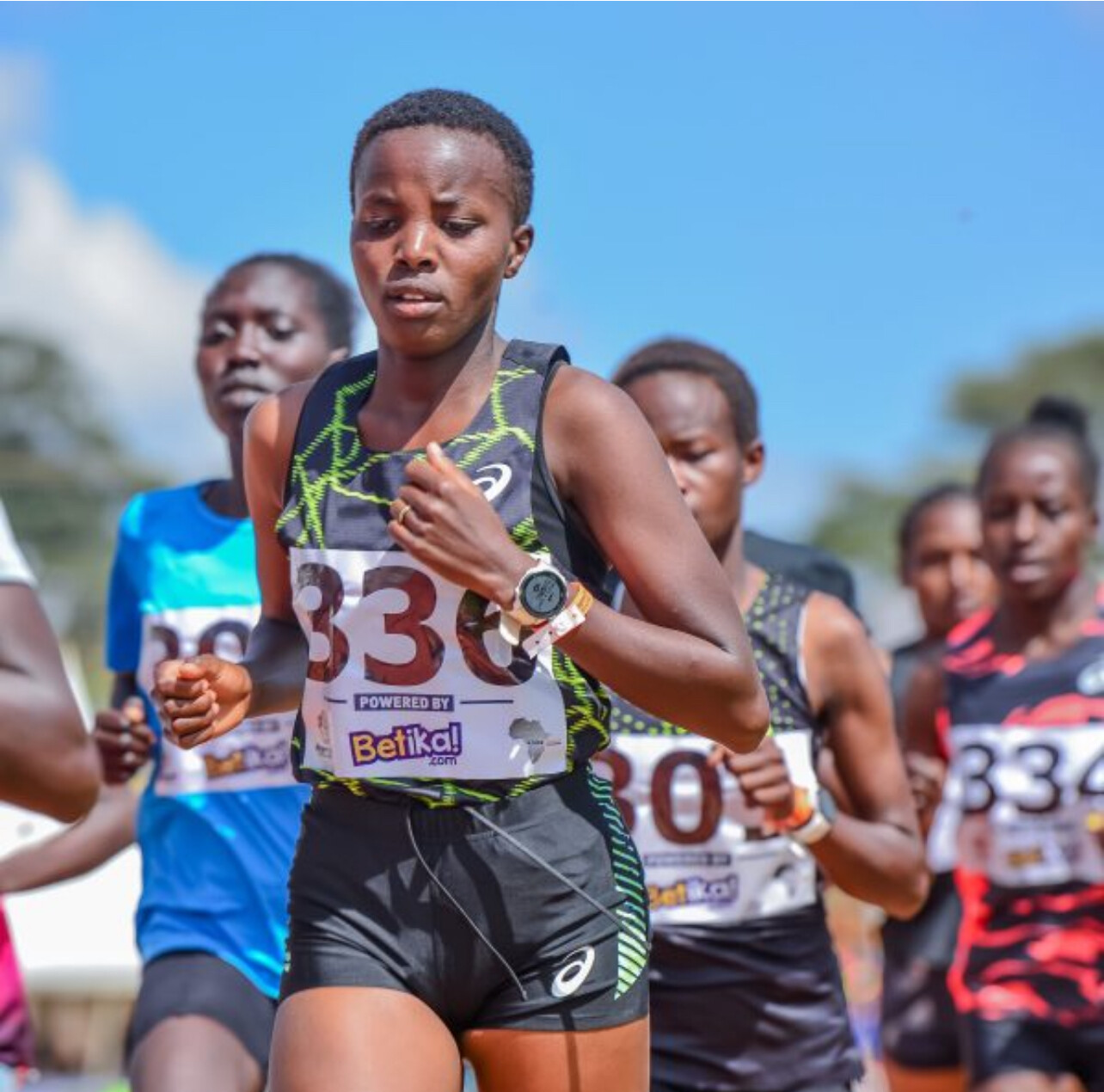
A distinctive factor behind the KATA program’s momentum is the community-driven economic engine supporting its athletes. Bob Anderson’s potato farming initiative—spread across the highland regions where KATA camps operate—has become a vital funding source. Revenue from these farms helps cover training expenses, travel costs, and essential equipment, allowing athletes to focus fully on performance. This model of local empowerment gives athletes the stability to build careers at home rather than chasing uncertain opportunities abroad.
This year’s event also marks the reopening of Kasarani Stadium following CHAN football upgrades, offering athletes a world-class track and a renewed sense of pride. For many, racing at Kasarani is deeply personal. As Timothy Cheruiyot has said of past editions, competing at home brings a sense of belonging and motivation unmatched by international travel. KATA athletes will look to create similar moments across the full program of events—from the 100m to 400m sprints, 800m and 1,500m middle distances, 5,000m and 10,000m long-distance races, and both the 4×100m and 4×400m relays.
The incentives are significant. Individual winners will earn 250,000 shillings, with 150,000 for second place and 100,000 for third. Relay teams will compete for up to 300,000 shillings. These rewards highlight a growing truth: Kenyan athletes can build sustainable careers through domestic competitions.
For KATA athletes, the return to Nairobi is a moment where disciplined training, homegrown support, and community-driven funding intersect. It’s proof that local competitions can create real opportunities—and that economic empowerment initiatives, like the KATA potato program, can directly fuel athletic success. As Kasarani opens its gates on November 22, the stage is set for Kenya’s rising stars to make their mark and keep the momentum of a nationwide athletics revival firmly in motion.
by Robert Kibet
Login to leave a comment
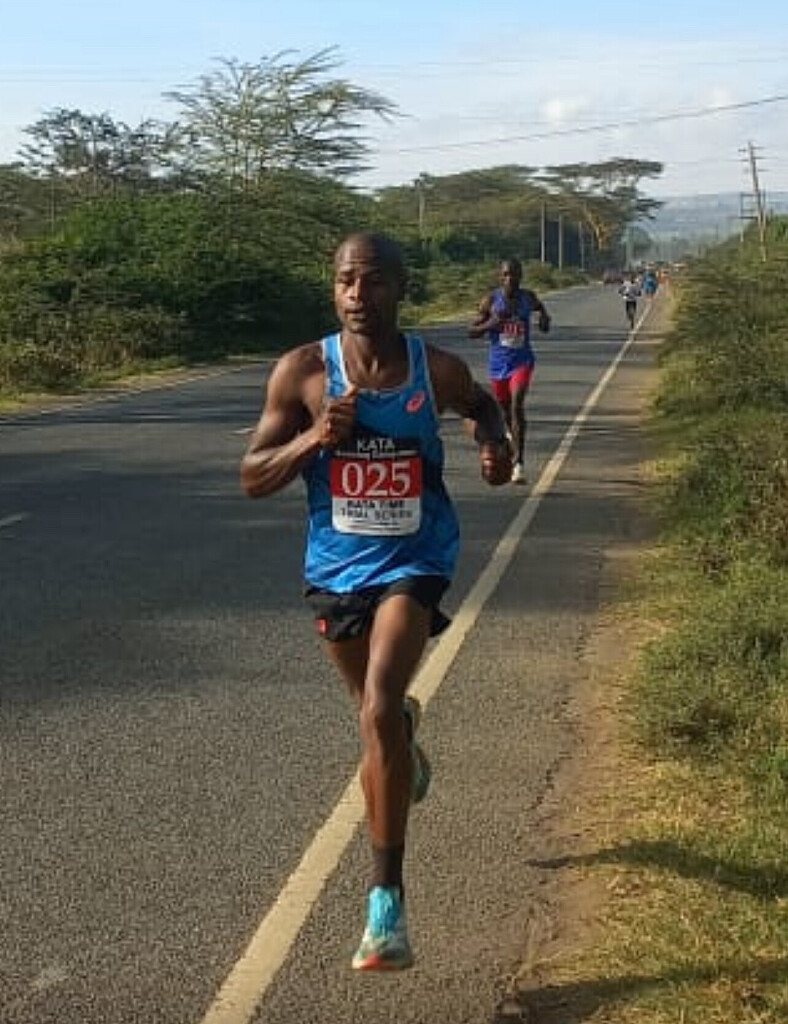
Weldon Langat Shines Again at Sachangwan KATA Running Camp Time Trial
The third edition of the KATA Sachangwan Running Camp K 07 Time Trial on the scenic yet demanding Salgaa–Rongai route was held under bright, sunny skies with temperatures at 64°F (18°C), 67% humidity, light winds of 2 mph, and a moderate UV index of 4.5. Despite the tough weather and rolling terrain, athletes displayed tremendous resilience and speed, once again proving why the KATA Time Trials are a breeding ground for Kenyan endurance talent.
In the men’s 10km, Weldon Langat (19 years, Bib 025) extended his dominance on this course, unleashing a powerful finishing kick to win in 30:49. Langat has made the Salgaa–Rongai route his own, demonstrating both tactical awareness and strength through the hills. Ronald Cheruiyot (25 yrs, Bib 015) followed in 34:24, while Sammy Sang (35 yrs, Bib 022) took third in 37:50, rounding out a solid men’s podium.
The men’s 5km saw rising star Benard Kitum (20 yrs, Bib 040) clock a personal best of 16:35, continuing his steady improvement within the KATA Running Camp system. His confidence and form signal a bright future ahead.
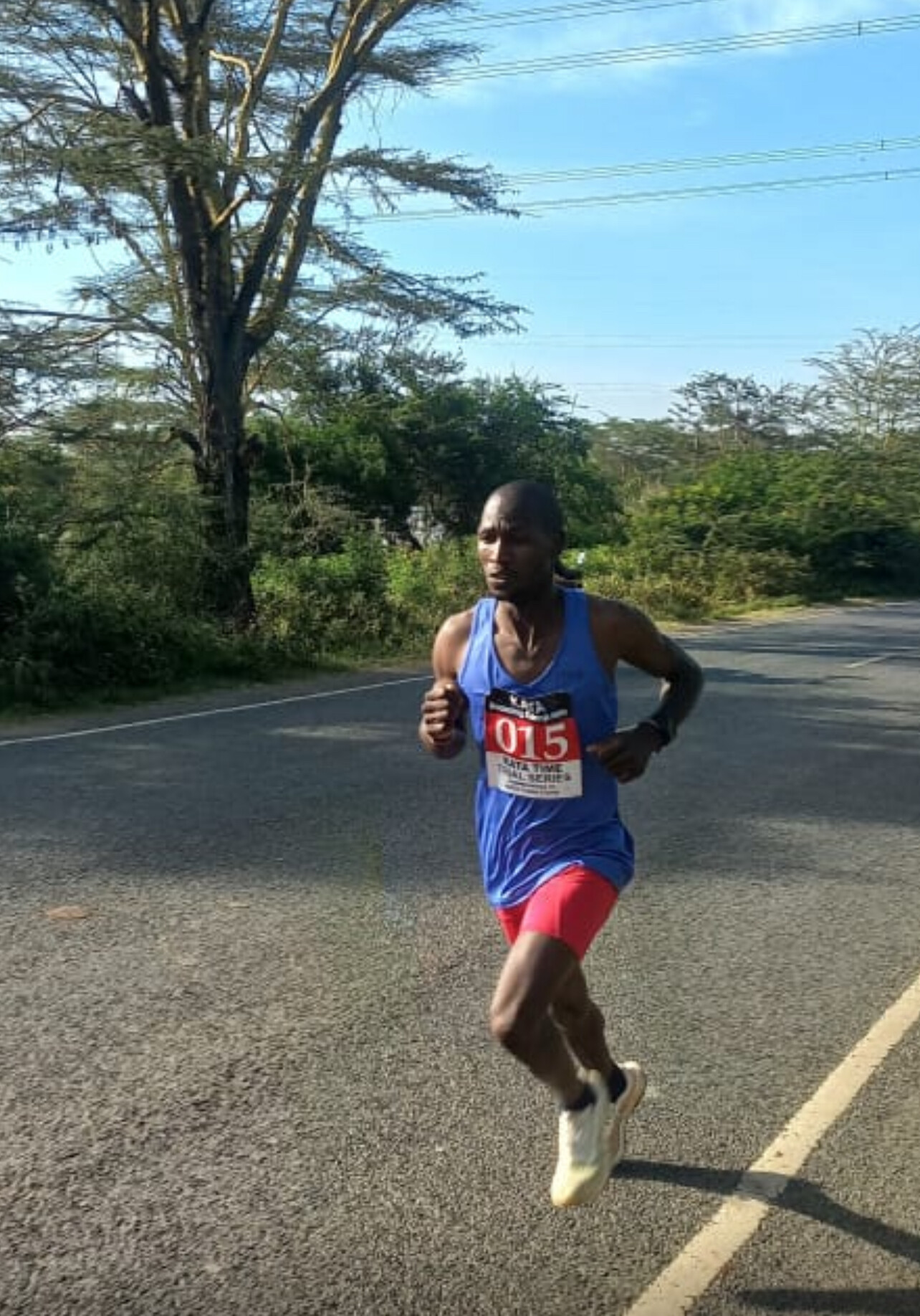
In the women’s 5km, Elizabeth Wambui (20 yrs, Bib 036) impressed once again, winning in 18:08with her trademark consistency and drive. Sandra Cheptoo (13 yrs, Bib 018) showed great promise in second, running 21:00, while Faith Chebet (16 yrs, Bib 033) was third in 23:12. Miriam Chebet (18 yrs, Bib 035) followed closely in 23:17, with Rahab Chemutai (13 yrs, Bib 019) finishing fifth in 25:27.
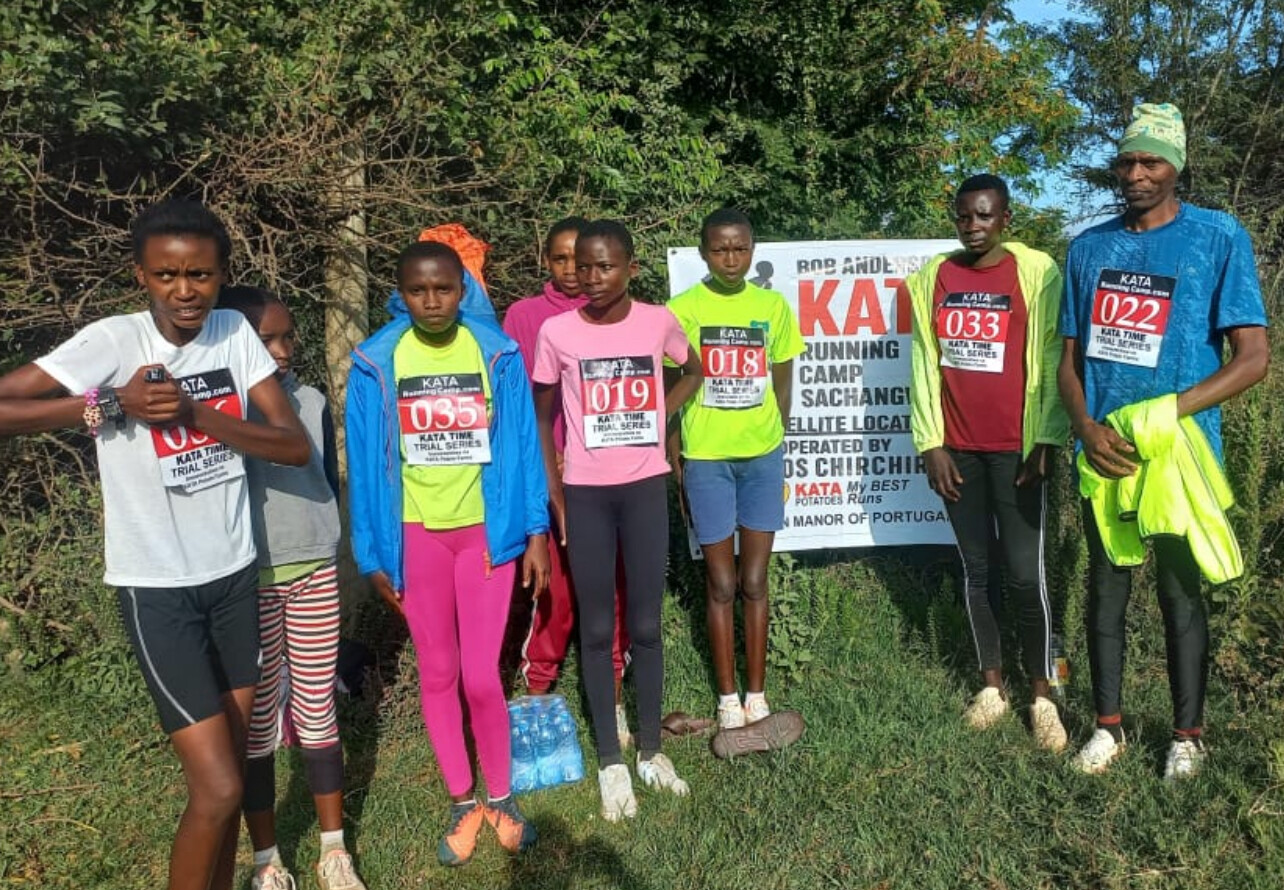
These performances highlight the diversity of talent within KATA’s growing satellite network — from seasoned runners to young emerging athletes.
The next KATA Time Trial will take place on December 17 across most of KATA’s satellite running camps, including the main academy in Thika, continuing the momentum of KATA’s “Fuel of Champions” program that blends training, racing, and development across Kenya.
The Salgaa–Rongai KATA Running Camp, one of KATA’s newest and most promising satellite locations, continues to build its reputation as a key hub for athlete development. Its consistent time trial events are helping to identify and prepare the next generation of Kenyan champions — runners who are fast proving that talent, dedication, and the right support can overcome even the toughest conditions.
KATA Time Trial – Salgaa–Rongai (3rd Edition) Official Results
10km Men
1. Weldon Langat – 19 yrs – Bib 025 – 30:49
2. Ronald Cheruiyot – 25 yrs – Bib 015 – 34:24
3. Sammy Sang – 35 yrs – Bib 022 – 37:50
5km Men
1. Benard Kitum – 20 yrs – Bib 040 – 16:35 (PB)
5km Women
1. Elizabeth Wambui – 20 yrs – Bib 036 – 18:08
2. Sandra Cheptoo – 13 yrs – Bib 018 – 21:00
3. Faith Chebet – 16 yrs – Bib 033 – 23:12
4. Miriam Chebet – 18 yrs – Bib 035 – 23:17
5. Rahab Chemutai – 13 yrs – Bib 019 – 25:27
by Boris Baron
Login to leave a comment
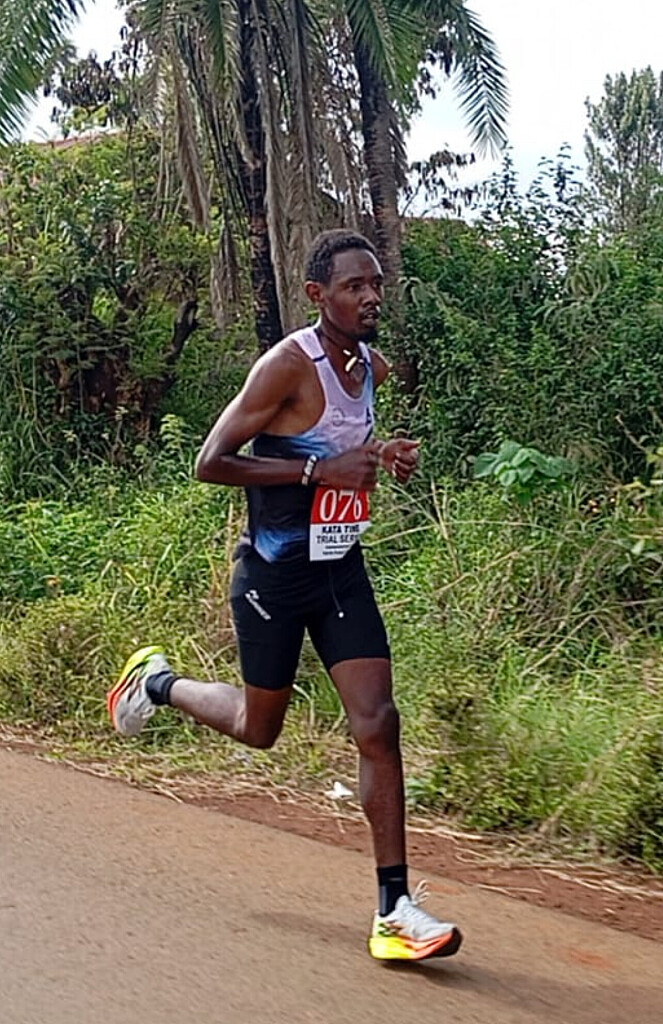
KATA Time Trial 50 Marks Milestone with Strong Performances in Thika
THIKA, Kenya — November 12, 2025 — The 50th edition of the KATA Time Trial was held today at the Kenyan Athletics Training Academy (KATA) in Thika, marking a major milestone for the event that continues to nurture and test athletes under challenging conditions. Despite the warm, humid air and gusty winds, runners delivered impressive performances across both the 5km and 10km distances.
In the men’s 5km race, Charles Ndirangu, still recovering from injury, displayed determination and class to cross the finish line first in 15:32. Sixteen-year-old James Lawrence followed with a strong run of 18:01, showing promise as one of KATA’s rising young athletes. Eric Mwaura, 18, clocked 18:07to round out the top three.
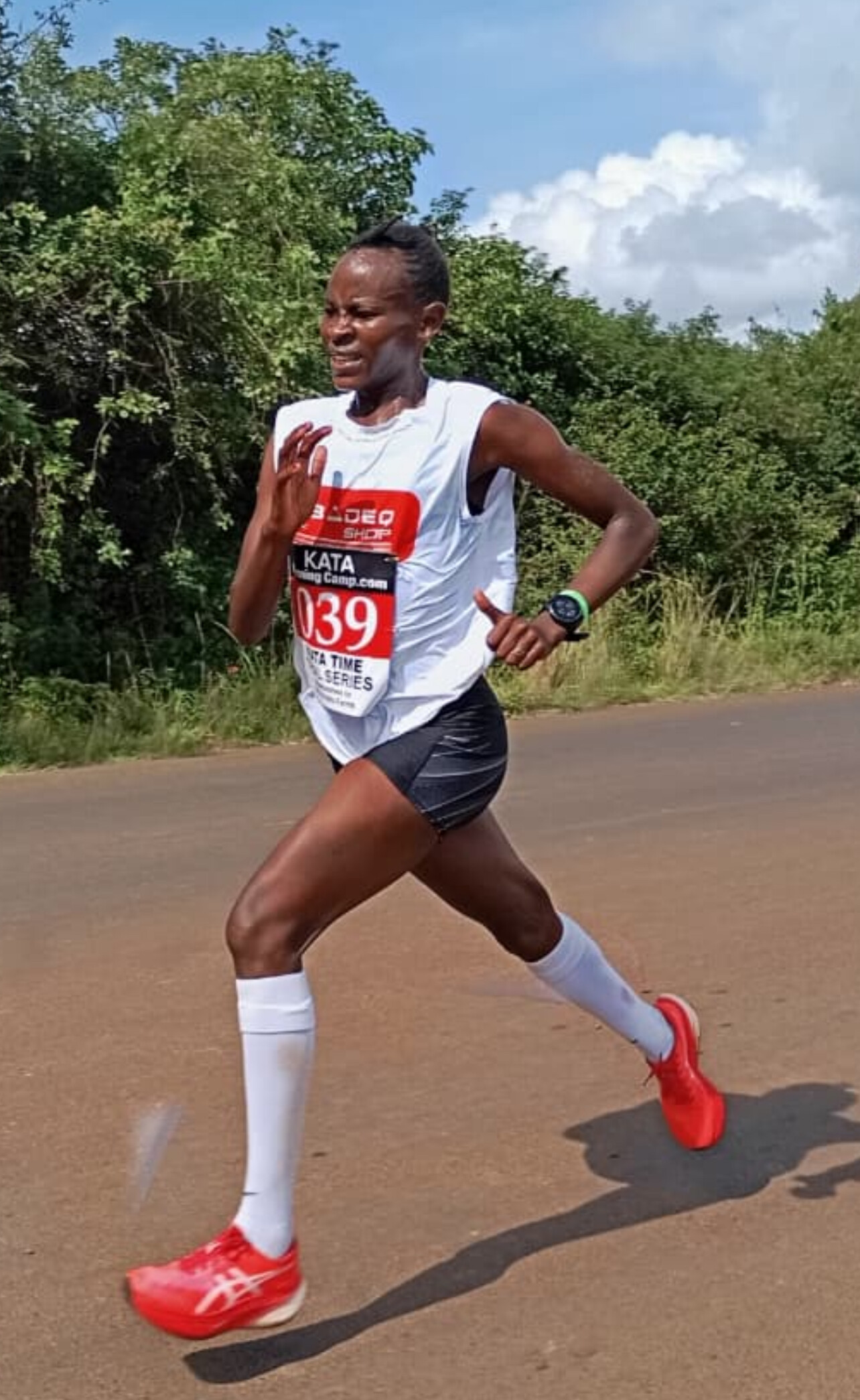
The women’s 5km race saw Agnes Wanjiru take to the course solo, clocking 19:21. Having recently battled illness, her performance reflected admirable resilience and commitment to the KATA program.
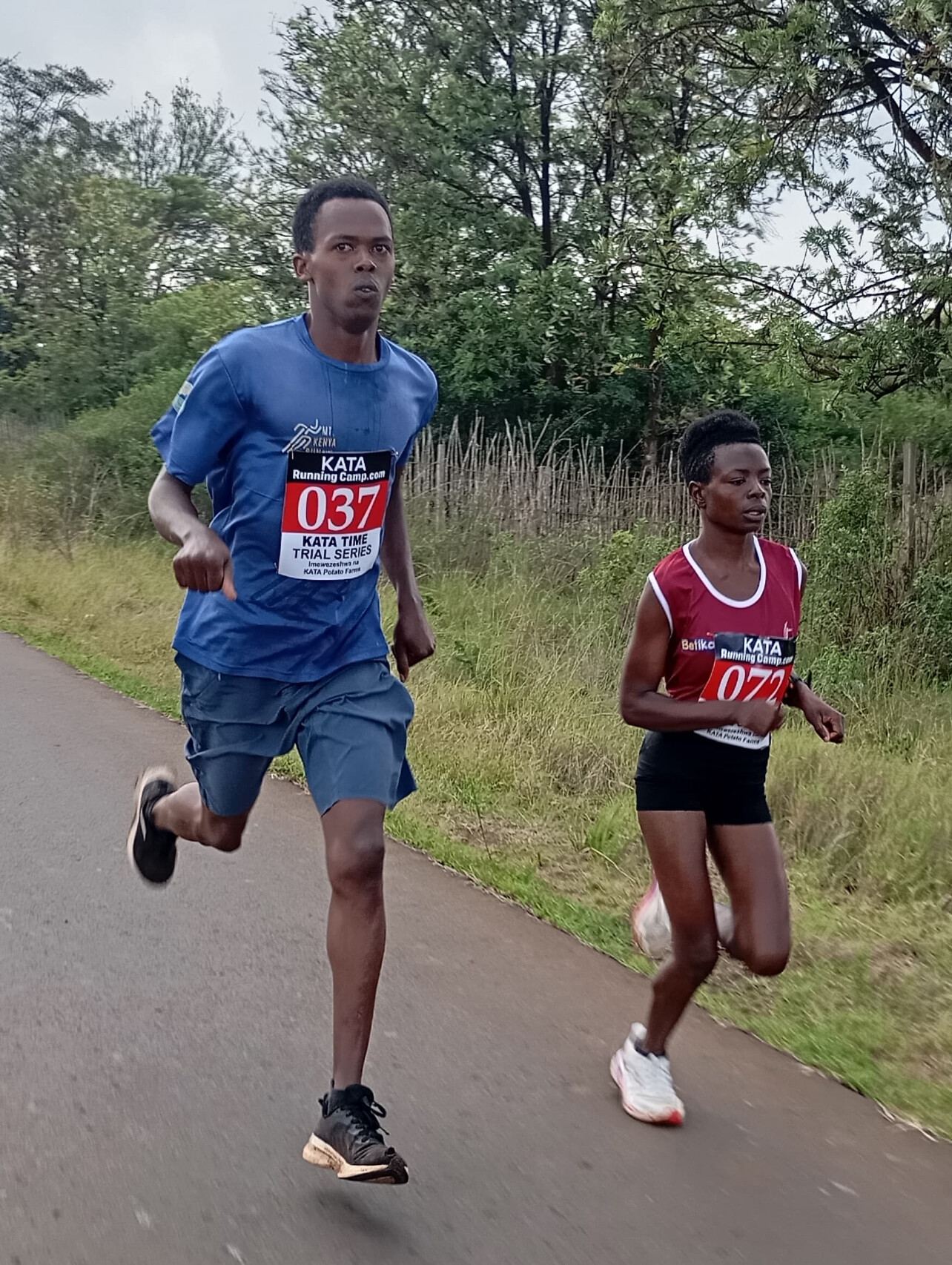
The men’s 10km was one of the most competitive fields of the day. John Chege, 21, took command early and maintained his lead to win in 29:49. He was followed by Bernard Waweru (40) in 30:29, with Stephen Ngigi, 22, close behind in 30:36 to complete the podium.
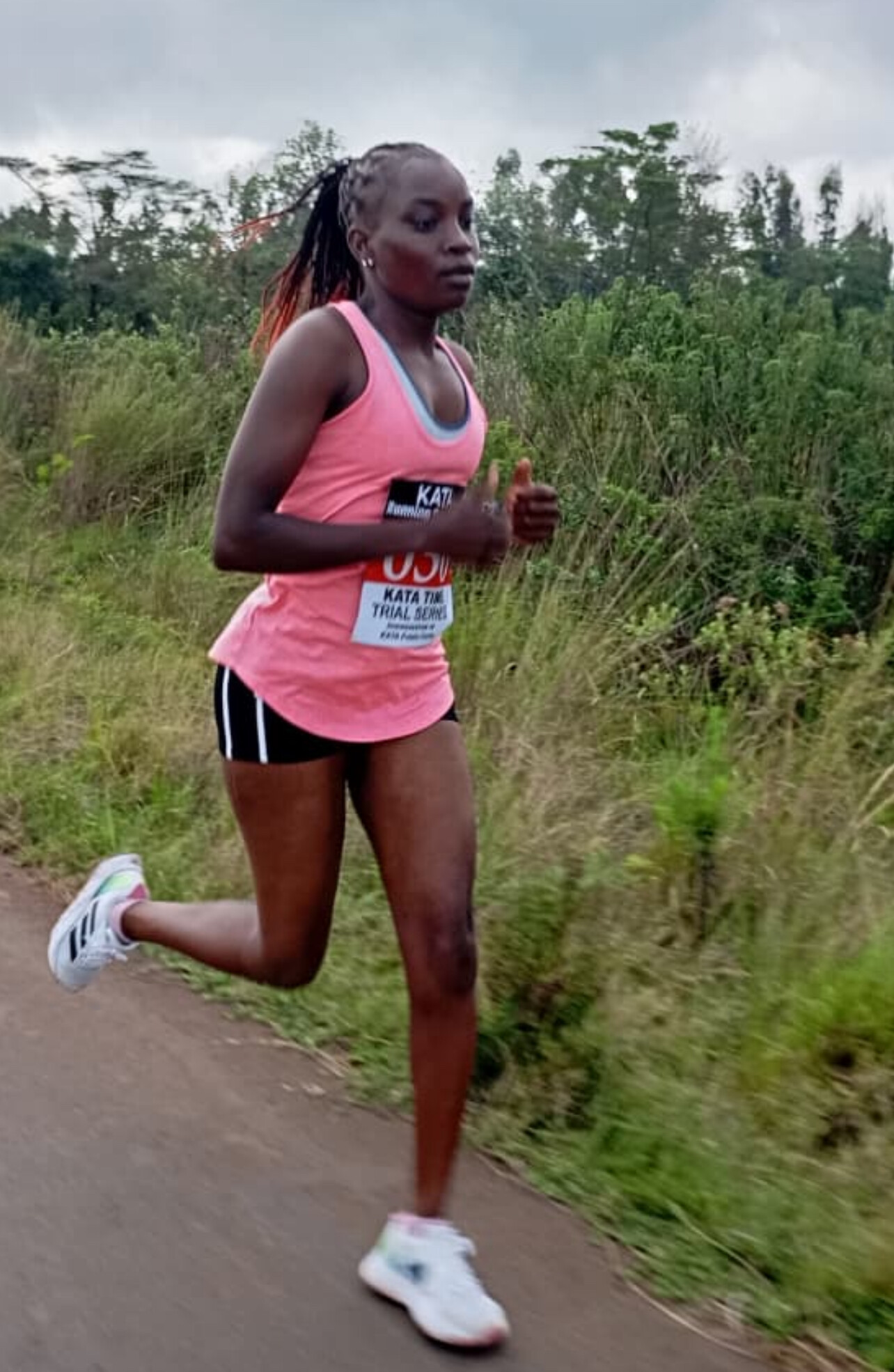
The women’s 10km produced another standout performance, with Loise Kiarie, 24, setting a new personal best of 33:49, improving her previous time by 30 seconds despite the less-than-ideal weather. Jacinta Kamau, also 24, claimed second in 34:48, while Kellen Waithira (38) finished third in 36:11.
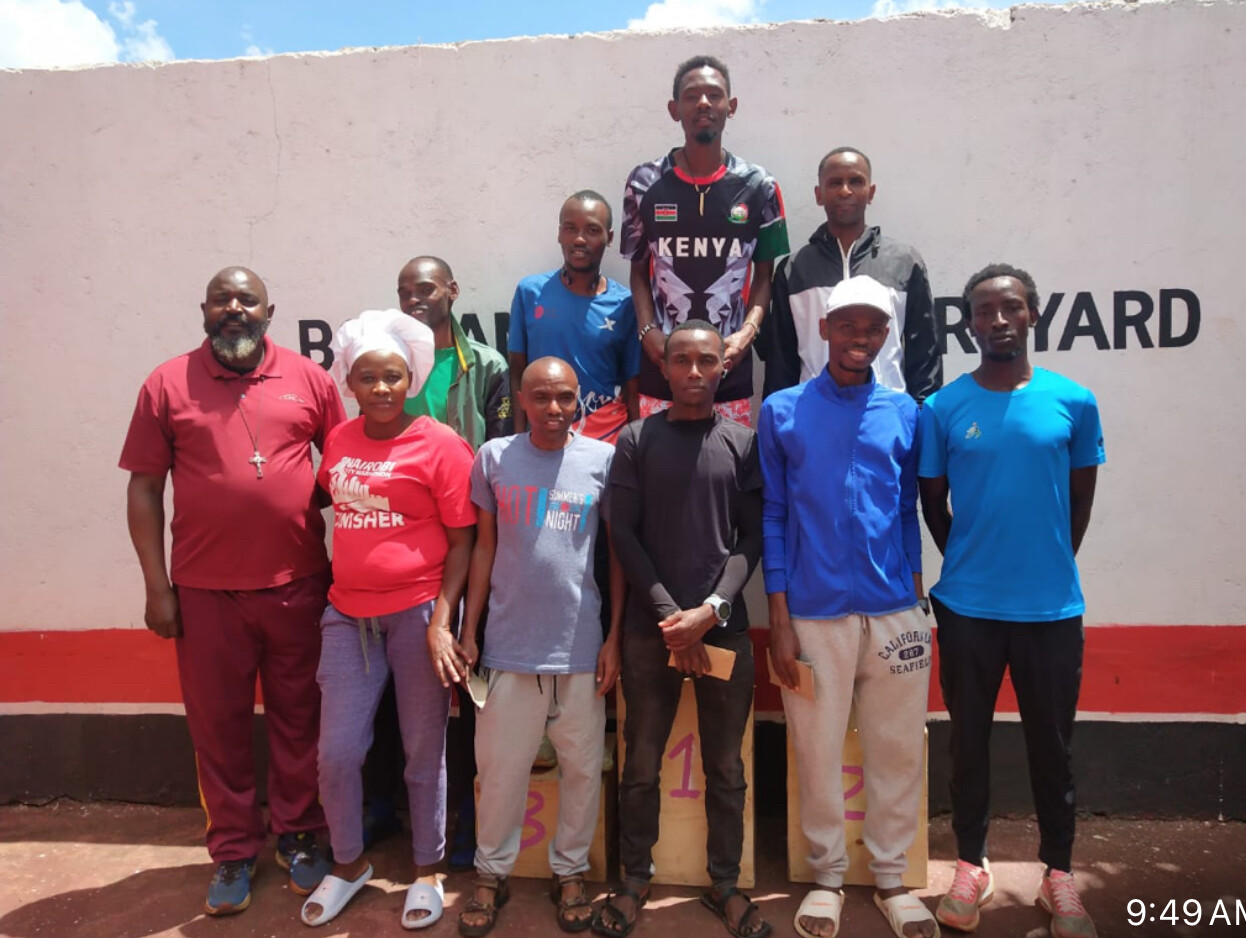
The KATA Time Trials, founded by Bob Anderson, continue to provide a world-class platform for Kenyan athletes to measure progress and stay race-ready between competitions. Today’s edition celebrated not only endurance and improvement but also the spirit of consistency that has defined the KATA community since its inception.
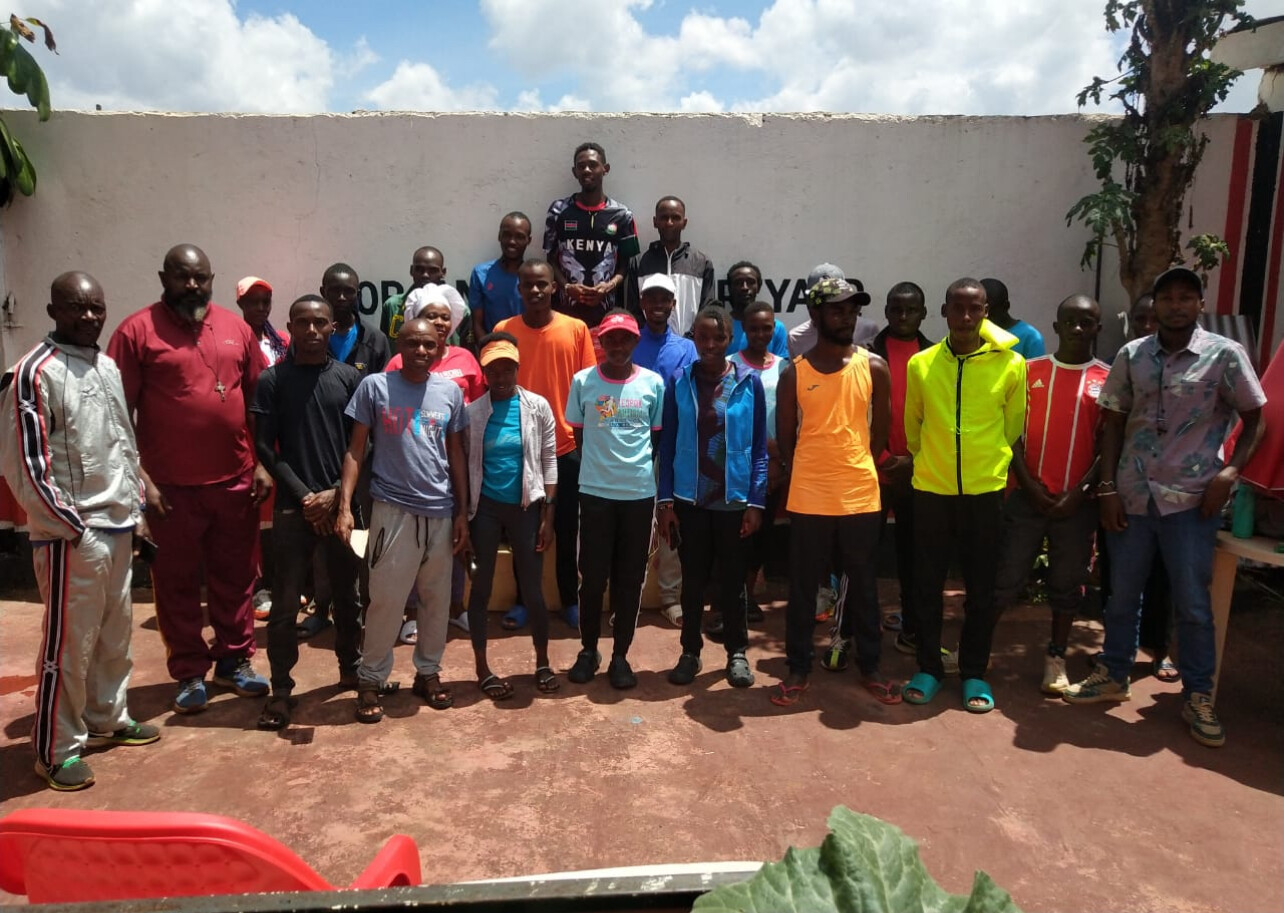
The next KATA Time Trial will take place on December 17, both in Thika and at most of KATA’s satellite running camps across Kenya, as the program continues to expand its reach and provide competitive opportunities to athletes nationwide.
KATA Time Trial #50 – Official Results
5km Men
- Charles Ndirangu – 24 yrs – Bib 74 – 15:32
- James Lawrence – 16 yrs – Bib 73 – 18:01
- Eric Mwaura – 18 yrs – Bib 35 – 18:07
- Tobias Kosgei – 16 yrs – Bib 73 – 18:50
5km Women
- Agnes Wanjiru – 20 yrs – Bib 33 – 19:21
10km Men
- John Chege – 21 yrs – Bib 76 – 29:49
- Bernard Waweru – 40 yrs – Bib 31 – 30:29
- Stephen Ngigi – 22 yrs – Bib 71 – 30:36
- Boniface Mungai – 30 yrs – Bib 77 – 30:53
- Dan Lolngojine – 19 yrs – Bib 49 – 31:01
- John Kuria – 30 yrs – Bib 40 – 31:33
- Joel Maina – 43 yrs – Bib 41 – 32:15
- Justus Nyamai – 18 yrs – Bib 48 – 33:25
- Ismael Mburu – 25 yrs – Bib 50 – 33:44
- Eric Cheruiyot – 30 yrs – Bib 46 – 33:55
- Joseph Nyota – 20 yrs – Bib 32 – 34:05
- Peter Mukundi – 27 yrs – Bib 37 – 36:46
- Charles Ndirangu – 65 yrs – Bib 53 – 38:02
10km Women
- Loise Kiarie – 24 yrs – Bib 39 – 33:49 (PB)
- Jacinta Kamau – 24 yrs – Bib 38 – 34:48
- Kellen Waithira – 38 yrs – Bib 54 – 36:11
- Susan Njuu – 40 yrs – Bib 52 – 36:34
- Lilian Nyamai – 25 yrs – Bib 47 – 37:04
- Karen Cheokemoi – 24 yrs – Bib 51 – 37:29
- Ruth Maina – 23 yrs – Bib 72 – 37:36
- Felistas Maina – 37 yrs – Bib 34 – 40:04
- Mary Wangari – 35 yrs – Bib 36 – 40:04
by Boris Baron
Login to leave a comment
KATA Time Trial Series
Welcome to the KATA Monthly Time Trial Held at the Kenyan Athletics Training Academy in Thika, Kenya, the KATA Monthly Time Trial is a unique and inclusive event designed to support runners of all levels in achieving their goals and showcasing their fitness. This event offers both 10K and 5K distances on an accurate, certified course, providing participants with...
more...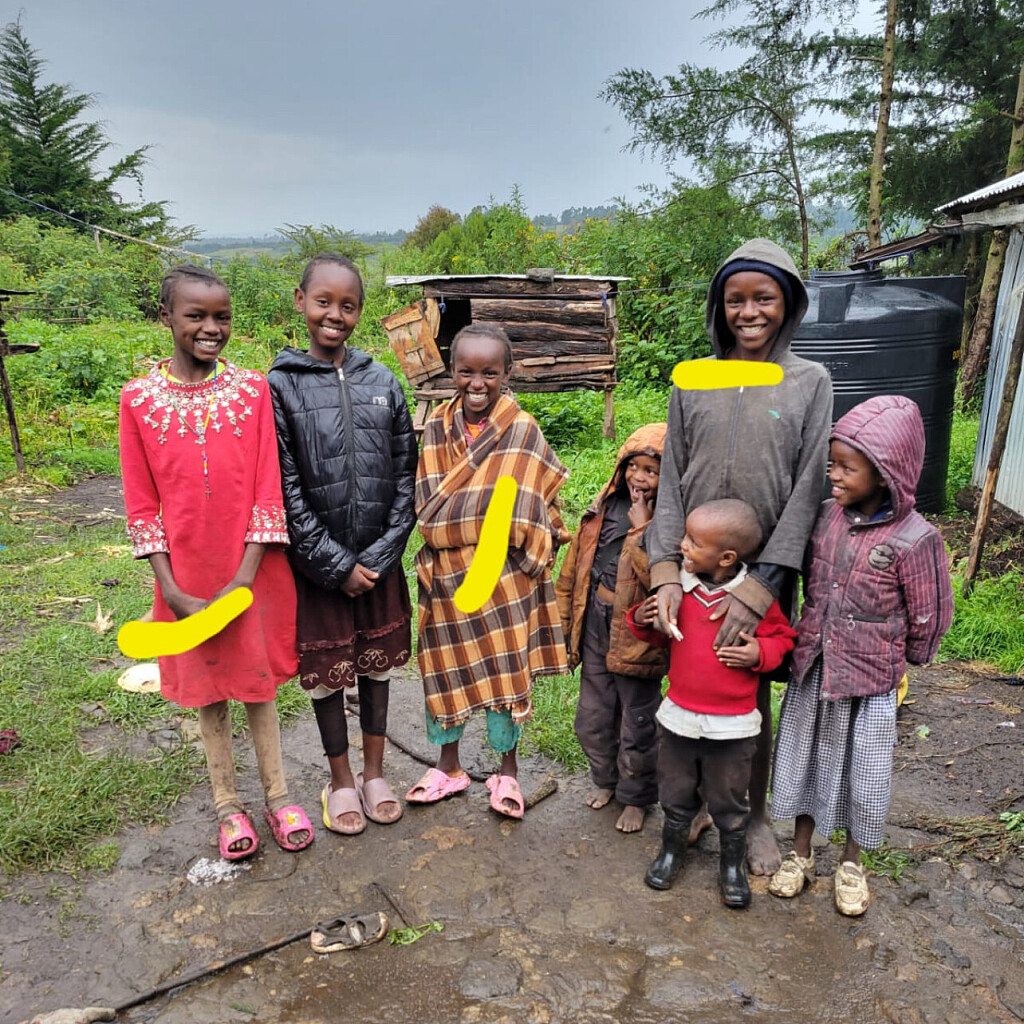
Lucy Muritu’s Young Athletes Set Sights on 3rd Edition of Great Chepsaita Cross Country Run
NYANDARUA, Kenya Lucy Muritu, a dedicated KATA beneficiary and mentor, is preparing her young athletes to shine on the global stage at the upcoming 3rd edition of the Great Chepsaita Cross Country Run (Gold Label), set for December 6.
Beyond her success as a KATA potato farmer, Lucy has devoted herself to nurturing young running talent, proving that grassroots mentorship can open doors for children to excel both on the track and in the classroom.
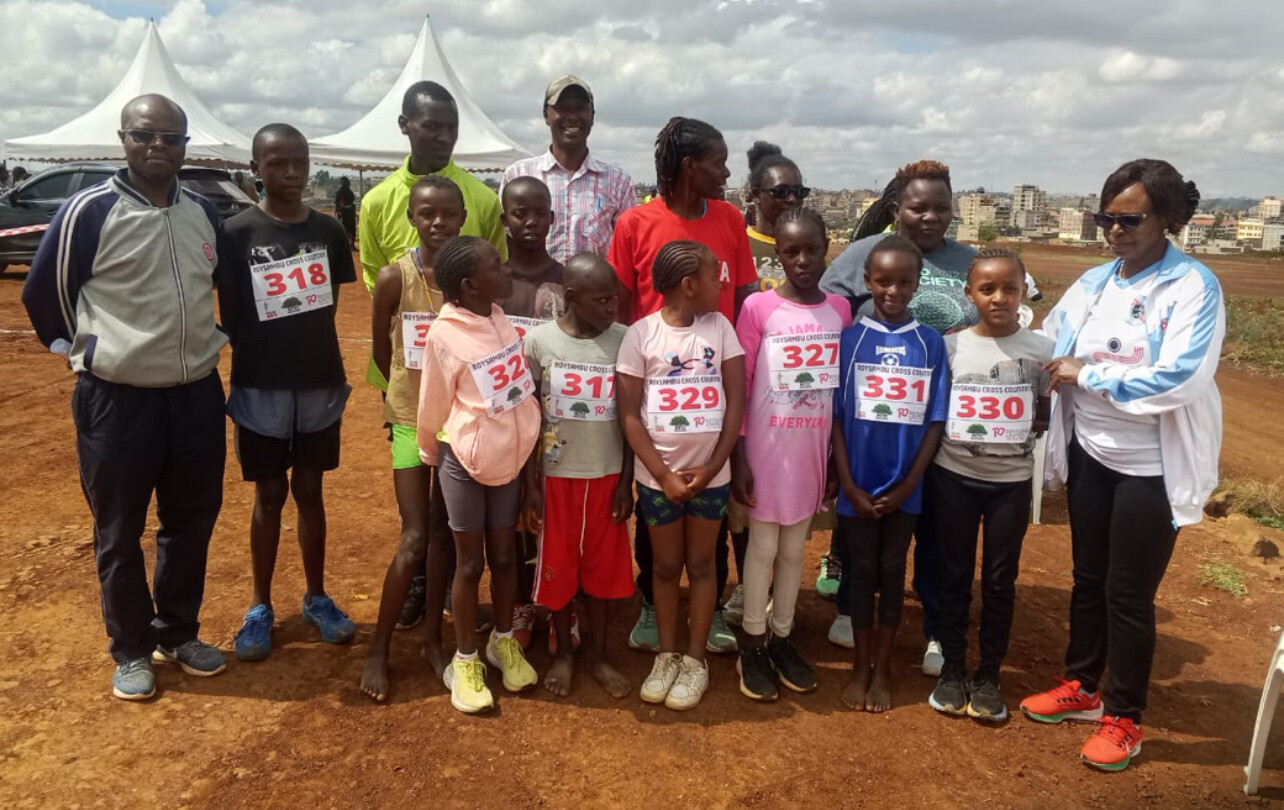
Among her protégés are sisters Florence Wangui (13) and Margaret Wanja (11), whose performances have already drawn national attention. The two recently triumphed in Bob’s One Mile Children’s Race, an initiative created by Bob Anderson to support emerging young runners. Alongside the annual Double Road Race, Bob’s One Mile has become a vital platform for discovering and nurturing athletic talent at the youth level.
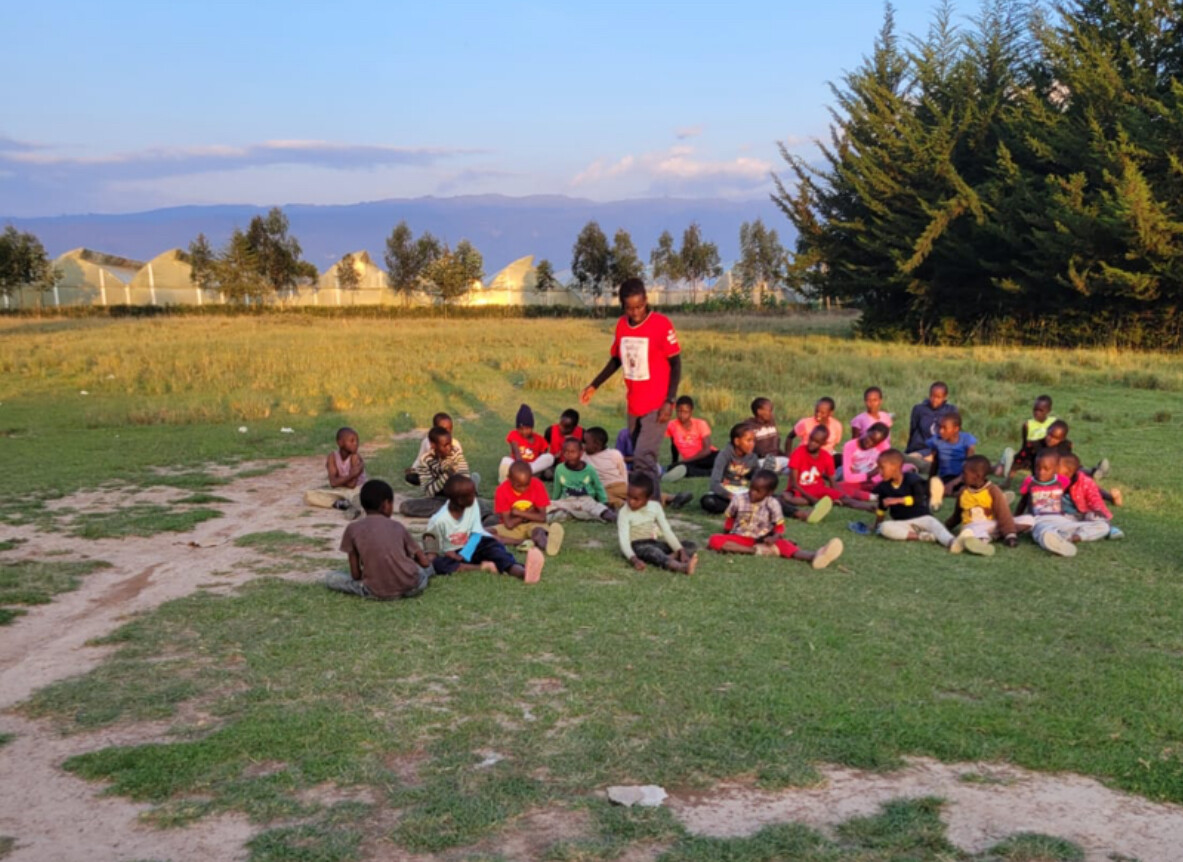
Florence and Margaret continued their winning streak by capturing titles at the Roy Sambu United Environment Cross Country Run in Nairobi, confirming their rising status among Kenya’s promising young athletes.
Lucy has already registered her full team for Chepsaita: Florence Wangui, Margaret Wanja, Godfrey Kahora (19), Ann Wanjiku (16), Tabitha Wanjiru (15), Tashian Wangari (8), and Alisha Njoki (9). Many of these young athletes come from humble backgrounds, yet through Lucy’s mentorship—and the support of programs like KATA and Bob Anderson’s initiatives—they are gaining both guidance and opportunity to grow in sport and in education.
Reflecting on her journey, Lucy said:
“I would like to sincerely thank Bob for the wonderful opportunity he has given me through KATA. Being part of this program has truly empowered me as a farmer and a mentor, and I am grateful for the trust and support that has been shown to me. With KATA’s guidance, I look forward to achieving even greater results and continuing to contribute to the growth of our community. At the same time, I am preparing our young athletes for a great race—the upcoming Chepsaita Cross Country Gold Label event. I’m excited to nurture and guide the next generation, and I believe their participation in such a prestigious event will inspire them to reach new heights.”
The Great Chepsaita Cross Country Run, recognized internationally as a Gold Label event, gives young athletes the chance to compete alongside elite runners—learning lessons in discipline, training, and sportsmanship that will shape their futures.
For Lucy and her team, the event represents far more than a race. It’s a platform where talent meets education, helping mold a generation of athletes who can thrive in both athletics and life.
KATA’s framework offers this same opportunity to coaches across Kenya, empowering them to identify young runners in their communities, register them in programs like Bob’s One Mile, and access mentorship and resources that foster both athletic and academic growth.
Lucy encourages other coaches to join the effort:
“There is talent everywhere, and KATA gives us a way to find it, guide it, and give children the opportunities they deserve. With more coaches participating, we can build a network of mentorship that reaches every county and ensures no gifted child goes unnoticed.”
As December 6 approaches, Lucy’s young athletes stand as a testament to the power of community-based mentorship. From the rolling hills of Nyandarua to the Gold Label course at Chepsaita, these children embody the resilience, dedication, and promise that programs like KATA and Bob’s One Mile are designed to nurture. Their journey shows that with the right guidance and opportunity, Kenya’s next generation of runners can achieve greatness—on the course and beyond.
by Robert Kibet
Login to leave a comment
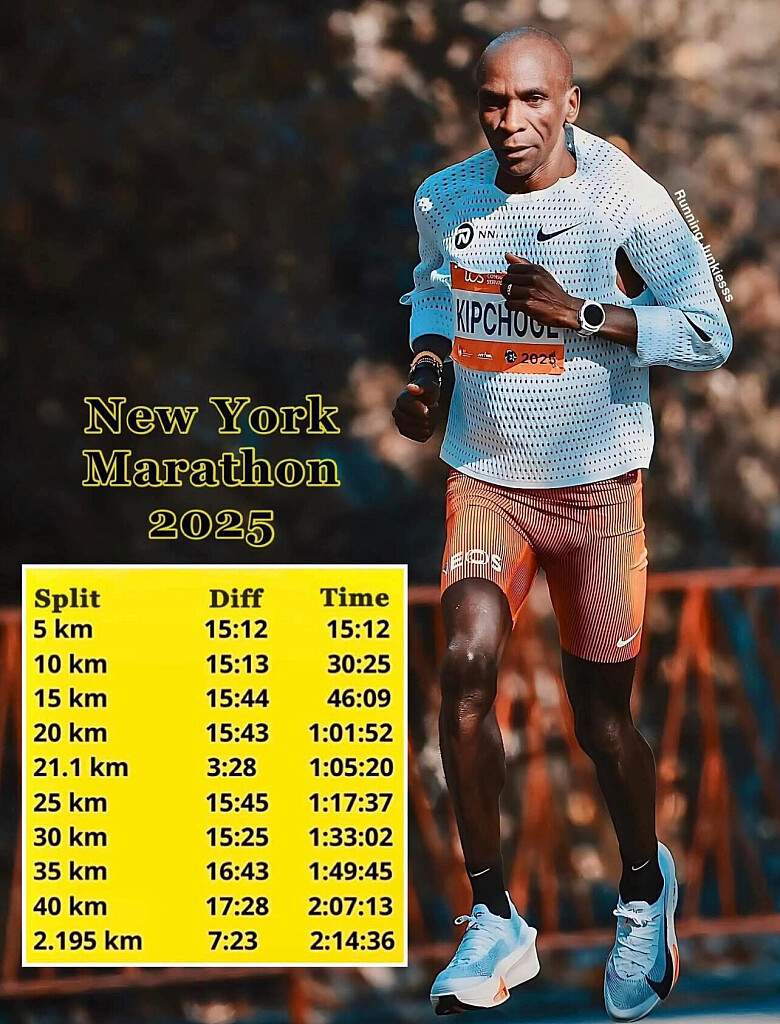
Eliud Kipchoge Finishes the 2025 New York City Marathon in 2:14:36
Eliud Kipchoge, the greatest marathoner of all time, took on the challenging streets of New York City for the first time — and finished strong in 2:14:36. Known for his smooth efficiency and calm composure, Kipchoge tackled the hilly and tactical course with trademark focus, staying consistent through the early stages before the pace slowed slightly in the latter half.
His early splits showed controlled aggression: 15:12 at 5K, 30:25 at 10K, and 1:05:20 at halfway. Through 30K, he was still moving well in 1:33:02, but the final 10 kilometers through Central Park tested even the marathon master, bringing him home in 2:14:36.
Though not among his fastest times, this was a run filled with purpose and legacy. For Kipchoge, New York was never about breaking records — it was about embracing one of the sport’s most iconic stages and completing his journey across all six World Marathon Majors.
At 40 years old, the Kenyan legend has now conquered every major marathon city, further solidifying his place as the face of modern distance running. "Many at age 40 have run much faster but this is still very respectable," says KATA founder Bob Anderson.
by Boris Baron
Login to leave a comment

Gladys Muthoni Ngure Named Female Sprinter of the Year
KATA Sprinters Kiambu Camp 16’s own Gladys Muthoni Ngure has been named Female Sprinter of the Year, a well-deserved recognition of her dedication, consistency, and outstanding performances on the track.
Representing KATA Sprinters Camp 16, Gladys has continued to impress throughout the season, capturing multiple medals and setting a strong example for Kenya’s next generation of sprinters. Her drive, discipline, and enthusiasm for improvement have made her a standout athlete within the KATA family.
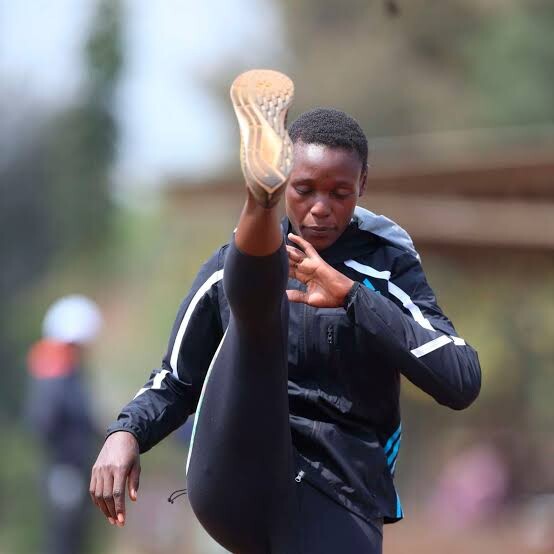
The award was presented during the Kiambu Sports Awards, where Gladys proudly represented her camp and coaches. Her commitment to training and her positive spirit have made her not only a fast runner but also a role model for her teammates.
“Gladys represents the KATA vision perfectly — combining hard work, focus, and a love for the sport,” said KATA Founder Bob Anderson. “We are proud of her progress and can’t wait to see what she accomplishes next season.”
Gladys’s journey in athletics has been built over years of dedication. According to her longtime coach Julius Gacheru, who began training her in 2015, Gladys has represented Kenya in multiple major events. She competed at the University Games in 2017, was part of Kenya’s 4x400m relay team in South Africa in 2024, and recently shone at the 2025 National Championships, where she captured gold in the 100m hurdles (14.5 seconds) and silver in the 400m hurdles (59.8 seconds).
Her achievements reflect both her personal commitment and the effectiveness of KATA’s structured system — blending world-class training, teamwork, and personal development.
With her latest honor, Gladys joins the growing list of KATA athletes making headlines across Kenya and beyond — proof that the KATA model is producing results at every level.
Congratulations, Gladys, on being named Female Sprinter of the Year. Your determination and speed continue to inspire the entire KATA family.
by Boris Baron
Login to leave a comment
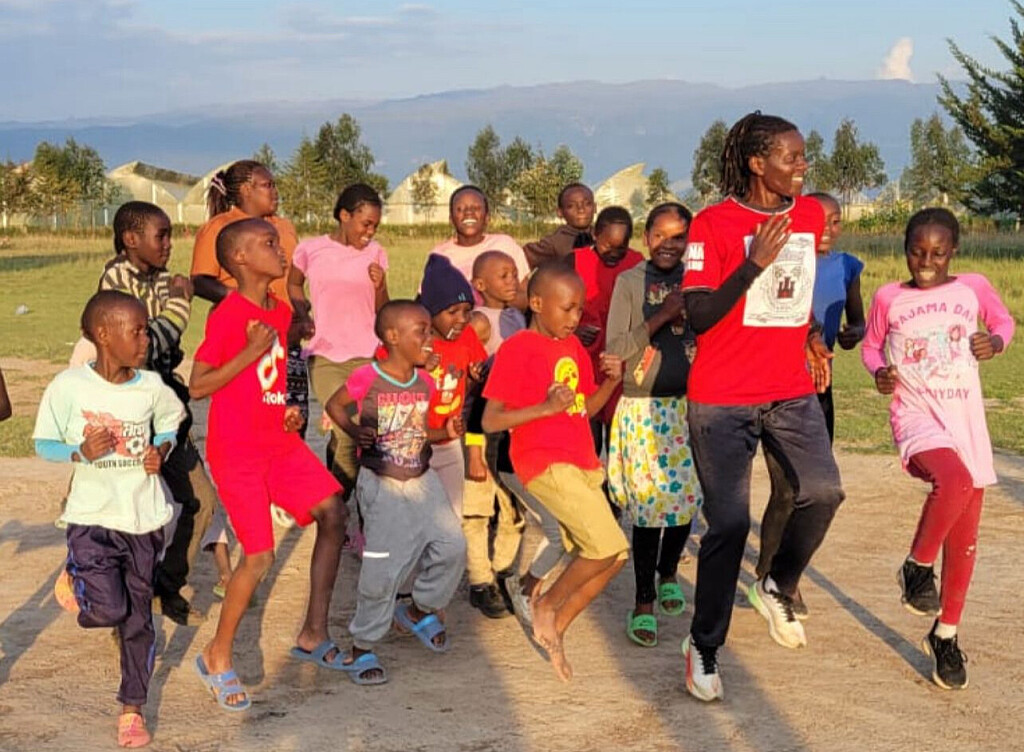
Lucy Muritu: The Mother, Farmer, Coach, and Athlete Nurturing Nyandarua’s Next Generation
In the cool highlands of Nyandarua County, about 180 kilometers northwest of Nairobi, Lucy Muritu has built a life that seamlessly blends her passions for running, farming, and mentoring. Once based at the KATA Training Center in Thika, the seasoned road-running athlete has transformed her personal athletic journey into one of leadership, hard work, and community empowerment.
Born in Mukurweini, Nyeri County, Lucy grew up as the second of five children in a farming family. From a young age, she developed a deep respect for the land and a strong work ethic—values that continue to guide her today.
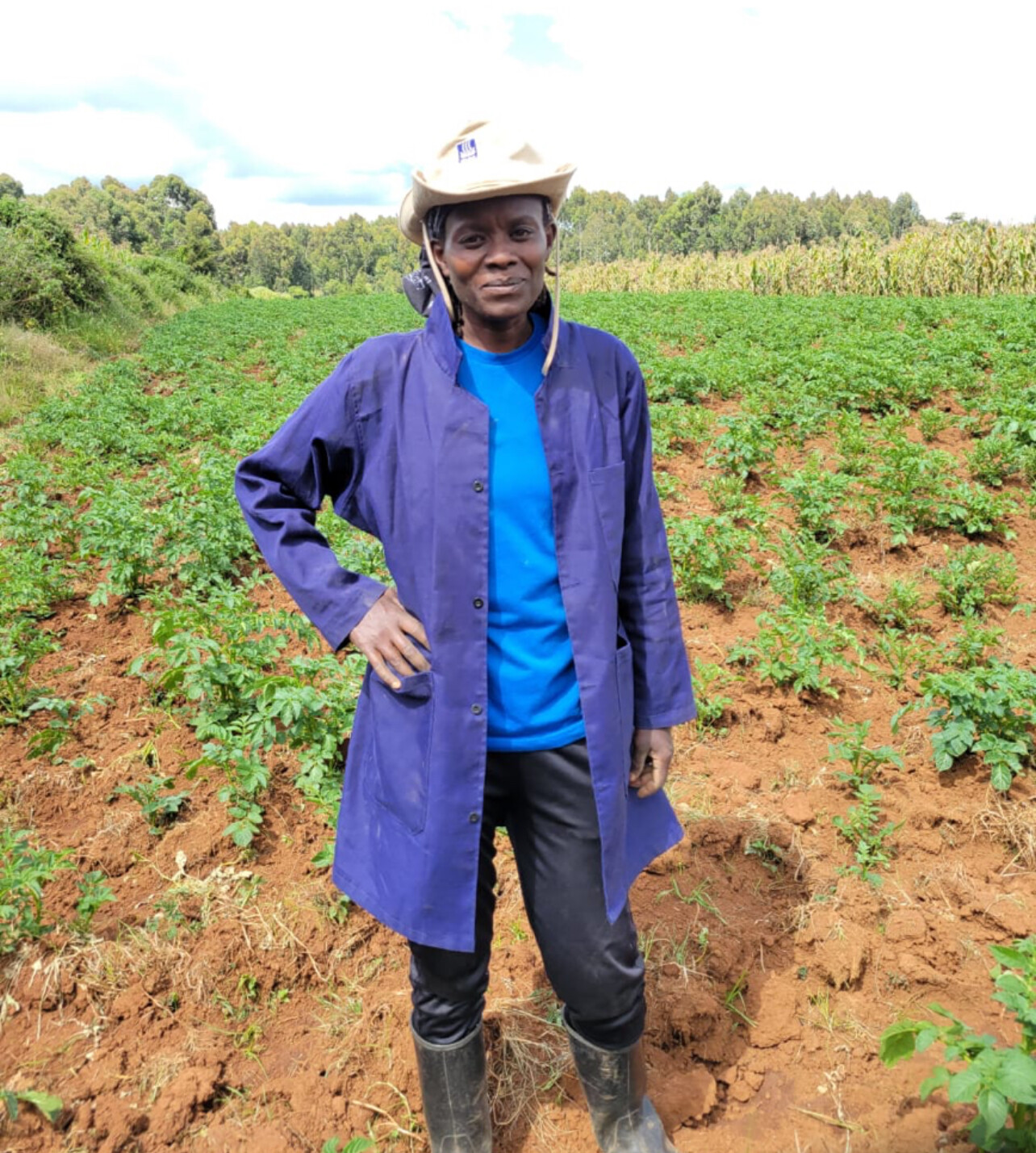
“Working in potato farming under the KATA program has been both rewarding and demanding,” she says. “The program provides valuable support like quality seeds, interest-free loans, and expert advice. These have helped me increase my yields and improve my farming practices. Through KATA, I’ve also met other farmers and taken part in competitions that keep me motivated to keep learning and growing.”

Her relocation to Nyandarua opened a new chapter, allowing her to merge her athletic discipline with agricultural entrepreneurship and youth development. “Balancing farming with training requires good time management and a strong support system,” she explains. “I plan my days carefully—mornings are for planting, weeding, or supervising workers, while afternoons and evenings are for running and workouts. It can be tough during planting seasons, but with determination and support from my family and team, I manage both. Staying active in both keeps me inspired and allows me to give back more to my community.”
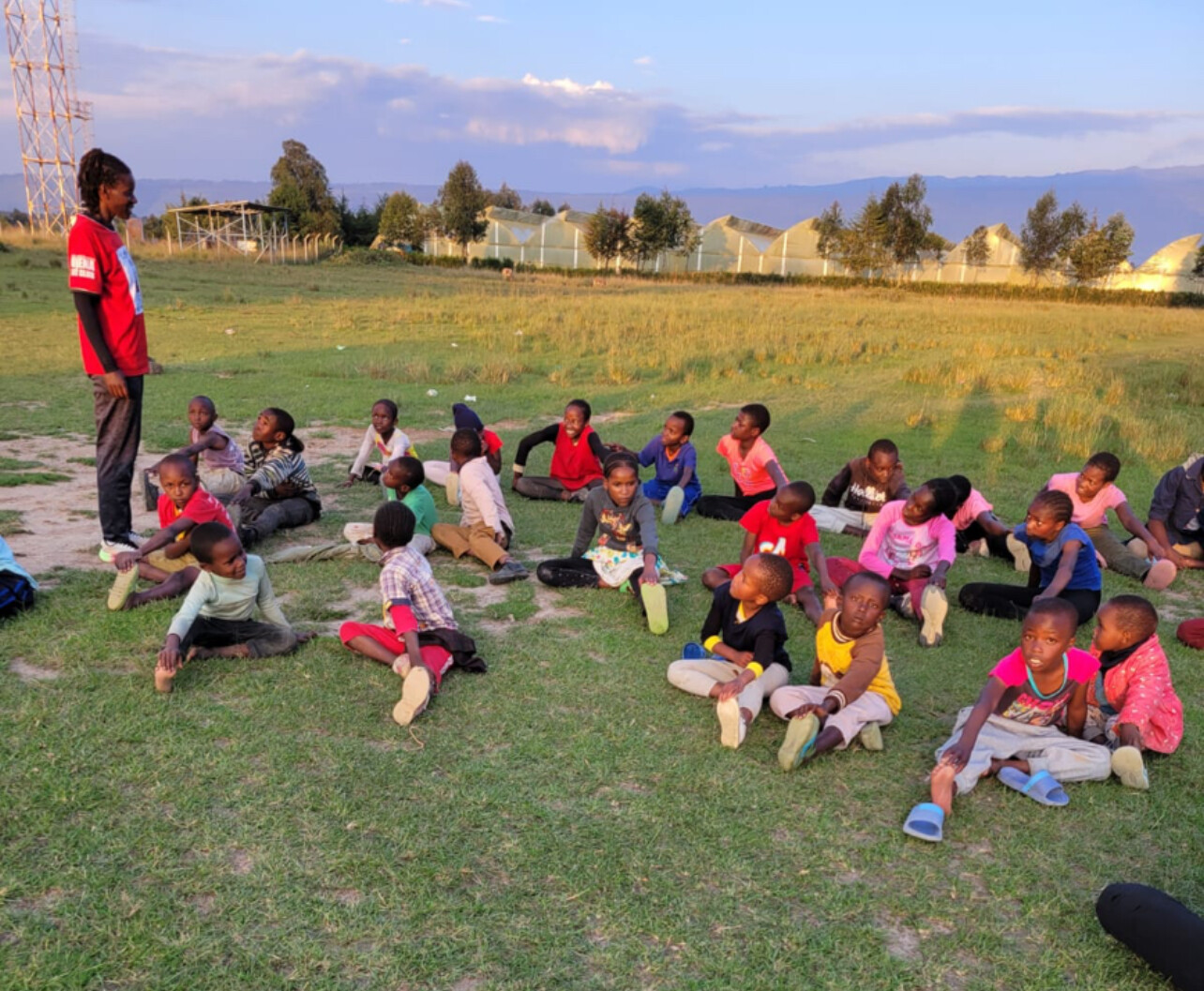
Mentorship has become one of Lucy’s greatest sources of fulfillment. “I’m passionate about helping young and junior athletes,” she says. “By sharing what I’ve learned, I can help them reach their potential—not just in sports but in life. Growing up, mentors played a huge role in my journey, and I want to do the same for others, especially in rural areas where opportunities can be scarce.”
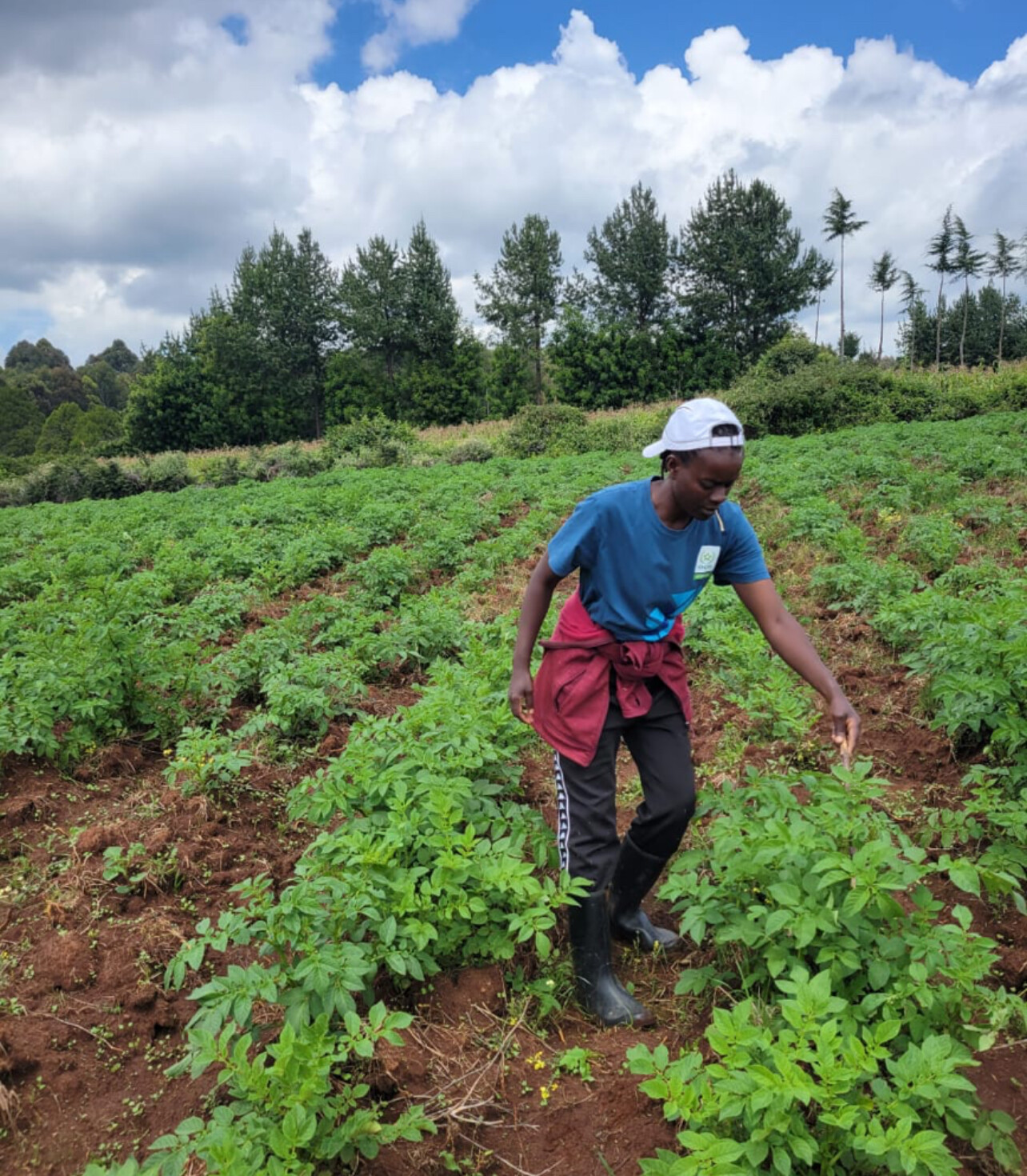
She beams when talking about the athletes she coaches. “Watching them grow in confidence, discipline, and skill is incredibly rewarding,” Lucy says. “I want them to understand that with hard work and determination, they can achieve their dreams—whether on the track, in the classroom, or in their communities.”
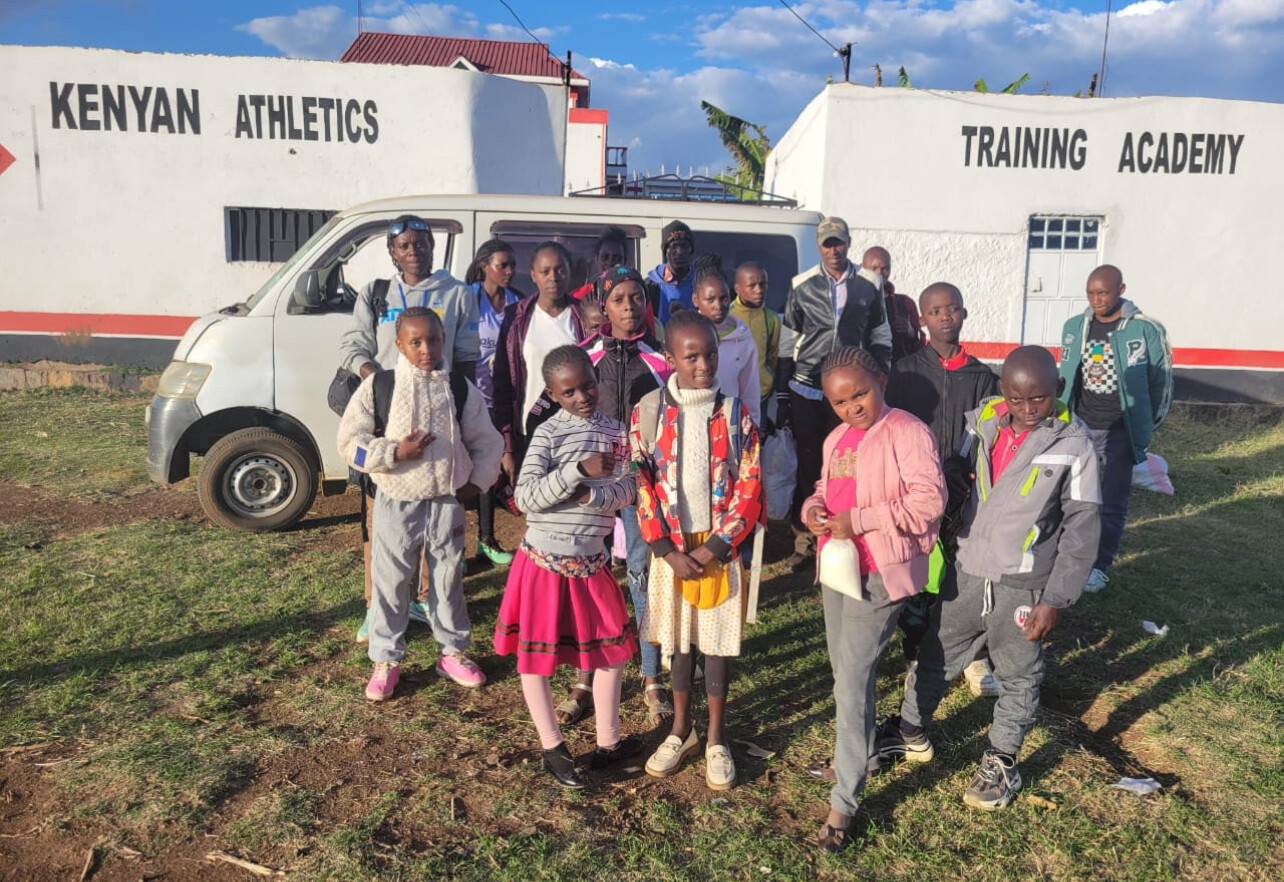
Lucy also carries a special message for women juggling multiple roles. “Believe in yourself and never underestimate your strength,” she says. “It’s not always easy to balance family, work, and personal dreams, but with determination, planning, and support, it’s possible to thrive in all areas. Don’t be afraid to ask for help, and always take time for yourself. Every role you play—as a mother, professional, coach, or athlete—has its own value. Celebrate every achievement and keep pushing forward. By following your passion and setting a positive example, you’re showing young girls that they too can dream big and succeed.”

Lucy Muritu’s story is one of harmony—between nurturing crops and cultivating talent, between personal goals and community service. Her journey proves that true success doesn’t come from running away from your roots, but by running with them.
by Robert Kibet
Login to leave a comment
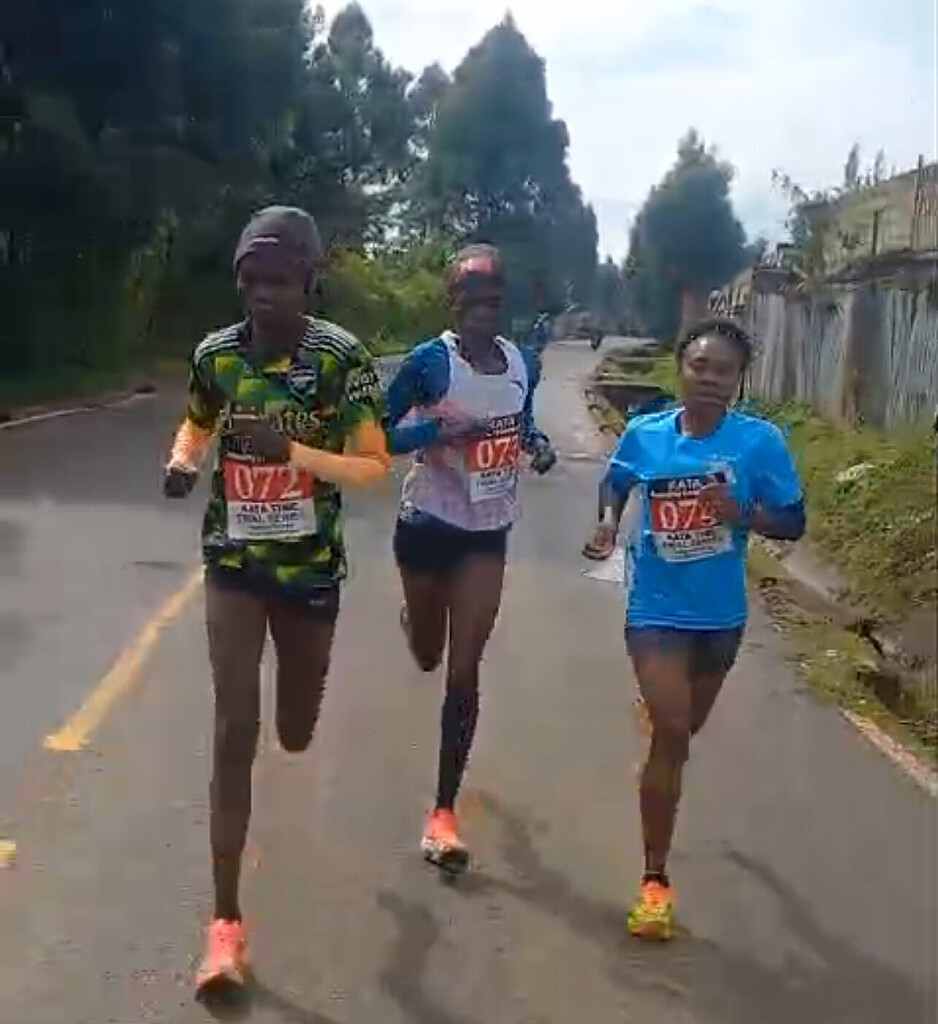
KATA Kerenget Runners Excel in 10K Time Trial Despite Challenging Weather
Athletes at the KATA Kerenget Running Camp (ID K03), operated by Sammy Dismas, showcased their determination and talent during a 10K time trial held today under tough weather conditions. Despite the challenge, the event was a success, demonstrating the resilience and dedication that define the KATA spirit.
In the men’s 10K, Amos Kirui (Bib 076) claimed victory with an impressive time of 29:56, edging out Jackson Koech (Bib 069), who finished close behind in 30:01. Cosmas Mutai (Bib 070) secured third place in 30:20, while Benard Kibilo (Bib 071) and camp operator Sammy Dismas (Bib 077) followed in 30:32 and 30:51, respectively. Simon Toli (Bib 070) rounded out the top six with a strong 31:00 finish.
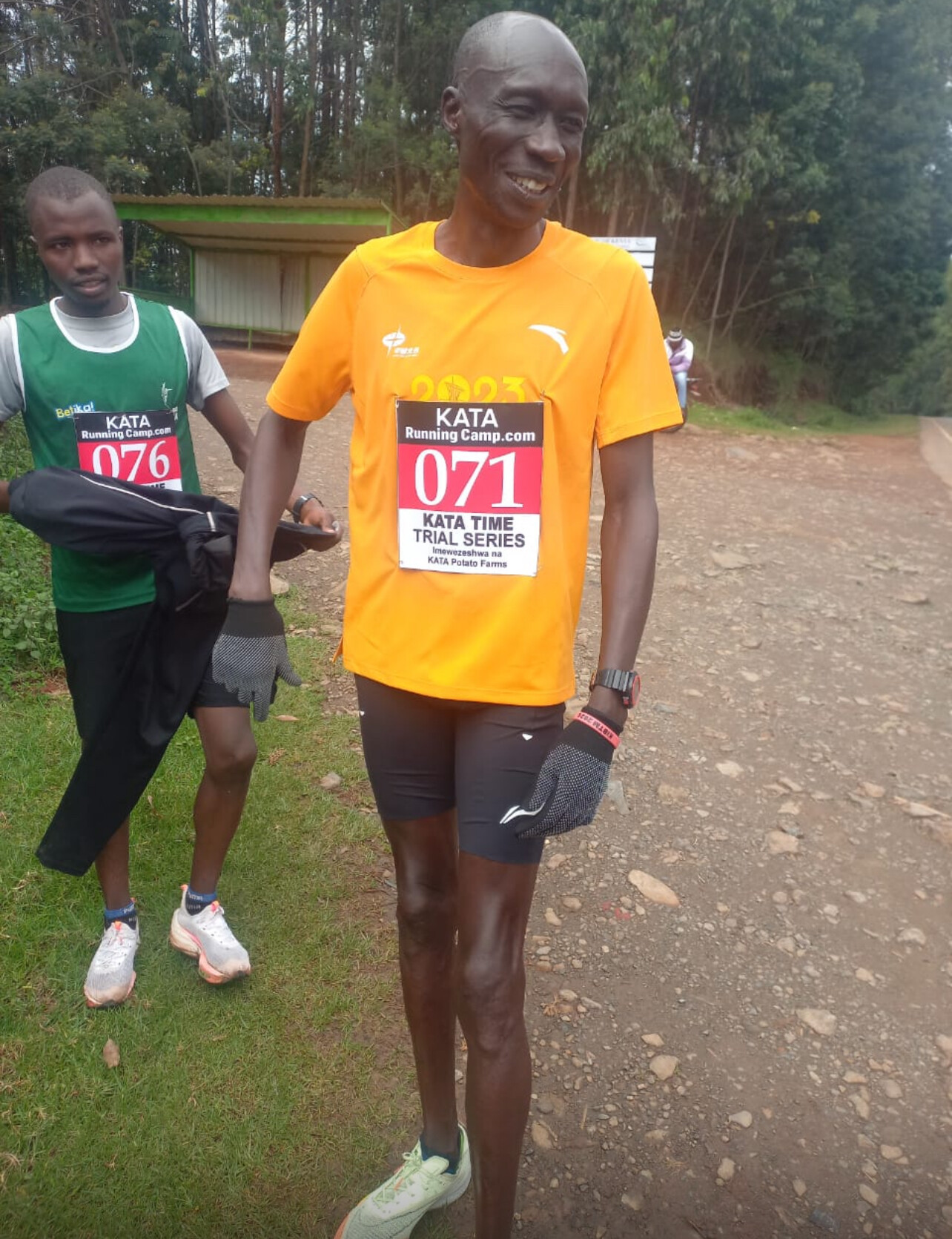
In the women’s 10K, Daphine Kiptoo (Bib 072) led from the front to take the win in 35:00, followed by Sharon Ndanu (Bib 074) in 35:40 and Mercy Chepngeno (Bib 073) in 36:15.
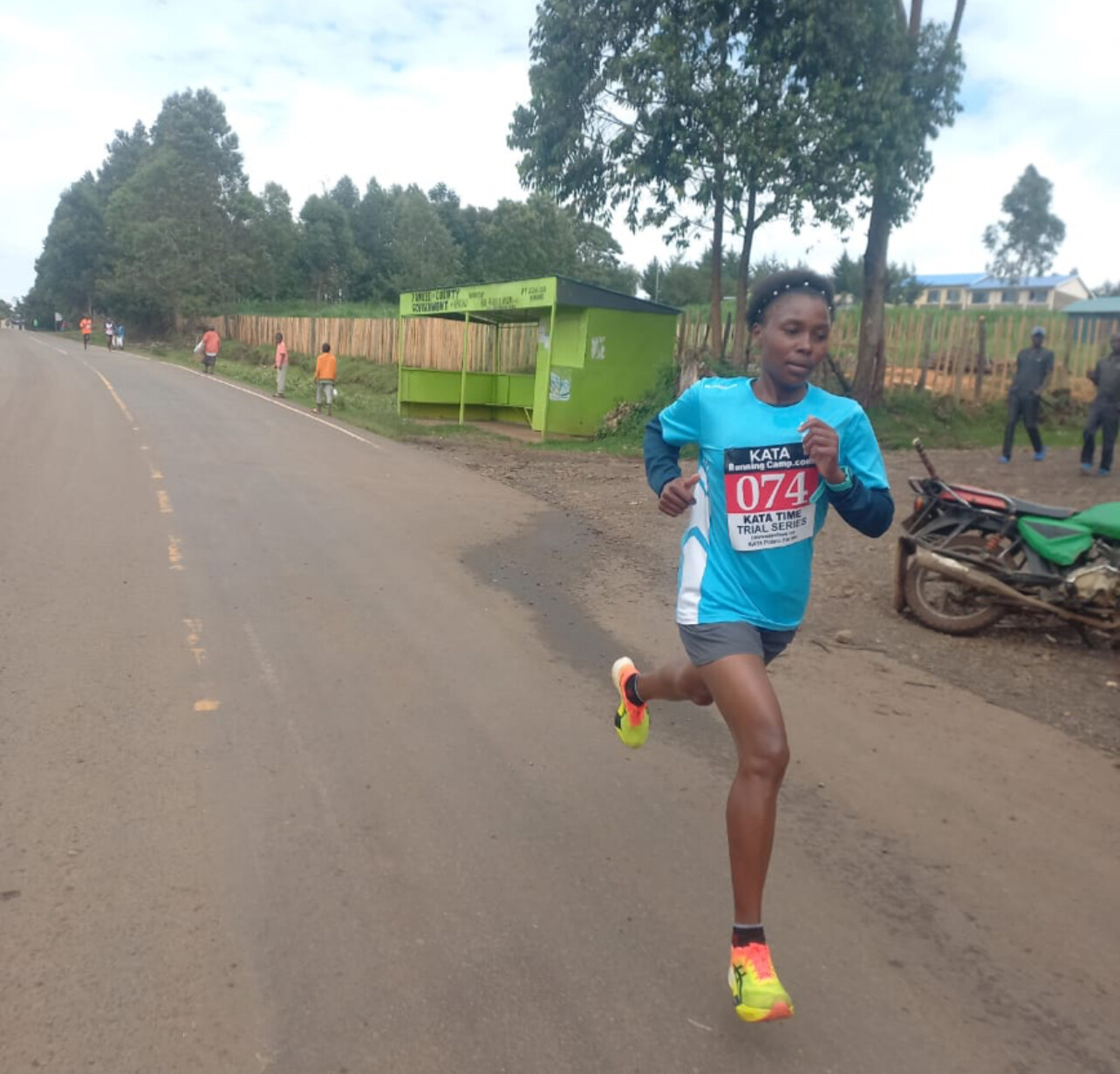
“Even though the weather was not favorable, we did our best to ensure everything went on well,” reported the Kerenget Camp team. Their commitment ensured another smooth and competitive trial for the KATA athletes.
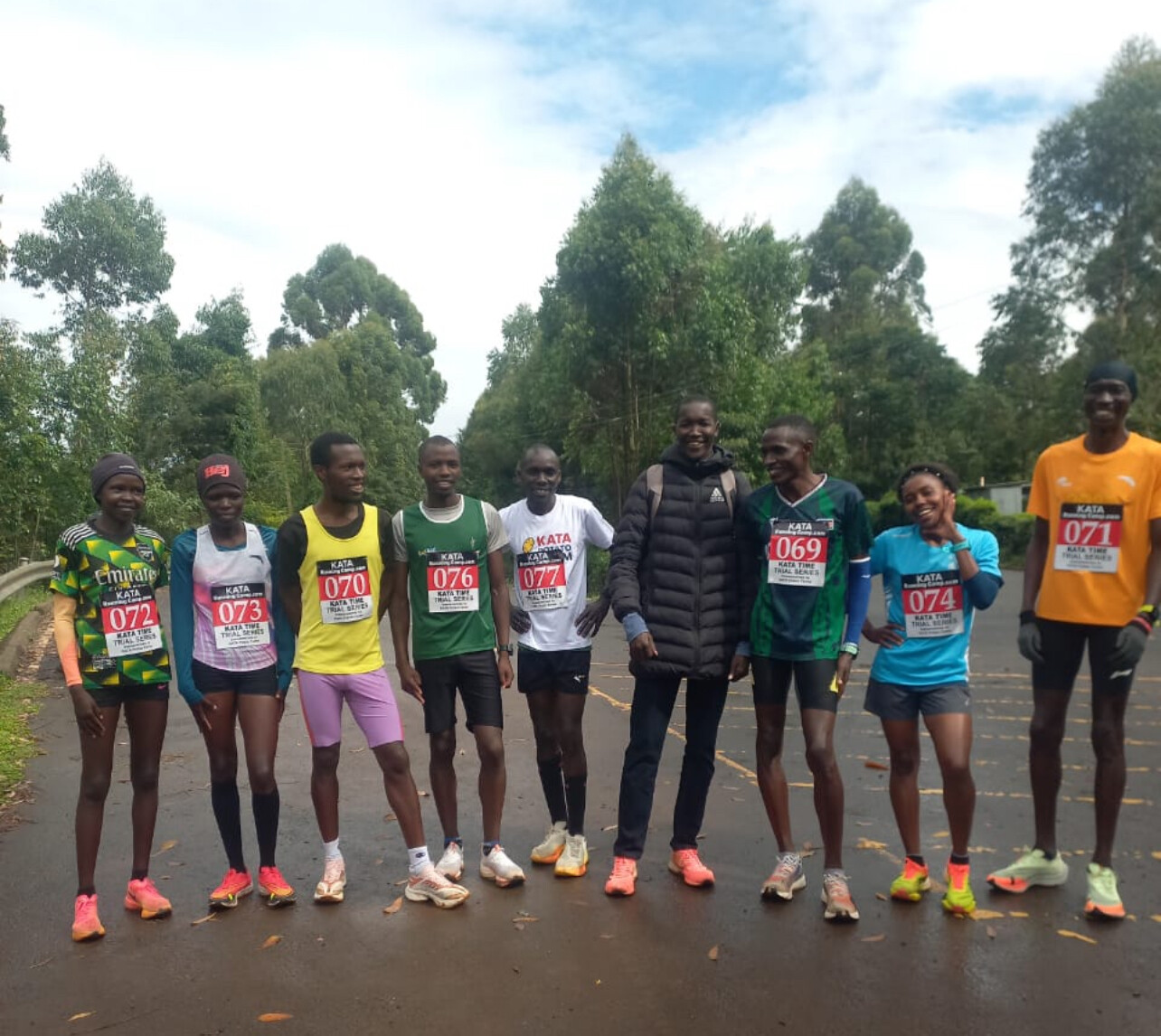
The KATA Kerenget Running Camp is one of 31 KATA Running Camps, mostly located in Kenya’s Rift Valley, that help athletes reach their potential under the Kenyan Athletics Training Academy (KATA)program. With regular time trials like this, runners continue to refine their form and fitness as they prepare for upcoming races both locally and internationally.
by Boris Baron
Login to leave a comment
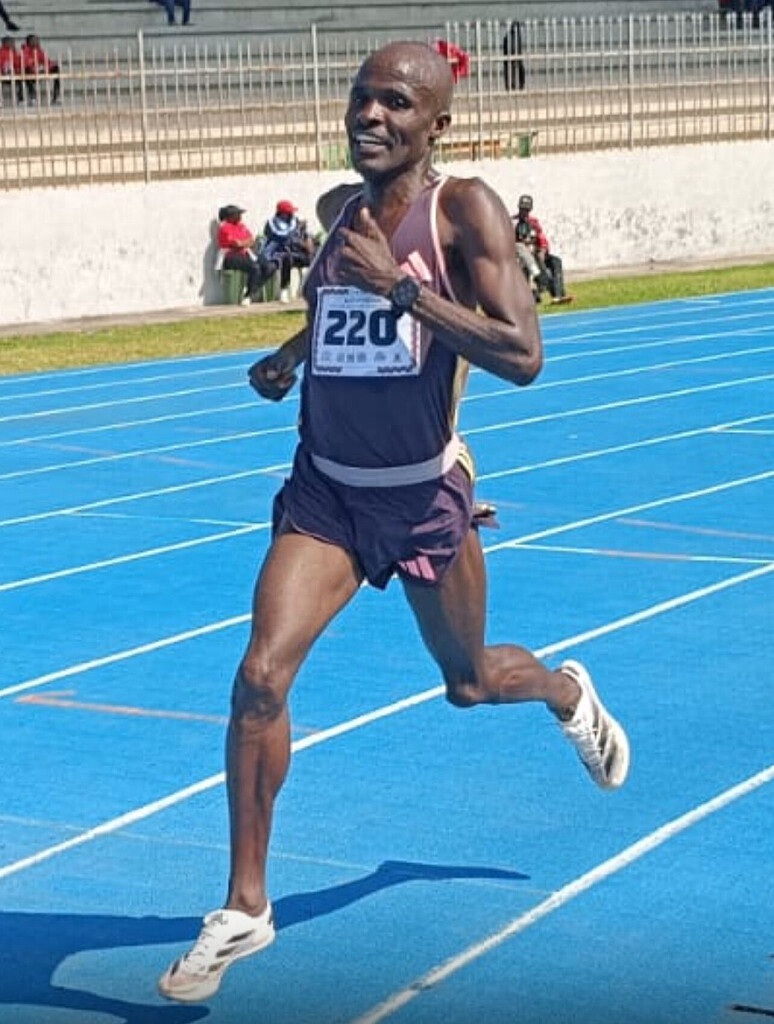
Still Racing Strong, Olympic Medalist Edwin Soi Leads by Example at KATA — Growing Potatoes, Training Hard, and Competing for the Half-Million Shilling Farmer Bonus
Edwin Soi is a 5000m Olympic medalist and still running well photo of him running 27:30 just a few months back at altitude). He is also one of the KATA Running Camp operators and has three acres of KATA potatoes. He posted this after we announced our new contest for our KATA farmers.
“This is the kind of motivation,” says Edwin that pushes us past our limits. We promise to take this challenge to the top notch in both arenas.

On the farm, we focused on achieving a record potato yield per acre to be a winner in both Contest #1 and Contest #2. On the running field, that spirit translates directly into training harder and competing fiercer.

We will not just grow strong; we will demonstrate absolute excellence. Thank you Bob for fueling our drive to be champions. #GoKATA
Here are the details of our new contest:
KATA Potato Farmer Half-Million Bonus! ?
KATA is bringing its competitive spirit to the fields!
Twice a year, five KATA farmers with the best yield per acre will each earn 50,000 KES — that’s half a million shillings annually! ?
Contest #1 closes: Dec 31, 2025
Contest #2 closes: Jun 30, 2026
✅ Yields counted in 50 kg bags sold to verified buyers
✅ One bag kept for personal use not counted
✅ Once funds are received by KATA and confirmed by CTO Dennis, your yield is officially recorded
All results verified by Dennis (CTO), Gideon & John (Sales Directors), and Fridah (Accounts Manager).
Each contest will name five different winners — but a farmer can win both see seasons!
“KATA rewards excellence — on the track and in the field.”
— Bob Anderson, Founder & Director
Additional camps and farms will be added starting in December. Contact Bob Anderson on WhatsApp.
Stay current at www.KATA.ke
by Boris Baron
Login to leave a comment

KATA Launches Half-Million Bonus for Top Potato Farmers
Expanding its spirit of competition from the track to the fields, KATA rewards excellence in both running and farming.
KATA is taking its competitive spirit from the track to the fields with the new KATA Potato Farmer Half-Million Bonus Prize Package. This program will reward five KATA farmers with 50,000 Kenyan Shillings each, recognizing those who achieve the best yield per acre.
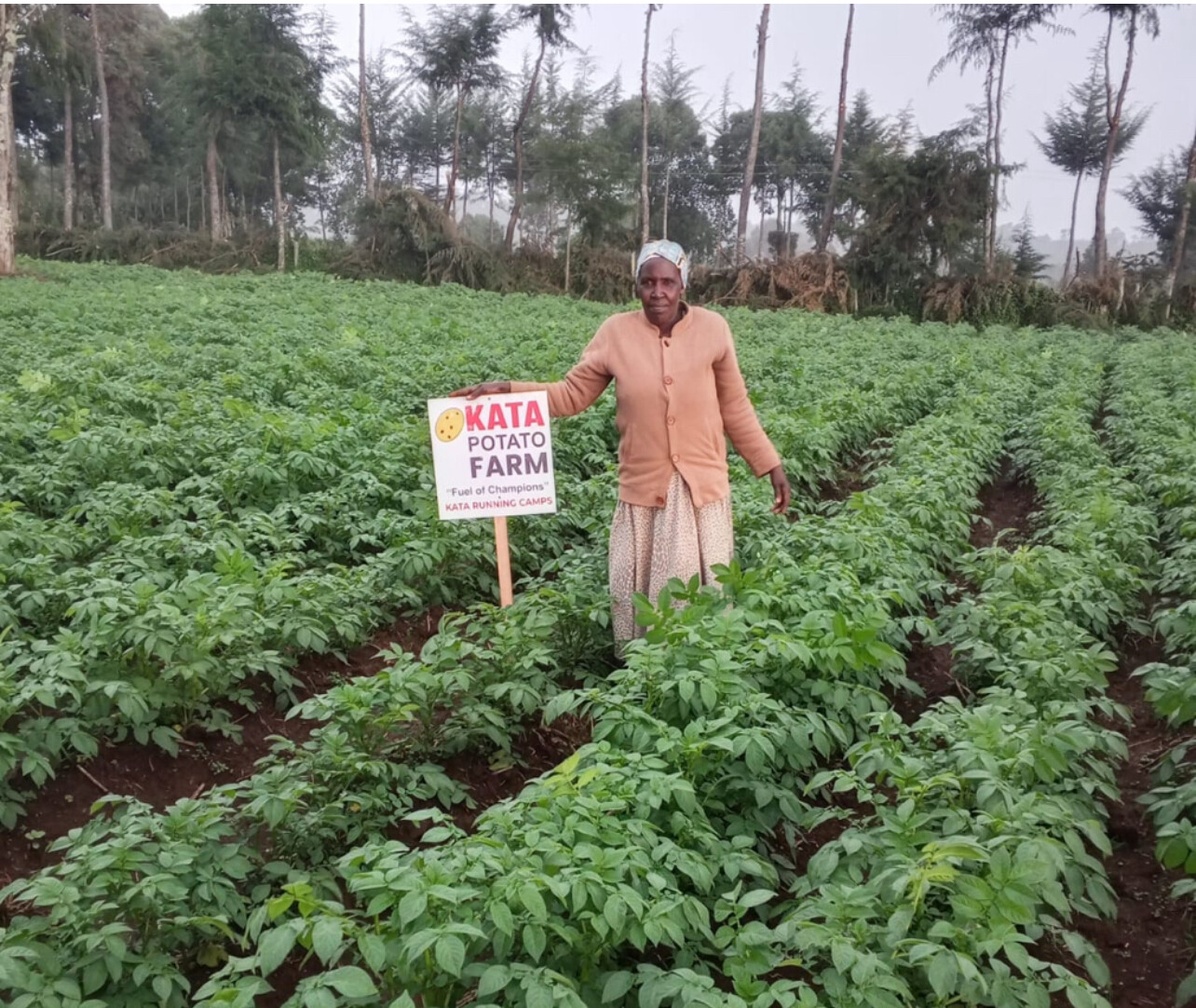
The first payout will be made on December 31, followed by a second on June 30. Each cycle, five farmers with the top single-acre harvests will receive the bonus, totaling half a million shillings annually.
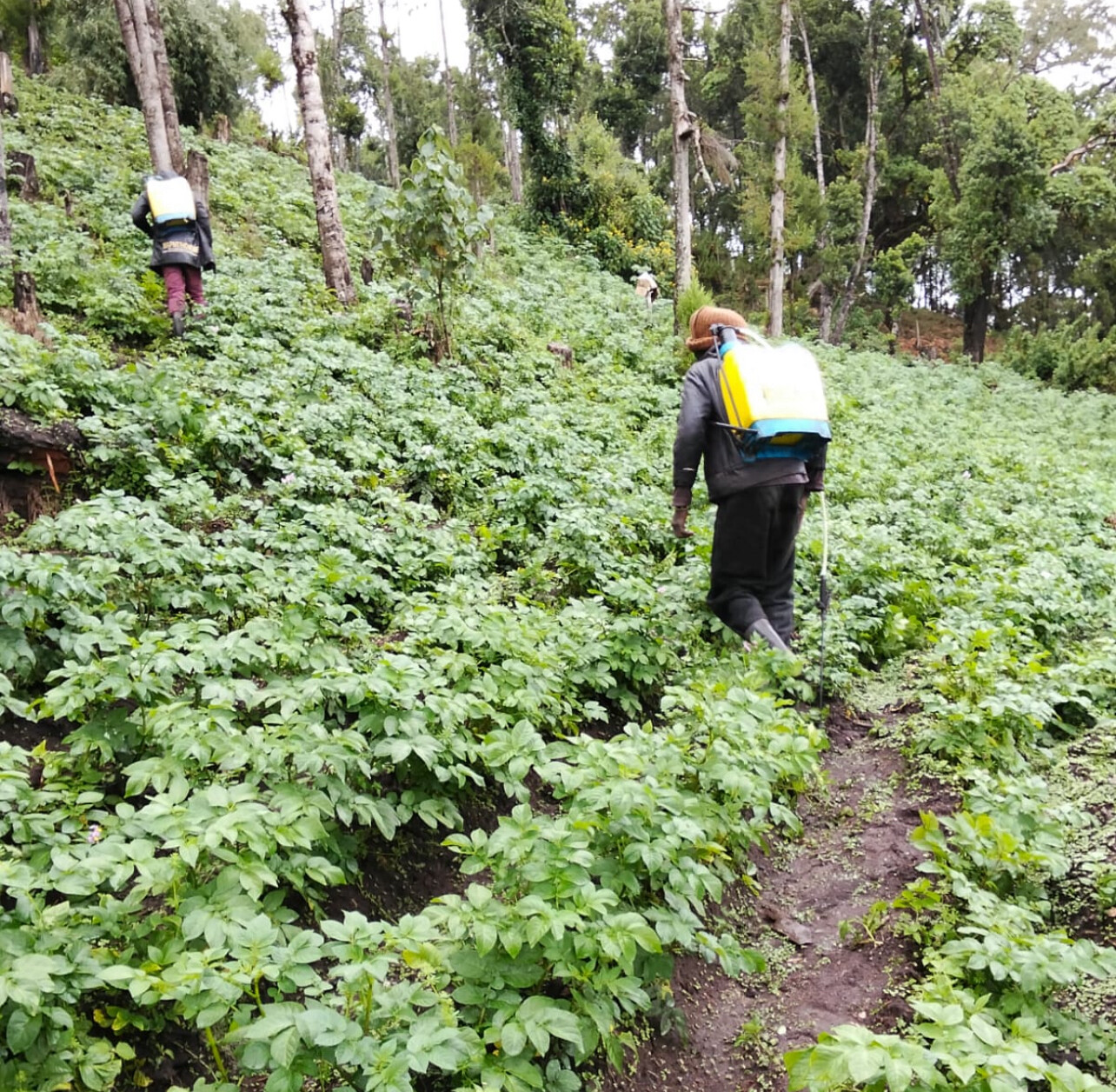
Yields will be measured in 50 kg bags and must be sold to verified buyers. Results will be confirmed by CTO Dennis, Sales Directors Gideon and John, and Accounts Manager Fridah. The one bag each farmer keeps for home use will not count, and only bags sold and confirmed as paid to KATAwill qualify.

“We offer prize money for races, and with all the hard work it takes to grow KATA potatoes, I thought—why not turn this into a competition as well?” says Bob Anderson, KATA Founder and Director.

A farmer can win twice a year if they achieve the best results in both seasons. The initiative mirrors KATA’s philosophy—rewarding effort, precision, and perseverance whether it’s on the course or in the soil.

From Running to Farming Excellence

The Kenyan Athletics Training Academy (KATA), founded by Bob Anderson, the creator of Runner’s World and My Best Runs, began as a world-class training center for runners in Thika, Kenya. Today, it has grown into a dynamic network that includes over 30 KATA Running Camps and 60+ KATA Potato Farms across Kenya, and an international headquarters at Anderson Manor in Portugal.
Each KATA farm operates under a system that combines athletics and agriculture, offering farmers interest-free loans and ongoing support to grow certified Shangi potatoes. The harvests are marketed through KATA’s coordinated sales network, ensuring fair prices and dependable returns for each farmer.
Many KATA farmers are also runners—or closely connected to the athletic community—bringing the same discipline, teamwork, and endurance to farming that they apply to training.
Empowering Champions in Every Field
From the start, KATA’s mission has been to help people reach their potential through endurance, consistency, and community. The new Half-Million Bonus Prize Package celebrates that mission—recognizing those who deliver exceptional results through focus and commitment.
As Anderson explains, “Whether it’s crossing a finish line or bringing in a record harvest, both take focus, endurance, and belief in yourself. That’s what KATA is all about.”
The first group of winners for the KATA Potato Farmer Half-Million Bonus Prize will be announced on December 31, 2025.
Additional KATA Running Camps and KATA Potatoe farms are going to be confirmed starting in December. Confirm your interest by contacting Bob Anderson on WhatsApp.
by Boris Baron
Login to leave a comment
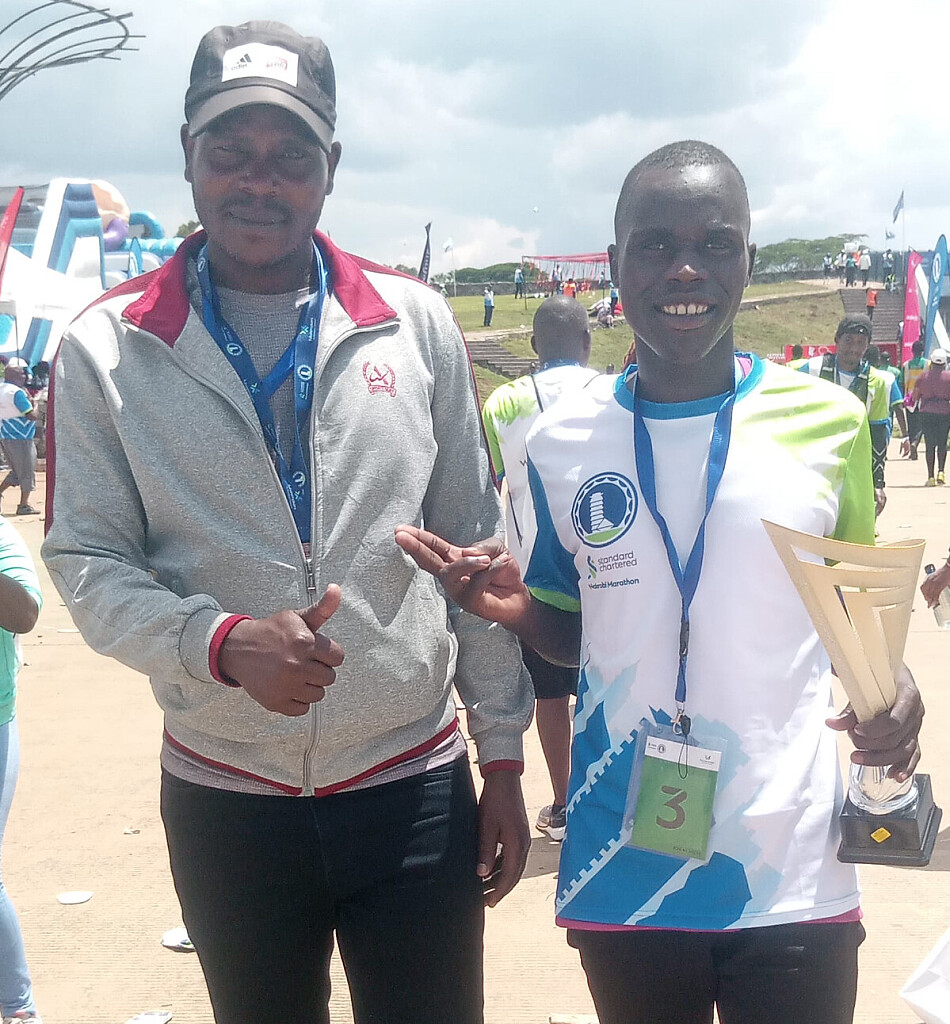
From Charcoal Seller to Champion Coach: The Remarkable Journey of Philemon Kiptoo in Kapcherop
In the cool highlands of Kapcherop, where morning mist drapes over rolling potato farms and runners trace winding red-dirt trails, coach Philemon Kiptoo is living out a dream that once seemed far beyond his reach.
The son of a humble family of nine, Philemon’s rise from selling charcoal barefoot to mentoring Kenya’s next generation of marathon stars is a story of resilience, faith, and the transformative power of community.
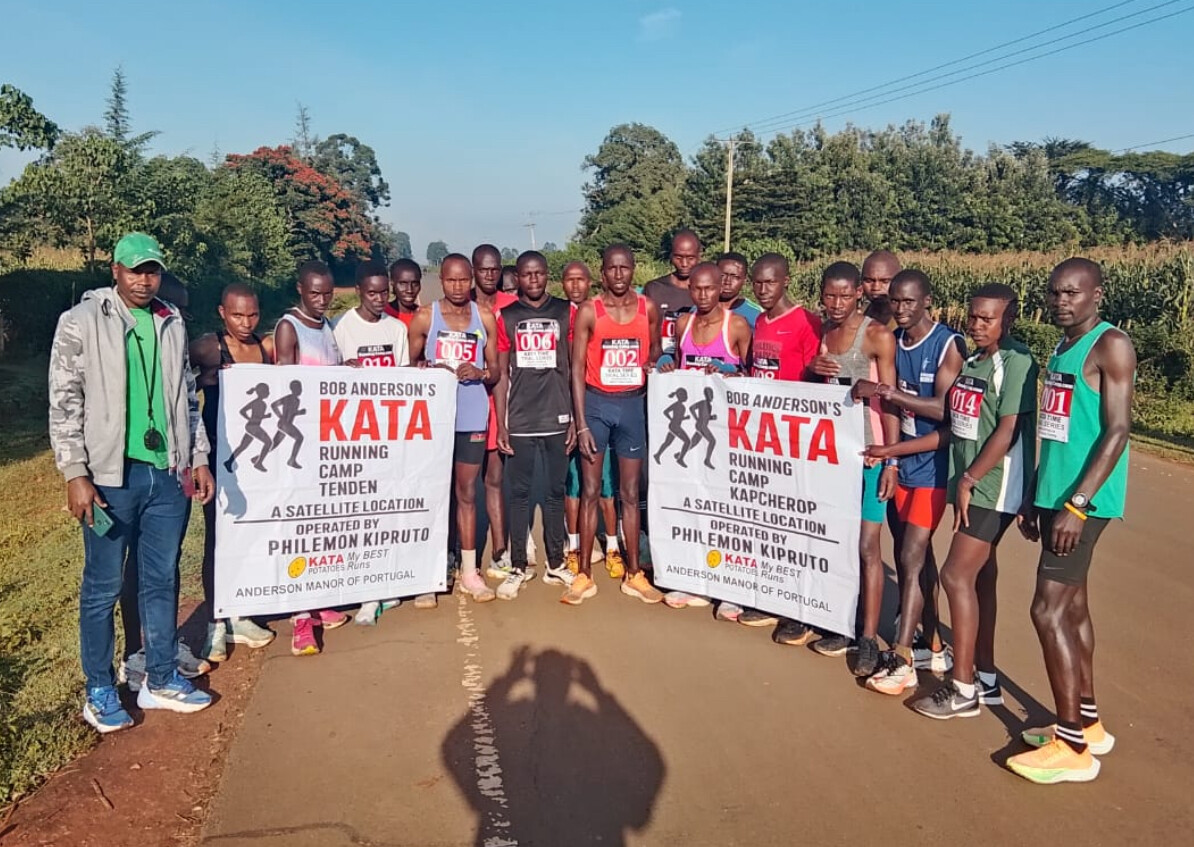
A New Chapter with KATA
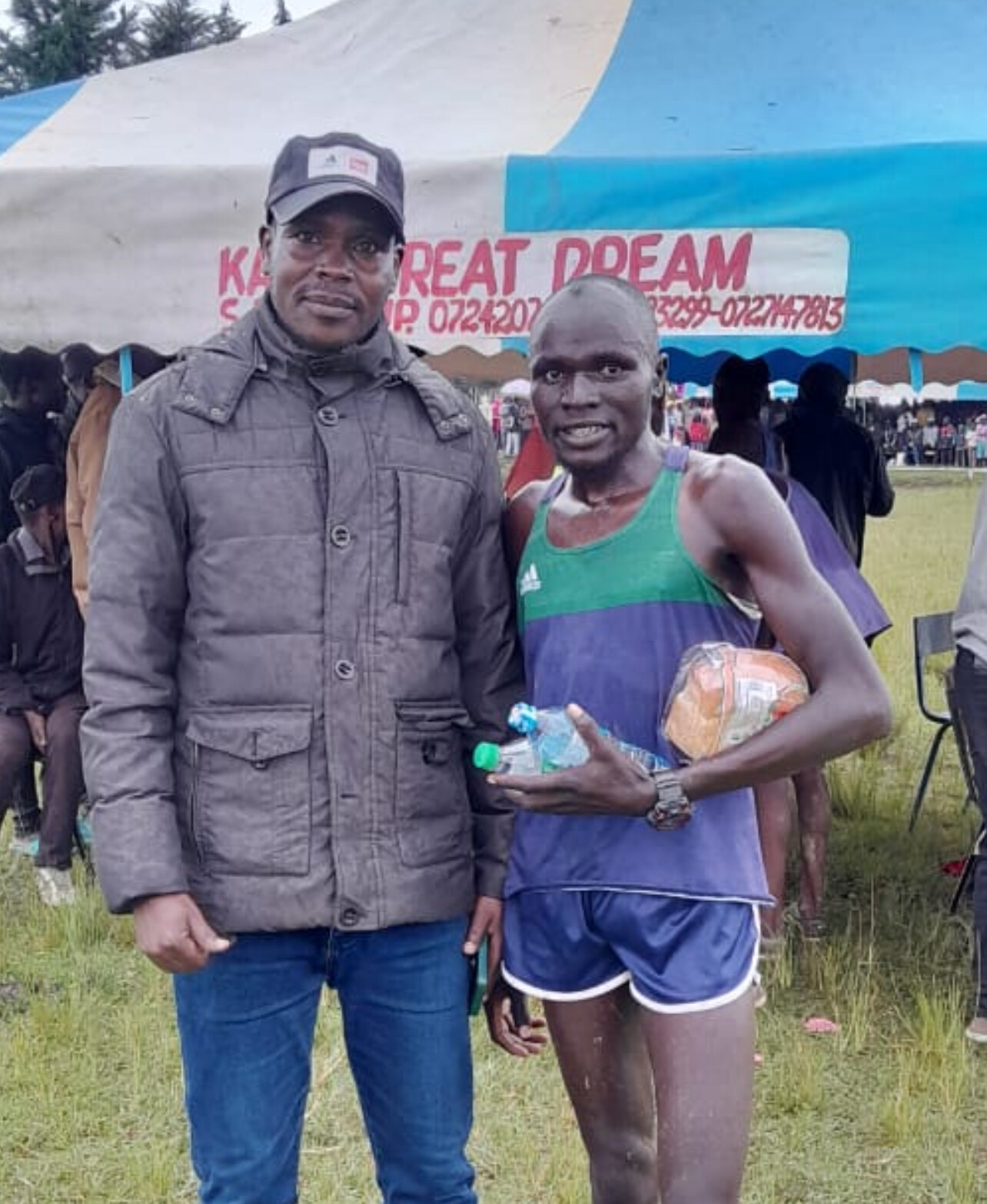
Philemon’s turning point came when he joined the KATA network — an initiative founded by U.S.-based running pioneer Bob Anderson to empower grassroots runners and coaches through mentorship, clean sport advocacy, and sustainable income projects.
At his Kapcherop Training Camp, KATA’s support extends beyond athletics. Through the organization’s integrated potato farming program, athletes earn a steady income that helps cover food, accommodation, and basic gear.
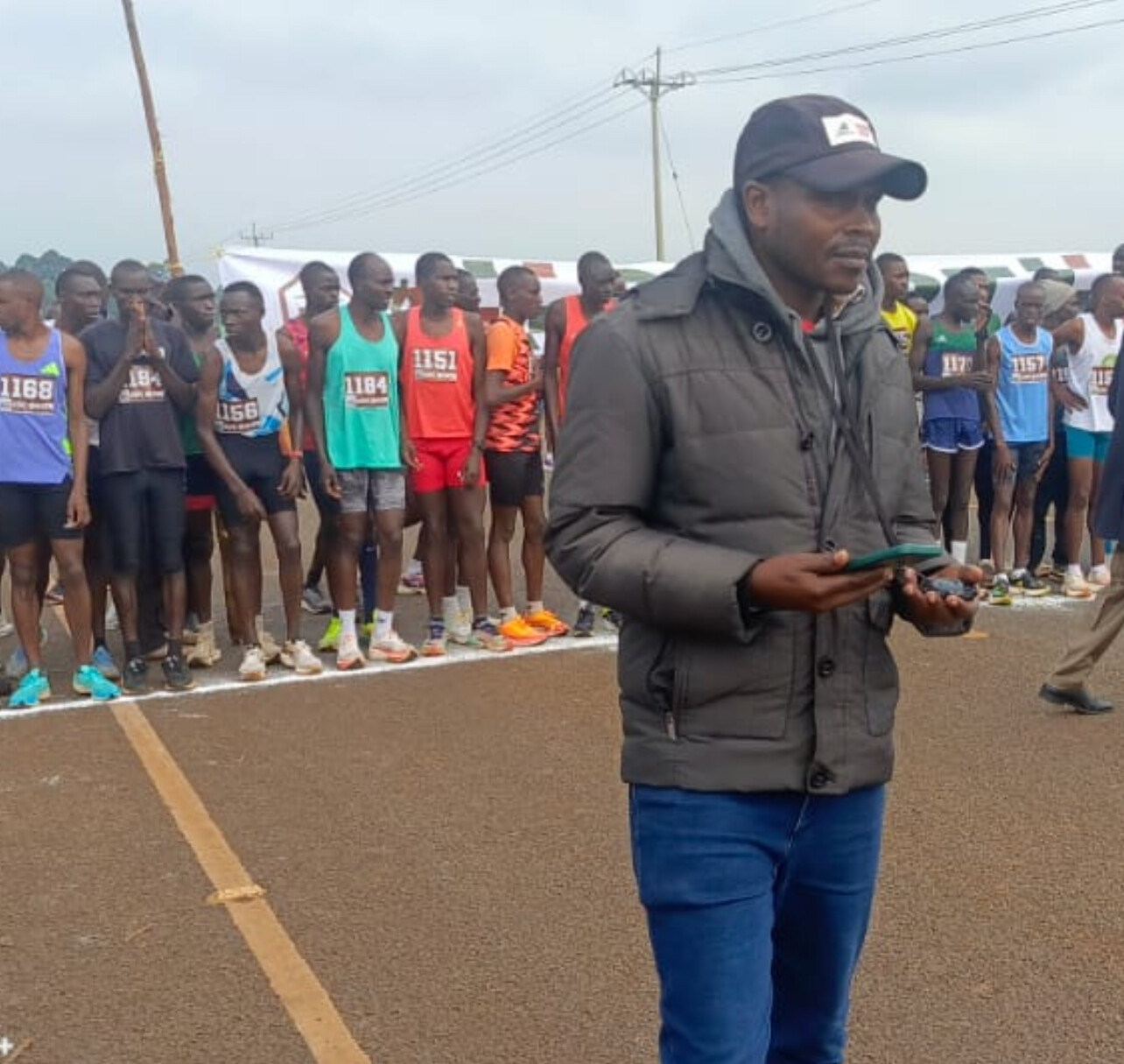
“The support from KATA has made a big difference,” Philemon says with quiet pride. “Most of my athletes come from humble backgrounds like mine. With potato farming and basic support, we can now train without worrying about what to eat or where to stay.”
That stability has begun to pay off. At the Standard Chartered Nairobi Marathon on October 26, his athletes delivered impressive performances: Donald Kimaru finished 4th in the men’s marathon; Dancan Kemei and Dennis Kosgei placed 18th and 21st in the men’s half marathon; Beatrice Rutto finished 11th in the women’s marathon; and in the men’s 10K, Leonard Pkorir and Enoch Tanui placed 3rd and 5th respectively, with Evans Kemboi 16th. Donald also on September 20th placed second at the Double Road Race 15k just 17 seconds behind the winner Edwin Soi in the two leg race. The sixth best time ever.
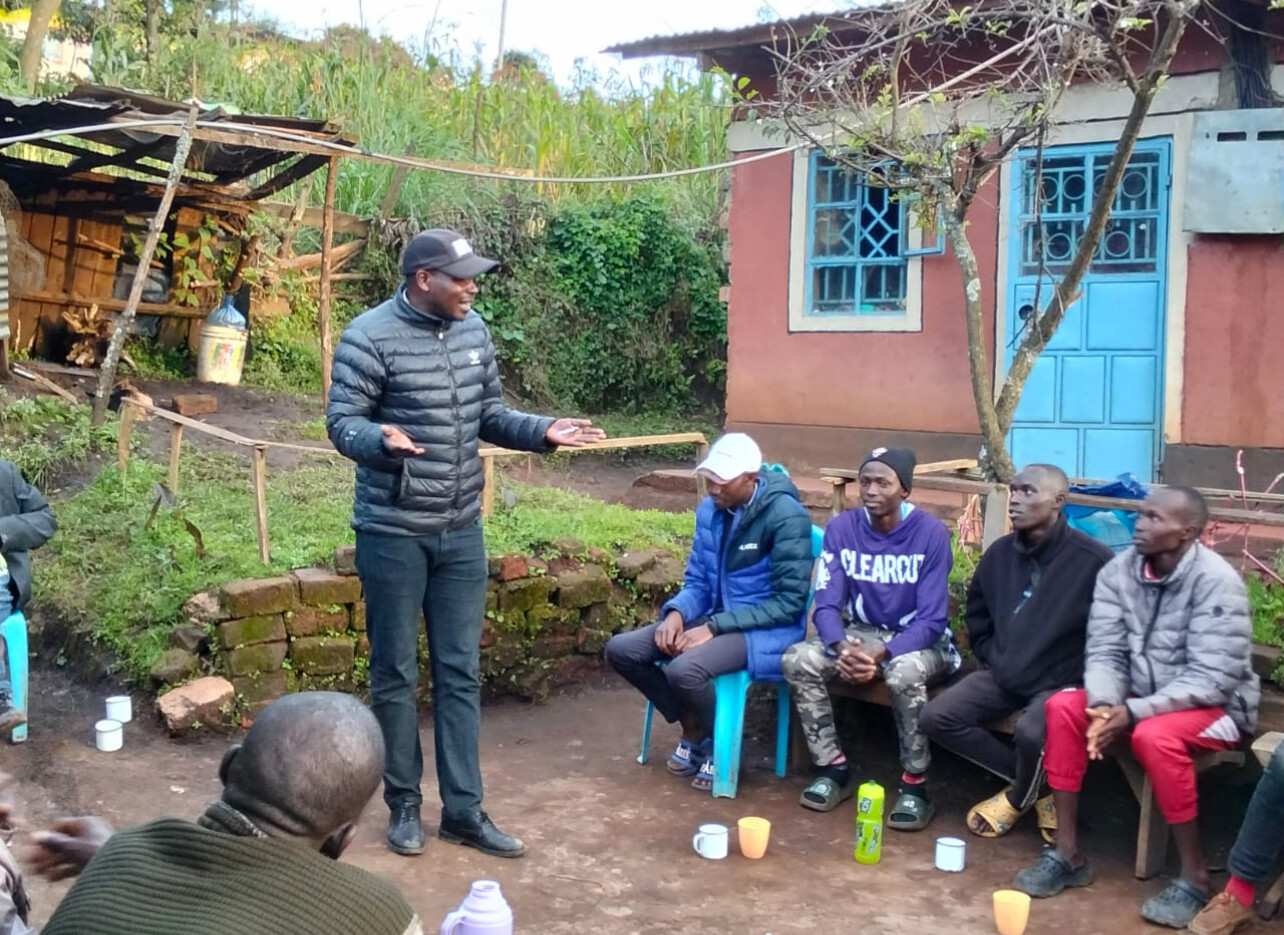
“Each of these athletes represents hope,” Philemon reflects. “With clean training and support, young people from small villages can stand tall on the national stage.”
Humble Beginnings

Born in Sing’ore, near the slopes of Elgeyo Marakwet, Philemon’s path to athletics was shaped by hardship.
“I was the last born in a family of nine — three brothers and sisters,” he recalls. “I attended Kobil Primary near Sing’ore Girls and later Kimuron Secondary, but I couldn’t finish because of school fees.”

Returning home to Kapkanyar, he refused to give up.
“In 2007, I started training with no shoes,” he says. “I sold charcoal to buy my first pair of Asics for 700 shillings (about $6).”
Years of persistence paid off when he began racing in 2012, earning his first major result with a runner-up finish at the Kakamega Forest Half Marathon. That breakthrough fueled his dream — not just to compete, but to guide others.
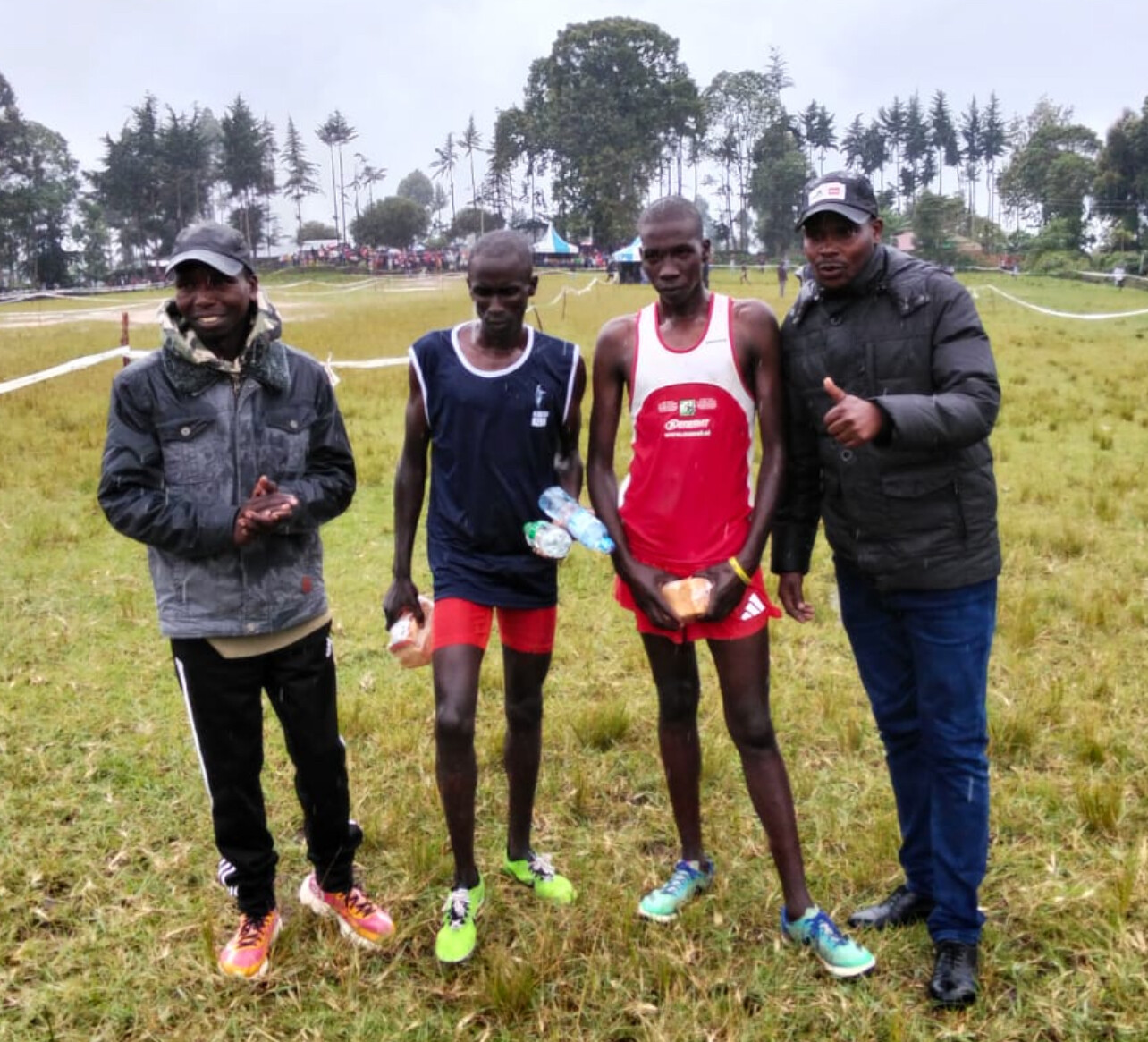
Building Champions
“I started with a few athletes,” Philemon says. “I rented them a small house and bought food — not because I had much, but because I knew what it felt like to need a chance.”
Today, he stands alongside a remarkable family of mentors: four brothers, all coaches.
• Eric Kimaiyo leads the Kapsait Training Camp.
• Andurson Chirchir coaches in Kaptagat.
• Kimutai runs training at Srowback.
• And Philemon oversees the Kapcherop Camp — a thriving hub for emerging distance runners.
Integrity and Clean Sport
What makes Philemon’s story powerful isn’t only perseverance — it’s integrity. A vocal advocate of clean sport, he embodies KATA’s core philosophy.
“We must speak the truth and say no to doping,” he insists. “If you train clean and stay patient, you’ll win with pride. There are no shortcuts to greatness.”
KATA’s influence has reinforced those values, fostering a culture of honesty and teamwork across its growing network.
“Bob Anderson’s support hasn’t just sustained our camp,” Philemon adds. “It has helped shape a generation built on discipline and hard work. We are building athletes who can inspire others.”
A Legacy of Hope
To his athletes, Philemon is more than a coach — he’s a father figure.
“He treats us like family,” says Leonard Pkorir, who won bronze in the Nairobi 10K. “He believes in our dreams even when we doubt ourselves.”
Looking ahead, Philemon’s goal remains simple yet profound: to use running as a bridge to a better life.
“My happiness will be to see my athletes doing great things, helping others, and carrying forward the spirit of running clean,” he says. “That will be my legacy.”
As evening fog rolls across the Kapcherop hills and the rhythmic thud of training shoes fades into the distance, Philemon Kiptoo’s story stands as a reminder that greatness can indeed grow from the humblest soil — when it is nurtured with purpose, honesty, and heart.
by Robert Kibet
Login to leave a comment
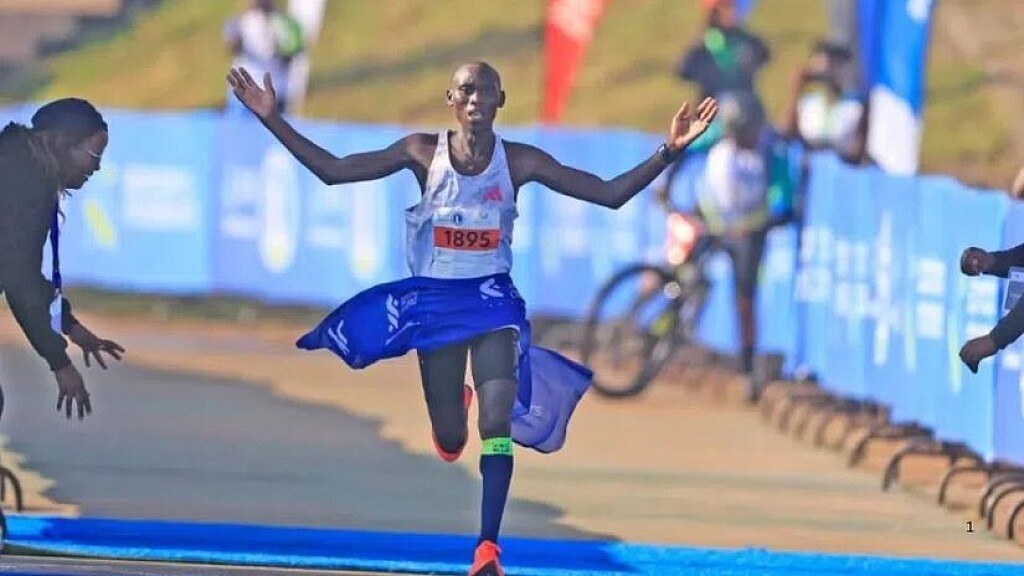
KATA’s Donald Kimaru Finishes 4th at 2025 Standard Chartered Nairobi Marathon
The 2025 Standard Chartered Nairobi Marathon delivered a thrilling showcase of endurance on October 26, as top athletes battled it out on the streets of Nairobi under ideal racing conditions. This year’s event, one of the premier marathons on the African continent, once again attracted a deep field of elite talent.
Among the day’s standout performances was Donald Kimaru, a KATA athlete training out of the Kapcherop KATA Running Camp, who finished a remarkable 4th place in a highly competitive men’s race.
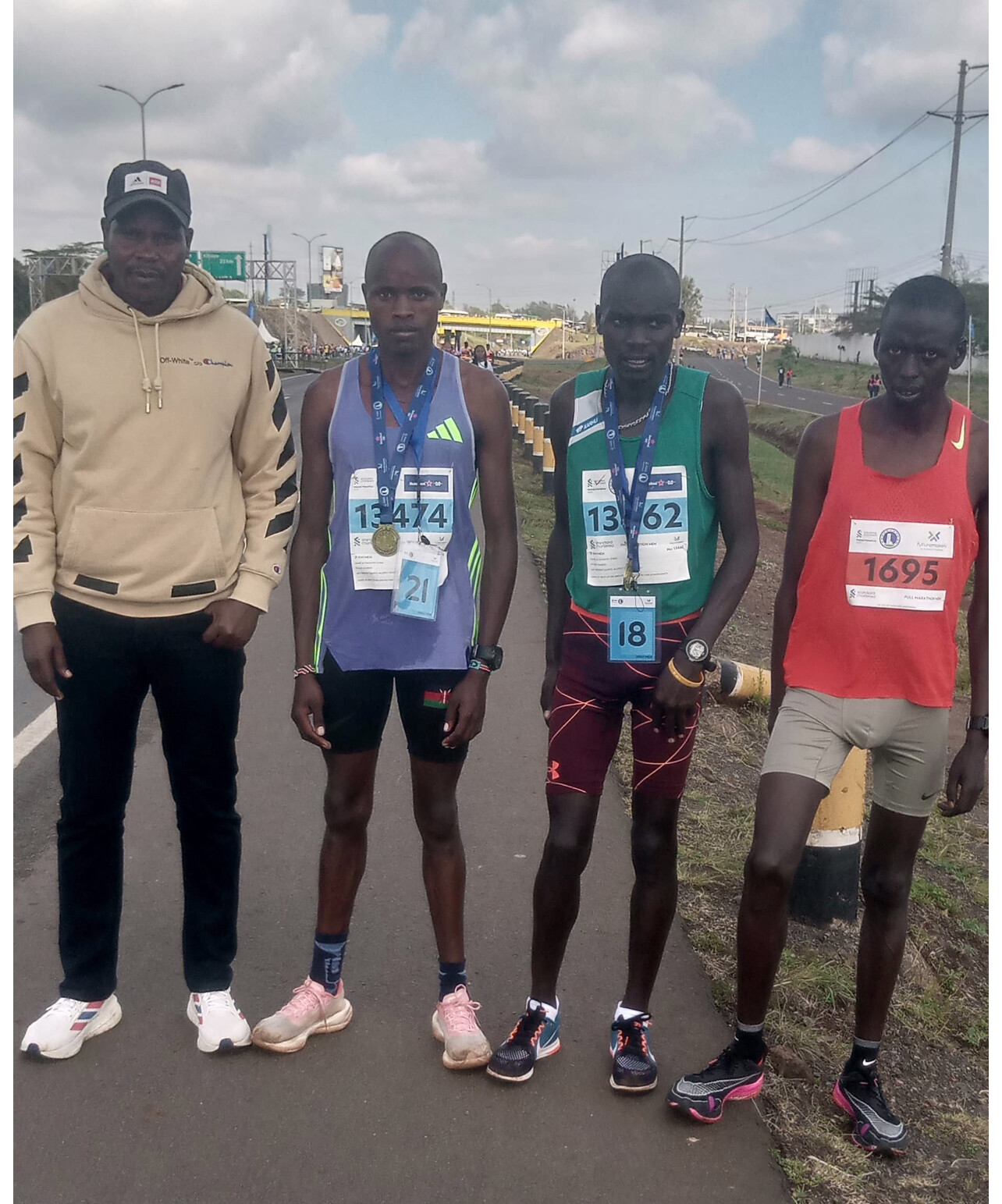
Donald Kimaru: Fuelled by KATA, Ready for the Global Stage
Clocking a time of 2:12:02, Kimaru finished just over a minute behind the winner, Benard Chepkowny (2:11:01), and less than 30 seconds from the podium. It was a huge breakthrough for the rising long-distance runner, who trains under the high-altitude guidance of Coach Philemon Kipruto at the KATA facility in Kapcherop.
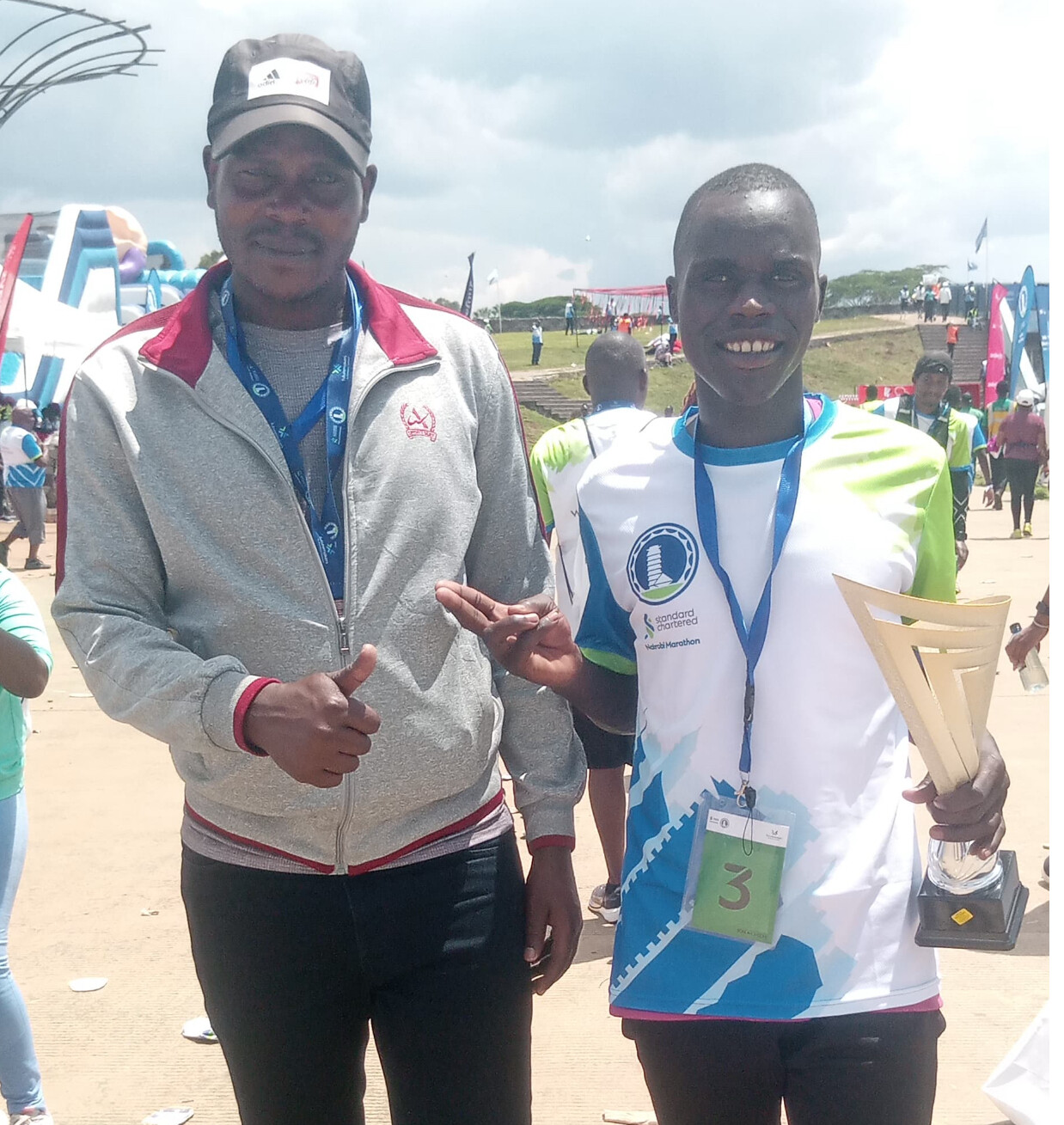
“Donald is showing the power of patience and consistency,” Coach Kipruto noted. “We’ve known he had the potential, and now he’s proving it in one of Kenya’s most important races.”
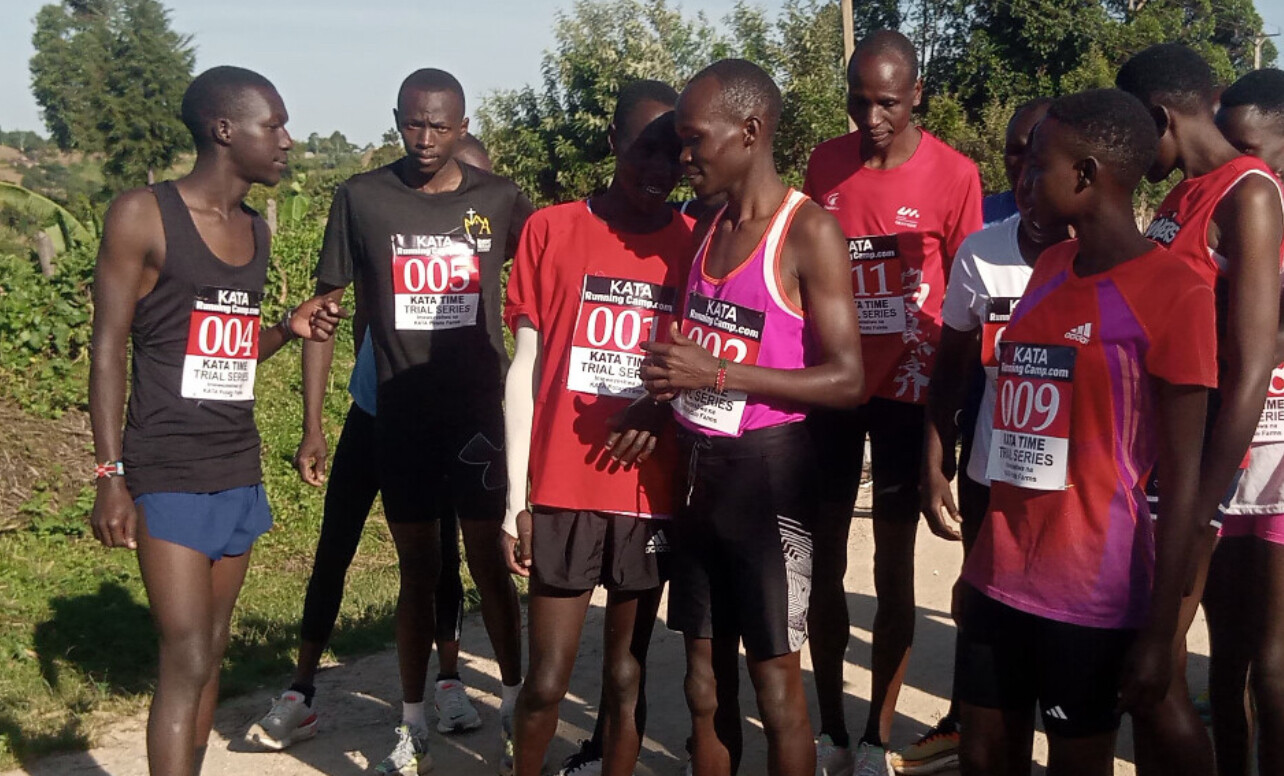
Chepkwony, returning to major competition, wasted no time asserting his intent. He set a strong pace from the start, joined by Silas Chesang, Donald Kimaru, Ezekiel Kemboi, Bethwel Chemuno, and Wilfred Kiplagat, all determined to stay in contention.
As the race progressed past the 30km mark, Chepkwony maintained the lead despite Chesang mounting a late push after struggling on the uphill sections.
Chepkwony’s endurance and composure carried him through to the finish line, clocking an impressive 2:11:01 to seal his comeback victory.
Kimaru trains in an environment designed to create champions, where runners combine disciplined training with the nutritional strength of KATA Potatoes – The Fuel of Champions. His performance in Nairobi is a testament to this holistic approach. Donald had placed second at the KATA Double Road Race 15k held September 20 in Thika.
Top 10 Elite Men – 2025 Standard Chartered Nairobi Marathon
1. Benard Chepkowny – KEN – 2:11:01 (first photo)
2. Alex Chepkwik Saekwo – KEN – 2:11:26
3. Ezekiel Kemboi Omullo – KEN – 2:11:40
4. Donald Kimaru – KEN – 2:12:02
5. Wilfred Kiplagat – UGA – 2:13:42
6. Charles Kimeli – KEN – 2:14:08
7. Nehemiah Kiprono Sang – KEN – 2:14:38
8. Solomon Yego – KEN – 2:14:50
9. Dennis Kipkemboi Koech – KEN – 2:15:39
10. Silas Chesang Keitany – KEN – 2:15:51
Women’s Race Highlight
In the women’s marathon, Hellen Chepkorir dominated with a powerful performance, finishing in 2:27:17 at an average pace of 3:30/km.
KATA’s Impact Growing
Donald Kimaru’s top finish adds to the growing list of success stories emerging from the KATA Running Camp ecosystem. Founded by Bob Anderson, KATA is reshaping the Kenyan distance running scene with over 30 camps across the country, combining elite training with a sustainable agricultural model. Runners like Donald are not only developing as athletes but also helping uplift their communities.
Next for Donald? A potential international marathon debut in 2026, where he’ll look to break the 2:10 barrier and cement his name among Kenya’s top marathoners.
by Boris Baron
Login to leave a comment

NAIROBI MARATHON
Nairobi Marathon is an annual road running competition over the marathon distance held in October in Nairobi, Kenya. First held in 2003, the competition expanded and now includes a half marathon race along with the main race. It was part of "The Greatest Race on Earth", fully sponsored by Standard Chartered Bank....
more...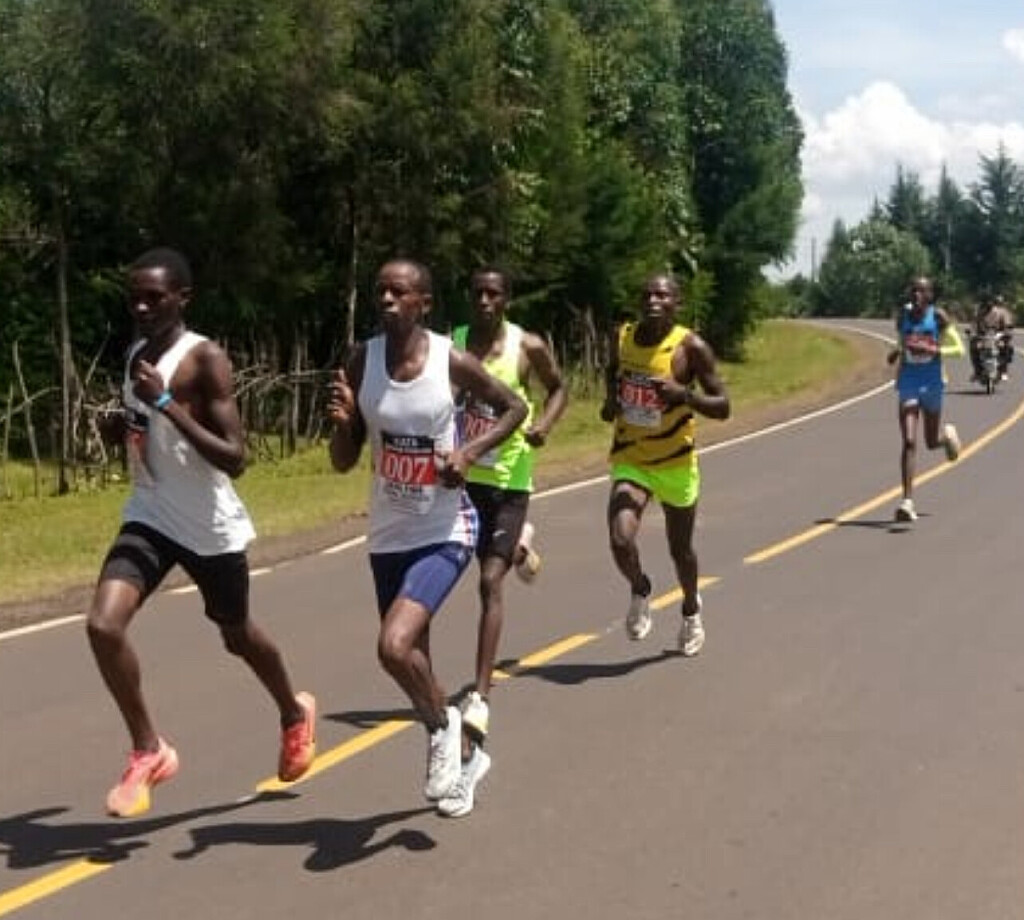
KATA Kapkatet Camp Runners Deliver Powerful Performances
The Kapkatet Athletics KATA Camp hosted an outstanding time trial on October 15, 2025, with excellent conditions and determined athletes delivering strong performances. Under the leadership of Coach and Operator Hasan Rono, the event showcased the rising talent and teamwork that define the KATA Running Camp and Potato Farm program in Kericho County.
“The time trial was successful and wonderful,” Coach Rono said. “Thanks a lot for your support, sir.”
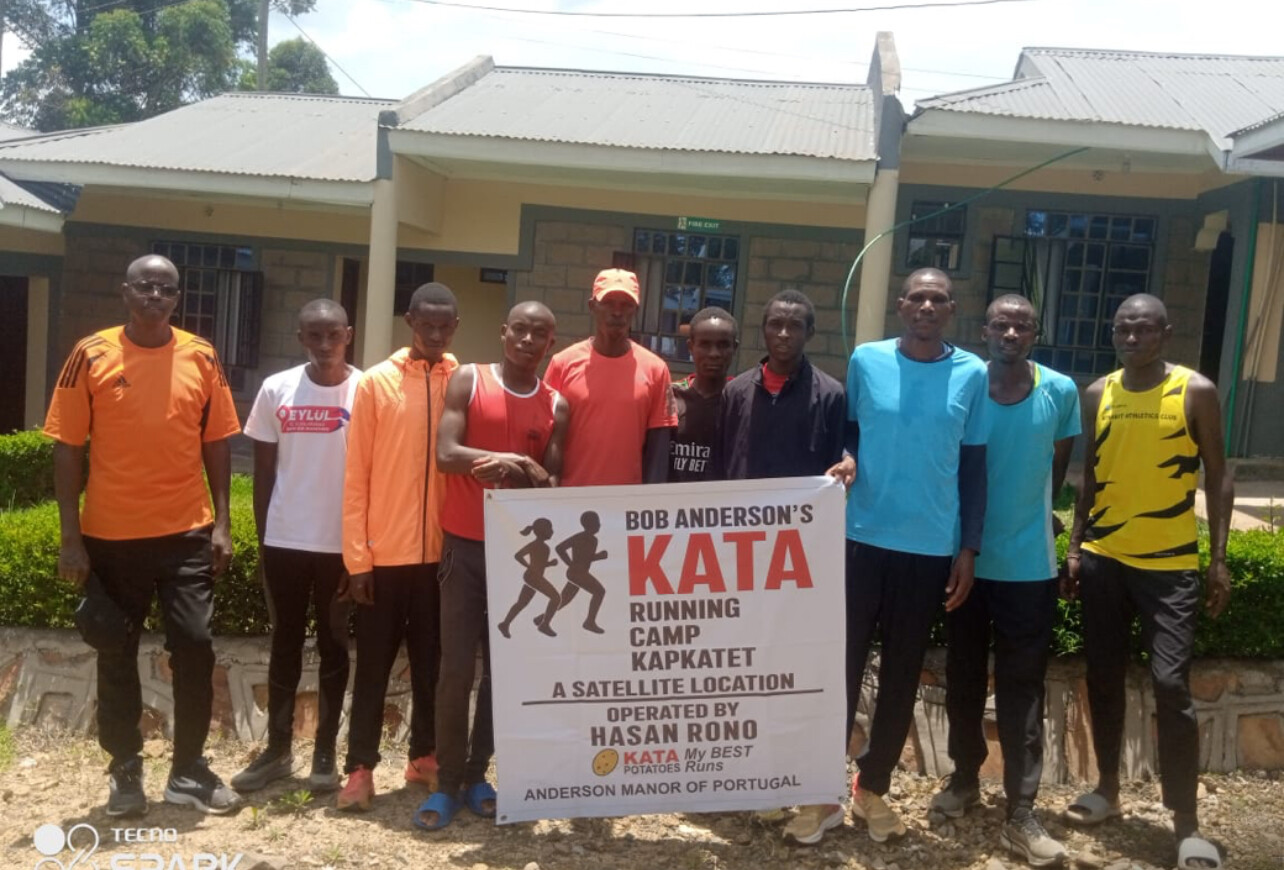
10 km Men
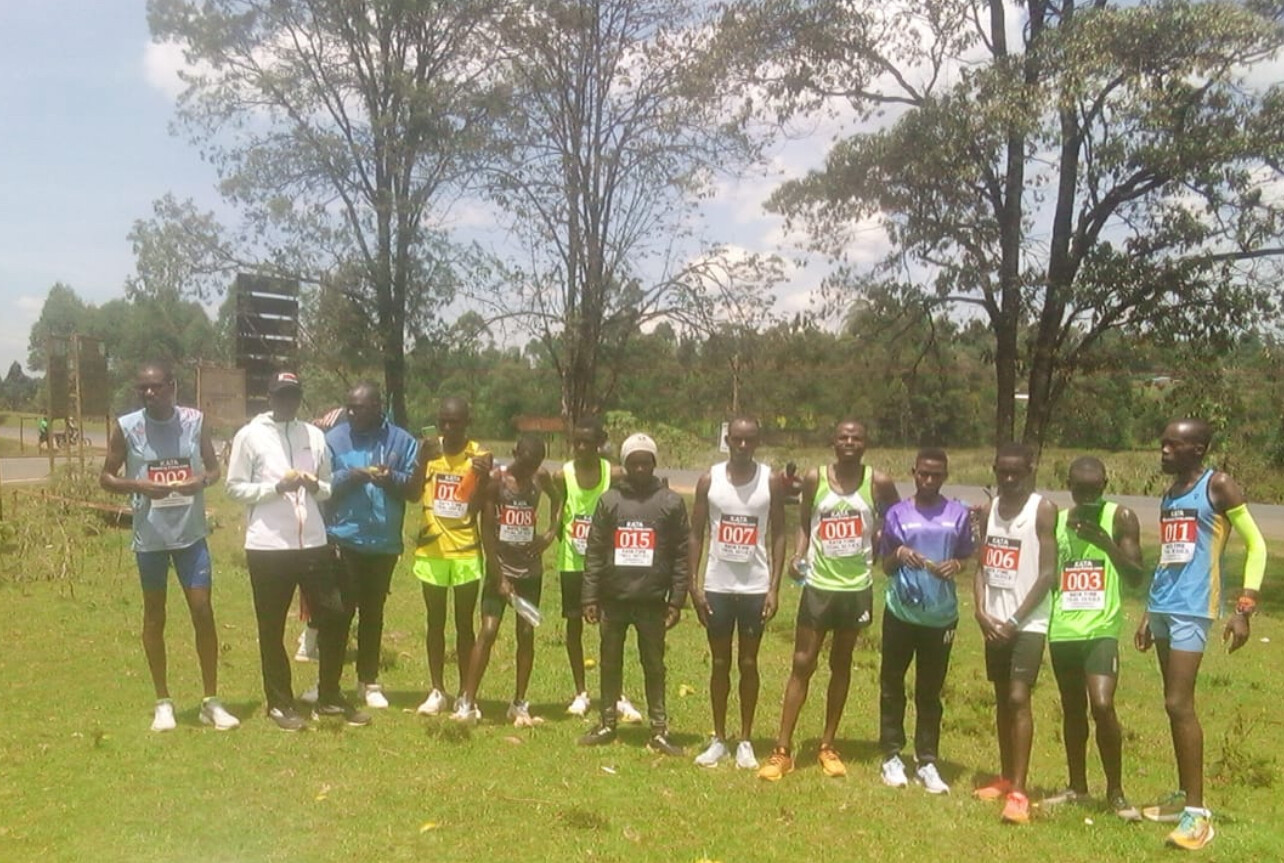
1. Vincent Rotich – 29:13.40 (DOB 13 Sep 2004)
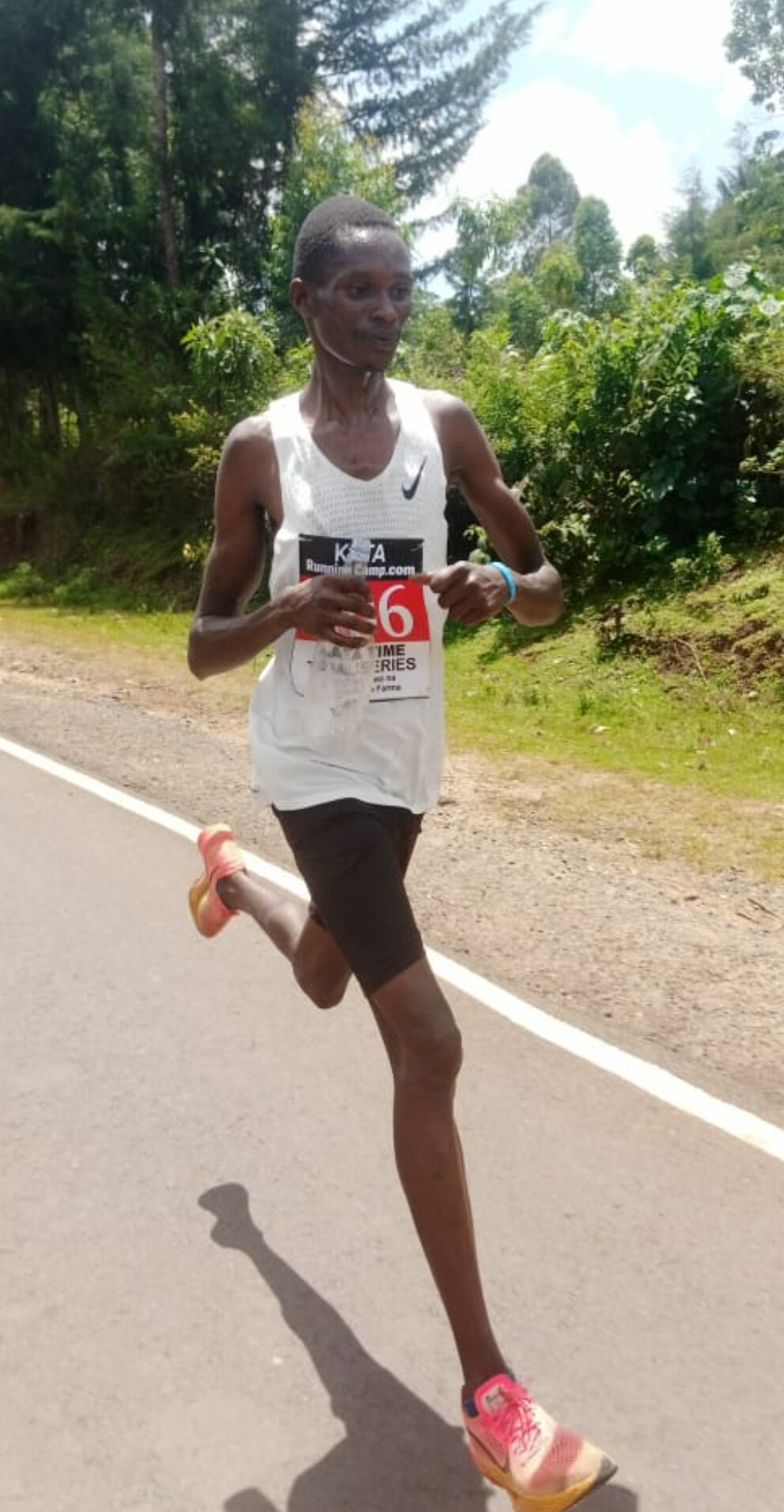
2. Vesitus Kipkorir Kemboi – 29:17.35 (DOB 7 Jan 2000)
3. Kipkurui Koech – 29:50.11 (DOB 11 Feb 1991)
4. Dominic Cheruiyot – 30:01.22 (DOB 25 May 2005)
5. Haron Kiprotich – 30:17.02 (DOB 6 Jul 2002)
6. Jaresa Rono – 30:36.27 (DOB 10 Dec 2009)
7. Aaron Kiplangat Korir – 30:55.04 (DOB 13 Dec 2002)
8. Kaprono Langat – 31:55.11 (DOB 19 Dec 1985)
The men’s 10 km race was tightly contested, with Vincent Rotich edging Vesitus Kipkorir Kemboi by just four seconds. Both broke the 29-minute-20-second barrier, underscoring their sharp form and disciplined training.
5km Men
1. Victor Kiprotich – 14:12.19 (DOB 25 May 2009)
2. Robert Sigey – 14:30.06 (DOB 12 Dec 1984)
3. Rono Enock – DNF (DOB 16 Jan 2000)
Sixteen-year-old Victor Kiprotich impressed once again with a commanding 14:12, demonstrating both speed and maturity beyond his age.
5 km Women
1. Dorcas Chepkorir – 17:21.15 (DOB 30 Dec 2004)
Dorcas Chepkorir dominated the women’s 5 km, finishing with a wide margin and reaffirming her status as one of the camp’s most consistent performers.
The K22 Kapkatet Camp continues to exemplify the KATA vision: nurturing champions through discipline, teamwork, and purpose. As with every KATA camp across Kenya, this success is powered by a shared belief that athletic excellence and sustainable farming can grow side by side.
by Boris Baron
Login to leave a comment
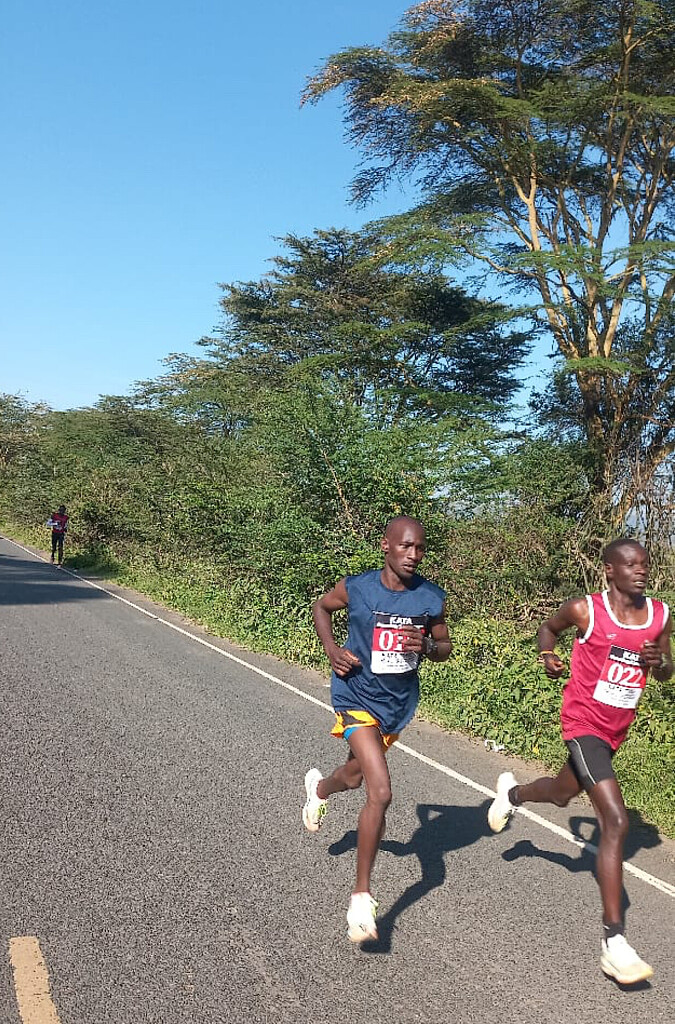
From Potatoes to Personal Bests: How Amos Chirchir Is Growing Athletes and a Future in Sachang’wan
In the highland village of Sachang’wan in Molo, Nakuru County, the land rises boldly toward the sky. The area sits on the edge of the dramatic Rift Valley escarpment, overlooking the vast Menengai Crater — Africa’s second-largest volcanic caldera — its silent ridges brooding in the morning mist.
Behind it, the rolling hills of Molo stretch endlessly, stitched with neat rows of potato farms that define the region’s identity. To the south lies Salgaa, a town better known for its flower farms, where long greenhouse tunnels shimmer like silver ribbons across the plains. Beyond this agricultural heartland, winding dirt roads climb toward Sachang’wan — where another kind of farming is taking root: the farming of athletic talent.
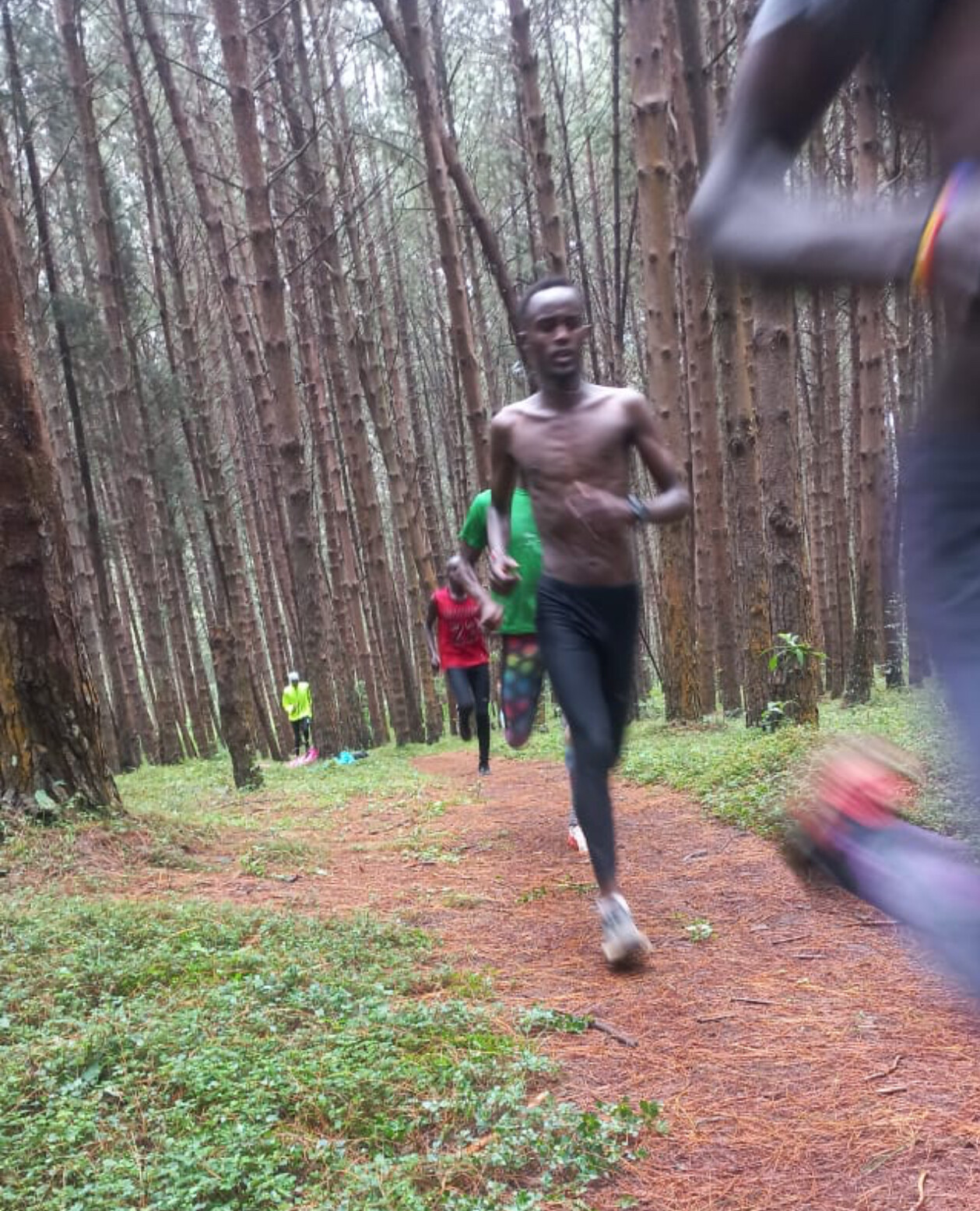
Here, where the air is thin and crisp, mornings begin before sunrise. Frost melts from the grass as a small group of determined athletes powers up a steep incline, their breath visible in the cold air. Leading them is 27-year-old Amos Kibet Chirchir, stopwatch in hand, eyes sharp with focus.
To an outsider, he might look like any other coach on a country road. But to his athletes — and to the growing Kenyan Athletics Training Academy (KATA) movement — Amos represents something much bigger: a new generation of homegrown leaders cultivating both champions and sustainability.
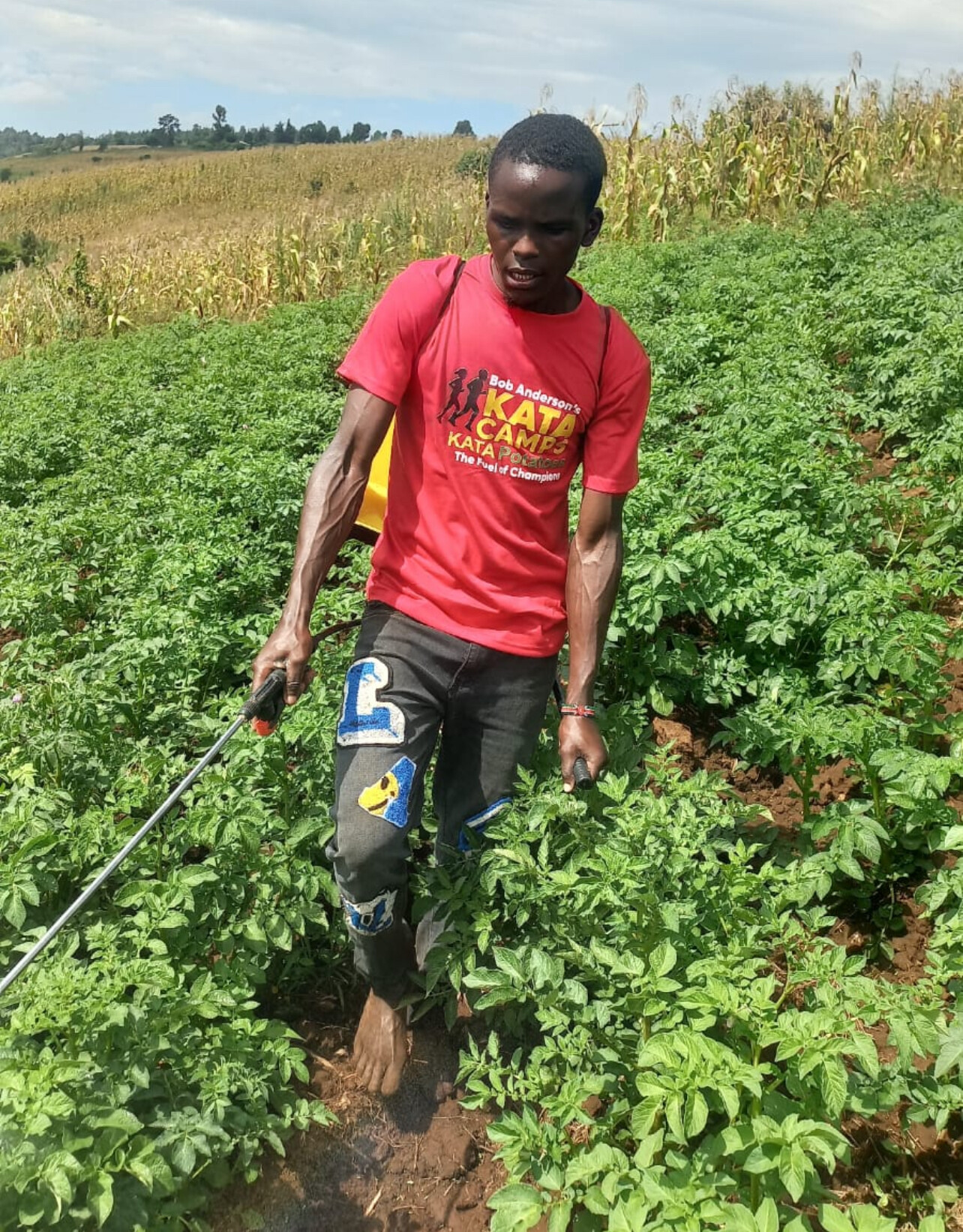
The Making of a Leader
Amos, the fifth-born in a family of eight, grew up in the cold, fertile highlands of Molo, raised by farming parents who taught him the value of hard work. Athletics runs deep in his family — his father was a 400m hurdler in the 1970s, competing when Kenyan track was just finding its rhythm.
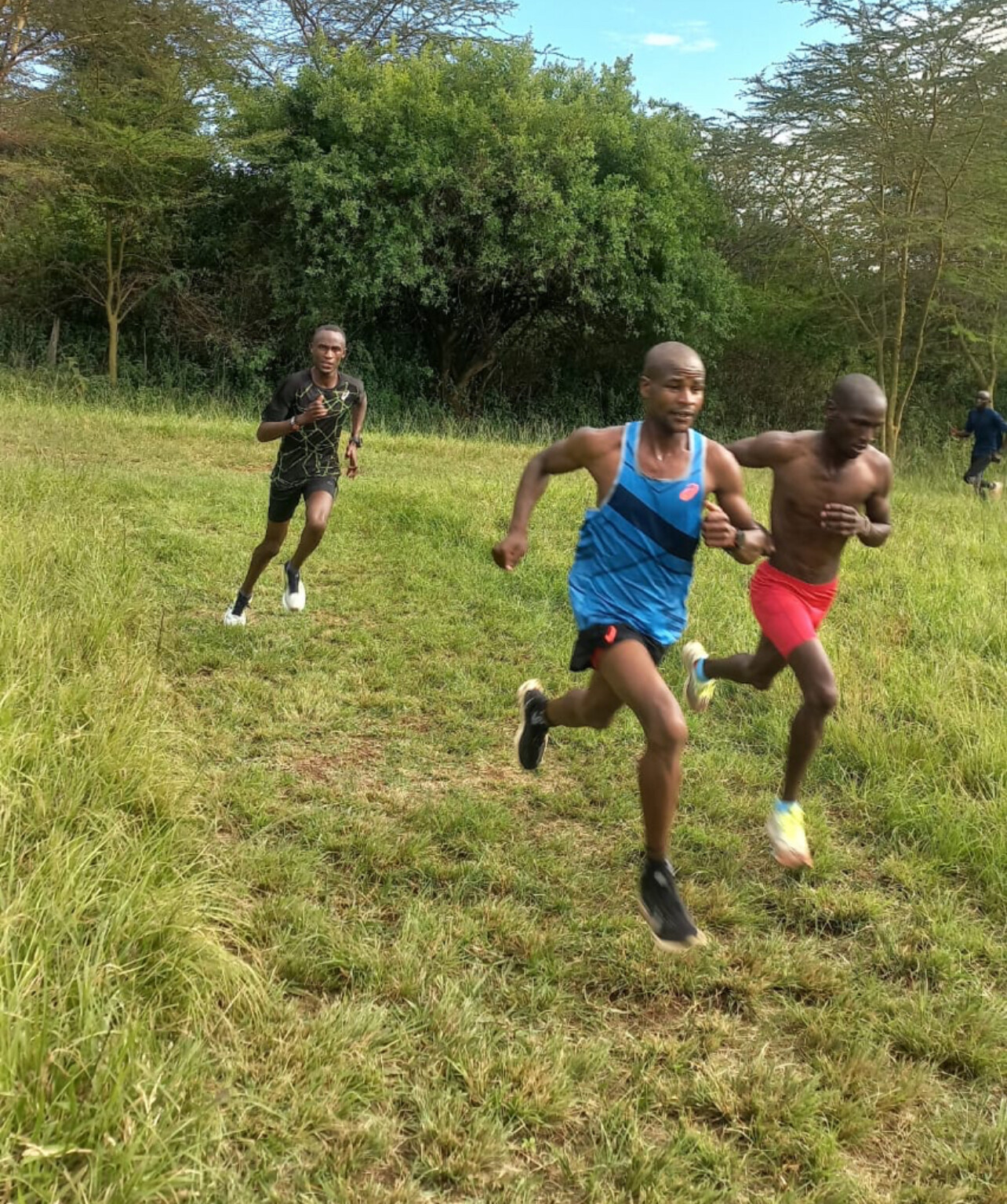
“I didn’t just choose running,” Amos says with a smile. “Running found me.”
After excelling in local school competitions, Amos nearly saw his running dream fade — until June 2022, when he earned a place at KATA Thika, founded by American running innovator Bob Anderson, the visionary behind Runner’s World magazine.
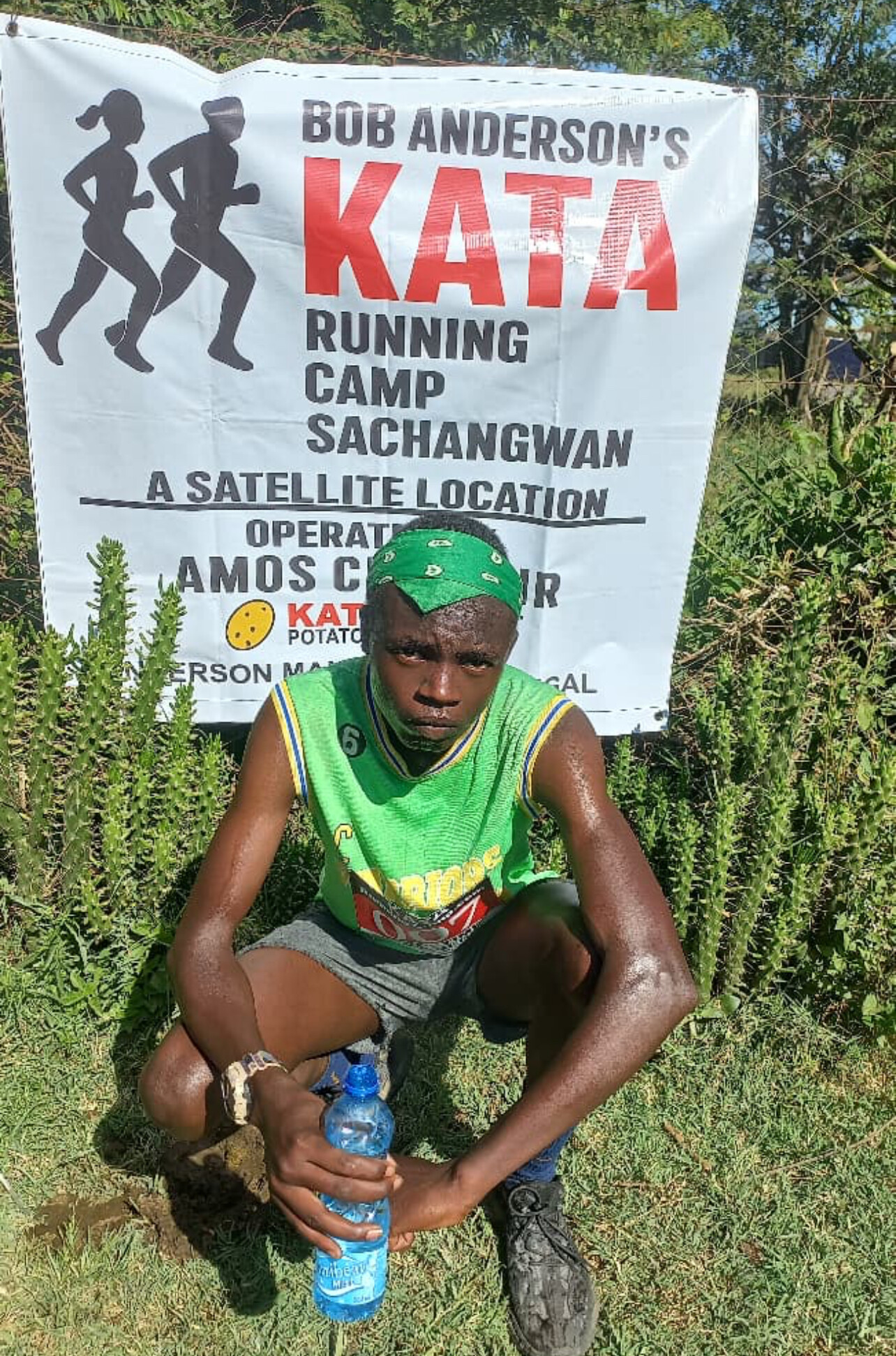
“That changed everything,” he recalls. “For the first time, I could train without worrying about daily survival. KATA didn’t just build me as an athlete — it prepared me to lead.”
Building a High-Altitude Training Hub

When Anderson announced plans to expand KATA through athlete-led satellite camps, Amos seized the opportunity. He returned home and launched KATA Sachang’wan Camp with just five athletes — three men and two women. Today, the camp has grown to eight committed runners, with more young talents eager to join.
The camp sits at an altitude of 2,400 meters, ideal for endurance training. For faster sessions, they descend to 1,800 meters, creating a natural high-low altitude system similar to what world-class runners use in Iten, Kaptagat, and Eldoret.

Already, results are emerging:
• Weldon Kibet Lang’at clocked 30:36 (10K) and 14:55 (5K) at the Double Road Race before improving to 30:16 in the October 15 time trials.
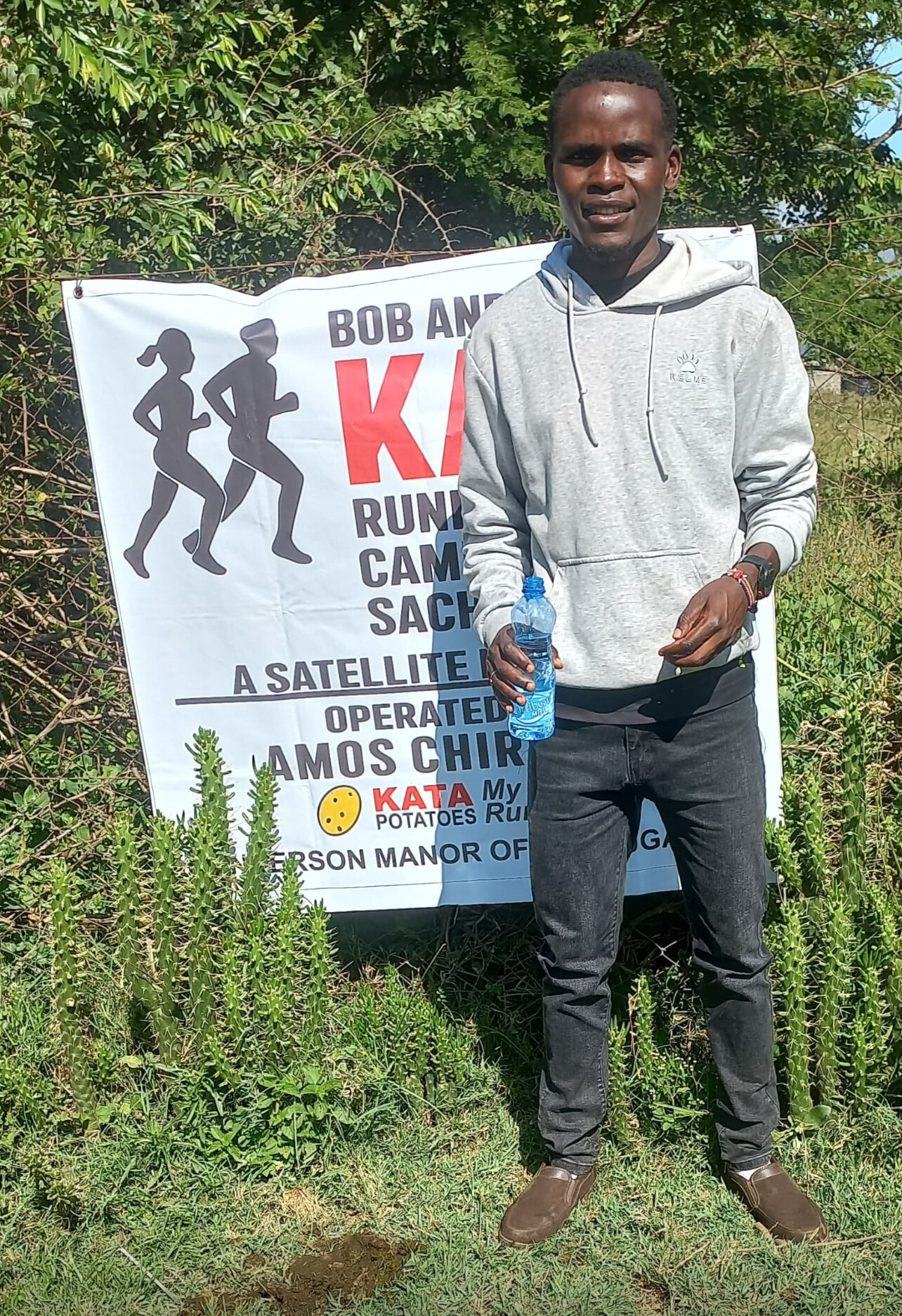
• Elizabeth Wambui, who joined just two months ago, cut her 5K time from 19:00 to 17:35 at the same event.
Amos himself remains in strong competitive shape, with personal bests of 30:51 (10K) and 14:32 (5K).
“I want to build champions — not just athletes who run fast, but athletes who think beyond medals,” he says.
Farming Hope: The KATA Potato Project
Alongside athletics, the Sachang’wan camp thrives on another discipline — agricultural sustainability. Inspired by Bob Anderson’s belief in empowering athletes for life beyond competition, Amos integrated potato farming into his training model.
He began with two acres of KATA potatoes, a move that initially drew laughter from locals.
“At first, people thought I was crazy,” he recalls. “They said farming was a step backward for an athlete. Now they’re copying me.”
Today, the farm helps feed the athletes, generates income for camp operations, and inspires local farmers — many now shifting from maize to potatoes after seeing his success.
“Athletes must think about life after running,” Amos says. “This program lets us build something real, not just chase medals.”
Training Champions, Growing Futures
With schools now closed, Amos plans to recruit junior athletes from nearby villages — guiding them early and keeping them away from idleness and drugs.
“Talent is going to waste in villages like ours because nobody guides young runners. I want to change that,” he says.
His long-term dream is to build dormitories, expand training facilities, and turn KATA Sachang’wan into a full-fledged center of excellence — powered by athletics and farming.
“Bob Anderson’s Vision Is Working”
Amos believes that KATA is redefining the future of Kenyan athletics.
“This is more than running,” he says. “Bob Anderson’s program teaches us responsibility, teamwork, leadership, and self-reliance. We’re not waiting for sponsors — we’re building ourselves.”
From the cold ridges of Sachang’wan overlooking Menengai Crater, a quiet revolution is growing — one built on sweat, soil, and belief. Here, potatoes fuel champions, and running fuels dreams.
And at the heart of it all stands a young leader — stopwatch in one hand, hoe in the other — cultivating both athletes and a future for Kenya.
by Robert Kibet
Login to leave a comment
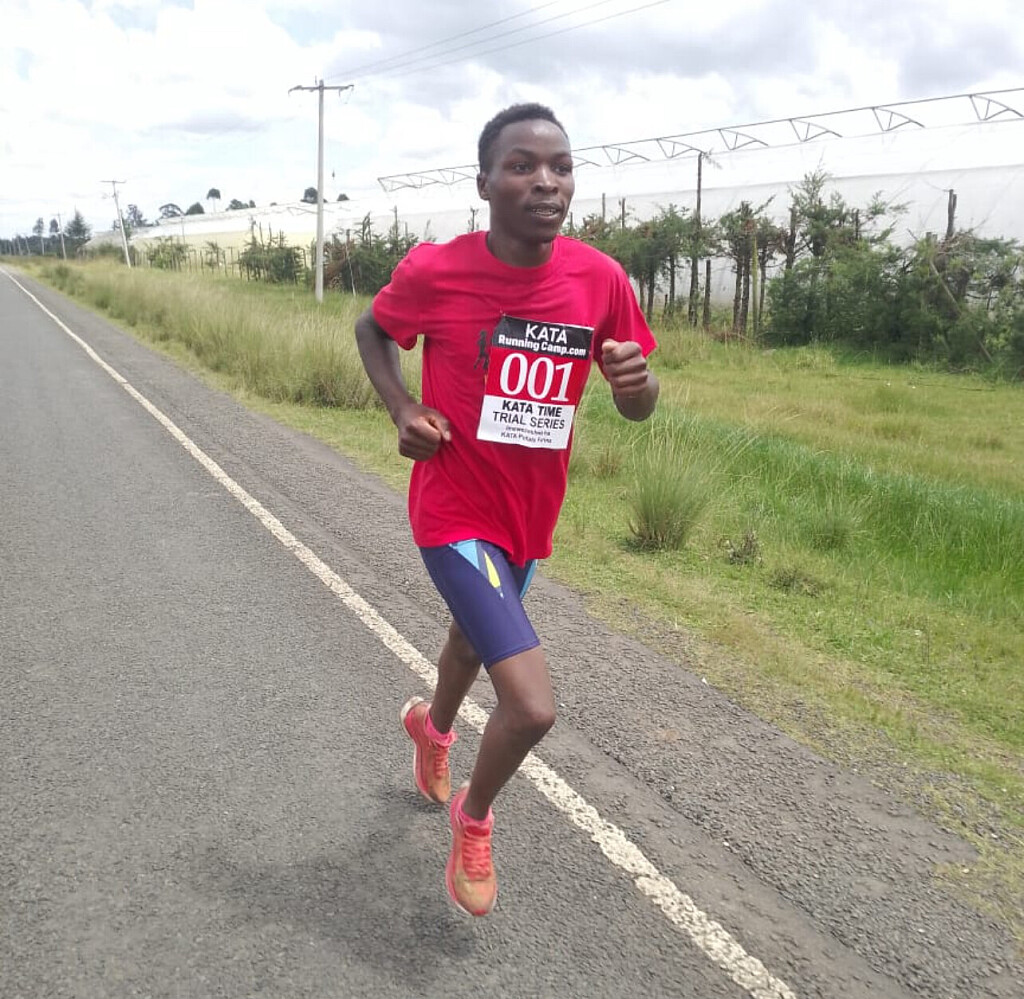
Rising Talent Shines at KATA Nyandarua 10K Time Trial
The cool high-altitude air of Nyandarua — sitting at approximately 2,400 meters (7,874 feet) above sea level — provided a challenging yet inspiring setting on October 15, 2025, as athletes from Bob Anderson’s KATA Running Camp – Nyandarua (K04) tested their endurance in a 10K time trial. Under the direction of Coach and Operator Peter Njoroge, the runners displayed exceptional commitment, focus, and steady improvement — hallmarks of the KATA philosophy.
Leading the charge was Peter Kamau (Bib 020), who crossed the finish line in 31:45, followed closely by James Githengu (Bib 061) in 32:15. Antony Kingori (Bib 009) secured third with 34:20, while Moses Maina (Bib 091) and Hillary Mwangi (Bib 098) rounded out the top five. Despite the thin air and rolling course, several athletes achieved personal bests, proving the benefits of consistent altitude training.
Coach Njoroge commended his team, saying, “Our athletes are learning that consistency and discipline create results. Every trial brings them closer to championship form.”
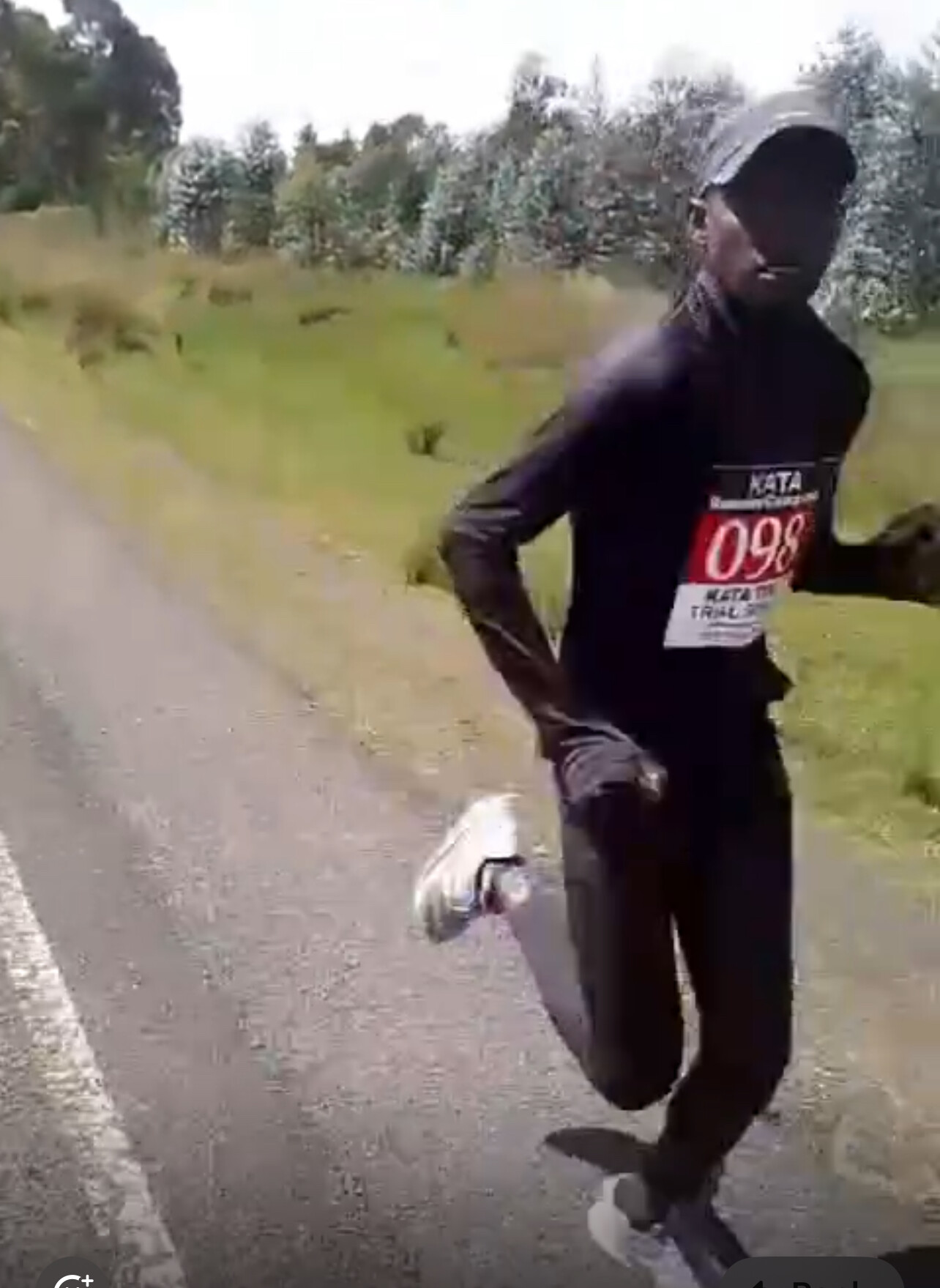
KATA Founder Bob Anderson added, “The Nyandarua KATA family continues to impress. It’s not just about fast times — it’s about building the foundation of champions through effort and teamwork.”
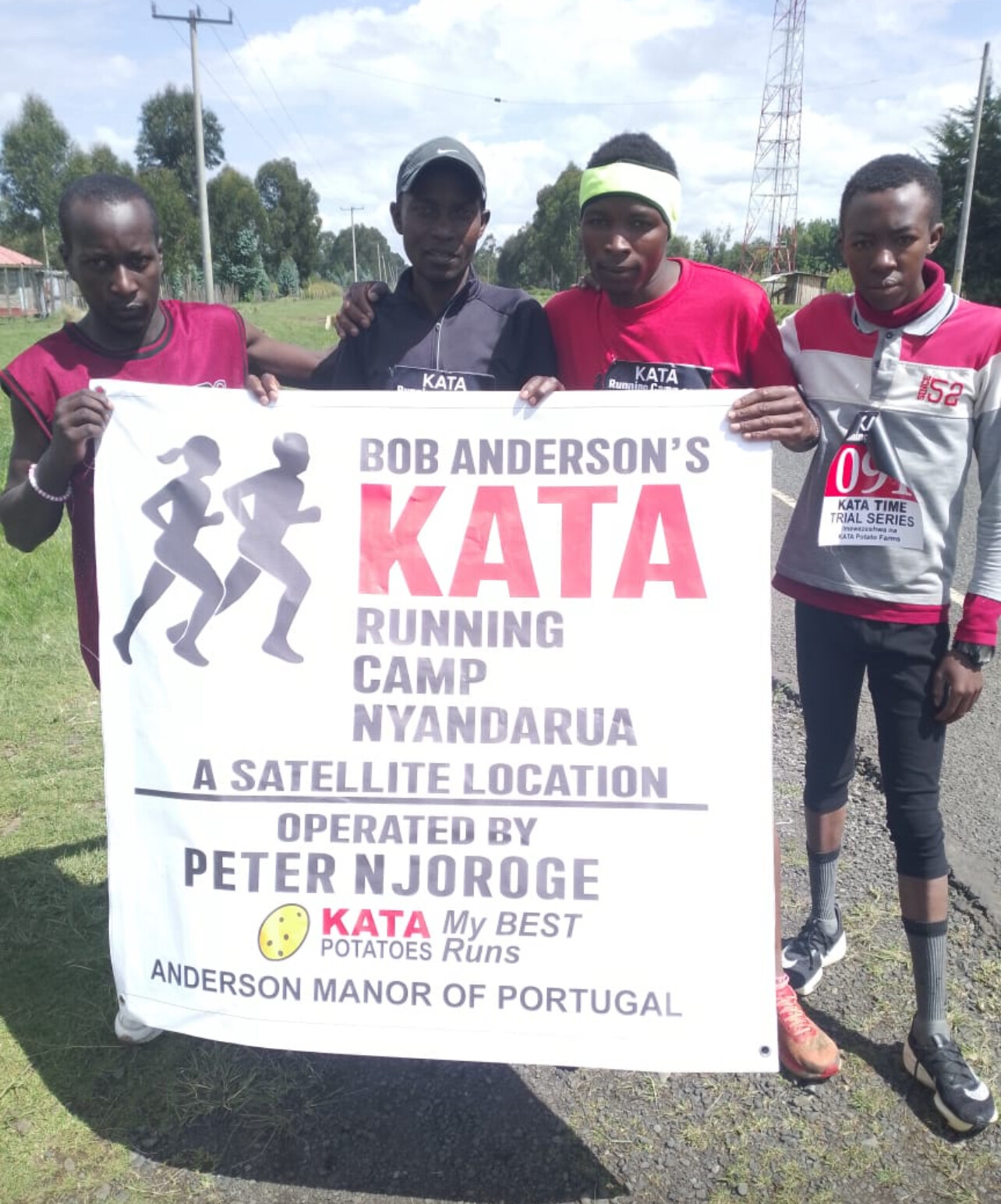
10K Results – October 15, 2025
1. Peter Kamau – Bib 020 – 31:45
2. James Githengu – Bib 001 – 32:15
3. Antony Kingori – Bib 009 – 34:20
4. Moses Maina – Bib 091 – 34:50
5. Hillary Mwangi – Bib 098 – 35:10
6. Evans Habungu – Bib 090 – 35:50
7. James Mwangi – Bib 008 – 37:10
8. Joseph Kamansa – Bib 010 – 37:52
9. Peter Ikimani – Bib 005 – 39:25
10. Samuel Maina – Bib 092 – 40:23
Located in Kenya’s central highlands, the KATA Running Camp – Nyandarua (K04) is part of Bob Anderson’s expanding KATA network, which blends elite running development with sustainable potato farming — a model symbolizing endurance, community, and purpose.
KATA Potatoes — The Fuel of Champions
Operated by Peter Njoroge
by Boris Baron
Login to leave a comment
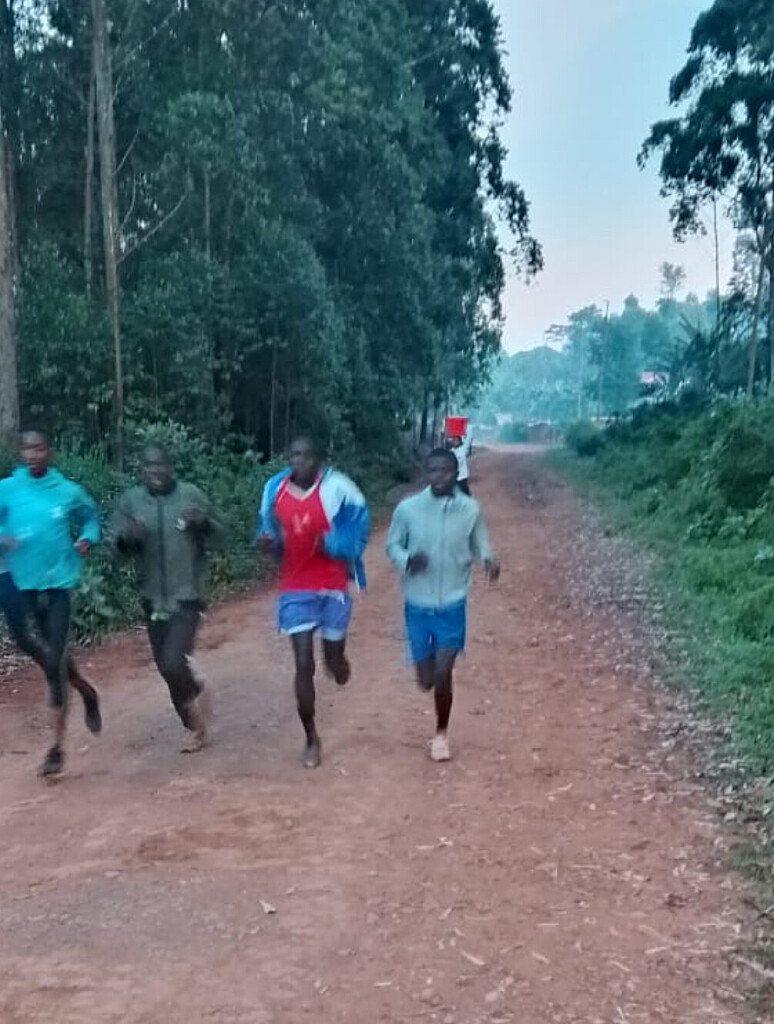
Strong Performances at KATA Camp 19X Kisii Time Trial
Despite the demanding exam season, the KATA Running Camp 19X in Kisii, under the leadership of coach and operator Peter Oenga, successfully hosted a spirited 5K time trial that saw several athletes achieve personal bests.
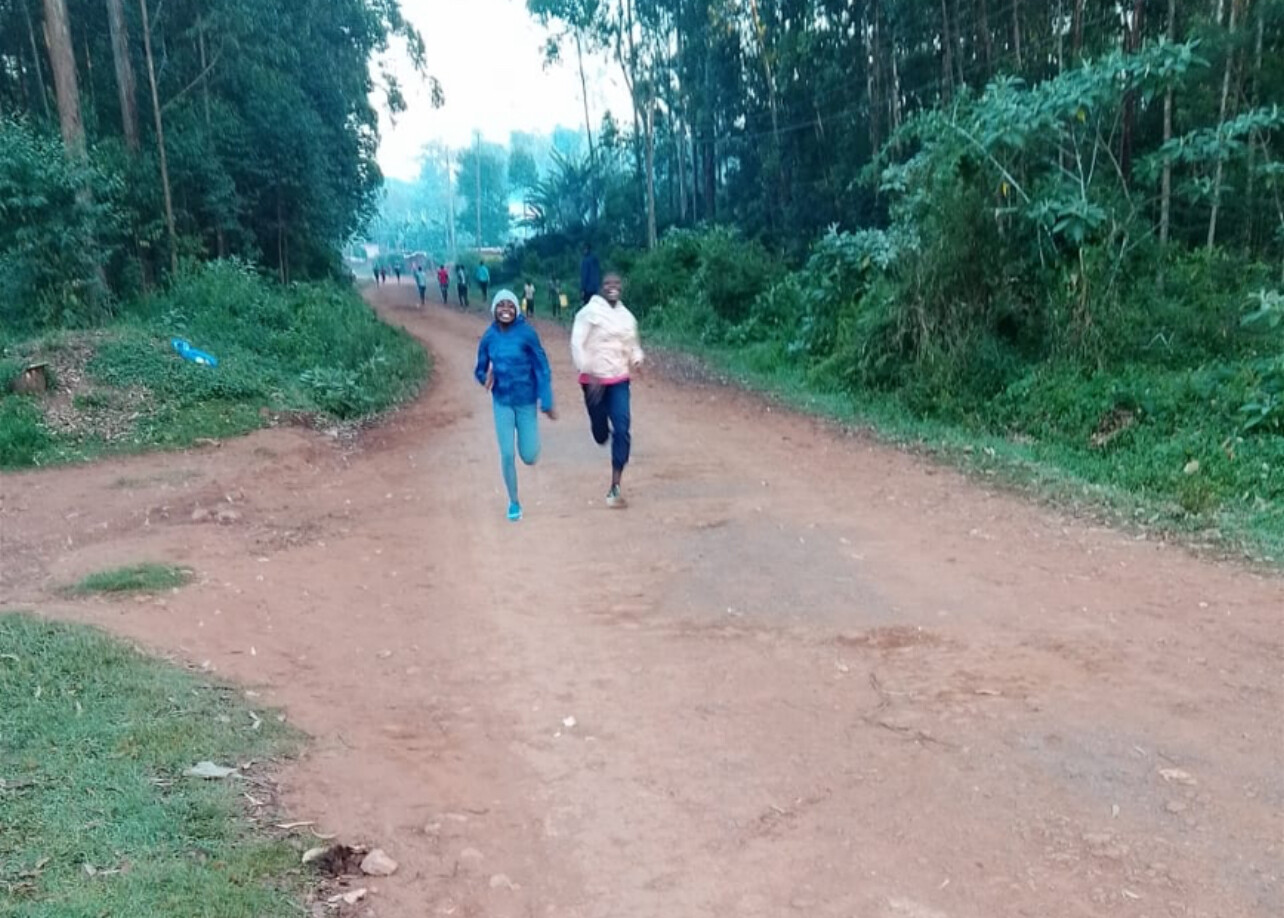
Men’s 5K Results
1. Musa Osoro – 14:31.4
2. Joshua Nyakeri – 14:52.5
3. Bevon Mokua – 15:01.1
4. Emmanuel Barongo – 15:02.2
5. Nelson Momanyi – 15:09.4
The men’s race was highly competitive, with Musa Osoro taking command early and holding strong through the finish in 14:31.4. The close pack that followed demonstrated the growing depth and talent within the Kisii-based camp.
Women’s 5K Results
1. Mary Kwamboka – 17:36.5
2. Debora Oeri – 17:36.6
3. Eunuke Morara – 18:02.2
4. Iyvone Mogeni – 18:37.8
5. Debora Omurwa – 18:39.3
6. Vena Okeyo – 19:50.4
7. Dorca Michira – 19:50.8
In the women’s division, Mary Kwamboka edged out Debora Oeri in one of the day’s closest finishes — just one-tenth of a second separated the two. The top five women all posted impressive times, showcasing the growing consistency and competitive spirit at Camp 19X.
A Word from the Camp
Coach Peter Oenga commended his athletes for their commitment during a challenging academic period. “Balancing school and training is not easy, but our runners showed true dedication. The results speak for themselves,” he said.
The success of this event reflects the continued progress of the KATA Running Camps — building champions through discipline, balance, and teamwork.
by Boris Baron
Login to leave a comment
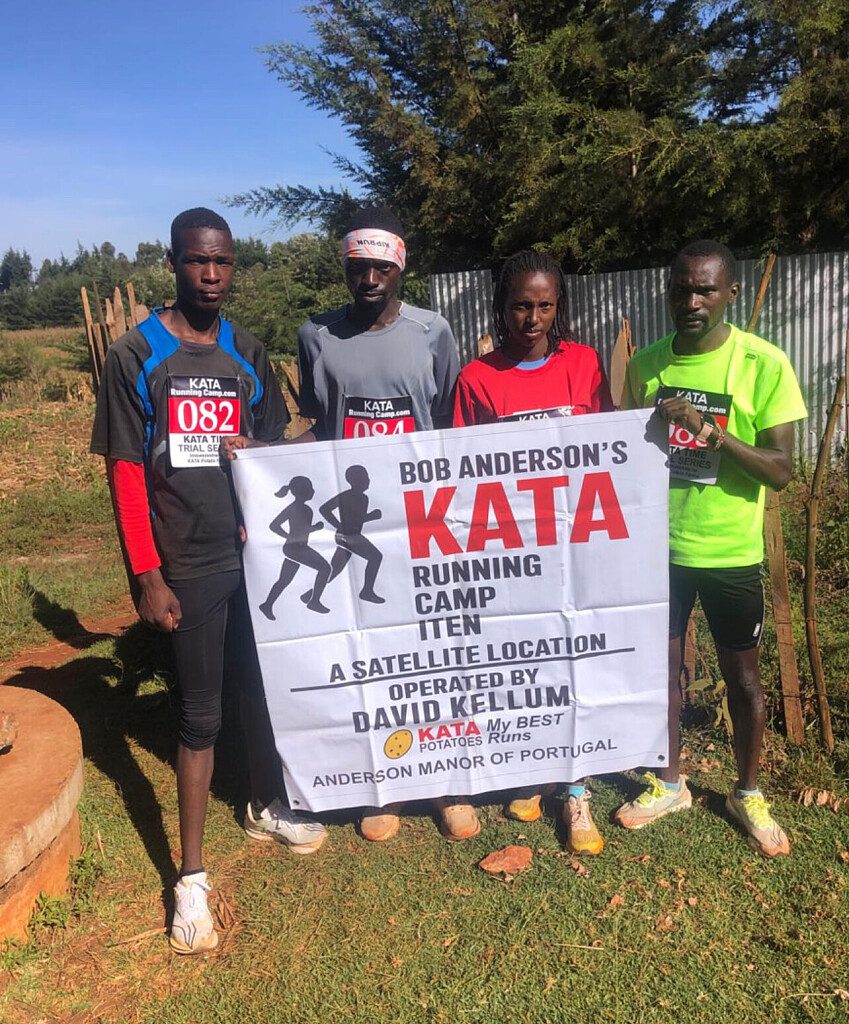
Champions in the Making: KATA Iten Camp Time Trial Highlights
The KATA Iten Camp held its latest time trial under ideal running conditions, with both the 10K and 5K distances producing impressive performances and multiple personal bests. Coach David Kellum’s athletes demonstrated exceptional progress and consistency, reflecting the strong training foundation established at Camp #8.
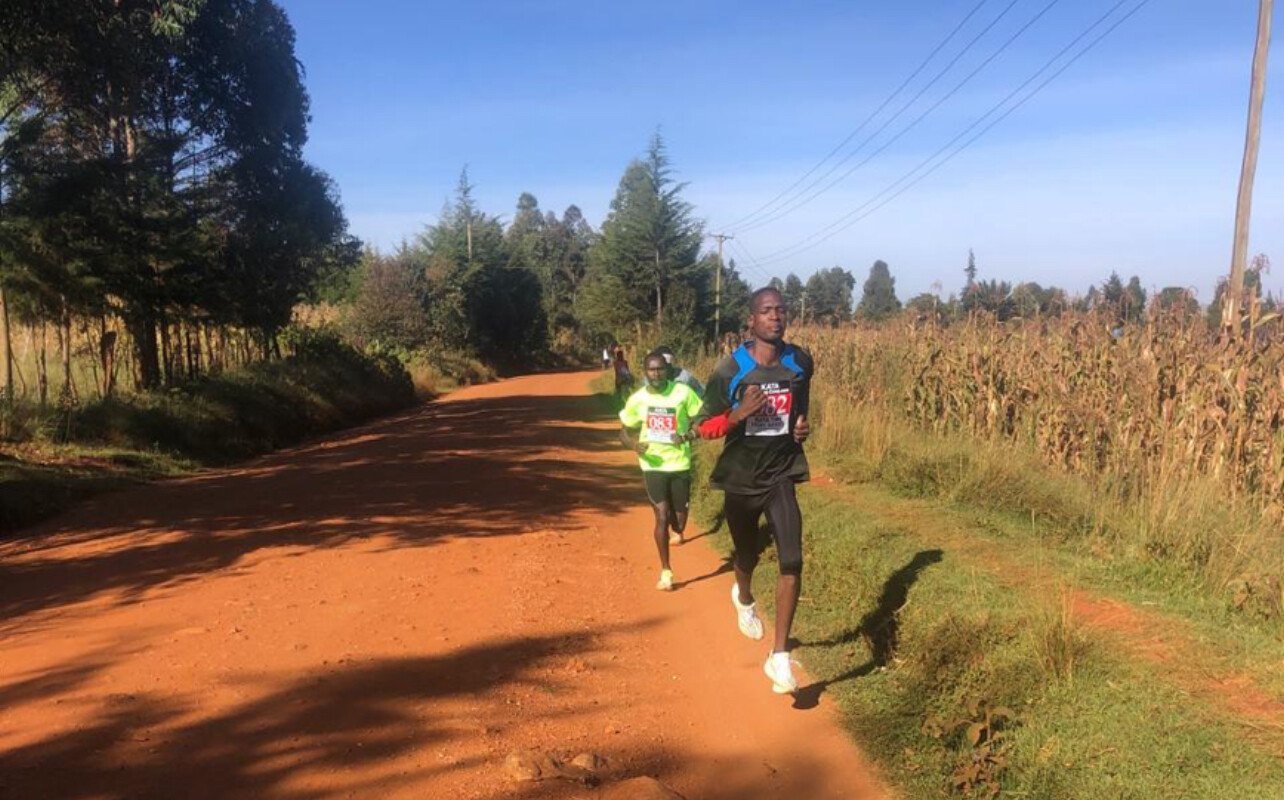
Men’s 10KM Results
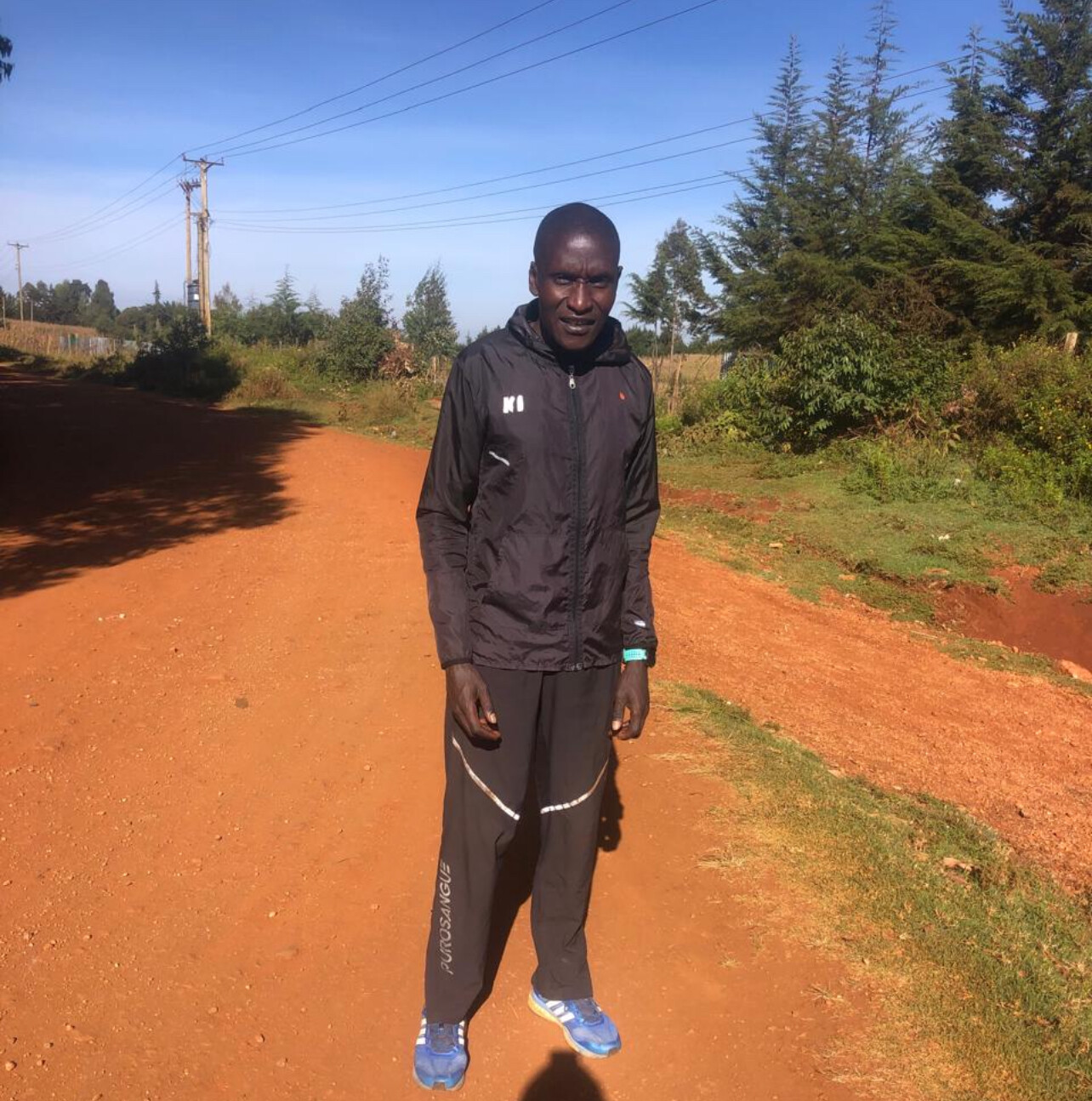
1. Amon Kipchirchir – 29:30.59
2. Linus Kangogo – 29:35.20
3. Elkana Barningo – 29:55.05
4. Moses Leparakwo – 30:20.08
Women’s 10KM Results
1. Betty Chesang – 35:45.01
2. Sharon Chesir – 35:58.32
3. Teresia Lenges – 36:06.33
4. Vivian Ololpapit – 36:40.47
Men’s 5KM Results
1. Amon Kipchirchir – 15:30.11
2. Isack Kipchirchir – 15:24.55
3. Cornelius Oloisa – 15:30.56
4. Linus Kangogo – 15:58.30
Women’s 5KM Results
1. Betty Chesang – 16:55.30
2. Cynthia Rono – 16:57.21
3. Vivian Nengai – 17:45.31
4. Sharon Chesir – 17:46.55
Date: October 16, 2025
Coach and Operator: David Kellum
Location: Iten, Kenya
Summary:
The Iten-based KATA athletes delivered an outstanding showing, highlighted by strong double performances from Amon Kipchirchir and Betty Chesang, who both dominated their respective 10K and 5K events. Coach David Kellum continues to build one of the most promising training groups in the KATA network, with athletes steadily improving through disciplined training and consistent time trial participation.
by Boris Baron
Login to leave a comment
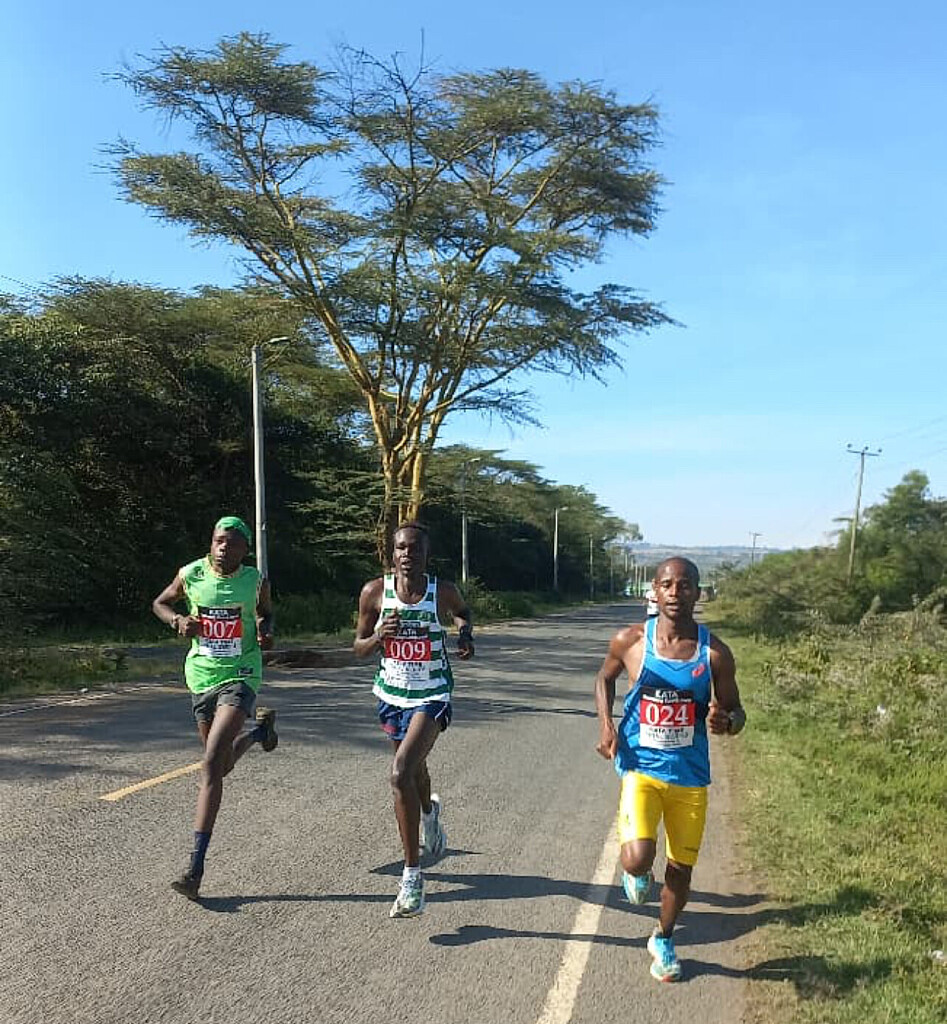
KATA 07 Sachangwan Time Trial Produces Personal Bests in Perfect Conditions
Favorable weather and strong determination made today’s KATA 07 Sachangwan Time Trial October 15 is one to remember. Every athlete recorded a personal best on the challenging 10 km and 5 km routes, showing how much progress the camp has made under the leadership of Coach and Camp Operator Amos Chirchir.
Leading the men’s 10 km field, Weldon Langat delivered a superb run, crossing the line in 30 minutes 16 seconds — a new personal best. The 19-year-old improved by an impressive 32 seconds from his previous time trial on the Salgaa–Rongai route, demonstrating both consistency and growth. Hot on his heels, Vincent Kemboi finished second in 31:00, followed by Emmanuel Bor in 31:54 and Benjamin Kibet in 33:34.
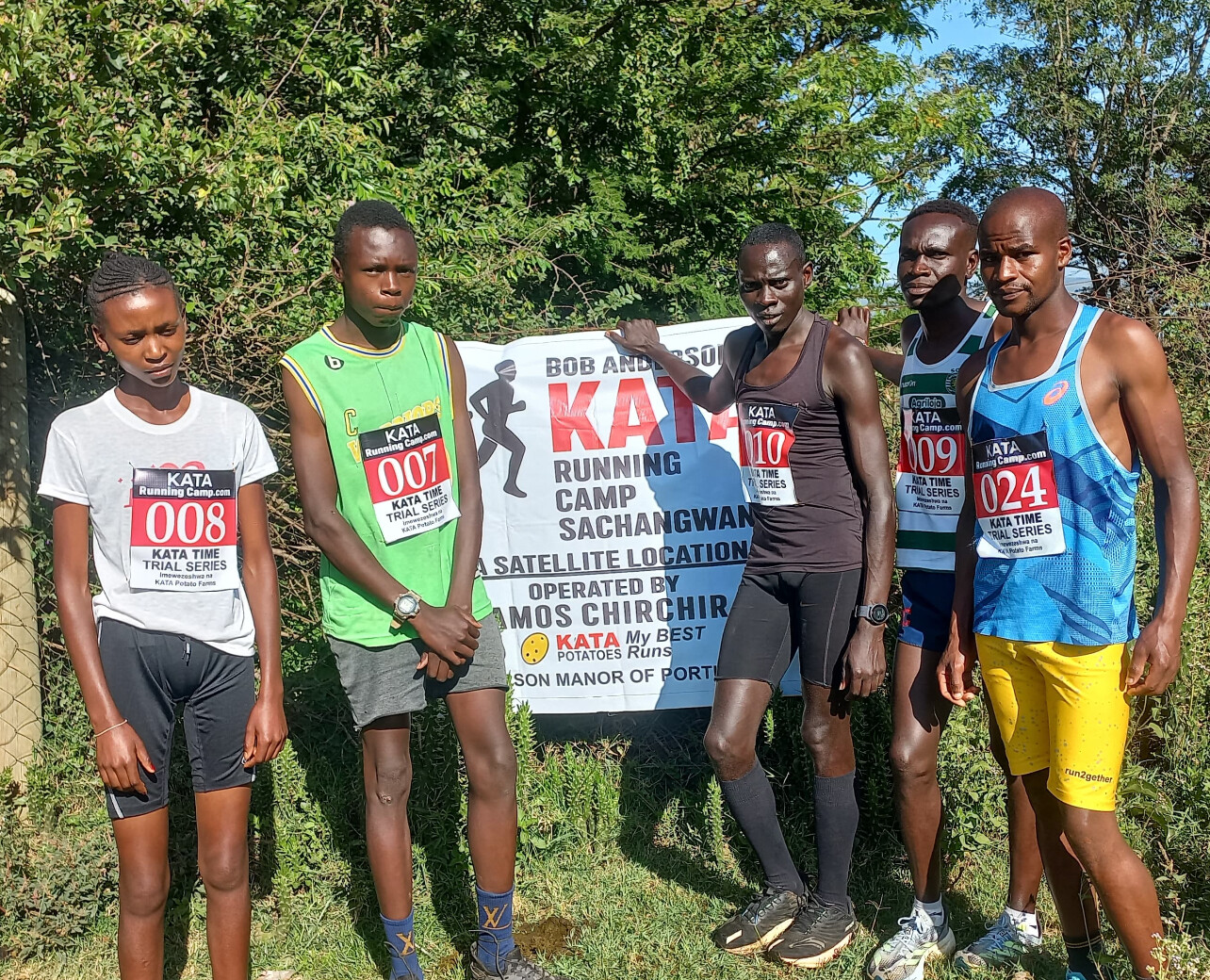
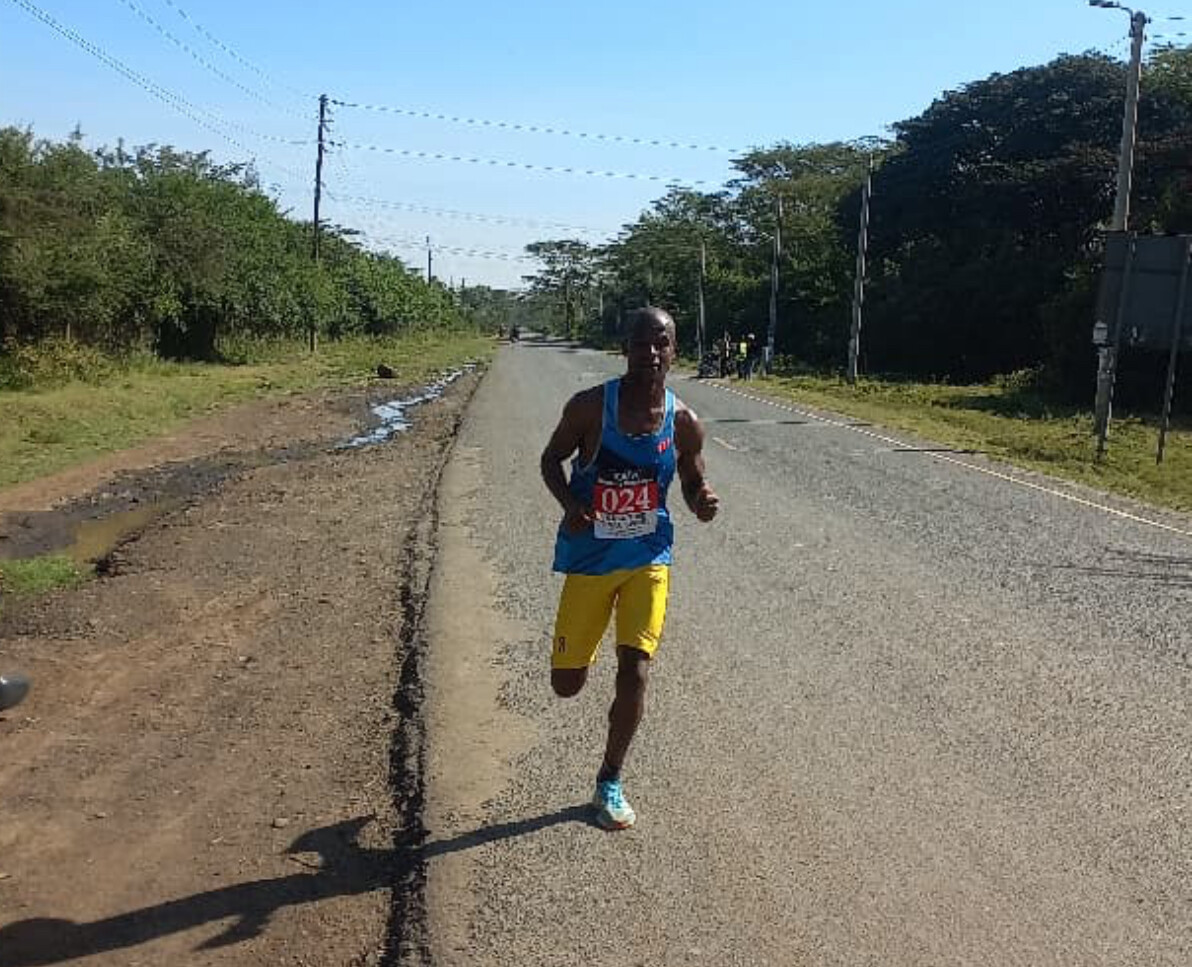
All four men posted lifetime bests, a testament to their disciplined training and steady improvement.
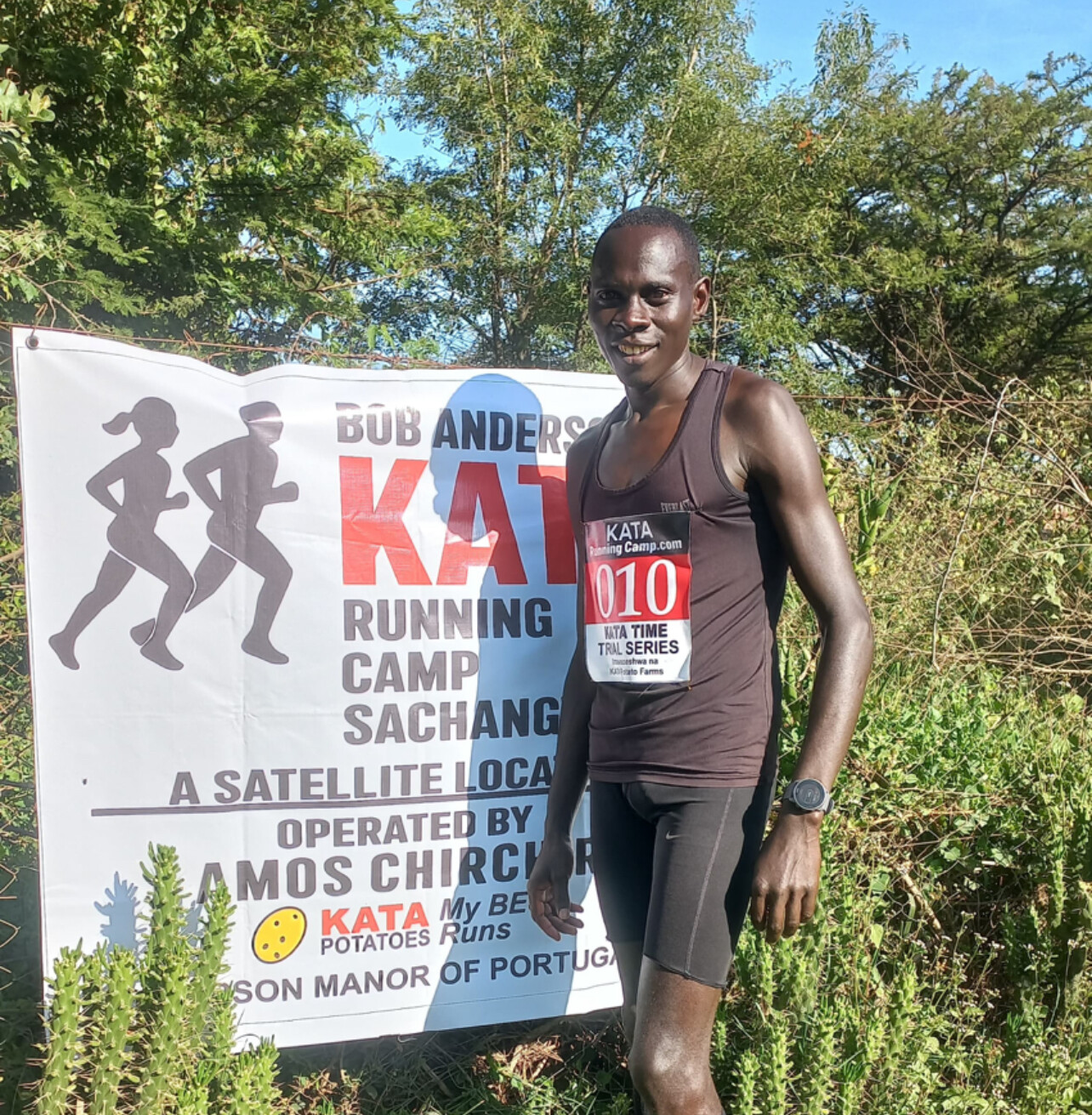
In the women’s 5 km event, Elizabeth Wambui dominated with a powerful performance, clocking 17:35 at age 20 to claim victory in style. Her run capped a day of inspiration and motivation for the entire Sachangwan training group.
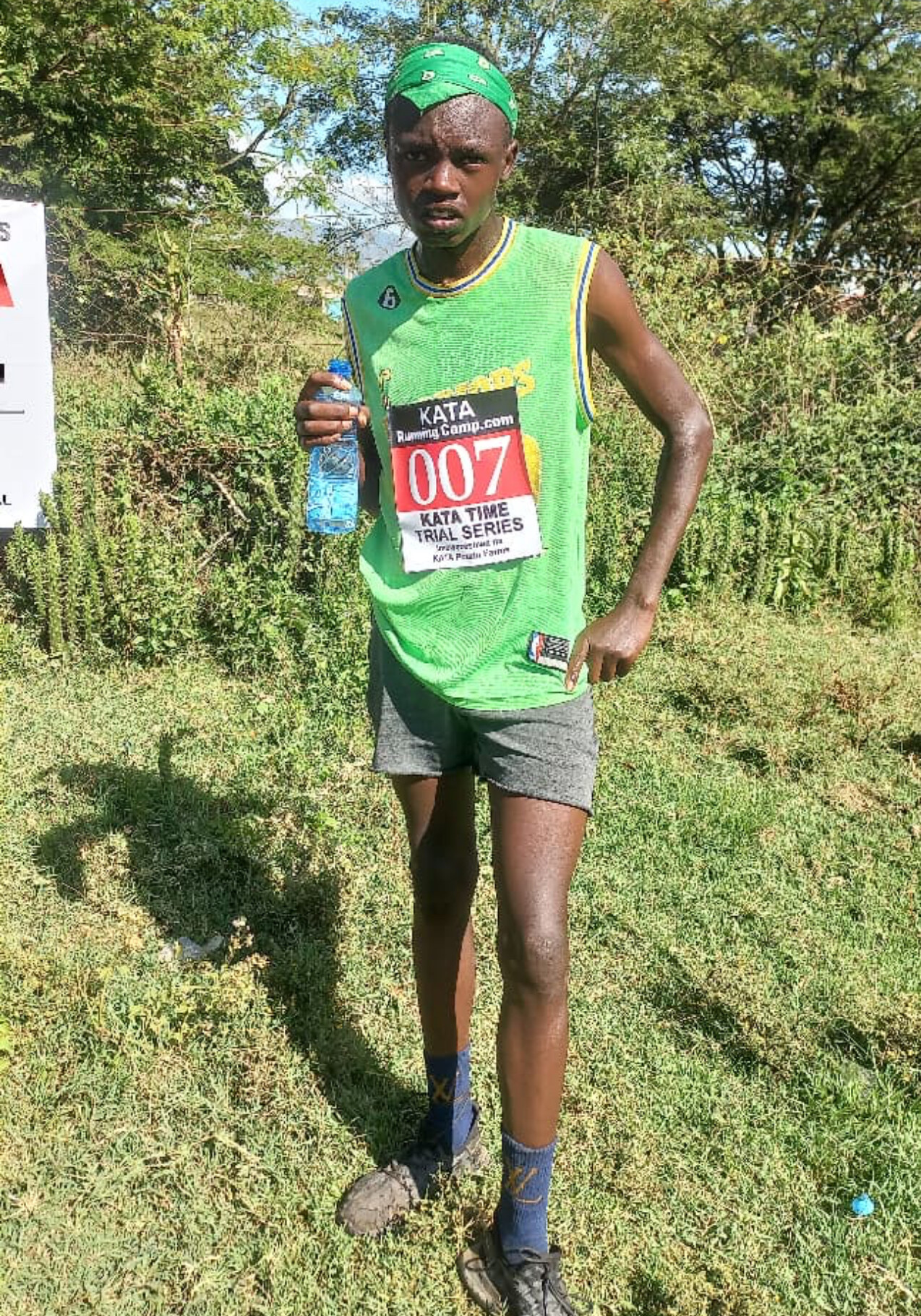
Official Results – KATA 07 Sachangwan Time Trial (October 15, 2025)
MEN – 10 KM
1. Weldon Langat – 30:16 (Age 19, Bib No. 024, 10 km)
2. Vincent Kemboi – 31:00 (Age 32, Bib No. 009, 10 km)
3. Emmanuel Bor – 31:54 (Age 25, Bib No. 010, 10 km)
4. Benjamin Kibet – 33:34 (Age 18, Bib No. 007, 10 km)
WOMEN – 5 KM
1. Elizabeth Wambui – 17:35 (Age 20, Bib No. 008, 5 km)
Coach Amos Chirchir praised his team’s progress, saying, “Every athlete achieved a personal best today. That shows the hard work and commitment behind our program. At KATA, we believe in developing champions through consistency, teamwork, and opportunity.”
He also expressed gratitude to KATA Founder and Director Bob Anderson and Catherine Anderson for their continued support, which has empowered athletes across Kenya through both training and farming initiatives.
The KATA 07 Sachangwan Camp continues to embody the KATA vision — Empowering Athletes. Growing Futures.
by Boris Baron
Login to leave a comment
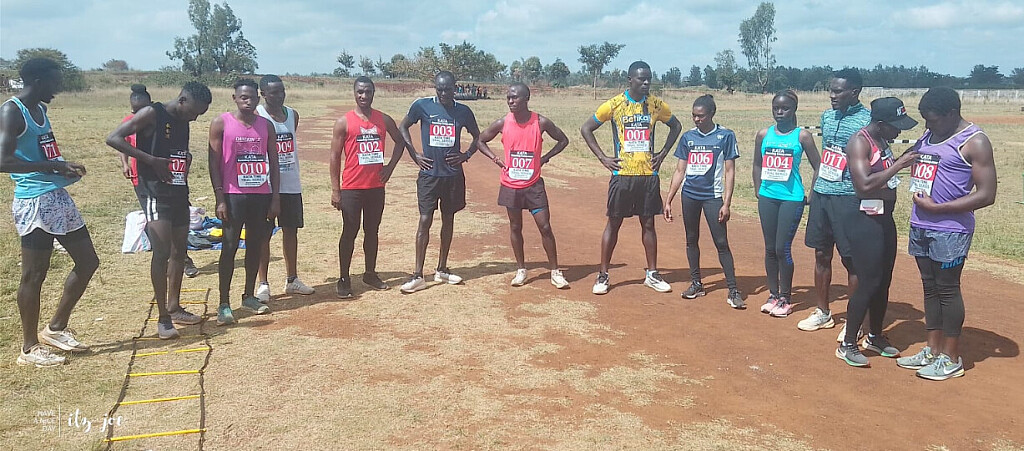
KATA Sprinters Kiambu Camp #16 Delivers Strong Performances in October Time Trials
The October 15 time trials at KATA Sprinters Kiambu Camp No.16 delivered another strong performance from the athletes, confirming steady progress under the leadership of Coach Julius Migwi. The camp, supported by KATA Founder and Director Bob Anderson and Catherine Anderson, continues to strengthen Kenya’s growing sprint culture.
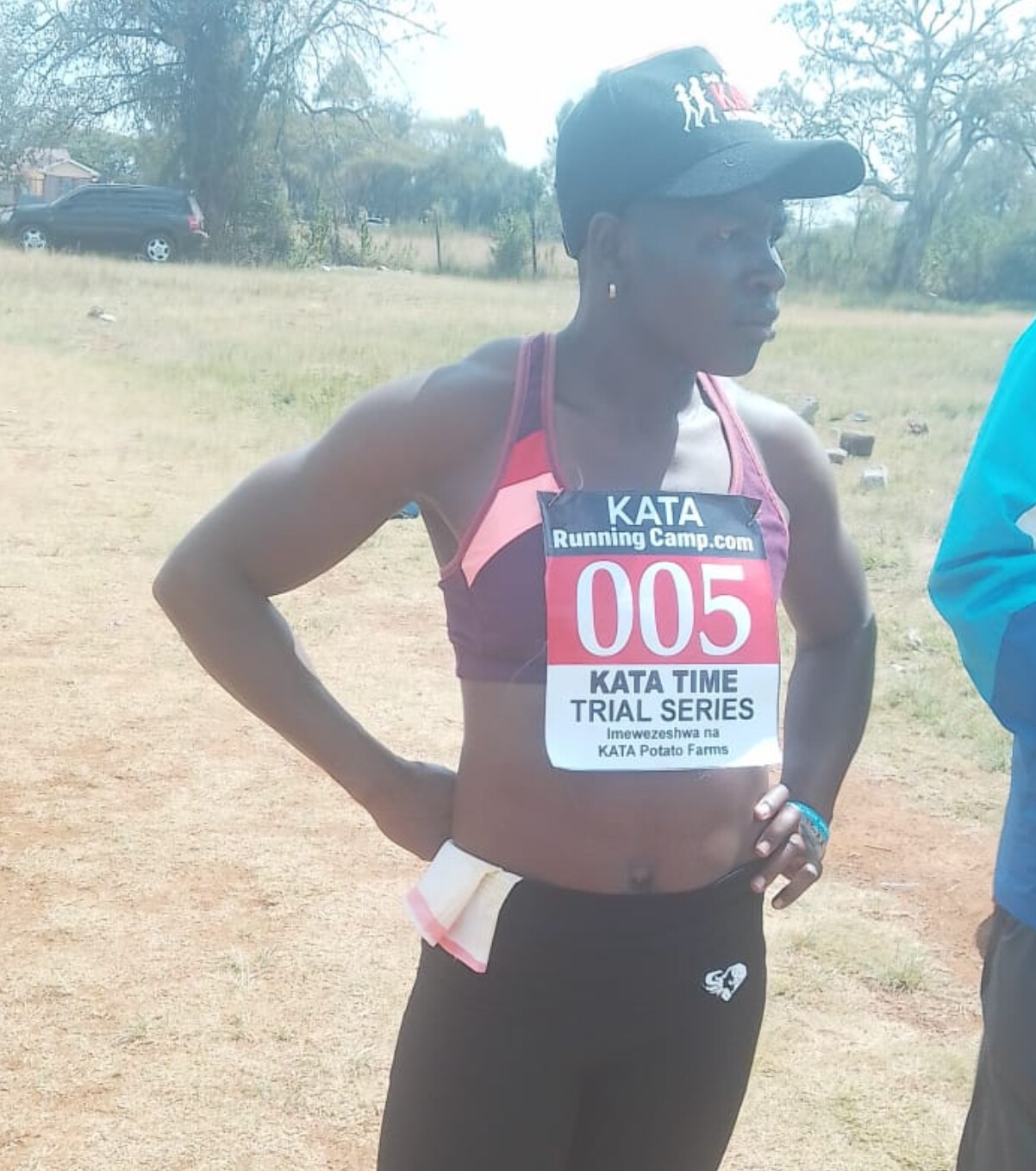
Favorable weather and excellent organization helped all participants perform well across the 60-meter and 400-meter events. Among the men, Moses Solonka (age 20) led the 60-meter sprint with a fast 13.0 seconds, followed by Antony Owino in 13.2 seconds. Peterson Matu (age 20) clocked 13.7, while Ezekiel Ngarui finished in 13.8 and Erick Wudi in 13.9.
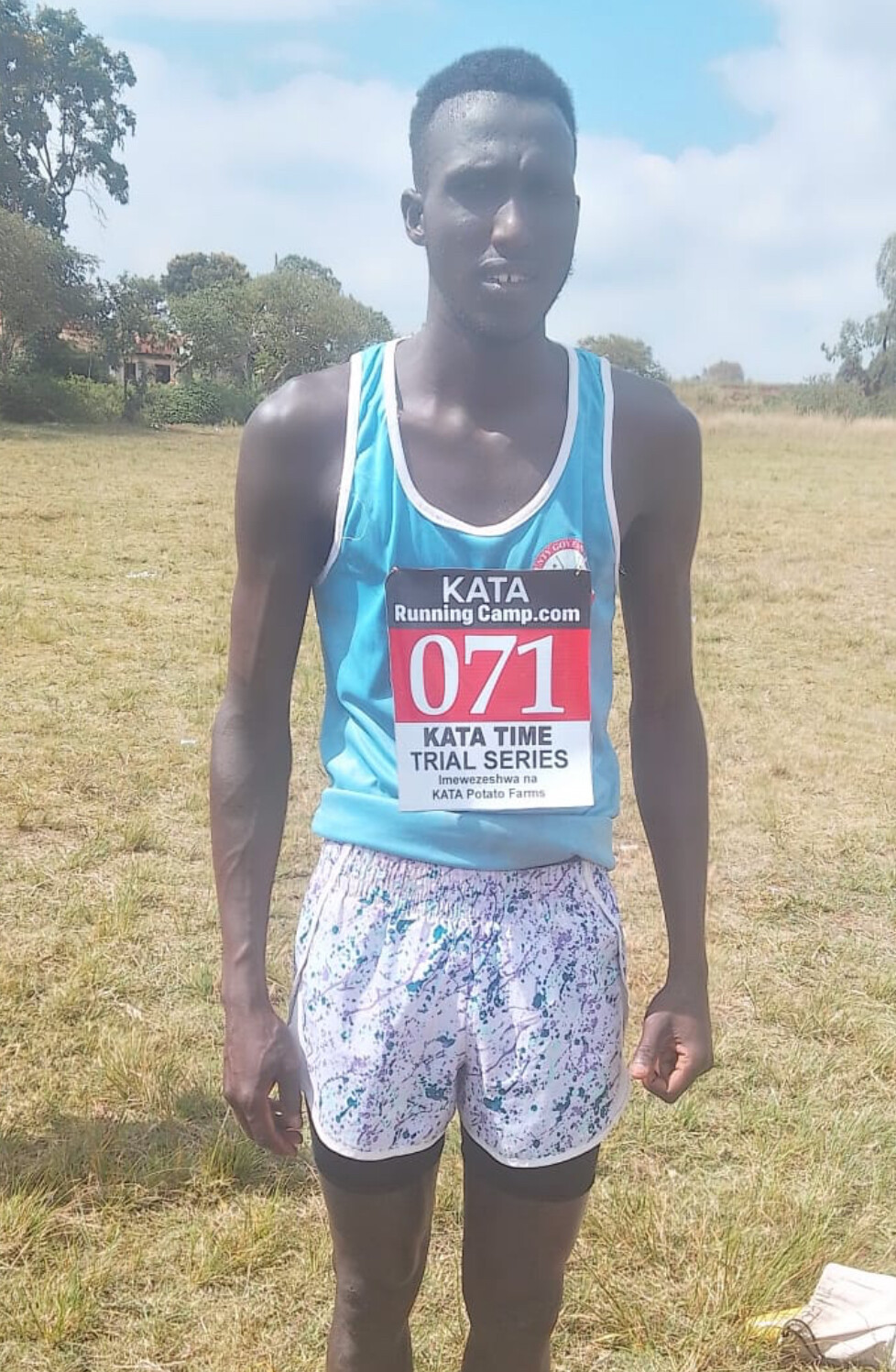
In the women’s 60-meter event, Sheila Makhungu (age 23) posted a strong 14.3, and Emma Wavinya (age 23) followed closely with 14.8, both showing smooth acceleration and technical improvement.
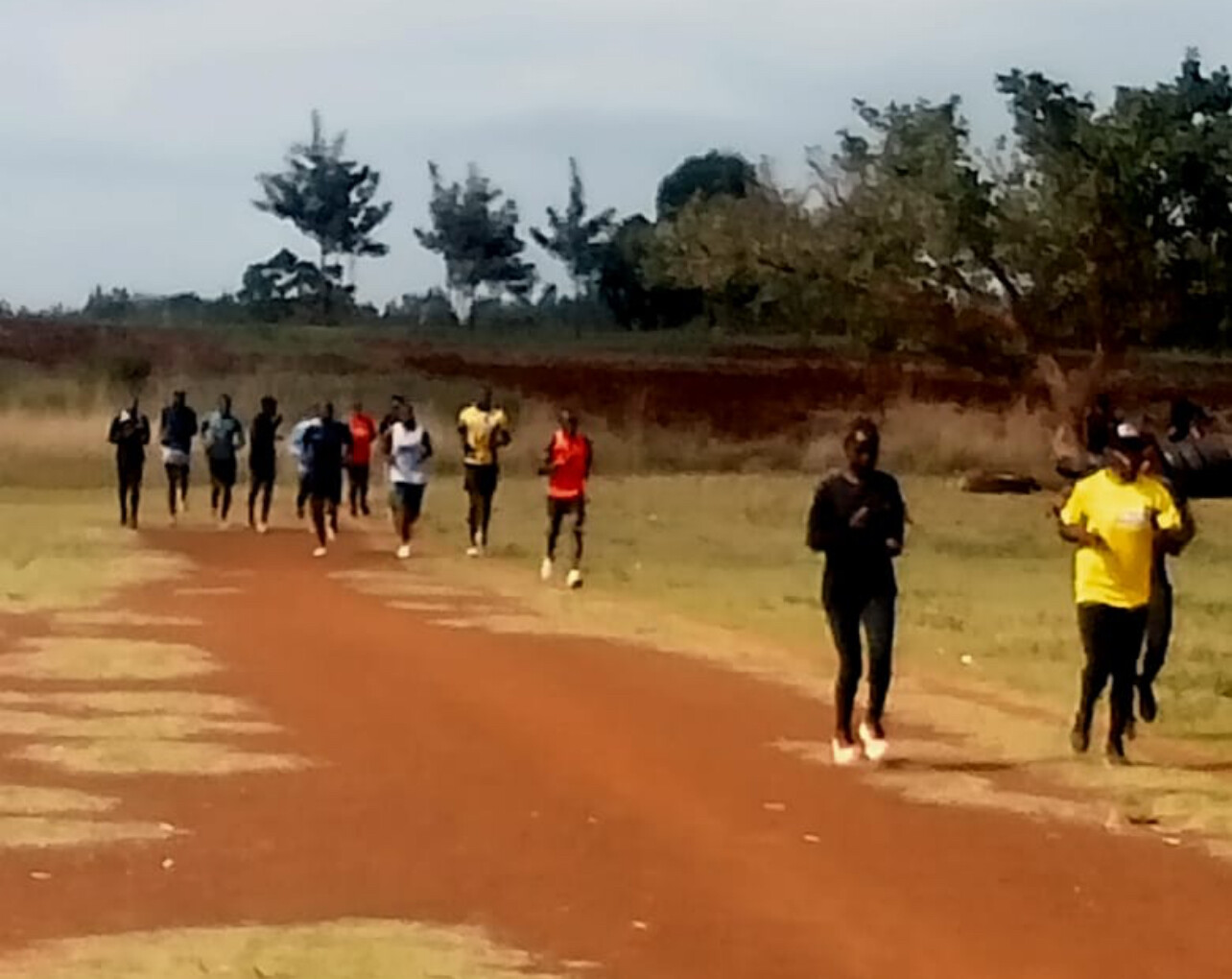
The 400-meter race featured exceptional efforts as Peris Chege (age 36) dominated with 54.2 seconds, setting the mark for others to chase. Edwin Mutuma (age 25) ran 54.8, Joseph Kamau (age 25) finished in 55.9, and Gedion Otieno (age 21) clocked 63.2.
In the women’s 400-meter division, Doreen Waka (age 30) ran 69.0, Ruth Mumbe (age 29) 65.8, and the young Rosemary Mueni (age 18) posted 71.0. Gladys Ngure (age 29) did not start her heat.
Official Results – KATA Sprinters Kiambu Camp No.16 (October 15, 2025)
60m Men
1. Moses Solonka – 13.0 (Age 20, Bib No. 1)
2. Antony Owino – 13.2 (Age 30, Bib No. 2)
3. Peterson Matu – 13.7 (Age 20, Bib No. 4)
4. Ezekiel Ngarui – 13.8 (Age 21, Bib No. 5)
5. Erick Wudi – 13.9 (Age 22, Bib No. 6)
60m Women
1. Sheila Makhungu – 14.3 (Age 23, Bib No. 7)
2. Emma Wavinya – 14.8 (Age 23, Bib No. 8)
400m Mixed
1. Peris Chege – 54.2 (Age 36, Bib No. 9)
2. Edwin Mutuma – 54.8 (Age 25, Bib No. 10)
3. Joseph Kamau – 55.9 (Age 25, Bib No. 11)
4. Gedion Otieno – 63.2 (Age 21, Bib No. 13)
5. Ruth Mumbe – 65.8 (Age 29, Bib No. 15)
6. Doreen Waka – 69.0 (Age 30, Bib No. 14)
7. Rosemary Mueni – 71.0 (Age 18, Bib No. 16)
8. Gladys Ngure – DNS (Age 29, Bib No. 17)
Coach Julius Migwi praised the team’s continued improvement, saying, “Every athlete showed growth and focus today. Our goal remains the same — to become the best sprint camp in Kenya and to inspire the next generation of sprinters.”
He also thanked Bob and Catherine Anderson for their constant encouragement and support in both the training and community programs connected with the KATA movement.
KATA Sprinters Kiambu Camp No.16 continues to prove that with dedication, teamwork, and vision, Kenya’s future in sprinting is bright.
by Boris Baron
Login to leave a comment
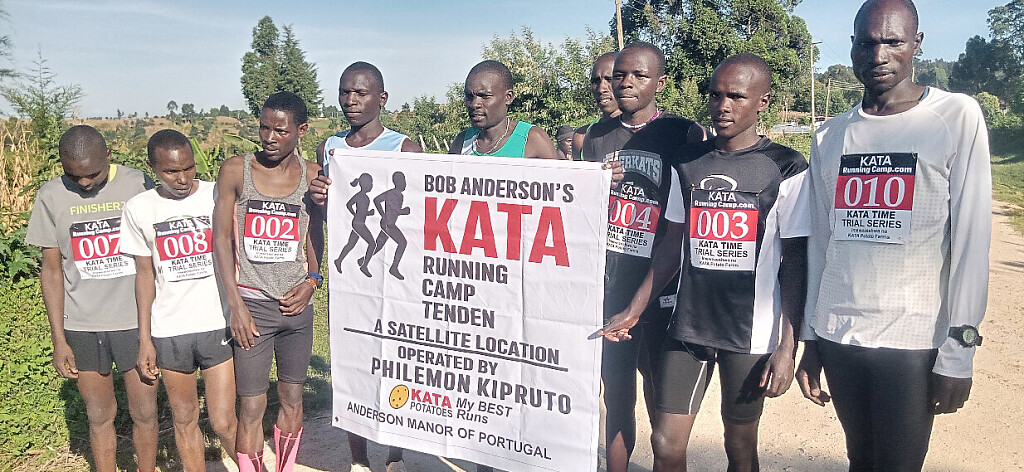
KATA Time Trial #2 — Tenden KATA Running Camp (K09)
The Tenden KATA Running Camp (K09) held its second official KATA Time Trial on October 15, 2025. Despite challenging high-altitude conditions at 2,200 meters, athletes produced a series of solid performances that reflect the steady progress within the KATA system.
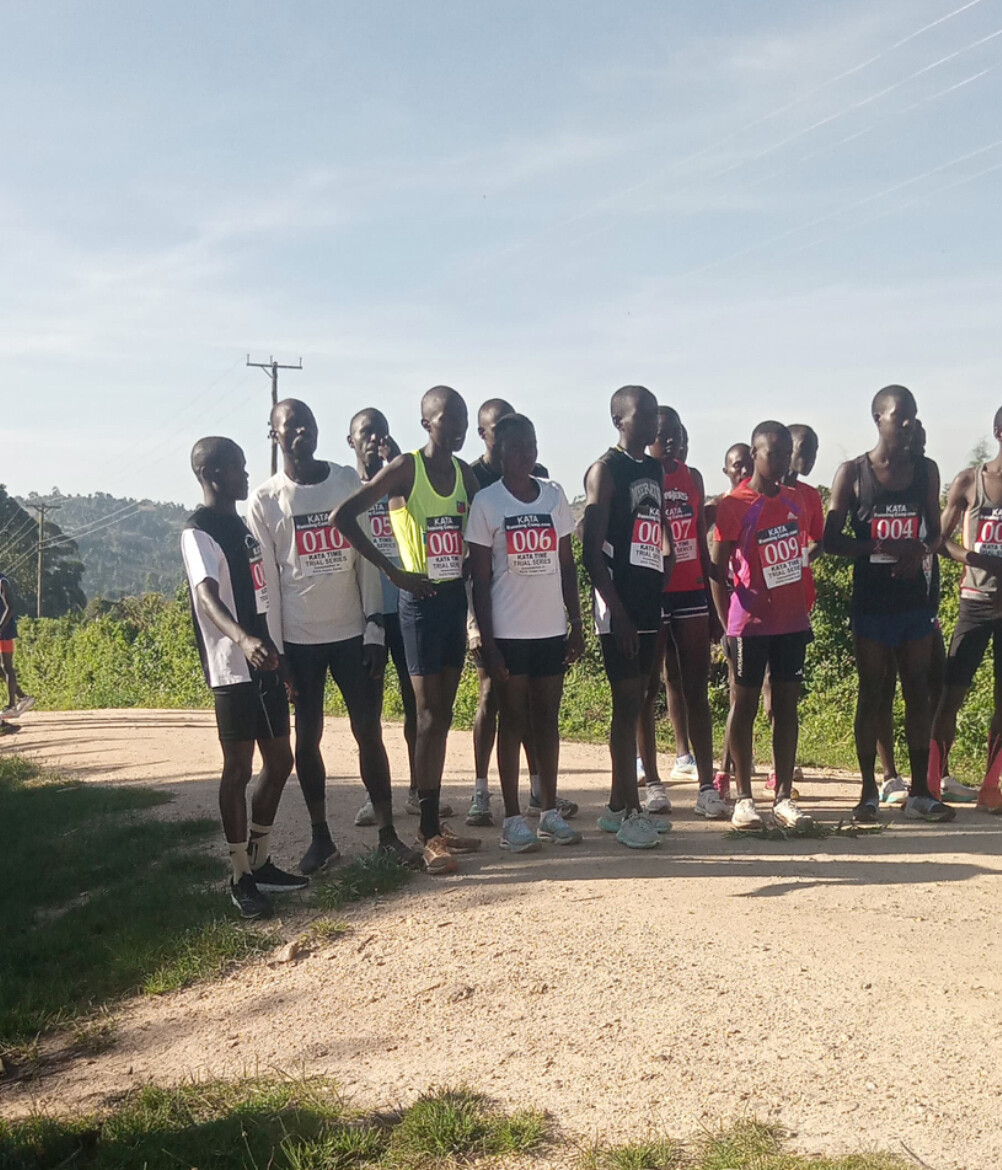
5 KM Men
1. Sammy Kwemoi — 16:20
2. Abraham Kibet — 17:01
3. Nickson Rana — 17:40
4. Emmanuel Kemboi — 18:17
5. Chrispine Korir — 18:33
10 KM Men
1. Duncan Kemei — 31:49
2. Ian Kimutai — 34:05
3. Ezekiel Kipksgei — 34:05
4. Clement Kipkoech — 36:59
Coach Philemon Kipruto, who oversees both the Kapcherop (K01) and Tenden (K09) KATA Camps, commended the group for their dedication and discipline, emphasizing how consistent time trials like this one serve as key benchmarks for future competition readiness.
Date: October 15, 2025
Altitude: 2,200 m
Location: Tenden, Kenya
Coach & Camp Operator: Philemon Kipruto
“Every KATA time trial gives us a clear picture of our athletes’ growth,” said Bob Anderson, Founder and Director of KATA. “Our goal is continuous improvement — pushing for better pacing, endurance, and execution. The Tenden camp is proving that focus and teamwork deliver results.”
The Tenden camp continues to develop a promising roster of young talent, supported by KATA’s integrated training-and-farming model, designed to empower athletes both on the track and in life.
by Boris Baron
Login to leave a comment
