

Running News Daily
Top Ten Stories of the Week
12/28/2024
These are the top ten stories based on views over the last week.



'I want to be the best to ever do it'- American sprint sensation still dreaming big despite injury woes
The two-time world bronze medalist wants to come back and continue his legacy after injuries slowed him down in the last two years.
American sprint sensation Trayvon Bromell has been a victim of injuries but he now feels ready to come back in 2025 and continue the legacy he had in 2022.
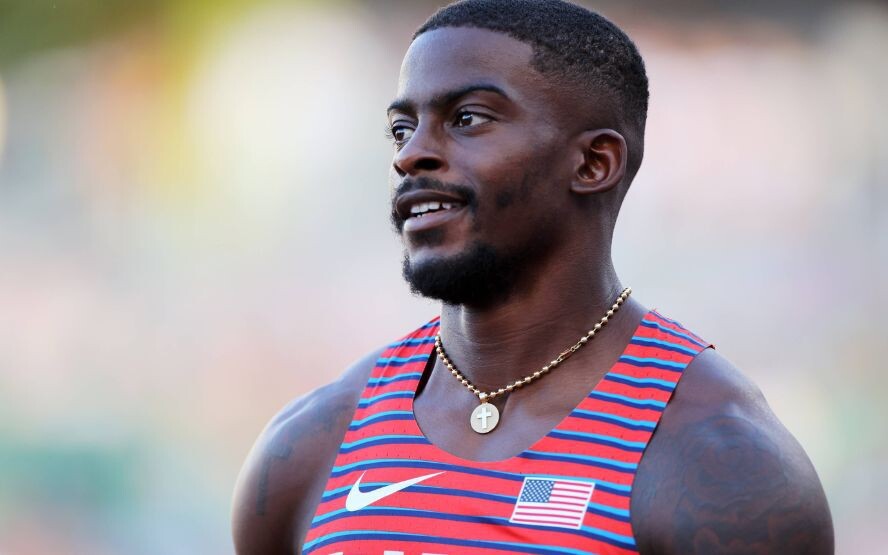
Bromell is one of America’s great sprinting talents but the world never got to see his full potential in the recent events.
In 2024, the two-time world bronze medallist had to pull out of the Olympic trials due to an injury he picked up at a meeting in Savona.
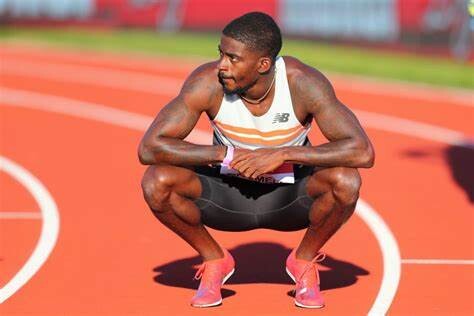
The injury was a huge setback in his career that was just beginning to pick up after his major injury in 2019 when he suffered an adductor muscle setback.
In a previous interview with NBC Sports, Bromell disclosed that his ambition is to surpass the likes of Usain Bolt and Tyson Gay and become one of the greatest sprinters in the world.
Bromell wants his achievements to be beyond the titles and the medals and he pointed out that his definition of success is very different from what other people think.
“Everybody didn’t see me and hear me back then, but now you have to. I want to be the best to ever do it,” Bromell said.
“The odds have always been stacked against me in my life, and that’s why I get emotional after running crazy times. It’s never been about the race or the medals for me.”
He opened up about growing up in a single-parent home and how he struggled to be heard by those around him. Growing up to become one of America’s greatest talents brings him to tears.
Bromell revealed that he wants to be a testimony to all those who feel like some things are impossible. The former world indoor champion further noted that the people who have grown up in such a setup would understand the struggle.
“Being the greatest of all time in this event. I’m a big advocate of making people see me, but when I say that I don’t mean it in a literal sense,” Bromell said.
“But for all of those people who know what it feels like to not be heard or to not be seen ... I want to prove that it’s possible.”
Being raised up by his mother was not easy since she was also struggling to make ends meet. Bromell had to be strong at a young age and take up responsibilities that were meant for adults.
With such a lifestyle, he struggled to maintain a positive outlook in life and was filled with a lot of resentment towards everybody.
“I feel like nobody heard my cries for help, nobody was there for me, and I grew up with so much aggression because I felt like nobody cared and the world was against me,” he added.
(12/21/24) Views: 134Abigael Wafula
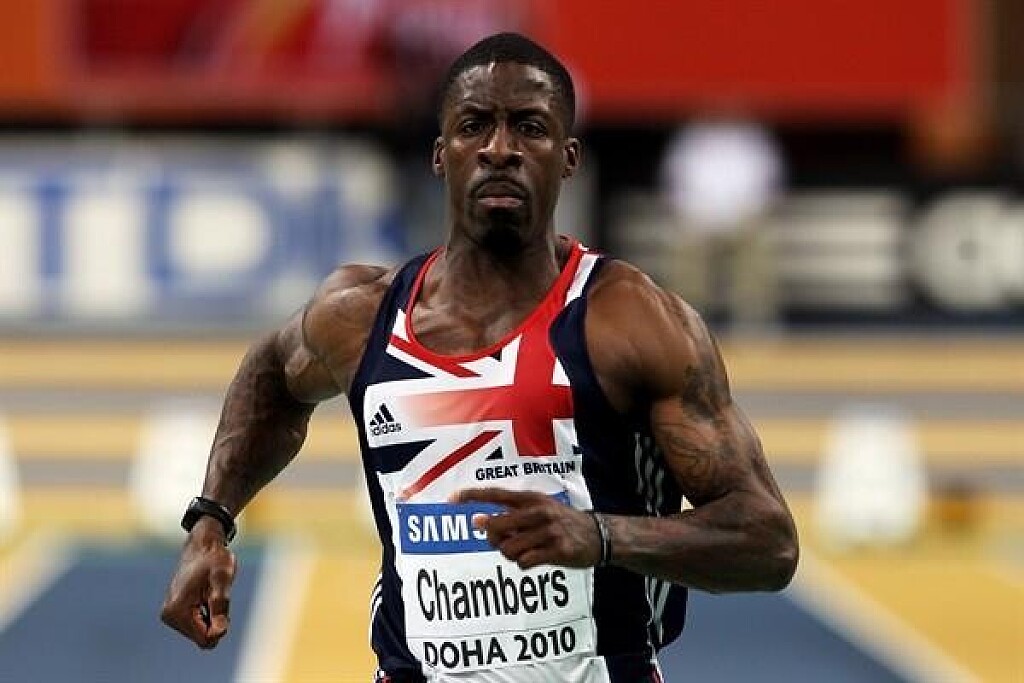
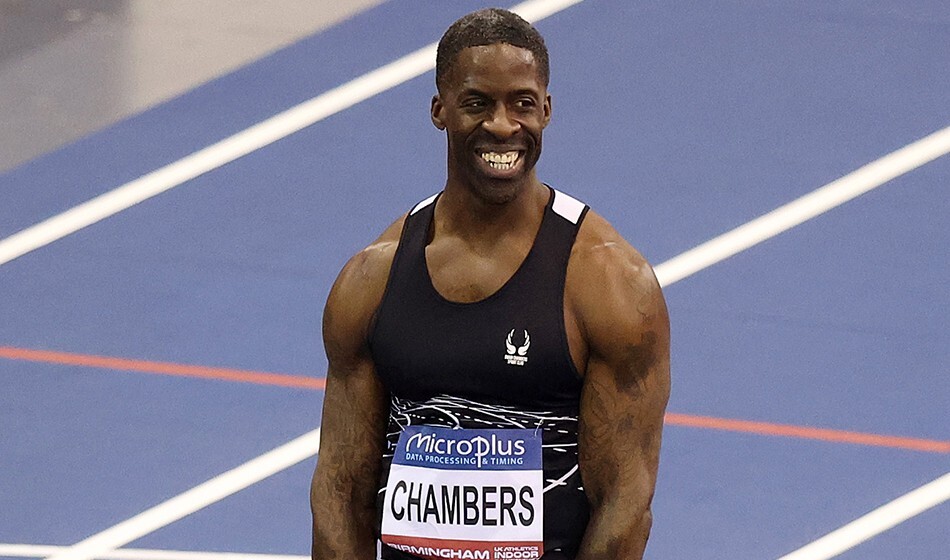
Age is no barrier for Dwain Chambers
The 46-year-old sprinter explains why he still enjoys racing after being voted AW masters male athlete of 2024.
When Dwain Chambers settled into his blocks at the start of the 60m final in the M45 age group at the European Masters Championships in Poland this year, he felt as nervous as ever. At his peak, he won world and European indoor titles in 2009 and 2010 over the same distance, yet racing against fellow veteran sprinters in Poland, he was the big-name athlete whose scalp everyone wanted.
“I took it very seriously because I knew I could lose,” he says. “I was two or three metres ahead on paper but I still had to go in and prepare the same way. I knew I couldn’t slip up, as one of the other Brits would steal my glory. They were raising their level to compete with me, but I also had to raise my game.
“I was still just as nervous as always before the race. I still had to go to the toilet the same number of times before the race! It wasn’t easy.”
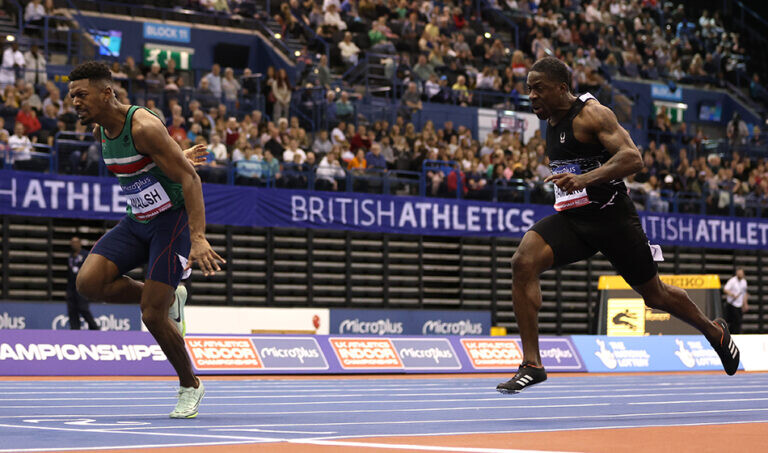
Chambers prevailed in 6.93. A few weeks earlier he had run even quicker, too, with a world indoor record for his age group of 6.81 at Lee Valley. The performances were enough to see him voted AW Readers’ Choice Male Masters Athlete of the Year.
He first shot to fame as a talented teenager in the 1990s with a couple of victories in the European Junior Championships over 100m. A rollercoaster career ensued with a much-publicised brush with the anti-doping authorities. In more recent years he has impressed onlookers with his ageless athleticism, often beating athletes half his age as he continues to streak to super-fast times in his forties.
How did he find the masters scene? “After years of big crowds as an international athlete, I thought ‘what’s it going to be like?’” he says. “I promised myself for years that I was going to do a masters event and I was overwhelmed with the support I got and also seeing all these older athletes still doing what they love.
“Okay, they’re not running crazy fast times but they’re out there doing their best. They’re all having fun and enjoying it, which reminded me why I loved the sport so much as a younger athlete before it got to a point where it wasn’t so much fun for a while.”
Did he ever imagine as a young athlete that he’d one day do masters athletics? “Not at all,” he admits. “It didn’t cross my mind as a youngster. You just live in the moment. You move from race to race and if you have a short break then you have a holiday and you’re back on the ride again soon afterwards.”
Chambers believes more former elite athletes should give masters competitions a go, too. “I think masters competitions should be part of an athlete’s responsibility as it helps raise the profile of the sport and helps with longevity and keeps you going,” he says.
“It can help athletes who are close to retirement but maybe don’t know what they’re going to do during the rest of their lives. They can keep their foot in the door by doing masters athletics while figuring everything out. Once you go from being disciplined for 10-20 years to suddenly being undisciplined, it’s not a good thing. Masters allows athletes to do the sport for the pure enjoyment rather than worrying about agents and contracts and stuff like that.”
After testing positive for drugs in 2003, Chambers received a ban from the sport and was lambasted by the media. At the height of his infamy, Niels de Vos, chief executive of UK Athletics at the time, called for him to be banned from the GB team. Yet the sprinter always maintained a policy of fronting up to his mistakes and gradually, over time, began to win over fans and journalists with his affable personality. As this AW readers’ choice vote proves, the former pantomime villain of athletics is now a respected and admired figure.
Today he advises youngsters to stay on the right track and avoid drugs. It has struck a chord with athletes and parents, too, as his Dwain Chambers Performance Academy has now been going strong for several years with half a dozen coaches and a couple of admin staff helping him deliver sessions to children at Lee Valley in north London.
“We’re teaching kids life skills through sport,” he says. “None of them are guaranteed to become world, European or Commonwealth champions but we’re hoping they will become decent human beings. Once they find that they have an interest in athletics, we know we can help them through that process.”
Outside of coaching kids, Chambers offers his services to footballers and celebrities as well. “It’s cool to be able to bring athletics training into the fitness world,” he says.
In parallel with his own sprinting, he plays “Sellebrity Soccer” for charity as well. “During the first five minutes of the first game, I was absolutely destroyed as I was only ever used to running for 10 seconds or so,” he smiles. “So I keep it safe and play right back. I can’t risk twisting my ankle or anything.”
He turns 47 in April and can still mix it with some of Britain’s best sprinters as he reached the semi-final at the UK Indoor Championships earlier this year. Given this, what are the secrets of his longevity?
Eating a relatively clean diet and resting more between his harder sessions are high up on his list of priorities. “At first I still had the mindset of a 20-year-old but my body wasn’t the same as a 20-year-old’s,” Chambers explains. “So I would train hard for a few days and then it would take two or three weeks to recover.
“I can’t rest a lot between training sessions like younger athletes. I am coaching and looking after my own kids and have other responsibilities during the day which doesn’t allow me to just put my feet up.
“So I decided to work on my nutrition, which is something that I’d never worked on before earlier in my career. Those who pay attention to everything will always beat those who are only doing 85-90 per cent of the work.
“We probably have fish and chips once in a blue moon and takeaway every Friday but I don’t go beyond that. I just stay disciplined.
“I also run fast only about once every 10 days now. In between I will just do tempo runs or recovery runs. And this works for me much better than if I try to do speed, speed, speed the whole time.”
Chambers believes he can run faster in 2025 than he did in 2024 and has an ambition – albeit he admits it might simply be a deluded fantasy – to get back down to closer to the 6.42 for 60m and 9.97 for 100m that he ran a few years ago.
“There is naturally an element of me that thinks: ‘I’ve still got it’,” he says. “I sometimes ask myself if I’m the equivalent of being ‘punch drunk’!
“Yes, I ran 6.81 this year but it’s not 6.40 or 6.20. I think I can still run those times, but is it my imagination running wild or it is a reality? And that’s partly what still drives me.
“I look at what I did when I ran those times in the past and I wonder what steps I can make to get back to that point. Whether I can still run those times or not, or even get close, I’m not sure. But that’s my pursuit of happiness at the minute.”
One thing’s for sure, if he loses his ability to be competitive then he’s not sure he will continue. “I don’t know how many years I will have to go at a good level. Once that disappears I think I’ll be done. I love the thrill of racing and nervousness and everything that goes with it.”
If Chambers was the man to be shot at during the European Masters Champs this year, then the reverse will be true at the UK Indoor Championships in Birmingham in 2025. He is planning to target the event and is looking forward to giving the younger athletes a run for their money.
“I want to do the trials again this winter,” he says. “If I’m lucky and if I can find that spark again, I might get to the European Indoor Champs again!”
(12/26/24) Views: 130Jason Henderson

The Average Marathon Time Has Gotten Faster—but the Average 5K Has Slowed Down, Study Says
Researchers analyzed 8.4 million race finishes over the past decade. How do you stack up?
With elite runners smashing marathon world records left and right—14 of the 20 fastest women’s marathon times in history have been run since the beginning of 2023—you might wonder: Are everyday runners getting faster, too?
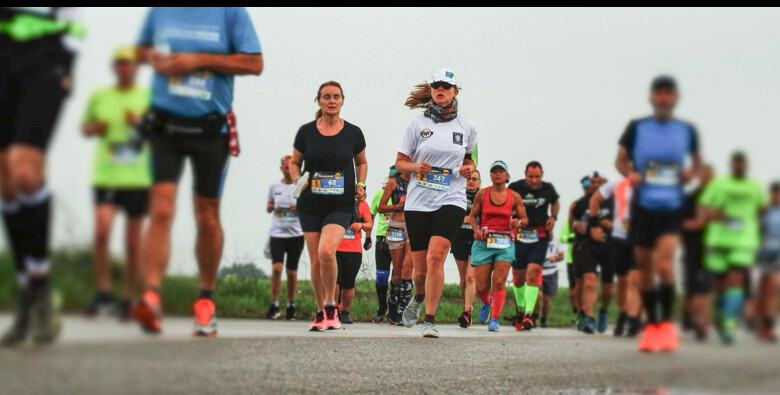
You would think so, given that the Boston Marathon recently adjusted its qualifying standards to be quicker, but not so fast, warns Jay Holder, the executive director of Running USA.
The nonprofit industry organization crunched 8.4 million finish times between 2013 and 2023 to discover that runners at shorter distances are trending slightly slower while marathon runners are indeed getting faster.
“[Most runners] aren’t, however, getting as dramatically faster as the stats above might lead you to believe,” said Holder in a news release. “And while marathons are getting faster, it might surprise you to know that other distances are getting marginally slower by between two and three minutes.”
Here’s how each distance shakes out:
Marathon: Holding steady (or faster)
Marathons were the standout, with the average male finish time dropping from 4:18 to 4:17 and females holding steady at 4:43. Notably, young runners (ages 18–24) showed the most improvement, shaving 15 minutes (male) and 18 minutes (female) off their times. Older female runners also made significant gains, with those 75 and older finishing 35 minutes faster on average compared to a decade ago.
Not surprisingly, the report notes that exclusive races like Boston saw faster average finish times than the New York City Marathon, where New York Road Runners has made concerted efforts to keep the race’s finish line open later.
Half marathon: A minor slowdown
By comparison, half marathon finish times crept upward. Men added two minutes (to 2:05) to their finish times. In contrast, women slowed by four minutes to 2:24. Despite
(12/21/24) Views: 129

'My top three targets for 2025 are...'- Julien Alfred unveils ambitions for next season
Julien Alfred has revealed her to-do-list for the 2025 season.
Julien Alfred is eyeing a fruitful 2025 season and is targeting more than what she achieved in 2024 on and off the track.
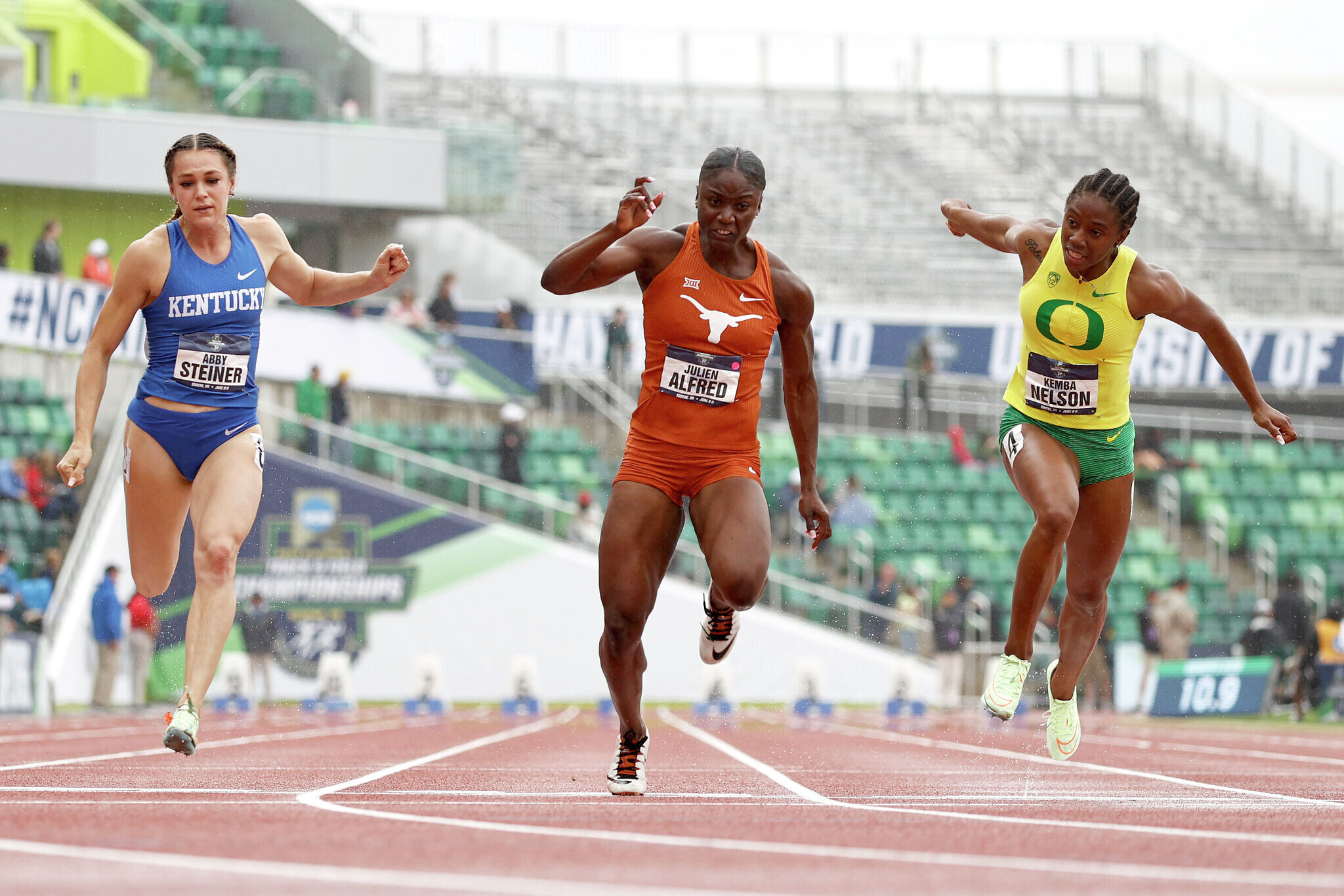
The reigning Olympic 100m champion has been one of the most successful athletes in 2024 but has promised there is more to come next season.
She has already sent warnings to her rivals Sha’Carri Richardson, Shericka Jackson and Gabby Thomas among others and she has intentions of continuing flying Saint Lucia’s flag high.

The Olympic 200m silver medallist revealed that she had taken some time off but has since resumed training and so far, things are looking up.
She detailed three of the main things she wants to achieve as far as her career is concerned as she pointed out that dominating the track is definitely a priority in her season.
Being appointed as Saint Lucia’s tourism ambassador, she will also have to continue marketing the country and she has vowed not to fail her country on that.
“I had five weeks off. I’m back in training now. I have to stick to what I know. I’m here at the World Travel Market using what I have done to now become a tourism ambassador to promote my country,” Julien Alfred said as quoted by Voice Online.
“My top three targets for 2025 are to grow as a person, mentally, physically and spiritually. I want to continue to be an inspiration for those in my country, especially the youth. I want to continue to be a good ambassador for my country both on and off the track.
“And I want to continue to do well on the track for myself, for my country, for my coach and for those who have poured so much into me. I want to do well for them as well.”
Julien Alfred recalled the moment she jetted back into the country after her dominant exploits at the Paris Olympic Games, something she will always live to remember.
The 23-year-old revealed that being welcomed by such high-profile personalities and being treated like royalty gave her the motivation to keep going and she will continue wracking up medals on the track as appreciation for her country.
“After stepping off the plane I was welcomed by the Prime Minister, the Minister of Tourism, the Minister of Sport, the government I would say, I was just welcomed by them,” Alfred revealed.
“And there were St Lucians outside the airport awaiting my arrival, people were dancing, people were singing, people were cheering, it was just a crazy experience that I will always be grateful for.”
(12/21/24) Views: 125Abigael Wafula
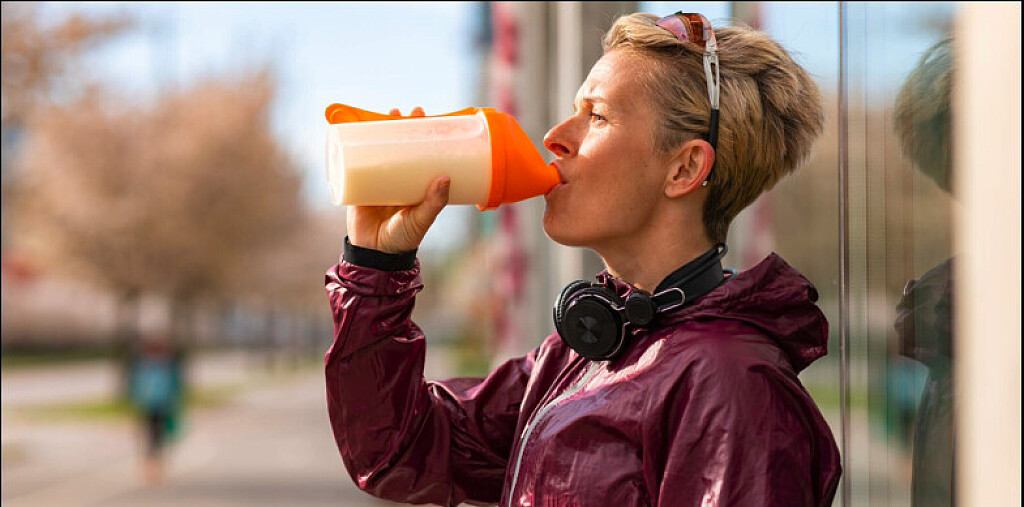
This Plant-Based Protein is a Great Addition to Any Runner's Diet
Should shake up your diet with this plant protein? A sports dietitian gives us the scoop.
As a runner, chances are you’re concerned about getting enough protein—and that’s a good thing, since it is a vital macronutrient for muscle building and recovery, not to mention maintaining strong bones and connective tissues.

As the popularity of plant-based eating continues to rise, protein sources from the plant kingdom have flooded the food market. From hemp to soy to rice, there are almost too many to keep track of for protein-hungry athletes.
There’s one source of vegan protein, however, that seems to have taken the lion’s share of popularity: pea protein. Sure enough, it’s making its way inside a ton of products including protein powders, dairy-free milks, ice cream and yogurt, cheese puffs, energy bars, crackers, and veggie burgers as companies look to ramp up protein numbers to meet consumer demand for the macronutrient.
If you're curious about this pea protein benefits and why it’s showing up everywhere, we’ve put together everything you need to know. Read on to learn more about pea protein and if you should blend more of it in your diet for a performance and health edge.
What is pea protein, exactly?
A bag of frozen green peas contains a surprising amount of protein, but it is even higher in split yellow peas, which is the core ingredient most often used to make pea protein powder. A 1-cup serving of cooked split peas delivers about 16 grams of plant-based protein.
The dried peas are ground into flour after which it is further processed so the protein can be separated from the starches. Isolates go through an additional filtration step, creating a product with roughly 90 percent of protein by weight, meaning fewer carbs. Depending on the brand, a pea protein powder can have 15 to 25 grams of protein in a serving. Companies have worked out ways to make sure it has a fairly neutral flavor profile and less grittiness. That makes pea protein an attractive choice for companies that want to hike up the protein levels in
What are the pros and cons of pea protein?
Yes, you can build bigger, stronger muscles with pea protein. A study published in the Journal of the International Society of Sports Nutrition showed a significantly great effect on muscle thickness in those who consumed pea protein vs. whey protein or a placebo. (There were no notable differences in strength and muscle size between the pea and whey groups.)
Another investigation discovered that people who consumed the same amount of whey or pea protein during a two-month high-intensity training program benefited equally concerning improvements in body composition, muscle thickness and strength, and overall performance.
According to Marni Sumbal, M.S., R.D., author of Essential Sports Nutrition, these outcomes make sense when you consider that tests show pea protein has high essential amino acid content as a percentage of its total protein. In contrast to non-essential amino acids that can be produced within the body, essential amino acids are the ones you must get from your diet daily. FYI, amino acids are the building blocks of muscle protein, cells and connective tissues.
“This includes significant amounts of leucine, an essential amino acid that plays a critical role in repairing and
One concern is that it’s not quite a complete protein, since Sumbal says that it is low in the amino acids methionine and cysteine. But she stresses that assuming you eat a varied diet with other foods that provide these amino acids (such as chicken, turkey, yogurt, cheese, eggs, sunflower seeds, and legumes), it is not necessary to consume complete proteins at each meal. Sumbal also points out that many protein powder brands will blend pea protein with other plant-based options, like brown rice, to create a complete protein with an optimal amino acid profile.
We still need to see what impact consuming pea protein could have on muscle repair, muscle-building, and performance metrics in endurance athletes, since most of the research out there has studied its impact on resistance training. But since runners typically have higher protein requirements than sedentary individuals, pea protein can help meet daily needs.
Just keep in mind that pea protein does not provide the levels of fiber, vitamins, minerals, and antioxidants that you would get from whole peas, according to Sumbal. However, pea protein powders you buy often do contain iron—up to 30 percent of the daily value of this important
If you’re going more plant-based and concerned about your protein intake to support training needs, you can look for the types of packaged foods you normally consume that are beefed up with pea protein. Pea-based milk can have up to 8 grams of protein per 1-cup serving (compared to 1 gram of protein in almond milk), while an energy bar made with pea protein can have more than 10 grams of protein. You can even try using brands of oatmeal that include pea protein to add a little more of this macro to your daybreak meal.
Pea protein powder, which is now available in most supplement aisles, is versatile enough that it can be used to boost protein numbers in more than your postrun smoothies. Stir it into oatmeal or yogurt or use it to replace some of the flour in pancake and muffin recipes. Plain flavored versions can also be blended into dips.
The bottom line
Pea protein powder is a high-quality protein that is an easy and effective way to boost your protein intake. Just remember that you should ideally consume protein-enriched packaged foods and protein powders as a small part of a whole-foods based balanced diet. Think of it as a little extra boost to your day.
(12/22/24) Views: 125
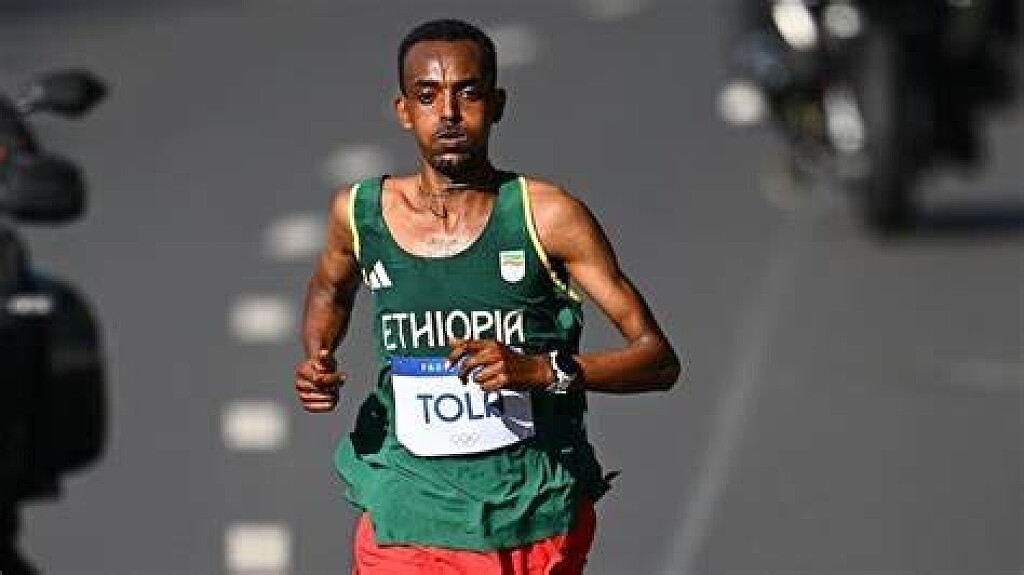
World out-of-stadium athlete of the year Tamirat Tola’s 2024 – in numbers
Tamirat Tola earned Ethiopia’s only gold medal at the Paris 2024 Olympics with an extraordinary performance in the men’s marathon.
On a uniquely testing course, and in gruelling conditions, he won gold in an Olympic record of 2:06:26 – a performance that was all the more remarkable for the fact that he had only been called into the team with two weeks’ notice as a replacement for his injured compatriot Sisay Lemma.
The 33-year-old, who earned Olympic bronze over 10,000m in 2016, thus added a second global marathon title to his collection after his victory at the 2022 World Athletics Championships.

Tola’s 2024 in numbers
With the hills, and the heat, it was tough enough to run on the Paris marathon course. But you set an Olympic record of 2:06:26. How did you manage this feat?
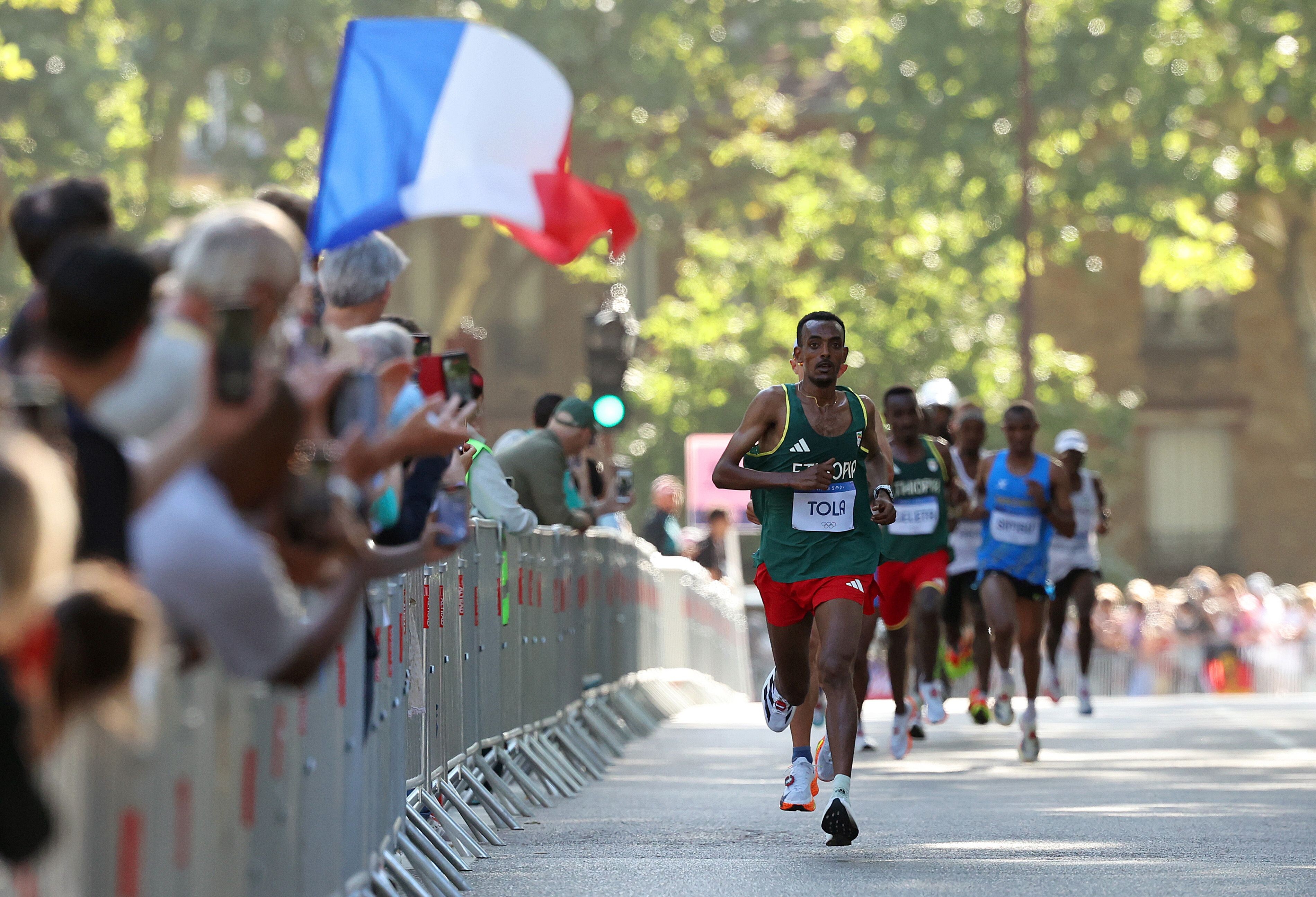
“It was a very difficult course in Paris. But the only thought in my mind was that I could not lose. Our country had won no gold medals on the track, and the marathon races were the last chance for us, so I needed to make the most of my talent.”
Many athletes found the steep hills and long descents of the Paris course the toughest they had faced, particularly around the 28km mark. Where did it hurt most for you?
“It was hardest from 27 to 30 kilometres, with the steep hill and the long drop. I wasn’t thinking about the time, but when I finished I had the Olympic record, which was another reason to be proud.
“My coach had told me that this was a very difficult course, so when I arrived in Paris I thought about how I could run my best on this course. I used this challenge as motivation, and thankfully I overcame it.
“In athletics, challenges are part of the sport. And we always have to do the best for our country.”
This was your second global marathon title following your success at the 2022 World Championships. How did the two victories compare?
“In 2022 it was not easy, all the champions were also there. In the past I had been concentrating on the 10,000m, which led to the Olympic bronze medal in 2016. After that I won the marathon silver at the 2017 World Championships in London.
“I improved my talent in 2022 to win the gold medal. I was happy at that time because after a long injury I was able to win for my country.
“In 2023 I lost that title because of a problem with my stomach. But that made it all the more amazing to fulfil my goals at the Olympics in Paris.”
You had just two weeks to prepare after being told you were running in the Olympic marathon following the withdrawal of Sisay Lemma, after which you stepped up as the third Ethiopian entrant alongside Deresa Geleta and Kenenisa Bekele. How did you manage this challenge?
“For three months together with Kenenisa, Lemma, Deresa and I prepared for the national team. At that time my coach said, ‘prepare with them, and if you are not needed for Paris then go to do the New York City marathon’.
“When I heard the news that I was on the team, I was really excited for the following two weeks. But for Sisay, it wasn’t an easy decision because it was for our country. We discussed it with him and he said, ‘It won’t be easy for me to run injured in Paris, so you go’.
“When I got to Paris, I was thinking about how I could challenge (Eliud) Kipchoge and other athletes. I knew the main contenders. There were lots of talented athletes.
“But I reminded myself that I had worked hard. And when I got in front in the final kilometres, I knew I could win.”
In Paris you became the fourth Ethiopian to win the Olympic marathon title after Abebe Bikila in 1960 and 1964, Mamo Wolde in 1968 and Gezahegne Abera in 2000. How proud are you to have done this, and what inspiration did you take from your victorious compatriots?
“I did not expect to win because I knew there were runners there like Eliud Kipchoge, the two-time winner. But once I got ahead, I knew I could do it.
“For a long time after Gezahegne, for 24 years, we were without an Ethiopian win in the men’s marathon at the Olympics. I was happy to attain this goal in a Games record and to join the other Olympic champions.
“It was Ethiopia’s only gold medal in Paris – I was able to provide happiness for our country.”
(12/20/24) Views: 122Mike Rowbottom for World Athletics
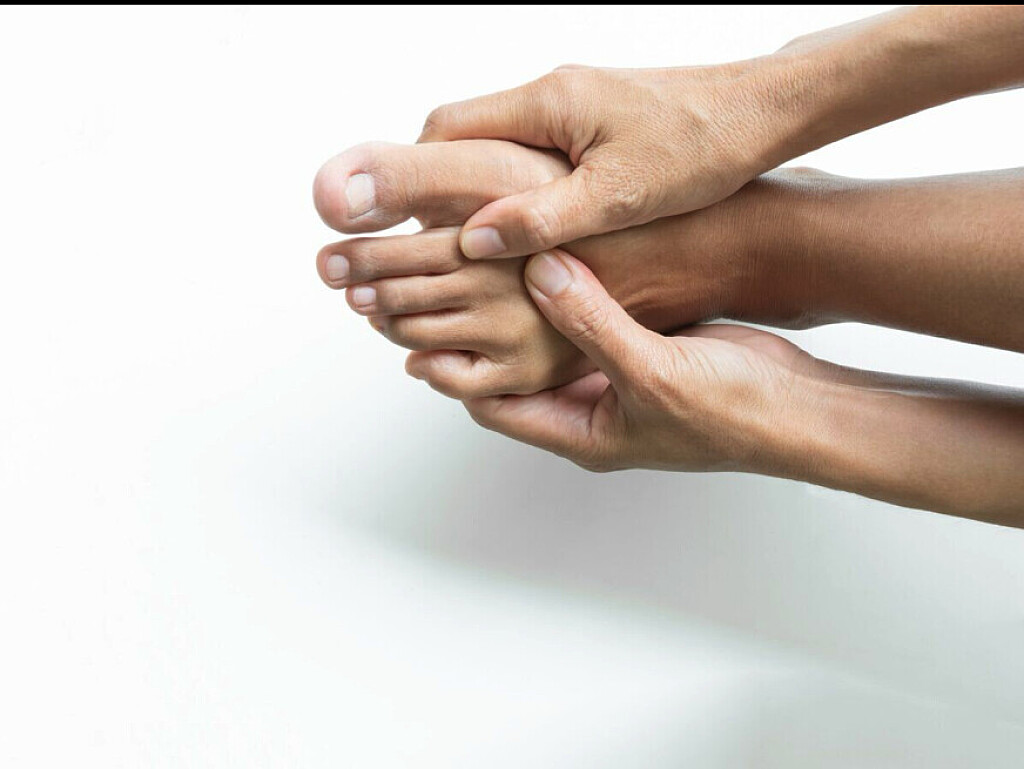
Strong toes, strong stride: the running secret you're overlooking
When was the last time you thought about your toes? These tiny, often-neglected body parts play a massive role in your running performance. While debates about “the perfect shoe” rage on, many experts argue that what’s inside the shoe matters most. Could your toes be the secret to staying injury-free and running stronger?Toe strength equals running power
Your toes may seem insignificant, but they provide stability, balance and propulsion with every step. Strong toes help absorb impact and distribute the load across your foot, reducing strain on your ankles, knees and hips. Weak toes, on the other hand, can lead to instability and overuse injuries, like plantar fasciitis or Achilles tendinitis.Researchers have found that increasing toe strength improves foot arch support and running efficiency. The muscles in your toes, especially the flexor hallucis longus (the muscle under your big toe), act like springs, giving you extra power during push-off.Shoes are not a substitute for strength
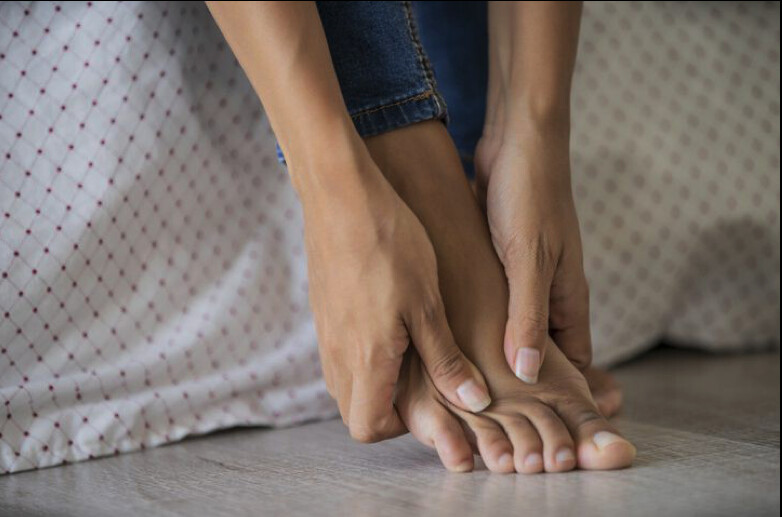
Modern running shoes are marvels of engineering, but they can’t make up for weak feet. In fact, some research suggests that overly-cushioned or restrictive footwear can limit natural foot movement and lead to underdeveloped muscles in your feet and toes. Think of it like this: relying on shoes without training your toes is like putting racing tires on a car with a weak engine.How to strengthen your toes
Want to tap into the hidden potential in your toes? Start with these simple exercises:Toe yoga: Lift your big toe while keeping the others down, then reverse it. This improves muscle co-ordination.
Towel scrunches: Place a towel on the floor and scrunch it with your toes to build strength.
Marble pickup: Use your toes to pick up small objects like marbles—which is surprisingly fun and effective!
Barefoot balance: Practice balancing on one foot in your bare feet to improve stability and strengthen intrinsic foot muscles.
(12/21/24) Views: 122

Singer Charles Costa Needed a Reset, So He Ran the Entire Pacific Crest Trail
Charles Costa spent three months running along the Pacific Crest Trail this summer and fall as an act of holistic rejuvenation.
The 39-year-old from London, England, set out with a bold goal of averaging 90 marathons in 90 days as a means to help reset his life-both to revive his stalled music career and to find a more balanced state of mind-but the multi-genre electronic British folk artist with 1 million streams and more than 120,000 monthly Spotify listeners says it turned out to be so much more than that.
Because of lingering physical and psychological challenges from a brain injury suffered in a catastrophic skiing accident in Austria in 2010, Costa found himself in a delicate position that forced him at times to pause his music career while managing his mental health. Until he found trail running, he routinely battled a variety of mental, emotional and logistical ailments, ranging from uncontrollable anxiety to comprehensive darkness.
After averaging close to 30 challenging miles of running on the PCT per day starting on July 20, Costa admitted he was ready to finish the route, get off the trail, and get back to living a more stabilized
Recovering a Sense of Charles Costa
After the ski accident, Costa had been through numerous types of therapy and was taking what he characterized as "mind-monitoring, mind-maintaining drugs" that wound up consuming his life. In his long rehabilitative process, he eventually discovered that running-and specifically ultra-distance trail running-offered more of a physical, mental, and emotional panacea from lingering pain and mental discontinuity than anything else, and it also gave him a space to process what was going on in his life. It allowed him to get away from it all while being more connected to himself.
Costa said the more he immersed himself in running, the more he wanted to do something special to reinvigorate his life, relaunch his music career while also giving back. He's run numerous trail races in Europe in recent years, including the Montreux Trail Festival 70K last summer and the Swiss Canyon Trail 81K in Switzerland in June. (He placed 54th out of 225 runners in 11 hours, 23 minutes and 7 seconds.) He's also run the 813-mile length of Great Britain from the northern tip of Scotland down to the southwestern tip of England.
Seeking to challenge himself on a long and very difficult task that he hoped would be a transformative life experience, he settled on running the length of the PCT- a three-month, 2,650-mile trail running journey with 489,000 feet of elevation change. But he hasn't been doing it just for himself. Along the way, he's been raising money (about $170,000 so far) and stirring up attention for The Jed Foundation, a nonprofit that protects emotional health and prevents suicide for our nation's teens and young adults, and James' Place, a UK-based charity that provides free therapy and is dedicated to suicide prevention for men.
At the completion of the route, which has taken him from the U.S.-Canadian border and through parts of Washington, Oregon, and California, the British singer-songwriter officially released his first new song in several years and the first under his own name. (He originally performed and recorded under the moniker of "King Charles," a false front of a stage persona that he never really liked and that also contributed to his inability to fully express himself the way he wanted.)
The song is called "Nothing at the Most" and will be included on
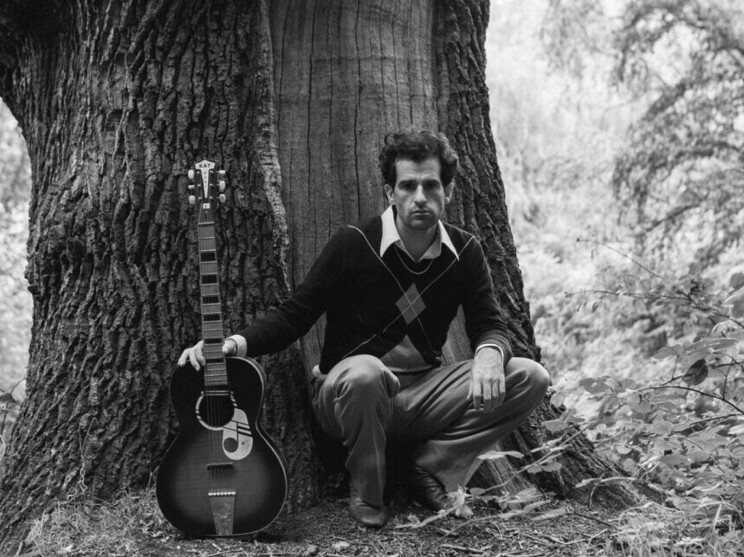
Costa, who plays piano, guitar, and cello, has found his run to be a curing activity that has helped untangle his heart and mind and put him back in position to work as a professional musician.
"One thing I love about running is the rhythm of it," he said. "It's the effect that rhythm has on your mind. Days like I'm doing at the moment, it's dawn to dusk. It's up to 12 hours of just pounding the ground. And there are so many different rhythms that you get into. And I think once you're in a rhythm, your mind gets into a different place. You start thinking less. You let more in, especially when you're in beautiful places. You let more in in terms of inspiration. So, I find running very inspiring, especially in the wilderness and in some of these incredibly beautiful places."
The song "Nothing at the Most" is part of a collection of songs filled with the sounds and lyrics he says are meant to represent his journey between longing and lament. It's an intimate, cello-infused chamber-pop ballad with his soulful voice. Costa recorded several songs in the spring with producer Jesse Quin at
Enduring the Trail
As he was nearing the end of the route last week, Costa said his body was tired and a bit broken down but his soul felt re-energized. While he's remained injury-free, he's battled fatigue, blisters, muscle strains, all sorts of weather conditions, and insomnia-all common maladies to multi-day running adventures. He's worn through several pairs of On and La Sportiva trail running shoes and has relied heavily on his lightweight trekking poles, as well as his small but diligent crew that's managed his meals, gear, logistics and more.
Costa says he's listened to a lot of music out on the trail and has occasionally sang out loud to help the miles go by, but he's also made it a point to soak in the peaceful aura of the wilderness. He says it's been a devilishly hard endeavor and is amazed how "there isn't a single flat section" in the entire route.
"I'm holding it together. My muscles and limbs are all still working as they should, but I guess what starts falling apart is the mind," Costa said. "Even though I've been looking forward to the last 20 days and the last 10
(12/22/24) Views: 119
Should you ditch the data in 2025?
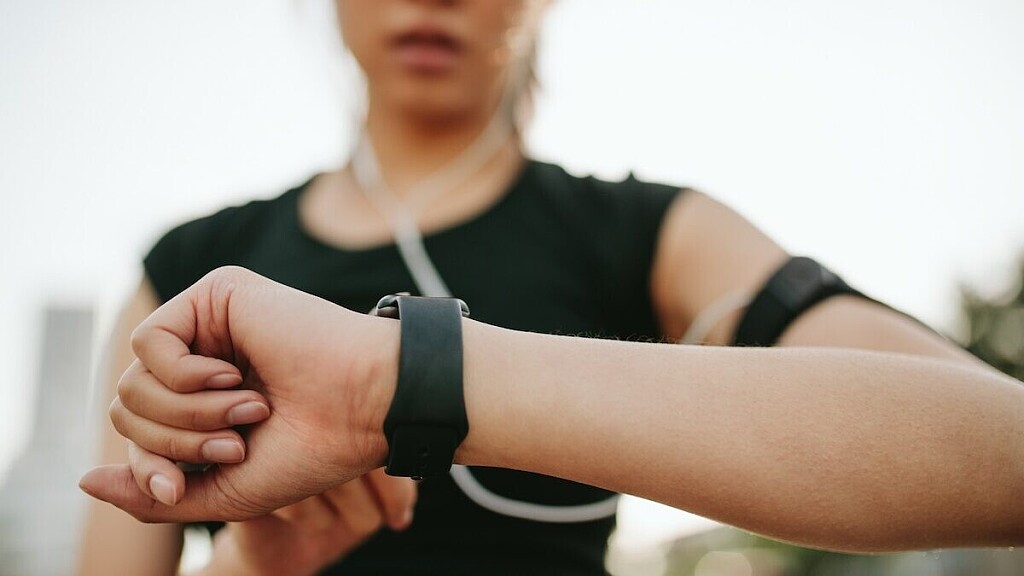
In a world where every runner seems to have the latest GPS watch on their wrist or a smartphone tracking every step, choosing to run without technology might seem rebellious. But running digital-free isn’t just about making a statement—according to a Finnish study, it can be deeply meaningful, freeing and empowering. Here’s what you need to know to decide if ditching the data is right for you.
The study

Researchers at the University of Jyväskylä in Finland surveyed more than 1,000 recreational runners, asking them their reasons for not using digital sports technology. By analyzing participants’ responses, the researchers identified recurring themes, including a feeling of freedom and a deeper connection to running, as reported by those who choose to unplug.
More than numbers

Runners often get caught up in the data: pace, heart rate, splits and VO2 max readings. What happens when you let go of the numbers? According to the study, some runners felt that technology took away from the value of the sport. Running without devices allows you to focus on how you feel, the rhythm of your breath and the sound of your feet hitting the ground. Many runners enjoy connecting with the experience of running, without analyzing their performance.
Freedom to move
One of the study’s key findings was that ditching technology offered them a sense of freedom. You’re probably used to heading out the door and pausing to wait for your watch to find that GPS signal and pick up your heart rate. Without data, running becomes simpler and more spontaneous. You are able to tune into your body, and go as far, or as fast, as you feel.
For many runners, ditching devices gave them a fresh appreciation for the beauty of their surroundings. Instead of staring at a screen mid-run, they noticed the changing colours of the leaves or the crunch of snow under their feet. Running became more about being present than about hitting a goal.
Is it for you?
Does thinking about leaving your watch at home still give you the creepy crawlies? Going digital-free doesn’t have to mean throwing your watch in the garbage, and using metrics to accurately assess your runs can be useful when aiming for certain targets or when training for a particular event. Many runners in the study switched between using devices for training and leaving them behind on easy runs. Start small—try one technology-free run a week and see how it feels.
(12/20/24) Views: 118
Keeley Milne
How to Clean, Waterproof, and Care for Your Technical Apparel
it’s time to ensure your expensive gear performs like newHave you ever bundled yourself up in the early winter, trudged outside to shovel your walk or clear off your car from the first storm of the season, and found yourself soaking wet? Your waterproof-breathable shells, sleeping bags, gloves, boots, insulation, and soft shells all need regular cleaning and maintenance to keep protecting you from cold, wet conditions. Retreating your gear may sound intimidating, but it’s actually really easy to do and will extend the life of your expensive equipment. Let me walk you through the process of maintaining your gear, item by item.How to Clean and Re-Waterproof Technical Shells
Think of your rain jacket or ski shell like a sandwich. The face fabric, or the outermost layer, is like the bread. It’s coated with a durable water repellent (DWR) treatment that helps bead water and stop it from penetrating the outer layer. The waterproof-breathable layer is the good stuff: the veggies, meats, and condiments in the middle.

The waterproof-breathable membrane features tiny pores that keep water out and let your sweat evaporate from within at the same time, keeping you dry. The DWR and membrane work together to form an effective barrier against the elements, so long as you don’t let them wear out. Dirt, oil, smoke, and other contaminants can clog the pores and prevent the material from breathing. Overtime, the DWR coatings on those face fabrics can wear off. When they do, precipitation and sweat will saturate the fabric.Soft shells—wind-and water-resistant garments that go without the aid of a membrane—rely entirely on that DWR to protect you from precipitation. Allowing it to wear off, or become compromised by dirt, smoke, sweat or other contaminants will eliminate a soft shell’s ability to shed weather.
You should be cleaning and reapplying DWR to your technical shells regularly.
“The best rule of thumb is, if your jacket or item looks dirty or is no longer repelling water, clean it,” explains Heidi Dale Allen, the vice president of marketing for Nikwax, which makes a variety of detergents and treatments for all varieties of outdoor gear. “If after cleaning, the item is still not repelling water, it is time to re-waterproof.”
Allen says you can also test your technical shells for function. Simply run them under a tap, and if the water soaks into the material rather than beading up and running off, then it’s time to clean and take care of them. You may also notice a lack of water beading while wearing your gear outdoors.The first step is to take note of any item’s unique care instructions. The care label sewn into any piece of clothing will tell you if it needs to be be hand or machine washed, what temperature water to use, and if you should hang or tumble dry it. Depending on the fabrics and technologies used in each garment, the instructions will vay—even for articles made by a single brand.
Should I Be Afraid of Damaging My Garments in the Laundry?
“If you follow the care instructions from the brand and use the proper types of cleaners and waterproofers, then you absolutely will not ruin it,” reassures Allen.
But she does caution that you can only reapply DWR to clean shells, saying, “You wouldn’t wax a dirty car, so do not try to waterproof a dirty piece of gear.”
Once you’ve assessed each item’s care instructions, you can then wash them using a detergent designed specifically for technical apparel.Don’t use a regular household detergent. These can leave behind residues that attract moisture and clog porous membranes, ruining the item’s ability to keep you dry. Allen recommends Nikwax Tech Wash. I’ve been using this detergent for years; I can tell you it works. Tech Wash does not contain UV brighteners, so you can safely apply it to hunting gear without turning yourself into something animals will perceive as an illuminated billboard.
Once clean, you can choose to reapply a DWR coating. Allen says to do this if the item has lost the ability to bead water, or once every three to five wash cycles.
Nikwax uses a DWR that’s free from harmful PFAs. Because it’s water-based, it needs to be applied while the garment is wet. If machine washing, simply add a treatment like Nikwax TX.Direct Wash-In to the detergent dispenser, and start a new cycle. If you’re hand washing, hang up or spread out the still-wet item, and evenly coat it in a spray-on waterproof treatment like Nikwax TX.Direct Spray-On. Then hang or machine dry according to the care instructions. Unlike older treatments that use PFAs, these detergents don’t require heat to activateHow To Clean And Re-Waterproof Down Insulation And Sleeping Bags
The reason so many outdoorspeople love down is for its ability to create a ton of heat-trapping loft while being light and efficient to pack. Sweat, body oils, smoke, and dirt can cling to down clusters, reducing that loft. Today, most down insulation is treated with a DWR to enable it to dry faster. DWR increases the insulation’s reliability and safety in extreme conditions, because wet down won’t loft. But DWR can wear off down just like it does on a shell fabric.“We like to say that cleaning and waterproofing at least once a season is a best practice,” says Allen.
Caring for down insulation is similar to maintaining a technical shell, but you need to use a detergent that won’t strip away down’s natural oils. I use Nikwax Down Wash Direct for an initial wash cycle. Then, I’ll reapply DWR to both the down and its shell fabric using Down Proof. Just add Down Proof to the detergent dispenser for the second cycle.
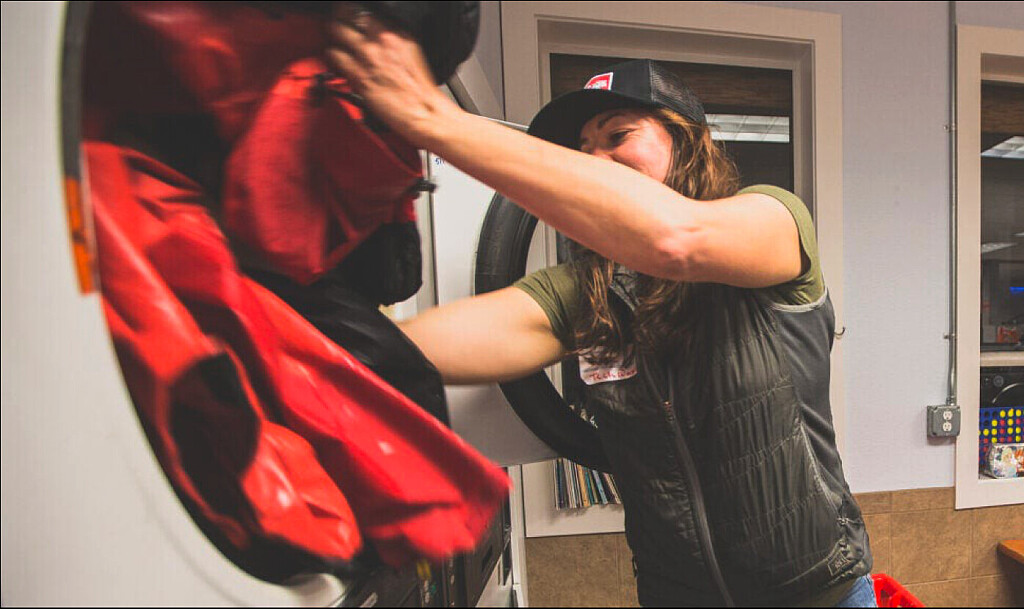
Note that you shouldn’t wash down items in a top-loading machine fitted with an agitator. The central column can tear the fragile face fabrics used on ultralight down items and can even break apart the down clusters themselves. If you have one, consult its instructions to see if the agitator can be removed, or plan on visiting a laundromat.
The tricky thing with down isn’t washing or treating it, it’s drying. Down clumps when soaked, becoming time consuming to fully dry (which you absolutely must do before storing it). Any clumps need be fully broken up to evenly distribute the down.
Consult the care label before proceeding, but most down garments and bags can be tumble driedHow to Clean and Re-Waterproof Gloves and Boots
Gloves and boots are often made from a mix of materials, including various types of natural and synthetic leathers, shell fabrics, and waterproof-breathable membranes. They’re a challenge to clean and care for, which can be frustrating, because gloves and boots are often exposed to mud, snot, salt, and other contaminants much more frequently than other items.Allen recommends to start by keeping gloves and boots clean. Caked on mud and dirt can draw moisture out of leather and abrade fabrics. Nikwax Footwear Cleaning Gel can help; it preserves DWR coatings and won’t harm leather or synthetic fabrics. Nikwax also makes a product called Fabric and Leather Proof, which applies a DWR to both types of material with an easy spray-on application.
For all or mostly-leather items, Allen recommends applying a leather conditioner if the material looks dry, then a waterproofing wax as is necessary.
For suede or rough-out leather footwear, I also swear by Nikwax’s Suede Proof spray. Now I tromp through puddles and snow without worrying about your my suede shoes’ appearance and texture. To apply that, I just start by brushing boots clean, then saturating them with the spray. The suede boots I’ve protected with Suede Proof are many years old and have experienced the worst of winter weather in big cities, but still look like new.
(12/22/24) Views: 117
