

Running News Daily
Top Ten Stories of the Week
2/1/2025
These are the top ten stories based on views over the last week.
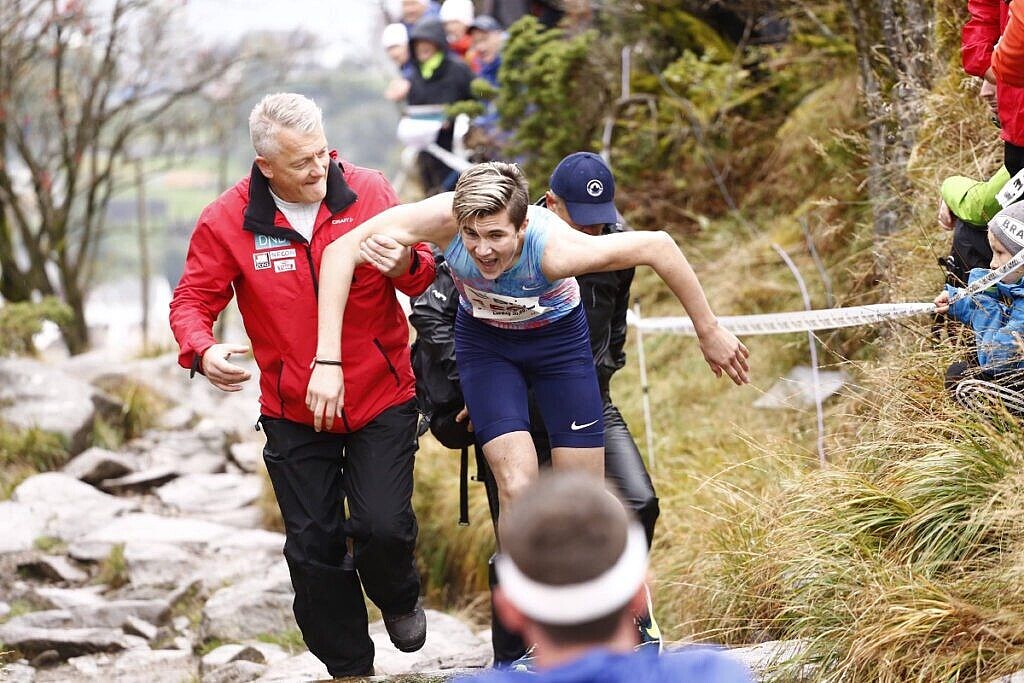


Gjert Ingebrigtsen’s Controversial Coaching Legacy and Its Impact on His Sons’ Success
The story of Jakob, Henrik, and Filip Ingebrigtsen is one of extraordinary athletic success, but it is also deeply intertwined with the intense and often controversial coaching methods of their father, Gjert Ingebrigtsen.
As the driving force behind their rise to middle-distance running dominance, Gjert’s methods pushed his sons to achieve Olympic golds, world records, and international acclaim. However, recent revelations about the emotional and physical toll of his coaching style have added complexity to this narrative of triumph.
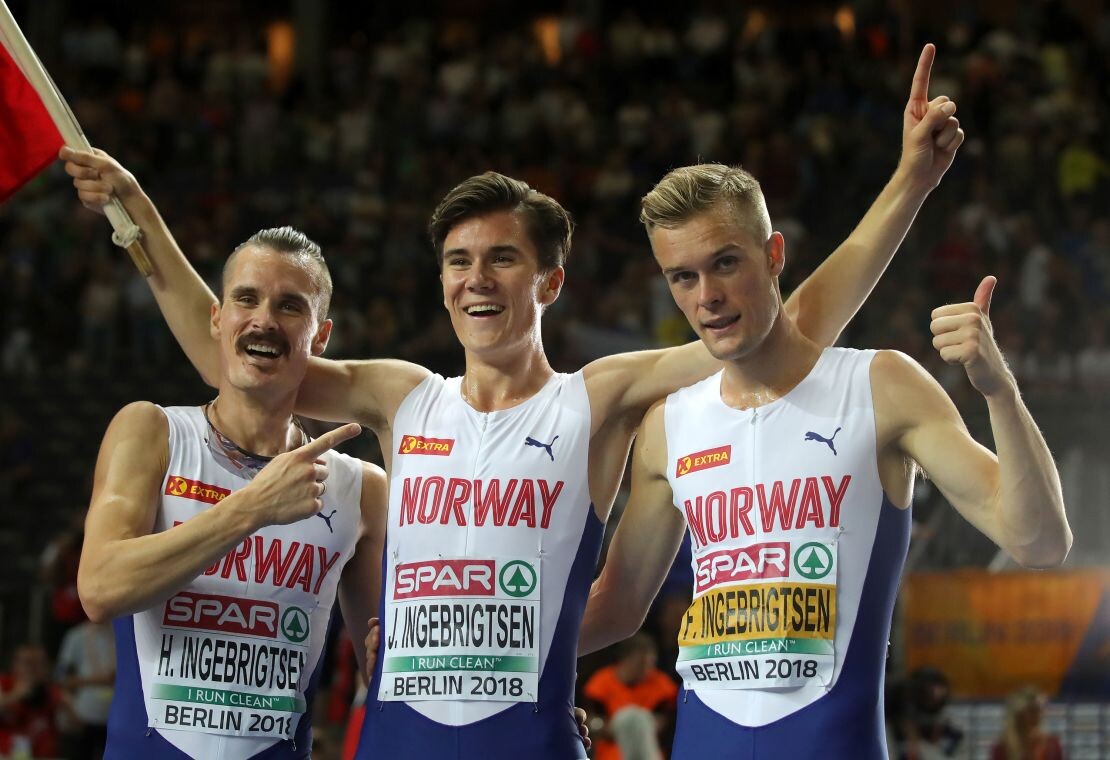
The Making of Champions
Gjert Ingebrigtsen approached coaching with a scientific precision, designing rigorous training plans that tested the physical and mental boundaries of his sons. From a young age, Jakob, Henrik, and Filip were subjected to high-pressure environments that demanded discipline and focus far beyond what most young athletes experience. This relentless drive for perfection produced remarkable results:
Jakob Ingebrigtsen, the youngest of the brothers, is the reigning Olympic champion in the 1500m (2020 Tokyo) and the 5000m (2024 Paris). He also holds world records in events ranging from the 2000m to the two-mile distance.
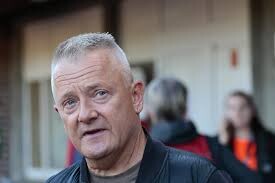
Henrik and Filip have also claimed European titles and made their mark in global competitions, showcasing the strength of Gjert’s training philosophy.
Central to Gjert’s success was his ability to push his sons far outside their comfort zones, a critical skill in elite racing where discomfort is inevitable. Jakob’s fearless racing style, where he often dictates the pace from the front, exemplifies the mental toughness forged under his father’s guidance.
The Cost of Greatness
While Gjert’s methods undeniably built champions, they also came at a significant emotional cost. In October 2023, the brothers publicly accused their father of aggression, control, and physical violence during their upbringing and training. Gjert has denied these allegations, but the legal case and its impact on the family dynamic have cast a shadow over their achievements.
Jakob and his brothers have spoken about the challenges of growing up in a high-pressure environment. The emotional strain, coupled with Gjert’s demanding expectations, led to a complex relationship between father and sons. While the discipline and mental resilience instilled by Gjert have undoubtedly contributed to their success, the allegations highlight the fine line between rigorous coaching and harmful behavior.
Jakob’s Success Amid Adversity
Despite the personal challenges, Jakob continues to dominate the global stage. In 2024, he won his second Olympic gold in the 5000m at the Paris Games, further cementing his legacy as one of the greatest distance runners of all time. His ability to consistently perform under pressure reflects not only his physical talent but also the mental toughness cultivated during his father’s intensive coaching.
Jakob’s racing style—marked by a willingness to embrace discomfort and push beyond limits—bears the hallmark of Gjert’s philosophy. However, as he and his brothers navigate their careers independently, they are forging their own paths while acknowledging the dual impact of their father’s legacy.
A Complicated Legacy
Gjert Ingebrigtsen’s role in his sons’ success cannot be overstated. His unrelenting pursuit of excellence shaped them into some of the most formidable athletes in the history of middle-distance running. Yet, the recent revelations remind us that behind every champion is a story of sacrifice, struggle, and, sometimes, pain.
The Ingebrigtsen family’s journey raises important questions about the balance between ambition and well-being. While Gjert’s methods produced results that few could argue with, they also left scars that the brothers are now working to heal. Their story serves as both an inspiration and a cautionary tale about the cost of greatness.
As Jakob continues to inspire the running world with his performances, the legacy of Gjert’s coaching will remain a defining, if complicated, part of the Ingebrigtsen story.
(01/27/25) Views: 294Boris Baron
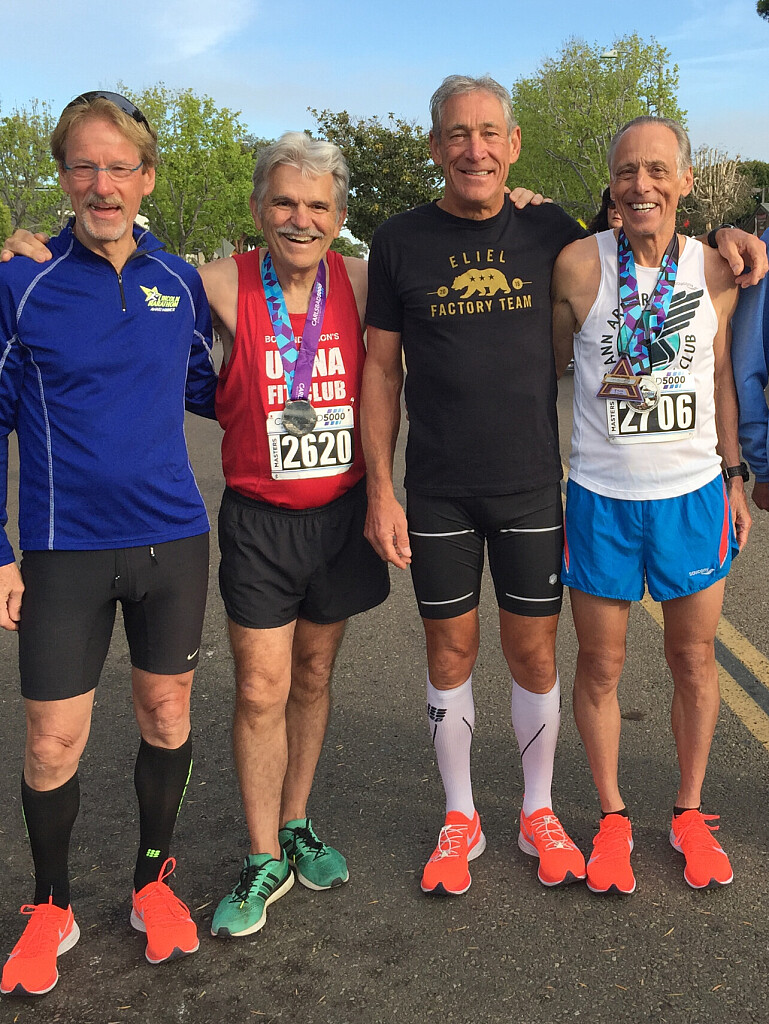
Banking Miles Early: My Approach to Racing 5Ks, 10Ks, and Half Marathons in My 50's
When I was racing 5Ks, 10Ks, and half marathons at sub-6-minute pace back in my 50s, I had a strategy that worked for me, banking miles early and then hanging on. It wasn't a tactic I consciously developed; it just seemed natural to me. Start strong, build a cushion, and fight to the finish.
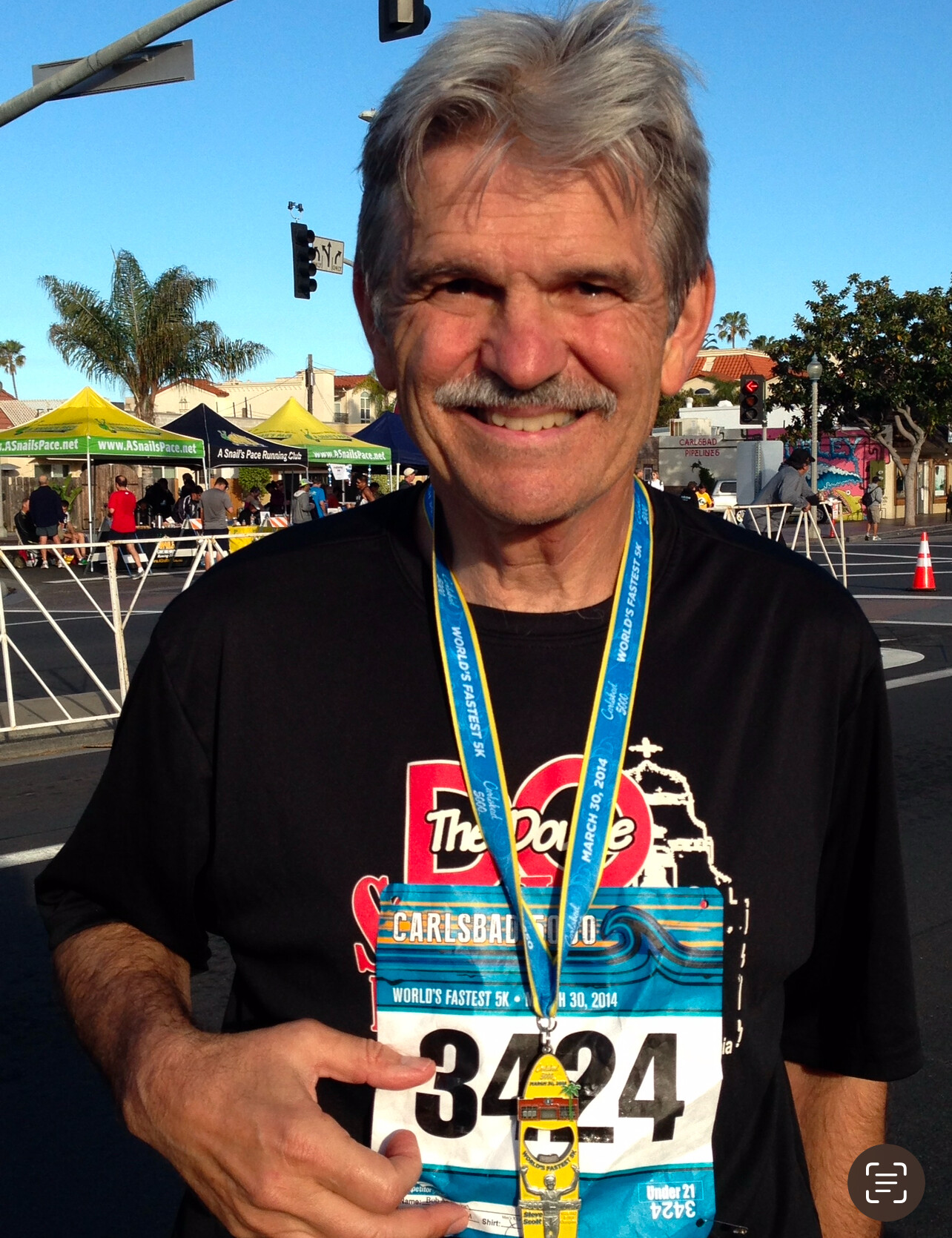
One of my proudest moments was at the Carlsbad 5000 when I was 49. I clocked 17:09 for the 5K, hitting the first mile in 5:11. Maybe I went out a little too fast, but I managed to hang on and finish strong. That race epitomized my approach, push hard early, stay focused, and keep fighting.
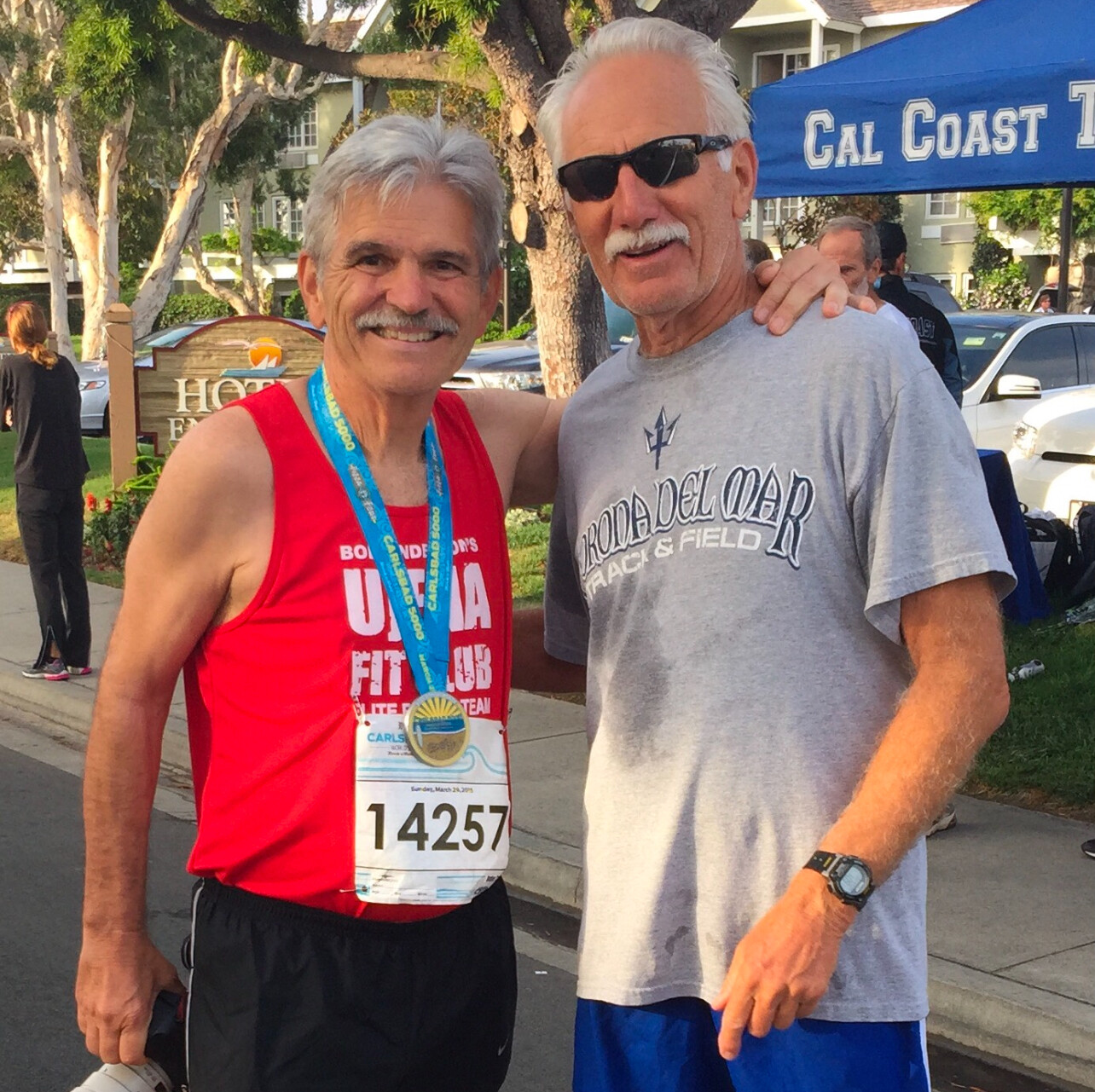
Another memorable race was my best 10K, where I clocked a 35:24. I hit the first mile in 5:17. By miles 4 and 5, I inevitably slowed down, but I found a way to come back strong and finish hard. It wasn't a perfect negative split, but it worked for me.
The question I've often wondered is: Could I have run faster if I had started slower? I'll never know because I never raced that way. For me, the surge of adrenaline and the psychological boost of being ahead of my target pace gave me the confidence to push through the inevitable fatigue.
Of course, not everyone races this way. Conventional wisdom suggests a more even-paced strategy might be more efficient, especially for longer distances. But for me, the thrill of starting strong and the challenge of holding on worked, at least in the 5K, 10K, and half-marathon distances.
Would I recommend this approach to others? Maybe, but with caution. It depends on your training, fitness level, and mental game. Banking miles early isn't for everyone, but for those who thrive on pushing hard and holding on, it can be a rewarding way to race.
Looking back, I am proud of those performances. Whether or not starting slower would have made me faster, I can say that racing hard from the gun gave me some of my most satisfying moments as a runner. It's a strategy that suited me, and that's what matters most.
(01/27/25) Views: 285
Boris Baron
The Power of Miles: Mixing Walking and Running at Any Age
Since turning 70 seven years ago, I have embraced walking as a key part of my routine. Recently, walking has made up 80% of my weekly mileage. I am just coming off a situation with a tendon in my calf, as I mentioned in my first column, and I'll be increasing my running back up to 50%. I like this ratio better, and on Sundays, when I am not in Portugal at our place there, my friend JR and I are focused on getting our 10K pace back down to sub-9 minutes per mile or even sub-8:30.
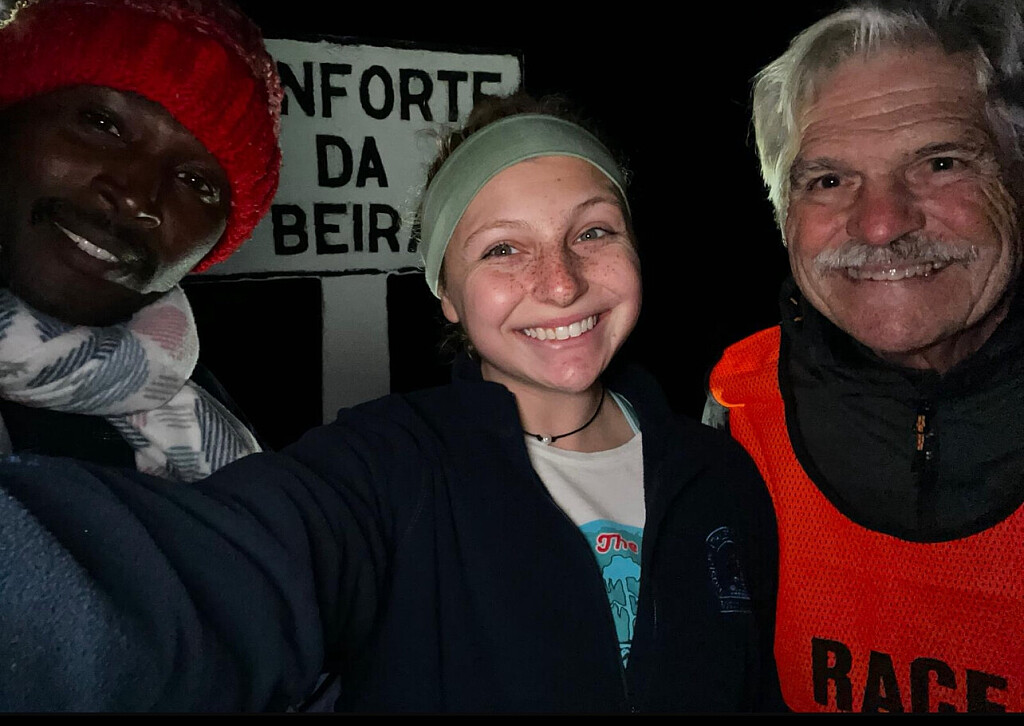
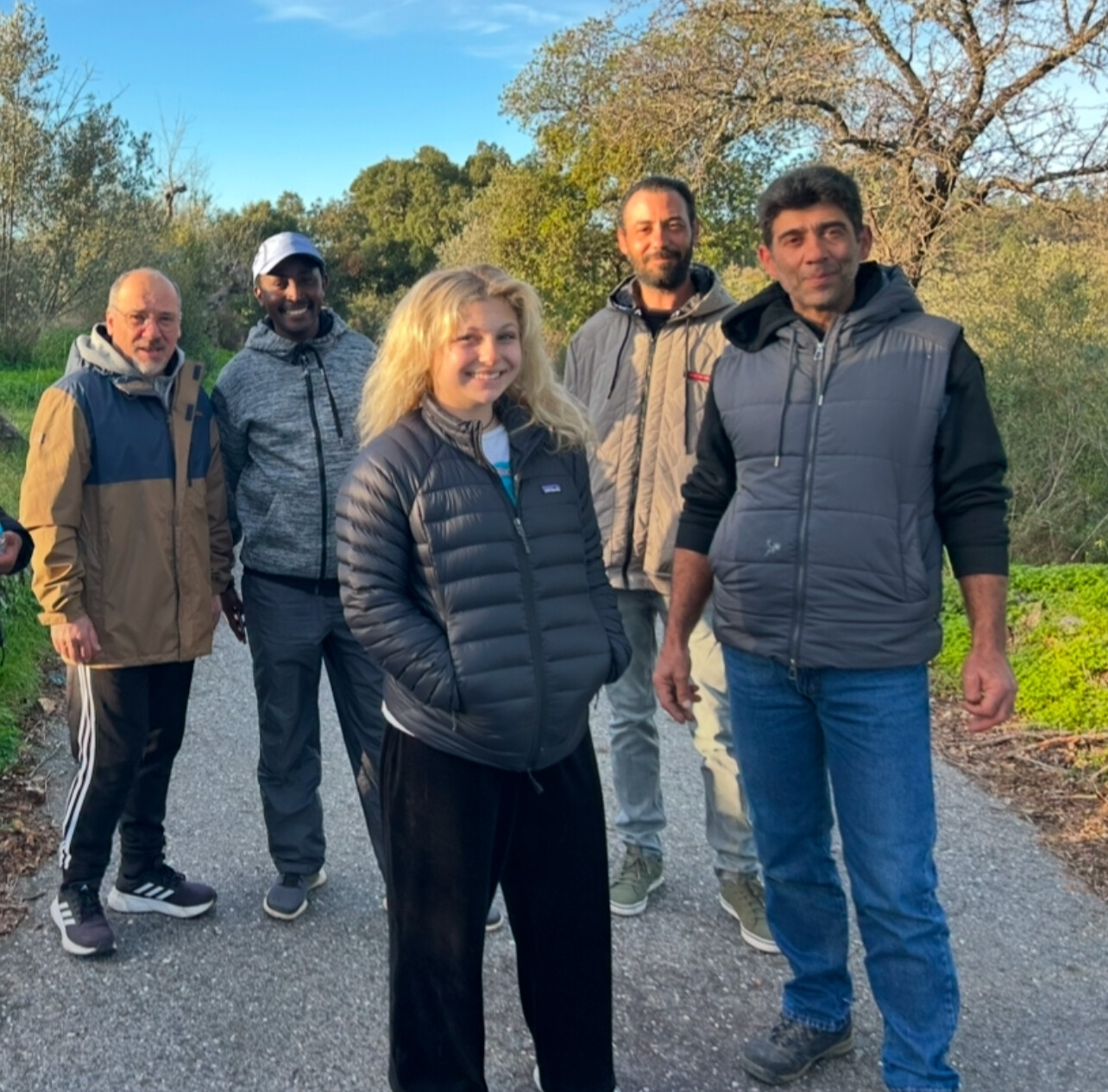
I also like to get in miles with others. While in Portugal, most Sundays I get together with two to six people, and we walk (sometimes mixing in some running) to the next village 7.4 miles away. If we only walk, it takes over two hours, but it is so rewarding. Not only do we get in the miles, but we also enjoy non-stop conversations about everything. It's a great way to stay active and connect with others at the same time.
Looking back, I wish I had added walking to my schedule when I was younger. In my 50s, I was running 42 miles weekly, mostly quality miles, and racing well, often at a sub-6-minute pace. But on hindsight, I think incorporating two miles or so of walking daily would have helped. Those miles could have been added during daily activities, much like I do now. I never drive to lunch, I walk, run, or do a mix of both. I add miles whenever I can.
If I am getting tires for the car, I don't sit in the lobby; I get out the door for a walk or a walk/run. I think you get the picture: I make it a habit to fit in miles whenever possible, and I count those miles as part of my regular workouts.
Thinking back to those days, I was also hiking with my wife Catherine. Sometimes we were out for three hours. I did not clock those miles back then, but on hindsight, I believe that walking, especially those hikes, played a role in helping me run some decent times.
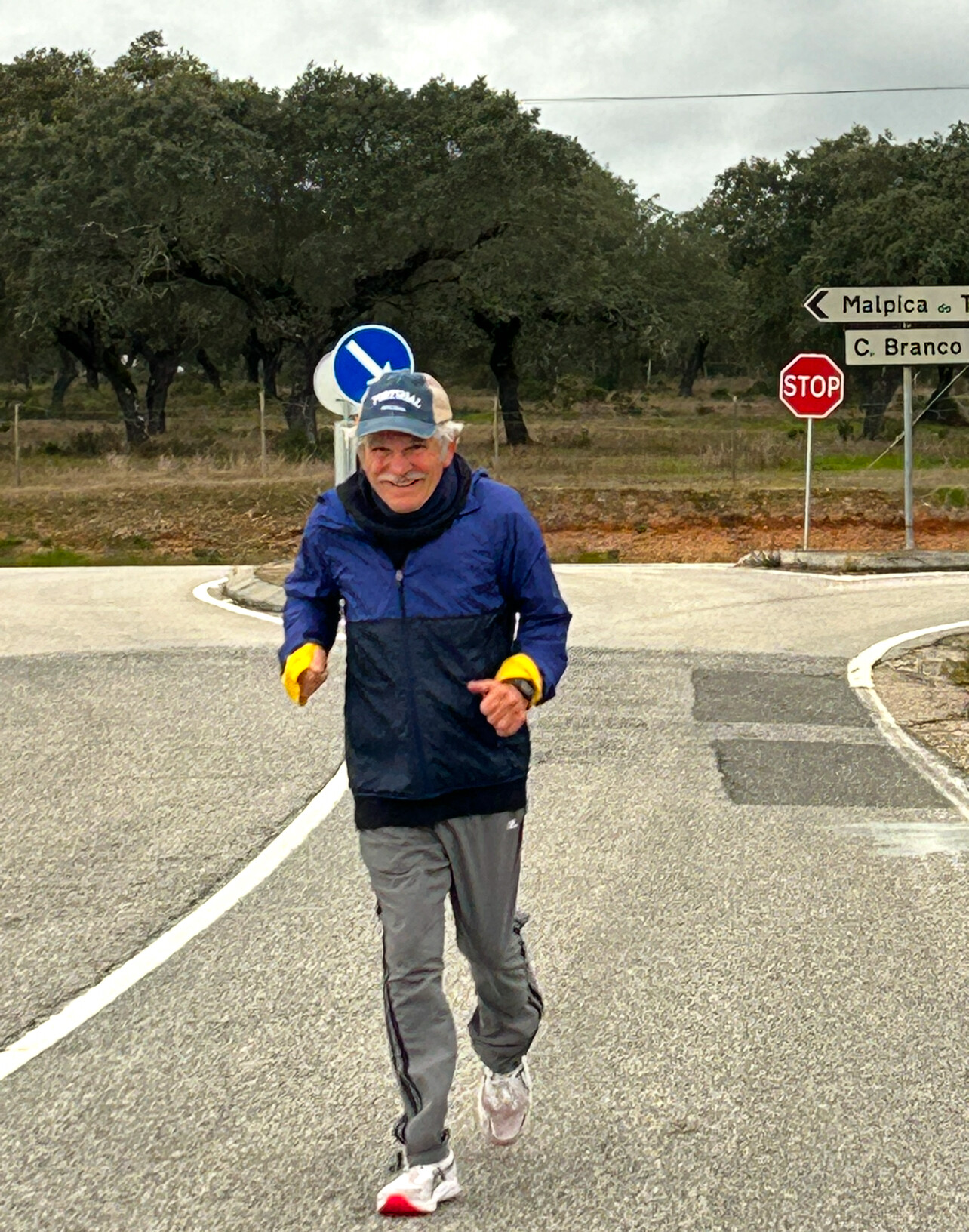
Since July 2018, my weekly average has been 44 miles, totaling over 16,400 miles. While my mileage has dropped a bit in the past year due to 12 trips to Portugal, each trip costing me about four low-mileage days, I remain committed to staying active.
Walking is valuable, but it is not a substitute for running if your goal is to train for running. To run at a good pace, you need to put in the work running. However, walking gets you outside, keeps you moving, and can serve as a recovery tool or a way to maintain consistency when running is not an option. At any age, especially at 77, movement matters.
Walking does take at least twice the time to cover the same distance as running, so I often incorporate strides to add variety and keep things interesting. For example, I will count to 50 or 100 strides, pick up the pace, then return to walking. It is a simple way to stay engaged while adding a little extra effort.
Mixing walking and running has been a game-changer for me. Running challenges my endurance and keeps me sharp, while walking allows me to recover, reflect, and enjoy the journey. Whether you are walking, running, or a mix of both, every mile tells a story of persistence, progress, and the joy of staying active. Movement matters it is that simple.
Photos: walking and running in Monforte da Beira Portugal recently from our Anderson Manor and home for KATA Portugal
(01/25/25) Views: 208
Bob Anderson

Josh Kerr Signs Long-Term Deal with Brooks Ahead of 2025 Track Season
British middle-distance star Josh Kerr has solidified his place as a key figure in the world of athletics by announcing a long-term partnership with the $1.2 billion sportswear brand, Brooks. The 2023 World Champion in the 1500m continues to demonstrate his commitment to excellence as he gears up for the 2025 track season.
Kerr’s relationship with Brooks dates back to 2018, when the then-NCAA champion decided to forgo his remaining collegiate eligibility at the University of New Mexico to pursue a professional running career. The decision proved to be pivotal, as Kerr’s career flourished under the Brooks Beasts Track Club, where he became a standout figure on the global stage.
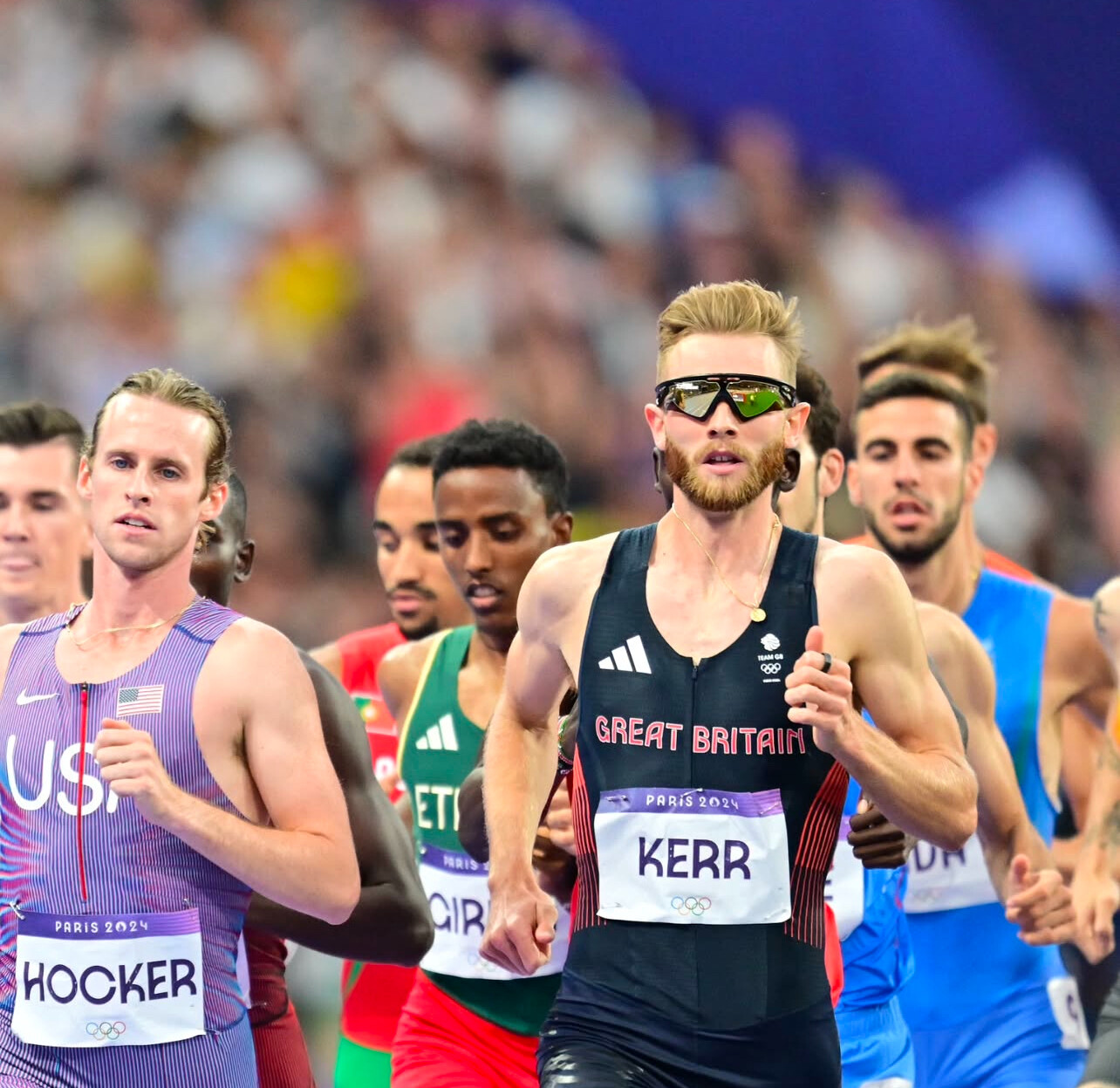
Since turning professional, Kerr has achieved numerous accolades, including his iconic bronze medal performance in the 1500m at the Tokyo 2020 Olympics and his dominant gold medal run at the 2023 World Athletics Championships in Budapest. Most recently, Kerr delivered a sensational performance at the Paris 2024 Olympics, where he claimed the gold medal in the 1500m, solidifying his reputation as one of the all-time greats in middle-distance running.
These achievements have cemented his status as one of the finest middle-distance runners of his generation. His journey from NCAA champion to global icon is a testament to his talent, determination, and the strong support system provided by Brooks.
Kerr’s partnership with Brooks goes beyond performance gear; it reflects a shared vision of inspiring the next generation of athletes. As he continues to compete at the highest level, his role as a brand ambassador for Brooks highlights the company’s dedication to supporting world-class talent and pushing the boundaries of innovation in running.
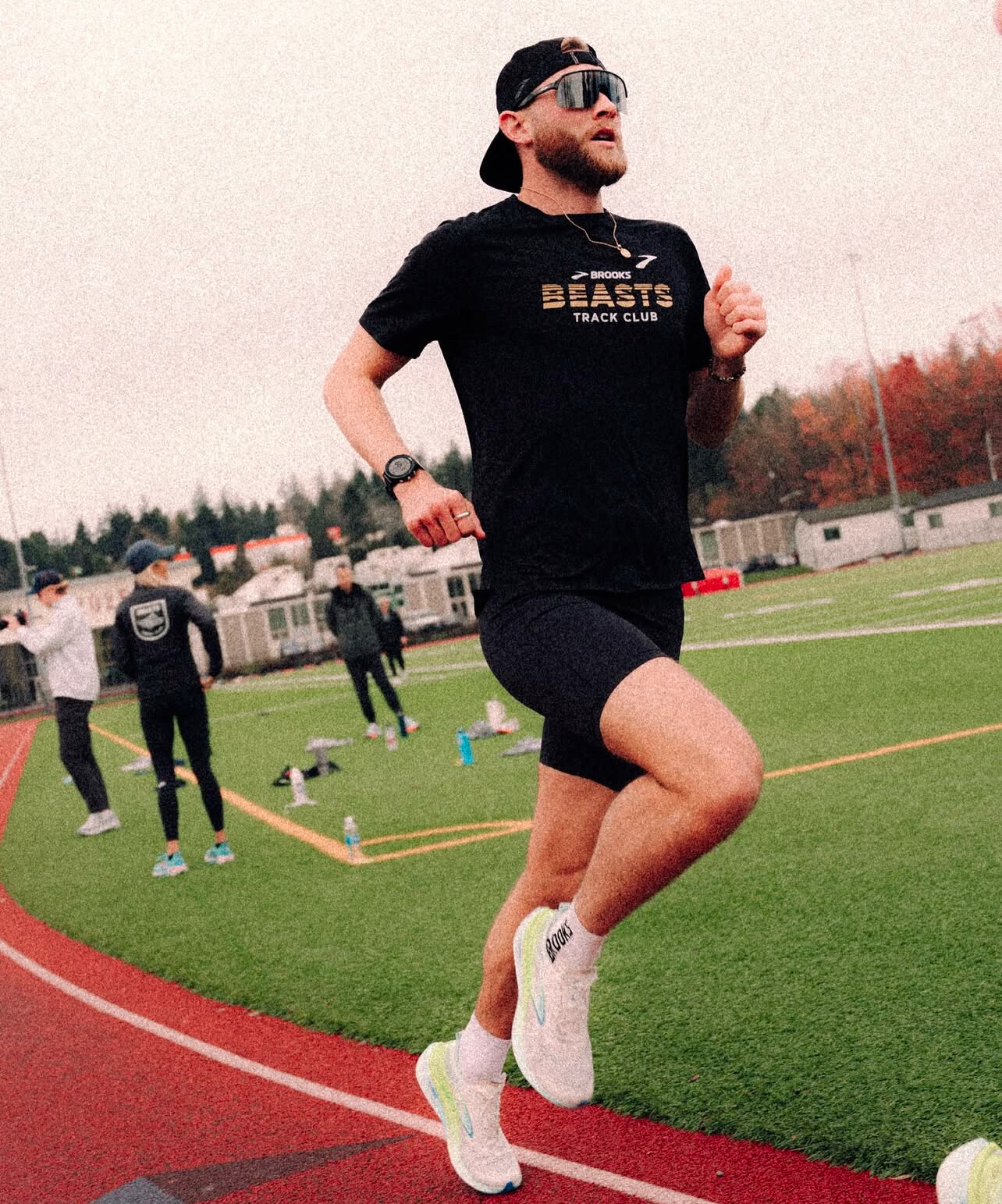
"I’m excited to announce my commitment to a long-term partnership with this incredible brand. Working alongside such a talented team of coaches and athletes has not only helped me become the athlete I’ve always aspired to be but also allowed us to create the best gear to elevate performance. I’m pumped for the journey ahead and the continued success we’ll achieve together," he wrote.
With the 2025 track season on the horizon, Kerr’s renewed partnership positions him to build on his remarkable career and take on new challenges. Fans and competitors alike will eagerly watch as the Scottish athlete, now one of the most recognizable faces in middle-distance running, seeks to leave an even greater mark on the sport.
(01/25/25) Views: 188
Boris Baron
Progressive Step-Up Training: Unlocking Speed and Endurance
Progressive Step-Up Training is a method Bob Anderson has championed for over 20 years. It’s a simple yet powerful technique designed to progressively increase speed, either through track intervals or on long road runs. The goal? To finish faster than you started, building confidence and strength for peak race performance.
Here’s how it works: each mile (or kilometer) in the workout must be faster than the one before. The mental and physical challenge lies in maintaining focus and pacing while overcoming the pressure to perform with each step-up.
A Real-World Example
In preparation for the Stockton 10-Mile Race on January 7, 2001, Bob used the Progressive Step-Up method as a cornerstone of his training. Leading up to the race, he dedicated one day per week to a Progressive Step-Up session, alongside two long runs. On average, he logged 42 miles weekly.
During a December track session at Foothill College, Bob completed a 6x1-mile Progressive Step-Up workout:
First Mile: 5:47
Second Mile: 5:42
Third Mile: 5:36
Fourth Mile: 5:27
Fifth Mile: 5:21
Sixth Mile: 5:17
Each interval demanded more effort, pushing both physical and mental boundaries. The break can be up to five minutes or when you are ready to run faster. By the final mile, Bob had surpassed his expectations, proving to himself he was ready to take on the race.
“I believe the most important part of my training was the Progressive Step-Up,” Bob reflects. “It taught me to stay focused, handle increasing pressure, and finish strong.”
The Race
At 53 years old, Bob’s goal for the Stockton 10-Mile Race was to break 60 minutes. Thanks to his progressive training, he hit the ground running, clocking:
Mile 1: 5:37
Mile 2: 11:15
Mile 3: 17:00
Mile 6: 34:50
Despite feeling fatigued by mile 7, the foundation built through the Progressive Step-Up method allowed Bob to finish strong, crossing the line in 59:17, his last mile being 5:57,
Why It Works
Progressive Step-Up Training develops both physical strength and mental resilience. It teaches athletes to handle increasing pressure and fatigue while maintaining focus on their goals. The flexibility of the method allows for adaptation to different distances, making it ideal for runners of all levels.
Applying It to Your Training
Choose Your Format: Decide between track intervals or a long road run.
Start Controlled: Begin at a manageable pace, focusing on proper form and rhythm.
Increase Incrementally: With each mile or repetition, push yourself slightly harder, aiming for a faster time.
Rest as Needed: Take sufficient recovery time to ensure quality when doing intervals. On long runs just keep pushing the pace for each mile.
Finish Strong: Challenge yourself to make the final repetition or mile your fastest.
Whether preparing for a race or building fitness, Progressive Step-Up Training can help you unlock your potential. Just as it did for Bob Anderson in 2001, this approach can sharpen your mind, strengthen your body, and give you the confidence to achieve your goals.
Bob and his wife, Catherine, have established two world-class training camps to help runners reach their full potential: KATA Kenya and KATA Portugal. Join us to train the Kenyan way and take your running to the next level. Kenyan Athletics Training Academy.
Learn more at: https://katarunningretreat.com/
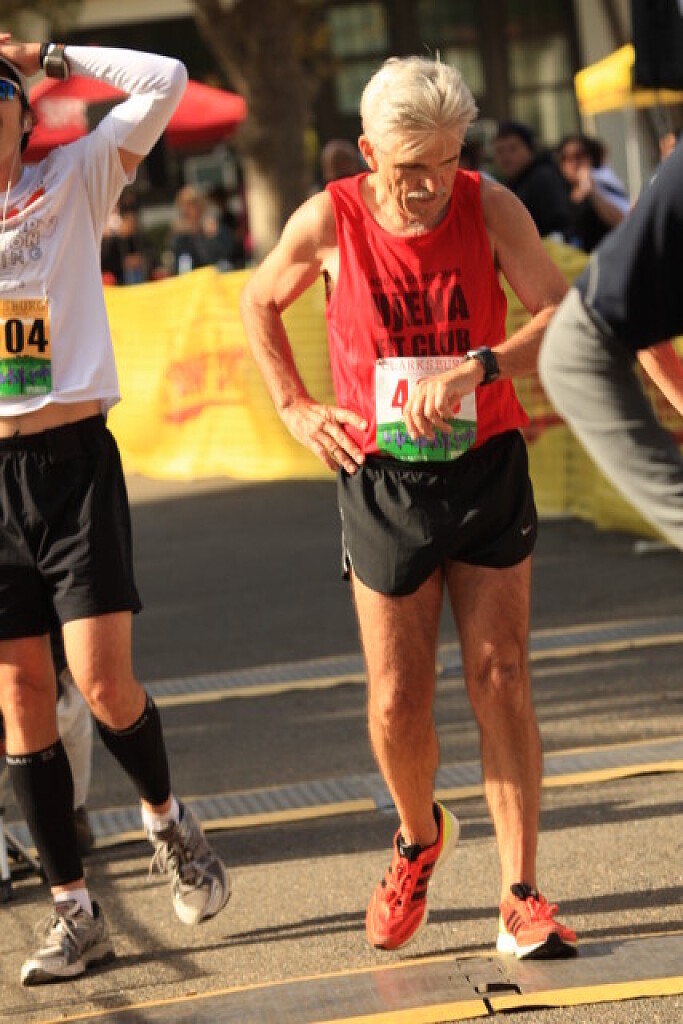
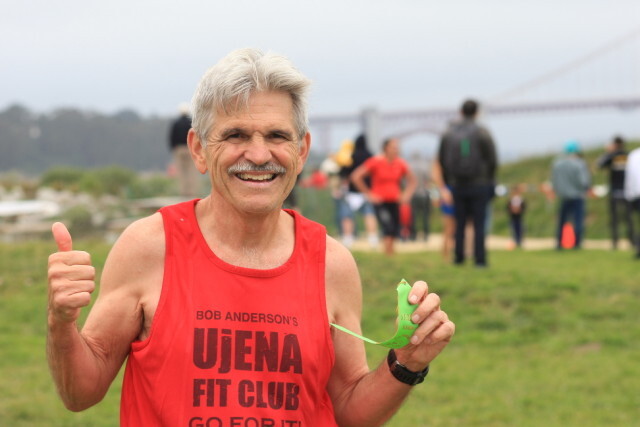
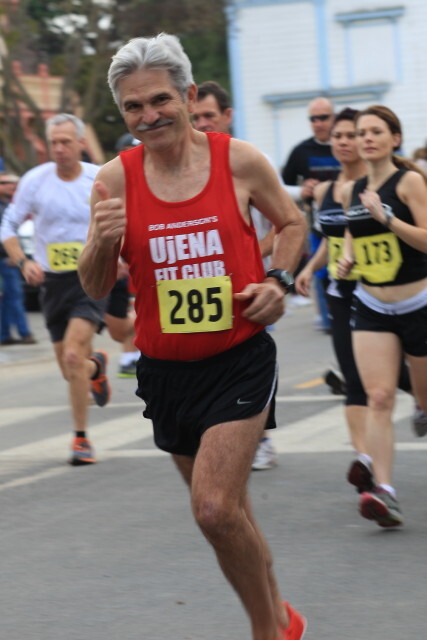
All photos taken during 2012 when Bob ran 50 races covering 350.8 miles and average 6:59 per mile. This feat was featured in the movie A Long Run the movie.
(01/24/25) Views: 166Boris Baron

The Evolution of My Pre-Run Nutrition
For many years, I believed that running on an empty stomach was ideal. I focused primarily on my meal the night before, opting for light, meatless dishes. However, around 1999, I began eating half a banana before races and noticed improved performances.
By 2000, my pre-race dinner evolved to include a fully loaded baked potato, steamed broccoli, and a six-ounce piece of lean meat. On race mornings, I continued with just half a banana. This change provided sustained energy, especially for races over 5K.

A memorable experience was the 2013 Boston Marathon. My son and I had pancakes before the race, which started later in the day. Along with five energy gels and Gatorade at every other mile, this fueling strategy helped me finish in 3:32:17 at age 65, starting from the back and passing thousands of runners.

Since turning 70, I have made it a habit to eat something about an hour before running. My go-to is half an English muffin with cream cheese. This morning, Catherine prepared avocado toast, which, though more substantial than usual, worked well.
In conclusion, I have found that consuming a light meal or snack an hour or two before running enhances performance and energy levels. It is essential to find what works best for you through personal experimentation.
Insights from others on Pre-Run Nutrition
My personal experiences align with broader recommendations from nutrition experts. Consuming carbohydrates before a run is crucial, as they serve as the body's primary energy source. Registered dietitian Brenna Larson emphasizes that eating before a workout helps maintain stable blood sugar levels, supports muscle endurance, and promotes faster recovery. She suggests having a meal 2 to 3 hours before exercise or a carbohydrate-rich snack 30 to 60 minutes prior for quick energy.
Ideal pre-run foods include a mix of carbs and protein, such as fruit with peanut butter, Greek yogurt with honey, dried fruit and nuts, oatmeal with banana, or berry smoothies with nut butter. These combinations provide essential nutrients to sustain energy and aid muscle repair.
It is also important to avoid high-fat, high-fiber foods, and large meals right before running to prevent digestive issues. Finding the right diet requires personal experimentation, and keeping a food journal can help optimize performance and comfort.
(01/26/25) Views: 149
Bob Anderson
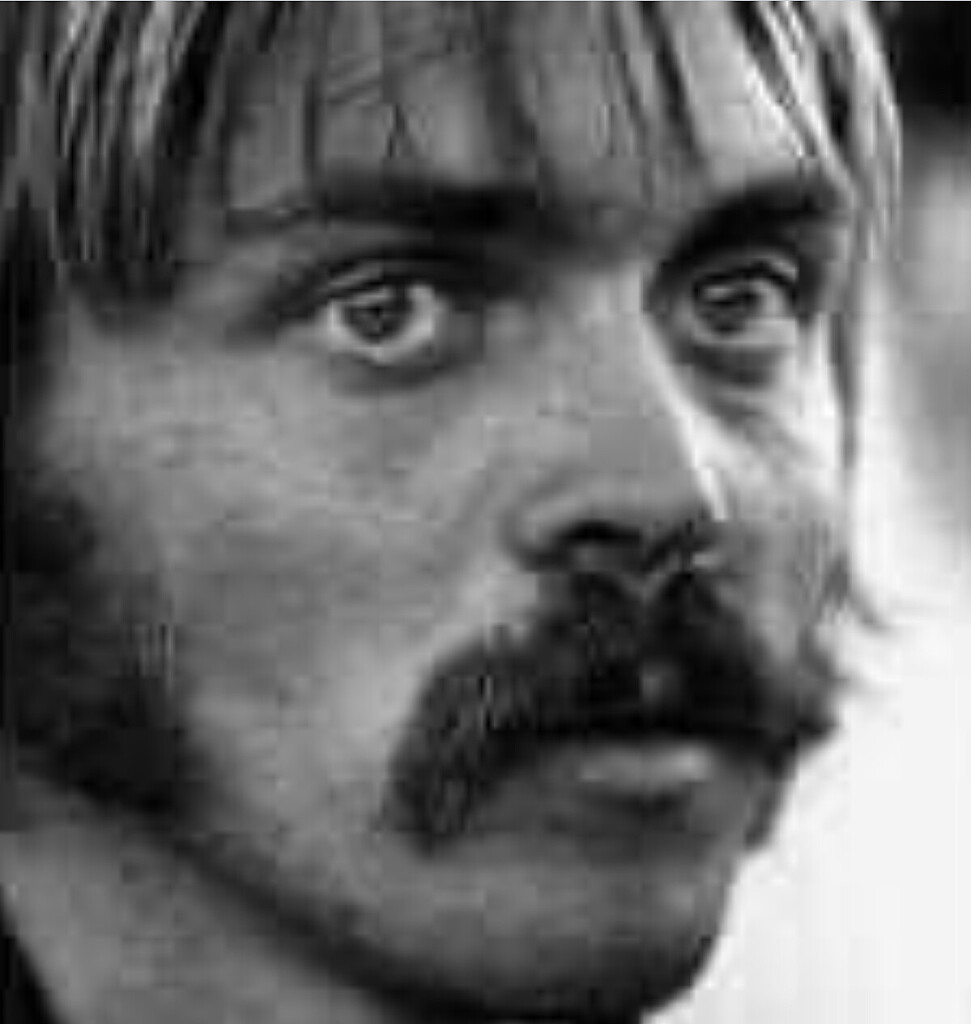
Celebrating Steve Prefontaine: A Legend Who Inspires Generations
January 25 marked what would have been Steve Prefontaine's 74th birthday. Though his life ended far too soon in 1975, his legacy of passion, resilience, and determination continues to burn brightly. Known not only for his remarkable achievements on the track but also for his unwavering spirit, Prefontaine embodied a relentless pursuit of excellence that transcended the world of running.
Pre as he was affectionately called, left an indelible mark not just on the sport of Track and Field but on the hearts of people from all walks of life. His drive to push limits and his commitment to living boldly have inspired countless individuals to dream bigger and strive harder in their own endeavors. Whether it was his gutsy performances in competition or his belief that effort defines success, Prefontaine's story continues to ignite passion and determination worldwide.
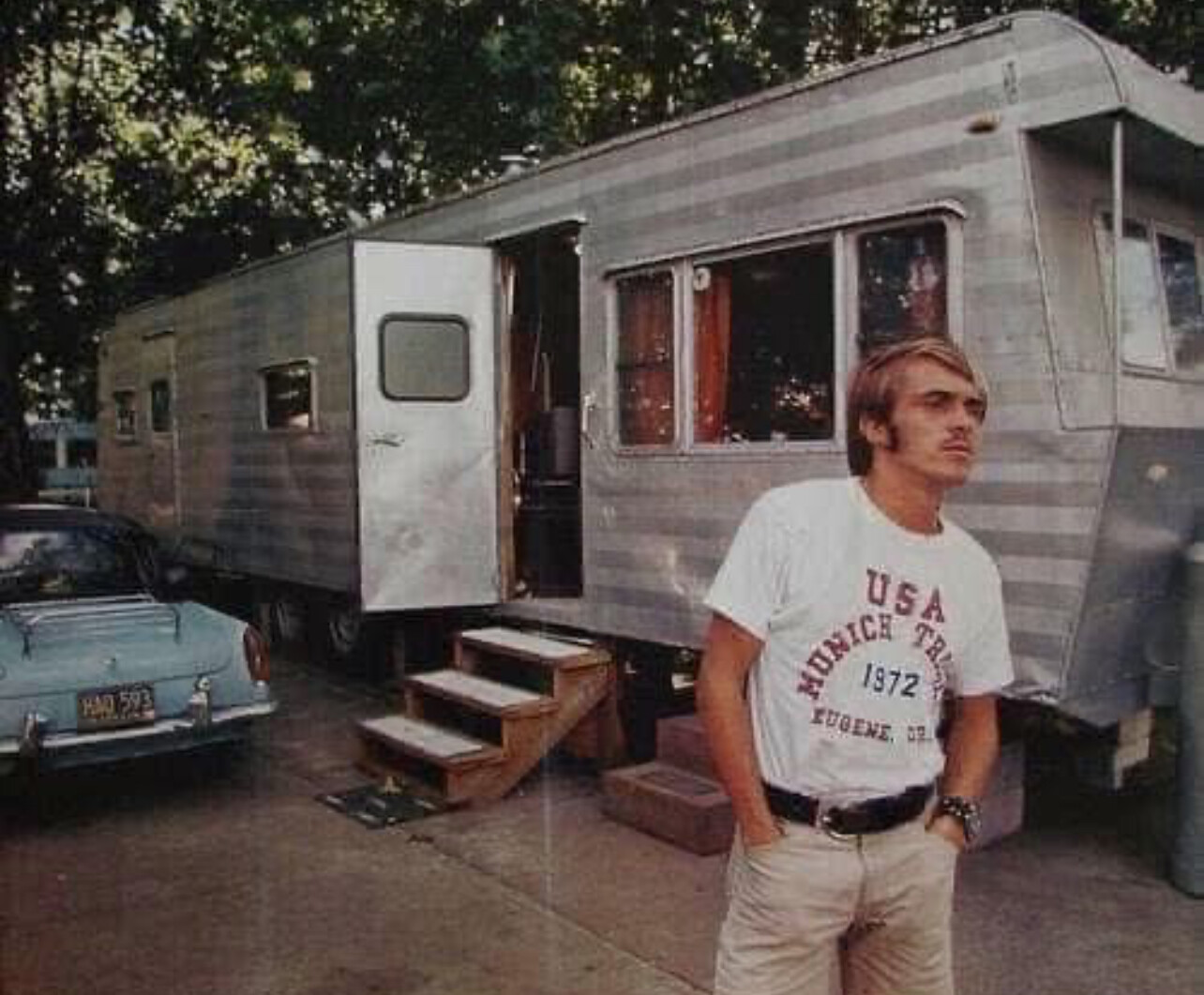
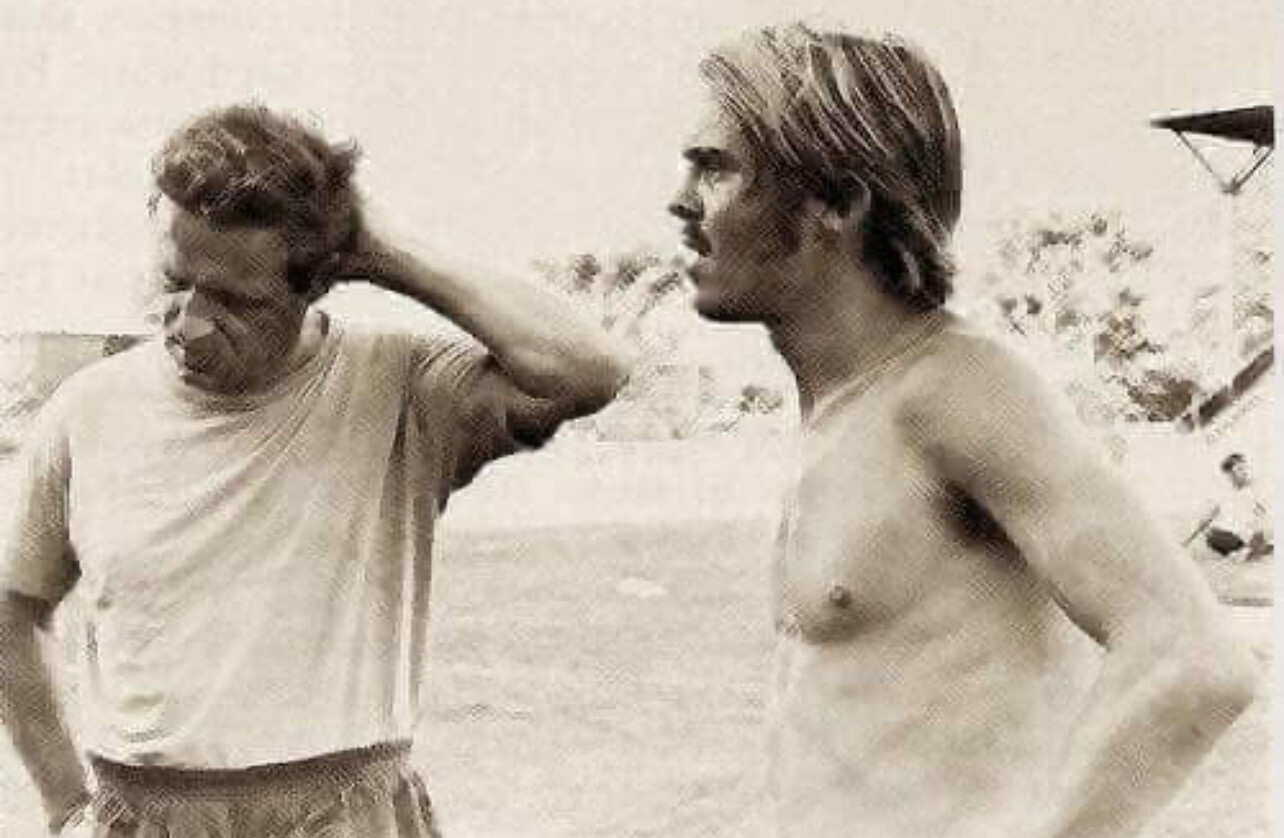
Though his earthly years were brief, Steve's influence reaches far beyond his time. His legend is a timeless reminder that greatness is achieved not just through talent but through an unyielding spirit and an uncompromising will to succeed.
Happy Birthday, Pre. Your legacy lives on. Go Pre!
(01/25/25) Views: 135
Boris Baron
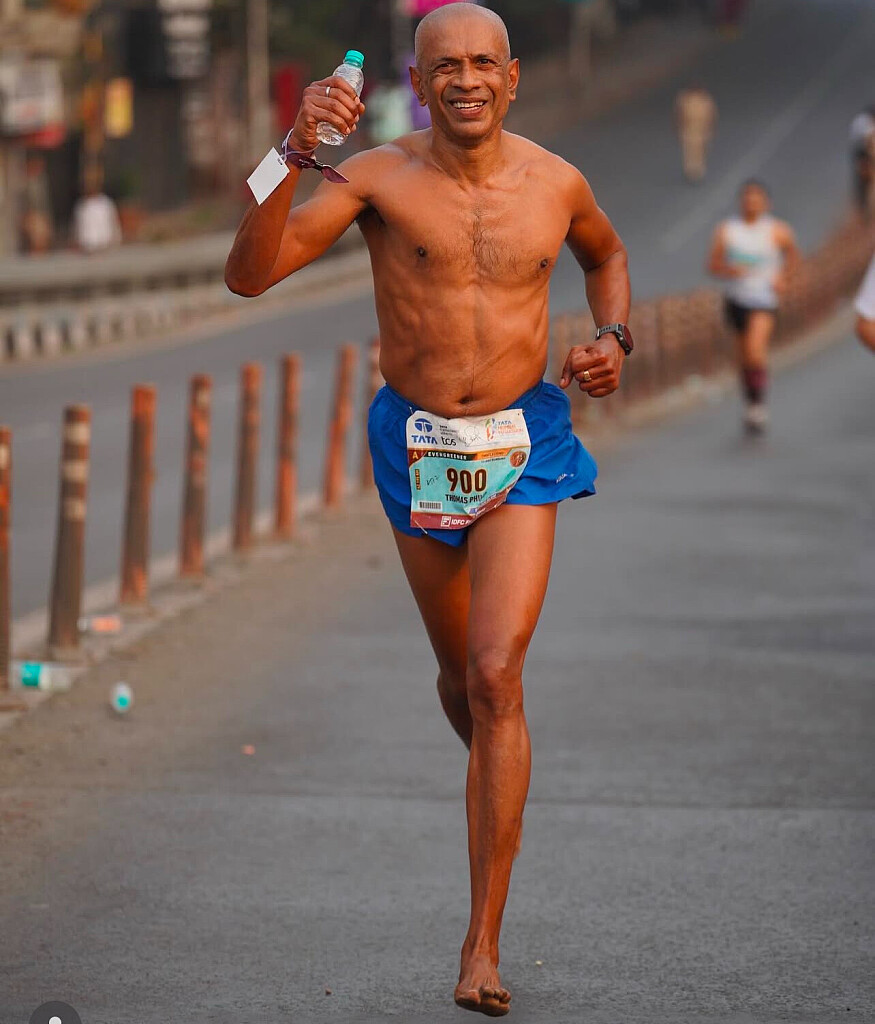
The Indian Running Sensation Making Strides Without Shoes
If you have not heard of Barefoot Bobby yet, it's time to take notice. The 58-year-old runner from Bangalore, India, has captured the imagination of the running world with his unconventional yet inspiring approach to the sport of running entirely barefoot. Bobby's remarkable journey reached a new milestone last Sunday at the 2024 Mumbai Marathon, where he clocked one of the fastest times of his career, finishing in 3:11:47. His incredible performance earned him third place in the competitive men's 55-59 age group.
Bobby, whose real name is Ramesh Patel, began running barefoot nearly 30 years ago, initially as a practical choice due to a lack of access to proper running shoes. Over time, what started as a necessity became his signature style. Running without shoes, Bobby says, keeps him connected to the ground and allows him to feel every stride more naturally.
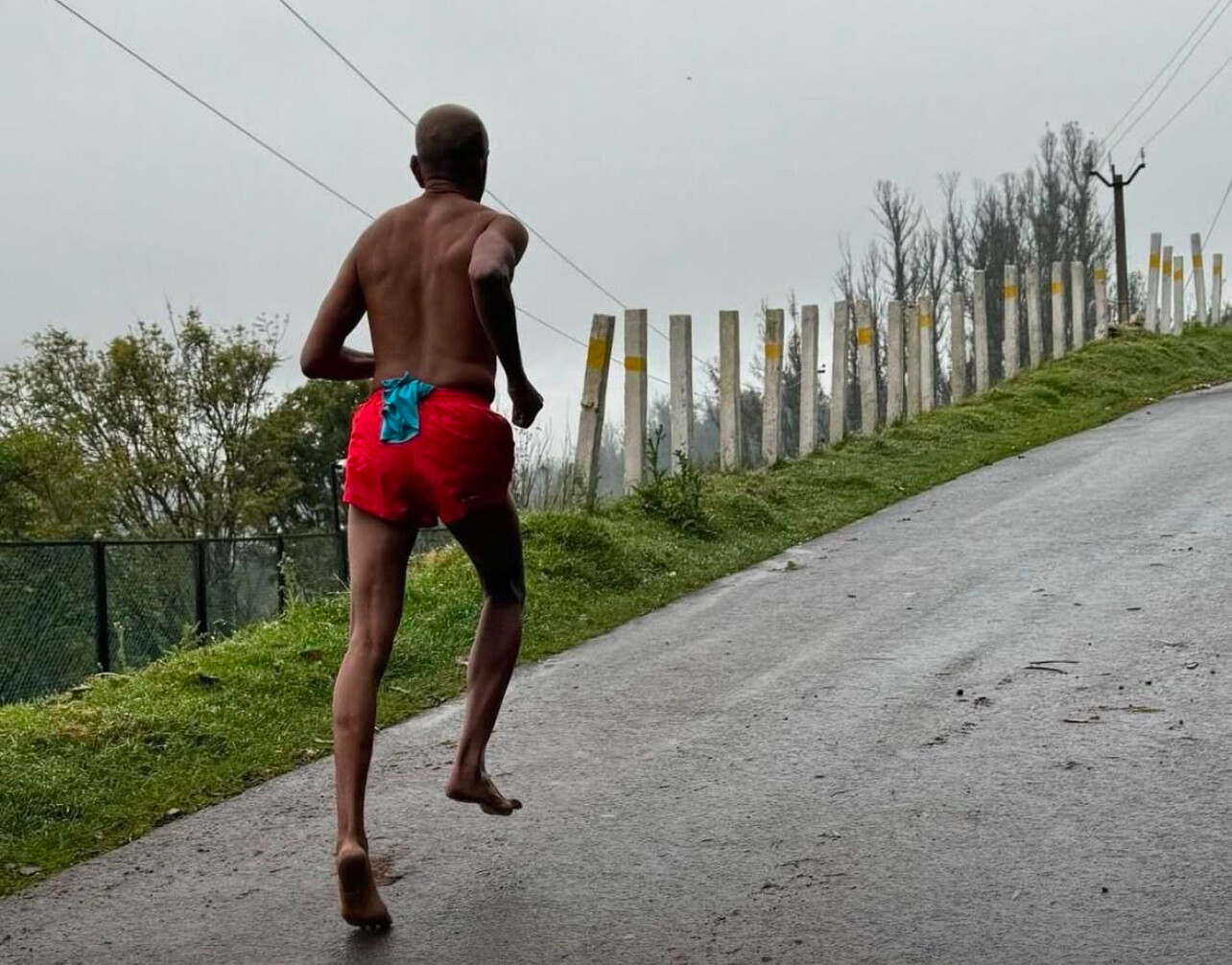
At the Mumbai Marathon, Bobby's effortless stride and unyielding pace drew cheers from spectators along the route. His 3:11:47 finish wasn’t just a personal achievement; it was a testament to his resilience and the strength of his training, which includes long runs on Bangalore's rugged trails.
"I've always believed that running barefoot is a way to honor the simplicity of the sport," Bobby shared after the race. "The road doesn't care if you wear the latest gear or go barefoot. What matters is your passion and dedication."
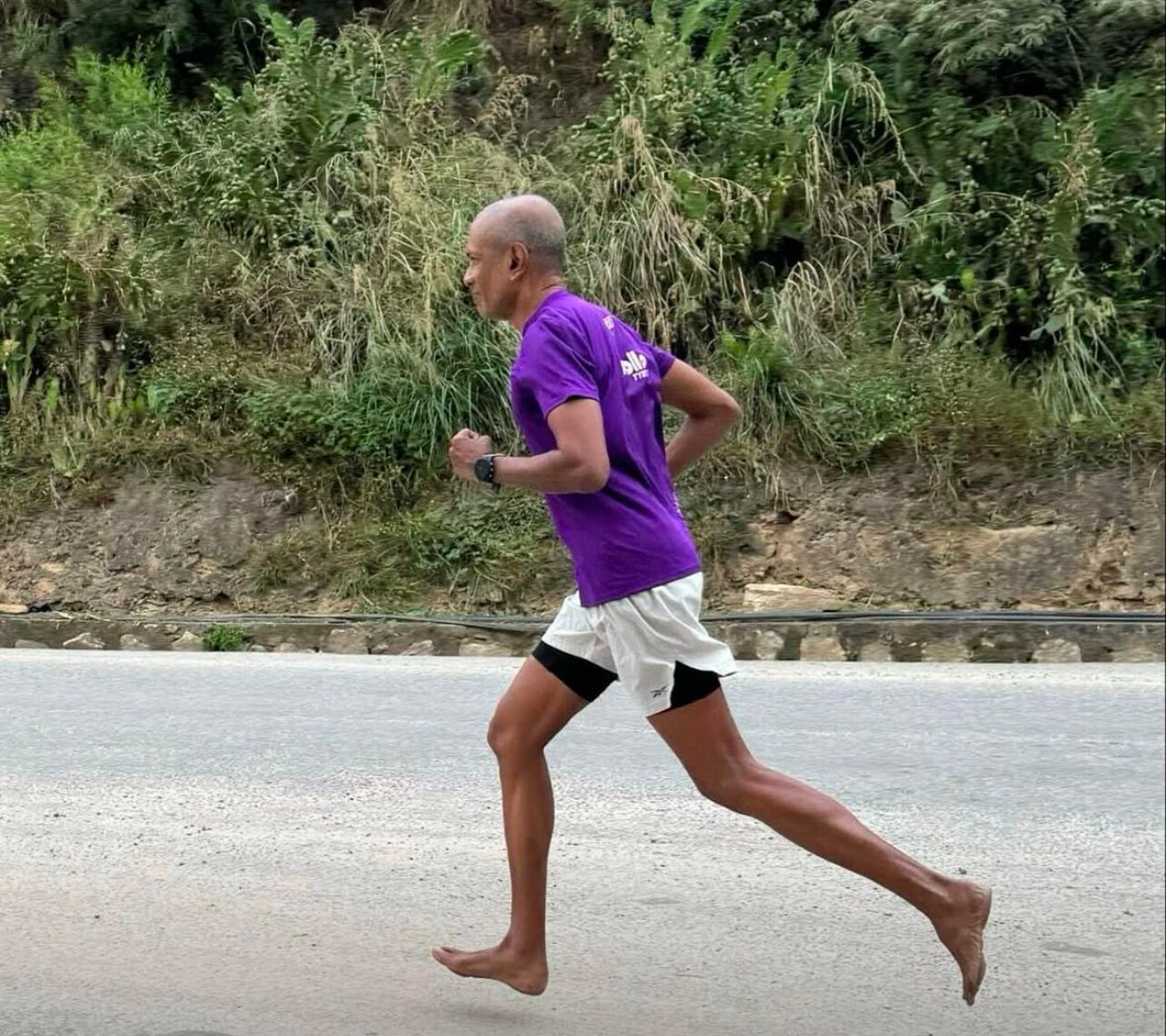
Bobby's story has inspired runners worldwide, proving that innovation and tradition can coexist on the marathon course. At 58, he shows no signs of slowing down, and his sights are set on breaking the 3-hour barrier in the coming years.
Barefoot Bobby's journey reminds us all that running is about more than just physical performance is about heart, determination, and embracing your unique path.
(01/26/25) Views: 135
Boris Baron
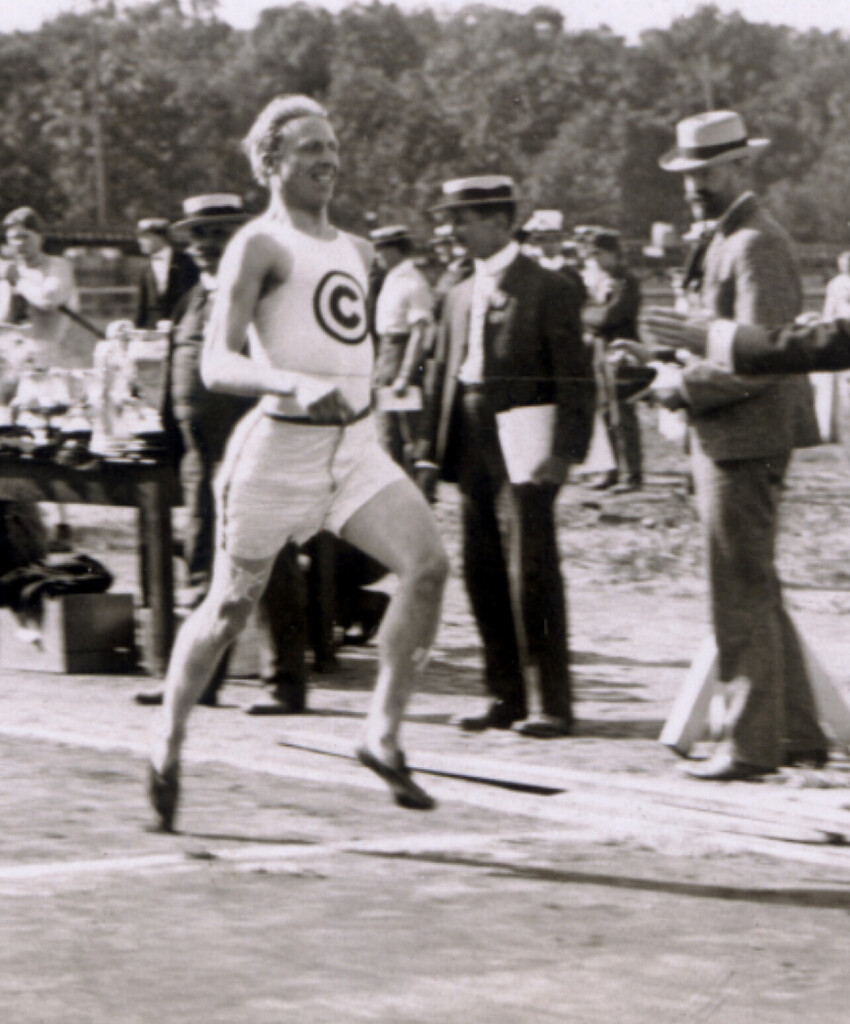
Remembering James Lightbody: The Middle-Distance Maestro of the Early 20th Century
James Lightbody, one of the most remarkable middle-distance runners of his time, left an indelible mark on Olympic history. A dominant force at the 1904
Summer Olympics, Lightbody secured three gold medals in the 800m, 1500m, and the 2,590m steeplechase. His winning time of 4:05.4 in the 1500m was recognized as a world record, although it lagged behind Tom Conneff's amateur mile record of 4:15.6, set years earlier.
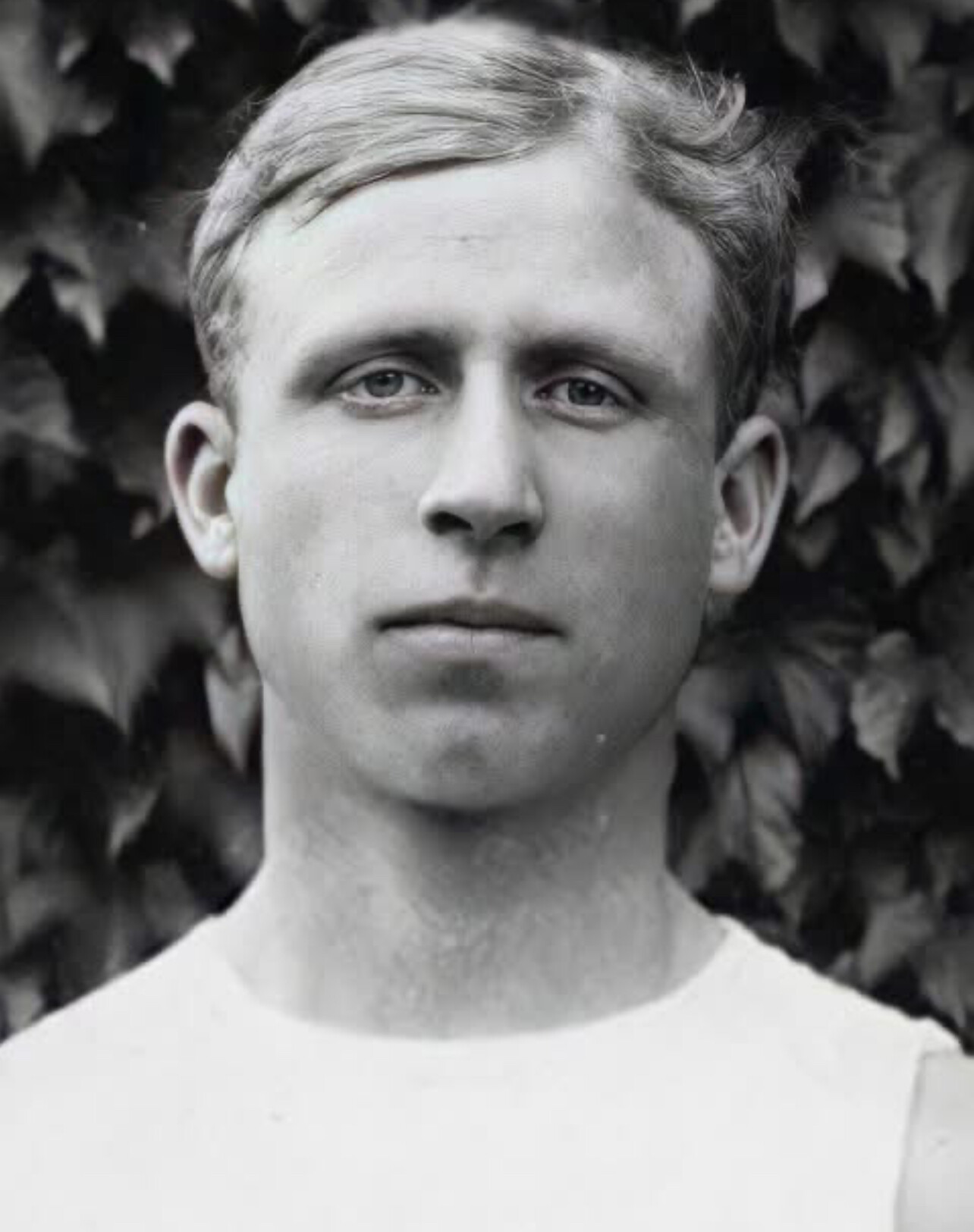
Beyond the 1904 Games, Lightbody continued to showcase his prowess. In 1905, he achieved a double victory in the 880-yard and mile events at the AAU Championships.

At the 1906 Intercalated Games, he successfully defended his Olympic 1500m title and earned a silver medal in the 800m.
However, his 1908 Olympic campaign in London was less successful, as he was eliminated in the heats of the 800m, 1500m, and steeplechase.
A graduate of the University of Chicago, Lightbody represented the Chicago Athletic Association during his competitive years.
After his Olympic career, he moved to Berlin where he became the German champion in the 800m and 1500m in both 1910 and 1911.
Personal Bests
400m: 53.0 (1906)
800m: 1:56.0 (1904)
1500m: 4:05.4 (1904)
Olympic Achievements
1904 Summer Olympics
800m: Gold
1500m: Gold
2,590m Steeplechase: Gold
4-Mile Team: Silver
1906 Intercalated Games
800m: Silver
1500m: Gold
1908 Summer Olympics
Competed in 800m, 1500m, and 3,200m steeplechase (eliminated in heats)
James Lightbody's achievements cement his legacy as a pioneer in middle-distance running, inspiring generations of athletes to follow in his footsteps.
(01/26/25) Views: 127Boris Baron
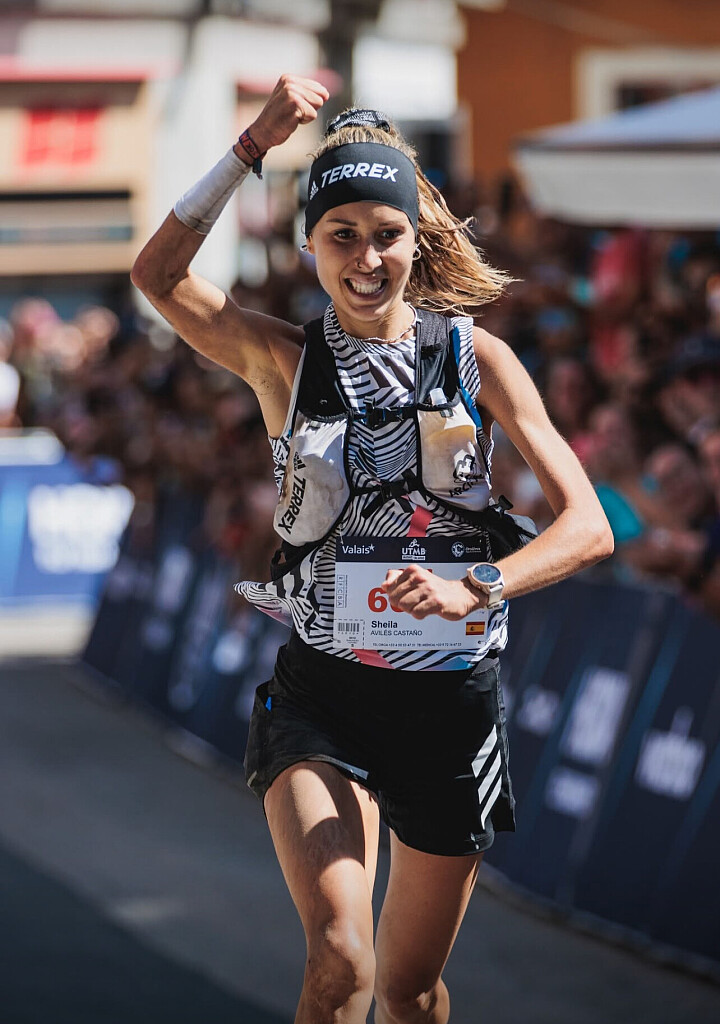
Sheila Avilés Castaño Lives for Peaks and Nature
Sheila Avilés Castaño, born on July 7, 1993, in Santa Margarida de Montbui, Spain, is a trail and skyrunning athlete whose passion for nature and sport has propelled her to remarkable achievements on the global stage. From a young age, Sheila found joy in the outdoors, combining her athletic talent with her love for the mountains. Trail running became her sanctuary, offering the perfect balance between physical challenge and the beauty of nature.
Over the years, Sheila has built an impressive career, winning major titles and captivating fans around the world. In 2017, she claimed the Sky Classic category of the Skyrunning World Cup and earned a bronze medal at the European Skyrunning Championships. Two years later, she added another Skyrunning World Cup title to her name, proving her consistency and determination at the highest level of competition. Her crowning achievement came in 2022 when she triumphed at the OCC race of the UTMB Mont-Blanc, a victory that cemented her status as one of the top athletes in her discipline.
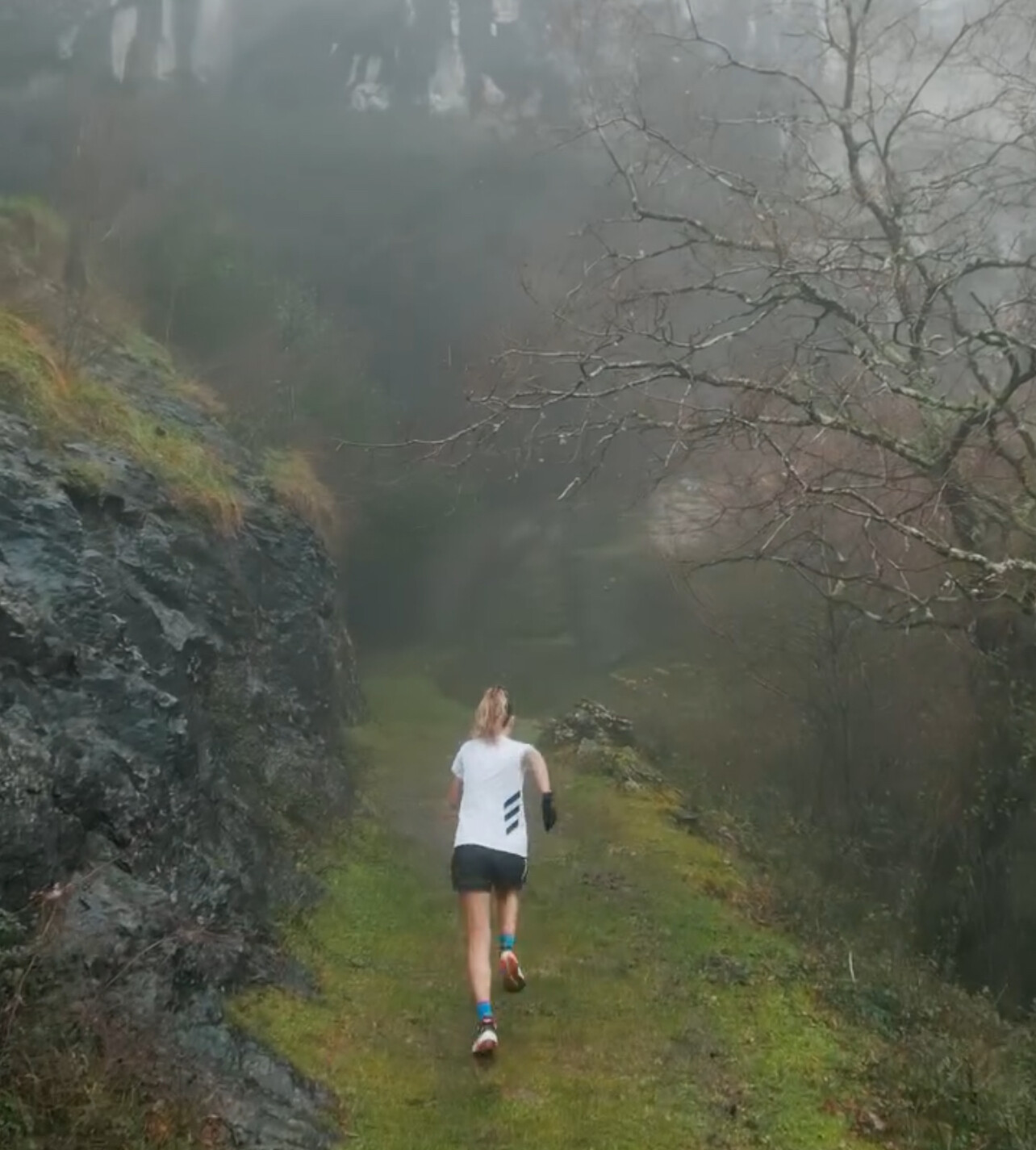
In 2024, Shella continued to showcase her extraordinary talent and resilience. At the HOKA Val d'Aran by UTMB®, she completed the 18 km course with 465 meters of elevation gain in 1:32:07, placing 3rd among women. Later in the year, she dominated the adidas TERREX INFINITE TRAILS 30K Individual race, finishing in 3:25:08 and securing 1st place in the women's category.

She also put in a strong performance at the Salomon Ultra Pirineu's Mitja Pirineu 21k, covering the challenging 21 km course with 1,200 meters of elevation gain in 1:50:05, finishing 6th among women. Her consistency across diverse events reflects her adaptability and unwavering commitment to the sport.
Beyond her racing accomplishments, Sheila is an ambassador for the beauty of trail running and the deep connection it fosters with nature. Through her social media and public appearances, she inspires runners and outdoor enthusiasts worldwide to embrace the mountains and push their limits.
For Sheila, running is more than a sport-it's a way of life, a celebration of the human spirit, and a testament to what can be achieved with passion and dedication.
Sheila Avilés Castaño continues to conquer peaks and inspire others, reminding the world that no summit is too high when approached with determination and love for the journey.
(01/26/25) Views: 122
