

Running News Daily
Top Ten Stories of the Week
2/15/2025
These are the top ten stories based on views over the last week.
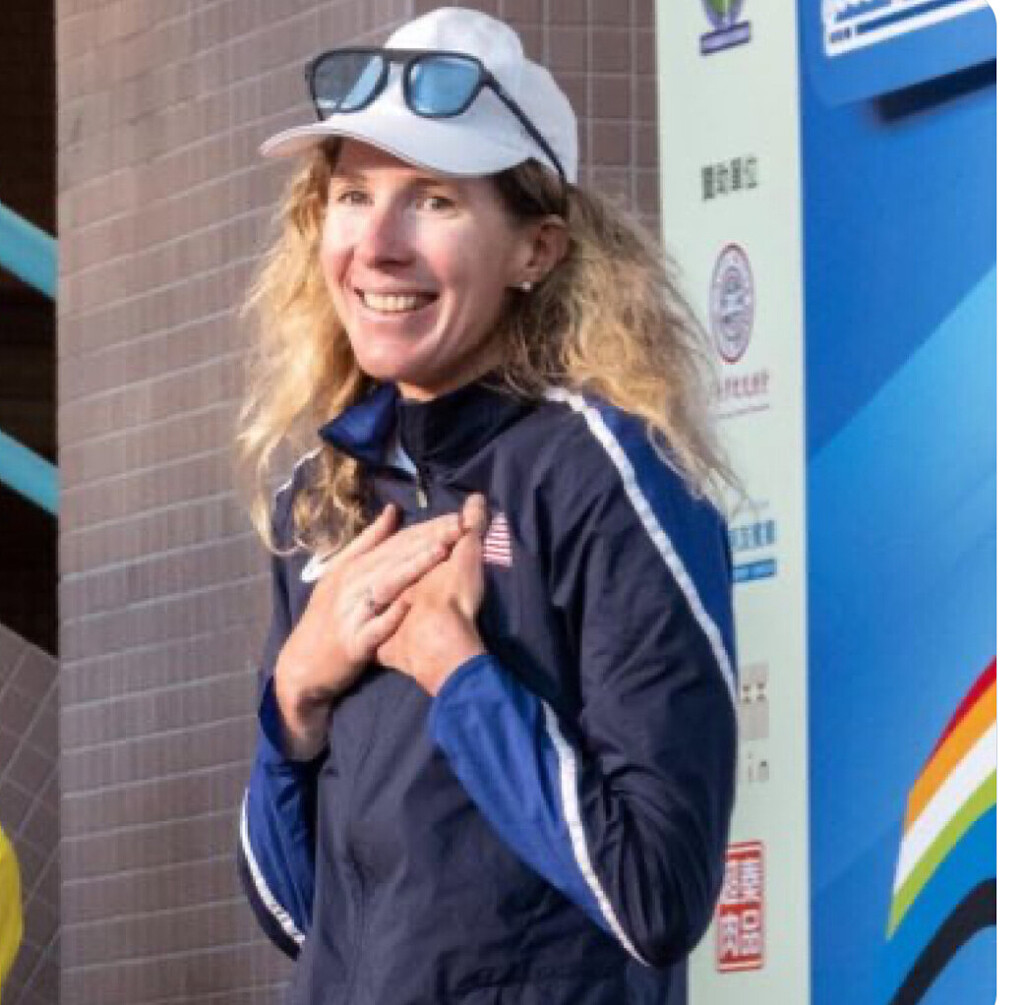


Camille Herron and the Wikipedia Controversy: Integrity in Ultrarunning Under Scrutiny
Update: after reading our article Camille sent this to MBR "Individuals are violating World Athletic rules and publicly claiming they broke my records. It’s undermining the integrity of the sport and devaluing those who adhere to the rules and the ratified record holders, including me.
I hope Yiannis’s statement provides added clarity who’s behind the push to disregard the rules and retaliated against me."
Camille Herron recently addressed the Wikipedia controversy on her Facebook page, expressing her commitment to fairness and accountability in ultrarunning. She acknowledged the challenges of speaking up about rules and technicalities, noting that it can lead to retaliation.
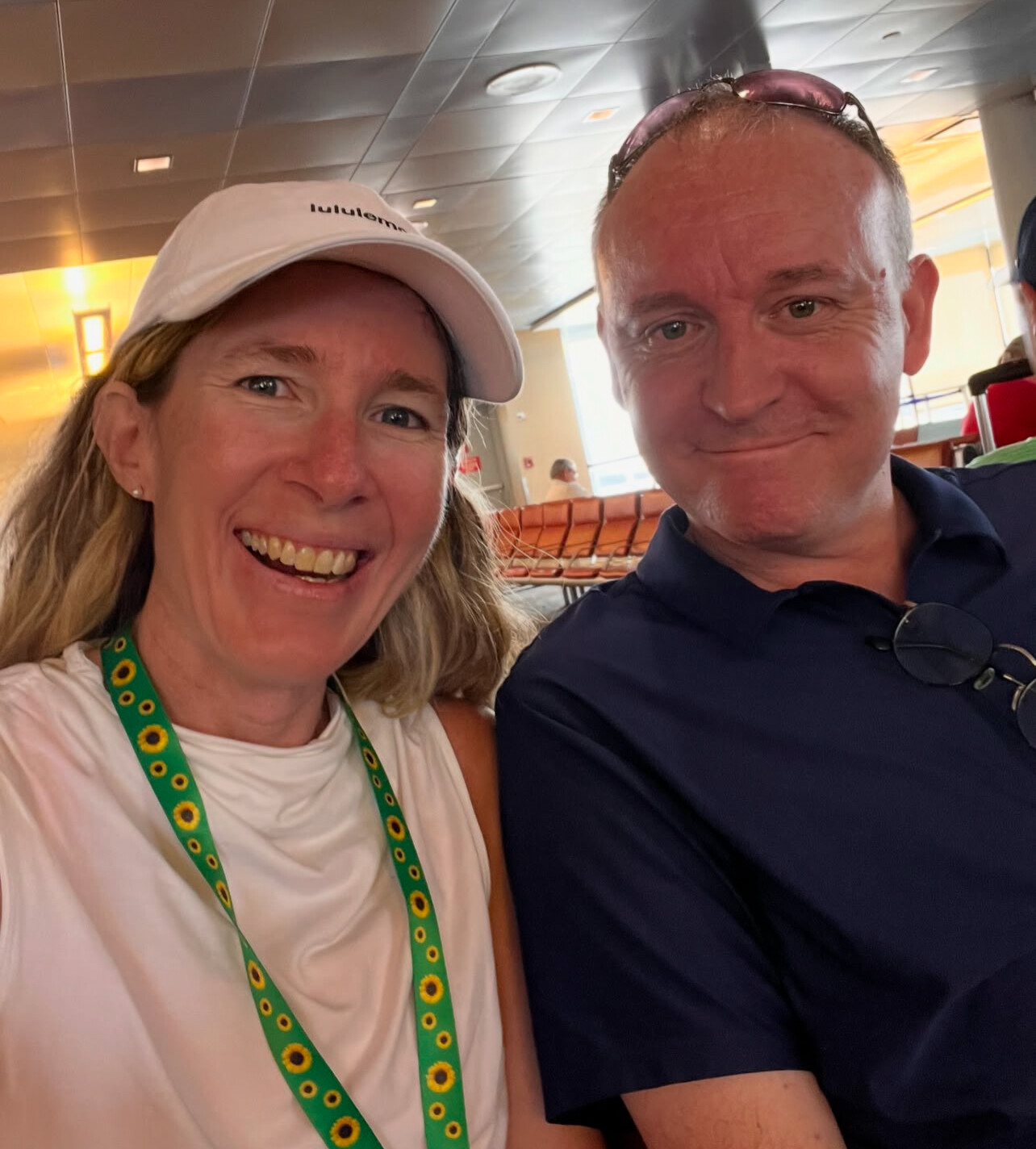
Herron emphasized that the International Association of Ultrarunners (IAU) has validated her concerns twice, confirming that she continues to hold the IAU World Records and World Bests for 48 Hours and 6 Days. She concluded by thanking her supporters and reaffirming her dedication to integrity in the sport.
In September 2024, the ultrarunning community was shaken by a controversy involving American ultrarunner Camille Herron and her husband and coach, Conor Holt. The couple was accused of editing Wikipedia pages to enhance Herron's achievements while diminishing those of her competitors.
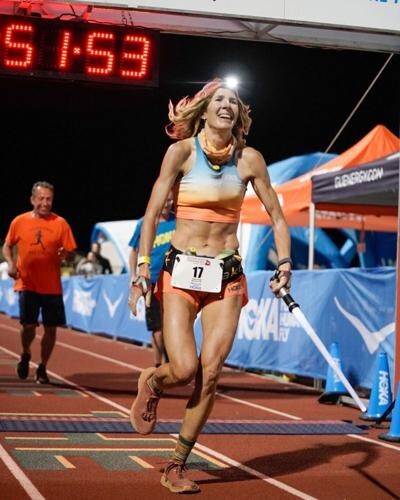
An investigation by Canadian Running revealed that two Wikipedia accounts, "Temporun73" and "Rundbowie," were linked to Herron's email and Holt's IP address. These accounts made numerous edits to Herron's page, amplifying her accomplishments, and altered the pages of fellow ultrarunners, including Courtney Dauwalter and Kilian Jornet, to downplay their achievements. For instance, statements like "widely regarded as one of the best trail runners ever" were removed from competitors' pages, while Herron was described as "widely regarded as one of the greatest ultramarathon runners of all time."
Following the exposure of these activities, Herron's primary sponsor, Lululemon, terminated their partnership with her. In a statement, the company emphasized its commitment to equitable competition and stated, "After careful consideration and conversation, we have decided to end our ambassador partnership with Camille."
In response to the allegations, Holt took full responsibility, stating, "Camille had nothing to do with this. I'm 100 percent responsible and apologize [to] any athletes affected by this and the wrong I did." He explained that his actions were an attempt to protect Herron from online harassment and bullying that had adversely affected her mental health.
The incident has sparked widespread discussion within the ultrarunning community, with many expressing disappointment over the unsportsmanlike behavior. Herron, known for her numerous world records and contributions to the sport, now faces challenges in rebuilding trust and credibility within the community.
As the situation unfolds, it serves as a reminder of the importance of integrity and sportsmanship in athletics. The ultrarunning community continues to reflect on the implications of this controversy and the lessons to be learned moving forward.
(02/10/25) Views: 328Boris Baron
Running Outside Your Comfort Zone: How to Push Your Limits and Achieve More
Running outside your comfort zone is about pushing past your usual limits, stepping into a place of discomfort, and embracing the challenge that leads to improvement. It’s the difference between running at a comfortable, familiar pace and pushing yourself to a point where your body and mind are tested.
For an elite athlete, this means running at world-class paces that demand peak physical and mental effort. For an average runner, it means running faster, longer, or with greater intensity than they are used to—whether that’s shaving seconds off a 5K time, running a new distance, or finishing a tough interval workout.
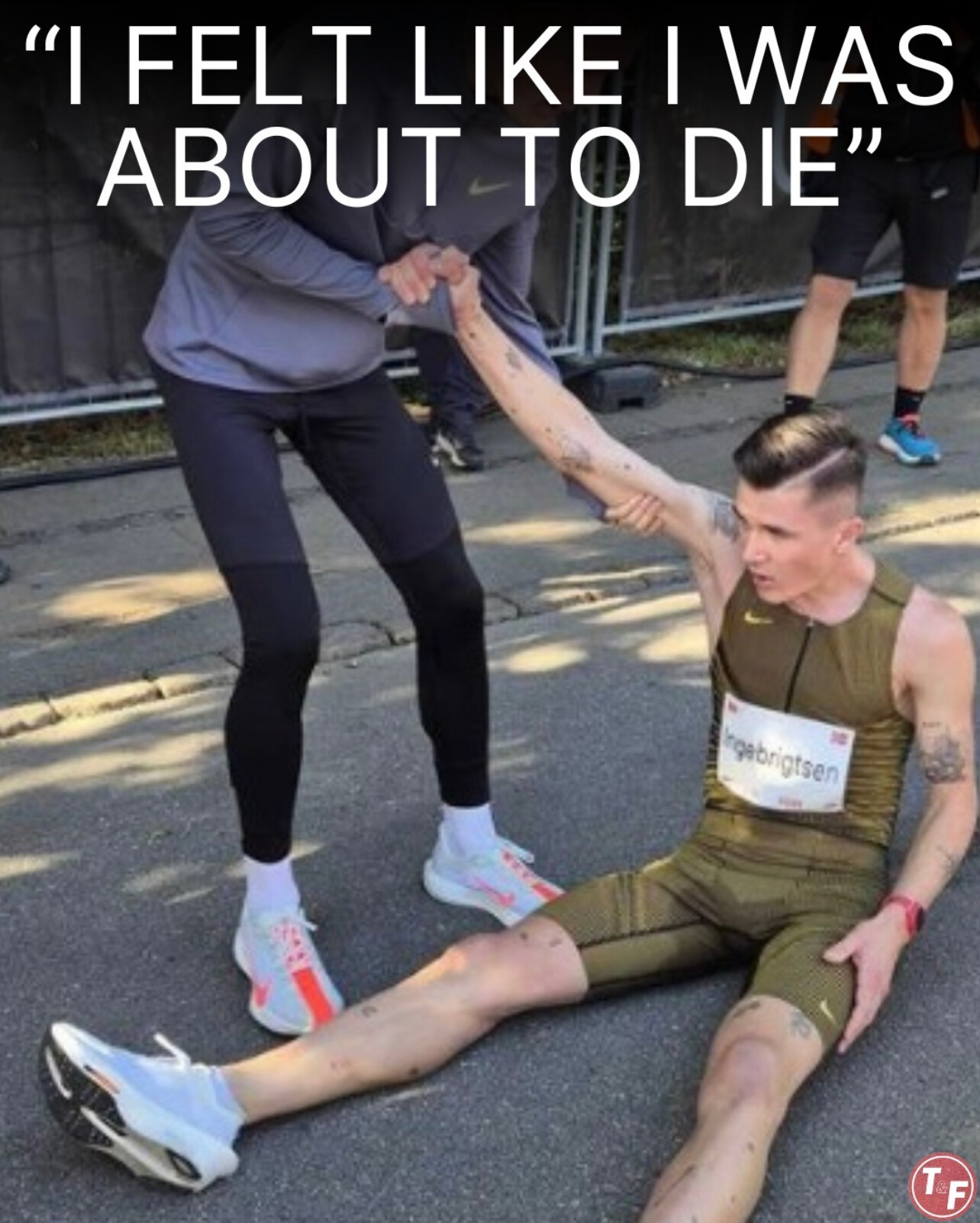
This powerful image captures Jakob Ingebrigtsen at the absolute limits of his endurance, a moment that epitomizes what it means to push beyond the comfort zone in elite racing. Ingebrigtsen, one of the most dominant middle-distance runners in the world, is seen completely spent, collapsed on the ground, relying on assistance just to get up. His quote, "I felt like I was about to die," is not just dramatic-it's a reflection of what it takes to compete at the highest level, where the margins between victory and defeat are razor-thin.
For elite athletes like Ingebrigtsen, racing is about embracing suffering rather than avoiding it. He has trained his body and mind to withstand extreme discomfort, knowing that to achieve greatness, he must run through the pain, not away from it. This image serves as a powerful reminder that whether you're an Olympic champion or an everyday runner chasing a personal best, the only way to truly improve is to push beyond what feels comfortable and into that space where breakthroughs happen.
The key to improving as a runner is learning how to handle discomfort without giving in to it. The body adapts when it’s challenged, but only if you consistently step beyond your comfort zone.
How the Average Runner Can Learn to Push Their Limits
Many runners stay at the same pace for years because they never challenge themselves beyond their current ability. Here’s how an average runner can start running outside their comfort zone.
Run at a Pace That Feels Uncomfortable
Most runners settle into a pace that feels sustainable and manageable. To break through plateaus, introduce faster running into your routine.
Progression runs: Start slow and gradually increase your pace so that the final third of the run is at a challenging but controlled effort.
Threshold runs: Run 10-15 minutes at a comfortably hard pace, where you’re breathing heavily but still in control.
Strides and surges: Add 20–30 second accelerations at the end of easy runs to build speed without fatigue.
Train with Purposeful Discomfort
Pushing beyond your limits doesn’t mean running recklessly—it means training your body to handle discomfort efficiently.
Intervals: Short, fast efforts (e.g., 6 x 400m at 5K pace) followed by short rest periods train your body to sustain effort even when tired.
Hill repeats: Running uphill improves strength and stamina, forcing you to push through discomfort.
Long runs with fast finishes: Ending long runs at a faster pace teaches your body to keep going when tired.
Improve Mental Toughness
Running outside your comfort zone isn’t just physical—it’s mental. When your legs get tired and your breathing gets heavy, your mind will tell you to slow down. Learning to override that voice is crucial.
Mantras: Repeating phrases like “strong and steady” or “I can do this” can help override negative thoughts.
Controlled discomfort: Remind yourself that pain in running isn’t the same as injury—it’s a sign of growth.
Visualization: Picture yourself finishing strong before your run starts. Your body follows what your mind believes.
Race More Often
The best way to step out of your comfort zone is to race regularly. In a race setting, you’re more likely to push yourself harder than you would in training. Even if you’re not at peak fitness, toeing the start line forces you to test your limits.
How Elite Athletes Push Their Limits at World-Class Pacing
When watching professional runners race, it’s easy to think they make it look effortless. The truth is, they are almost always on the edge of discomfort, running at a pace that would break most runners within minutes.
World-Class Pacing and the Pain Zone
Elite runners train to be comfortable with discomfort. Whether it’s a marathoner running under five-minute miles for 26.2 miles or a sprinter giving 100% effort for just 10 seconds, they are conditioned to hold their effort at a threshold most people can’t sustain.
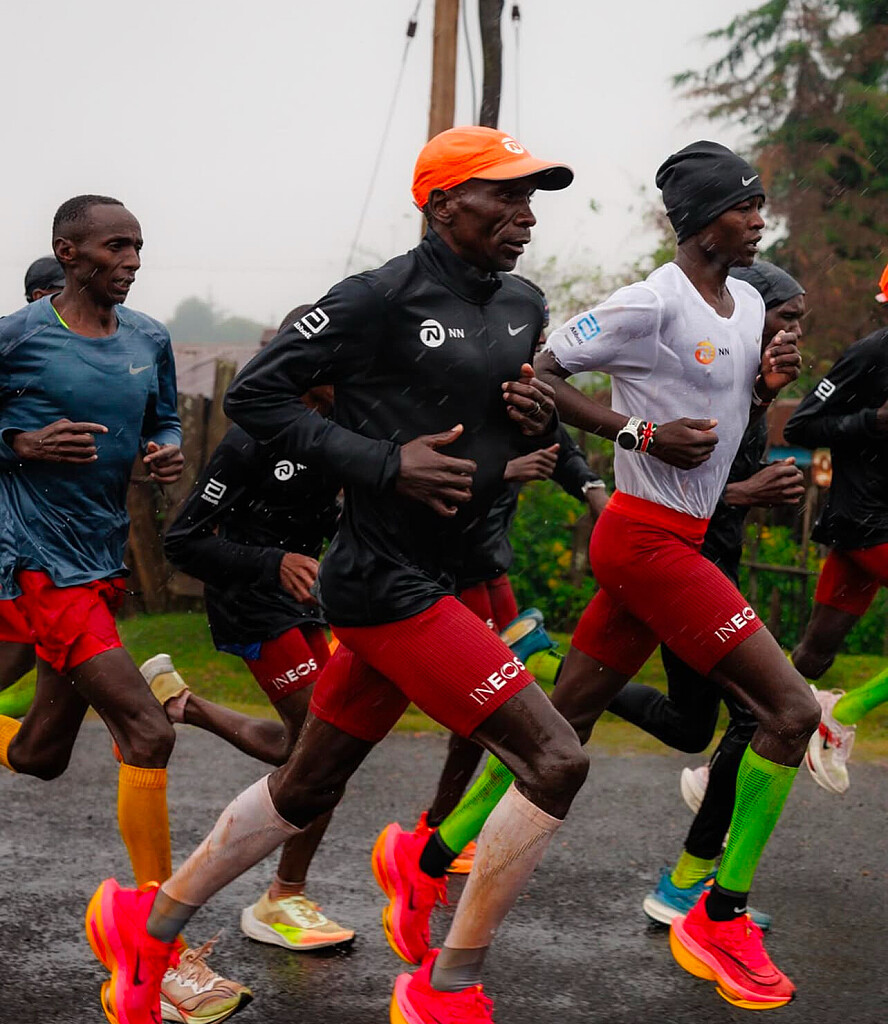
Marathoners like Eliud Kipchoge spend years training their bodies to maintain high speeds without breaking down. His sub-2-hour marathon (averaging 4:34 per mile) was only possible because of relentless training outside his comfort zone.
Middle-distance runners like Jakob Ingebrigtsen in the 1500m race push through extreme fatigue in the final lap, training their bodies to hold off the competition while running at speeds most runners can’t even sprint.
Mental Fortitude at the Elite Level
At the world-class level, running outside the comfort zone is as much mental as it is physical. Elite runners:
Train to tolerate pain – They expect discomfort and use it as a signal to push harder, not slow down.
Use tactical thinking – Instead of panicking when they feel tired, they focus on form, breathing, and staying in the race mentally.
Embrace suffering – They view discomfort as part of the journey, knowing that real improvement only happens when they challenge their limits.
Gene Dykes and Rosa Mota: Masters of Pushing the Limits
Some of the best examples of runners stepping outside their comfort zones come from masters athletes.
At age 70, Gene Dykes ran a marathon in 2:54:23 at the Jacksonville Marathon. His ability to continue running world-class times at an age when most runners have slowed dramatically is a testament to smart training, mental fortitude, and a willingness to embrace discomfort.
Rosa Mota, the 1988 Olympic marathon champion, continues to redefine what’s possible for older runners. In December 2024, at age 66, she ran a 10K in 38:23 at the San Silvestre Vallecana, setting a new world record for the W65 category. Even decades after her Olympic victory, she remains a fierce competitor, proving that world-class pacing and a commitment to pushing limits don’t have an expiration date.
Why Running Outside Your Comfort Zone Matters
If you want to improve as a runner—whether you're chasing a faster 5K, your first marathon, or simply becoming stronger—you have to train beyond what feels easy.
Running outside your comfort zone doesn’t mean reckless overtraining, but it does mean challenging your limits in a controlled, smart way. Whether it’s picking up the pace, racing more often, or simply not backing down when things get tough, stepping beyond what feels comfortable is where real growth happens.
Elite athletes live in this zone during competition. The average runner can train to experience it too—and that’s how true breakthroughs happen.
(02/12/25) Views: 222Boris Baron
How Much Have Tracks and Shoes Improved 10,000m Times? A Look at Billy Mills’ 1964 Olympic Gold Compared to Today
When Billy Mills won the 10,000 meters at the 1964 Tokyo Olympics, he shocked the world. A relative unknown at the international level, Mills surged past world record holder Ron Clarke in the final stretch to win gold in 28:24.4, setting an Olympic record. It remains one of the most famous upsets in Olympic history.
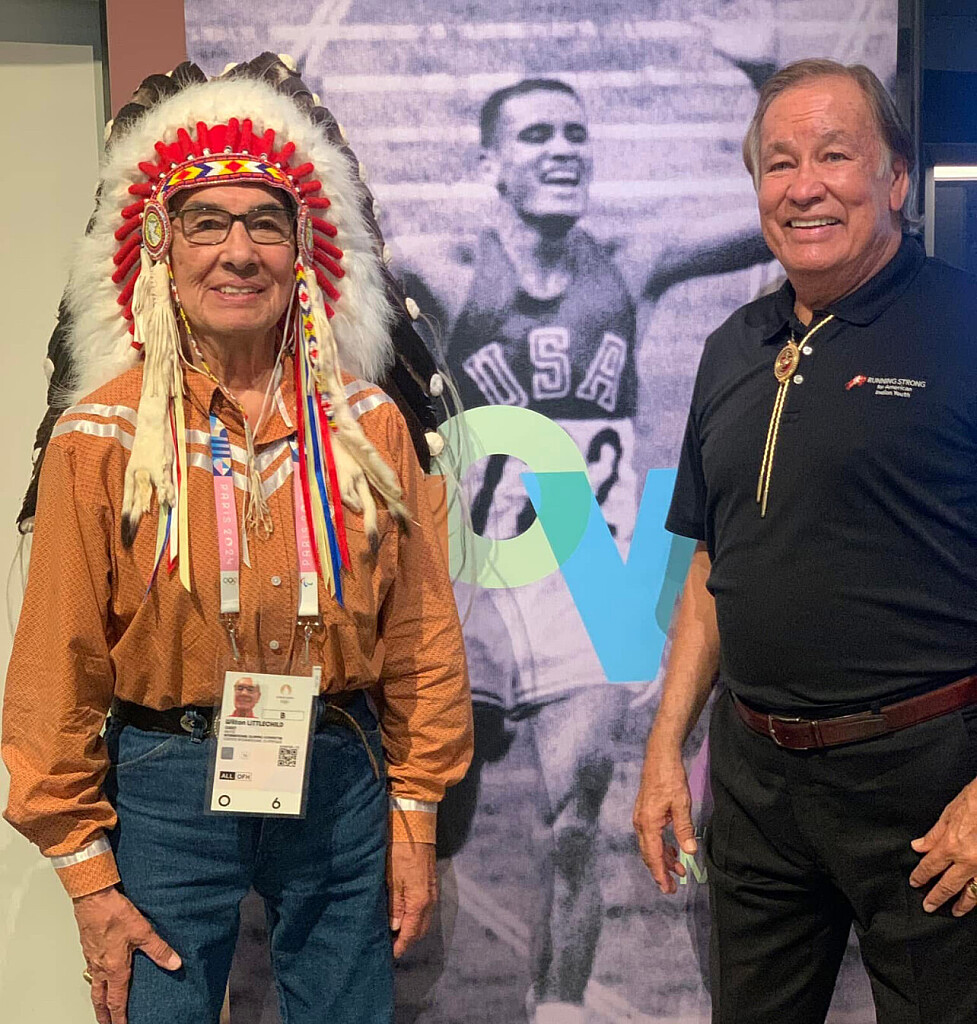
At the 2024 Paris Olympics, Billy Mills sat in the stands, watching intently as the men's 10,000-meter final unfolded. Sixty years after his historic victory in Tokyo, he witnessed another American, Grant Fisher, battling for the podium.
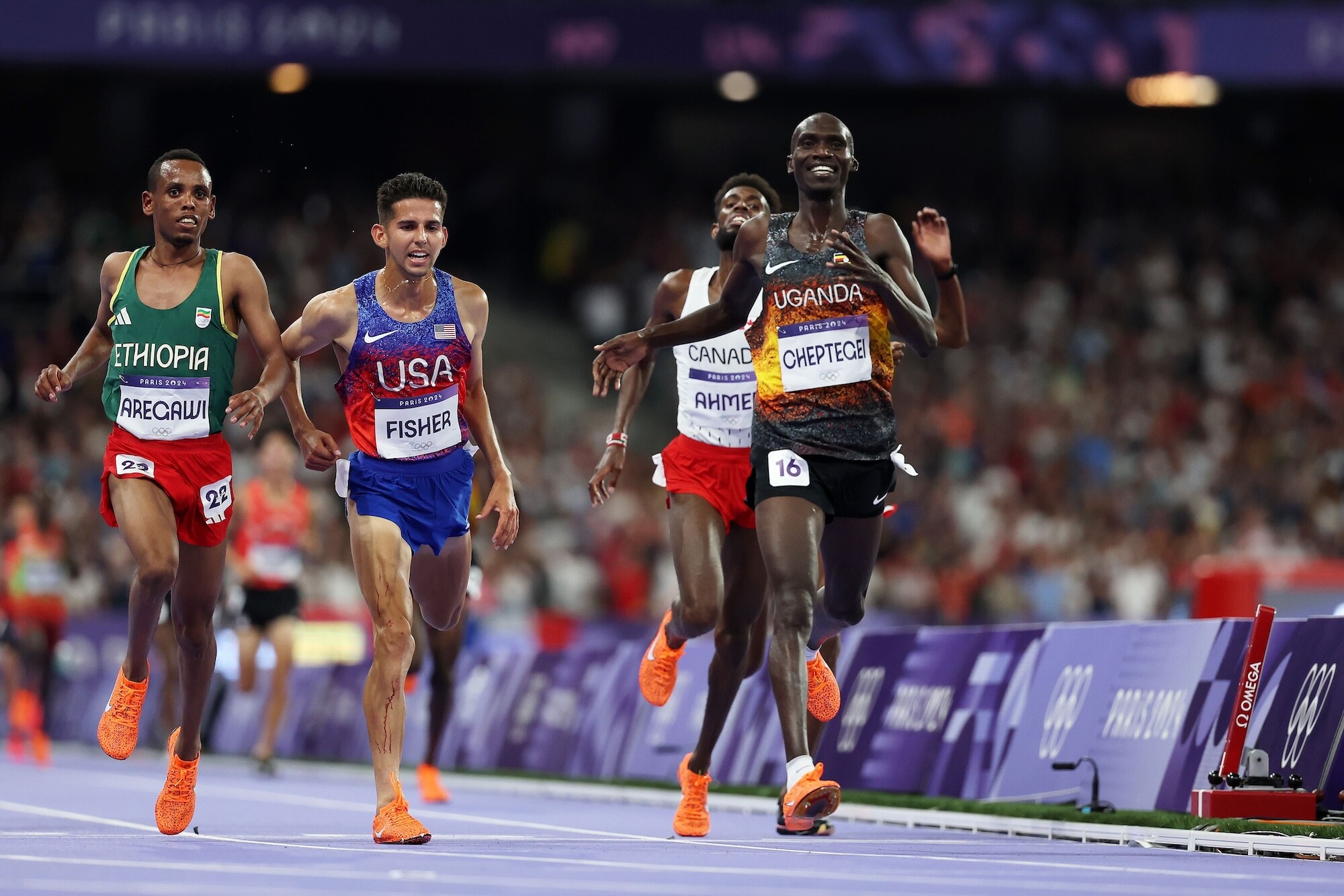
With two laps to go, Fisher was perfectly positioned, matching strides with the East African elites, his long, efficient stride reminiscent of Mills' own finishing kick in 1964.
As the bell rang for the final lap, Fisher surged, momentarily moving into second. Mills, now 86, leaned forward, sensing history. But in the last 100 meters, Fisher was edged out, securing bronze. Mills smiled, knowing how close greatness had come again. Fisher clocked 26:43.46, just one third of a second behind the gold medal winner.
Mills had ran his time on a cinder track, wearing "basic running shoes"—conditions that would be considered primitive compared to today’s high-tech track surfaces and carbon-plated racing shoes. Given all the advancements in running technology, how much faster could Billy Mills have run on a modern track with today’s footwear? And how much have these innovations contributed to the faster times we see today?
The Difference Between Cinder and Synthetic Tracks
One of the biggest changes in distance running over the last six decades has been the transition from cinder tracks to synthetic surfaces. Cinder tracks, composed of crushed brick, coal, or ash, provided uneven footing, absorbed energy from each step, and became soft and unpredictable when wet. Athletes often wore spikes with long, heavy pins to grip the loose surface.
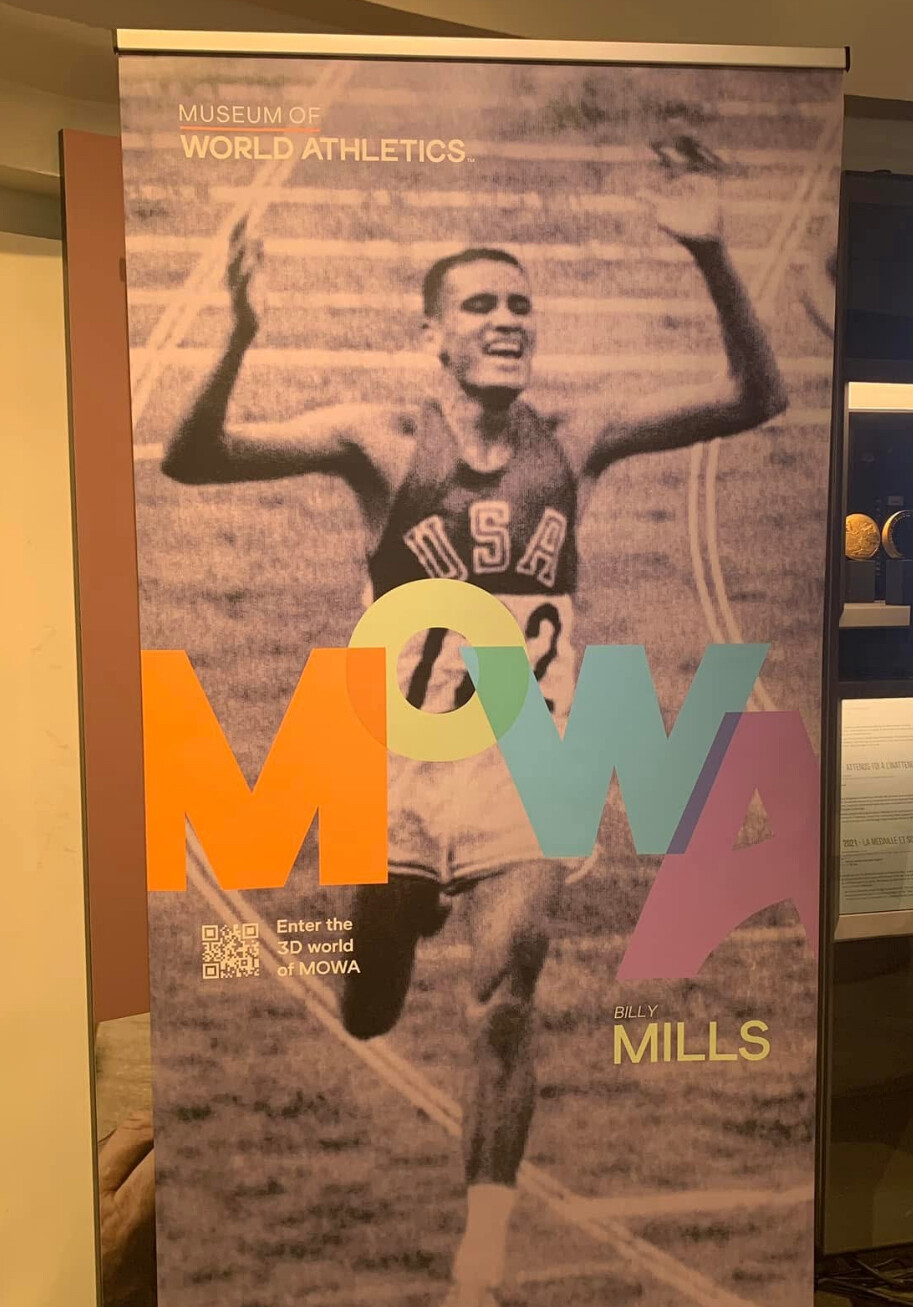
By contrast, modern synthetic tracks, introduced in the late 1960s, offer a firm, springy surface that returns more energy to the runner with each stride. Research suggests that switching from a cinder track to a synthetic track can improve distance-running performance by about 1-2 percent.
For a 10,000-meter race, a 1-2 percent time reduction equates to about 17 to 34 seconds. This means that if Billy Mills had run his race on a modern track, his time could have been anywhere between 27:50 and 28:07 just from the track surface alone.
The Impact of Modern Running Shoes
The second major advancement in distance running has been the development of carbon-plated racing shoes with high-energy-return foams. The latest models, introduced after 2016, are designed to reduce energy loss with each step, making it easier for runners to maintain their pace over long distances. Studies suggest these shoes provide 2-4 percent energy savings, which translates to a 30-60 second improvement over 10,000 meters.
Adding this to the estimated track advantage, Mills’ performance could have been further improved, bringing his potential time down to around 26:50 to 27:30.
Comparing Billy Mills’ Performance to Modern Champions
The current Olympic record for the 10,000 meters was set by Uganda’s Joshua Cheptegei at the 2024 Paris Olympics with a time of 26:43.14. That’s 1 minute and 41 seconds faster than Mills' winning time.
However, when we factor in advancements in track surfaces and footwear, the estimated modern equivalent of Mills’ race suggests he could have run within a minute of today’s best, making him far more competitive by modern standards than his official time suggests.
Other Factors That Have Led to Faster 10,000m Times
While tracks and shoes play a significant role in faster performances, several other factors have contributed to the improvement in 10,000-meter times over the decades:
More specialized training. Today’s distance runners have more scientifically tailored training programs, including altitude training, precise recovery strategies, and improved strength training techniques.
Better pacing and race strategy. Modern races are often assisted by pacemakers who set a steady, fast pace, helping runners conserve energy and stay consistent. In contrast, Mills’ race was a classic tactical battle with surges and slow-downs.
Nutritional and recovery advances. Today’s runners have access to optimized hydration, fueling, and recovery methods that allow them to train harder and more efficiently.
Billy Mills’ Performance in Context
Billy Mills’ gold medal run remains one of the most inspiring performances in Olympic history, not just because of the time he ran, but because of the way he won. His dramatic sprint finish against heavily favored competitors on a slower, less predictable surface showcased his incredible talent, toughness, and racing instincts.
Had he raced under today’s conditions with modern advantages, Mills likely would have been among the best in the world by today’s standards. His story is a reminder that while technology has helped athletes run faster, the heart and determination behind great performances remain unchanged.
The next time you watch an Olympic 10,000-meter race, consider just how much conditions have changed since 1964—and how incredible it was for Billy Mills to win on that cinder track with the tools available at the time. His legacy stands as a testament to the pure competitive spirit of running.
(02/12/25) Views: 215Boris Baron
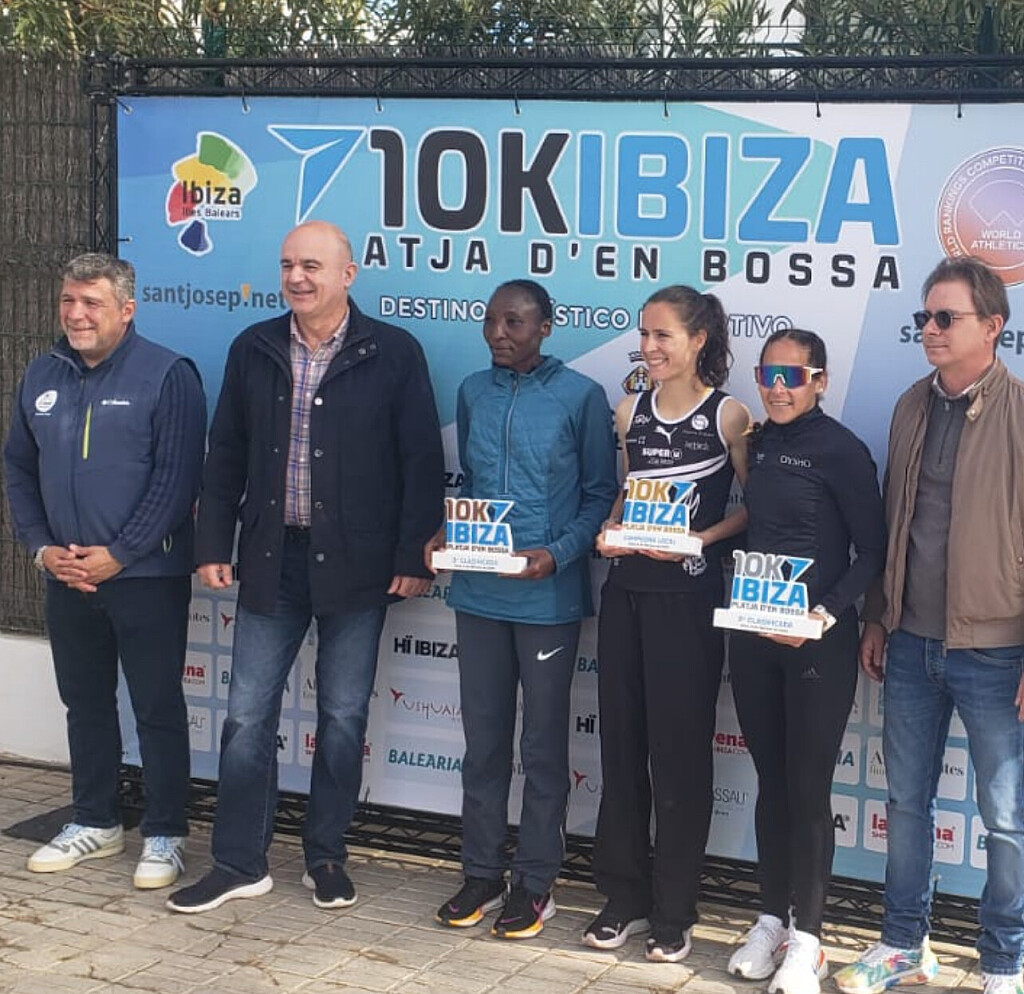
Risper Gesabwa Shines at 10K Ibiza While Training at KATA Portugal at Anderson Manor
For the past five weeks, elite Kenyan/Mexican runner Risper Gesabwa has been training at KATA Portugal, based at Anderson Manor in Monforte da Beira. Using the retreat as her European training base, Gesabwa has been fine-tuning her speed and endurance while competing in races across Spain. On February 9, 2025, she delivered a strong performance at the 10K Ibiza, placing second with a time of 32:44.
KATA Portugal, an extension of the Kenyan Athletics Training Academy (KATA), has provided Gesabwa with an ideal environment to sharpen her fitness. The retreat, located in the peaceful Portuguese countryside, offers top-tier training facilities, structured sessions, and a supportive atmosphere that mirrors the disciplined approach of Kenyan training camps.
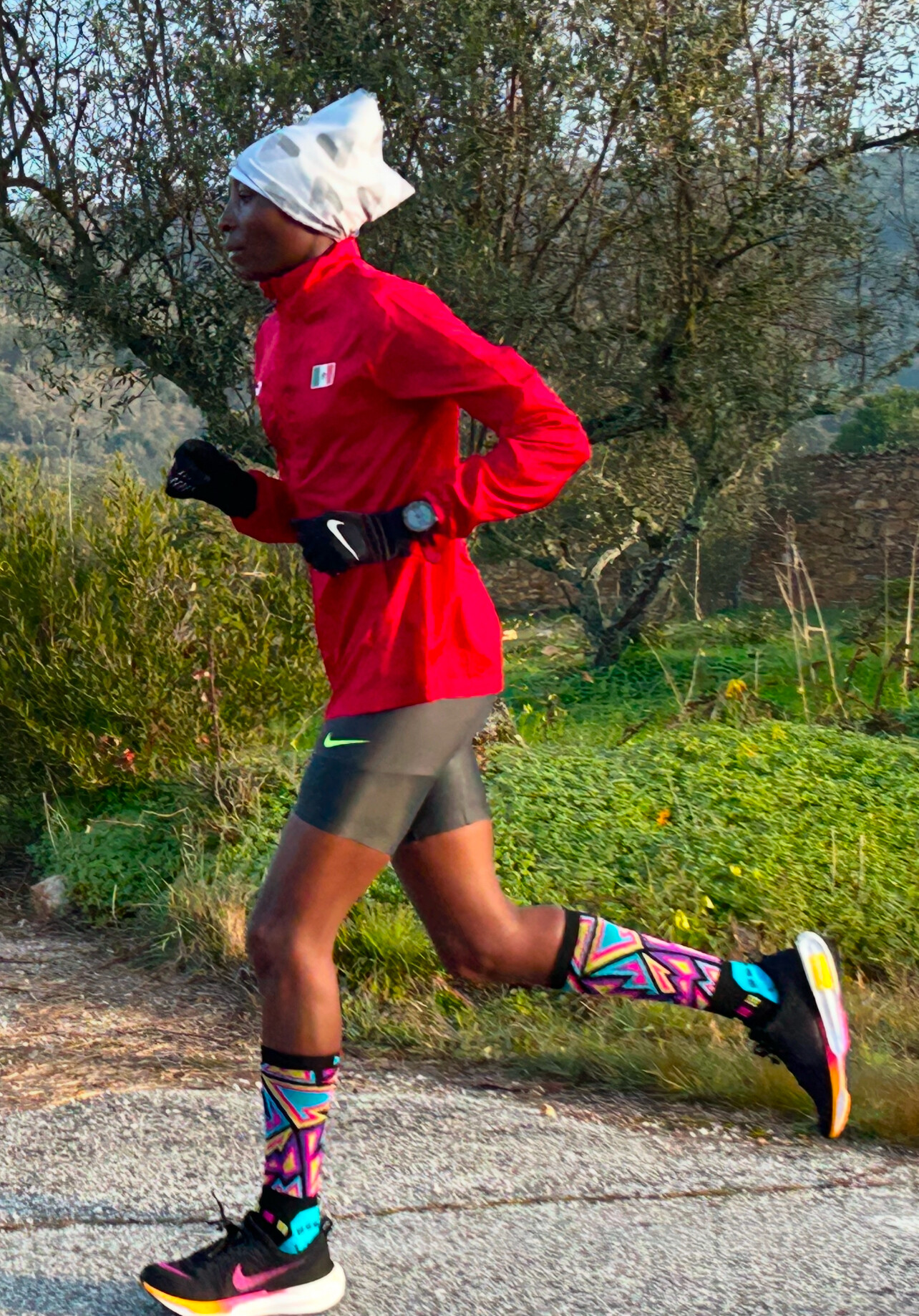
Her performance at the 10K Ibiza demonstrated her current form as she pushed the pace against a strong field. Running a 32:44 10K, she showcased her endurance and strength, reinforcing her reputation as a tough competitor. This performance is just the beginning, as she continues her racing season.
Following her successful European campaign, Gesabwa is returning to Mexico, where she resides, to prepare for upcoming competitions, including the highly anticipated Half Marathon Trials for the World Championships. With her current form and the strong foundation built at KATA Portugal, she is well-positioned to compete for a spot on the world stage.
Since arriving at Anderson Manor, Gesabwa embraced the structured training, cross-training options, and serene recovery environment. The retreat has proven to be a strategic base for athletes of all abilities looking to compete in Europe while maintaining the discipline and rigor of high-performance training.
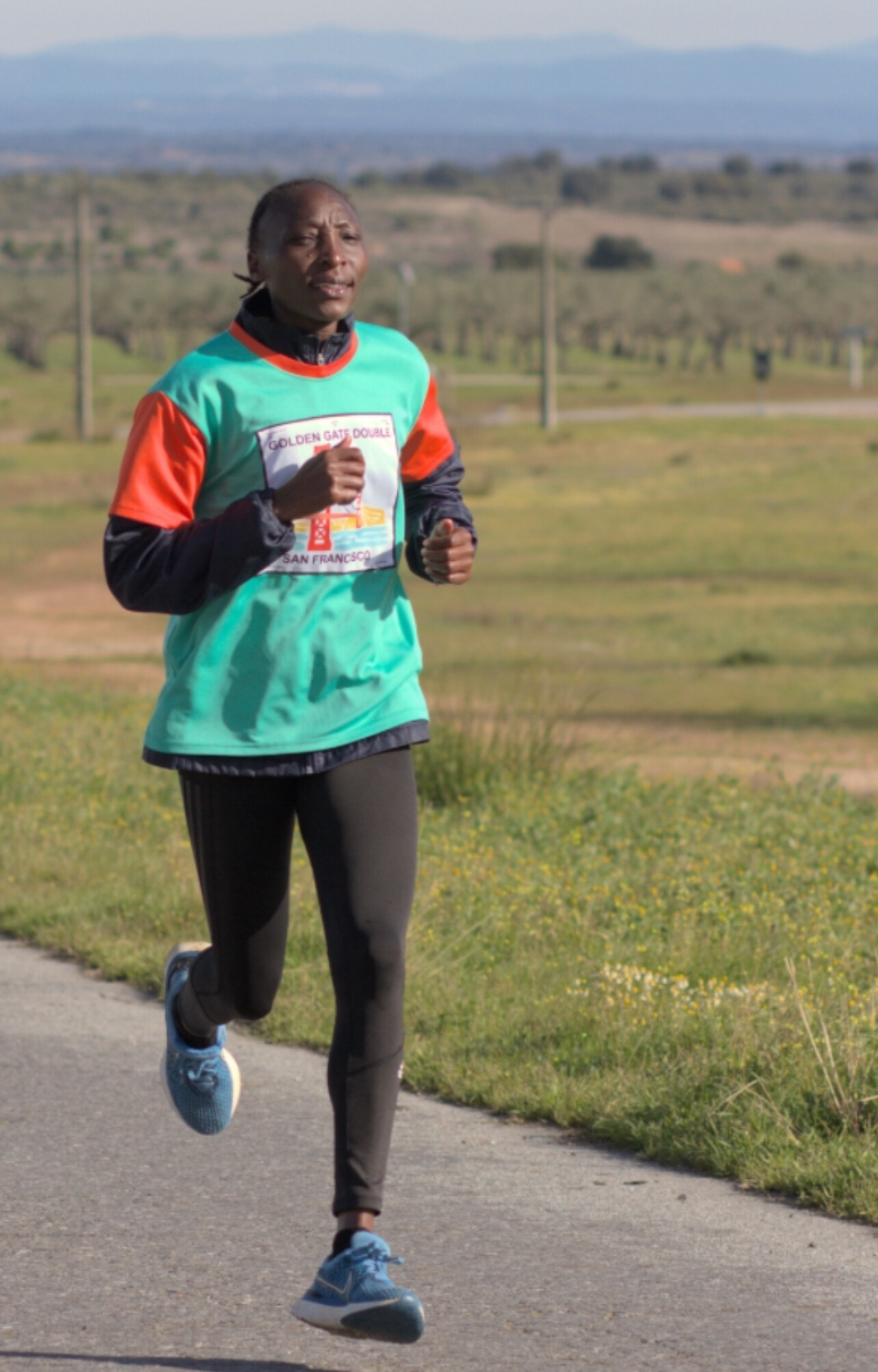
Her next goal is to continue improving and securing top finishes in upcoming races. With KATA Portugal at Anderson Manor providing the perfect blend of intensive training, rest, and recovery, Gesabwa is in prime position to achieve even greater success on the road racing circuit.
As she prepares for her next competition, her time at KATA Portugal underscores the growing reputation of Anderson Manor as a premier training destination for athletes looking to make an impact on the international stage or just to improve their besty times.
(02/10/25) Views: 135Bob Anderson
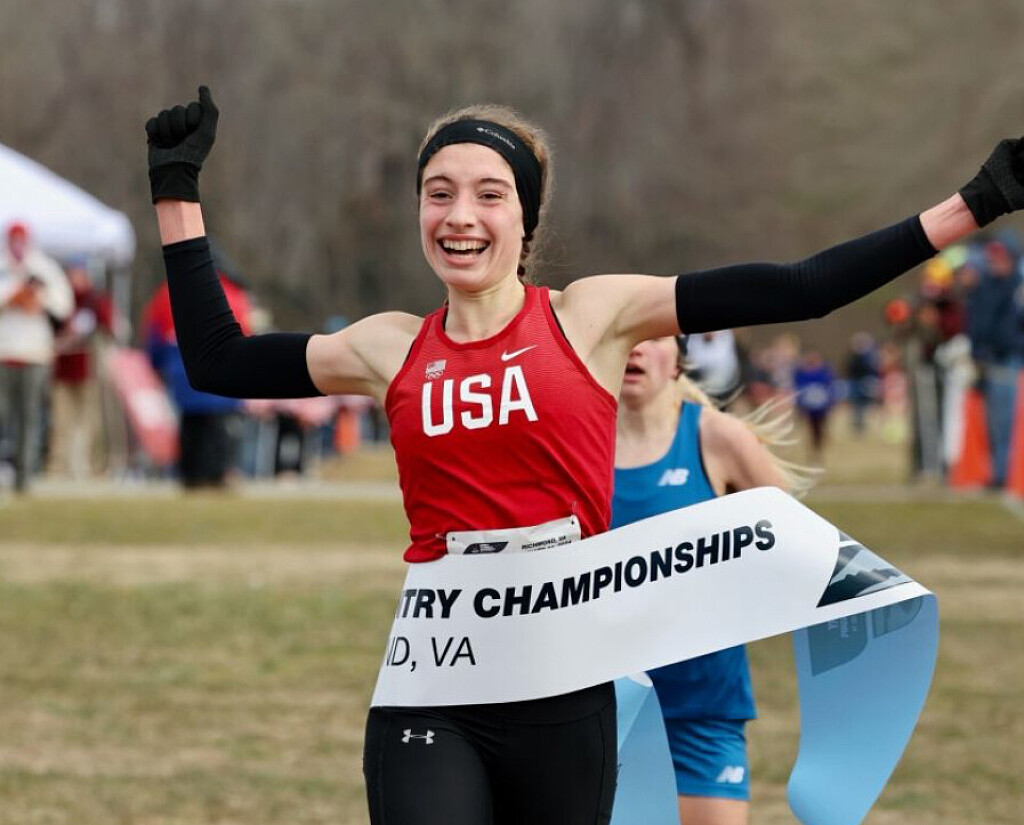
Zariel Macchia: Rising Star in Distance Running and Academics
Zariel "Z" Macchia, an 18-year-old senior at William Floyd High School in Suffolk County, New York, continues to make headlines as a standout talent in American distance running. Her achievements both on and off the track demonstrate her exceptional dedication and potential.
Macchia recently defended her title at the USATF U20 Cross Country Championships in Lubbock, Texas, completing the 6-kilometer course in 21:46 and winning by an impressive 11-second margin. This marked her second consecutive U20 national cross-country title, solidifying her reputation as one of the top young runners in the country. In recognition of this victory, she was named USATF Athlete of the Week.
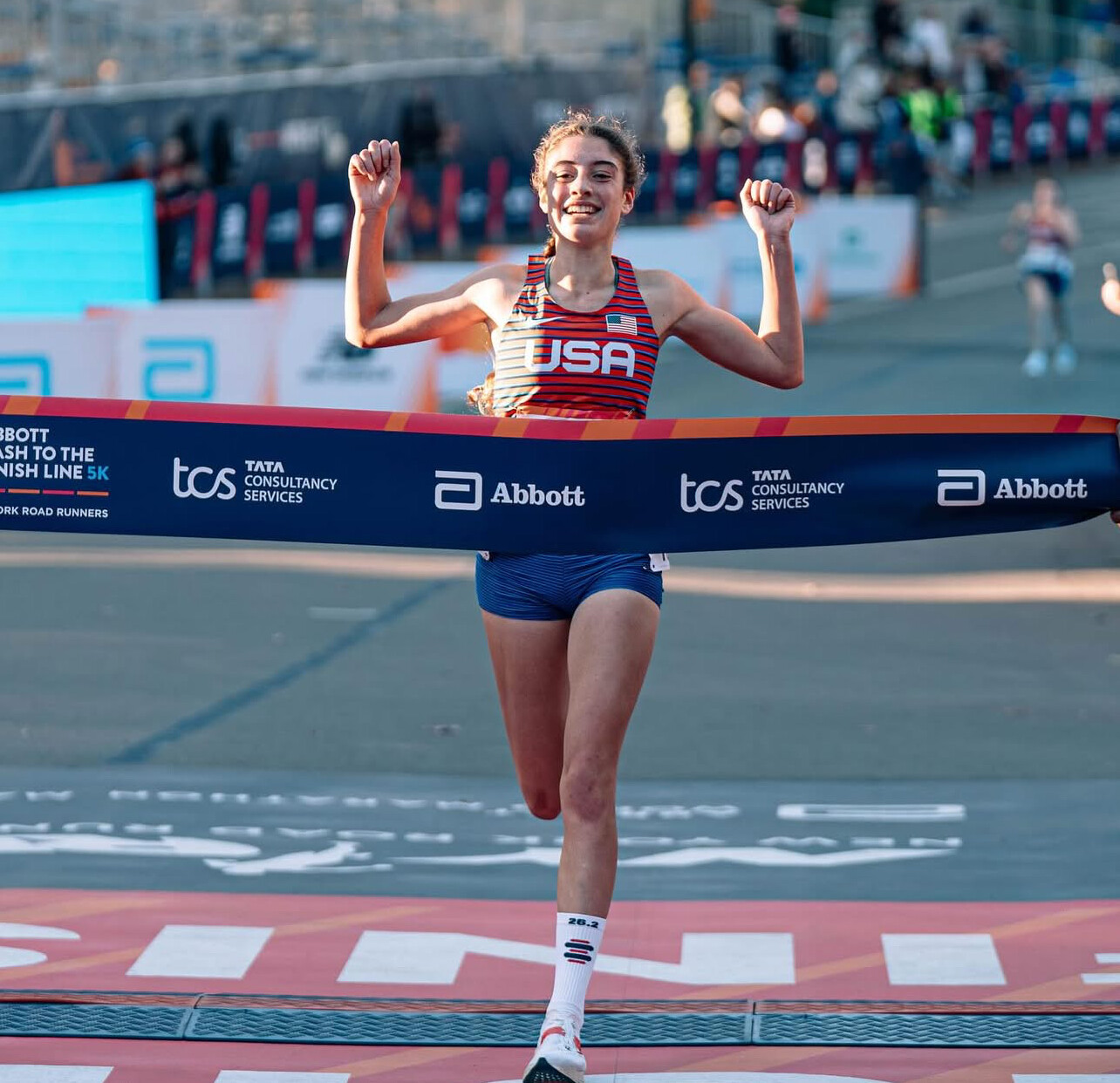
Beyond athletics, Zariel excels academically and was named the News 12/Bethpage Federal Credit Union Scholar Athlete of the Week. This prestigious accolade, awarded to only 30 student-athletes across Long Island during the 2024-25 school year, included a $1,000 scholarship.

Macchia has also achieved numerous other milestones, including representing Team USA's U20 squad internationally, earning five All-American honors, and securing multiple state championships. She has twice been named Gatorade's New York Girls Cross-Country Player of the Year.
A well-rounded individual, Zariel maintains an A average, serves as captain of her school's science bowl team, and has contributed to her community by establishing an ecological center and tutoring peers. She is committed to balancing her academic and athletic pursuits as she prepares to run cross-country and track at Brigham Young University while pursuing a degree in electrical engineering.
Zariel Macchia'd dedication, work ethic, and remarkable achievements make her a rising star in the world of distance running and a role model for aspiring athletes.
(02/07/25) Views: 125
Boris Baron
Commonwealth Games 2026: Mile Race Returns and Mixed 4x400m Relay Introduced
The Glasgow 2026 Commonwealth Games will mark a historic shift in athletics, with the reintroduction of the mile race, replacing the traditional 1500m event, and the addition of the mixed 4x400m relay. The Games will take place from July 23 to August 2, 2026, featuring a 10-sport programme across four venues, with Scotstoun Stadium hosting the athletics competitions.
The Return of the Commonwealth Mile

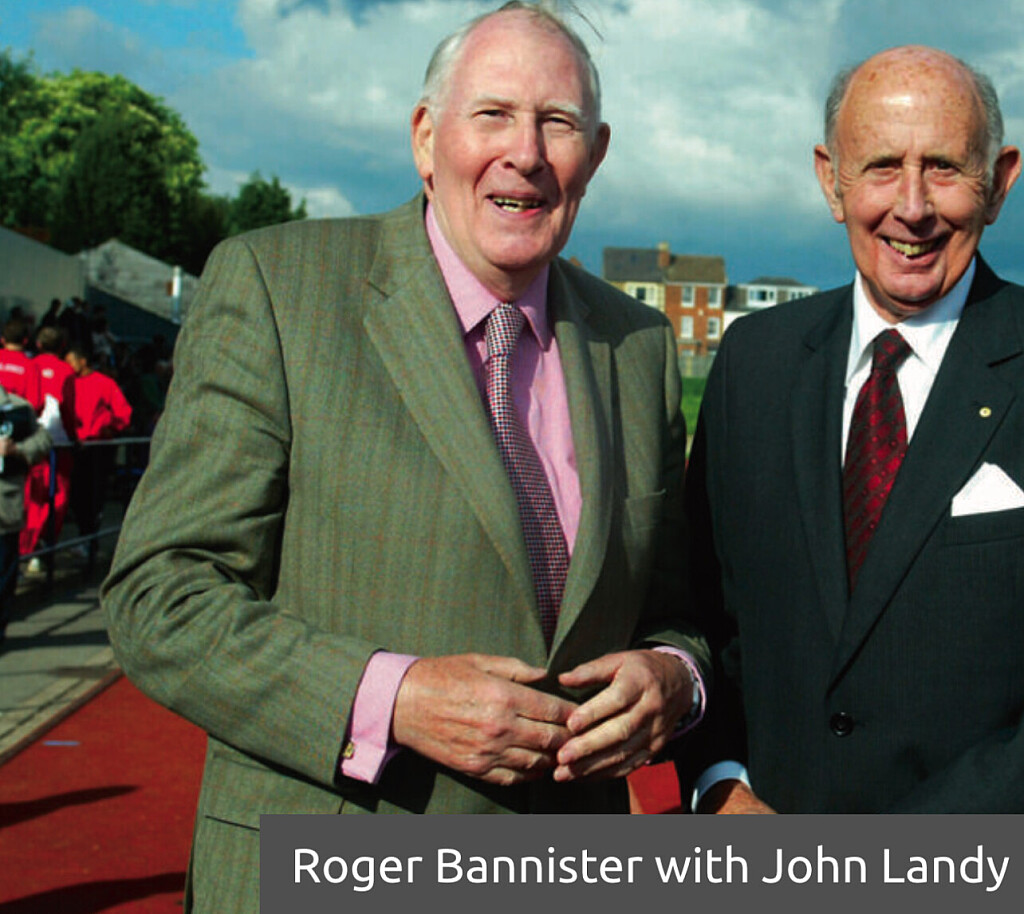
For the first time since 1966, the mile race will make its return, paying tribute to the legendary "Miracle Mile" at the 1954 Vancouver Commonwealth Games, where England’s Roger Bannister and Australia’s John Landy—the first two athletes to break the four-minute barrier—battled head-to-head in one of the most iconic races in history.
World Athletics President Sebastian Coe welcomed the decision, emphasizing the mile’s significance within the Commonwealth:
"The one mile is the quintessential Commonwealth athletics event whose return to the Games in Glasgow 2026 I very much welcome. The mile is easy to understand—four laps of the track—and remains a standard everyday measurement across the Commonwealth."
He further highlighted the race’s rich legacy:
"From 1930 through to 1966, the mile was the blue-riband event of each Games. Its place in international sports lore was secured when Sir Roger Bannister broke the four-minute barrier in May 1954. The magic of the mile continues to resonate with sports fans, and a ticket to watch its Commonwealth final will be one of the must-have seats in Glasgow next year."
New Additions: Mixed 4x400m Relay and Expanded Para Athletics Programme
Alongside the return of the mile, the mixed 4x400m relay will be introduced, further enhancing the athletics programme. Additionally, for the first time in Commonwealth Games history, para athletes will compete across all three major disciplines—jumping, throwing, and track events—cementing a new era of inclusivity in the sport.
The full event lineup is available on the Glasgow 2026 Commonwealth Games website, showcasing a programme designed to honor tradition while embracing innovation.
(02/07/25) Views: 116Boris Baron
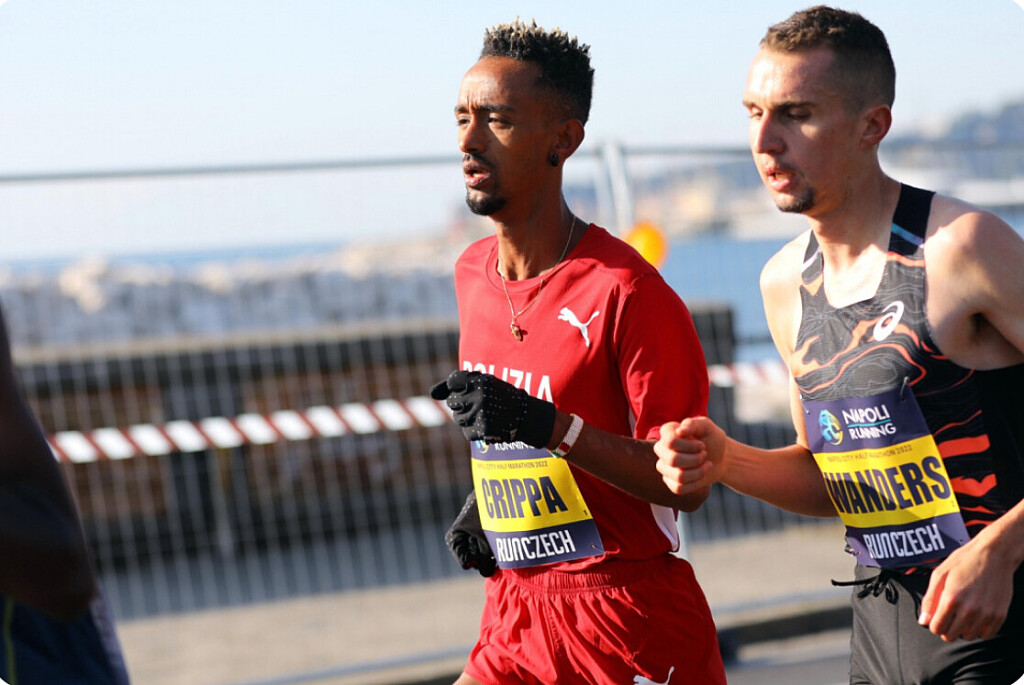
Julien Wanders Returns to Naples: European Record Holder Sets Sights on Napoli City Half Marathon
Julien Wanders, the European record holder in the half marathon, is set to make a highly anticipated return to the Napoli City Half Marathon on Sunday, February 23, 2025. The Swiss long-distance runner, renowned for his exceptional speed and endurance, is ready to make his mark once again at this prestigious event.
Wanders holds the European half marathon record with a time of 59:13, achieved in 2019, and previously held the European 10 km record with a time of 27:13. His previous performances have solidified his reputation as one of the finest distance runners of his generation, and his return to Naples comes with even greater ambitions.
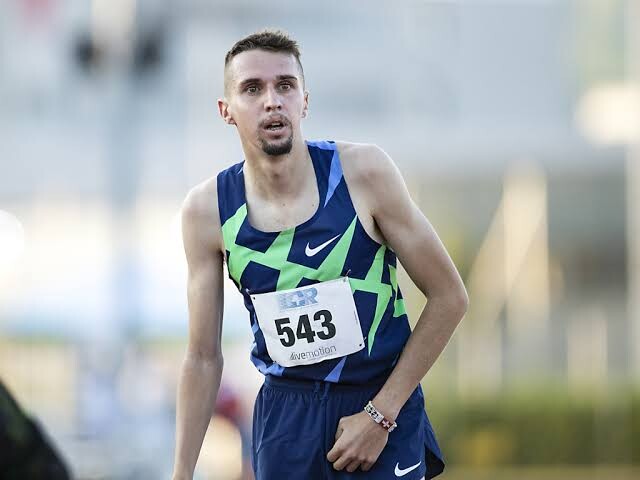
In 2022, Wanders delivered a standout performance at the Napoli City Half Marathon, finishing in 1:00:28. While impressive, he now aims to surpass this performance and reaffirm his place among the world’s elite. Reflecting on his return to Naples, Wanders shared, “I have fond memories of Naples. This race holds a special place in my heart, and I see it as a crucial step in my journey back to the world’s top level. I am excited to return and will give my best performance.”
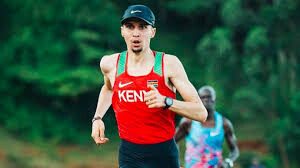
A New Chapter: Training at Altitude in Kenya
To prepare for this race, Wanders has been training intensively in Kenya, a country famous for its high-altitude training environment and as the home of many of the world’s greatest long-distance runners. This rigorous training regimen is a core part of his strategy to regain peak form and achieve a top-level performance in Naples.
Napoli City Half Marathon: A World-Class Race
The Napoli City Half Marathon, organized by Napoli Running, is one of Italy’s premier running events. Known for its fast and flat course, the race attracts elite athletes from around the world. The route offers stunning views of the Gulf of Naples and Mount Vesuvius, providing a picturesque backdrop for participants and spectators alike.
Naples has become Italy’s “capital city of half-marathons,” consistently hosting record-breaking performances. Both the men’s and women’s Italian national records have been set on its course, which is praised for being one of the fastest in Europe. The race also serves as the official opening event of the RunCzech running season, drawing thousands of participants eager to challenge themselves on its renowned course.
Eyes on the Future
For Julien Wanders, the 2025 Napoli City Half Marathon is more than just another competition; it is a pivotal moment in his journey back to the pinnacle of long-distance running. With his undeniable talent, rigorous preparation, and the allure of Naples’ record-breaking course, the stage is set for an unforgettable performance.
As Wanders takes to the streets of Naples, he will not only be competing but also reminding the world why he remains one of Europe’s most accomplished long-distance runners.
(02/08/25) Views: 107Boris Baron
Rest in Peace, Jerome Drayton: Canadian Marathon Legend Passes Away at 80
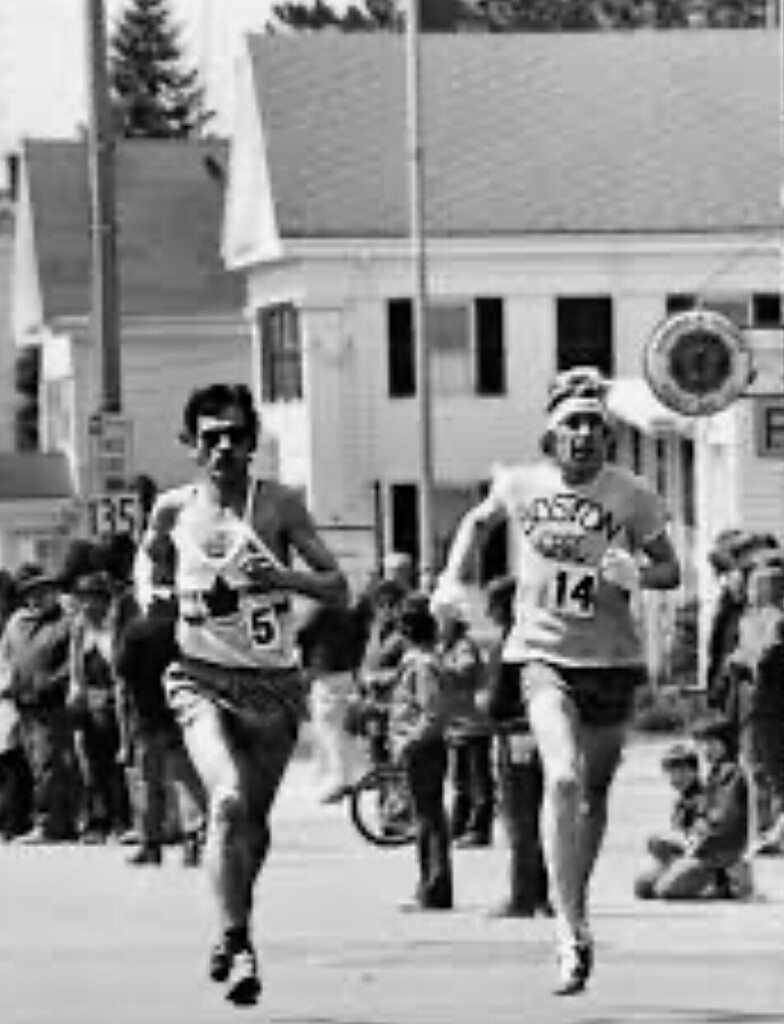
The world of distance running has lost one of its greats. Jerome Drayton, the Canadian marathon record holder for over 40 years, passed away early today at the age of 80. A true pioneer in Canadian distance running, Drayton inspired generations of athletes with his remarkable performances on the international stage.
Born in Germany before immigrating to Canada, Drayton became one of the most dominant marathoners of his era. He competed in the 1968 Olympic Games in Mexico City and the 1976 Olympic Games in Montreal, proudly representing Canada. His most famous victory came at the 1977 Boston Marathon, where he became the first Canadian winner in 34 years. Drayton was also a three-time champion of the prestigious Fukuoka Marathon in Japan, one of the world’s most competitive races at the time.
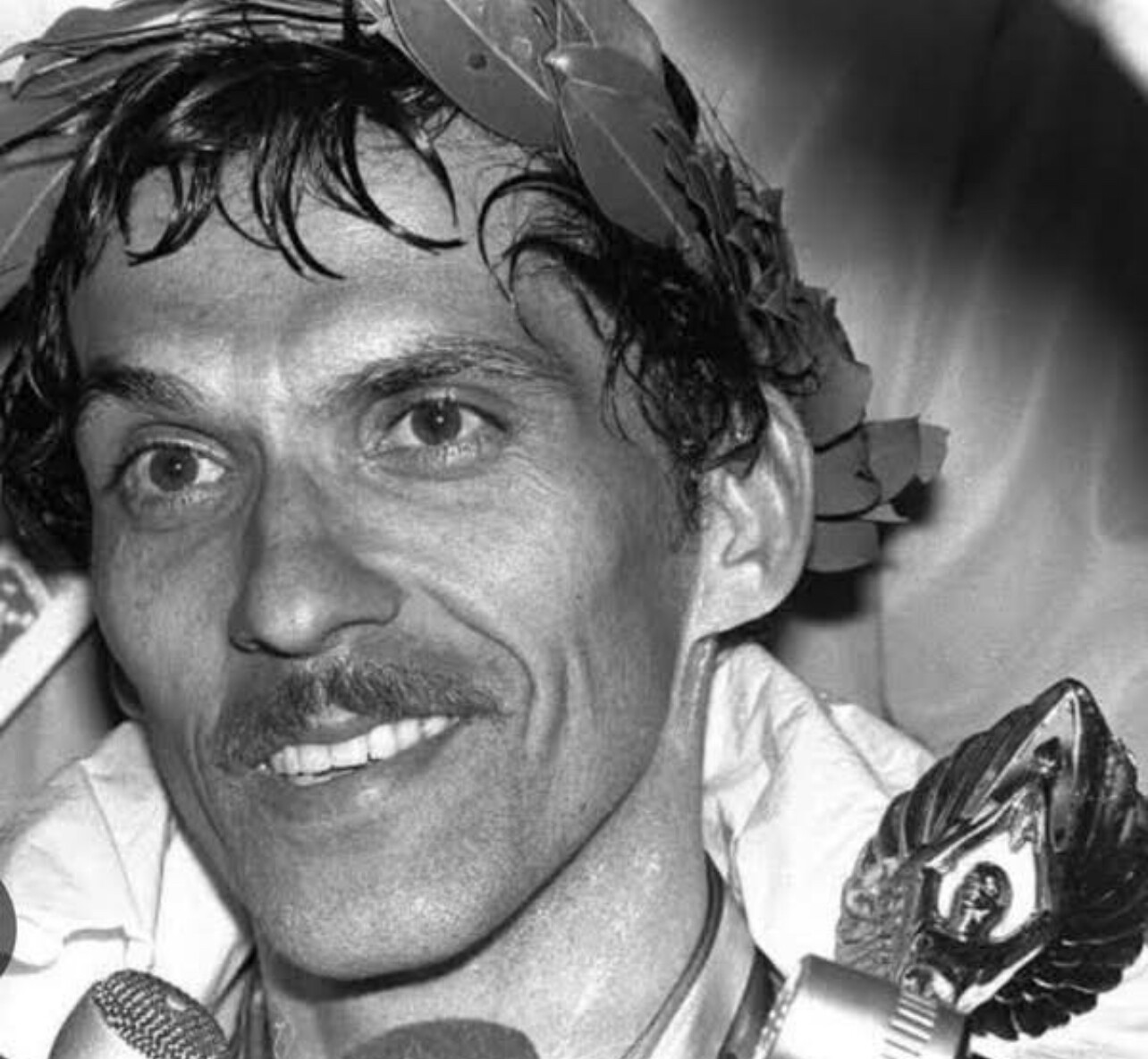
Drayton’s Canadian marathon record of 2:10:09, set in 1975 at Fukuoka, remained untouched for an astonishing 43 years until it was finally broken in 2018. His dominance and consistency made him one of the most respected marathoners globally. He competed for the Toronto Olympic Club under the guidance of coach Paul Poce, a National Team Coach who helped shape many of Canada’s top distance runners.
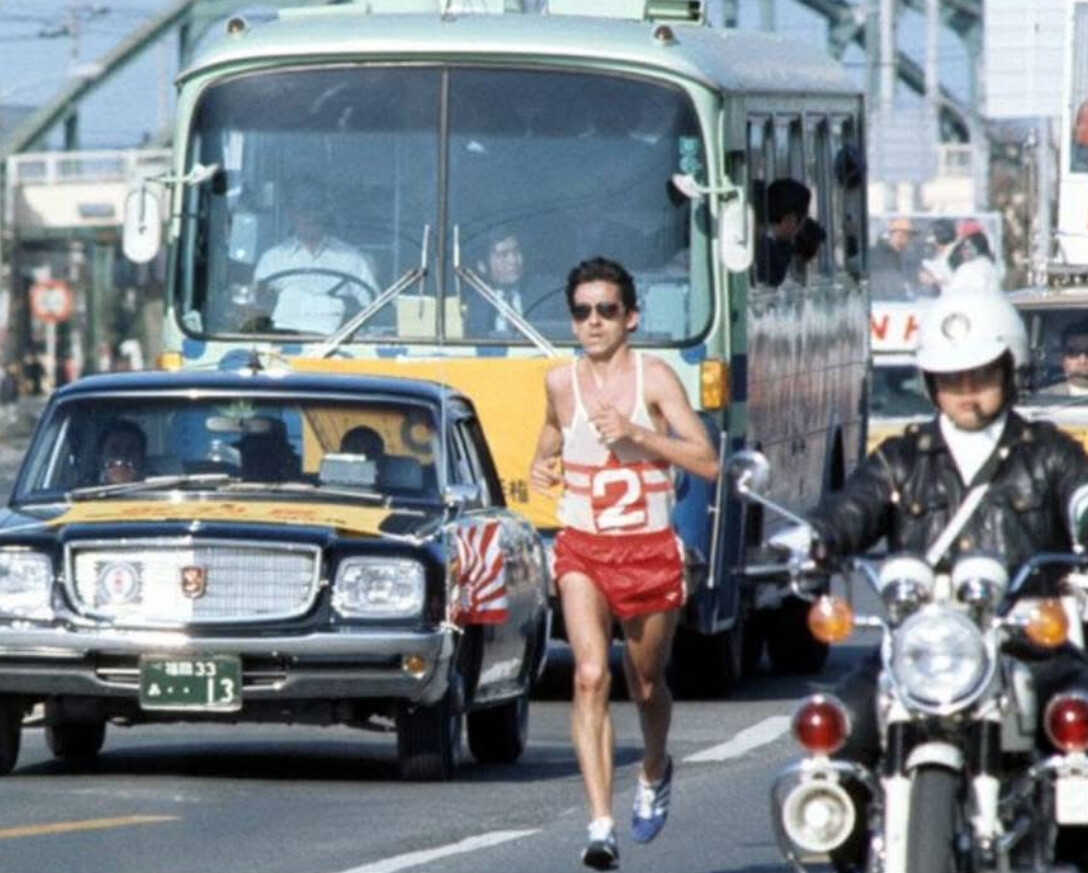
Beyond his achievements, Drayton was admired for his humility and sportsmanship. Those who had the chance to meet him, including at club banquets, remember him as an inspiring presence and a true gentleman.
His contributions to Canadian distance running will never be forgotten. Jerome Drayton showed Canadian runners what was possible, and his legacy will continue to inspire future generations.
Rest in peace, Jerome, and thank you for everything you gave to the sport.
(02/11/25) Views: 106Boris Baron
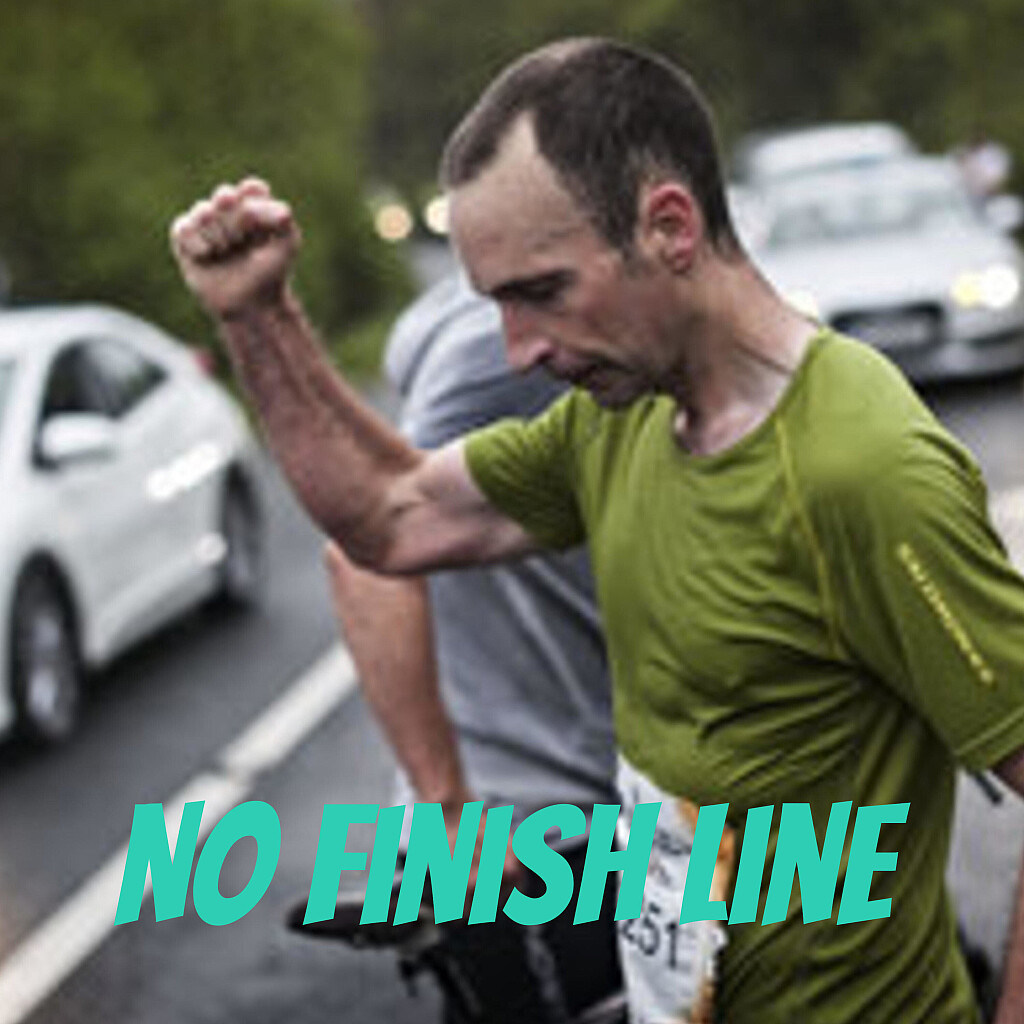
No-Finish-Line Runs: The Emerging Trend of 'Open-Ended' Races and Personal Challenges
In a world increasingly focused on measurable outcomes and rigid milestones, a new wave of athletic events is redefining success by removing the finish line altogether.
These no-finish-line runs prioritize endurance, personal growth, and community over competition, with participants embracing the journey rather than chasing a fixed endpoint. At the heart of this movement lies the loop or repetitive course—a format that embodies the philosophy of endless possibility. Here’s how this concept is reshaping the future of running.
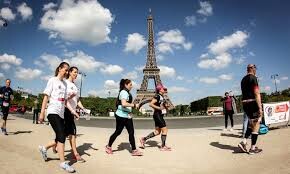
1. Loop or Repetitive Course: Redefining the Race Experience
The loop course model transforms traditional races into open-ended challenges. Instead of a linear route with a predetermined distance, runners navigate a repeated circuit—often 1 km or shorter—for as long as they choose. This structure democratizes participation, allowing athletes of all levels to set personal goals, whether completing 5 laps or 50.
Example: The No Finish Line Nice Charity Race
One standout event is the No Finish Line Nice, a 5-day charity race held annually on France’s Côte d’Azur. From May 14–18, 2025, participants will run or walk a 1 km loop along the Quai des Etats-Unis, with every kilometer translating to €1 donated to underprivileged and sick children. The course is open 24/7, encouraging runners to push their limits while fostering a collective effort toward a shared goal. Key features include:
Flexibility - Participants join solo or in teams, with no time constraints.
Inclusivity - Open to all ages, fitness levels, and even pets or strollers.
Community Impact - Funds raised directly support local causes, blending athleticism with altruism.
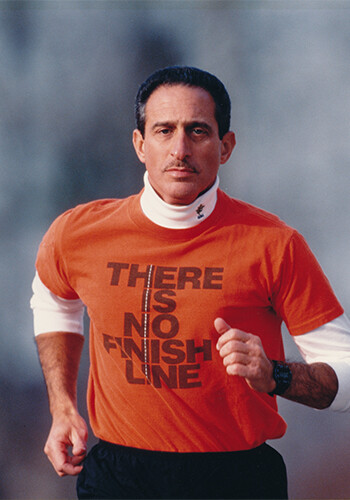
This model mirrors the ethos of Nike’s No Finish Line book, which argues that innovation and progress are not end points but endless journeys driven by creativity and collaboration .
2. Philosophy: The Intersection of Sport and Endless Potential
The loop course trend aligns with broader cultural shifts toward mindfulness and sustainability. By removing the pressure to “finish,” runners focus on incremental progress—a concept echoed in Nike’s vision for design and sport. As Nike Chief Design Officer John Hoke writes:
When we say ‘There is no finish line,’ it’s not about an unending grind, but a belief in the limitless potential of sport and design.
This philosophy rejects rigid definitions of success, inviting participants to embrace their unique paths. Similarly, Sam Grawe’s essays in *No Finish Line* predict a future where design evolves from “static to sensorial” and “elite to everyone”—principles that resonate with the democratized nature of loop races.
3. Why Loop Courses Are Gaining Momentum
Personalization - Athletes set their own benchmarks, whether running for 30 minutes or 5 days.
Sustainability - Compact courses minimize environmental impact compared to large-scale marathons.
Community Building - Shared spaces like the Nice waterfront create a festival-like atmosphere, blending sport with social connection .
Mental Resilience - Repetition fosters mindfulness, teaching runners to find joy in persistence rather than external validation.
4. The Future of Open-Ended Challenges
As seen in events like No Finish Line Nice and Nike’s forward-thinking narratives, the loop course model is more than a trend—it’s a reflection of a cultural shift toward valuing process over outcome. By integrating technology (e.g., tracking apps) and charitable causes, these races redefine athleticism as a tool for collective good.
In the words of a Medium essay on life’s journey:
“Success and happiness mean different things to everyone. The race we imagine isn’t the same for all."
Loop courses embody this truth, proving that sometimes, the most meaningful finish line is the one we choose not to draw.
(02/09/25) Views: 92
Bruce Baronton
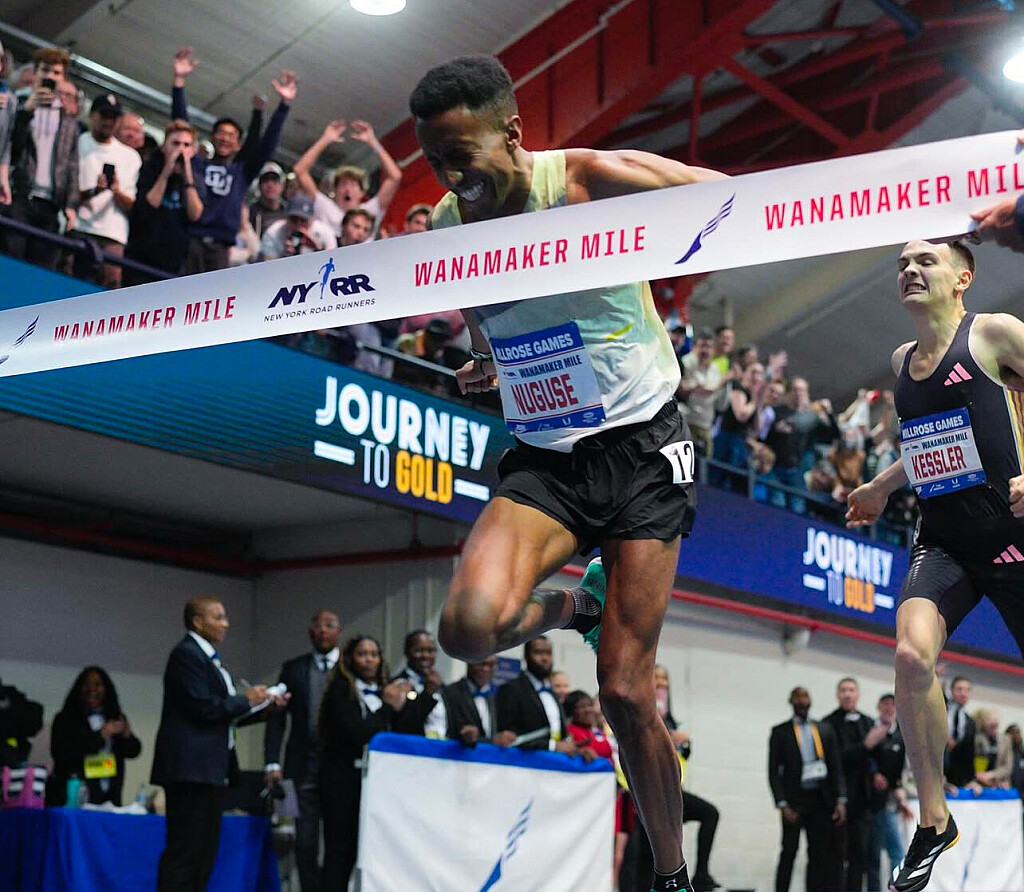
Historic World Records Dominate 2025 Millrose Games
The 117th Millrose Games, held on February 8, 2025, at New York’s Armory—a venue renowned as “The Fastest Track in the World”—delivered an unforgettable spectacle of middle-distance racing. Athletes shattered world records, national marks, and personal bests across events from the 800m to the 3000m, cementing this edition as one of the most electrifying in the meet’s storied history. Below, we break down the standout performances.
Records Fall in Mile, 3000m, and 800m
1. Wanamaker Mile: Yared Nuguse Rewrites History
Yared Nuguse (USA) stormed to a world indoor mile record of 3:46.63, eclipsing Ethiopian Yomif Kejelcha’s 2019 mark (3:47.01) . In a race missing world champion Josh Kerr (withdrawn due to illness), Nuguse led wire-to-wire, splitting 3:31.74 for 1500m—a North American record—before surging past a fierce challenge from Hobbs Kessler (3:46.90, also under the previous WR) . Australian teen Cam Myers stunned with a world U20 record of 3:47.48, while France’s Azeddine Habz (3:47.56) set a national record.
2. Men’s 3000m: Grant Fisher Outduels Olympic Champion
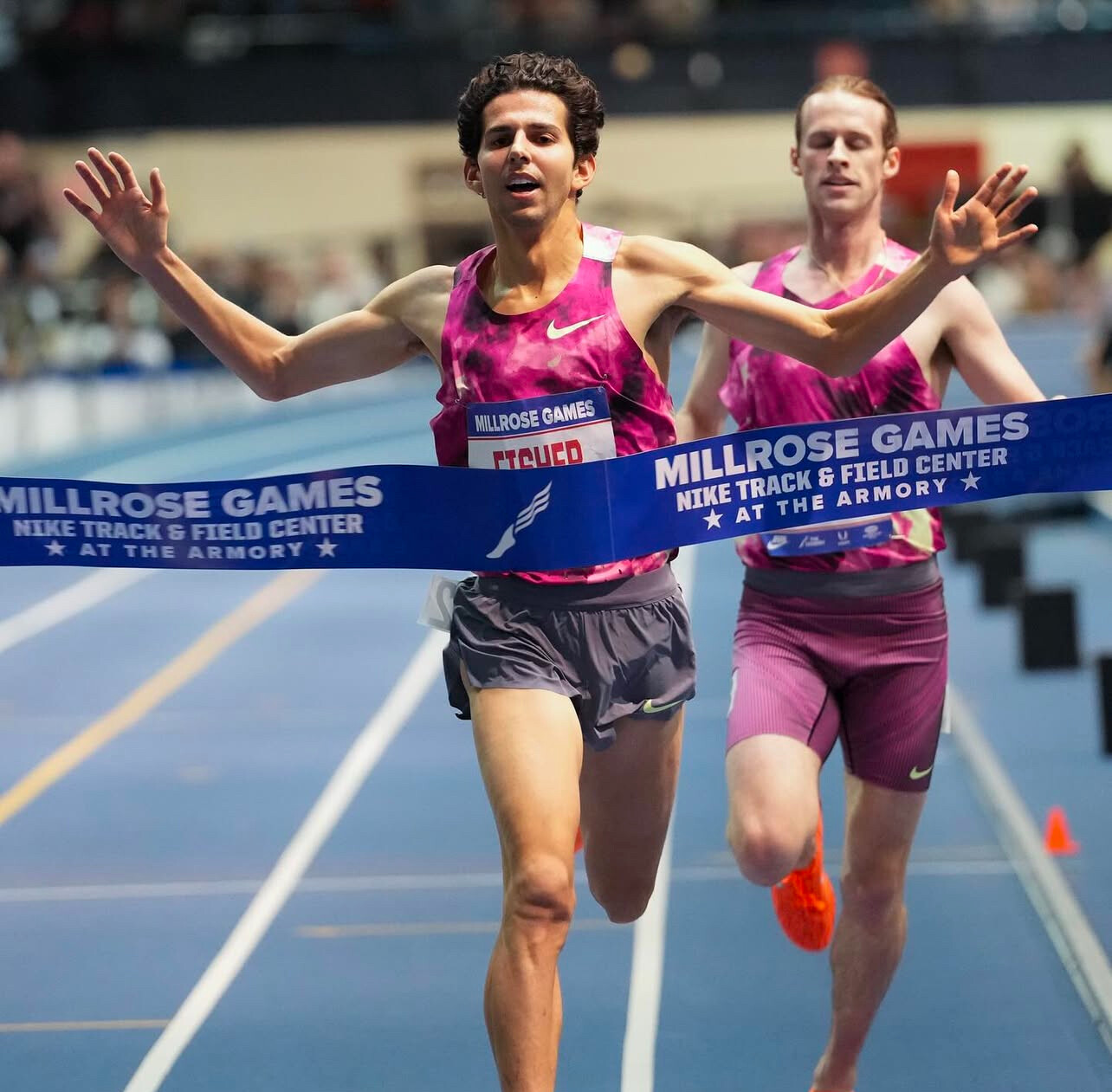
Grant Fisher (USA) and Cole Hocker (USA)—the Olympic 10,000m bronze medalist and 1500m gold medalist, respectively—collided in a tactical masterclass. Fisher’s 7:22.91 broke Lamecha Girma’s world indoor record (7:23.81), with Hocker (7:23.14) also surpassing the old mark . Fisher’s final 200m in 27.50 sealed the win, while France’s Jimmy Gressier (7:30.18) and Australia’s Ky Robinson (7:30.38) set national records .
3. Men’s 800m: Josh Hoey’s American Record Triumph
Josh Hoey (USA) dominated the 800m in 1:43.90, breaking Donovan Brazier’s American indoor record (1:44.21) and holding off Bryce Hoppel (1:44.19 PB) . Sixteen-year-old Cooper Lutkenhaus (1:46.86) smashed the high school record, previously held by Hoey himself .
Women’s Events: Breakthroughs in Mile, 3000m, and 800m

1. Women’s Wanamaker Mile: Georgia Bell’s Tactical Mastery
Georgia Bell (GBR), the Olympic 1500m bronze medalist, edged a stacked field to win in 4:23.35, outkicking Heather MacLean (USA, 4:23.41) and Nikki Hiltz (USA, 4:23.50) . Bell navigated a slow early pace (67.12 for the first quarter-mile) before unleashing a 61.97 final lap, crediting her composure in a “hard and messy” race .
2. Women’s 3000m: Whittni Morgan’s Commanding Victory
Whittni Morgan (USA) surged late to win in 8:28.03, a personal best, ahead of Josette Andrews (USA, 8:29.77) and Sarah Healy (IRL, 8:30.79 NR) . Ethiopia’s Tsigie Gebreselama (8:33.13) and Australia’s Jessica Hull (8:30.91) added depth to a fiercely competitive race .
3. Women’s 800m: Shafiqua Maloney’s Dominance
Shafiqua Maloney (VIN) claimed victory in 1:59.07, fending off a late charge by Addy Wiley (USA, 2:00.14) . Olivia Baker (USA, 2:00.02 PB) and Kaela Edwards (USA, 2:00.14) rounded out the podium in a race showcasing tactical grit .
With world records in the mile (Nuguse) and 3000m (Fisher), plus a slew of national and age-group marks, the 2025 Millrose Games underscored the rising global standard in middle-distance running. As athletes shift focus to outdoor seasons, these performances set the stage for a thrilling 2025 World Championships.
(02/09/25) Views: 91Boris Baron
