

Running News Daily
Top Ten Stories of the Week
4/26/2025
These are the top ten stories based on views over the last week.
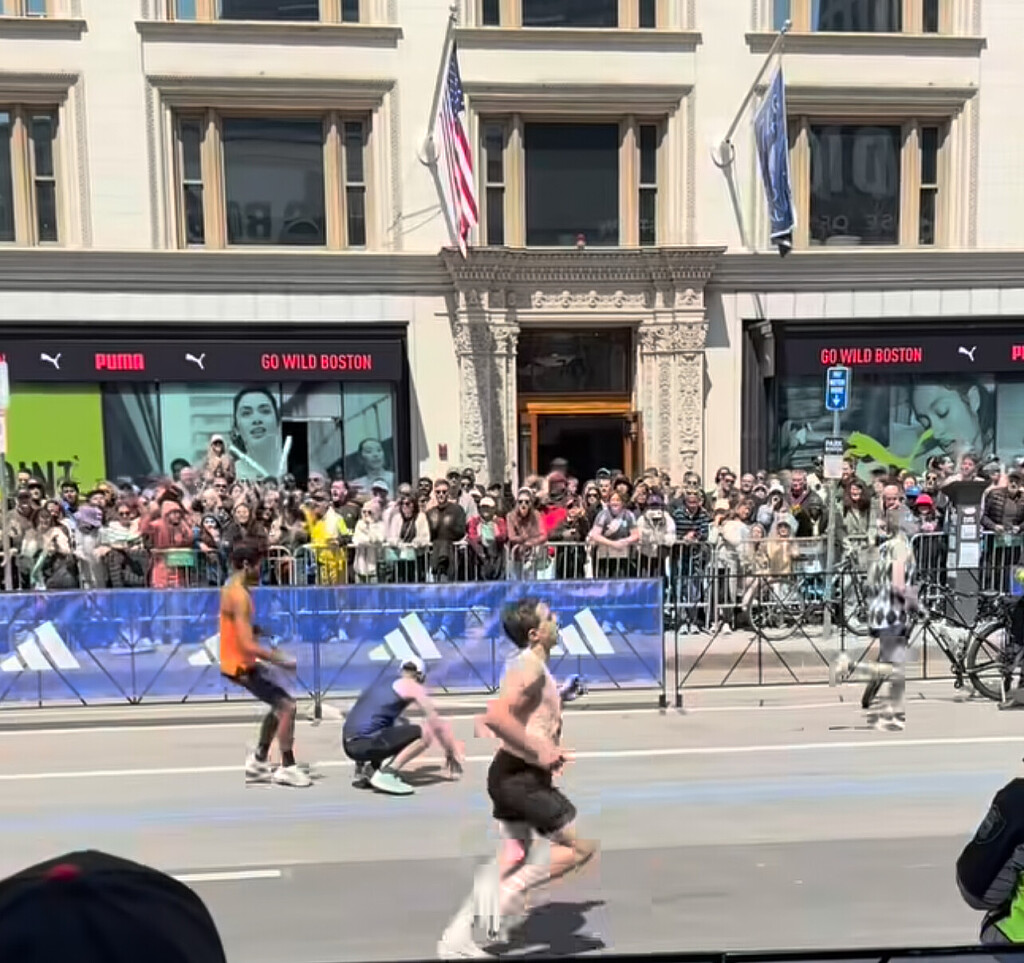


Pedro Arieta’s Selfless Finish at the 2025 Boston Marathon Goes Viral
As the iconic finish line of the Boston Marathon came into view on April 21, Brazilian runner Pedro Arieta, 34, was just moments away from achieving a personal milestone. He had been running strong, on pace to finish in under 2 hours and 40 minutes—his ambitious goal for the 2025 edition of the world’s oldest annual marathon.
But as he turned onto Boylston Street, with the roar of the crowd rising and the clock ticking, Arieta was faced with a choice that would define his race in a way no stopwatch ever could.

A Moment of Humanity on the Homestretch

Just ahead of him, Shawn Goodwin, a 35-year-old runner from Boston, stumbled and fell. While many runners—focused on their own times and finish-line dreams—sped past, Arieta instinctively slowed, stopped, and reached out.
He sacrificed seconds, and ultimately his sub-2:40 goal, to help a fellow runner get back on his feet and across the finish line.
Several spectators captured the act of sportsmanship on video. Within hours, Arieta’s gesture had gone viral—shared by runners, media outlets, and fans around the world as a moving reminder of what the sport is truly about.
A Finish Time with Greater Meaning
Arieta ultimately crossed the finish line in 2:41:29—just 90 seconds shy of his target. But the story he carried with him mattered more than the numbers.
“The Boston Marathon surprised me in more ways than one,” he wrote in an Instagram post the following day. “It was impossible to run past someone who needed help reaching their dream finish line and not help them complete the Boston Marathon.”
His wife, professional runner Luíza Cravo de Azevedo, who finished in 2:52:36, commented proudly on his post:
“The essence of sport to me is that right there. You dreamed about a sub 2:40 and when you were ALMOST there, God used you to lose a few minutes and do something with much more meaning.”
The Essence of Boston
For thousands of runners each year, the Boston Marathon is the culmination of training, sacrifice, and personal pursuit. But moments like this transcend time goals and rankings. Arieta’s act echoed the true spirit of Boston—a race steeped not just in elite athleticism, but in camaraderie, resilience, and shared triumph.
As Arieta and Goodwin crossed the finish line together, they reminded the world that sometimes, the most memorable moments in sport aren’t recorded on a clock—but in the heart.
(04/22/25) Views: 845Boris Baron
Jeannie Rice Returns to Boston for Her 10th Marathon Amid Injury Setback
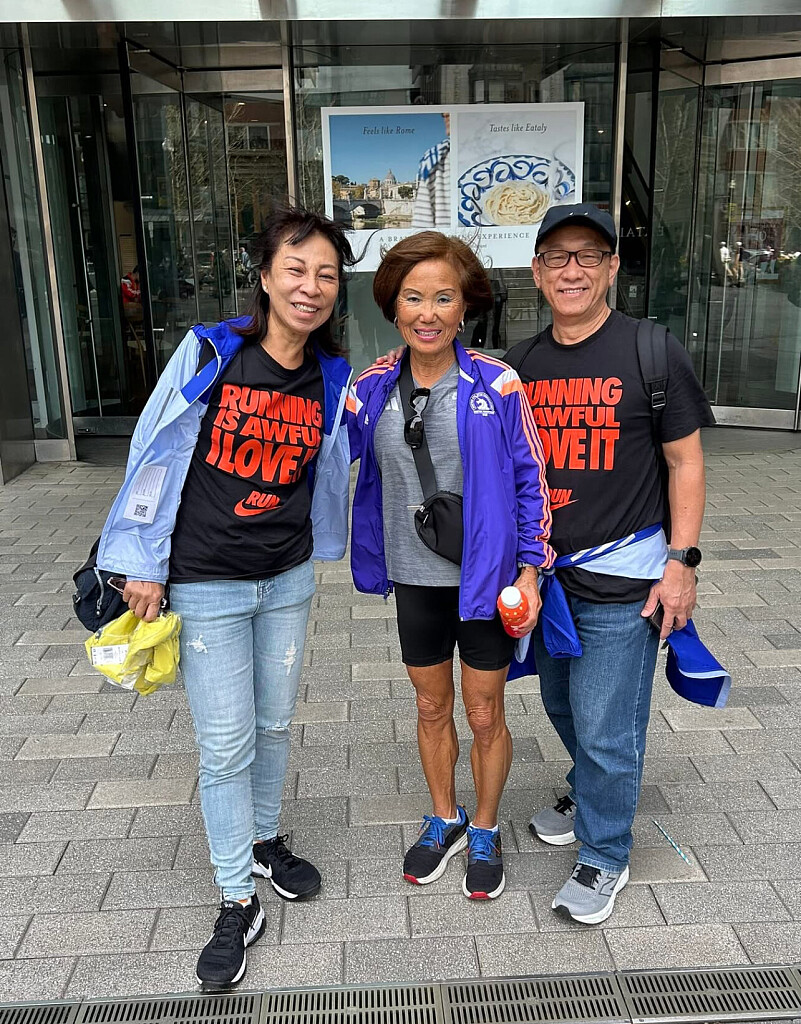
Jeannie Rice, the 76-year-old marathon legend, is set to run her 10th Boston Marathon on April 21, 2025, marking her 135th marathon overall. Despite a recent hamstring injury, Rice remains determined to participate, sharing on Facebook:
“I don’t think I ran any other marathon 10 times but here I am this will be my 10th here in Boston and I’m just hoping to get to start line and to the finish line.”

Rice’s marathon journey began at age 35, and she has since become a dominant force in masters running. She holds multiple world records, including the W75 marathon record of 3:33:27 set at the 2024 London Marathon. Her performance at the 2023 Boston Marathon, finishing in 3:33:15, was the fastest ever for a woman aged 75–79 on that course.
Known for her rigorous training regimen, Rice averages 50 miles per week, increasing to 70 miles when preparing for races. Her exceptional VO₂ max of 47.8, the highest recorded for a woman over 75, contributes to her remarkable endurance and speed.
As she approaches the 2025 Boston Marathon, Rice’s resilience and passion for running continue to inspire athletes of all ages.
(04/20/25) Views: 295Boris Baron
Conner Mantz’s Gritty Fourth-Place Finish at the 2025 Boston Marathon
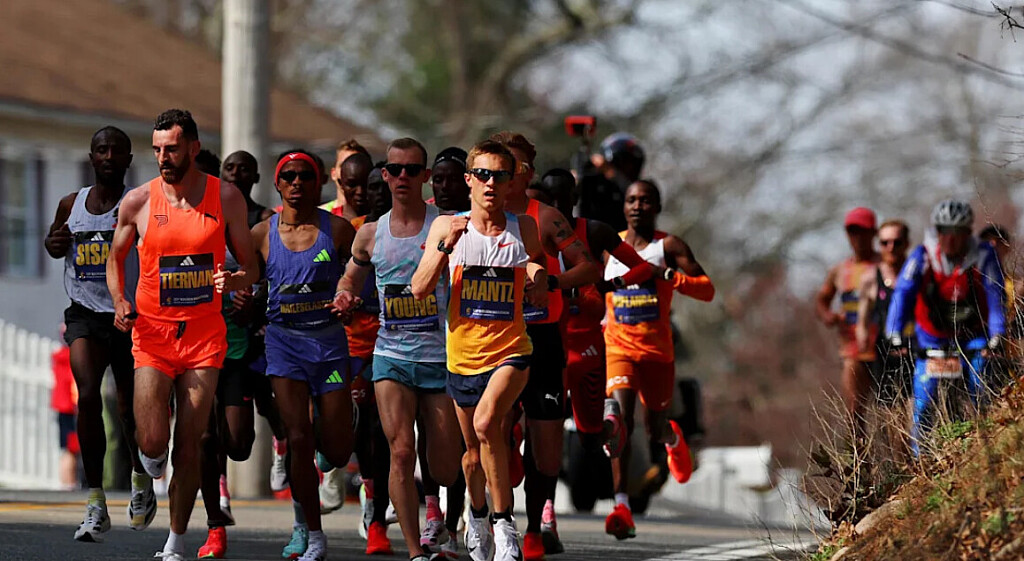
In a performance that underscored his rising stature in American distance running, Conner Mantz delivered a personal best of 2:05:08 at the 2025 Boston Marathon, finishing fourth and narrowly missing a podium spot by just four seconds. This time stands as the second-fastest ever recorded by an American on the storied Boston course, trailing only Ryan Hall’s 2:04:58 from 2011.
A Race of Strategy and Resolve
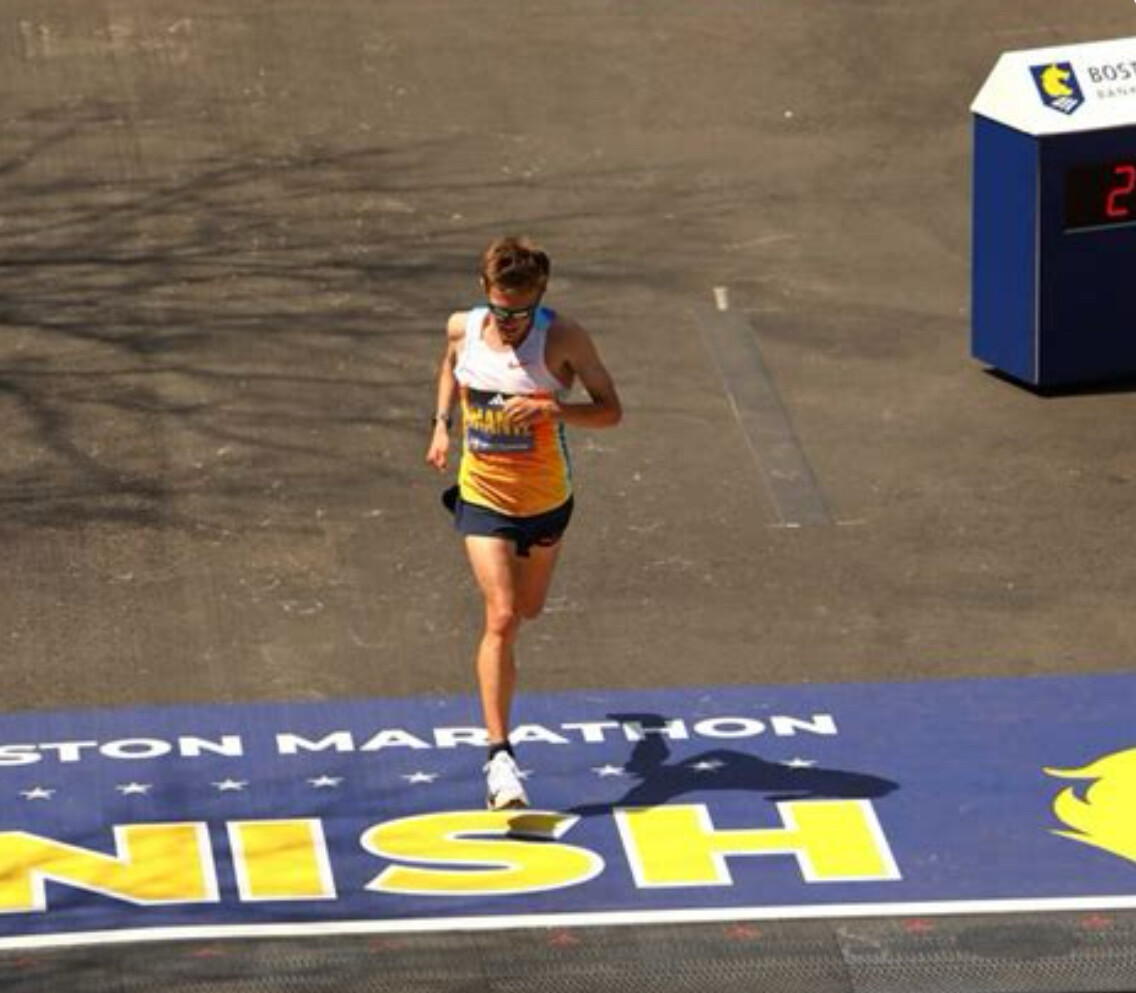
Mantz, 28, positioned himself strategically within the lead pack for much of the race. However, at the 20-mile mark, Kenya’s John Korir executed a decisive move around Heartbreak Hill, opening a 20-second gap that would eventually extend to nearly a minute. Korir went on to win the race in 2:04:45, the second-fastest winning time in Boston Marathon history.
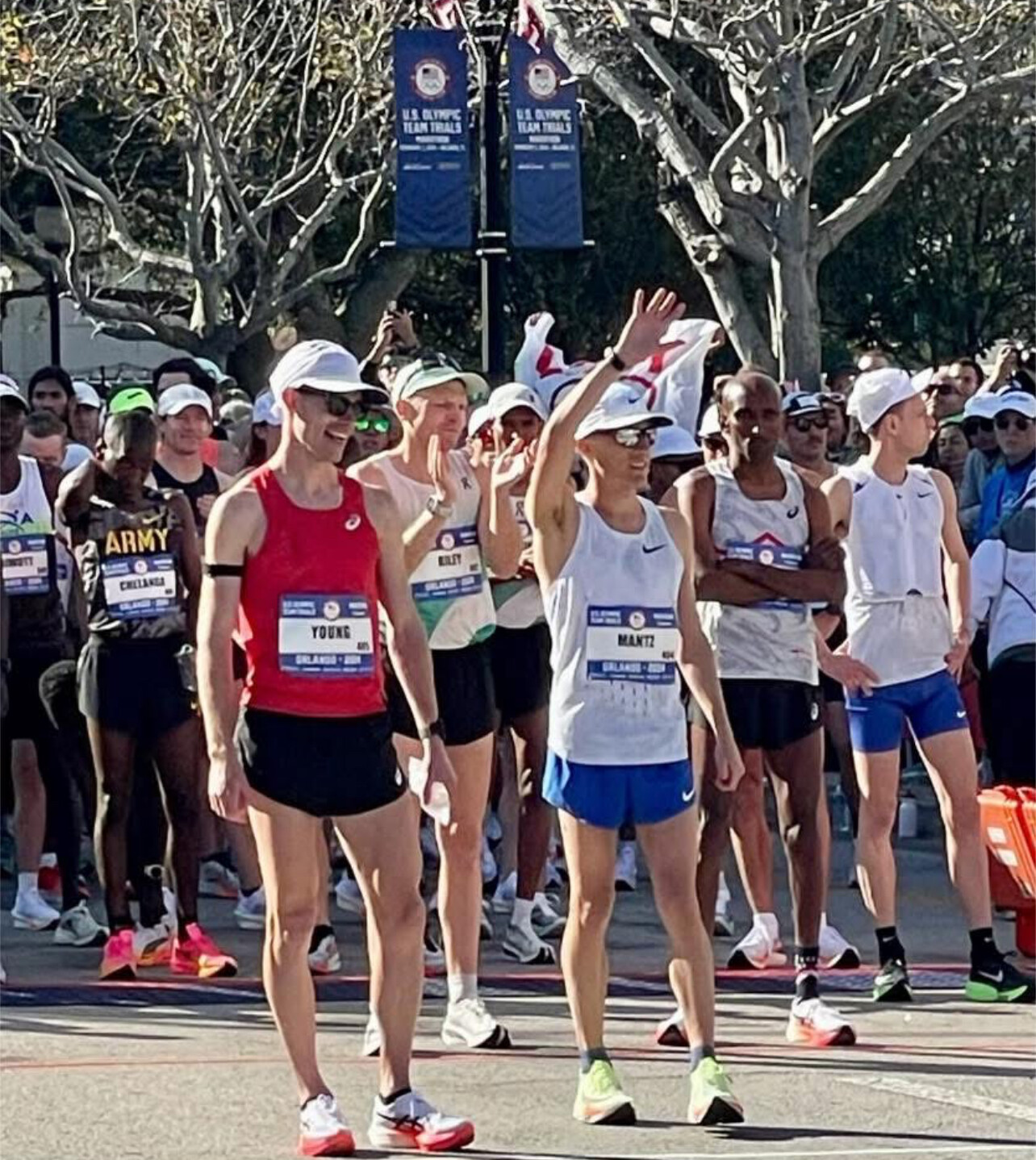
As Korir surged ahead, Mantz found himself in a fierce battle for the remaining podium spots with Tanzania’s Alphonce Simbu and Kenya’s Cybrian Kotut. The trio remained tightly grouped as they approached the final stretch on Boylston Street. Despite a valiant effort, Mantz was outkicked in the last 300 meters, finishing just behind Simbu and Kotut, who both clocked 2:05:04.
Reflections on a Career-Defining Race
After the race, Mantz reflected on the experience:
“I made my hard move and they responded as if I wasn’t there making a move. So it was a little bit humbling,” Mantz said. “Missing it and getting outkicked for the last 300 meters is a little bitter. It’s still probably the best race I’ve had.”
This performance marked a significant improvement over his previous personal best of 2:07:47, set at the 2023 Chicago Marathon, and his 11th-place finish at the 2023 Boston Marathon with a time of 2:10:25.
Building Momentum
Mantz’s Boston performance continues a series of impressive results. In January, he set a new American half-marathon record by finishing the Houston Half Marathon in 59:17, breaking Ryan Hall’s 18-year-old record.
His consistent excellence on the road has solidified his status as one of America’s premier long-distance runners.
Mantz’s achievements not only highlight his personal growth but also signal a resurgence in American distance running. As he continues to build on his successes, fans and fellow athletes alike will be watching closely to see how he performs in upcoming international competitions.
(04/22/25) Views: 259Boris Baron
BROTHERHOOD ON BOYLSTON: JOHN KORIR LOOKS TO EMULATE WESLEY AS BOSTON MARATHON CHAMPION
By Toni Reavis
There have been many historic firsts in the long history of the Boston Marathon. This coming Monday, 21 April, 2025, 28-year-old John Korir of Kitale, Kenya, will attempt to become the first brother of a Boston champion to match his sibling on the Boylston Street winner‘s platform. Older brother Wesley won Boston in the notoriously hot year of 2012.
History To Write
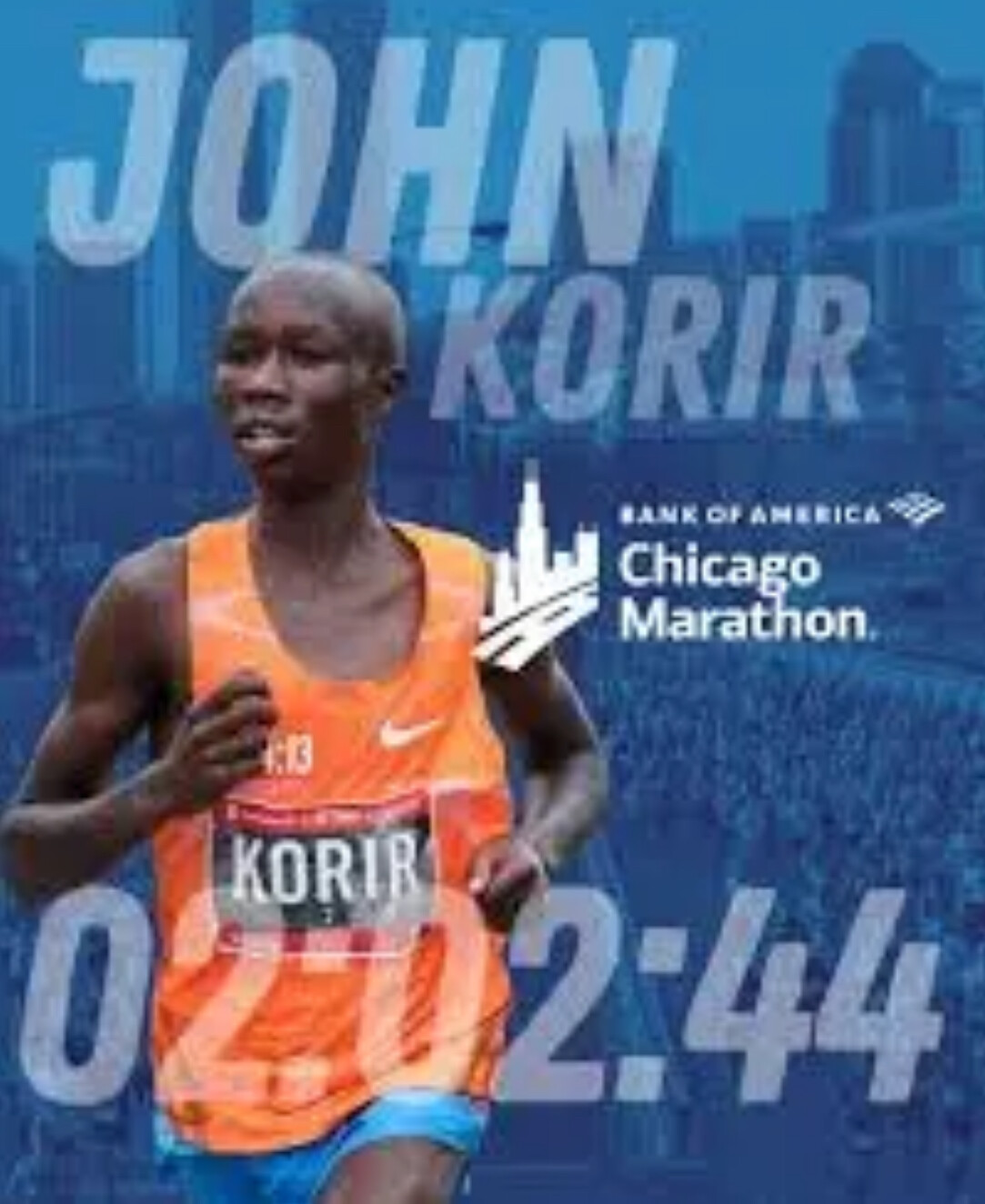
The Korir brothers have already written their first chapter of running history when John won the BofA Chicago Marathon last fall in 2:02:44. That gave each brother one World Marathon Major on their ledger. And both have won twice the Los Angeles Marathon, too, Wesley in 2009 & 2010, John in 2021 & 2022. Now John looks to join Wesley as a Boston champion.
STRONG FIELD
But it won’t be easy as John will have, among others, two former Boston champions to contend with, defender Sisay Lemma of Ethiopia and 2022-2023 champ, Evans Chebet of Kenya.
All three competed last year, so there won’t be any surprises like we saw in 2024 when Lemma struck out early, opened a commanding lead—posting the fastest first half in Boston history, 60:19—and then hung on to win.
BOSTON TACTICS
So accustomed are today’s runners to pacesetters, that a tactic like hard early front running can catch competitors off guard. Remember Meb Keflezighi in 2014? It worked again ten years later.
Despite Lemma slowing to a near 66-minute second half, his cushion was substantial enough for a relatively easy win in 2:06:17. Chebet finished third, Korir fourth.
1. Sisay Lemma: 2:06:17 (Ethiopia)
2. Mohamed Esa: 2:06:58 (Ethiopia)
3. Evans Chebet: 2:07:22 (Kenya)
4. John Korir: 2:07:40 (Kenya)
Odds are that Lemma won’t employ the same strategy this Patriots’ Day. And if he does, the others won’t be caught on their back foot.
FAITH IN & FROM COACH MANN
I spoke with John Korir‘s coach, Ron Mann, two days ago after he finished nine holes of golf at his home course in Louisville, Kentucky. We discussed both John and brother Wesley, who Ron also coached at the University of Louisville and then throughout his professional running career.
I pointed out to Coach Mann that Boston 2025 will be the 12th marathon of John’s career. He began with two late race falters in his first three marathon attempts, Ottawa 2018 and Los Angeles in 2019. On both occasions, he moved hard at 20 miles and opened what looked to be winning margins.
EARLY HARD LESSONS
But in Ottawa, course record holder Yemane Tsegay of Ethiopia caught him at 40k, and won by 22 seconds. In Los Angeles, it was even more cruel, as John faded significantly on Ocean Avenue in sight of the finish line in Santa Monica. With less than 30 seconds of running left, Elisha Barno flew by the exhausted Korir to snatch the win by 7 seconds.
“Early in his career, when he was running well, but not great, he was only running about 70 miles a week,” explained Coach Mann. “He didn’t have a bottom under him. Gradually, over a period of four years, we are now at the point where he is running big mileage. He first did it before Chicago last fall and now even a little bit more for Boston. I don’t know how well the others are prepared, but John is all ready to go.”
This will be John‘s third attempt at Boston. In 2023 he finished ninth in 2:10:04. Last year he was fourth in 2:07:40.
“So he knows the course,” confirmed Coach Mann. “And if we go back to Geoffrey Mutai’s record in 2011 (2:03:02), everything happens at Heartbreak Hill. Two years ago, John charged up Heartbreak Hill with Eliud Kipchoge. They ended up eighth and ninth. So you gotta ask if that’s the wise thing to do.”
BOSTON SPECIFIC PREP
John has prepared on a variety of terrains back home for Boston’s tricky route.
“Like golf, you try to look at the course you’re playing,” explained Mann, who visited John in Kenya in January. “If the last hole is over water, then you practice that. So the last 4 miles in Boston are downgrade with big crowds. So you have to be ready for that.
“I told him, ‘you have as much speed as anyone. You’ve run a 58:50 for the half-marathon. So if you feel like you wanna go, go. But if you feel like you wanna wait, then wait.”
There is a 14-year gap between Wesley and John. And their attributes as runners are different as well.
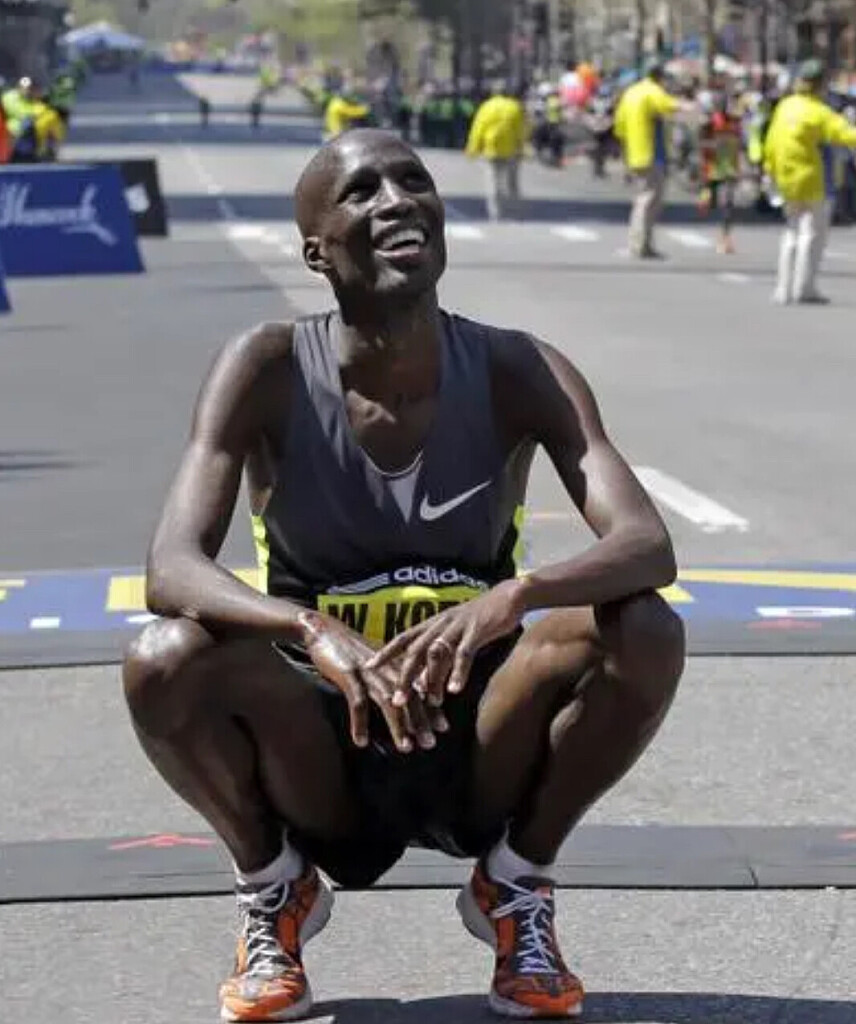
2012 Boston Marathon champion Wesley Korir (third photo)
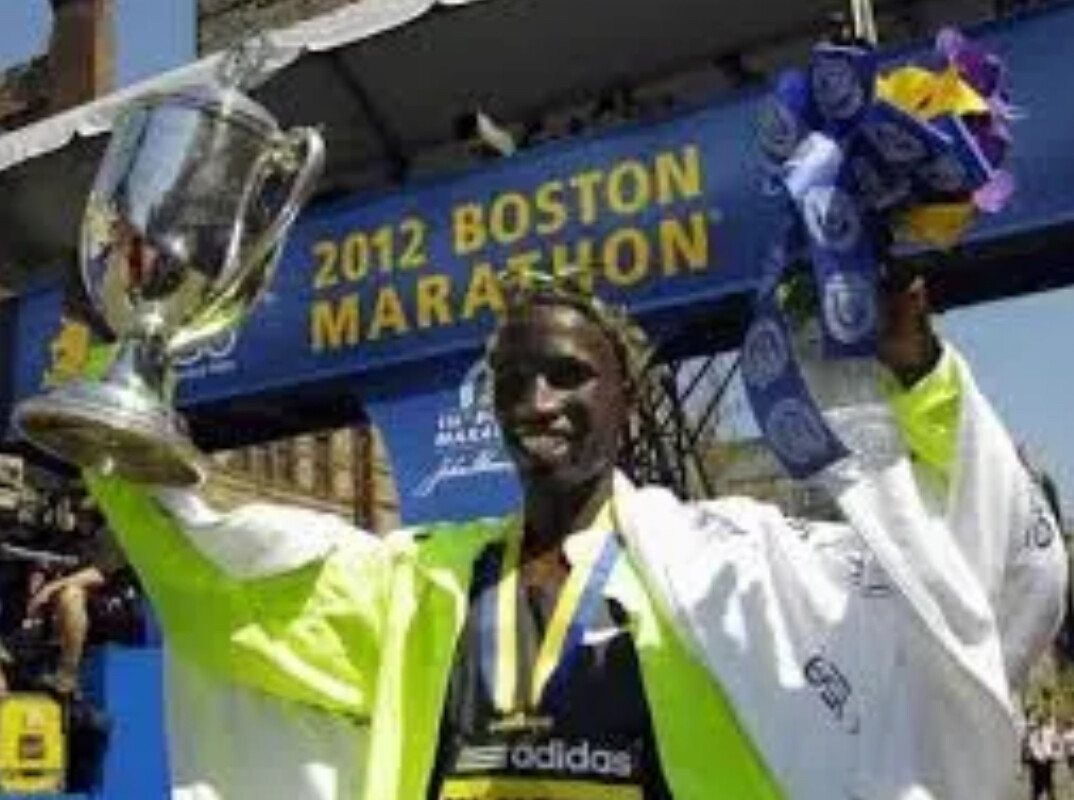
“John has more speed,” said their coach. “But Wesley had more endurance. He was able to withstand more early on in his career. But we needed to put speed on to his endurance. But when he decided to campaign for and won his seat for parliament in 2013 (as he simultaneously prepared to defend his Boston title), we never got a chance to do that. So we never saw the end of his career where he could’ve maximized his speed. John already has the speed. We just needed to put endurance beneath it.”
LEARNING HOW TO WIN
Another of Korir’s opponents will be American Olympian, Connor Mantz. Like John, Connor is 28-years-old, and just entering his prime. While still dangerous, Sisay Lemma (34) and Evans Chebet (35) are on the back nine of their careers.
Though Connor Mantz has a half marathon PR close to Korir’s—59:15 to 58:50—he has yet to finish on the podium of a major marathon, much less tasted victory.
“John has learned how to win,” said Coach Mann. “That’s why the wins in the Boilermaker 15k (Utica, N.Y.), Falmouth Road Race, and Chicago Marathon in 2024 were so important. Now he is expecting to win.
“He already has two marathon victories in Los Angeles and one in Chicago. He also has a world class personal best (2:02:44). Now it’s consistency over a long period of time. Boston is one step along that route. Will he win this year? I don’t know. But he will win Boston in his career. I tell him, you’re as prepared as you can be, and I’ve never trained an athlete to your level before. So, it’s yours to take now.”
CONSTRUCTING YOUR FITNESS
Runners know that reaching peak form is a slow building process. People refer to building your aerobic house. I liken it to constructing a house of cards. You can build a very strong house, but you must build it assiduously, and gradually, or the whole thing will come tumbling down.
“Between Boston last spring and Chicago last fall, John’s stride tempo went up by five per minute,” explained Coach Mann. “And his average heart rate went from 184bpm in Boston to 173 in Chicago. That tells me he’s even fitter that he was.”
HOME IN THE CHERANGANY HILLS
John lives and trains in the Cherangany Hills about 40 minutes northwest of Eldoret, Kenya in the famed Central Highlands. It’s 15 minutes from Kitale, where the Transcend Academy is located.
Transcend Academy is a non-profit school sponsored by the Kenyan Kids Foundation USA that provides full scholarships to talented students from needy backgrounds. Its mission is to leverage running to develop holistic individuals for the progress of Kenya. It’s an offshoot of Wesley Korir’s political sensibilities.
The school was founded by Wesley and his wife, Tarah, who met while both were students at the University of Louisville. John also contributes financially to Transcend.
While John lives and trains in Kitale, his wife and three girls moved to Eldoret because that’s where his kids go to school. But John built a second home in Kitale with his Chicago winnings, so his family can come stay with him on weekends. John and Wesley’s mom and dad live about 600m from the school, too.
“We have a very close-knit, well-oiled family around him,” said Coach Mann, “to make sure that he gets it right.”
The field for Monday’s marathon is very strong and experienced. The weather forecast suggests benign conditions, so it will be the athletes, alone, who decide the outcome.
IN THE HANDS OF GOD
“I tell John, ‘the gift is your responsibility to use," said Coach Mann. "So use it well and give the glory to God’. He did that in Chicago. He crossed himself after he crossed the line.”
Maybe another cross in Hopkinton might not be a bad idea come Monday morning. Brother Wesley will be waiting with Coach Mann at the finish line on Boylston Street, praying like mad, one would assume.
Believing the Boston!
(04/18/25) Views: 242
Toni Reavis
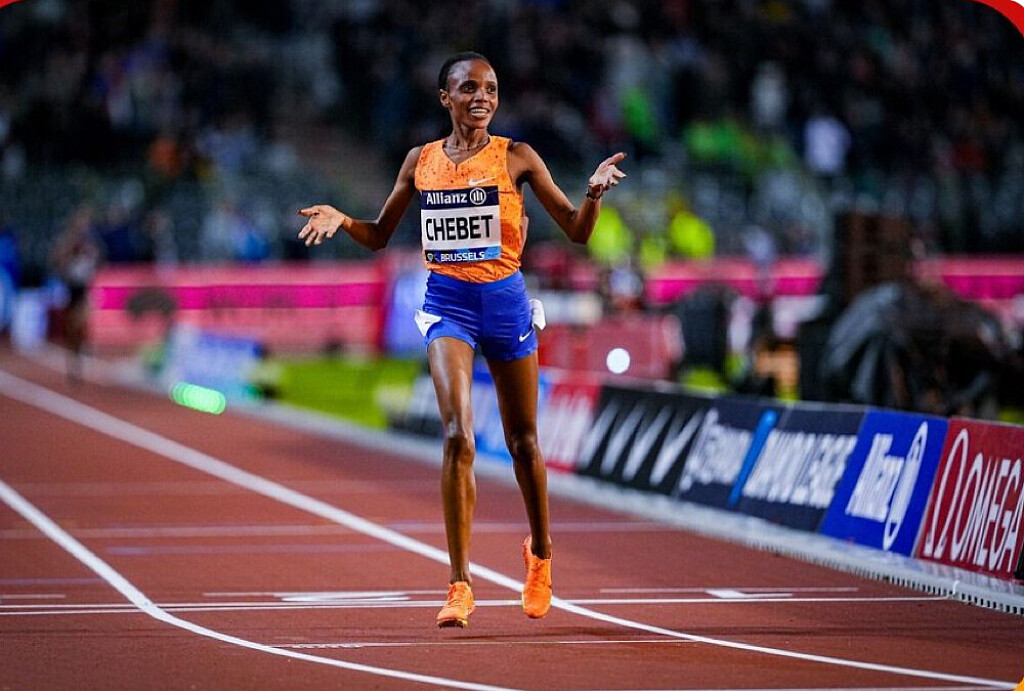
Four World Records Ratified by World Athletics
World Athletics has officially ratified four remarkable world records set by Beatrice Chebet, Mondo Duplantis, Jakob Ingebrigtsen, and Toshikazu Yamanishi, underscoring a period of exceptional performances in track and field.
Beatrice Chebet: First Woman Under 14 Minutes for 5km
On December 31, 2024, Kenya’s Beatrice Chebet made history at the Cursa dels Nassos in Barcelona by completing the 5km road race in 13:54. This performance shattered the previous world record by 19 seconds, making her the first woman to break the 14-minute barrier for the distance on any surface.
Mondo Duplantis: Elevating the Pole Vault Record
Sweden’s Mondo Duplantis continued his dominance in pole vaulting by clearing 6.26 meters at the Wanda Diamond League meeting in Chorzów, Poland. This achievement added another centimeter to his own world record, marking his 11th career world record and solidifying his status as the greatest pole vaulter in history.
Jakob Ingebrigtsen: Breaking a Long-Standing 3000m Record
Norway’s Jakob Ingebrigtsen set a new world record in the 3000m with a time of 7:17.55 at the Wanda Diamond League meeting in Silesia. This performance broke the previous record of 7:20.67 set by Kenya’s Daniel Komen in 1996, ending a 28-year reign.

Toshikazu Yamanishi: Setting a New Standard in Race Walking
Japan’s Toshikazu Yamanishi established a new world record in the 20km race walk by finishing in 1:16:10 at the Japanese 20km Race Walking Championships in Kobe. This time surpassed the previous record of 1:16:36 set by fellow Japanese athlete Yusuke Suzuki in 2015.

Boris Baron
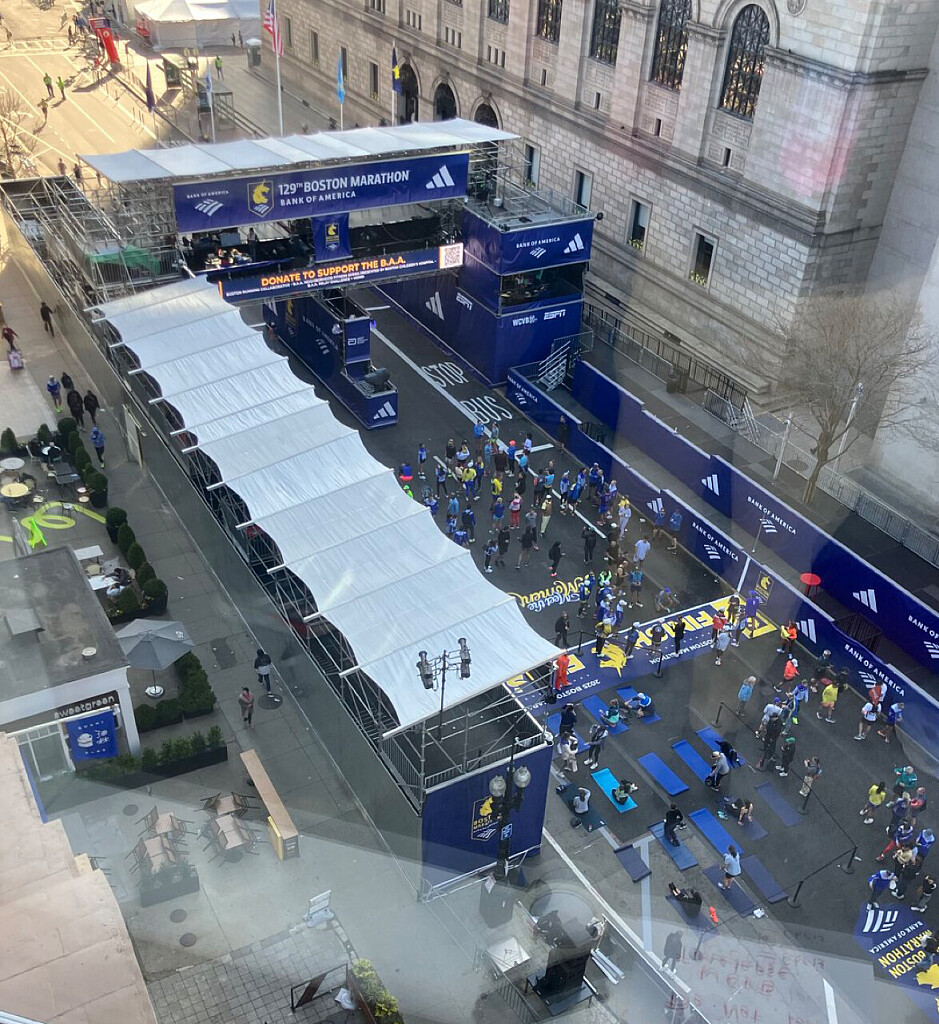
The Finish Line Illusion: A Subtle Challenge for Pro Runners
In the world of professional running, precision is paramount. Yet, as Jeff Abbott (@run1fast) astutely observes, a subtle visual cue at the finish line can lead to momentary confusion. Abbott notes that each year, several runners continue past the actual finish line, aiming instead for the overhang and the white line beneath it. This occurs because the word “FINISH” is painted on the overhang for optimal visibility in photographs, appearing reversed from the runners’ perspective.
This optical illusion, though minor, underscores the importance of clear course markings and the need for athletes to familiarize themselves with race layouts. Abbott’s keen observation highlights how even seasoned professionals can be momentarily misled by well-intentioned design choices aimed at enhancing spectator experience.
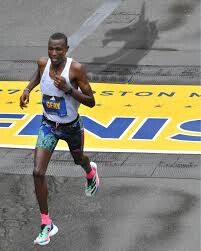
As race organizers strive to balance aesthetics with functionality, insights like Abbott’s serve as valuable reminders of the nuances that can impact athletic performance.
(04/20/25) Views: 206
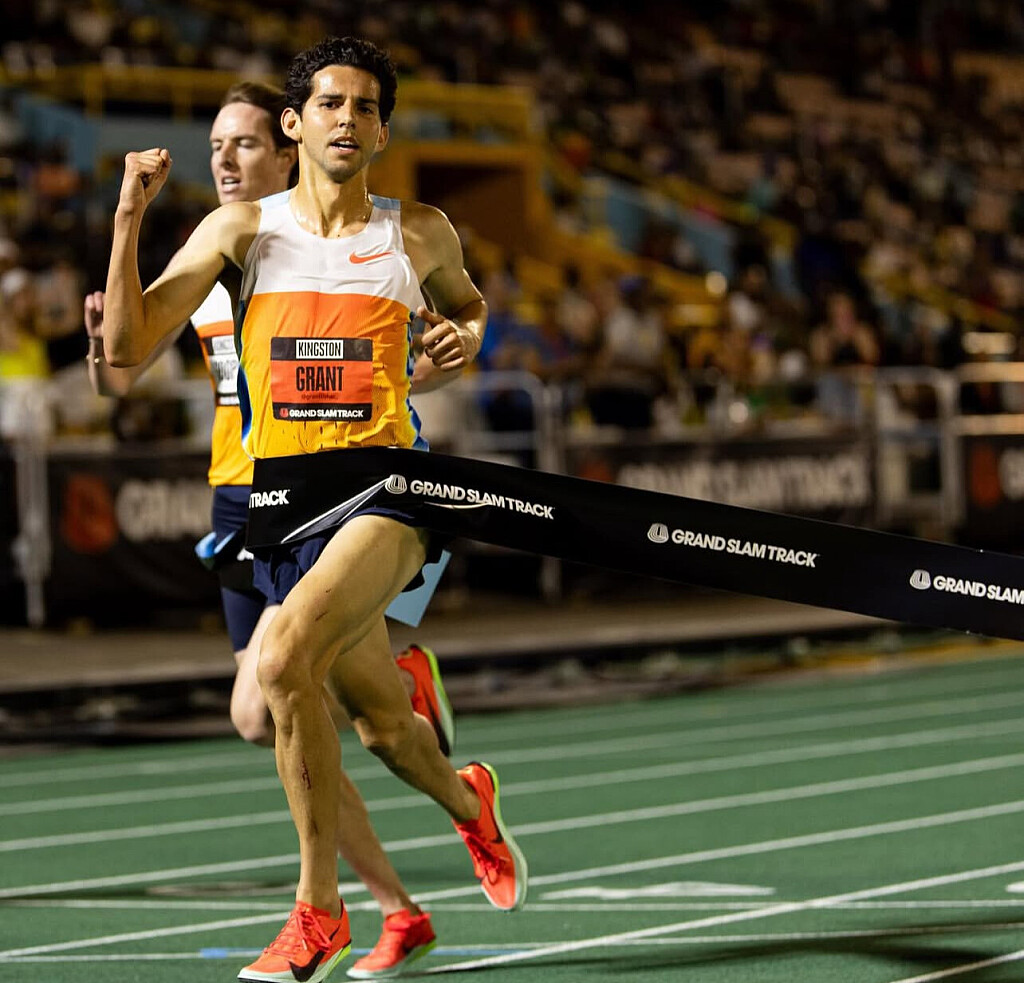
Grand Slam Track Bold Start Amidst Challenges
The inaugural Grand Slam Track event, held from April 4–6, 2025, at Jamaica’s National Stadium in Kingston, marked a transformative moment in professional track and field. Spearheaded by Olympic legend Michael Johnson, the series aims to revitalize the sport by offering substantial prize money and a unique competition format.
Innovative Competition Format

Grand Slam Track introduces a fresh approach to track and field competitions. Athletes are divided into 12 event groups—six for men and six for women—each comprising two disciplines:
• Short Sprints: 100m and 200m
• Long Sprints: 200m and 400m
• Short Hurdles: 100m hurdles (women), 110m hurdles (men)
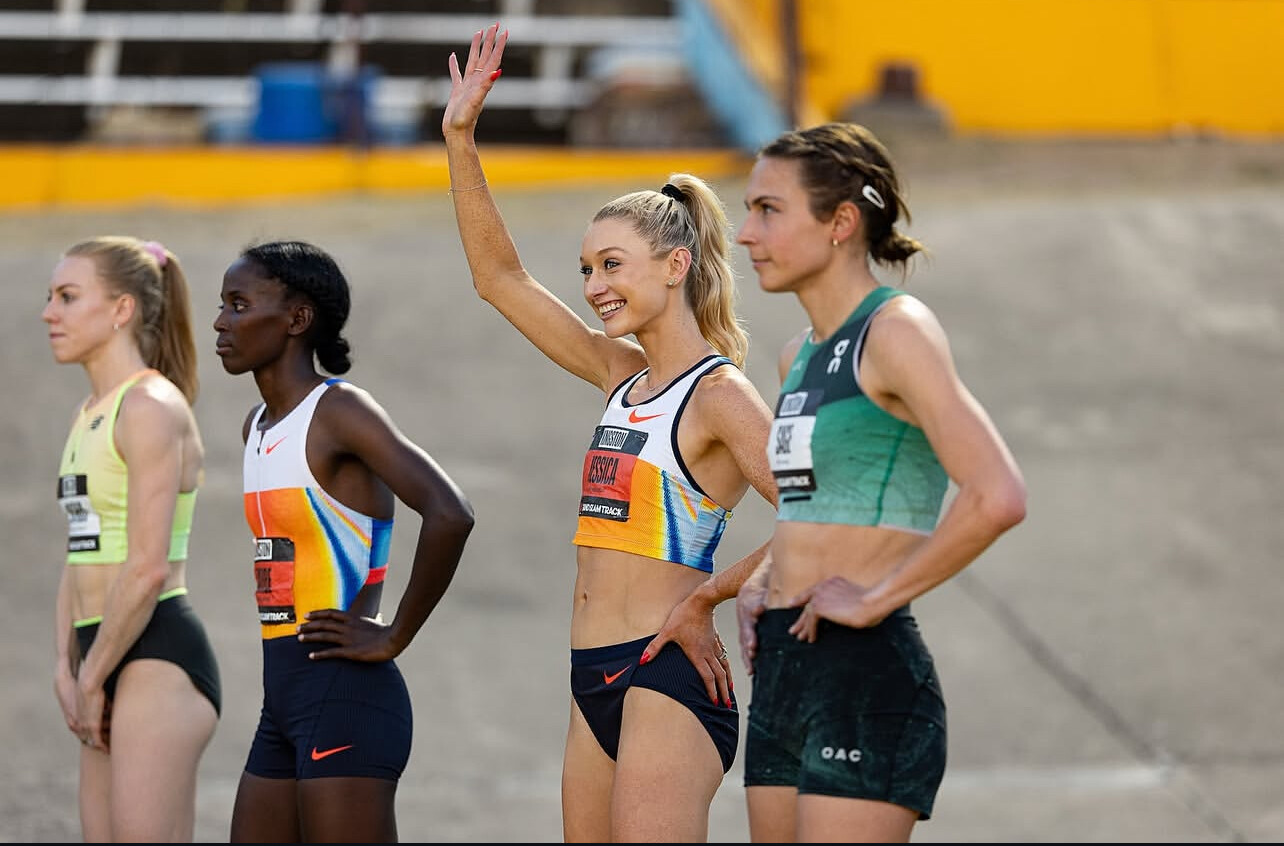
• Long Hurdles: 400m hurdles and 400m
• Short Distance: 800m and 1500m
• Long Distance: 3000m and 5000m
Over three days, competitors face off in both events within their group, earning points based on their performances. Points are awarded as follows:
• 1st place: 12 points
• 2nd place: 8 points
• 3rd place: 6 points
• 4th place: 5 points
• 5th place: 4 points
• 6th place: 3 points
• 7th place: 2 points
• 8th place: 1 point
The athlete with the highest combined score in each group is crowned the “Slam Champion” and awarded a $100,000 prize. In total, $1.2 million was distributed among the 12 group winners in Kingston, contributing to the event’s overall prize pool of $3.15 million.
Standout Performances
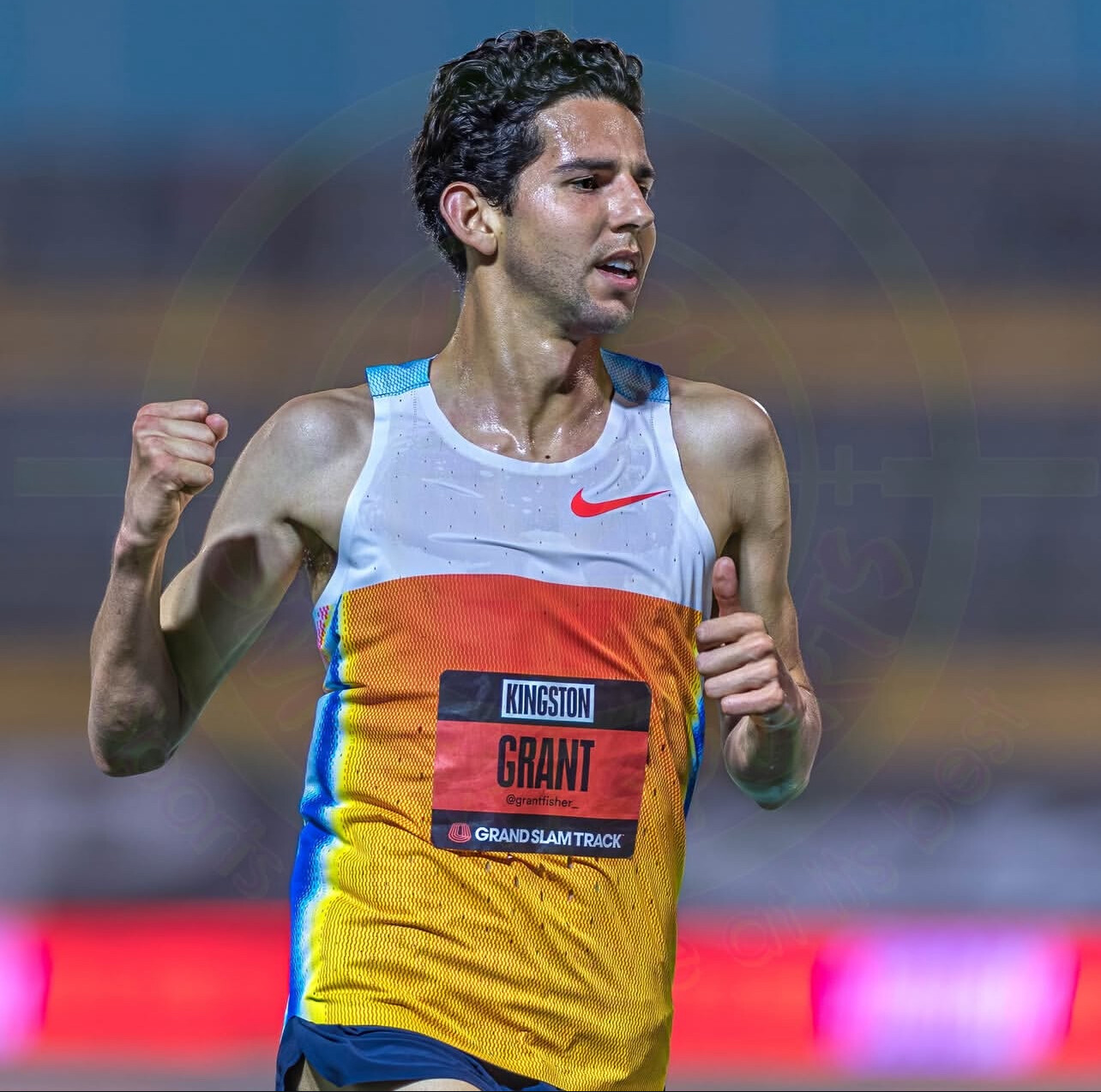
• Grant Fisher: The American distance runner secured the men’s long-distance Slam Champion title. Fisher won the 5000m in 14:39.14 and placed third in the 3000m with a time of 8:03.85, accumulating the highest points in his group and earning $100,000.
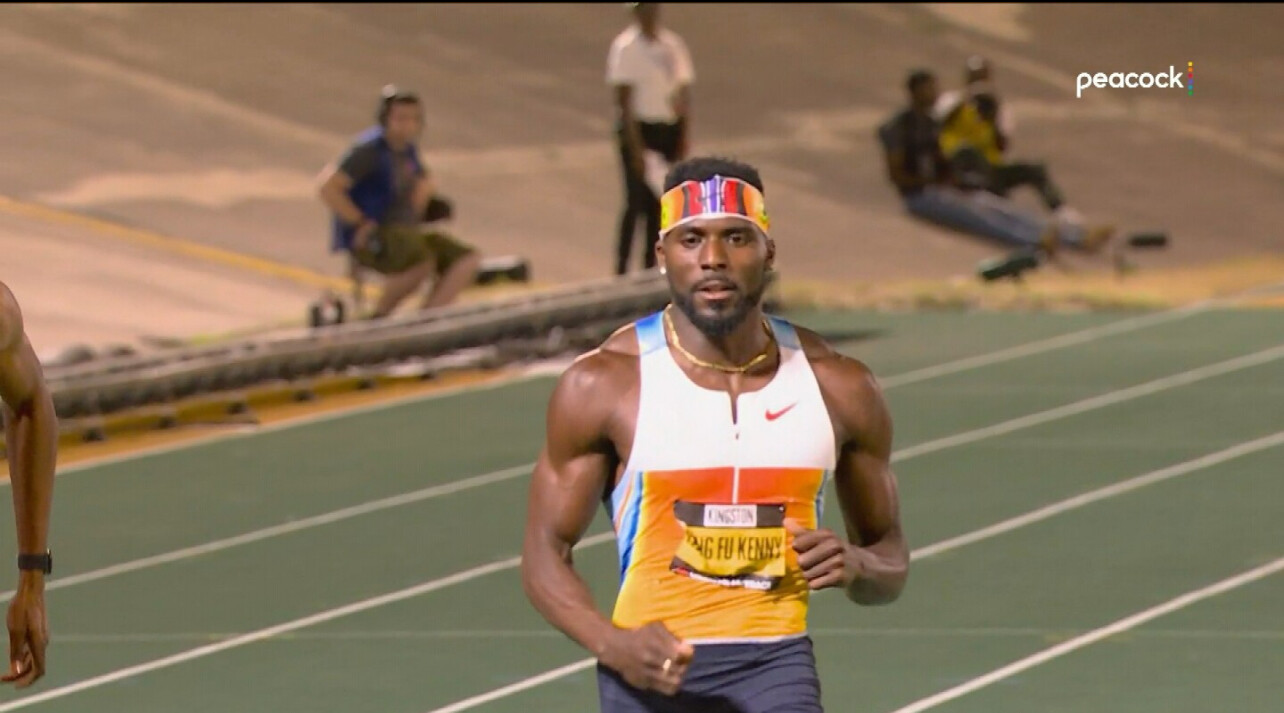
• Kenny Bednarek: Bednarek dominated the men’s short sprints, winning both the 100m in 10.07 seconds and 200m in 20.07 seconds. His flawless performance earned him the maximum 24 points and the $100,000 prize.
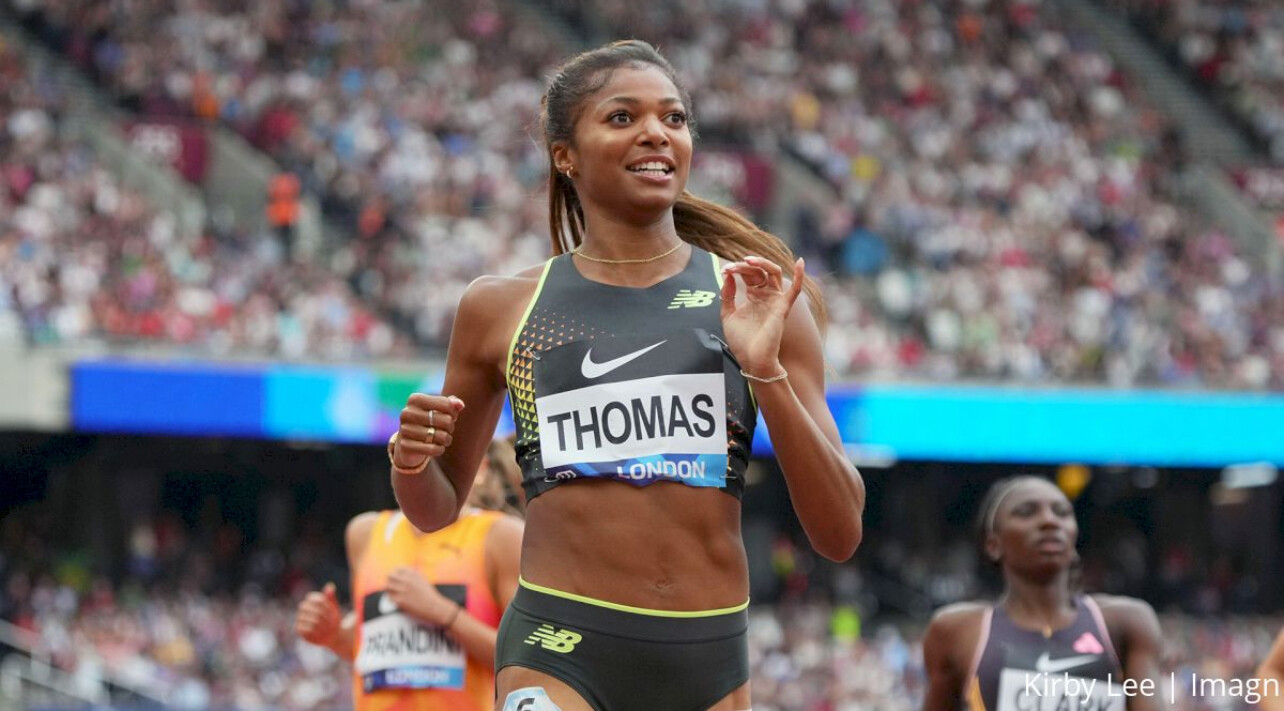
• Gabby Thomas: Thomas showcased her versatility by winning the women’s 200m in 22.62 seconds and finishing second in the 400m with a personal best of 49.14 seconds. Her combined results secured her the women’s long sprints title and a $100,000 award.
Challenges in Attracting Top Talent
Despite the substantial prize money and innovative format, the Grand Slam Track series has faced challenges in attracting some of the sport’s top athletes. Notably absent from the Kingston event were Olympic 100m champion Noah Lyles and double Olympic champion Jakob Ingebrigtsen. Lyles had previously indicated he would only participate if the league secured a broadcast partner, which it now has with deals on The CW and Peacock. However, he has yet to join the roster. Ingebrigtsen, on the other hand, reportedly declined participation due to the format requiring athletes to compete in two corresponding disciplines within an event category, which may not align with his specialization.
Financial and Attendance Concerns
The Kingston event, while successful in terms of athlete performances, struggled with low attendance. Reports indicate that the main grandstands never reached 50% capacity on any of the three days, with other sections remaining largely empty. Limited on-site parking and inadequate local marketing were cited as contributing factors to the sparse turnout. Financially, while the league has secured over $30 million in commitments from investors and strategic partners, the inaugural event’s low attendance and high operational costs suggest that it may have operated at a loss. However, organizers view this as a long-term investment in the sport’s revitalization.
Historical Context
Grand Slam Track is not the first attempt to establish a professional track and field league. The International Track Association (ITA), which operated from 1972 to 1976, initially attracted many top athletes but ultimately folded due to a lack of television revenue and difficulties in sustaining athlete participation. Similarly, the American Track League, founded more recently, has struggled to gain significant traction. These historical precedents highlight the challenges inherent in creating a sustainable professional track and field league.
Looking Ahead
The Grand Slam Track series continues with upcoming events in Miami (May 2–4), Philadelphia (May 30–June 1), and Los Angeles (June 20–22). Each meet follows the same format, offering athletes the opportunity to compete for significant prize money and fans the chance to witness high-stakes, head-to-head competition.
(04/20/25) Views: 201Boris Baron

The Rise of the “Mini Marathon”: Why More Runners Are Embracing the 10K Challenge
In a running world where the marathon gets all the glory, a quieter revolution is happening at 6.2 miles. The 10K — a classic but often underappreciated race distance — is now gaining real momentum. Whether you’re a beginner, a competitive age-grouper, or a marathoner in maintenance mode, the 10K is becoming the go-to challenge for modern runners looking to push themselves without burning out.
Rethinking the “Mini Marathon”
For years, the term mini marathon has been used to describe the half marathon. And sure, 13.1 miles is a major accomplishment. But in today’s running climate — where time is tight, training windows are short, and recovery matters — why not redefine the term and give the 10K its due?

At 6.2 miles, the 10K is long enough to demand real endurance and strategy, yet short enough to train for consistently and recover from quickly. It sits at the sweet spot between the speed of a 5K and the grind of a half marathon. It’s a race where pacing, power, and mental toughness intersect.
Let’s be clear — nothing shorter than a 10K deserves to be called a “mini marathon.” The 10K is the starting point of true endurance racing — and it just might be the smartest distance of them all.
The Perfect Balance
For today’s runners, balance is everything. The 10K allows athletes to stay competitive without the risks that come with higher mileage. Many runners who shifted away from long races during the pandemic have returned to racing — but with a different mindset. Rather than chasing medals for marathon finishes, they’re chasing PRs, consistency, and longevity.
“It’s a thinking person’s race,” says Coach Jimmy Muindi, six-time Honolulu Marathon champion and now a key coach at KATA Portugal. “You can run it all-out, use it for speedwork, or fit it into a bigger training block. It fits almost any plan.”
Fast, Fun, and Growing
Race directors around the world are seeing this shift. While many events still offer marathons and half marathons, it’s often the 10K that fills up first. It appeals to first-timers, comeback runners, and seasoned competitors alike.
Here are a few 10K events making a major impact:
BOLDERBoulder 10K (USA): A Memorial Day tradition drawing over 50,000 runners, complete with costumes, slip-and-slides, and a stadium finish.
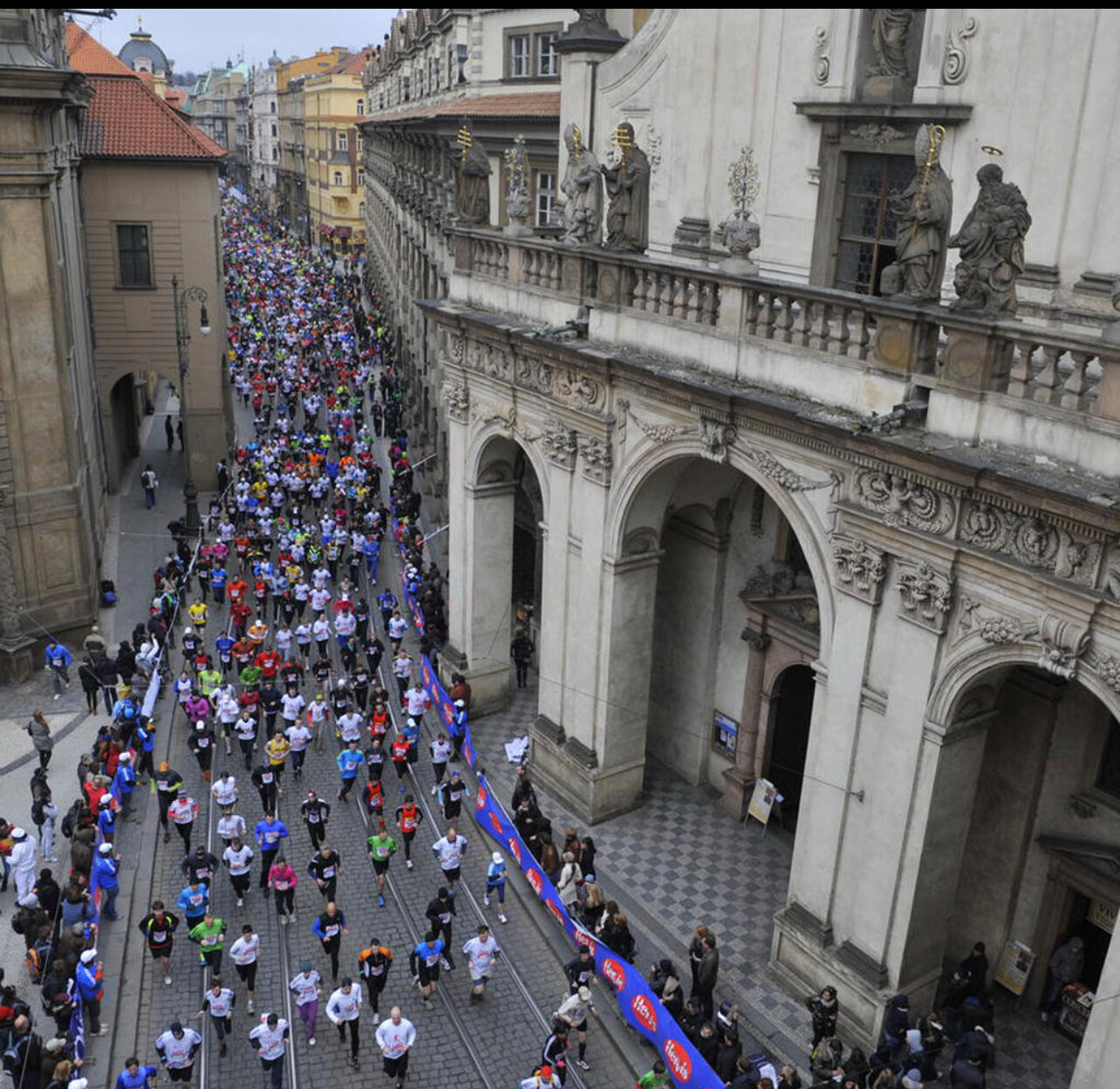
Prague 10K Grand Prix (Czech Republic): Fast, flat, and lit by city lights — one of Europe’s most scenic and electric night races.
Palo Alto 10K (USA): A runner’s favorite in Silicon Valley — fast, friendly, and focused on the joy of racing.
Smarter Training, Safer Recovery
Many runners in their 40s, 50s, and beyond are embracing the 10K as their new sweet spot. The lower training volume reduces injury risk, and recovery is swift. In a time when people are running not just for medals, but for health and happiness, the 10K makes sense.
“I like the 10K because it is still long enough for a challenge and short enough where the recovery only takes a day or so,” says lifetime runner Bob Anderson, founder of My Best Runs and Runner’s World magazine. “It fits perfectly into a balanced, healthy running lifestyle.”
It’s not just about going long — it’s about going strong.
Final Stride
The 10K is no longer just a warm-up for a half or a fitness test before a marathon. It’s standing tall as a race in its own right — a distance that respects your time, challenges your limits, and fits into real life.
So maybe it’s time to redefine what a mini marathon really means. For a growing number of runners, 6.2 miles is just right.
(04/18/25) Views: 188
Boris Baron
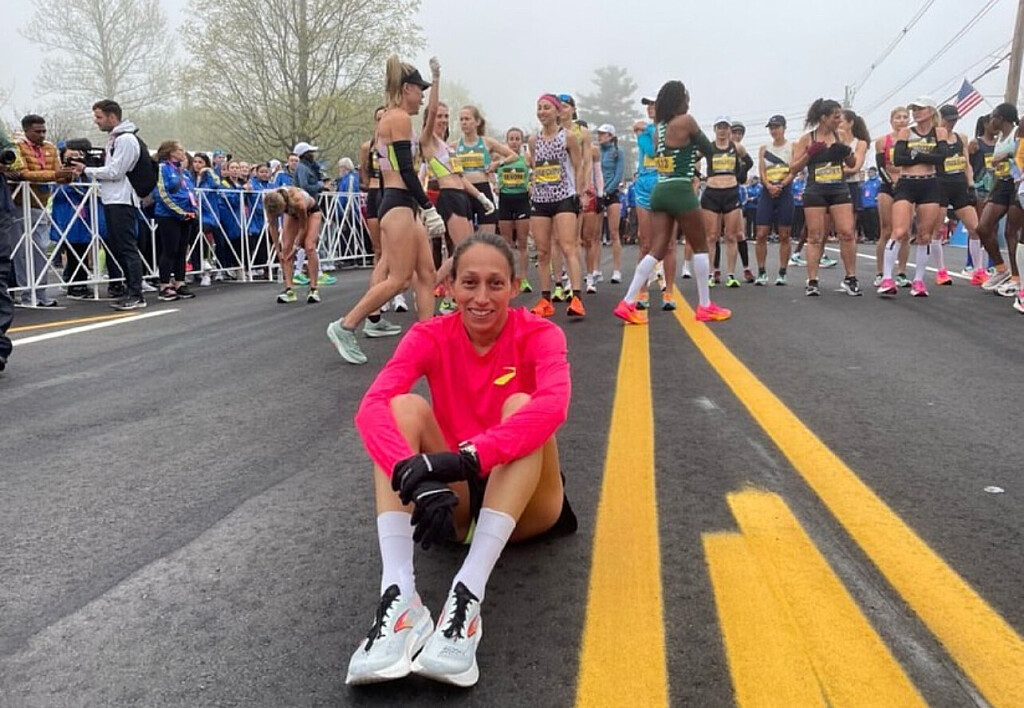
Des Linden Announces Retirement From Professional Marathoning
2018 Boston Marathon Champion Eyes Ultra Distances as Her Next Frontier
Des Linden, one of America’s most celebrated distance runners and the 2018 Boston Marathon champion, has announced she is retiring from professional marathoning. Known for her grit, longevity, and no-nonsense approach to the sport, Linden is not stepping away from running altogether. Instead, she’s setting her sights on a new challenge—ultramarathons.

Linden, 40, made the announcement with characteristic clarity, emphasizing that while her days competing at the highest level in the marathon are behind her, her passion for endurance running is far from over. “The chapter on professional marathoning is closing,” she said, “but the book isn’t finished.”

Her victory at the 2018 Boston Marathon remains one of the most iconic moments in U.S. distance running history. Battling freezing rain and headwinds, Linden surged through the elements to become the first American woman to win Boston in 33 years. That win elevated her status from elite competitor to running legend.
But Des has always been more than just one win. She’s represented the U.S. on the Olympic stage twice (London 2012, Rio 2016), placed second at the 2011 Boston Marathon, and has run more than 20 career marathons under 2:30. Her steady pacing, resilience, and loyalty to the grind have made her a fan favorite for over a decade.
In recent years, Des has hinted at her evolving interests in longer distances. She famously broke the women’s 50K world record in 2021, clocking 2:59:54—becoming the first woman to run sub-3:00 for the distance. That performance gave a glimpse of what might be next.

Now, with her professional marathoning career officially behind her, Linden plans to explore the world of trail and ultra running. “There’s something pure and raw about ultras,” she said. “It’s about effort, persistence, and the long game—things I’ve always loved about running.”
Linden’s legacy is already cemented, but her next chapter promises to be just as compelling. Whether it’s the Western States 100 or Comrades, fans can expect to see the same toughness and authenticity that made her a household name in the marathon world.
From Boston’s heartbreak hill to the rugged climbs of ultramarathon courses, Des Linden’s journey continues—just at a longer distance.
(04/21/25) Views: 186Boris Baron

Kiplimo’s Marathon Debut: Ugandan Star Set to Challenge Legends in London
Ugandan distance running sensation Jacob Kiplimo is poised to make his marathon debut at the 2025 TCS London Marathon on Sunday, April 27. This highly anticipated event follows his record-breaking performance at the Barcelona Half Marathon in February, where he set a new world record of 56:41, surpassing the previous mark by 49 seconds .
A Meteoric Rise
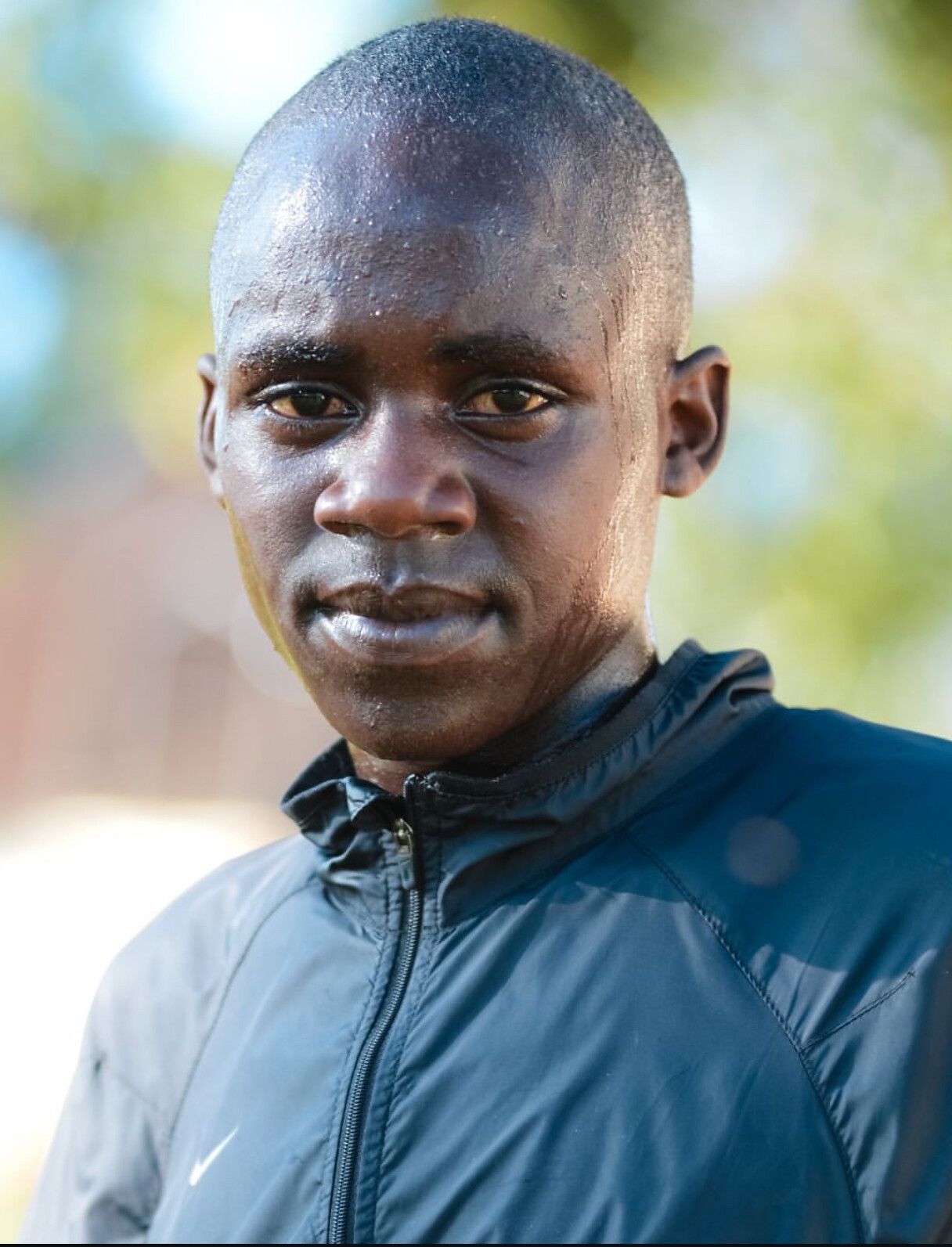
At just 24 years old, Kiplimo has already established himself as a formidable force in long-distance running. His accolades include a bronze medal in the 10,000 meters at the Tokyo 2020 Olympics and two World Cross Country Championship titles . His recent half marathon world record has only heightened expectations for his transition to the full marathon distance.
Facing a Formidable Field
Kiplimo’s debut will see him compete against some of the sport’s most decorated athletes, including:
• Eliud Kipchoge: The Kenyan legend and two-time Olympic champion, aiming for a record-extending fifth London Marathon title .
• Tamirat Tola: The reigning Olympic champion from Ethiopia.
• Alexander Mutiso: The 2024 London Marathon winner.
• Sabastian Sawe: The second-fastest marathon debutant in history, with a time of 2:02:05 in Valencia .
Despite the stiff competition, Kiplimo’s coach, Peter Chelangat, has expressed confidence in his protégé’s preparation, stating that they are building his endurance through intense training tailored for the 42-kilometer race .The Road Ahead
The London Marathon, renowned for its flat and fast course, offers an ideal setting for Kiplimo’s debut. While breaking the elusive two-hour barrier remains a monumental challenge, Kiplimo’s recent performances suggest he could be a strong contender for a podium finish.
As the running world eagerly awaits April 27, all eyes will be on Kiplimo to see if he can translate his half marathon prowess to the full marathon distance and make history in London.
(04/22/25) Views: 183Boris Baron
