

Running News Daily
Running News Daily is edited by Bob Anderson and team. Send your news items to bob@mybestruns.com Advertising opportunities available.
Index to Daily Posts · Sign Up For Updates · Run The World Feed
Articles tagged #California
Today's Running News
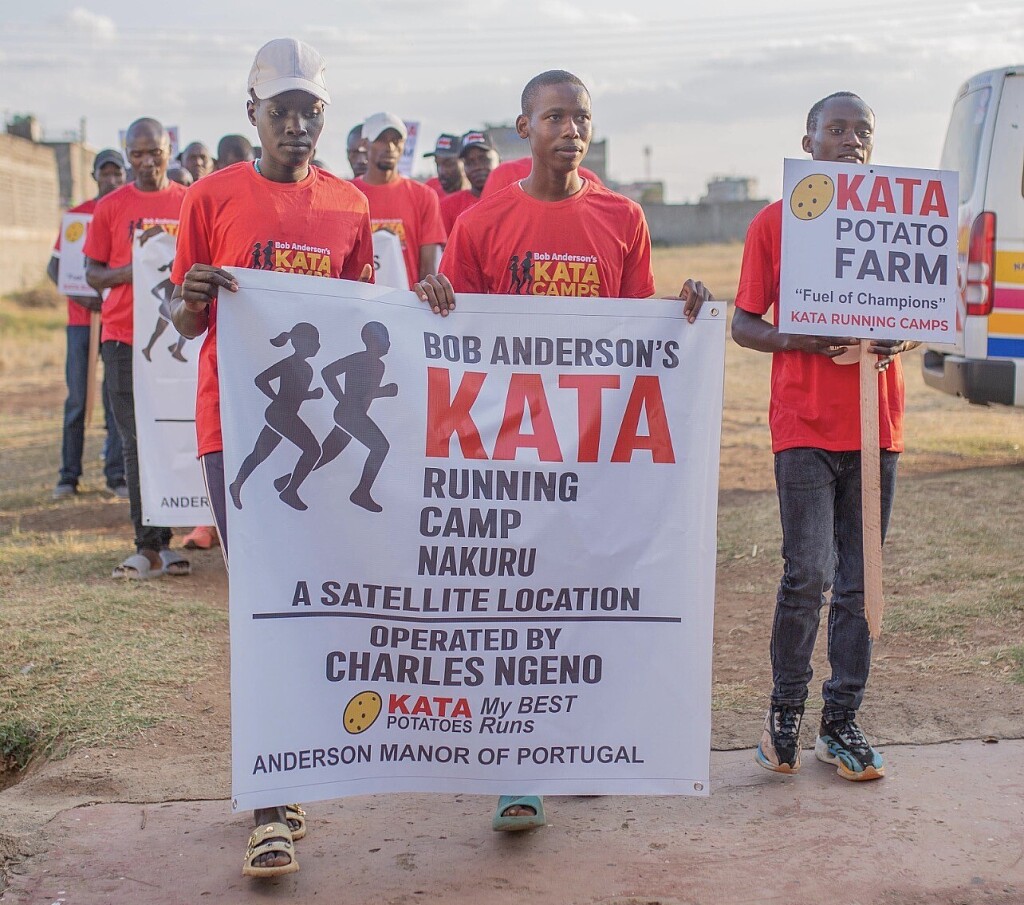


Was KATA’s Vision Too Grand? The 60-Camp Network That Could Have Supported 1,800 Kenyan Runners
KATA had assembled 30 running camps and planned to double that number. Its model used repayable, interest-free startup financing and potato farming to create a self-sustaining national network—but the expected repayments never materialized.
By Robert Kibet
Could a network of 60 self-supporting training camps have transformed life for 1,800 promising Kenyan runners?
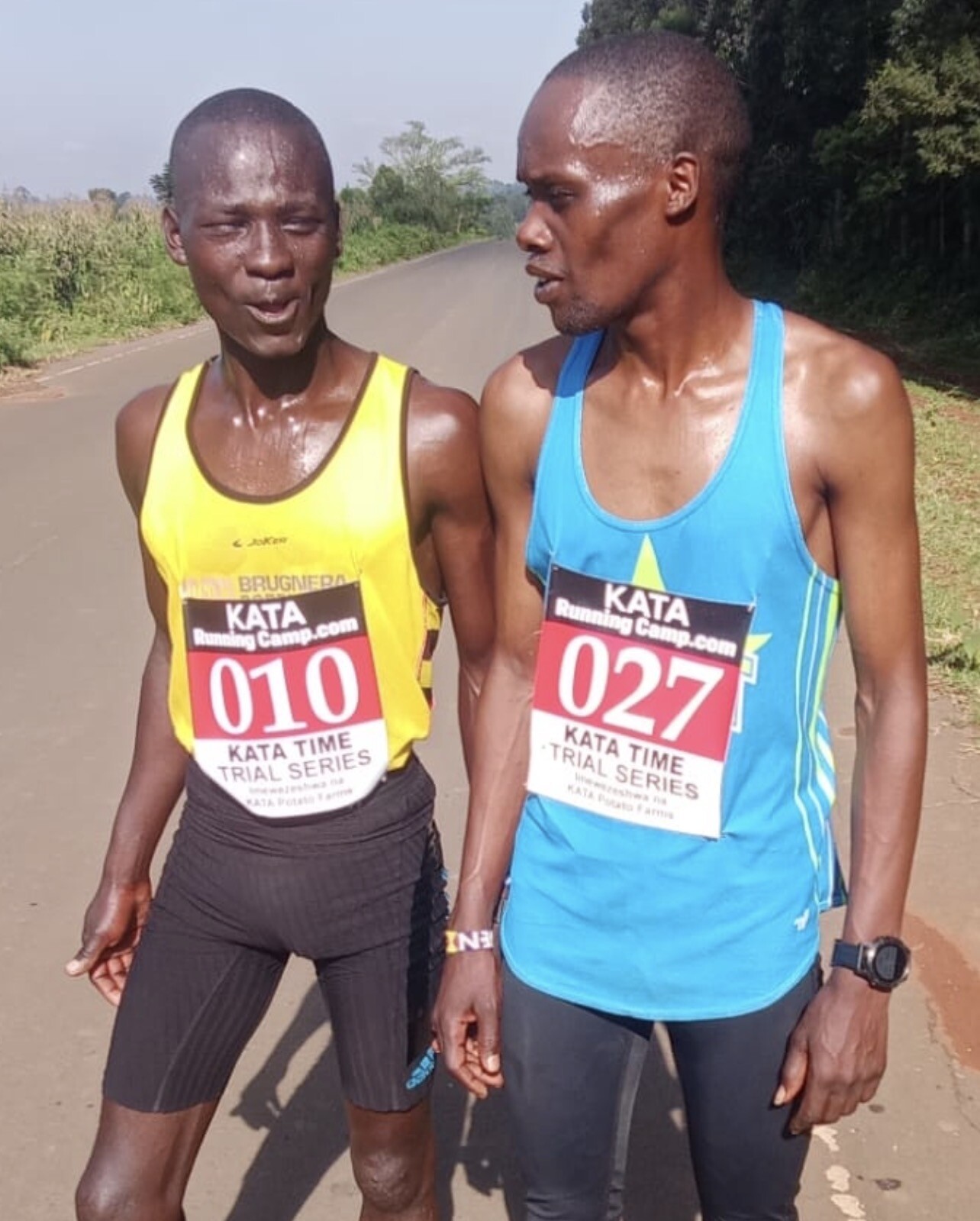
That was the vision behind the Kenyan Athletics Training Academy (KATA) programme created by Bob and Catherine Anderson.
KATA had assembled 30 running camps and planned to expand to at least 60. At 30 athletes per camp, the completed network could have provided accommodation, food and high-level training for approximately 1,800 runners at one time.
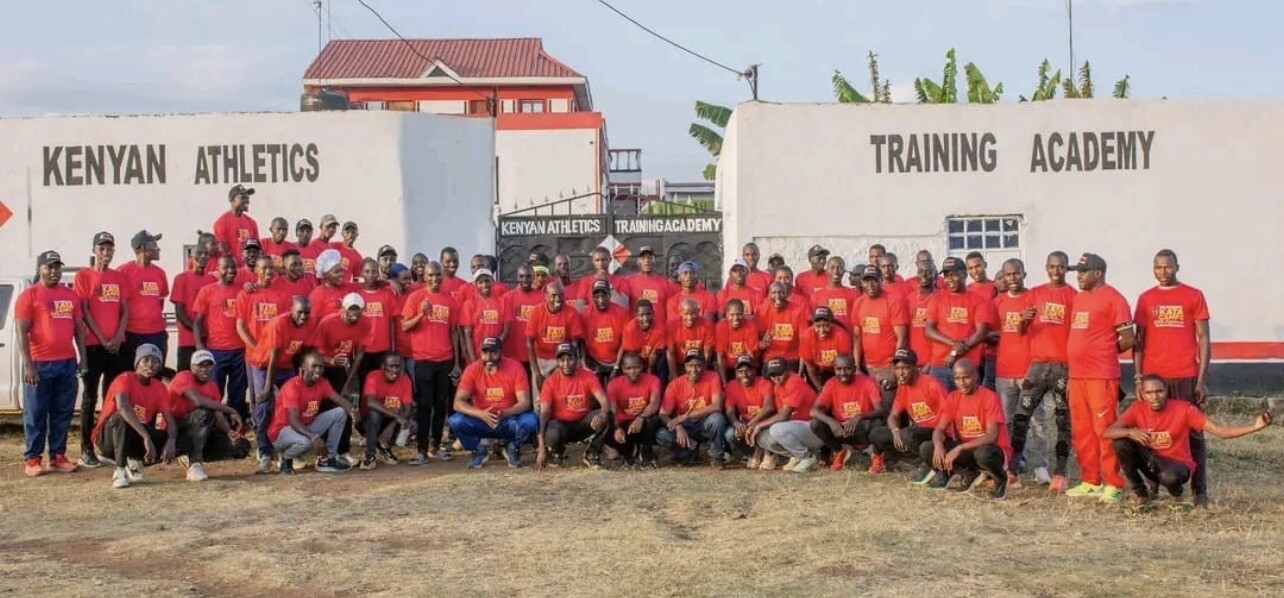
The objective was not simply to produce champions. KATA sought to improve daily living and training conditions for developing athletes while strengthening grassroots coaching.
The programme was ambitious, but it was not intended to depend permanently upon money from the Andersons.
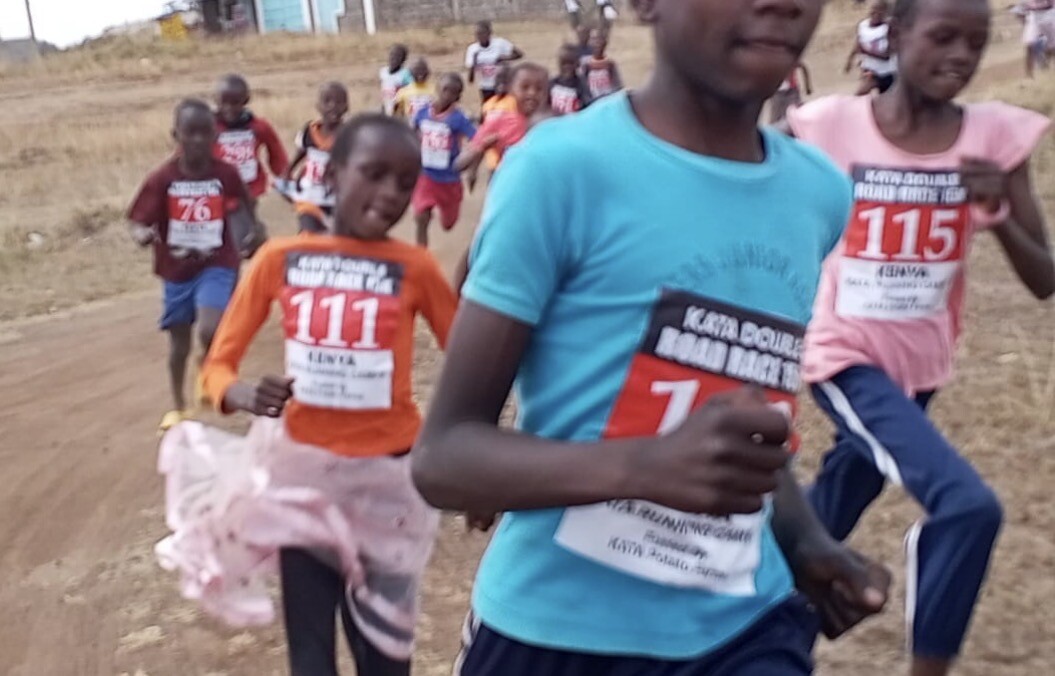
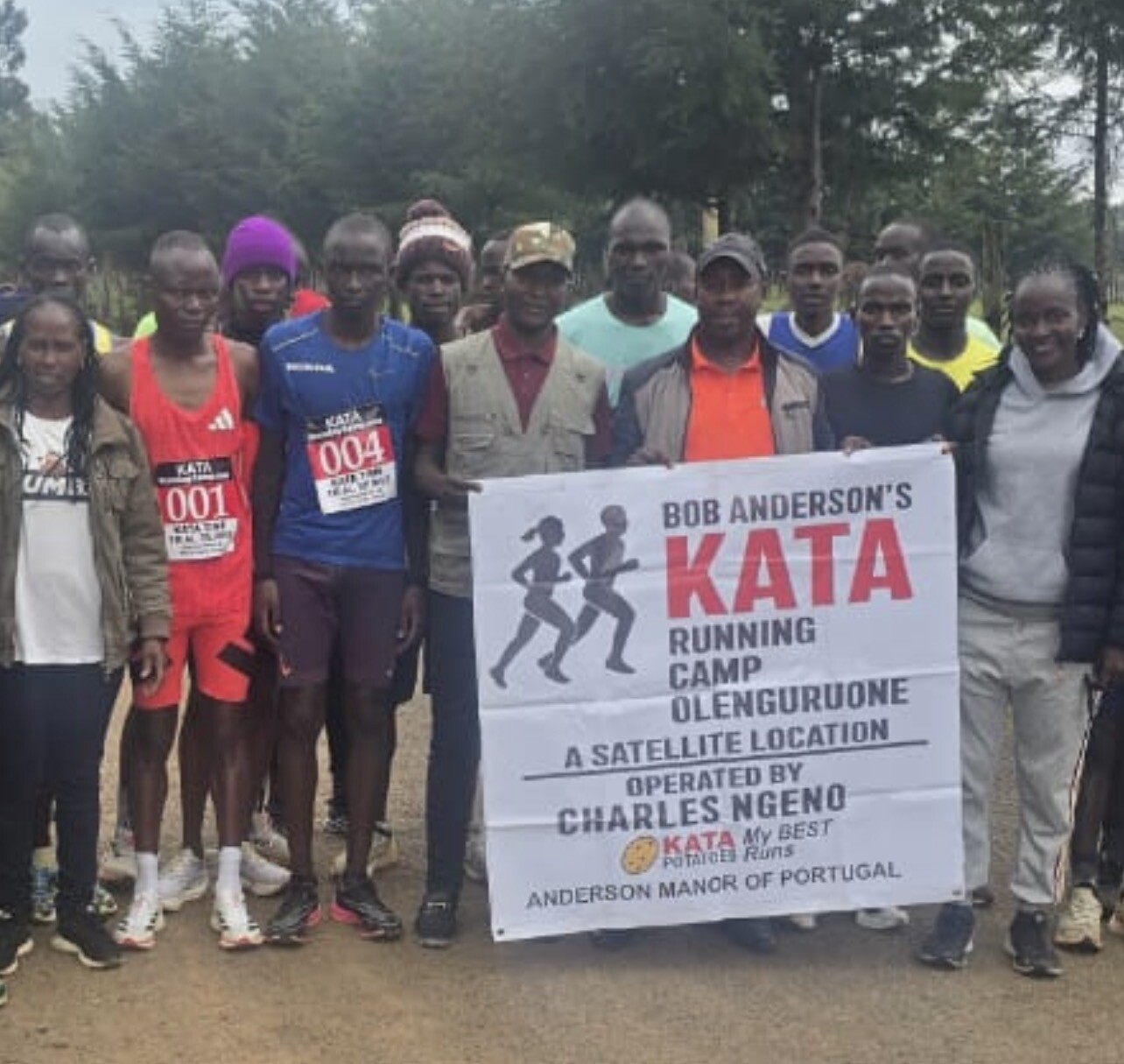
(These eight photographs were among more than 5,000 images sent to KATA founder Bob Anderson and his team as evidence of how the programme was progressing.
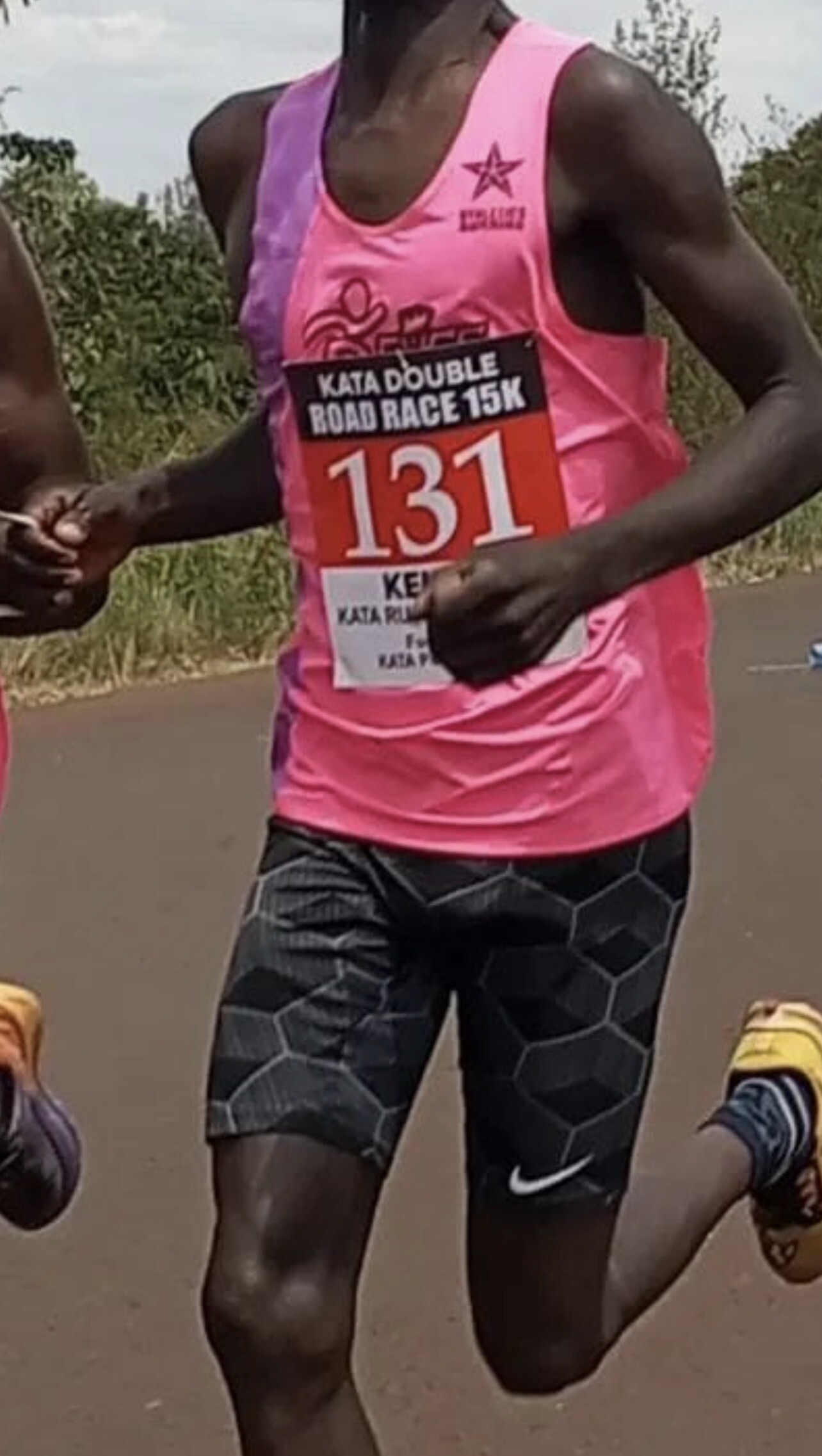
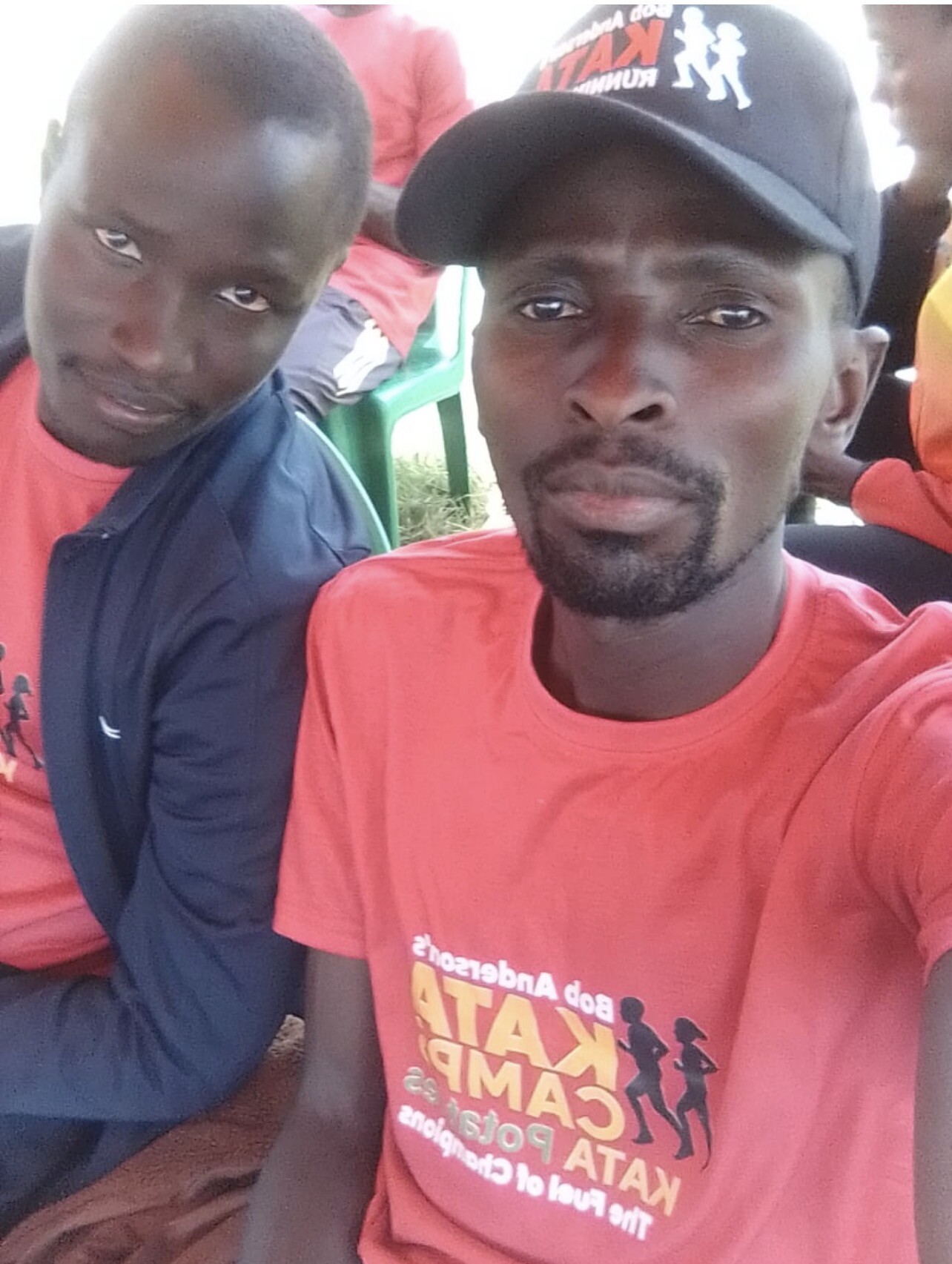
The photographs showed why individual coaches and camp operators believed they should receive interest-free loans and become part of the KATA family. Others documented the development of the camps, potato farming activities and the required 10-kilometre time trials held every two months.

In September 2025, athletes from most of the 30 KATA camps travelled to Thika to compete in the KATA Double Road Race, where KSh100,000 in prize money was awarded. At that point, the programme appeared to be working as planned.
The situation changed shortly afterward. Potato harvests were completed and crops were sold, but despite repeated explanations and delays, very little of the money collected was returned to KATA.)

How a camp was supposed to become self-supporting
KATA’s financial model began with two interest-free loans.
The first supplied the capital required to open a running camp. An approved operator could receive as much as KSh500,000 for rent, beds, mattresses, furniture, food and other startup needs.
That money remained a debt to KATA. It was not a gift, grant or donation.
A second interest-free loan financed potato cultivation at a projected cost of approximately KSh100,000 per acre.
The plan called for the harvest revenue to retire both debts—the farming advance and the camp-establishment advance—before the remaining proceeds were used locally.
Potatoes were chosen because they are Kenya’s second-most important food crop after maize and form an industry worth an estimated US$400 million to US$500 million annually.
KATA’s working projection placed gross sales from a successful acre at about KSh400,000. This was a programme estimate rather than a guaranteed or national average result. Actual returns depended upon production, disease, weather and selling prices.
The projected economics of three acres illustrate the plan:
Estimated cultivation loan: KSh300,000;
Projected gross sales: KSh1.2 million;
Repayment of cultivation financing: KSh300,000;
Repayment of camp startup financing: up to KSh500,000; and
Potential balance for athletes and the next season: approximately KSh400,000.
Under this model, one strong three-acre harvest could potentially clear the money advanced to establish the camp and grow the crop. The following season could then help pay for food, housing and training while keeping the farm productive.
“We did not give away startup money,” Anderson said. “We provided interest-free loans that had to be repaid. The potatoes were the engine intended to repay both loans and create continuing income for the athletes.”
From 30 camps to a potential 60
Bob and Catherine Anderson say they invested more than KSh42 million in the wider programme.
Approximately KSh36 million was provided as interest-free financing, with more than KSh6 million spent on Kenyan independent contractors and related operational expenses.
The Andersons did not form a Kenyan company. Their California-based operation directed the programme and retained independent contractors in Kenya for coordination and monitoring.
If 75 percent of participating coaches, farmers and operators had repaid their loans, Anderson believes KATA would have had enough revolving capital to strengthen the 30 camps and expand to 60.
“The money was supposed to keep moving,” he said. “A repayment from one harvest could help establish or strengthen another camp. We would not have needed to start again with new outside money every season.”
A 60-camp network supporting 1,800 runners could also have developed a significant voice within Kenyan athletics.
“KATA was not created to oppose Athletics Kenya,” Anderson said. “But an independent programme improving conditions for 1,800 athletes would naturally have carried influence.”
Anderson has wondered whether that potential might have concerned people who wanted to control opportunities within the sport. He emphasizes that he has no evidence Athletics Kenya attempted to undermine KATA.
Charles Ngeno and claims of high-level access
While developing two proposed KATA camps, coach Charles Ng’eno repeatedly portrayed himself to Anderson as closely connected to leading figures in Kenyan athletics.
On July 22, 2025, Ng’eno wrote:
“I need to brief you tomorrow about good news we discussed with AK PRESIDENT about KATA.”
The message did not explain the “good news,” and no response from the Athletics Kenya president has been provided to confirm that discussion.
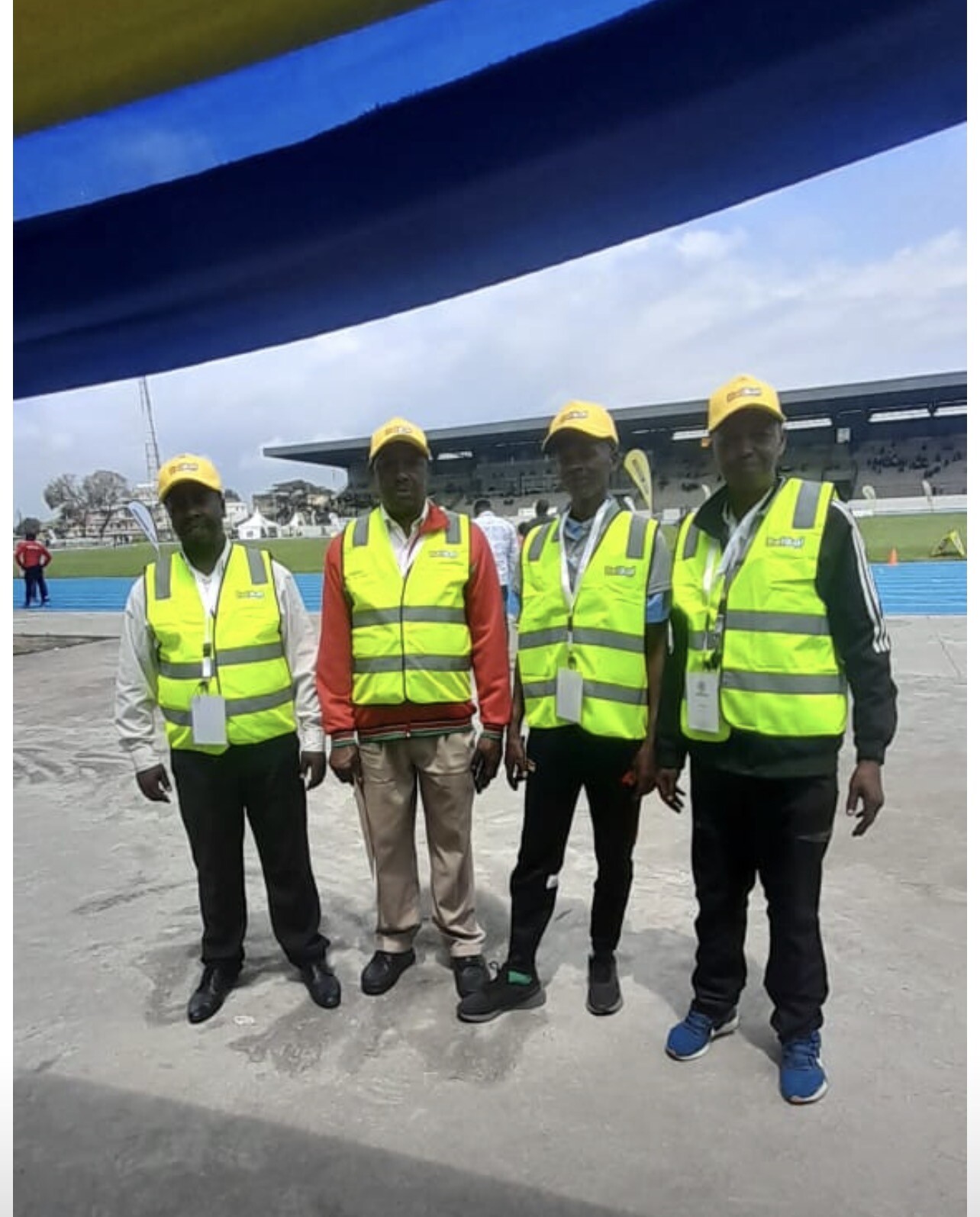
Ng’eno also sent photographs appearing to show him attending Athletics Kenya functions, including one in which he sat behind an Athletics Kenya nameplate and another showing him addressing a gathering.
The photographs indicate attendance at athletics-related events. They do not prove that AK supported KATA or authorized Ng’eno to speak on its behalf.
Ng’eno also supplied Anderson with messages addressed to senior athletics official Barnabas Korir.
In one, Ng’eno told Korir:
“You expressed happiness with KATA.”
He further attributed to Korir statements about protecting KATA because of its importance in empowering young people.
The screenshots do not show Korir confirming the statements. It remains unclear whether all the communications were sent, received or answered.
Prominent athletes and coaches
Ng’eno strengthened the appearance of influence by invoking other respected names.
In June 2025, he sent Anderson a message addressed to Faith Kipyegon in which he described himself as her “grassroots coach.” The screenshot contains no response from Kipyegon and does not independently establish the extent of Ng’eno’s early coaching role.
Ng’eno later said prominent coach Bernard Rono had consulted him about KATA and joined the programme.
“We are glad to have him with us at KATA,” Anderson replied. “We have a strong group of operators!”
Anderson says the combined effect of the messages and AK photographs was significant.
“Charles made it appear that he was plugged into the highest levels of Kenyan athletics,” Anderson said. “That gave me confidence that he could build successful camps and bring respected people into the KATA network.”
Whether Ng’eno accurately described those relationships remains unconfirmed.
Two camps appeared to be taking shape
Ng’eno supported his requests for money with budgets, reports, photographs and videos.
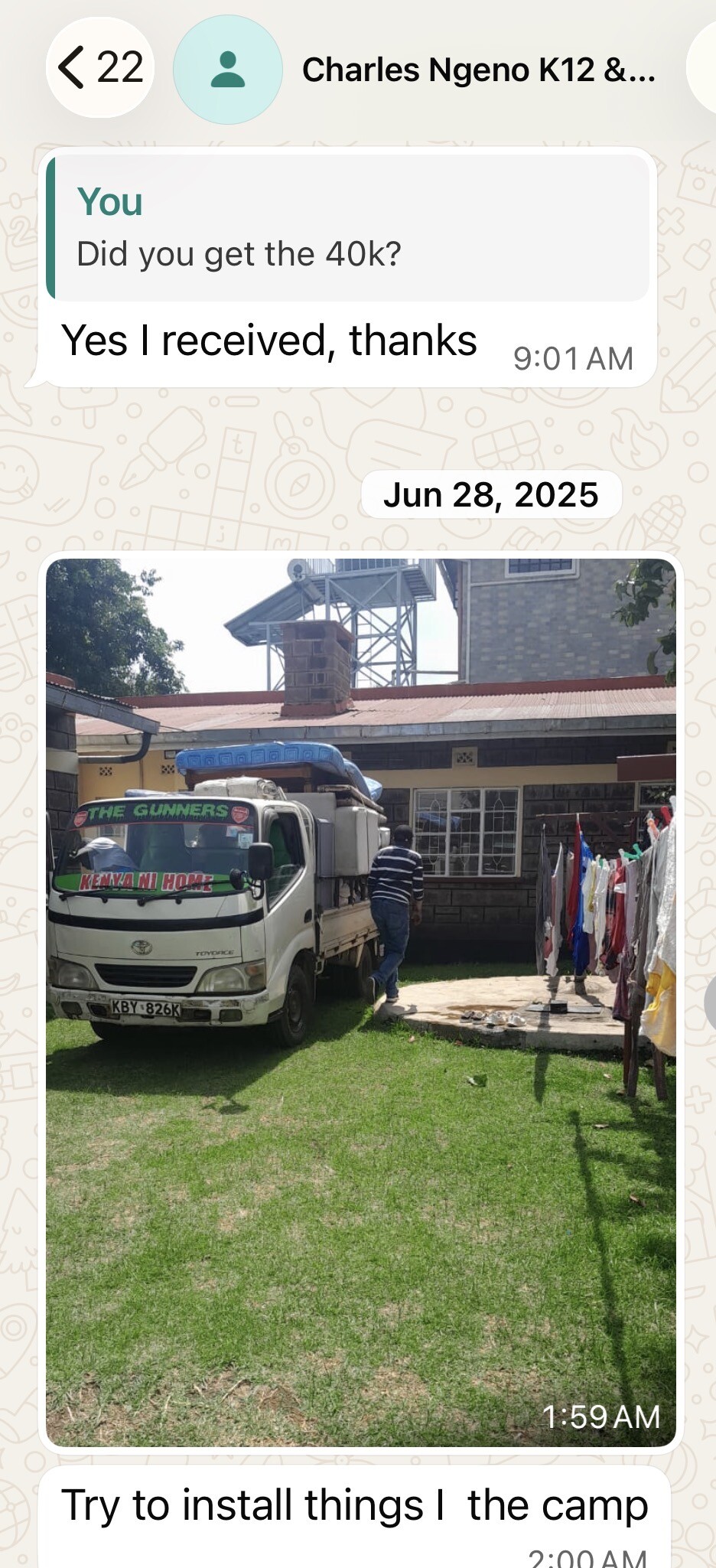
After confirming receipt of KSh40,000 in June 2025, he sent a photograph of a truck at a residential property and said he was installing items at the camp.
He later requested financing for nearby land, reported renting a house in Nakuru and sought money for beds and mattresses.
On August 3, Ng’eno submitted figures for the proposed Olenguruone and Nakuru camps. His presentation referred to a combined KSh1.3 million budget and reported KSh531,400 used for farming and camp expenses.
The KSh1.3 million was the proposed allocation—not the amount Anderson ultimately transferred.
Anderson says Ng’eno actually received KSh1,077,500. The funding was intended to establish two camps and cultivate six acres.
A video Ng’eno sent on August 5 appeared to show young athletes training indoors.
“These are the real stars,” he wrote, predicting they could reach the next World Cross Country Championships.
The material led Anderson to believe the camps were progressing.
“I could see athletes training and equipment apparently arriving,” he said. “It looked as though the programme was creating exactly what we intended.
Red flags halted further funding
Ng’eno continued presenting expansion plans, but promised repayments did not arrive.
In November 2025, he told Anderson nearly KSh600,000 would be paid before the end of December, followed by another KSh200,000 in January or February.
Ng’eno also referred to a plot of land allegedly worth KSh1.5 million that could be sold to clear the debt.
At the same time, he continued seeking additional money. When an account was restricted because no repayment had arrived, Ng’eno suggested that funds be sent through his wife’s M-Pesa number or another person.
Anderson refused to bypass the restriction.
In January 2026, Ng’eno made another commitment:
“Yes Bob, I need to start with 400,000 ksh.”
He said he was responsible and “must do payments.” He also attributed the delay to money spent constructing a residential building that would become a KATA camp.
Anderson says the KSh400,000 was not paid.
Ng’eno later attempted to persuade him to finance another six acres with approximately KSh600,000 in additional interest-free funding.
Anderson declined.
“I probably would have sent more if the promised repayments had started,” he said. “Fortunately, each missed date raised another red flag. I stopped after KSh1,077,500.”
What is known—and what remains unverified
The available communications show that Ng’eno:
Claimed to have discussed KATA with the Athletics Kenya president;
Attributed favorable statements about KATA to Barnabas Korir;
Presented himself as connected to leading athletes and coaches;
Supplied budgets and reports for two camps;
Sent images appearing to show camp development and athletes training;
Continued seeking new funding; and
Made several substantial repayment promises.
They do not establish whether Athletics Kenya endorsed or opposed KATA, whether the named officials made the statements attributed to them or how all the money was ultimately used.
There is no current evidence that Athletics Kenya developed or participated in a plan to stop KATA.
There is evidence that Ng’eno’s representations increased Anderson’s confidence in the camps and the wider programme.
Questions for Ng’eno and Athletics Kenya
Ng’eno should be asked:
What did he discuss with the Athletics Kenya president?
Did Barnabas Korir make the statements attributed to him?
What official athletics positions did Ng’eno hold?
How many athletes lived and trained at the two camps?
Was the residential building completed and operated as a KATA camp?
How was the KSh1,077,500 used?
What income was produced by the six acres?
Why were the promised repayments not made?
Did he own the reported KSh1.5 million property?
Athletics Kenya and the officials named in Ng’eno’s messages should have an opportunity to clarify what they knew about KATA and whether their positions were represented accurately.
Grand—but not impossible
KATA’s vision was undeniably large: 60 camps capable of supporting 1,800 runners.
Its financial premise was that repaid loans would become revolving capital. Each successful camp and harvest would help finance the next cycle of athlete support.
“The vision may have been grand, but it was not impossible,” Anderson said. “We already had 30 camps. What failed was the repayment system and our reliance on reports that were not independently verified.”
Whether Ng’eno truthfully described his Athletics Kenya discussions remains unanswered. Whether AK understood KATA’s potential scale is also unclear.
What is clear is that the programme was not offering free startup money. Every camp and agricultural advance was an interest-free loan that had to be returned.
Without those repayments, the revolving system stopped—and the planned network of 60 camps has never became a reality. If only most of the KATA operators had paid back their loan! "When they do things could still get back on track," says Bob Anderson.
by Robert Kibet
Login to leave a comment

KSh42 Million KATA Programme Dispute: Questions Over Funding Advanced to Coach Charles Ng’eno
KATA founder Bob Anderson says coach Charles Ngeno received KSh1.077 million in repayable, interest-free financing for two running camps and six acres of potatoes, repeatedly discussed repayment and later sought additional funding.
A programme in which Bob and Catherine Anderson say they committed more than KSh42 million to support Kenyan runners is now at the centre of a dispute over money advanced to coach Charles Ng’eno.
Anderson, founder of My Best Runs, the Kenyan Athletics Training Academy and Runners World, says Ng’eno received KSh1,077,500 in interest free loans to establish two KATA running camps and cultivate six acres of potatoes.

Anderson says none of the money has been repaid.
Ng’eno should be given a full opportunity to respond to the allegations and provide his own financial records, contracts, harvest records and explanation of the transactions before publication.

Anderson founded Runner’s World as a teenager and says his motivation for developing KATA came from decades spent in athletics and from seeing the conditions faced by some aspiring Kenyan runners.
“This was never simply a potato farming project,” Anderson said. “The purpose was to establish camps where talented athletes could receive accommodation, food and world-class training. Every shilling provided to establish the camps and grow the potatoes was an interest-free loan that had to be repaid.”
Two loans supporting one objective
According to Anderson, the KATA model combined two forms of repayable financing.
Camp operators could receive interest-free startup loans to cover expenses including rent, beds, mattresses, furniture and initial food supplies. Depending on the camp's requirements, Anderson says this financing could reach KSh500,000.
Separate interest-free loans were used to finance potato production, generally budgeted at approximately KSh100,000 per acre.
The intention was for proceeds from potato sales to repay both the farming costs and the money advanced to establish the running camp.
The funds were therefore not intended to operate as grants that beneficiaries could retain without repayment.

After the loans were cleared, the remaining income was intended to support athletes and help finance subsequent farming seasons.
Anderson says the model was designed to create a revolving system in which money recovered from one camp could eventually help another.

“The idea was to provide the seed capital once and then have the potato proceeds repay everything,” Anderson said. “After the camp and farming loans were cleared, each camp could continue operating without depending upon Catherine and me for more money.”
The financial projections used by KATA were based on anticipated agricultural returns. Anderson says the programme estimated that a well-managed acre could generate about KSh400,000 in gross sales, although actual returns would depend on yields, disease, weather and market prices.
These were projections rather than guaranteed returns.
More than KSh42 million committed
Anderson says he and Catherine committed more than KSh42 million to establishing and operating the wider programme.
Approximately KSh36 million, he says, was provided through interest-free loans to coaches, farmers and camp operators, while more than KSh6 million was spent on independent contractors and related programme expenses.
The Kenyan personnel engaged to coordinate activities and monitor participating farms were independent contractors, according to Anderson, rather than employees.
The Andersons did not establish a company in Kenya, with the programme directed through their California-based business.
The complete financial records covering the wider KATA programme have not been independently reviewed for this article.
The KSh1,077,500 advanced to Charles Ngeno represents only one part of the wider programme.
But Anderson says the failure to recover the money meant funds intended to circulate to other camps and athletes became unavailable.
Athletics Kenya references
Anderson says Ng’eno regularly communicated with him about athletics, farming and the proposed camps.
Among the material provided are photographs appearing to show Ng’eno participating in Athletics Kenya-related meetings, including one in which he is seated behind an Athletics Kenya nameplate and another in which he appears to address a gathering.
Ng’eno also told Anderson that he had discussed KATA with senior Athletics Kenya officials.
According to Anderson, Ng’eno reported that the Athletics Kenya president had praised the programme and believed it could benefit Kenyan athletes.
Those claims have not been independently confirmed.
The photographs show Ng’eno at athletics-related functions but do not establish that Athletics Kenya endorsed KATA or participated in the financing arrangement.
“It gave me confidence,” Anderson said. “Charles presented himself as a senior and respected figure in Kenyan athletics. He talked about discussions with the AK president, and I believed he had the standing to make the camps successful.”
Athletics Kenya has not been accused of receiving any of the disputed money.
KSh1.07 million and requests for more
According to Anderson, the KSh1,077,500 advanced to Ng’eno was intended to cover work toward two camps and six acres of potatoes.
In August 2025, Ng’eno sent what he described as bookkeeping for the Olenguruone and Nakuru camps. The figures referred to a proposed total allocation of KSh1.3 million, including potato projects, rent, bunk beds, mattresses, blankets and food.
The KSh1.3 million was a proposed budget and was not the amount Anderson says Ng’eno ultimately received.
Anderson says he stopped advancing money after repayment dates were missed and other concerns emerged.
“I probably would have sent more because Charles kept presenting new plans,” Anderson said. “Fortunately, one red flag after another was raised, and I cut him off after KSh1,077,500.”
Anderson says Ng’eno later sought approximately KSh600,000 to cultivate another six acres.
Had that request been approved, Anderson's total exposure to Ng’eno could have approached KSh1.7 million.
Ng’eno's own messages about the harvest
WhatsApp correspondence provided by Anderson contains messages attributed to Ng’eno discussing the farming operation and anticipated returns.
In an October 7, 2025 message, Ng’eno said he expected his first harvest to produce more than 150 bags of 50kg potatoes.
“For my first harvest, I'm expecting to have more than 150 bags of 50kg,” he wrote.
In the same exchange, Ng’eno referred to the “agreed loan” and said he was aware of the remaining obligation.
He also promised a “good return” and asked Anderson to proceed with what he described as a final disbursement.
“Please let us make an agreement that this be final dispersal until you experience the delivery of revenue,” he wrote.
In November, the correspondence moved to the practical issue of harvesting and selling the potatoes.
On November 11, Ng’eno told Anderson that some of his other acres were ready for harvesting but said market prices were poor.
“My other acres are ready for harvesting but this is not the time to do so. price is terrible,” he wrote.
He said the crop required spraying against worms and requested KSh15,000.
The following day, Ng’eno referred to potatoes from two acres that he expected to harvest within two weeks.
“Bob. Please send me 15k for Olenguruone camp. Potatoes to be harvested in 2 weeks. 2 acres,” he wrote.
Anderson subsequently asked for information about the number of bags, total weight, and photographs showing where the potatoes were being stored.
Ng’eno said he had secured free storage space and added that his farm manager was working on the ground.
The exchanges establish that the two sides were discussing the loan, potato farming, anticipated harvests and additional funding. They do not by themselves establish the final size of the harvest, sales proceeds or repayment.
Repeated repayment promises
Other correspondence reviewed for this story contains further discussions about repayment.
In November 2025, Anderson says Ng’eno indicated that nearly KSh600,000 would be paid before the end of December, with another KSh200,000 expected in January or February after seeds were sold.
Ng’eno also referred to a plot allegedly worth KSh1.5 million that could be disposed of if necessary to clear the loan.
“Don’t worry about me,” he wrote.
On January 31, 2026, after Anderson asked how much Ng’eno would begin repaying, Ng’eno responded:
“Yes, Bob, I need to start with Ksh. 400,000.”
He added that he was responsible and “must make payments.”
Anderson says the KSh400,000 payment was not made.
Ng’eno also told Anderson that repayment had been delayed because he was constructing a residential building that would become a KATA camp. He offered to show Anderson the building through a video call.
The correspondence shows that repayment was repeatedly discussed. It does not, without the underlying bank records, establish precisely how much money was ultimately generated from the farms or how the funds advanced were used.
A programme built around trust
For Anderson, the dispute goes beyond one borrower.
He says the KATA programme was created after he and Catherine saw the challenges facing some Kenyan athletes and wanted to provide better accommodation, food and training environments.
The agricultural component was intended to give camps an independent source of income.
But Anderson says the experience with Ng’eno and other beneficiaries ultimately forced the programme to stop advancing money.
“This was not simply a case of Charles misleading Catherine and me,” Anderson said. “Fellow Kenyans working with us in good faith also relied on the information and promises he provided.”
Those contractors have not been publicly identified.
Anderson has made broader claims about repayment problems involving other beneficiaries. Those claims require separate verification and should not be treated as established facts without supporting records and responses from those involved.
The questions requiring answers
The Ng’eno case leaves several questions that can be answered only through the underlying records.
How was the KSh1,077,500 used?
How much went into each camp?
Were all six acres planted?
What was harvested?
How much was sold?
Who bought the potatoes?
How much revenue was generated?
Were any proceeds used to repay the loan?
Did the two proposed camps operate, and how many athletes did they support?
Why were the promised repayments not made?
And does the reported KSh1.5 million property exist and was it available to secure or repay the debt?
Ng’eno should also be given an opportunity to respond to the claims concerning his representations about Athletics Kenya and to provide evidence of any discussions with its officials.
For Anderson, the principle behind the programme remains straightforward.
“This money was not donated to Charles,” he said. “It was loaned to establish camps and grow crops. It had to come back so it could help other athletes and camps.”
The dispute is now about whether the funds were used according to the agreements, what income the projects generated and why Anderson says none of the money has been returned.
Until complete financial records, contractual documents and Ng’eno's response are obtained, the allegations should remain clearly identified as contested claims rather than established findings.
by Robert Kibet
Login to leave a comment
 We wanted to help lots of Kenyan athletes and because of Charles the program is on hold. - Bob Anderson 8/22 9:07 pm |

About 5,000 Runners Turn San Diego Into A Sea Of Energy At The 49th America’s Finest City Half Marathon
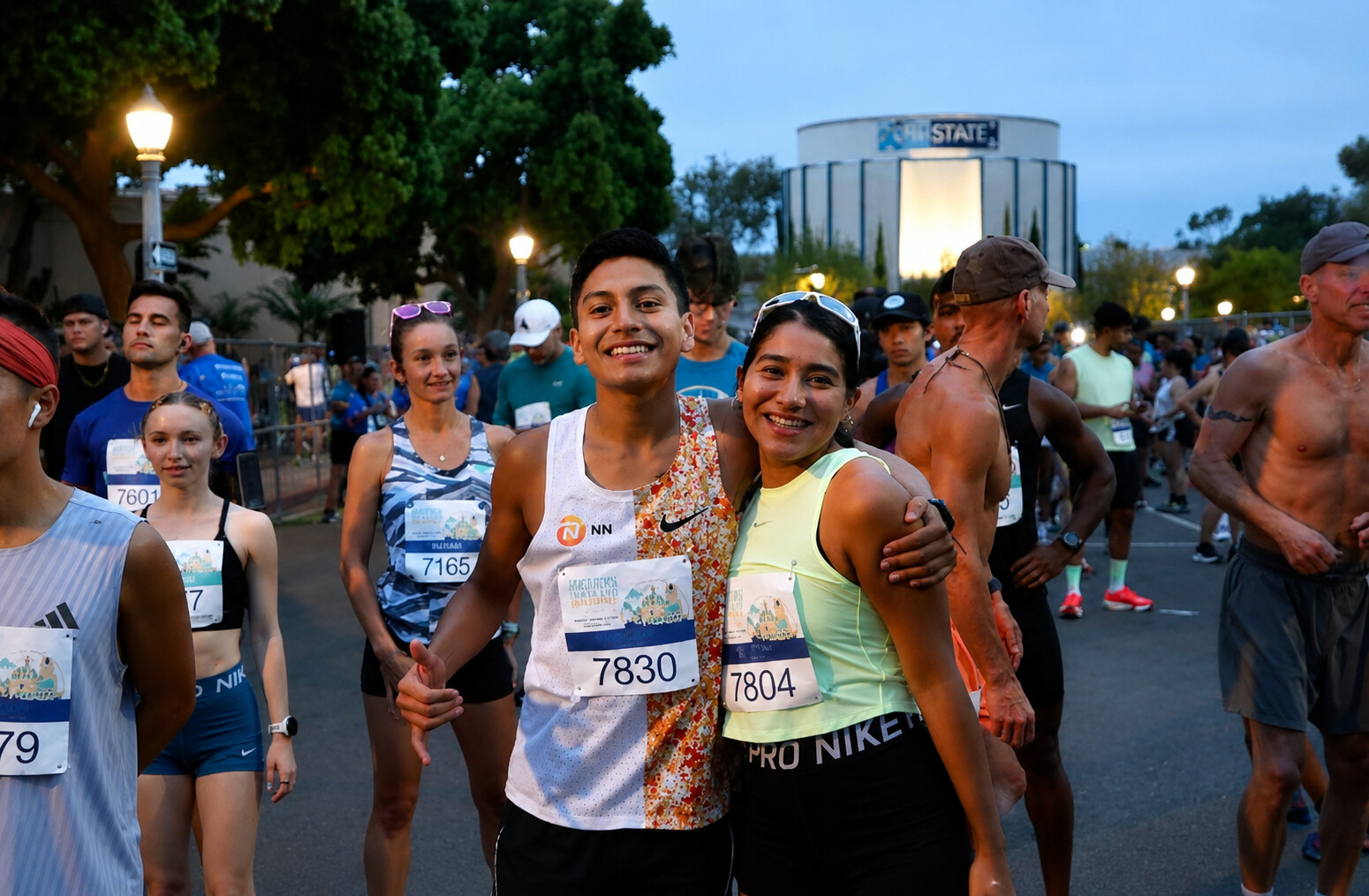
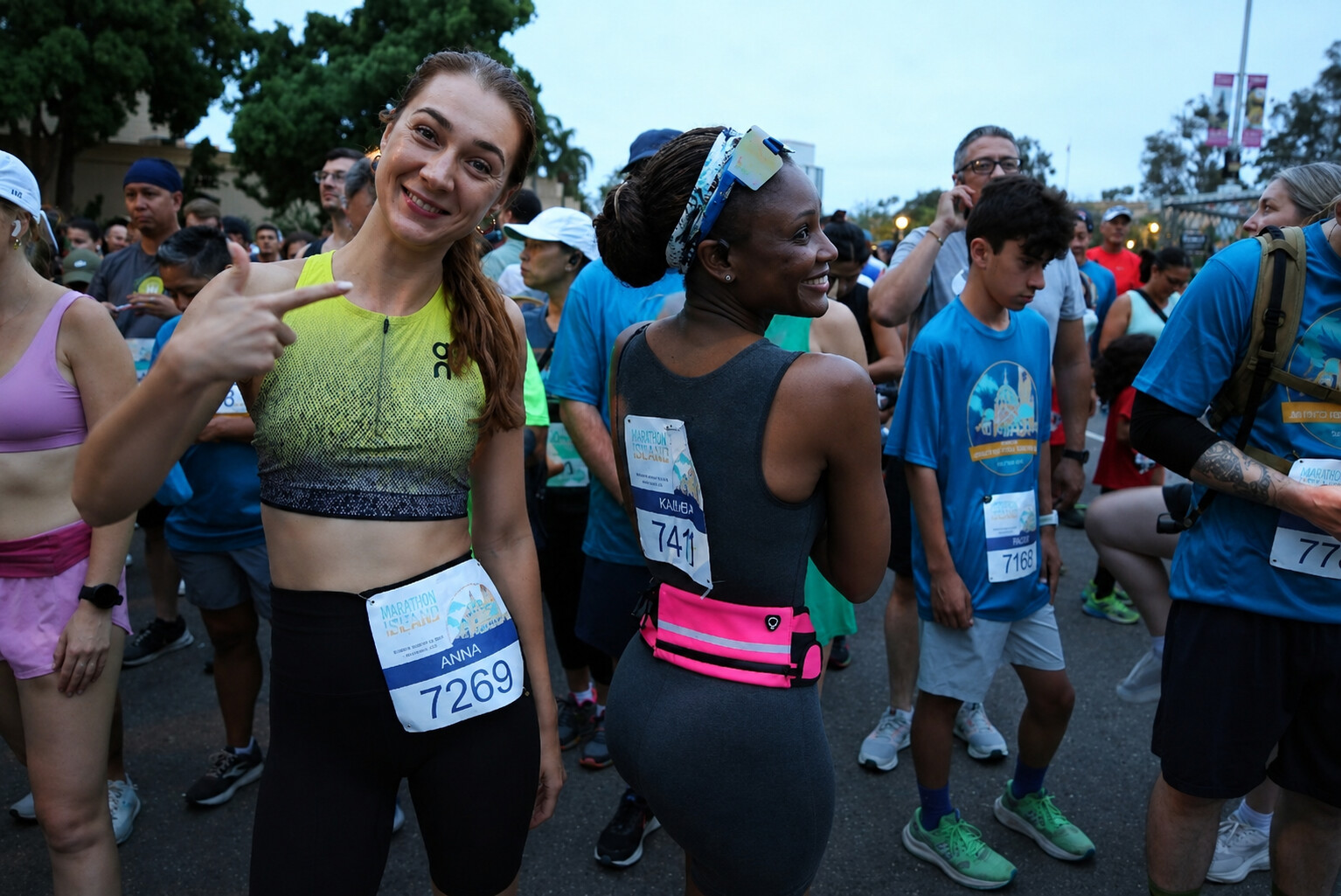
San Diego came alive on Sunday, August 16, 2026, as approximately 5,000 runners from across the region and beyond took to the streets for the 49th annual America’s Finest City Half Marathon & 5K, bringing together competitive athletes, recreational runners, families, running clubs and spectators for one of the city’s longest-running road racing traditions.
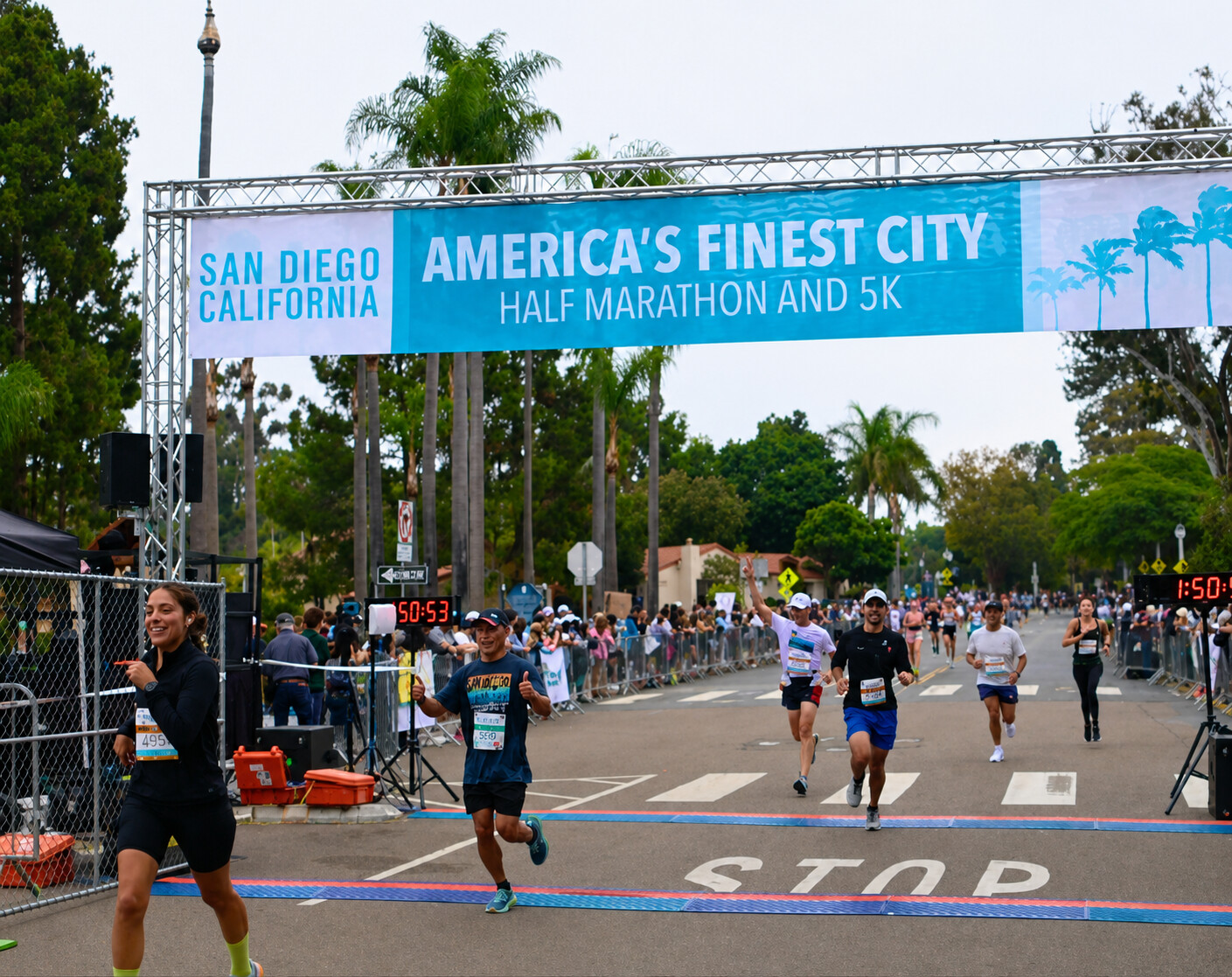
Established in 1978, the America’s Finest City Half Marathon has become a signature event on San Diego’s running calendar, with the 2026 edition once again showcasing the city’s spectacular coastline, historic landmarks and vibrant urban landscape. The event also featured a 5K, giving runners of different abilities an opportunity to take part in the morning’s festivities.

The 13.1-mile half marathon followed a scenic point-to-point course that began at the historic Cabrillo National Monument. With panoramic views of the Pacific Ocean and San Diego Bay setting the tone, runners embarked on a journey through some of San Diego’s most recognizable locations.
From the starting point, the course moved through historic Fort Rosecrans and Point Loma before continuing along San Diego Bay and Harbor Island. Participants then travelled through downtown San Diego before making their way to the finish at iconic Balboa Park, where cheering spectators, live music and celebrations greeted runners as they completed their journey.
At the front of the race, Edward Buck produced the fastest performance of the day, winning the men’s half marathon in 1:04:39. The 25-year-old from Newark, United Kingdom, held off a closely packed group at the finish, with San Diego’s Lars Dewall finishing just five seconds behind in 1:04:44.
Jaquavious, 29, from Orem, Utah, secured third place in 1:05:04, while Phoenix’s Aron Orar finished fourth in 1:05:19. The first four men were separated by just 40 seconds, underlining the competitive nature of the race.
Morgan Jensen claimed the women’s title in 1:13:12, with the 24-year-old from Sandy, Utah, producing a commanding performance over the 13.1-mile course. Melissa Berry, 26, of Flagstaff, Arizona, finished second in 1:16:26, while Katelyn Yunker, 24, of Carlsbad, California, completed the women’s podium in 1:18:41.
Hope Stark, 22, of Colorado Springs, Colorado, followed in fourth with 1:19:23. Jensen’s winning margin was 3 minutes and 14 seconds, while only 42 seconds separated Yunker and Stark in the battle for third and fourth.
The accompanying 5K offered a shorter, fast and flat route through the heart of Balboa Park, providing an accessible option for runners of all levels while adding to the lively atmosphere surrounding the main event.
The 49th edition also carried special significance as it marked the conclusion of the 2026 SoCal Triple Crown, giving participants an additional reason to celebrate after completing the Southern California race series.
With thousands of runners filling San Diego’s streets and spectators supporting them along the way, the America’s Finest City Half Marathon & 5K once again proved that the appeal of road racing extends far beyond competition. From the breathtaking views at Cabrillo National Monument to the historic streets of Point Loma, the waterfront, downtown and the finish in Balboa Park, the event offered runners a memorable journey through the heart of San Diego.
The 2026 edition ultimately brought together speed, scenery and community, reinforcing the America’s Finest City Half Marathon’s place as one of San Diego’s most distinctive and enduring running celebrations.
by Erick Cheruiyot for My Best Runs.
Login to leave a comment
America's Finest City
America's Finest City Half Marathon is run on a fast, scenic, point-to-point course. The race starts at the historic Cabrillo National Monument at the tip of Point Loma with its world-renowned vistas of San Diego Bay and the Pacific Ocean, follows scenic San Diego Bay and Harbor Island along the Embarcadero to the Star of India, winds through downtown San...
more...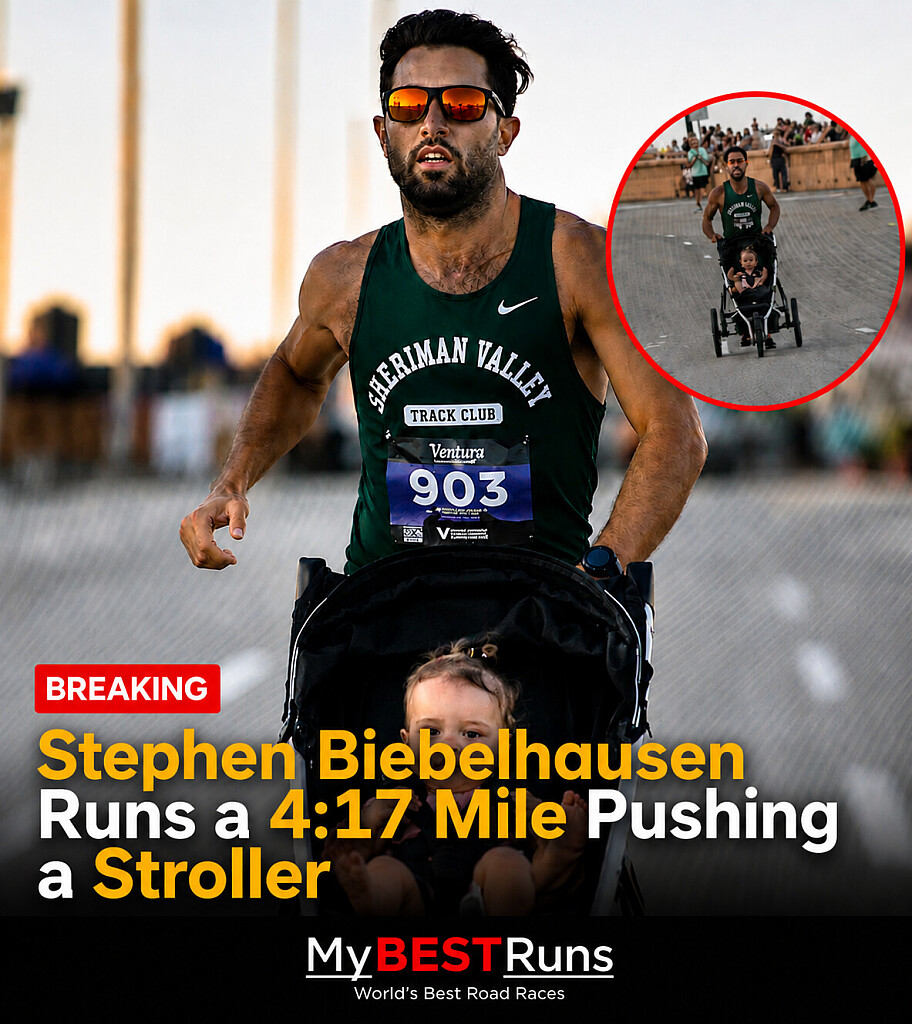
4:17 With A Stroller: Stephen Biebelhausen Chases Down Potential World Record
Stephen Biebelhausen has taken stroller running to an extraordinary level after reportedly running a mile in roughly 4:17 while pushing his child at the Guardian Mile in Cleveland.
The former college distance runner produced the remarkable performance on the Hope Memorial Bridge, covering the road-mile course at a pace that, if officially ratified, would dramatically rewrite the men's Guinness World Record for the fastest mile while pushing a stroller.
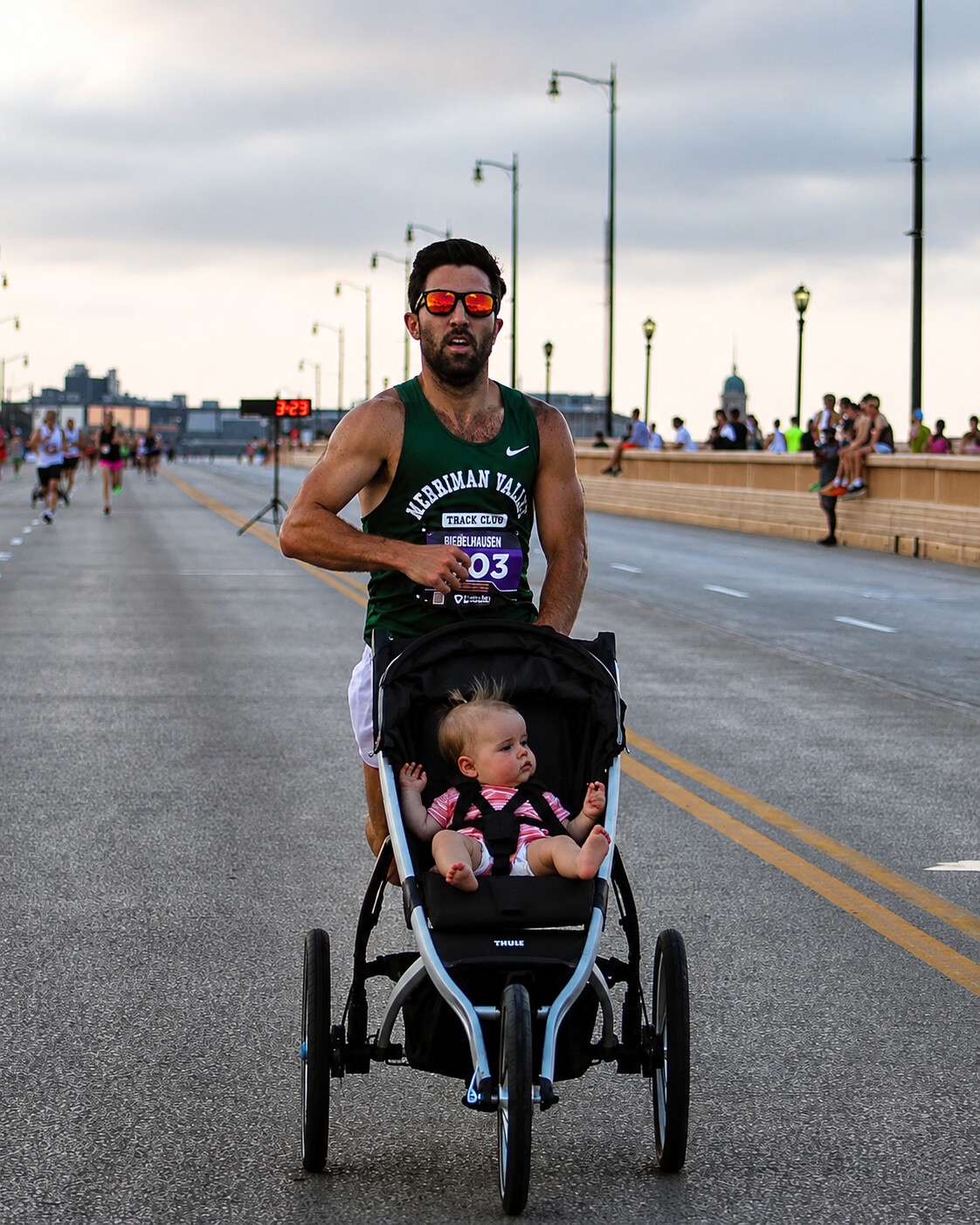
Biebelhausen's reported time is approximately nine seconds faster than the current men's record of 4:26.29, set by Silas Frantz in Arroyo Grande, California, in June 2025. For a record that is barely more than a year old, an improvement of that magnitude would be extraordinary.
And Biebelhausen had the running credentials to make such a performance possible.
During his college career with the Miami RedHawks, Biebelhausen established himself as a highly accomplished middle-distance runner. He owns a 1500m personal best of 3:48.11, a mark that places him among the fastest athletes in Miami University's history, while he also recorded a 4:06.68 indoor mile.
That background in competitive distance running makes the 4:17 stroller mile even more fascinating. Maintaining a pace of roughly 4:17 per mile is demanding under normal circumstances; doing it while pushing a stroller and a child throughout the race adds an entirely different physical challenge.
Biebelhausen was not the only athlete taking on the unusual challenge at the Guardian Mile. Another runner, also pushing his child, completed the race in an impressive 4:32.
Stroller racing has steadily developed into a genuine record category, with runners testing themselves over everything from the mile to the half marathon. On the women's side, Kaitlin Donner recorded a 5:11 stroller mile in 2024, while longer-distance attempts have also produced remarkable performances, including a 1:08:04 half marathon.
Yet Biebelhausen's reported 4:17 could prove to be the most eye-catching mark of them all.
There is one important catch: the performance is not officially a world record yet.
Guinness World Records must review the documentation and verify that the attempt complied with all of its requirements, including the specifications for the stroller and the minimum weight of the child being carried throughout the distance.
Until that verification is completed, Frantz's 4:26.29 remains the official men's record.
But if Biebelhausen's time is confirmed, the record will fall by a huge margin.
A 4:17 mile is already an exceptional performance. A 4:17 mile while pushing a stroller and a child is something altogether different.
If Biebelhausen's 4:17 is officially confirmed, the Guardian Mile will have produced far more than an impressive road race. It could have witnessed the setting of a remarkable new benchmark in one of running's most unusual and rapidly growing record categories — proving once again that the limits of speed can sometimes be pushed in the most unexpected ways.
by Erick Cheruiyot for My Best Runs.
Login to leave a comment
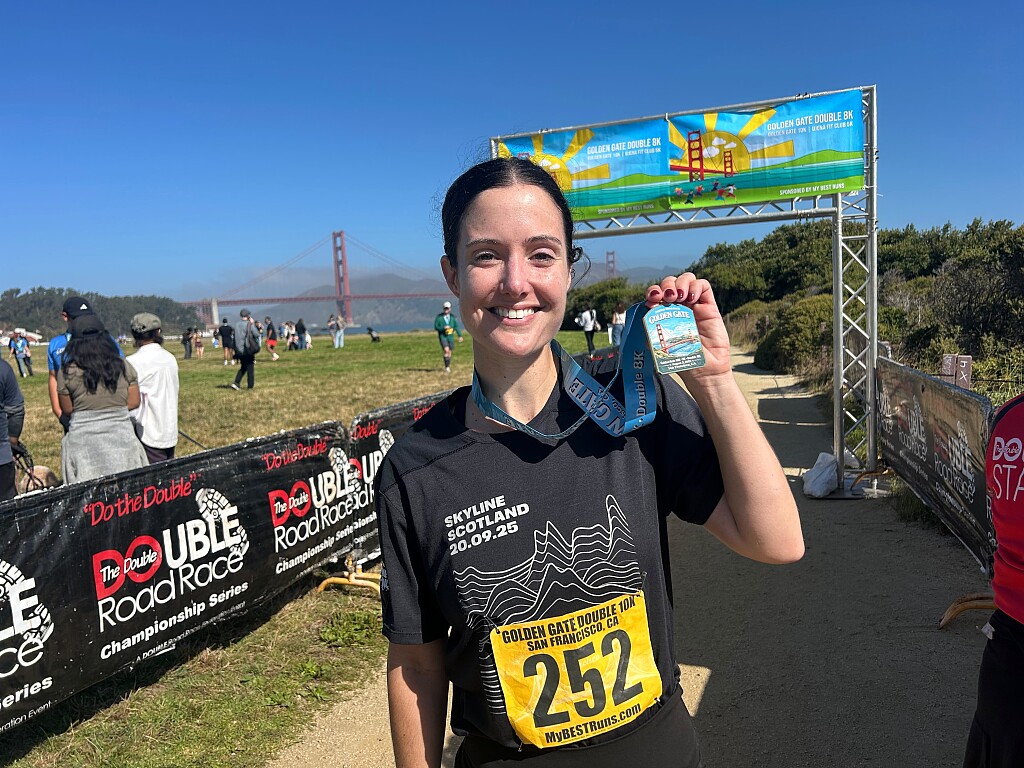
Golden Gate 10K/5K Double 8K Delivers Thrilling Competition and Spectacular Scenery in San Francisco
The iconic Golden Gate Bridge once again provided a breathtaking backdrop as runners gathered in San Francisco on August 2 for the 2026 Golden Gate 10K/5K Double 8K. Blessed with cool conditions and panoramic views from start to finish, the event attracted nearly 500 participants, producing a memorable day of competition across the Double 8K, Open 10K and Open 5K races.
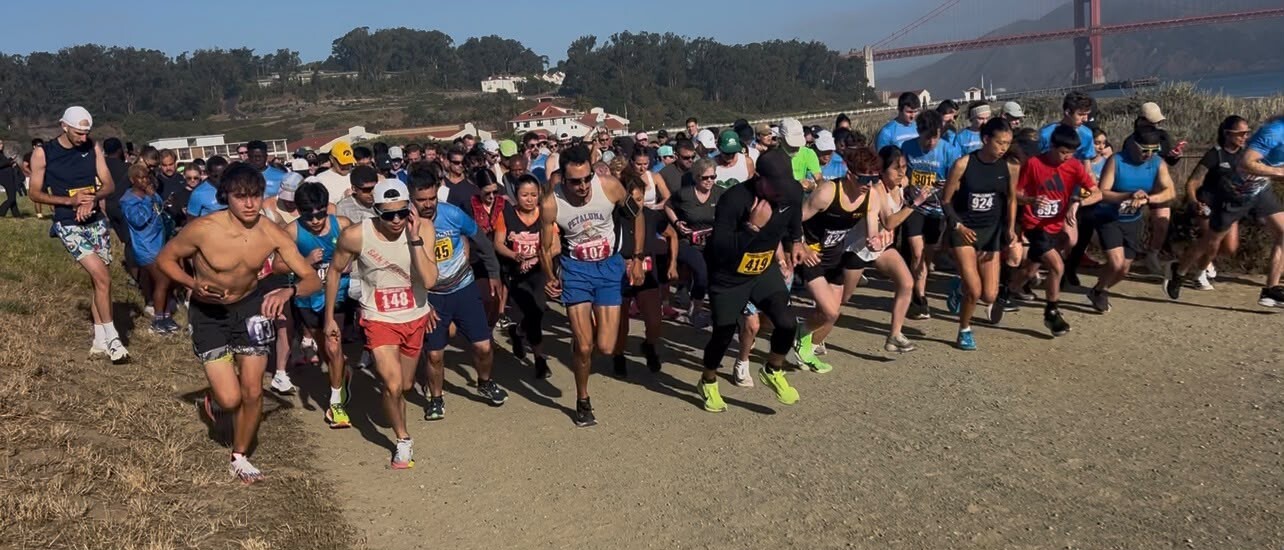
According to race founder and director Bob Anderson, the event continued to grow in popularity, with nearly 500 athletes signing up for this year's edition. Anderson reported, "We had nearly 500 sign ups. People did really like it."
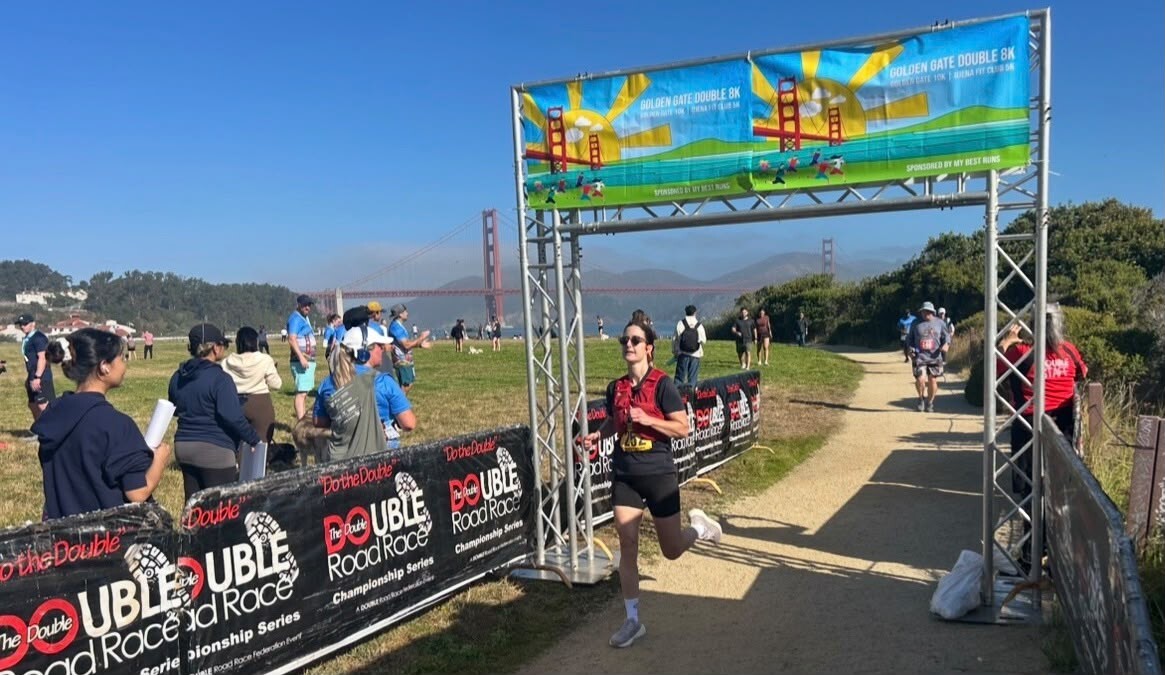
The featured Golden Gate Double 8K, a distinctive challenge that combines a 5K, a recovery break and a concluding 3K, once again delivered exciting racing. Anthony Cortes, 32, produced the standout performance of the day, storming to victory in a combined time of 26:31. Andy Vo, 25, secured second place in 28:37, while Tyler Jeppson, 47, completed the overall podium in 31:25. Ali Abdin, 44, crossed the line fourth in 35:20.
Caitlin Huang, 25, captured the women's title in 32:31, ahead of Stacy Chen, 27, who finished in 34:07. Veteran runner Betty G, 59, continued to demonstrate remarkable consistency by claiming third in 37:04, while 17-year-old Piper Sovik rounded out the top four in 40:53.

The age-group competition showcased impressive performances across every generation. Tyler Jeppson led the men's 40-49 division with 31:25, Heath Rickling, 52, won the men's 50-59 category in 1:02:46, David Boss, 63, topped the men's 60-69 division in 36:54, while Cheryl Charleson, 70, claimed the men's 70+ title in 1:16:50.

Among the women, Huyen Kreutzer, 45, won the 40-49 division in 47:32, Betty G added the women's 50-59 crown to her overall podium finish with 37:04, Diane Gifford, 62, captured the 60-69 title in 43:43, while Cheryl Charleson also secured the women's 70+ division in 1:16:50.
The Open 10K produced one of the closest finishes of the morning. Michel Arlinghaus, 24, edged the field in 42:20, narrowly defeating Mateusz Dembski, 35, who crossed the line just nine seconds later in 42:29. Sixty-three-year-old Keith Hedlund impressed with an outstanding 42:31 to finish third overall, while Ben Kubany, 43, placed fourth in 42:59.
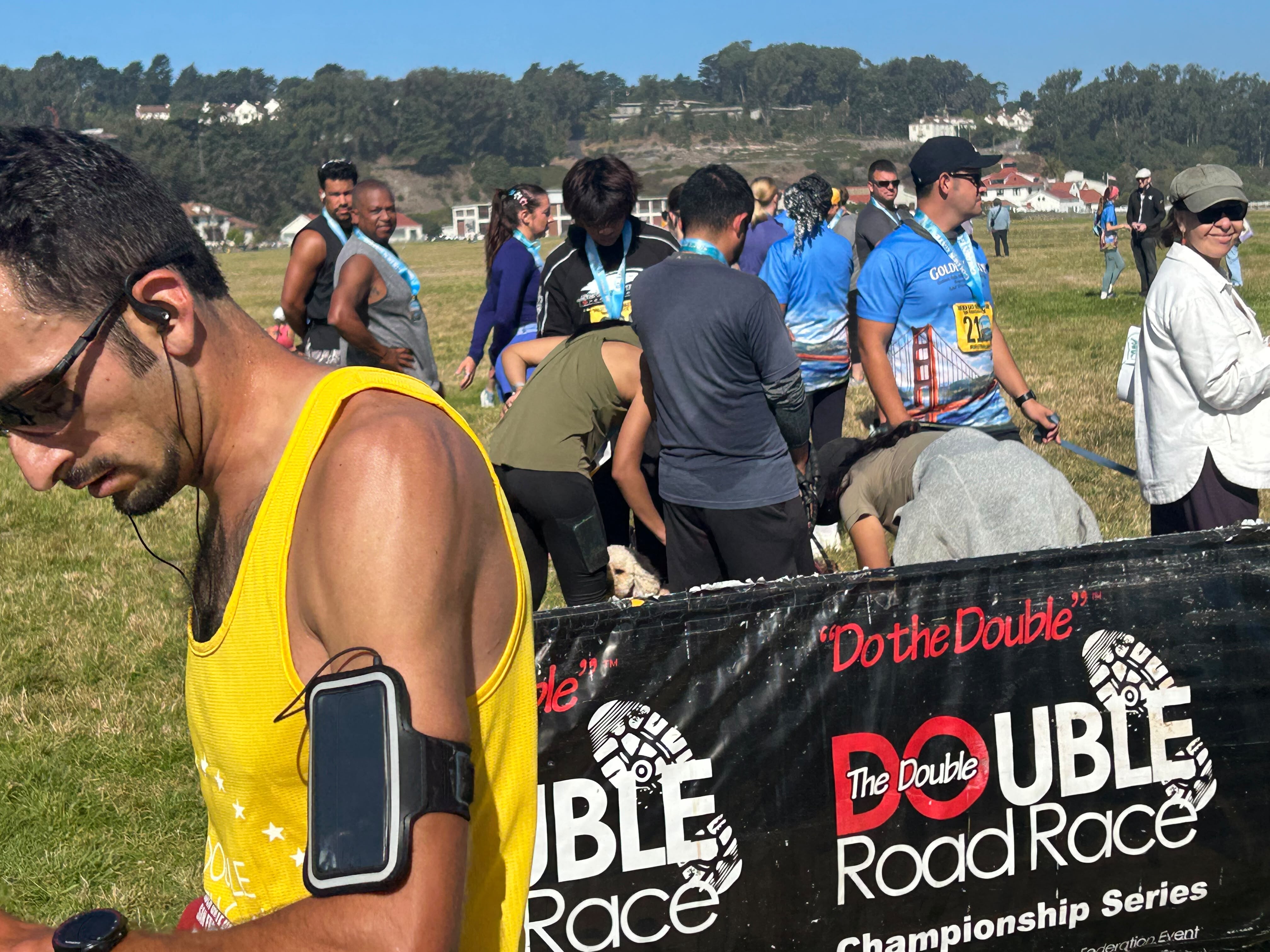
Ashleigh Fehrenbach, 37, led the women's race with a winning time of 41:12, followed by Lan Clayton, 58, in 46:10, Nivy Kani, 25, in 48:30, and Alicia Robert, 32, in 50:21.
The age-group titles added further depth to the competition. Ben Kubany claimed the men's 40-49 category in 42:59, Carlos Arredondo, 51, won the men's 50-59 division in 48:05, Keith Hedlund completed a memorable double by taking the men's 60-69 title with 42:31, while Dennis Boyle, 72, won the men's 70+ category in 1:18:41.
On the women's side, Angeles Morales, 42, topped the 40-49 division in 53:37, Lan Clayton added the women's 50-59 title with 46:10, Sheila Lyzwa, 63, won the women's 60-69 category in 1:05:03, while Suzanne Koonce, 74, claimed the women's 70+ title in 54:02.
The Open 5K also delivered exciting racing. Barrett Wade, 49, claimed the men's title in 18:31, holding off Kris Croome, 45, who finished second in 18:46. Mark Eger, 54, completed the podium in 23:04, while Blake Jackson, 40, finished fourth in 25:28.
One of the day's most impressive performances came from 15-year-old Taylor Synnott, who surged to the women's title in 18:34, finishing just three seconds behind the overall men's winner. Seventeen-year-old Sofia Kiyama placed second in 21:48, fellow teenager Kiki Boukas, 15, finished third in 21:57, while 16-year-old Amina Zegar took fourth in 22:44, highlighting the strength of the next generation of distance runners.
The 5K age-group champions included Barrett Wade in the men's 40-49 division (18:31), Mark Eger in the men's 50-59 category (23:04), Shreekanth Karwande, 73, in the men's 70+ division (30:45), Kellie Ward, 49, in the women's 40-49 category (29:58), Katherine Swanson, 56, in the women's 50-59 division (25:06), and Marilee Diaz, 61, in the women's 60-69 category (28:43). There were no finishers recorded in the women's 70+ division.
Following another highly successful edition, the Golden Gate 10K/5K Double 8K will return on Sunday, August 1, 2027, in San Francisco. The event will once again feature the signature Double 8K, alongside the traditional 10K and 5K races. Starting from historic Crissy Field near the Presidio, the scenic course offers runners uninterrupted views of the Golden Gate Bridge for more than 80 percent of the route as it winds through the spectacular Golden Gate National Recreation Area.
The unique Double 8K format—5K, a recovery break, followed by a 3K—will once again headline the event. Every finisher will receive a commemorative medal, while participants will also take home an official event shirt and logo tote bag. The men's and women's Double 8K champions will each receive $100 in prize money, with trophies also awarded to the race winners.
Blending elite competition, inspiring masters performances, rising young talent and one of the most spectacular race settings in the United States, the Golden Gate 10K/5K Double 8K continues to strengthen its reputation as one of California's premier road running events, with another memorable edition already awaiting runners in 2027.
by Erick Cheruiyot for My Best Runs.
Login to leave a comment

Golden Gate 10k/5k DOUBLE 8K
The Golden Gate courses offers unparalleled views of the Golden Gate Bridge for more than 80% of the way! The course will begin at historic Crissy Field near the Presidio of San Francisco. Runners will enjoy the gorgeous vistas of the Golden Gate National Recreation Area. We are offering three races: Golden Gate 10K and 5K (run/walk) and Golden Gate...
more...
Experience the Excitement of the Palo Alto Double 15K: A One-of-a-Kind Running Festival Returns This December
Distance runners, recreational joggers, walkers, and families will once again come together in the heart of California's Bay Area as the Palo Alto Double 15K and 10K/5K Running Festival returns on Saturday, December 12, 2026, promising another memorable day of competition, community, and celebration. Established in 2012, the event has grown into one of the region's most distinctive road running traditions, combining innovative race formats with a welcoming atmosphere that appeals to participants of every age and ability.
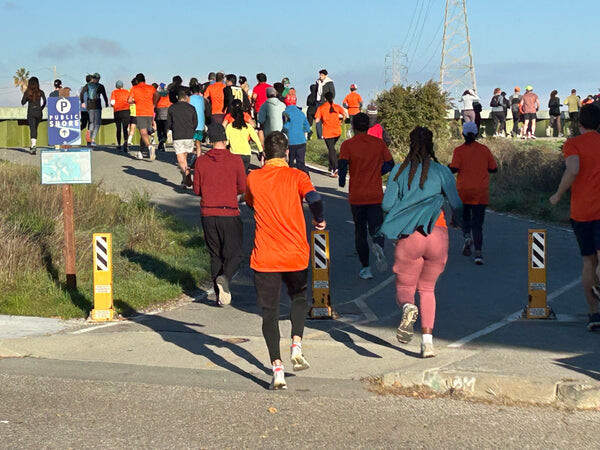
The Palo Alto event forms part of the popular SF Bay Area Races series, a collection of well-organized road races staged across the San Francisco Bay Area. The series includes the Golden Gate, Palo Alto, and Marina events, offering runners a variety of distances ranging from the 5K and 10K to the signature Double Road Race format. The Golden Gate race was successfully held yesterday, with attention now turning to Palo Alto before the series continues later with the Marina event.
Created by longtime runner and race director Bob Anderson, the Bay Area Races series reflects more than two decades of experience in organizing runner-focused events. Every race is designed to provide a welcoming atmosphere where elite athletes, recreational runners, walkers, and first-time participants can all enjoy a professionally managed experience. Whether competitors are chasing a personal best or simply running for enjoyment, the emphasis remains on quality organization, community spirit, and a memorable race-day experience.
The centerpiece of the Palo Alto festival is the Double 15K, an original two-stage challenge unlike any conventional road race. Instead of running a continuous 15-kilometre race, competitors first tackle a fast 10K before enjoying a scheduled halftime break where the second leg begins 1 hour 45 minutes after the start of the first leg. They then return to the start line to complete a 5K, with the combined times from both stages determining the final standings. Athletes must finish both legs to receive an official result, adding an exciting tactical element that rewards both endurance and smart pacing.
Held at 1900 Geng Road in Palo Alto, all races unfold along the scenic Palo Alto Baylands on a wide, traffic-free bike path located just half a mile from the shores of San Francisco Bay. With more than 90 percent of the course paved and virtually flat throughout, the route offers ideal conditions for runners chasing personal bests while also providing a safe and enjoyable experience for walkers, beginners, and families.

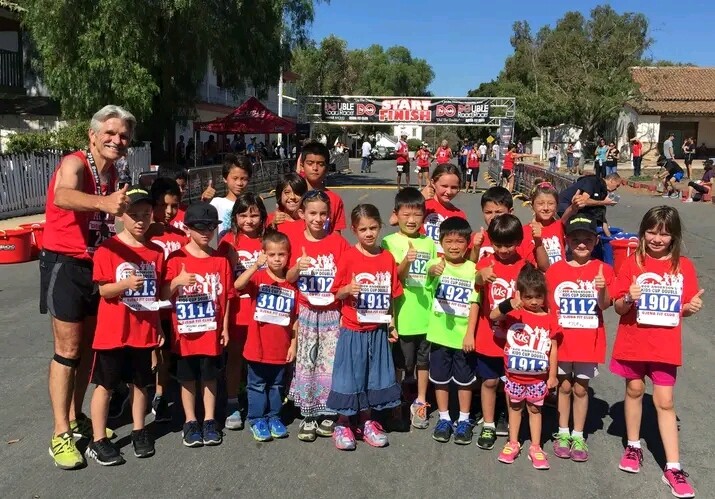
While the Double 15K remains the headline attraction, the festival offers something for everyone. Participants can choose from the traditional Palo Alto 10K, the Palo Alto 5K Run/Walk, the newly introduced Open 1-Mile Race for runners of all ages, or Bob Anderson's Kids Mile, created especially for children aged 13 and under. The expanded programme ensures that every member of the family can take part in the day's festivities.
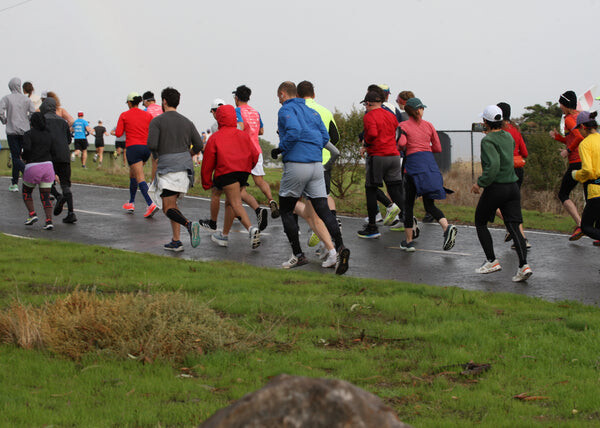
Race day begins with packet pickup at 7:30 a.m. before the Double 15K and Palo Alto 10K start together at 9:00 a.m. The Open 1-Mile follows at 9:10 a.m., while the Kids Mile gets underway at 10:20 a.m. The second stage of the Double 15K—the decisive 5K—begins at 10:45 a.m. alongside the Palo Alto 5K Run/Walk, creating an energetic finale before the awards ceremony celebrates the day's outstanding performances.
Every registered participant will receive an official race T-shirt, a finisher's medal, and access to plenty of food and refreshments throughout the event. The festive pre-Christmas atmosphere has become one of the race's defining features, bringing together runners, volunteers, and spectators for a celebration that extends well beyond the finish line.
Competition remains a major highlight of the festival. The male and female champions of the Double 15K will each earn $100 in prize money, while the overall age-graded winner will receive the prestigious Double Victory Cup, engraved and presented after the event. Age-group medals will be awarded across 10-year divisions in the Double 15K, with additional awards recognising top performers in every race.
Young runners will also enjoy their moment in the spotlight. Every age in the Kids Mile will have its own champion, with special medals presented to each individual age-group winner, encouraging children to embrace the sport while celebrating their achievements.
Adding to the holiday spirit, participants will have the opportunity to win from more than 20 Christmas raffle prizes, creating an exciting finish to a day already filled with memorable moments on and off the course.
The Palo Alto Double 15K continues to stand apart through its innovative Double Racing® concept, scenic venue, and inclusive community atmosphere. Whether you're an experienced competitor chasing victory, a runner looking for a fresh challenge, or a family searching for an active and enjoyable day together, this Bay Area favourite delivers a unique experience that blends competition, fitness, and festive fun into one unforgettable event.
With participation limited to just 500 runners, athletes are encouraged to secure their place early for what promises to be another outstanding edition of one of California's most unique running celebrations.
For runners looking to experience more of the region's premier road races, the SF Bay Area Races calendar continues beyond Palo Alto, offering additional opportunities to compete in professionally organized events throughout the season. More information about the complete race series is available at www.bayraces.com.
by Erick Cheruiyot for My Best Runs.
www.bayraces.com
Login to leave a comment

Palo Alto Double 15K and 10K/5K
Bring the whole family and enjoy our pre Christmas events. All participants get a special shirt and bag. All finishers get a special medal. $200 of cash prizes ($100 each for winners of Double 15k) There will be four events in Palo Alto. Palo Alto Double 15K (10K+5K), Palo Alto 10K, Palo Alto UjENA 5K Run/Walk and Bob Anderson's Kids...
more...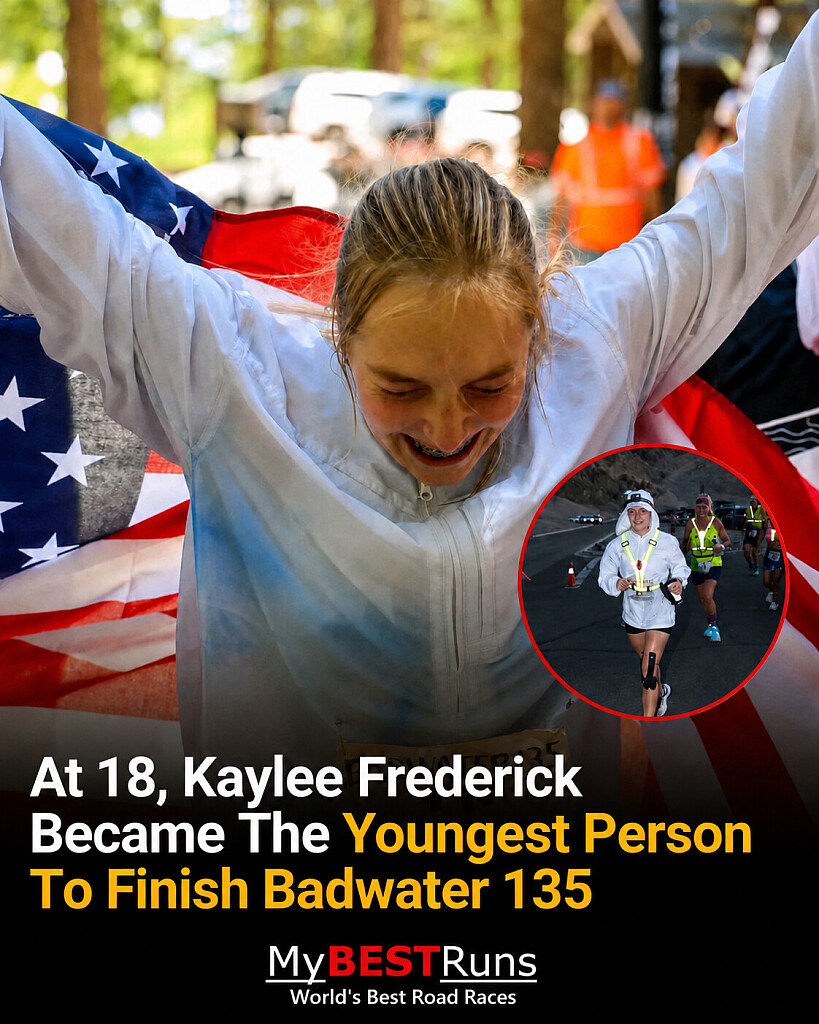
At Just 18, She Conquered The World's Toughest Footrace: Kaylee Frederick's Incredible Badwater 135 Story
Most athletes spend years building the experience, endurance, and mental resilience required to earn a place at the starting line of the Badwater 135. For Kaylee Frederick, age was never a barrier. Before she had even graduated from high school, the young runner from Johnstown, Pennsylvania had already etched her name into ultrarunning history.
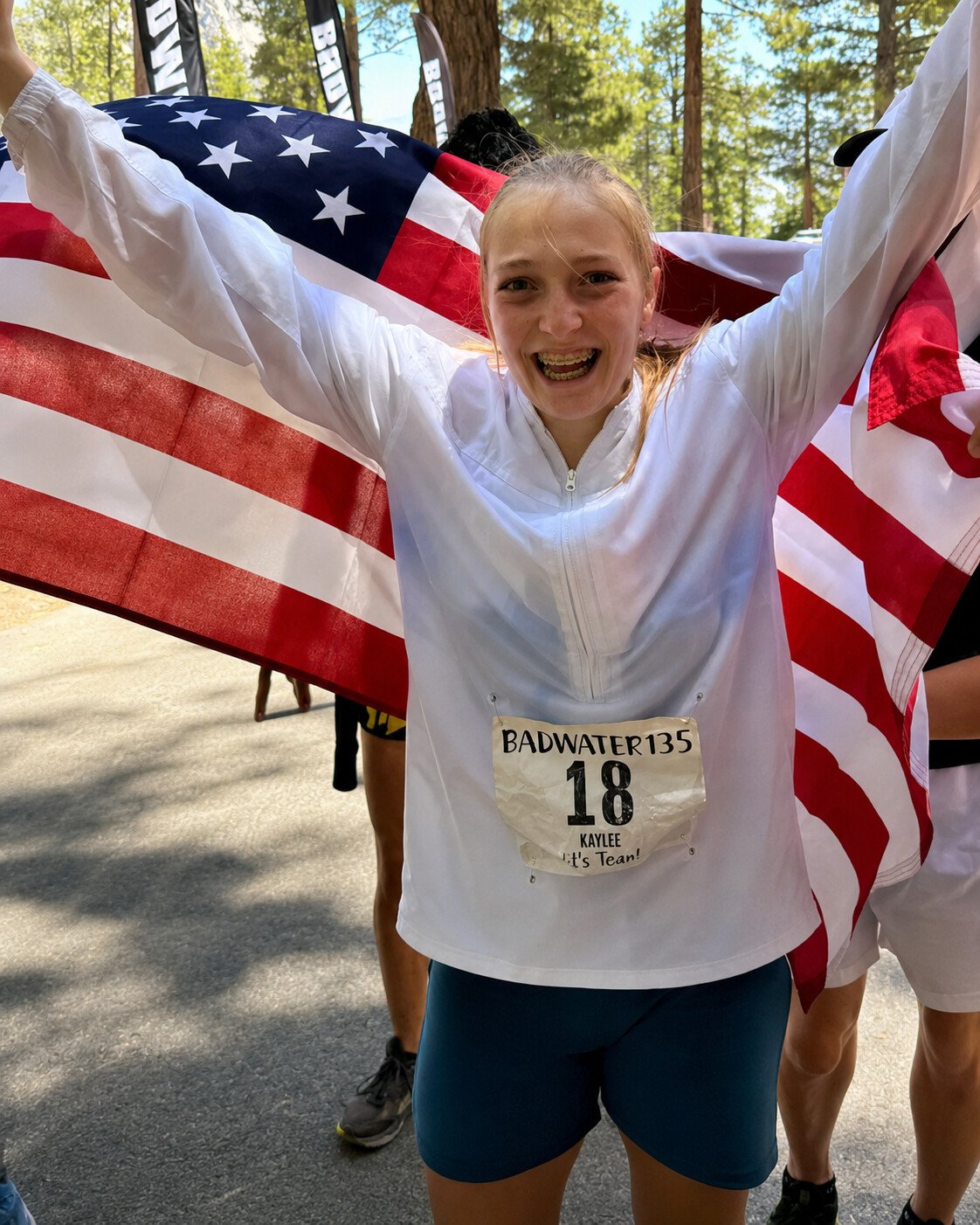
In July 2023, Frederick became the youngest person ever to finish the legendary Badwater 135, completing the brutal 135-mile (217-kilometre) race across California's Death Valley in an astonishing 40 hours, 6 minutes, and 43 seconds. She achieved the feat at just 18 years old, breaking barriers in one of the most unforgiving endurance events on Earth.
The Badwater 135 is widely regarded as one of the toughest footraces in the world. Athletes battle relentless heat that can push road temperatures beyond 120°F (49°C) while climbing thousands of feet in elevation across the scorching desert. Simply reaching the finish line is considered a victory, making Frederick's accomplishment even more extraordinary.
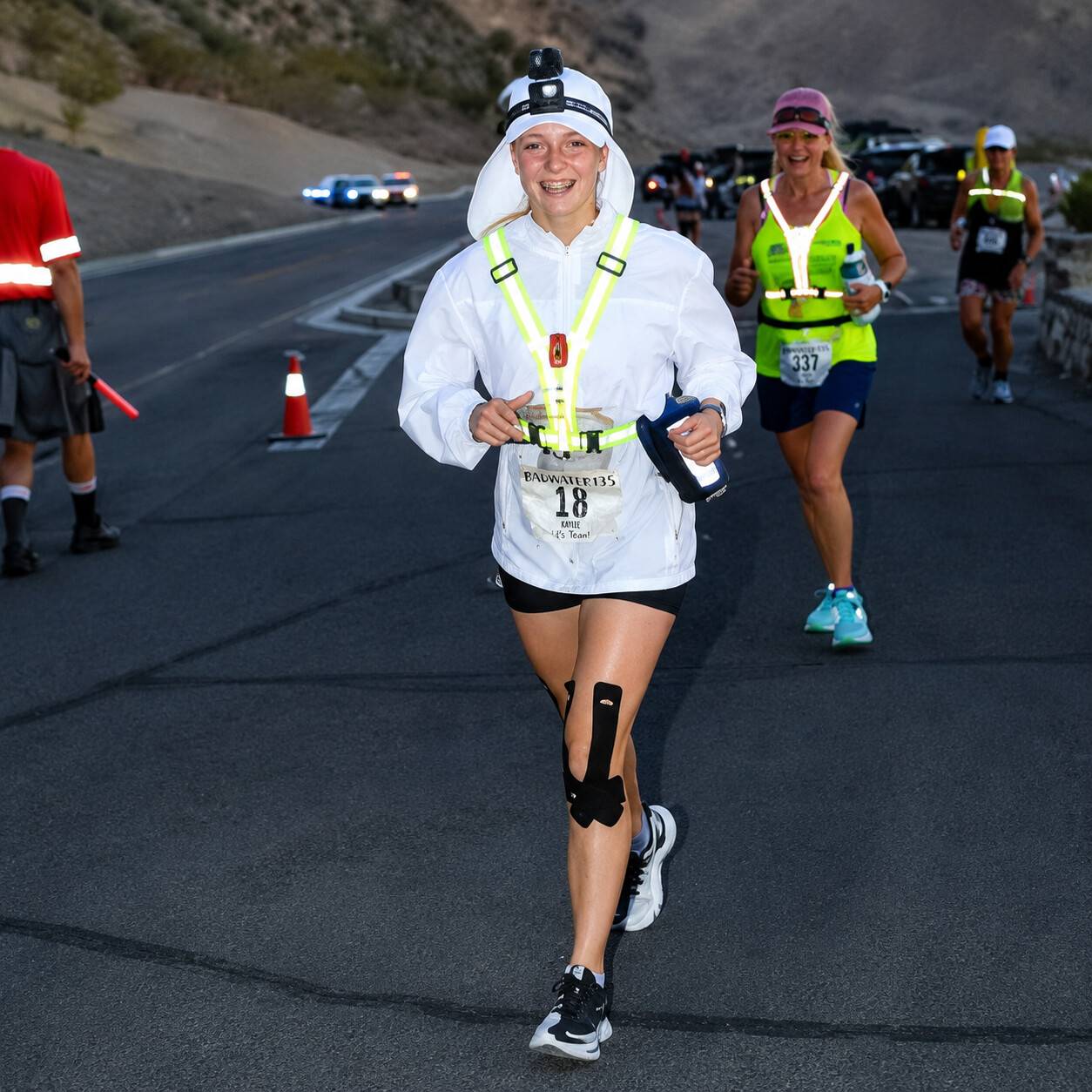
Her preparation reflected an uncommon level of dedication. Knowing she could not replicate Death Valley's extreme climate in Pennsylvania, Frederick trained through the summer wearing multiple layers of clothing and sauna suits to adapt her body to intense heat. Even more remarkably, she secured her coveted Badwater qualification while still just 17 years old—an achievement that many experienced ultrarunners spend years pursuing.
The race itself demanded every ounce of her physical and mental strength. For more than 40 hours, she remained on the course through two nights and an entire day without sleep. She chose to run without music, instead keeping her mind occupied by solving mathematical calculations in her head as the endless miles stretched before her.
There was one moment when everything nearly came to an end. Around mile 93, exhaustion overwhelmed her. She collapsed to the ground in tears, convinced her body had nothing left to give. But as she listened, she heard the footsteps of other competitors approaching from behind. That sound reignited her determination. She rose once more, gathered herself, and continued forward despite the overwhelming fatigue.
When the finish line finally came into view, Frederick found one final burst of energy. Rather than simply crossing it, she sprinted through the tape, completing a performance that will be remembered as one of the most inspiring achievements in the history of the race.
Still only 18 years old and months away from her 19th birthday, Kaylee Frederick proved that courage, preparation, and unwavering determination can outweigh age and experience. Her historic finish at Badwater 135 stands as a powerful reminder that extraordinary achievements often belong to those bold enough to challenge limits that others believe are impossible.
by Erick Cheruiyot for My Best Runs.
Login to leave a comment

Badwater 135
Recognized globally as "the world’s toughest foot race," this legendary event pits up to 90 of the world’s toughest athletes runners, triathletes, adventure racers, and mountaineers against one another and the elements. Badwater 135 is the most demanding and extreme running race offered anywhere on the planet. Covering 135 miles (217km) non-stop from Death Valley to Mt. Whitney, CA, the...
more...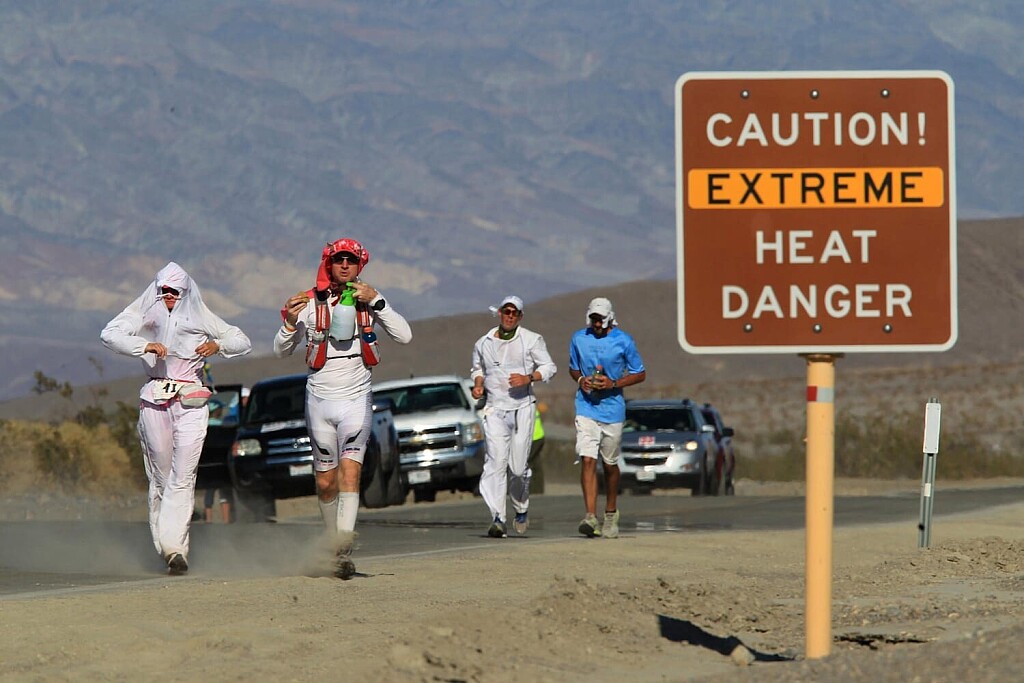
Badwater 135 Pushes Runners to Their Limits as Extreme Heat Engulfs Death Valley
The 2026 Badwater 135 is once again proving why it is regarded as one of the most demanding endurance races on the planet. As nearly 100 ultrarunners make their way across California's Death Valley, they are not only covering an extraordinary distance—they are confronting one of the harshest climates found anywhere on Earth.
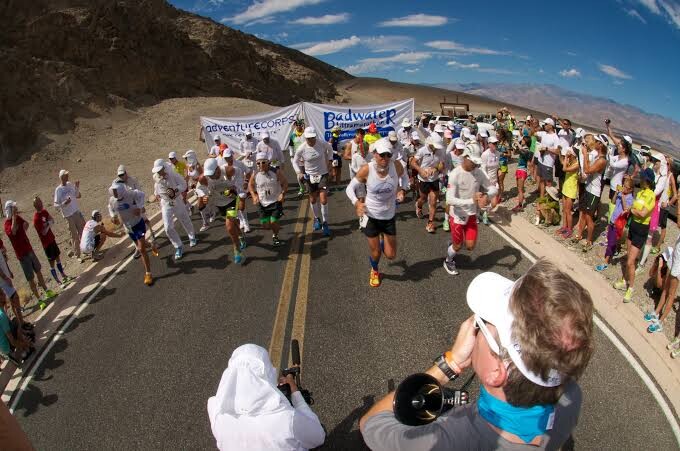
The 39th edition of the legendary ultramarathon began on Monday evening, with 98 athletes from 21 countries setting off from Badwater Basin, the lowest point in North America at 280 feet (86 meters) below sea level. Competitors started in three staggered waves before embarking on a grueling 135-mile (217-kilometer) journey that climbs approximately 14,600 feet (4,450 meters) before reaching the finish at Whitney Portal, 8,360 feet (2,548 meters) above sea level.
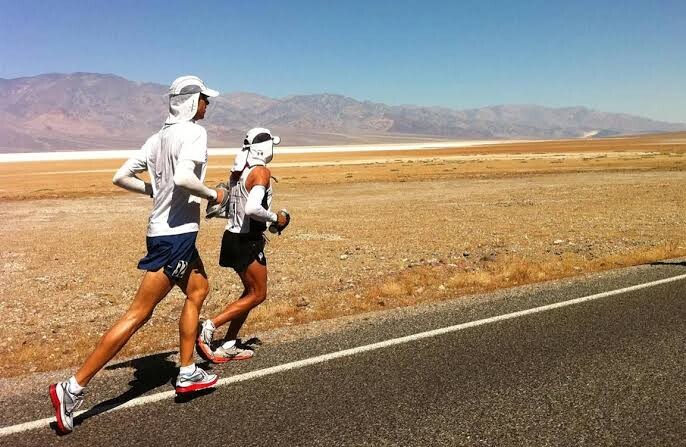
While the course is always unforgiving, this year's race is unfolding under an Extreme Heat Warning issued for Death Valley. Daytime temperatures are expected to hover around 118°F (48°C) during the opening stages, while overnight conditions offer little relief, with temperatures remaining close to 90°F (32°C). Forecasts also suggest that parts of the valley could approach 124–127°F (51–53°C) later in the week, creating an even greater challenge for runners still on the course.
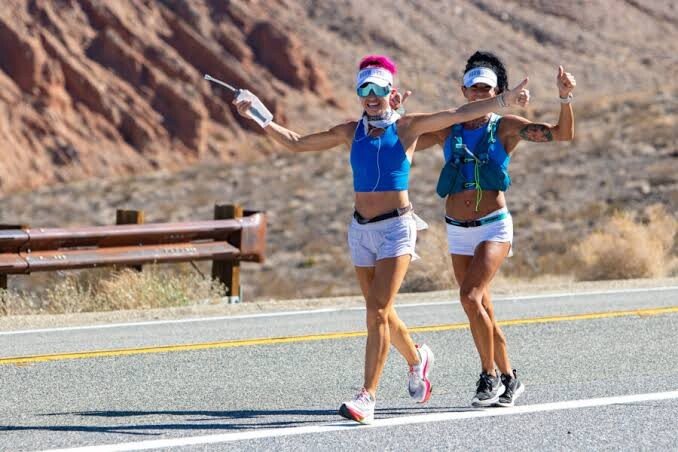
Unlike conventional marathons, where pace and tactics often determine the outcome, Badwater 135 is a relentless battle against the environment. The scorching desert heat can make the asphalt so hot that runners frequently seek the painted white lines along the roadside, where the surface is slightly cooler than the black pavement beneath their feet.
Every athlete is accompanied by a dedicated support crew and vehicle, supplying water, ice, nutrition, and medical assistance throughout the race. With no traditional aid stations available, these crews play a vital role in helping runners safely navigate one of the world's most hostile racing environments. Race regulations also prohibit the use of artificial cooling devices while competitors are actively running, adding another layer of difficulty to an already brutal test.
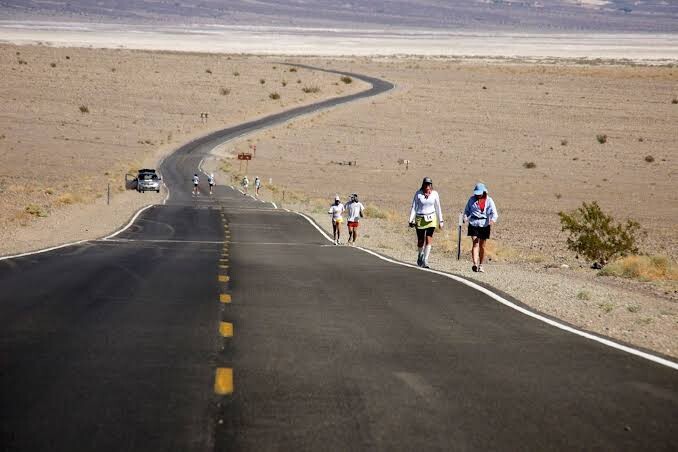
Adding to the challenge in 2026 is a significant rule change. Organizers have reduced the overall race cutoff from 48 hours to 45 hours, leaving runners with less margin for error. While the elite contenders may not be greatly affected, the shorter time limit places additional pressure on those fighting simply to reach the finish line before the clock expires.
Death Valley has become increasingly notorious for its intense summer conditions. Recent years have produced some of the hottest temperatures ever recorded in the region, reinforcing the race's reputation as one of the most physically demanding events in endurance sport. The combination of extreme heat, relentless climbing, and extraordinary distance ensures that every finisher earns their place in ultrarunning history.
As the race continues, the fastest competitors are expected to arrive at Whitney Portal well before many others begin the final mountain ascent. Yet at Badwater 135, speed tells only part of the story. Every athlete who reaches the finish line has overcome a challenge that extends far beyond running—a battle against heat, fatigue, and the limits of human endurance.
In most races, the toughest opponent is the athlete beside you. At Badwater 135, the true rival is the desert itself, and simply crossing the finish line is a victory worthy of celebration.
by Erick Cheruiyot for My Best Runs.
Login to leave a comment
Badwater 135
Recognized globally as "the world’s toughest foot race," this legendary event pits up to 90 of the world’s toughest athletes runners, triathletes, adventure racers, and mountaineers against one another and the elements. Badwater 135 is the most demanding and extreme running race offered anywhere on the planet. Covering 135 miles (217km) non-stop from Death Valley to Mt. Whitney, CA, the...
more...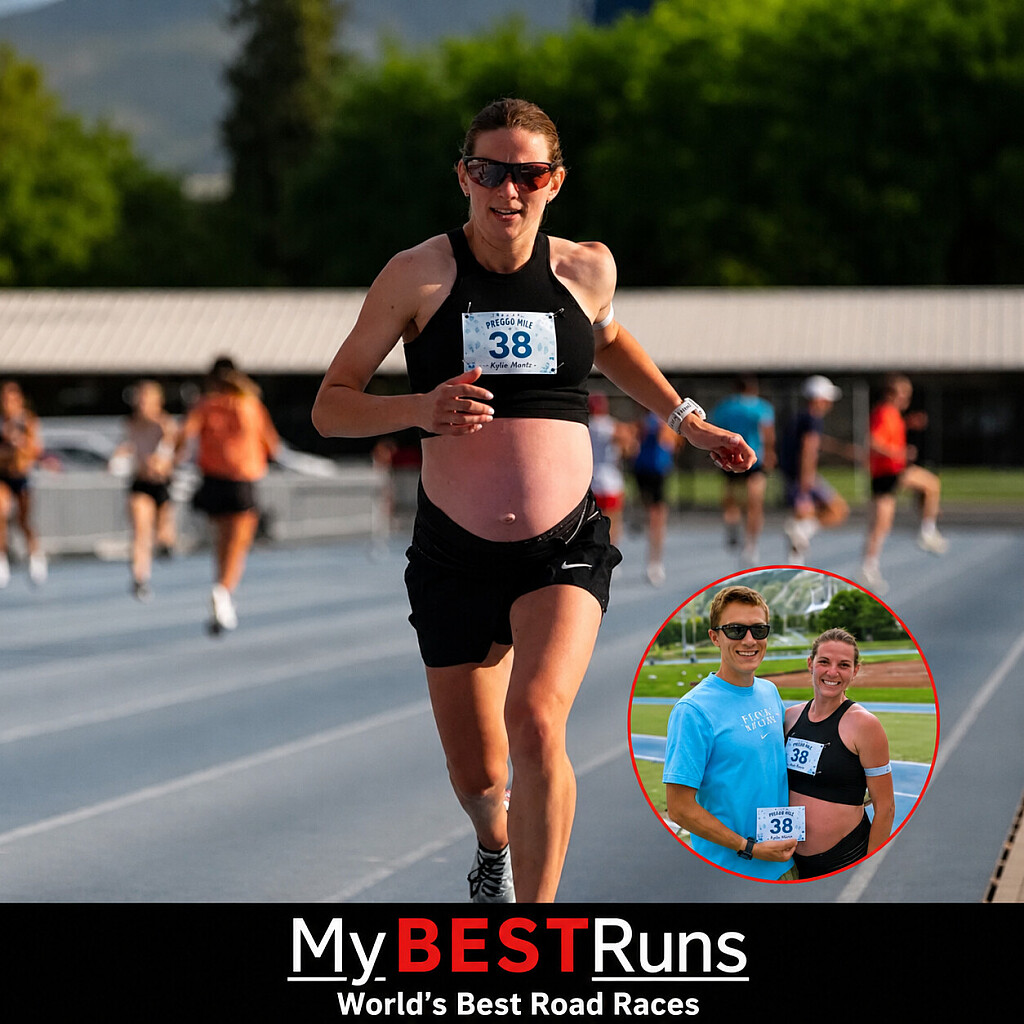
From Marathon To Mile: Kylie Mantz Defies Expectations With Stunning 5:26 Mile At 38 Weeks Pregnant
Just days before becoming a mother, Kylie Mantz delivered one final athletic statement that has captured the admiration of the running world.
At 38 weeks pregnant, Mantz stepped onto the track in Provo, Utah, for an all-out mile effort, proving that pregnancy and elite-level determination can coexist when guided by experience, careful preparation, and medical awareness.
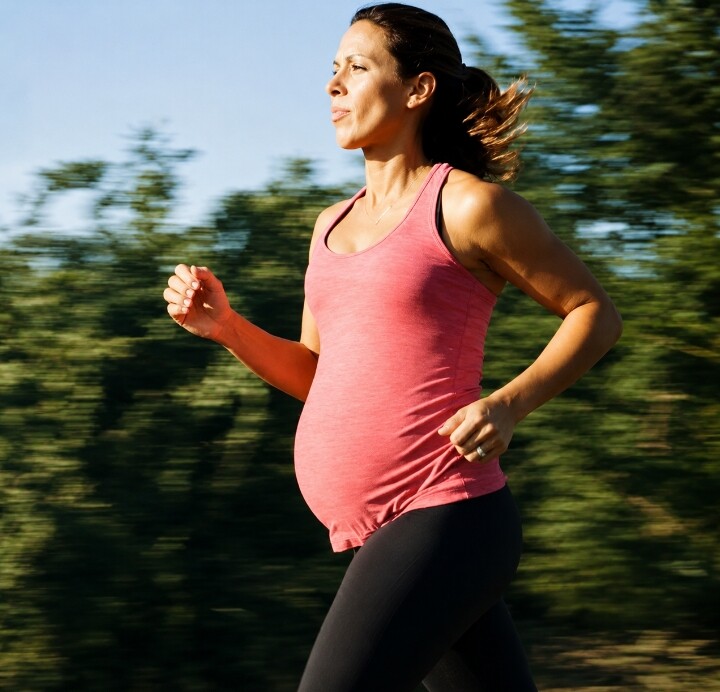
With pacemakers setting the rhythm and a film crew documenting the remarkable occasion, Mantz covered the mile in an impressive 5:26.2 at an altitude of 1,402 metres (4,600 feet). Adjusted for elevation, the performance is roughly equivalent to 5:22 at sea level—an extraordinary achievement for an athlete just days away from giving birth.
Watching proudly from the sidelines was her husband, Conner Mantz, the North American marathon record holder, whose own career has made him one of the continent's premier distance runners. Together, the couple has shared an unforgettable chapter that has blended family life with athletic excellence.
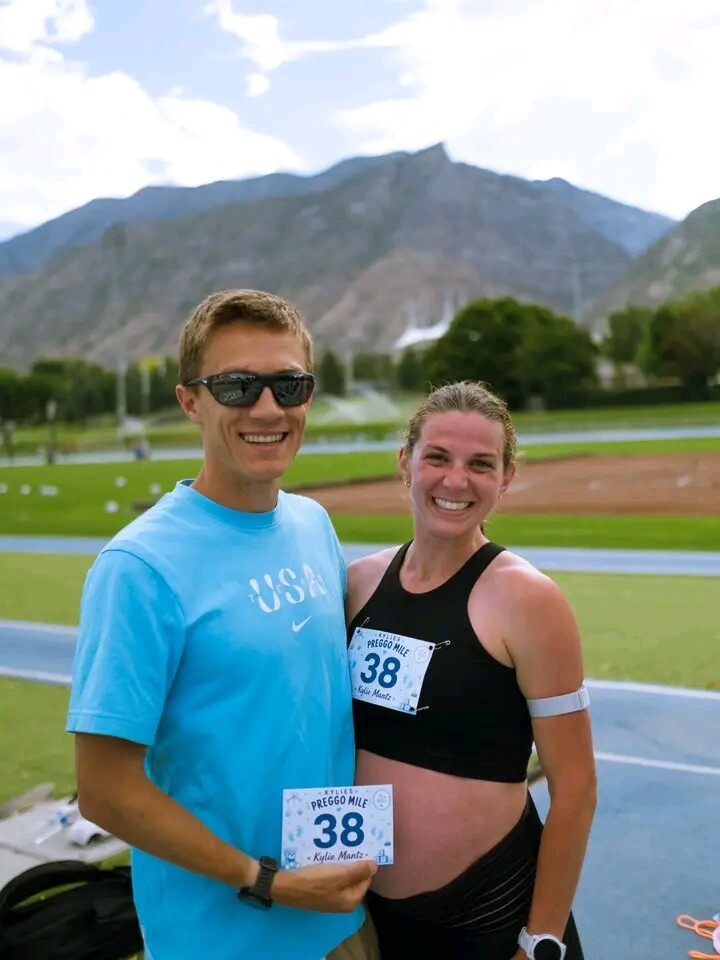
Reflecting on the moment, Kylie wrote on Instagram:
"We started this pregnancy with a marathon, we're ending it with a mile."
The statement is far more than a poetic caption—it tells the remarkable story of her pregnancy.
Last November, Kylie made her marathon debut at the Two Cities Marathon in Fresno, California, where she claimed victory in 2:43:49. Only after crossing the finish line did she discover that she had unknowingly completed the entire race while pregnant, making the triumph even more memorable.
Her rise in competitive running has been equally inspiring. Although she had always been active, Kylie only began training seriously after marrying Conner in 2022. Her rapid improvement saw her earn a place as a walk-on athlete with the BYU track and cross-country programme in the spring of 2025.
She quickly established herself with standout performances, recording 34:57 for the 10,000 metres and 16:49 for the 5,000 metres, signalling her emergence as one of the sport's promising distance runners.
Pregnancy, however, did not bring her athletic ambitions to a halt. Under careful supervision, she continued training while listening closely to her body, ultimately deciding to celebrate the final weeks before motherhood with a memorable mile on the track.
After crossing the finish line, Mantz reflected on the experience with her characteristic positivity.
"I stuck with the girls, I was very aware and I took every lap as a win. One thing I did wrong? I should have done it last week."
Her comments perfectly captured the mindset behind the effort—not chasing records, but embracing every stride as a celebration of strength, resilience, and the incredible capabilities of the human body.
Now, with her due date only hours or days away, the next milestone awaiting Kylie Mantz is no longer on the track but in the delivery room.
Her unforgettable 5:26 mile at 38 weeks pregnant stands as a powerful reminder that every athlete's journey is unique. Combining elite fitness, careful decision-making, and unwavering determination, Mantz has created a moment that will be remembered as one of the most remarkable stories of the year in distance running.
by Erick Cheruiyot for My Best Runs.
Login to leave a comment
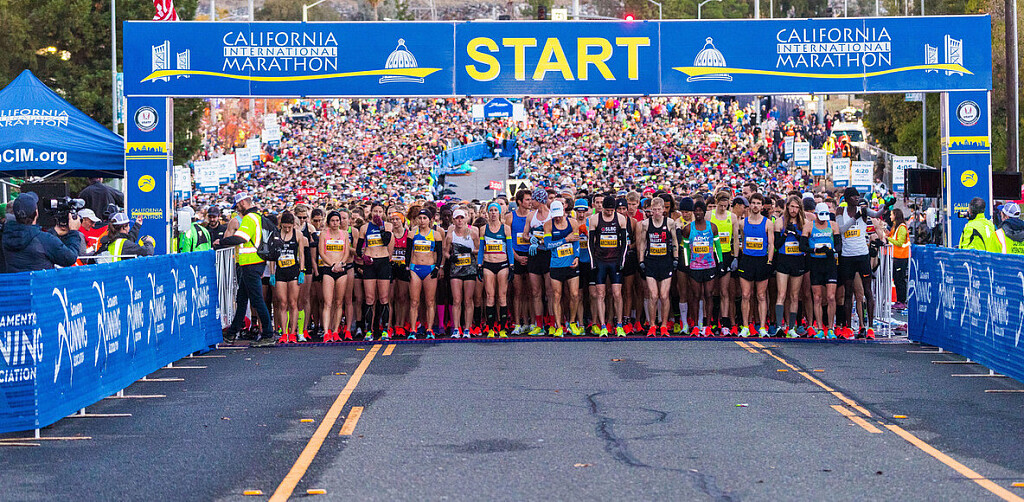
California International Marathon Announces Historic Growth, Bigger Field and Longer Finish Window for 2027
The California International Marathon is preparing for one of the most significant transformations in its history, with organizers confirming plans to dramatically expand the race beginning in 2027. Long regarded as one of America's premier marathon courses, CIM will nearly double its capacity while giving runners more time to reach the finish line, opening the door for thousands of additional participants.
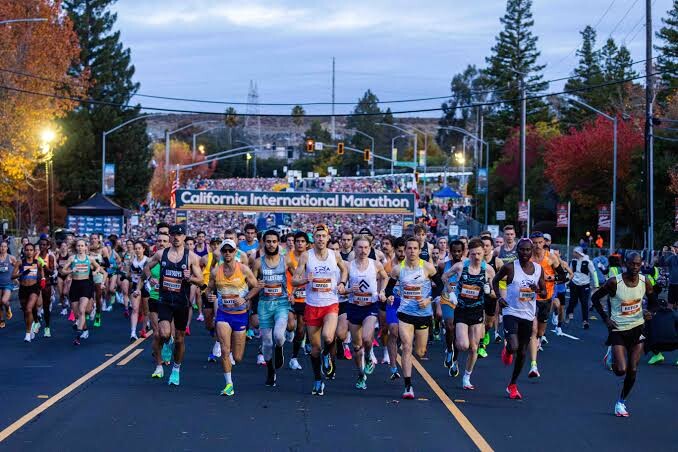
The announcement follows a new agreement involving Union Pacific, whose freight rail operations have historically influenced race-day logistics along the course. Under the new arrangement, trains will be held for a longer period, allowing organizers to extend road closures and accommodate a much larger field than ever before.
As a result, participation is expected to grow from approximately 10,000 runners to nearly 20,000 through the introduction of a second starting wave. The expansion marks a major milestone for a race that has steadily increased in popularity among both elite competitors and recreational marathoners.
Perhaps the most welcome change for many runners is the extension of the race cutoff time. For years, CIM enforced a strict six-hour limit, largely because the course needed to reopen before scheduled rail operations resumed. Beginning in 2027, that deadline will be extended to at least six hours and 45 minutes, with race organizers gaining an additional 45 minutes to an hour of road-closure time.
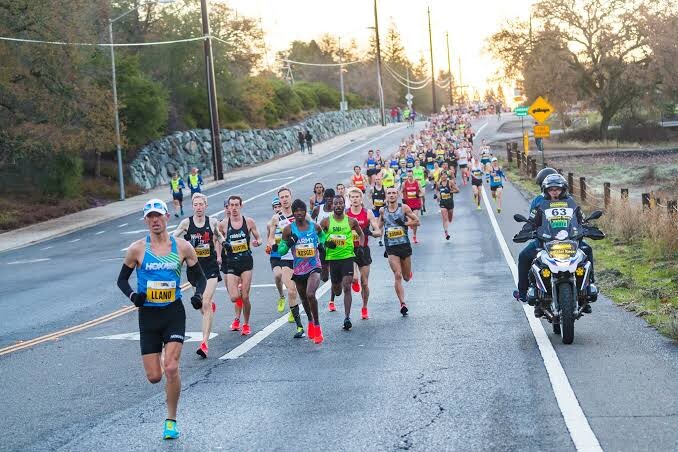
The revised cutoff creates new opportunities for participants who may have previously struggled to finish within the existing time restriction. More runners will now be able to complete the marathon experience without the pressure of an unusually demanding cutoff clock.
Despite the expansion, the California International Marathon will retain the characteristics that have made it one of the world's most respected marathon courses. The point-to-point route from Folsom to downtown Sacramento remains unchanged, featuring a net elevation drop of 366 feet while staying comfortably within Boston Marathon qualifying standards for downhill courses.
Combined with Northern California's typically cool early-December conditions, the course has earned a reputation as one of the fastest and most reliable venues for athletes chasing personal bests and Boston Marathon qualification marks.
That reputation is supported by impressive numbers. In 2025, more than 30 percent of CIM finishers achieved Boston-qualifying times, an extraordinary statistic that highlights the race's appeal among serious marathoners. With Boston Marathon qualifying standards becoming five minutes faster for most age groups beginning in 2026, fast and athlete-friendly courses such as CIM are expected to become even more sought after.
For runners planning their next marathon, there is no immediate change. The 2026 edition will operate under the same format that has defined the event for more than four decades. The landmark expansion—including the larger field and extended cutoff time—will officially debut in 2027.
As the California International Marathon enters a new era, organizers are balancing growth with tradition, ensuring that one of America's most celebrated road races remains both accessible and competitive. For thousands of future participants, the message is clear: there will soon be more room on the start line and more opportunity at the finish.
by Erick Cheruiyot for My Best Runs.
Login to leave a comment

California International Marathon
The California International Marathon (CIM) is a marathon organized by runners, for runners! CIM was founded in 1983 by the Sacramento Running Association (SRA), a 501(c)(3) non-profit organization. The SRA Board of Directors is comprised of runners with a combined total of 150+ years of service to the CIM. The same route SRA management created for the 1983 inaugural CIM...
more...
The Comeback Nobody Thought Possible: Tommy Rivs Returns to Marathon Running
In 2020, Tommy Rivs stood at the edge of an unimaginable battle. The elite marathon runner, known for his grit, endurance, and passion for the sport, suddenly found himself fighting for something far greater than race results. Diagnosed with a rare and aggressive form of lung cancer, Rivs was placed in a medically induced coma as doctors fought to save his life. The prognosis was uncertain, and for many, the thought of him ever running competitively again seemed impossible.
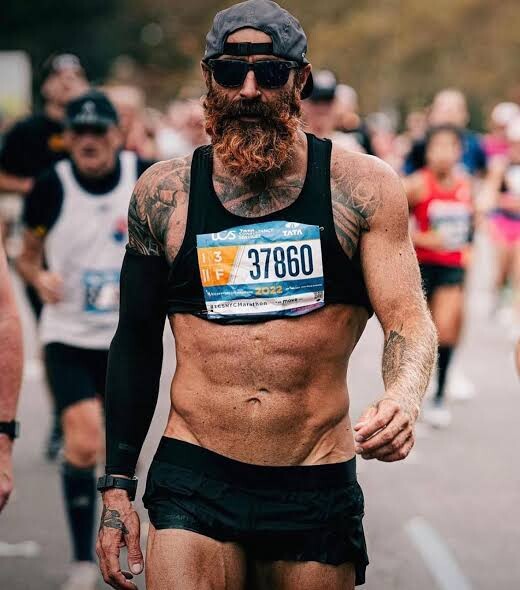
What followed was a journey defined by resilience, determination, and an unwavering refusal to surrender. The athlete who once measured success in miles and finish times now faced the challenge of relearning the simplest aspects of daily life. Recovery was slow, painful, and filled with obstacles, but Rivs approached it with the same relentless spirit that had carried him through countless races.
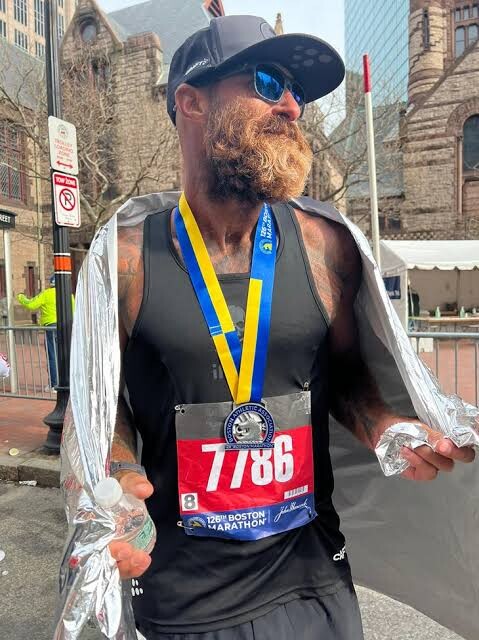
Nearly six years later, the story has taken a remarkable turn.
Today, Rivs is not only healthy enough to run—he is thriving. He has returned to the marathon scene, producing performances that few believed possible after the devastating toll cancer and prolonged hospitalization took on his body. Every race he completes serves as a powerful reminder that recovery is not always limited by expectations or statistics.
Beyond competition, Rivs has embraced a new role within the running community. He now leads guided runs through California's majestic redwood forests, inspiring runners of all abilities with his presence and perspective. His recent appearance at a Boston running event attracted enormous crowds, a reflection of the admiration and respect he has earned through his extraordinary journey.
What makes Rivs' comeback so compelling is that it transcends athletics. His story is not merely about marathon times, personal bests, or finish lines. It is about perseverance in the face of overwhelming adversity. It is about rebuilding a life when the future appears uncertain and refusing to let circumstances define what is possible.
The remarkable part is that the performances are beginning to match the inspiration. As Rivs continues to race, the impressive times he is producing are catching up to the legend of his recovery, proving that his return is more than symbolic—it is genuinely competitive.
For anyone searching for hope after hardship, Tommy Rivs offers a powerful example. His journey from a hospital bed and medically induced coma back to marathon starting lines stands as one of running's most inspiring modern stories. It is proof that even after life's darkest chapters, new beginnings can emerge—and sometimes they are more extraordinary than anyone could have imagined.
by Erick Cheruiyot for My Best Runs.
Login to leave a comment
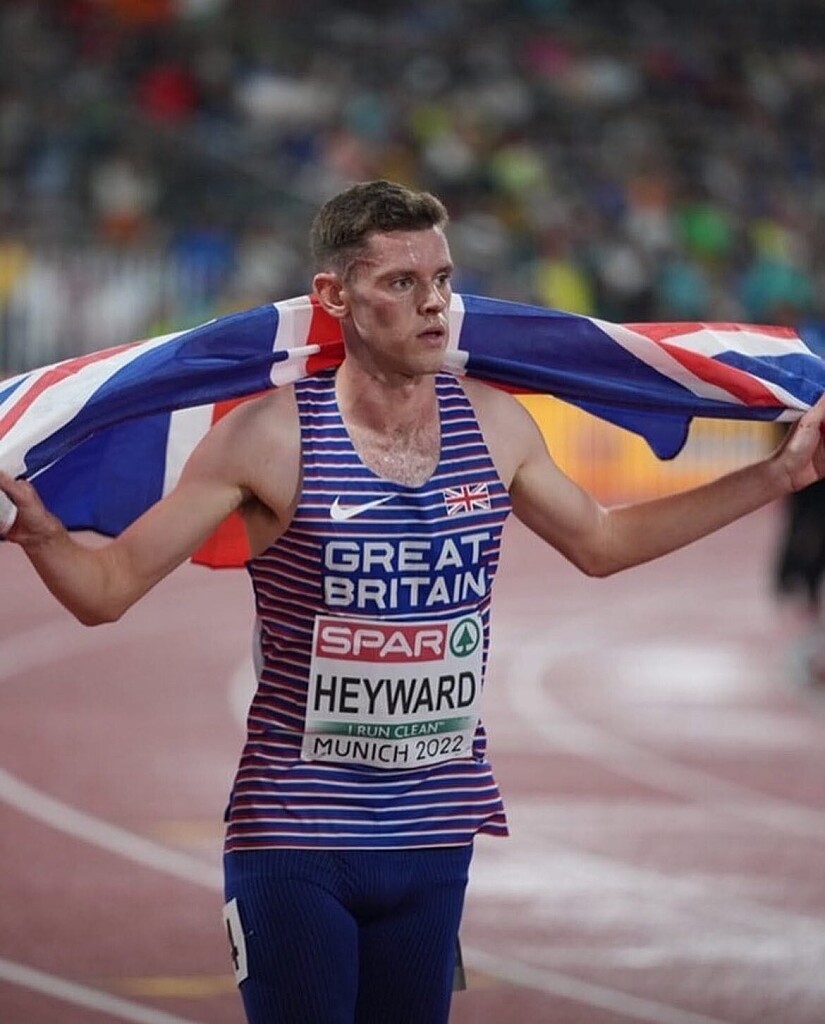
Jake Heyward’s Long Road Back: British Star Set for Diamond League Return at BAUHAUS-galan
After nearly three years away from the Diamond League spotlight, British middle-distance star Jake Heyward is finally preparing for a long-awaited return to elite competition as he lines up for the men’s 1500m at next month’s BAUHAUS-galan in Stockholm.
For Heyward, the announcement marks far more than just another race entry. It represents the latest chapter in a determined comeback journey after a frustrating spell dominated by long-term injury setbacks that stalled the momentum of one of Europe’s most gifted milers.
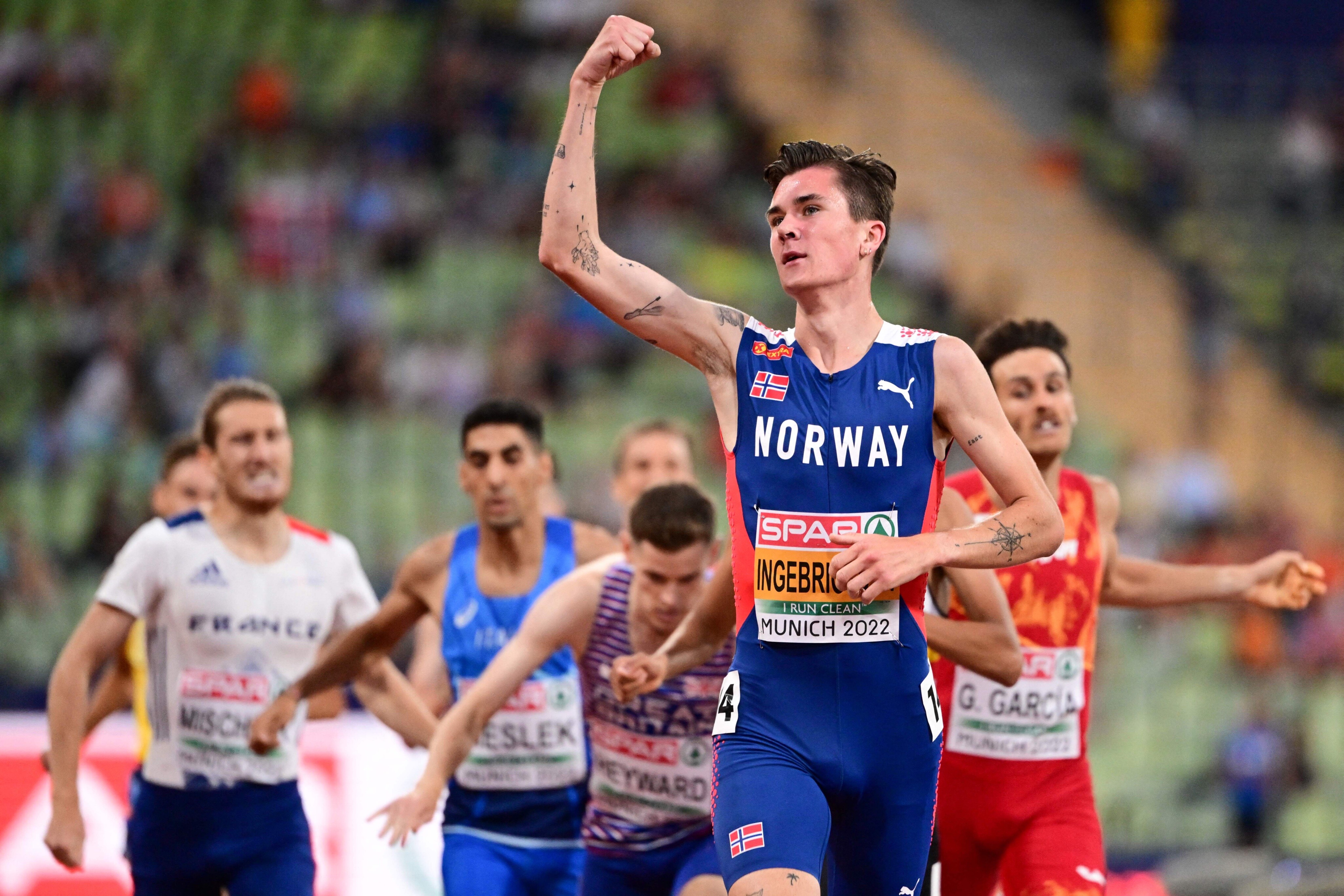
The Brit’s last appearance on the Diamond League circuit came back in Zurich in 2022 — the same season in which he produced some of the finest performances of his career. Since then, injuries forced him away from the biggest stages of global athletics, interrupting what had looked like a rapid rise toward world-class consistency.
Now, however, encouraging signs are beginning to emerge.
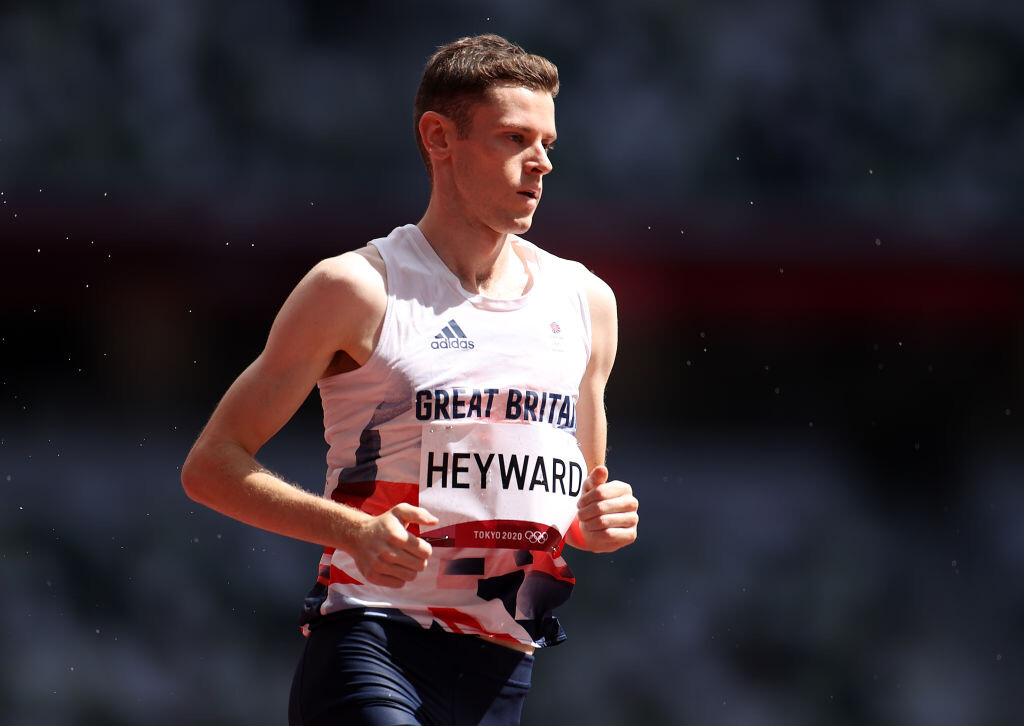
Earlier this month in California, Heyward clocked 3:34.18 over 1500m, a performance that hinted at growing sharpness and renewed confidence as he rebuilds his fitness ahead of a crucial summer campaign. While still short of his lifetime best of 3:31.08, the run suggested the European silver medallist is steadily rediscovering the rhythm that once placed him among the continent’s elite.
Heyward’s breakthrough season in 2022 remains one of the defining moments of his career. At the European Athletics Championships in Munich, he stormed to the 1500m silver medal behind Norway’s dominant Olympic champion Jakob Ingebrigtsen, showcasing both tactical maturity and finishing speed against one of the strongest fields in Europe.
That performance elevated Heyward into the upper tier of international middle-distance running and reinforced Britain’s rich tradition in the event. Many believed it was only the beginning.
Instead, the years that followed became a battle for recovery, patience, and persistence.
Returning to the Diamond League at BAUHAUS-galan now offers Heyward an opportunity to measure himself once again against world-class opposition and test how far his comeback has progressed. Stockholm’s historic meeting has long been known for producing fast middle-distance races, and the event could provide the perfect environment for the Brit to continue building momentum.
At 1500m level, where fractions of a second often separate contenders from champions, regaining race sharpness after an extended absence is never straightforward. Yet Heyward’s recent performances suggest the foundations are gradually falling back into place.
For British athletics fans, his return will be watched with both excitement and curiosity. A healthy Jake Heyward remains one of the most naturally talented milers of his generation — and if his body finally allows him sustained continuity, the next phase of his career could still hold enormous promise.
by Erick Cheruiyot for My Best Runs.
Login to leave a comment
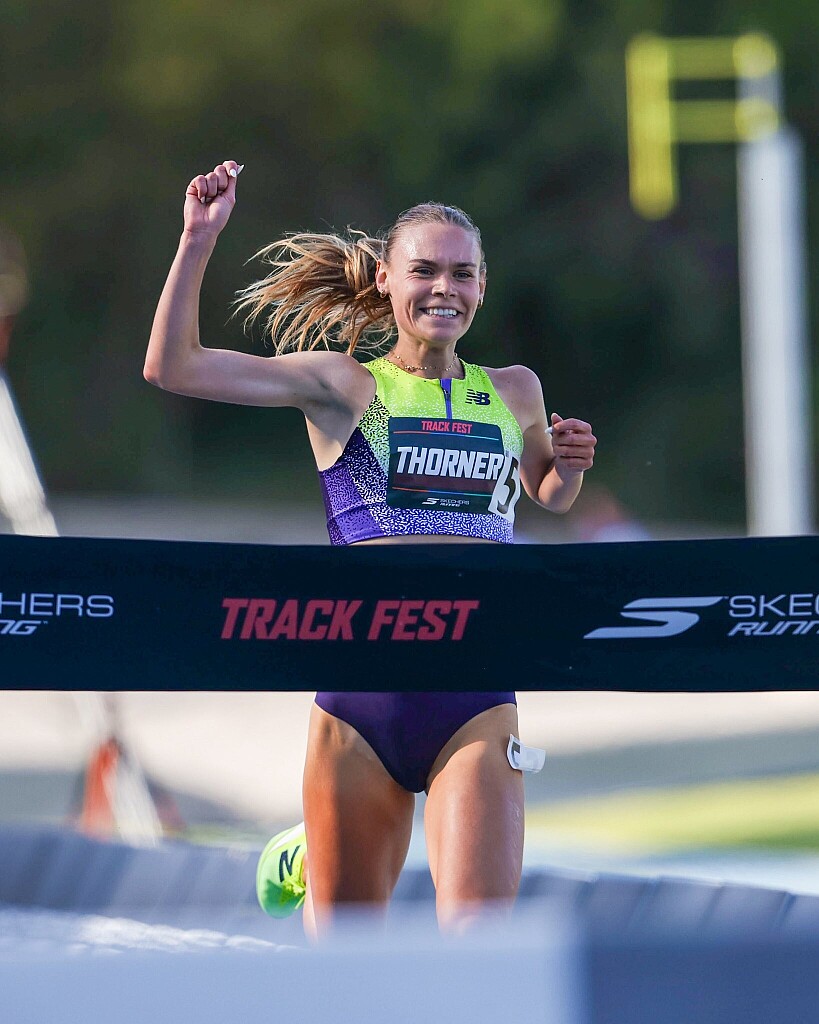
Elise Thorner Announces Herself Among Britain’s Steeplechase Elite with Brilliant Los Angeles Victory
Elise Thorner delivered the race of her career in Los Angeles, producing a stunning breakthrough performance in the women’s 3000m steeplechase at the Sound Running Track Festival.
The British distance runner stormed to victory in a massive personal best of 9:07.39, completely dominating the field and crossing the finish line an astonishing 14 seconds clear of her nearest rival. It was not only the biggest win of her season so far, but also a statement performance that firmly places her among the finest steeplechasers Britain has produced.
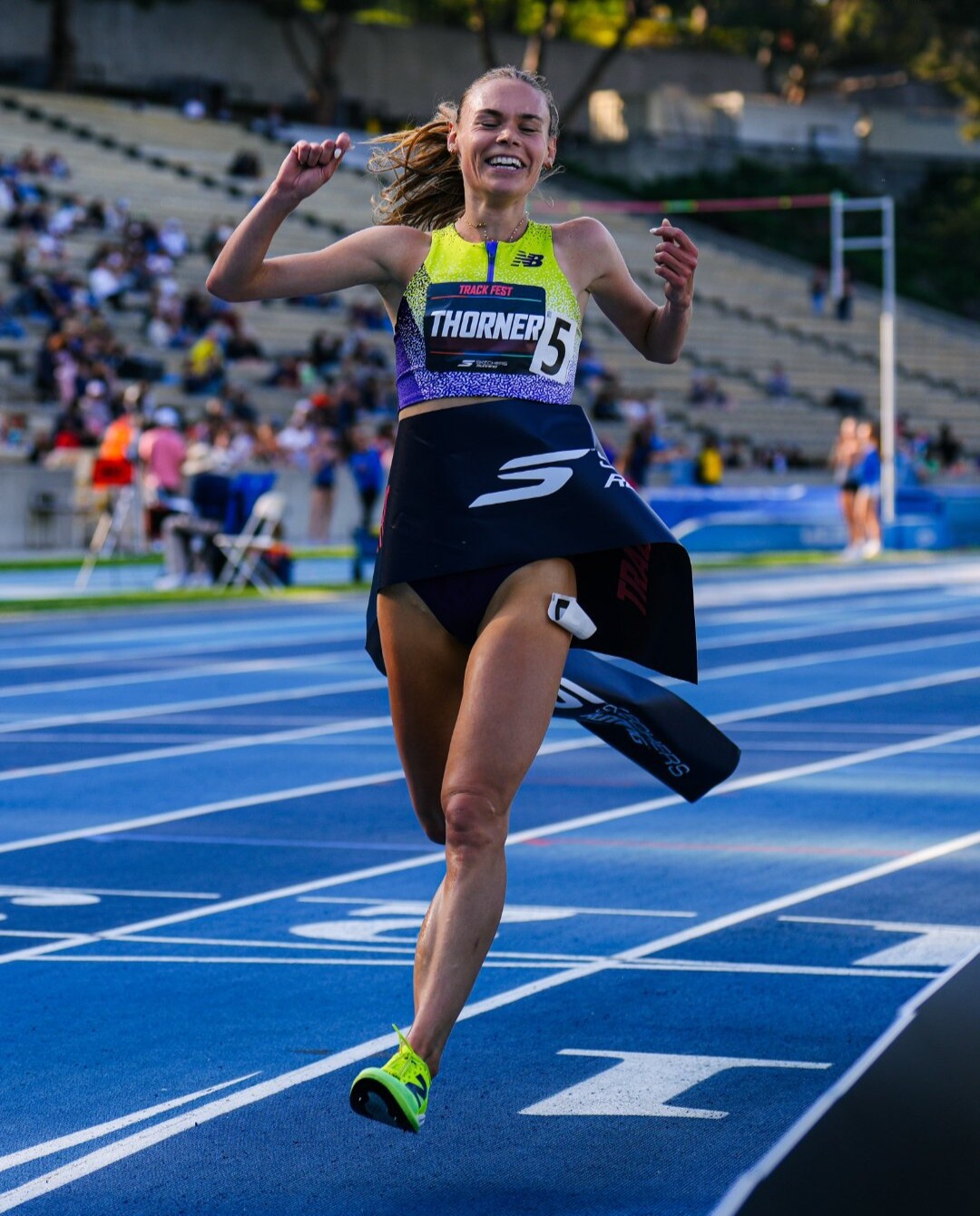
Under the California evening sky, Thorner looked composed and fearless from the opening laps. She attacked the barriers with confidence, maintained a relentless rhythm throughout the race and gradually pulled further and further away from the chasing pack. By the closing stages, the contest had turned into a solo run to the line as she powered home to one of the fastest times ever recorded by a British woman in the event.
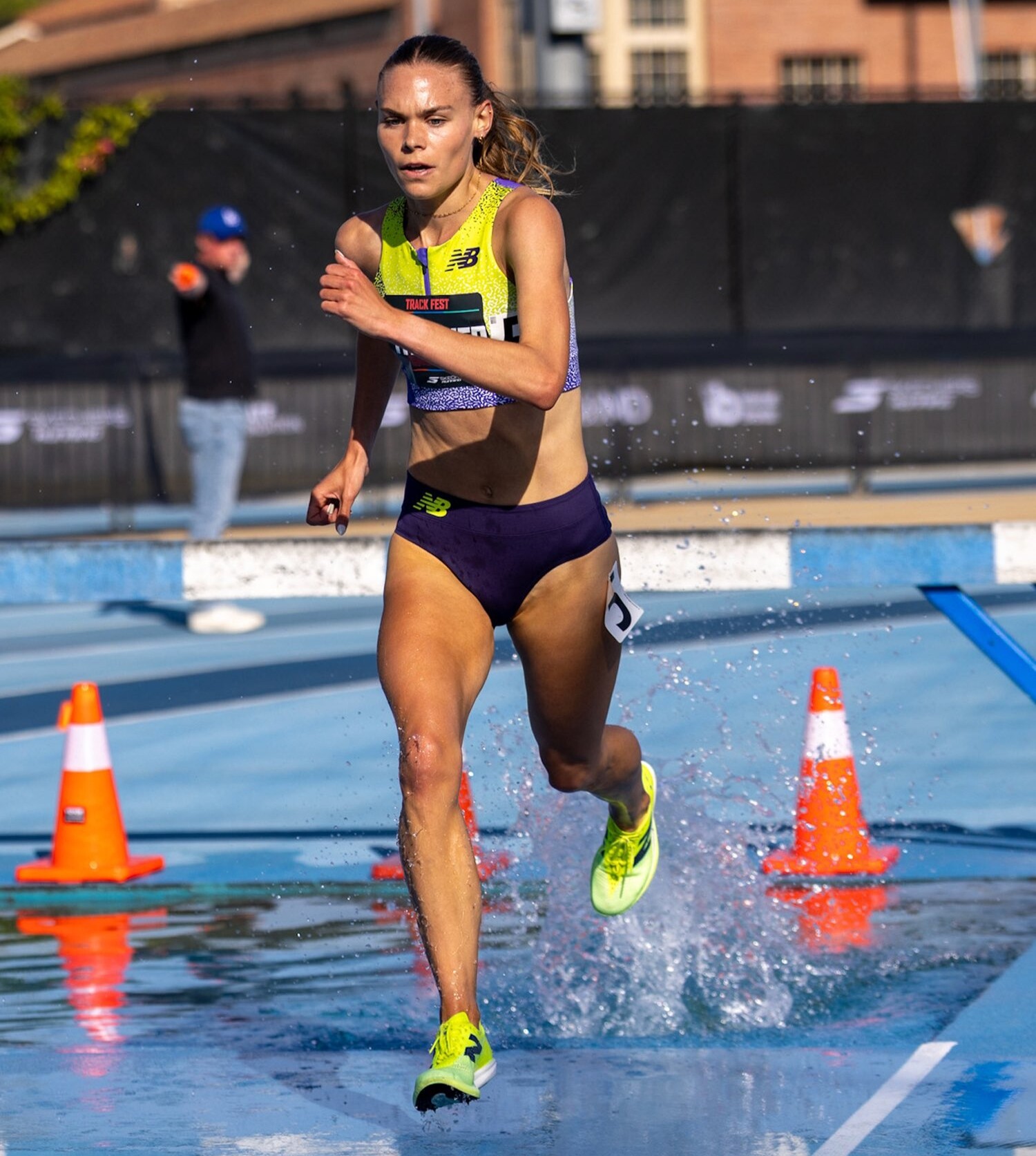
Her remarkable run now moves her to second on the British all-time list, behind only Lizzie Bird’s national record of 9:04.25. More significantly, Thorner and Bird remain the only British women in history to break the prestigious 9:10 barrier in the 3000m steeplechase — a reflection of just how exceptional the performance was.
The improvement also highlights the rapid rise of the talented Briton, who continues to make giant strides on the international stage. Cutting several seconds from an already impressive personal best is no small achievement at elite level, yet Thorner made it look effortless with a performance full of maturity, strength and tactical intelligence.
With the summer season still gathering momentum, attention will now shift toward the British record. On current form, Bird’s long-standing mark suddenly looks vulnerable, and Thorner appears to be developing into a genuine contender for major championship success.
For now, Los Angeles belongs to Elise Thorner — an evening where talent, confidence and preparation came together perfectly to produce a career-defining performance.
by Erick Cheruiyot for My Best Runs.
Login to leave a comment
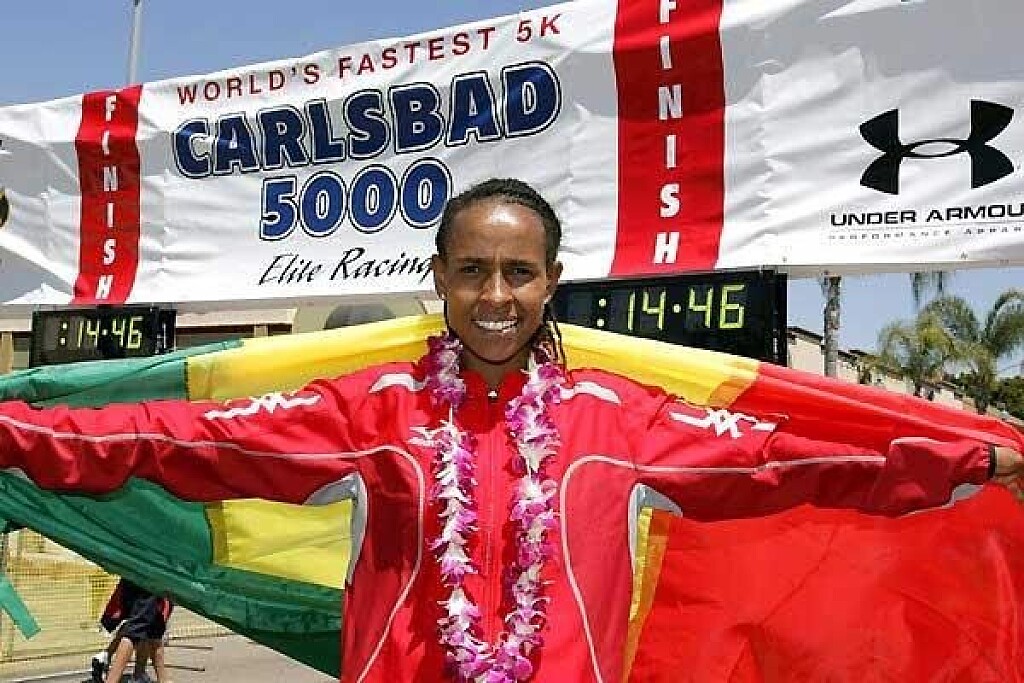
On This Day in History — April 9, 2006: Meseret Defar’s World Record That Redefined the 5K Road
On April 9, 2006, the coastal roads of San Diego witnessed a performance that would become one of the defining moments in distance running. Ethiopia’s exceptional talent, Meseret Defar, delivered a masterclass at the legendary Carlsbad 5000—a race globally celebrated as the “World’s Fastest 5K.”
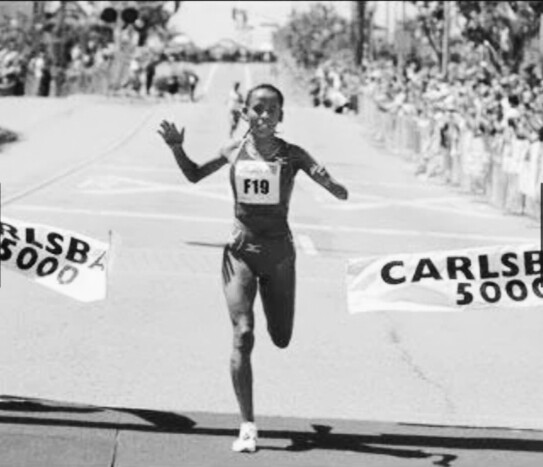
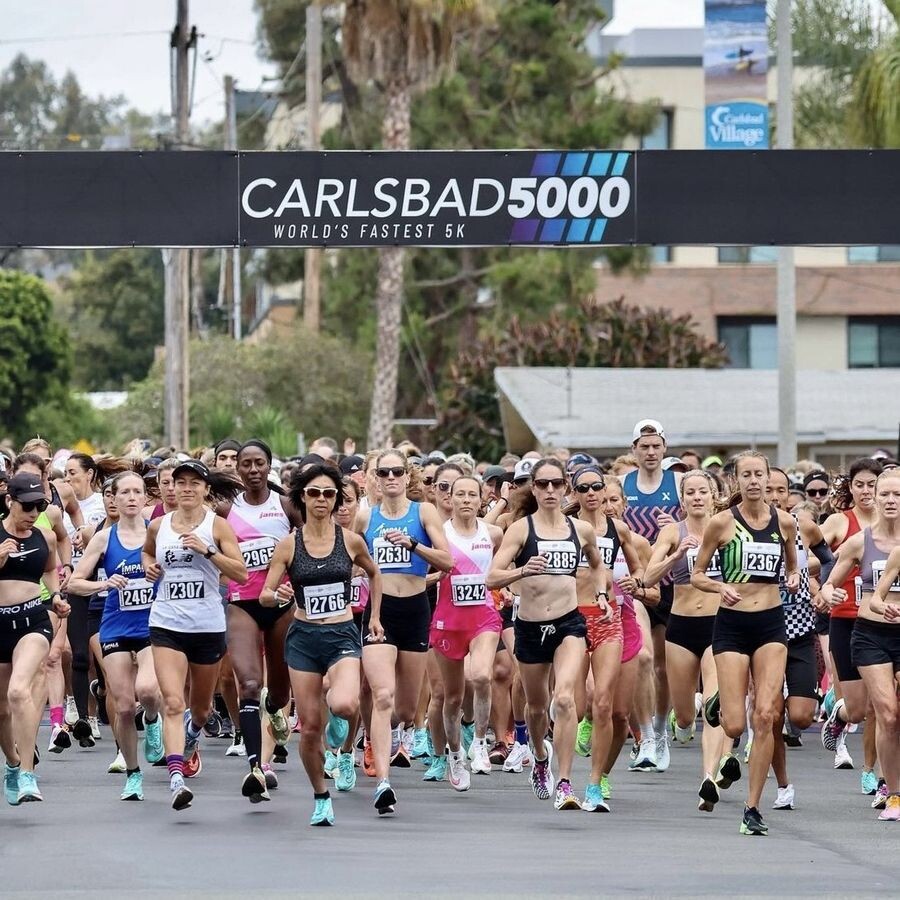
Established in 1986, the Carlsbad 5000 has long stood as Southern California’s premier 5-kilometer road race. More than just a competition, it is a full weekend festival of running, welcoming athletes of all levels to its famously quick oceanfront course. Known for its scenic beauty and electric atmosphere, the event has built a reputation as a stage where speed meets spectacle—and where history is often made.
On that unforgettable day, Defar rose to the occasion in breathtaking fashion. With flawless rhythm and fearless intent, she powered through the course to clock a stunning 14:46, setting a new world record for the 5K on the road. It was not merely a victory—it was a redefinition of excellence. Against a world-class field and the relentless ticking of the clock, she produced a run that elevated the standards of the sport.
Still in the early years of her career, Defar showcased a rare versatility, seamlessly translating her dominance on the track to the roads. Her performance confirmed her status as one of the finest distance runners of her generation, while reinforcing Ethiopia’s enduring legacy in global athletics.
Today, the Carlsbad 5000 continues to live up to its name, drawing elite athletes and passionate runners from around the world. The 2026 edition, set for April 12, promises another celebration of speed, community, and the enduring spirit of the sport.
Yet, among the many great moments the race has produced, Defar’s 2006 masterpiece remains timeless—a reminder that on certain days, greatness doesn’t just appear, it takes over.
by Erick Cheruiyot for My Best Runs.
Login to leave a comment

Carlsbad 5000
The Carlsbad 5000 features a fast and fun seaside course where 16 world records have been set. Both rookie runners and serious speedsters alike enjoy running or walking in Carlsbad. Weekend festivities kick off Saturday morning with the beloved Junior Carlsbad, a kids-only event in the heart of Carlsbad Village featuring fun runs, toddler trots, and diaper dashes! On Sunday,...
more...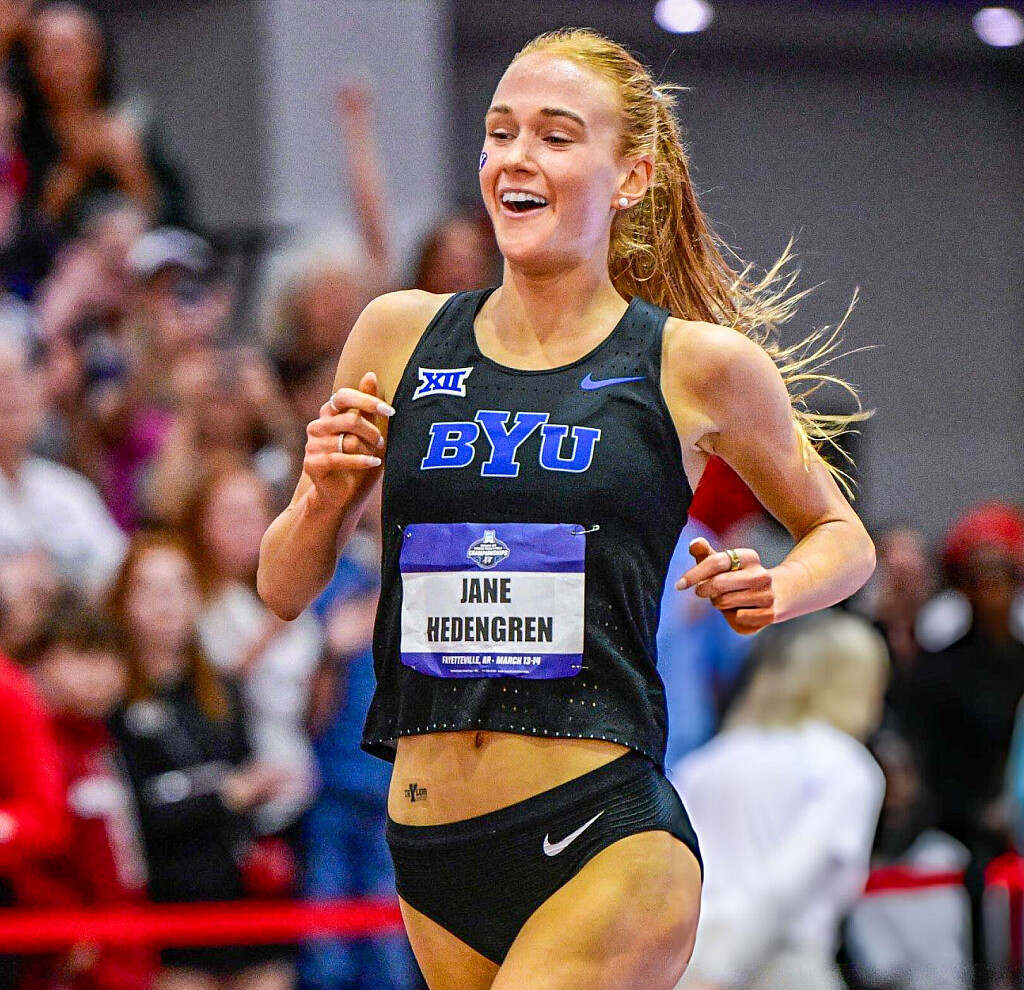
Hendengren Rewrites History: A Stunning NCAA 10,000m Record Falls at Stanford
Under the soft California evening light at the prestigious Stanford Invitational, history was not just witnessed—it was decisively rewritten. Rising distance talent Jane Hedengren delivered a performance of rare authority and composure, storming to a breathtaking NCAA 10,000m record in 30:46.80.
From the opening laps, the race carried an unmistakable sense of purpose. Hedengren ran with poise beyond her years, settling into a rhythm that hinted at something extraordinary. As the laps clicked by, her cadence remained fluid, her stride efficient, and her intent unmistakable. By the time the bell rang, the outcome was no longer in doubt—only the magnitude of history remained to be measured.
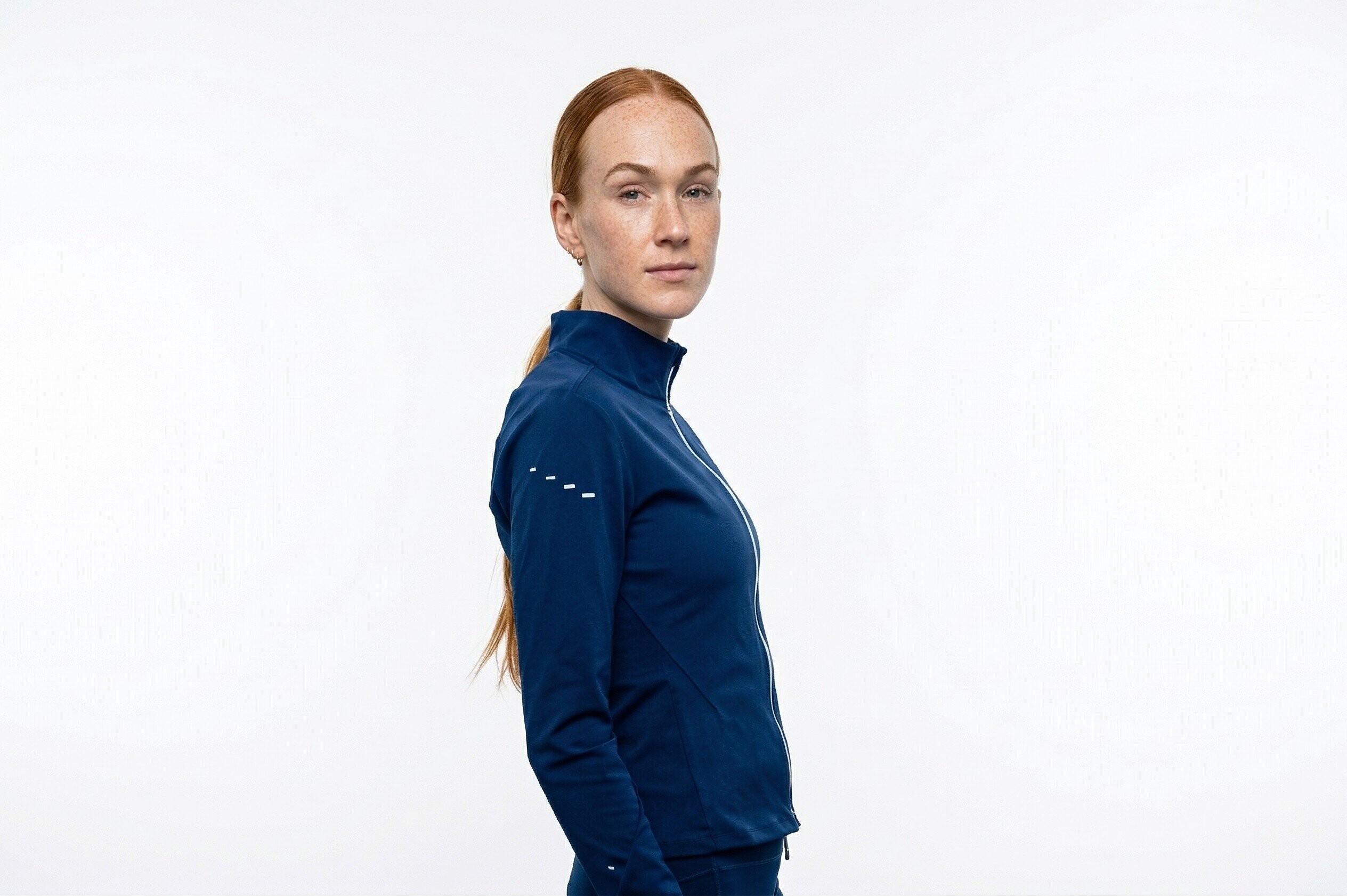
In obliterating the previous collegiate record of 30:50.43 held by Parker Valby, Hedengren did more than shave seconds off the clock—she elevated the standard of women’s collegiate distance running. Her 30:46.80 now stands as a new benchmark, a mark of both precision and endurance forged in a perfectly executed race.
Yet, the night was not hers alone. Pamela Kosgei delivered a remarkable run of her own, finishing second in 30:49.99—a personal best that also dipped under the former NCAA record. In any other race, it would have been the headline performance. Instead, it became part of a deeper narrative: a race that pushed boundaries and redefined expectations.
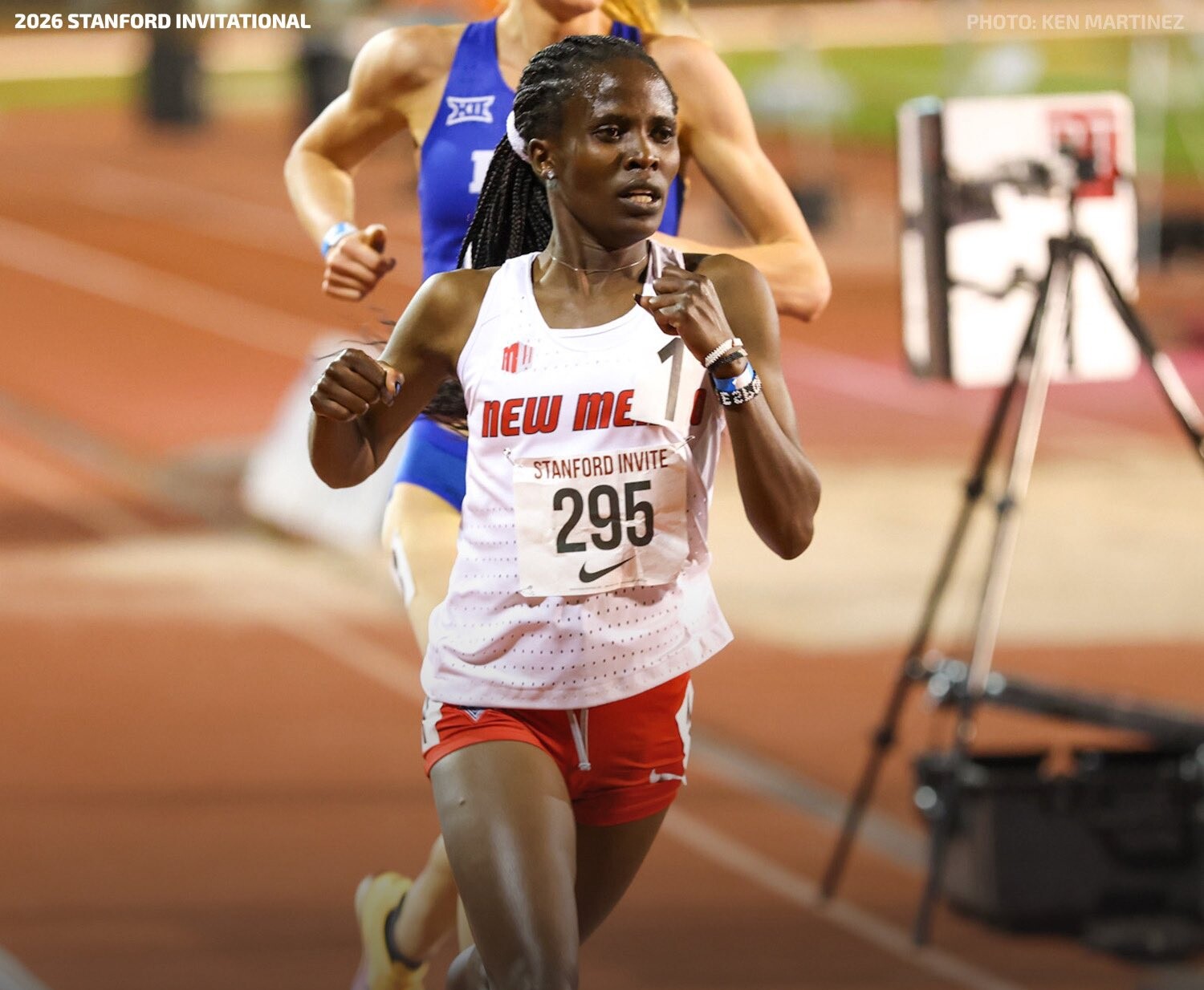
What made this contest truly compelling was not just the times, but the shared excellence. Two athletes, driven by ambition and sharpened by competition, combined to produce one of the finest distance races in collegiate history.
For Hedengren, this moment signals more than a record—it announces her arrival on the global stage. Calm under pressure and devastatingly efficient, she has shown the kind of form that transcends collegiate competition and hints at a much larger future.
As the echoes of Stanford fade, one truth remains clear: this was not merely a race—it was a statement. And with it, Jane Hedengren has etched her name into the sport with authority, redefining what is possible over 10,000 meters.
by Erick Cheruiyot for My Best Runs.
Login to leave a comment
Three Nations, One Historic Race: The TEN Redefines 10,000m Running
Under the bright California lights, The TEN once again delivered a night of pure distance-running brilliance, as the elite men’s HOKA 10,000m unfolded into a historic spectacle defined by fearless pacing, relentless surges, and national pride rewritten in record books.
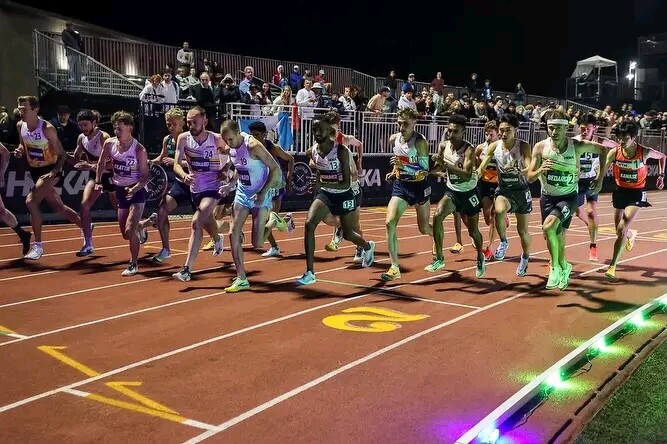
From the gun, the tempo was unapologetically aggressive—set with precision and ambition—and the leading pack responded in kind, locking into a rhythm that hinted at something extraordinary. What followed was not just a race, but a statement: a new global standard for championship-caliber 10,000m racing.
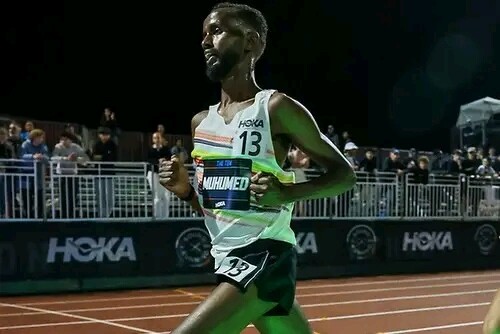
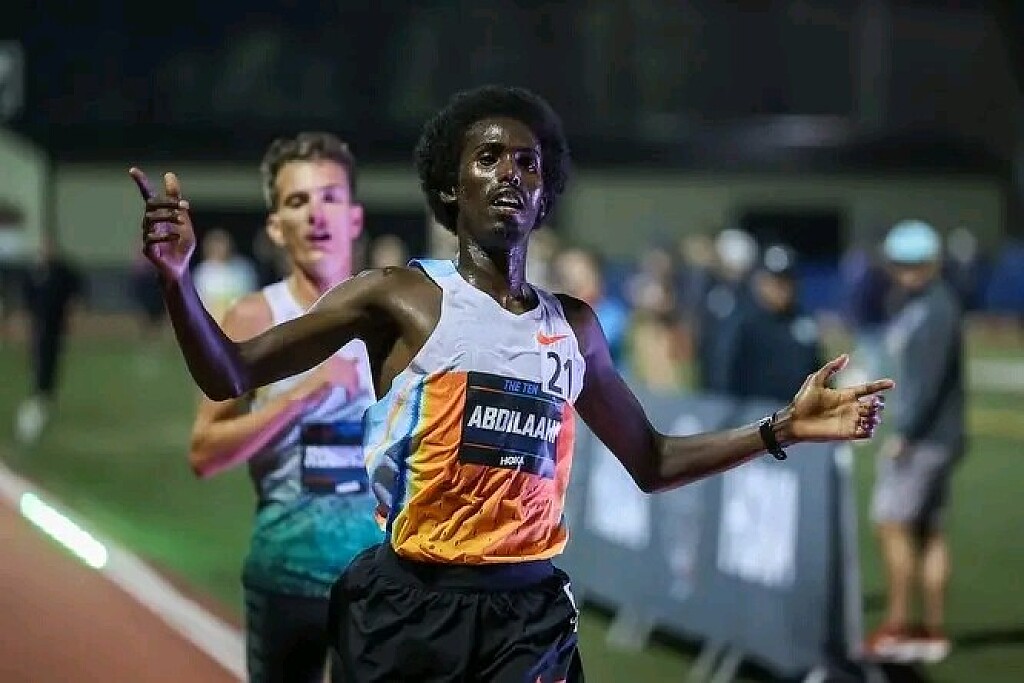
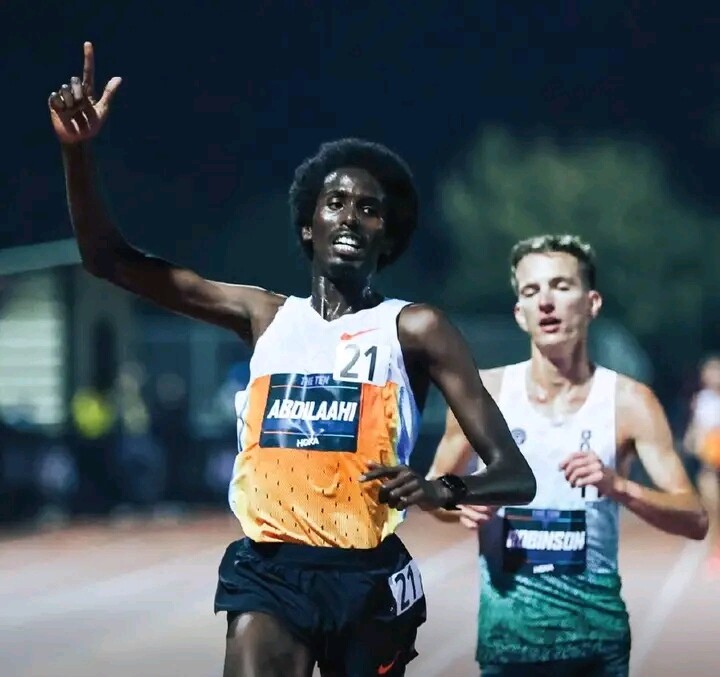
At the heart of it all was Germany’s Mohamed Abdilaahi, who produced a performance of remarkable composure and strength to storm to victory in a stunning 26:56.58, slicing through the line to claim not only the win but also a new German National Record and the world-leading time. His run was a masterclass in controlled aggression—patient early, yet devastating when it mattered most.
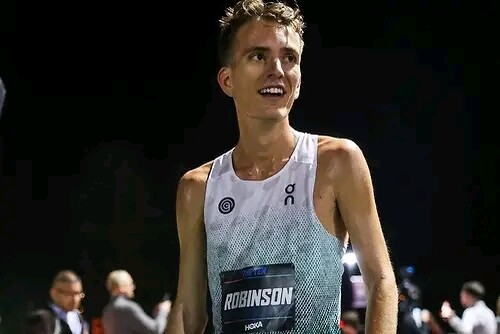
Hot on his heels was Australia’s rising star Ky Robinson, who etched his own piece of history. Clocking 26:57.07, Robinson shattered the Australian National Record, becoming the first man from his nation to dip under the elusive 27-minute barrier. His performance confirmed his arrival on the global stage as a serious force in long-distance running.
Completing the podium was the Netherlands’ Mike Foppen, who delivered another standout run, securing third place in 27:20.52—a time that not only earned him a spot among the elite but also a new Dutch National Record. His effort capped off a remarkable night where the top three finishers all walked away with national milestones.
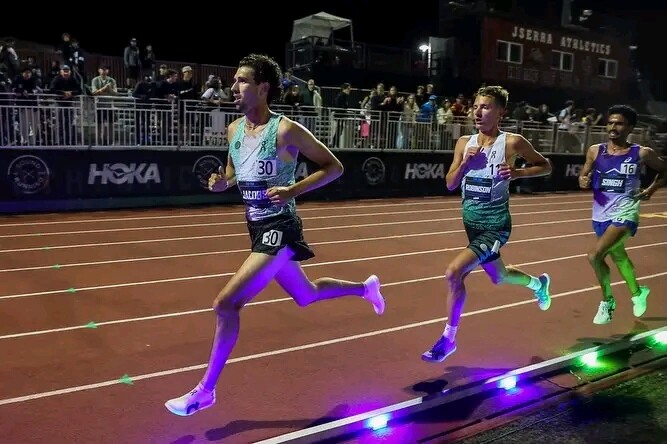
Just fractions behind, American Woody Kincaid showcased his consistency and grit, finishing fourth in a strong 27:20.84, underlining the depth and intensity of the field.
This was more than a race—it was a convergence of peak fitness, meticulous pacing, and fearless competition. With three national records and a world-leading mark produced in a single night, The TEN reaffirmed its status as one of the premier stages for distance running excellence.
As the dust settles, one thing is certain: the bar has been raised, and the road to global championships just became significantly more thrilling.
by Erick Cheruiyot for My Best Runs.
Login to leave a comment

The Ten
The world's fastest 10,000m races each year have taken place in a sleepy little coastal town in southern California. More national records were broken in 2022 than any other race on the planet as the best in the western hemisphere launched into rarified zones of time and space. The best return to San Juan Capistrano this year to cap off...
more...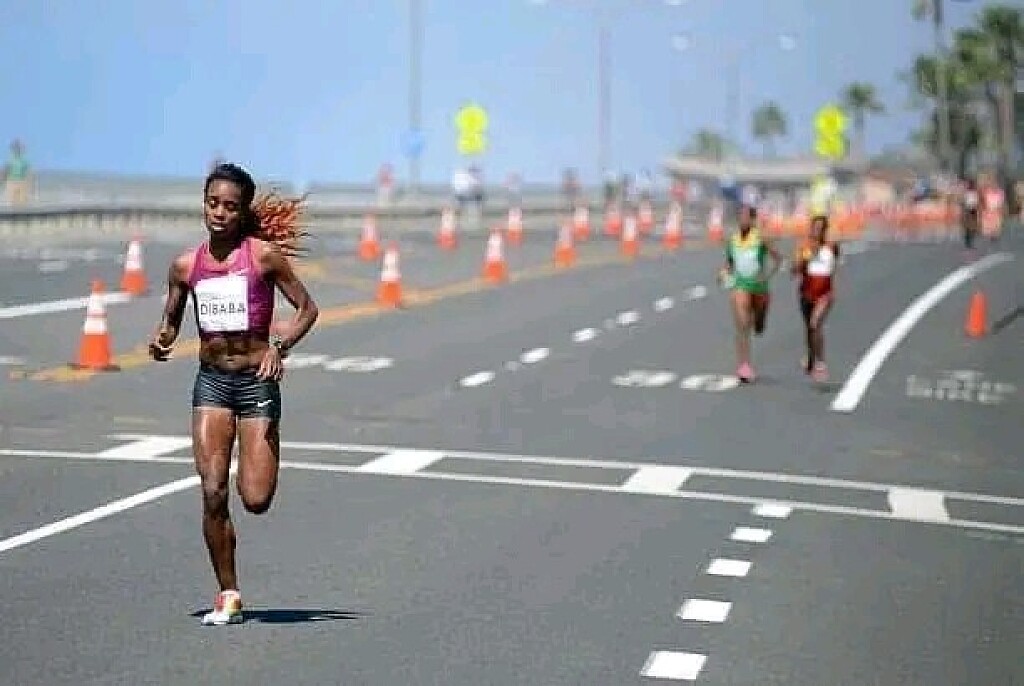
A Decade Ago Today: Genzebe Dibaba Headlines the World’s Fastest 5K in Carlsbad
On March 29, 2015, the coastal roads of San Diego played host to a landmark moment in distance running history as the 30th edition of the Carlsbad 5000 unfolded in spectacular fashion. Widely celebrated as the fastest 5K in the world—a reputation built on an extraordinary legacy of world records—the race once again delivered a performance worthy of its global stature.
At the heart of the elite women’s race stood Ethiopia’s Genzebe Dibaba, a name already synonymous with brilliance on the track. On this day, she brought her formidable speed and tactical mastery to the roads, leading a world-class field through the fast, ocean-side course that has long been a proving ground for the sport’s finest.
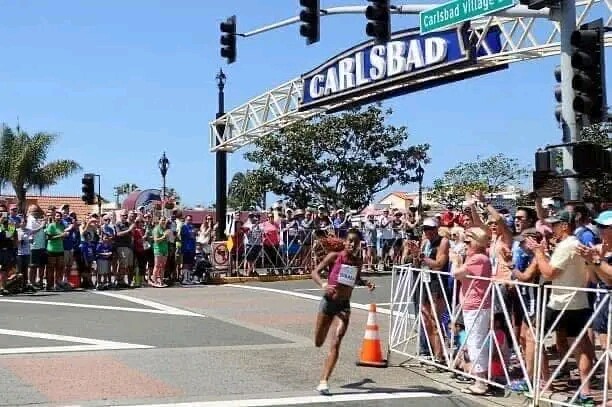
The Carlsbad 5000 is no ordinary race. Its reputation has been forged over decades, with no fewer than sixteen world records having been set along its flat and lightning-quick route. From the very first strides, the pace is relentless, the rhythm unforgiving—conditions that demand both courage and precision. It is precisely this environment that suited Dibaba perfectly.
Running with poise and authority, she dictated the tempo against a competitive international field, showcasing the fluid stride and devastating finishing speed that have defined her career. The crowd lining the course witnessed not just a race, but a display of elite athletic artistry, as Dibaba reaffirmed her place among the greats of distance running.
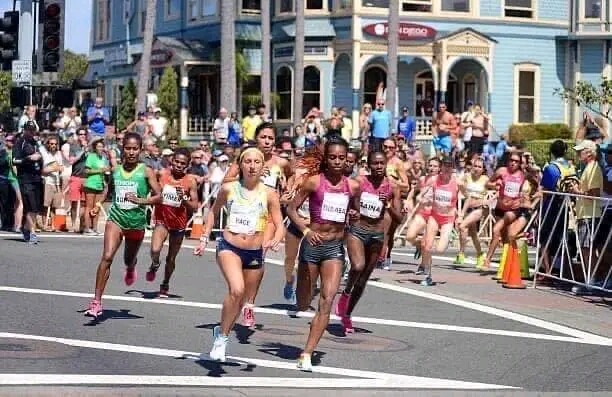
Beyond the finish line, the 2015 edition served as another chapter in the enduring legacy of the Carlsbad 5000—a race where history is not only remembered but continually rewritten. For fans and athletes alike, it remains a symbol of what is possible when speed, tradition, and competition converge.
Ten years on, that spring morning in California still resonates. It stands as a reminder of an era when Genzebe Dibaba, at the peak of her powers, brought her brilliance from the track to the roads—and, in doing so, added her name to the rich tapestry of one of road running’s most iconic events.
by Erick Cheruiyot for My Best Runs.
Login to leave a comment
Ky Robinson Rewrites History with Groundbreaking Sub-27 Run at The TEN
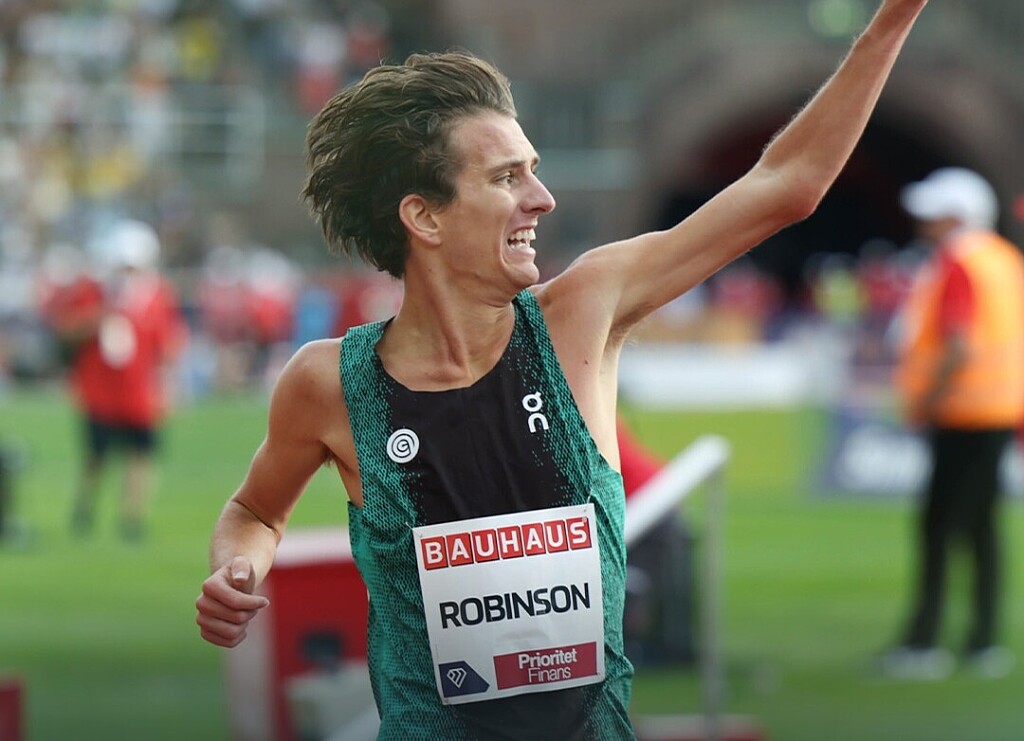
Under the bright California lights at The TEN, Ky Robinson delivered a performance that will be remembered as a defining moment in Australian distance running. In a race stacked with elite talent and driven by relentless pace-making, Robinson rose to the occasion with extraordinary composure and precision, storming to a remarkable 26:57.07 over 10,000 metres.
With that run, the 22-year-old etched his name into history as the first Australian man ever to break the 27-minute barrier for the distance—an achievement long pursued but never realized until now. It was not just a personal triumph, but a landmark breakthrough for an entire nation’s distance running legacy.
From the gun, the race unfolded at an unforgiving tempo, with the lead pack locked into a rhythm that demanded both courage and control. Robinson positioned himself wisely, refusing to be drawn into early surges while maintaining contact with the front group. As the laps ticked down and the intensity deepened, he showcased remarkable strength and tactical awareness, holding firm as others began to fade.
In the closing stages, Robinson’s resilience came to the fore. Driving through fatigue with unwavering determination, he surged across the finish line in second place, his time of 26:57.07 not only smashing the long-standing Australian record of 27:09.57 set by Jack Rayner, but also comfortably dipping under the 27:10.00 qualifying standard for the 2026 Commonwealth Games.
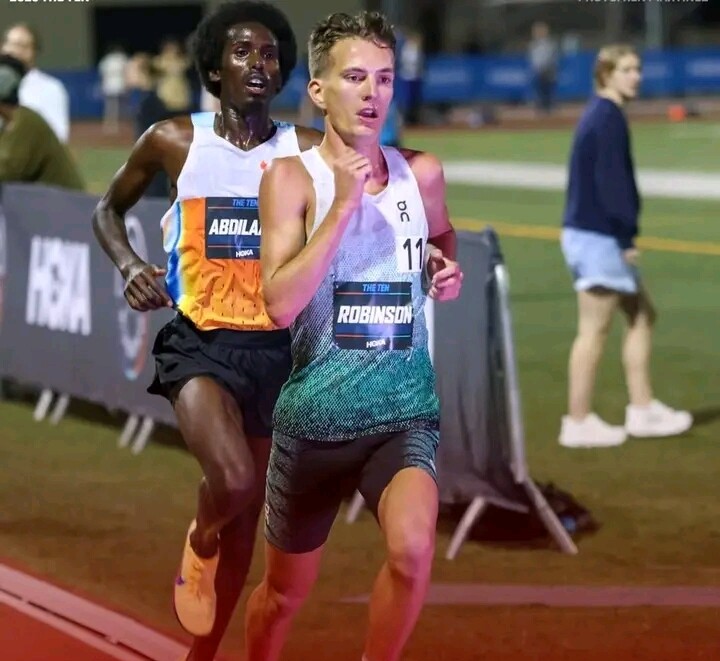
Beyond the numbers, this was a run that signaled intent. Robinson did not merely break a record—he redefined the possibilities for Australian distance running on the global stage. His performance reflects a new generation unafraid to challenge historical limits, blending fearless ambition with world-class execution.
As the dust settles in California, one thing is clear: Ky Robinson is no longer a rising talent—he is a force. And with the Commonwealth Games on the horizon, his historic breakthrough may well be just the beginning of something even greater.
by Erick Cheruiyot for My Best Runs.
Login to leave a comment
Pasadyn Triumphs Under the Lights as Aroche Rewrites History at The TEN
On a captivating night of elite distance running in San Juan Capistrano, Southern California, the women’s 10,000 metres at The TEN delivered a spectacle defined by precision pacing, resilience, and breakthrough performances. Under ideal racing conditions, a competitive field rose to the occasion, producing fast times and a historic milestone that will echo far beyond the track.
At the front of the race, Felicia Pasadyn executed a composed and authoritative performance to claim victory in 32:04.17. Representing Saucony, Pasadyn demonstrated remarkable control throughout, positioning herself perfectly before unleashing a decisive surge in the closing stages. Her winning time not only secured the top spot but reaffirmed her growing stature in the American distance running scene.
Close behind, Callie Hughes of Team USA Minnesota, competing in Puma, delivered a determined effort to finish second in 32:27.39. Hughes showcased both strength and tactical awareness, holding firm under pressure to secure a well-earned podium finish.
However, one of the most defining moments of the night came from Guatemala’s Viviana Aroche, who produced a performance of historic significance. Finishing third in 32:35.19, Aroche shattered her own national record and set a new Central American benchmark, improving on her previous mark of 32:45.91. Her run was a testament to progression, courage, and the expanding global depth of women’s distance running.
Further down the field, several athletes delivered strong and consistent performances, contributing to the race’s overall depth and quality. The tightly contested competition highlighted the continued rise of emerging talent alongside established names.
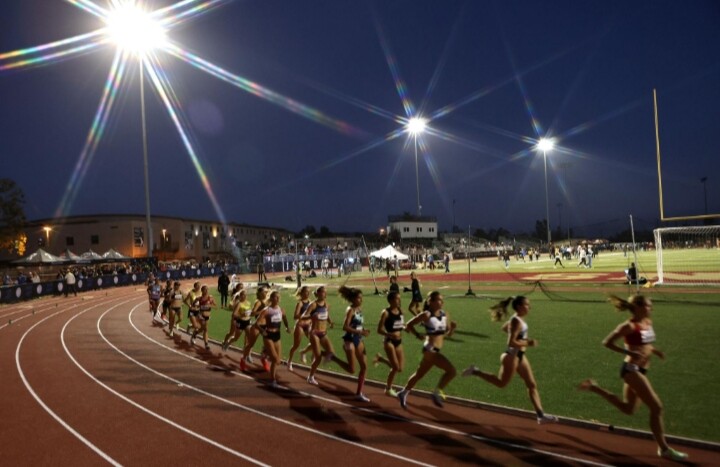
Top 10 Finishers – Women’s 10,000m
1. Felicia Pasadyn – 32:04.17
2. Callie Hughes – 32:27.39
3. Viviana Aroche – 32:35.19
4. Claire Green – 32:57.88
5. Allie Kieffer – 33:20.11
6. Olivia Borowiak – 33:20.62
7. Mariel Salazar Tapia – 33:38.08
8. Erika Priego – 34:15.19
9. Dana Feyen – 34:18.86
10. Lisa Goodin – 34:36.96
As the lights dimmed on another memorable edition of The TEN, the women’s 10,000 metres stood out as a celebration of endurance, ambition, and breakthrough achievement. From Pasadyn’s commanding victory to Aroche’s record-shattering run, the race captured the essence of modern distance running—global, fiercely competitive, and relentlessly evolving. It was a night that not only rewarded excellence but also inspired the next wave of athletes to chase faster times and greater dreams.
by Erick Cheruiyot for My Best Runs.
Login to leave a comment
The Ten
The world's fastest 10,000m races each year have taken place in a sleepy little coastal town in southern California. More national records were broken in 2022 than any other race on the planet as the best in the western hemisphere launched into rarified zones of time and space. The best return to San Juan Capistrano this year to cap off...
more...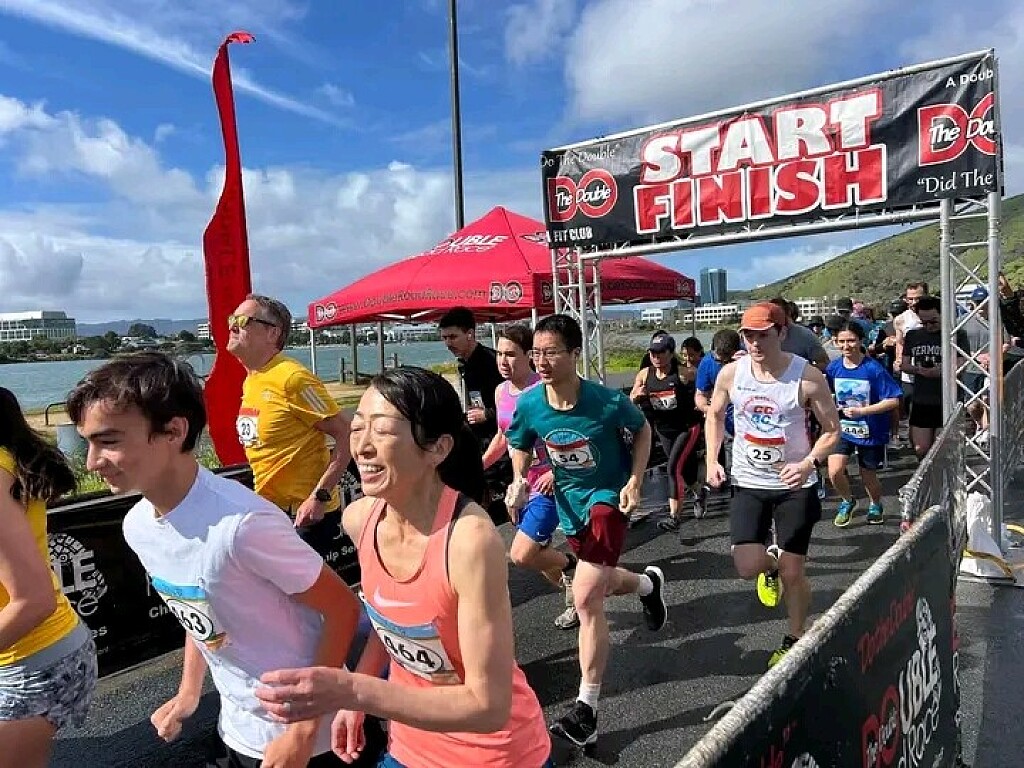
Get Ready for the 9th Edition of the Marina Double 15K: A Race for Every Runner!
This Saturday, March 21, 2026, runners of all levels will converge on Brisbane, California for the highly anticipated 9th edition of the Marina Double 15K. Now a celebrated tradition at this scenic location, the event has earned a reputation for its fast, flat course and family-friendly atmosphere.
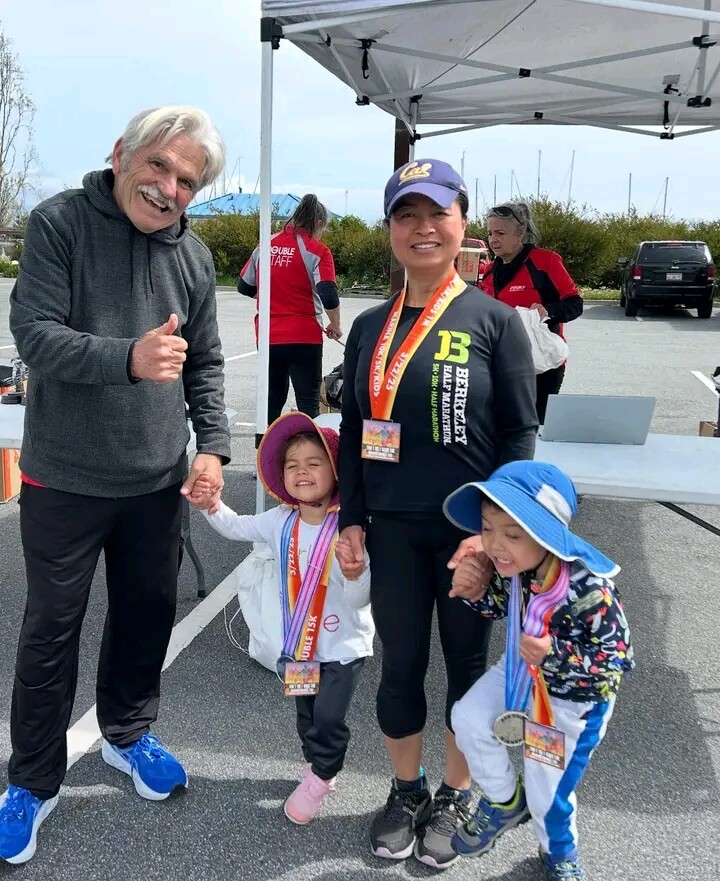
Participants can choose from a variety of distances: 10K, 5K, the challenging Double 15K, or the Kids’ Mile (for runners aged 13 and under). Each course provides an opportunity to push your limits while enjoying the stunning Bay Area scenery.

All entrants will receive an official race shirt and tote bag, and every finisher will take home a well-earned medal. Age-group winners across all events will earn a special performance medal, and trophies will be awarded for each of the three races. Top performers in the Double 15K will also be eligible for $200 in cash prizes ($100 for the first-place man and $100 for the first-place woman).
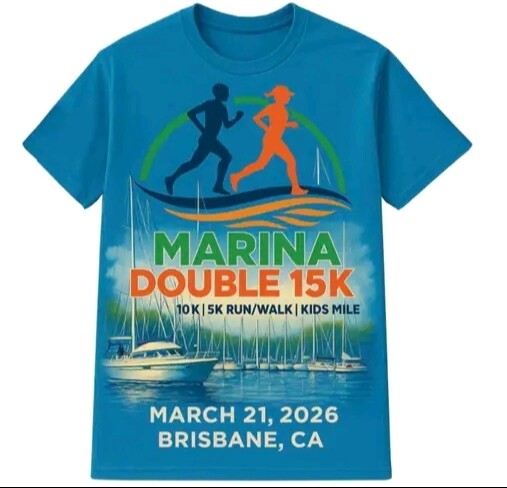
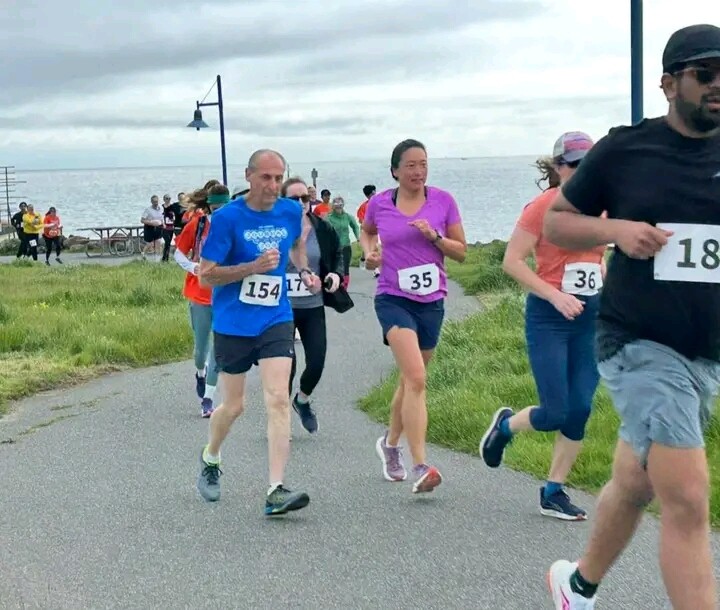
Conveniently located just 20 minutes from downtown San Francisco, one hour from San Jose, and only 8 minutes north of the San Francisco International Airport, Brisbane provides an ideal backdrop for a race day filled with refreshments, food, and lively event atmosphere.
From first-time runners to seasoned athletes, the 9th edition of the Marina Double 15K promises an unforgettable experience—a day to hit the road, push your limits, and soak in the breathtaking beauty of the San Francisco Bay.
by Erick Cheruiyot for My Best Runs.
Login to leave a comment

Marina Double 15k & 10k/5k
2027will be our 8th year at this location for the Double 15K (10K+break+5K), 10k, 5k the new 1-Mile for all ages and kids mile (13 and under). You are going to love our flat and fast course. All participants will receive an official shirt, tote bag and all finishers will receive a big medal. Brisbane is just 20 minutes from...
more...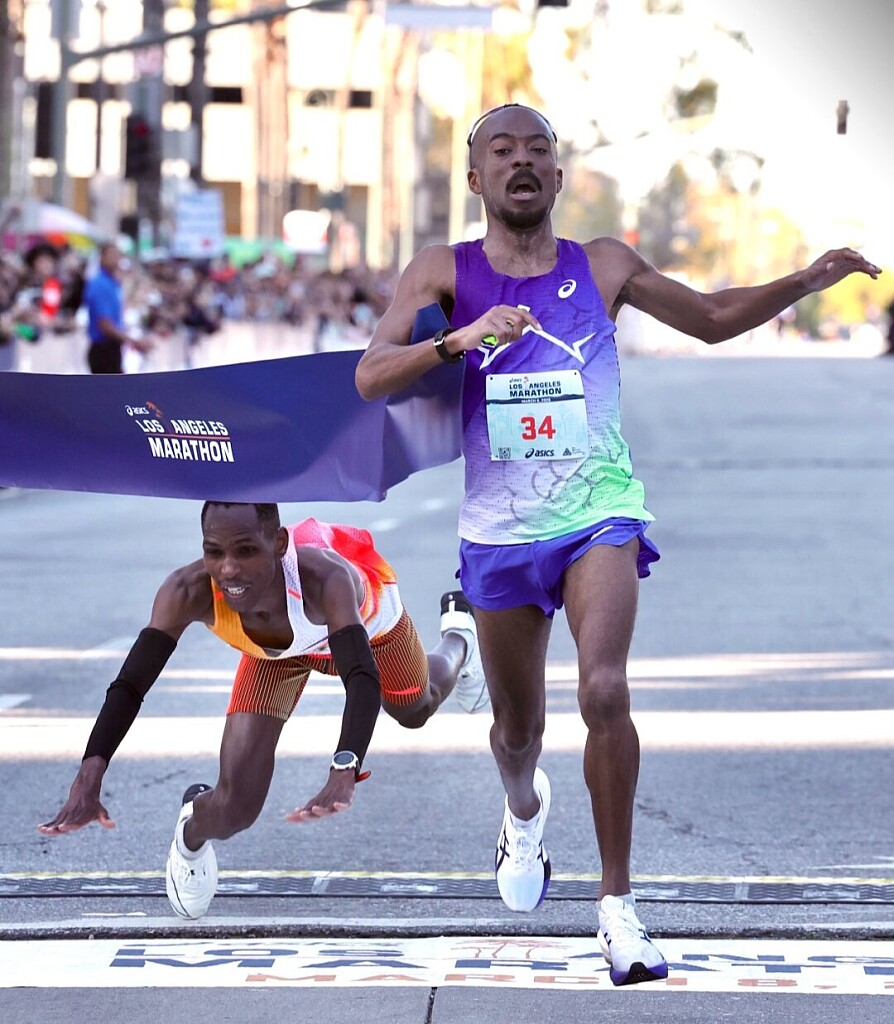
Miller’s Last-Stride Triumph and Cherono’s Inspiring Run Highlight Dramatic Los Angeles Marathon
The 41st edition of the Los Angeles Marathon produced a day filled with drama, resilience, and unforgettable performances, as American runner Nathan Miller captured the men’s title in the closest finish in race history while Kenya’s Priscah Cherono delivered a remarkable victory in the women’s race.
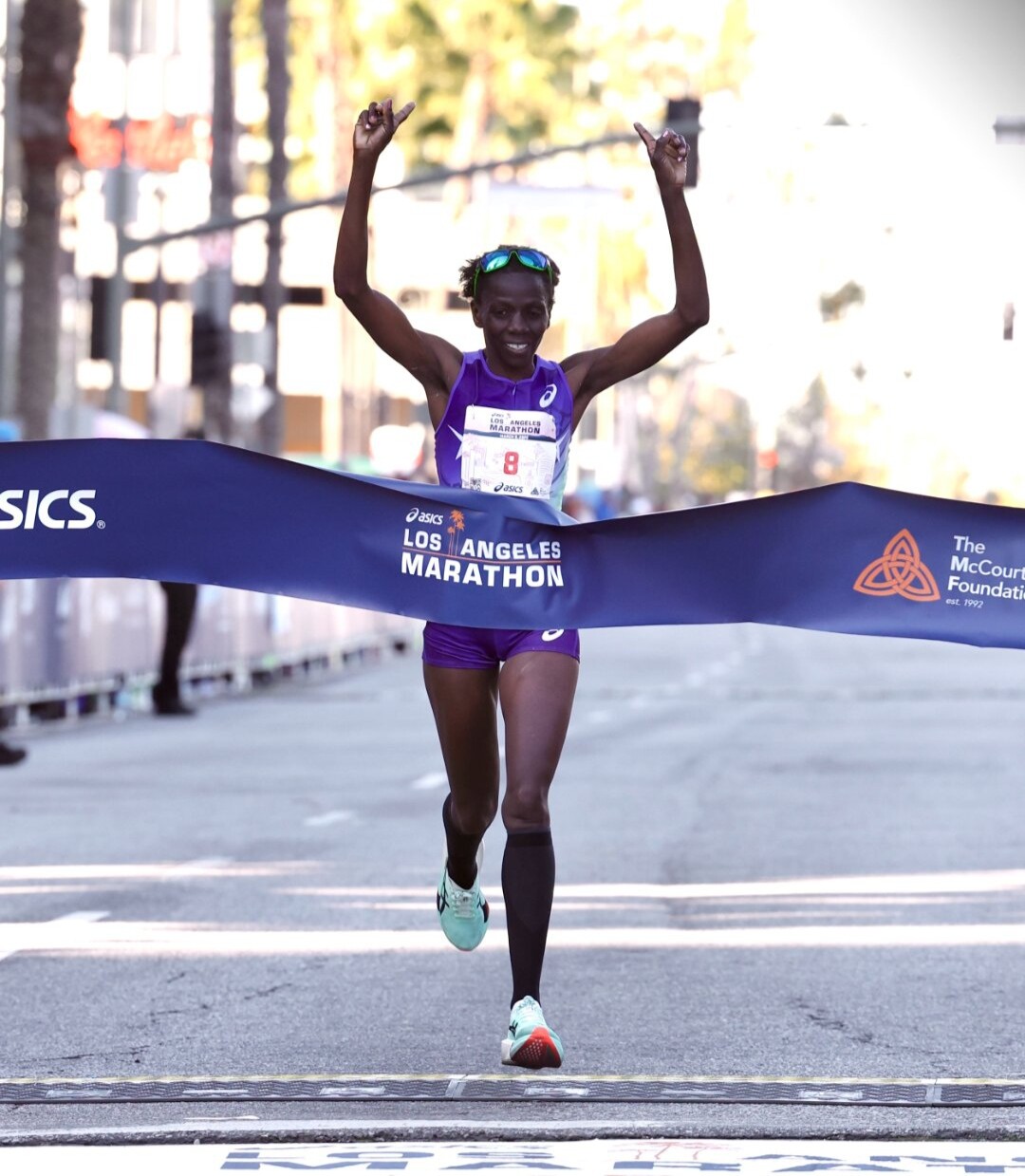
The men’s contest came down to a breathtaking final sprint. Miller surged at the last possible moment to edge Kenya’s Michael Kamau at the finish line, with both runners officially credited with the same time of 2:11:18 after covering the demanding 26.2-mile course. Their shoulder-to-shoulder battle through the closing stretch created a thrilling finale, with Miller’s perfectly timed surge proving decisive in the final stride.
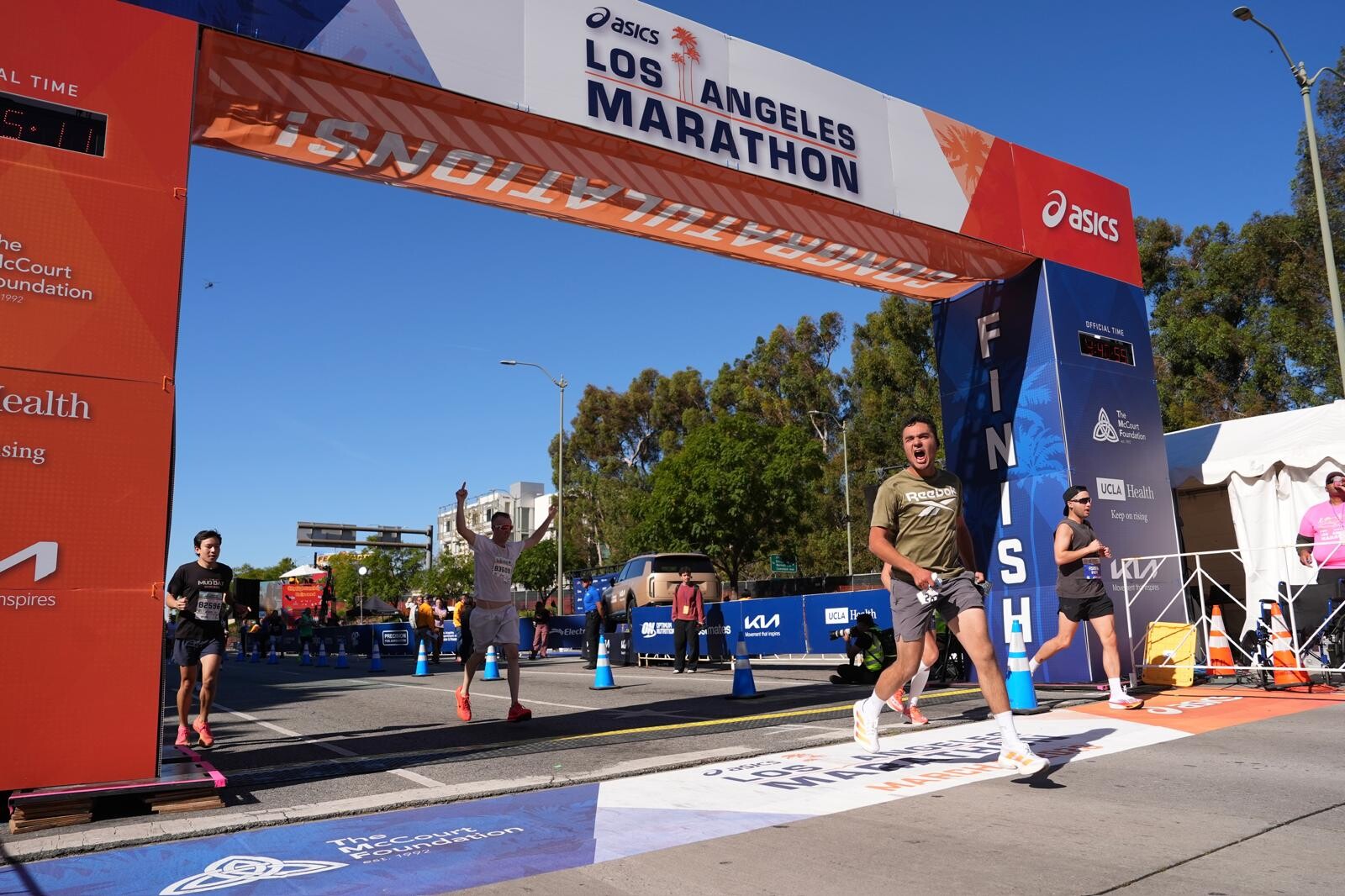
Moments after the finish, concern rose for Kamau, who reportedly did not take fluids during the race and collapsed after crossing the line. Medical personnel quickly attended to the Kenyan athlete, who was taken away on a stretcher following his courageous effort. Fellow Kenyan Enyew Nigat completed the podium, finishing third in 2:14:23 after a steady performance throughout the race.
For Miller, the victory marks a significant moment in a career defined by dedication both on and off the road. The 36-year-old from Jackson, Michigan balances elite competition with his work as a substitute teacher and a high school track and cross-country coach at Jackson High School. His personal best of 2:10:45, achieved at the Grandma's Marathon in 2023, also stands as the fastest marathon ever run by a U.S.-born Black athlete. His triumph continues a growing American presence atop the race, following the victory of Matt Richtman last year, who became the first American men’s champion since 1994 when he won in 2:07:56.
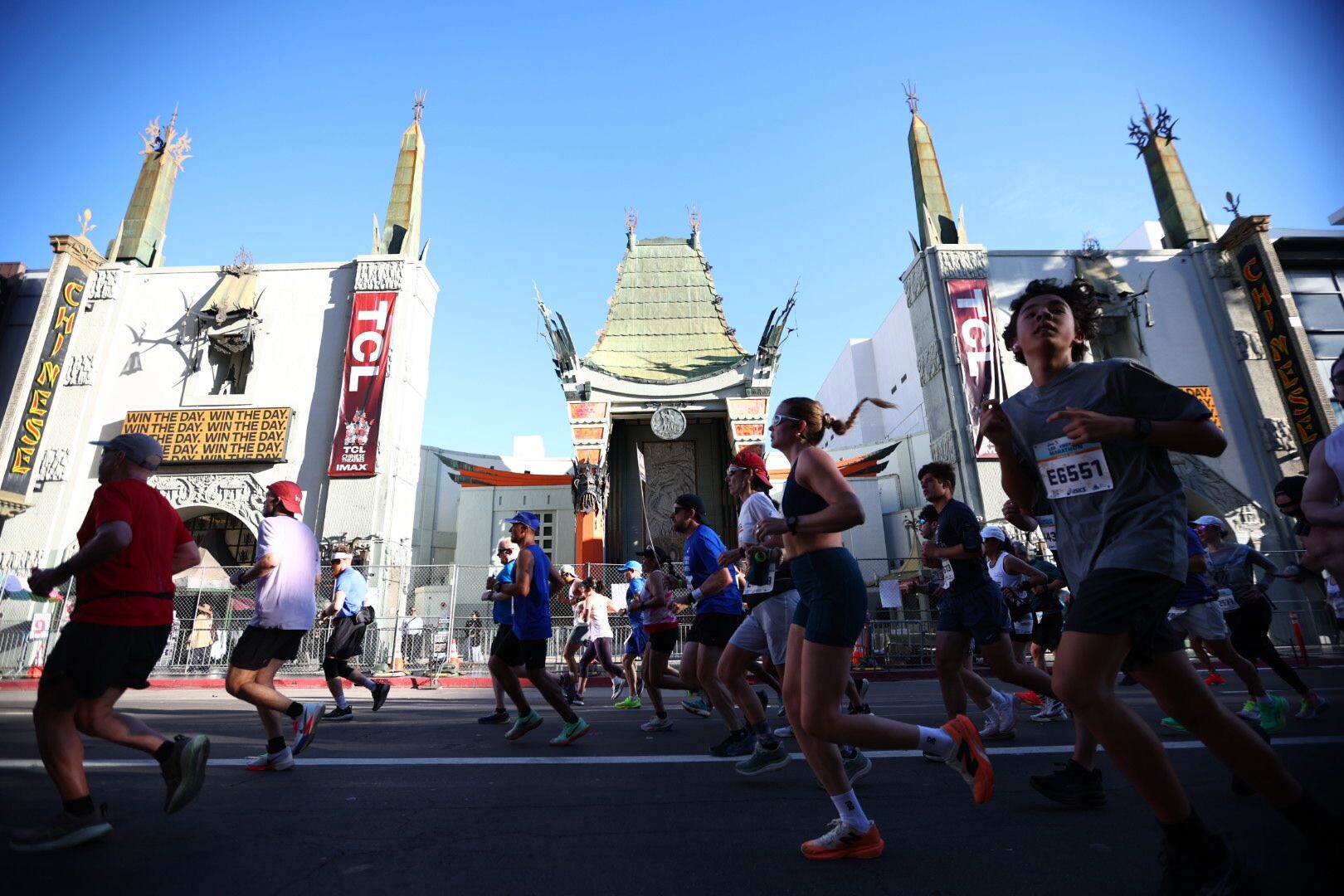
While the men’s race delivered a dramatic sprint finish, the women’s race showcased experience and determination as Cherono powered to victory in 2:25:20. At 45 years old, the mother of three produced an inspiring run across the streets of Los Angeles. Cherono, who now lives in Colorado Springs, Colorado, once competed at the Olympic level, finishing 10th in the 5,000 meters at the 2008 Summer Olympics in Beijing.
American runner Kellyn Taylor of Flagstaff, Arizona finished second in 2:27:37, while Kenya’s Antonina Kwambai secured third place in 2:28:50, rounding out a competitive women’s podium.
Weather conditions added another layer of challenge to the race. With temperatures forecast to climb into the 80s by midday, organizers announced that runners who managed to complete 18 miles of the course would still receive medals due to the expected heat. The race began at Dodger Stadium and stretched across the city before finishing in the Century City district of Los Angeles, where thousands of runners pushed through the warm conditions and the relentless distance.
From Miller’s electrifying last-stride surge to Cherono’s inspiring victory at 45, the 2026 Los Angeles Marathon unfolded as a powerful reminder of the spirit of endurance that defines the sport. On a warm California morning filled with tension and triumph, the race once again proved that in the marathon, greatness often reveals itself in the very final stride.
by Erick Cheruiyot for My Best Runs.
Login to leave a comment

Los Angeles Marathon
The LA Marathon is an annual running event held each spring in Los Angeles, Calif. The 26.219 mile (42.195 km) footrace, inspired by the success of the 1984 Summer Olympic Games, has been contested every year since 1986. While there are no qualifying standards to participate in the Skechers Performnce LA Marathon, runners wishing to receive an official time must...
more...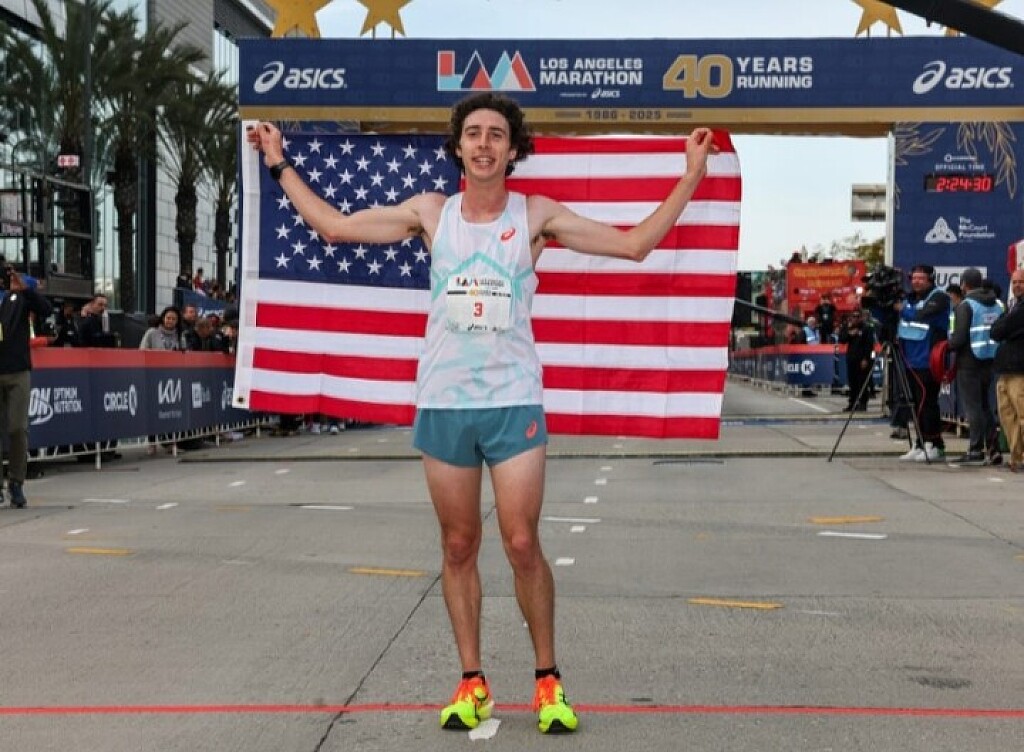
Rising Heat and Elite Rivalries Set the Stage for a Thrilling 2026 Los Angeles Marathon
The streets of Los Angeles will once again come alive with the rhythm of pounding footsteps as the 2026 edition of the Los Angeles Marathon takes place on Sunday, March 8 in California, United States. One of the most celebrated road races in America returns with thousands of runners and a competitive international elite field ready to battle across the iconic 42.195-kilometer distance.
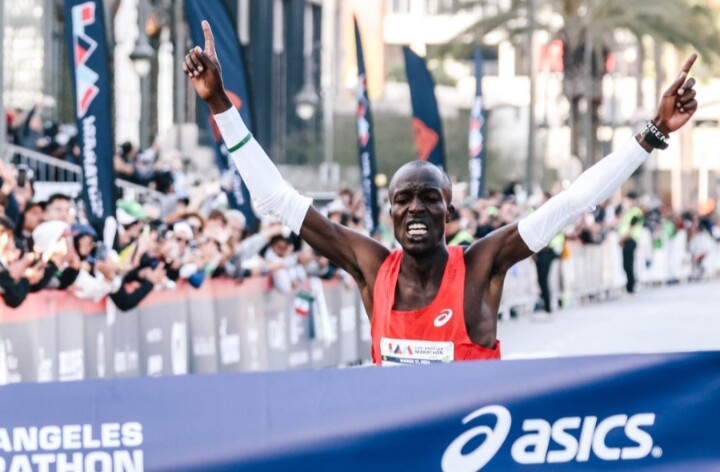
Race morning will begin early under Pacific Standard Time, with the professional wheelchair and handcycle athletes launching the action at 6:30 AM, followed by the elite men and women at 6:40 AM, before the main field of thousands of runners begins at 7:00 AM. For fans across Africa, the marathon unfolds later in the day, starting at 4:00 PM in West Africa, 5:00 PM in South and Central Africa, and 6:00 PM in East Africa.
Across Europe, Asia, and Oceania, fans will also be able to follow the race live as the 7:00 AM PST main start of the Los Angeles Marathon translates to 5:00 PM in Western Europe (including the United Kingdom and Portugal), 6:00 PM in Central Europe (such as France, Germany, Spain, and Italy), and 7:00 PM in Eastern Europe (including Greece, Finland, and Romania). In Asia, the race will begin at 9:30 PM in India, 11:00 PM in China, Singapore, and the Philippines, and midnight on March 9 in Japan and South Korea. For viewers in Oceania, the marathon will start at 2:00 AM on March 9 in Eastern Australia and 4:00 AM in New Zealand, meaning dedicated fans there will be watching the action unfold deep into the night.
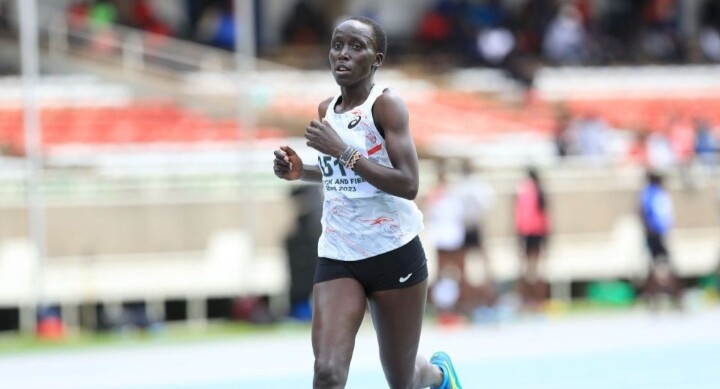
Defending champions return determined to protect their crowns. Ethiopia’s Tejinesh Tulu arrives aiming to repeat her triumph from last year, while American marathoner Matthew Richtman will attempt to defend the men’s title on home soil. Both champions face deeper and stronger fields this time, setting the stage for an unpredictable and highly competitive contest.
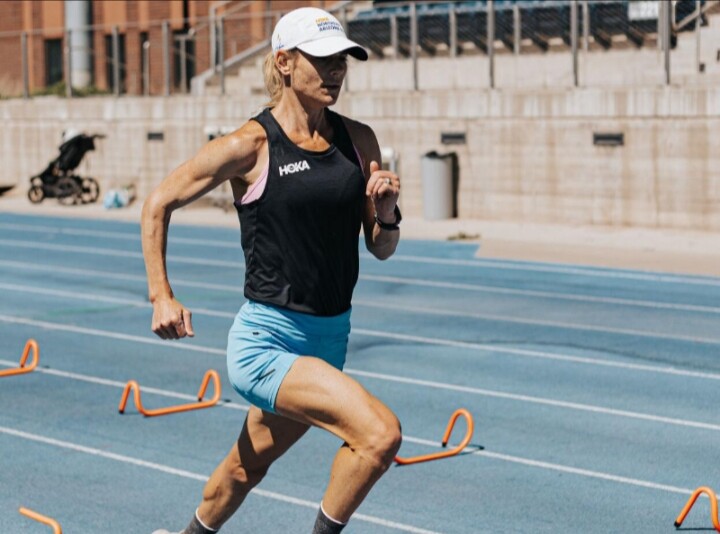
The women’s race features a strong East African presence led by Kenya’s Vicoty Chepngeno, who holds the fastest personal best in the field at 2:19:55. Ethiopia’s experienced campaigner Atsede Bayisa, with a best of 2:22:03, also arrives as a major contender, while Kenya’s Antonina Kwambai and Ethiopia’s Almaz Kemsi add further depth to a field capable of producing a fierce battle for the podium. The race also includes American hopes such as Kellyn Taylor and Makenna Myler, both looking to challenge the traditionally dominant East African runners. Meanwhile, defending champion Tejinesh Tulu remains a serious threat despite not owning the fastest personal best, as championship races often reward patience, tactical awareness, and strength in the closing kilometers.
The men’s contest promises equal intensity. Kenya’s Dominic Ngeno leads the field on paper with a personal best of 2:06:35, positioning him as one of the main favorites if the race develops at a fast pace. Defending champion Matthew Richtman will look to repeat his success, but he faces stiff competition from Ethiopia’s Abdela Godana and Kenya’s Michael Kimani Kamau, both capable of pushing the pace deep into the race. Eritrea’s Tesfu Tewelde, Sweden’s David Nilsson, and Kenya’s Athanas Kioko also enter the race with the potential to disrupt the favorites and deliver breakthrough performances.
Weather conditions could play a decisive role in how the race unfolds. Forecasts suggest that warm temperatures may already be present from the start, meaning the marathon could evolve into a tactical contest rather than a purely fast one. In such situations, pacing discipline, hydration, and the ability to surge late in the race often become the decisive factors.
With elite runners from Kenya, Ethiopia, the United States, Eritrea, and Europe lining up alongside thousands of passionate participants, the 2026 edition of the Los Angeles Marathon promises an exciting blend of global rivalry and personal ambition. As the sun rises over Los Angeles, champions will defend their titles, challengers will chase career-defining victories, and thousands of runners will set out on a journey toward one unforgettable finish line.
by Erick Cheruiyot for My Best Runs.
Login to leave a comment
Los Angeles Marathon
The LA Marathon is an annual running event held each spring in Los Angeles, Calif. The 26.219 mile (42.195 km) footrace, inspired by the success of the 1984 Summer Olympic Games, has been contested every year since 1986. While there are no qualifying standards to participate in the Skechers Performnce LA Marathon, runners wishing to receive an official time must...
more...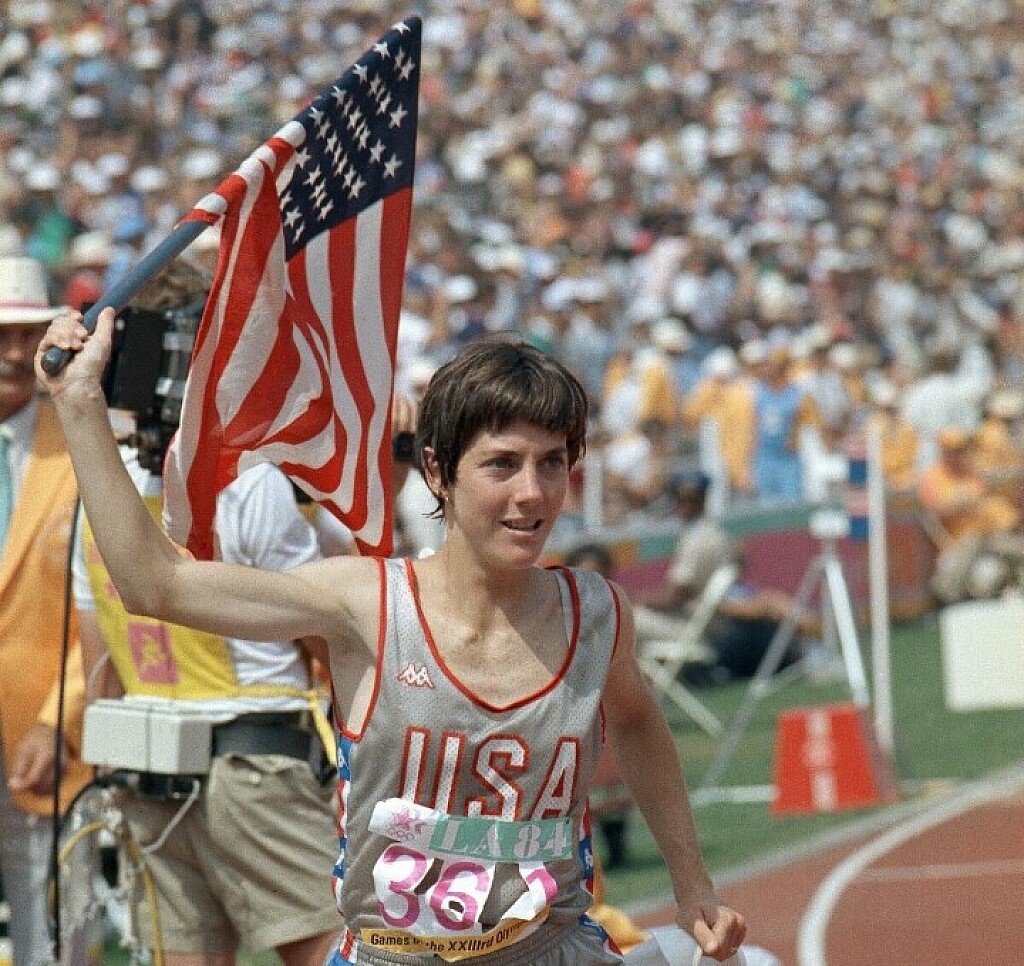
When History Finally Opened the Road: Joan Benoit’s Defining Run in Los Angeles, California — August 5, 1984
Los Angeles, California — August 5, 1984.
The California sun pressed heavily against the city streets, the temperature rising past 80 degrees as thousands of spectators lined the course. In the distance, a lone figure in a white painter’s cap ran with fearless intent, far ahead of the world’s best.
That woman was Joan Benoit — and she was not even supposed to be there.
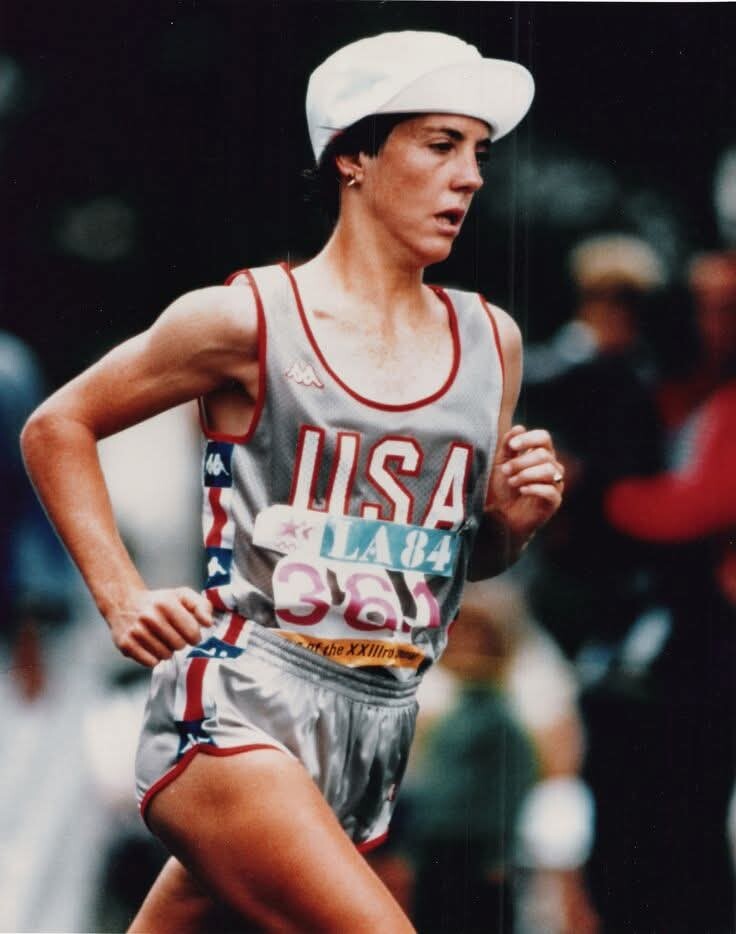
Just three months earlier, her knee had collapsed in training. Doctors delivered a harsh verdict: immediate surgery, followed by months of recovery. Yet the U.S. Olympic Trials were only 17 days away. For most athletes, that diagnosis would have ended the dream.
But 1984 was no ordinary Olympic year. It marked the first time women were officially allowed to compete in the marathon at the 1984 Summer Olympics. For decades, women had been barred from long-distance racing under claims that their bodies were too fragile, that endurance would harm their health, even that it would threaten their ability to bear children. The resistance had been so entrenched that the Boston Marathon only officially opened its doors to women in 1972.
This was not just a race; it was a long-overdue correction.
Benoit understood the gravity of the moment. There would only ever be one first women’s Olympic marathon. If she missed it, that page of history would turn without her name written on it.
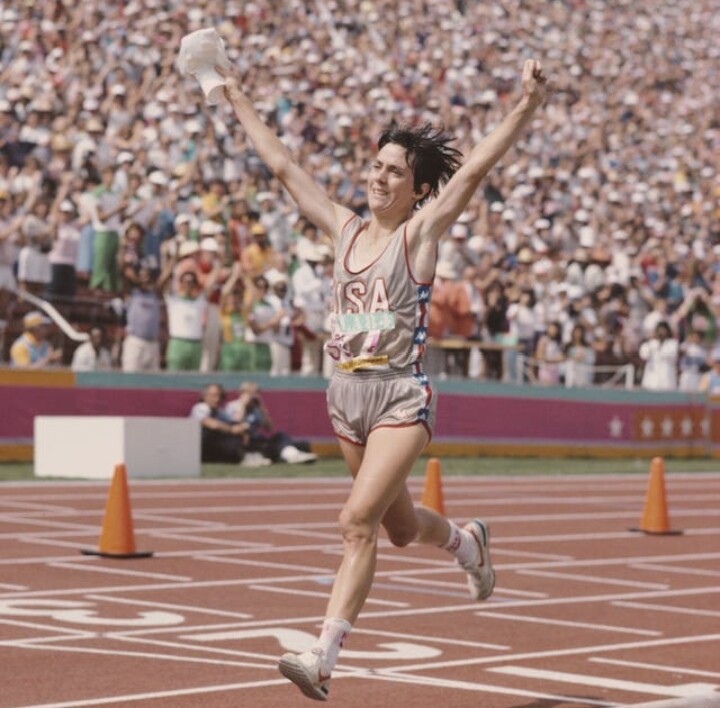
She chose surgery. Seventeen days later, still healing, she stood at the Trials start line — and won.
On August 5, 1984, the Olympic marathon began on the streets of Los Angeles, California, winding through the city beneath relentless summer heat. And before the race even reached mile three, Benoit did something astonishing.
She surged.
Breaking away from the pack with bold conviction, she committed herself to more than 23 miles alone. Commentators questioned the move. Behind her were giants of the sport — Grete Waitz and Rosa Mota — champions with unmatched credentials. Surely, they would reel her back in.
But mile after mile, the gap held.
She ran with a composure that defied both heat and doubt. The chase pack never closed the distance. Instead, Benoit extended her lead, stride by determined stride, as if carrying the weight of generations who had been denied this very opportunity.
At mile 23, she approached the iconic Los Angeles Memorial Coliseum. Still alone. Still leading. As she entered the stadium, more than 70,000 spectators rose to their feet, their roar echoing through the historic arena.
She crossed the finish line in 2:24:52, winning by over 400 meters.
The woman who had undergone knee surgery just weeks before the Trials had conquered the world’s finest on the sport’s biggest stage — in the very first women’s Olympic marathon ever held.
But her victory meant more than gold. It ended a debate that never deserved to exist. It proved that endurance does not belong to one gender, and that courage, when paired with conviction, can dismantle decades of disbelief.
Today, the women’s marathon stands as one of the most prestigious events in global athletics. Records have fallen, legends have risen, and young girls everywhere line up believing they belong.
It all traces back to Los Angeles, California — to August 5, 1984 — to a woman in a white cap who ran alone from mile three and refused to let history move forward without her
by Erick Cheruiyot for My Best Runs.
Login to leave a comment
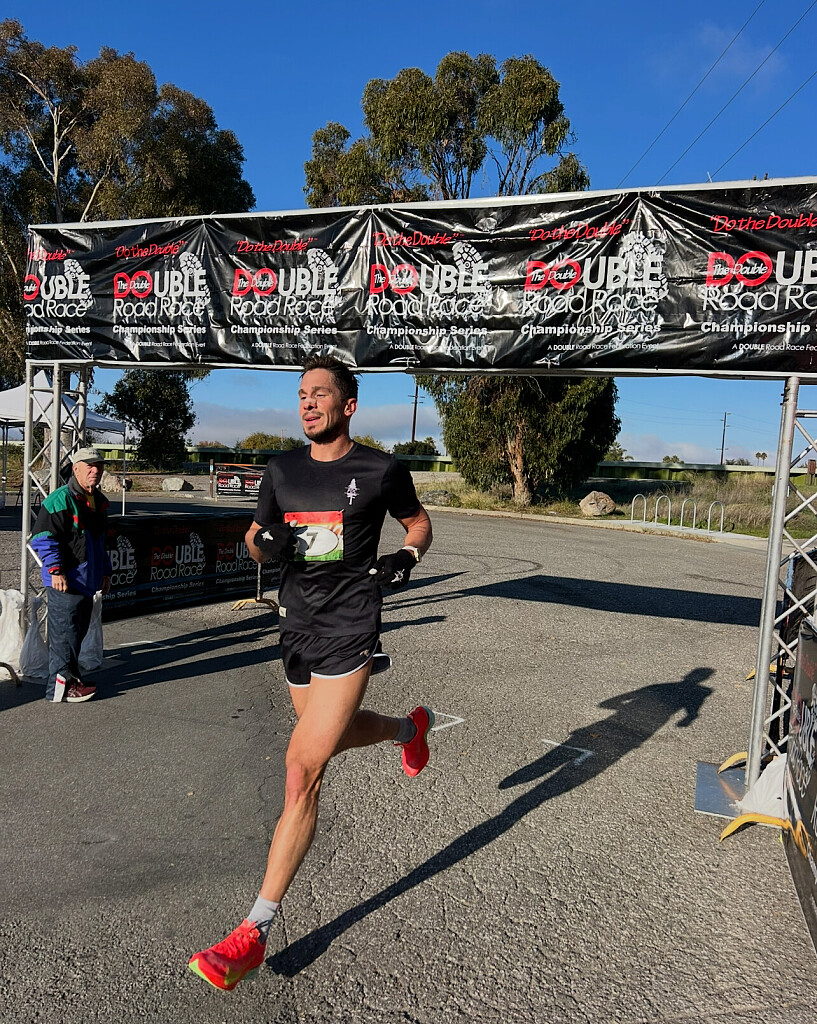
13th Annual Christmas Double 15K, Palo Alto 29K, 5K & Bob Anderson Mile
Standout Performances Highlighted a Fun Family Event
The 13th Annual Christmas Double 15K and the accompanying Palo Alto 10k, 5K, and Bob Anderson Mile were held in Palo Alto, California, under excellent racing conditions. Temperatures hovered around 50 degrees, with no wind, on flat out-and-back courses along a mostly paved bike path.
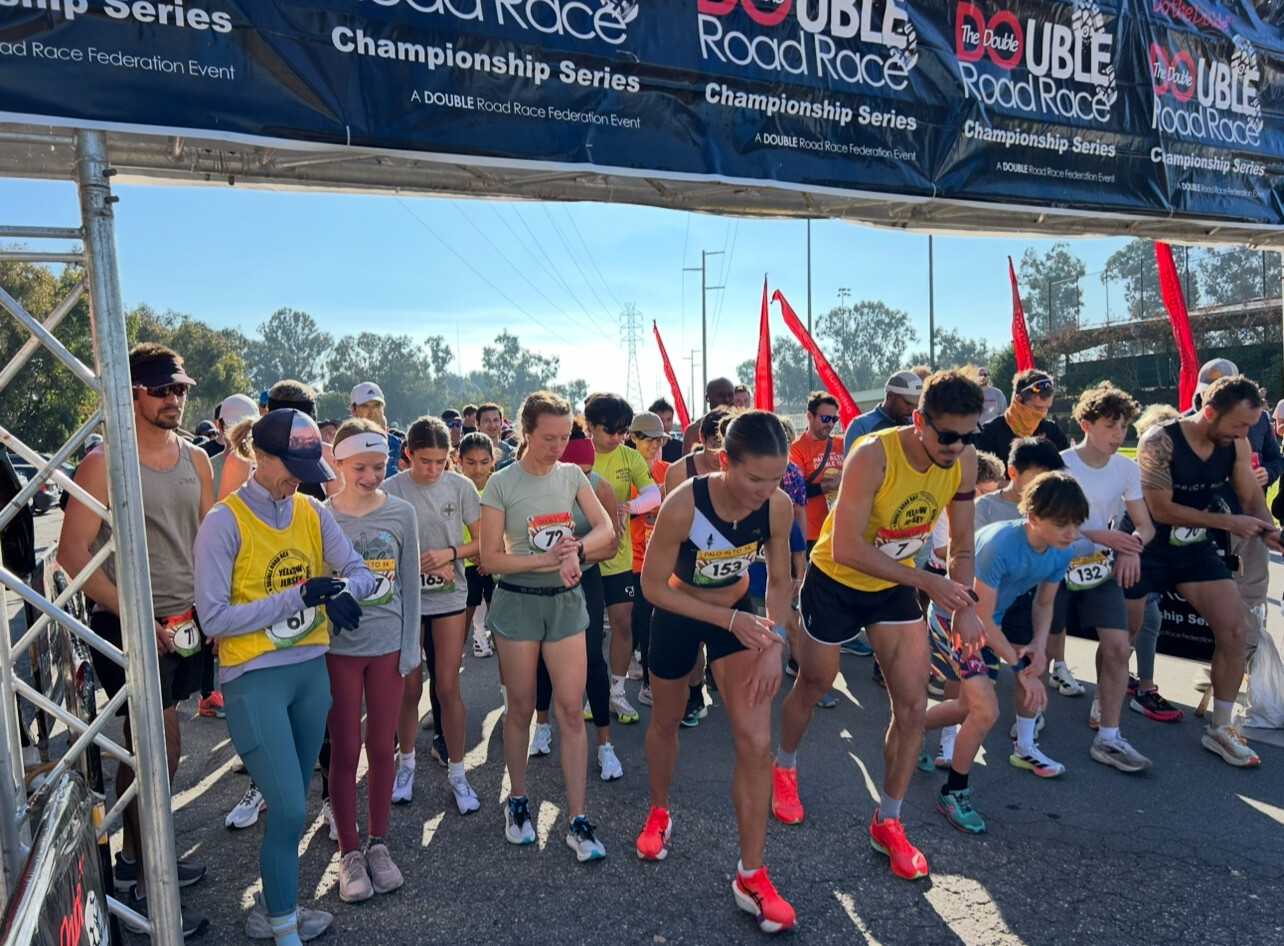
There were only a few standout performances, those efforts were very good and clearly separated themselves on the day.
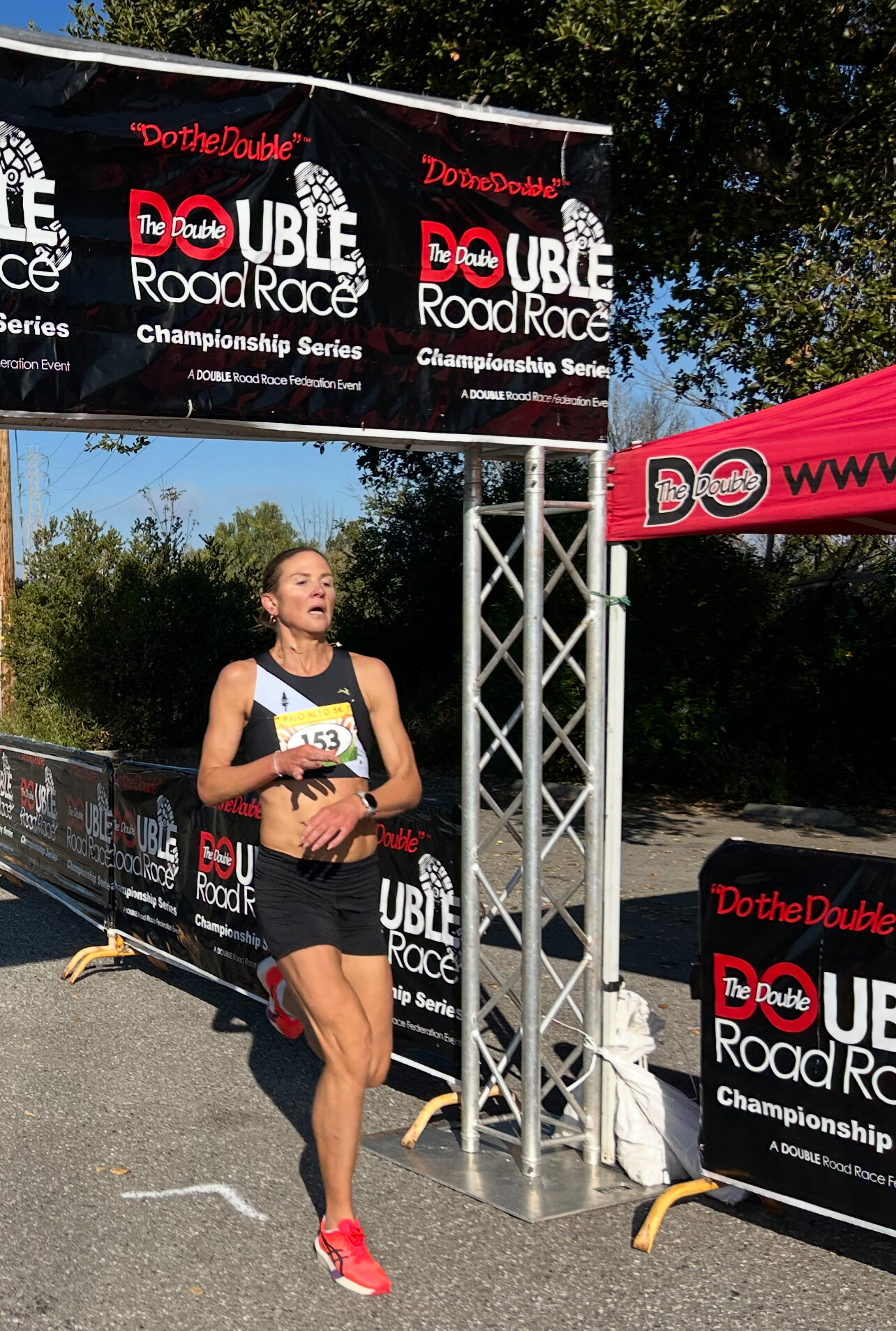
Double 15K Highlights
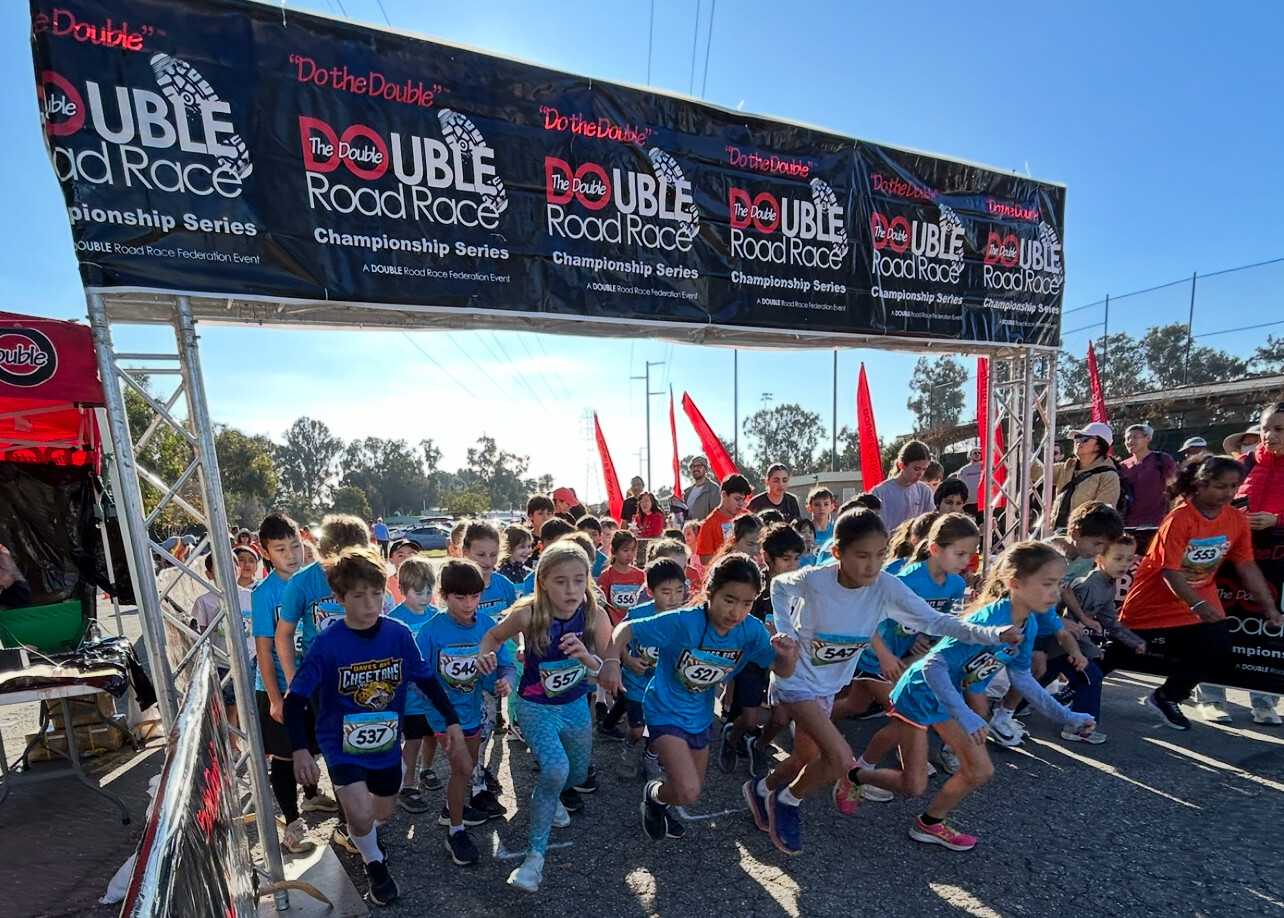
The Double 15K follows a unique format: runners first contest a 10K, then return 1 hour and 45 minutes later to run a 5K. The two times are added together to determine final standings, testing both speed and recovery.
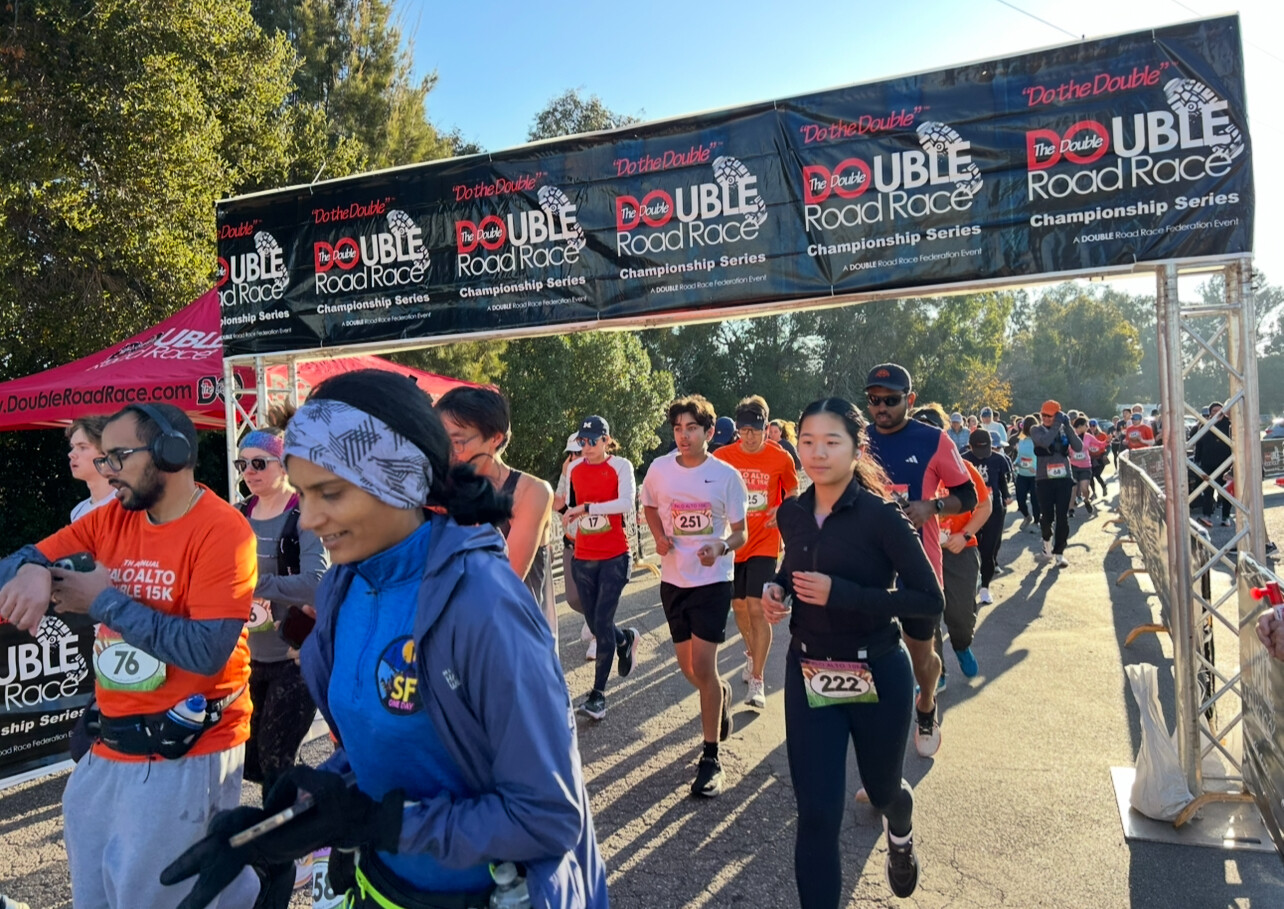
First Photo:Andrea Cloarec (Age 33, Woodside, CA) delivered the top performance of the event, winning the Double 15K with:
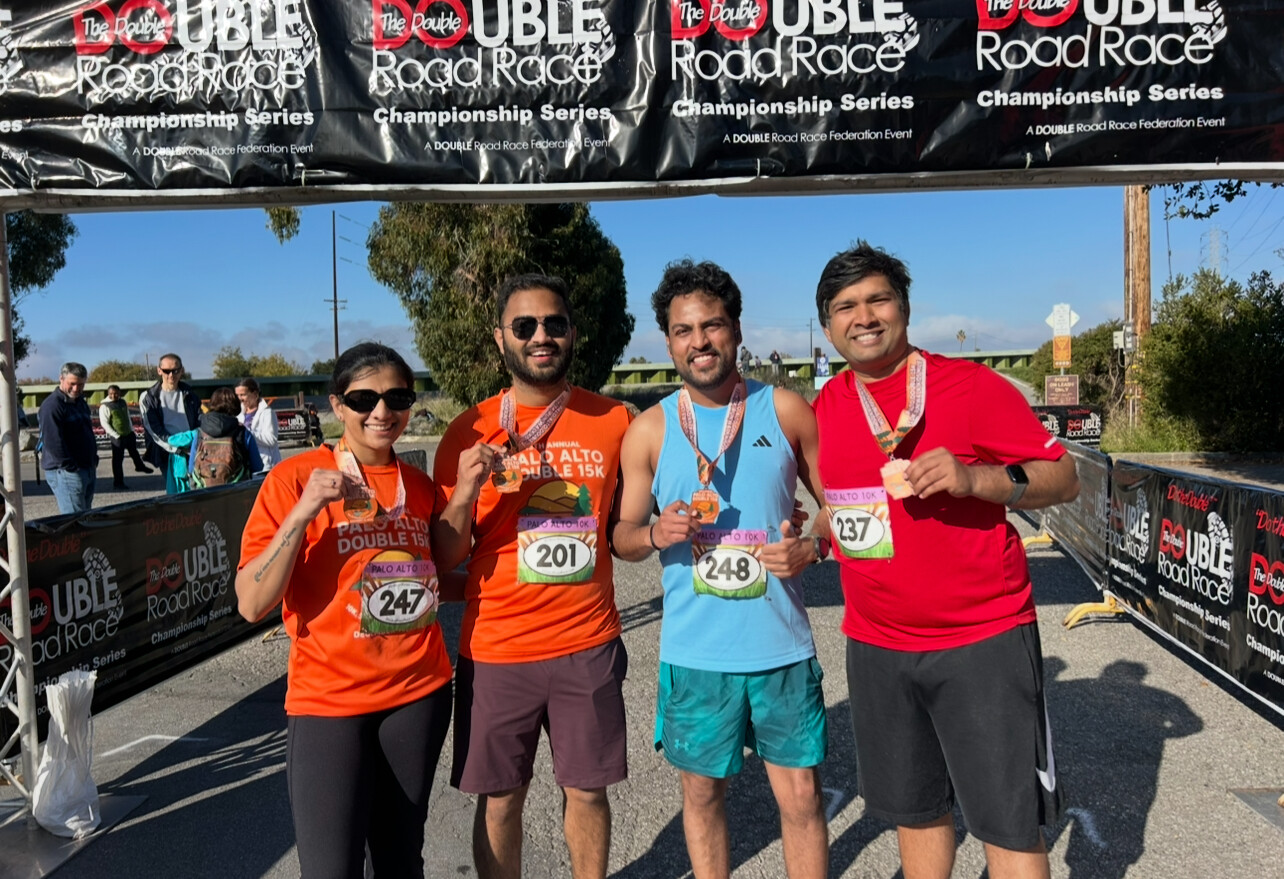
10K: 32:54
5K: 15:51
Combined Time: 48:45
Cloarec also captured the Double Victory Cup, awarded to the runner with the best age-graded performance in the Double 15K. His combined effort produced an age-graded score of 84.89%.
Additional Highlights
Whitney Trainor-Guitton (Age 46) was the first female finisher in the Double 15K, posting a combined time of 1:03:56.
Third photo: Nelleke Gibson ran 17:40 in the 5K.
In the Bob Anderson Mile (Ages 13 & Under), Charlotte Kenney (Age 12) won in 6:08.
Just 25 minutes after the start of the mile, Charlotte returned to the line for the Palo Alto 5K, where she finished as the second female overall, an impressive double on the day.
A Palo Alto Holiday Tradition
With 321 registered runners, the event once again delivered a fun, family-oriented holiday race. While the number of standout performances was limited, the quality at the top—combined with excellent conditions and strong community participation—made the 13th edition a success.
by Boris Baron
Login to leave a comment
Palo Alto Double 15K and 10K/5K
Bring the whole family and enjoy our pre Christmas events. All participants get a special shirt and bag. All finishers get a special medal. $200 of cash prizes ($100 each for winners of Double 15k) There will be four events in Palo Alto. Palo Alto Double 15K (10K+5K), Palo Alto 10K, Palo Alto UjENA 5K Run/Walk and Bob Anderson's Kids...
more...
Sara Hall’s Brilliant California Marathon Run Upstaged by Molly Born’s Historic Debut in Sacramento
At 42 years old, Sara Hall produced one of the finest races of her storied career on Sunday at the California International Marathon — yet even her record-breaking brilliance wasn’t enough to stop the emergence of a new U.S. marathon star.
In a sensational debut that electrified the net-downhill course, 26-year-old Molly Born stormed to victory in 2:24:09, slicing 19 seconds off the women’s course record and claiming the 2025 USATF Marathon Championship title. The Oklahoma State alumna and Chapel Hill resident seized control at mile 19 and powered home with a fearless negative split, averaging a searing 5:30 per mile despite nearly stumbling on the homestretch.
Hall, the pre-race favorite and 2017 CIM champion, ran one of the greatest masters performances in U.S. history. Her 2:24:36 not only marked her fastest marathon since 2020, but also obliterated the American masters record for women over 40 and erased the sting of last month’s DNF in New York.
Megan Sailor completed the podium with a strong 2:25:16, but the day belonged to two runners at opposite ends of their careers: Hall, the enduring veteran proving she can still rise to championship form, and Born, whose fearless debut announces her as a rising force in U.S. distance running.
At a race known for breakthroughs, Sunday’s showdown delivered a generational moment — the established legend running one of her finest marathons, and the newcomer running into history.
by Boris Baron
Login to leave a comment
Molly Born Smashes Course Record in Marathon Debut; Futsum Zienasellassie Returns to the Top at CIM 2025
SACRAMENTO, California — December 7, 2025 The California International Marathon once again lived up to its reputation as America’s fastest championship course, producing breakout performances and reaffirming elite talent at the 2025 USATF Marathon Championships. Two standout athletes—Molly Born and Futsum Zienasellassie—delivered the signature performances of the day.
Born’s Brilliant Debut: 2:24:09 Course Record
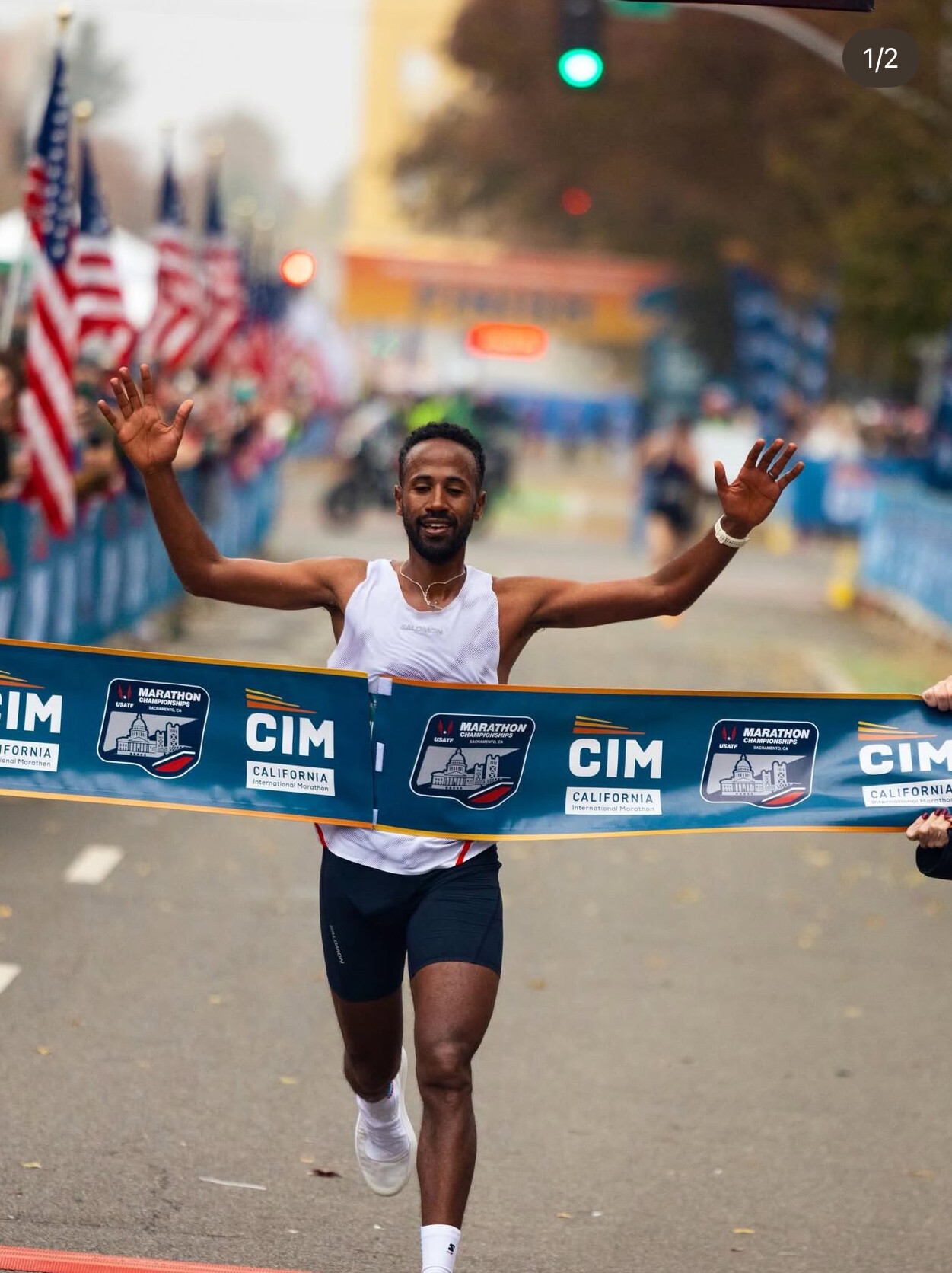
In her first-ever marathon, 26-year-old Molly Born ran with the poise and confidence of a seasoned veteran. The Oklahoma State alumna powered through the rolling downhills from Folsom to Sacramento to claim the 2025 USATF Marathon Championship in 2:24:09, breaking the women’s course record and announcing herself as a major new force in American distance running.
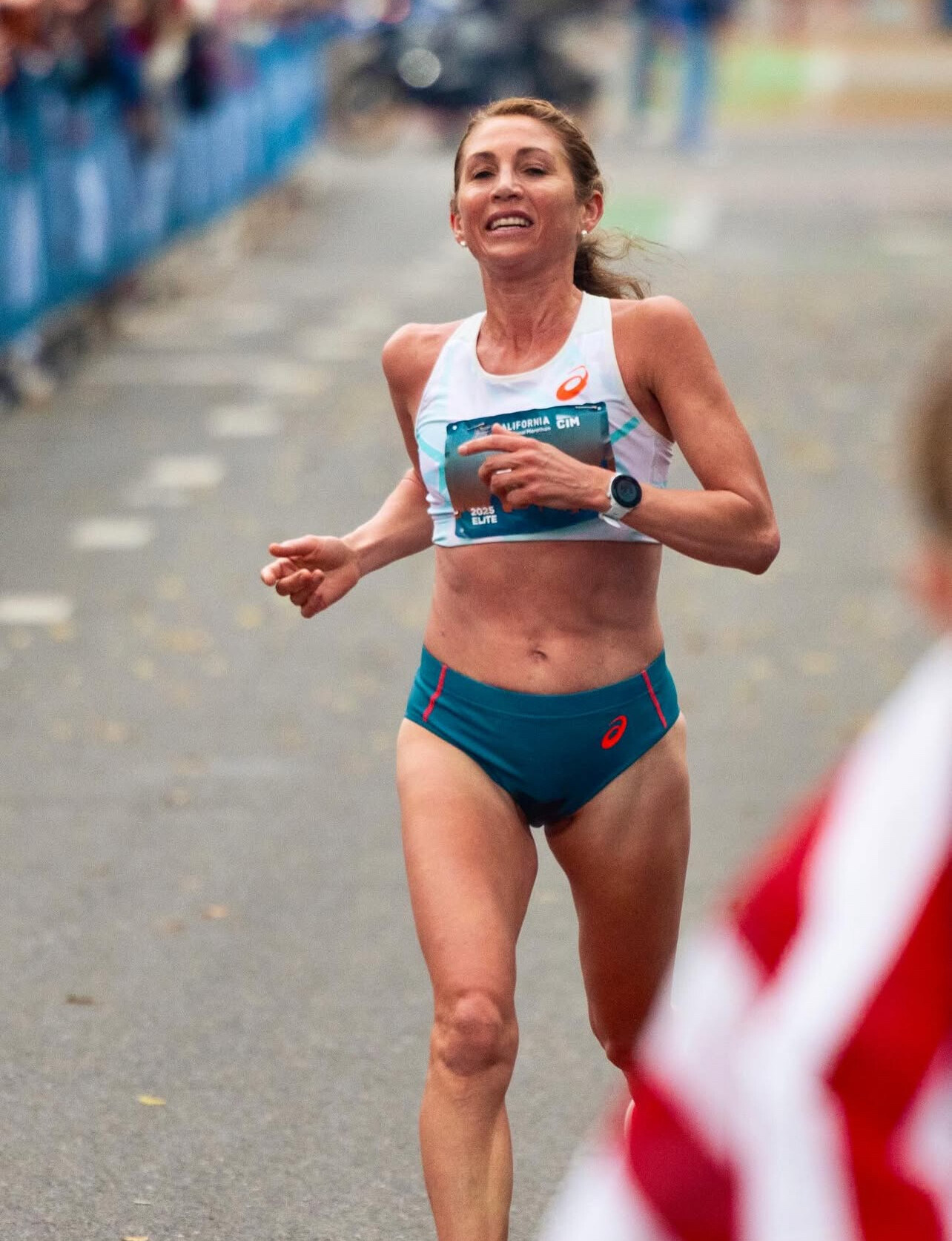
Born excelled at 1,500m through 10,000m during her collegiate career, but never attempted the marathon until today. Her debut suggests she has found her event.
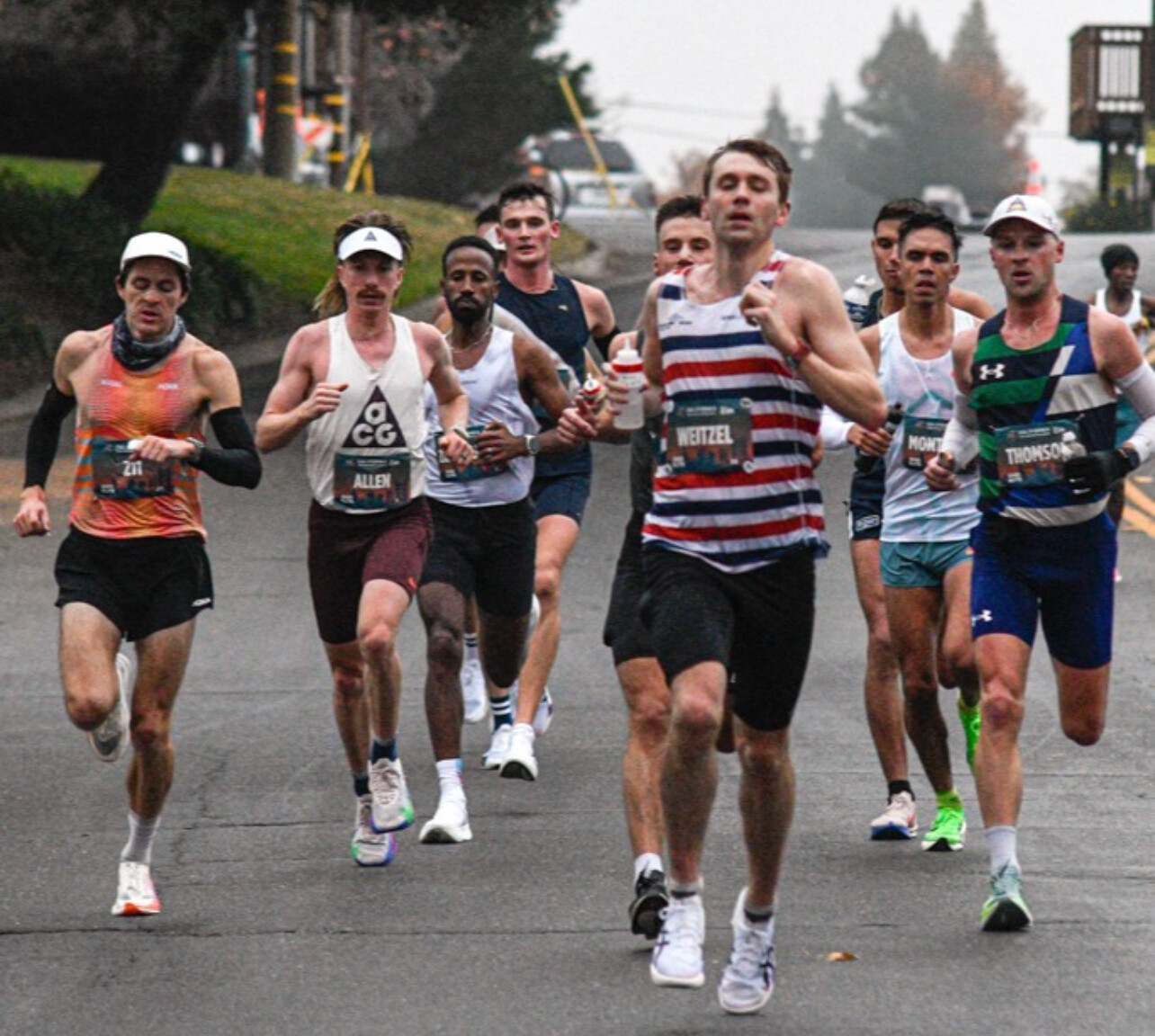
“I knew it was a possibility, but I wasn’t expecting all this,” Born said after winning.

“It feels really good. I think I’ve found my event—going forward, it’s going to be the marathon.”
Women’s Top Five — CIM 2025
1. Molly Born — 2:24:09 (Course Record)
2. Sara Hall — 2:24:36
3. Megan Sailor — 2:25:16
4. Lindsey Bradley — 2:28:41
5. Maya Weigel — 2:28:44
Hall and Sailor also broke 2:26, marking one of the deepest women’s fields ever at CIM.
Zienasellassie Reclaims the CIM Crown
On the men’s side, Futsum Zienasellassie reclaimed the title he first won in 2022, crossing the finish in 2:09:29 to earn his second CIM victory. Smooth, controlled pacing and a strong final 10K separated him from the pack in a deep men’s field.
Zienasellassie famously grew up in Eritrea before starring at Northern Arizona University. His win today continues his rise as one of the most consistent American marathoners.
Men’s Top Five — CIM 2025
1. Futsum Zienasellassie — 2:09:29
2. Joseph Whelan — 2:09:41
3. Christian Allen — 2:09:57
4. Joseph Trojan — 2:10:38
5. Chris Maxon — 2:10:54
Three men breaking 2:10 on the CIM course underscores why this race remains a cornerstone of American distance running.
A Historic Day in Sacramento
Ideal racing conditions and CIM’s fast net-downhill profile helped produce one of the strongest editions in race history:
• A course record in the women’s race
• Three men under 2:10
• A national title decided in dramatic fashion
• An electrifying debut from one of America’s newest marathon stars
The 2025 California International Marathon once again proved why so many U.S. runners come to Sacramento seeking breakthroughs—and today, the event delivered exactly that.
by Boris Baron
Login to leave a comment
California International Marathon
The California International Marathon (CIM) is a marathon organized by runners, for runners! CIM was founded in 1983 by the Sacramento Running Association (SRA), a 501(c)(3) non-profit organization. The SRA Board of Directors is comprised of runners with a combined total of 150+ years of service to the CIM. The same route SRA management created for the 1983 inaugural CIM...
more...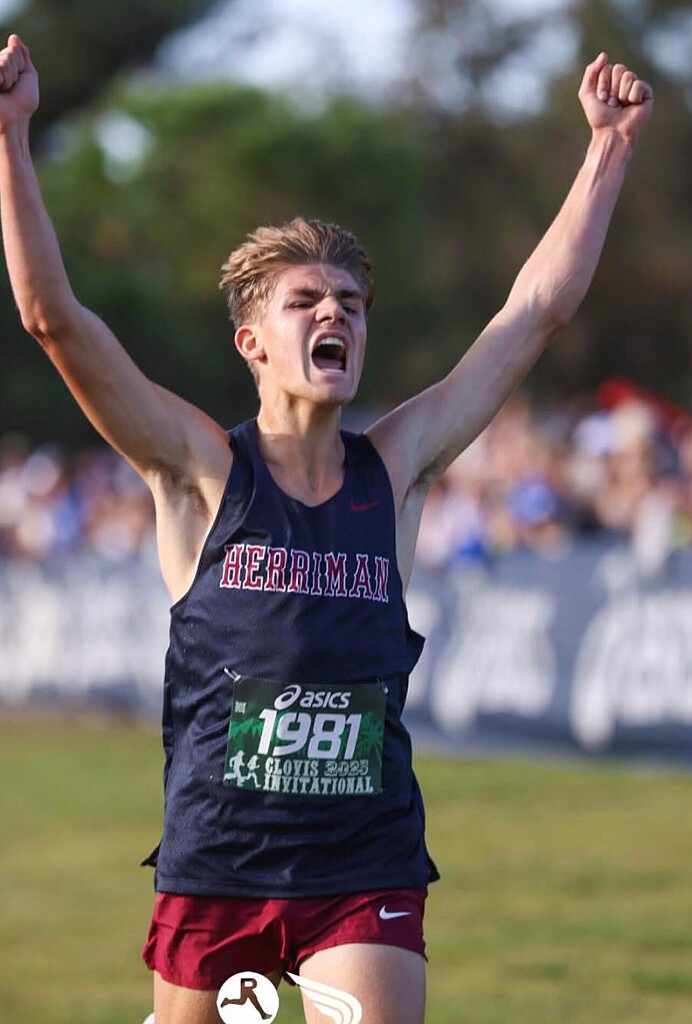
Jackson Spencer Shatters 18-Year-Old Woodward Park Record with 14:16 Run
A new era in high school cross country has arrived. On October 11, 2025, at the ASICS Clovis Invitational in Fresno, California, Jackson Spencer of Utah delivered one of the most extraordinary performances in prep distance running history—clocking an astonishing 14:16 to break the revered Woodward Park course record.
For 18 years, the 14:24 mark set by German Fernandez in 2007 had stood as the gold standard of high school cross country excellence. Fernandez’s time, achieved while representing Riverbank High, seemed untouchable—a performance that became legend. Yet Spencer, racing fearlessly from the start, made the impossible look effortless.
A Race for the Ages
On the cool Fresno morning, Spencer attacked the 5K course with precision and poise. He surged early to establish control, floated through the rolling middle mile, and powered up the final hill with clear intent. As he charged toward the finish, the crowd roared—the clock stopped at 14:16, a full eight seconds faster than one of the most celebrated records in California cross country history.
“This course has seen some of the best runners in the nation,” said one longtime coach. “But today, Jackson Spencer did something truly historic. You could feel it—this was a special run.”
The Legacy of Woodward Park
Woodward Park is not known for being easy. Its undulating terrain, challenging final climb, and tight turns have tested generations of champions. To go under 14:30 is rare; to break 14:20 is almost unthinkable. That’s why Fernandez’s record endured for nearly two decades.
Spencer’s new standard now joins the short list of monumental high school performances—proof that talent, discipline, and courage still redefine what’s possible on the trails of Fresno.
A New Benchmark
With this record-breaking run, Jackson Spencer has cemented his name among the greats of American high school distance running. As the postseason approaches, all eyes will be on the young runner from Utah to see just how far he can go.
One thing is certain: on October 11, 2025, at Woodward Park, history was rewritten.
by Boris Baron
Login to leave a comment
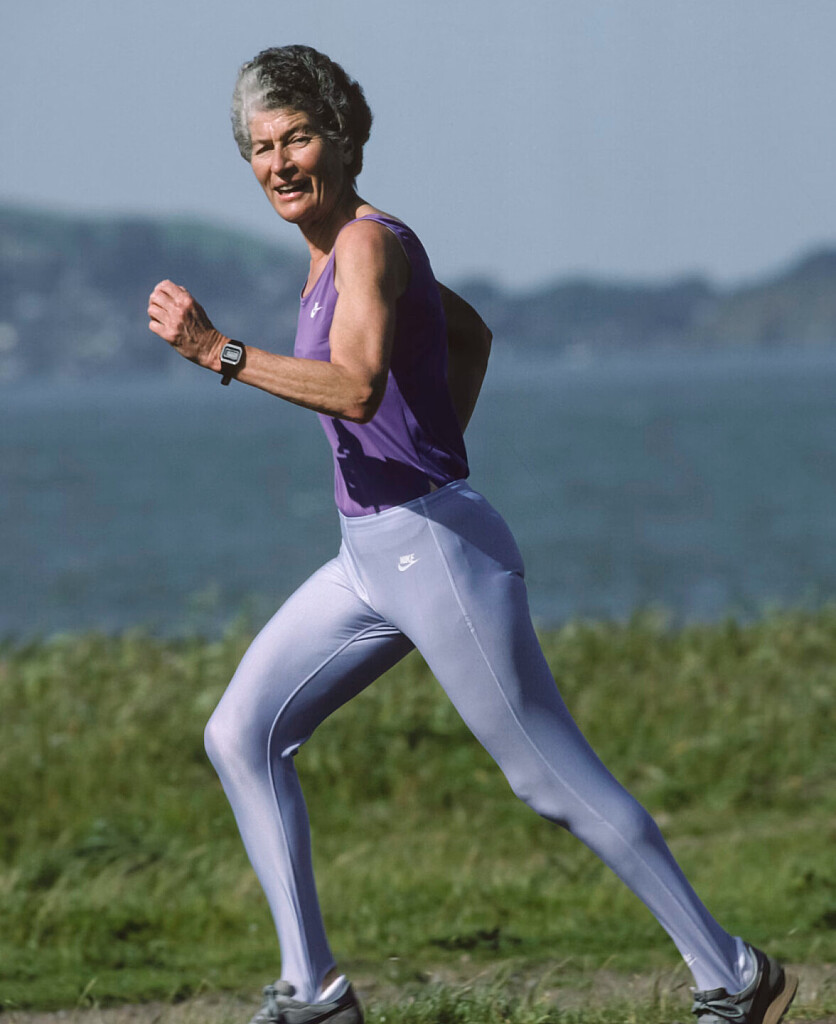
Marion Irvine, the ‘Running Nun,’ Who Redefined Age and Athletics, Dies at 95
Marion Irvine, known worldwide as “The Running Nun,” passed away this week at the age of 95. She was one of the most remarkable figures in the history of women’s running — a late-blooming athlete who shattered age barriers and inspired generations.
Irvine didn’t start running until age 48, yet within a few short years, she was winning races, breaking records, and earning a sponsorship from Nike. By her early 50s, she was finishing marathons in under three hours — an achievement that placed her among the best masters runners of her era.
A Late Start, a Fast Finish
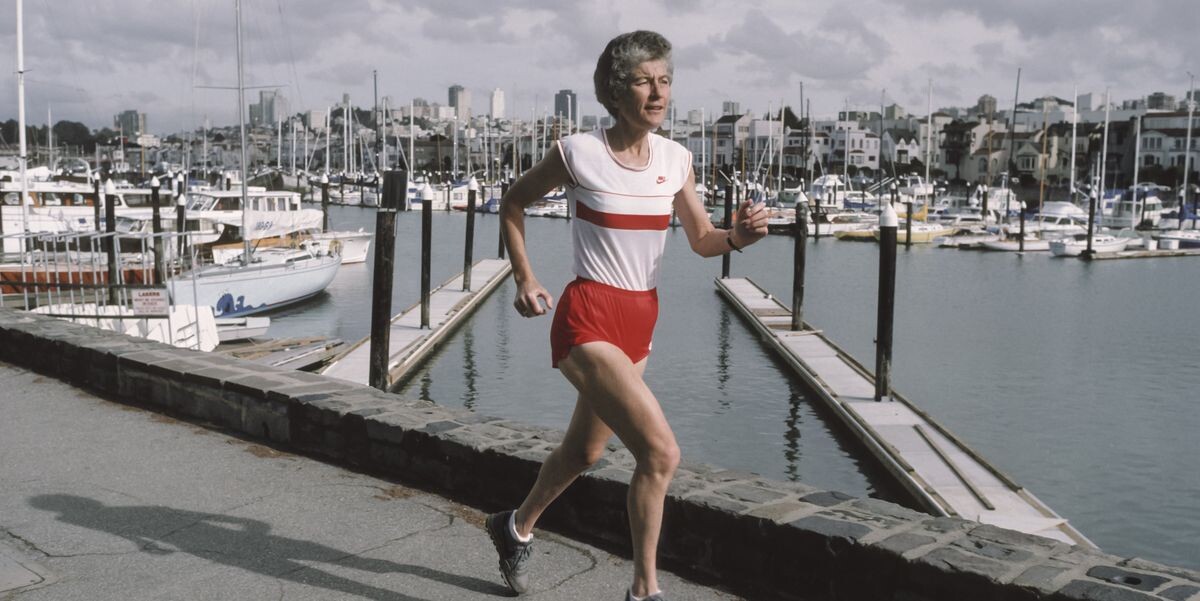
Her running journey began modestly, but once she laced up, there was no stopping her. As a Dominican nun and educator, Irvine balanced her spiritual calling with an ever-growing passion for running. “Running became my form of meditation,” she once said. “Every stride was a prayer.”

Her personal best marathon time, an astonishing 2:51, made headlines and stood as a record for her age group. At a time when women’s long-distance running was still gaining legitimacy, Irvine proved that age — and gender — were no barriers to excellence.
Breaking Barriers and Inspiring Generations
Irvine became a fixture in the running community, competing across the U.S. and often speaking about discipline, purpose, and faith. Her humility and humor drew runners to her wherever she went. She was inducted into several running halls of fame and featured in numerous articles, television interviews, and documentaries celebrating her accomplishments.
For Irvine, running was more than competition. It was connection — to her faith, her body, and the world around her. Her story encouraged thousands of older adults to begin running later in life, proving that it’s never too late to start.
A Legacy Beyond the Finish Line
Even after she stopped racing competitively, Sister Marion continued to coach and mentor runners. She remained a visible and joyful presence at road races well into her later years, often reminding others that “you don’t stop running because you get old — you get old because you stop running.”
Her passing marks the end of an era, but her story will continue to move runners everywhere.
Rest in peace, Sister Marion Irvine — the Running Nun who showed the world what it means to run with purpose.
Career Highlights: Marion Irvine, “The Running Nun”
• Born: 1930
• Started Running: Age 48
• First Marathon: 1978, in under 4 hours
• Personal Best: 2:51:01 marathon (age 54)
• Olympic Trials Qualifier: 1984 U.S. Women’s Marathon Trials — one of the oldest qualifiers
• Nike Sponsorship: First nun to receive a professional running sponsorship from Nike
• Religious Order: Dominican Sisters of San Rafael, California
• Recognition: Inducted into the USA Track & Field Masters Hall of Fame
• Quote to Remember: “Running is my form of prayer. Every mile is a conversation with God.”
by Boris Baron
Login to leave a comment
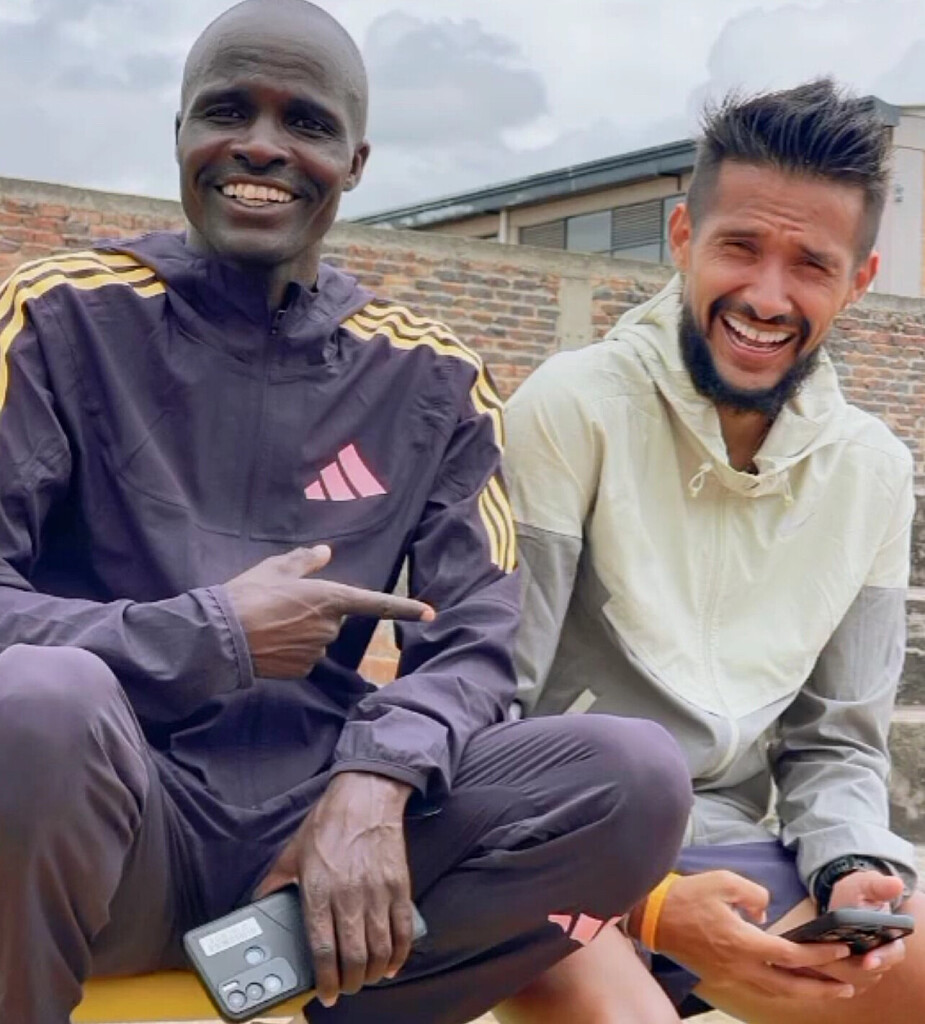
Edwin Soi Going After the World Record at the 5th Annual KATA Double Road Race in Thika Kenya
Over 130 KATA athletes will compete alongside many other runners in a field expected to be the deepest yet, all chasing glory and a share of 100,000 KES in prize money.
When the 5th Annual KATA Double Road Race returns to Thika on September 20, it will not be just another date on the calendar. It will be a celebration of endurance, strategy, and Kenyan running tradition. And at the heart of it all will be Edwin Soi, the Olympic bronze medalist whose longevity and tactical brilliance have made him one of Kenya’s most respected distance runners.
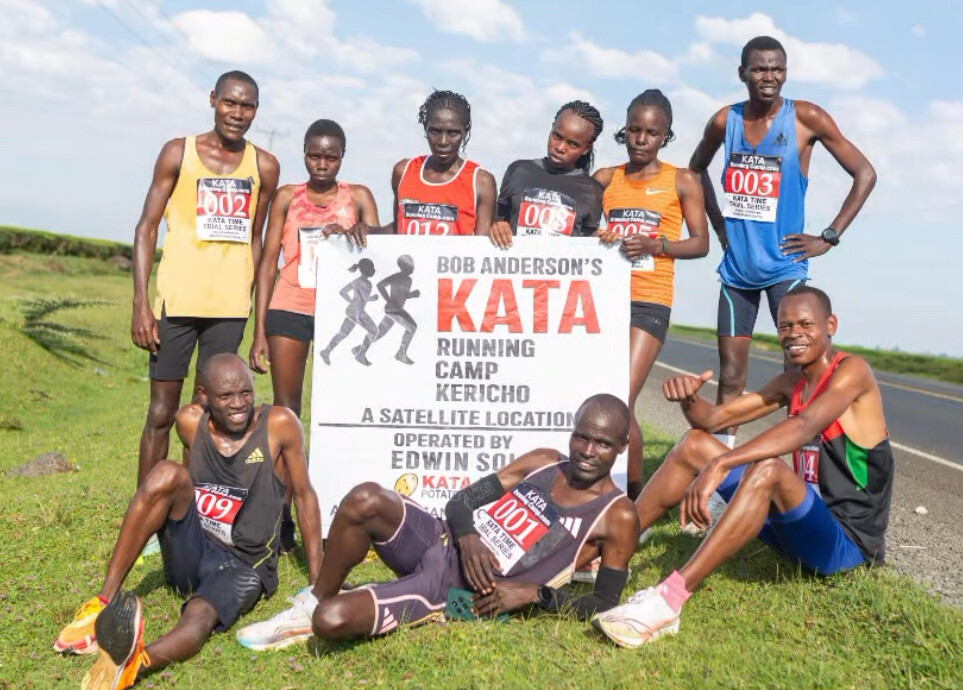
This year’s event also offers a prize purse of 100,000 KES, making the stakes even higher.
“Over 130 KATA athletes are expected to be on the line, joined by many more competitors from across the country and beyond,” says KATA founder Bob Anderson. “I am so proud of our KATA family and what we are building. This is just the beginning—athletics fueled by hard work and growing KATA potatoes.”
The Challenge of the Double
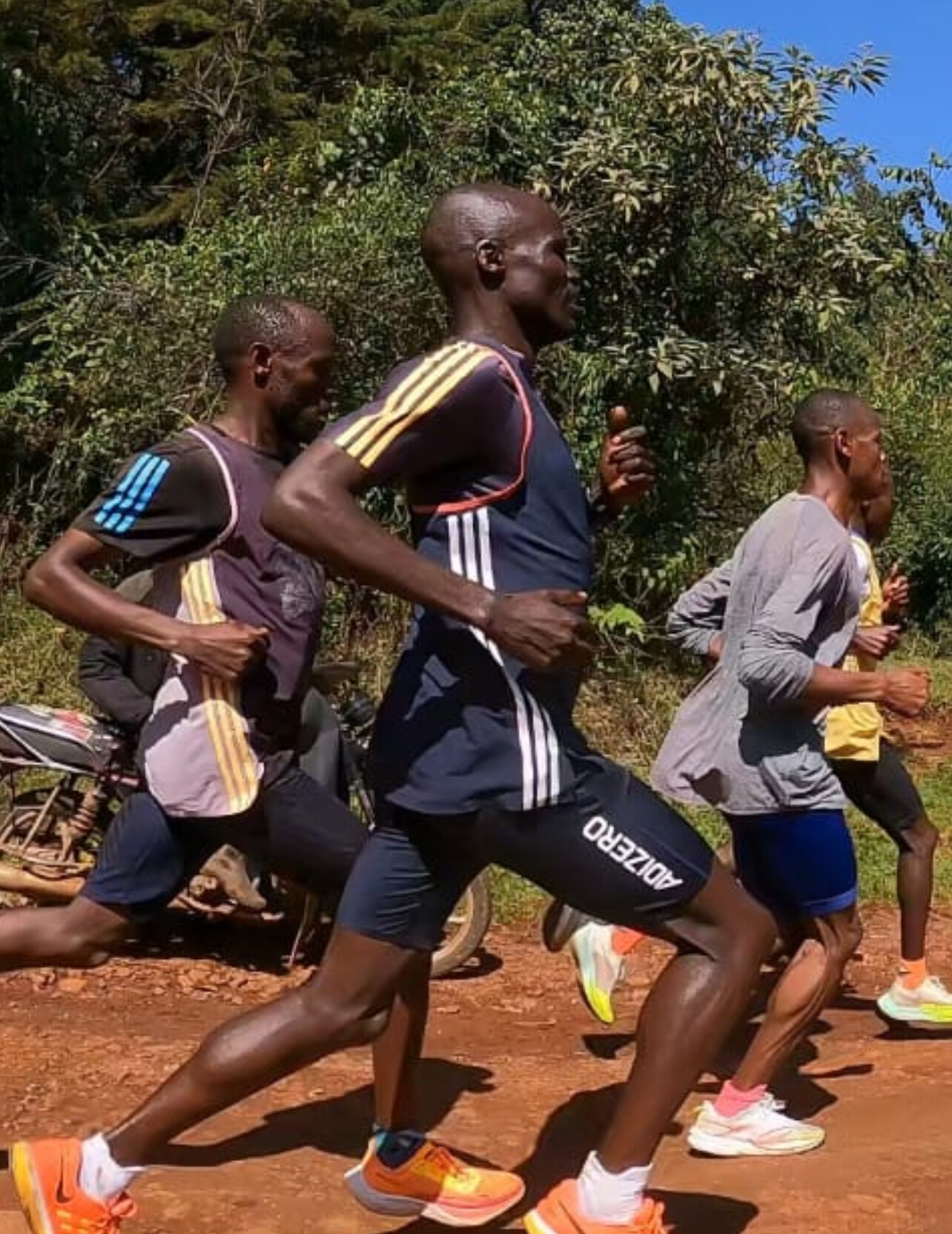
The Double is unlike any other race. Athletes first run a 10K, then take a halftime break where food and drink are provided as they prepare for the second leg. They return to the start line for a 5K. This is a two-leg event, and the times from each leg are added together for the final score.
For Soi—still formidable with career bests of 27:14 (10,000m) and 12:51 (5,000m)—the race is as much about mental strength as physical preparation.
“While others might wonder if they can even start the second race, my mind is already on pacing, form, and tactics,” Soi says. “Years of hard training and the right mental approach make a world record achievable.”
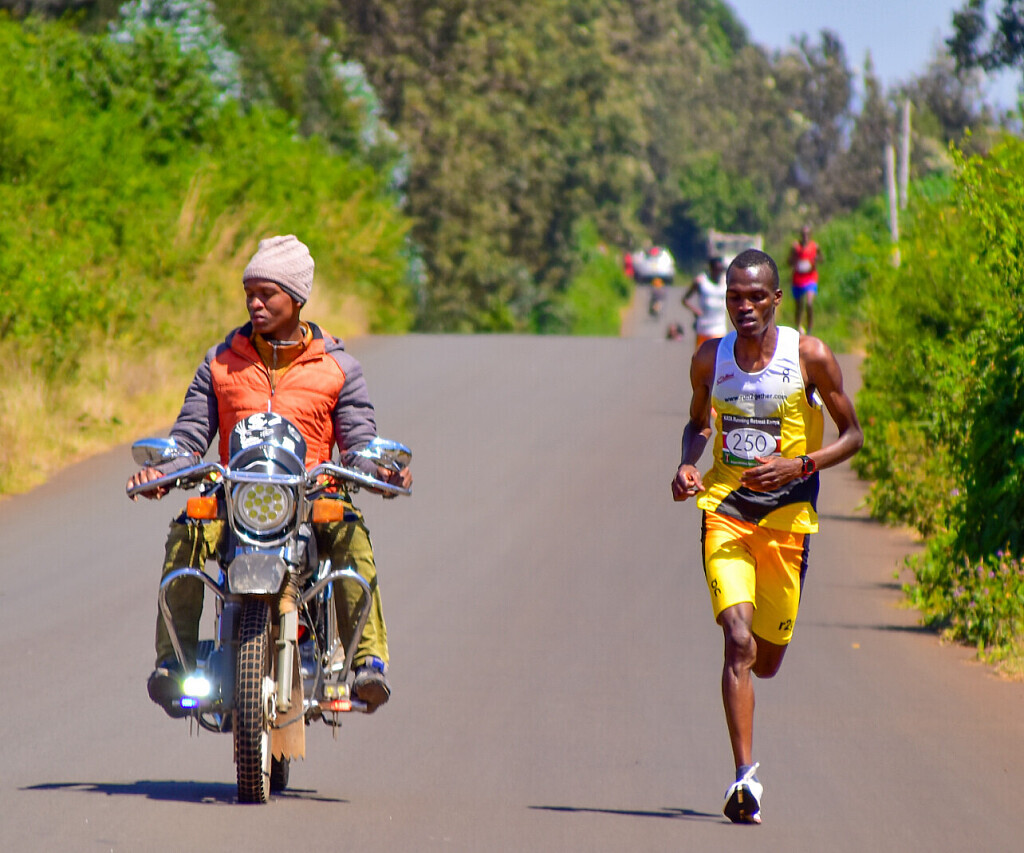
A Visionary Race with Kenyan Roots
The Double Road Race was created by Bob Anderson, founder of Runner’s World, to combine endurance with strategy. After pilot events in Mexico, the first official Double took place in Pleasanton, California, in 2012 with nearly 1,400 runners (5th photo).
Kenya quickly became a natural home. In 2014, races in Thika and Nyahururu introduced the longer Double 21K. By 2021, the Kenyan Athletics Training Academy (KATA)—also founded by Anderson—hosted Africa’s first Double 15K. Last year, Shadrack Kenduiywo (4th photo) set the world best of 42:34 on the Thika course, cementing Kenya’s place as the epicenter of the Double.
Soi’s Enduring Fire
At 39, Soi has experienced the full arc of an elite career. His defining moment remains the 2008 Beijing Olympics, where he won bronze in the 5,000m behind Ethiopia’s Kenenisa Bekele.
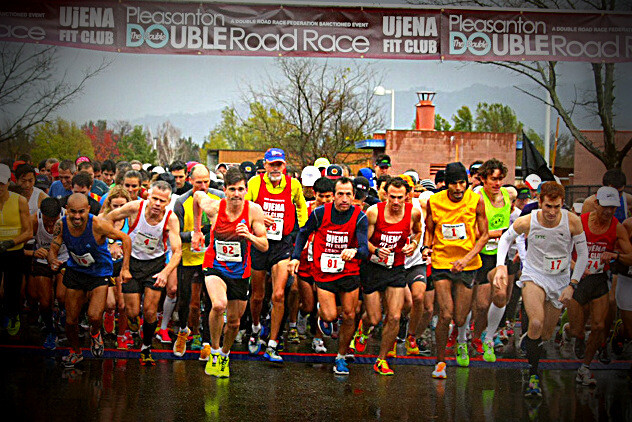
“Just making the Kenyan Olympic team drove me to push beyond limits,” Soi recalls. “I carried the hopes of more than 30 million Kenyans on my shoulders, and that choice ultimately led to my Olympic medal. My life changed—and my legacy changed.”
Since then, Soi has collected world championship medals and road titles worldwide. But today, what sets him apart is not only his victories but also his willingness to mentor and build the future.
Building Futures at KATA
Soi now heads the Kuresoi training camp under the KATA umbrella, guiding a new generation of athletes. His mentorship blends running discipline with life lessons, extending beyond training sessions.
KATA supports athletes with housing, nutrition, and income from sustainable farming projects like potato cultivation—ensuring both food security and financial independence. For Soi, this holistic model is crucial.
“I was fortunate to be mentored, and I feel a deep responsibility to pass that on. My victory will be in their success,” he says.
He also stresses integrity. With doping controversies tarnishing Kenyan athletics, Soi is determined to show that excellence can come from discipline, clean sport, and mentorship.
Why Thika Matters
The Thika Double has become more than a race; it is a stage where Kenyan athletes showcase strategy and resilience to the world. For the community, it is a festival of pride. For Soi, it is a chance to extend his legacy—competing for the clock, for his athletes, and for the values he believes in.
When the starter’s gun sounds on September 20, Soi will not only be racing 10K, resting, and running 5K. He will be carrying with him the arc of his career—from Olympic glory to mentorship—and the hopes of a new generation ready to follow in his footsteps.
The Double demands more than speed. It asks for resilience, intelligence, and composure. And with Edwin Soi on the line in Thika, chasing the world record, it promises to be a race—and a story—that inspires far beyond the finish.
by Robert Kibet
Login to leave a comment
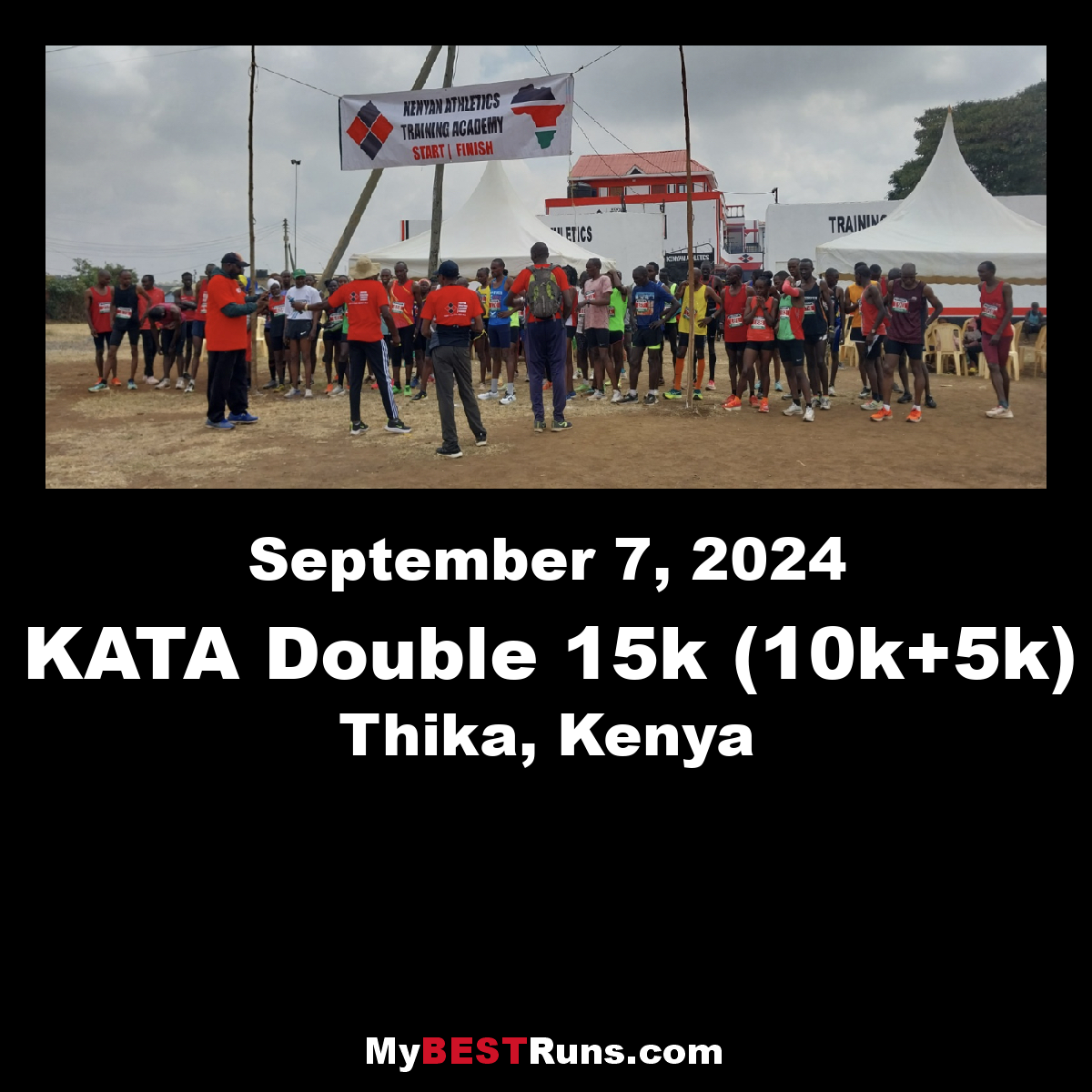
KATA Double Road Race 15K
5th Annual KATA Double Road Race 15K Set for September 20, 2025, at KATA Thika The 5th Annual KATA Double Road Race 15K will be held on September 20, 2025, at the Kenyan Athletics Training Academy (KATA) in Thika, Kenya. The event includes a 10K leg, a break, followed by a 5K leg — a format designed to challenge runners...
more...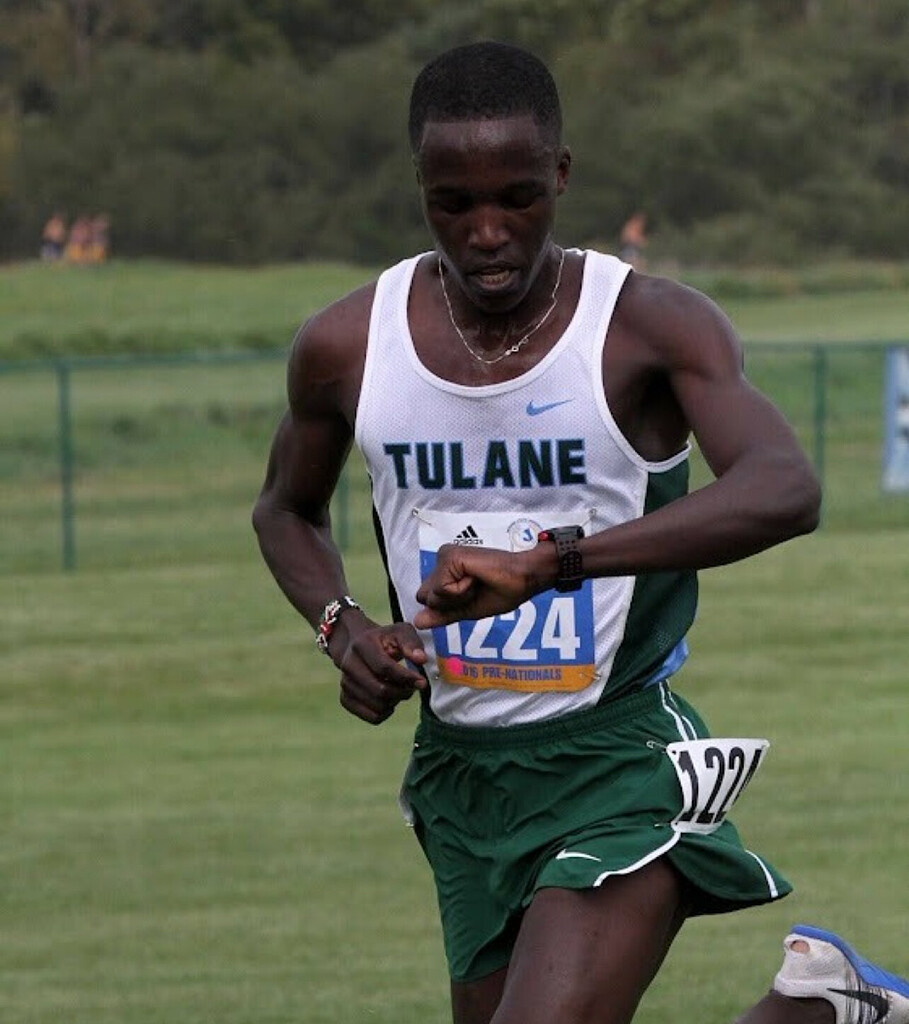
Emmanuel Rotich Joins KATA as Camp Manager
KATA has announced the appointment of Emmanuel Rotich as its new Camp Manager.
“KATA is based in central Portugal, housed at the Anderson Manor of Portugal, with offices in Thika, Kenya, and Los Altos, California. From these three locations, we coordinate all aspects of our camps and potato farms, making KATA a truly global initiative.”
“Emmanuel has a strong athletic background, was educated at Tulane University in New Orleans, and most importantly, after speaking with him, I was impressed with his passion for the sport we love and for tying in potato farming to support our mission.”
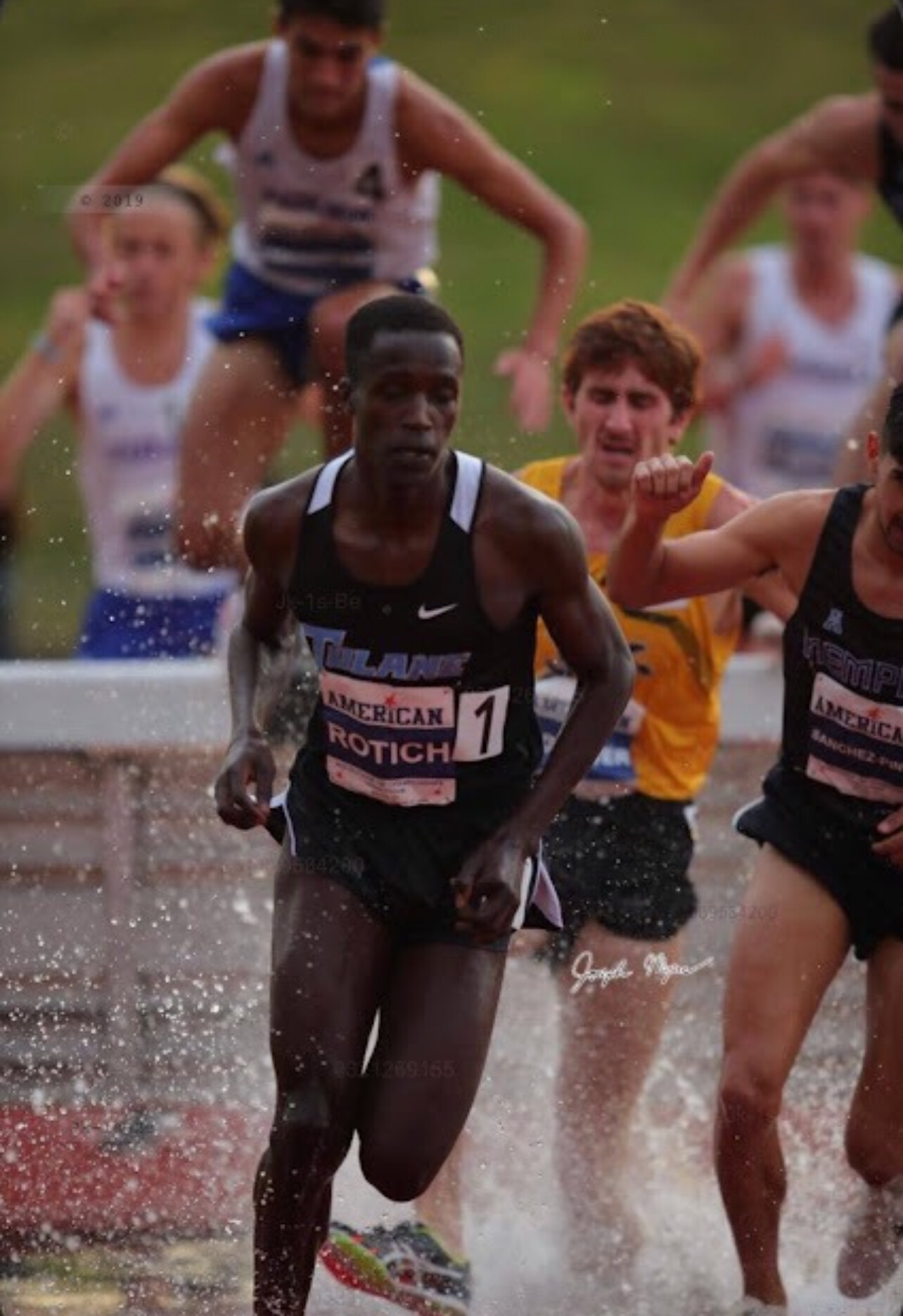
A Unique Mission: Athletics and Agriculture
In just 90 days, KATA has grown into a movement unlike anything else in the world. The program now operates 30 KATA Running Camps across Kenya, along with 20 additional KATA Potato Farms, bringing the total to 50 KATA farms. These farms provide both food security and revenue streams while directly supporting the athletes who train under the KATA banner.
“There is nothing like this in the world,” said Emmanuel. “When Paul Kipsiele Koech, one of the 30 camp operators and an Olympic medalist, suggested I reach out to Bob—a person I had followed for years on Facebook—I hoped I would be selected to become part of the KATA family.”
Emmanuel Rotich: A Global Perspective

Born and raised in Kenya, Emmanuel Rotich brings an impressive mix of athletic, academic, and professional experience to KATA.
As a former student-athlete at Tulane University in New Orleans, he balanced competitive running with academics, earning a Bachelor’s degree in Architecture and a Master’s degree in Sustainable Real Estate Development. That journey instilled discipline, resilience, and a commitment to excellence—qualities he now carries into his professional career.
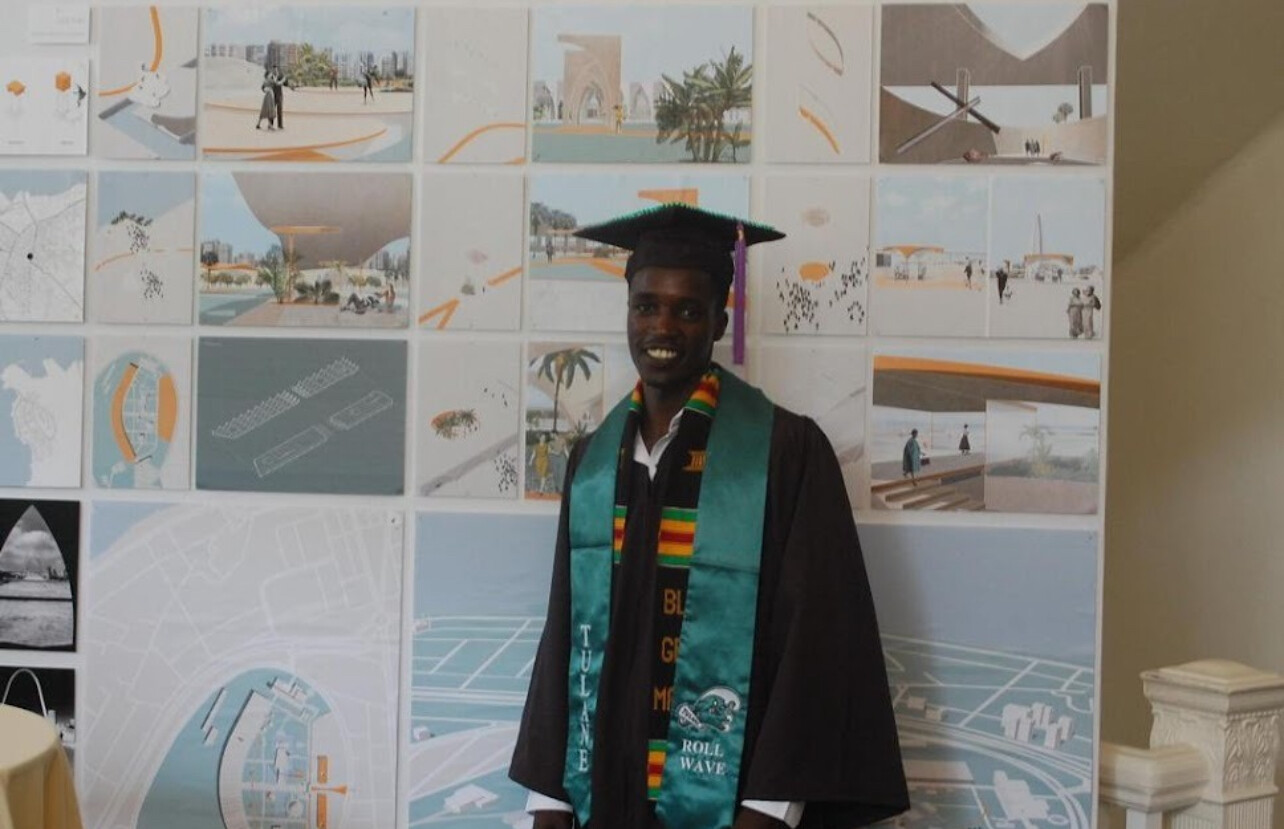
“I chose KATA because of its innovative approach to combining athletics with sustainable agriculture,” Emmanuel explained. “This dual focus reflects my values of personal development, community growth, and environmental responsibility.”
Vision for KATA
As International Manager, Emmanuel has outlined three clear goals:
1. Drive Business Growth – Build partnerships and expand KATA’s global influence.
2. Enhance Athlete Development – Ensure that runners in KATA Running Camps have the resources and opportunities they need to thrive.

3. Promote Sustainable Agriculture – Strengthen and grow KATA Potato Farms, which underpin the program’s long-term sustainability.
His professional background spans architecture, sustainable development, logistics, and operations management, combined with the firsthand perspective of an athlete. This balance of skills positions him uniquely to guide KATA into its next phase of growth.
Looking Ahead
“I see KATA not just as an academy but as a movement that integrates sports and sustainability,” Emmanuel said. “By combining athlete development with agricultural innovation, KATA creates a model that benefits individuals, communities, and the environment. I am inspired by Bob Anderson’s leadership and excited to contribute to this vision on both local and international levels.”
With Emmanuel Rotich stepping in as International Manager, KATA continues to gain momentum as a pioneering force in athletics and agriculture. What began as an idea just three months ago has already blossomed into a transformative program with global reach—and Emmanuel’s appointment signals that this is only the beginning.
by Boris Baron
Login to leave a comment
Galen Rupp Set for Comeback at Wharf to Wharf 6-Miler After 1.5-Year Hiatus
Four-time Olympian and two-time Olympic medalist Galen Rupp is officially back on the starting line.
After being sidelined for the past 18 months due to a lingering hip issue, Rupp is set to make his long-awaited return to racing this Sunday at the iconic Wharf to Wharf 6-Mile race in Santa Cruz, California.
This will be his first race since early 2024—and one that fans and fellow runners alike have been waiting for.

“I’ve missed the rhythm of race day,” Rupp shared earlier this week. “This is just the first step, but I’m excited to be out there again, doing what I love.”
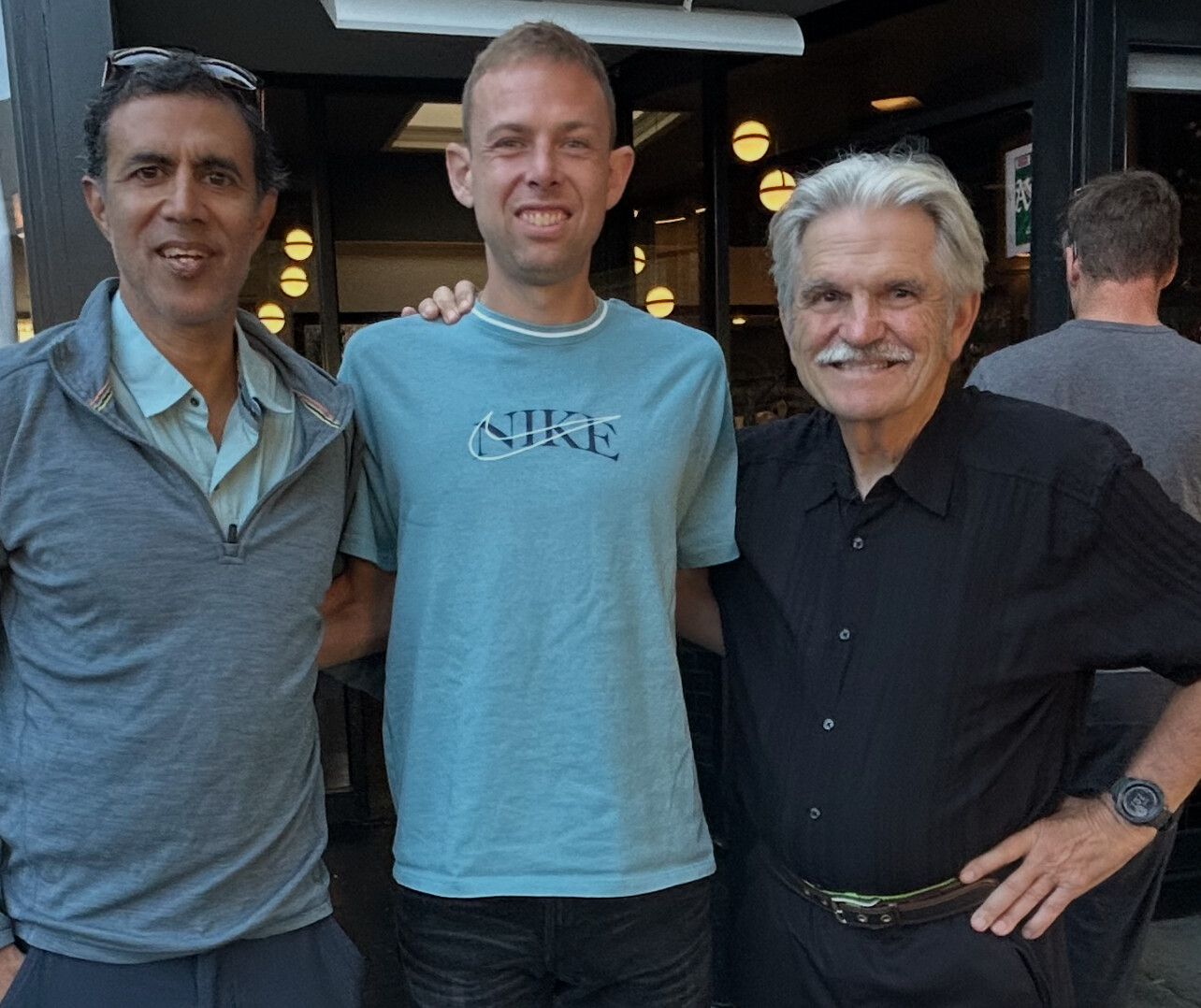
The Wharf to Wharf, a scenic and fast six-mile race from Santa Cruz to Capitola, draws a mix of elite and recreational runners each year. With limited spots and a festive coastal atmosphere, it has long been a summer staple on the West Coast running calendar.
Rupp’s entry was a quiet one, but it didn’t take long for word to spread. The 38-year-old American distance legend hasn’t raced since suffering a setback in his bid to qualify for another Olympic team in early 2024. Ongoing hip complications forced him to the sidelines for rehabilitation and recovery.
Now, with months of solid training behind him and the injury finally in the rearview, he’s ready to test himself in a competitive setting once again.
“We had dinner tonight with Galen,” said Bob Anderson, founder of My Best Runs. “I asked him if he was ready to take the win, and he just gave me that smile that said it all.”
According to Anderson, Rupp’s training has gone well, the hip is no longer an issue, and with favorable weather conditions expected Sunday morning, everything is lining up for a strong showing. “He had a good pasta dinner,” Anderson added. “He’s ready to do it.”
While no one expects a record-breaking performance—Rupp himself cautioned he’s still working back into full form—his participation alone marks a significant moment for American distance running.
Few runners have accomplished as much as Galen Rupp:
• Olympic Silver Medal (10,000m, London 2012)
• Olympic Bronze Medal (Marathon, Rio 2016)
• Multiple U.S. Titles across the 10,000m and marathon
• 2:06:07 personal best in the marathon
His return signals hope that one of America’s greatest distance talents still has more to give.
“He could’ve quietly stepped away,” one local runner said. “But the fact he’s toeing the line in Santa Cruz shows he’s not done yet.”
The race begins at 8:00 am. on Sunday, with Rupp expected to line up alongside a strong field. Whether it’s a win, a top-10, or just crossing the finish line, this race marks an emotional and meaningful return for one of the sport’s most decorated runners.
last photo Galen with Amol and Bob after dinner in Palo Alto the night before his comeback race.
by Boris Baron
Login to leave a comment
He finished 5th clocking 28 minutes flat for six miles. Solid come back! - Bob Anderson 7/31 11:42 am |

Wharf to Wharf
Each year, on the fourth Sunday in July, thousands of runners from across America and around the globe return to Santa Cruz, California for the annual six-mile race to Capitola-by-the-Sea. First run in 1973 by a handful of locals, the Wharf to Wharf Race today enjoys a gourmet reputation in running circles worldwide. Its scenic, seaside setting, perfect weather, and...
more...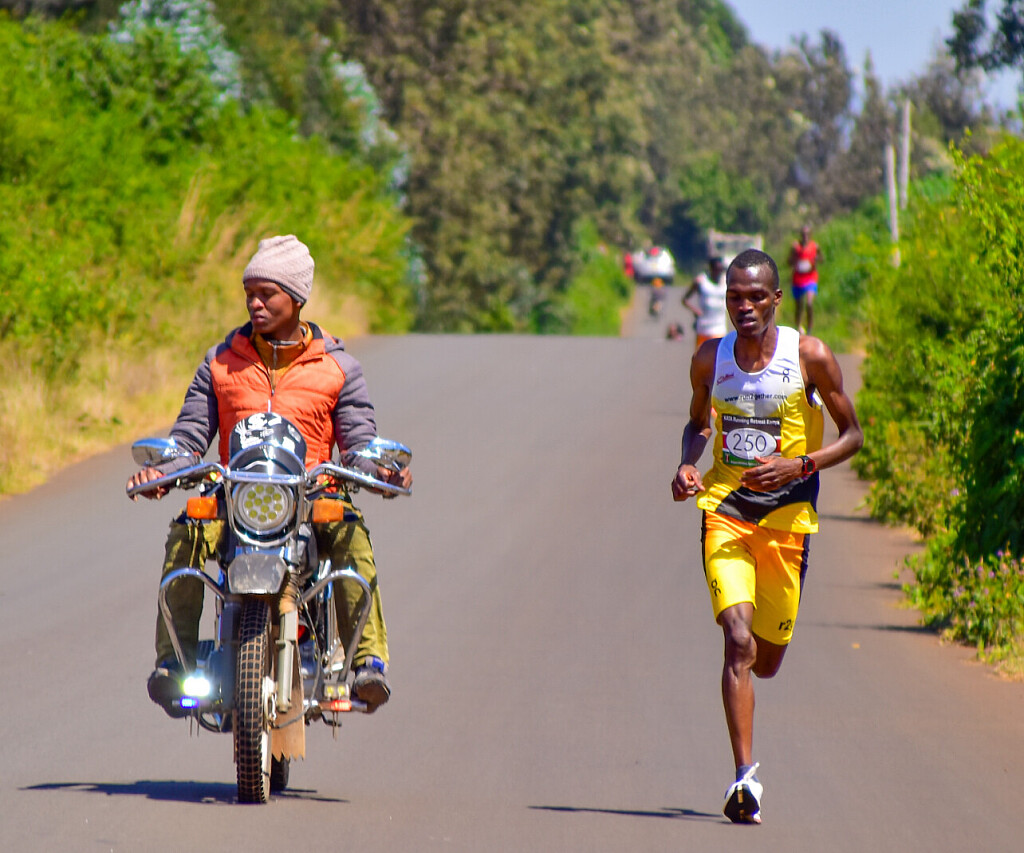
5th Annual Kenya’s Double Road Race 15K Set for September 20, 2025, at KATA Thika
The 5th Annual Kenya Double Road Race 15K will be held on September 20, 2025, at the Kenyan Athletics Training Academy (KATA) in Thika, Kenya. The event ins a two stage race. First is the 10k leg then a break, followed by a 5K leg. Legs are added together for scoring. A format designed to challenge runners of all levels. Do then double! The start, finish, and halftime break will be based near the KATA campus. The second leg starts one hour and 45 minutes after the start of the first leg.
Double Racing was created by Bob Anderson, founder of Runner’s World magazine, in 2010. From October 2010 to October 2012, seven small Double races were held in Mexico under the name Bob Anderson 15K Challenge. The format evolved, and in December 2012, the first official Double Road Race was held in Pleasanton, California, with nearly 1,400 participants. The signature race was the Double 15K — 10K followed by 5K, separated by a 1 hour and 45-minute recovery break known as the Restart.
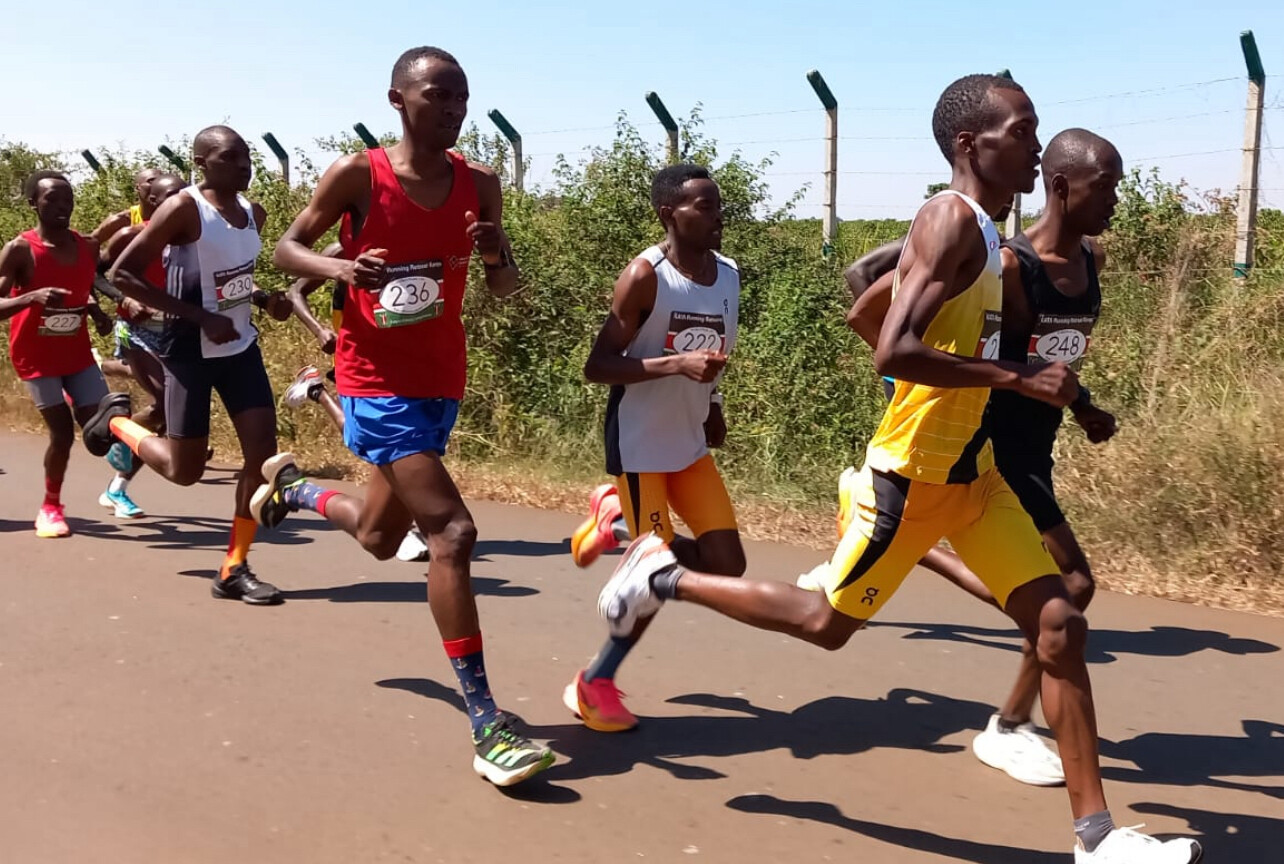
“Double Racing is doable for runners at all levels,” says Bob Anderson. “It’s a new challenge for many, while others have done many already.”
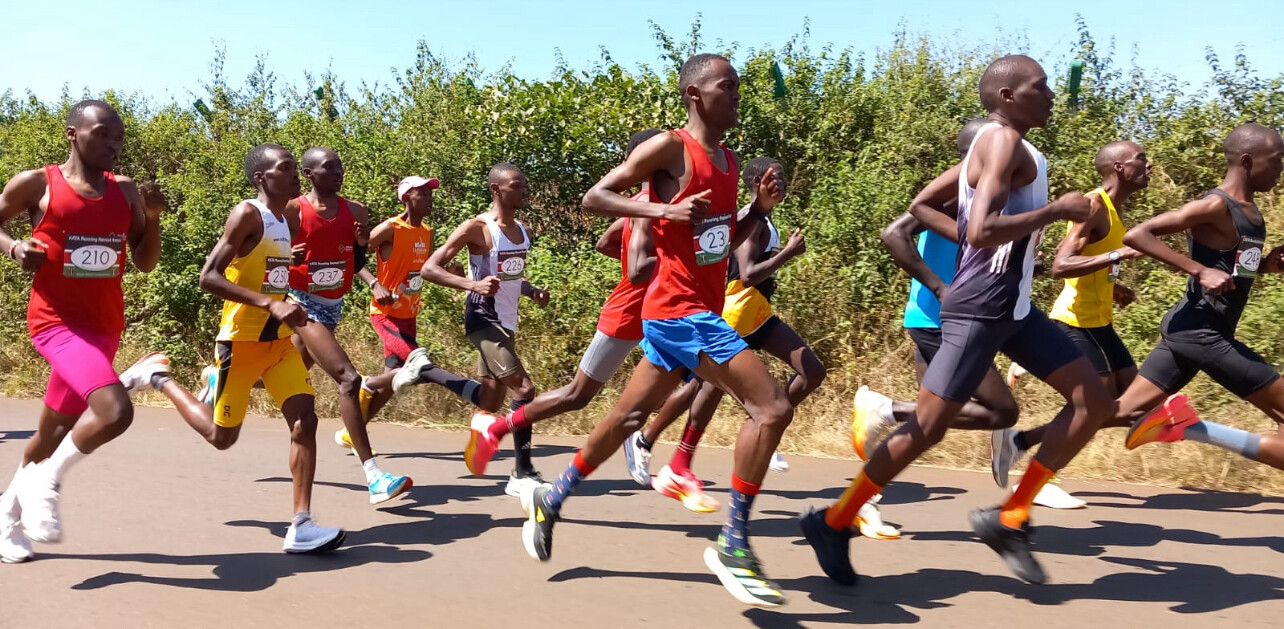
Anderson staged two Double races in Kenya previously — in Thika (2014) and Nyahururu (2015) — both were Double 21Ks (10 miles + break + 5K). These visits inspired the creation of KATA Thika, which officially opened in September 2021, and hosted the first Double 15K in Africa on September 4, 2021. Donikal Komon won that race in 44:42 — the fastest ever run in Africa at that time.
In 2022, Joseph Njoroge shaved two seconds off that mark. But it was in 2024 when history was made.
A New World Record in 2024
At the 4th Annual KATA Double Road Race 15K held on September 14, 2024, Shadrack Kenduiywo, 24, smashed the world record by clocking 42:34, eclipsing the long-standing record of 43:11 held by Julius Koskei since 2015. Kenduiywo ran 28:33 for the 10K leg and 14:01 for the 5K.
“This was my first Double race, and I was happy. I knew the record was in sight,” he said. “During the break, I relaxed, drank water, ate fruit, and did a 20-minute warmup.”
Despite warm conditions (21°C), his performance was unstoppable. He led from the second kilometer, clocking 2:52, 2:50, 2:57… all the way to a 2:50 final kilometer. His 5K splits were 2:47, 2:48, 2:51, 2:47, and 2:44.
Kenduiywo’s personal bests at the time included:
• Half marathon: 61:24 (Padova, Italy)
• 25K: 1:15 (Berlin)
• 8K: 23:43
• 5K: 13:55 (Udeni)
He promises he’ll run even faster next time.
2024 Podium Highlights
Top Men
1. Shadrack Kenduiywo – 42:34 (28:33 + 14:01)
2. Martin Mumo – 43:18
3. Zachariah Kirika – 43:37
4. Collins Kiplagat – 44:39
5. John Njuguna – 45:11
Top Women
1. Alice Koigi – 50:00
2. Monica Wanjiku – 51:30
3. Susan Njuu – 53:07
Men Masters
1. Charles Ndirangu, 64 – 56:21
2. David Mwangi, 70 – 64:49
3. Joseph Kiraio, 72 – 73:40
Women Masters
1. Julia Njari, 47 – 60:43
2. Sheila Mbaku, 54 – 62:30
The event also included Bob Anderson’s Kids Mile (won by 12-year-old Benjamin Ndaro in 4:54), and a 5K youth race won by Denis Chege, 16, in 17:48.
With over 120 Double 15K races held globally and a new world record established at KATA Thika, the 5th edition promises to be the most exciting yet.
Click here to see top time lists and age group records:
https://www.doubleroadrace.com/records
Join us September 20, 2025, in Thika, Kenya, and experience Double Racing at its best.
by Boris Baron
Login to leave a comment
KATA Double Road Race 15K
5th Annual KATA Double Road Race 15K Set for September 20, 2025, at KATA Thika The 5th Annual KATA Double Road Race 15K will be held on September 20, 2025, at the Kenyan Athletics Training Academy (KATA) in Thika, Kenya. The event includes a 10K leg, a break, followed by a 5K leg — a format designed to challenge runners...
more...
Tracksmith Launches “Stamata” — A New Women’s Marathon Team Aiming for the 2028 U.S. Olympic Trials
In a bold and inspiring move to uplift women’s distance running in the United States, Tracksmith has announced the formation of Tracksmith Stamata, a dedicated women’s marathon team. The initiative is led by elite marathoner and long-time advocate for female athletes, Stephanie Bruce, and is aimed squarely at helping women qualify for the 2028 U.S. Olympic Marathon Trials.
With a surge of momentum building in the U.S. women’s distance scene, the timing couldn’t be more ideal.
Supporting Women on the Olympic Path
The team’s mission is clear: identify and support talented women with the potential to reach the Olympic Trials, and ultimately, the Olympic Games. Named “Stamata” — Greek for “to stop,” perhaps symbolizing the end of outdated barriers and the start of something powerful — the team brings a structured, fully backed approach to marathon preparation.
Tracksmith will provide:
• Training camps
• Targeted marathon attempts
• Financial stipends
• Performance gear
• Access to sports professionals, including coaches, nutritionists, and medical experts
This comprehensive support structure is designed to level the playing field, especially for emerging or overlooked athletes who may not yet have major sponsorship deals.
California International Marathon to Host Team Debut
The California International Marathon (CIM) — long known for its fast course and Trials-qualifying potential — will be the official debut race for Tracksmith Stamata. The selection of CIM reflects the team’s pragmatic focus on real results and meaningful opportunities. In recent years, CIM has been a launchpad for many Olympic Trials qualifiers, and it’s the perfect stage for Stamata’s debut.
Stephanie Bruce at the Helm
Stephanie Bruce, who recently concluded her own professional racing career, brings not only elite experience but also deep empathy and advocacy for working mothers, aging athletes, and under-supported competitors. Her leadership signals that Stamata isn’t just a racing team — it’s a movement.
“This isn’t just about fast times. It’s about building an environment where women can thrive, be seen, and be supported in their pursuit of excellence,” Bruce said in a recent interview.
Let’s make it happen
The women’s marathon scene in the U.S. is more competitive than ever. As the road to Los Angeles 2028 heats up, initiatives like Tracksmith Stamata play a critical role in widening the access point and reinforcing the pipeline of elite female marathoners.
Whether you’re chasing a Trials standard or cheering from the sidelines, there’s no doubt: Stamata is a name to remember on the road to 2028.
by Boris Baron
Login to leave a comment

Caleb Olson Stuns the Field with Breakthrough Win at the 2025 Western States 100
American ultra-trail runner Caleb Olson delivered a career-defining performance at the 2025 Western States Endurance Run, emerging as the surprise champion in what was billed as one of the most competitive editions in the race’s 52-year history.
The 29-year-old from Salt Lake City conquered the infamous 100-mile (161-kilometer) course through Northern California’s rugged Sierra Nevada mountains, finishing in 14 hours, 11 minutes, and 25 seconds—just two minutes shy of Jim Walmsley’s legendary course record set in 2019 (14:09:28). Olson’s time is now the second-fastest ever recorded at Western States.
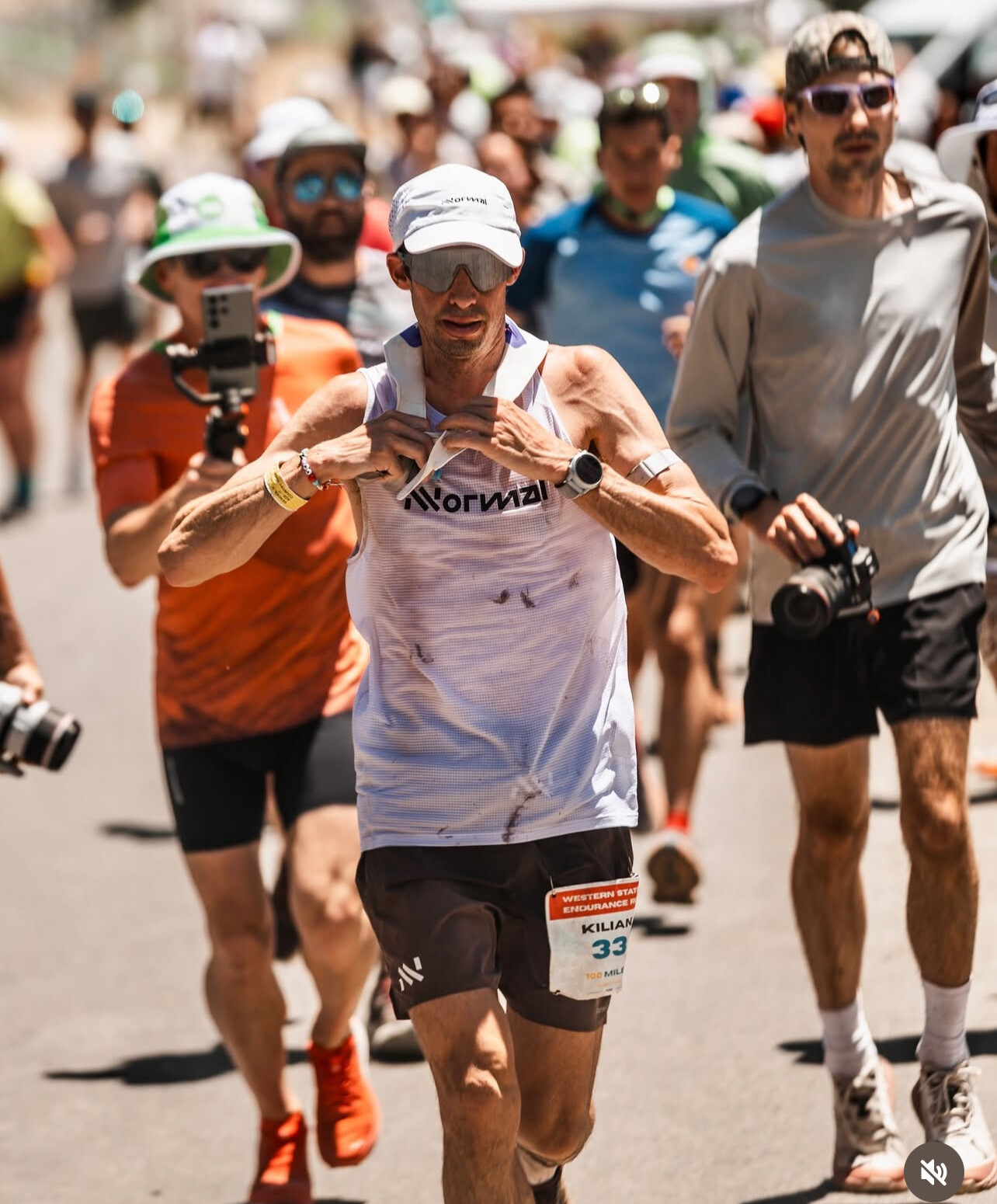
His win comes just a year after a strong fifth-place finish in 2024 and cements his place among the top ranks of global ultrarunning.
A Battle of Heat, Elevation, and Grit
The race began at 5:00 a.m. in Olympic Valley, with runners quickly climbing to the course’s highest point—2,600 meters (8,600 feet)—before descending into the heat-scorched canyons. Snowfields in the early miles gave way to punishing heat, as temperatures soared to 104°F (40°C) in exposed sections of the trail.
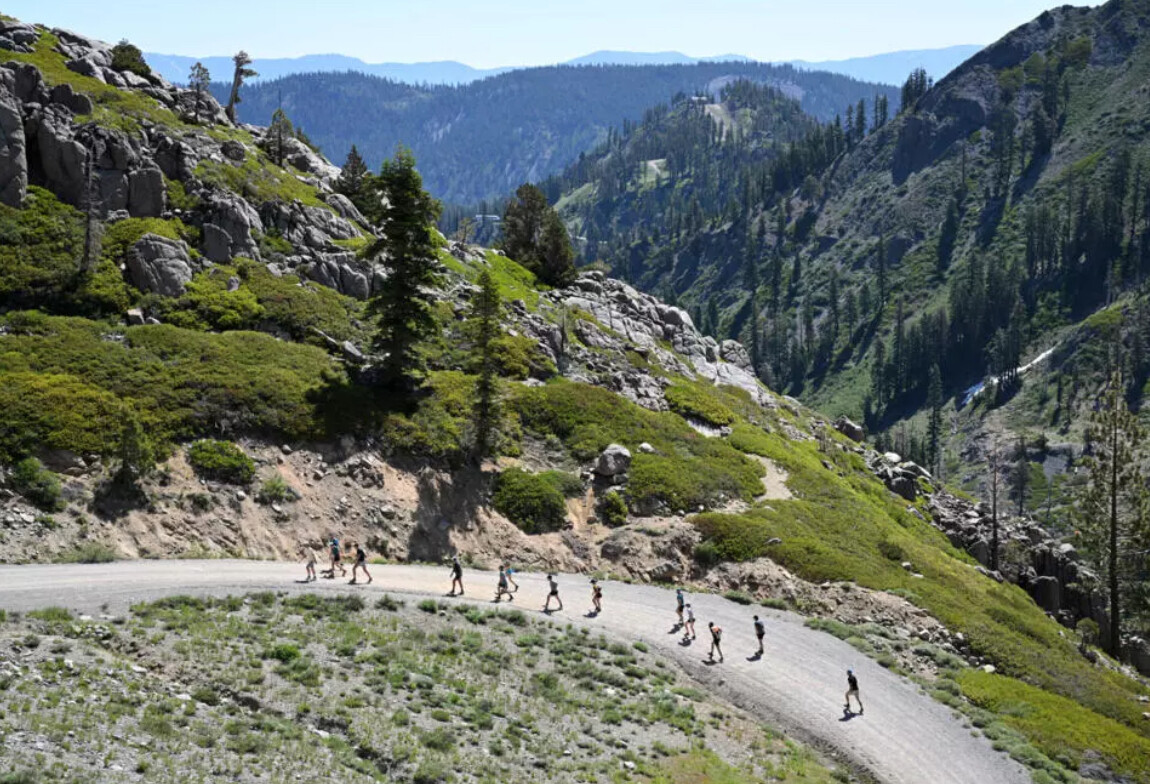
Despite the brutal conditions, approximately 15 elite athletes crested the high point together, setting the stage for a tactical and attritional race. Olson surged to the front midway, clocking an average pace near 12 kilometers per hour and never relinquished his lead.
Elite Field Delivers Drama
Close behind Olson was Chris Myers, who battled stride-for-stride with the eventual winner for much of the race before taking second in 14:17:39. It was a breakthrough performance for Myers, who has been steadily climbing the ultra ranks.
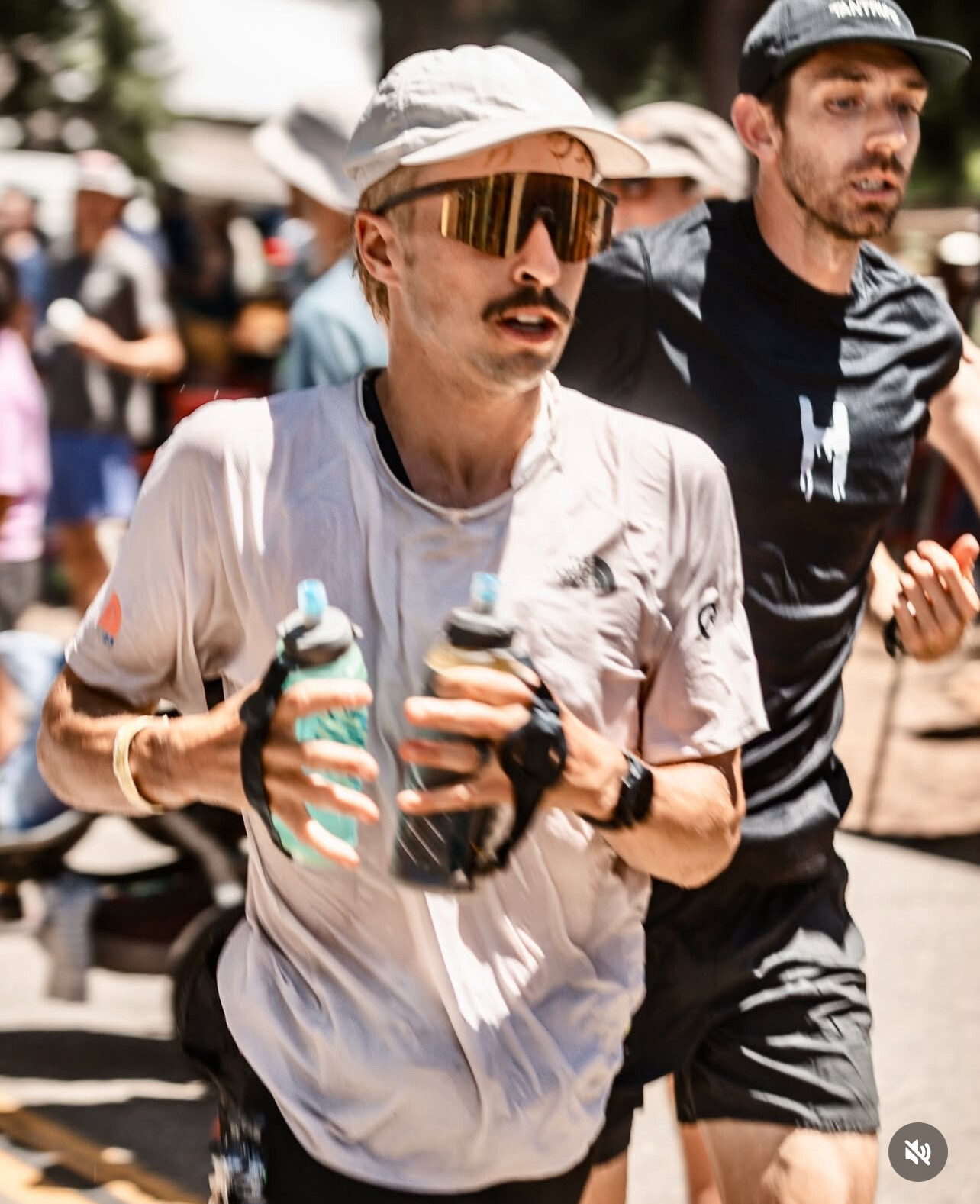
Spanish trail running legend Kilian Jornet, 37, finished third, matching his 2010 result. Returning to Western States for the first time since his win 14 years ago, Jornet hoped to test himself against a new generation on the sport’s fastest trails. Though renowned for his resilience in mountainous terrain, he struggled to match the frontrunners during the course’s hottest sections.
“Western States always finds your limit,” Jornet said post-race. “Today, that limit came earlier than I’d hoped.”
Rising Stars and Withdrawals
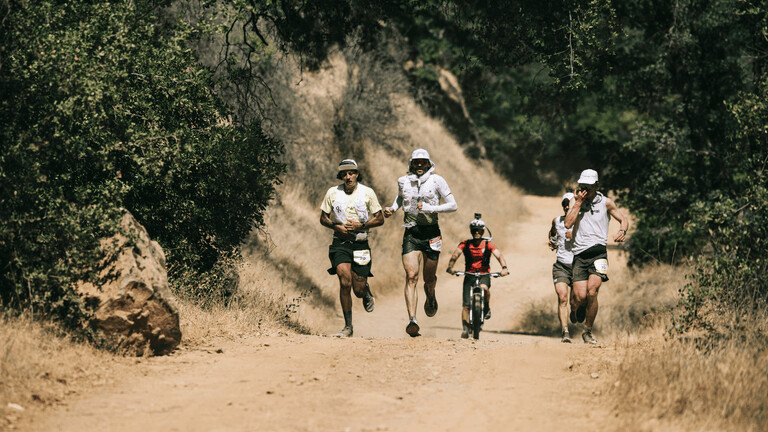
Among the elite field was David Roche, one of America’s most promising young ultrarunners, who was forced to withdraw after visibly struggling at the Foresthill aid station (mile 62). Roche had entered the race unbeaten in 100-mile events.
“I’ve never seen him in that kind of state,” said his father, Michael Roche, who was on hand to support him. “This race just takes everything out of you.”
Roche’s exit was a reminder that, even with perfect preparation, the Western States 100 is as much about survival as speed.
The Lottery of Dreams
Held annually since 1974, the Western States Endurance Run is more than a race—it’s a pilgrimage. With only 369 slots available, most runners enter via a lottery system with odds of just 0.04% for first-timers. Elite athletes can bypass the lottery by earning one of the coveted 30 Golden Ticketsawarded at select qualifying races each year.
For many, getting to the start line takes years of qualifying and persistence—making finishing the race an achievement in itself.
Olson’s Star Ascends
Before this landmark win, Caleb Olson was already on the radar of the ultra community. He had logged top-20 finishes at the “CCC”—a 100-kilometer race associated with the Ultra-Trail du Mont-Blanc series—and had demonstrated consistency in major trail events.
Saturday’s victory vaults him into the upper echelon of global ultrarunners and marks a generational shift in the sport.
“I’ve dreamed of this moment,” Olson said at the finish. “Today, everything came together—the training, the heat management, and the belief. This is why we run.”
2025 Western States results
Men
Saturday June 28, 2025 – 100.2 miles
Caleb Olson (USA) – 14:11:25
Chris Myers (USA) – 14:17:39
Kilian Jornet (SPA) – 14:19:22
Jeff Mogavero (USA) – 14:30:11
Dan Jones (NZL) – 14:36:17
by Boris Baron
Login to leave a comment

Western States 100
The Western States ® 100-Mile Endurance Run is the world’s oldest and most prestigious 100-mile trail race. Starting in Squaw Valley, California near the site of the 1960 Winter Olympics and ending 100.2 miles later in Auburn, California, Western States, in the decades since its inception in 1974, has come to represent one of the ultimate endurance tests in the...
more...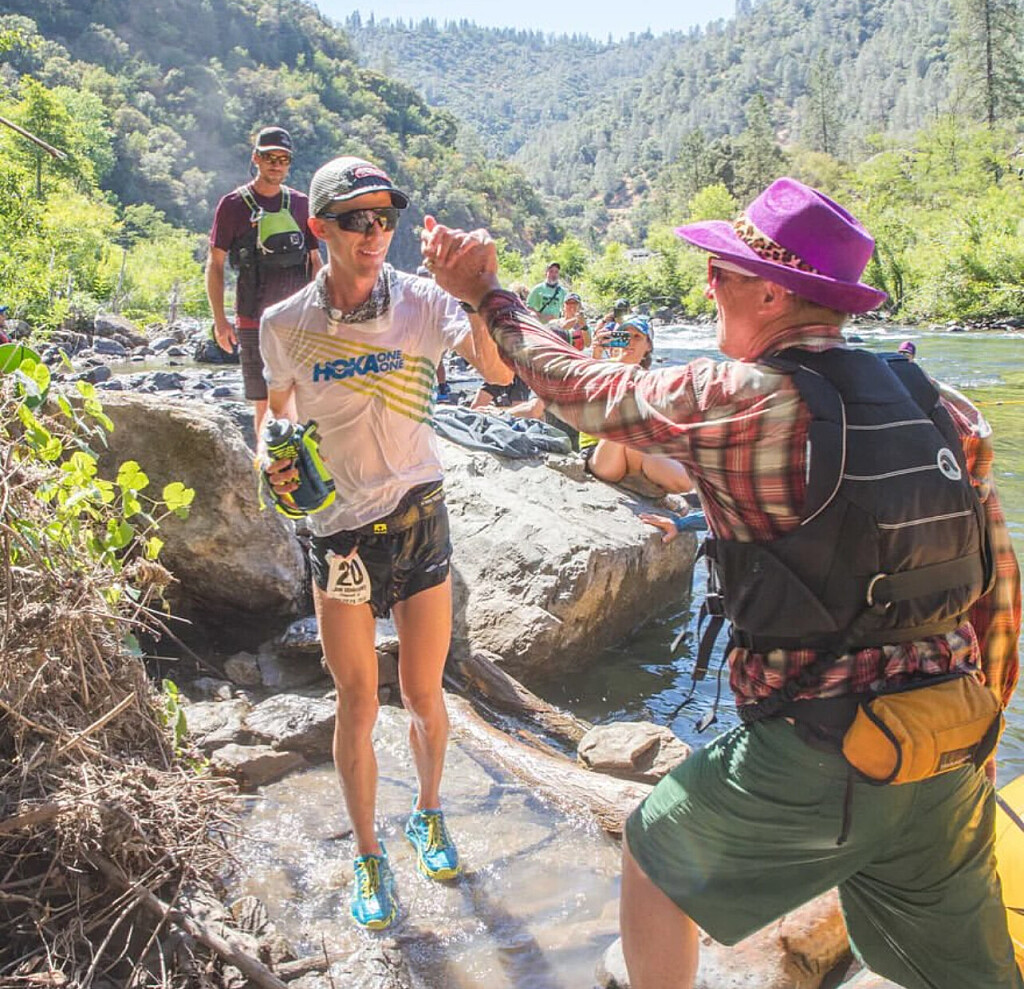
Western States 100 Gears Up for an Epic Showdown Across Sierra Trails
The legendary Western States 100-Mile Endurance Run returns June 28–29, 2025, promising one of the most competitive and compelling editions in its storied history. Known as the world’s oldest 100-mile trail race, this ultra begins in Olympic Valley (formerly Squaw Valley) and finishes 100 rugged miles later at Placer High School in Auburn, California.
With more than 18,000 feet of climbing and 23,000 feet of descent, the race tests every aspect of a runner’s will and endurance. From snow-capped ridges to sweltering canyon floors, the course traverses remote backcountry, river crossings, and punishing climbs—all under the clock, with the coveted silver belt buckle awaiting those who finish under 24 hours.
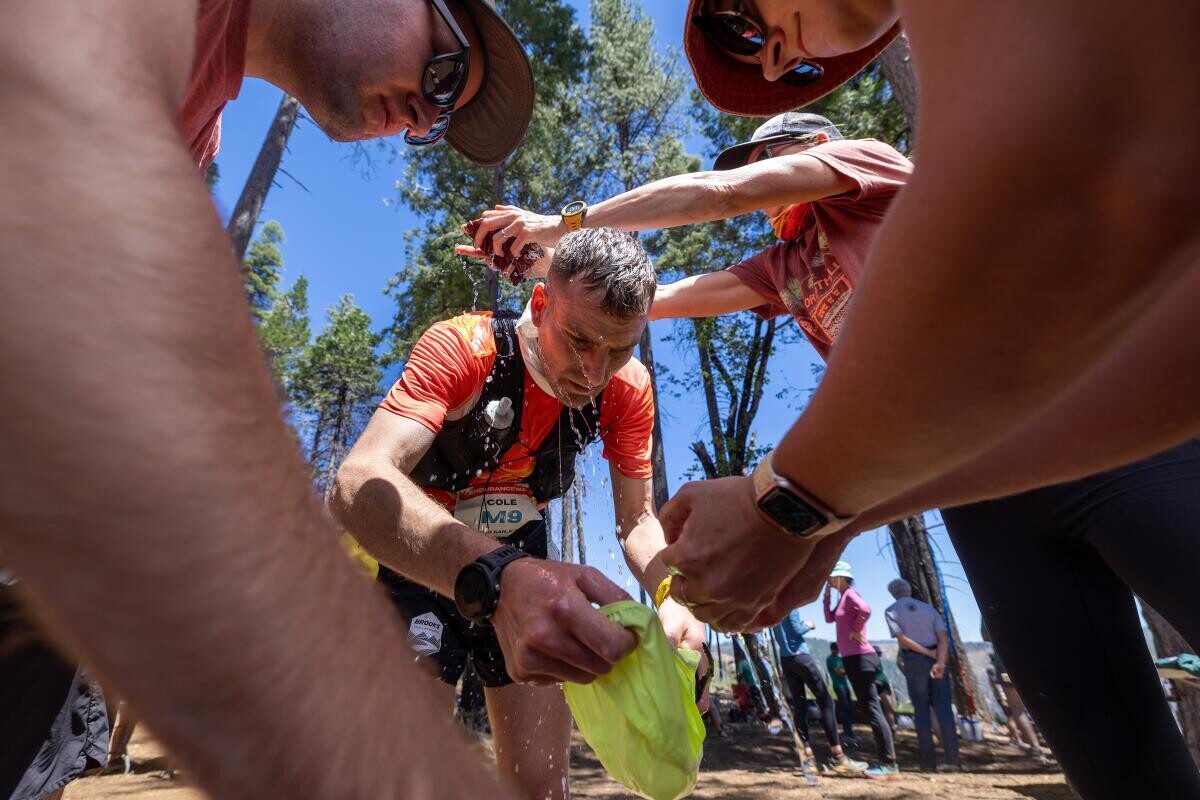
Who’s Racing?
This year’s field is packed with elite talent, resilient veterans, and powerful storylines.
Top Men’s Contenders:
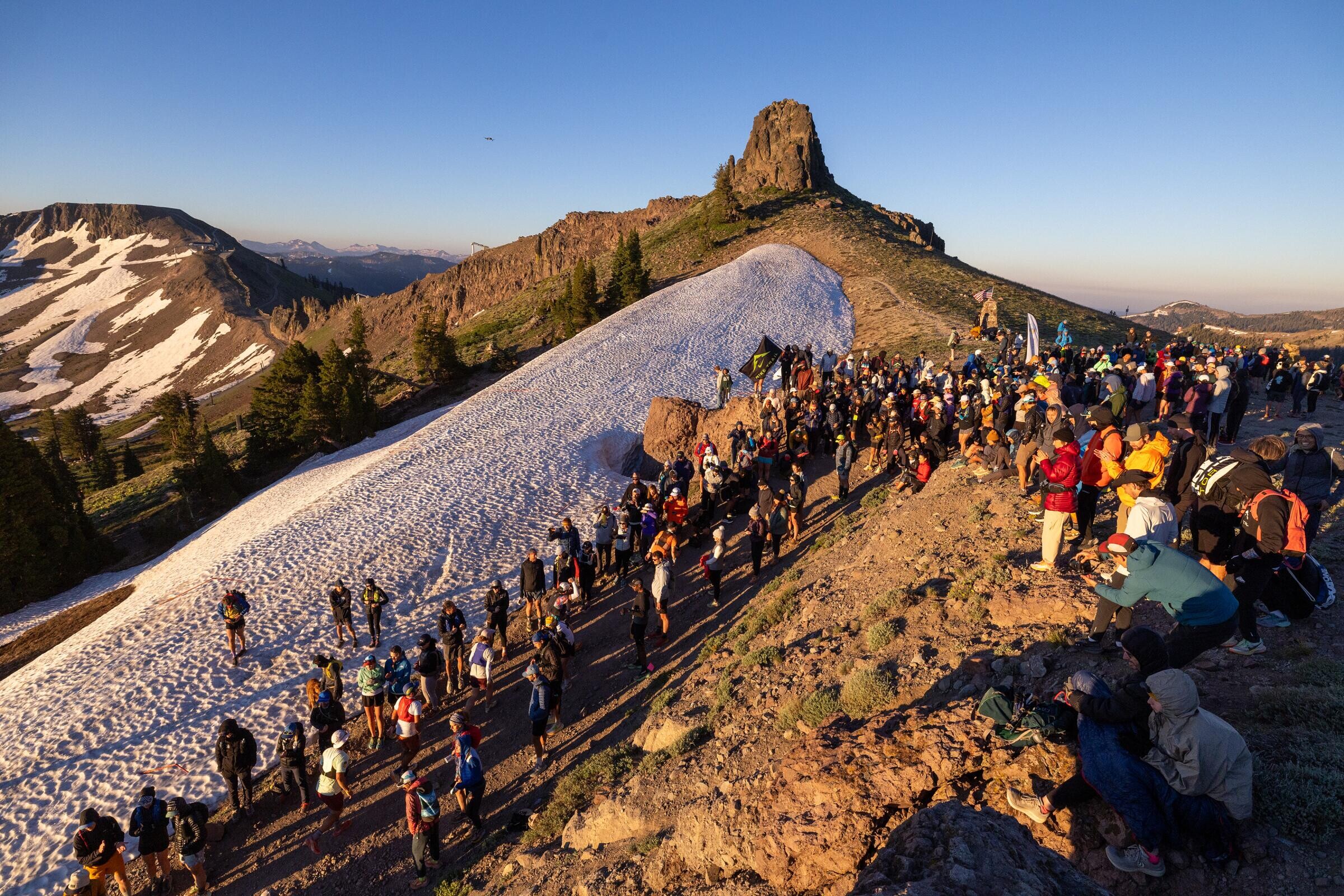
• Rod Farvard (USA) – One of the fastest Golden Ticket winners this season.
• Dan Jones (New Zealand) – Former Olympic Trials marathoner.

• Caleb Olson (USA) – Rising talent on the ultra scene.
• Chris Myers (USA) – Strong performances across the trail circuit.
• Jia-Sheng Shen (China) – Brings international prestige to the field.
Leading Women:
• Emily Hawgood (Zimbabwe) – Regular top-10 finisher with unfinished business.
• Eszter Csillag (Hungary) – One of Europe’s most consistent mountain runners.
• Heather Jackson (USA) – Former pro triathlete turned ultra star, back after a win at Unbound Gravel XL.
• Fu-Zhao Xiang (China) – Dominant at multiple global ultras.
• Ida Nilsson (Sweden) – Former European mountain running champion.
Notable Golden Ticket Winners:
• Riley Brady, Hannah Allgood, Rosanna Buchauer, Hậu Hà, Tara Dower, Abby Hall, Lin Chen, Caitlan Fielder, Nancy Jiang, Fiona Pascall, Johanna Antila
A Field That Crosses Generations
One of the most heartwarming developments this year is the record-setting six athletes aged 70 or older toeing the line.
Among them is Jim Howard, a two-time Western States champion (1981, 1983), who is making an inspiring return at age 70—running with two artificial knees. “I want to go out there one more time and be part of this incredible race,” Howard told Canadian Running.
Also returning is Jamil Coury, founder of Aravaipa Running, looking to build on his strong performance 15 years ago.
The Course
• Start: Olympic Valley (elevation: ~6,200 ft)
• Highest Point: Emigrant Pass (~8,750 ft)
• Finish: Auburn (elevation: ~1,200 ft)
• Snow is often a factor in the early miles, with extreme heat common in the canyons. Aid stations are spaced roughly every 4–8 miles, supported by over 1,500 volunteers.
Runners cross rivers, climb ridgelines, descend technical single-track, and are cheered into the stadium at Placer High—often in the dead of night.
Media and Spectator Access
• Live coverage, tracking, and video will be available on the Western States Endurance Run website.
• Key aid stations will allow crew and spectators, including Foresthill (mile 62) and Robie Point (mile 99).
A Race Like No Other
• One of the five races in the Grand Slam of Ultrarunning
• A UTMB World Series qualifier
• Historic, grassroots feel with world-class competition
Whether you’re cheering for a podium contender, an age-defying legend, or simply following the passion of runners determined to finish within 30 hours, this year’s Western States 100 is poised to deliver drama, beauty, and inspiration.
Let the countdown begin.
by Boris Baron
Login to leave a comment
Western States 100
The Western States ® 100-Mile Endurance Run is the world’s oldest and most prestigious 100-mile trail race. Starting in Squaw Valley, California near the site of the 1960 Winter Olympics and ending 100.2 miles later in Auburn, California, Western States, in the decades since its inception in 1974, has come to represent one of the ultimate endurance tests in the...
more...
No Age Limit on Speed: The 40+ Runners Crushing Marathon Milestones
For many marathoners, breaking 3:00 (men) or 3:20 (women) is the gold standard of amateur excellence. But what happens when those goals are achieved not in your 20s or 30s—but after 40?
A growing number of runners are proving that speed doesn’t have an expiration date. Whether they’re parents, professionals, or former non-athletes, these over-40 runners are hitting elite-level times—often for the first time in their lives.
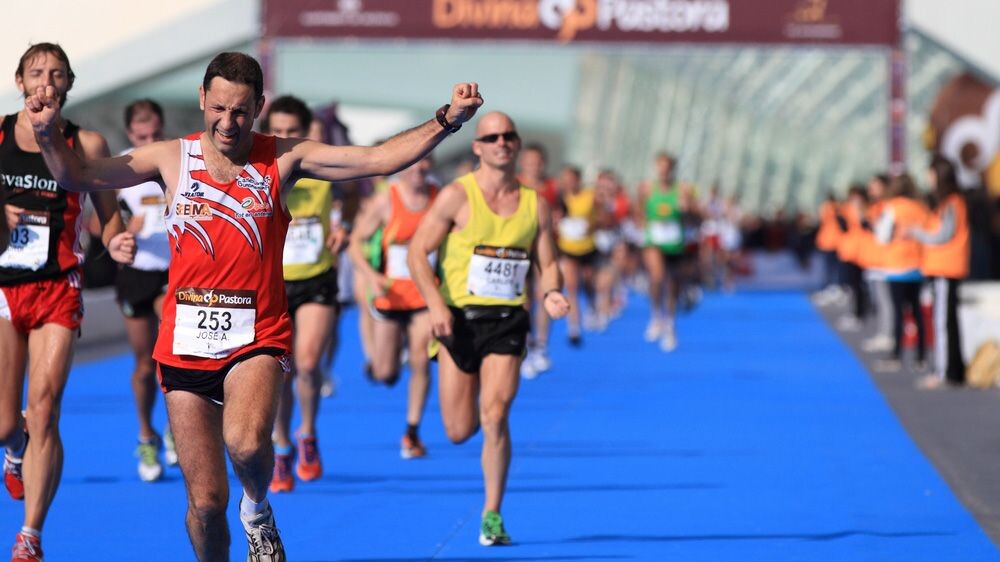
Redefining the Milestone
A sub-3-hour marathon for men aged 40–45 equates to roughly 75–76% age-graded performance. For women, the equivalent is sub-3:20. These benchmarks, while demanding, are now within reach for determined midlife runners who train smart, stay consistent, and believe in what’s possible.
Real Stories of Midlife Breakthroughs
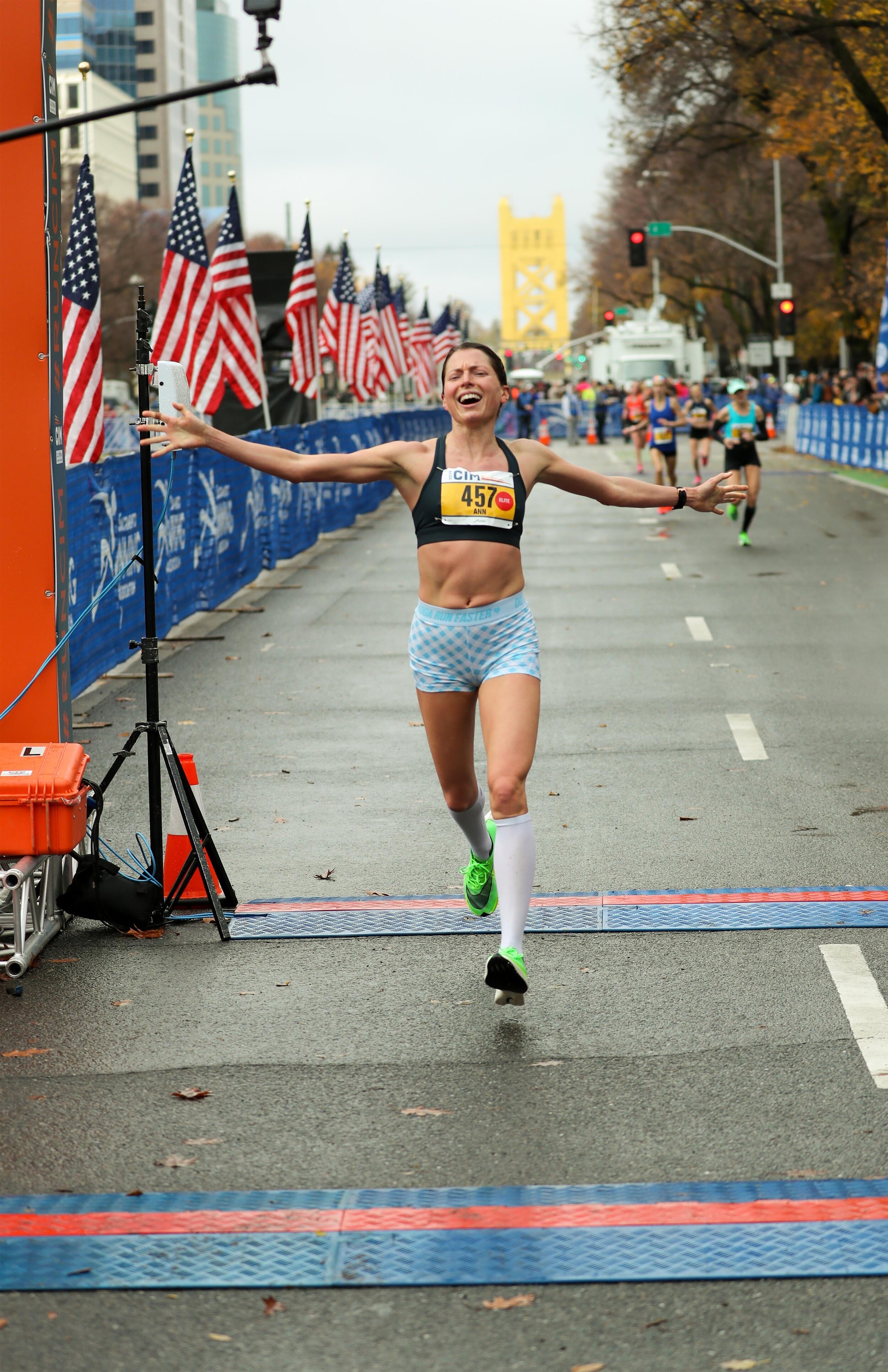
Eric M., 46 – New Jersey (2:58:30)
After a health scare at 41, Eric began walking, then running. Five years later, he cracked 3 hours at the Philly Marathon.
“I wasn’t chasing a podium—I was chasing the best version of myself.”
Diana R., 43 – Texas (3:18:22)
A former college swimmer who didn’t take up serious running until her 40s, Diana methodically dropped time until she broke 3:20 at CIM.
“At first I didn’t think it was possible. But once I ran 3:30, the goal became real.”
Raymond K., 50 – California (2:57:45)
With no formal sports background, Raymond trained himself to elite amateur level through years of structured running.
“You don’t age out of goals—you just train differently to reach them.”
Why It’s Working
Runners over 40 often thrive in the marathon thanks to:
• Endurance-focused aerobic development over years
• Smarter recovery habits (less overtraining)
• Purpose-driven motivation (personal growth vs. external rewards)
• Discipline and patience in both training and racing
Keys to Hitting Sub-3 or Sub-3:20
• Gradual mileage build-up (50–70 miles/week is common)
• Regular tune-up races to sharpen race-day pacing
• Dialed-in nutrition for training and race day
• Coaching or trusted training plans for accountability
It’s Never Too Late to Get Faster
The road to a breakthrough marathon doesn’t start in youth—it starts with a decision to try. Whether you’re chasing sub-3, sub-3:20, or just a new personal best, your age doesn’t define your finish time—your mindset and consistency do.
So if you’re over 40 and still dreaming of a time that once felt out of reach, remember: you’re not behind. You’re right on time.
by Boris Baron
Login to leave a comment
Olympic 5000m medalist Edwin Soi joins new KATA Running Camp in Kericho — a unique Kenyan training program blending elite coaching and community impact.
From Olympic bronze to farming for the future, Edwin Soi’s journey reflects both speed and sustainability.
In the world of distance running, Edwin Soi is a name etched in excellence. At the 2008 Beijing Olympics, Soi captured the bronze medal in the 5000 meters, finishing with a time of 13:06.22behind Kenenisa Bekele and Eliud Kipchoge—an iconic race that cemented his place among the greats of Kenyan running.
Now, over 15 years later, Soi continues to perform at an elite level. In early 2025, he placed on the podium at a major half marathon in Poland, proving that his speed and endurance have stood the test of time. But the accomplished Olympian is now expanding his impact beyond the track.
This year, Soi has teamed up with Bob Anderson, the founder of Runner’s World and the visionary behind the Kenyan Athletics Training Academy (KATA). Together, they are launching a unique initiative in Kericho, Kenya that combines world-class training with sustainable farming.
“I am very excited to be working with Bob Anderson on this new, unique program,” says Soi. “Bob has created something very special for athletes, and combining it with his ideas about farming KATA Potatoes gives us the opportunity to be sustainable. It’s perfect.”
A Vision Rooted in History
Bob Anderson’s connection to Kenyan running spans nearly four decades.
“I first traveled to Kenya in 1987 and saw and met many runners. I knew then that a program like what we have now set up was needed,” Anderson explains. “I returned with my wife Catherine in 2014 and met Elam and Joel. That’s when the idea for the Kenyan Athletics Training Academy (KATA) in Thika really started to take shape.”
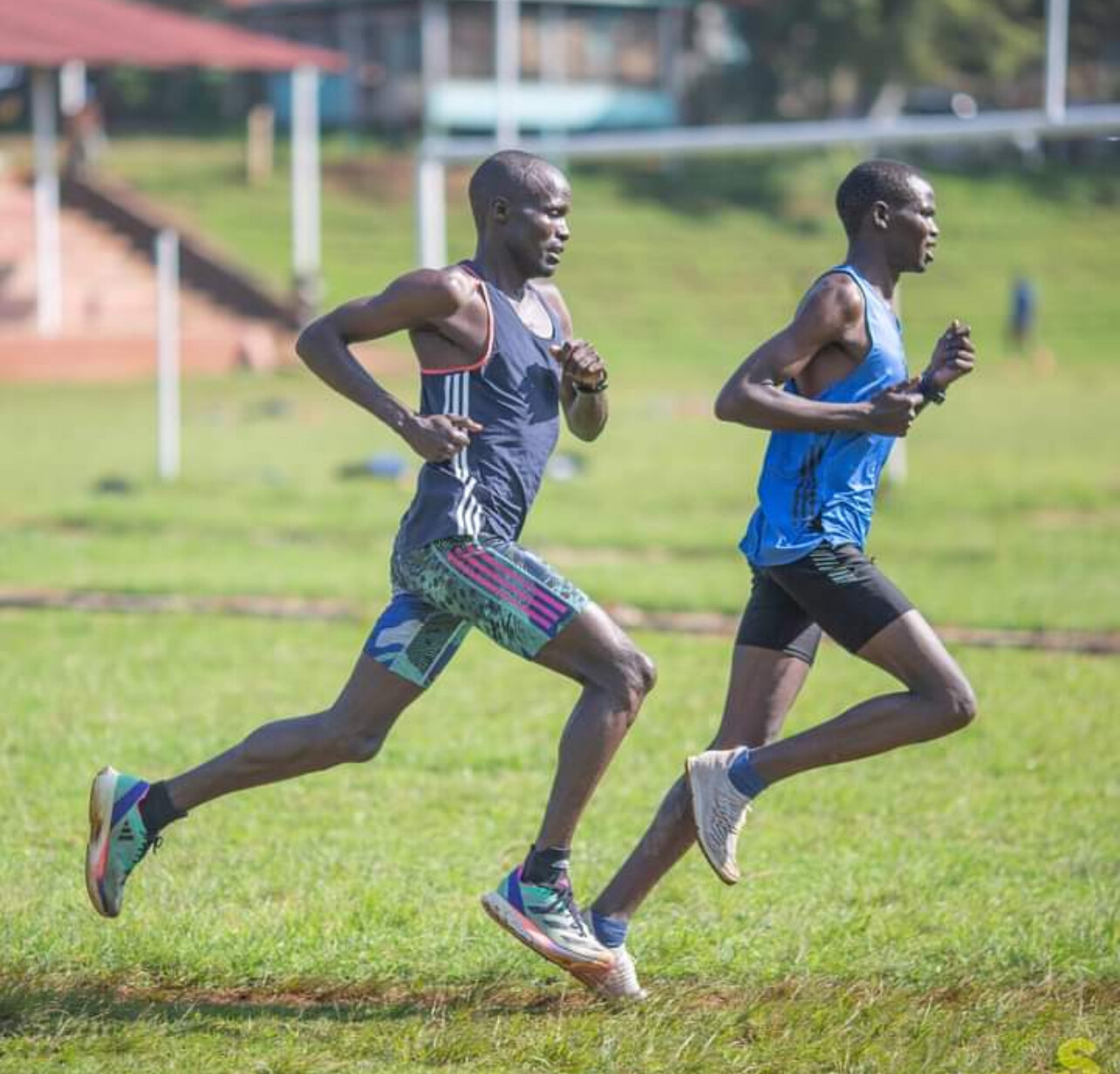
KATA officially opened in 2019, offering elite Kenyan athletes a base to train and grow. But the vision didn’t stop there.
In 2023, Anderson and longtime friend Brock Hinzmann (last photo) a 2:19 marathoner from Los Altos Hills, California, piloted the first KATA farm. The goal was to integrate agriculture into athlete development—creating a model where training and sustainability go hand in hand.
“We established a KATA farm in 2023 working with Brock, but the program needed some refinements. I finalized our new format in May of 2025. I told Edwin Soi about our program and he told me he loved the idea and jumped right on it,” says Anderson.
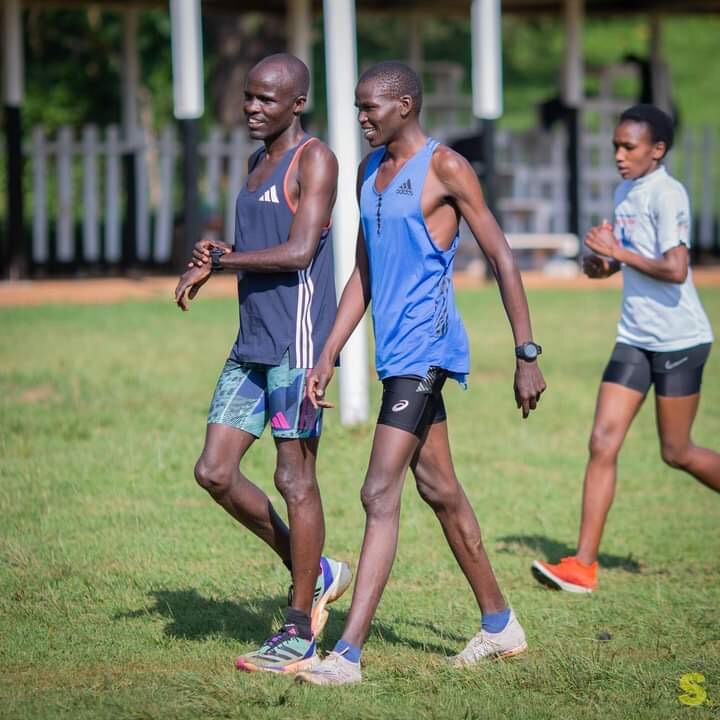
Kuresoi: A New Chapter
Now, with Soi’s leadership, the KATA Running Camp and Potato Farm in Kuresoi is set to become a flagship model for the future. Athletes will not only receive top-level training from one of the greatest distance runners of his generation, but they’ll also participate in sustainable farming practices—planting, maintaining, and harvesting KATA-branded potatoes.
The program provides housing, coaching, food, and competition opportunities—with the added benefit of long-term revenue from agriculture. It’s a model designed not just to develop athletes, but to support their lives beyond running.
“Edwin Soi brings credibility, passion, and wisdom to this project,” says Anderson. “It’s not just about winning races anymore—it’s about building something that lasts.”
Looking Ahead
With KATA camps now expanding across Kenya—including recent launches in Kapcherop, Molo, Nyandarua, and Kuresoi—the partnership between Bob Anderson and Edwin Soi represents a new chapter in Kenyan running. One where elite performance and local empowerment go hand in hand.
Soi’s journey—from Olympic bronze to coaching, mentoring, and planting the seeds of a new future—demonstrates what’s possible when world-class talent meets a visionary purpose.
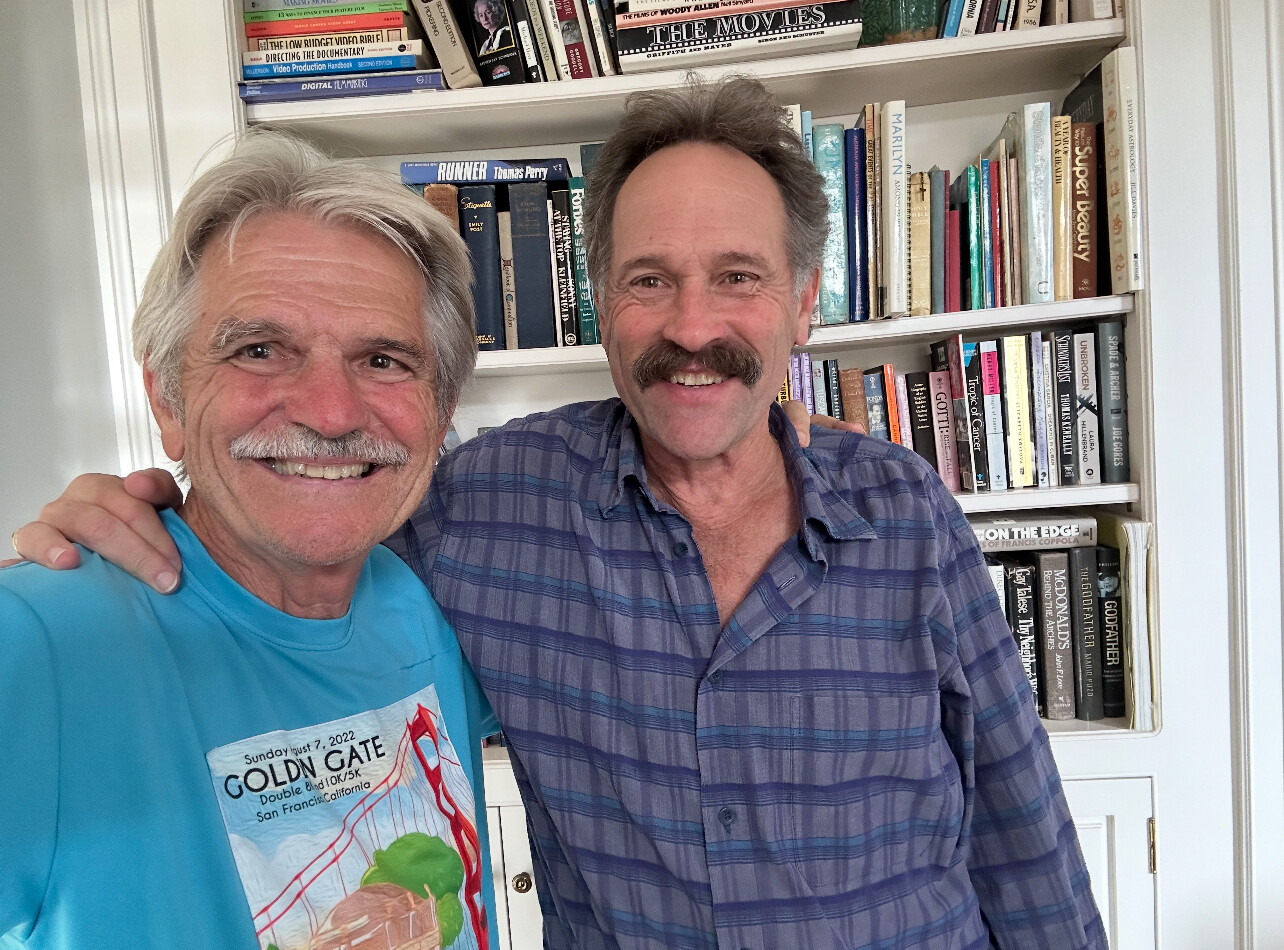
by Boris Baron
Login to leave a comment

Jane Hedengren’s Historic 5K Was Just the Beginning of a Record-Breaking Spring
On April 17, 2025, Jane Hedengren made U.S. high school history by becoming the first American high school girl to run under 15 minutes for the 5,000 meters, clocking an astonishing 14:57.93 at the Bryan Clay Invitational in Azusa, California. Now, over a month later, the running world is still feeling the shockwaves of her performance—and she’s not done yet.
The senior from Timpview High School in Utah led much of the race against top collegiate and pro runners. Despite being passed in the final stretch, Hedengren finished third overall, showing poise, power, and world-class pacing. Only New Mexico’s Pamela Kosgei (14:52.45) and future BYU teammate Lexy Halladay-Lowry (14:52.93) crossed the line ahead of her.
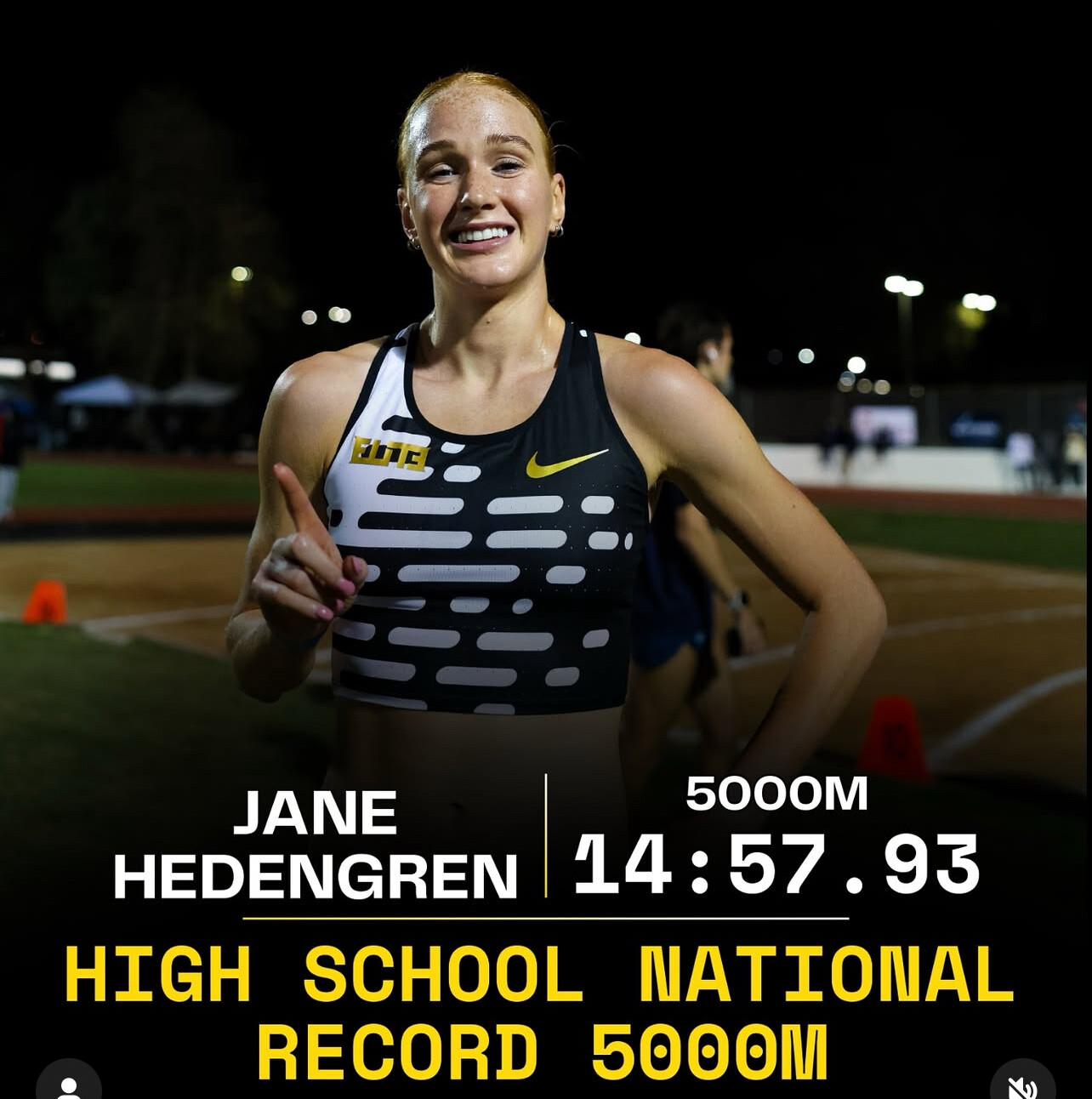
Prior to that, on April 12, Hedengren broke the U.S. high school girls’ outdoor two-mile record with a 9:34.12 effort at the Arcadia Invitational. That time eclipsed the previous record of 9:41.76 and underscored her extraordinary range—from the mile to 5K, Jane is dominating every step of the way.
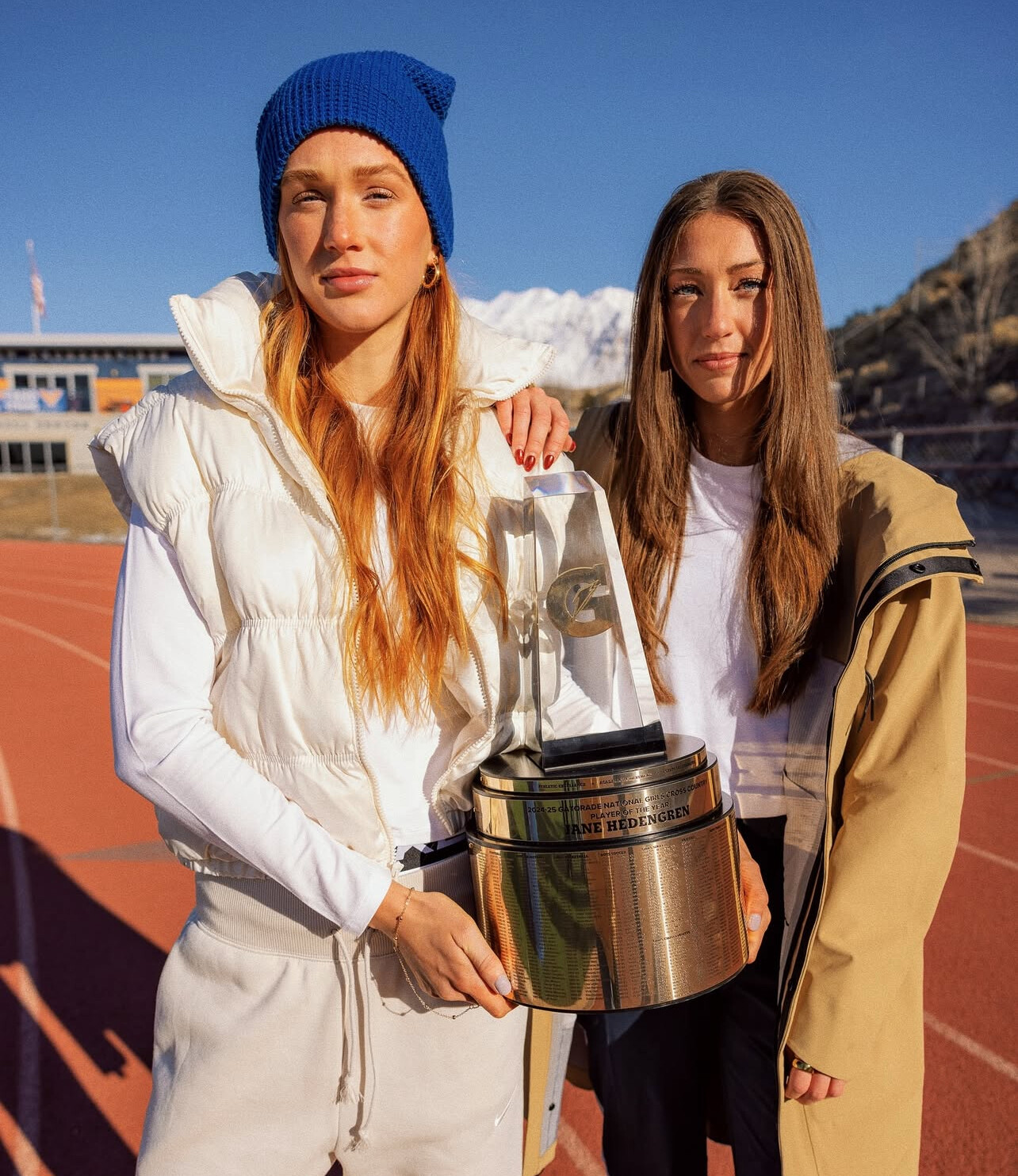
What She’s Done Since
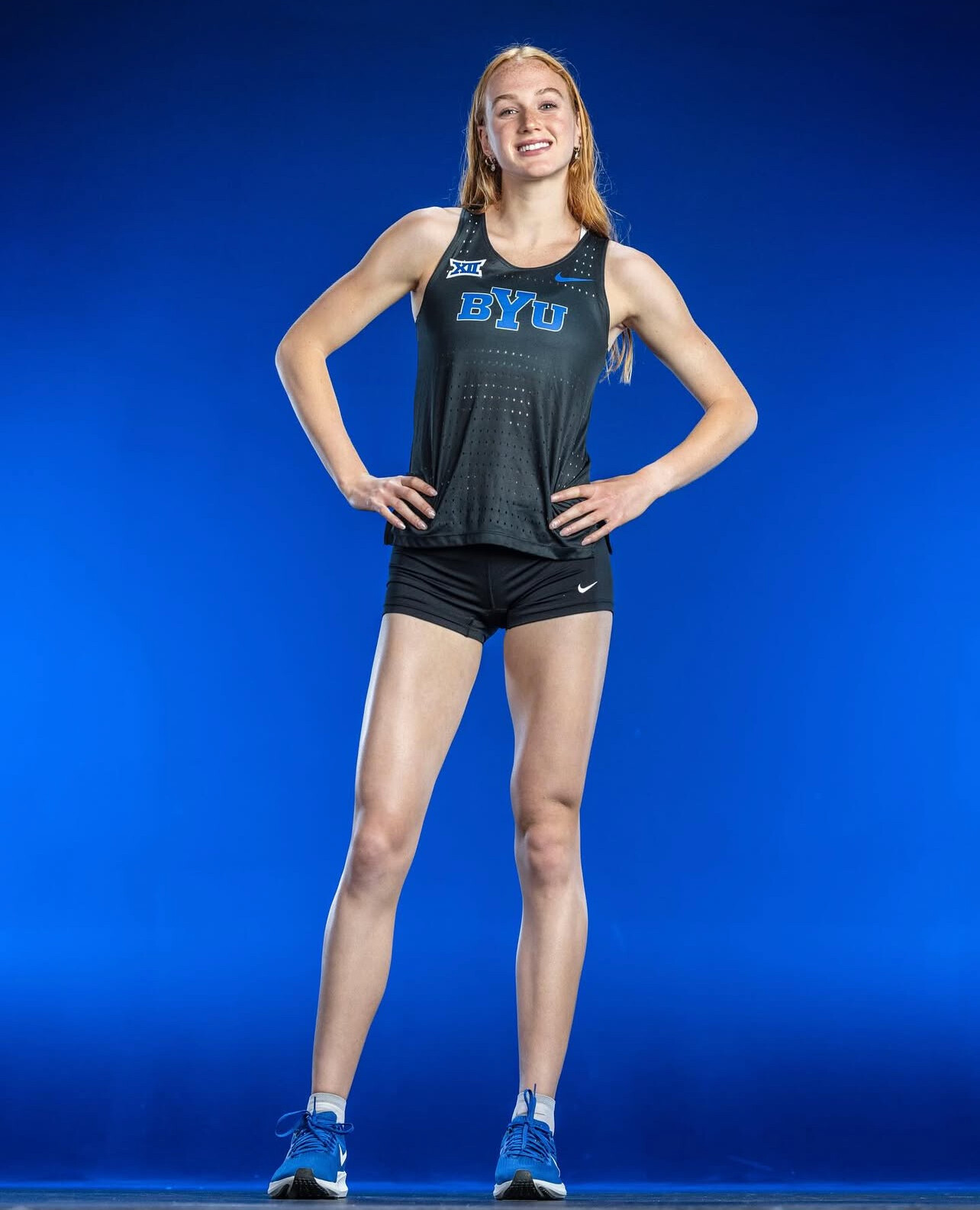
While May has been a quieter race month for Jane, she’s been focused on tuning up for a big June. According to her coach and recent interviews, Hedengren has been training at altitude in Utah, sharpening her speed with race-pace workouts and eyeing her final high school meets before transitioning to BYU.

She’s scheduled to compete at the HOKA Festival of Miles on June 5 in St. Louis, one of the most prestigious high school mile events in the country. There, she could challenge her own national mile record (4:26.14, set indoors in March) or even take aim at Mary Cain’s 4:24.11 outdoor mark from 2013.
A Season of Dominance
Here’s a look at what Hedengren has accomplished in just the last few months:
• March 2025 – Broke U.S. high school indoor records in both the mile (4:26.14) and 5,000m (15:13.26) at the Nike Indoor Nationals.
• April 12, 2025 – Set a new national 2-mile record of 9:34.12 at Arcadia Invitational.
• April 17, 2025 – Ran 14:57.93 for 5,000m at the Bryan Clay Invitational, becoming the first U.S. high school girl to break 15 minutes.
• June 5, 2025 (upcoming) – Scheduled to race the mile at HOKA Festival of Miles.
What’s Next?
With a spot secured at BYU and a history-making senior year already behind her, Jane Hedengren is setting herself up not just as one of the greatest U.S. high school distance runners of all time—but as a potential future Olympian. All eyes will be on St. Louis in June, and beyond that, the U.S. Junior Championships and her NCAA debut could come sooner than expected.
by Boris Baron
Login to leave a comment
The Grand Prix von Bern Is the 10-Mile Race You’ll Never Forget
The streets of Bern, Switzerland, came alive on May 10, 2025, as over 30,000 runners laced up for the 43rd edition of the Grand Prix von Bern, widely regarded as “the most beautiful 10 miles in the world.” With a blend of elite athleticism, historic charm, and community spirit, this event continues to rise on the global running calendar—and if you’re looking for a destination race in 2026, this one might just be it.
A Course Unlike Any Other
Set in the heart of the Swiss capital, the 16.093-kilometer course (10 miles) is as challenging as it is breathtaking. Runners begin near Guisanplatz, weaving through Bern’s UNESCO-listed Old Town, over the Nydeggbrücke bridge spanning the Aare River, past the Federal Palace, and alongside Gothic landmarks like the Bern Cathedral.
The course includes roughly 204 meters of elevation gain, with a mix of cobblestones, rolling hills, and scenic river trails. The final uphill stretch into the city center is not for the faint of heart—but it’s what makes the finish line so satisfying.
“I’ve raced all over the world, but there’s something special about Bern,” said 2025 men’s champion Geoffrey Kamworor, who matched his own course record with a blazing 44:56.2. “The crowds, the course, the energy—it’s unforgettable.”
2025 Champions
• Men’s Winner: Geoffrey Kamworor (Kenya) – 44:56.2
• Women’s Winner: Meseret Gezahegn Merine (Ethiopia) – 57:46.5
Both performances came in front of thousands of cheering spectators lining the narrow streets of Bern, ringing cowbells and waving Swiss flags.
More Than a Race
The Grand Prix von Bern isn’t just for elites. With multiple distance options—including youth races, a 4.7 km city loop, and the full 10-mile event—it welcomes all abilities. Along the route, live music, food stands, and traditional Swiss hospitality create a festive atmosphere from start to finish.
“This race is everything I love about running,” said Lisa Meyer, a first-time international participant from California. “It’s challenging but not overwhelming. And the scenery? Like running through a storybook.”
Looking Ahead to 2026
The next edition is already scheduled for Saturday, May 9, 2026, and organizers expect another sell-out crowd. Registration opens May 11, 2025, via gpbern.ch, and early booking is highly recommended.
“We welcome runners from around the world to experience Bern,” said race director Thomas Gassmann. “This is more than a competition—it’s a celebration of movement, history, and connection.”
Should You Go?
If you love:
• City races with character
• Scenic yet challenging terrain
• European travel with a purpose
• Running where legends have raced
Then the Grand Prix von Bern deserves a spot on your 2026 calendar.
Pro Tip: Make it a weekend. Bern is easily accessible by train from Zurich or Geneva, and the Old Town’s cafes, fountains, and mountain views are worth a few extra days.
Bookmark this race now—and get ready to run one of the world’s most inspiring 10-milers next spring.
by Boris Baron
Login to leave a comment
The Quiet Rise of Clayton Young in U.S. Distance Running
Clayton Young is proving that intelligence and endurance go hand in hand. The 31-year-old American distance star has emerged as one of the most consistent and compelling marathoners on the scene today—blending mechanical precision from his engineering background with grit, faith, and family support.
From BYU to the Big Stage
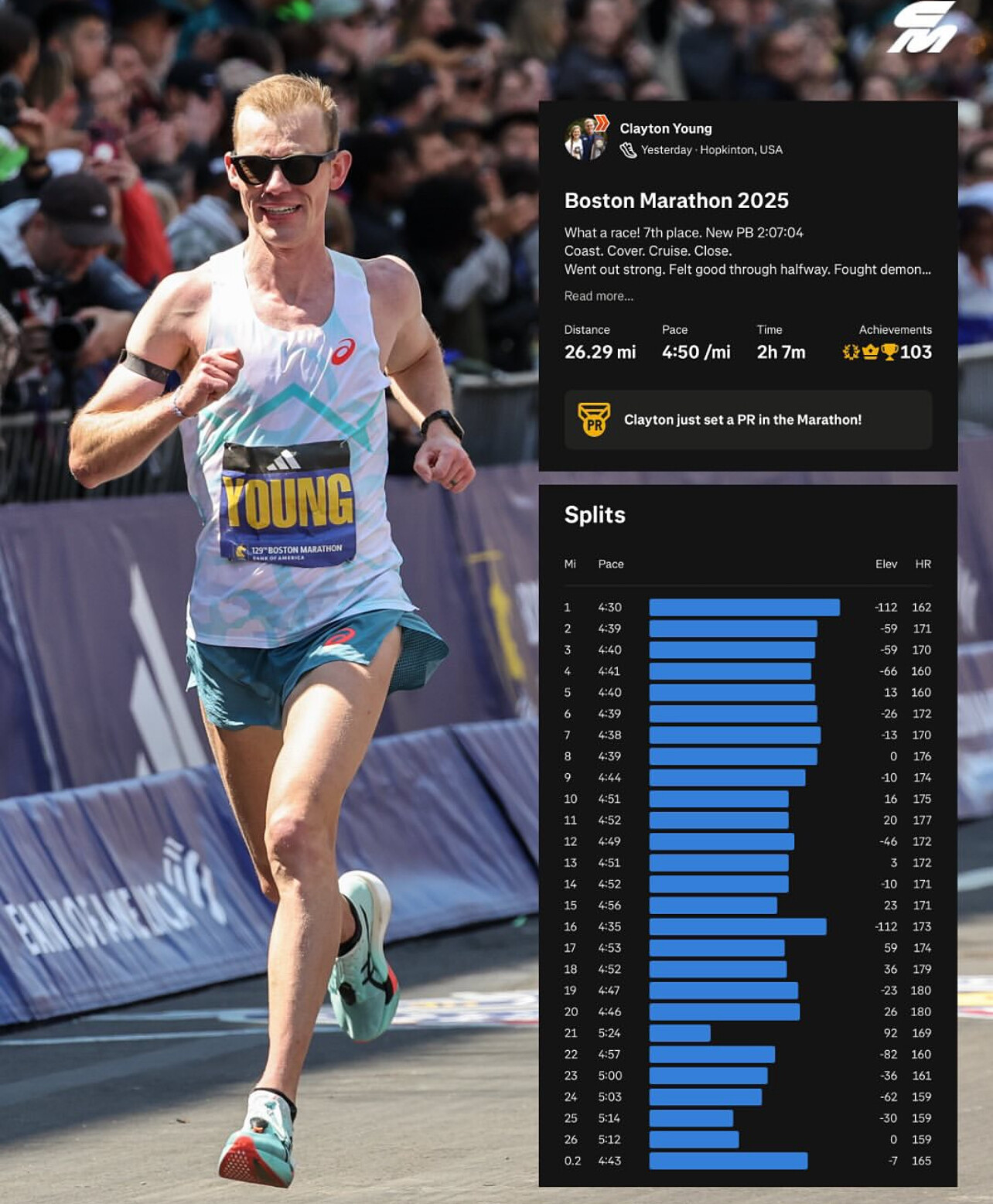
Born in Clovis, California, and raised in American Fork, Utah, Young’s rise began at Brigham Young University, where he studied mechanical engineering and starred on the track. He capped off his college career by winning the 10,000 meters at the 2019 NCAA Outdoor Championships.
After graduation, rather than settling into a full-time engineering career, Young negotiated a flexible part-time role with Stryker Corporation so he could pursue running at the highest level. That decision proved pivotal.
Setbacks and Breakthroughs
In 2023, Young faced a major challenge—knee surgery. Many athletes would have struggled to return, but he was back racing just seven months later. His comeback culminated in a 2:08:00 personal best at the Chicago Marathon, earning him a spot on Team USA for the Paris 2024 Olympic Games.
At the Olympic Trials, Young placed second in 2:09:06, just behind training partner Conner Mantz. Then, on the streets of Paris, he delivered a standout performance, finishing 9th overall in 2:08:44—the fastest Olympic marathon time ever by an American.
He kept the momentum rolling in 2025, clocking 2:07:04 at the Boston Marathon to finish 7th overall and solidify his status as one of the top U.S. marathoners.
Powered by Partnership
Young trains in Provo, Utah, under BYU coach Ed Eyestone alongside Conner Mantz, forming a dynamic duo that’s pushing the limits of American marathon potential. Their disciplined training, built on shared values and competitiveness, has raised the bar for what’s possible.
“We thrive off each other’s energy,” Young has said. “It’s not about beating each other—it’s about being better together.”
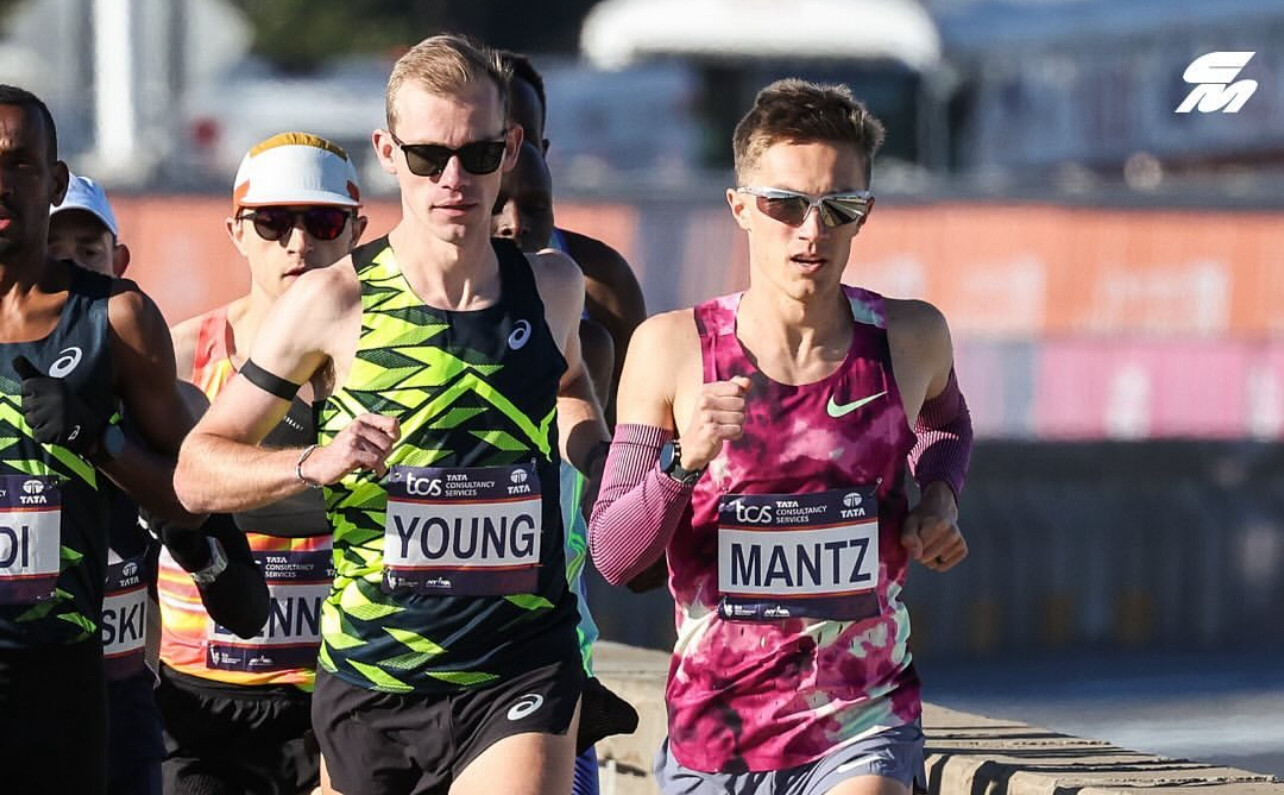
Beyond the Clock
Young is also a devoted husband and father, living in Springville, Utah, with his wife Ashley and their two daughters. He shares his journey through a behind-the-scenes docuseries, Beyond the Hill, and connects regularly with fans through social media—offering insights into his workouts, mindset, and family life.
His ability to balance elite competition with a grounded personal life has made him a fan favorite and a role model for aspiring runners.
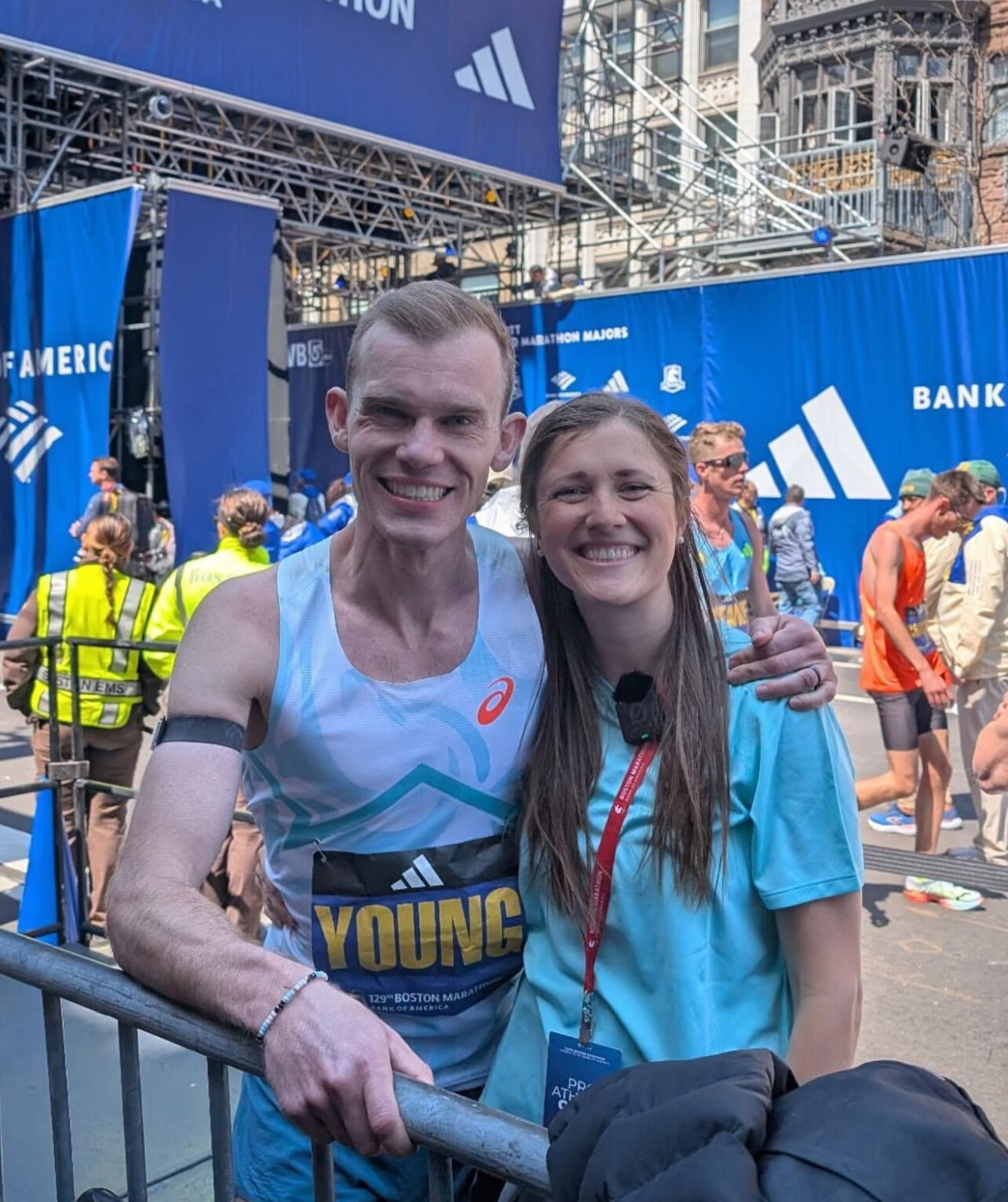
What’s Next for Clayton Young?
With the 2025 World Championships and the 2028 Los Angeles Olympics in view, Clayton Young is entering his prime. His mix of tactical intelligence, physical preparation, and inner resolve is setting a new standard for American marathoners.
He’s not just chasing fast times—he’s building something bigger.
by Boris Baron
Login to leave a comment
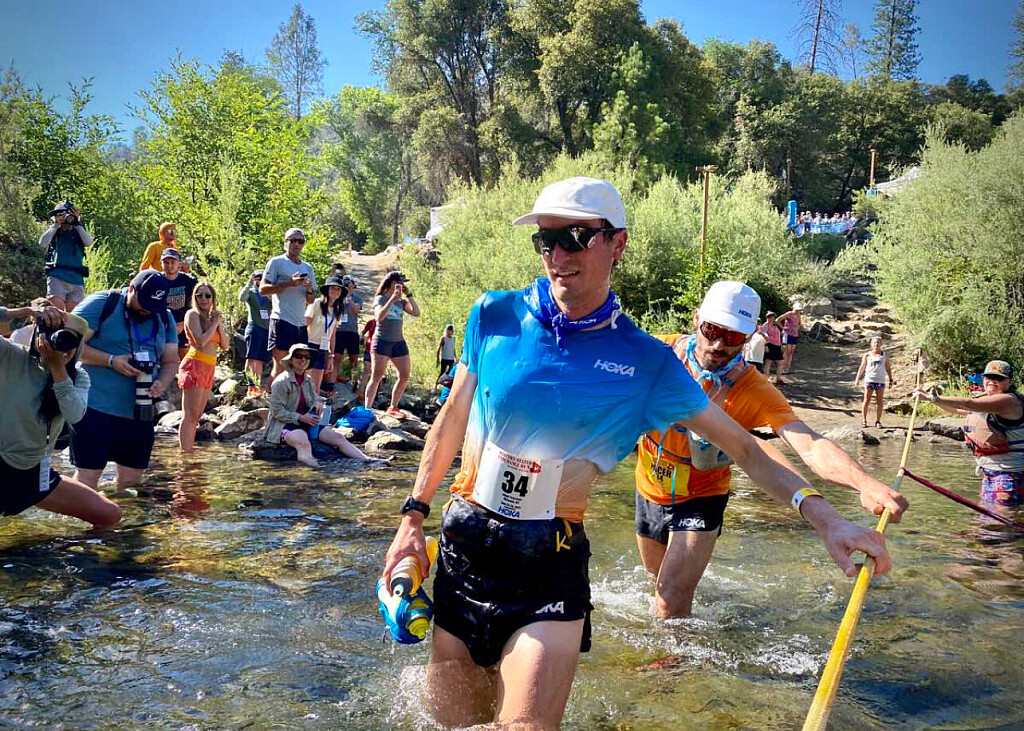
One Mile or One Hundred The Battle for the Soul of the Mile in 2025
In 2025, the word “mile” carries very different meanings depending on who’s lacing up their shoes. For some, it’s about blistering speed—the chase for a personal best in an all-out sprint lasting just a few intense minutes. For others, it’s about endurance, grit, and surviving a 100-mile ultramarathon—not once, but four times in one season. While one version of the mile is measured in minutes, the other is measured in days, elevation, and blisters.
Both forms of running are surging in popularity, drawing passionate athletes and growing crowds. But which “mile” speaks to you?
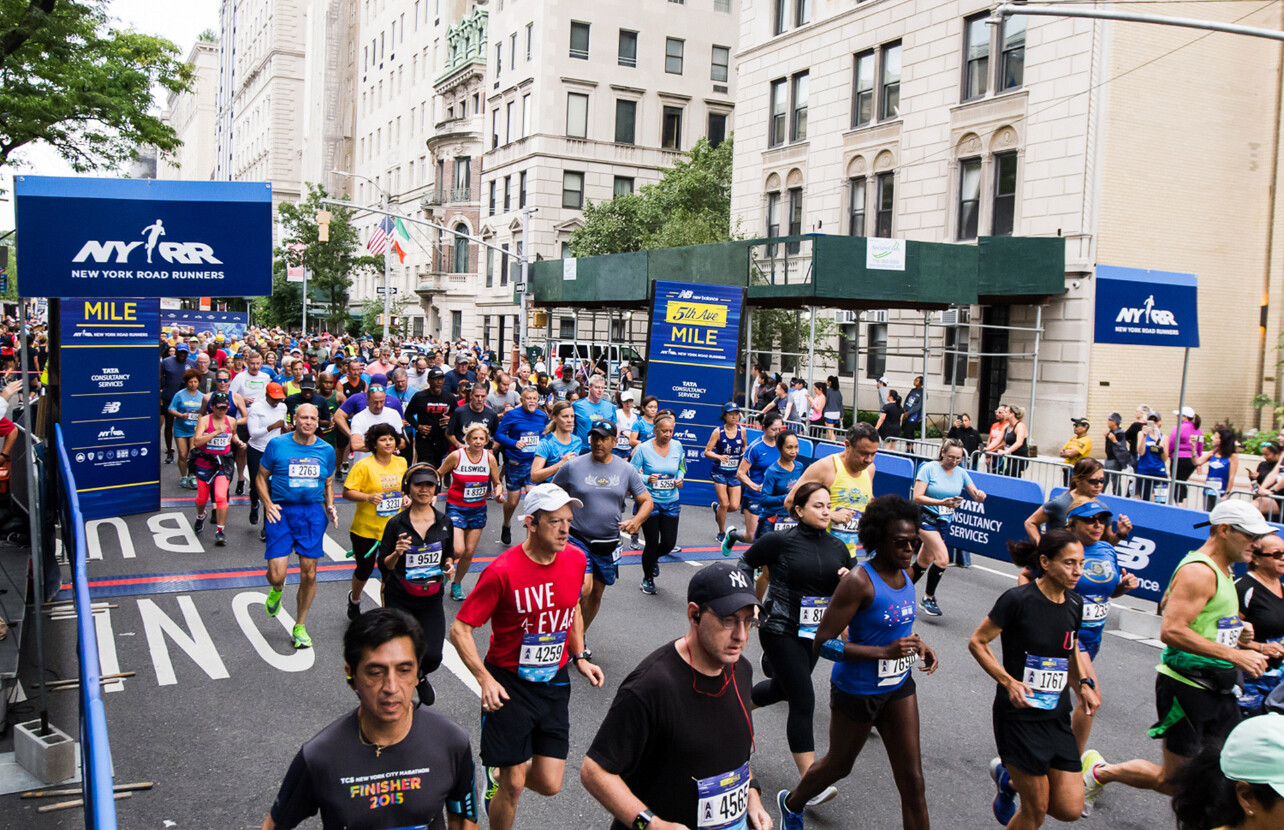
The Rise of the Road Mile
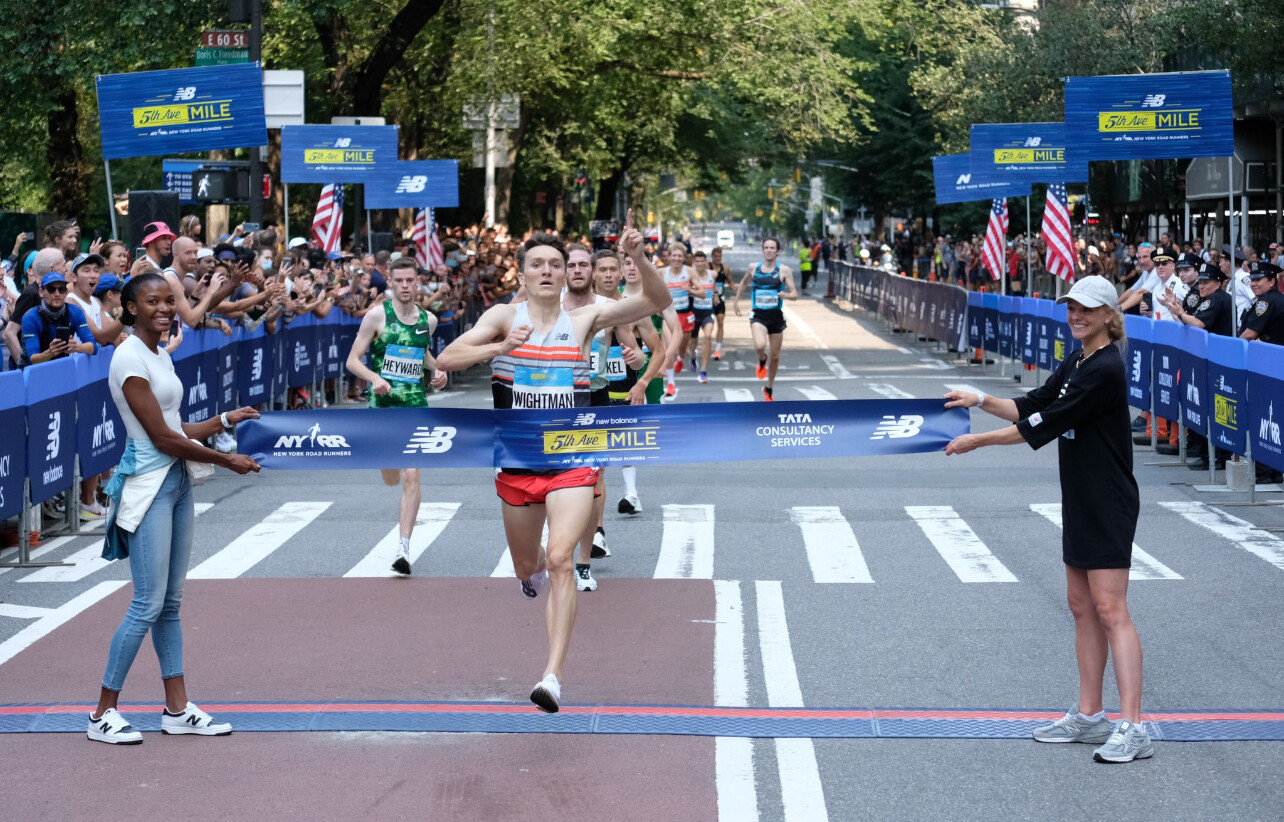
The road mile is back in the spotlight. Once overshadowed by the 5K and 10K, this short, intense race has re-emerged as a fan favorite. In cities across the U.S. and around the world, runners are lining up for high-stakes, high-speed showdowns that test both speed and tactical racing smarts.
One of the most iconic examples is the New Balance 5th Avenue Mile in New York City. Scheduled for Sunday, September 7, 2025, this legendary event draws elite professionals, masters athletes, and youth competitors for a one-mile drag race down Manhattan’s Fifth Avenue. With the skyline as a backdrop and cheering crowds lining the route, it offers one of the purest expressions of speed in road racing.
“It’s raw, it’s electric, and it’s over before you know it,” said one competitor who’s raced both marathons and the mile. “The road mile demands absolute precision—whether you’re aiming to break five minutes or six, you don’t get time to recover from a tactical mistake.”
Events like the Guardian Mile in Cleveland and the Grand Blue Mile in Iowa have followed suit, offering prize money, flat courses, and the kind of short-format excitement that appeals to both spectators and athletes. The mile, once seen as a track-specific discipline, has truly found a home on the road.
The Grand Slam of Ultrarunning
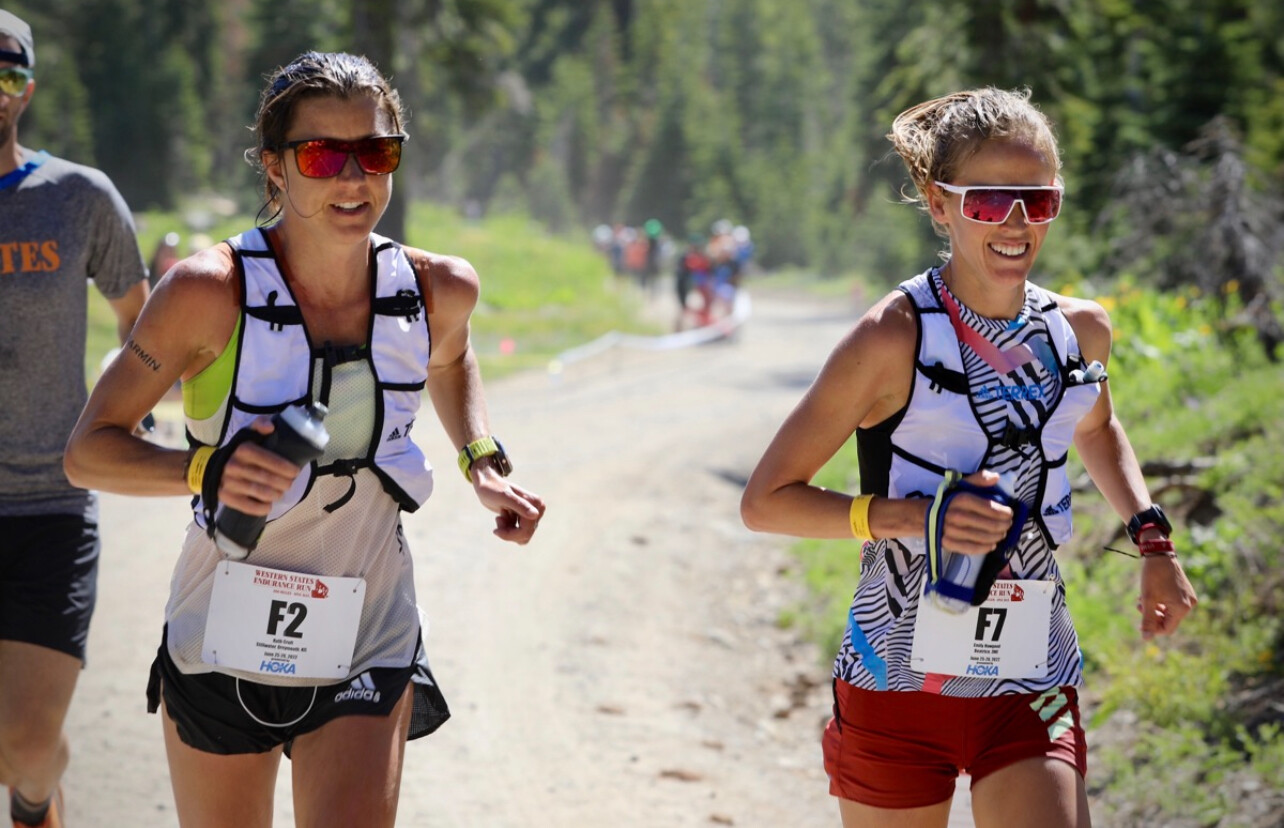
At the other extreme lies the Grand Slam of Ultrarunning—one of the sport’s most grueling and prestigious challenges. Often confused online with terms like “mile grand slam” due to the cumulative 400 miles of racing, the official name is simply The Grand Slam.
To earn this distinction, runners must complete four of the oldest and most iconic 100-mile trail races in the United States during a single summer. The core races typically include:
• Western States 100 (California)
• Vermont 100 Mile Endurance Run
• Leadville Trail 100 (Colorado)
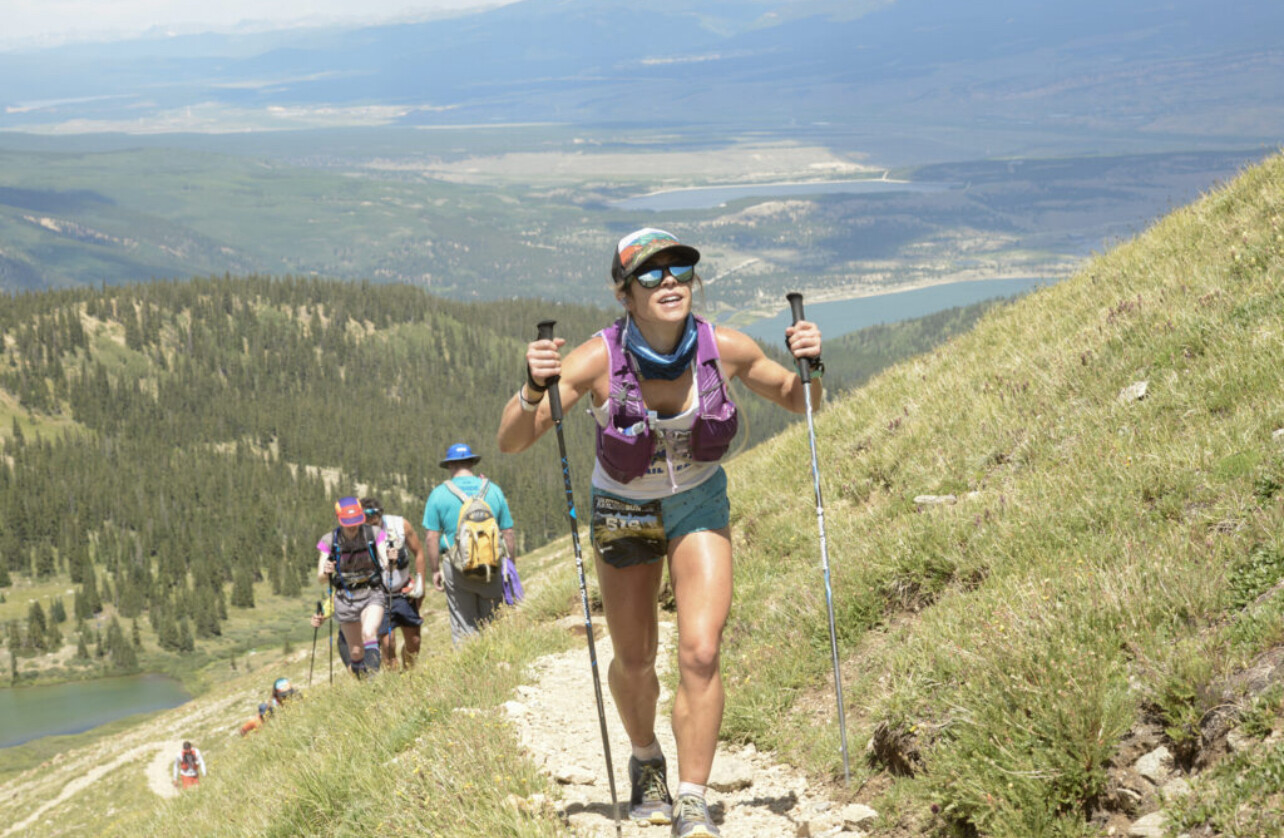
• Wasatch Front 100 (Utah)
Some years permit substitutions like the Old Dominion 100, depending on scheduling. Regardless of the lineup, the difficulty is staggering: thousands of feet of elevation gain, brutal cutoffs, altitude, heat, and sleep deprivation.
“To finish one 100-miler is an accomplishment,” said a veteran ultrarunner who’s completed the Slam. “To finish four in under 16 weeks—there’s nothing like it. It’s not about speed. It’s about survival, strategy, and heart.”
Since its formal inception in the 1980s, fewer than 400 runners have completed the Grand Slam—a testament to its difficulty and prestige.
Two Extremes, One Shared Spirit
At first glance, these two uses of the word “mile” couldn’t be more different. One is sleek and fast; the other is rugged and long. One ends before your legs even start to ache; the other pushes your limits for an entire day—and night.
But at their core, both disciplines require the same fuel: dedication, discipline, and the courage to test yourself. Whether it’s the final lean in a road mile or the final climb at mile 96 of a trail race, runners in both arenas are chasing something personal—and powerful.
Final Thought
So what does the mile mean in 2025? For some, it’s a tactical burn over 1,760 yards. For others, it’s the slow, steady march of 100 trail miles—repeated four times. Either way, the mile remains one of the sport’s most meaningful measures of challenge.
by Boris Baron
Login to leave a comment

Why Running Shoes Are Getting More Expensive in 2025
American-Made Running Shoes Aren’t Coming Anytime Soon says Bob Anderson and here's why.
“It’s just not realistic to imagine an American company finding enough labor in the U.S. to make running shoes,” says lifetime runner Bob Anderson. “Even in states where companies might pay $10 an hour—half the rate in California—it would be difficult to find many Americans with the necessary skills.”
That reality helps explain why nearly all running shoes are made in Asia—and why prices are climbing. A combination of new tariffs, shifting global supply chains, and rising production costs is pushing the cost of your favorite shoes higher than ever across the United States.
The Impact of ‘Liberation Day’ Tariffs
On April 2, 2025, President Donald Trump announced a sweeping set of tariffs under the banner of “Liberation Day,” aiming to address what he described as unfair trade practices and to bolster domestic manufacturing. These tariffs include:
• A universal 10% tariff on all imported goods, effective April 5, 2025.
• Additional country-specific tariffs, ranging from 11% to 50%, on imports from 86 countries, effective April 9, 2025.
For the footwear industry, these tariffs have significant implications. For example, imports from major manufacturing hubs now face the following cumulative tariffs:
• China: 54%
• Vietnam: 46%
• Cambodia: 49%
• Bangladesh: 37%
• Indonesia: 32%
These increased costs are often passed on to consumers, leading to higher retail prices for running shoes.
Upcoming Changes: June 1, 2025
Further changes are scheduled to take effect on June 1, 2025:
• Increased Flat Fees on Small Parcels: For small parcels shipped from China and Hong Kong, the flat fee per item will increase from $25 to $50.
• Higher Tariffs on Low-Value Shipments: All goods made in China, regardless of order value, are now subject to a 30% tariff or a $25 per-item fee, which will increase to $50 per item after June 1, 2025.

These measures are expected to further impact the cost of imported footwear, potentially leading to higher retail prices for consumers. Brands and retailers may need to adjust their sourcing strategies and pricing models in response to these changes.
Global Manufacturing Landscape
Most major running shoe brands manufacture their products overseas, primarily in Asia. For instance:
• Nike: Primarily manufactures in Vietnam, Indonesia, and China.

• Adidas: Relies heavily on Vietnam, Indonesia, and China for production.
• New Balance: Assembles some models in the U.S., but many are produced in Vietnam and Indonesia.
• Brooks: Manufactures most of its running shoes in Vietnam and China.
• ASICS: Produces mainly in Vietnam and Indonesia.

Given the new tariffs, these companies face increased costs, which may be reflected in higher prices for consumers.
Challenges of U.S. Manufacturing
Producing running shoes domestically presents several challenges:
• Labor Costs: U.S. labor is significantly more expensive than in countries like Vietnam or Indonesia.
• Infrastructure: The U.S. lacks the large-scale infrastructure and trained workforce needed for mass shoe production.
• Supply Chain: Many components used in shoe manufacturing are produced overseas, making domestic production more complex and costly.
While some companies, like New Balance, have U.S.-based production, it’s limited and often involves imported components.
The Labor Cost Gap Behind Your Running Shoes
One of the main reasons running shoes are rarely made in the United States is the vast difference in labor costs. In Vietnam—currently the leading producer of running shoes for brands like Nike, Adidas, and New Balance—the average factory worker earns between $200 and $300 USD per month. In Indonesia and Cambodia, wages can be even lower. By contrast, U.S. manufacturing workers typically earn $3,000 to $4,000 per month, not including benefits.
Since running shoes are labor-intensive to make—often requiring 70 to 100 steps in the assembly process—these wage disparities drastically affect the cost of production. That’s why even with new tariffs, it’s still cheaper for most brands to produce shoes overseas than to bring operations back home.
Looking Ahead
The full impact of these tariffs will unfold over time. Consumers may see continued price increases and reduced availability of certain models. Brands may explore alternative manufacturing locations or adjust their product lines to mitigate costs.
As the situation evolves, staying informed will help consumers make educated decisions about their purchases.
by Boris Baron
Login to leave a comment
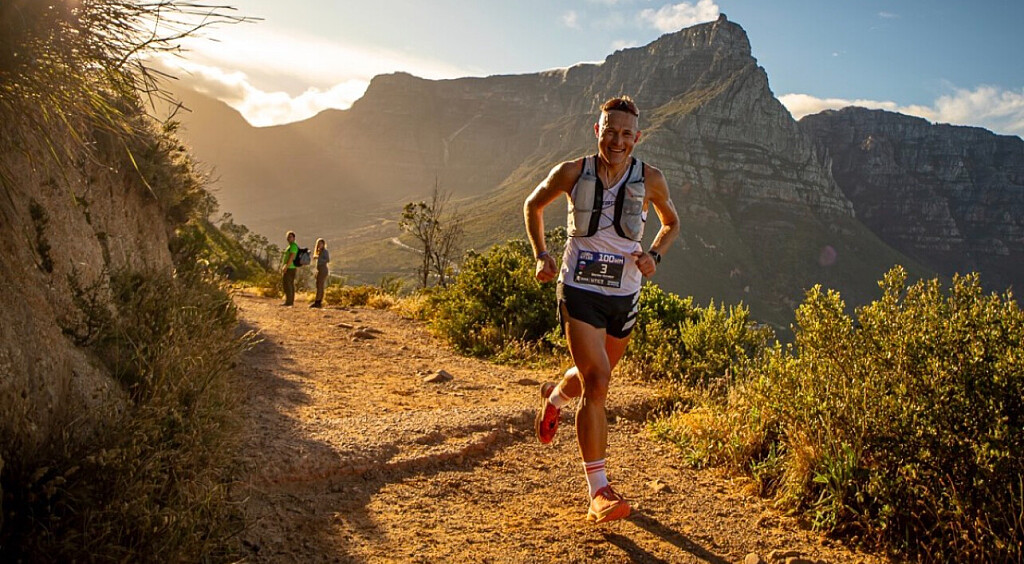
How Trail Races Are Redefining the Running Boom
In recent years, the global running community has seen a dramatic shift in where and how people race. While traditional road marathons still draw massive crowds, trail races—once considered a niche segment—are experiencing a surge in popularity. From rugged mountain paths to dense forests and desert crossings, more runners are lacing up to compete off-road, seeking challenge, solitude, and a deeper connection to nature.
The Rise of Trail Runnimg
Trail running has grown rapidly in the past decade, but its momentum accelerated after the COVID-19 pandemic, when road races were canceled and people turned to nature for both fitness and sanity. What started as necessity turned into passion for many, and race organizers took note. Events that once attracted a few hundred now sell out in minutes.
Today, races like the UTMB (Ultra-Trail du Mont-Blanc) in France, the Western States 100 in California, and the Ultra-Trail Cape Town in South Africa are globally recognized—drawing elites and amateur runners alike. These races offer not just distance and competition, but elevation, terrain variety, and breathtaking backdrops.
More Than a Race—A Journey
Unlike a typical 10K or marathon, trail races often require navigation, climbing, and mental fortitude. Weather and terrain can change quickly. Aid stations may be miles apart. But it’s exactly these demands that attract runners hungry for something deeper than just speed or medals.
“There’s something primal about running in the wilderness,” says 2023 UTMB finisher Sara Delgado. “It’s not just about pace—it’s about presence.”
Elite Trail Runners on the Rise
Top road racers are taking notice too. Marathoners like Jim Walmsley and Kilian Jornet have made trail dominance a core part of their legacy. Meanwhile, athletes like Courtney Dauwalter are redefining what endurance looks like, regularly winning 100-mile races overall—not just in the women’s field.
Sponsors have followed the talent. Major brands are investing in trail running gear, shoes, and media coverage, making the sport more visible and viable for elite athletes and growing its appeal for weekend warriors.
Global Appeal
From Portugal’s Douro Valley to the jungles of Costa Rica and the peaks of Japan’s Alps, trail races are being launched in every corner of the world. Many combine local culture with intense landscapes, turning these events into destination experiences.
Travel-based trail running adventures—3-day stage races, run-and-yoga retreats, and culinary trail tours—are also gaining traction. It’s no longer just a race, but a way to see the world, one footstep at a time.
What This Means for the Future
Trail running is redefining the running boom by offering what many road races cannot: quiet, challenge, authenticity, and unfiltered connection to the earth. As the sport continues to grow, it’s likely we’ll see more hybrid athletes, crossover races, and increased visibility across the media.
The road will always have its place, but for a growing number of runners, the real race begins where the pavement ends.
by Boris Baron
Login to leave a comment
Why So Many People Are Running Marathons Now
April 27, 2025, is shaping up to be one of the biggest marathon days in history. Across the globe, tens of thousands of runners are lining up to test themselves over the classic 26.2-mile distance. The surge in marathon participation reflects a larger movement: more people than ever before are choosing to challenge themselves, honor loved ones, improve their health, and be part of something bigger than themselves.
At the London Marathon alone, more than 56,000 runners are expected to take part, potentially setting a new world record for the largest official marathon field. Each runner will bring their own story to the streets of London — whether it’s running for a charity, celebrating recovery, or simply achieving a personal goal. Since the event’s founding, the London Marathon has raised over £1.3 billion ($1.7 billion) for charity, reinforcing how marathons have become deeply tied to causes and community.
Meanwhile, thousands more will take to the start line at the Haspa Hamburg Marathon in Germany, the Madrid Marathon in Spain, and the Uniper Düsseldorf Marathon, which is returning after a six-year hiatus. In the United States, marathons like the Big Sur International Marathon in California, the Oklahoma City Memorial Marathon, and the Glass City Marathon in Toledo are also drawing strong fields.
One of the biggest reasons for the boom in marathon running is the personal connection runners feel to the challenge. For some, like Julie Wright, who is running London in memory of her daughter who passed away from breast cancer, marathon training became a way to heal and to move forward. For others, the marathon offers a tangible milestone at a time when traditional life achievements like homeownership or career stability can feel increasingly out of reach. Completing 26.2 miles offers a powerful sense of accomplishment.
Advances in running technology have also helped fuel the rise. New shoes with carbon-fiber plates, better cushioning, and smart training apps make it easier for newcomers to successfully prepare. Social media has helped too, creating vibrant global communities where runners can share training tips, encouragement, and race day celebrations.
Finally, marathons today are more inclusive than ever before. Age, experience, and speed are no longer barriers. At the London Marathon, runners from 18 to over 80 years old will be lining up together. It’s this spirit — community, personal challenge, and shared experience — that continues to draw more people to marathons every year.
Today, April 27, 2025, the marathon stands stronger than ever, a symbol of resilience, passion, and the enduring human spirit.
My Best Runs is your source for running news, race coverage, features, training insights, and inspiring stories from the world of distance running.
by Boris Baron
Login to leave a comment
The Last Push Before Summer: How Runners Are Peaking This Spring
As the calendar turns toward May, runners across the globe are entering a crucial phase in their annual training cycles: the final opportunity to race hard and fast before summer heat shifts the strategy.
While many spring races are just wrapping up—or happening this weekend—runners are still chasing personal bests and season goals. The London Marathon, Madrid Marathon, and Big Sur International Marathon are all set for this Sunday, capping off one of the most exciting stretches of the global racing calendar.
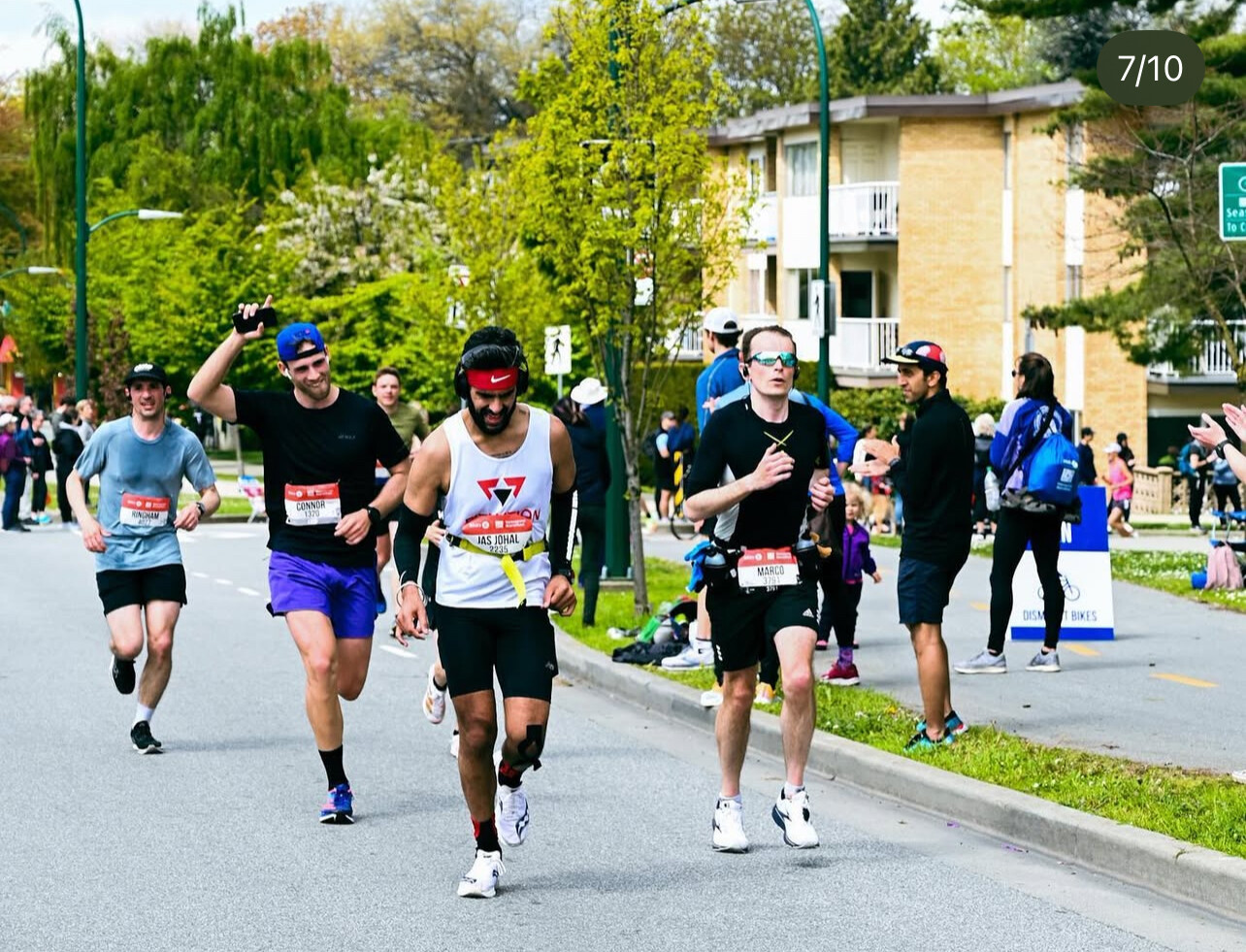
But the season isn’t quite over yet. The Eugene Marathon, Vancouver Marathon, Pittsburgh Marathon, and other early May events are giving runners one more shot to test their fitness—and many are taking full advantage.

A Critical Window for Speed and Strategy
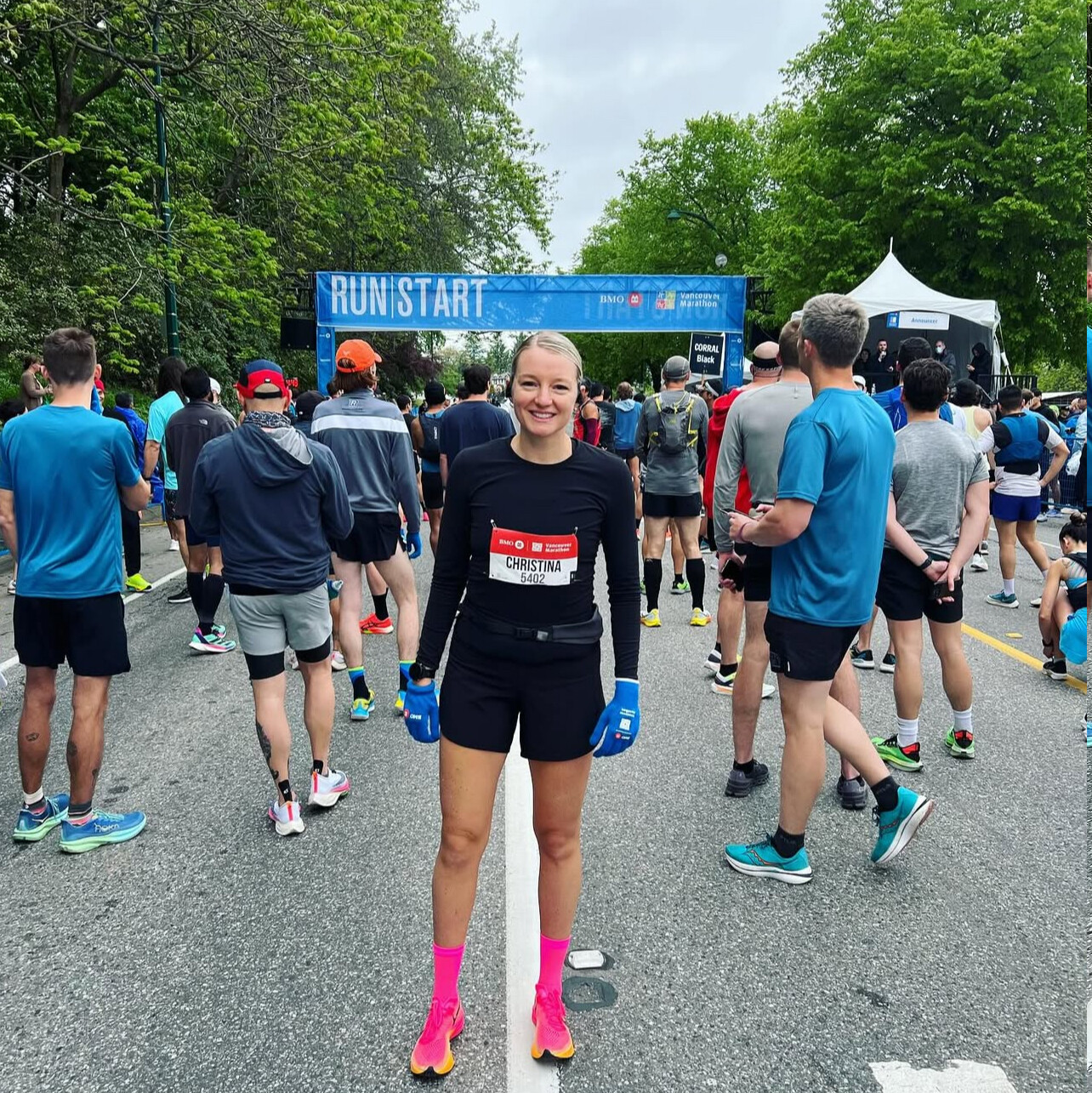
“This is one of the best times of year to be fit,” says Coach Dennis from KATA Portugal. “Runners who stayed healthy through the winter and peaked for April races are now sharper than ever. If you can handle one more race effort, this is the time to go for it.”
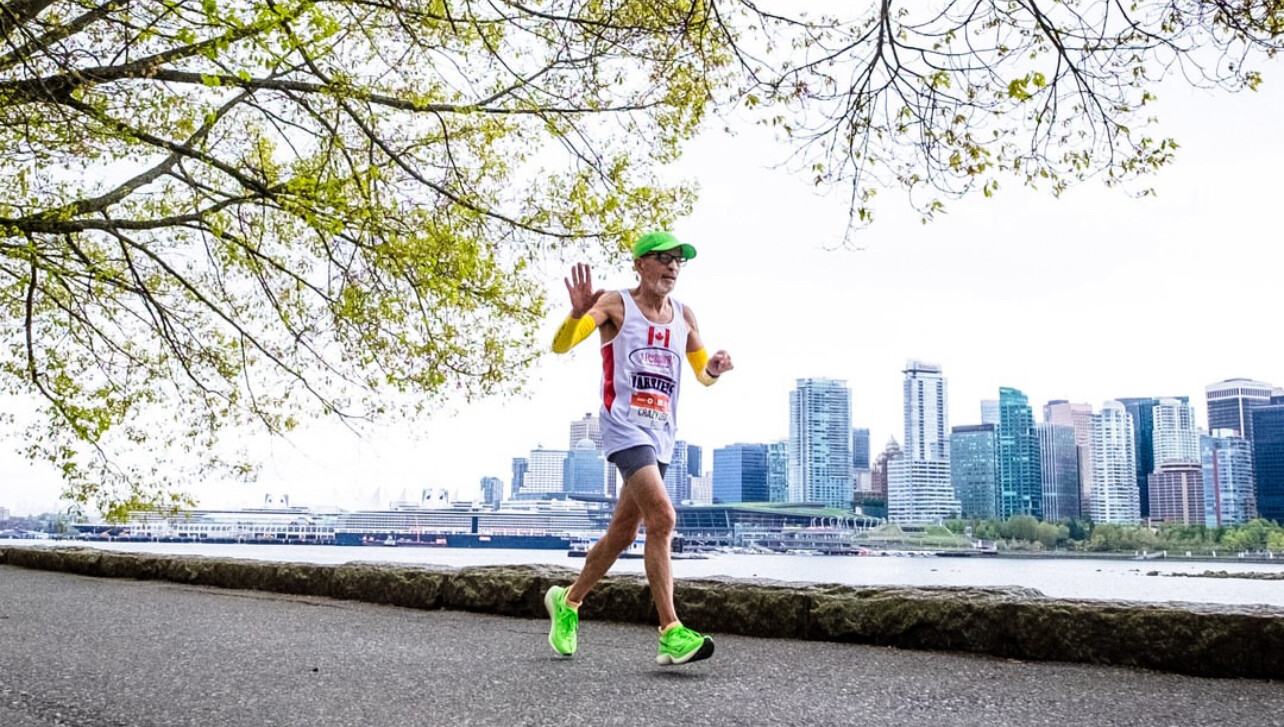
Late April and early May offer ideal racing weather in much of the Northern Hemisphere. Cool mornings and calm conditions are perfect for PRs, BQ attempts, or one last tune-up before switching into base-building mode.
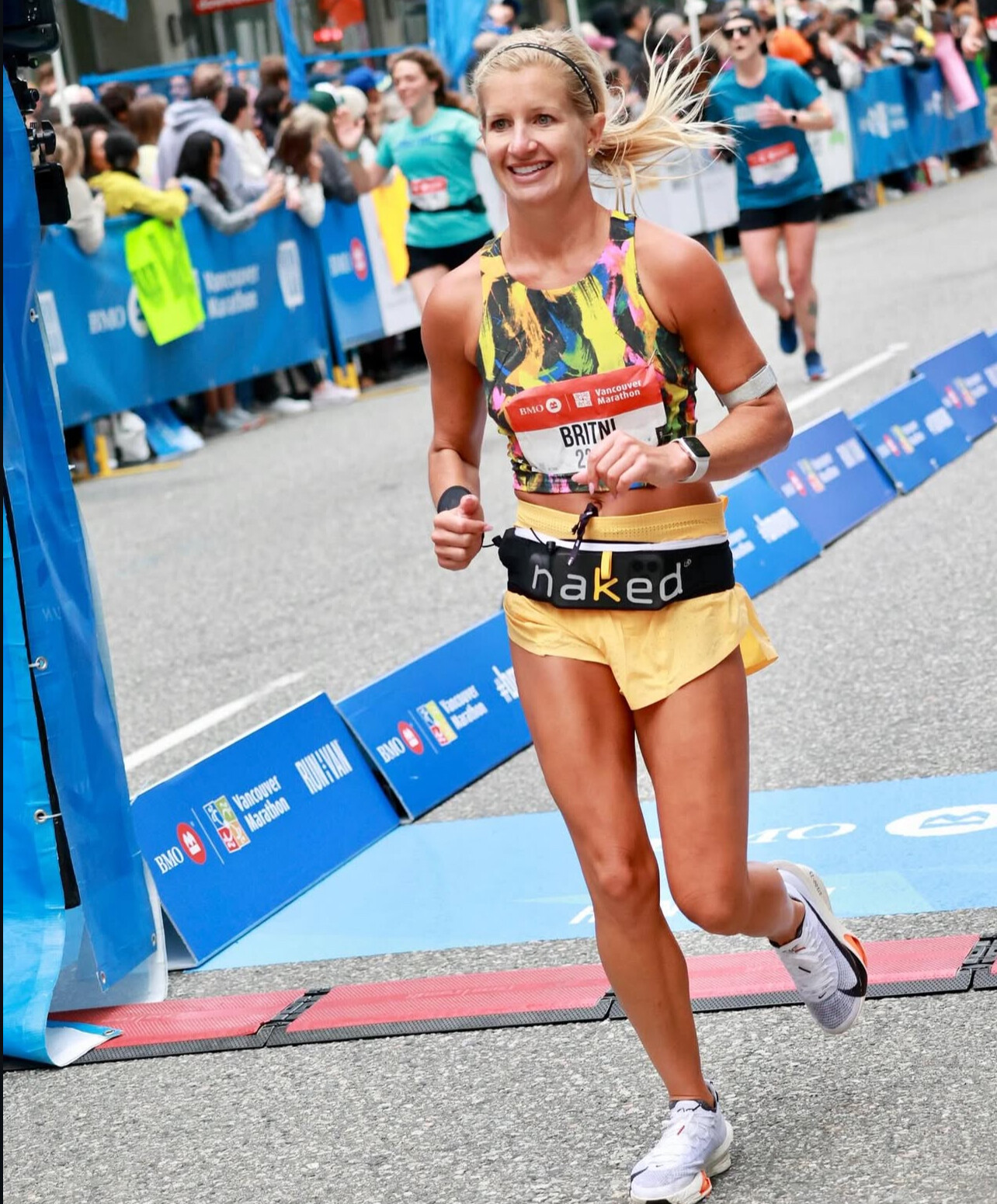
The Spring Surge Continues
The Eugene Marathon (April 27) and BMO Vancouver Marathon (May 4) are both known for fast, scenic courses and well-organized race weekends. They attract everyone from local club runners to elites trying to salvage a qualifying time or simply end the spring on a high note.
“My goal race is Berlin this fall, but Eugene gives me a mid-year checkpoint,” says California-based runner Mallory James. “If I’m not racing now, I’m falling behind.”
Time to Recover—or to Launch
Some runners will use May for recovery after a hard season. Others—especially those gearing up for summer trail and mountain races—are just now hitting their peak mileage. Events like the Dipsea, Mt. Washington Road Race, and Western States 100 are fast approaching.
Coach’s Tip: Plan Your Summer Wisely
According to KATA coach and 2:07 marathoner Jimmy Muindi, spring is where momentum is built—but summer is where runners evolve. “If you raced well this spring, great. Now shift the focus to long-term strength. Summer is for building, not burning out.”
Whether you’re racing this weekend or logging miles toward your fall marathon, this is your moment to finish strong—and set the tone for everything that comes next. As the calendar turns toward May, runners across the globe are entering a crucial phase in their annual training cycles: the final opportunity to race hard and fast before summer heat shifts the strategy.
by Boris Baron
Login to leave a comment
Chasing the Sea Breeze – Big Sur Marathon Offers Runners One of the World’s Most Scenic Courses
As the 2025 edition of the Big Sur International Marathon kicks off this Sunday, runners from around the world will gather on California’s Highway 1 to experience what many call the most breathtaking course in America. This isn’t a race for personal bests—it’s for personal moments.
Winding from Big Sur Station to Carmel, the 26.2-mile route hugs the edge of the Pacific Ocean, weaving past towering redwoods, crashing surf, and rugged cliffs. Runners ascend nearly 2,200 feet across the course, including the iconic Hurricane Point climb—nearly two miles of relentless uphill that rewards the brave with panoramic ocean views.
At the halfway mark, runners cross the Bixby Creek Bridge, where a live grand piano performance fills the air—a beloved tradition unique to Big Sur.
A Race Built on Beauty, Not Speed
Because of the elevation changes, fierce headwinds, and tight curves, the Big Sur Marathon is rarely a place to chase personal records. In fact, many elite runners come here not to win, but to reconnect with the joy of running in nature.
That said, the course does have its records:
Men’s Course Record: Brad Poore – 2:16:39 (2006)
Women’s Course Record: Nuta Olaru – 2:44:58 (2006)
Both marks have stood for nearly two decades—a testament to the course’s difficulty and unpredictability.
Not Just a Marathon
The Big Sur race weekend includes a variety of events: a 21-miler, 10.6-miler, 12K, 5K, and even a relay. All races share portions of the scenic coastal course, and all finish in Carmel.
For many, Big Sur is more pilgrimage than race. The field is intentionally capped at just a few thousand runners to preserve the intimate and environmental integrity of the course.
Why It Matters in 2025
As the global running calendar becomes increasingly fast, flat, and record-chasing, Big Sur stands apart. This year’s edition continues the tradition of mindfulness, nature, and endurance. In a world where speed often dominates headlines, Big Sur reminds us that the soul of running lives in the journey—not just the stopwatch.
by Boris Baron
Login to leave a comment

Big Sur Marathon
The Big Sur Marathon follows the most beautiful coastline in the world and, for runners, one of the most challenging. The athletes who participate may draw inspiration from the spectacular views, but it takes major discipline to conquer the hills of Highway One on the way to the finish line. Named "Best Marathon in North America" by The Ultimate Guide...
more...
Marathon Momentum: Why the Next 30 Days Are the Biggest in Distance Running
From the cobblestones of Prague to the iconic slopes of Heartbreak Hill, mid-April to early May marks one of the most exhilarating periods on the global running calendar. During this time, the world’s most prestigious and scenic marathons take center stage, with tens of thousands of runners lacing up for career-defining performances and unforgettable experiences.
2025 Spring Marathon Highlights
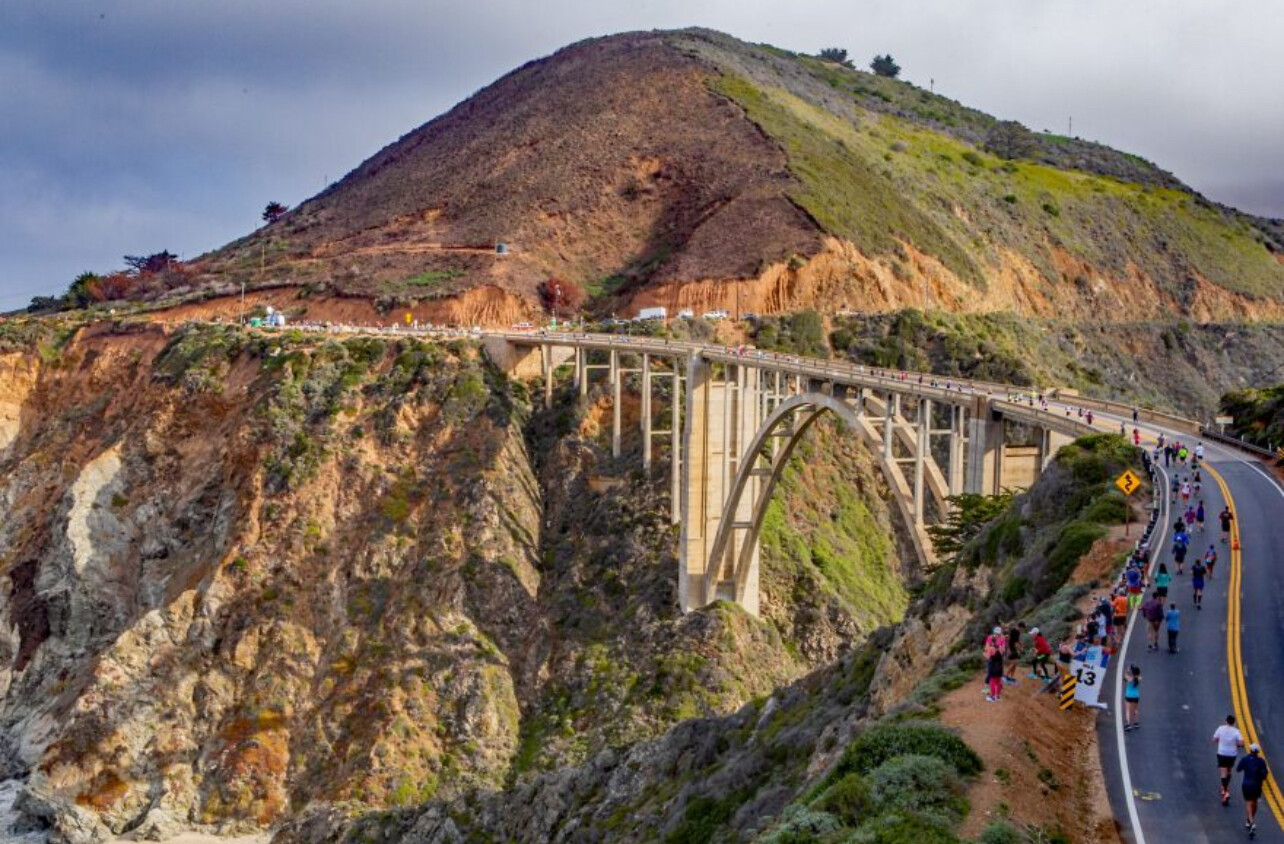
April 21 – Boston Marathon (USA)
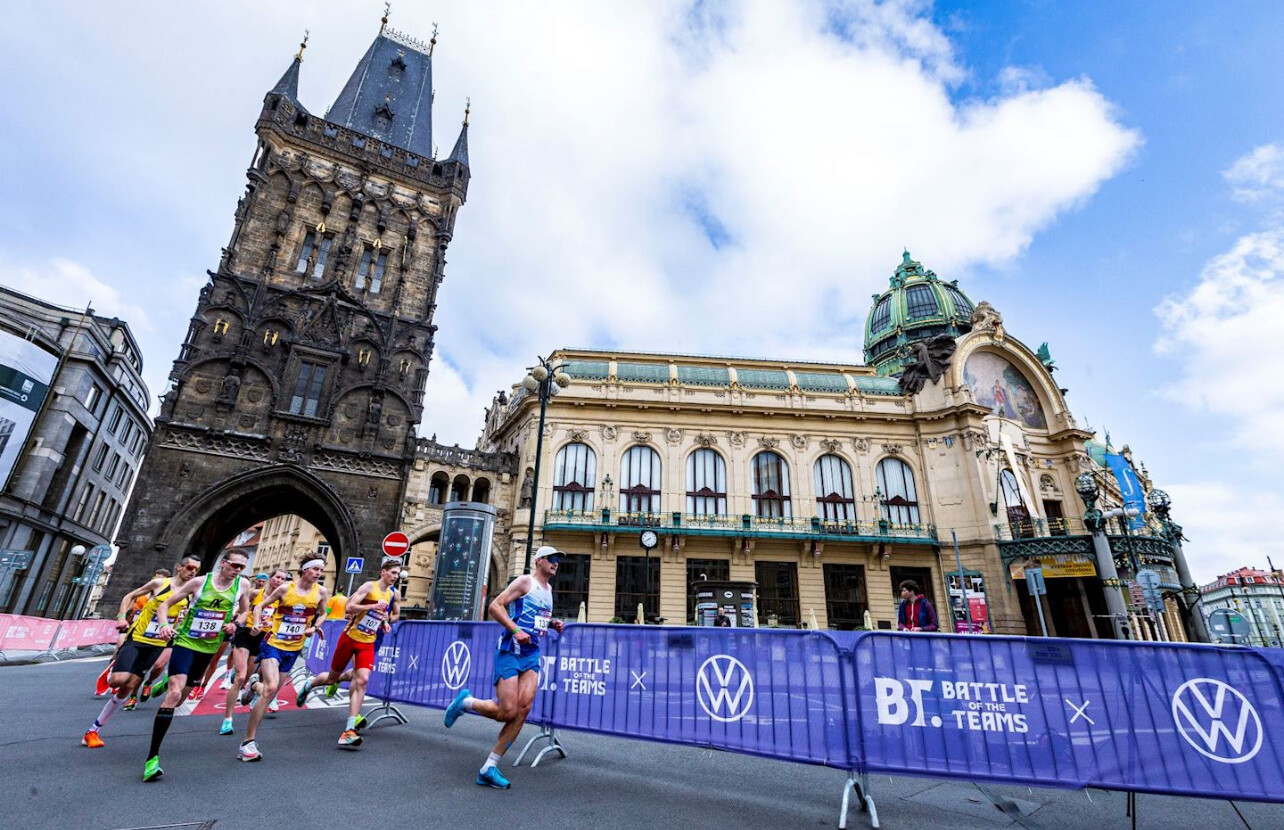
The 129th Boston Marathon delivered historic performances. Kenya’s John Korir overcame an early fall to win the men’s race in 2:04:45, the second-fastest time in event history. His victory, following his brother Wesley’s 2012 win, marks the first time siblings have both claimed Boston titles. In the women’s race, Sharon Lokedi set a new course record of 2:17:22, defeating two-time defending champion Hellen Obiri. The event also commemorated the 50th anniversary of the first wheelchair division, with Marcel Hug and Susannah Scaroni winning their respective races .
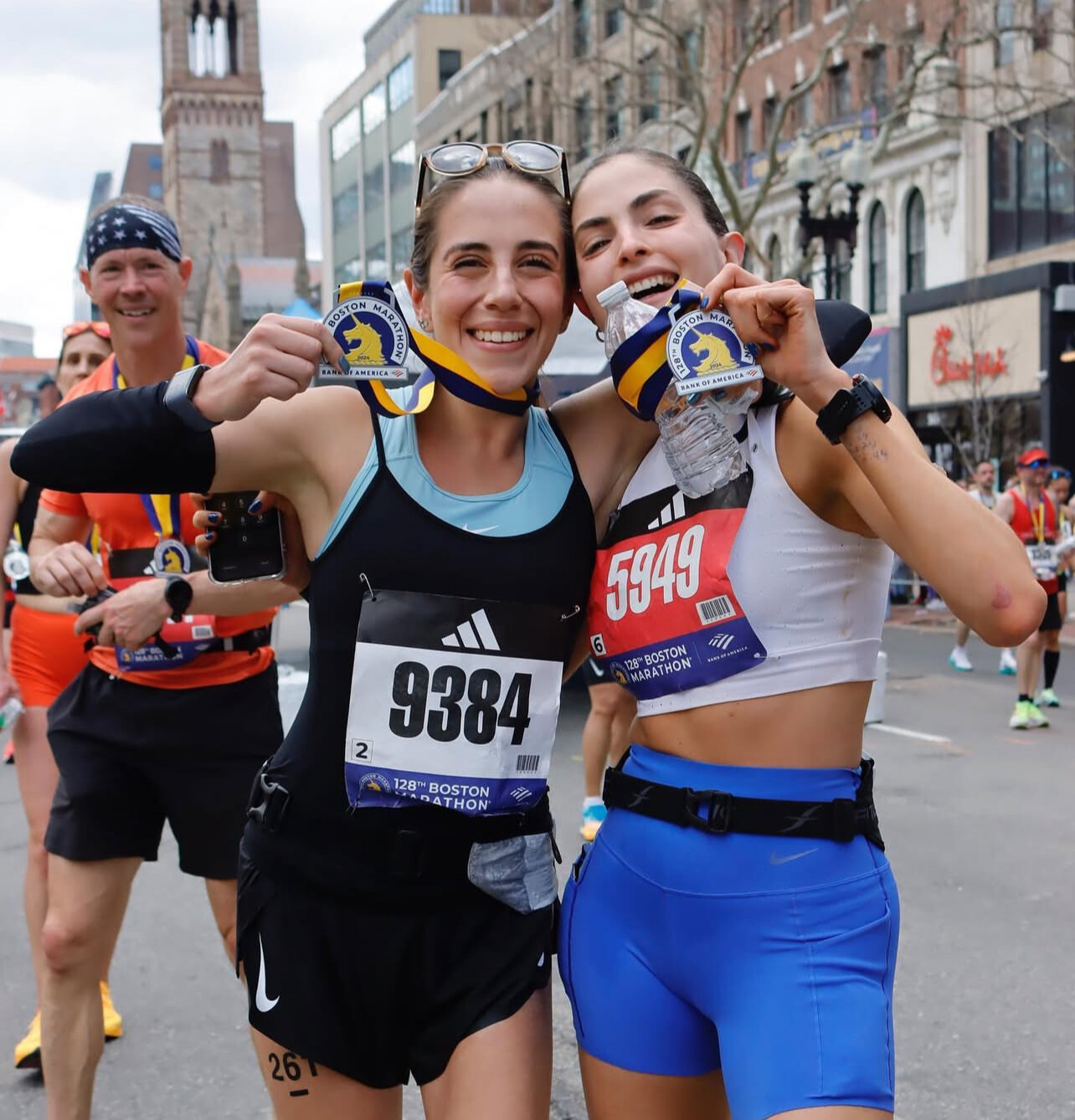
April 27 – London Marathon (UK)
The TCS London Marathon is renowned for its flat course and elite competition. This year’s race featured a deep field of Olympic hopefuls and major contenders, making it one of the most anticipated editions in recent history .
April 27 – Big Sur International Marathon (USA)
On the same day, the Big Sur Marathon offered runners a contrasting experience with its scenic route along California’s Highway 1. Known for its challenging hills and breathtaking ocean views, Big Sur remains a bucket-list race for many .
May 4 – BMO Vancouver Marathon (Canada)
Vancouver’s marathon combines urban landscapes with natural beauty, featuring routes through city streets, along the coastline, and through forested areas. The event continues to grow in popularity, attracting runners from around the world .
May 4 – Generali Prague Half Marathon (Czech Republic)
The Prague Half Marathon showcased impressive performances, with Rodrigue Kwizera of Burundi winning the men’s race in 58:54, becoming the first winner from his country. In the women’s race, Lilian Kasait Rengeruk of Kenya claimed victory with a time of 1:05:27 .
Why This Month Matters
These next 30 days represent the peak of spring racing season. Elites are using these events to fine-tune Olympic campaigns or solidify sponsorships. Everyday runners are chasing PRs, qualifying times, or simply the thrill of a world-class course.
Spring weather, fresh fitness, and the return of major in-person races make this stretch a celebration of everything running stands for: discipline, joy, and community.
Are You Racing This Spring?
We want to hear from you! Tag @MyBestRuns or send us your photos and stories—whether you’re running in Boston, Big Sur, or your own local race. This is the season that keeps the running world turning.
by Boris Baron
Login to leave a comment

Sam Ruthe Impresses in 3200m Debut at Arcadia Invitational on 16th Birthday
On April 12, 2025, New Zealand’s Sam Ruthe marked his 16th birthday with a commendable performance at the Arcadia Invitational in California. Competing in the boys’ invitational 3200-meter race, Ruthe secured third place with a time of 8:43.57. The race was won by Owen Powell of Mercer Island, Washington, in 8:39.86, followed by Josiah Tostenson of Crater High School, Oregon, in 8:40.95.
Ruthe’s time is particularly notable considering his age and the fact that it was his debut at this distance. Earlier in the year, he set a personal best in the 3000 meters with a time of 7:56.18 at the New Zealand senior championships in Hastings, a world best for his age group. Using a standard conversion factor, this 3000m time approximates to an 8:34.08 over 3200 meters, indicating that his Arcadia performance was competitive, albeit slightly slower.

The Arcadia Invitational’s 3200m race featured a deep field, with 37 athletes breaking the 9-minute barrier, underscoring the event’s high caliber. While the race was highly anticipated, it unfolded tactically, with a slower first half that may have tempered expectations for record-breaking times.
Ruthe’s performance at Arcadia adds to his growing reputation as a rising star in middle-distance running. His international experience at such a young age bodes well for his athletic future.
by Boris Baron
Login to leave a comment
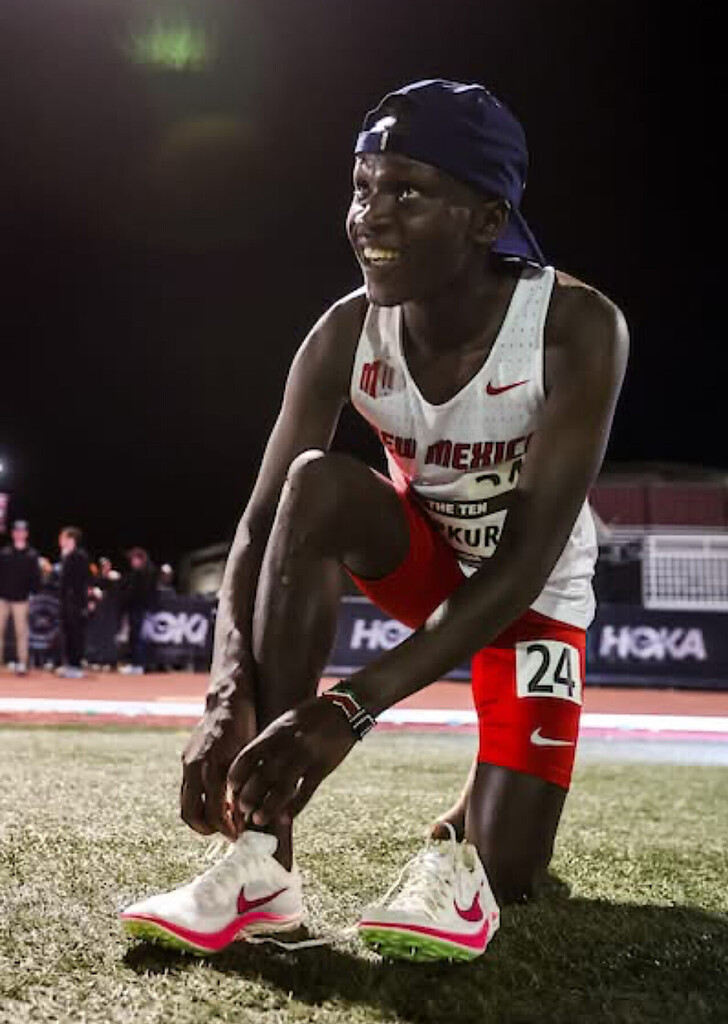
Ishmael Kipkurui: From Kenyan Highlands to NCAA Record-Breaker
Ishmael Rokitto Kipkurui, born on February 10, 2005, in Baringo County, Kenya, has rapidly ascended in the world of long-distance running, culminating in his recent NCAA 10,000-meter record-breaking performance.
Early Life and Passion for Running
Growing up in Mochongoi near Marigat, Kipkurui was the third of five children. His passion for athletics was evident early on, often training at 4 a.m., illuminating his path with a torch before attending classes at Sinonin Secondary School by 6 a.m. This unwavering dedication allowed him to balance academic responsibilities with rigorous training sessions. Even during training camps, he carried school textbooks to ensure he remained on top of his studies.
Athletic Development and Training
Under the guidance of coaches Julius Kirwa and Barnaba Kitilit, Kipkurui’s talent flourished. His training regimen, characterized by early morning runs and consistent discipline, laid the foundation for his future successes. In 2023, he clinched the U20 title at the World Cross Country Championships in Bathurst, Australia, finishing the 8-kilometer race in 24:29.
Transition to the United States
Kipkurui’s exceptional performances caught the attention of international scouts, leading to his recruitment by the University of New Mexico (UNM). In December 2024, shortly after graduating from Sinonin Secondary School, he committed to joining the UNM Lobos track and field team. This decision was influenced by UNM’s strong track program and its history of nurturing international talent.
Collegiate Career and Record-Breaking Performance
Since enrolling at UNM, Kipkurui has continued to excel. On March 29, 2025, at Sound Running’s The TEN in San Juan Capistrano, California, he set a new NCAA 10,000-meter record with a time of 26:50.21, surpassing the previous record of 26:52.72 set by Nico Young in 2024. His teammate, Habtom Samuel, finished closely behind with a time of 26:51.06.
Personal Bests and Achievements
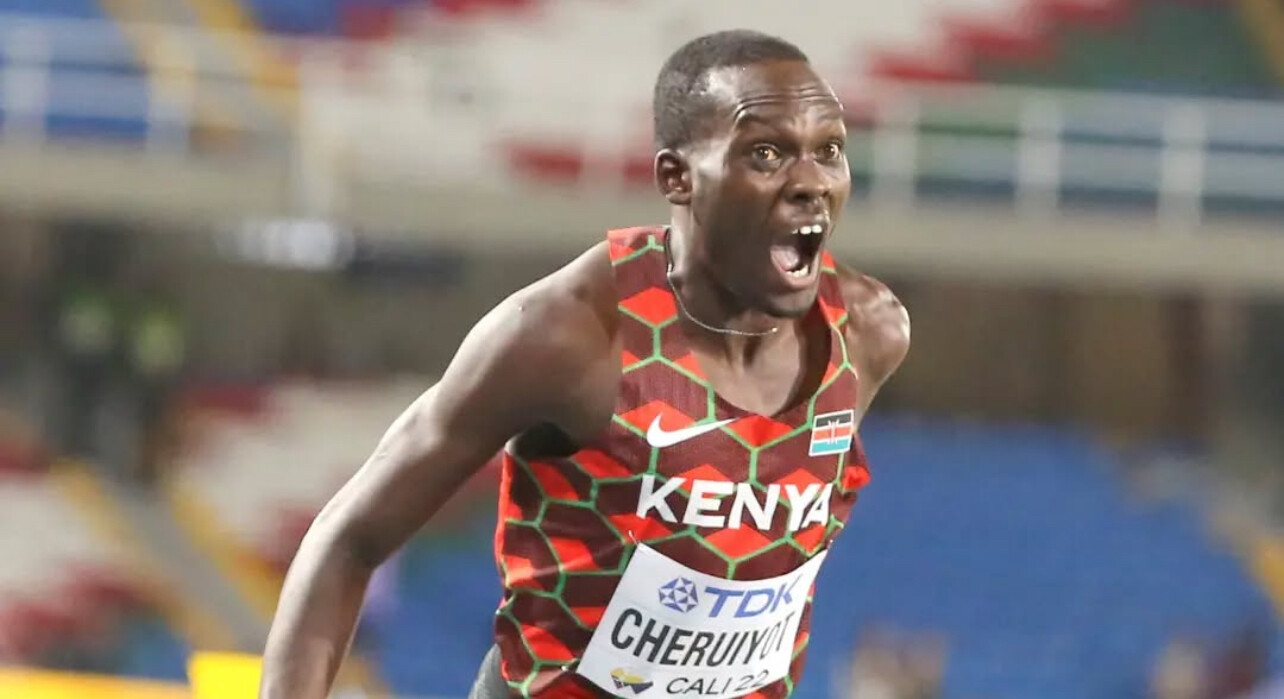
• 3000 meters: 7:38.06 (June 9, 2023, Paris)
• Two miles: 8:09.23 (June 9, 2023, Paris)
• 5000 meters: 13:05.47 (June 15, 2023, Oslo)
• 10,000 meters: 26:50.21 (March 29, 2025, San Juan Capistrano)
On June 9, 2023, at the Meeting de Paris held at Stade Charléty in Paris, France, Ishmael Kipkuruiset personal bests in both the 3000 meters (split) and the two-mile. He clocked 7:38.06 in the 3000 meters and 8:09.23 in the two-mile race. Notably, his two-mile time established a new Kenyan U20 record.
Kipkurui’s journey from the highlands of Kenya to breaking collegiate records in the U.S. exemplifies his dedication and potential in long-distance running. As he continues to develop, the athletics community eagerly anticipates his future accomplishments on the global stage.
by Boris Baron
Login to leave a comment
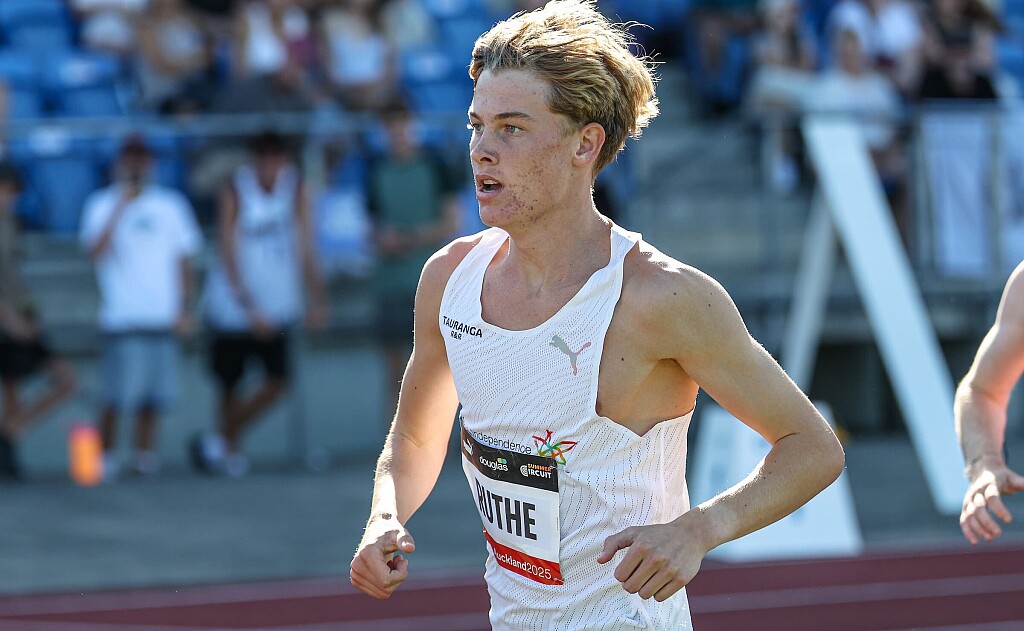
Sam Ruthe to Compete in 3200-Meter Race at Arcadia Invitational on His 16th Birthday
On April 12, 2025, the day he turns 16, New Zealand’s rising distance running star Sam Ruthe will compete in the 3200-meter race at the prestigious Arcadia Invitational in California. This event, renowned as the “Home of National Records,” is considered the most competitive high school track and field meet in the United States. It is held annually at Arcadia High School in Arcadia, California.
Sam’s participation follows a series of remarkable achievements. On March 19, at just 15, he became the youngest person ever to run a sub-four-minute mile, clocking 3:58.35 at Auckland’s Go Media Stadium. This feat surpassed the previous record held by Norway’s Jakob Ingebrigtsen, who ran a sub-four-minute mile at 16 years and 250 days. Continuing his impressive form, Sam set a new world age-15 best in the 1500 meters with a time of 3:40.12 at the Maurie Plant Meet in Melbourne on March 29.
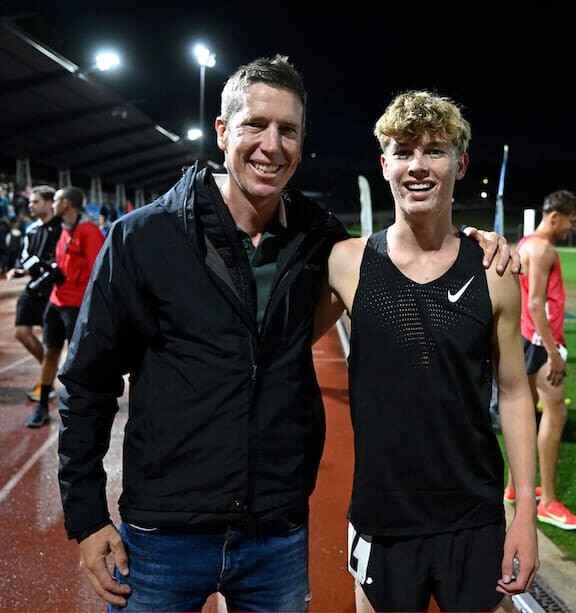
The Arcadia Invitational’s 3200-meter race has been a platform for outstanding performances. In April 2023, Simeon Birnbaum set a meet record with a time of 8:34.10. The following year, 37 boys achieved sub-9-minute times in the 3200 meters, highlighting the event’s competitive depth.
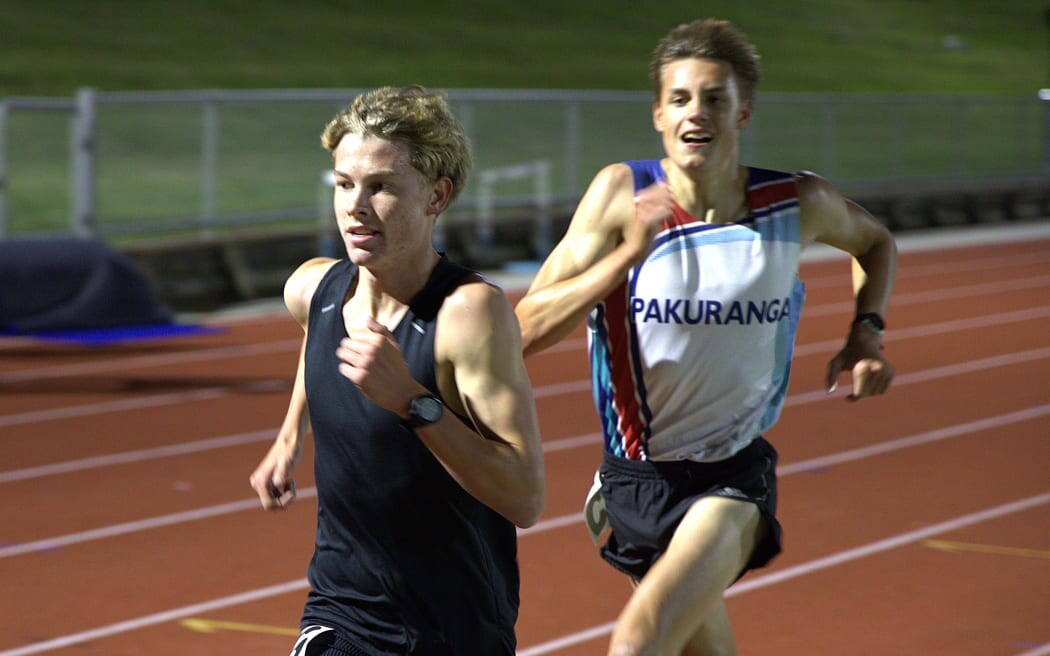
As Sam prepares to compete against top high school athletes in this challenging race, his recent accomplishments suggest he is poised to make a significant impact. Whether aiming for a personal best or seeking to challenge meet records, Sam’s 16th birthday race at Arcadia promises to be a memorable milestone in his burgeoning.
by Boris Baron
Login to leave a comment
