

Running News Daily
Running News Daily is edited by Bob Anderson and team. Send your news items to bob@mybestruns.com Advertising opportunities available.
Index to Daily Posts · Sign Up For Updates · Run The World Feed
Articles tagged #Kenya
Today's Running News



Sydney Marathon 2026: World Champions, Record Hunters And A Star-Studded Showdown
SYDNEY, AUSTRALIA — August 30, 2026
Sydney is preparing for a spectacular morning of marathon racing as reigning world champions Peres Jepchirchir of Kenya and Alphonce Simbu of Tanzania headline a world-class elite field at the TCS Sydney Marathon on Sunday, August 30.
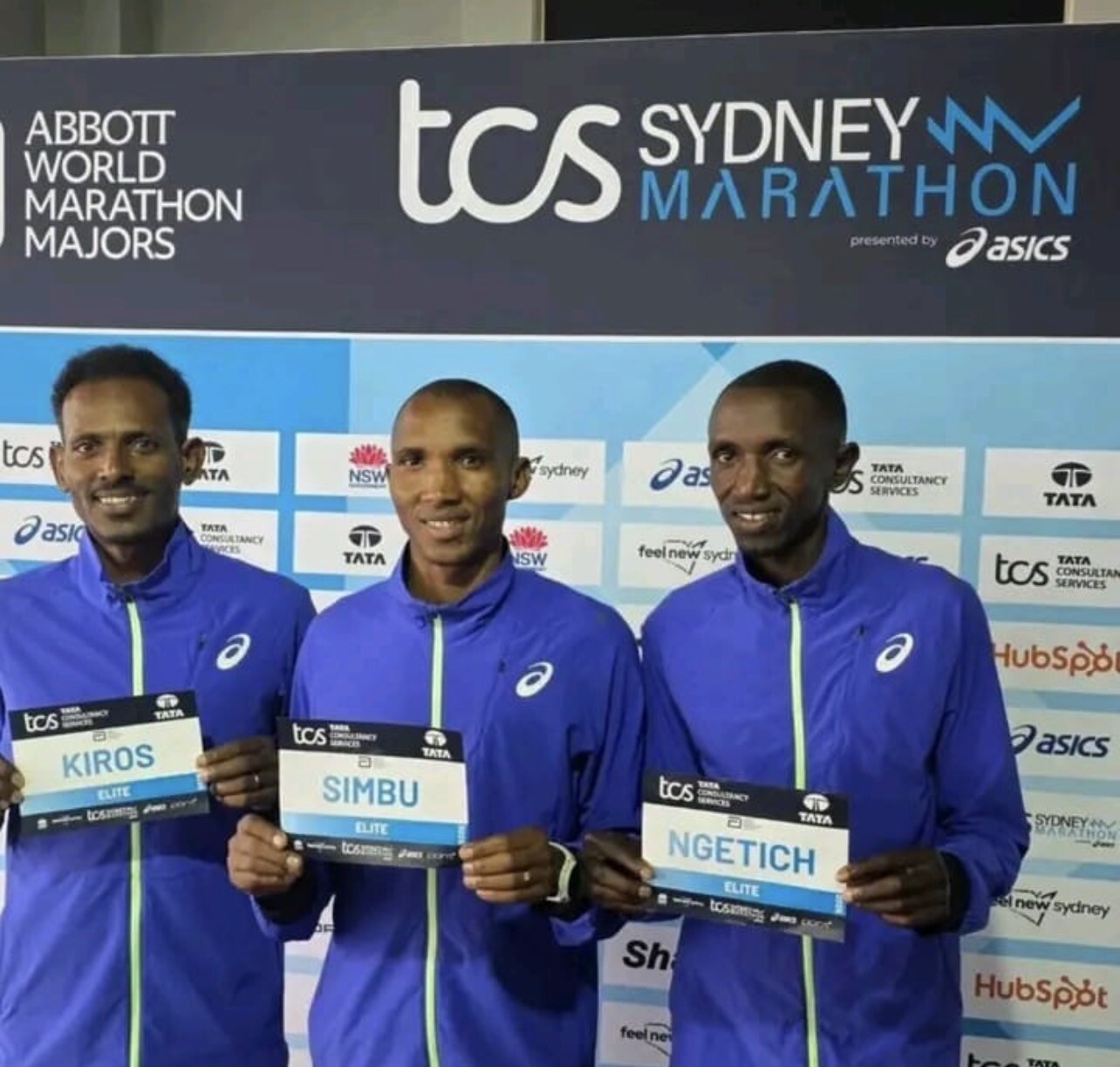
The race is set to provide another defining moment for Australian distance running, with more than 40,000 participants expected to take on the streets of Sydney and a remarkable collection of elite athletes competing for victory on one of the world's newest Abbott World Marathon Majors.
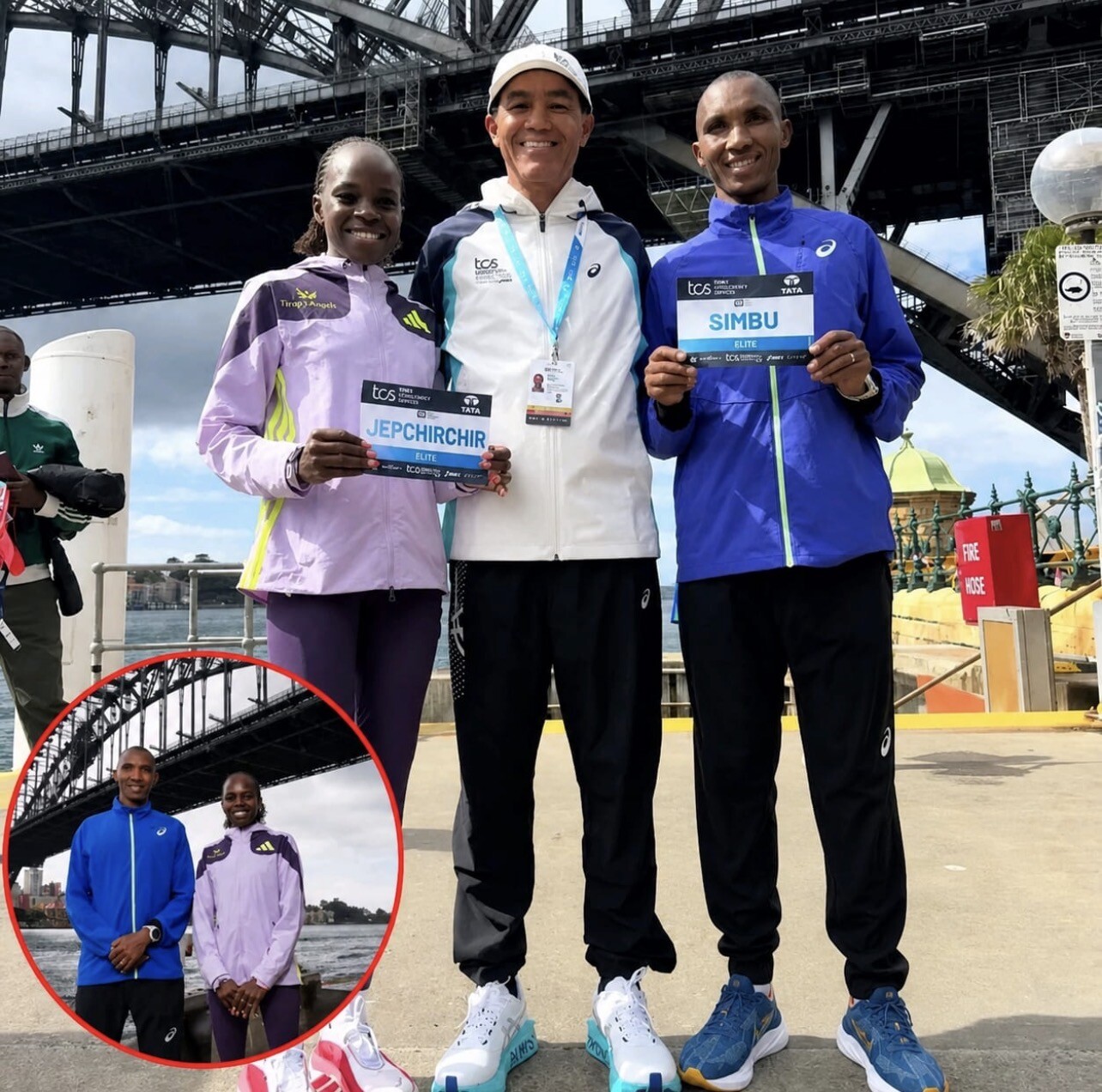
Jepchirchir and Simbu will bring an added layer of prestige to the occasion as the reigning women's and men's world marathon champions. Their presence ensures that the spotlight will be firmly fixed on Sydney as some of the world's finest distance runners battle for one of the most coveted titles on the international marathon calendar.

There will also be records in the crosshairs. The men's course record stands at 2:06:06, while the women's benchmark is 2:18:22, meaning the quality of the field has created genuine anticipation that both marks could come under threat.
In the men's race, Simbu arrives with considerable confidence and an ambitious target. The Tanzanian produced one of the most dramatic finishes of the 2025 World Athletics Championships in Tokyo, holding off Germany's Amanal Petros to claim the world title. With a personal best of 2:02:47, Simbu has the speed, championship experience and belief to challenge the very best, and he has made no secret of his desire to attack Sydney's course record.
However, standing in his way is an elite group led by Ethiopia's Sisay Lemma, whose outstanding 2:01:48 personal best makes him the fastest entrant in the field. A former London and Boston Marathon champion, Lemma brings a wealth of experience at the highest level and will be one of the principal threats to Simbu's ambitions.
Kenya will also have a strong presence, with Timothy Kiplagat and Vincent Ngetich adding further firepower to an already formidable men's lineup.
Perhaps the most intriguing storyline, however, belongs to Ethiopian track star Hagos Gebrhiwet, who is set to make his highly anticipated marathon debut. A former Olympic 5,000m medallist and one of the world's fastest track distance runners, Gebrhiwet has already shown extraordinary endurance over shorter distances, including a 57:41 half-marathon personal best. His transition to the marathon will be closely watched, with fans eager to discover whether his world-class track speed can be converted into success over 42.195 kilometres.
The depth of the men's field is remarkable. No fewer than 25 athletes have broken 2:10, while 19 have already recorded times faster than Sydney's existing course record, setting the stage for a race that could develop into a battle of extraordinary pace and tactics.
The women's contest promises just as much drama, with Jepchirchir leading the way. The Kenyan superstar arrives in Sydney as the reigning world champion and Olympic champion, carrying a 2:14:43 personal best, the fastest among the women entered.
Yet victory will not come easily. Jepchirchir faces a powerful Kenyan challenge from Irine Cheptai, who owns a 2:17:51 personal best and has already established herself as a major force on the international marathon circuit.
Tanzania's Magdalena Shauri, the country's national record holder with a personal best of 2:18:03, will provide another serious threat, while the experienced Vivian Cheruiyot of Kenya adds further championship pedigree to an already impressive women's field.
Ethiopian stars Shure Demise and Haven Hailu, alongside Uganda's Stella Chesang, will also be looking to make their mark as the race unfolds through Sydney's iconic streets.
The setting could hardly be more spectacular. Starting in North Sydney, the marathon takes runners across the famous Sydney Harbour Bridge before heading towards the unforgettable finish at the Sydney Opera House. With the city providing a breathtaking backdrop, the race has all the ingredients for another historic chapter in its rapid rise on the global marathon scene.
For the elite athletes, however, the beauty of Sydney will quickly become secondary once the gun goes off.
The champions will be chasing victory. The record hunters will be chasing history. And for Gebrhiwet, an entirely new chapter of his career will begin.
Two reigning world champions. Multiple sub-2:05 contenders. A world-class women's field. A highly anticipated marathon debut. And course records that could be under serious threat.
Everything is in place for an unforgettable Sunday in Sydney.
Will Alphonce Simbu turn his ambition into a new course record?
Can Sisay Lemma's 2:01:48 experience carry him to victory?
Will Hagos Gebrhiwet announce himself as a future marathon superstar?
And can Peres Jepchirchir add the Sydney Marathon crown to her already extraordinary list of achievements?
Sydney is ready.
The champions have arrived. The records are waiting. The stage is set for a spectacular showdown.
by Erick Cheruiyot for My Best Runs
Login to leave a comment

Sydney Marathon
The Sydney Marathon is a marathon held annually in Sydney, Australia. The event was first held in 2001 as a legacy of the 2000 Summer Olympics, which were held in Sydney. In addition to the marathon, a half marathon, 9 kilometres (5.6 mi) "Bridge Run", and a 3.5 kilometres (2.2 mi) "Family Fun Run" are also held under the banner...
more...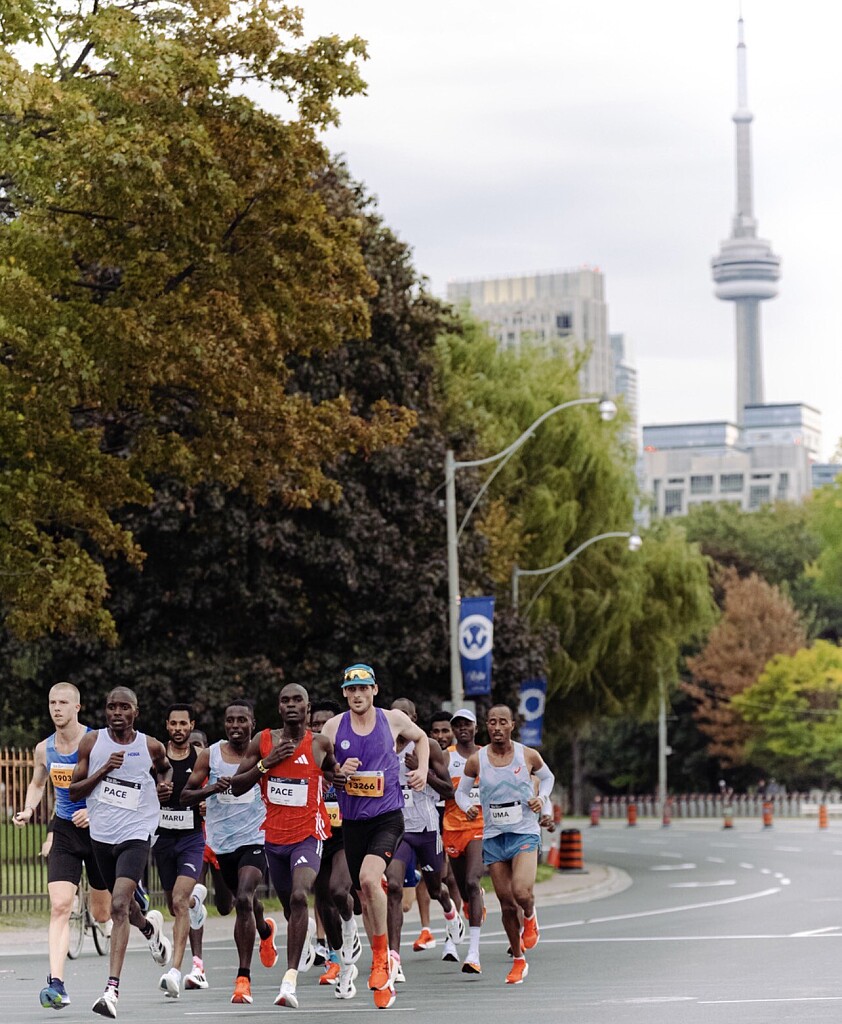
Two London-Area Standouts Set for Marathon Debuts at Toronto Waterfront
Two Canadian distance running stalwarts will make their marathon debuts at the 2026 TCS Toronto Waterfront Marathon October 18. Both make their homes in the London area of southwestern Ontario.
The event is a World Athletics Elite Label race and also serves as the official Athletics Canada Canadian Marathon Championships.
Connor Black and Jeremy Coughler are former training partners and Canadian championship medalists over 10,000m and cross country. They have followed different paths since the retirement of their coach, Dave Mills, although they occasionally meet for long runs while preparing for Toronto.
Coughler still follows a program designed by Mills—a special exception made by his former coach—while Black has worked with two-time Canadian Olympic marathoner Reid Coolsaet for the past two years. Their approaches to the Toronto race could hardly be more different.
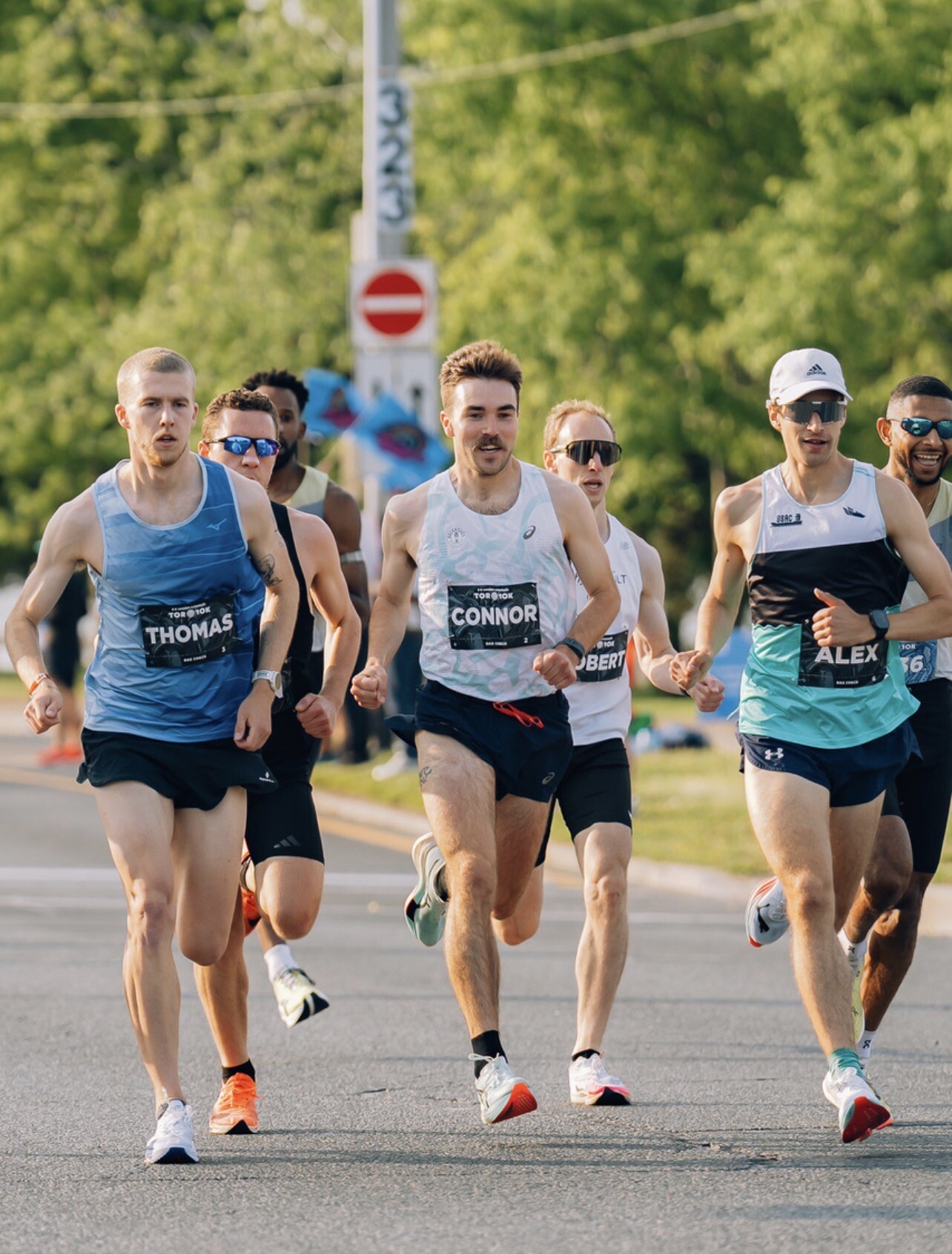
Black, who lives in London—known as “The Forest City”—sees his marathon debut as an important step toward a possible challenge for Canada’s 2028 Olympic team.
“I am 30 years old and I am not making money in the sport, but I still have goals,” Black declares. “My final goal would be to try and make an Olympic team, and I don’t think it’s feasible as an unsponsored track runner targeting the 5K or 10K.
“The marathon is a more even playing field. I can get into any marathon I want, within reason. There are 80 spots in the Olympics. So, if I am going to give it one last shot, it has to be in the marathon.”
At the 2025 Project 13.1 Half Marathon in Congers, New York, Black ran a personal best of 1:03:34 in his first race at the distance. Until then, he had competed primarily over 5,000m and 10,000m. In 2022, he won the Canadian Cross Country Championships.
Black is a secondary school teacher but remains classified as “Long Term Occasional,” meaning he moves from school to school wherever there is an opening.
“Last year I was at Strathroy District Collegiate Institute, which, funnily enough, was where Dave taught for 10 or 15 years,” Black says. “I taught phys ed and math. I can also teach English as a Second Language and biology. I am kind of a Swiss Army knife.”
As he increases his training load for Toronto, completing most of the work by himself, he admits he has reservations about returning to work.
“I am quite nervous to resume teaching,” he reveals. “Recently, my mileage has gone up. When you are starting your build, you are tired. It has been nice having the summer off and being able to focus on training.
“I used to believe you could train like a professional and have a full-time job. I think it’s possible, but if you want to run 200 kilometres a week for the marathon, it is definitely easier and probably better for your performance if you don’t have to work full time.”
Meanwhile, Coughler and his wife, Emma, are chiropractors and partners in Re-Charge Health and Wellness in London’s east end. They are also the parents of a young son, Otto, which means managing their time carefully.
“My wife and I split the work schedule,” Coughler, 30, explains during a day off. “I work Tuesday, Thursday, Friday and Saturday, so I try to do workouts on my days at home—Mondays and Wednesdays.
“If I have something first thing at 7 or 8 a.m., I do a run and then a shakeout between patients or after work. It’s not too bad.”
Running remains important to Coughler, but it is now one of several priorities. He estimates he is running up to 110 kilometres a week, similar to the volume he maintained when finishing third at both the 2023 and 2024 Canadian 10K Championships in Ottawa. He also won the Canada Running Series’ Beneva Spring Run-Off 8K four consecutive years between 2022 and 2025.
Although that mileage is well below what many elite marathoners run, Coughler set a half-marathon personal best of 1:04:33 earlier this year at the Project 13.1 Half Marathon in New York State. The performance earned him eighth place in a strong field. He admits his attitude toward running has changed.
“It’s a shift mentally because I have so much other stuff going on,” he explains. “I am trying to view running as something I do because I love it rather than because it’s my whole life.
“When I was at Indiana University, running was everything. When you run well, it’s great, but when you are not running well, it starts eating you alive.”
With the support and encouragement of Mills, they have mapped out a plan they hope will see Coughler finish his debut in the 2:14 to 2:16 range. He also intends to run more marathons in the future.
“It’s nice knowing there will be a bunch of other Canadian guys who can run around the same time, and that will make it deeper,” he says. “At the front, there are always good Kenyans and Ethiopians running fast. Even if there are a bunch of guys running between 2:12 and 2:20, it would be great.”
The race’s proximity to his home in Thamesford—15 minutes from his practice and about a two-hour drive from Toronto—means Emma, Otto and his parents can accompany him on race weekend. It is one reason he chose the TCS Toronto Waterfront Marathon for his debut.
Coughler is also familiar with the first half of the course, having finished third in the Toronto Waterfront Half Marathon a year ago. Runners in both events follow the same route until the 20-kilometre mark.
Between now and race day, there are many kilometres to be covered. Subject to their schedules and traffic conditions, the two London-area runners will reunite for some workouts.
If all goes well, they will arrive at the starting line ready to join the long list of Canadians who have successfully made the move to the classic marathon distance.
by Paul Gains
Login to leave a comment

TCS Toronto Waterfront Marathon
The Scotiabank Toronto Waterfront Marathon, Half-Marathon & 5k Run / Walk is organized by Canada Running Series Inc., organizers of the Canada Running Series, "A selection of Canada's best runs!" Canada Running Series annually organizes eight events in Montreal, Toronto and Vancouver that vary in distance from the 5k to the marathon. The Scotiabank Toronto Waterfront Marathon and Half-Marathon are...
more...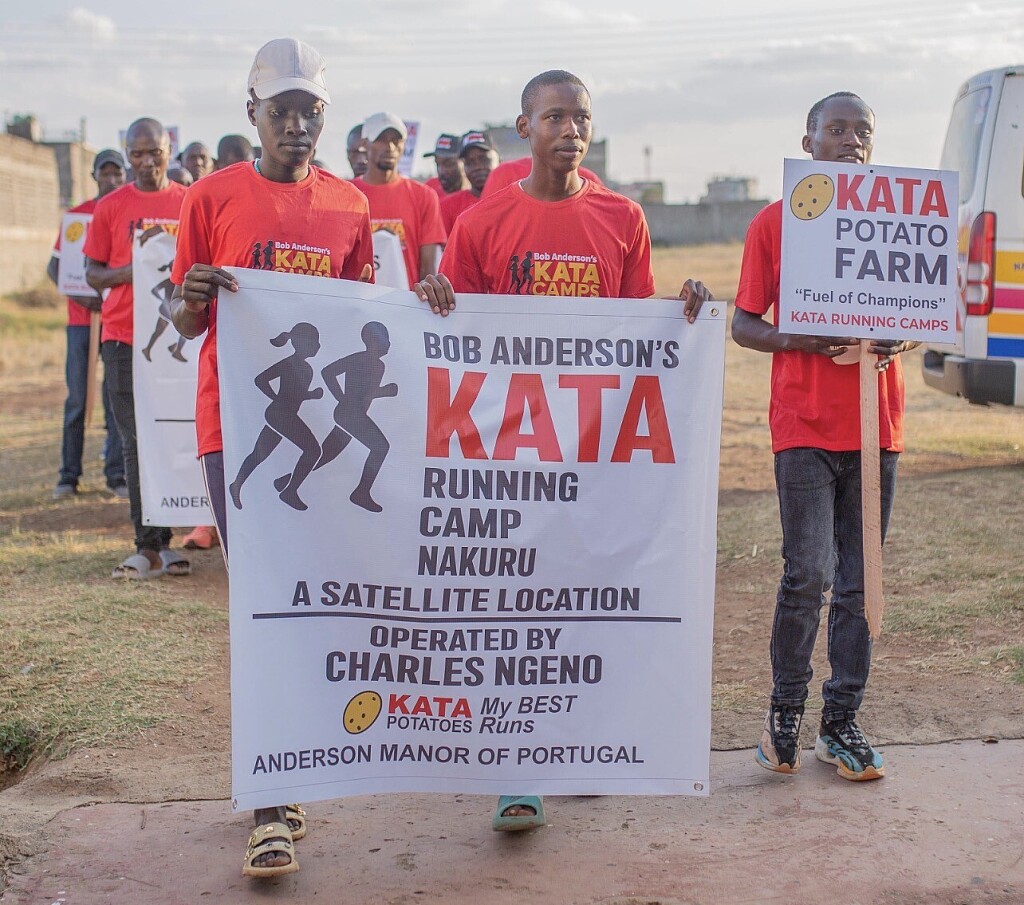
Was KATA’s Vision Too Grand? The 60-Camp Network That Could Have Supported 1,800 Kenyan Runners
KATA had assembled 30 running camps and planned to double that number. Its model used repayable, interest-free startup financing and potato farming to create a self-sustaining national network—but the expected repayments never materialized.
By Robert Kibet
Could a network of 60 self-supporting training camps have transformed life for 1,800 promising Kenyan runners?
That was the vision behind the Kenyan Athletics Training Academy (KATA) programme created by Bob and Catherine Anderson.
KATA had assembled 30 running camps and planned to expand to at least 60. At 30 athletes per camp, the completed network could have provided accommodation, food and high-level training for approximately 1,800 runners at one time.
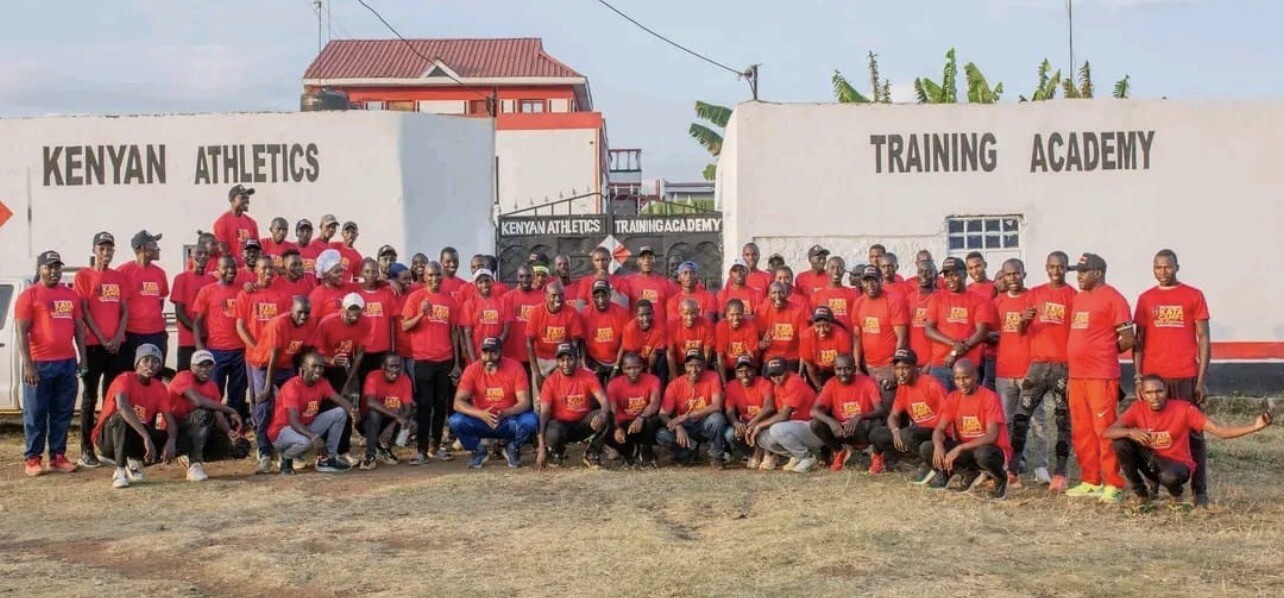
The objective was not simply to produce champions. KATA sought to improve daily living and training conditions for developing athletes while strengthening grassroots coaching.
The programme was ambitious, but it was not intended to depend permanently upon money from the Andersons.

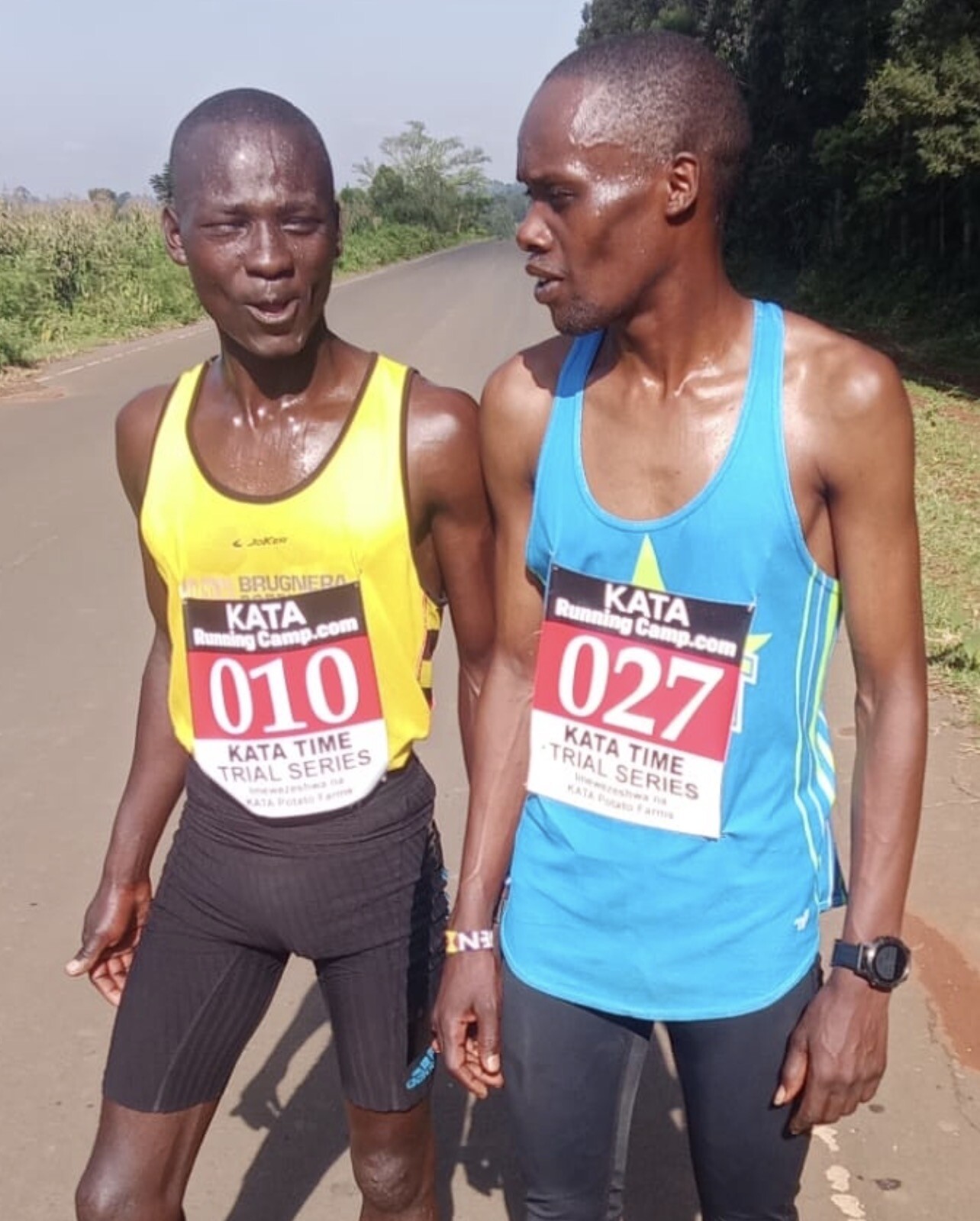
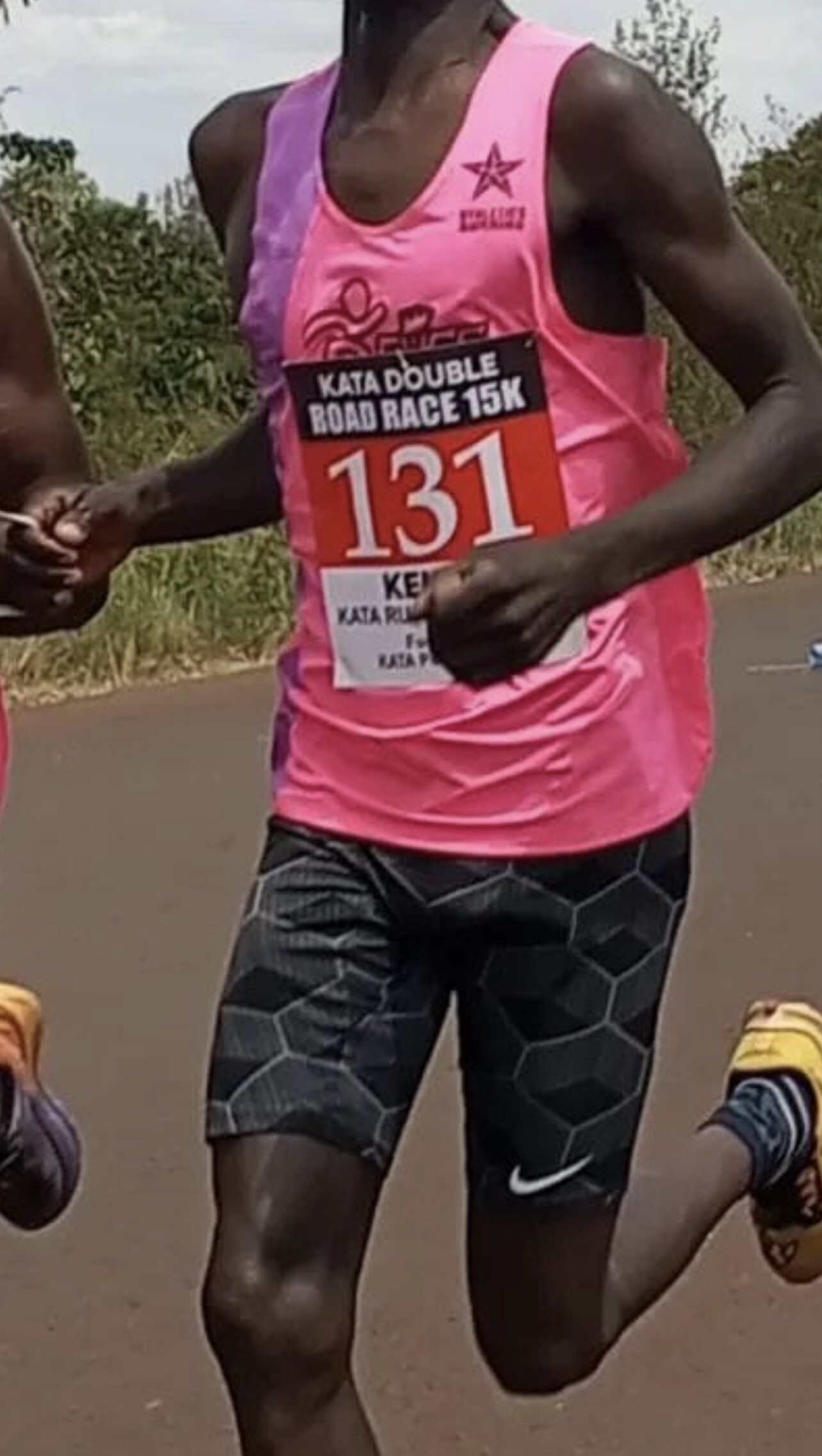
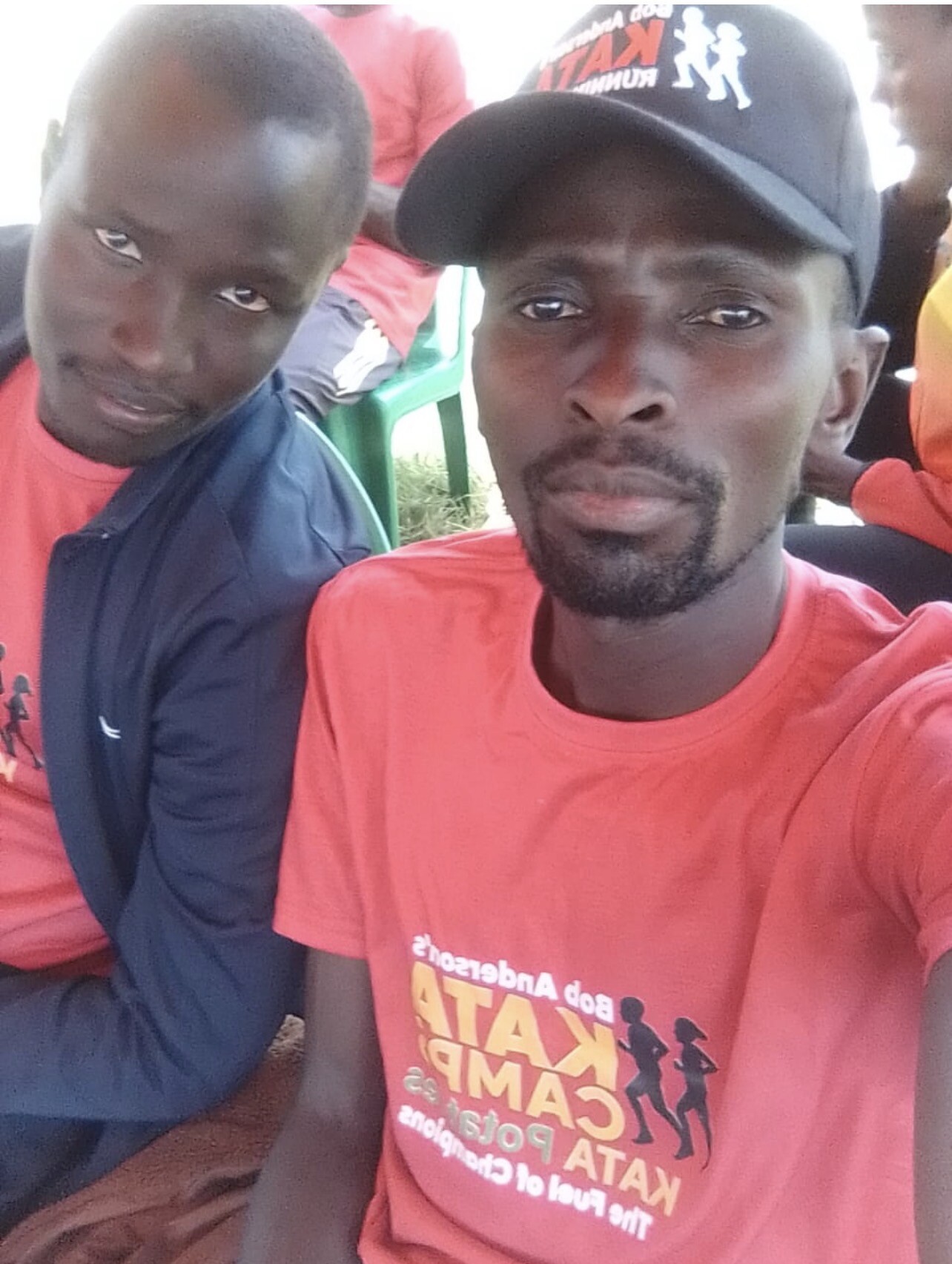
(These eight photographs were among more than 5,000 images sent to KATA founder Bob Anderson and his team as evidence of how the programme was progressing.
The photographs showed why individual coaches and camp operators believed they should receive interest-free loans and become part of the KATA family. Others documented the development of the camps, potato farming activities and the required 10-kilometre time trials held every two months.

In September 2025, athletes from most of the 30 KATA camps travelled to Thika to compete in the KATA Double Road Race, where KSh100,000 in prize money was awarded. At that point, the programme appeared to be working as planned.
The situation changed shortly afterward. Potato harvests were completed and crops were sold, but despite repeated explanations and delays, very little of the money collected was returned to KATA.)

How a camp was supposed to become self-supporting
KATA’s financial model began with two interest-free loans.
The first supplied the capital required to open a running camp. An approved operator could receive as much as KSh500,000 for rent, beds, mattresses, furniture, food and other startup needs.
That money remained a debt to KATA. It was not a gift, grant or donation.
A second interest-free loan financed potato cultivation at a projected cost of approximately KSh100,000 per acre.
The plan called for the harvest revenue to retire both debts—the farming advance and the camp-establishment advance—before the remaining proceeds were used locally.
Potatoes were chosen because they are Kenya’s second-most important food crop after maize and form an industry worth an estimated US$400 million to US$500 million annually.
KATA’s working projection placed gross sales from a successful acre at about KSh400,000. This was a programme estimate rather than a guaranteed or national average result. Actual returns depended upon production, disease, weather and selling prices.
The projected economics of three acres illustrate the plan:
Estimated cultivation loan: KSh300,000;
Projected gross sales: KSh1.2 million;
Repayment of cultivation financing: KSh300,000;
Repayment of camp startup financing: up to KSh500,000; and
Potential balance for athletes and the next season: approximately KSh400,000.
Under this model, one strong three-acre harvest could potentially clear the money advanced to establish the camp and grow the crop. The following season could then help pay for food, housing and training while keeping the farm productive.
“We did not give away startup money,” Anderson said. “We provided interest-free loans that had to be repaid. The potatoes were the engine intended to repay both loans and create continuing income for the athletes.”
From 30 camps to a potential 60
Bob and Catherine Anderson say they invested more than KSh42 million in the wider programme.
Approximately KSh36 million was provided as interest-free financing, with more than KSh6 million spent on Kenyan independent contractors and related operational expenses.
The Andersons did not form a Kenyan company. Their California-based operation directed the programme and retained independent contractors in Kenya for coordination and monitoring.
If 75 percent of participating coaches, farmers and operators had repaid their loans, Anderson believes KATA would have had enough revolving capital to strengthen the 30 camps and expand to 60.
“The money was supposed to keep moving,” he said. “A repayment from one harvest could help establish or strengthen another camp. We would not have needed to start again with new outside money every season.”
A 60-camp network supporting 1,800 runners could also have developed a significant voice within Kenyan athletics.
“KATA was not created to oppose Athletics Kenya,” Anderson said. “But an independent programme improving conditions for 1,800 athletes would naturally have carried influence.”
Anderson has wondered whether that potential might have concerned people who wanted to control opportunities within the sport. He emphasizes that he has no evidence Athletics Kenya attempted to undermine KATA.
Charles Ngeno and claims of high-level access
While developing two proposed KATA camps, coach Charles Ng’eno repeatedly portrayed himself to Anderson as closely connected to leading figures in Kenyan athletics.
On July 22, 2025, Ng’eno wrote:
“I need to brief you tomorrow about good news we discussed with AK PRESIDENT about KATA.”
The message did not explain the “good news,” and no response from the Athletics Kenya president has been provided to confirm that discussion.
Ng’eno also sent photographs appearing to show him attending Athletics Kenya functions, including one in which he sat behind an Athletics Kenya nameplate and another showing him addressing a gathering.
The photographs indicate attendance at athletics-related events. They do not prove that AK supported KATA or authorized Ng’eno to speak on its behalf.
Ng’eno also supplied Anderson with messages addressed to senior athletics official Barnabas Korir.
In one, Ng’eno told Korir:
“You expressed happiness with KATA.”
He further attributed to Korir statements about protecting KATA because of its importance in empowering young people.
The screenshots do not show Korir confirming the statements. It remains unclear whether all the communications were sent, received or answered.
Prominent athletes and coaches
Ng’eno strengthened the appearance of influence by invoking other respected names.
In June 2025, he sent Anderson a message addressed to Faith Kipyegon in which he described himself as her “grassroots coach.” The screenshot contains no response from Kipyegon and does not independently establish the extent of Ng’eno’s early coaching role.
Ng’eno later said prominent coach Bernard Rono had consulted him about KATA and joined the programme.
“We are glad to have him with us at KATA,” Anderson replied. “We have a strong group of operators!”
Anderson says the combined effect of the messages and AK photographs was significant.
“Charles made it appear that he was plugged into the highest levels of Kenyan athletics,” Anderson said. “That gave me confidence that he could build successful camps and bring respected people into the KATA network.”
Whether Ng’eno accurately described those relationships remains unconfirmed.
Two camps appeared to be taking shape
Ng’eno supported his requests for money with budgets, reports, photographs and videos.
After confirming receipt of KSh40,000 in June 2025, he sent a photograph of a truck at a residential property and said he was installing items at the camp.
He later requested financing for nearby land, reported renting a house in Nakuru and sought money for beds and mattresses.
On August 3, Ng’eno submitted figures for the proposed Olenguruone and Nakuru camps. His presentation referred to a combined KSh1.3 million budget and reported KSh531,400 used for farming and camp expenses.
The KSh1.3 million was the proposed allocation—not the amount Anderson ultimately transferred.
Anderson says Ng’eno actually received KSh1,077,500. The funding was intended to establish two camps and cultivate six acres.
A video Ng’eno sent on August 5 appeared to show young athletes training indoors.
“These are the real stars,” he wrote, predicting they could reach the next World Cross Country Championships.
The material led Anderson to believe the camps were progressing.
“I could see athletes training and equipment apparently arriving,” he said. “It looked as though the programme was creating exactly what we intended.
Red flags halted further funding
Ng’eno continued presenting expansion plans, but promised repayments did not arrive.
In November 2025, he told Anderson nearly KSh600,000 would be paid before the end of December, followed by another KSh200,000 in January or February.
Ng’eno also referred to a plot of land allegedly worth KSh1.5 million that could be sold to clear the debt.
At the same time, he continued seeking additional money. When an account was restricted because no repayment had arrived, Ng’eno suggested that funds be sent through his wife’s M-Pesa number or another person.
Anderson refused to bypass the restriction.
In January 2026, Ng’eno made another commitment:
“Yes Bob, I need to start with 400,000 ksh.”
He said he was responsible and “must do payments.” He also attributed the delay to money spent constructing a residential building that would become a KATA camp.
Anderson says the KSh400,000 was not paid.
Ng’eno later attempted to persuade him to finance another six acres with approximately KSh600,000 in additional interest-free funding.
Anderson declined.
“I probably would have sent more if the promised repayments had started,” he said. “Fortunately, each missed date raised another red flag. I stopped after KSh1,077,500.”
What is known—and what remains unverified
The available communications show that Ng’eno:
Claimed to have discussed KATA with the Athletics Kenya president;
Attributed favorable statements about KATA to Barnabas Korir;
Presented himself as connected to leading athletes and coaches;
Supplied budgets and reports for two camps;
Sent images appearing to show camp development and athletes training;
Continued seeking new funding; and
Made several substantial repayment promises.
They do not establish whether Athletics Kenya endorsed or opposed KATA, whether the named officials made the statements attributed to them or how all the money was ultimately used.
There is no current evidence that Athletics Kenya developed or participated in a plan to stop KATA.
There is evidence that Ng’eno’s representations increased Anderson’s confidence in the camps and the wider programme.
Questions for Ng’eno and Athletics Kenya
Ng’eno should be asked:
What did he discuss with the Athletics Kenya president?
Did Barnabas Korir make the statements attributed to him?
What official athletics positions did Ng’eno hold?
How many athletes lived and trained at the two camps?
Was the residential building completed and operated as a KATA camp?
How was the KSh1,077,500 used?
What income was produced by the six acres?
Why were the promised repayments not made?
Did he own the reported KSh1.5 million property?
Athletics Kenya and the officials named in Ng’eno’s messages should have an opportunity to clarify what they knew about KATA and whether their positions were represented accurately.
Grand—but not impossible
KATA’s vision was undeniably large: 60 camps capable of supporting 1,800 runners.
Its financial premise was that repaid loans would become revolving capital. Each successful camp and harvest would help finance the next cycle of athlete support.
“The vision may have been grand, but it was not impossible,” Anderson said. “We already had 30 camps. What failed was the repayment system and our reliance on reports that were not independently verified.”
Whether Ng’eno truthfully described his Athletics Kenya discussions remains unanswered. Whether AK understood KATA’s potential scale is also unclear.
What is clear is that the programme was not offering free startup money. Every camp and agricultural advance was an interest-free loan that had to be returned.
Without those repayments, the revolving system stopped—and the planned network of 60 camps has never became a reality. If only most of the KATA operators had paid back their loan! "When they do things could still get back on track," says Bob Anderson.
by Robert Kibet
Login to leave a comment

Sabastian Sawe Withdraws from Berlin Marathon After Injury, Ending Title Defence Hopes
Kenyan marathon sensation Sabastian Sawe has been forced to withdraw from the 2026 BMW Berlin Marathon because of injury, delivering a major blow to one of the most eagerly anticipated races of the year.
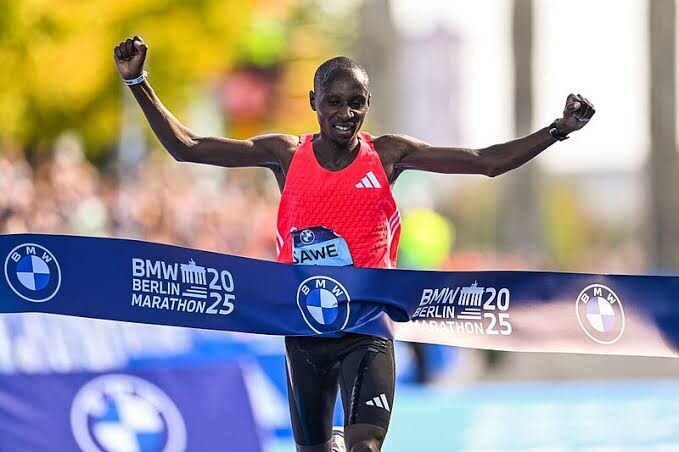
The 31-year-old Sawe, the reigning Berlin Marathon champion and marathon world-record holder, was scheduled to return to the German capital on September 27 with hopes of defending the title he won in 2025. However, injury has now ruled him out, bringing an abrupt end to his highly anticipated appearance.
The Berlin Marathon organisers officially confirmed Sawe’s withdrawal through their social media channels, expressing their disappointment at the Kenyan star’s absence and wishing him a full and speedy recovery.
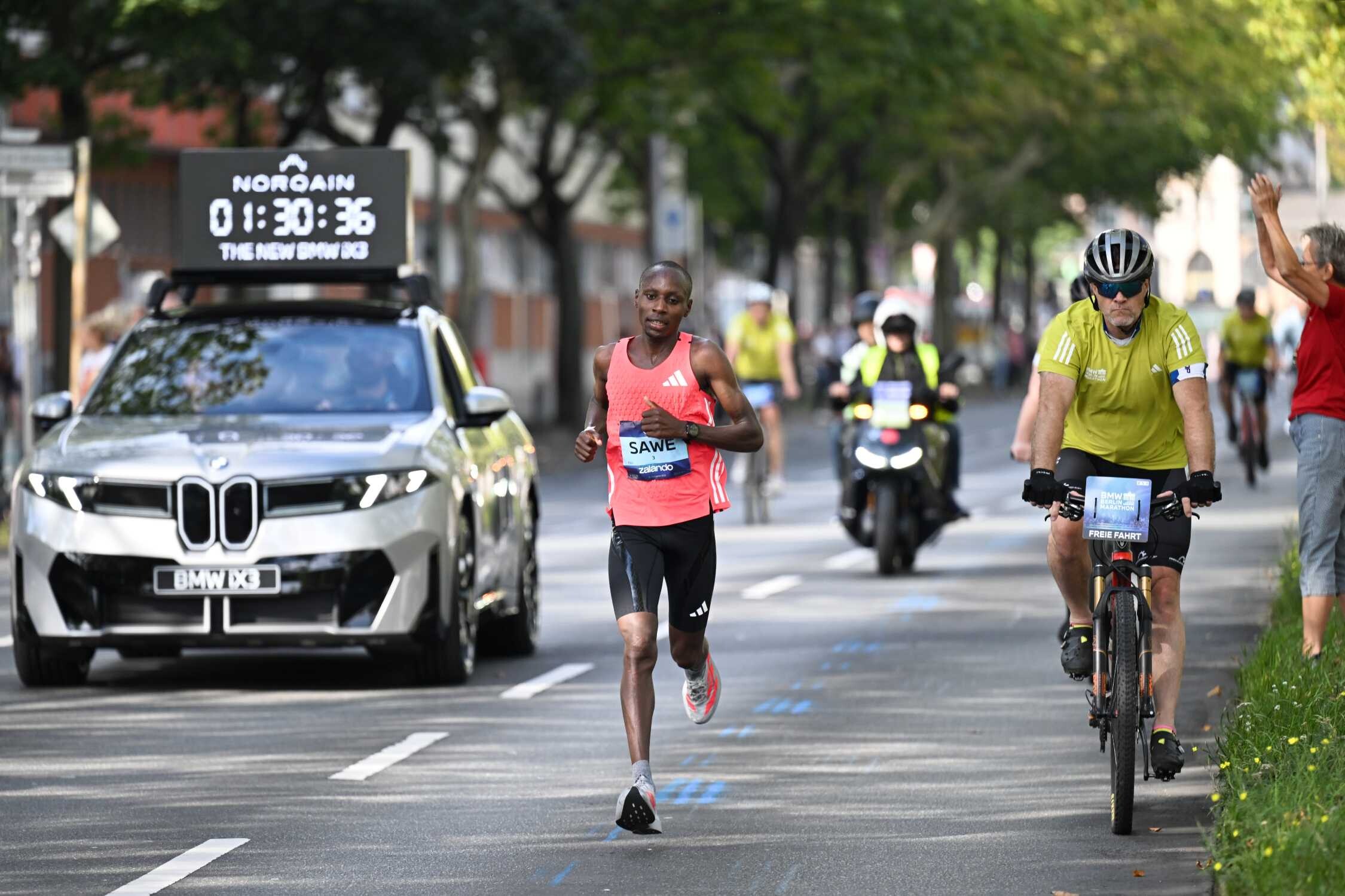
Sawe’s withdrawal is particularly significant because the Berlin Marathon was expected to mark his first official marathon appearance since his historic triumph in London earlier this year. The Kenyan made history at the London Marathon in April by becoming the first man to officially break the two-hour barrier in a marathon, stopping the clock at an astonishing 1:59:30.
That extraordinary performance elevated Sawe to another level in the sport and made his planned return to Berlin even more eagerly anticipated. Having already conquered the German capital in 2025, he was expected to arrive as both the defending champion and the man at the centre of the marathon world’s attention.
Last year, Sawe produced a superb performance to claim the Berlin Marathon title in 2:02:16, establishing himself as one of the dominant figures on one of the fastest marathon courses in the world. He had hoped to build on that victory this year, but his injury has forced him to abandon those plans.
Sawe expressed his deep disappointment at the withdrawal, revealing that he was leaving the race with a “heavy heart” after hoping to achieve something special on the streets of Berlin. His words reflect just how much the opportunity meant to him as he looked forward to returning to the scene of his previous triumph.
His absence will be a significant blow to the 2026 Berlin Marathon, removing one of the biggest stars from an elite field expected to deliver another memorable race. Sawe’s remarkable speed, endurance and record-breaking credentials had made him one of the main attractions of the event.
For now, the marathon king’s priority will be a full recovery. The athletics world will hope to see the Kenyan star back on the starting line soon, healthy, stronger and ready to add another chapter to an already extraordinary career.
Berlin will have to wait for its champion. But when Sawe returns, the marathon world will be watching.
by Erick Cheruiyot for My Best Runs.
Login to leave a comment

BMW Berlin Marathon
The story of the BERLIN-MARATHON is a story of the development of road running. When the first BERLIN-MARATHON was started on 13th October 1974 on a minor road next to the stadium of the organisers‘ club SC Charlottenburg Berlin 286 athletes had entered. The first winners were runners from Berlin: Günter Hallas (2:44:53), who still runs the BERLIN-MARATHON today, and...
more...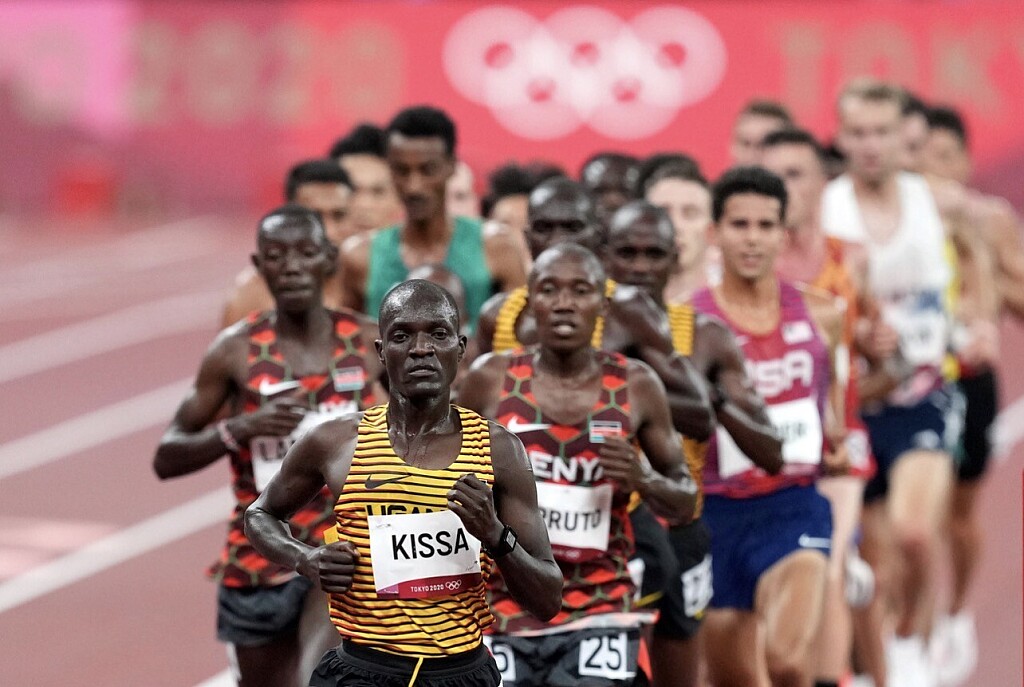
Stephen Kissa Carrying Ugandan Hopes at TCS Toronto Waterfront Marathon
Ugandan long-distance runners have emerged from the shadows of their legendary East African neighbours to earn distinction at the highest level.
Now Stephen Kissa will represent his nation at the 2026 TCS Toronto Waterfront Marathon on October 18 against a strong contingent of Kenyan and Ethiopian athletes. The event is once again a World Athletics Elite Label race.
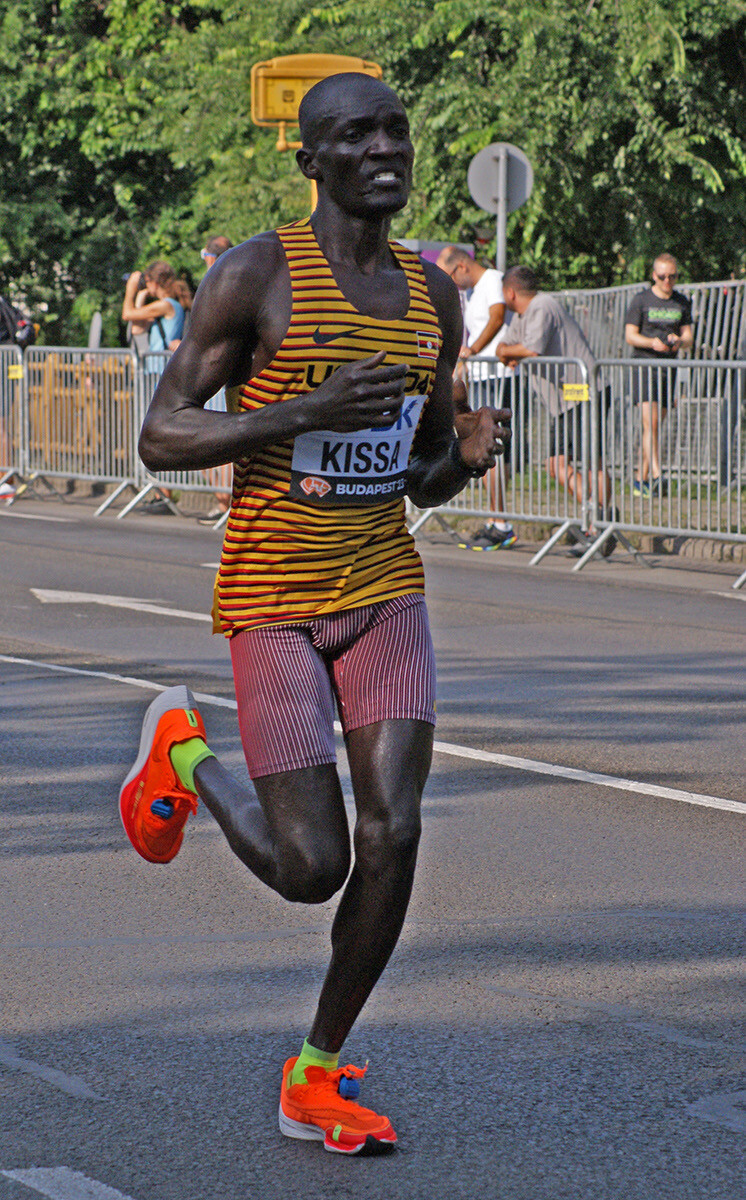
Kissa set a Ugandan national record of 2:04:48 when he finished second in his 2022 marathon debut in Hamburg. That record was only broken this year. He was subsequently selected for Uganda’s 2023 World Championships marathon team, finishing fifth on the streets of Budapest.
He has also represented his country twice at the Olympics and competed at the World Cross Country Championships. With such experience, the 37-year-old is intent on challenging for Toronto’s $25,000 Canadian first-place prize.
“When I come to Toronto, I will do my best,” he declares with a broad smile. “I will be really happy if I can run 2:03 or 2:04.
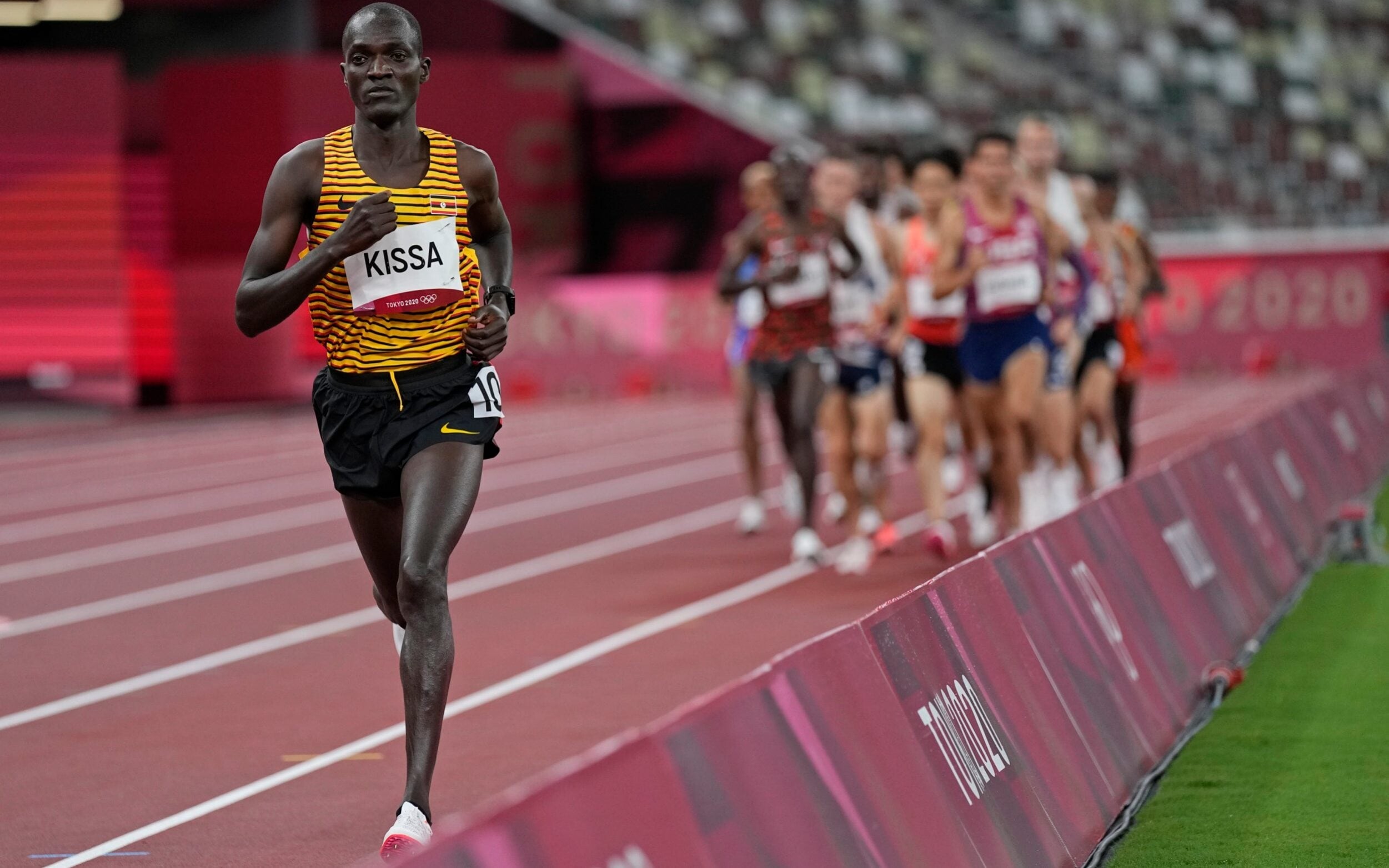
“With training, we have been comparing the past to now, and we have come up with a solution. We do long runs and tempo runs ranging from 25km and 28km to 30km and up to 40km. I am running around 120km a week but will go up closer to 200km.”
Kissa is not the first of his compatriots to compete in the Toronto Waterfront Marathon. Stephen Kiprotich, the 2012 Olympic champion, finished seventh in the 2018 race. Kiprotich remains a national hero in Uganda, and his success has contributed significantly to the nation’s emergence as a distance-running power.
“I was really inspired a long time ago by Stephen Kiprotich,” Kissa admits. “He did some tremendous work, and I can say he is our mentor. We really respect him.
“He has given me advice. He told me, ‘Our sport is not a one-day journey. It is a long journey that takes a lot of patience and commitment. If you have commitment, patience and work hard, you will go far.’”
Kiprotich has been an occasional and welcome visitor to the training camp in Kapchorwa that Kissa calls home for most of the year. It sits at an altitude of 2,500 metres, or 8,200 feet.
From Monday through Saturday, Kissa trains there with a group that includes two-time Olympic champion Joshua Cheptegei, 2023 world marathon champion Victor Kiplangat and 2022 Olympic 3,000m steeplechase champion Peruth Chemutai.
The centre was built by their management company, Global Sports Communications, with a contribution from Cheptegei. The athletes return home to their families on Saturday evenings.
Kissa lives in Kapchorwa’s town centre, about 14 kilometres away, in an area dominated by Mount Elgon, an extinct volcano estimated to be 24 million years old. He lives there with his wife and two young children.
“Right now they are at school,” he says of his children. “They are about to come home for a holiday. That’s when I will meet them. At school, they concentrate on their studies unless there is a problem. Then they will call me.”
The training camp includes a dormitory, dining room, kitchen and recreation room where the group gathers to watch sports. The recent FIFA World Cup generated great interest, and Kissa admits enjoying the play of Spanish winger Lamine Yamal. When asked what he does to relax, he smiles.
“I can play pool. I like that,” he says, adding with a laugh, “Not for money. We also play cards.
“Sometimes, when I have time, I cook chapati. It is made from wheat flour. We also have potatoes and ugali, which is made from corn.”
The group holds a prayer before each workout. Victor Kiplangat is an assistant pastor at a nearby church called Temple of the Most High God, but the others, including Kissa, also take turns leading prayers.
For more than a decade, the group was coached by Addy Ruiter. After the 2024 Paris Olympics, the Dutchman returned home. He continues coaching the athletes remotely through WhatsApp, with an on-site team led by fellow Dutchman Roy Hoornweg.
“Kapchorwa is a hilly, mountainous area,” Kissa explains. “The tempo runs are done on a plateau where it is flat. Our training differs depending on the location. You can’t do long runs in the hilly area, so we go to the plateau. We also have flatlands where we can do long runs and tempo runs.”
Kissa understands that he is approaching the later stages of his running career and must look toward life beyond competition. Still, he laughs when asked how many more years he can compete.
“Maybe 10 years! I will be happy if I can run 2:03 or 2:04,” he says.
“If Toronto goes really well, I will look to invest in assets in town, build apartments and start a business. I can really say thank you for inviting me to Toronto. If it goes well, I will be very proud.”
Kissa won’t be the only Ugandan presence at the TCS Toronto Waterfront Marathon. At the Runner’s Expo on October 16 and 17 at the Better Living Centre, a Uganda Tourism booth will offer information about the Mount Rwenzori Marathon and Great Lakes Safaris.
On the starting line, Kissa can be confident that he has the international experience and talent to compete with anyone. As for his ultimate goals, he is succinct.
“I pray that in the years to come I will stand on the podium at the Olympics or World Championships,” he says. “That is what I am really looking forward to.”
A victory in Toronto would bolster that ambition.
by Paul Gains
Login to leave a comment
TCS Toronto Waterfront Marathon
The Scotiabank Toronto Waterfront Marathon, Half-Marathon & 5k Run / Walk is organized by Canada Running Series Inc., organizers of the Canada Running Series, "A selection of Canada's best runs!" Canada Running Series annually organizes eight events in Montreal, Toronto and Vancouver that vary in distance from the 5k to the marathon. The Scotiabank Toronto Waterfront Marathon and Half-Marathon are...
more...
Geoffrey Kamworor Eyes New York Hat-Trick as Kenyan Star Chases Another Major Triumph
Two-time New York City Marathon champion Geoffrey Kamworor is set for another assault on the Big Apple, with the Kenyan distance-running star targeting a historic third victory when the Abbott World Marathon Majors race returns on November 1.
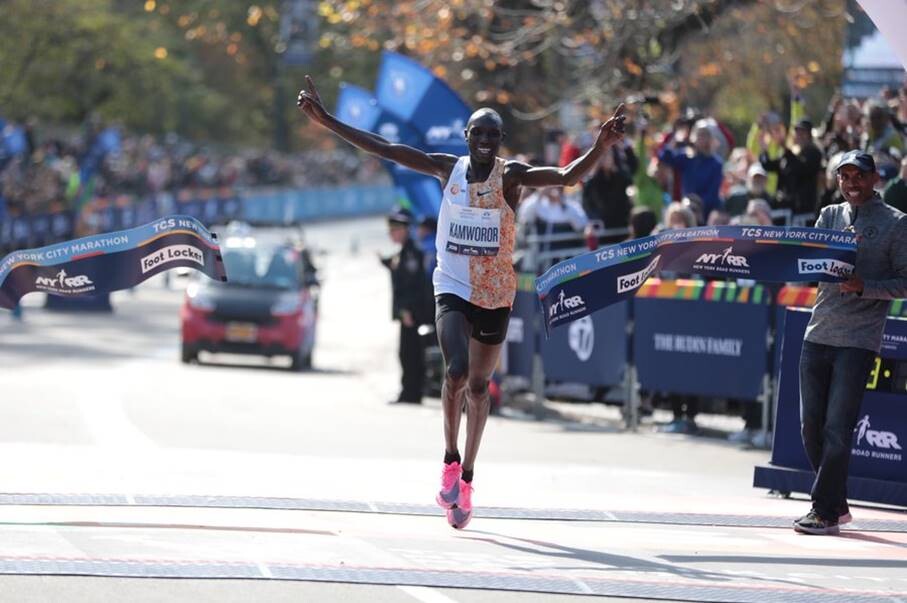
For Kamworor, New York represents much more than another marathon. It is a course where he has already enjoyed some of the defining moments of his illustrious career, and where he will now seek to add another prestigious title to a remarkable collection of achievements.
The 33-year-old has developed a special relationship with the New York course since making his debut there in 2015. On that occasion, he finished runner-up in 2:10:48 behind compatriot Stanley Biwott, who won in 2:10:34.
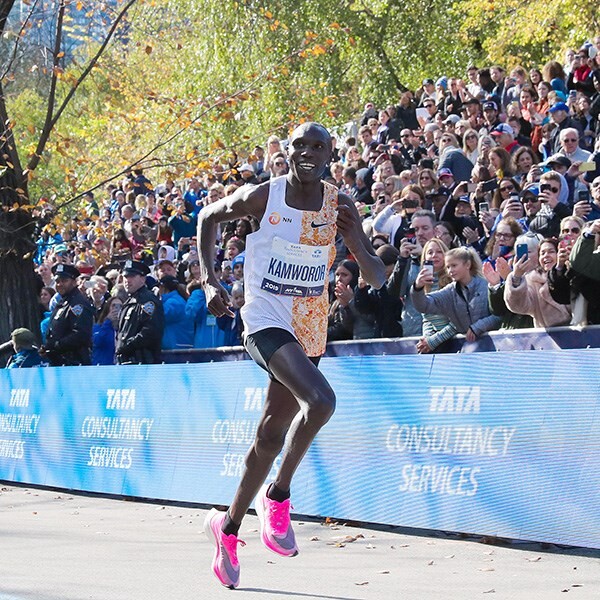
Two years later, Kamworor went one step further.
In 2017, he produced a composed performance to claim his first New York Marathon crown, crossing the finish line in 2:10:53. He held off fellow Kenyan and former world record-holder Wilson Kipsang, who finished just three seconds behind in 2:10:56, while Ethiopia's Lelisa Desisa took third in 2:11:32.

Kamworor returned the following year hoping to defend his title but had to settle for third place. Desisa triumphed in 2:05:59, ahead of Shura Kitata in 2:06:01, while Kamworor clocked 2:06:26.
But the Kenyan refused to stay away from the top for long.
In 2019, he reclaimed the New York crown in emphatic fashion, winning in 2:08:13. Albert Korir followed in second in 2:08:36, with Ethiopia's Girma Bekele completing the podium in 2:08:38.
Those two victories remain Kamworor's only Abbott World Marathon Majors titles, making New York a particularly significant venue in his career.
His latest appearance in the race, however, ended without another podium finish. Returning in 2024, Kamworor placed fifth in 2:08:50 as the Netherlands' Abdi Nageeye won in 2:07:39. Kenya's Evans Chebet was second in 2:07:45, while Albert Korir took third in 2:08:00.
Now, Kamworor is eager to return to the city where he has already tasted victory twice.
“I am very excited to be going back to New York,” Kamworor said, expressing his anticipation ahead of another demanding battle through the streets of the world's most famous city.
For the Kenyan star, the race offers a unique combination of sporting pressure and an atmosphere unlike any other.
“It's always an incredible experience to run the biggest marathon in the world. I'm really looking forward to feeling the energy of the crowd again,” he added.
Kamworor's challenge will be to arrive in New York at his best after a mixed campaign in 2026.
He began the year in spectacular fashion, winning the Ras Al Khaimah Half Marathon on February 14. The Kenyan clocked an impressive 58:14, finishing ahead of Bahrain's Birhanu Balew, who ran 58:23, and compatriot Gideon Rono, who crossed the line in 58:38.
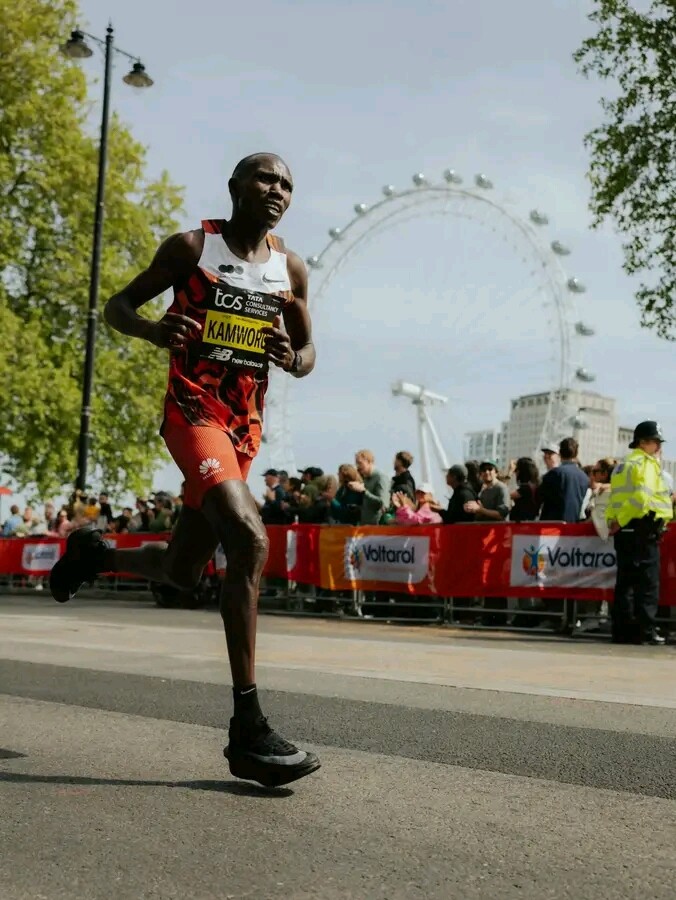
His London Marathon campaign on April 26 proved considerably tougher. Kamworor finished eighth in 2:05:38 in a historic race dominated by Sebastian Sawe, who produced a sensational 1:59:30 to become the first man to break the two-hour barrier in a marathon. Ethiopia's Yomif Kejelcha was second in 1:59:41, while Uganda's Jacob Kiplimo finished third in 2:00:28.
Kamworor will therefore arrive in New York with both experience and motivation on his side. He knows exactly what the course demands, having already navigated its hills, turns and relentless closing stages on multiple occasions.
Beyond the marathon, his career is decorated with major international honours across several disciplines.
Kamworor is a three-time world half marathon champion, winning his first title in Copenhagen in 2014 before successfully defending his crown in Cardiff in 2016 and completing his remarkable hat-trick in Valencia in 2018.
He has also established himself as one of Kenya's finest cross-country runners. He won the world junior cross-country title in Punta Umbria in 2011 before becoming a senior world champion in Guiyang in 2015 and Kampala in 2017. He added a bronze medal at the 2019 World Cross Country Championships in Aarhus.
That versatility has long been one of Kamworor's greatest strengths. From cross country to the half marathon and now the marathon, he has repeatedly demonstrated the endurance, tactical intelligence and competitive resilience required to succeed at the highest level.
Yet New York remains unfinished business.
With two victories already secured and another opportunity waiting on November 1, Kamworor has a chance to strengthen his legacy on one of the sport's most iconic stages.
A third triumph would not only give him a coveted New York hat-trick but would further cement his status as one of Kenya's most accomplished distance runners of his generation.
The Big Apple has already given Kamworor some of the proudest moments of his career. Now, the Kenyan star is returning with one clear ambition — to conquer New York once again.
by Erick Cheruiyot for My Best Runs.
Login to leave a comment

TCS New York City Marathon
The first New York City Marathon, organized in 1970 by Fred Lebow and Vince Chiappetta, was held entirely in Central Park. Of 127 entrants, only 55 men finished; the sole female entrant dropped out due to illness. Winners were given inexpensive wristwatches and recycled baseball and bowling trophies. The entry fee was $1 and the total event budget...
more...
Kenenisa Bekele’s Paris Coronation: The Night Ethiopia’s Distance Running Dynasty Changed Forever
Paris, France — August 24, 2003.
The Stade de France witnessed far more than a World Championship 10,000m final that night. It witnessed the beginning of a new era.
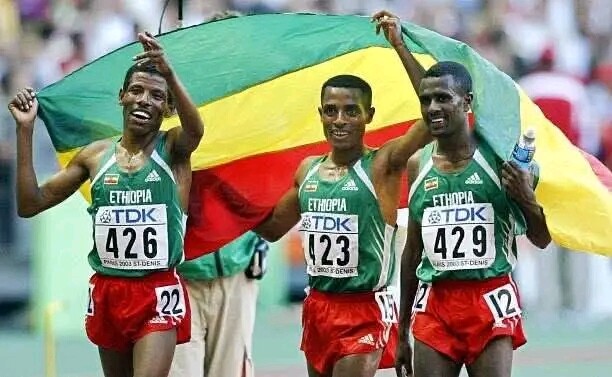
For years, Haile Gebrselassie of Ethiopia had stood virtually untouchable at the summit of world distance running. He arrived in Paris as a two-time Olympic champion and four-time World Champion over 10,000m, carrying the reputation of a man who had dominated the track for much of the previous decade.
But waiting in the same race was a 21-year-old Ethiopian whose running style looked remarkably familiar.
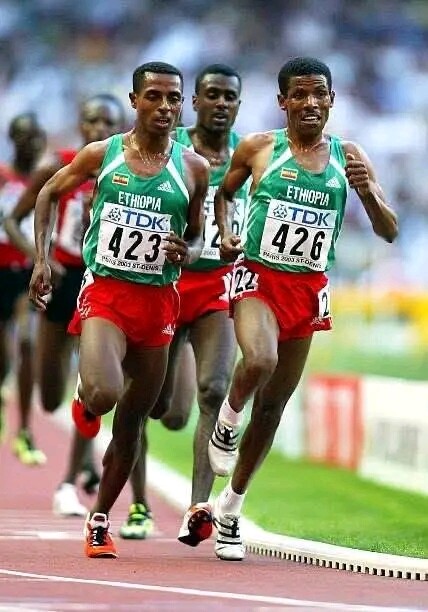
His name was Kenenisa Bekele.
The younger Ethiopian had already shown flashes of extraordinary potential, but Paris was where potential became reality.
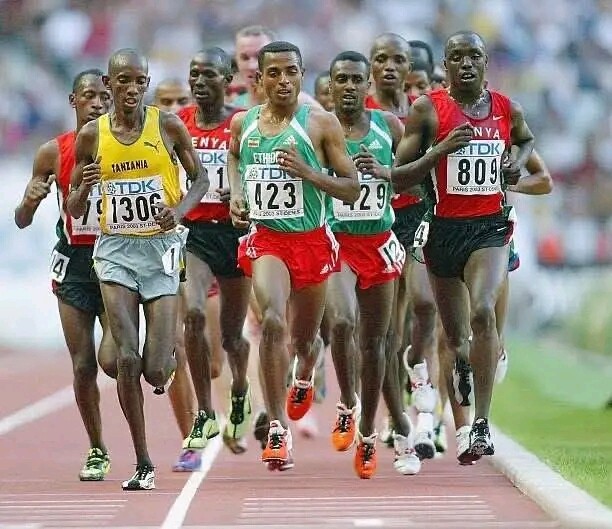
As the race unfolded, Gebrselassie ran aggressively, repeatedly applying pressure in an attempt to break the field and shake off his young compatriot. One by one, the world's best distance runners were dropped, including a strong Kenyan contingent.
Yet Bekele refused to disappear.
He stayed glued to Gebrselassie's shoulder, matching every surge and every change of pace. Behind them, Sileshi Sihine of Ethiopia remained in contention, setting the stage for what would ultimately become a historic Ethiopian sweep.
Then came the decisive moment.
With only 200 metres remaining, Bekele made his move.
Gebrselassie, famous for his devastating finishing speed, tried to respond. But this time, there was no answer. Bekele powered away down the final straight, creating daylight between himself and his legendary compatriot.
The changing of the guard had arrived.
Bekele crossed the finish line in 26:49.57, becoming the first athlete to break 27 minutes at these World Championships and setting a championship record.
Behind him, Gebrselassie finished second in 26:50.77, while Sihine completed an extraordinary Ethiopian clean sweep with 27:01.44.
It was not simply a victory for Bekele.
It was the moment the young star announced that he was ready to inherit the throne.
Paris 2003 — Men's 10,000m Final
1. Kenenisa Bekele — Ethiopia — 26:49.57 CR
2. Haile Gebrselassie — Ethiopia — 26:50.77
3. Sileshi Sihine — Ethiopia — 27:01.44
4. Ahmad Hassan Abdullah — Qatar — 27:18.28
5. John Cheruiyot Korir — Kenya — 27:19.94
6. Wilberforce Talel — Kenya — 27:33.60
7. Charles Kamathi — Kenya — 27:45.05
8. Kamiel Maase — Netherlands — 27:45.46
9. Karl Keska — Great Britain — 27:47.89
10. Ismail Sghyr — France — 27:54.87
11. David Galván — Mexico — 27:55.31
12. John Yuda Msuri — Tanzania — 27:56.21
13. Fabiano Joseph Naasi — Tanzania — 28:06.36
14. Alan Culpepper — United States — 28:14.92
15. Teodoro Vega — Mexico — 28:31.71
16. Mebrahtom Keflezighi — United States — 28:35.08
17. Cathal Lombard — Ireland — 28:36.43
18. Tomoo Tsubota — Japan — 28:37.10
19. Dan Browne — United States — 29:01.60
Bekele's Paris triumph proved to be the beginning of something much bigger. He went on to win Olympic 10,000m gold in Athens the following year and established himself as the dominant track distance runner of his generation.
At the 2008 Beijing Olympics, he completed the extraordinary 5,000m and 10,000m double, cementing his place among the greatest distance runners in history.
Gebrselassie, meanwhile, successfully reinvented himself beyond the track. He turned increasingly toward the 10km, half marathon and marathon, where he continued rewriting the record books and building another extraordinary chapter of his career.
But Paris remains special.
On August 24, 2003, one Ethiopian legend was still fighting to protect his kingdom while another was stepping forward to claim it.
Kenenisa Bekele didn't simply win a World Championship gold medal that night. He announced the arrival of a new era in distance running.
by Erick Cheruiyot for My Best Runs.
Login to leave a comment
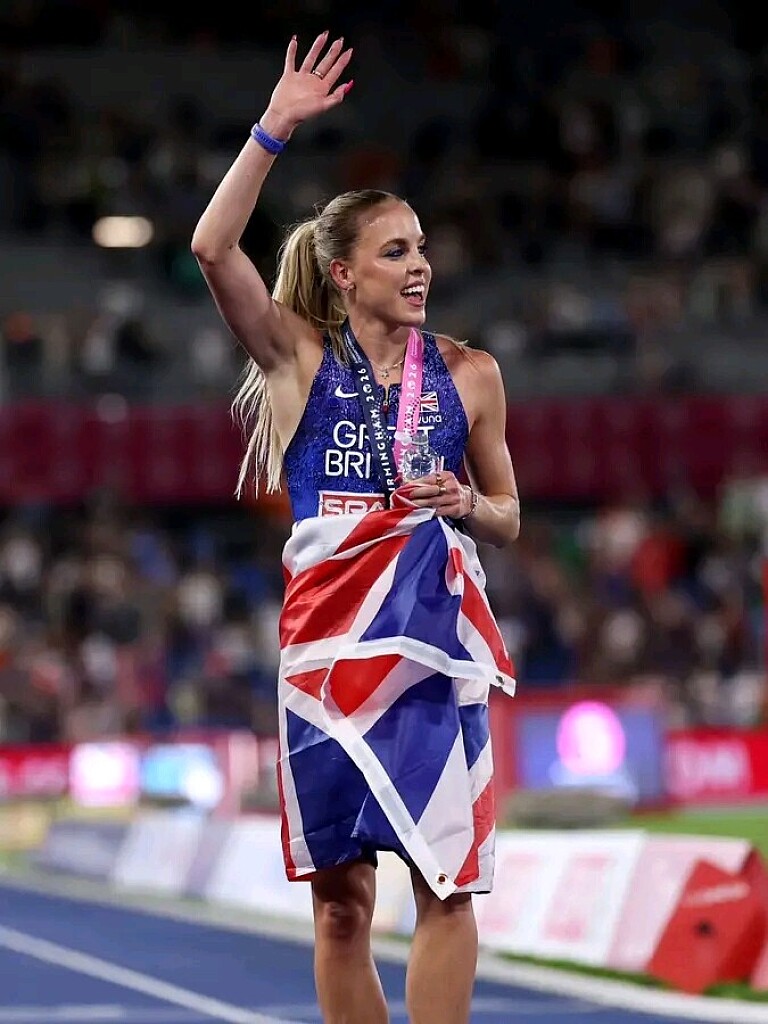
Keely Hodgkinson Withdraws From Zurich Diamond League 800m as Olympic Champion Prioritises Recovery
Olympic champion Keely Hodgkinson has withdrawn from this week’s Diamond League meeting in Zurich, where she was scheduled to headline a star-studded women’s 800m field.
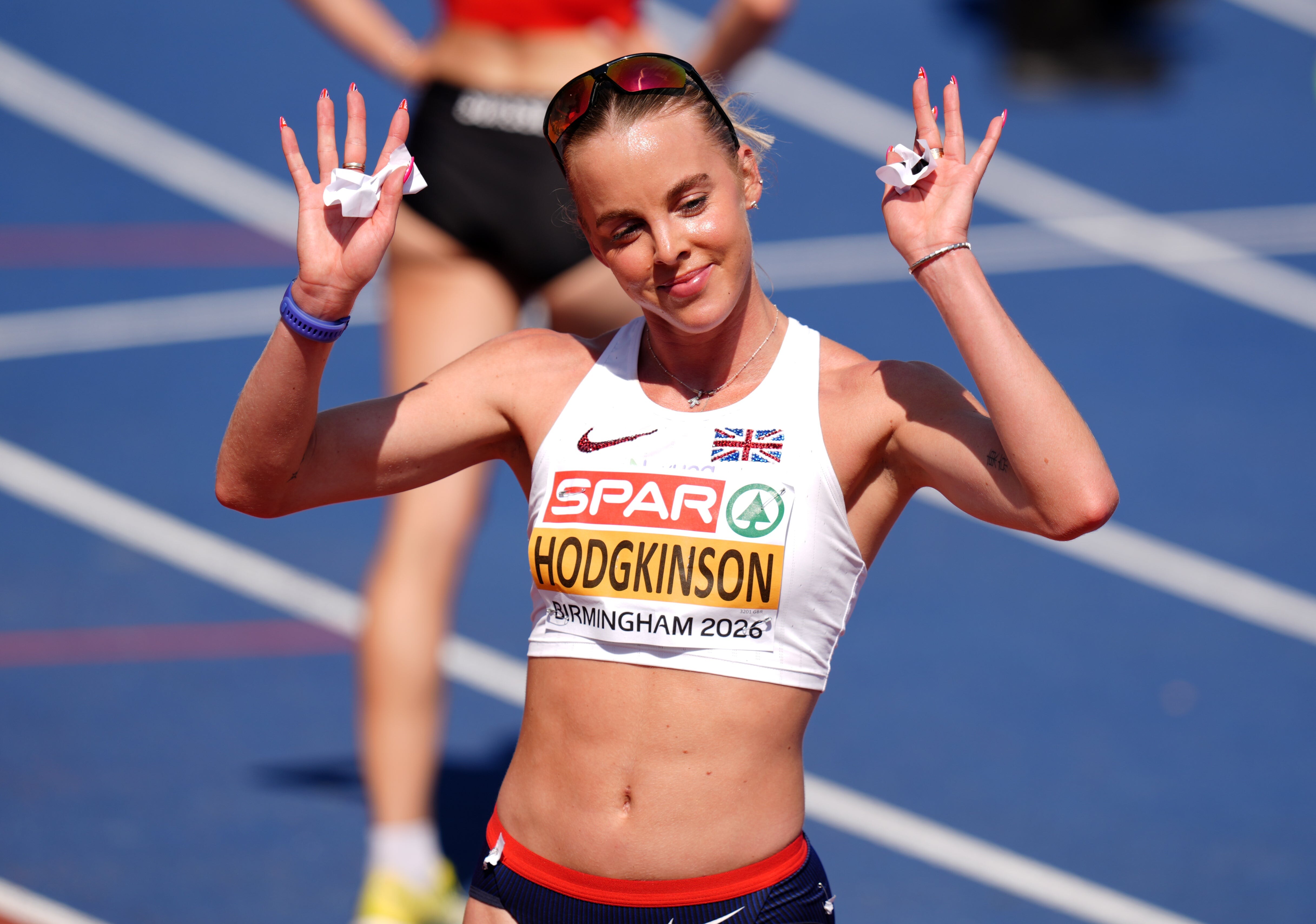
The British middle-distance star confirmed that her body is not yet ready for another race following the European Championships, prompting her and her team to make the decision to skip Thursday’s August 27 meeting and focus on a full recovery ahead of her next outing.
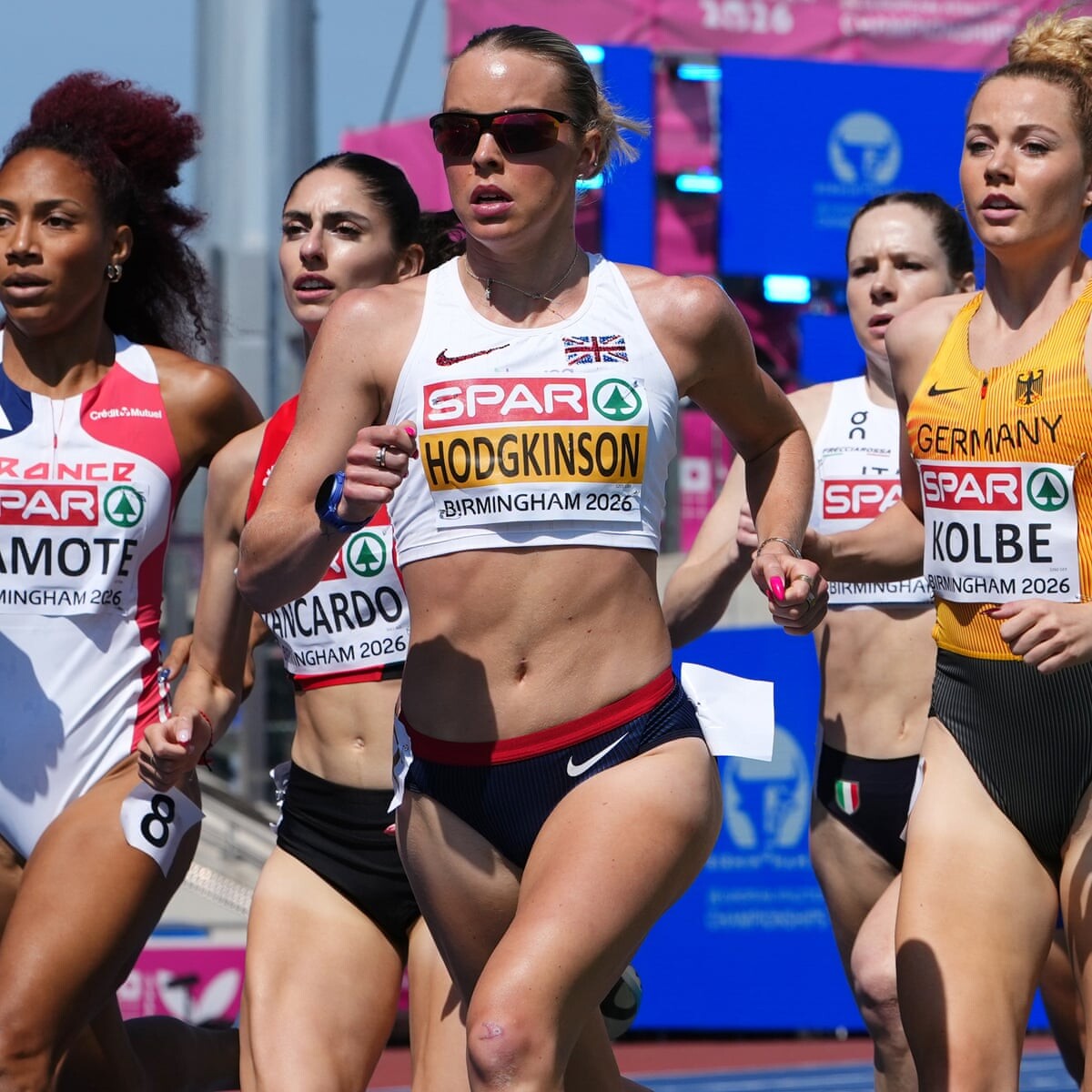
“The body isn't quite ready to race again after the European Championships, so we've made the decision to skip this race and get ready for the next one,” Hodgkinson said.
The decision comes as a disappointment for fans who had been eagerly anticipating Hodgkinson’s return to the track in Zurich, particularly because the race was set to feature a formidable line-up of international 800m talent.
Hodgkinson had been due to face unbeaten European champion Audrey Werro of Switzerland, Commonwealth champion Georgia Hunter Bell of Great Britain, reigning world champion Lilian Odira of Kenya and European bronze medallist Femke Broeders-Bol of the Netherlands.
The meeting had also promised a highly anticipated rematch between Hodgkinson and Werro following the dramatic European Championships in Birmingham, where the Swiss star produced a stunning performance to upset the field and claim the European title.
That result added even more intrigue to their scheduled Zurich showdown, with Hodgkinson expected to have another opportunity to respond on the Diamond League stage. Her withdrawal, however, means that much-awaited battle will have to wait.
Despite missing one of the season’s biggest meetings, Hodgkinson is choosing caution over a rushed return. After the physical demands of championship racing, the Olympic champion believes the right approach is to allow her body sufficient time to recover before stepping back onto the track.
“I’m sad to miss it, hopefully see you next year!” Hodgkinson added.
Her absence will undoubtedly take some of the spotlight away from the Zurich 800m, but the race remains packed with quality. Werro, Hunter Bell, Odira and Broeders-Bol will still provide a compelling contest, with each athlete carrying an impressive championship pedigree into the race.
For Hodgkinson, meanwhile, the focus now shifts away from Zurich and towards making sure she is fully prepared for her next appearance.
The Olympic champion may be missing from Thursday’s start line, but her decision reflects a bigger priority: returning to competition healthy, sharp and ready to perform at her best rather than risking a premature comeback.
And when Hodgkinson does return, the prospect of another clash with Werro—and a renewed battle among the world’s leading 800m runners—will undoubtedly be one of the most anticipated moments of the season.
by Erick Cheruiyot for My Best Runs.
Login to leave a comment

Kejelcha and Sawe: Two Men Driving Road Running Into a New Era
Men's road running is moving into extraordinary territory, and two athletes are increasingly at the heart of its breathtaking evolution: Yomif Kejelcha of Ethiopia and Sabastian Sawe of Kenya.
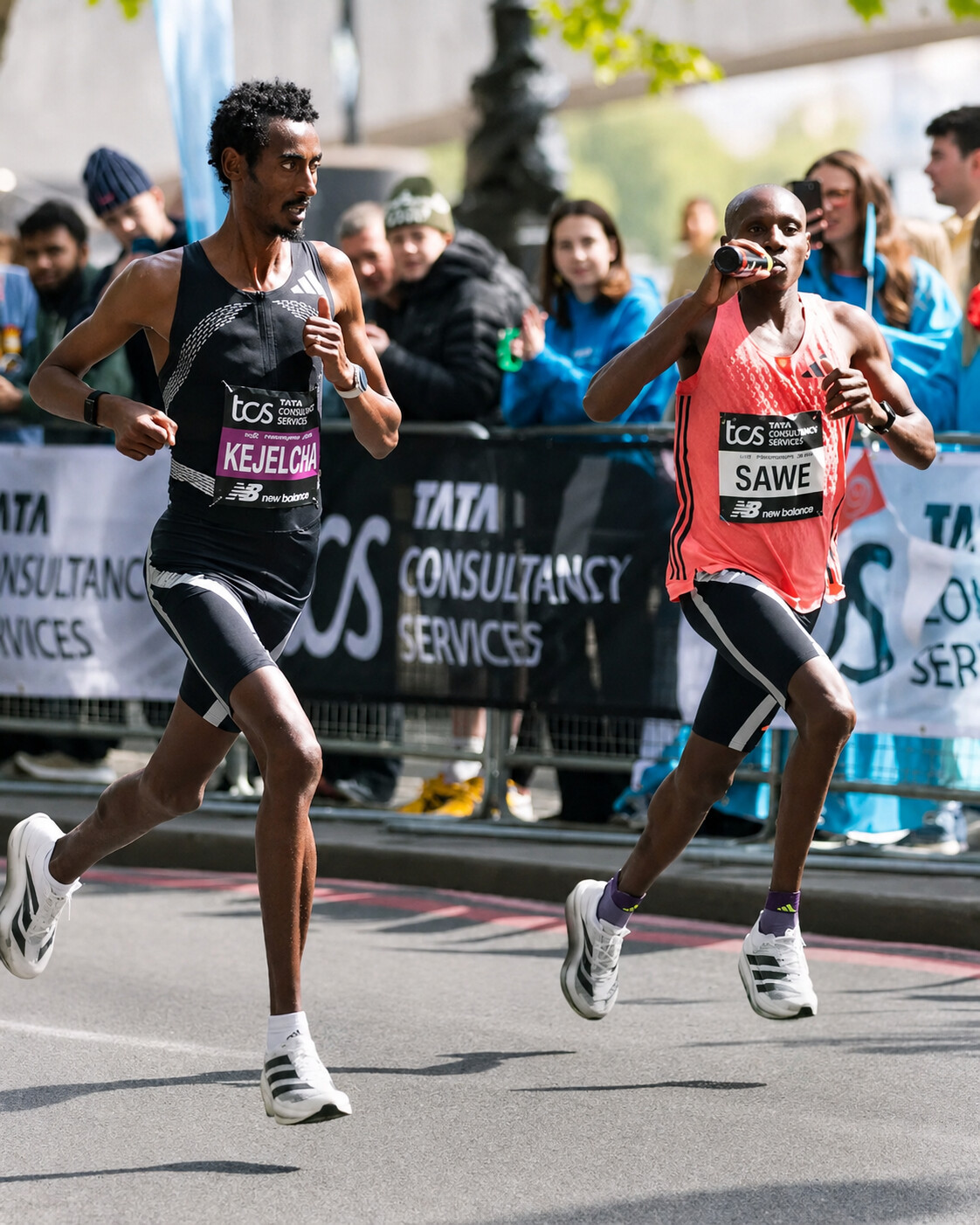
The pair represent the remarkable depth of modern East African distance running, but they are also doing something even more significant: pushing the boundaries of marathon and half-marathon performance to levels that once seemed almost unimaginable. Through their exceptional speed, endurance and ability to perform at the highest level, Kejelcha and Sawe are helping to redefine what is possible on the roads.
Sawe has established himself as one of the most formidable marathon runners in the world. His astonishing 1:59:30 marathon performance at TCS London Marathon on April 26, 2026, marked as a world record, African record and Kenyan record, demonstrated the extraordinary level the marathon has now reached. It also underlined his position at the very top of the men's marathon world rankings.
Kejelcha has been equally sensational, although his journey has highlighted a different kind of versatility. The Ethiopian, whose background includes world-class performances on the track and across shorter road distances, ran 1:59:41 for the marathon debut also at the TCS London Marathon on April 26, 2026, a performance marked as a national record. Just four months later, he delivered another stunning display by clocking 56:51 for the half marathon at the Argentina's capital, Buenos Aires on August 23, 2026, with the performance marked as a pending world record, African record and Ethiopian national record.
That combination of performances illustrates just how exceptional this new generation has become. Kejelcha's ability to threaten the absolute limits over the half marathon while also producing a sub-two-hour marathon performance speaks to his extraordinary range. Sawe, meanwhile, has continued to establish himself as a dominant force over the classic 42.195km distance, combining remarkable efficiency with the strength and speed required to compete at the very highest level.

The two stars are now preparing to take their talents to different stages of the road-running calendar. Kejelcha's next focus is the Valencia Marathon on December 6, where he will once again turn his attention to the marathon distance and look to build on his remarkable breakthrough over 42.195km. Sawe, meanwhile, is set to race the BMW Berlin Marathon on September 27, giving the Kenyan another major opportunity to showcase his extraordinary marathon strength on one of the world's fastest and most prestigious courses.
Those upcoming races add another fascinating dimension to their respective journeys. While Kejelcha heads to Valencia carrying exceptional speed and versatility into another marathon challenge, Sawe will arrive in Berlin with his sights firmly fixed on maintaining his dominance at the highest level of the sport.
What makes their rise particularly exciting is the wider message it sends to athletics. The marathon is no longer progressing only through small margins. The standards at the top are being pushed relentlessly forward, and performances that once appeared impossible are becoming increasingly realistic.
The official sub-two-hour marathon remains one of athletics' ultimate frontiers. Achieving it under standard race conditions would represent one of the greatest endurance breakthroughs in sporting history. Yet with athletes such as Sawe already breaking the two-hour barrier and Kejelcha running only seconds above it while also producing unprecedented half-marathon speed, that frontier appears closer than ever.
Their careers are different, and their strengths are not identical. Sawe has rapidly become a dominant marathon specialist, while Kejelcha brings exceptional versatility from the track to the roads and across multiple distances. But together, they symbolize the relentless progression of men's road running.
Yomif Kejelcha and Sabastian Sawe are not merely among the fastest men of their generation. They are helping to drive the sport toward a future that once seemed unthinkable. With Valencia and Berlin now on their horizons, the next chapter of this remarkable road-running revolution is already waiting to be written.
by Erick Cheruiyot for My Best Runs.
Login to leave a comment
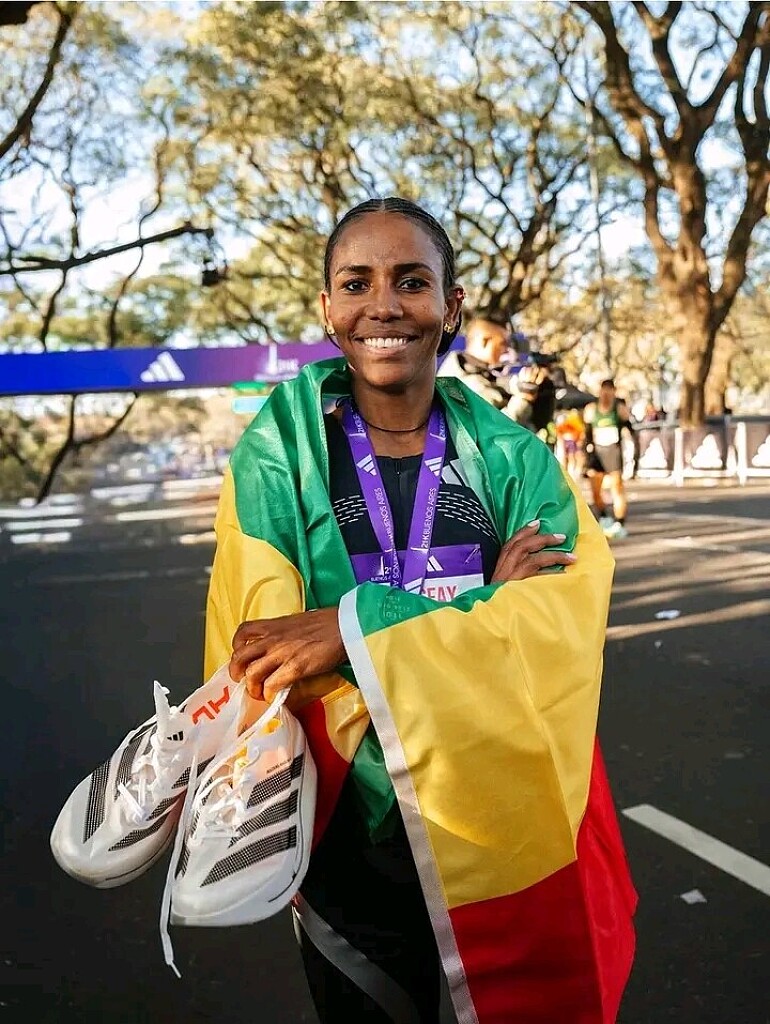
Fotyen Tesfay Haylu Smashes Buenos Aires Half Marathon Record with Historic 1:03:57 Performance
Ethiopia’s Fotyеn Tesfay Haylu delivered one of the most remarkable women’s half-marathon performances ever seen on American soil on Sunday, powering to a commanding victory at the 2026 Buenos Aires Half Marathon in Argentina in 1:03:57.

Running with exceptional confidence and strength, Tesfay took control of the race and produced a superb solo performance to rewrite the event record. Her breathtaking run also carried historic significance, as she became the first woman to break the 64-minute barrier for the half marathon in the Americas, producing what is being celebrated as the fastest women’s half-marathon performance ever recorded on the continent.
The Ethiopian star was in a class of her own, crossing the finish line more than a minute clear of Turkey’s Nevin Can, who finished second in 1:05:06. Another Turkish athlete, Selin Can, completed the podium in third place with 1:05:11, as the leading trio all produced strong performances on the fast streets of Buenos Aires.
Kenya also featured prominently in the top positions, with Irene Jepchumba Kimais taking fourth in 1:06:04, followed by Sheila Chepkirui in fifth with 1:06:13. Magaret Akidor Ngathike finished sixth in 1:06:46, while fellow Kenyan Deborah Samum claimed seventh place in 1:08:32.
Brazil’s Nubia de Oliveira Silva was eighth in 1:11:13, while Argentina’s Sofia Luna and Dahyana Juarez rounded out the top 10 with times of 1:11:21 and 1:11:28, respectively.
Top 10 Women – 2026 Buenos Aires Half Marathon
1. Fotyеn Tesfay Haylu (Ethiopia) – 1:03:57
2. Nevin Can (Turkey) – 1:05:06
3. Selin Can (Turkey) – 1:05:11
4. Irene Jepchumba Kimais (Kenya) – 1:06:04
5. Sheila Chepkirui (Kenya) – 1:06:13
6. Magaret Akidor Ngathike (Kenya) – 1:06:46
7. Deborah Samum (Kenya) – 1:08:32
8. Nubia de Oliveira Silva (Brazil) – 1:11:13
9. Sofia Luna (Argentina) – 1:11:21
10. Dahyana Juarez (Argentina) – 1:11:28
For Tesfay, it was far more than a race victory. Her 1:03:57 performance was a statement of extraordinary quality, combining speed, endurance and remarkable solo running to produce a landmark result in Buenos Aires. In a race that will be remembered for years to come, the Ethiopian did not simply win—she redefined what was thought possible for women’s half-marathon running in the Americas.
by Erick Cheruiyot for My Best Runs.
Login to leave a comment

Buenos Aires Half Marathon
The Buenos Aires Half Marathon is one of the most important in Latin America and attracted more than 25,000 runners from all over the world. Dare to run the fastest half marathon in Latin America....
more...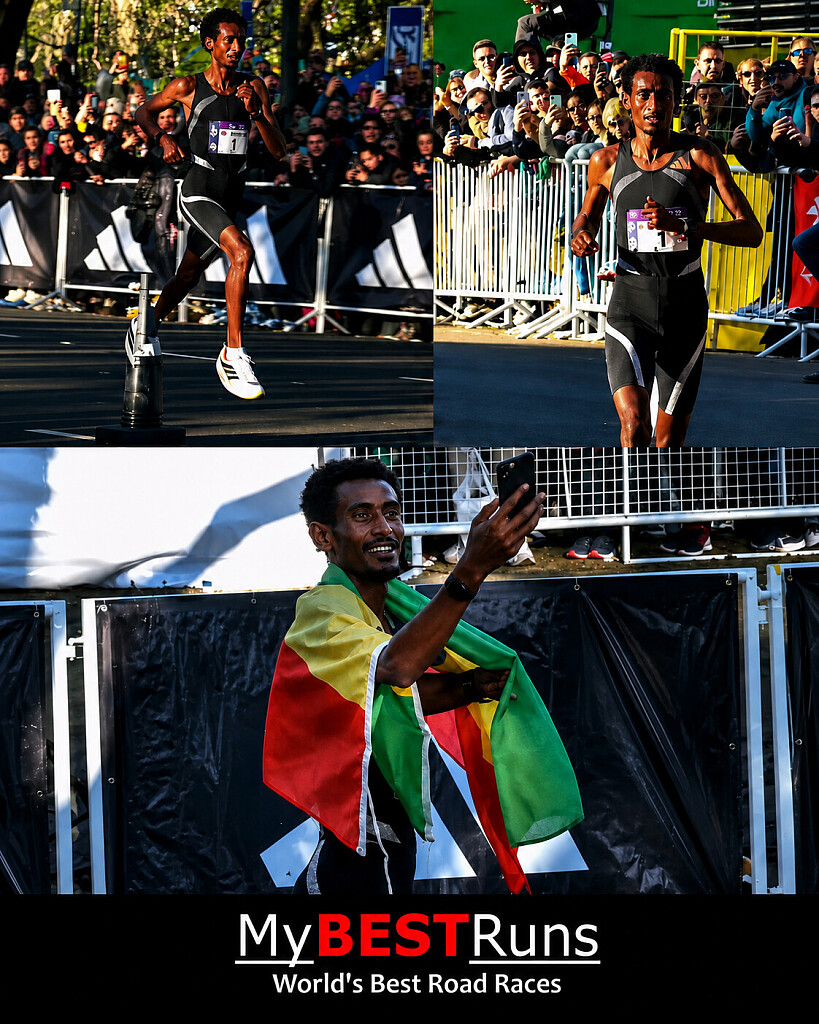
Yomif Kejelcha Smashes Half Marathon World Record with Sensational 56:51 in Buenos Aires
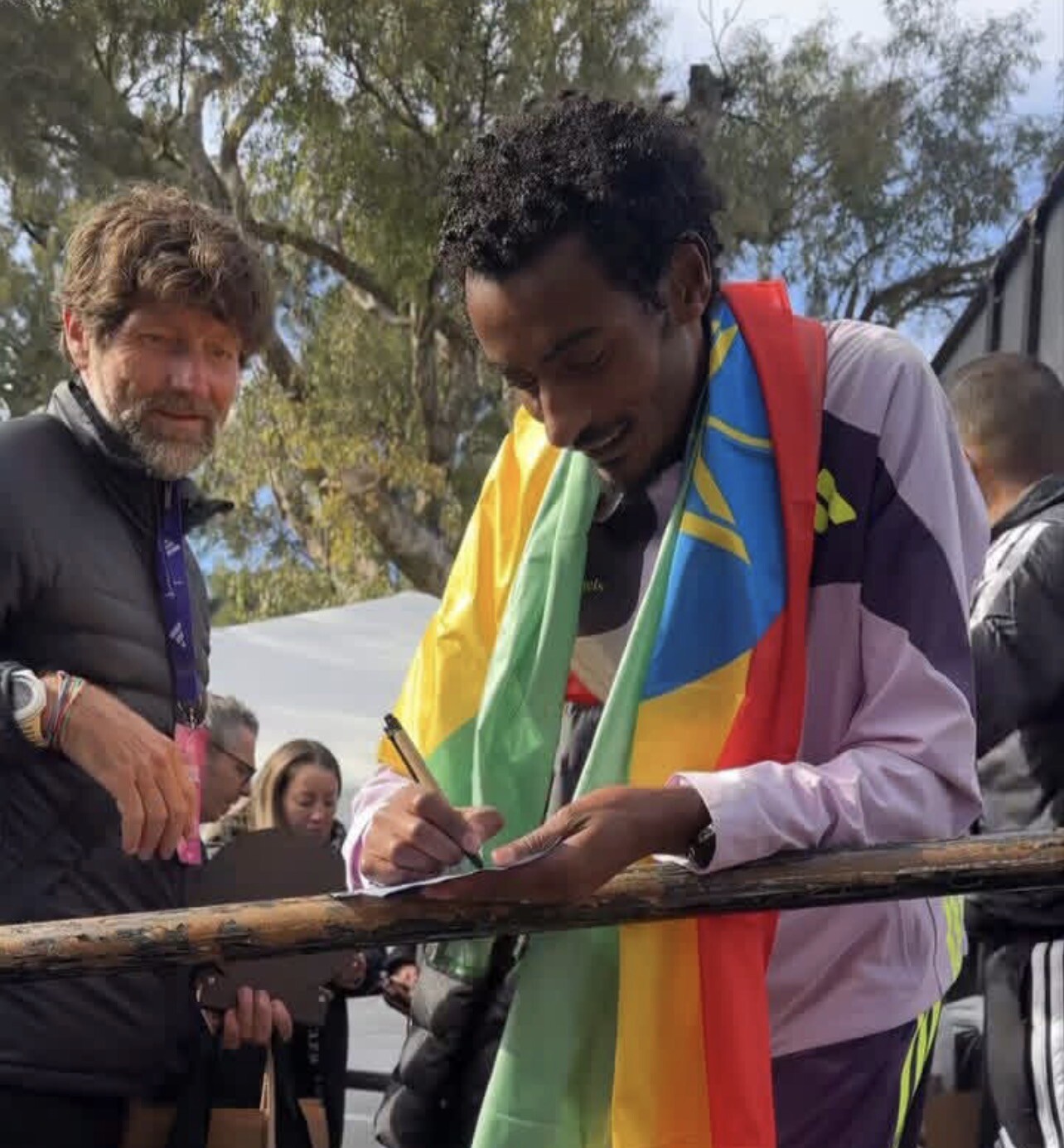
Ethiopia’s Yomif Kejelcha produced one of the most extraordinary performances in road racing history on the streets of Buenos Aires, Argentina, reclaiming the half marathon world record with a sensational 56:51 performance at the 2026 Buenos Aires Half Marathon.
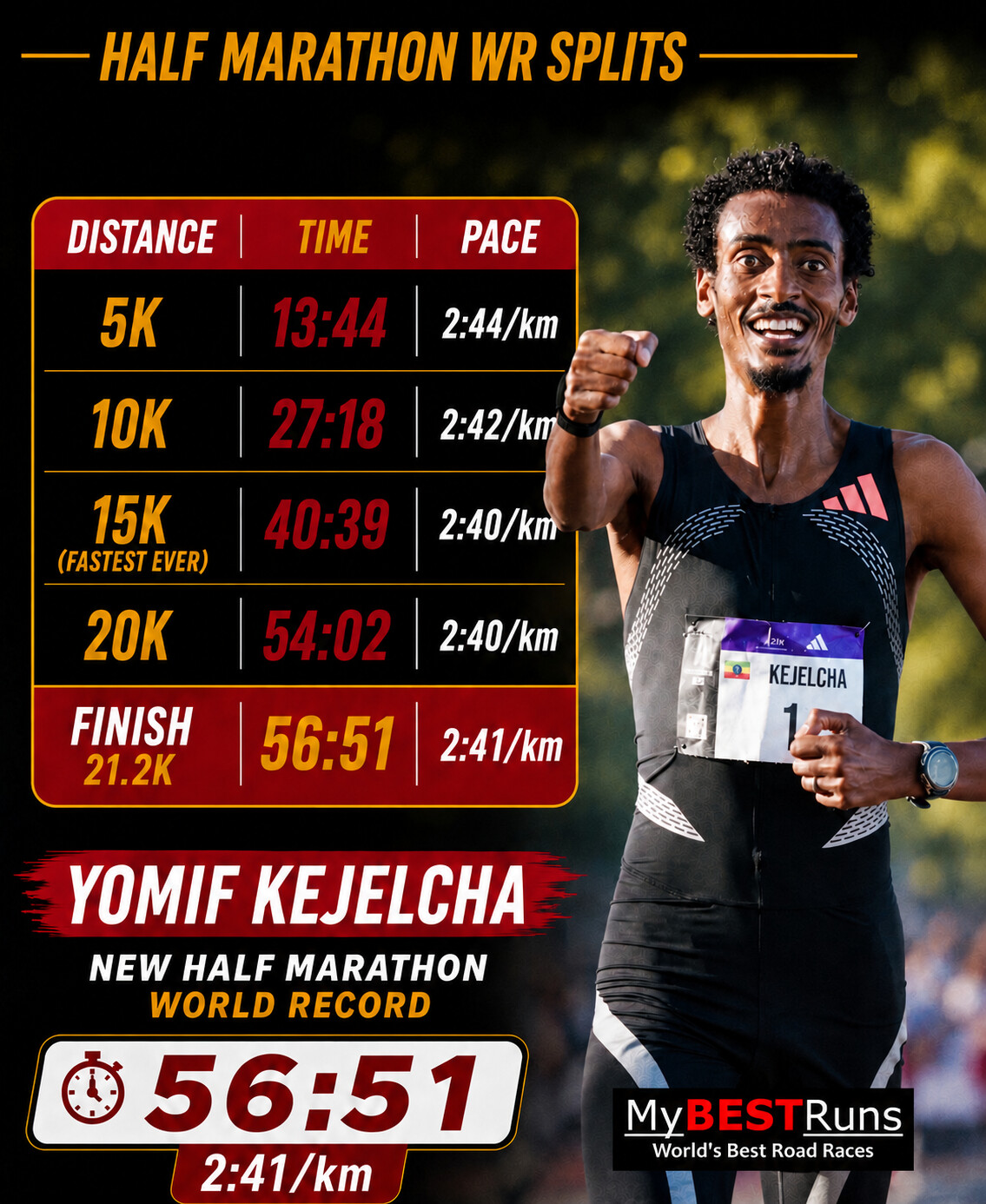
The former world record-holder delivered a breathtaking exhibition of speed and endurance to take 29 seconds off the previous pending mark of 57:20, set by Uganda’s Jacob Kiplimo and takes a huge chunk from his own former official world record. Kejelcha's new performance is pending the standard ratification procedures, but if officially ratified, it will return the world record to the Ethiopian star and mark another remarkable chapter in the evolution of the event.
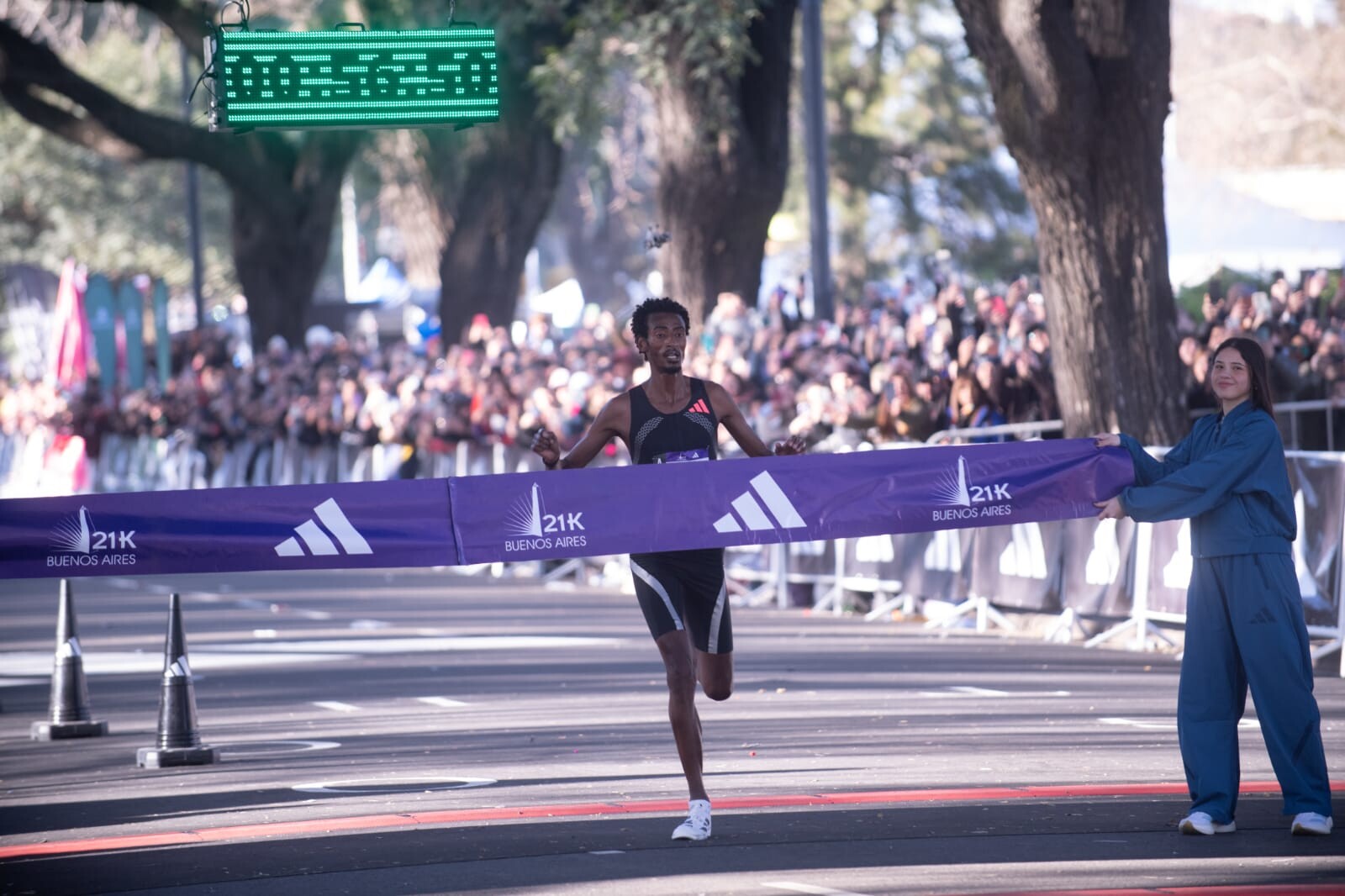
Kejelcha's achievement is particularly significant because the 57-minute barrier had already been broken before. Jacob Kiplimo had previously run under 57 minutes, clocking 56:42 that was not ratified demonstrating that the once-unthinkable barrier was possible. Kejelcha, however, has become the second man to run under 57-minute barrier who now returns to the top of the all-time rankings with another historic performance in Buenos Aires.

The Ethiopian's race was remarkable not only for the final time but also for the way he built his performance. He covered the opening five kilometres in 13:44 before reaching 10km in 27:18. Rather than slowing, Kejelcha accelerated through the middle stages, passing 15km in 40:39 and 20km in 54:02 as he continued to push the limits of elite road racing.
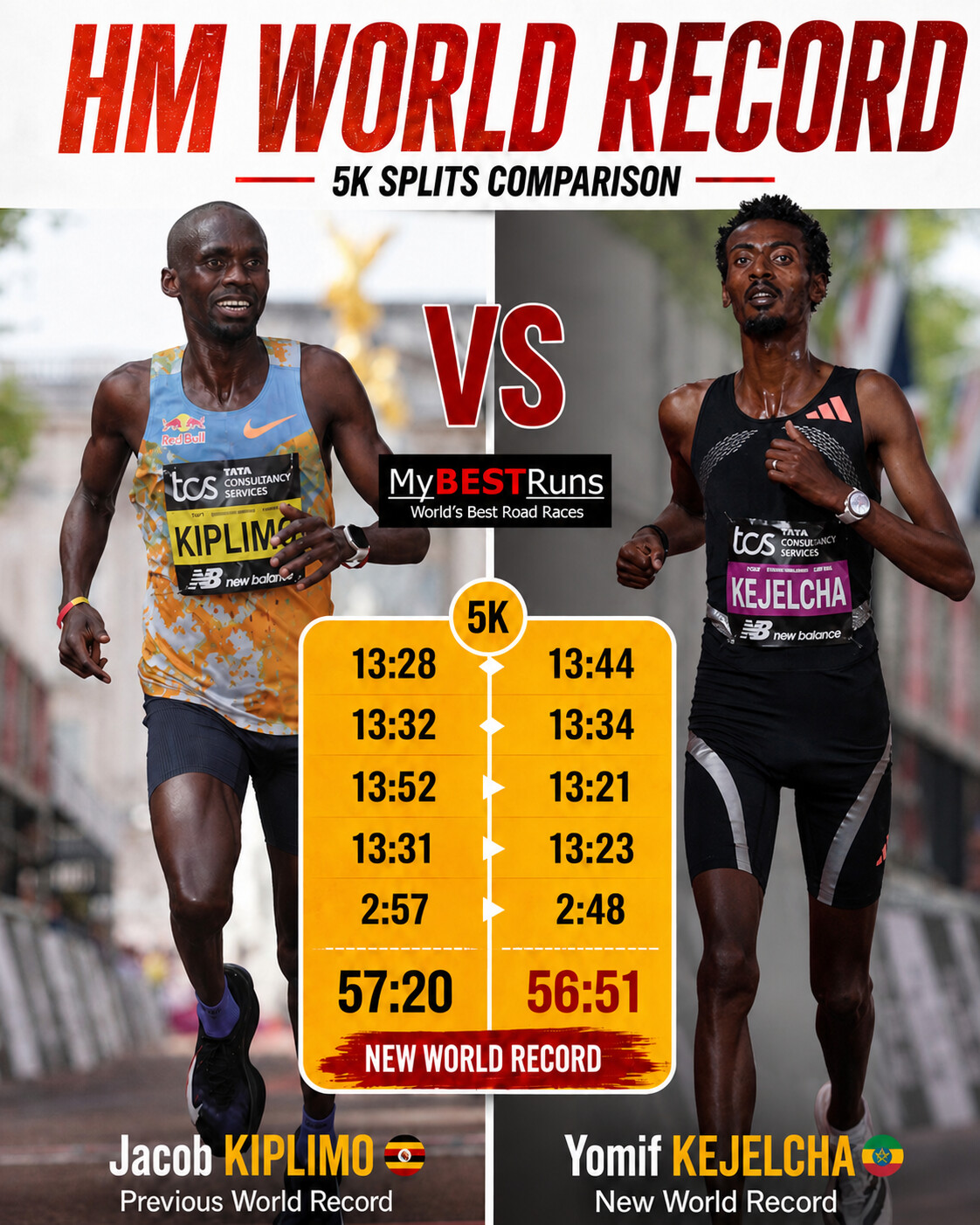
By the time he reached the finish line, Kejelcha had completed the race at an extraordinary average pace of approximately 2:42 per kilometre, producing one of the most astonishing sustained efforts ever witnessed in distance running. His stunning run sent a powerful message to the athletics world and further strengthened his status as one of the most formidable distance runners of his generation.
Behind the record-breaking champion, Ethiopia completed a dominant clean sweep of the men's podium. Tadese Worku Gebresilase claimed second place in 59:18, while Bereket Nega Batebo secured third in 1:00:17, giving Ethiopia a memorable one-two-three finish in the Argentine capital.
Kenya’s Jonathan Kipkoech Kamosong finished fourth in 1:00:20, followed by compatriot Simon Maywa in fifth with 1:00:55. Argentina’s Ignacio Erario gave the home supporters plenty to celebrate with an impressive sixth-place finish in 1:00:57, breaking the one-hour barrier in front of an enthusiastic local crowd.
Dillon Kipyeko of Kenya finished seventh in 1:01:07, with Robert Kiprop Koech eighth in 1:02:01. Mexico’s Julio Ortiz Ponce took ninth place in 1:03:17, while Colombia’s Jimmy Gómez completed the top 10 in 1:03:34.
The Buenos Aires Half Marathon will now take its place in the history books as the scene of a truly extraordinary breakthrough. For Kejelcha, this was more than just another victory. It was a spectacular return to the top, reclaiming a world record he had previously held and once again rewriting the limits of the half marathon.
The 56:51 performance remains pending ratification, but Yomif Kejelcha's run has already delivered one of the defining moments in the history of road racing.
by Erick Cheruiyot for My Best Runs.
Login to leave a comment
Buenos Aires Half Marathon
The Buenos Aires Half Marathon is one of the most important in Latin America and attracted more than 25,000 runners from all over the world. Dare to run the fastest half marathon in Latin America....
more...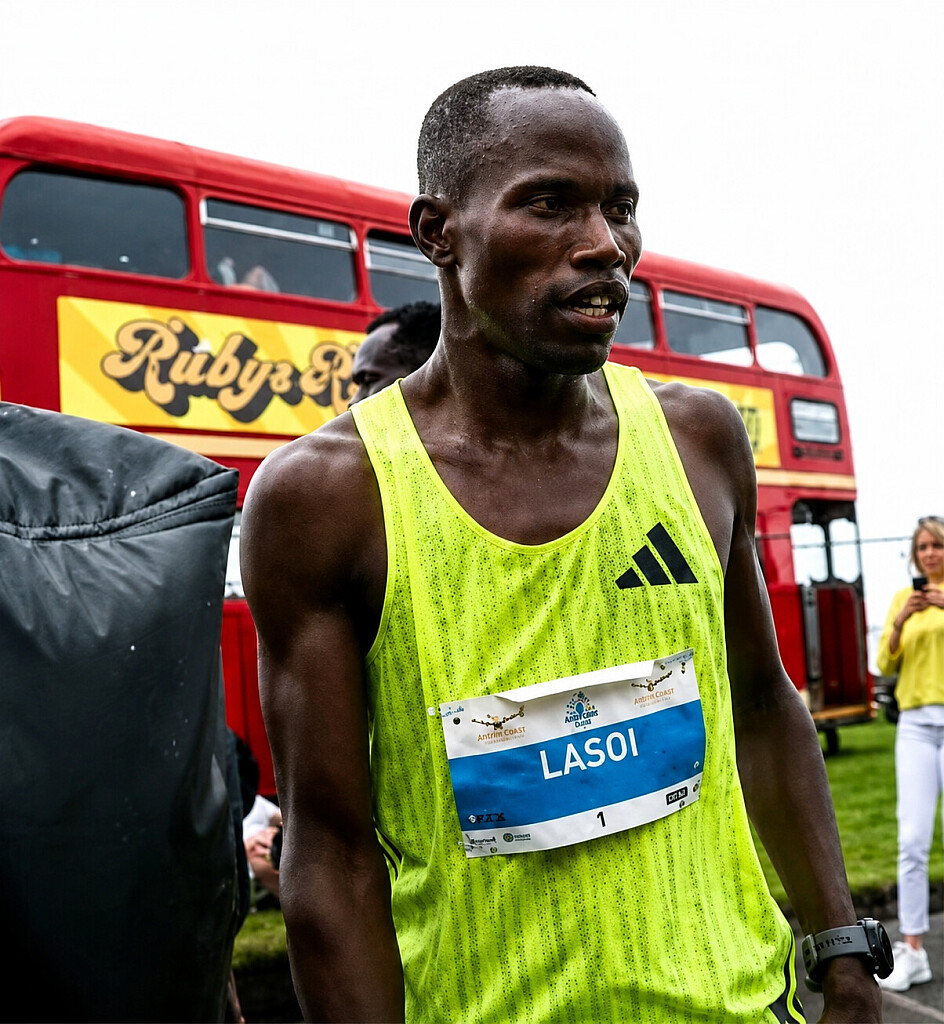
Isaia Lasoi Leads Kenyan Podium Sweep at Antrim Coast Half Marathon
Kenya delivered another commanding display of distance-running excellence at the Antrim Coast Half Marathon, with Isaia Lasoi leading a memorable Kenyan clean sweep of the men's podium in a race packed with world-class performances.
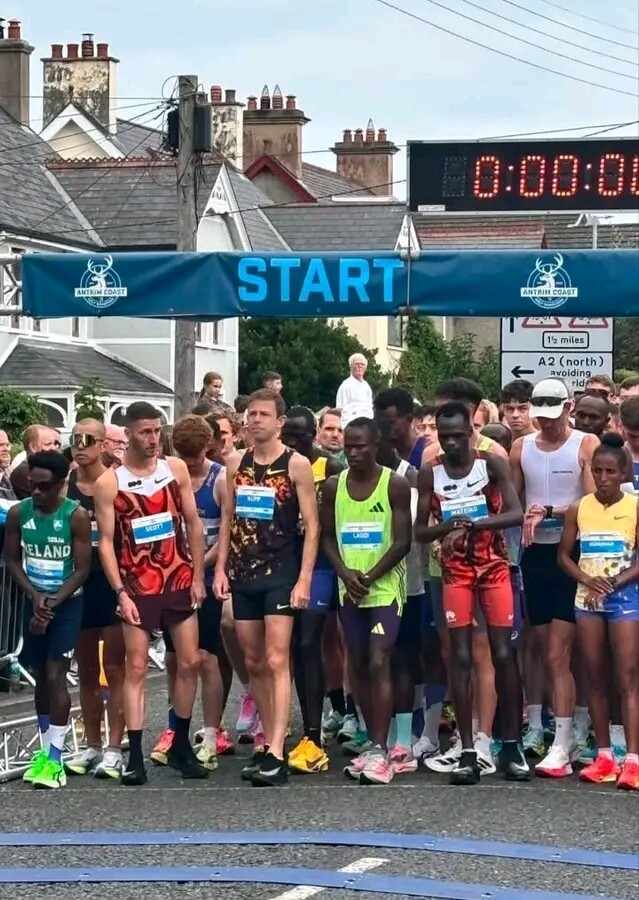
Lasoi emerged victorious after a thrilling battle at the front, crossing the finish line in a superb 58:26 setting a new course record. His winning performance underlined his strength and speed over the half-marathon distance, but he was made to work all the way by fellow Kenyan Daniel Mateiko, who finished just three seconds behind in 58:29 after an electrifying duel for the title.
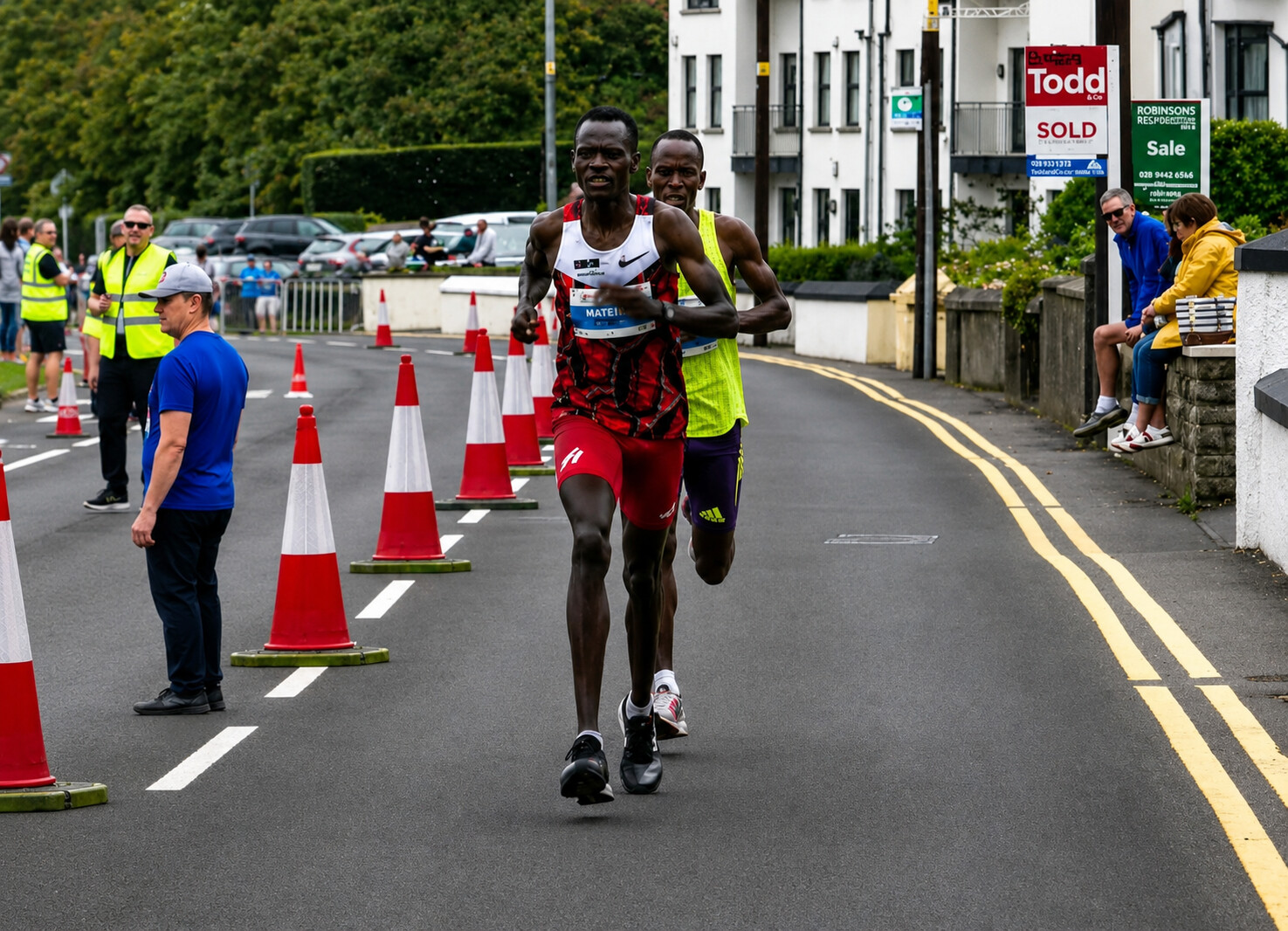
The contest between the two leaders produced one of the standout moments of the race, with both athletes pushing deep into elite territory as they fought for victory. In the end, Lasoi found just enough to secure the win, while Mateiko's narrow defeat highlighted the remarkable depth and quality of Kenya's leading distance runners.
Vincent Kipkorir completed the Kenyan sweep, taking third place in 1:00:38 to ensure that all three places on the podium belonged to Kenyan athletes. Samwel Chebolei added further Kenyan strength to the results, finishing fourth in 1:01:01, while Amos Langat was also among the leading finishers.
The international field featured several prominent names. Australia's Jimmy Whelan produced a strong run, while Ethiopia's Yismaw Dillu featured among the front group. American marathon star Galen Rupp also delivered a notable performance, clocking 1:01:29 in another competitive outing for the experienced distance runner. Former world-class track and road athlete Edward Cheserek was also among the top finishers.
Lasoi's 58:26 victory, however, was the defining performance of the day. Together with Mateiko and Kipkorir, he gave Kenya a perfect podium and another emphatic reminder of the country's extraordinary strength in elite road running.
The Antrim Coast Half Marathon once again provided a fast, competitive stage for some of the world's finest distance runners, but when the decisive moments arrived, it was Kenya that owned the podium.
by Erick Cheruiyot for My Best Runs.
Login to leave a comment
MEA ANTRIM COAST HALF MARATHON
The MEA Antrim Coast Half Marathon 2022 has been approved by World Athletics as an Elite Event. The World Athletics certified course takes in some of the most stunning scenery in Europe, combined with some famous landmarks along the route. With it's flat and fast course, the race is one of the fastest half marathons in the world. Starting...
more...
KSh42 Million KATA Programme Dispute: Questions Over Funding Advanced to Coach Charles Ng’eno
KATA founder Bob Anderson says coach Charles Ngeno received KSh1.077 million in repayable, interest-free financing for two running camps and six acres of potatoes, repeatedly discussed repayment and later sought additional funding.
A programme in which Bob and Catherine Anderson say they committed more than KSh42 million to support Kenyan runners is now at the centre of a dispute over money advanced to coach Charles Ng’eno.
Anderson, founder of My Best Runs, the Kenyan Athletics Training Academy and Runners World, says Ng’eno received KSh1,077,500 in interest free loans to establish two KATA running camps and cultivate six acres of potatoes.

Anderson says none of the money has been repaid.
Ng’eno should be given a full opportunity to respond to the allegations and provide his own financial records, contracts, harvest records and explanation of the transactions before publication.

Anderson founded Runner’s World as a teenager and says his motivation for developing KATA came from decades spent in athletics and from seeing the conditions faced by some aspiring Kenyan runners.
“This was never simply a potato farming project,” Anderson said. “The purpose was to establish camps where talented athletes could receive accommodation, food and world-class training. Every shilling provided to establish the camps and grow the potatoes was an interest-free loan that had to be repaid.”
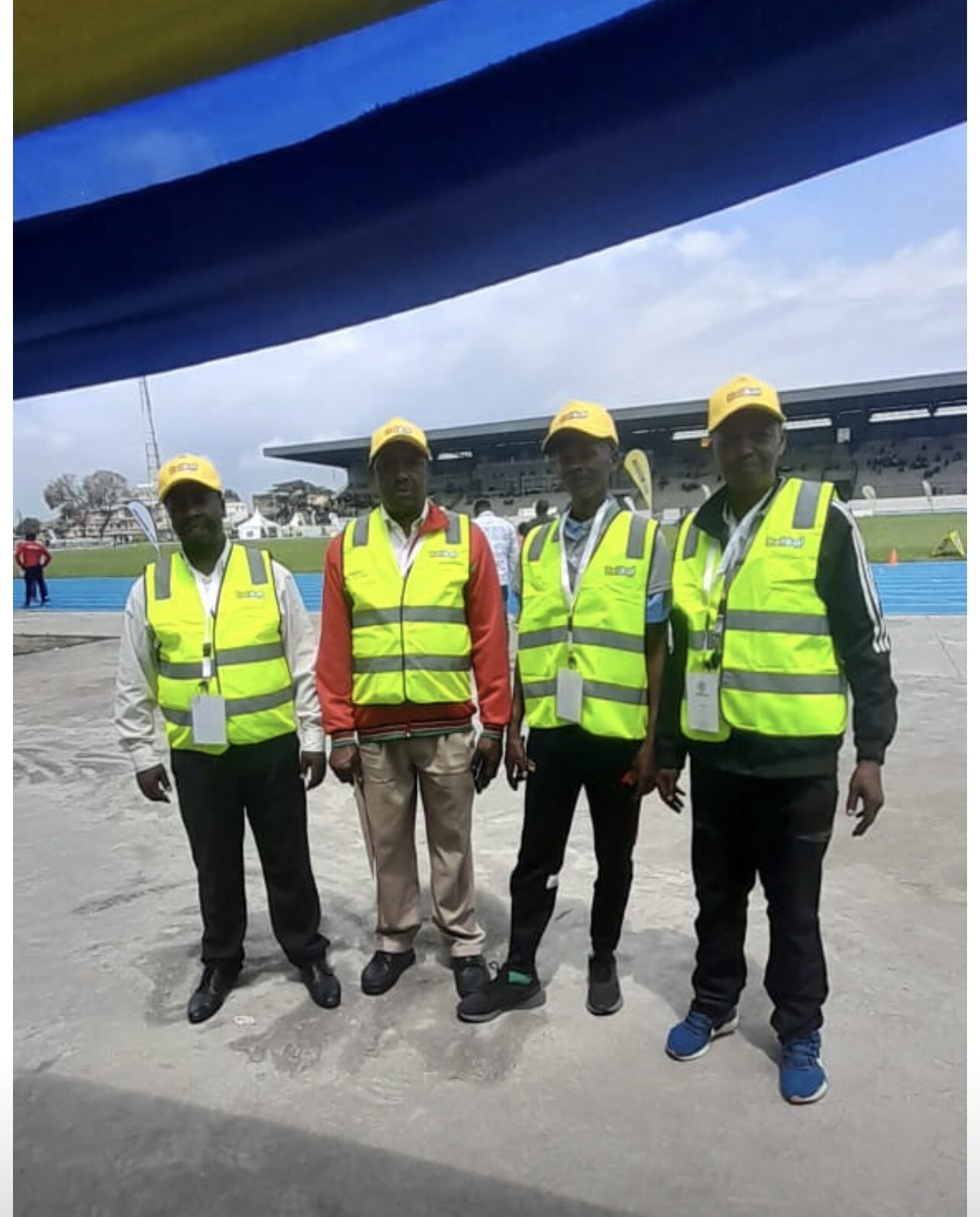
Two loans supporting one objective
According to Anderson, the KATA model combined two forms of repayable financing.

Camp operators could receive interest-free startup loans to cover expenses including rent, beds, mattresses, furniture and initial food supplies. Depending on the camp's requirements, Anderson says this financing could reach KSh500,000.
Separate interest-free loans were used to finance potato production, generally budgeted at approximately KSh100,000 per acre.
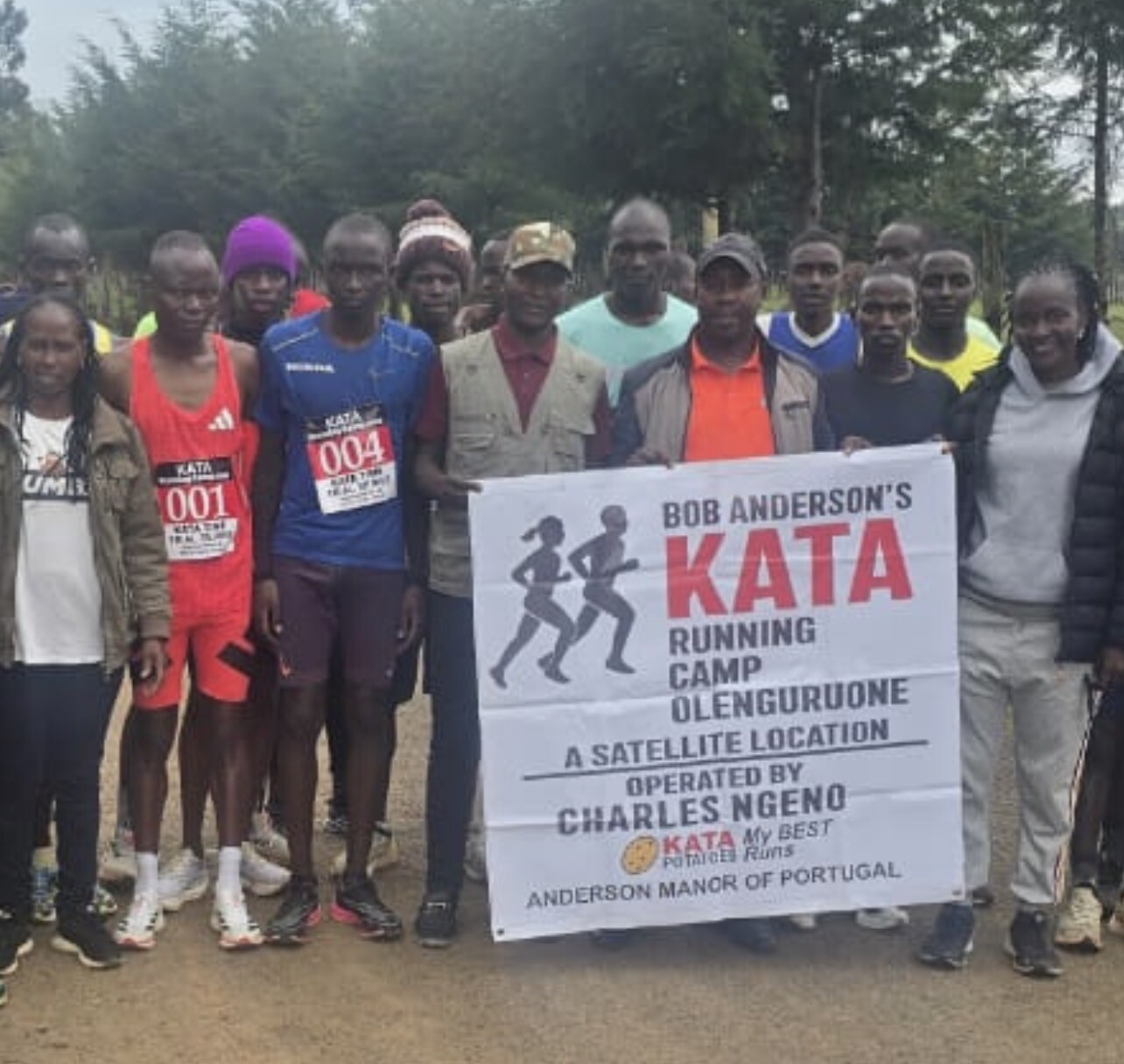
The intention was for proceeds from potato sales to repay both the farming costs and the money advanced to establish the running camp.
The funds were therefore not intended to operate as grants that beneficiaries could retain without repayment.

After the loans were cleared, the remaining income was intended to support athletes and help finance subsequent farming seasons.
Anderson says the model was designed to create a revolving system in which money recovered from one camp could eventually help another.

“The idea was to provide the seed capital once and then have the potato proceeds repay everything,” Anderson said. “After the camp and farming loans were cleared, each camp could continue operating without depending upon Catherine and me for more money.”
The financial projections used by KATA were based on anticipated agricultural returns. Anderson says the programme estimated that a well-managed acre could generate about KSh400,000 in gross sales, although actual returns would depend on yields, disease, weather and market prices.
These were projections rather than guaranteed returns.
More than KSh42 million committed
Anderson says he and Catherine committed more than KSh42 million to establishing and operating the wider programme.
Approximately KSh36 million, he says, was provided through interest-free loans to coaches, farmers and camp operators, while more than KSh6 million was spent on independent contractors and related programme expenses.
The Kenyan personnel engaged to coordinate activities and monitor participating farms were independent contractors, according to Anderson, rather than employees.
The Andersons did not establish a company in Kenya, with the programme directed through their California-based business.
The complete financial records covering the wider KATA programme have not been independently reviewed for this article.
The KSh1,077,500 advanced to Charles Ngeno represents only one part of the wider programme.
But Anderson says the failure to recover the money meant funds intended to circulate to other camps and athletes became unavailable.
Athletics Kenya references
Anderson says Ng’eno regularly communicated with him about athletics, farming and the proposed camps.
Among the material provided are photographs appearing to show Ng’eno participating in Athletics Kenya-related meetings, including one in which he is seated behind an Athletics Kenya nameplate and another in which he appears to address a gathering.
Ng’eno also told Anderson that he had discussed KATA with senior Athletics Kenya officials.
According to Anderson, Ng’eno reported that the Athletics Kenya president had praised the programme and believed it could benefit Kenyan athletes.
Those claims have not been independently confirmed.
The photographs show Ng’eno at athletics-related functions but do not establish that Athletics Kenya endorsed KATA or participated in the financing arrangement.
“It gave me confidence,” Anderson said. “Charles presented himself as a senior and respected figure in Kenyan athletics. He talked about discussions with the AK president, and I believed he had the standing to make the camps successful.”
Athletics Kenya has not been accused of receiving any of the disputed money.
KSh1.07 million and requests for more
According to Anderson, the KSh1,077,500 advanced to Ng’eno was intended to cover work toward two camps and six acres of potatoes.
In August 2025, Ng’eno sent what he described as bookkeeping for the Olenguruone and Nakuru camps. The figures referred to a proposed total allocation of KSh1.3 million, including potato projects, rent, bunk beds, mattresses, blankets and food.
The KSh1.3 million was a proposed budget and was not the amount Anderson says Ng’eno ultimately received.
Anderson says he stopped advancing money after repayment dates were missed and other concerns emerged.
“I probably would have sent more because Charles kept presenting new plans,” Anderson said. “Fortunately, one red flag after another was raised, and I cut him off after KSh1,077,500.”
Anderson says Ng’eno later sought approximately KSh600,000 to cultivate another six acres.
Had that request been approved, Anderson's total exposure to Ng’eno could have approached KSh1.7 million.
Ng’eno's own messages about the harvest
WhatsApp correspondence provided by Anderson contains messages attributed to Ng’eno discussing the farming operation and anticipated returns.
In an October 7, 2025 message, Ng’eno said he expected his first harvest to produce more than 150 bags of 50kg potatoes.
“For my first harvest, I'm expecting to have more than 150 bags of 50kg,” he wrote.
In the same exchange, Ng’eno referred to the “agreed loan” and said he was aware of the remaining obligation.
He also promised a “good return” and asked Anderson to proceed with what he described as a final disbursement.
“Please let us make an agreement that this be final dispersal until you experience the delivery of revenue,” he wrote.
In November, the correspondence moved to the practical issue of harvesting and selling the potatoes.
On November 11, Ng’eno told Anderson that some of his other acres were ready for harvesting but said market prices were poor.
“My other acres are ready for harvesting but this is not the time to do so. price is terrible,” he wrote.
He said the crop required spraying against worms and requested KSh15,000.
The following day, Ng’eno referred to potatoes from two acres that he expected to harvest within two weeks.
“Bob. Please send me 15k for Olenguruone camp. Potatoes to be harvested in 2 weeks. 2 acres,” he wrote.
Anderson subsequently asked for information about the number of bags, total weight, and photographs showing where the potatoes were being stored.
Ng’eno said he had secured free storage space and added that his farm manager was working on the ground.
The exchanges establish that the two sides were discussing the loan, potato farming, anticipated harvests and additional funding. They do not by themselves establish the final size of the harvest, sales proceeds or repayment.
Repeated repayment promises
Other correspondence reviewed for this story contains further discussions about repayment.
In November 2025, Anderson says Ng’eno indicated that nearly KSh600,000 would be paid before the end of December, with another KSh200,000 expected in January or February after seeds were sold.
Ng’eno also referred to a plot allegedly worth KSh1.5 million that could be disposed of if necessary to clear the loan.
“Don’t worry about me,” he wrote.
On January 31, 2026, after Anderson asked how much Ng’eno would begin repaying, Ng’eno responded:
“Yes, Bob, I need to start with Ksh. 400,000.”
He added that he was responsible and “must make payments.”
Anderson says the KSh400,000 payment was not made.
Ng’eno also told Anderson that repayment had been delayed because he was constructing a residential building that would become a KATA camp. He offered to show Anderson the building through a video call.
The correspondence shows that repayment was repeatedly discussed. It does not, without the underlying bank records, establish precisely how much money was ultimately generated from the farms or how the funds advanced were used.
A programme built around trust
For Anderson, the dispute goes beyond one borrower.
He says the KATA programme was created after he and Catherine saw the challenges facing some Kenyan athletes and wanted to provide better accommodation, food and training environments.
The agricultural component was intended to give camps an independent source of income.
But Anderson says the experience with Ng’eno and other beneficiaries ultimately forced the programme to stop advancing money.
“This was not simply a case of Charles misleading Catherine and me,” Anderson said. “Fellow Kenyans working with us in good faith also relied on the information and promises he provided.”
Those contractors have not been publicly identified.
Anderson has made broader claims about repayment problems involving other beneficiaries. Those claims require separate verification and should not be treated as established facts without supporting records and responses from those involved.
The questions requiring answers
The Ng’eno case leaves several questions that can be answered only through the underlying records.
How was the KSh1,077,500 used?
How much went into each camp?
Were all six acres planted?
What was harvested?
How much was sold?
Who bought the potatoes?
How much revenue was generated?
Were any proceeds used to repay the loan?
Did the two proposed camps operate, and how many athletes did they support?
Why were the promised repayments not made?
And does the reported KSh1.5 million property exist and was it available to secure or repay the debt?
Ng’eno should also be given an opportunity to respond to the claims concerning his representations about Athletics Kenya and to provide evidence of any discussions with its officials.
For Anderson, the principle behind the programme remains straightforward.
“This money was not donated to Charles,” he said. “It was loaned to establish camps and grow crops. It had to come back so it could help other athletes and camps.”
The dispute is now about whether the funds were used according to the agreements, what income the projects generated and why Anderson says none of the money has been returned.
Until complete financial records, contractual documents and Ng’eno's response are obtained, the allegations should remain clearly identified as contested claims rather than established findings.
by Robert Kibet
Login to leave a comment
 We wanted to help lots of Kenyan athletes and because of Charles the program is on hold. - Bob Anderson 8/22 9:07 pm |
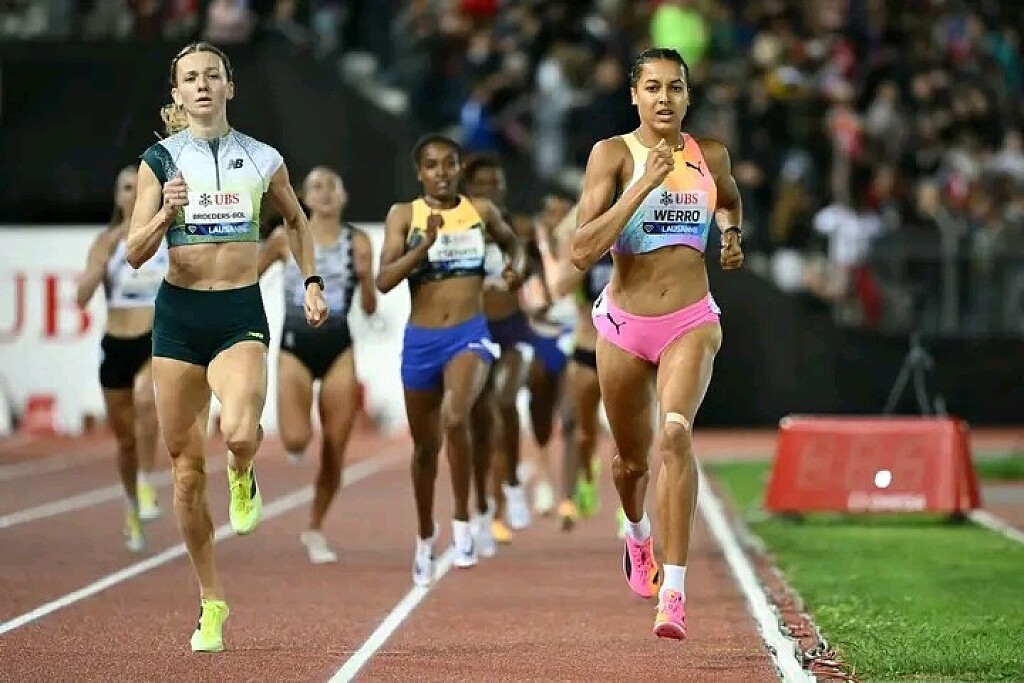
Werro Survives Stunning Broeders-Bol Charge in Record-Breaking Lausanne 800m
Audrey Werro produced another extraordinary performance on home soil, holding off a fierce late charge from Femke Broeders-Bol to win a breathtaking women's 800m at the Lausanne Diamond League in a new meeting record of 1:55.33.
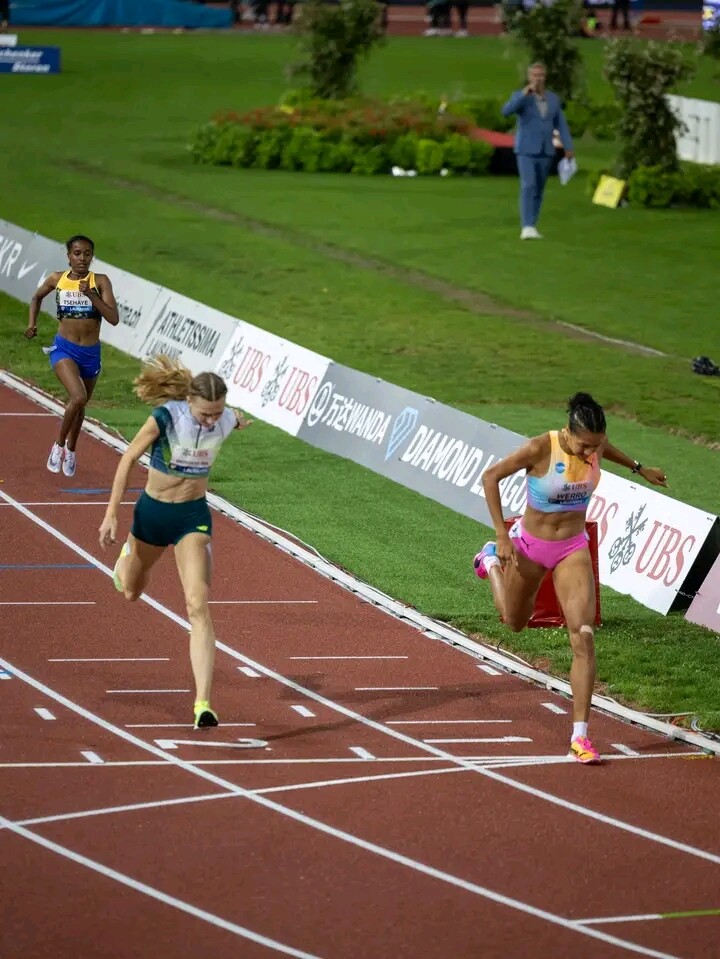
Fresh from becoming European 800m champion, Werro looked to be on course for a comfortable victory as she entered the final straight with a clear advantage. But the race exploded into a dramatic battle over the closing metres when Broeders-Bol unleashed a sensational finishing kick, clocking a remarkable 14.8 seconds for the final 100 metres compared with Werro's 15.4.
The Dutch star closed rapidly and came within touching distance of Werro, but the Swiss favourite had done enough to hold on, crossing the line just eight hundredths of a second ahead. Werro's winning time of 1:55.33 established a new meeting record and further strengthened her remarkable run of form.

Broeders-Bol finished second in a superb 1:55.41, and although she narrowly missed victory, she left Lausanne with a historic achievement of her own. Her performance shattered the Dutch women's 800m national record previously held by Ellen van Langen, marking one of the finest races of her career.
Eighteen-year-old Ethiopian talent Saida Tsehaye completed an outstanding podium, running a huge personal best of 1:56.92 to finish third. Her breakthrough performance underlined the extraordinary depth of the race and announced another exciting young force in women's middle-distance running.
Behind the leading trio, Switzerland's Veronica Vancardo finished fourth in 1:58.68, with compatriot Valentina Rosamilia fifth in 1:58.93. American Addison Wiley placed sixth in 1:59.22, while Kenya's Lilian Odira was seventh in 1:59.25.
For Werro, it was another unforgettable night in front of her home crowd. The European champion combined strength, confidence and composure to withstand one of the most explosive finishing charges of the season, while Broeders-Bol produced a national-record performance that came agonisingly close to victory.
In the end, Lausanne witnessed a race in which history was made at both ends of the finish line: Werro claimed the meeting record and another major victory, Broeders-Bol rewrote the Dutch record books, and teenage sensation Tsehaye announced herself on the world stage with a huge personal best.
The women's 800m is delivering exceptional racing in 2026—and this electrifying showdown in Lausanne was further proof that the event is hotter than ever.
by Erick Cheruiyot for My Best Runs.
Login to leave a comment
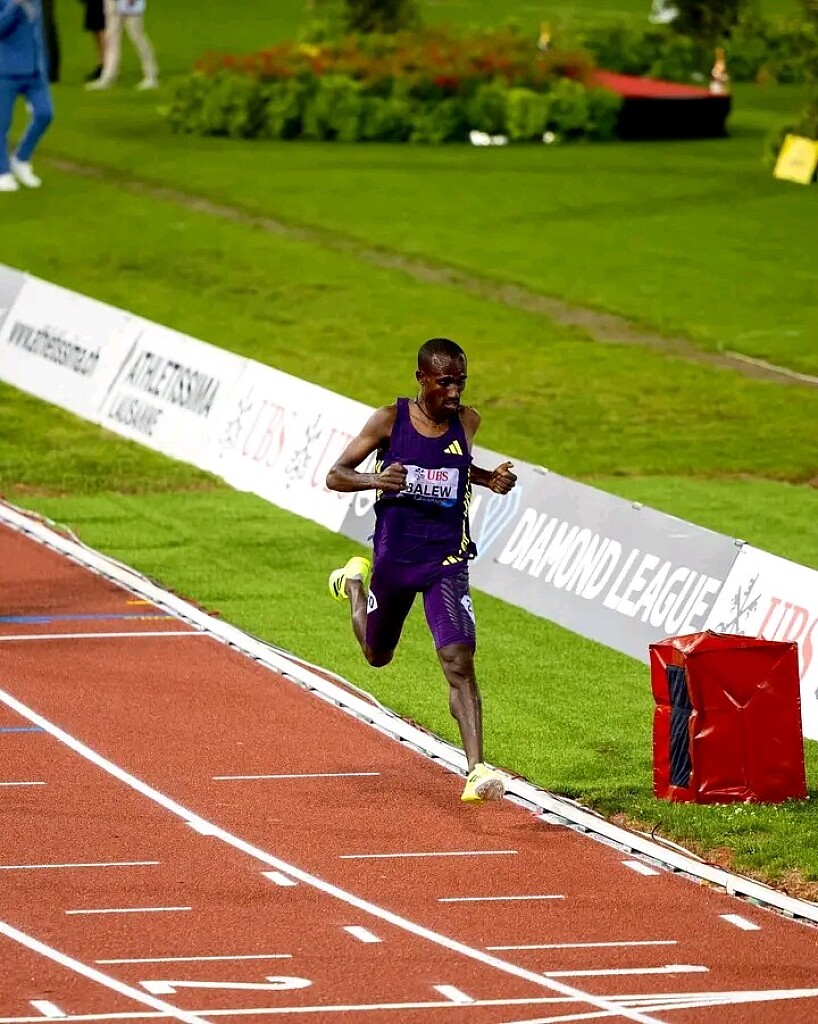
Six Men Smash the 13-Minute Barrier in a Stunning Lausanne 5000m Showdown
The men’s 5000m at the Lausanne Diamond League produced one of the most electrifying distance races of the season, as six athletes broke the coveted 13-minute barrier in a breathtaking display of speed and depth.
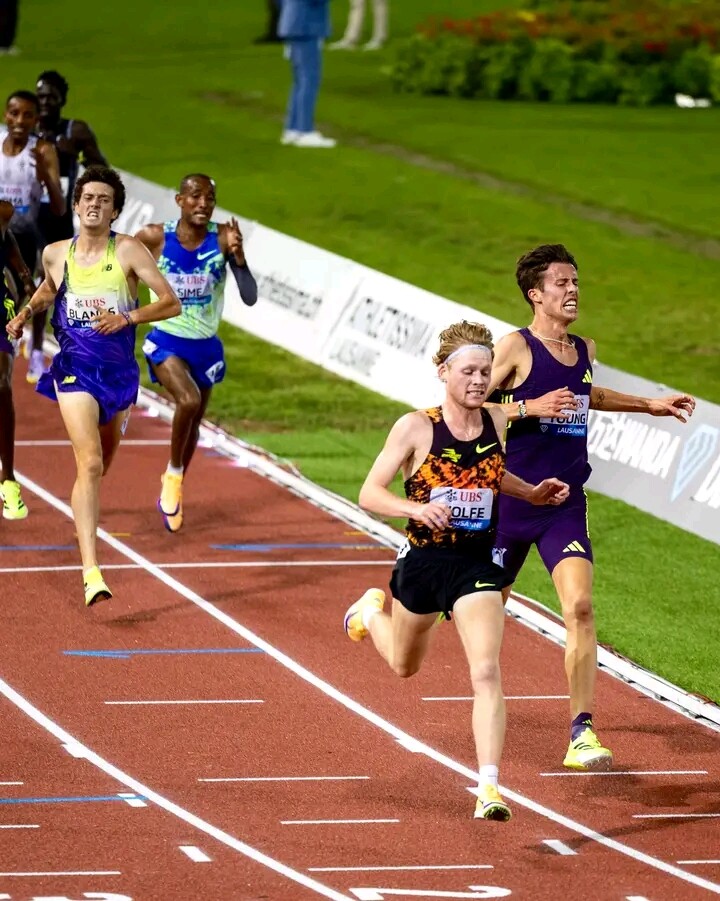
Bahrain’s Birhanu Balew emerged victorious in a fiercely contested race, clocking 12:57.55 to secure a brilliant win against a world-class field. Balew held off relentless pressure behind him to claim the victory as the race exploded into a spectacular battle over the closing stages.
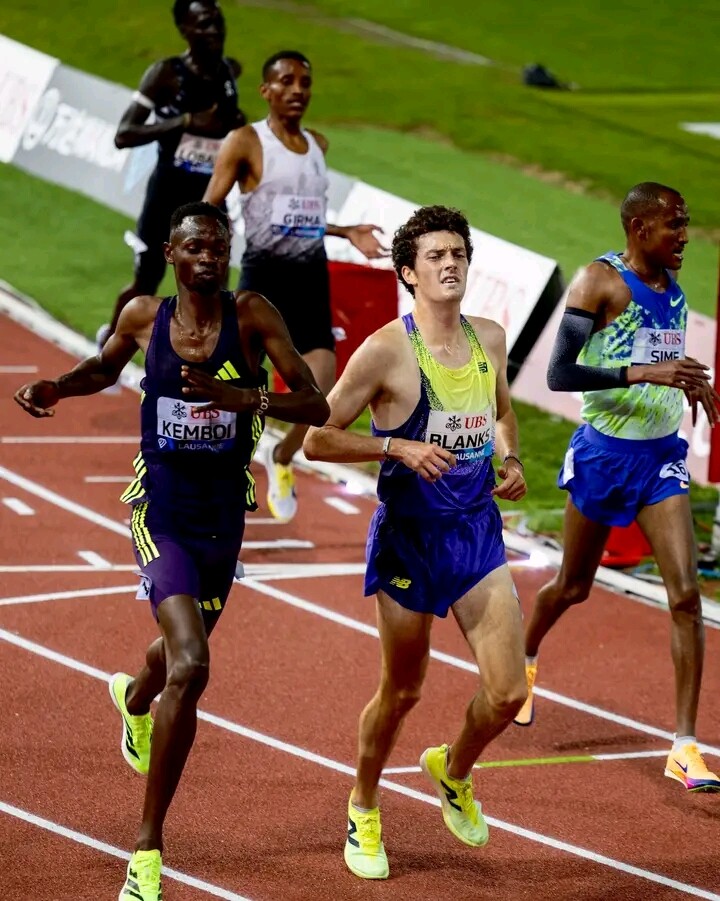
The United States produced an especially impressive performance, with Parker Wolfe leading a powerful American charge in second place. Wolfe crossed the line in a personal best of 12:58.20, while Nico Young followed closely in third with a season's best of 12:58.33. Graham Blanks made it three Americans in the top four, dipping under 13 minutes with 12:59.16.
Kenya’s Cornelius Kemboi added another sub-13-minute performance in fifth, clocking 12:59.33, while Ethiopia’s Mezgébu Sime completed the extraordinary group of six athletes under the historic barrier with 12:59.48 in sixth place.
The quality of the race was underlined by the fact that Ethiopia’s Kuma Girma, despite recording a season's best of 13:00.22, could finish only seventh. Switzerland’s Dominic Lobalu took eighth in 13:00.73, followed by Ethiopia’s Kahiri Bejiga, who ran a personal best of 13:03.27.
Grant Fisher, one of the biggest names in the field, finished 11th in 13:07.74 on a night when the remarkable depth and pace of the competition left no room for error.
Lausanne has once again delivered a memorable night of distance running, with the men’s 5000m becoming a showcase of the extraordinary standard currently being produced on the track. Six men under 13 minutes in a single race was a powerful statement, while Balew's victory and the exceptional performances from the American trio ensured this was one of the standout races of the 2026 Diamond League season.
Top 10 finishers:
1. Birhanu Balew (Bahrain) — 12:57.55
2. Parker Wolfe (United States) — 12:58.20 PB
3. Nico Young (United States) — 12:58.33 SB
4. Graham Blanks (United States) — 12:59.16
5. Cornelius Kemboi (Kenya) — 12:59.33
6. Mezgébu Sime (Ethiopia) — 12:59.48
7. Kuma Girma (Ethiopia) — 13:00.22 SB
8. Dominic Lobalu (Switzerland) — 13:00.73
9. Kahiri Bejiga (Ethiopia) — 13:03.27 PB
10. Egide Ntakarutimana (Burundi) — 13:07.21
In a race packed with exceptional talent, Balew ultimately had the decisive finishing strength—but Lausanne's biggest story was the sheer depth of the performance, with six men racing beneath 13 minutes and turning the 5000m into an unforgettable Diamond League showdown.
by Erick Cheruiyot for My Best Runs.
Login to leave a comment
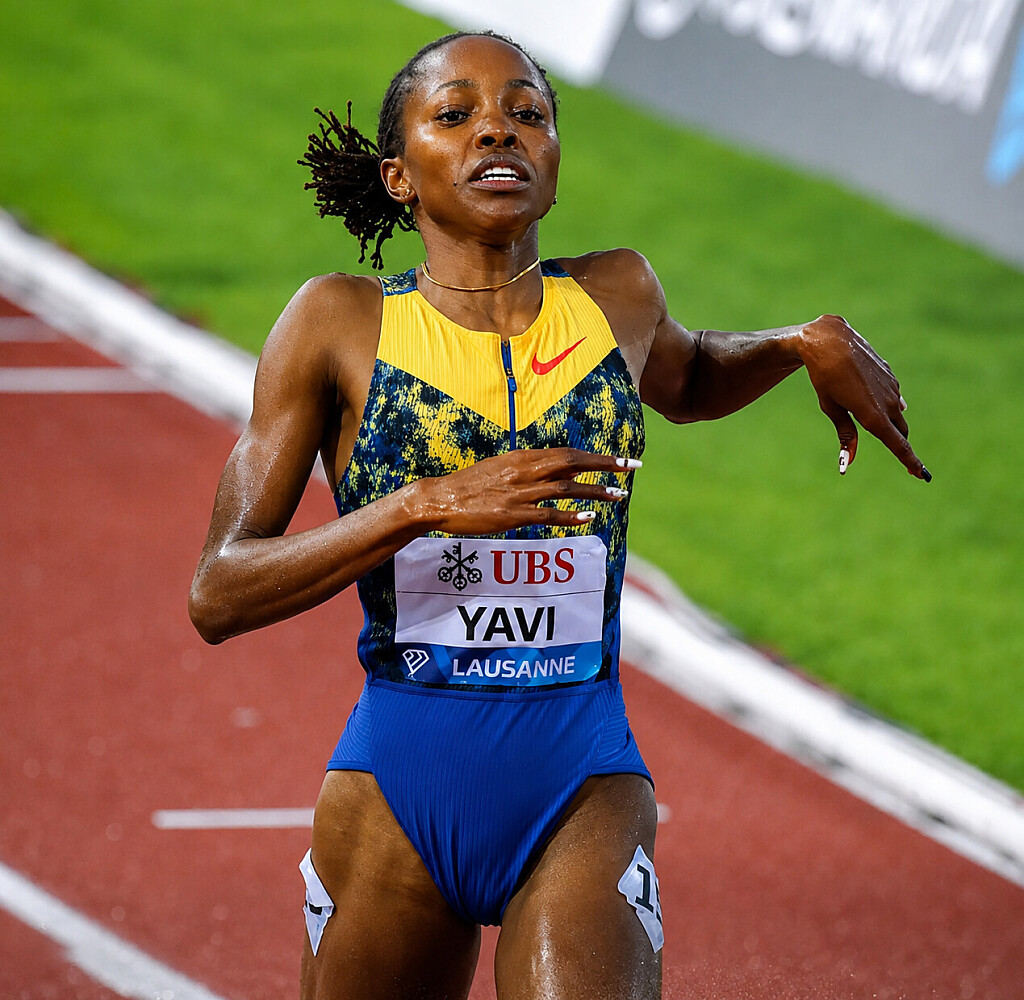
Olympic Champion Winfred Yavi Beats World Champion Faith Cherotich in Lausanne Steeplechase Thriller
Winfred Yavi delivered a statement performance at the Lausanne Diamond League, defeating reigning world champion Faith Cherotich in a thrilling women's 3000m steeplechase showdown and taking the lead in their increasingly compelling 2026 rivalry.
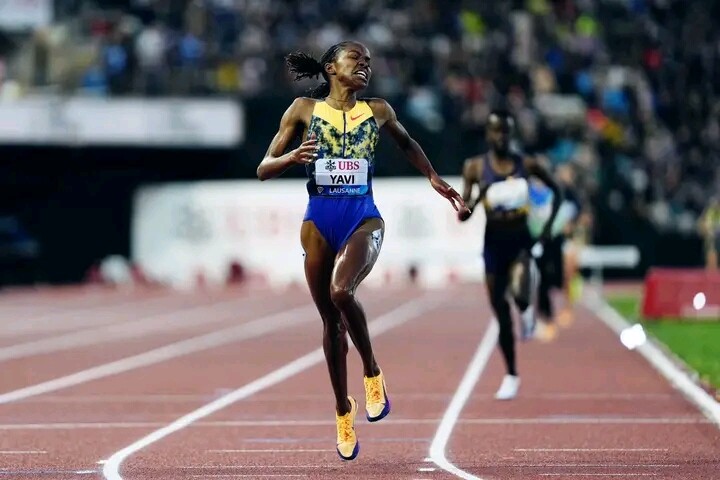
The Bahraini star, the 2024 Olympic steeplechase champion, led from the opening stages and never surrendered control, crossing the line in a meet record of 9:00.04. Cherotich, the reigning world champion, fought hard throughout but had to settle for second in 9:01.90.

The victory gave Yavi the upper hand in their head-to-head battles this season, with the Olympic champion now holding a 2-1 advantage over Cherotich in their three meetings in 2026.
For much of the race, Cherotich remained within striking distance of Yavi, staying close as the two stars negotiated the barriers at a relentless pace. However, Yavi refused to give her Kenyan rival an opportunity to take control, maintaining the lead and producing another powerful display when the pressure intensified in the closing stages.
It was a fascinating battle between two of the dominant figures in women's steeplechasing. The reigning Olympic champion against the reigning world champion lived up to expectations, and on this occasion, Yavi had the answers.
Tunisia's Marwa Bouzayani completed the podium in 9:05.55, while Kenya's Doris Lemngole finished fourth in 9:07.09. American Lexy Halladay rounded out the top five with a personal best of 9:08.35.
Yavi's winning time was not only enough to secure another important victory over her biggest rival but also established a new Lausanne meet record, underlining the exceptional standard of the race.
With Yavi now leading their season series 2-1, the rivalry between the Olympic champion and the world champion is becoming one of the most exciting battles in women's distance running. Lausanne belonged to Yavi, but Cherotich remains close enough to ensure that their next meeting could produce another spectacular contest.
by Erick Cheruiyot for My Best Runs.
Login to leave a comment
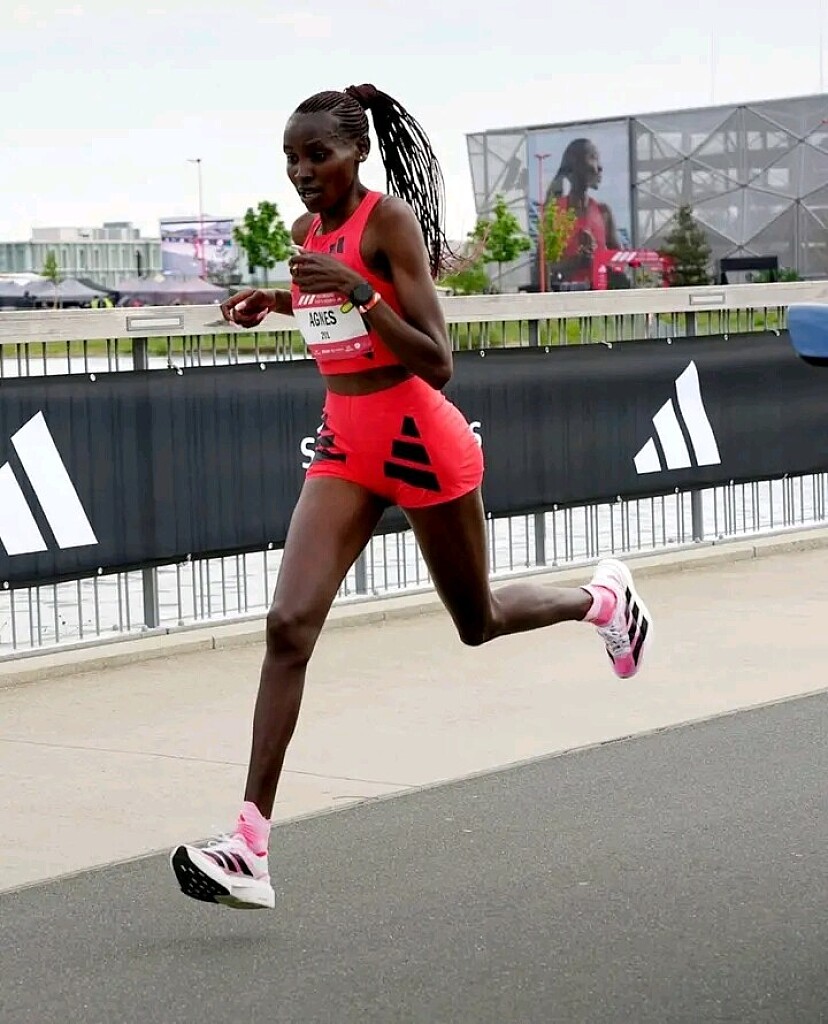
Kenya Unveils Strong Squad for 2026 World Athletics Road Running Championships in Copenhage
Kenya has unveiled a formidable squad for the 2026 World Athletics Road Running Championships, with some of the country’s leading distance-running talents selected to represent the nation in Copenhagen, Denmark, on September 19–20.
The team features a blend of established international performers and emerging stars, underlining Kenya’s ambition to make a strong impact across the half marathon, 5km and one-mile races.
Leading the women’s half marathon team is Agnes Jebet Ngetich, one of the most accomplished young distance runners in the world. She will be joined by Daisilah Jerono, Veronica Loleo and Lilian Kasait Rengeruk as Kenya looks to challenge for the women’s team and individual honours.
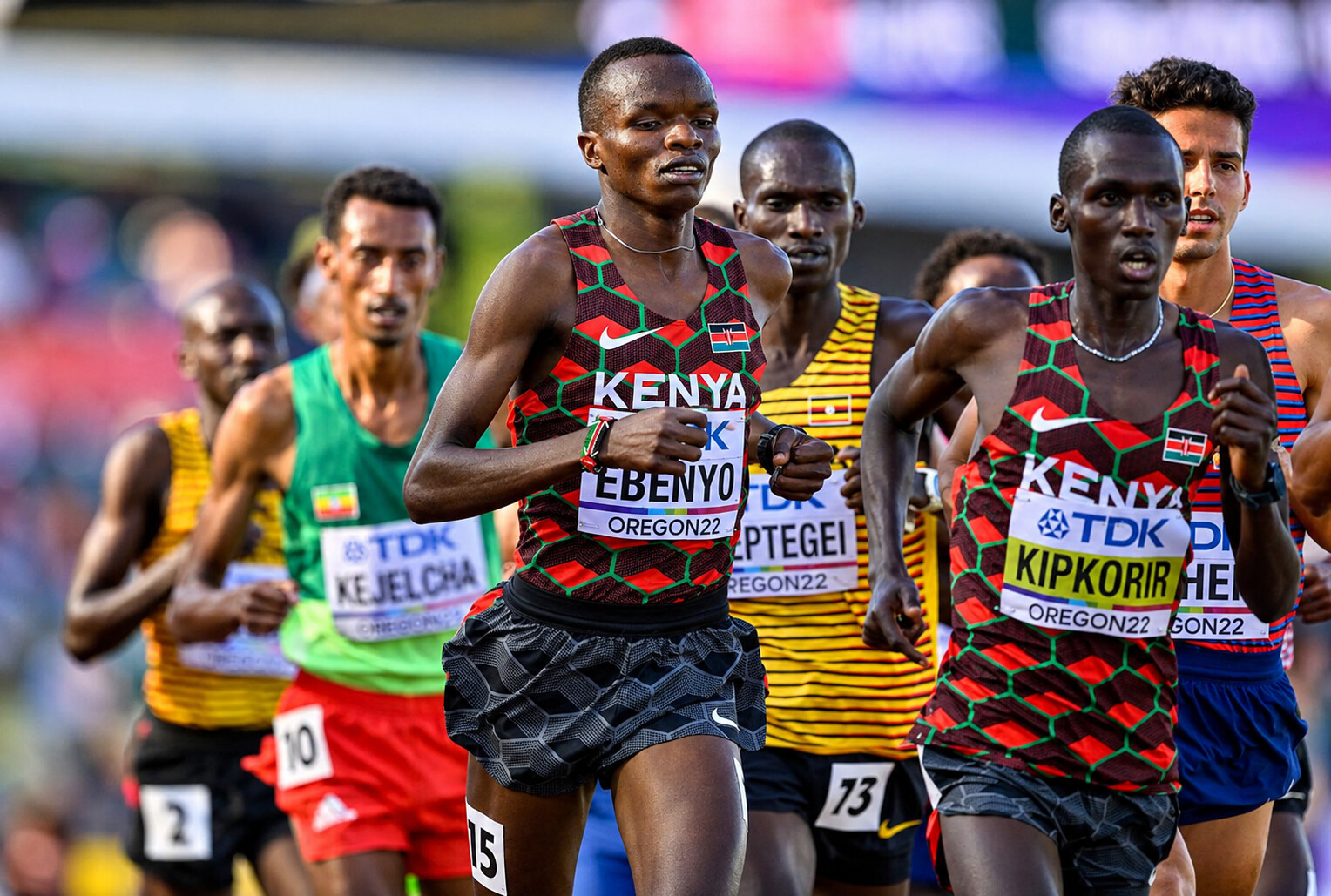
The men’s half marathon squad is equally impressive, headlined by Daniel Simiu Ebenyo. The experienced Kenyan will line up alongside Michael Kiplagat Temoi, Nicholas Kipkorir Kimeli and Gideon Kipkertich Rono, giving Kenya a powerful quartet capable of competing at the front of a championship field.
Kenya will also field two athletes in each of the 5km races. Charles Kiboino and Mathew Kipchumba Kipsang have been selected for the men’s event, while Caroline Makandi Gitonga and Caroline Nyaguthii Nyaga will carry Kenya’s hopes in the women’s race.
The one-mile races will provide another opportunity for Kenyan athletes to showcase the country’s renowned middle- and long-distance strength. Brian Komen and Daniel Kyumbe Munguti will represent Kenya in the men’s race, with Miriam Cherop and Naomi Korir selected for the women’s event.
With representation across all six individual races, Kenya heads to Copenhagen with a well-balanced squad and plenty of international experience. The championships will bring together the world’s leading road runners for two days of high-level competition, with Kenya once again expected to be among the nations fighting for medals.
For a country with such a rich tradition in distance running, the 2026 World Athletics Road Running Championships present another major stage for Kenyan athletes to demonstrate their speed, strength and championship racing ability on the streets of Copenhagen.
Team Kenya
Half Marathon – Men: Michael Kiplagat Temoi, Nicholas Kipkorir Kimeli, Gideon Kipkertich Rono, Daniel Simiu Ebenyo
Half Marathon – Women: Agnes Jebet Ngetich, Daisilah Jerono, Veronica Loleo, Lilian Kasait Rengeruk
5km – Men: Charles Kiboino, Mathew Kipchumba Kipsang
5km – Women: Caroline Makandi Gitonga, Caroline Nyaguthii Nyaga
One Mile – Men: Brian Komen, Daniel Kyumbe Munguti
One Mile – Women: Miriam Cherop, Naomi Korir
Kenya’s road-running stars now have their sights firmly set on Copenhagen, where they will look to turn the strength of the squad into medals and memorable performances on the world championship stage.
by Erick Cheruiyot for My Best Runs.
Login to leave a comment
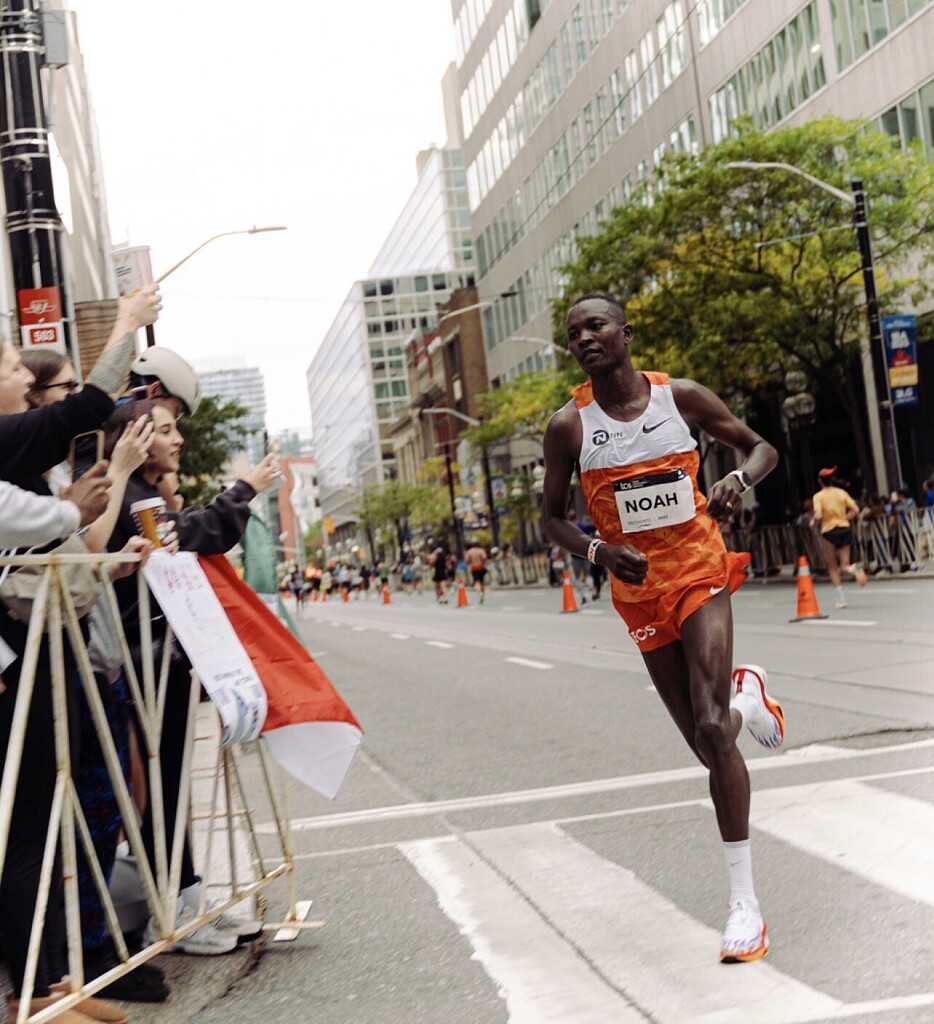
Noah Kipkemboi Hopes It Will Be Third Time Lucky in Toronto
Will it be a case of third time lucky at the TCS Toronto Waterfront Marathon for Noah Kipkemboi?
In his first appearance at the TCS Toronto Waterfront Marathon in 2024, the Kenyan star finished third. Last year, he moved up one place to finish second. Now, with the benefit of knowing the course intimately, he returns intent on reaching the top step of the podium.
“It’s really my hope to run well on the course again and to be on the podium,” he says of the October 18 race. “It is my pleasure if I come position one this time. Now I am in training and preparing for the race.”
Kipkemboi’s personal best remains the 2:07:31 he ran during his initial Toronto appearance, and improving on that time would be especially satisfying. Clearly, his two visits have endeared him to the event and the people he has met in Toronto. At the finish line and during the post-race press conference, he kindly served as an interpreter for 2025 winner Leonard Langat, who is more comfortable speaking Kiswahili than English.
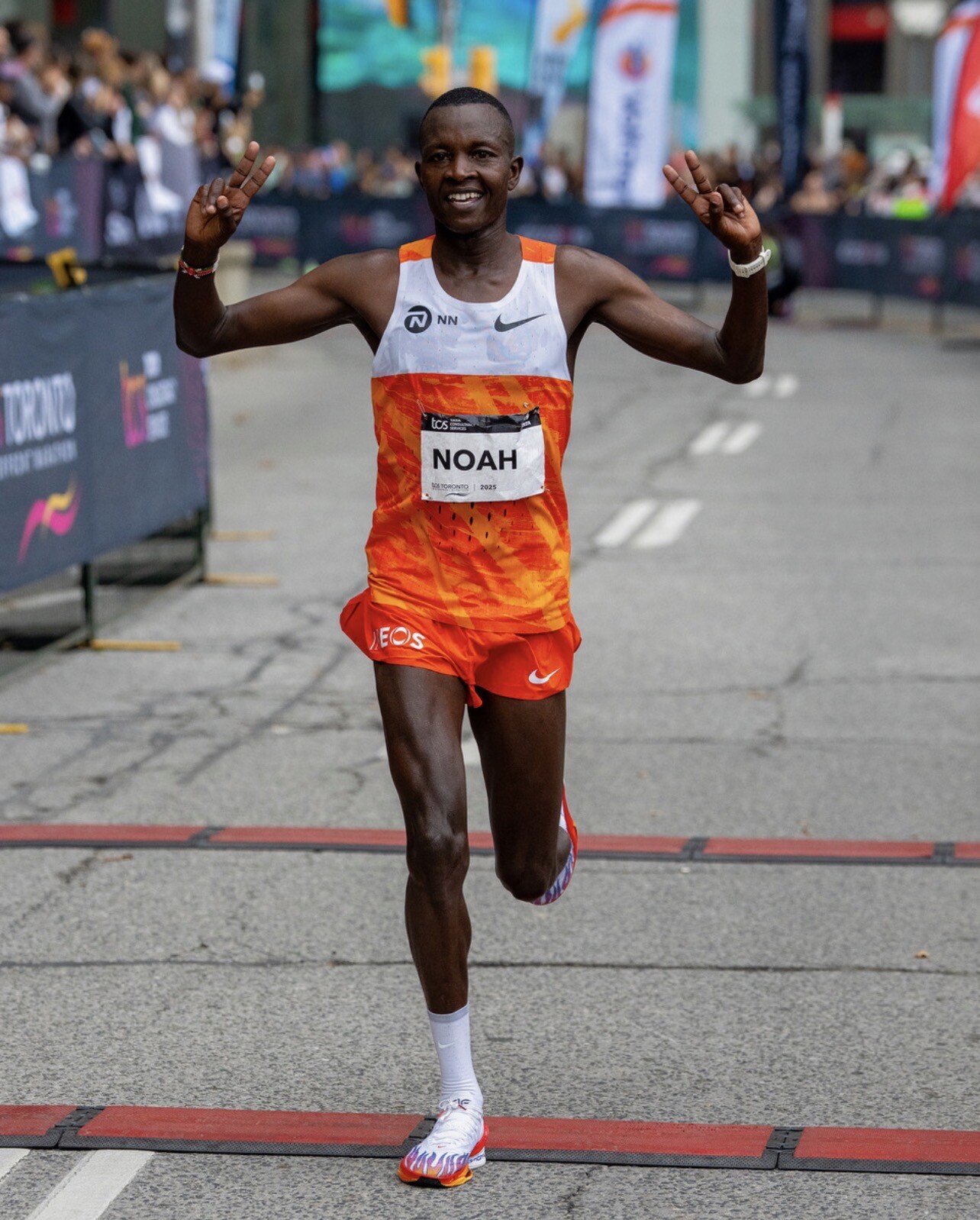
“Please say hello to everyone in Toronto,” he begins during a WhatsApp video interview. “It is a beautiful city, and thank you for inviting me back.
“I really like when people from the Toronto communities where we run through are happy and cheering us. Here, everyone is shouting ‘go,’ giving us motivation. Being cheered, you can get power and keep going better.
As a Christian, Kipkemboi has also been inspired by hearing the Canadian national anthem traditionally sung at the race start, especially the line “God keep our land glorious and free.” But it is the competition that initially attracts world-class runners.
The TCS Toronto Waterfront Marathon serves as both the official Athletics Canada Canadian Marathon Championship and a World Athletics Elite Label race. The $25,000 Canadian prize offered to each winner is especially meaningful to the runners. Kipkemboi has put his earnings to good use, raising three young children of his own while also contributing to the school fees of two other children in his village. There have also been medical expenses to consider.
“During the two times racing in Toronto, I have been having difficulty before the race,” he reveals. “The first Toronto race, my daughter Phoebe was not feeling comfortable, and after the 2025 race, she was having a second kidney operation.
“I was on the start line praying that I would win so my kids would be happy. Now she is okay. My happiness, if I come position one, it will be so beautiful, so my kids will be happy.”
Kipkemboi has been represented by the Dutch-based Global Sports Communication throughout his career. From Monday through Saturday, he lives and trains at the organization’s camp in Kaptagat, while his family remains at their home in Eldoret, 24 kilometres away. Such living arrangements are typical among Kenya’s world-class runners.
Among Kipkemboi’s training partners is the legendary Eliud Kipchoge, the former world marathon record holder and two-time Olympic marathon champion. Kipkemboi served as a pacer during Kipchoge’s 2022 world-record performance in Berlin.
Another close friend and former training partner, Philemon Rono, won the Toronto Waterfront Marathon three times and holds the course record of 2:05:00.
“He has gone to another management group, but we are still friends,” Kipkemboi says of his compatriot. “His camp is not far from our camp. Mostly, when we are training in the forest, we meet them and wave.
“He asked me, ‘Are you going back to Toronto? Can we go together this time?’ We were chatting about Toronto. He said, ‘You go this time and win that race!’”
These days, Kipkemboi is running as much as 200 kilometres a week in preparation for Toronto. Between training sessions, life at the camp consists of daily household chores divided among the runners, physiotherapy and massage sessions, and meals. For relaxation, the runners enjoy watching football together.
“Yes, we normally watch football. Me, I like Arsenal,” he says with a smile. “Most of us in the camp, most of the athletes, are fans of Arsenal. The Commonwealth Games steeplechase champion Edmund Serem likes Arsenal. When he won the gold medal, he did what Arsenal striker Viktor Gyökeres does in celebration.”
With that, Kipkemboi interlocks his fingers to form a mask below his eyes, as the Swedish footballer does after scoring—a reference to the Batman villain Bane in “The Dark Knight Rises.”
Like many successful Kenyan runners, Kipkemboi is planning for life after his competitive career comes to an end. With prize money from his first Toronto appearance, he opened a general store in Eldoret that sells everything from candy and flour to soap and perfume. He also farms a plot of land.
Victory at the TCS Toronto Waterfront Marathon will not come easily. But Kipkemboi feels at home on the streets of Toronto, and that could very well make it third time lucky.
by Paul Gains
Login to leave a comment
TCS Toronto Waterfront Marathon
The Scotiabank Toronto Waterfront Marathon, Half-Marathon & 5k Run / Walk is organized by Canada Running Series Inc., organizers of the Canada Running Series, "A selection of Canada's best runs!" Canada Running Series annually organizes eight events in Montreal, Toronto and Vancouver that vary in distance from the 5k to the marathon. The Scotiabank Toronto Waterfront Marathon and Half-Marathon are...
more...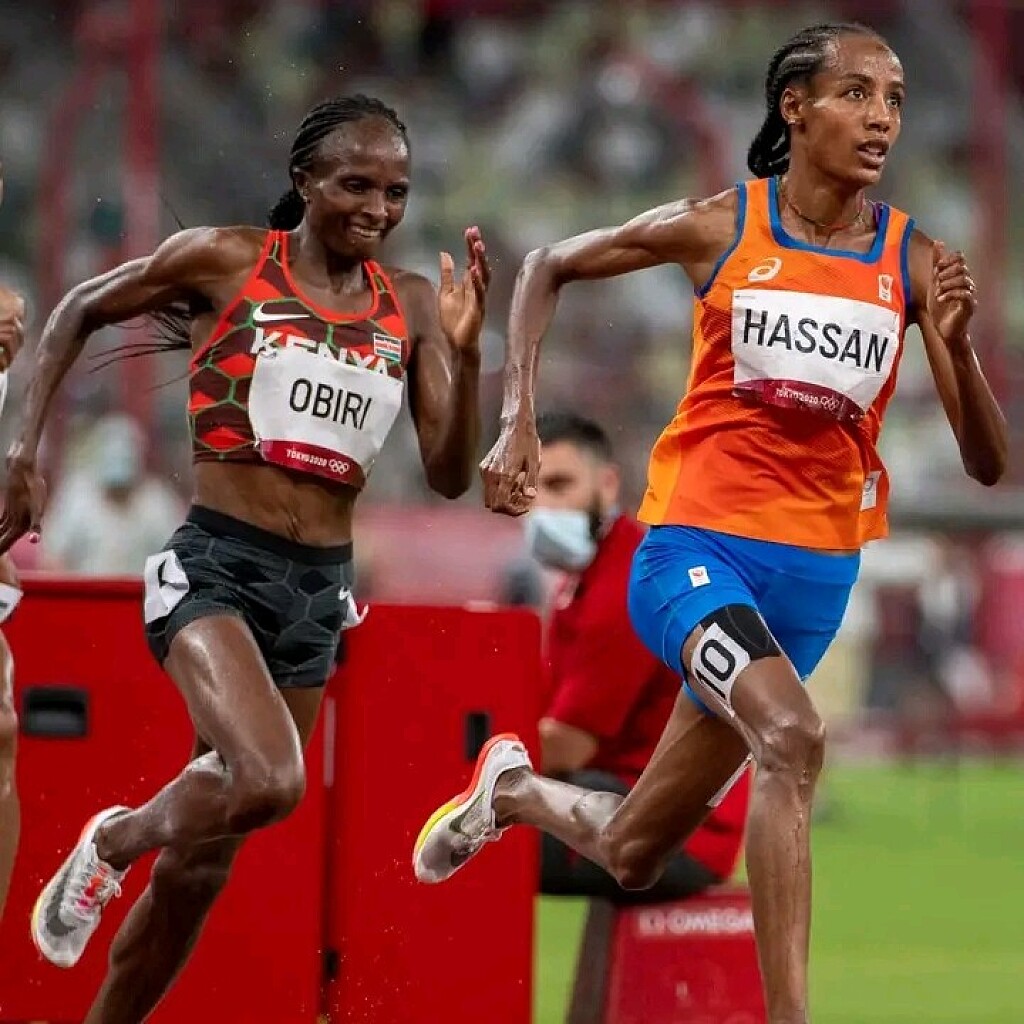
From Track Rivals to Marathon Queens: Sifan Hassan and Hellen Obiri Renew Their New York Rivalry
For more than a decade, Sifan Hassan of the Netherlands and Hellen Obiri of Kenya have been familiar opponents on the biggest stages of distance running. Their rivalry was forged on the track, where Hassan’s extraordinary versatility and finishing speed repeatedly collided with Obiri’s strength, tactical intelligence and championship pedigree.

Now, after conquering different chapters of the sport, the two global stars are set to meet again on the streets of New York on November 1, 2026 — with another marathon crown at stake.
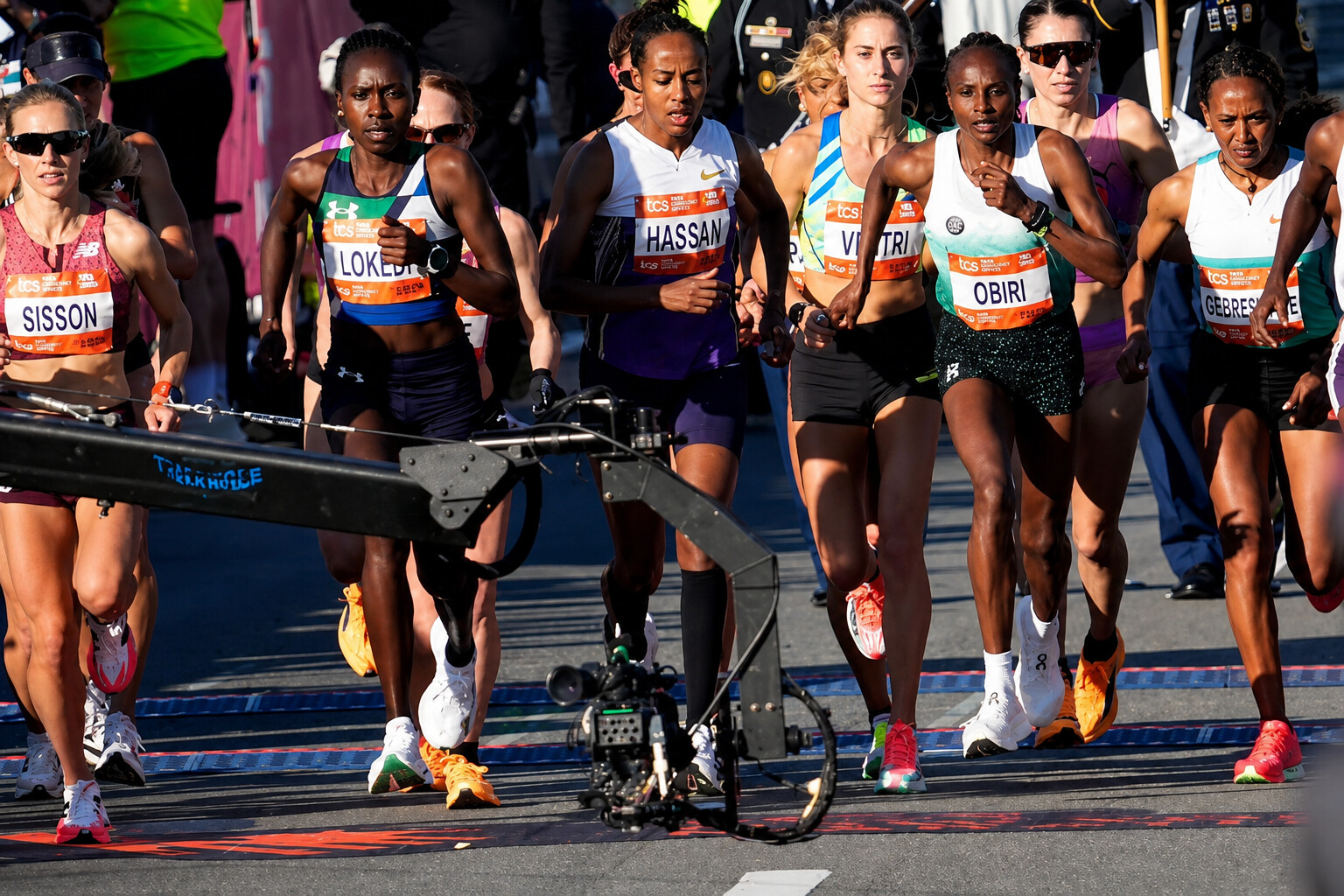
Their most memorable encounters came during the golden years of their track careers. At the Tokyo 2020 Olympics, Hassan defeated Obiri in a thrilling 5000m final, winning gold in 14:36.79 while Obiri took silver in 14:38.36. A year later, the two were again among the leading figures in the 10,000m at the 2022 World Championships in Oregon, where Obiri claimed silver and Hassan finished fourth.
But both athletes eventually turned their attention to the marathon, transforming a track rivalry into a new battle over 42.195 kilometres.
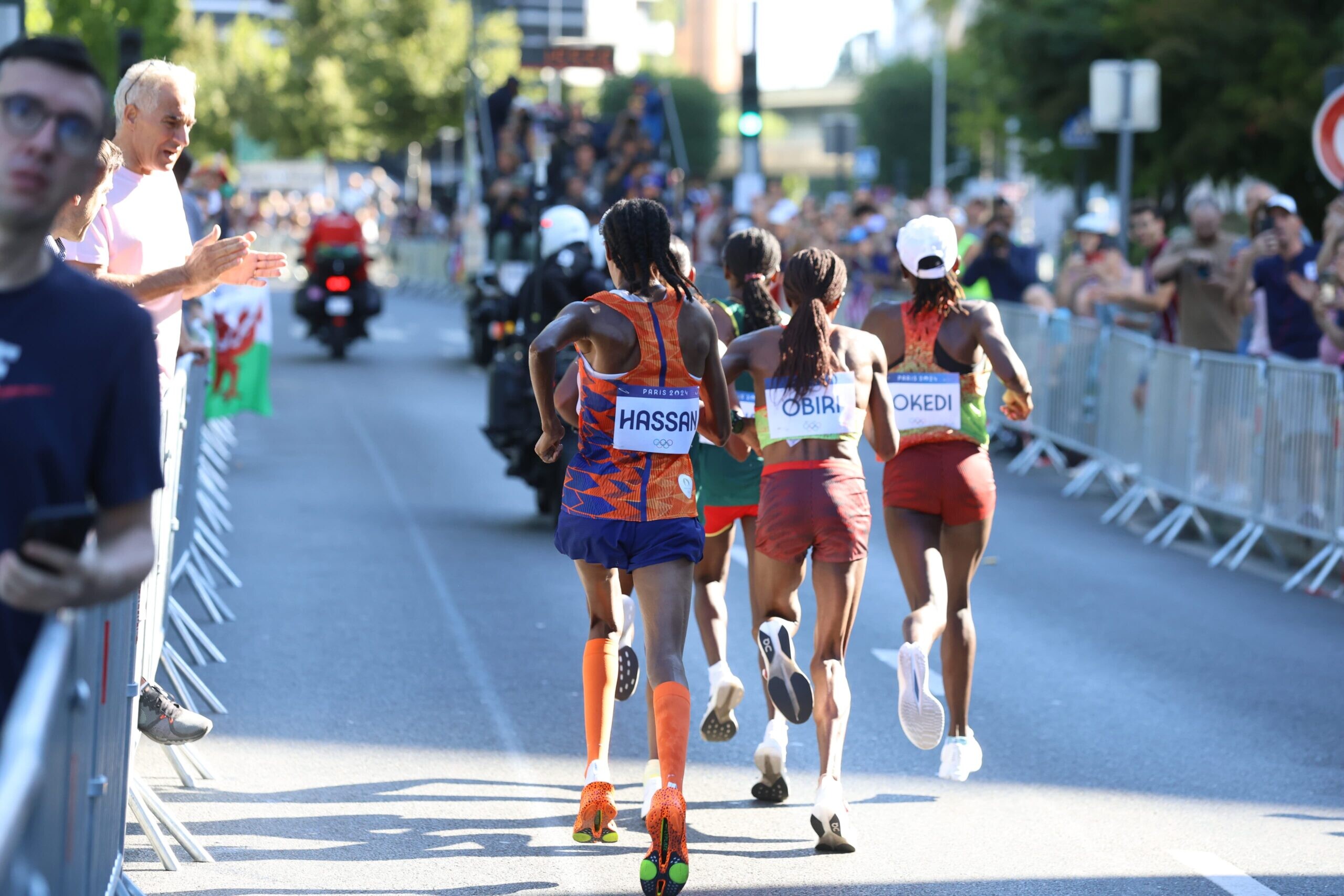
Hassan’s transition was extraordinary. After already establishing herself as one of the most versatile distance runners in history, she conquered the marathon at the Paris 2024 Olympics, winning gold and setting a personal best of 2:13:44 — a mark that remains significantly faster than Obiri’s current personal best.
Obiri, meanwhile, built her own formidable reputation on the roads. The Kenyan became a major force in the World Marathon Majors, winning the New York City Marathon in 2023 before returning to the top of the podium in 2025.
That 2025 New York race added another compelling chapter to the Hassan-Obiri rivalry.
Hassan made her New York debut but finished sixth in 2:24:43, while Obiri produced a commanding performance to win in 2:19:51. Her victory not only secured her second New York title but also shattered Margaret Okayo’s long-standing course record of 2:22:31.
The contrast could hardly be more intriguing heading into 2026.
Hassan owns the faster marathon personal best and the ultimate Olympic marathon prize. Obiri owns two New York titles and knows exactly how to master the famously demanding five-borough course. And the Kenyan has continued to strengthen her marathon credentials, running a personal-best 2:15:53 in London in 2026.
Hassan, meanwhile, returns to New York with unfinished business. After describing her 2025 debut as a physically punishing experience, she is preparing to tackle the course again, bringing the lessons of her first attempt and her vast championship experience with her.
This time, the stakes feel different.
There is history between them. There is unfinished business. And there is the intriguing question of whether Hassan’s superior lifetime speed over the marathon distance can finally translate into victory on the streets where Obiri has already established herself as a two-time queen.
One athlete has Olympic marathon gold and a 2:13:44 personal best.
The other has two New York crowns and a course record that announced her arrival among the marathon elite in emphatic fashion.
When Hassan and Obiri line up together again in New York, it will be more than another World Marathon Major showdown. It will be the latest chapter in a rivalry that began with championship battles on the track and has now evolved into one of the most compelling confrontations in women’s marathon running.
Track rivals. Olympic champions. Marathon queens.
On November 1, New York gets the next chapter.
by Erick Cheruiyot for My Best Runs.
Login to leave a comment

Three Rising Distance Stars Ready to Make Their Marathon Debuts at the 2026 New York City Marathon
The next generation of marathon talent will take centre stage on the streets of New York this November, with Weini Kelati of the United States, Andreas Almgren of Sweden and Kenya’s Patrick Kiprop all set to make their marathon debuts at the 2026 TCS New York City Marathon on November 1.
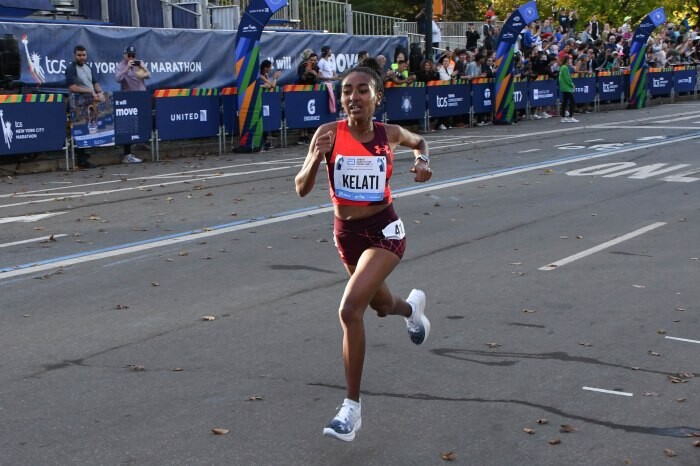
All three arrive in New York with impressive credentials built across track, cross country and shorter road races, creating one of the most intriguing groups of marathon debutants in this year’s field.
Kelati will enter the 26.2-mile challenge after establishing herself as one of America’s leading distance runners. The U.S. Olympian owns a 1:06:04 half-marathon personal best, an American record, and has already demonstrated the combination of endurance and speed required to compete at the highest level. Her transition to the marathon will be closely watched as she begins a new chapter in her career on one of the sport’s biggest stages.

Almgren brings perhaps even more explosive speed to his first marathon. The Swedish star owns a remarkable 58:41 half-marathon personal best, a national and European record at the time it was achieved, while his track résumé includes world-class performances over 3,000m and 5,000m. His ability to sustain that extraordinary speed over 42.195 kilometres will be one of the central questions surrounding his New York debut.
Then there is Patrick Kiprop, who will carry Kenya’s hopes into his first marathon after building an impressive reputation during a decorated collegiate career in the United States.
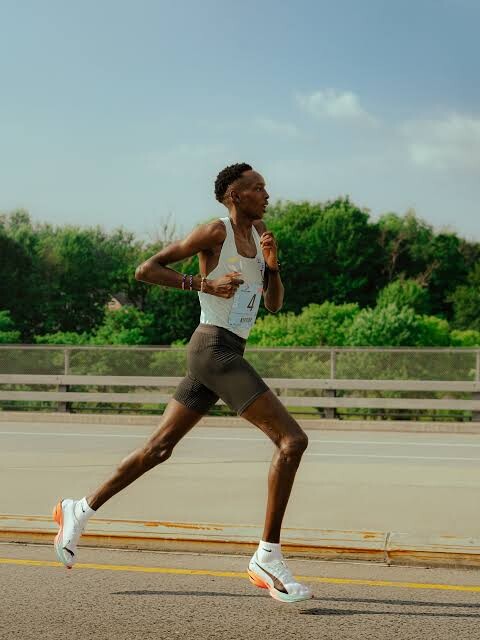
Kiprop enjoyed a standout spell with the Arkansas Razorbacks, collecting five First-Team NCAA All-America honours across cross country, indoor and outdoor track. He became a two-time NCAA South Central Region Cross Country champion in 2022 and 2023 before adding an SEC Outdoor 5,000m title in 2024 and a silver medal in the 10,000m.
He also etched his name into Arkansas history by breaking the university’s 5,000m school record. His American collegiate journey began at Fresno Pacific University, where he was named the Sunbird Male Newcomer of the Year in 2021 before transferring to Arkansas.
Following his collegiate success, Kiprop made the transition to professional running and joined the On Athletics Club Global, placing himself within one of the sport’s leading international training environments. His attention has increasingly shifted toward road racing, with the half marathon becoming an important bridge toward the marathon.
Kiprop has already shown that his speed can translate successfully to the roads, winning the professional division at the prestigious Bolder Boulder 10K. Now, New York presents a considerably bigger challenge and an opportunity to discover how his considerable distance-running ability translates to the full marathon.
For Kelati, Almgren and Kiprop, November 1 will represent more than simply another race. It will be the beginning of their marathon careers.
The New York City Marathon is notoriously demanding, combining multiple bridges, relentless changes in rhythm and a difficult closing stretch through Manhattan. Add enormous crowds and the pressure of a global audience, and the course provides an unforgiving introduction to 42.195 kilometres.
Yet that is precisely what makes these three debuts so fascinating.
Kelati arrives with American-record speed. Almgren brings European-record-level half-marathon credentials and extraordinary track ability. Kiprop brings a decorated NCAA background, Kenyan distance-running pedigree and growing experience on the roads.
None of them needs to prove that they possess speed. New York will determine whether they can transform that speed into marathon strength.
With an already star-studded 2026 field, the arrival of these three rising stars adds another compelling storyline to race day.
The future of marathon running is coming to New York—and on November 1, Kelati, Almgren and Kiprop will discover what they can do over 26.2 miles.
by Erick Cheruiyot for My Best Runs.
Login to leave a comment
TCS New York City Marathon
The first New York City Marathon, organized in 1970 by Fred Lebow and Vince Chiappetta, was held entirely in Central Park. Of 127 entrants, only 55 men finished; the sole female entrant dropped out due to illness. Winners were given inexpensive wristwatches and recycled baseball and bowling trophies. The entry fee was $1 and the total event budget...
more...
Sifan Hassan and Hellen Obiri Headline Star-Studded 2026 New York City Marathon Field
The 2026 TCS New York City Marathon is shaping up to be one of the most anticipated women’s marathon showdowns of the year, with Olympic champion Sifan Hassan of the Netherlands (2:13:44 NR) and defending champion Hellen Obiri of Kenya (2:15:53) leading a sensational field for November 1.
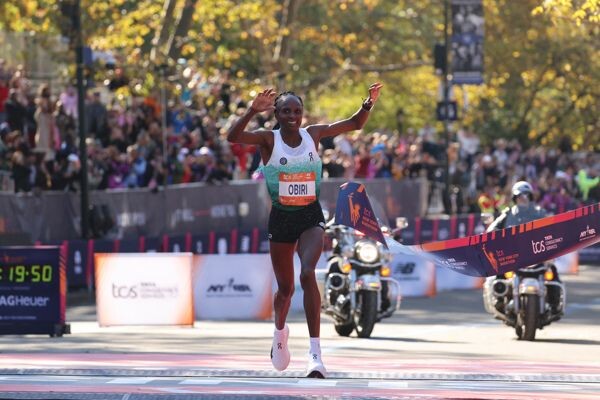
The pair headline a world-class lineup featuring Olympic and world champions, major-marathon winners, national record holders and some of the most exciting marathoners from around the globe.
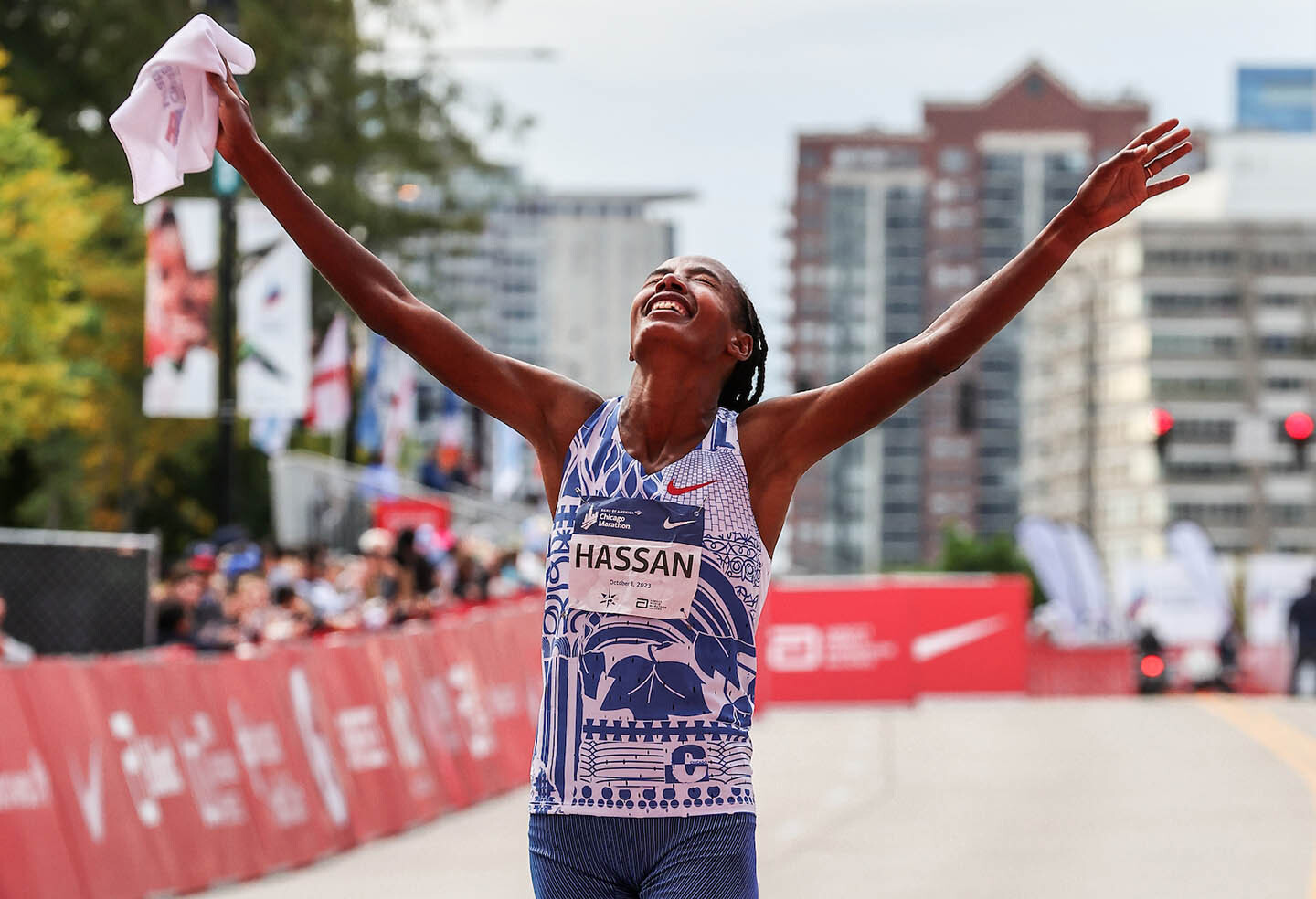
Hassan arrives with the fastest personal best in the field, while Obiri will return to New York seeking to defend the title she won last year in 2:19:51. The Kenyan star has established herself as one of the defining figures of the modern marathon, and another victory in New York would further strengthen her remarkable record over the distance.
“New York always brings out the best in me and I’m excited to return and feel the energy of each borough during such a historic year,” Obiri said.
She will face a formidable Kenyan challenge led by Sheila Chepkirui (2:17:29), Viola Cheptoo (2:19:05), Edna Kiplagat (2:19:50) and Mercy Chelangat (2:20:30). Ethiopia will be represented by former world champion Gotytom Gebreslase (2:18:11), adding even more championship pedigree and experience to an already formidable front pack.
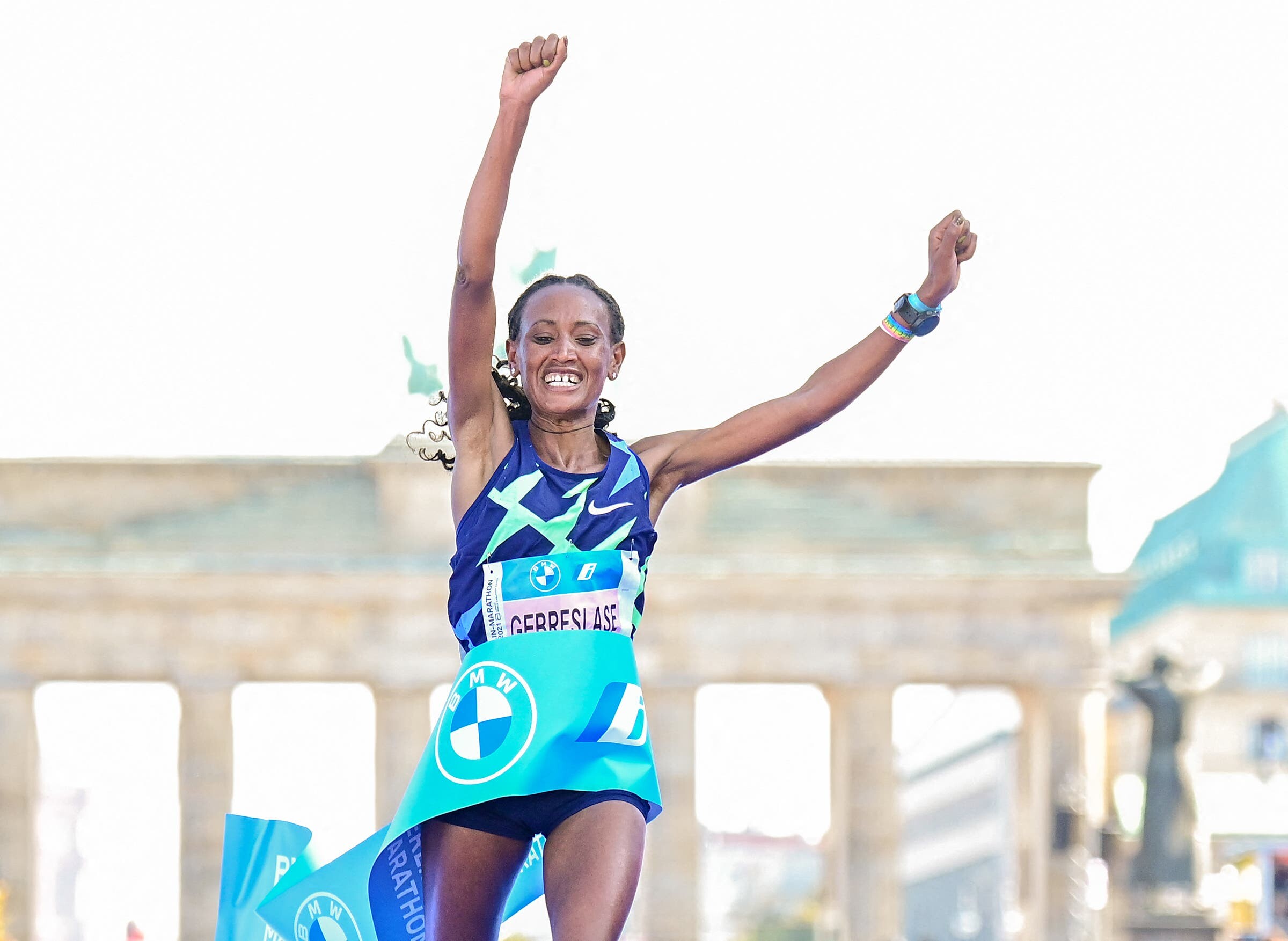
The strength of the field continues with Jessica McClain of the United States (2:20:49), Annie Frisbie of the United States (2:22:00), Fiona O’Keeffe of the United States (2:22:10) and Fabienne Königstein of Germany (2:22:17). They will be joined by fellow American contenders Carrie Ellwood (2:22:53), Erika Kemp (2:22:56), Amanda Vestri (2:24:49) and Lauren Hagans (2:25:47), while Giovanna Epis of Italy (2:23:46) and Rie Kawauchi of Japan (2:24:16) add further international quality.
The lineup also features Julia Paternain of Uruguay (2:25:47 NR), Phily Bowden of Great Britain (2:25:57), Paige Wood of the United States (2:26:02) and Steph Bruce of the United States (2:27:47). The experience continues with Roberta Groner of the United States (2:29:09) and Mica Rivera Wood of Peru (2:29:13), while Megan O’Neil (2:31:31), Monica Hebner (2:32:40), Brooke Starn (2:35:22), Alosha Southern (2:36:10), Keetah Barger (2:36:13) and Maddie Block (2:36:25) add considerable depth to the American contingent.
Two particularly intriguing names will also be making their marathon debuts: Cailie Hughes and Weini Kelati of the United States. Kelati enters the new chapter of her career after lowering the American half-marathon record to 1:06:04 in February, giving her a strong foundation as she steps up to the classic 26.2-mile distance for the first time.
Her marathon debut adds another layer of intrigue to an already star-studded race. Kelati’s speed and endurance could make her a dangerous contender if she adapts quickly to the demands of the marathon, while Hughes will also bring the unpredictability that comes with tackling the distance for the first time.
With athletes representing the Netherlands, Kenya, Ethiopia, the United States, Germany, Italy, Japan, Uruguay, Great Britain and Peru, the 2026 women’s field boasts remarkable international depth. The leading contenders bring contrasting strengths, experiences and racing backgrounds, setting the stage for a fascinating battle across New York’s five boroughs before the famous finish in Central Park.
For Hassan, the race represents another opportunity to showcase her extraordinary range and marathon pedigree. For Obiri, it is a chance to defend her New York crown against one of the deepest fields assembled for the race. Behind them, Chepkirui, Gebreslase, Cheptoo, Kiplagat and a host of talented contenders will be waiting to challenge for the podium.
With Olympic pedigree, world championship experience, major-marathon success and two highly anticipated marathon debuts all converging on New York, the stage is set for a compelling battle on November 1.
The question is no longer whether the 2026 TCS New York City Marathon will deliver drama, but who will emerge victorious when the battle reaches Central Park.
Who is your favorite to take the crown in New York?
by Erick Cheruiyot for My Best Runs.
Login to leave a comment
TCS New York City Marathon
The first New York City Marathon, organized in 1970 by Fred Lebow and Vince Chiappetta, was held entirely in Central Park. Of 127 entrants, only 55 men finished; the sole female entrant dropped out due to illness. Winners were given inexpensive wristwatches and recycled baseball and bowling trophies. The entry fee was $1 and the total event budget...
more...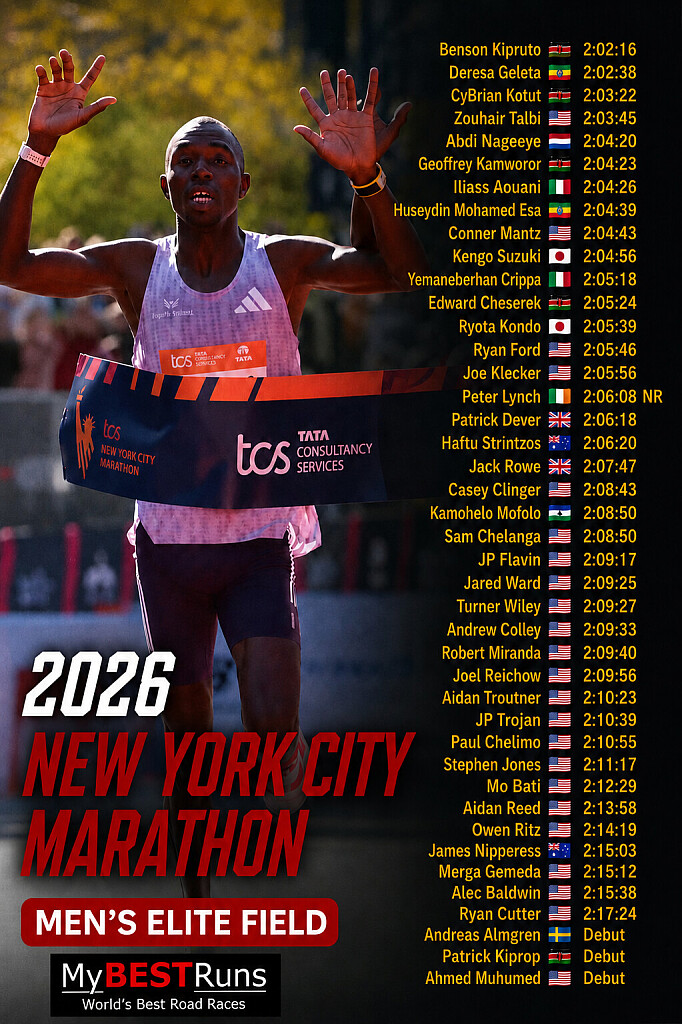
New York Marathon Set For Blockbuster Showdown As America’s Two Fastest Men Collide
The 2026 TCS New York City Marathon is shaping up to be one of the most anticipated editions in recent history, with New York Road Runners unveiling a remarkable men’s professional field that brings together the two fastest American marathoners ever on the same starting line.
The race, scheduled for November 1, will feature American record-holder Conner Mantz (2:04:43) and Zouhair Talbi (2:03:45), whose performance at the 2026 Boston Marathon is the fastest marathon ever run by an American by clock time. However, because Boston is not a record-eligible course, Talbi’s mark does not replace Mantz’s official American record.
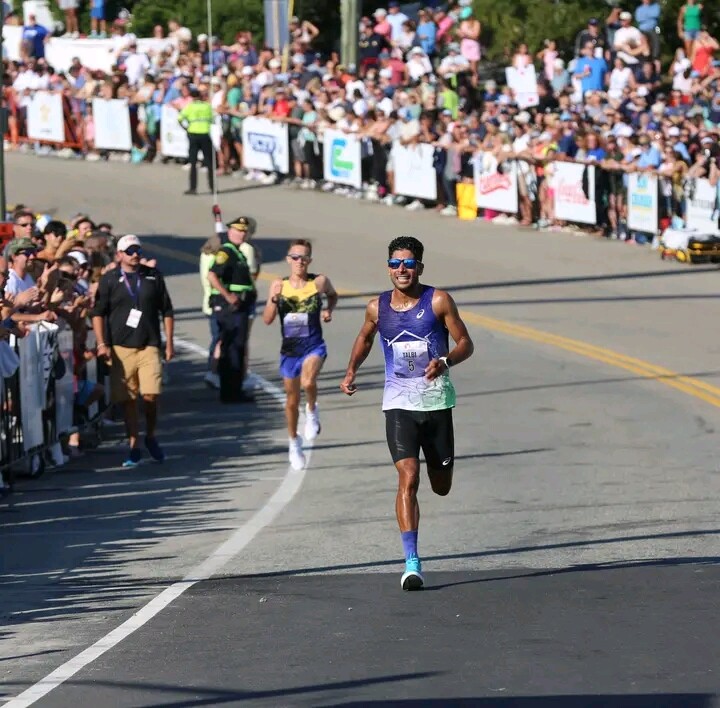
Mantz established the American record with his 2:04:43 fourth-place finish at the 2025 Chicago Marathon, breaking a national record that had stood since 2002. Talbi went even faster in Boston in April, crossing the line fifth in 2:03:45 and adding another extraordinary chapter to the rapid evolution of American marathon running.
That makes New York particularly intriguing. For the first time, the two men who occupy the top two positions on the all-time American marathon performance list will have the opportunity to race each other over a record-eligible course, with the streets of New York providing the stage.
And the American showdown will be only one part of a much bigger battle.
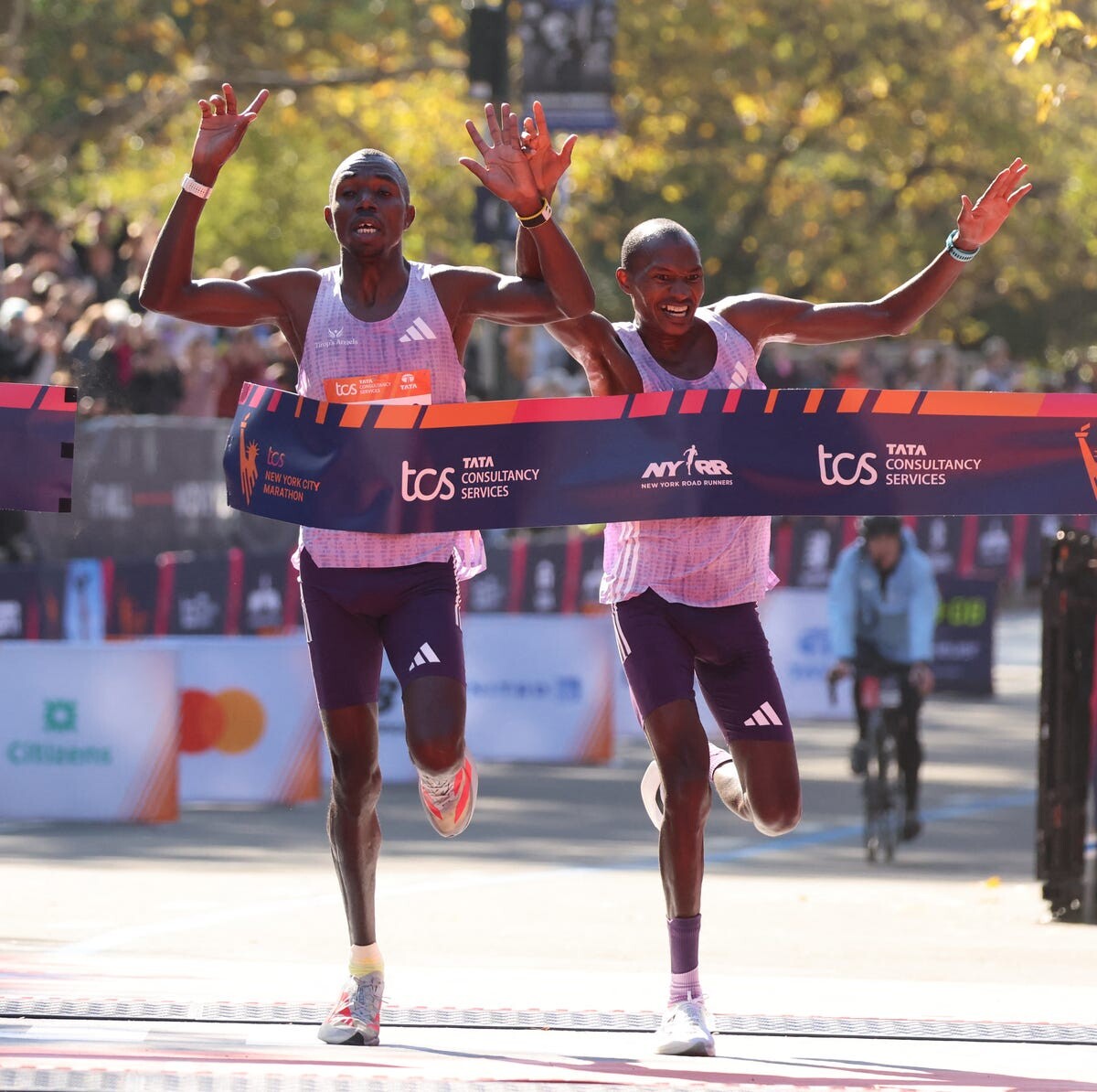
The international challenge is formidable. Defending champion Benson Kipruto (2:02:16) leads the field, followed by Ethiopia’s Deresa Geleta (2:02:38) and Kenya’s CyBrian Kotut (2:03:22). The lineup also includes the Netherlands’ Abdi Nageeye (2:04:20), Kenya’s Geoffrey Kamworor (2:04:23), Italy’s Iliass Aouani (2:04:26) and Ethiopia’s Huseydin Mohamed Esa (2:04:39).
Just behind that group is Japan’s Kengo Suzuki (2:04:56), Italy’s Yemaneberhan Crippa (2:05:18), Kenya’s Edward Cheserek (2:05:24) and Japan’s Ryota Kondo (2:05:39). Ireland’s Peter Lynch (2:06:08), Great Britain’s Patrick Dever (2:06:18), Australia’s Haftu Strintzos (2:06:20) and Britain’s Jack Rowe (2:07:47) further strengthen a field that possesses extraordinary depth.
The American contingent is just as fascinating. Alongside Mantz and Talbi are Ryan Ford (2:05:46), Joe Klecker (2:05:56), Casey Clinger (2:08:43), Sam Chelanga (2:08:50), JP Flavin (2:09:17), Jared Ward (2:09:25), Turner Wiley (2:09:27), Andrew Colley (2:09:33), Robert Miranda (2:09:40) and Joel Reichow (2:09:56).
The depth continues with Aidan Troutner (2:10:23), JP Trojan (2:10:39), Paul Chelimo (2:10:55), Stephen Jones (2:11:17), Mo Bati (2:12:29), Aidan Reed (2:13:58), Owen Ritz (2:14:19), Merga Gemeda (2:15:12), Alec Baldwin (2:15:38) and Ryan Cutter (2:17:24). Australia’s James Nipperess (2:15:03) and Lesotho’s Kamohelo Mofolo (2:08:50) are also on the start list.
Three athletes will make their marathon debuts in New York: Sweden’s Andreas Almgren, Kenya’s Patrick Kiprop and American Ahmed Muhumed. Almgren, in particular, brings tremendous track credentials into his first attempt at 26.2 miles after winning the European 10,000m title in Birmingham in a championship-record 27:23.44.
The numbers tell the story of just how deep this field is. Ten men have personal bests faster than the existing New York City Marathon course record of 2:04:58, set by Tamirat Tola in 2023. Remarkably, Tola himself is not entered, nor is Alexander Mutiso, who finished runner-up to Kipruto in last year’s dramatic race.
For Mantz and Talbi, however, the stakes extend beyond the American record books. No American man has won the New York City Marathon since Meb Keflezighi in 2009, meaning the American contingent will arrive carrying a 17-year wait for another homegrown champion. Mantz and Talbi will have to overcome a formidable international field if either is to end that drought.
New York’s course will add another layer of difficulty. The bridges, sharp turns, rolling sections and notoriously demanding final miles toward Central Park have humbled some of the world’s fastest marathoners. Raw personal-best times will matter, but so will patience, positioning, tactical intelligence and the ability to produce a decisive move when the race reaches its most unforgiving stages.
With the official American record-holder, the fastest American by clock time, a defending champion, multiple 2:04 marathoners and a host of world-class contenders all converging on the Big Apple, the 2026 New York City Marathon has the ingredients of a classic.
On November 1, the streets of New York could become the setting for another extraordinary chapter in marathon history.
by Erick Cheruiyot for My Best Runs.
Login to leave a comment
TCS New York City Marathon
The first New York City Marathon, organized in 1970 by Fred Lebow and Vince Chiappetta, was held entirely in Central Park. Of 127 entrants, only 55 men finished; the sole female entrant dropped out due to illness. Winners were given inexpensive wristwatches and recycled baseball and bowling trophies. The entry fee was $1 and the total event budget...
more...
Faith Kipyegon Delivers Emotional Injury Update: “I’ll Be Back”
Kenyan athletics fans have been handed a worrying update from one of the country’s biggest sporting stars, with Faith Kipyegon revealing that her recovery from a hamstring injury will take longer than she had initially hoped.
The three-time Olympic champion and multiple world champion has been managing the injury for several weeks, and she has now made it clear that she will not rush her return to competition.
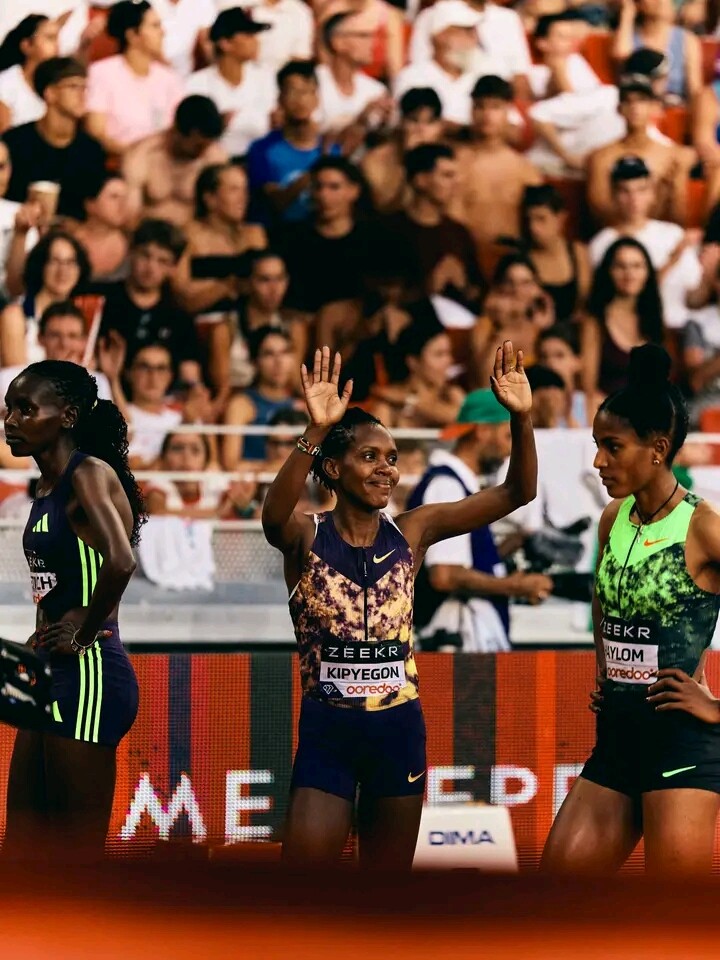
Kipyegon opened up about the setback in an emotional message to her followers, acknowledging the difficult balance elite athletes must maintain between pushing their bodies to the limit and protecting themselves from injury.
“As athletes, we ask a lot from our bodies. There is always a thin line between being fit and the risk of injury.”
The Kenyan superstar said she has been dealing with the hamstring problem since the end of May and admitted that the recovery process has proved slower than she anticipated.
“Since the end of May, I have been dealing with a hamstring injury and unfortunately it needs a bit longer to recover than I had hoped.”
Rather than forcing an early comeback, Kipyegon has chosen to give her body the time it needs to heal properly. For an athlete accustomed to competing at the highest level and delivering spectacular performances on the biggest stages, the enforced break will undoubtedly be frustrating.
But the 32-year-old understands that patience now could be crucial to her long-term return.
“I know that taking care of it now is the most important thing I can do to come back at my best.”
Kipyegon’s decision is particularly significant given the extraordinary standards she has maintained throughout her career. She has dominated the women’s 1,500m for more than a decade, collecting Olympic and world titles while repeatedly rewriting the record books.
She currently owns the women’s world records for both the 1,500m and the mile. Her latest 1,500m world record of 3:48.68, set in Eugene in July 2025, made her the first woman to break 3:49 for the distance. Her mile world record stands at 4:07.64.
Her absence will nevertheless be felt across the athletics world. Kipyegon remains one of the defining figures of modern middle-distance running and one of Kenya’s most decorated athletes. Although she once held the women’s 5,000m world record, that mark now belongs to compatriot Beatrice Chebet, who ran 13:58.06 in Eugene in July 2025 to become the first woman to break 14 minutes over the distance.
For now, however, Kipyegon’s focus is firmly on recovery.
“So for now, I will take the time to heal, recover and get stronger. I’ll be back.”
Those final three words will resonate strongly with her supporters.
“I’ll be back.”
It is a simple message, but one that carries enormous weight. Kipyegon has built her career on resilience, discipline and an extraordinary ability to respond when expectations are at their highest.
This time, the challenge is different. There is no finish line to chase and no championship medal at stake—only the patience required to get her body right.
Kenyan fans may have to wait a little longer to see their champion back on the track, but Kipyegon’s message is unmistakable: the comeback has not been abandoned—it is simply being given the time it deserves.
by Erick Cheruiyot for My Best Runs.
Login to leave a comment

Can Keely Answer Back? Hodgkinson And Werro Set For Explosive Zurich Rematch
The rivalry between Keely Hodgkinson and Audrey Werro is developing into one of the most compelling stories in the women’s 800m — and it gets another chapter next week.

Just days after their dramatic European Championship final in Birmingham, the Olympic champion and the newly crowned European champion will meet again at Weltklasse Zürich on August 27, with the sold-out Letzigrund Stadium ready for another spectacular showdown.
In Birmingham, it was Werro who produced the decisive moment. The Swiss star delivered a sensational front-running performance to win European gold in a championship-record 1:54.81, holding off Hodgkinson, who finished second in 1:55.01. Femke Broeders-Bol completed the podium in 1:55.54, setting a Dutch national record in the process.
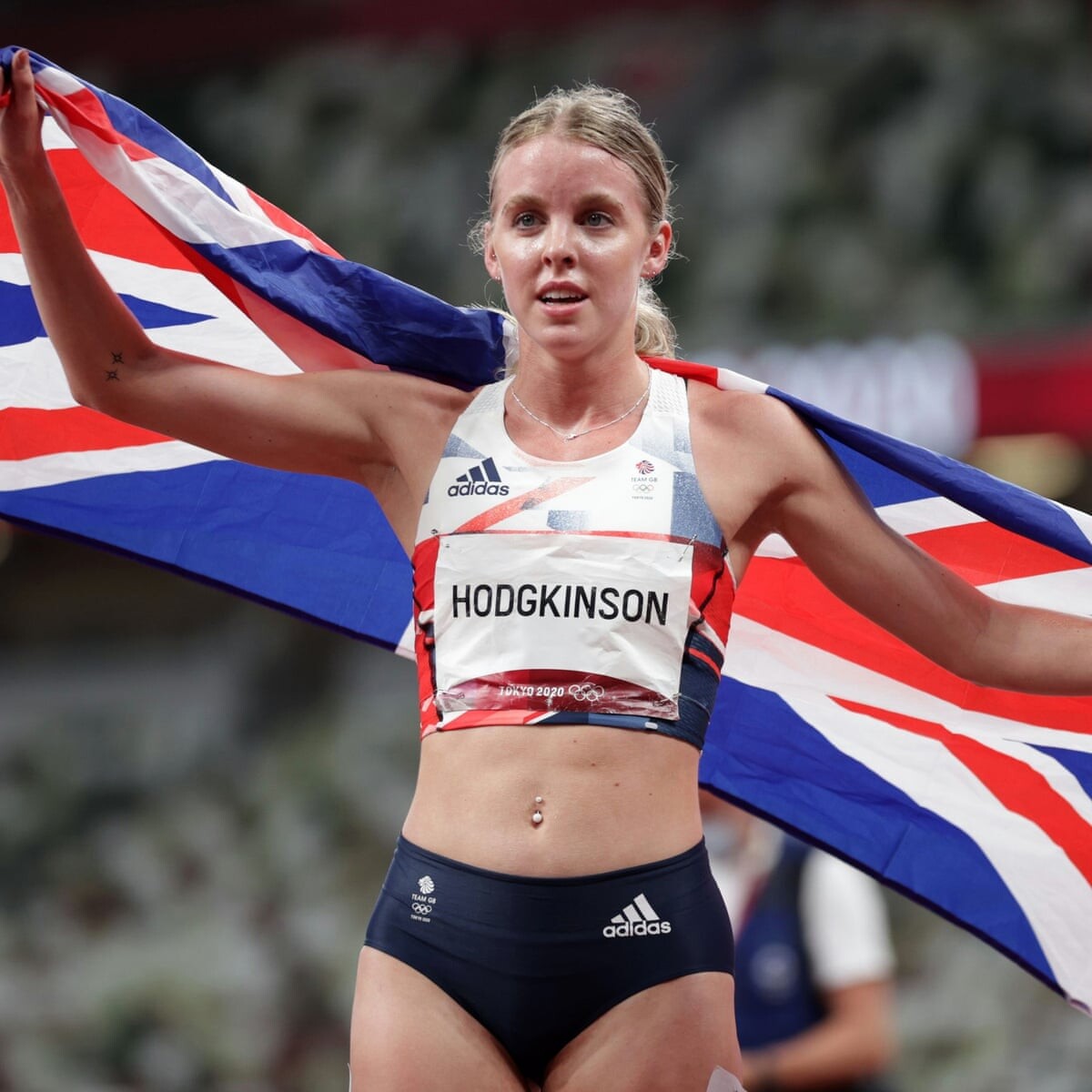
For Hodgkinson, the defeat was a rare setback in an event she has dominated at the highest level. But Zurich offers the perfect opportunity to respond.
And this time, the stage belongs to Werro.
The 22-year-old Swiss star will race in front of her home crowd at the Letzigrund Stadium, where she will arrive with enormous confidence after an extraordinary 2026 campaign. Earlier this season, Werro stormed to 1:53.98 in Stockholm, becoming only the third woman in history to break 1:54 at the time, while Hodgkinson followed her home in a British record 1:54.33.
Werro then went even faster in Paris, producing 1:53.80 — the third-fastest performance in history — further establishing herself as a genuine threat to the event’s all-time hierarchy.
But Hodgkinson knows exactly what it takes to win on the biggest stages. The reigning Olympic champion and former world champion has repeatedly demonstrated her ability to respond when challenged, and Zurich could provide another opportunity to remind the world why she remains one of the most formidable 800m runners of her generation.
Yet this will be far more than a two-woman battle.
Kenya’s Lilian Odira, the reigning world champion, adds another layer of danger to an already stacked field. Odira, Hodgkinson and Georgia Hunter Bell were the gold, silver and bronze medallists in the 800m at the 2025 World Championships in Tokyo, and their rivalry has continued into 2026.
Then there is Georgia Hunter Bell, who arrives in Zurich as the newly crowned European 1500m champion and one of the most versatile middle-distance athletes in the world. Her presence over 800m gives the race another serious contender capable of changing the complexion of the contest.
Femke Broeders-Bol will also be looking to build on her breakthrough European Championship bronze. The Dutch star has made an impressive transition from the 400m hurdles to the 800m this season, and her 1:55.54 national record in Birmingham showed that she is now capable of challenging the very best over two laps.
With Werro’s extraordinary speed, Hodgkinson’s championship pedigree, Odira’s world title credentials, Hunter Bell’s tactical intelligence and Broeders-Bol’s rapidly improving 800m form, Zurich could produce one of the deepest and most anticipated women’s 800m races of the season.
The question is simple:
Can Keely answer back?
Or will Audrey Werro once again prove too strong — this time with the roar of the Swiss crowd behind her?
The answer comes on August 27 at the sold-out Letzigrund Stadium in Zurich.
by Erick Cheruiyot for My Best Runs.
Login to leave a comment
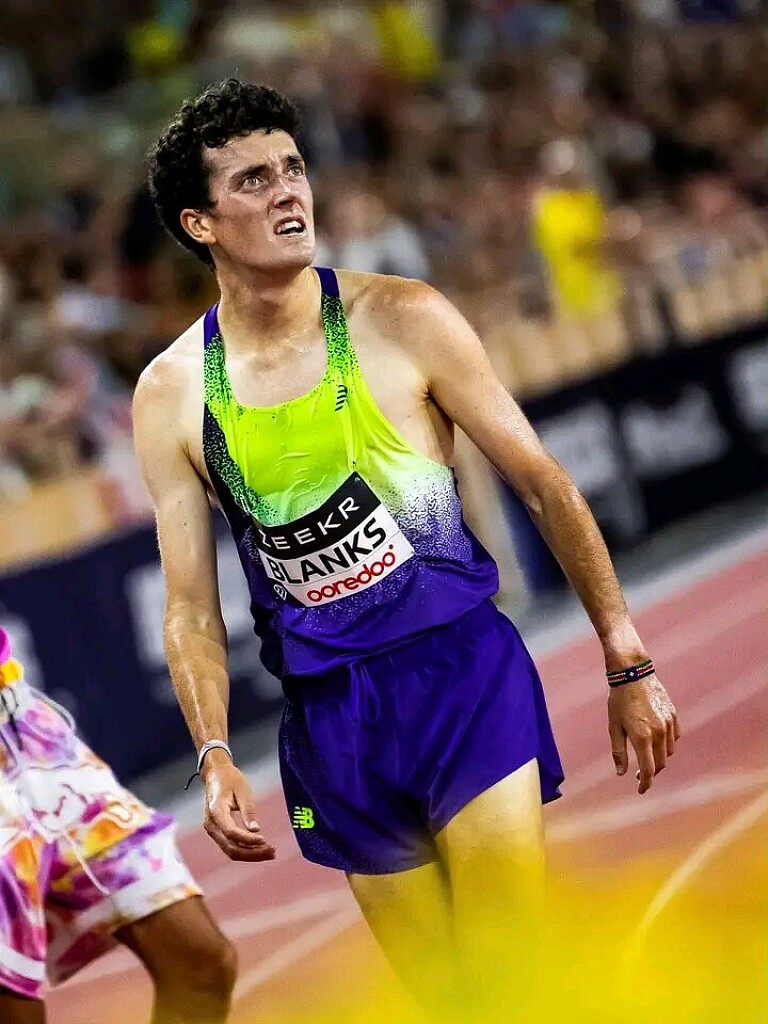
Americans Bring The Heat As Lausanne Diamond League Sets Up A Fierce 5000m Showdown
The Wanda Diamond League returns to action on Friday, August 21, and the men’s 5000m in Lausanne promises to be one of the evening’s most compelling distance races, with a strong American quartet ready to take on a deep international field.
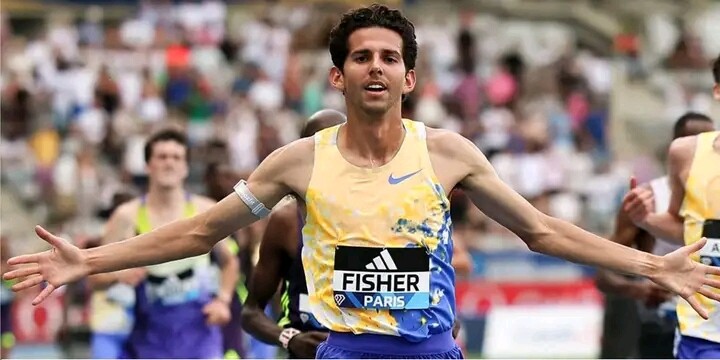
Graham Blanks, Grant Fisher, Parker Wolfe and Nico Young will carry the American challenge at Athletissima, where they will line up against a formidable group featuring athletes from Kenya, Ethiopia, Bahrain, Eritrea, Burundi, Switzerland, Uruguay, Slovenia and Mexico.

The Lausanne meeting marks an important point in the 2026 Diamond League campaign, with the Road to the Final entering its decisive stages ahead of the series finale in Brussels on September 4-5. Lausanne is followed just two days later by the Silesia meeting, before the series heads to Zurich for the final regular-season stop.

Fisher arrives as one of the most established names in the field. The American Olympic bronze medallist has already produced a 12:49.61 season best over 5000m in Oslo and also won the 3000m in Paris earlier this season. His experience at the highest level makes him a major contender when the pace accelerates over the closing laps.
Blanks is another American to watch closely. Ranked among the leading 5000m athletes in the world, he has continued to establish himself as one of the United States’ most exciting young distance runners. World Athletics’ rankings placed him eighth globally in the event as of July 26, with Fisher sixth.
Wolfe and Young add further depth to an American lineup that could make the race particularly tactical. With four athletes capable of competing at a high level, the United States will have several cards to play as the race develops.
But the Americans will have no easy path to victory.
Bahrain’s Birhanu Balew headlines the international opposition and entered the season among the world’s highest-ranked 5000m runners. Kenya will be represented by Jacob Krop, Edwin Kurgat, Cornelius Kemboi, Charles Kiboina, Mathew Kipchumba Kipsang and Laban Kiptoo Kosgei, giving the race a powerful Kenyan presence.
Ethiopia also brings considerable strength, with Khairi Bejiga, Kuma Girma, Shimelis Niguse, Mezgebu Sime and Getnet Wale all listed in the field. Eritrea’s Abderezak Suleman, Burundi’s Egide Ntakirutimana, Switzerland’s Dominic Lokinyomo Lobalu, Uruguay’s Santiago Catrofe, Slovenia’s Žan Rudolf and Mexico’s Eduardo Herrera complete a truly international lineup.
The Lausanne 5000m is therefore shaping up as much more than an American showcase. It is a meeting of contrasting strengths: American depth, Kenyan distance tradition, Ethiopian endurance and a collection of international contenders eager to make their mark on one of the sport’s biggest stages.
With the Diamond League season moving rapidly toward its final stretch, every position and every point carries added importance. The question now is whether the American quartet can convert its collective strength into a victory—or whether the international field will once again prove too deep to control.
One thing is certain: when the Lausanne 5000m gets underway, the pace is expected to be hot, the competition fierce and the final laps unforgettable.
by Erick Cheruiyot for My Best Runs.
Login to leave a comment
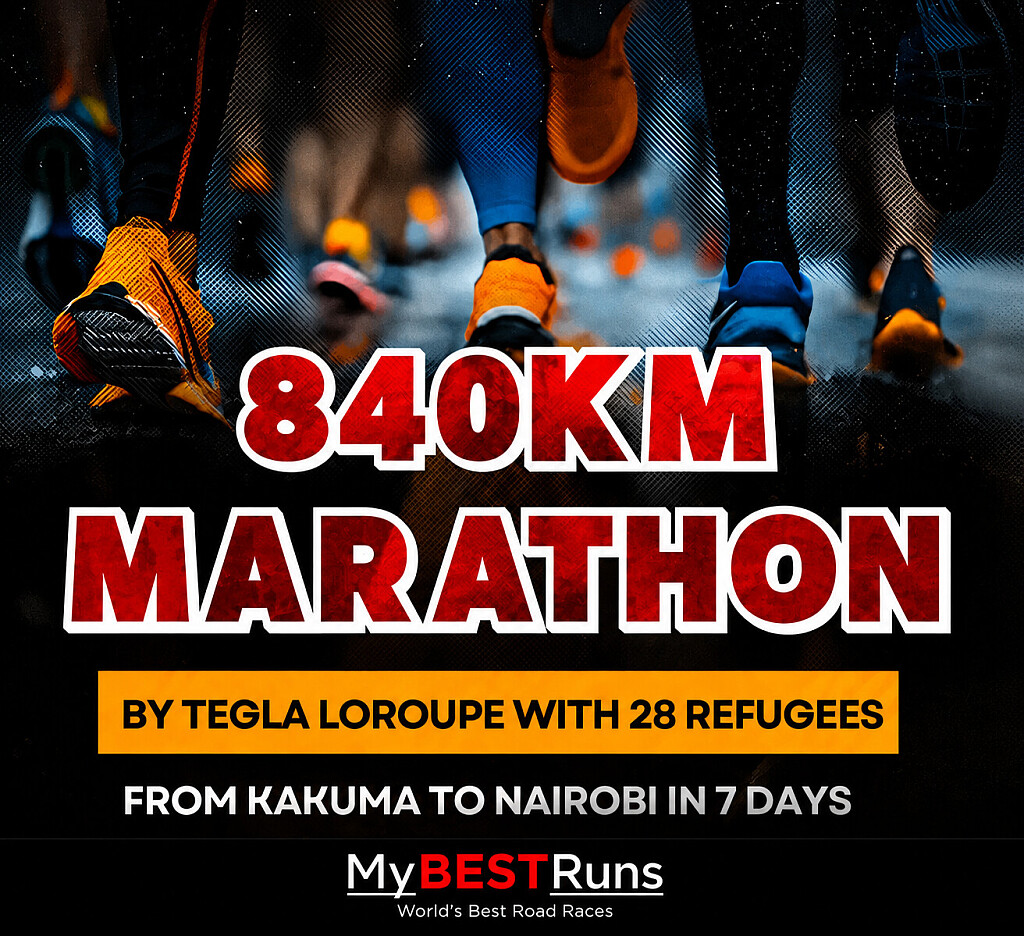
Tegla Loroupe Embarks On 840-Kilometre Peace Run From Kakuma To Nairobi
Ambassador Tegla Chepkite Loroupe has embarked on an extraordinary 840-kilometre run from Kakuma Refugee Camp in Turkana County to Uhuru Park in Nairobi, turning a seven-day endurance challenge into a powerful campaign for peace, education, inclusion and greater awareness of the experiences and aspirations of refugees.
Loroupe is undertaking the journey alongside 28 refugees, with the initiative designed to shine a light on the challenges facing refugee communities in Kakuma and Dadaab while promoting stronger relationships between refugees and their host communities.

For Loroupe, the run represents far more than a test of endurance. It is an extension of a mission she has pursued for years—using sport as a platform to promote peace, opportunity, education and inclusion for people whose lives have been affected by displacement.
Reflecting on the early days of advocating for refugee inclusion in sport and development, Loroupe said it was deeply meaningful to see Yiech Pur Biel continue that mission. Biel, who grew up in Kakuma Refugee Camp and went on to represent the Refugee Olympic Team, will lead the team at the Youth Olympic Games in Senegal this year.

“Reflecting on the early days of advocating for refugee inclusion in sports and development, it means so much to see Yiech Pur Biel carry that mission forward — this year, he’ll lead the Refugee Olympic Team at the Youth Olympic Games in Senegal. I’m taking on an 840km journey over seven days, running from Kakuma Refugee Camp to Uhuru Park in Nairobi alongside 28 refugees. Every kilometre of this run is a reminder: displacement doesn’t have to mean the end of a dream. Everyone deserves the chance to pursue theirs,” Amb. Tegla Loroupe said.
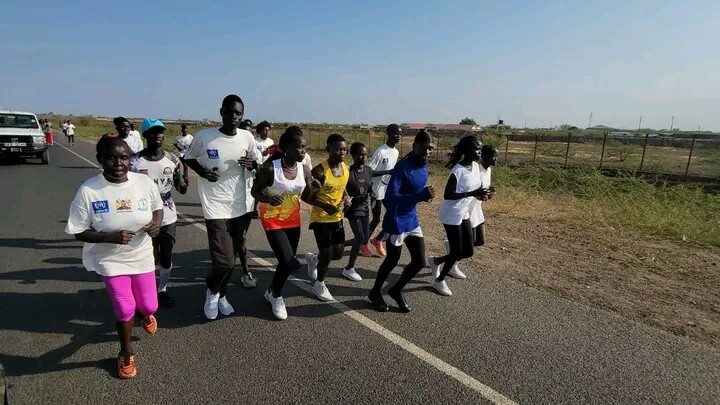
The message captures the heart of the initiative. By running alongside refugees rather than simply speaking about their experiences, Loroupe is seeking to bring their stories, ambitions and hopes closer to the national conversation.
Her journey also reflects the remarkable transformation of her own life from elite athlete to global advocate. Born on 9 May 1973, Loroupe established herself as one of Kenya’s most accomplished long-distance runners before devoting much of her influence to peacebuilding, education, women's rights and humanitarian causes.
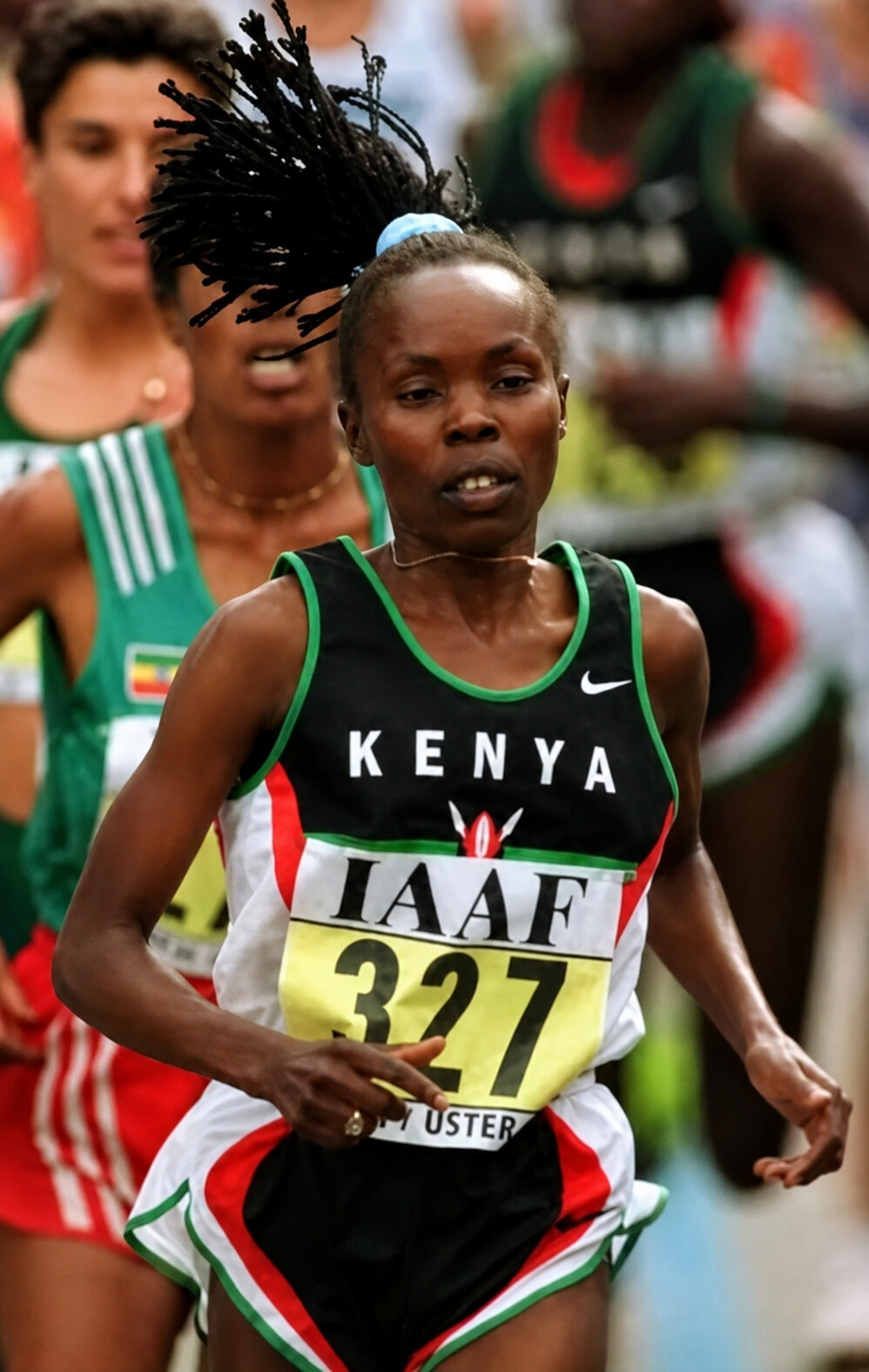
During her illustrious career, she held world records over 25 and 30 kilometres and became the first African woman to hold the women's marathon world record. She also became a three-time world half-marathon champion and made history as the first African woman to win the New York City Marathon, claiming the prestigious race twice.
Her victories extended to several of the world's major marathons, including London, Rotterdam, Hong Kong, Berlin and Rome, cementing her reputation as one of the outstanding distance runners of her generation.
Yet Loroupe's influence today extends well beyond her achievements on the road. Through the Tegla Loroupe Peace Foundation and other initiatives, she has continued to champion peaceful coexistence and opportunities for communities affected by conflict and displacement.
The 840-kilometre journey now gives that mission a physical form. From Kakuma to Nairobi, every kilometre is intended to carry a message of hope while drawing attention to the potential of refugees when they are given access to education, sport, opportunity and a supportive community.
The participation of 28 refugees makes the journey even more significant. Their presence transforms the run from a symbolic campaign into a collective expression of resilience, allowing those directly affected by displacement to become part of the story being told.
As Loroupe and her fellow runners make their way towards Uhuru Park over seven days, the distance will inevitably test their physical strength. But the greater purpose lies beyond the finish line: reminding Kenya and the wider world that being displaced does not mean being without dreams.
For Loroupe, every stride is therefore a statement of possibility—a call for peace, inclusion and education, and a powerful reminder that with the right opportunities, refugees can move beyond survival and pursue the futures they envision.
by Erick Cheruiyot for My Best Runs.
Login to leave a comment
Pamela Kosgei Triumphs In Thrilling Falmouth Road Race 7-Mile Finish
Pamela Kosgei delivered a breathtaking performance to capture the 2026 Falmouth Road Race 7-mile title, producing a perfectly timed finish to edge American challenger Jessica McClain in a dramatic battle that went right down to the wire.
Kosgei and McClain both stopped the clock at 35:25, but the Kenyan had just enough of an advantage at the finish to secure the coveted victory. It was a remarkable display of composure and determination, with neither athlete willing to surrender an inch in the closing stages of the seven-mile contest.
The victory adds another impressive chapter to what has already been a remarkable rise for Kosgei. At the 2025 Outdoor NCAA Championships, she captured both the 5000m and 10,000m titles, earning valuable points for the University of New Mexico Lobos during her freshman campaign. Her success on the track has now translated beautifully onto the roads.
Remarkably, Kosgei has only recently begun testing herself over the roads. Making her road debut just a few weeks ago, she announced herself in emphatic fashion by winning the Beach to Beacon Road Race. She then carried that winning momentum into Falmouth, producing another confident performance against a strong international field.
The Kenyan triumph was made even sweeter by Everlyn Kemboi, who stormed into third place in 35:34, giving Kenya a powerful double presence on the podium. Behind them, America's Emma Grace Hurley produced a solid run to finish fourth in 35:36, while Kenya's Mercy Chelangat completed the top five in 35:55.
Kosgei's rise also carries a remarkable family legacy. Her older sister, Brigid Kosgei, is an Olympic silver medallist in the marathon and a former marathon world-record holder. With Pamela now making her own mark across the track and roads, the Kosgei name continues to shine brightly in elite distance running.
It was a race filled with speed, suspense and relentless determination, with the leading athletes separated by only seconds. Kosgei's victory was ultimately forged through her ability to remain composed under immense pressure and produce the decisive effort when it mattered most.
The victory also carried a special touch of excellence, as Kosgei stood proudly at the summit while McClain and Kemboi strengthened the depth among the leading finishers. Together, the performances painted a beautiful picture of determination, resilience and the unmistakable fighting spirit that continues to make distance running so captivating around the world.
For Kosgei, this was more than simply another road-racing victory. It was a statement of strength, resilience and competitive maturity on an international stage. From NCAA champion to emerging road-racing star, her rapid transition has been nothing short of impressive—and Falmouth may only be the beginning of an exciting new chapter.
Top 5 Finishers
1. Pamela Kosgei — Kenya — 35:25
2. Jessica McClain — USA — 35:25
3. Everlyn Kemboi — Kenya — 35:34
4. Emma Grace Hurley — USA — 35:36
5. Mercy Chelangat — Kenya — 35:55
With a thrilling finish, the Falmouth Road Race once again showcased the beauty and competitiveness of elite distance running, bringing together determined athletes from different backgrounds and nations. Kosgei's victory, McClain's fierce challenge and the strong performances throughout the field combined to create a memorable contest that will linger long after the finish line.
by Erick Cheruiyot for My Best Runs.
Login to leave a comment

Falmouth Road Race
The Falmouth Road Race was established in 1973 and has become one of the premier running events of the summer season. Each year the race draws an international field of Olympians, elite runners and recreational runners out to enjoy the scenic 7-mile seaside course. The non-profit Falmouth Road Race organization is dedicated to promoting health and fitness for all in...
more...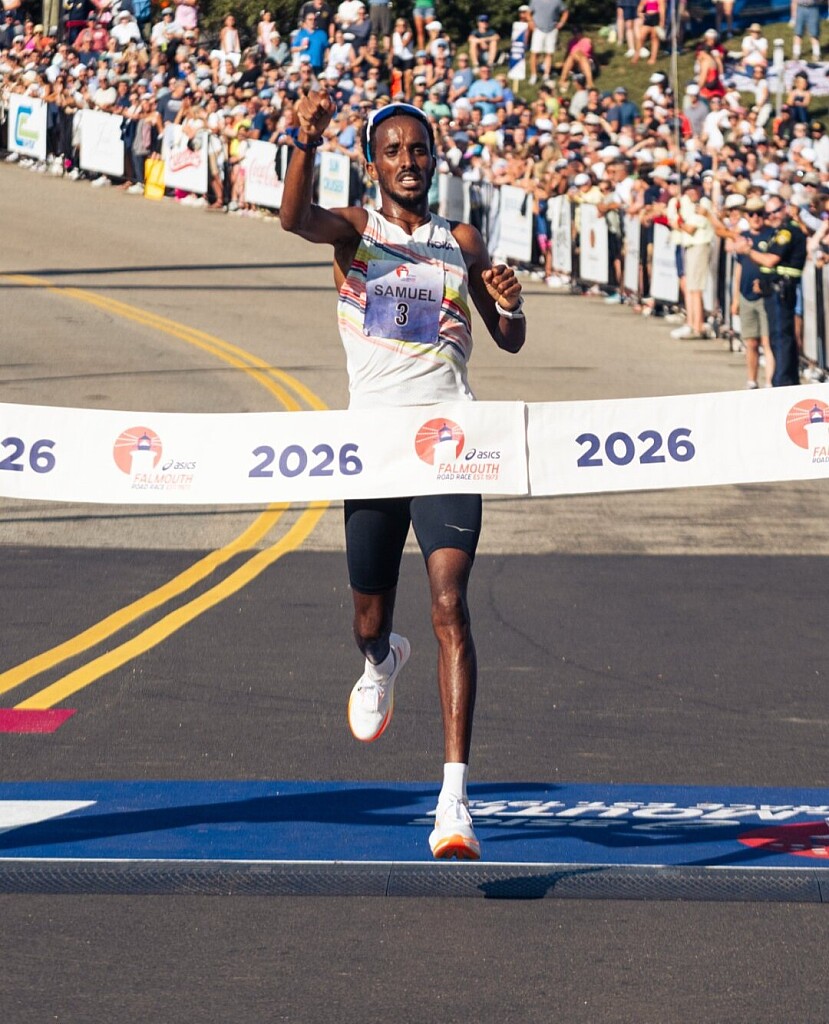
Habtom Samuel Makes Falmouth History With A Record-Breaking Sub-31-Minute Victory
History was made on Sunday morning, August 16, 2026, as Eritrea’s Habtom Samuel produced a breathtaking performance at the Falmouth Road Race, becoming the first athlete in the event’s history to break the 31-minute barrier.
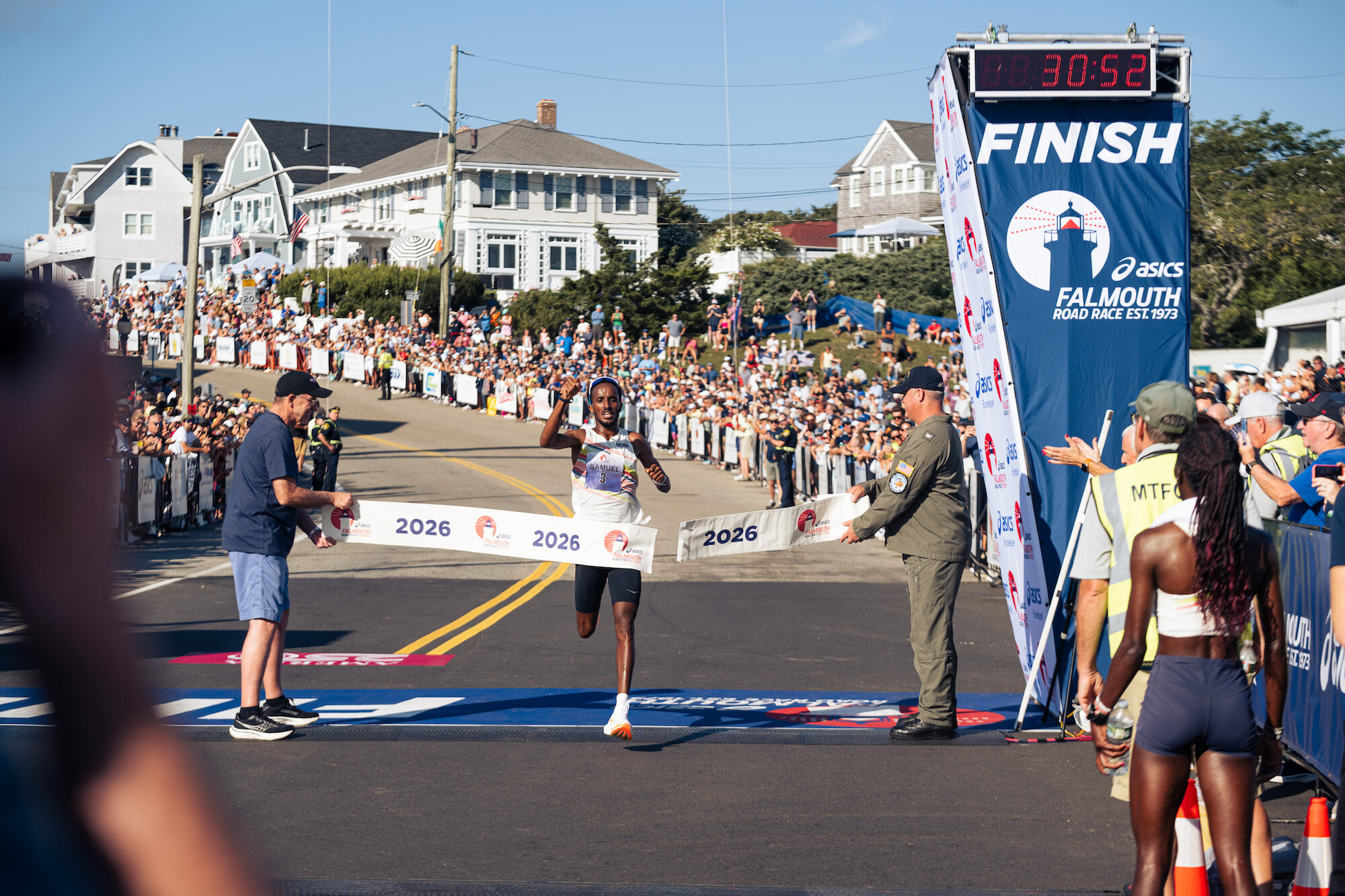
The 22-year-old Samuel, competing in his first Falmouth Road Race and only his second professional road race, turned an already remarkable debut into a piece of history. The former University of New Mexico standout completed his transition to the professional ranks following an undefeated collegiate season and has now opened his professional career with two victories.
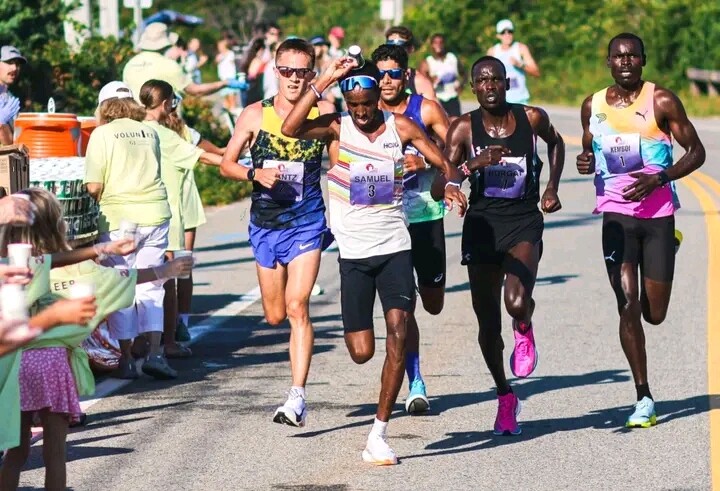
The men’s race unfolded at a ferocious pace from the opening miles, with the leaders threatening the long-standing course record almost immediately. By the fifth mile, the contest had narrowed to a two-man duel between Samuel and Kenya’s Edwin Kurgat.
The pair remained together from the end of Surf Drive until around the turn onto Falmouth Heights Road, matching each other stride for stride as the race entered its decisive stages.
Then Samuel found another gear.
With roughly a mile remaining, the Eritrean surged decisively away from Kurgat and never looked back. He powered toward the finish with authority, creating an 11-second winning margin and stopping the clock in 30:54.
His performance shattered the previous course record of 31:08 and made him the first athlete ever to dip under 31 minutes at Falmouth.
The record had stood for more than two decades. Kenya’s Gilbert Okari first established the 31:08 mark in 2004, while compatriot Wesley Kiptoo equalled it in 2023. Samuel’s extraordinary run finally moved the benchmark into a new era.
“Breaking this course record in this amazing historical road race is awesome,” Samuel said. “I’m so proud of myself and I’m glad to be the first person able to run under 31 minutes.”
Samuel’s victory also continues a remarkable start to his professional career. After completing an undefeated campaign at the University of New Mexico, he made his road-racing debut at the Beach to Beacon 10K in Maine in July, where he immediately claimed victory. His Falmouth triumph now makes it two wins from two professional road races.
Kurgat, meanwhile, produced a performance that would have been enough to win every previous edition of the Falmouth Road Race. The 2019 champion crossed the line in a remarkable 31:04, finishing comfortably inside the former course-record mark despite being unable to match Samuel’s decisive late surge.
The American men also delivered a memorable battle behind the leading pair.
Zouhair Talbi, the American course-record holder at the Boston Marathon, and Conner Mantz, the American record holder in both the half marathon and marathon, spent much of the race locked together as they battled for the top American position.
Talbi ultimately prevailed, finishing third overall in 31:17 and setting a new American course record for the Falmouth course. It marked his best finish at the race, improving on last year’s fifth-place result.
Mantz followed closely in 31:19, also running faster than the previous American course record.
The result was a spectacular morning on Cape Cod, with the race producing a new overall course record, a historic first sub-31-minute performance and four men finishing faster than the previous 31:08 benchmark.
But above them all stood Samuel, whose remarkable surge in the final stages transformed a closely fought road race into one of the defining performances in Falmouth Road Race history.
by Erick Cheruiyot for My Best Runs.
Login to leave a comment
Falmouth Road Race
The Falmouth Road Race was established in 1973 and has become one of the premier running events of the summer season. Each year the race draws an international field of Olympians, elite runners and recreational runners out to enjoy the scenic 7-mile seaside course. The non-profit Falmouth Road Race organization is dedicated to promoting health and fitness for all in...
more...
Nairobi Makes History the Prize as Kenya Bids to Bring 2029 World Athletics Championships to Africa
Nairobi has formally entered the race to host the 2029 World Athletics Championships, placing Kenya at the centre of a historic contest that could bring the sport’s premier global track and field event to African soil for the first time.
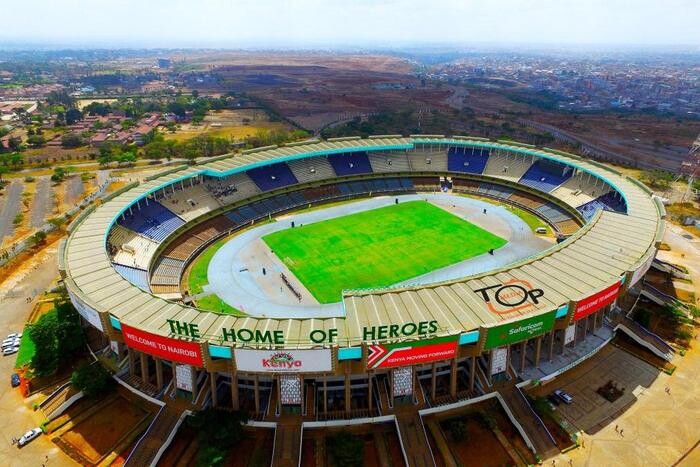
Nairobi has formally submitted its bid to host the 2029 World Athletics Championships, with the Kenyan capital facing competition from London, Rome and Munich. Four cities are now in contention for one historic decision, with World Athletics expected to announce the successful host after the inaugural World Athletics Ultimate Championships conclude in Budapest next month.
For Nairobi, however, this is about far more than securing another major sporting event. A successful bid would break a decades-long geographical barrier: despite Africa’s enormous influence on global athletics, the World Athletics Championships have never been staged on the continent.

A Nairobi victory would bring the World Athletics Championships to Africa for the first time in the event’s 50-year history and stage the global showpiece at an altitude of approximately 1,800 metres. The proposed venue is Moi International Sports Center Kasarani Stadium, which has a capacity of 48,063, while the Kenyan government has committed full backing for infrastructure, security and event delivery. Kenya’s athletics credentials are equally compelling, with 17 current world records and 72 World Championships gold medals, making it the second-most successful nation in championship history.
The significance of Nairobi’s bid is amplified by Kenya’s extraordinary place in the history of the sport. The country has produced generations of world-class distance runners and currently holds 17 recognised world records across middle- and long-distance events.

Kenya is also the second-most successful nation in World Athletics Championships history by gold medals, with 72 titles after the 2025 edition. At the Tokyo 2025 championships, Kenya claimed five gold medals, including victories by Beatrice Chebet in the 5,000m and 10,000m.
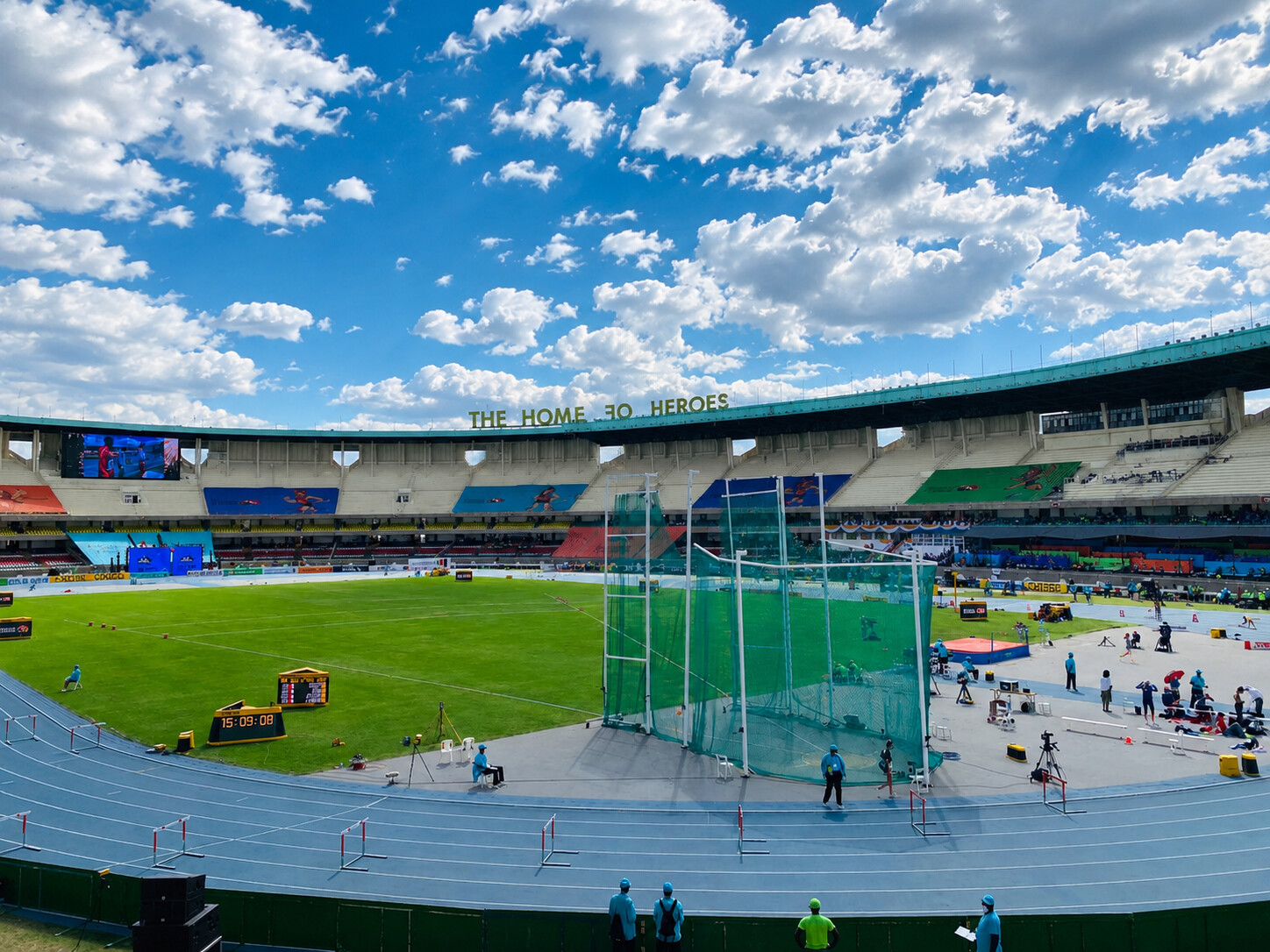
The country also has recent experience staging major international athletics competitions. Nairobi hosted the 2017 World U18 Championships and the 2021 World U20 Championships, while Kenya previously staged the 2007 World Cross Country Championships in Mombasa and the 2010 African Athletics Championships in Nairobi.
A Nairobi victory would therefore carry a powerful symbolism: the athletes who have helped define modern distance running on African soil could finally compete for world titles at home, in front of a Kenyan crowd.
The competition, however, will be formidable. London is seeking a return to the city that hosted the highly successful 2017 World Championships, while Rome and Munich bring their own strong European sporting traditions and established event infrastructure.
Yet Nairobi offers something none of its rivals can match — the opportunity to open an entirely new chapter in the history of the championships.
The World Athletics Championships have travelled across Europe, Asia, North America and the Middle East, but Africa has remained the missing continent on the event’s hosting map. Kenya’s bid seeks to change that.
With the formal bid now submitted and the final presentation and defence completed, Nairobi’s campaign enters its decisive phase. September will determine whether the championships finally make their long-awaited debut on African soil.
Four cities. One host. One potentially historic decision.
In September, World Athletics will decide whether the world’s greatest track and field athletes will converge on Nairobi in 2029 — and whether Africa will finally get its moment on the biggest stage of all.
by Erick Cheruiyot for My Best Runs.
Login to leave a comment
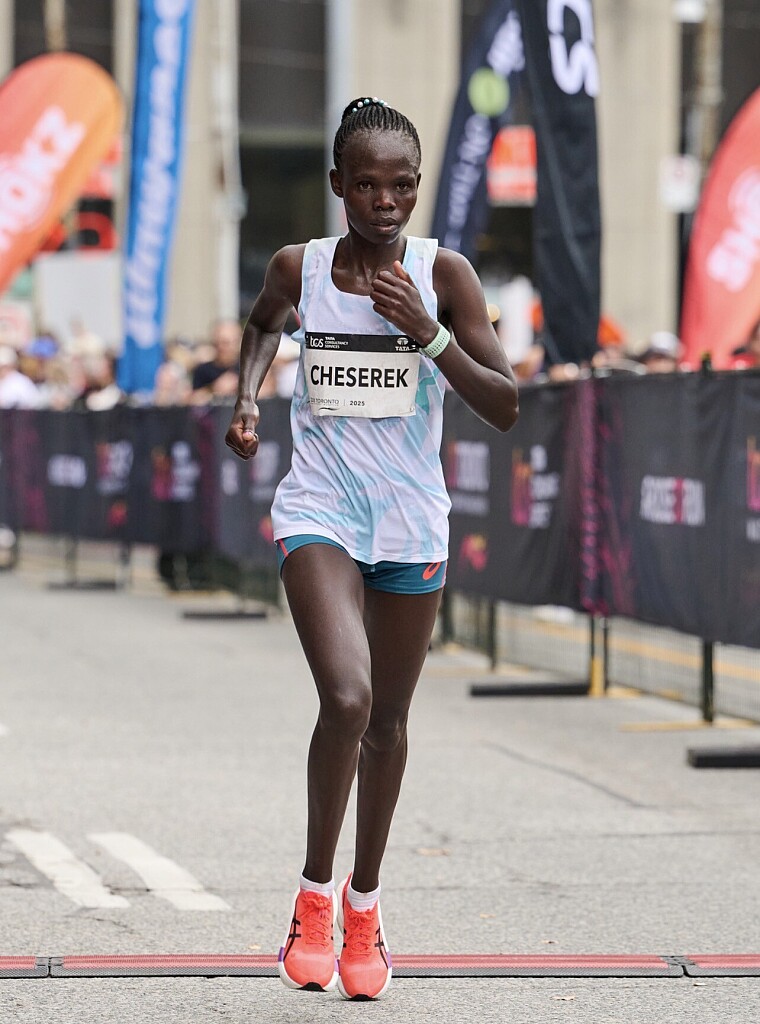
Kenya’s Beatrice Cheserek Returns to TCS Toronto Waterfront Marathon
A year after choosing the TCS Toronto Waterfront Marathon to make her debut at the 42.2km distance Kenya’s Beatrice Cheserek will return to the 2026 edition of the race October 18 with great ambition.
The now 27-year-old could manage just 5th place in 2:30:25 last year. Four months later she finished second in the Seville Marathon (February 15) with a time of 2:21:56. There is a simple explanation for such a dramatic improvement.
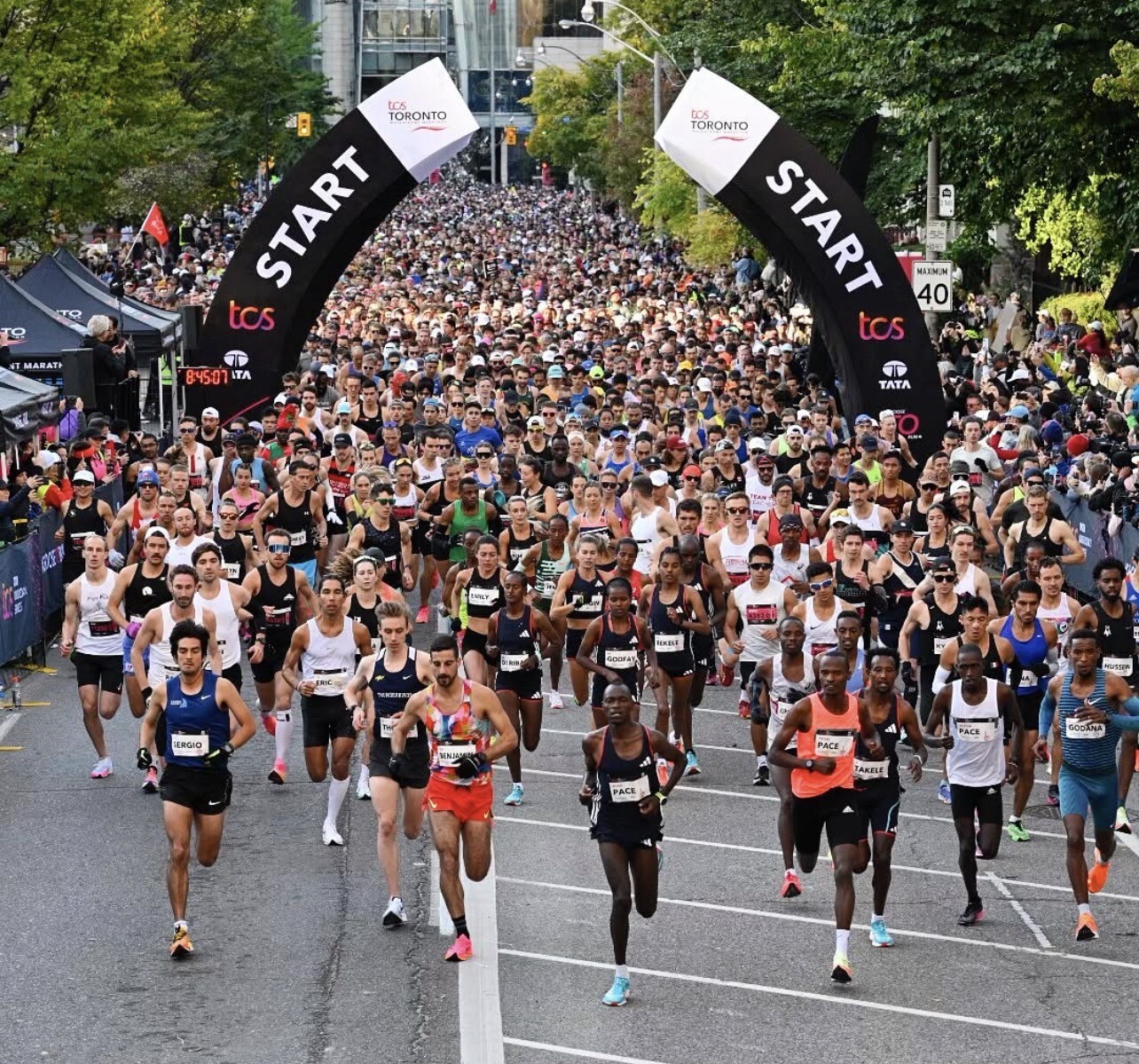
“This year my training is stronger than last year because then (2025) I was coming from maternity,” she explains from her hotel room in Bogota, Colombia where she had finished 4th in the Bogota Half Marathon a few days earlier.

“So it’s more training than last year. I have done a lot of mileage. This time around a lot of mileage, speed work and strength so now I can run better.”
Cheserek’s husband Cyrus Kiplagat is her main training partnerand she is now running up to 150 kilometres a week in preparation for TCS Toronto Waterfront Marathon, which is a World Athletics Elite Label race.
In 2024 the couple welcomed a son into the world. They named him Fabian and she proudly announces: “He is doing good. He is almost three years old now.” While she is away training and competing her sister-in-law serves as a nanny.

"Toronto last year, it’s a good place but it was my first time running a marathon,” she recalls. “I was doubting myself because it was my debut. I was doubting whether I could finish or if I would drop out. Then afterwards I raced Seville and I was happy there. I am thinking I will do something there in Toronto.”
‘Something' refers to a new personal best and, if conditions are suitable there could be an assault on the Toronto WaterfrontMarathon course record which was set in 2024 by Ethiopia’s Waganesh Mekasha (2:20:44). And she will not be alone in her quest. While the team at Canada Running Series always hires pacemakers for the elite athletes this time Cyrus will accompany her to Toronto to be one of the two pacers for the lead women’s group.
Cheserek has an excellent personal best of 1:06:48 for the half marathon which led to speculation among running experts that her step up to the full marathon distance would be noteworthy. And her talent led to her being selected as the designated pacemaker for fellow Kenyan Rosemary Wanjiru when she won the 2023 Tokyo Marathon. She performed similar duties for the 2025 London Marathon elite women’s field. Having Cyrus in Toronto she expects will help tremendously.
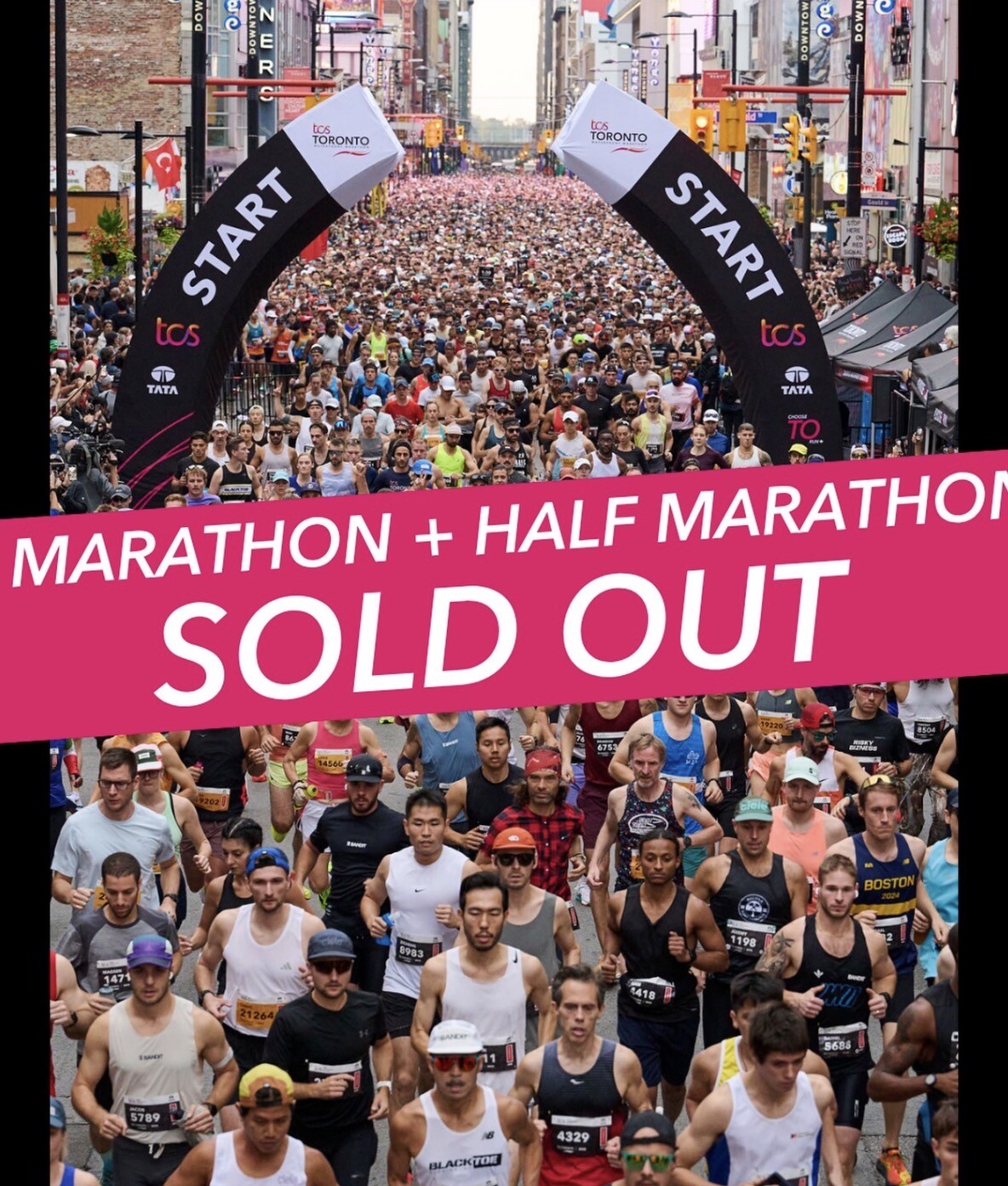
“Even before I went to Seville I was with him training and he was the one pushing me,” Cheserek adds. “It is good for me (that Cyrus will be in Toronto) to try to lower the course record. All the marathon races before I was pacing so he never came with me. It was just me and the other people. And, he was not in Seville.”
Beatrice and her family live in Iten, ‘The Home of Champions’ as it is known in Kenya at around 2,400m above sea level. Bogota sits at a slightly higher elevation. So the two weeks away from her home training ground has not interrupted her preparation for Toronto Waterfront Marathon in any way.
“I am spending two weeks in Colombia; this is my first time to be here,” she offers. “Colombia is a very good place for training. It is (also) a good place to race in hot conditions. I have my fellow colleagues from Kenya here.”
Cheserek finished 4th in the Bogota Half Marathon on July 26 in 1:12:42 just 13 seconds behind the winner. As expected, the field was dominated by athletes from high altitude countries including Ethiopia and Kenya who are best suited to Bogota’s 2,600m elevation.
Then, on August 9th, she finished 4th in the Cali 10k (32:57) the day before an earthquake measuring 7.4 on the Richter scale, struck. She and her compatriots were at the Cali airport checking in when panic ensued. They returned to their hotel as the airport was temporarily closed.
The TCS Toronto Waterfront Marathon organizers (Canada Running Series) will be wishing for ideal conditions to allow athletes such as Beatrice Cheserek to challenge the course records. Clearly, all her preparation is focused on the race.
by Paul Gains
Login to leave a comment
TCS Toronto Waterfront Marathon
The Scotiabank Toronto Waterfront Marathon, Half-Marathon & 5k Run / Walk is organized by Canada Running Series Inc., organizers of the Canada Running Series, "A selection of Canada's best runs!" Canada Running Series annually organizes eight events in Montreal, Toronto and Vancouver that vary in distance from the 5k to the marathon. The Scotiabank Toronto Waterfront Marathon and Half-Marathon are...
more...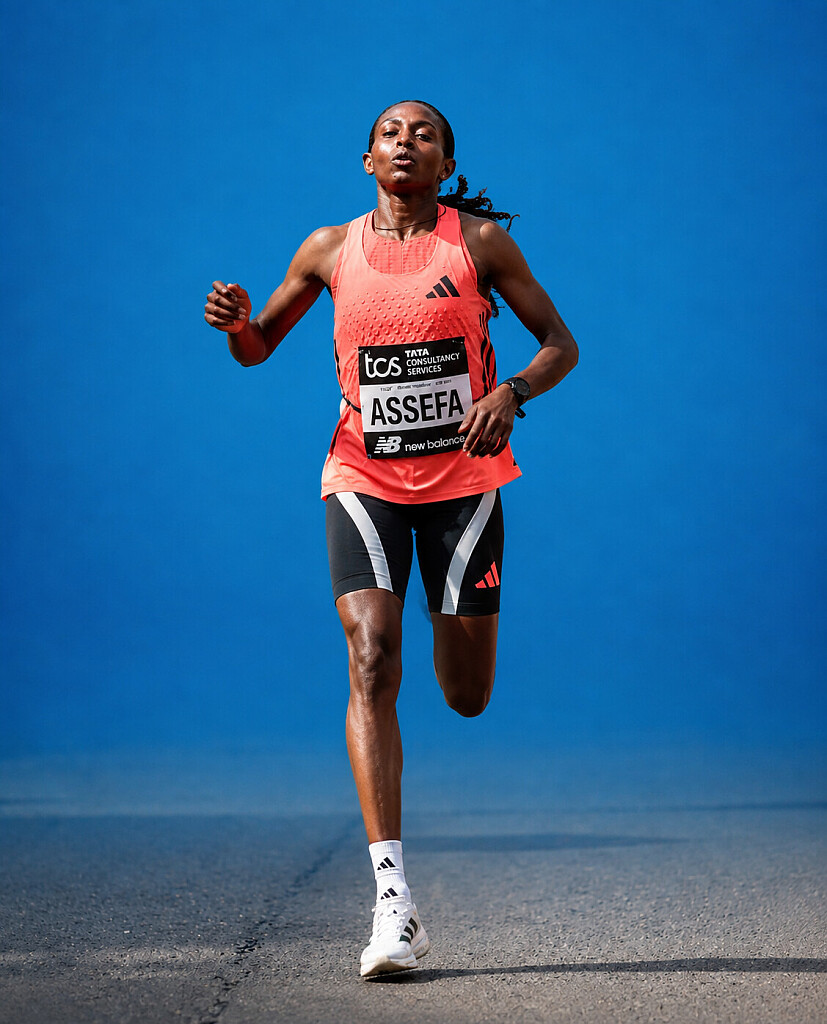
Berlin’s Women’s Marathon Field Brimming With Elite Talent as Star-Studded Line-Up Takes Shape
The women’s field for the 2026 BMW BERLIN-MARATHON is rapidly developing into one of the most intriguing marathon line-ups of the year, bringing together world-class champions, established contenders and an exciting collection of athletes determined to make their mark on one of the sport’s fastest stages.
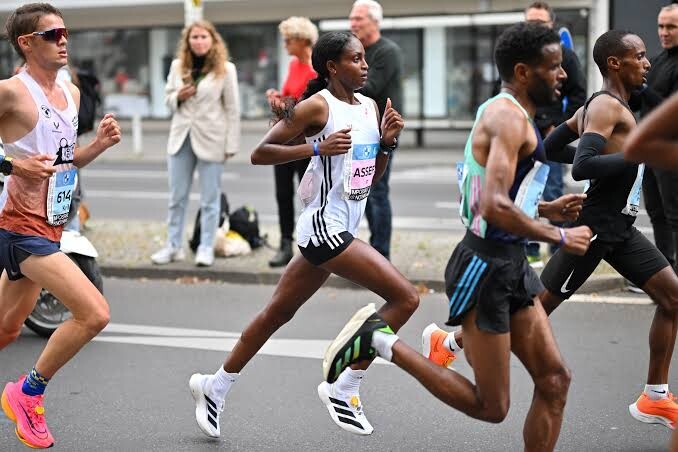
At the forefront is Ethiopia’s Tigst Assefa, whose extraordinary marathon career has already placed her among the all-time greats. Assefa is the current women-only marathon world-record holder, having improved her own mark to 2:15:41 at the 2026 TCS London Marathon, where she successfully defended her title.
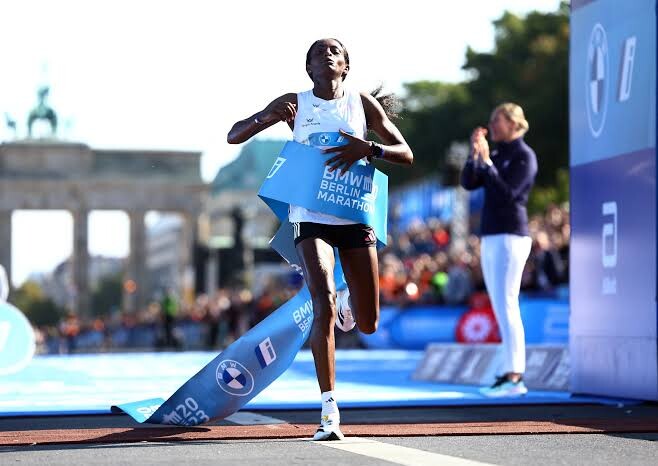
Her place in marathon history was secured even earlier in Berlin. At the 2023 BMW BERLIN-MARATHON, Assefa stormed to 2:11:53, smashing the then women’s world record by more than two minutes. The performance was subsequently ratified by World Athletics and remains among the fastest women’s marathon ever recorded in a mixed-gender race.
Kenya’s Rosemary Wanjiru, with a 2:16:14 personal best, provides another formidable presence at the sharp end of the race, while Ethiopia’s Bedatu Hirpa adds yet another major threat to an already exceptional field.
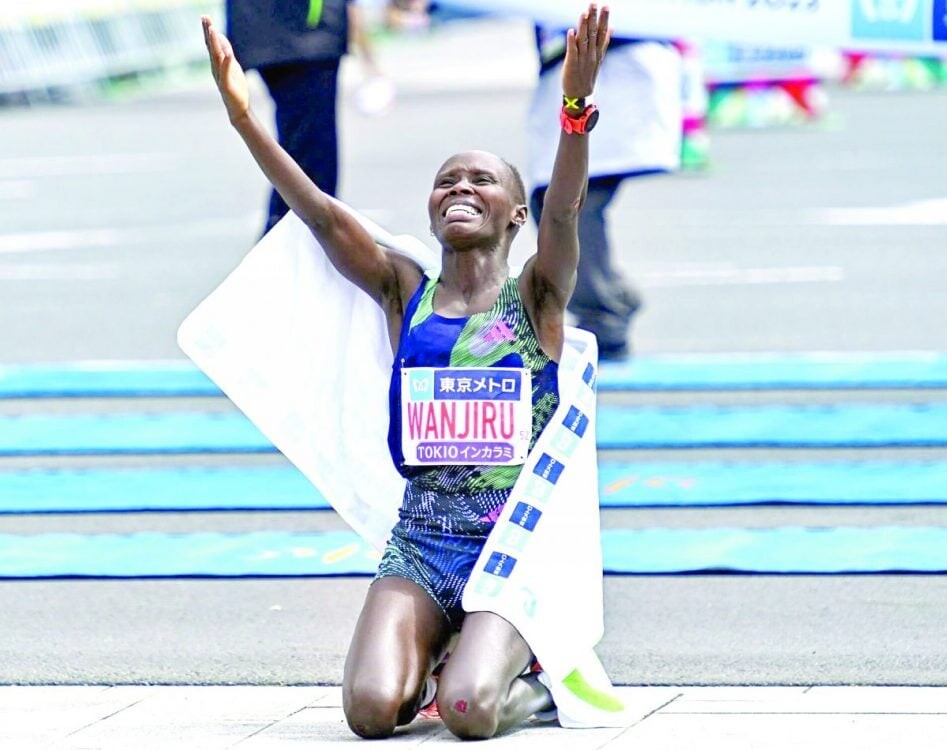
The 27-year-old Hirpa has built an impressive marathon résumé in a remarkably short period. She owns a 2:18:27 personal best, achieved when she won the Dubai Marathon, before continuing her winning momentum with victory at the Paris Marathon just months later. She also underlined her consistency this year with a second-place finish at the Osaka Marathon in 2:19:54. With her combination of speed, confidence and major-marathon experience, Hirpa could be one of the athletes capable of challenging the leading names in Berlin.
The Ethiopian challenge does not end there. Dera Dida (2:18:32), Zeineba Yimer (2:18:47), Bosena Mulatie (2:19:00), Misgane Alemayehu (2:19:08), Bekelech Gudeta (2:19:39), Gadise Mulu (2:20:59), Eebbisee Addunya (2:21:13) and Aminet Ahmed (2:21:24) give Ethiopia extraordinary depth, with every one of them boasting a personal best inside 2:22.
Kenya will also have strong representation through Evaline Chirchir (2:20:33) and Pascaline Jelagat (2:22:44), adding further firepower to a nation renowned for producing world-class marathon talent. China’s Deshun Zhang (2:20:53) also brings a sub-2:21 credential to the starting line.
Japan arrives with a deep group of proven marathoners. Rika Kaseda (2:21:55), Mao Uesugi (2:22:11), Natsuki Omori (2:23:45) and Rino Goshima (2:24:44) all possess impressive personal bests and could play an important role as the race develops. Morocco’s Fatima Gardadi (2:24:06) adds another strong international presence, while France’s Manon Trapp (2:23:38), the United States’ Jacqueline Gaughan (2:24:40) and Kodi Kleven (2:24:48), and Great Britain’s Lucy Reid (2:26:37) further strengthen the international depth.
Germany will have plenty to cheer for on home soil, with a sizeable contingent led by Kristina Hendel (2:27:29), who will be looking to rediscover the form that made her one of the country’s leading marathoners. After injury setbacks interrupted her progress, Hendel returns with the ambition of rebuilding her momentum on one of the biggest stages in the sport.
Anna Langerwisch is another German athlete attracting considerable interest. The 24-year-old has emerged rapidly among the country’s promising marathoners, winning the Hanover Half Marathon in 70:53 before improving her marathon personal best to 2:32:13 in Prague, remarkably in only her second marathon. Her recent 32:17 over 10 kilometres at the adidas Runners City Night in early August has added further intrigue around what she might produce over the full marathon distance.
Germany’s depth extends further, with Thea Heim (2:33:25), Cara Zollenkopf (2:36:05), Esther Pfeiffer (2:37:00), Katja Fischer (2:40:13), Sophia Wunsch (2:40:49) and Jule Vetter (2:42:18) also listed for the race. Their presence gives the home nation a broad representation across the field and adds another layer to an already fascinating international contest.
With Assefa’s extraordinary pedigree, Wanjiru’s proven class, Hirpa’s growing reputation and a supporting cast filled with athletes boasting sub-2:25 credentials, Berlin is shaping up for a women’s race packed with possibilities.
For Assefa, the return to Berlin carries an added historical dimension. It was on these very streets in 2023 that she produced the 2:11:53 performance that changed the landscape of women’s marathon running. Now, after lowering the women-only world record to 2:15:41 in London, she returns with another opportunity to write a new chapter in her remarkable career.
For the established stars, Berlin will be a chance to reaffirm their place among the marathon elite; for the emerging contenders, it could be the moment they announce themselves on one of the sport’s grandest stages.
The BMW BERLIN-MARATHON is renowned for fast racing and ambitious performances, and with such remarkable depth already assembled, the 2026 edition promises to deliver a captivating battle from the opening kilometres to the iconic finish on the Straße des 17. Juni.
by Erick Cheruiyot for My Best Runs.
Login to leave a comment
BMW Berlin Marathon
The story of the BERLIN-MARATHON is a story of the development of road running. When the first BERLIN-MARATHON was started on 13th October 1974 on a minor road next to the stadium of the organisers‘ club SC Charlottenburg Berlin 286 athletes had entered. The first winners were runners from Berlin: Günter Hallas (2:44:53), who still runs the BERLIN-MARATHON today, and...
more...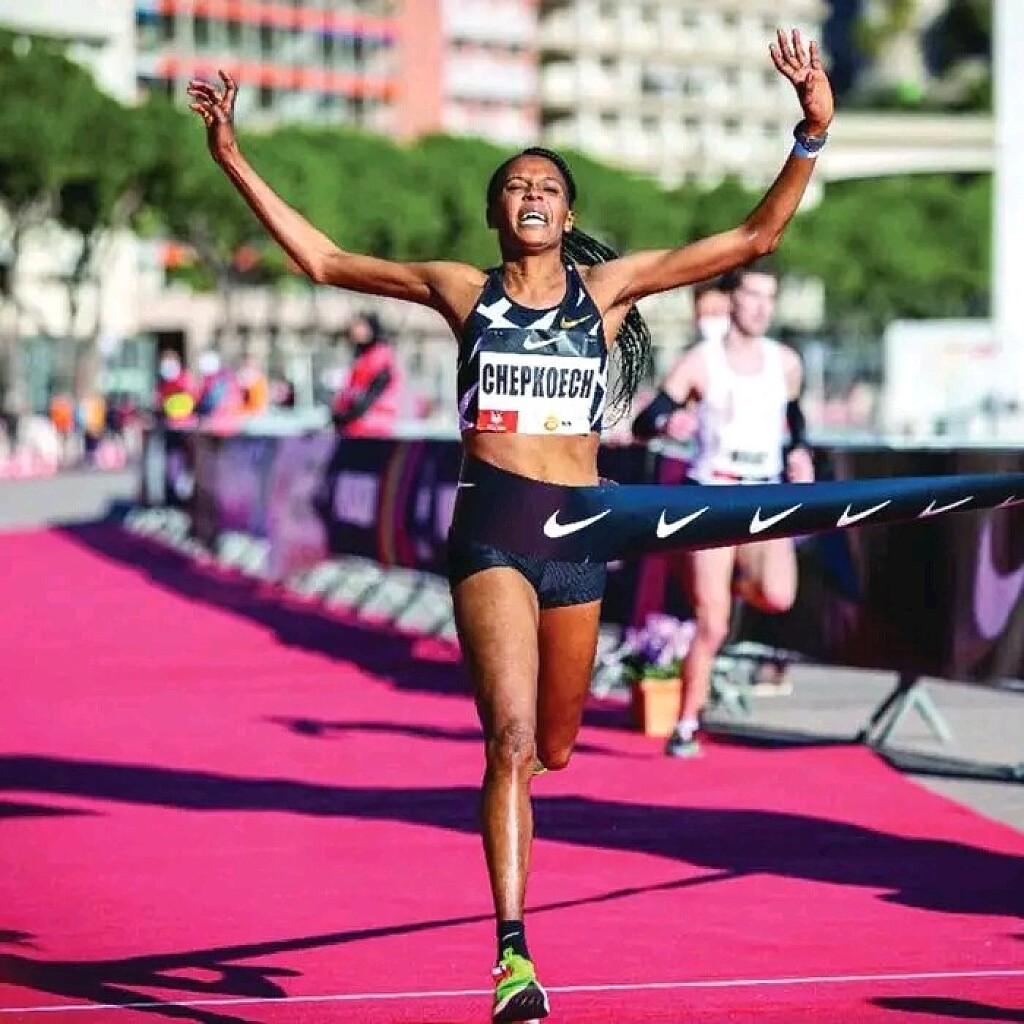
Beatrice Chepkoech Sets Her Sights on Sub-15 Glory at Inaugural Antrim Coast 5K
Kenya’s Beatrice Chepkoech is set to bring her world-class pedigree to the inaugural Antrim Coast 5K on Sunday, August 23, with the world 3000m steeplechase record holder targeting a remarkable sub-15-minute performance on the fast Northern Irish course.

For Chepkoech, the race represents more than another appearance on the road. It is an opportunity to test her speed and endurance over 5 kilometres while pursuing a time that would underline the extraordinary range of one of Kenya’s most accomplished distance athletes.
The former world champion has built her reputation through years of excellence on the track, most notably in the 3000m steeplechase, where her world-record performance established her among the finest athletes the event has ever produced. Her move to the Antrim Coast 5K adds another intriguing chapter to her already distinguished career.
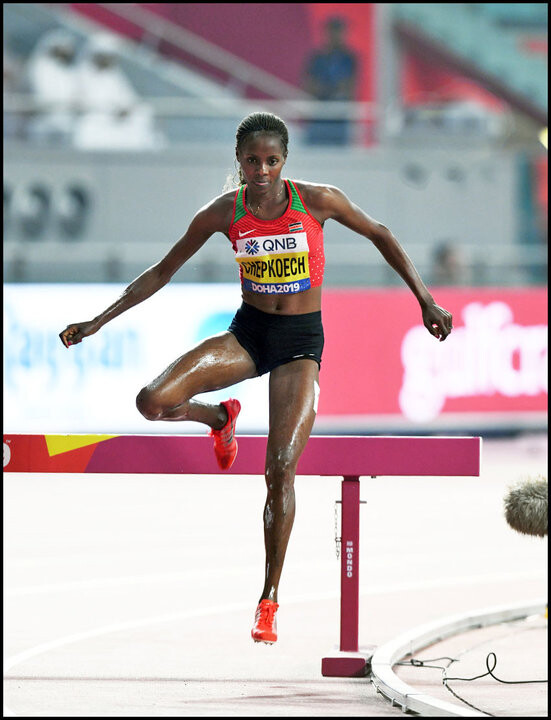
A sub-15-minute clocking would be a significant statement on the road, particularly given the calibre of athlete attempting it. Chepkoech will arrive with the experience, competitive instinct and proven finishing speed required to make the challenge compelling, while the fast nature of the Antrim Coast course could provide the ideal platform for an ambitious performance.
However, the Kenyan star will not have the spotlight to herself.
The men’s race is expected to provide its own major attraction, with Ethiopia’s Ermais Girma among the headline names in a strong international field. His presence adds further depth to an event designed to bring together elite athletes and ambitious teams on a course where fast racing is expected to be at the heart of the action.
Ireland and Scotland will also add an international dimension, fielding teams that will turn the inaugural event into much more than a straightforward individual contest. With athletes competing for personal ambitions while representing their respective teams, the Antrim Coast 5K promises a fascinating race within a race.
For Chepkoech, though, the equation is simple: arrive ready, embrace the pace and chase the clock.
A sub-15-minute performance would give the Kenyan superstar another impressive mark to her name and provide a fitting headline for the first edition of the Antrim Coast 5K. With her reputation for attacking races and her ability to deliver under pressure, all eyes will be on Chepkoech when the field takes to the fast Antrim Coast course.
Sunday’s race could therefore become an important showcase of just how much speed remains in the legs of one of Kenya’s most celebrated champions—and whether Chepkoech can turn her bold sub-15 ambition into reality.
by Erick Cheruiyot for My Best Runs.
Login to leave a comment

More Than One Million Shillings, Repeated Promises — and Not One Shilling Repaid. - Why I Finally Stopped Sending Money to Kenyan Coach Charles Ngeno
By Bob Anderson, Founder of KATA
I wanted Charles Ngeno to succeed.
That is important to say at the beginning because this didn’t start as a fight. It started with trust.
In June 2025, Kenyan coach Charles Ngeno joined our KATA program. I agreed to loan him money to establish two KATA Running Camps and grow six acres of potatoes in Kenya.

The idea was straightforward. KATA would provide the startup capital. Charles would operate the camps and potato farms. The potatoes would generate revenue, our loan would be repaid, profits would be shared according to our agreement, and the operation could become increasingly self-supporting.
Instead, Catherine and I ultimately advanced Charles 1,077,500 Kenyan shillings.
As of August 12, 2026, according to our records, Charles has repaid:
Zero.
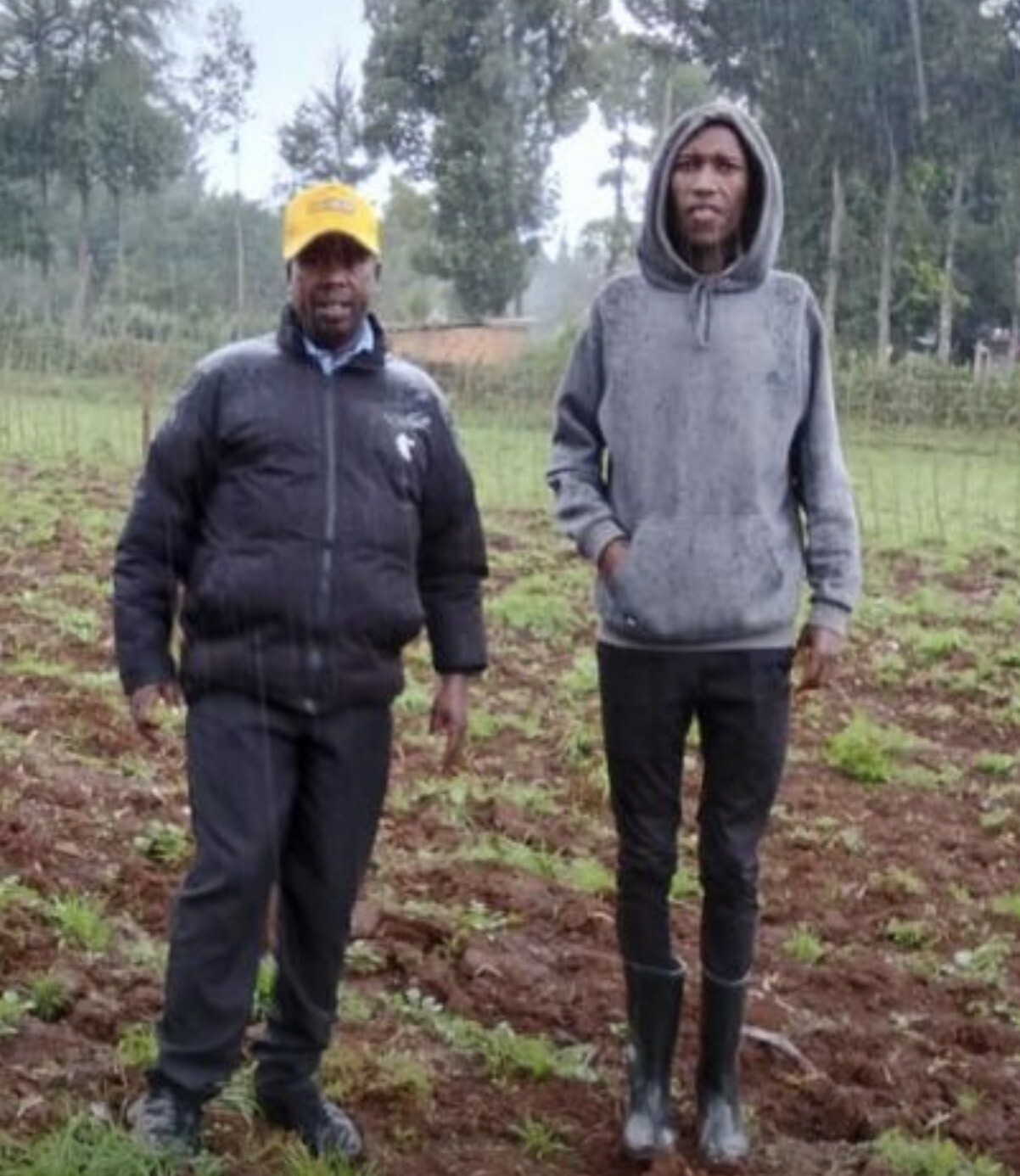
Not one shilling.
And when I asked him again on August 12 when he was going to start paying back the loan, his response included:
“Let’s meet in centuries.”
He subsequently wrote:
“The time will come”
After more than a year of promises, those words told me a lot.
I Was Warned About Charles
Shortly after entering into our agreement, people in Kenya began warning me about Charles.
I listened, but I also listened to Charles.
He called me regularly. We talked at length. He assured me that the things people said about him weren’t true. He presented himself as someone dedicated to helping young Kenyan athletes.
I chose to give him a chance.
Looking back, I believe Charles took advantage of that trust.
The important thing now is not what Charles says about me or what I say about him. It is what the written record shows.
And we have a substantial written record.
Charles Himself Called It a Loan
There should be no confusion now about whether this money was a gift.

It wasn’t.
My WhatsApp correspondence repeatedly describes these payments as loans, and Charles himself used exactly that word.
By September 29, 2025, I wrote to Charles:
“I have sent you 959,000 against your loan of 650k for your two camps and 600k for your six acres.”
Charles did not respond that the money wasn’t a loan.
Quite the opposite.
On October 7, while asking me for another 21,000 KES, Charles wrote:
“Then I will be knowing that my total loan is 1000000ksh.”
Two days later he made it even clearer:
“With this support, my total loan will now stand at Ksh 1,000,000.”
Those are Charles Ngeno’s words, not mine.
The Requests for Money Just Kept Coming
The pattern became remarkably consistent.
Charles would describe progress.
Then he would ask for more money.
On September 15 he told me he had planted the remaining quarter acre and said the 20,000 KES I had just sent had helped him.
Then came:
“Please send me 25k. Now.”
On October 3 he said his Nakuru camp rent was urgent and warned:
“Its very embarrassing to have my KATA camp closed.”
He urged Catherine and me to continue funding him, saying we had completed “90% journey” and shouldn’t stop with only 10 percent remaining.
On October 7 he predicted a very substantial potato harvest:
“Bob for my first harvest I’m expecting to have more than 150 bags of 50kg.”
He added:
“i promise good return.”
On October 21, as harvest approached, there was another request:
“Bob. Please send me 15k for olenguruone camp.”
On October 26, Charles said he needed another 28,000 KES to pay cooks at both camps and top up the Nakuru operation.
I sent it.
Two days later, after telling Charles that KATA existed to train, house and feed athletes and that potato revenue was supposed to support the operation, Charles wrote:
“Bob i do respect you. You really uplift me. I will assure you that all will be well.”
Four minutes later he asked me for another 5,000 KES.
This went on and on.
Eventually I stopped the bleed.
Where Were the Returns?
By October, potatoes were supposedly approaching harvest.
Charles gave me specific projected harvest dates.
He told me his first harvest would produce more than 150 bags of 50 kilograms.
I repeatedly explained how the money was supposed to work.
Potatoes would be harvested and sold. Sale proceeds would first go into the KATA account. The appropriate portion of the original farming loan would be recovered. The remaining profit would then be divided according to our agreement.
I wasn’t trying to take Charles’s livelihood away from him.
The opposite was true.
I wanted the operation to succeed so Charles could make money, KATA could recover its capital, athletes could be supported and the money could be recycled into additional farming.
But when harvest time arrived, getting money back became increasingly difficult.
In November, when I asked when funds would be transferred to our Equity Bank account in Kenya, Charles answered:
“When the potatoes market will show fairness in price.for now all has to wait.”
He later wrote:
“as soon as I sell potatoes, I will ask for bank account.”
But there was another revealing sentence:
“Untill I see there is return, I will sell. Else for now not yet.”
The person who had enthusiastically accepted our money was now deciding on his own when the crop financed by that money would be sold.
I Kept Giving Him the Benefit of the Doubt
This is perhaps the part that bothers me most.
Every time something didn’t add up, I wanted to believe there was an explanation.
When others questioned Charles, he frequently suggested that they were enemies trying to damage him.
At one point, after I asked for basic proof of his camps and potato operation, Charles told me:
“I know who is behind all this.”
He said the person was a “pure enemy” and told me:
“I only expect communication from you directly.”
That should have been another warning sign.
Instead of welcoming independent verification of an operation financed with our money, Charles repeatedly tried to turn questions about documentation into questions about the motives of the people asking them.
I nevertheless continued working with him.
There Was Another History I Should Have Examined More Closely
I also later learned much more about a serious controversy involving Charles a decade earlier.
In 2015, Kenyan media reported allegations by Athletics Kenya officials concerning Charles and young female athletes at the Keringet training camp.
The allegations were extremely serious.
Charles denied them.
Contemporary reporting said Athletics Kenya announced a lifetime ban and ordered the camp closed amid allegations involving manipulation and improper relationships with female athletes.
Charles publicly disputed the accusations and said they were rumors intended to tarnish his name.

Those allegations should not be presented as proven facts simply because they were published.
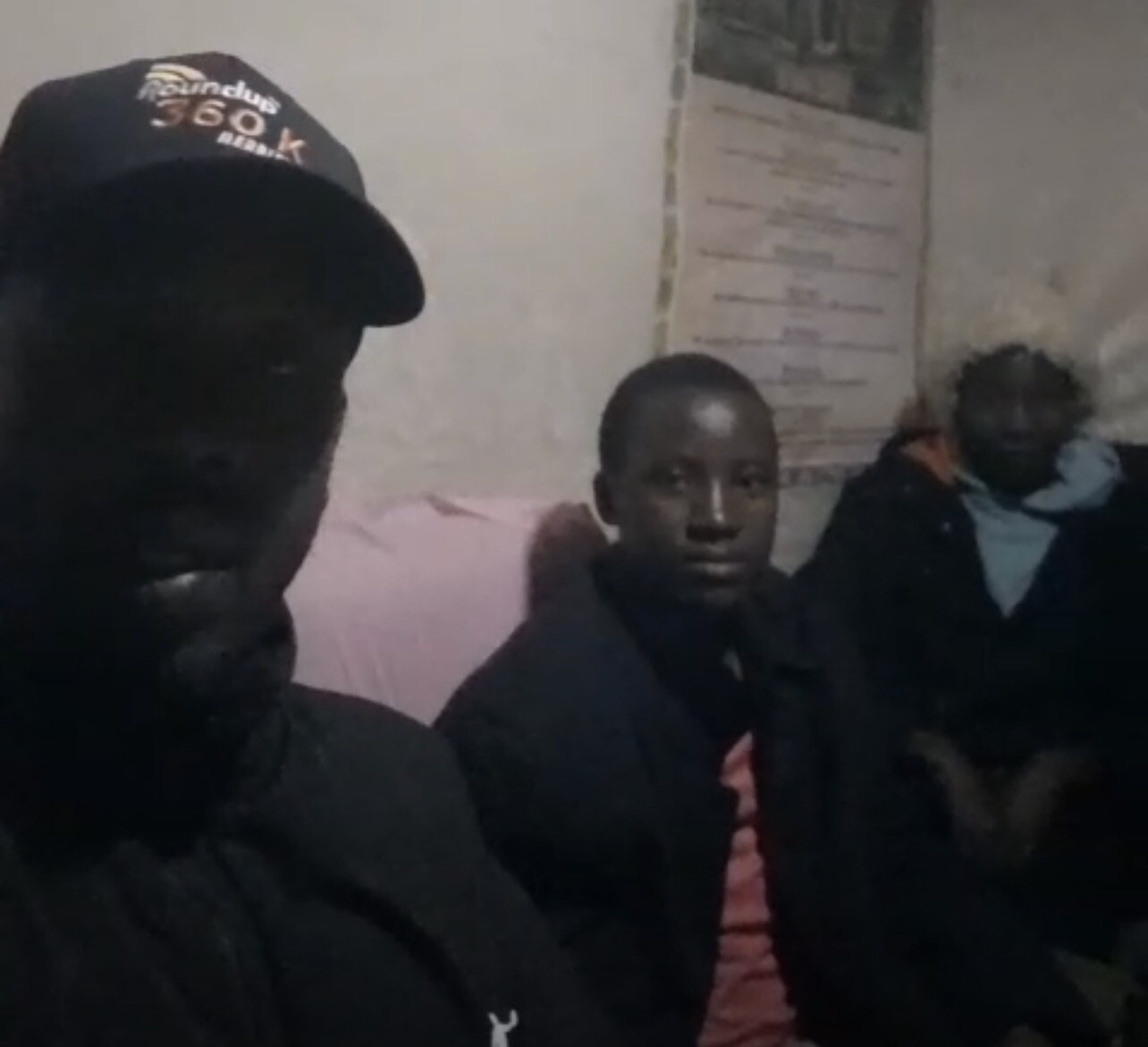
But they were serious enough that I wish I had investigated the entire episode much more carefully before trusting Charles with our money.
Charles has also had genuine accomplishments as a coach, and athletes associated with Keringet have achieved considerable success. That is part of his history too.
None of that, however, answers the question before us today:
What happened to KATA’s 1,077,500 KES, and when will it be repaid?
From Promises to “Let’s Meet in Centuries”
For months I received assurances.
Charles told me:
“I’m promising you will see the Impact.”
He promised a “good return.”
He told me:
“I will assure you that all will be well.”
He acknowledged in writing that the money was a loan.
He told me how much that loan totaled.
He gave us projected harvest dates.
He predicted more than 150 bags from his first harvest.
And at one point he assured me that he would repay 400,000 KES.
That payment never arrived.
Eventually the total amount Catherine and I advanced reached 1,077,500 KES.
According to our records:
Money advanced: 1,077,500 KES
Money repaid: 0 KES
Outstanding: 1,077,500 KES
Then, on August 12, 2026, after I again asked when he was going to start paying back the loan, I got:
“Let’s meet in centuries.”
For me, that was the end of the excuses.
Charles Ngeno Has the Opportunity to Answer
I am publishing this because other people considering financial dealings with Charles deserve to know what happened to us.
But Charles deserves the opportunity to respond as well.
So I am asking him publicly:
Did you receive 1,077,500 KES from us?
Do you acknowledge that this money was advanced under our KATA loan arrangement?
How much money did the six acres of potatoes actually produce?
Where did the proceeds go?
What happened to the two KATA camps we financed?
Why have you not repaid a single shilling?
What happened to the 400,000 KES you said you would repay?
And finally:
When are you going to repay the 1,077,500 KES?
Charles doesn’t need to answer with another promise.
He doesn’t need to tell me that “the time will come.”
And he certainly doesn’t need to tell me:
“Let’s meet in centuries.”
He can answer with something much simpler
A payment.
Until that happens, I believe people dealing financially with Charles Ngeno deserve to see the record and make up their own minds.
We trusted him.
We funded him.
We waited.
Now we are making the record public.
Login to leave a comment
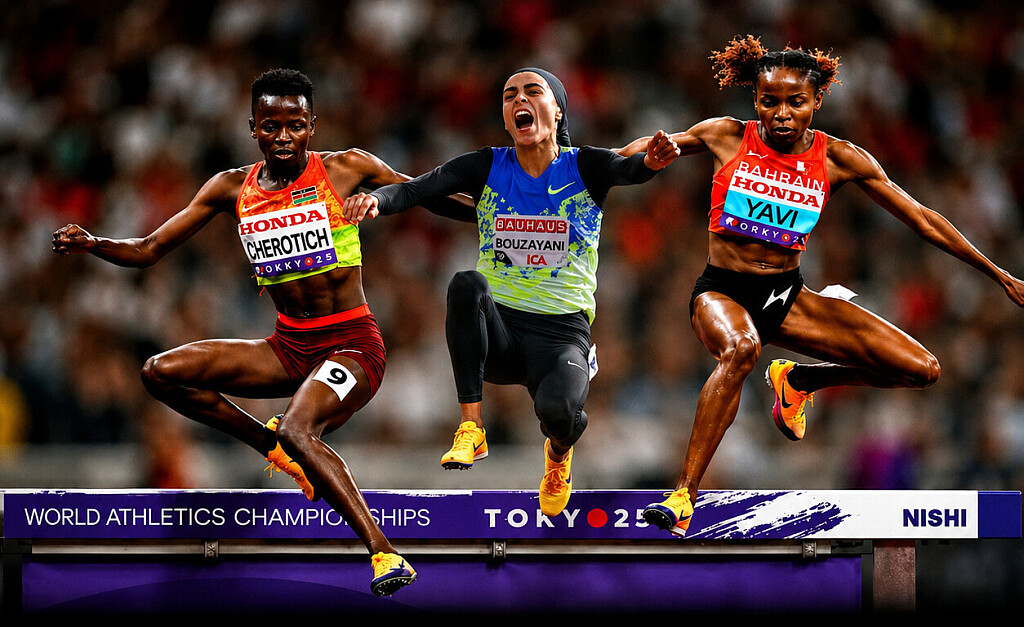
Cherotich, Yavi and Bouzayani Set for Lausanne Diamond League Steeplechase Showdown
The women’s 3000m steeplechase is shaping up as one of the most enticing distance events at the 2026 Athletissima Lausanne Diamond League, with Kenya’s Faith Cherotich, Bahrain’s Winfred Yavi and Tunisia’s Marwa Bouzayani confirmed for a mouth-watering clash on 21 August. The meeting will bring together three athletes who have each made a strong impression on the international steeplechase scene this season.
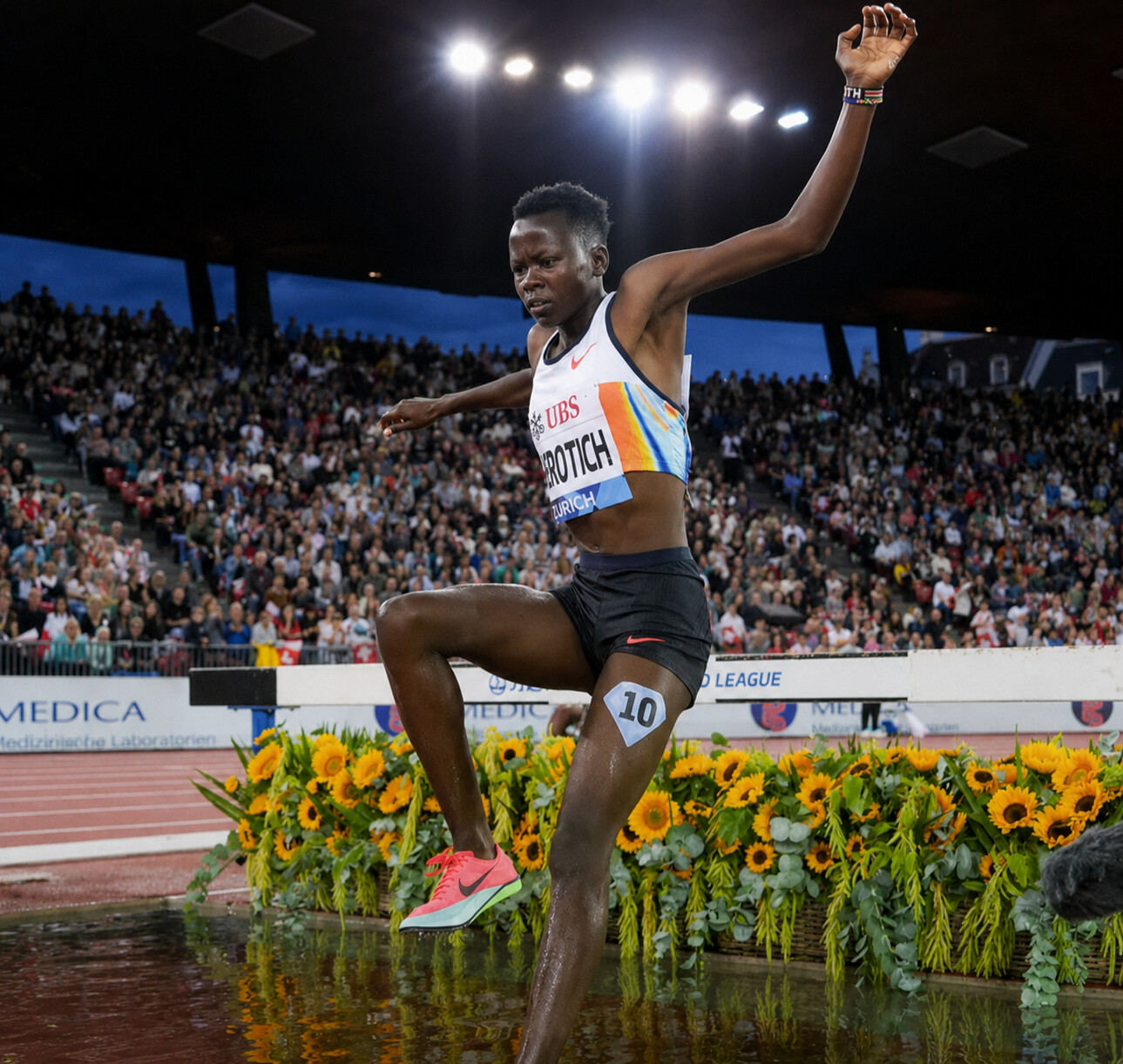
Cherotich heads to Lausanne with formidable credentials. The Kenyan is the reigning world champion and two-time Diamond League champion, and she has continued to show her class in 2026. She opened her Diamond League campaign with 8:51.48 for second place in Shanghai/Keqiao before producing a winning 8:51.74 at the Prefontaine Classic in Eugene.
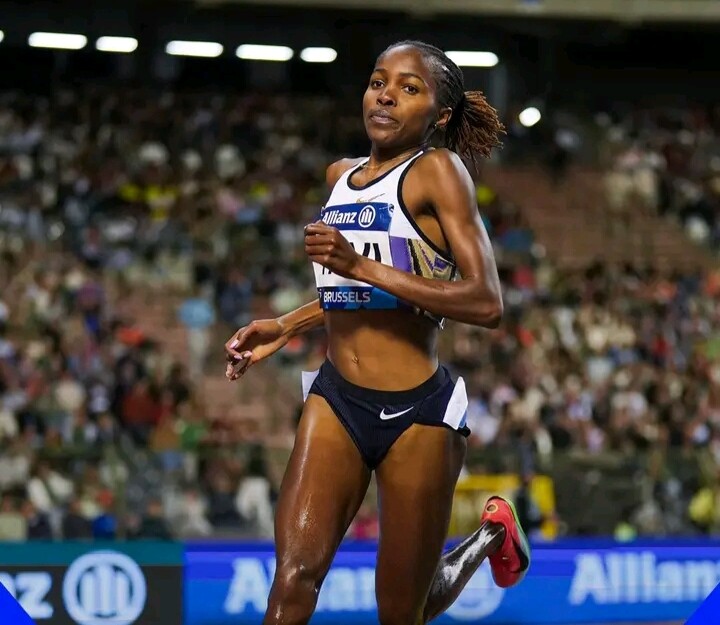
Standing in her way will be Yavi, the Paris 2024 Olympic champion and one of the most accomplished steeplechasers of her generation. The Bahrain star has developed a compelling rivalry with Cherotich, with the two repeatedly pushing each other towards extraordinary performances. Their encounters have become a highlight of the Diamond League season, making their latest meeting in Lausanne particularly intriguing.
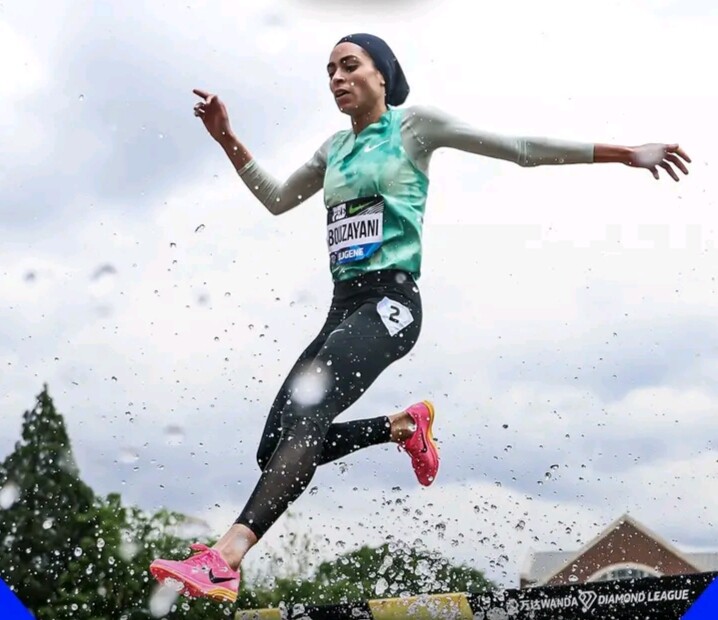
Bouzayani, meanwhile, arrives with perhaps the biggest surge in confidence. The Tunisian produced a spectacular breakthrough in Stockholm in June, winning her first Diamond League steeplechase in a meeting-record 8:59.28. That came after she had already shattered the Tunisian record with 8:58.09 in Shanghai/Keqiao, becoming the first Tunisian woman to break nine minutes for the event.
Her progress has transformed Bouzayani from an emerging challenger into a genuine contender capable of mixing it with the world’s best. Her performance in Eugene further underlined that development, as she ran a national record 8:54.32 for third behind Cherotich and Yavi. The three athletes were separated by less than three seconds, setting the stage for another fascinating contest in Switzerland.
Lausanne could therefore provide another beautiful chapter in an increasingly captivating steeplechase story. Cherotich brings the authority of a world champion, Yavi the experience and confidence of an Olympic champion, while Bouzayani carries the momentum of a breakthrough season. Over 3,000 metres of barriers, water jumps and relentless racing, the smallest details could decide who emerges strongest when the final straight arrives.
With the three stars now set to share the same starting line, anticipation is already building for what could be a swift, elegant and fiercely contested battle under the Swiss lights. For fans of distance running, Lausanne promises a race where every barrier clearance, every surge and every final stride could carry the weight of victory.
by Erick Cheruiyot for My Best Runs.
Login to leave a comment
Jonah Koech Banned for Three Years After Blood-Doping Violation
Kenyan-born 1500m runner Jonah Koech has been handed a three-year ban following an anti-doping violation that has stripped him of his 2025 U.S. 1500m championship title and cast a shadow over what had been a breakthrough season.
The United States Anti-Doping Agency (USADA) announced that Koech accepted the sanction after an investigation into highly atypical blood values recorded in his Athlete Biological Passport. An expert review of his biological profile determined that the abnormalities were consistent with the use of a prohibited blood-doping method.
Koech’s sanction comes with a significant consequence: his victory in the men’s 1500m at the 2025 USATF Outdoor Championships in Eugene, Oregon, has been disqualified. The title, which represented one of the biggest achievements of his career, has therefore been removed from his official record.
The ruling marks a dramatic reversal for Koech, who produced a stunning breakthrough in 2025. After establishing himself as a serious force in the 1500m, he captured the U.S. national title and earned international recognition as one of the country’s leading middle-distance runners.
His three-year suspension is shorter than the standard four-year sanction that can apply to serious anti-doping violations. Koech’s acceptance of the violation and sanction resulted in a reduction of the period of ineligibility, allowing him to avoid the full four-year penalty.
Koech will remain ineligible to compete until July 2029, meaning he faces a lengthy absence from competitive athletics. His return will come after one of the most significant seasons of his career has now been rewritten by the anti-doping ruling.
The Athlete Biological Passport played a central role in the case. Rather than simply looking for a banned substance in an individual sample, the system monitors selected biological markers over time. Significant abnormalities in an athlete’s profile can trigger further examination and, where supported by expert evidence, an anti-doping case.
For Koech, the development represents a painful fall from a season that had appeared to signal the arrival of a major new name in American 1500m running. Born in Kenya before building his career in the United States, he had become a notable figure on the U.S. middle-distance scene.
The case also underlines the increasingly sophisticated approach to anti-doping in modern athletics, where an athlete's biological profile can be scrutinized long after a race has finished. For Koech, the consequences will extend far beyond the loss of one championship title, with three years away from competition now standing between him and a possible return to the track.
by Erick Cheruiyot for My Best Runs.
Login to leave a comment
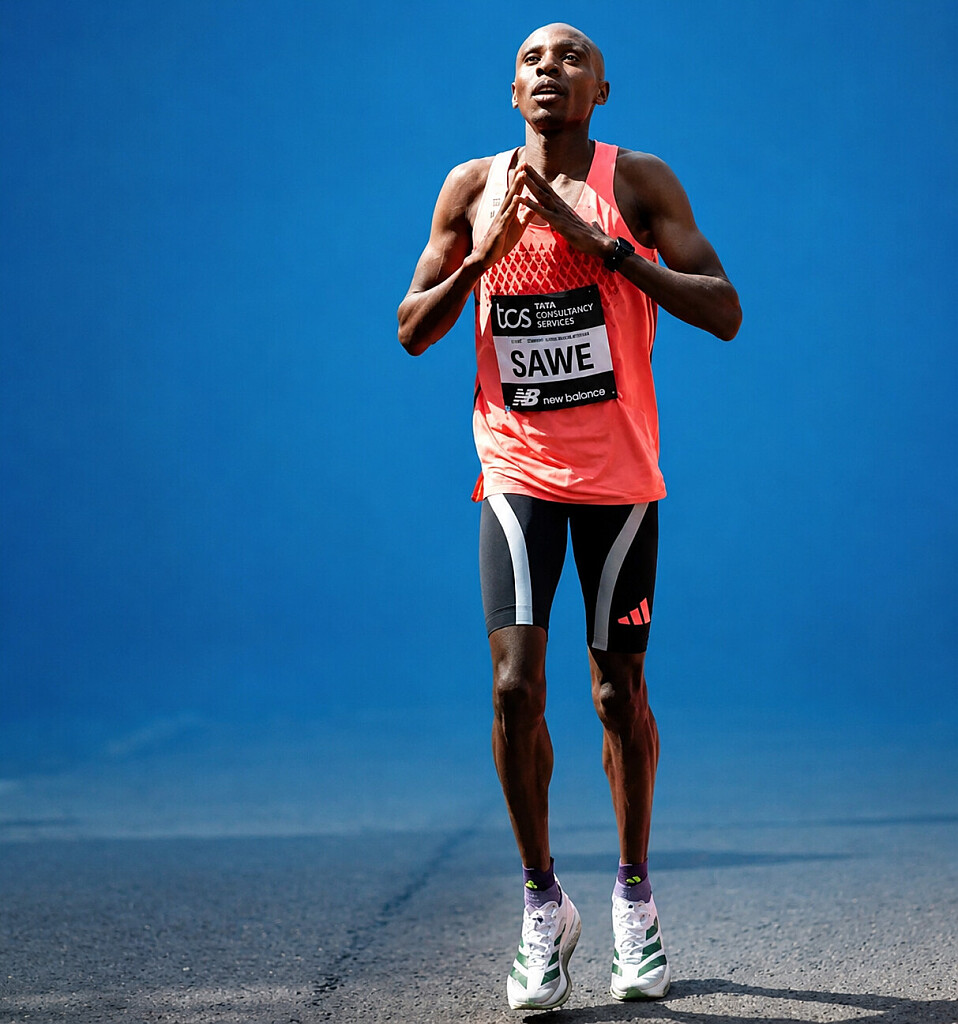
Sabastian Sawe Set for Another Historic Berlin Marathon as Elite Field Takes Shape
World record holder Sabastian Sawe is set to return to the BMW Berlin Marathon on September 27, where the Kenyan superstar will defend his title and attempt to add another remarkable chapter to his already extraordinary marathon career.
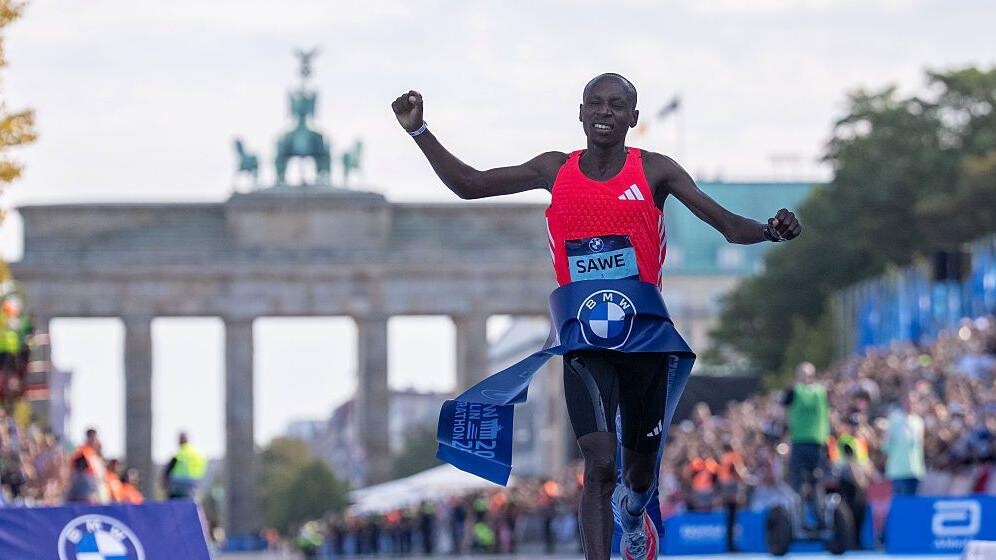
Sawe arrives in Berlin with unprecedented confidence after his sensational 1:59:30 performance in London, which made him the first athlete to officially break the two-hour barrier in the marathon. That landmark achievement has elevated expectations for his return to the German capital, where he will once again line up on one of the fastest marathon courses in the world.
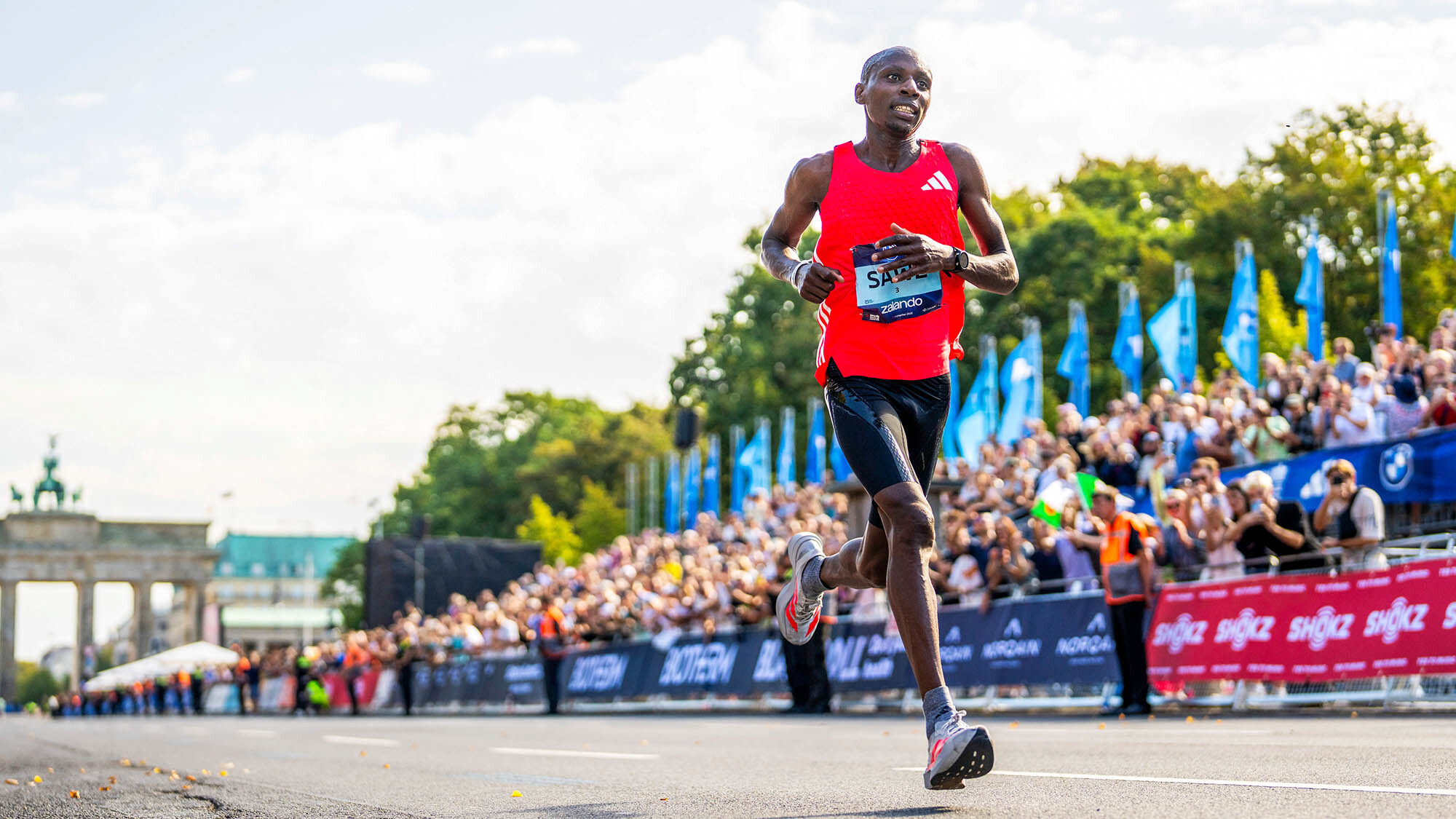
The Kenyan won the 2025 Berlin Marathon in 2:02:16 despite warm conditions, demonstrating his ability to produce a world-class performance even when circumstances are far from ideal. This time, he returns as the defending champion and world-record holder, with the famously flat Berlin course providing another opportunity to test the limits of what is possible over 42.195km.
Berlin has a remarkable history of producing record-breaking performances, and Sawe's presence immediately raises the possibility of another extraordinary race. The question now is whether the 31-year-old can go beyond his own 1:59:30 world record and take the marathon to an even higher level.
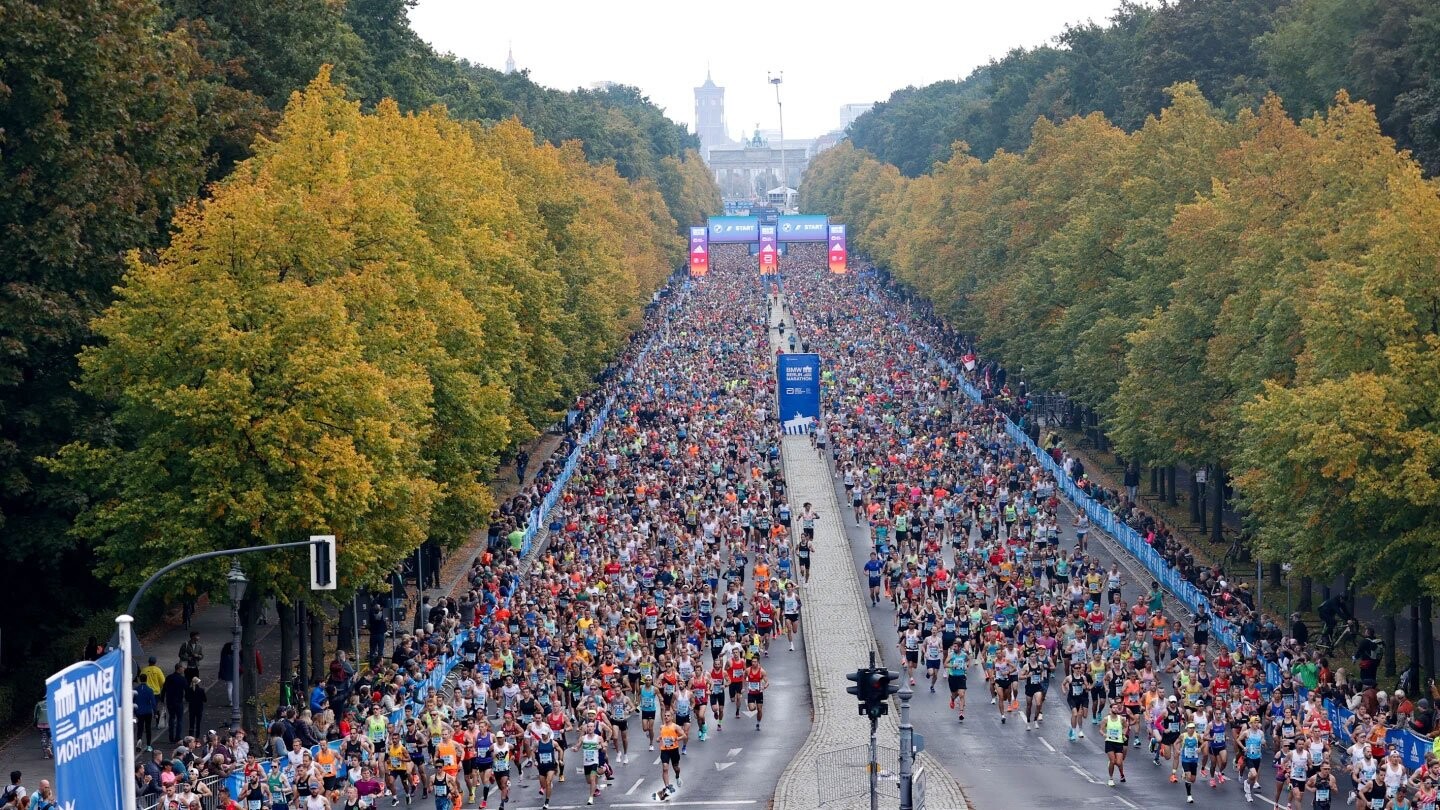
However, Sawe will face formidable opposition.
Tanzania’s Gabriel Geay has joined the elite field, bringing a personal best of 2:03:00 set in Valencia in 2022. The 29-year-old Tanzanian record holder established himself among the world’s leading marathoners with that performance and further underlined his credentials by finishing runner-up at the 2023 Boston Marathon.
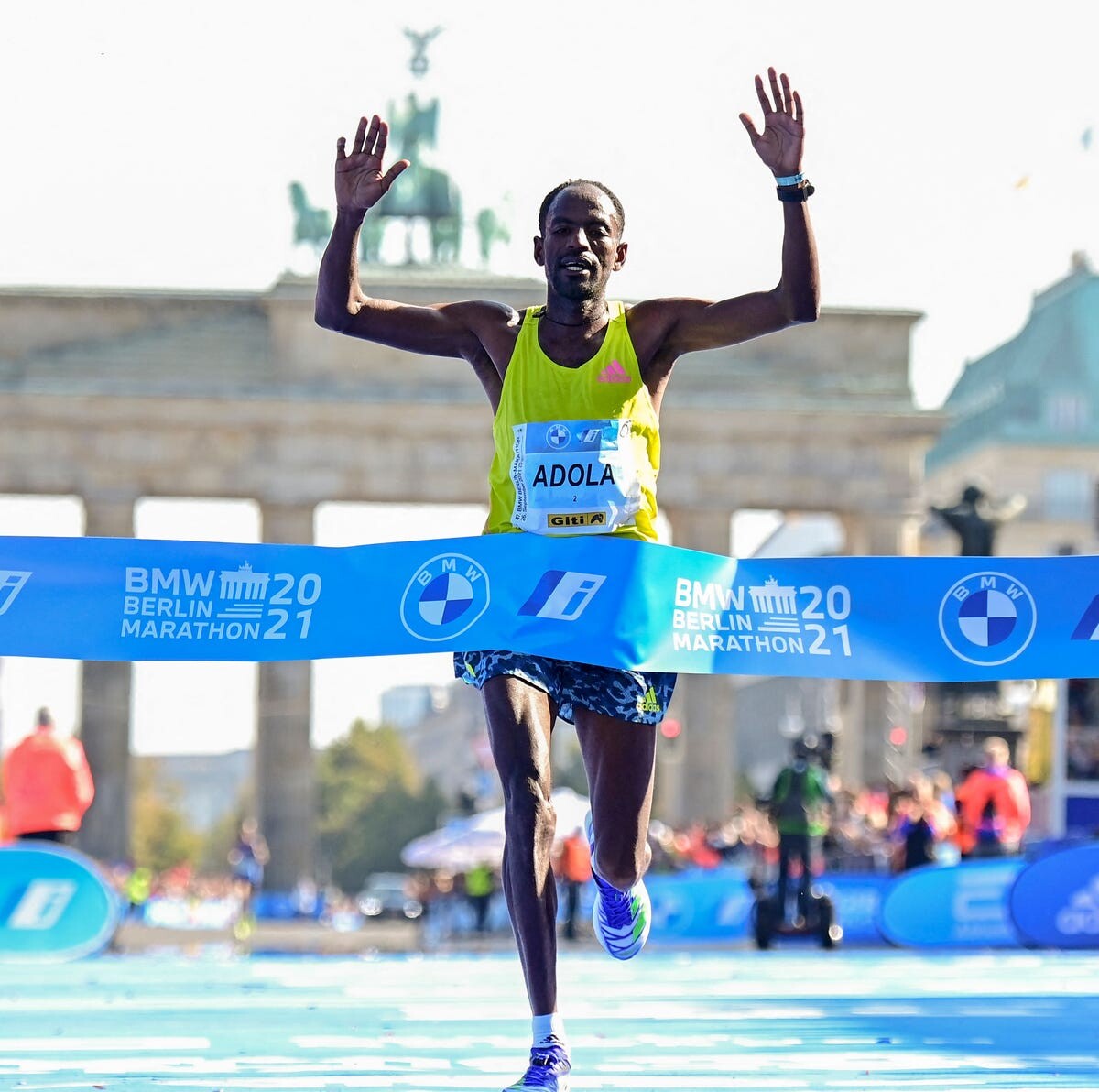
Ethiopia’s Guye Adola will also return to Berlin, the scene of some of the most memorable moments of his marathon career. In 2017, Adola stunned the athletics world on his marathon debut, pushing Eliud Kipchoge deep into the race before finishing second in a remarkable 2:03:46. Four years later, on September 26, 2021, Adola returned to Berlin and claimed victory in 2:05:45, adding another significant chapter to his association with the iconic German marathon. Now, after his recent return to top form, he will once again line up on the streets where he has already made history.
Now 35, Adola has endured injury setbacks in recent years, but his victory at the Rotterdam Marathon in 2:03:54 this spring proved that he remains a major force on the international marathon circuit.
The addition of Geay and Adola adds further quality to a field already packed with athletes capable of running at an extraordinary pace. With Sawe leading the charge, Berlin is shaping up to deliver another thrilling battle among some of the world's finest marathoners.
The depth of the field extends well beyond the leading contenders, with Ethiopia boasting an imposing group of marathoners. Getaneh Molla (2:03:34), Shura Kitata (2:03:59), Dejene Hailu (2:04:15), Selemon Barega (2:05:00), Taresa Tolosa (2:05:17), Tadu Abate (2:05:38), Asefa Boki (2:05:40) and Andamlak Belihu (2:06:40) will all bring proven credentials and the ambition to challenge for fast times in Berlin.
Japan, meanwhile, has assembled a particularly deep contingent, led by Kenya Sonota (2:05:59), Tsubasa Ichiyama (2:06:00), Kyoto Hirabayashi (2:06:14), Yuhei Urano (2:06:23), Hidekazu Hijikata (2:06:26), Yusuke Nishiyama (2:06:31), Naoki Koyama (2:06:33), Kazuya Nishiyama (2:06:45), Daisuke Uekado (2:06:54) and Shin Kimura (2:07:34). China’s Jie He (2:06:57) and Kenya’s Richard Yator (2:07:36) complete a remarkably deep field, setting the stage for a race where the battle for victory could be accompanied by a long list of outstanding personal performances.
For Sawe, though, the challenge goes beyond defending his Berlin crown. Having already broken the two-hour barrier, he now has an opportunity to chase an even more remarkable achievement on a course renowned for producing marathon history.
Can Sabastian Sawe lower his own 1:59:30 world record in Berlin on September 27?
The countdown is on, and if the conditions are right, the defending champion could once again have the marathon world watching every step.
by Erick Cheruiyot for My Best Runs.
Login to leave a comment
BMW Berlin Marathon
The story of the BERLIN-MARATHON is a story of the development of road running. When the first BERLIN-MARATHON was started on 13th October 1974 on a minor road next to the stadium of the organisers‘ club SC Charlottenburg Berlin 286 athletes had entered. The first winners were runners from Berlin: Günter Hallas (2:44:53), who still runs the BERLIN-MARATHON today, and...
more...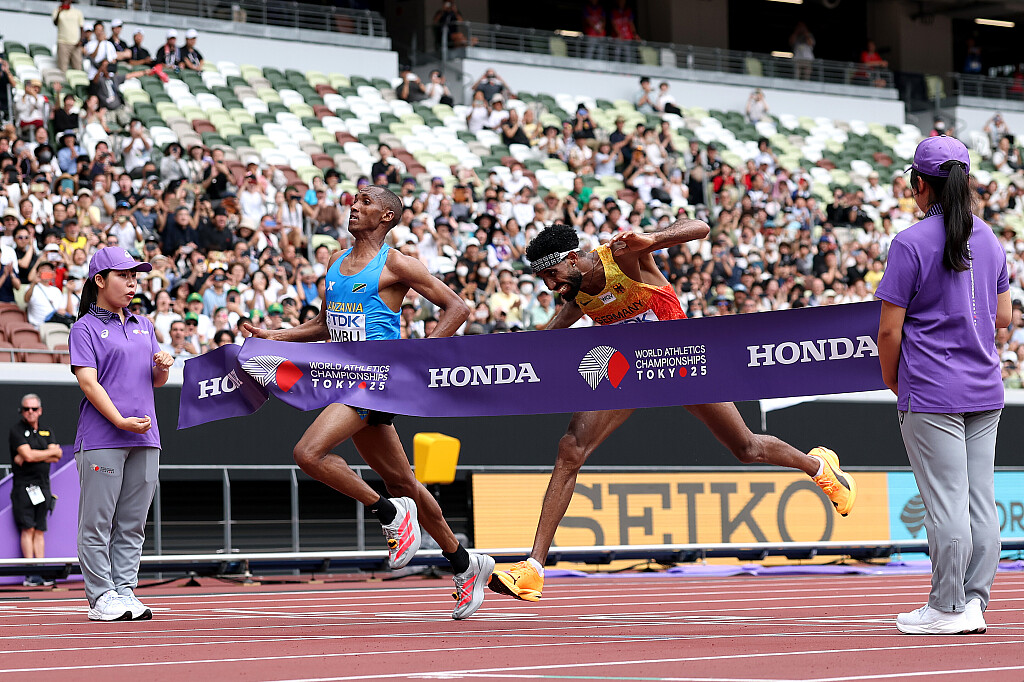
Can Amanal Petros Finally Turn Heartbreak into European Gold in Birmingham?
All eyes will be on Amanal Petros when the men’s marathon takes centre stage at the 2026 European Athletics Championships in Birmingham, with the German star chasing the major championship title that has repeatedly slipped through his fingers.
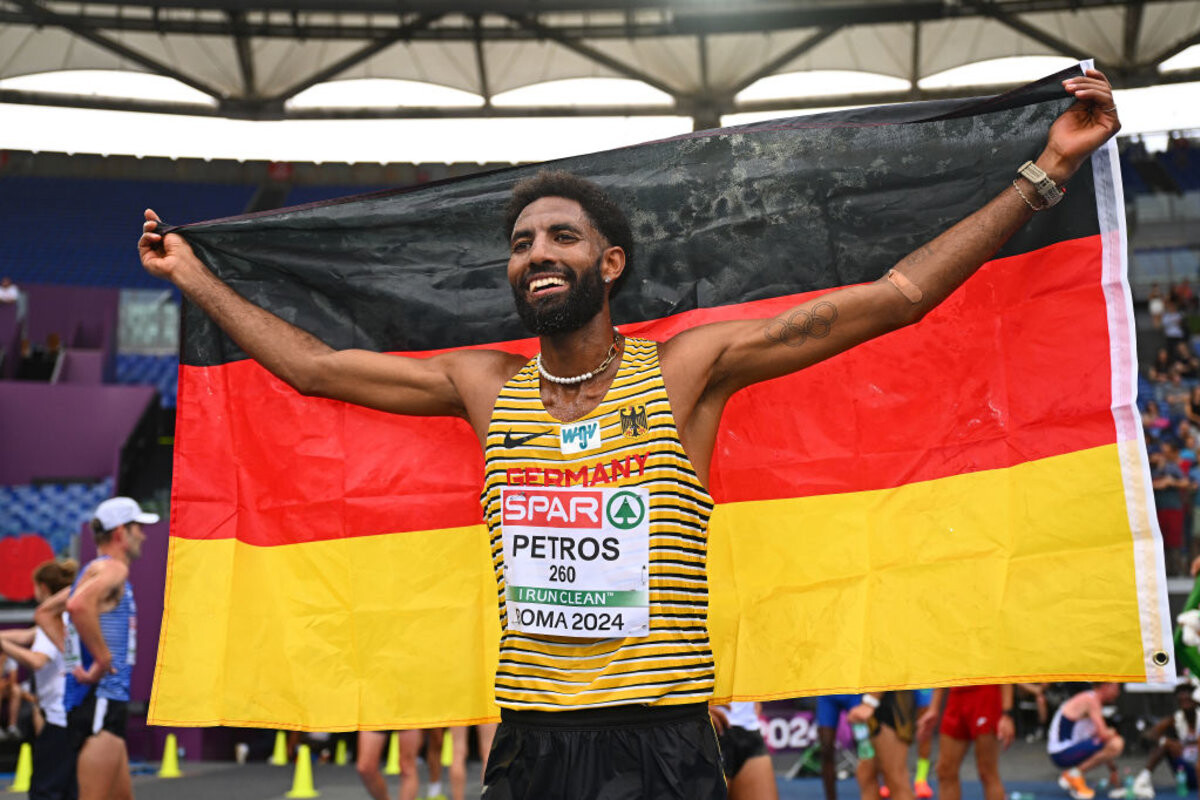
Petros arrives with one of the strongest résumés in the field and the credentials to challenge for gold. At 2:04:03, he is the third-fastest European marathoner of all time, behind Belgium’s Bashir Abdi (2:03:36) and France’s Morhad Amdouni (2:03:47). That level of performance underlines Petros’ ability to compete with the very best, although his career has also been marked by agonisingly narrow defeats on the biggest stages.
His most recent heartbreak came at the 2025 World Athletics Championships in Tokyo, where Tanzania’s Alphonce Simbu edged him out by just 0.03 seconds in one of the closest finishes in championship history. That defeat underlined both Petros’ quality and the fine margins that have prevented him from claiming an individual global title.
The European Championships have also brought frustration. At the 2024 European Athletics Championships, Petros took bronze in the half marathon after being beaten in a three-way finish by Italy’s Yemaneberhan Crippa. Two years earlier in Munich, he was unable to stay with the medal contenders during the decisive stages of the marathon.
Now Birmingham presents another opportunity—and Petros has every reason to believe this could finally be his moment.
His season-best of 2:08:31 does not tell the full story. At the London Marathon, Petros passed halfway in a blistering 61:16, initially targeting Bashir Abdi’s European record of 2:03:36, before easing during the latter stages. His 2:04:03 runner-up performance at the Valencia Marathon last December is arguably a much better indication of his true potential.
Standing in his way will be a strong German contingent, led alongside Petros by defending European champion Richard Ringer. Ringer produced one of the most memorable performances of the 2022 championships in Munich, unleashing a dramatic late surge during the final kilometre to overtake three athletes—including Petros—and snatch a remarkable victory.
At 37, Ringer continues to compete at an exceptional level. He produced the fastest marathon of his career in April, running 2:04:47 at the Boston Marathon to finish eighth overall while recording the fastest European time in the race.
Germany’s strength does not end there. Samuel Fitwi has been even faster in 2026, recording a personal best of 2:04:45 when finishing second at the Hamburg Marathon. That performance makes him the fastest athlete on the Birmingham entry list based on season’s bests.
With Petros, Ringer and Fitwi forming a formidable German trio, the team will have serious ambitions of collecting individual medals while also challenging for the team title. Their depth could prove particularly valuable in a championship marathon, where tactical racing and team strength can be just as important as raw personal-best times.
France’s Emmanuel Roudolff is among the principal threats to the German challenge. He established a personal best of 2:05:58 when finishing sixth at the Paris Marathon and has the speed to remain in contention if the race develops into a fast affair.
Veteran Kaan Kigen Özbilen will also bring considerable experience to the starting line. The Kenyan-born Turkish athlete, who once held the European record with 2:04:16, remains capable of competing at the highest level. He ran 2:05:59 for fifth in Barcelona earlier this year.
Israel will also arrive with a strong team, having won the marathon team title in Munich four years ago. Maru Teferi and Gashau Ayale, who claimed silver and bronze respectively in Munich, return with valuable championship experience and will hope to challenge for more medals in Birmingham.
Italy’s hopes will centre on Pietro Riva. With Crippa focusing on the 10,000m and Iliass Aouani sidelined by shin problems, Riva becomes Italy’s leading marathon contender. He finished second behind Crippa and ahead of Petros in the half marathon at the 2024 European Championships, giving him another opportunity to challenge the German favourite on the European stage.
For the home crowd, one of the most intriguing stories will be Mahamed Mahamed, who could give Britain a realistic shot at its first men’s European marathon medal in decades.
Great Britain has not won a men’s marathon medal at these championships since Ian Thompson claimed gold in Rome in 1974. Mahamed has emerged as a genuine contender after producing a lifetime best of 2:06:14 at the London Marathon in April. That performance made him the second-fastest British marathoner in history behind Mo Farah, while also placing him fourth among the Birmingham entrants based on 2026 season’s bests.
With a home crowd behind him and confidence gained from his breakthrough performance in London, Mahamed could become one of the most dangerous outsiders in the field.
Birmingham therefore promises a fascinating battle between proven championship performers, emerging German strength and a collection of experienced international challengers. Petros, however, remains the man at the centre of the story.
He has already come agonisingly close to major championship glory. He possesses the speed, experience and proven ability to run under 2:05. What remains is to produce the decisive performance when the medals are on the line.
After years of near misses, Birmingham could finally be the stage where Amanal Petros turns silver and heartbreak into European gold.
by Erick Cheruiyot for My Best Runs.
Login to leave a comment

European Athletics Champioships
The27thEuropean Athletics Championshipswill be held from 10 to 16 August 2026 at theAlexander StadiuminBirmingham, United Kingdom.[1] This is the first time that a British city will have staged the European Athletics Championships although Birmingham has hosted many high-profile events, including the2007 European Athletics Indoor Championships, the2003and2018 IAAF World Indoor Championshipsand the2022 Commonwealth Games. Alexander Stadium was renovated between 2019 and...
more...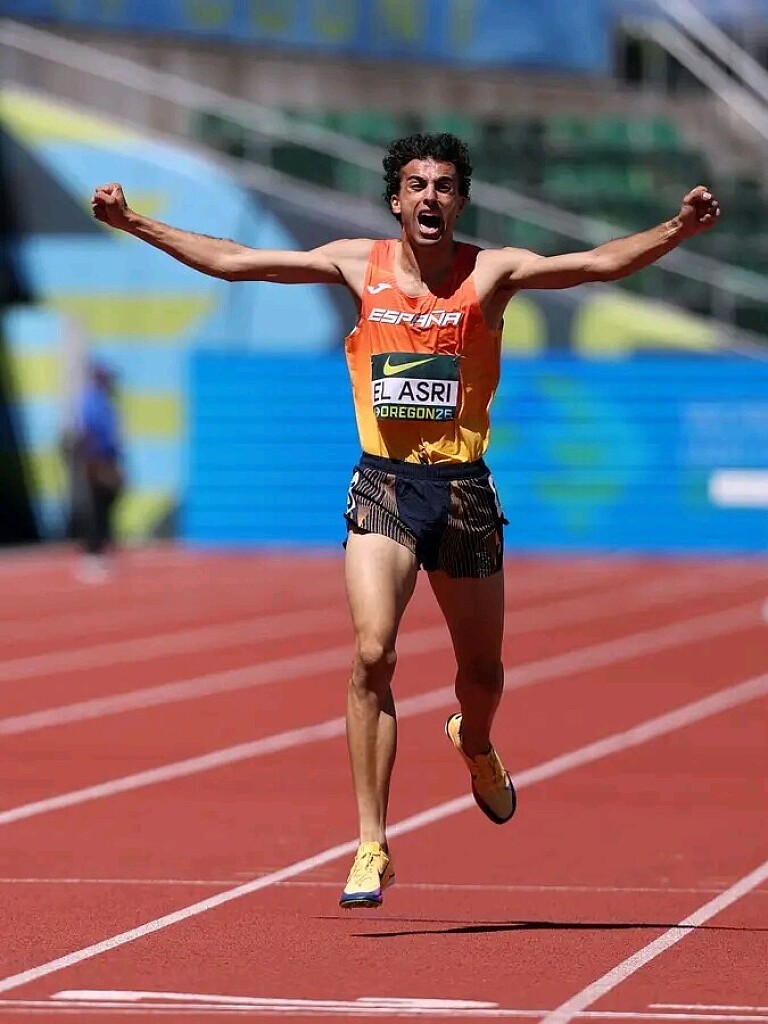
El Asri Sets European U20 Record As Lemiso Takes Silver And Losiwareng Fights Back For Dramatic Bronze
Kenya secured a double podium finish in a fiercely contested men’s 3000m steeplechase final at the World Athletics U20 Championships in Eugene, with Emmanuel Lemiso Someki taking silver and Nicholas Kitum Losiwareng battling his way to bronze.
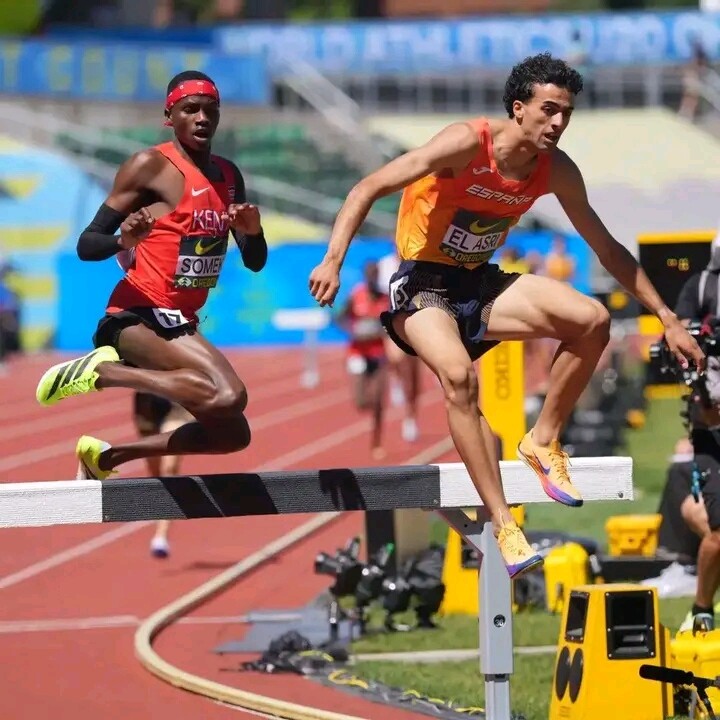
Spain’s Bakr El Asri Mohsine produced the decisive move when it mattered most, surging away in the closing stages to claim the gold medal in 8:28.35 and set a new European U20 area record.
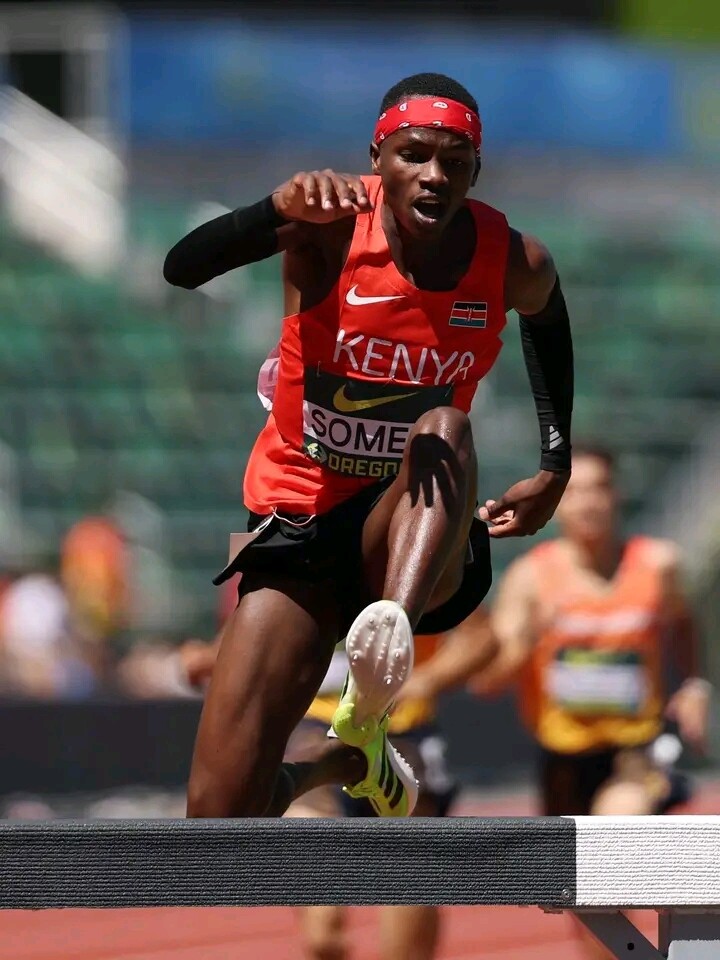
Lemiso, the African U20 champion, had positioned himself at the front of the race and moved into the lead around the 2,300-metre mark as Kenya looked capable of producing another major championship sweep in the event.
But El Asri remained within striking distance. With two laps remaining, the Spaniard began to close the gap before unleashing a powerful finishing surge that ultimately carried him clear of Lemiso and towards the biggest victory of his young career.
Lemiso refused to surrender his position, holding on strongly for silver in a personal-best 8:32.81. It was a significant performance from the Kenyan, who converted his front-running effort into a world U20 championship medal.
Behind him, the battle for bronze delivered perhaps the most dramatic moment of the race.
Losiwareng appeared to lose valuable ground after a stumble at one of the barriers late in the race. Rather than allowing the mistake to end his medal hopes, however, the Kenyan regrouped and launched an aggressive sprint over the final 100 metres.
That charge brought him back into contention with Spain’s Martí Torregrossa. The two athletes fought all the way to the line, with Losiwareng eventually securing third in 8:38.05, just 0.08 seconds ahead of his Spanish rival.
The result gave Kenya two medals from a race that had threatened to slip away in the final stages. Lemiso’s silver and Losiwareng’s bronze also underlined the depth of Kenya’s young steeplechase talent on the international stage.
For El Asri, the victory marked a breakthrough performance, while Kenya could take considerable encouragement from placing two athletes on the podium despite missing out on the title.
The final standings were:
1. Bakr El Asri Mohsine (Spain) — 8:28.35, European U20 Area Record
2. Emmanuel Lemiso Someki (Kenya) — 8:32.81, Personal Best
3. Nicholas Kitum Losiwareng (Kenya) — 8:38.05
In a race decided by the final two laps, El Asri had the speed to take gold, Lemiso had the strength to secure silver, and Losiwareng had the resilience to fight back from adversity and complete Kenya’s double podium finish.
by Erick Cheruiyot for My Best Runs.
Login to leave a comment
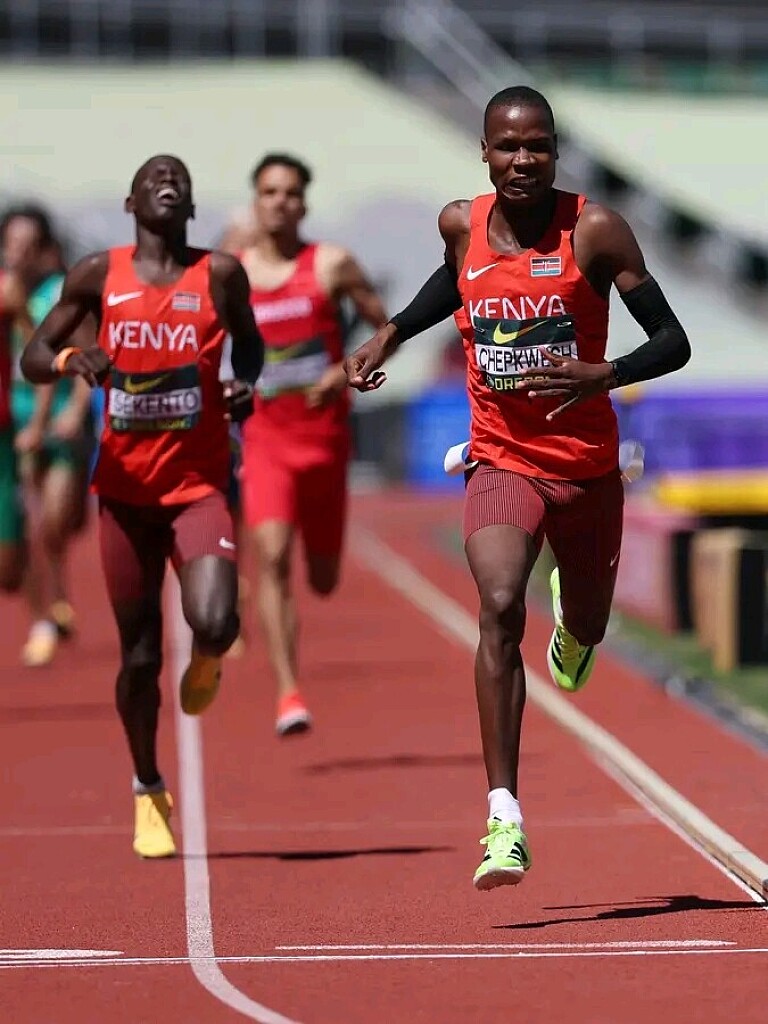
Chepkwech Produces Blistering Finish To Claim U20 1500m World Title
The men’s 1500m final at the World Athletics U20 Championships in Eugene delivered a compelling display of young middle-distance talent, with Kenya’s Wilson Chepkwech producing a remarkable late surge to take the world junior title on August 9, 2026, at Hayward Field.
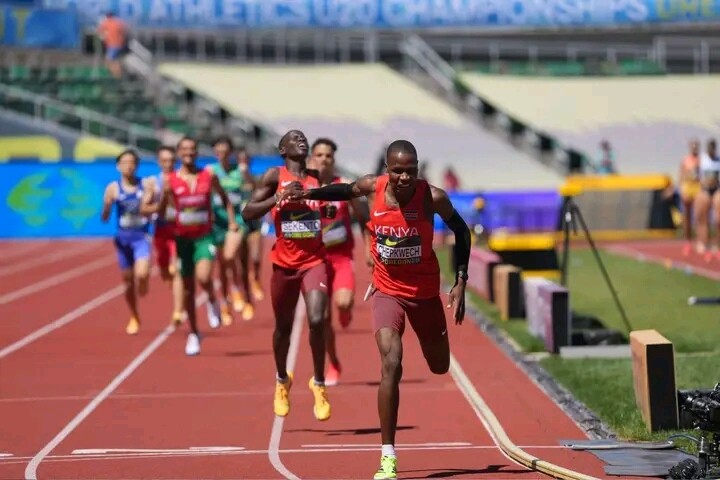
Just 16 years old, Chepkwech timed his decisive move perfectly in the closing stages. After staying within contention through the earlier laps, he unleashed a spectacular final 400 metres in 52.87 seconds, powering away from his rivals to cross the finish line in a personal-best 3:37.46.
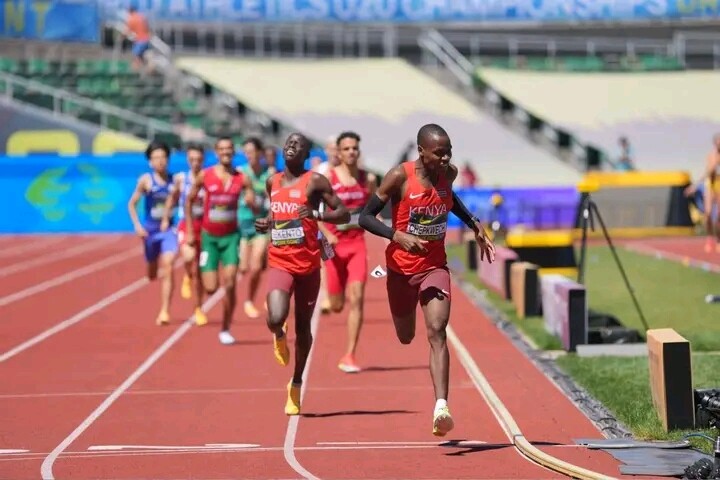
His compatriot David Kapaiko Sekento also enjoyed an outstanding race, securing the silver medal in a personal-best 3:38.32. Sekento remained firmly in the medal battle throughout the closing stages and held on strongly to complete a Kenyan 1-2.
Morocco’s Osama Er Redouani completed the podium in 3:39.68, also setting a personal best. His bronze added an international dimension to a final in which all three medallists produced the fastest performances of their careers.
The quality of the race was reflected in the closeness of the leading trio, with less than three seconds separating the gold medallist from bronze. Chepkwech’s finishing speed ultimately proved decisive, while Sekento and Er Redouani demonstrated the competitiveness required to challenge for medals on one of the biggest stages in junior athletics.
The podium was therefore led by Wilson Chepkwech – 3:37.46 (PB), followed by David Kapaiko Sekento – 3:38.32 (PB) and Osama Er Redouani – 3:39.68 (PB).
For Chepkwech, the victory represents a significant early milestone and an indication of the potential he possesses as he continues his development. His age makes the performance particularly notable, but the strength of the final also underlined the depth of talent emerging across the international middle-distance scene.
The result brought the individual track events at the World Athletics U20 Championships Oregon 2026 to a memorable conclusion at Hayward Field. With three athletes setting personal bests and a fiercely contested battle for the medals, the 1500m final provided an exciting showcase of the young talent that will shape the future of the event.
by Erick Cheruiyot for My Best Runs.
Login to leave a comment
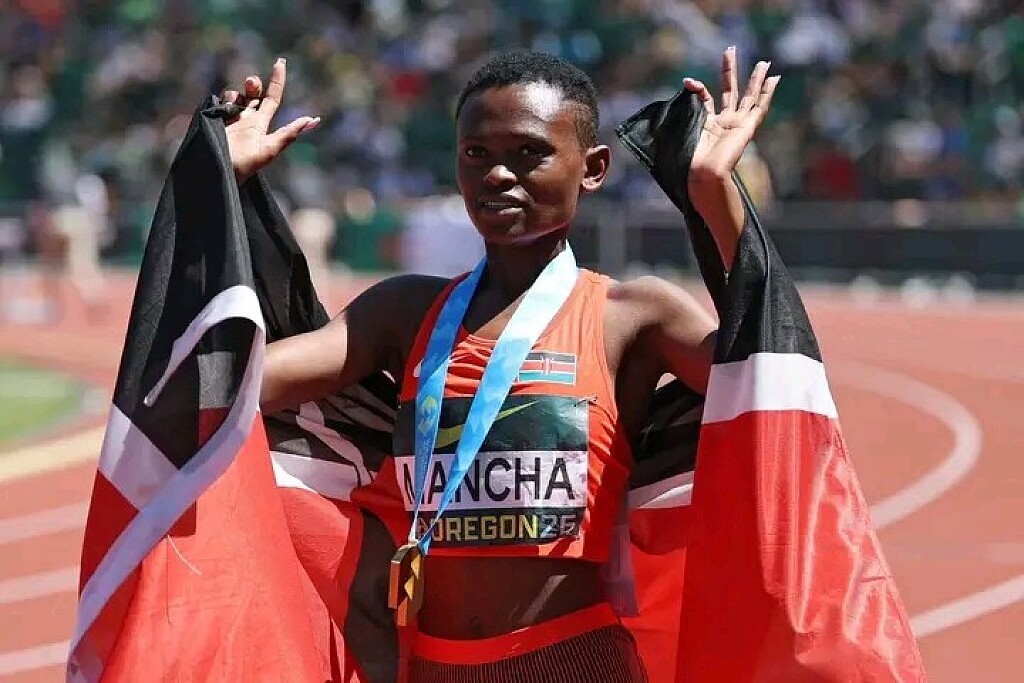
Josephine Mancha Ends Kenya’s 14-Year Wait With Dramatic World U20 1500m Gold
Kenya has a new women’s 1500m world champion at U20 level.
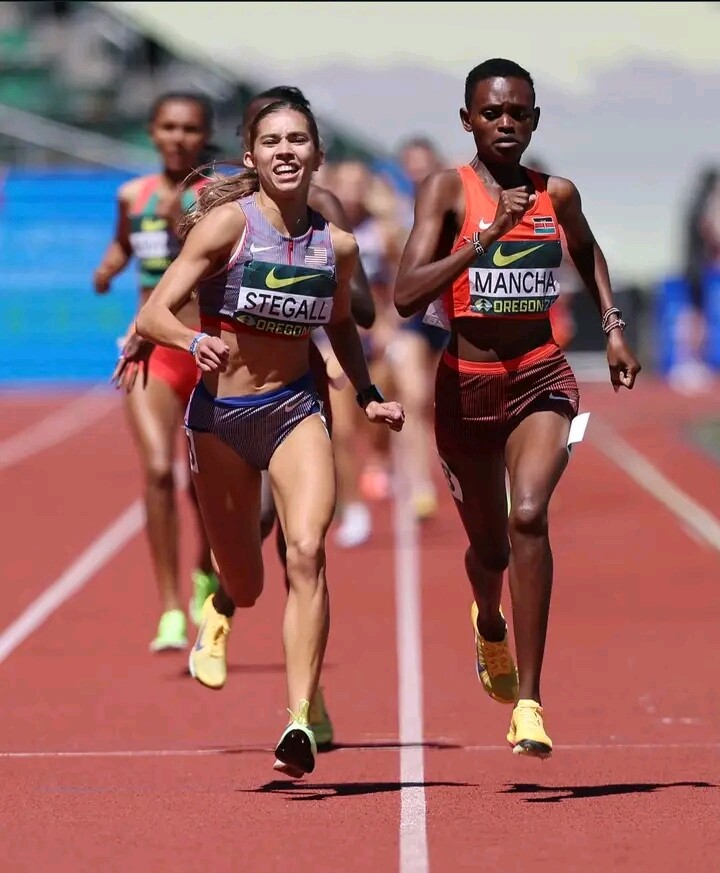
Josephine Sembeyo Mancha produced a composed and determined performance in Eugene to win gold at the World Athletics U20 Championships Oregon 26, ending Kenya’s long wait for another world title in the event.
Mancha crossed the finish line in 4:16.73, edging American Claire Stegall by just 0.04 seconds in one of the most dramatic finishes of the championships. Kenya’s Caren Chepchirchir completed the podium to make it a memorable double medal for the country.
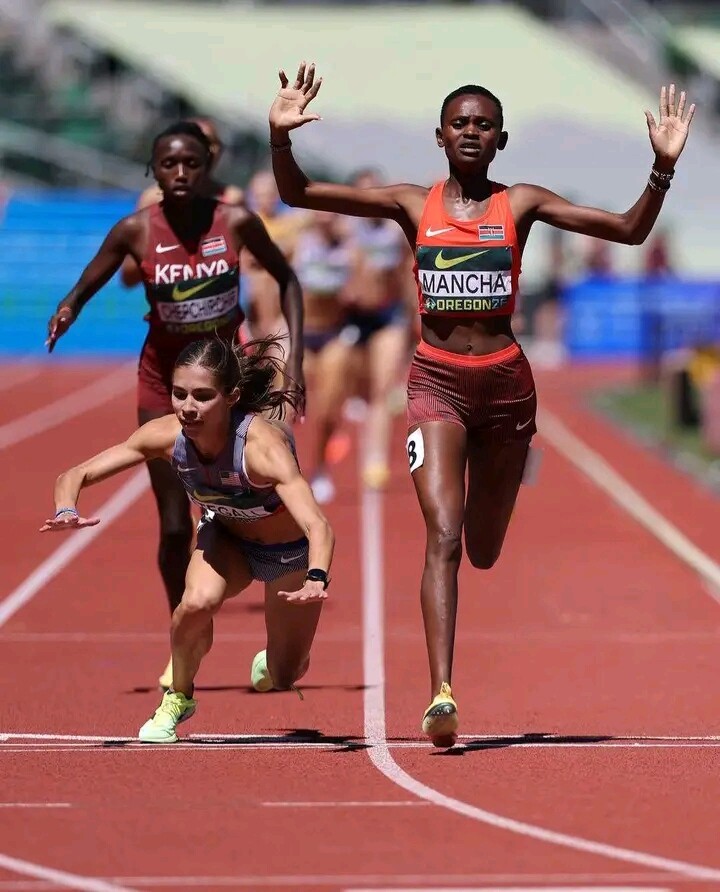
The final was anything but straightforward. A cautious opening lap of roughly 78 seconds saw the athletes remain tightly bunched, creating a dangerous situation as several runners went down in a series of falls.
The chaos continued throughout the race, with a discarded spike even left on the inside of lane one for more than a lap, adding another unusual obstacle to an already unpredictable contest.
Through it all, Mancha remained patient.
Rather than becoming caught up in the disorder around her, the Kenyan kept her composure and positioned herself for the decisive moment. As the bell sounded and the race entered its final lap, the contest suddenly came alive.
Mancha unleashed her finishing speed and surged toward the line, but Stegall refused to surrender. The American launched herself forward in a desperate diving attempt at the finish, making the outcome almost impossible to separate with the naked eye.
In the end, it was Mancha who had done enough.
Josephine Sembeyo Mancha — gold, 4:16.73.
Claire Stegall — silver.
Caren Chepchirchir — bronze.
For Kenya, however, the significance of the victory goes far beyond a single race.
Mancha’s triumph ends a 14-year wait for a Kenyan women’s U20 1500m world title. The last Kenyan to achieve the feat was Faith Kipyegon, who captured the crown in 2012 before going on to build one of the greatest middle-distance careers in athletics history.
Fourteen years later, Mancha has restored Kenya to the top of the global U20 podium.
In a final defined by falls, uncertainty and a breathtaking finish, the young Kenyan showed exactly what championship racing demands: patience, resilience and the ability to produce when it matters most.
Eugene has a new 1500m champion, and Kenya has another name to remember.
by Erick Cheruiyot for My Best Runs.
Login to leave a comment

Josh Kerr’s Mile Mastery Could One Day Lead Him To The London Marathon
Josh Kerr has conquered one of athletics’ most historic distances. Yet, remarkably, the Scottish star is already dreaming about a challenge that sits more than 25 miles beyond the distance that has made him a global track sensation.
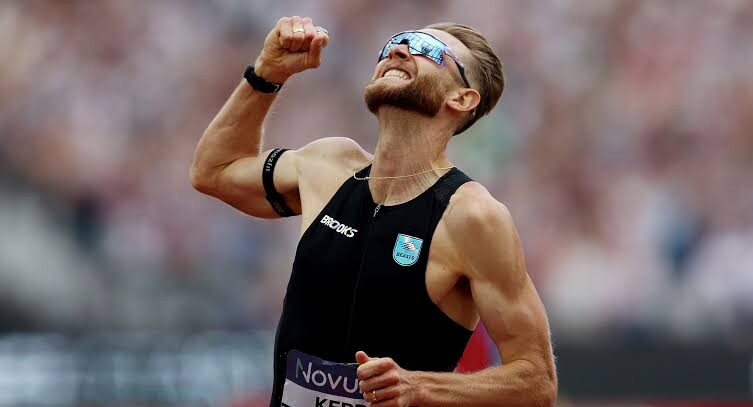
Kerr produced one of the defining performances of his career on July 18, 2026, at the London Stadium, storming to a sensational 3:42.66 in the Emsley Carr Mile to shatter Hicham El Guerrouj’s world record. The Moroccan’s 3:43.13 had stood untouched since 1999, but Kerr finally brought the 27-year-old mark down by 0.47 seconds.
The performance confirmed Kerr’s place among the greatest milers of his generation, but his ambitions extend well beyond the track.
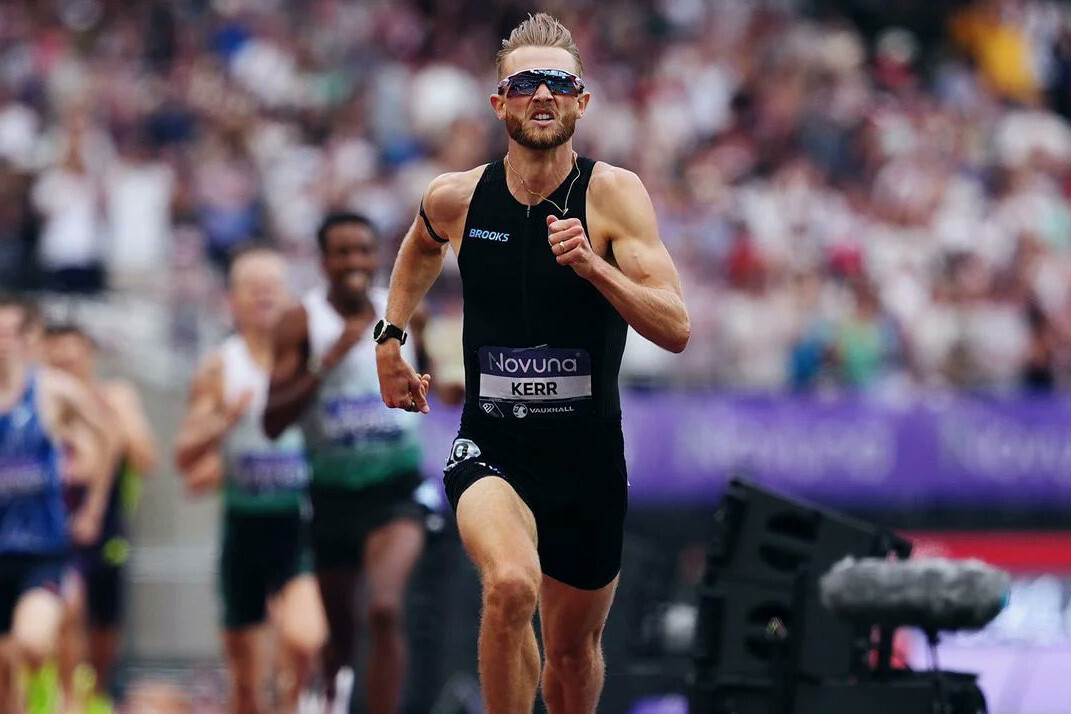
Speaking after his historic achievement, the 28-year-old revealed that the marathon is a distance he has become increasingly fascinated by, with the London Marathon occupying a particularly special place in his long-term imagination. For Kerr, the ultimate attraction would not necessarily be a world-class time, but the possibility of one day winning the race.

He remains realistic about how distant that ambition is. Kerr has made it clear that there is still important work to be completed on the track, with the Los Angeles 2028 Olympic Games among his major objectives. His marathon dream, therefore, belongs to the future rather than the immediate present.
That patience could prove crucial.
The transition from the mile to the marathon is one of the most demanding changes an elite distance runner can make. It requires far more than simply possessing exceptional aerobic fitness. The marathon places extraordinary demands on endurance, efficiency, energy management and the ability to maintain a high pace for more than two hours.
History, however, has shown that a world-class track runner can successfully make the leap when the timing is right.
Sifan Hassan provides perhaps the most spectacular modern example. After establishing herself as one of the most versatile distance runners in history, competing successfully from 1,500m through 10,000m, the Dutchwoman made her marathon debut at the 2023 London Marathon. She won in 2:18:33 after producing a remarkable finishing sprint, then went on to claim Olympic marathon gold the following year.
Her ability to change gears late in races became one of her greatest weapons. It is also an attribute Kerr knows particularly well.
Kerr has built his reputation around devastating finishing speed. Whether competing over 1,500m or the mile, his ability to accelerate when others are already approaching their physical limits has repeatedly separated him from the field. The question is whether that same weapon could eventually become a decisive advantage over the marathon distance.
Mo Farah's journey offers a more complicated lesson.
The British legend spent years dominating the 5,000m and 10,000m before turning his attention to the marathon. Despite possessing an extraordinary endurance base, Farah discovered that the marathon demanded an entirely different level of preparation. He finished eighth on his London Marathon debut in 2014 in 2:08:21 before eventually improving the British record to 2:06:22 in 2018.
Farah later explained that mastering the marathon took considerable time, underlining just how different the event is from even the longest Olympic track distances.
For Kerr, the physiological challenge would be even greater because his speciality is the mile.
The mile rewards an athlete who can combine enormous aerobic power with exceptional speed. The marathon, by contrast, demands the ability to operate efficiently for a prolonged period below maximum aerobic capacity. Running economy, lactate-threshold ability, endurance and the capacity to preserve energy deep into a race become increasingly important.
That transformation cannot be rushed.
And the marathon landscape Kerr would eventually enter is becoming more extraordinary by the year.
The 2026 London Marathon demonstrated just how far the event has evolved. Kenya’s Sabastian Sawe made history by becoming the first athlete to officially break the two-hour barrier in a competitive marathon, winning in 1:59:30. Ethiopia’s Yomif Kejelcha also finished inside two hours, while three men ultimately finished faster than the previous world record.
That is the standard waiting for Kerr if his distant ambition eventually becomes reality.
For now, however, there is no need to hurry. Kerr has already rewritten the mile record books, becoming the first man to break 3:43 and ending one of the longest-standing world records in modern athletics.
His next chapter is still firmly rooted on the track, where Olympic glory remains a major target. But somewhere beyond those ambitions lies a different challenge: 26.2 miles of London roads, a distance more than 25 miles longer than the event in which he currently reigns supreme.
It may sound improbable today, but Kerr is not dismissing the possibility.
“I promise I will try it.”
And if the day eventually comes when the world mile record-holder lines up on The Mall with the London Marathon title in his sights, it could become one of the most intriguing distance-running transitions the sport has ever witnessed.
by Erick Cheruiyot for My Best Runs.
Login to leave a comment
David Rudisha’s 1:40.91: Fourteen Years Later, The 800m Still Has A Mountain To Climb
Fourteen years ago this weekend, David Rudisha delivered one of the most extraordinary performances ever witnessed on an athletics track — and remarkably, his world record still stands.
On August 9, 2012, the Kenyan lined up for the Olympic 800m final at London’s Olympic Stadium alongside seven of the world’s finest half-milers. What followed was a race that would forever redefine the limits of the event.
Rudisha did not wait for the final straight. From the gun, he went straight to the front and imposed a relentless pace on the field. He reached the 400m mark in a blistering 49.28 seconds, but instead of paying the price for such an aggressive opening lap, he continued to drive forward.
He passed 600m in 1:14.30 before producing a remarkable final 200 metres to cross the finish line in 1:40.91.
The stadium erupted.
Rudisha had broken his own world record and, for the first time in history, an athlete had broken the 1:41 barrier in the 800 metres. Even more remarkably, he had done it in an Olympic final, without a pacemaker and under the immense pressure of competing for the sport’s ultimate prize.
The runners behind him were dragged into history by his pace.
Botswana’s Nijel Amos finished second in 1:41.73, a world junior record at the time. Kenya’s 17-year-old Timothy Kitum produced a stunning 1:42.53 to take bronze, while American Duane Solomon ran 1:42.82 and Nick Symmonds clocked 1:42.95, both personal bests.
Ethiopia’s Mohammed Aman ran 1:43.20 for a national record, Abubaker Kaki finished in 1:43.32, and Great Britain’s Andrew Osagie completed the field in 1:43.77, also a personal best.
It was an extraordinary final in which all eight athletes finished inside 1:44, a testament to the astonishing pace set by the Kenyan.
Yet Rudisha was operating on another level.
His London performance was not a sudden flash of brilliance. It was the culmination of an era in which he had transformed the 800m through his fearless front-running style. Two years earlier, he had lowered the world record to 1:41.01 in Rieti, Italy. In London, he found another tenth of a second when the pressure was at its greatest.
That is what has made the record so difficult to approach.
For fourteen years, some of the greatest 800m runners of their generations have come and gone, but none has managed to take the final steps toward Rudisha’s mark. Nijel Amos remains the closest, his 1:41.73 from that same Olympic final leaving him 0.82 seconds short.
Then came Emmanuel Wanyonyi.
The young Kenyan has emerged as one of the most exciting 800m runners of his generation. In Lausanne in 2024, Wanyonyi produced a stunning 1:41.11, moving level with Wilson Kipketer as the second-fastest man in history and coming within just 0.20 seconds of Rudisha’s world record.
Twenty hundredths of a second may look insignificant on paper, but at the very top of the 800m, they represent a formidable barrier.
Wanyonyi has shown that Rudisha’s record is not beyond imagination. But reaching it requires something extraordinary — the perfect combination of speed, endurance, courage and execution over two unforgiving laps.
And perhaps that is what makes Rudisha’s achievement so enduring.
There was no pacemaker guiding him through the race. There was no carefully constructed invitational designed solely around producing a fast time. There was simply an Olympic final, eight athletes, two laps and a Kenyan determined to run faster than anyone had ever run before.
Rudisha went from the gun, controlled the race from the front and somehow maintained the speed required to produce a time that has remained beyond the reach of every challenger for fourteen years.
The next generation is getting closer, and Wanyonyi has shown that the record can at least be approached.
But 1:40.91 remains David Rudisha’s masterpiece — a world record forged under the brightest lights and on the biggest stage, and one that continues to define greatness in the 800 metres.
Fourteen years later, the challengers are getting closer, but Rudisha’s 1:40.91 remains the mountain every 800m runner dreams of climbing.
by Erick Cheruiyot for My Best Runs.
Login to leave a comment
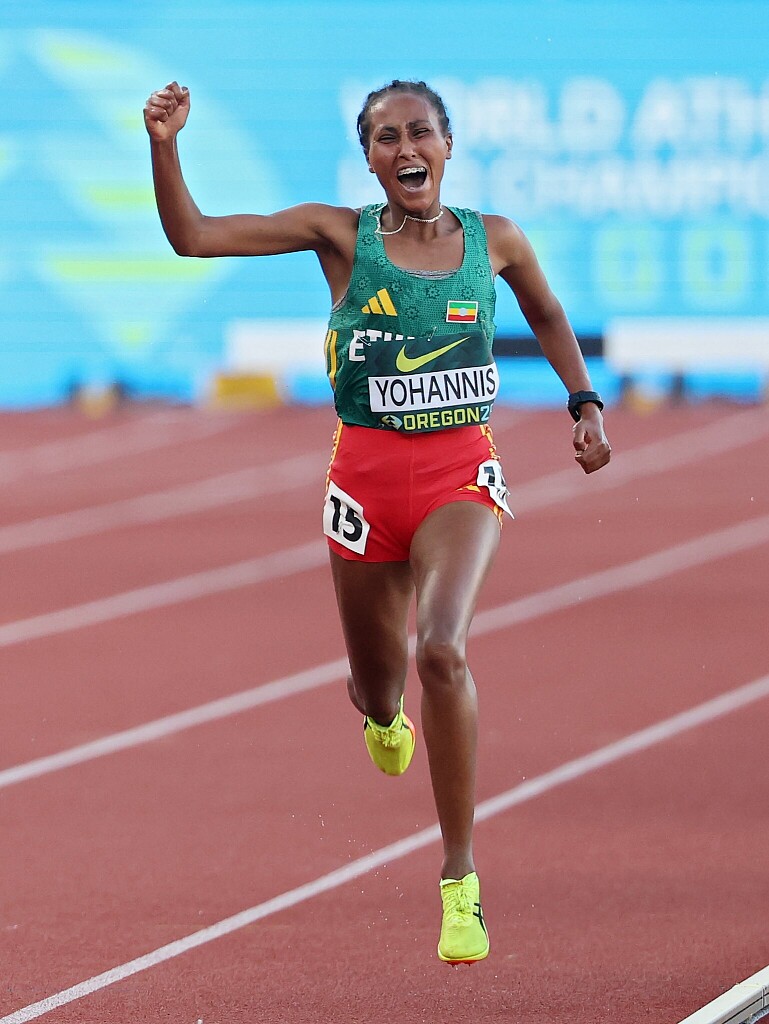
Almaz Yohannis Leads Ethiopian 1-2 in Spectacular World U20 Steeplechase Triumph
Ethiopia produced a spectacular display of emerging talent as Almaz Yohannis was crowned world champion in the women’s 3000m steeplechase at the 2026 World Athletics U20 Championships in Oregon, powering to a commanding victory in 9:15.81.
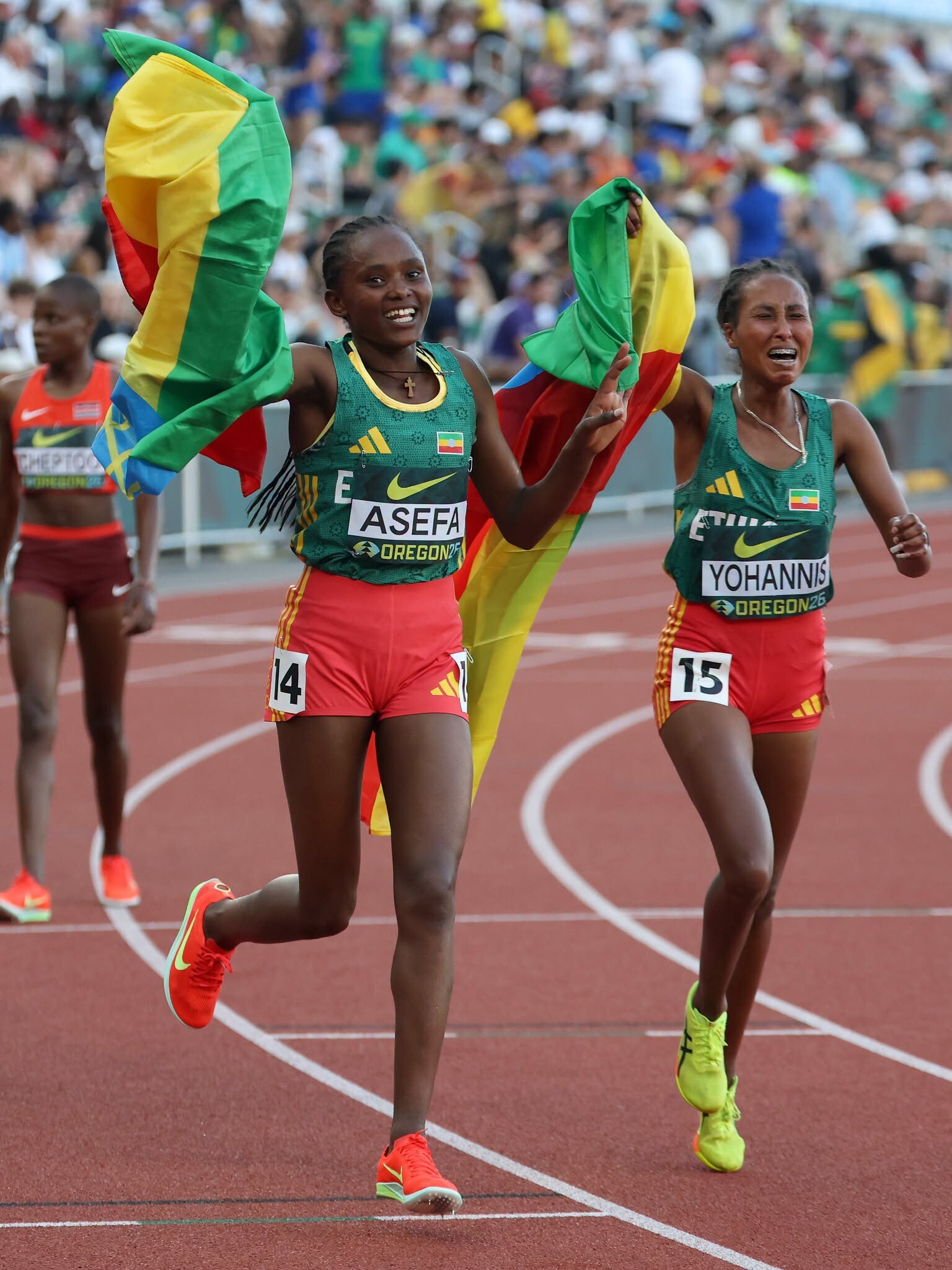
Yohannis delivered a superb performance to secure the gold medal and, in the process, recorded a World U20 Leading time (WU20L), underlining the strength of her performance on the global junior stage.
The young Ethiopian established herself as the athlete to beat, maintaining her composure and strength throughout the demanding eight-lap steeplechase before crossing the finish line well clear of the field. Her winning mark of 9:15.81 provided a fitting reward for a dominant championship performance.
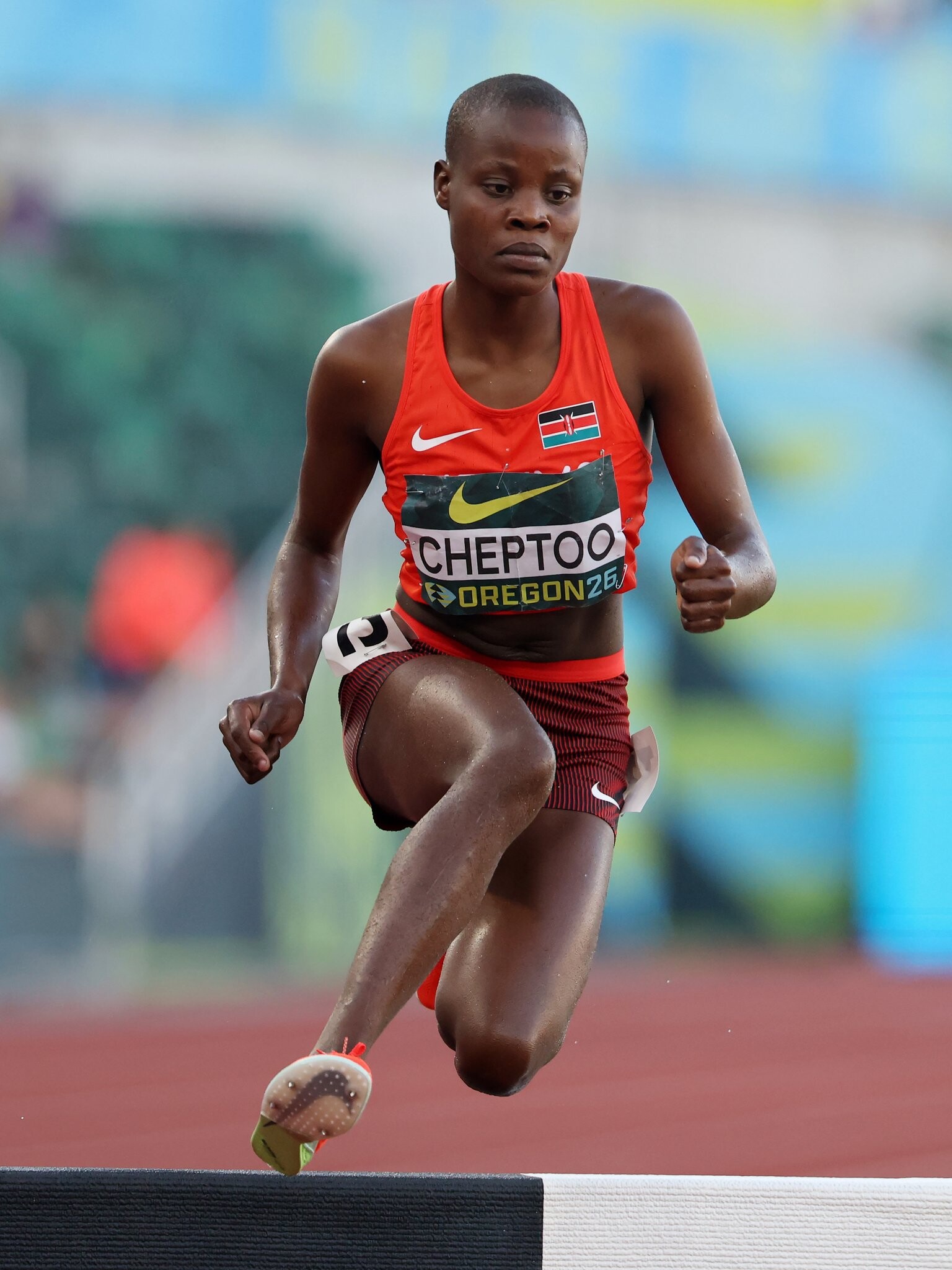
Ethiopia’s celebrations were doubled when Wosane Asefa secured the silver medal in 9:30.50, producing a season’s best (SB) and completing an impressive Ethiopian one-two.
Kenya’s Anatasha Cheptoo ensured there was East African representation on all three steps of the podium, fighting her way to the bronze medal in 9:37.18.
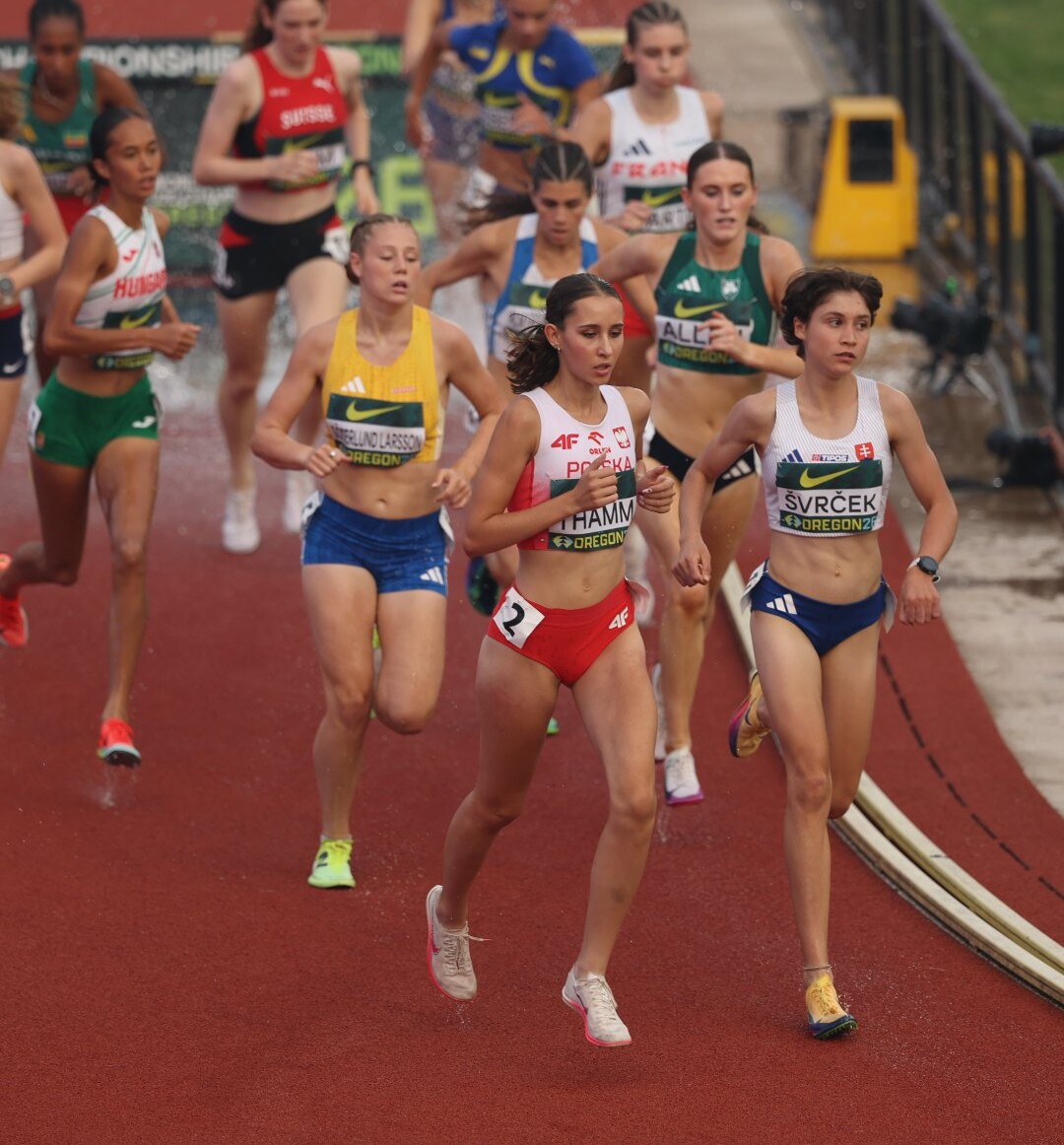
Behind the medalists, Sweden’s Majken Söderlund Larsson finished fourth in 9:48.01, setting a national U20 record (NU20R), while Czech Republic’s Ema Berková followed in fifth with 9:49.06, also recording a national U20 record.
Sweden’s Fanny Szalkai placed sixth in 9:55.06, a personal best, while Greece’s Anna Dafni Almyroudi Stroumpou finished seventh in 10:00.63, another national U20 record.
Egypt’s Malak Abdelghany Abdalla Ibrahim crossed eighth in 10:04.52, also establishing a national U20 record. Slovakia’s Anna Švrček was ninth in 10:05.91, followed by Japan’s Rei Taya in 10:12.37.
Portugal’s Lara Roque finished 11th in 10:15.69, setting a national U20 record, while Poland’s Zuzanna Szymańska took 12th in 10:15.94, a personal best. Great Britain’s Ava James was 13th in 10:18.96, followed by American Sierra Wall in 14th with 10:21.21.
Poland’s Michalina Thamm completed the finishers in 15th place in 10:39.01.
Kenya’s Mercy Chepngeno Koskey, who had also lined up as part of the Kenyan challenge, was unfortunately unable to finish the race.
The final podium therefore belonged to three of East Africa’s rising stars, with Yohannis and Asefa delivering a memorable Ethiopian one-two, while Cheptoo secured bronze for Kenya.
Women’s 3000m Steeplechase — Official Results
1. Almaz Yohannis (Ethiopia) — 9:15.81 (WU20L)
2. Wosane Asefa (Ethiopia) — 9:30.50 (SB)
3. Anatasha Cheptoo (Kenya) — 9:37.18
4. Majken Söderlund Larsson (Sweden) — 9:48.01 (NU20R)
5. Ema Berková (Czech Republic) — 9:49.06 (NU20R)
6. Fanny Szalkai (Sweden) — 9:55.06 (PB)
7. Anna Dafni Almyroudi Stroumpou (Greece) — 10:00.63 (NU20R)
8. Malak Abdelghany Abdalla Ibrahim (Egypt) — 10:04.52 (NU20R)
9. Anna Švrček (Slovakia) — 10:05.91
10. Rei Taya (Japan) — 10:12.37
11. Lara Roque (Portugal) — 10:15.69 (NU20R)
12. Zuzanna Szymańska (Poland) — 10:15.94 (PB)
13. Ava James (Great Britain) — 10:18.96
14. Sierra Wall (United States) — 10:21.21
15. Michalina Thamm (Poland) — 10:39.01
DNF: Mercy Chepngeno Koskey (Kenya)
Yohannis’ victory marked the highlight of a brilliant Ethiopian performance, with her 9:15.81 World U20-leading mark setting the tone for a memorable championship final and announcing another exciting young talent onto the international athletics scene.
by Erick Cheruiyot for My Best Runs.
Login to leave a comment
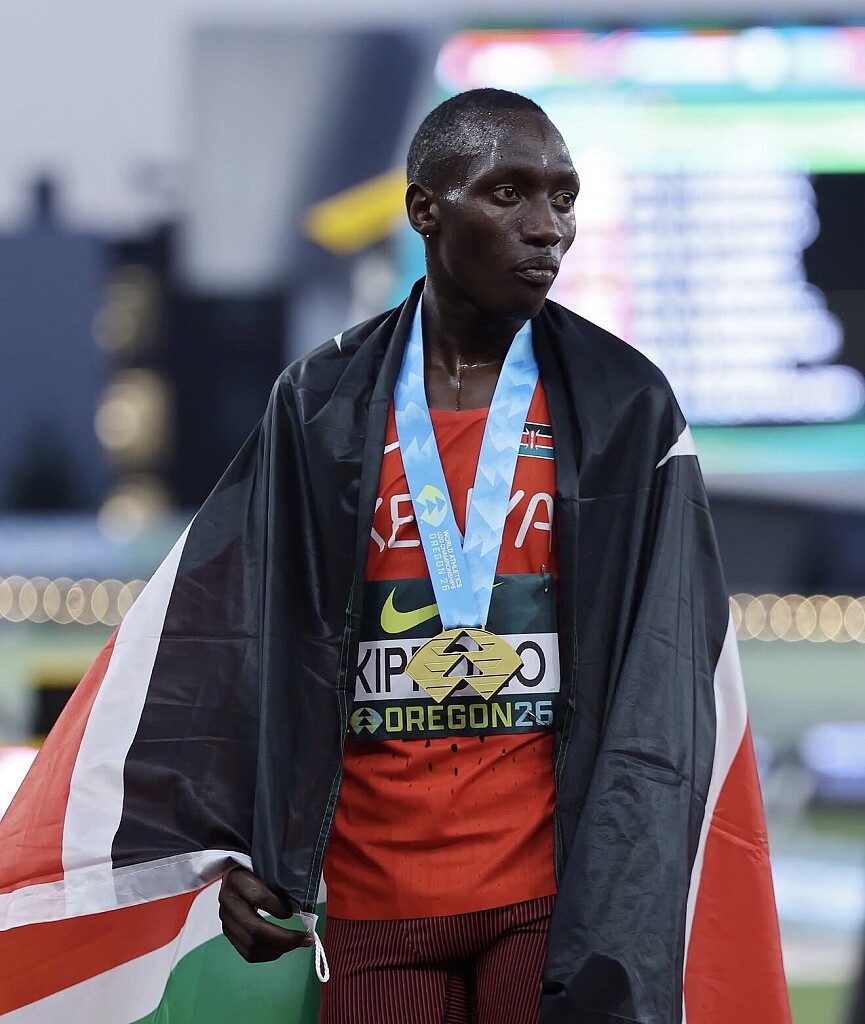
Emmanuel Kiprono Storms to World U20 3,000m Gold in Championship-Record 7:28.28
Kenya’s Emmanuel Kiprono has announced himself as one of the brightest young distance-running talents in the world after producing a sensational solo performance to win the men’s 3,000 metres gold medal at the World Athletics U20 Championships in a championship-record 7:28.28.
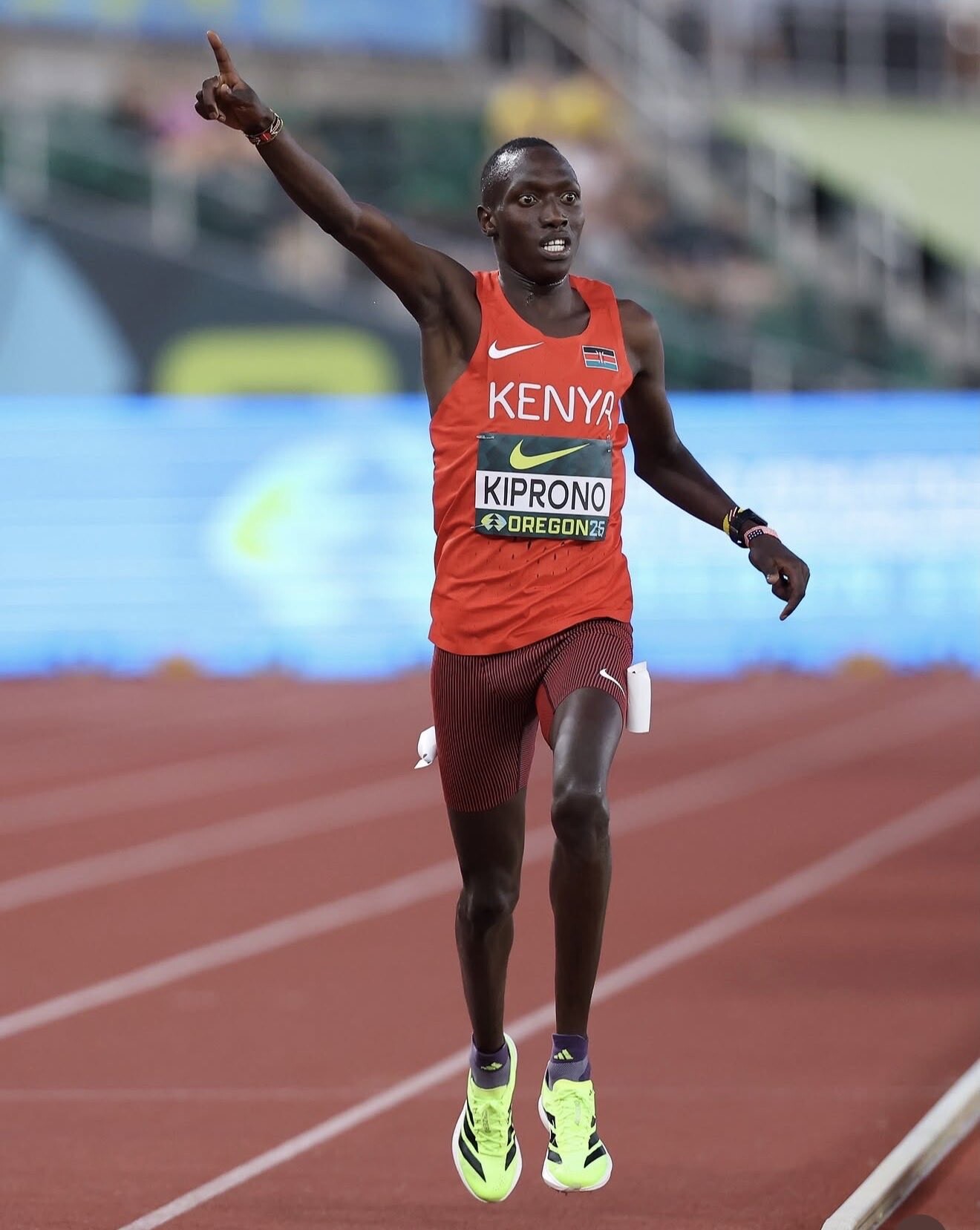
Just 17 years old, Kiprono took control from the opening metres and never looked back. Running completely alone for virtually the entire race, the Kenyan dictated the tempo with remarkable confidence and gradually transformed the final into a one-man race.
Kiprono passed 1,000 metres in 2:26.52, reached 1,600 metres in 3:54.58, and continued his relentless charge through 2,000 metres in 4:55.43. With every lap, the gap behind him grew larger as his rivals struggled to match his extraordinary pace.
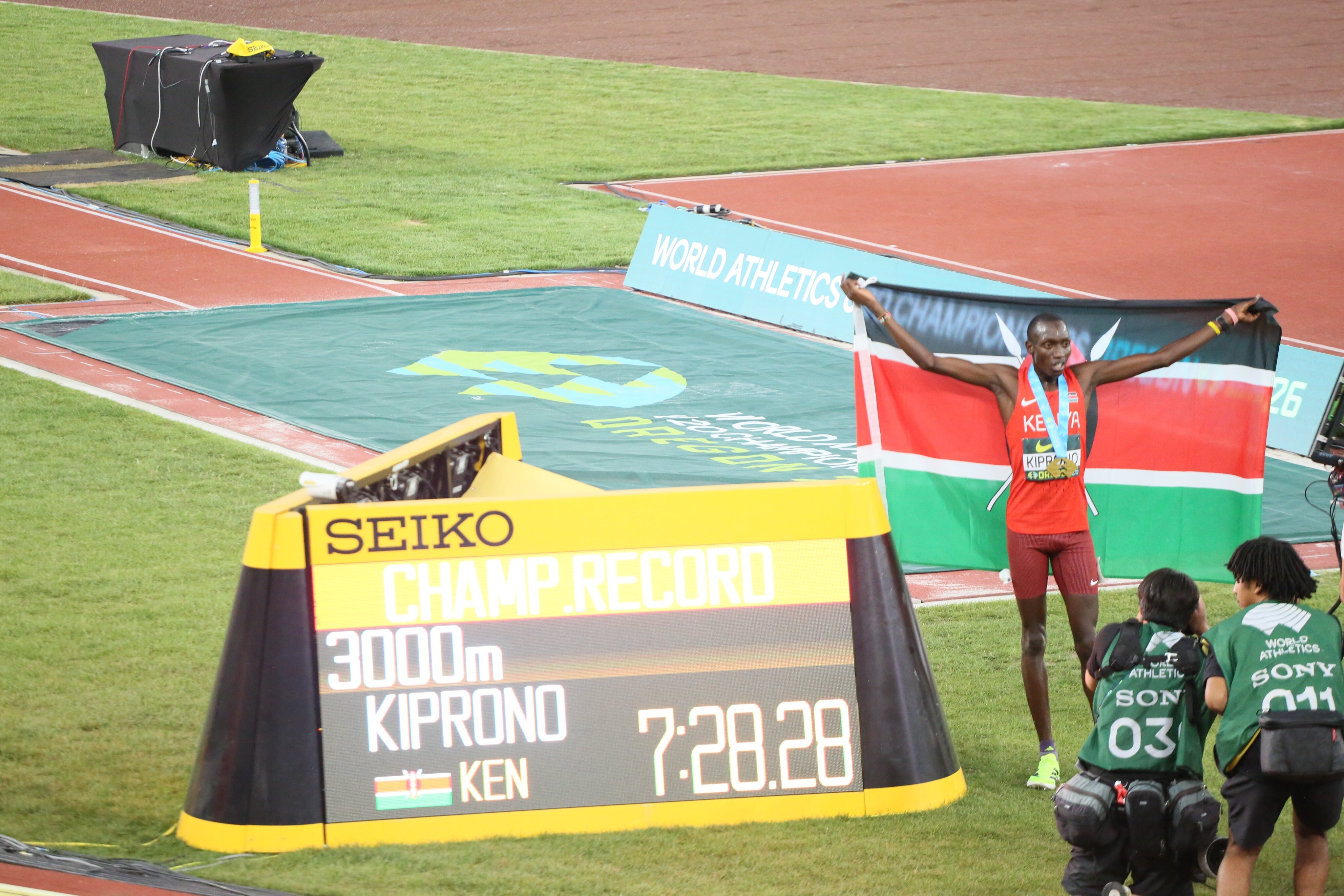
He eventually crossed the finish line in 7:28.28, smashing the championship record and coming agonisingly close to the world U20 record of 7:28.20, set by Ethiopia’s Yomif Kejelcha. Kiprono missed the global junior mark by just 0.08 seconds.
The margin of victory was equally spectacular. He finished 19 seconds ahead of France’s Alois Abraham, who took silver in 7:47.79, while Japan’s Ojiro Honda secured bronze in 7:48.49, setting a Japanese U20 record.
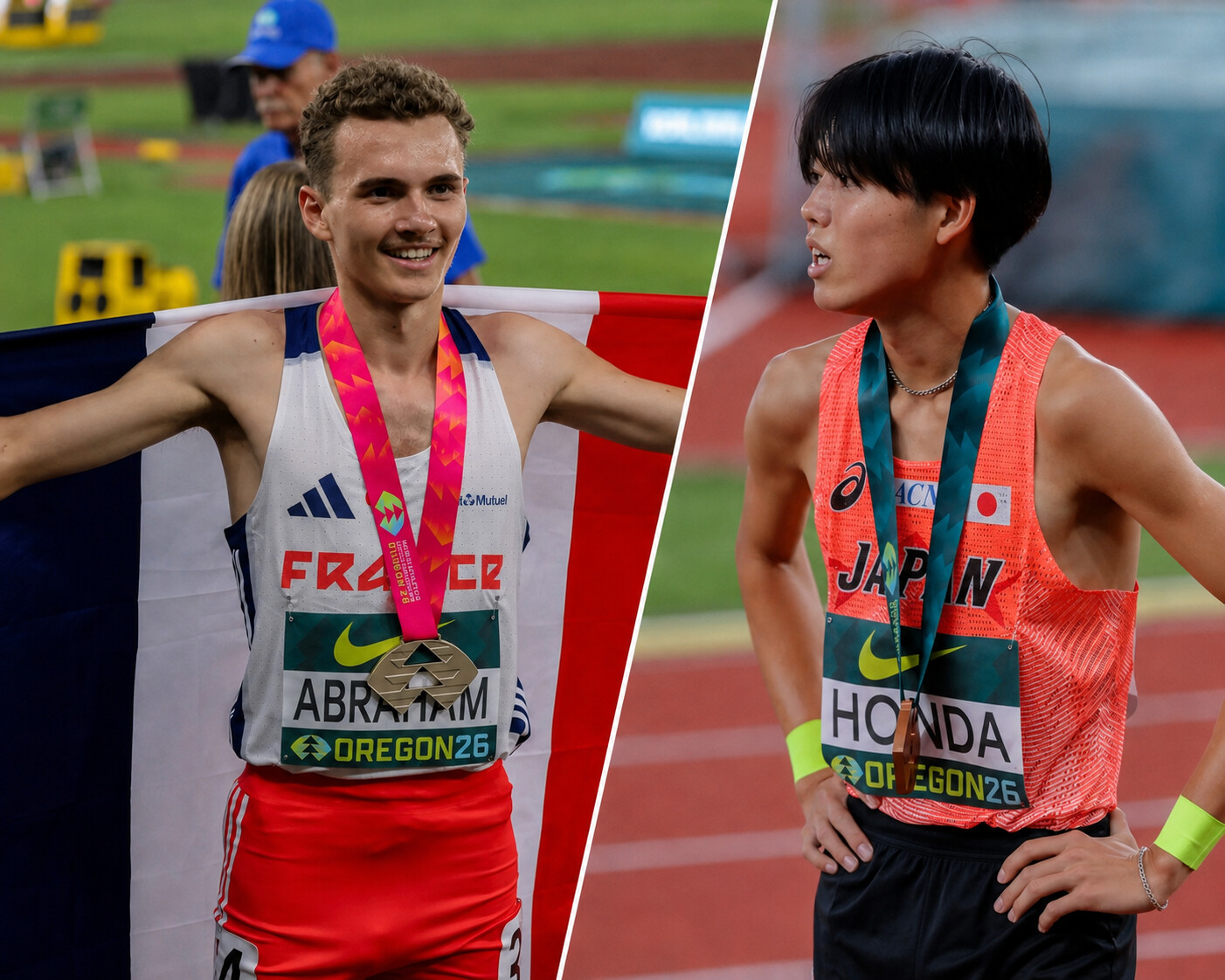
Men’s 3,000m Final
1. Emmanuel Kiprono — Kenya — 7:28.28 (Championship Record)
2. Alois Abraham — France — 7:47.79
3. Ojiro Honda — Japan — 7:48.49 (National U20 Record)
4. Liam Conway — Great Britain — 7:50.10 (Personal Best)
5. Aleksi Ahlfors — Finland — 7:50.56 (Personal Best)
6. Tzu-Chieh Chien — Chinese Taipei — 7:51.18 (National U20 Record)
7. Ilyes Druez — Belgium — 7:51.67 (Personal Best)
8. Sebastian Lörstad — Sweden — 7:51.94 (Personal Best)
9. Edwin Elkana — Kenya — 7:51.94 (Personal Best)
10. Owen Powell — United States — 7:53.35 (Personal Best)
Kiprono’s breakthrough is particularly significant given his performances earlier this year. The 17-year-old finished second in the U20 race at the World Cross Country Championships, establishing himself as one of the leading prospects in the new generation of Kenyan distance runners.
But on the track, he produced something even more extraordinary.
There was no tactical waiting game, no final-lap sprint and no group to shelter behind. Kiprono simply went to the front and challenged himself against the clock. His splits — 2:26.52 at 1,000m, 3:54.58 at 1,600m and 4:55.43 at 2,000m — demonstrate the remarkable consistency and courage behind the performance.
After the race, Kiprono celebrated with the Kenyan flag draped around him before posing beside the SEIKO championship-record display, which showed his historic 7:28.28.
His championship record also came with a tantalising glimpse of what might have been. Had he found even a fraction more in the closing metres, the world U20 record could have fallen as well. Nevertheless, coming within eight hundredths of the mark while running almost the entire race alone makes the achievement all the more remarkable.
Emmanuel Kiprono has not merely won a world junior title — he has made a statement. At only 17, his extraordinary front-running, championship record and near-world-record performance suggest that Kenyan distance running may have another major talent ready to emerge onto the global stage.
by Erick Cheruiyot for My Best Runs.
Login to leave a comment
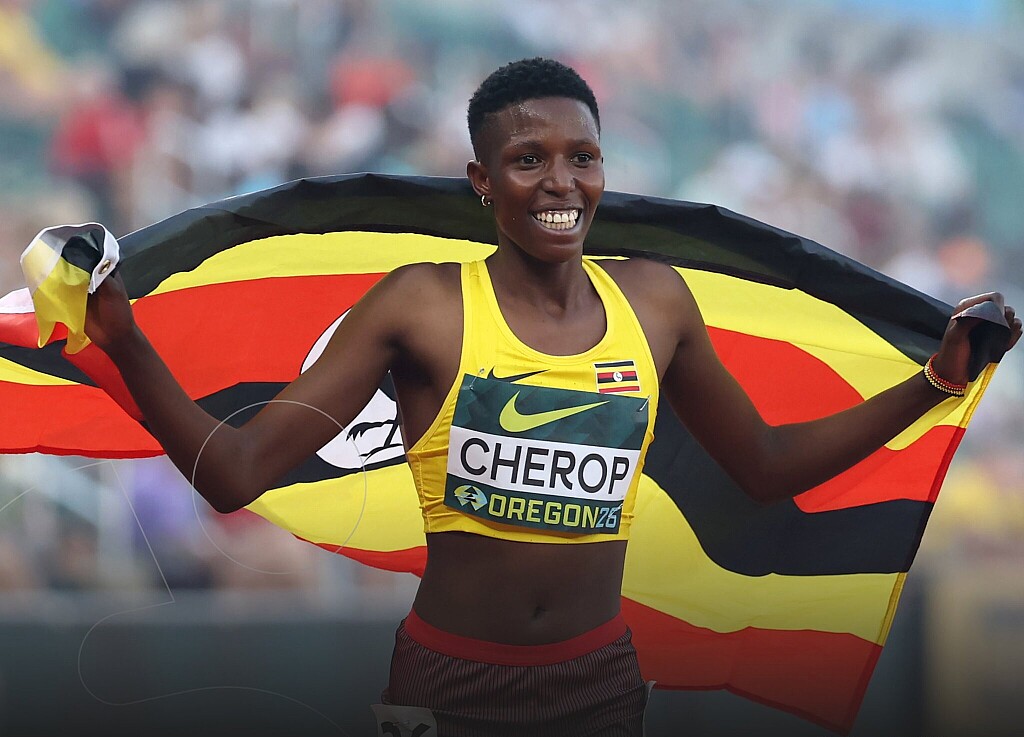
From Silver to Gold: Charity Cherop Storms to World U20 5000m Crown with Tactical Masterclass
Uganda's 19-year-old long-distance sensation Charity Cherop delivered the performance of her young career, producing a championship masterclass to capture the women's 5000m title at the 2026 World Athletics U20 Championships at Hayward Field in Eugene, Oregon.
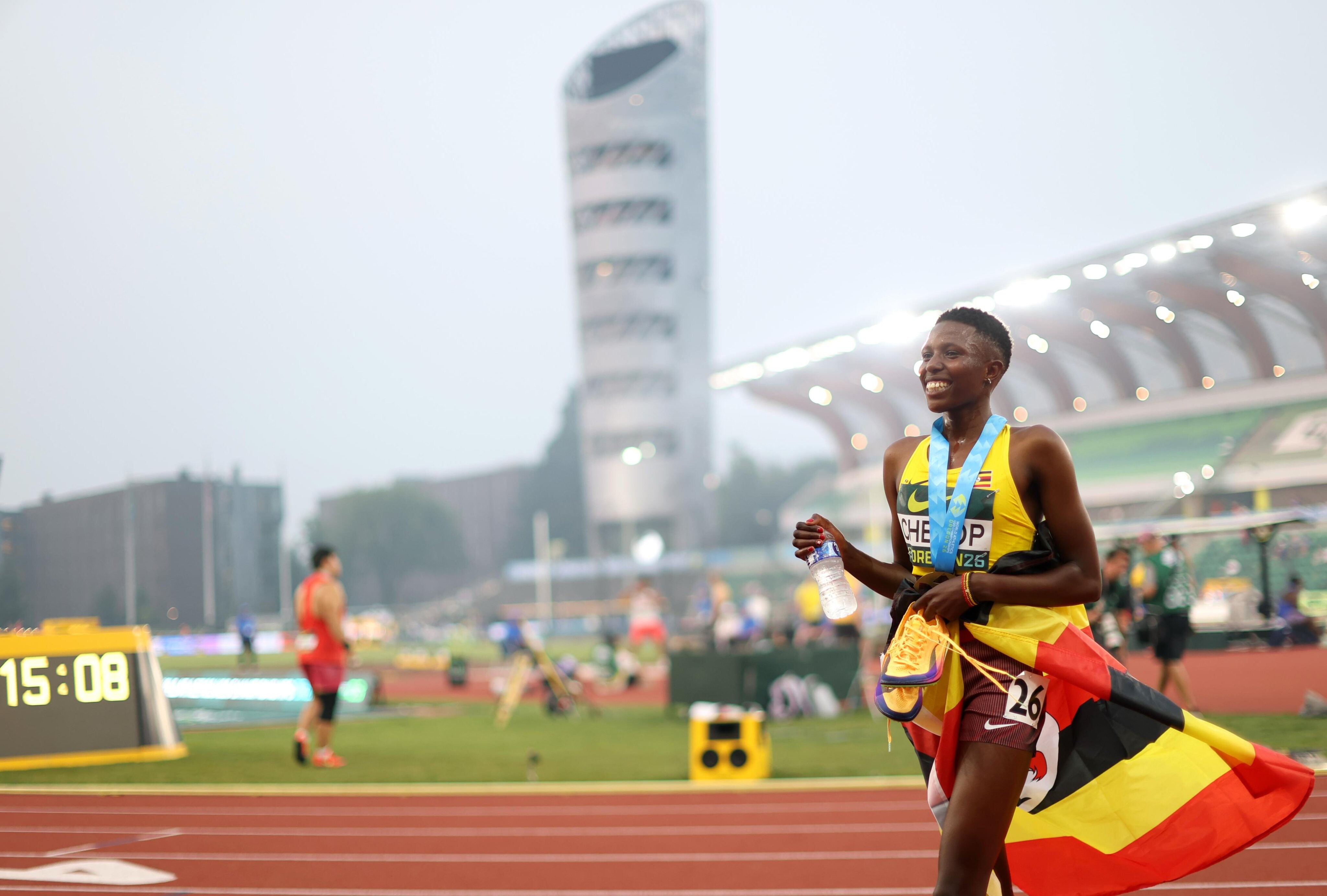
Born on July 4, 2007, Cherop executed a tactically brilliant race, remaining patient throughout the early stages before unleashing a devastating surge over the final kilometre. Her perfectly timed move proved decisive as she crossed the finish line in 15:03.88, becoming the new World U20 champion.
The victory was more than just a world title—it completed a remarkable journey from silver to gold. After finishing runner-up at the previous World Athletics U20 Championships in Lima, Cherop returned to the global stage stronger and more determined, upgrading her silver medal to gold and confirming herself as one of the brightest young stars in international distance running.
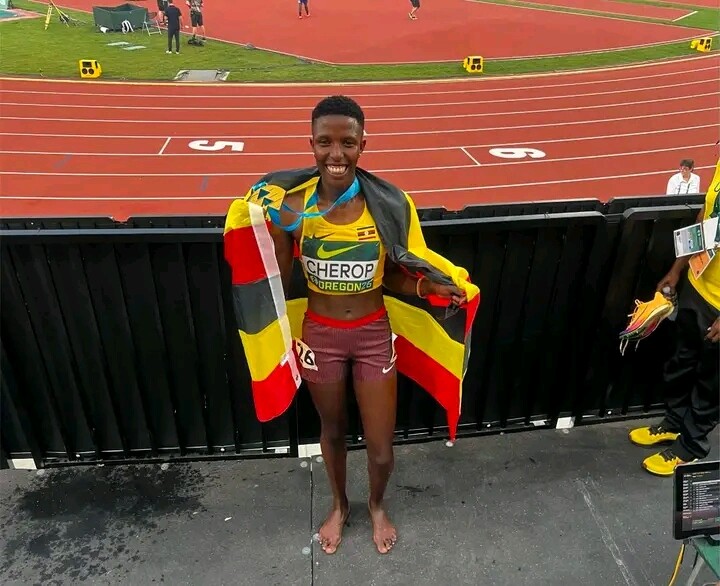
Behind the Ugandan star, Ethiopia's Shito Gumi fought bravely to secure the silver medal in 15:07.91, while Kenya's Joyline Chepkemoi delivered an outstanding performance to claim bronze in 15:09.08, setting a new personal best in the process. The battle for the podium remained fiercely contested until the closing stages, with every medal decided through courage, tactical awareness, and a powerful finishing kick.

Kenya narrowly missed placing two athletes on the podium as Cynthia Chepkirui finished a strong fourth in 15:14.86, while Sweden's Carmen Cernjul rounded out the top five in 15:22.18.
Ethiopia's Emebet Tilahun placed sixth in 15:32.51, followed by Japan's Yui Onotora in seventh with 15:37.33. Uganda celebrated another top-10 finish through Bentalin Yeko, who finished eighth in 15:48.35, underlining the nation's impressive depth in women's distance running.
Germany's Julia Ehrle claimed ninth in 16:09.53, with France's Lamia Mourabit completing the top ten in 16:10.80.
Further down the field, Portugal's Carolina Correia impressed with an 11th-place finish in a personal best 16:11.47, while Norway's Venus Teffera also celebrated a lifetime best of 16:12.07 in 12th. Germany's Gloria Herold added another personal best, clocking 16:13.75 for 15th place.
France's Laly Porentru, Japan's Ayami Yoshida, the Netherlands' Rosalie Ten Bruggencate, Italy's Sofia Ferrari and Mimosa Miari Fulcis, Spain's Fatima Hernandez, Switzerland's Anina Hirzel, Great Britain's Eliza Nicholson, Canada's Airlie Downie-Back and Athena Andrecyk, Mexico's Kenya Cuahutle, and Australia's Libby Mantay and Imogen Baker all battled courageously to the finish, highlighting the exceptional depth and global talent assembled for the championship final.
The only athlete unable to start the race was the United States' Emily Wisniewski, who was listed as DNS.
The women's 5000m final showcased the very best of championship distance running—patience, tactical intelligence, and a thrilling finish. On the biggest stage of her junior career, Charity Cherop produced a race worthy of a world champion, transforming silver in Lima into gold in Eugene and writing another unforgettable chapter in Uganda's rich distance-running legacy.
by Erick Cheruiyot for My Best Runs.
Login to leave a comment
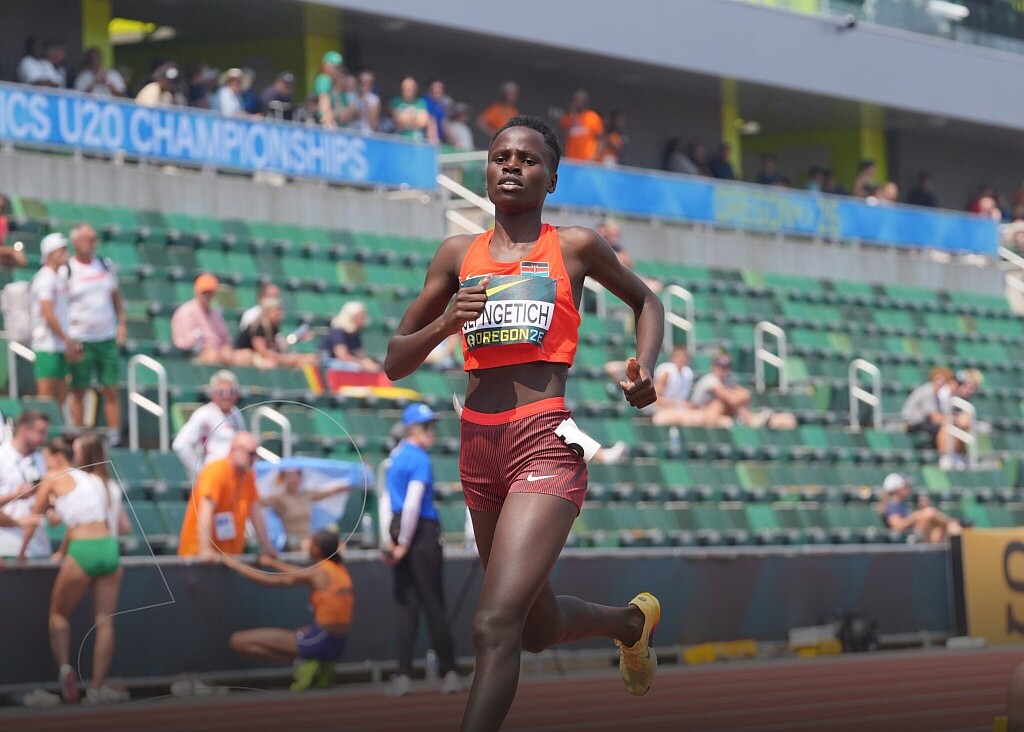
Heartbreak for Kenya as Nancy Jepngetich's Brilliant World U20 800m Victory Ends in Devastating Disqualification
What should have been one of the standout performances of the morning session at the World Athletics U20 Championships instead became one of the most heartbreaking moments for Team Kenya.

Nancy Jepngetich produced a breathtaking display in Heat Two of the women's 800 metres, storming away from the field to win in a remarkable 2:01.25. The young Kenyan looked in complete control from the opening stages, powering to the finish nearly 10 metres clear of her nearest rival and recording the fastest time of all the qualifying heats. It was a commanding performance that instantly established her as one of the leading contenders for the world junior title.
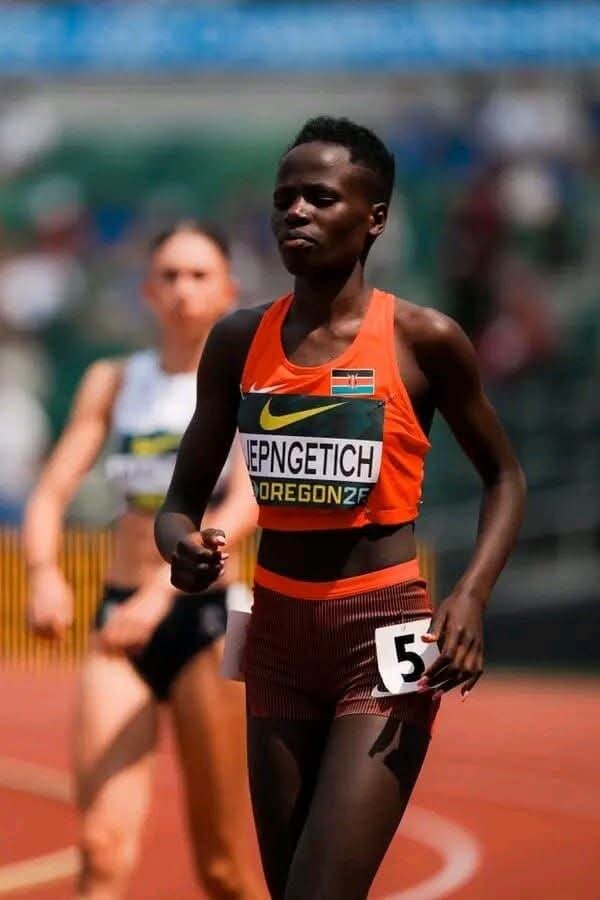
However, the celebrations were short-lived.
Moments after the race, officials disqualified Jepngetich for a lane infringement under World Athletics Rule 17.5.1, which requires athletes to remain in their assigned lane until reaching the designated break line. The ruling overshadowed what had been a sensational run and dramatically altered the outcome of the women's 800m competition.
Kenyan team officials immediately lodged an appeal, arguing that Jepngetich had gained no unfair advantage from the infringement and that it had no impact on the result of the race. After reviewing the race footage, the jury upheld the original decision, confirming the disqualification and ending her championship campaign before the semifinals.
The verdict transformed what had appeared to be one of the finest performances of the morning into one of the biggest talking points of the championships. In a matter of minutes, the fastest qualifier in the women's 800m was officially ruled out of the competition.
Jepngetich's disqualification means Kenya loses one of its strongest medal prospects in the event, with the official result standing despite the team's appeal. The decision brings a dramatic and heartbreaking end to her World Athletics U20 Championships campaign, ensuring that one of the fastest performances of the qualifying round will not feature in the semifinals.
by Erick Cheruiyot for My Best Runs.
Login to leave a comment
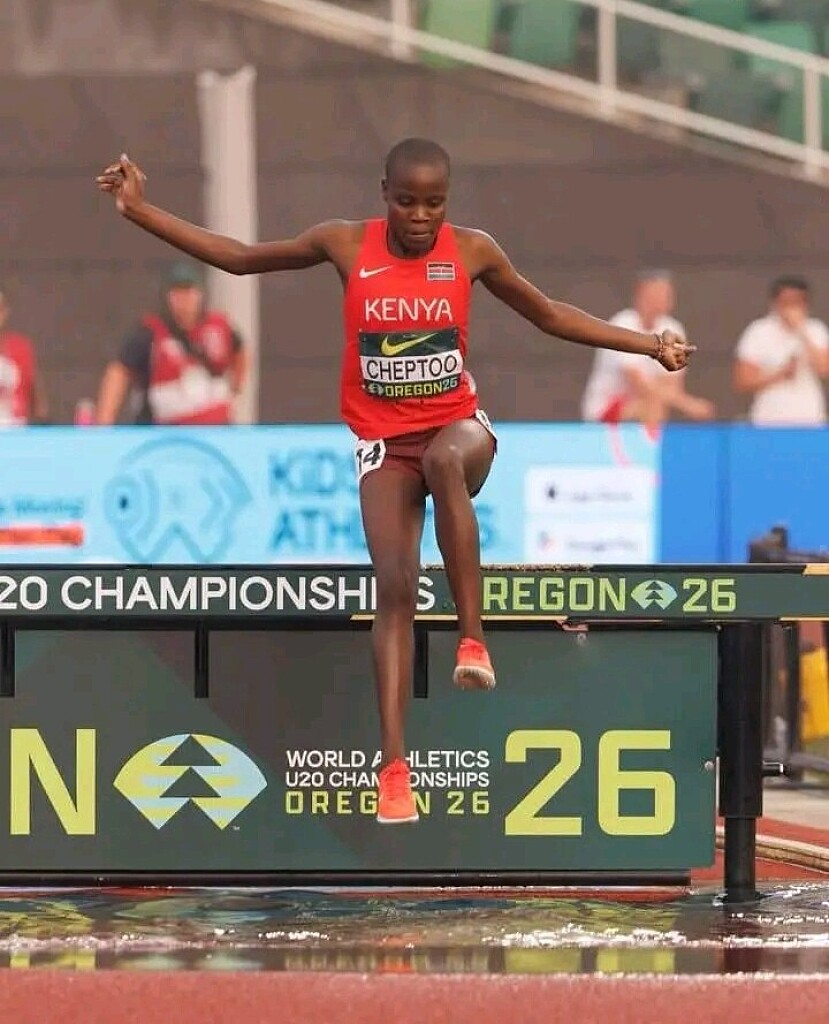
Composed Under Pressure: Anatasha Cheptoo Overcomes Early Drama to Secure World U20 Steeplechase Final Berth
Kenya's Anatasha Cheptoo produced one of the most memorable moments of the opening round of the women's 3,000m steeplechase at the World Athletics U20 Championships in Oregon, USA, displaying remarkable composure after an early setback to comfortably qualify for the final.
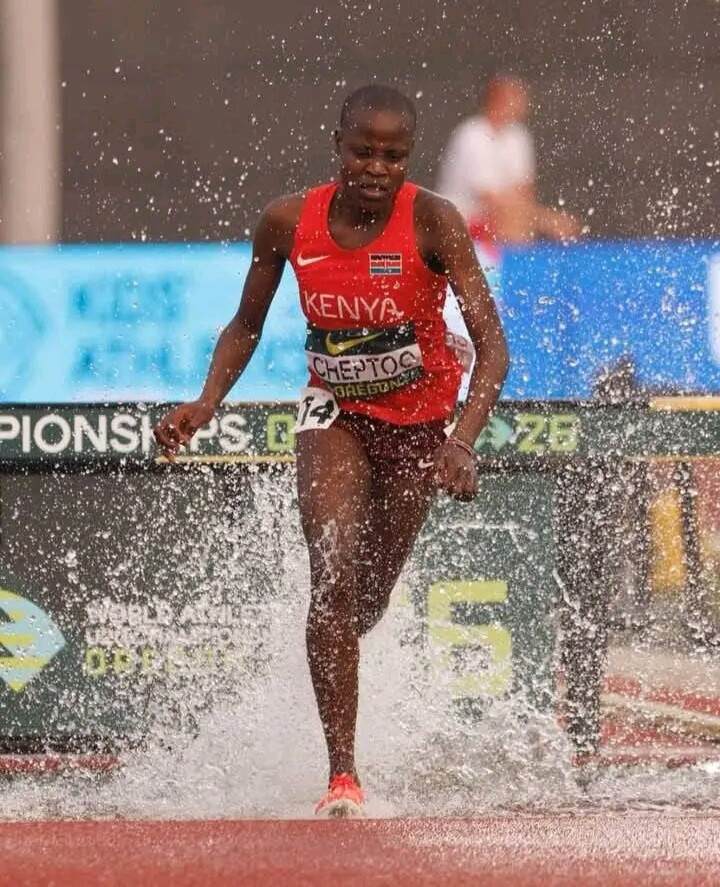
In a dramatic sequence during her heat, Cheptoo accidentally missed the water jump. Realizing the mistake almost immediately, she turned back, retraced her steps and cleared the obstacle correctly before rejoining the race. Although the incident briefly disrupted her rhythm, the young Kenyan refused to panic.
Showing maturity beyond her years, Cheptoo gradually worked her way back through the field with a determined and controlled performance. Her resilience paid off as she crossed the finish line in second place in 9:51.02, safely booking her place in the championship final.
What made the performance even more impressive was the way she transformed a potentially race-ending mistake into a qualification-worthy run. Many athletes would have struggled to recover after losing valuable seconds and momentum, but Cheptoo's calm decision-making and unwavering determination turned adversity into one of the championship's standout moments. It was a powerful reminder that championship racing is as much about mental toughness as it is about speed.
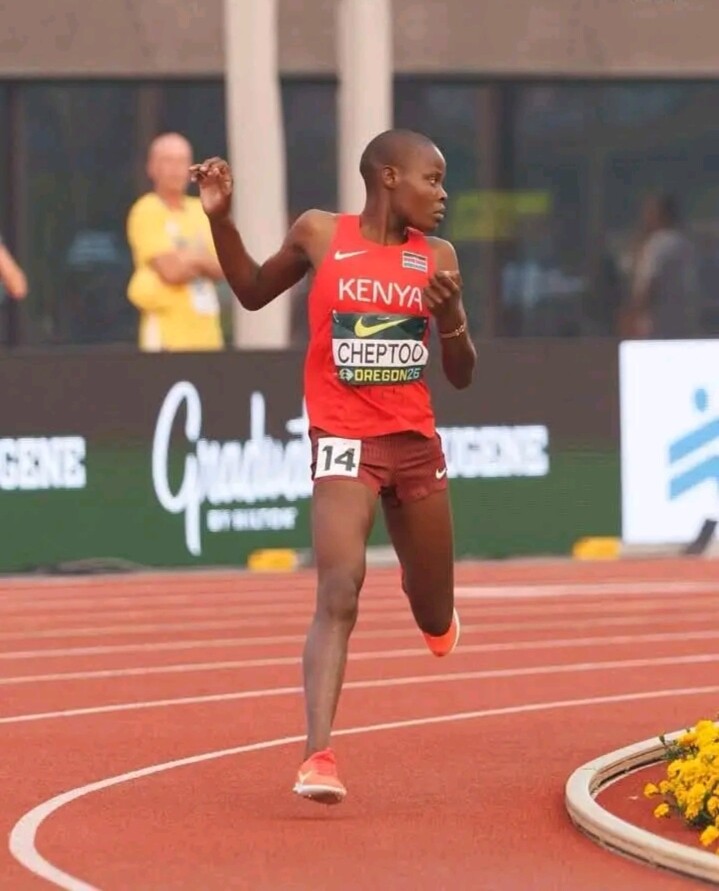
The qualification also reinforces Kenya's enduring reputation as a powerhouse in the steeplechase. For decades, Kenyan athletes have dominated the barriers and water jump on the global stage, and Cheptoo's fearless display suggests another exciting talent is emerging to carry that proud tradition into the future. Her ability to remain composed under immense pressure will make her one of the athletes to watch when the medals are decided.
Cheptoo will now shift her focus to the women's 3,000m steeplechase final, where she will be aiming to challenge for a place on the podium and add another medal to Kenya's campaign at the World Athletics U20 Championships.
The final is scheduled for Friday, 7 August 2026, and after her remarkable recovery in the heats, athletics fans will be eager to see whether the resilient Kenyan can transform an unforgettable qualification into a medal-winning performance.
by Erick Cheruiyot for My Best Runs.
Login to leave a comment

Eugene Welcomes the Future of Athletics as the 2026 World U20 Championships Get Underway
The global spotlight turns to Eugene, Oregon, today as the 2026 World Athletics U20 Championships officially get underway at the iconic Hayward Field, launching five days of elite competition that will showcase the sport's brightest young talents.
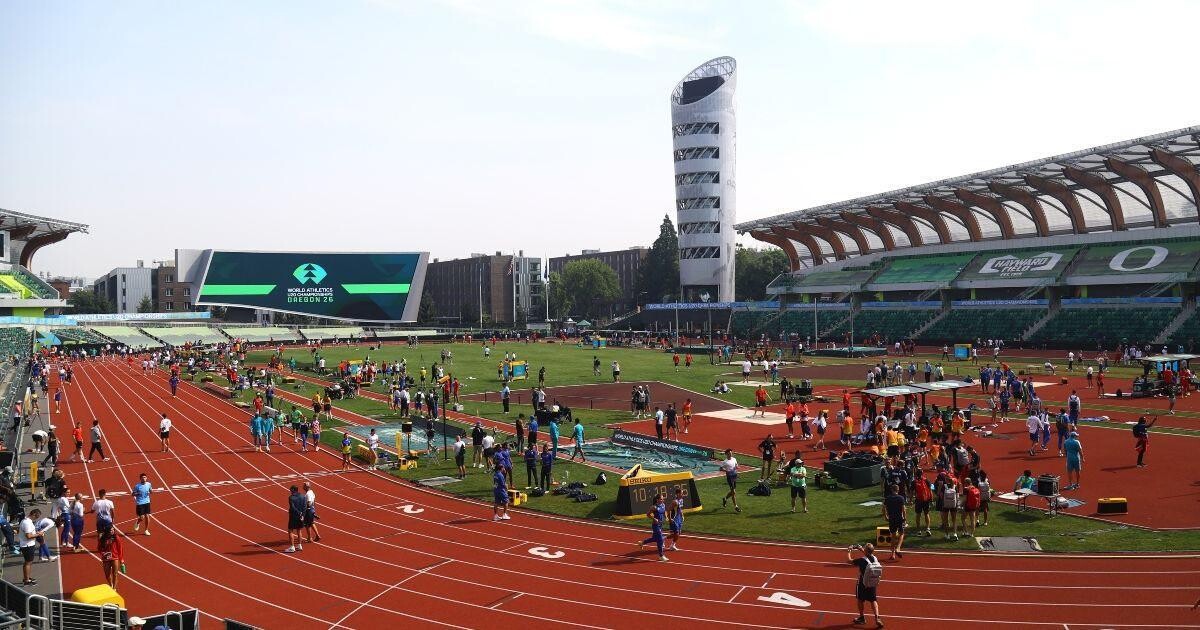
Running from August 5 to August 9, the 40th edition of the championships is the biggest in the event's history, bringing together more than 1,800 athletes representing 147 nations. For many of these rising stars, the championships mark the first major step toward future Olympic, World Championship, and Diamond League success.
The opening day immediately promises world-class action with three gold medals on the line. The women's 5,000m and men's 5,000m finals will test the endurance of the world's finest young distance runners, while the mixed 4×400m relay is expected to provide a thrilling conclusion to the day's competition as teams battle for the first relay title of the championships.
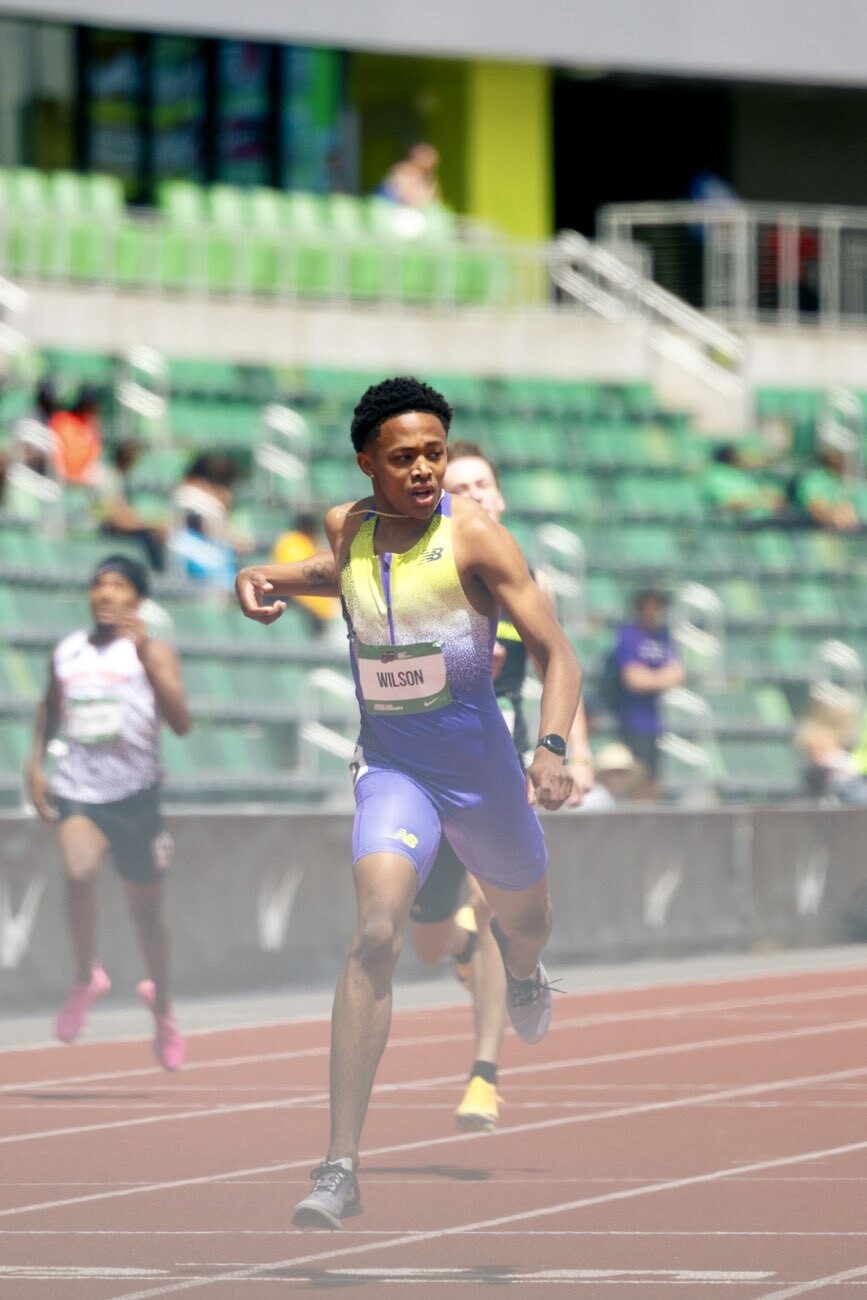
Several exciting athletes arrive in Eugene carrying high expectations. American sprint sensation Quincy Wilson will be one of the biggest attractions on home soil after establishing himself as one of the fastest young quarter-milers in the world. Fellow American Tate Taylor, the high school national record holder, will also be aiming to translate his remarkable speed into championship gold.
Jamaica's emerging sprint talent Shanoya Douglas enters the competition determined to challenge for the women's 200m title, while Kenya's Frankline Kibet will spearhead his country's pursuit of more distance-running success, continuing a tradition that has produced some of the greatest champions in athletics history.
Beyond the medals, the World U20 Championships have long served as the launching pad for future legends of the sport. Numerous Olympic and world champions first announced themselves on this very stage, making Eugene the perfect setting for another generation of athletes eager to leave their mark on the global scene.
Fans around the world will be able to follow every moment of the action through a range of broadcast partners, including Peacock in the United States, SuperSport across Sub-Saharan Africa, Eurovision Sport throughout Europe, CBC Gem in Canada, Seven Network in Australia, and World Athletics+ in eligible territories.
With national pride, championship titles, and the chance to announce themselves to the world at stake, the stage is set for five unforgettable days of athletics. As competition begins at the historic Hayward Field, the next generation of global stars is ready to write the opening chapter of what could become remarkable careers.
by Erick Cheruiyot for My Best Runs.
Login to leave a comment
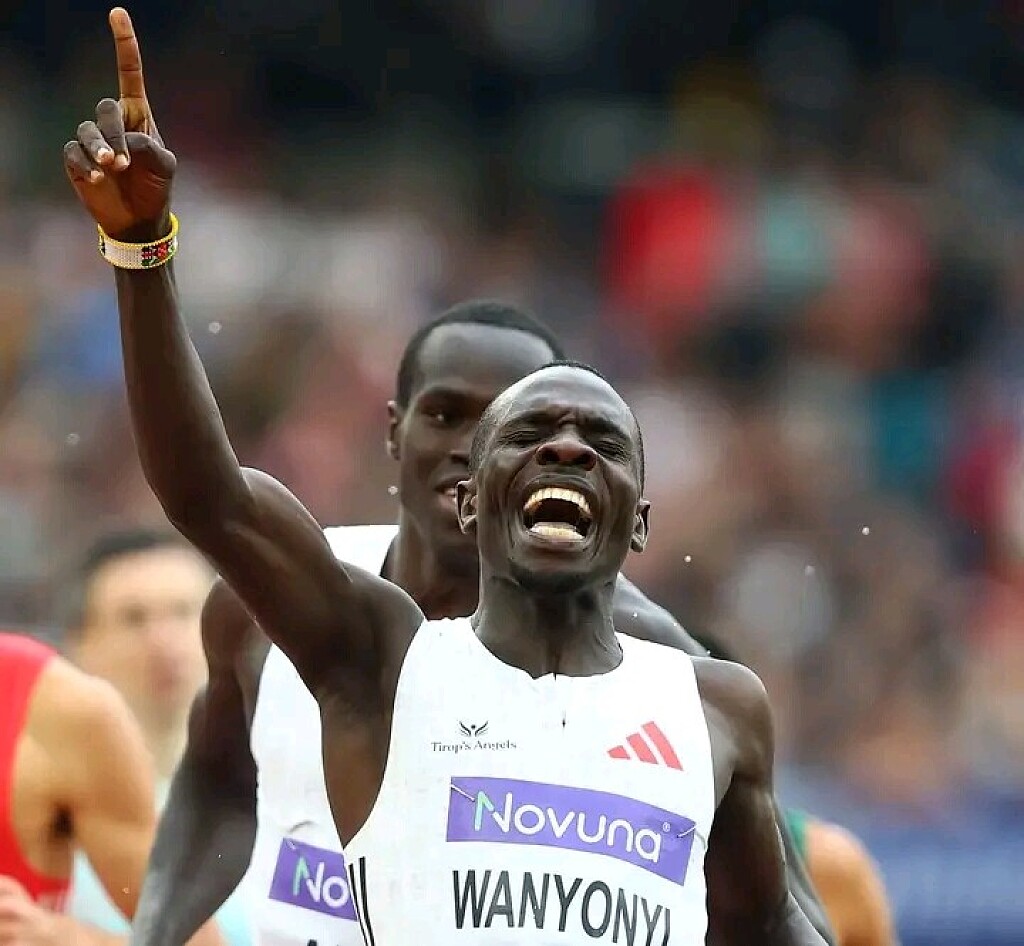
Lausanne Set for Another 800m Classic as Emmanuel Wanyonyi and Marco Arop Prepare to Renew Their Fierce Rivalry
The countdown has begun for what promises to be one of the most captivating races of the 2026 Wanda Diamond League season, with Kenya's Emmanuel Wanyonyi and Canada's Marco Arop confirmed to face each other once again at Athletissima in Lausanne on Friday, August 21.
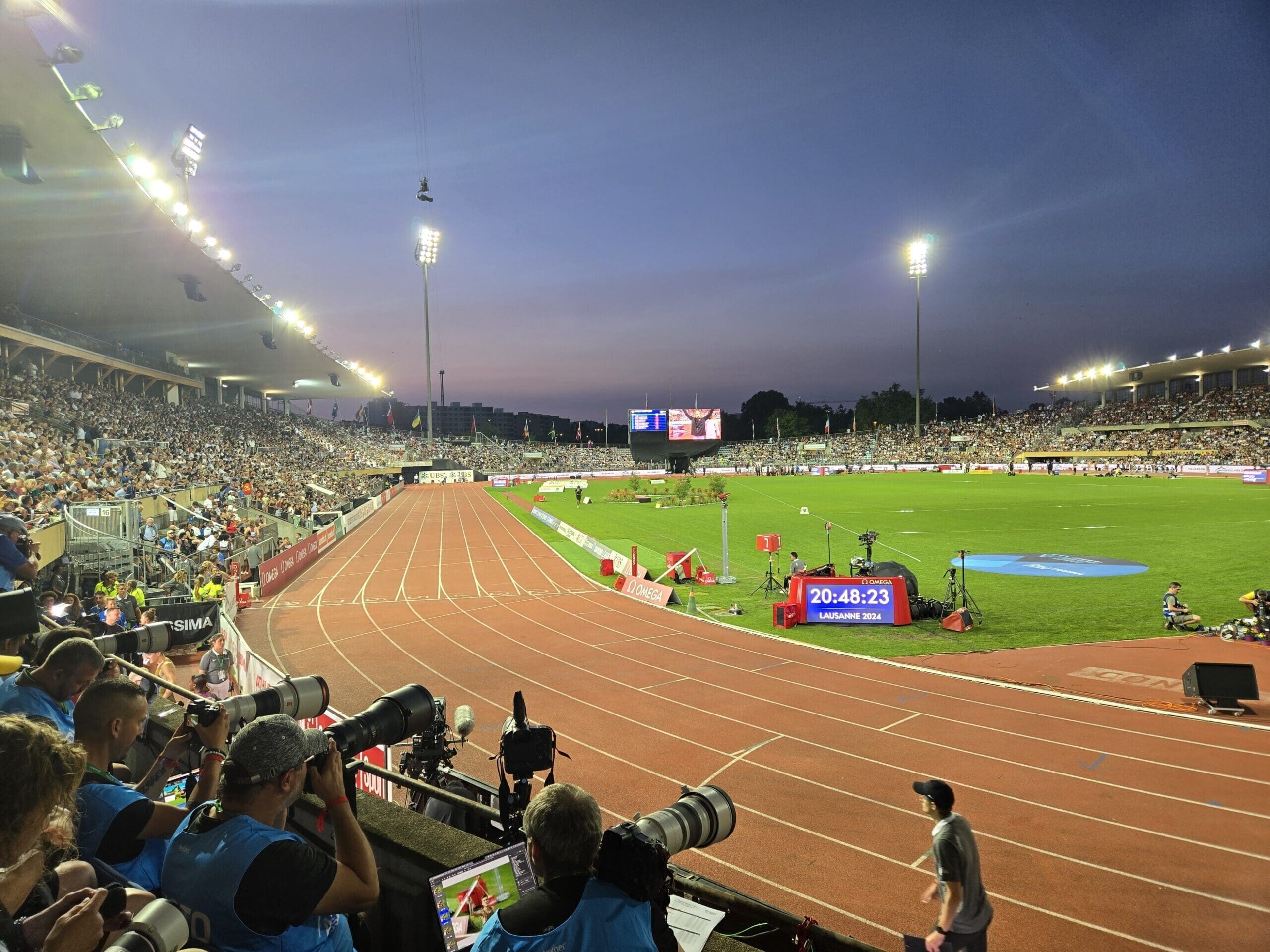
Whenever the world's two premier 800m runners line up together, expectations soar. Their recent meetings have produced some of the fastest and most dramatic two-lap battles in modern middle-distance running, with neither athlete willing to surrender an inch from the opening gun to the finish line.
Wanyonyi has continued to establish himself as one of the sport's brightest stars, combining tactical intelligence with devastating finishing speed. The Kenyan has consistently delivered on the biggest stages, making him the man many of his rivals are eager to defeat.
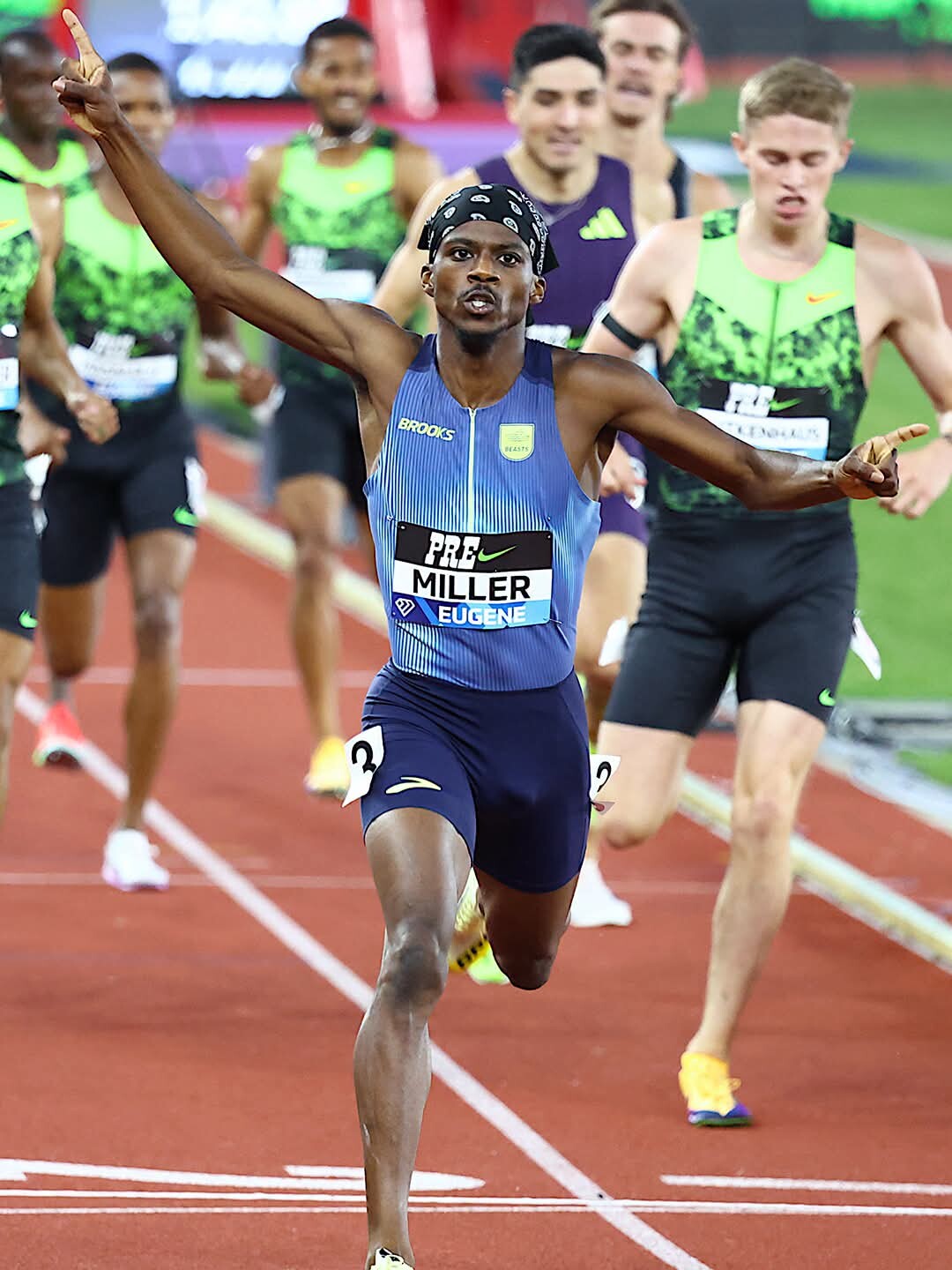
Standing in his way is Marco Arop, the powerful Canadian whose fearless front-running style has turned every meeting between the pair into must-watch athletics. Arop's relentless pace and determination have repeatedly pushed Wanyonyi to his limits, creating a rivalry that has become one of the defining stories of the men's 800m.
Adding another fascinating dimension to the race is American Brandon Miller. After collecting several impressive victories during this year's Diamond League campaign, Miller arrives in Lausanne with growing confidence and the belief that he can challenge the established stars. Rather than simply filling the lanes, he has the form and momentum to influence the outcome of what is expected to be a high-quality contest.
With three of the event's most dangerous competitors sharing the same start line, the Lausanne crowd can expect an unforgettable spectacle. Every tactical decision, every surge, and every stride could determine the winner in an event where the smallest margins often separate victory from defeat.
Athletissima has earned a reputation for producing world-class middle-distance racing, and this year's men's 800m appears destined to uphold that tradition. As Wanyonyi and Arop prepare to write another chapter in their remarkable rivalry, fans around the world will be watching to see who emerges on top—and whether another athlete can disrupt what has become one of athletics' greatest head-to-head battles.
by Erick Cheruiyot for My Best Runs.
Login to leave a comment

Werro Braces for a Star-Studded 800m Showdown as Zürich Welcomes the Season's Biggest Middle-Distance Clash
The women's 800m at the 2026 Weltklasse Zürich is shaping up to be one of the defining races of the Diamond League season, with four of the sport's biggest names set to collide under the lights of the iconic Letzigrund Stadium on Thursday, August 27.
All eyes will be on Swiss sensation Audrey Werro, who returns to her home meeting carrying both the weight of expectation and the confidence of a remarkable season. The reigning Diamond League champion and Swiss record holder has elevated herself into one of the world's premier two-lap specialists after a series of outstanding performances that have captivated athletics fans throughout the year. Competing in front of a passionate home crowd, Werro will be determined to defend her Zürich crown with another memorable display.
Standing between Werro and another home triumph, however, is an exceptional field packed with championship pedigree and international experience.
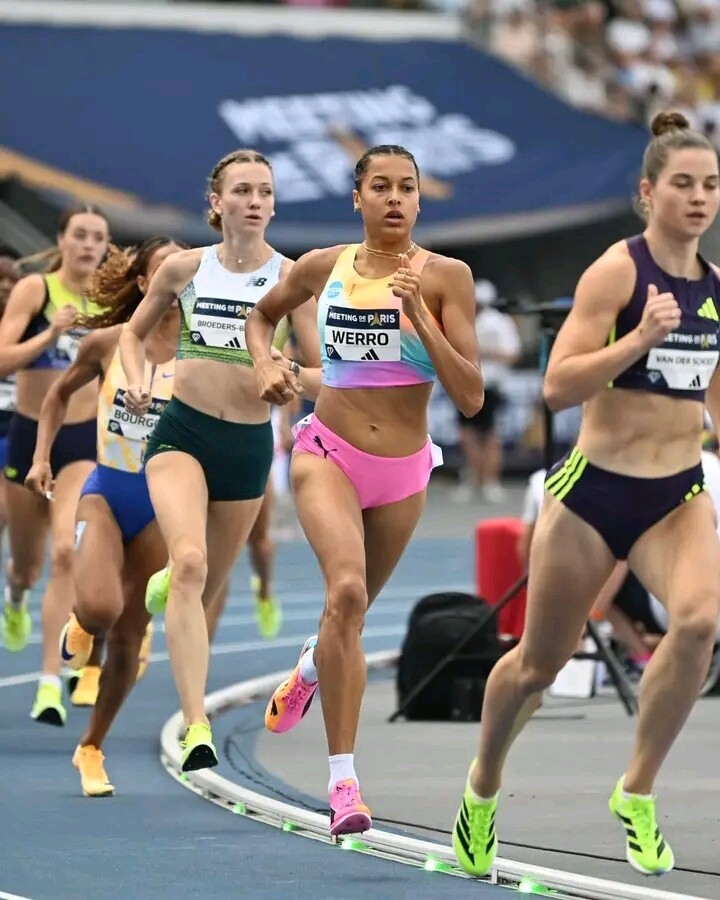
Kenya's Lilian Odira arrives as the reigning world champion, bringing the confidence and tactical strength that have established her among the sport's elite. Known for her composure under pressure and devastating finishing speed, the Kenyan will be aiming to extend her dominance on one of athletics' biggest stages.
Adding another fascinating dimension to the race is Dutch star Femke Bol, who ventures into the 800m after building her reputation as one of the world's greatest one-lap athletes. Her remarkable speed and competitive instincts make her an intriguing contender, with many eager to see how her talents translate over the demanding two-lap distance.
Also in the hunt is Great Britain's Georgia Hunter Bell, the Commonwealth champion whose fearless racing style and explosive finishing kick have made her one of the most dangerous competitors in global middle-distance running. If the pace remains tactical, few athletes possess a stronger closing sprint.
With a Diamond League champion, a reigning world champion, a Commonwealth champion and one of track and field's biggest global stars all sharing the same start line, the ingredients are in place for an unforgettable contest.
The race is expected to deliver blistering early pace, relentless tactical battles and a thrilling finish as four world-class athletes chase victory in one of the most prestigious meetings on the athletics calendar.
For the Zürich faithful, the dream is another magical home victory from Werro. For her rivals, it is the perfect opportunity to spoil the celebration and make a powerful statement ahead of the season's biggest championships.
One thing is certain: when the gun fires at Letzigrund Stadium, the women's 800m promises to be one of the standout spectacles of the 2026 Diamond League season, with pride, prestige and momentum all on the line.
by Erick Cheruiyot for My Best Runs.
Login to leave a comment
