

Running News Daily
Running News Daily is edited by Bob Anderson and team. Send your news items to bob@mybestruns.com Advertising opportunities available.
Index to Daily Posts · Sign Up For Updates · Run The World Feed
Articles tagged #Matterhorn
Today's Running News
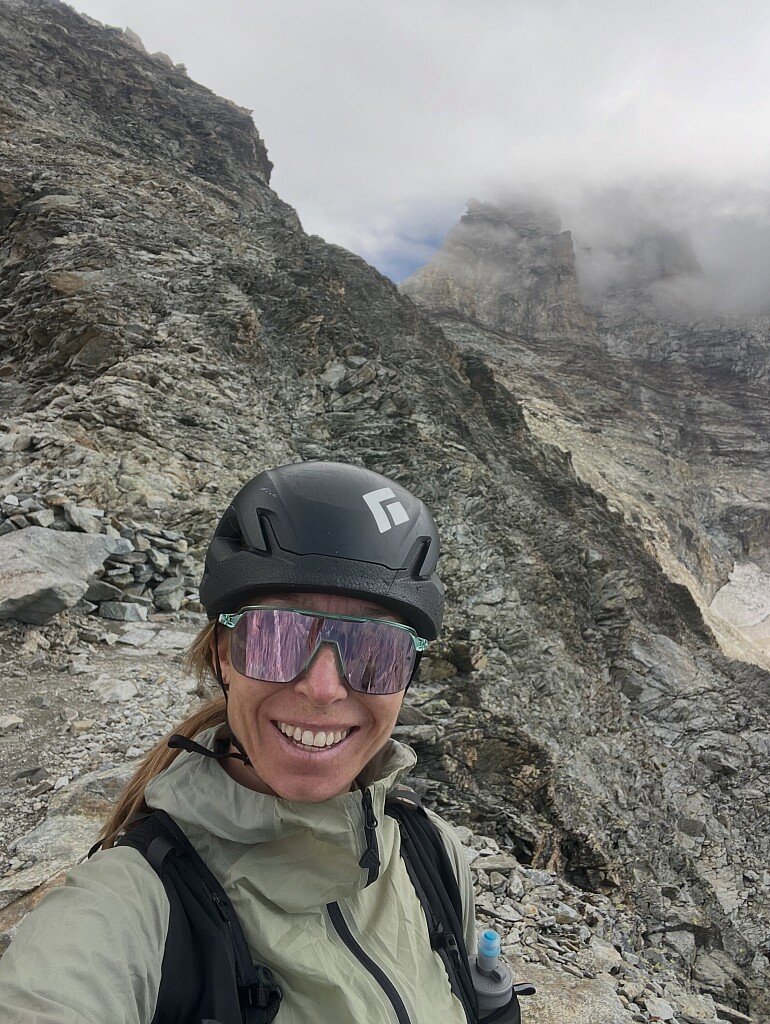


Lost on the Matterhorn: Search Continues for Canadian Trail Runner Kalie McCrystal
The dedicated helicopter search for 38-year-old Canadian mountain runner and lawyer Kalie McCrystal has been suspended after an intensive operation failed to find any trace of her on the Matterhorn in Italy.
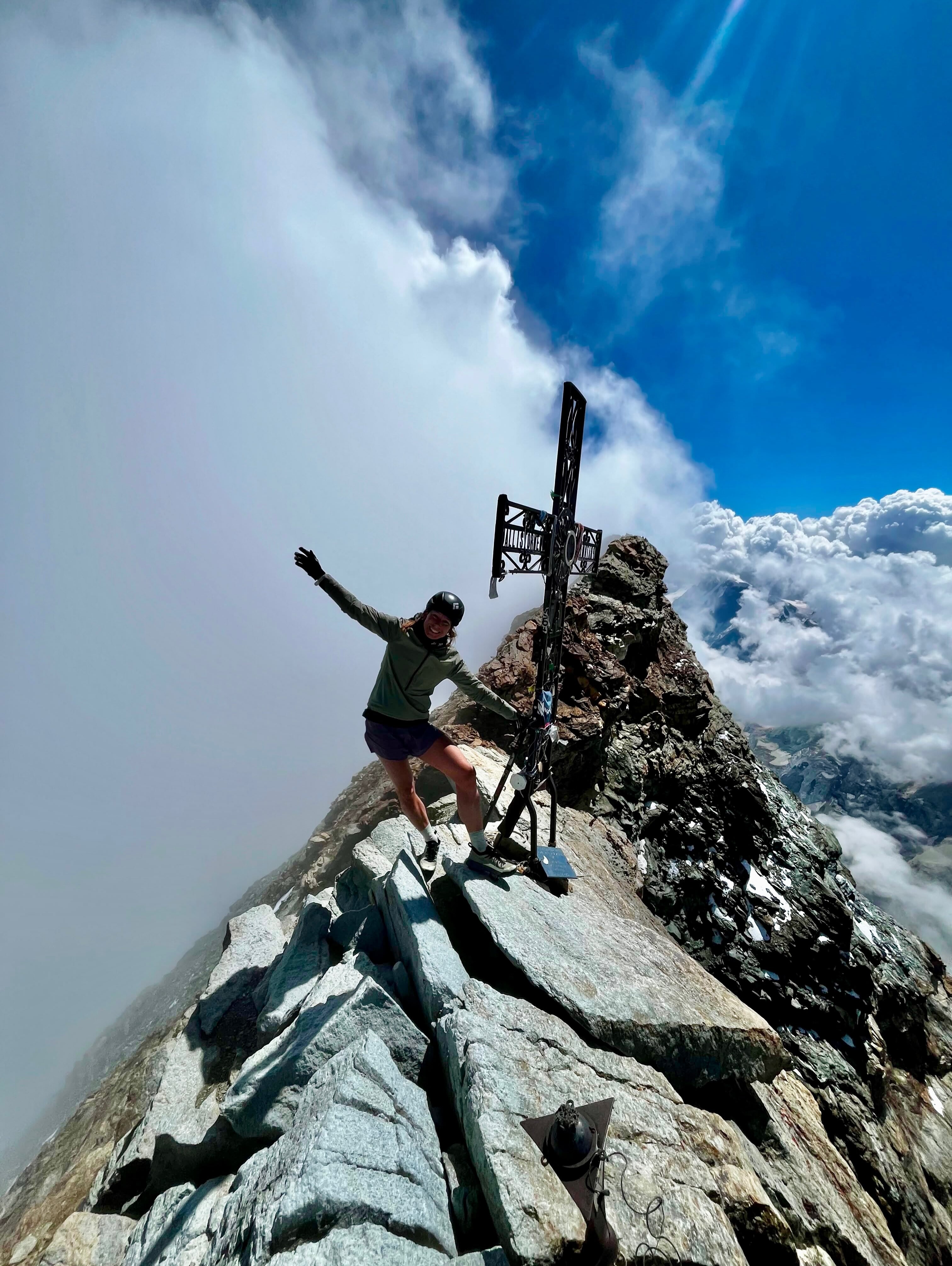
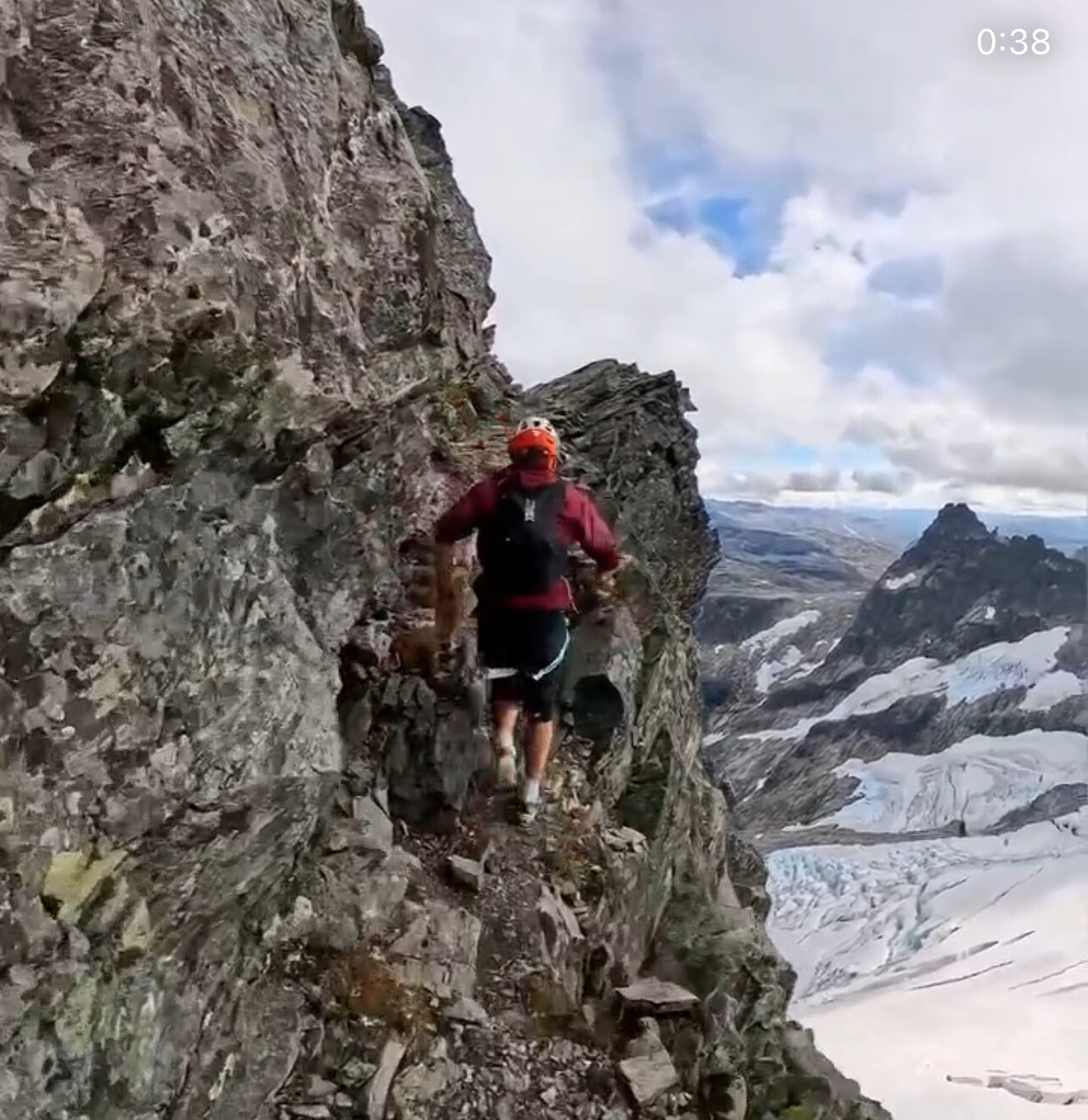
McCrystal, from Squamish, British Columbia, was last seen on Tuesday, September 1, at around 3,830 metres above the Jean-Antoine Carrel Hut on the Italian side of the Matterhorn. A mountain guide reportedly saw her continuing towards the summit at a fast pace, with McCrystal telling the guide that she was training for an attempt to break the mountain's ascent-and-descent record.
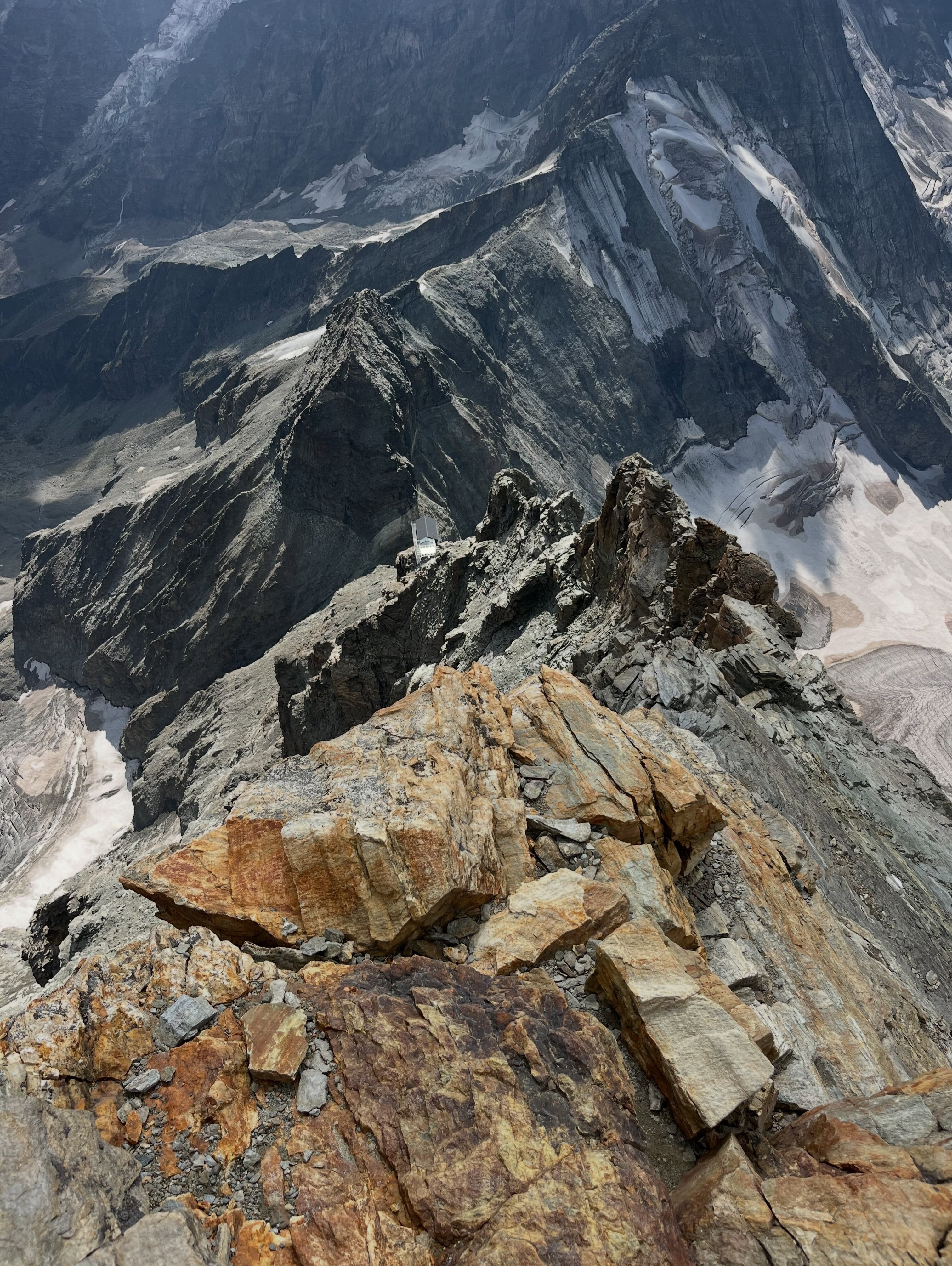
The disappearance has triggered a major search operation across one of the Alps' most challenging environments. Rescue teams conducted repeated helicopter sweeps of the Matterhorn, examining steep cliffs, narrow gullies and other difficult sections of the route on both the Italian and Swiss sides.
A large air ambulance was initially deployed before rescuers switched to a smaller helicopter that could operate closer to the mountain's hazardous rock faces and couloirs. Despite the closer and repeated searches, however, no sign of McCrystal was found.
Authorities also deployed a helicopter-mounted RECCO detector, a technology designed to locate compatible rescue reflectors that can sometimes be incorporated into outdoor clothing or equipment. No signal was detected. Attempts to locate McCrystal through her cellphone also failed to produce a result.
McCrystal had been staying near Cervinia, Italy, as she prepared for a record attempt via the Lion Ridge, the principal Italian route up the Matterhorn. Rising to 4,478 metres, the iconic peak straddles the border between Switzerland and Italy and is renowned for its steep, exposed and technically demanding terrain.
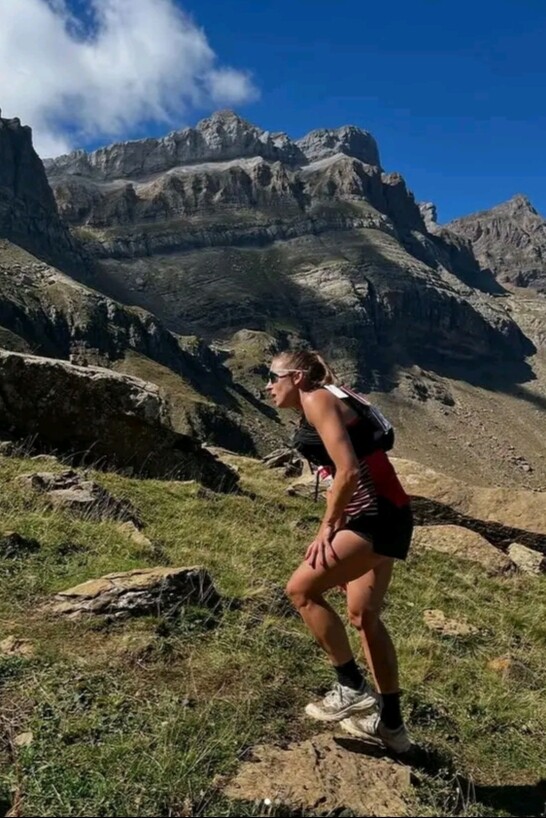
For McCrystal, the planned challenge represented another ambitious chapter in an already impressive mountain-running career. An experienced skyrunner and mountaineer, she has built a reputation for tackling some of the world's most demanding mountain races and routes.
Earlier this year, she won Argentina's 4 Refugios Non-Stop, covering approximately 40 kilometres with 3,350 metres of elevation gain.
Her preparation for the Matterhorn had also included a remarkable solo effort. Just weeks before her disappearance, McCrystal completed a solo ascent and descent of the Matterhorn from Zermatt via Switzerland's Hörnli Ridge in 6:47:33, according to the Fastest Known Time database. Only 10 days later, she competed in Italy's demanding Trofeo Kima skyrunning race.
Her previous experience on the Matterhorn highlights how familiar she was with high-altitude alpine terrain. Athletics Canada describes McCrystal as an experienced skyrunner and mountaineer with extensive knowledge of technical and high-altitude mountain environments. Her planned record attempt was therefore the latest in a series of demanding challenges undertaken at the highest level of mountain running.
Although the dedicated helicopter operation has now been suspended, the search for McCrystal has not completely ended. Mountain guides who regularly climb the Matterhorn are continuing to remain alert for any possible signs, while rescuers are awaiting additional information from police that could potentially lead to a new, more targeted search.
Athletics Canada has also appealed to the media to help raise awareness of McCrystal's disappearance and support the ongoing efforts to locate her.
The news has left the Canadian mountain-running community, as well as many international athletes and supporters who have followed McCrystal's achievements, deeply concerned. Her family is working directly with mountain-rescue services as efforts to determine her whereabouts continue.
At this difficult time, thoughts remain with Kalie McCrystal's family, friends, teammates and everyone involved in the search, with the mountain-running community continuing to hope for answers and her safe return.
by Erick Cheruiyot for My Best Runs.
Login to leave a comment
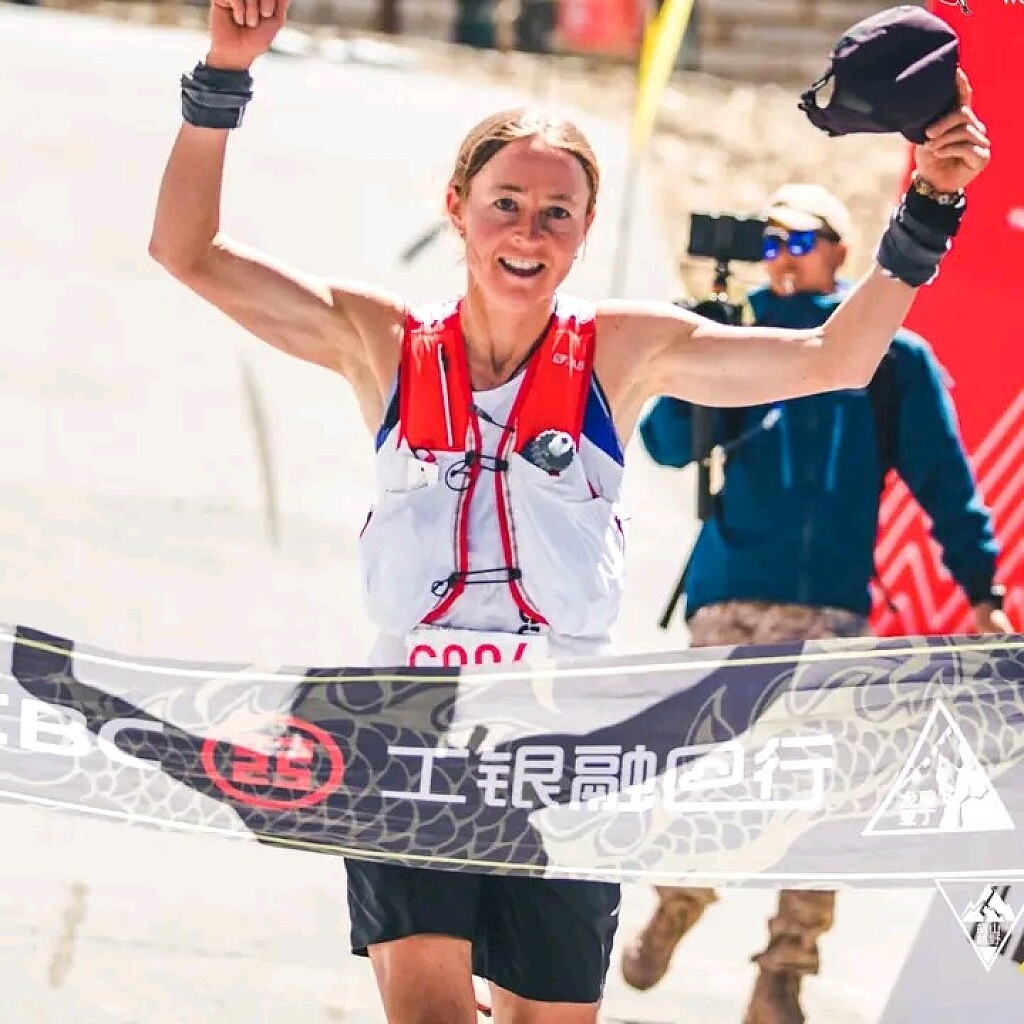
Megan Kimmel: The Mountain Running Icon Whose Legacy Will Echo Through the Peaks Forever
The global mountain running community is mourning the loss of one of its most admired champions. American skyrunning legend Megan Kimmel, the 2016 Skyrunner World Series champion and one of the sport’s most accomplished athletes, has passed away at the age of 46.
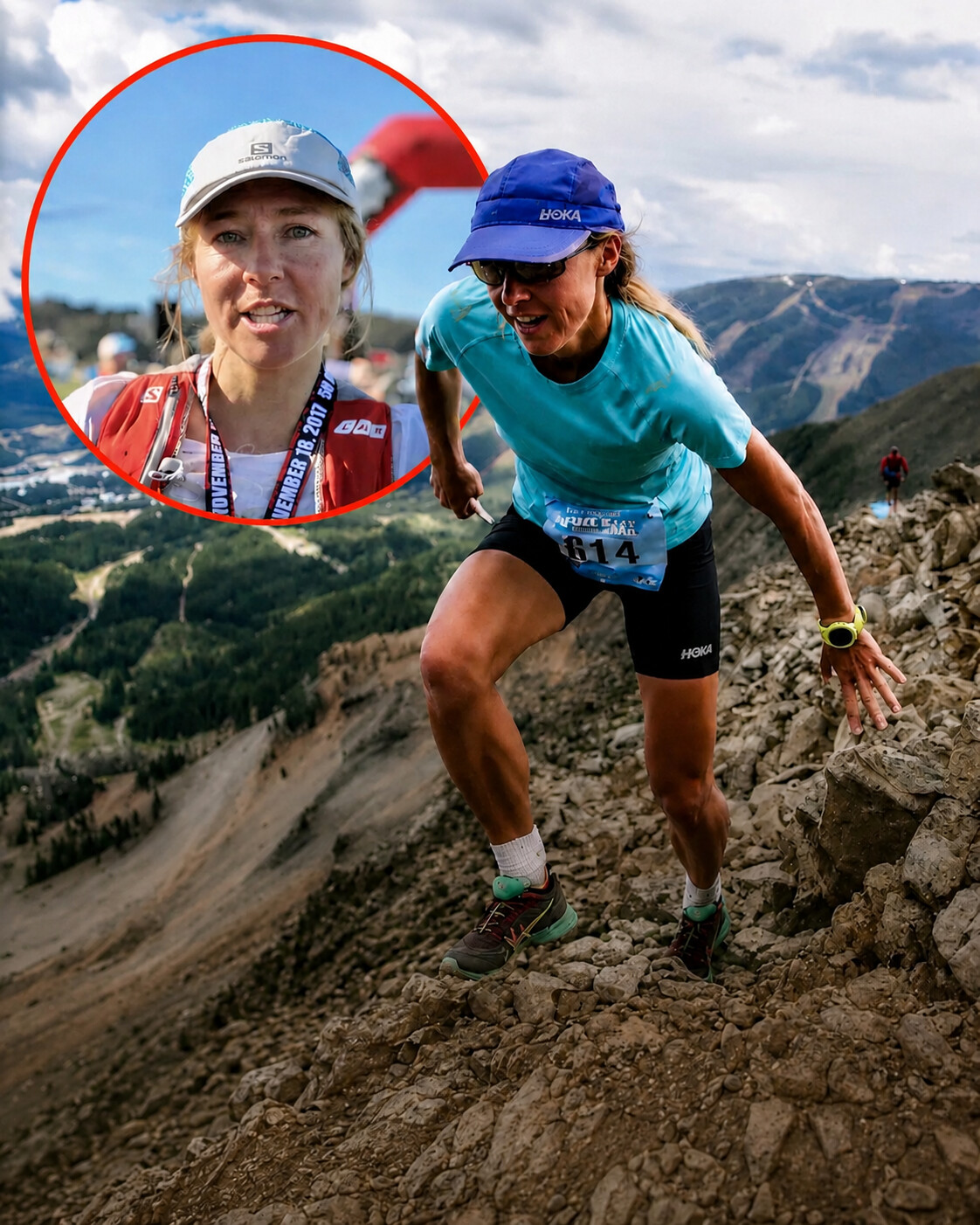
Kimmel leaves behind a remarkable legacy that helped shape modern mountain running. Renowned for her fearless racing style, resilience on the toughest terrain, and unwavering passion for the sport, she inspired athletes around the world both on and off the trails.
Her competitive achievements placed her among the greatest mountain runners of her generation. In 2014, she captured a silver medal at the Skyrunning World Championships in Chamonix, announcing herself on the global stage. A year later, she delivered one of the most memorable performances in skyrunning history by setting a course record at the prestigious Dolomites SkyRace—a mark that remains unbeaten to this day.
Throughout her career, Kimmel amassed victories at some of the world's most demanding mountain races, including Matterhorn Ultraks, The Rut, Yading Skyrun, and Broken Arrow. Whether climbing steep alpine ascents or descending technical trails, she consistently demonstrated the strength, skill, and determination that defined her career.
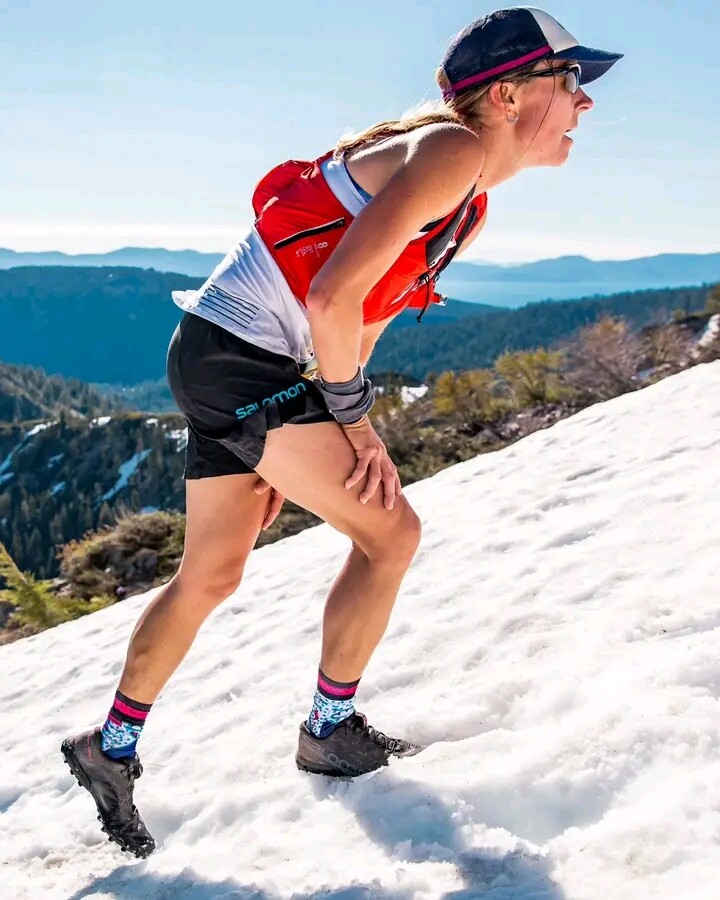
One of her most iconic moments came in 2018 at the legendary Pikes Peak Marathon. Kimmel crossed the finish line in 4:15:04, breaking Lynn Bjorklund’s long-standing 37-year-old course record by 14 seconds. The achievement cemented her status as one of the finest mountain athletes of her era and added another historic chapter to an already extraordinary career.
Yet those who knew Kimmel often spoke less about her victories and more about her character. Living in Silverton, Colorado, she became a beloved figure within the trail-running community, known for encouraging younger athletes, sharing her experience freely, and bringing warmth and positivity wherever she went.
Perhaps nothing captured her relationship with running better than her own words following her Pikes Peak triumph:
“I have always viewed running as a form of therapy rather than pressure. Even on days when I didn't feel like running or racing, those moments often became some of the most rewarding. That is why I am most grateful for running and why it will always be part of my life.”
Those words reflected the philosophy that guided her journey—a belief that running was not merely about competition, but about personal growth, joy, and connection.
Today, the trails she loved remain, stretching across the rugged landscapes that shaped her career. But for countless runners, competitors, and friends, those mountains will never feel quite the same. Megan Kimmel's achievements will endure in record books, yet her greatest legacy may be the inspiration she provided to generations of athletes who dared to chase summits because she showed them what was possible.
The mountain running world has lost a champion, a mentor, and a cherished friend. Her footprints may fade from the trails, but her influence will continue to rise with every runner who follows the path she helped create.
by Erick Cheruiyot for My Best Runs.
Login to leave a comment
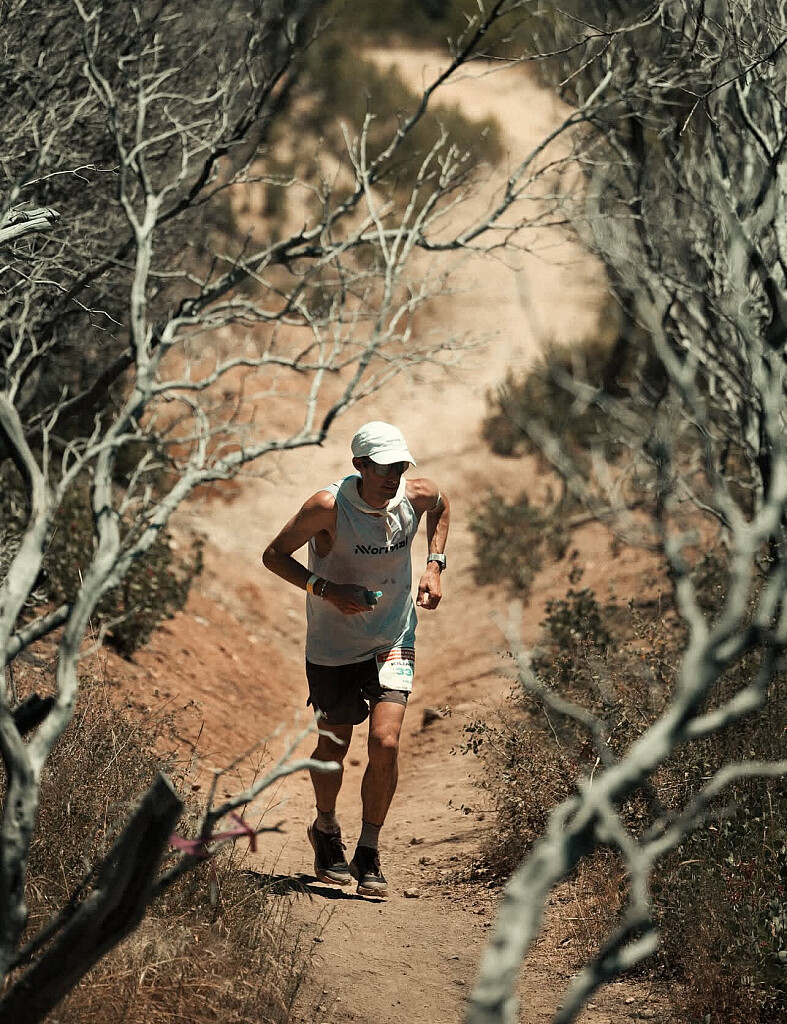
Kilian Jornet Announces Bold New Ultra-Endurance Challenge
Kilian Jornet, widely regarded as the greatest endurance athlete of all time, has unveiled his most audacious project yet—combining the grit of the Tour de France with the relentless grind of marathon running.
The mountain-running icon plans to summit every 14,000-foot peak in the contiguous United States, linking them all by bicycle and on foot. His concept blends cycling stages on par with the Tour de France and running a marathon each day, all while climbing some of the highest mountains in America.
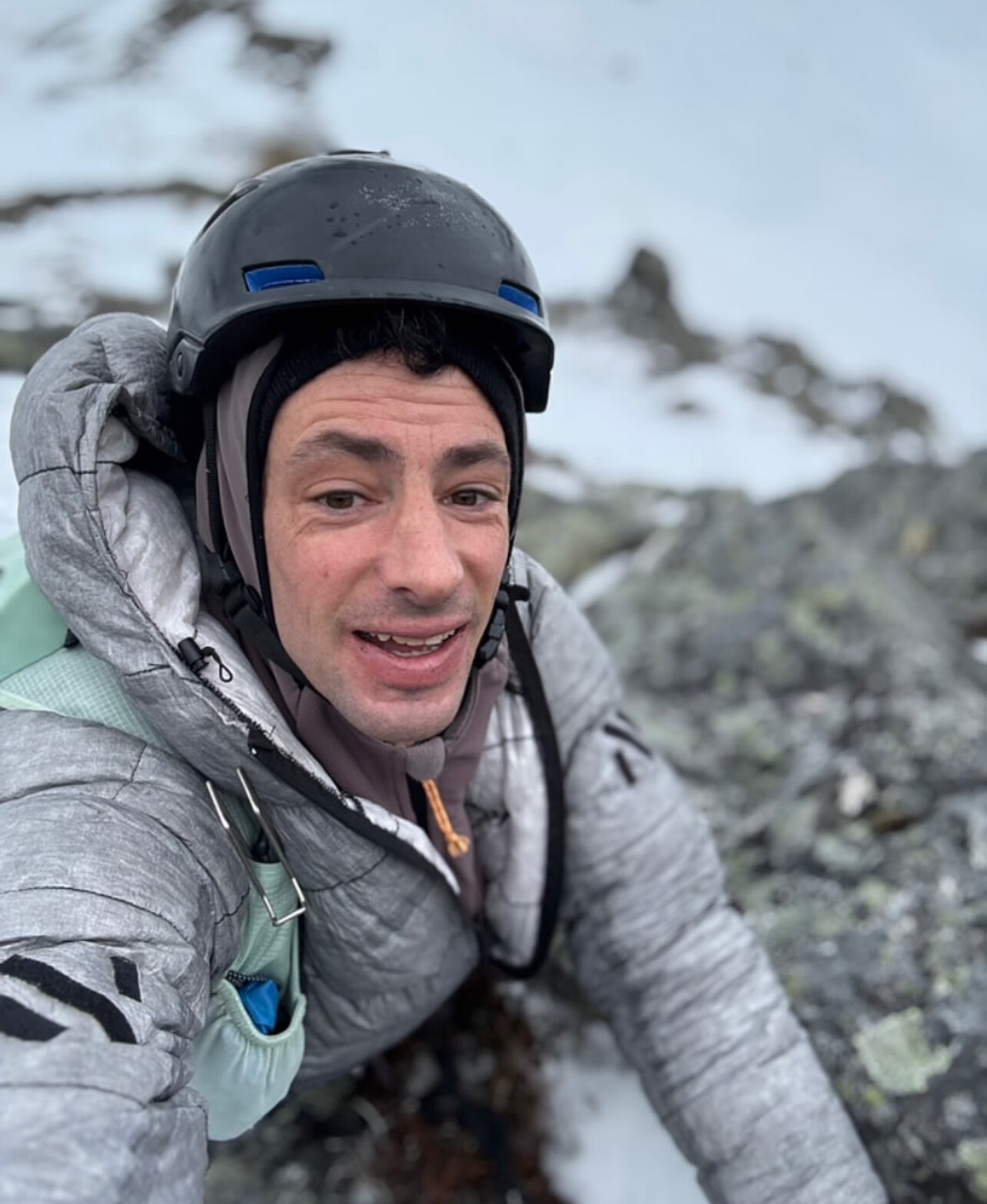
A New Level of Endurance
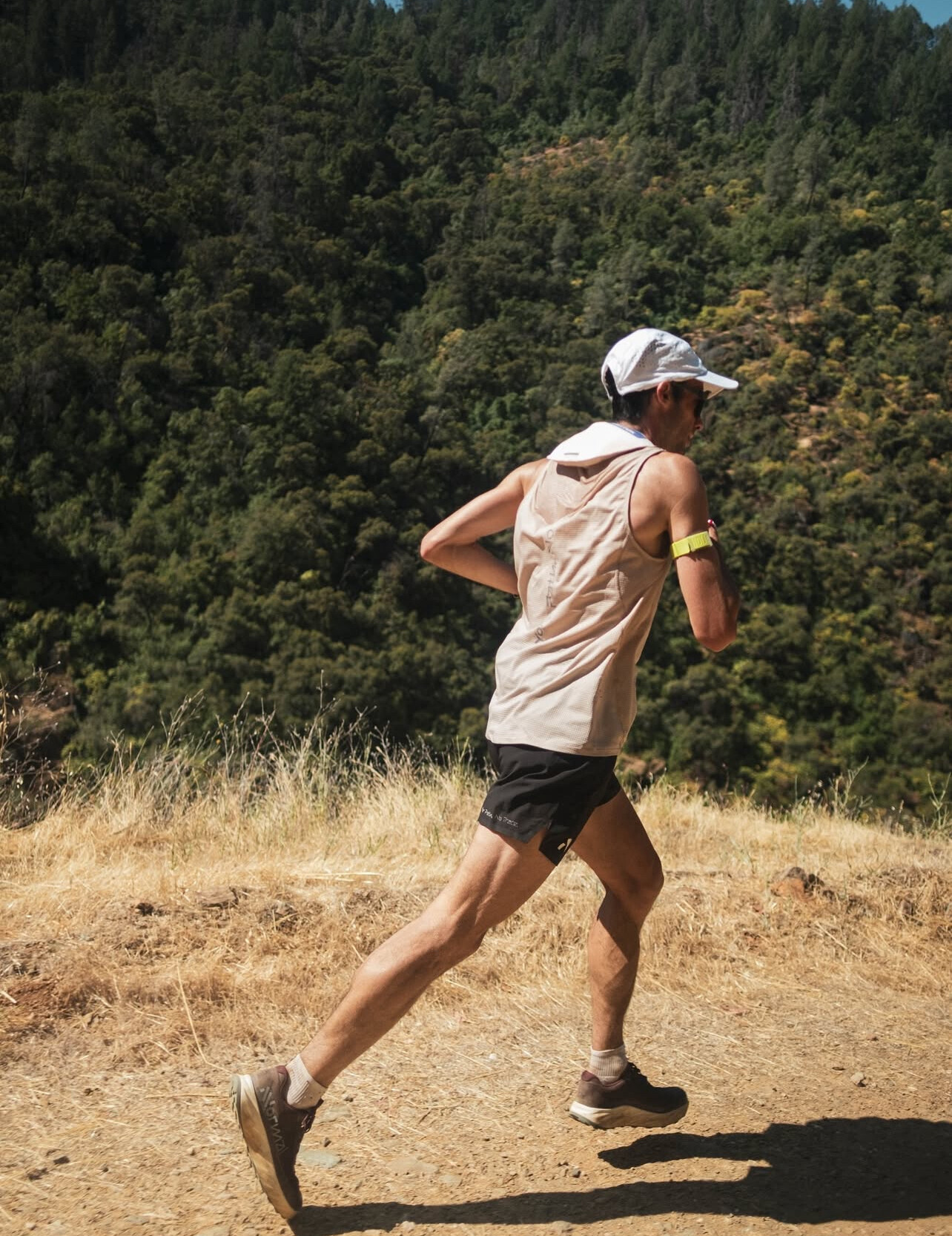
Jornet has long redefined the limits of human performance. From setting speed records on Mont Blanc, Everest, and the Matterhorn, to dominating ultramarathons around the globe, his career has blurred the line between mountaineering, cycling, and distance running.
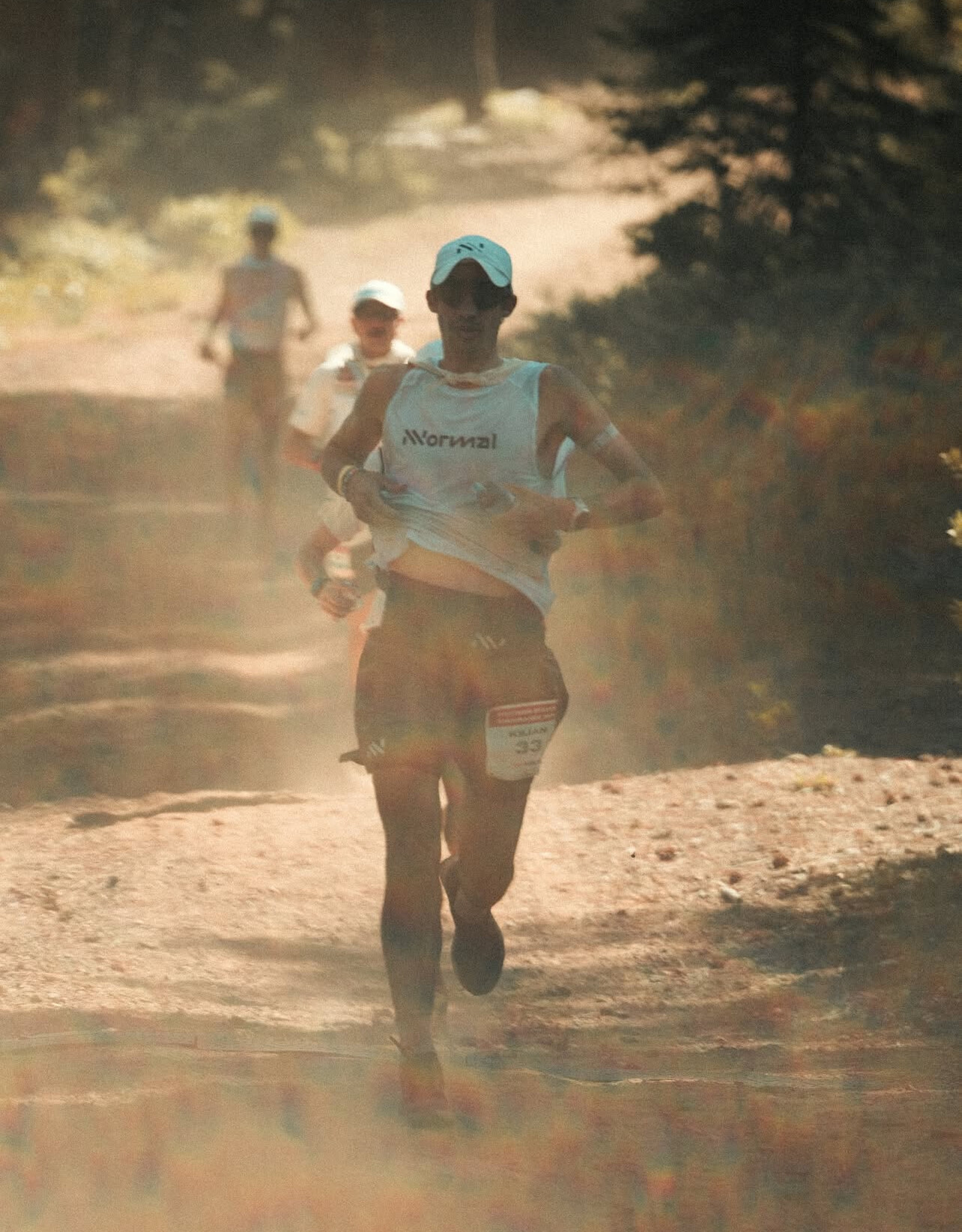
This latest challenge pushes even further—requiring not just peak physical conditioning, but also careful logistics, recovery, and resilience in some of the toughest terrains on earth.
Why This Challenge Matters
The project is more than just an athletic quest. By connecting summits, marathons, and cycling stages into one continuous journey, Jornet is symbolically uniting three of endurance sport’s greatest disciplines. His effort will not only test human possibility but also inspire runners, cyclists, and climbers to think beyond conventional limits.
As Jornet himself has often said, his greatest motivation comes from curiosity—asking what lies beyond the next climb, the next trail, or the next idea of what’s possible.
The Road Ahead
No specific launch date has yet been set, but anticipation across the endurance community is already high. If Jornet succeeds, this could go down as one of the most ambitious endurance projects in modern history—an odyssey across mountains, roads, and trails that only someone like Kilian could attempt.
by Boris Baron
Login to leave a comment
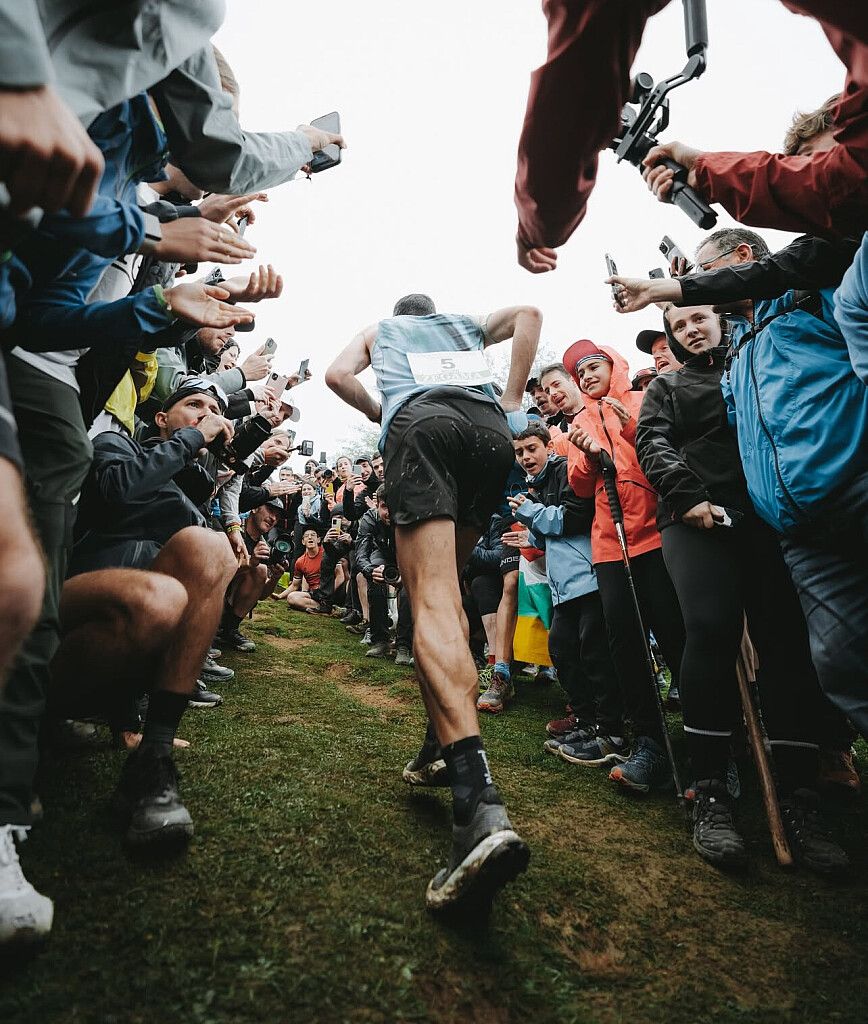
Kilian Jornet is The Laid-Back Legend of the Mountains and Ultramarathons
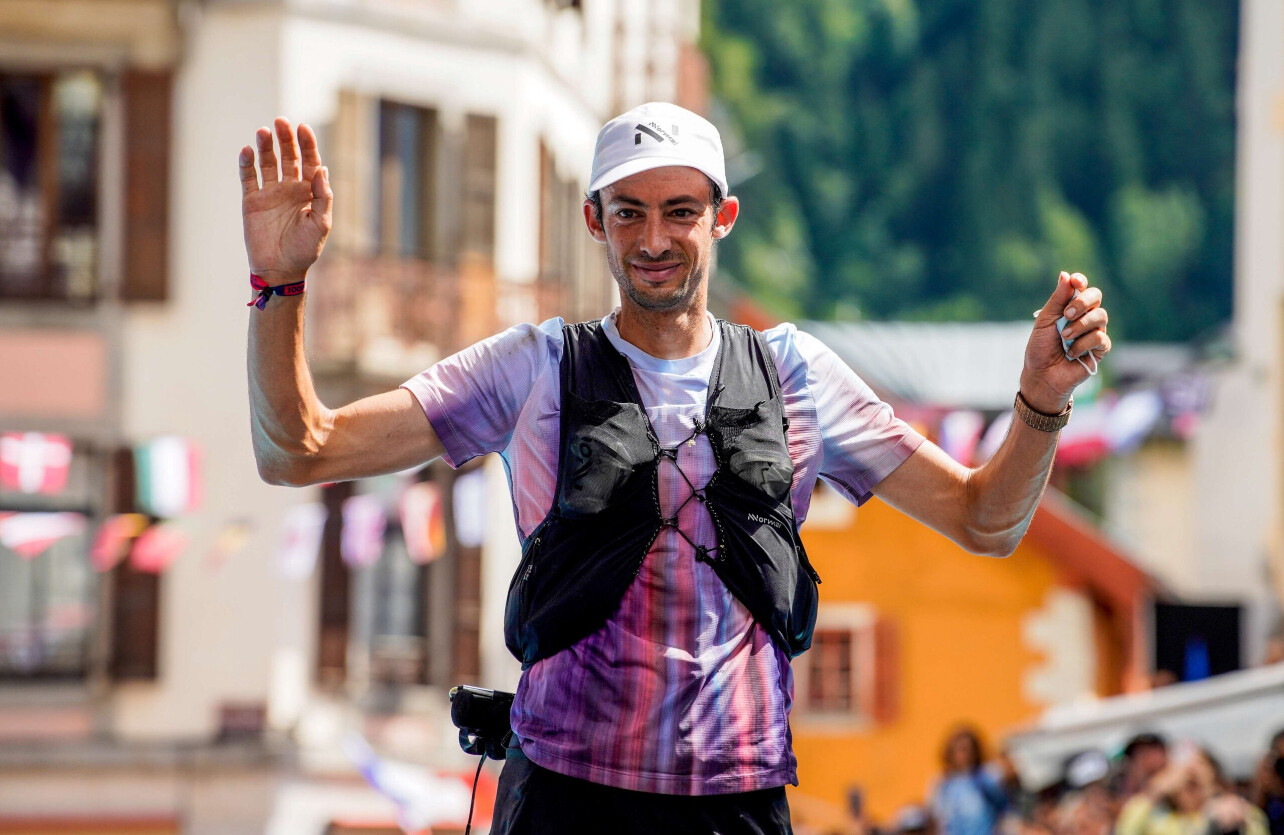
Kilian Jornet is one of the most decorated endurance athletes in history, yet you wouldn’t know it from speaking with him. He carries his accolades with a shrug and a smile, displaying the kind of calm confidence that comes from years of pushing human limits at extreme altitudes and distances. Whether he’s setting records on towering peaks or dominating the world’s most grueling ultramarathons, Jornet approaches every challenge with an almost playful ease.
Breaking Records in the Mountains
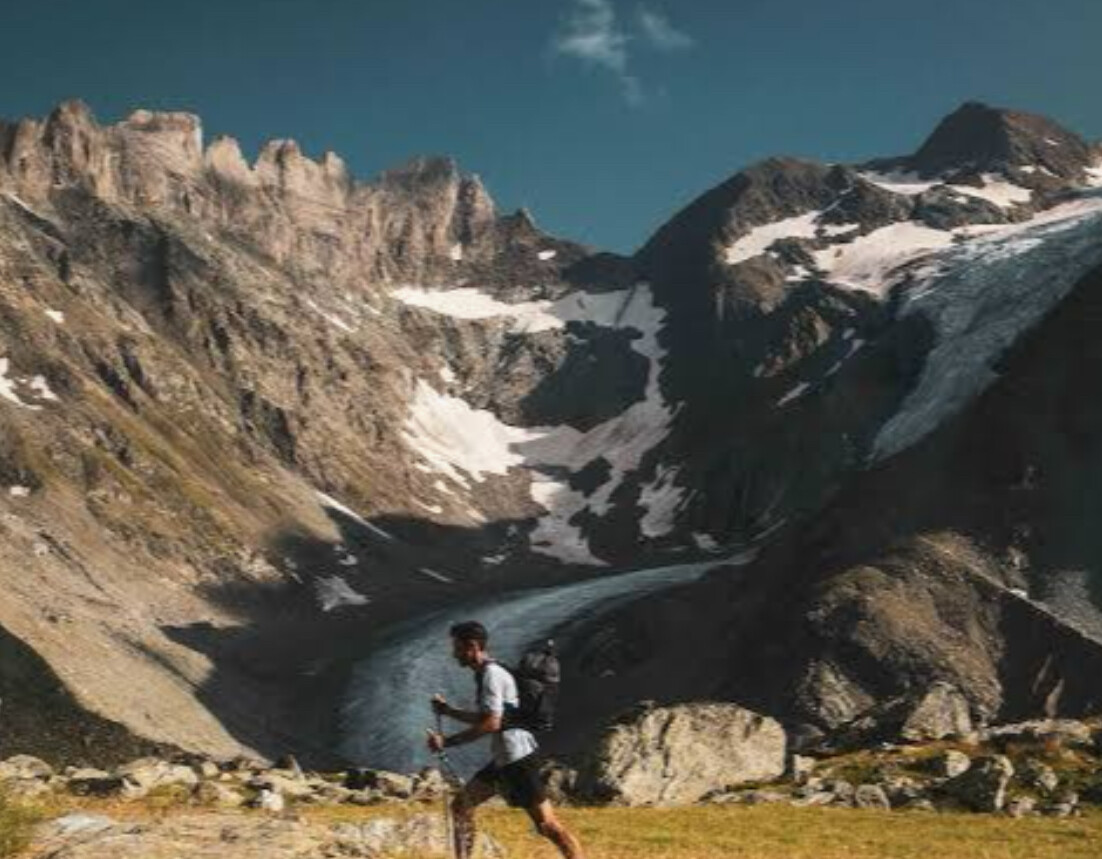
Jornet’s list of accomplishments reads like something out of a mountaineering legend’s biography. He holds the fastest known time (FKT) for ascent and descent of some of the world’s most iconic peaks, including Mont Blanc, the Matterhorn, and Denali. His 24-hour uphill skiing record—a staggering 23,864 meters (78,312 feet) of elevation gain—stands as a testament to his extraordinary endurance.
For Jornet, mountains aren’t just a competitive arena; they are home. Growing up in the Pyrenees, he was introduced to skiing and mountain running at an early age. By his teens, he was already an elite ski mountaineer, but his ambitions stretched far beyond the competition circuit. He set his sights on redefining speed and endurance in the world’s most rugged terrains.
Dominating Ultramarathons
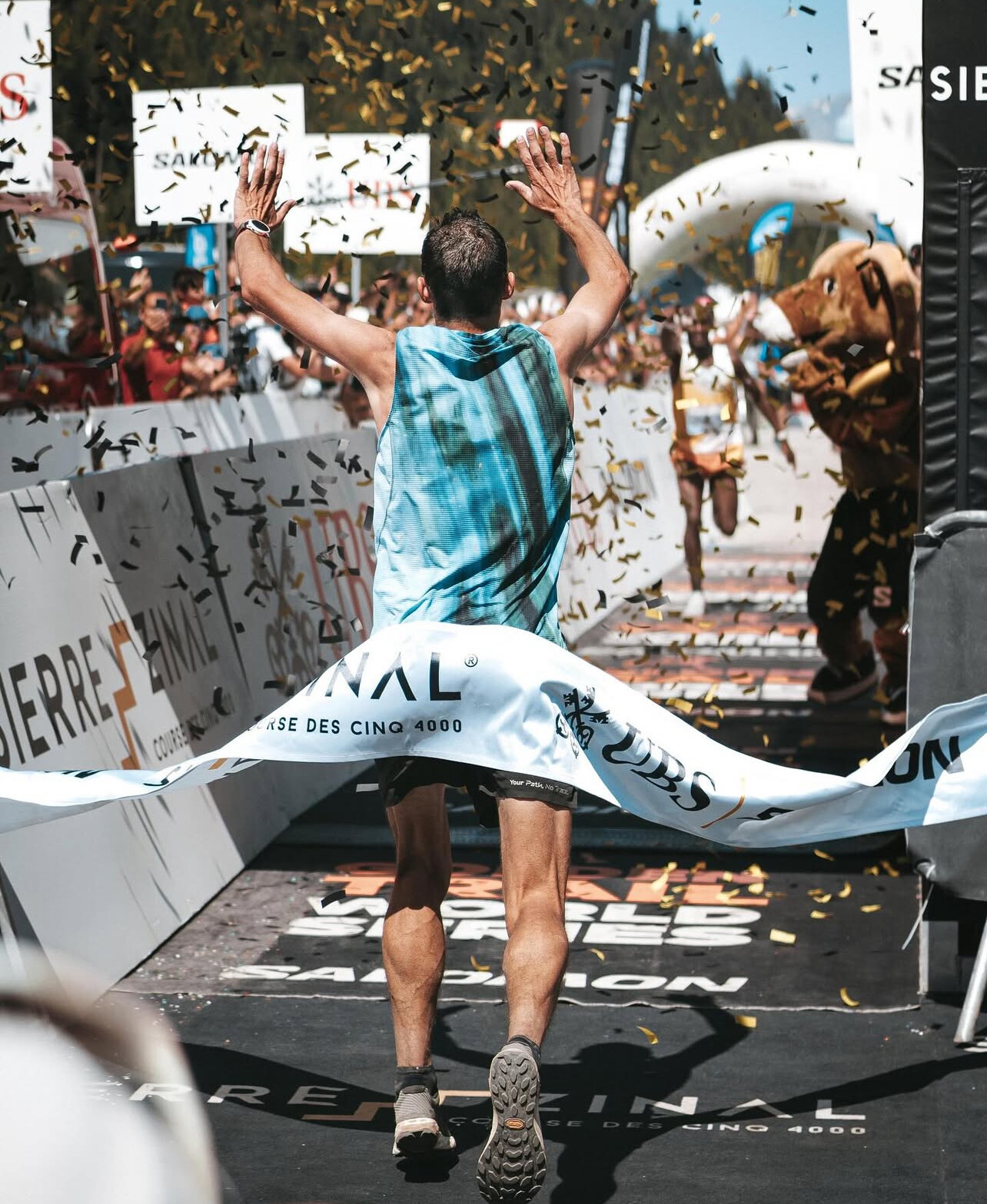
Beyond mountaineering, Jornet has excelled in ultramarathons, often obliterating world-class competition. His wins include victories at:
• Ultra-Trail du Mont-Blanc (UTMB) – Arguably the most prestigious ultramarathon in the world, where Jornet has claimed multiple titles.
• Hardrock 100 – He’s won this brutally tough race in Colorado multiple times, including running it with a dislocated shoulder in 2017.
• Western States 100 – A race where his performance cemented his status among the world’s best ultrarunners.
• Zegama-Aizkorri Marathon – A mountain marathon in the Basque Country where he has thrilled fans with record-breaking runs.
Jornet’s dominance is not just about physical strength. His ability to read the mountains, understand his body, and adapt to extreme conditions gives him an almost supernatural edge.
The Mindset of a Champion
Despite his mind-blowing achievements, Jornet remains humble. When asked about his records, he often downplays them, focusing instead on the experience rather than the numbers. His approach to training is unconventional by traditional standards—he listens to his body, adapts his workouts based on how he feels, and prefers to spend as much time as possible in the mountains rather than following rigid training plans.
This laid-back mindset might seem at odds with his high-performance results, but it’s exactly what makes him great. He thrives in uncertainty, adapting in real time and trusting his instincts rather than fixating on data.
Looking Ahead
Jornet continues to push boundaries, not just in racing but in exploring human potential in extreme environments. His recent projects have included minimalist alpine expeditions and self-supported endurance challenges rather than traditional competitions. He is also an advocate for environmental sustainability, working to preserve the mountains he loves.
At 36 years old, Jornet is still redefining what’s possible in endurance sports. Whether he’s racing, breaking records, or simply enjoying a day in the mountains, he remains one of the most inspiring athletes the world has ever seen.
For those who dream of reaching their own endurance goals, there’s a lesson to be learned from Jornet: approach every challenge with passion, stay adaptable, and never lose sight of the joy that brought you to the sport in the first place.
by Boris Baron
Login to leave a comment
Beyond Marathons: Uncovering the World’s Most Scenic Trail Runs
For experienced trail runners searching for their next trail marathon and newcomers to the sport who are researching trail run events for the first time, we have compiled a list of the top destinations for trail running
These races are renowned and provide breathtaking scenery, making them a must-have addition to your race calendar. Our selection deliberately combines well-known races with hidden gems you may not be familiar with. These hidden gems offer a unique sense of adventure and excitement, going beyond the usual races that everyone knows about.
WaitomoTrailRun,New Zealand
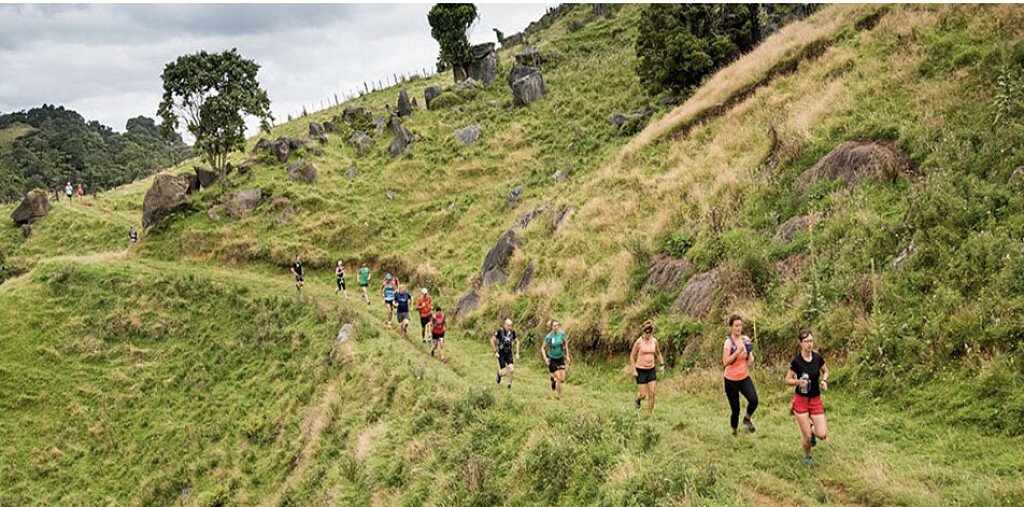
The Waitomo Trail Run, a one-of-a-kind event located in New Zealand's North Island, offers a unique and unforgettable experience. Now in its third year, this trail run has quickly become the largest of its kind in the country.
Participants find themselves immersed in the stunning landscape of Hobbit country, with its picturesque rolling hills adorned with vibrant green grass. As you traverse the course, you'll also have the opportunity to explore captivating limestone caves illuminated by the enchanting glow of glowworms.
It's important to note that littering is strongly discouraged, as there is a peculiar consequence for those who discard their energy gel wrappers. Participants may find themselves tasked with clearing gorse from the hills above Te Anga road while sporting nothing but jandals, shorts, and a singlet. However, they will be rewarded with warm cordial for sustenance and have the opportunity to partake in the wet Perendales crutching experience for several days.
Lavaredo Ultra Trail, Northern Italy
Located in central-eastern Italy, the Dolomites showcase breathtaking rock formations that are truly remarkable. The Lavaredo Ultra Trail takes place within this distinctive lunar landscape, ranking as one of the most exquisite races worldwide. Only by participating in this event will you truly grasp why this place holds a magical allure, much like Venice.
Even the world’s best sportsbooks that cover marathon odds would struggle to conjure up the necessary prices due to the distraction this location's beauty presents.
As part of the UTWT competitions, the race unfolds amidst the majestic Dolomite mountains, running alongside the picturesque Misurina Lake and at the base of the renowned Tre Cime of Lavaredo, a symbol of global mountaineering. The beauty of this location stems from the striking contrast between the lush alpine forests, the rugged gray rocks, and the vivid blue skies and lakes.
While the race offers fast sections, it is also technically demanding, requiring attentiveness to the rocky terrain and tree roots along the course. This is an event that should not be missed, although securing a spot through the registration draw is essential. Be sure to mark it on your agenda, as the experience is bound to be unforgettable!
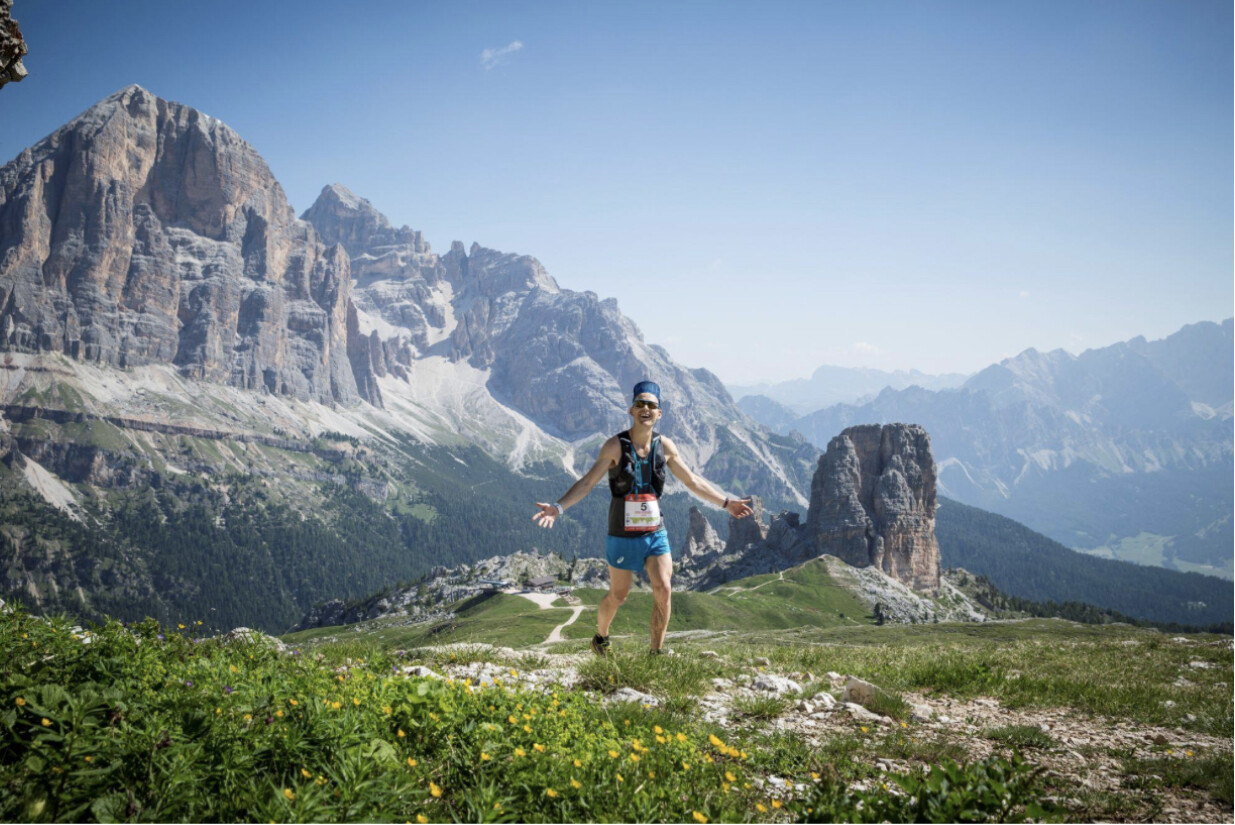
Vallee Du Trail, Chamonix, France
Chamonix, renowned as the valley for trail running and the official host of the prestigious Ultra Trail du Mont Blanc, embodies the essence of the trail running community. Chamonix is a paradise for trail runners, as it offers a remarkable collection of 18 well-marked running routes that meander through picturesque mountain trails, enchanting forests, and serene alpine meadows, all while providing breathtaking panoramas of majestic mountains and icy peaks.
What sets Chamonix apart is its inclusive and hospitable trail running community, which caters to elite athletes and anyone who possesses a deep affection for the mountains and the exhilarating outdoors.
MatterhorUltraks, Switzerland
The Matterhorn, the ultimate representation of a picturesque alpine setting and alpine skiing, takes center stage for trail running during the summer. In Switzerland's Matterhorn Ultraks event, this majestic peak is visible from all directions and can be encircled through various routes ranging from 16 to 46 km.
One particularly remarkable feature is the K30 trail, which spans 31.5 km and includes a thrilling highlight: a suspension bridge crossing the glacier gorge. Zermatt serves as the starting point for all the trails.
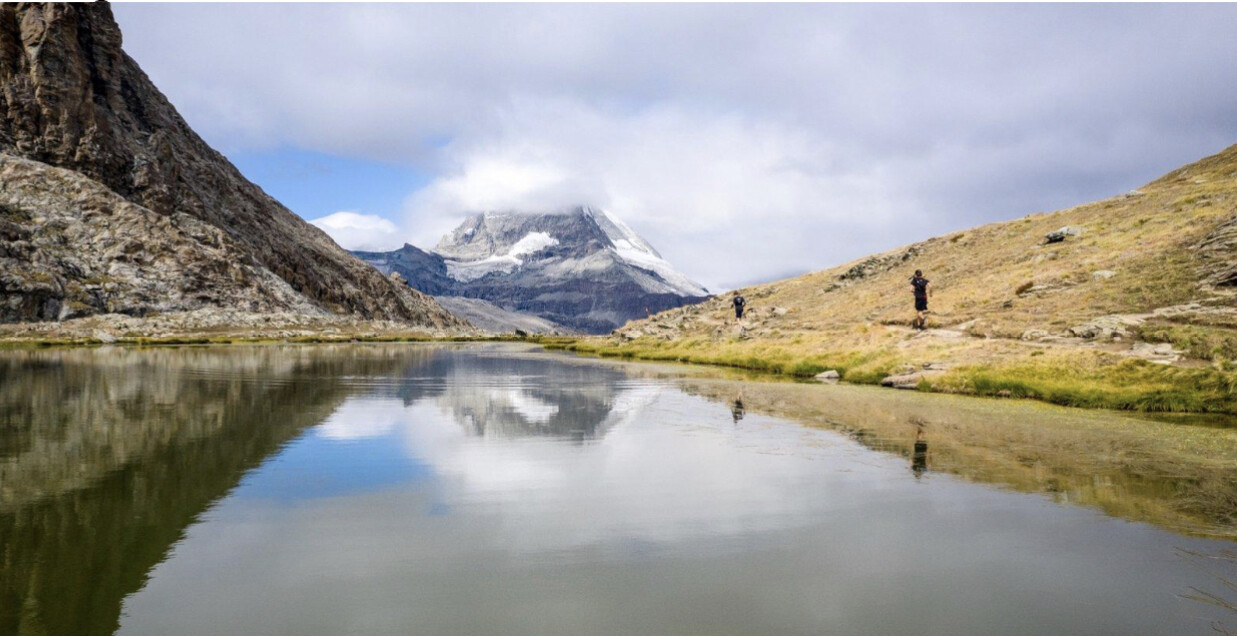
By the way, "Ultraks" represents a series of trail running events at the most awe-inspiring mountain peaks across Europe.
X-TerraTrailRunWorld Championship, Hawaii
The X-Terra Trail Run World Championship is held at Kualoa Ranch, located in Hawaii. This ranch is famously known as Jurassic Valley, as it served as the backdrop for the iconic dinosaur movies.
The trails used in the X-Terra Trail Run World Championship are typically inaccessible to the general public. Therefore, this race offers a unique opportunity for runners to explore and appreciate the natural beauty of this area.
The terrain itself is diverse and awe-inspiring. Participants will have the chance to run alongside cliffs and white sand beaches and navigate their way through dense rainforests.
No prior qualifications are required to participate in the 21-kilometer championship course. This event also includes a 10-kilometer race, a five-kilometer race, and an "adventure walk," making it accessible to runners of all ages and skill levels, from beginners to elite athletes.
Login to leave a comment
Kilian Jornet pulls out of UTMB with injury
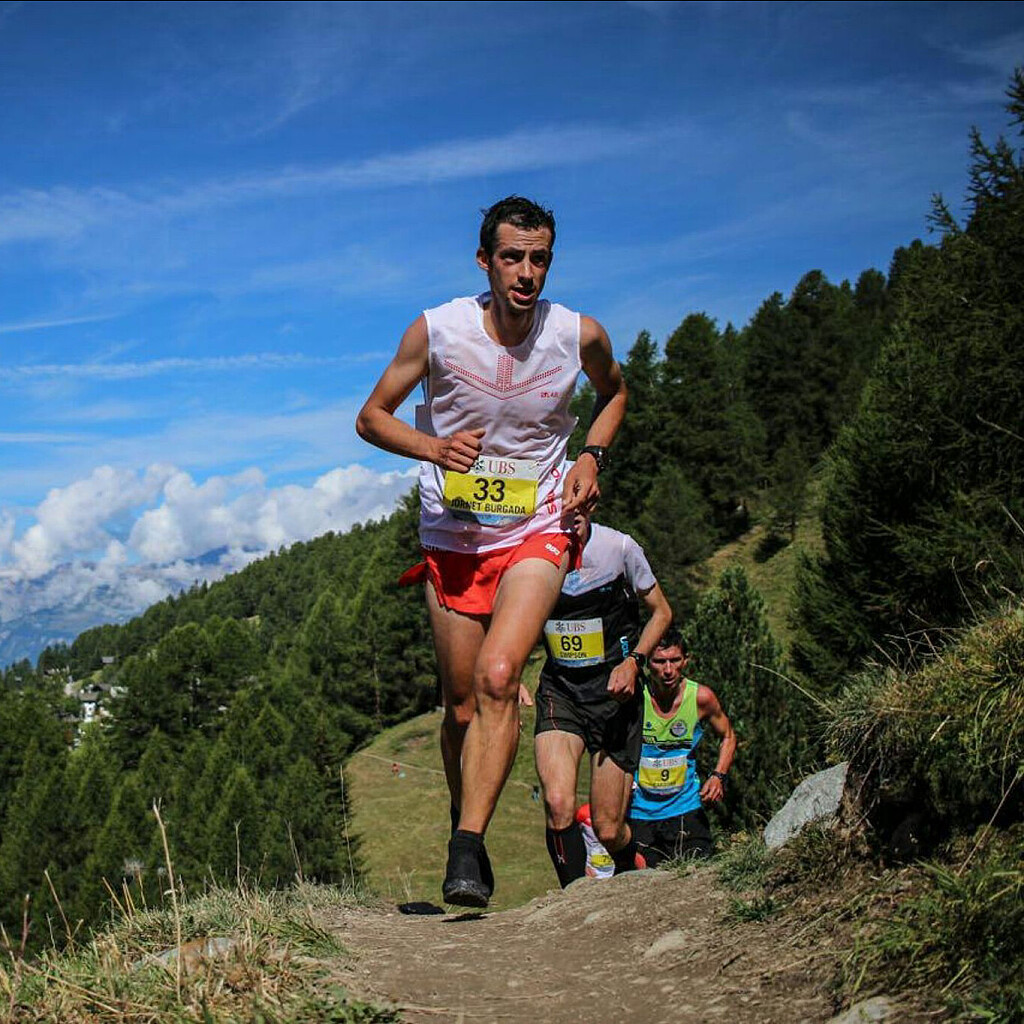
While the roster of talented athletes ready to jostle for the win at the 171-km Ultra Trail du Mont Blanc (UTMB) on Sept. 1 is still ridiculously deep, one notable competitor will be absent: four-time winner and course record holder Kilian Jornet.
The athlete announced on social media Thursday that he would not be attending due to an injury that hasn’t healed. “No UTMB for me this year,” Jornet shared. “I still can’t run due to the sacrum injury so we decided it was better to prioritize a good recovery and try to do something fun when the pain disappears.”
Fans were eager for a rematch between Jornet and Canadian Mathieu Blanchard, who will be vying for his third consecutive podium finish in Chamonix. Blanchard ran last year’s race in 19 hours, 54 minutes and 50 seconds to finish a close second behind Jornet, who ran 19:49:30, setting a new course record.
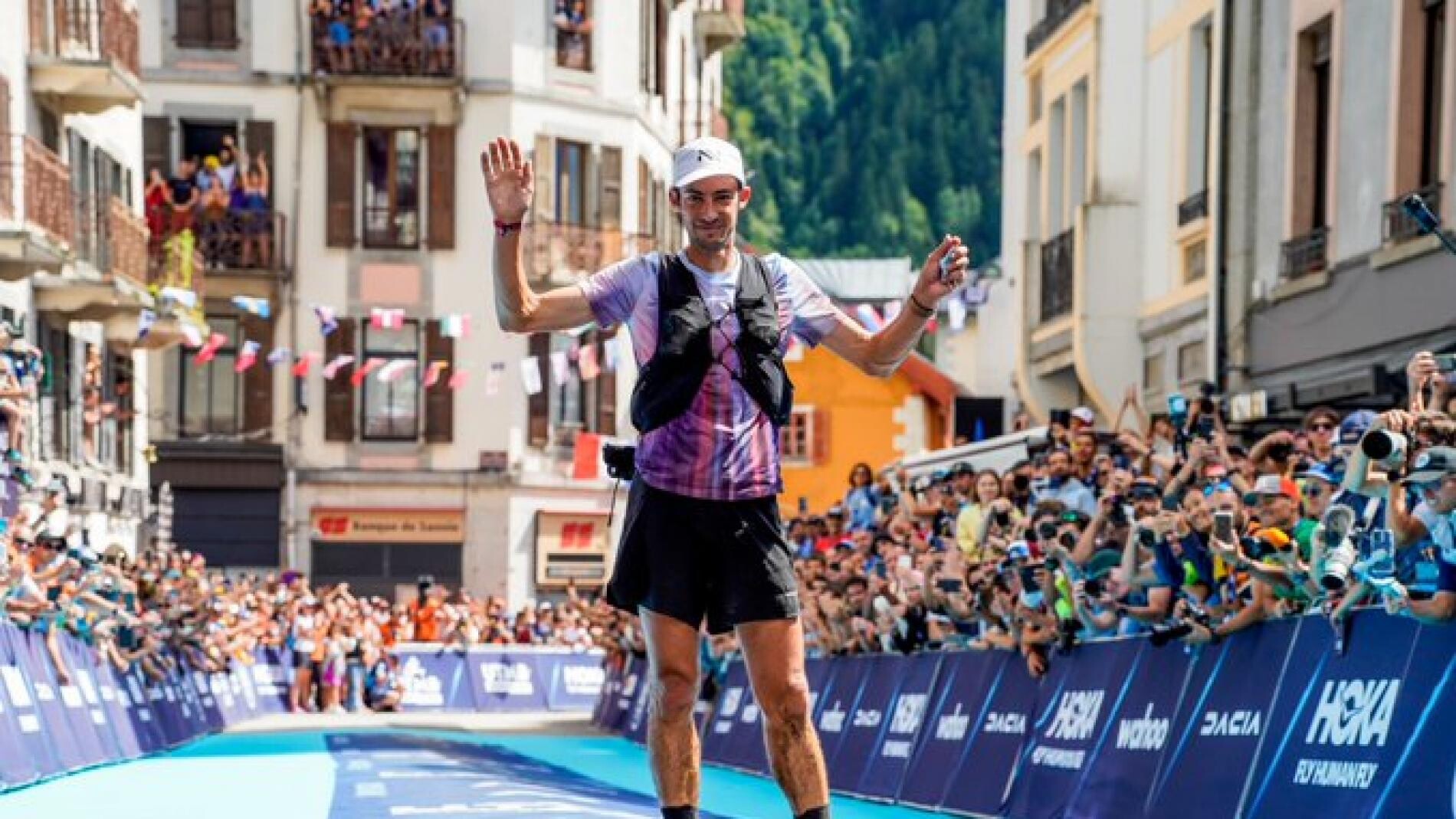
Jornet battled through injury in the Eiger Ultra Trail by UTMB, vying for a UTMB Running Stone that would allow him to compete in the final UTMB event in Chamonix. While Jornet leads the UTMB Index with a 945 rating, he needed to finish the race to become a contender in the final. The athlete injured his sacrum in training two days before Eiger Ultra, but fought through to finish in 48th place in a race won by 16-year-old Swiss athlete Lorick Buclin (1:21:26).
“Some days before Eiger Ultra trail I started to feel pain in my right hip, Jornet shared on Instagram. “I thought it was a muscle problem or tendinitis that would go away with some easy days, but after a check we found out it’s a bone edema.” The multi-sport mountain athlete explained that he suspected the cause was returning to big running weeks too quickly after a Himalayan expedition that left him with broken ribs and a hip injury.”It feels it’s a bad timing to get this injury so close to the races but managing injuries and recovery is part of an athlete’s life,” he said.
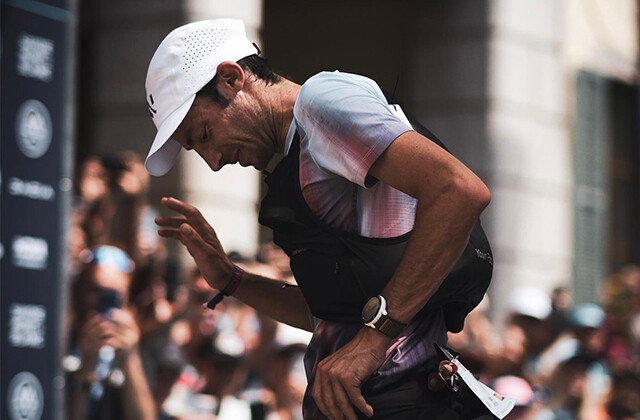
While Jornet expressed hopes in late July that he would be able to line up along the likes of Americans Jim Walmsley and Courtney Dauwalter, British ultrarunner Tom Evans and Canadian Blanchard, the athlete decided against it. Fans can hope to see him crewing his wife, Swedish ultrarunner and ski mountaineer Emelie Forsberg, who will be lining up at CCC (Courmayeur–Champex–Chamonix), the 100K race at the UTMB World Series Finals.
Jornet is somewhat of a legend at UTMB, first winning the race in 2008 as a 20-year-old and returning to win 2009, 2011 and 2022. Jornet has a long list of accomplishments and holds the fastest known time speed record for the ascent and descent of major mountains, including the Matterhorn and Mont Blanc.
by Keeley Milne
Login to leave a comment
North Face Ultra Trail du Tour du Mont-Blanc
Mountain race, with numerous passages in high altitude (>2500m), in difficult weather conditions (night, wind, cold, rain or snow), that needs a very good training, adapted equipment and a real capacity of personal autonomy. It is 6:00pm and we are more or less 2300 people sharing the same dream carefully prepared over many months. Despite the incredible difficulty, we feel...
more...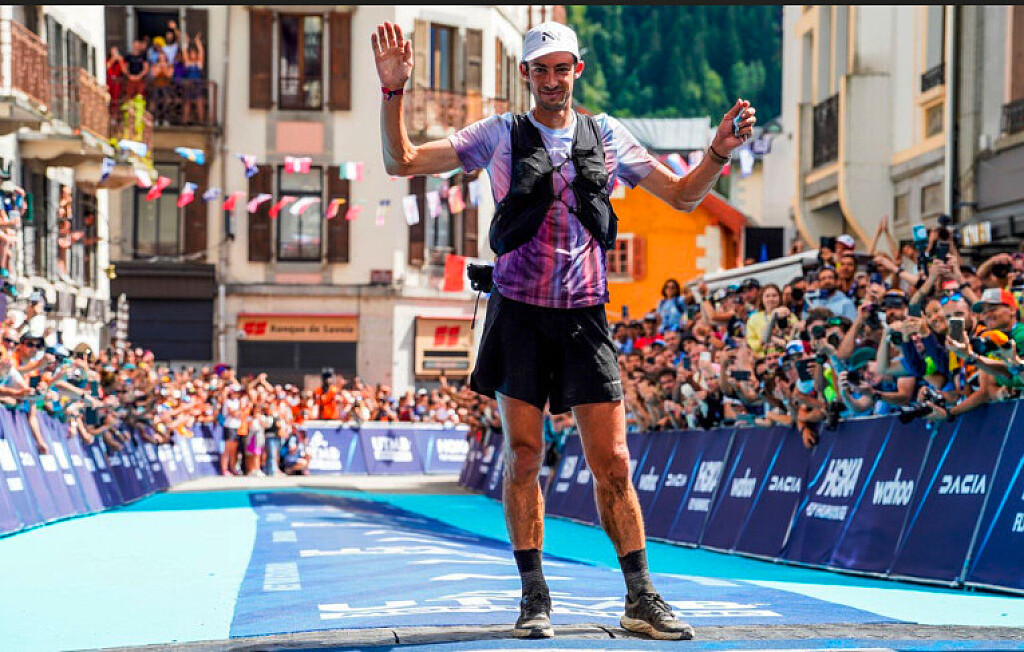
Kilian Jornet Isn't The G.O.A.T. of Trail Running Just Because He Wins Big Races
After Kilian Jornet won the Ultra-Trail du Mont-Blanc (UTMB) for a record-tying fourth time on August 27, it was easy to assume that running 100 miles is something that comes easy to him.
It doesn't, but it would be easy to think that because, well, it sure looked that way.
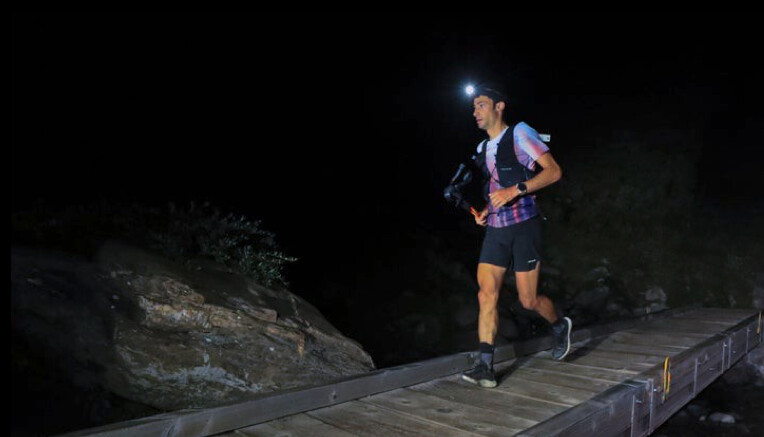
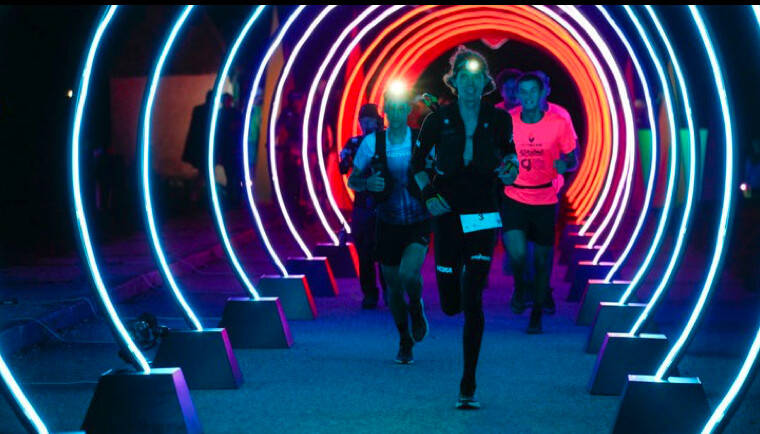
While the 34-year-old who hails from the Catalan region of Spain has long ago established himself as the G.O.A.T. of ultra-distance trail running in the mountains, he's as human as each of the other 2,300 runners who toed the line at this year's UTMB. Like his fellow competitors, Jornet felt fatigue in his legs from grinding through the 171.5km (106.5-mile) course and its 33,000 feet of elevation gain. He said he had difficulty breathing when he ran too fast or climbed too abruptly, likely the lingering effects of having just overcome Covid-19 earlier in the month.
And, like everyone else, he had to fight off low moments of mental torment, and maybe even a tiny trace of self-doubt-remember, he's human-as American rival Jim Walmsley opened up a big lead on him over the Grand Col Ferret as the course passed from Italy to Switzerland.
But what sets Jornet apart, and what has always distinguished him as an athlete, is a unique combination of physical ability, smart racing strategy and a deep connection to the mountains that allows him to move joyfully, patiently and, at times, seemingly with relative ease amid the physical anguish that comes with running such a grueling race.
But make no mistake, he suffered enroute to winning UTMB in a course-record 19 hours, 49 minutes, even if he made it look easy overcoming Walmsley and dispatching competent French contender Mathieu Blanchard.
"Since the start there has not been a single moment in which I didn't suffer," Jornet said after the race. "I knew that I needed to keep my intensity under a certain threshold where it can be heavy for the lungs, but it was no problem. But muscularly it was very hard from the start of the race."
Jornet is human, even if it took a debilitating illness to show it. But as he turned in yet another masterwork performance on the world's biggest stage, Jornet gave glimpses of what has made him so otherworldly for so long. Perhaps surprisingly, superior physicality is only a small part of it.Patience and Respect
Having already won UTMB three times and Hardrock a record-tying five times-most recently just six weeks earlier-Jornet had nothing to prove in Chamonix. In fact, if he had never toed the line or for that matter retires from competition, his legacy of epic race victories and Fastest Known Time (FKT) records on some of the most difficult trails and biggest mountains around the world would stand the test of time.
But that brings up another element that makes Jornet great is that he has always run as if he had nothing to prove. Sure, he's a competitive athlete, but his focus seems to be more about immersing in the zest of competition and the life-affirming bliss he's always felt in the mountains.
For Jornet, the destination truly is the journey, not the outcome. That adventure-oriented focus was something he learned in his youth growing up in the high-alpine environment of the Cap de Rec mountain refuge in the Spanish Pyrenees, where his dad was a mountain guide and his mom was a ski instructor. He climbed his first peak at age 3 and started competing in ski mountaineering races at 12.
Along the way, he developed a grounded sense of presence in the mountains that has allowed him to remain calm and bide his time in ultra-distance races-especially more rugged mountain races like UTMB and Hardrock. Instead of going all-out from the front, he typically follows a more fluid strategy of just staying in contact with the lead group and letting the race play out a bit as the terrain dictates before becoming hyper-competitive.
Contrast that to Walmsley, who has been hellbent on becoming the first American man to win the race with a front-running mentality, countryman Zach Miller, who returned after injuries and Covid-19 kept him away from continuing the same pursuit for three years, and the hard-charging Blanchard, who was eager to steal the show and make a name for himself in front of a supportive mostly French crowd after a robust third-place finish in 2021.
Even when Jornet was younger, he ran with maturity and wisdom beyond his years, always earnestly clinging to the premise that the experience of racing-and sharing it with his competitors, not to mention spectators and volunteers when possible-is always more important than the actual race itself.
When Walmsley built a big lead with a strong power-hiking surge up the Grand Col Ferret, Jornet was seemingly content, at that moment, to ease through the highest point of the course, chatting at times with volunteers, fans and videographers in French, Spanish or English as he had done at times earlier in the race. In previous UTMB races, he's burst ahead on the switchbacks up Grand Col Ferret and other steep climbs on that course, only to stop on top and wait for his competitors to catch up while gazing at the stars or picking mushrooms with children.
"At Hardrock this year, when I saw him on top of Grant Swamp Pass, he stopped in the middle of the race just to chat with me because we hadn't seen each other in a while," Miller says. "That's just the way Kilian is."A Versatile Mountain Athlete
Jornet has a much more diverse set of athletic skills and abilities than most ultrarunners. In addition to winning ultras, Jornet was a multiple world champion in ski mountaineering and SkyRunning in his twenties. He also set a host of new speed ascent marks and roundtrips on Mt. Kilimanjaro (Tanzania), Aconcagua (Argentina), Mont Blanc (France) and the Matterhorn (Switzerland). Although he missed in his attempt to set a new FKT on 29,032-foot Mt. Everest in 2017, he actually summited the world's highest mountain twice in six days without supplemental oxygen.
When he was a few years younger, he set a new record on the 171-mile Tahoe Rim Trail in California and Nevada and posted the fastest-ever time up the steep, rocky 1.3-mile Mt. Sanitas Trail in Boulder, Colorado.
"Kilian is a beast," says Francois D'Haene, the other four-time UTMB winner who last year became the first to win Hardrock and UTMB in the same summer. "When it comes to Vertical K races and distances from 40K to 100K, I think there is no competition between us. He's faster than me and stronger than me, especially on technical terrain."
Aside from long-and-rugged Hardrock and UTMB, Jornet won the shorter and much faster 42km Zegama Alpine Marathon in Spain and placed fourth in the 31km Sierre-Zinal village-to-village race in Switzerland in August. A lot of it has to do with the fact that he still trains in much of the same fashion as he did as a kid, often focusing more on fun, hard, playful days of adventure on foot or on skis as much as he does structured high-performance workouts.
"Kilian is unique in the range that he can cover," Miller says. "As a runner, his ability to switch back and forth from something like Zegama to Hardrock to Sierre-Zinal to UTMB is just incredible. And because of that ability, I think he's a bit of a mad scientist when it comes to training. He kind of turns himself into a guinea pig and trains in ways other guys might not be willing to for fear of overtraining."
All of that translated into Jornet's ability to win this year's UTMB despite trailing Walmsley by about 15 minutes at the 126km aid station at Champex. When the surging Blanchard caught him and quickly left the aid station, Jornet's competitiveness and mountain practicality started to fire up. They passed Walmsley and gapped him and then ran stride for stride over the ensuing 2,300-foot climb from the village of Trient down into the ski town of Valloricine.
Finally, after leaving the 153km aid station at the same moment as Blanchard, Jornet surged on a gently sloped 4km section of trail to the base of the final 2,600-foot climb up Tte aux Vents. Blanchard got a first-hand view of the master at work and all he could do was watch him run away to victory and hold on for second place.
"Running from Champex with Mathieu, I knew I was stronger going up but that he was catching on the downhills," said Jornet, who has lived in Norway for the past several years with his wife, Emelie Forsberg, and their two young children. "Once we got to Valloricine, the strategy was to push very hard up the final climb to Tte aux Vents and then manage the lead. I had about an 8-minute lead and I was feeling comfortable with it, but in a ultra race you never know, many things can happen."A Transcendent Athlete
At some point a conversation about Jornet should transcend trail running and include the similarities he shares with other great athletes who have had a similarly dominant presence in other sports. And yes, that means Tom Brady, Michael Jordan, Lindsay Vonn, Eddie Merckx, Michael Phelps, Ann Trason, Lynn Hill, Kelly Slater and Eliud Kipchoge.
Why not? Like each of those all-time athletes, Jornet has consistently risen to the occasion at the biggest moments of his career, not only because he physically outclasses the competition, but also because his intellectual prowess as an athlete and his ability to outthink, outwit and outlast them. It's not that he wins everything-although he's won the vast majority of his races since winning UTMB as a 20-year-old in 2008-it's more that he's been competing at the highest level for 15 years and hasn't regressed and has rarely had bad days.
In 2017, he had a rough go of it in the UTMB and finished second to D'Haene and in 2018 he dropped out after inflammation and pain caused by a pre-race bee sting made it difficult to keep running.
"Even his bad races he performs well, and I think that's what makes Kilian special," says Walmsley, who finished fourth at UTMB this year. "Whether it's a bad moment or a bad race, he's always still competing at a really high level. I have raced him twice at UTMB and both times I have thought I have found a crack, but I haven't been able to hold onto it."
Until recently, Jornet might have been viewed solely for his athletic. But with his bold move this year to break away from longtime sponsor Salomon and begin a new environmentally friendly trail running shoe brand called NNormal (with Spanish footwear brand Camper), he's not only begun to hone his entrepreneurial spirit in the world of business but also to make an impact as the environmental steward he's always been.
It's a path only a handful of high-level outdoor athletes achieved success at after making their mark in their sport disciplines, most notably Yvon Chouinard, a climber, surfer and kayaker who founded Patagonia in 1970.
Jornet ran all of his races this year in the same model of NNormal shoes that will be available at running shops and online this fall. It's a uniquely designed shoe that's balanced under the midfoot to promote midfoot and forefoot running gaits, but with enough cushioning to run with a heel-striking stride, especially on downhill sections of a trail. A thin polyurethane plate provides protection from rocks and some energy return, while a proprietary version of a Vibram Litebase Megagrip outsole serves up secure traction.
That all might sound pretty standard, but Jornet really wants his NNormal shoes to stand out for their durability. He and his colleagues have gone to great lengths to source long-lasting components, but they've also designed the shoe to be deconstructed so it will be easy to re-sole, repair or recycle it after hundreds of miles of wear and tear. It's all part of NNormal's No Trace philosophy that is all aimed at transparently designing gear with the smallest carbon footprint possible.
"There are a lot of good guys in the sport, but in [my] mind, Kilian is the king of the sport," says Miller, who was the fifth finisher at UTMB this year. "He sets the tone for the entire sport and [is] a great representative of the sport."
by Trail Runner Magazine
Login to leave a comment
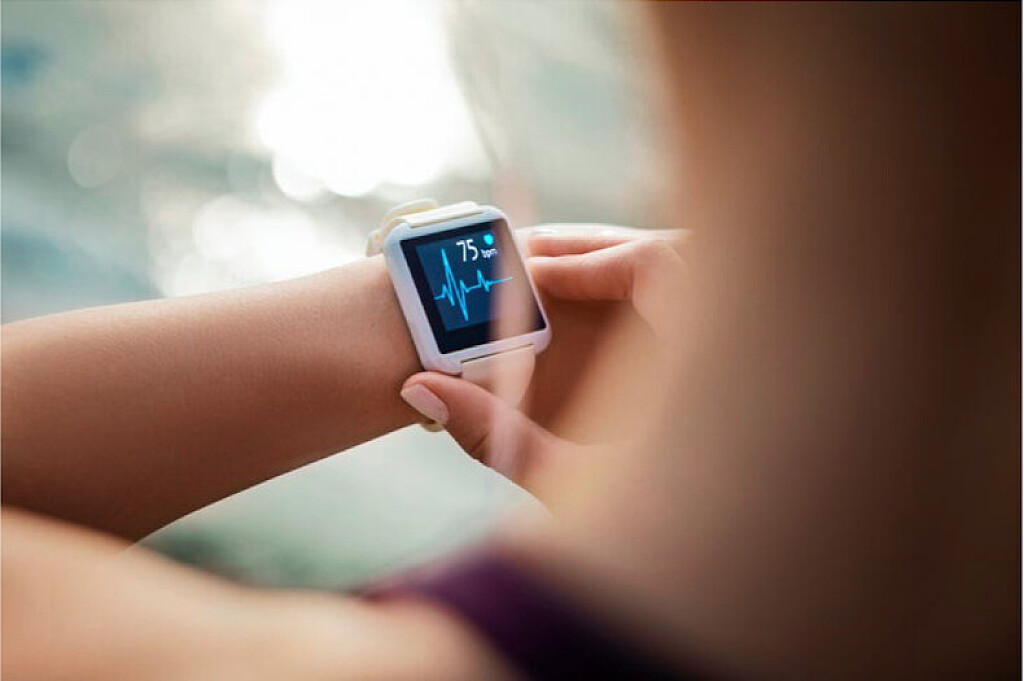
Why You Should Be Skeptical About Your Wrist-Based Heart Rate
Every week or two, I'll open an athlete's training log and it seems like a blood-curdling scream leaps off the page.
"My body is being weird! My heart rate was way too high on this run!"
Or . . .
"My body is being weird! I couldn't get my heart rate up on this run!"
As Edgar Allan Poe could tell you, little is more disconcerting than a screwed-up heart beat. And sometimes these athletes' hearts seem very screwed up, a telltale sign of a major issue. Maybe they sustain 190 heart rate at a moderate effort. Or maybe it peaks at 120 on a sprint. When I first saw these issues a few years ago, worried about arrhythmia or other health crisis, I would ask them to go to the doctor immediately.
But, then, I would look at the data and notice discrepancies. Lots of studies came out that saw discrepancies too. There seemed to be a problem of faulty measurement, rather than faulty hearts. So, now, I have a standard one-question response.
"Are you using a wrist-based optical heart-rate monitor?"

Simply put, for some athletes, wrist-based heart rate is not accurate during intense activity like running, though it varies a ton. And many athletes have no idea. Let's dig down into some of the data.
Heart-Rate-Measurement Basics
Most wrist-based heart-rate monitors rely on photoplethysmography, a word that I assume is real. Photoplethysmography involves using light to measure blood flow. That's why your watch may have a bright LED light that shines against your skin. Light refracted off the blood flowing beneath the surface of your skin is fed into algorithms that use it to spit out a heart-rate number.
Chest straps, meanwhile, use sensors on the strap to record signals from the heart beat. This process requires some moisture, which is why you may notice readings that are off when you start a run and haven't worked up a sweat.
Problems Wrist Monitors Face
The chest strap has the advantage of being a semi-direct measurement of heart rate. A good chest strap will be close to 100% accurate. Which makes sense, because it's essentially reaching into your chest cavity and recording each beat with a clipboard.
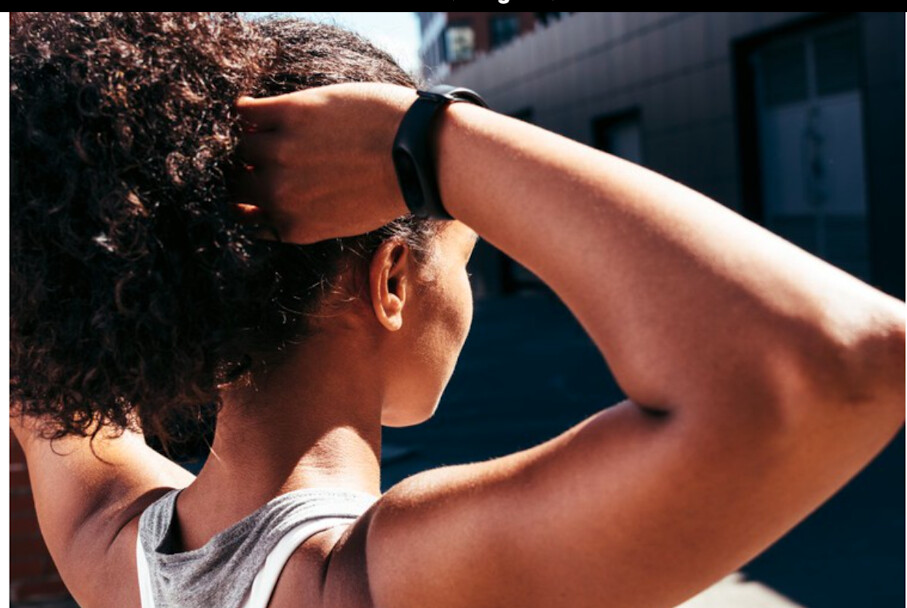
As we'll see later, many wrist monitors are not as accurate. For some, it could be as simple as not being placed correctly on the wrist, since being too loose generate a faulty reading, and being too tight can impede blood flow.
Other athletes may have physiology that is not as conducive to the technology, possibly due to locations of blood vessels or bodyfat percentage. On top of that, vigorous exercise jostles everything around, like turbulence on an airplane. You might be looking at a beautiful sunset out the window when you hit a rough patch, and now you're looking at the sky, now the clouds, now the sun and now you're throwing up in a bag.
Wrist-Monitor Accuracy Data
I currently have 18 windows open to different studies on wrist-based heart rate conducted since the start of 2017, and my computer fan just turned on loudly in protest. If my browser had a heart, it would currently be at VO2 max.
Most of the data from the studies has overlap, even if the conclusions vary. A January 2017 research letter in the Journal of the American Medical Association Cardiology had 50 healthy adults test four different wrist monitors and a chest strap at rest, 2 mph, 3 mph, 4 mph, 5 mph and 6 mph. While the chest strap had a 0.99 correlation with electrocardiograph readings, the wrist monitors varied between 0.83 and 0.91 correlation. That study had a conclusion that we'll see a lot: "In general, accuracy of wrist-worn monitors was best at rest and diminished with exercise."
An August 2017 study in the Medicine & Science in Sports & Exercise Journal had even more disheartening findings. Fifty athletes spent time on the treadmill, elliptical and stationary bike, and correlation varied from 0.75 to 0.92. As that study concluded: "Electrode-containing chest monitors should be used when accurate HR measurement is imperative."
"That sounds pretty good," someone might say. "It's not imperative to be exactly right, just close." That perspective is backed up by the conclusion of some studies. For example, a 2018 study in BMC Sports Science, Medicine, and Rehabilitation came to the conclusion that wrist-based heart rate is "acceptably close" across a broad range of activities. Looking a bit deeper into the data, that study found that during running, the heart rate numbers were within 10 beats per minute of actual heart rate 95% of the time, with around three beats per minute average error. In other words, on a one-hour run, a few minutes will be spent with a heart rate monitor giving a number that is 10+ beats off.
You think that was a lot of studies? Well you ain't seen nothing yet. A 2018 study in the journal Digital Health found absolute error of 1% to 8% depending on device and intensity level. A 2017 conference paper found that the tested watches accurately measure up to 89% of beats accurately at rest, and less during activity. A 2019 study in the Journal of Sport Sciences found error rates between 2.4% and 13.5%.
Here's the most fascinating one to me. A 2018 study in the BMJ Open Sport and Exercise Journal found absolute error values of 3.3% to 6.2%, but using a "10% equivalence zone," concluded that the watches were accurate. You can see why that is a problem for athletes if you think about using the heart-rate monitor to stay below aerobic threshold (AeT). Imagine a hypothetical athlete with an AeT of 150. At 150 heart rate or below, they know they can achieve the desired training stimulus, or excel in an ultra race. A 5% error rate could mean that their heart rate is actually 157 (which would lead to lack of recovery in training or a bonk in racing).
But here's the big problem-the errors are not consistent. If it was always 5% low or 5% high, we could use that information (you're probably having flashbacks to the accuracy v. precision distinction from high-school science class). Instead, it's all over the place, and since 5% is an average, sometimes it might read 190 or something that makes an athlete write a panicked entry in their training log.
It's kind of like Michael Cohen testimony. First it says one thing, then it says another, so even if it's right one time, how can you trust it? In this analogy, I'm not sure if I'm CSPAN or Alexandria Ocasio-Cortez.
Put It All Together
When it comes to wrist-based heart rate, it's not an obvious answer for every athlete. A 2018 commentary in the Journal of Medical Internet Research pointed out that there is no consensus, partially due to lack of uniformity in evaluation (the same data can be used to reach different conclusions based on methodology, as we were talking about with the "10% equivalence zone" above). The gold standard of product testing, D.C. Rainmaker, has found some optical sensors that work well for him (with variation), and his tests are as rigorous as any study protocol. Anecdotally, some athletes can use certain wrist monitors and return with beautiful heart-rate graphs that track effort, while others can use the same watch and do the same workout and return with a garbly mess of incomprehensible noise.
In addition, every watch is different, and some are more accurate than others. The technology is constantly improving, and it's possible that newer, high-quality watches have overcome some of the technological hurdles uncovered by the studies. If I were a betting person, I'd guess that wrist-based heart rate will be effective relatively soon.
If you want to do some home testing, and you think your watch might be right, do 6 x 1 minute intervals hard with 2 minutes easy recovery on your next run (or similar hard effort). Does your watch return heart-rate peaks that are as stunning as the Matterhorn, lining up with how you feel? That's good, it probably works. Calibrate it with a chest strap to be sure.
However, if you're like some of the athletes I have seen, the heart-rate graph will look like it was created by a random-number generator. If that's you, there's a good chance your wrist monitor is still accurate at rest and during certain activities, so it can still be useful. But using it for intense running would be like entrusting your timekeeping to one of those broken clocks that is still right twice a day.
by Trail Runner Magazine
Login to leave a comment
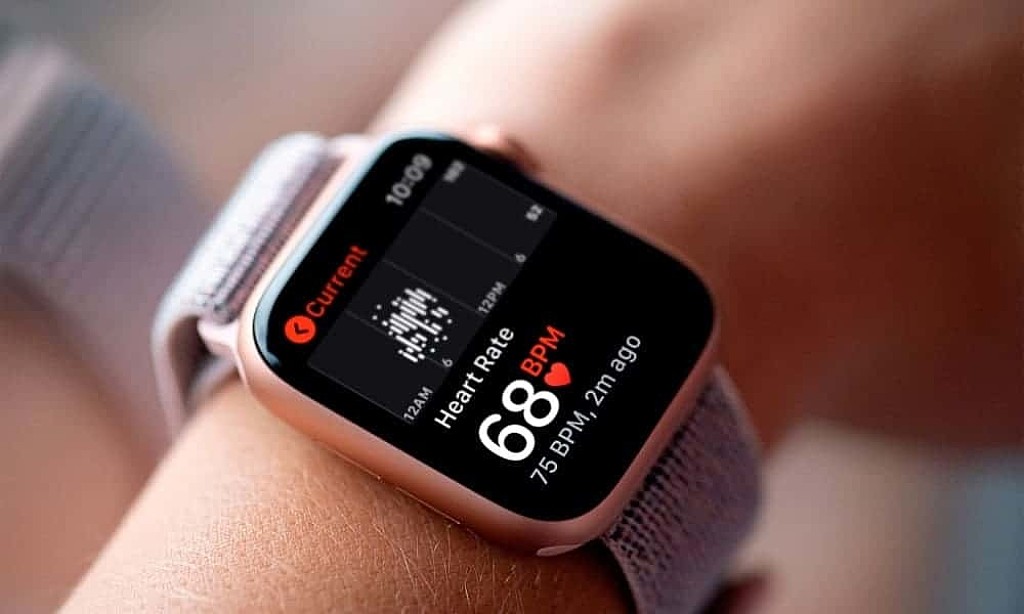
Why You Should Be Skeptical About Your Wrist-Based Heart Rate
Every week or two, I’ll open an athlete’s training log and it seems like a blood-curdling scream leaps off the page.
“My body is being weird! My heart rate was way too high on this run!”
Or . . . "My body is being weird! I couldn’t get my heart rate up on this run!”
As Edgar Allan Poe could tell you, little is more disconcerting than a screwed-up heart beat. And sometimes these athletes’ hearts seem very screwed up, a telltale sign of a major issue. Maybe they sustain 190 heart rate at a moderate effort. Or maybe it peaks at 120 on a sprint. When I first saw these issues a few years ago, worried about arrhythmia or other health crisis, I would ask them to go to the doctor immediately.
But, then, I would look at the data and notice discrepancies. Lots of studies came out that saw discrepancies too. There seemed to be a problem of faulty measurement, rather than faulty hearts. So, now, I have a standard one-question response.
“Are you using a wrist-based optical heart-rate monitor?”
Simply put, for some athletes, wrist-based heart rate is not accurate during intense activity like running, though it varies a ton. And many athletes have no idea. Let’s dig down into some of the data.
Heart-Rate-Measurement Basics
Most wrist-based heart-rate monitors rely on photoplethysmography, a word that I assume is real. Photoplethysmography involves using light to measure blood flow. That’s why your watch may have a bright LED light that shines against your skin. Light refracted off the blood flowing beneath the surface of your skin is fed into algorithms that use it to spit out a heart-rate number.
Chest straps, meanwhile, use sensors on the strap to record signals from the heart beat. This process requires some moisture, which is why you may notice readings that are off when you start a run and haven’t worked up a sweat.
Problems Wrist Monitors Face
The chest strap has the advantage of being a semi-direct measurement of heart rate. A good chest strap will be close to 100% accurate. Which makes sense, because it’s essentially reaching into your chest cavity and recording each beat with a clipboard.
As we’ll see later, many wrist monitors are not as accurate. For some, it could be as simple as not being placed correctly on the wrist, since being too loose generate a faulty reading, and being too tight can impede blood flow.
Other athletes may have physiology that is not as conducive to the technology, possibly due to locations of blood vessels or bodyfat percentage. On top of that, vigorous exercise jostles everything around, like turbulence on an airplane. You might be looking at a beautiful sunset out the window when you hit a rough patch, and now you’re looking at the sky, now the clouds, now the sun and now you’re throwing up in a bag.
Wrist-Monitor Accuracy Data
I currently have 18 windows open to different studies on wrist-based heart rate conducted since the start of 2017, and my computer fan just turned on loudly in protest. If my browser had a heart, it would currently be at VO2 max.
Most of the data from the studies has overlap, even if the conclusions vary. A January 2017 research letter in the Journal of the American Medical Association Cardiology had 50 healthy adults test four different wrist monitors and a chest strap at rest, 2 mph, 3 mph, 4 mph, 5 mph and 6 mph. While the chest strap had a 0.99 correlation with electrocardiograph readings, the wrist monitors varied between 0.83 and 0.91 correlation. That study had a conclusion that we’ll see a lot: “In general, accuracy of wrist-worn monitors was best at rest and diminished with exercise.”
An August 2017 study in the Medicine & Science in Sports & Exercise Journal had even more disheartening findings. Fifty athletes spent time on the treadmill, elliptical and stationary bike, and correlation varied from 0.75 to 0.92. As that study concluded: “Electrode-containing chest monitors should be used when accurate HR measurement is imperative.”
“That sounds pretty good,” someone might say. “It’s not imperative to be exactly right, just close.” That perspective is backed up by the conclusion of some studies. For example, a 2018 study in BMC Sports Science, Medicine, and Rehabilitation came to the conclusion that wrist-based heart rate is “acceptably close” across a broad range of activities. Looking a bit deeper into the data, that study found that during running, the heart rate numbers were within 10 beats per minute of actual heart rate 95% of the time, with around three beats per minute average error. In other words, on a one-hour run, a few minutes will be spent with a heart rate monitor giving a number that is 10+ beats off.
You think that was a lot of studies? Well you ain’t seen nothing yet. A 2018 study in the journal Digital Health found absolute error of 1% to 8% depending on device and intensity level. A 2017 conference paper found that the tested watches accurately measure up to 89% of beats accurately at rest, and less during activity. A 2019 study in the Journal of Sport Sciences found error rates between 2.4% and 13.5%.
Here’s the most fascinating one to me. A 2018 study in the BMJ Open Sport and Exercise Journal found absolute error values of 3.3% to 6.2%, but using a “10% equivalence zone,” concluded that the watches were accurate. You can see why that is a problem for athletes if you think about using the heart-rate monitor to stay below aerobic threshold (AeT). Imagine a hypothetical athlete with an AeT of 150. At 150 heart rate or below, they know they can achieve the desired training stimulus, or excel in an ultra race. A 5% error rate could mean that their heart rate is actually 157 (which would lead to lack of recovery in training or a bonk in racing).
But here’s the big problem—the errors are not consistent. If it was always 5% low or 5% high, we could use that information (you’re probably having flashbacks to the accuracy v. precision distinction from high-school science class). Instead, it’s all over the place, and since 5% is an average, sometimes it might read 190 or something that makes an athlete write a panicked entry in their training log.
It’s kind of like Michael Cohen testimony. First it says one thing, then it says another, so even if it’s right one time, how can you trust it? In this analogy, I’m not sure if I’m CSPAN or Alexandria Ocasio-Cortez.
Put It All Together
When it comes to wrist-based heart rate, it’s not an obvious answer for every athlete. A 2018 commentary in the Journal of Medical Internet Research pointed out that there is no consensus, partially due to lack of uniformity in evaluation (the same data can be used to reach different conclusions based on methodology, as we were talking about with the “10% equivalence zone” above). The gold standard of product testing, D.C. Rainmaker, has found some optical sensors that work well for him (with variation), and his tests are as rigorous as any study protocol. Anecdotally, some athletes can use certain wrist monitors and return with beautiful heart-rate graphs that track effort, while others can use the same watch and do the same workout and return with a garbly mess of incomprehensible noise.
In addition, every watch is different, and some are more accurate than others. The technology is constantly improving, and it’s possible that newer, high-quality watches have overcome some of the technological hurdles uncovered by the studies. If I were a betting person, I’d guess that wrist-based heart rate will be effective relatively soon.
If you want to do some home testing, and you think your watch might be right, do 6 x 1 minute intervals hard with 2 minutes easy recovery on your next run (or similar hard effort). Does your watch return heart-rate peaks that are as stunning as the Matterhorn, lining up with how you feel? That’s good, it probably works. Calibrate it with a chest strap to be sure.
However, if you’re like some of the athletes I have seen, the heart-rate graph will look like it was created by a random-number generator. If that’s you, there’s a good chance your wrist monitor is still accurate at rest and during certain activities, so it can still be useful. But using it for intense running would be like entrusting your timekeeping to one of those broken clocks that is still right twice a day.
by Trail Runner Magazine
Login to leave a comment
Ruy Ueda Wins Skyrunning World Championships Vertical Kilometer
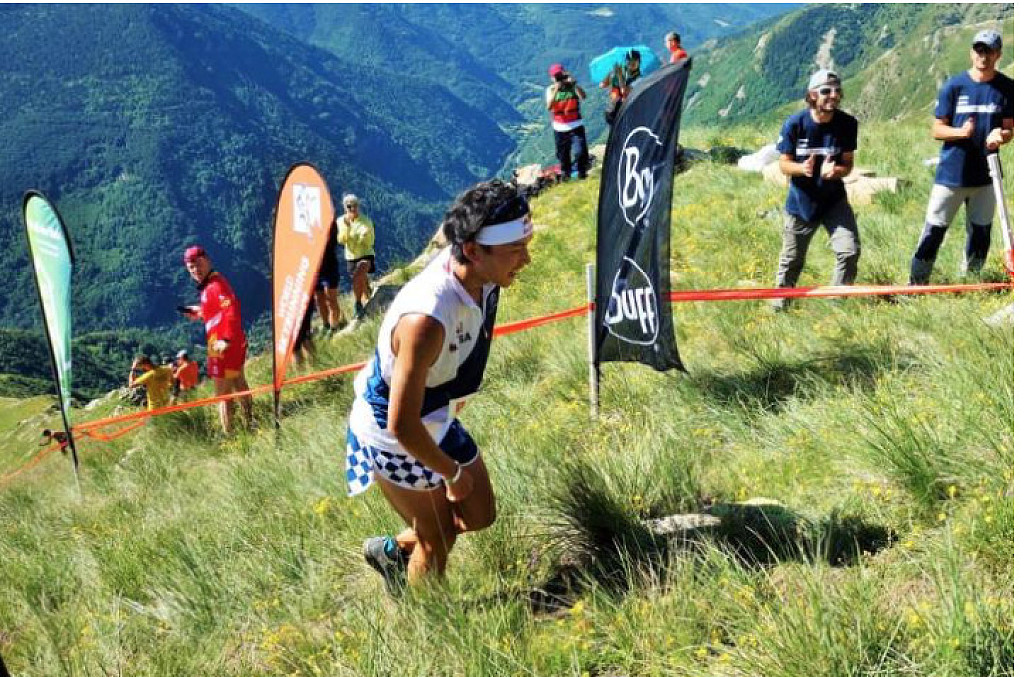
Even after the sport came to a standstill for a year, Japan's Ruy Ueda has continued his climb up the ranks. The Skyrunning World Championships kicked off July 9 in Catalunya, Spain, as part of the BUFF Mountain Festival. Going head to head with Europe's best, Ueda crowned the first day of the Championships by winning the vertical kilometer race. It was his first individual world title since being named the 2019 Syrunner World Series champion, and he aims to make it a double crown in Sunday's Sky Race.
The vertical race at this year's World Championships climbs 1000 m over a 2.8 km course from town of Barruera. Immediately going to the front of the field of 33, Ueda had a 7-second lead by the 2.2 km checkpoint after 481 m of climb. He held his lead from there, crossing the finish line in 35:06 to claim the world title. In 2016 he was 10th on the same course in 36:27 at that year's World Championships.
32 seconds back in 2nd was Spain's Daniel Osanz Laborda, 23, the 2018 and 2019 Youth World Championships gold medalist and 2019 Vertical Kilometer World Circuit champion. Switzerland's Roberto Delorenz was 3rd another 17 seconds back, also 23 and likewise a division champion and the 2017, 2018 and 2019 World Youth Championships.
While the men's race was close, Czech runner Marcela Vasinova easily dominated the women's field of 20, winning by more than two minutes in 41:00. Last year Vasinova won the Swissalpine Davos 68 km and Matterhorn Ultraks 25 km and was 7th in the Golden Trail Championships in the Azores. Just last weekend she took 5th in the Marathon du Mont-Blanc. 2nd in 43:14 was Spain's Oihana Kortazar Aranzeta, 3rd at last month's Olla de Nuria. France's Iris Pessey was 3rd.
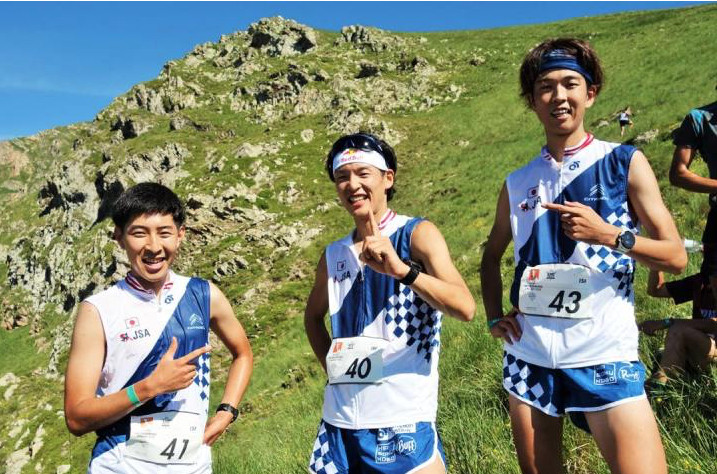
Among the other members of the Japanese national team, Ryunosuke Omi was 7th and Masato Kamishohara 19th in the men's race, with Suzuha Kusuda 15th and Ayaka Ueda 17th in the women's race. The Skyrunning World Championships continue Saturday with the 68 km Sky Ultra Race, then wrap up Sunday with the 42 km Sky Race. Ueda is entered in the Sky Race, aiming for a second world title to go with his Vertical title on the opening day and the combined title.
Vertical Kilometer results:
Women
1. Marcela Vasinova (Czech Republic) - 41:00
2. Oihana Kortazar Aranzeta (Spain) - 43:14
3. Iris Pessey (France) - 44:26
4. Lina ElKott Helander (Sweden) - 45:18
5. Silvia Lara Dieguez (Spain) - 45:46
-----
15. Suzuha Kusuda (Japan) - 52:04
17. Ayaka Ueda (Japan) - 52:56
Men
1. Ruy Ueda (Japan) - 35:06
2. Daniel Osanz Laborda (Spain) - 35:38
3. Roberto Delorenzi (Switzerland) - 35:55
4. Manuel Da Col (Italy) - 36:05
5. Oscar Casal Mir (Andorra) - 36:52
-----
7. Ryunosuke Omi (Japan) - 37:44
19. Masato Kamishohara (Japan) - 41:59
by Japan Running News
Login to leave a comment
Kilian Jornet crushed Sierre-Zinal, and has now set his sights on Pikes Peak
Ten years ago, a 21-year old Catalan trail runner showed up in the end-of-the-valley village of Zinal, in Switzerland’s Valais Canton, not far from the Italian border. He had a list with him.
“It was just a sheet of paper with names of races,” says Chamonix, France-based trail-running author Alain Bustin. “It wasn’t races he wanted to win, or course records he wanted to break. All he wanted to do was take part. Sierre-Zinal was on the list.”
Even then, Sierre-Zinal was iconic. The 31-kilometer race that started in the valley village of Sierre and finished in Zinal was already established as one of the most competitive trail races in the world. And that year, the young runner won.
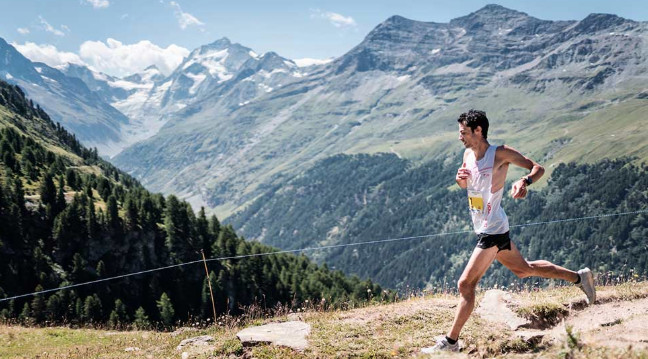
A few weeks later, he won the 171-kilometer Ultra-Trail du Mont-Blanc.
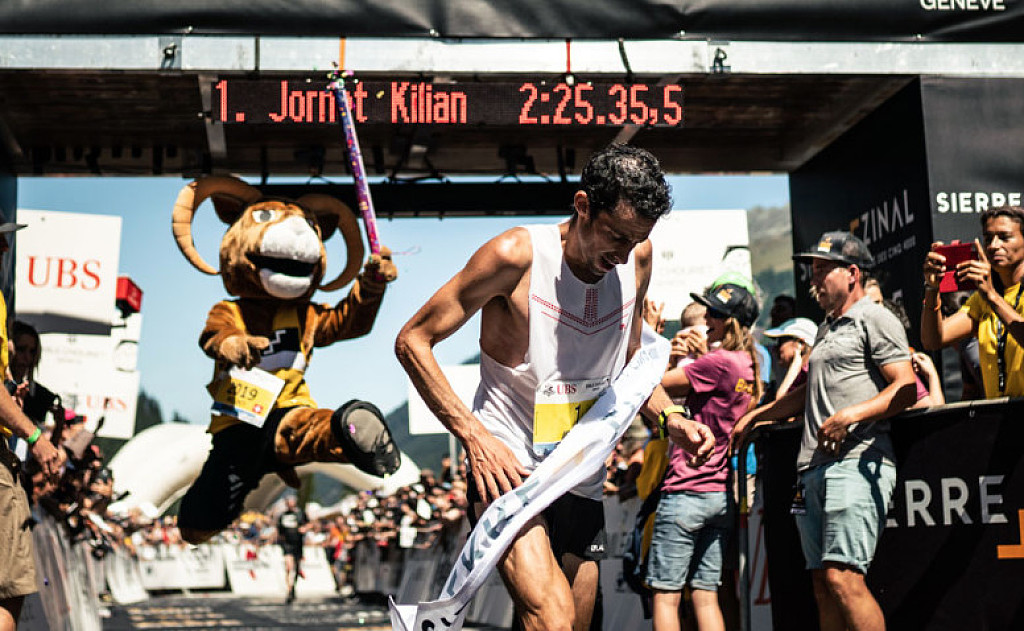
That runner, of course, is Kilian Jornet. And last weekend in Zinal, he won “S-Z” for a seventh time, further surpassing Mexican runner Richardo Meija’s five wins between 1998 and 2005. And this time Jornet did something that no one had done in 16 years. He broke one of trail-running’s most-coveted course records with a time of 2:25:35—not by seconds, but by 3 minutes 37 seconds.
The 2:29:12 record had been held all those years by the New Zealander Jonathan Wyatt, now 46, indisputably one of his generation’s greatest mountain runners. Starting more than two decades ago, Wyatt began racking up records from the Alps to the United States, at races as diverse as Switzerland’s Jungfrau Marathon (2:49:01 in 2003) and New Hampshire’s Mount Washington Road Race (56:41 in 2004.) Both are still course records.United States runner Jim Walmsley had a notable success, finishing third in his first running of the famed course, in a time of 2:31:52—a result that in any other year would likely have had him breaking the finish-line tape.
While Sierre-Zinal is arguably one of the most competitive trail races in the world, and much of the attention focusses on the elite runners, it has a wide and diverse following. This year, more than 5,000 runners took part. Recreational runners started five-and-a-quarter hours earlier, a special aspect of the race-day schedule that allows recreational runners to watch elites arrive, several hours after most of them have crossed the finish line.
Nicknamed “The New York Marathon of the Alps,” the race’s rich history makes for a special day for runners from around the world. It’s a vibe that was felt by runners like Mike Ambrose, formerly the North American Marketing Manager for Salomon, and now based out of the company’s world headquarters in Annecy, France.
“Running across that ridgeline with the flowy singletrack, I felt the legends before me,” says Ambrose. “That’s the first time ever in a race that I was putting myself out there with the greatest and the pioneers of the sport. Maybe I wasn’t running at the same speed, but I was part of the history. I actually felt that energy. “
For Jornet, there are few records left to shatter. At age 31, he has Fastest Known Times from the Matterhorn to Mount Everest. He has won trail running’s most prestigious races, some of them multiple times, with course records around the world. It’s hard not to imagine that Jornet might begin to turn his attention to other projects. With Skyrunning Champion Emelie Forsberg, he now has a five-month-old baby—and an energetic labradoodle, Maui, to boot.
As he watched Jornet from a jumbo screen not far from the Sierre-Zinal finish line, Bustin, a longtime acquaintance of Jornet’s, was in a contemplative mood. “Kilian, he’s not just special because of his records at Sierre-Zinal or the UTMB,” he said. “He’s broken mountaineering records and ski alpinism (ski mountaineering) records, too.”
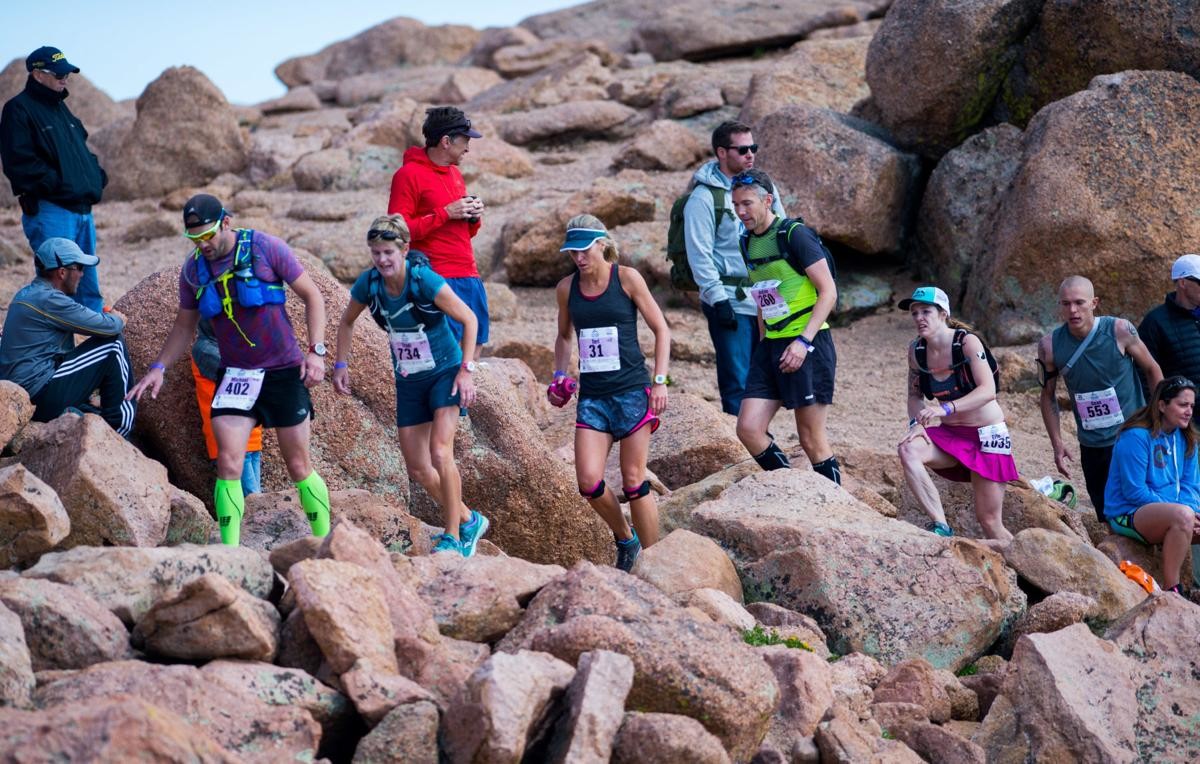
Bustin paused with thousands of other onlookers, as race officials announced to the crowd that Jornet was now 20 seconds ahead of Wyatt’s historic course record. On the screen, Jornet looked fluid and in control, calmly, steadily, smoothly “running the tangents” along a rocky section of the course.
“He’s a fantastic guy, with a great mentality about mountain sports. Maybe he’s about to say to the young runners, ‘Hey guys, I’ve done my time. Now it’s up to you,’” added Bustin. Taking in the weight of what he had just considered out loud—that the world’s greatest trail runner could soon be winding down his long stretch of highly competitive racing days—he looked back up to the screen, saying to no-one in particular, “He has nothing to prove to anyone.”
Well, maybe not quite. There is, arguably, at least one notoriously difficult-to-beat record remaining: Colorado’s Pikes Peak Marathon. In 1993, Matt Carpenter set a confoundingly fast course record there, with a time of 3:16:39. On August 25, Jornet will be there. It’s hard not to imagine he wouldn’t like to cross the tape with a time quicker than Carpenter’s. The trail-running world will be watching.
Login to leave a comment

Pike's Peak Marathon
A Journey to the Top and Perhaps Back The Pikes Peak Ascent® and Pikes Peak Marathon® will redefine what you call running. Sure, they start out like a lot of races on Any Street, USA. But your first left turn will have you turning in the direction of up! During the next 10 miles, as you gain almost 6,000...
more...