

Running News Daily
Running News Daily is edited by Bob Anderson and team. Send your news items to bob@mybestruns.com Advertising opportunities available.
Index to Daily Posts · Sign Up For Updates · Run The World Feed
Articles tagged #Meb
Today's Running News



Kenenisa Bekele’s Paris Coronation: The Night Ethiopia’s Distance Running Dynasty Changed Forever
Paris, France — August 24, 2003.
The Stade de France witnessed far more than a World Championship 10,000m final that night. It witnessed the beginning of a new era.
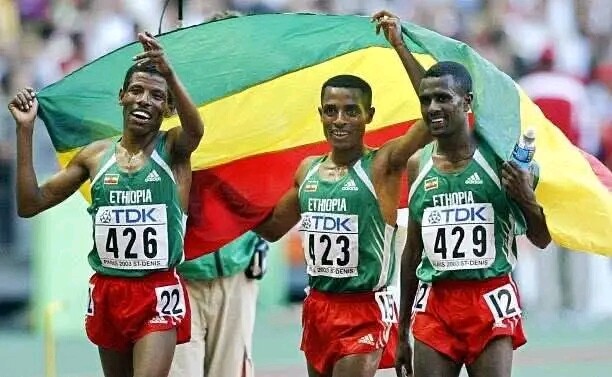
For years, Haile Gebrselassie of Ethiopia had stood virtually untouchable at the summit of world distance running. He arrived in Paris as a two-time Olympic champion and four-time World Champion over 10,000m, carrying the reputation of a man who had dominated the track for much of the previous decade.
But waiting in the same race was a 21-year-old Ethiopian whose running style looked remarkably familiar.
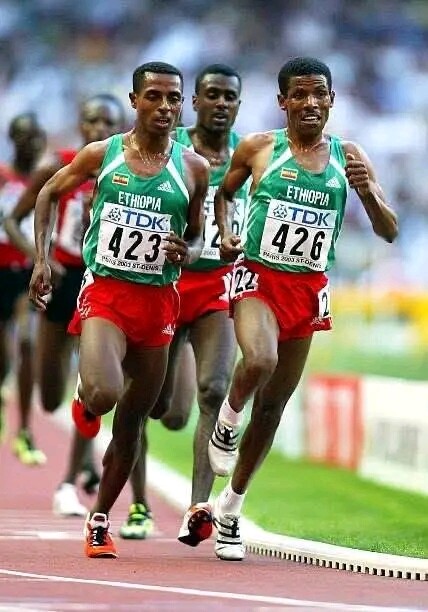
His name was Kenenisa Bekele.
The younger Ethiopian had already shown flashes of extraordinary potential, but Paris was where potential became reality.
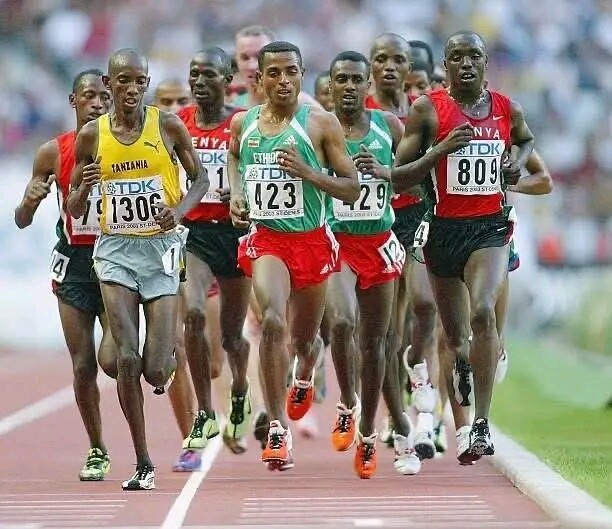
As the race unfolded, Gebrselassie ran aggressively, repeatedly applying pressure in an attempt to break the field and shake off his young compatriot. One by one, the world's best distance runners were dropped, including a strong Kenyan contingent.
Yet Bekele refused to disappear.
He stayed glued to Gebrselassie's shoulder, matching every surge and every change of pace. Behind them, Sileshi Sihine of Ethiopia remained in contention, setting the stage for what would ultimately become a historic Ethiopian sweep.
Then came the decisive moment.
With only 200 metres remaining, Bekele made his move.
Gebrselassie, famous for his devastating finishing speed, tried to respond. But this time, there was no answer. Bekele powered away down the final straight, creating daylight between himself and his legendary compatriot.
The changing of the guard had arrived.
Bekele crossed the finish line in 26:49.57, becoming the first athlete to break 27 minutes at these World Championships and setting a championship record.
Behind him, Gebrselassie finished second in 26:50.77, while Sihine completed an extraordinary Ethiopian clean sweep with 27:01.44.
It was not simply a victory for Bekele.
It was the moment the young star announced that he was ready to inherit the throne.
Paris 2003 — Men's 10,000m Final
1. Kenenisa Bekele — Ethiopia — 26:49.57 CR
2. Haile Gebrselassie — Ethiopia — 26:50.77
3. Sileshi Sihine — Ethiopia — 27:01.44
4. Ahmad Hassan Abdullah — Qatar — 27:18.28
5. John Cheruiyot Korir — Kenya — 27:19.94
6. Wilberforce Talel — Kenya — 27:33.60
7. Charles Kamathi — Kenya — 27:45.05
8. Kamiel Maase — Netherlands — 27:45.46
9. Karl Keska — Great Britain — 27:47.89
10. Ismail Sghyr — France — 27:54.87
11. David Galván — Mexico — 27:55.31
12. John Yuda Msuri — Tanzania — 27:56.21
13. Fabiano Joseph Naasi — Tanzania — 28:06.36
14. Alan Culpepper — United States — 28:14.92
15. Teodoro Vega — Mexico — 28:31.71
16. Mebrahtom Keflezighi — United States — 28:35.08
17. Cathal Lombard — Ireland — 28:36.43
18. Tomoo Tsubota — Japan — 28:37.10
19. Dan Browne — United States — 29:01.60
Bekele's Paris triumph proved to be the beginning of something much bigger. He went on to win Olympic 10,000m gold in Athens the following year and established himself as the dominant track distance runner of his generation.
At the 2008 Beijing Olympics, he completed the extraordinary 5,000m and 10,000m double, cementing his place among the greatest distance runners in history.
Gebrselassie, meanwhile, successfully reinvented himself beyond the track. He turned increasingly toward the 10km, half marathon and marathon, where he continued rewriting the record books and building another extraordinary chapter of his career.
But Paris remains special.
On August 24, 2003, one Ethiopian legend was still fighting to protect his kingdom while another was stepping forward to claim it.
Kenenisa Bekele didn't simply win a World Championship gold medal that night. He announced the arrival of a new era in distance running.
by Erick Cheruiyot for My Best Runs.
Login to leave a comment
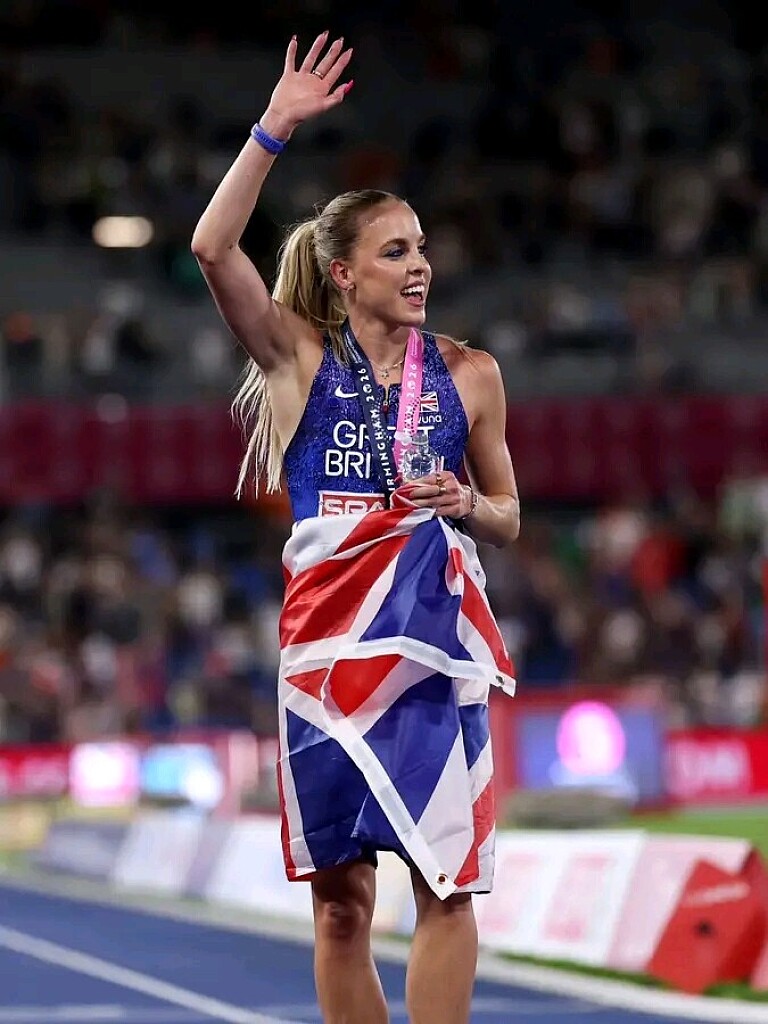
Keely Hodgkinson Withdraws From Zurich Diamond League 800m as Olympic Champion Prioritises Recovery
Olympic champion Keely Hodgkinson has withdrawn from this week’s Diamond League meeting in Zurich, where she was scheduled to headline a star-studded women’s 800m field.
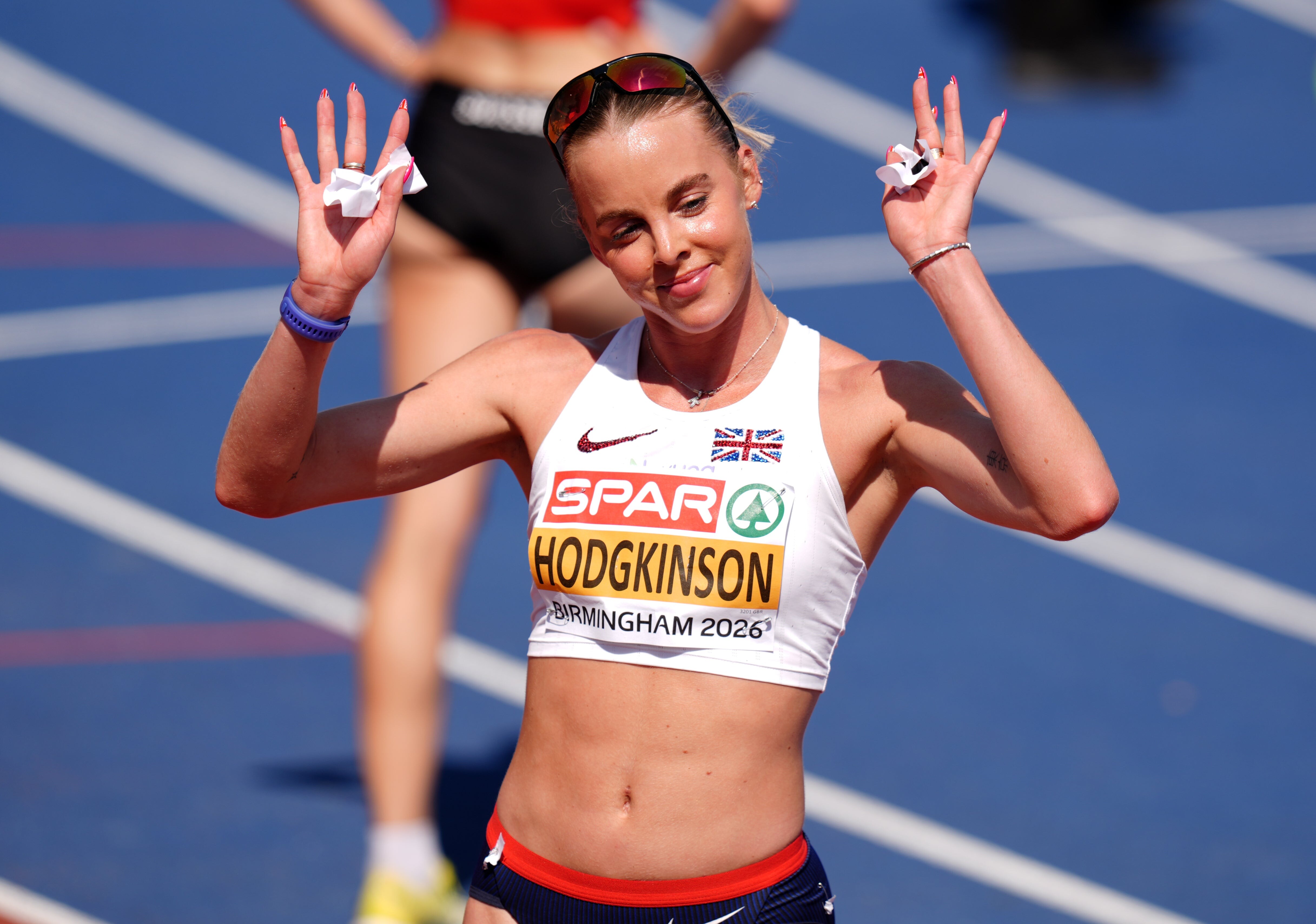
The British middle-distance star confirmed that her body is not yet ready for another race following the European Championships, prompting her and her team to make the decision to skip Thursday’s August 27 meeting and focus on a full recovery ahead of her next outing.
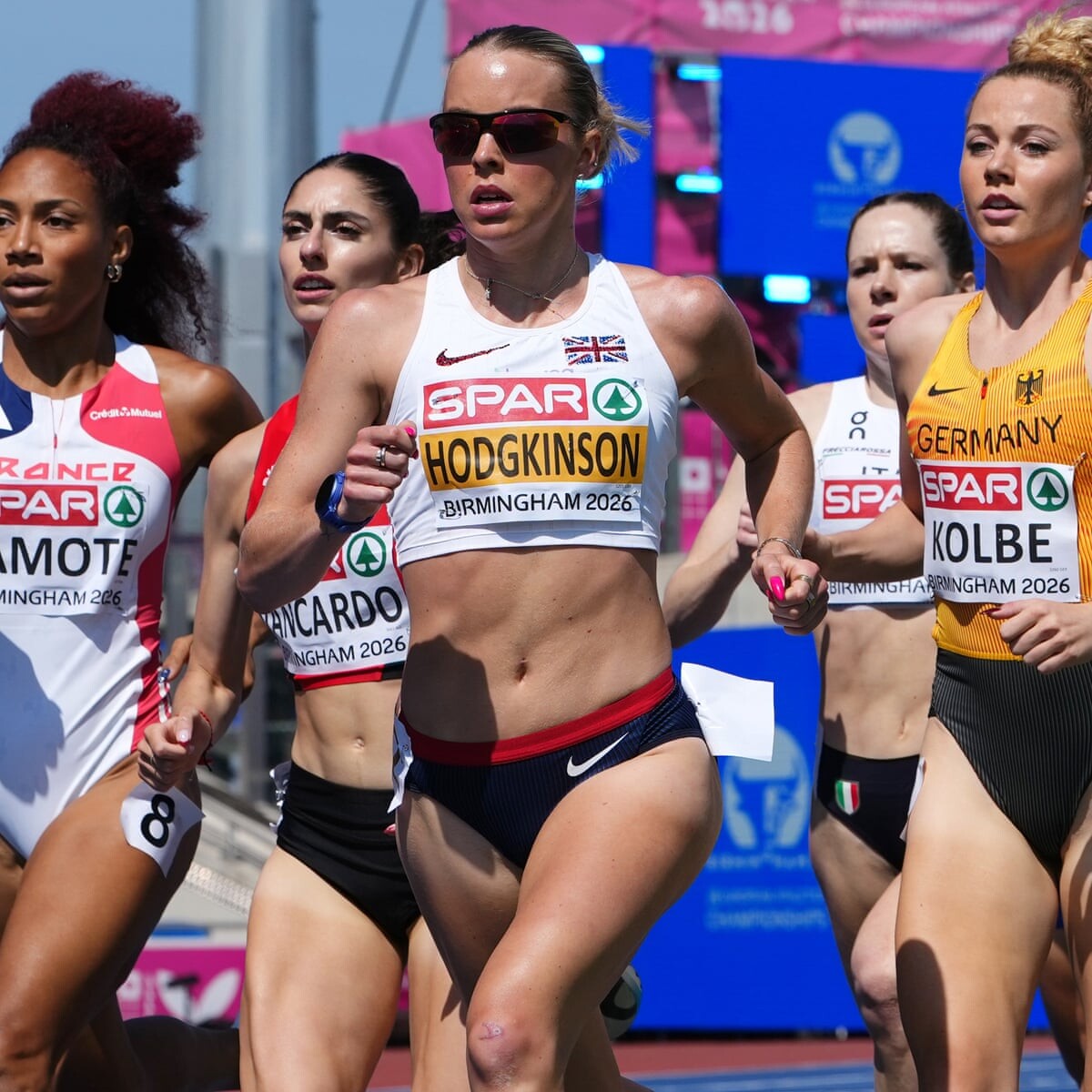
“The body isn't quite ready to race again after the European Championships, so we've made the decision to skip this race and get ready for the next one,” Hodgkinson said.
The decision comes as a disappointment for fans who had been eagerly anticipating Hodgkinson’s return to the track in Zurich, particularly because the race was set to feature a formidable line-up of international 800m talent.
Hodgkinson had been due to face unbeaten European champion Audrey Werro of Switzerland, Commonwealth champion Georgia Hunter Bell of Great Britain, reigning world champion Lilian Odira of Kenya and European bronze medallist Femke Broeders-Bol of the Netherlands.
The meeting had also promised a highly anticipated rematch between Hodgkinson and Werro following the dramatic European Championships in Birmingham, where the Swiss star produced a stunning performance to upset the field and claim the European title.
That result added even more intrigue to their scheduled Zurich showdown, with Hodgkinson expected to have another opportunity to respond on the Diamond League stage. Her withdrawal, however, means that much-awaited battle will have to wait.
Despite missing one of the season’s biggest meetings, Hodgkinson is choosing caution over a rushed return. After the physical demands of championship racing, the Olympic champion believes the right approach is to allow her body sufficient time to recover before stepping back onto the track.
“I’m sad to miss it, hopefully see you next year!” Hodgkinson added.
Her absence will undoubtedly take some of the spotlight away from the Zurich 800m, but the race remains packed with quality. Werro, Hunter Bell, Odira and Broeders-Bol will still provide a compelling contest, with each athlete carrying an impressive championship pedigree into the race.
For Hodgkinson, meanwhile, the focus now shifts away from Zurich and towards making sure she is fully prepared for her next appearance.
The Olympic champion may be missing from Thursday’s start line, but her decision reflects a bigger priority: returning to competition healthy, sharp and ready to perform at her best rather than risking a premature comeback.
And when Hodgkinson does return, the prospect of another clash with Werro—and a renewed battle among the world’s leading 800m runners—will undoubtedly be one of the most anticipated moments of the season.
by Erick Cheruiyot for My Best Runs.
Login to leave a comment
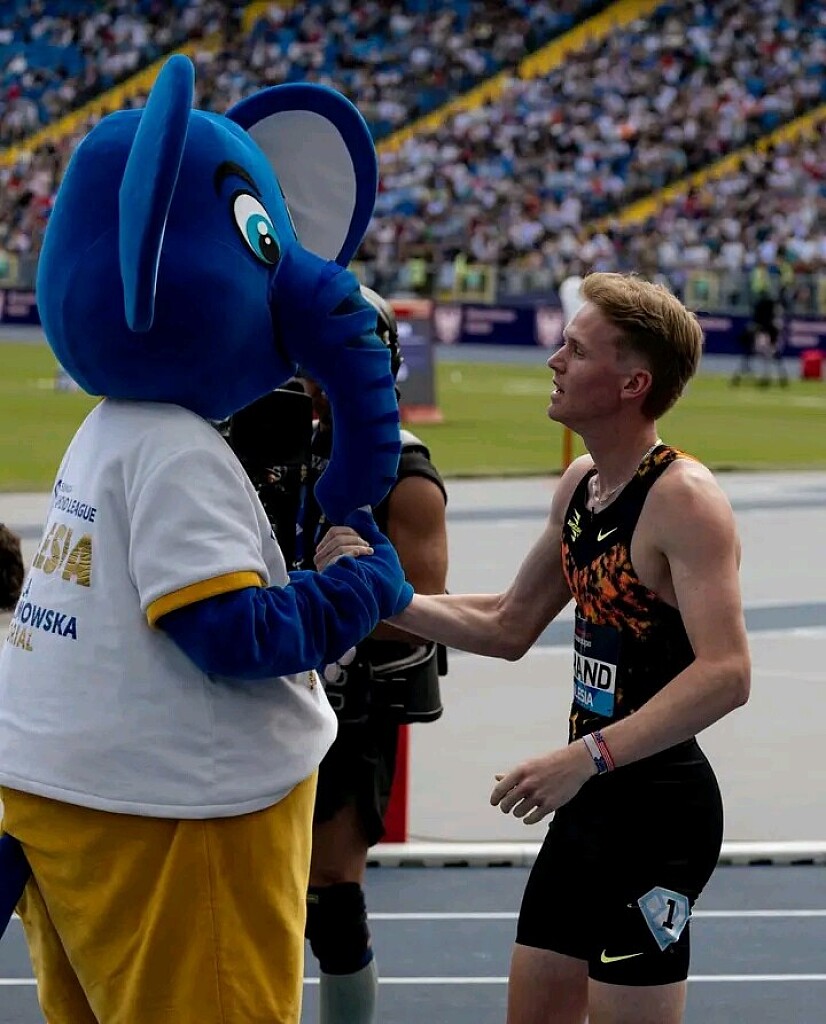
Ethan Strand’s Stunning Silesia Surge: “I Had Enough Left”
Ethan Strand delivered one of the most impressive finishes of the Silesia Diamond League meeting, producing a spectacular final lap to storm to victory in the men’s 1500m in a season-best 3:30.77.
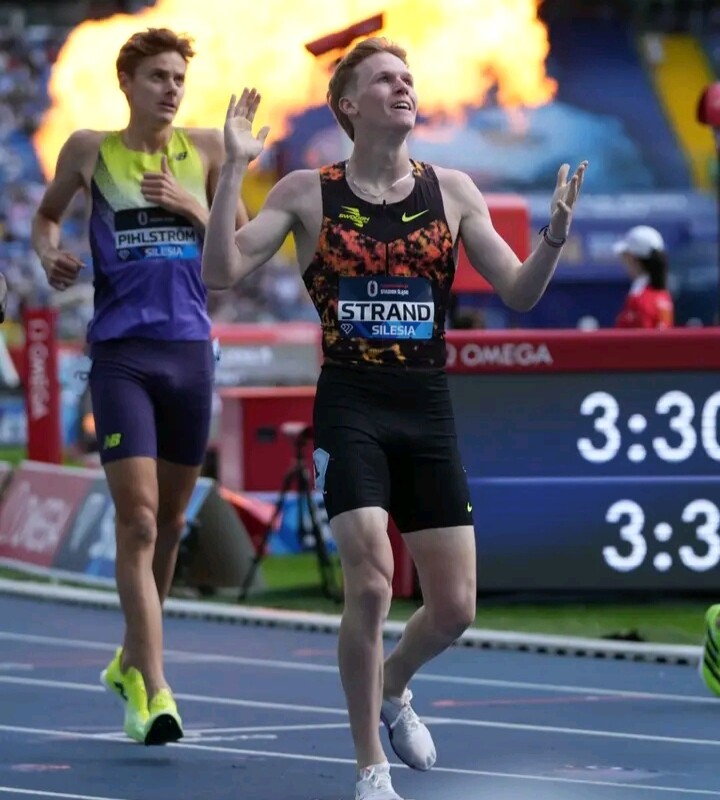
The American’s triumph was not simply about speed—it was a carefully executed comeback built on patience, belief and a powerful reserve of energy saved for the closing stages.
Strand admitted afterwards that he had found himself well back in the field during the race, but remained confident that he had enough left to make his move.
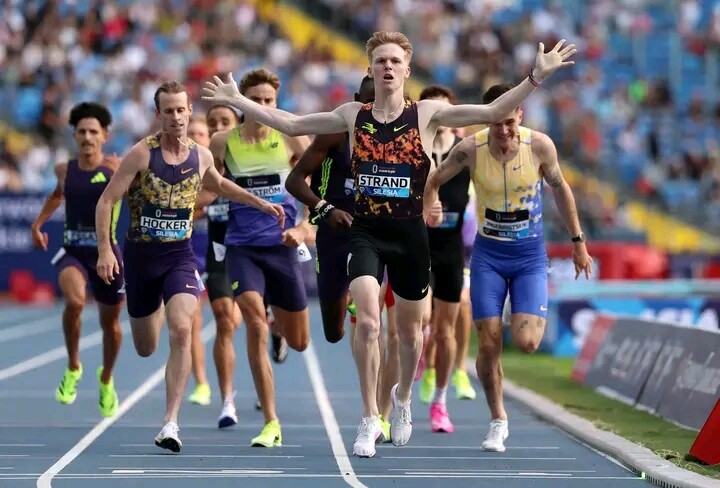
“I was pretty far back and had a lot left, and I had to do a lot of work up through the third lap, and I had enough left,” Strand said after his winning performance.
That reserve proved decisive.
As the race entered its final lap, Strand began to close the gap with increasing urgency. He continued to pick off his rivals before unleashing his biggest acceleration down the home straight, powering away from the chasing pack and crossing the line in style.
His emphatic celebration reflected the significance of the performance—a season's best time and a major victory over a field packed with elite 1500m talent.
Phanuel Koech produced a superb performance of his own to finish second in 3:31.14, narrowly holding off reigning Olympic champion Cole Hocker, who crossed the line third in 3:31.16.
Just behind them was Norwegian superstar Jakob Ingebrigtsen, who made his first 1500m appearance since Tokyo last September. Ingebrigtsen clocked 3:31.19 to finish fourth in a race where less than half a second separated the top four athletes.
The result made Strand the man of the moment in Silesia. While others battled for position throughout the race, the American trusted his strength, stayed composed despite being deep in the field and unleashed his decisive move when it mattered most.
His victory was a powerful reminder that a race can change dramatically in its final 400 metres. Strand may have been “pretty far back,” but he knew he had something left—and when the moment arrived, he produced exactly the kind of finishing speed required to defeat an Olympic champion and some of the world's finest middle-distance runners.
From being buried in the pack to flying down the home straight, Ethan Strand turned patience into victory—and finished the night with a celebration that said it all.
3:30.77. Season’s best. Silesia champion.
by Erick Cheruiyot for My Best Runs.
Login to leave a comment
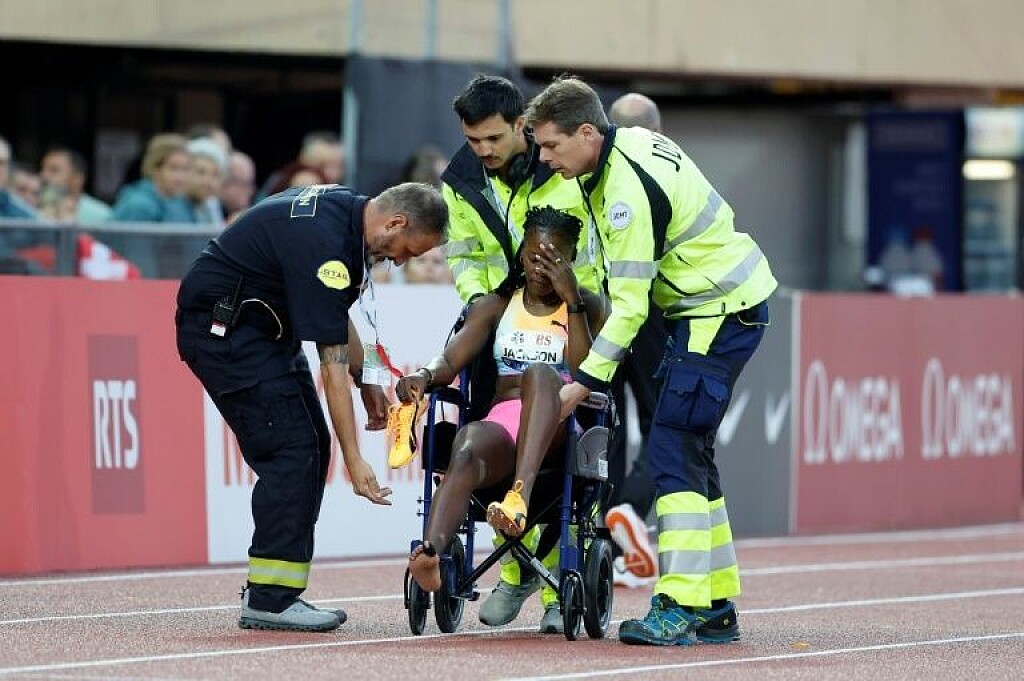
Shericka Jackson’s Lausanne Return Ends in Heartbreak as Injury Clouds Silesia Showdown
Shericka Jackson’s long-awaited return to the 200 metres ended in heartbreaking fashion on Friday night at the Wanda Diamond League meeting in Lausanne, where the Jamaican sprint star was forced to pull up and did not finish after appearing to suffer an injury.

Jackson had made a promising start and was among the leading contenders as the race unfolded at the Stade Olympique de la Pontaise. But shortly after coming off the bend, the two-time world 200m champion suddenly pulled up, lost her balance and crashed to the track, bringing her comeback race to an abrupt and painful end.
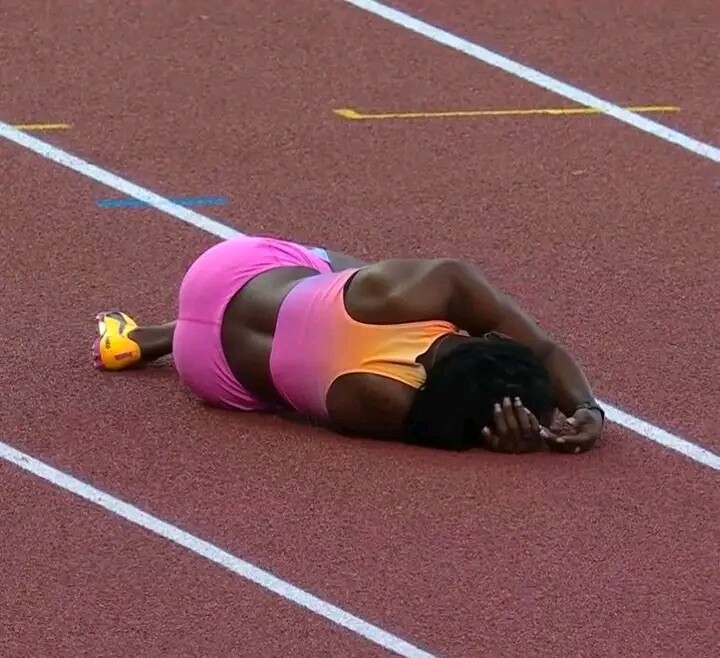
The incident immediately raised concerns for one of the most accomplished sprinters of her generation, particularly after Jackson had already acknowledged uncertainty over her fitness in the lead-up to the Lausanne meeting.
Her withdrawal now casts serious doubt over her scheduled appearance in the women’s 100m at the Silesia Diamond League on Saturday, August 23. Jackson had been set to line up in one of the most eagerly anticipated sprint races of the meeting, alongside fellow Jamaican Elaine Thompson-Herah, Sha’Carri Richardson, Julien Alfred and Melissa Jefferson-Wooden.
Whether Jackson will be fit enough to take her place remains unclear, but Friday’s setback was another difficult moment in what has been an emotionally challenging period for the Jamaican star.
Recently, Jackson revealed that she had not been “ok” as she continues to cope with the loss of her longtime coach and MVP Track Club technical director, Stephen “Franno” Francis. His death has clearly left a profound impact on an athlete who enjoyed some of the greatest successes of her career under his guidance.
Friday’s injury scare added another layer of heartbreak to that difficult journey. For now, the athletics world will be hoping that the setback is not as serious as it first appeared and that Jackson can recover fully.
One of the sport’s biggest stars has already overcome enormous challenges throughout her career. The hope now is that this latest setback will be only a temporary interruption—and that Shericka Jackson will soon be back where she belongs, competing at the very highest level.
by Erick Cheruiyot for My Best Runs.
Login to leave a comment
New York Marathon Set For Blockbuster Showdown As America’s Two Fastest Men Collide
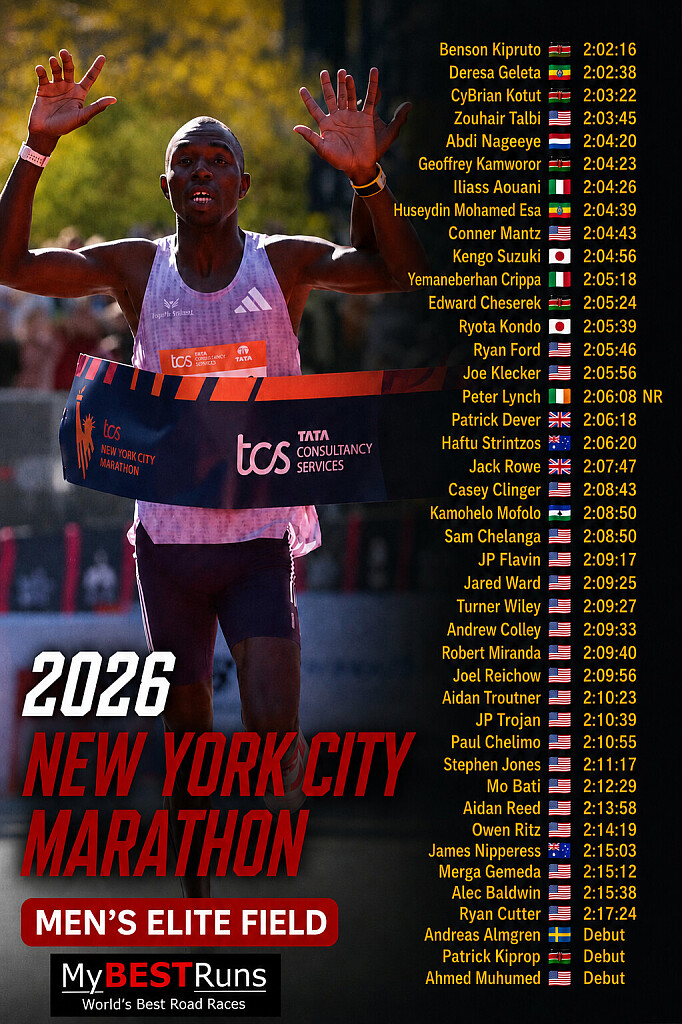
The 2026 TCS New York City Marathon is shaping up to be one of the most anticipated editions in recent history, with New York Road Runners unveiling a remarkable men’s professional field that brings together the two fastest American marathoners ever on the same starting line.
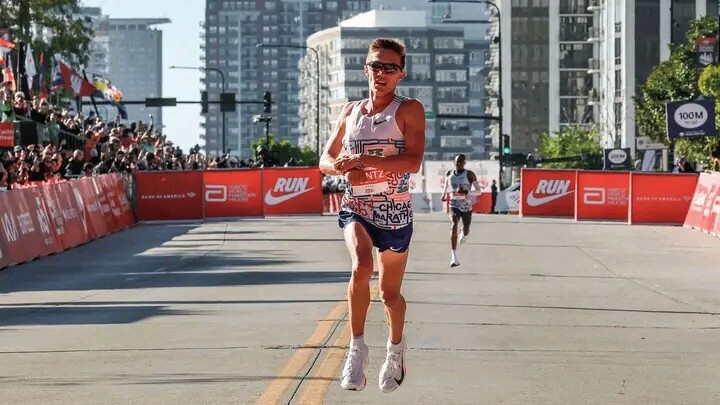
The race, scheduled for November 1, will feature American record-holder Conner Mantz (2:04:43) and Zouhair Talbi (2:03:45), whose performance at the 2026 Boston Marathon is the fastest marathon ever run by an American by clock time. However, because Boston is not a record-eligible course, Talbi’s mark does not replace Mantz’s official American record.
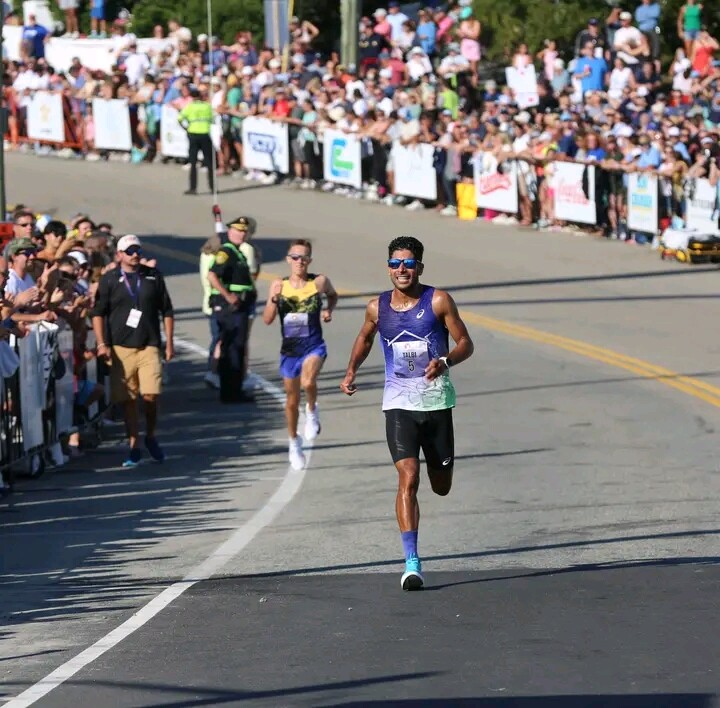
Mantz established the American record with his 2:04:43 fourth-place finish at the 2025 Chicago Marathon, breaking a national record that had stood since 2002. Talbi went even faster in Boston in April, crossing the line fifth in 2:03:45 and adding another extraordinary chapter to the rapid evolution of American marathon running.
That makes New York particularly intriguing. For the first time, the two men who occupy the top two positions on the all-time American marathon performance list will have the opportunity to race each other over a record-eligible course, with the streets of New York providing the stage.
And the American showdown will be only one part of a much bigger battle.
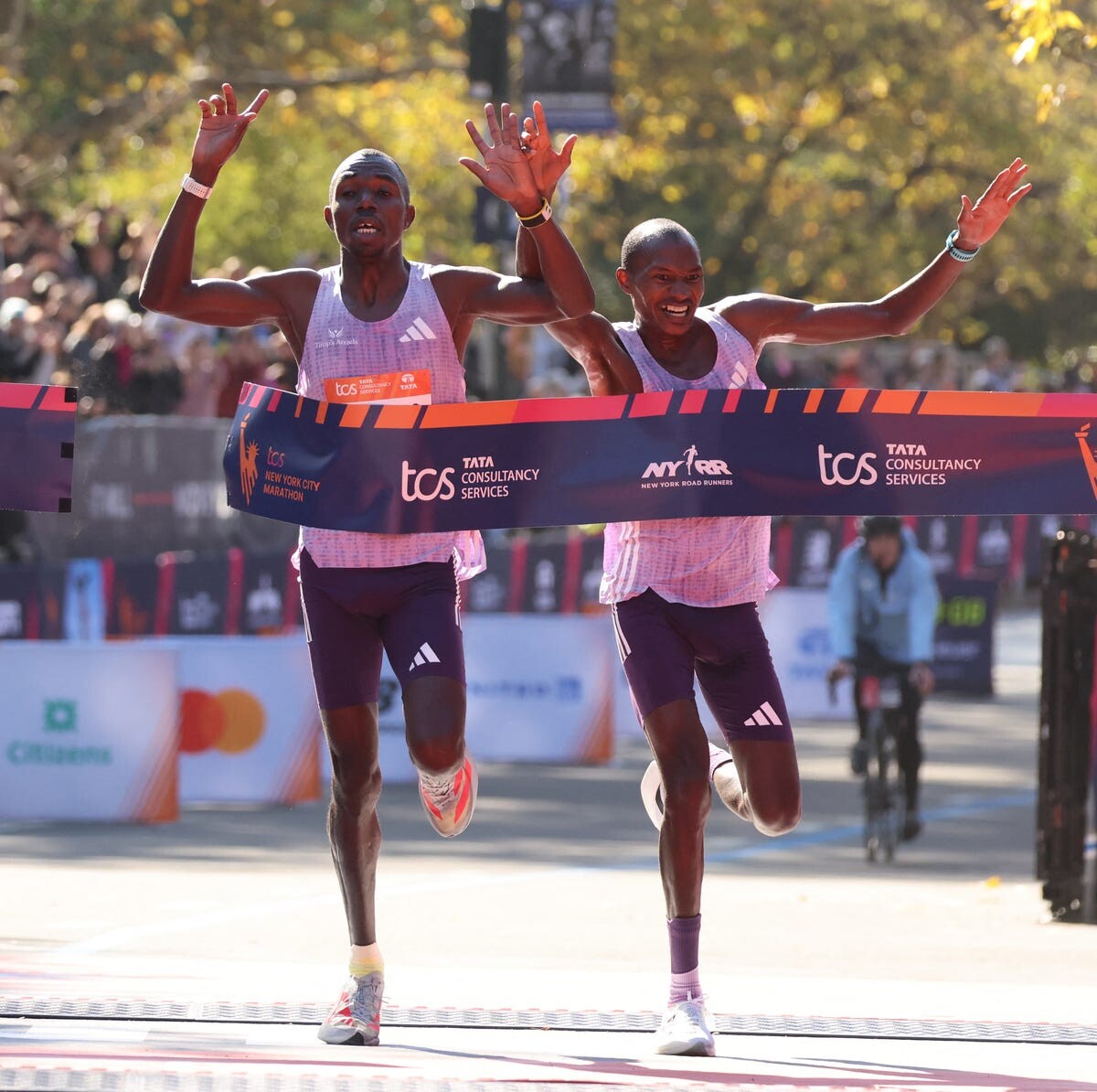
The international challenge is formidable. Defending champion Benson Kipruto (2:02:16) leads the field, followed by Ethiopia’s Deresa Geleta (2:02:38) and Kenya’s CyBrian Kotut (2:03:22). The lineup also includes the Netherlands’ Abdi Nageeye (2:04:20), Kenya’s Geoffrey Kamworor (2:04:23), Italy’s Iliass Aouani (2:04:26) and Ethiopia’s Huseydin Mohamed Esa (2:04:39).
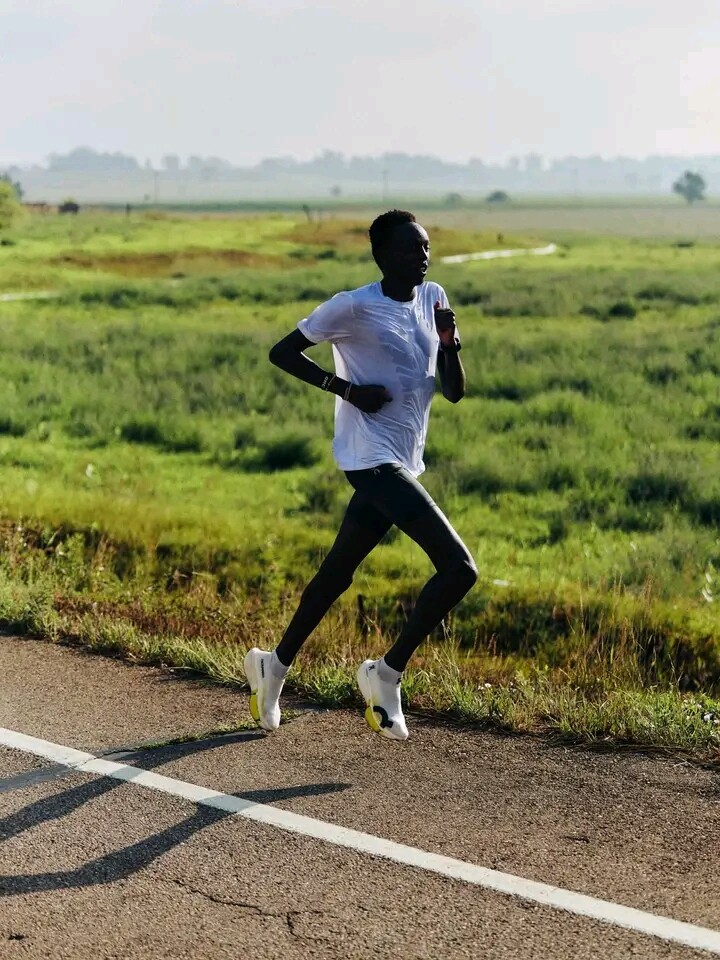
Just behind that group is Japan’s Kengo Suzuki (2:04:56), Italy’s Yemaneberhan Crippa (2:05:18), Kenya’s Edward Cheserek (2:05:24) and Japan’s Ryota Kondo (2:05:39). Ireland’s Peter Lynch (2:06:08), Great Britain’s Patrick Dever (2:06:18), Australia’s Haftu Strintzos (2:06:20) and Britain’s Jack Rowe (2:07:47) further strengthen a field that possesses extraordinary depth.
The American contingent is just as fascinating. Alongside Mantz and Talbi are Ryan Ford (2:05:46), Joe Klecker (2:05:56), Casey Clinger (2:08:43), Sam Chelanga (2:08:50), JP Flavin (2:09:17), Jared Ward (2:09:25), Turner Wiley (2:09:27), Andrew Colley (2:09:33), Robert Miranda (2:09:40) and Joel Reichow (2:09:56).
The depth continues with Aidan Troutner (2:10:23), JP Trojan (2:10:39), Paul Chelimo (2:10:55), Stephen Jones (2:11:17), Mo Bati (2:12:29), Aidan Reed (2:13:58), Owen Ritz (2:14:19), Merga Gemeda (2:15:12), Alec Baldwin (2:15:38) and Ryan Cutter (2:17:24). Australia’s James Nipperess (2:15:03) and Lesotho’s Kamohelo Mofolo (2:08:50) are also on the start list.
Three athletes will make their marathon debuts in New York: Sweden’s Andreas Almgren, Kenya’s Patrick Kiprop and American Ahmed Muhumed. Almgren, in particular, brings tremendous track credentials into his first attempt at 26.2 miles after winning the European 10,000m title in Birmingham in a championship-record 27:23.44.
The numbers tell the story of just how deep this field is. Ten men have personal bests faster than the existing New York City Marathon course record of 2:04:58, set by Tamirat Tola in 2023. Remarkably, Tola himself is not entered, nor is Alexander Mutiso, who finished runner-up to Kipruto in last year’s dramatic race.
For Mantz and Talbi, however, the stakes extend beyond the American record books. No American man has won the New York City Marathon since Meb Keflezighi in 2009, meaning the American contingent will arrive carrying a 17-year wait for another homegrown champion. Mantz and Talbi will have to overcome a formidable international field if either is to end that drought.
New York’s course will add another layer of difficulty. The bridges, sharp turns, rolling sections and notoriously demanding final miles toward Central Park have humbled some of the world’s fastest marathoners. Raw personal-best times will matter, but so will patience, positioning, tactical intelligence and the ability to produce a decisive move when the race reaches its most unforgiving stages.
With the official American record-holder, the fastest American by clock time, a defending champion, multiple 2:04 marathoners and a host of world-class contenders all converging on the Big Apple, the 2026 New York City Marathon has the ingredients of a classic.
On November 1, the streets of New York could become the setting for another extraordinary chapter in marathon history.
by Erick Cheruiyot for My Best Runs.
Login to leave a comment

TCS New York City Marathon
The first New York City Marathon, organized in 1970 by Fred Lebow and Vince Chiappetta, was held entirely in Central Park. Of 127 entrants, only 55 men finished; the sole female entrant dropped out due to illness. Winners were given inexpensive wristwatches and recycled baseball and bowling trophies. The entry fee was $1 and the total event budget...
more...
Faith Kipyegon Delivers Emotional Injury Update: “I’ll Be Back”
Kenyan athletics fans have been handed a worrying update from one of the country’s biggest sporting stars, with Faith Kipyegon revealing that her recovery from a hamstring injury will take longer than she had initially hoped.
The three-time Olympic champion and multiple world champion has been managing the injury for several weeks, and she has now made it clear that she will not rush her return to competition.
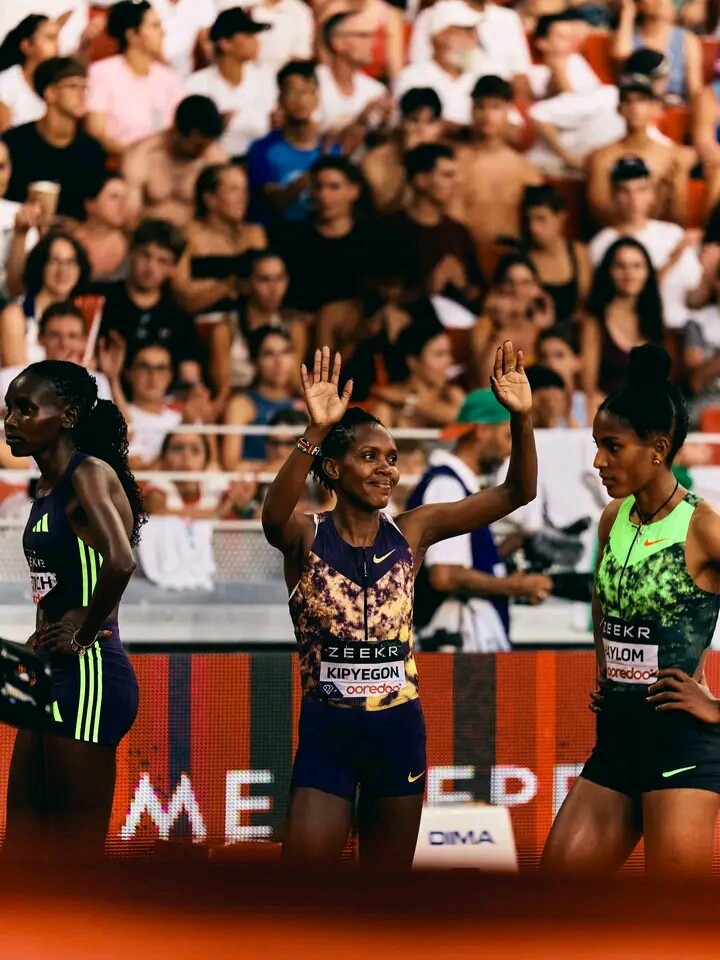
Kipyegon opened up about the setback in an emotional message to her followers, acknowledging the difficult balance elite athletes must maintain between pushing their bodies to the limit and protecting themselves from injury.
“As athletes, we ask a lot from our bodies. There is always a thin line between being fit and the risk of injury.”
The Kenyan superstar said she has been dealing with the hamstring problem since the end of May and admitted that the recovery process has proved slower than she anticipated.
“Since the end of May, I have been dealing with a hamstring injury and unfortunately it needs a bit longer to recover than I had hoped.”
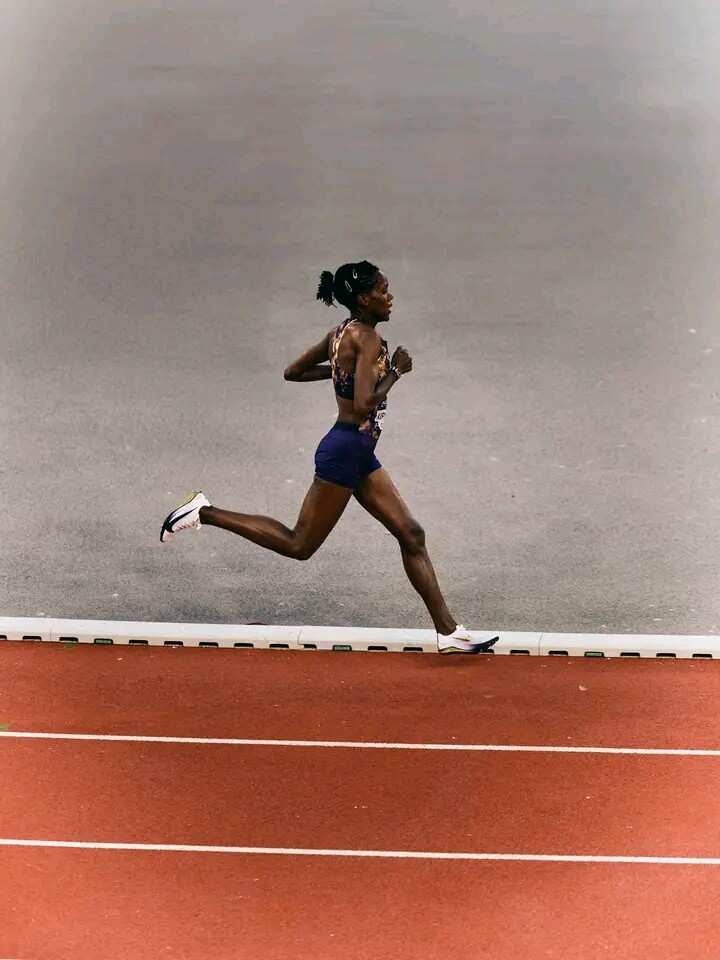
Rather than forcing an early comeback, Kipyegon has chosen to give her body the time it needs to heal properly. For an athlete accustomed to competing at the highest level and delivering spectacular performances on the biggest stages, the enforced break will undoubtedly be frustrating.
But the 32-year-old understands that patience now could be crucial to her long-term return.
“I know that taking care of it now is the most important thing I can do to come back at my best.”
Kipyegon’s decision is particularly significant given the extraordinary standards she has maintained throughout her career. She has dominated the women’s 1,500m for more than a decade, collecting Olympic and world titles while repeatedly rewriting the record books.
She currently owns the women’s world records for both the 1,500m and the mile. Her latest 1,500m world record of 3:48.68, set in Eugene in July 2025, made her the first woman to break 3:49 for the distance. Her mile world record stands at 4:07.64.
Her absence will nevertheless be felt across the athletics world. Kipyegon remains one of the defining figures of modern middle-distance running and one of Kenya’s most decorated athletes. Although she once held the women’s 5,000m world record, that mark now belongs to compatriot Beatrice Chebet, who ran 13:58.06 in Eugene in July 2025 to become the first woman to break 14 minutes over the distance.
For now, however, Kipyegon’s focus is firmly on recovery.
“So for now, I will take the time to heal, recover and get stronger. I’ll be back.”
Those final three words will resonate strongly with her supporters.
“I’ll be back.”
It is a simple message, but one that carries enormous weight. Kipyegon has built her career on resilience, discipline and an extraordinary ability to respond when expectations are at their highest.
This time, the challenge is different. There is no finish line to chase and no championship medal at stake—only the patience required to get her body right.
Kenyan fans may have to wait a little longer to see their champion back on the track, but Kipyegon’s message is unmistakable: the comeback has not been abandoned—it is simply being given the time it deserves.
by Erick Cheruiyot for My Best Runs.
Login to leave a comment
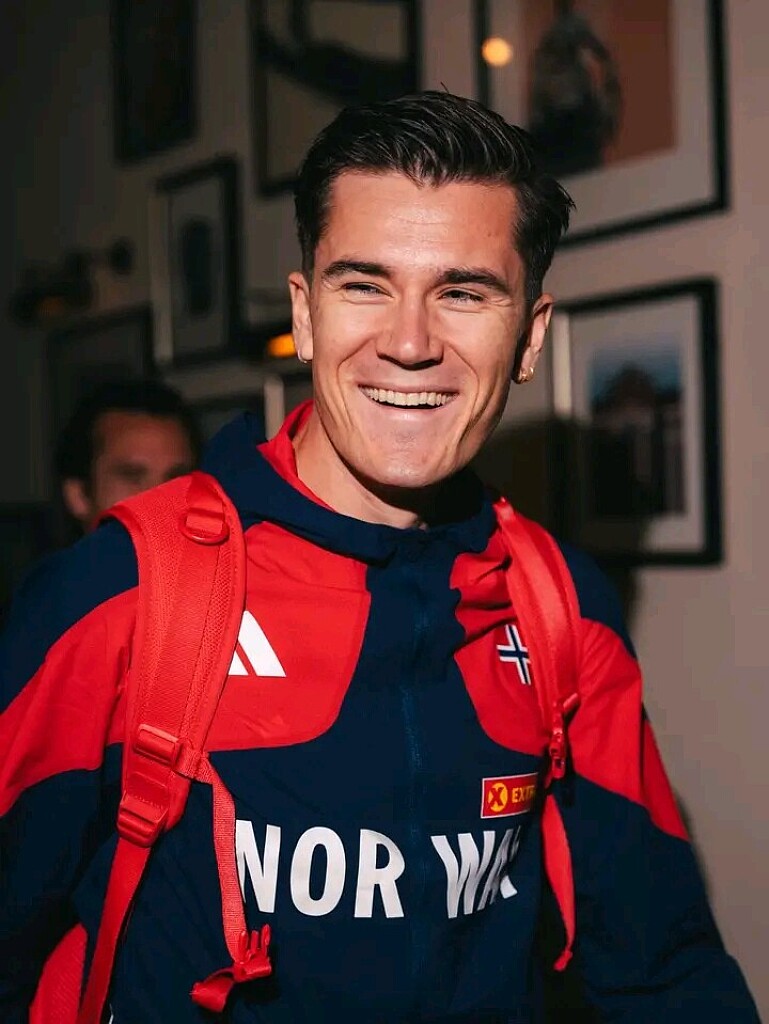
Jakob Ingebrigtsen Returns To Silesia: Can The Norwegian Reclaim The 1500m Throne?
Silesia has become a special chapter in Jakob Ingebrigtsen’s remarkable career, and on August 23, the Norwegian middle-distance superstar will return to the Diamond League with a question hanging over his comeback: can he return to the top of the 1500m?
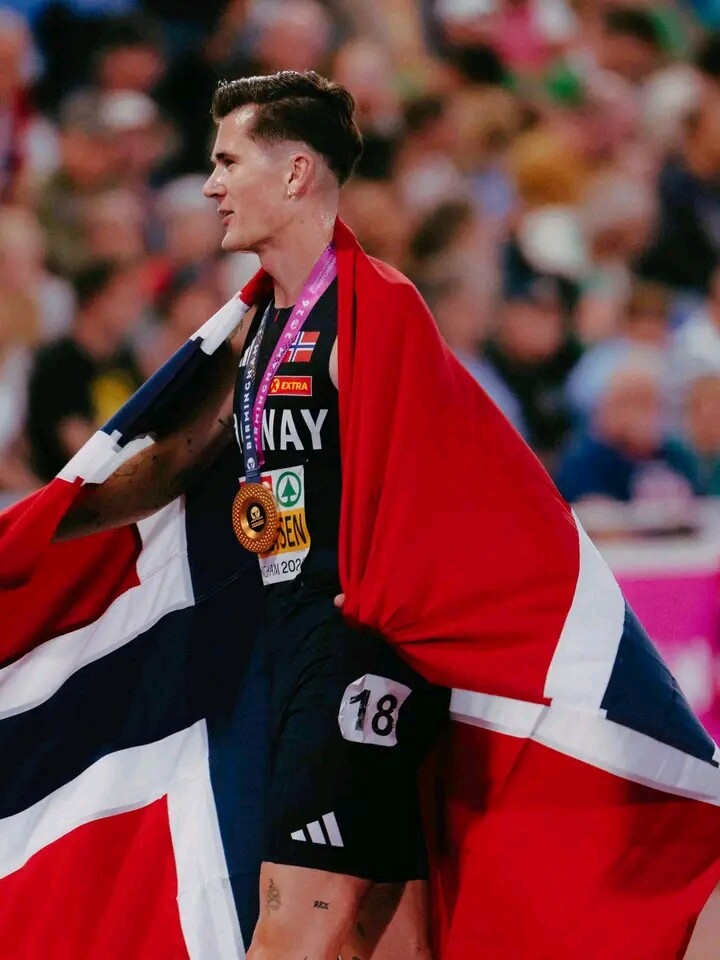
Ingebrigtsen is set to race his first 1500m since the 2025 World Athletics Championships, making his appearance at the Silesia Diamond League one of the most anticipated moments of the meeting.
The Norwegian’s return comes after a fascinating two-year stretch filled with major victories, record-breaking performances and unexpected setbacks.

Since the 2024 Paris Olympics, Ingebrigtsen has experienced almost every side of elite middle-distance running. At the Paris Games, he finished fourth in the 1500m, narrowly missing the podium before quickly responding with a victory in the Diamond League Final later that year.
He then began 2025 in spectacular fashion, breaking the indoor mile world record before going on to claim the world indoor title in the 3000m.
However, his outdoor campaign brought a different challenge. At the 2025 World Championships, Ingebrigtsen failed to advance from the 1500m heats, bringing an unexpected early end to his campaign in the event.
Now, nearly a year later, the 25-year-old is ready to return to the distance that has defined so much of his career.
And Silesia could hardly be a more fitting place for his comeback.
The last time Ingebrigtsen raced at the Polish venue, he produced a performance for the history books. He stormed to 7:17.55 in the 3000m, destroying the 28-year-old world record and once again demonstrating his extraordinary ability to combine speed with endurance.
This time, however, the focus shifts back to the 1500m.
The race will offer Ingebrigtsen an opportunity to measure himself against the world’s best after an extended absence from the event. His tactical instincts, finishing speed and ability to handle a fast pace will all come under the spotlight.
For a runner who has spent years setting the standard in the 1500m, this is more than simply another Diamond League appearance. It is a chance to begin writing the next chapter.
Can Jakob Ingebrigtsen return to the top?
Silesia will provide the stage. August 23 will provide the answer.
by Erick Cheruiyot for My Best Runs.
Login to leave a comment
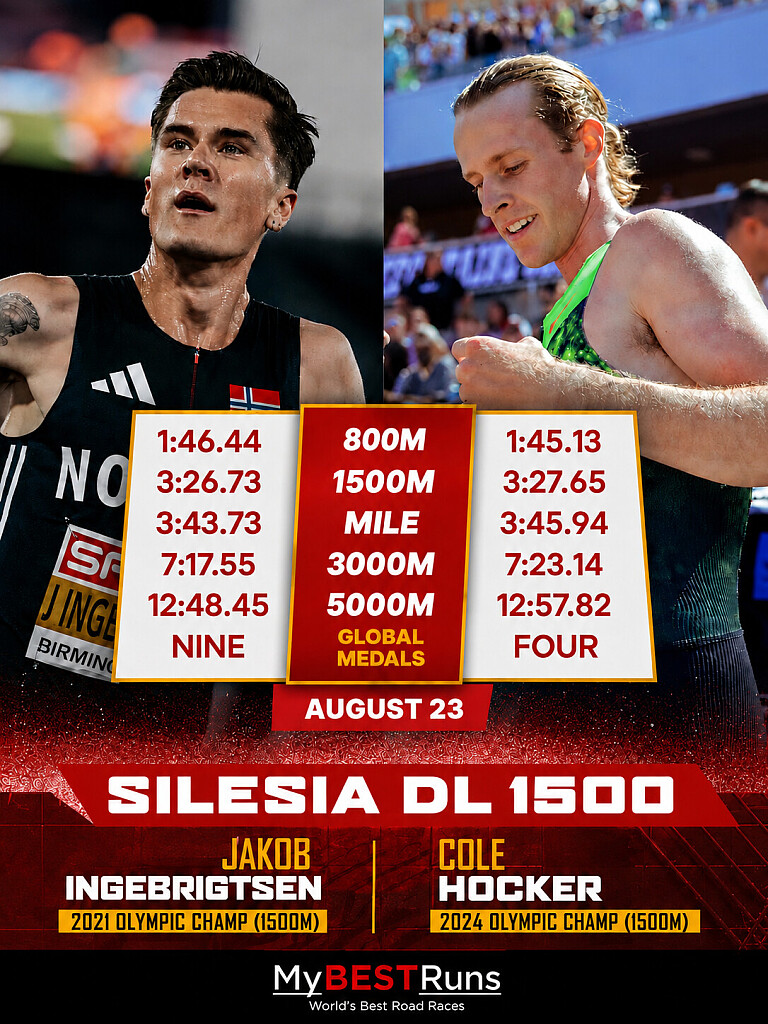
Ingebrigtsen vs Hocker: Silesia Set for a Blockbuster 1500m Showdown
A mouthwatering 1500m showdown is brewing at the Silesia Diamond League on August 23, with two of the biggest names in middle-distance running set to go head-to-head.
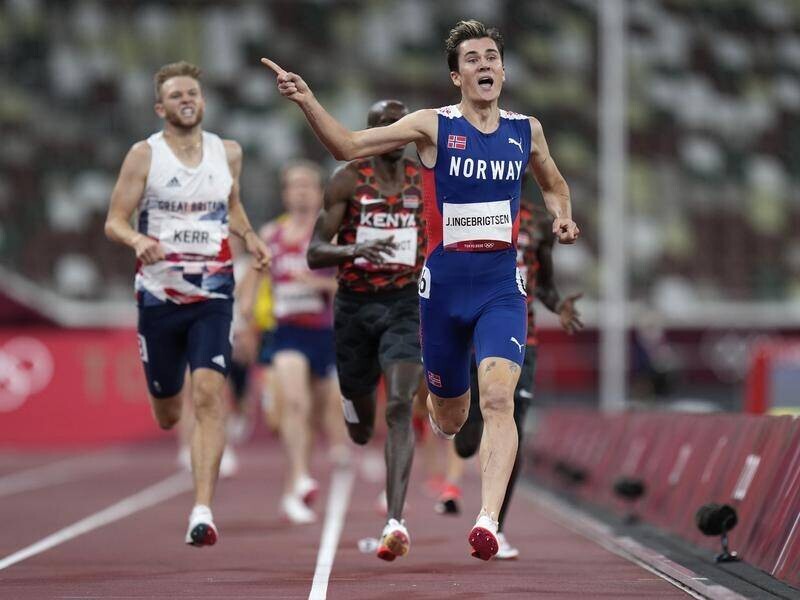
Norway’s Jakob Ingebrigtsen is set to make his return to the Wanda Diamond League in Silesia, where he will face Cole Hocker, the reigning Olympic 1500m champion. The meeting will bring together two athletes who have already shared one of the most memorable 1500m battles of recent years.
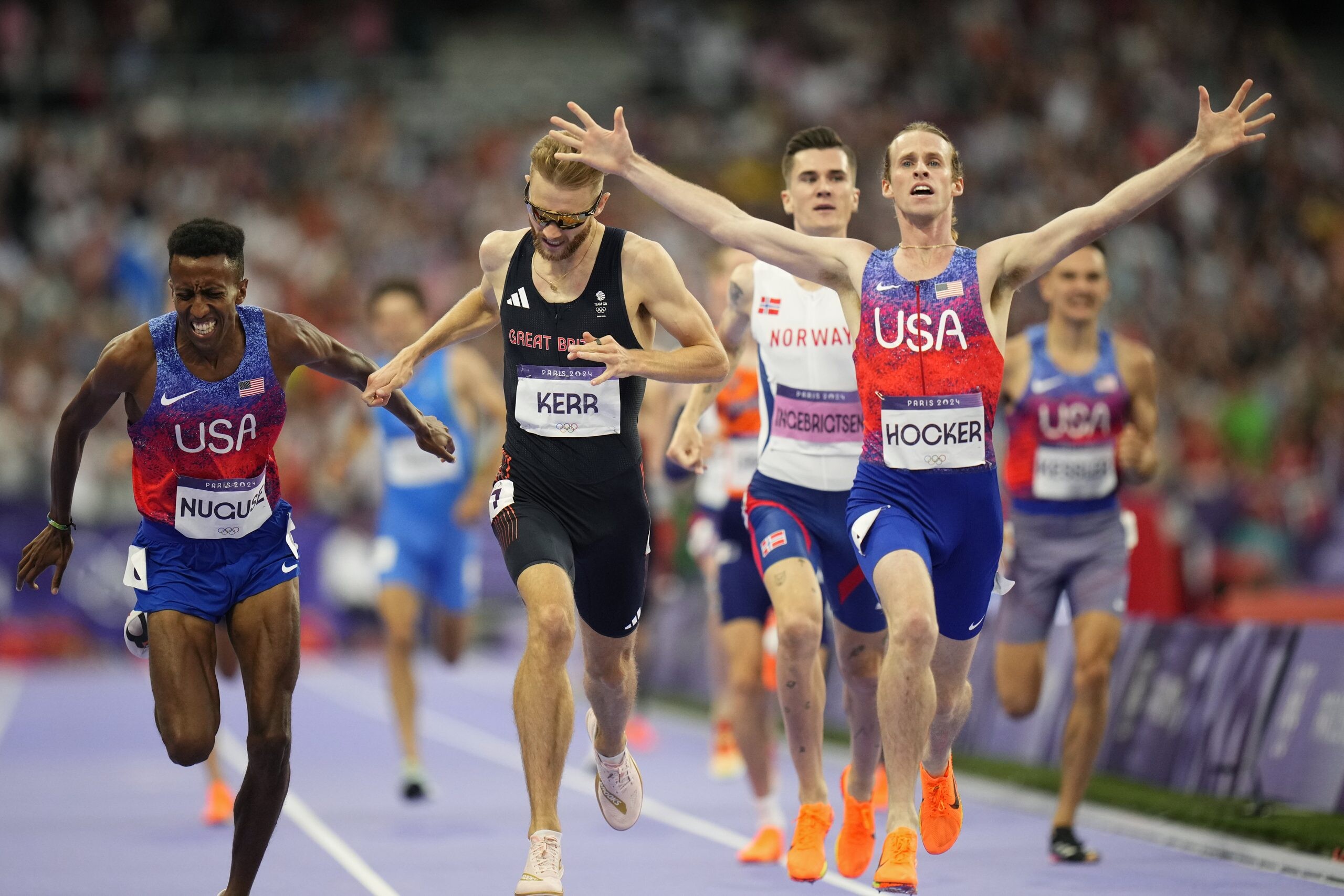
At the Paris 2024 Olympic Games, Hocker produced a sensational finish to take the gold medal in an Olympic-record 3:27.65, while Ingebrigtsen finished fourth in 3:28.24.
More than two years later, the two stars are preparing to meet again, adding another intriguing chapter to their rivalry.
For Ingebrigtsen, the Silesia race will come shortly after his long-awaited return to competition following an injury layoff. The Norwegian made his comeback in impressive fashion at the 2026 European Athletics Championships in Birmingham, successfully defending his European 5000m title.
Ingebrigtsen clocked 13:15.29 to win the 5000m, immediately reminding the athletics world of his extraordinary championship pedigree and competitive instincts after his extended absence.
Hocker, meanwhile, arrives in Silesia as one of the most formidable 1500m runners in the world. His Olympic triumph in Paris established him as the reigning Olympic champion, while his 3:27.65 personal best ranks him among the fastest athletes ever over the distance.
Ingebrigtsen and Hocker bring remarkable credentials to the Silesia showdown. Hocker enters the race as the reigning Olympic 1500m champion with a personal best of 3:27.65, while Ingebrigtsen owns an even faster lifetime best of 3:26.73 and a long list of Olympic and European championship honours. With both athletes capable of producing extraordinary speed over the final stages, the Silesia meeting could deliver another memorable chapter in their growing rivalry.
The Norwegian will also be looking to sharpen his 1500m form after beginning his comeback over 5000m, while Hocker will have the confidence that comes with being the reigning Olympic champion.
That combination makes the Silesia clash particularly compelling. Will Ingebrigtsen's strength and proven championship experience prevail, or can Hocker once again produce the decisive finishing speed that delivered Olympic gold?
One thing is certain: Silesia is set for a 1500m battle that distance-running fans will not want to miss.
Jakob Ingebrigtsen vs Cole Hocker. August 23. The stage is set.
by Erick Cheruiyot for My Best Runs.
Login to leave a comment
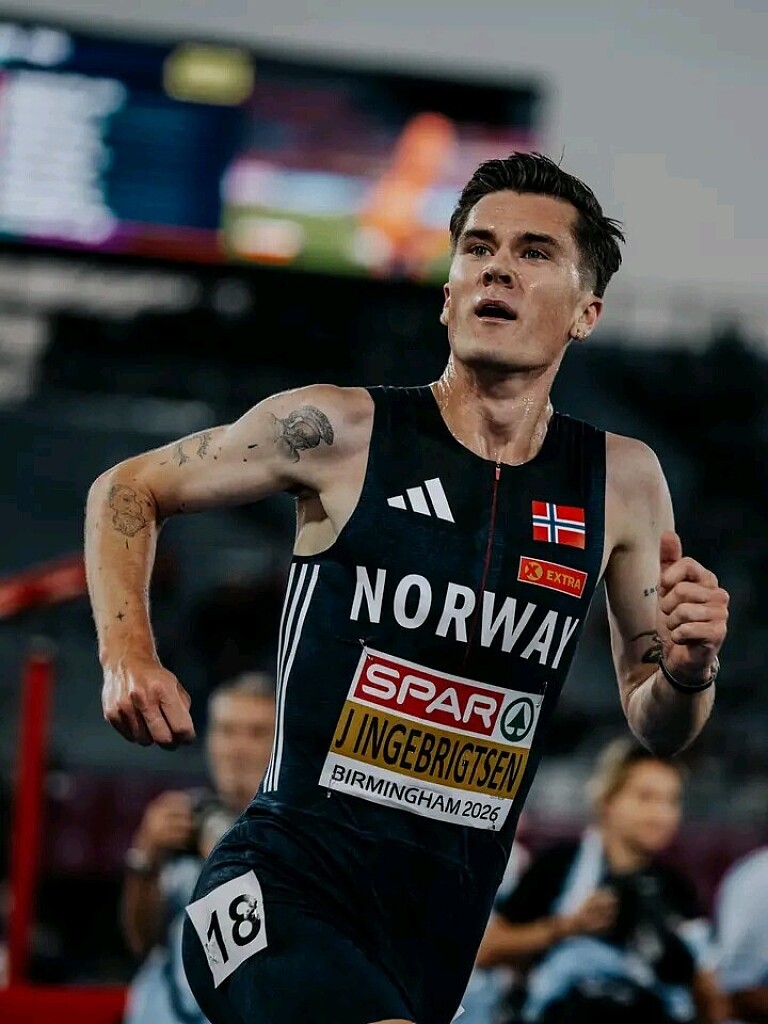
Jakob Ingebrigtsen Returns In Style With Fourth Straight European 5000m Gold
After 11 months away from competitive racing, Jakob Ingebrigtsen reminded the athletics world exactly why he remains one of distance running’s most formidable forces.

The Norwegian superstar made a spectacular return at the European Athletics Championships in Birmingham, producing a trademark finishing surge to capture his fourth consecutive European 5000m title in 13:15.29.
Making his first competitive appearance since 2025 following an Achilles injury and surgery earlier this year, Ingebrigtsen approached the race with patience. Rather than forcing the pace early, the Olympic champion remained composed through the opening stages, conserving energy for the decisive moments.
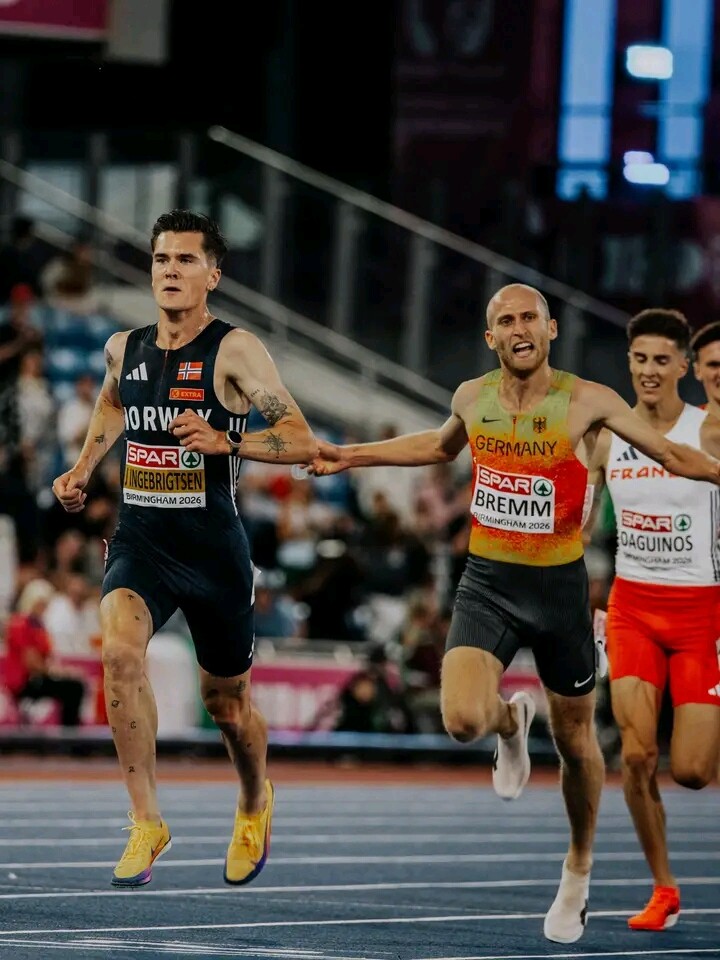
With the field still tightly packed entering the closing stages, the race came down to a final-lap battle. Ingebrigtsen moved into contention around the final bend before unleashing a devastating kick over the closing 100 metres.
Jimmy Gressier of France and Germany’s Florian Bremm were among those fighting for the medals, but neither could match the Norwegian’s acceleration. Ingebrigtsen powered clear to cross the line first in 13:15.29, with Bremm taking silver and France’s Etienne Daguinos claiming bronze.
The victory extends an extraordinary European Championships record for Ingebrigtsen. He has now won the 5000m title at four consecutive editions, while his latest gold also further strengthens his status as the most successful male athlete in the history of the European Athletics Championships.
What made the performance even more remarkable was the uncertainty surrounding his return. Ingebrigtsen had not raced at all during the 2026 season as he worked his way back from Achilles surgery. His participation in Birmingham was only confirmed in late July, with his management stressing that the decision would depend on his readiness.
Yet when the moment arrived, the 25-year-old delivered in familiar fashion — staying calm, trusting his strength and producing an explosive finish when the medals were on the line.
The comeback victory also sets up an intriguing next chapter. Ingebrigtsen is scheduled to return to the Diamond League circuit at the Weltklasse Zürich meeting on August 27, where he is expected to contest the 1500m alongside a formidable field that includes Olympic champion Cole Hocker, Yared Nuguse and Isaac Nader. The Zürich meeting is scheduled for August 27.
After nearly a year away, Jakob Ingebrigtsen is back — and his first race of the comeback has already produced another European title.
The next test will come over 1500 metres in Zürich, where the Norwegian will face a very different challenge and an entirely different level of speed.
For now, though, one message rings loud across European athletics:
Jakob Ingebrigtsen is back.
by Erick Cheruiyot for My Best Runs.
Login to leave a comment

European Athletics Champioships
The27thEuropean Athletics Championshipswill be held from 10 to 16 August 2026 at theAlexander StadiuminBirmingham, United Kingdom.[1] This is the first time that a British city will have staged the European Athletics Championships although Birmingham has hosted many high-profile events, including the2007 European Athletics Indoor Championships, the2003and2018 IAAF World Indoor Championshipsand the2022 Commonwealth Games. Alexander Stadium was renovated between 2019 and...
more...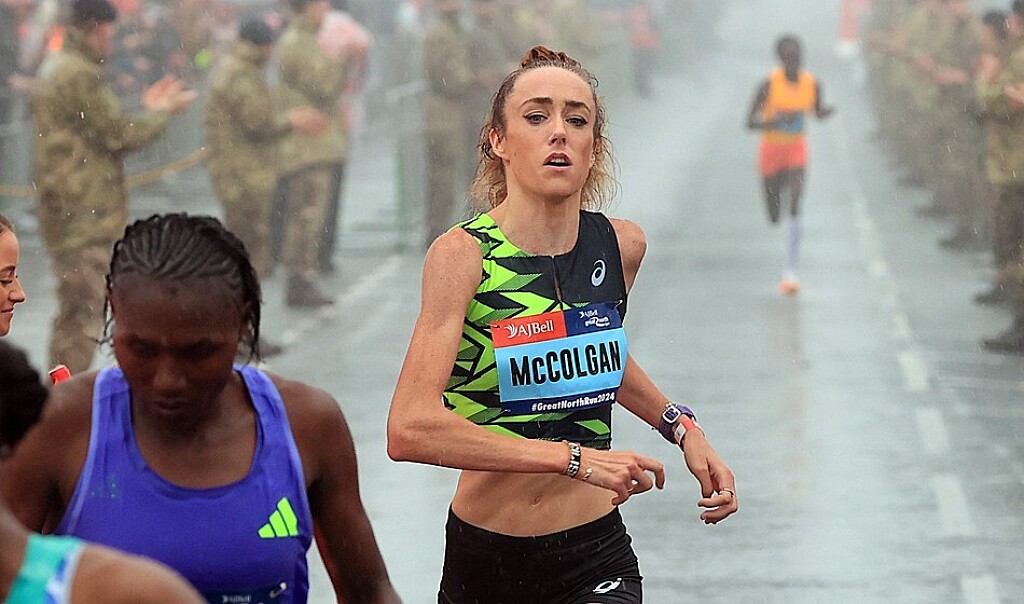
Eilish McColgan Eyes Historic Big Half Hat-Trick After Injury Setback
British distance-running star Eilish McColgan is set to make her highly anticipated return to The Big Half in London, where she will chase a record-extending third women's title after being confirmed for this year's race.
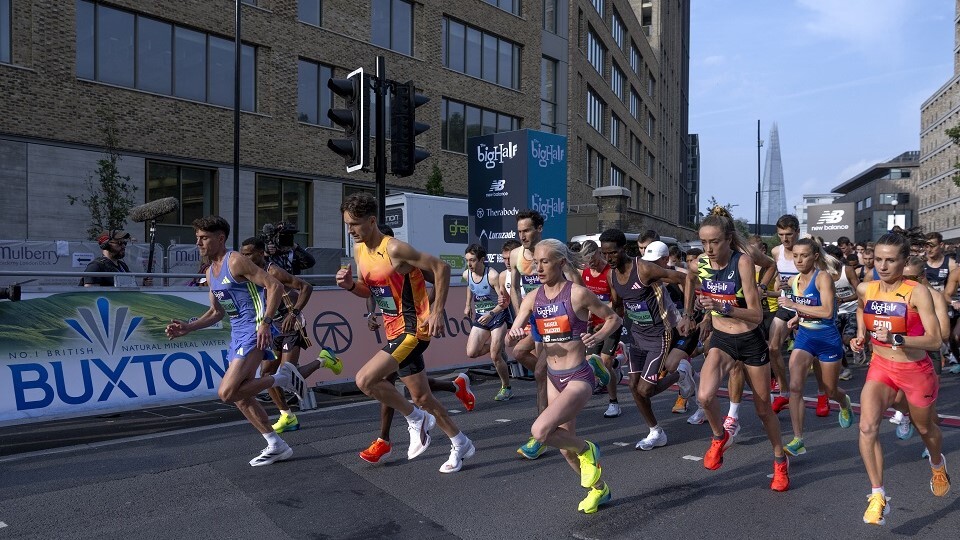
The British half marathon record holder heads back to one of her favourite events with unfinished business, determined to reignite her season following a frustrating spell on the sidelines. Having already lifted the Big Half crown in 2022 and 2024, McColgan now has the opportunity to add a third title to her impressive résumé and further cement her legacy as one of Britain's greatest road runners.
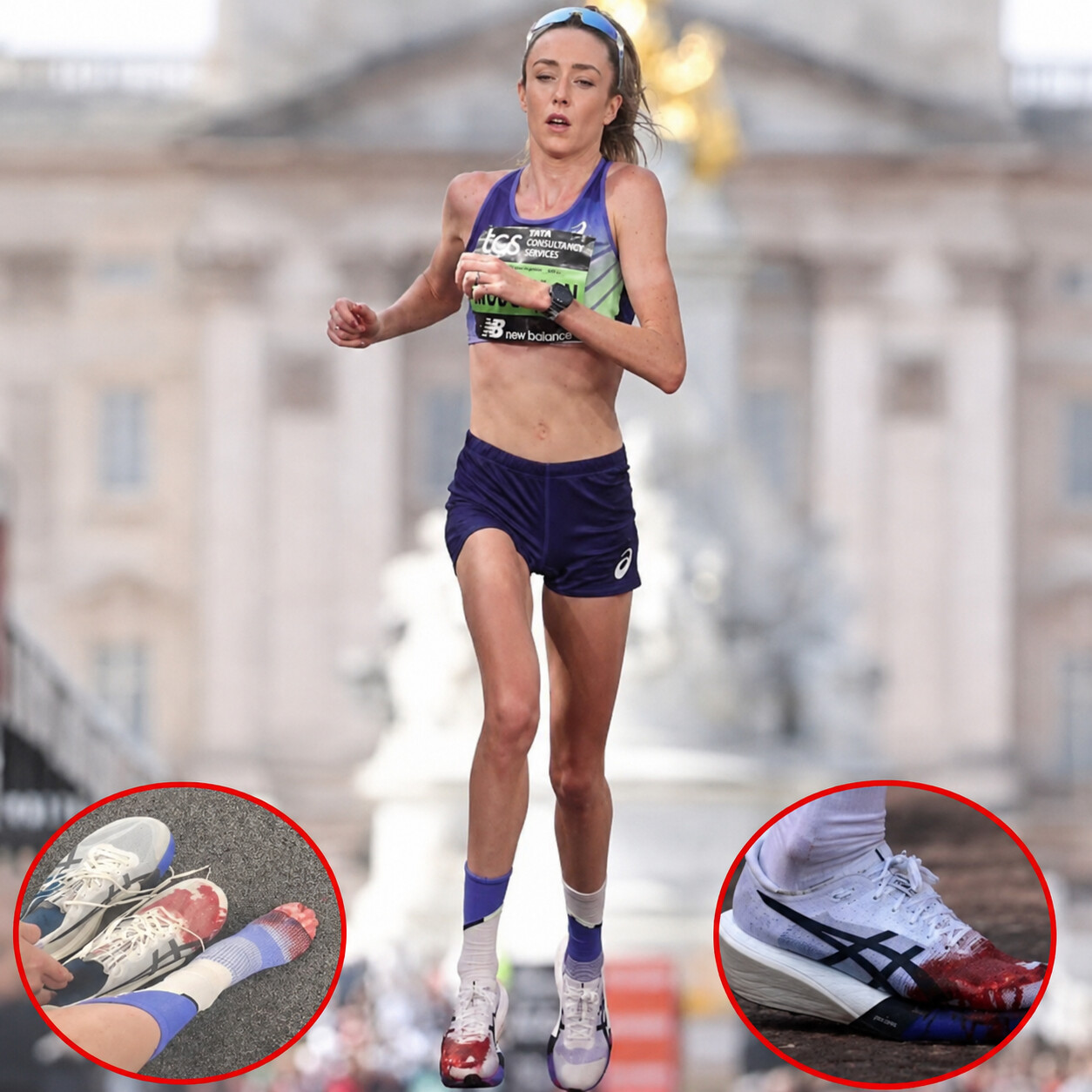
Her return comes after a difficult few months that tested both her resilience and patience. McColgan sustained a toe injury during the London Marathon in April, an issue that disrupted her training and ultimately forced her to withdraw from the Glasgow 2026 Commonwealth Games. As the defending 10,000m champion, she admitted she had not been given enough time to recover and reach the level of fitness required to defend her title.
Now fully focused on the road season, the Scottish star will be eager to put those setbacks behind her. The Big Half presents an ideal opportunity for McColgan to showcase the progress she has made since returning from injury. A strong performance would not only boost her confidence but also reaffirm her status as one of Britain's premier distance runners as she builds momentum for the races ahead.
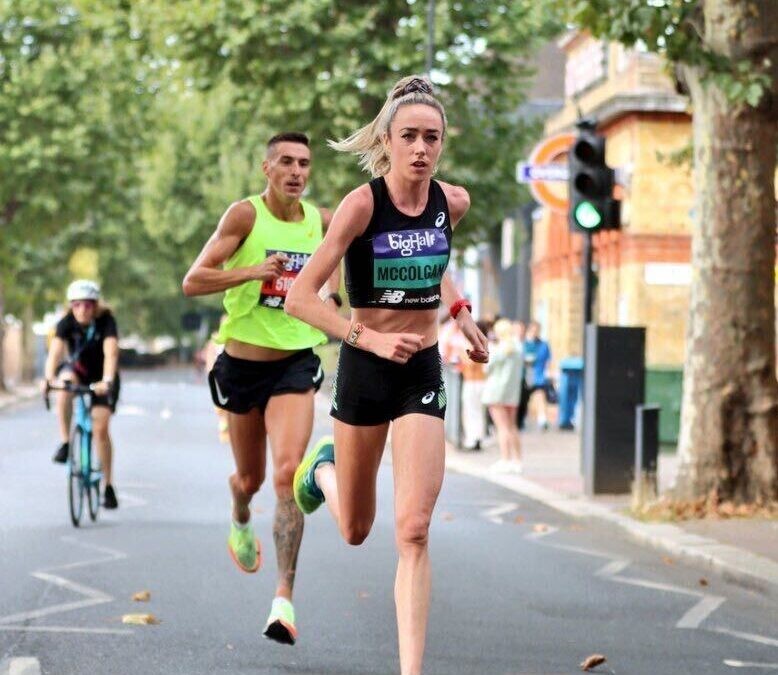
Beyond the race for another title, McColgan's appearance marks an important step in her comeback journey. After months of rehabilitation and carefully rebuilding her fitness, the event will provide a valuable measure of her progress against a world-class field. A commanding performance would reaffirm her place among Britain's and Europe's elite distance runners while strengthening her confidence for the major road races and championships still to come.
The men's elite race is also shaping up to be one of the strongest in the event's history. British marathon standout Jack Rowe has been confirmed for the race and will be chasing a remarkable fourth consecutive Big Half title. Should he triumph once again, Rowe would surpass Sir Mo Farah's record to become the most successful elite men's champion in the history of the event.
With history on the line in both elite races, this year's Big Half promises to be one of the most captivating editions yet. Thousands of runners will take to the streets of London alongside some of Britain's finest distance athletes, creating a spectacular celebration of road running. McColgan's pursuit of a historic third women's crown and Rowe's bid to establish a new men's record ensure that fans can look forward to a thrilling day of competition filled with ambition, resilience, and memorable performances.
For fans of distance running, all eyes will be on London's streets as two British stars attempt to add another memorable chapter to their careers. Whether it is McColgan completing her remarkable comeback with another victory or Rowe rewriting the history books, this year's Big Half is perfectly poised to deliver another unforgettable showcase of British distance running at its finest.
by Erick Cheruiyot for My Best Runs.
Login to leave a comment
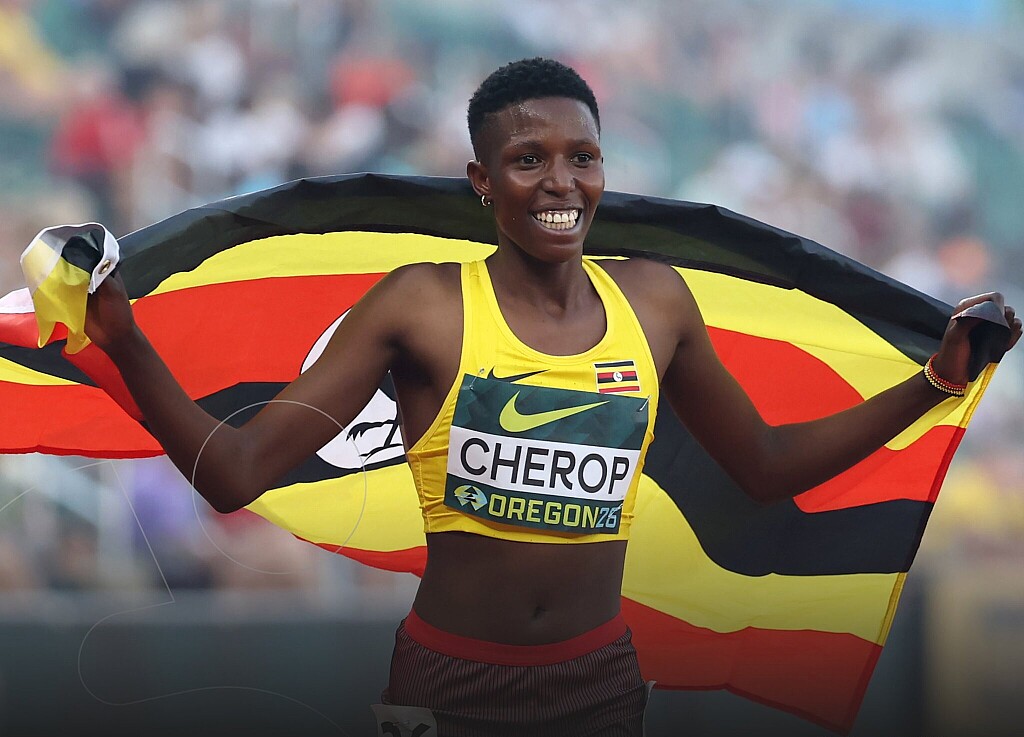
From Silver to Gold: Charity Cherop Storms to World U20 5000m Crown with Tactical Masterclass
Uganda's 19-year-old long-distance sensation Charity Cherop delivered the performance of her young career, producing a championship masterclass to capture the women's 5000m title at the 2026 World Athletics U20 Championships at Hayward Field in Eugene, Oregon.
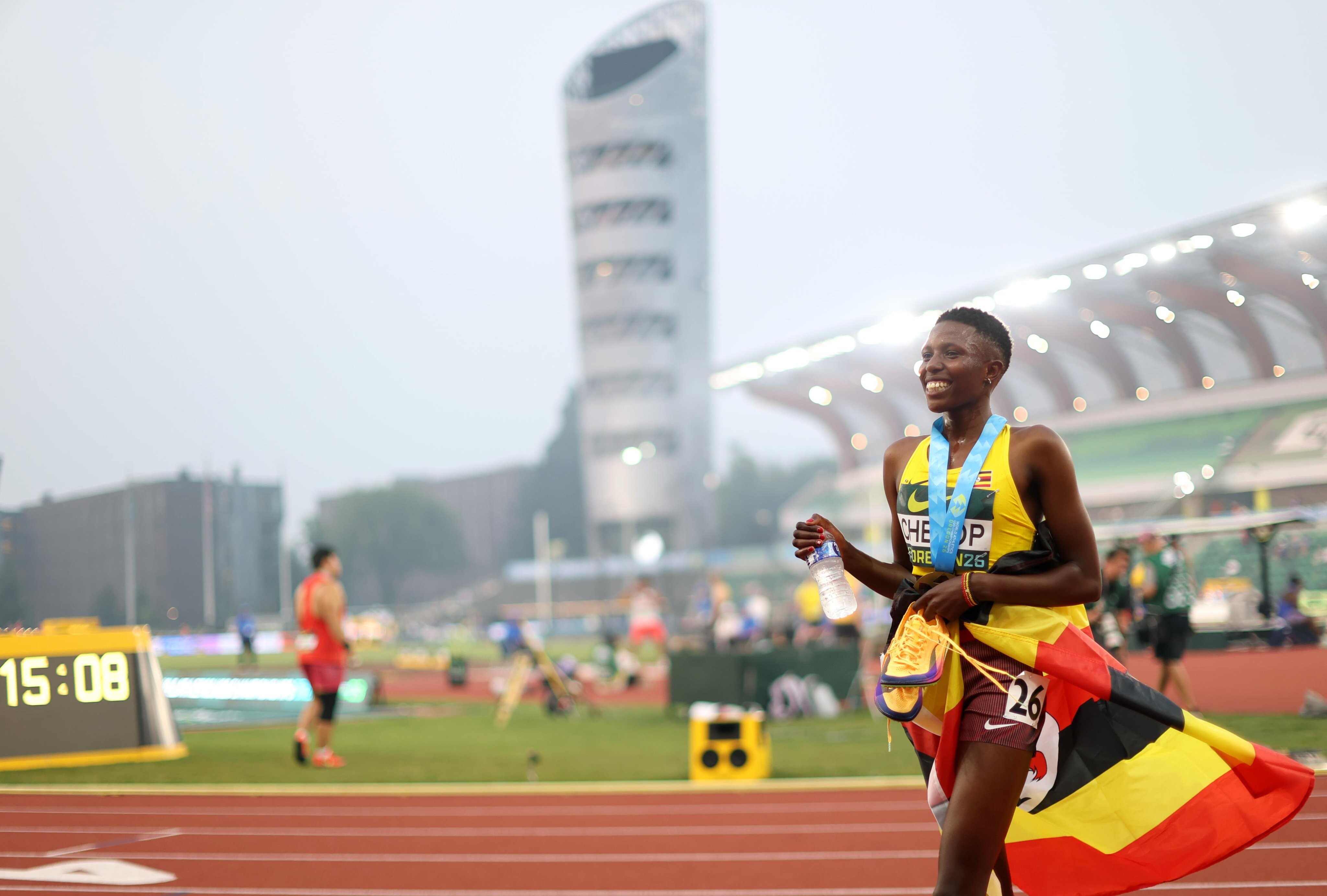
Born on July 4, 2007, Cherop executed a tactically brilliant race, remaining patient throughout the early stages before unleashing a devastating surge over the final kilometre. Her perfectly timed move proved decisive as she crossed the finish line in 15:03.88, becoming the new World U20 champion.
The victory was more than just a world title—it completed a remarkable journey from silver to gold. After finishing runner-up at the previous World Athletics U20 Championships in Lima, Cherop returned to the global stage stronger and more determined, upgrading her silver medal to gold and confirming herself as one of the brightest young stars in international distance running.
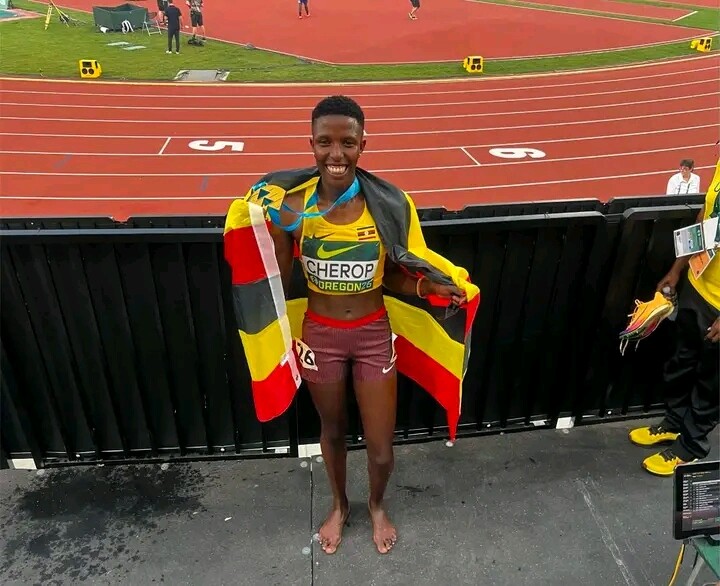
Behind the Ugandan star, Ethiopia's Shito Gumi fought bravely to secure the silver medal in 15:07.91, while Kenya's Joyline Chepkemoi delivered an outstanding performance to claim bronze in 15:09.08, setting a new personal best in the process. The battle for the podium remained fiercely contested until the closing stages, with every medal decided through courage, tactical awareness, and a powerful finishing kick.

Kenya narrowly missed placing two athletes on the podium as Cynthia Chepkirui finished a strong fourth in 15:14.86, while Sweden's Carmen Cernjul rounded out the top five in 15:22.18.
Ethiopia's Emebet Tilahun placed sixth in 15:32.51, followed by Japan's Yui Onotora in seventh with 15:37.33. Uganda celebrated another top-10 finish through Bentalin Yeko, who finished eighth in 15:48.35, underlining the nation's impressive depth in women's distance running.
Germany's Julia Ehrle claimed ninth in 16:09.53, with France's Lamia Mourabit completing the top ten in 16:10.80.
Further down the field, Portugal's Carolina Correia impressed with an 11th-place finish in a personal best 16:11.47, while Norway's Venus Teffera also celebrated a lifetime best of 16:12.07 in 12th. Germany's Gloria Herold added another personal best, clocking 16:13.75 for 15th place.
France's Laly Porentru, Japan's Ayami Yoshida, the Netherlands' Rosalie Ten Bruggencate, Italy's Sofia Ferrari and Mimosa Miari Fulcis, Spain's Fatima Hernandez, Switzerland's Anina Hirzel, Great Britain's Eliza Nicholson, Canada's Airlie Downie-Back and Athena Andrecyk, Mexico's Kenya Cuahutle, and Australia's Libby Mantay and Imogen Baker all battled courageously to the finish, highlighting the exceptional depth and global talent assembled for the championship final.
The only athlete unable to start the race was the United States' Emily Wisniewski, who was listed as DNS.
The women's 5000m final showcased the very best of championship distance running—patience, tactical intelligence, and a thrilling finish. On the biggest stage of her junior career, Charity Cherop produced a race worthy of a world champion, transforming silver in Lima into gold in Eugene and writing another unforgettable chapter in Uganda's rich distance-running legacy.
by Erick Cheruiyot for My Best Runs.
Login to leave a comment

From Last Qualifier to Commonwealth Glory: Navasky Anderson Completes Remarkable 800m Triumph in Glasgow
Sometimes the smallest opportunity creates the greatest triumph, and Jamaica's Navasky Anderson proved exactly that with a stunning performance to capture the men's 800m title at the 2026 Commonwealth Games in Glasgow.
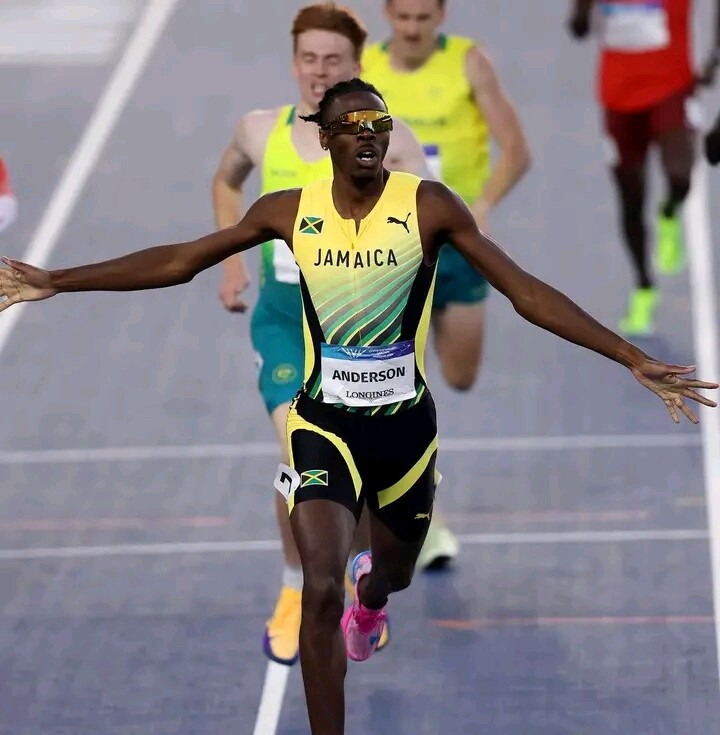
Less than 24 hours after scraping into the final by the slimmest of margins, Anderson produced the race of his life, surging to victory in 1:45.33 to complete one of the most remarkable comeback stories of the championships. His gold medal was not only a reward for exceptional talent but also for courage, determination, and unwavering belief when everything was on the line.
The journey to the top nearly ended in the semifinals. Locked in an intense battle with England's Max Burgin for the final qualification place, Anderson threw himself across the finish line in a dramatic dive, stopping the clock at 1:45.38. That desperate effort earned him the last available place in the final as the fastest non-automatic qualifier, keeping his Commonwealth dream alive by the narrowest of margins.
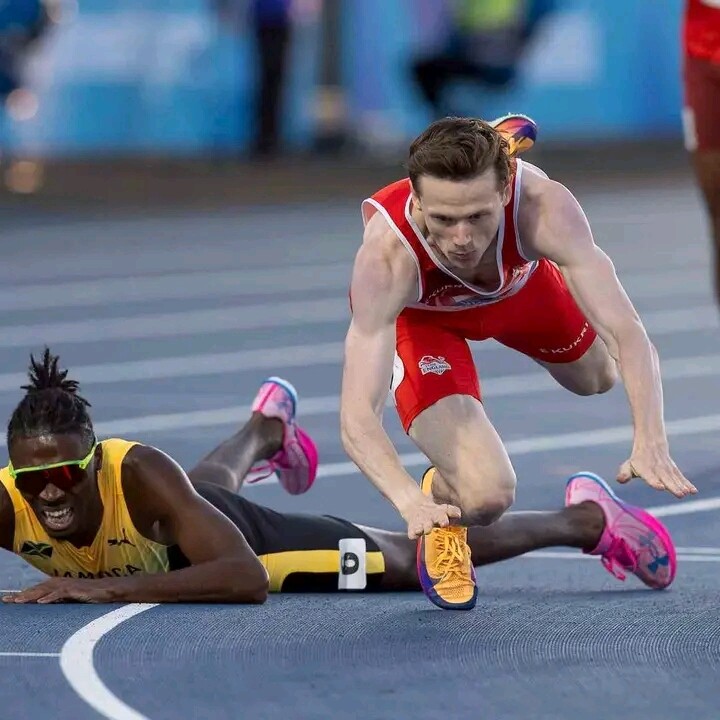
With another chance in his hands, the Jamaican made sure it counted.
In a fiercely contested final, Anderson displayed outstanding tactical awareness and patience throughout the opening stages before unleashing a devastating finishing kick down the home straight. His perfectly timed acceleration left the rest of the field with no answer as he crossed the finish line first, securing a memorable Commonwealth crown and one of Jamaica's standout victories of the Games.
Australia's Luke Boyes delivered an impressive performance to claim the silver medal in 1:45.93, while Kenya's Wyclife Kinyamal battled strongly to take bronze in 1:46.12 after another highly competitive championship race.
Anderson's unforgettable triumph will be remembered as one of the defining moments of Glasgow 2026—a powerful reminder that championships are not always won by the fastest qualifier, but often by the athlete who refuses to surrender. From a fearless dive that kept his hopes alive to a brilliant gold-medal performance less than a day later, the Jamaican wrote one of the most inspiring chapters of these Commonwealth Games.
Men's 800m Final Results
1. Navasky Anderson (Jamaica) — 1:45.33
2. Luke Boyes (Australia) — 1:45.93
3. Wyclife Kinyamal (Kenya) — 1:46.12
Navasky Anderson arrived in the final as the last man to qualify, but he left Glasgow as the Commonwealth champion—a remarkable transformation that perfectly captures the unpredictable beauty of championship athletics.
by Erick Cheruiyot for My Best Runs.
Login to leave a comment

Jakob Ingebrigtsen Ends the Wait: Norwegian Superstar Confirms Long-Awaited Return at European Championships
The wait is finally over. After months of uncertainty, speculation, and relentless questions surrounding his fitness, Norwegian distance-running sensation Jakob Ingebrigtsen has officially confirmed when he will make his highly anticipated return to competition.
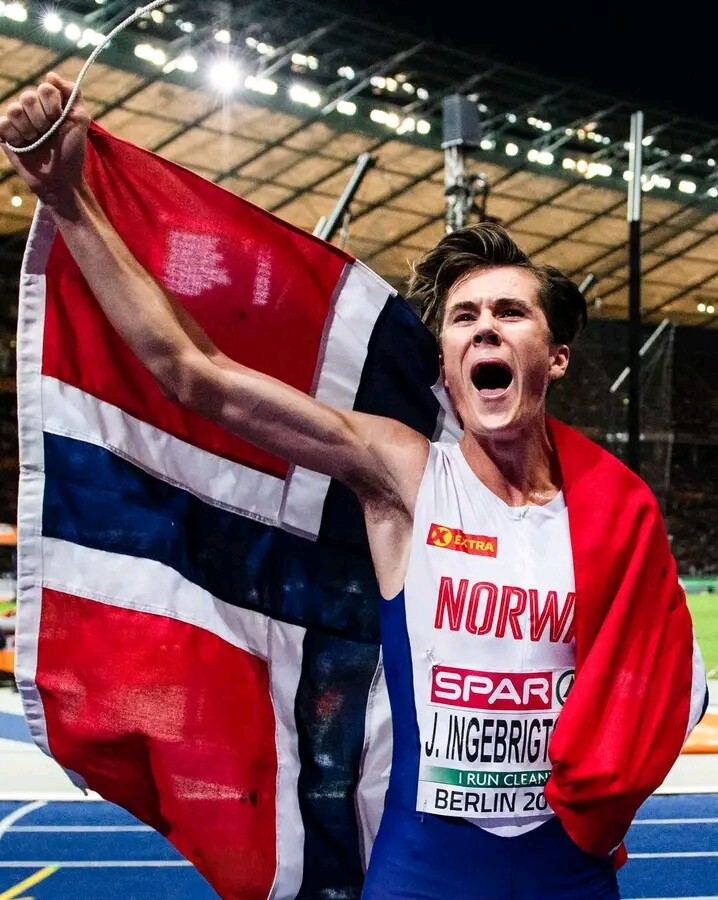
The two-time Olympic champion revealed that he will open his 2026 season at the European Athletics Championships in Birmingham, marking his first race since undergoing Achilles tendon surgery in February. His announcement instantly became one of the biggest stories in athletics, bringing an end to months of debate over when one of the sport's brightest stars would race again.
Jakob chose to deliver the news in his own unmistakable style, sharing a short video montage on Instagram accompanied by the playful caption, "I've heard Birmingham is nice this time of year…". The brief message was enough to ignite excitement across the athletics community, with fans eagerly anticipating the return of one of the world's most dominant distance runners.
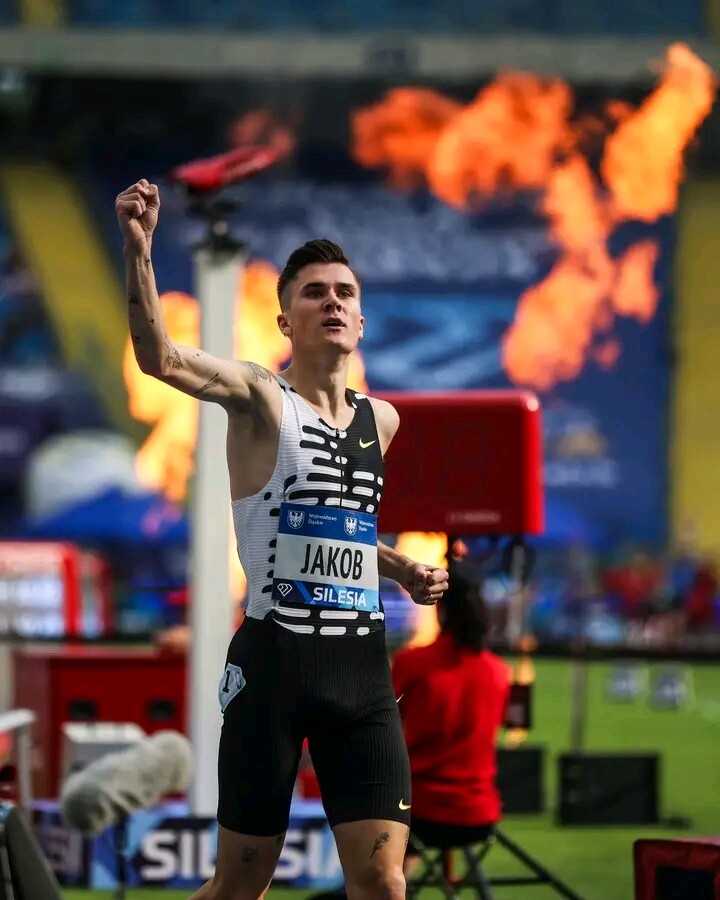
The confirmation comes only days after the Norwegian star urged supporters to disregard the growing wave of speculation about his comeback. Addressing the countless rumours circulating online, he reminded fans that social media can quickly become a source of misinformation and stressed that the only trustworthy updates regarding his recovery and racing schedule would come directly from him.
His message was simple but powerful: "Don't believe the rumours—listen to me." With that statement, Jakob made it clear that he wanted to control the narrative surrounding his rehabilitation, choosing transparency over speculation as he worked his way back to full fitness.
Now, that journey reaches its next chapter. Birmingham will provide the stage for one of the most eagerly awaited comebacks of the season as Jakob returns to championship racing after several months away from competition. Expectations will naturally be high, but his presence alone adds enormous prestige to the European Championships and promises to be one of the defining moments of the event.
For athletics fans around the world, the countdown has officially begun. All eyes will now turn to Birmingham, where the Norwegian superstar will take his first competitive steps back onto the track, hoping to remind the world why he remains one of the greatest talents of his generation.
by Erick Cheruiyot for My Best Runs.
Login to leave a comment
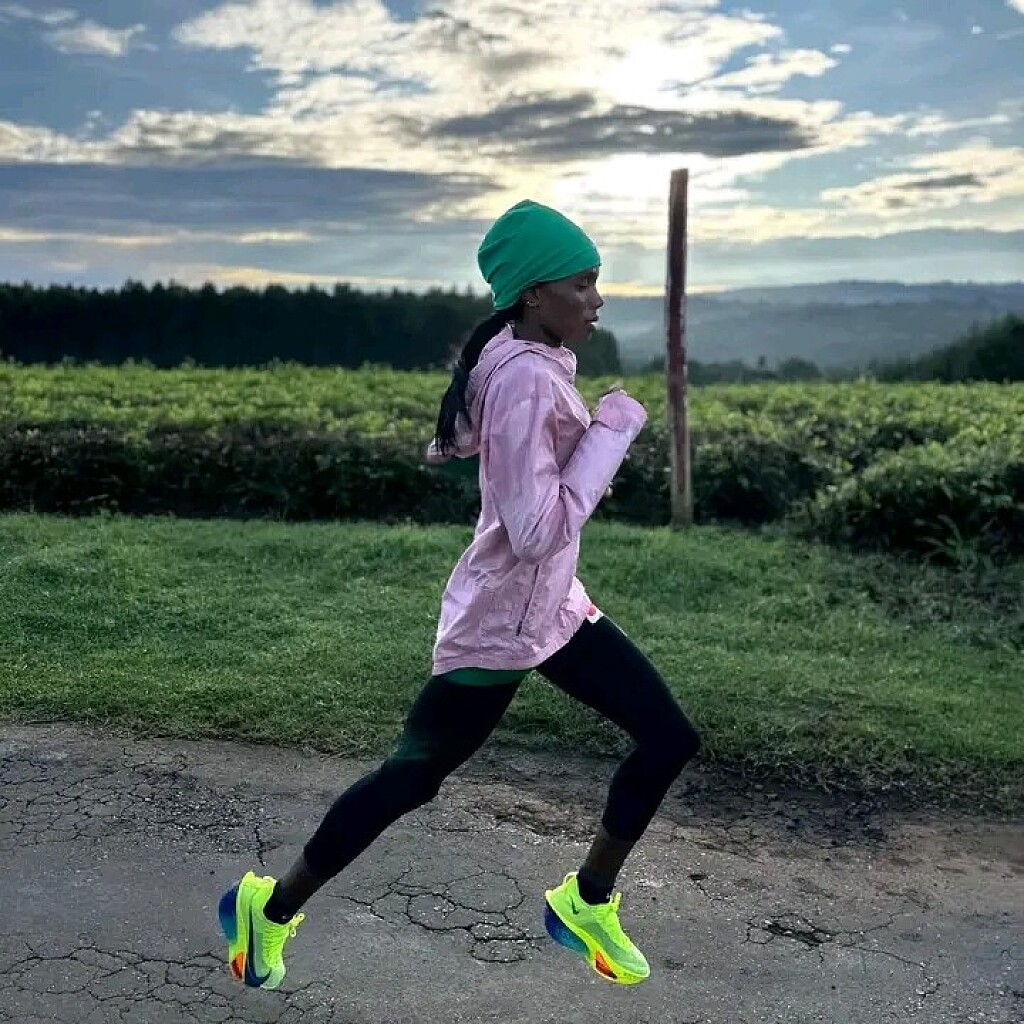
The Road Back Begins: Beatrice Chebet Shares First Training Run Since Motherhood
The first signs of Beatrice Chebet's return are here.

The Kenyan distance running superstar has delighted fans by sharing a photo from her early morning run, signaling the beginning of what promises to be an inspiring comeback. Captioning the image, the Olympic and world champion wrote: "Early mornings, beautiful skies and a little movement. Happy New Week," while tagging Nike and Nike Women.
The update may have seemed simple, but for athletics fans it carried a powerful message. After stepping away from competition to embrace motherhood and welcome her baby boy, Chebet is back on the roads, taking the first strides toward returning to elite racing.
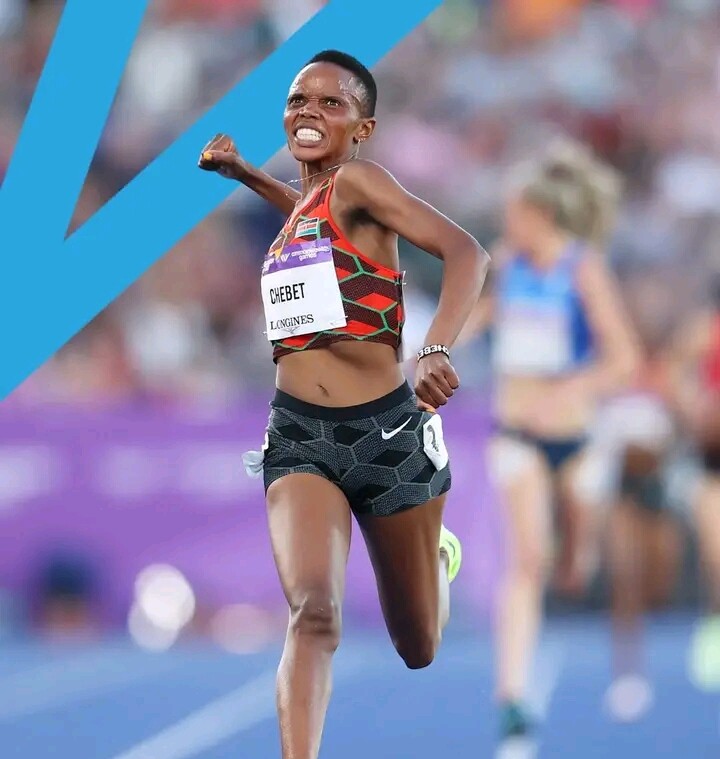
Few athletes have built a résumé as remarkable as Chebet's. She is the world record holder in the 5,000m, 10,000m, and road 5km, and her career includes Olympic gold medals in both the 5,000m and 10,000m, world titles, and multiple global championships that have established her as one of the greatest distance runners of her generation.
Now, her journey enters a different but equally inspiring phase. As she balances motherhood with the demands of elite training, every run represents another step toward regaining race fitness and returning to the sport she has dominated for years.
While there is no official timeline for her return to competition, Chebet's latest post has already sparked excitement across the athletics community. Fans will be hoping that these early morning runs are the foundation of another extraordinary chapter—one that could see the Kenyan superstar back on the starting line, chasing records and titles once again.
For one of the sport's brightest stars, the comeback has begun—not with medals or finish-line celebrations, but with quiet early morning miles, beautiful skies, and the determination that has always defined a champion.
by Erick Cheruiyot for My Best Runs.
Login to leave a comment
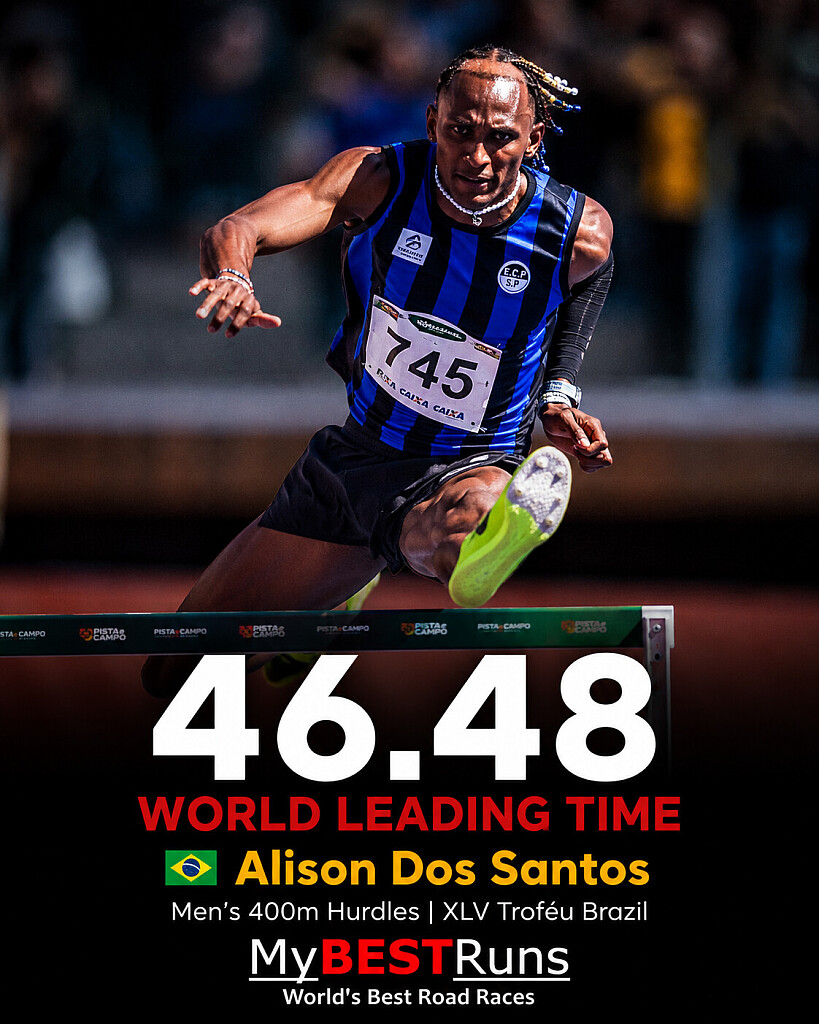
Alison Dos Santos Roars Back to the Top with World-Leading 46.48 at Troféu Brasil
Brazilian 400m hurdles star Alison Dos Santos has delivered a powerful statement ahead of the major championships, producing a sensational world-leading 46.48 seconds to win at the XLV Troféu Brasil in front of an ecstatic home crowd.
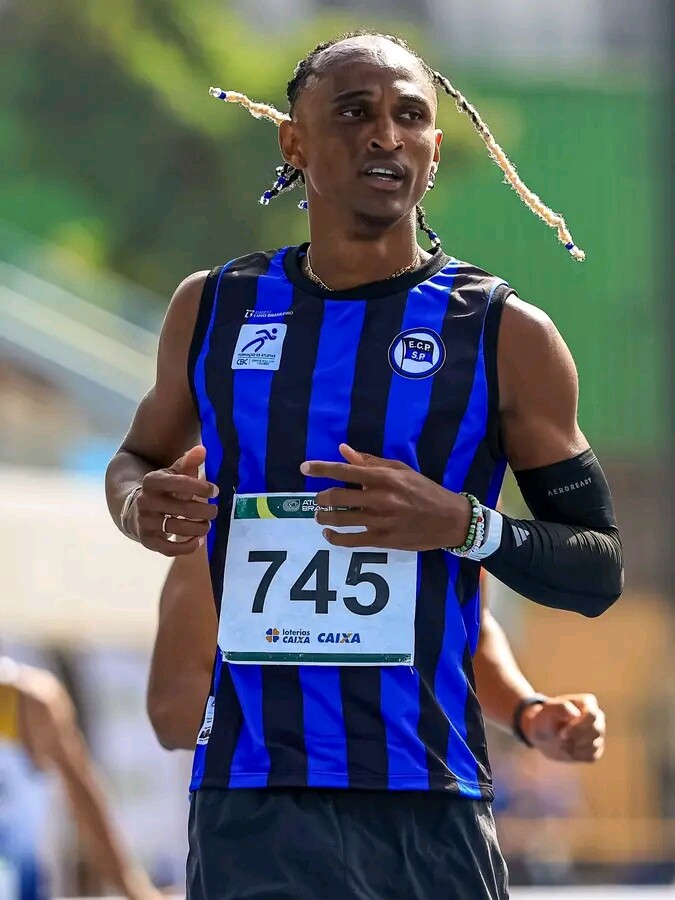
The breathtaking performance marked Dos Santos' fastest race since his unforgettable triumph at the 2022 World Athletics Championships, where he claimed global gold in dominant fashion. After battling injuries and setbacks over the past few seasons, the Brazilian has once again reminded the athletics world why he remains one of the event's greatest talents.
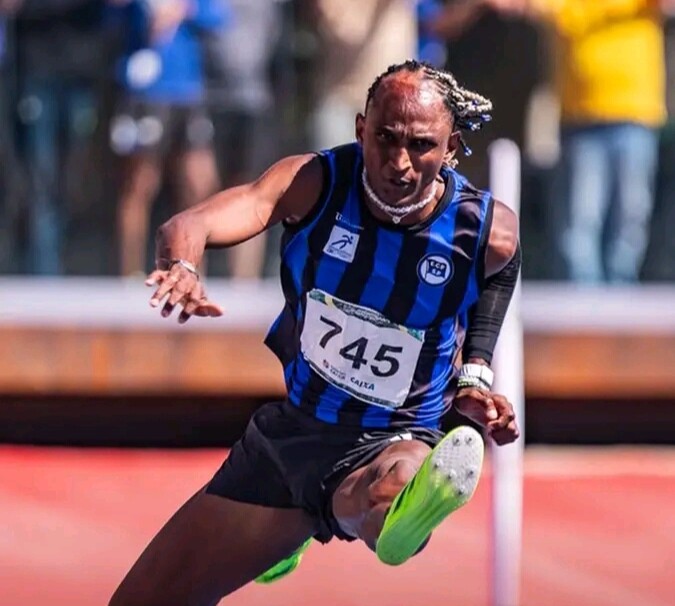
Clocking 46.48, Dos Santos surged to the top of the 2026 world rankings with a display of speed, rhythm, and flawless hurdling that left no doubt about his return to peak form. Every stride reflected the confidence and explosiveness that made him a world champion, sending a clear warning to his rivals that he is ready to challenge for more international titles.
The performance is more than just a fast time—it is a powerful comeback story. Returning to his very best after years of determination and resilience, Dos Santos has reignited excitement in one of track and field's most competitive events. His run not only thrilled the home fans but also reshaped the global picture in the men's 400m hurdles.
With the championship season gathering momentum, Alison Dos Santos has placed himself firmly back among the favourites. If this remarkable run is any indication, the Brazilian superstar is once again ready to chase gold on the world's biggest stages, proving that champions always find a way back to the top.
by Erick Cheruiyot for My Best Runs.
Login to leave a comment
Jake Heyward's Remarkable Comeback: Welsh Record Ignites Commonwealth Games Medal Hopes
After years of battling injury and uncertainty, Jake Heyward is proving that resilience can be just as powerful as raw talent. The Welsh middle-distance star has announced his return to the sport in emphatic fashion, producing the performance of his career and emerging as one of the athletes to watch in the men's mile at the upcoming Commonwealth Games.
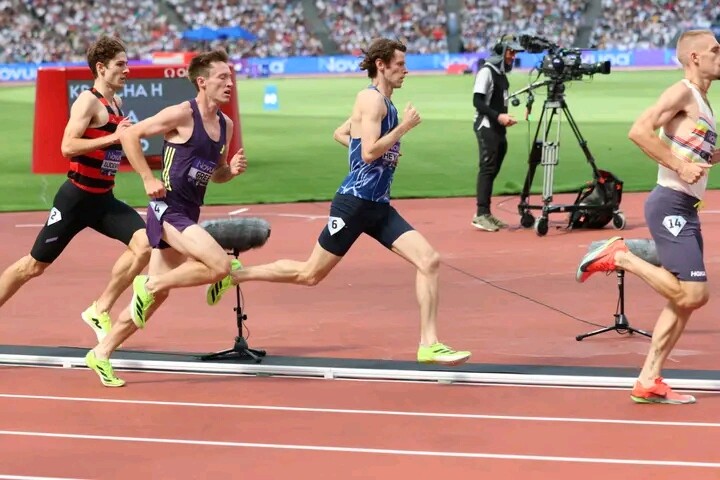
At the London Diamond League, Heyward delivered a sensational run, finishing as the second-fastest British athlete behind mile world record-holder Josh Kerr. His time of 3:46.73 not only established a new Welsh record but also elevated him to third on the United Kingdom's all-time mile rankings, trailing only Kerr and British legend Steve Cram.
For many athletes, such a breakthrough would simply mark another career milestone. For Heyward, however, it represents the culmination of an extraordinary journey back from one of the toughest periods of his life.
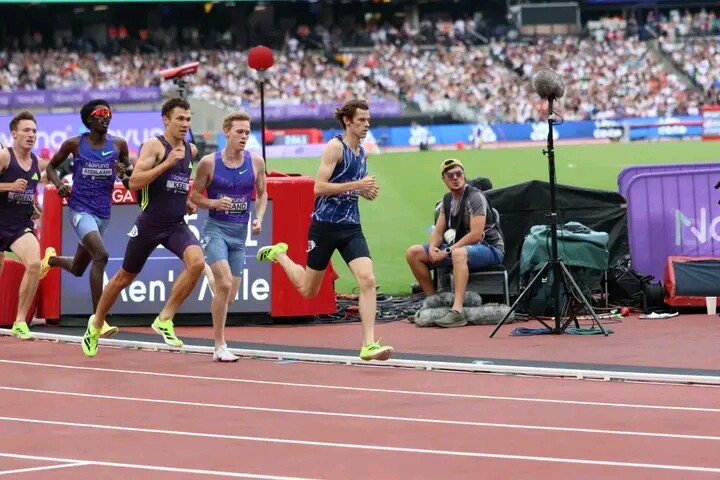
The 26-year-old revealed that before undergoing surgery, he had been competing while suffering from Haglund's deformity, a painful condition affecting the heel that placed constant strain on both Achilles tendons. The problem eventually led to a devastating double Achilles injury, forcing him away from competition for an astonishing 20 months.
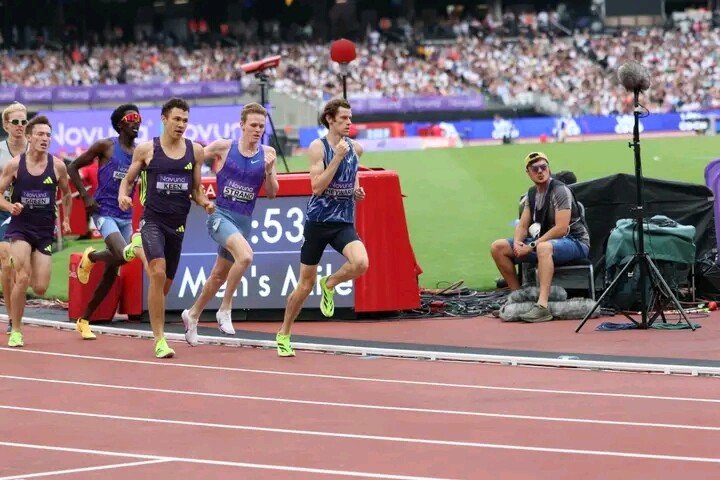
Rather than allowing the setback to define him, Heyward used the prolonged rehabilitation to rebuild both physically and mentally. Reflecting on that difficult chapter, he believes the experience has transformed his outlook on the sport.
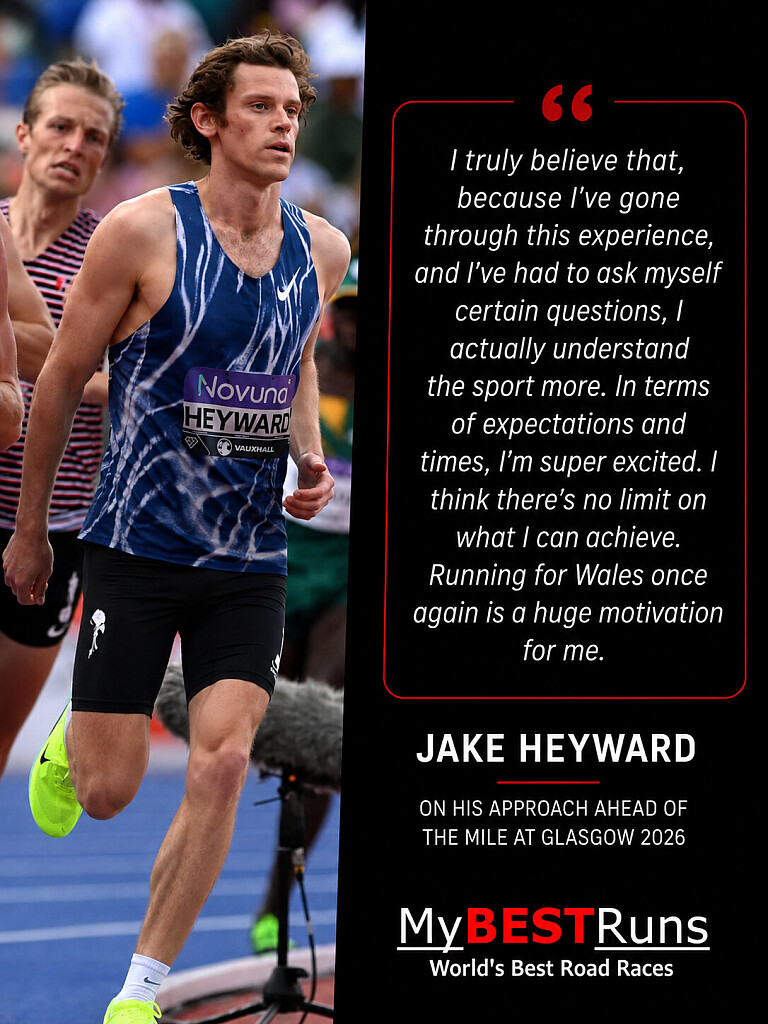
"I truly believe that, because I've gone through this experience and I've had to ask myself certain questions, I actually understand the sport more. In terms of expectations and times, I'm super excited. I think there's no limit on what I can achieve. Running for Wales once again is a huge motivation."
Those words now carry even greater weight after his record-breaking performance in London.
Heyward's resurgence has injected fresh excitement into British middle-distance running and has positioned him as a genuine contender heading into Glasgow. With renewed confidence, a healthier body, and a deeper appreciation of the sport forged through adversity, he appears ready to challenge the world's best once again.
His journey from nearly two years on the sidelines to becoming Wales' fastest-ever miler is a powerful reminder that some of the greatest victories are earned long before the finish line. If his recent form is any indication, Jake Heyward's comeback story may only be just beginning, and the Commonwealth Games could provide the perfect stage for its next unforgettable chapter.
by Erick Cheruiyot for My Best Runs.
Login to leave a comment

From Shark Attack Survivor to New York City Marathon Finisher: Ali Truwit's Extraordinary Journey of Courage and Resilience
Some victories are measured by finish times. Others are defined by the obstacles overcome simply to reach the starting line.
For American Paralympic swimmer Ali Truwit, completing the New York City Marathon represented far more than covering 26.2 miles. It was the culmination of an extraordinary journey of survival, resilience, and unwavering determination that began with a life-altering shark attack just two years earlier.
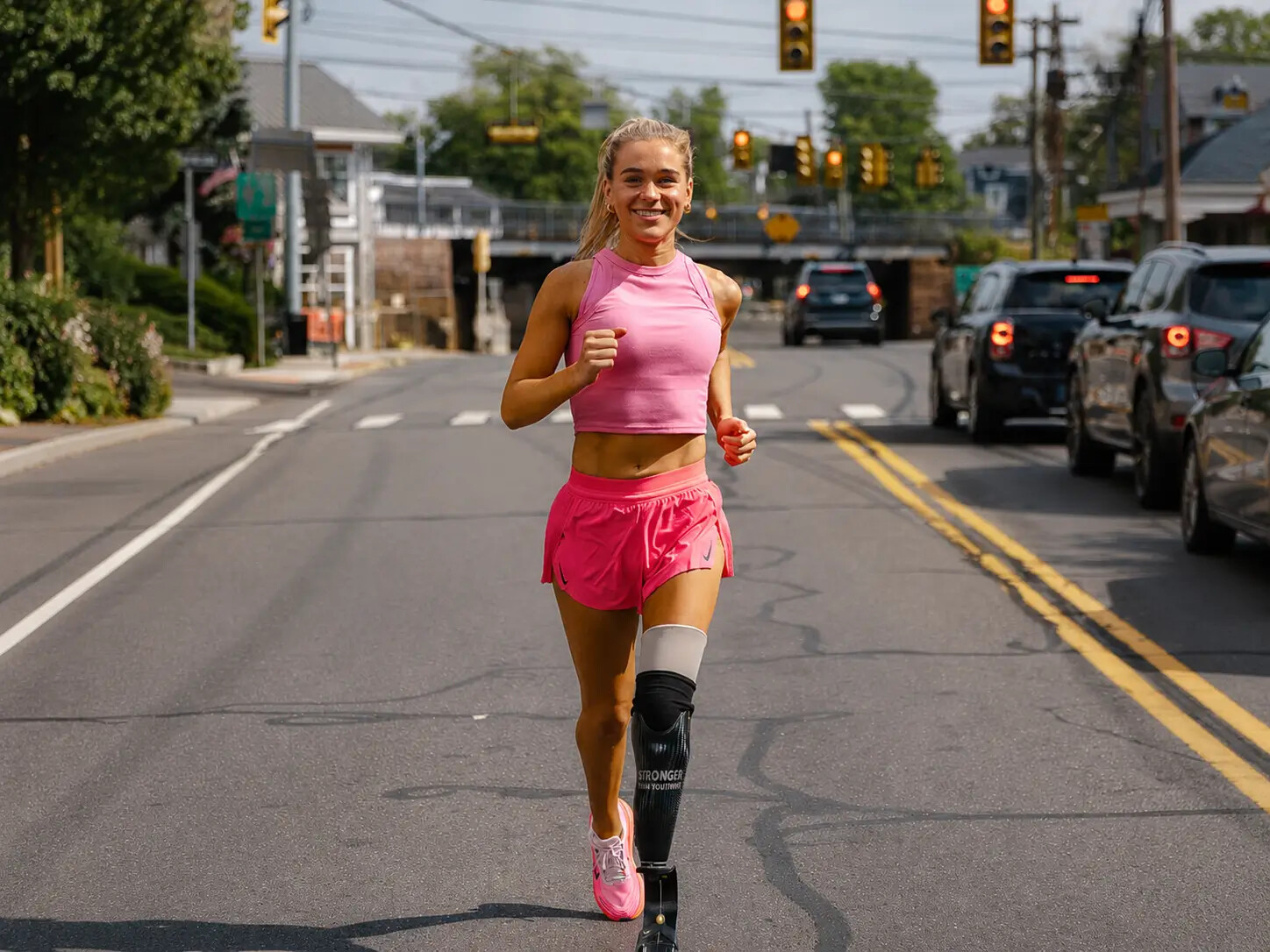
On a crisp November morning in 2025, Truwit crossed the iconic finish line wearing a carbon-fibre running blade, fulfilling a promise she had made while recovering in a hospital bed after losing her lower left leg. The emotional milestone marked another remarkable chapter in one of the most inspiring comeback stories in modern sport.
The road to that unforgettable finish began only days after Truwit celebrated a major personal achievement. In May 2023, she completed her first marathon in Copenhagen alongside her mother. Just ten days later, while enjoying a graduation trip to Turks and Caicos with former Yale swimming teammate Sophie Pilkinton, tragedy struck.
While the pair were snorkelling, a shark attacked Truwit, severely injuring her left leg. Displaying remarkable courage, the two swam approximately 55 metres back to their boat, where Pilkinton—then a medical student—quickly applied a tourniquet that stopped the bleeding and ultimately saved Truwit's life.
Doctors were forced to amputate her lower left leg on her 23rd birthday.
Even in the darkest moments of recovery, Truwit's determination never disappeared. Reflecting on having recently completed her first marathon, she joked with one of the first responders that at least she had managed to run a marathon before the attack. The responder's simple but powerful reply would remain with her throughout rehabilitation: "You'll run another one."
Those words became a source of hope during the long and demanding road back.
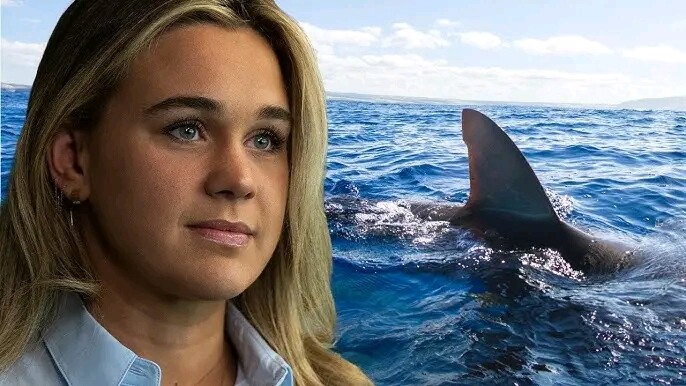
Only weeks after surgery, Truwit began learning to walk on a prosthetic limb before gradually returning to the swimming pool. The process was anything but straightforward. The water that had once been her sanctuary became a source of painful memories, yet she refused to allow fear to define her future.
Her relentless work ethic soon produced extraordinary results.
Less than 16 months after the attack, Truwit represented the United States at the Paris 2024 Paralympic Games, producing a sensational performance to claim both silver and bronze medals. Standing on the Paralympic podium was a powerful reminder of how far she had come in such a short period, and she dedicated those achievements to everyone who had helped save her life.
Still, another dream remained unfinished.
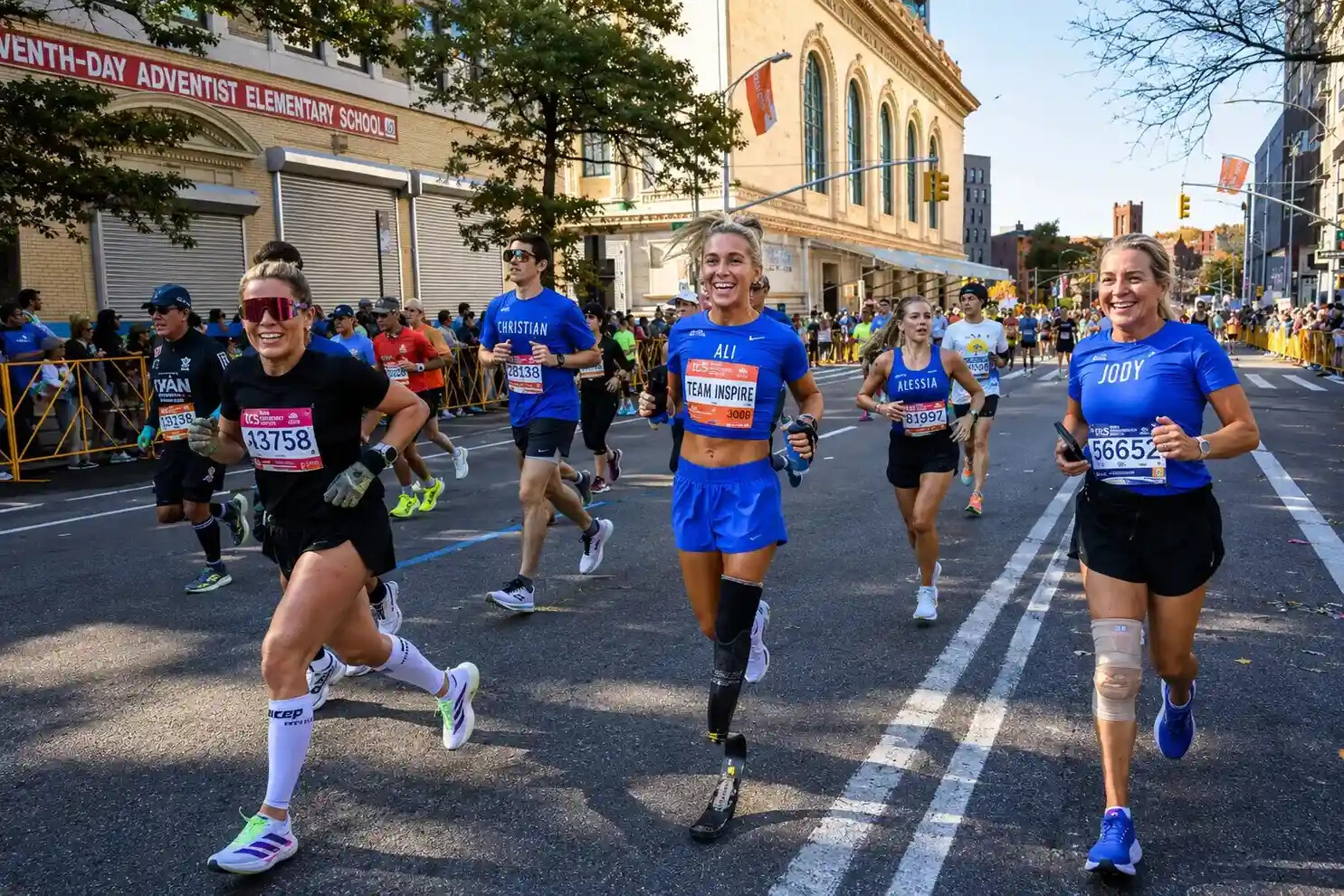
The New York City Marathon carried deep personal significance. It was not merely another endurance event but a symbolic return to the city where her life had changed forever. On November 2, 2025, she lined up in Staten Island accompanied by 13 family members and close friends, all proudly representing her nonprofit foundation, Stronger Than You Think. Among them was Pilkinton, the friend whose quick thinking had preserved her life on that unforgettable day in the Caribbean.
Together, they covered every mile of the marathon before celebrating an emotional finish that Truwit later described as being "over the moon."
Completing a marathon on a carbon-fibre running blade presents challenges far beyond those faced by able-bodied runners. The prosthetic demands greater strength from the hips, core, and remaining leg while requiring exceptional balance, coordination, and endurance. Truwit's preparation combined months of disciplined training, patience, and mental resilience as she effectively taught herself how to run again.
Her story extends well beyond medals and marathon finishes.
Inspired by her own recovery, Truwit founded Stronger Than You Think, a nonprofit organisation dedicated to helping individuals overcome physical and financial barriers following limb loss. Recognising that sports prosthetics can cost tens of thousands of dollars and are often not covered by insurance, the foundation provides financial assistance for prosthetic devices, supports water-safety education, and promotes opportunities within Paralympic sport.
The organisation has already helped provide more than 11 prosthetic limbs, delivered nearly $200,000 in direct support, and funded over 4,000 hours of water-safety lessons benefiting more than 700 young people.
Throughout her journey, Truwit has remained refreshingly honest about the emotional challenges that continue to accompany recovery. She has openly acknowledged that healing is an ongoing process and that grief can still come in waves. Rather than portraying an effortless comeback, she has demonstrated that resilience is built through persistence, even on the hardest days.
Her remarkable transformation resonates far beyond elite sport. While few people will ever experience the trauma she endured, countless runners and athletes understand the frustration of injury, disappointment, or rebuilding after adversity. Truwit's journey serves as a powerful reminder that recovery is rarely linear and that courage is often measured by the willingness to keep moving forward despite uncertainty.
Now looking ahead to the Los Angeles 2028 Paralympic Games, Truwit continues to redefine what is possible. She is no longer known simply as the swimmer who survived a shark attack. She has become a Paralympic medallist, marathon finisher, advocate, and symbol of resilience whose story continues to inspire athletes around the world.
Her journey proves that while life can change in an instant, so too can the strength of the human spirit. Sometimes the greatest triumph is not returning to the person you once were, but discovering someone even stronger than you ever imagined possible.
by Erick Cheruiyot for My Best Runs.
Login to leave a comment
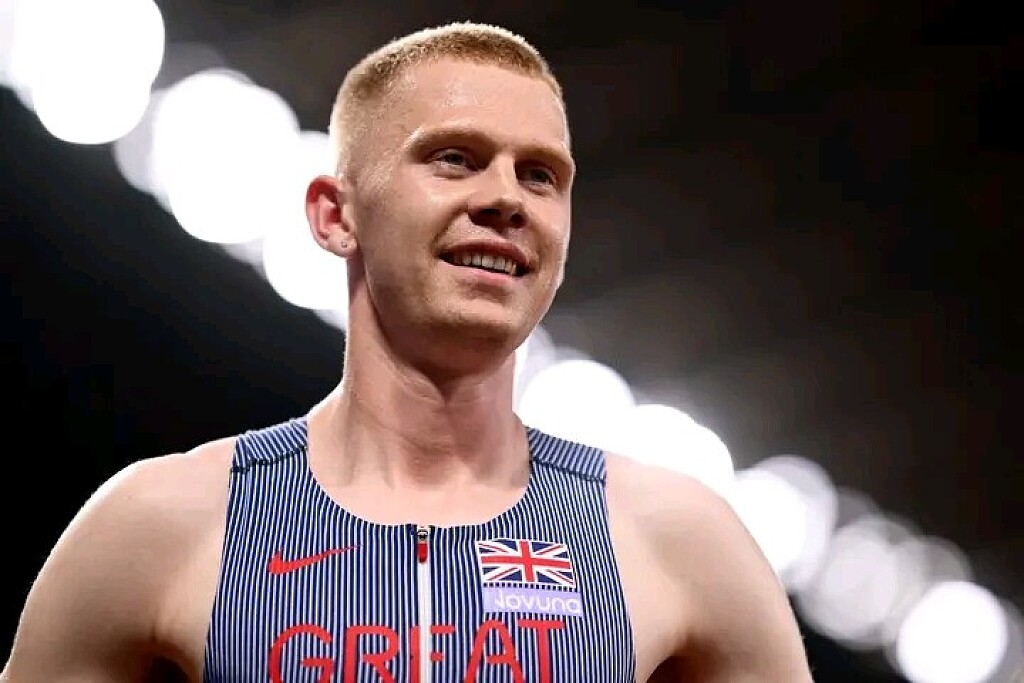
Ben Pattison's Fresh Start: British 800m Star Turns Setbacks Into Fuel for a Defining 2026
Every elite athlete faces moments that test both their talent and their character. For Britain's Ben Pattison, the disappointments of 2024 have become the foundation for a smarter, more measured comeback as he builds towards what could be the most significant season of his career.
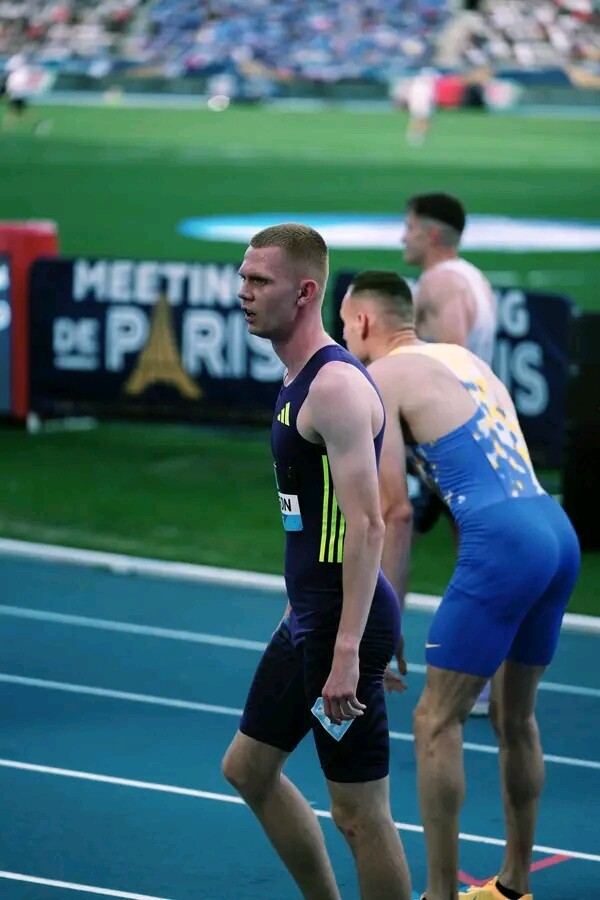
Rather than allowing frustration to dictate his preparation, the 24-year-old has embraced a new philosophy—prioritising long-term health over chasing peak fitness too early. Reflecting on the lessons learned, Pattison admitted that the frustrations of last season influenced some of his decisions, but this winter has been about exercising patience, staying composed, and ensuring he reaches the summer healthy enough to perform at his absolute best.
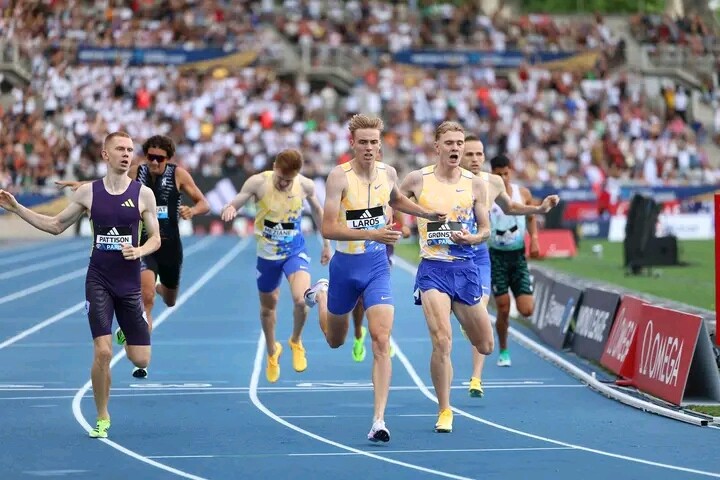
That change in mindset is already producing encouraging results. Pattison delivered an impressive performance at the UK Athletics Championships, where he pushed Jake Wightman all the way in a fiercely contested 800 metres, proving he is once again among Britain's leading middle-distance runners.
He backed up that performance on the Diamond League stage in Paris, clocking 1:43.71—the third-fastest 800m of his career. The time not only reaffirmed his return to top form but also demonstrated that his revised approach is beginning to pay dividends against world-class opposition.
With the 2026 Commonwealth Games and the European Championships firmly in his sights, Pattison appears to be building at exactly the right pace. Instead of rushing the process, he is laying the foundations for sustained success, determined to arrive at the major championships stronger, healthier and mentally sharper than ever before.
Sometimes the biggest breakthroughs are born from the hardest lessons. If Pattison's upward trajectory continues, his difficult 2024 season may ultimately be remembered not as a setback, but as the turning point that reignited one of Britain's brightest 800-metre talents.
by Erick Cheruiyot for My Best Runs.
Login to leave a comment
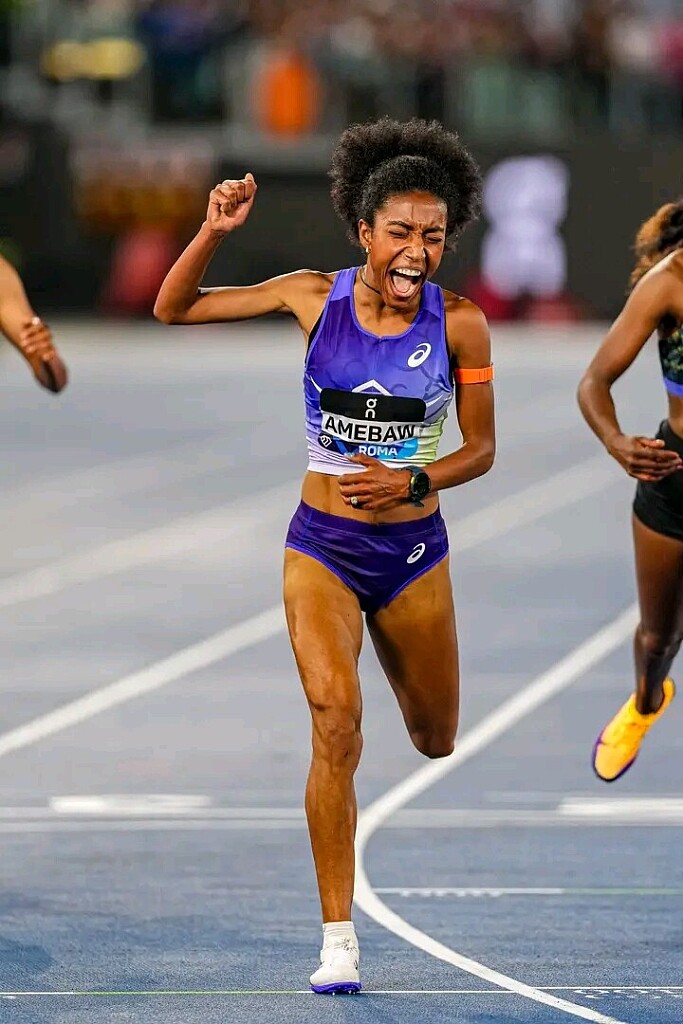
Ethiopia’s Iron Grip on the Diamond League Distance Rankings Continues
DOHA, Qatar – Ethiopian distance running is once again making a powerful statement on the global stage. Following the Doha Diamond League meeting, Ethiopia has achieved a remarkable clean sweep of the women's 3000m/5000m standings, occupying all eight leading positions in one of the most competitive disciplines in world athletics.
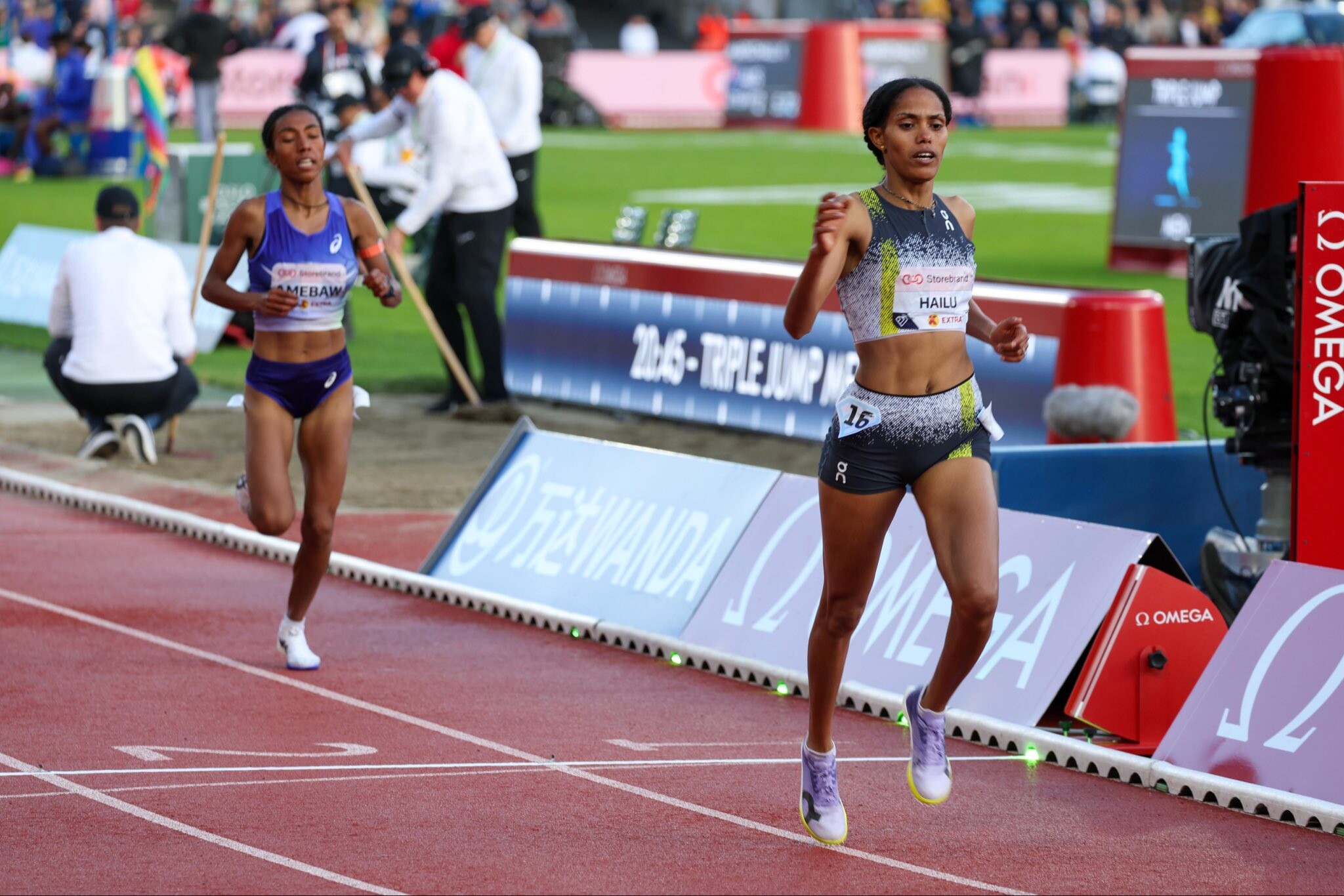
Leading the charge is Likina Amebaw, who sits comfortably at the top of the rankings with 22 points. Close behind is fellow Ethiopian star Freweyni Hailu on 14 points, while Medina Eisa occupies third place with 12 points. The dominance continues through the rest of the leaderboard, with Senayet Getachew, Hawi Abera, Aleshign Baweke, Marta Alemayo, and Bernesh Dessie completing an extraordinary Ethiopian monopoly of the standings.
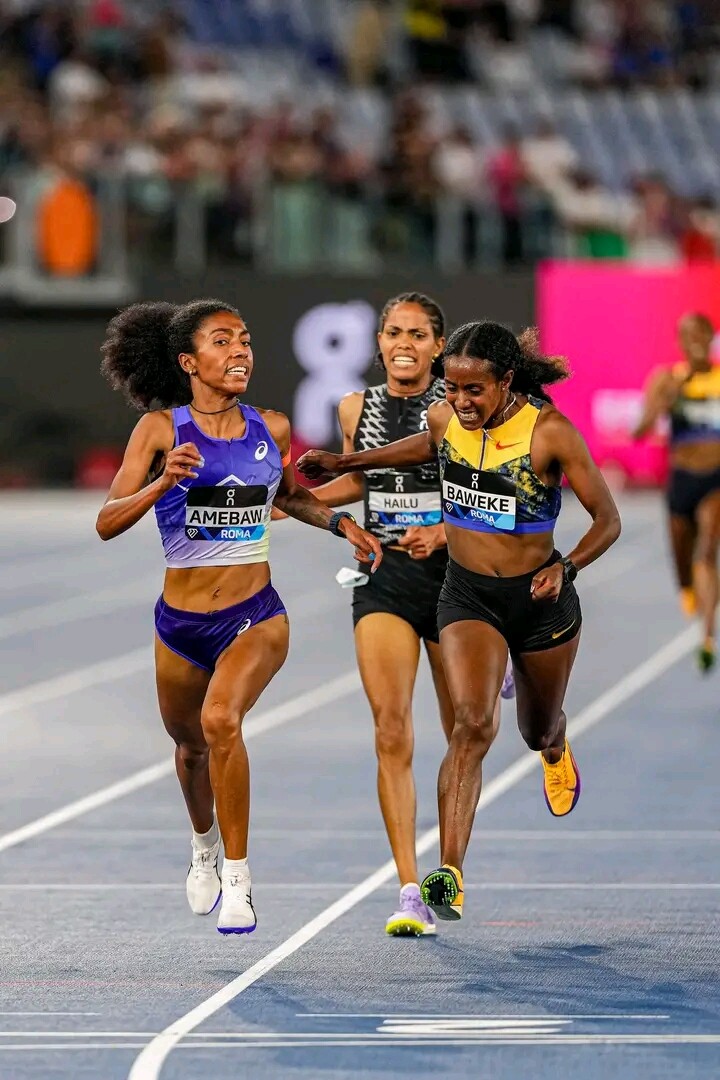
The achievement highlights Ethiopia's exceptional depth in women's distance running, where a new generation of athletes continues to emerge and challenge for global honours. Rather than relying on a single standout performer, Ethiopia has assembled a formidable squad capable of controlling races and collecting points across multiple Diamond League meetings.
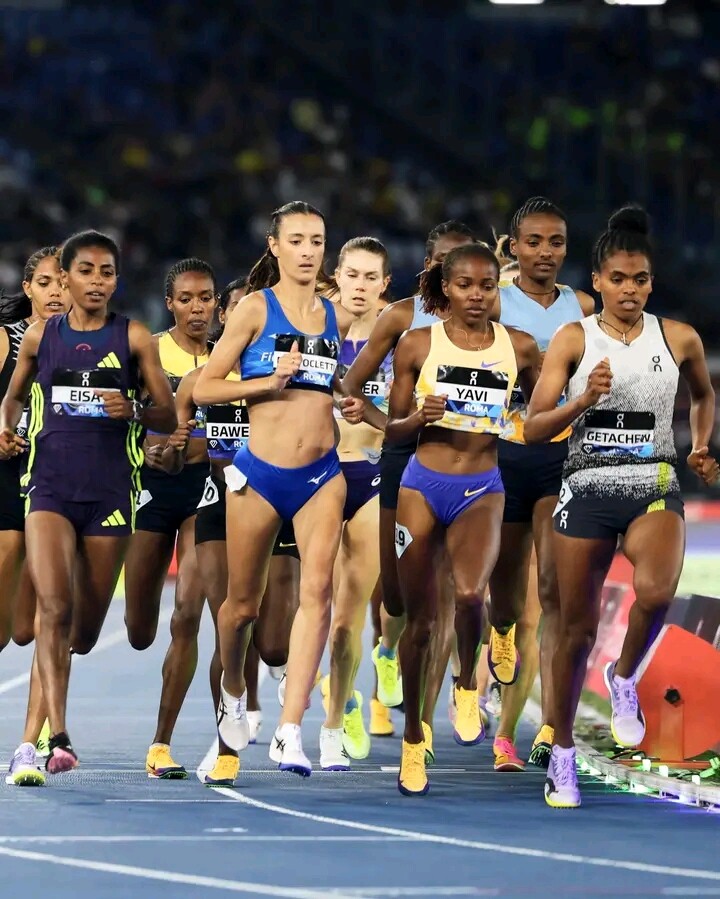
While the current standings paint a picture of complete Ethiopian supremacy, the battle for the Diamond League title is far from over. Several meetings remain on the road to the season finale, leaving plenty of opportunities for rivals to close the gap and for positions within the Ethiopian contingent to shift dramatically.
For now, however, the spotlight belongs firmly to Ethiopia. The East African powerhouse has transformed the women's 3000m/5000m standings into an all-Ethiopian affair, sending a clear message to the rest of the world that the race for Diamond League glory will likely run through Addis Ababa.
The question now is whether Likina Amebaw can maintain her advantage and finish the season as the overall leader, whether Freweyni Hailu or Medina Eisa can mount a successful challenge, or whether another athlete will produce a late-season surge to rewrite the script.
One thing is certain: the road to the Diamond League Final promises a fascinating battle among some of the finest distance runners on the planet.
by Erick Cheruiyot for My Best Runs.
Login to leave a comment
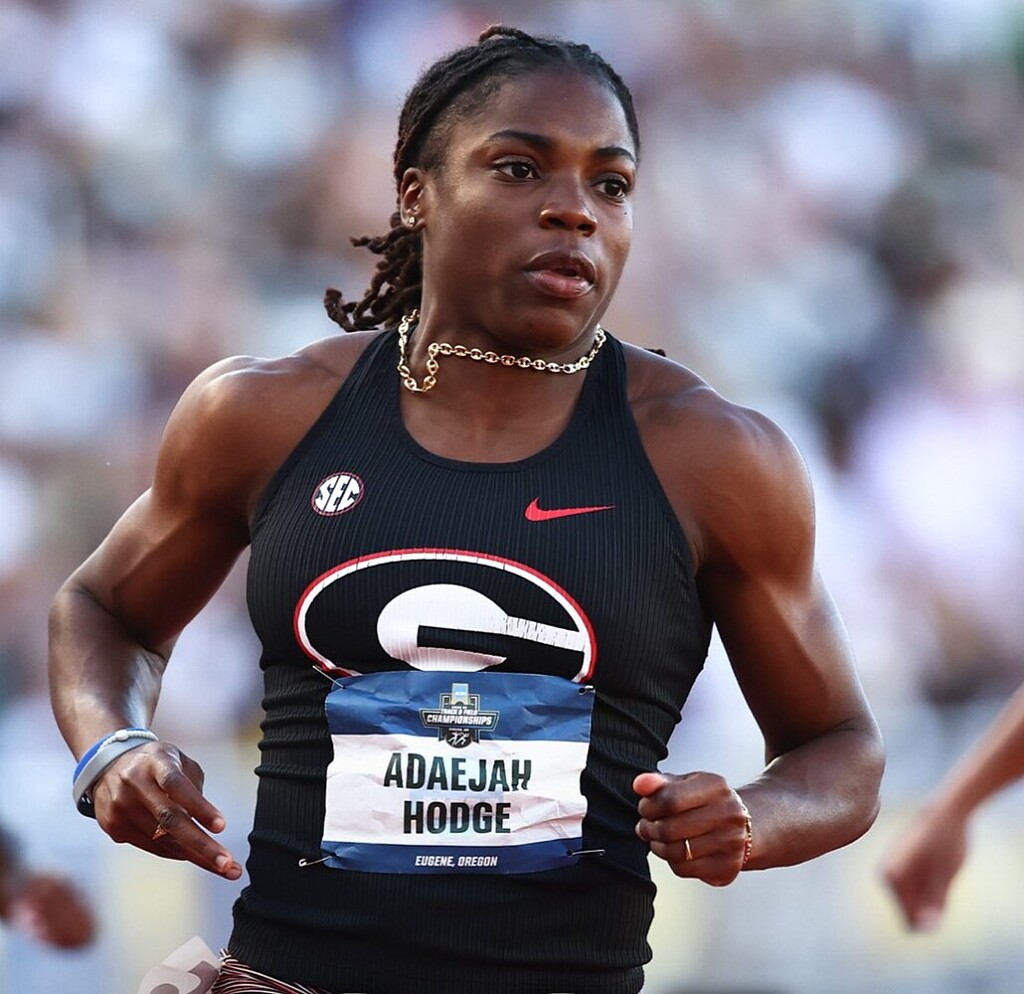
Adaejah Hodge Storms Into History With Stunning 10.63 NCAA Sprint Masterclass
Adaejah Hodge has announced herself as one of the fastest women the sport has ever seen, producing a breathtaking performance at the NCAA Track and Field Championships to clock an astonishing 10.63 seconds in the women's 100 metres.
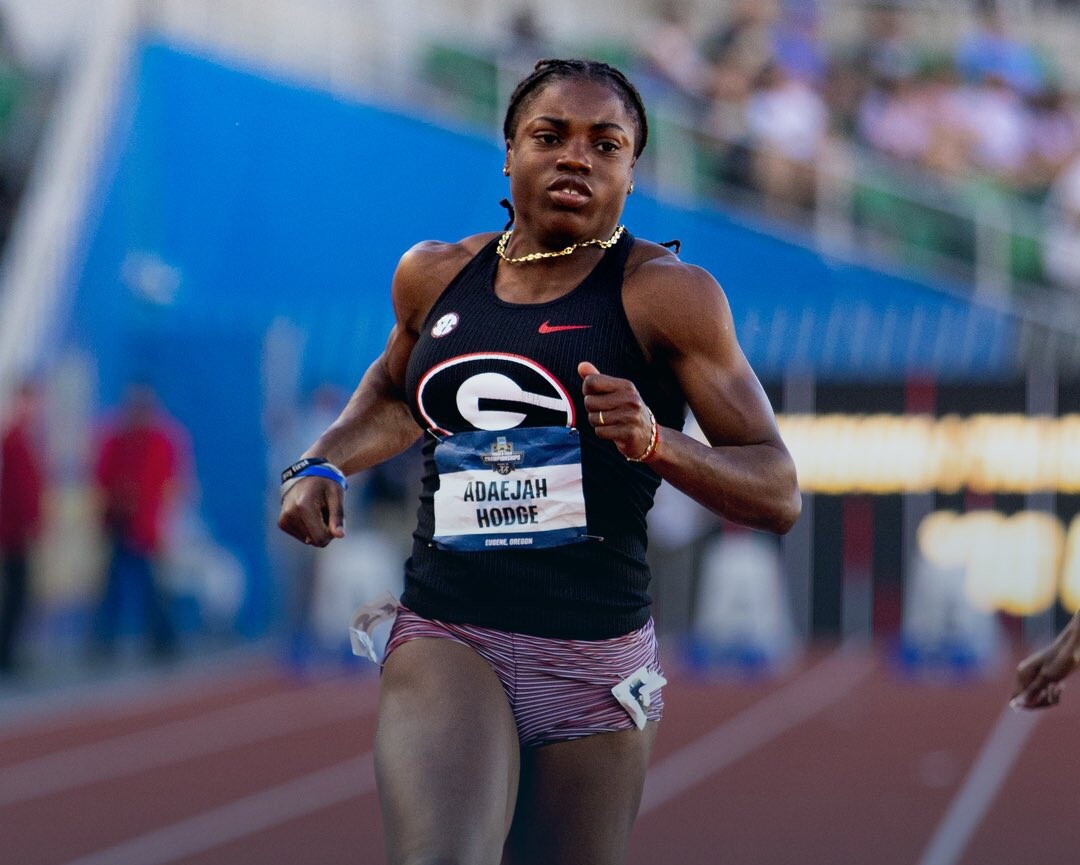
The 20-year-old sprinter's remarkable run elevated her into rare company, making her the fifth-fastest woman in history and placing her performance among the greatest ever recorded over the distance. Her 10.63 stands as the ninth-fastest time of all time and rewrites the NCAA record books, eclipsing the collegiate mark of 10.75 set by Sha'Carri Richardson in 2019.

Hodge's performance was more than just a record-breaking run—it was a statement. Displaying exceptional acceleration and composure under pressure, she delivered a race that will be remembered as one of the defining moments of the collegiate athletics season. The time instantly established her as a major force on the global sprinting stage and highlighted her immense potential heading into the next phase of her career.
What makes the achievement even more remarkable is the journey that preceded it.
In 2024, Hodge was handed a 17-month ban by the Athletics Integrity Unit (AIU) after testing positive for the prohibited substances GW501516 sulfone and GW501516 sulfoxide. By the time the AIU publicly announced the sanction, however, she had already completed the suspension period.
Importantly, the AIU stated that its investigation found no evidence that Hodge had knowingly ingested the banned substances. The case was therefore viewed differently from instances involving intentional doping, with the governing body acknowledging the circumstances surrounding the violation.
Since returning to competition, Hodge has focused on rebuilding her career and allowing her performances on the track to tell the story. Her record-breaking run at the NCAA Championships now represents a dramatic chapter in that comeback.
Few athletes have faced such scrutiny at such a young age, and even fewer have responded with a performance of this magnitude. Yet Hodge did exactly that, producing a time that not only shattered a long-standing collegiate record but also placed her among the fastest women ever to sprint 100 metres.
With history already made and her best years potentially still ahead, Adaejah Hodge has transformed herself from a promising talent into one of the most compelling figures in world athletics. Her stunning 10.63 was not merely a victory—it was a performance that reverberated across the sport and ensured her name will be etched into the record books for years to come.
by Erick Cheruiyot for My Best Runs.
Login to leave a comment
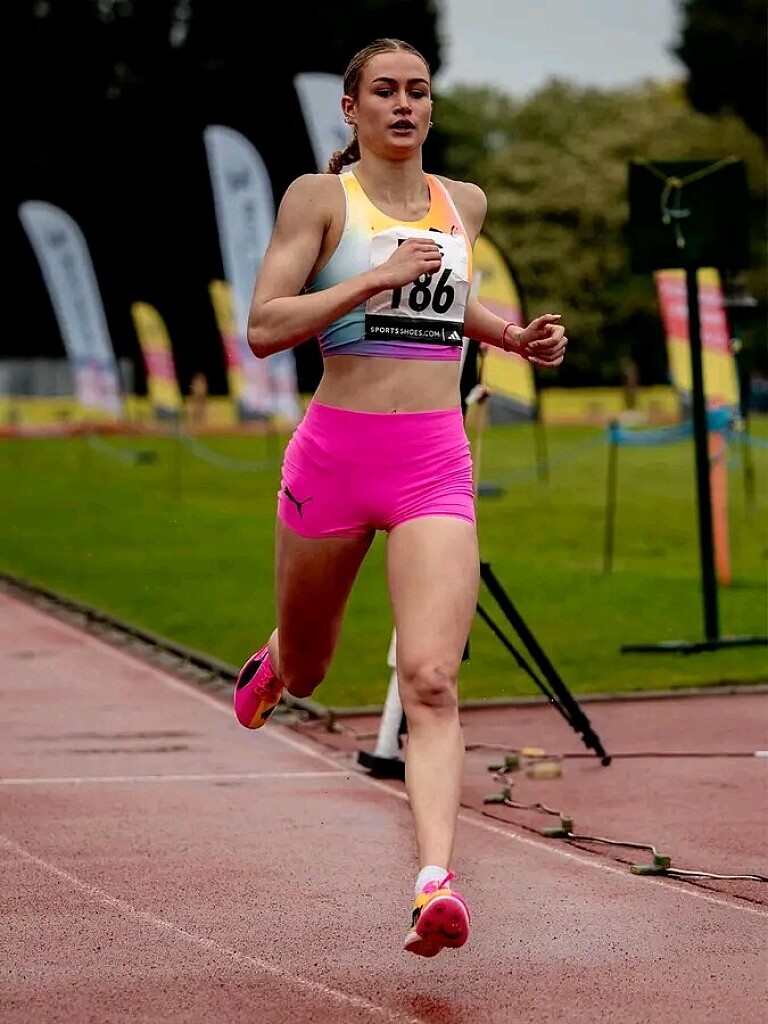
Gill Continues Encouraging Comeback with Marseille 800m Victory
British middle-distance talent Phoebe Gill took another significant step forward in her return to top form, producing a determined victory over 800 metres at the Meeting de Marseille in France on Wednesday.
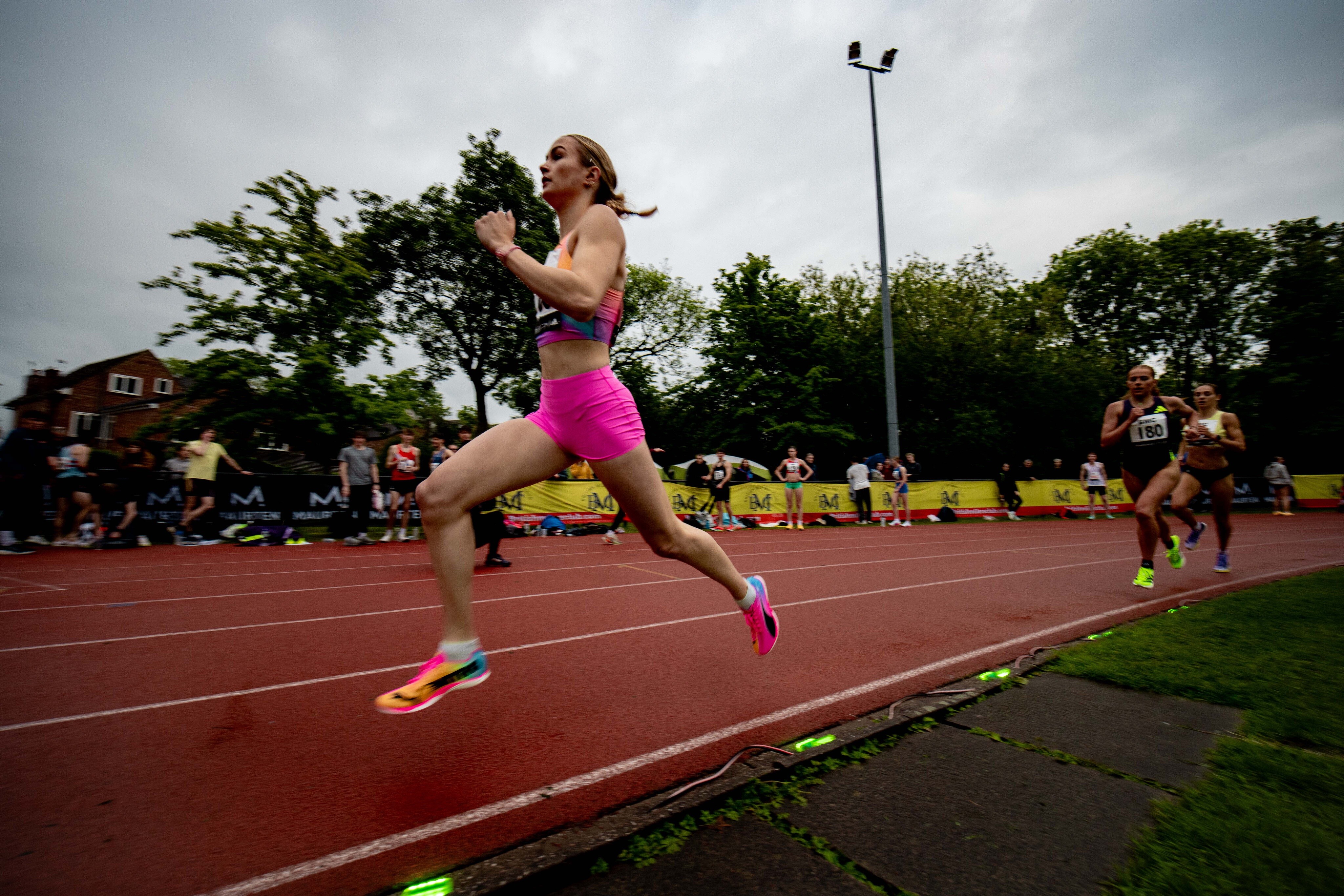
Competing in challenging, wind-affected conditions, the 19-year-old demonstrated both resilience and composure as she held off a late charge from Switzerland's Veronica Vancardo to secure the win in 2:00.81. Vancardo finished just three hundredths of a second behind in 2:00.84, underlining the fiercely contested nature of the race.
While the margin of victory was narrow, the result represented another encouraging milestone for Gill as she continues to rebuild momentum following her injury setback. The young Briton showed impressive race awareness and strength in the closing stages, maintaining her advantage despite the difficult conditions that made fast running a challenge throughout the evening.
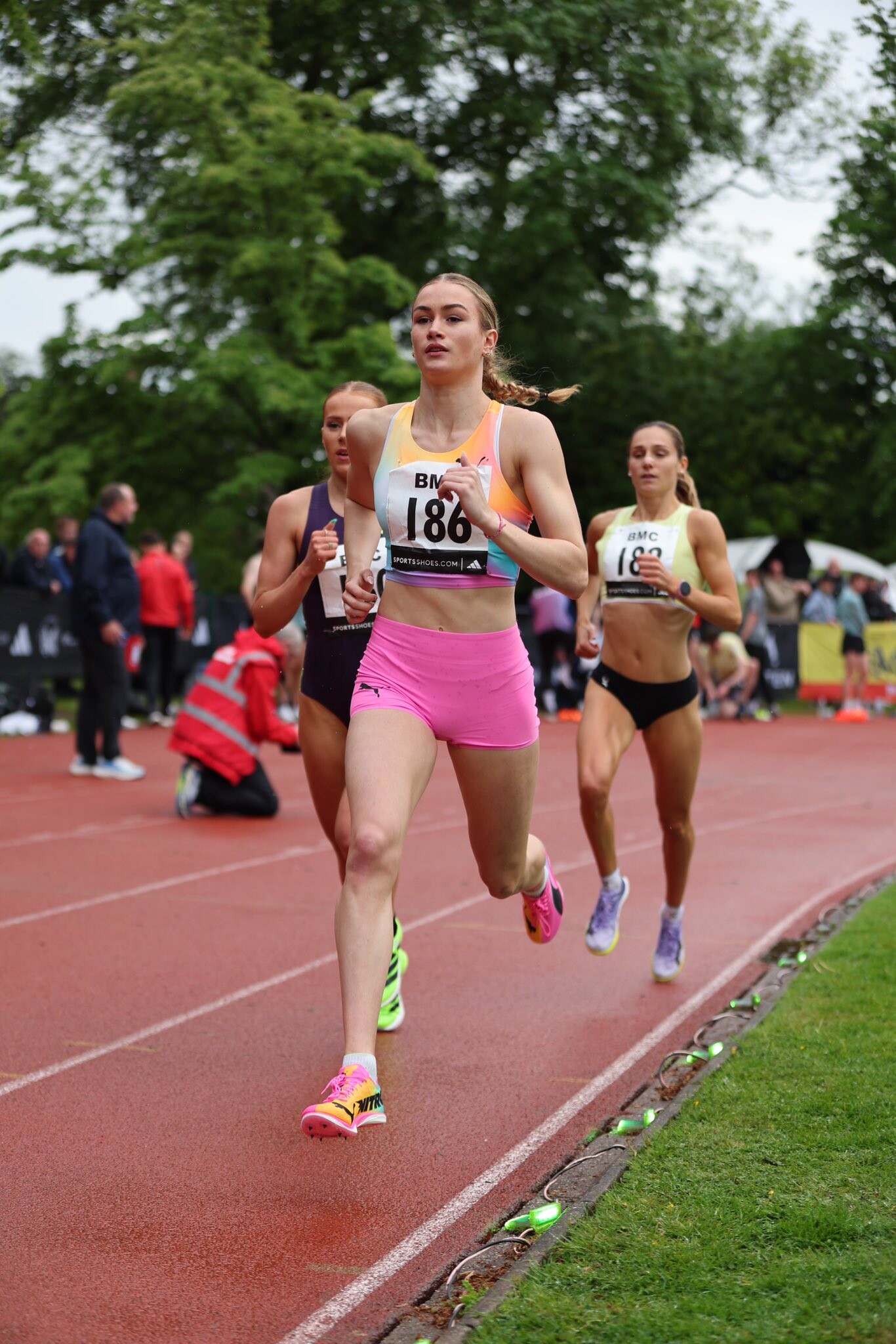
The Marseille triumph adds to a growing body of evidence that Gill is steadily progressing toward her best form. Earlier in her comeback campaign, she clocked 2:01.50 for 800m in Bydgoszcz before demonstrating her versatility with a strong 4:05.53 performance over 1500 metres at the BMC Grand Prix meeting in Trafford.
Those performances have highlighted not only her improving fitness but also her ability to compete across multiple distances as she carefully builds her season. The Marseille victory now provides further confirmation that the European junior star is moving in the right direction.
Gill emerged as one of Britain's most exciting middle-distance prospects through a series of breakthrough performances as a teenager, earning widespread recognition for her fearless racing style and remarkable maturity. Injury temporarily interrupted that upward trajectory, but her recent results suggest she is steadily rediscovering the form that made her one of the sport's brightest young talents.
With each race, the signs of progress become increasingly evident. Winning in difficult conditions and under pressure from a quality field is often a stronger indicator than a fast time alone, and Gill's latest success demonstrated exactly those qualities.
As the summer season gathers pace, the Marseille victory offers another confidence boost for the British teenager, whose return continues to gain momentum. If her recent progression is any indication, Gill could soon find herself back among the leading names on the European middle-distance circuit.
by Erick Cheruiyot for My Best Runs.
Login to leave a comment

The Comeback Nobody Thought Possible: Tommy Rivs Returns to Marathon Running
In 2020, Tommy Rivs stood at the edge of an unimaginable battle. The elite marathon runner, known for his grit, endurance, and passion for the sport, suddenly found himself fighting for something far greater than race results. Diagnosed with a rare and aggressive form of lung cancer, Rivs was placed in a medically induced coma as doctors fought to save his life. The prognosis was uncertain, and for many, the thought of him ever running competitively again seemed impossible.

What followed was a journey defined by resilience, determination, and an unwavering refusal to surrender. The athlete who once measured success in miles and finish times now faced the challenge of relearning the simplest aspects of daily life. Recovery was slow, painful, and filled with obstacles, but Rivs approached it with the same relentless spirit that had carried him through countless races.

Nearly six years later, the story has taken a remarkable turn.
Today, Rivs is not only healthy enough to run—he is thriving. He has returned to the marathon scene, producing performances that few believed possible after the devastating toll cancer and prolonged hospitalization took on his body. Every race he completes serves as a powerful reminder that recovery is not always limited by expectations or statistics.
Beyond competition, Rivs has embraced a new role within the running community. He now leads guided runs through California's majestic redwood forests, inspiring runners of all abilities with his presence and perspective. His recent appearance at a Boston running event attracted enormous crowds, a reflection of the admiration and respect he has earned through his extraordinary journey.
What makes Rivs' comeback so compelling is that it transcends athletics. His story is not merely about marathon times, personal bests, or finish lines. It is about perseverance in the face of overwhelming adversity. It is about rebuilding a life when the future appears uncertain and refusing to let circumstances define what is possible.
The remarkable part is that the performances are beginning to match the inspiration. As Rivs continues to race, the impressive times he is producing are catching up to the legend of his recovery, proving that his return is more than symbolic—it is genuinely competitive.
For anyone searching for hope after hardship, Tommy Rivs offers a powerful example. His journey from a hospital bed and medically induced coma back to marathon starting lines stands as one of running's most inspiring modern stories. It is proof that even after life's darkest chapters, new beginnings can emerge—and sometimes they are more extraordinary than anyone could have imagined.
by Erick Cheruiyot for My Best Runs.
Login to leave a comment
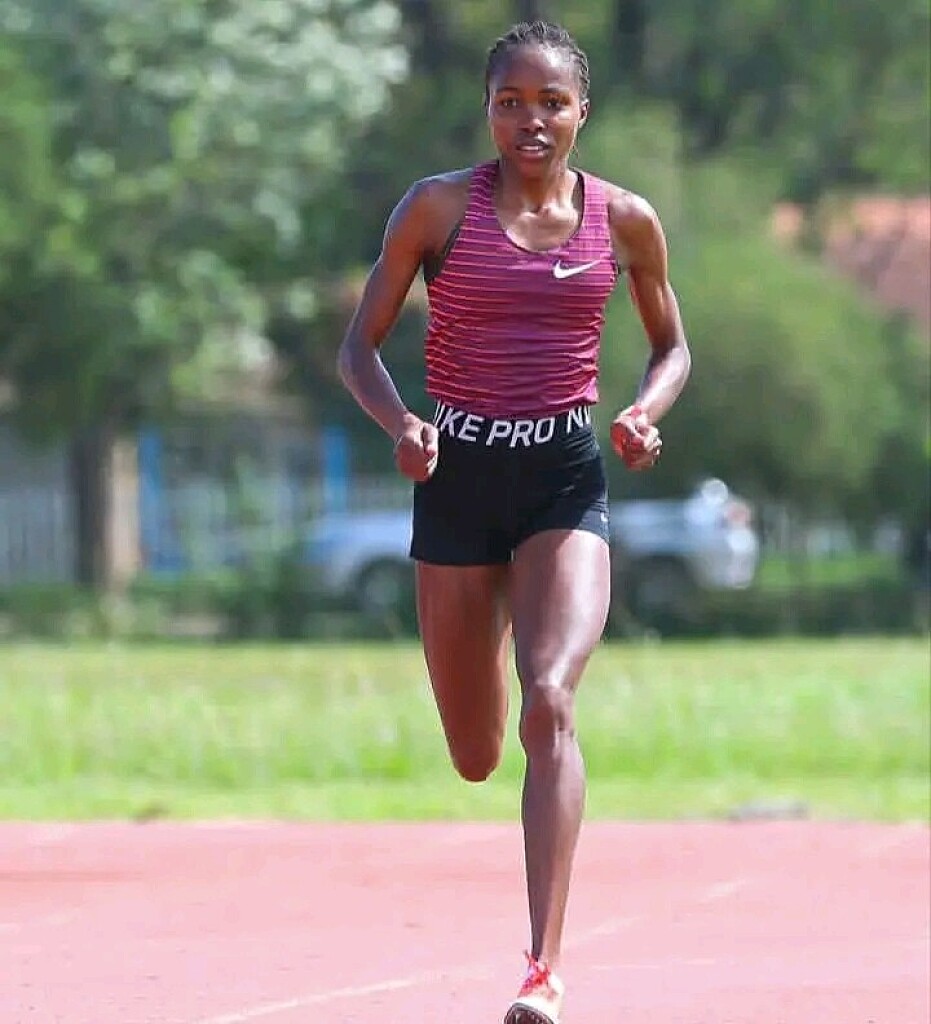
Winfred Yavi Set for Exciting 5000m Test at Rome Diamond League
Olympic and world champion Winfred Yavi will step out of her renowned steeplechase comfort zone on Thursday evening as she takes on a strong women's 5000m field at the Golden Gala Pietro Mennea, the fourth stop of the 2026 Wanda Diamond League in Rome.
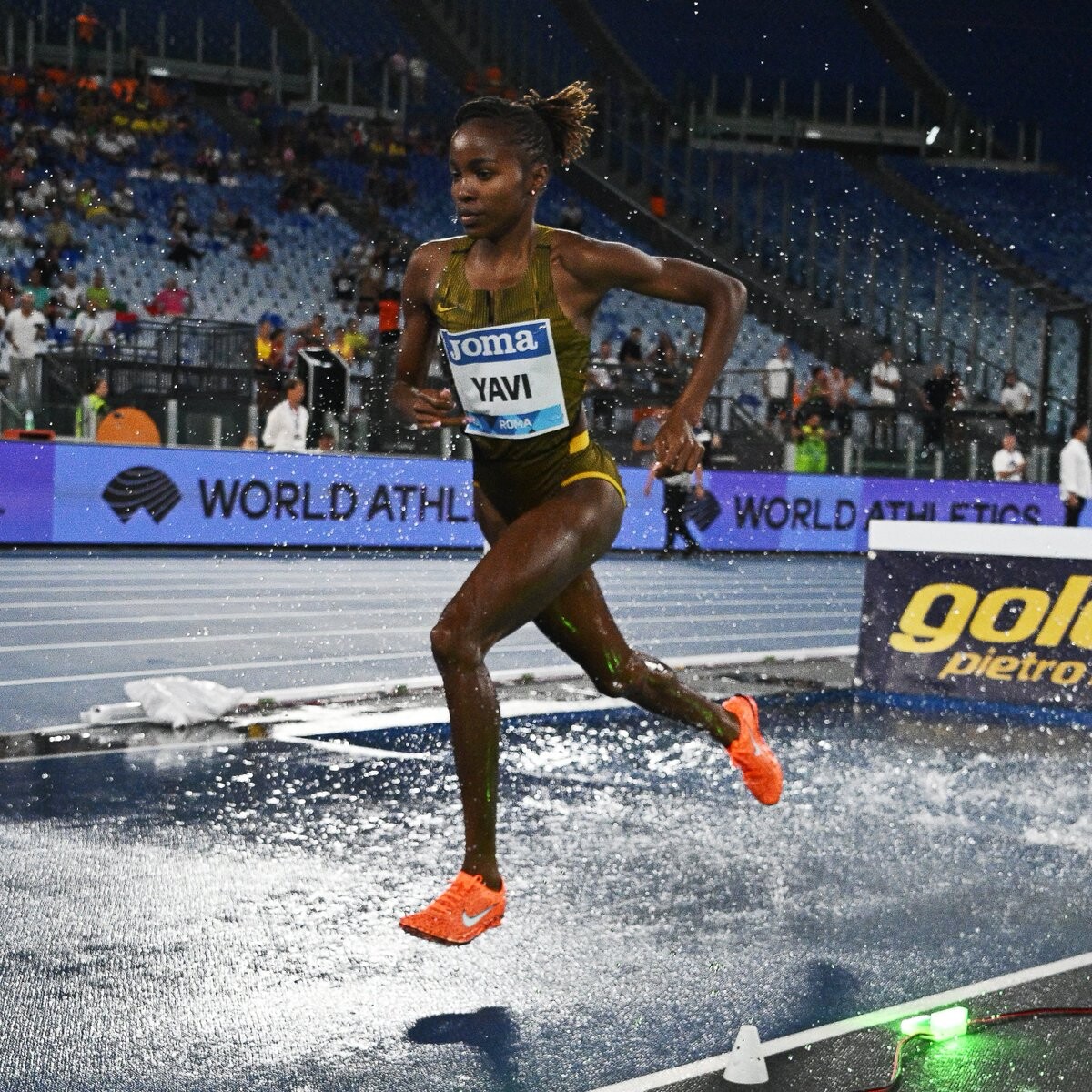
The Bahraini star arrives in the Italian capital carrying impressive credentials over the distance. Yavi owns a personal best of 14:41.99 and currently holds Bahrain's national record in the women's 5000m, underlining her versatility beyond the barriers that have brought her global fame.
Rome holds special memories for Yavi. The Stadio Olimpico was the scene of one of the finest performances of her career in 2024 when she produced the second-fastest women's 3000m steeplechase time in history, narrowly missing the world record. Now she returns to the Eternal City with a different challenge ahead as she looks to make her mark in one of the deepest distance races of the evening.
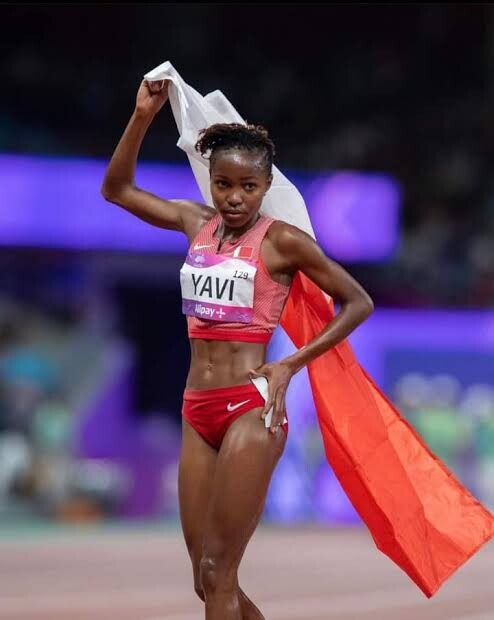
The 27-year-old will face a quality field featuring rising Kenyan talent Caroline Nyaga, Margaret Akidor, Ethiopia's Likina Amebaw and Hirut Meshesha, as well as fellow Kenyan Purity Chepkurui. With several proven performers on the start line, the race promises to be a fierce battle from the opening laps.
Adding further intrigue is the standard set by the event itself. The current world record of 13:58.06 belongs to Kenyan superstar Beatrice Chebet, who became the first woman in history to break the 14-minute barrier for 5000m.
Although Yavi's primary focus remains the steeplechase, her growing strength on the track has made her a genuine threat in longer flat races. Every appearance outside her signature event offers another glimpse into the remarkable range that has transformed her into one of the world's most complete distance runners.
As the lights shine on Rome tonight, all eyes will be on Yavi to see whether she can translate her championship pedigree into another memorable performance. A victory would further cement her reputation as one of the most versatile stars in global athletics and provide a major statement as the Diamond League season gathers momentum.
by Erick Cheruiyot for My Best Runs.
Login to leave a comment
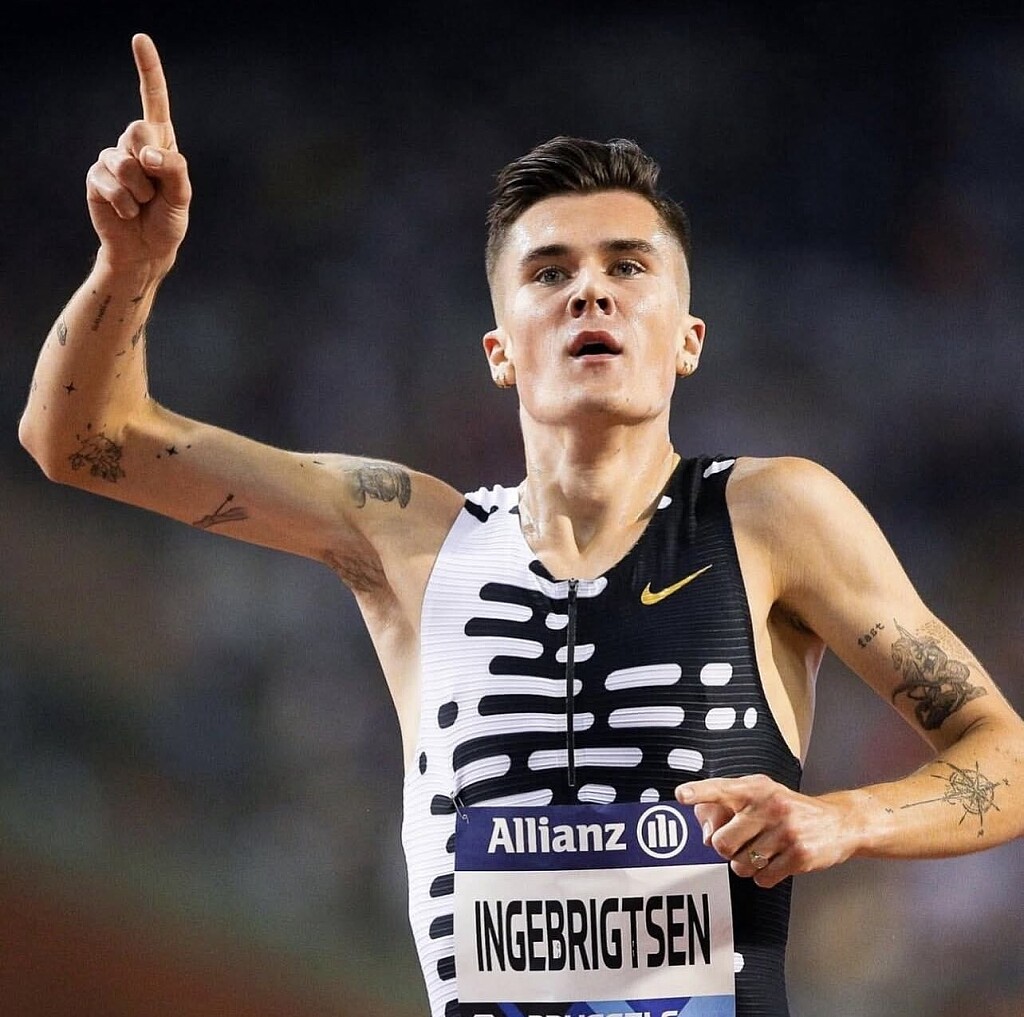
Jakob Ingebrigtsen Eyes Summer Return as London Diamond League Emerges as Potential Comeback Stage
The prospect of seeing one of athletics' biggest stars back on the track is growing stronger, with Jakob Ingebrigtsen reportedly targeting a return to competition later this summer following his recovery from Achilles tendon surgery.
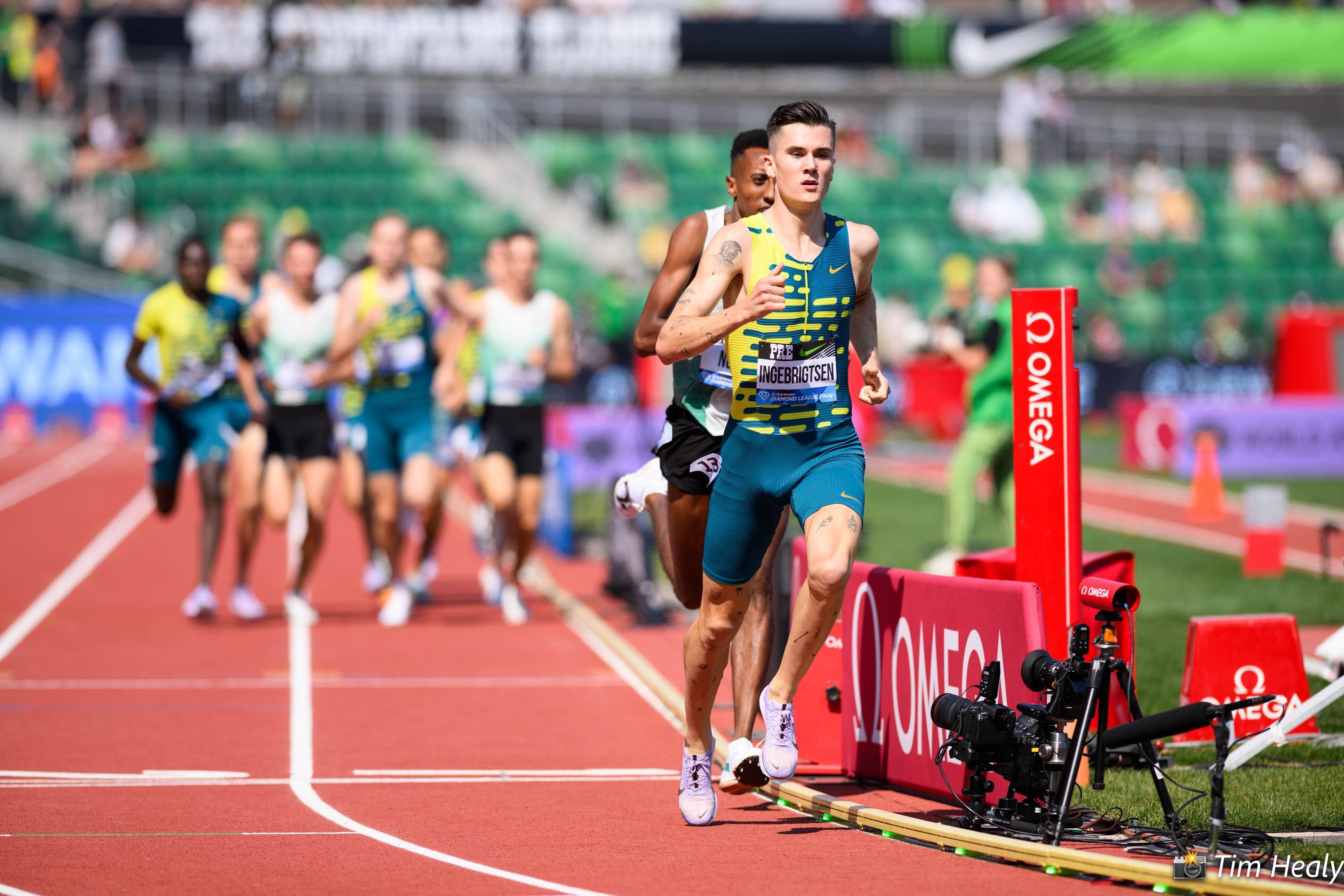
According to comments made by his agent, Daniel Wessfeldt, in an interview with Norwegian media, the double Olympic champion could make his long-awaited comeback at one of three major European meetings in July. The leading options under consideration are the Monaco Diamond League on July 10, the Hungarian Athletics Grand Prix on July 14, and the London Diamond League on July 18.

For athletics fans, the possibility of Ingebrigtsen lining up in London would add another layer of excitement to an already highly anticipated Diamond League meeting. The Norwegian middle-distance sensation has become one of the sport's most dominant figures in recent years, collecting Olympic, world and European titles while consistently rewriting record books.
His 2026 campaign was put on hold after he underwent surgery on his Achilles tendon earlier this year, forcing him to focus on rehabilitation rather than competition. Since then, questions have surrounded when the 24-year-old would be ready to return to racing.
The latest update suggests that decision will largely depend on how his training progresses over the coming weeks. If recovery continues according to plan, July could mark the beginning of his return to elite competition ahead of the latter stages of the season.
A comeback at either Monaco, Budapest or London would immediately place Ingebrigtsen back among the sport's biggest storylines. Each meeting is renowned for producing world-class performances, and any appearance by the Norwegian would attract significant attention from fans eager to see how quickly he can regain top form after his injury setback.
While no final decision has been confirmed, the signs are increasingly positive. After months away from competition, Jakob Ingebrigtsen appears to be edging closer to a return, with London's Diamond League meeting emerging as one of the most intriguing possibilities on his road back to the track.
Should his recovery continue smoothly, athletics could soon welcome back one of its brightest and most influential stars.
by Erick Cheruiyot for My Best Runs.
Login to leave a comment
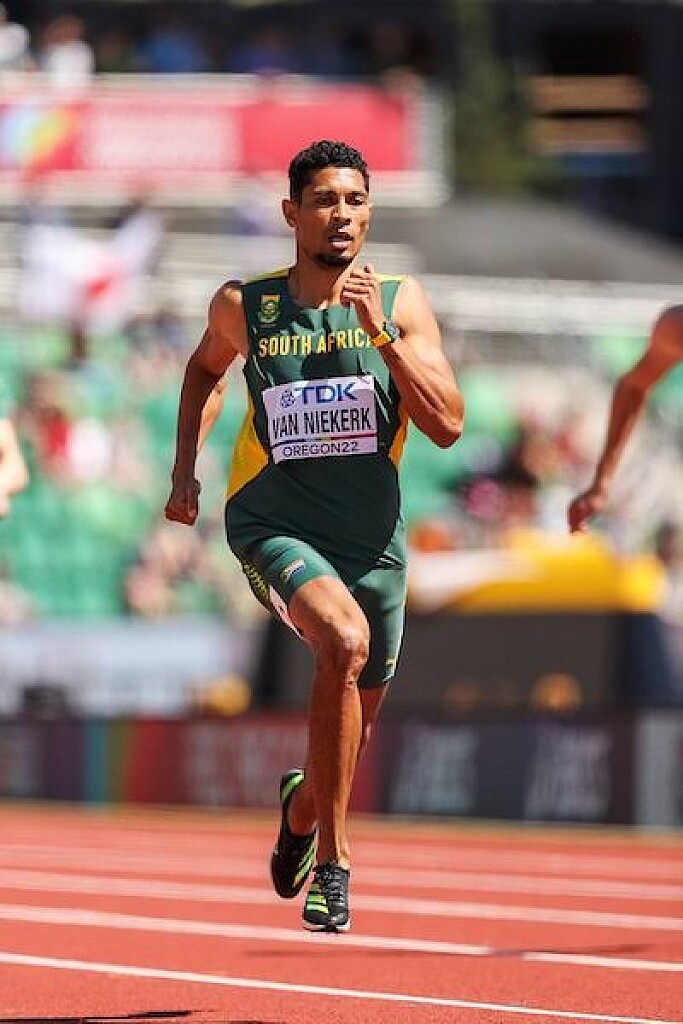
Wayde van Niekerk Withdraws from Rabat Diamond League Due to Ongoing Quad Injury
South African sprint star Wayde van Niekerk has officially withdrawn from the upcoming Rabat Diamond League meeting as he continues to battle a persistent quad injury, raising fresh concerns over the fitness of one of track and field’s most iconic athletes.
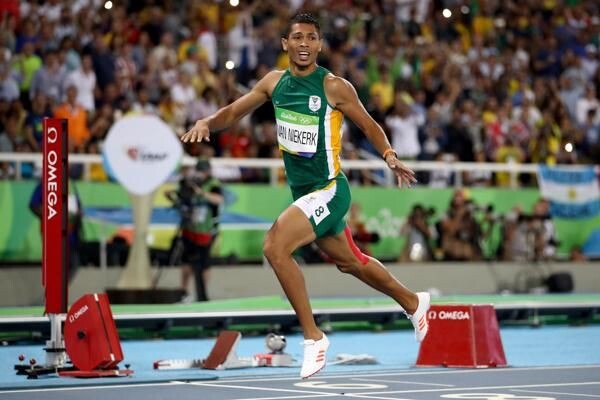
The 33-year-old had been expected to line up in the men’s 400m in Rabat, but the lingering injury has forced him to step away from competition in a bid to avoid further setbacks during the outdoor season.
Van Niekerk remains one of the greatest quarter-milers in athletics history. The South African stunned the world at the 2016 Rio Olympic Games when he stormed to a historic 43.03 seconds, a performance that still stands as the current men’s 400m world record. In addition to his Olympic title, he is also a two-time world champion and a World Championships silver medallist.
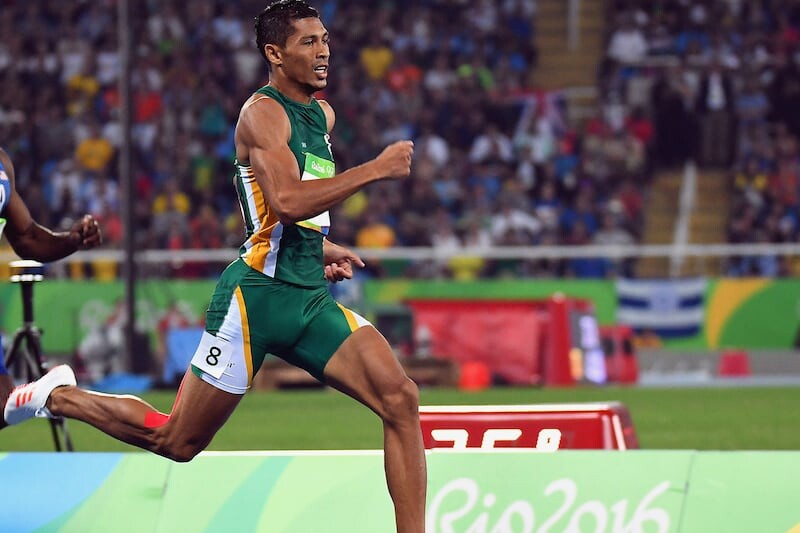
The former global champion has endured a difficult spell with injuries in recent years, preventing him from consistently returning to the dominant form that once made him virtually untouchable over one lap of the track. Although he has shown encouraging signs in recent appearances, fitness issues continue to interrupt his comeback efforts.
His withdrawal is a major disappointment for the Rabat Diamond League, where fans had hoped to see the South African legend test himself against a high-quality international field as the build-up toward the season’s major championships intensifies.
Despite the setback, the decision to pull out appears to be a cautious one focused on protecting his long-term health rather than risking a more serious injury at this stage of the campaign.
The athletics world will now wait for further updates on Van Niekerk’s recovery, with supporters across the globe hoping the Olympic champion can return fully fit and competitive in the coming weeks.
For now, the focus shifts from racing to rehabilitation as one of sprinting’s greatest talents works toward another comeback.
by Erick Cheruiyot for My Best Runs.
Login to leave a comment
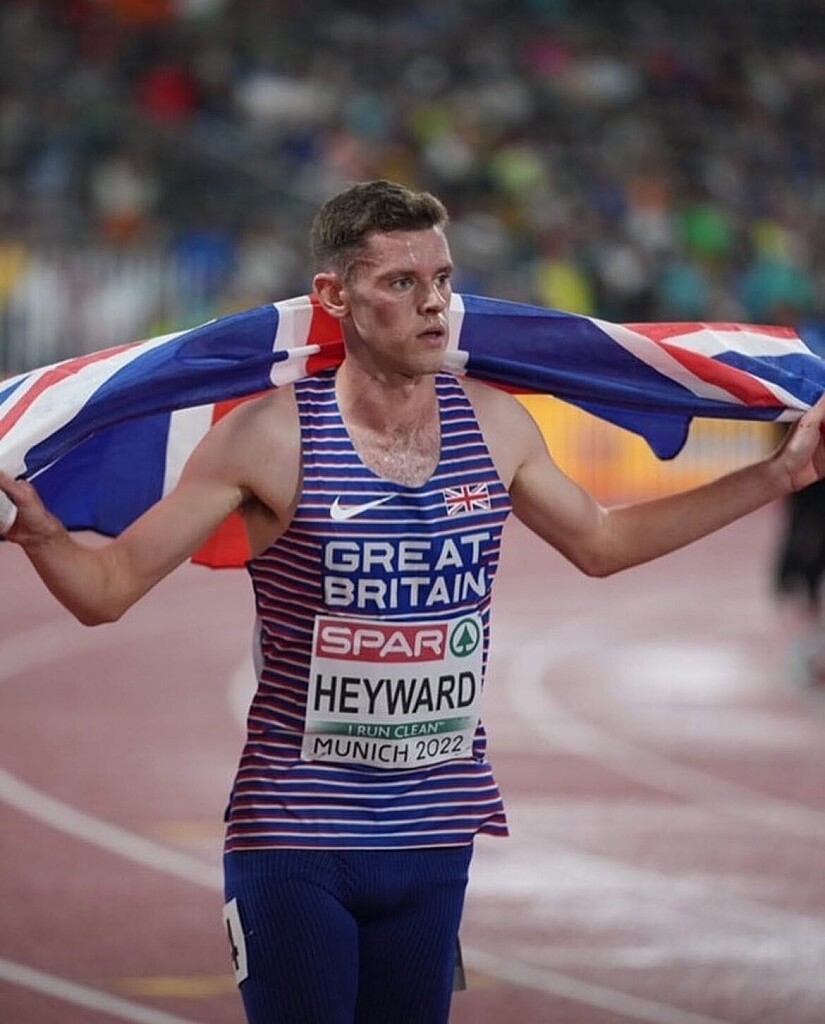
Jake Heyward’s Long Road Back: British Star Set for Diamond League Return at BAUHAUS-galan
After nearly three years away from the Diamond League spotlight, British middle-distance star Jake Heyward is finally preparing for a long-awaited return to elite competition as he lines up for the men’s 1500m at next month’s BAUHAUS-galan in Stockholm.
For Heyward, the announcement marks far more than just another race entry. It represents the latest chapter in a determined comeback journey after a frustrating spell dominated by long-term injury setbacks that stalled the momentum of one of Europe’s most gifted milers.
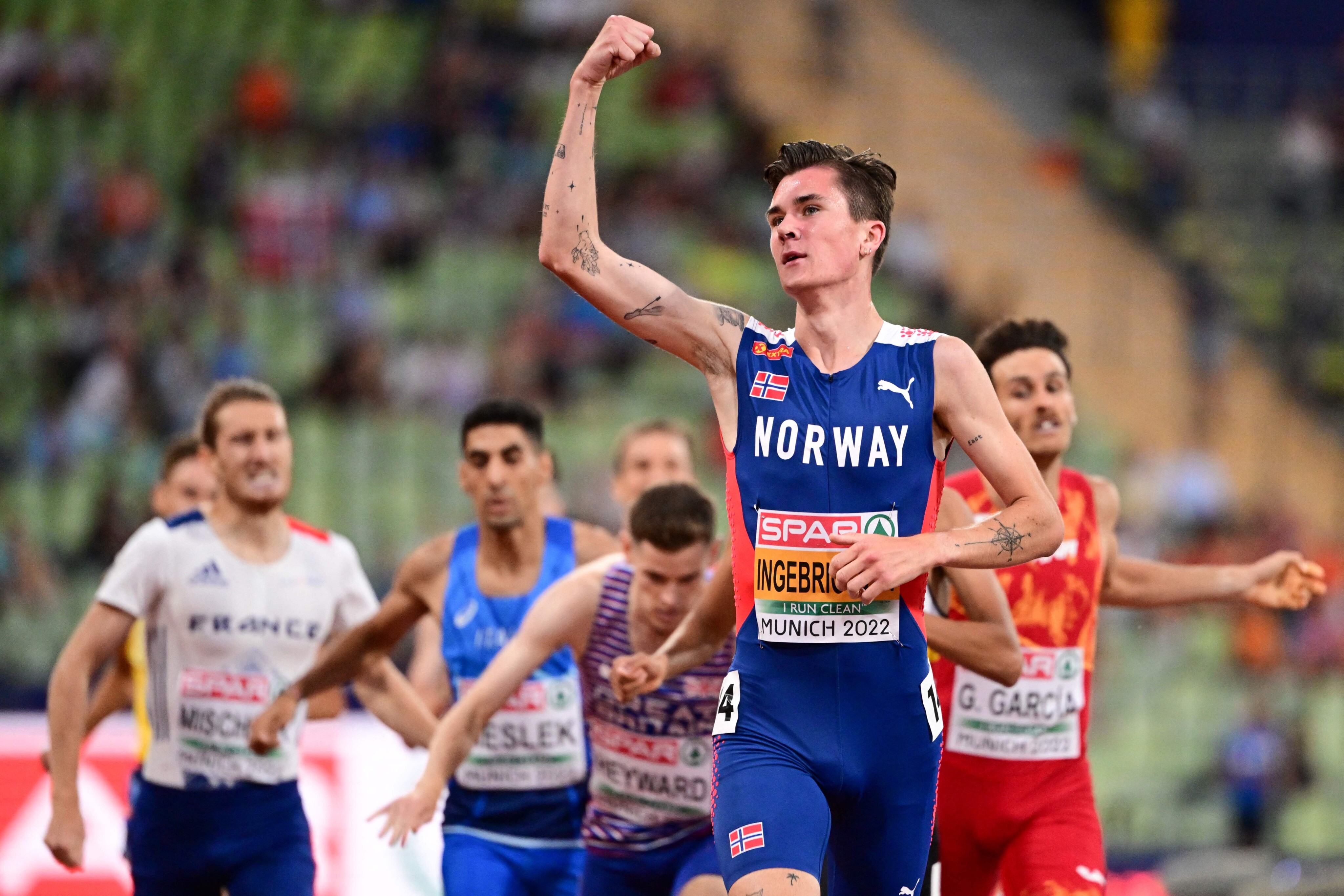
The Brit’s last appearance on the Diamond League circuit came back in Zurich in 2022 — the same season in which he produced some of the finest performances of his career. Since then, injuries forced him away from the biggest stages of global athletics, interrupting what had looked like a rapid rise toward world-class consistency.
Now, however, encouraging signs are beginning to emerge.
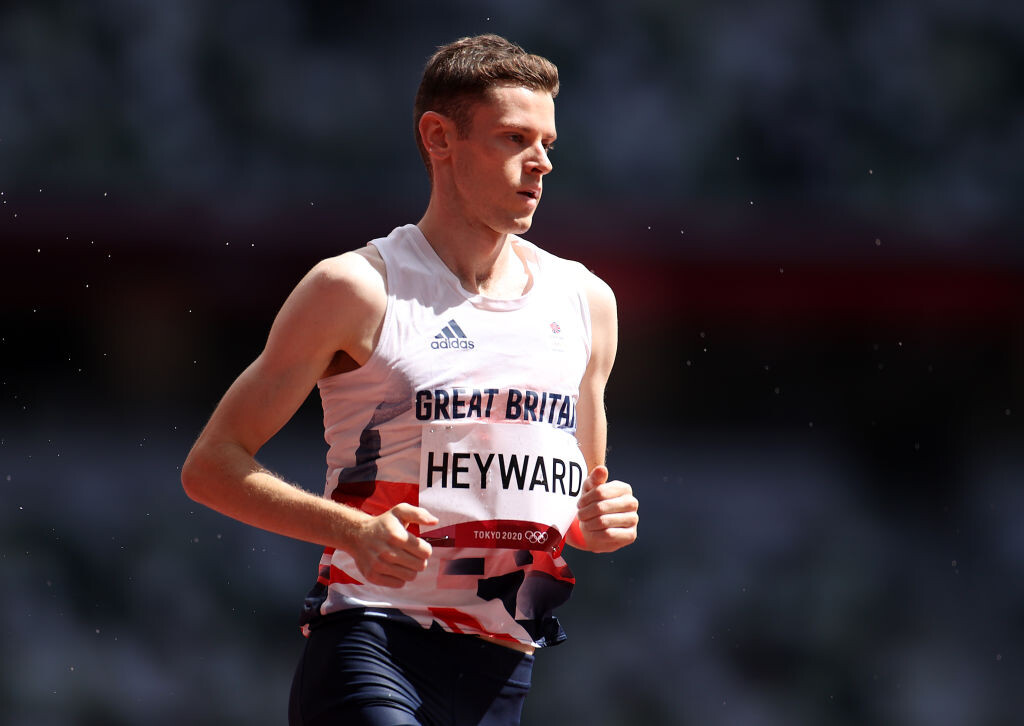
Earlier this month in California, Heyward clocked 3:34.18 over 1500m, a performance that hinted at growing sharpness and renewed confidence as he rebuilds his fitness ahead of a crucial summer campaign. While still short of his lifetime best of 3:31.08, the run suggested the European silver medallist is steadily rediscovering the rhythm that once placed him among the continent’s elite.
Heyward’s breakthrough season in 2022 remains one of the defining moments of his career. At the European Athletics Championships in Munich, he stormed to the 1500m silver medal behind Norway’s dominant Olympic champion Jakob Ingebrigtsen, showcasing both tactical maturity and finishing speed against one of the strongest fields in Europe.
That performance elevated Heyward into the upper tier of international middle-distance running and reinforced Britain’s rich tradition in the event. Many believed it was only the beginning.
Instead, the years that followed became a battle for recovery, patience, and persistence.
Returning to the Diamond League at BAUHAUS-galan now offers Heyward an opportunity to measure himself once again against world-class opposition and test how far his comeback has progressed. Stockholm’s historic meeting has long been known for producing fast middle-distance races, and the event could provide the perfect environment for the Brit to continue building momentum.
At 1500m level, where fractions of a second often separate contenders from champions, regaining race sharpness after an extended absence is never straightforward. Yet Heyward’s recent performances suggest the foundations are gradually falling back into place.
For British athletics fans, his return will be watched with both excitement and curiosity. A healthy Jake Heyward remains one of the most naturally talented milers of his generation — and if his body finally allows him sustained continuity, the next phase of his career could still hold enormous promise.
by Erick Cheruiyot for My Best Runs.
Login to leave a comment
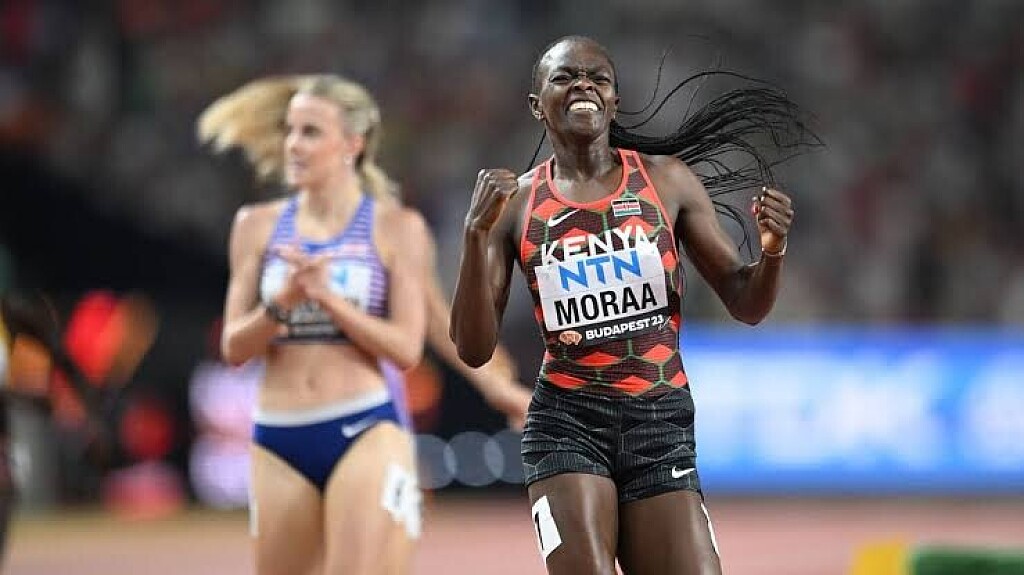
Mary Moraa Signals Her Return With Eyes Firmly Set on Glasgow 2026
Kenyan middle-distance star Mary Moraa has officially stepped back onto the track, marking her long-awaited return to competitive action after months away from racing. The former world champion’s comeback has reignited excitement within athletics circles, with the 800m sensation now targeting an ambitious place in Kenya’s 400m squad for the upcoming Commonwealth Games in Glasgow, Scotland.
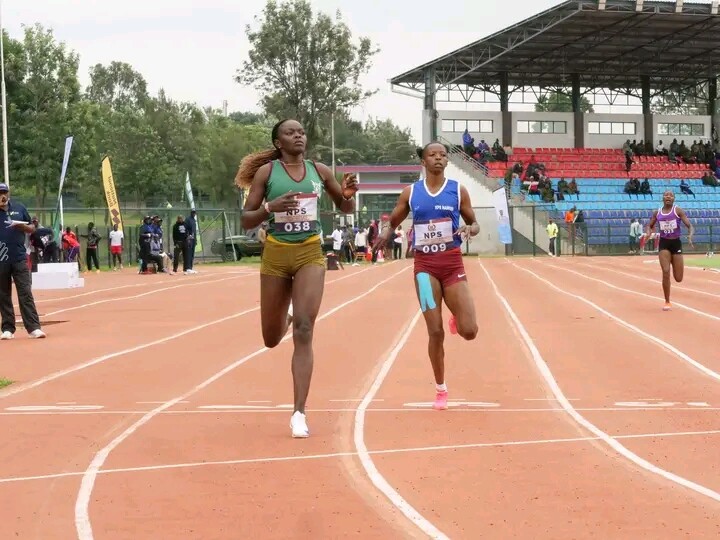
Moraa revealed that she intends to fight for qualification in the one-lap event ahead of the Games scheduled for July 23 to August 2, a bold move that highlights her versatility and determination to explore a new challenge at the elite level.
But behind the comeback lies a deeply emotional story of struggle, resilience, and recovery.
“It’s by the grace of God that I am competing again,” Moraa revealed. “I almost threw in the towel a while ago owing to a medical condition, but I am glad that it has been fully addressed.”
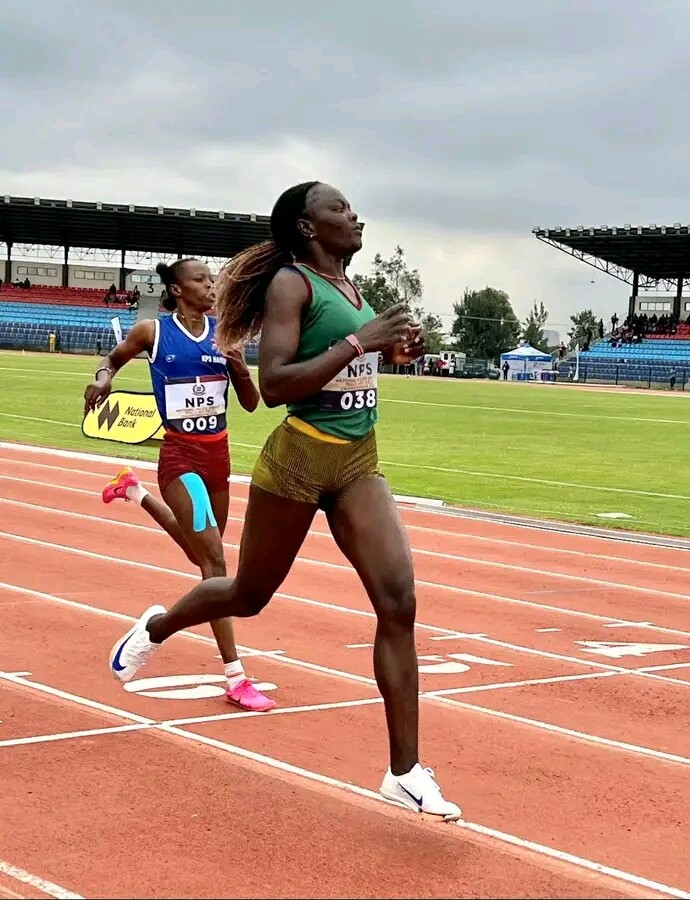
Her candid remarks shed light on the difficult period she endured away from the spotlight, a phase that nearly forced her to walk away from athletics altogether. Instead, the Kenyan star has emerged stronger, carrying renewed motivation and gratitude as she rebuilds her competitive rhythm.
Known globally for her fearless front-running style and explosive finishing speed in the 800m, Moraa’s shift toward the 400m could become one of the most intriguing storylines in athletics this season. Her natural speed has long suggested she possesses the qualities required to thrive over the shorter distance, and her return could significantly boost Kenya’s relay and individual medal prospects ahead of Glasgow.
Despite her immense pedigree, the road to qualification will be anything but easy. Kenya’s women’s 400m ranks continue to grow stronger, meaning Moraa must prove herself against seasoned specialists fighting for the same coveted spots. However, her championship experience, tactical intelligence, and proven ability to deliver under pressure make her a serious contender.
For fans of Kenyan athletics, Moraa’s return represents far more than a simple comeback. It is the revival of one of the sport’s most captivating competitors — an athlete whose resilience now matches the brilliance she displays on the track.
As preparations for Glasgow 2026 intensify, the athletics world will be watching closely to see whether Mary Moraa can successfully reinvent herself once again and script another remarkable chapter in her career.
by Erick Cheruiyot for My Best Runs.
Login to leave a comment
Shericka Jackson Sends a Powerful Warning Shot with Brilliant Shanghai Triumph
Under the dazzling lights of Shanghai, Shericka Jackson reminded the athletics world exactly why she remains one of the most feared women in sprinting. In a fiercely competitive women’s 200 metres packed with elite talent, the Jamaican superstar stormed to victory in a commanding 22.07 seconds, delivering one of the strongest statements of the early season.
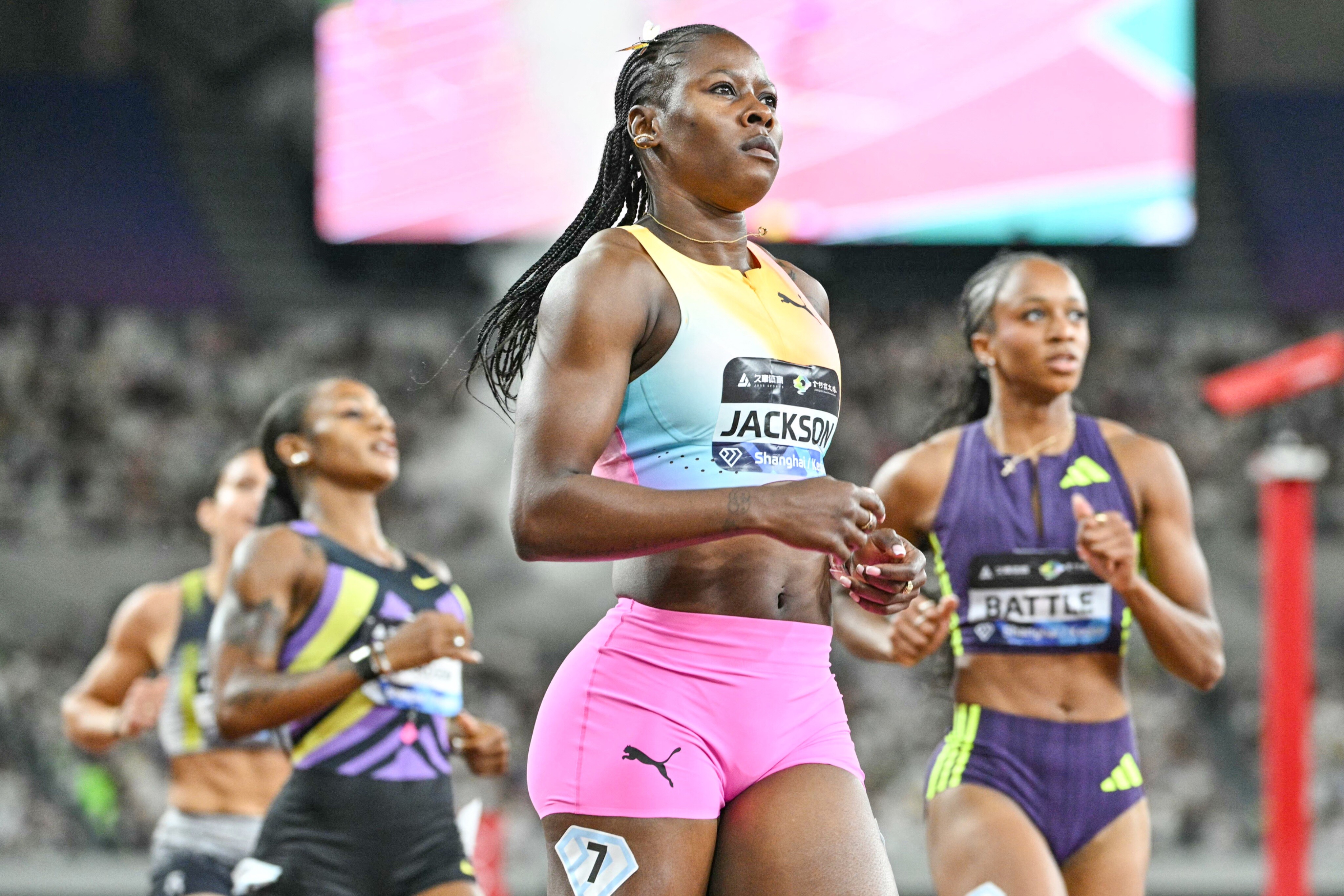
With a legal +0.3 wind behind the field, Jackson looked sharp, composed, and devastatingly efficient through every phase of the race. From the moment she attacked the curve, her trademark blend of power and relaxation separated her from the field, before she surged away in the final metres to secure an emphatic win. More than just another Diamond League success, the performance served as a clear reminder that Jackson is already building serious momentum ahead of the championship season.
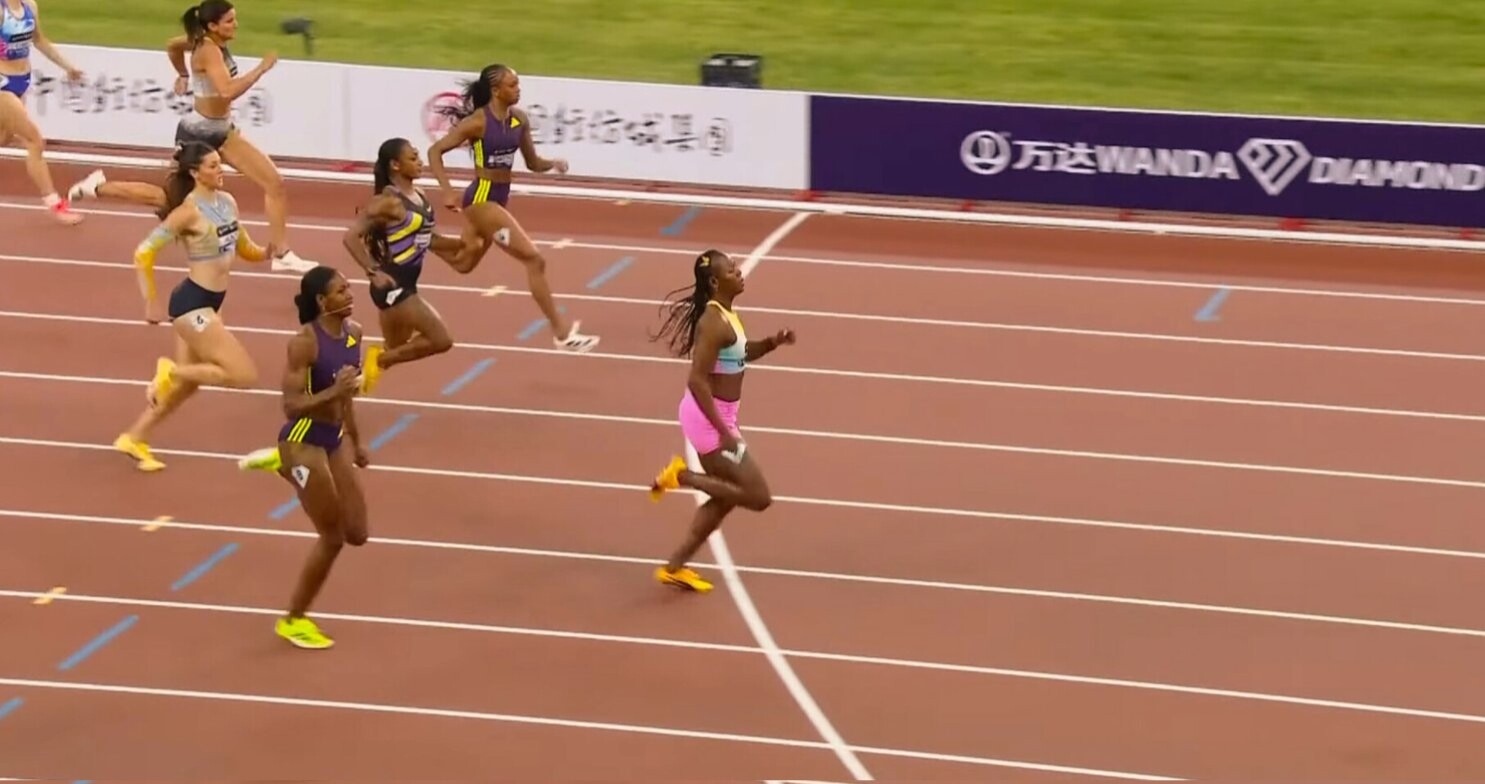
The race carried additional intrigue with the long-awaited return of Shaunae Miller-Uibo to the Diamond League circuit. Competing in her first appearance at this level in three years, the Bahamian star produced an impressive run of 22.26 seconds to finish second, showing encouraging signs as she continues her comeback journey. Her presence added extra quality to an already stacked contest and elevated the atmosphere inside the stadium.
Yet the night ultimately belonged to Jackson. The double world champion did not simply win — she controlled the race with the authority of an athlete fully aware of her dominance. At this stage of the season, such a performance carries enormous significance. While many athletes are still searching for rhythm and race sharpness, Jackson already appears locked in, confident, and dangerously close to peak form.
What makes the victory even more compelling is the manner in which it was achieved. There was no visible strain, no desperate lean at the finish, only the calm assurance of a sprinter operating several levels above the field. It was the kind of performance that sends a message across the global sprinting landscape: Shericka Jackson is not easing into the season — she is attacking it.
As the road toward the major championships continues, Shanghai may well be remembered as the night Jackson officially announced her intentions to the world. If this performance is an indication of what is to come, the women’s sprint scene could be heading toward another season dominated by Jamaican brilliance.
by Erick Cheruiyot for My Best Runs.
Login to leave a comment
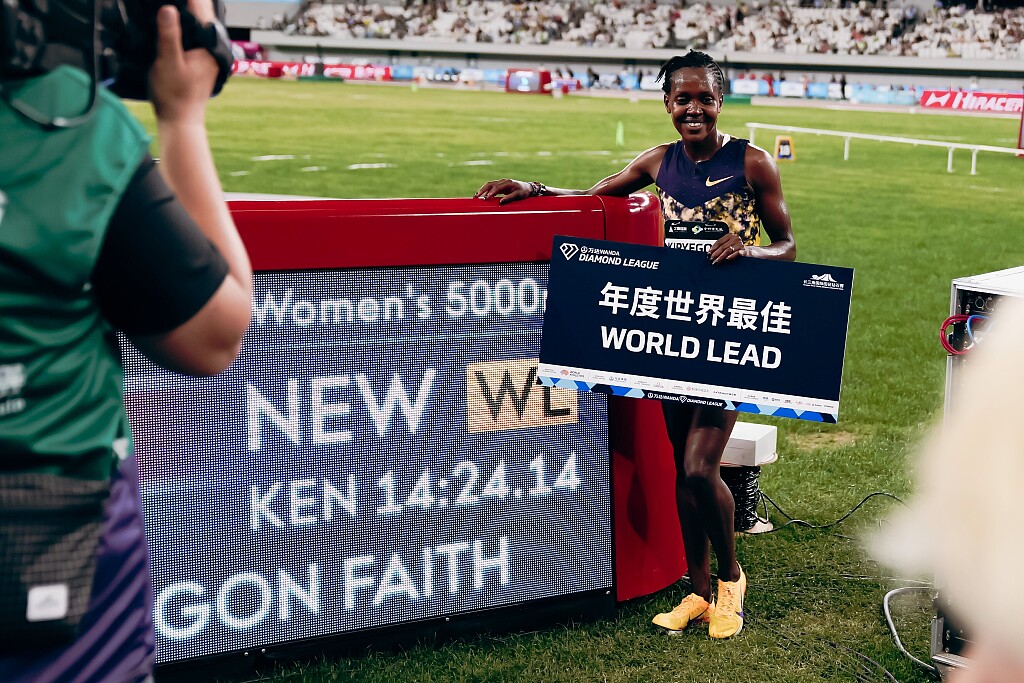
Faith Kipyegon Opens in Style With Blazing 5000m World Lead in Shanghai
Three-time Olympic champion Faith Kipyegon reminded the world exactly why she remains one of the greatest distance runners of her generation after storming to a sensational 14:24.14 victory in the women’s 5000m at the Shanghai Diamond League.
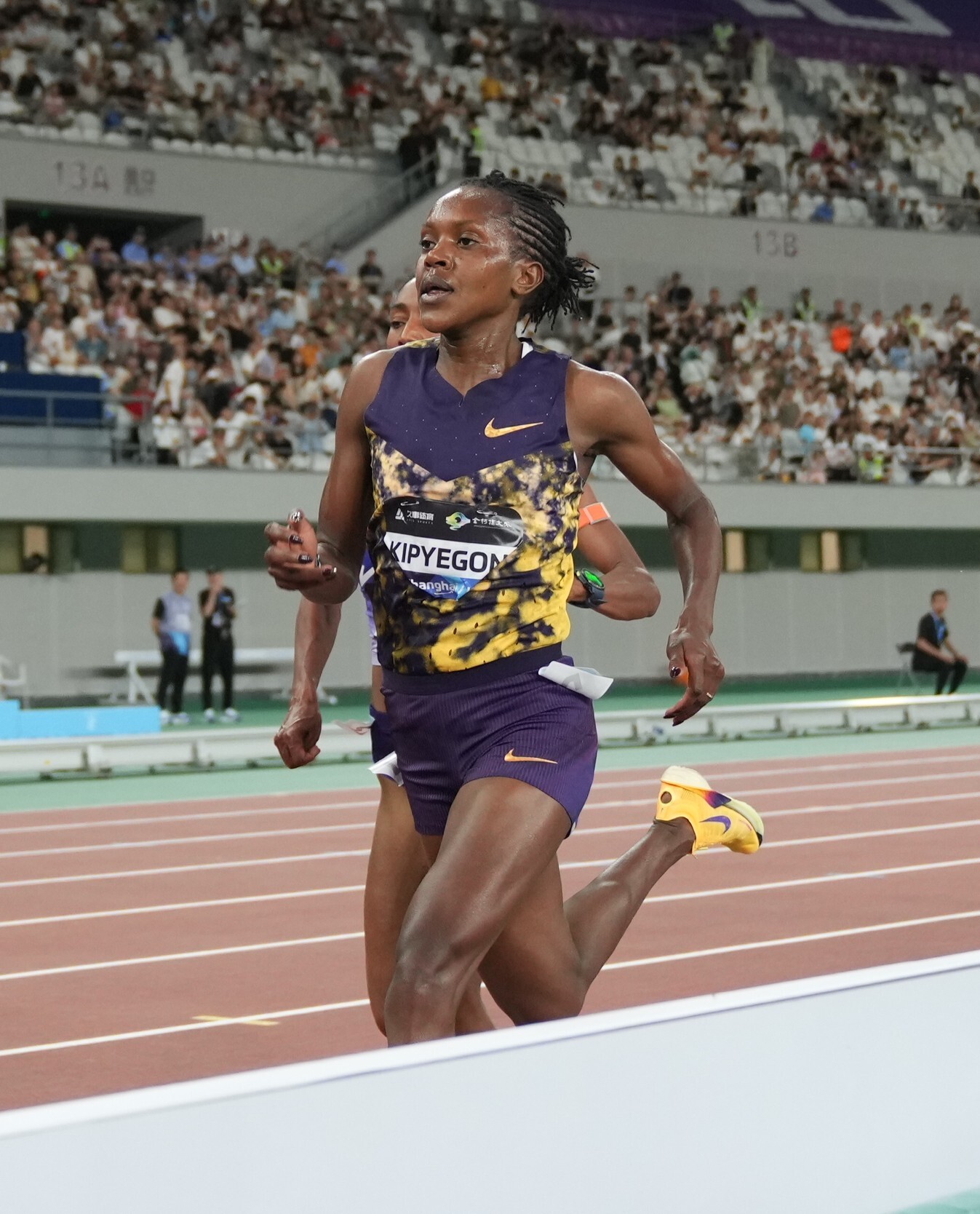
Making her long-awaited season debut, the Kenyan superstar produced a commanding performance to register the fastest women’s 5000m time in the world this year, immediately sending a strong message to her rivals ahead of the major championships season. The mark also stands as Kipyegon’s quickest 5000m performance since her unforgettable 2023 campaign, underlining her remarkable consistency at the highest level of global athletics.
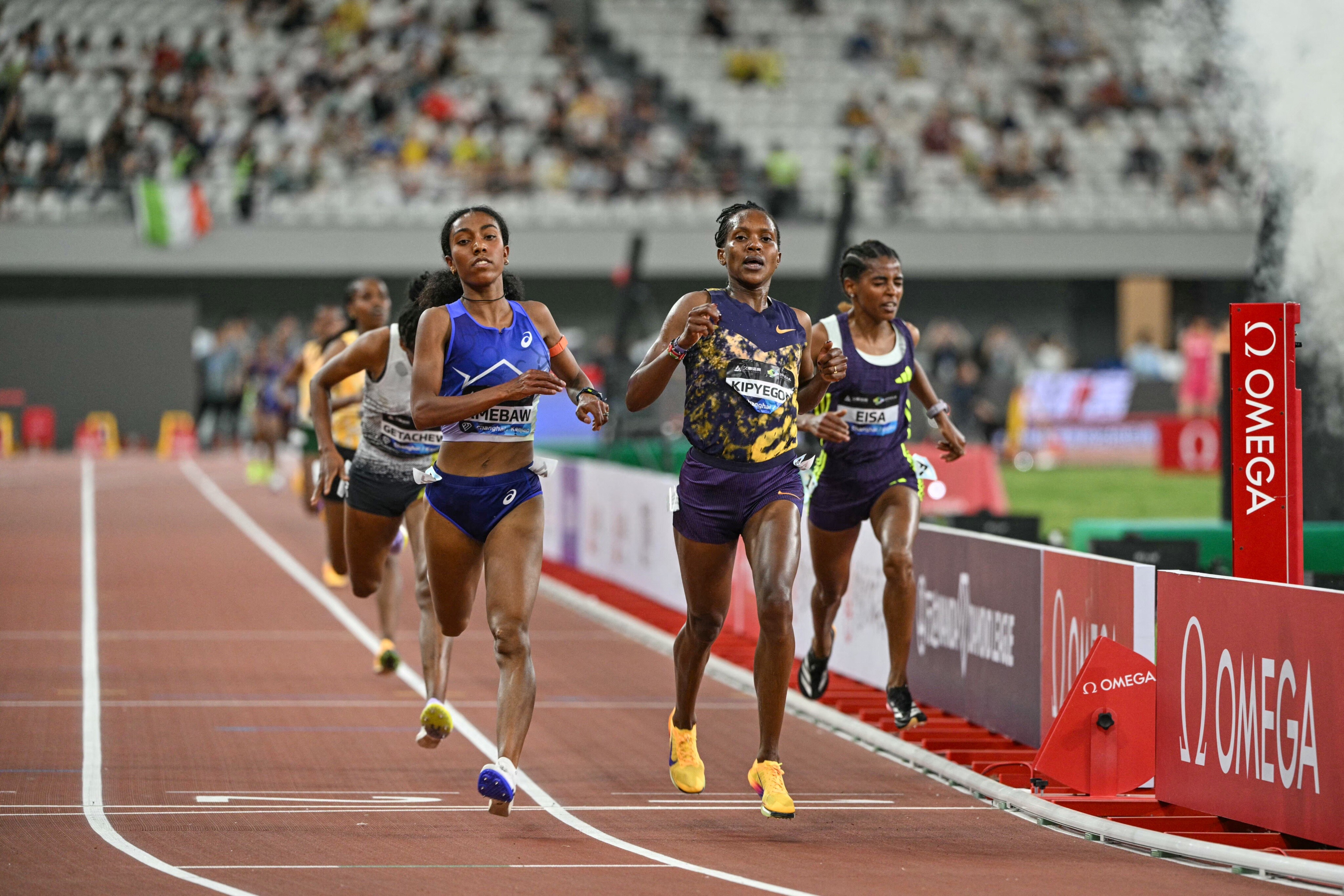
In a race loaded with depth and relentless pace, Kipyegon showed her trademark composure and devastating finishing strength when it mattered most. Ethiopia’s Likina Amebaw pushed hard all the way to the line and finished just fractions behind in 14:24.21, while Senayet Getachew followed closely in 14:24.71 as the race turned into one of the fastest women’s 5000m contests of the season so far.
The race itself developed into a historic showcase of elite women’s distance running, with athlete after athlete producing world-class times under the lights in Shanghai. Eight runners dipped under 14:36, while Kenya and Ethiopia once again demonstrated their dominance in global long-distance competition. The incredibly fast overall field added even greater weight to Kipyegon’s victory, as she emerged on top against one of the strongest 5000m line-ups assembled this season.
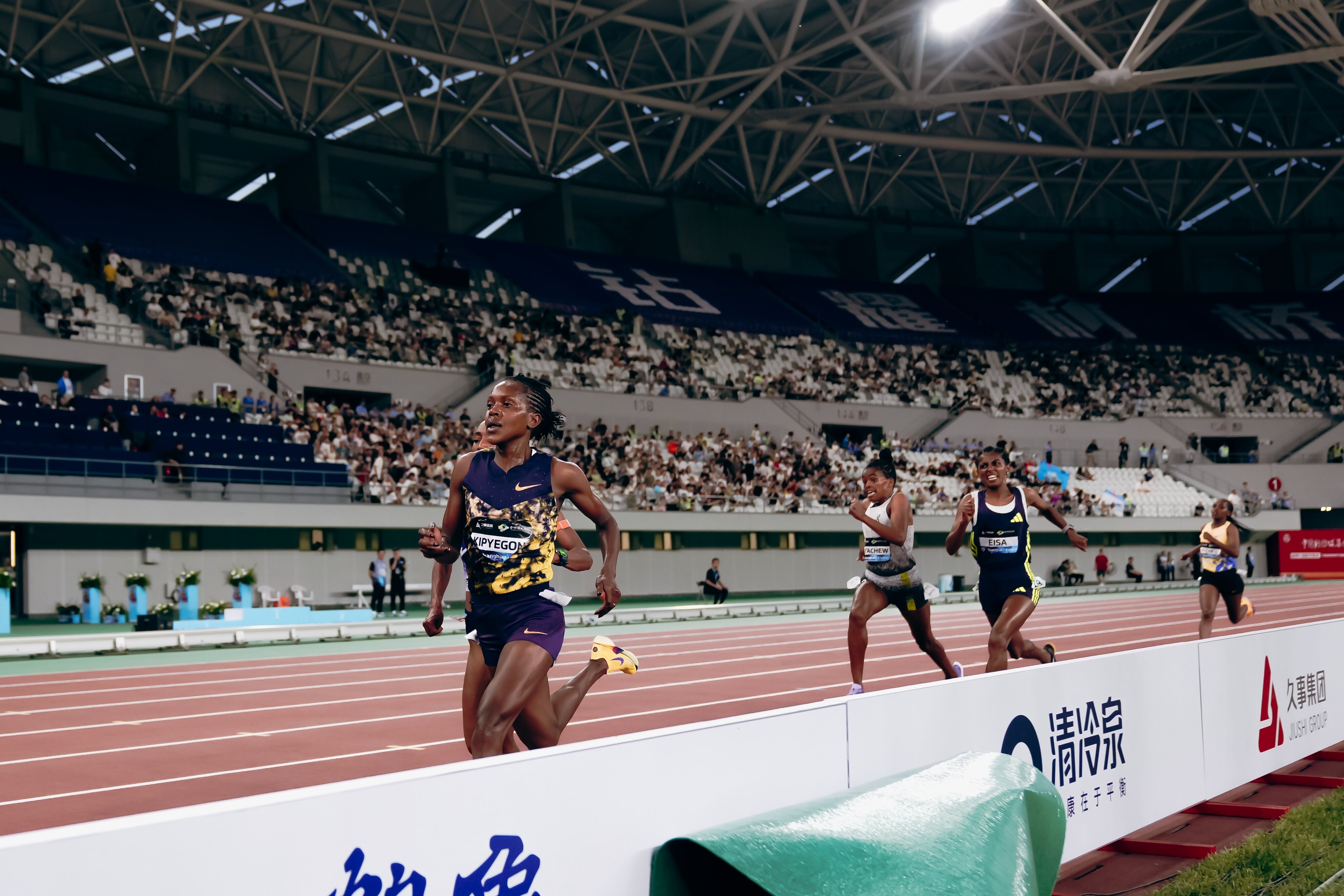
Despite the fierce challenge from the Ethiopian contingent, Kipyegon looked in control throughout the decisive stages, effortlessly covering every surge before unleashing another clinical finish that left the crowd in Shanghai in awe. Her ability to combine tactical intelligence with world-class speed continues to separate her from the rest of the field.
The performance is yet another statement from the Kenyan icon, whose dominance across the 1500m and 5000m has redefined modern distance running. After opening her season with a world-leading mark, anticipation is already growing over what could come next as Kipyegon builds toward another potentially historic year on the track.
With the world lead now firmly in her possession, Faith Kipyegon has once again positioned herself at the centre of the global conversation in women’s distance running. Her emphatic season opener in Shanghai not only reaffirmed her class, but also signaled that the Kenyan star could be preparing for another dominant campaign on the international stage. As the Diamond League season gathers momentum, all eyes will now be on Kipyegon to see just how fast — and how far — she can go in 2026.
Women’s 5000m Results – Shanghai Diamond League 2026
1. Kenya — Faith Kipyegon — 14:24.14 WL
2. Ethiopia — Likina Amebaw — 14:24.21
3. Ethiopia — Senayet Getachew — 14:24.71
4. Ethiopia — Medina Eisa — 14:24.76
5. Ethiopia — Asayech Ayichew — 14:26.41
6. Ethiopia — Mizan Alem — 14:29.97
7. Ethiopia — Marta Alemayo — 14:32.84
8. Ethiopia — Hawi Abera — 14:35.96
9. Kenya — Caroline Nyaga — 14:36.55
10. Ethiopia — Mastewal Mehabaw — 14:38.66
11. Kenya — Maurine Chebor — 14:39.31
by Erick Cheruiyot for My Best Runs.
Login to leave a comment
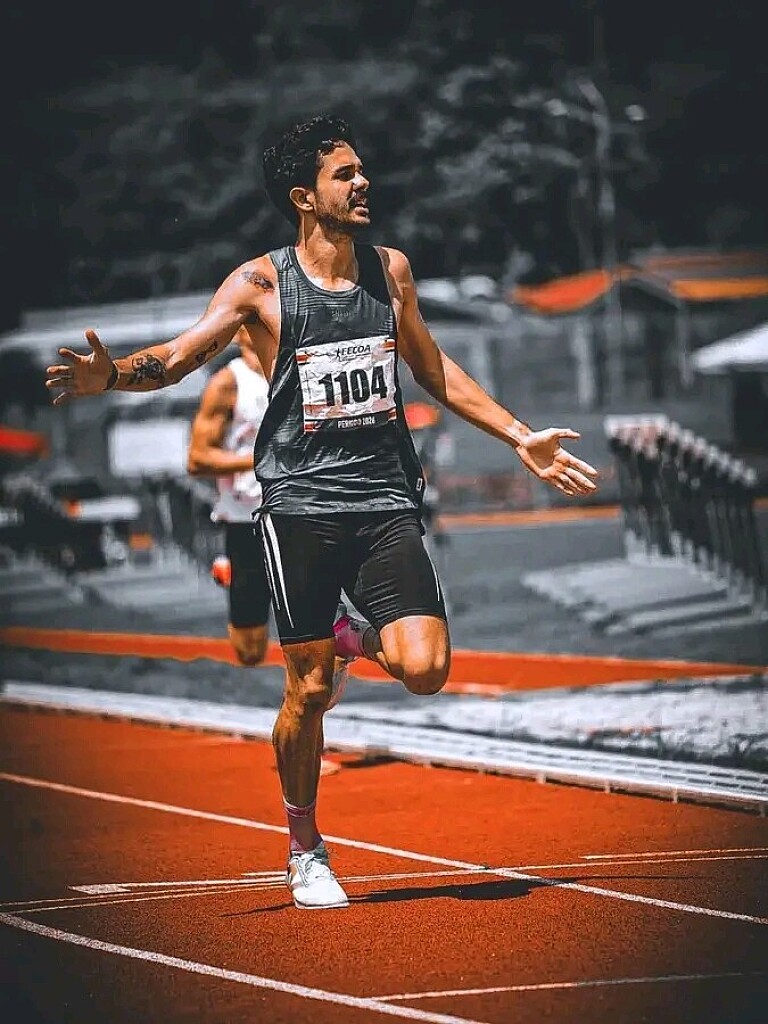
Jordy Mendez Returns to the Top with National Title and Personal Best Performance
Costa Rican middle-distance runner Jordy Mendez delivered one of the standout performances at the National Senior Championships, marking his return to the competition in remarkable fashion after a two-year absence.
Mendez crowned his comeback with victory in the men’s 1500 meters, storming to the national title while also producing a new personal best of 3:53.60. The performance not only secured him gold but also confirmed his steady rise among Costa Rica’s most promising distance athletes.
The championships carried extra significance for the runner, who had been away from the national stage for two years. Rather than easing back into competition, Mendez returned with authority, showing confidence, tactical maturity, and impressive finishing strength against a highly competitive field.
But his success did not end there.
Mendez also competed in the 5000 meters, where he battled through another strong lineup to finish fourth in 15:09.91 — the second-fastest time of his career in the event. Balancing both races at a high level highlighted his growing endurance and versatility across distances.
Following the championships, Mendez praised the quality of competition and acknowledged the athletes who pushed the pace throughout the races. He noted that the elevated standard of the field helped create an atmosphere capable of producing outstanding performances.
The Costa Rican athlete also expressed gratitude to the people who have continued supporting him throughout his journey, emphasizing the importance of that encouragement during his return to national competition.
For Mendez, the championships represented more than medals and times. They signaled the successful return of an athlete determined to elevate his career to another level. With a national title, a personal best, and renewed momentum now behind him, his comeback season is already shaping into one worth following closely.
by Erick Cheruiyot for My Best Runs.
Login to leave a comment
Emma Coburn Set For Emotional Return To The Steeplechase In 2026
After nearly two years away from her signature event, Emma Coburn is finally preparing for a long-awaited return to the steeplechase, marking one of the most anticipated comeback stories of the 2026 athletics season.
The American distance star is expected to compete in the women’s 3000m steeplechase at Sound Running’s Track Fest, which would officially be her first steeplechase appearance since suffering a devastating ankle injury at the Shanghai Diamond League meeting in April 2024.
Coburn’s injury abruptly halted a career that has long been defined by consistency, resilience, and championship-level performances on the global stage. The former world champion and Olympic medalist endured a lengthy rehabilitation process after breaking her ankle in Shanghai, forcing her away from competition and raising uncertainty about when she would return to full fitness.
Now, signs point toward a fresh chapter.
Her entry into Track Fest has generated excitement across the athletics world, with fans eager to see one of the sport’s most recognizable steeplechasers back on the track. The race is also expected to mark Coburn’s first competition of any kind in over a year, having last appeared at the New Balance Indoor Grand Prix in 2025.
The timing could not be more symbolic. As the 2026 season continues to deliver remarkable comeback stories across athletics, Coburn’s return adds another emotional layer to a year already filled with redemption narratives.
Beyond the results, her comeback represents perseverance through one of the most difficult periods of her career. Injuries of that magnitude can end careers or permanently alter an athlete’s trajectory, yet Coburn has remained determined throughout her recovery journey.
Track Fest will not simply be about times or finishing positions. It will be about the return of a proven competitor whose presence has shaped women’s steeplechase for more than a decade.
If all goes according to plan, the starting line in Los Angeles will mark the beginning of Emma Coburn’s next chapter — one built on resilience, patience, and the hunger to compete once again at the highest level.
by Erick Cheruiyot for My Best Runs.
Login to leave a comment
Parker Valby Set for Long-Awaited Return as LA Track Fest Gains Star Power
The countdown to one of the most anticipated comebacks in women’s distance running is officially underway. American sensation Parker Valby has been confirmed for her 2026 season debut at Sound Running’s Track Fest in Los Angeles on May 23, setting the stage for a thrilling return to competition.
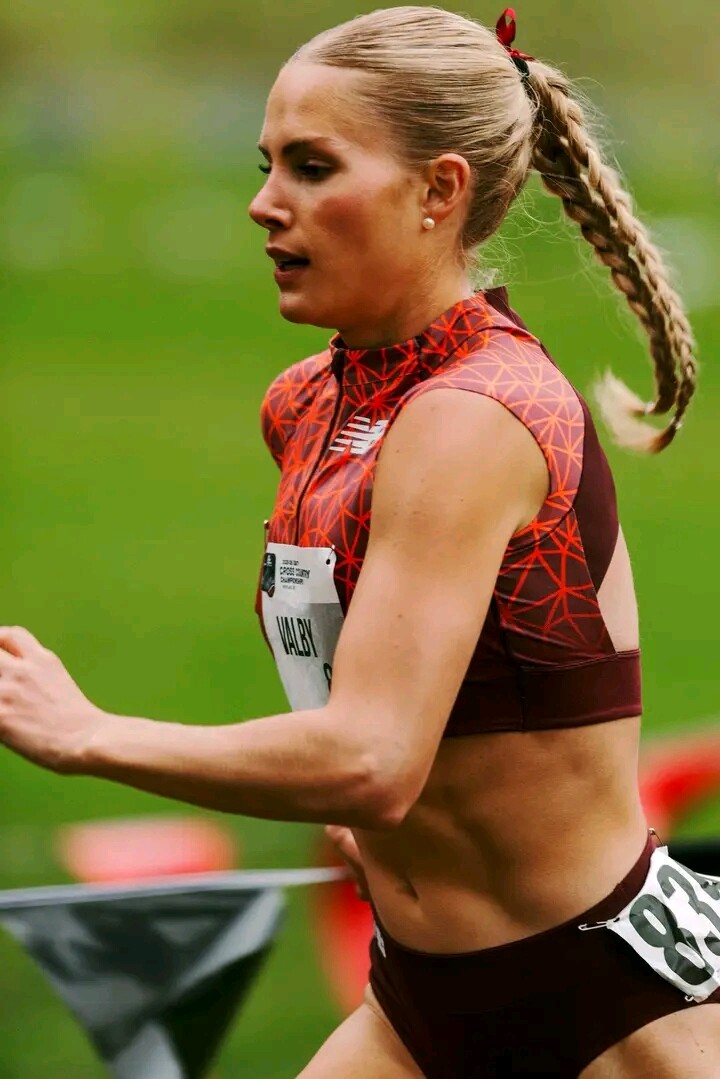
Valby’s appearance in LA will mark her first race since competing at the 2025 USATF Cross Country Championships, ending a lengthy absence from the racing circuit that has left fans eagerly awaiting her comeback. Even more significantly, it will be her first outdoor track race since representing the United States at the 2024 Summer Olympics in Paris — a milestone that adds even greater intrigue to her return.

Known for her fearless front-running style, remarkable endurance and meteoric rise through the collegiate ranks, Valby enters the 2026 campaign carrying enormous expectations. Her transition from NCAA dominance to the global professional stage has made her one of the most closely watched athletes in American distance running, and Track Fest now becomes the perfect platform for her next chapter.
The women’s field announced for the event promises a fiercely competitive contest. Australia’s Lauren Ryan and Maudie Skyring are both set to line up, bringing international quality and proven championship experience to the race. Germany’s Lea Meyer will also feature, adding further depth to what is shaping up to be one of the standout distance events of the early outdoor season.
With Los Angeles serving as the backdrop, the atmosphere is expected to be electric as fans witness Valby’s long-awaited return to the track. Her comeback not only injects excitement into the American distance-running scene, but also signals the re-emergence of one of the sport’s brightest young talents ahead of a crucial championship year.
As anticipation builds toward May 23, all eyes will now turn to LA, where Parker Valby’s 2026 journey finally begins.
by Erick Cheruiyot for My Best Runs.
Login to leave a comment
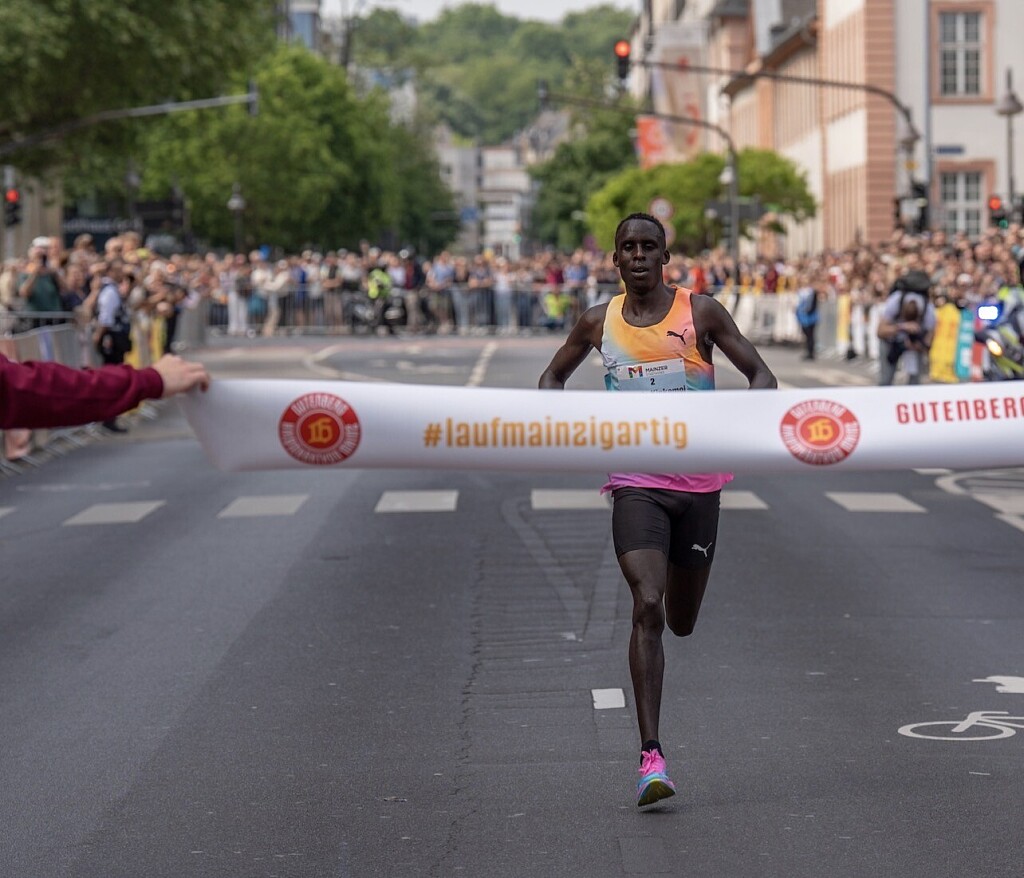
Dennis Kipkogei Smashes Course Record in Mainz
Dennis Kipkogei announced himself as one of Kenya’s brightest emerging distance stars with a stunning course record performance at the Gutenberg Mainz Half Marathon on Sunday.
The 24-year-old Kenyan stormed to victory in 59:14, becoming the first runner to break the one-hour barrier in the history of the race and firmly placing Mainz among Europe’s premier half marathons. Among German races, only Berlin has produced faster half marathon performances.
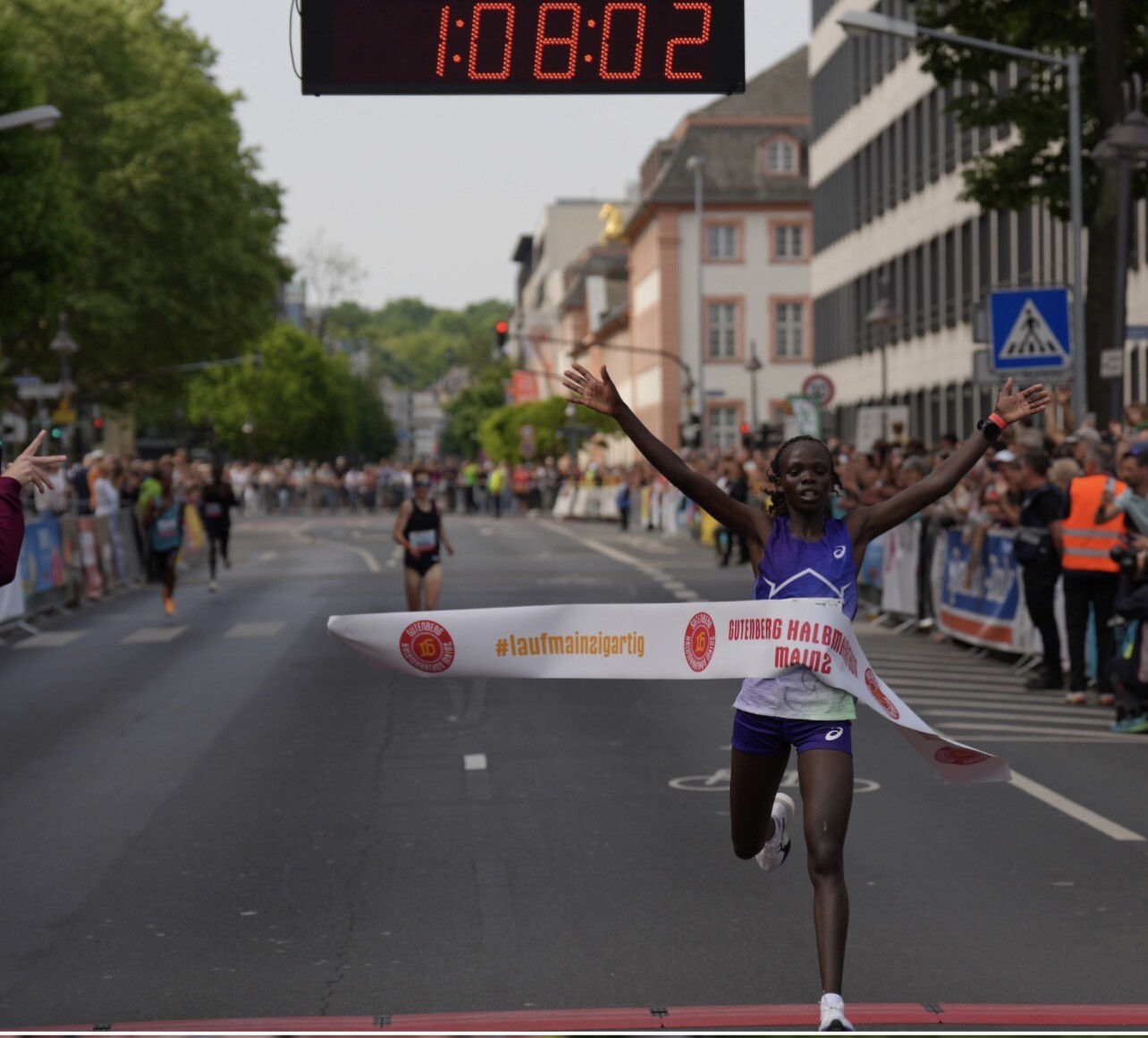
Remarkably, it was only Kipkogei’s second race outside Kenya. Earlier this year he shocked observers by finishing runner-up at the Berlin Half Marathon after originally being entered as a pacemaker. In Mainz he proved that performance was no fluke, dominating the field and winning by more than a minute.
Fellow Kenyans Kelvin Kipruto and Jamal Kiprono completed a Kenyan sweep of the podium, clocking 60:25 and 60:29 respectively.
For the third consecutive year both course records fell in Mainz. Kenya’s Beatrice Cheserek captured the women’s title in 68:02 after a strong late-race surge. Germany’s Blanka Dörfel delivered a breakthrough performance to finish second in 68:06, improving her personal best by nearly two minutes and becoming the sixth-fastest German woman ever at the distance. Ethiopia’s Emebet Kebede Dessie took third in 69:01.
“We are very pleased that we were able to break both course records for the third time. A winning time under one hour is something special,” said Race Director Jo Schindler. “With that result we are currently the eleventh-fastest half marathon in the world this year — that is quite an achievement.”
The event continued its rapid growth with 12,960 entries in the half marathon alone. Including shorter races, more than 17,500 athletes participated across the weekend.
The men’s race opened at a blistering pace, with early split times suggesting a finishing time well under 59 minutes. Kipkogei made his decisive move shortly after 10K and quickly separated from the lead pack. Although warm temperatures near 20 Celsius slowed him slightly in the closing kilometers, he still came within three seconds of his personal best of 59:11 set in Berlin.
“I came here to break the course record and I am happy that I managed it,” said Kipkogei. “I had a problem with my hamstring so my body did not feel that good. Otherwise I could have run even faster.”
His 59:14 performance shattered the previous course record of 60:50 by more than a minute and a half.
“If I am selected I will compete at the World Half Marathon Championships in Copenhagen in September,” he added.
Behind the Kenyan sweep, Germany’s national marathon champion Tom Thurley finished eleventh in 64:07, narrowly missing his personal best by 11 seconds.
“My next goal is an autumn marathon and I will try to improve to under 2:10,” said Thurley.
The women’s race unfolded dramatically after Joan Chepleting broke away early, opening a sizable gap during the opening kilometers. However, the aggressive pace proved unsustainable and she was reeled in shortly before 10K.
A duel then developed between Cheserek and the fast-rising Dörfel. Over the final kilometers Cheserek gradually pulled away to secure victory and another course record.
“I am delighted with this victory,” said Cheserek. “My next goal is to run the World Half Marathon Championships and after that I plan to run an autumn marathon.”
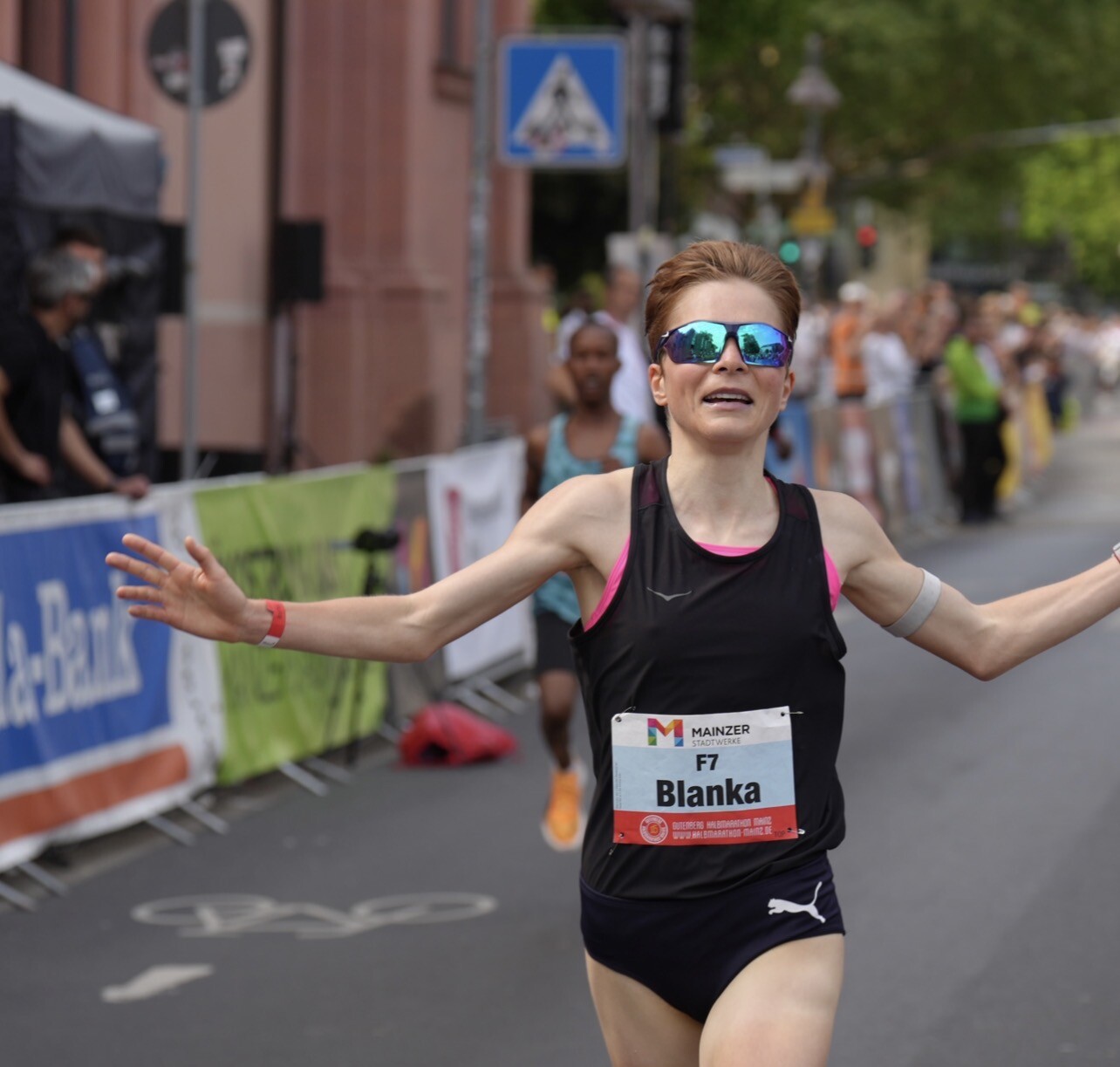
Dörfel’s performance may have been the surprise of the day. Entering the race with a personal best of 69:46, the 24-year-old German shattered that mark with her 68:06 finish.
“I just ran at a pace that felt comfortable and did not pay attention to the split times,” Dörfel said. “When I looked at the clock on the home straight I was completely surprised by the time. I have never felt so good in a race before.”
Dörfel is now expected to target the 10,000 meters at this summer’s European Championships in Birmingham before likely stepping up to the marathon later this year. The Mainova Frankfurt Marathon on October 25 is considered a possible debut.
Men
Dennis Kipkogei (KEN) – 59:14
Kelvin Kipruto (KEN) – 60:25
Jamal Kiprono (KEN) – 60:29
Joshua Mengich (KEN) – 60:36
Jonathan Kamosong (KEN) – 60:53
Edward Koonyo (KEN) – 61:07
Enos Saat (KEN) – 61:18
Benard Kimeli (KEN) – 61:27
Women
Beatrice Cheserek (KEN) – 68:02
Blanka Dörfel (GER) – 68:06
Emebet Kebede Dessie (ETH) – 69:01
Orba Chemurgor (KEN) – 69:21
Joan Chepleting (KEN) – 70:03
Margaret Monicah (KEN) – 71:32
by Race News Service
Login to leave a comment
Gelindo Bordin: The Quiet Runner Who Chased Down Immortality
Not every sporting legend arrives wrapped in noise and spectacle. Some emerge gradually, almost unnoticed at first, built not on flamboyance but on resilience, discipline, and an unshakable belief in endurance. That was the essence of Gelindo Bordin — a man whose greatness unfolded not in dramatic declarations, but stride by stride across the unforgiving roads of marathon racing.
Long before Olympic glory found him, Bordin was simply a determined young runner from Vicenza, training with little indication that history was quietly preparing a place for his name. There was nothing theatrical about his rise. His running carried a calm rhythm, patient and controlled, yet beneath that composure lived a relentless competitive spirit waiting for the right stage to reveal itself.
That revelation began in earnest at the 1986 European Championships in Stuttgart. The marathon unfolded like a battle of endurance against fatigue, and Bordin mastered it with remarkable maturity. He did not dominate through reckless aggression; instead, he absorbed the suffering better than everyone else. As rivals faded in the closing stages, the Italian surged toward gold, announcing himself as one of the finest marathon runners of his generation.
A year later came another defining examination at the 1987 World Championships in Rome. The brutal heat transformed the race into a test of survival, punishing every tactical mistake. While others attacked too early, Bordin ran with restraint and intelligence, conserving both energy and composure for the decisive final kilometres. When exhaustion consumed the field after 35 kilometres, he moved forward with clinical precision, earning a hard-fought bronze medal that showcased not only physical strength, but extraordinary patience and tactical discipline.
Yet it was at the 1988 Olympic Games in Seoul where Gelindo Bordin elevated himself from elite athlete to eternal icon.
The Olympic marathon began cautiously, with Bordin sitting quietly among the leading pack, unreadable and composed. As the race intensified beyond the halfway mark, the contenders gradually separated themselves from the rest. By the closing stages, only three men appeared capable of winning Olympic gold: Bordin, Kenya’s Douglas Wakiihuri, and Djibouti’s Ahmed Salah.
Then came the moment that seemed to decide the race.
Ahmed Salah launched a ferocious acceleration, dragging Wakiihuri with him and opening a painful gap on the Italian. The marathon appeared settled. Spectators believed Bordin was fading toward bronze, honourable but beaten. The leaders looked gone.
But greatness often reveals itself in the darkest kilometres of a marathon.
Somewhere inside the agony of those final moments, Bordin discovered reserves that defied logic. He began clawing his way back with astonishing determination, reducing the gap metre by metre. First he reeled in Wakiihuri. Then he hunted down Salah himself. And once he surged into the lead, there was no hesitation left in him.
With less than a kilometre remaining, Gelindo Bordin was no longer merely competing for victory — he was running into history.
He crossed the finish line as Olympic champion, becoming the first Italian ever to win Olympic gold in the marathon. It remains one of the most courageous comeback victories the event has ever witnessed, a masterpiece forged through patience, timing, and refusal to surrender.
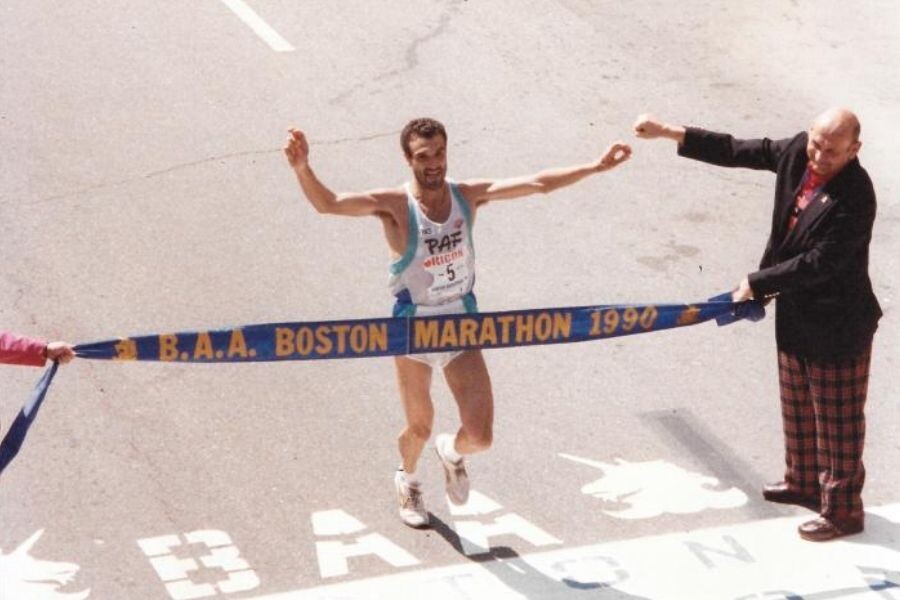
Bordin’s excellence did not end in Seoul. In 1990, he defended his European marathon title, becoming the first athlete in history to achieve that feat. That same year, he conquered the legendary Boston Marathon, a triumph he later described as the second-greatest performance of his career. Battling cold winds and the relentless demands of the Boston course, he delivered another unforgettable display of strength and tactical brilliance.
To this day, Gelindo Bordin remains the only athlete ever to win both the Olympic marathon and the Boston Marathon — a distinction that elevates his legacy into truly rare territory.
Like every great endurance athlete, however, his journey eventually encountered heartbreak. Tokyo brought disappointment. Barcelona in 1992 brought something even more painful: a groin injury that shattered his hopes of defending his Olympic crown midway through the race. Soon after, Bordin stepped away from professional competition.
His retirement carried the same quiet dignity that had defined his running career. He did not leave the sport defeated. He left it complete.
What endures most about Gelindo Bordin is not merely the medals or records, but the spirit behind them. His story is a timeless reminder that patience can become a weapon, that resilience often matters more than spectacle, and that the calmest competitors sometimes produce the loudest echoes in sporting history.
In an era that often celebrates noise, Gelindo Bordin proved that true greatness can still arrive in silence — and run straight into immortality.
by Erick Cheruiyot for My Best Runs.
Login to leave a comment
THE HOMECOMING OF A LEGEND: ALLYSON FELIX EYES ONE LAST OLYMPIC CHAPTER
When greatness speaks, the world listens—and this time, it echoes with purpose. At 40, Allyson Felix has reignited the spark that once made her the heartbeat of global sprinting. In a move that has sent ripples across the athletics world, the most decorated female track and field athlete in Olympic history has announced her return from retirement, setting her sights firmly on the 2028 Summer Olympics.
For Felix, this is not merely a comeback—it is a calling. She describes it as a “once-in-a-lifetime homecoming,” a rare alignment of legacy and location. The Olympic stage will return to Los Angeles, her home soil, offering a poetic full circle to a career already etched in gold. Few athletes ever get the chance to close their journey where it all feels most personal. Felix intends to seize that moment.
Dubbed “Project Six,” her ambitious pursuit targets a sixth Olympic appearance—an extraordinary milestone that would see her add to a résumé spanning 2004 Athens Olympics, 2008 Beijing Olympics, 2012 London Olympics, 2016 Rio Olympics, and 2020 Tokyo Olympics. Remarkably, Felix has never left the Olympic stage empty-handed—her consistency as striking as her brilliance.
Her planned return to competition in 2027 signals more than preparation; it reflects discipline, patience, and belief. The modern era of sprinting is faster, younger, and fiercely competitive—but Felix has never been defined by age or expectation. She has thrived on rewriting limits.
Yet beyond medals and records, this comeback carries a deeper narrative. Felix has long been a voice for athletes—particularly mothers and women—challenging norms and advocating for change within sport. Her return now blends that advocacy with ambition, proving that elite performance and evolving identity can coexist.
If Los Angeles 2028 becomes her final act, it promises to be more than a race. It will be a statement. A celebration. A reminder that greatness does not simply fade—it chooses its moment to rise again.
And Allyson Felix, once more, is ready to run.
by Erick Cheruiyot for My Best Runs.
Login to leave a comment
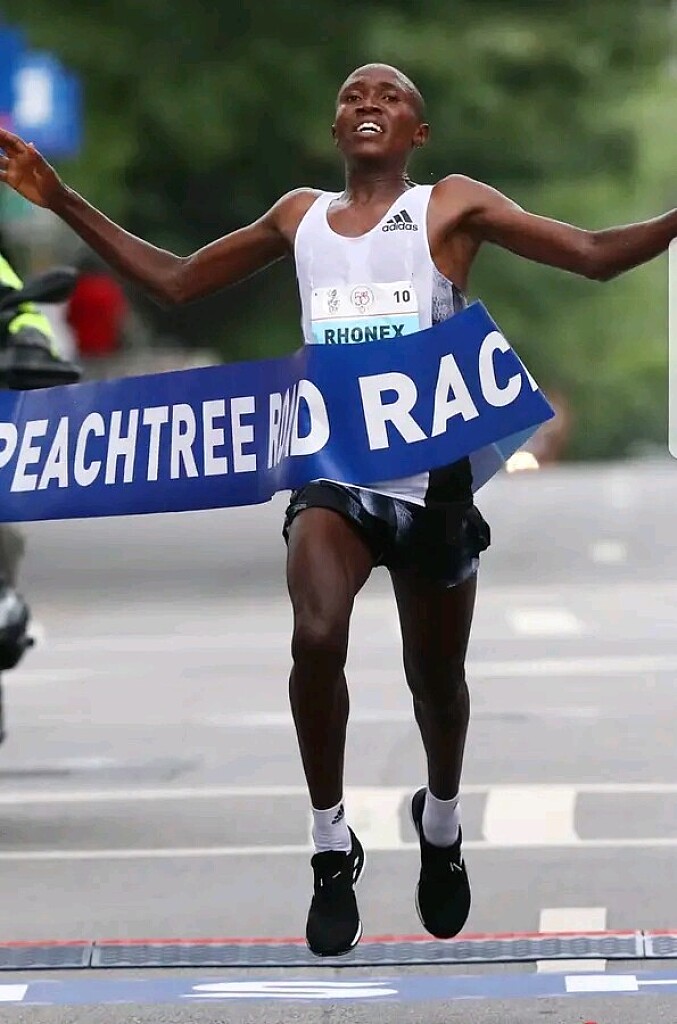
Rhonex Kipruto Wins Partial Appeal as CAS Cuts Ban, but Doping Offence Still Confirmed
Kenyan long-distance runner Rhonex Kipruto has secured a partial legal victory after the Court of Arbitration for Sport reduced his suspension by one year. Yet despite the shorter sanction, the tribunal upheld the central finding that he committed an anti-doping rule violation through blood manipulation.
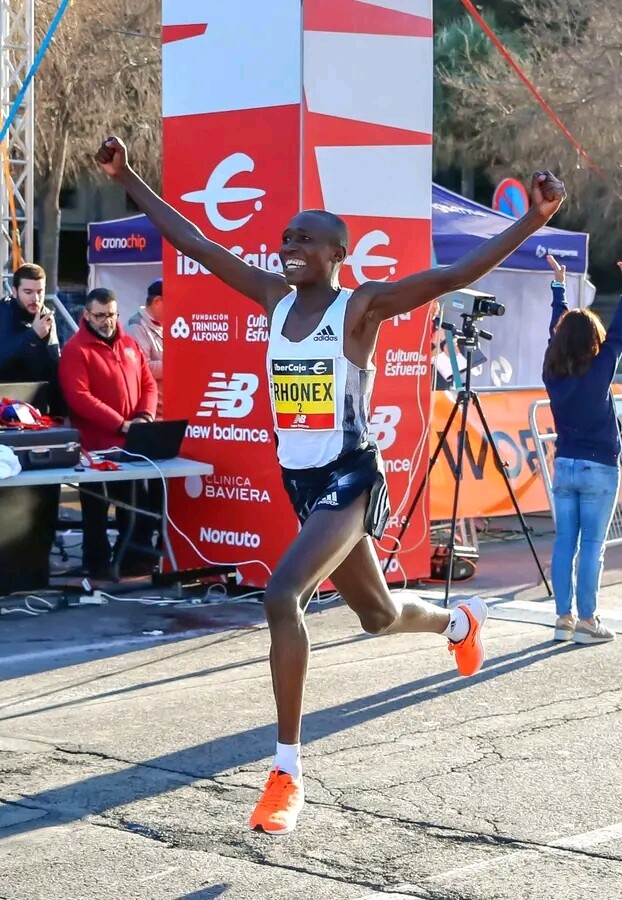
The ruling marks the latest chapter in one of athletics’ most high-profile disciplinary cases. Kipruto had originally been handed a six-year ban in May 2024 by the Athletics Integrity Unit after abnormalities in his Athlete Biological Passport were judged to be consistent with blood doping. Following his appeal, that penalty has now been reduced to five years.
While the revised decision offers Kipruto an earlier route back to competition, it does not erase the sporting consequences already attached to the case. His results during the affected period remain disqualified, including the loss of his road 10km world record and the bronze medal he earned in the men’s 10,000m at the 2019 World Athletics Championships.
The downfall has been dramatic for an athlete once celebrated as one of Kenya’s brightest distance talents. Kipruto rose quickly through the ranks with fearless front-running performances and remarkable speed on both road and track, earning global admiration and the reputation of a future champion.
Instead, his name has become tied to a case that has drawn significant attention across the sport. The CAS decision may soften the length of the punishment, but it firmly reinforces the original conclusion that a serious violation occurred.
For Kipruto, the path ahead is about more than simply counting down the remaining years of his suspension. Any eventual comeback will require renewed discipline, restored credibility, and the difficult task of rebuilding a legacy that once seemed destined for greatness.
by Erick Cheruiyot for My Best Runs.
Login to leave a comment
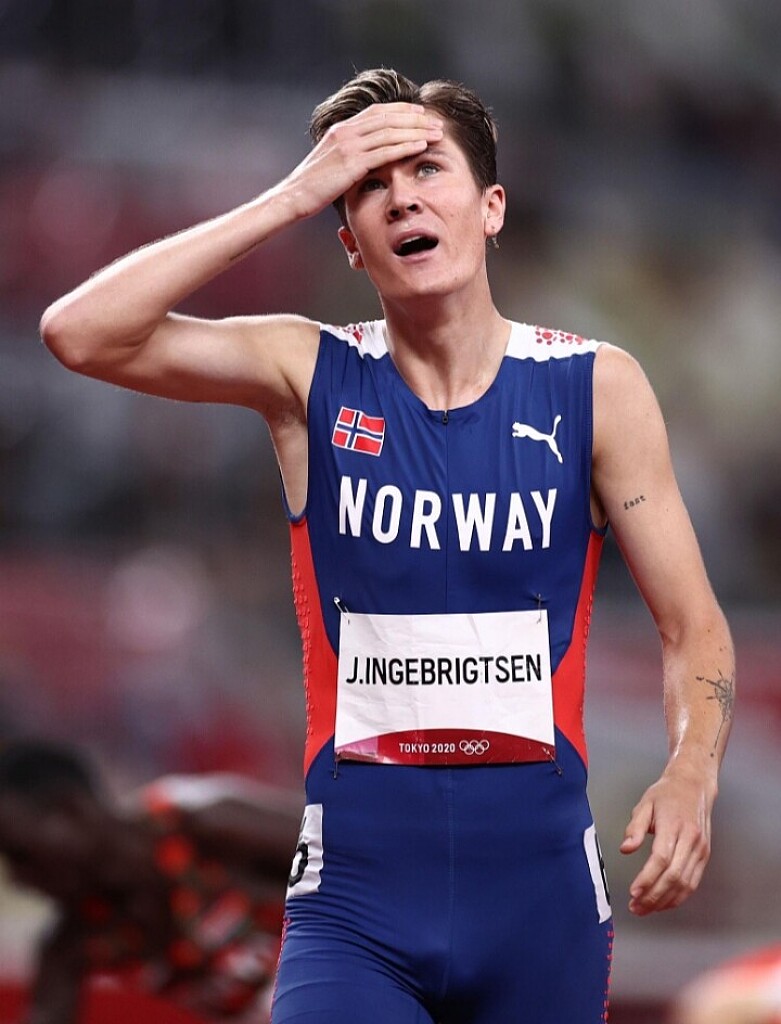
Patience of a Champion: Jakob Ingebrigtsen Eyes July Comeback
The wait to see Jakob Ingebrigtsen back on the track will continue a little longer. The Olympic champion is not expected to race before July as he continues recovering from Achilles tendon surgery, with his management team choosing caution over haste ahead of a demanding second half of the season.

According to his manager, Daniel Wessfeldt, the Norwegian star will miss all competitions in May and June, ruling him out of the early-season circuit, including the prestigious Bislett Games. The decision reflects a clear priority: returning only when he is fully prepared to compete at the elite level that has defined his career.
At just 25, Ingebrigtsen has already built one of the most decorated résumés in modern distance running. He captured Olympic gold in the 1500m at Tokyo 2020 before adding the 5000m crown at Paris 2024. Beyond the Olympic stage, he has collected world titles, dominated European championships, and rewritten record books with global marks in the 2000m and 3000m, alongside the European record in the 1500m.
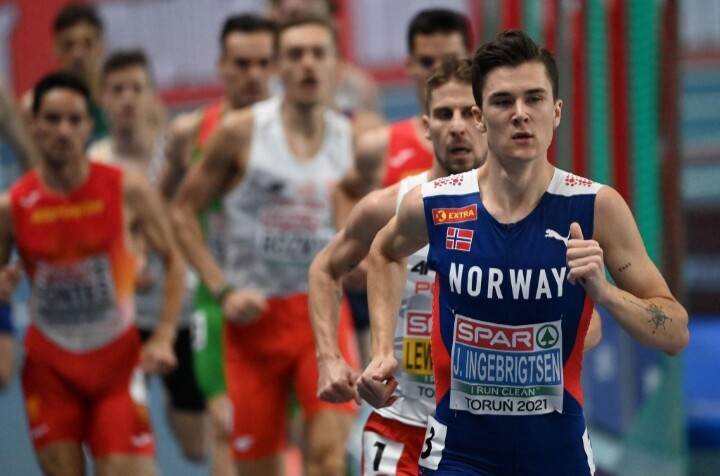
The Achilles issue had lingered in recent seasons, making surgery the necessary long-term solution. Rather than rushing back for early headlines, his camp is investing in a complete rehabilitation process designed to preserve both performance and longevity.
If recovery continues as planned, several high-profile opportunities await later in the year. Possible return stages include the Diamond League Eugene in early July, followed by major targets such as the European Championships, Diamond League stops in Silesia and Brussels, and the Ultimate Championship.
For now, the stopwatch can wait. Ingebrigtsen’s greatest race at this moment is not against rivals, but against time, patience, and recovery. If history is any guide, when he does return, he will come back ready to remind the world why he remains one of the defining athletes of his era.
by Erick Cheruiyot for My Best Runs.
Login to leave a comment
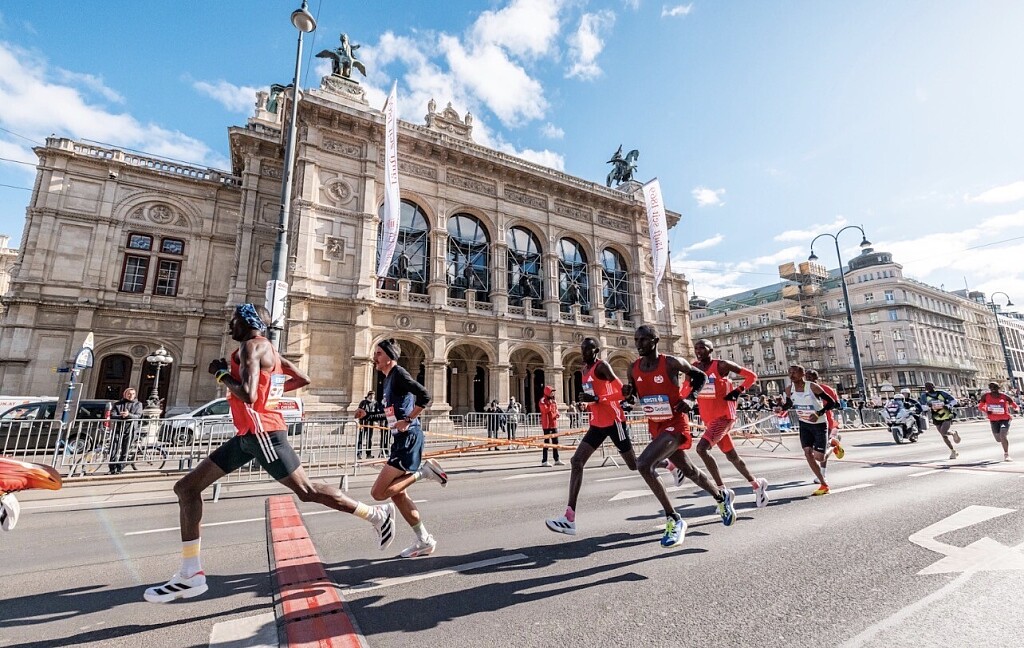
Vienna City Marathon Set for Strong African Challenge and Austrian Breakthrough
The Vienna City Marathon returns on April 19 with a deep elite field and the promise of fast racing on one of Europe’s most scenic courses. Now in its 43rd edition, the race continues to grow in stature, drawing top international talent alongside strong national contenders.
Organizers have recorded a record 49,000 entries, with 13,000 runners set to tackle the classic marathon distance—further cementing Vienna’s place as a major destination on the global running calendar.
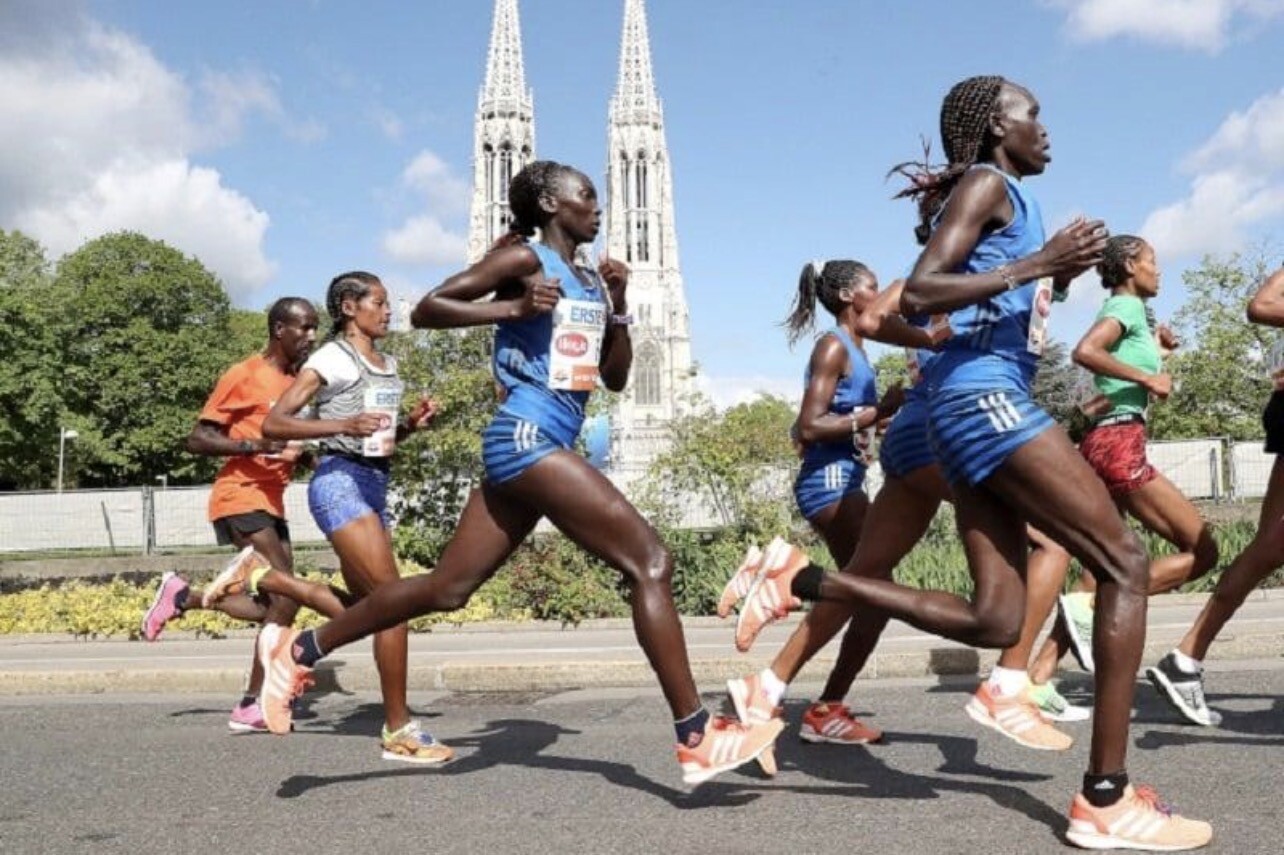
Women’s Race: Record in Sight
The women’s race could be historic. If conditions cooperate, the field may challenge both the course record and potentially break 2:20:00 for the first time on Austrian soil.
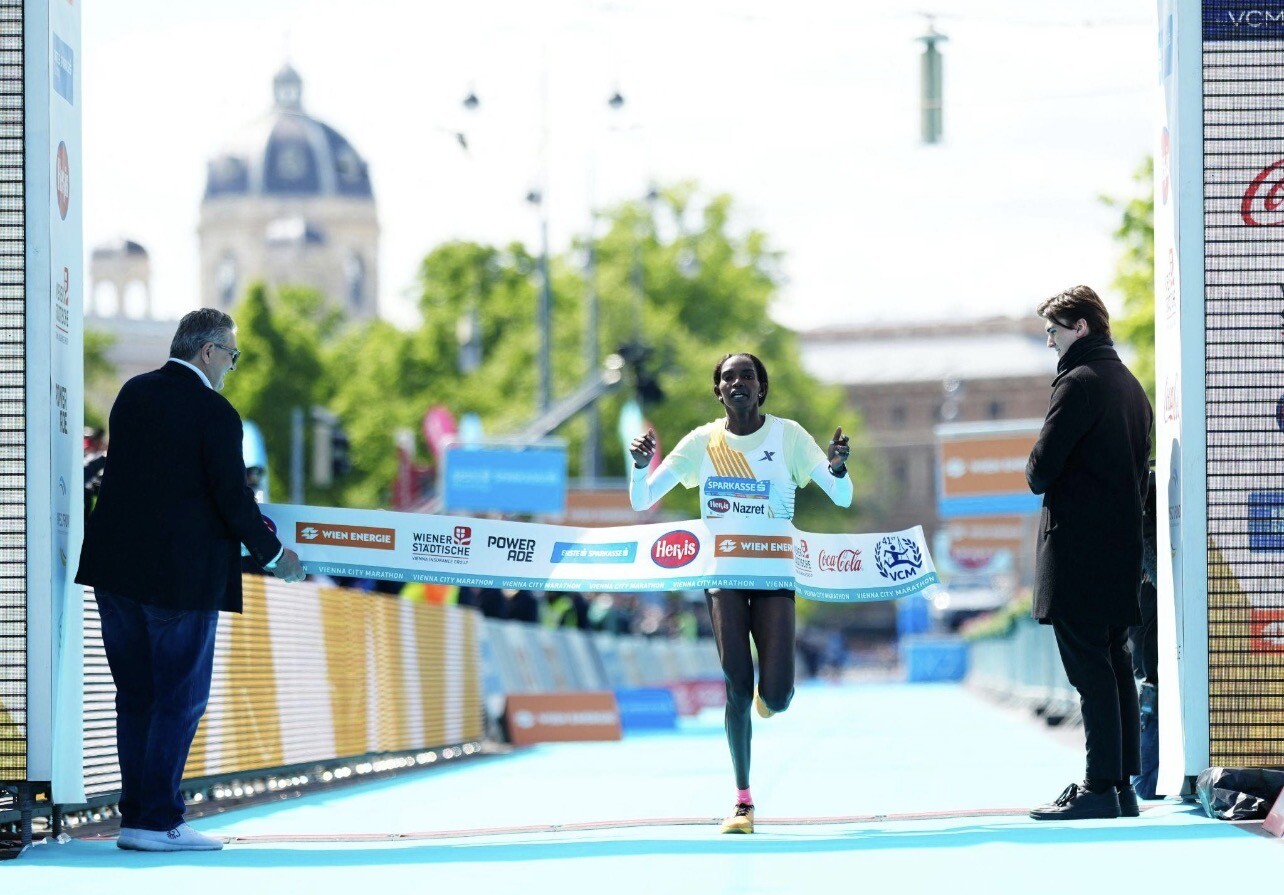
Four years ago, Kenya’s Vibian Chepkirui set the current course record of 2:20:59. This year, a trio of standout contenders could push the pace even further.
Ethiopia’s Haftamnesh Tesfaye leads the field with a personal best of 2:20:13. She is joined by compatriot Tigist Gezahagn (2:21:14), making Ethiopia a strong force at the front. Tesfaye also brings added intrigue as the sister of rising star Fotyen Tesfay.
Defending champion Betty Chepkemoi returns after a gritty win last year in difficult conditions, where she clocked a personal best of 2:24:14. Should the weather turn cold again, it could once more play to her strengths.
American Lindsay Flanagan adds further depth to the field. With a personal best of 2:23:31, she begins her comeback following injury and will be one to watch.
Men’s Race: Depth and Local Ambition
The men’s race features exceptional depth, with four athletes holding personal bests under 2:08:00.
Eritrea’s Oqbe Kibrom leads the field with a standout best of 2:05:37 and enters as the clear favorite. He will face strong competition from Ethiopia’s Tafese Delegen (2:06:11), along with Kenya’s Stanley Kurgat (2:07:05) and Albert Kangogo (2:07:26).
Beyond the front group, the race includes several sub-2:10 performers, ensuring a competitive and tactical contest.
A major storyline for the host nation centers on Austrian record holder Aaron Gruen. He surprised many last year by setting a national record of 2:09:53 and will now compete in Vienna for the first time, aiming to improve further on home soil.
Elite Fields – Personal Bests
MEN
Oqbe Kibrom (ERI) – 2:05:37
Tafese Delegen (ETH) – 2:06:11
Stanley Kurgat (KEN) – 2:07:05
Albert Kangogo (KEN) – 2:07:26
Charles Mneria (KEN) – 2:08:54
Mica Cheserek (KEN) – 2:09:26
Samwel Kiptoo (KEN) – 2:09:45
Aaron Gruen (AUT) – 2:09:53
Paul Tiongik (KEN) – 2:10:25
Abel Sikowo (UGA) – 2:10:33
Mogos Tuemay (ETH) – 2:10:33
Fanny Kiprotich (KEN) – 2:11:21
Andreas Vojta (AUT) – 2:13:43
WOMEN
Haftamnesh Tesfaye (ETH) – 2:20:13
Tigist Gezahagn (ETH) – 2:21:14
Lindsay Flanagan (USA) – 2:23:31
Betty Chepkemoi (KEN) – 2:24:14
Mary Granja (ECU) – 2:26:34
Faith Chepkoech (KEN) – 2:26:22
Hellen Chepkorir (KEN) – 2:27:17
Tegest Ymer (ETH) – 2:29:11
Caroline Korir (KEN) – 2:29:46
Abigail Jepkemboi (KEN) – 2:29:56
Eva Wutti (AUT) – 2:30:43
Aiwa Sakaguchi (JPN) – 2:31:50
Hanne Maridal (NOR) – 2:32:14
Vaida Zusinaite (LTU) – 2:32:50
Susanna Saapunki (FIN) – Debut
by Race News Service
Login to leave a comment

Vienna City Marathon
More than 41,000 runners from over 110 nations take part in the Vienna City Marathon, cheered on by hundreds of thousands of spectators. From the start at UN City to the magnificent finish on the Heldenplatz, the excitement will never miss a beat. In recent years the Vienna City Marathon has succeeded in creating a unique position as a marathon...
more...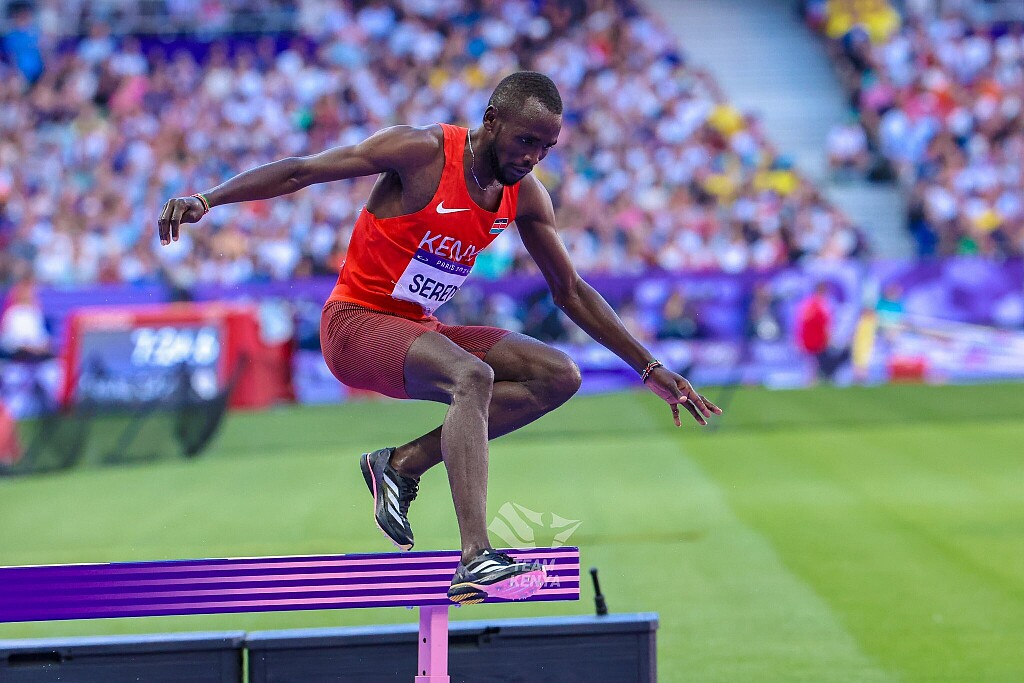
Serem’s Comeback Ignites Steeplechase Showdown at Kip Keino Classic
Kenya’s distance running faithful are set for a thrilling spectacle as Amos Serem makes his highly anticipated return to competition at the Kip Keino Classic on April 24. After months on the sidelines, the 2024 Diamond League Final champion is back—not just to compete, but to reclaim his place among the very best.
Serem’s 2025 campaign was abruptly halted by a serious leg injury sustained during a mistimed landing at a water barrier, a cruel twist in an otherwise promising season. The incident raised concerns about his future, but in true champion fashion, he has battled through recovery with resilience and focus. Now fully fit, his return sets the stage for one of the most compelling steeplechase contests on home soil this year.
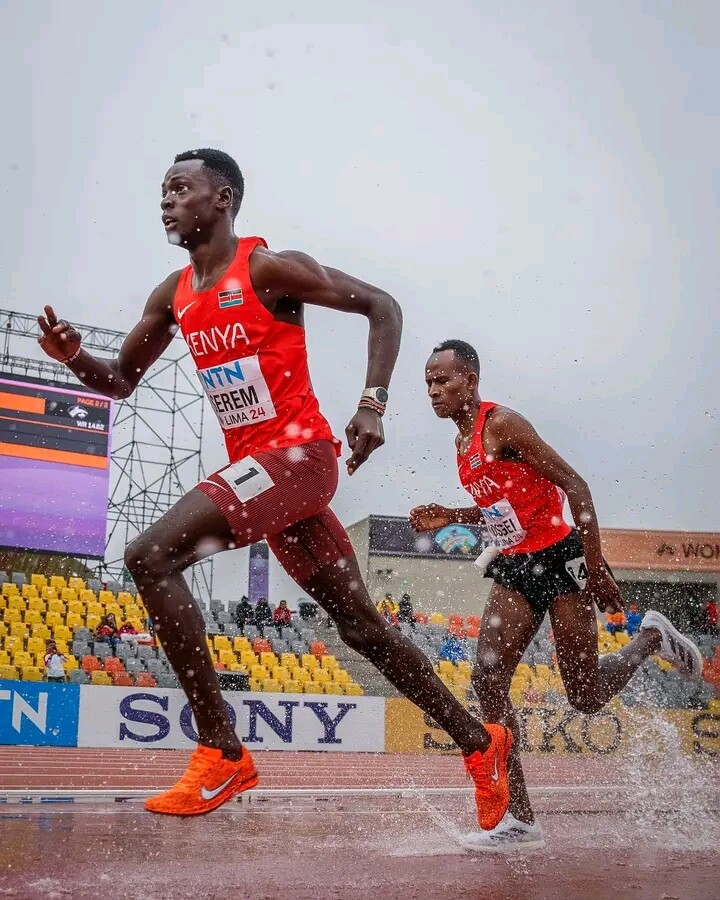
Awaiting him is formidable opposition led by fellow Kenyan Edmund Serem, the reigning world bronze medallist whose rise has added fresh intensity to the national ranks. Also in the mix is Abraham Kibiwot, the Olympic bronze medallist renowned for his tactical awareness and consistency on the global stage.
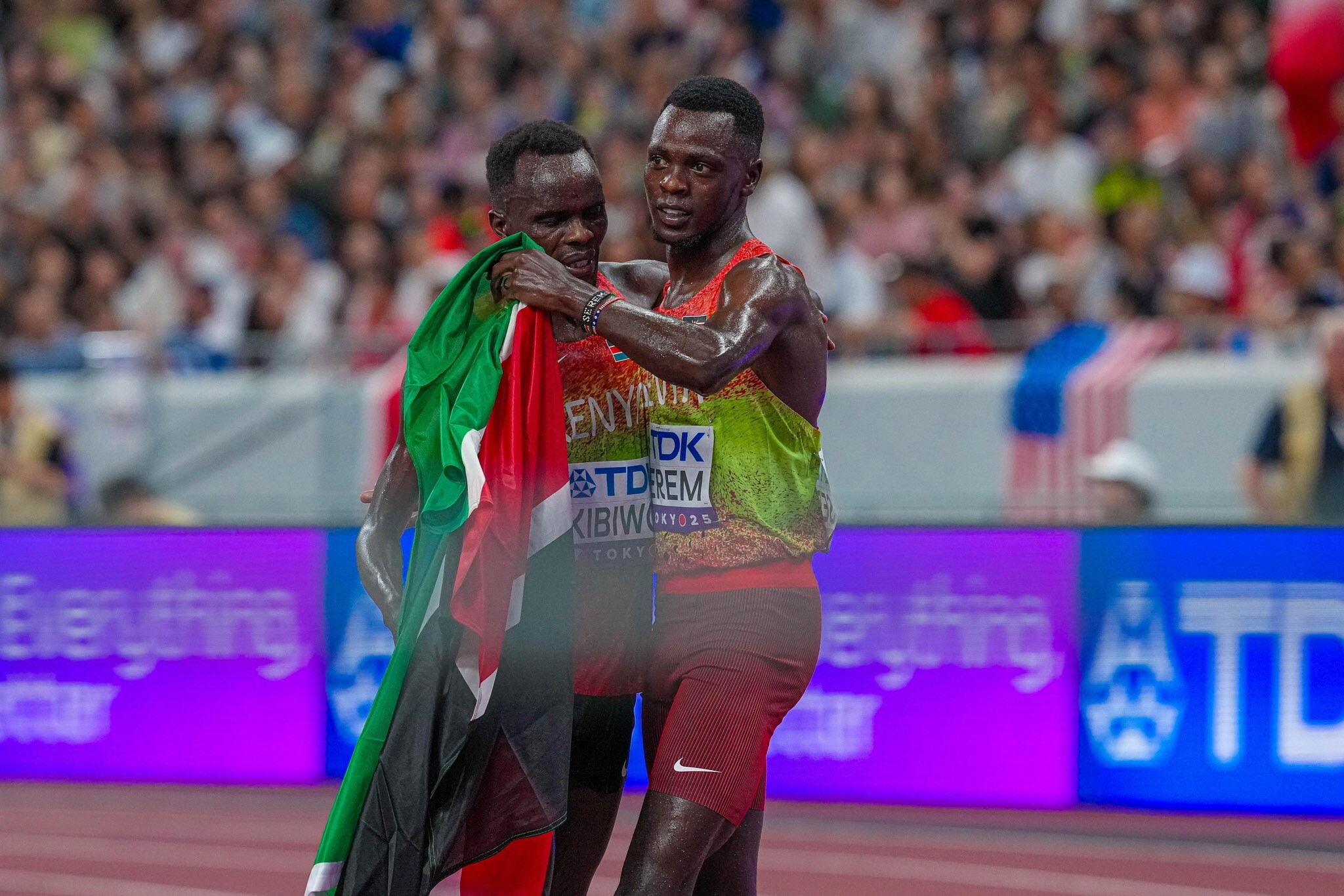
With three elite athletes bringing contrasting strengths—experience, momentum, and hunger—the race promises more than just fast times. It is a battle of endurance, precision, and mental grit over the unforgiving barriers and water jumps of the steeplechase.
As the Kip Keino Classic approaches, anticipation continues to build. For Amos Serem, this is more than a return—it is a statement. For his rivals, it is a test of dominance. And for fans, it is a rare opportunity to witness world-class competition where only the mentally strongest will prevail.
by Erick Cheruiyot for My Best Runs.
Login to leave a comment
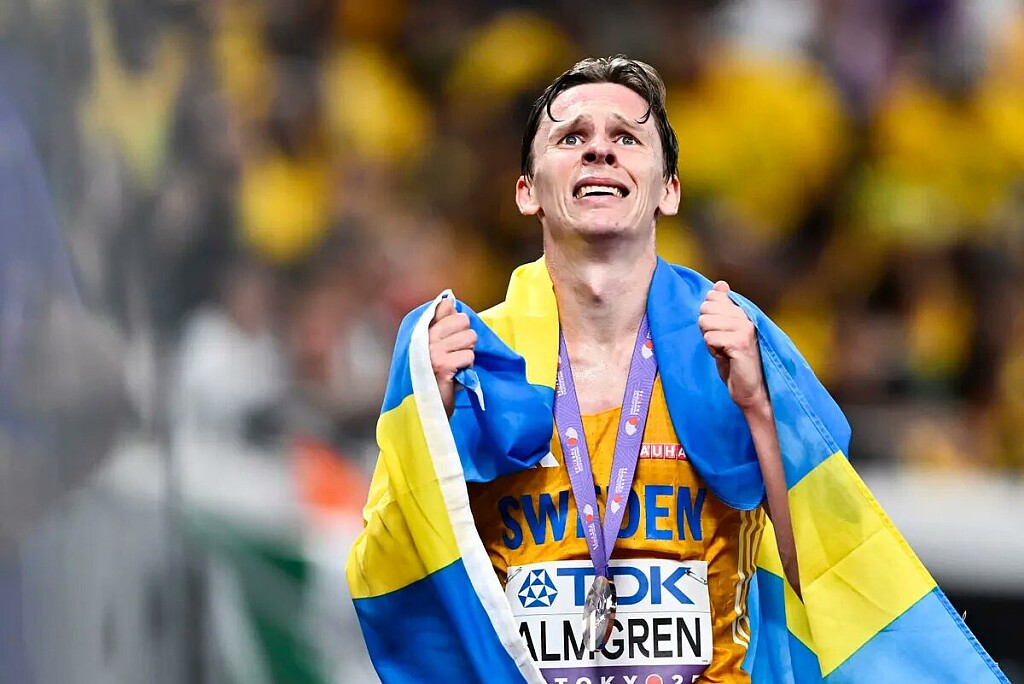
Almgren Opts Out of Drammen 10K to Prioritize Track Season Comeback
Swedish distance star Andreas Almgren has officially withdrawn from the upcoming Drammen 10K, choosing instead to shift his full attention toward preparations for the 2026 track season.
The announcement, confirmed through a statement by Svensk Friidrott, comes as a measured decision rather than a setback. While fans had anticipated seeing Almgren line up on the roads in Drammen, the Swedish standout has opted for a more calculated approach to ensure peak condition for the months ahead.
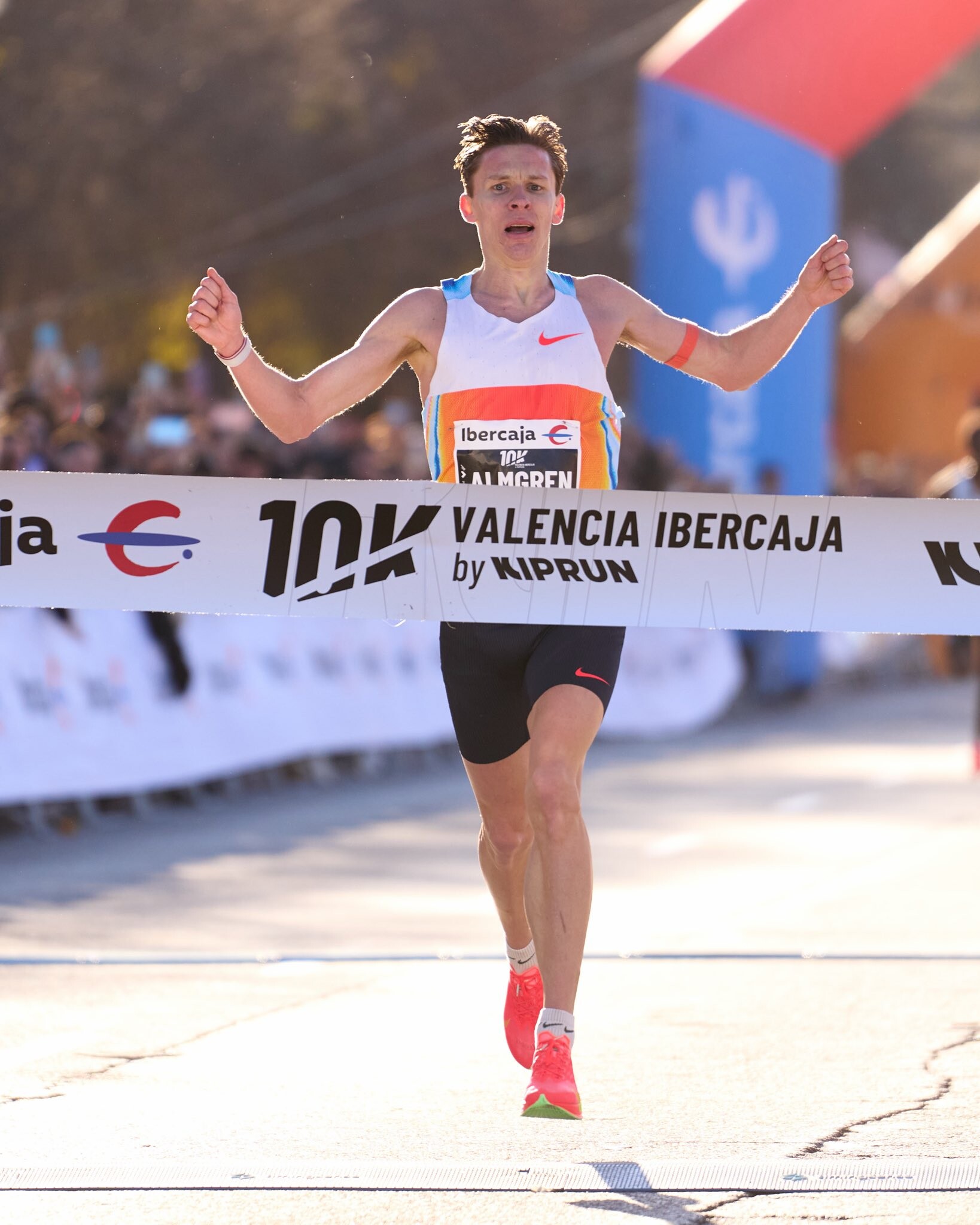
Speaking to Friidrott.se, Almgren revealed that a recent illness disrupted his early-season momentum, prompting a reassessment of his competition schedule. Rather than rushing back into racing, he emphasized the importance of rebuilding his training base and regaining full fitness.
“I won’t be running in Drammen. I had some issues with a cold earlier in the winter and spring, so I felt it was more important to focus on proper training right now,” he explained.
Encouragingly, the 30-year-old reports significant progress in his conditioning despite the interruption. His focus has now shifted toward long-term performance gains, with confidence growing ahead of a demanding international campaign.
“At the very least, my base fitness has improved, and I feel ready for the track season,” Almgren added, signaling optimism about what lies ahead.
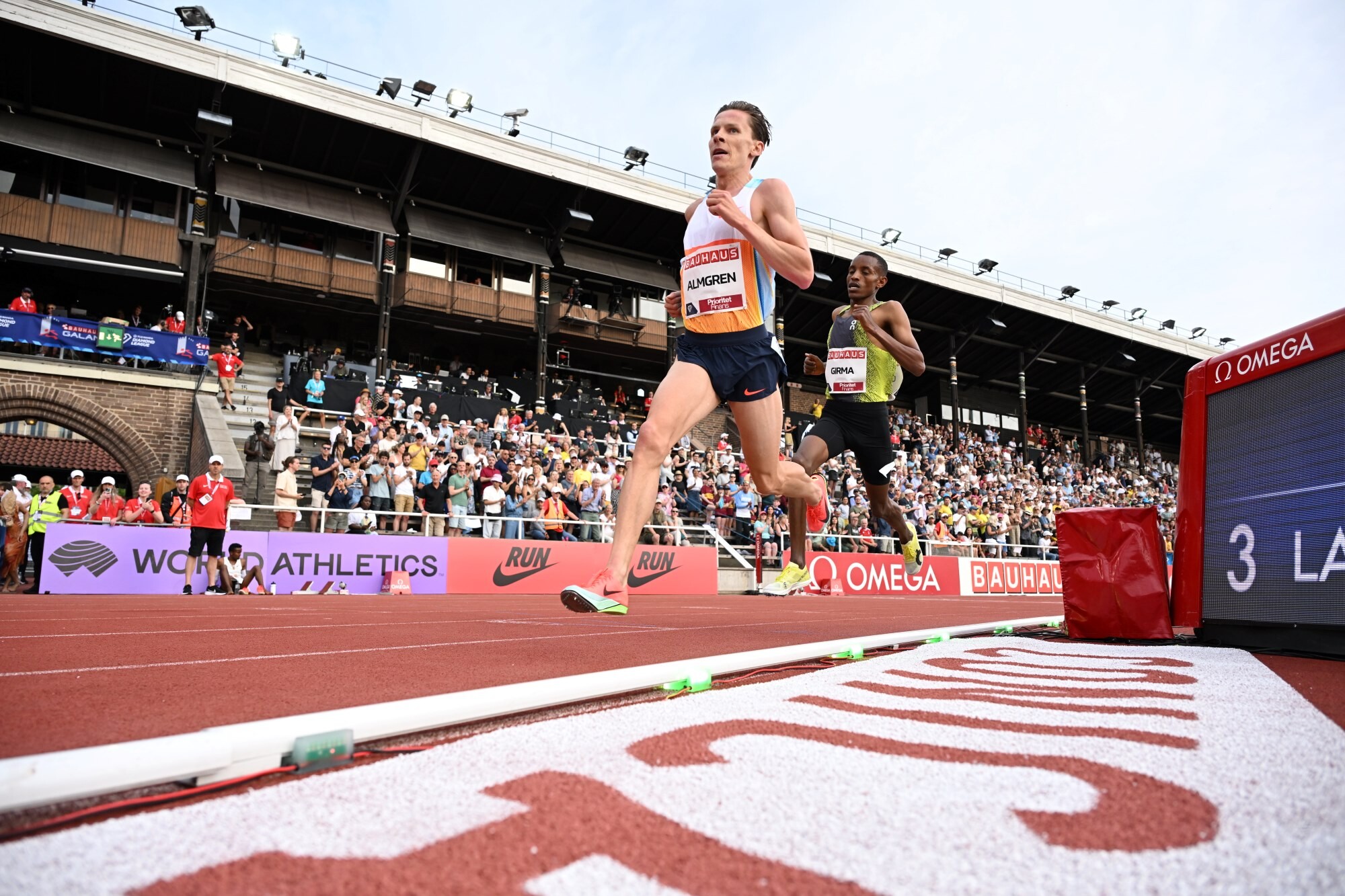
As part of his preparations, Almgren is set to head to the renowned high-altitude training base in Sierra Nevada, Spain, where he will spend four weeks fine-tuning his endurance and sharpening his race readiness. Altitude camps have long been a cornerstone for elite distance runners, offering physiological advantages that translate into improved performance at sea level.
Following this training block, Almgren is expected to open his international season on the global stage at the Diamond League meetings in China—an early test that could set the tone for his 2026 campaign.
While his absence from Drammen will undoubtedly be felt, Almgren’s decision reflects a disciplined and strategic mindset. In elite athletics, timing is everything—and by choosing preparation over immediate competition, the Swedish star is positioning himself for a stronger, more impactful return when it matters most.
by Erick Cheruiyot for My Best Runs.
Login to leave a comment
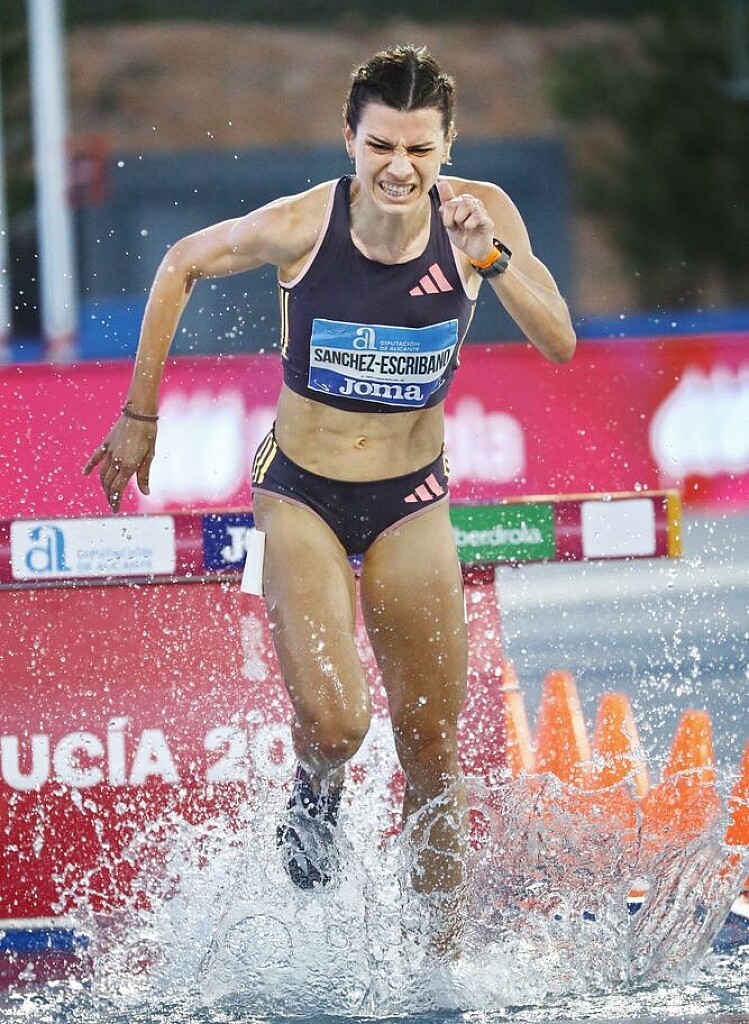
Back with Purpose: Irene Sánchez-Escribano’s Inspiring Return to Racing
After a year defined by change and new beginnings, Irene Sánchez-Escribano has made a compelling return to competitive running in 2026, reminding the athletics world of both her class and resilience. Following a successful 2024 season, the Spanish star stepped away from racing in 2025 to embrace motherhood — a decision that marked a deeply personal chapter in her life and career.
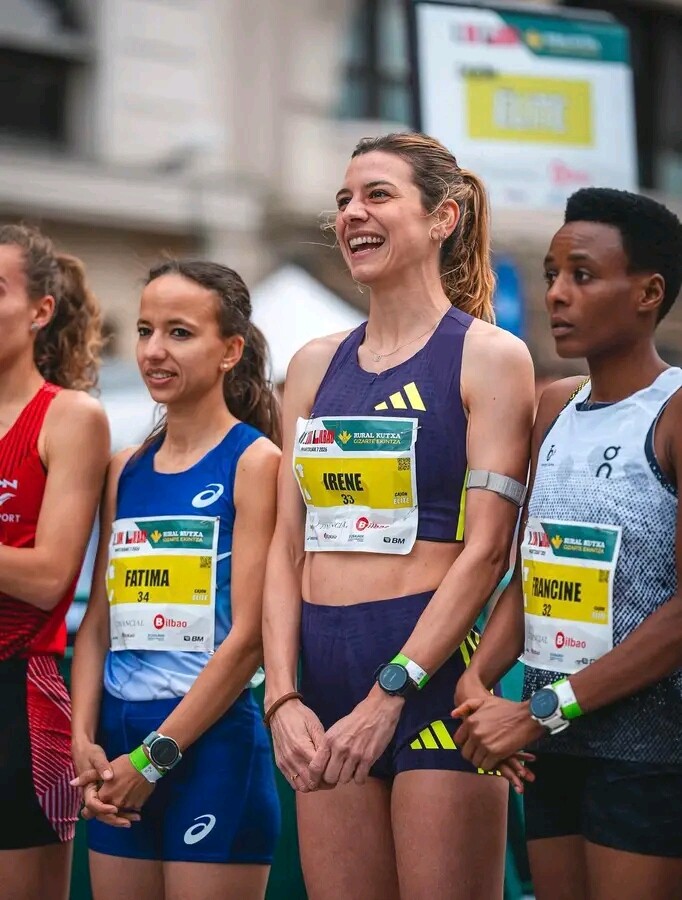
Now back on the roads, Sánchez-Escribano signaled her resurgence with a strong performance at the 10K Bilbao Rural Kutxa on March 7, 2026. Clocking 32:35, she delivered a result that speaks volumes about her steady rebuilding process and enduring competitive edge. While not yet at her personal best level, the run stands as a clear indication that she is firmly on the path back to top form.
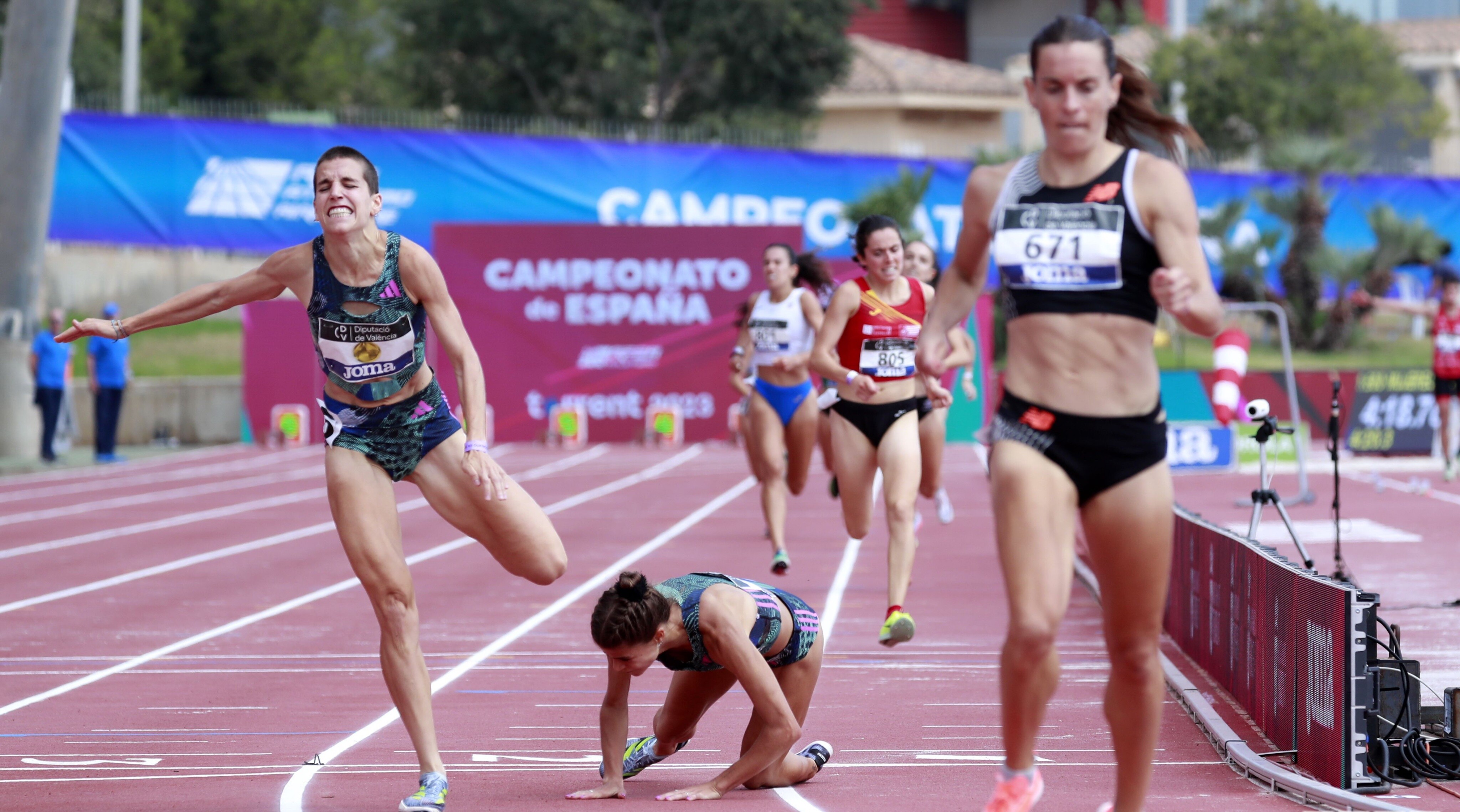
What makes her return particularly compelling is the level she had reached prior to her break. In 2024, she established herself among Europe’s elite distance runners, setting impressive personal bests of 31:35 for 10 kilometers on the road and 1:09:10 in the half marathon. These performances, combined with her proven pedigree in the steeplechase, highlight her versatility and strength across disciplines.
Her transition back into racing is not just about times and results — it is about rediscovering rhythm, confidence, and competitive sharpness. Athletes returning from maternity often face a unique set of physical and mental challenges, making each race not just a performance, but a statement of perseverance.
As the 2026 season unfolds, Sánchez-Escribano’s journey will be one to watch closely. With a solid foundation already re-established, it is only a matter of time before she begins to threaten her personal bests once again. More than just a comeback, this is the continuation of a career shaped by determination, adaptability, and quiet strength — qualities that now define her more than ever.
by Erick Cheruiyot for My Best Runs.
Login to leave a comment
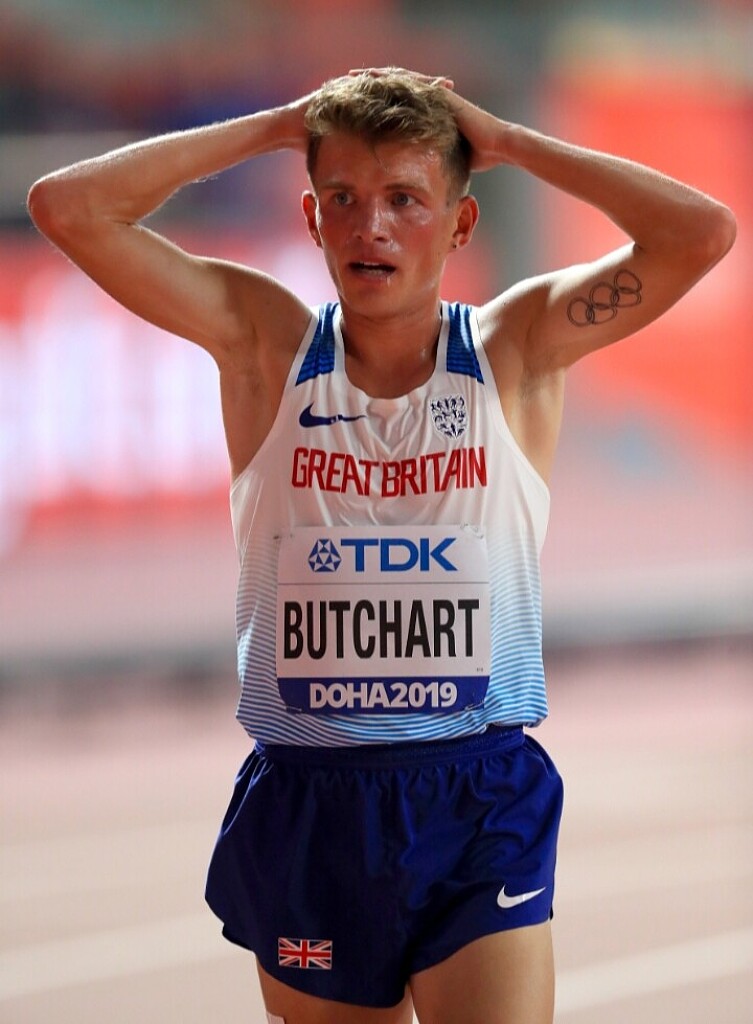
Reforged by Resilience: Andy Butchart’s Remarkable Return to the Top
After years of battling persistent injuries that repeatedly interrupted his momentum, Andy Butchart is now scripting a compelling new chapter—one defined by resilience, renewal, and quiet determination. No longer overshadowed by setbacks, he is rediscovering his rhythm, and if the early signs are anything to go by, 2026 could well emerge as the finest season of his career.
The turning point came in 2024, when Butchart faced a moment that could have ended everything. A serious foot condition required surgery so delicate that even his surgeon cautioned him: a return to elite competition was far from guaranteed. It was a risk that demanded courage, patience, and belief. Butchart chose to take it—and that decision is now bearing remarkable fruit.
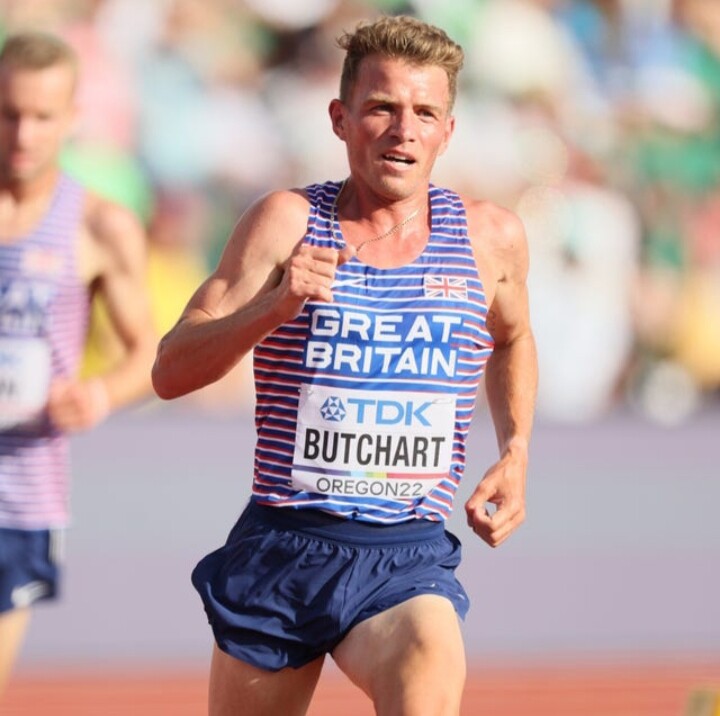
This season, he has re-emerged with performances that command attention. In Valencia, he surged to a Scottish 10K record of 27:44, a run that not only showcased his enduring class but also signaled something deeper—his return to the sport’s highest level. Weeks later, he followed it up with a superb 61:45 at the Barcelona Half Marathon, cementing his place as the second-fastest Scot in history over the distance.
That finish line in Valencia carried more than just a time—it carried emotion, relief, and validation. In that moment, Butchart didn’t just complete a race; he rediscovered himself. “Crossing the finish line, I realized… I’m back.”
His journey to that realization, however, has been anything but straightforward. For years, injuries disrupted his rhythm, stealing consistency and testing his resolve. Yet instead of walking away, he recalibrated. He committed to recovery, embraced patience, and trusted a process that often demands faith before it delivers results.
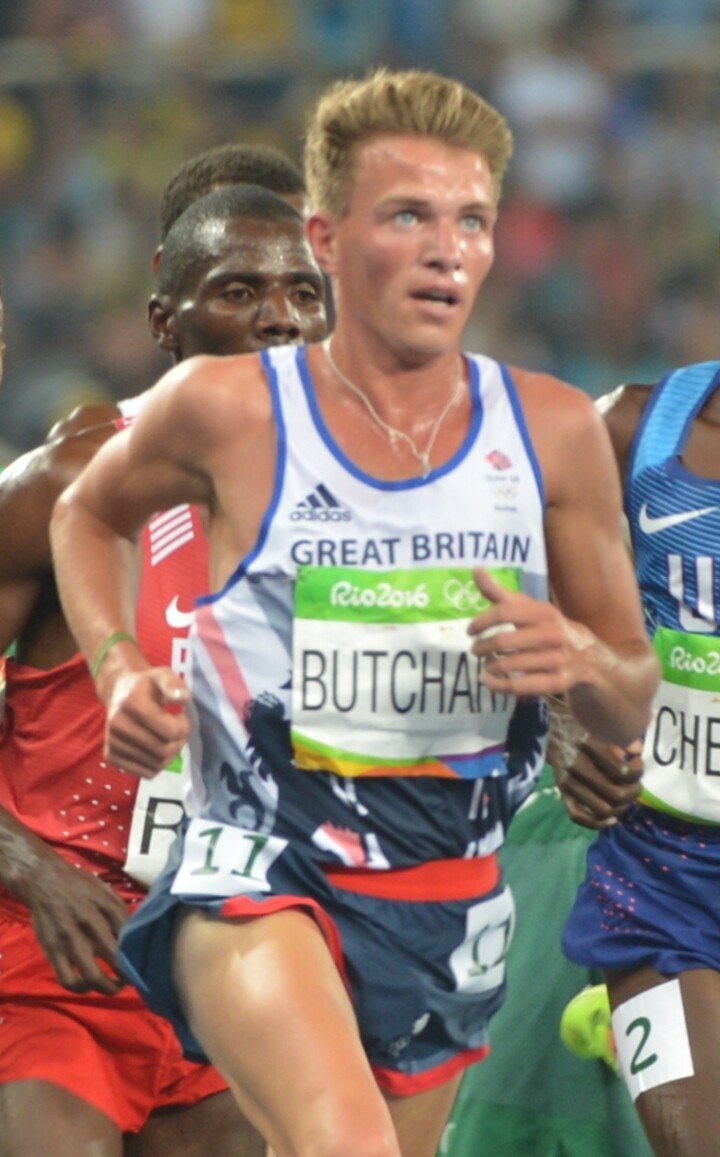
Equally transformative has been his life beyond the track. Now based in Manchester, Butchart shares his world with his wife, Lyndsey Sharp, an Olympic finalist, and their two young sons. This balance between elite sport and family life has reshaped his mindset. The pressure that once weighed heavily has been replaced by perspective; the grind of training now feels integrated into a fuller, more meaningful life.
Even altitude camps, once solitary and demanding, have become shared experiences. Bringing his family along has softened the edges of elite training, turning it from obligation into something far more sustainable—and enjoyable.
With the Commonwealth Games in Glasgow on the horizon, Butchart’s focus sharpens once again. Set to contest the 10,000 meters, he carries with him both experience and unfinished business, aiming to surpass his seventh-place finish from 2022.
Yet, in a sport often defined by relentless ambition, his outlook is refreshingly grounded. He is no longer chasing validation or burdened by expectation. Instead, he runs from a place of contentment and quiet confidence.
“I’m happy, I’ve got no pressure, and I’m running well—that’s all I want.”
In that simplicity lies his strength. And perhaps, that is what makes this comeback not just impressive—but truly enduring.
by Erick Cheruiyot for My Best Runs.
Login to leave a comment
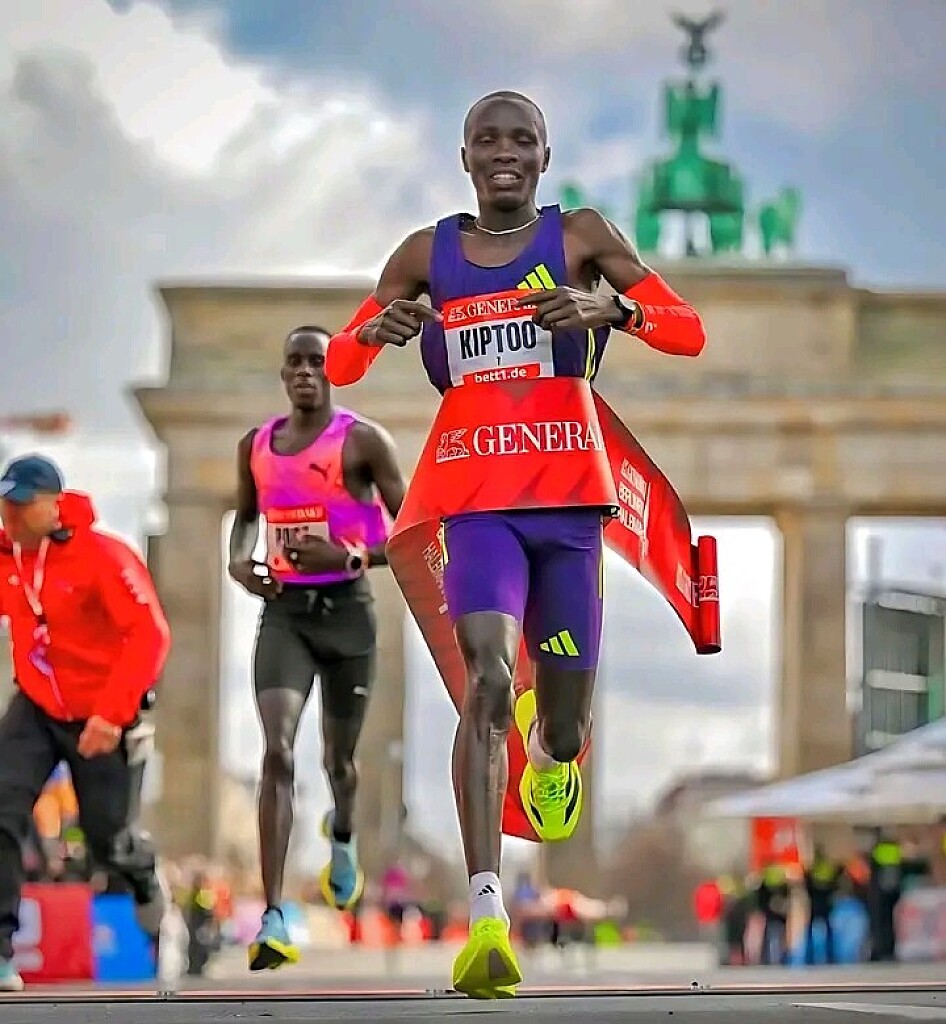
Sub-60 Fireworks Light Up Berlin as Kiptoo Edges Thriller and Amebaw Shines in Commanding Victory
The streets of Berlin witnessed a breathtaking exhibition of endurance and precision as the 2026 Berlin Half Marathon delivered one of the fastest and most competitive editions in recent memory. Bringing together more than 43,000 athletes from 134 nations—including a stellar lineup of world-class competitors—the race stood as a true global celebration of distance running at its highest level. In a contest defined by relentless pace and razor-thin margins, the men’s race produced a historic sub-60 double, while the women’s field showcased a masterclass of control and strength.

In the men’s race, Andrea Kiptoo of Kenya emerged victorious in a dramatic sprint finish, clocking a sensational 59:11 personal best. In a rare and electrifying moment, he was matched stride-for-stride by compatriot Dennis Kipkemoi, who crossed the line in the exact same time—also a personal best—settling for second place only by the narrowest of margins. The duo’s performance underlined Kenya’s continued dominance, as both men dipped under the prestigious 60-minute barrier.
Germany’s Amanal Petros delivered a performance of immense national pride, claiming third place in 59:22, setting a new national record. Roared on by the home crowd, Petros not only secured a podium finish but etched his name deeper into German athletics history with a landmark run.
Just off the podium, South Sudan’s Dominic Lobalu impressed with a swift 59:23, while France’s Etienne Daguinos (59:27) and Ethiopia’s Bereket Nega (59:43) ensured the race remained fiercely competitive deep into the top ten.

On the women’s side, Ethiopia’s Likina Amebaw produced a composed and commanding run to take the win in 1:05:07, asserting her authority with a decisive move that left the field chasing. Behind her, Kenya’s Daisilah Jerono delivered a strong performance to secure second place in 1:05:21, a well-earned personal best that highlighted her rising trajectory.
Completing the podium was another Kenyan, Veronica Loleo, who clocked 1:05:35, also a personal best, sealing a double podium finish for Kenya in the women’s race. The trio set a high standard, combining tactical awareness with impressive finishing strength.
Further down the field, Rwanda’s Florence Niyonkuru (1:07:22) and Germany’s Esther Pfeiffer (1:07:25) led the chase pack, while Belgium’s Chloé Herbiet and Germany’s Eva Dieterich added depth to a high-quality top ten.
Top 10 Finishers
Men
1. Andrea Kiptoo (Kenya) – 59:11 (PB)
2. Dennis Kipkemoi (Kenya) – 59:11 (PB)
3. Amanal Petros (Germany) – 59:22 (NR)
4. Dominic Lobalu (South Sudan) – 59:23
5. Etienne Daguinos (France) – 59:27
6. Bereket Nega (Ethiopia) – 59:43
7. Robert Kiprop Koech (Kenya) – 59:51
8. Bastien Augusto (France) – 1:00:09
9. Célestin Ndikumana (Burundi) – 1:00:23
10. Said Mechaal (Spain) – 1:00:24
Women
1. Likina Amebaw (Ethiopia) – 1:05:07
2. Daisilah Jerono (Kenya) – 1:05:21 (PB)
3. Veronica Loleo (Kenya) – 1:05:35 (PB)
4. Florence Niyonkuru (Rwanda) – 1:07:22
5. Esther Pfeiffer (Germany) – 1:07:25
6. Chloé Herbiet (Belgium) – 1:07:32
7. Eva Dieterich (Germany) – 1:07:56
8. Carla Gallardo (Spain) – 1:08:30
9 Domenika Mayer (Germany) – 1:08:35
10. Elvanie Nimbona (Italy) – 1:08:38
As Berlin celebrates another remarkable chapter in its rich racing history, this edition will be remembered for its extraordinary scale, depth, and brilliance. From a global field of over 43,000 runners representing 134 nations to the elite athletes pushing the boundaries of human performance, the event embodied the unifying spirit of sport. In the end, it was not just about times and titles, but about the shared passion that binds the world through running—where every stride tells a story, and every finish line becomes a moment of triumph.
by Erick Cheruiyot for My Best Runs.
Login to leave a comment

Berlin Half Marathon
The story of the Berlin Half Marathon reflects a major part of the history of the German capital. It all began during cold war times and continued during reunification. The events leading up to today's event could really only have happened in this city. Its predecessors came from East- and West Berlin. On 29th November 1981 the Lichtenberg Marathon was...
more...
Berlin Half Marathon Set for Elite Showdown as World-Class Fields Assemble
The stage is set in Berlin for what promises to be a thrilling edition of the Berlin Half Marathon on March 29, as a formidable lineup of international talent prepares to clash over the fast and flat streets of the German capital.
Leading the men’s field is Kenya’s Gideon Kiprotich, who arrives with an impressive personal best of 58:49, marking him as one of the standout contenders. He will face stiff competition from Switzerland’s Dominic Lobalu (59:12), whose rapid rise on the global stage has turned heads, and Germany’s Amanal Petros (59:31), a home favorite eager to deliver on familiar roads.
Adding further depth to the race is Ethiopia’s Bereket Nega (60:03), alongside Great Britain’s Jake Smith (60:31), both capable of disrupting the expected order if the pace intensifies early.
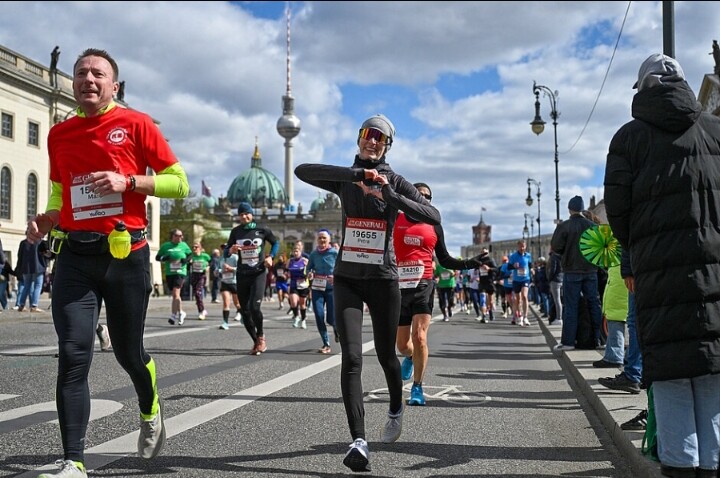
In the women’s race, Ethiopia’s Likina Amebaw leads the entries with a personal best of 64:44, setting the tone for a highly competitive contest. Kenya’s Veronica Loleo (65:46) will be among those aiming to challenge for top honors, bringing both strength and tactical awareness to the field.
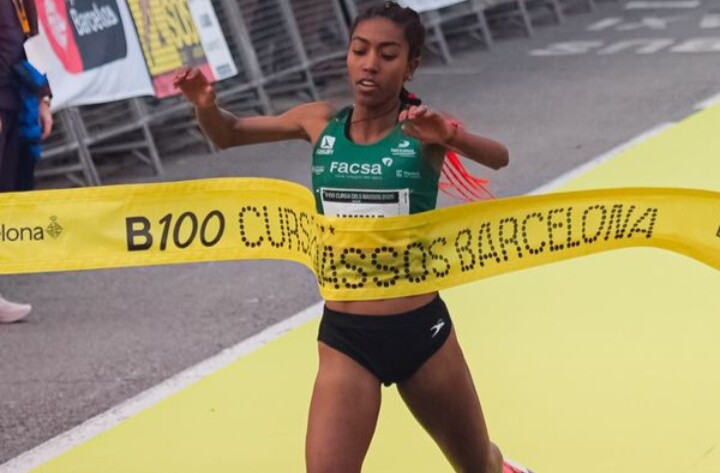
Great Britain’s Samantha Harrison (67:10) and Ethiopia’s Melal Siyoum (67:21) add further intrigue, while Kenya’s Daisilah Jerono (67:27) rounds out a diverse and competitive lineup that promises an unpredictable race dynamic.
Renowned for its quick course and ideal racing conditions, Berlin has long been a proving ground for elite distance runners seeking fast times and breakthrough performances. With such a balanced and high-caliber field assembled, this year’s edition is poised to deliver both tactical battles and potentially record-threatening runs.
As the countdown begins, anticipation continues to build—because in Berlin, speed is not just expected, it is demanded.
by Erick Cheruiyot for My Best Runs.
Login to leave a comment
Berlin Half Marathon
The story of the Berlin Half Marathon reflects a major part of the history of the German capital. It all began during cold war times and continued during reunification. The events leading up to today's event could really only have happened in this city. Its predecessors came from East- and West Berlin. On 29th November 1981 the Lichtenberg Marathon was...
more...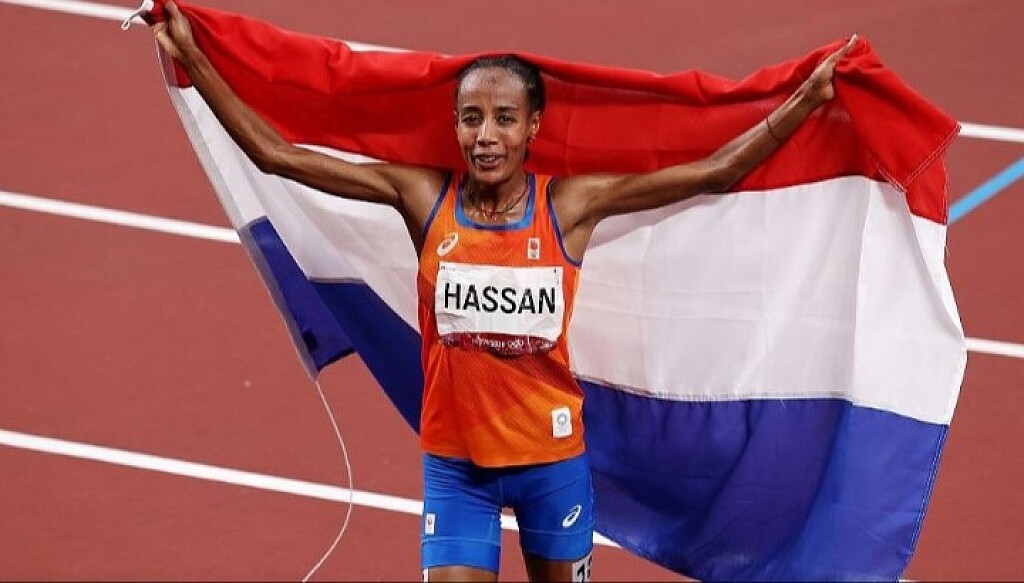
Hassan Sidelined: Olympic Champion Withdraws from London Marathon in Injury Blow
The road to the 2026 edition of the London Marathon—scheduled for Sunday, April 26th, 2026, in London—has suffered a major shake-up following the withdrawal of reigning Olympic champion Sifan Hassan. The Dutch star has been forced to pull out after sustaining an Achilles injury during a treadmill training session approximately six weeks ago, cutting short what many expected to be another thrilling appearance.
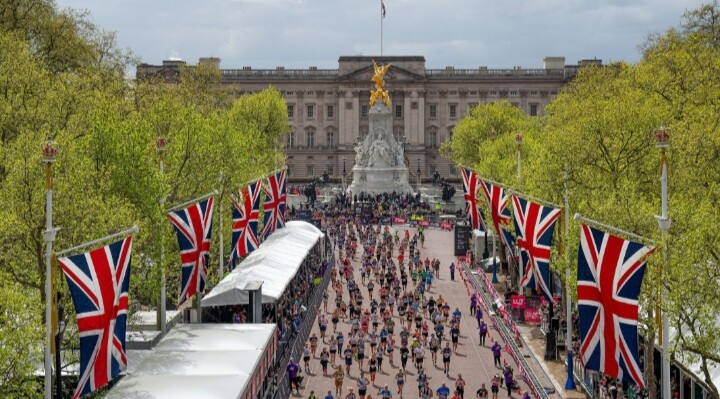
For Hassan, the decision was anything but simple. London holds a special place in her career—it is the stage where she announced her marathon brilliance to the world, capturing her first victory over the distance in unforgettable fashion. However, elite competition demands peak physical condition, and anything less can compromise both performance and long-term health.
In a heartfelt reflection, Hassan acknowledged the emotional weight behind stepping away from a race she deeply cherishes. Despite initial hopes that the injury would subside, it became increasingly clear as training progressed that she could not reach the level she expects of herself. Prioritizing recovery, she has chosen patience over risk, signaling the mindset of a seasoned champion who understands the importance of longevity in sport.
Her absence undeniably alters the dynamic of the race, yet the women’s field remains exceptionally strong. World-class contenders such as Tigst Assefa, Joyciline Jepkosgei, and Hellen Obiri are still set to headline the event, ensuring that the competition will retain its elite status and global appeal.
While fans will miss Hassan’s electrifying presence on the streets of London, her focus now shifts to recovery and a full return to racing. If her career has proven anything, it is that setbacks often serve as the foundation for even greater comebacks. And when she does return to the London stage, it will undoubtedly be with renewed strength and unfinished business.
by Erick Cheruiyot for My Best Runs.
Login to leave a comment
Yuki Kawauchi Breaks 2:15 Again at Osaka Marathon
Former Boston Marathon champion Yuki Kawauchi showed encouraging progress in his comeback at the Osaka Marathon on February 22, 2026.
Kawauchi clocked 2:14:30, marking his first sub-2:15 performance in two years as he continues returning from injury.
The Japanese fan favorite shared afterward that the result represents an important step forward.
“I’m finally on the road to recovery now,” he wrote.

Known worldwide as the “Citizen Runner,” Kawauchi built his reputation on racing frequently and fearlessly. His career reached global attention in 2018, when he captured a stunning victory at the Boston Marathon in brutal weather conditions.
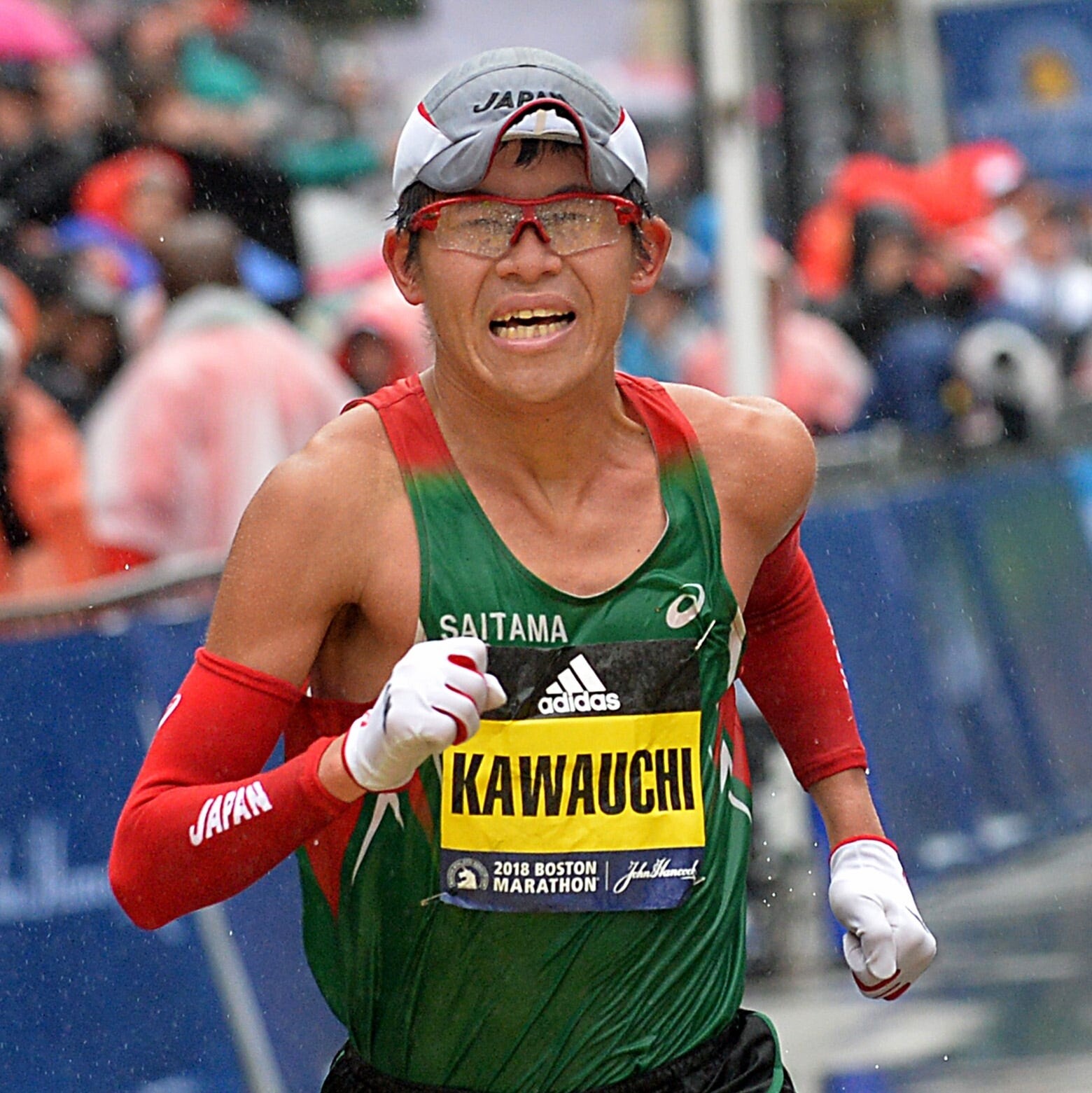
Now 38, Kawauchi believes he can still return to a much higher level. He has run more sub 2:20 marathons than anyone in the world. This makes number 128.
“This year I will once again break 2:10,” he said after the race. “It took a long time, but I will definitely do it.”
While the Osaka result was not about winning, it showed the former Boston champion is moving closer to the form that made him one of the most admired runners in the sport.
For fans around the world, seeing Kawauchi back under 2:15 is a promising sign that his remarkable racing story is still being written.
He also recently announced, "I will be the pacemaker for sub 2:50 in this year's Tokyo Marathon. Runners aiming for sub 2:50 in this year's Tokyo Marathon, let's run together in Tokyo."
by Boris Baron for My Best Runs
Login to leave a comment
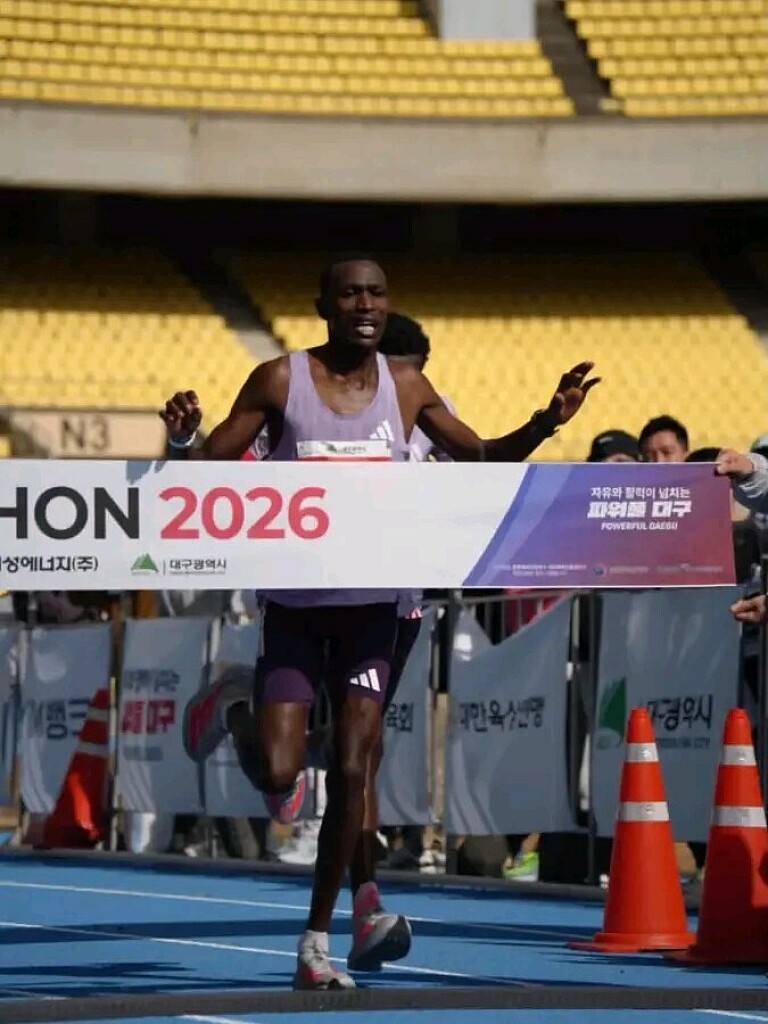
From Fall to Finish Line and Glory Retained: Kasait Rengeruk Triumphs as Geay Defends His Daegu Marathon Crown
The 2026 Daegu Marathon unfolded as a breathtaking exhibition of elite endurance, delivering a race day defined by split-second margins, fierce rivalries, and moments that blended tactical precision with raw resilience. From a razor-close men’s finish to a courageous comeback in the women’s race, Daegu once again affirmed its reputation as a stage for marathon excellence.
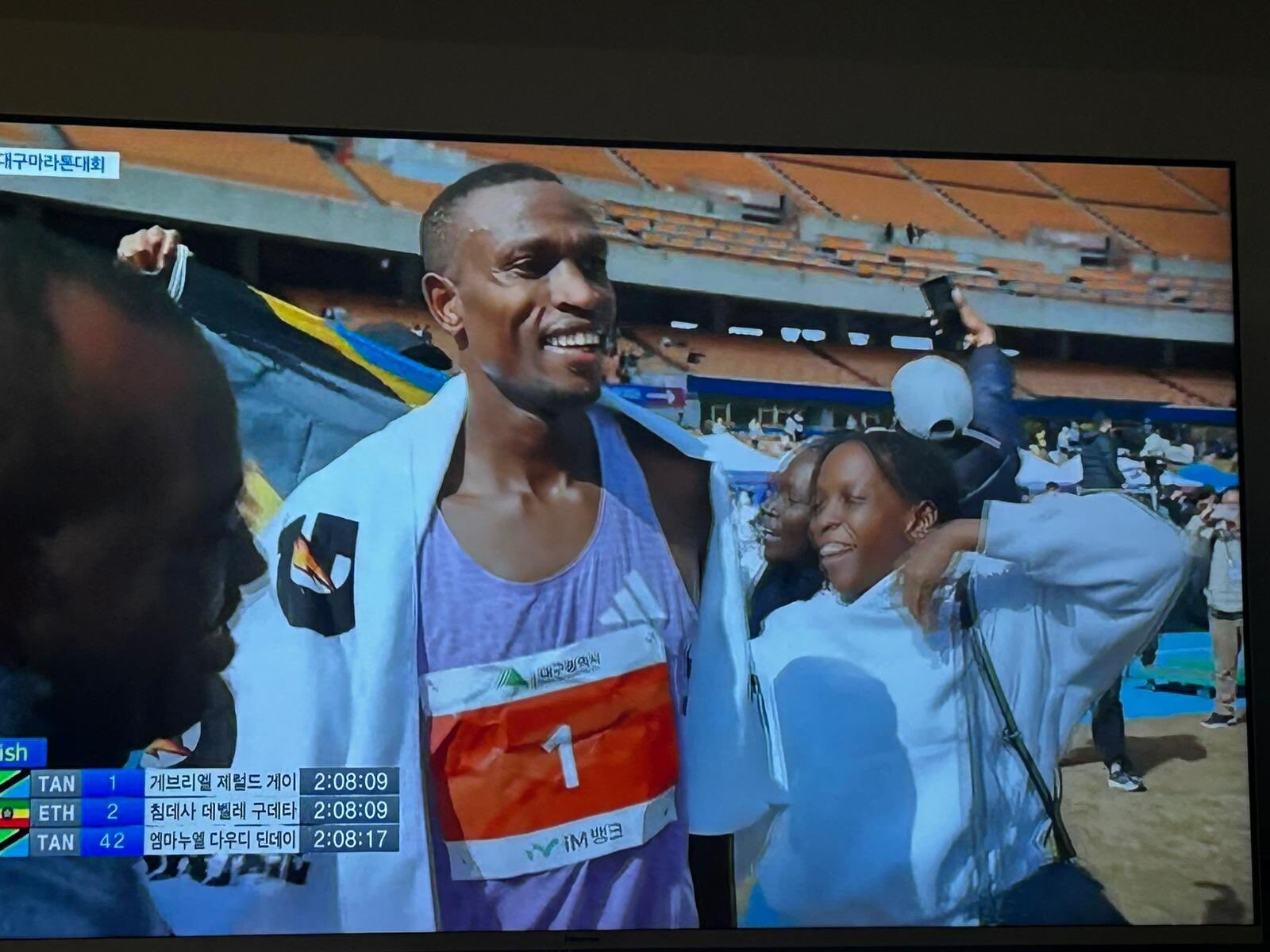
In the men’s race, Tanzania’s Gabriel Gerald Geay delivered when it mattered most, powering through the decisive stages to secure victory in 2:08:09 after 42 kilometers of disciplined pacing and tactical control. Ethiopia’s Chimdesa Debele Gudeta matched the winning time of 2:08:09 to claim second place in a fiercely contested duel that stretched all the way to the line. Close behind, Tanzania’s Josephat Gisemo completed the podium in 2:08:17, ensuring two Tanzanians stood among the top three. Eritrea’s Samsom Amare Hailemikael (2:08:40) and Ethiopia’s Gerba Beata Dibaba (2:10:04) rounded out a high-caliber top five, underscoring the international depth assembled in Daegu.

The women’s race delivered a storyline that will resonate far beyond the finishing clock. Kenya’s Lilian Kasait Rengeruk produced one of the most stirring performances of the 2026 marathon season in her debut over the classic distance. Approaching the stadium in command, she suffered a heavy fall in the closing meters — a moment that could have erased her advantage. Instead, she rose instantly, gathered herself with remarkable composure, and surged across the line in 2:19:33, breaking the coveted 2:20 barrier and sealing a dramatic triumph. Ethiopia’s Meseret Belete secured second in 2:19:52 after a relentless chase, while Kenya’s Evaline Chirchir claimed third in 2:20:49, giving Kenya two podium finishes. Ethiopia’s Khufu Tahir Dadiso (2:28:21) and Obseni Getachi Adillo (2:28:26) completed the top five.

Top 5 Men
Gabriel Gerald Geay (Tanzania) – 2:08:09
Chimdesa Debele Gudeta (Ethiopia) – 2:08:09
Josephat Gisemo (Tanzania) – 2:08:17
Samsom Amare Hailemikael (Eritrea) – 2:08:40
Gerba Beata Dibaba (Ethiopia) – 2:10:04
Top 5 Women
Lilian Kasait Rengeruk (Kenya) – 2:19:33
Meseret Belete (Ethiopia) – 2:19:52
Evaline Chirchir (Kenya) – 2:20:49
Khufu Tahir Dadiso (Ethiopia) – 2:28:21
Obseni Getachi Adillo (Ethiopia) – 2:28:26
As the echoes of celebration settled over Daegu, the 2026 edition stood out as a marathon defined not only by speed but by resolve. From a tightly contested men’s battle to a fearless recovery in the women’s race, the event once again illustrated that greatness in the marathon is forged in decisive moments — when composure, courage, and conviction converge at the finish line.
by Erick Cheruiyot for My Best Runs.
Login to leave a comment

Daegu International Marathon
Daegu International Marathon brings together varied groups of people with passion for running. With a sincere hope to host a meaningful event for everyone, Daegu International Marathon will amplify the love of running for all and promote a healthy life through running. On behalf of 2.6 million Daegu citizens, we welcome all of you and hope your race in Daegu...
more...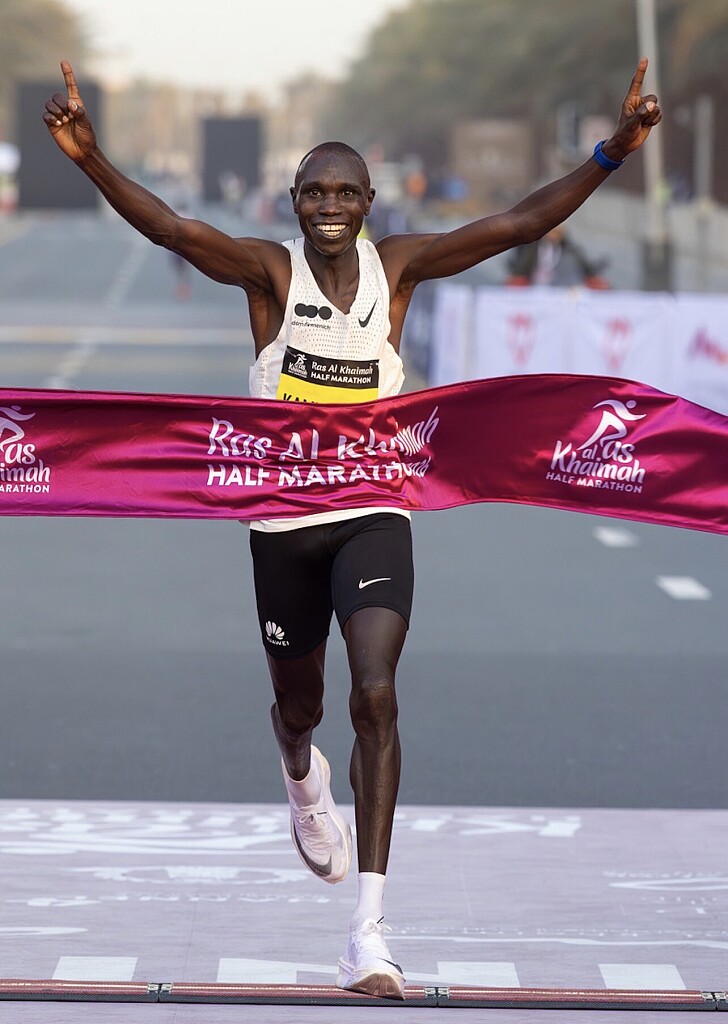
Kamworor Crushes RAK Half Marathon Commanding a 58:14 Victory
Geoffrey Kamworor proved once again that champions are defined not by setbacks, but by their response to them. Thirteen years after his breakthrough senior victory at the Ras Al Khaimah Half Marathon, the Kenyan legend returned to the same roads and delivered a masterclass performance, winning in 58:14—40 seconds faster than his winning time in 2013.
At 33, Kamworor was the oldest athlete in the elite field, yet he controlled the race with the authority of a runner in his prime. Neither the passage of time nor the devastating motorbike accident in 2020, which shattered his tibia and threatened his career, has diminished his competitive fire. Instead, his victory in Ras Al Khaimah confirmed that he remains one of the world’s most formidable distance runners.
From the gun, Kamworor executed a precise and disciplined strategy, running alongside his training partner and pacemaker Edwin Kipsaisak. The opening kilometer was covered in 2:44, followed by a relentless series of splits between 2:45 and 2:49. The sustained pace quickly discouraged any serious challenges from the younger contenders, who found themselves unable to disrupt Kamworor’s rhythm.
When Kipsaisak stepped aside after 8 kilometers, the decisive move had already been made. Kamworor passed 10K in 27:42, firmly in control. His surge between 16 and 17 kilometers, clocked in a punishing 2:42, broke the race open completely. From that point, victory was never in doubt.
“Actually, I knew I was going to win around 14K,” Kamworor said afterward. “I knew I had prepared well. I came here wanting to run a fast time, and Edwin did a great job pacing. It’s great to come back and win even faster.”
Behind him, Birhanu Balew of Bahrain ran strongly to secure second place in 58:23, while Kenya’s Gideon Rono impressed in his debut at the distance, finishing third in 58:38.
Kamworor’s journey back to the top has been anything but easy. Once the dominant force in global distance running—with three consecutive World Half Marathon titles, two World Cross Country championships, and two New York City Marathon victories—his career was nearly derailed in 2020 when he was struck by a motorbike during a solo training run. The injury required multiple surgeries and a lengthy rehabilitation, keeping him away from peak form for nearly three years.
Now fully recovered, Kamworor has returned to elite competition with renewed purpose. He finished second at the London Marathon in 2023 and has his sights set firmly on the marathon once again.
“I’m satisfied that I’m fully recovered now,” he said. “It’s very satisfying to win here again. Now I will go home and prepare for London in April. It will be very tough competition, but that’s what I like. My personal best is 2:04, but I believe I can go faster.”
Looking further ahead, Kamworor has set his ultimate goal on the Olympic Marathon at the 2028 Los Angeles Games. If selected, he would be nearing 36—but history shows that experience can triumph. Portuguese legend Carlos Lopes famously won Olympic marathon gold at age 38.
Women’s Race: Anley Wins Impressive Debut
The women’s race unfolded without an official pacemaker, placing the burden of pace-setting on the athletes themselves. Tanzania’s Magdalena Shauri courageously led much of the race but paid the price in the closing kilometers.
With just two kilometers remaining, Ethiopia’s Asmarech Anley and Melknat Wudu surged past the fading leader. Anley, making her half marathon debut, showed remarkable composure to take the win in 67:22.
“I realized I could win with a kilometer to go,” Anley said. “The times would have been faster with a pacemaker, but it doesn’t matter because I won.
Wudu finished just five seconds behind in 67:27, while Shauri held on bravely for third in 67:32. Anley, the former African Junior 3000m champion on the track in 2023, indicated she plans to gain more experience at the half marathon distance before moving up to the marathon.
Results
Men
1. Geoffrey Kamworor (KEN) – 58:14
2. Birhanu Balew (BRN) – 58:23
3. Gideon Rono (KEN) – 58:38
4. Jemal Mekonen (ETH) – 58:55
5. Samwel Masai (KEN) – 58:59
6. Benjamin Ratsim (TAN) – 59:56
7. Jirata Dinki (ETH) – 59:57
8. Yismaw Dillu (ETH) – 60:05
9. Brian Kibor (KEN) – 60:07
10. Mao Ako (TAN) – 60:20
Women
1. Asmarech Anley (ETH) – 67:22
2. Melknat Wudu (ETH) – 67:27
3. Magdalena Shauri (TAN) – 67:32
4. Jesca Chelangat (KEN) – 67:33
5. Cynthia Chepkwony (KEN) – 67:35
6. Aselef Kassie (ETH) – 67:47
7. Gete Alemayehu (ETH) – 68:43
8. Margret Chacha (KEN) – 68:57
9. Emebet Kebede (ETH) – 69:11
10. Addise Cheklu (ETH) – 70:01
Kamworor’s victory was more than just another win—it was a powerful reminder that resilience, experience, and belief remain the defining traits of greatness. His return to Ras Al Khaimah was not merely a comeback. It was a statement.
by Race News Service
Login to leave a comment
Kamworor Rolls Back the Years with Commanding 58:13 Triumph at the RAK Half Marathon
On the sun-splashed roads of Ras Al Khaimah in the United Arab Emirates, experience met excellence as Geoffrey Kamworor delivered a masterclass in pacing, power and poise to seize victory at the season-opening spectacle.
Thirteen years after first announcing himself as a dominant force on the global stage, the Kenyan great returned to familiar territory with a performance that blended tactical intelligence and ruthless efficiency. Clocking 58:13, Kamworor stormed through the flat, lightning-quick course with splits that reflected both discipline and daring — measured early control evolving into relentless late aggression.
From the gun, the tempo signaled intent. The lead pack stretched swiftly, but it was Kamworor’s composure that stood out. He glided across the asphalt with the assurance of a man who understands championship racing at its deepest level. Every kilometer ticked by with metronomic precision, each surge calculated, each stride purposeful.
By the closing stages, the race had transformed from a contest into a coronation. Drawing on years of championship pedigree, Kamworor shifted gears decisively, breaking the resistance of his rivals and driving home alone. The finishing clock confirmed what the eye had already witnessed — a performance of authority and historical resonance.
Both men’s and Women's races at the RAK Half Marathon delivered a breathtaking exhibition of sustained velocity and competitive fire on the flat, record-friendly roads of Ras Al Khaimah in the United Arab Emirates. It was an electrifying contest defined by depth, discipline, and world-class execution — a true celebration of global distance running excellence.
Men’s Results – Top 10
1. Geoffrey Kamworor (KEN) – 58:13
2. Birhanu Balew (BRN) – 58:21
3. Gideon Rono (KEN) – 58:36
4. Jemal Yimer (ETH) – 58:53
5. Samwel Masai (KEN) – 58:57
6. Jirata Dinki (ETH) – 59:55
7. Benjamin Ratsim (TAN) – 59:56
8. Yismaw Dillu (ETH) – 1:00:05
9. Brian Kibor (KEN) – 1:00:07
10. Mao Ako (TAN) – 1:00:20
Women’s Results – Top 10
1 Asmarech Anley (ETH) – 1:07:21
2. Melknat Wudu (ETH) – 1:07:26
3. Magdalena Shauri (TAN) – 1:07:30
4. Jesca Chelangat (KEN) – 1:07:32
5. Cynthia Chepkwony (KEN) – 1:07:34
6. Aselef Kassie (ETH) – 1:07:46
7. Gete Alemayehu (ETH) – 1:08:43
8. Margret Chacha (KEN) – 1:08:57
9. Emebet Kebede (ETH) – 1:09:11
10. Addise Cheklu (ETH) – 1:10:01
The RAK Half Marathon, long regarded as one of the fastest and most prestigious races on the global calendar, once again provided the perfect stage for brilliance. And once again, Kamworor etched his name into its rich narrative.
Elite racing. Impeccable execution. A champion reaffirmed.
As the 2026 road season gathers momentum, this victory does more than add another title to Kamworor’s résumé — it signals intent. The fire still burns, the stride still flows, and the legend continues to evolve.
Another golden chapter written. Another reminder that class, when paired with courage, is timeless.
by Erick Cheruiyot for My Best Runs.
Login to leave a comment
Rak Half Marathon
The Rak Al Khaimah Half Marathon is the 'world's fastest half marathon' because if you take the top 10 fastest times recorded in RAK for men (and the same for women) and find the average (for each) and then do the same with the top ten fastest recorded times across all races (you can reference the IAAF for this), the...
more...
Geoffrey Kamworor Returns to Ras Al Khaimah, Chasing Redemption on the Course That Launched His Career
Thirteen years after announcing himself to the world on the roads of Ras Al Khaimah, Geoffrey Kamworor returns to the Ras Al Khaimah Half Marathon this Saturday with renewed purpose, hard-earned resilience, and the belief that his best running may still lie ahead.
Few athletes in modern distance running have endured such dramatic highs and devastating setbacks. Kamworor’s victory here in 2013 marked his first major senior triumph and began a remarkable stretch of dominance. He went on to win three consecutive World Half Marathon titles and twice captured the World Cross Country Championships, establishing himself as one of the most versatile and formidable distance runners of his generation. His half marathon world record of 58:01, set in Copenhagen in 2019, remains one of the defining performances in road racing history. He also conquered the marathon stage, winning the New York City Marathon twice with commanding authority.
One of Kamworor’s most unforgettable moments came at the 2016 World Half Marathon Championships in Cardiff. After falling at the start and being trampled by competitors, he rose, regrouped, and delivered a stunning comeback victory.
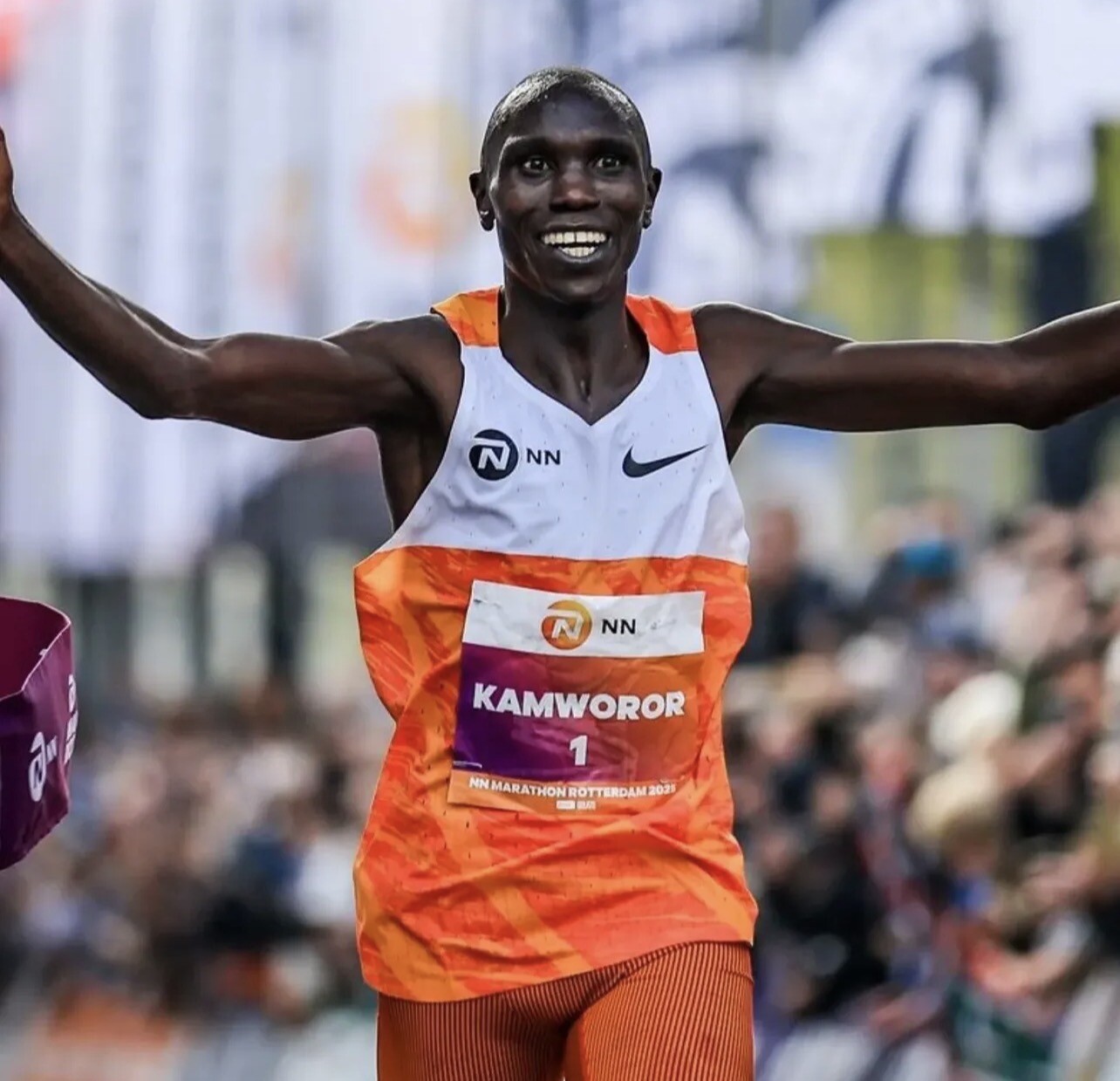
“In Cardiff, it was wet and I slipped at the start,” Kamworor recalled. “Nobody tripped me. It was hard running through the crowd, but the fall made me more determined.”
That determination would be tested even further. In 2020, during the isolation of the COVID-19 pandemic, Kamworor’s career was nearly derailed when he was struck from behind by a motorcycle while training in Eldoret.
“I fractured my tibia and couldn’t run for six months,” he said. “When I started running again, my body was still out of balance and I kept getting injured. It took me over three years to be able to run properly.”
His return has been gradual but encouraging. In 2023, Kamworor stunned observers by finishing second at the London Marathon in a personal best of 2:04:23, proving his resilience on the global stage. He followed that performance with a marathon victory in Rotterdam last year, finishing just ten seconds slower than his London breakthrough.
Now 33, Kamworor brings both experience and renewed confidence back to Ras Al Khaimah.
“I think I’m training as well as ever,” he said. “I remember this flat, fast course from when I won in 2013. I’m just grateful to be back running without problems.”
Age is no barrier for distance runners at the highest level. History offers powerful examples, including Portugal’s Carlos Lopes, who won Olympic marathon gold at 37, and Romania’s Constantina Dita, who claimed Olympic marathon victory at 38. Kamworor hopes to add his own chapter to that legacy.
Strong Rivals Await on a Fast Course
Kamworor will face formidable competition. Ethiopia’s Jemal Mekonen enters with a personal best of 58:33, while Kenya’s Brian Kibor has run 58:39. Ethiopia’s Amedework Walelegn (58:40) and several rising talents add further depth to a field built for speed.
The women’s race is equally compelling, led by Ethiopia’s Wede Kefale, who clocked 65:21 in Copenhagen last year. Kenya’s Gladys Chepkurui (65:46) and Jesca Chelangat (66:13) are among those capable of challenging for victory.
A Race Built on Speed and Records
Since its debut in 2007, the Ras Al Khaimah Half Marathon has earned global respect as one of the fastest half marathons in the world. Sammy Wanjiru’s 58:53 in the inaugural race set the tone, and the women’s race has been particularly historic. Mary Keitany (65:50), Peres Jepchirchir (64:52), and Ababel Yeshaneh (64:31) all set world records here, cementing the race’s reputation.
The flat, fast roads around Al Marjan Island once again promise ideal conditions for world-class performances.
Men’s Elite Field (Personal Bests)
• Geoffrey Kamworor (KEN) – 58:01
• Jemal Mekonen (ETH) – 58:33
• Brian Kibor (KEN) – 58:39
• Amedework Walelegn (ETH) – 58:40
• Antenayeh Dagnachew (ETH) – 59:17
• Yismaw Dillu (ETH) – 59:23
• Birhanu Balew (BRN) – 59:41
• Enos Kales (KEN) – 60:17
• Bayelign Teshager (ETH) – 60:22
• Mao Ako (TAN) – 60:28
• Benson Kiplangat (KEN) – Debut
Women’s Elite Field (Personal Bests)
• Wede Kefale (ETH) – 65:21
• Gladys Chepkurui (KEN) – 65:46
• Jesca Chelangat (KEN) – 66:13
• Magdalena Shauri (TAN) – 66:37
• Gete Alemayehu (ETH) – 66:37
• Cynthia Chepkwony (KEN) – 67:20
• Bertha Gebreslasie (ETH) – 67:26
• Orba Chemurgor (KEN) – 67:56
• Wudinesh Alemu (ETH) – 68:08
• Debash Kelali (ETH) – 68:10
• Annet Chelangat (UGA) – 68:12
• Melknat Wudu (ETH) – 68:53
A Full-Circle Moment
For Kamworor, Saturday’s race represents more than competition—it is a return to the place where his journey toward greatness began. After years of adversity, injuries, and recovery, he now stands once again on familiar ground, ready to test himself against the world’s best.
Whether he wins or not, his presence alone is a powerful reminder of the resilience that defines champions—and of the unfinished chapters still waiting to be written.
by Race News Service
Login to leave a comment
Rak Half Marathon
The Rak Al Khaimah Half Marathon is the 'world's fastest half marathon' because if you take the top 10 fastest times recorded in RAK for men (and the same for women) and find the average (for each) and then do the same with the top ten fastest recorded times across all races (you can reference the IAAF for this), the...
more...