

Running News Daily
Running News Daily is edited by Bob Anderson and team. Send your news items to bob@mybestruns.com Advertising opportunities available.
Index to Daily Posts · Sign Up For Updates · Run The World Feed
Articles tagged #Rachel Entrekin
Today's Running News



Rachel Entrekin Takes On Bhutan’s Snowman Race: Where Running Meets Climate Action
For most ultrarunners, the finish line is the ultimate destination. For Rachel Entrekin, the journey through Bhutan’s high Himalaya carried a message that reached far beyond the clock.
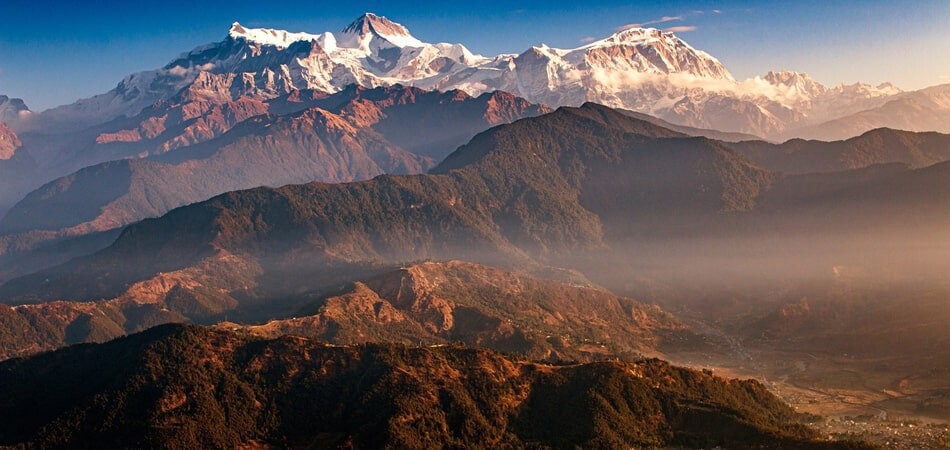
The American ultrarunner took on the 2026 Snowman Race, one of the most demanding endurance challenges on the planet, joining a select field of 17 athletes for a five-day journey across Bhutan’s remote mountain wilderness. The race covered roughly 185 kilometres, with runners facing extreme terrain and mountain passes rising as high as 5,470 metres above sea level.
The Snowman Race is unlike a conventional ultramarathon. Its challenge is not simply the distance, but the combination of relentless climbs, rugged trails, unpredictable Himalayan conditions and prolonged exposure to extreme altitude. The course follows sections of the historic Snowman Trek, taking competitors deep into some of Bhutan’s most isolated landscapes.
But the race was created with a purpose that extends well beyond athletic achievement.
Bhutan has positioned the Snowman Race as a platform for climate action, using the event to draw global attention to the effects of a changing climate on the Himalayan environment and the communities that depend upon it. The athletes are effectively moving through a landscape where the consequences of environmental change are becoming increasingly difficult to ignore.
For Entrekin, that message has personal meaning.
In the months leading into the race, she documented her preparation and explained why the opportunity mattered to her. Her training included long runs at altitude, while her own experiences in the mountains had strengthened her concern about the changes taking place in high-altitude environments.
Her motivation was not simply to prove that she could survive one of the world's most brutal ultramarathons. She wanted the race to become a way of telling a bigger story — one about the environment, the people living in vulnerable mountain regions and the responsibility to pay attention before changes become irreversible.
That makes Entrekin particularly well suited to an event such as the Snowman Race. She has already established herself as a formidable ultrarunner, including back-to-back victories at the Cocodona 250 and further major wins at the Mammoth 200 and High Lonesome 100.
In Bhutan, however, the numbers on the results sheet were only part of the story.
Every kilometre carried runners deeper into an extraordinary Himalayan environment while exposing them to the realities of competing at elevations where oxygen is scarce and the margin for error becomes increasingly small. At its highest point, the course climbed to 5,470 metres — an altitude that would challenge even the most experienced mountain athletes.
Entrekin ultimately completed the five-day journey in 31:52:07, placing third in the women's race behind Bhutanese runners Pema Choki and Dawa Chozom. Her performance added a significant athletic achievement to an experience that was always intended to be about more than competition.
The Snowman Race therefore becomes something larger than an ultramarathon. It is a meeting point between extreme sport and environmental awareness — a race in which every climb, every difficult kilometre and every exhausted step helps bring attention to a part of the world that few people will ever experience firsthand.
For Rachel Entrekin, the mountains provided the challenge.
But the message was bigger than the finish line.
by Erick Cheruiyot for My Best Runs.
Login to leave a comment
From Exclusion to Domination: Rachel Entrekin’s Historic Cocodona Triumph Redefines Women’s Endurance Running
For decades, women were pushed to the margins of competitive distance running, denied opportunities in races that today define the pinnacle of endurance sport. The idea of women conquering extreme distances was once dismissed entirely by sporting authorities who believed the female body was incapable of enduring such physical punishment.
The history is impossible to ignore.
The legendary Boston Marathon did not officially allow female entrants until 1972, despite women proving for years that they could compete at the highest level. Even more striking, the Olympic marathon remained closed to women until the 1984 Games, a staggering reminder of how recently barriers still existed in elite running.
Now, decades later, the sport has witnessed another groundbreaking chapter — one that perfectly captures how dramatically the landscape has changed.
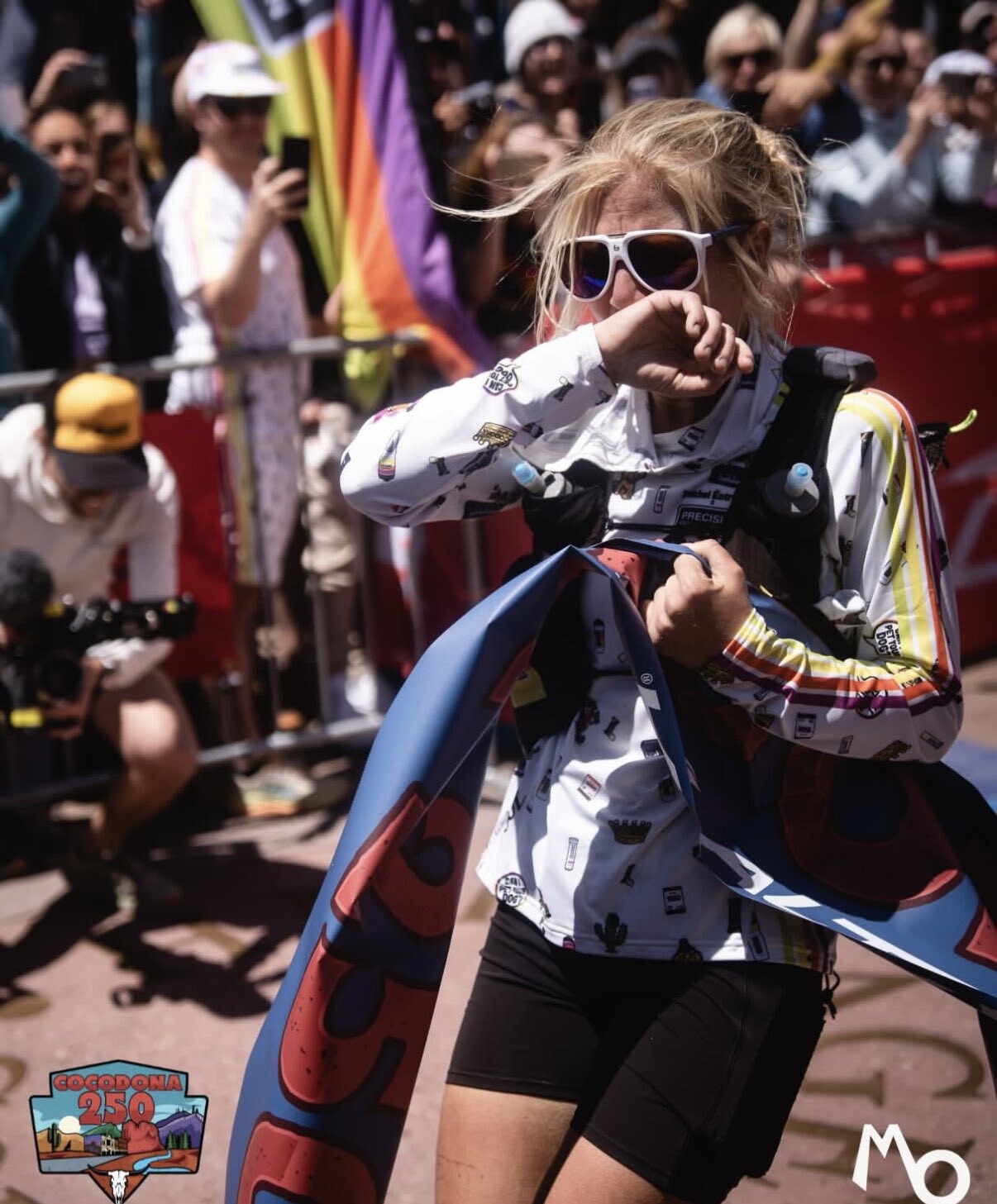
While men may generally possess advantages in raw speed and physical strength, endurance science has increasingly highlighted areas where women excel — particularly in prolonged fatigue resistance, energy efficiency, and the remarkable ability to tolerate physical suffering over extreme durations. Few performances in recent memory have illustrated that reality more powerfully than what unfolded this week in the Arizona wilderness.
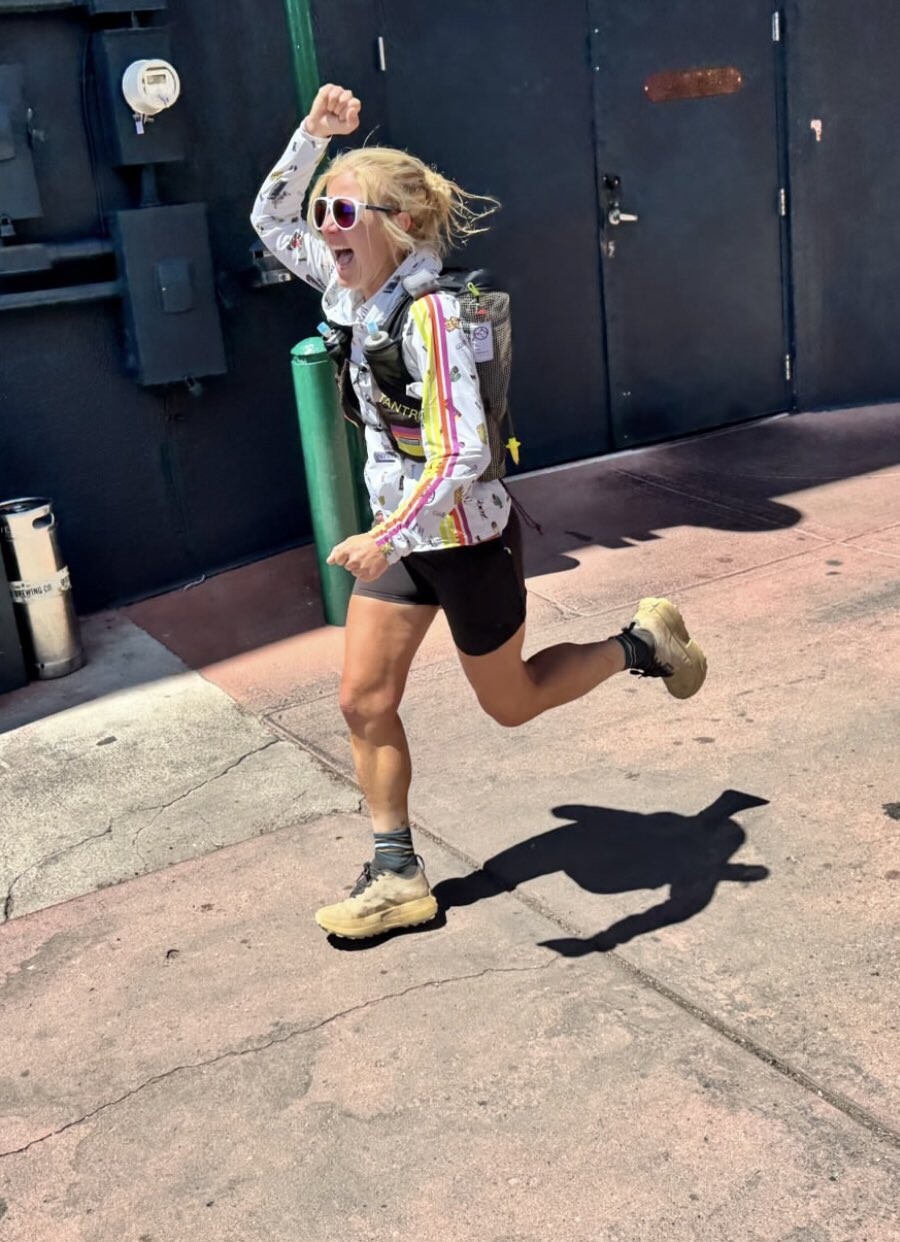
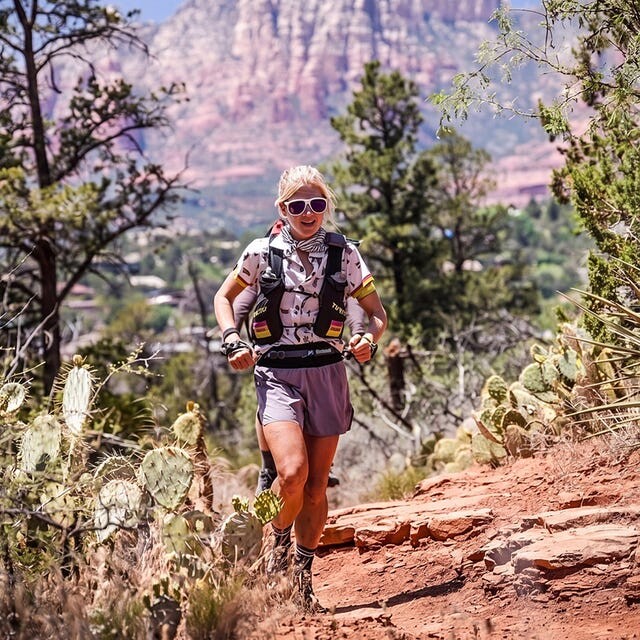
On the brutal and unforgiving trails of the Cocodona 250, Rachel Entrekin produced one of the greatest ultramarathon performances ever witnessed, defeating the entire field outright to claim her third consecutive title in spectacular fashion.
The American endurance star conquered the staggering 254-mile course in an astonishing 56 hours, 9 minutes, and 48 seconds — the fastest time ever recorded over the distance by any athlete.
Male or female.
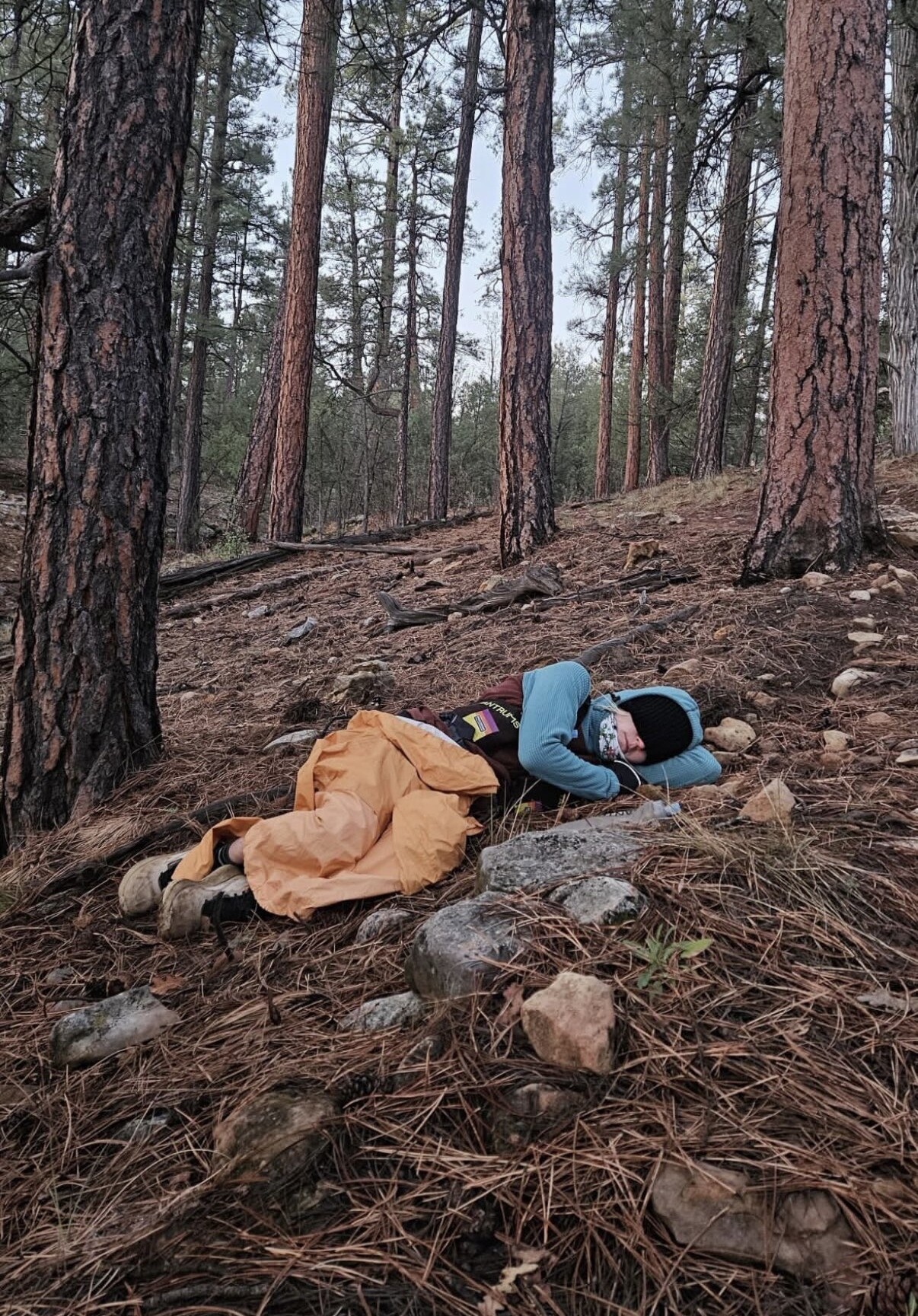
Across punishing mountain climbs, endless desert trails, technical terrain, and crushing exhaustion, Entrekin remained relentless from start to finish. Even more astonishing was the physical sacrifice behind the achievement: she reportedly completed the entire race on just 15 minutes of sleep.
In a contest where most athletes battle hallucinations, muscle failure, and severe mental fatigue, Entrekin somehow maintained elite-level pace and composure for more than two continuous days of running. The performance did not merely secure victory — it completely shattered assumptions about the limits of human endurance.
The Cocodona 250 is widely regarded as one of the most grueling ultramarathons on Earth. Stretching across Arizona’s harsh backcountry, the race tests athletes through sleep deprivation, brutal elevation gain, extreme temperatures, and relentless physical punishment that pushes even the world’s strongest runners to collapse.
Yet Entrekin appeared almost untouchable.
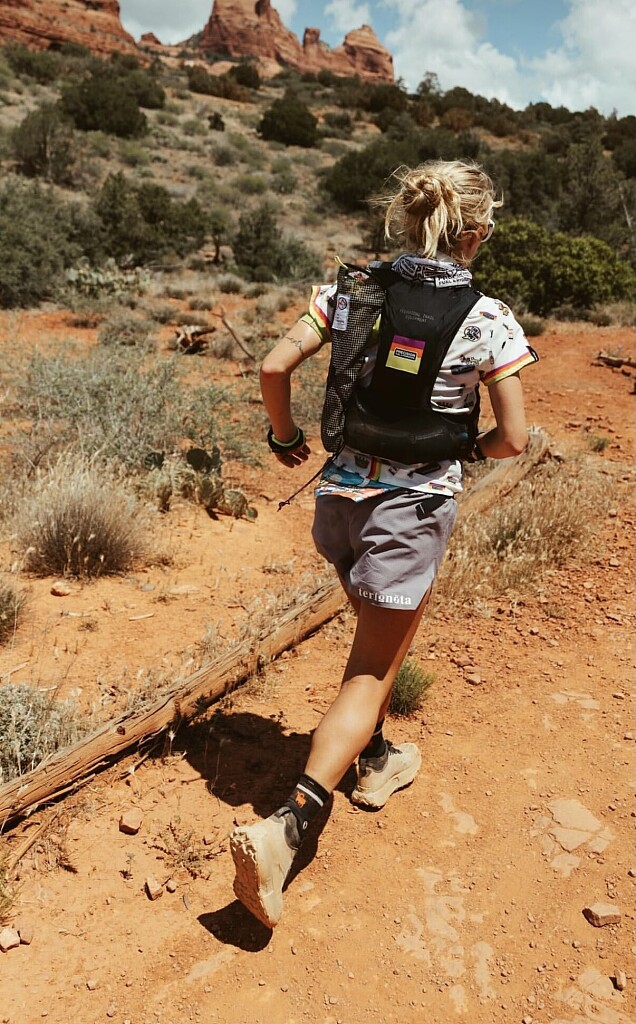
Adding another fascinating layer to the historic achievement was the footwear behind the run. Entrekin covered the entire course wearing the unreleased norda 055, a highly anticipated trail shoe expected to launch in the summer of 2026. Her extraordinary performance has already generated massive curiosity within the global running community, with many eager to learn more about the shoe that carried her through one of ultrarunning’s greatest displays of dominance.
More importantly, however, her victory symbolizes something far bigger than records, technology, or trophies.
It represents the evolution of women’s distance running itself — from exclusion and doubt to complete mastery on the sport’s most demanding stages. What was once considered impossible has now become undeniable reality.
And deep in the deserts and mountains of Arizona, Rachel Entrekin did more than simply win a race.
She delivered a performance that may forever redefine the boundaries of endurance sport.
by Erick Cheruiyot for My Best Runs.
Login to leave a comment
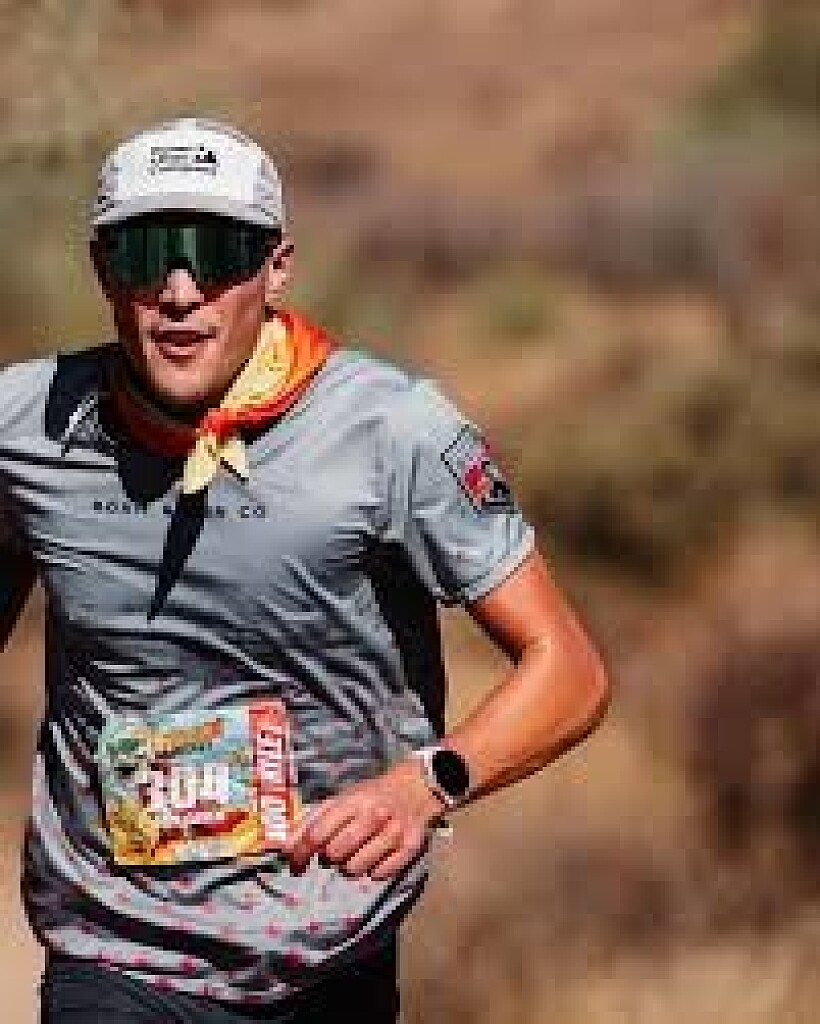
Dan Green Wins Cocodona 250 in Record Time Averaging 13:45 per mile
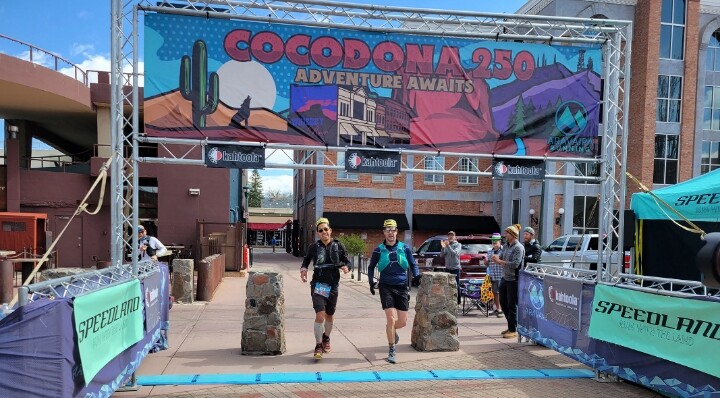
Dan Green, a seasoned endurance athlete from Huntington West Virginia, took on the grueling Cocodona 250ultramarathon across Arizona this week—and not only finished the race, he won it in spectacular fashion.
Green completed the 256.5-mile course in 58 hours, 47 minutes, and 18 seconds, setting a new course record and surpassing the previous best by over an hour. That’s an average pace of 13 minutes and 45 seconds per mile—an incredible feat considering the race includes nearly 40,000 feet of elevation gain.
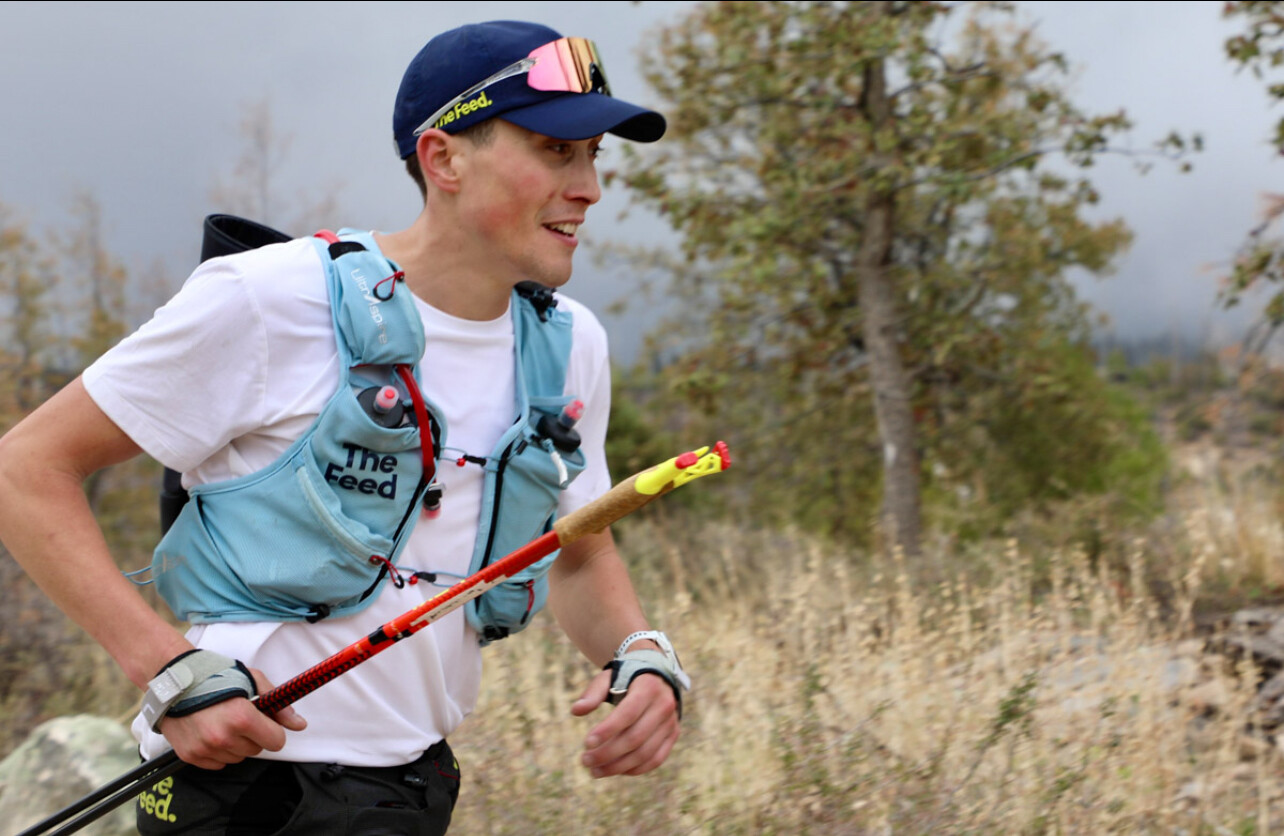
The Cocodona 250 is one of the most challenging ultramarathons in the world, stretching from Black Canyon City to Flagstaff, with runners navigating desert heat, rugged mountain trails, and rocky ascents through towns like Prescott, Jerome, and Sedona. The course is roughly 45% single-track trail, 46% jeep and dirt road, and just 9% paved.
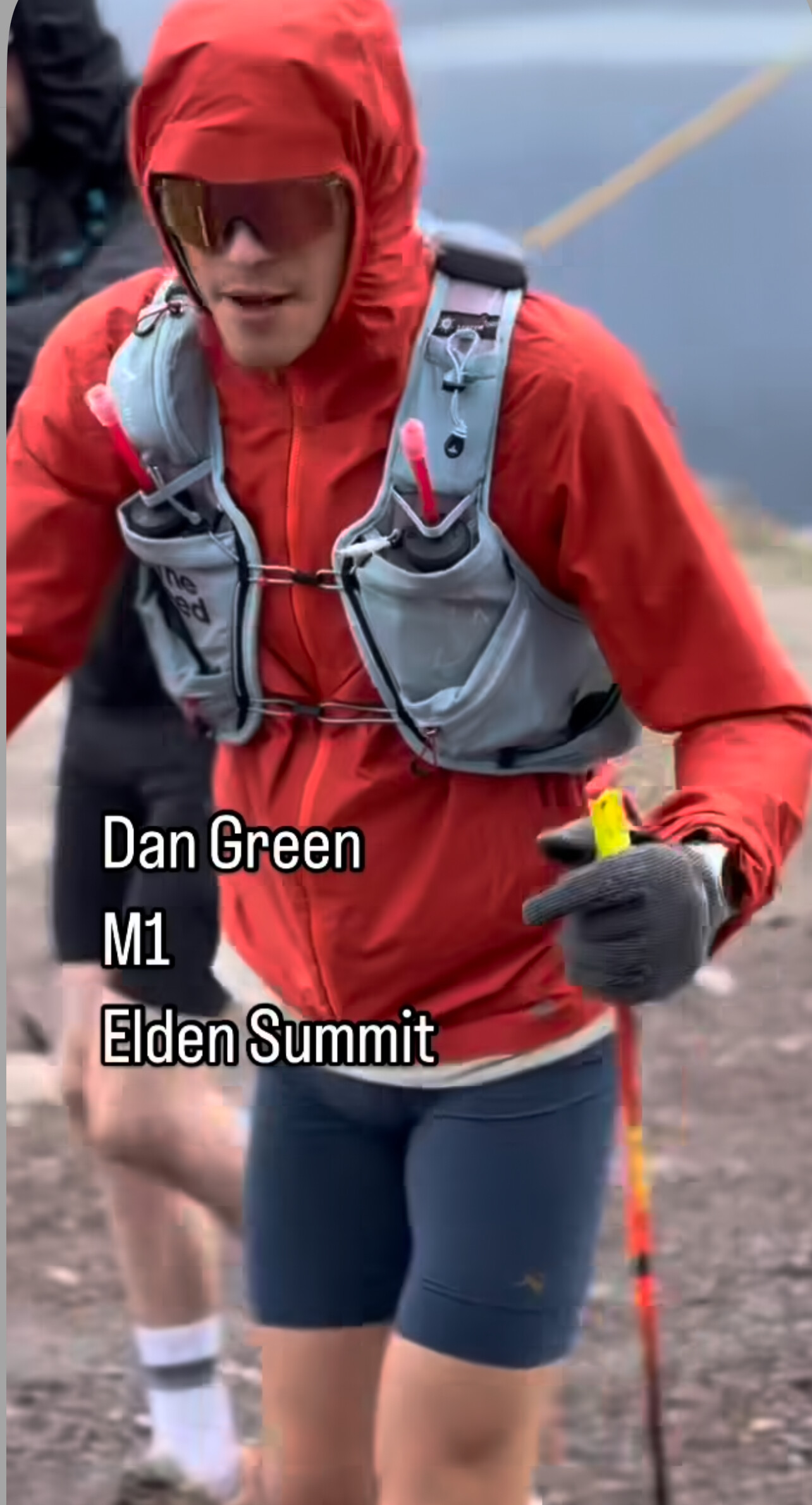
Top 5 Men’s Finishers

1. Dan Green (USA) – 58:47:18 (13:45/mi)
2. Ryan Sandes (South Africa) – 61:21:04
3. Edher Ramirez (Mexico) – 63:10:13
4. Harry Subertas – 65:28:53
5. Finn Melanson – 66:29:40
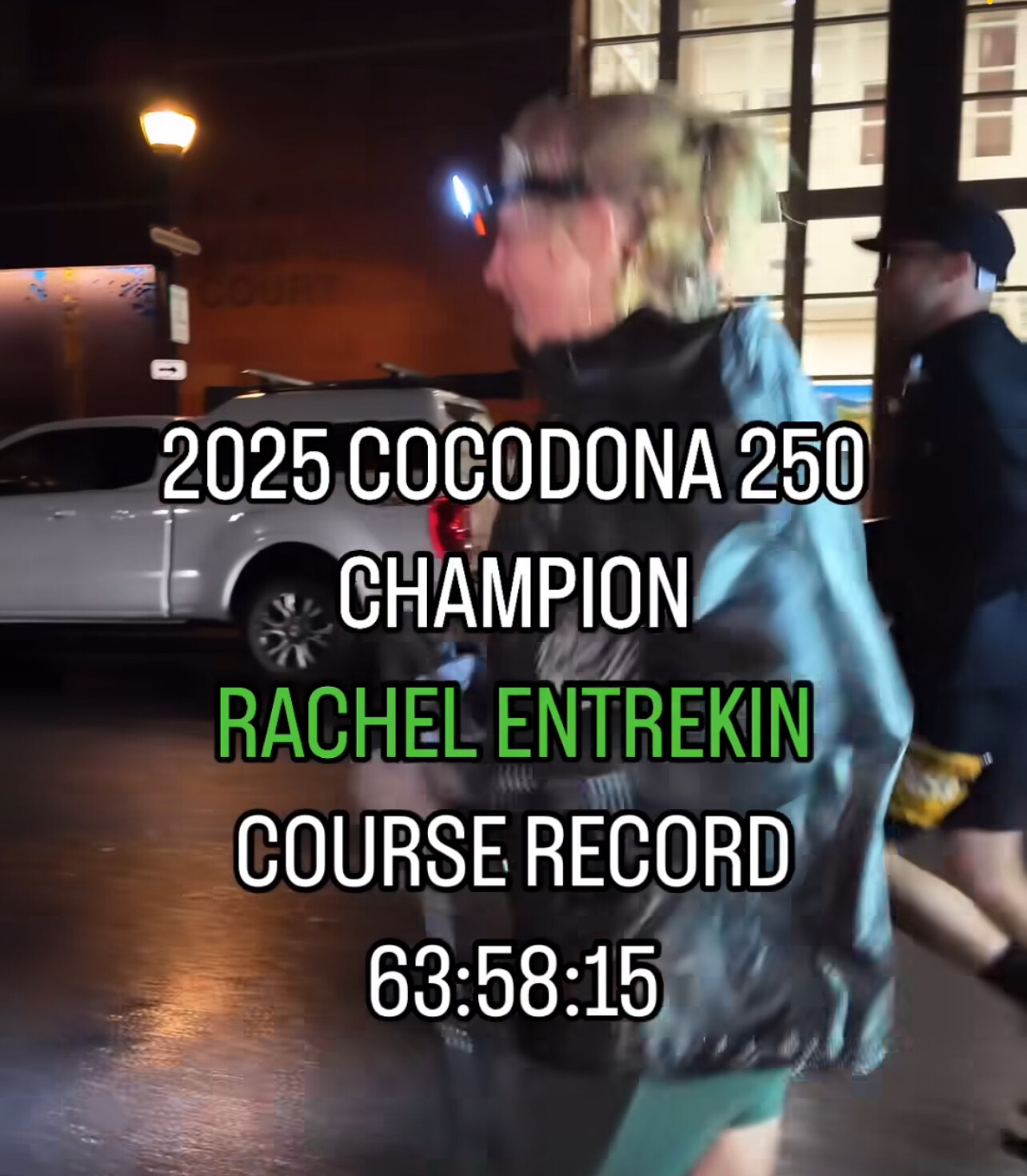
Women’s Champion
• Rachel Entrekin – 63:58:15
Set a new women’s course record by more than seven hours
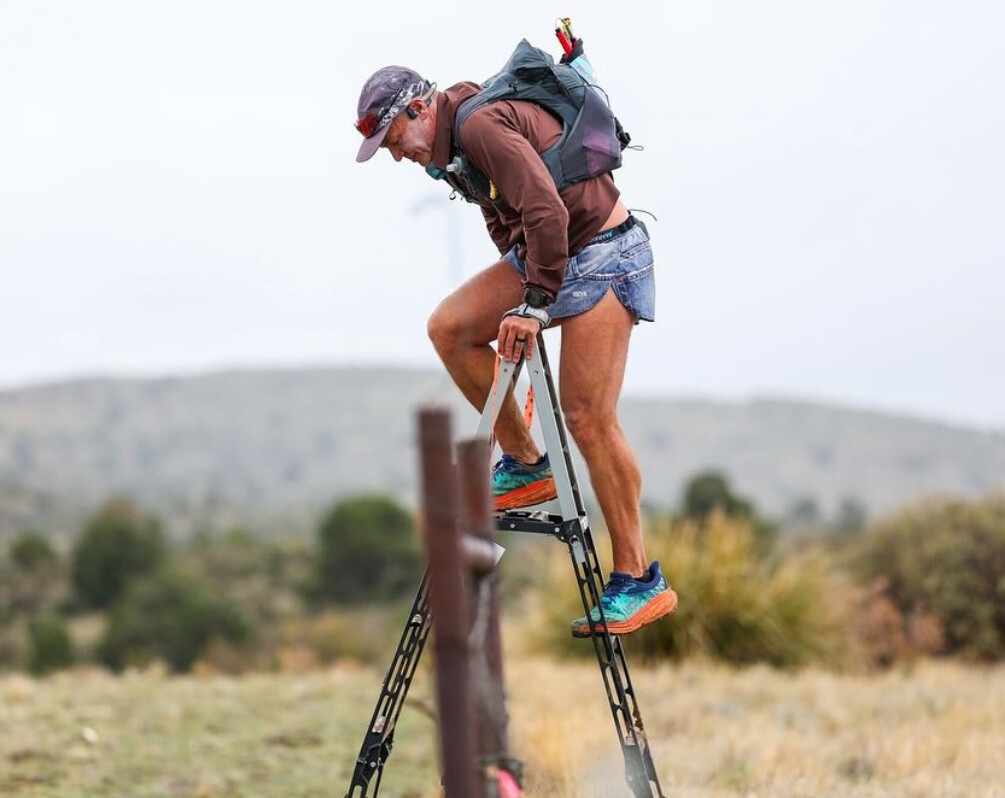
Green’s calm and steady demeanor helped him manage the distance. Speaking with a reporter mid-race via video call, he said:
“Some people take it too seriously. Like why? I mean, you can have fun, still do good, and you can brighten people’s day a little better too.”
This mix of positivity and performance is exactly what the ultrarunning world thrives on—and Dan delivered both in Flagstaff.
Cocodona 250 Quick Facts
• Distance: 256.5 miles
• Elevation Gain: ~40,000 ft
• Time Limit: 125 hours
• Cutting Through: Black Canyon, Crown King, Prescott, Jerome, Sedona, Flagstaff
• Terrain Breakdown:
• 45% single-track trail
• 46% double-track/jeep road
• 9% pavement
"Congratulations to Dan Green—your new course record holder and a shining example of what grit, strategy, and a good attitude can achieve over 250+ miles," says MBR editor Bob Anderson
by Boris Baron
Login to leave a comment
