

Running News Daily
Top Ten Stories of the Week
11/30/2024
These are the top ten stories based on views over the last week.
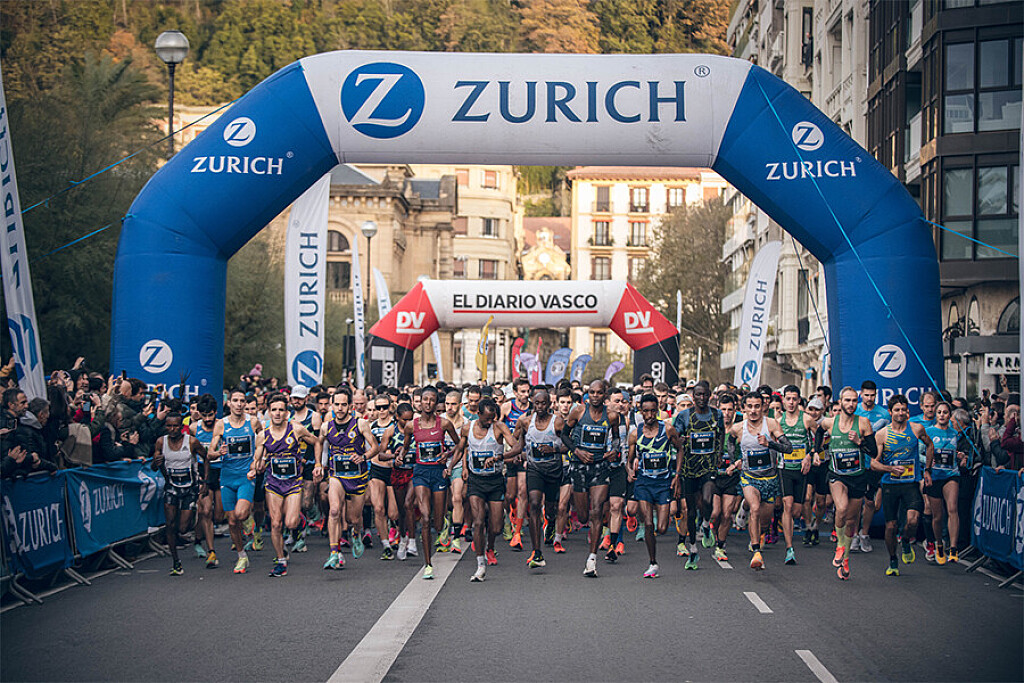


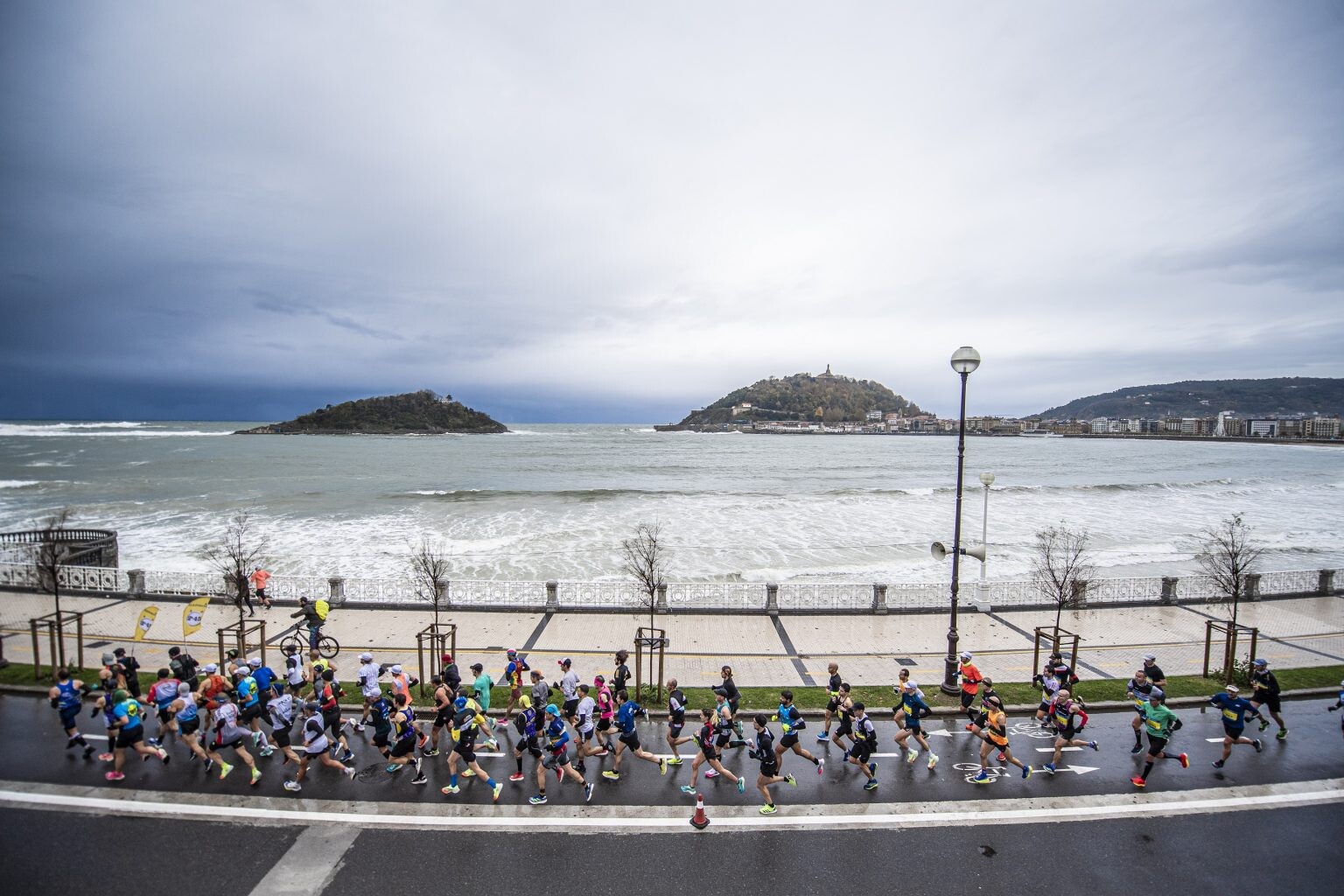
This Sunday's San Sebastian marathon is canceled due to the alert for strong winds
The organization of the Zurich San Sebastian Marathon scheduled for this Sunday has announced that the race is suspended in all distances (10 kilometers, 21 kilometers and 42) "due to the extreme weather alerts issued by the competent authorities".
"The forecasts announce gusts of wind from the south-southeast that can exceed 120km/h in exposed areas of the Cantabrian slope, especially in the east, which poses a serious risk to the safety of participants, volunteers, spectators and all the personnel involved in the organization," says the organization of the sports event in a statement.
"Our main commitment is to guarantee the integrity and well-being of all the people involved in this event, and unfortunately, in these circumstances, we cannot ensure a safe environment for its development," he says.
The decision has been taken "following a ban by emergency services, meteorology and local authorities, and responds to the need to prioritise safety above any other consideration", it adds.
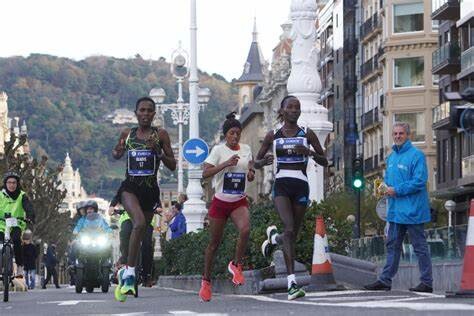
The Vasco Government has activated the orange alert for tomorrow due to strong winds in Gipuzkoa.
The race had exhausted the 3,000 bibs made available to the athletes to compete in this event, the second oldest marathon held in Spain.
In the coming days, the organization announces that it will contact all registrants to provide detailed information on the steps they need to take.
(11/23/24) Views: 159
Newsroom Infobae
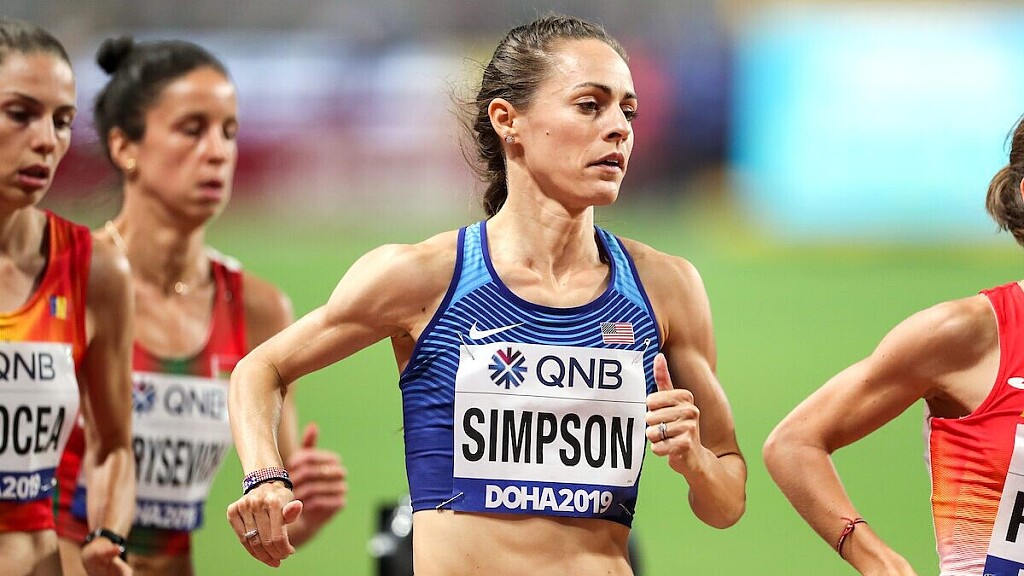
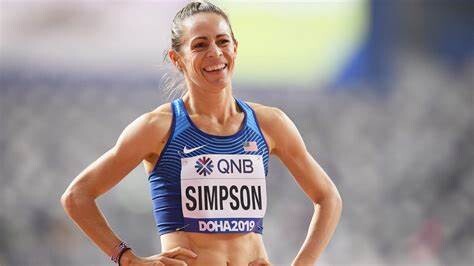
U.S. Olympian Jenny Simpson completes 7 marathons in 7 days
Two weeks after finishing 18th at the New York City Marathon in 2:31:54, U.S. Olympian Jenny Simpson tackled one of the most gruelling challenges: the Great World Race, which involves running seven marathons on seven continents in seven days.
The decorated middle-distance runner was a late addition to the event that offered a fitting end to her storied career. Over her career on the track, Simpson won four medals at major championships, including an Olympic bronze in the 1,500m at Rio 2016 and a gold medal at the 2011 World Championships in Daegu, South Korea.
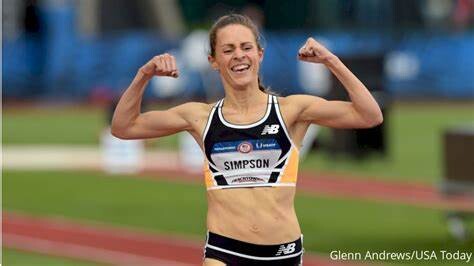
The Great World Race kicked off on Nov. 14 at Wolf’s Fang, Antarctica and concluded on Nov. 20 in Miami. Simpson completed the challenge with the following times:
Antarctica: 3:31
South Africa: 3:15
Australia: 3:12
Turkey: 3:11
Istanbul (overlap leg): 3:15
Colombia: 3:16
Miami: 5:15
Simpson finished fourth in the women’s competition. The week-long-race was won by Ashley Paulson, a two-time Badwater 135 champion, while the men’s race went to David Kilgore after Ireland’s William Maunsell withdrew on the fifth day–four days after he set a continental marathon record on Antarctica.
Reflecting on her last-minute decision to join, Simpson said the invitation was an irresistible opportunity to challenge herself one last time. Initially, it was announced the New York City Marathon would be her final race, but the chance to “run around the world” was too much to pass up for Simpson.
“I have never in my life been so happy to see a finish line,” Simpson wrote on Instagram. “Seven marathons in seven days, plus around the world in one week! My body is surprisingly resilient and I’m so glad I did it.”
Participation in the jet-setting event doesn’t come cheap—the USD $52,000 entry fee covers charter flights, in-flight meals and emergency evacuation coverage for the Antarctica leg. Despite the cost and the gruelling schedule, the event is a bucket-list challenge for many hardcore marathoners.
(11/23/24) Views: 143Marley Dickinson
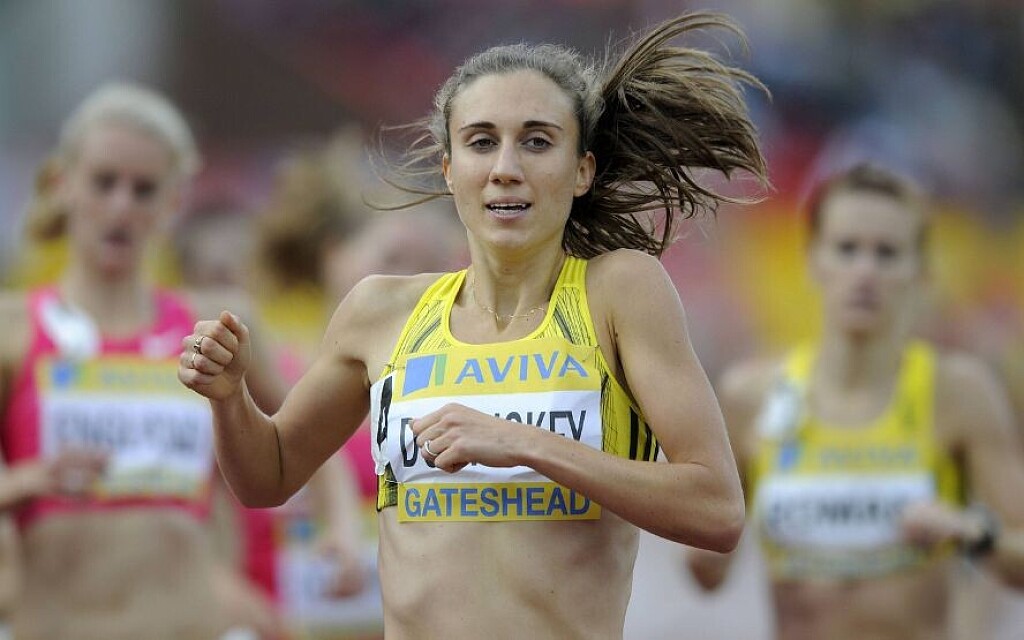
'It kills me inside'- British runner on how competing at the dirtiest race in Olympic history forced her to retire
The 2006 Commonwealth Games 1500m champion explained how competing in the dirtiest race in history forced her into early retirement.
Retired English middle-distance runner Lisa Dobriskey has detailed how having to compete against runners who cheat fueled her desire to retire before she was ready.
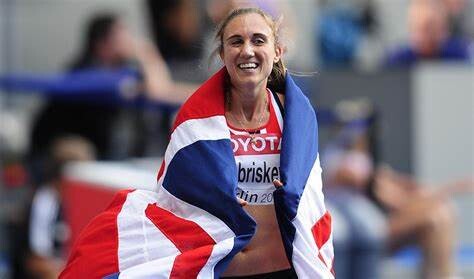
The former Commonwealth Games champion recounted the 1500m final race at the London 2012 Olympic Games where almost every runner was banned for doping. The winner of the race, Asli Cakir Alptekin was banned in 2017, for a third-time offence, this time for life.
The second-place finisher, Gamze Bulut was also banned for four years in 2016, meaning the athlete who finished third at the time, Maryam Yusuf Jamal, was elevated to first place. Tatyana Tomashova who finished fourth was banned for two years in 2008.
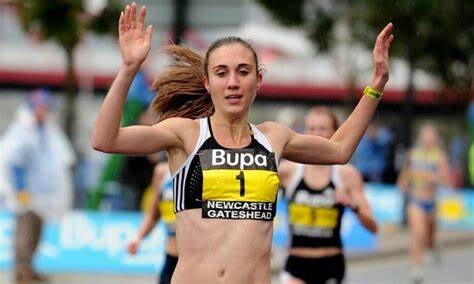
Abeba Aregawi who finished fifth was suspended in 2016 but that was lifted. Shannon Rowbury was elevated to third place in the race. Natallia Kareiva was also banned for two years in 2014 while Lucia Klocova was since elevated to fourth. Ekaterina Kostetskaya was also banned for two years in 2014 with Lisa Dobriskey now elevated to fifth-place. Laura Weightman, Hellen Obiri and Morgan Uceny were also in that race.
Lisa Dobriskey revealed that athletes constantly cheating impacted her career and she opted to leave other than having to constantly fight for justice and nothing right seemed to be happening.
“Trying to get back I thought, ‘What’s the point?’ I lost my heart and it played a big part of my decision to walk away. I have never, ever got over it. There’s not a day that goes by when I don’t think about it. It kills me inside,” Dobriskey said as per The Times.
“I’m not someone who makes that sort of comment lightly. I knew my sport so well and I knew what I was saying was grounded and true. It was a case of, ‘I’m telling you these people are cheating,’ but my voice just got crushed and I was made to look foolish and bitter. From the outside I can understand I looked spoilt, but it took courage to speak out, and that got trampled on.”
The doping menace hurt her so bad that she admitted she could not watch the Paris Olympic Games. Dobriskey disclosed that she never wanted to stop running but her body had had enough and was not going to condone that.
Even after a series of attempts, she could not get herself to get back on track since it was mentally draining. She has lost a lot of faith in what the future holds when it comes to track and field as she believes the game is rigged.
“I just can’t. It hurts so much. I didn’t want to stop running but my body gave up. I tried to get back to watching but it’s just too painful and makes me spiral and get in a mess mentally. Now 2012 feels almost comical. I was fifth but never finished fifth,” she said.
“I just don’t know. It’s hard to trust a system that let you down so many times. I’m detached from it now. I’ve moved on.”
(11/25/24) Views: 139Abigael Wafula
Could a midday nap help you ace your next race?
Recent research says catching some extra Zzzs may help you nail some PBs.
We all know rest and recovery are crucial components of training, but could a midday nap help you gain an edge on the competition? Research suggests strategic naps can enhance athletic performance, sharpen cognitive skills and even improve respiratory function. But not all naps are created equal—timing, length and your post-nap strategy all matter. Here’s how runners can harness the power of napping to gain an edge.
The science of napping and performance
A growing body of research highlights how napping can enhance athletic performance, even within the same day. One recent study demonstrated that professional athletes who took a short daytime nap of approximately 35 minutes experienced significantly improved afternoon peak power production, reported less fatigue and had less general muscle soreness. Athletes also experienced lower perceived exertion during their afternoon training sessions compared to days they skipped the nap.

Naps help lower cortisol (the stress hormone) and increase the production of growth hormones that support muscle repair. While a full night’s rest is the gold standard, for runners who struggle with nighttime sleep due to training schedules, travel or pre-race nerves, a nap may help close the gap
Napping and respiratory health
New research highlights how naps can even impact respiratory function—a key factor for endurance athletes. You’ve probably heard of VO2 max—a measurement of the maximum amount of oxygen your body can use doing exercise—something that is increasingly considered to be a critical component of not only race-day performance, but also general health and longevity.
In a study of elite young athletes, a 45-minute nap significantly improved Peak Expiratory Flow rate (PEF), a measure of maximum airflow during exhalation. This finding suggests strategic napping could support better oxygen delivery during exercise and boost overall performance.
When and how long to nap
To maximize the benefits of napping without compromising your training, follow these tips:
Timing matters: Aim for naps between 1:00 p.m. and 4:00 p.m. to align with your body’s natural circadian rhythms and avoid disrupting nighttime sleep.
Duration counts: Short naps (20–30 minutes) are ideal for a quick recharge without grogginess. Longer naps (up to 90 minutes) can offer deeper recovery, but require a buffer period before activity to reduce post-nap grogginess.
Plan your wake-up: Allow at least 30 minutes post-nap to reduce sleep inertia before resuming exercise.
While naps might help you bank sleep before a big race or add bonus recovery time during hard training weeks, they’re ultimately no substitute for quality nighttime sleep. You should still aim for seven to nine hours of sleep per night as the foundation of your recovery routine—but sprinkling in a few power naps could be the extra spark that helps you cross the finish line faster.
(11/23/24) Views: 130Keeley Milne
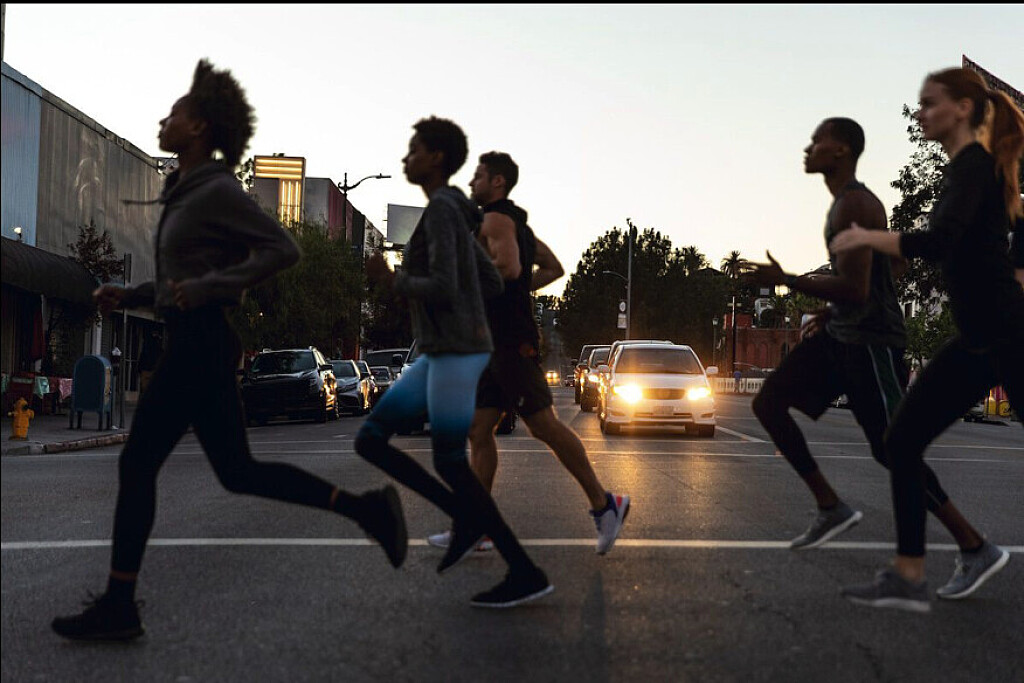
Runners need to be smarter about being visible in the dark
In many parts of North America, it’s now dark by 5 p.m., making it difficult or impossible to squeeze in your run in daylight. Runners who don’t drive might not realize how challenging it is for drivers to spot pedestrians in the dark–especially those wearing dark clothing. The person operating the dangerous, fast-moving vehicle must always yield to pedestrians, but is your safety worth gambling that they will see you in time to avoid hitting you?
Many runners do wear reflective gear or a light source, such as a headlamp or arm light. Still, according to Statistics Canada, in 21 per cent of pedestrian fatalities occurring at night between 2018 and 2020, the victim was wearing dark clothing.
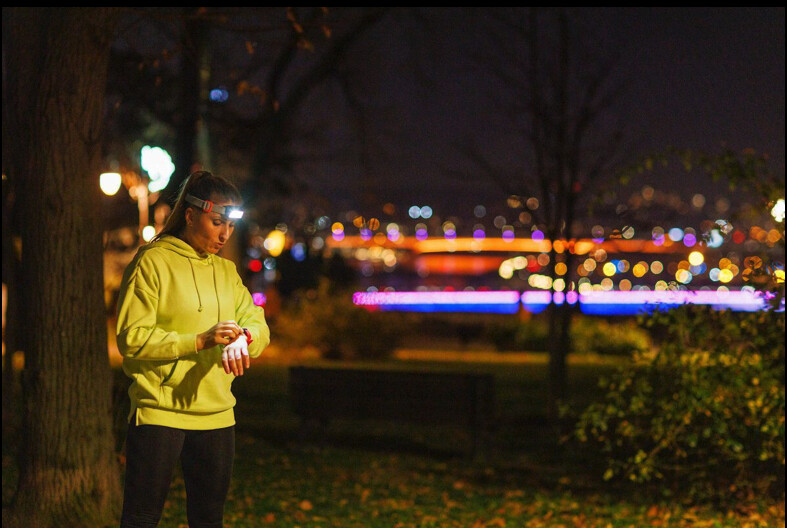
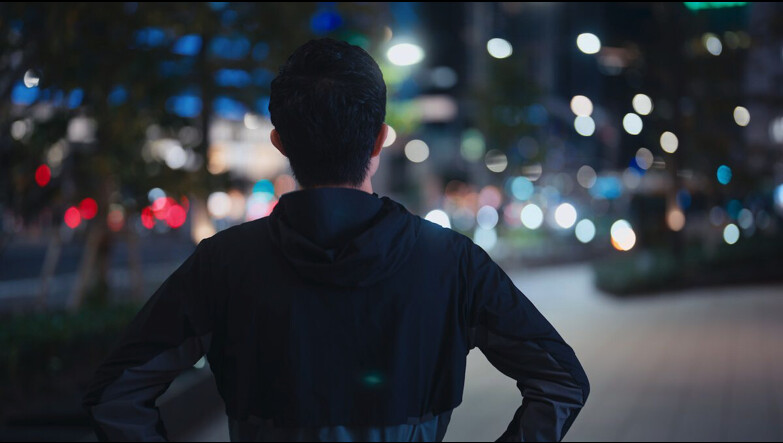
Many runners will argue that they are not the one operating the dangerous machine, driving too fast or not paying attention, but runners should always take care to make themselves visible. Dark clothing absorbs light, making runners and walkers difficult, if not impossible, to see in darkness. Just because you have the right of way, doesn’t mean vehicles can see you. Wearing reflective gear is an easy way to meet drivers in the middle and increase your chances of staying safe. (Wearing a light that visible from angles is best, as it can be seen from any direction; reflective gear is also good, but is only effective when illuminated by a light source.)
Safety is a team effort
As both a runner and a driver, I can see the issue from both sides. My instincts make me extra cautious when approaching intersections and crosswalks, whether I’m on foot or driving.
I’ve also been in the position where I’m driving in the dark (with my lights on and at the speed limit), and only see a pedestrian in dark clothing emerge when I’m already very close. Even driving carefully with full visibility and plenty of time to stop, it still gives me a scare.
Mandates for workers endangered by vehicles
The Occupational Health and Safety regulations in all provinces and territories in Canada have mandates in place for workers exposed to the danger of moving vehicles or heavy equipment. Workers must wear high-visibility apparel (typically fluorescent orange or yellow vests) during both daytime and nighttime hours, with the addition of retro-reflective strips at night or in conditions with poor visibility. The laws are in place to make workers easier to see, thus helping prevent vehicular accidents. When runners are exposed to the danger of moving vehicles, it’s not any different. (Maybe runners should be mandated to wear high-visibility clothing as well?)
No, pedestrians are not at fault if they are hit by a car when running alongside or crossing the street. But they should be diligent with taking steps to enforce their own safety where possible–because why not? Wearing some sort of high-visibility gear at night to help drivers see them will do nothing except increase their safety.
(11/24/24) Views: 128
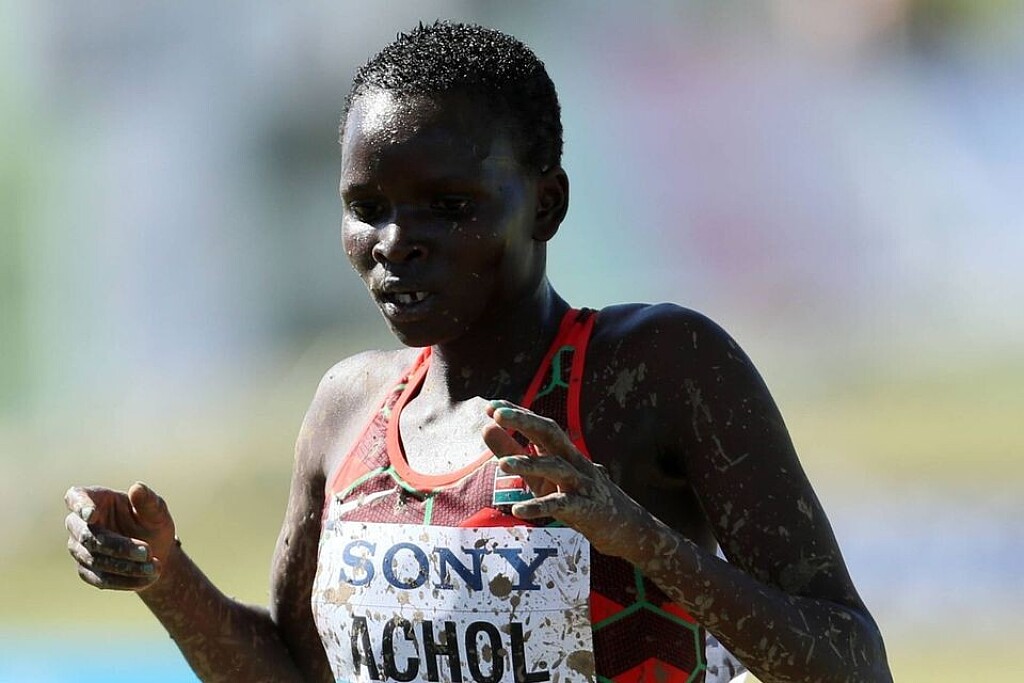
Emmaculate Anyango: Kenya’s long-distance prodigy handed six-year doping ban
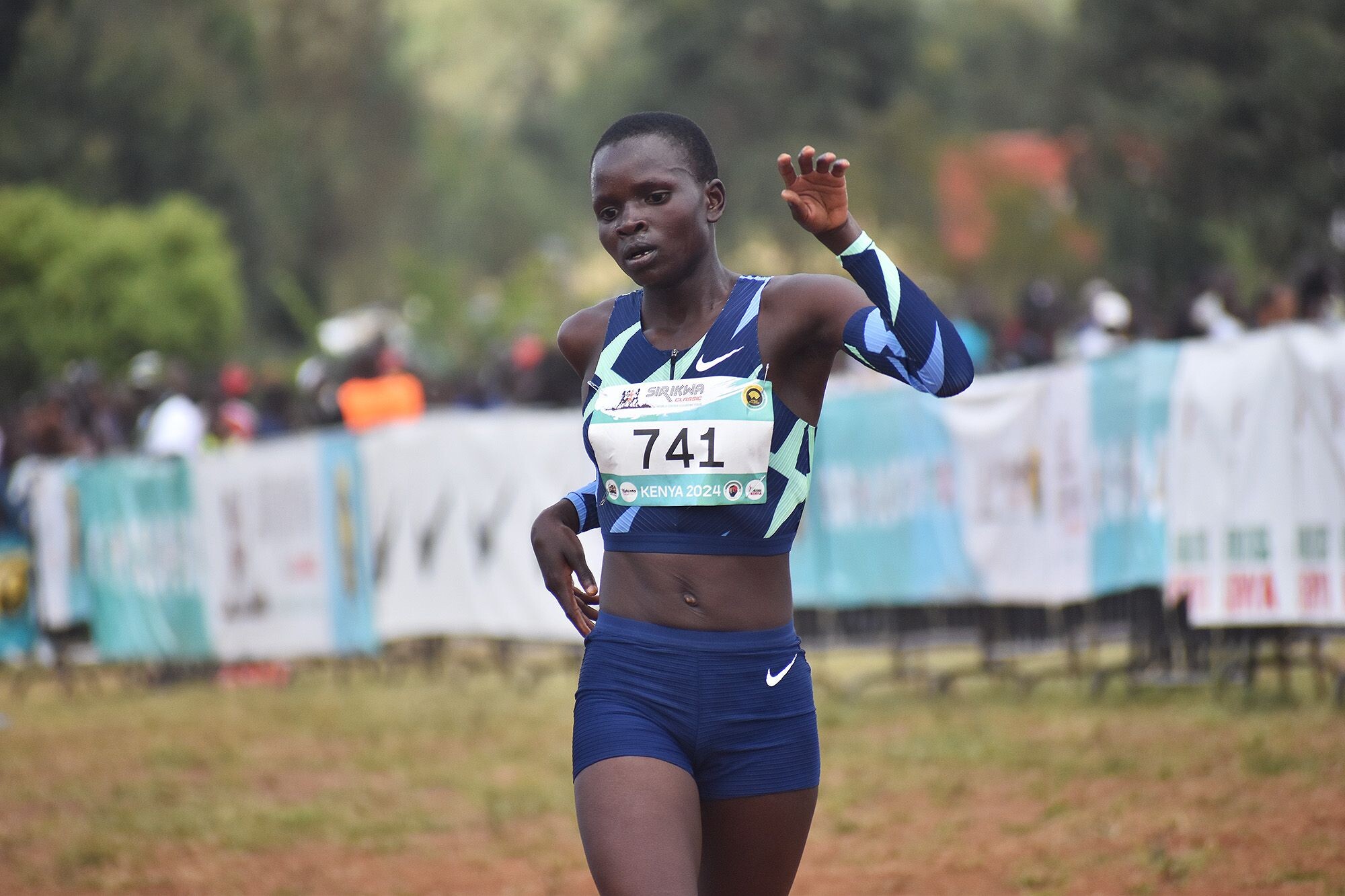
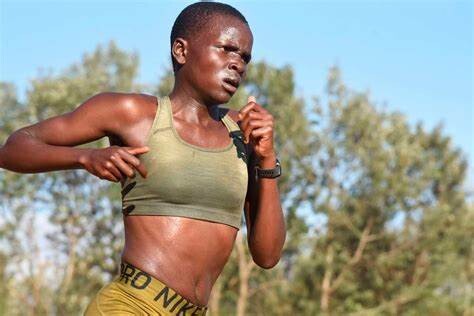
Emmaculate Anyango, who has been one of Kenya’s emerging athletes, has suffered a major blow after receiving a six-year ban over multiple doping violations.
Kenya’s long-distance sensation Emmaculate Anyango has been handed a six-year doping ban by the Athletics Integrity Unit (AIU) over multiple anti-doping violations.
The AIU announced Anyango’s doping ban on Friday, having provisionally suspended her in October, for the presence and use of a prohibited substance (Testosterone and EPO).
However as per AIU’s latest statement, the athlete was found to have cheated on four occasions between February and June 2024, her first, second and third urine samples revealing the presence of banned substance Metabolites while her fourth urine and blood sample revealed the presence of EPO.
The athlete failed to prove that she used the substances deliberately, having defended herself by claiming that she did not know how they ended up in her body. In her defence, Anyanyo claimed that she visited several hospitals in Eldoret after falling ill and that she fainted on multiple occasions and did not know what was injected into her system.
She also presented documents that failed to prove that she knowingly doped, which left her facing the mandatory four-year doping ban, and an extra two for Aggravating Circumstances as a result of her use of multiple banned substances.
The athlete was given an opportunity to accept responsibility, which would have seen her ban reduced by one year, but she failed to do this during the stipulated period, leaving the AIU with no choice but to slap her with the lengthy ban.
It is a major blow to the career of the 24-year-old, who will be 30 and beyond her prime by the time her ban ends in September 2030, having started making waves in 2024.
The Sirikwa Classic Cross-country champion was awarded the Sports Personality of the Month award for February by the Sports Journalists Association of Kenya (SJAK) after coming close to breaking the world 10km world record in January.
She recorded the second fastest 10km time in history when she clocked 28:57 in Valencia, Spain, improving Ethiopian Yalemzerf Yehualaw’s world record (29.14) but unfortunately for her, compatriot Agnes Ngetich won the race in a better time of 28.46.
Her career now appears to be over following the lengthy ban with her results from February 3, 2024 also scrapped.
(11/22/24) Views: 126Joel Omotto
Strava users overwhelmed by notifications bug
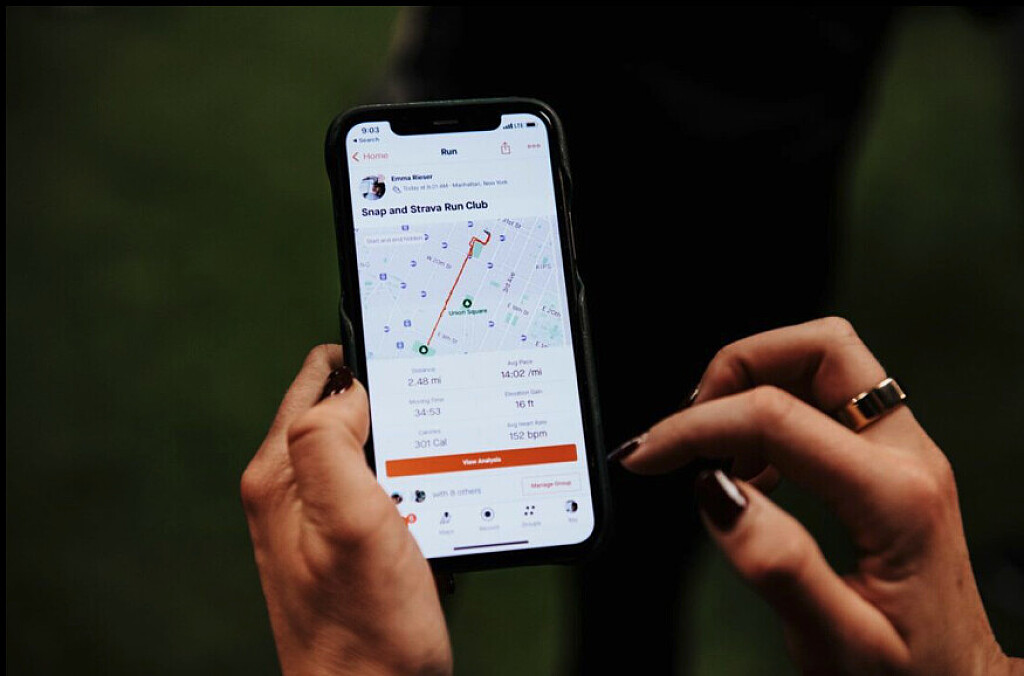
If you’re one of the millions of Strava users who thought their app glitched after an avalanche of push notifications from people you forgot you followed, rest assured: your app is not broken. On Tuesday, Strava had a “Friends Activities,” a notification bug that alerted users every time someone they followed completed an activity.
From runs and rides to swims and walks, Strava is eager to notify you every time your connections move. Cue the flurry of notifications like: “Your friend just finished a ride!”, “Your friend just completed a run!”, or “Your friend crossed the street!” And don’t forget to give Kudos!According to Strava, all users experienced a bug this morning, (which has now been resolved). While the bug was praised with good intentions, users reacted negatively to it, finding the sheer volume of notifications overwhelming.
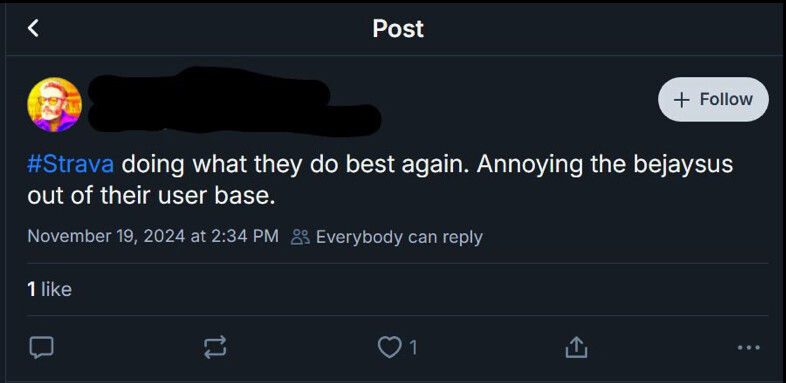
While it’s great to celebrate your friends’ accomplishments, not everyone appreciates their phone lighting up with 20+ alerts (especially those who follow triathletes, who log multiple activities a day). It didn’t take long for Strava users to take to X (formerly Twitter), with many questioning whether the app was broken or why they were suddenly bombarded with updates. Strava Support responded, advising users to adjust their notifications settings to regain control.How to turn off “friend” notifications
Open the Strava app.
Navigate to Settings.
Go to Push Notifications.
Under Friends, toggle off Friends Activities.
You’ll thank us later.
(11/24/24) Views: 123
Pro tips for your first ultra
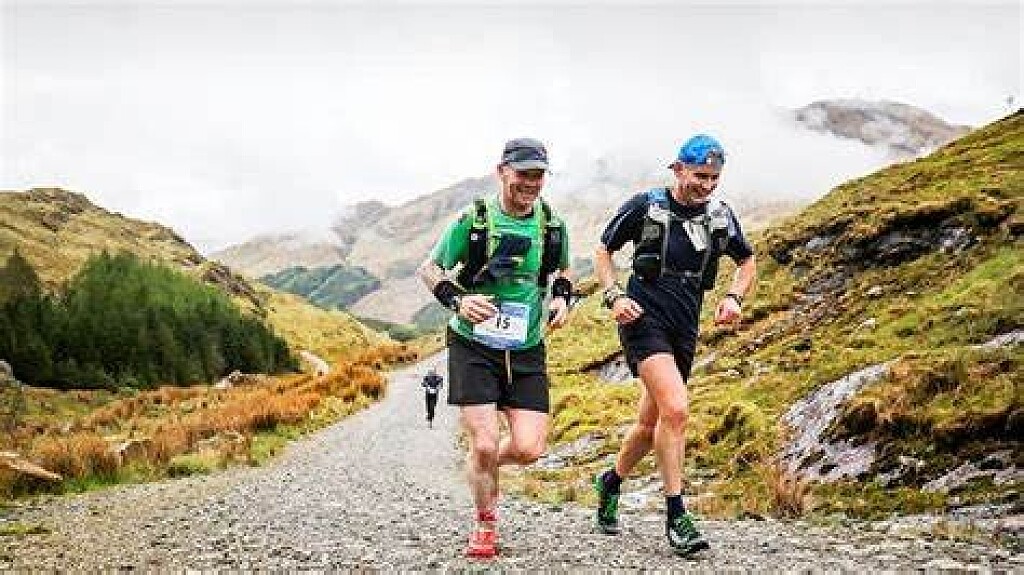
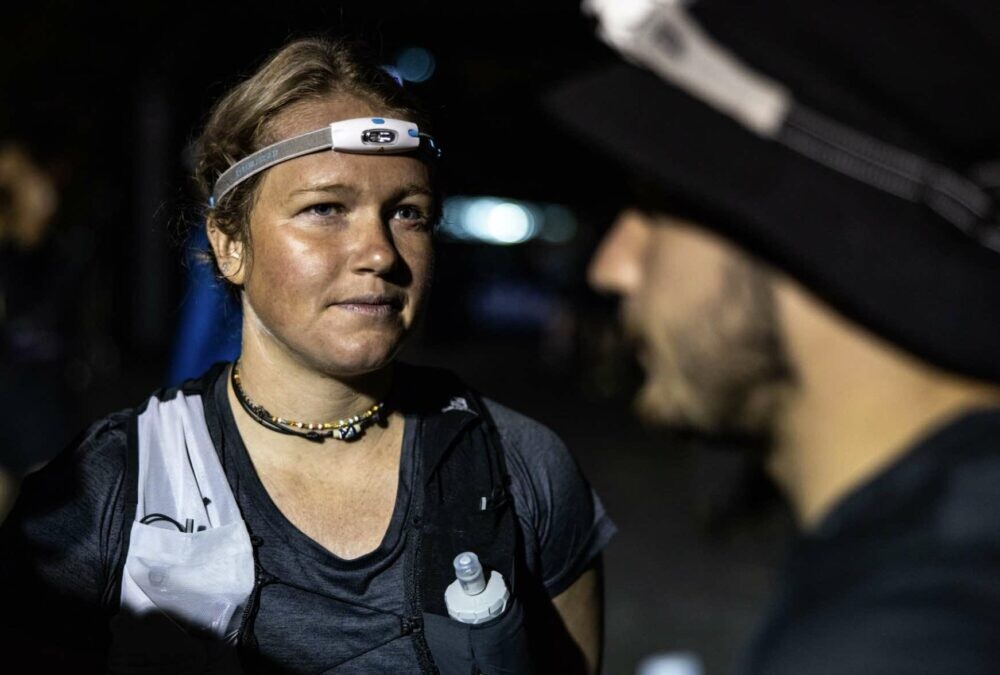
"It’s a long way. Get comfy being uncomfy. And smile," says Australian ultra-trail pro Lucy Bartholomew.
When pro ultra-trail runner Lucy Bartholomew opened her social media to questions recently, she was met with a flood of queries from runners preparing for their first 100K or 100-mile adventure. Her advice wasn’t just practical—it was a masterclass in mindset, offering wisdom that will resonate with anyone tackling a challenging race, no matter the distance. Here’s how Bartholomew’s approach could help you crush your goals while enjoying the journey.
Curiosity and gratitude
Bartholomew believes perspective is key to a good day on trails. “What a privilege/What a way to spend a day (and night!)/What a thing for your body to allow you to do,” she shares. Shifting your mindset from obligation to opportunity can reframe even the toughest sections of a race.
She also has powerful advice on staying present: “Take it one step at a time. The impermanence of each moment when running is my fav part. Stay curious. Stay open-minded.” Ultras are long, unpredictable and transformative. Embracing the unknown with curiosity can turn challenges into adventures.
Gratitude is another key to a strong performance and a fulfilling experience. “Give energy to others and you get energy back. Say thank you to the vollies [volunteers], your crew, your legs,” Bartholomew says. From aid station volunteers to cheering spectators, acknowledging the support around you creates a positive feedback loop.
Effort, attitude and adaptability
When it comes to race-day strategy, Bartholomew keeps it simple: “Nibble nibble sip sip. Keep that energy flow in.” Consistent fuelling and hydration are non-negotiable during ultras. Pair this with frequent mental and physical check-ins. “Do little checks of toes to your nose if there is anything you need to adjust, especially approaching checkpoints,” she advises. A small fix early can prevent a big issue later.
Mindset plays a monumental role, too. “You’ve got two things you can control; your effort and your attitude. They can be your biggest superpower and your worst enemy. Pick.” Choosing to manage these factors wisely can help you stay in control, even when everything else feels uncertain.
Celebrate the journey
Ultras are about more than just finishing—they’re about embracing the discomfort and finding joy along the way. “It’s a long way. Get comfy being uncomfy. And smile,” Bartholomew suggests.
And when the race is over? Don’t rush to the next goal—take time to acknowledge what you’ve achieved. “Oh and when you’re done, don’t let it slide by; wrap yourself in it. You don’t need a next—you have a now. You dared to do something that is scary, takes guts, shows belief, exemplifies courage and highlights character. Steep in that achievement, regardless of result,” Bartholomew says. “What a sport!”
(11/25/24) Views: 123Keeley Milne
The Evolution of Marathon Running: A Kenyan Perspective
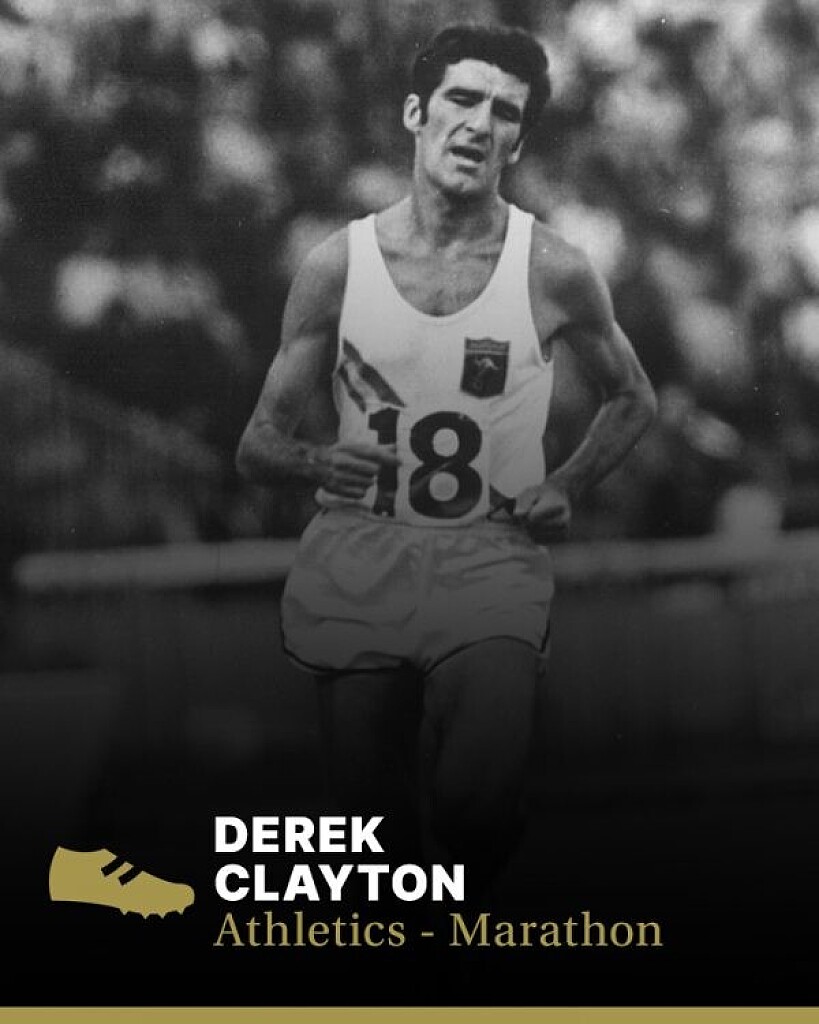
I can still vividly remember when 2:08:32 in the marathon seemed like an unbreakable barrier. Derek Clayton of Australia set this world record back in 1969 at the Antwerp Marathon—a time so remarkable that it stood for nearly 12 years. Now, hundreds of runners have far surpassed that mark. Today, running a sub-2:05 marathon has become almost routine, particularly for athletes from Africa.
On the women’s side, the achievements are just as groundbreaking. Ruth Chepngetich of Kenya recently made history at the 2024 Chicago Marathon by breaking the 2:10 barrier, finishing in a stunning 2:09:56. While this remarkable time is still awaiting ratification, it is set to redefine the boundaries of women’s marathon running. This performance follows the previous world record of 2:11:53, set by Tigst Assefa of Ethiopia at the 2023 Berlin Marathon. These times show just how far women’s marathon performances have progressed in recent years.
While advancements like “magic” shoes have undoubtedly played a role in these extraordinary performances, it’s important to note that better pacing by other professional runners, now a standard practice, has also made a significant difference. These pacesetters help keep athletes on target through much of the race, ensuring consistency and reducing mental strain. However, the story of record-breaking runs runs much deeper than technology and pacing strategies.
In Kenya alone, there are at least 80,000 distance runners who dream of nothing else but becoming professional athletes. For them, running isn’t just a passion—it’s a path to success and stability.
At the Kenyan Athletics Training Academy (KATA), the training camp I established in Thika, Kenya, we house, feed, and train aspiring athletes. I Each week, I receive messages from 10 or more runners hoping to join our program. For these athletes, running is not a hobby or a pastime. It’s a career aspiration, with the ultimate goal of winning races and securing prize money. They love running, but make no mistake—their drive is fueled by the potential to achieve financial security and support their families.
Contrast this with the United States, where very few runners train with the sole focus of becoming professional athletes. Instead, many children grow up dreaming of careers in sports like baseball, basketball, football, or, more recently, soccer. The talent pool for these sports is massive, and from this base, the superstars emerge.
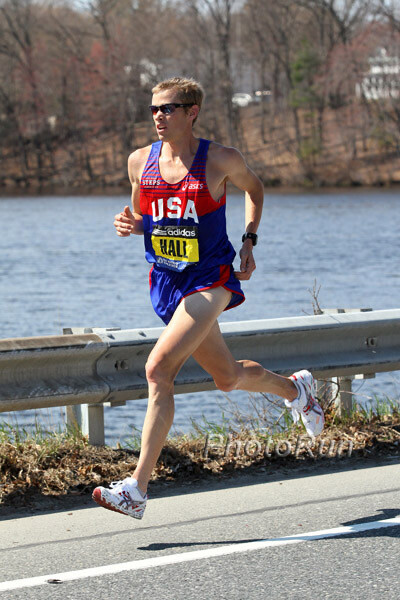
That said, American marathoners have delivered incredible performances. Ryan Hall’s 2:04:58 at the 2011 Boston Marathon remains a monumental achievement, showcasing what U.S. athletes are capable of on a favorable course. On the women’s side, runners like Keira D’Amato (2:19:12) and Emily Sisson (2:18:29, an American record) are setting new benchmarks, proving that the U.S. can compete at the highest levels.
In the U.S., running is often a lifestyle choice rather than a career ambition. Recreational and “fun” runners dominate the scene, which has its benefits—contributing to a higher average life expectancy (76 years in the U.S. compared to 63 in Kenya). In Kenya, it’s rare to see runners over 40 years old out training. The focus there is on younger athletes whose primary goal is to make a living through running.
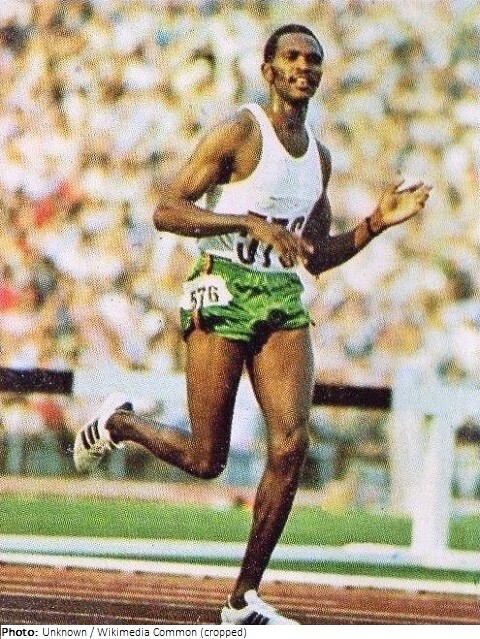
For many in Kenya, running is the equivalent of pursuing a high-paying job in other fields. This mentality dates back to pioneers like Kip Keino, who opened the door for countless Kenyan athletes to achieve global success. His legacy inspired generations, and today, Kenyan runners—both men and women—continue to push the limits of human potential.
As marathon times keep dropping and prize money continues to grow, I believe we’ll see even faster performances from both men and women—especially in Africa, where running is deeply ingrained as a pathway to opportunity.
(11/23/24) Views: 120
Bob Anderson
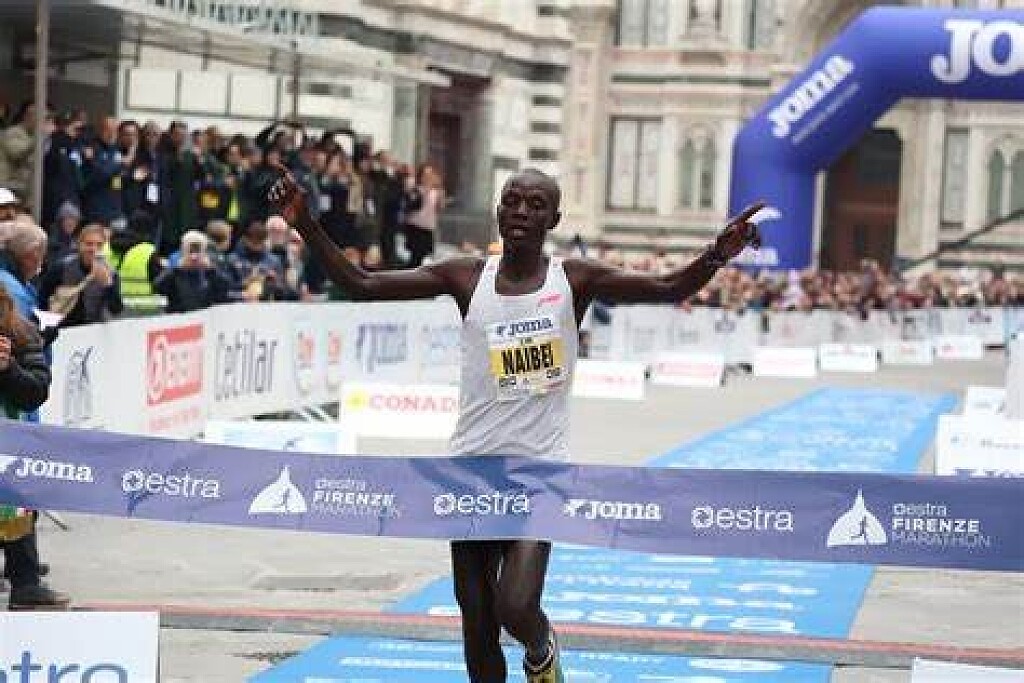
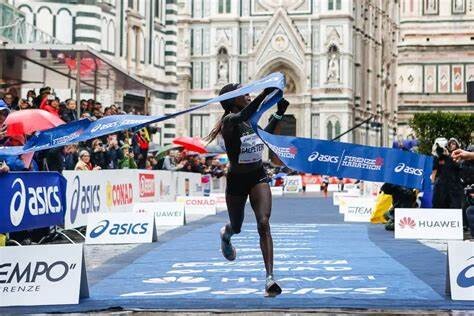
Kenyans Samuel and Dorine win the firenze marathon
There were 12 thousand marathon runners who ran the Florence Marathon. Won by the Kenyan Samuel Kiplimo Naibei with a time of 2h12'51". And the first woman was also Kenyan: Dorine Jerop Murmomen in 2h27'01". Second among the men was Burundian Jean Marie Bukuru, who climbed from sixth position, to the finish line in 2h16'22" shoulder to shoulder and with the same time as the Kenyan Hyllry Biwott Chemweno.
First Italian, and fifth overall, Hicham Boufars in 2h18'24". Second among the women Lucy Chepoghon Chelele in 2h27'18", followed by Hellen Chepkorir in 2h27'59". First Italian, and fifth overall, Maria Gorette Subano, who improves on last year's sixth place, when she was making her debut on the marathon distance, finishing in 2h39'59".
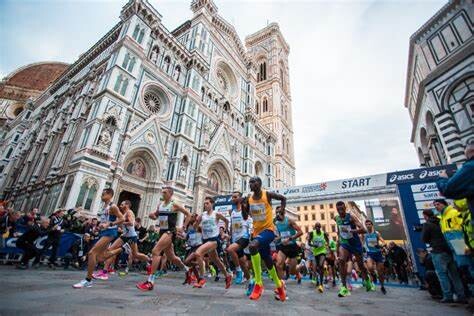
The start at 8.30 am: with the president of the Tuscany Region, Eugenio Giani, while it was the first time for Sara Funaro, as mayor, to officially start the marathon.
"Thanks to those who have made this event possible, it is a great honor for Tuscany to host the second largest Italian marathon in terms of number - said Giani -. It is with great commitment and satisfaction that we work so that this race takes place in the city center, testifying that the marriage between sport and culture is possible".
For Funaro it was "a great emotion the start of the 40th Firenze Marathon. It is truly an incredible edition, together with the 10km there are over 11 thousand registered and participants from over 90 nations, a river of wonderful people in our city. A big thank you goes to the organizers and the many volunteers who are the soul of the Florence Marathon".
In the parterre of the start and finish area also the councilor for sport Letizia Perini and the president of the City Council Cosimo Guccione. Five minutes from the official start, departure for the MaratonAbili while at the same time the start of the first edition of the 10K FirenzeMarathon took place from via Tornabuoni. During the morning, the commander of the municipal police Paola Pieri was awarded with a plaque who, after having collaborated for the success of many editions of the FlorenceMarathon, retires for retirement.
Four athletes who participated in the first edition, in 1984, were also awarded with a plaque. Plaque also for Andrea Galbiati, marathon runner and president of MonzaMarathonTeam, friend of the Firenze Marathon, at his 15th continuous participation.
"Whether it is thanks to this special birthday or to the hearts of 11 thousand marathon runners who made this city vibrate, the emotions of this edition and the satisfaction of us organizers are on edge, we are very happy to have welcomed thousands of athletes to the finish line - the final thought of Giancarlo Romiti, on behalf of the organizing committee -. The first was also good for the 10K Firenze Marathon with over a thousand athletes who enjoyed our extraordinary historic center. For us organizers, the Florence Marathon began a year earlier, when, in the wake of the enthusiasm of the edition that has ended, we gathered the closeness of partners and institutions to embark on the new path. See you next year".
(11/25/24) Views: 117Ernesto Giusti
