

Running News Daily
Top Ten Stories of the Week
3/1/2025
These are the top ten stories based on views over the last week.



Doping Dilemma: How WADA's Policies Are Failing Our Sport
I am alarmed by how the World Anti-Doping Agency (WADA) is policing our sport. It's disheartening to see athletes win races only to be stripped of their titles months later due to delayed doping allegations. This approach undermines the integrity of athletics and, in the long run, does more harm than good.
Having dedicated my life to running—I ran my first mile on February 16, 1962, and I discovered my passion for our sport after clocking a 2:08.5 in a 880-yard race JUne 1, 1963—I've witnessed the sport's evolution firsthand. As the founder and publisher of Runner’s World for 18 years and, since 2007, the editor and publisher of My Best Runs, I am concerned about the professional side of athletics.

The Flaws in WADA's Zero-Tolerance Policy
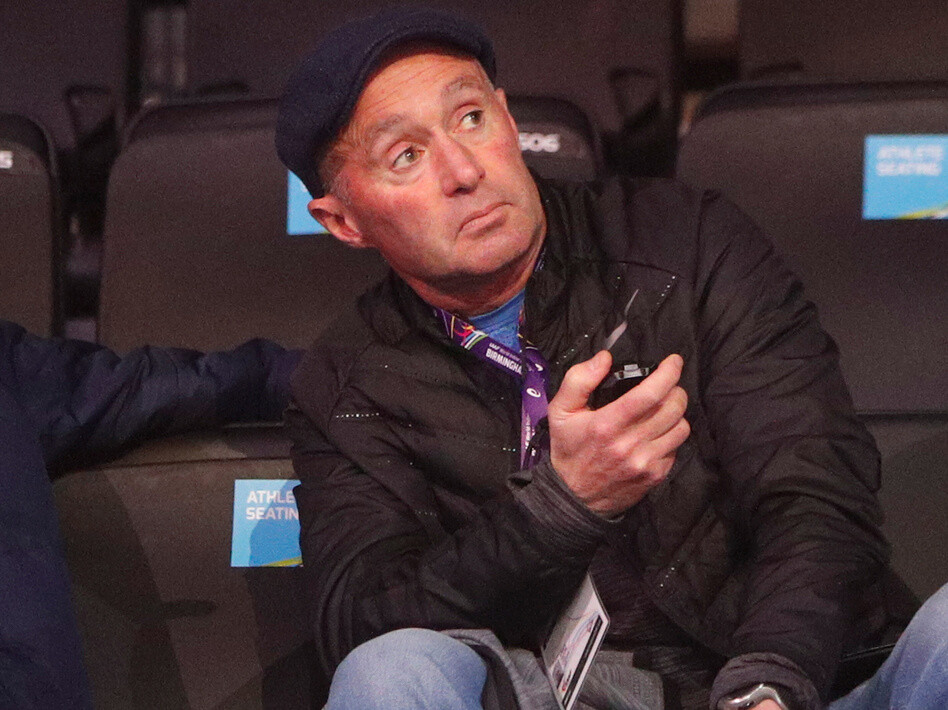
WADA's strict liability standard holds athletes accountable for any prohibited substance in their system, regardless of intent. This has led to controversial sanctions, such as the four-year ban of American runner Shelby Houlihan. She tested positive for the steroid nandrolone, which she attributed to consuming a pork burrito. Despite her defense, the ban was upheld, raising questions about the fairness of such rigid policies.
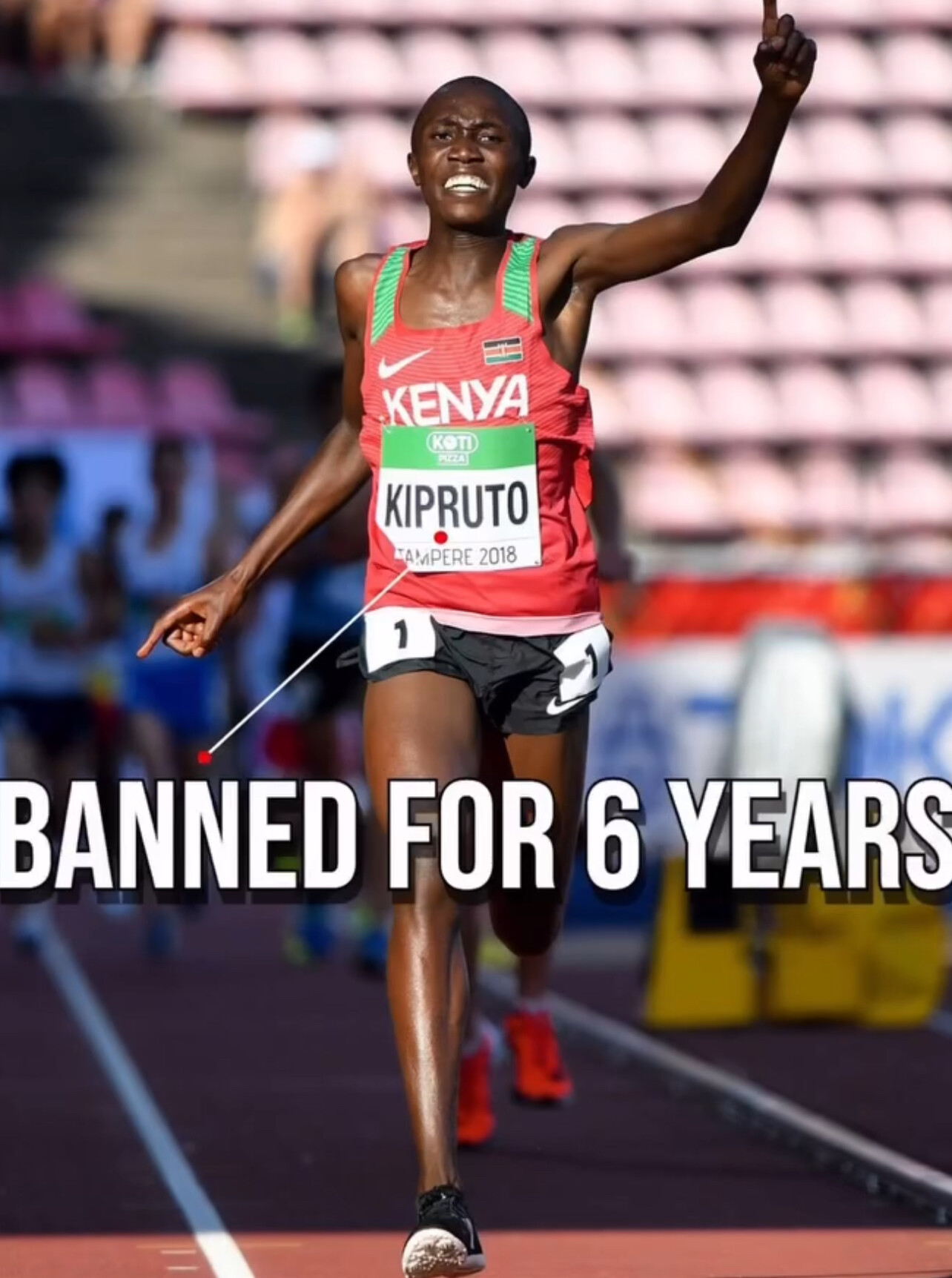
Overhauling the Banned Substances List
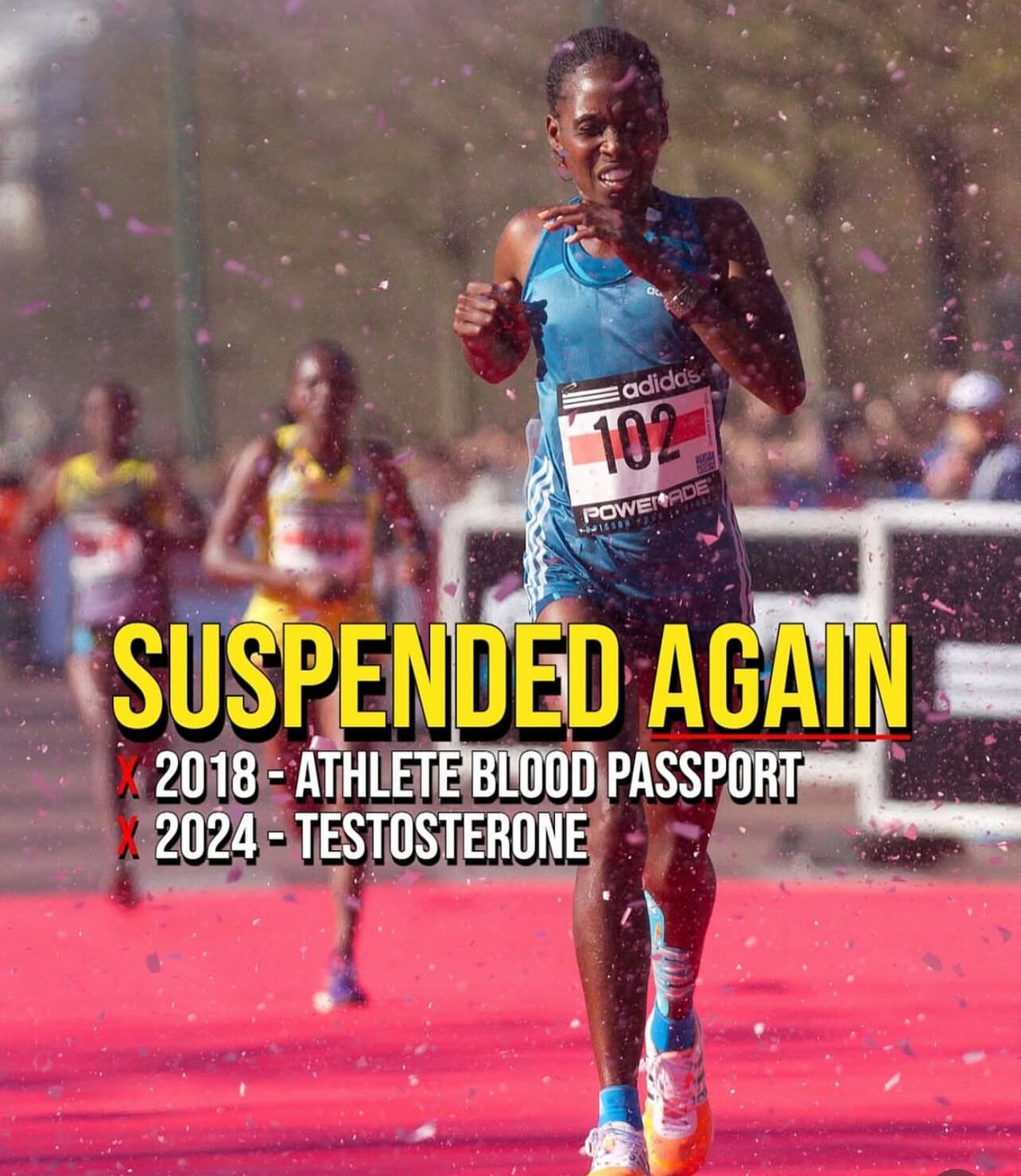
The extensive list of prohibited substances maintained by WADA includes compounds with minimal or no performance-enhancing effects. By focusing on substances with proven performance benefits, we can prevent athletes from being unjustly penalized for trace amounts of inconsequential substances.

The Problem with Retroactive Disqualifications
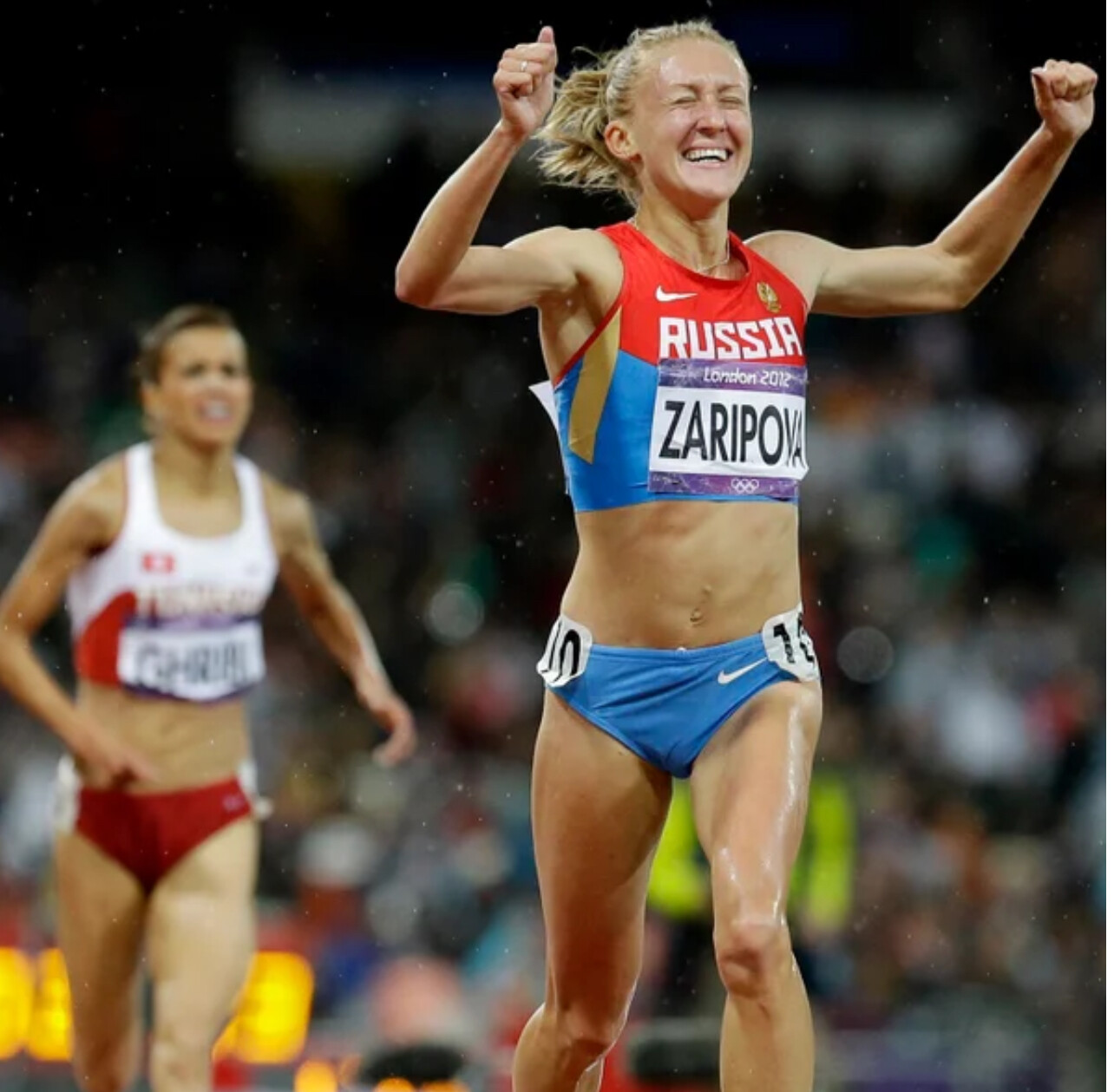
Delayed disqualifications due to retroactive positive tests cause significant disruptions. Athletes are stripped of titles months or even years after competitions, leading to uncertainty and diminished trust in the sport. Investing in faster, more sensitive testing methods is crucial to detect violations promptly, ensuring that competition results are reliable and fair.
Rethinking the "Whereabouts" Requirement
WADA's "whereabouts" rule mandates that athletes provide their location for one hour each day to facilitate out-of-competition testing. This constant monitoring infringes on athletes' privacy rights and imposes an unreasonable burden. Reevaluating this policy could help balance effective anti-doping measures with respect for personal freedoms.
Understanding Blood Doping and Its Implications
Blood doping, which involves increasing red blood cells to enhance performance, poses significant health risks, including blood clots, stroke, and heart attack. While it's linked to deaths in sports like cycling, there is no documented case of a runner dying directly from blood doping.
Interestingly, many doping violations involve substances like erythropoietin (EPO), which, despite health risks, haven't been directly linked to fatalities among runners. In contrast, alcohol—a legal substance—is responsible for approximately 3 million deaths worldwide annually. This disparity raises questions about the consistency of current substance regulations in sports.
The Business of Anti-Doping
Established in 1999 with an initial operating income of USD 15.5 million, WADA's budget has grown significantly, reaching USD 46 million in 2022. This increase reflects the expanding scope of WADA's activities, including research, education, and compliance monitoring.
Funding is primarily sourced from public authorities and the sports movement, with the International Olympic Committee (IOC) being a major contributor. Notably, in 2024, the United States withheld over USD 3.6 million—about 6% of WADA's annual budget—due to disputes over the agency's handling of doping cases.
EPO's Prevalence in Doping Cases
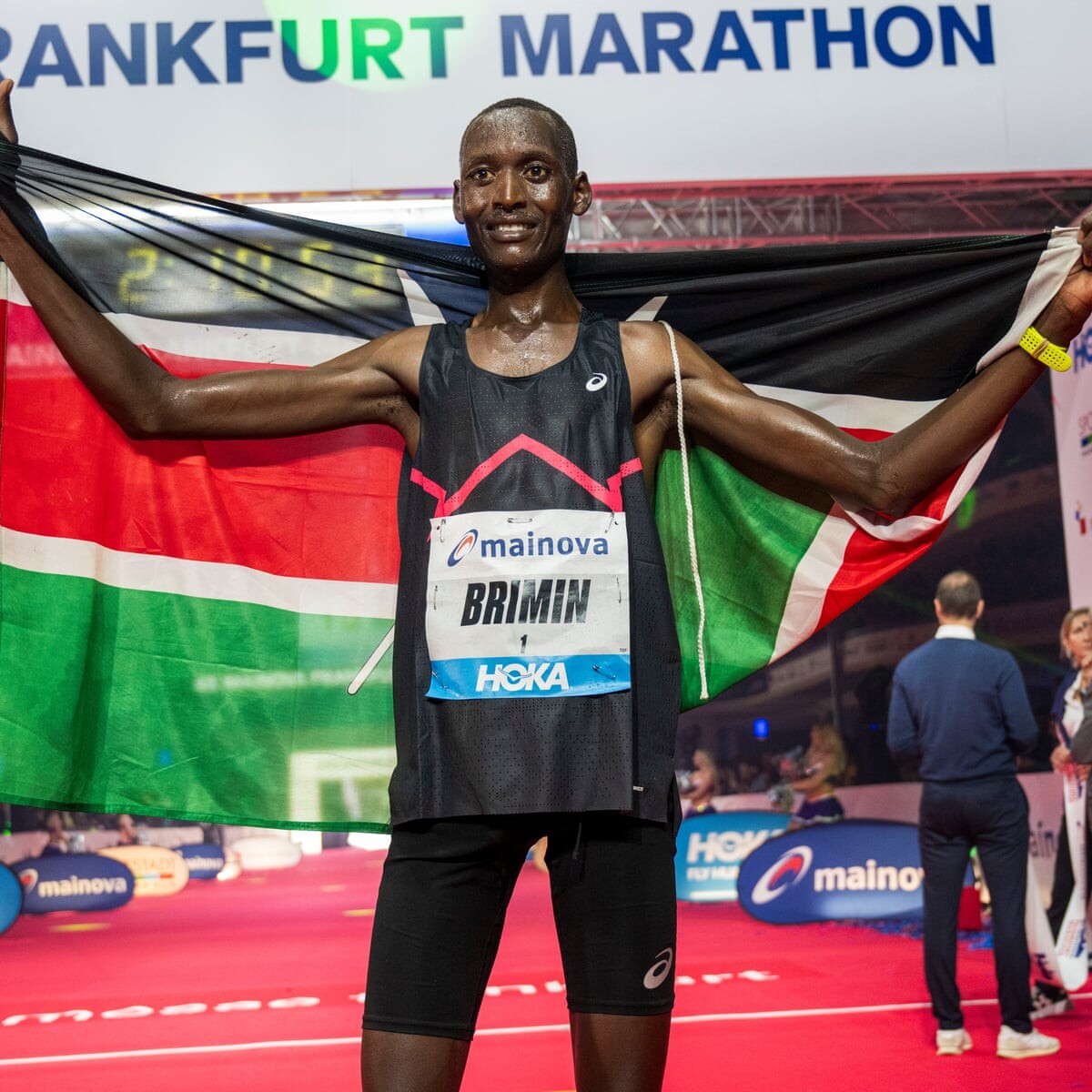
Erythropoietin (EPO) has a history of abuse in endurance sports due to its performance-enhancing capabilities. For example, Kenyan marathon runner Brimin Kipkorir was provisionally suspended in February 2025 after testing positive for EPO and Furosemide. This suspension adds to a series of high-profile doping cases affecting marathon running, especially among Kenyan athletes.
Adapting Governance and Policies to Maintain Trust
High-profile doping scandals have exposed flaws in the governance of athletics. The case of coach Alberto Salazar illustrates the challenges in enforcing anti-doping regulations. Salazar, who led the Nike Oregon Project, was initially banned for four years in 2019 for multiple anti-doping rule violations, including trafficking testosterone and tampering with doping control processes.
In 2021, he received a lifetime ban for sexual and emotional misconduct. His athlete, Galen Rupp, never tested positive for banned substances, yet his reputation suffered due to his association with Salazar. This situation underscores the importance of independent and transparent governance in maintaining the sport's integrity.
The banned drug list
The World Anti-Doping Agency (WADA) maintains a comprehensive list of substances and methods prohibited in sports to ensure fair competition and athlete health. This list is updated annually and includes categories such as:
· Anabolic Agents: These substances, including anabolic-androgenic steroids, promote muscle growth and enhance performance.
· Peptide Hormones, Growth Factors, and Related Substances: Compounds like erythropoietin (EPO) and human growth hormone (hGH) that can increase red blood cell production or muscle mass.
· Beta-2 Agonists: Typically used for asthma, these can also have performance-enhancing effects when misused.
· Hormone and Metabolic Modulators: Substances that alter hormone functions, such as aromatase inhibitors and selective estrogen receptor modulators.
· Diuretics and Masking Agents: Used to conceal the presence of other prohibited substances or to rapidly lose weight.
· Stimulants: Compounds that increase alertness and reduce fatigue, including certain amphetamines.
· Narcotics: Pain-relieving substances that can impair performance and pose health risks.
· Cannabinoids: Including substances like tetrahydrocannabinol (THC), which can affect coordination and concentration.
· Glucocorticoids: Anti-inflammatory agents that, when misused, can have significant side effects.
Additionally, WADA prohibits certain methods, such as blood doping and gene doping, which can artificially enhance performance. It's important to note that while substances like alcohol are legal and widely consumed, they are not banned in most sports despite their potential health risks.
In contrast, substances like EPO, which have not been directly linked to fatalities among runners, are prohibited due to their performance-enhancing effects and potential health risks. This raises questions about the consistency and focus of current substance regulations in sports..
Regarding the percentage of doping violations involving EPO, specific statistics are not readily available. However, EPO has been a focal point in numerous high-profile doping cases, particularly in endurance sports. For detailed and up-to-date information, consulting WADA's official reports and statistics is recommended
Blood Doping Across Sports
Blood doping is prohibited across various sports, particularly those requiring high endurance. The International Olympic Committee (IOC) banned blood doping in 1985, and since then, numerous sports organizations have implemented similar prohibitions. Cycling has been notably affected, with many major champions associated with or suspended for blood doping.
In conclusion, while the fight against doping is essential to maintain fairness in athletics, the current methods employed by WADA may be causing more harm than good. It's imperative to develop more nuanced, fair, and effective anti-doping policies that protect both the integrity of the sport and the rights of its athletes.
(02/27/25) Views: 417Bob Anderson
Faith Kipyegon Eyes Historic Sub-Four-Minute Mile
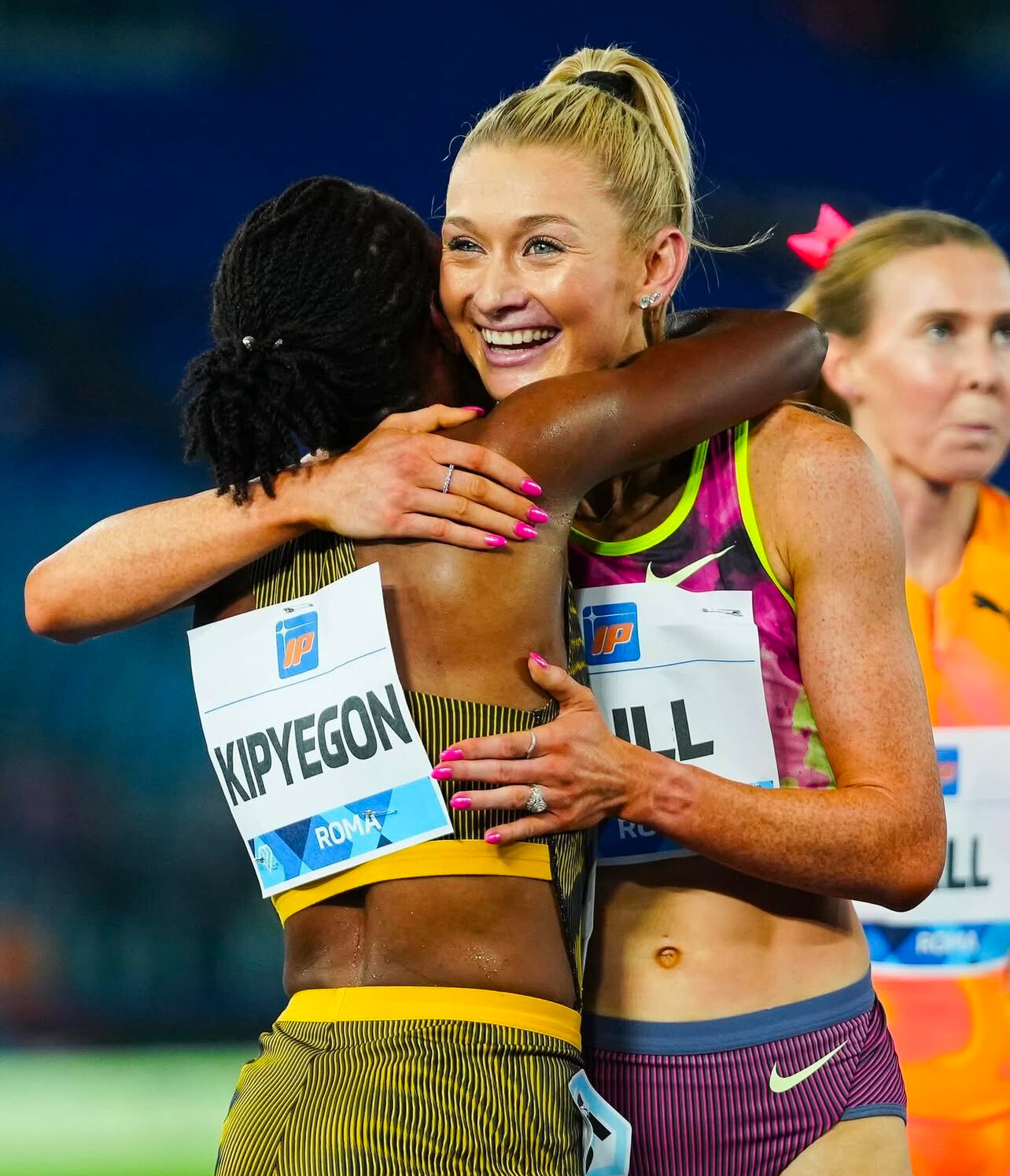
Faith Chepngetich Kipyegon has cemented herself as one of the greatest middle-distance runners of all time, rewriting records and redefining what is possible in women’s athletics. With multiple Olympic and World Championship titles to her name, she continues to push the boundaries of human performance. Now, she stands on the brink of making history again—becoming the first woman to break the elusive four-minute mile barrier.
Born on January 10, 1994, in Bomet, Kenya, Kipyegon’s journey to greatness began in the Rift Valley, a region known for producing world-class distance runners. Initially a soccer enthusiast, her raw talent for running became evident when she effortlessly won a school race at age 14. That moment set her on a path that would lead to global dominance.
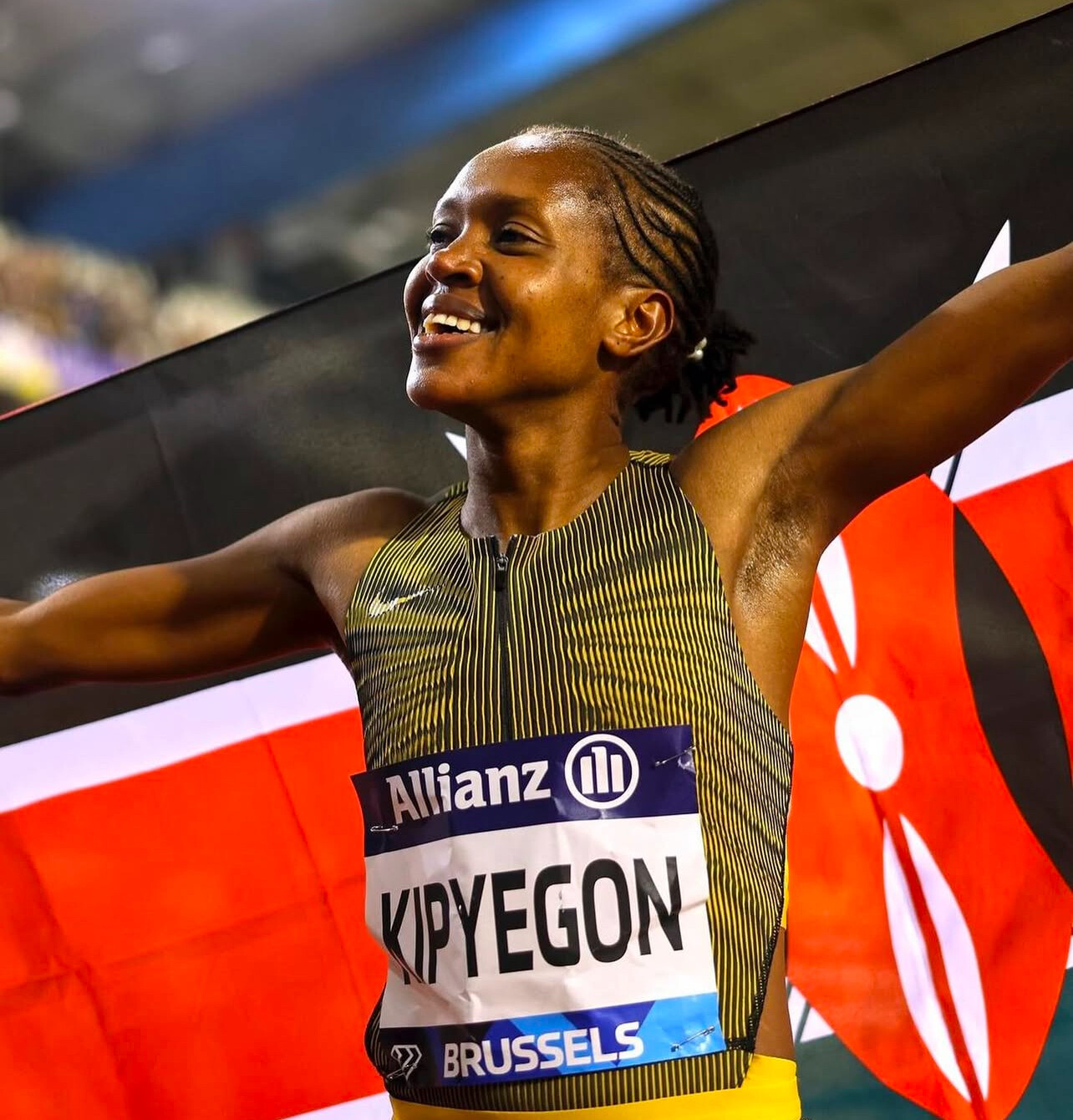
Kipyegon burst onto the international stage at the 2010 World Cross Country Championships in Poland, where she competed barefoot and finished fourth in the junior race. She quickly ascended the ranks, winning gold at the 2011 and 2013 World Cross Country Championships, as well as titles in the 1500m at the 2011 World Youth Championships and the 2012 World Junior Championships.
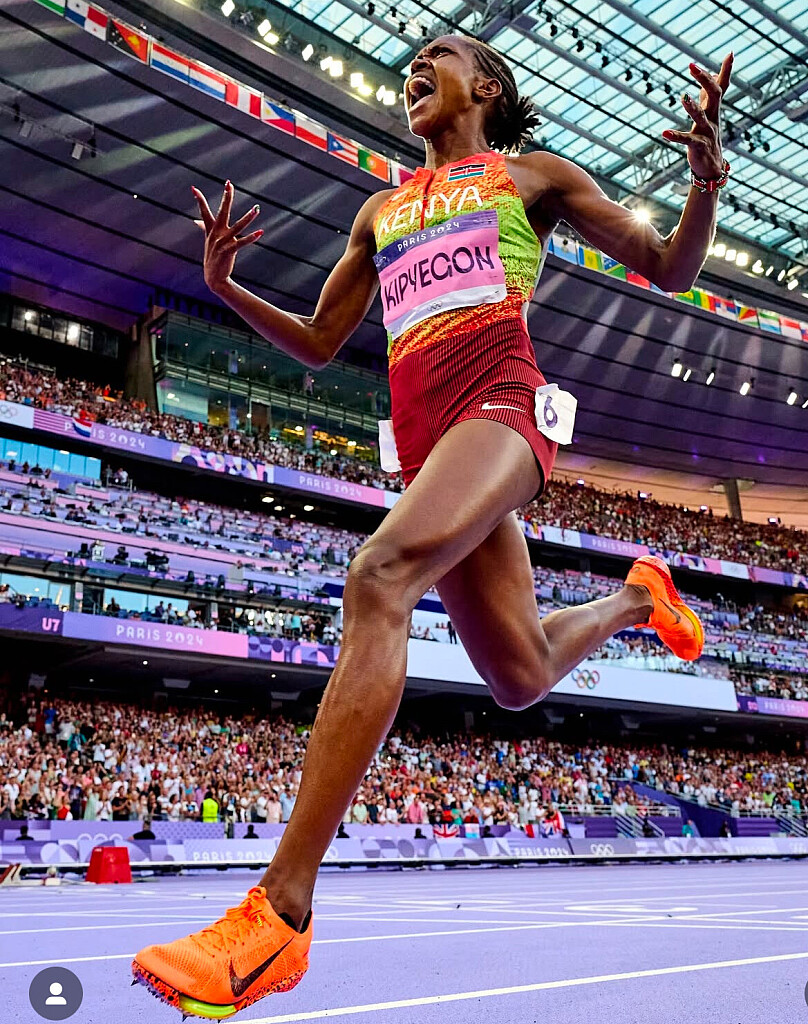
Her Olympic career is nothing short of legendary. She won her first 1500m gold at the 2016 Rio Games and defended her title in Tokyo in 2021. At the 2024 Paris Olympics, she made history by securing a third consecutive gold medal in the event, setting an Olympic record of 3:51.29. In World Championship competition, she has claimed multiple titles, including a remarkable double victory in the 1500m and 5000m at the 2023 Budapest World Championships.
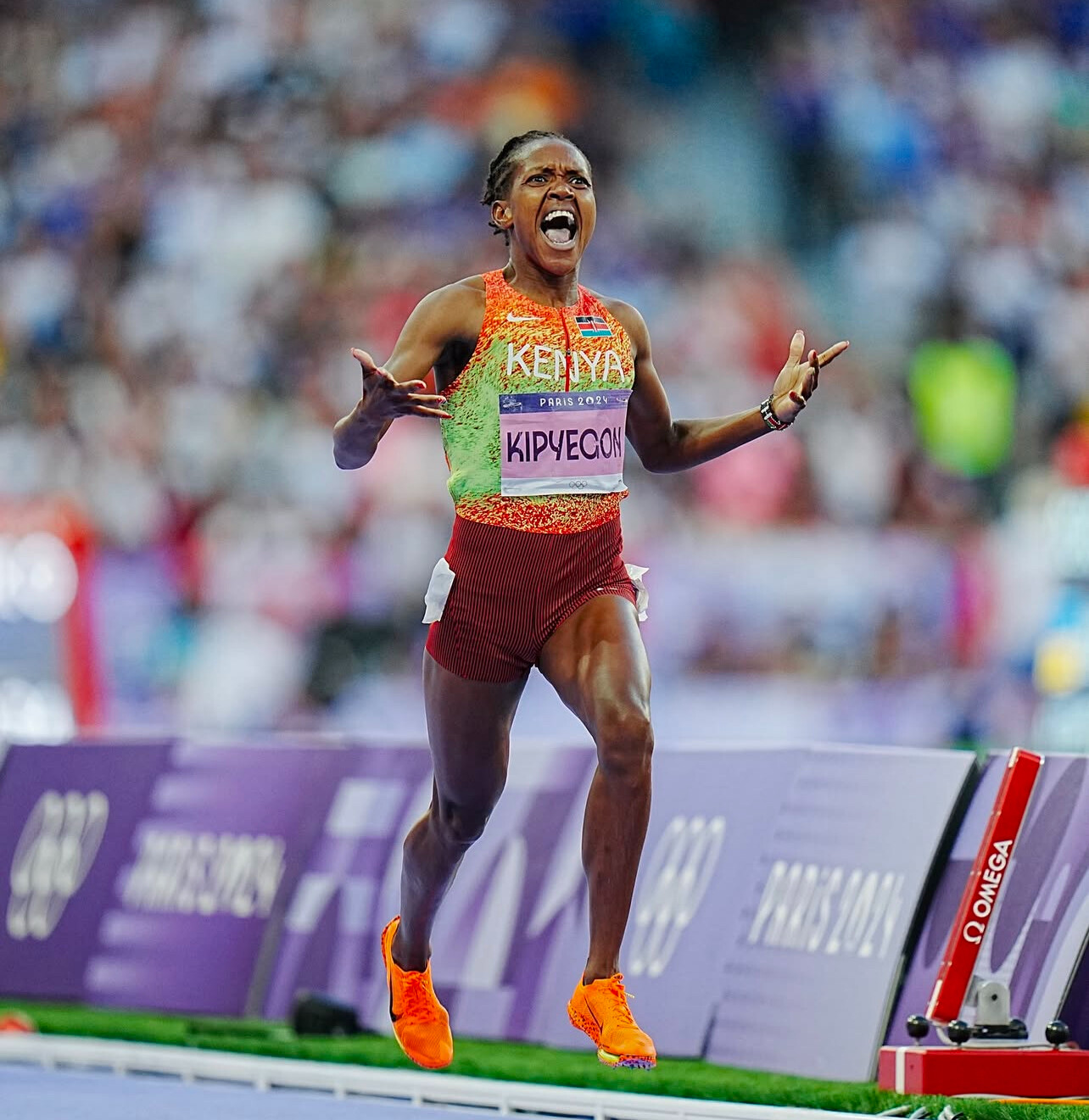
Kipyegon’s dominance extends beyond championship racing—her record-breaking performances on the track are rewriting history. The year 2023 was a defining one for her career. On June 2, she shattered the 1500m world record with a time of 3:49.11 at the Florence Diamond League. Just a week later, she broke the 5000m world record in Paris, running 14:05.20. On July 21, she delivered yet another groundbreaking performance by setting a new world record in the mile, clocking 4:07.64 at the Monaco Diamond League.

Her mile world record surpassed the previous mark of 4:12.33, set by Sifan Hassan in 2019. This extraordinary feat has sparked conversations in the running world about whether Kipyegon could be the first woman to break the four-minute mile barrier. Experts suggest that with optimal pacing, drafting, and race conditions, she has the potential to achieve what was once thought impossible.
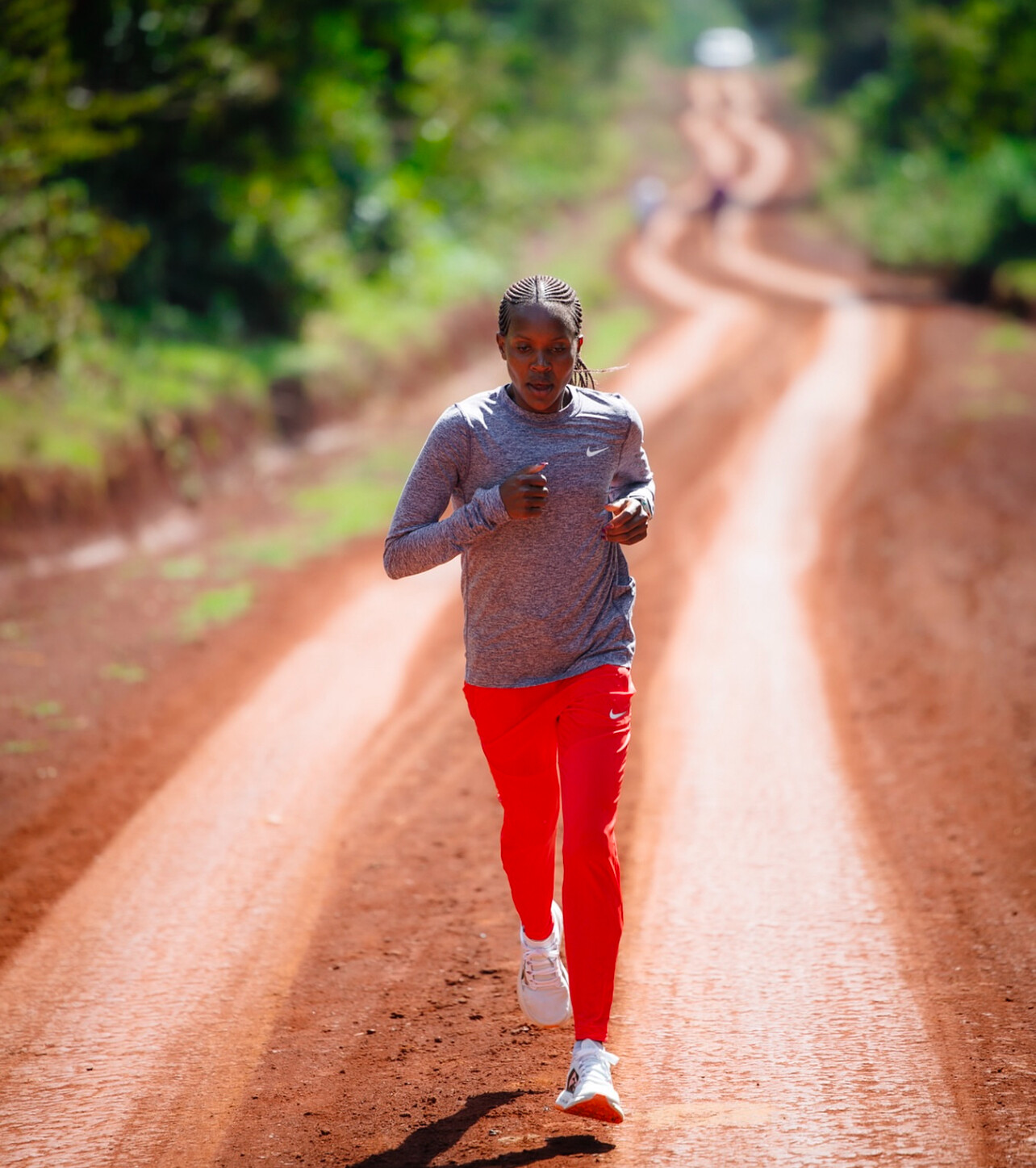
In February 2025, Kipyegon had an uncharacteristic setback at the Sirikwa Cross Country Classic in Eldoret, where she failed to finish the 10km race. Despite this rare off day, she remains focused and determined, with her eyes set on another historic season. With her current trajectory, breaking four minutes in the mile is no longer a question of if, but when.

Beyond her achievements on the track, Kipyegon is also a devoted mother and wife. She is married to Timothy Kitum, the 2012 Olympic 800m bronze medalist, and together they have a daughter, Alyn, born in 2018. Balancing motherhood and elite competition, she continues to inspire millions with her work ethic and determination.

Faith Kipyegon is not just a champion—she is a trailblazer. As she continues to push the limits of middle-distance running, the world watches in anticipation. If there is one athlete capable of redefining history and shattering the four-minute mile, it is Faith Kipyegon.
(02/26/25) Views: 137Boris Baron
Exploring Different types of running and what is the best
The route you choose can make or break a run It can turn an ordinary workout into an adventure or leave you counting down the miles wishing it was over Over the years I’ve tackled just about every type of running route imaginable and I’ve realized that the layout of a run matters just as much as your shoes pace or playlist
This list focuses on the structure of the route itself not specific training methods like intervals tempo runs or fartleks It’s also not about surfaces so no debate here between grass sand pavement or trails And I’m not talking about hill work altitude training or anything else that complicates the joy of simply lacing up and heading out This is about the route you choose and how it shapes the overall experience
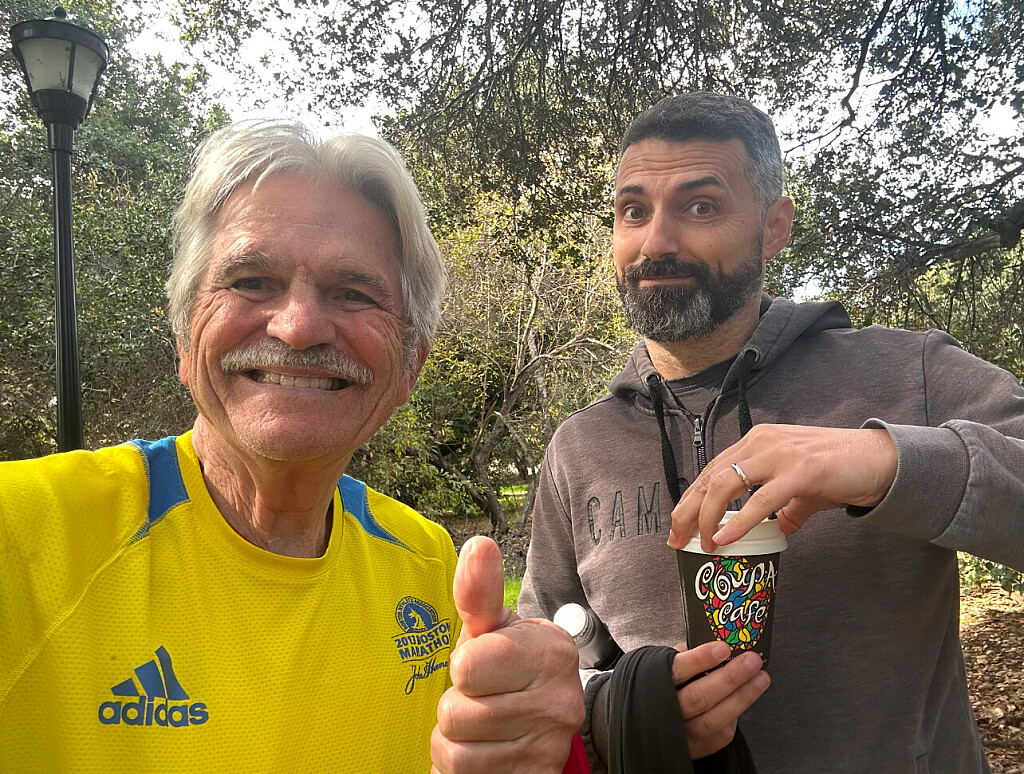
1 Point to Point The Ultimate Running Adventure (first photo with JR after our Coupa run)
Without a doubt point to point runs are my favorite There’s something satisfying about starting in one place and finishing somewhere completely different It turns a workout into a journey you’re not just running in circles you’re actually getting somewhere
There are really two ways to approach a point to point run Either you start at home and run to a destination or you get dropped off and run back home I enjoy both depending on the day and the logistics
One of my favorite routes back home in California is running from my house in Los Altos to the Coupa Café on the Stanford campus It’s about 7.2 miles but I almost always stop after 10k or sometimes even sooner and walk the last mile to the café. It's a great way to cool down before sitting down for coffee My wife Catherine often picks me up afterward or sometimes I arrange for a Uber to pick us up.
While in Portugal my go to point to point is running from our little village of Monforte da Beira over to the next village It’s a beautiful 12k or 74 miles and I often run it on Saturday and then walk it with some of our team on Sunday We always end up at a small café where we enjoy coffee water and maybe a little Portuguese pastry
Point to point courses also make for great races Take the Boston Marathon for example You take a bus to Hopkinton and run your way back into the heart of Boston Or the Fontana Half Marathon where you catch an early morning bus up the hill and run all the way back down
2 Loop A Run That Comes Full Circle
Loops come in second for me and for good reason You start and finish at the same spot without the boredom of retracing your steps If you pick the right route you get variety different scenery changing terrain and a clear sense of progress A well planned loop gives you the satisfaction of completion without the mental hurdle of knowing you’ll have to turn around and run everything in reverse

3 Out and Back Reliable and Straightforward (second photo 5.7 mile run with club)
Out and back runs are the workhorses of training I’ve done countless miles this way because they’re easy to plan and execute Pick a spot run halfway turn around and head home There’s a mental boost when you hit the turnaround you’re officially on the way back It might not be as exciting as point to point or a loop but it’s practical and sometimes that’s all you need
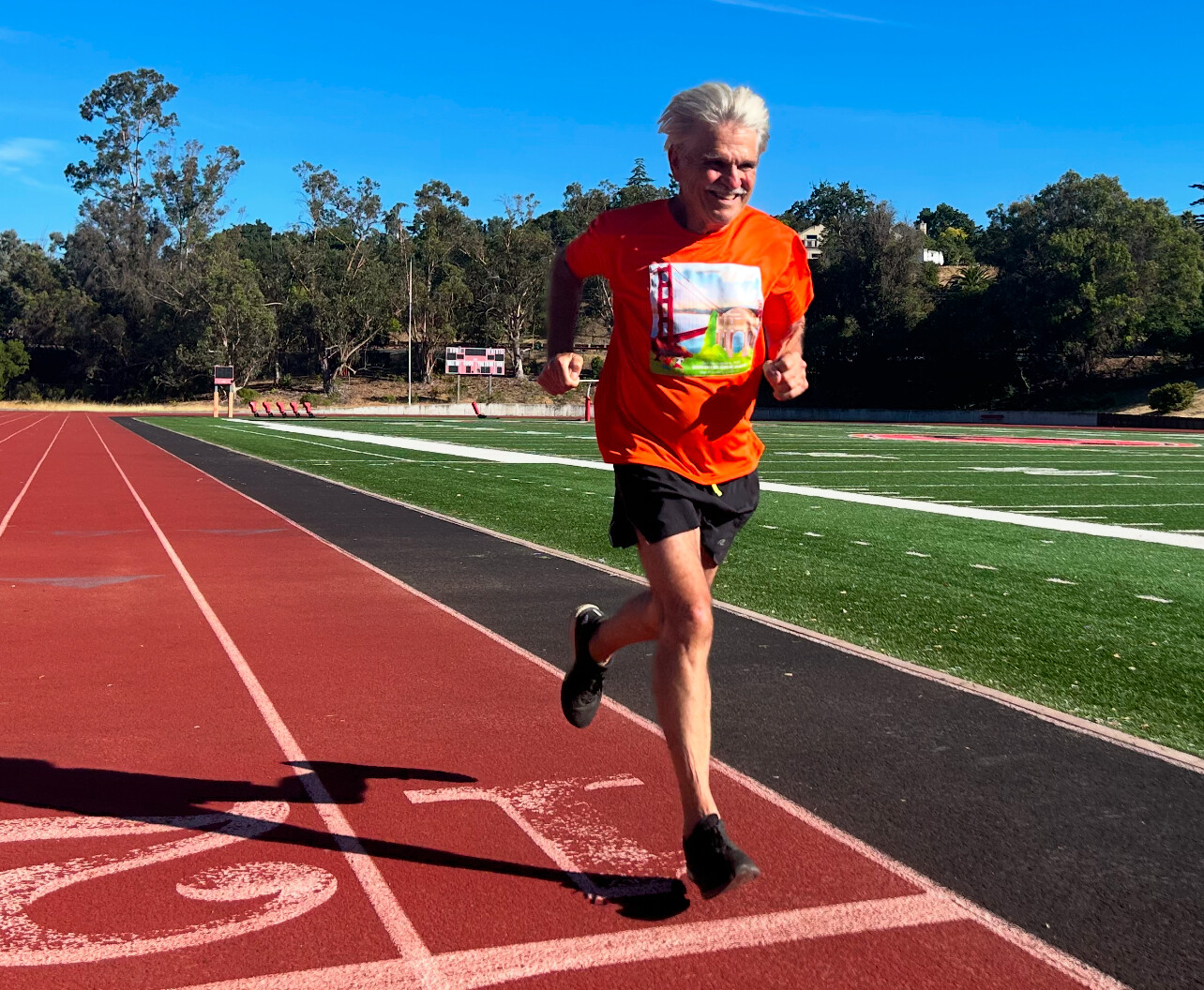
4 Laps Consistency with a Side of Speed (third photo doing intervals at Foothill College)
Lap running comes in fourth mostly because it’s more about training than adventure Most of my lap runs happen on a track but I’ve also done them around city blocks or larger circuits Laps are perfect for progressive runs where you pick up the pace with each loop The beauty here is certainty you know exactly how far you’re going even without a GPS watch It’s also great for mental toughness There’s something about pushing through lap after lap that builds resilience
5 Treadmill The Last Resort
Technically treadmill running isn’t a route but it’s a type of running worth mentioning It’s my least favorite but I can’t deny it has its place I’ve probably only logged ten treadmill runs in my life and I’ve never quite mastered the form I always find myself gripping the side rails to keep balance That said I do remember one treadmill session in Quebec City It was freezing outside with four feet of snow so I hit the hotel gym and hammered out ten miles at a 620 per mile pace holding the railing the whole way It was my best treadmill experience but in general I’ll take the open road any day
In the end every type of running has its place Some days you need the adventure of a point to point run Other days a simple out and back gets the job done Whatever the route the key is finding joy in the miles After all the best run isn’t just about pace or distance it’s about how the journey makes you feel And if that journey ends with a good coffee and great conversation even better
(02/21/25) Views: 124Bob Anderson
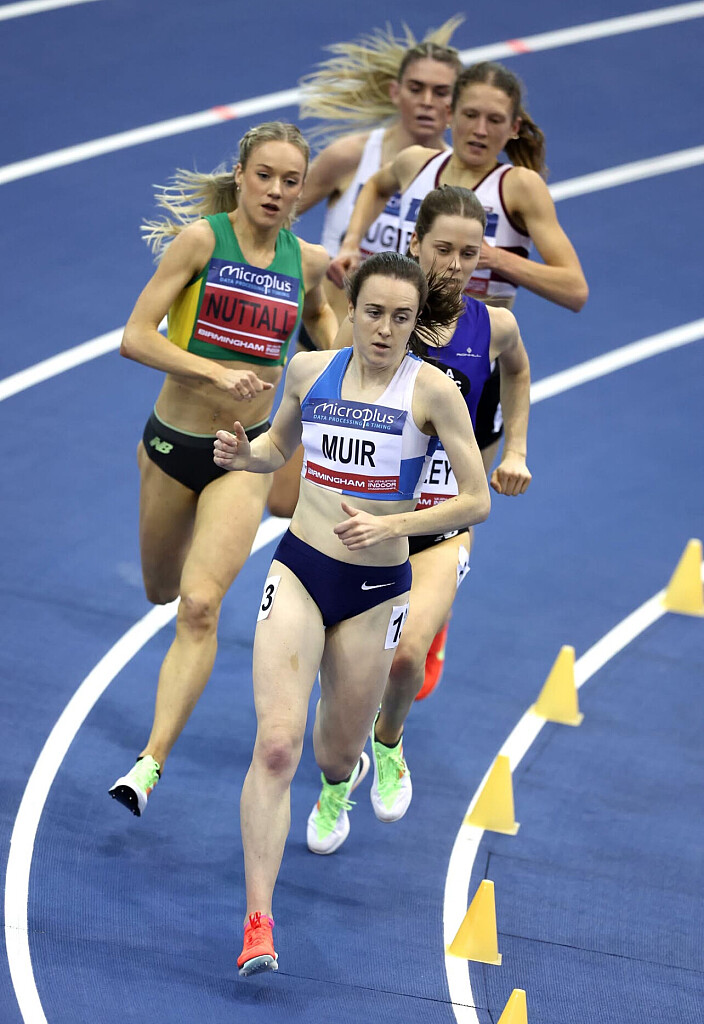
Hannah Nuttall's Electrifying Finish Surpasses Laura Muir at UK Indoor 3000m Championship
In a thrilling climax at the UK Athletics Indoor Championships in Birmingham on February 23, 2025, Hannah Nuttall delivered a remarkable performance to overtake Laura Muir in the final 100 meters of the women's 3000m race. Nuttall secured the title with a personal best time of 8:49.49, narrowly edging out Muir, who finished at 8:50.16. Emerging talent Innes FitzGerald claimed third place with a time of 8:52.56.
Hannah Nuttall, born on July 7, 1997, has been steadily rising in British middle-distance running. In 2021, she was part of the victorious mixed relay team at the European Cross Country Championships in Dublin. Shortly thereafter, she joined Team New Balance Manchester under the guidance of coach Helen Clitheroe. Nuttall's dedication led to a fifth-place finish at the 2023 European Indoor Championships, where she set a personal best of 8:46.30 in the 3000m final. In 2024, she continued her upward trajectory, recording a 5000m personal best of 14:52.65 in Leiden, Netherlands, and clinching the British national title in the same event. Her recent triumph over Muir underscores her growing prominence on the national stage.

Laura Muir, born on May 9, 1993, in Inverness, Scotland, is a celebrated figure in middle-distance running. A veterinary medicine graduate from the University of Glasgow, Muir has an impressive track record, highlighted by a silver medal in the 1500m at the 2020 Tokyo Olympics. Her accolades include multiple European Indoor Championships titles and a bronze medal at the 2022 World Championships. Muir's dominance in the 1500m is further evidenced by her British record of 3:52.61, set in 2024. Despite her recent second-place finish to Nuttall, Muir's legacy as one of Britain's premier middle-distance runners remains firmly intact.
The women's 3000m final was a showcase of strategic racing and competitive spirit. Muir, known for her front-running style, took the lead early, setting a strong pace. Nuttall remained patient, staying within striking distance throughout the race. As the final lap approached, Nuttall unleashed a powerful kick, closing the gap and ultimately surpassing Muir in the last 100 meters. This victory not only highlights Nuttall's tactical acumen but also signals a potential shift in the competitive landscape of British middle-distance running.
Nuttall's performance at the UK Athletics Indoor Championships positions her as a formidable contender for upcoming international competitions. Her continued development and recent successes suggest a promising future on the global stage. Meanwhile, Muir's experience and proven track record ensure that she remains a key figure in the sport, setting the stage for exciting rivalries and compelling narratives in the seasons to come.
(02/23/25) Views: 109
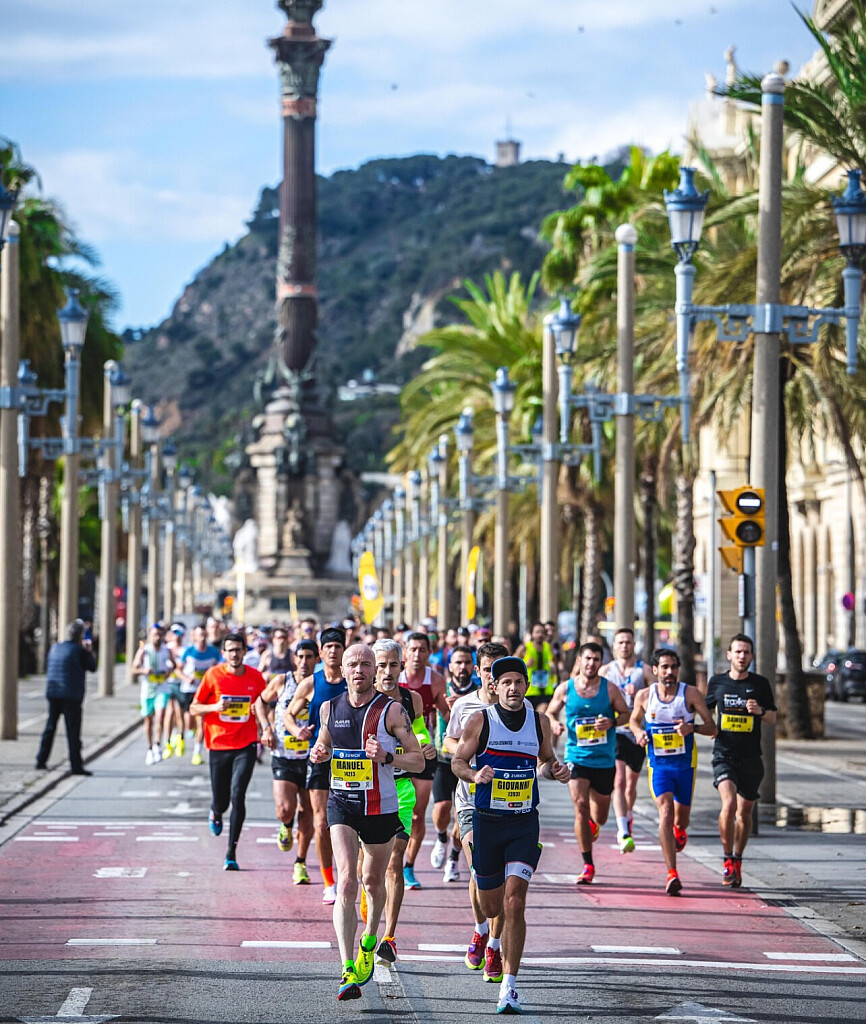
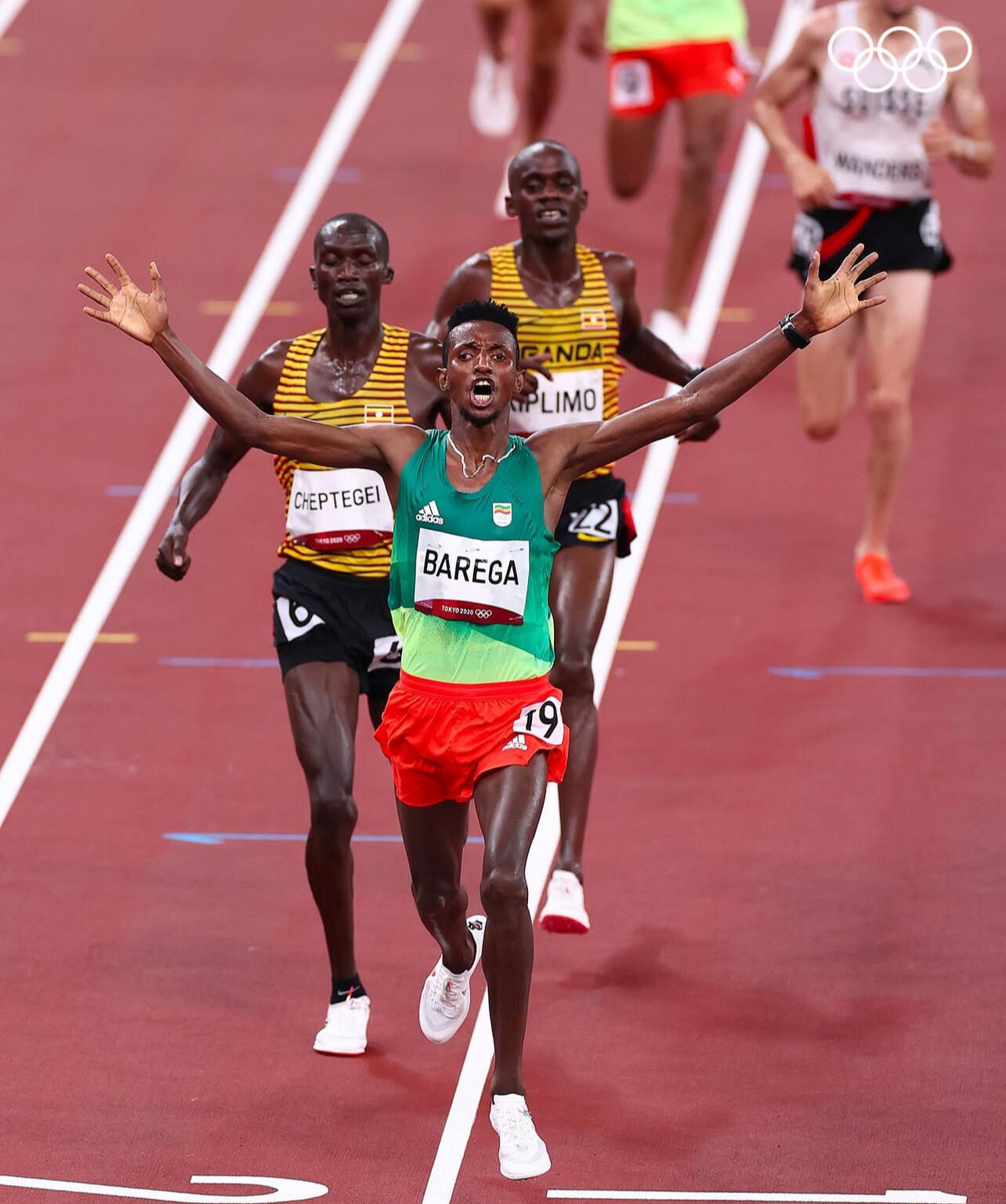
Olympic 10000m Champion Selemon Barega Wins Seville Marathon with a 2:05:15 debut
The 2025 Zurich Maratón de Sevilla delivered unforgettable performances on Sunday, February 23, as Ethiopia’s Selemon Barega stormed to victory in his marathon debut with an impressive time of 2:05:15, This marks the third-fastest marathon time of the year and continues Ethiopia’s dominance in the prestigious event.
Barega’s Marathon Debut: A Statement Victory
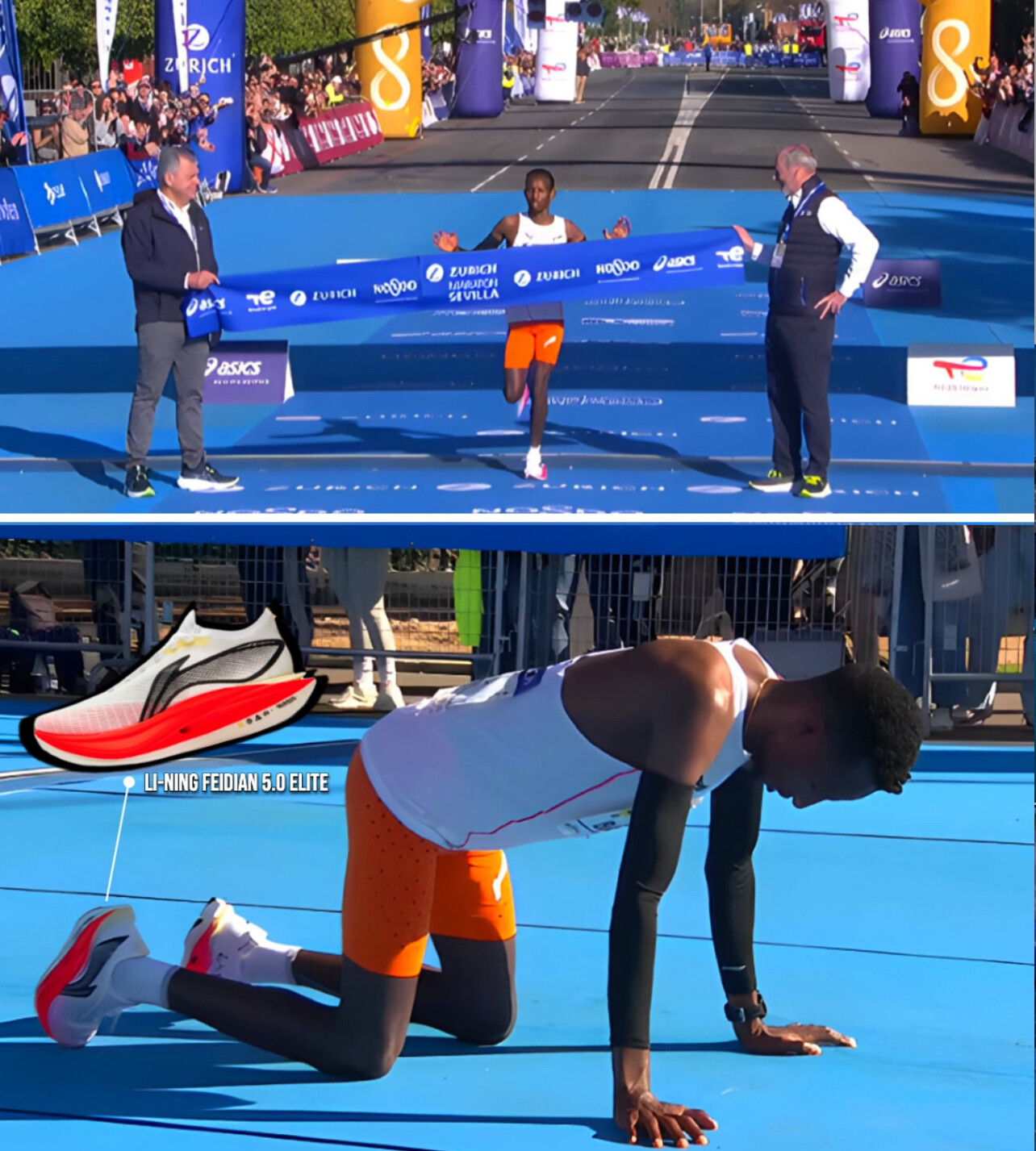
Selemon Barega, the reigning 10,000m Olympic champion, transitioned seamlessly to the marathon distance, showcasing his endurance and tactical brilliance. Running much of the second half alone, Barega maintained composure to cross the line well ahead of the field.

He was followed by compatriot Adisu Tesfahun, who finished second in 2:06:27, and Mohamed Reda of Morocco, clocking 2:06:45 for third place.

Barega’s performance not only secured his place among the marathon elite but also extended Ethiopia’s winning streak to six consecutive victories at the Seville Marathon.

“I’m proud of this result. My training for the marathon has been intense, and Seville was the perfect place to debut. I hope to build on this and aim for even faster times,” Barega said after the race.

Women’s Race: Anchinalu Dessie Genaneh Triumphs
In the women’s race, Ethiopia’s Anchinalu Dessie Genaneh delivered a dominant performance, breaking the tape in 2:22:17. This victory further cemented Ethiopia’s success in Seville, with Dessie Genaneh holding off a strong international field.
France’s rising star Manon Trapp took second place in 2:23:38, while Cynthia Chepchirchir Kosgei of Kenya secured third in 2:23:43.
Dessie Genaneh, already known for her strong half-marathon performances, proved she has the strength and speed to excel over the full 26.2 miles.
Selemon Barega: From Track Star to Marathoner
Born on January 20, 2000, in the Gurage Zone of Southern Ethiopia, Selemon Barega rose to prominence as a middle-distance prodigy. He clinched gold in the 5000 meters at the 2016 World U20 Championships and 3000 meters at the 2017 World U18 Championships.
In 2018, he set a world U20 record in the 5000 meters, clocking 12:43.02, one of the fastest times in history. His crowning achievement came at the 2020 Tokyo Olympics, where he won the 10,000 meters gold medal, solidifying his place among the sport’s elite.
Now, with a 2:05:13 marathon debut, Barega has proven that his talents extend far beyond the track. The running world will be watching closely as he targets future marathons and, possibly, world record attempts.
Record Participation and Global Appeal
The 2025 Zurich Maratón de Sevilla also witnessed record participation, with 14,000 runners from around the world lining up to tackle the fast, flat streets of Seville. Known for its ideal conditions and scenic course, the race continues to attract elite athletes and passionate amateurs alike.
With Selemon Barega’s stunning debut and Anchinalu Dessie Genaneh’s commanding victory, the 2025 Seville Marathon has once again proven itself as a stage for breakthrough performances. Both champions are now firmly on the radar as contenders for future World Marathon Majors and Olympic glory.
(02/23/25) Views: 108Boris Baron
2025 London Marathon: Will This Be the Year of the Sub-Two Hour Marathon?
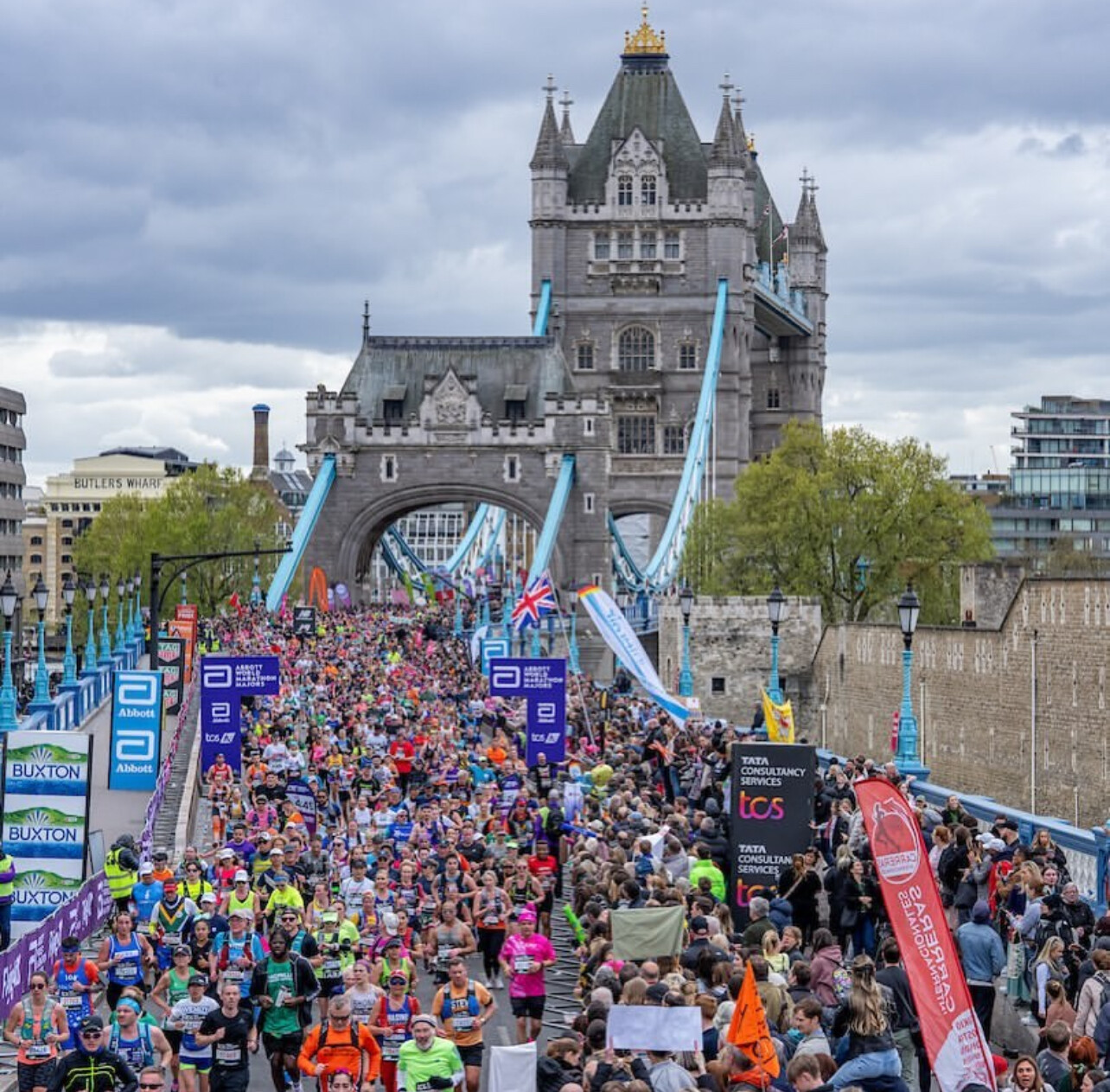
The anticipation for the 2025 London Marathon has reached new heights with the announcement of one of the strongest elite marathon fields ever assembled. This year’s race could witness history: the first-ever sub-two-hour marathon in an official competition. With world-class talent toeing the line and conditions often favorable in London, I'm excited to see how this race unfolds.
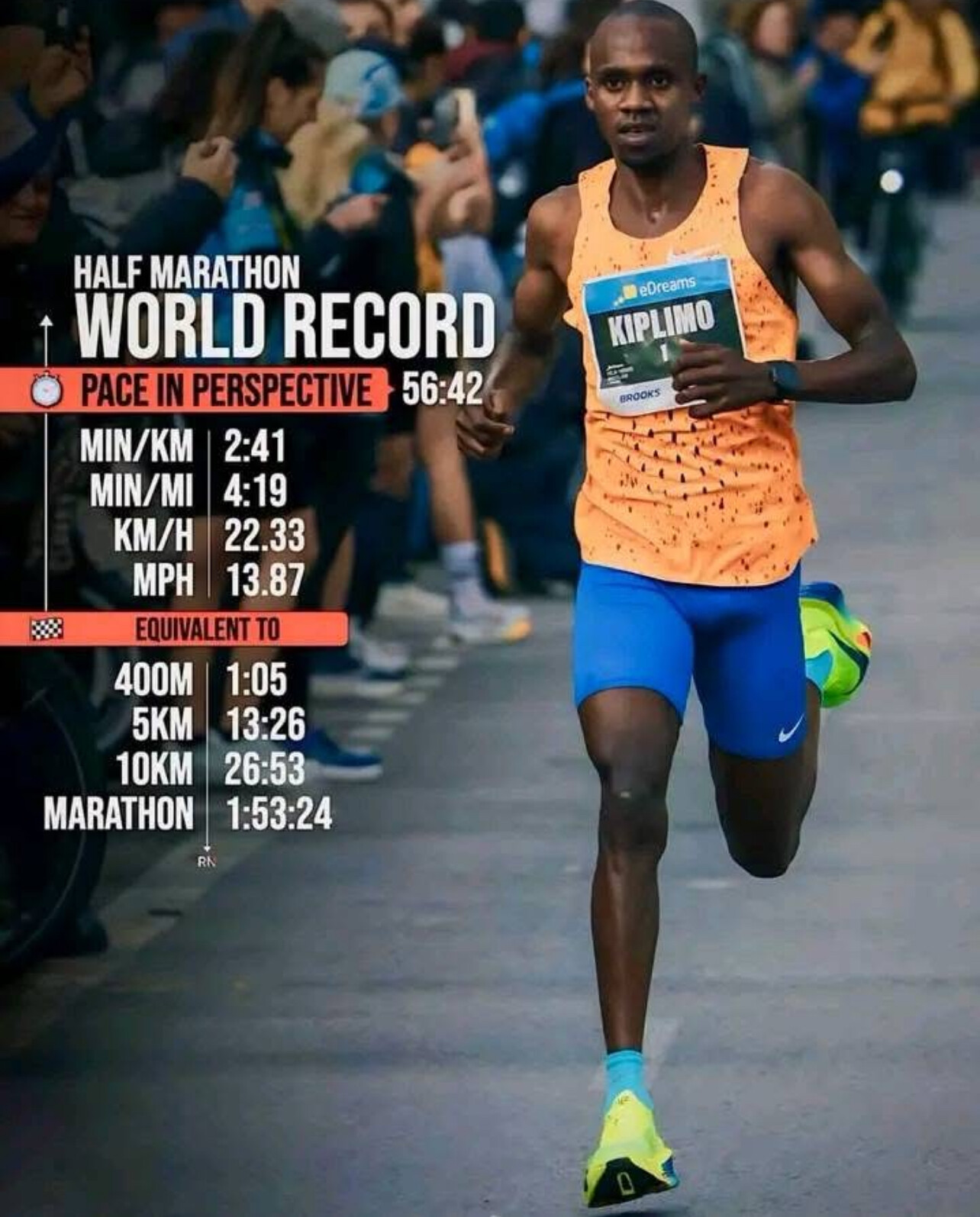
Leading the conversation is Jacob Kiplimo, the half marathon world record holder with an astonishing 56:42 recently. Kiplimo didn't need pacers during his world record run. He just went for it clocking unbelievable splits. One of his 10k split would be his best time ever for that distance. And no one had ever run 15k under 40 minutes before. But the marathon is twice the distance. What will his strategy be for London? Will he use his blistering speed over the full 42K and go out on his own or will he stay with the pack for at least the half way point? Going to be interesting to see what that split will be. I am thinking 59 minutes or even faster. Kiplimo might not only win but push the clock into uncharted territory. But there will be so much talent on the starting line.
The Favorites: Kiplimo, Bekele, and Kipchoge Lead the Charge
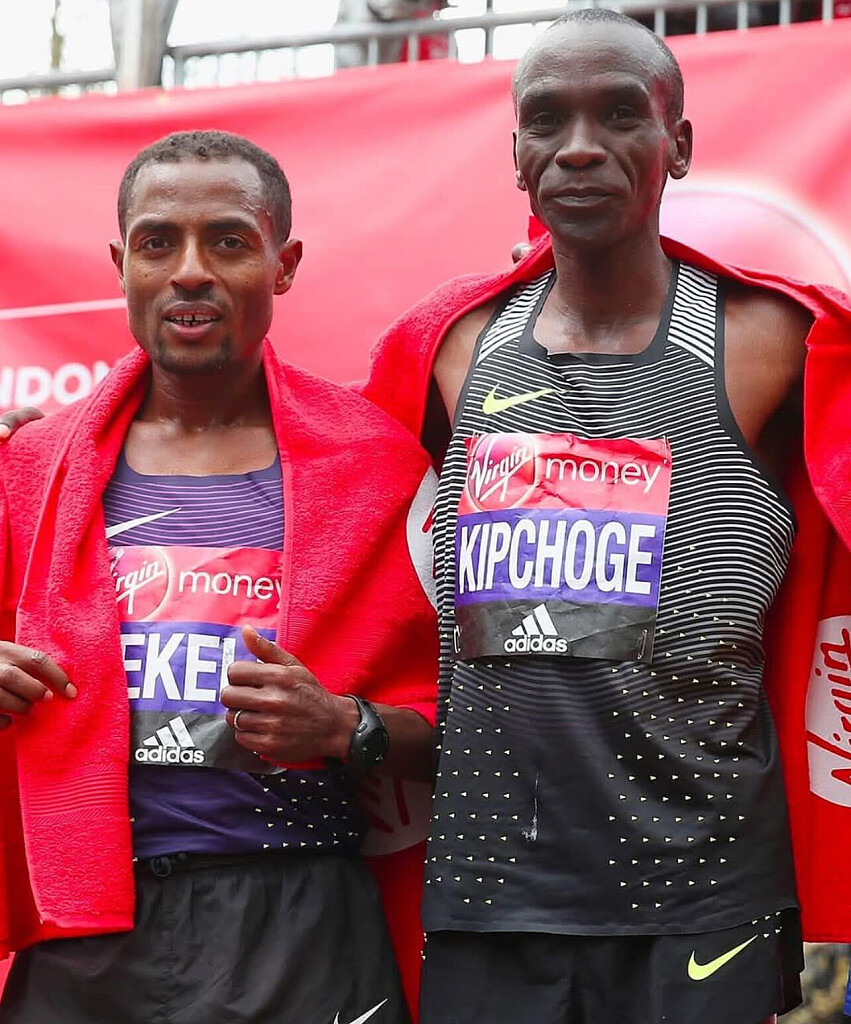
While Kiplimo's marathon debut grabs headlines, legends like Kenenisa Bekele and Eliud Kipchoge are far from conceding victory.
Jacob Kiplimo from Uganda enters London as the favorite, thanks to his incredible speed. The big question is whether he can maintain that pace for twice the distance.
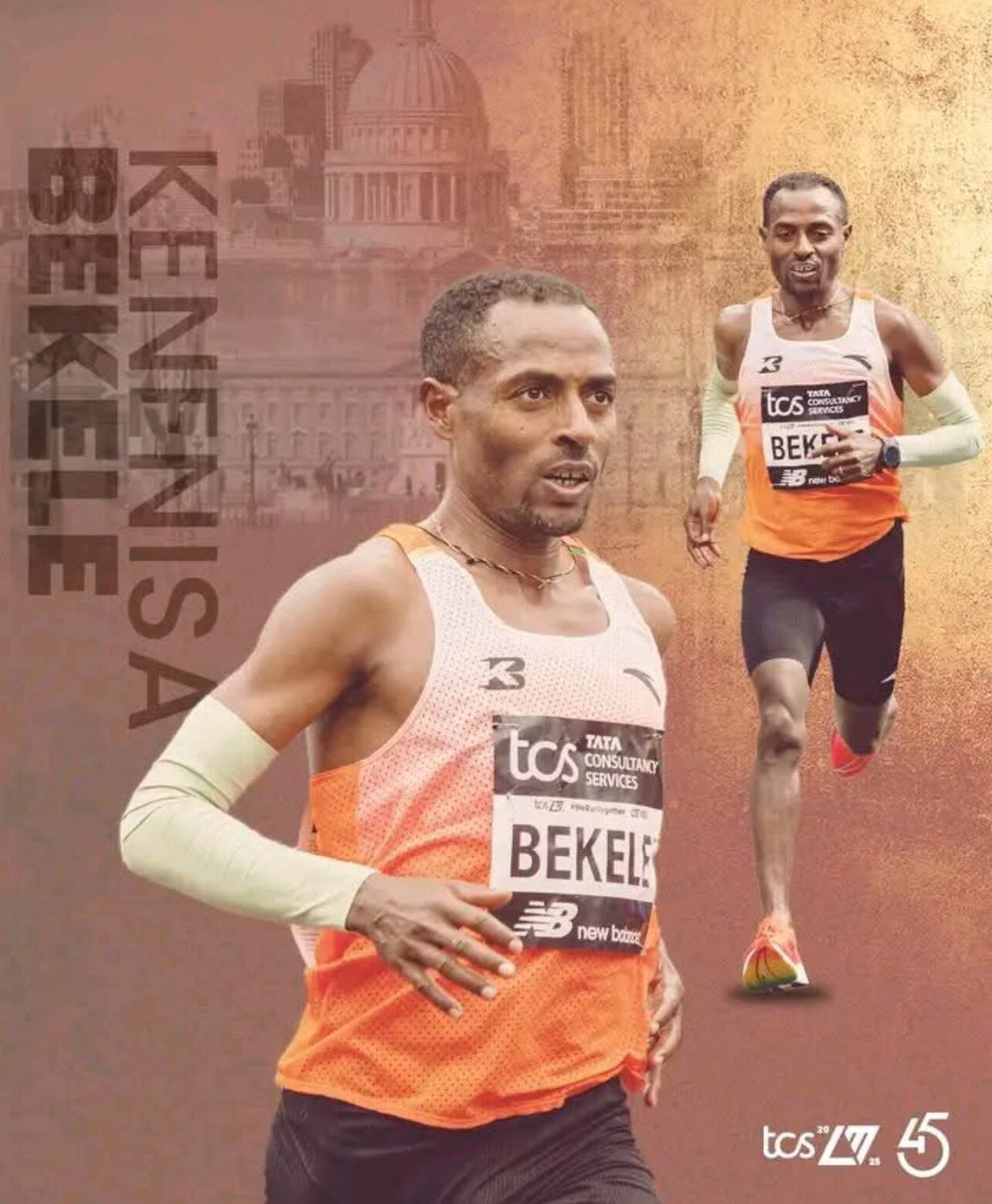
Kenenisa Bekele, with a personal best of 2:01:41, proved last year he’s still elite, setting the Masters world record (2:04:15) in London. Bekele is chasing both victory and history, knowing his window for breaking the two-hour barrier is narrowing.

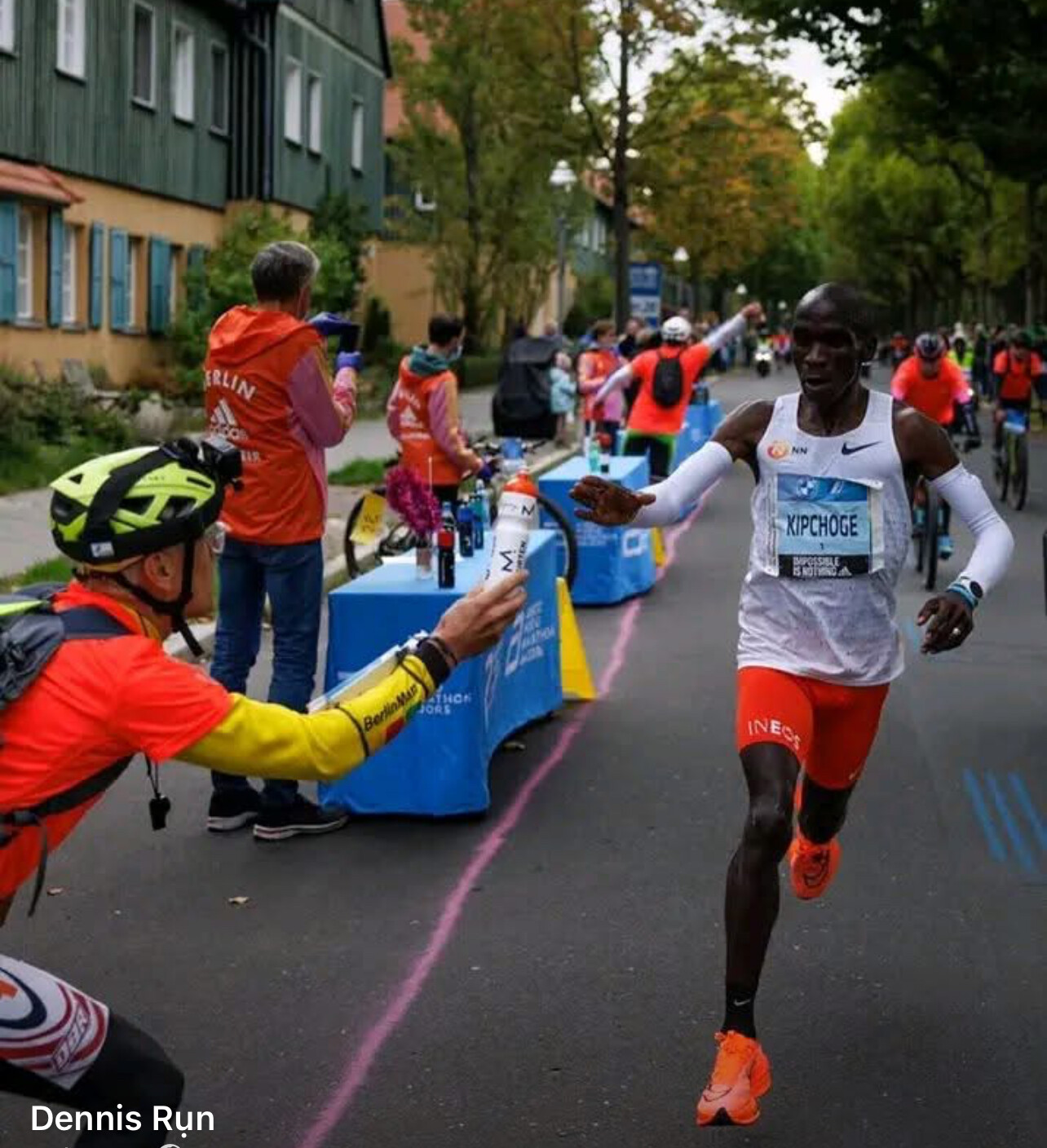
Eliud Kipchoge returns to London, where he’s won four titles. At 40 years old, Kipchoge remains focused, though he now races in the shadow of Kelvin Kiptum's world record of 2:00:35, set at the 2023 Chicago Marathon.
Rising Stars and Seasoned Champions
Beyond the favorites, an incredible field promises an unforgettable showdown.
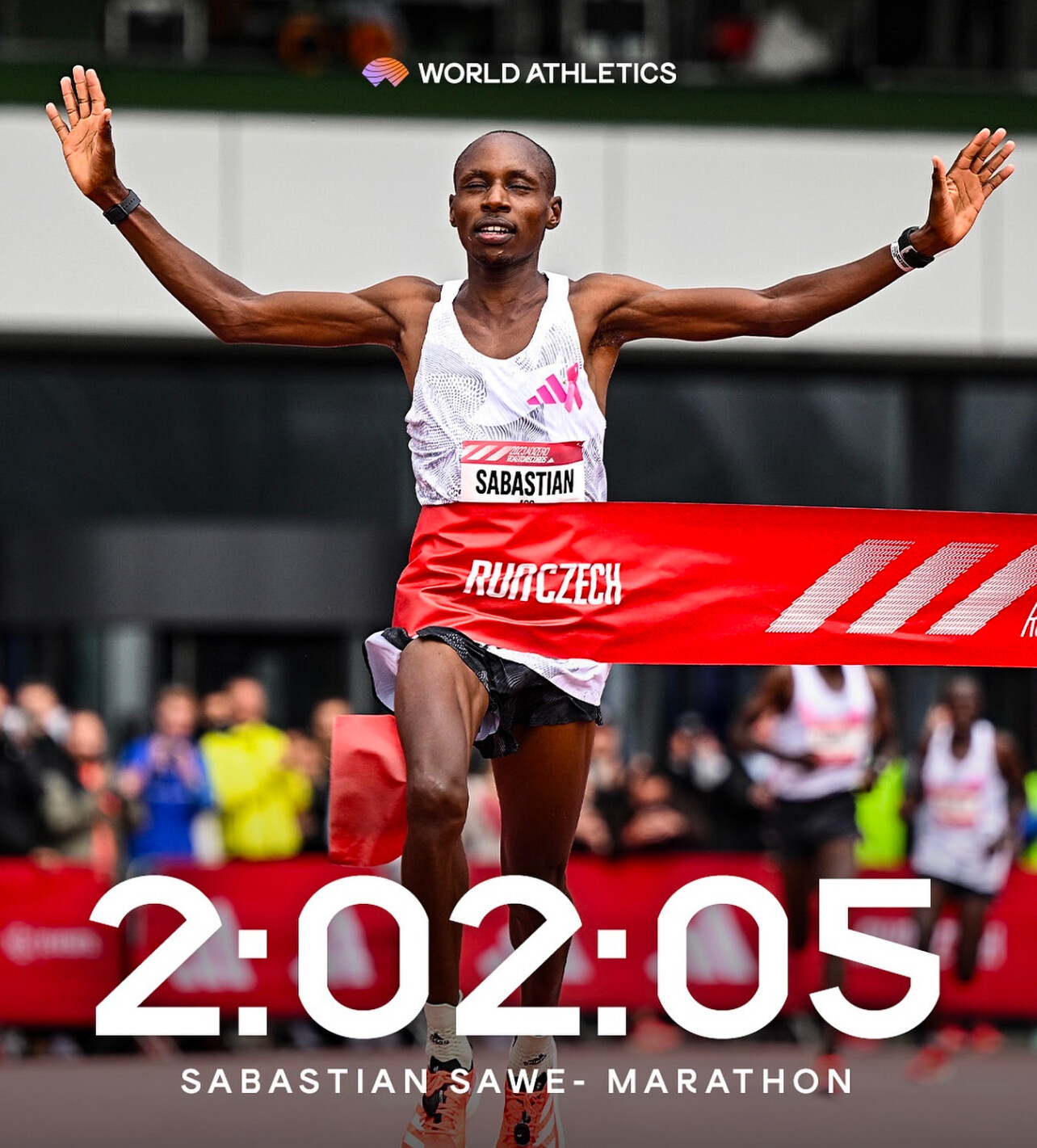
Sabastian Sawe, with a personal best of 2:02:05, stunned the world by running the fastest debut marathon ever in Valencia. His aggressive racing style could drive the pace.
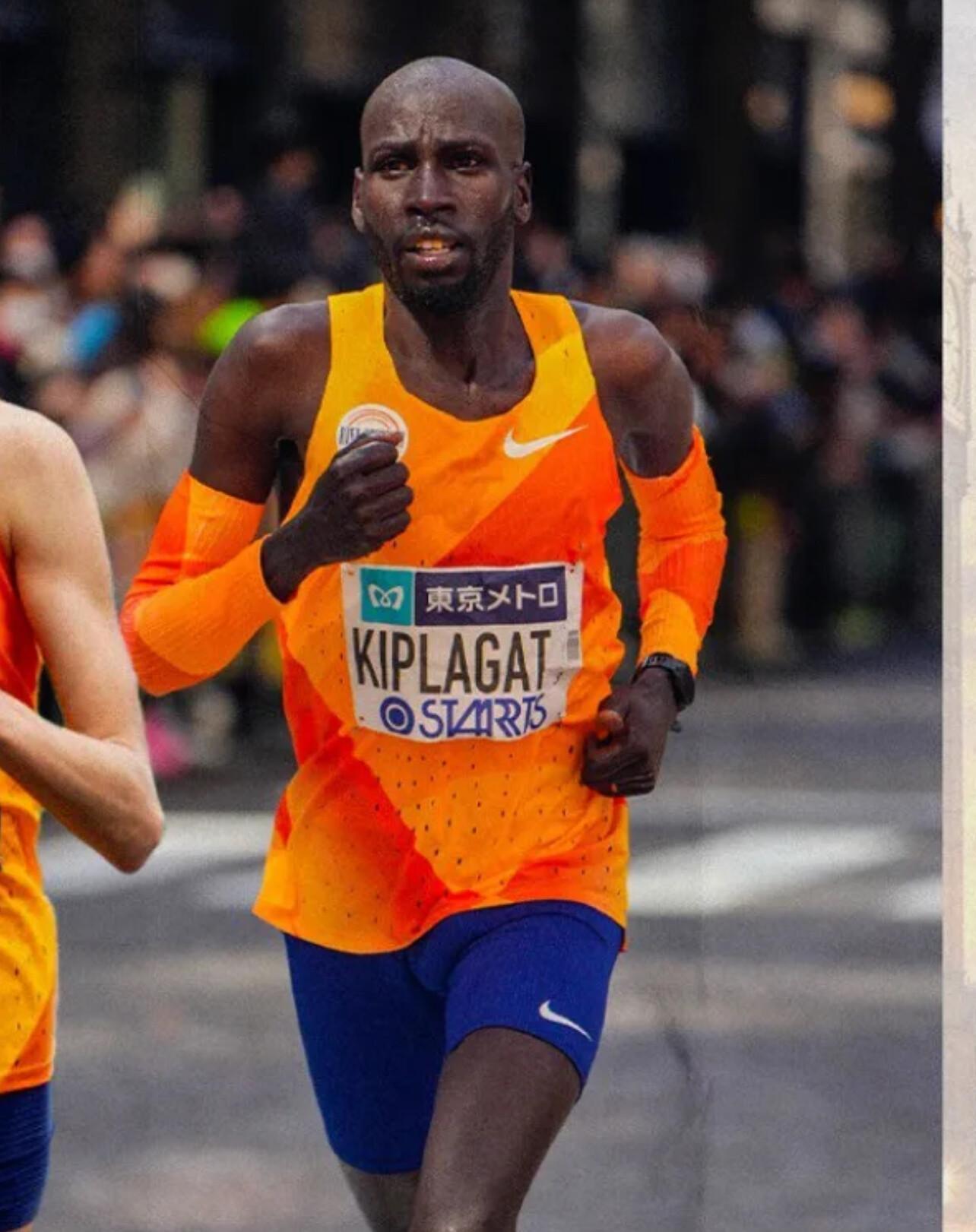
Timothy Kiplagat, clocking 2:02:55, thrives in fast-paced races and could be a dark horse if the leaders falter.
Alex Mutiso, the defending London Marathon champion with a best of 2:03:11, returns to prove his 2024 victory was no fluke.
Tamirat Tola, the reigning Olympic marathon gold medalist, has shown he can deliver under pressure, with a personal best of 2:03:39.
Abdi Nageeye, the 2021 NYC Marathon champion and Olympic silver medalist, is known for tactical brilliance and boasts a best of 2:04:45.
Breaking 2: Is It Possible in London 2025?
The two-hour barrier remains the sport’s ultimate milestone. While Kelvin Kiptum’s world record of 2:00:35 came heartbreakingly close, an official sub-two-hour marathon has yet to be achieved.
What makes London 2025 the perfect stage?
Stacked Field: With Kiplimo, Kipchoge, and Bekele pushing each other, the pace will be relentless.
Course Familiarity: The London course is flat, fast, and historic, where many records have fallen.
Optimal Conditions: London in April often provides the perfect cool weather for fast times.
Pacemakers: Expect world-class rabbits tasked with keeping the leaders on sub-2 pace through 30K.
A Race for the Ages
On April 27, 2025, I'll be watching closely. Will Jacob Kiplimo make history in his debut? Can Bekele turn back the clock? Will Kipchoge find one more magical performance? And—perhaps most importantly—will the sub-two-hour barrier finally fall in an official race?
One thing is certain: London 2025 promises a marathon showdown like no other.
I'm marking my calendar. History is calling.
(02/24/25) Views: 108Bob Anderson
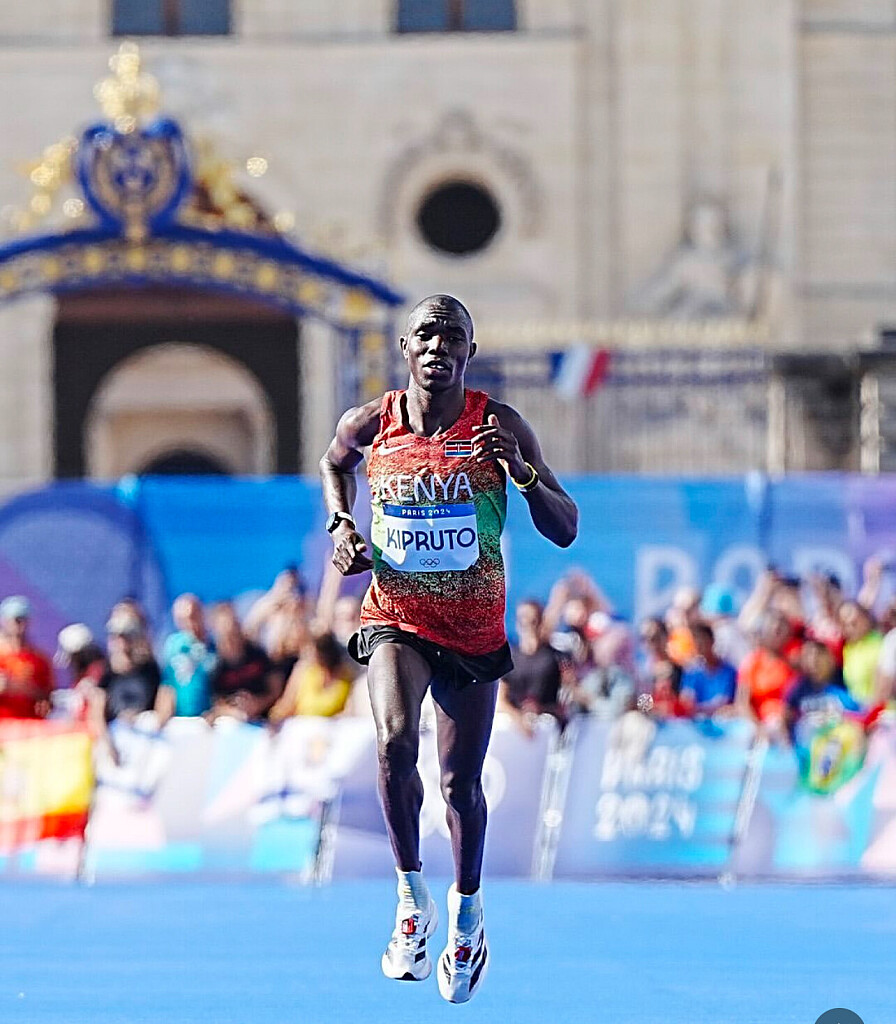
Tokyo Marathon 2025 Elite Runners Set for Epic Battle in the Streets of Japan’s Capital
The Tokyo Marathon 2025, set for Sunday, March 2, promises to be a thrilling contest as some of the world’s fastest distance runners converge on one of the flattest and fastest courses in the marathon circuit. As the opening race of the expanded Abbott World Marathon Majors series, now featuring seven races with the addition of the Sydney Marathon, Tokyo will set the tone for the global marathon season.
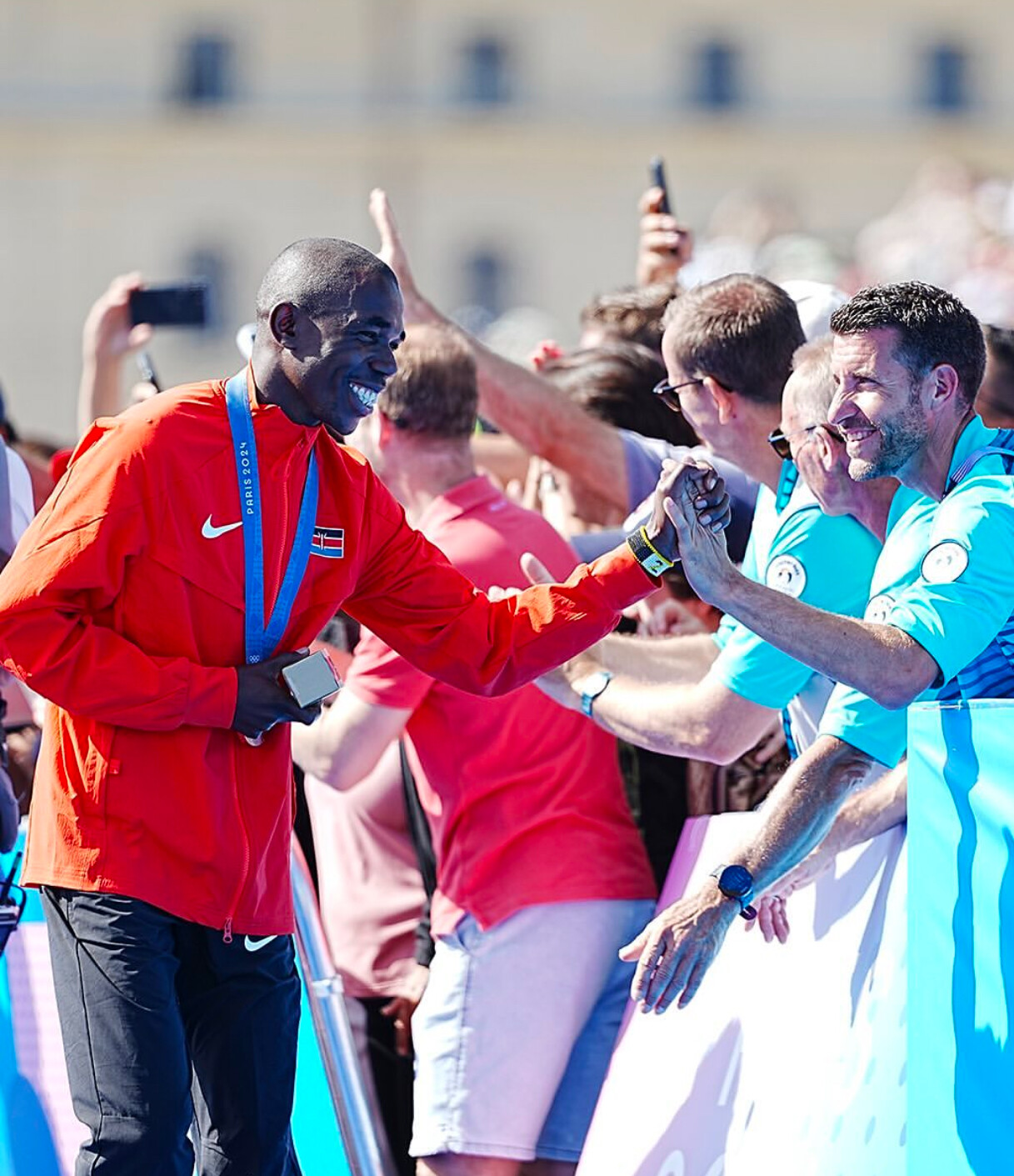
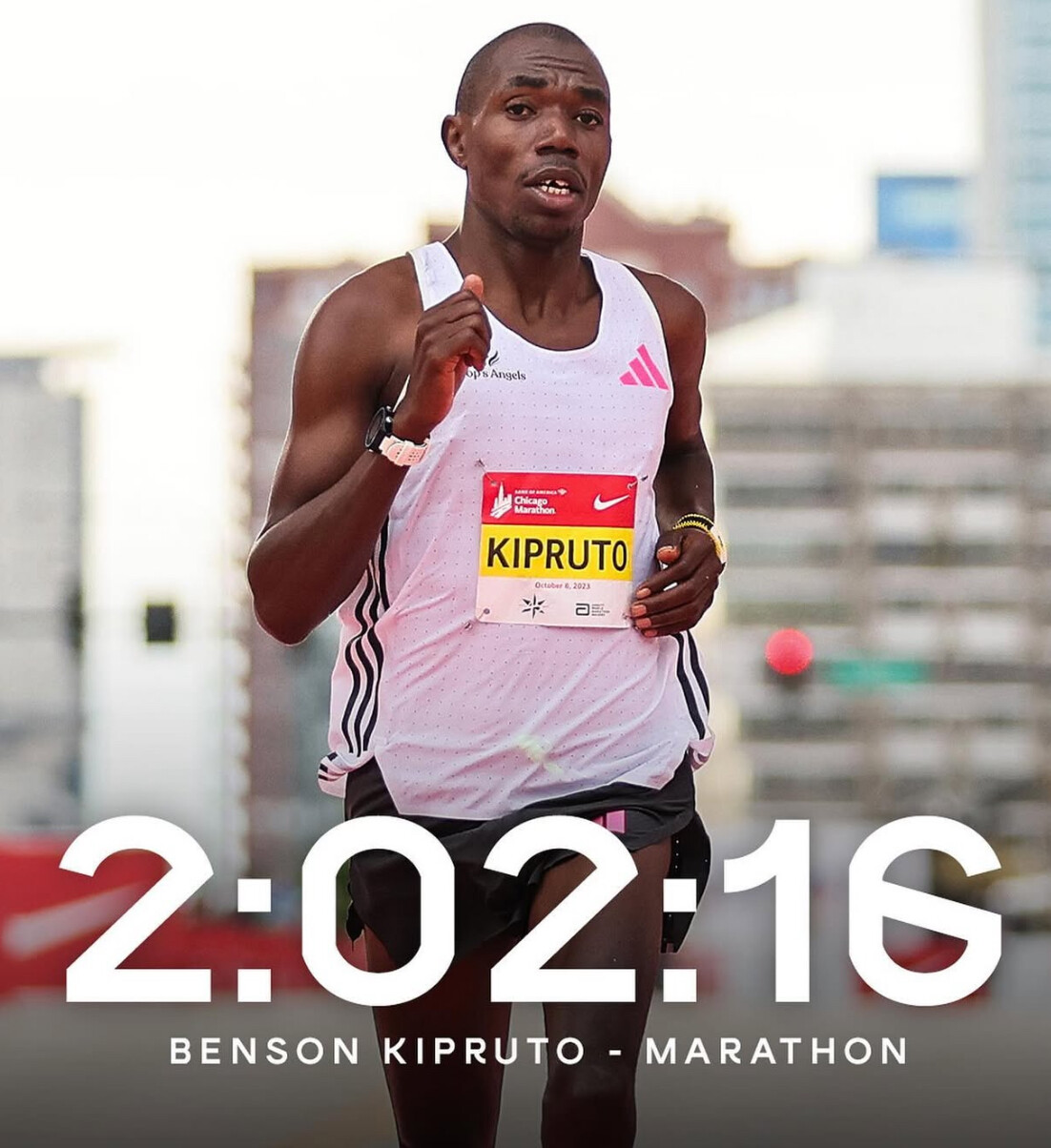
The men’s field features a star-studded lineup, headlined by Benson Kipruto of Kenya, who returns to defend his title after setting a Japanese all-comers record of 2:02:16 last year. Kipruto, known for his tactical racing style and strong finishing kick, will face fierce competition from Uganda’s Joshua Cheptegei, the world record holder in the 5000m and 10000m. Cheptegei’s marathon debut has generated significant buzz, as he transitions from dominating the track to testing his endurance over 42.195 kilometers. Ethiopia’s Deresa Geleta, who clocked an impressive 2:02:38 in Valencia last year, is another serious contender. Meanwhile, Japan’s Akira Akasaki and Yohei Ikeda, both fresh from breakthrough performances in 2024, will look to shine on home soil and challenge the international elites.
On the women’s side, Ethiopia’s Sutume Asefa Kebede returns after her dominant win in Tokyo last year, where she clocked 2:15:55—the fastest time ever run on Japanese soil. She’ll face stiff competition from Kenya’s Rosemary Wanjiru, the 2023 Tokyo Marathon champion, and Brigid Kosgei, the former world record holder and 2022 Tokyo winner. Ethiopia’s rising stars Tigist Ketema, who claimed victory in Berlin last fall, and Hawi Feysa, winner of the Frankfurt Marathon, add further intrigue to an already stacked field. Japan’s Ai Hosoda, with a personal best of 2:20:31 from Berlin, and Yuka Ando, the 2024 Nagoya Women’s Marathon champion, will be eager to make an impact in front of their home crowd.
The Tokyo Marathon course offers a scenic and historically rich route through the heart of Japan’s capital. Starting at the towering Tokyo Metropolitan Government Building in Shinjuku, runners will weave through iconic districts such as Asakusa, Ginza, and Ueno. The course includes long, flat stretches with minimal turns, creating ideal conditions for fast times. The final kilometers will lead runners past Tokyo Tower and along the Imperial Palace moat, culminating near Tokyo Station on Gyoko-dori Avenue. Known for its efficiency and vibrant atmosphere, Tokyo’s marathon route consistently attracts runners chasing personal bests and national records.

While the official prize structure for the 2025 edition has not yet been announced, historical trends suggest a total purse of around 40.3 million Japanese Yen (approximately $286,000 USD). Both the men’s and women’s champions are expected to earn 11 million Yen each (approximately $78,100 USD), with additional payouts for podium finishes and record-breaking performances. Special awards will also be presented to top finishers in the semi-elite and university-affiliated categories, ensuring a broad distribution of recognition across all competitive levels.
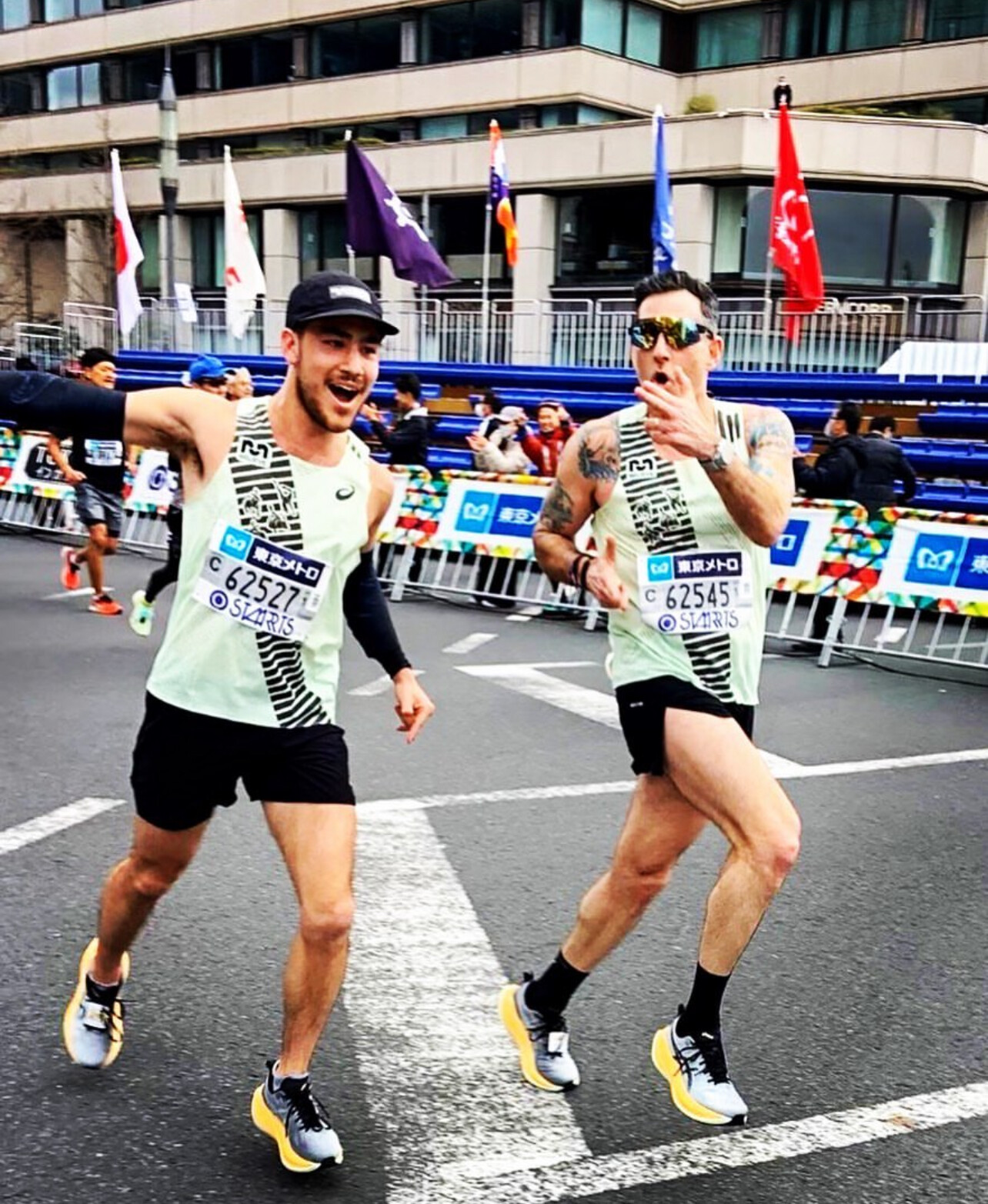
Beyond the competition itself, the Tokyo Marathon is known for its electric atmosphere and world-class organization. Thousands of volunteers and enthusiastic spectators line the streets, while the pre-race expo offers participants and visitors a chance to engage with brands, explore new running gear, and celebrate the spirit of the sport. The race also continues its commitment to sustainability and inclusivity, with initiatives aimed at reducing environmental impact and promoting running as a global community sport.

As the countdown to race day continues, all eyes will be on Tokyo to see who emerges victorious in what promises to be an unforgettable showdown of endurance, strategy, and speed. For elite runners, Tokyo offers not just a chance to claim victory but to set the tone for the year ahead in the ever-competitive world of distance running.
Boris Baron

How Long Should Your Longest Marathon Training Run Be?
Runners preparing for a marathon often ask, “How long should my longest training run be?” It’s a critical question, and the answer varies depending on the training philosophy you follow. Traditional plans, such as those from Hal Higdon and Jeff Galloway, typically suggest a peak long run of 20 miles, often done three to four weeks before race day. However, some, like Bob Anderson, founder of Runner’s World and My Best Runs, argue that pushing beyond 20 miles can better prepare the body and mind for the full 26.2-mile challenge.
Hal Higdon’s popular marathon training plans recommend a maximum long run of 20 miles, usually completed about three weeks before the race. Higdon believes this distance provides sufficient endurance while allowing adequate recovery. Similarly, Jeff Galloway, known for his run-walk-run method, suggests 20 miles as the peak long run, emphasizing injury prevention and recovery.
The reasoning behind stopping at 20 miles is that it’s far enough to build endurance but short enough to avoid excessive fatigue and potential injury. The final 6.2 miles, according to this approach, are covered by race-day adrenaline and the cumulative fitness gained throughout training.

Bob Anderson, who has run 11 marathons and countless other races, questions the wisdom of capping the long run at 20 miles. “Why not do 25 miles or even more so your body is not experiencing a new distance on race day?” he says. Anderson believes that extending the long run to 23, 25, or even 28 miles builds both physical and mental resilience, reducing the risk of hitting the infamous “wall.”

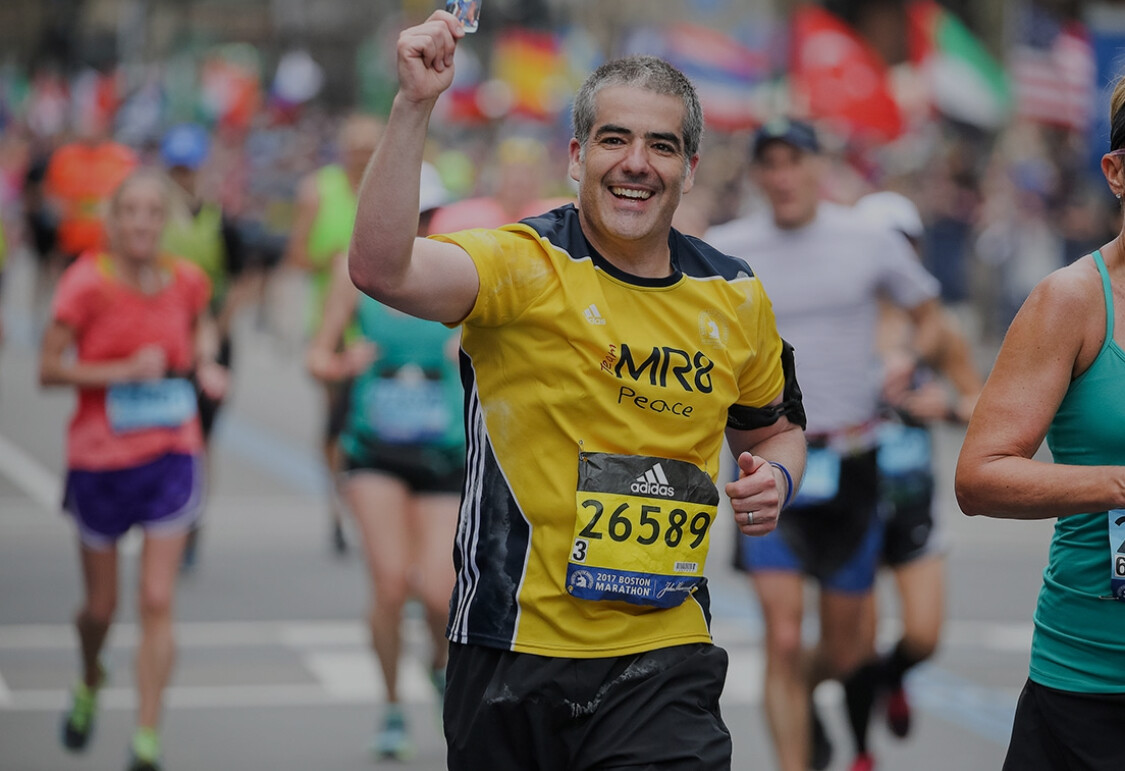
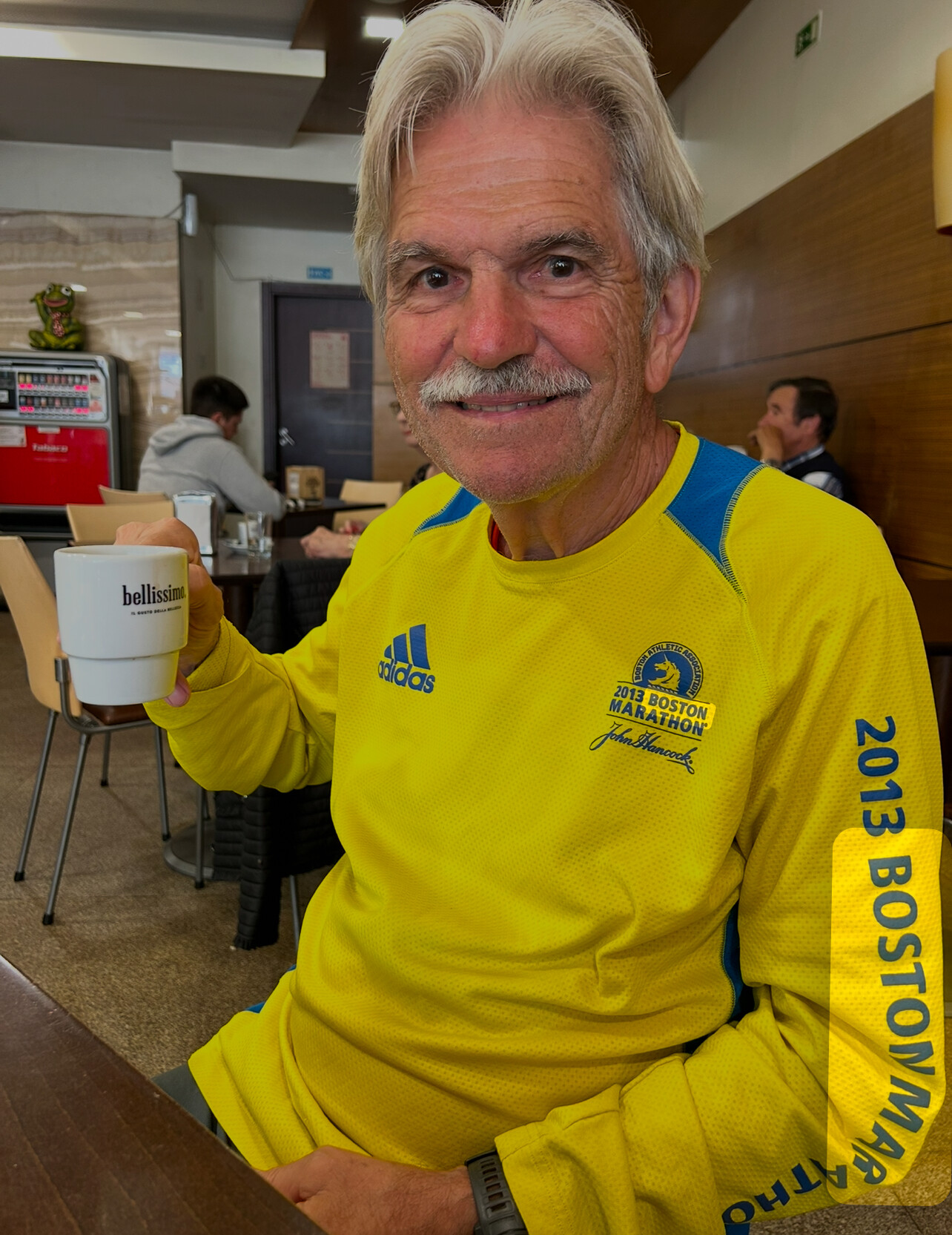
Anderson’s personal experience underscores his point. He ran the Boston Marathon in 3:32:17 at age 65 in 2013. In preparation, he completed one 23-mile training run but had planned to do another of at least 25 to 26 miles. “I had a 3:30 going but fell apart just before 25 miles,” Anderson recalls. “My worst mile was mile 26. I really think if I had gotten in a 25-26 mile training run, I would have clocked my goal of 3:30—but I will never know.”

While pushing past 20 miles increases fatigue, Anderson suggests adjusting the pace—keeping these longer runs slower—and allowing ample recovery. He notes that elite runners often train beyond marathon distance, albeit at an easy effort, to condition their bodies for race day.

So, what’s the right approach for you? It depends on your experience level, injury history, and goals. Beginner runners might find the 20-mile limit safest, while intermediate runners could benefit from extending to 22-23 miles. Experienced runners, like Anderson, may find 25 miles provides the conditioning needed to succeed on race day.
Regardless of the distance, the longest training run should be completed three to four weeks before the marathon. This timing allows your body to recover, adapt, and peak for race day without excessive fatigue.

There is no one-size-fits-all answer to how long your longest marathon training run should be. The traditional 20-mile approach works for many, but some runners may benefit from longer runs. Ultimately, listen to your body, consider your goals, and choose a plan that builds confidence while minimizing injury risk.
On race day, the goal is to feel prepared, strong, and ready to tackle the distance—whether you stopped at 20 miles in training or went the extra five.
(02/21/25) Views: 103Boris Baron
Stretch Your Way to Stronger, Injury-Free Running
Flexibility is a key component of staying injury-free and running strong. It refers to how much your muscles and soft tissues can stretch, and incorporating the right type of stretching at the right time can make a significant difference in your performance and recovery. Whether you’re gearing up for a run or winding down afterward, understanding how to stretch properly can help you move more efficiently and feel better overall.
Why Flexibility Matters for Runners
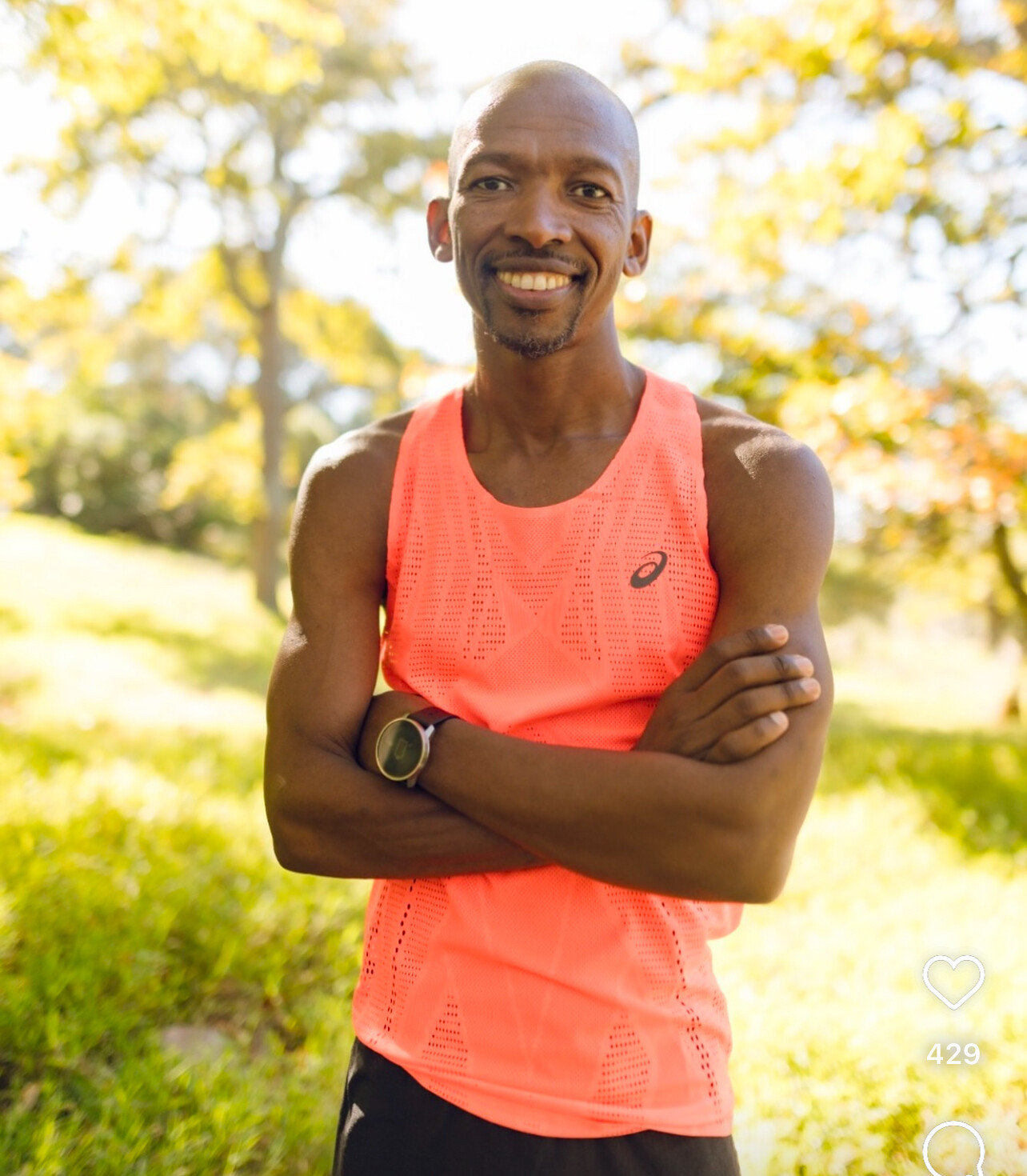
Running puts your muscles, tendons, and ligaments through repetitive stress, causing them to tighten over time. Without adequate flexibility, this tightness can lead to imbalances, inefficient running mechanics, and eventually, injuries. Stretching not only helps maintain the range of motion needed for an efficient stride but also improves circulation, enhances posture, and promotes quicker recovery.
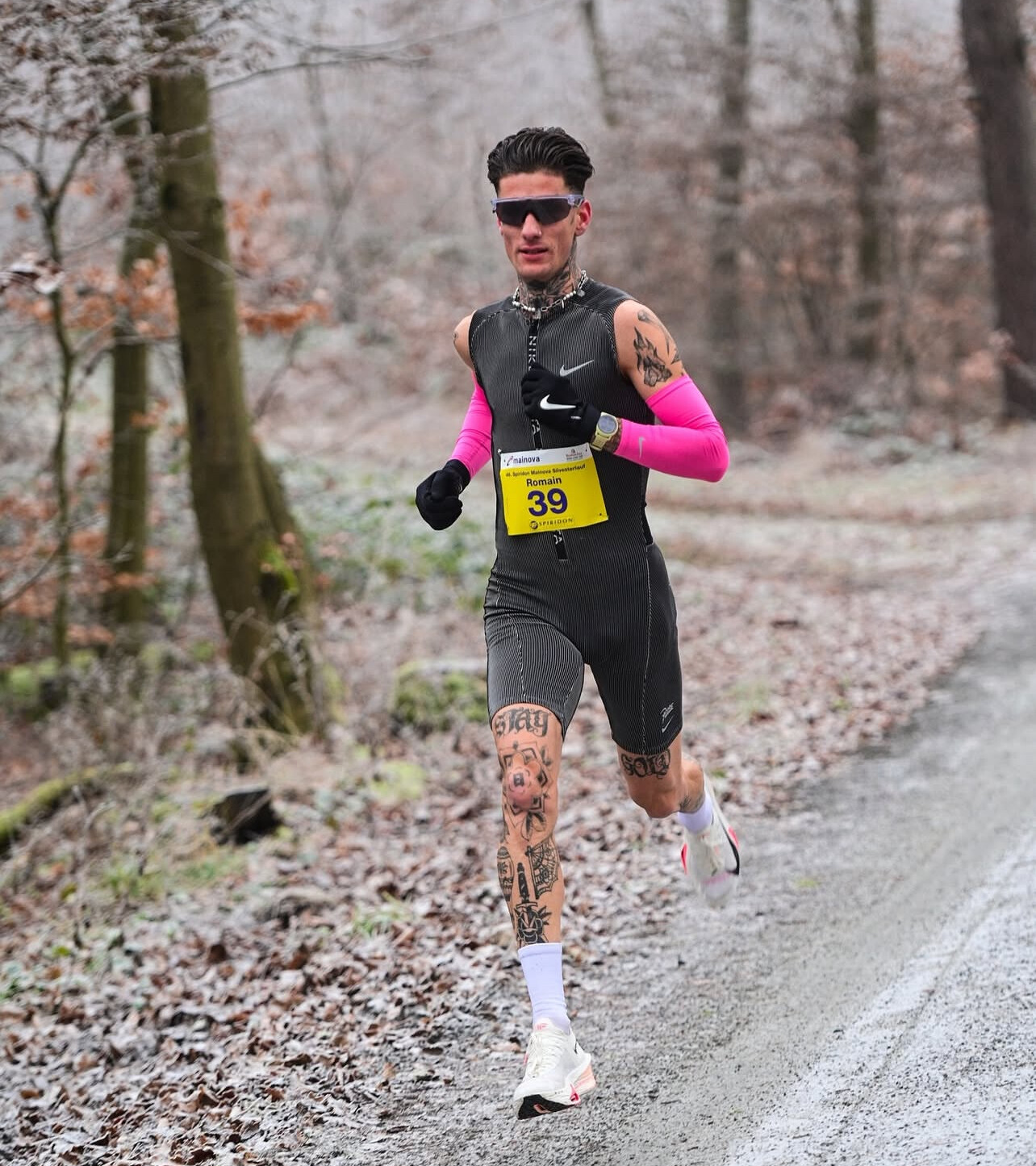
But not all stretching is created equal. There are two primary types—dynamic and static—each with a specific purpose depending on when you stretch.
Two Types of Stretching: When and Why to Use Them
Dynamic Stretching: Pre-Run Prep
Dynamic stretching involves continuous movement through a full range of motion, mimicking the activity you’re about to do. Think of it as “waking up” your muscles, increasing blood flow, and priming your body for action.
Why it matters:
• Improves circulation and muscle elasticity
• Enhances running mechanics and posture
• Reduces the risk of injury by preparing muscles for impTry these dynamic stretches before your next run:
1. Leg Swings:Stand next to a wall for balance and swing one leg forward and backward in a controlled motion. Do 10-15 swings per leg.
2. High Knees:March or jog in place, lifting your knees to hip height. Aim for 30 seconds.
3. Walking Lunges:Step forward into a lunge, keeping your front knee aligned with your ankle. Alternate sides for 10-12 reps.
Static Stretching: Post-Run Recovery
Static stretching involves holding a position for 30 to 90 seconds, allowing your muscles to relax and lengthen. Since static stretching can temporarily reduce power and muscle strength, it’s best done after your run, when your goal is recovery rather than performance.
Why it matters:
• Reduces muscle tightness
• Promotes relaxation and recovery
• Enhances long-term flexibility
Add these static stretches to your cool-down:
1. Hamstring Stretch:Sit with one leg extended, the other foot against your inner thigh. Reach for your toes and hold for 30-60 seconds per side.
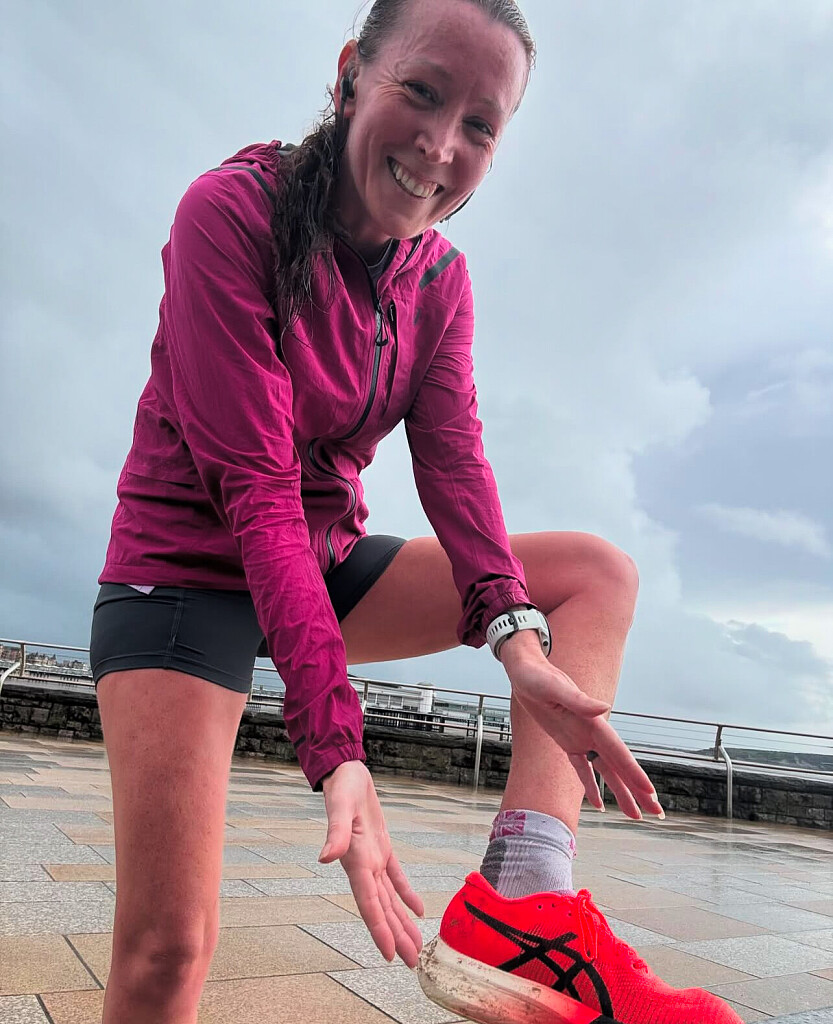
2. Calf Stretch:Stand facing a wall with one foot forward and the other extended behind you. Press your heel into the ground and hold for 30 seconds per leg.
3. Seated Forward Fold:Sit with both legs extended and reach toward your toes, keeping your back straight. Hold for 30-60 seconds.
Building Flexibility into Your Routine
Incorporating stretching into your routine doesn’t require a lot of time, but consistency is key. Try these tips to make flexibility training a habit:
• Pre-run:Spend 5-10 minutes on dynamic stretches to activate your muscles.
• Post-run:Dedicate another 5-10 minutes for static stretching to cool down and relax.
• Off days:Consider yoga or Pilates for an extra flexibility boost.
The Takeaway: Stretch Smart, Run Strong
Stretching isn’t just an add-on—it’s a vital part of staying strong, balanced, and injury-free. By using dynamic stretches to prepare your body for movement and static stretches to aid recovery, you’ll be better equipped to enjoy every run and keep pushing toward your goals.
Make flexibility a non-negotiable part of your training, and your body will thank you—mile after mile.
(02/23/25) Views: 102Boris Baron
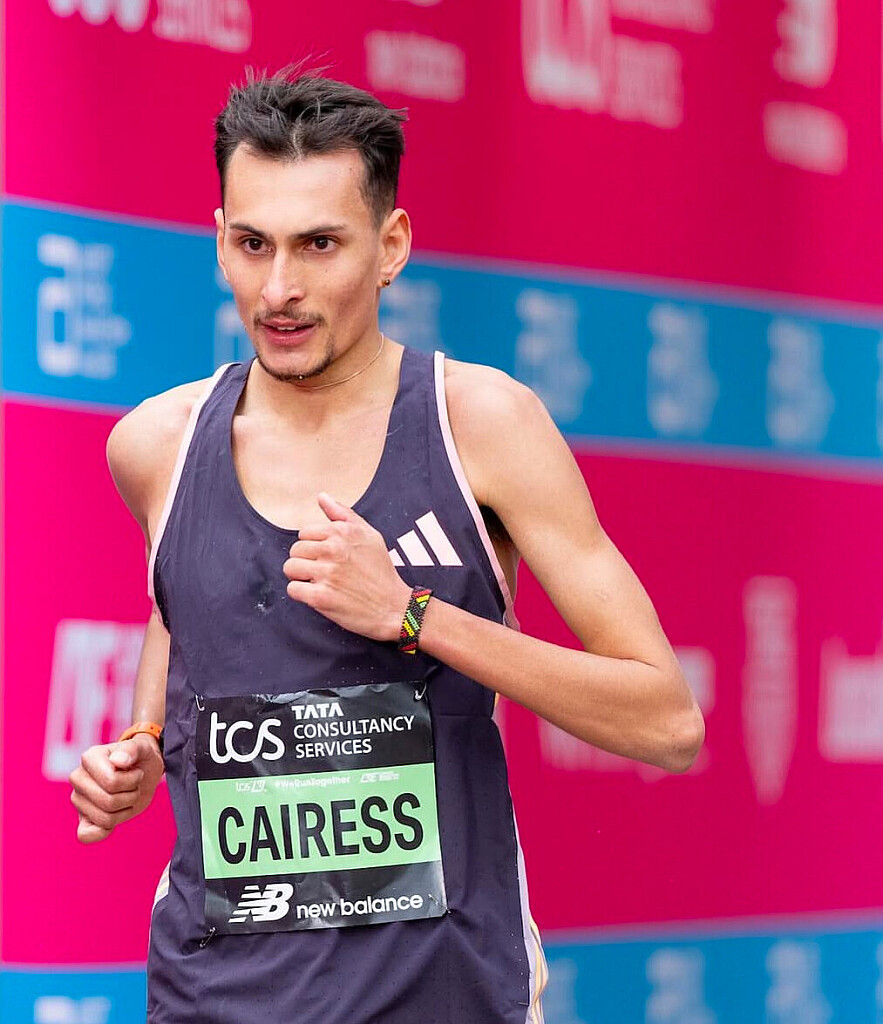
Emile Cairess Withdraws from London Marathon Due to Injury, Halting Record Pursuit
Top British marathoner Emile Cairess has officially withdrawn from the 2025 TCS London Marathon due to a persistent ankle tendon injury that has derailed his training. The setback forces the 27-year-old to put his pursuit of Mo Farah’s British marathon record of 2:05:11 on hold as he focuses on recovery.
Cairess, who burst onto the marathon scene as the fastest British debutant of all time in 2023 with a 2:08:07 finish, had since lowered his personal best to 2:06:46, securing third place in last year’s London Marathon behind Alex Mutiso and Kenenisa Bekele. He followed that success with a fourth-place finish at the Paris Olympics, further solidifying his status as one of Britain’s brightest distance-running stars.

“It’s incredibly disappointing to miss London this year, especially after how well things had been progressing,” Cairess shared. “But the ankle injury has made it impossible to maintain the consistency I need. Right now, my focus is on healing properly so I can come back stronger.”
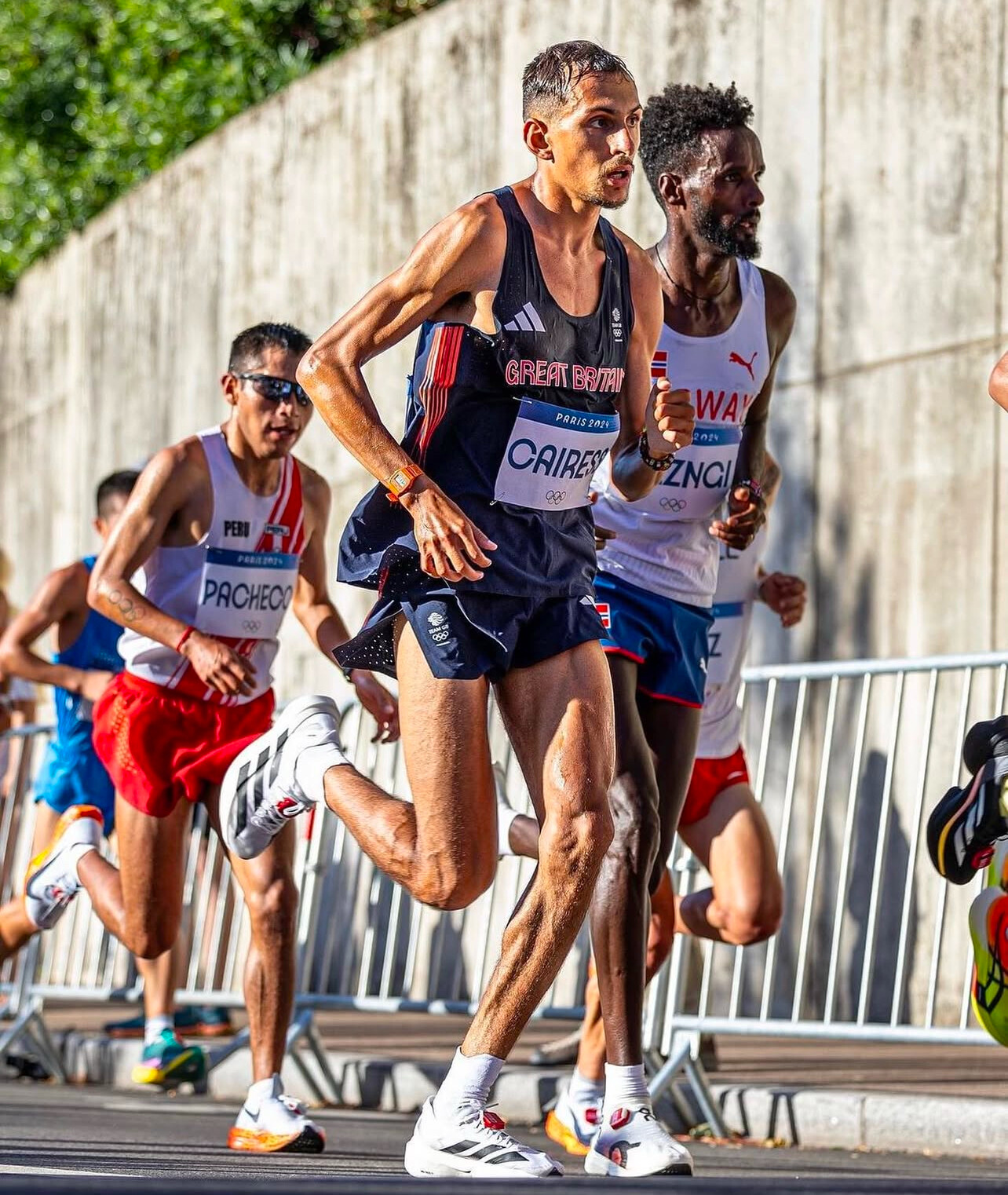
Star-Studded Field Remains
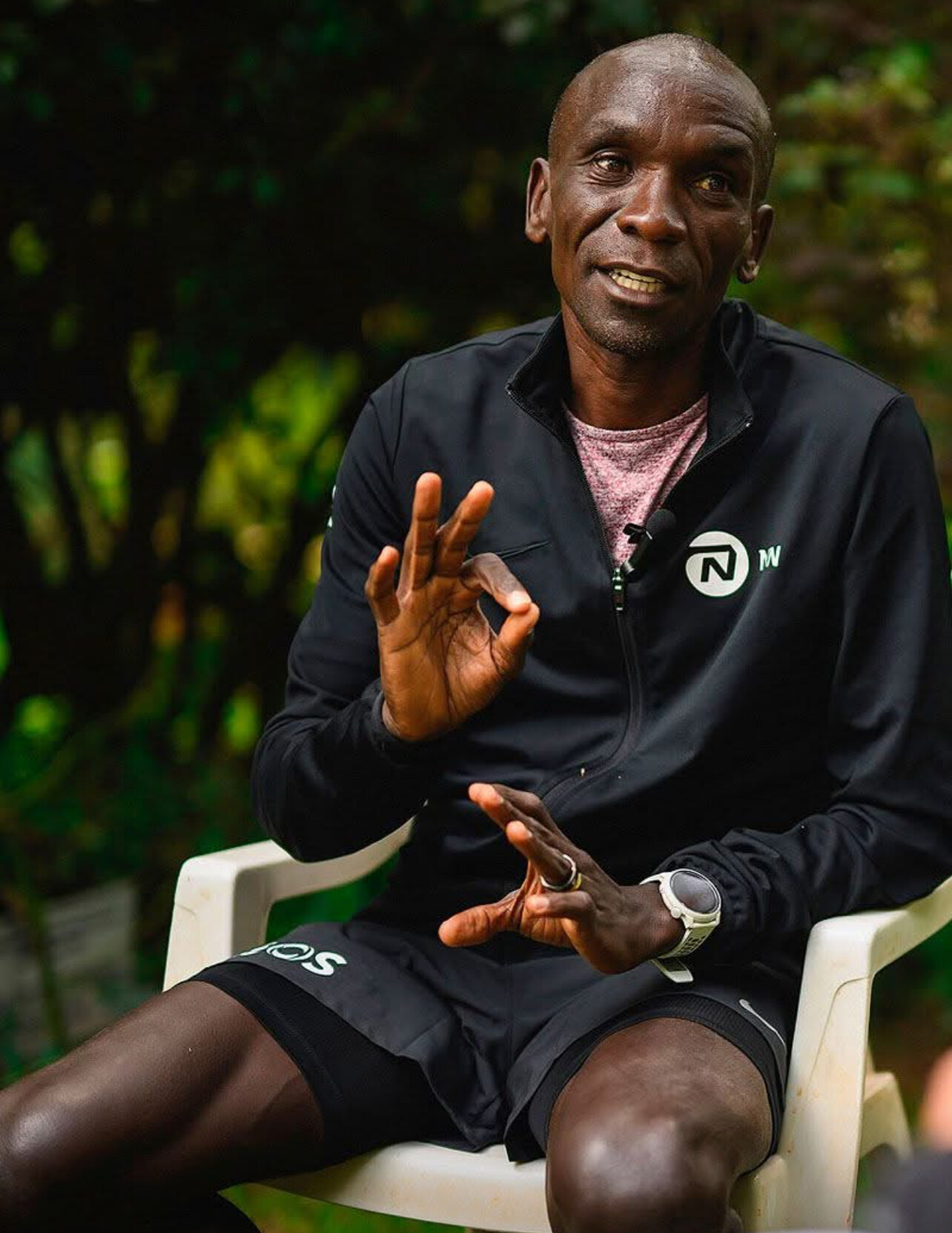
While Cairess’s absence is a blow to British hopes, the men’s elite field remains stacked with talent. Eliud Kipchoge, Kenenisa Bekele, and Olympic champion Tamirat Tola are set to headline the race, joined by world half-marathon record-holder Jacob Kiplimo and defending champion Alex Mutiso.
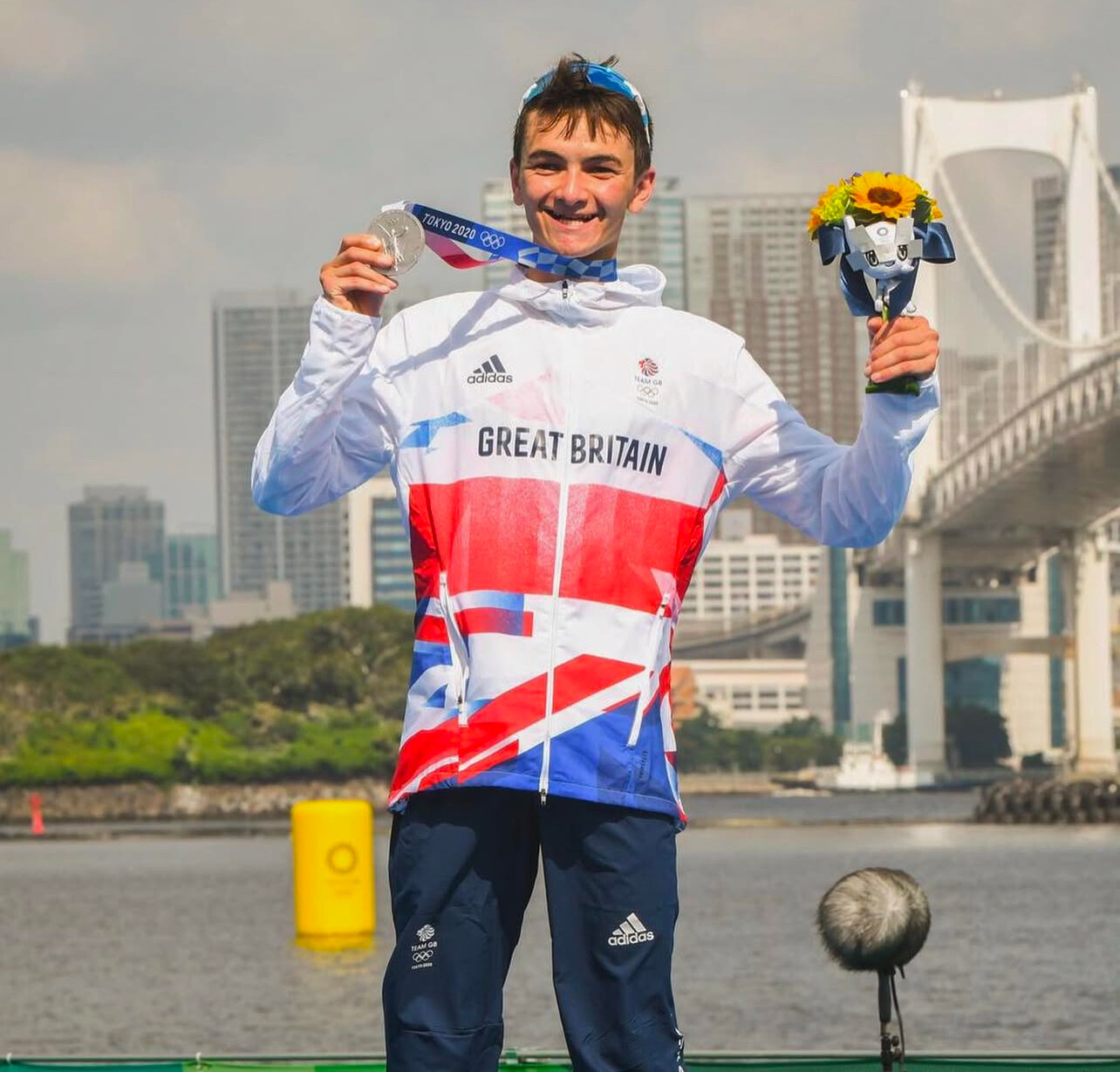
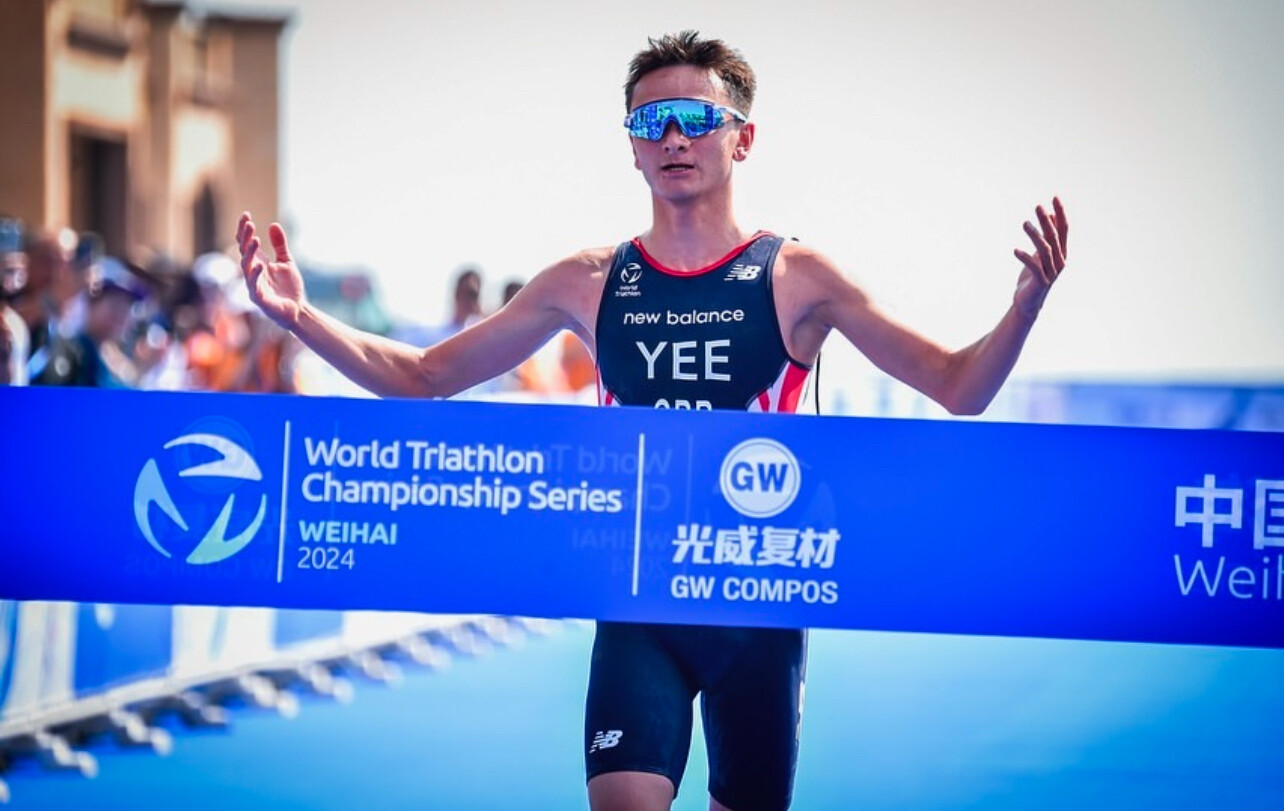
On the British front, Olympic triathlon champion Alex Yee will make his highly anticipated marathon debut, while Mahamed Mahamed and Phil Sesemann, both fresh from the Paris Olympics, aim to make their mark on home soil.
Women’s Elite Race Draws Global Talent
In the women’s race, Lucy Reid has also withdrawn due to injury after initially planning her London debut following a breakthrough 2:26:35 in Malaga last December. However, the competition remains fierce, with world record-holder Ruth Chepngetich, reigning Olympic champion Sifan Hassan, and Tigst Assefa—who famously shattered the Berlin Marathon record—leading the charge.
Adding to the excitement, defending champion Peres Jepchirchir will return, while British star Eilish McColgan is set to make her long-awaited marathon debut, bringing further domestic interest to the race.
While Cairess’s withdrawal is undoubtedly disappointing, the marathon season is far from over. With careful rehabilitation, he remains hopeful for a return later this year, possibly targeting the Berlin or Chicago Marathons as alternative stages for his record pursuit.
The London Marathon, meanwhile, continues to promise world-class performances, with a stellar field ready to light up the streets of the British capital come race day.
(02/25/25) Views: 94
