

Running News Daily
Top Ten Stories of the Week
4/5/2025
These are the top ten stories based on views over the last week.



Running Along the Seine River in Paris: My Second Favorite Place to Run
Some runs are so memorable that they stay with you long after you’ve finished them. For me, running along the Seine River in Paris is one of those special experiences. It’s my second favorite place to run, just behind Central Park in New York.
Starting at Notre-Dame: A Run Through the Heart of Paris

My favorite way to run along the Seine starts at Notre-Dame Cathedral on Île de la Cité. Being there when they reopened the cathedral after the devastating fire was a moment I’ll never forget. Seeing it restored and standing tall again makes this starting point even more special.
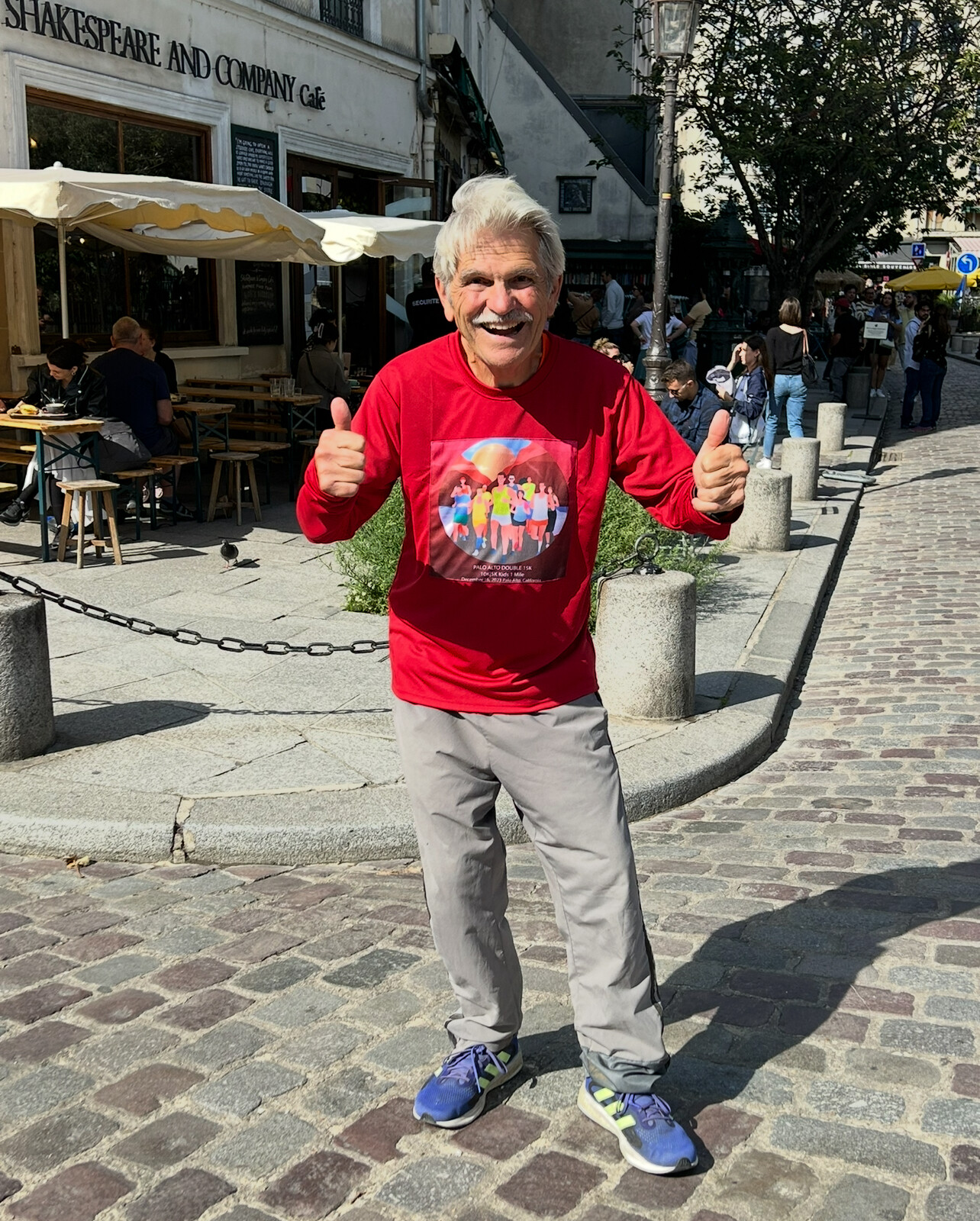
I prefer to run on the right side of the Seine (Rive Droite) first, heading west toward the Eiffel Tower. The early morning is the best time—Paris is still quiet, the air is crisp, and the river reflects the soft glow of the sunrise.
Running West Along the Right Bank (Rive Droite)
Starting at Notre-Dame, I follow the pedestrian paths along the Right Bank. This side of the Seine has a mix of cobblestone walkways and smooth running paths, with plenty of open space.

One of the first landmarks I pass is the Louvre, its grand architecture and glass pyramid still peaceful before the crowds arrive. Continuing west, I run through Port de l’Arsenal and past Pont Neuf, the oldest bridge in Paris, which has stood here since the early 1600s.

As I approach the Pont Alexandre III, I know I’m getting close to my turnaround point. This is one of the most beautiful bridges in the world, with its golden sculptures and ornate details. Beyond it, the Eiffel Tower rises in the distance, marking the midway point of my run.

Turning Around at the Eiffel Tower
Reaching the Eiffel Tower is always a highlight. No matter how many times I’ve run here, the sight of this iconic landmark never gets old. I take a moment to appreciate the view—sometimes stopping for a quick photo, sometimes just soaking it all in.
This is where I cross over to the Left Bank (Rive Gauche) to begin the second half of the run back toward Notre-Dame.

Returning Along the Left Bank (Rive Gauche)
The Left Bank has a different feel—more relaxed, with wider paths and fewer cobblestones. I pass by the Musée d’Orsay, the beautiful former train station turned art museum, and then continue past Port de Solférino, a scenic section of the river where the city’s energy starts to build.
Running past the Bouquinistes, the historic booksellers who line the riverbanks, is always a treat. Their green wooden stalls, filled with rare books and vintage prints, are a reminder that Paris is a city that treasures history and culture.
As I approach Île de la Cité, the home stretch of the run comes into view. Crossing back over the Seine near Pont Saint-Michel, I finish my run where I started—at Notre-Dame. By now, Paris is fully awake, and the city is alive with movement.
Why This Run is Special
This route is perfect for so many reasons. The mix of smooth paths, breathtaking landmarks, and the feeling of running through history makes every step enjoyable. Splitting the run between the Right Bank on the way out and the Left Bank on the way back also provides a unique perspective of Paris—like seeing the city in two different ways during the same run.
Why It’s My Second Favorite Run
Some runs stand out above all others:
1. Central Park, New York – The perfect balance of nature, varied terrain, and city energy.
2. The Seine River, Paris – A stunning out-and-back run along both banks of the Seine, with world-famous landmarks at every turn.
Final Thoughts

If you’re ever in Paris, I highly recommend running this route. Start at Notre-Dame, head west on the Right Bank, cross at the Eiffel Tower (I had to stop and take a photo of the Tower through the trees) and return along the Left Bank. It’s an unforgettable way to experience the city—and one of the best ways to truly feel the magic of Paris.
And as a special treat, I like to meet my wife Catherine at the little café across (Cafe Paris) from Notre-Dame for a coffee and maybe an avocado toast—and, of course, a nice conversation.
(04/02/25) Views: 327Bob Anderson
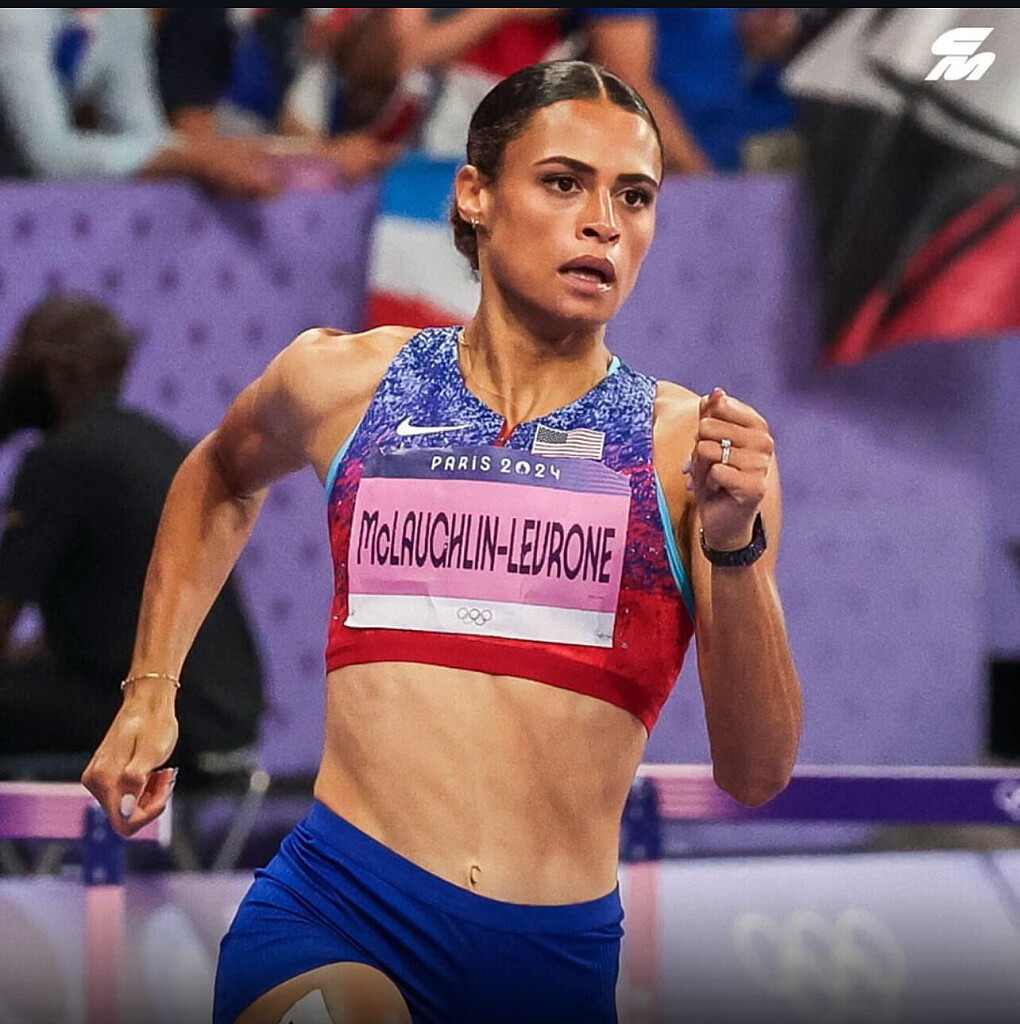
Sydney McLaughlin-Levrone’s Unmatched Dominance in the 400m Hurdles
Sydney McLaughlin-Levrone has firmly established herself as a formidable force in track and field, particularly in the 400-meter hurdles. Her performances have not only shattered records but have also set new benchmarks for the sport.
Record-Breaking Performances
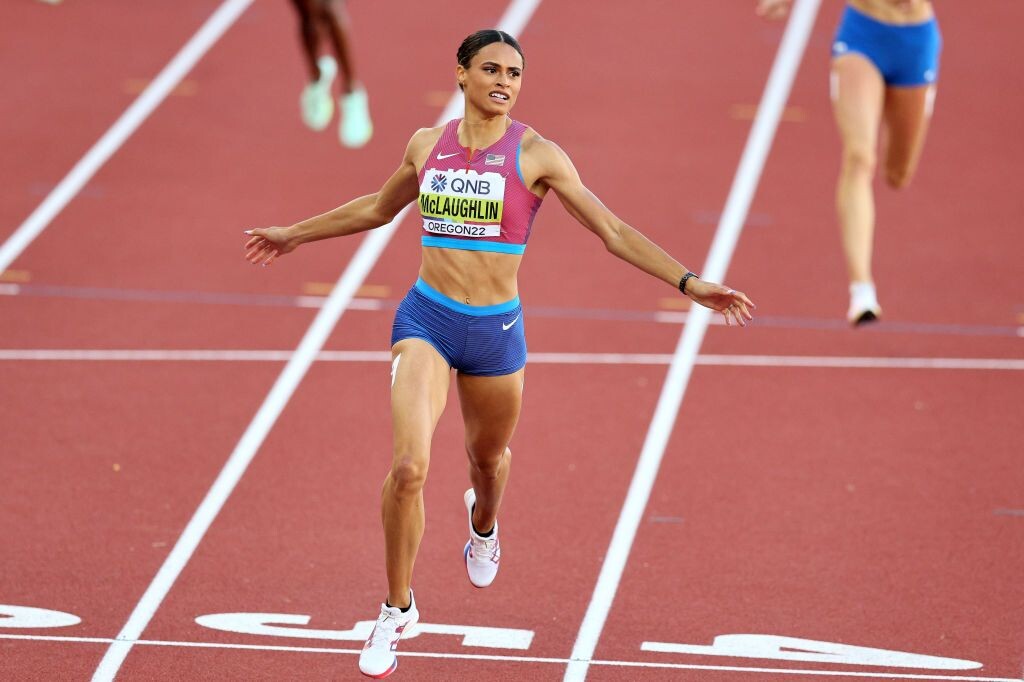
At the 2024 Paris Olympics, McLaughlin-Levrone clinched gold in the 400m hurdles, setting a new world record with a time of 50.37 seconds. This remarkable feat surpassed her previous record of 50.65 seconds, set just months earlier at the U.S. Olympic Trials.
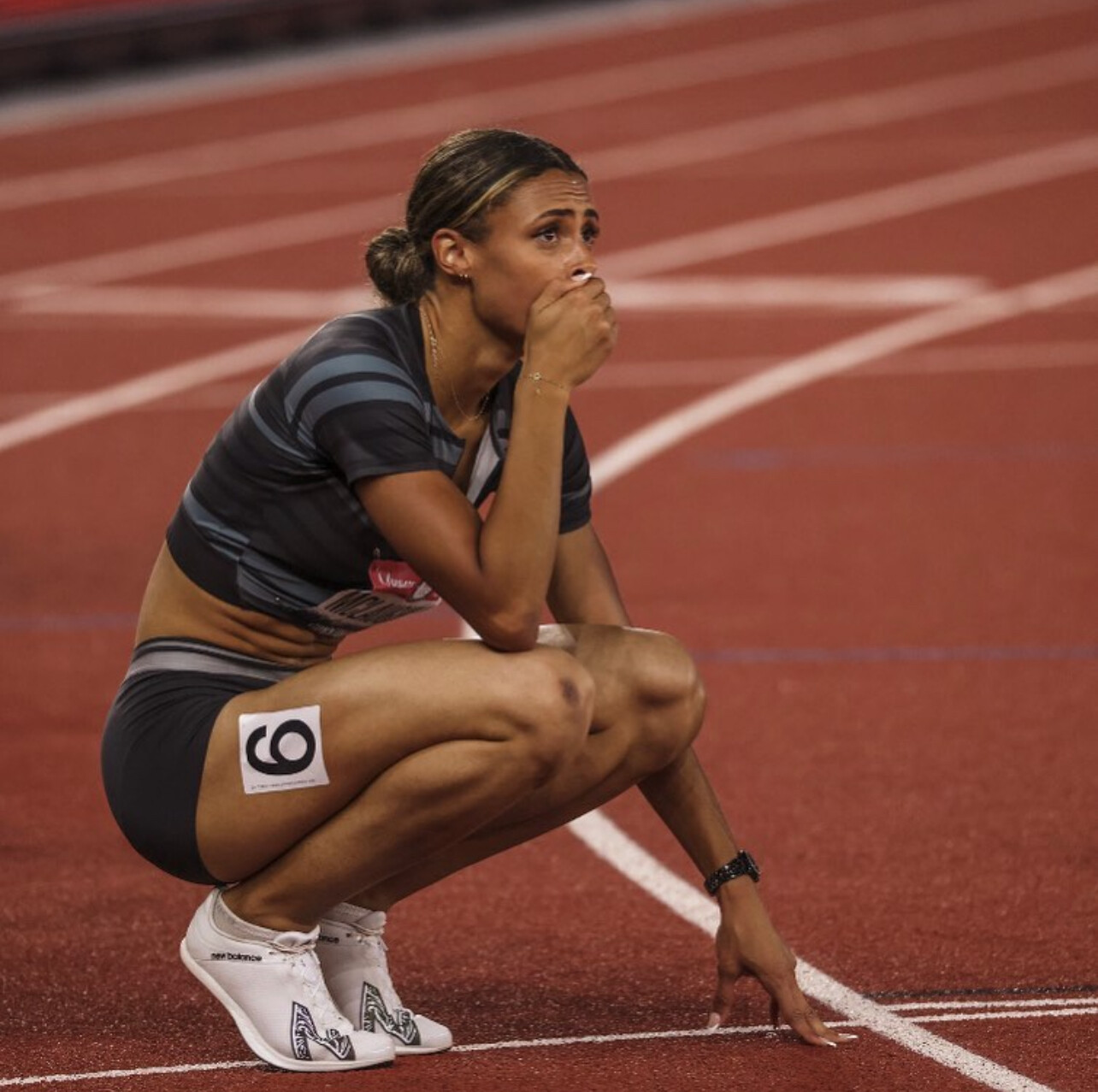
Unprecedented Winning Margins
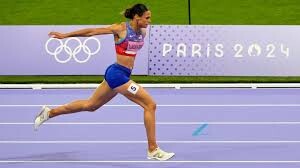
McLaughlin-Levrone’s dominance is further highlighted by her significant winning margins. In the Paris final, she finished 1.5 seconds ahead of the silver medalist, Anna Cockrell, who clocked 51.87 seconds. This margin is unprecedented in the history of the event at the Olympic level.

Consistency at the Pinnacle
Demonstrating unparalleled consistency, McLaughlin-Levrone has set the world record in the 400m hurdles six times, more than any other athlete in the event’s history. Her ability to continually push the boundaries of performance underscores her exceptional talent and dedication.
Technical Mastery and Training Regimen
Her success can be attributed to a meticulous training regimen and technical proficiency. McLaughlin-Levrone maintains an aggressive pace from the starting block, clearing each of the ten 30-inch hurdles with precision. Her ability to sustain speed between hurdles and execute flawless technique has set her apart from her peers.
Inspiration and Legacy
Beyond her athletic achievements, McLaughlin-Levrone serves as an inspiration, emphasizing the importance of discipline and dedication. Her journey reflects a commitment to excellence and a relentless pursuit of greatness.
(04/03/25) Views: 118Boris Baron
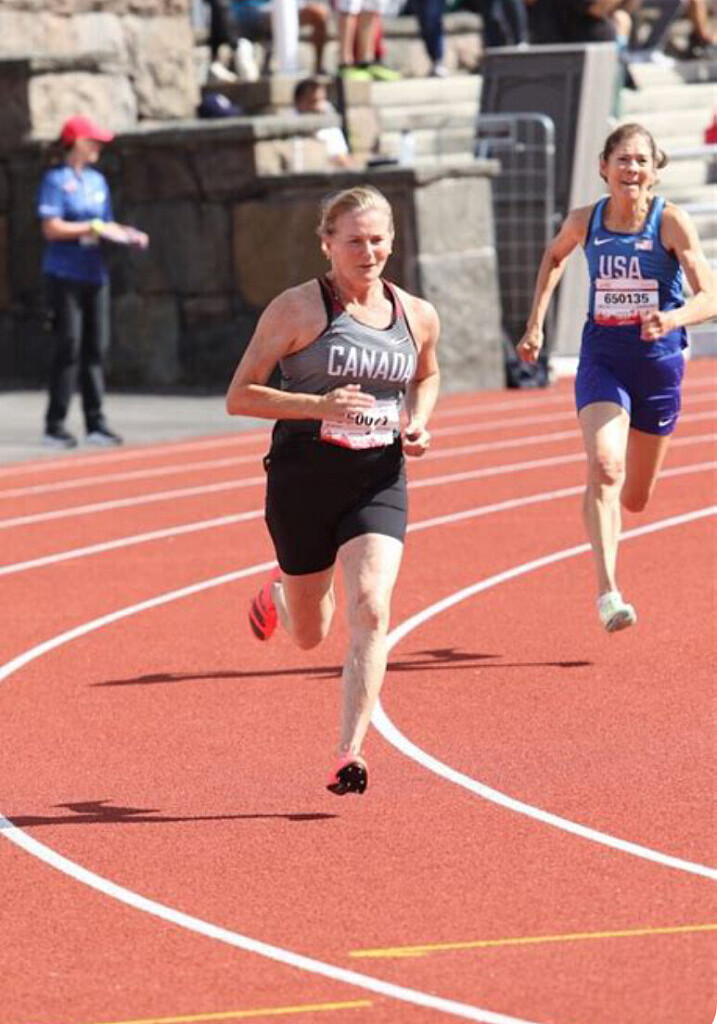
70-Year-Old Canadian Wendy Alexis Shatters 200m World Record at World Masters Championships
In a remarkable display of speed and determination, Wendy Alexis, a 70-year-old sprinter from Ottawa, Canada, set a new world record in the women’s 70-74 age category for the 200-meter dash at the World Masters Athletics Indoor Championships in Gainesville, Florida. Alexis clocked an impressive 30.68 seconds in her heat, surpassing the previous record of 31.17 seconds by nearly half a second.
This achievement adds to Alexis’s distinguished career in masters athletics. Earlier in the competition, she secured the W65 60m title with a time of 8.95 seconds. At the 2024 World Masters Athletics Championships in Sweden, she became the 100-meter world champion with a time of 14.46 seconds and earned silver in the 200-meter final with a wind-aided 30.81 seconds.
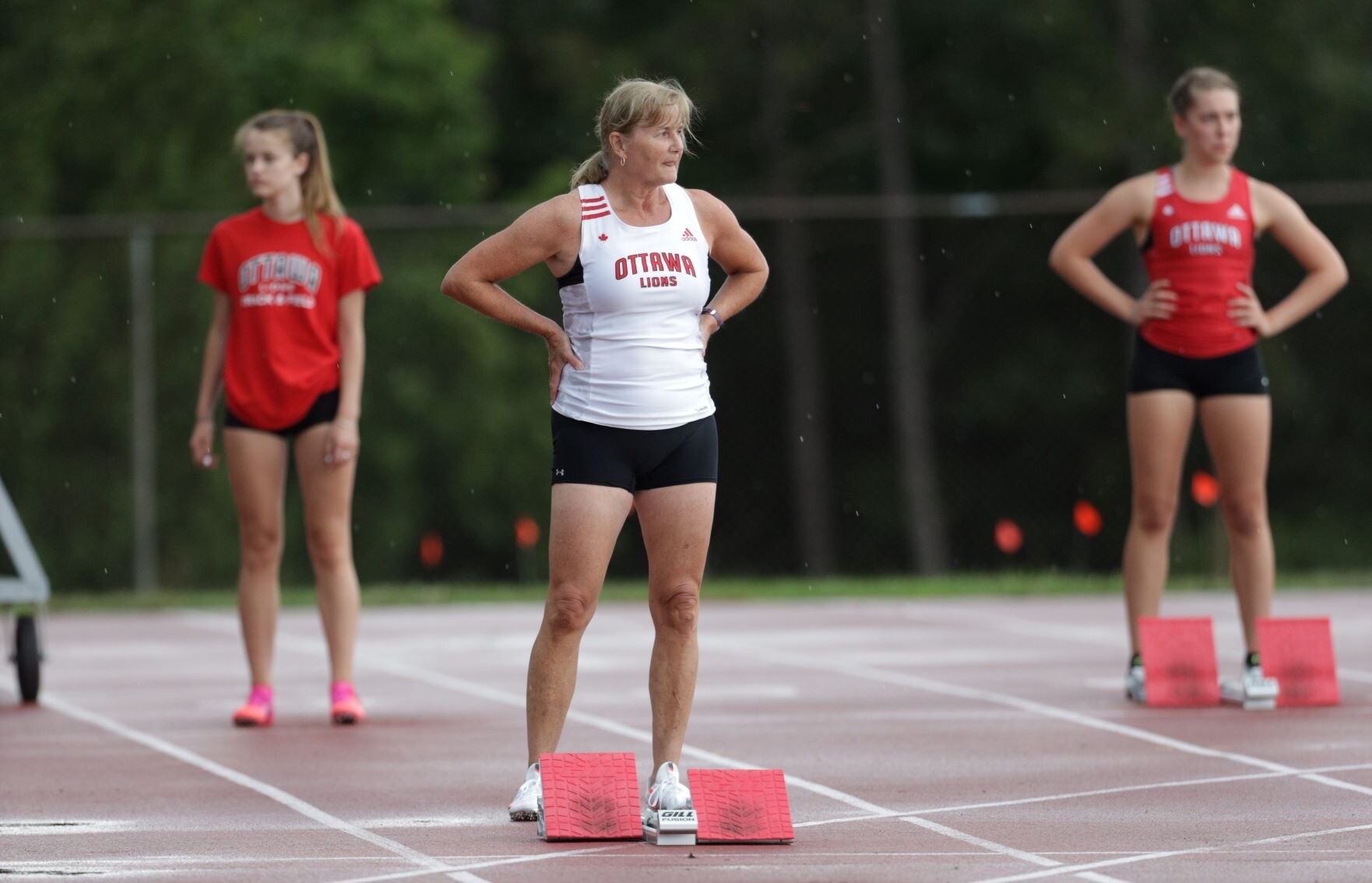
Masters athletics features age-group competitions in five-year increments, allowing athletes to compete against peers of similar age. The World Masters Athletics organization maintains records for these age groups, highlighting the ongoing competitiveness and dedication of senior athletes.

Wendy Alexis’s record-breaking run serves as an inspiring example of athletic excellence and perseverance, demonstrating that age is not a barrier to achieving world-class performance.
Distance Event Highlights at the World Masters Athletics Indoor Championships:
• Michael Kiely (Ireland): The 80-year-old from Cork clinched gold in the Men’s 800m (80-84 age category) with a time of 3:09.35. Remarkably, Kiely trains on a makeshift track mowed by his wife, showcasing his dedication to the sport.
• Francis Kipkoech Bowen (Kenya): In the Men’s 50-54 category, Bowen set a new world record in the 3000m, finishing in 8:36.23 and winning gold by over half a minute.
• Inocencio Cantu (USA): The 91-year-old American rewrote history with a time of 21:29.65 in the Men’s 90-94 category 3000m, setting a new world record.
(03/28/25) Views: 115Boris Baron
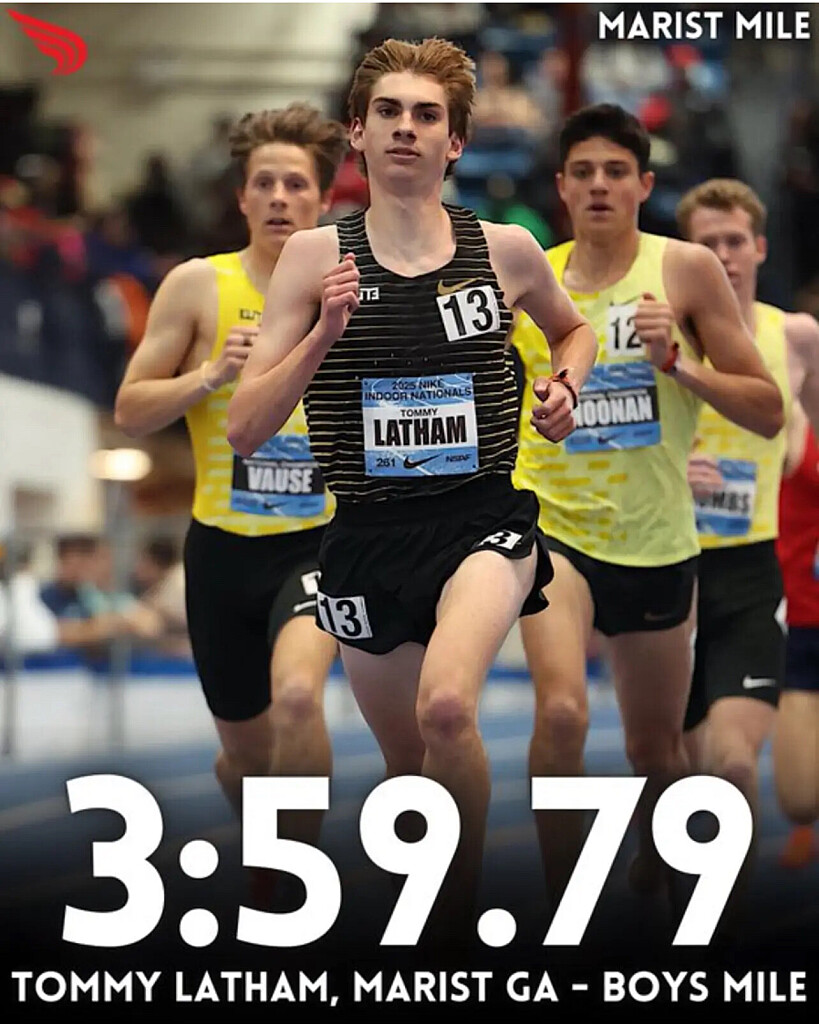
Tommy Latham Becomes First Georgia High Schooler to Break 4-Minute Mile
On March 28, 2025, at the Marist Mile event in Atlanta, Marist High School senior Tommy Latham made history by running a mile in 3:59.79. This achievement makes him the first high school athlete from Georgia to break the four-minute barrier.
Latham’s journey to this milestone has been marked by consistent excellence. In February, he won the Millrose Games high school boys’ mile in New York City with a time of 4:00.94, setting a meet record and recording the 10th-fastest indoor high school mile in history. Additionally, he secured victory in the 2-mile race at the Nike Indoor Nationals with a time of 8:44.35, setting a Georgia all-time best.

The Marist Mile event also featured other notable performances. Jack Bowen from McCallie School in Tennessee finished second with a time of 4:05.21, and junior Jameson Pifer of Collins Hill High School in Georgia placed third, also clocking 4:05.21. On the girls’ side, Averi Lowen, a sophomore from Bowdon High School in Georgia, won the mile in 4:58.58.
Latham’s historic run not only cements his legacy in Georgia high school track and field but also serves as an inspiration to aspiring athletes across the state and beyond.
(03/29/25) Views: 110Boris Baron
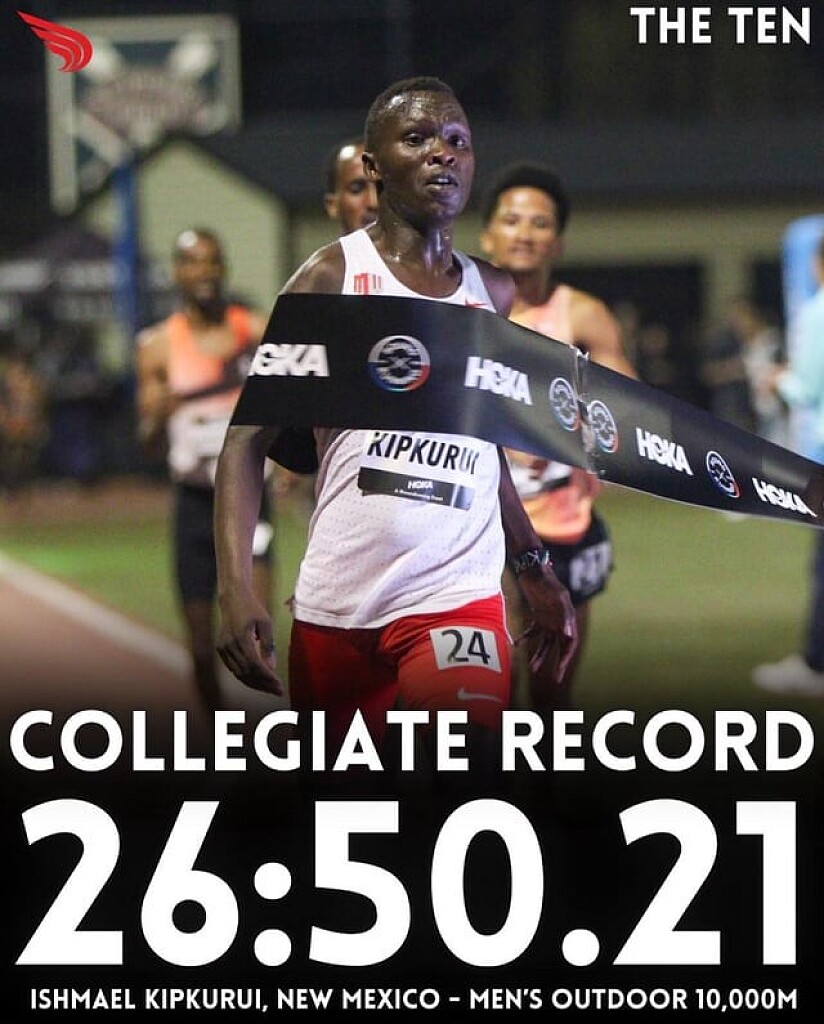
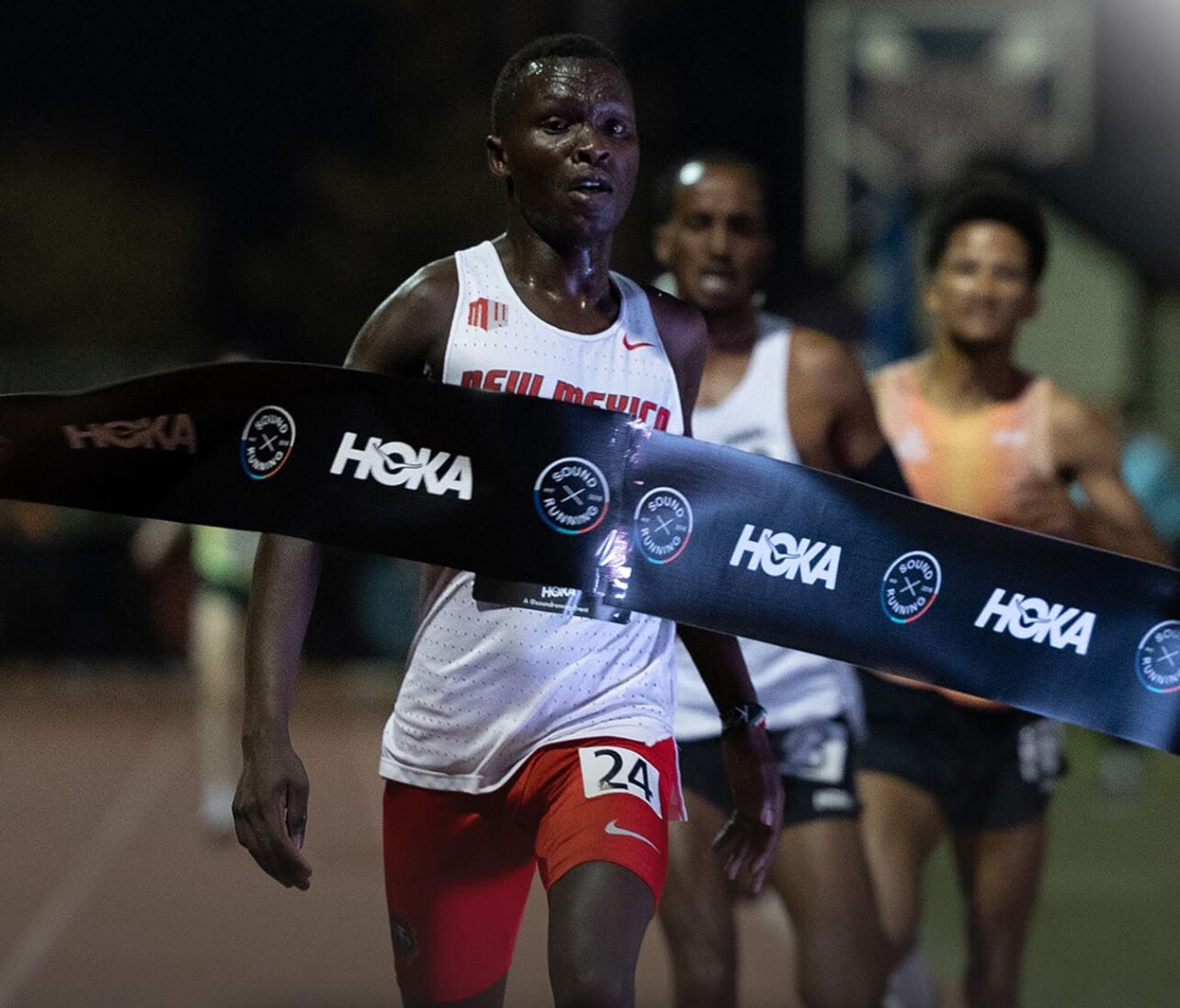
Ishmael Kipkurui Sets New NCAA 10,000m Record at The TEN 2025
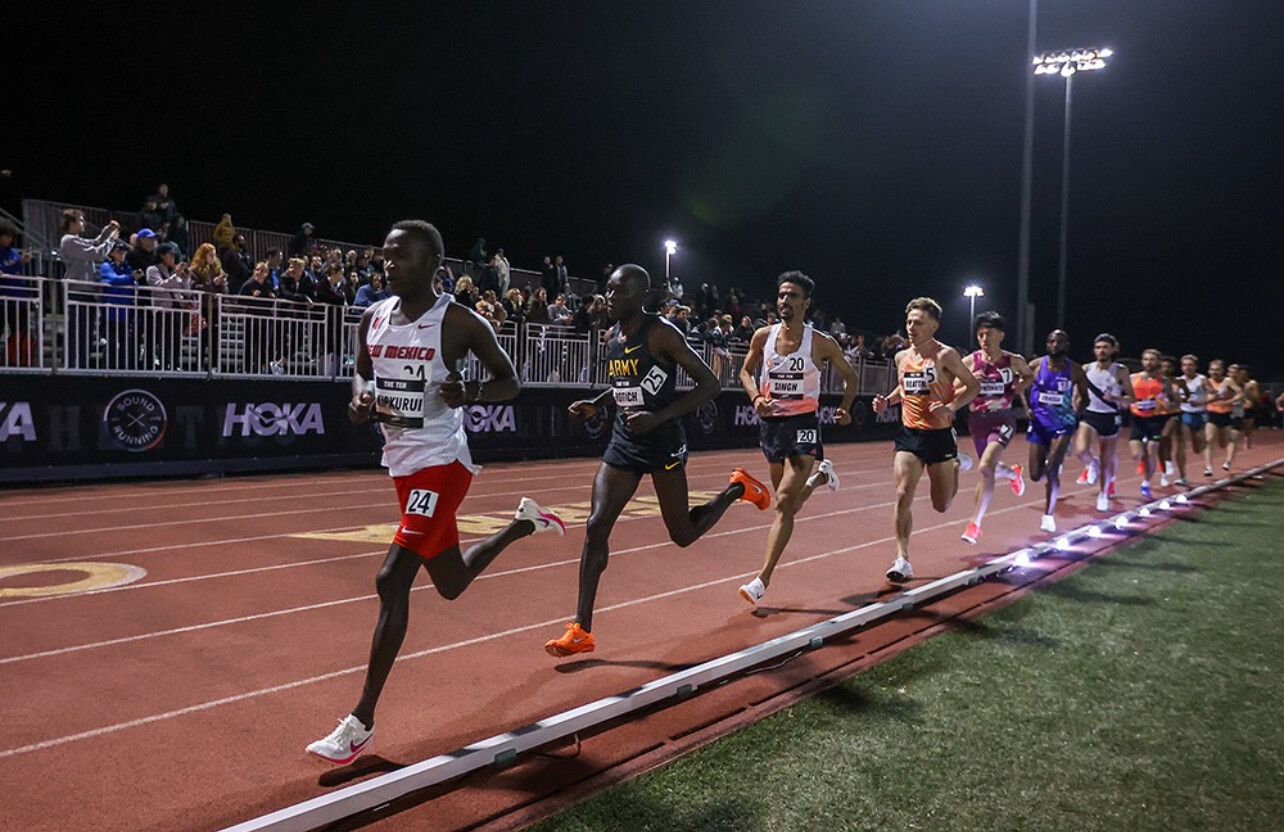
In a remarkable performance at The TEN 2025 meet on March 29 in San Juan Capistrano, California, University of New Mexico freshman Ishmael Kipkurui set a new NCAA 10,000-meter record with a time of 26:50.21 which is 4:19 per mile pace. This achievement surpasses the previous record of 26:52.72, set by Northern Arizona’s Nico Young at the same event in 2024.
Kipkurui’s teammate, Habtom Samuel, also delivered an impressive performance, finishing second with a time of 26:51.06, placing both runners under the former collegiate record. South African athlete Adrian Wildschutt of HOKA NAZ Elite secured third place, clocking 26:51.27.
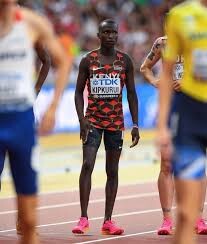
Ethiopian runner Telahun Haile Bekele faced an unusual challenge, missing the official start and beginning approximately 90 meters behind the field. Despite this setback, he finished fourth with a time of 26:52.79. American athlete Graham Blanks, representing New Balance, rounded out the top five, finishing in 26:57.30 and achieving the World Championships qualifying standard.
The race conditions were ideal, with temperatures around 55°F and minimal wind, contributing to the evening’s exceptional performances.
Kipkurui’s achievement adds to his growing list of accolades. Prior to this record-breaking run, he secured the individual title at the 2024 World U20 Cross Country Championships, leading the Kenyan team to a gold medal finish.
The TEN meet continues to solidify its reputation as a premier event for distance runners aiming for exceptional performances and records on U.S. soil.
(03/30/25) Views: 108Boris Baron
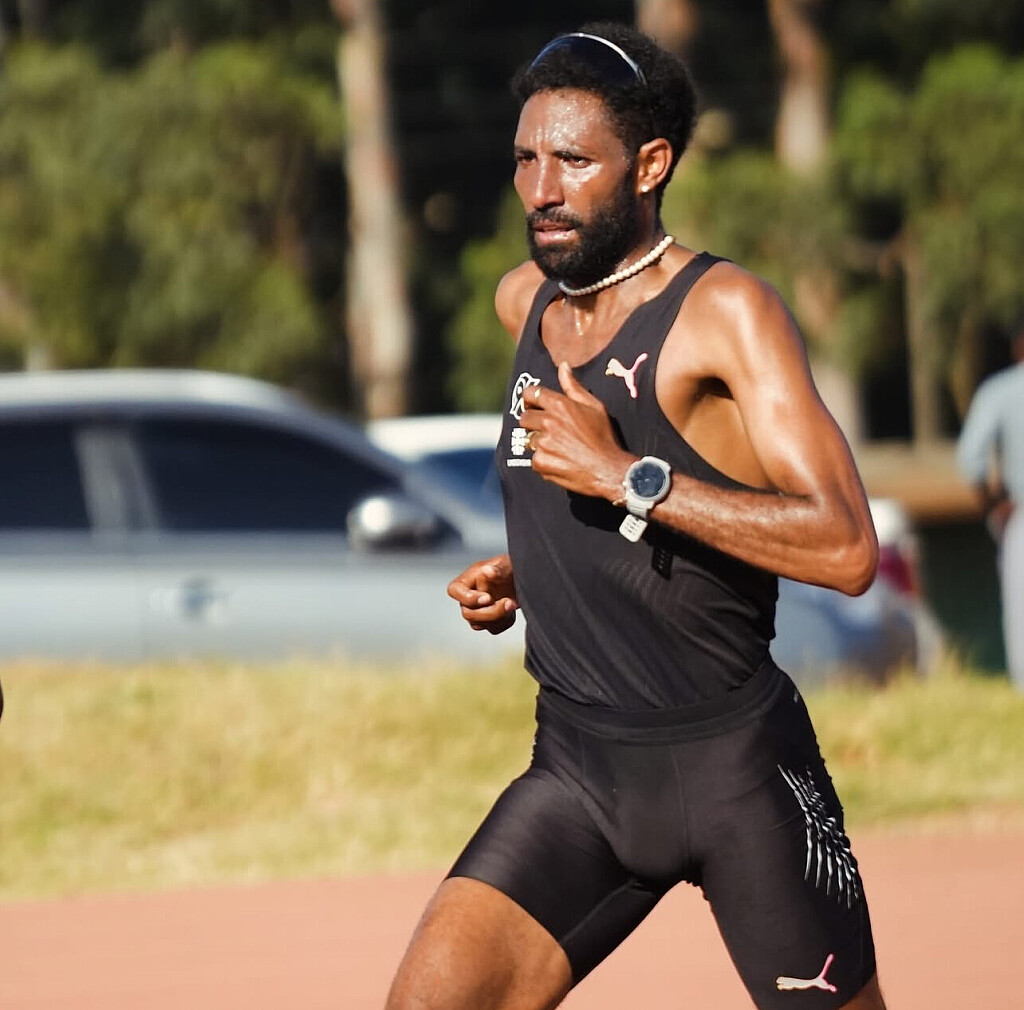
Amanal Petros - From Refugee to Record-Breaker, Eyes Set on London Marathon Glory
German marathon record-holder Amanal Petros is preparing for a significant milestone in his athletic career as he sets his sights on the 2025 London Marathon, scheduled for April 27, 2025. This event will mark his inaugural participation in the London Marathon, where he will compete alongside an elite field featuring renowned athletes such as Eliud Kipchoge and Kenenisa Bekele. Petros’s personal best of 2:04:58, achieved at the 2023 Berlin Marathon, positions him as a formidable contender in this prestigious race.
A Journey of Resilience and Achievement
Born on May 17, 1995, in Assab, Eritrea, Petros’s early life was marked by adversity. At the age of two, his family fled the Eritrean-Ethiopian conflict, seeking refuge in Ethiopia. In 2012, as a teenager, Petros embarked on a journey to Germany, where he sought asylum and eventually acquired citizenship in 2015. It was in Germany that he discovered his passion and talent for long-distance running, setting the stage for a series of remarkable achievements.
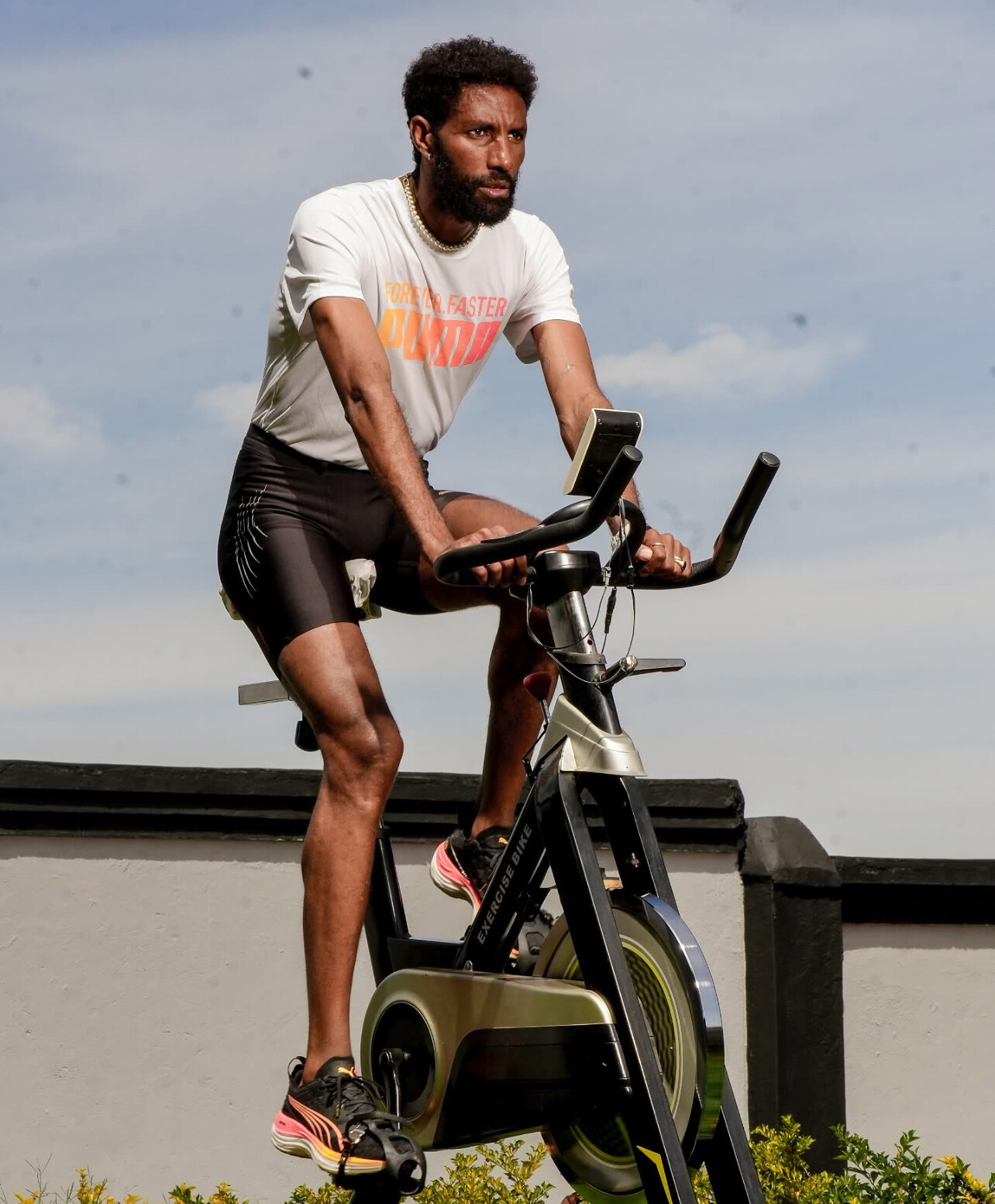
Record-Breaking Performances
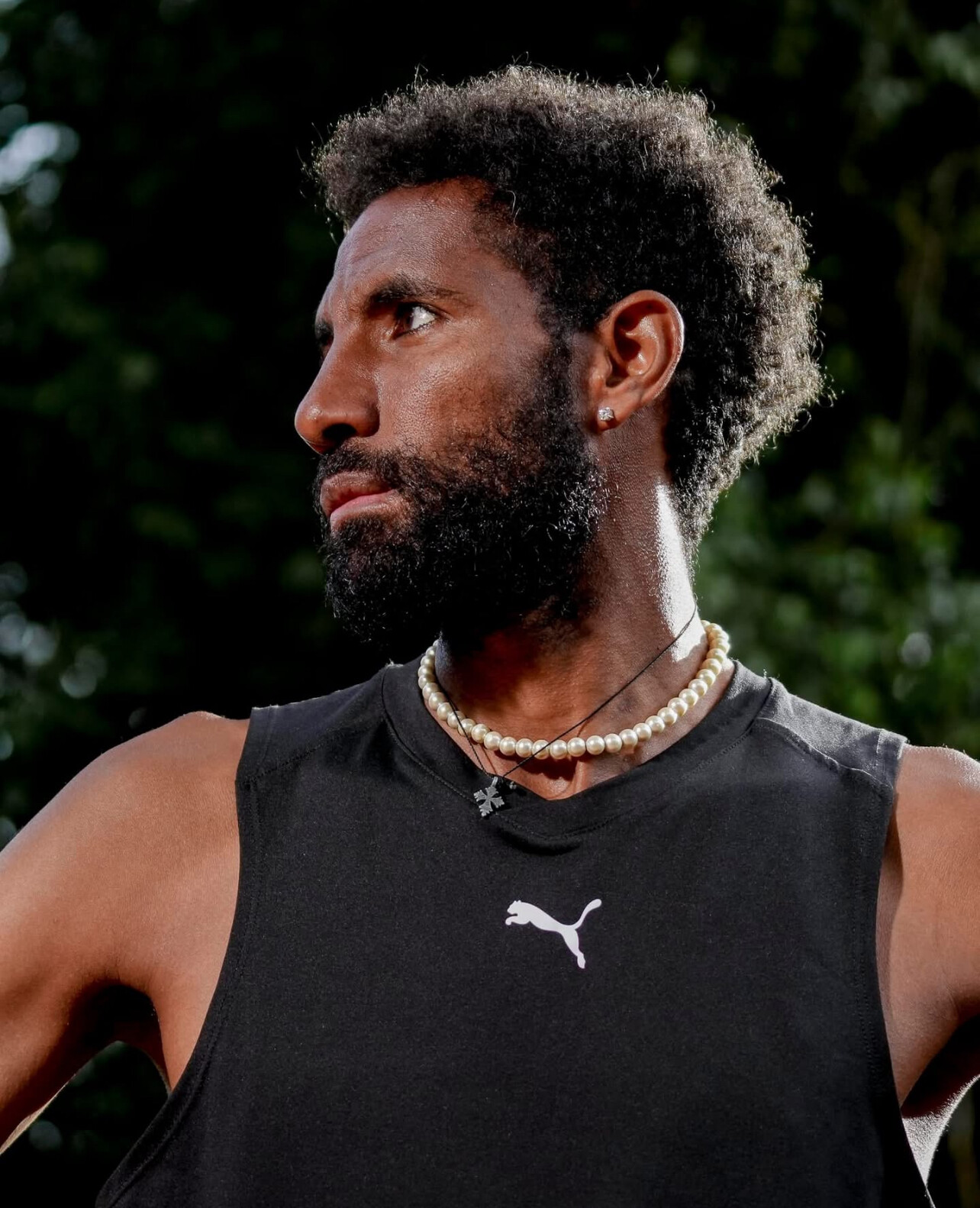
Petros’s dedication and perseverance have led to several national records:
• Marathon: German national record of 2:04:58, set at the 2023 Berlin Marathon.
• Half Marathon: National record of 1:00:09, achieved in Valencia on October 24, 2021.
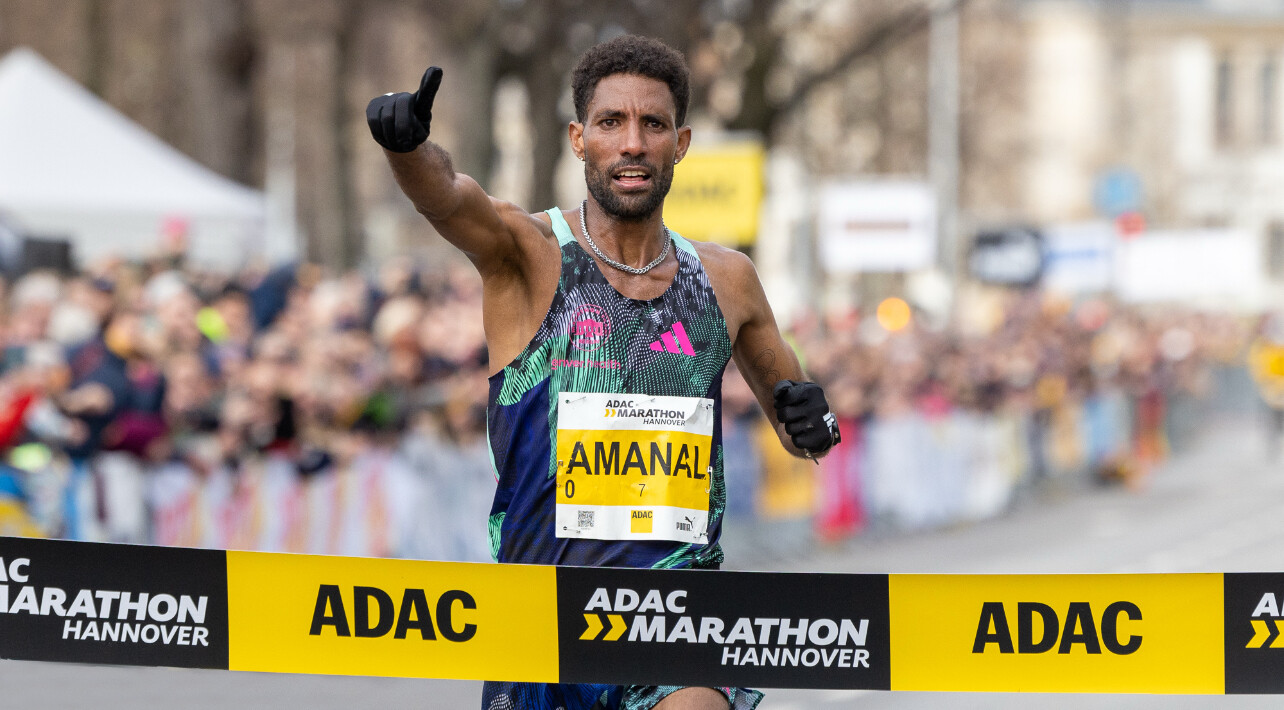
• 10 km Road Race: National record of 27:32, set in Castellón, Spain, on February 26, 2023.
International Representation
Petros has proudly represented Germany on the international stage:
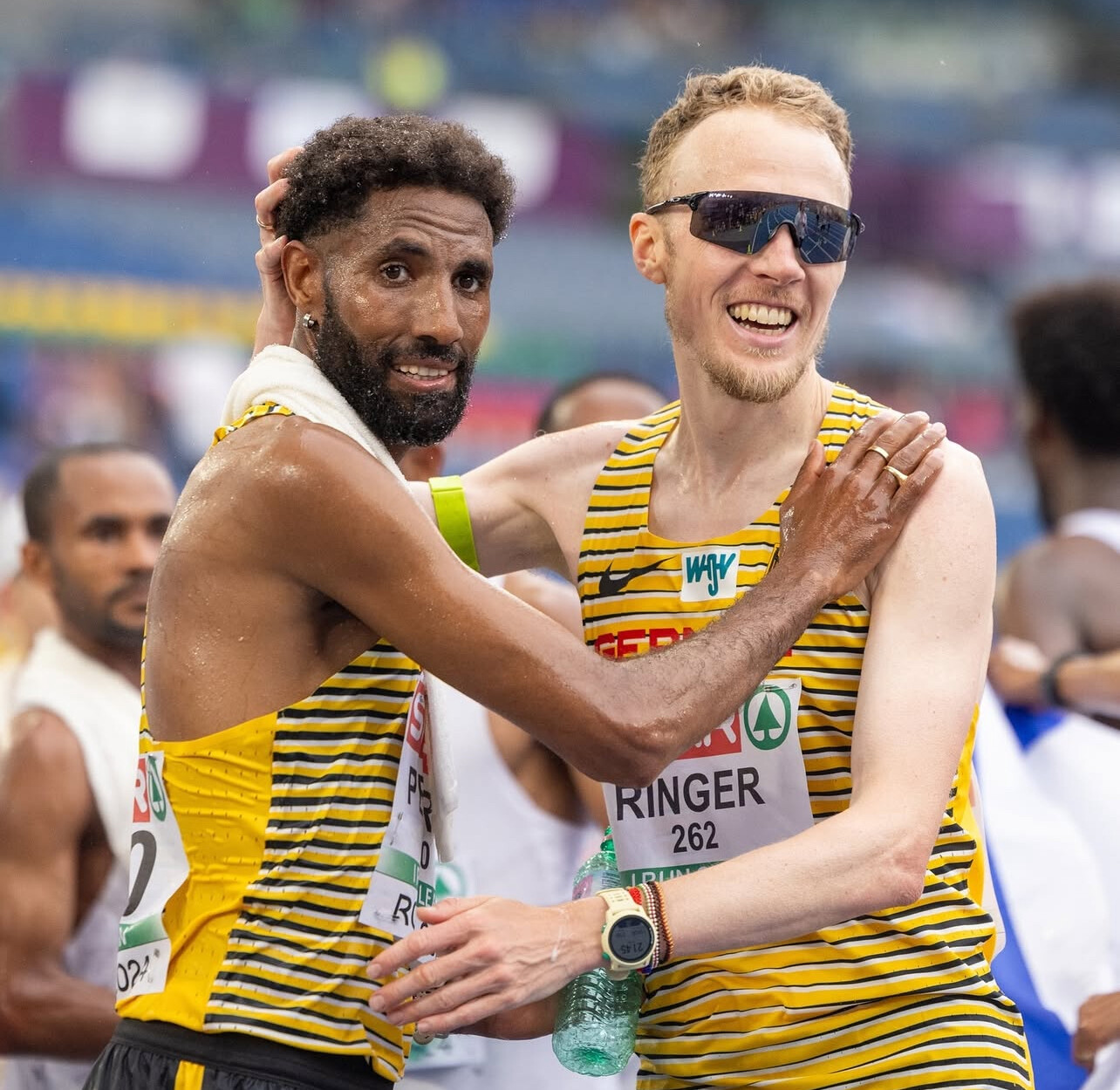
• Olympic Games: Competed in the men’s marathon at the 2020 Tokyo Olympics, finishing 30th.
• European Championships: Secured a silver medal in the team marathon event and placed fourth individually at the 2022 European Athletics Championships in Munich.
Recent Preparations and Professional Milestones
In preparation for the London Marathon, Petros participated in the eDreams Mitja Marató Barcelonaon February 16, 2025, completing the half marathon in 1:01:51. Reflecting on his performance, he stated:
“Today I ran quite far from my German record, but I am happy to run my first competition in 61:50 after the Olympic Games in Paris. Looking forward to my first marathon in London 2025.”
In addition to his athletic endeavors, Petros has recently joined the Puma Running Team, expressing enthusiasm about this new partnership and the opportunities it presents for the upcoming seasons.
Looking Ahead
As the 2025 London Marathon approaches, the running community eagerly anticipates Petros’s performance. His journey from a refugee seeking asylum to a national record-holder exemplifies resilience and determination. With his eyes set on London, Petros continues to inspire and set new benchmarks in long-distance running.
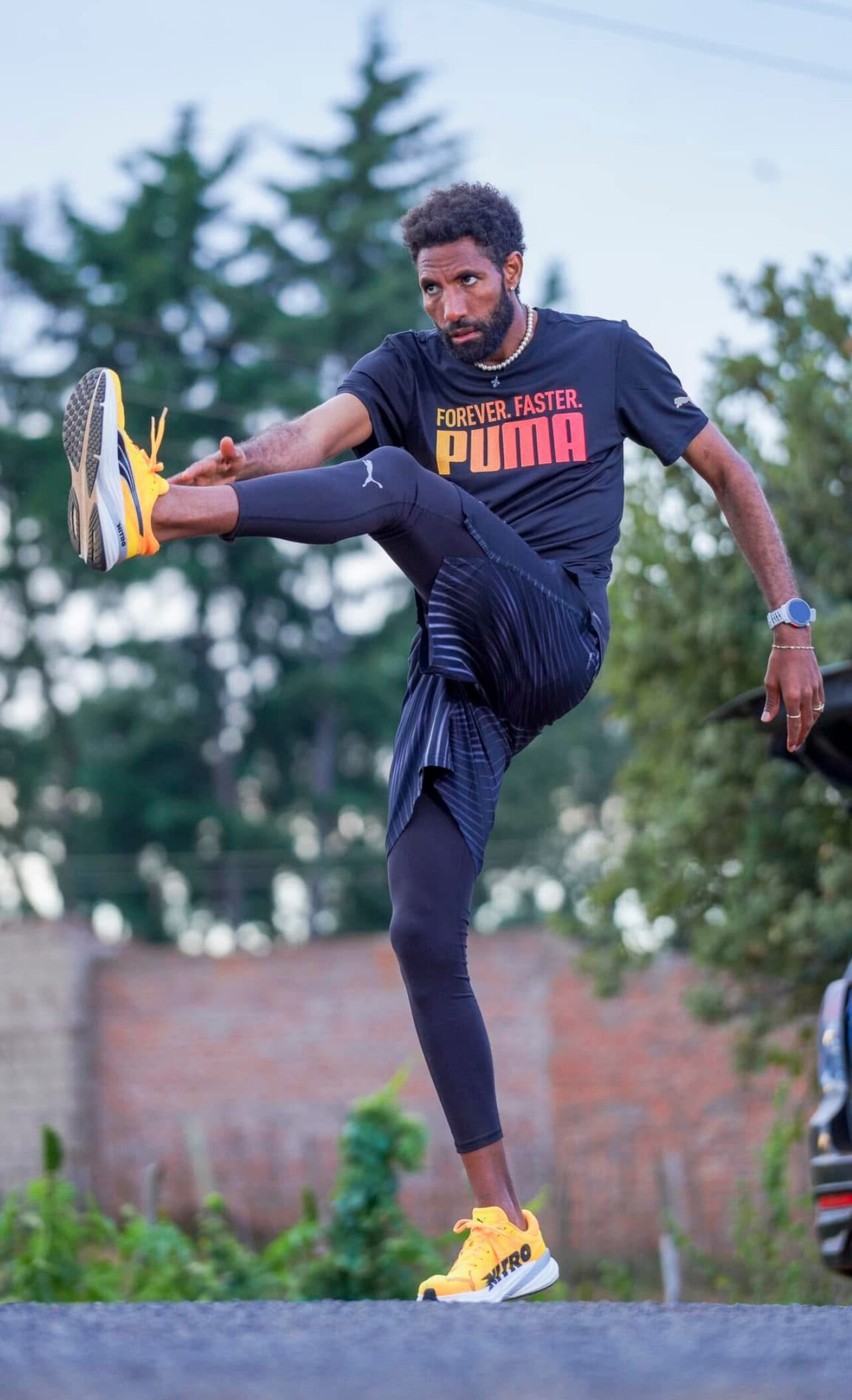
The last photo
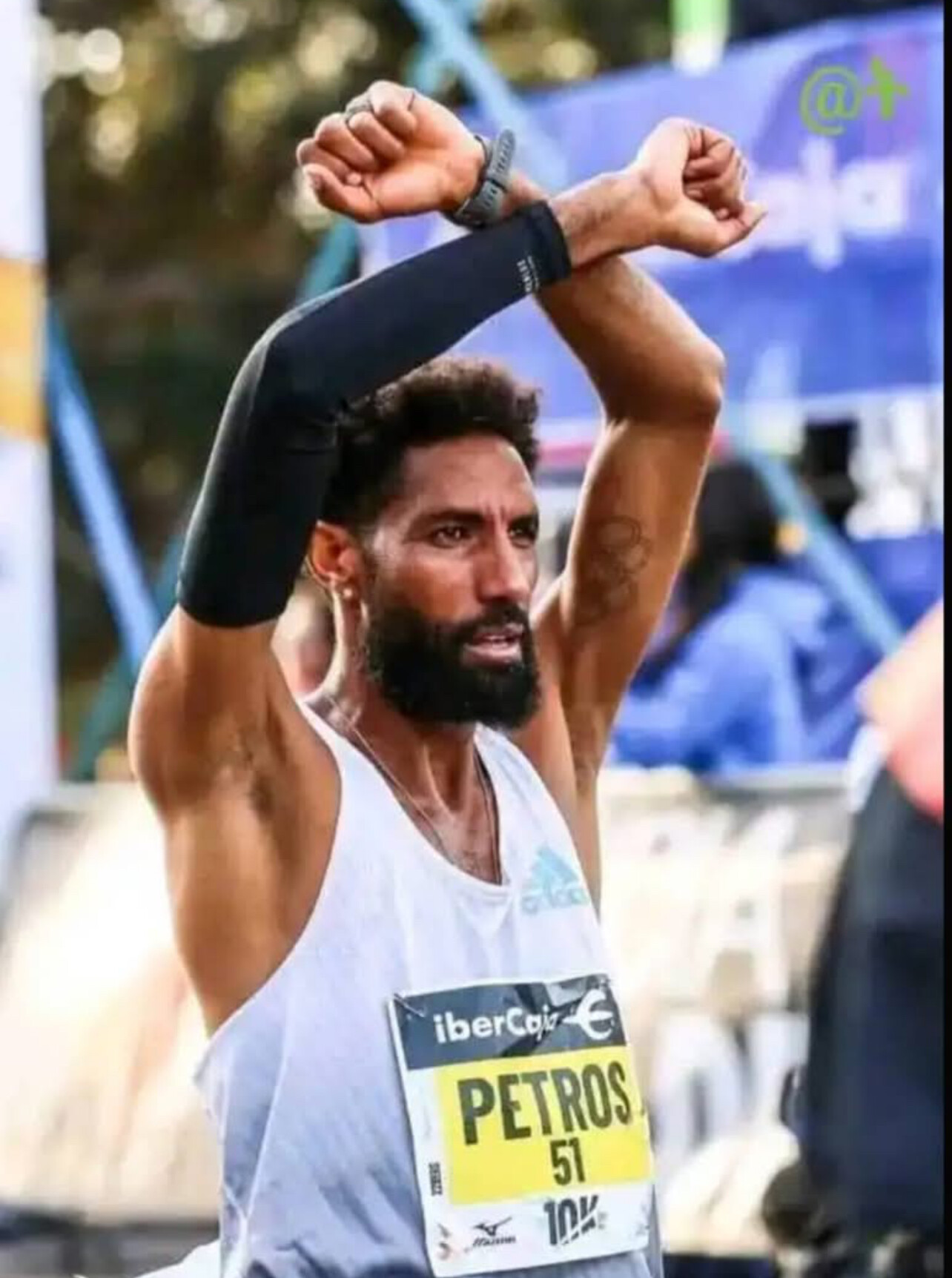
The gesture Amanal Petros is making in this photo — crossing his arms above his head — is a powerful and symbolic act. He does not do this gesture often but his beliefs have not changed.
This “X” gesture has been widely recognized as a sign of solidarity with the Tigray people in northern Ethiopia. It’s used by athletes and others to bring attention to the humanitarian crisis and conflict in the region, where countless civilians have suffered due to war, famine, and displacement.
Petros, who was born in Eritrea and whose roots are in Tigray, is using this moment at the finish line to make a public statement of support and raise awareness.
(03/30/25) Views: 108
Boris Baron

Sam Ruthe runs a sub four minute mile and sells his spikes for $7643US and then donated the funds to his coach and team
At just 15 years old, Sam Ruthe has captivated the athletics world with his extraordinary performances and commendable generosity.
Historic Sub-Four-Minute Mile
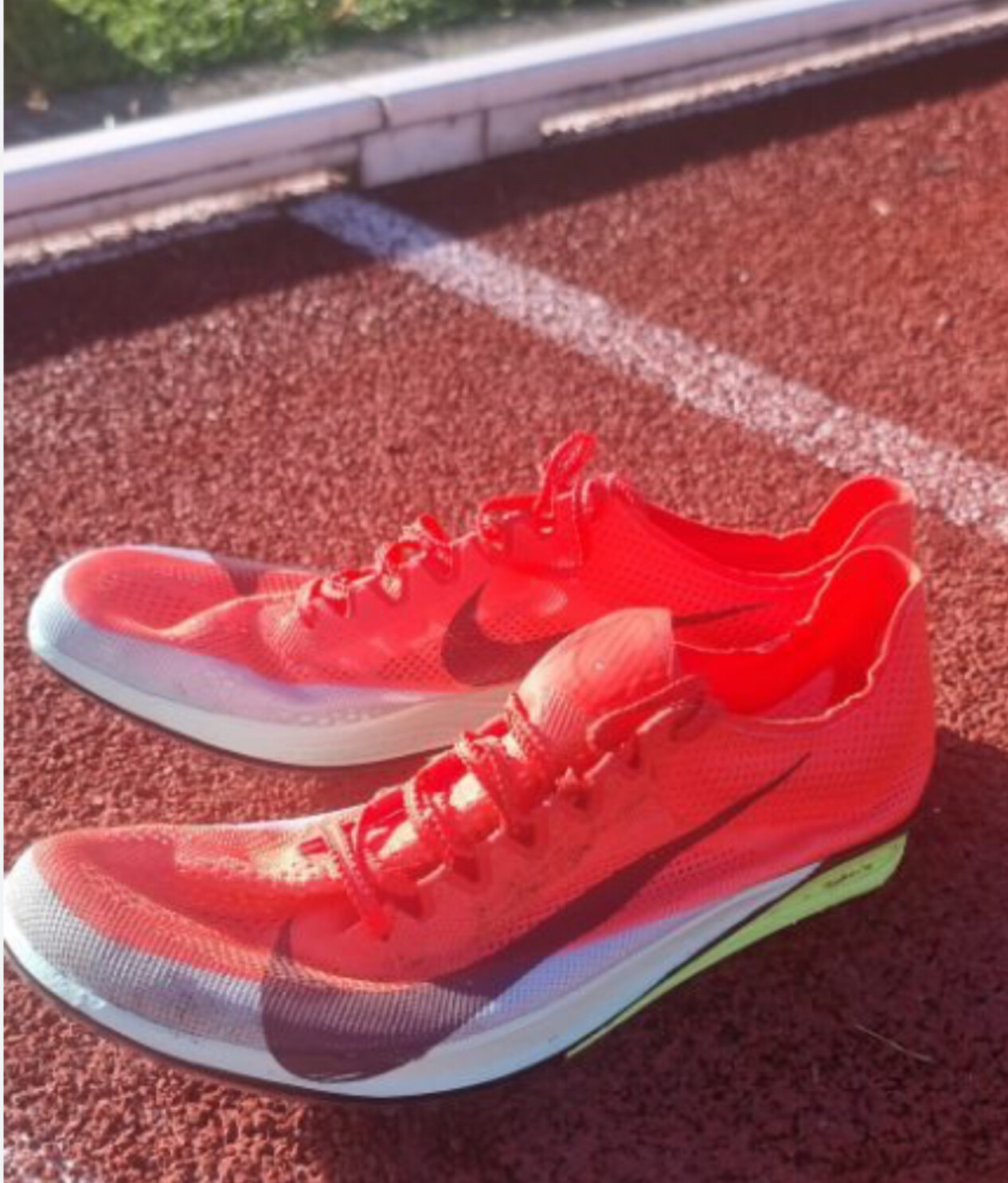
On March 19, 2025, at Auckland’s Mt Smart Stadium, Ruthe made history by becoming the youngest person ever to run a mile in under four minutes. Clocking a remarkable 3:58.35, he surpassed the previous age record held by Norway’s Jakob Ingebrigtsen, who ran 3:58.07 at 16. This achievement places Ruthe among an elite group of middle-distance runners and underscores his immense potential.
Auctioning Historic Spikes for Team Support
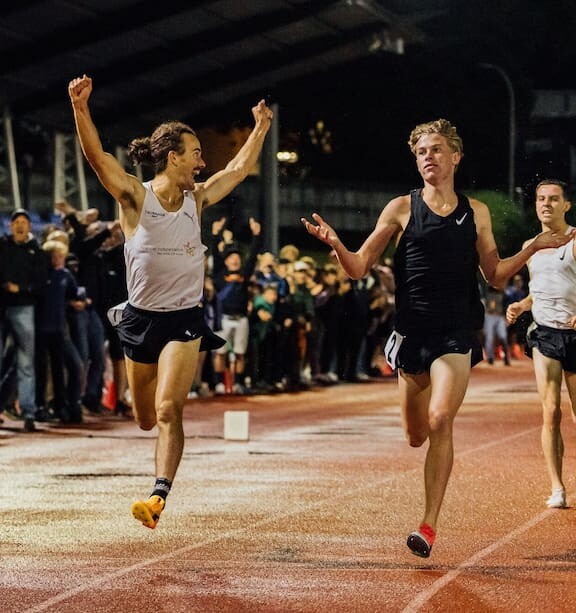
Following this milestone, Ruthe chose to auction the Nike Dragonfly 2 Elite spikes he wore during the race to support his training group. The TradeMe auction concluded on March 29, 2025, raising $11,408.35 NZD (approximately $7,643.59 USD). The size 10.5 US spikes attracted 151 bids and over 50,000 views, making it the most viewed auction on the platform this year. Ruthe’s coach, Craig Kirkwood, expressed gratitude, noting that the funds will benefit the training group in ways previously unattainable.
Continued Excellence on the Track

Ruthe’s success extends beyond the mile. In February 2025, he set a world age-best time over 1500 meters, and in March 2025, he became the youngest man to win a senior national title in the 3000 meters at Hastings. He then shared the 1500 meters title with training partner Sam Tanner at the national championships in Dunedin.
Looking Ahead

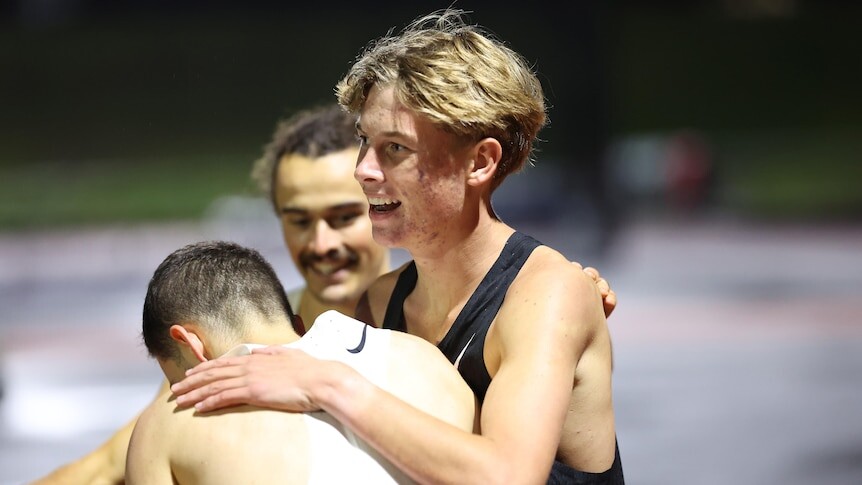
He concluded his southern hemisphere racing schedule on March 29, 2025, at the Maurie Plant Meet in Melbourne. Competing against a strong field, he finished seventh in the 1500 meters, recording a personal best of 3:40.12, further lowering his world age-best mark.
Sam Ruthe’s blend of athletic excellence and altruism not only highlights his dedication to his sport but also his commitment to uplifting those around him. As he continues to break records and support his peers, the running community eagerly anticipates his future endeavors.
"Sam is a class act," says Bob Anderson "we need more runners like Sam in our sport."
(03/30/25) Views: 106Boris Baron
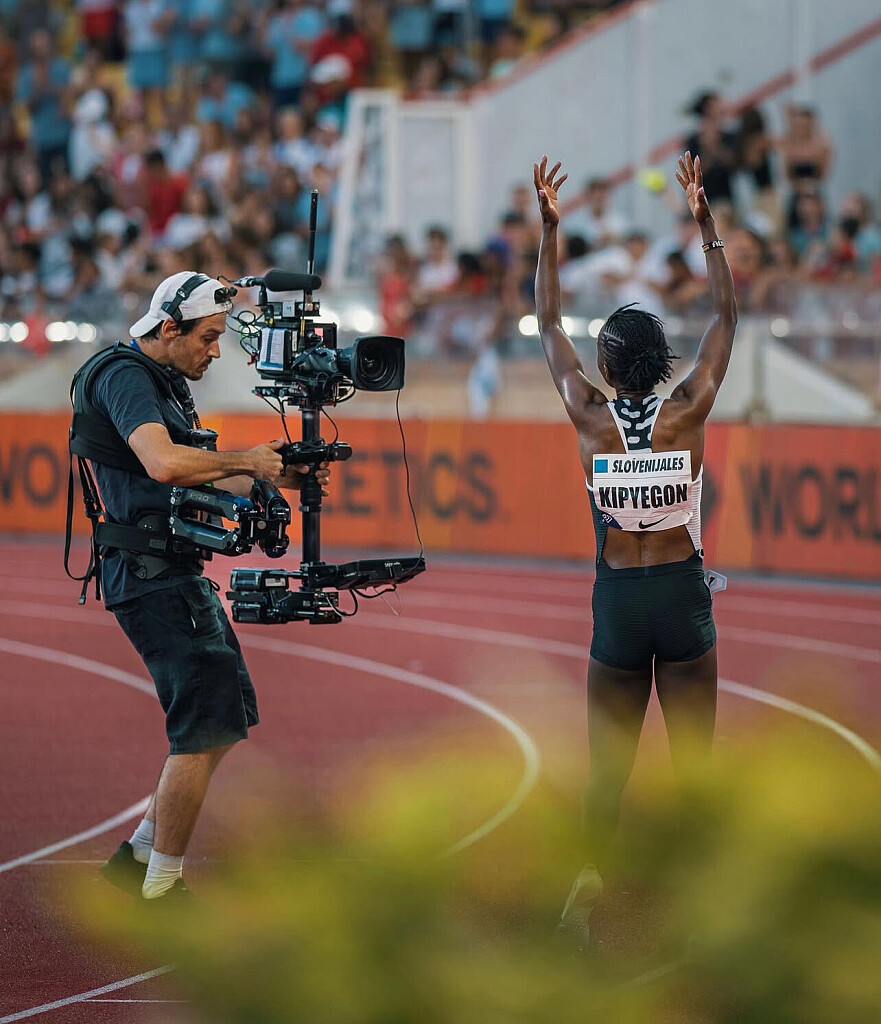
Can a Woman Legally Break the Four-Minute Mile?
The men’s four-minute mile barrier was once considered impossible—until Roger Bannister broke through on May 6, 1954, clocking 3:59.4. It marked a seismic shift in the world of athletics, changing not only what runners believed was possible, but what the sport expected from its best. Seven decades later, that milestone remains sacred in the women’s mile. The closest anyone has come is Faith Kipyegon of Kenya, who ran 4:07.64 at the Monaco Diamond League on July 21, 2023, smashing the previous world record.
But is a sub-four-minute mile for women still a distant dream—or are we on the cusp of another historic breakthrough?

“I remember when Roger Bannister broke four minutes for the mile,” says My Best Runs founder Bob Anderson. “It was such an exciting moment in history. I think it will be even more exciting when a woman joins the club.”

Faith Kipyegon: The Closest So Far
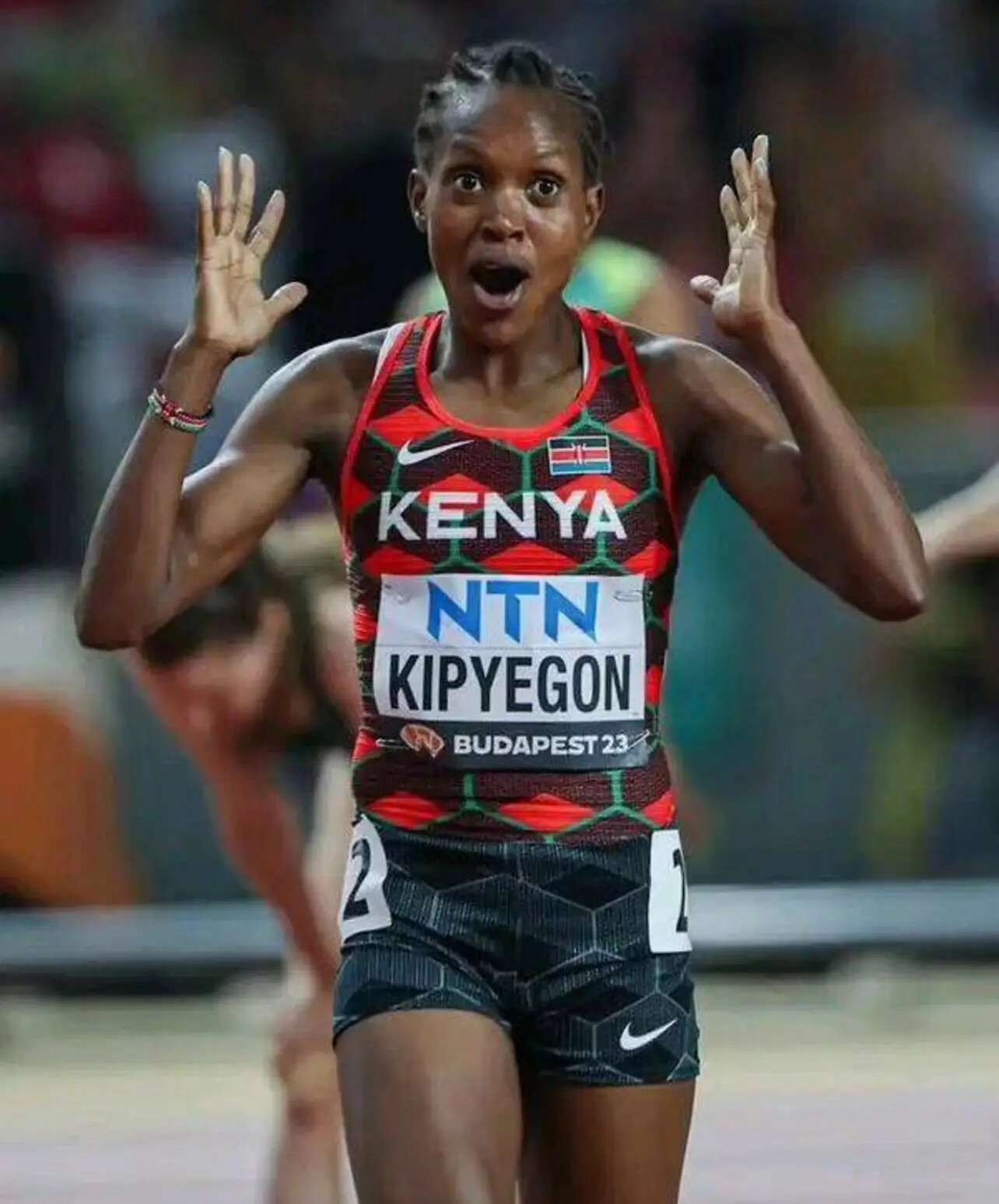
Faith Kipyegon has redefined what’s possible in women’s middle-distance running. Her 4:07.64 run in Monaco wasn’t just a world record—it was a display of precision pacing, power, and race execution. In that race, every single runner set a personal best, national record, or season best. But for Kipyegon to cut another 7+ seconds from that time—down to 3:59.9—would take another leap forward.

She’s already run a 3:49.11 in the 1500m, the fastest time in history. Converted directly, that performance suggests a mile potential close to 4:07–4:05, but a sub-4:00 mile would require averaging approximately 59.8 seconds per 400 meters—four consecutive laps at a pace that currently no woman in history has sustained.

Legality Matters: What the Rules Allow
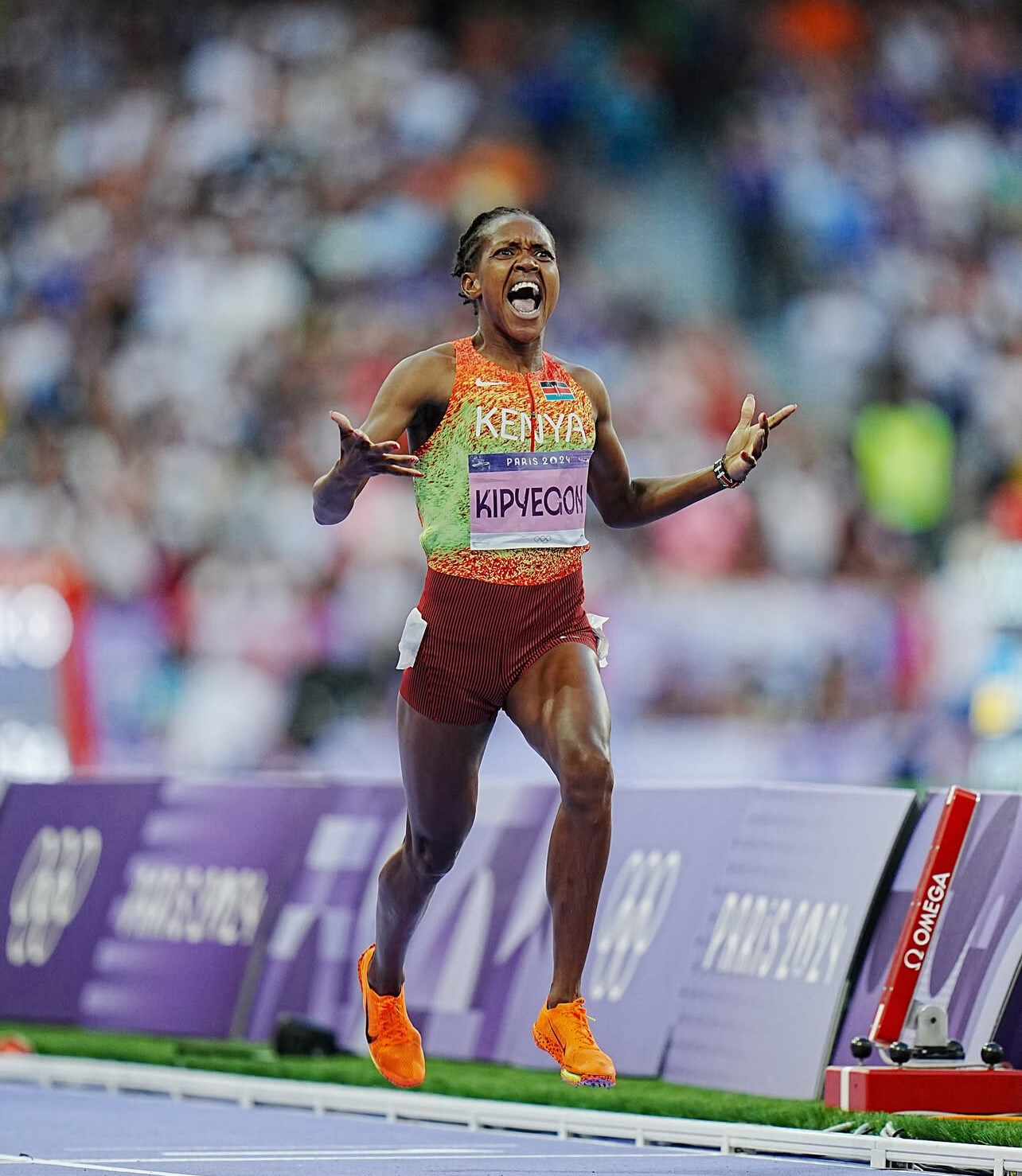
There has been plenty of discussion about whether women might break four minutes with the help of male pacemakers, similar to what’s been done in mixed road races. But here’s the reality: if a performance is going to count as a world record—or even be considered legitimate in top-level track competition—it must be done in a women-only race.
That means:
• Pacemakers must be female.
• They must be officially entered in the race.
• They must start with the field and not enter partway through.
These rules, established by World Athletics, ensure a level playing field and maintain the legitimacy of records. Male pacers are sometimes used in road races (like marathons and half marathons), particularly in mixed-gender fields, but their use invalidates a performance for women’s-only world record purposes.
So while some researchers have speculated that aerodynamic drafting with perfectly placed pacers could help a woman run 3:59, such scenarios often suggest using alternating pacers (ahead and behind) or male runners, neither of which is legal in women-only track events.
So How Could It Happen—Legally?
If it’s going to happen the right way, the most likely path forward includes:
• Female pacemakers: Even if a sub-four-mile requires a woman to finish the job solo, having another woman help with the first two or even two-and-a-half laps is still legal and useful. But that pacer would have to run the first 800–1000 meters at 4:00 mile pace—meaning 2:00–2:30 for 800–1000 meters. That’s a world-class performance on its own.
• Smart pacing and preparation: The sub-four will take near-perfect training, likely at altitude or with world-class facilities and recovery. It may require peaking for just one race with laser-focused timing.
• Technological and environmental optimization: Legal shoe tech, fast track surfaces, calm weather (for outdoor races), and ideal pacing rhythm will all play a role.
Who Might Do It?
Faith Kipyegon is the leading candidate today. She has shown the range, consistency, and drive needed to make history. But others may be in the wings—young talents with 1500m PRs in the low 3:50s and raw speed over 800 meters could have the perfect blend of endurance and turnover.
It’s also likely that, like Bannister’s 1954 run, the moment will come with the help of a team: pacemakers who understand their job, a well-timed race, and a field that pushes the pace without hesitation.
Final Thoughts
A sub-four-minute mile by a woman is not just a mathematical milestone—it’s a cultural one. It would mark the end of one of the last iconic gender-separated barriers in track and field. It would also be a celebration of decades of progress in training, physiology, opportunity, and competition.
The question is no longer “if,” but “when.”
And when it happens, it might just be one of the greatest moments in the sport’s history.
(03/31/25) Views: 106My Best Runs Editorial Team
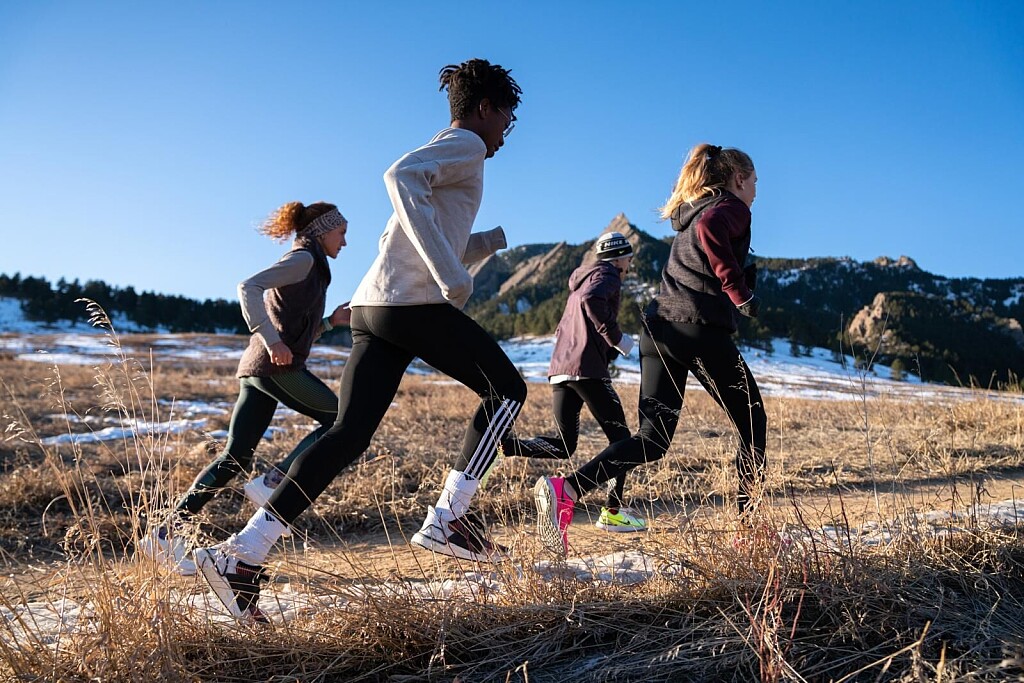
The Addictive Nature of Running: Balancing Passion and Well-being
Running is celebrated worldwide for its numerous physical and mental health benefits. However, for some individuals, the line between a healthy passion and an addictive behavior can blur, leading to potential adverse effects. Understanding the signs of running addiction and its implications is crucial for maintaining a balanced approach to this activity.
Understanding Running Addiction
Running addiction, also known as exercise dependence or compulsive exercise, is characterized by an obsessive need to engage in running despite negative consequences. This behavioral addiction can interfere with daily responsibilities, social relationships, and overall health. Studies estimate that approximately 3% of regular gym-goers may exhibit signs of exercise addiction, though prevalence can vary based on the population and type of physical activity.
“I am addicted to running, and I am proud to tell the world,” says Bob Anderson. “For me, running is a positive addiction, and I plan to continue forever. I have added walking to the mix, but running is what I am truly addicted to and have been since my first run on February 19, 1962.”

Signs of Running Addiction

Recognizing the indicators of running addiction is essential for early intervention. Key signs include:
1. Compulsive Need to Run: An uncontrollable urge to run regularly, even when experiencing fatigue or injury.
2. Prioritizing Running Over Responsibilities: Neglecting work, family, or social obligations to accommodate running sessions.
3. Withdrawal Symptoms: Experiencing anxiety, irritability, or depression when unable to run.
4. Running Through Pain or Injury: Continuing to run despite medical advice or physical discomfort.
5. Inability to Reduce Running Volume: Struggling to cut back on mileage or frequency, even when recognizing the need to do so.
6. Obsession with Performance Metrics: Becoming fixated on tracking distance, pace, or calories burned to the detriment of enjoyment.
7. Using Running to Cope with Emotions: Relying solely on running to manage stress, anxiety, or other emotional challenges.
Is Running Addiction Beneficial or Harmful?
While dedication to running can lead to improved fitness and mental well-being, crossing into addiction can have adverse effects:
• Physical Health Risks: Overtraining can result in injuries, weakened immune function, and hormonal imbalances.
• Mental Health Concerns: An overemphasis on running may lead to increased stress, anxiety, and depression, especially when unable to meet self-imposed goals.
• Social and Occupational Impact: Prioritizing running over relationships and responsibilities can strain personal and professional life.
It’s important to note that while running addiction shares similarities with substance addictions, it is not officially recognized as a distinct disorder in the Diagnostic and Statistical Manual of Mental Disorders (DSM-5).
Maintaining a Healthy Relationship with Running
To enjoy the benefits of running without veering into addictive patterns:
• Listen to Your Body: Rest when needed and address injuries promptly.
• Diversify Coping Strategies: Incorporate various activities and relaxation techniques to manage stress.
• Set Balanced Goals: Focus on enjoyment and personal growth rather than solely on performance metrics.
The addictive nature of running is multifaceted, rooted in the interplay of biological rewards, psychological relief, and social connections. Recognizing these factors can help individuals harness the positive aspects of running while remaining vigilant about maintaining a balanced and healthy approach to the sport.
"in my opinion the positive out weigh the negative by far as long as you don't let running control your other life," includes Bob Anderson.
(03/30/25) Views: 105Boris Baron
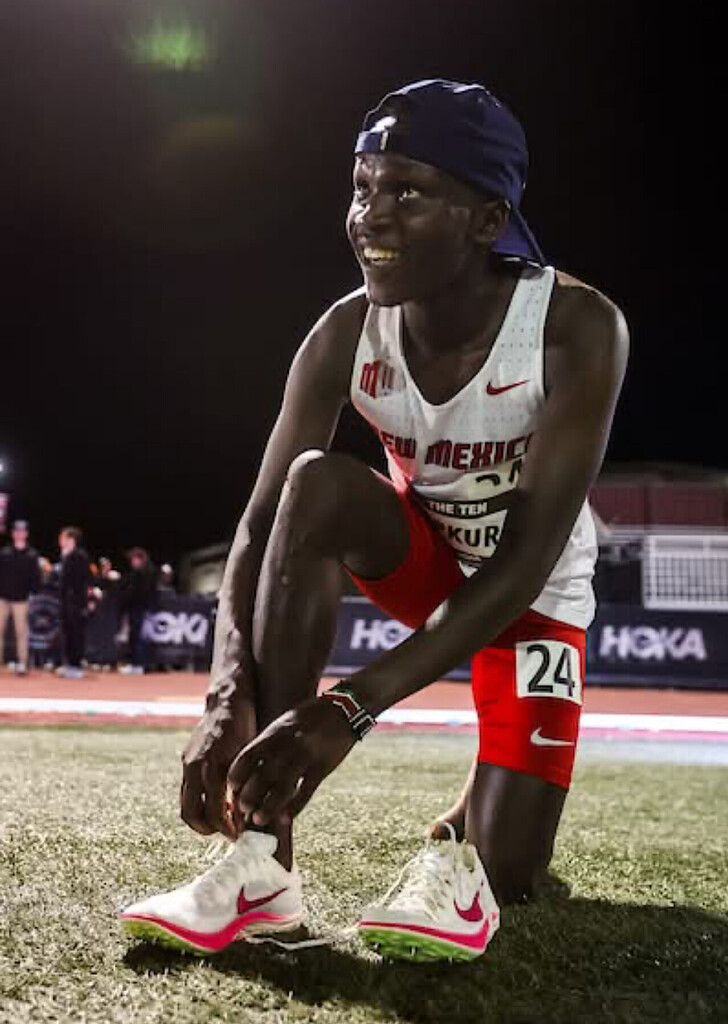
Ishmael Kipkurui: From Kenyan Highlands to NCAA Record-Breaker
Ishmael Rokitto Kipkurui, born on February 10, 2005, in Baringo County, Kenya, has rapidly ascended in the world of long-distance running, culminating in his recent NCAA 10,000-meter record-breaking performance.
Early Life and Passion for Running
Growing up in Mochongoi near Marigat, Kipkurui was the third of five children. His passion for athletics was evident early on, often training at 4 a.m., illuminating his path with a torch before attending classes at Sinonin Secondary School by 6 a.m. This unwavering dedication allowed him to balance academic responsibilities with rigorous training sessions. Even during training camps, he carried school textbooks to ensure he remained on top of his studies.
Athletic Development and Training
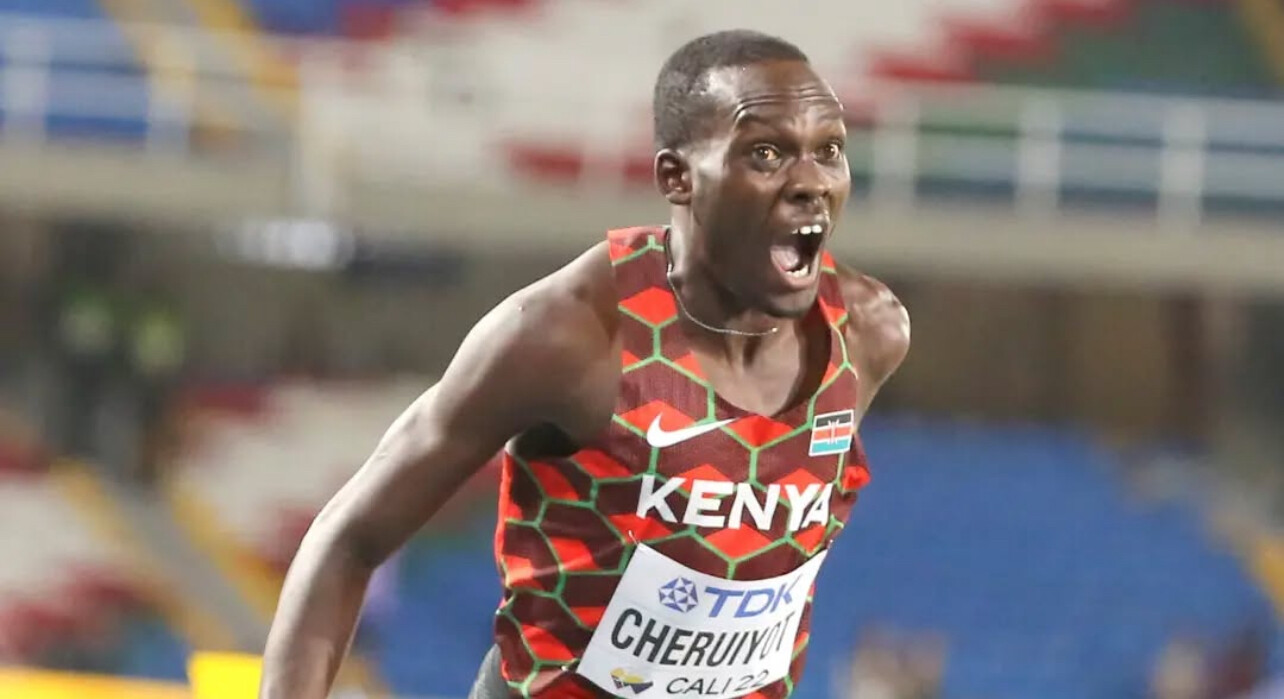
Under the guidance of coaches Julius Kirwa and Barnaba Kitilit, Kipkurui’s talent flourished. His training regimen, characterized by early morning runs and consistent discipline, laid the foundation for his future successes. In 2023, he clinched the U20 title at the World Cross Country Championships in Bathurst, Australia, finishing the 8-kilometer race in 24:29.
Transition to the United States
Kipkurui’s exceptional performances caught the attention of international scouts, leading to his recruitment by the University of New Mexico (UNM). In December 2024, shortly after graduating from Sinonin Secondary School, he committed to joining the UNM Lobos track and field team. This decision was influenced by UNM’s strong track program and its history of nurturing international talent.

Collegiate Career and Record-Breaking Performance

Since enrolling at UNM, Kipkurui has continued to excel. On March 29, 2025, at Sound Running’s The TEN in San Juan Capistrano, California, he set a new NCAA 10,000-meter record with a time of 26:50.21, surpassing the previous record of 26:52.72 set by Nico Young in 2024. His teammate, Habtom Samuel, finished closely behind with a time of 26:51.06.
Personal Bests and Achievements
• 3000 meters: 7:38.06 (June 9, 2023, Paris)
• Two miles: 8:09.23 (June 9, 2023, Paris)
• 5000 meters: 13:05.47 (June 15, 2023, Oslo)
• 10,000 meters: 26:50.21 (March 29, 2025, San Juan Capistrano)
On June 9, 2023, at the Meeting de Paris held at Stade Charléty in Paris, France, Ishmael Kipkuruiset personal bests in both the 3000 meters (split) and the two-mile. He clocked 7:38.06 in the 3000 meters and 8:09.23 in the two-mile race. Notably, his two-mile time established a new Kenyan U20 record.
Kipkurui’s journey from the highlands of Kenya to breaking collegiate records in the U.S. exemplifies his dedication and potential in long-distance running. As he continues to develop, the athletics community eagerly anticipates his future accomplishments on the global stage.
(03/31/25) Views: 104Boris Baron
