

Running News Daily
Top Ten Stories of the Week
5/17/2025
These are the top ten stories based on views over the last week.
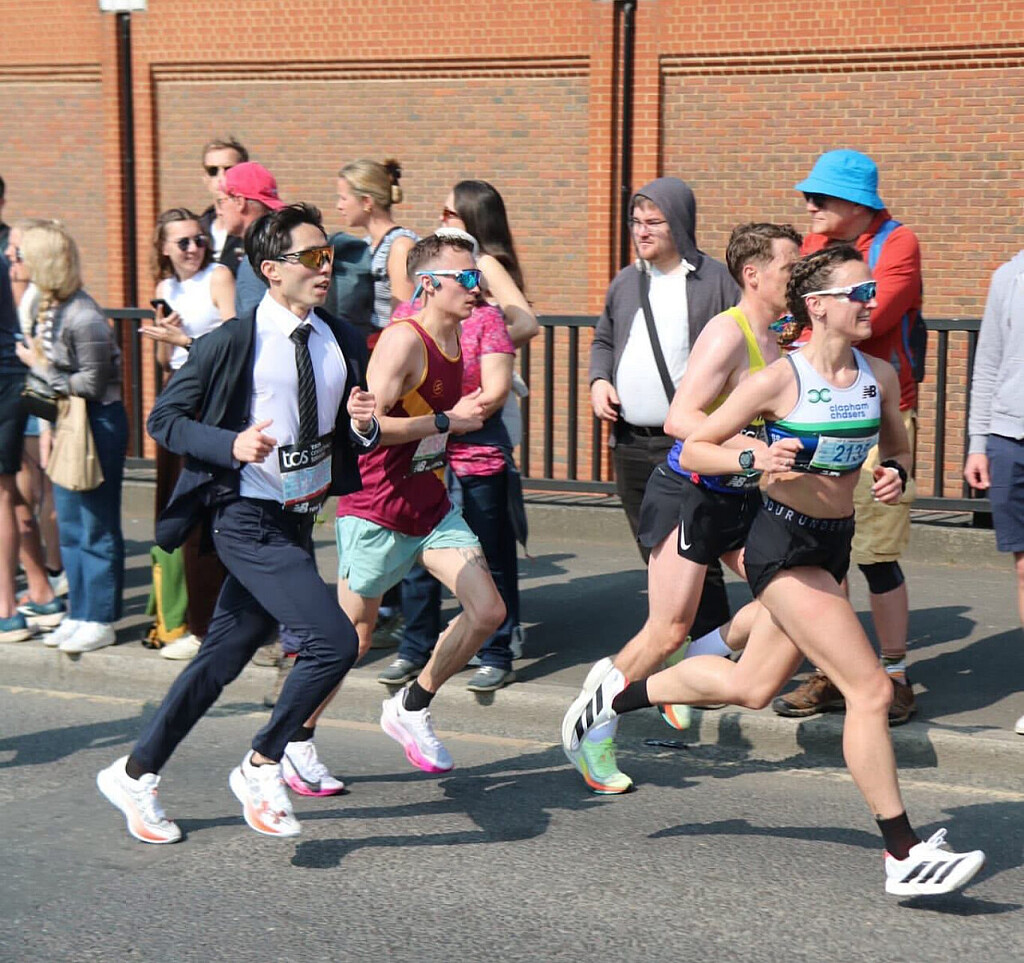


Soh Rui Yong Breaks World Record in a Suit at London Marathon
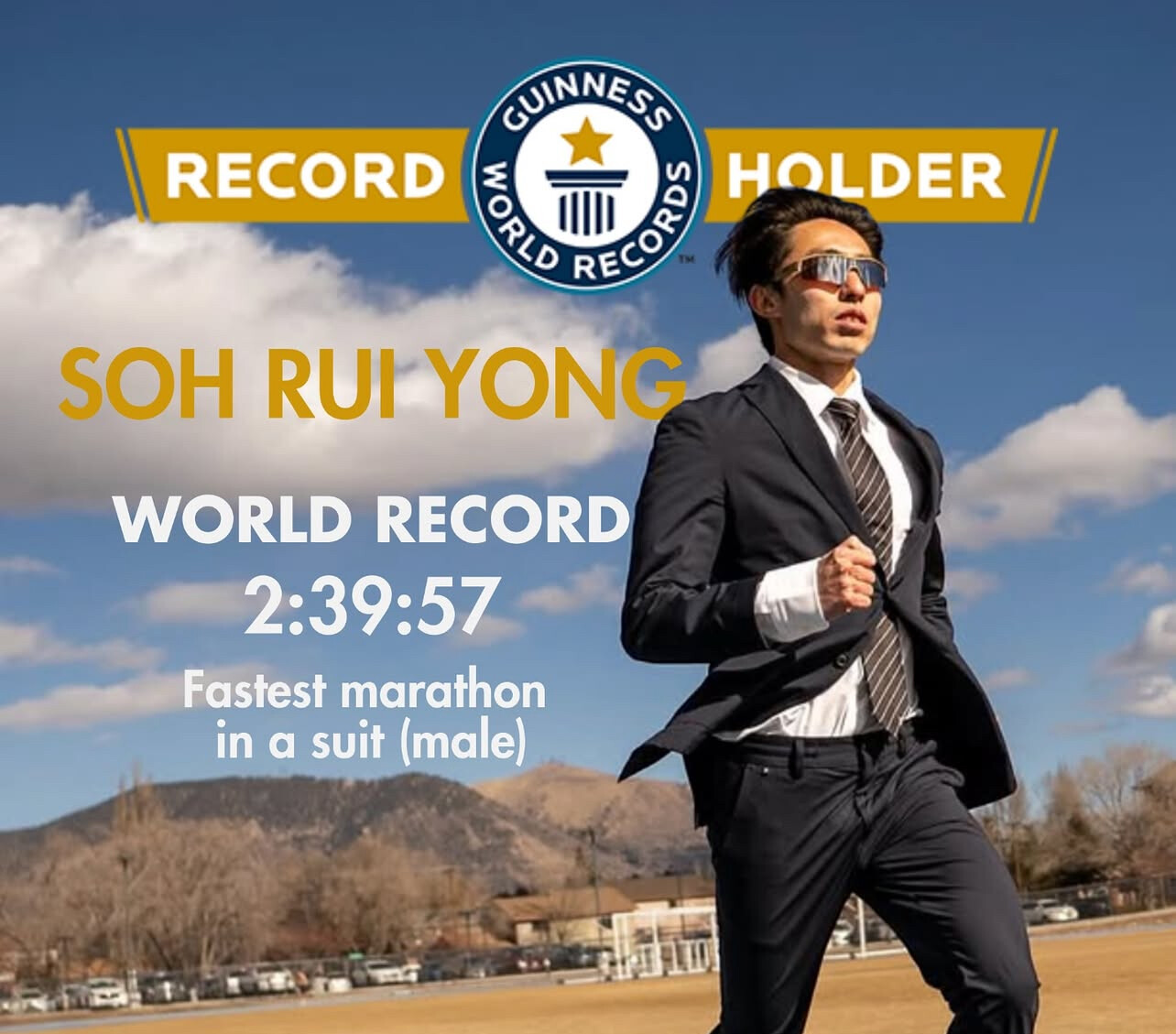
From the blazing heat of Singapore to the historic streets of London, national marathoner Soh Rui Yong just redefined endurance and style. Clocking 2:39:57 at the 2024 London Marathon, Soh shattered the Guinness World Record for the fastest marathon run in a three-piece suit and tie, beating the previous best by 56 seconds.
But this record-breaking feat was no victory lap.
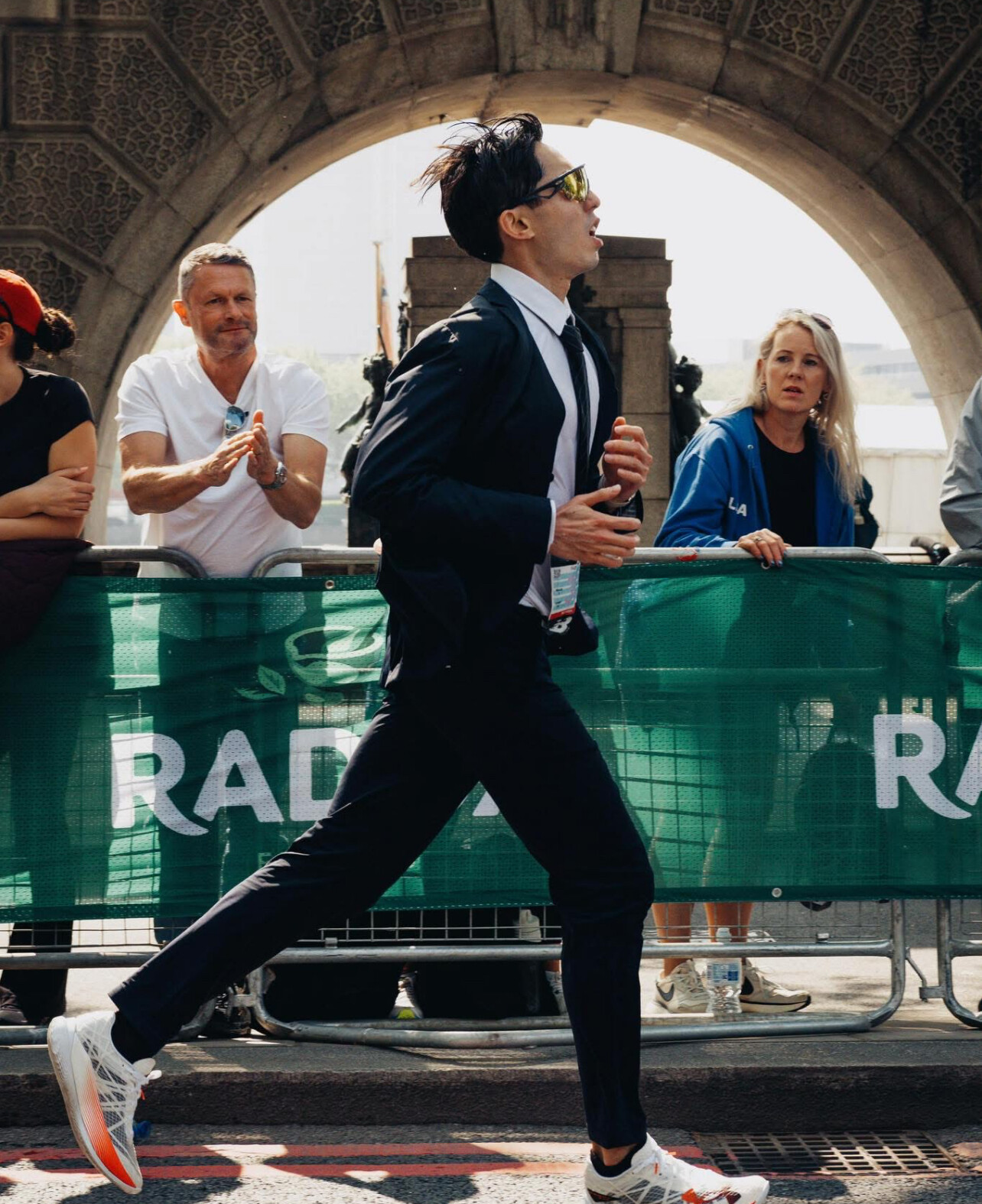
Running in sweltering heat along the Thames, Soh endured what he called a “sweatfest,” his heart pounding and pace slowing from 3:45/km to over 4:00/km by the final stretch. “The sun was beating down… with my head feeling like I was going to get a heat stroke anytime,” he shared in a candid post. Despite the discomfort, he leaned on his resilience—built from years of running in Singapore’s tropical humidity—and a quote by Haruki Murakami:
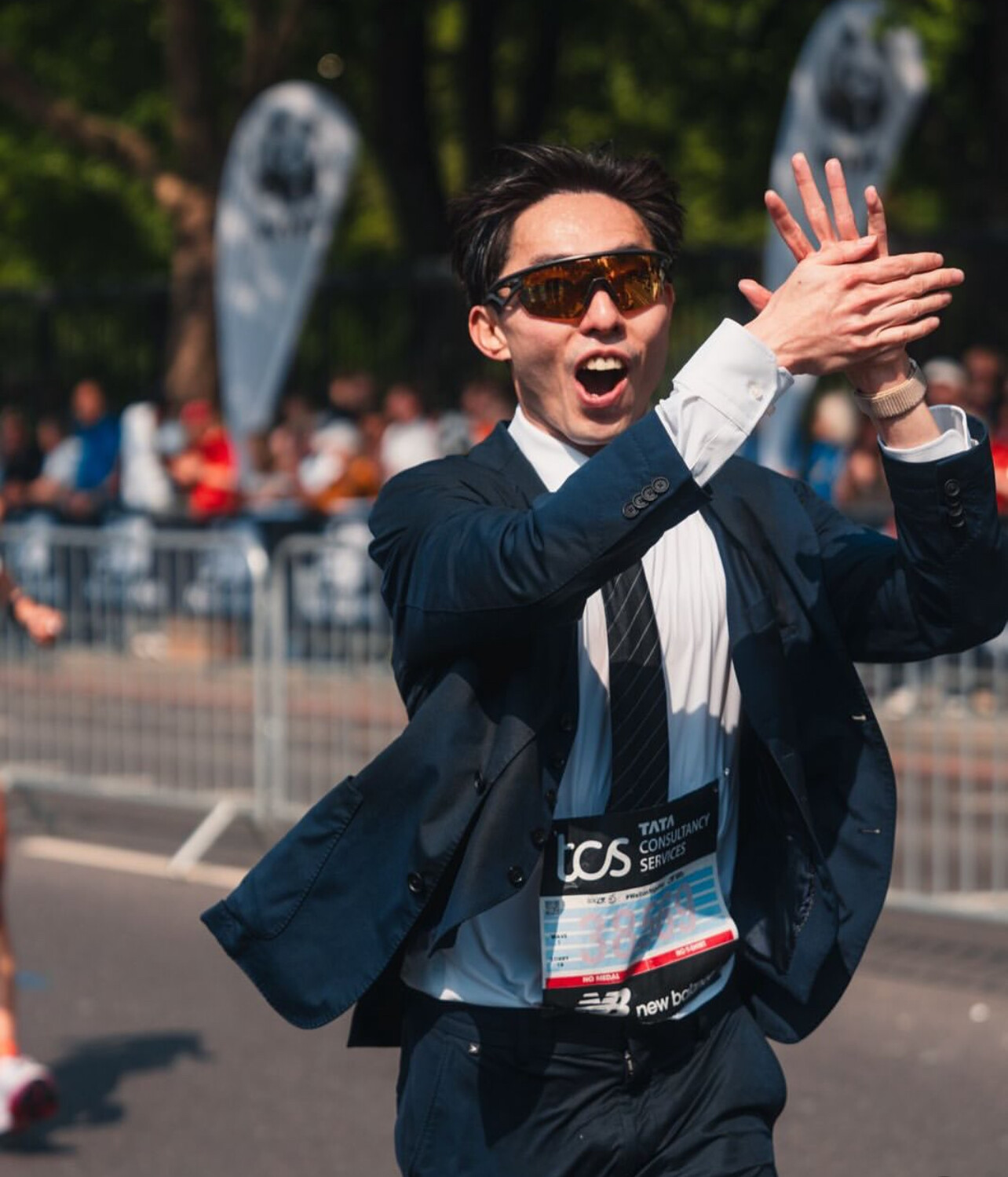
“Pain is inevitable. Suffering is optional.”
Those final 30 minutes were brutal. Shuffling step by step, Soh chipped away at the distance—kilometre by kilometre, minute by minute—passing runner after runner with sheer willpower. His sprint to the finish? “I only succeeded in looking pretty ridiculous on live BBC TV,” he joked.
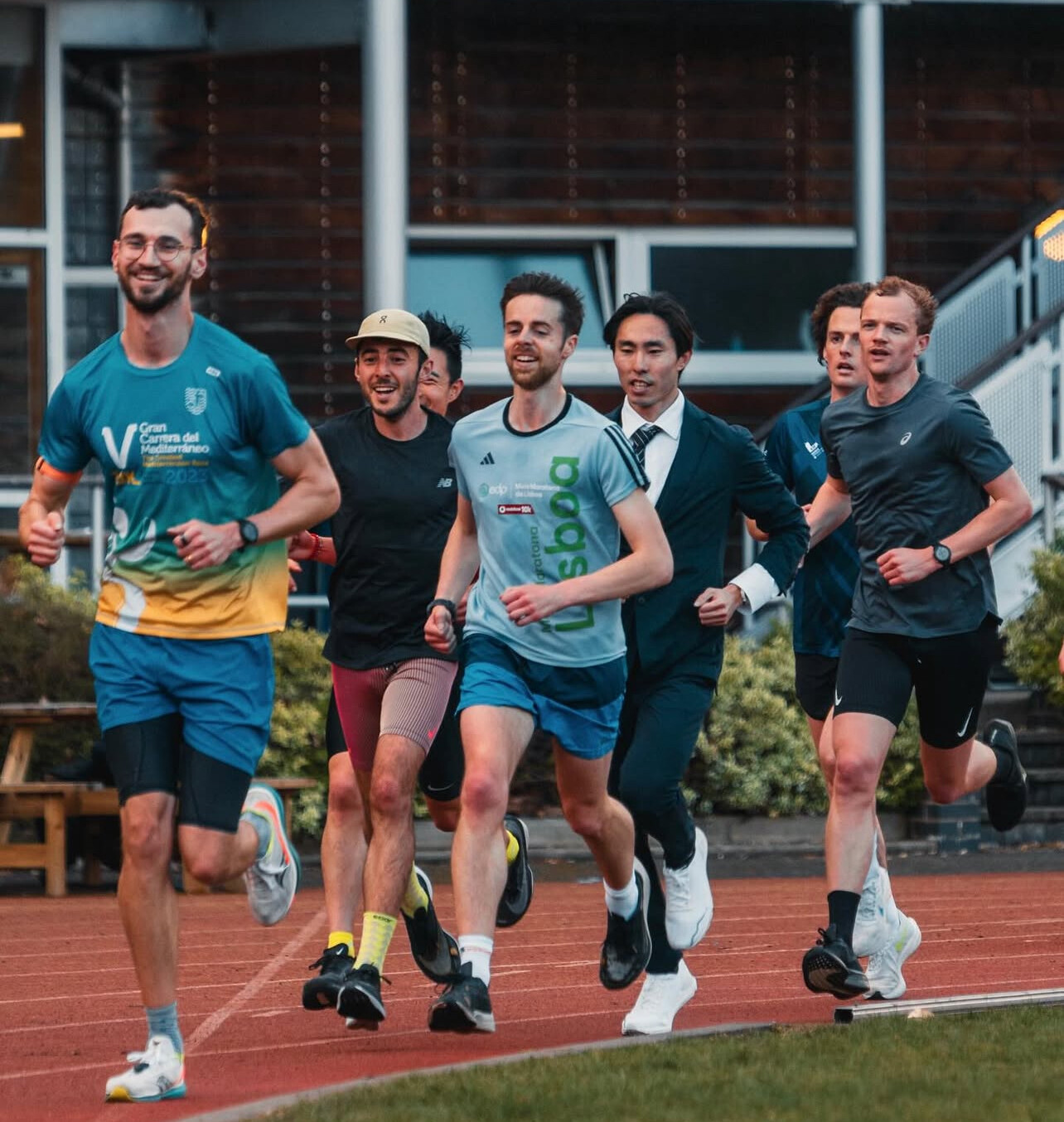
Still, the result was no joke: first person in history to go under 2:40 in a full suit, making a bold fashion statement on one of the biggest marathon stages in the world.
From tiny tropical Singapore to the world, Soh’s message is clear: you don’t need ideal conditions to make history—you just need grit, heart, and maybe a really good tailor.
(05/12/25) Views: 292Boris Baron
Zola Budd’s Barefoot Legacy Still Inspires Runners Today
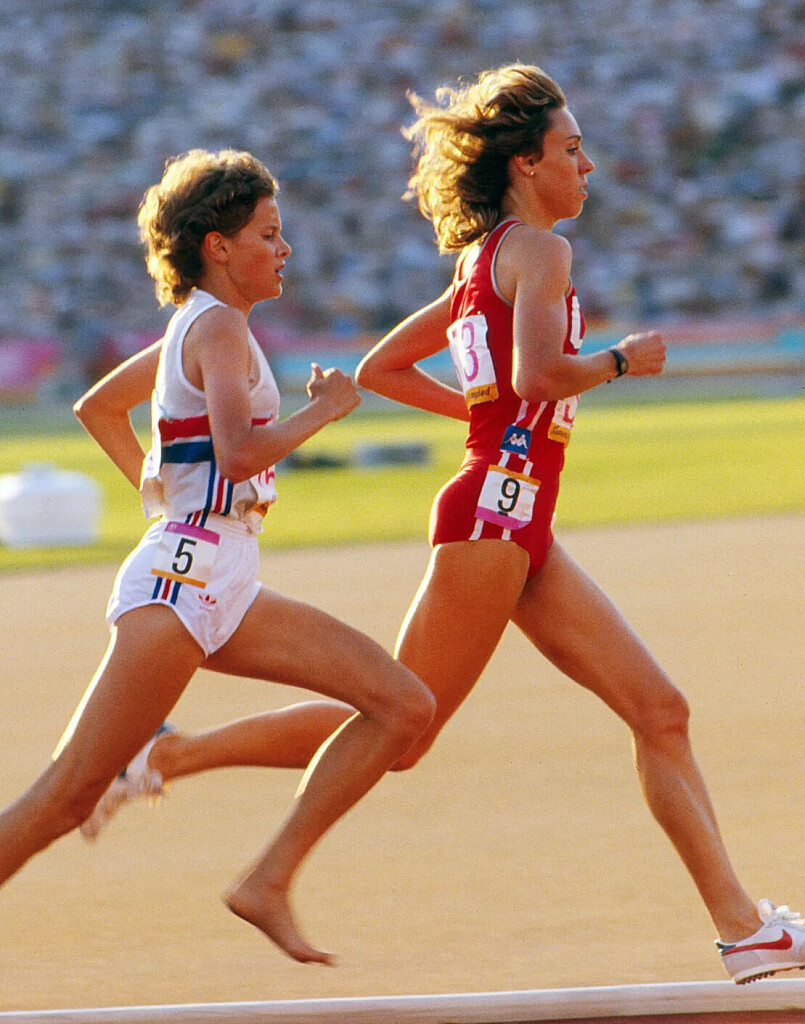
It was a moment etched in running history: a young South African athlete, racing barefoot with fierce determination, leaving competitors in her wake on the world stage. Zola Budd wasn’t just fast—she was fearless. Known for her unique barefoot racing style and her controversial Olympic journey, Budd left an indelible mark on the sport of distance running.
Zola Budd rose to international fame in the 1980s, breaking records as a teenager and becoming one of the most talked-about athletes of her time. Born in Bloemfontein, South Africa, she famously ran the 5,000 meters in 15:01.83 in 1984 at just 17 years old—unofficially breaking the world record while still under apartheid sanctions that prevented South African athletes from competing internationally.
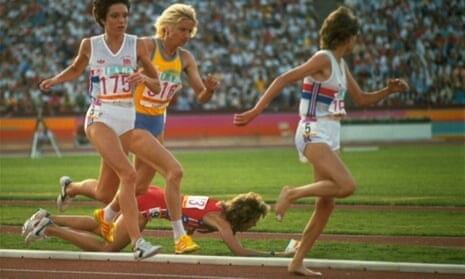
To get around the ban, Budd obtained British citizenship through her grandfather and represented Great Britain at the 1984 Los Angeles Olympics. There, she became embroiled in one of the most controversial moments in Olympic history when she collided with American favorite Mary Decker in the 3000-meter final, resulting in Decker’s fall. Though Budd was cleared of wrongdoing, the incident defined much of her public image at the time.
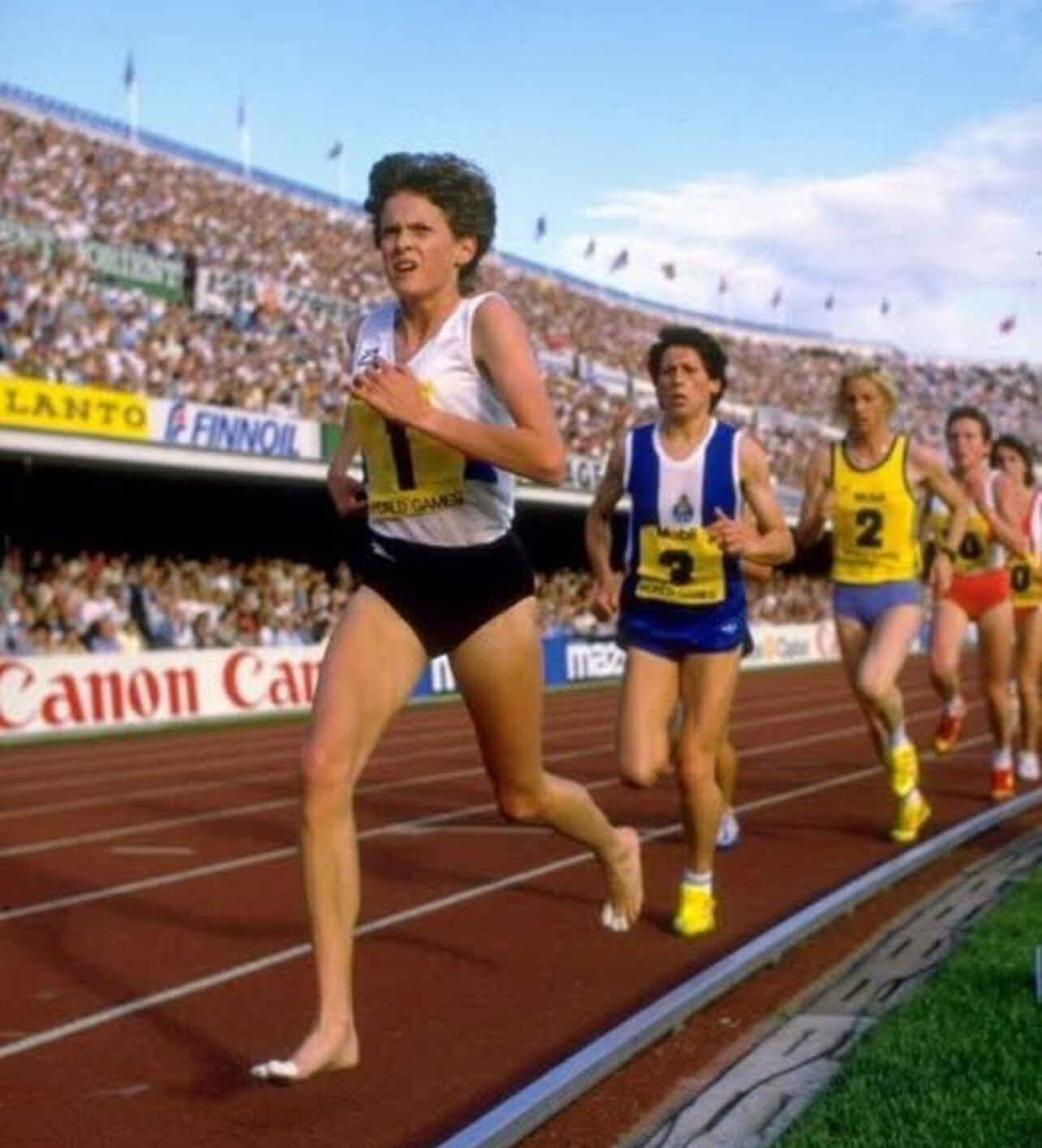
But beyond controversy, Budd’s running style was iconic. She often ran without shoes—even at elite competitions—feeling that it helped her form and connection with the track. Her barefoot strides became a symbol of raw, natural talent in a highly commercialized sport.
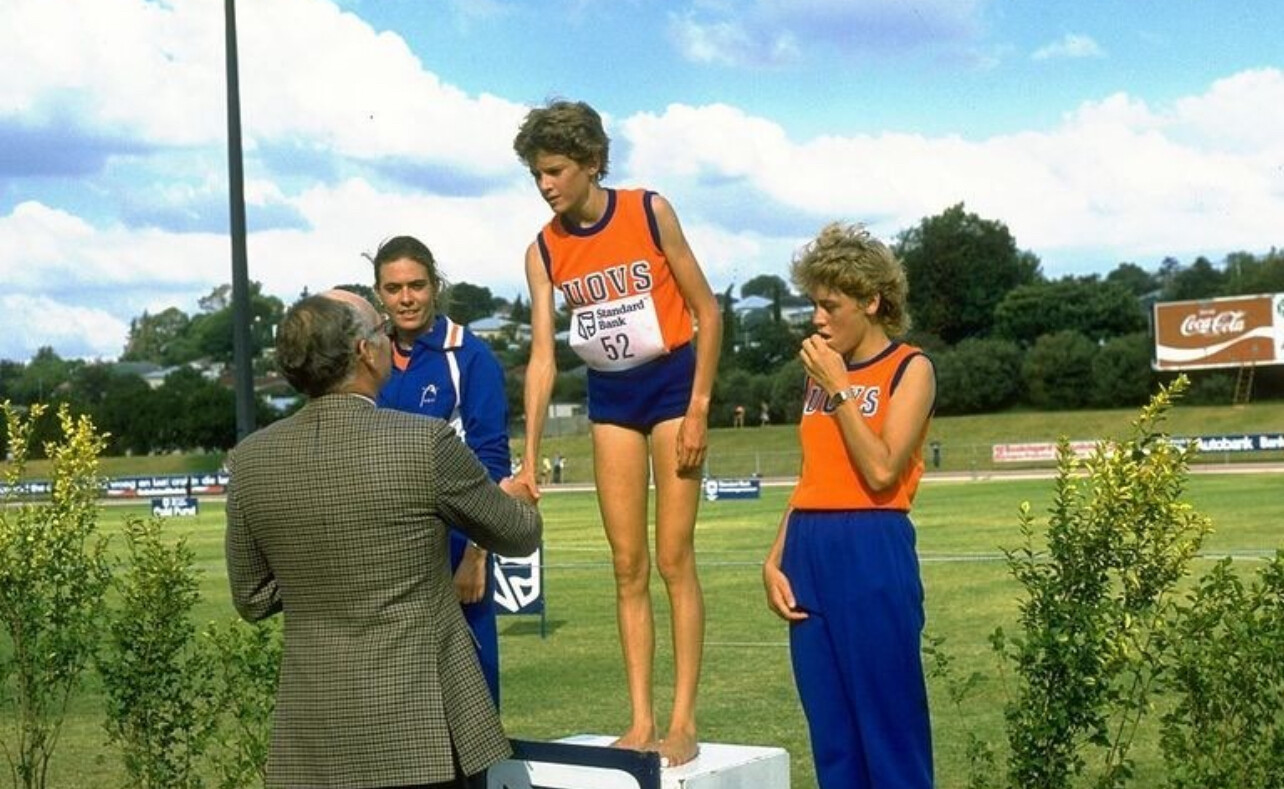
After stepping away from international competition, Budd eventually returned to South Africa and later moved to the United States. Today, Zola Budd Pieterse (her married name) lives in South Carolina, where she coaches collegiate runners and remains involved in the running community. She also competes in masters events and continues to advocate for clean sport and athlete welfare.
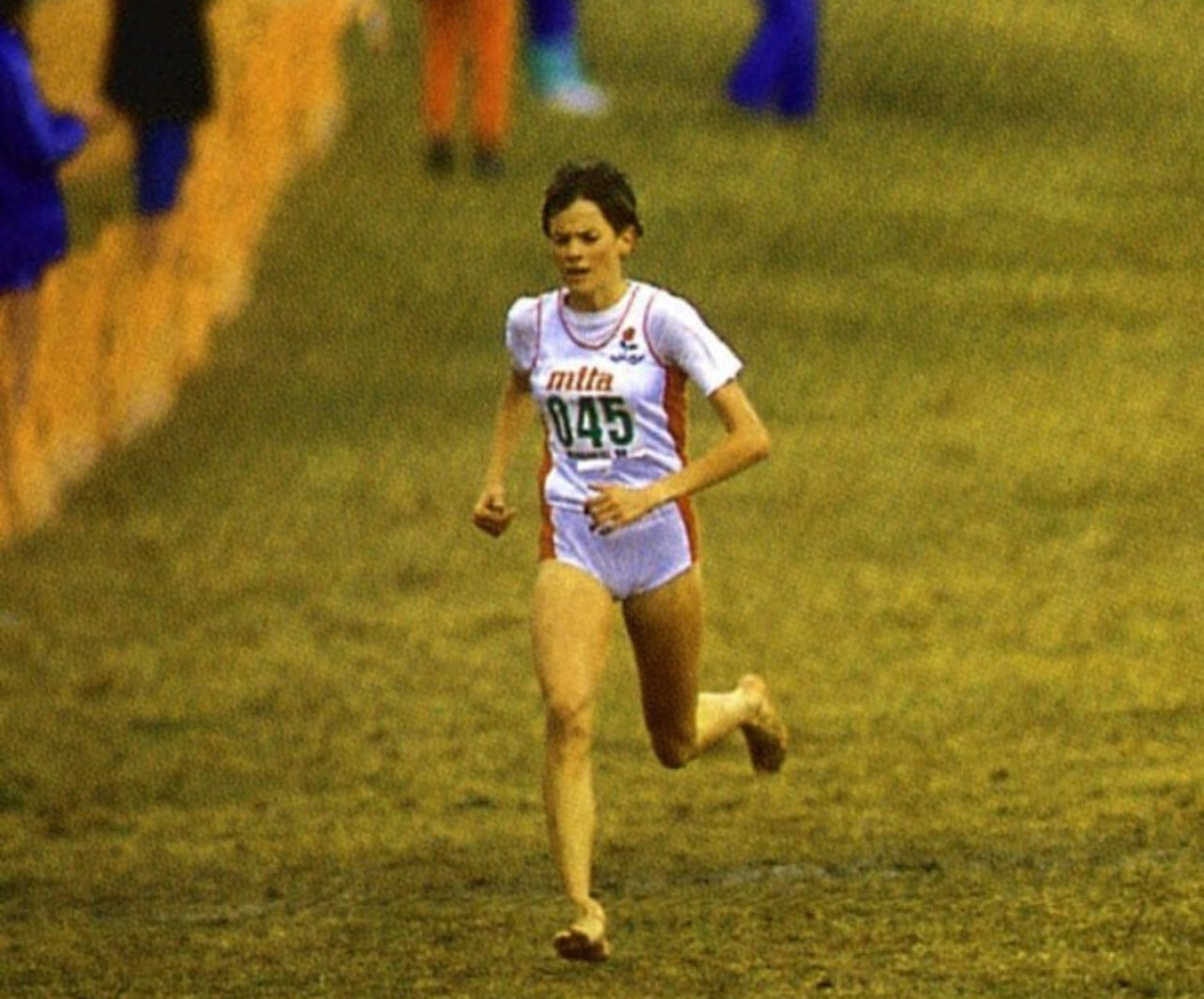
Now in her late 50s, Budd still runs most days, often on trails and without shoes when conditions allow. Her story continues to resonate with athletes drawn to the purity of the sport and the courage it takes to race on your own terms.
Zola Budd’s legacy isn’t just about barefoot racing or Olympic controversy—it’s about staying true to yourself.
(05/09/25) Views: 208Boris Baron
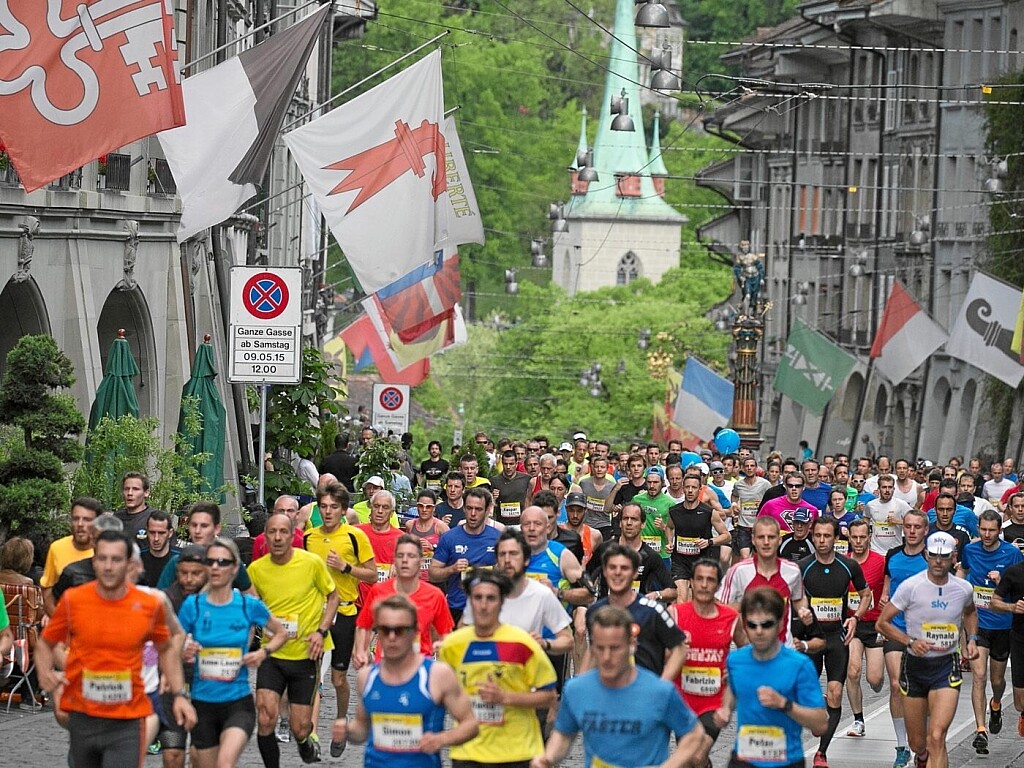
The Grand Prix von Bern Is the 10-Mile Race You’ll Never Forget
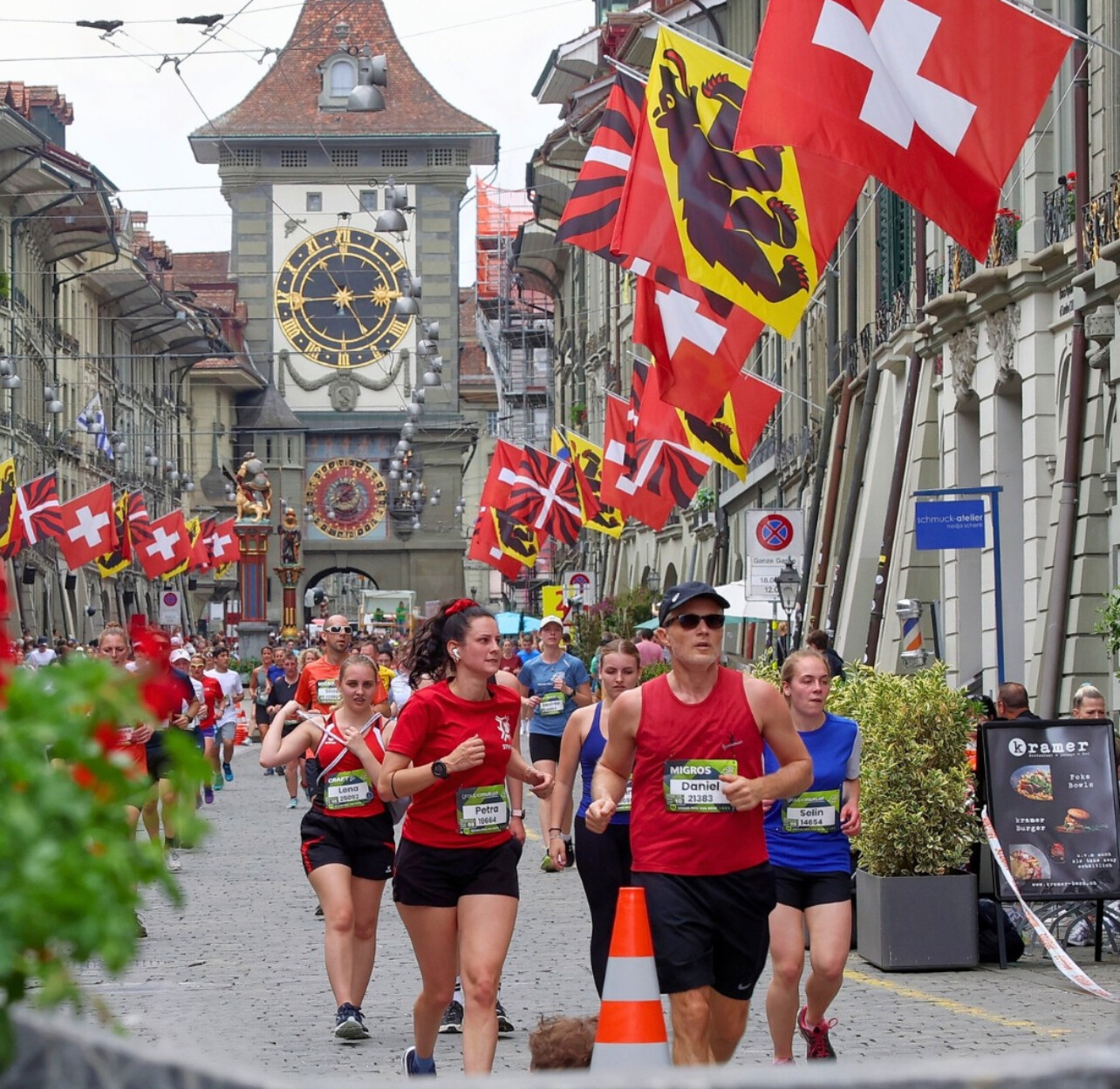
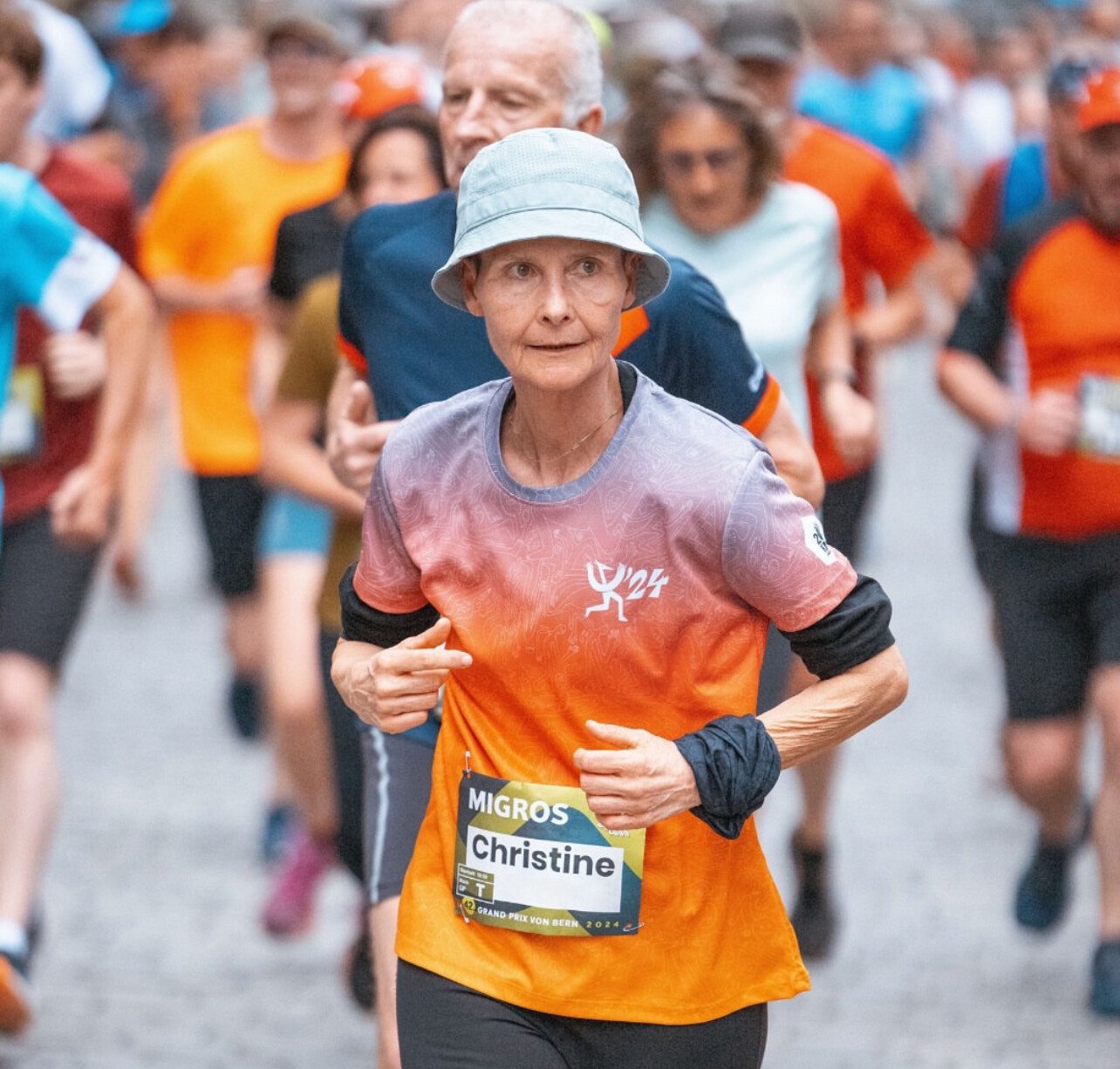
The streets of Bern, Switzerland, came alive on May 10, 2025, as over 30,000 runners laced up for the 43rd edition of the Grand Prix von Bern, widely regarded as “the most beautiful 10 miles in the world.” With a blend of elite athleticism, historic charm, and community spirit, this event continues to rise on the global running calendar—and if you’re looking for a destination race in 2026, this one might just be it.
A Course Unlike Any Other
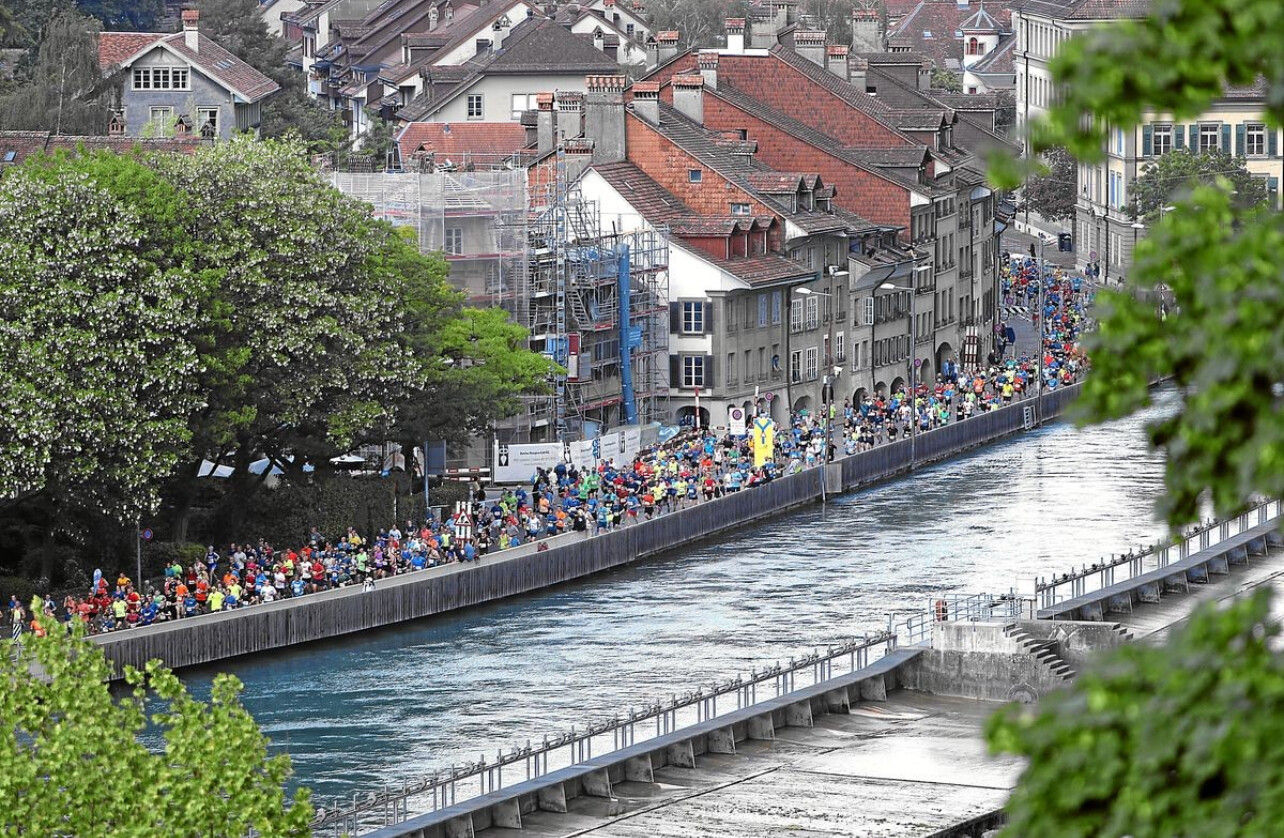
Set in the heart of the Swiss capital, the 16.093-kilometer course (10 miles) is as challenging as it is breathtaking. Runners begin near Guisanplatz, weaving through Bern’s UNESCO-listed Old Town, over the Nydeggbrücke bridge spanning the Aare River, past the Federal Palace, and alongside Gothic landmarks like the Bern Cathedral.
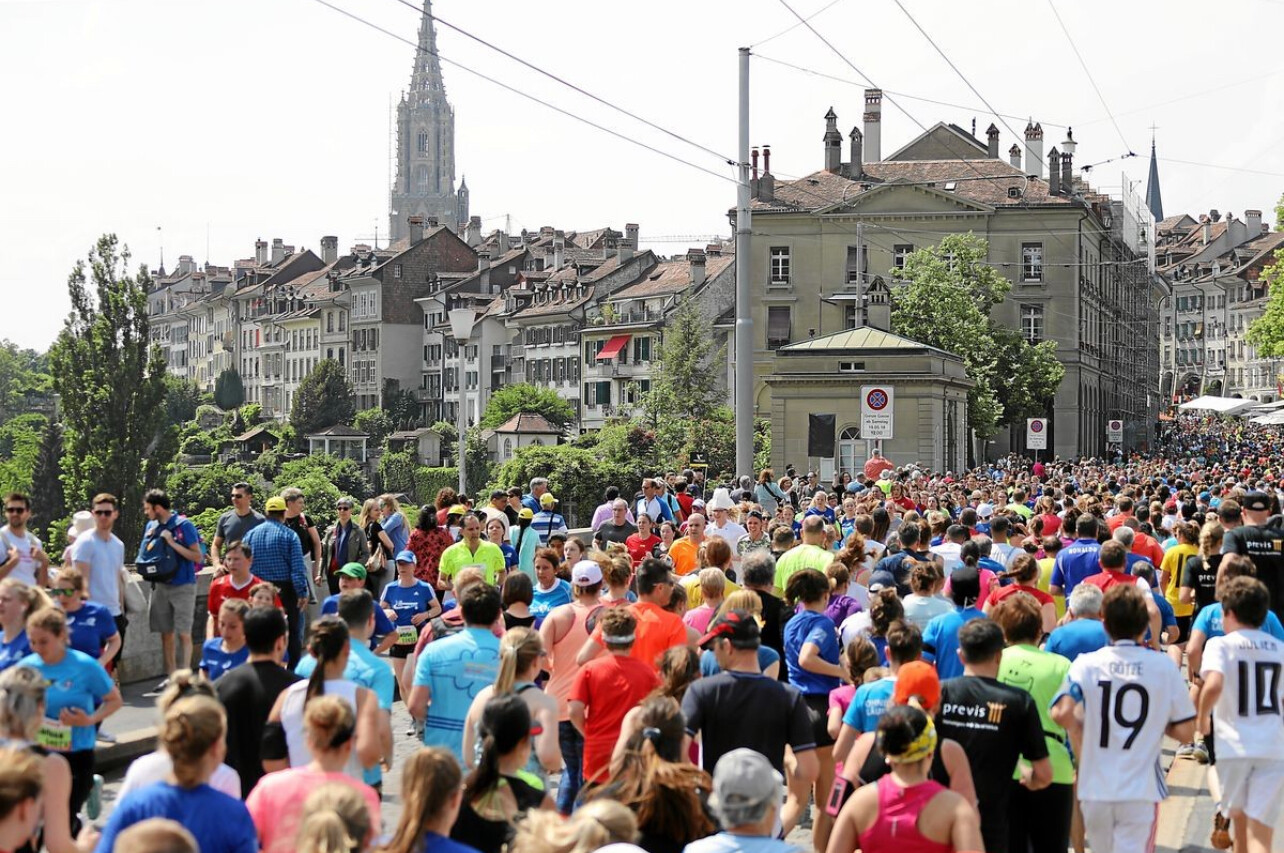
The course includes roughly 204 meters of elevation gain, with a mix of cobblestones, rolling hills, and scenic river trails. The final uphill stretch into the city center is not for the faint of heart—but it’s what makes the finish line so satisfying.
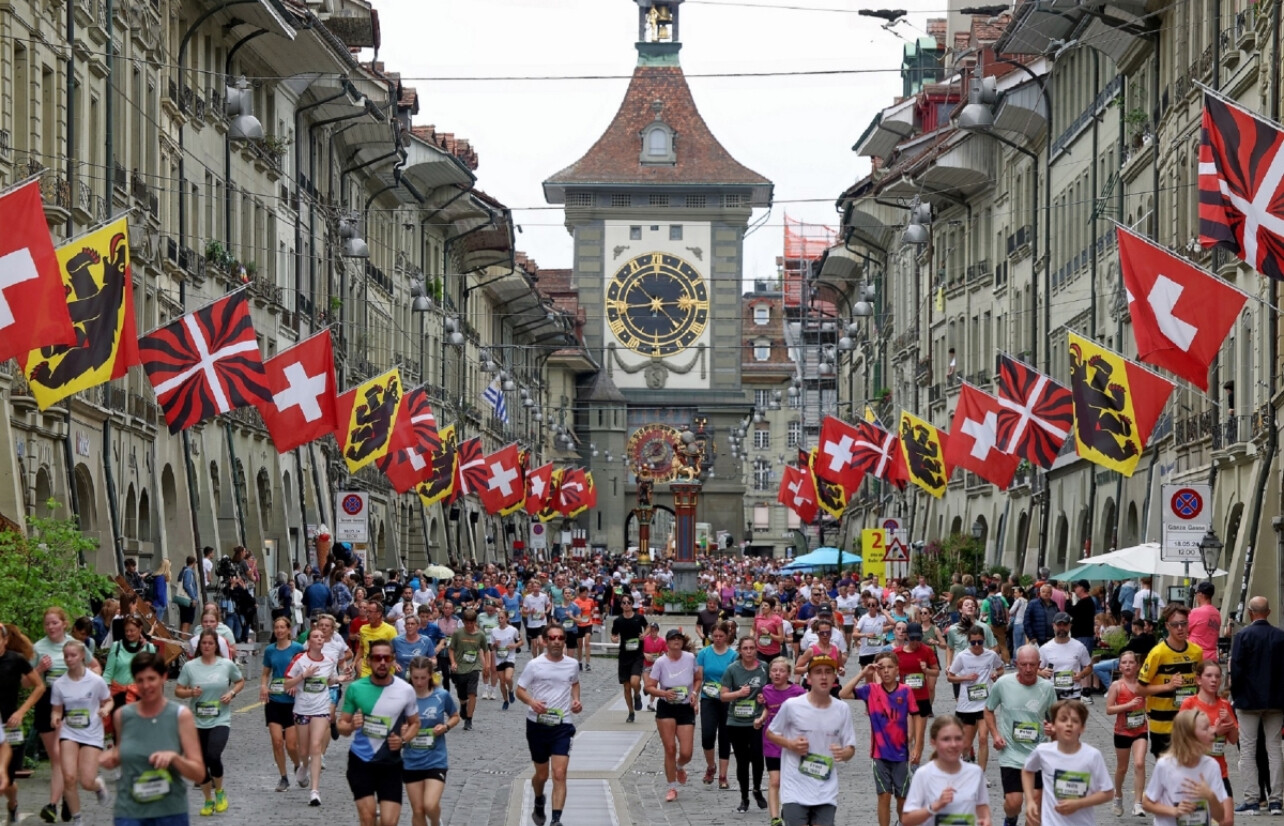
“I’ve raced all over the world, but there’s something special about Bern,” said 2025 men’s champion Geoffrey Kamworor, who matched his own course record with a blazing 44:56.2. “The crowds, the course, the energy—it’s unforgettable.”
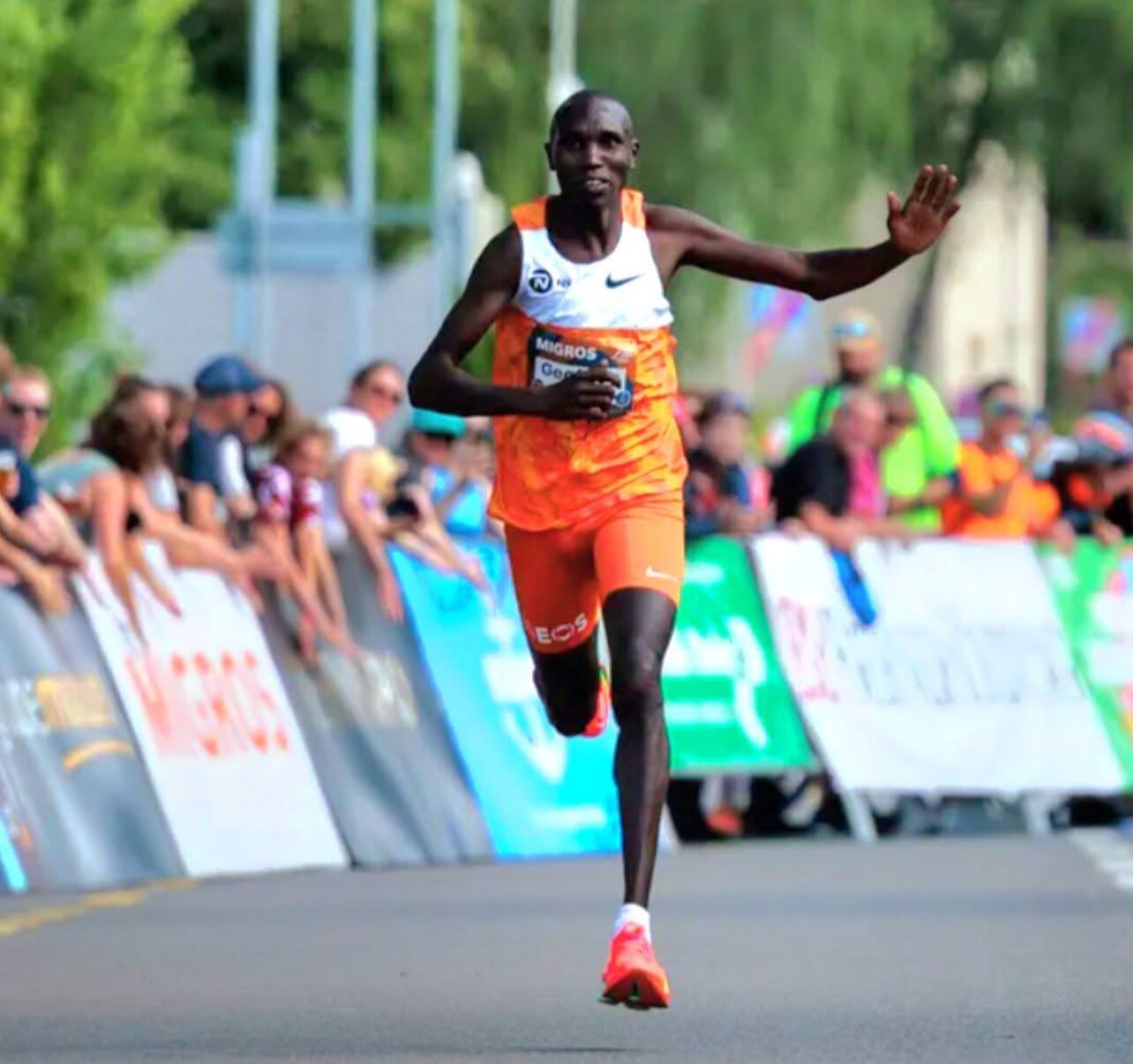
2025 Champions
• Men’s Winner: Geoffrey Kamworor (Kenya) – 44:56.2
• Women’s Winner: Meseret Gezahegn Merine (Ethiopia) – 57:46.5
Both performances came in front of thousands of cheering spectators lining the narrow streets of Bern, ringing cowbells and waving Swiss flags.
More Than a Race
The Grand Prix von Bern isn’t just for elites. With multiple distance options—including youth races, a 4.7 km city loop, and the full 10-mile event—it welcomes all abilities. Along the route, live music, food stands, and traditional Swiss hospitality create a festive atmosphere from start to finish.
“This race is everything I love about running,” said Lisa Meyer, a first-time international participant from California. “It’s challenging but not overwhelming. And the scenery? Like running through a storybook.”
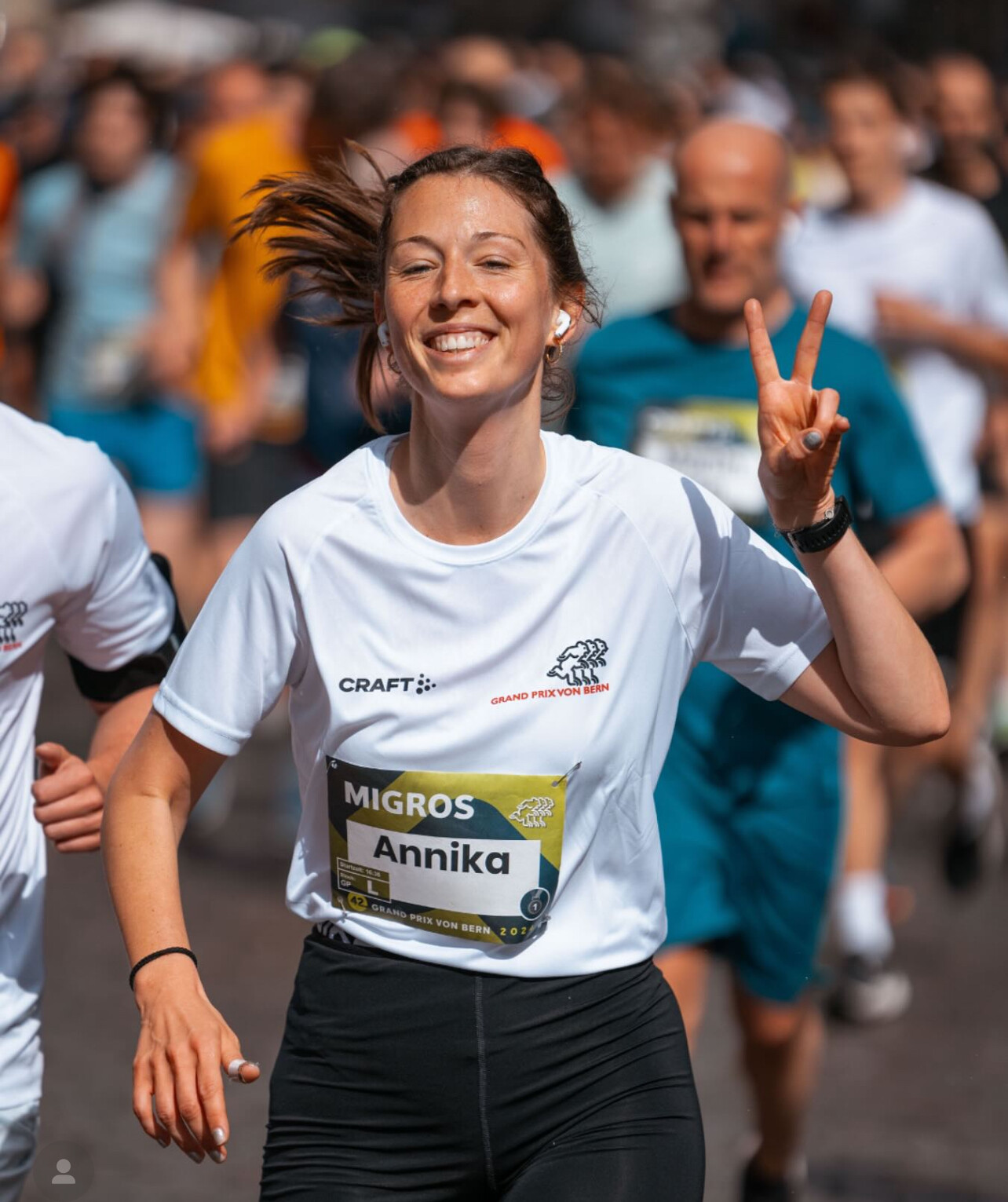
Looking Ahead to 2026
The next edition is already scheduled for Saturday, May 9, 2026, and organizers expect another sell-out crowd. Registration opens May 11, 2025, via gpbern.ch, and early booking is highly recommended.
“We welcome runners from around the world to experience Bern,” said race director Thomas Gassmann. “This is more than a competition—it’s a celebration of movement, history, and connection.”
Should You Go?
If you love:
• City races with character
• Scenic yet challenging terrain
• European travel with a purpose
• Running where legends have raced
Then the Grand Prix von Bern deserves a spot on your 2026 calendar.
Pro Tip: Make it a weekend. Bern is easily accessible by train from Zurich or Geneva, and the Old Town’s cafes, fountains, and mountain views are worth a few extra days.
Bookmark this race now—and get ready to run one of the world’s most inspiring 10-milers next spring.
(05/10/25) Views: 204Boris Baron

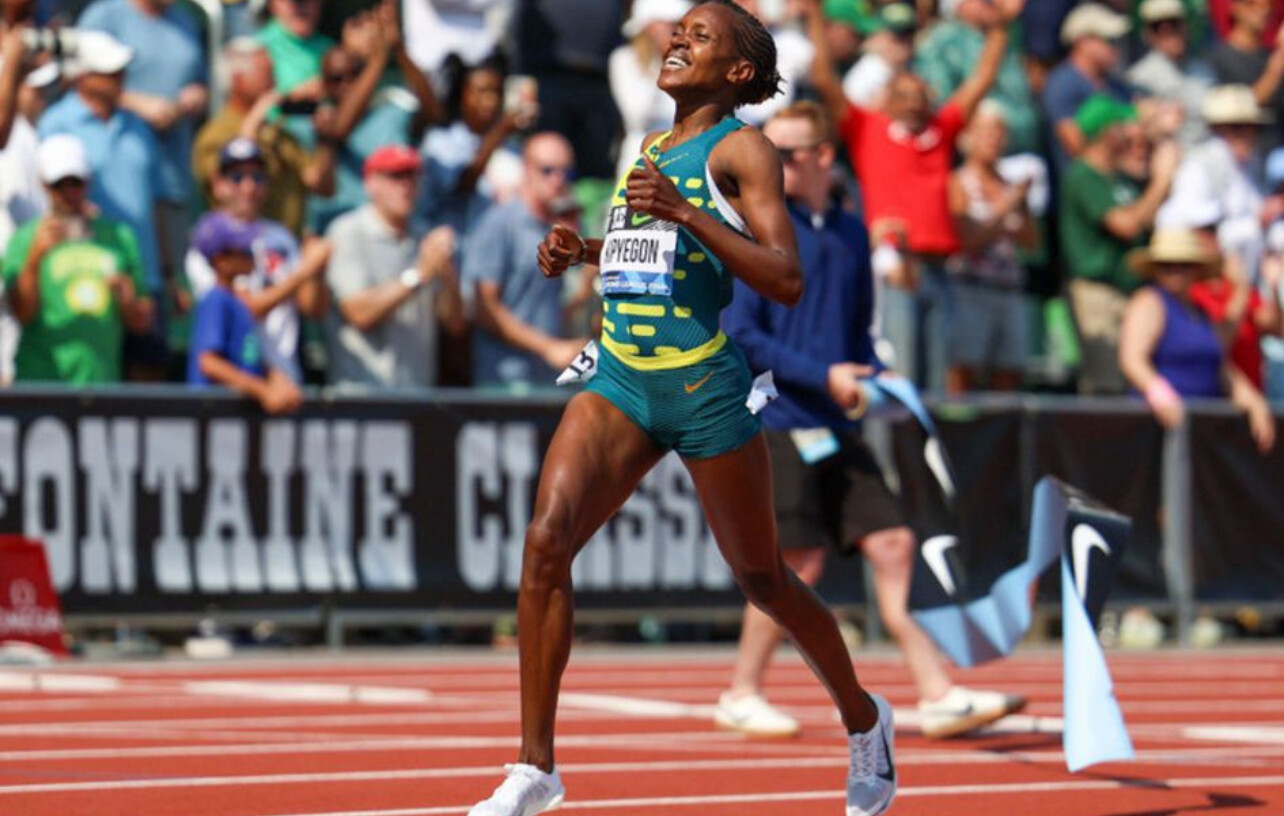
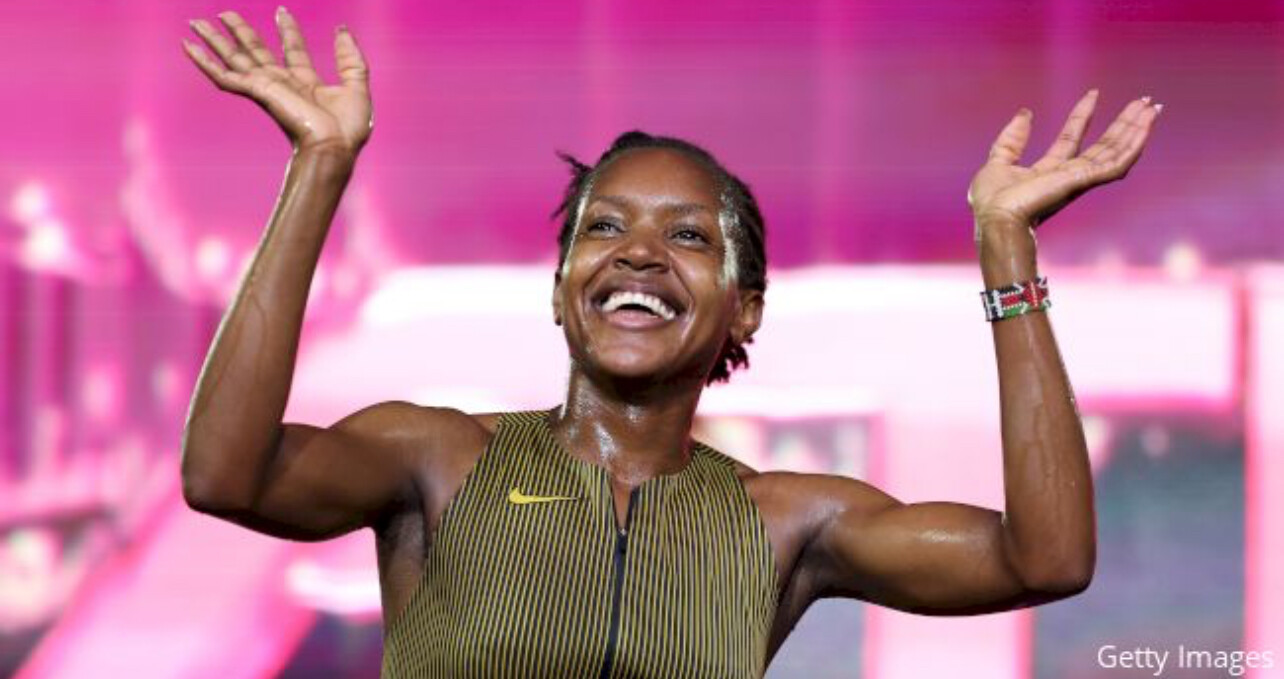
Faith Kipyegon and Jakob Ingebrigtsen Headline Historic 2025 Pre Classic
The 50th edition of the Prefontaine Classic, set for July 5 at Hayward Field in Eugene, Oregon, promises to be one of the most exciting track meets of the year. Headlining the event is three-time Olympic gold medalist Faith Kipyegon, who returns to the Pre Classic in search of her seventh career victory in the women’s 1500m.
Kipyegon, the world record holder in both the 1500m (3:49.04) and the mile (4:07.64), shattered the 1500m mark in Paris on July 7, 2024. Now, nearly a year later, she’ll look to reassert her dominance in front of a packed crowd at one of the sport’s most prestigious meets.
Joining Kipyegon in the 1500m are her fellow 2024 Olympic medalists—silver medalist Jessica Hull of Australia and bronze medalist Georgia Bell of Great Britain. Hull, a former University of Oregon standout, also holds the current world record in the 2000m.
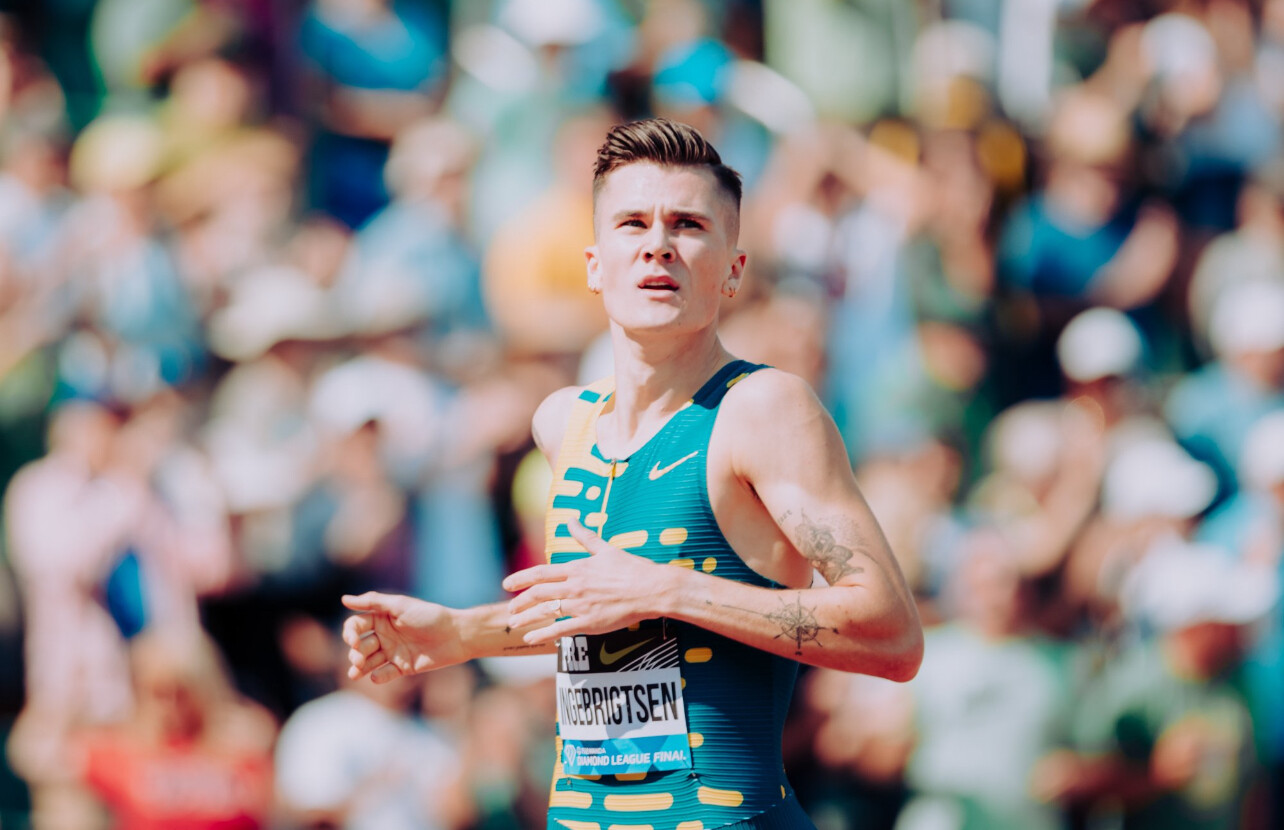
But Kipyegon isn’t the only big name set to thrill fans in Eugene. The men’s Bowerman Mile will feature a stacked lineup that includes:
• Jakob Ingebrigtsen (Norway) – Olympic gold medalist and multiple-time Bowerman Mile champion

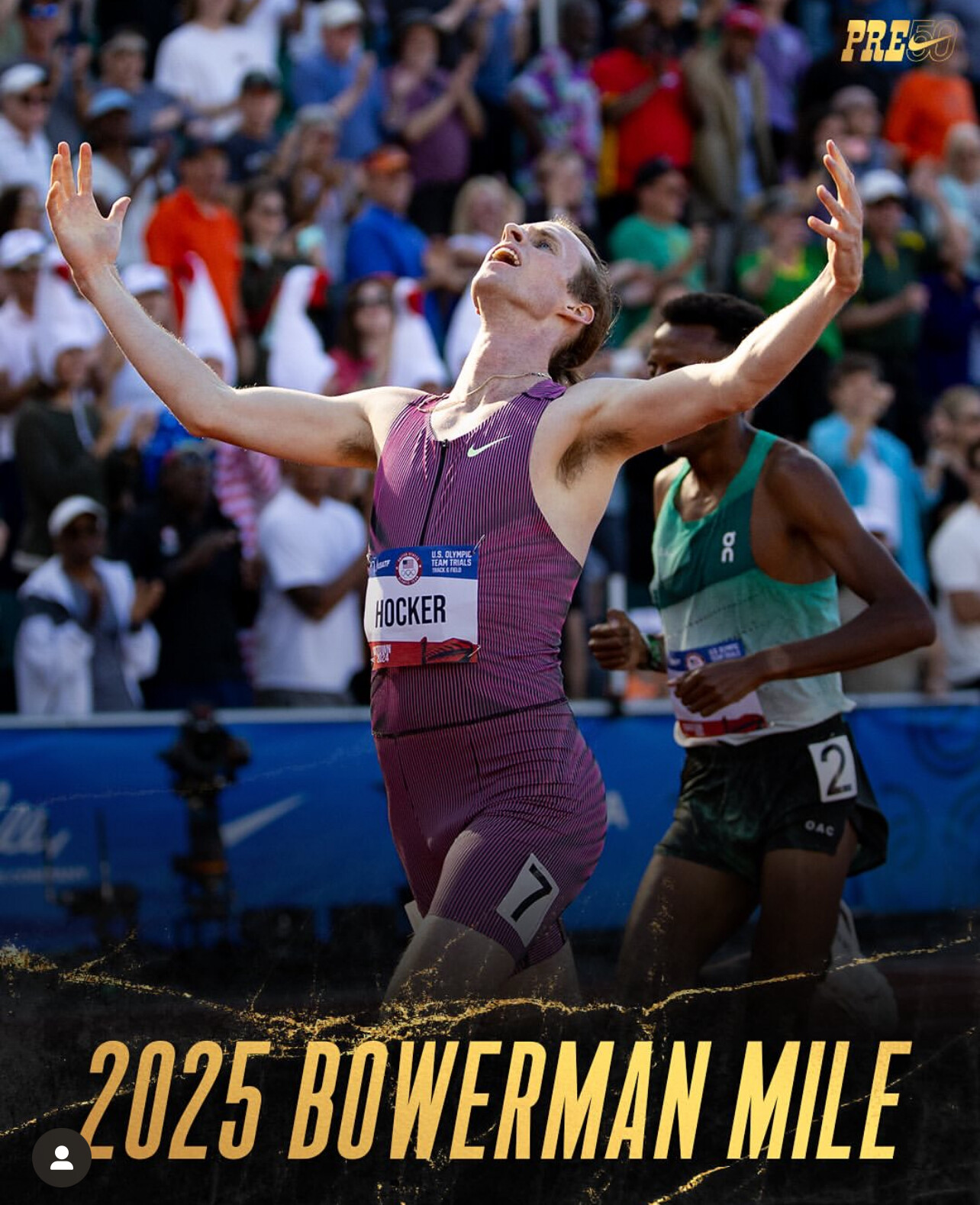
• Cole Hocker (USA) – 2024 Olympic 1500m champion
• Yared Nuguse (USA) – Olympic bronze medalist and former indoor mile world record holder
• Timothy Cheruiyot (Li Kenya) – Former world champion
• Jake Wightman (Great Britain) – 2022 world champion
• Grant Fisher (USA) – Olympic bronze medalist in both the 5000m and 10,000m
• Plus rising stars including Oliver Hoare, Neil Gourley, Azeddine Habz, Hobbs Kessler, Niels Laros, Cameron Myers, Stefan Nillessen, and Reynold Cheruiyot
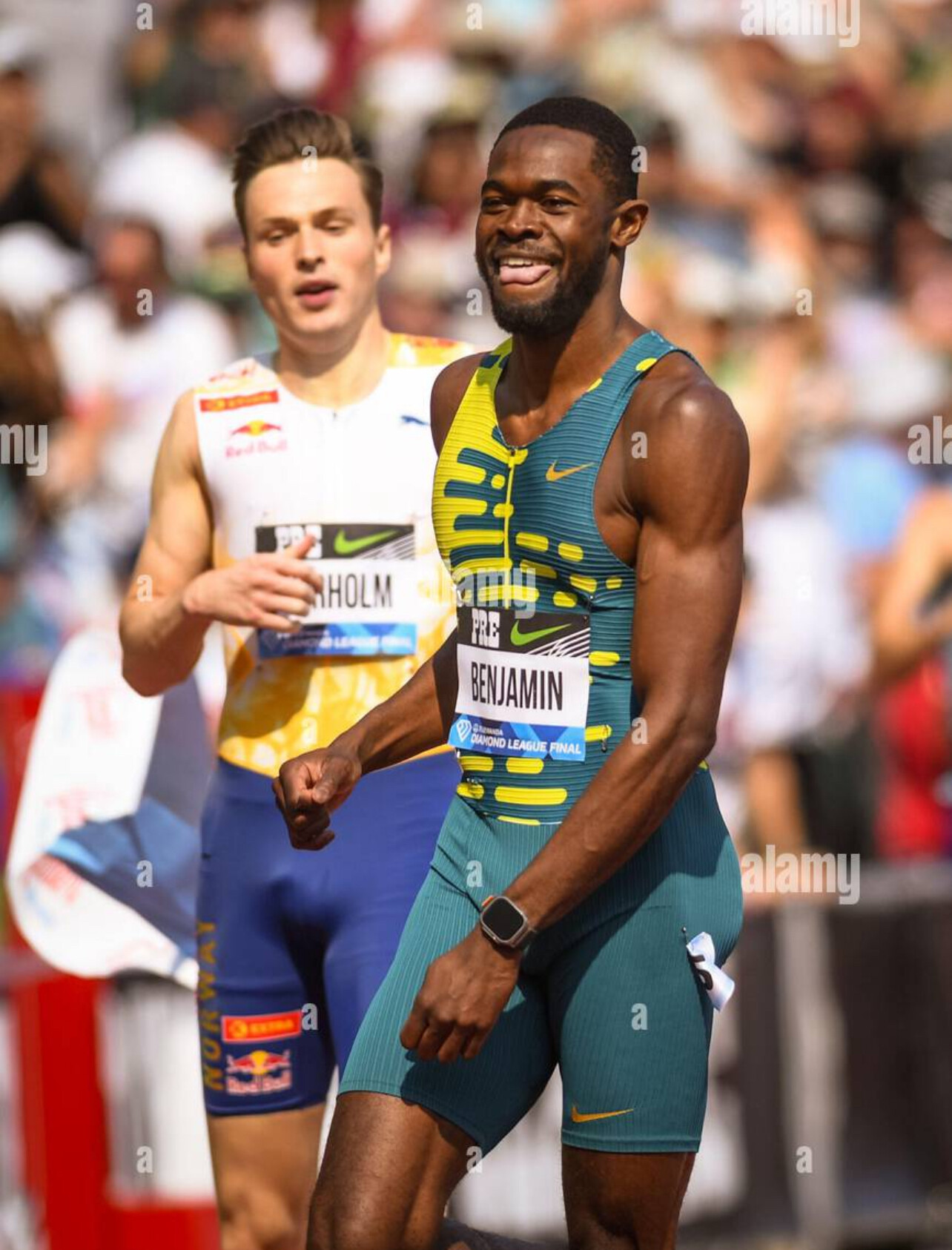
In the men’s 400m hurdles, Olympic silver medalist Rai Benjamin will headline a competitive field that also includes CJ Allen, Trevor Bassitt, Clement Ducos, Malik James-King, Abderrahman Samba, and Assinie Wilson.
The 2025 Prefontaine Classic will feature 14 Diamond League disciplines, including the women’s 800m, 5000m, and 3000m steeplechase—each with world-class fields expected to be announced soon.
As the sport celebrates this milestone edition of the Pre Classic, the meet is shaping up to be not just a tune-up for global championships, but a showcase of track and field at its absolute best.
(05/09/25) Views: 191Boris Baron
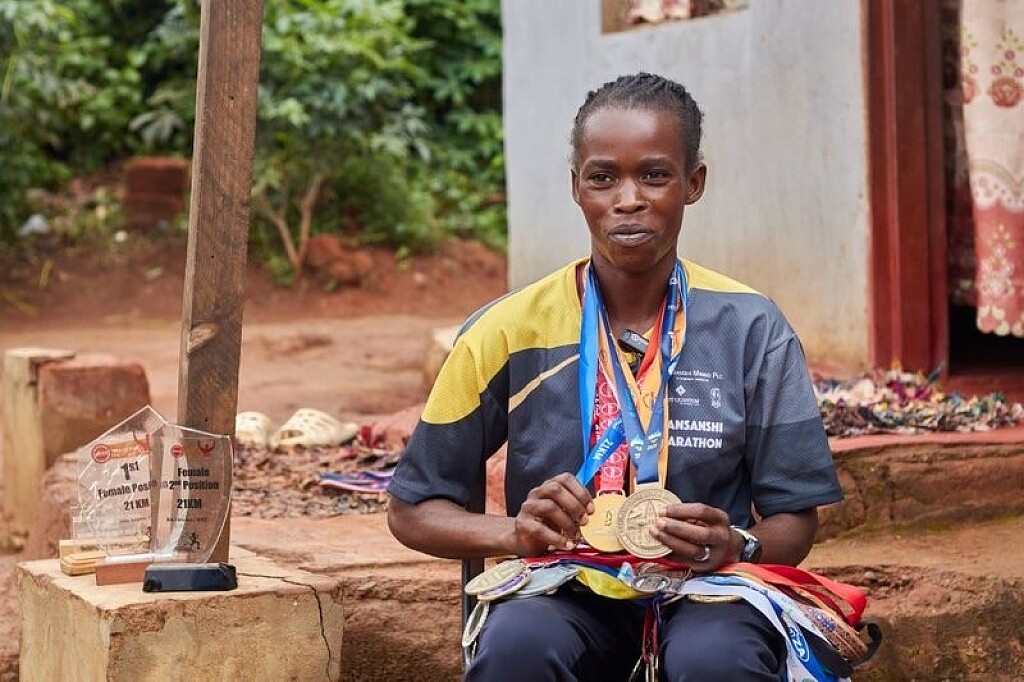
Zambia’s Marathon Champion Balances Family, Work, and Winning
In the heart of Solwezi, Zambia, lives one of Africa’s most inspiring distance runners—Elizabeth Mukoloma. Known as the “Queen of Marathons” in her country, Mukoloma’s rise to national prominence didn’t come from chance. It came from talent, resilience, and an unwavering belief in her journey.
From her first strides as a student in secondary school, Elizabeth showed promise. Her early victories in school meets and provincial championships hinted at something special. But after completing Grade 12, she stepped away from competitive running. Like many athletes in underserved regions, she faced the harsh reality that passion doesn’t always pay the bills. She focused on her tailoring business, putting dreams on hold.
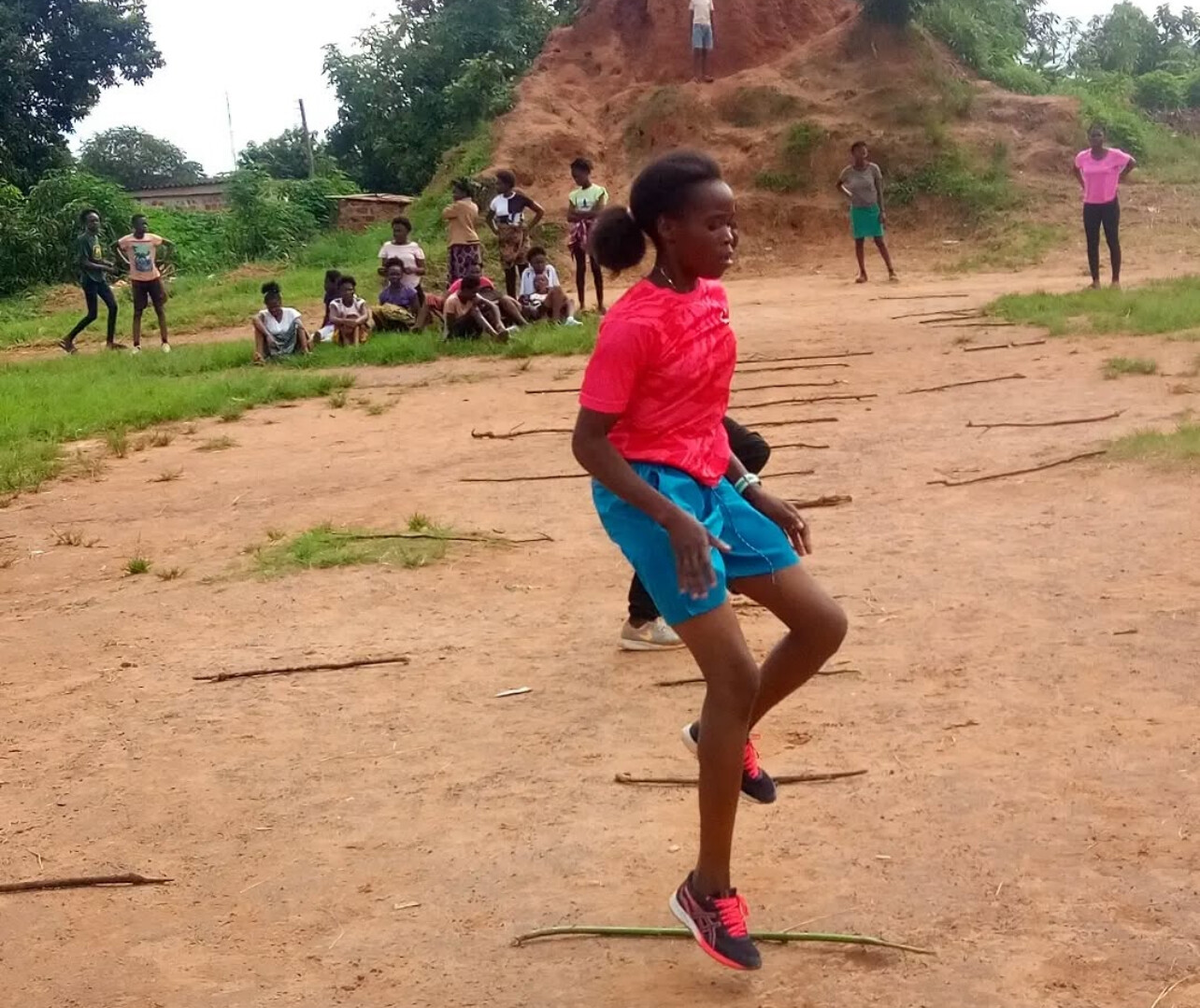
But dreams like hers don’t stay quiet for long.
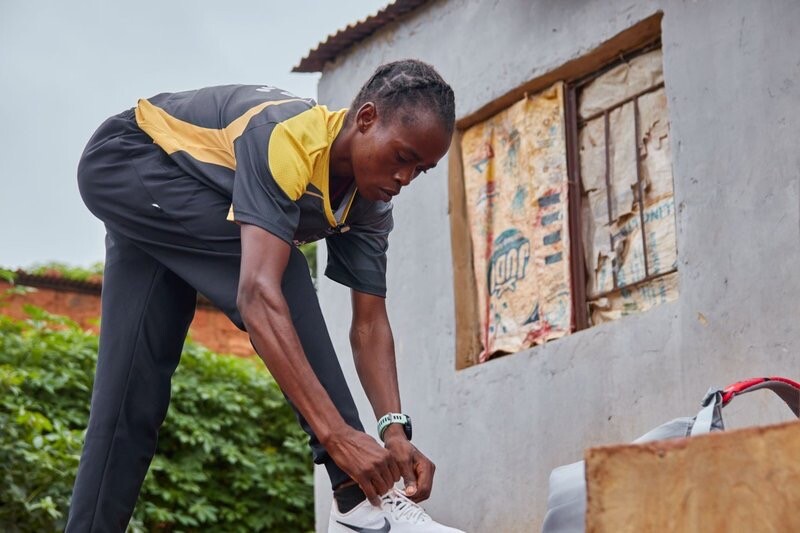
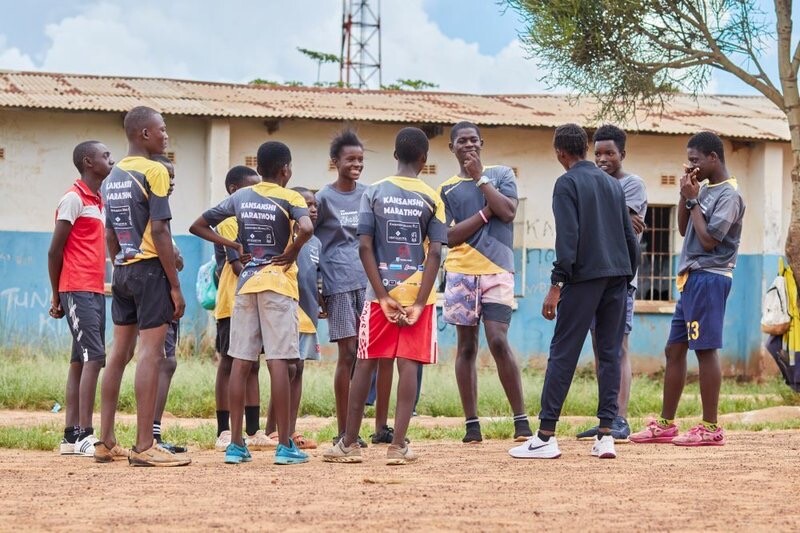
Her return came through the Kansanshi Athletics Team, and she’s been unstoppable ever since. Mukoloma now holds Zambia’s national marathon record (2:55:52) and has recorded an even faster personal best of 2:46:16. She’s earned multiple titles at home and abroad, consistently representing her country on the road with strength and pride.

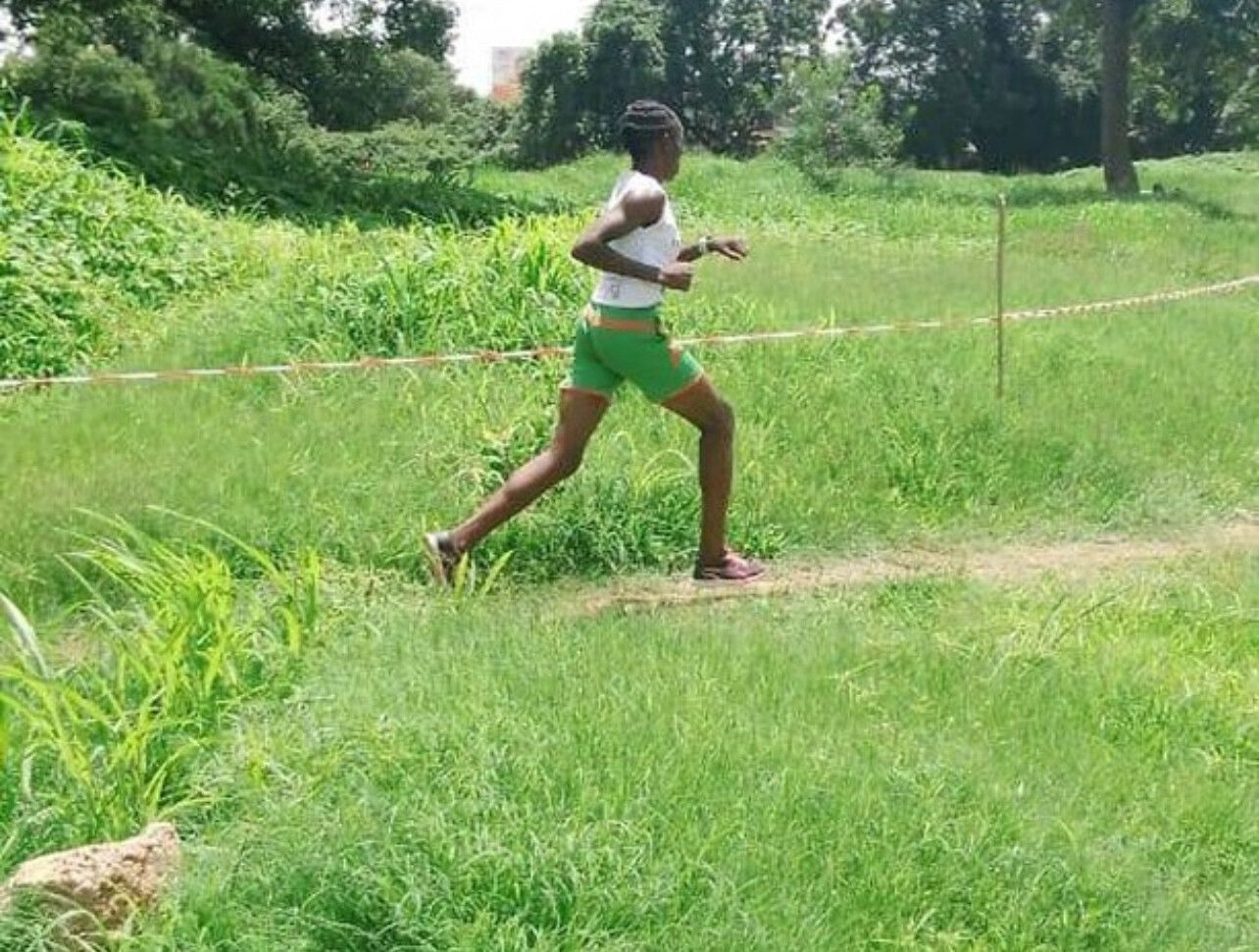
In May 2025, she once again claimed victory at the Kansanshi Marathon, earning K42,000 (approximately $1,500 USD) and reminding the nation that she remains at the top of her game. But for Mukoloma, it’s never just about the prize—it’s about the platform. Each finish line she crosses brings visibility to female athletes in Zambia and inspires young girls who see themselves in her footsteps.
Off the course, Elizabeth is a tailor, a mother, a wife, and a mentor in Solwezi. Her life is a blend of strength and balance, of stitching fabric by hand and racing with heart. She speaks often with young runners, encouraging them to stay in school, stay disciplined, and never stop dreaming.
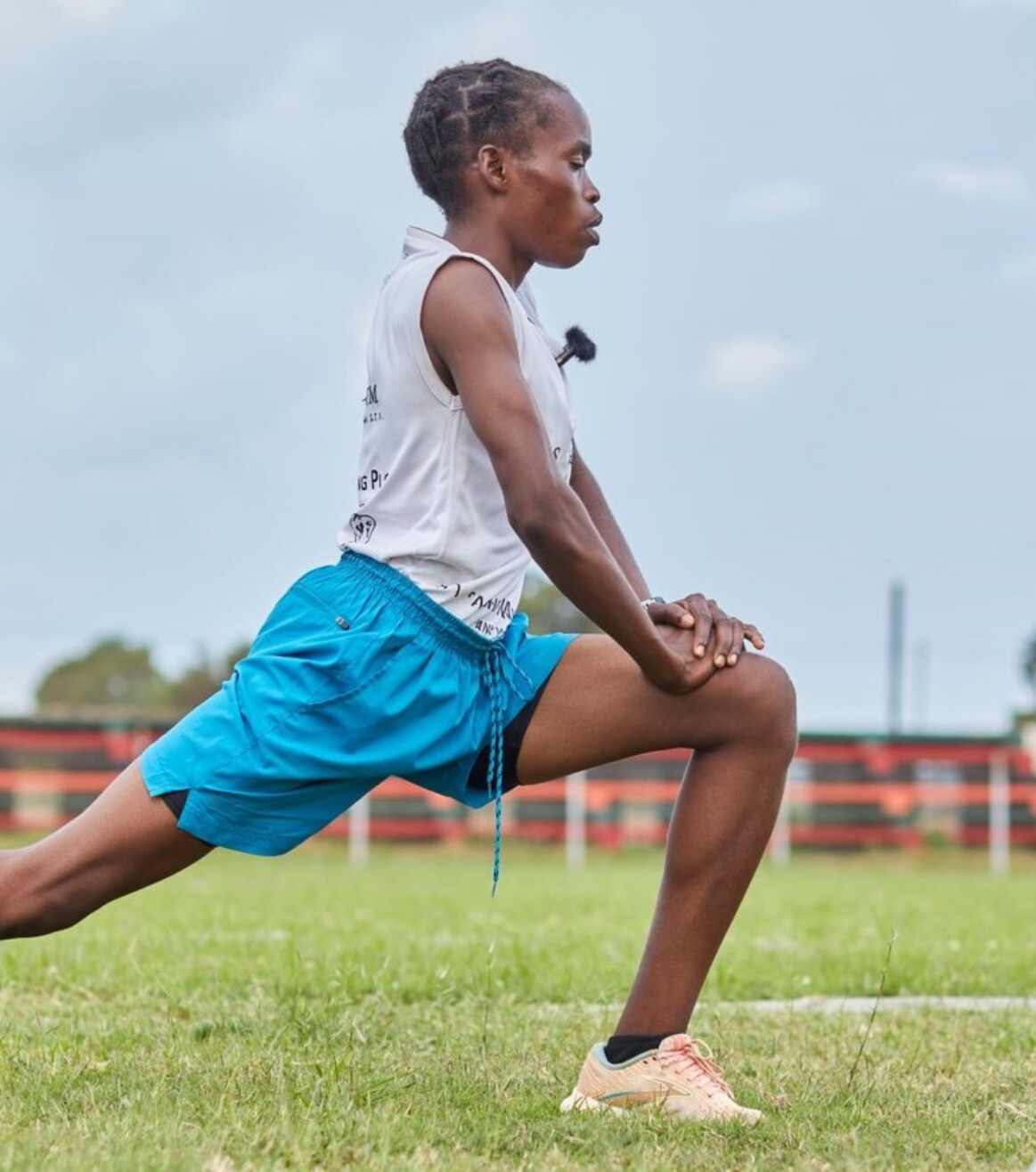
As she prepares for future races—including ambitions beyond Zambia, such as the Comrades Marathon in South Africa—Mukoloma carries the hopes of a nation on her shoulders. Her legacy is still being written, one mile at a time.
Boris Baron

What Happens When the Finish Line Feels 100 Miles Away
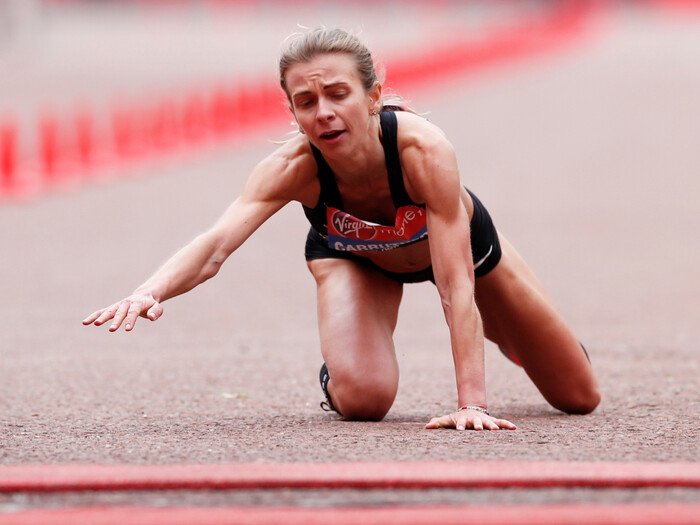
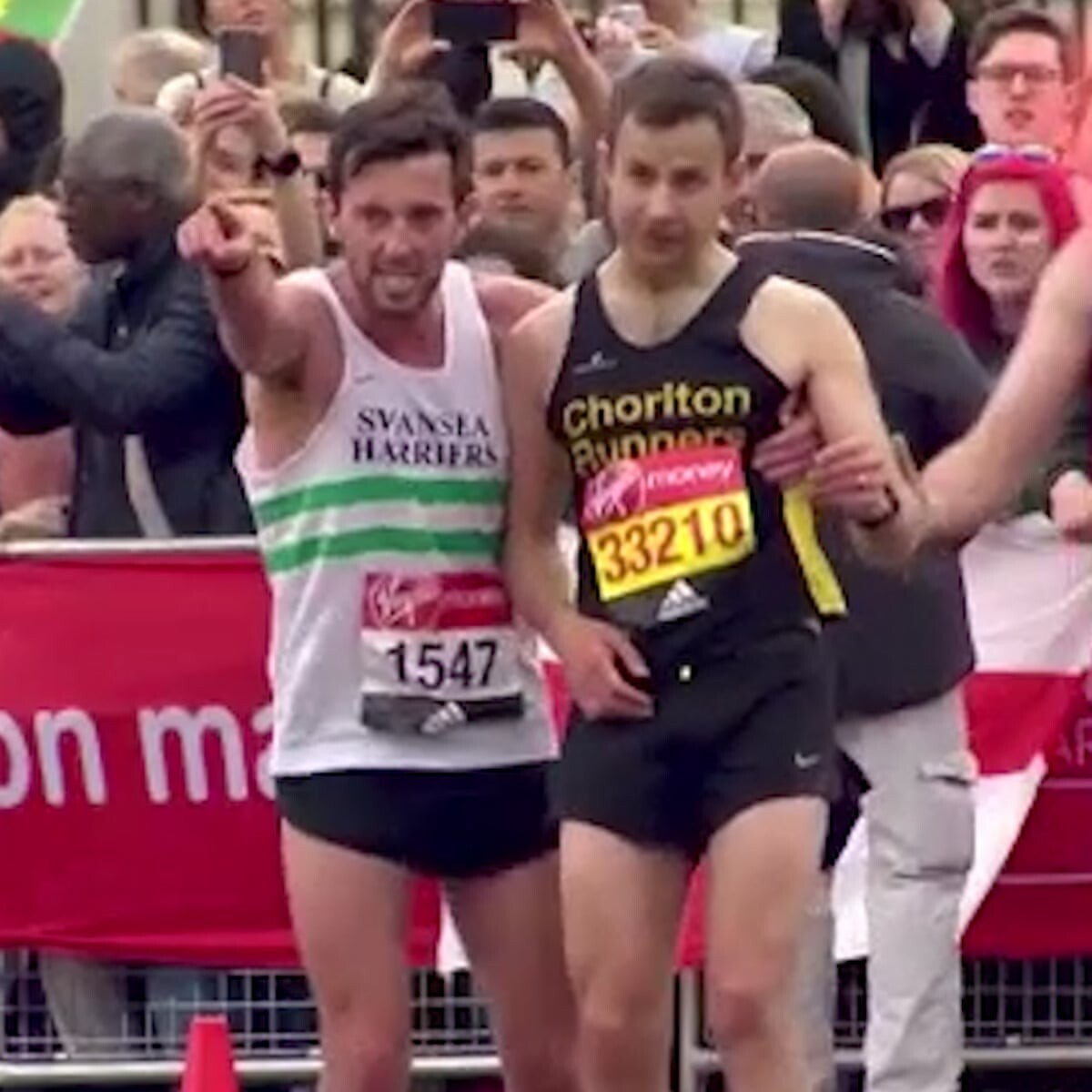
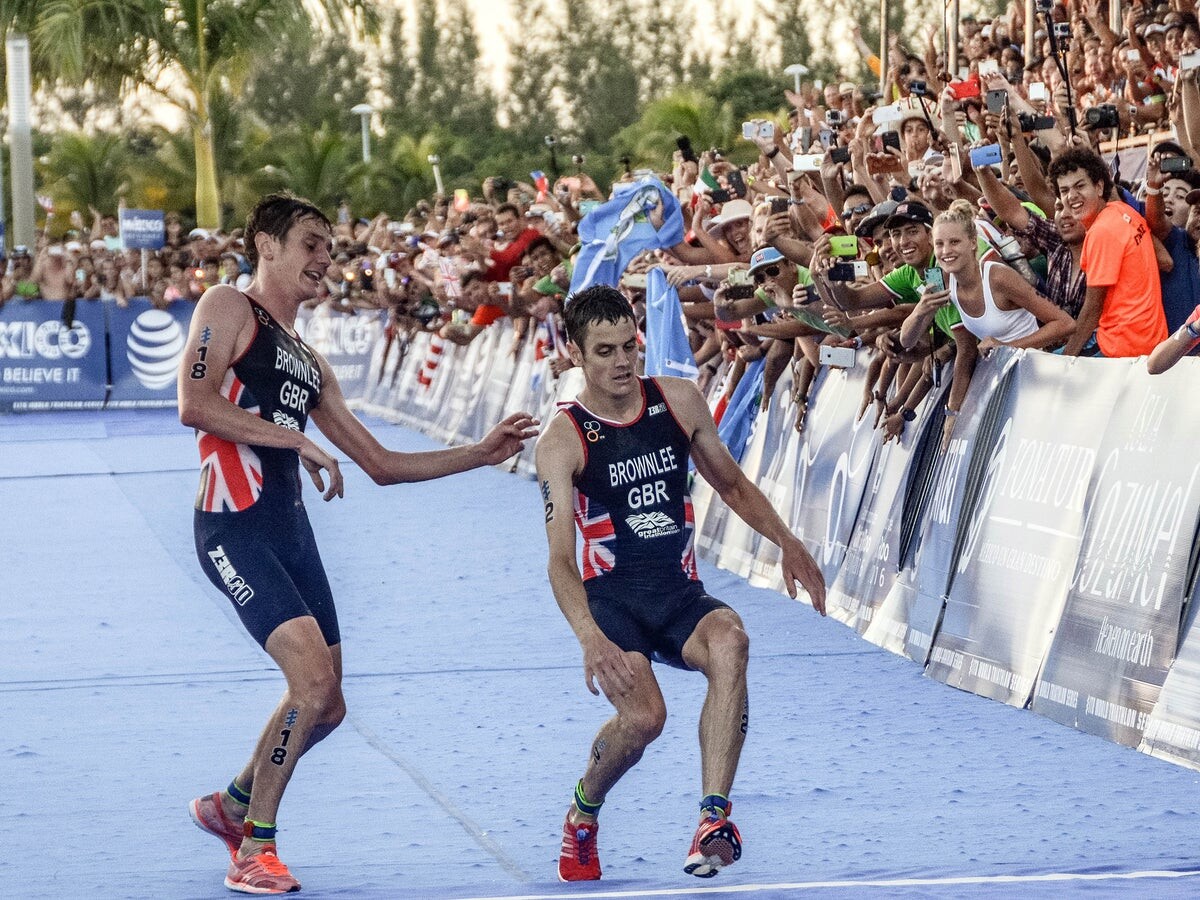
We’ve all seen the footage: a runner, sometimes even an elite, staggering or crawling across the marathon finish line. It’s a powerful image—equal parts dramatic and heartbreaking. But what causes those jelly legs, and can it be prevented?
The Science of “Jelly Legs”
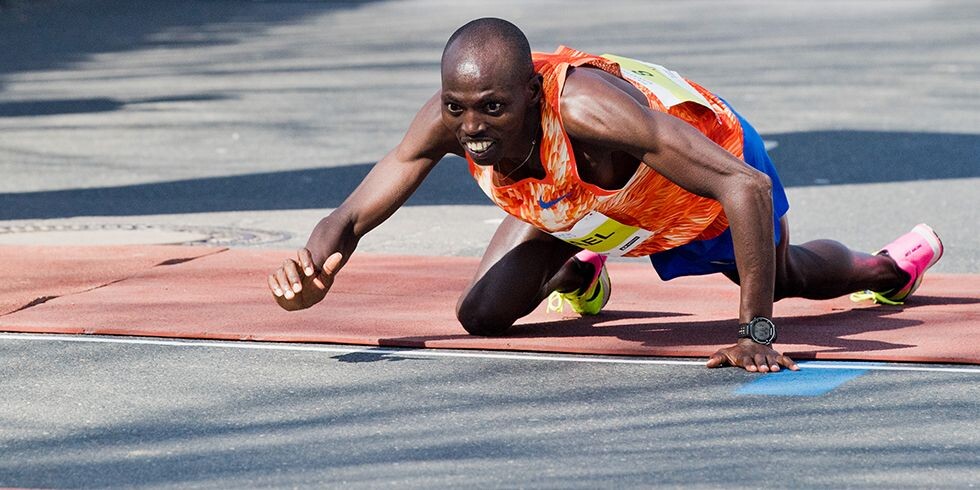
The feeling of wobbly or unresponsive legs at the end of a marathon is often the result of neuromuscular fatigue and metabolic depletion. After 26.2 miles, the body’s ability to send signals from the brain to the muscles can falter.
“You’re not just tired,” says Coach Jimmy Muindi, seven-time Honolulu Marathon champion. “Your legs stop responding to what your brain is telling them to do.”
Key Causes
1. Glycogen Depletion
Muscles run on glycogen, and after two to three hours of running, those stores run dry—especially if fueling is inadequate.
2. Dehydration and Electrolyte Imbalance
Even a small loss in body fluid affects muscle function. Electrolyte imbalances (particularly low sodium or potassium) can trigger cramps and weakness.
3. Central Nervous System Fatigue
Your brain gets tired, too. Prolonged effort reduces the brain’s ability to send strong, coordinated signals to the muscles.
4. Improper Pacing
Going out too fast early in the race can lead to full-system shutdown in the final miles. Your body simply can’t hold that pace.
5. Heat and Humidity
Hot races amplify all of the above. Core temperature rises, making it harder for muscles to function efficiently.
Why It Even Happens to Elites
Elite runners push their bodies to the limit. Sometimes a miscalculation in pace, nutrition, or weather adjustment can bring even the strongest athlete to their knees—literally. And because they’re aiming for peak performance, they’re often operating on a knife’s edge.
In 2018, American runner Sarah Sellers nearly collapsed after finishing second at the Boston Marathon, a race defined by brutal weather. Others, like Gabriela Andersen-Schiess in the 1984 Olympics, became iconic for their final, staggering strides.
Prevention Strategies
• Dial in race-day nutrition. Practice fueling with gels, fluids, and electrolytes during training.
• Train your brain. Long runs, heat training, and race simulations help develop mental toughness and delay central fatigue.
• Know your pace. Use race predictors and experience to avoid going out too fast.
• Hydrate smart. Don’t just drink water—replace lost electrolytes.
Final Thought
Marathon running pushes the human body to its limits. Jelly legs and crawl finishes are not signs of weakness—they’re the body’s emergency brake. With smarter training and fueling, most runners can avoid it. But when it does happen, it reminds us how far people will go to finish what they started.
(05/09/25) Views: 171
Boris Baron
Why Hot Weather Running Can Make You Stronger
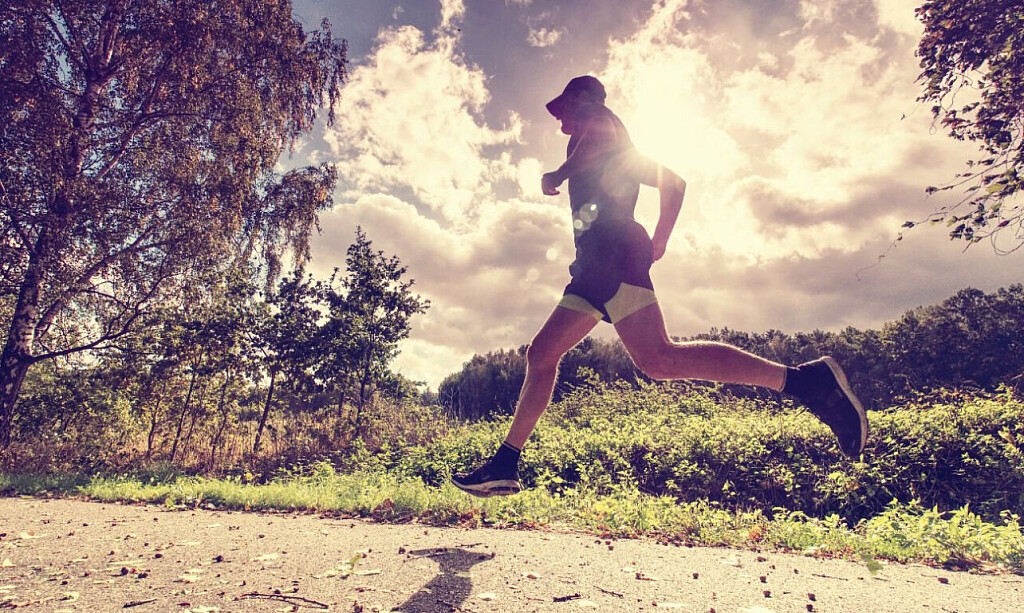
As temperatures rise, many runners retreat indoors. But embracing the heat can be a game-changer. Training in hot conditions isn’t just about endurance—it’s about building resilience, optimizing performance, and gaining a competitive edge.
The Science Behind Heat Training
Running in the heat prompts your body to adapt in remarkable ways:
• Enhanced Blood Plasma Volume – aids in better cardiovascular stability and thermoregulation
• Earlier Onset of Sweating – helps your body cool more efficiently
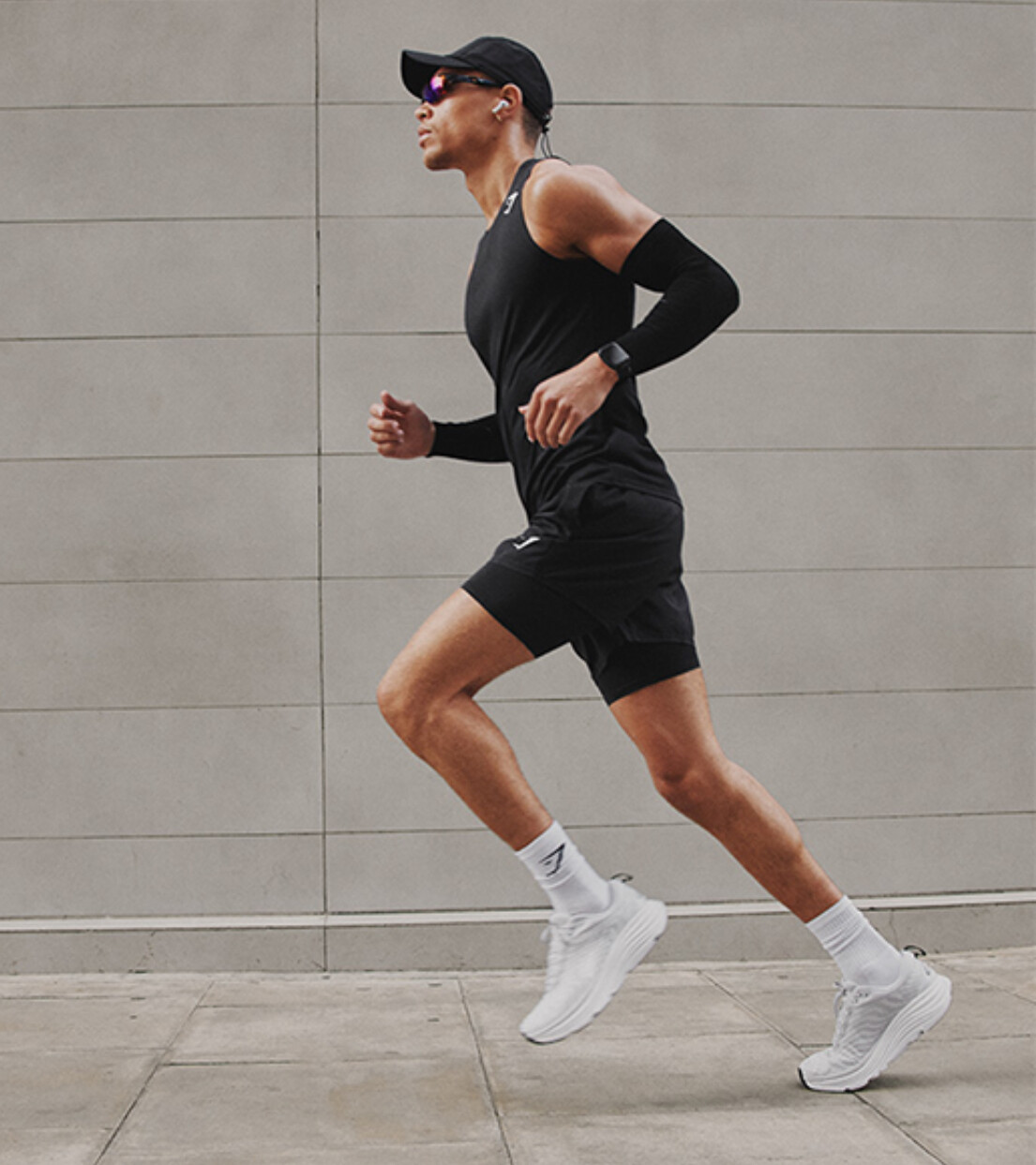
• Reduced Core Temperature – teaches your system to handle stress more effectively
These adaptations can lead to improved performance, especially when racing in cooler conditions after heat training.
Training Tips for the Heat
1. Gradual Acclimatization
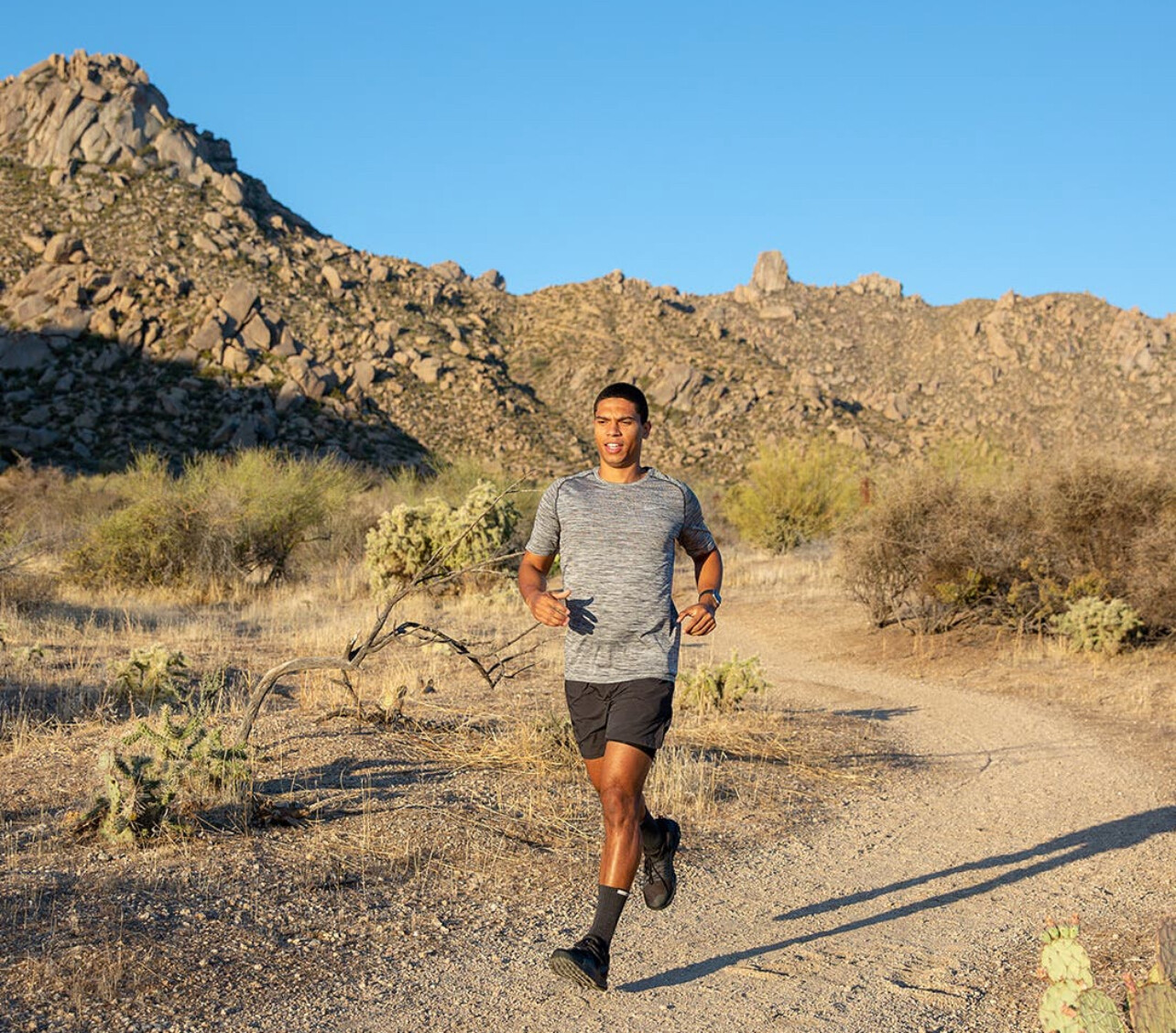
Start with shorter sessions during cooler parts of the day, then increase time and intensity over 10–14 days.
2. Hydration is Crucial
Drink before, during, and after your runs. Add electrolytes, especially for longer workouts.
3. Dress Smart

Wear light-colored, moisture-wicking fabrics. A visor is better than a hat for heat management.
4. Listen to Your Body
Know the signs of heat exhaustion—dizziness, nausea, or chills—and stop immediately if needed.
Insights from the Pros
At the KATA Running Retreat in Portugal, heat training is part of the process. Coach Jimmy Muindi, who won the Honolulu Marathon seven times, brings firsthand experience to the table.
“Running in the heat challenges your body and your mind,” he says. “But if you train for it, the heat can become your strength.”
KATA founder Bob Anderson agrees: “When we train in Kenya, we don't complain about the sun. You learned to respect it—and to push through. That makes race day feel easier.”
Embrace the Heat
Instead of avoiding the summer sun, use it. Heat builds grit, sharpens mental focus, and prepares you to perform at your best when race day arrives. Used wisely, heat is not a barrier—it’s a training tool.
(05/09/25) Views: 168
Boris Baron
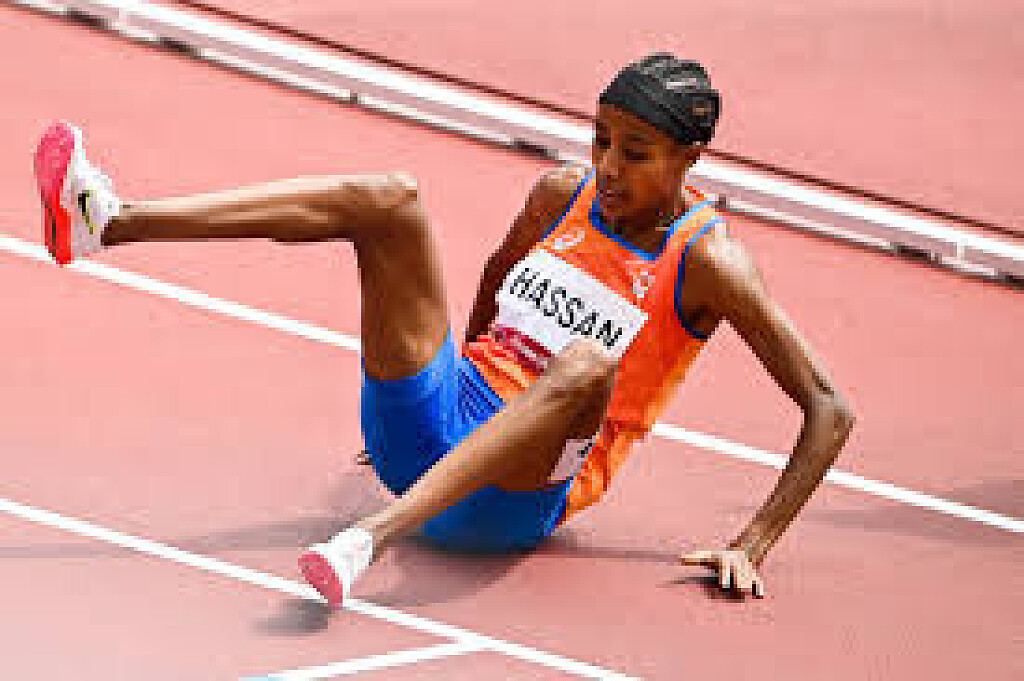
When Sifan Hassan Fell the World Counted Her Out — Then She Shocked Them All
It was one of the most unforgettable moments of the Tokyo 2020 Olympics.
In the first round of the women’s 1500 meters, Dutch distance star Sifan Hassan was cruising near the back of the pack when disaster struck. With just one lap to go, a runner ahead of her tripped and fell—causing Hassan to tumble hard onto the track.
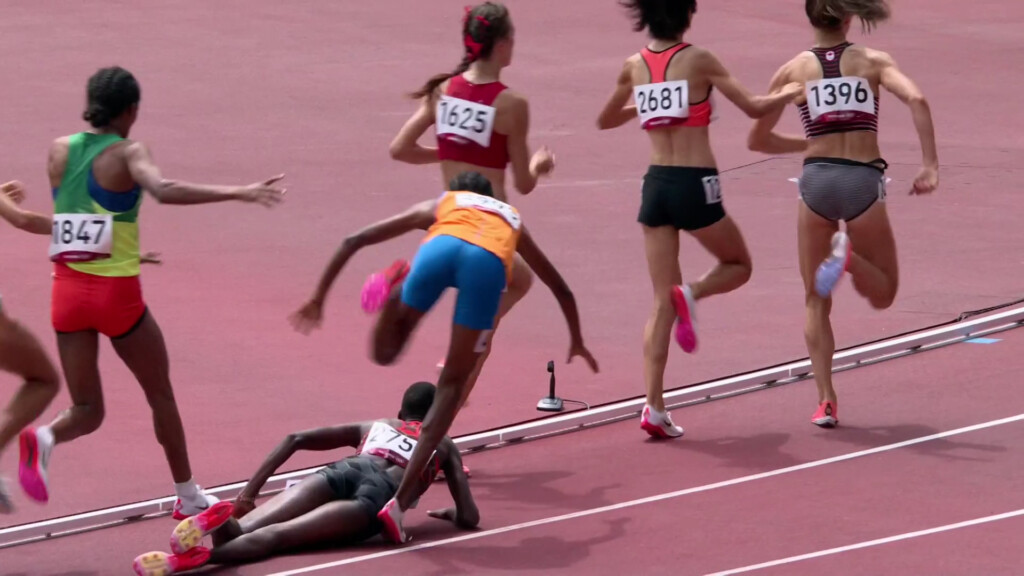
For a brief second, it looked like her Olympic dream might be over.
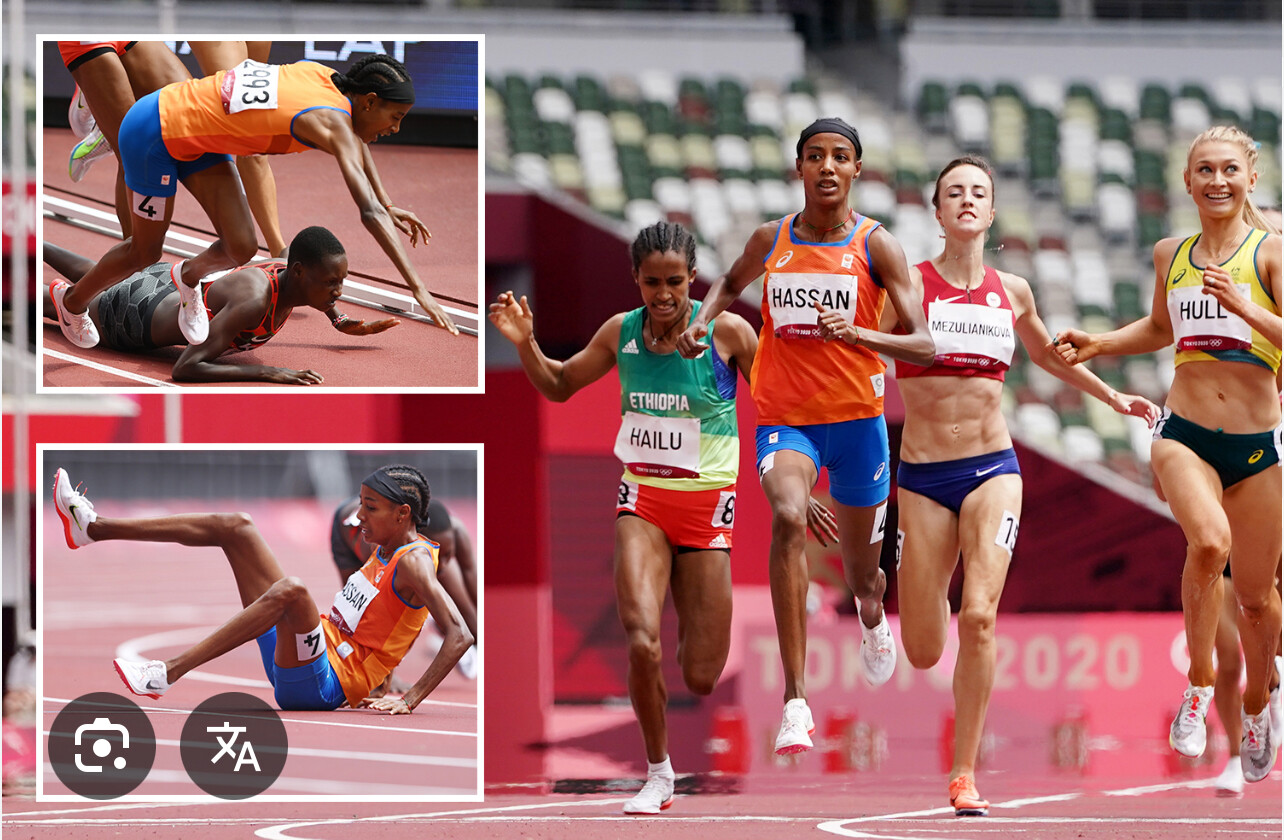
But Hassan didn’t stay down.
With remarkable poise and determination, she sprang back to her feet and began an astonishing chase. In less than 400 meters, she not only caught the field but blew past them, surging into the lead and winning the heat in a dramatic, come-from-behind finish that left the world in awe.
And that was just the beginning.
Hassan went on to complete one of the most ambitious programs in Olympic history, running six distance races in just eight days. Her results were historic:
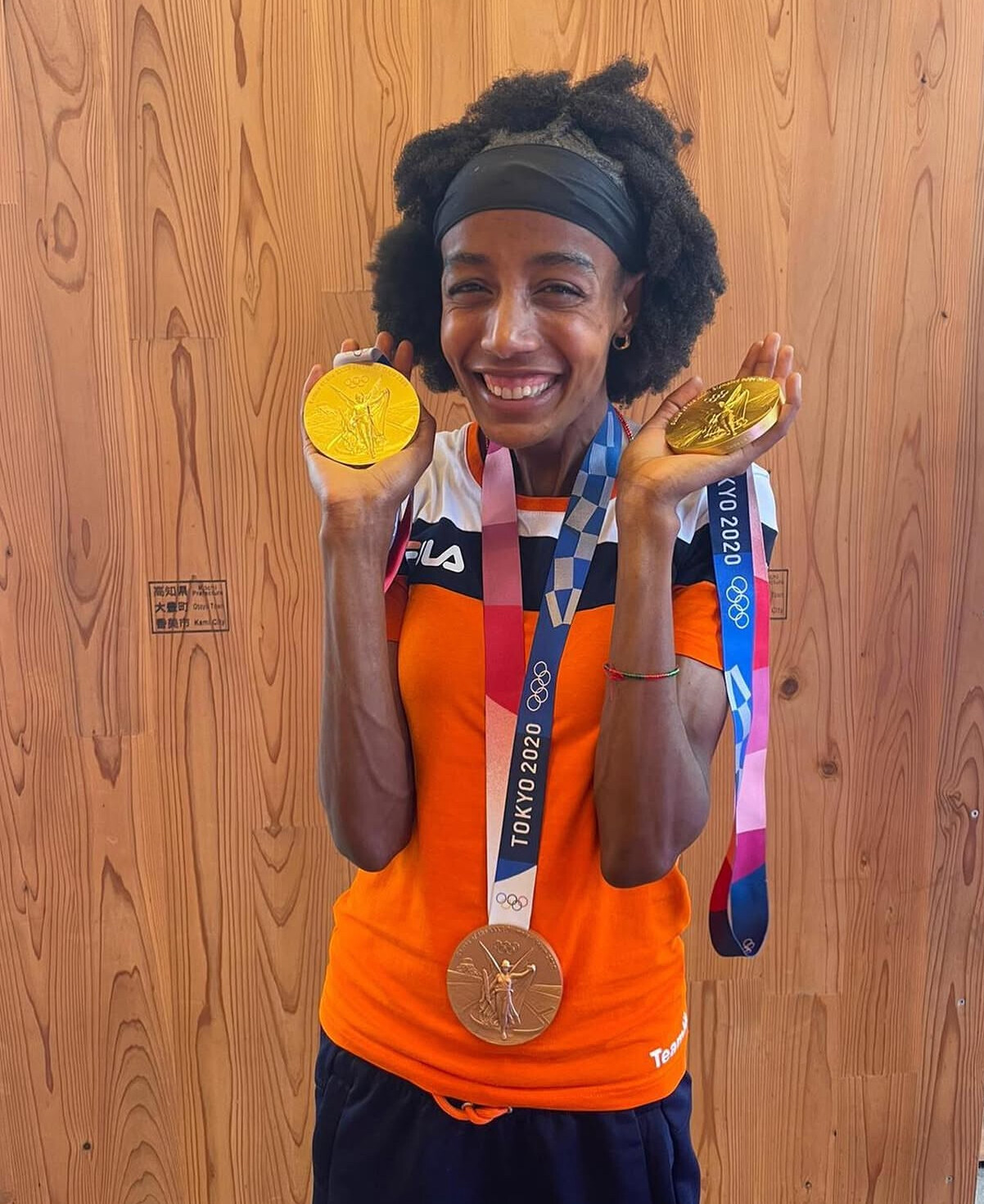
• Gold medal in the 5,000 meters
• Gold medal in the 10,000 meters
• Bronze medal in the 1,500 meters
Her Tokyo triple made her the first athlete—male or female—to ever medal in all three of these events in a single Olympics.
Sifan Hassan’s fall could have ended her Games. Instead, it defined them. Her performance wasn’t just about winning races—it was about heart, courage, and rising when it matters most.
As she later said, “It’s not about the fall, but how hard we rise.”
(05/10/25) Views: 148Boris Baron
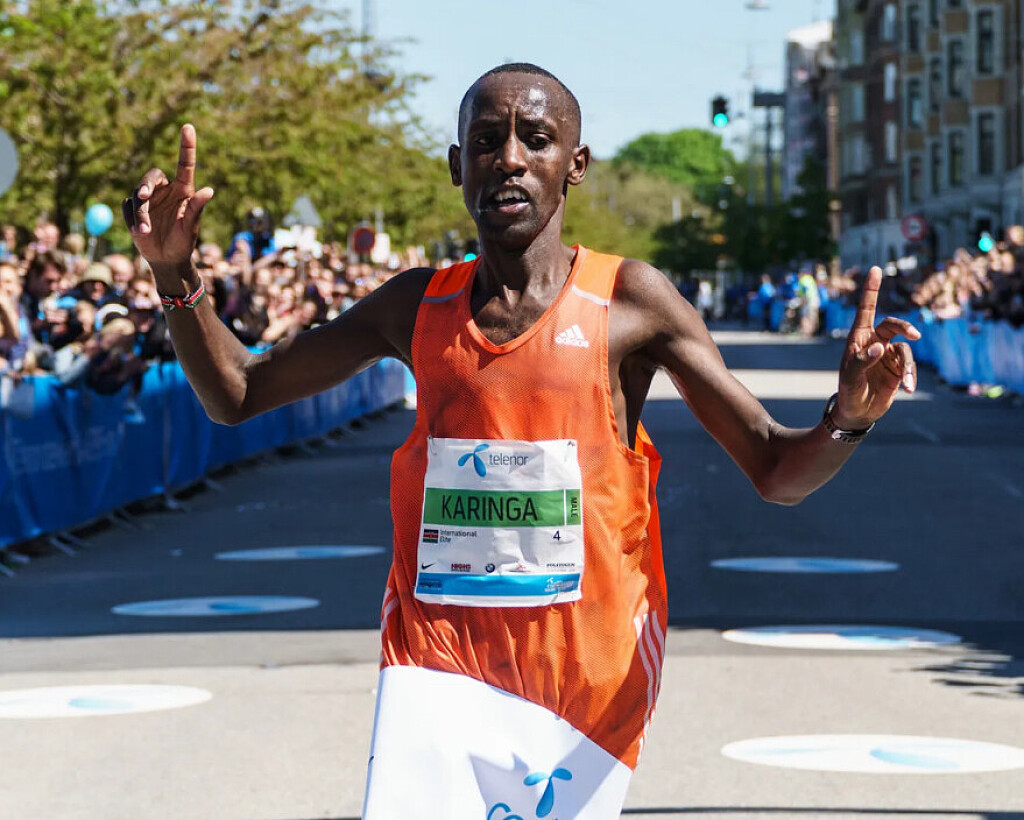
Copenhagen Marathon Nearly Sees Course Records Fall in Historic 2025 Race
May 11, 2025 | Copenhagen, Denmark – The 45th edition of the Copenhagen Marathon was the largest in Danish history, with 21,141 registered runners and near-perfect racing conditions—11°C (52F) and no wind. It nearly became the fastest as well, with both men’s and women’s course records just out of reach.
Eritrea’s Berhane Tesfaye claimed victory in the men’s race, stopping the clock at 2:08:25, just two seconds shy of the course record. In the women’s race, Kenyan debutant Sharon Kiptugen ran a stunning 2:23:19, finishing just five seconds off the women’s course best.
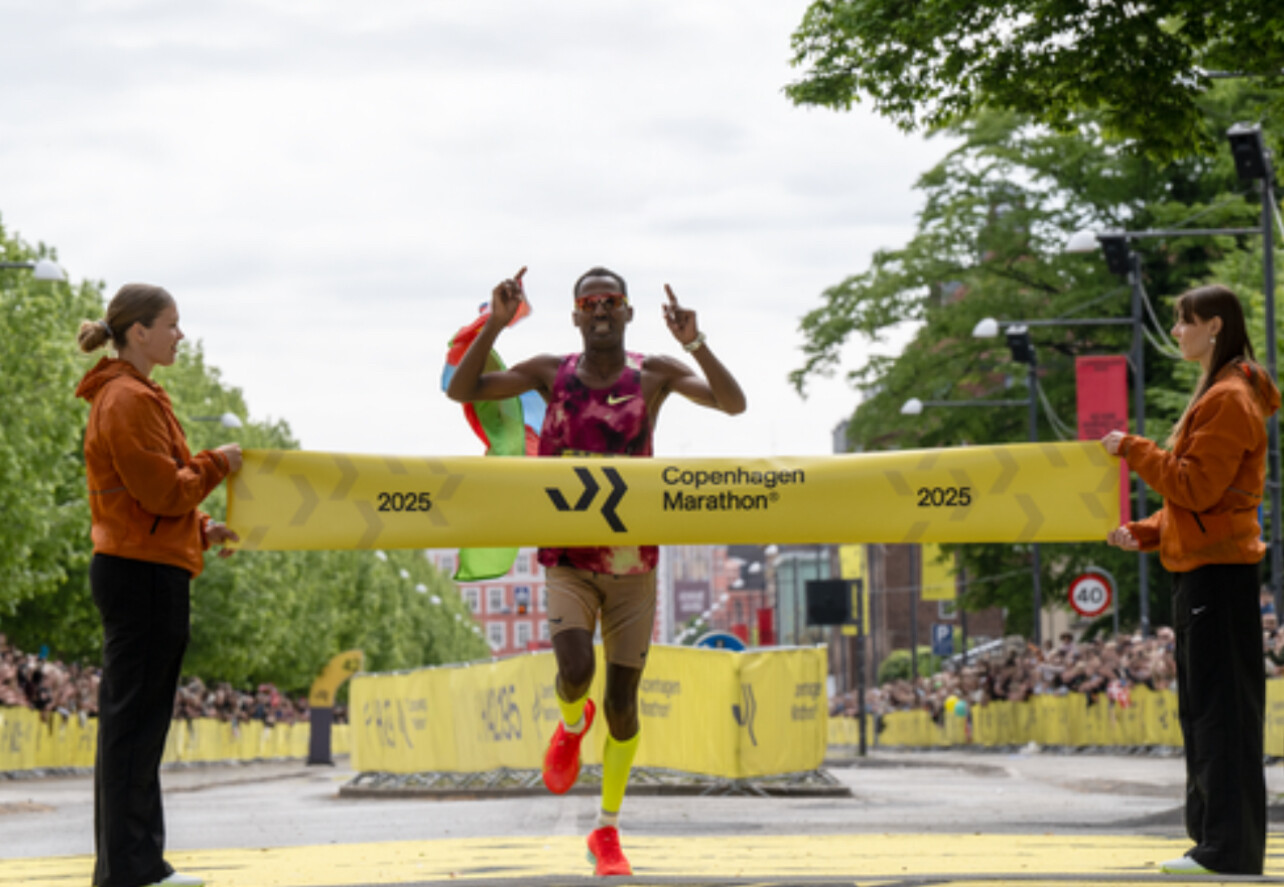
Tesfaye, who also won the 2025 Mumbai Marathon, ran a tactical race. After early pacing from Kenya’s Reuben Rono (1:03:43 at halfway), the lead shifted multiple times. Tesfaye and Kenya’s Vincent Mutai battled through the final kilometers, with the 38-year-old Tesfaye pulling away after 40K to win by 44 seconds. “I was aware of the record, but I had pain in my legs and just couldn’t finish faster,” Tesfaye said post-race.
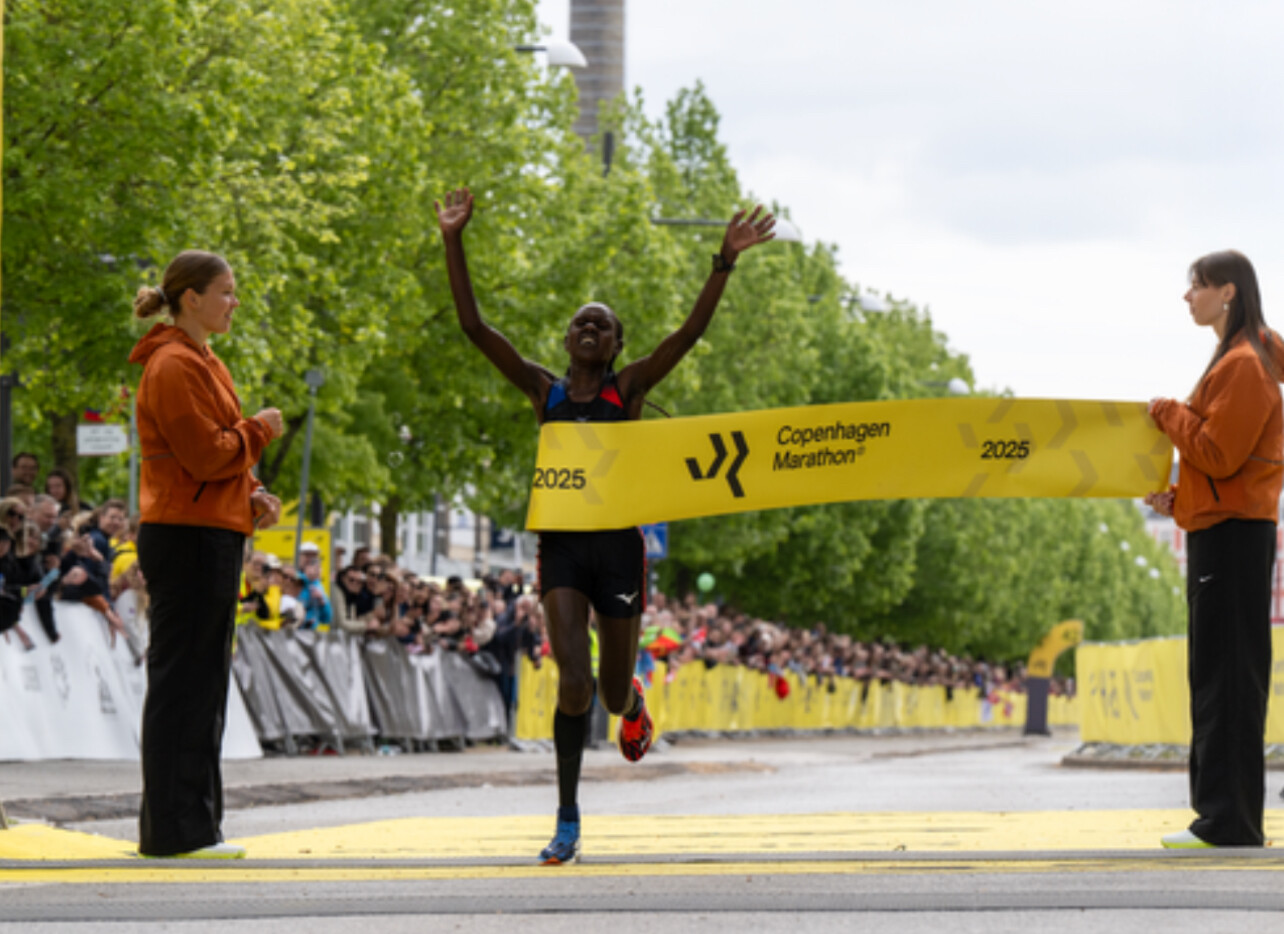
On the women’s side, Kiptugen pulled away after the halfway mark (1:11:27), steadily building a commanding lead over a deep field that included Sofia Assefa of Ethiopia—2012 Olympic silver medalist in the 3000m steeplechase—who finished second in 2:26:21. “I didn’t know I was so close to the record,” Kiptugen said. “But I’m just happy for the win.”
Top Finishers – Men
Berhane Tesfaye (ERI) – 2:08:25
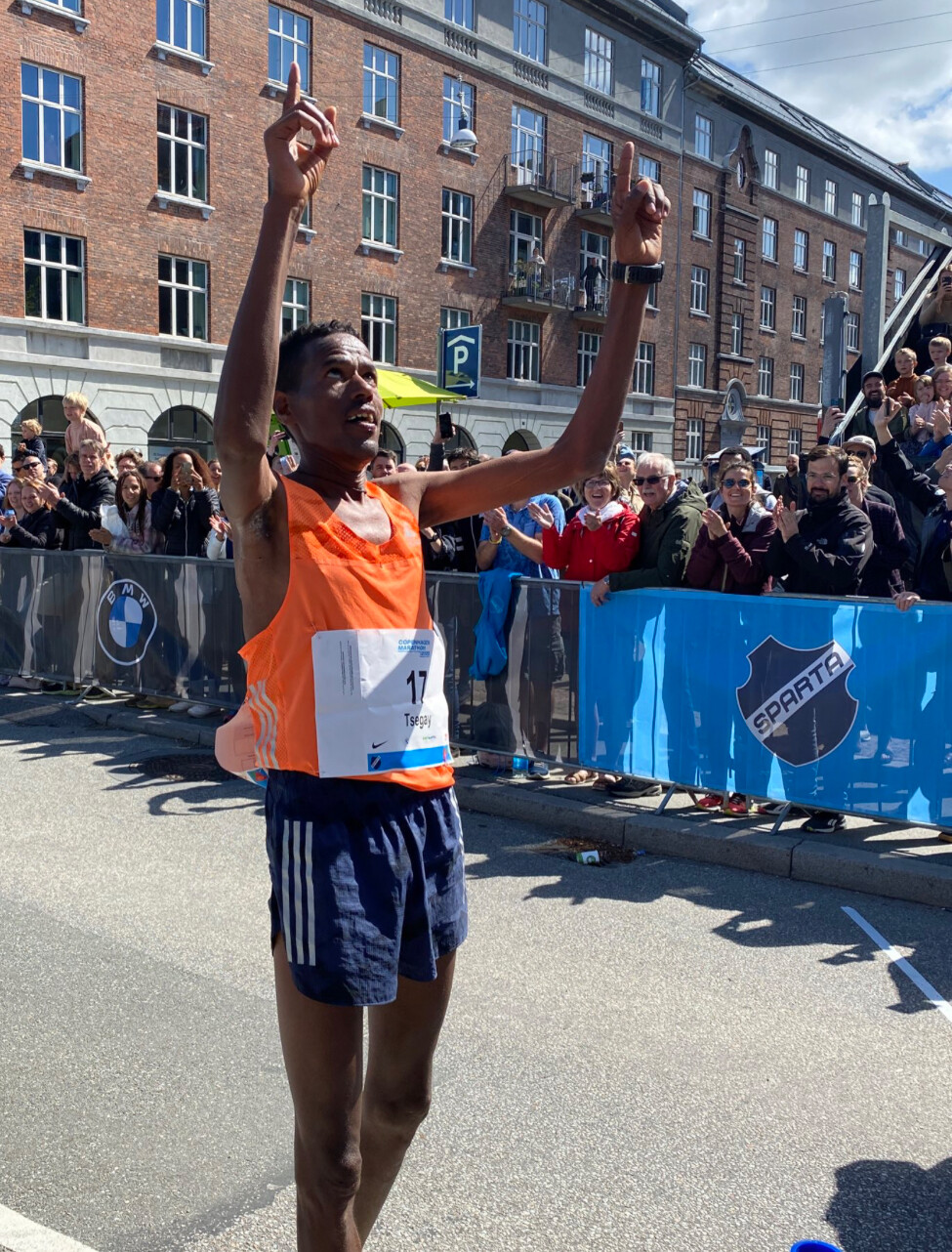
Vincent Mutai (KEN) – 2:09:09 (PB)
Yismaw Atinafu (ETH) – 2:10:32
Top Finishers – Women
Sharon Kiptugen (KEN) – 2:23:19 (PB)
Sofia Assefa (ETH) – 2:26:21
Abebech Afework (ETH) – 2:28:37
Looking ahead, the 2026 Copenhagen Marathon will take place on May 10, with registration opening on May 27, 2025. The next major event in the city is the Copenhagen Half Marathon, scheduled for September 14, 2025, which also serves as a lead-up to the World Athletics Road Running Championships Copenhagen 26—expected to draw up to 65,000 runners.
(05/11/25) Views: 144Morten Eklöf Risager (with Boris Baron)
Personal Bests and Breakthroughs at KATA Time Trial #45 in Kenya
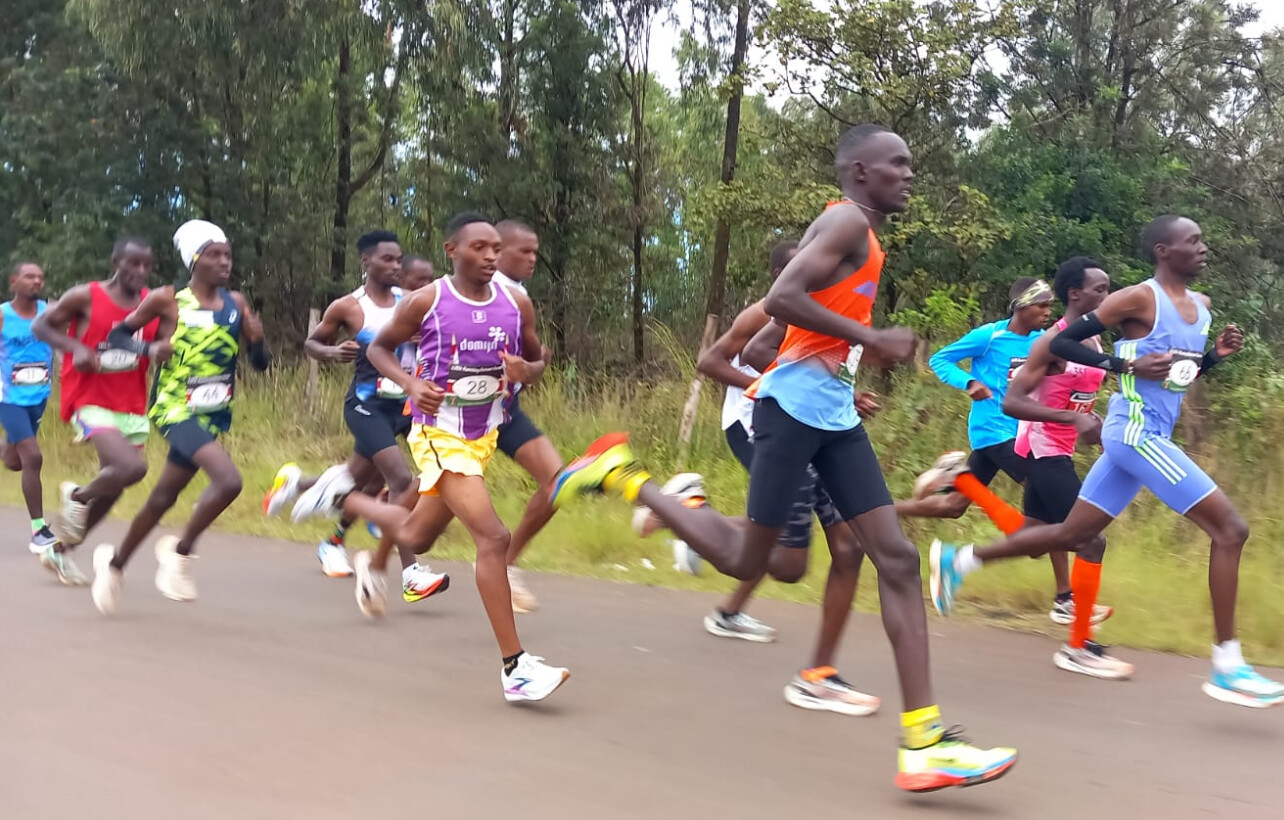
The 45th edition of the KATA (Kenya Athletics Training Academy) Monthly Time Trial took place May 14 in Thika, Kenya, with 29 athletes tackling the 10K and 5K courses. Despite challenging weather, the energy and performance level were exceptional, with several runners delivering personal bests and breakthrough performances.
Women’s 10K: Jacinta Kamau Leads the Charge
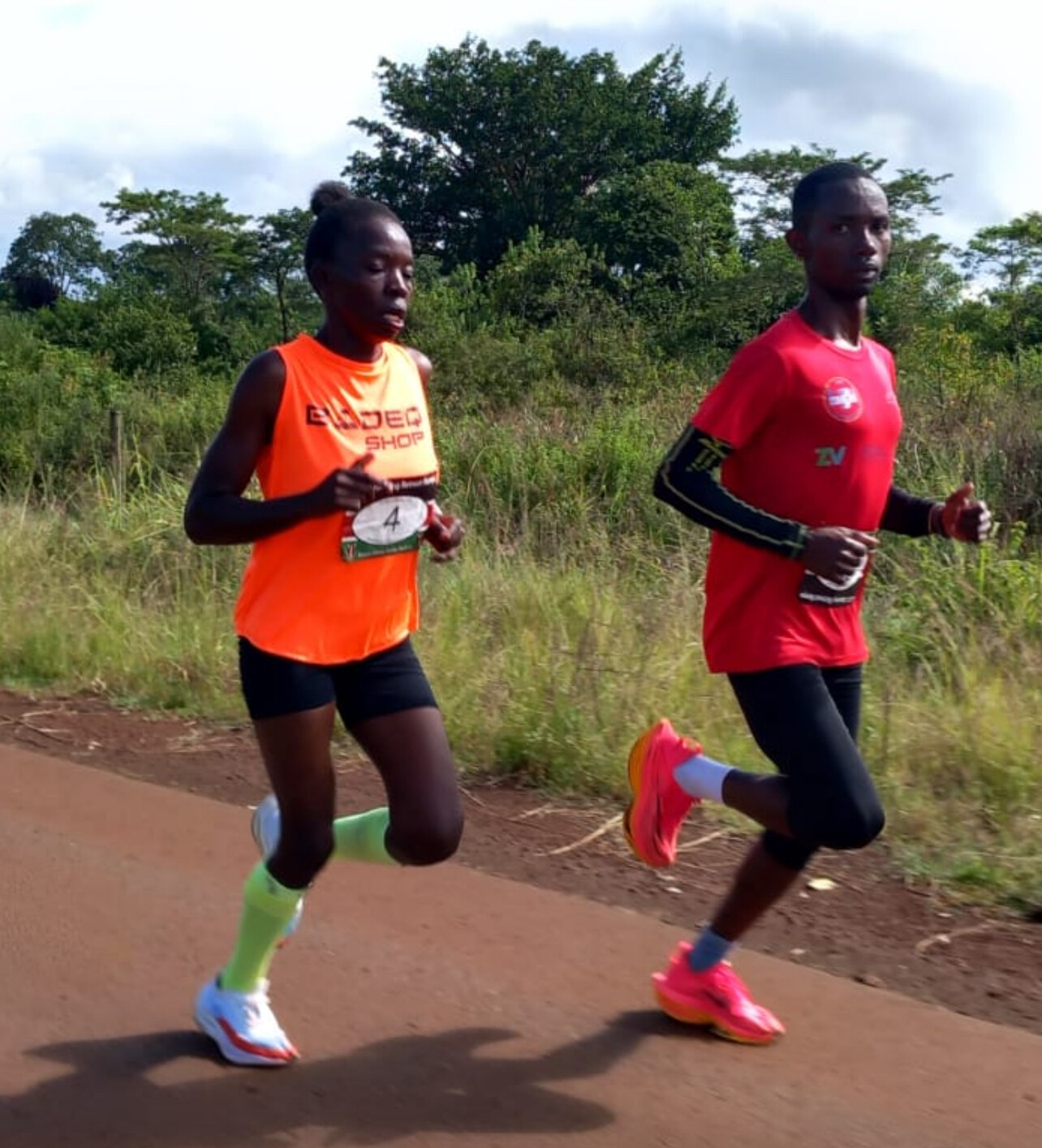
Jacinta Kamau headlined the women’s race, claiming victory with a personal best of 34:33, shaving 12 seconds off her previous best. Lois Karie followed closely in second, also notching a PB with 34:40—a remarkable improvement of over one minute from her previous mark of 36:56.
Veteran Naomi Nduta claimed third in 35:52, while Caren Kipcoech also impressed, finishing fourth in 36:22, a PB improvement of more than a minute.
Top 10 Results – Women’s 10K
1. Jacinta Kamau (24) – 34:33 (bib 4)
2. Lois Karie (24) – 34:40
3. Naomi Nduta (35) – 35:52
4. Caren Kipcoech (24) – 36:22
5. Virginia Wanjiru (22) – 37:12
6. Naomi Wambui (40) – 37:17
7. Susan Njuu (40) – 37:29
8. Karen Chepkemoi (23) – 40:12
9. Lucy Muritu (40) – 44:10
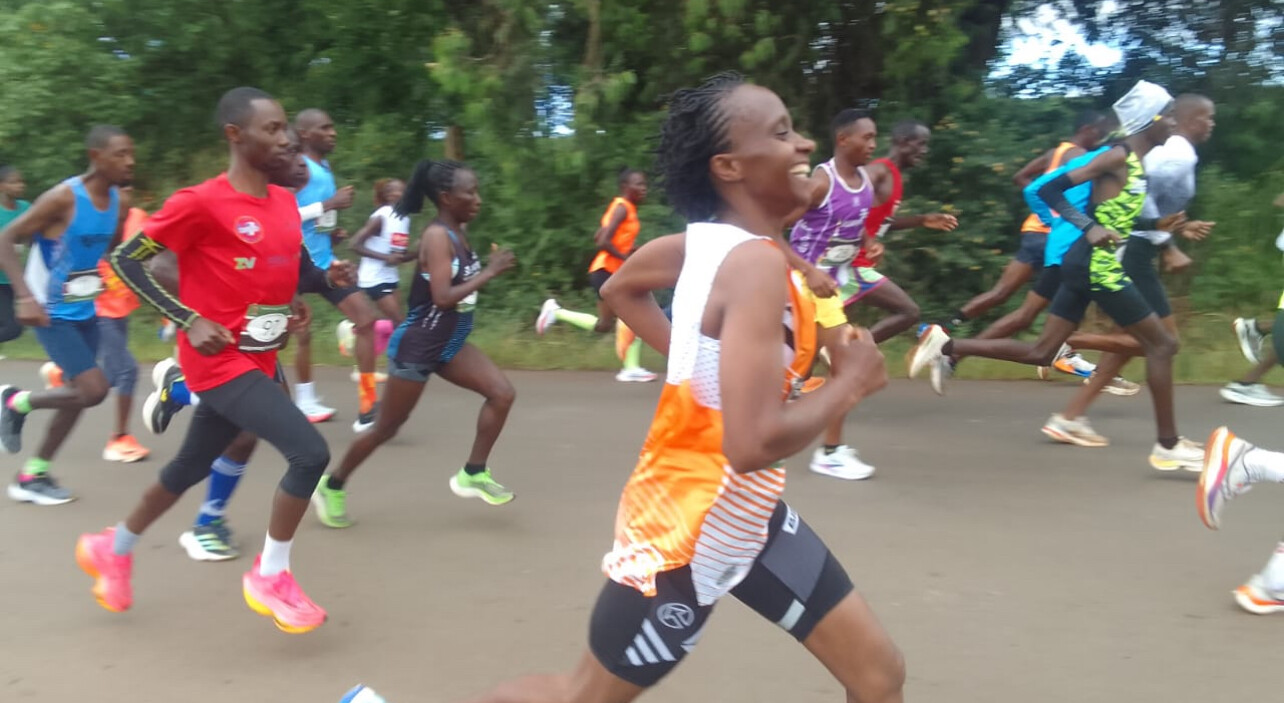
Men’s 10K: Kioko and Wanyoike Dominate, PBs Highlight Deep Field
Athanas Kioko surged to victory in the men’s 10K with a fast 29:03, followed closely by Peter Wanyoike in 29:05 and Zachariah Kirika in 29:25.
Notable improvements came from Kevin Kemoi, who posted 29:35 for fourth place, over 30 seconds faster than his previous best. Kelvin Ragui (5th) clocked 30:04, a 33-second improvement. But perhaps the most inspiring performance came from Charles Ndirangu, who finished eighth in 30:36—a massive 50-second PB. A former 400m sprinter, Ndirangu’s continued development is raising eyebrows.
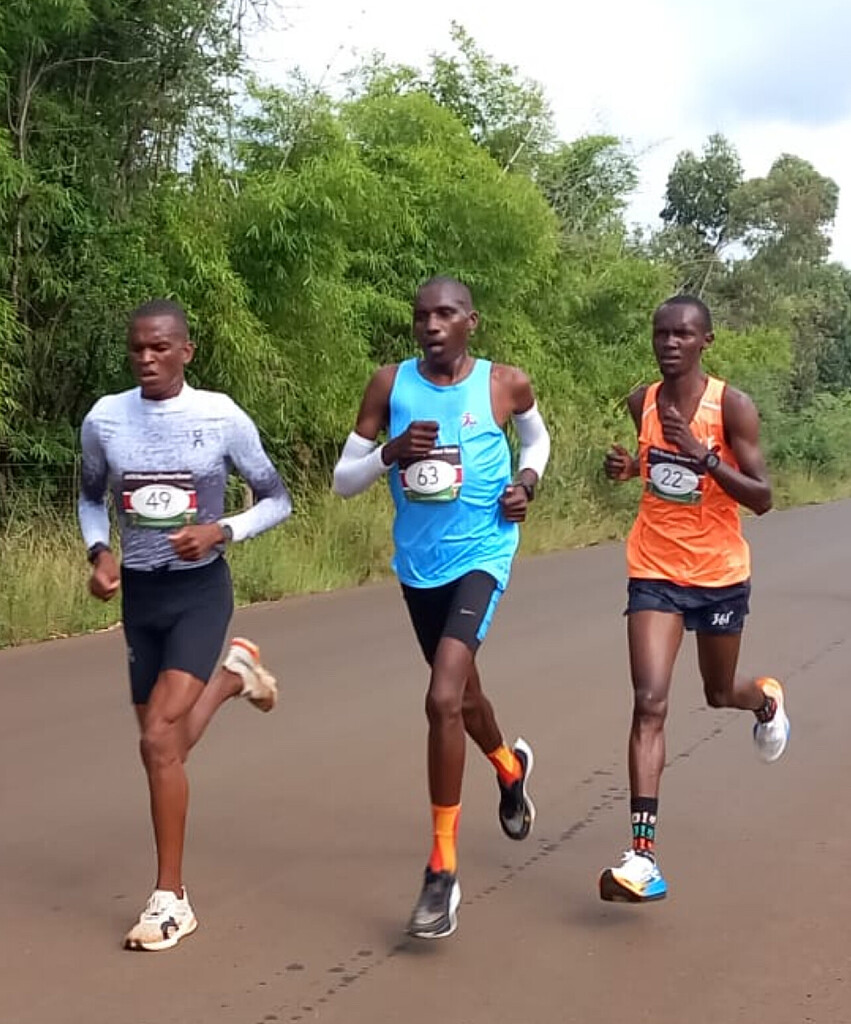
in March Athenas Kioko finished second at the Los Angeles Marathon. "Our monthly time trial continues to attract first class talent," says KATA director Bob Anderson. (Top three is the first photo)
Top 14 Results – Men’s 10K
1. Athanas Kioko (30) – 29:03 (bib 49)
2. Peter Wanyoike (29) – 29:05 (bib 63)
3. Zachariah Kirika (24) – 29:25 (bib 22)
4. Kevin Kemoi (23) – 29:35
5. Kelvin Ragui (22) – 30:04
6. Raphael Karita (26) – 30:06
7. Boniface Mungai (29) – 30:22
8. Charles Ndirangu (24) – 30:36
9. John Chege (19) – 30:48
10. Bernard Gicheha (34) – 33:08
11. Johnson Kaberia (28) – 33:26
12. Joseph Wanjiru (39) – 34:33
13. Vincent Kiprotich (25) – 37:03
14. Charles Ndirangu (67) – 37:10
Men’s 5K: Anthony Kapua Cruises to Victory
In the 5K race, Anthony Kapua took command early and never looked back, winning in 15:08. Harrison Mwangi (16:52) and Brandon Mutungi (17:02) rounded out the top three, with strong showings from several juniors.
Top 6 Results – Men’s 5K
1. Anthony Kapua (22) – 15:08
2. Harrison Mwangi (21) – 16:52
3. Brandon Mutungi (17) – 17:02
4. Collins Mutungi (17) – 17:32
5. Dennis Mondo (21) – 17:36
6. Peter Waititu (17) – 18:18
A Rising Academy
The Kenya Athletics Training Academy continues to build momentum, nurturing promising talent in a highly supportive environment. With consistent performance improvements and growing athlete confidence, the future looks bright.
Next KATA Time Trial: June 11, 2025 – Thika, Kenya
Train the Kenyan way at www.KATARunningRetreat.com @ two locations: Kenya and Portugal
Stay tuned for more updates at MyBestRuns.com
(05/14/25) Views: 142Boris Baron
