

Running News Daily
Top Ten Stories of the Week
5/24/2025
These are the top ten stories based on views over the last week.
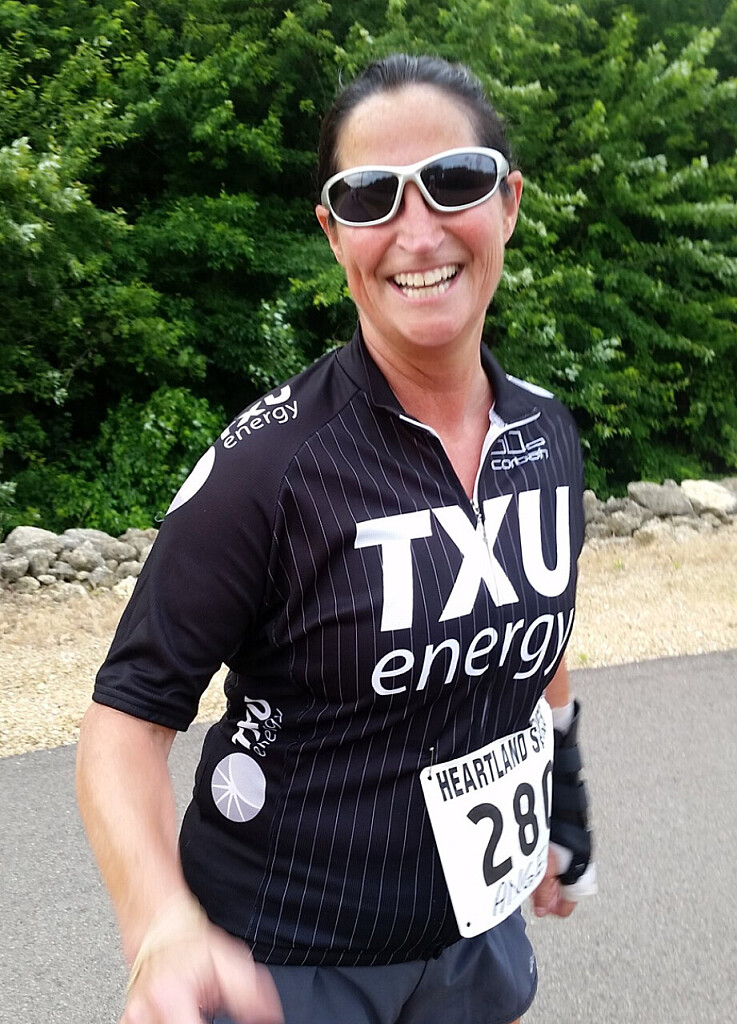


Angela Tortorice’s 1,000 Marathons and a Guinness Record — But Do the Numbers Add Up?
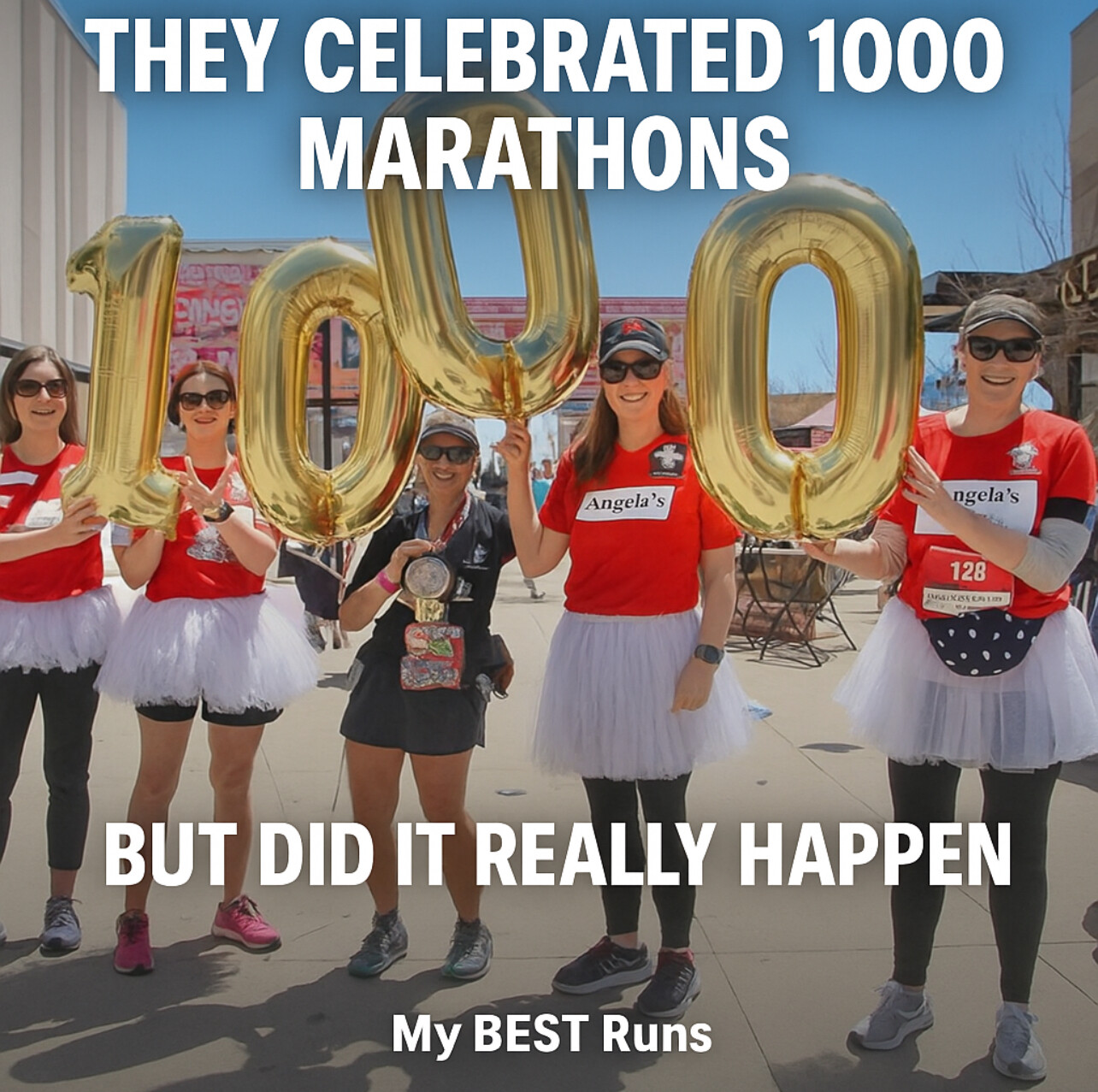
Angela Tortorice, a Dallas-based runner and full-time accountant, has received widespread praise on social media and in the running community for her astonishing endurance achievements. According to Guinness World Records, she holds the title for the most race marathons run in a single year by a woman: an incredible 129 marathons completed between September 1, 2012, and August 31, 2013. Nearly a decade later, she was celebrated again for completing her 1,000th marathon at the Irving Marathon in Texas on April 2, 2022, reportedly making her the first American woman to reach that milestone.
These accomplishments are inspiring — but they also raise serious questions.
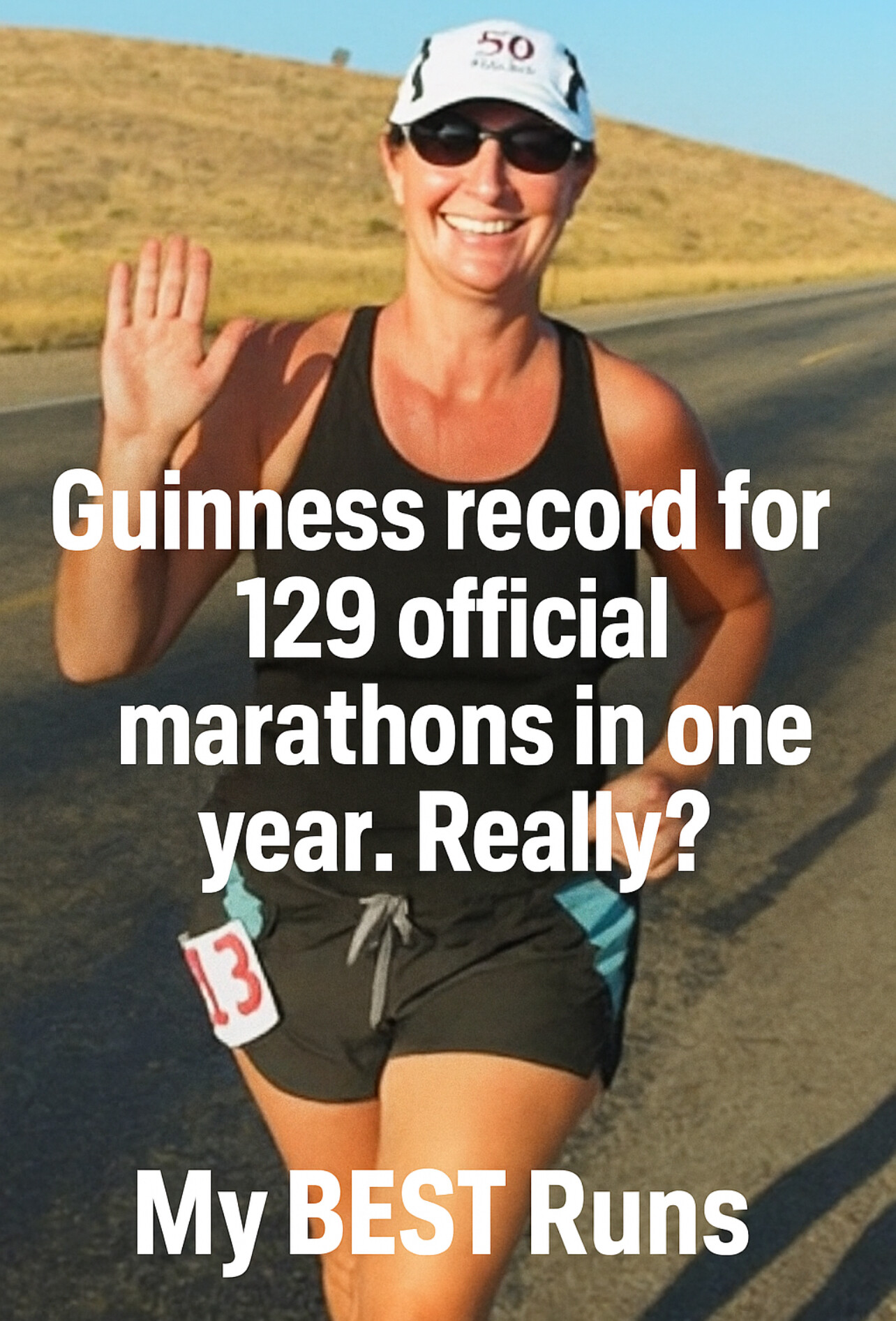
The Math Behind the Record
Completing 129 marathons in 365 days averages to one marathon every 2.8 days. Since most official marathons take place on Saturday or Sunday mornings, a runner could theoretically participate in two marathons per weekend — totaling 104 races per year if no weekends were lookmissed. To reach 129 official marathons, one would need to find an additional 25 races held on weekdays, which is highly unlikely, especially in the U.S. where weekday marathons are rare.
Moreover, Angela reportedly maintained a full-time accounting job throughout this year, making the travel, recovery, and logistics of such a schedule even more challenging.
So how was this record verified?
Guinness Confirmation Process
According to Guinness World Records, all record attempts must be supported with documentation, including:
• Official race results
• Event certifications
• Witness statements
• Media coverage
While Guinness confirmed Tortorice’s record, the details of how each marathon was documented and what criteria defined a “race marathon” have not been made public. Many in the running community are left to wonder: Were all 129 races USATF- or IAAF-certified events? Or did some involve multi-loop courses, self-organized races, or training runs that happened to reach 26.2 miles?
If the latter, should they count toward an “official” marathon record?
The 1,000 Marathon Milestone
Tortorice ran her first marathon in November 1997 at the San Antonio Marathon. Reaching 1,000 marathons by April 2022 spans approximately 24.4 years. To accomplish this, she would have had to average more than 41 marathons per year for nearly two and a half decades — while working full time and recovering from each race.
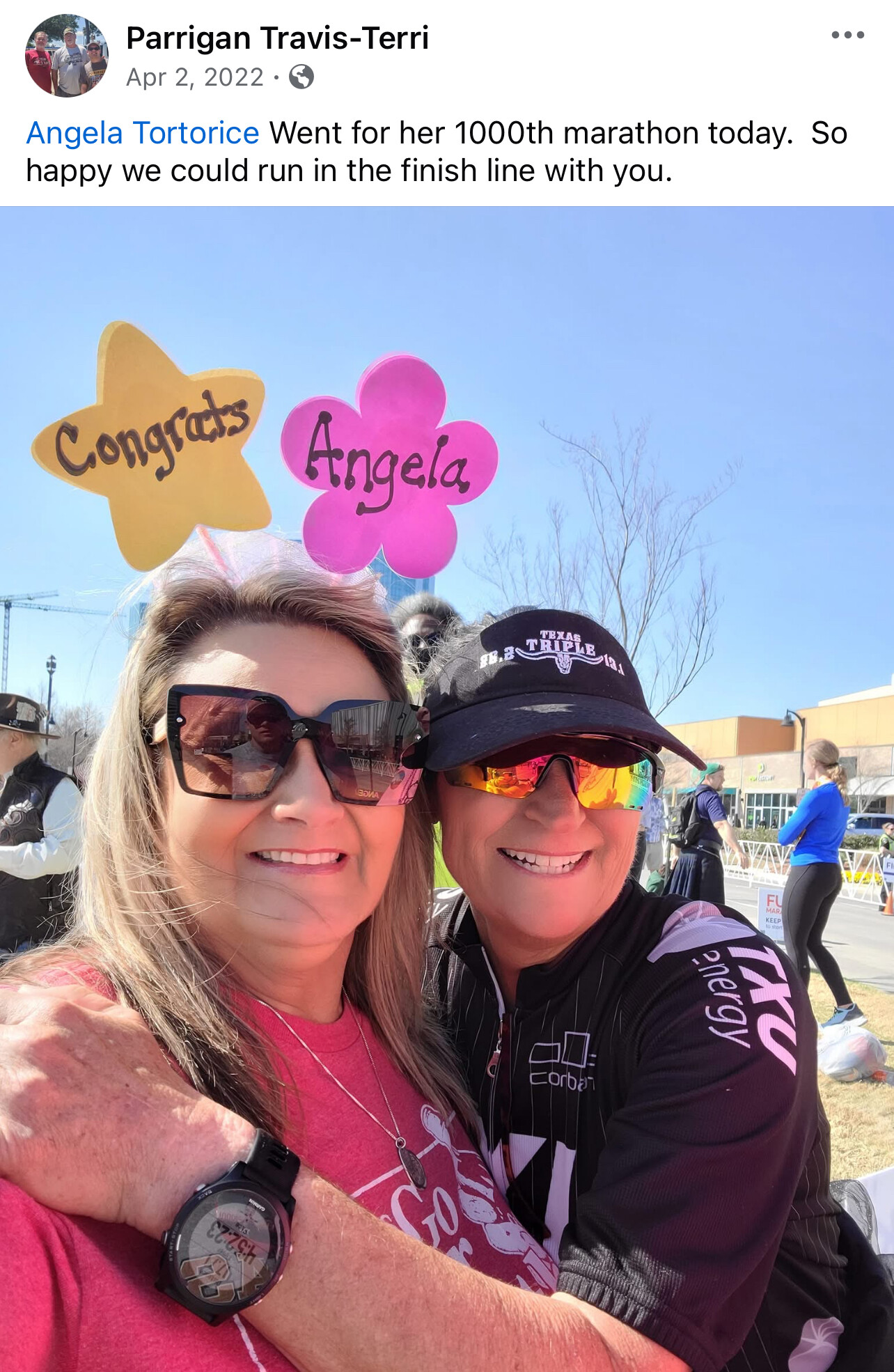
Even with her 129-marathon year included, the pace remains difficult to reconcile with the typical calendar of official events. A search on marathonview.net, a site that tracks certified marathon results, lists only 313 races under her name — far short of 1,000. That gap again raises concerns about how these totals are being calculated and what types of events are being counted.
Ultrarunning Records Raise More Questions
Further complicating the narrative is data from UltraRunning Magazine, which tracks ultramarathon performances across the U.S. According to their published records, Tortorice competed in:
• 6 ultramarathons in 2012, totaling 182 miles
• 5 ultramarathons in 2013, totaling 152 miles
These included timed events like Run Like the Wind (26.7 miles in 6 hours) and longer efforts such as the Sunmart Texas Trails 50K and the Nashville Ultra. Running multiple ultramarathons during the same period she allegedly completed 129 marathons suggests an even greater load on the body — further straining plausibility.
To perform at this level, she would have needed to recover within 24–48 hours, every single week, for a full year, without serious injury. That level of resilience is virtually unheard of in the sport.
A Matter of Integrity
This story began as a celebration of one woman’s determination and consistency. Angela Tortorice clearly has passion and commitment to the sport, and there’s no question she’s run more marathons than most runners will ever attempt.
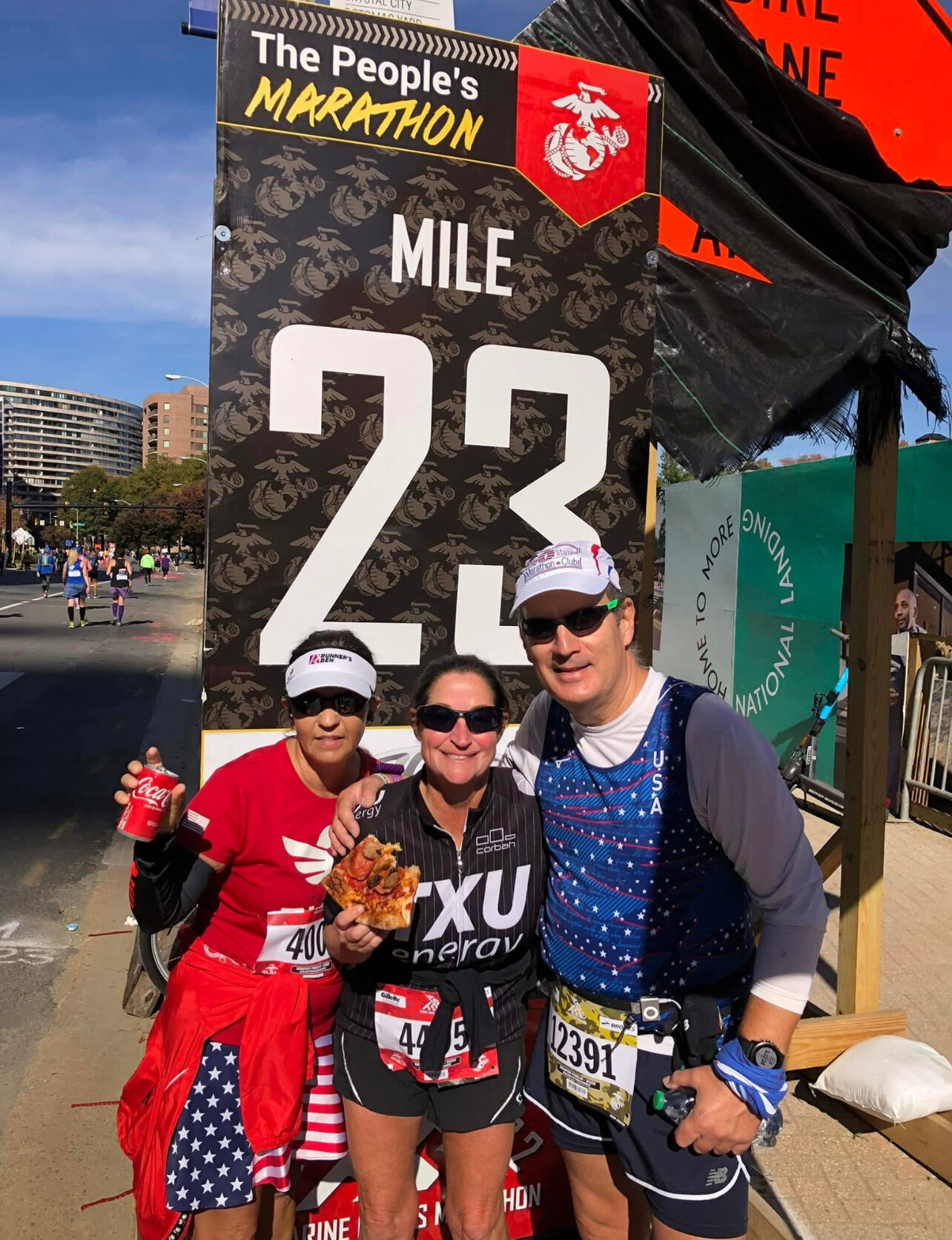
But when numbers like “129 official marathons in one year” or “1,000 official marathons in a career” are published and shared without full transparency, it matters. The integrity of marathon records — and the accomplishments of every runner who pushes through 26.2 miles — depends on clear, consistent standards.
If some of these marathons were self-supported runs or informal events, they are still worthy efforts — but should be categorized appropriately.
800 Marathons by 2019 — Then 200 More in 30 Months?
Another milestone adds complexity to the story. On October 5, 2019, Angela Tortorice celebrated her 800th marathon, as shown in a Facebook post and commemorative photo holding a cake at the finish line. That celebration is just 2 years and 6 months before her 1,000th marathon, reportedly completed at the Irving Marathon on April 2, 2022.
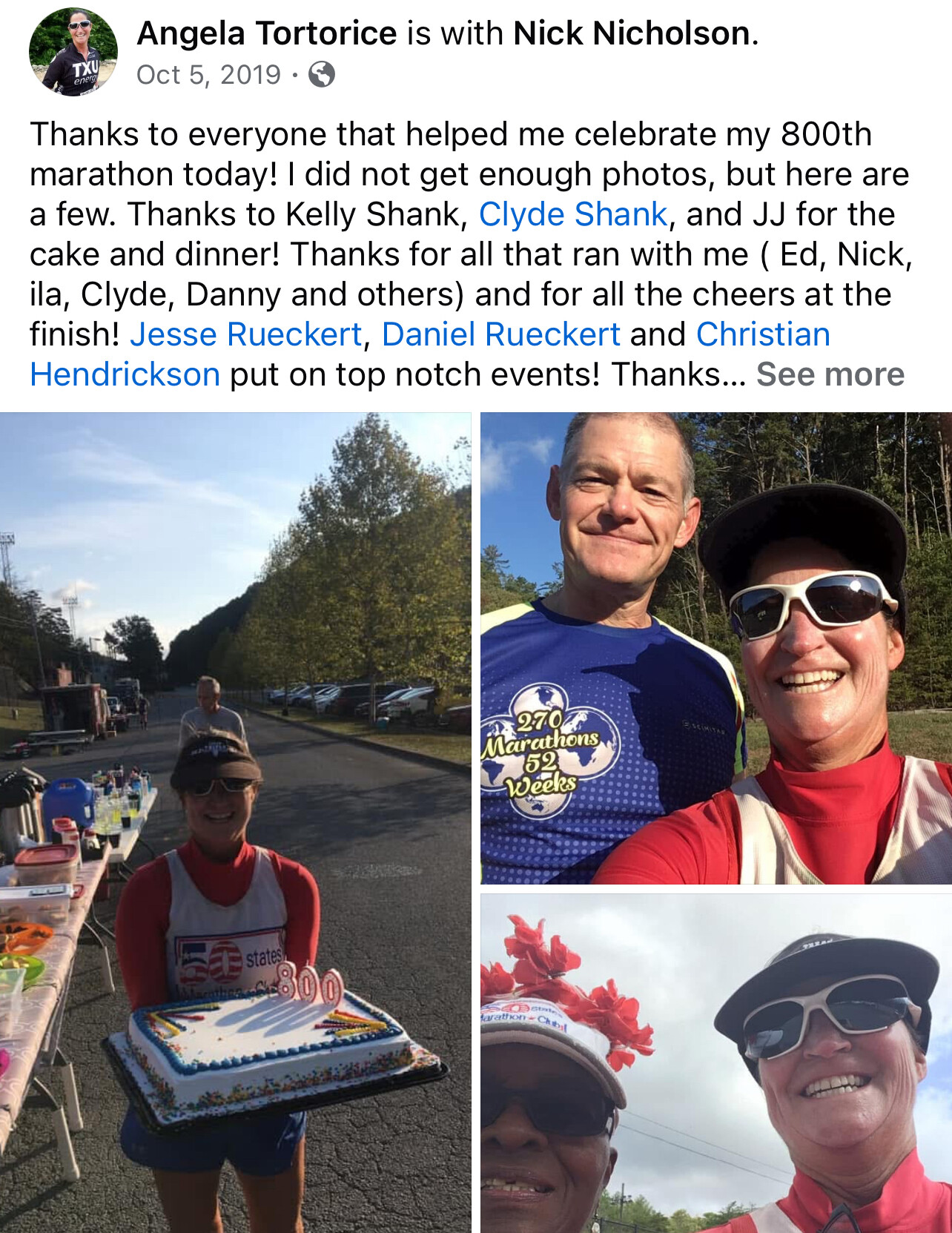
That means she would have completed 200 marathons in just 30 months, averaging over 6.5 marathons per month, or about 1.5 per week, every single week — during the height of the pandemic era when many events were canceled or limited.
Even more striking, race result records from this period show that she was also participating in ultramarathons, including at least one 24-hour race, according to UltraRunning Magazine. These events demand far more recovery than standard marathons. Yet her pace of marathons never seems to slow down.
The Core Question Remains
Angela Tortorice has no doubt logged thousands of miles and displayed a deep love for running. But the record of 129 marathons in a single year, verified by Guinness, was widely interpreted as representing 129 official, certified marathons — the kind that appear in race databases, are publicly timed, and meet governing body standards.
The mounting evidence — including her ultrarunning participation, the 800-to-1000 marathon timeline, and her full-time employment — raises a fundamental question: Were all of these “marathons” part of certified, organized events, or were many informal, self-organized, or private runs?
For a record with such significance, the running world deserves clarity. Not to diminish the accomplishment — but to ensure accuracy and integrity in what we celebrate.
Angela Tortorice has no doubt achieved extraordinary things. But the marathon world deserves clarity: What exactly counts as a marathon in these records? If the claim is that all 1,000 were “official race marathons,” then we must ask — where’s the list?
Until those questions are answered, the celebration must also come with scrutiny. The running community deserves both inspiration and truth.
(05/16/25) Views: 167Bob Anderson and Boris Baron
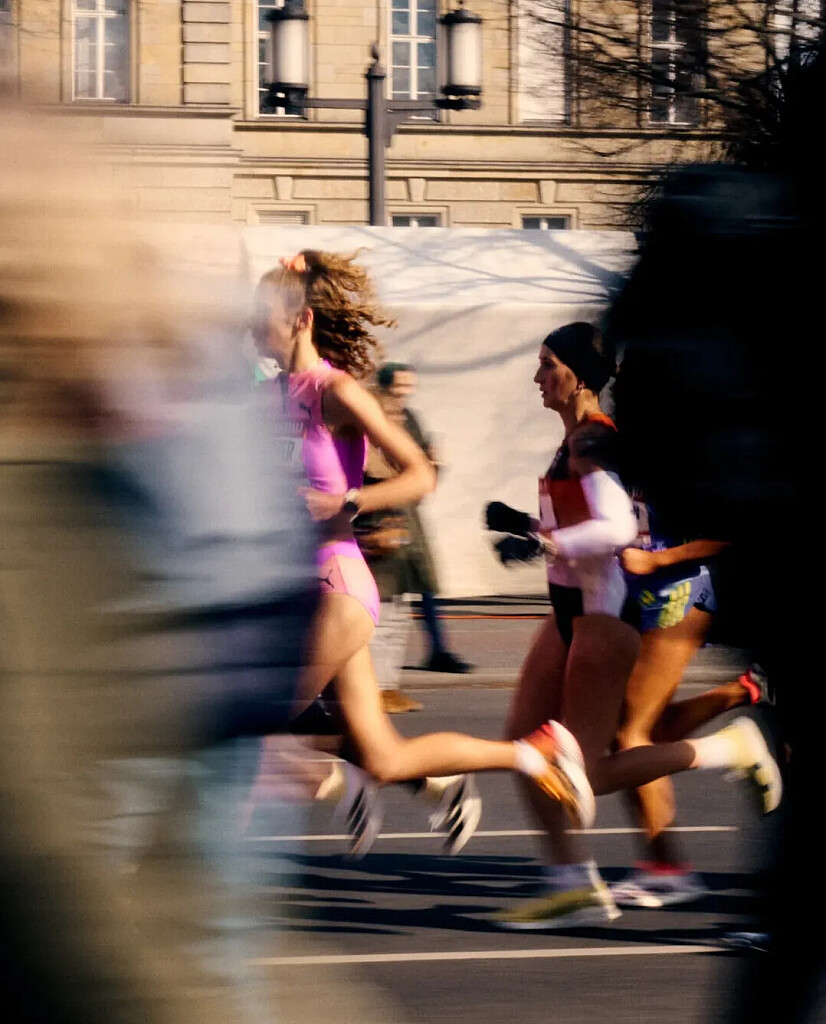
Esther Pfeiffer Keeps Racing—and Winning—On Her Own Terms
Esther Pfeiffer isn’t afraid to race. In fact, she races more often than most elite long-distance runners ever dare to. While some athletes carefully pick two or three races a year to peak for, Esther is out on the roads again and again—racing hard, running smart, and often finishing at the front.
The 27-year-old German half marathon and marathon standout is not only the reigning national champion at both distances, but she’s also become one of the most recognizable faces in European road racing. Her 2025 season has already been packed with podium finishes, including a win at the German Half Marathon Championships in Paderborn and a stunning personal best of 1:09:16 at the Berlin Half Marathon. That performance made her the fastest German woman in the race.
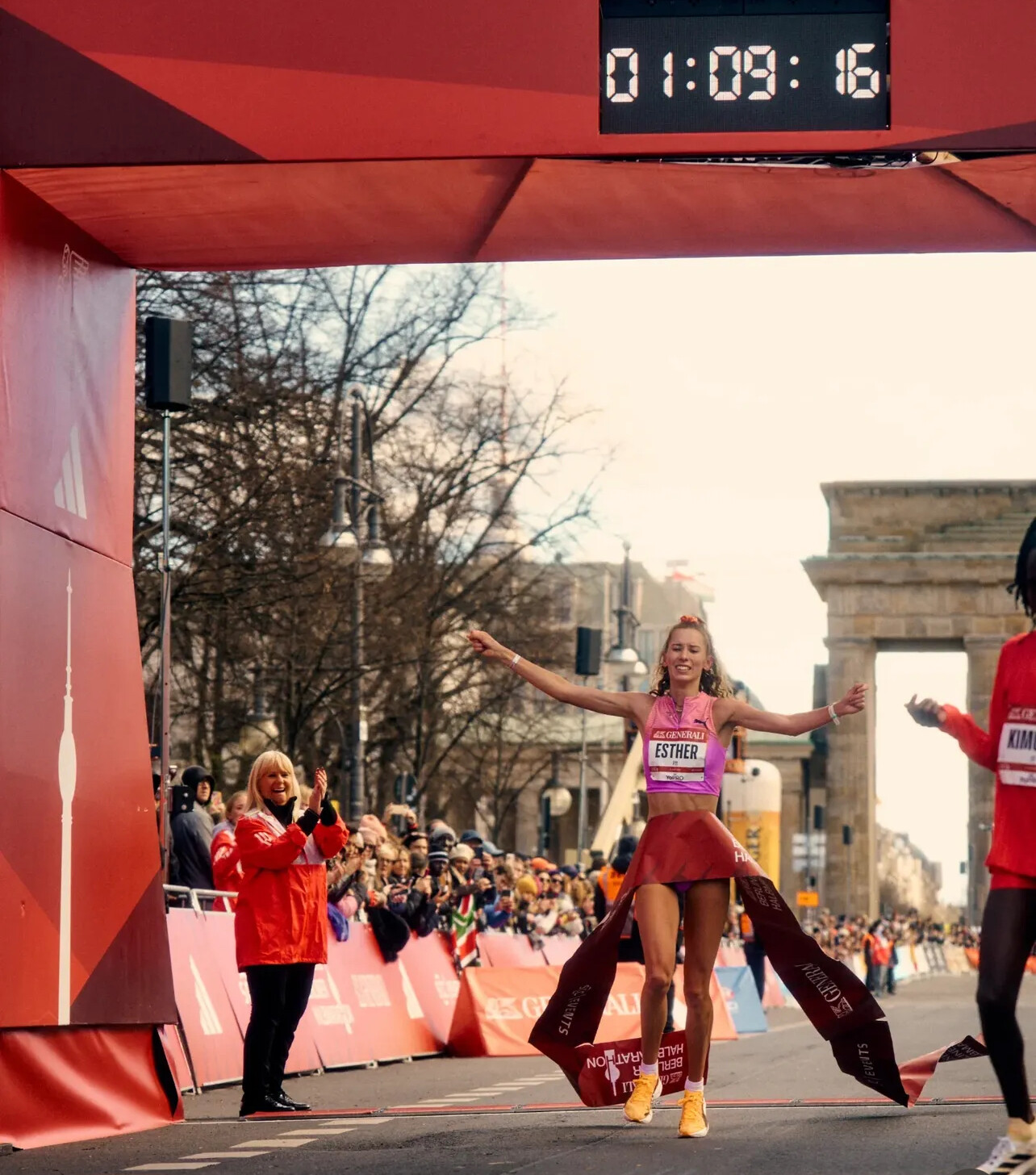
But to reduce Esther Pfeiffer to just her times and medals would miss the heart of her story.
A Love for Racing, Not Just Results
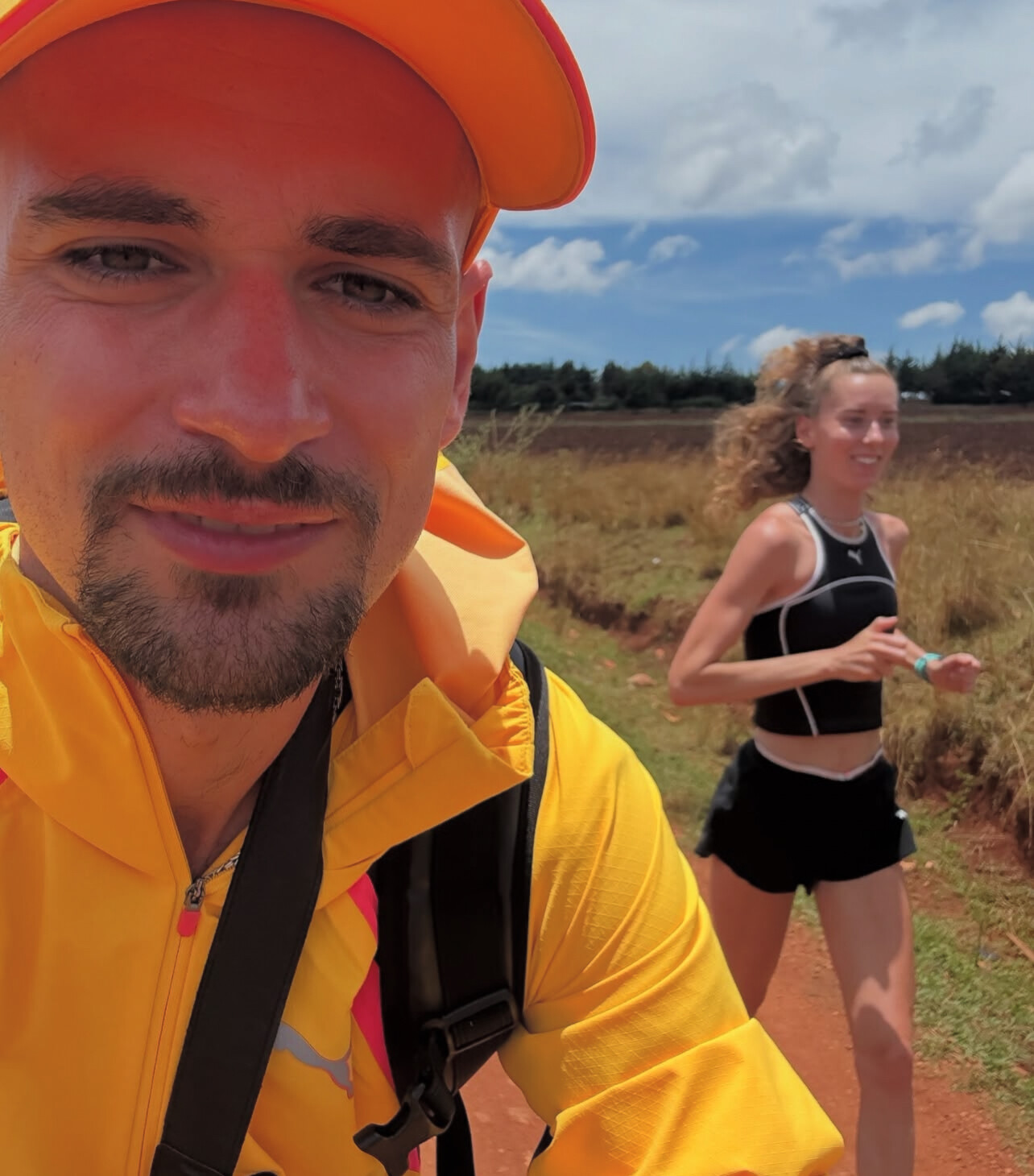
What sets Esther apart is her sheer passion for competing. Some critics say she races too often. But Esther doesn’t see it that way. For her, every race is a chance to grow, to test herself, and to stay connected to the joy that brought her into the sport in the first place. It’s not about obsessing over splits or staying within the confines of a traditional training cycle—it’s about doing what she loves, frequently, and fearlessly.
Esther’s approach may not fit the mold, but it’s working. She’s not breaking down. She’s thriving. And fans across Germany have taken notice.
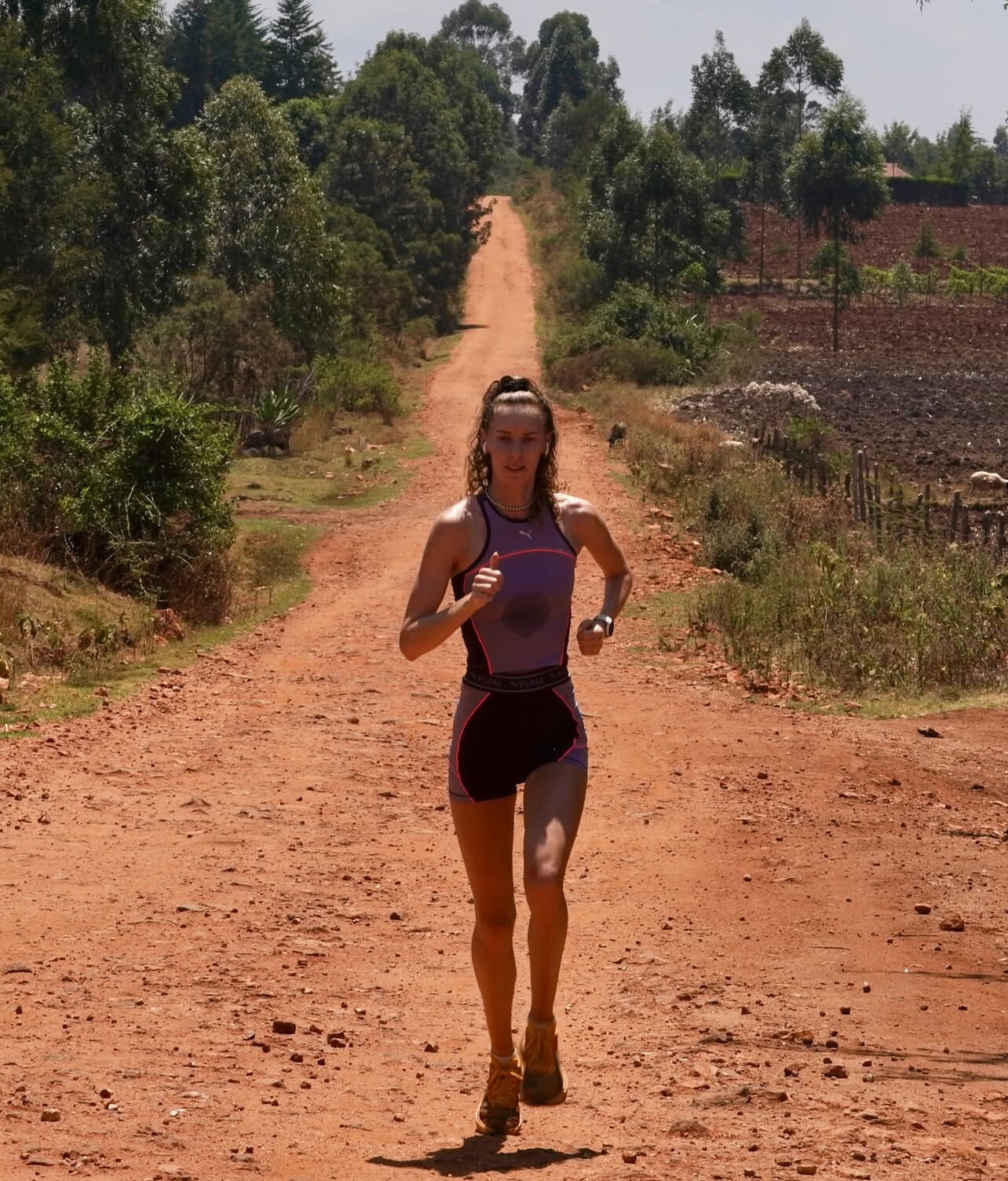
Running and Life, Side by Side
In early 2024, Esther married fellow distance runner Hendrik Pfeiffer, himself a top German marathoner. The two often train and race together, and their bond has become a central part of her life on and off the course. It’s clear they’ve built more than just a marriage—they’ve built a team.
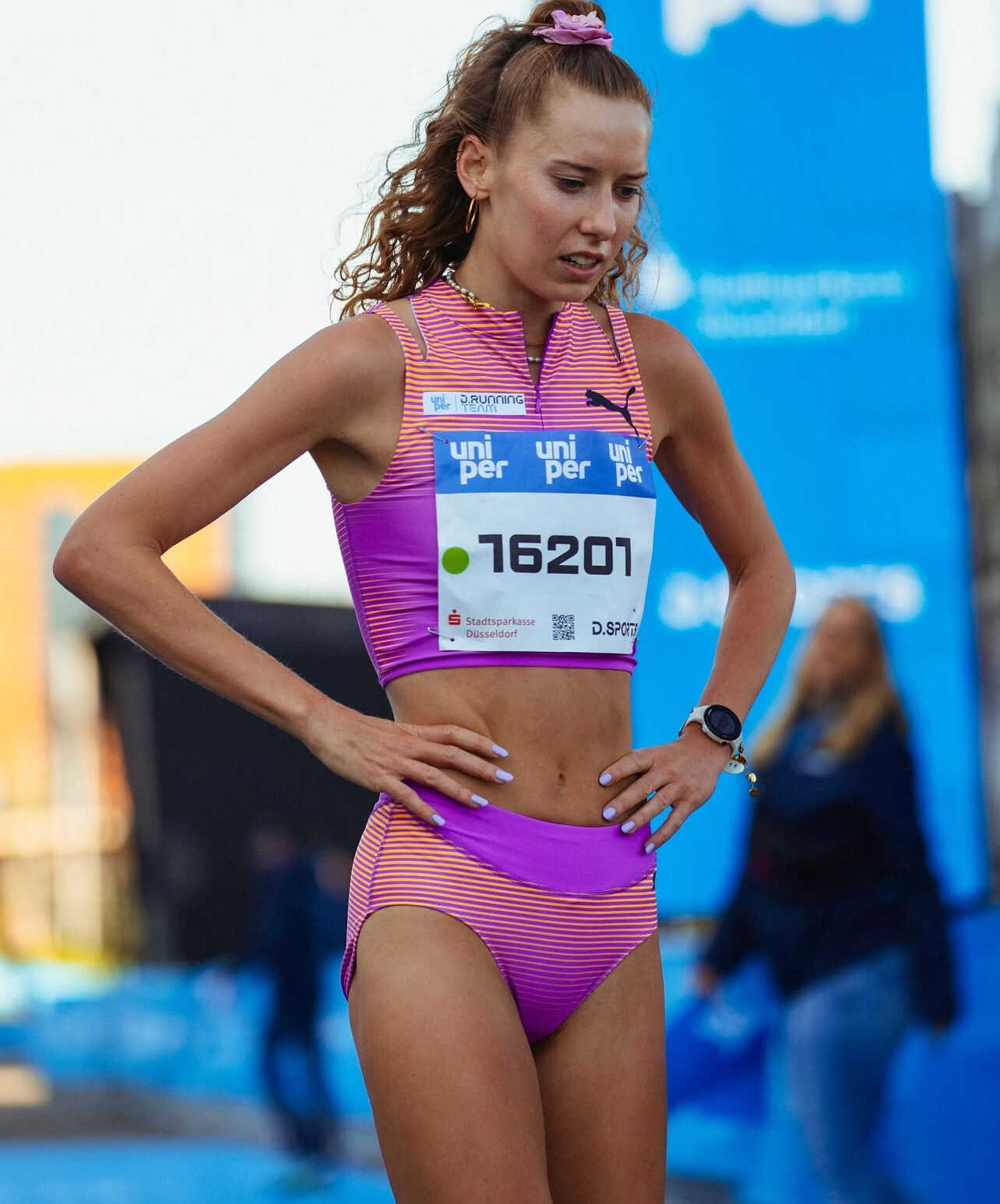
Those who know Esther describe her as focused yet light-hearted, serious about her goals but never too far from a laugh. Her social media posts often show her celebrating with fellow runners, supporting local events, and sharing the ups and downs that come with the sport. There’s no superstar ego—just a down-to-earth competitor who genuinely enjoys the journey.
More Than a Medal Count
Esther’s rise hasn’t been meteoric. It’s been steady, deliberate, and built on consistency. She doesn’t show up just for the glamour races. She runs small events and city half marathons. She enters national championships and world events. She even won the global Wings for Life World Run in 2025, covering 59.03 kilometers—the furthest distance by any German woman that year.
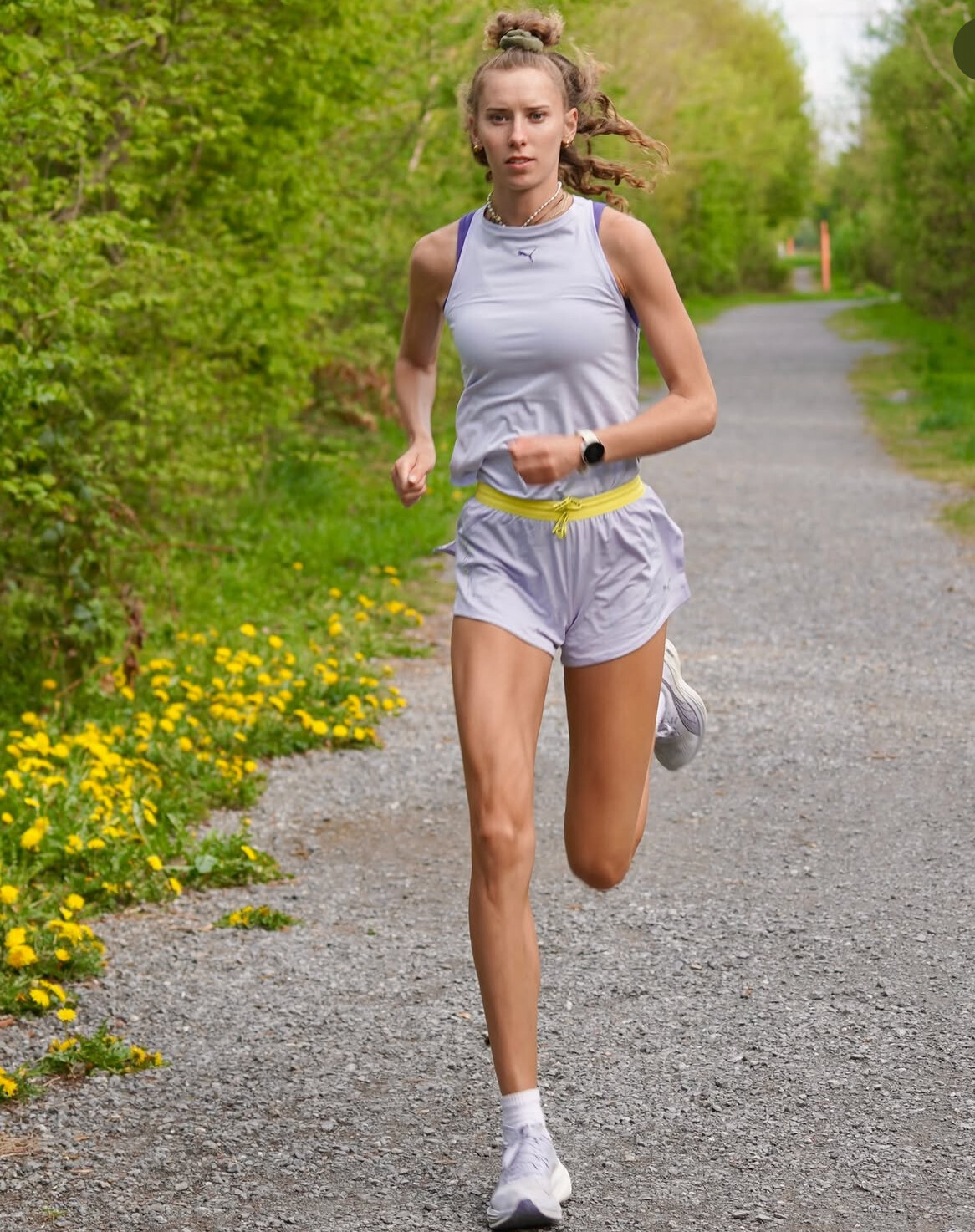
That kind of volume would be unthinkable for many elite runners. But for Esther, it’s what keeps her sharp—and smiling.
Still Just Getting Started
Esther Pfeiffer isn’t waiting for the perfect conditions, the perfect build-up, or the perfect race. She’s already out there—competing, winning, learning, and enjoying the sport on her terms.
And with the way she’s running, don’t be surprised if the best is still to come.
(05/17/25) Views: 150
Boris Baron
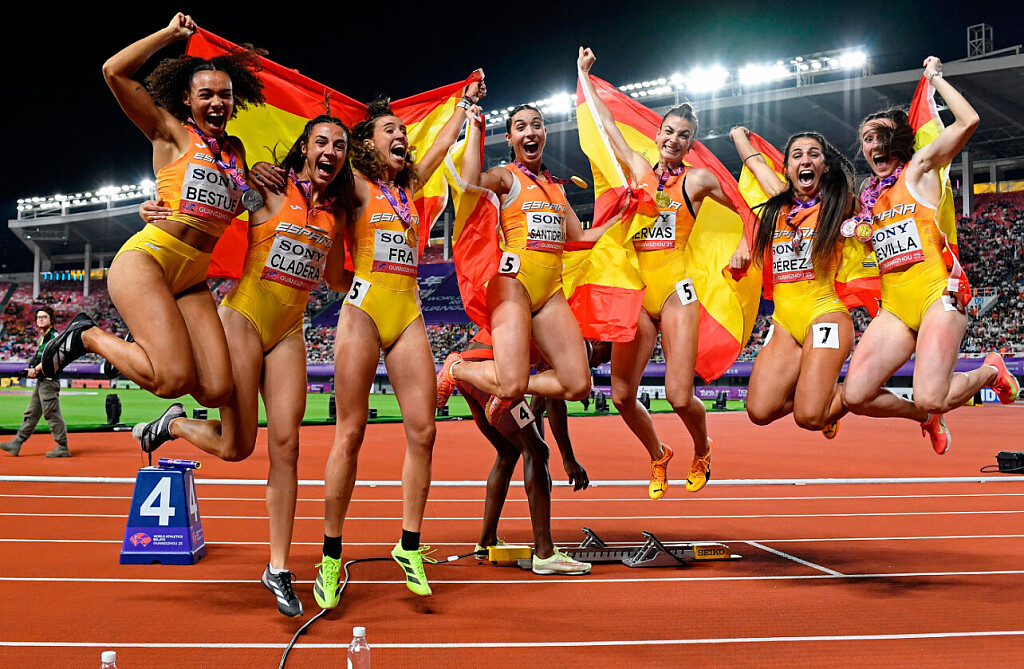
Spain’s Relay Breakthrough Turns Heads at World Relays
At the World Athletics Relays Guangzhou 25, held from May 4–5, 2025, a surprising question echoed through the stadium: When did Spain become a global relay powerhouse?
In what turned out to be a landmark weekend, Spain’s women’s 4x100m team—Esperanca Cladera, Jael Bestue, Paula Sevilla, and Maria Isabel Perez—blazed to a national record 42.18 in the opening round, defeating a Jamaican squad stacked with legends like Shelly-Ann Fraser-Pryce and Shericka Jackson.
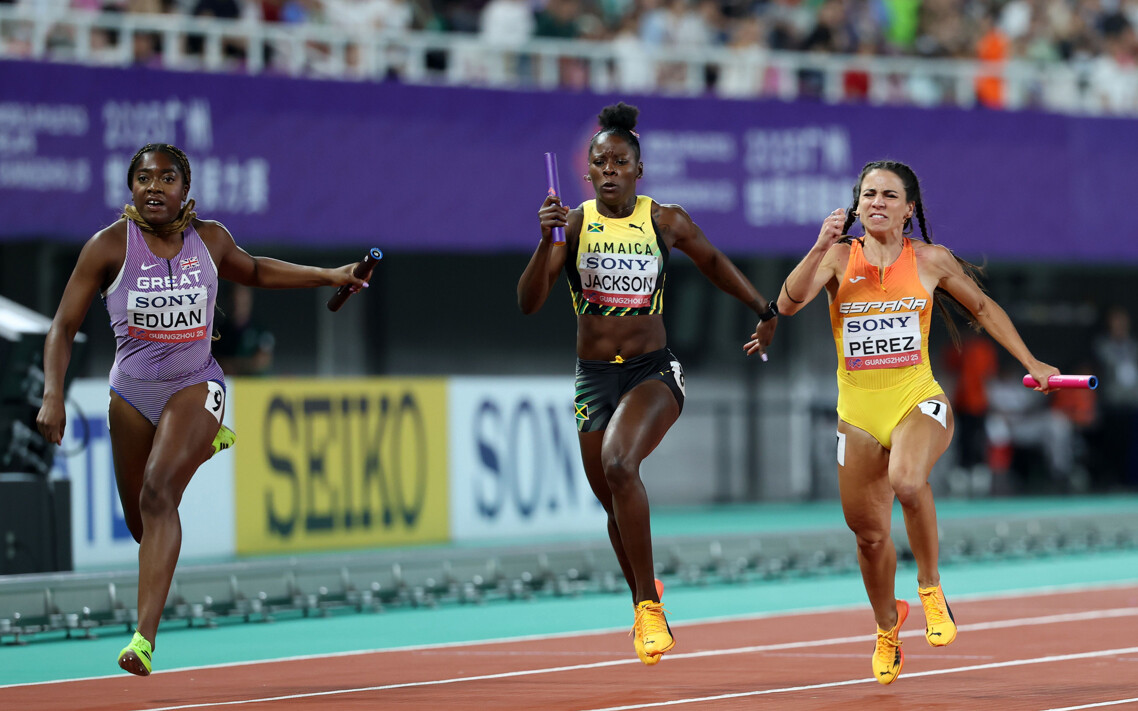
In the final, Spain proved it wasn’t a one-off. Clocking 42.28, they finished second behind Great Britain and ahead of both Jamaica and the USA.
But they weren’t done.
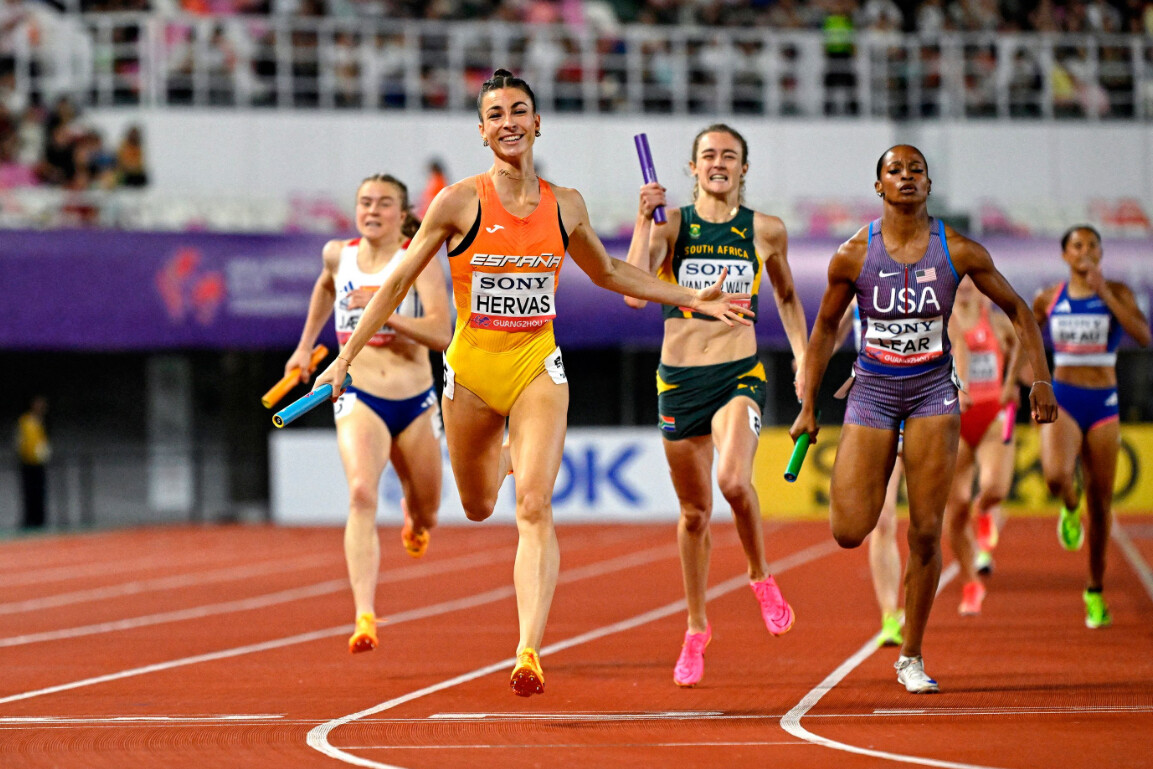
In the women’s 4x400m final, Sevilla, Eva Santidrian, Daniela Fra, and Blanca Hervas delivered another shock: a gold medal performance in 3:24.13, again a national record, defeating powerhouses USA and South Africa.
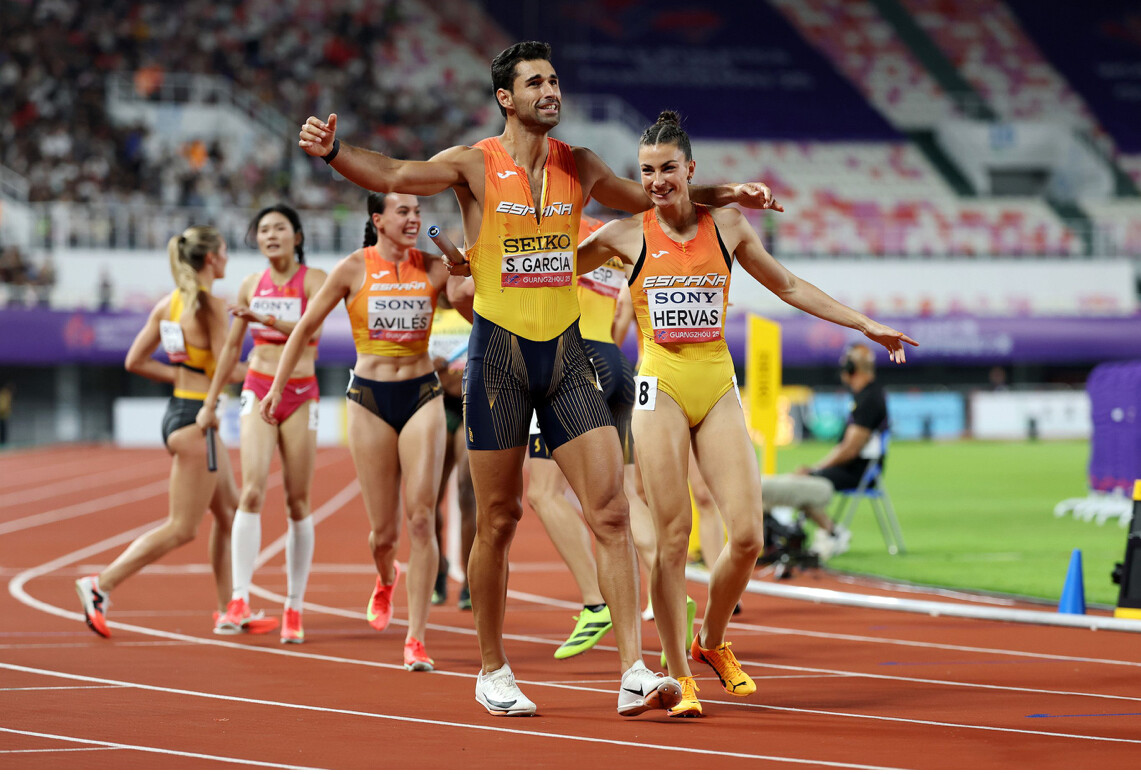
The mixed 4x400m team—David Garcia, Carmen Aviles, Samuel Garcia, and Hervas—kept the momentum going, winning their heat in 3:12.55 and securing a berth at the 2025 World Championships in Tokyo.
A New but Growing Stage
The World Athletics Relays, launched in 2014 in Nassau, Bahamas, were designed to promote global relay competition and offer a dedicated international stage for national teams. The first three editions were held in 2014, 2015, and 2017 at Thomas Robinson Stadium. Initially intended as an annual meet, the format shifted to every odd-numbered year, aligning with the World Athletics Championships qualification calendar.
Until Guangzhou, Spain had never won a relay medal at the World Relays. Their only other global relay podium came in the form of a men’s 4x400m silver at the 2022 World Indoor Championships. And yet, in China, they were mixing it with sprinting royalty—and winning.
Why the Sudden Success?
“A lot of relay camps,” explained Jael Bestue, who also competed in the mixed 4x100m. “We work hard on baton changes and building trust. We’re like sisters.”
Though a botched handoff cost them in the mixed 4x100m, the women’s team bounced back brilliantly, executing smooth exchanges that led to their national record.
Blanca Hervas, anchor of both the women’s and mixed 4x400m squads, credited the consistent connection between teammates. “Most of our training is at home with our coaches, but we come together for camps multiple times a year. That shared bond is key.”
Santidrian, who ran the fastest split (50.58) in the 4x400m final, added: “We’re really close friends. When one of us improves, all of us improve.”
Spain’s recent success is no accident. National coach Jose Peiro Guixot traced it to a development program launched nearly a decade ago. “We created a national relay plan. The progress has been steady, and now it’s starting to show. But we’re not done—we want to keep improving.”
Even Spain’s younger athletes are feeling inspired. Andoni Calbano, part of a developmental mixed relay squad, said the women’s performance raised the bar. “Individually, we’re not the fastest. But our changes were perfect. That’s the secret.”
In the 4x100m final, Maria Perez held off a charging Shericka Jackson and Twanisha Terry to earn silver. “I was nervous,” Perez admitted. “But I just told myself: run faster.”
Then came the gold. In the 4x400m final, ‘Las Burbujas Doradas’ (The Golden Bubbles), as they’re known in Spain, stormed to victory. Hervas anchored in 50.59.
“My biggest dream came true,” said Hervas. “Gold medal, national record, World Relays champion—this is for our coaches, our families, everyone. It’s their medal too.”
(05/16/25) Views: 147World Athletics with Boris Baron
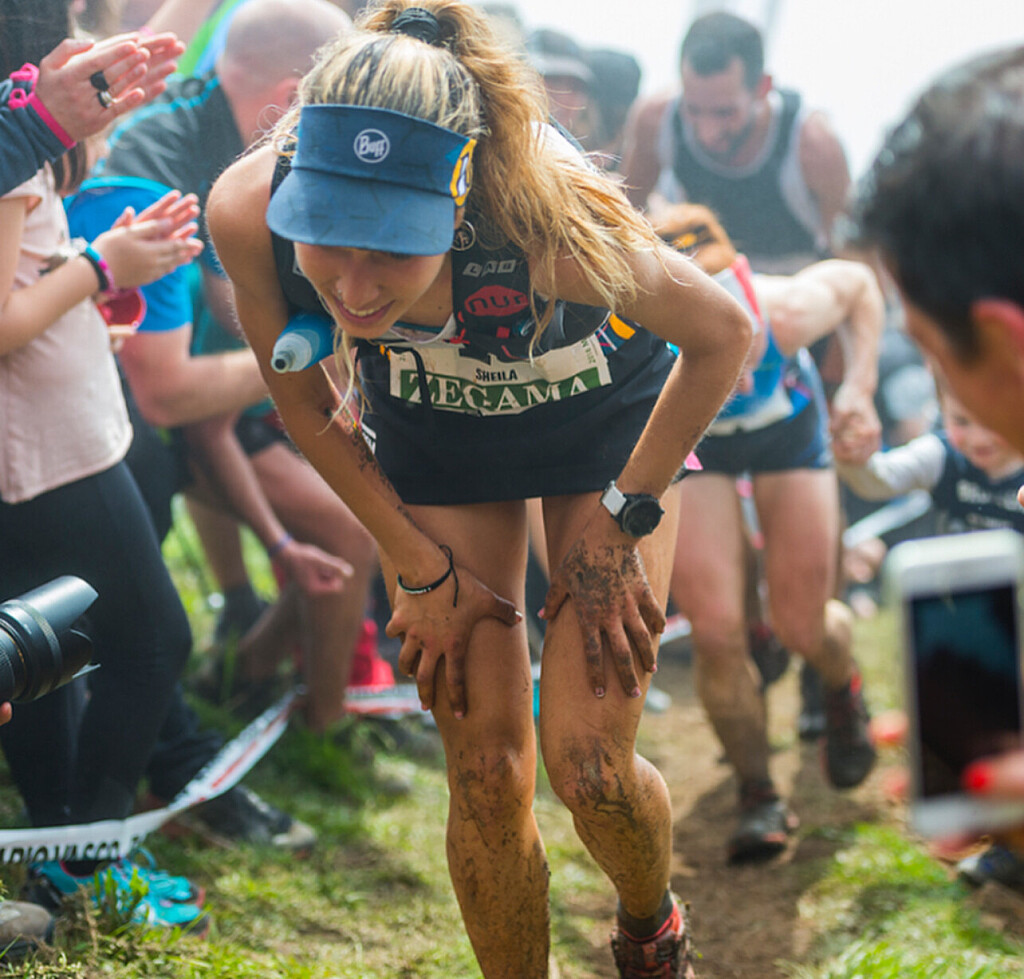
Why Zegama Remains the Most Revered Mountain Marathon
Zegama-Aizkorri 2025: The Mountain Marathon That Defines Grit and Glory
ZEGAMA, SPAIN — On Sunday, May 25, 2025, the world’s most electrifying trail marathon returns to the rugged peaks of the Basque Country. The Zegama-Aizkorri Mountain Marathon, now in its 24th edition, is more than a race—it’s a rite of passage for mountain runners.
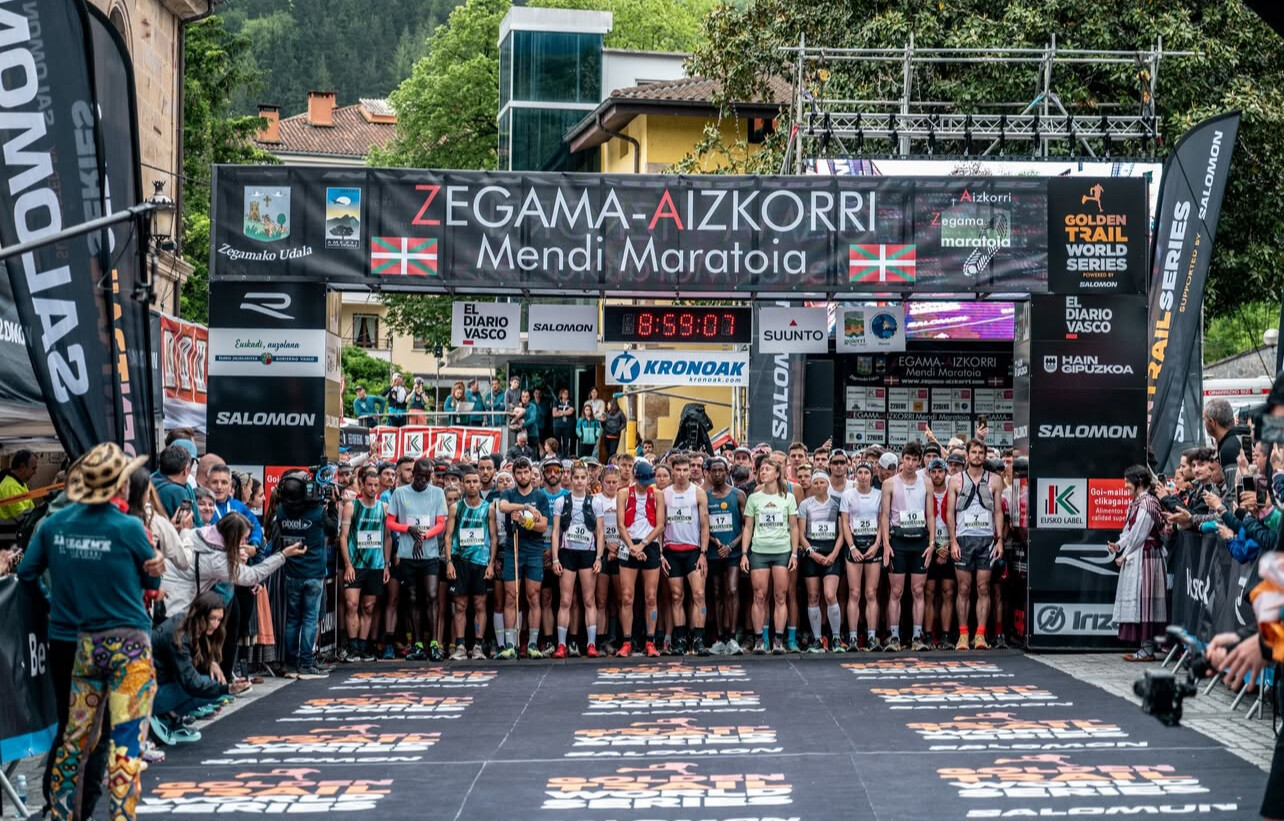
Each year, hundreds of elite and amateur athletes are drawn to the small village of Zegama to test themselves on a course that is as breathtaking as it is brutal. With 42.195 kilometers (26.2 miles) of steep, technical terrain and 2,736 meters (8,976 feet) of vertical gain, the challenge is legendary.
A Look Back at 2024: Jornet and Nordskar Shine
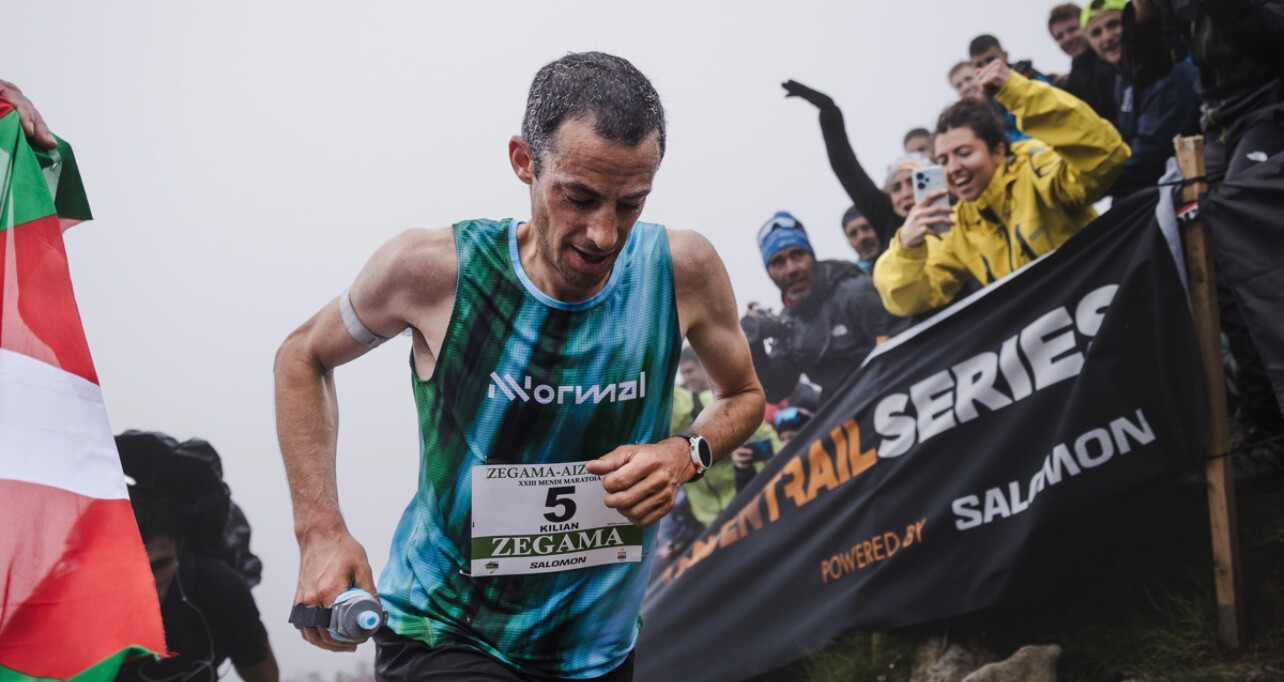
In 2024, trail running legend Kilian Jornet claimed his 11th Zegama title, completing the course in 3:38:07, the second-fastest time in the race’s history. The Spaniard’s unmatched mastery of this terrain—where weather, altitude, and technicality collide—continues to amaze.
On the women’s side, Norway’s Sylvia Nordskar delivered a breakthrough performance, winning in 4:29:12. Her victory came after years of chasing a podium finish, cementing her place among the world’s best mountain runners.
What Makes Zegama So Unique?
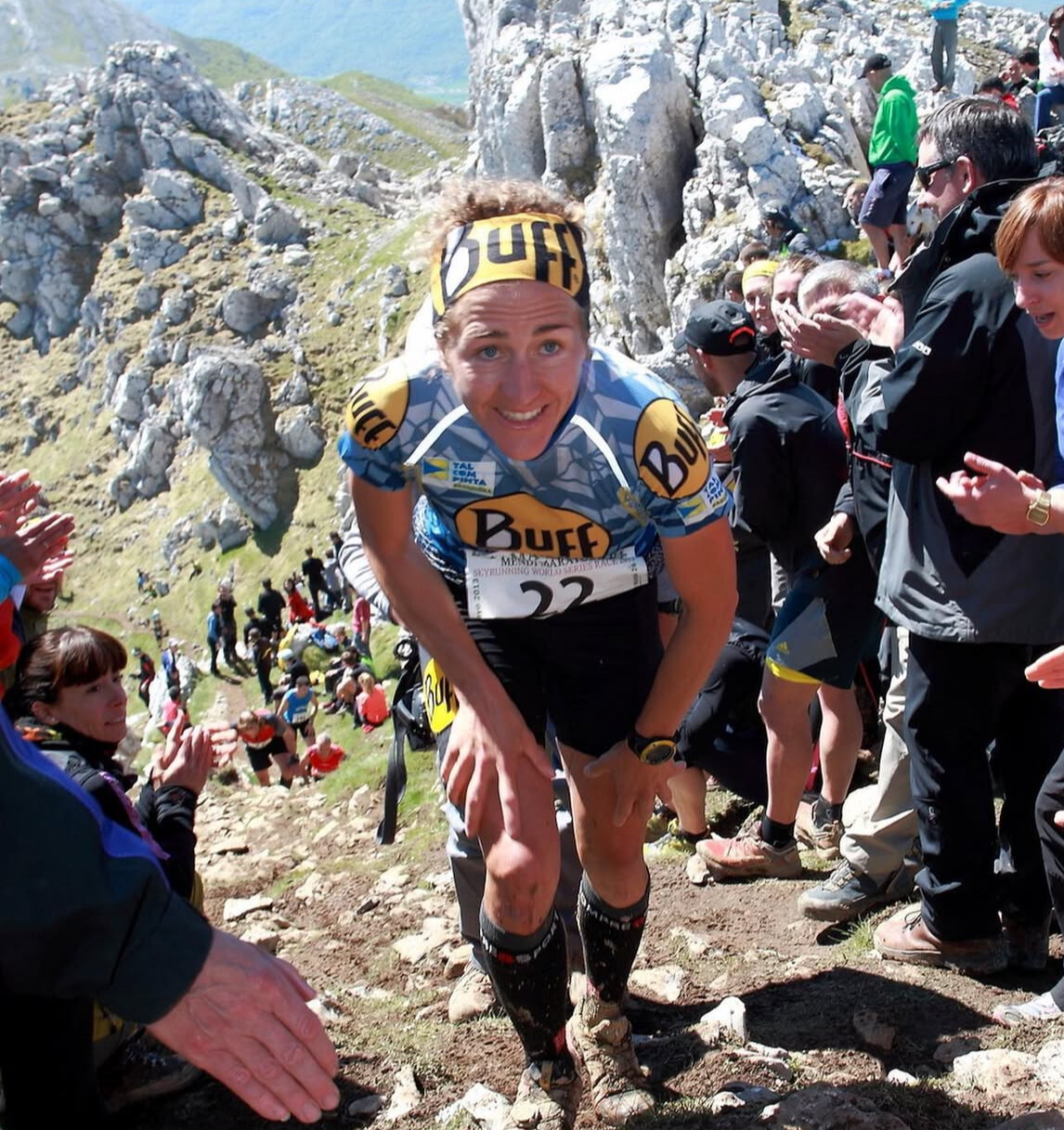
Zegama's course runs through the Aizkorri-Aratz Natural Park, an untouched alpine landscape of jagged ridges, mossy forests, and sweeping vistas. But it’s not just the scenery that defines Zegama—it’s the intensity of the terrain:
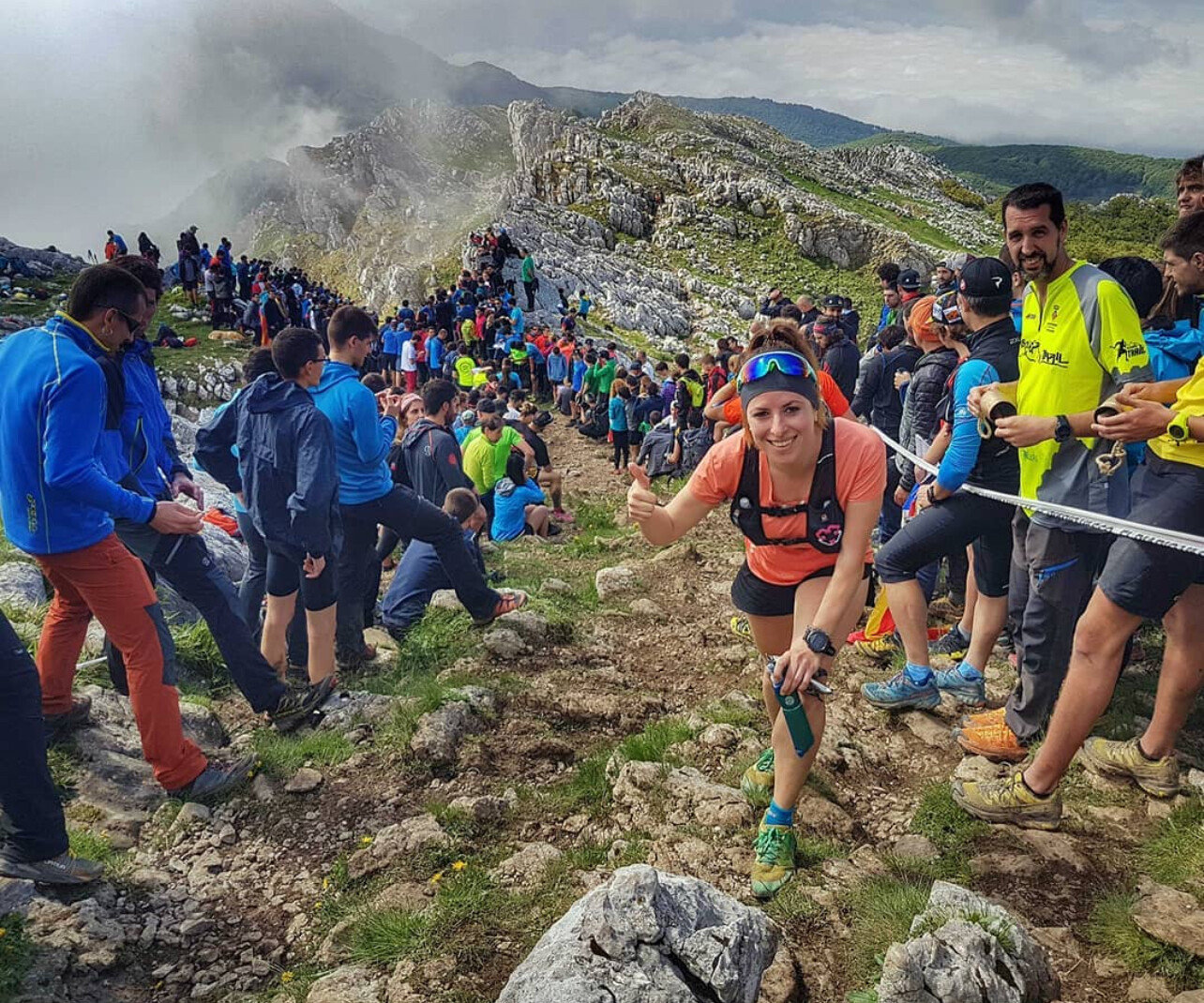
• Brutal Climbs: Runners face punishing ascents like Sancti Spiritu, where fans line both sides of the narrow path, turning the mountain into a human tunnel of noise and encouragement.
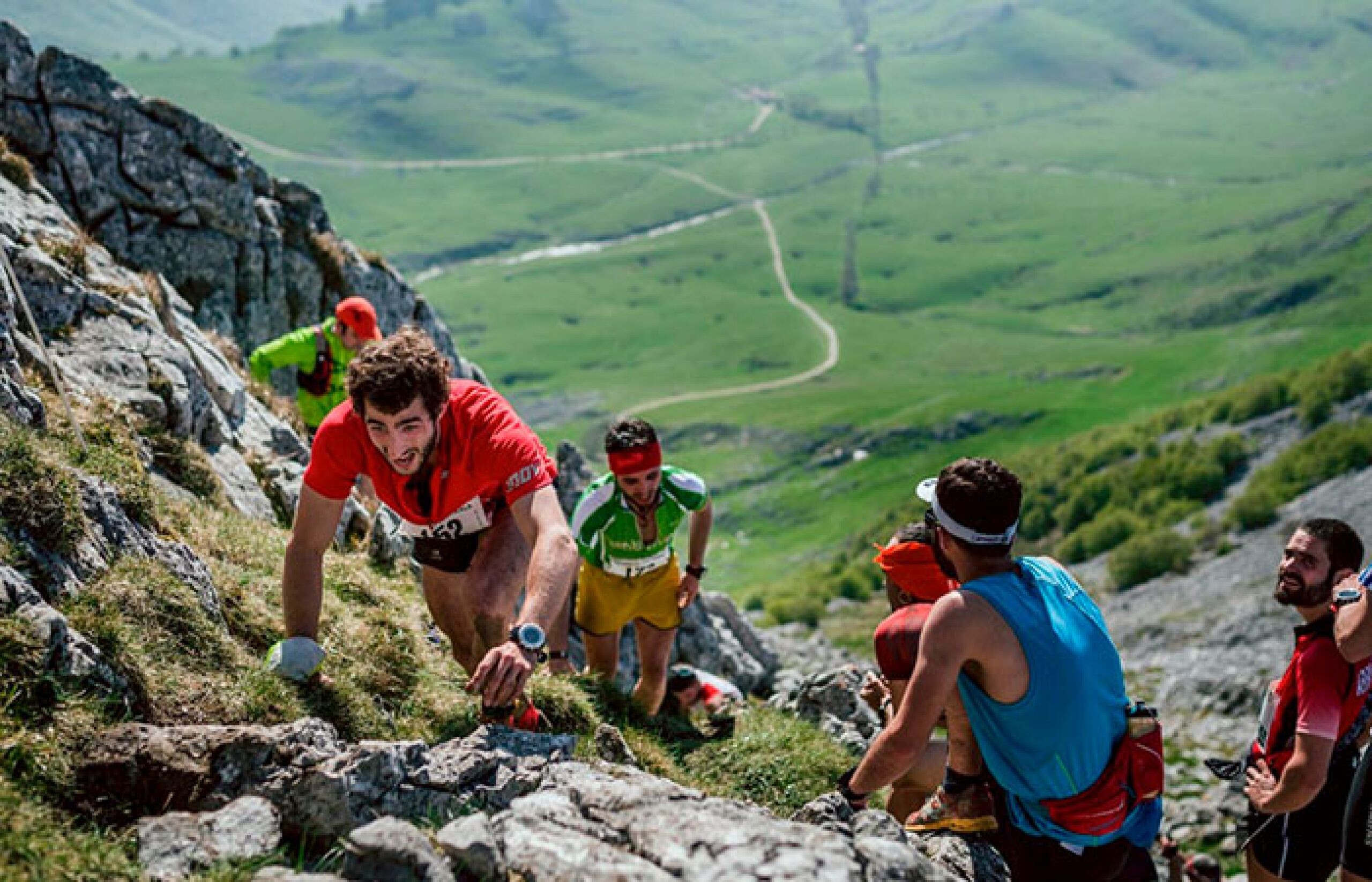
• Technical Descents: Slippery rock faces and steep downhills test a runner’s balance and nerve, often under unpredictable weather that can shift from fog to freezing rain in minutes.
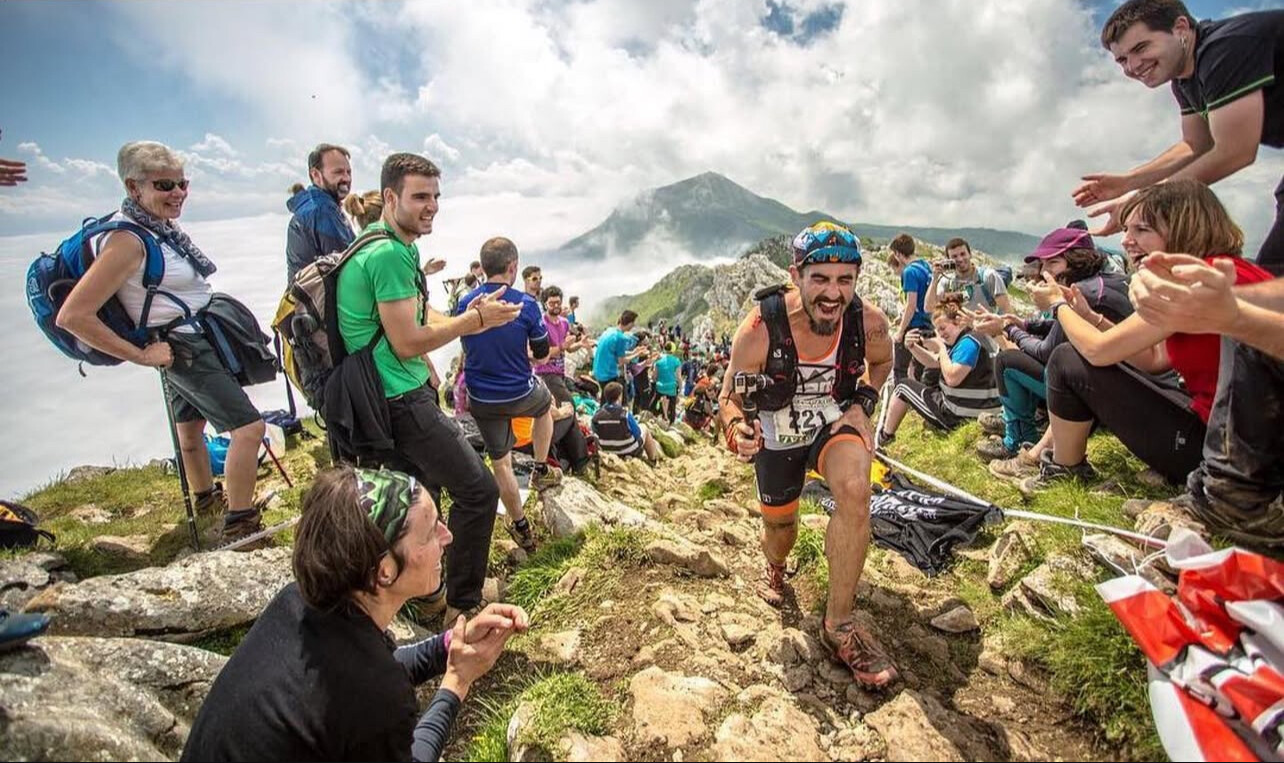
• Unmatched Atmosphere: Thousands of passionate Basque fans hike deep into the mountains to cheer with cowbells, flags, and chants. It’s been compared to the Tour de France on foot.
In Zegama, you’re not just running against the clock—you’re running with the crowd, through weather, over stone, and into history.
2025 Expectations
With another stacked field expected for 2025, the stage is set for drama. Can Jornet make it 12 wins? Will Nordskar defend her title? Or will a new name rise through the mist?
One thing is certain: Zegama es Zegama. No other race captures the raw essence of mountain running like this one.
Boris Baron

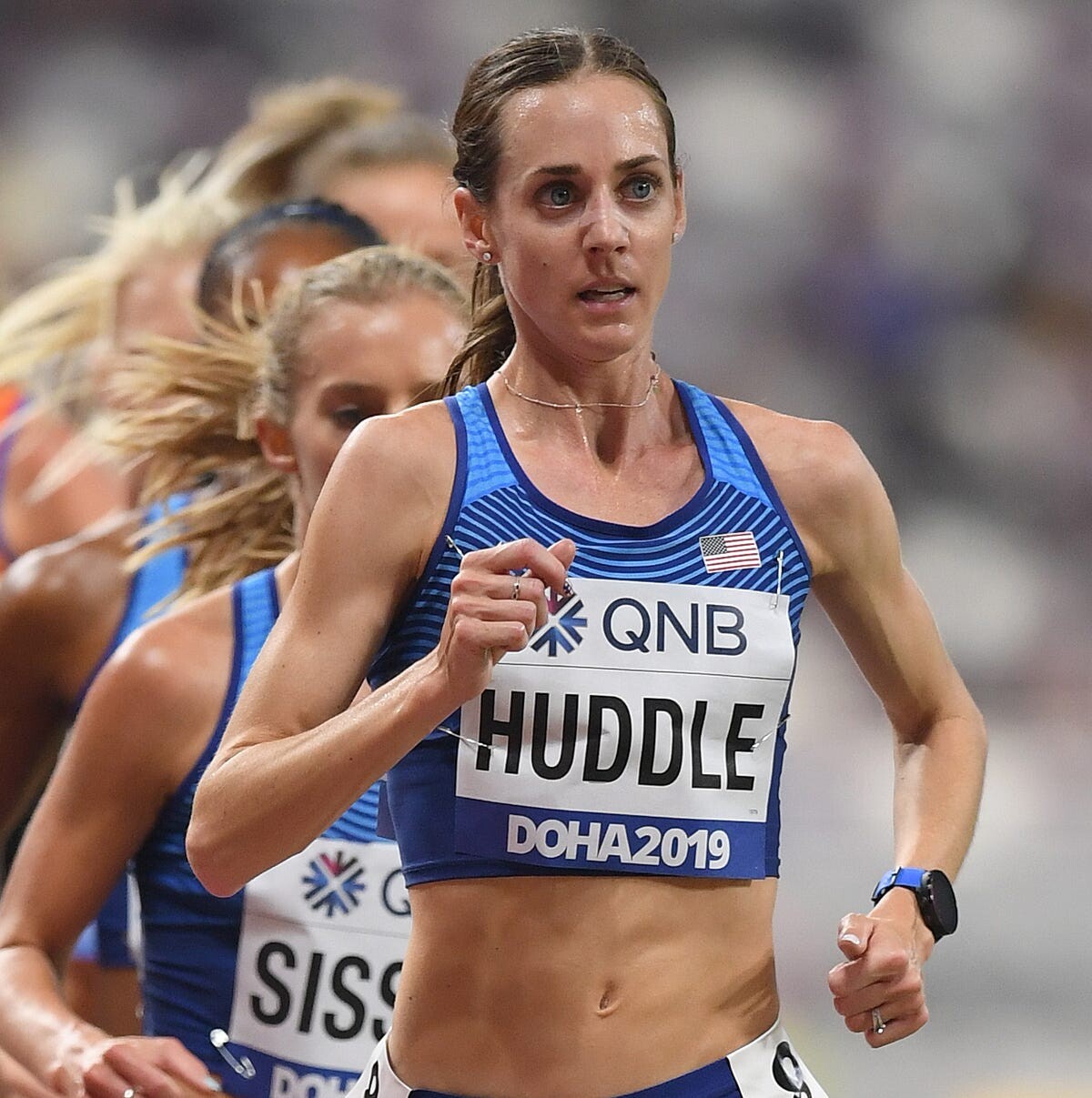
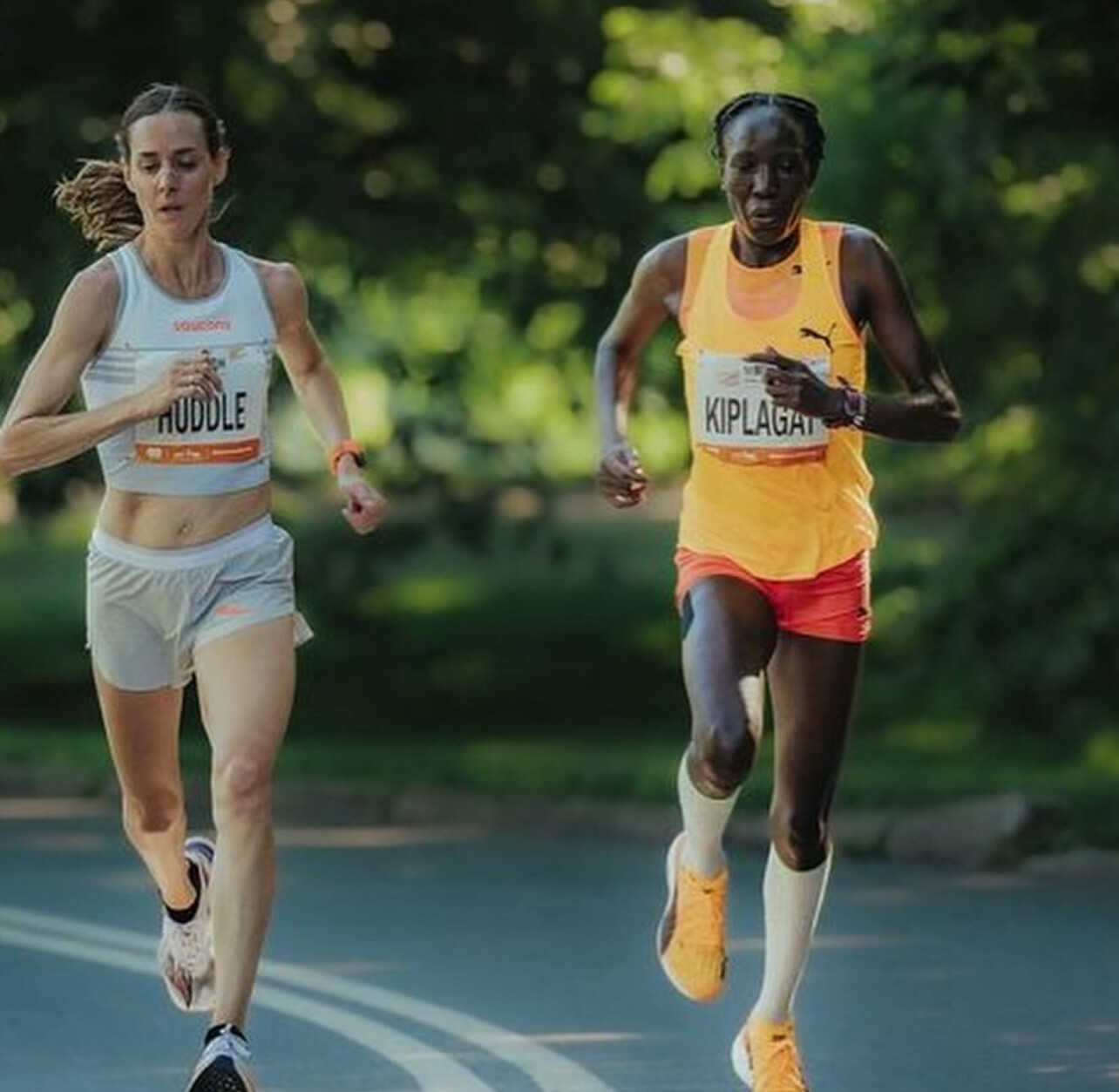
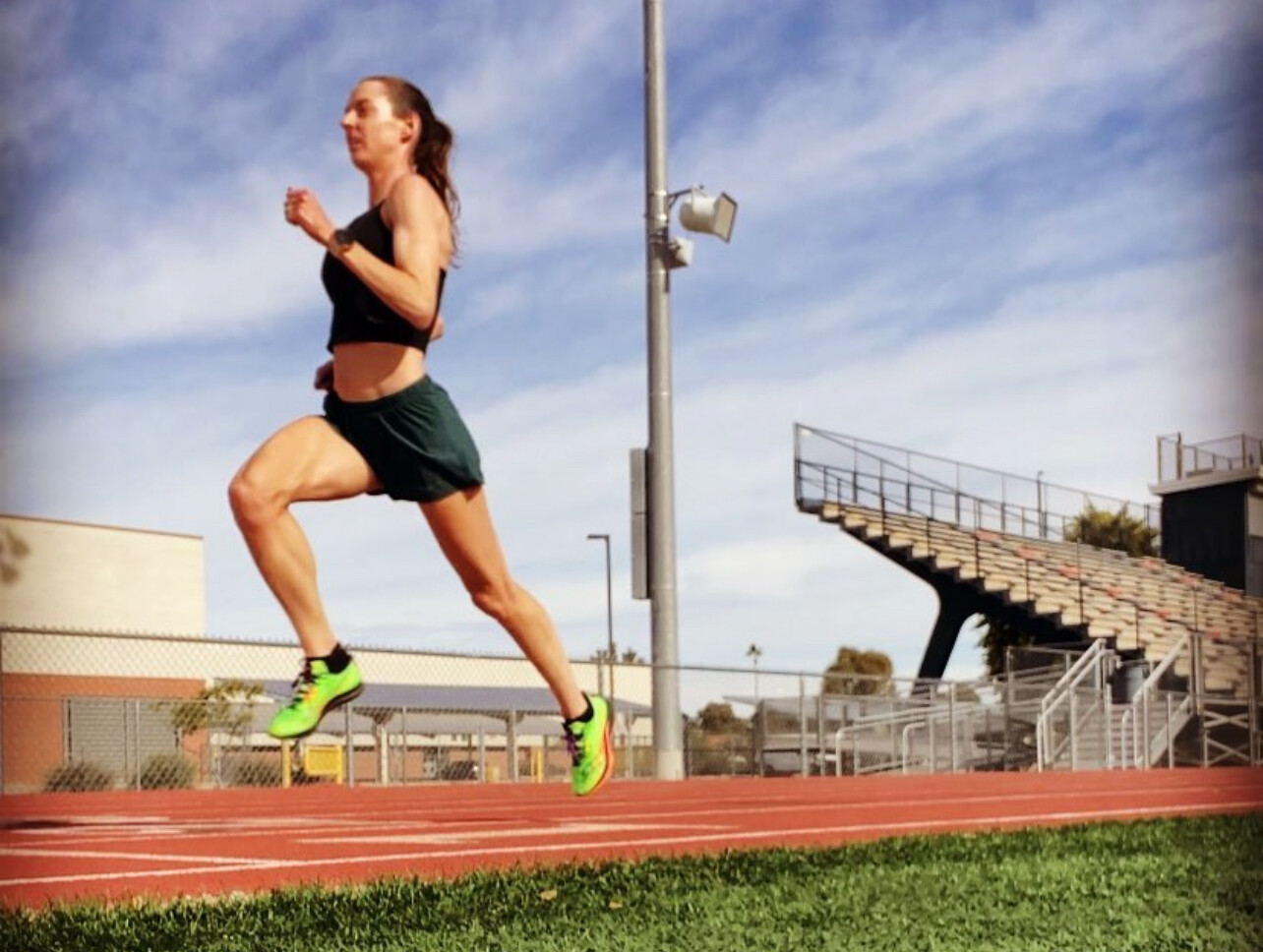
Molly Huddle Is Redefining What It Means to Be a Mother and an Athlete
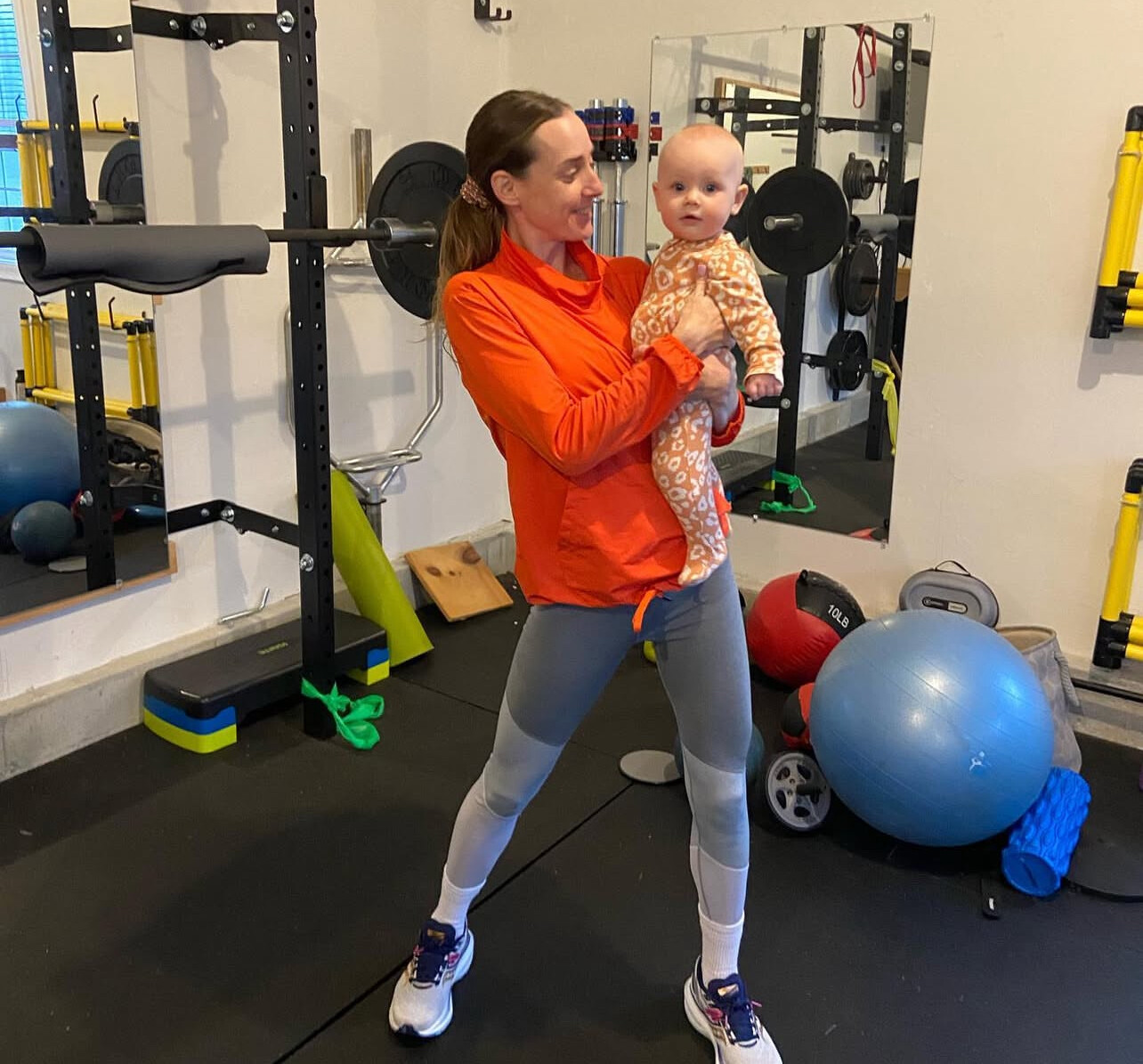
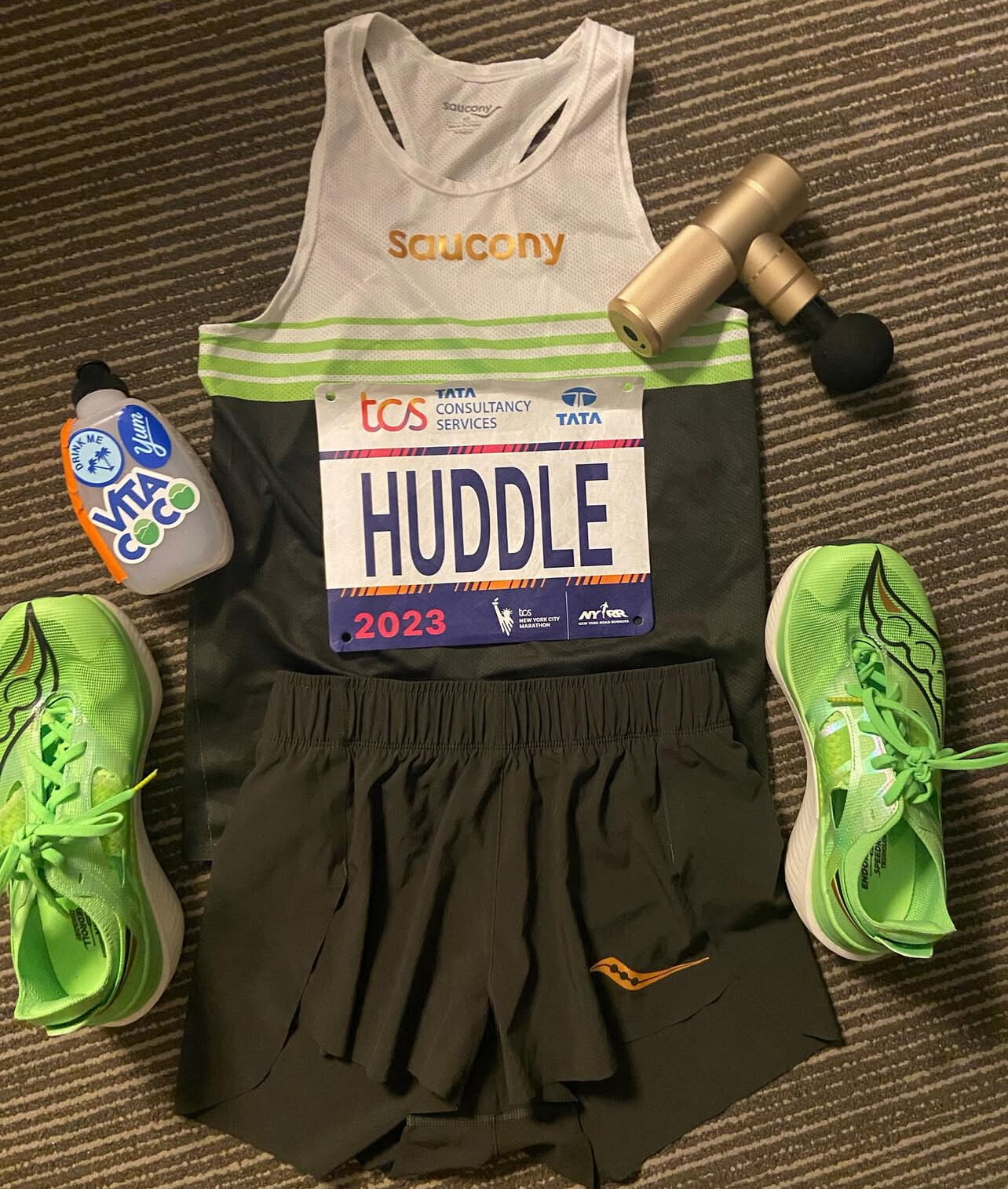
Molly Huddle, a two-time Olympian and former American record holder, has never been one to back down from a challenge. At 40, she is expecting her second child in May 2025—and using her platform to change how the sports world supports female athletes through pregnancy and motherhood.
This year, Huddle signed on as a Saucony ambassador, reaffirming her presence in the elite running community. But as her competitive calendar takes a backseat, her advocacy is moving to the front of the pack.
In a powerful Instagram post for National Girls and Women in Sports Day, Huddle opened up about the tension she felt throughout her career between maintaining her “sports body” and planning a family:
“The thing is, they’re the same amazing body, but it felt like the expectation was to be one, then retire and be the other. It would have made me feel less stressed to have more information, resources, support, and visible role models around all the ways you can thrive in both an athletic career and motherhood someday.”
Now, she’s working to ensure that future generations of women don’t face the same conflict.
Huddle advocates for:
• Fertility freedom and open discussions about pregnancy planning in sports
• Better access to information and medical guidance during postpartum recovery
• Childcare support for elite athletes and funding structures that don’t penalize pregnancy
• More inclusive research and data around female-specific training and injury prevention
She continues to amplify these messages on her “Keeping Track” podcast, which she co-hosts with fellow Olympians Alysia Montaño and Roisin McGettigan. The show has become a vital platform for highlighting issues at the intersection of sports, gender, and family life.
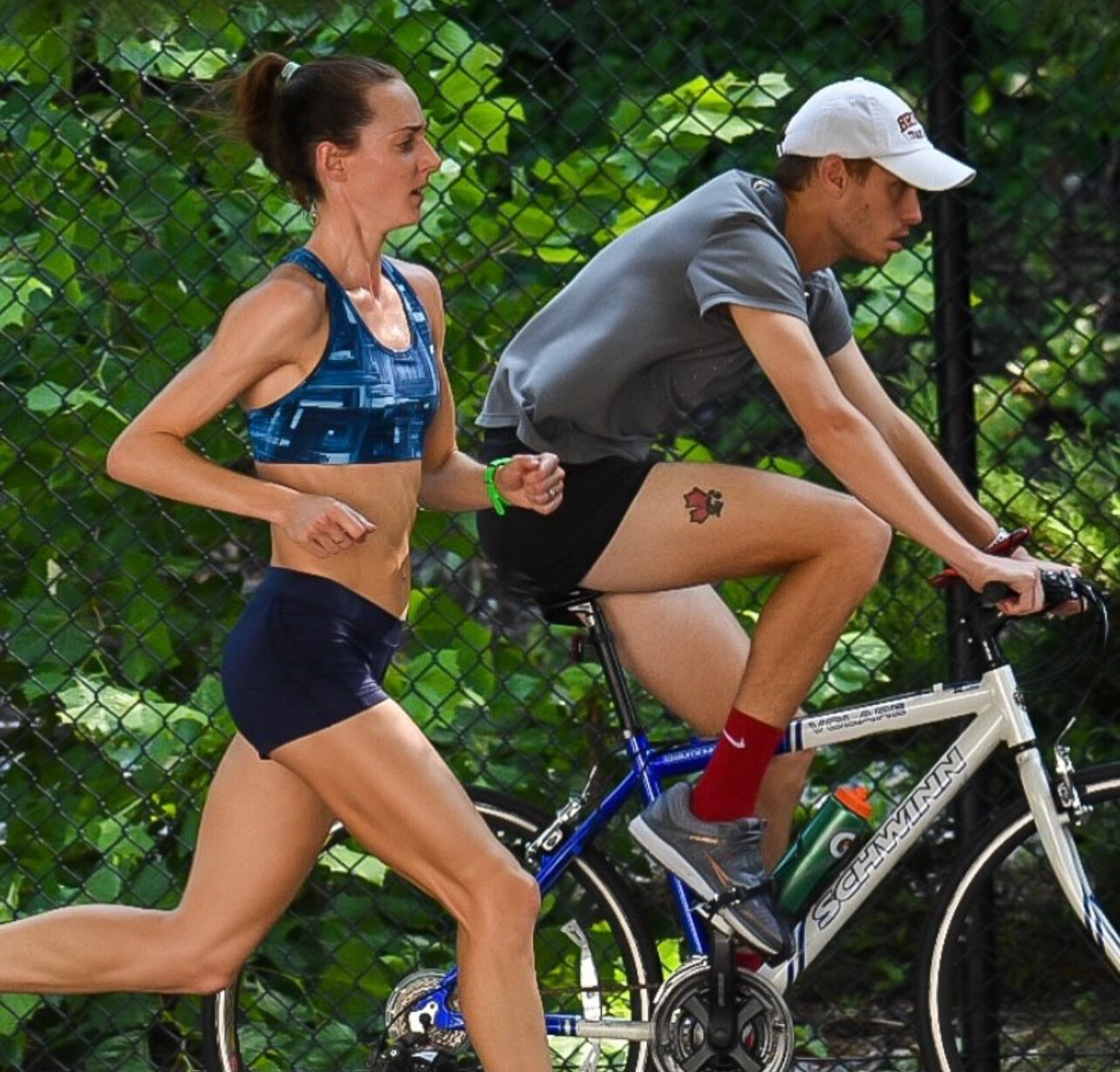
“I’d love the future of women’s sports to allow you to feel supported as your whole self the whole time,” Huddle added in her post. “More options and resources around fertility freedom is a way to start.”
Through her writing for Runner’s World, guest essays on ParentData, and her podcast work, Huddle is creating a new blueprint—one where a successful running career and motherhood don’t exist in opposition, but in harmony.
As she prepares to welcome her second daughter, Molly Huddle is racing toward a bigger goal: a sports world that finally supports women through all stages of life.
Boris Baron
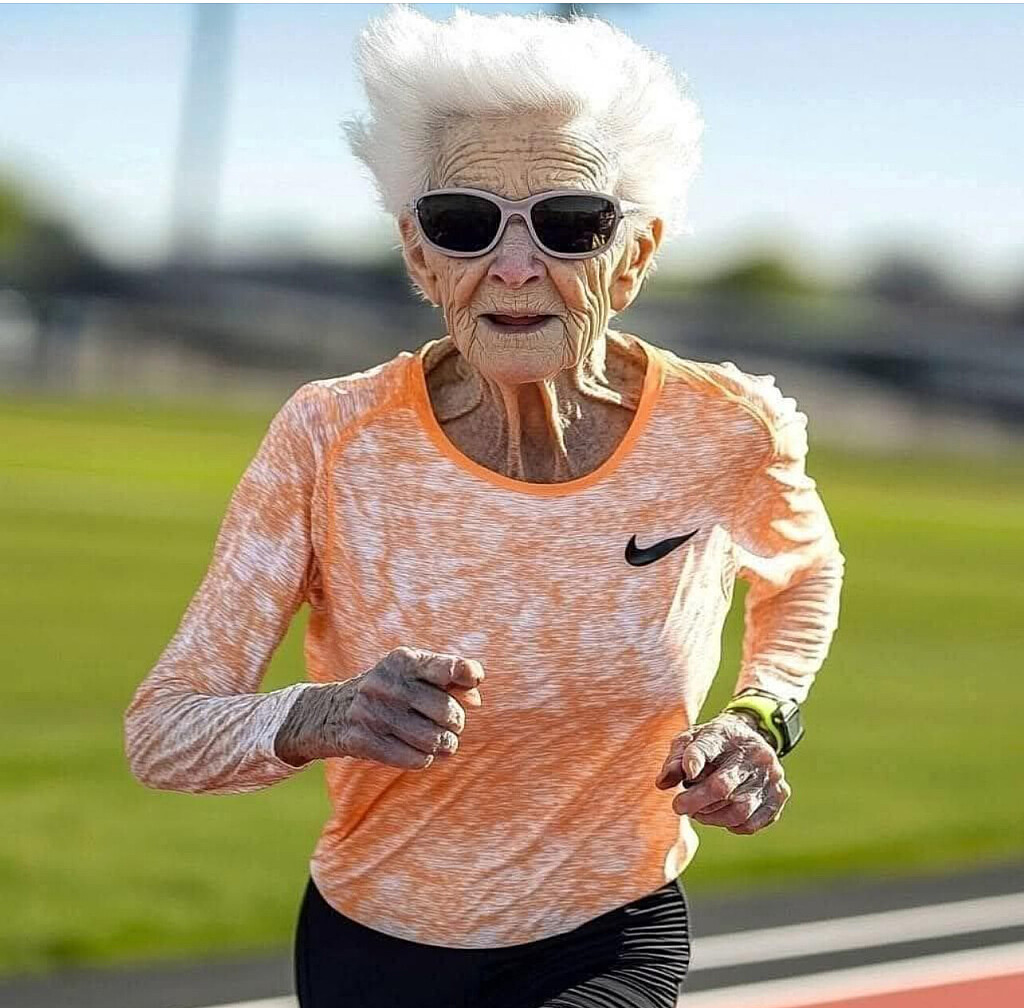
Margaret Johnson is Still Breaking Records at 100
At an age when most people are slowing down, Margaret Johnson is speeding up.
The 100-year-old runner from Denver, Colorado, stunned the crowd at the National Senior Games on September 5 when she broke two national records—proving once again that it’s never too late to chase your dreams.
Margaret only began running at the age of 70, lacing up her first pair of racing shoes to stay active. What began as a casual pursuit quickly became a passion that would carry her through three decades of competitions.
Now, at 100, she’s rewriting the record books.
At the recent meet, she ran the 100 meters in 51.28 seconds, setting a new American record for women in the 100+ age category. Just hours later, she clocked 2 minutes and 58.36 seconds in the 200 meters, smashing another age-group mark.
“I never imagined I’d be setting records at this age,” Margaret said with a smile after her races. “But running gives me joy. It keeps me feeling young and strong.”
Her performances were not only fast—they were fearless. With her signature determination and graceful stride, Margaret became the oldest woman ever to compete in both events at the Senior Games.
Her story is more than just one of speed. It’s a powerful reminder of what’s possible when you stay active, stay positive, and never stop believing in yourself.
Whether she’s crossing the finish line or inspiring the next generation, Margaret Johnson is showing the world that age really is just a number—and the finish line is only the beginning.
(05/16/25) Views: 136Boris Baron
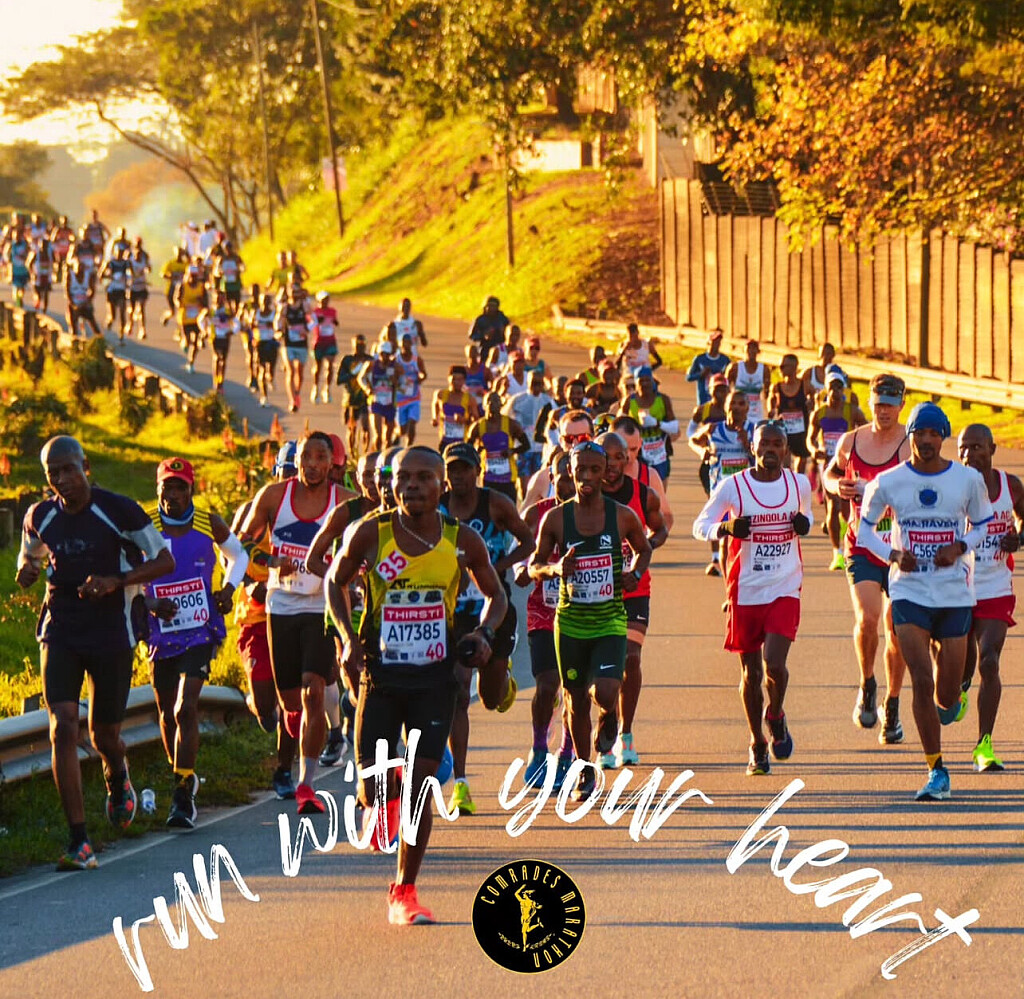
Comrades Marathon Returns in 2025 for Another Unforgettable Chapter in South Africa
The world’s most iconic ultramarathon is set to captivate once again. On Sunday, June 8, thousands of runners will gather in South Africa for the 96th edition of the Comrades Marathon, a race that continues to define endurance, resilience, and tradition.
Held between the cities of Pietermaritzburg and Durban, this year’s event is a “down run,” covering approximately 87.7 kilometers (54.5 miles) with a net descent toward the finish at Kingsmead Stadium. But don’t be fooled—this course remains one of the most challenging tests in distance running, with punishing hills and unpredictable weather adding to the drama.
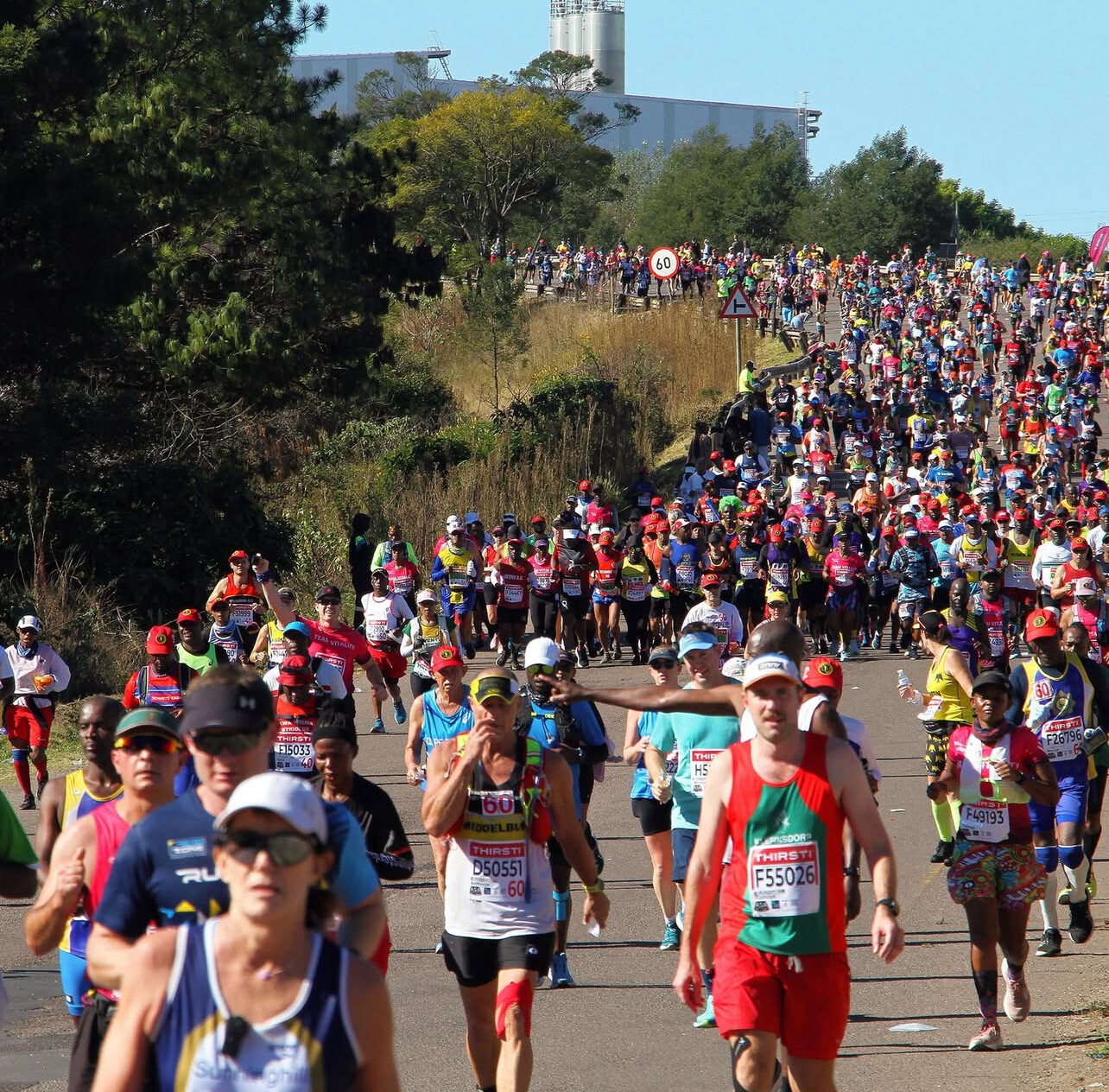
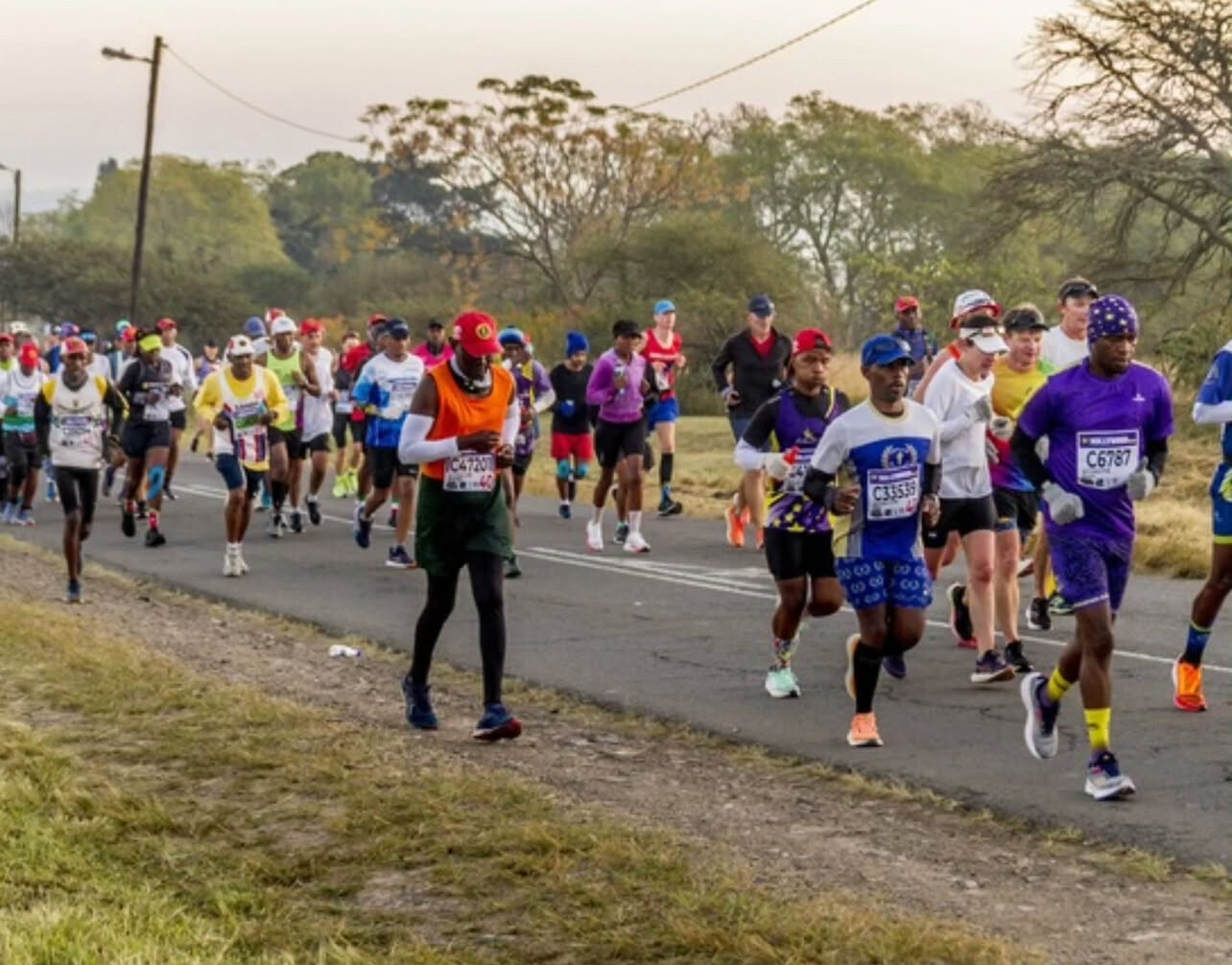
The Comrades Marathon is far more than a race. It’s a cultural phenomenon that draws over 20,000 runners from around the globe and inspires millions more who line the course or tune in from afar. From elite athletes chasing gold to first-timers fighting for a 12-hour finish, every participant adds a chapter to this legendary story.
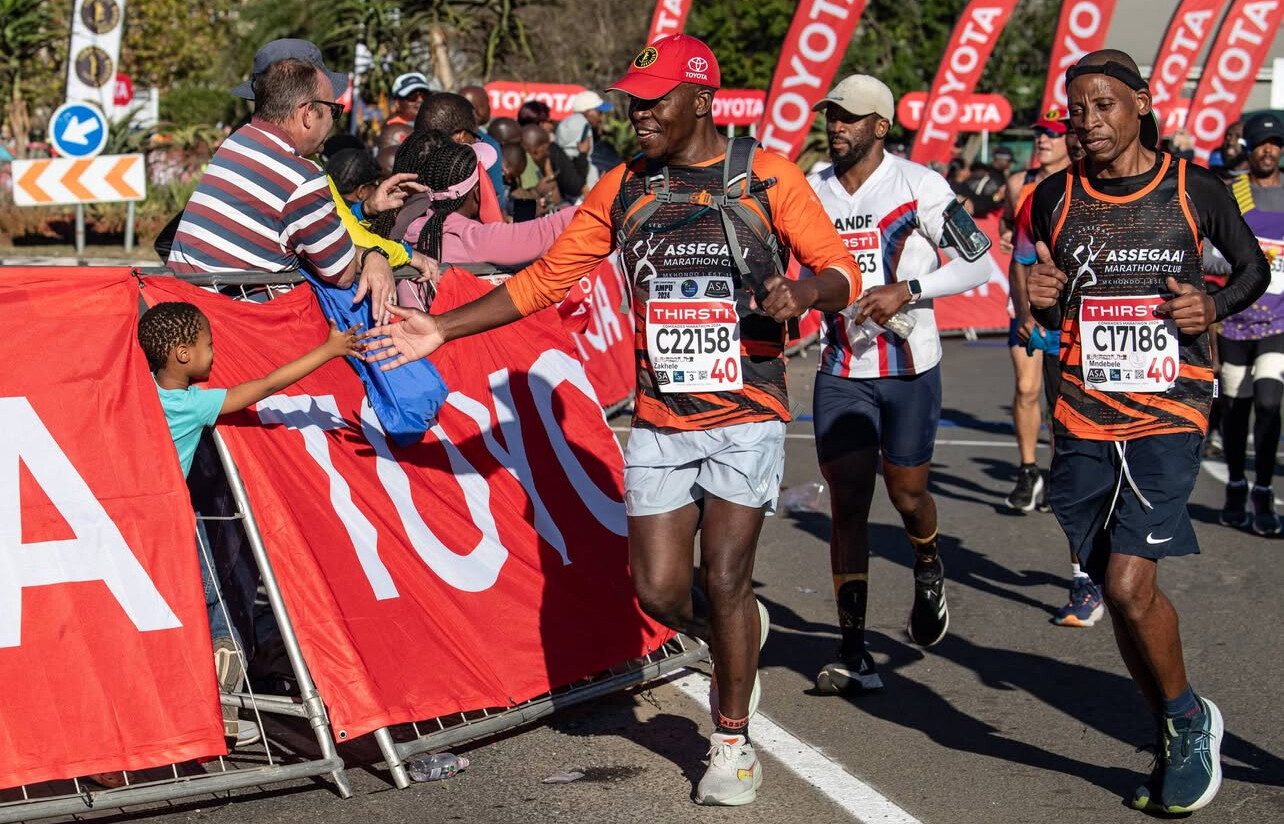
To complete the 2025 Comrades Marathon within the strict 12-hour cutoff, runners must maintain an average pace of approximately 13 minutes and 19 seconds per mile, or 8 minutes and 17 seconds per kilometer, across the 87-kilometer (54.06-mile) course. While this may seem manageable to experienced marathoners, the Comrades route—with its relentless hills, varying terrain, and heat—makes even this pace a serious challenge. Consistent pacing, smart energy management, and mental toughness are crucial to reaching Kingsmead Stadium before the final gun signals the end of the race.
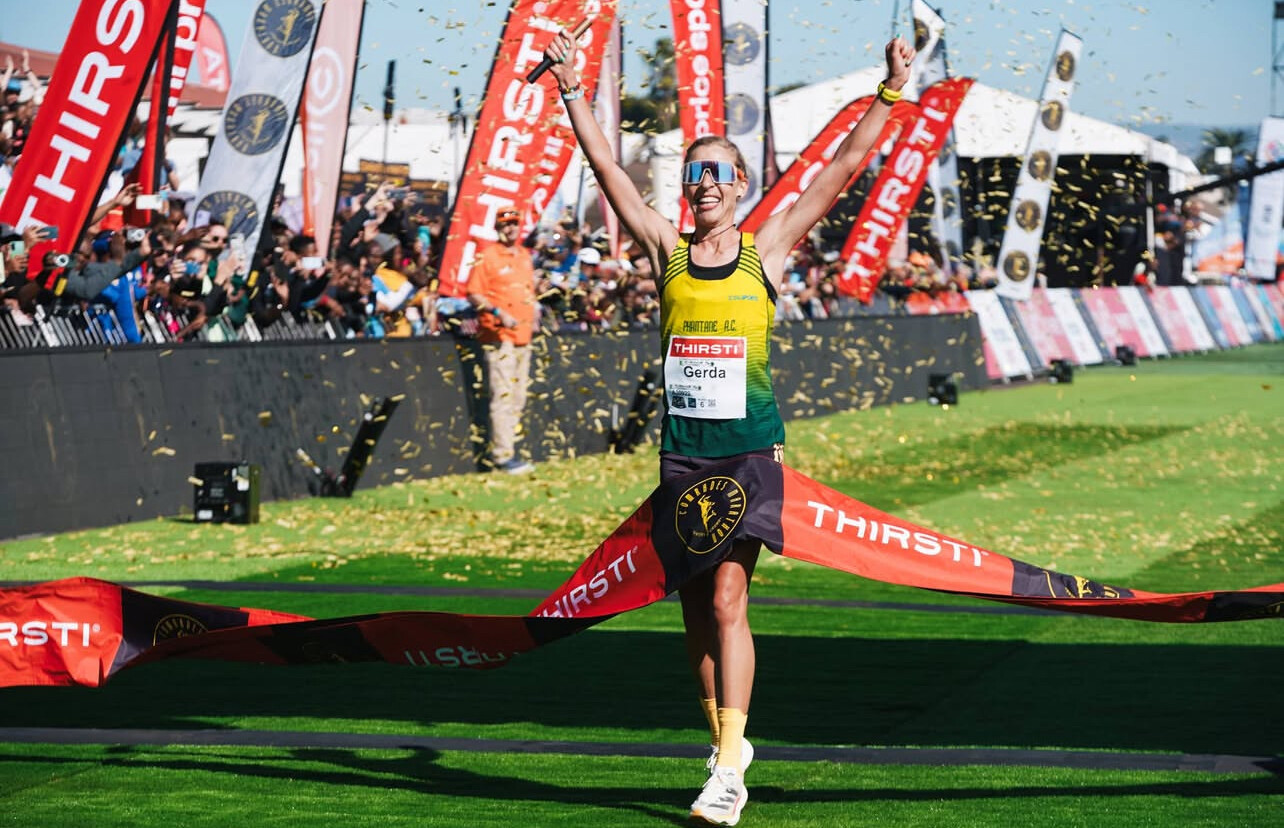
South Africa’s own Gerda Steyn, who smashed the women’s down run record in 2023 with a time of 5:44:54, is expected to return as a favorite. On the men’s side, all eyes are on Tete Dijana, the two-time champion looking to bounce back after a tough showing in 2024. International contenders will also line up, eager to challenge the homegrown champions on their turf.
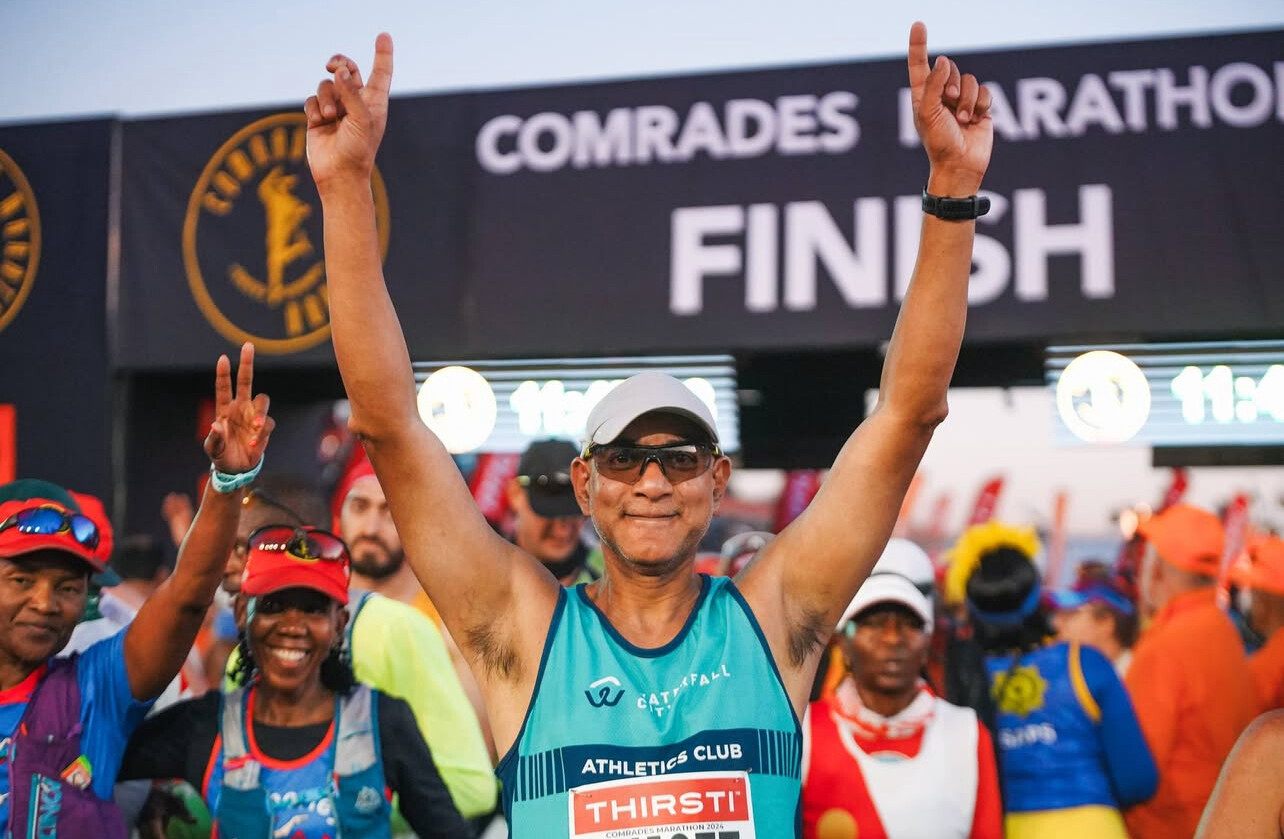
The Comrades is known for its strict 12-hour cutoff, and it’s often the final moments—when exhausted runners sprint or crawl to beat the clock—that leave the most lasting impressions. Medals are earned not just through speed, but through heart.
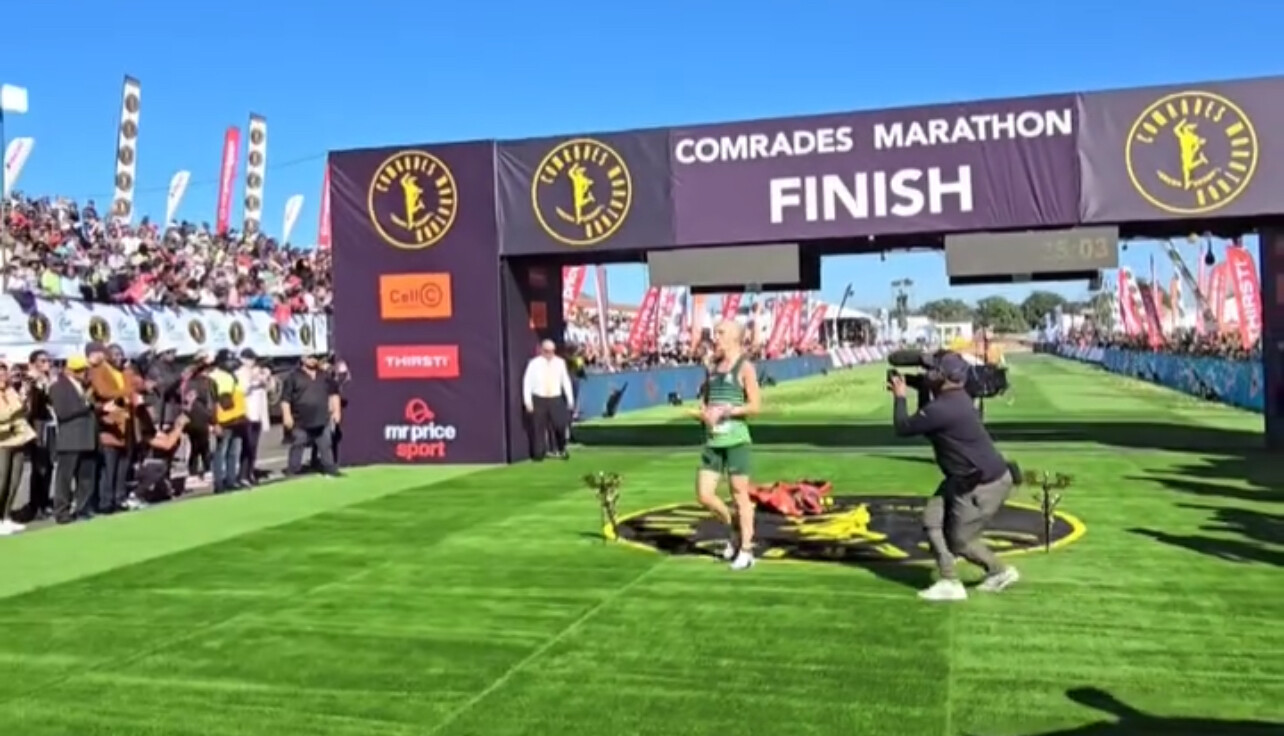
The course, supported by cheering crowds and rich traditions, includes notable landmarks like Polly Shortts Hill, Inchanga, and the halfway mark at Drummond. Local spectators offer music, support, and refreshments, creating an atmosphere like no other in distance running.
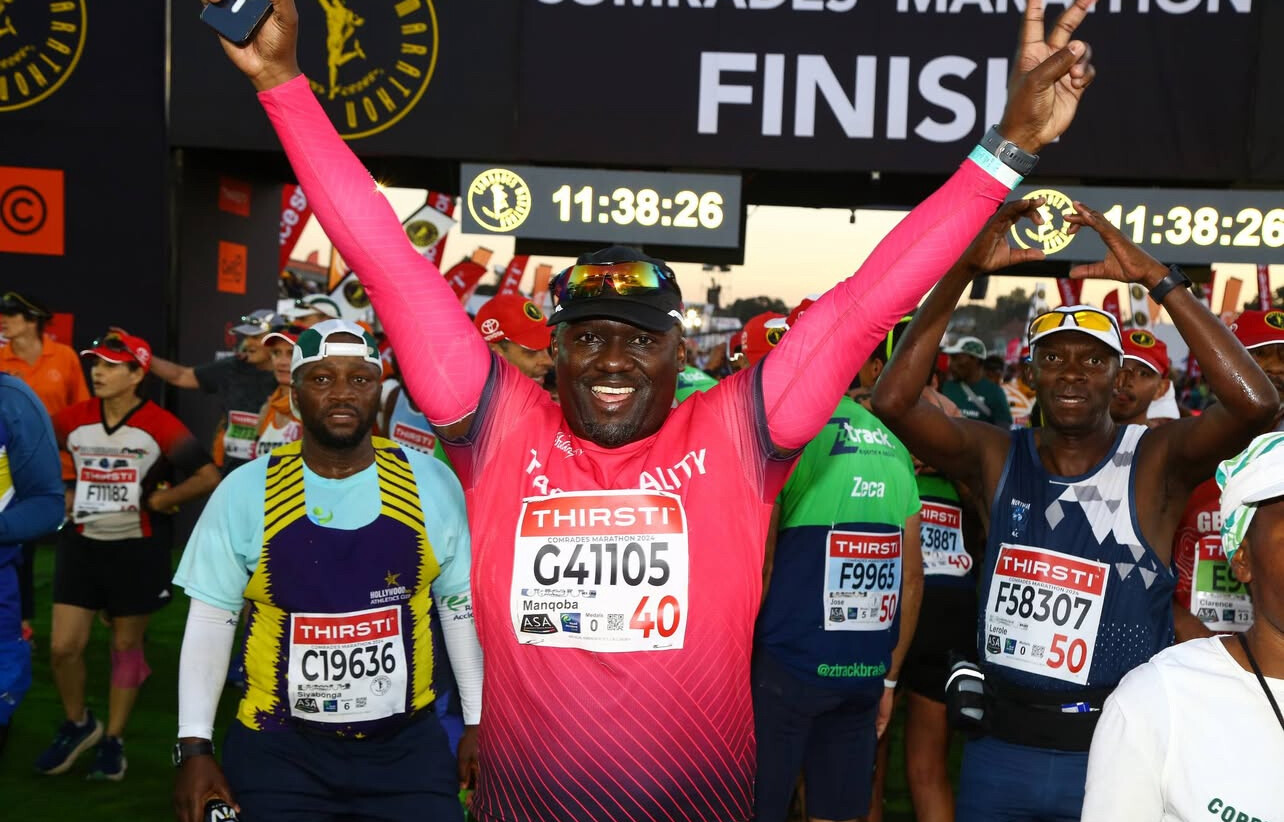
Whether you’re chasing a personal best, a gold medal, or simply the finish line, the 2025 Comrades Marathon promises to be another unforgettable day in the global running calendar.
Boris Baron
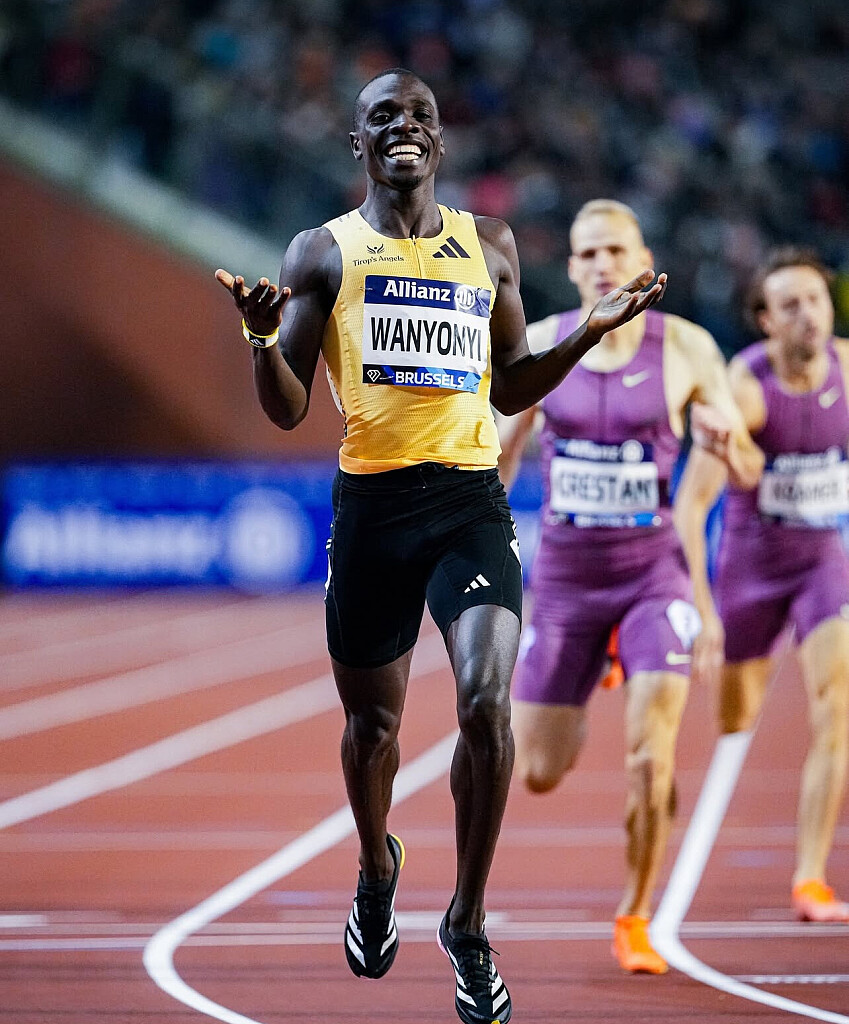
Emmanuel Wanyonyi Is Redefining Middle-Distance Greatness at Just 20
At just 20 years old, Emmanuel Wanyonyi has emerged as one of the most electrifying talents in middle-distance running. From humble beginnings herding cattle in Kenya’s Trans-Nzoia County to Olympic gold in Paris, Wanyonyi’s rise has been nothing short of extraordinary—and 2025 is shaping up to be his most dominant season yet.
A Champion’s Origin
Born on August 1, 2004, Wanyonyi’s athletic journey began far from stadiums and stopwatches. He left school at age 10 to help support his family, working as a cattle herder. But fate intervened when a local teacher recognized his talent and encouraged him to return to school—and to running.
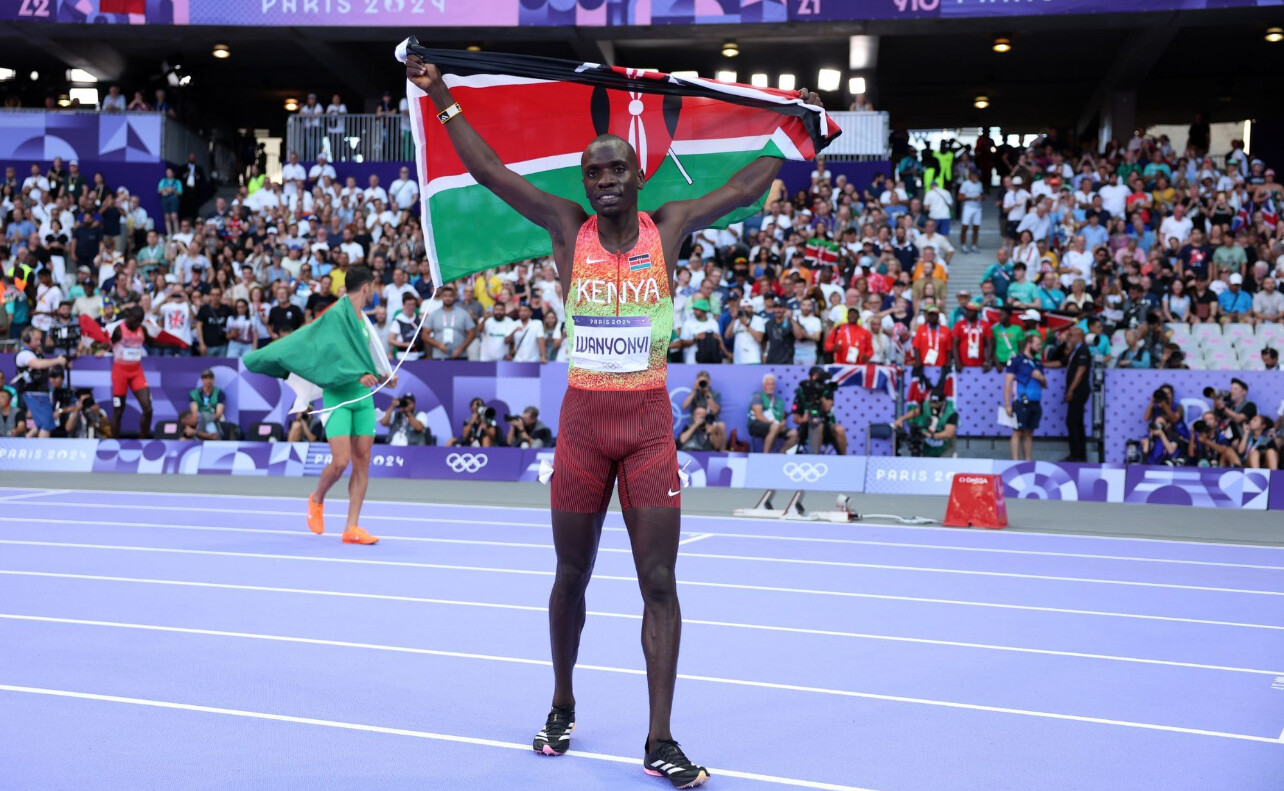
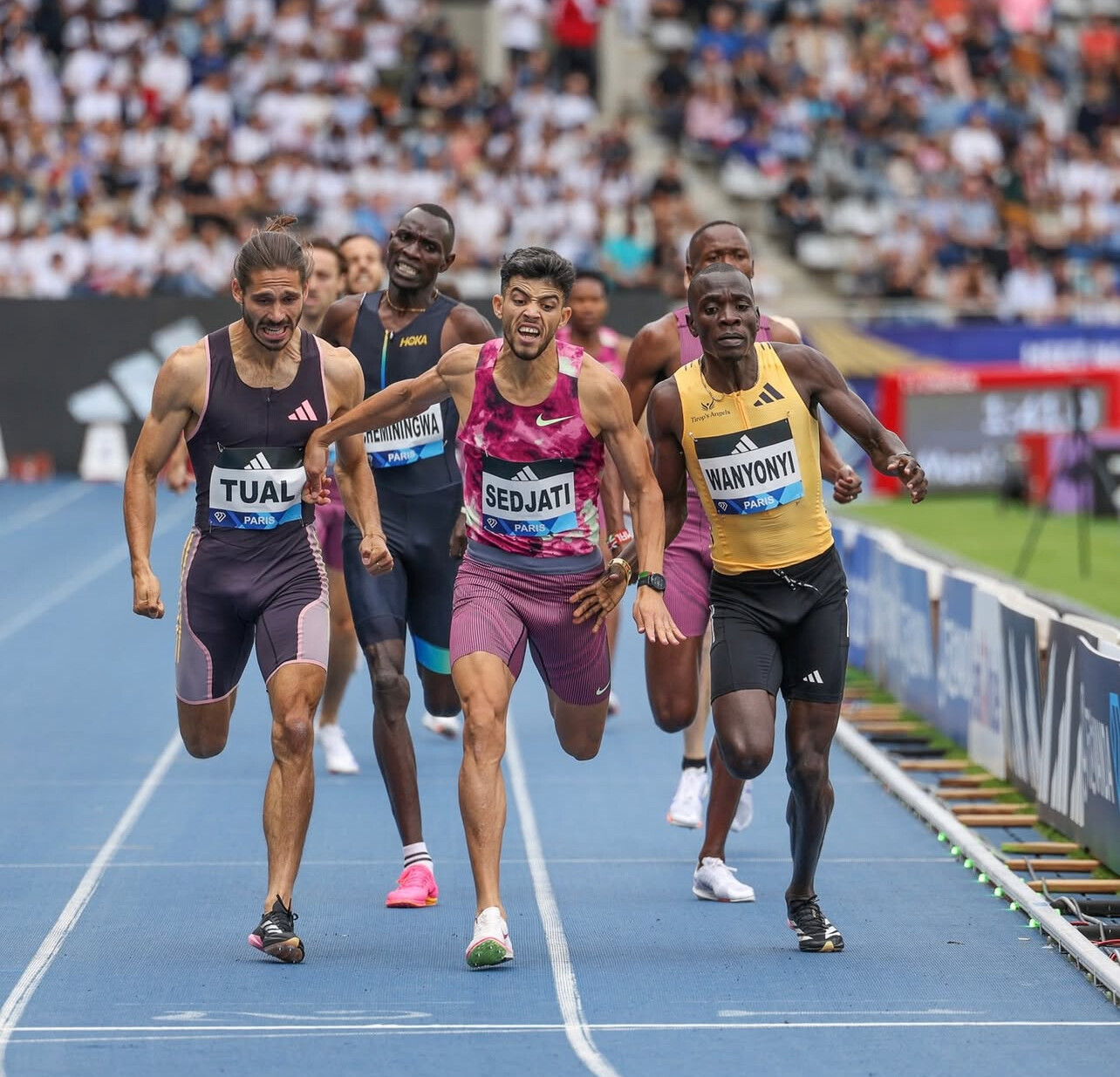
Mentored by 2007 world 800m champion Janeth Jepkosgei and coached by Claudio Berardelli, Wanyonyi made his international debut in style. At the 2021 World U20 Championships, he won the 800m in a championship record time of 1:43.76.
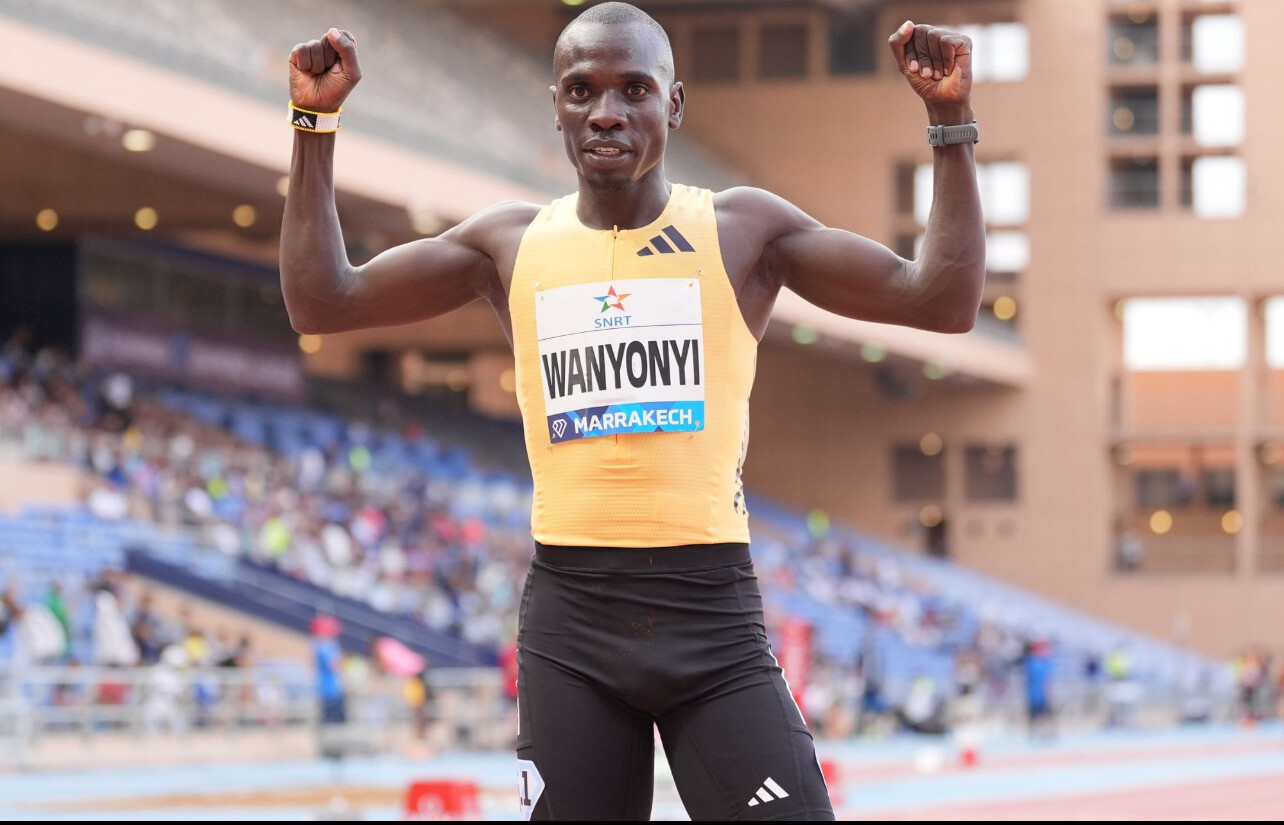
Since then, he has steadily climbed the ranks, placing fourth at the 2022 World Championships, winning silver in 2023, and claiming the ultimate prize—Olympic gold in the 800m at Paris 2024. His time of 1:41.19 was not only a personal best but also the third-fastest in history.
A New Level in 2025
Wanyonyi has wasted no time building on his Olympic success. At the Grand Slam Track event in Kingston this April, he stunned the field in the 1500m, taking down a world-class lineup that included Olympic medalists Josh Kerr, Cole Hocker, and Yared Nuguse. His time of 3:35.18 secured victory and confirmed his elite range beyond the 800m.
The next day, he returned to the track and finished second in the 800m, narrowly beaten by world champion Marco Arop. Wanyonyi’s combined performance earned him the men’s short-distance Slam Champion title and a $100,000 prize.
Just days later, he returned to the top step of the podium at the Adizero Road to Records event in Germany. Running the road mile, he clocked 3:52.45—his fastest time yet and the third-fastest road mile in history.
What’s Next
Wanyonyi’s next major test will come at the Stockholm Diamond League on June 15, where he’s slated to race the 800m against top international competition, including Djamel Sedjati and Gabriel Tual.
His official 800m personal best is 1:41.11, tied for the second-fastest mark ever alongside Wilson Kipketer. Only David Rudisha has run faster.
With his combination of tactical intelligence, powerful finishing speed, and increasing range, Wanyonyi is not just a rising star—he’s a generational talent already reshaping the middle-distance landscape.
Keep an eye on him. Emmanuel Wanyonyi isn’t just running races—he’s rewriting history.
(05/18/25) Views: 135Boris Baron

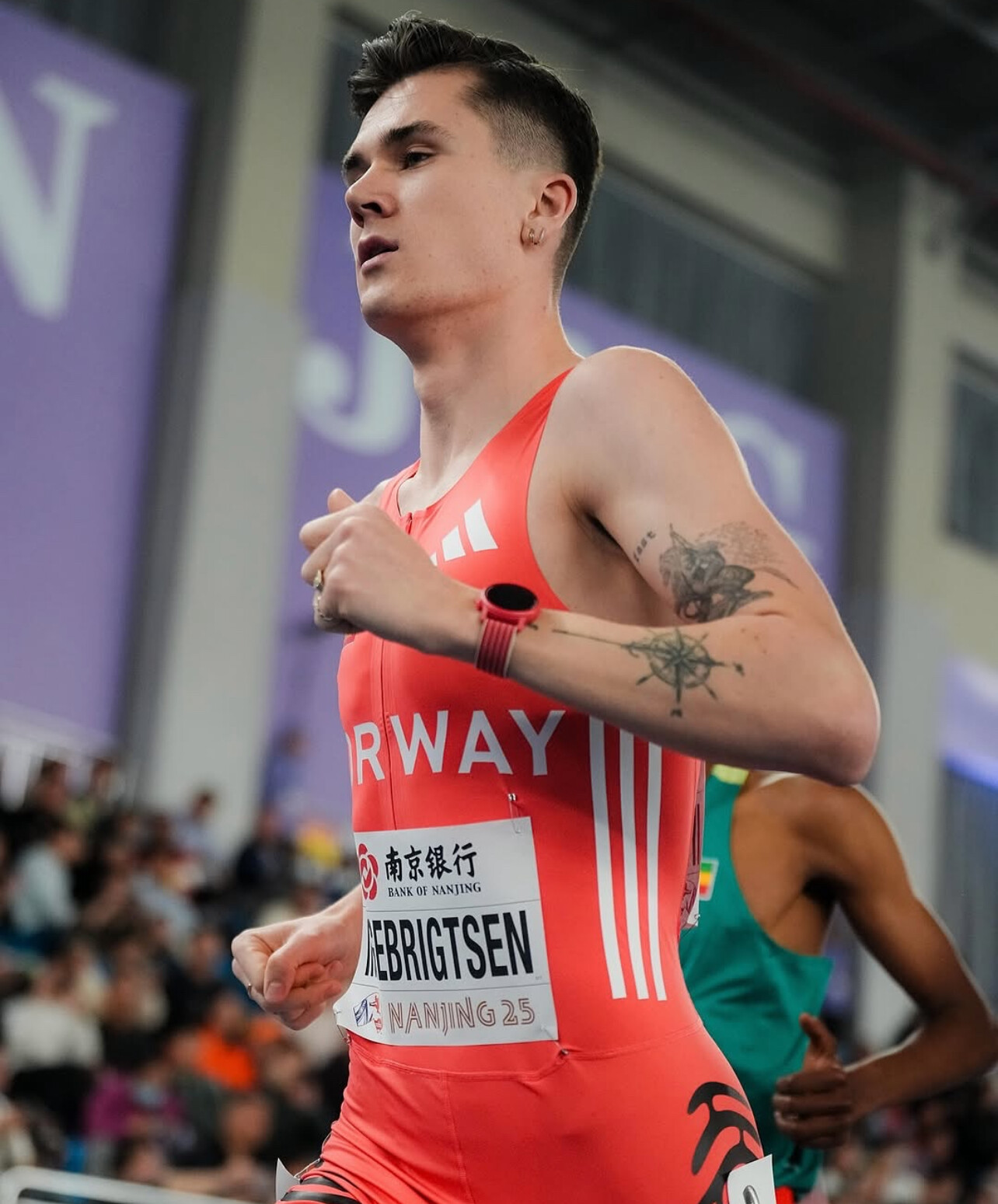
Jakob Ingebrigtsen Provides Injury Update, Postpones Outdoor Season Start
Jakob Ingebrigtsen, Norway’s Olympic champion and one of the most dominant middle-distance runners in the world, has confirmed that he will delay the start of his 2025 outdoor season due to a recurrence of an Achilles tendon issue.
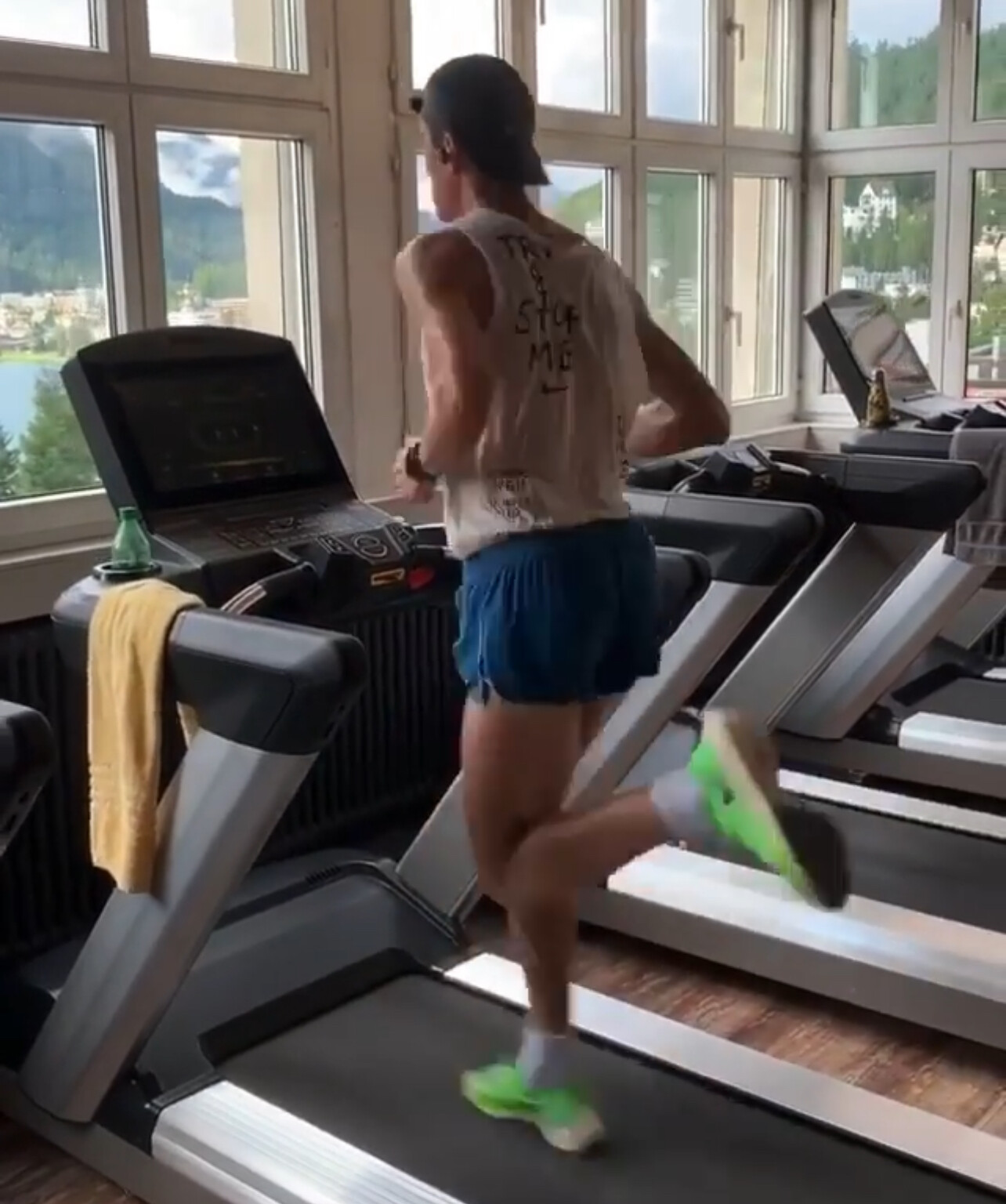
The 24-year-old experienced discomfort in his Achilles while training at high altitude in Sierra Nevada, Spain—an injury reminiscent of a previous setback that sidelined him during part of the 2023–2024 season. Ingebrigtsen has since returned to Norway to undergo treatment and has transitioned to cross-training activities including aqua jogging and elliptical work to maintain fitness while reducing impact.
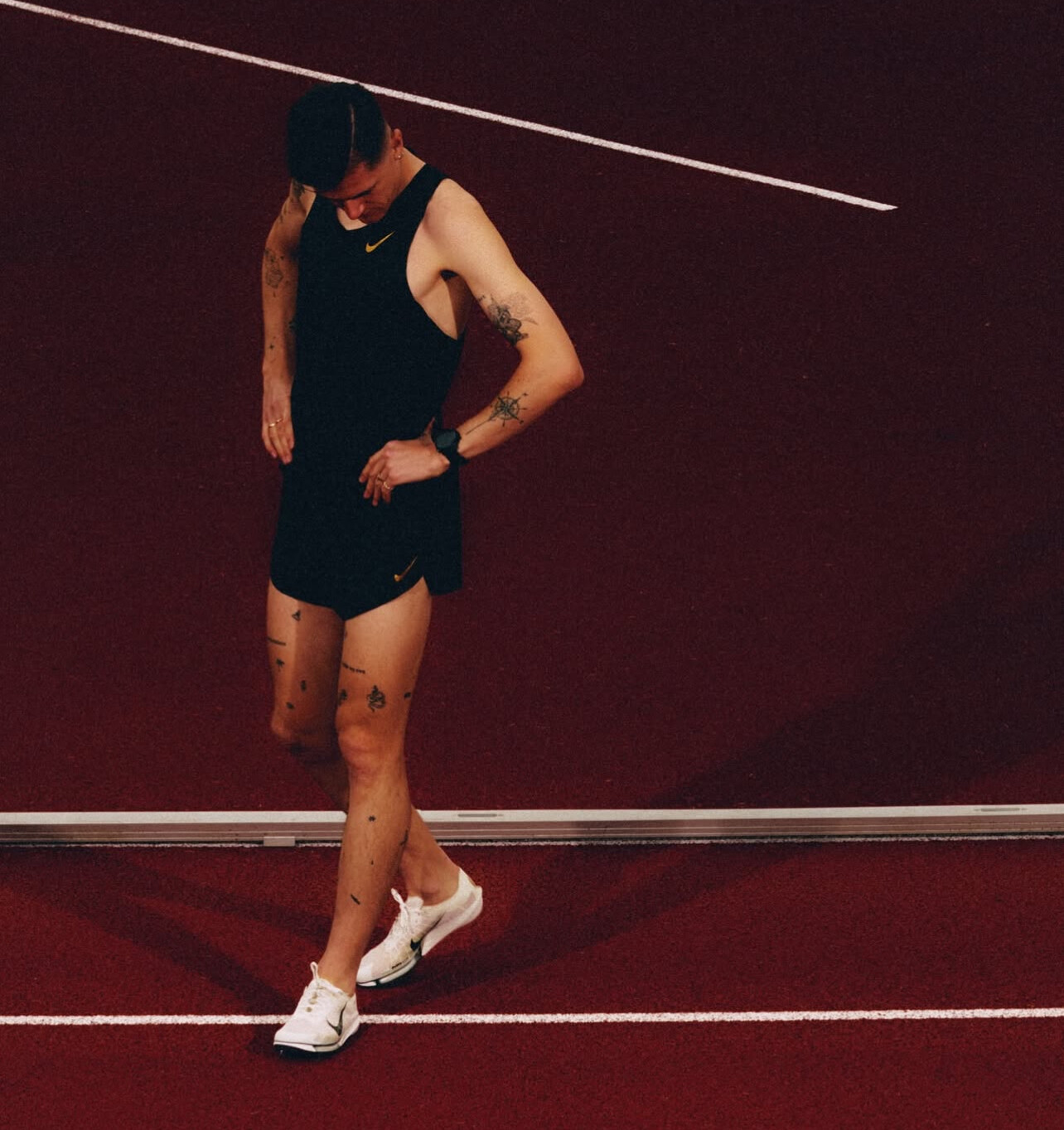
“I’ve been feeling irritation again in my Achilles,” Jakob shared in a video update on his official YouTube channel. “It’s frustrating, but I’ve learned from past mistakes. I want to give myself the best chance to recover fully and be ready for the biggest challenges later this season.”

As a result, Ingebrigtsen is expected to miss the Bislett Games in Oslo, scheduled for June 12, and his participation in the London Diamond League in July remains uncertain. However, he remains focused on regaining top form in time for the World Championships in Tokyo later this year.
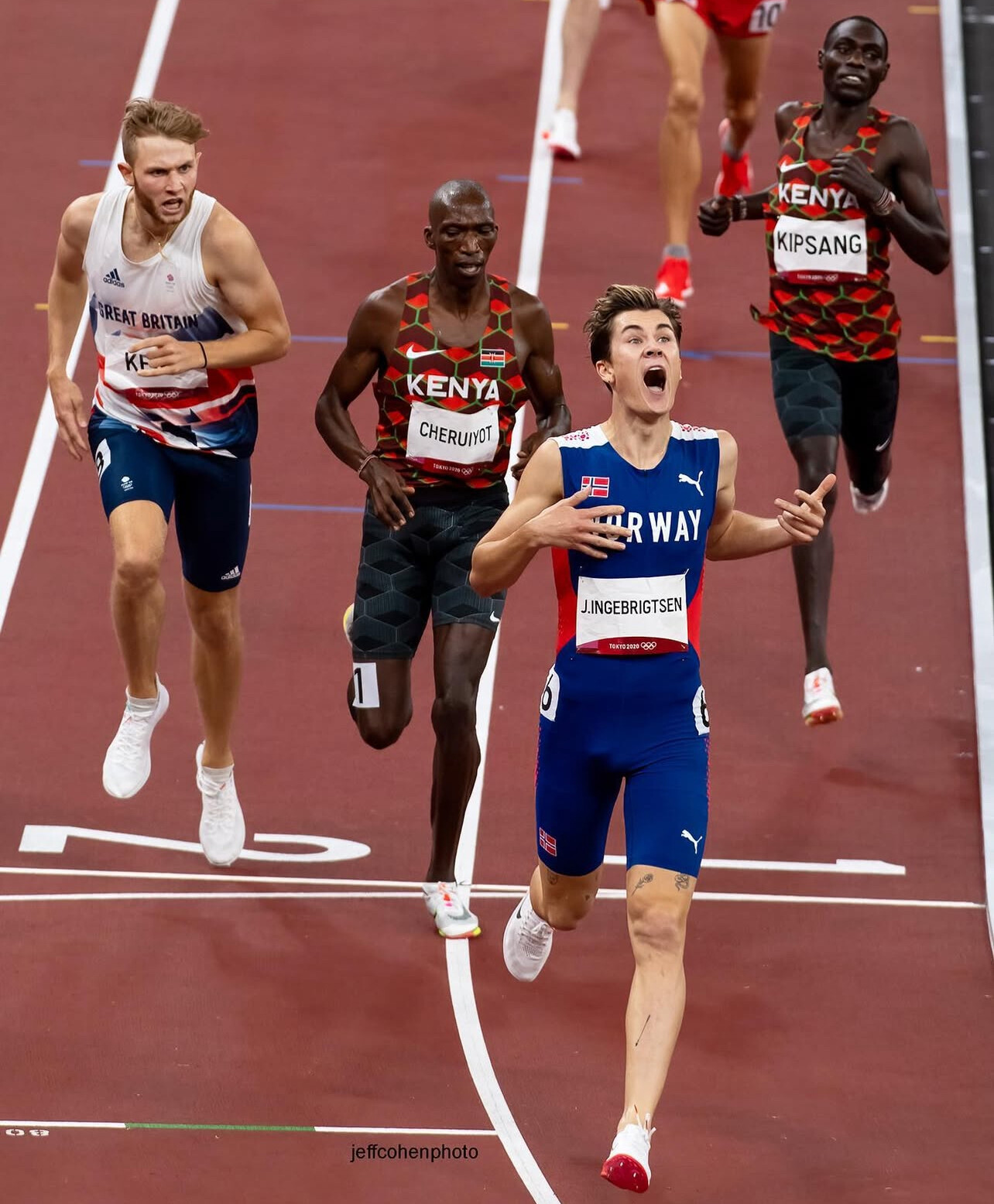
Despite this recent setback, Ingebrigtsen had an extraordinary indoor season earlier in 2025. He shattered two world records—running 3:45.14 in the indoor mile and 3:29.63 in the 1500m—both at the Meeting Hauts-de-France Pas-de-Calais in Liévin. He also claimed gold in both the 1500m and 3000m at the European Athletics Indoor Championships in Apeldoorn and the World Indoor Championships in Nanjing.
Jakob’s cautious approach underscores his long-term focus. “I’m not rushing this. I know what I’m capable of when I’m healthy,” he added. “The goal is to compete at my best when it matters most.”
Boris Baron
Looking Back at Chebet’s Game-Changing Sub-14 5K Performance
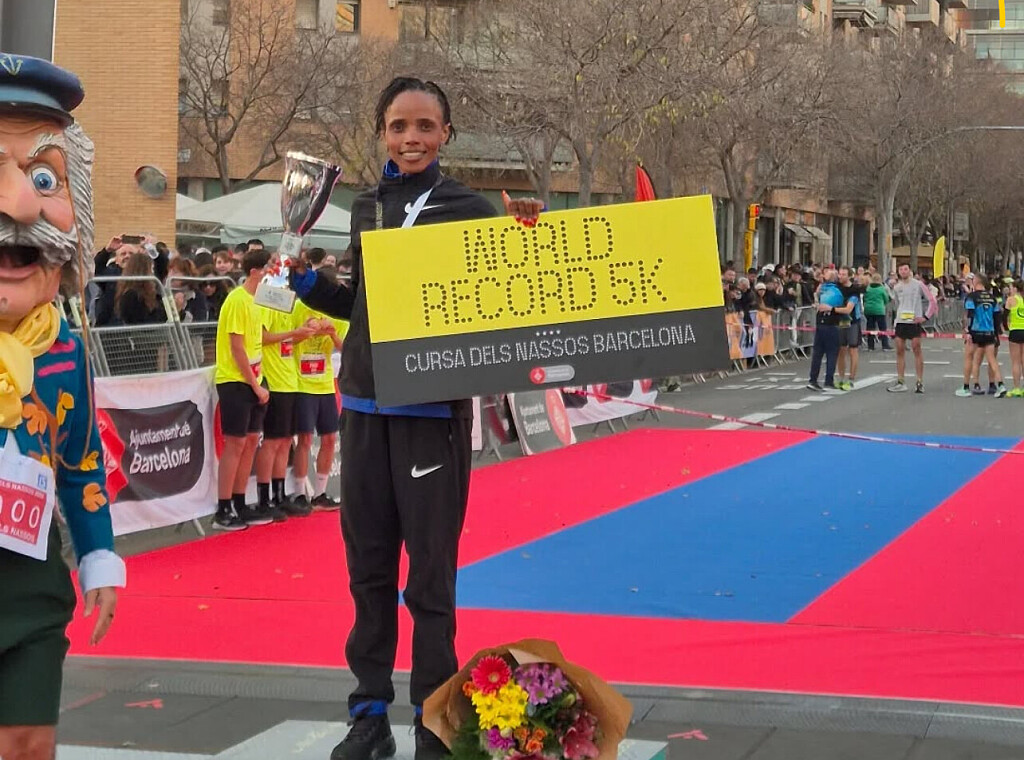
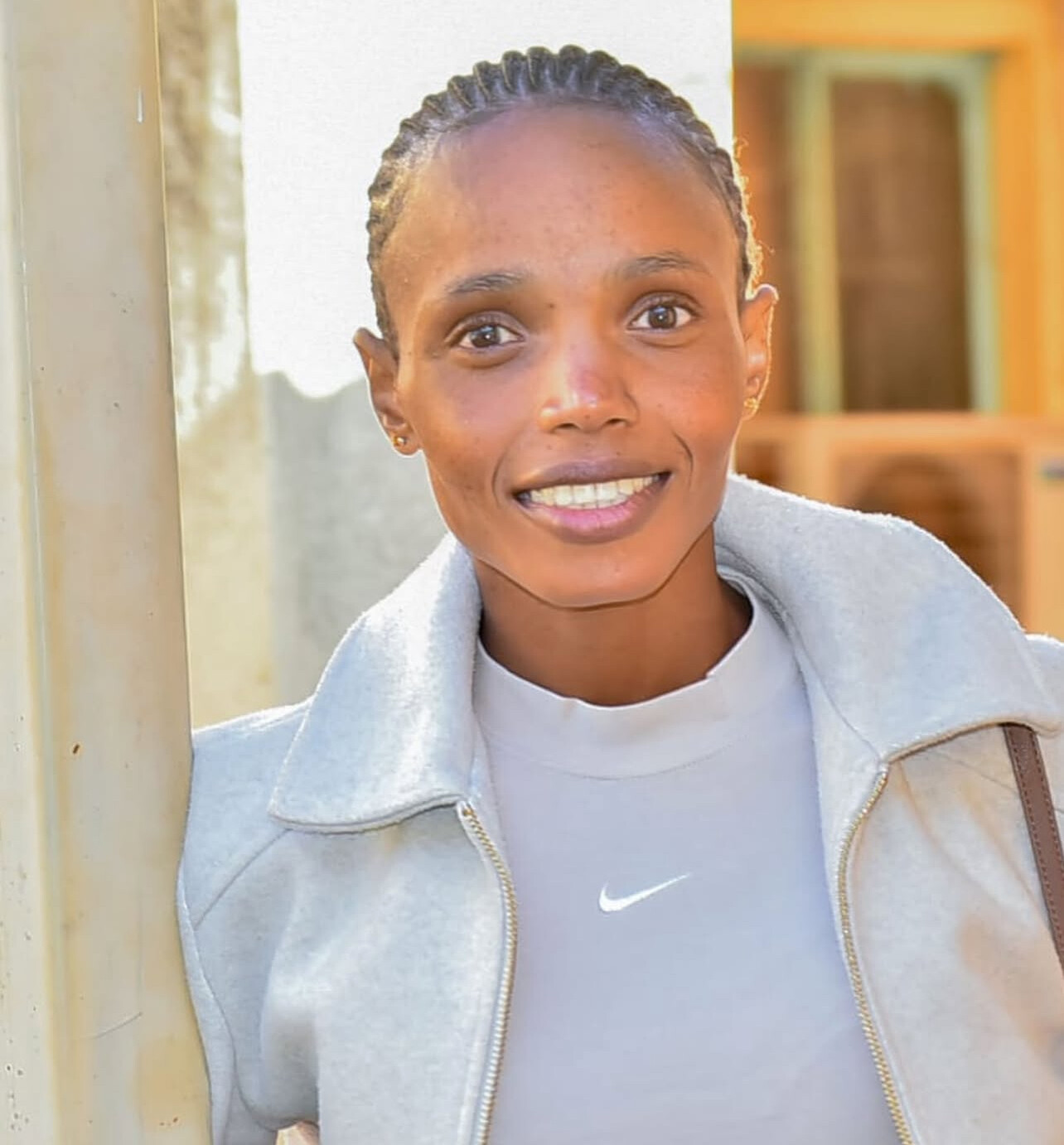
On December 31, 2024, Beatrice Chebet etched her name into athletics history by becoming the first woman ever to break the 14-minute barrier in a 5-kilometer road race. Clocking an astonishing 13:54 at the Cursa dels Nassos 5K in Barcelona, Chebet not only shattered her own world record but also solidified her place as one of the most dominant figures in women’s distance running.
Cursa dels Nassos: A Proven Stage for Fast Times
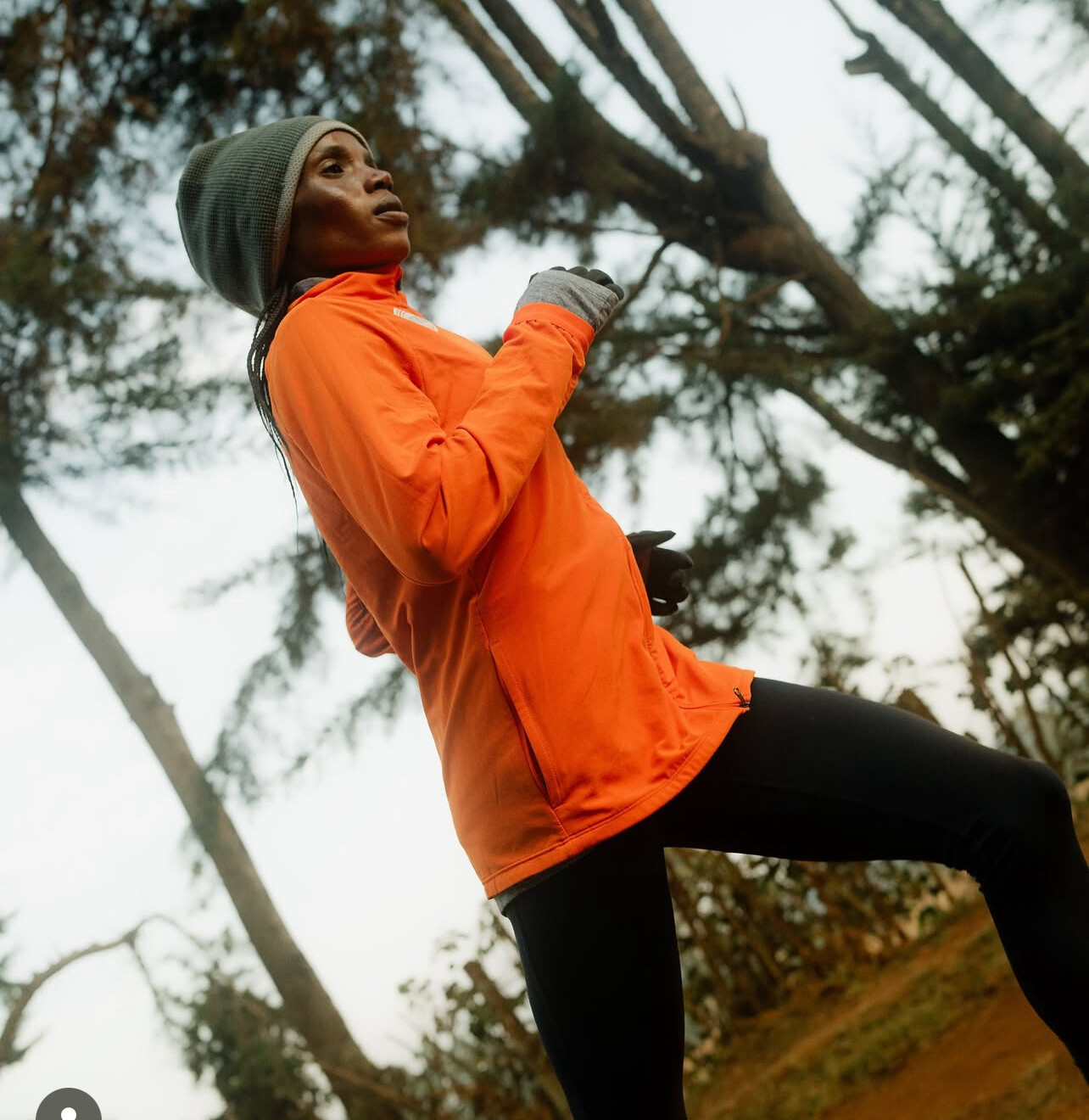
Barcelona’s year-end event has become a magnet for elite performances. In 2021, Ethiopia’s Ejgayehu Taye set a world record at the same race, running 14:19. Chebet reclaimed the crown in 2023 with a 14:13 effort and returned in 2024 to lower that mark again, blazing through the course with unmatched speed and confidence. Her performance reinforced Cursa dels Nassos’ reputation as one of the fastest and most competitive road 5Ks in the world.
A New Era for the Women’s 5K
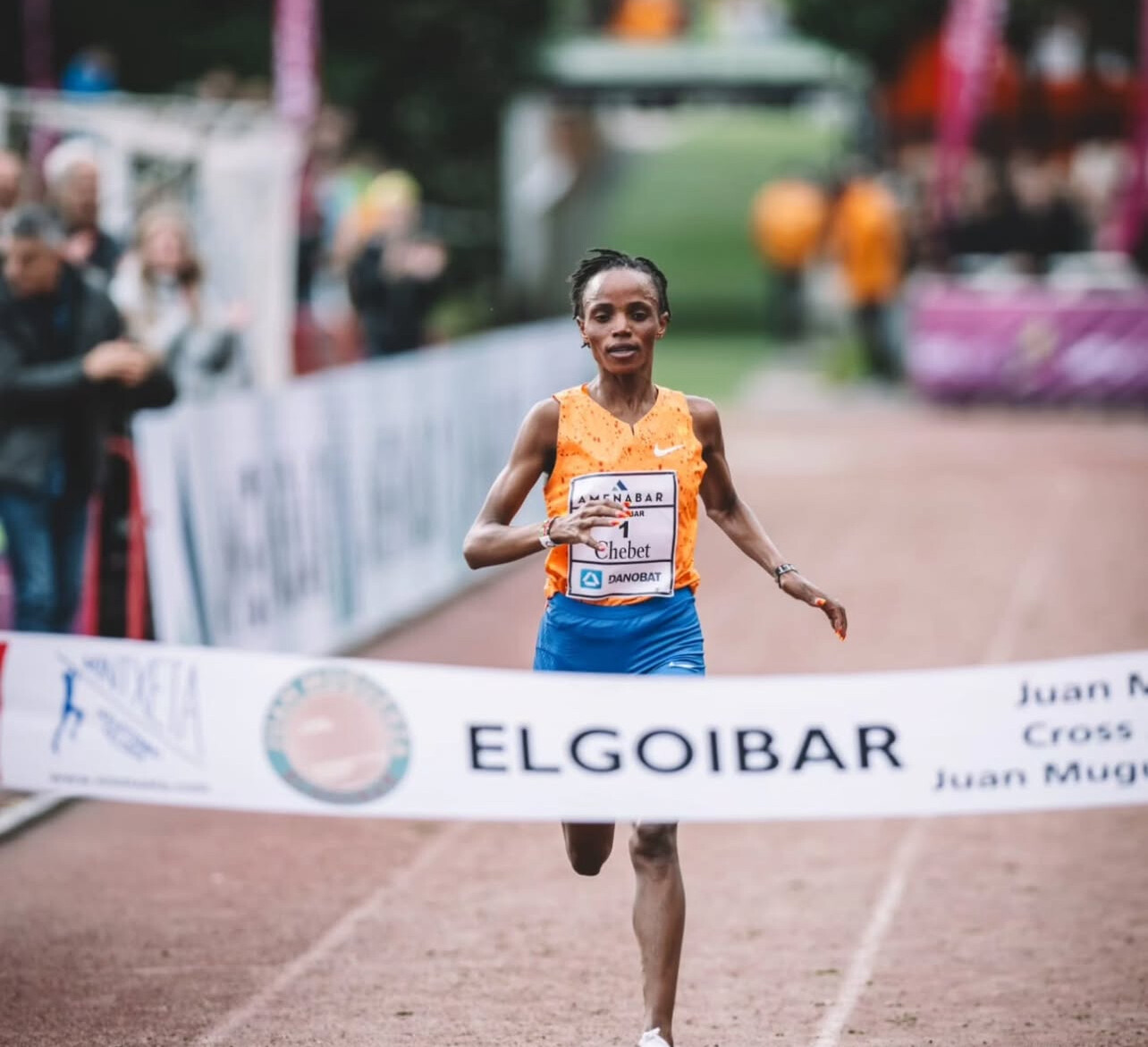
Chebet’s barrier-breaking run is more than a record—it’s a statement. Once viewed as a stepping stone to longer distances, the 5K is now a premier event showcasing elite-level speed, precision pacing, and raw competitive fire. Athletes like Chebet are pushing the limits of what’s possible, inspiring a new generation to view the 5K not as a warm-up, but as a worthy test in its own right.
As Beatrice Chebet continues her climb into the pantheon of distance greats, her 13:54 road 5K will stand as a landmark moment—a performance that redefined the ceiling for women’s distance running and opened the door to what’s next.
(05/19/25) Views: 126Boris Baron
