

Running News Daily
Top Ten Stories of the Week
5/31/2025
These are the top ten stories based on views over the last week.
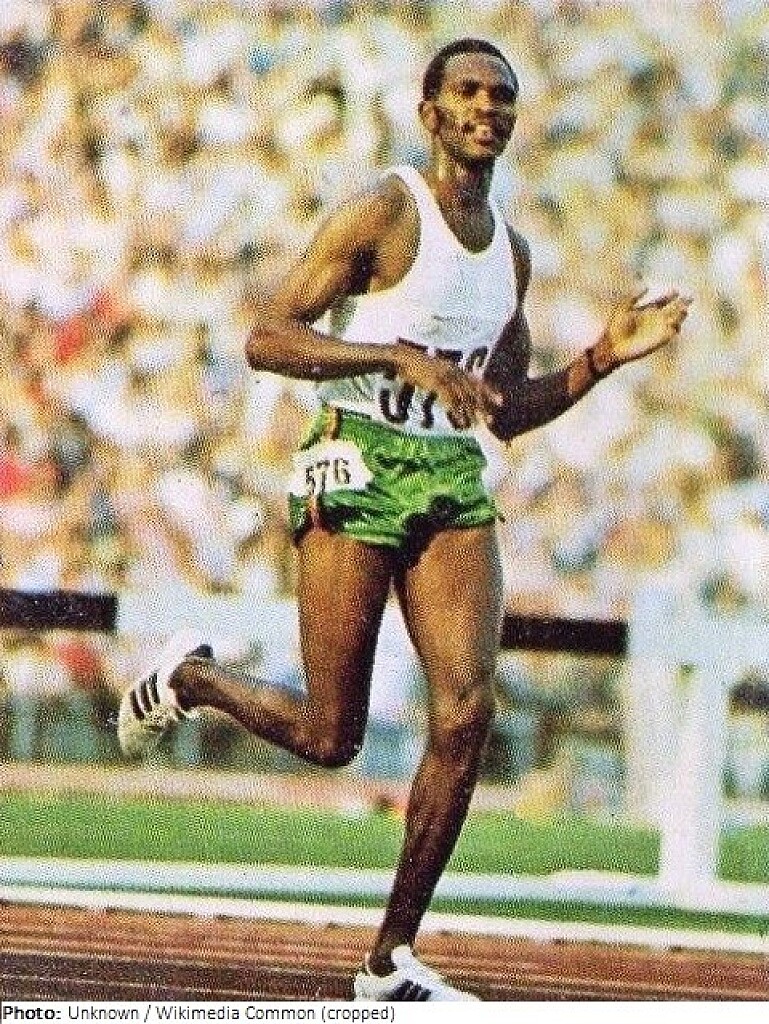


Kip Keino Sparked a Running Revolution in Kenya
When Kipchoge “Kip” Keino lined up for the 1500 meters at the 1968 Olympic Games in Mexico City, few could have predicted the historic ripple effect his victory would unleash. But when he crossed the line in 3:34.91—a new Olympic record—Keino did more than win gold. He ignited a revolution that would forever change the face of distance running.
Born on January 17, 1940, in Kipsamo, Kenya, Kip Keino didn’t grow up with elite training facilities or professional coaches. He ran barefoot to school, often covering several miles a day across the highlands of the Rift Valley. His athletic gifts and work ethic set him apart early, but it wasn’t until the mid-1960s that he began competing internationally.
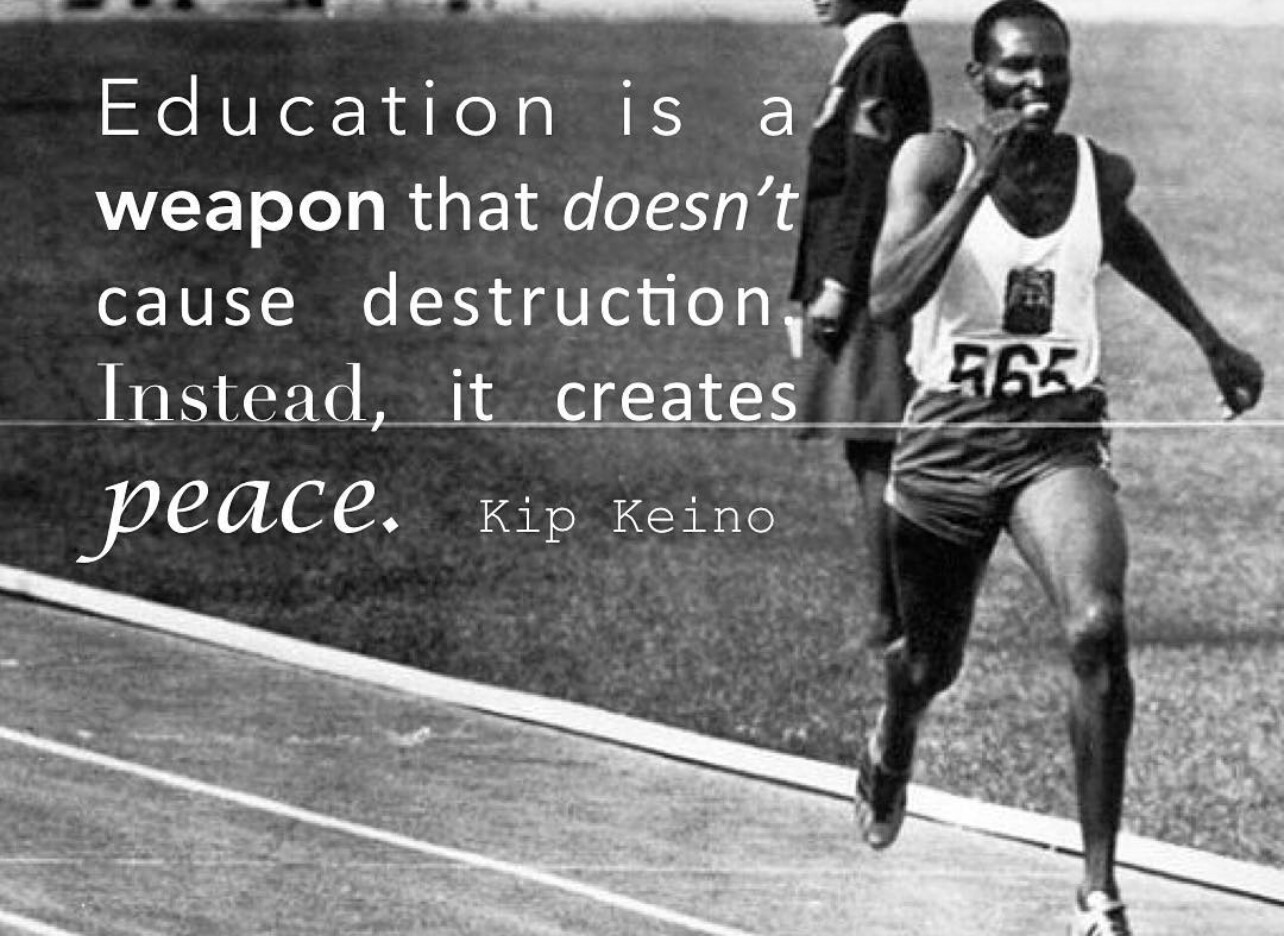
At the 1964 Tokyo Olympics, Keino finished a respectable fifth in the 5000m. But it was four years later in Mexico City—at altitude—that his legend was born. In one of the most iconic Olympic moments, he defied a painful gallbladder infection and a last-minute rush to the stadium to win gold in the 1500m and silver in the 5000m. His triumph was not just personal—it was symbolic. Kenya, and indeed all of Africa, had arrived on the global distance running stage.
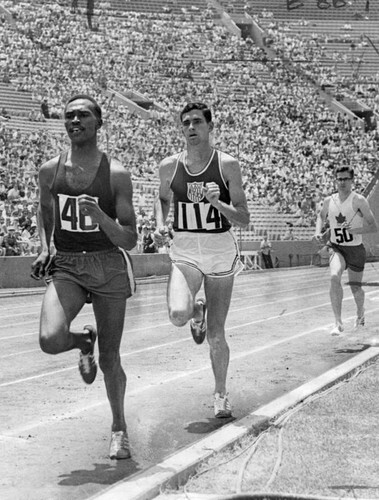
Kip Keino’s career personal bests include:
• 1500 meters: 3:34.91 (1968 Olympic gold medal)
• Mile: 3:54.2 (1965, a world record at the time)
• 5000 meters: 13:24.2
• 3000 meters steeplechase: 8:23.6
“Kip Keino showed the world that Kenyans could not only compete, but win—and do so with grace, humility, and heart,” says Bob Anderson, lifetime runner, founder of My Best Runs, and Director/Owner of the Kenyan Athletics Training Academy (KATA), which operates in both Thika, Kenya, and Monforte da Beira, Portugal. “He laid the foundation for what has become the most dominant force in distance running today. We train the Kenyan way at both of our locations, following in Kip Keino’s footsteps.”
Following his victories, Keino became a national hero. But instead of fading into the spotlight, he turned to mentorship, helping to guide the next generation of Kenyan athletes. He was instrumental in shaping the careers of countless stars, including Henry Rono, Paul Tergat, and Ezekiel Kemboi. He also founded schools, an orphanage, and the Kip Keino High Performance Training Centre in Eldoret, promoting education and sport side by side.
Now 85 years old, Kip Keino continues to be active in athletics and public service. A former chairman of Kenya’s Olympic Committee, he has remained a respected elder statesman of sport and a vocal advocate for youth empowerment through athletics. He resides on a farm in Eldoret, Kenya, where he oversees charitable organizations for orphans and continues to inspire the next generation of Kenyan runners—not just through words, but through action.
Today, when Kenya is mentioned in the same breath as elite distance running, it all traces back to Kip Keino. His influence is felt in every marathon start line, every training camp in the Rift Valley, and every young athlete who dares to dream of greatness.

More than 50 years after that golden night in Mexico City, Keino’s legacy is alive and well—not just in the record books, but in the hearts of every Kenyan runner who followed in his footsteps.
(05/23/25) Views: 186Boris Baron

Why Dill Pickles and Pickle Juice Are a Secret Weapon for Runners
When ultrarunning star Camille Herron clinched victory at the Ice Age Trail 50 earlier this May, she credited an unlikely trio for her late-race revival: an ice pitcher, a cold beer—and pickle juice.
Around mile 40 of the 50-mile race, heat and humidity hit hard, forcing Herron to take a break. But with a sodium boost from pickle juice, she was back on her feet and flying to the win. “I needed more sodium, so I learned a new trick with the pickle juice. I got going again and felt much better,” she shared on social media.
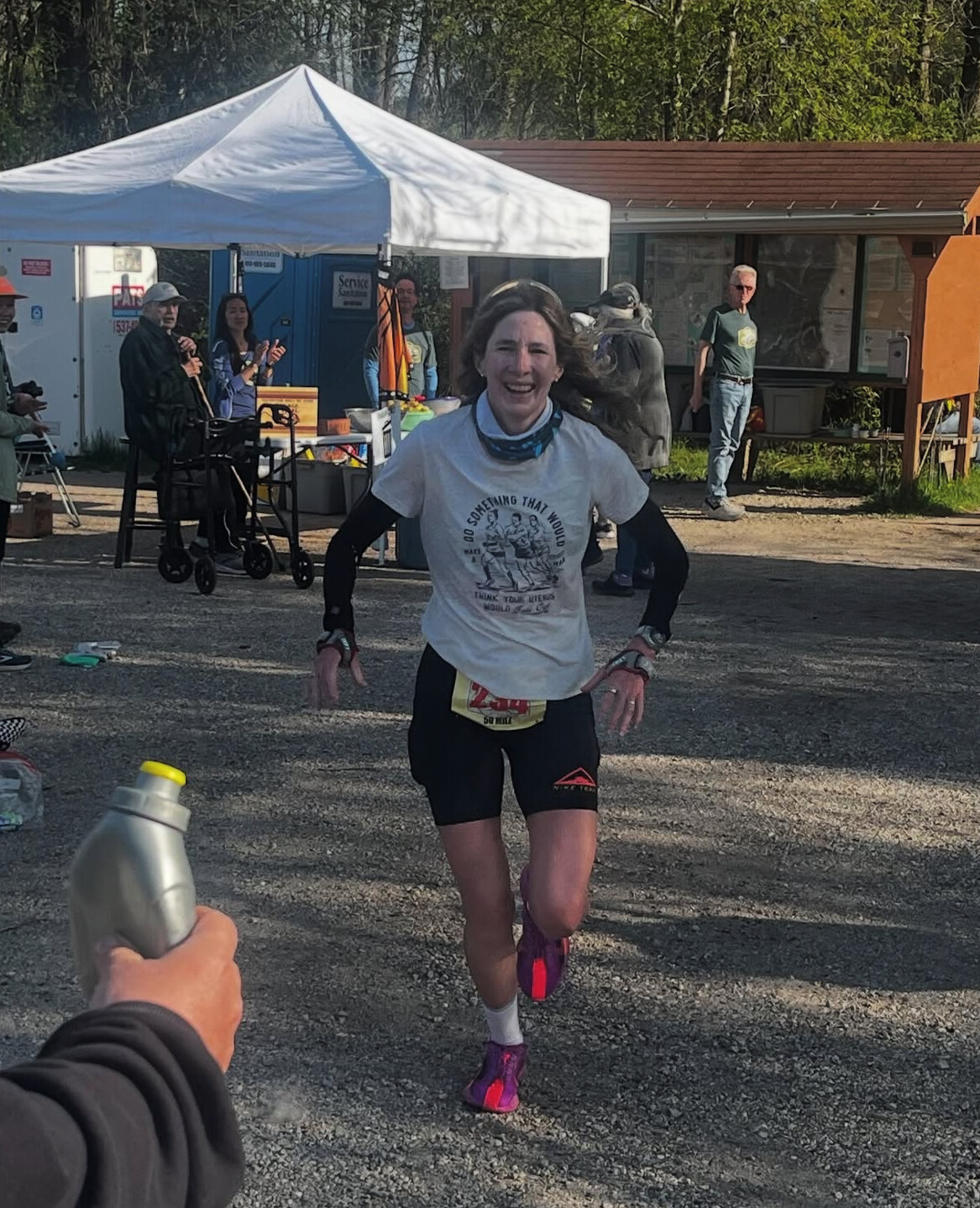
Herron isn’t alone. Many endurance runners are discovering the benefits of dill pickles and their salty brine. But why does it work?
What Makes Pickle Juice Effective?
1. Sodium Replenishment
When you sweat, your body loses vital electrolytes—especially sodium. Pickle juice is packed with it. One shot can contain up to 500–1000 mg of sodium, helping to restore electrolyte balance quickly.
2. Cramp Relief
Multiple studies suggest that pickle juice can stop cramps within minutes. The theory is that the acidic and salty solution triggers a reflex in the mouth and throat that interrupts cramping signals from the nervous system. It’s not just hydration—it’s neuromuscular magic.
3. Quick Absorption
Unlike sugary sports drinks, pickle juice doesn’t require digestion to be effective. It’s absorbed almost immediately, delivering rapid results during a race.
4. Gut-Friendly for Some
While not for everyone, many runners find that pickle juice is easier on their stomach than processed gels or sweet drinks during ultra events.
Why Dill Pickles?
It’s not just the juice—eating actual dill pickles provides a crunch of salt and hydration in solid form. The vinegar in dill pickles may also aid in reducing blood sugar spikes and promoting a steady energy level, especially in the latter stages of a long race.
Pickles in Daily Practice

Lifetime runner Bob Anderson, founder of My Best Runs, discovered dill pickles and pickle juice several years ago—and never looked back. “I love the taste and it just seems to work in so many different ways,” says Anderson, who eats and drinks from a big jar almost every day.
Pickles have become a staple at aid stations in trail and ultra races. From pickle popsicles to pickleback shots (yes, even paired with beer), the humble cucumber in brine has earned its place in the runner’s toolkit.
As Camille Herron proved, even champions lean on the classics. Whether you’re training for your first ultra or just need a leg up during your next 10K, a little pickle power might be exactly what you need.
(05/23/25) Views: 180Boris Baron
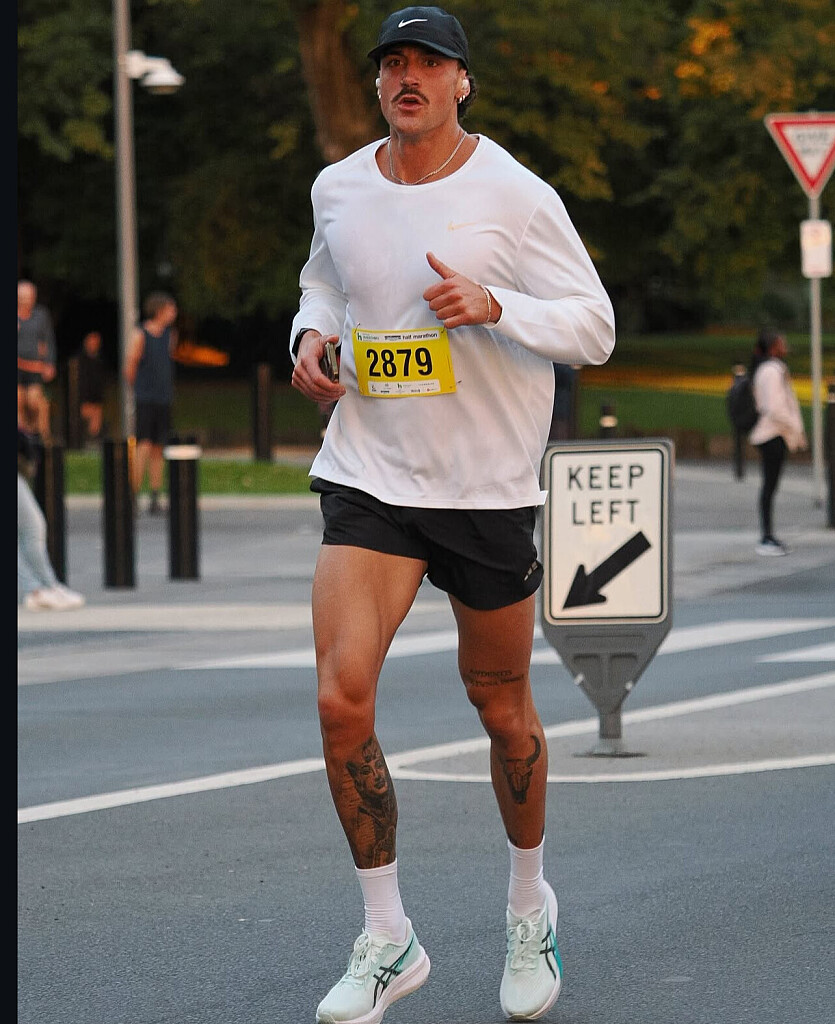
CAN YOU RUN A MARATHON WITHOUT TRAINING?
Despite what you might see on social media, we definitely do not recommend attempting a marathon without proper training.
Running 26.2 miles is a tremendous physical challenge, and attempting it unprepared not only risks injury but also makes the experience extremely difficult. Respect the distance and put in the necessary preparation.
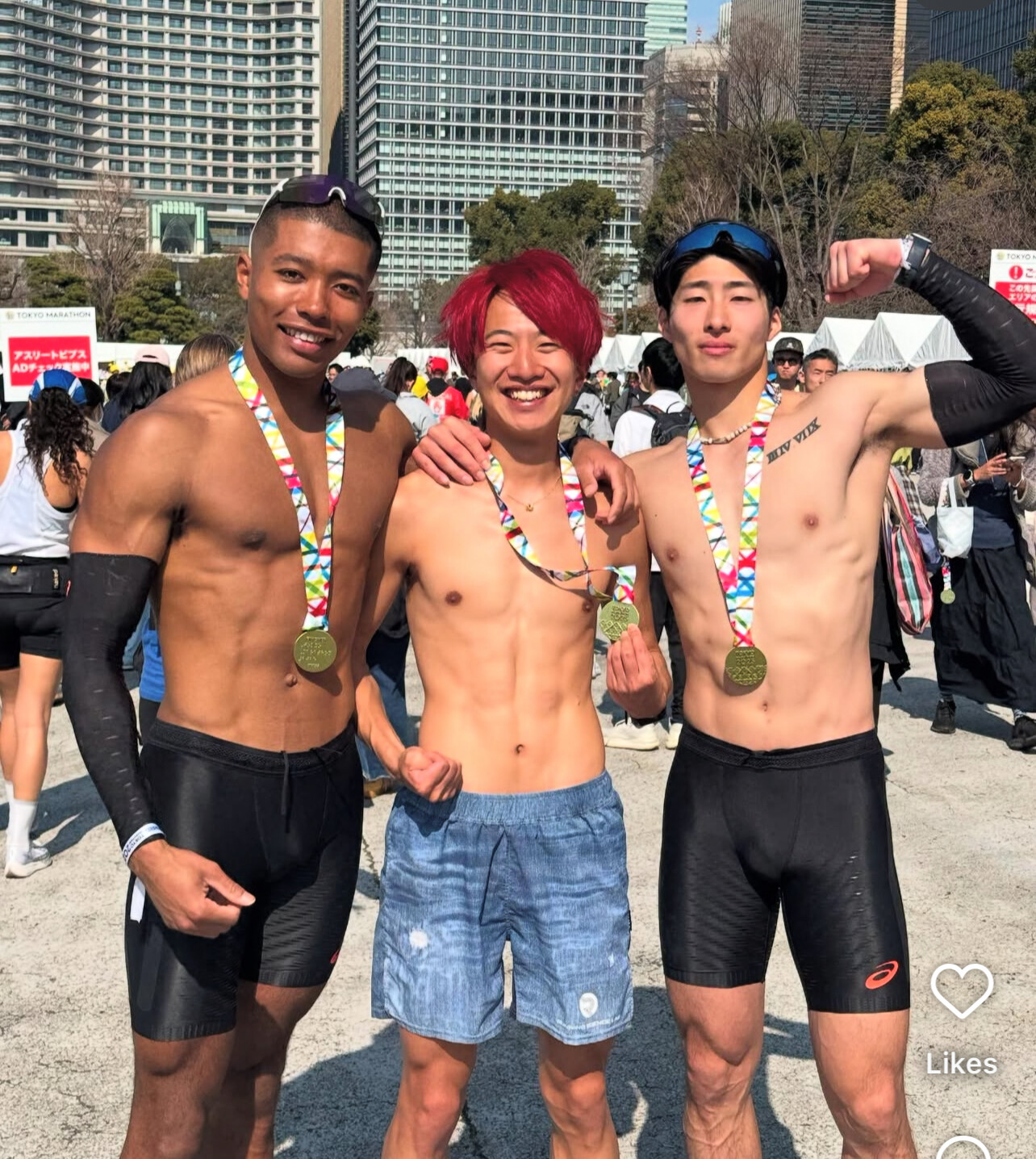
TOP TIPS FOR MARATHON TRAINING

• Start Early: Begin your training as early as possible—ideally six months before race day. Don’t think of it as “marathon training” from day one. Break it into smaller training blocks. Building a strong base before starting a structured plan will help develop your fitness and strength, setting you up for success.
• Follow a Structured Plan: Use an app like Runna or work with a coach to create a training plan tailored to your goals. Structured plans provide consistency and can be adjusted if you encounter setbacks along the way.
• Consistency Is Key: Aim to run at least three times a week. Consistency is the foundation of marathon training. However, listen to your body—take extra rest days if you’re dealing with soreness or minor issues.
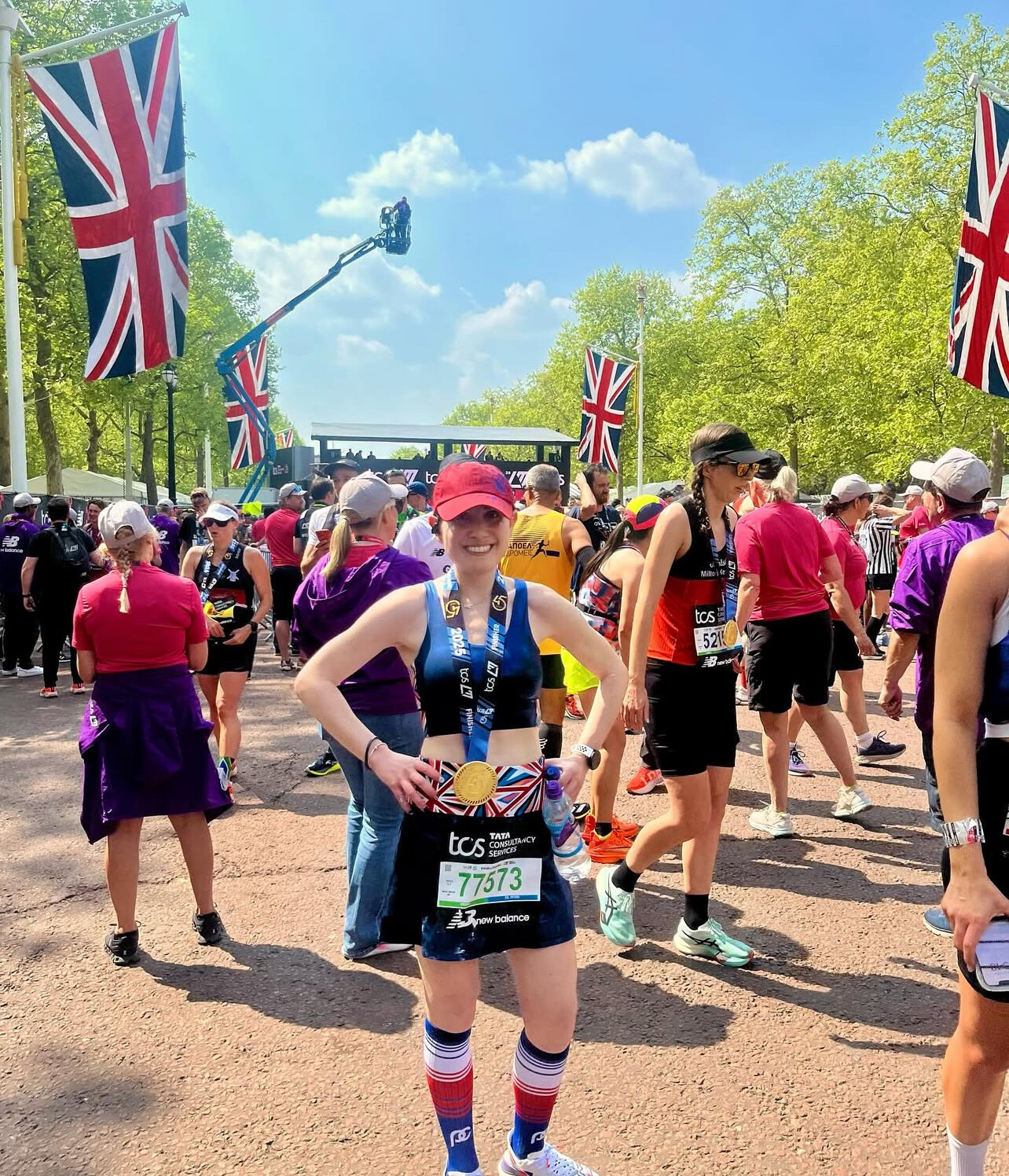
• Fuel and Hydrate Properly: Learn how to fuel and hydrate effectively before, during, and after runs. Focus on simple carbohydrates before a run and a mix of carbohydrates and protein afterward to aid recovery and replenish energy stores.
• Incorporate Cross-Training and Strength Work: Complement your running with cross-training activities like swimming, cycling, or elliptical sessions. Include one or two strength training sessions per week with exercises like squats, deadlifts, lunges, and core work.
• Prioritize Recovery: Recovery is as important as training. Use foam rolling, stretching, and yoga to aid recovery, and prioritize sleep—especially as training intensifies.
WHAT DOES A MARATHON TRAINING PLAN LOOK LIKE?
Our 16-week marathon training plan (available on our website) features four runs per week, carefully structured to help you build endurance and confidence. Here’s a look at what it entails:
Week 1:
• A 30-minute easy run

• A 5-mile (8 km) easy/steady run with strides
• An interval workout of 2 sets of 5 x 1-minute intervals
• A 60-minute long run
This structure is typical of most marathon training plans. If this feels too challenging, focus on gradually building up your mileage and consistency before starting the full plan.
As training progresses, long runs will increase in distance, and workouts will introduce marathon-specific pace work to prepare you for race day.
Peak Week:

• A 30-minute easy run
• A 6-mile (10 km) easy/steady run with strides
• An interval workout of 2 sets of 10 x 1-minute intervals
• An 18.6-mile (30 km) long run
With the right plan, dedication, and consistency, you’ll be well-prepared to conquer 26.2 miles.
(05/24/25) Views: 162Mark Dredge
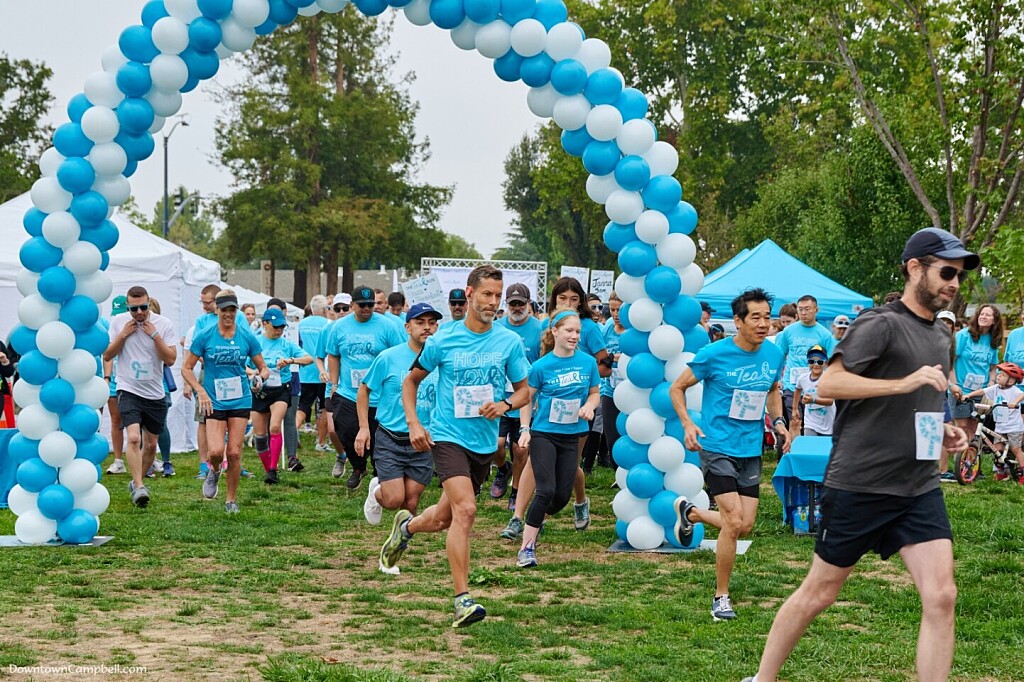
Why the 5K Experience Race Is Booming in 2025
After a period of decline, 5K races are back in a big way—but this time, they’re different. These aren’t just traditional time trials. In 2025, the 5K has evolved into a full-scale experience that blends fitness, community, and entertainment.
“We’ve reimagined what the 5K can be,” says race director Kevin Morris. “It’s about connection, movement, and fun. We’re seeing record interest again.”
Several trends are fueling the resurgence:
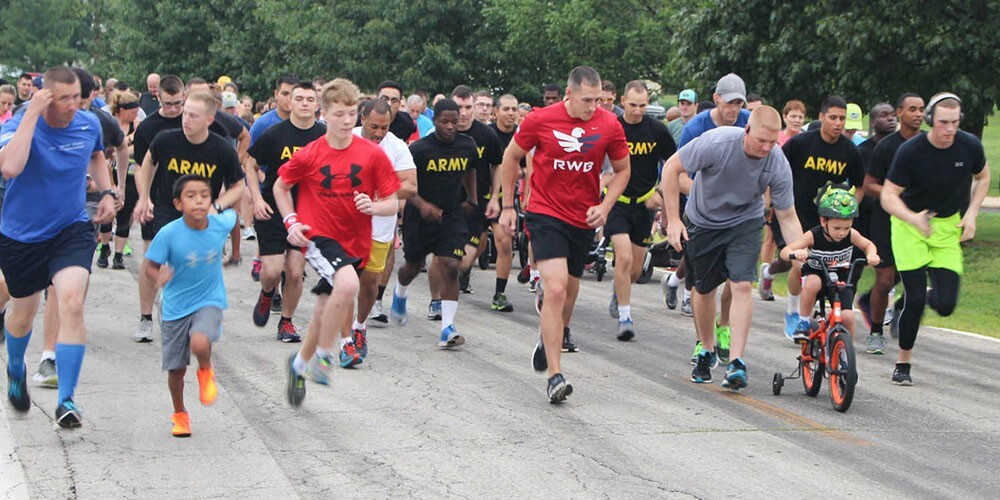
Enhanced race-day technology has transformed the participant experience. Many events now offer synced music playlists, GPS-guided pacing, live race tracking, and even augmented reality checkpoints that bring the course to life.
The format has also shifted to prioritize experience over performance. Post-race yoga, recovery lounges, artisanal food trucks, and wellness booths are becoming the norm. These events are about more than finish times—they’re about how you feel crossing the line.
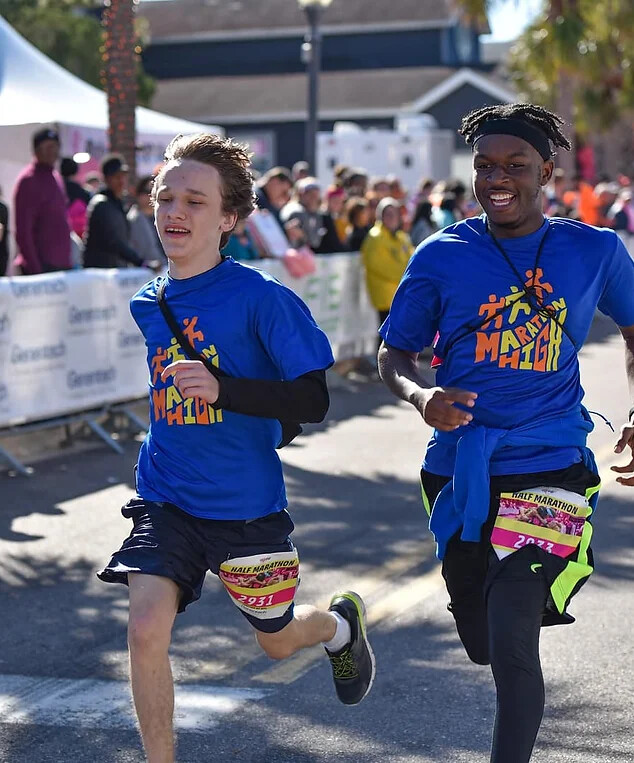
Corporate and charity involvement is at an all-time high. From supporting youth education to funding mental health programs, these races are drawing in new audiences while making a difference. Brands and non-profits alike see them as powerful platforms for impact and engagement.
Most importantly, people are showing up because they crave real-world connection. After years of virtual alternatives, there’s renewed appreciation for shared movement and in-person celebration.
And while these events often carry an entry fee—unlike traditional community fun runs—they remain inclusive. Walkers, joggers, and competitive runners all line up together, united by a common goal: to enjoy the journey.
The 5K in 2025 is no longer just a race. It’s a movement—one that’s reminding us why we fell in love with running in the first place.
(05/23/25) Views: 139Boris Baron
The Value of Speed Work for All Runners
Speed work isn’t just for elite athletes or sprinters chasing records. It’s a transformative training element that benefits runners across all levels and distances. Whether you’re aiming for a personal best or seeking to enhance your overall fitness, incorporating speed workouts can elevate your running experience.
Why Incorporate Speed Work?
• Enhanced Running Economy: Engaging in speed workouts trains your body to utilize oxygen more efficiently, allowing you to maintain faster paces with less effort.

• Increased Muscular Strength and Power: Short, intense efforts recruit fast-twitch muscle fibers, building strength and resilience that benefit all running distances.
• Improved Mental Toughness: Pushing through the discomfort of speed sessions builds mental fortitude, preparing you to tackle challenging segments during races.
• Injury Prevention: Speed training promotes a fuller range of motion and strengthens connective tissues, reducing the risk of common running injuries.
Dispelling Common Myths
• “Speed Work Is Only for Fast Runners”: Speed workouts are scalable. Whether you’re running 6-minute miles or 12-minute miles, the key is relative effort. Your body responds to the challenge, not the pace.
• “Speed Work Increases Injury Risk”: When integrated thoughtfully, speed training can actually fortify your body against injuries by enhancing muscular balance and joint stability.
Incorporating Speed Work into Your Routine
• Start with Strides: Introduce 4–6 strides of 20–30 seconds at a faster pace post easy runs to accustom your body to quicker turnover.
• Implement Interval Training: Alternate between periods of high-intensity running and recovery. For example, 4 x 400 meters at a challenging pace with 2-minute jogs in between.
• Explore Fartlek Runs: Blend speed and endurance by varying your pace throughout a run, such as sprinting between landmarks followed by easy running.
• Hill Repeats: Incorporate short, uphill sprints to build strength and improve running form.
Sample Beginner Speed Workout
• Warm-Up: 10-minute easy jog
• Drills: 5 minutes of dynamic stretches (e.g., leg swings, high knees)
• Main Set: 4 x 400 meters at a challenging but sustainable pace, with 2-minute recovery jogs between each
• Cool Down: 10-minute easy jog followed by static stretching
Incorporate such sessions once a week, ensuring adequate recovery and listening to your body’s signals.
Visual Enhancements
To complement the article, consider including the following images:
1. Hill Sprint in Action: An athlete powering up a hill, exemplifying strength and determination.
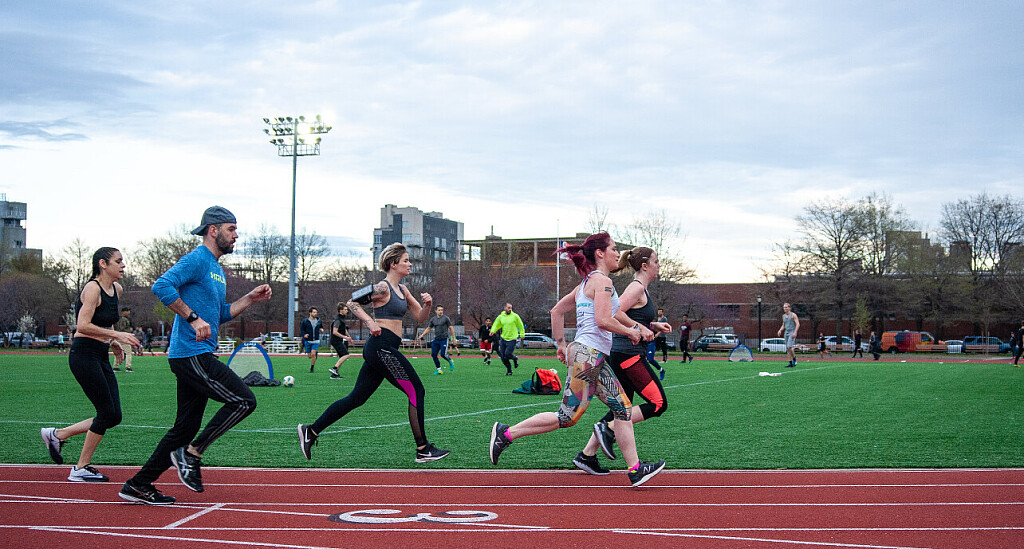
2. Track Interval Training: Runners engaged in interval workouts on a track, showcasing form and focus.
3. Dynamic Strides: A runner performing strides on a trail, highlighting speed and agility.
Incorporating speed work into your training regimen can unlock new levels of performance and enjoyment in your running journey. Embrace the challenge, and experience the transformative benefits firsthand.
(05/25/25) Views: 137Boris Baron
Chasing the Unseen: How Micro-Pacing Can Shave Minutes Off Your PR
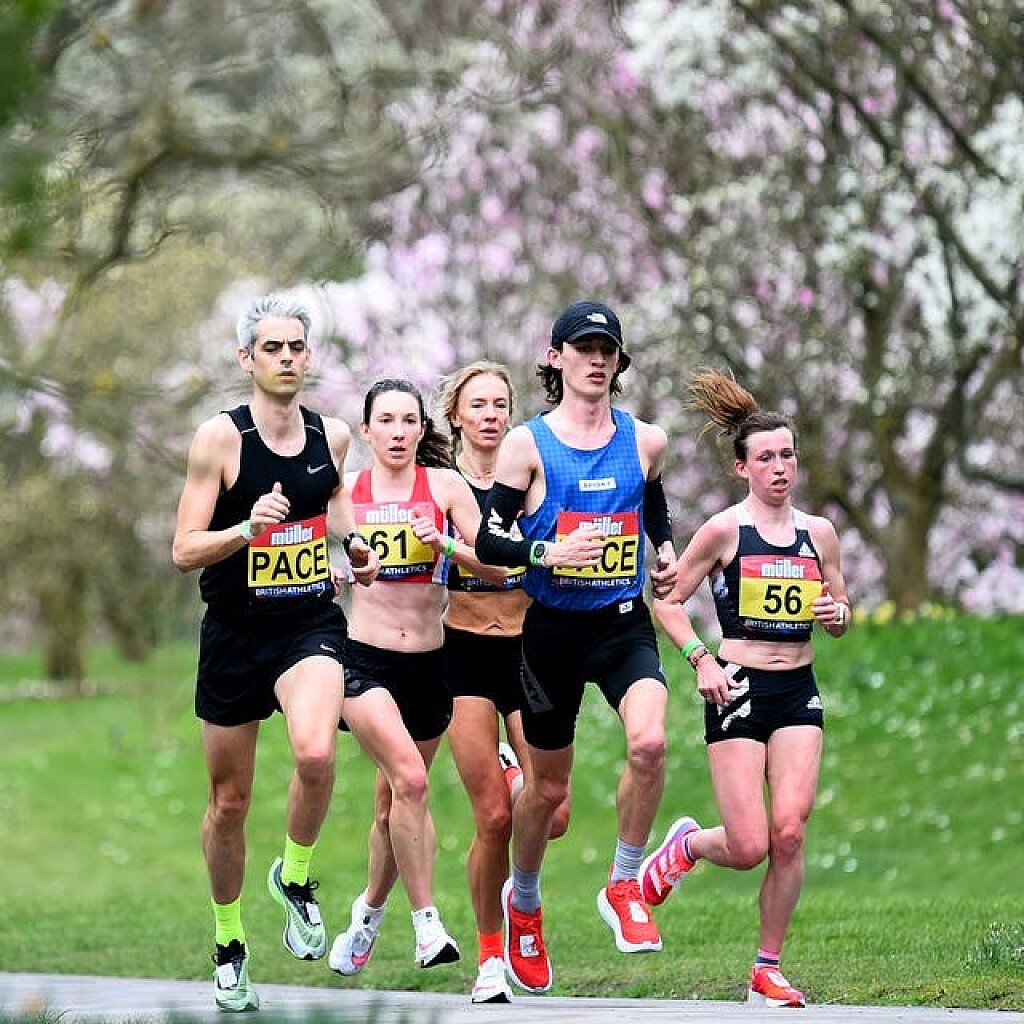
For serious distance runners, every second counts. While high mileage, speed work, and careful recovery are key to success, there’s a subtle yet powerful strategy that can give you an edge on race day: micro-pacing.
Unlike traditional pacing—where runners aim for steady splits or even effort—micro-pacing is about making minute, real-time adjustments throughout a race. It’s the art of responding to every subtle change: a slight headwind, a gradual incline, a moment of mental fatigue. It means staying attuned to both your body and the course, and making tiny shifts in effort that keep you in the optimal performance zone.
How to Practice Micro-Pacing:
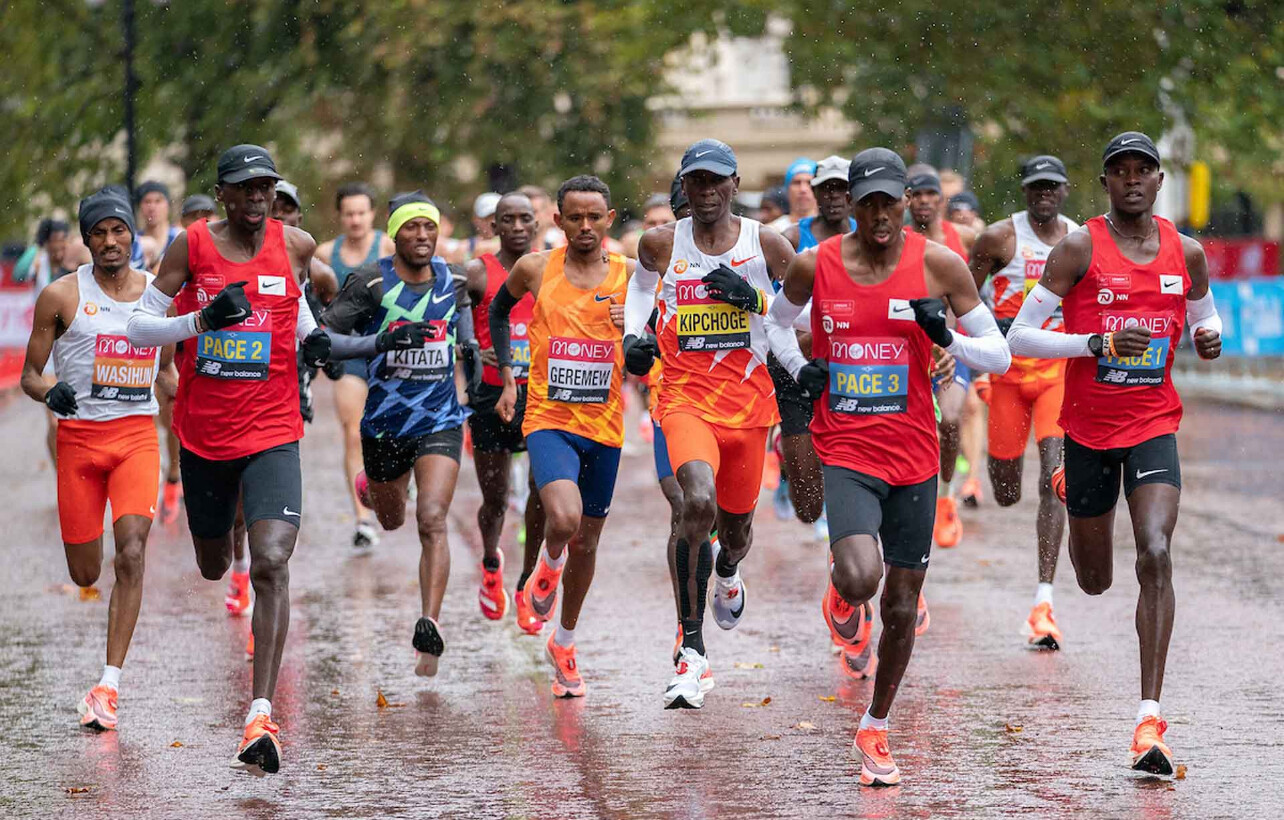
• Train on varied terrain: Incorporate rolling hills, uneven surfaces, and mixed conditions to sharpen your awareness and adaptability.
• Use your tools wisely: Leverage GPS watches with elevation profiles or running power meters to track micro-changes in effort.
• Develop internal awareness: Practice mindful running, focusing on breathing, body tension, and posture. This helps you tune into subtle cues that signal when to adjust your effort.
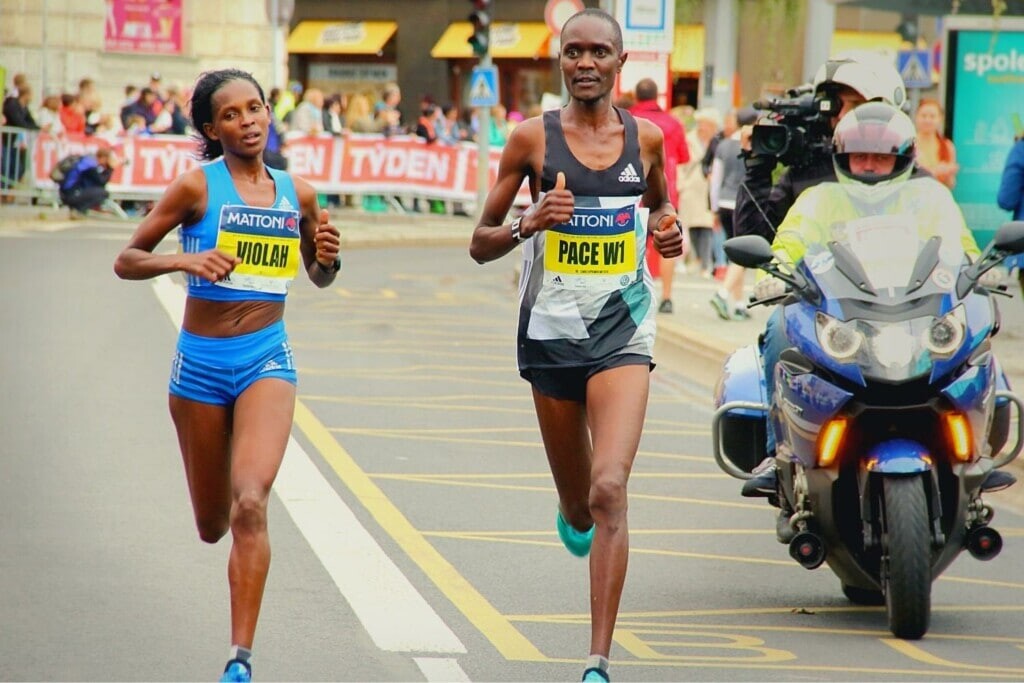
Why It Works:
• Energy efficiency: Micro-pacing helps you conserve energy early in a race and maintain strength when it counts most.
• Adaptability: It allows you to respond dynamically to your competitors’ moves, unexpected race-day conditions, or even your own energy fluctuations.
• A competitive edge: Elite runners like Eliud Kipchoge and Sifan Hassan don’t just stick to a rigid plan—they read the race moment by moment, making subtle adjustments that keep them in control.
For serious distance runners, micro-pacing is the next level of race strategy. It turns pacing from a static plan into a fluid, responsive system, empowering you to perform your best when it matters most. If you’re chasing a personal best, it’s time to master the art of the unseen.
(05/24/25) Views: 136Boris Baron

Potatoes: The Ideal Pre-Marathon Fuel?
For years, pasta has been the go-to pre-race meal for runners, but potatoes might just be the better choice—and here’s why:
1. Potatoes are a Complex Carbohydrate Powerhouse
A medium baked potato (~150g) offers approximately 37g of carbohydrates, primarily in the form of starch. This starch breaks down into glucose, the preferred fuel source for your muscles during endurance events. Unlike processed pasta, potatoes retain essential nutrients like potassium, iron, and magnesium, making them a natural choice.
2. Rich in Potassium and Electrolytes

Potassium plays a critical role in nerve function and muscle contraction. One medium potato delivers over 900mg of potassium—that’s nearly double the amount found in a banana (~450mg). This helps prevent cramping and supports muscle endurance during long races.
3. Lower Glycemic Load than Pasta
While pasta can cause a rapid spike in blood sugar, potatoes (especially when eaten with skins and balanced toppings like butter or cheese) have a lower glycemic load, resulting in a more sustained energy release.
4. Gentler on the Stomach
Many runners report that pasta causes bloating or discomfort due to gluten and higher fiber content. Potatoes—whether baked or mashed with simple toppings—are gentler on digestion, making them an excellent option for pre-race fueling.
5. Anecdotal Success (and Personal Endorsement)
Your own experience adds weight to the argument: a fully loaded baked potato (with butter, cream cheese, and chives) combines carbs, fats, and a touch of protein. This combination slows digestion and provides a steady energy release throughout a marathon.
Could Potatoes Replace Pasta for Pre-Race Carb-Loading?
Absolutely. Many elite runners in East Africa and beyond already favor starchy root vegetables like potatoes, sweet potatoes, and ugali over refined pasta. Potatoes offer a natural, nutrient-dense fuel source that supports endurance, performance, and recovery.
As more athletes turn to wholesome, performance-driven nutrition, it might be time to make potatoes your pre-marathon staple—and leave pasta on the sidelines.
(05/26/25) Views: 118Boris Baron
Why Sub-Elite Runners Are the Heartbeat of Major Races
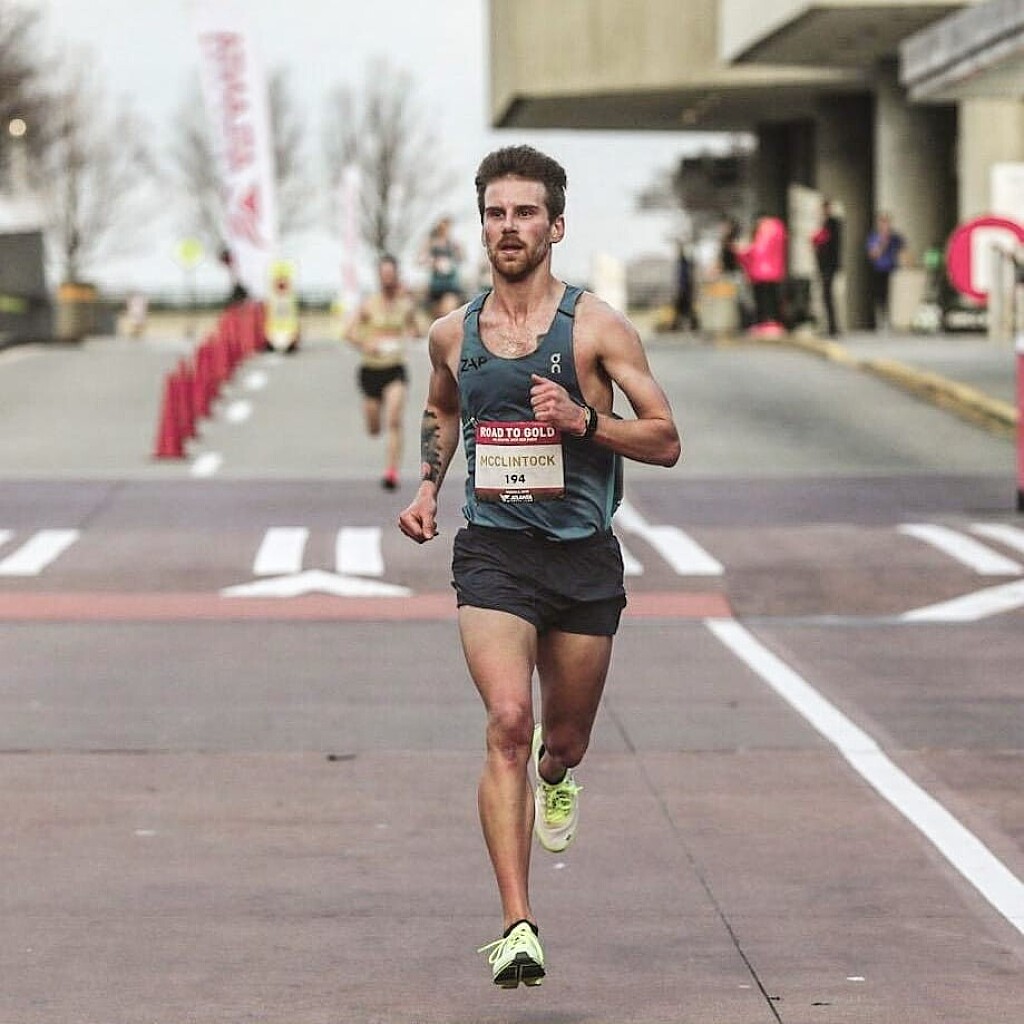
While the spotlight at major marathons often shines brightest on the professional athletes chasing records and podiums, it’s the sub-elite runners—the dedicated amateurs bridging the gap between the front of the pack and the masses—who form the heartbeat of the sport.
Sub-elite runners are those capable of running remarkably fast, often finishing marathons in the 2:20s to low 3-hour range, but they don’t make a living from the sport. They juggle full-time jobs, family commitments, and daily life while chasing personal bests and qualifying standards for events like the Boston Marathon or the U.S. Olympic Trials.

Their determination brings a unique energy to races. These runners inspire others on the course, often acting as unofficial pacers for those aiming to break through key barriers, like the coveted sub-3-hour marathon or a Boston qualifier. Their visible grit and resilience embody the spirit of racing, proving that running isn’t reserved for elite professionals—it’s a pursuit for anyone willing to put in the work.
Beyond the Finish Line
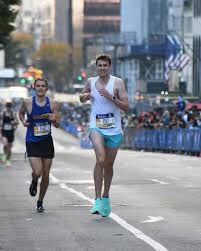
Beyond race day, sub-elites are often the backbone of local running communities. They coach local clubs, organize training groups, and mentor newcomers to the sport. Their presence bridges the gap between elite competition and mass participation, giving races a rich, layered dynamic that extends beyond who wins.
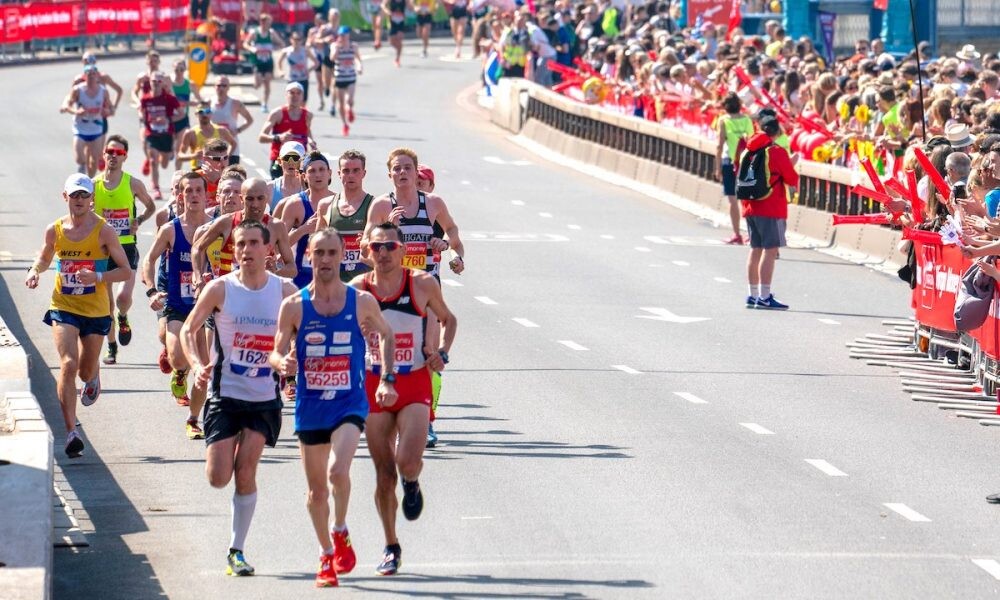
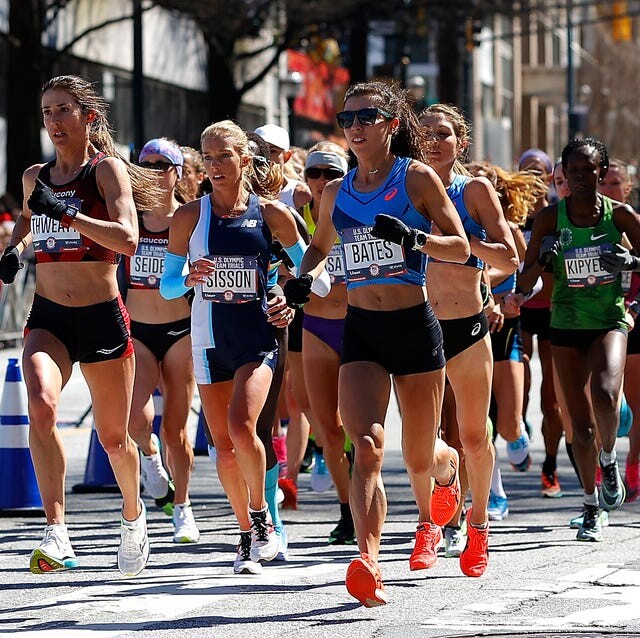
Many major races, like Boston, London, and Berlin, thrive because of this middle tier of talent. Their presence in the front corrals adds depth to the competition, pushing the elites to deliver their best while setting a pace for countless others. Without the sub-elites, these races would lose a vital layer of strategy, camaraderie, and spectacle.
Real Stories of Sub-Elite Grit
Take for example Sarah Sellers, who shocked the running world with her second-place finish behind Des Linden at the 2018 Boston Marathon. A virtual unknown in the sport at the time, she completed the course in 2:44:04—an impressive feat considering it was only her second attempt at the 26.2-mile distance. Sellers, a full-time nurse anesthetist, only signed up for Boston because her younger brother Ryan was running.
What made her performance even more remarkable was the terrible weather conditions that year. The race was plagued by freezing rain, strong headwinds, and temperatures in the low 30s Fahrenheit. Many elite runners struggled with the harsh conditions and dropped out, but Sellers persevered, drawing on her mental toughness and resilience. Her ability to adapt and push through led to a stunning result, proving that grit and determination can triumph over talent and experience on any given day.
Her breakthrough not only earned her a spot on the podium but also opened doors to sponsorships and elevated her profile within the sport. Sellers transitioned from an unknown amateur to a recognized name in running, showing how a standout performance can transform a sub-elite into a sponsored athlete.
Since then, she has continued to excel. Sellers achieved a personal best of 2:25:43 at the 2022 Grandma’s Marathon, qualifying for the 2024 U.S. Olympic Trials. Despite giving birth to her second child just nine months prior, she impressively finished 14th at the Trials in 2:30:17. Balancing motherhood, a demanding career, and elite-level training, Sellers exemplifies the resilience and dedication of sub-elite runners.
Another inspiring figure is Peter Bromka, a sub-elite runner known for his candid writings about the emotional journey of chasing ambitious goals. With a marathon personal best of 2:19:05, Bromka has been a prominent voice in the running community, sharing insights into the challenges and triumphs of striving for excellence while balancing life’s responsibilities.
In recent years, Bromka has expanded his influence by coaching aspiring runners and collaborating with brands like Cure Hydration. His storytelling continues to resonate, offering a window into the sub-elite experience and inspiring others to pursue their running aspirations with passion and authenticity.
A Personal Perspective
As a lifelong runner and race organizer, I’ve seen firsthand how sub-elites elevate the entire race experience. Their commitment sets the tone at the front of the pack and inspires the middle and back-of-the-pack runners to push harder. They remind us that running is about more than just winning—it’s about challenging yourself and those around you.
Looking Ahead
As major marathons continue to evolve, recognizing and celebrating sub-elite runners ensures the sport remains vibrant and inclusive. They are the bridge between the elites and the everyday runners, the pulse that keeps the sport alive and growing.
(05/26/25) Views: 102Boris Baron
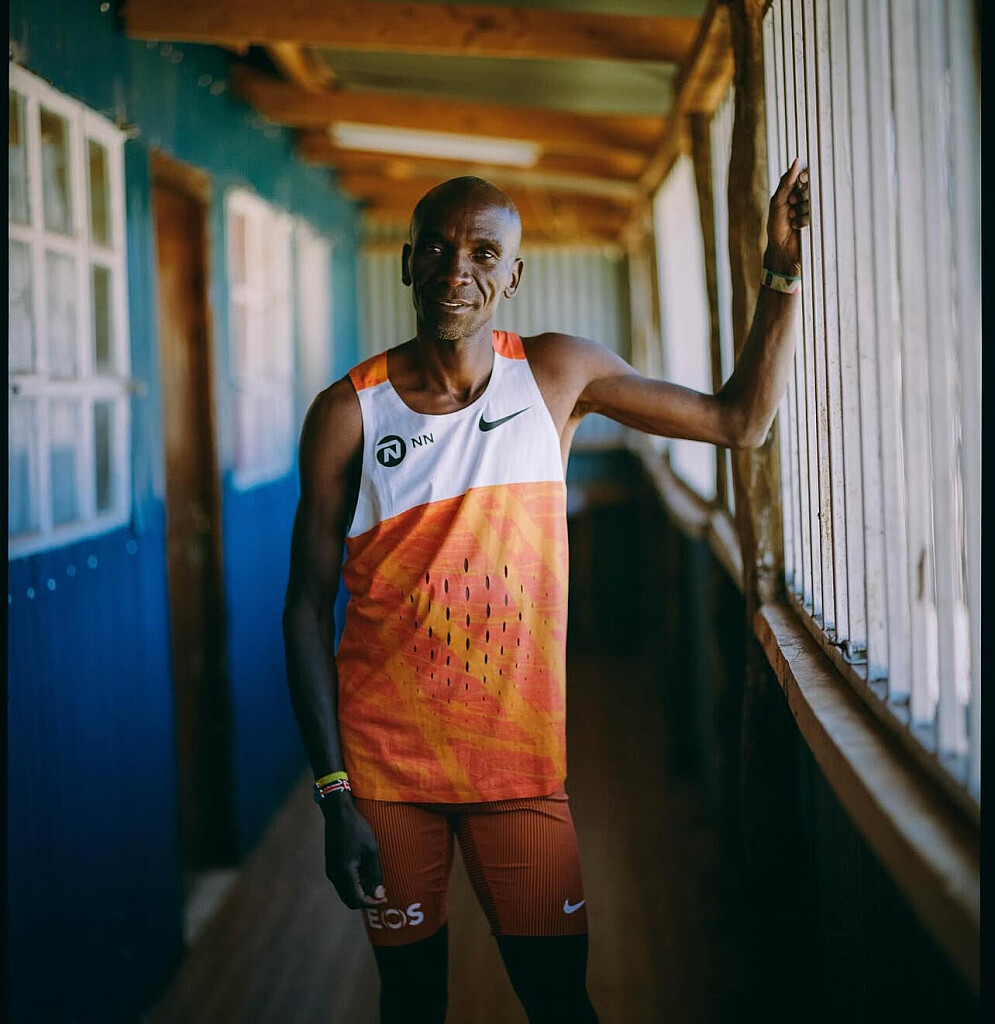
Elite Runner Spotlight: Lessons from Eliud Kipchoge's Training Regimen
Eliud Kipchoge is one of the most dominant distance runners of our time. With multiple Olympic gold medals and world records under his belt, Kipchoge's training regimen is of great interest to runners around the world. Let's take a closer look at his approach to training and what we can learn from it.
Kipchoge's Training Philosophy
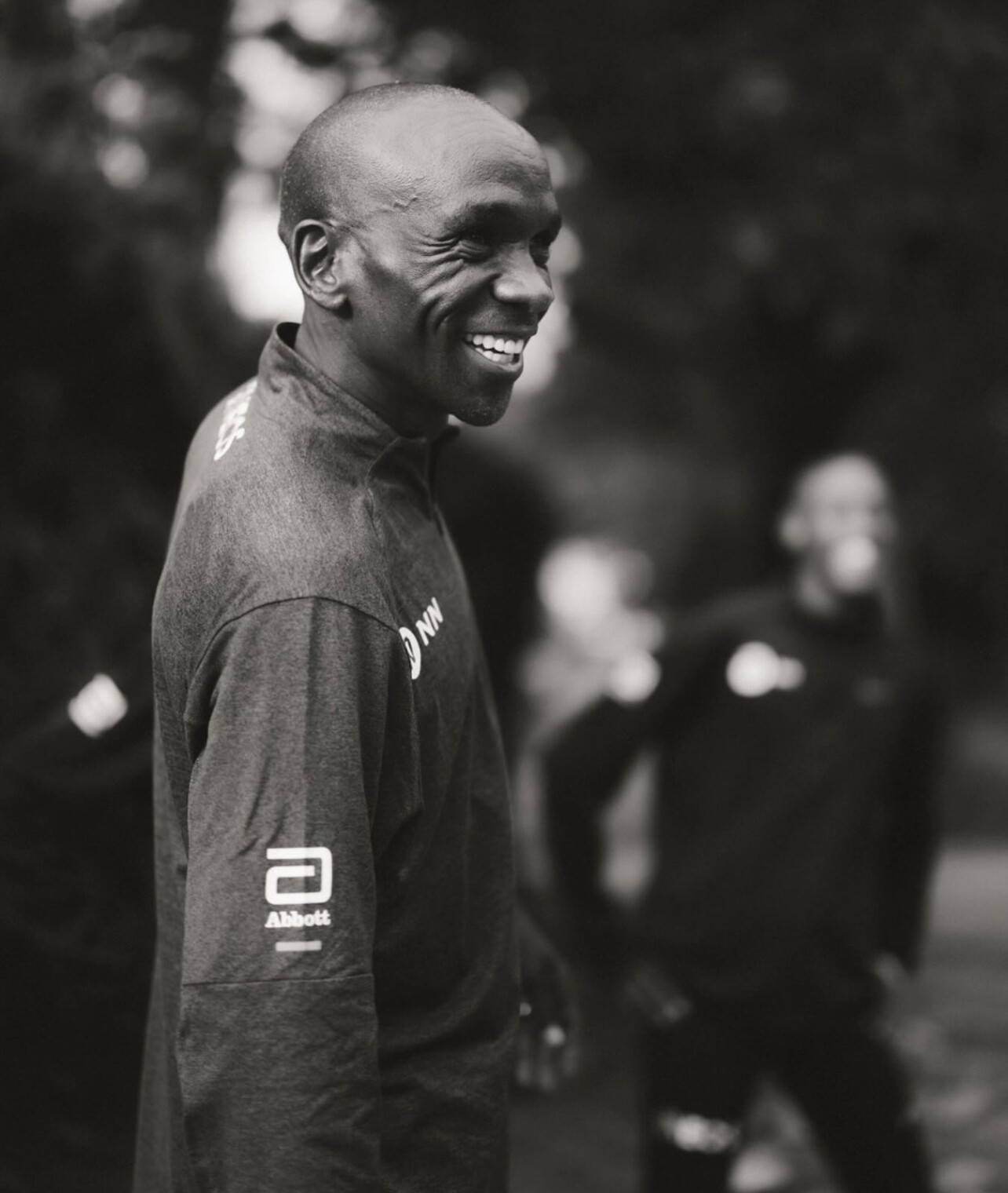
Kipchoge's training philosophy is centered around consistency, patience, and progressive overload. He believes in building a strong foundation of endurance through consistent training, and then gradually increasing the intensity and volume of his workouts.
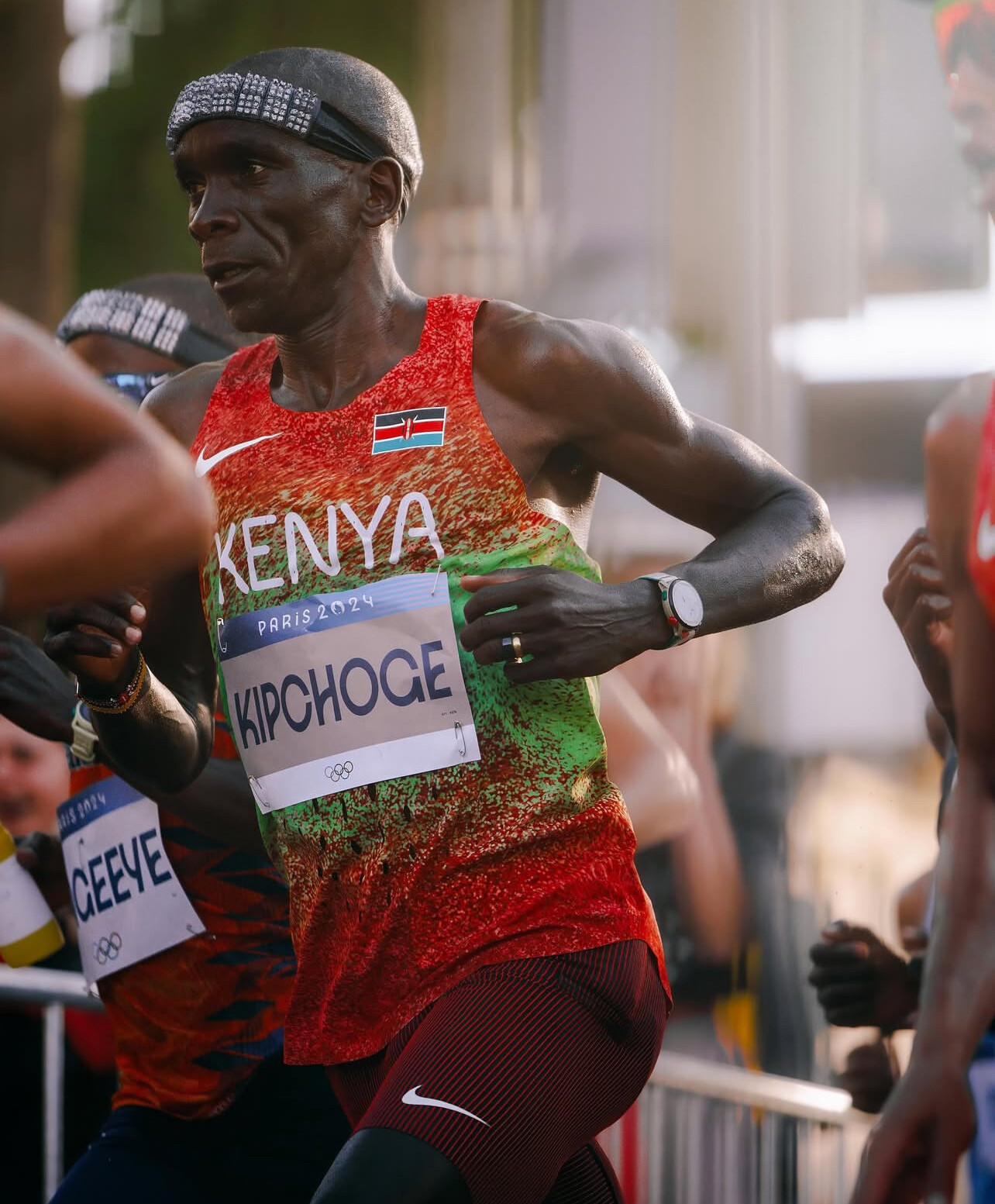
Key Components of Kipchoge's Training
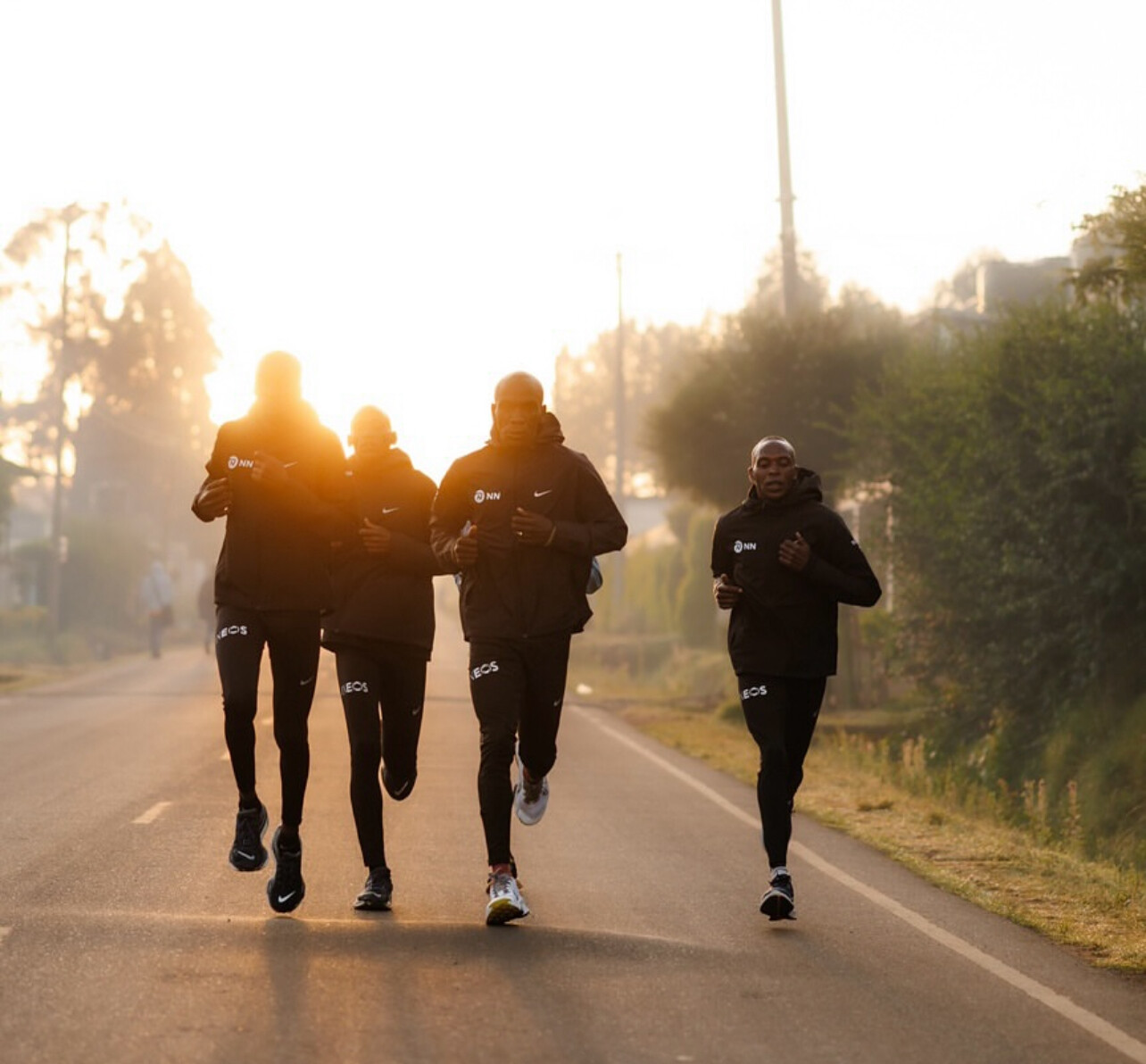
1. *High-Volume Training*: Kipchoge is known for his high-volume training, often running 93-124 miles per week. This high volume helps him build a strong endurance base, which is essential for success in distance running.
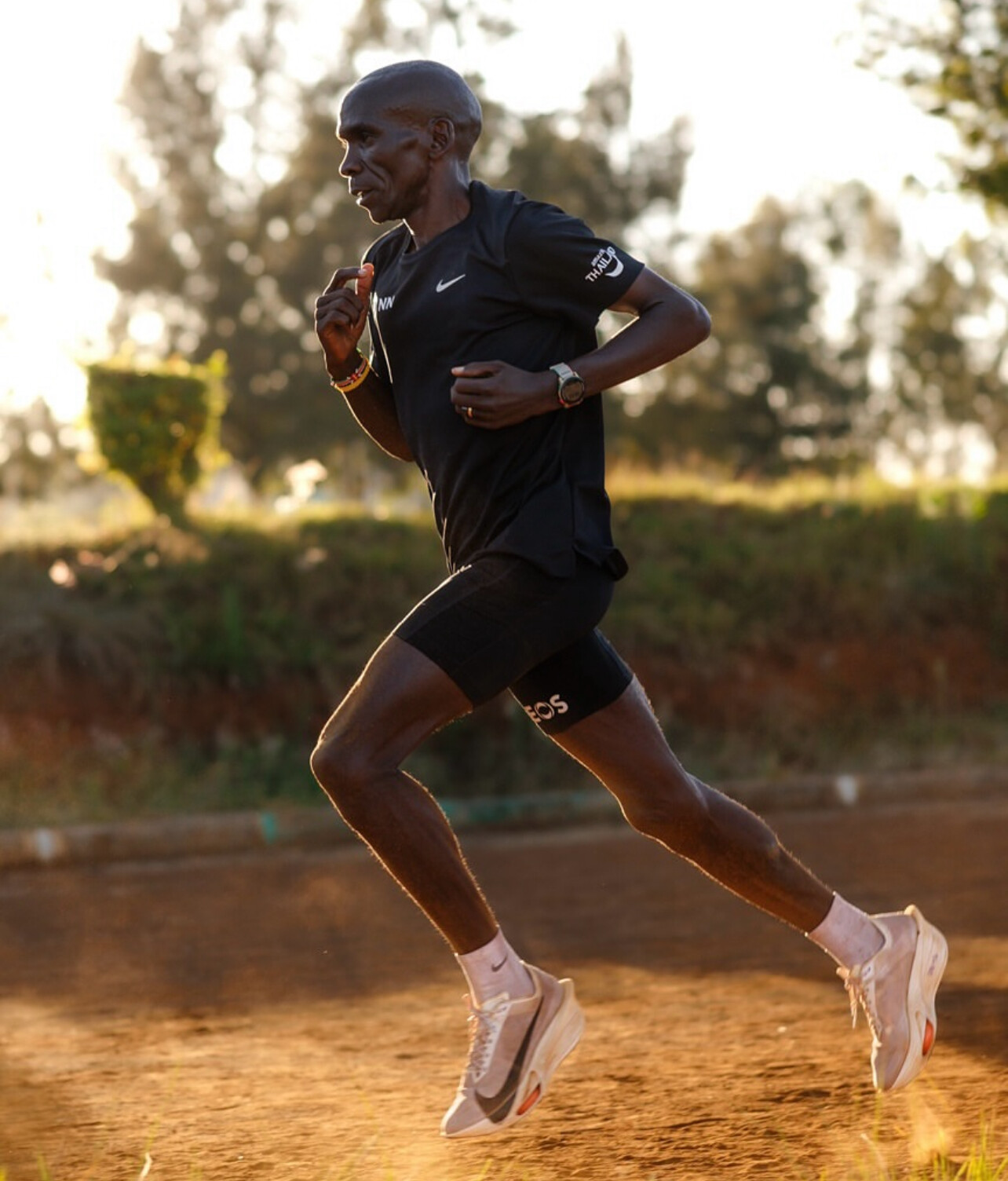
2. *Interval Training*: Kipchoge incorporates interval training into his regimen, which involves alternating between periods of high-intensity running and active recovery. This type of training helps improve his running efficiency, endurance, and speed.
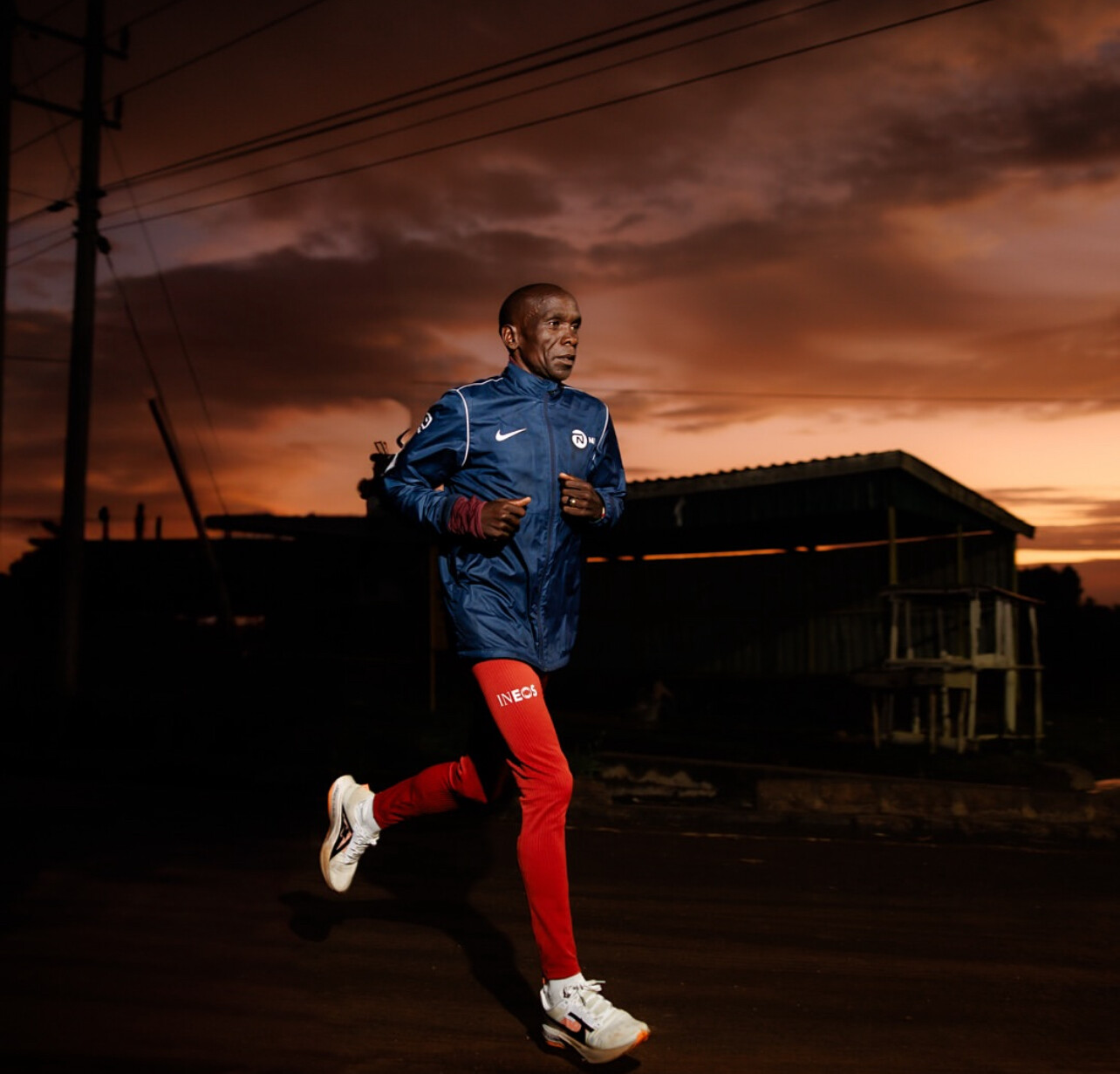
3. *Hill Sprints*: Kipchoge often includes hill sprints in his training, which helps improve his explosive power and running efficiency.
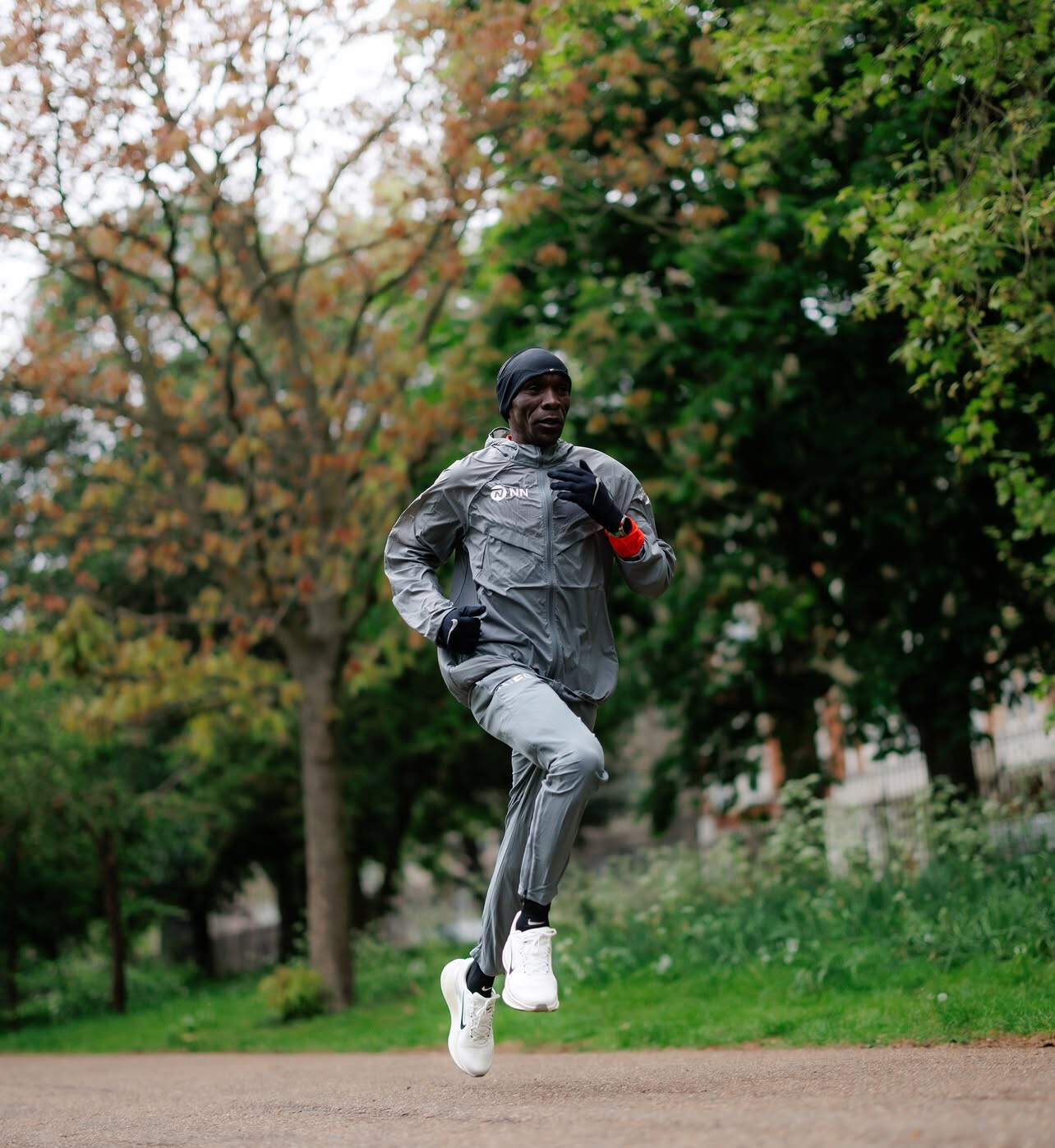
4. *Long Runs*: Kipchoge's training includes long runs, often at a moderate pace, to help build his endurance and mental toughness. These runs can range from 10-22 miles.
5. *Recovery*: Kipchoge prioritizes recovery, ensuring he gets enough rest and nutrition to support his intense training.
Lessons for Amateur Runners
While most of us can't replicate Kipchoge's intense training regimen, there are valuable lessons we can learn from his approach:
1. *Consistency is Key*: Consistency is crucial in building endurance and improving performance. Aim to establish a regular training routine and stick to it.
2. *Progressive Overload*: Gradually increase the intensity and volume of your workouts to continue making progress and avoiding plateaus.
3. *Incorporate Variety*: Incorporate different types of workouts, such as interval training and hill sprints, to add variety to your training and improve performance.
4. *Prioritize Recovery*: Adequate recovery is essential for allowing your body to adapt to the demands of training. Make sure to prioritize rest, nutrition, and recovery techniques.
Takeaways for Your Own Training
By studying Kipchoge's training regimen, we can learn valuable lessons about the importance of consistency, progressive overload, and recovery. While we may not be able to replicate his intense training, we can apply these principles to our own training and see improvements in our performance.
Ready to apply these lessons to your own training? Share your favorite training tips or experiences with us on social media using #MyBestRuns!
(05/27/25) Views: 100Sally Decker
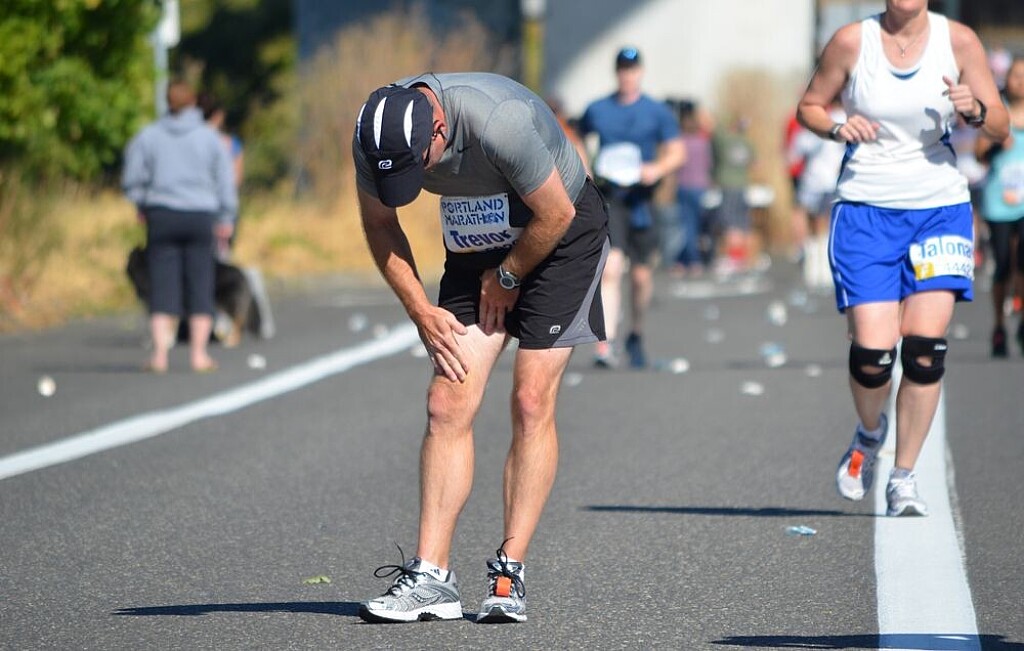
Staying on Track: Expert Advice on Injury Prevention for Long-Distance Runners
As a long-distance runner, you've likely experienced the frustration of an injury that sidelines you from training and competition. Injuries can be a significant setback, but with the right strategies, you can reduce your risk and stay on track. In this article, we'll explore expert advice and tips on injury prevention, covering topics such as strength training, proper running form, recovery, and injury management.
Understanding Common Injuries

Long-distance runners are prone to a range of injuries, including shin splints, plantar fasciitis, and runner's knee. These injuries often result from overtraining, poor biomechanics, and inadequate recovery. By understanding the causes of these injuries, you can take steps to prevent them.
Strengthening Your Foundation
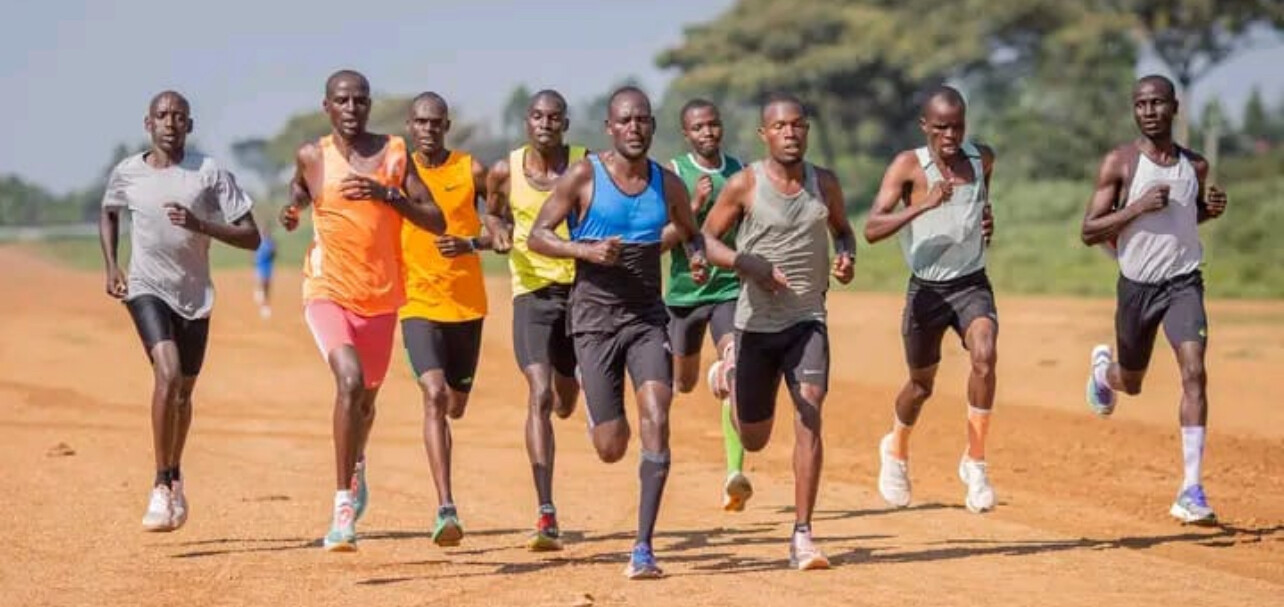
Strength training is a crucial component of injury prevention for long-distance runners. By strengthening your muscles, you can improve your running efficiency, reduce your risk of injury, and enhance your overall performance. Some key exercises to include in your strength training routine are:
- Glute bridges and squats to improve hip and knee stability

- Calf raises and ankle exercises to strengthen your feet and ankles
- Core exercises to enhance stability and balance
The Right Shoes for Injury Prevention
Running shoes play a critical role in injury prevention. Worn-out shoes can lead to a range of problems, including increased impact on joints, poor foot mechanics, and increased risk of overuse injuries. According to Bob Anderson, a lifetime runner with over 60 years of experience, "Don't risk your running longevity by training in worn-out shoes. Rotating shoes is key - I have multiple pairs that I rotate through, which helps extend the life of each shoe and reduces my risk of injury." By having multiple pairs of shoes and rotating them regularly, you can reduce your risk of injury and ensure that your shoes are always providing the support and cushioning you need.
When choosing running shoes, consider the following factors:
- Support and stability: Look for shoes that provide adequate support and stability for your foot type and running style.
- Cushioning: Choose shoes with sufficient cushioning to absorb the impact of running.
- Fit: Ensure a comfortable fit that doesn't constrict your toes or heel.
Proper Running Form
Good running form can help reduce your risk of injury and improve your performance. Here are some tips to improve your running form:
- Maintain good posture and alignment
- Focus on a midfoot or forefoot strike, rather than heel striking
- Keep your stride length and cadence efficient
- Use your arms to help drive your running motion
Recovery and Injury Management
Recovery is a critical component of injury prevention. By allowing your body time to recover between hard runs, you can reduce your risk of injury and improve your performance. Some key recovery strategies include:
- Stretching and foam rolling to reduce muscle tension
- Rest and recovery days to allow your body to repair and rebuild
- Nutrition and hydration strategies to support your training
Some final thoughts
By incorporating these strategies into your training routine, you can reduce your risk of injury and stay on track to achieving your running goals. Whether you're training for a marathon or simply looking to stay healthy and active, injury prevention is key to success. With the right approach, you can enjoy a long and healthy running career.
(05/27/25) Views: 94Sally Decker
