

Running News Daily
Top Ten Stories of the Week
6/7/2025
These are the top ten stories based on views over the last week.
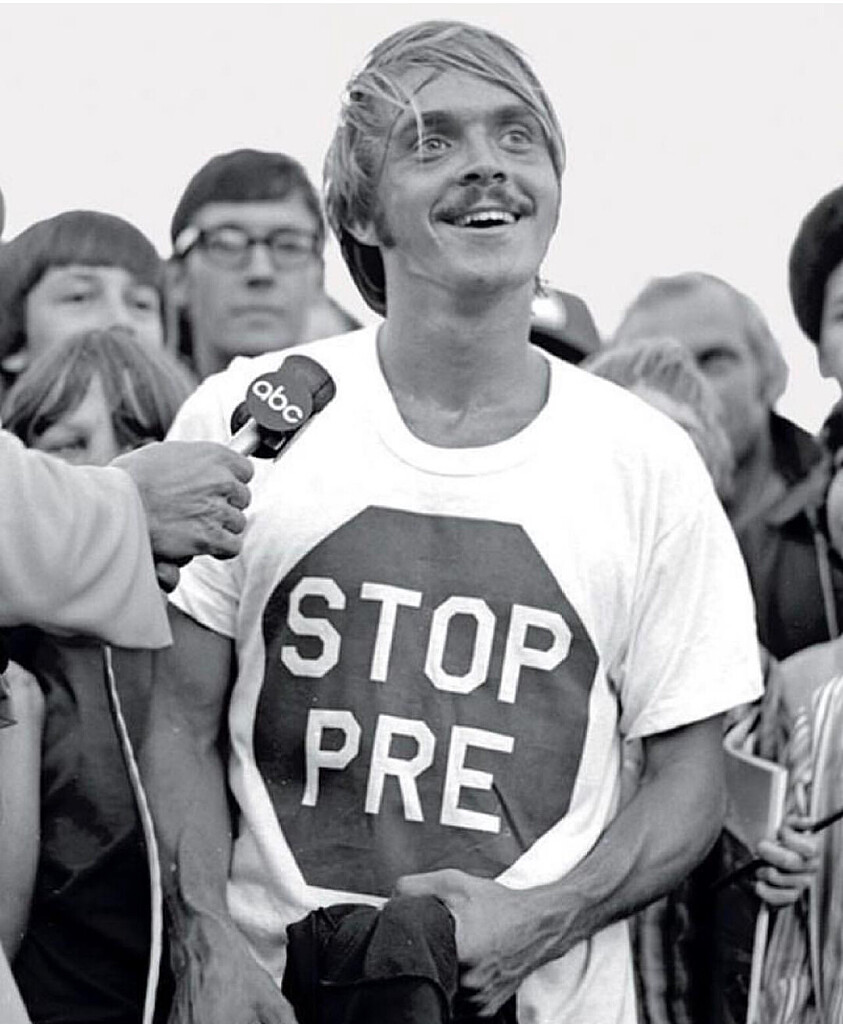


Remembering Steve Prefontaine: 50 Years Since His Untimely Passing
On May 30, 1975, the running world lost one of its most charismatic and determined figures: Steve Prefontaine. Known simply as “Pre,” he wasn’t just a distance runner—he was a phenomenon, captivating fans with his relentless style and rebellious spirit. As we mark 59 years since his passing, let’s celebrate his life by sharing stories and facts that many may not know.
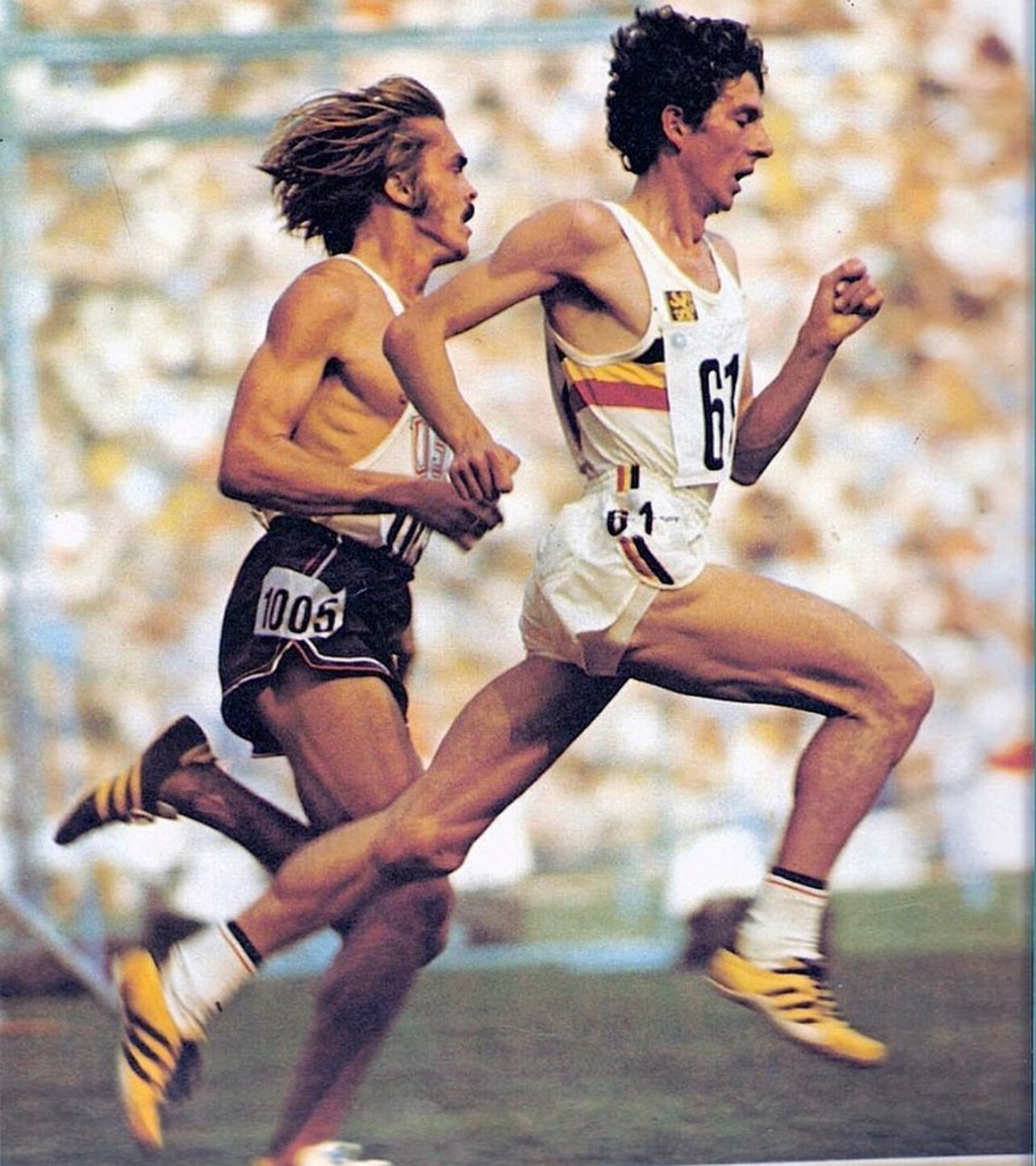
The Man Behind the Legend
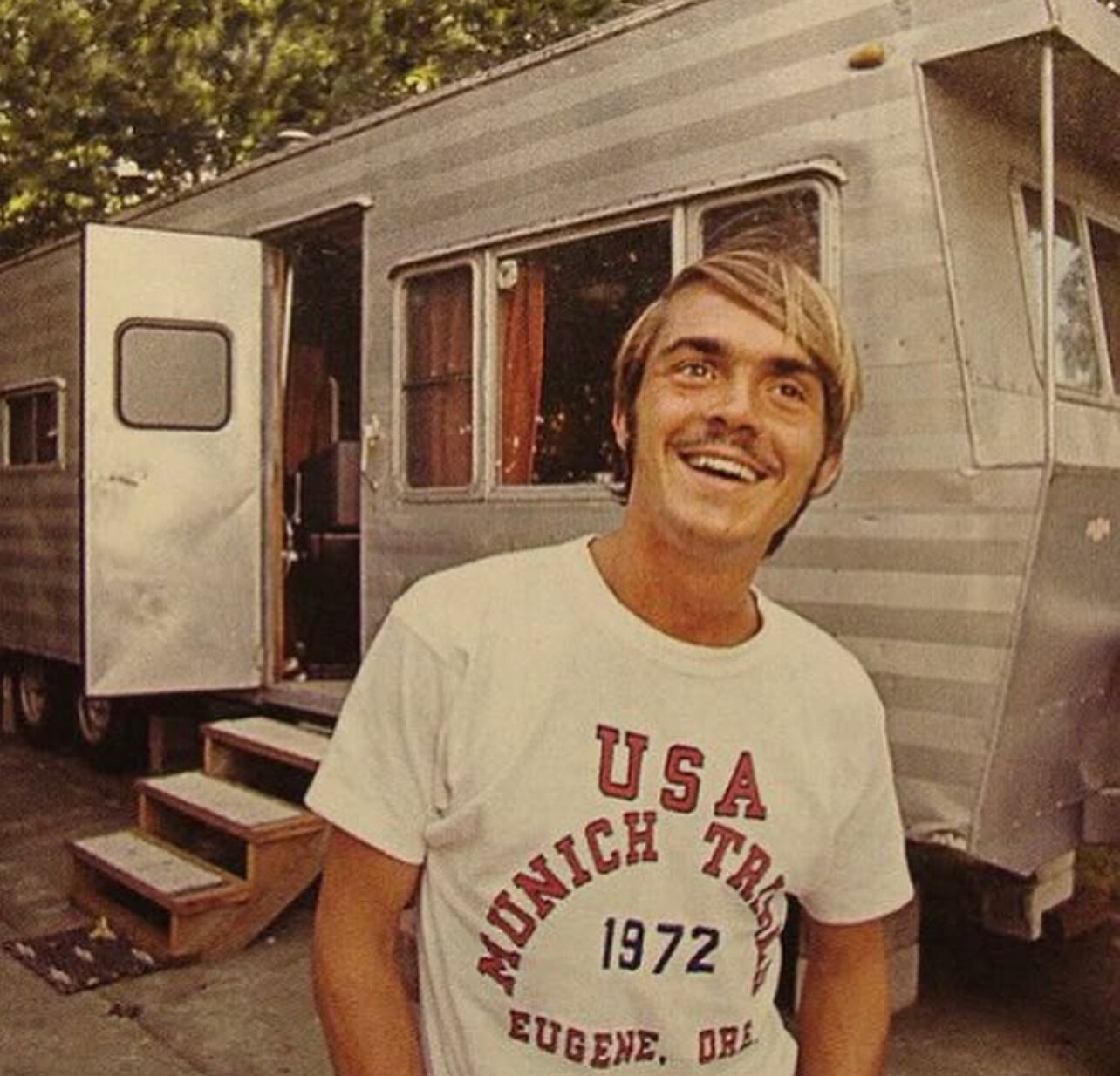
Born in Coos Bay, Oregon, Steve Prefontaine became a running icon in an era dominated by more conservative racing strategies. His front-running style—pushing the pace from the gun—symbolized not just his physical prowess but his sheer will to win.
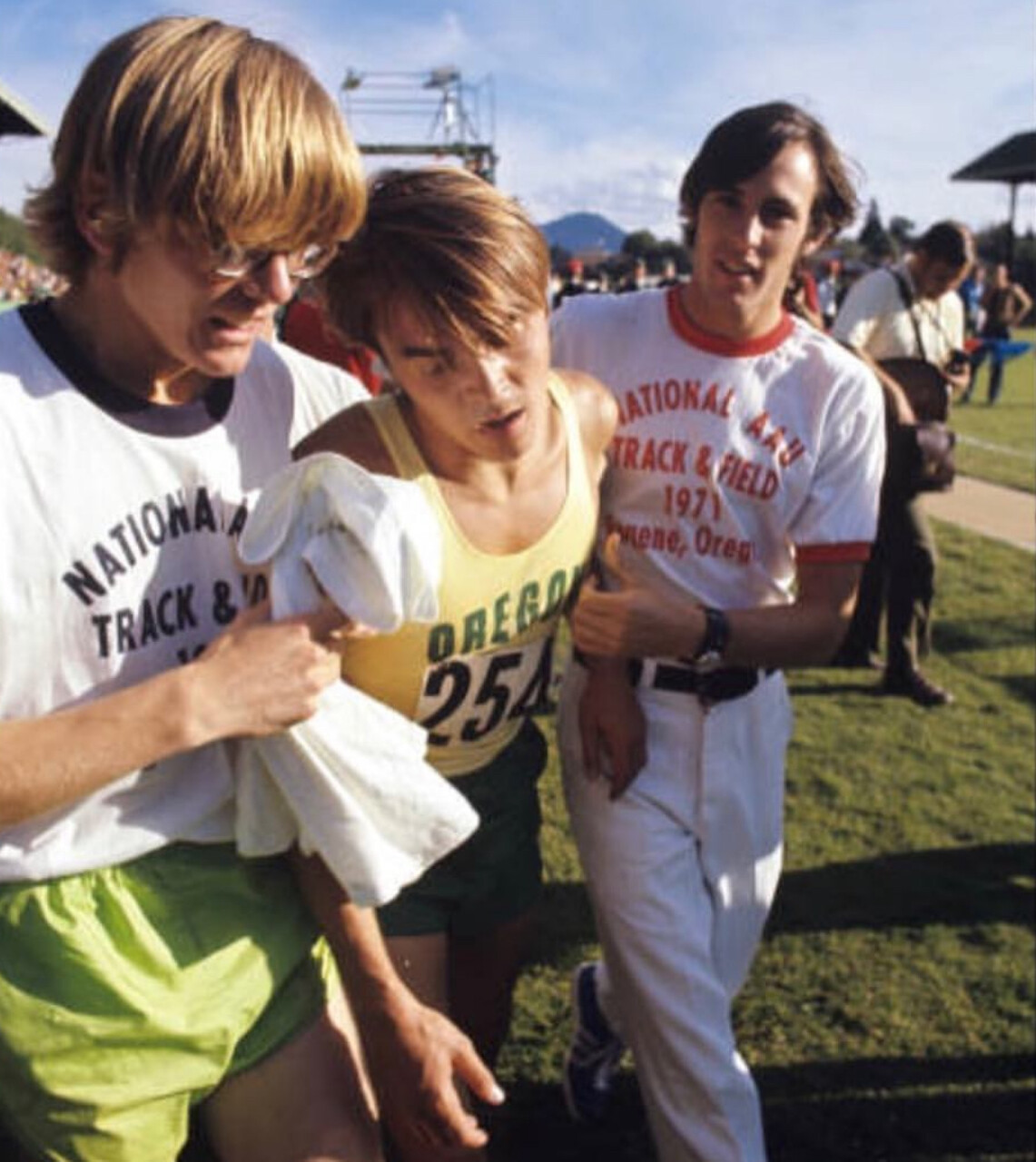
While many remember his records, charisma, and tragic death at age 24, there’s more to Pre’s story:
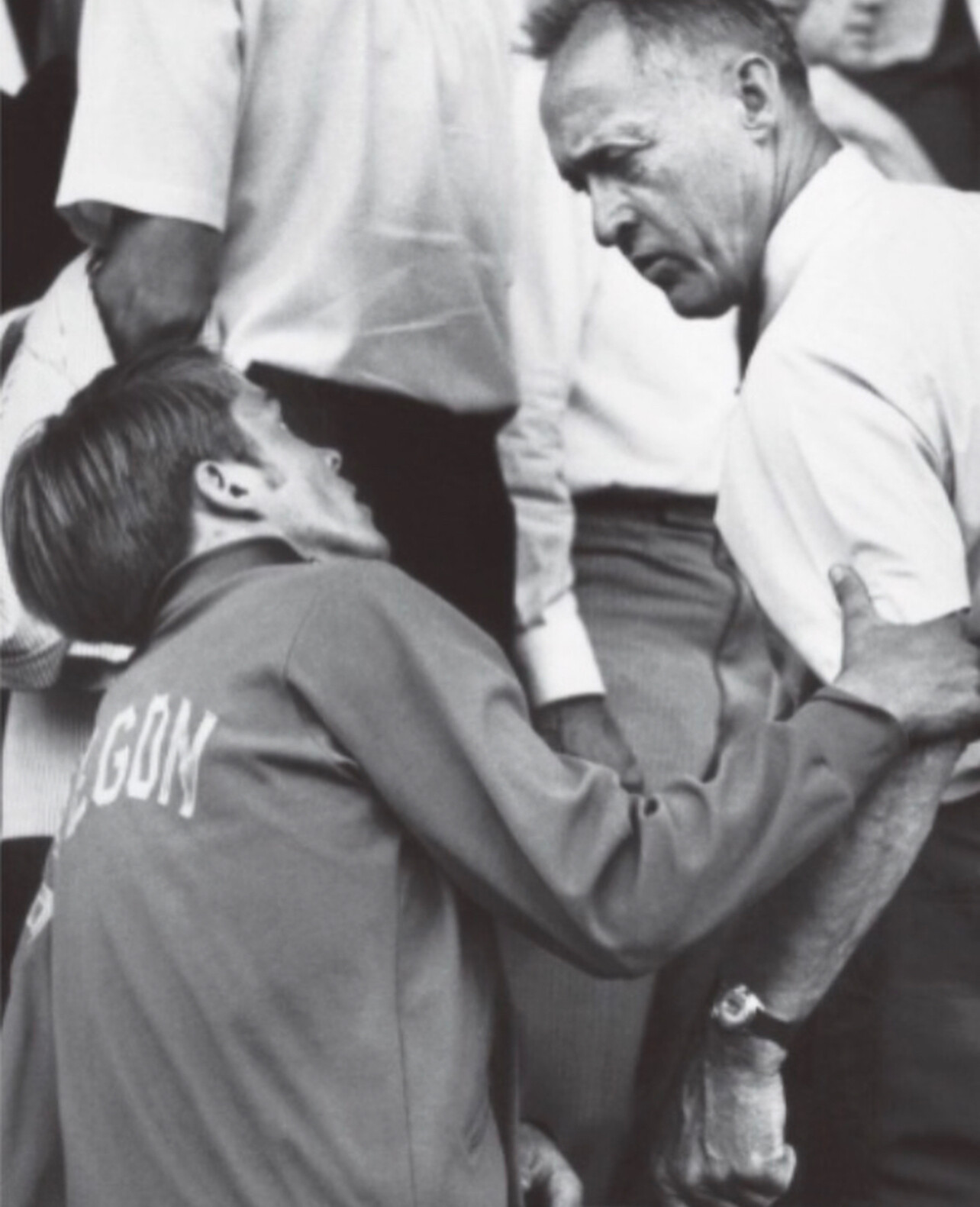
Lesser-Known Facts About Steve Prefontaine

✅ His First Love Was Football
Before he discovered distance running, Prefontaine dreamed of playing football. His small stature (just over 5’9”) eventually led him to cross-country and track, where his natural talent shone.
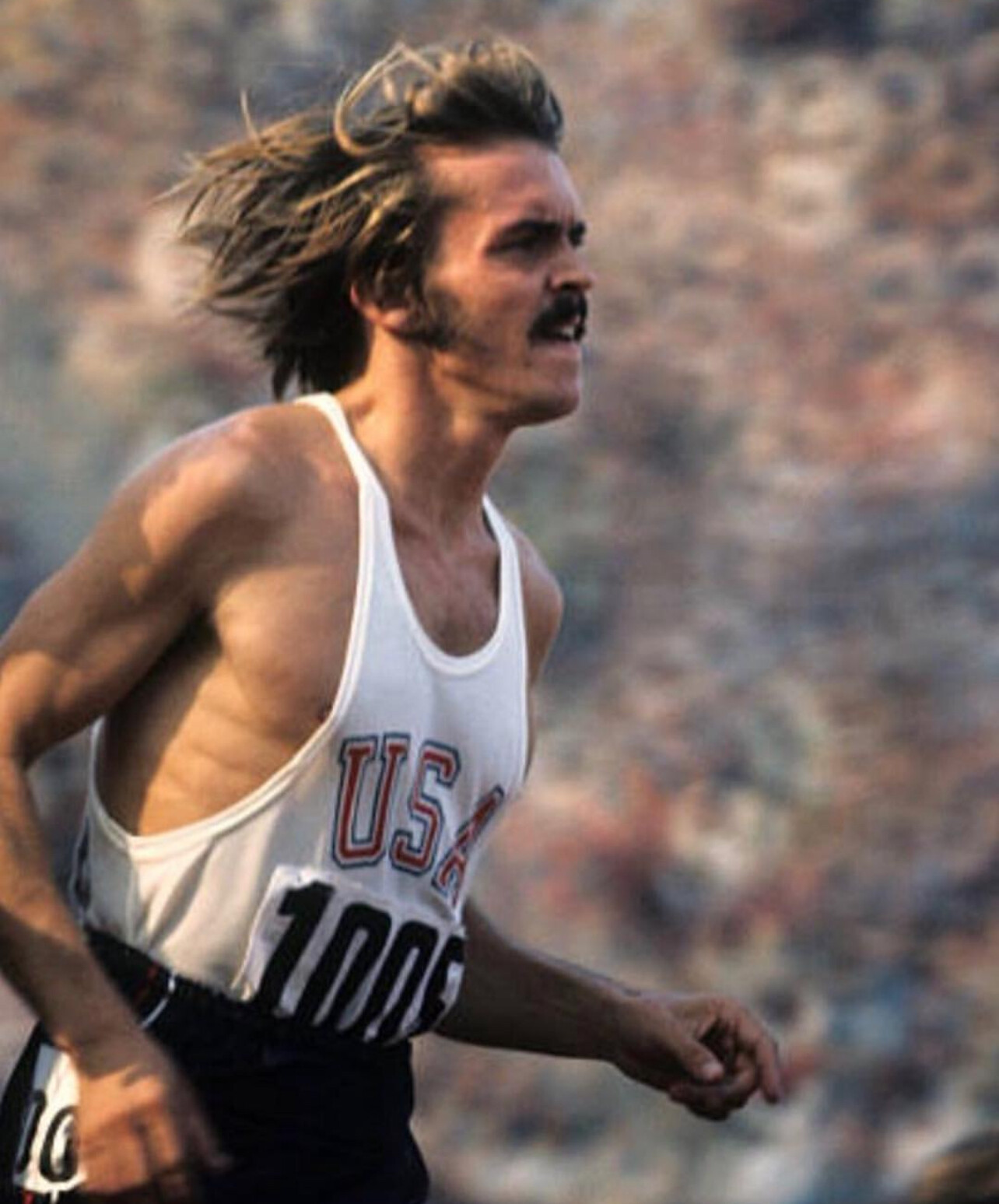
✅ He Was a Student of the Sport
Pre wasn’t just a competitor—he was a student of running. He meticulously logged his workouts and was known to study race tactics and course layouts in detail, even though he famously raced “without a watch.”
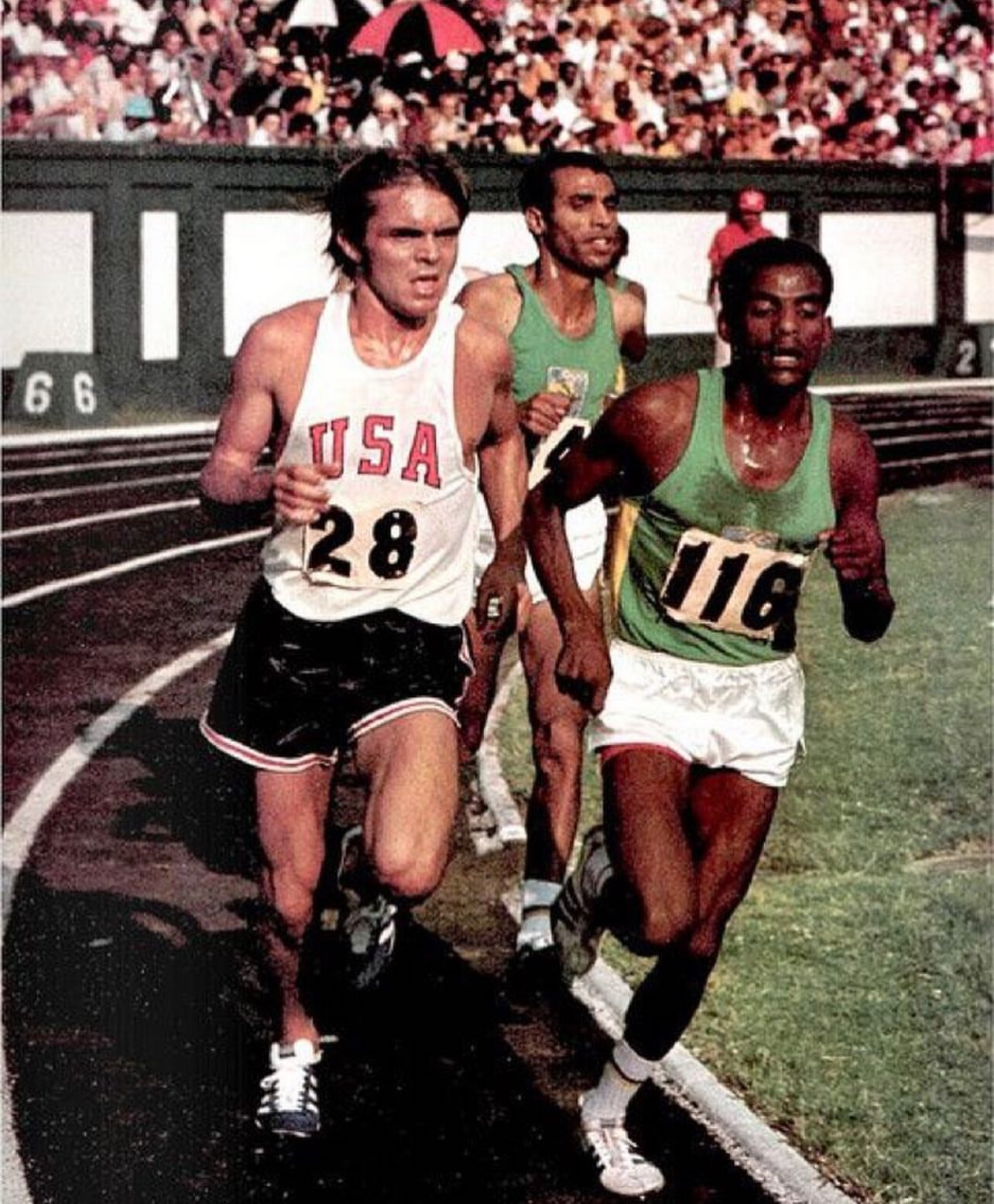
✅ He Worked Hard Off the Track
While at the University of Oregon, Prefontaine worked part-time at a bar called The Prince Pückler’s Ice Cream Parlor to make ends meet. He was known for being personable and engaging with customers.
✅ He Advocated for Amateur Athletes
Pre was a vocal critic of the AAU (Amateur Athletic Union) and its restrictive policies. He championed athlete rights, paving the way for future reforms in track and field compensation and professionalism.
✅ He Had an Eye for Art
Many don’t know that Prefontaine had a strong artistic side. He enjoyed sketching and was known to doodle during downtime, particularly in college.
✅ The 1972 Munich Olympics Fueled His Fire
After finishing fourth in the 5000 meters in Munich, just shy of the medals, Pre’s determination was stronger than ever. He was already planning his strategy for the 1976 Montreal Olympics—a dream tragically cut short.
✅ His Car Crash Had Controversial Theories
While officially ruled an accident (his MGB sports car flipped after hitting a rock wall), there have been whispers over the years of mechanical failure or other drivers being involved. Regardless, the crash at 24 years old left the running world stunned.
✅ He Was an Early Nike Ambassador
Phil Knight, co-founder of Nike, was an early supporter of Prefontaine. Pre wore early versions of Nike shoes and even helped test prototypes, playing a key role in building the brand’s credibility among elite athletes.
Legacy Beyond the Finish Line
Steve Prefontaine’s legacy isn’t just about times or places—it’s about spirit. His courage to lead from the front, his determination to fight for athletes’ rights, and his ability to inspire transcended the track. His story continues to resonate with runners and fans, even 59 years after his death.
As we reflect today, let’s honor Pre’s legacy not just by remembering his races, but by embracing his passion, fearlessness, and commitment to excellence.
(05/30/25) Views: 505Boris Baron

Global Running Day: Uniting the World Through Running
Every year, on the first Wednesday of June, runners across the globe come together to celebrate Global Running Day. It’s more than just a date on the calendar—it’s a worldwide reminder of the joy, resilience, and community that running inspires.
What is Global Running Day?
Global Running Day was created to encourage people of all ages and abilities to embrace running as a way to promote health and wellness. Whether it’s a solo jog through your neighborhood, a group trail run, or a virtual event connecting runners from different countries, this day celebrates the universal language of running.
Why It Matters
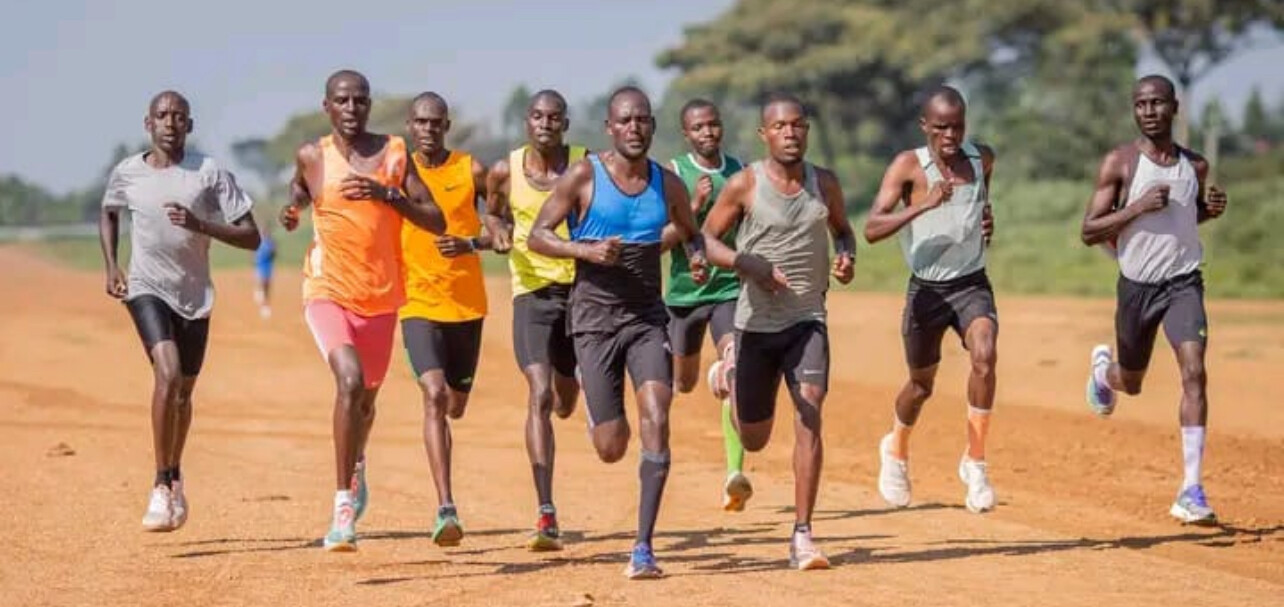
• Running is universal: No matter where you live or your background, running is a simple yet profound way to move your body and clear your mind.
• Community connection: From local running clubs to online communities, Global Running Day brings people together, even when they’re miles apart.
• Personal goals: Whether you’re chasing a PR, returning from an injury, or just lacing up for the first time, this day is for everyone.
Ways to Celebrate
Here are some ideas for how runners can mark the occasion:
• Join a Virtual Event: Many organizations host virtual runs, challenges, and social media campaigns.
• Run with a Friend: Invite someone new to join you for a run—no matter the distance or pace.
• Share Your Story: Post a photo or video of your run with the hashtag #GlobalRunningDay to inspire others.
• Try a New Route: Explore a new trail, park, or neighborhood to make the day memorable.
• Set a Goal: Whether it’s a mile or a marathon, use Global Running Day as motivation to set a running goal for the year.
The Spirit of Global Running Day
This celebration is about more than logging miles. It’s about:
• Fostering inclusivity in the running community.
• Spreading joy and positivity through movement.
• Reminding ourselves why we started running in the first place.
Join the Celebration
This year, Global Running Day falls on June 4, 2025. Wherever you are, take a moment to move, connect, and celebrate the running community. Whether you’re logging a few miles before sunrise, taking a lunch break jog, or joining an evening group run, you’re part of a global movement that brings people together.
Final Thought
Running isn’t just about fitness—it’s about connection, resilience, and joy. So this Global Running Day, celebrate the miles you’ve covered, the friendships you’ve formed, and the goals you’ve yet to achieve.
(06/03/25) Views: 179Boris Baron
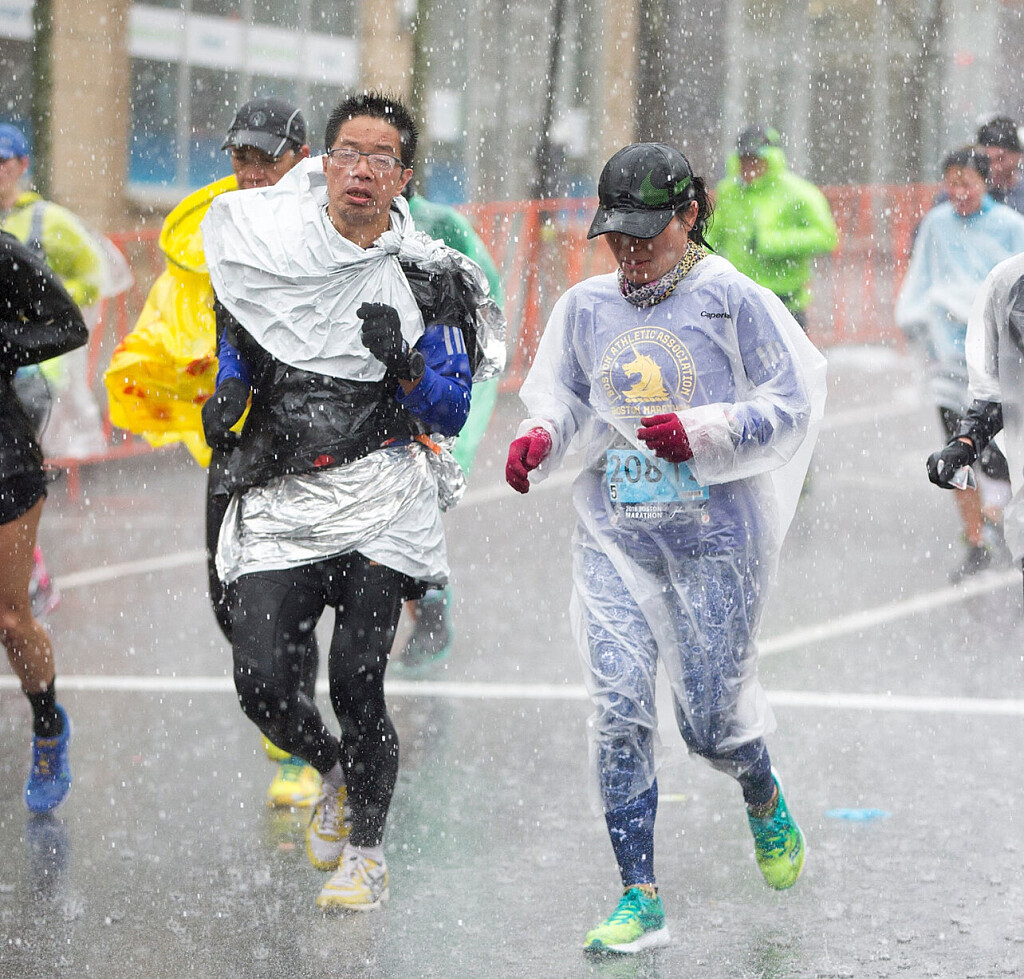
Running with the Elements: How Weather Shapes Race Day Strategies
When runners line up at the start of a race, one factor looms beyond their control: the weather. Whether it’s searing heat, bone-chilling winds, or relentless rain, Mother Nature can dictate the day. While unpredictable conditions may challenge even the most prepared, experienced runners know how to adapt and rise to the occasion.

Beating the Heat
High temperatures and humidity increase core body temperature and elevate the risk of dehydration and heat exhaustion. Elite marathoners, such as those at the 2024 Paris Olympics, rely on time-tested strategies:
• Hydration: They increase fluid intake days ahead of the race and often include electrolyte-rich drinks to replenish essential salts lost through sweat.
• Smart Pacing: In hot conditions, seasoned runners adjust their goal pace slightly to conserve energy for the later miles.
• Cooling Techniques: Icy towels, sponges, and misting stations are race-day essentials to keep core temperatures in check.
Racing Through the Rain
Rain presents unique challenges, from slippery surfaces to soaked gear, but many runners find it invigorating:
• Proper Gear: Lightweight, waterproof layers and moisture-wicking fabrics help maintain comfort.
• Footwear Choice: Shoes with excellent grip reduce the risk of slipping, and some runners even opt for trail shoes for added traction on wet roads.
• Positive Mindset: Embracing the rain can shift perspective. As one runner shared, “Once you’re wet, you’re free.”
Tackling Cold and Wind
Freezing temperatures and strong winds, especially in winter races, require careful preparation:
• Layering: A base layer, an insulating layer, and a windproof outer shell provide warmth while allowing moisture to escape.
• Wind Strategies: Drafting behind other runners helps reduce wind resistance in open areas.
• Warm-Ups Matter: Spending extra time warming up ensures muscles are ready to perform in the cold.
Iconic Weather Moments in Running
Weather has shaped some of the sport’s most memorable moments. The 2018 Boston Marathon, with its freezing rain and fierce headwinds, led to dramatic upsets and incredible perseverance. In contrast, the 2023 Berlin Marathon enjoyed near-perfect conditions that contributed to record-breaking performances.
Key Takeaways for All Runners
Weather isn’t something to fear—it’s something to prepare for. Whether it’s adjusting pace, selecting the right gear, or adopting a resilient mindset, experienced runners know how to adapt. As seasoned marathoner Bob Anderson puts it, “The weather might not be ideal, but with the right plan, you can still have your best run.”
Race Day Weather Tips
✅ Check the forecast early and plan gear and nutrition accordingly.
✅ Adjust your expectations—work with the weather, not against it.
✅ Practice in similar conditions to build confidence and adaptability.
✅ Stay mentally strong—embrace the challenge and focus on the finish line.
(05/31/25) Views: 147
Boris Baron

Grand Slam Track in Philadelphia: A Weekend of Records, Stars, and a Hurdles Debut
This weekend, the historic Franklin Field in Philadelphia transformed into the heart of global athletics as the Grand Slam Track (GST) continued its groundbreaking season. With packed stands, a star-studded lineup, and record-breaking performances, the meet was nothing short of electrifying.
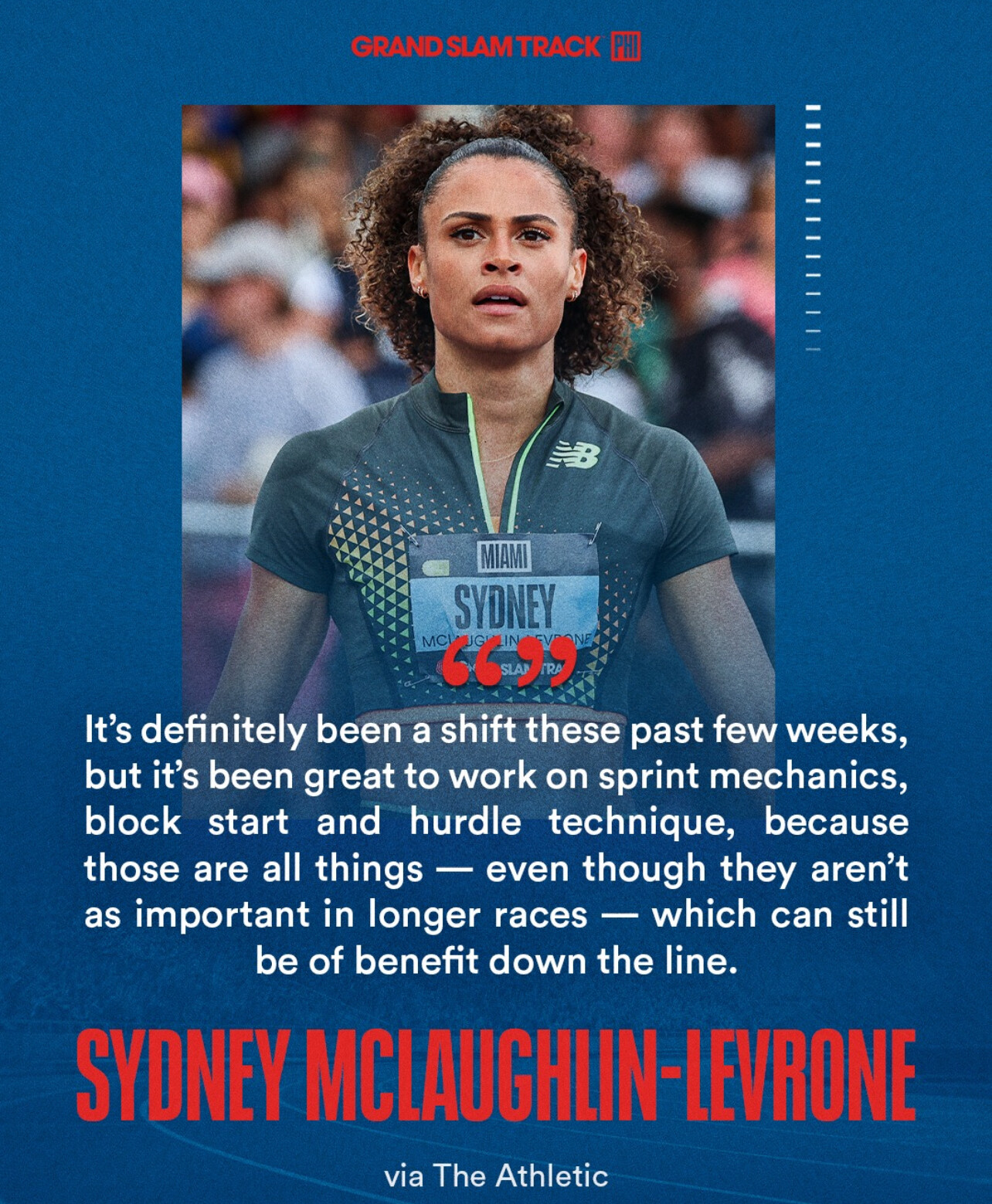
At the center of the action was Olympic champion Sydney McLaughlin-Levrone, who turned heads by stepping away from her signature 400m hurdles to focus on the 100m hurdles. “It’s definitely been a shift these past few weeks, but it’s been great to work on sprint mechanics, block start, and hurdle technique,” Sydney said via The Athletic. While her mastery in longer races is legendary, she’s embracing this shorter sprint with confidence. Fans eagerly anticipate her performance as she lines up for the 100m hurdles on Sunday.
Saturday’s action delivered drama and brilliance across all distances:
Marco Arop’s Command in the Men’s 800m
Canada’s Marco Arop dominated the men’s 800m, clocking an impressive 1:43.38 to claim his third consecutive GST victory. He surged ahead of American Josh Hoey (1:44.41), thrilling the Philadelphia crowd. “It’s easy to run fast in a stadium like this, so I had to put on a show for them,” Arop said with a smile.
Diribe Welteji’s Record-Breaking 1500m
In the women’s 1500m, Ethiopia’s Diribe Welteji stunned the field with a championship record of 3:58.04. Hot on her heels were Australia’s Jessica Hull (3:58.36) and American Nikki Hiltz (4:00.54), making it one of the most thrilling races of the day.
Tactical Wins in the 3000m
Kenya’s Agnes Jebet Ngetich showcased her tactical brilliance in the women’s 3000m, edging out Ethiopia’s Ejgayehu Taye by just 0.09 seconds with a winning time of 8:43.61. In the men’s 3000m, American Grant Fisher delivered a commanding performance, leading from start to finish.
What’s Next?
Sunday promises even more excitement as athletes return to the track. Sydney McLaughlin-Levrone’s 100m hurdles debut is a highlight, alongside fierce battles in the sprints, middle distance, and field events.
The Philadelphia meet is part of GST’s mission to reshape professional track and field with a streamlined format, significant prize money, and a focus on athlete-driven competition. With a total prize pool of $12.6 million and top winners earning $100,000, the stakes are high.
Fans can tune in live on Peacock and The CW in the U.S. or follow highlights through international broadcasters.
As the athletes gear up for the final day in Philadelphia, one thing is clear: the Grand Slam Track is redefining what it means to race.
(06/01/25) Views: 95Boris Baron
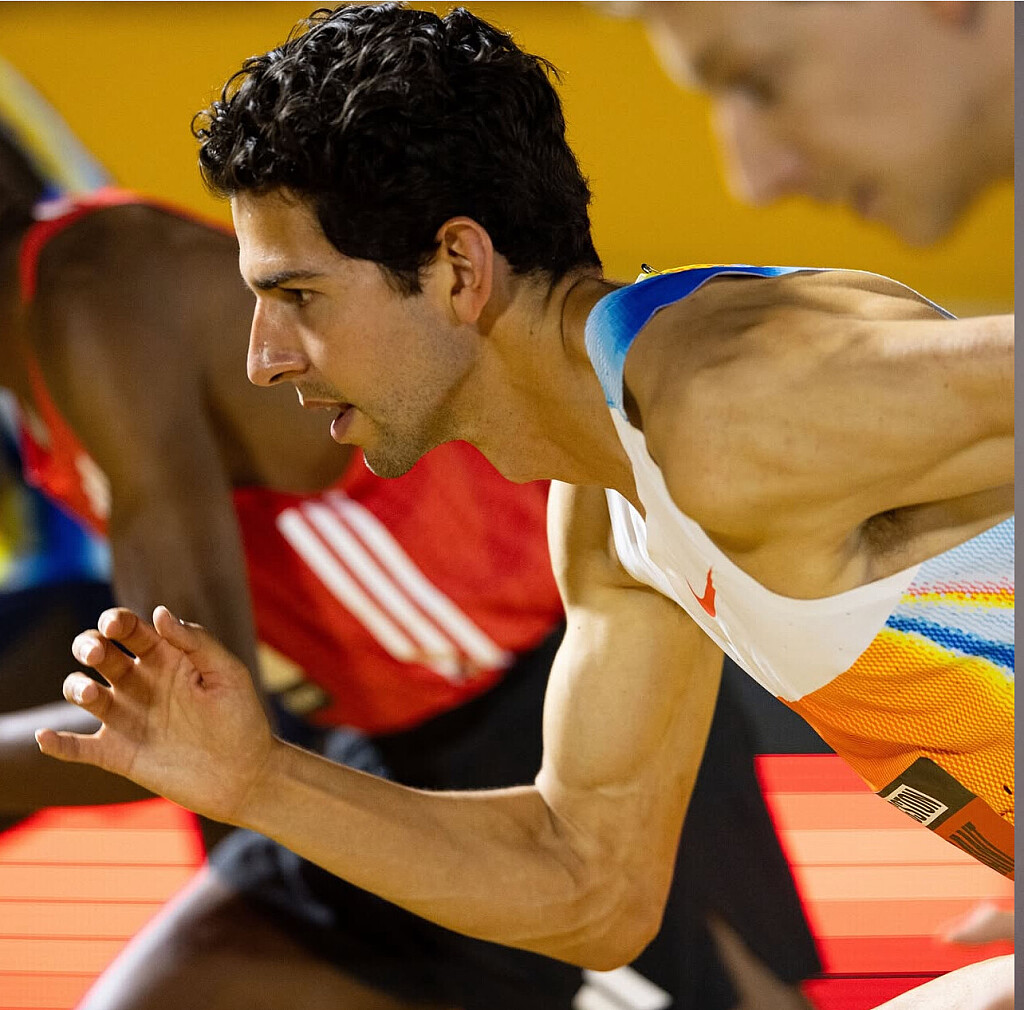
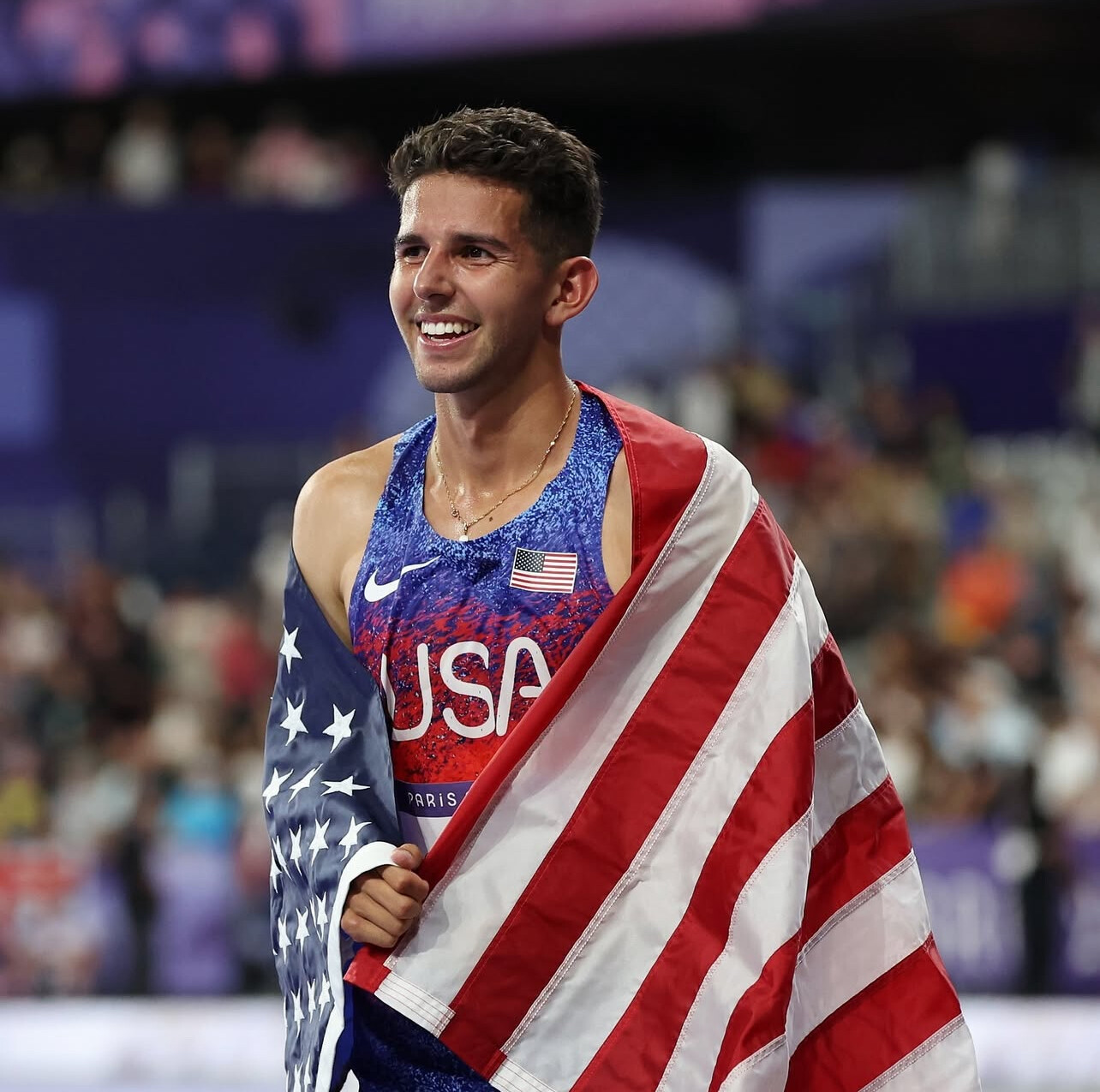
Grant Fisher’s Precision Training and Peak Performance
Grant Fisher’s 2025 season is turning heads in the distance running world, fueled by a meticulous training approach and record-breaking results. After parting ways with the Bowerman Track Club in late 2023, Fisher reunited with his high school coach, Mike Scannell, relocating to Park City, Utah, to embark on a highly personalized training journey.
A Tailored Training Philosophy

Fisher’s approach under Scannell emphasizes adaptability and precision. Rather than chasing high-intensity sessions, he focuses on building endurance through consistent threshold training. Workouts are adjusted in real time, ensuring optimal stress without overtraining. This shift has increased his workout frequency while maintaining a sustainable load—striking a balance between challenge and recovery.
Record-Breaking Results
Fisher’s new regimen has already paid dividends. In February 2025, he stunned the track world with two indoor world records: a blistering 7:22.91 in the 3000 meters at the Millrose Games and a 12:44.09 in the 5000 meters at the BU Valentine Invitational. These performances not only demonstrate his refined fitness but also his ability to peak precisely when it matters.
Innovative Workouts and Recovery
One standout session highlighted his evolving approach: Fisher capped a 7-kilometer workout with a sub-4-minute mile. The session included a hard 2000-meter effort, 4x800-meter intervals at moderate pace, and a closing 1600-meter sprint, all designed to mimic race-day demands while carefully monitoring lactate levels.
Equally essential to his training is recovery. Fisher deliberately schedules breaks to recharge and maintain peak form. After his indoor heroics, he took a recovery period until mid-March, balancing performance with longevity.
Eyes on the Future
Looking ahead, Fisher is focused on refining his form and exploring opportunities to train with a partner who shares his goals. His trajectory this year is a testament to the power of tailored coaching, strategic adaptation, and a deep commitment to recovery.
For runners everywhere, Fisher’s journey offers a masterclass in balancing intensity with sustainability—proof that precision training can unlock world-class results.
(06/02/25) Views: 94Boris Baron
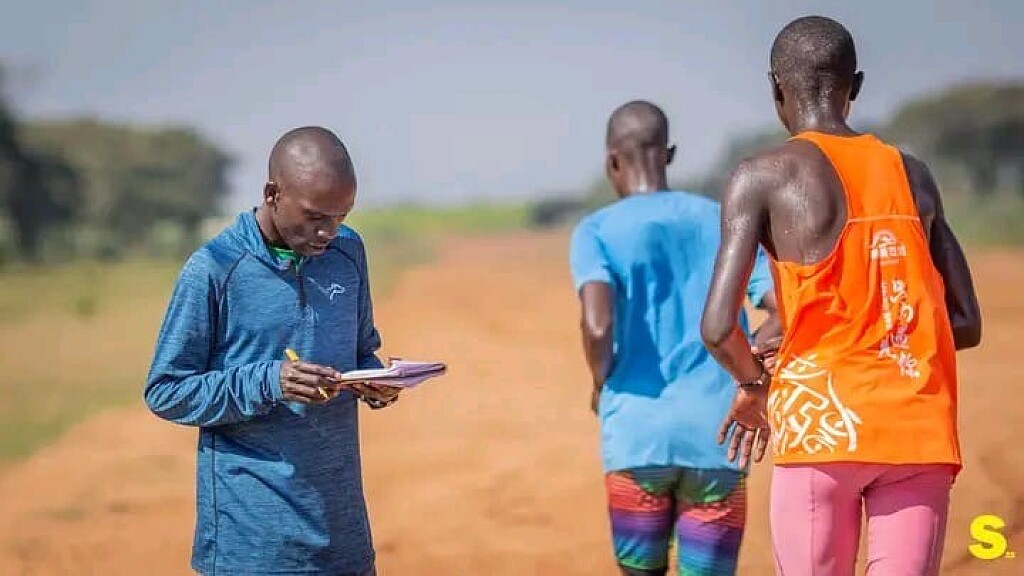
KATA Expands Global Footprint with Five New Running Camps Opening in June 2025
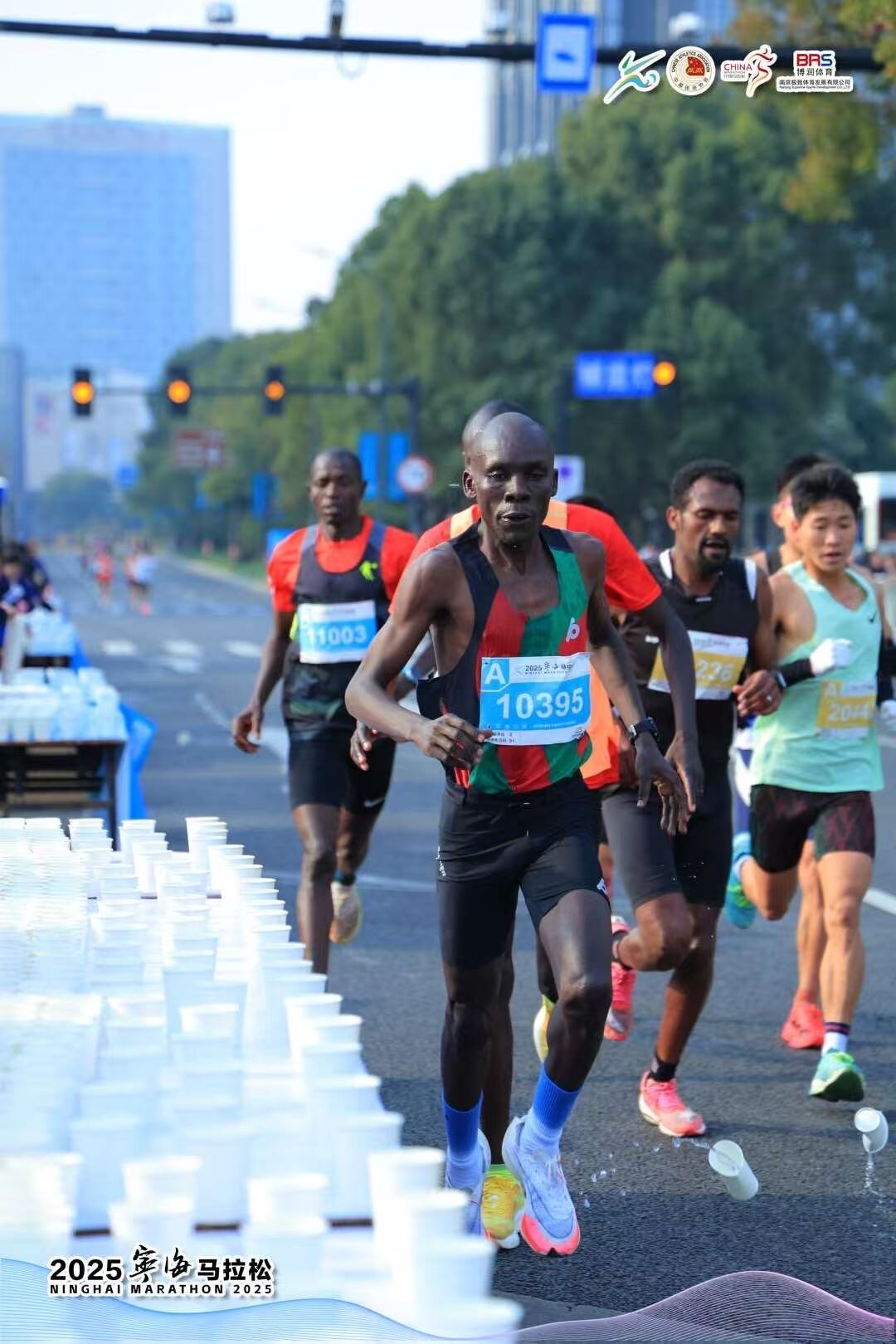
The Kenyan Athletics Training Academy (KATA) is advancing its mission to develop world-class runners and uplift rural communities by launching five new KATA Running Camps across Kenya in June 2025. These new satellite locations build upon KATA’s two well-established international retreats—in Thika, Kenya, and Monforte da Beira, Portugal—forming a growing global network grounded in endurance, discipline, and opportunity.
Five New Camps Opening in June
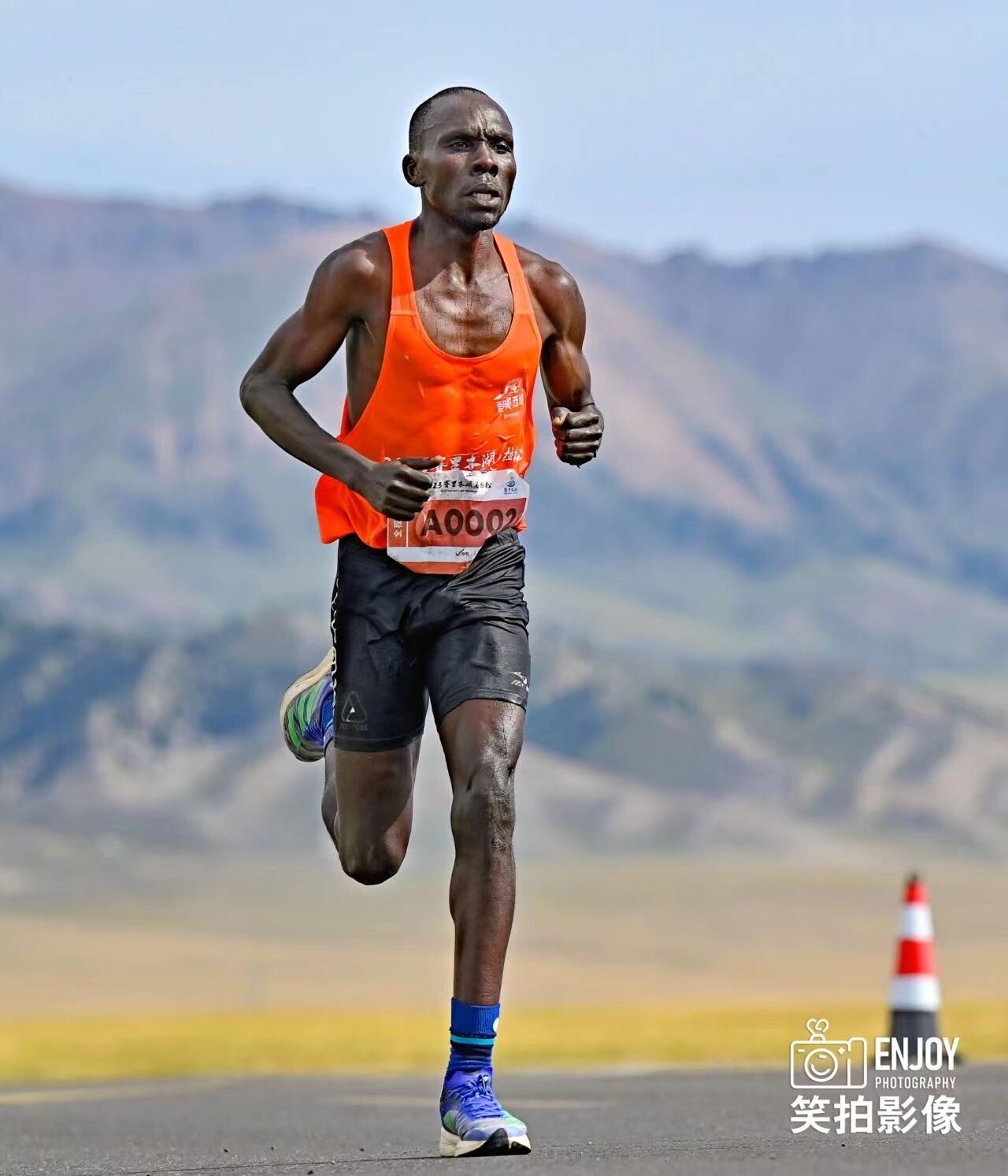
Each new camp will be led by accomplished athletes and coaches who deeply understand the training demands of distance running:
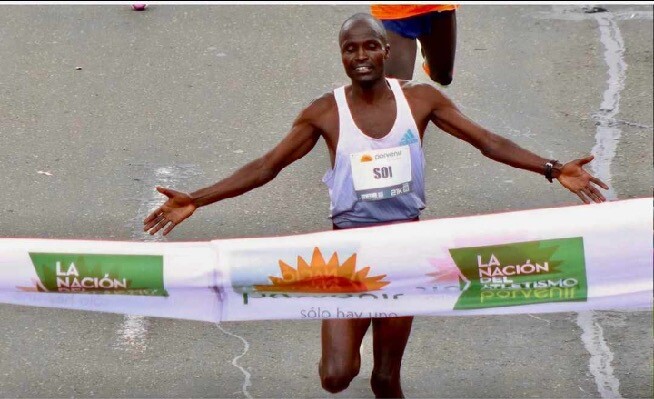
• Kericho, Kenya (~2,500m / 8,200 ft) – Operated by Edwin Soi, Olympic 5000m bronze medalist (2008) and road racing legend. The location offers quiet roads and soft dirt trails, ideal for interval training and long runs.
• Molo, Kenya (~2,440m / 8,000 ft) – Operated by Eric Chepkwony, a seasoned distance runner and coach. The terrain features hilly roads and scenic countryside paths that simulate real race conditions.
• Keringet, Kenya (~2,600m / 8,530 ft) – Operated by Sammy Dismas, a world-class runner and proven coach with numerous victories to his name. The camp features a mix of flat and rolling terrain ideal for tempo and progression workouts.
• Kapcherop, Kenya (~2,400m / 7,875 ft) – Operated by Philemon Kipruto, a respected local coach. Athletes benefit from forest trails and undulating village roads perfect for aerobic development.

• Nyandarua, Kenya (~2,300m / 7,550 ft) – Operated by Peter Njoroge, a dedicated coach with strong community roots. The camp includes grassy trails and high-elevation road loops ideal for base building.
Each of these camps blends elite training with mentorship, while also promoting sustainability through the KATA Potatoes project, a unique initiative that connects athletics to local agriculture and economic growth.
Established KATA Retreats in Kenya and Portugal
KATA’s flagship retreat in Thika, Kenya (~1,530m / 5,020 ft) continues to serve as a high-performance training hub. Managed by Christopher Muiruri, the retreat features a mix of paved loops, dirt roads, and peaceful paths—making it ideal for both elite athletes and visiting guests. KATA head coach John currently trains 20 KATA athletes and works closely with guest runners of all levels.
In 2024, KATA expanded into Europe with a retreat in Monforte da Beira, Portugal (~470m / 1,540 ft). Managed by Alberto Santos, the retreat is located at the historic Anderson Manor, just one hour from the Spanish border. The setting features technical trails, scenic roads, and a wellness-focused environment. Bob Anderson and his wife Catherine now spend about 35% of their time at this location, which serves as a perfect base to teach the Kenyan training philosophy. At least one accredited Kenyan coach is on-site at all times.

A Vision Rooted in Training and Transformation
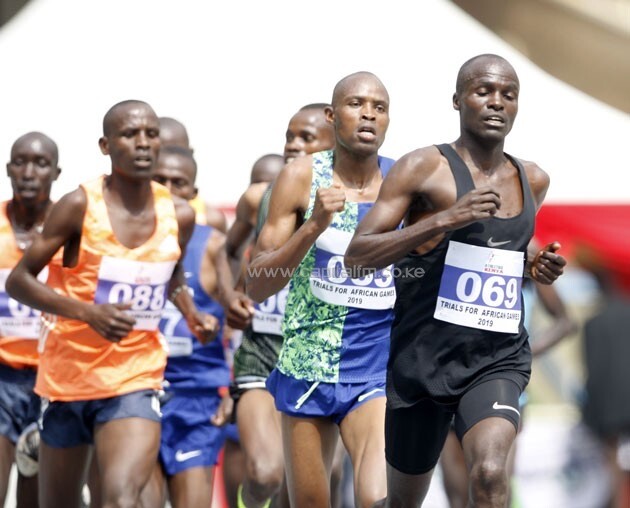
KATA was founded by Bob Anderson, creator of Runner’s World and a lifelong runner—he has been running since February 19, 1962. His vision goes beyond athletic excellence. It’s about building stronger communities through sport and shared purpose.
“This is not just about running fast,” says Anderson. “It’s about building strong roots—on the track, in the field, on the road, and within the community.”
Looking ahead, Anderson adds:

“We’re planning to open another five KATA Running Camps in Kenya by the end of the year. This is a new concept, and the feedback so far has been overwhelmingly positive.”
(06/06/25) Views: 92Boris Baron

Oregon Athletes Take a Stand: Protesting Podium Placement After Controversial Race Result
In a recent track and field event in Oregon, two female athletes made headlines by stepping down from the podium, refusing to share the spotlight with the male athlete who claimed first place in the women’s division. The incident has sparked a wave of reactions across the running community, highlighting an ongoing debate about gender fairness in competitive sports.
The race in question, reportedly part of a state championship, saw a male-born athlete competing in the female category and taking the gold. This led to frustration and disappointment among the female competitors, two of whom refused to participate in the medal ceremony. Images from the event show the athletes standing away from the podium, making a silent but powerful statement.
A Symbolic Protest
The podium protest by these young athletes symbolizes a growing movement among female athletes and advocates who argue that male participation in female categories—particularly in track and field—undermines fair competition. Supporters of these athletes argue that biological advantages remain a factor, even with hormonal or other modifications, and that these advantages can impact outcomes in races where mere fractions of a second matter.
A Broader Debate
This incident isn’t isolated. Across the U.S. and internationally, policies allowing transgender athletes to compete in female divisions have led to protests, policy reviews, and even legal challenges. Organizations like World Athletics and NCAA are grappling with creating inclusive yet fair rules. Critics argue that current policies can lead to an uneven playing field, while others call for greater inclusion and respect for transgender athletes.
Moving Forward
As the track and field community navigates these complex issues, the actions of these Oregon athletes are likely to fuel further discussions. Whether seen as a brave stand for fairness or a controversial statement, their silent protest will undoubtedly contribute to shaping the future of policies in competitive sports.
At My Best Runs, we recognize the importance of fair competition, athlete voices, and the need for thoughtful, balanced dialogue. We’ll continue to follow developments in this area and bring you the latest updates from the world of running.
(06/01/25) Views: 90Boris Baron
Super Shoes or Super Runners? How Carbon-Plated Racing Shoes Are Reshaping the Distance Running World
A Bold Step Forward—or Too Much?
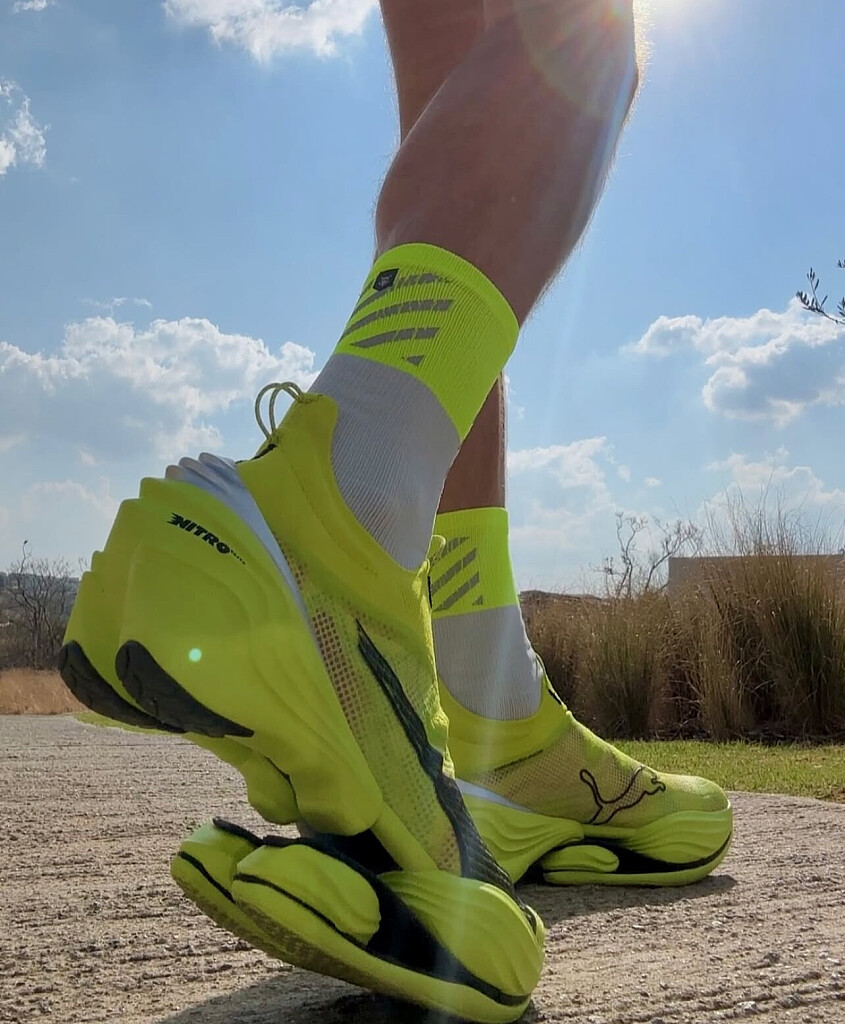
The eye-catching shoes in the images, with their bright yellow color and radical stack height, exemplify the cutting-edge engineering behind today’s carbon-plated distance racing shoes. These models, possibly from Puma’s Nitro range, showcase an exaggerated rocker design, thick midsoles, and strategically placed carbon plates, all intended to maximize energy return. However, this aggressive design pushes the limits of World Athletics regulations, which restrict stack heights to a maximum of 40mm for road races. If these shoes exceed that, they would be deemed illegal in sanctioned competitions—a fine line that highlights the tension between innovation and fairness in modern distance running.
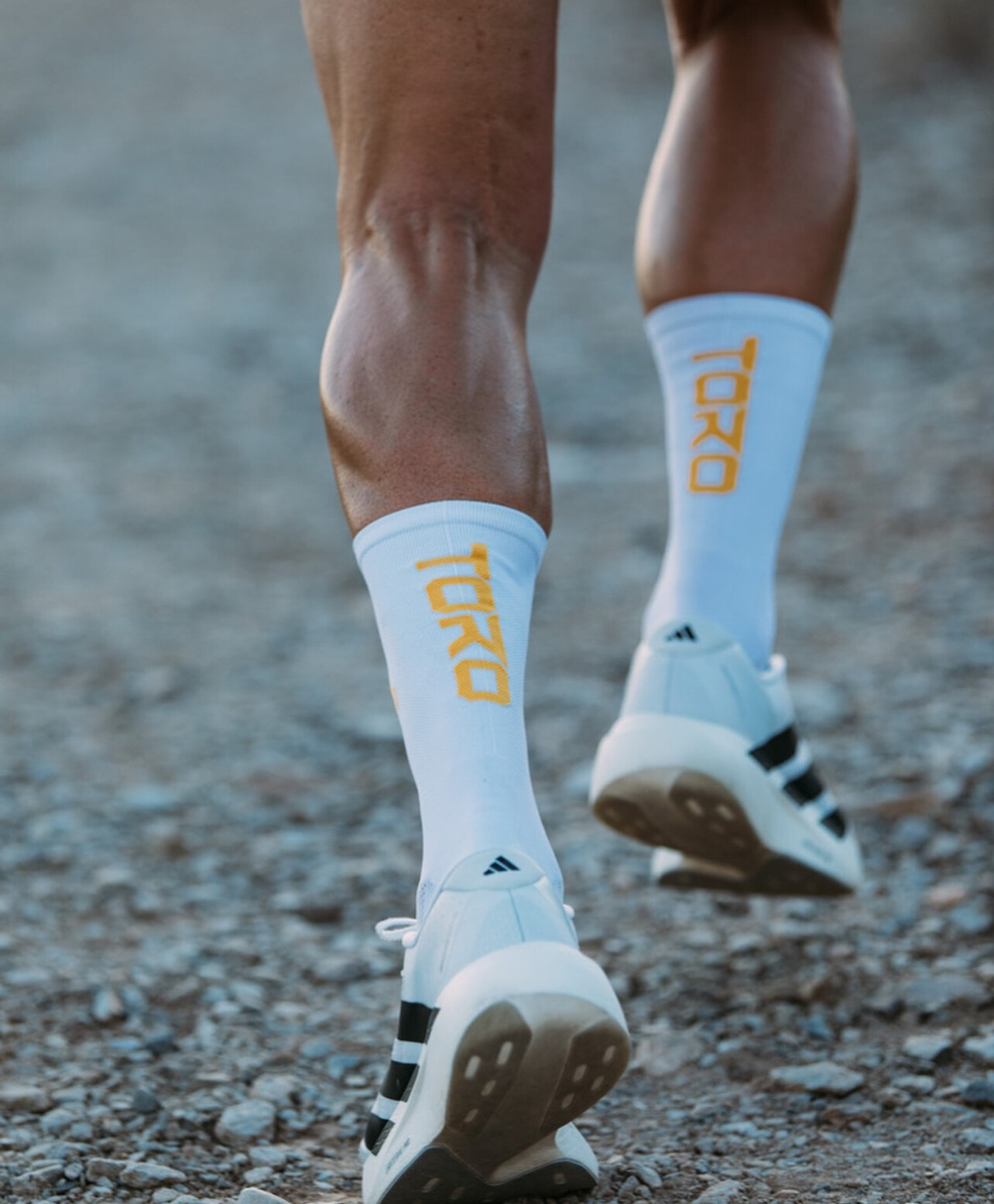
Over the past few years, the distance running community has witnessed a revolution, not just in athletic performance but in technology. At the heart of this transformation are the carbon-plated “super shoes,” with models like the Nike Alphafly 3, Adidas Adizero Pro Evo 1, and Saucony Endorphin Elite capturing headlines—and finish lines.
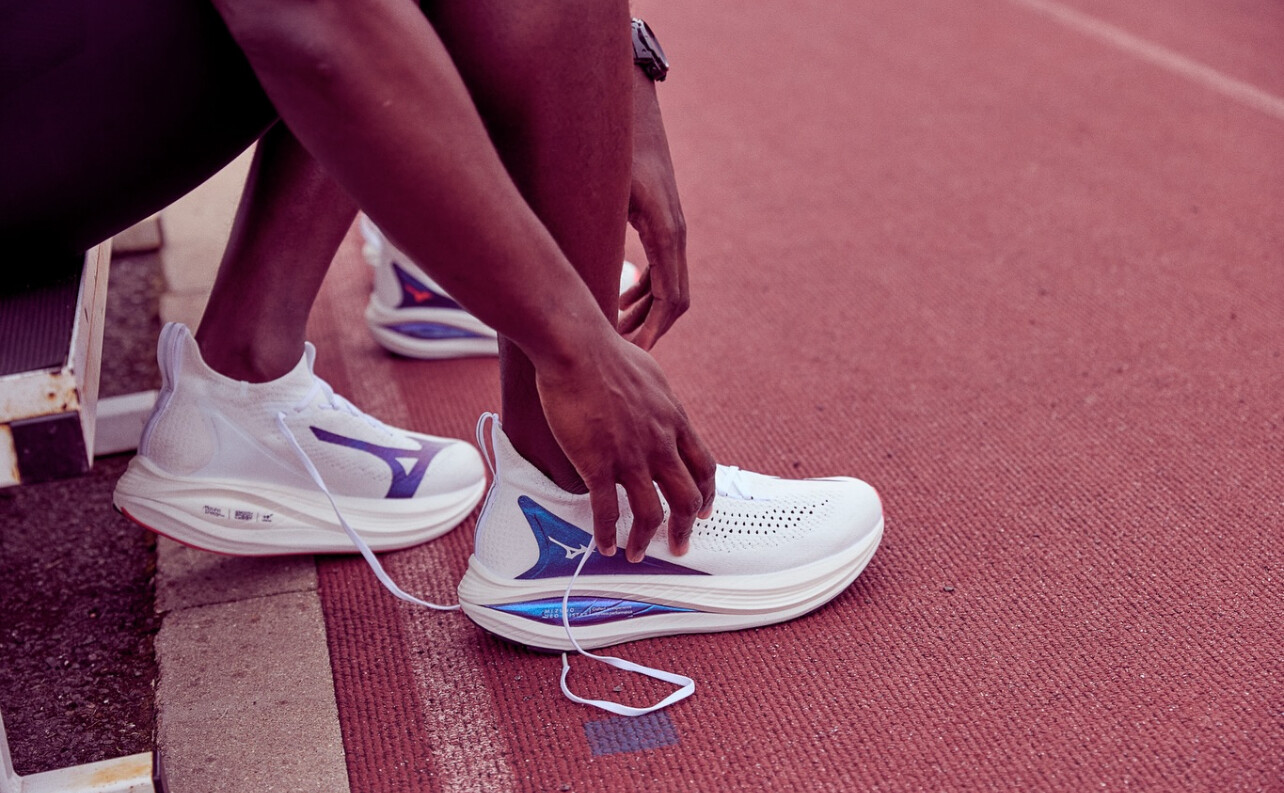
These shoes are more than just a flashy innovation. They represent a fusion of engineering, biomechanics, and material science aimed at optimizing energy return and minimizing fatigue. The secret lies in their construction: a lightweight, resilient foam midsole paired with a rigid carbon-fiber plate that creates a propulsive effect. Research has shown these super shoes can improve running economy by up to 4%, translating into crucial seconds—or even minutes—shaved off race times for elite athletes.
Marathon world records and personal bests are being rewritten at a blistering pace. From Eliud Kipchoge’s sub-two-hour marathon in a prototype Nike shoe to Tigst Assefa’s stunning women’s world record at the Berlin Marathon, the combination of human talent and advanced footwear is undeniable.
However, this technological leap hasn’t come without controversy. Critics argue that super shoes are blurring the line between natural ability and mechanical advantage, creating an uneven playing field. Access is also a concern: with many of these models retailing at $250 or more, elite athletes and well-funded programs often have a leg up on competitors who can’t afford the gear. Some purists feel this shift detracts from the simplicity and rawness of the sport, which historically prized grit and determination over gear.
Yet others argue that innovation is inevitable. After all, every era of distance running has had its technological advances, from cinder to synthetic tracks, from wool to moisture-wicking gear. Super shoes are merely the latest chapter in this ongoing evolution. They offer athletes a tool—how they use it is still up to them.
For amateur runners, these shoes are not just for the elites. Weekend warriors chasing personal records have embraced carbon-plated models, with many reporting improvements in comfort and reduced post-race soreness. But it’s essential to note that no shoe can replace proper training, nutrition, and race strategy.
Looking ahead, the super shoe debate will likely continue, especially as brands develop even more advanced models. World Athletics, the sport’s governing body, has already implemented regulations on shoe design and stack height to maintain some level of fairness.
In the end, the question remains: are we witnessing the rise of super runners, or is this the dawn of a new era where gear becomes as crucial as training? Either way, carbon-plated racing shoes have changed distance running forever—and there’s no turning back.
"As a master runner I like a shoe that does not have such a thick sole," says 77 year old lifetime runner Bob Anderson. "I have taken a few falls and these new super shoes could be a problem."
(06/02/25) Views: 83Boris Baron

Addi Zerrenner’s Second Wind: From Track Star to Trail Warrior
For years, Addi Zerrenner chased speed on the track and roads. As an NCAA standout at Arizona and one of the top U.S. prospects in distance running, she seemed destined for marathon greatness. But after years of pushing, something shifted. The joy dimmed. The pressure mounted. And like many elite athletes, Addi hit a wall — not physically, but mentally.
What came next wasn’t a retreat — it was a reinvention.

Trading Pavement for Peaks

Addi left the regimented world of splits and lap counts behind and found herself drawn to the mountains. There, she discovered something that had been missing: joy.
“It was like breathing again,” she said in a recent interview. “Out there, it wasn’t about pace. It was about movement, freedom, and reconnecting with why I loved running in the first place.”
That shift wasn’t just emotional. Addi began to thrive. She posted strong performances at mountain and trail races across the West, including podium finishes at high-profile events like the Broken Arrow Skyrace and strong showings on technical terrain that would leave most road runners gasping.
From Burnout to Breakthrough
Her story resonates far beyond elite circles. In a sport that too often burns out its best too early, Addi Zerrenner shows what’s possible when an athlete listens to their body — and more importantly, their heart.
Trail running, with its slower pace and wilder spirit, gave her the space to heal and rediscover competition on her own terms. It’s a reminder that success in running isn’t a straight line — and sometimes, leaving the track is the only way to find your lane.
What’s Next for Addi?
With momentum behind her and a growing presence in the trail and ultra world, Addi’s future could include anything from the UTMB series to U.S. Mountain Running Team bids. And with her platform, she’s also becoming a voice for runners navigating transitions — from injury, burnout, or even just life’s next phase.
“I still run hard. I still want to be great. But I’m doing it for me now,” she said. “And that’s more powerful than any PR.”
(06/04/25) Views: 71Boris Baron
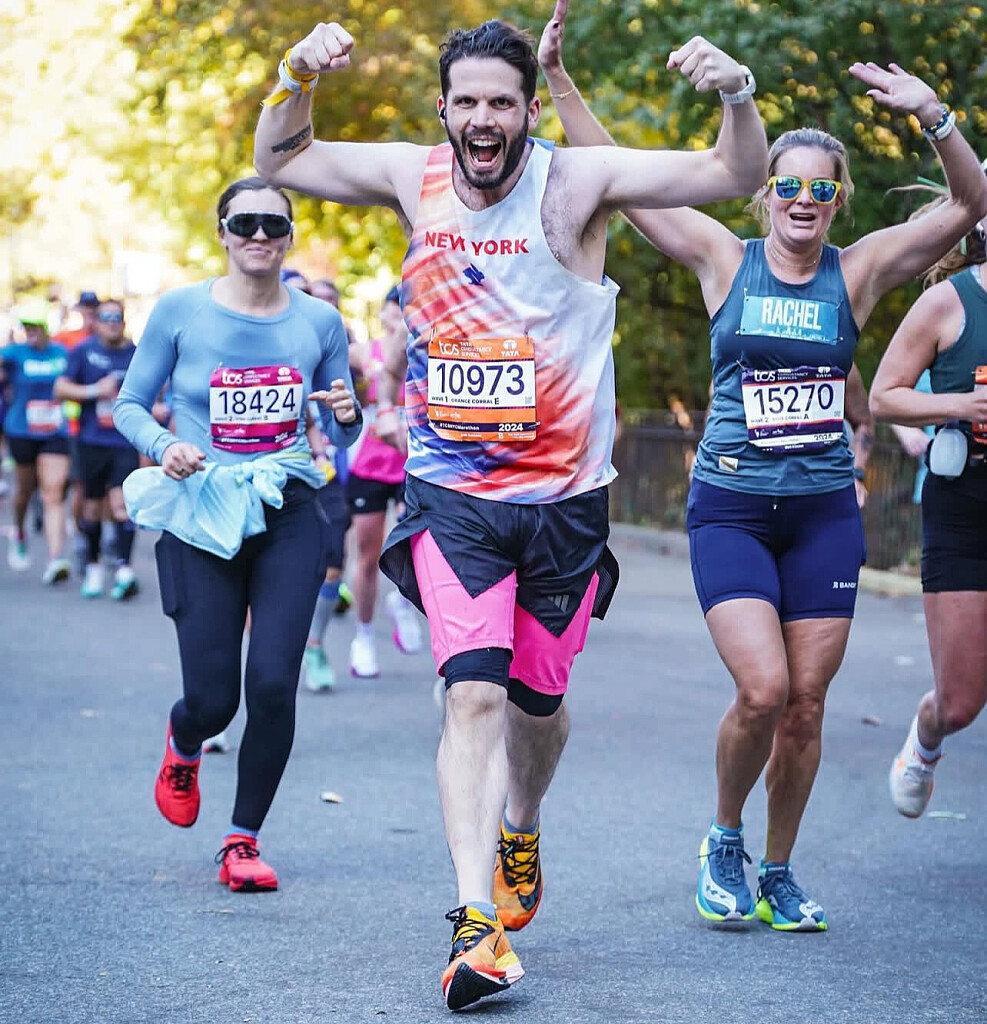
Building a Mental Strategy for Race Day
For many runners, the marathon is a test of both physical endurance and mental resilience. While training plans often focus on mileage, pace, and nutrition, the mental aspect of running 26.2 miles is equally crucial—and frequently underestimated. In this article, we’ll explore new and practical ways to train your mind for marathon success, including strategies you might not have considered before.
Why Mental Preparation Matters

It’s not just about “toughing it out.” Your mental state can directly impact your performance:
• A focused mind helps you stay on pace and adjust to challenges.

• A resilient attitude helps push through the inevitable rough patches.
• A calm perspective keeps race-day nerves at bay.
Elite runners and seasoned marathoners know that a strong mind is a secret weapon. But even if you’re not chasing a PR, mastering your mindset can make the difference between finishing strong and falling short.
Five Mental Strategies You Haven’t Tried Yet
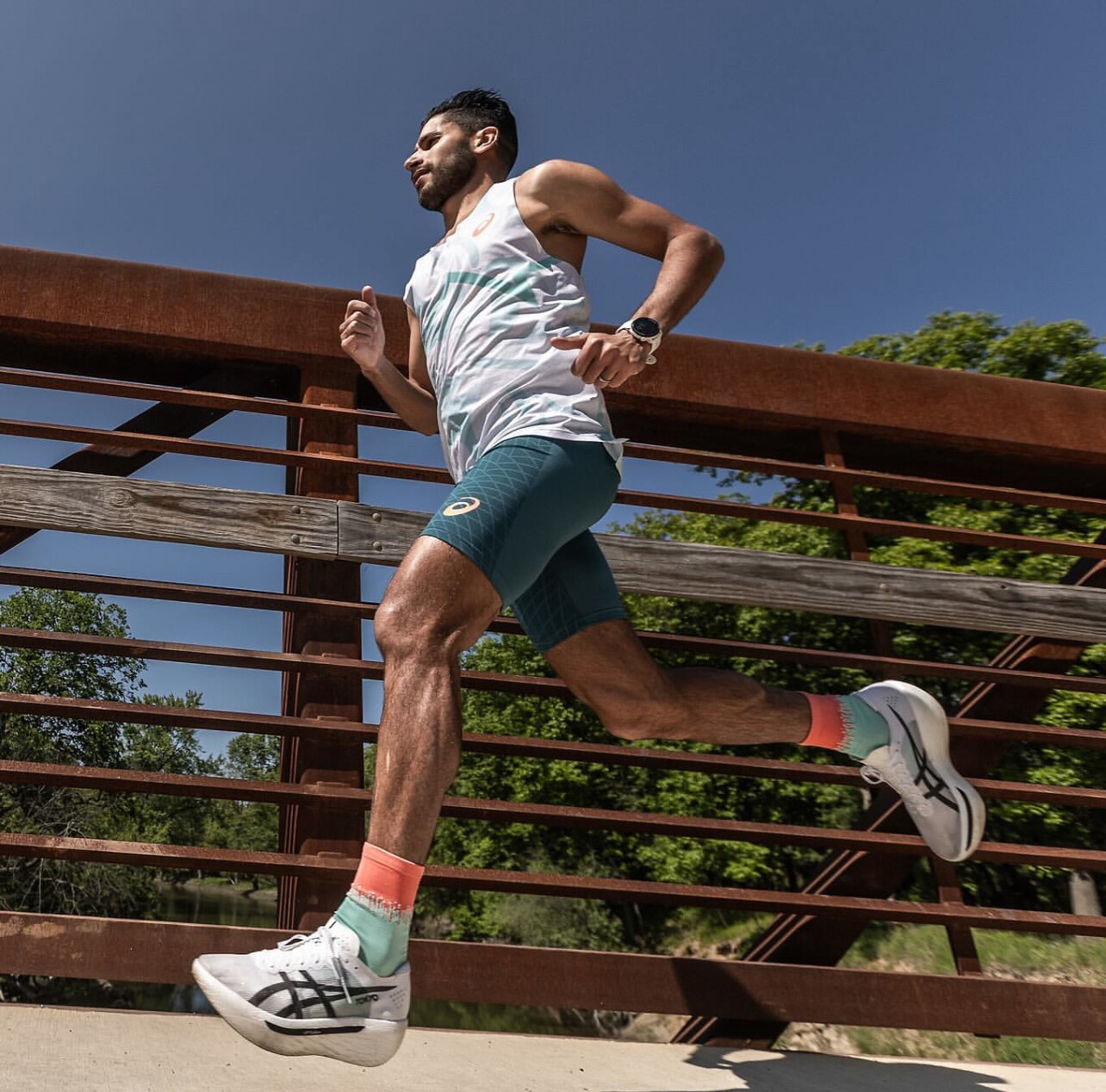
Here are five actionable techniques that go beyond the usual mantras and visualization exercises:
1️⃣ Segment the Race into Micro-Stages
Instead of thinking of the marathon as one daunting 26.2-mile stretch, break it into micro-stages—for example, 5K segments, water station to water station, or even mile by mile. Each small win builds confidence and keeps your focus sharp.
2️⃣ Pre-Run “What If” Planning
Before race day, mentally rehearse various scenarios: What if the weather is hot? What if you feel sluggish at mile 15? What if you cramp at mile 20? Visualize your responses so you’re ready with calm, proactive solutions.
3️⃣ Create a “Power Playlist” of Memories
Beyond music, build a mental playlist of moments when you overcame challenges, on or off the course. When the race gets tough, recall these powerful memories to fuel your determination.
4️⃣ Leverage Your Senses
Stay present during the race by focusing on your senses:
• Feel the rhythm of your breath.
• Listen to your footfalls.
• Smell the freshness of the course.
This sensory mindfulness can ground you and reduce anxiety.
5️⃣ Develop a Personal Mantra—but Make It Dynamic
Many runners rely on static mantras (“I am strong,” “I can do this”). Instead, create a dynamic mantrathat evolves as the race unfolds. For example:
• Early miles: “I’m settling in.”
• Mid-race: “I’m moving steady.”
• Final push: “I’m finishing strong.”
This approach mirrors your changing mindset and keeps your focus fresh.
Final Thoughts
Marathon running isn’t just a physical challenge—it’s a mental game that requires preparation, strategy, and resilience. By adding these innovative mental techniques to your training toolkit, you’ll be better equipped to handle the highs and lows of race day.
So, next time you’re out for a long run, practice these mind game strategies. And when you cross that finish line, you’ll know it wasn’t just your legs that carried you—it was your mind, too.
(06/03/25) Views: 65Boris Baron
