

Running News Daily
Top Ten Stories of the Week
6/14/2025
These are the top ten stories based on views over the last week.
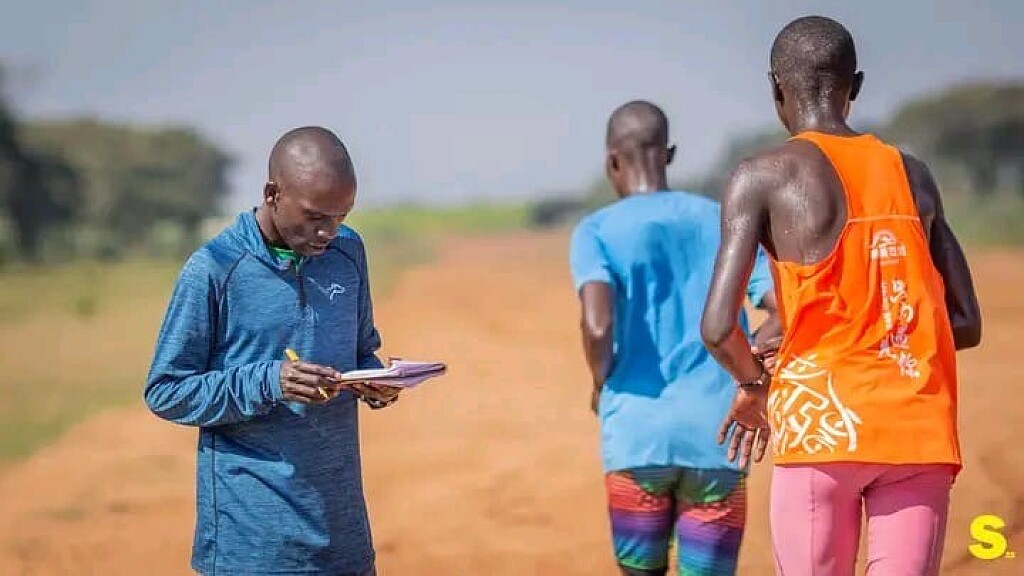


KATA Expands Global Footprint with Five New Running Camps Opening in June 2025
The Kenyan Athletics Training Academy (KATA) is advancing its mission to develop world-class runners and uplift rural communities by launching five new KATA Running Camps across Kenya in June 2025. These new satellite locations build upon KATA’s two well-established international retreats—in Thika, Kenya, and Monforte da Beira, Portugal—forming a growing global network grounded in endurance, discipline, and opportunity.
Five New Camps Opening in June
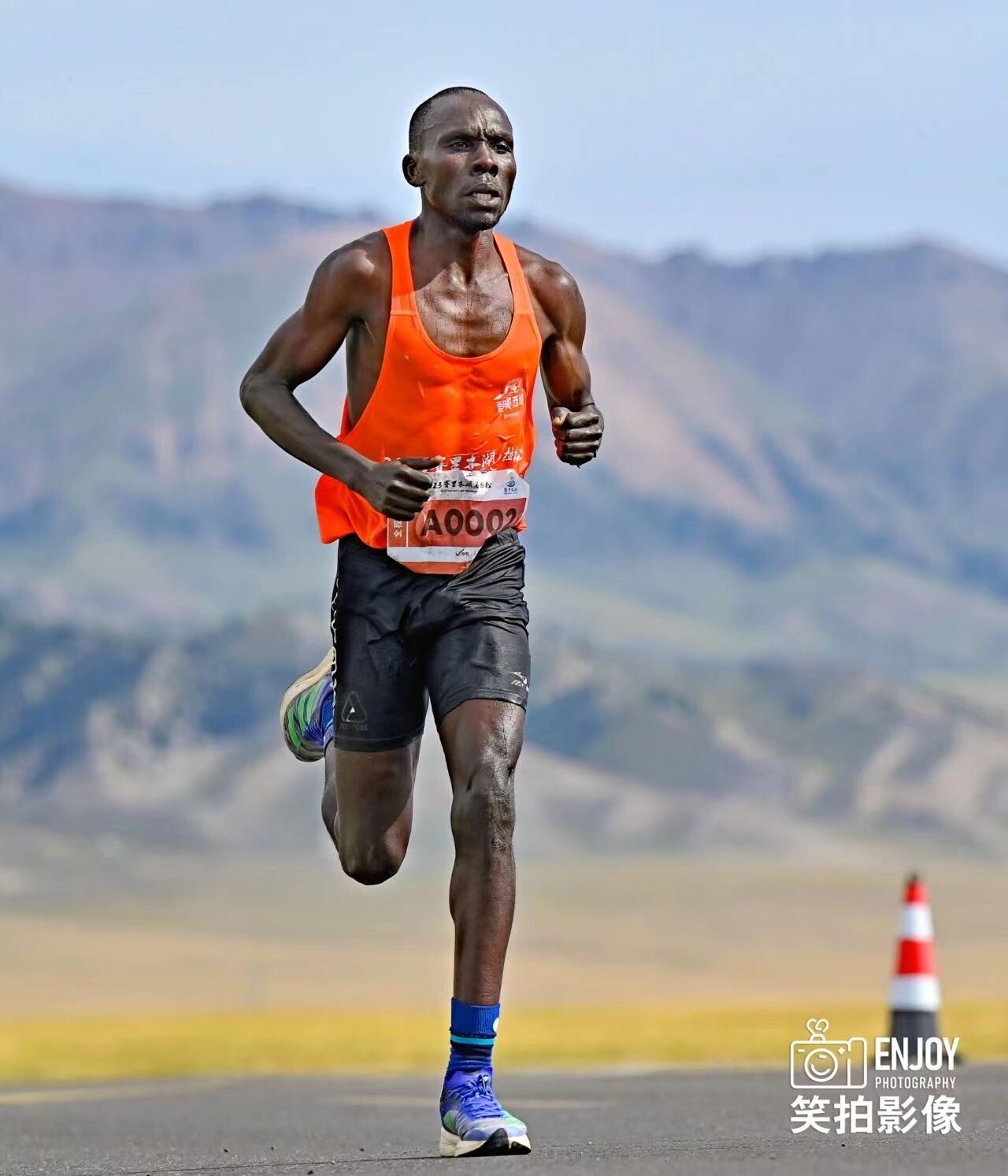
Each new camp will be led by accomplished athletes and coaches who deeply understand the training demands of distance running:
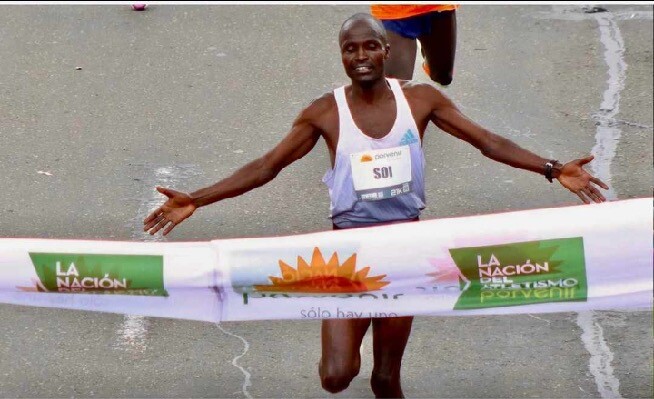
• Kericho, Kenya (~2,500m / 8,200 ft) – Operated by Edwin Soi, Olympic 5000m bronze medalist (2008) and road racing legend. The location offers quiet roads and soft dirt trails, ideal for interval training and long runs.
• Molo, Kenya (~2,440m / 8,000 ft) – Operated by Eric Chepkwony, a seasoned distance runner and coach. The terrain features hilly roads and scenic countryside paths that simulate real race conditions.
• Keringet, Kenya (~2,600m / 8,530 ft) – Operated by Sammy Dismas, a world-class runner and proven coach with numerous victories to his name. The camp features a mix of flat and rolling terrain ideal for tempo and progression workouts.
• Kapcherop, Kenya (~2,400m / 7,875 ft) – Operated by Philemon Kipruto, a respected local coach. Athletes benefit from forest trails and undulating village roads perfect for aerobic development.

• Nyandarua, Kenya (~2,300m / 7,550 ft) – Operated by Peter Njoroge, a dedicated coach with strong community roots. The camp includes grassy trails and high-elevation road loops ideal for base building.
Each of these camps blends elite training with mentorship, while also promoting sustainability through the KATA Potatoes project, a unique initiative that connects athletics to local agriculture and economic growth.
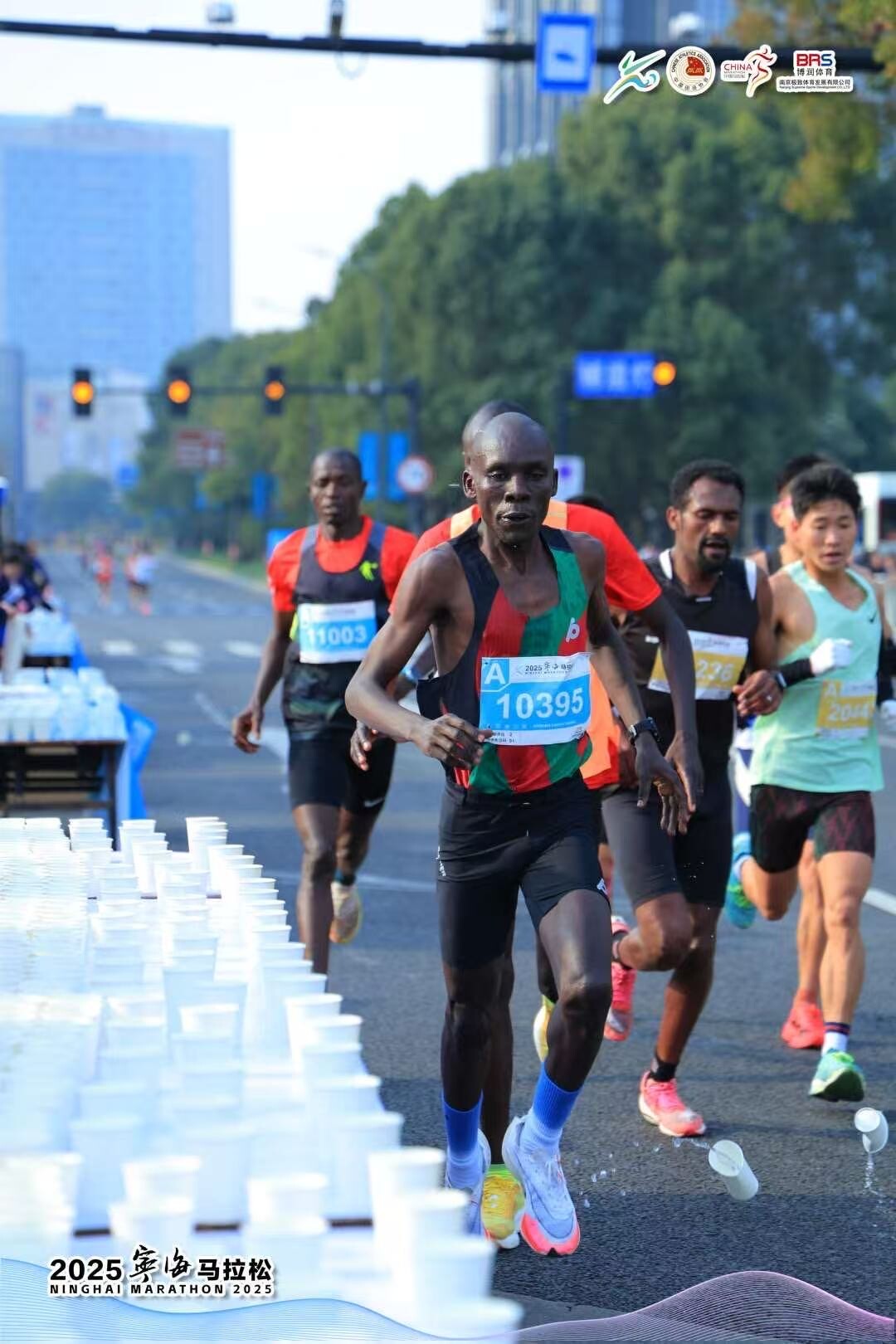
Established KATA Retreats in Kenya and Portugal
KATA’s flagship retreat in Thika, Kenya (~1,530m / 5,020 ft) continues to serve as a high-performance training hub. Managed by Christopher Muiruri, the retreat features a mix of paved loops, dirt roads, and peaceful paths—making it ideal for both elite athletes and visiting guests. KATA head coach John currently trains 20 KATA athletes and works closely with guest runners of all levels.
In 2024, KATA expanded into Europe with a retreat in Monforte da Beira, Portugal (~470m / 1,540 ft). Managed by Alberto Santos, the retreat is located at the historic Anderson Manor, just one hour from the Spanish border. The setting features technical trails, scenic roads, and a wellness-focused environment. Bob Anderson and his wife Catherine now spend about 35% of their time at this location, which serves as a perfect base to teach the Kenyan training philosophy. At least one accredited Kenyan coach is on-site at all times.

A Vision Rooted in Training and Transformation
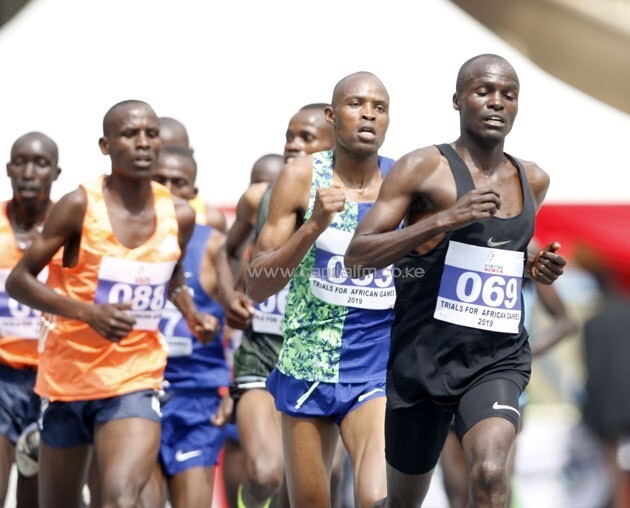
KATA was founded by Bob Anderson, creator of Runner’s World and a lifelong runner—he has been running since February 19, 1962. His vision goes beyond athletic excellence. It’s about building stronger communities through sport and shared purpose.
“This is not just about running fast,” says Anderson. “It’s about building strong roots—on the track, in the field, on the road, and within the community.”
Looking ahead, Anderson adds:

“We’re planning to open another five KATA Running Camps in Kenya by the end of the year. This is a new concept, and the feedback so far has been overwhelmingly positive.”
(06/06/25) Views: 258Boris Baron
Olympic 5000m medalist Edwin Soi joins new KATA Running Camp in Kericho — a unique Kenyan training program blending elite coaching and community impact.
From Olympic bronze to farming for the future, Edwin Soi’s journey reflects both speed and sustainability.
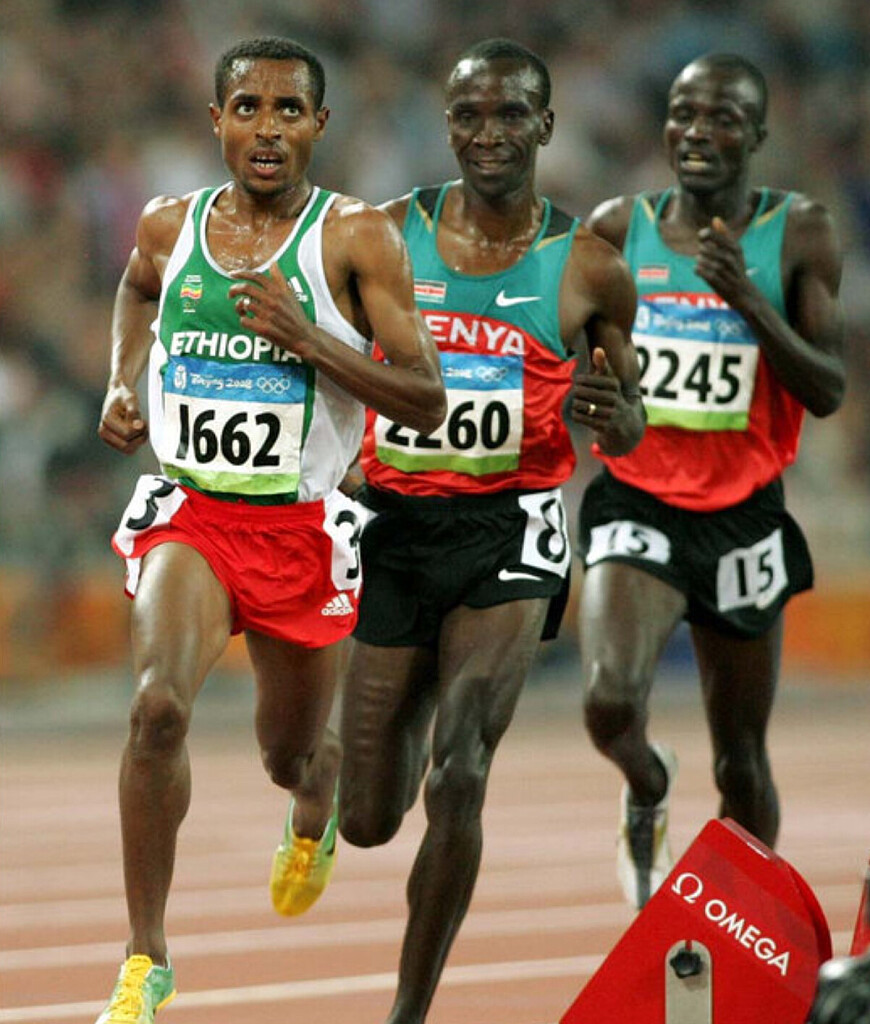
In the world of distance running, Edwin Soi is a name etched in excellence. At the 2008 Beijing Olympics, Soi captured the bronze medal in the 5000 meters, finishing with a time of 13:06.22behind Kenenisa Bekele and Eliud Kipchoge—an iconic race that cemented his place among the greats of Kenyan running.
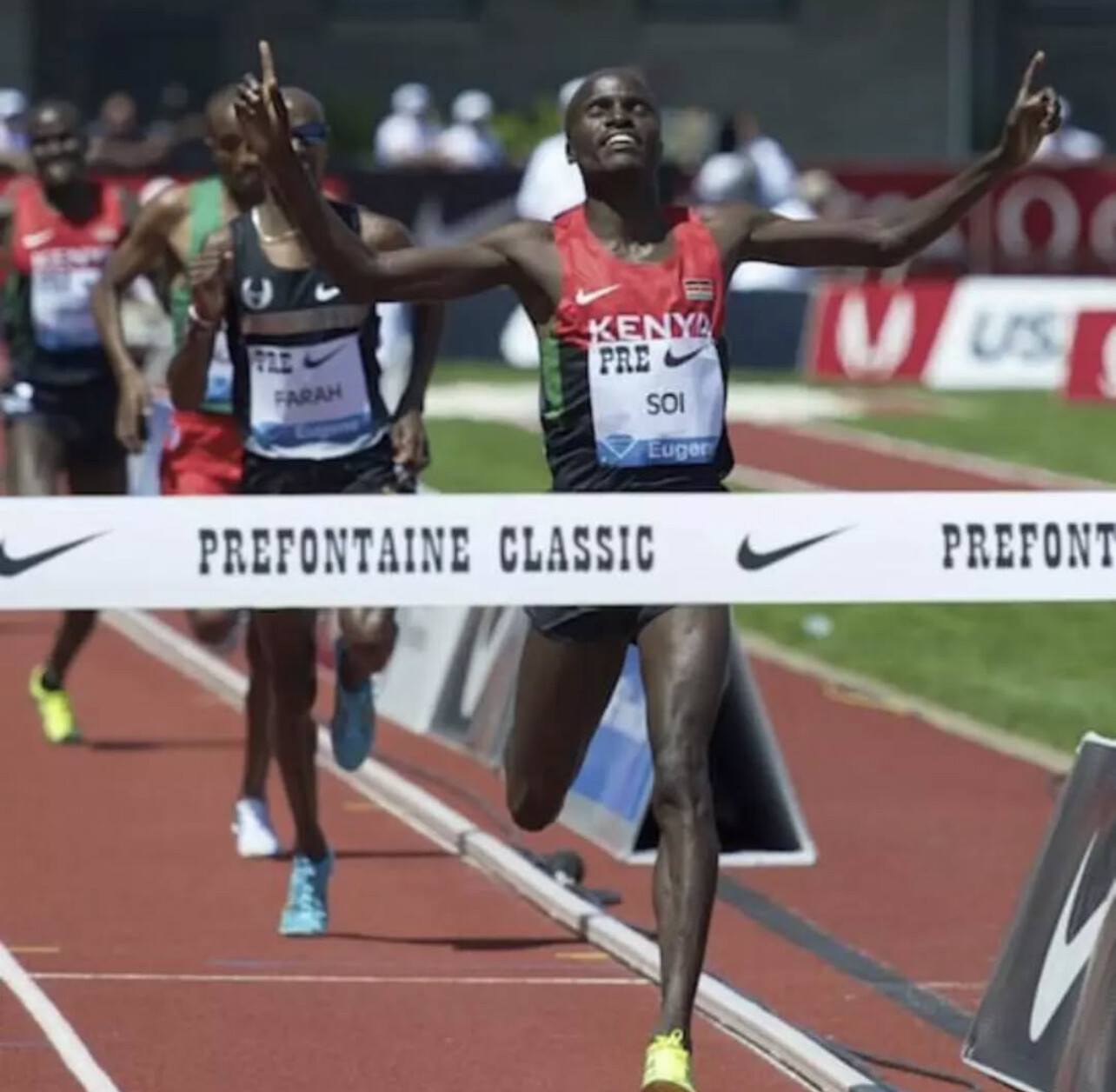
Now, over 15 years later, Soi continues to perform at an elite level. In early 2025, he placed on the podium at a major half marathon in Poland, proving that his speed and endurance have stood the test of time. But the accomplished Olympian is now expanding his impact beyond the track.
This year, Soi has teamed up with Bob Anderson, the founder of Runner’s World and the visionary behind the Kenyan Athletics Training Academy (KATA). Together, they are launching a unique initiative in Kericho, Kenya that combines world-class training with sustainable farming.
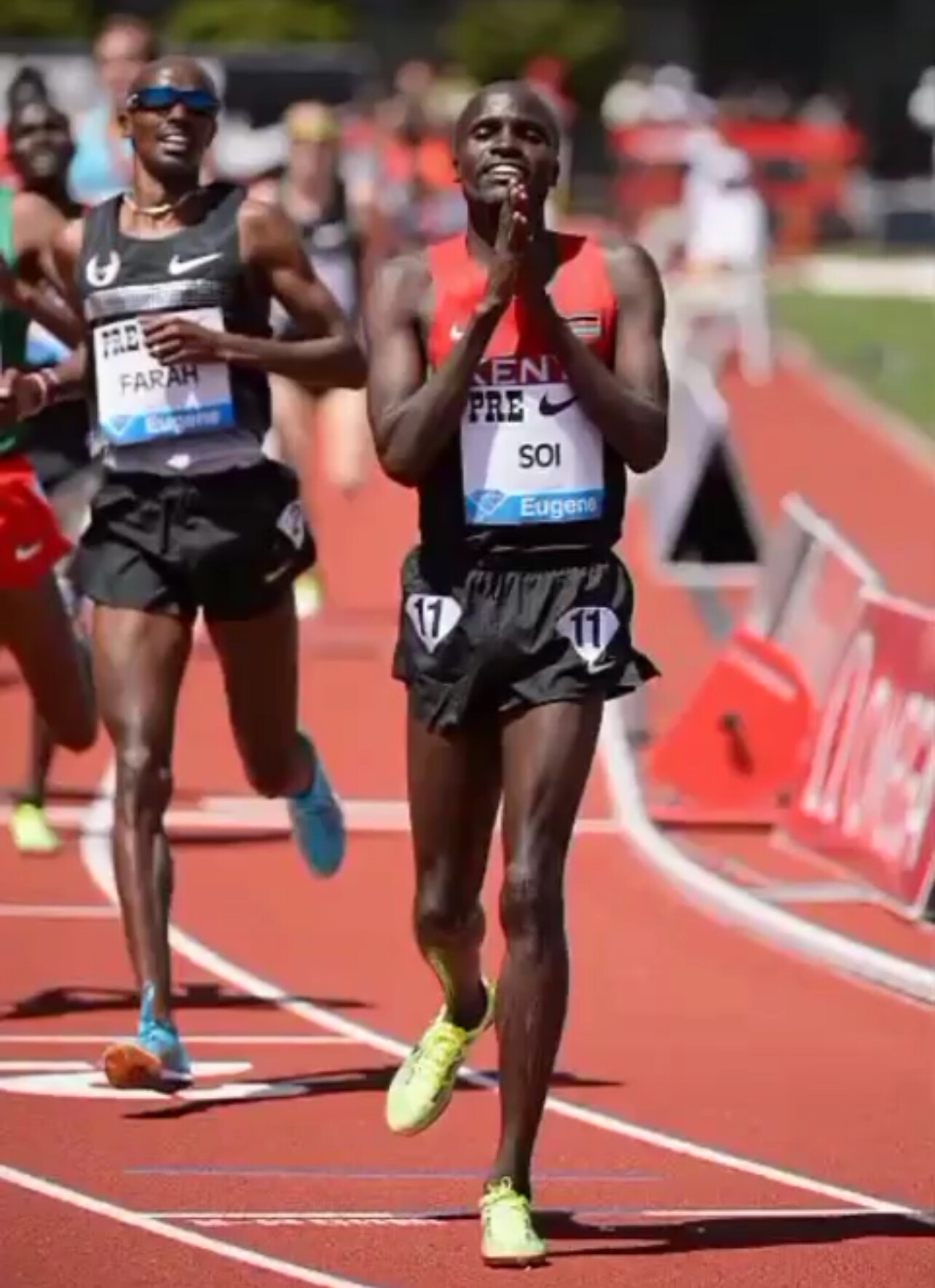
“I am very excited to be working with Bob Anderson on this new, unique program,” says Soi. “Bob has created something very special for athletes, and combining it with his ideas about farming KATA Potatoes gives us the opportunity to be sustainable. It’s perfect.”
A Vision Rooted in History
Bob Anderson’s connection to Kenyan running spans nearly four decades.
“I first traveled to Kenya in 1987 and saw and met many runners. I knew then that a program like what we have now set up was needed,” Anderson explains. “I returned with my wife Catherine in 2014 and met Elam and Joel. That’s when the idea for the Kenyan Athletics Training Academy (KATA) in Thika really started to take shape.”
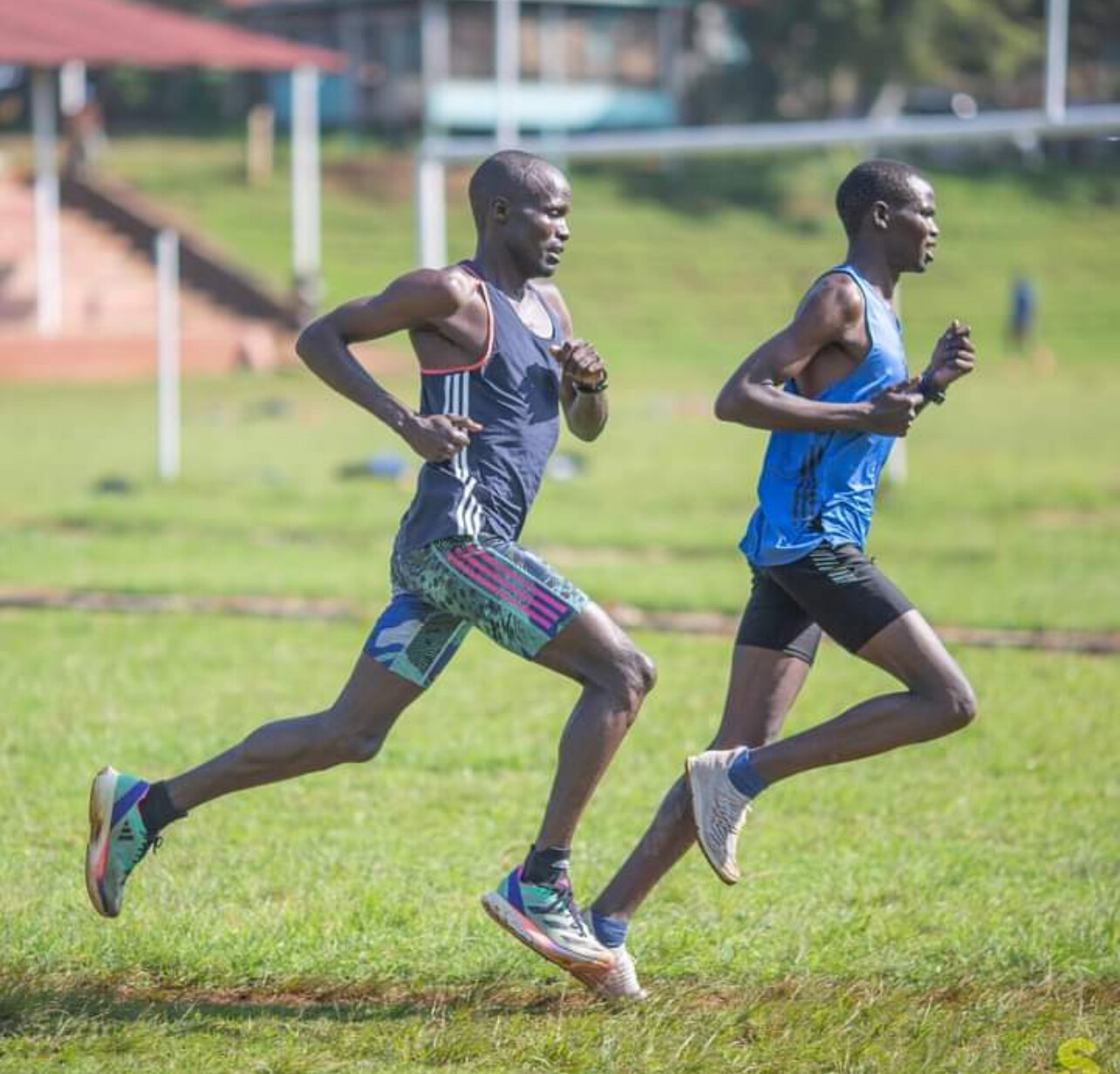
KATA officially opened in 2019, offering elite Kenyan athletes a base to train and grow. But the vision didn’t stop there.
In 2023, Anderson and longtime friend Brock Hinzmann (last photo) a 2:19 marathoner from Los Altos Hills, California, piloted the first KATA farm. The goal was to integrate agriculture into athlete development—creating a model where training and sustainability go hand in hand.
“We established a KATA farm in 2023 working with Brock, but the program needed some refinements. I finalized our new format in May of 2025. I told Edwin Soi about our program and he told me he loved the idea and jumped right on it,” says Anderson.
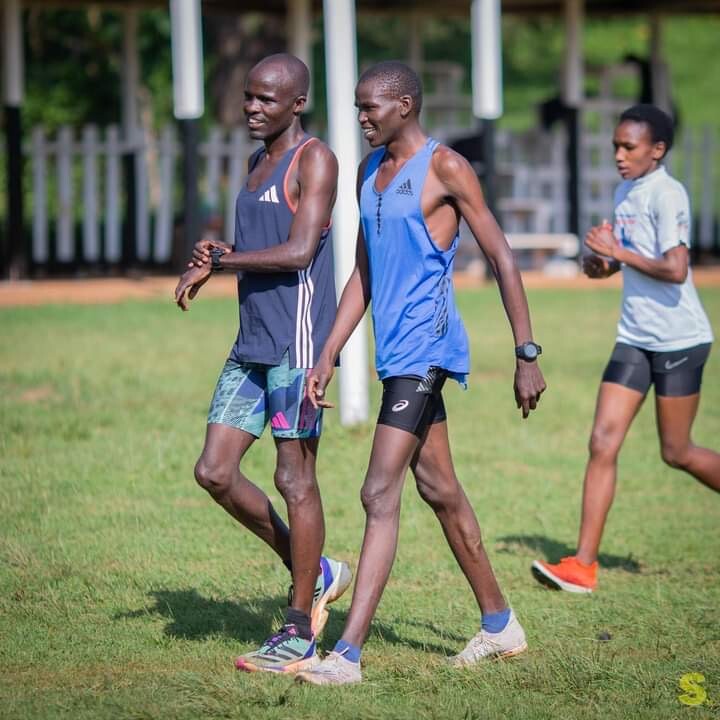
Kuresoi: A New Chapter
Now, with Soi’s leadership, the KATA Running Camp and Potato Farm in Kuresoi is set to become a flagship model for the future. Athletes will not only receive top-level training from one of the greatest distance runners of his generation, but they’ll also participate in sustainable farming practices—planting, maintaining, and harvesting KATA-branded potatoes.
The program provides housing, coaching, food, and competition opportunities—with the added benefit of long-term revenue from agriculture. It’s a model designed not just to develop athletes, but to support their lives beyond running.
“Edwin Soi brings credibility, passion, and wisdom to this project,” says Anderson. “It’s not just about winning races anymore—it’s about building something that lasts.”
Looking Ahead
With KATA camps now expanding across Kenya—including recent launches in Kapcherop, Molo, Nyandarua, and Kuresoi—the partnership between Bob Anderson and Edwin Soi represents a new chapter in Kenyan running. One where elite performance and local empowerment go hand in hand.
Soi’s journey—from Olympic bronze to coaching, mentoring, and planting the seeds of a new future—demonstrates what’s possible when world-class talent meets a visionary purpose.

Boris Baron
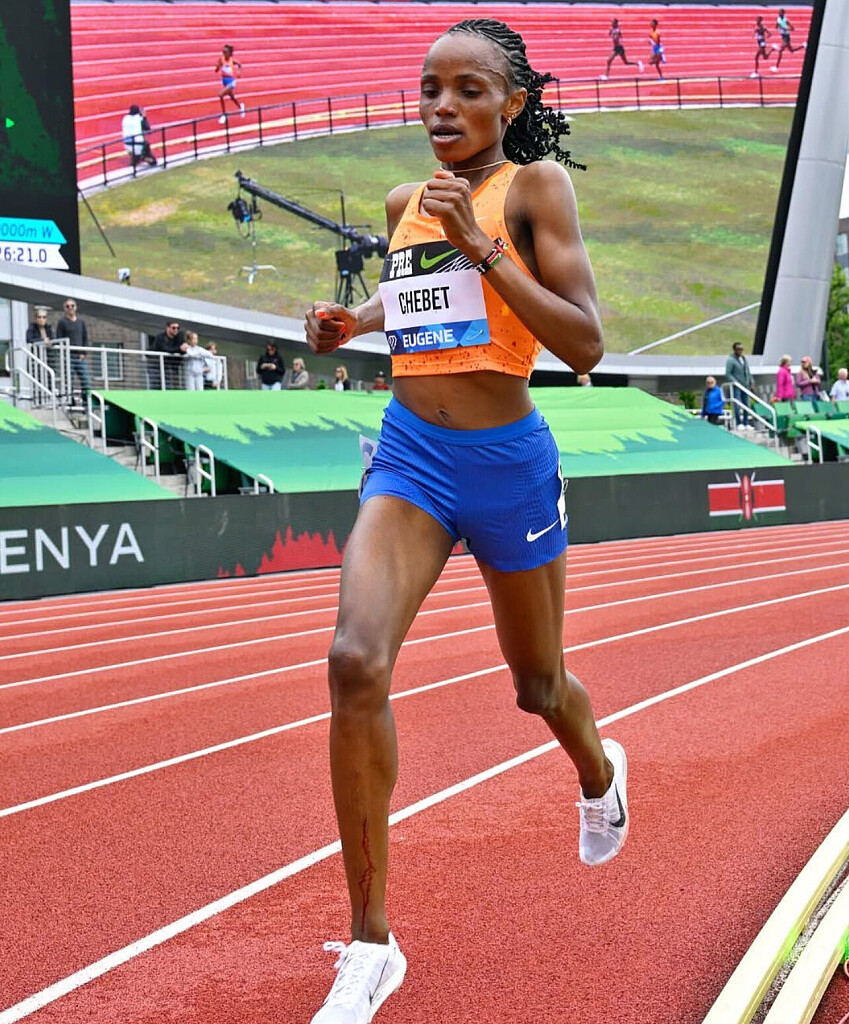
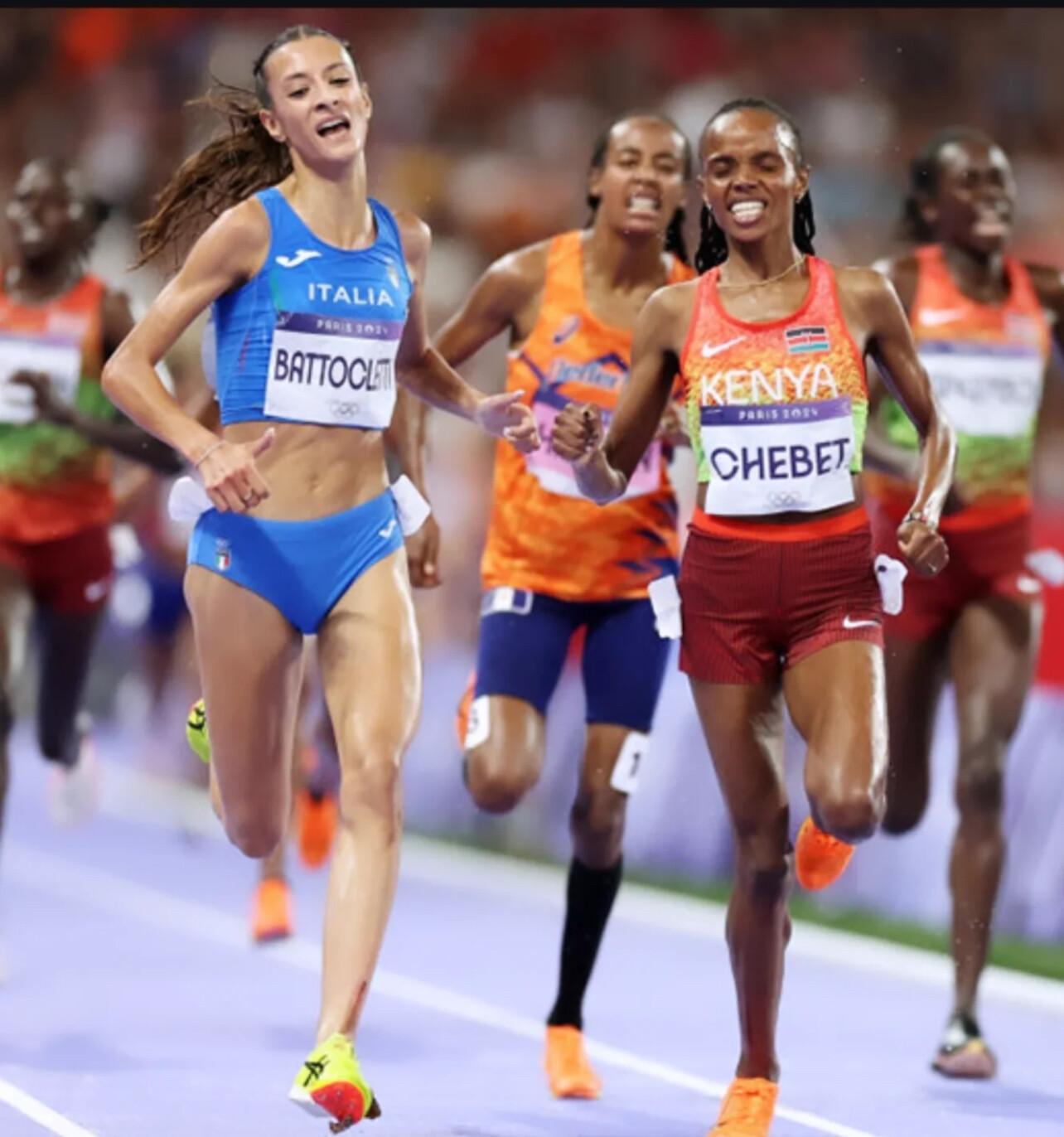
Beatrice Chebet Runs 14:03.69 — Second-Fastest 5000m in Track History
Kenya’s Beatrice Chebet continued her incredible run of form by clocking 14:03.69 in the women’s 5000m at the 2025 Diamond League meeting in Eugene. Her time is the second-fastest in history on the track, trailing only Gudaf Tsegay’s world record of 14:00.21 set in 2023.
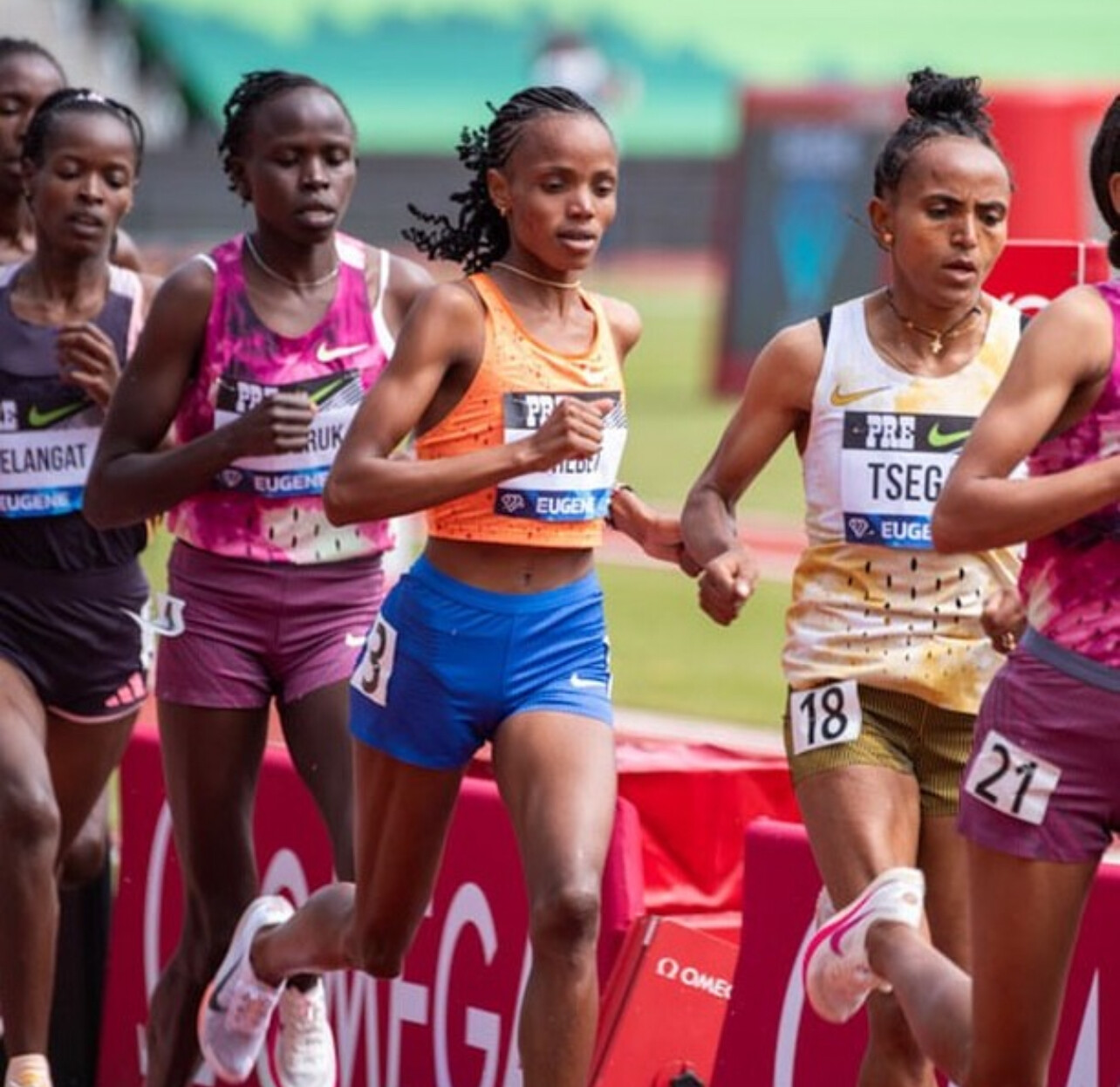
This marks Chebet’s third Diamond League appearance of the season, and for the third time, she set a new meeting record—a remarkable streak of consistency and dominance on the global stage.
Fastest Women’s 5000m Performances (Track – All-Time)
|
Rank |
Time |
Athlete |
Country |
Year |
|
1 |
14:00.21 |
Gudaf Tsegay |
ETH |
2023 |
|
2 |
14:03.69 |
Beatrice Chebet |
KEN |
2025 |
|
3 |
14:05.20 |
Letesenbet Gidey |
ETH |
2020 |
What makes Chebet’s 2025 season even more impressive is that she’s also the current world record holder in the 5K on the roads, running 13:54 at the Cursa dels Nassos in Barcelona on December 31, 2023. That road performance was historic—she became the first woman to break the 14-minute barrier over 5 kilometers in any setting.
Chebet’s Rising Legacy
At just 25 years old, Chebet has now cemented her status as one of the fastest women to ever race 5000 meters—on both track and road. Her combination of raw speed, finishing power, and race intelligence makes her a major threat at every global championship and on the Diamond League circuit.
With her eyes now set on the World Championships later this year, Chebet is showing no signs of slowing down.
(06/08/25) Views: 137Boris Baron
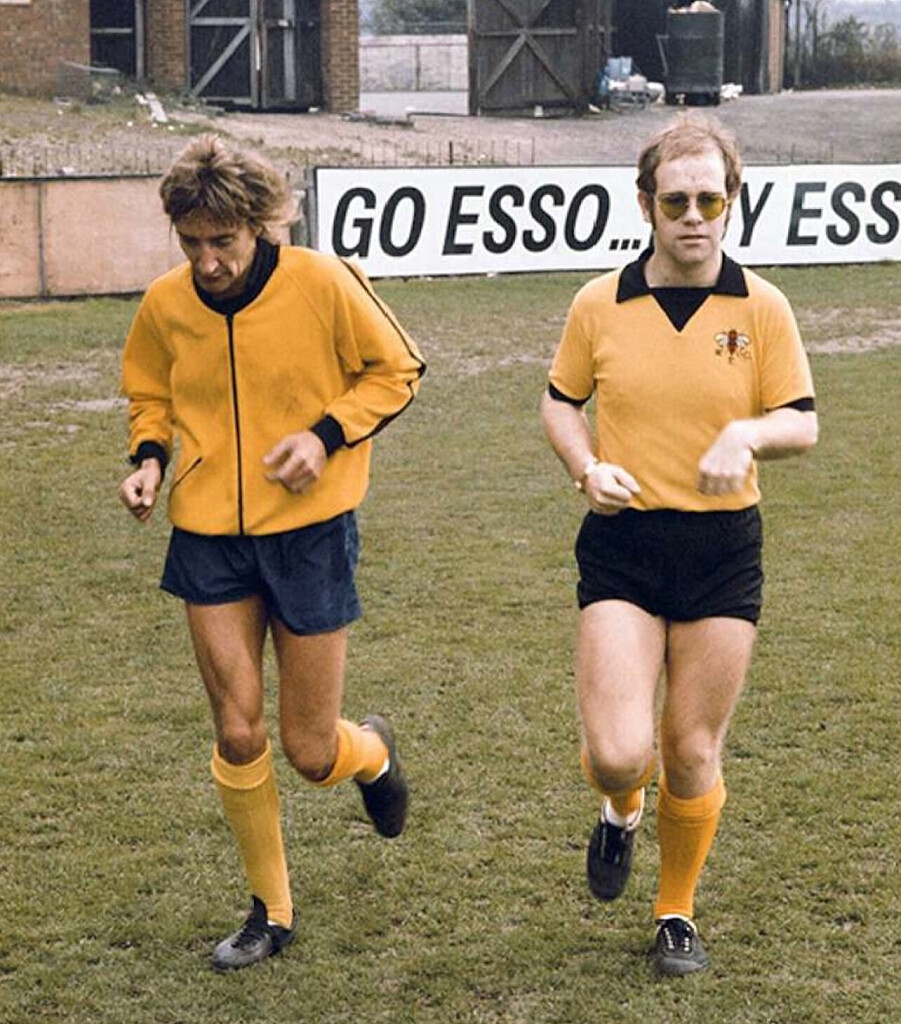
Rod Stewart Trains to Become the Fastest 80-Year-Old Over 100 Meters
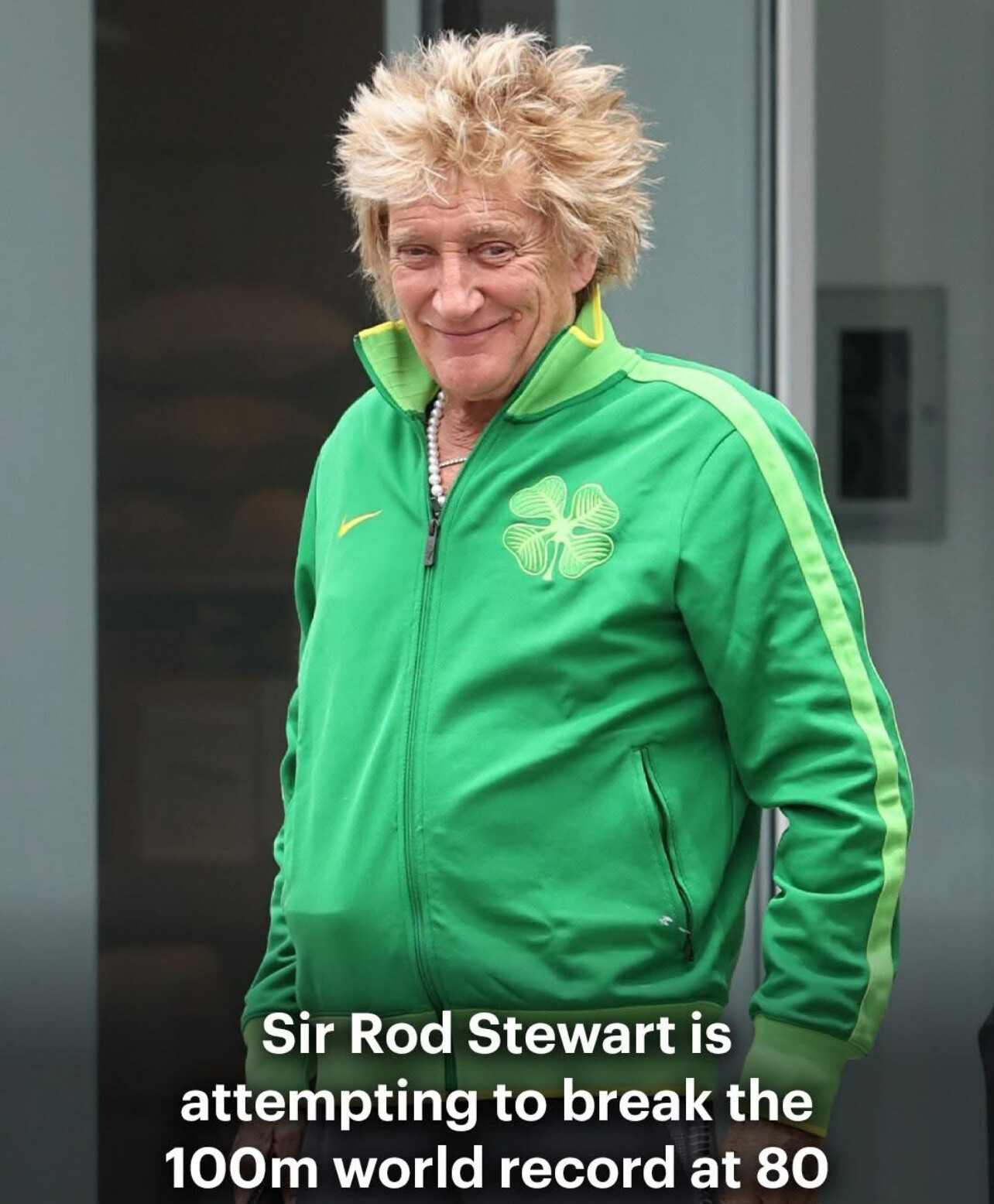
At nearly 80 years old, Sir Rod Stewart isn’t slowing down—he’s speeding up. The rock legend, best known for chart-topping hits and sold-out concerts, has taken on a new challenge: becoming the fastest 80-year-old to run 100 meters.
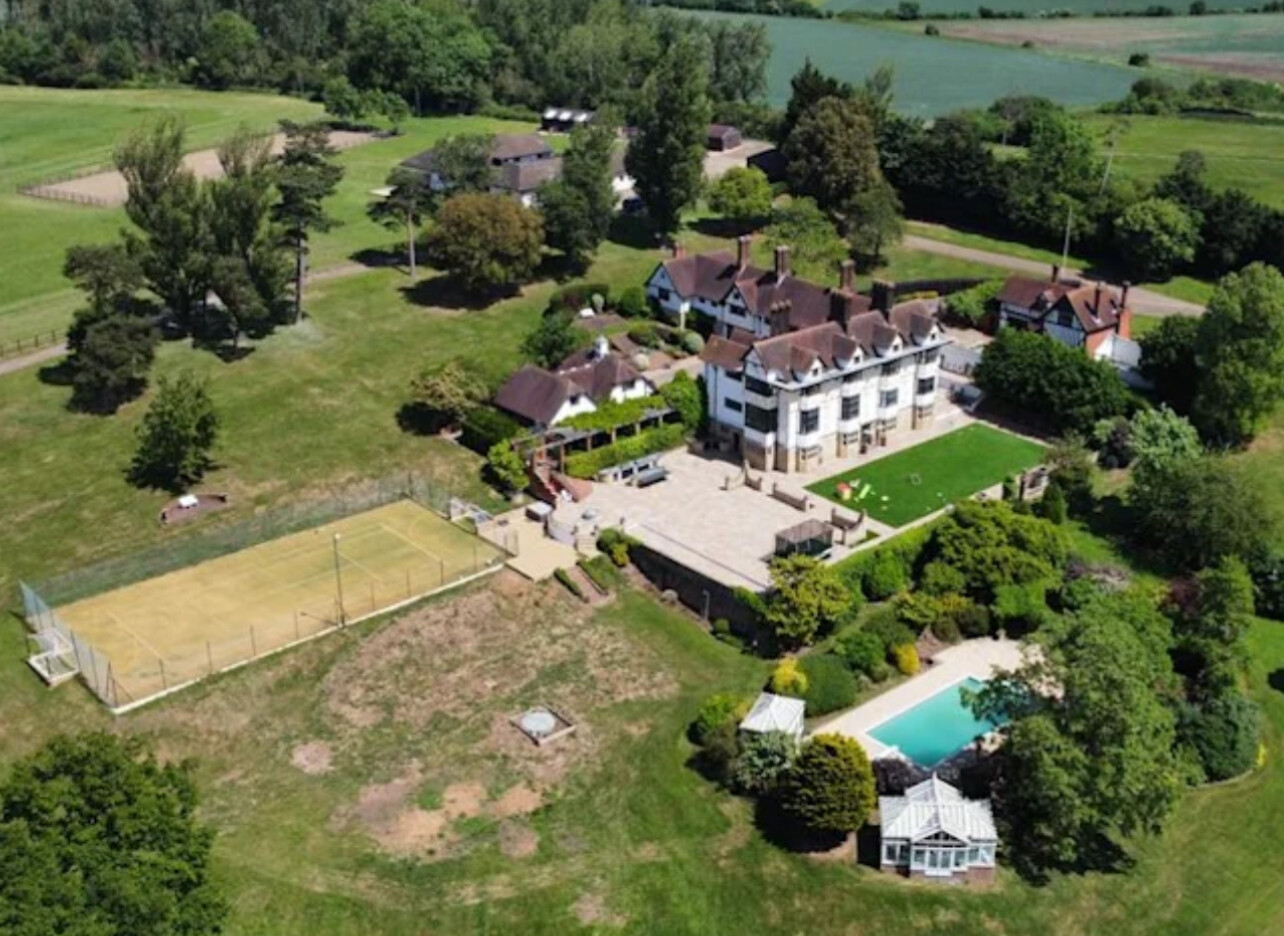
According to a recent post by Men’s Health UK, Stewart has even built a private running track at his English estate to pursue this ambitious goal. His focus? Beat the current world record for the men’s 80–84 age group in the 100m dash.
The Time to Beat
To break the world record, Stewart needs to run faster than 14.65 seconds, the time set by Hidekichi Miyazaki of Japan, who famously ran 100 meters at age 105, and more directly, better than the official M80 world record of 14.35 seconds, held by Donald Pellmann (USA).
Pellmann achieved this mark in 2015 at age 100, but within the 80–84 age category, Stewart’s real target is the 14.35 seconds mark.
That’s no easy feat—even for someone in peak shape—but Stewart appears committed. Reports say he’s blending his music rehearsal schedule with an intense training regimen designed to improve sprint mechanics, explosiveness, and overall fitness.

A Rock Star’s Reinvention
While most performers his age are scaling back, Stewart is lacing up his spikes. Known for his flamboyant style and tireless energy on stage, he’s now channeling that same passion into a stopwatch-driven mission.
“Rod is laser-focused,” one source told Men’s Health UK. “This isn’t a publicity stunt. He wants this.”

With Glastonbury on the horizon and a possible world record on the line, Stewart is showing that aging doesn’t mean stopping. In fact, it might just be the perfect time to start running.
My Best Runs will be tracking Stewart’s journey closely. Whether or not he breaks the record, one thing is clear: Rod’s still got the rhythm—and now, the speed.

Boris Baron
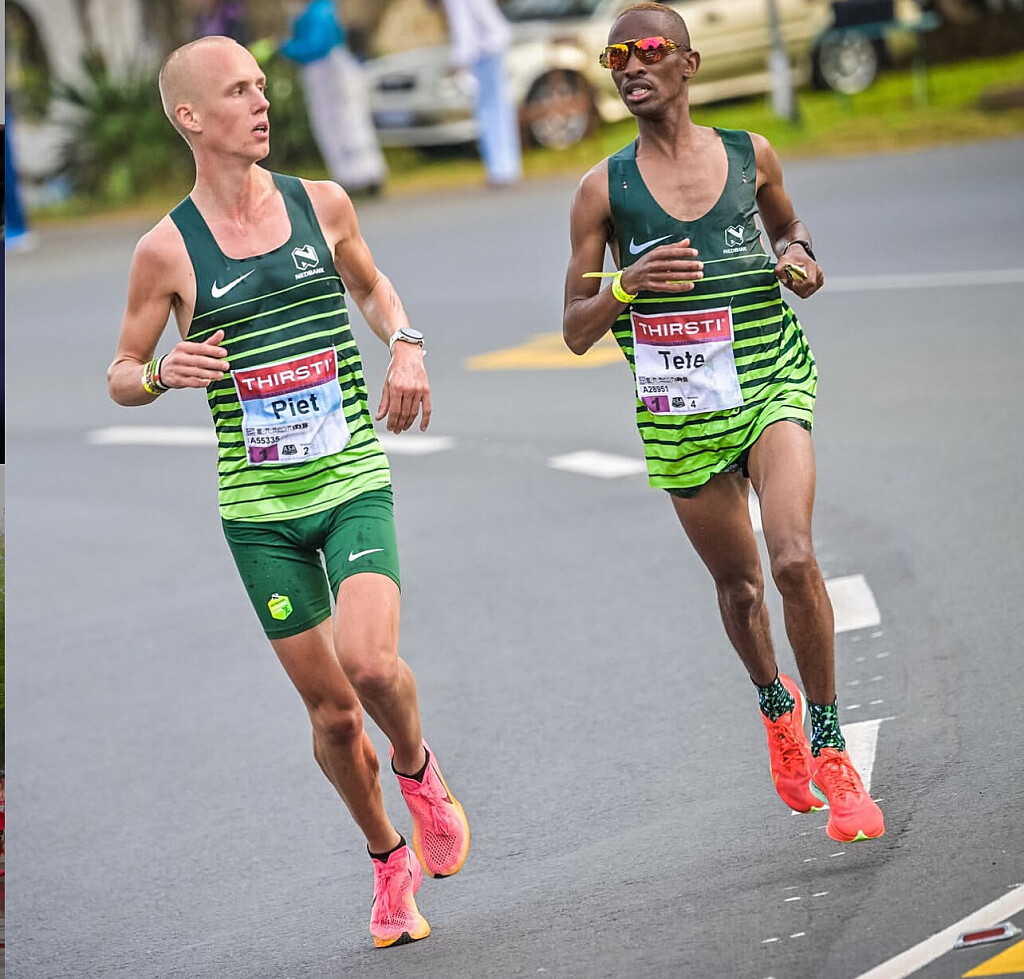
Dijana and Steyn Triumph Again at 2025 Comrades Marathon
South African stars Tete Dijana and Gerda Steyn solidified their places among the world’s best ultra runners with commanding victories at the 2025 Comrades Marathon, held Sunday, June 8. Dijana, now a three-time champion, won the men’s race in 5:25:27, edging out defending champion Piet Wiersma by just five seconds in a thrilling repeat of last year’s finish.
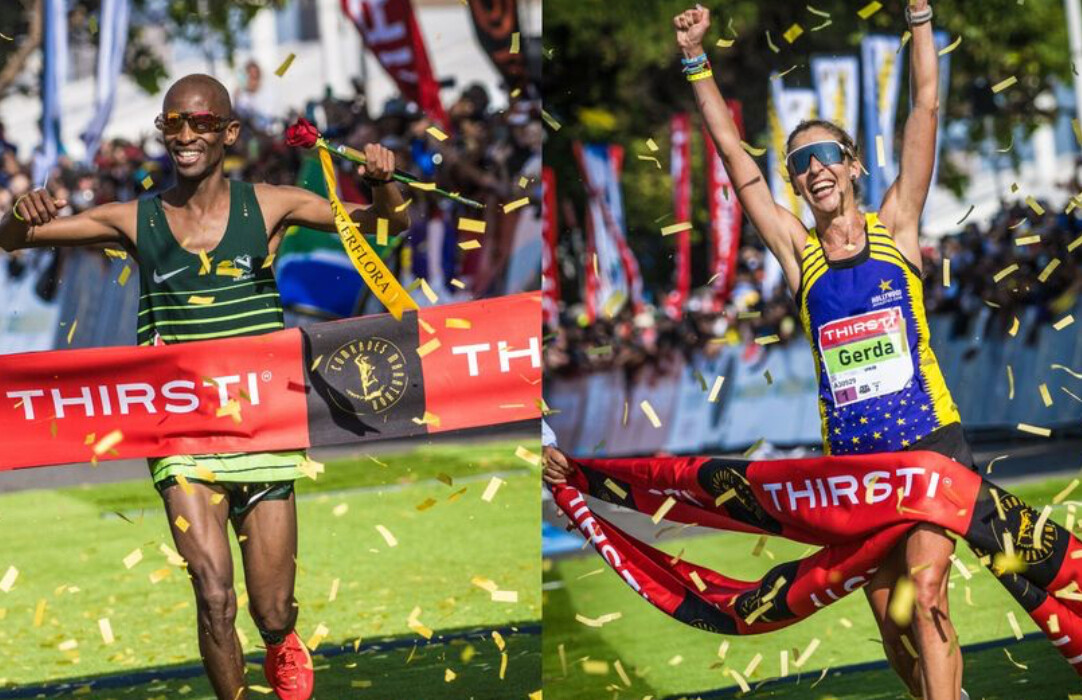
Steyn claimed her fourth Comrades title, joining elite company as only the second woman to win the race more than three times. Her time of 5:51:18 put her nearly five minutes ahead of runner-up Alexandra Morozova.

Race Distance and Pace
• Distance: 89.98 kilometers (55.9 miles)
• Tete Dijana’s average pace:
• 3:37 per km
• 5:50 per mile
• Gerda Steyn’s average pace:
• 3:54 per km
• 6:17 per mile
Innovations and Historic Field
The 98th edition of the Comrades, run from Pietermaritzburg to Durban, featured a record Down Run field of 22,677 qualified entrants. For the first time in event history, organizers introduced a split start for safety and improved flow, with two groups starting 15 minutes apart.
The new finish line on Masabalala Yengwa Avenue, adjacent to Durban’s People’s Park, added a festive atmosphere with expanded hospitality and club support zones.
Elite Race Highlights
In the men’s race, Onalenna Khonkhobe led early before Dijana surged with 20km to go. Dutchman Piet Wiersma closed the gap late, but Dijana stayed strong to win in a near repeat of 2023.
“I came prepared and stuck to my race plan. When I saw Piet closing, I pushed and opened the gap,” said Dijana.
Nikolai Volkov finished third in 5:29:41, followed by Edward Mothibi and Joseph Manyedi. South Africans claimed six of the top 10 spots.
In the women’s race, Elizabeth Mukoloma led early, but once Steyn took over, the outcome was never in doubt. Despite a late surge from Morozova, Steyn pushed ahead to win by nearly five minutes.
“It’s always an honor to be part of this race. I ran conservatively early to run my best race today—and it paid off,” said Steyn.
Kenya’s Shelmith Muriuki, in her Comrades debut, finished third, while Olympic marathoner Irvette van Zyl impressed with a strong fourth-place debut.
Building Toward the 100th
Comrades General Manager Alain Dalais praised the success of this “dress rehearsal” for the 100th edition in 2027:
“We’re thrilled with how well the split start worked and with the positive feedback on the new finish zone. We’re on the right path.”
Dalais also celebrated personal milestones, including Louis Massyn’s 50th Comrades finish, making him the first runner to earn a Quintuple Green Number.
Top Finishers
Men’s Top 3:
1. Tete Dijana – 5:25:27
2. Piet Wiersma – 5:25:32
3. Nikolai Volkov – 5:29:41
Women’s Top 3:
1. Gerda Steyn – 5:51:18
2. Alexandra Morozova – 5:55:55
3. Shelmith Muriuki – 6:07:55
(06/09/25) Views: 123Boris Baron
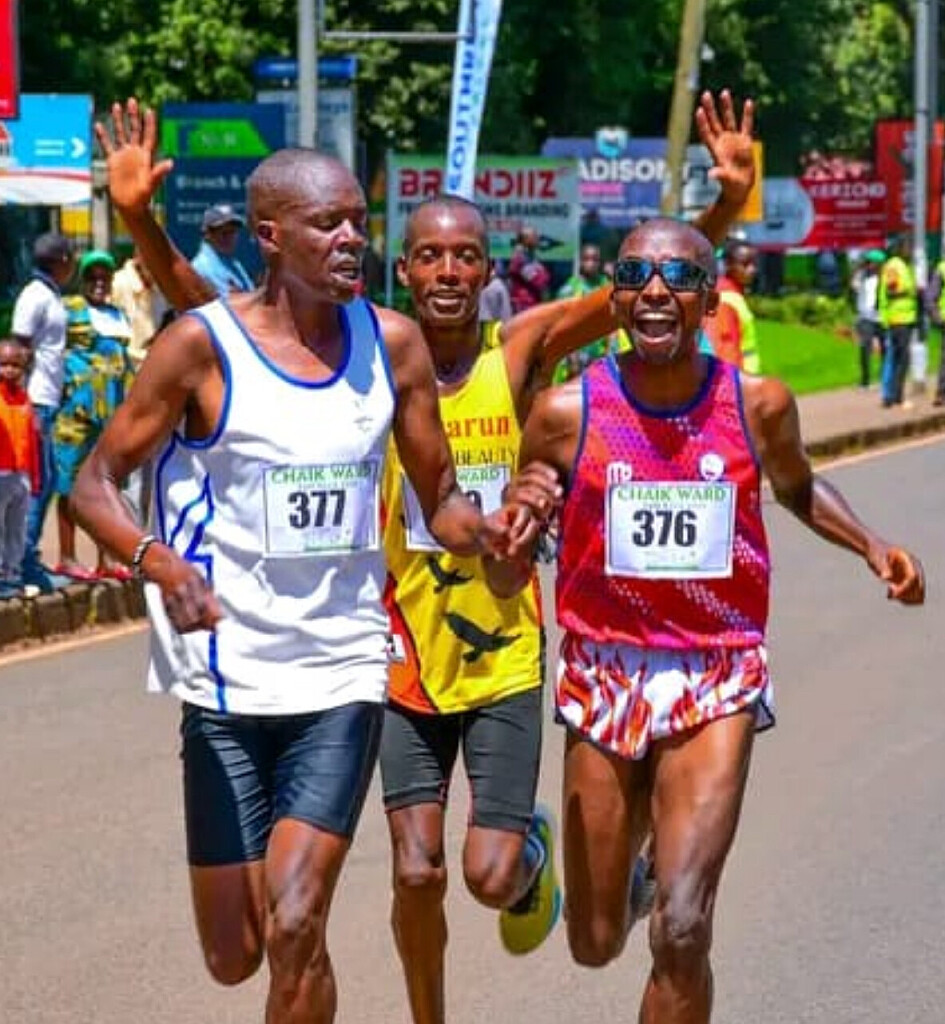
Blind Champion Wilson Bii to Open 2025 Season at KATA Time Trial
Four-time Paralympian Wilson Bii will launch his 2025 racing season at the KATA Monthly 10K Time Trial, scheduled for June 11 at the KATA Running Retreat in Thika, Kenya. Though Bii now trains at the newly opened KATA Running Camp in Molo, he’ll return to Thika to test his fitness in a race setting for the first time this year.
A T11-class athlete (completely blind), Bii has represented Kenya in four Paralympic Games, earning multiple medals and worldwide recognition. He won bronze in the 5000m T11 at the Rio 2016 Paralympics and remains one of Kenya’s most accomplished para-athletes.
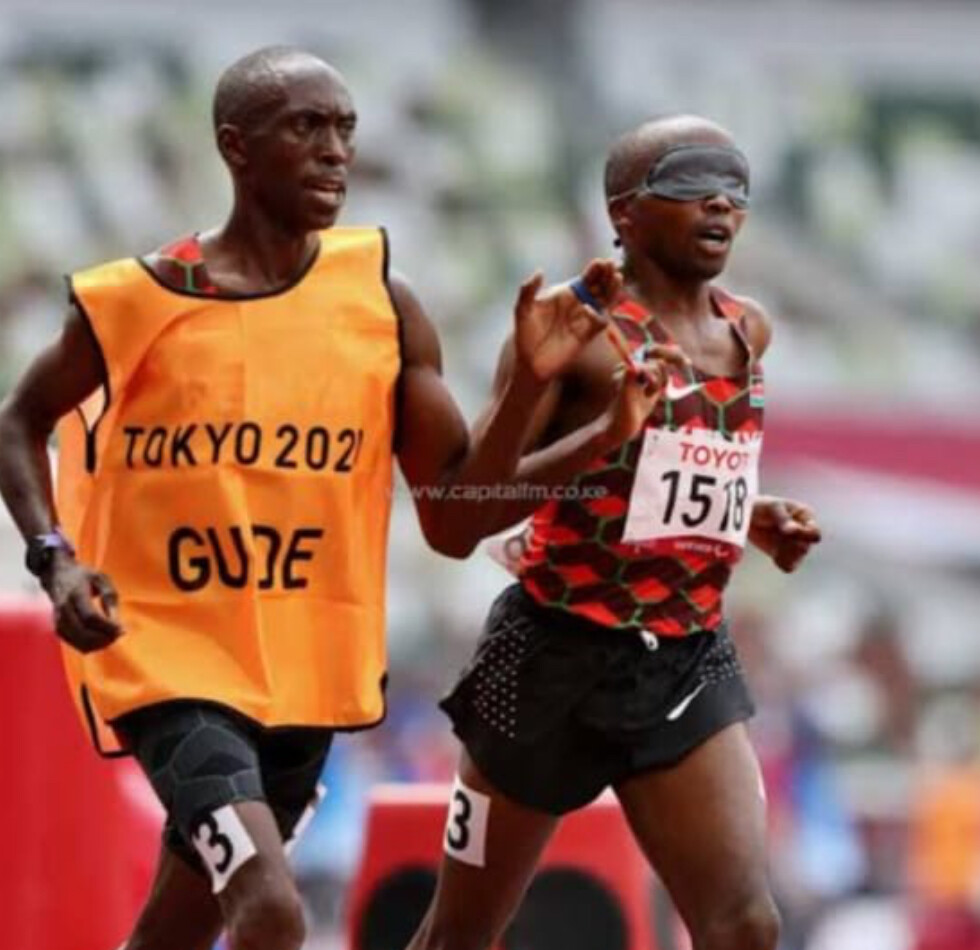
Aiming High: Sub-35 in the 10K, Sub-2:30 in the Marathon
This 10K time trial marks an important checkpoint as Bii builds toward his ambitious goal of running a sub-2:30 marathon, with a possible target at the Chicago Marathon later this year. For this first effort of the year, he’s aiming to break 35 minutes for 10K—a notable time given the altitude.
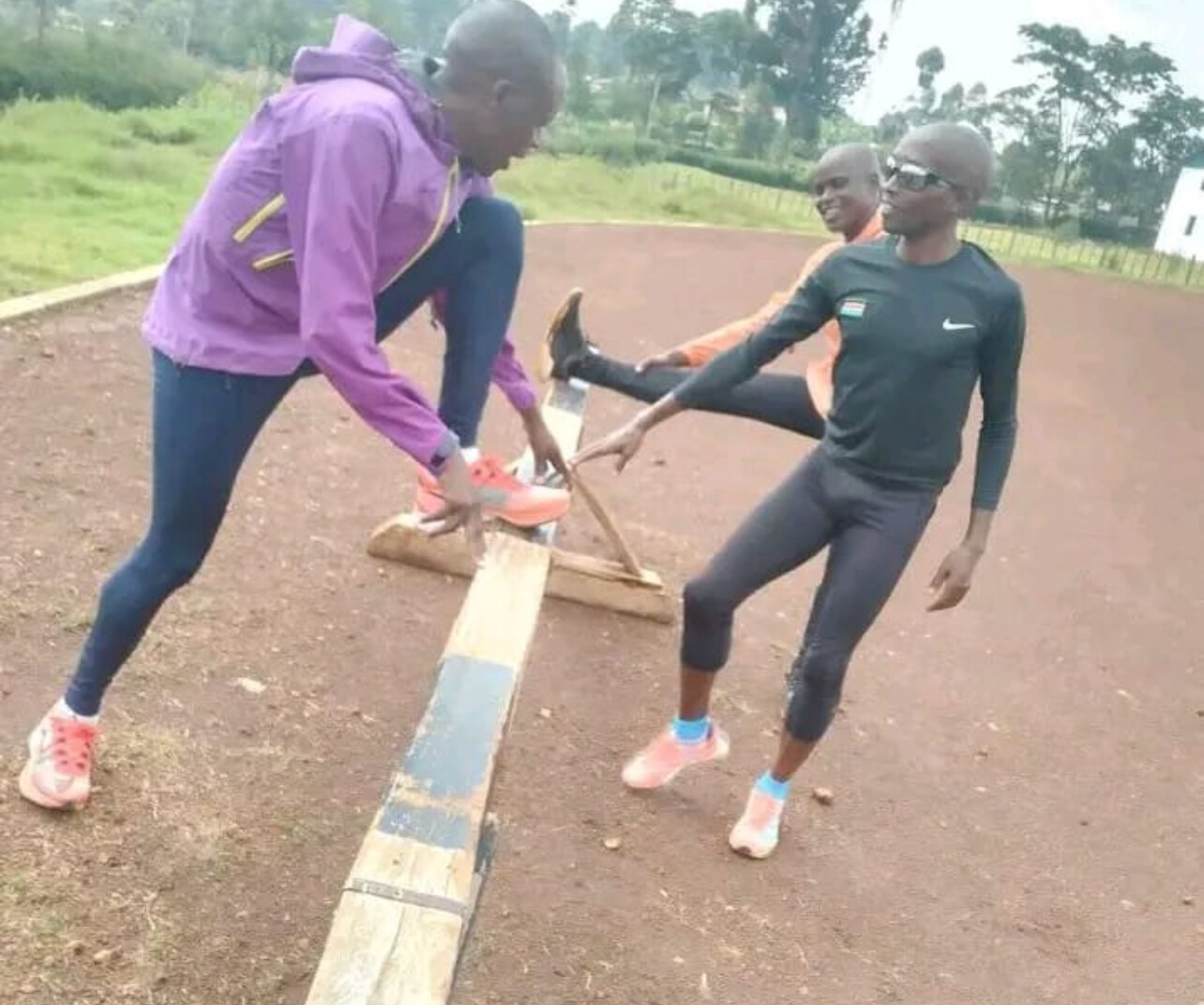
Bii will be guided by Job Kiprono Langat, who also serves as Assistant Coach at the KATA Molo Camp. Job has trained closely with Wilson and previously paced him in workouts, making their partnership on race day smooth and deeply synchronized.
“We are very proud to have Wilson now training with us in Molo,” said KATA Director Bob Anderson. “He is hoping to run a sub-35 minute 10K. This is the start of what we believe will be an exciting year for him.”
From Molo to Thika: Racing at Altitude
While Molo is located at a higher elevation, Thika still sits at approximately 5,000 feet (1,525 meters)—offering the kind of thin air that tests an athlete’s endurance and grit. A sub-35-minute 10K at this altitude would show that Bii is on track for a strong marathon season.
The KATA Molo camp, where Bii now trains, is designed for altitude adaptation and athlete development. With Job serving as both assistant coach and guide, Bii has found the structure and support needed to thrive.
Looking Ahead
With elite guidance, the backing of the KATA community, and his own determination, Wilson Bii is ready to make 2025 a breakout year. The June 11 time trial in Thika is more than a rust-buster—it’s a statement that one of Kenya’s most inspiring runners is back on the road, chasing new goals.
(06/08/25) Views: 116Boris Baron

Team USA Names Marathon Stars for Tokyo 2025
USA Track & Field has officially announced its six-member marathon team for the 2025 World Athletics Championships, set for September 13–21 in Tokyo, Japan. This global event brings together the top track and field athletes from over 200 countries, with the marathon races scheduled for the final weekend and expected to be among the most anticipated events of the Championships.
With a challenging course, warm and humid conditions, and the return to a city steeped in marathon history, Tokyo 2025 is shaping up as a true test of strategy, stamina, and speed. Team USA’s roster features a mix of proven veterans and breakthrough performers, all poised to take on the world.
USA Men’s Marathon Team
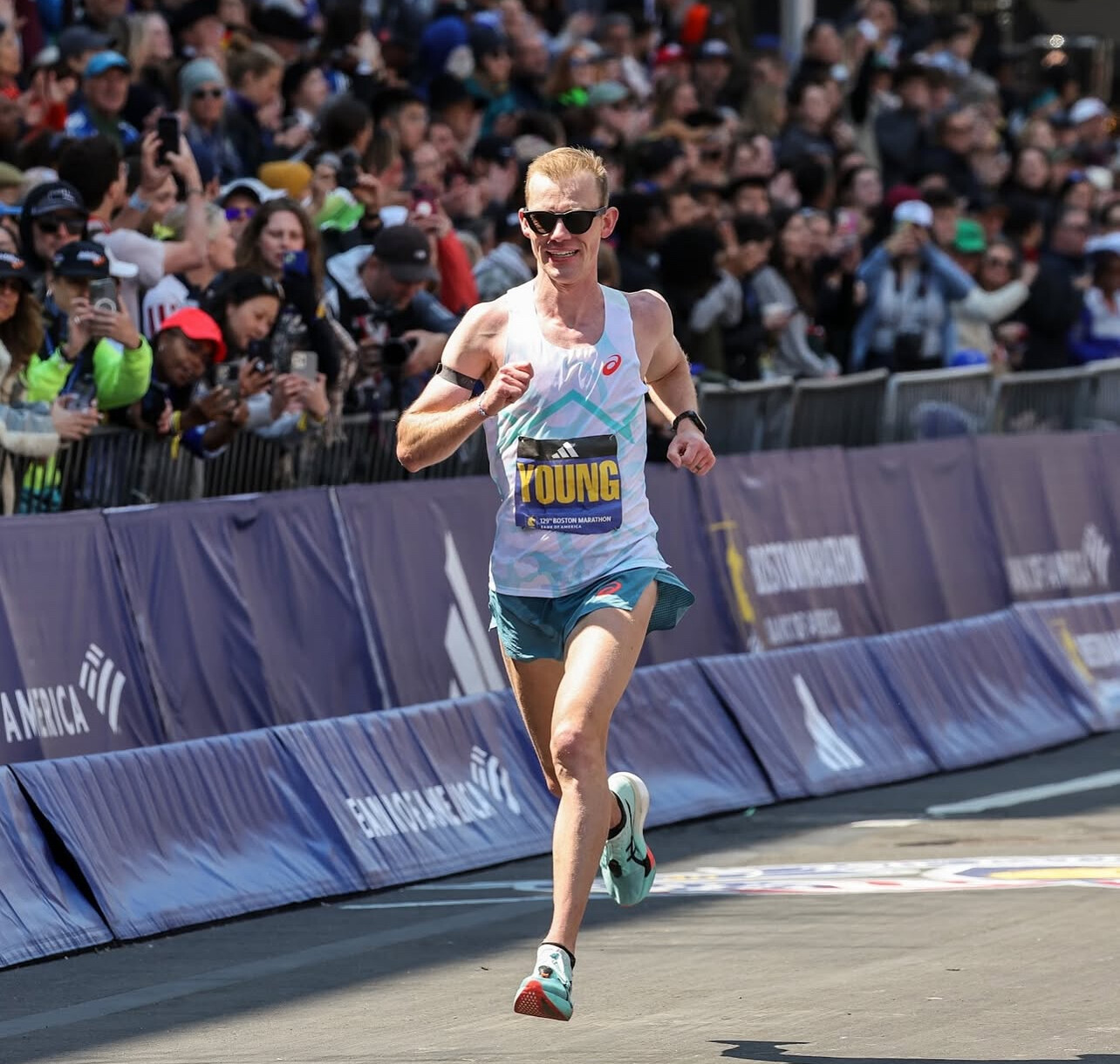
Clayton Young headlines the team following a standout 2:07:04 performance at the 2025 Boston Marathon. After placing 9th at the 2024 Paris Olympics, Young’s Boston result marked a significant leap forward and positioned him as a top contender in Tokyo.
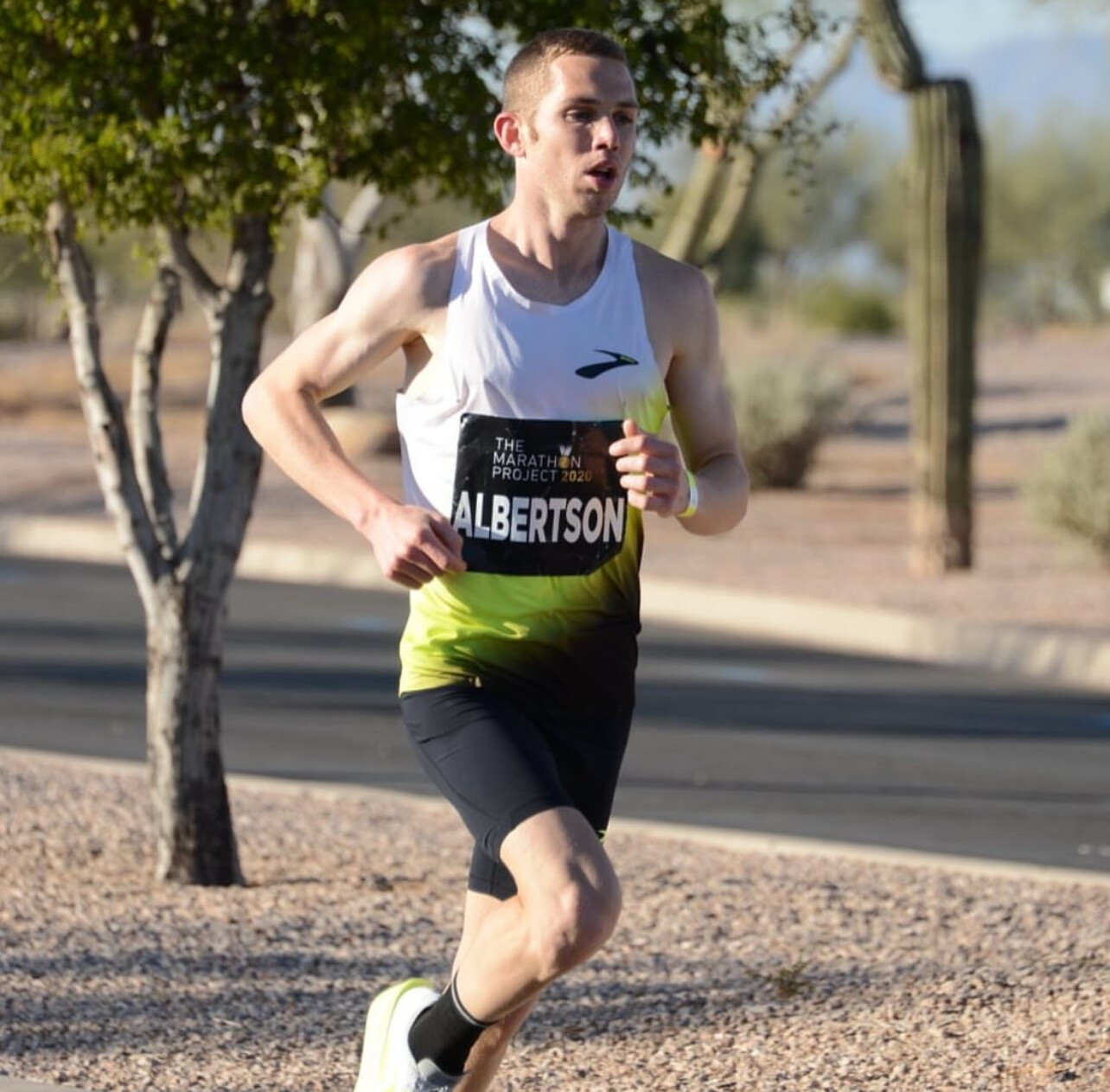
Joining him is CJ Albertson, known for his bold tactics and relentless pacing. He set a personal best of 2:08:17 in Chicago and brings a fearless approach to championship racing.
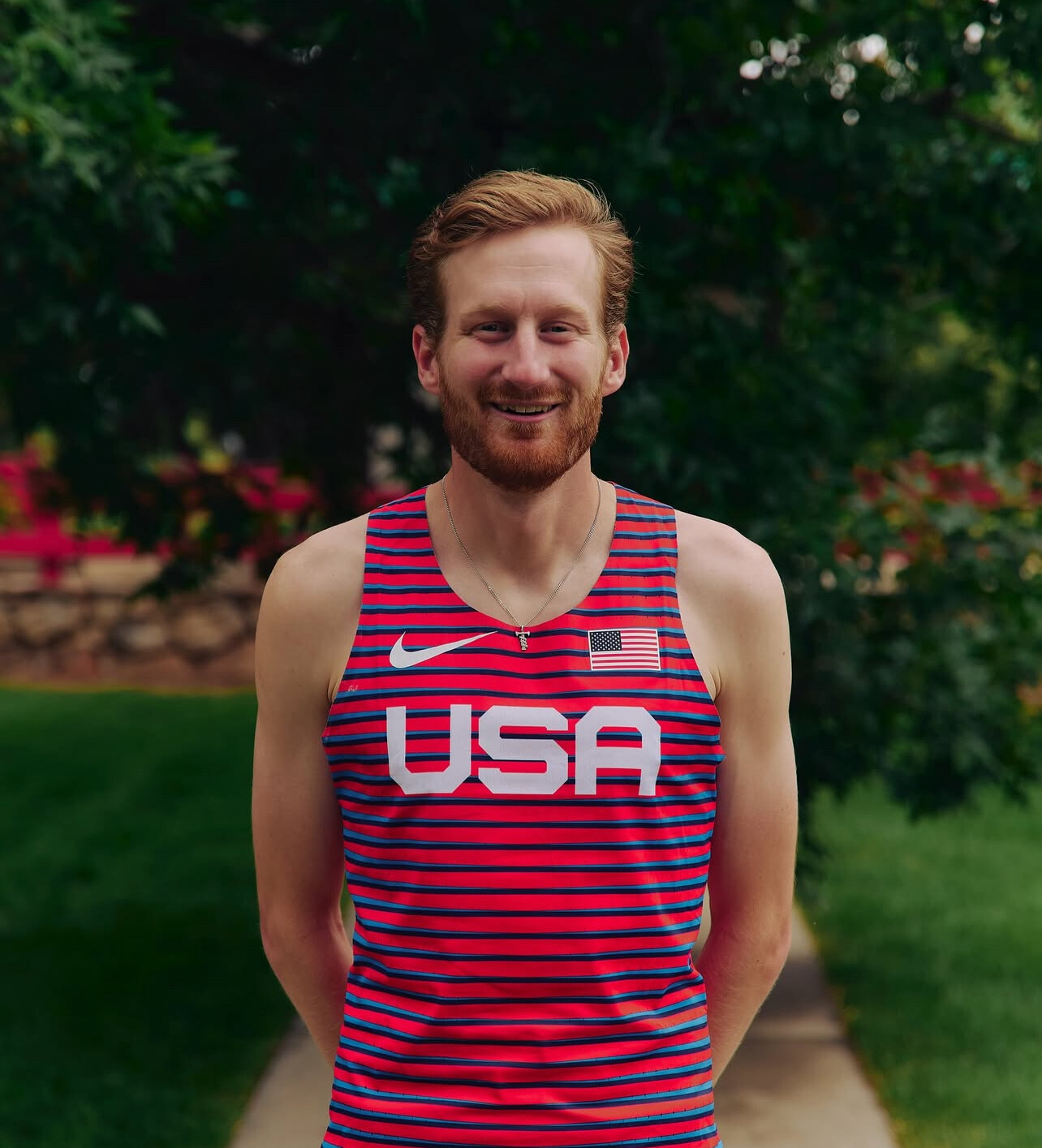
Reed Fischer rounds out the men’s trio, earning his spot through consistent performances and a 2:10:14 finish in Chicago. His steady progression and racing smarts add valuable depth to the squad.
USA Women’s Marathon Team
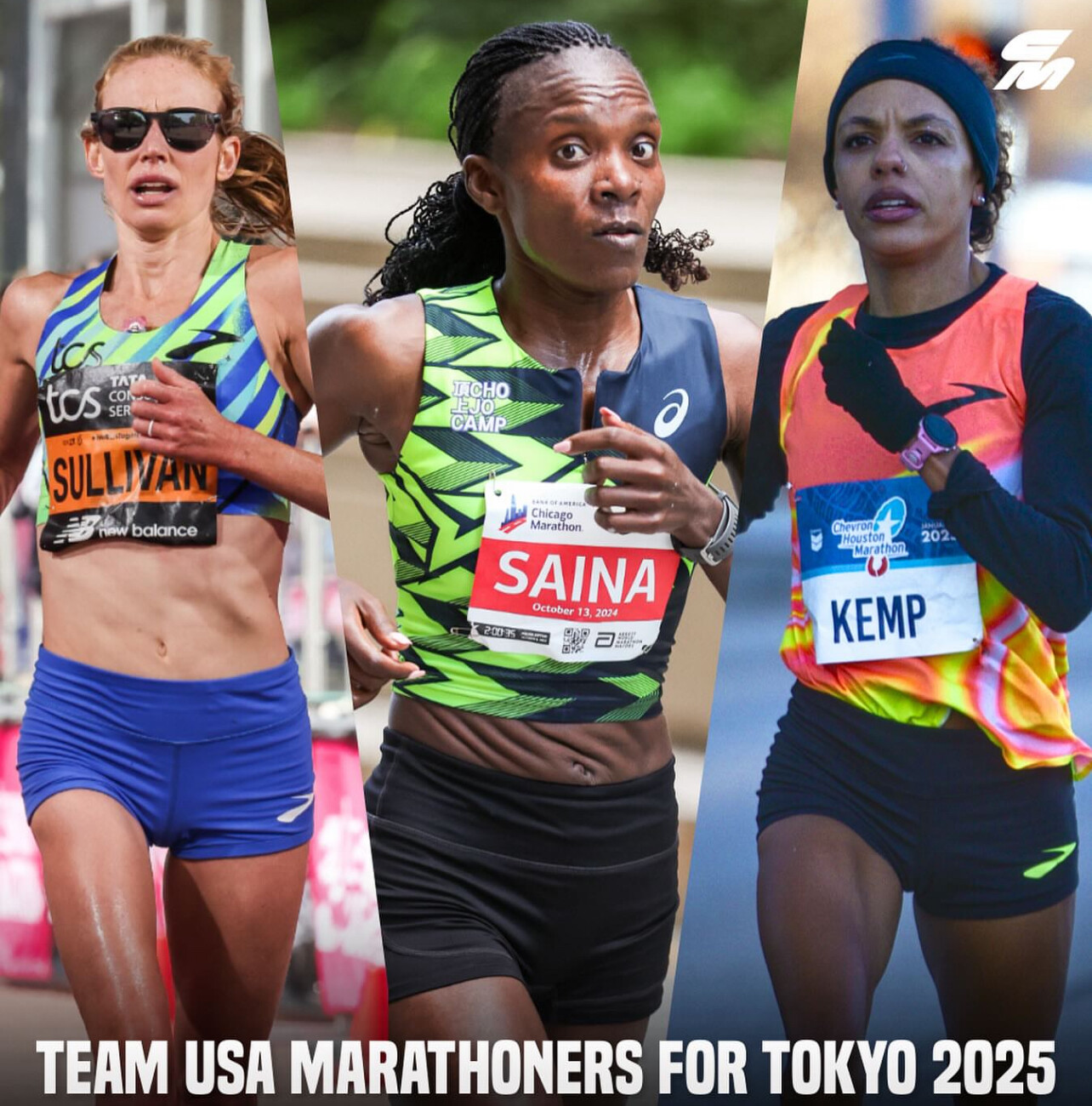
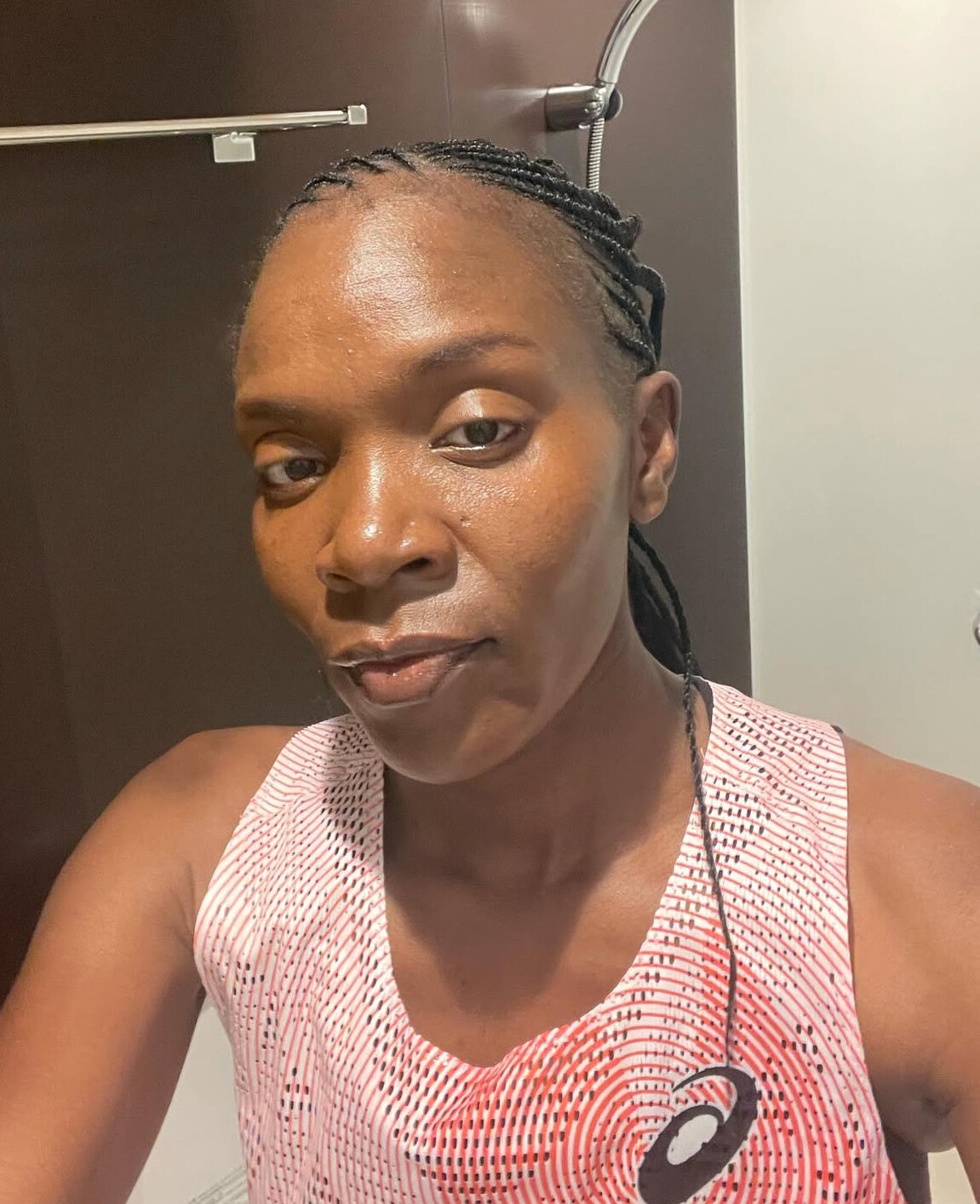
Betsy Saina, the fastest U.S. marathoner this year with a 2:19:17 at the Tokyo Marathon, leads the women’s lineup. The former Kenyan Olympian, now representing the U.S., brings international experience and high expectations into this championship season.
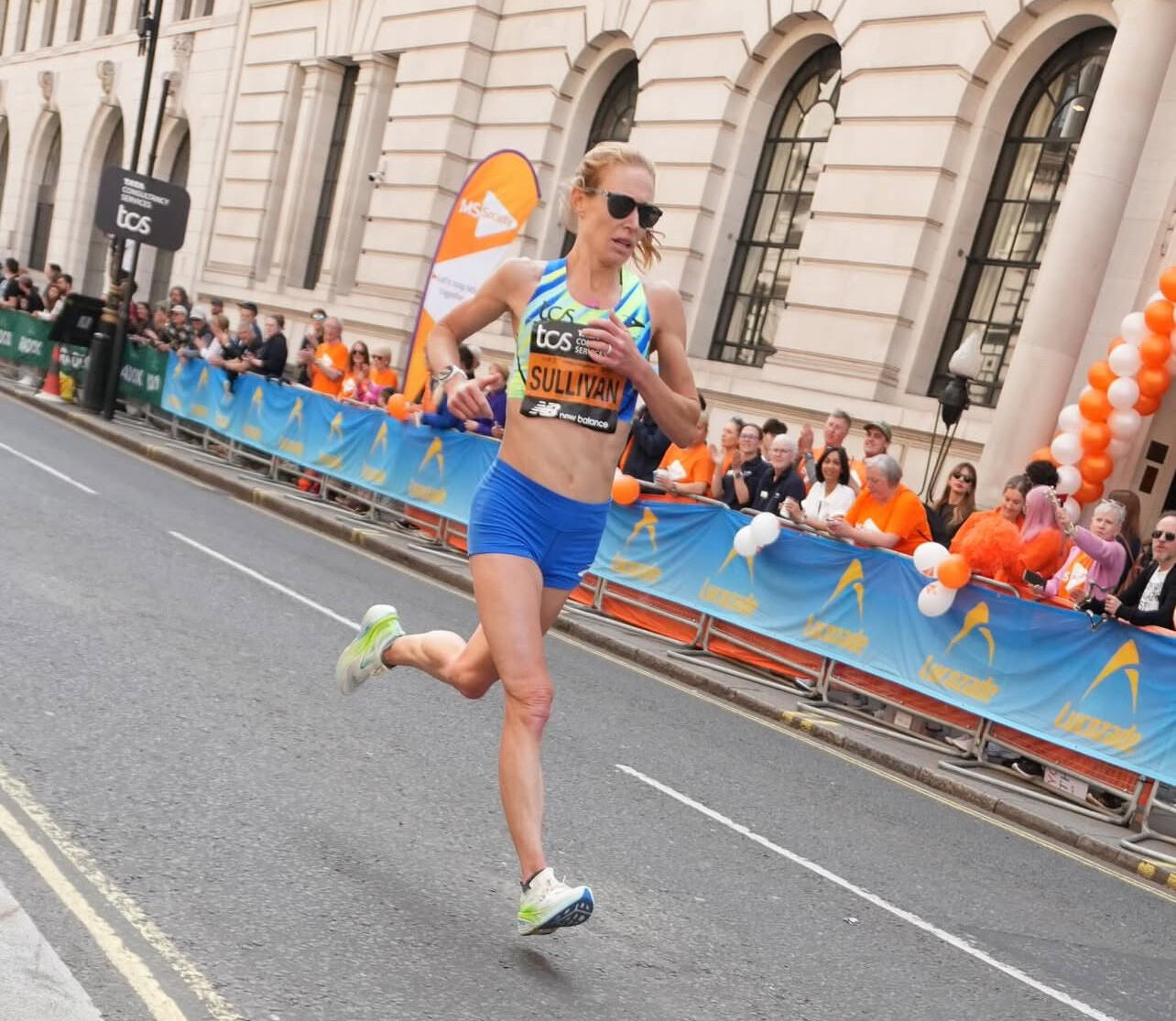
Susanna Sullivan has been one of America’s most consistent distance runners, clocking a 2:21:56 in Chicago and placing high in multiple national events. She’s known for her tactical strength and steady pacing.
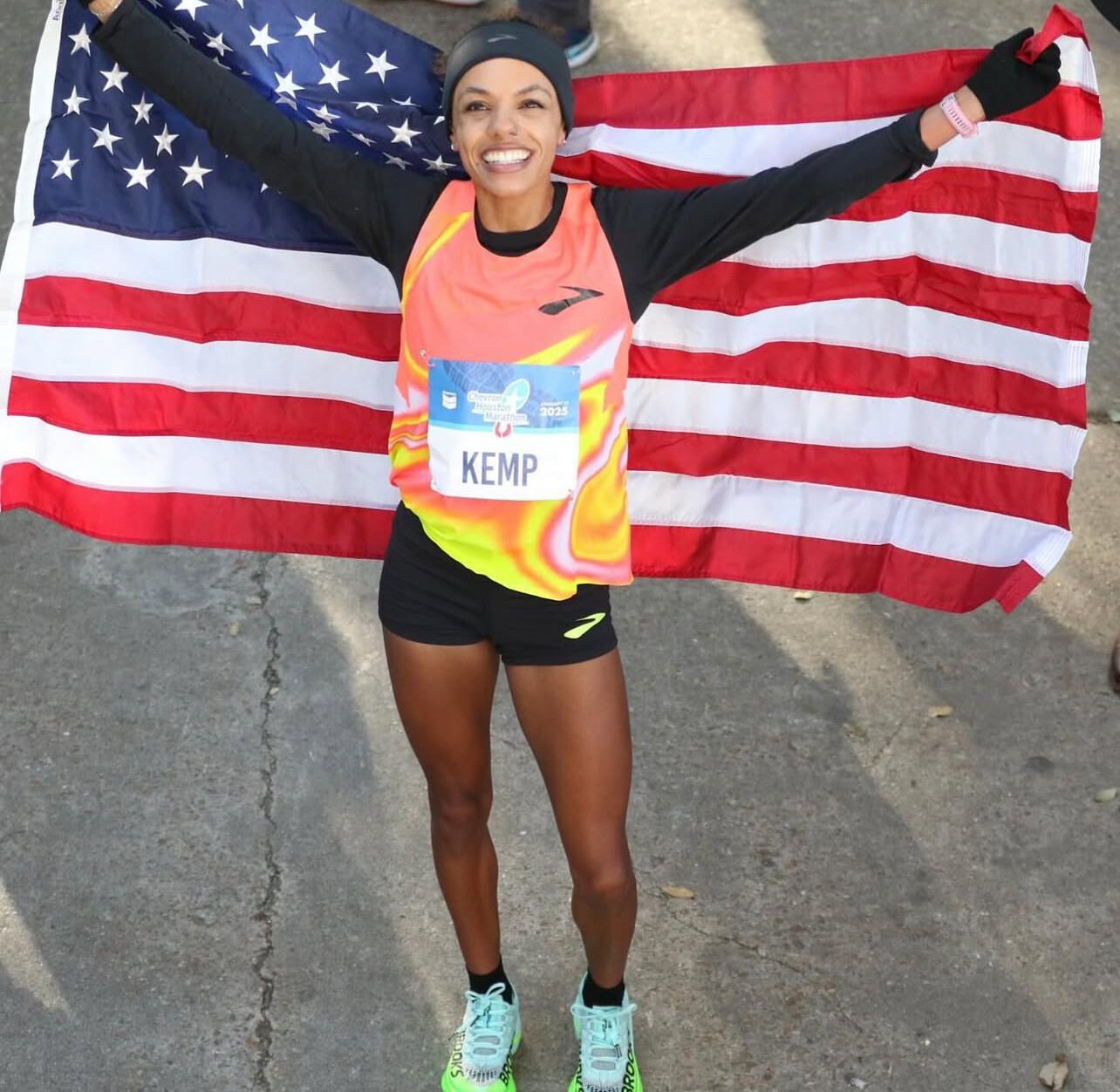
Erika Kemp, a former track standout, continues her successful transition to the marathon with a personal best 2:22:56 from Houston. Her rise in the U.S. distance scene adds fresh energy to the team.
Marathon Schedule – World Championships, Tokyo 2025
• Women’s Marathon: Saturday, September 14 at 8:00 AM JST
• Men’s Marathon: Sunday, September 15 at 8:00 AM JST
The marathon course will take runners through central Tokyo, starting and finishing at the National Stadium. The route is expected to be spectator-friendly but physically demanding, with rising humidity levels adding to the challenge.
This will mark Tokyo’s second time hosting the World Championships (after 1991) and its first major global track event since the 2021 Olympic Games.
Spotlight on Clayton Young
Clayton Young continues to build momentum on the world stage. After placing 9th at the Paris Olympics, his 2:07:04 in Boston this spring confirmed his place among America’s elite. That time ranks as one of the fastest ever by a U.S. marathoner and reinforces his role as a leading medal hopeful.
In announcing his selection, Young wrote:
“I am honored… 101 days. Let the build begin.”
Now with major championship experience and peak form, Young will lead Team USA’s charge in Tokyo.
Why This Year Matters
• Historic Depth: For the first time, Team USA sends multiple sub-2:08 men and three sub-2:23 women to a World Championship marathon.
• Olympic Implications: Performances in Tokyo could shape strategies and selections for Los Angeles 2028.
• Global Showdown: With defending champions, Olympic medalists, and national record holders from around the world competing, the marathon fields will be among the strongest ever assembled.
Team USA’s marathon lineup for the 2025 World Championships reflects both strength and balance. With Clayton Young and Betsy Saina leading the charge, and a deep roster behind them, the Americans are ready to compete at the highest level.
As Tokyo prepares to welcome the world, this year’s marathon is more than a race — it’s a proving ground for the next generation of distance legends.
(06/10/25) Views: 115Boris Baron
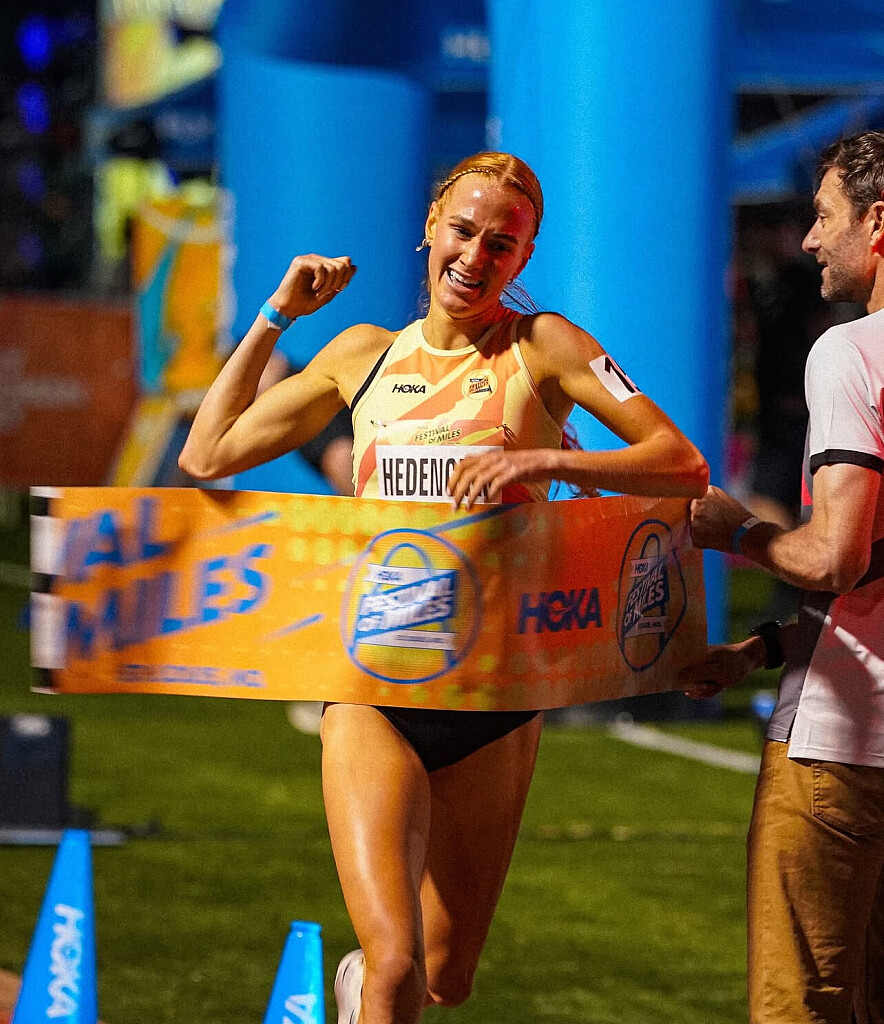
Jane Hedengren Sets the Pace of a Generation with Nine National Records
Seventeen-year-old Jane Hedengren of Timpview High School in Utah has officially rewritten the record books — not once, but nine times. With a jaw-dropping sweep of U.S. high school national records across distances from 1500 meters to 5000 meters, Hedengren is now the most dominant high school distance runner in American history.
She’s not just winning races — she’s transforming what’s possible in high school distance running.
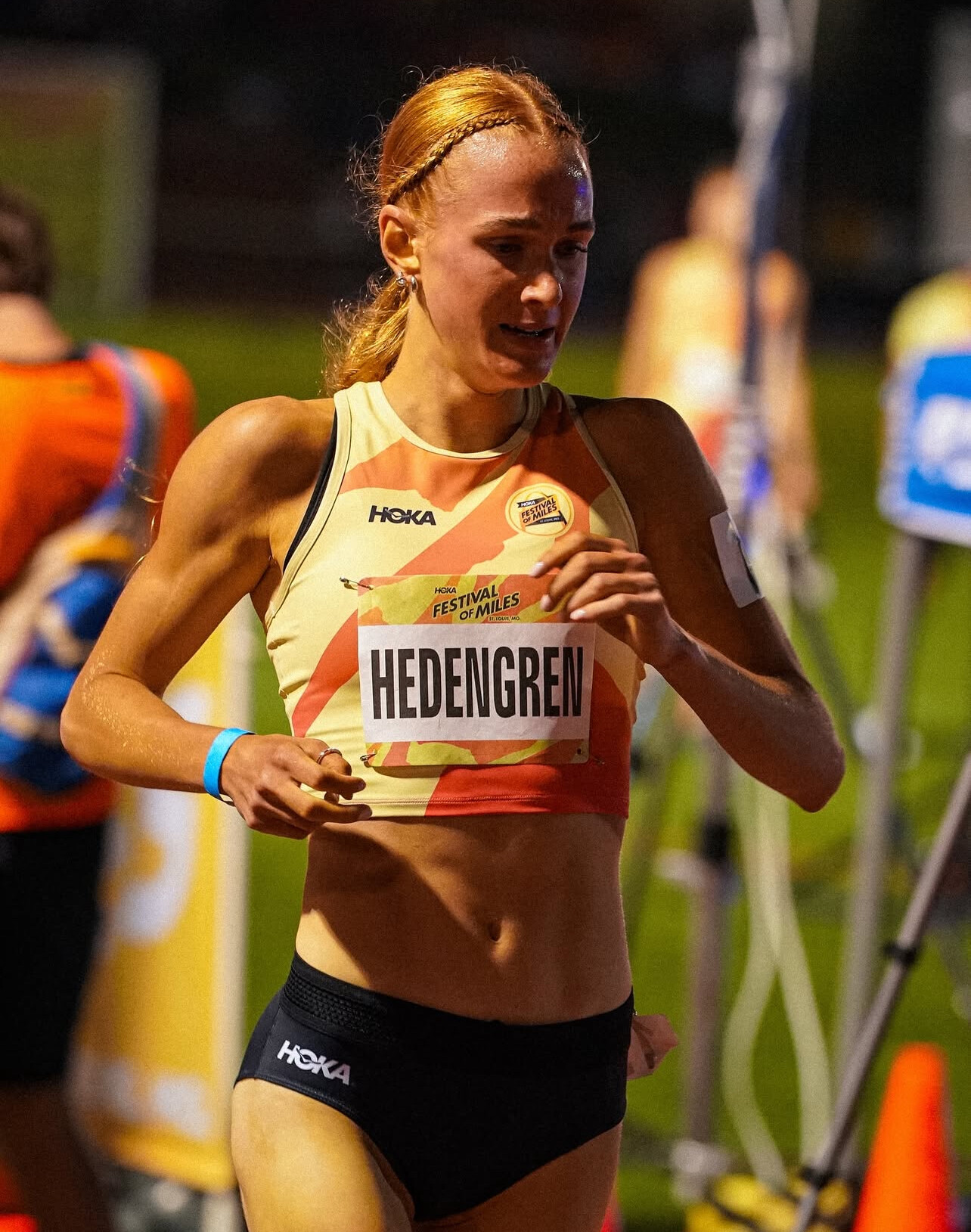
Jane Hedengren’s Record-Breaking Performances:

Event Time
1500m (mile-converted) 4:07.68
1600m 4:21.81
Mile (outdoor) 4:23.50
Mile (indoor) 4:26.14
3000m 8:40.99
3200m 9:14.65
2 Miles 9:17.75
5000m (mile-converted) 15:13.26
5000m (outdoor) 14:57.93
A Once-in-a-Generation Talent
Hedengren’s range is unprecedented — she dominates every distance she enters. Her 4:07 for the 1500m places her among the world’s best juniors, while her 14:57 5000m time would be competitive in professional fields. Whether it’s an indoor mile or a championship 5K, Jane is consistently delivering world-class performances.
Representing Timpview High School in Provo, Utah, Hedengren has emerged as a symbol of a new era — where high school runners are not just aiming for state titles but for global standards.
Elevating U.S. High School Running
Hedengren’s performances are being compared to the greatest names in prep history, but she’s creating a legacy that’s uniquely hers. She’s doing what no other American high school girl has done — excelling at every major track distance in a single season, and doing so with poise, grit, and an unmistakable drive.
(06/09/25) Views: 112Boris Baron
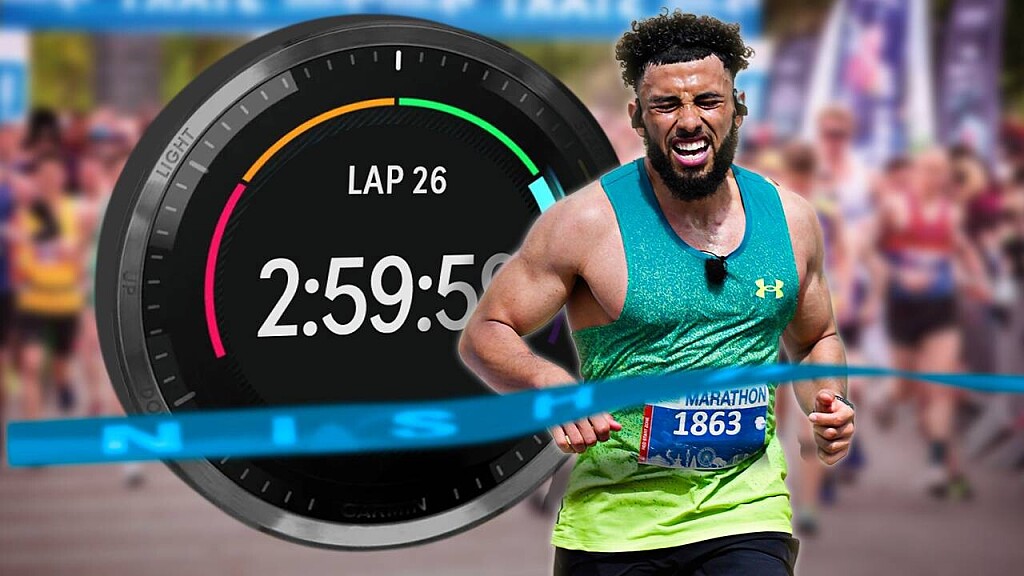
No Age Limit on Speed: The 40+ Runners Crushing Marathon Milestones
For many marathoners, breaking 3:00 (men) or 3:20 (women) is the gold standard of amateur excellence. But what happens when those goals are achieved not in your 20s or 30s—but after 40?
A growing number of runners are proving that speed doesn’t have an expiration date. Whether they’re parents, professionals, or former non-athletes, these over-40 runners are hitting elite-level times—often for the first time in their lives.
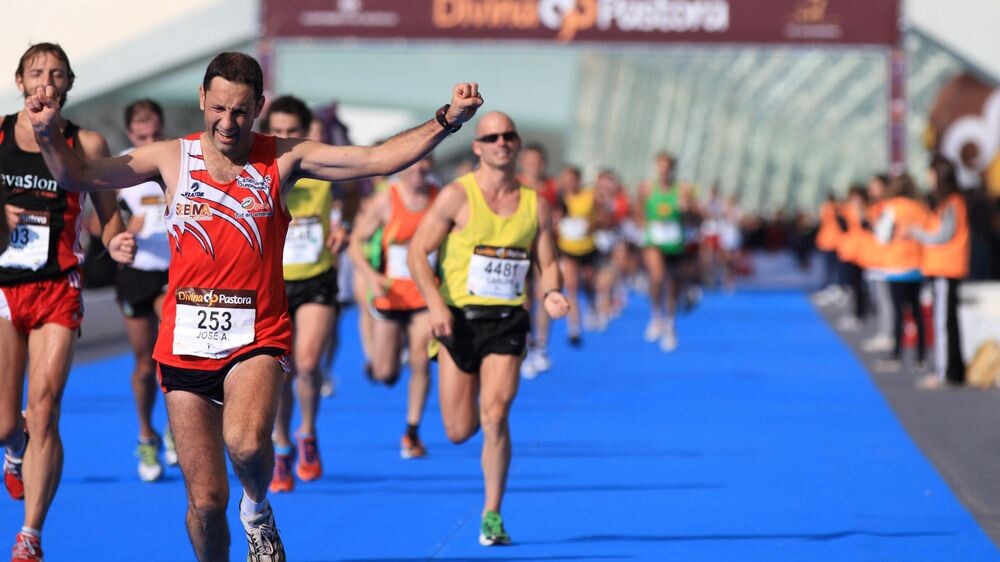
Redefining the Milestone
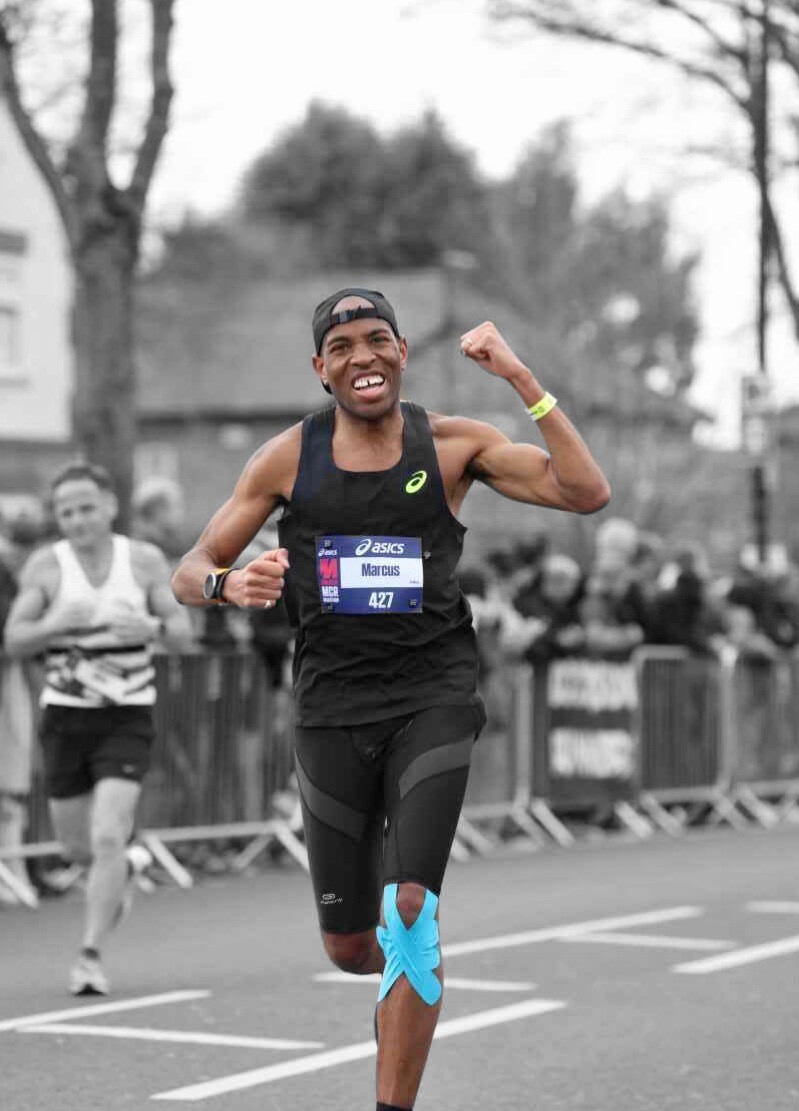
A sub-3-hour marathon for men aged 40–45 equates to roughly 75–76% age-graded performance. For women, the equivalent is sub-3:20. These benchmarks, while demanding, are now within reach for determined midlife runners who train smart, stay consistent, and believe in what’s possible.
Real Stories of Midlife Breakthroughs
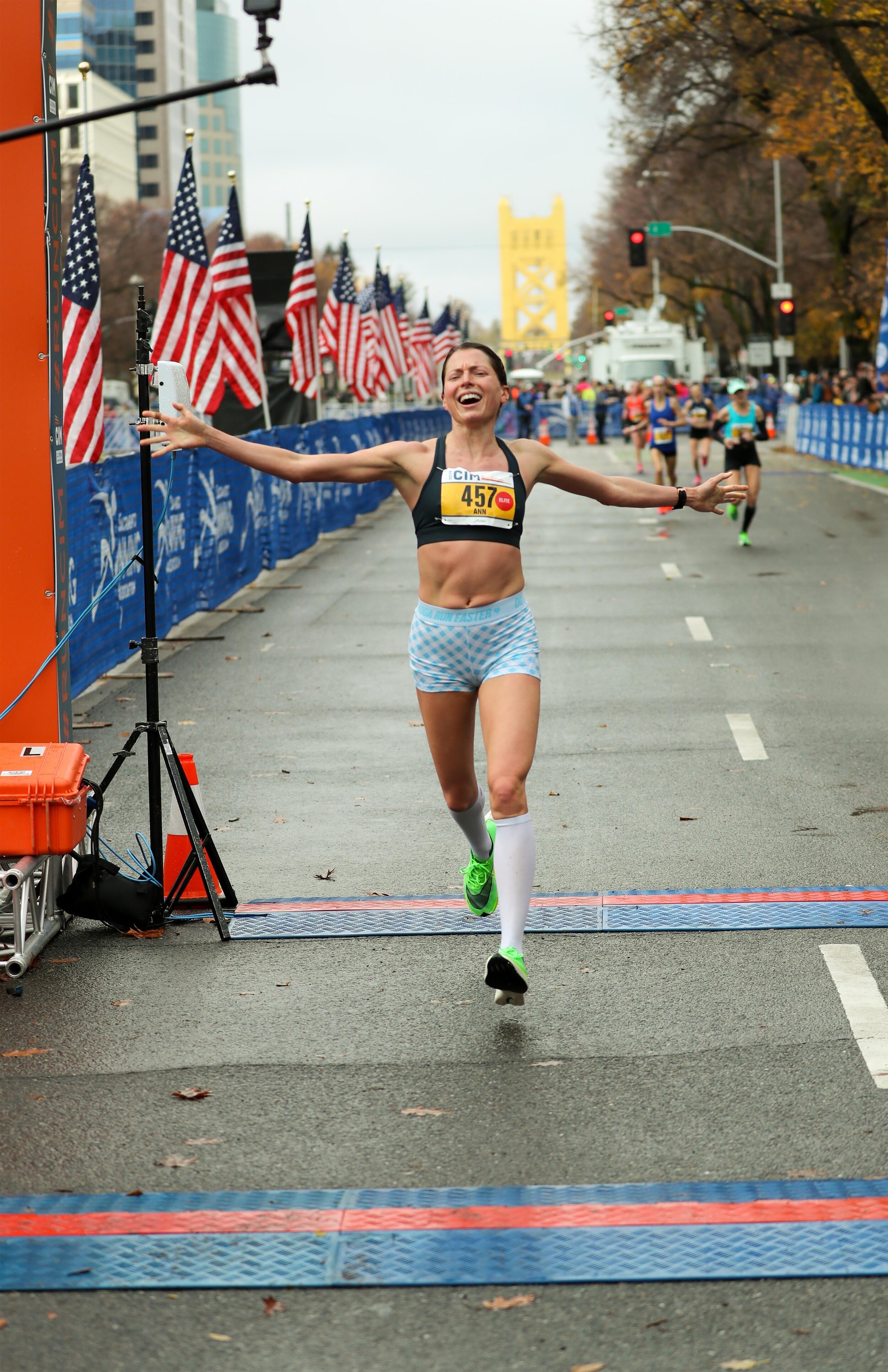
Eric M., 46 – New Jersey (2:58:30)
After a health scare at 41, Eric began walking, then running. Five years later, he cracked 3 hours at the Philly Marathon.
“I wasn’t chasing a podium—I was chasing the best version of myself.”
Diana R., 43 – Texas (3:18:22)
A former college swimmer who didn’t take up serious running until her 40s, Diana methodically dropped time until she broke 3:20 at CIM.
“At first I didn’t think it was possible. But once I ran 3:30, the goal became real.”
Raymond K., 50 – California (2:57:45)
With no formal sports background, Raymond trained himself to elite amateur level through years of structured running.
“You don’t age out of goals—you just train differently to reach them.”
Why It’s Working
Runners over 40 often thrive in the marathon thanks to:
• Endurance-focused aerobic development over years
• Smarter recovery habits (less overtraining)
• Purpose-driven motivation (personal growth vs. external rewards)
• Discipline and patience in both training and racing
Keys to Hitting Sub-3 or Sub-3:20
• Gradual mileage build-up (50–70 miles/week is common)
• Regular tune-up races to sharpen race-day pacing
• Dialed-in nutrition for training and race day
• Coaching or trusted training plans for accountability
It’s Never Too Late to Get Faster
The road to a breakthrough marathon doesn’t start in youth—it starts with a decision to try. Whether you’re chasing sub-3, sub-3:20, or just a new personal best, your age doesn’t define your finish time—your mindset and consistency do.
So if you’re over 40 and still dreaming of a time that once felt out of reach, remember: you’re not behind. You’re right on time.
(06/08/25) Views: 111Boris Baron
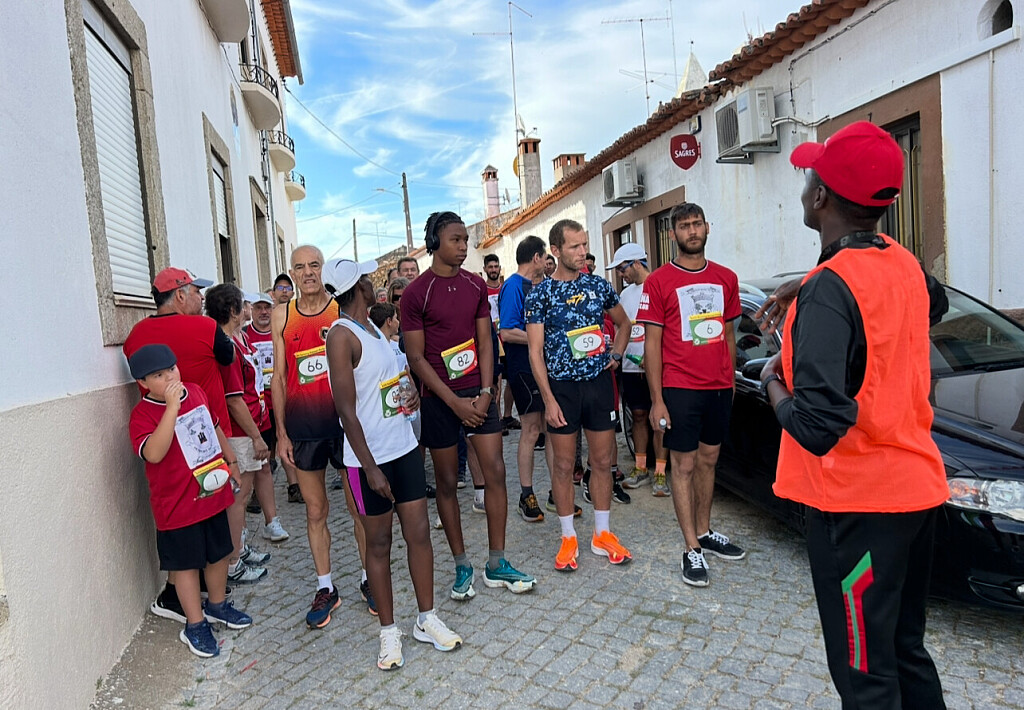
The Global Comeback of Small Town Road Races
As the world’s largest marathons continue to draw tens of thousands of runners and charge hefty entry fees, many athletes—both seasoned and new—are turning their attention to something more intimate: small town road races.
Once considered only for local fun-runners or age-groupers, these events are experiencing a global resurgence, offering runners everything the mega-marathons can’t—less stress, lower costs, a tight-knit community, and often, surprisingly fast competition.
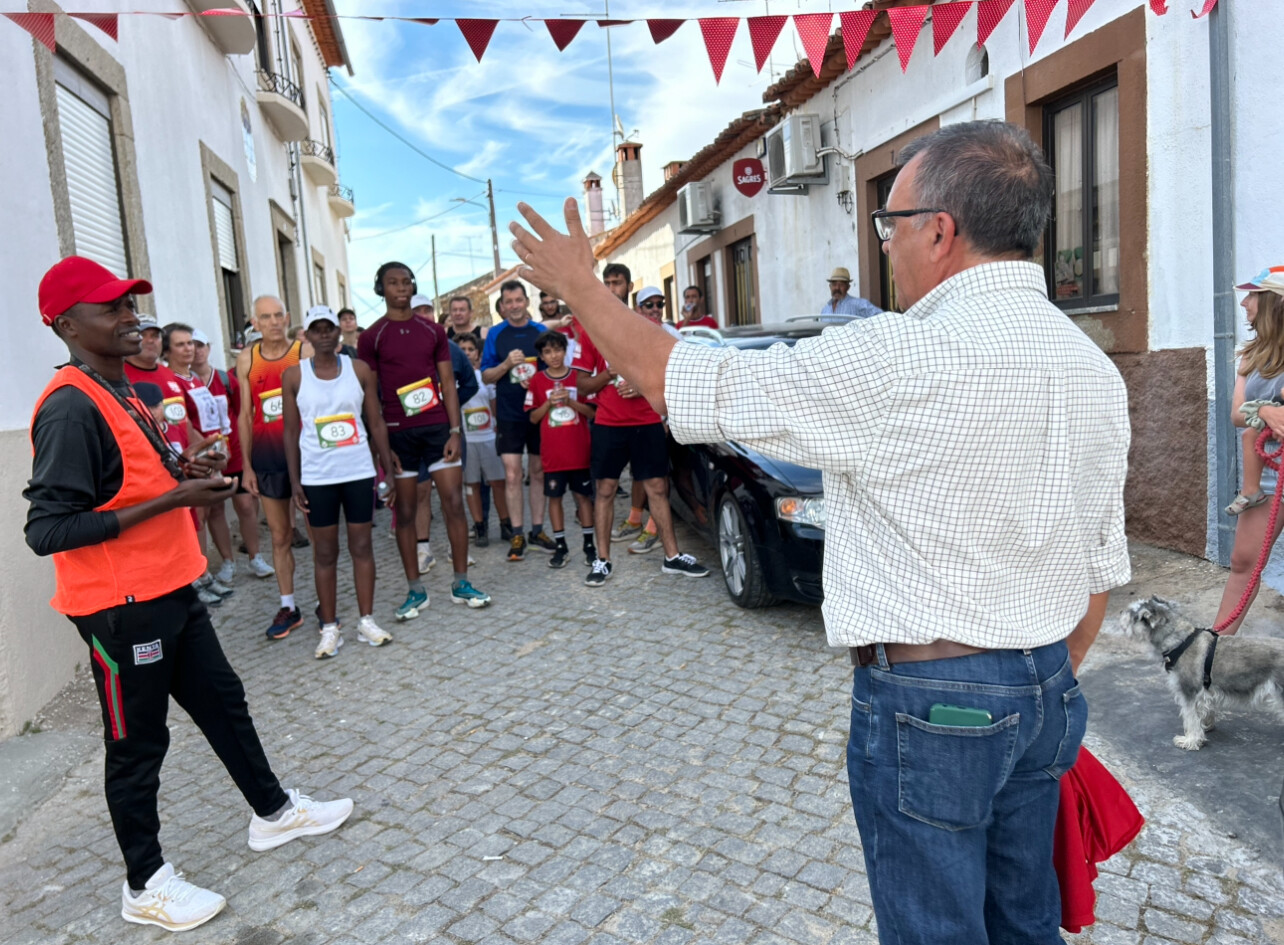
A More Personal Experience
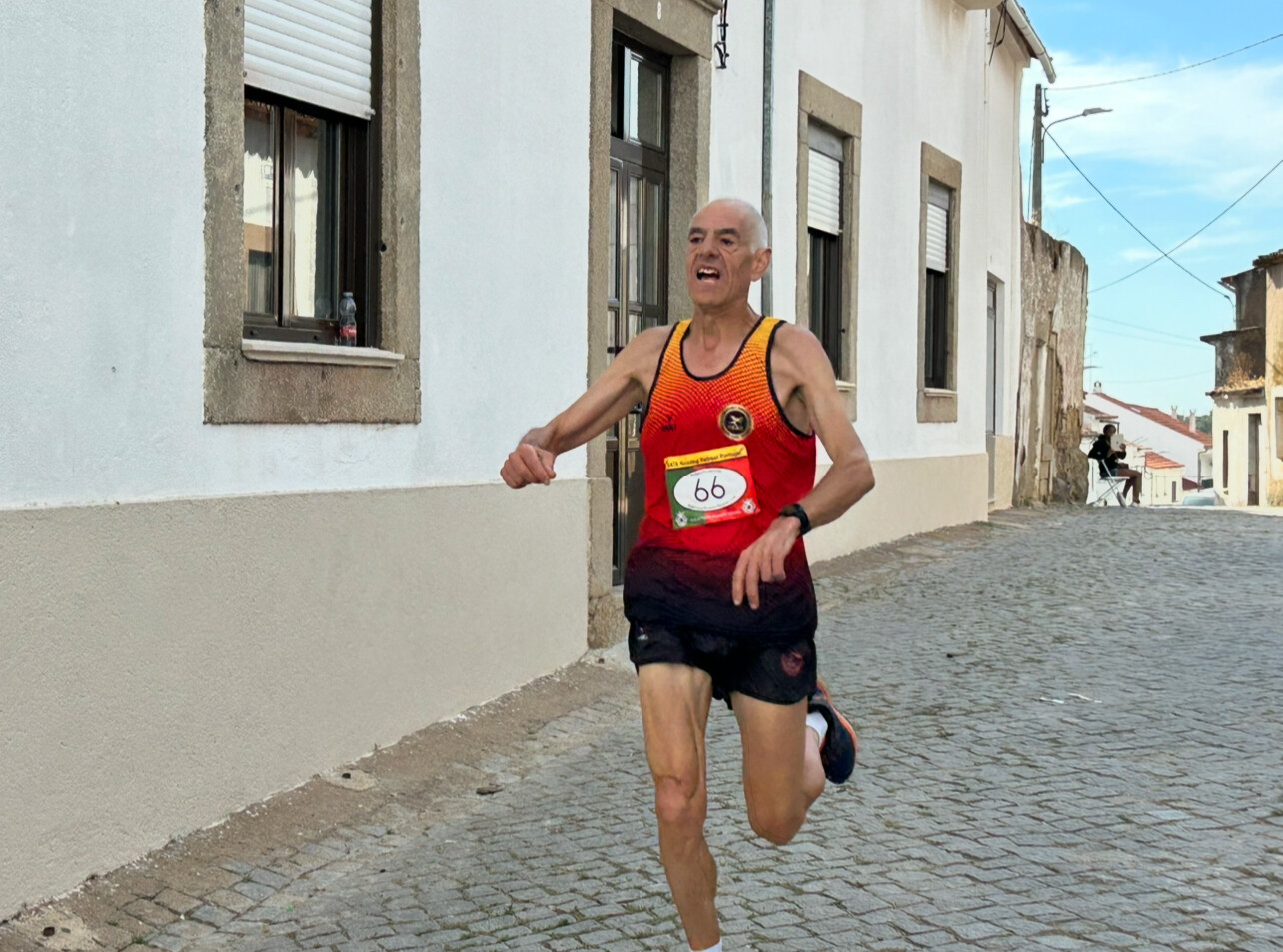
Big-city races like the New York City and Berlin Marathons may offer world-class crowds and fanfare, but the scale can feel overwhelming. In contrast, races in small towns like Monforte da Beira (Portugal), Charlevoix (Michigan), or Iten (Kenya) are drawing runners looking for a different experience.
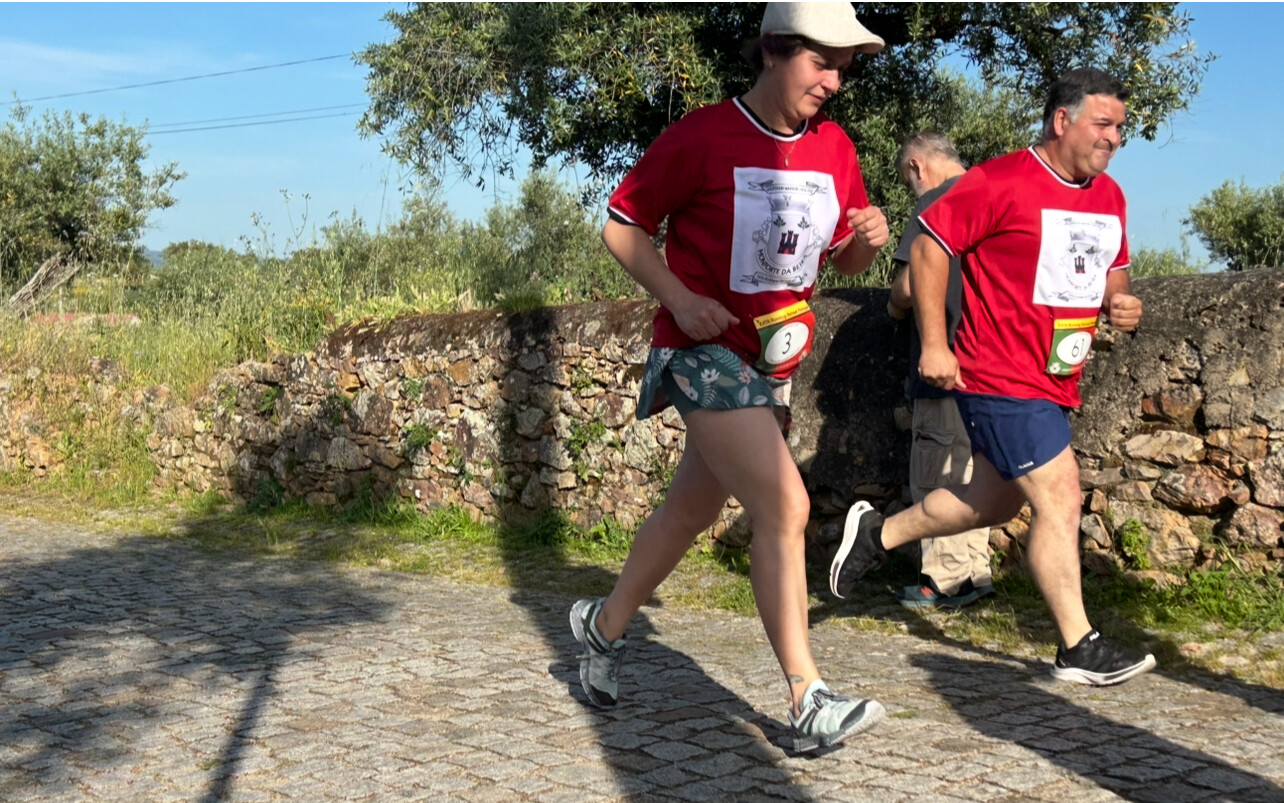
“After years of chasing majors, I ran a 10K in a village with 300 people,” says Linda Greene, a 2:58 marathoner from Chicago. “No lines, no chaos, and I ran my fastest time in two years.”

Competitive Fields, Surprisingly Fast Courses
Don’t assume these races are only about charm. Many feature flat or downhill courses, and some attract elite talent. In the Pacific Northwest, for example, the Capital City 5K in Olympia, Washington, saw a 14:12 finish this spring from a local collegiate athlete training for the Olympic Trials.
Organizers often design courses for speed and simplicity—something increasingly rare in major urban races where logistics can dictate less-than-ideal routes.
Lower Costs, Higher Value
With registration fees as low as $10–$30, small town races often include perks like free post-race meals, local wine or produce giveaways, and handmade medals or shirts.
“Running the Golden Gate 10K in August cost me less than dinner in San Francisco,” said one Bay Area runner. “And I didn’t even have to wake up at 4 a.m. to get to the start.”
Building Community
In towns where everyone knows your name—or at least cheers you by bib number—these races build true connections. Organizers are often runners themselves, and volunteers may include the local mayor or schoolchildren.
“You can actually talk to the race director. You can warm up on the course. You feel seen,” said Daniel Okoth, a Kenyan athlete who trains in Kapcherop. “It reminds you why we run.”
Not Just for Locals Anymore
With the rise of digital registration and online coverage, many small town races are welcoming international runners looking for something special. My Best Runs now features a growing list of these hidden gems, and more athletes are flying into tiny airports to chase PRs and peaceful scenery.
Looking for your next great race?
Skip the mega-expo. Skip the corrals. Skip the parking issues. Go back to where it is just about racing.
(06/06/25) Views: 108Boris Baron
