

Running News Daily
Top Ten Stories of the Week
6/21/2025
These are the top ten stories based on views over the last week.
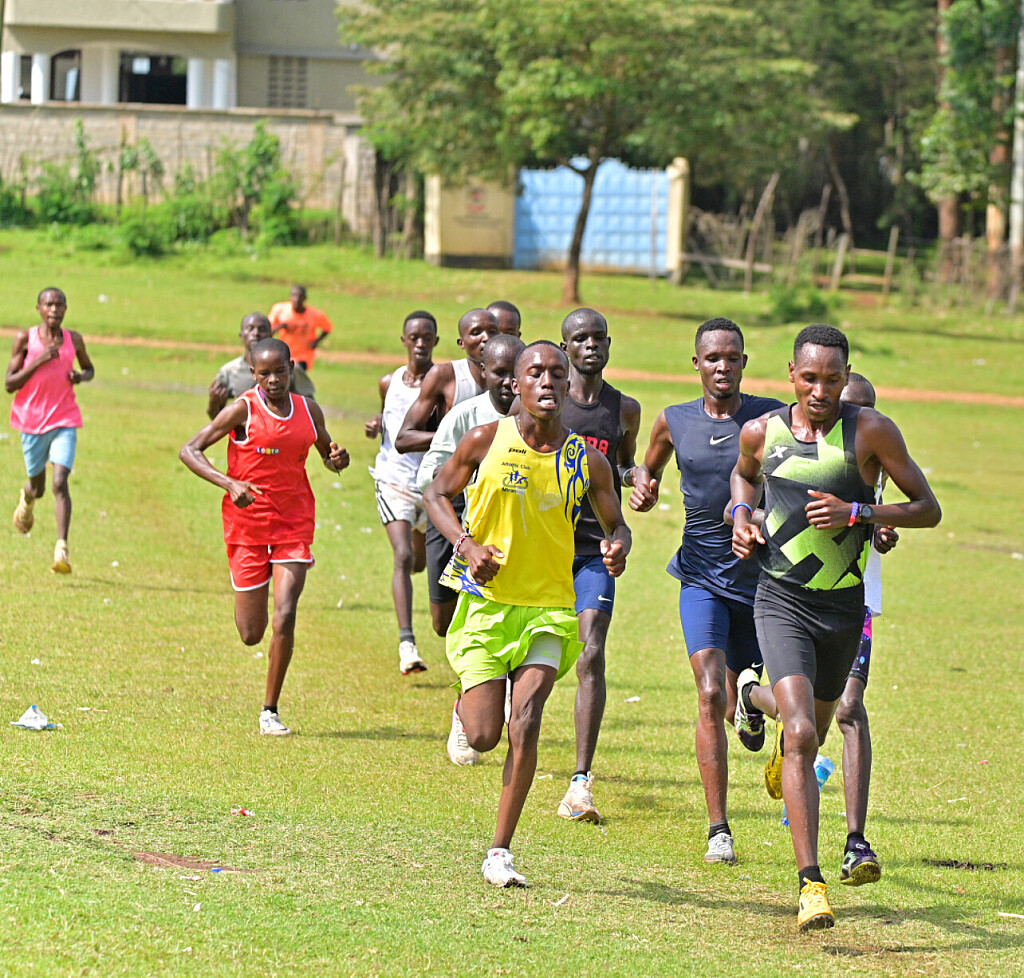


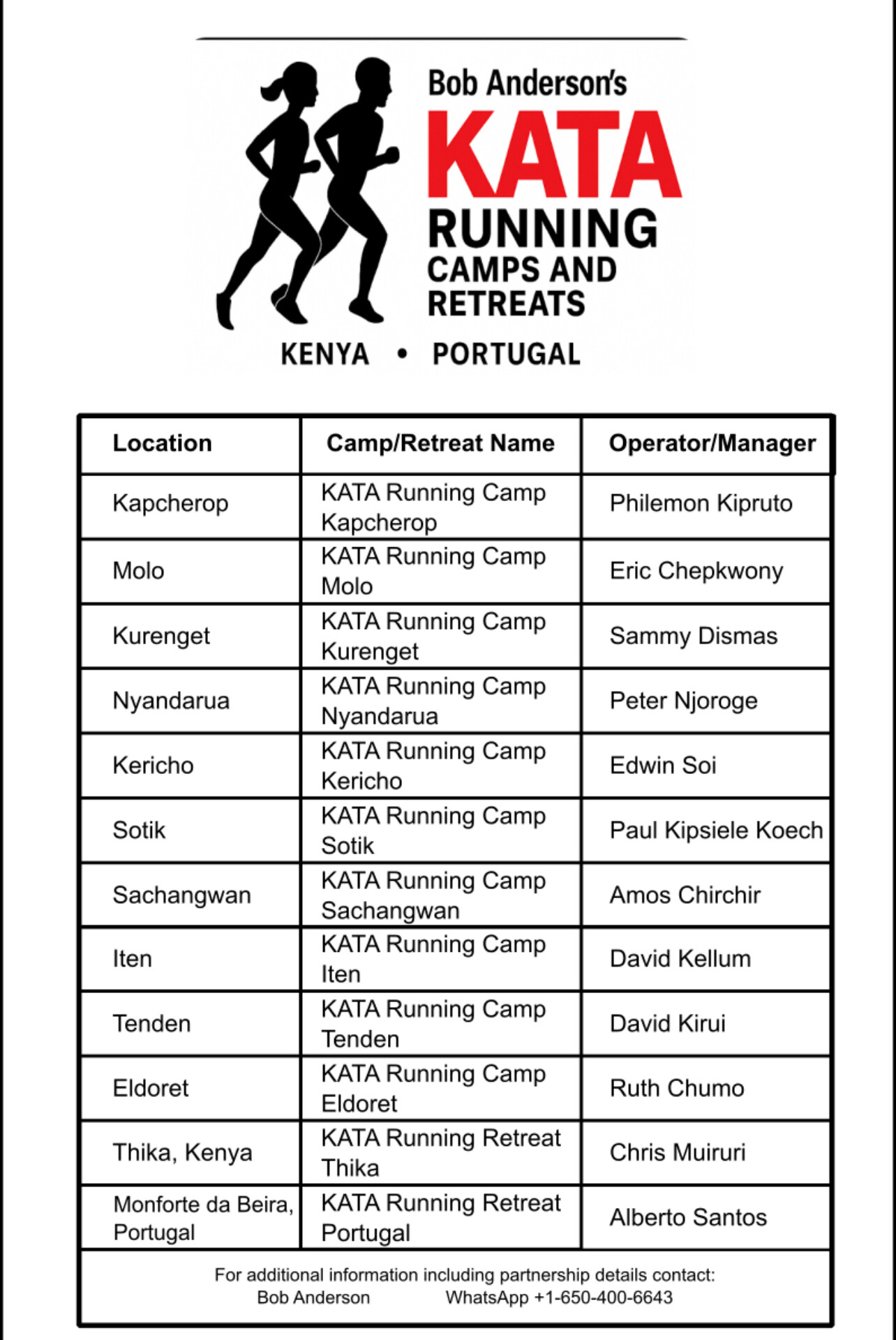
KATA Running Camps Expand to 10 Locations in Kenya with Ruth Chumo Leading New Site in Eldoret
The Kenyan Athletics Training Academy (KATA) has reached a major milestone with the launch of its 10th KATA Running Camp, as the movement continues to grow rapidly across Kenya. This bold initiative, which blends elite athletic training with sustainable agriculture, is transforming the future of distance running.
The two newest camps are now confirmed:
• KATA Camp 9 in Kamoi, led by coach David Kirui
• KATA Camp 10 in Eldoret, operated by Coach Ruth Chumo
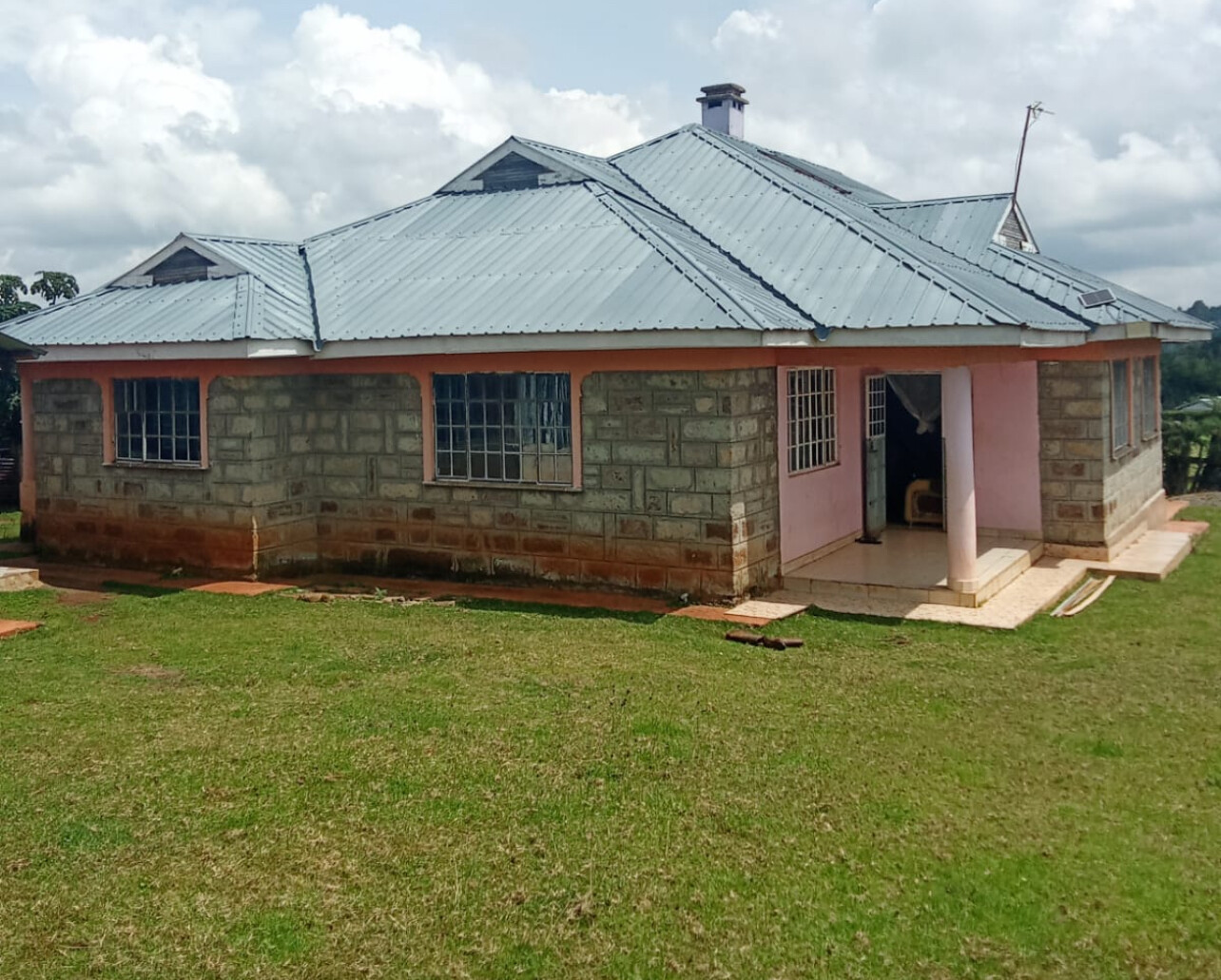
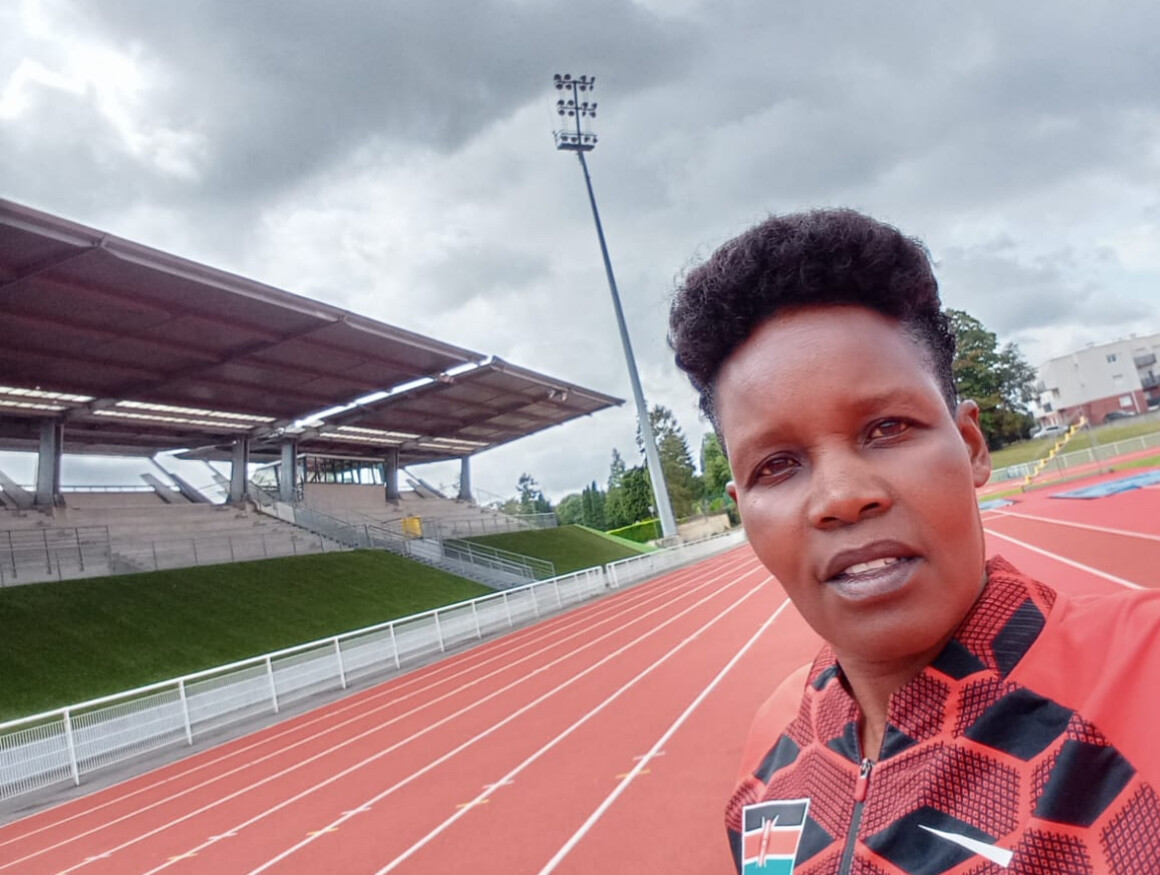
Coach Ruth Chumo brings exceptional experience to the program. Based in Eldoret—the heart of Kenyan distance running—she has built her reputation training both abled and para-athletes at the highest level. Her deep commitment to athlete development and her proven leadership make her a vital addition to the KATA family.
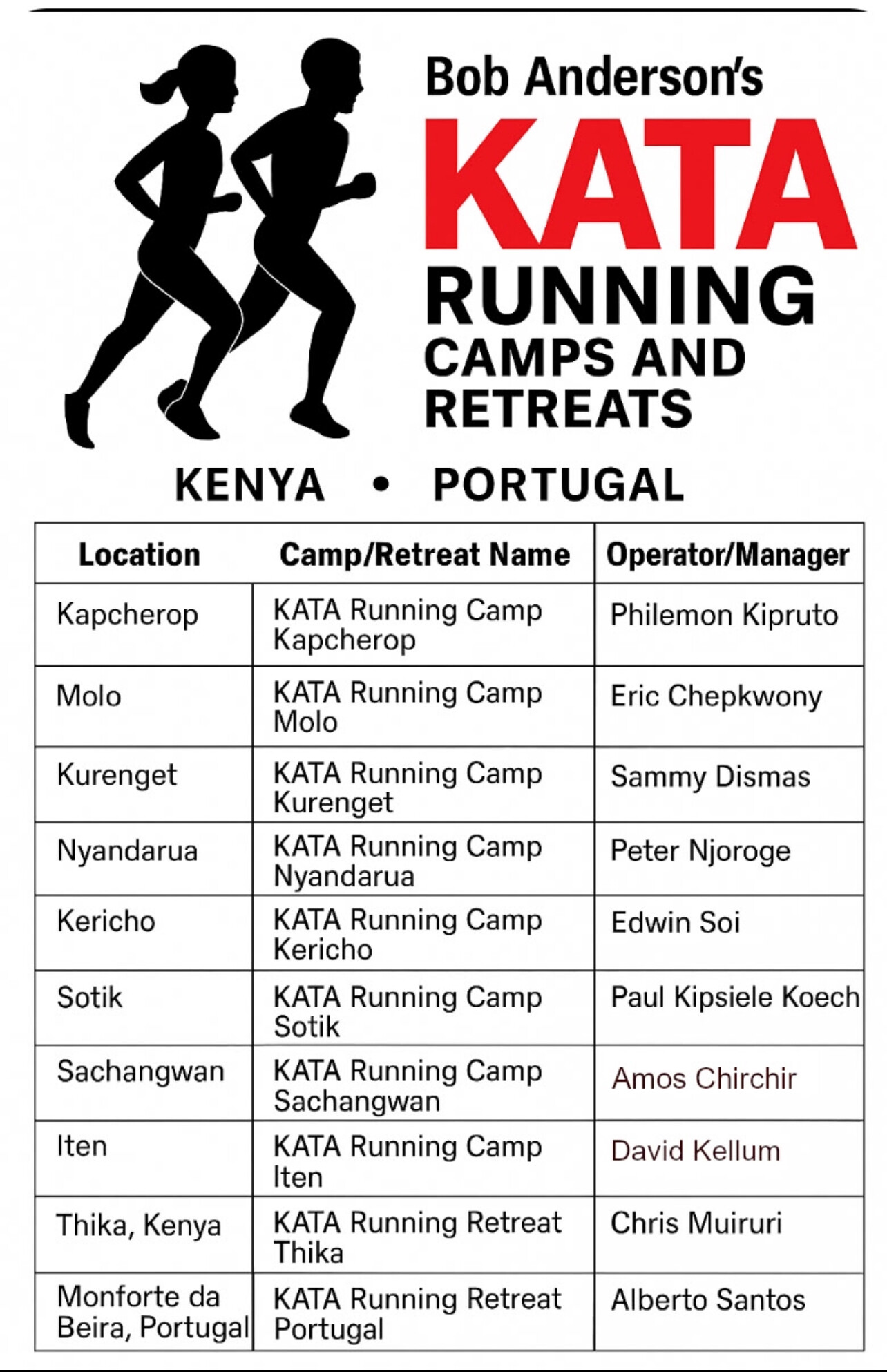
“I am so excited about the group of operators we have put together,” says KATA Director Bob Anderson, founder of Runner’s World magazine. “Each of our operators is fully committed to the program and understands the importance of our KATA Potato Farm component. This provides year-round revenue that allows us to sustain and grow. Every camp already includes top-level athletes, and we’re going to achieve big things.”
Two of the current camps have already planted their first acre of KATA potatoes, marking an important step forward in the program’s sustainability model. These three-acre farms, tied to each running camp, are a core part of the KATA mission—providing food, responsibility, and revenue that keep the entire system running year-round.
The program is also delivering results on the track. Just last weekend, Olympic bronze medalist Edwin Soi, operator of the Kericho KATA Camp, ran an astonishing 27:30 for 10,000 meters, dominating his race and sending a strong message about the level of athletes being developed within the KATA system.
KATA’s leadership includes two Olympians:

• Edwin Soi, 5000m bronze medalist from the Beijing Olympics
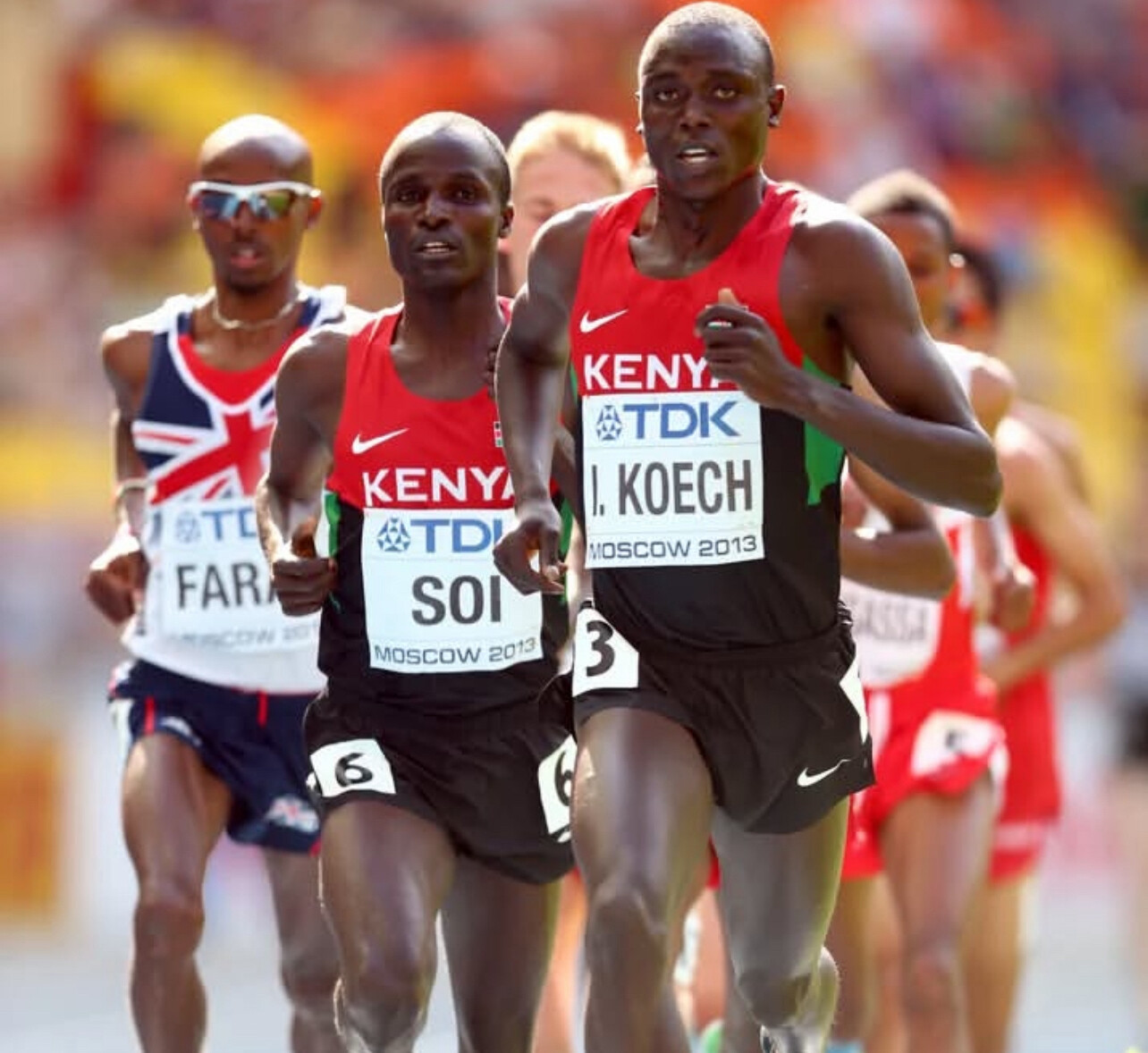
• Paul Kipsiele Koech, one of the most accomplished steeplechasers in history, now operating the KATA Camp in Sotik
Their presence brings unmatched experience, mentorship, and international credibility.
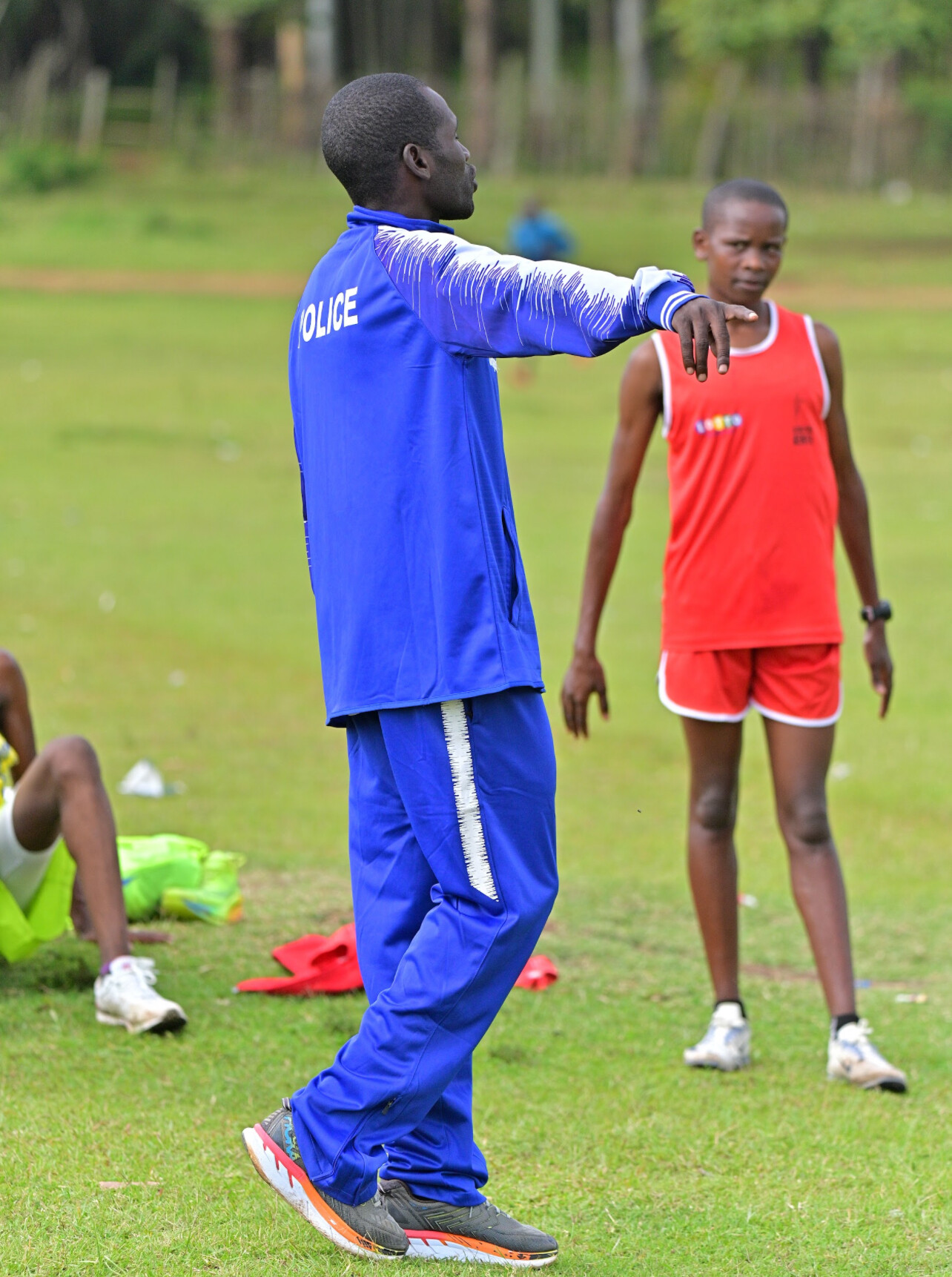
At the heart of KATA is a powerful, dual-purpose model: athletes receive world-class training while also helping manage a working farm. The result is a program that builds champions and sustains itself through community-driven agriculture.
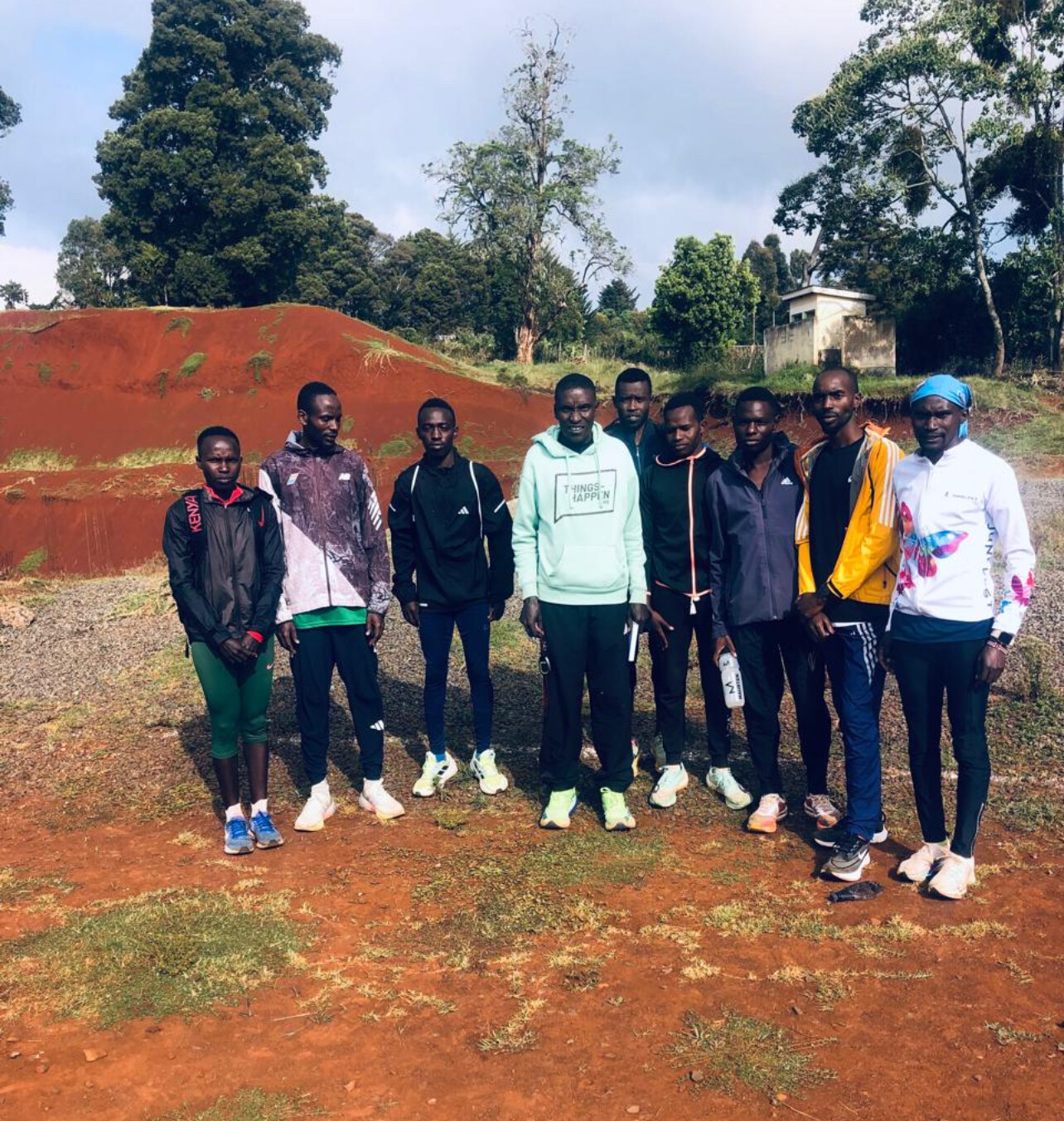
Round Two Begins October 1
The momentum is building. On October 1, KATA will launch Round Two of its program, aiming to establish 10 additional camps by November 1—doubling the total to 20.
“This is only the beginning of our aggressive, unique program,” says Anderson.

The long-term vision: 50 fully operational KATA Running Camps within three years, directly supporting nearly 1,000 elite Kenyan runners.
The KATA Partner Program
To help reach that goal, KATA is inviting select partners to be part of the movement and make a lasting impact.
Each partner:
• Can have their name on a camp. You too can now have your own training camp in Kenya under the umbrella of KATA.
• May choose to be actively involved (like coaching and selecting your own athletes) or take a passive role. (KATA will set everything up.)
• Will share in the gross revenue from the sale of KATA potatoes
• Will also participate in a percentage of prize money earned by athletes at their partnered camp
This is a rare opportunity to support a program built on performance, purpose, and sustainability—while being directly connected to the success of the next generation of Kenyan champions.
Want to get involved?
WhatsApp Bob Anderson at +1-650-400-6643 to learn how you can support or partner with KATA today.
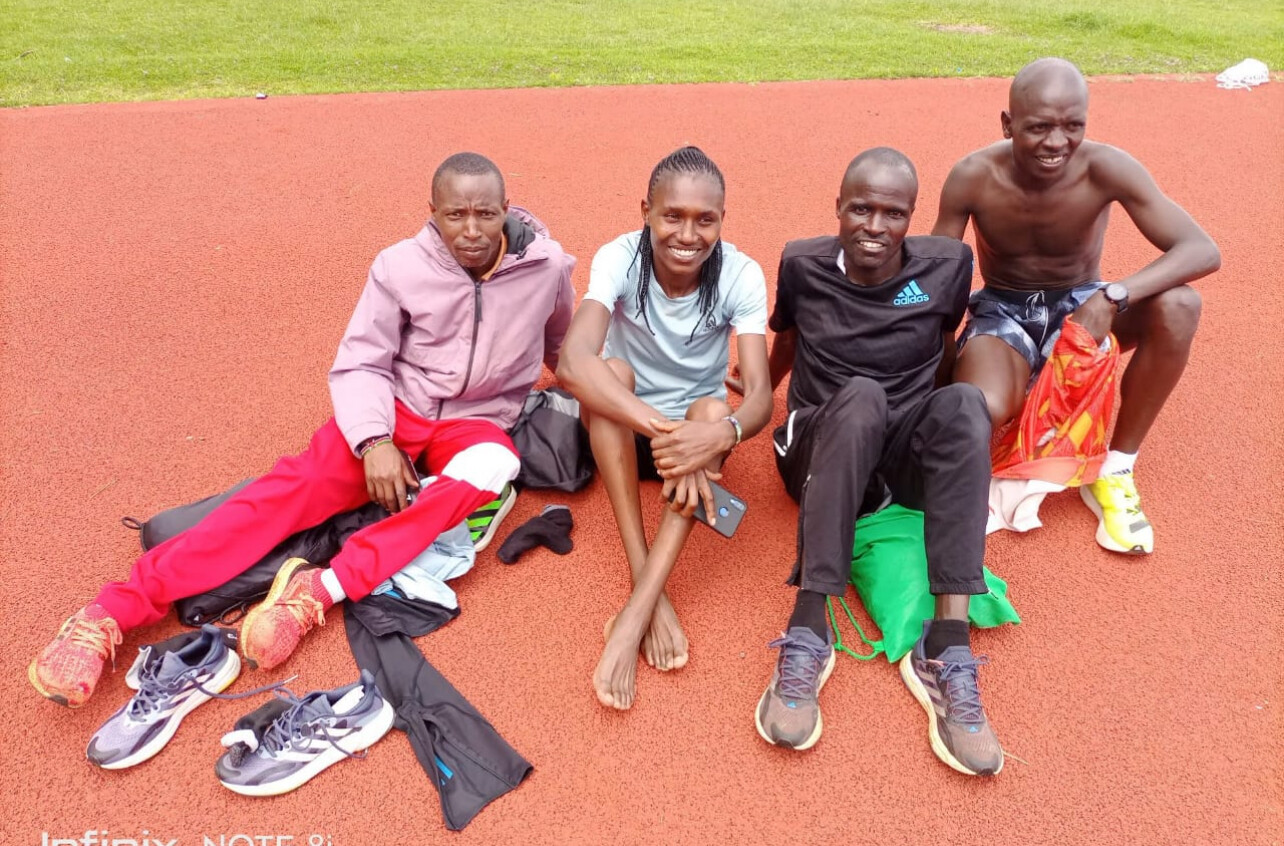
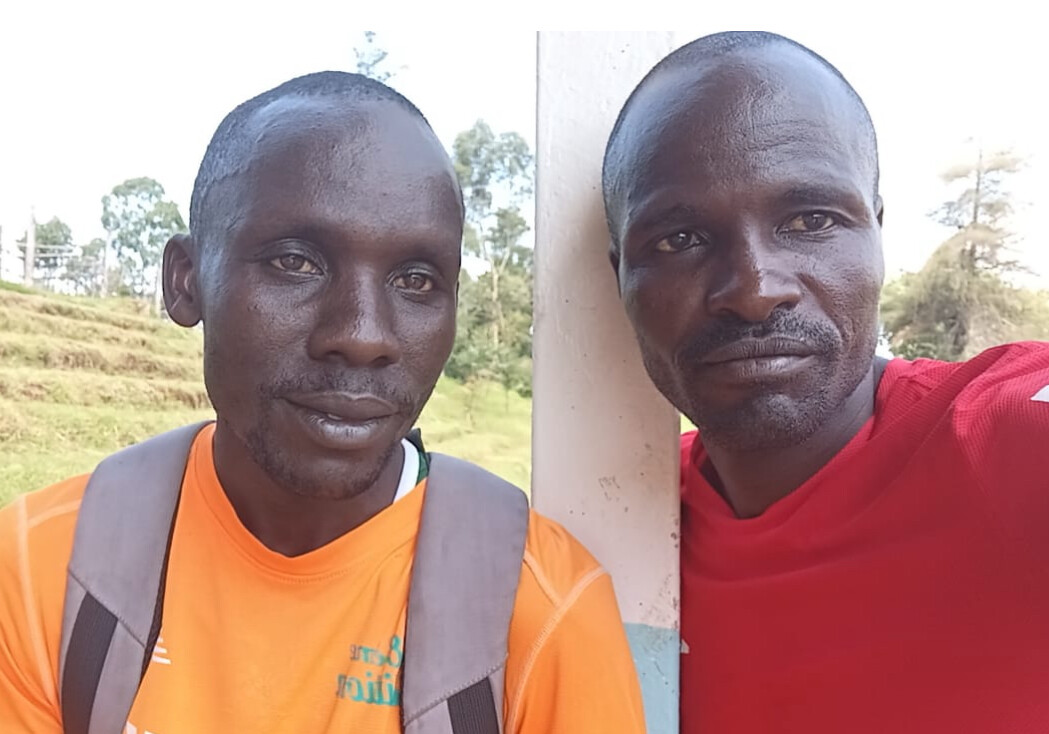
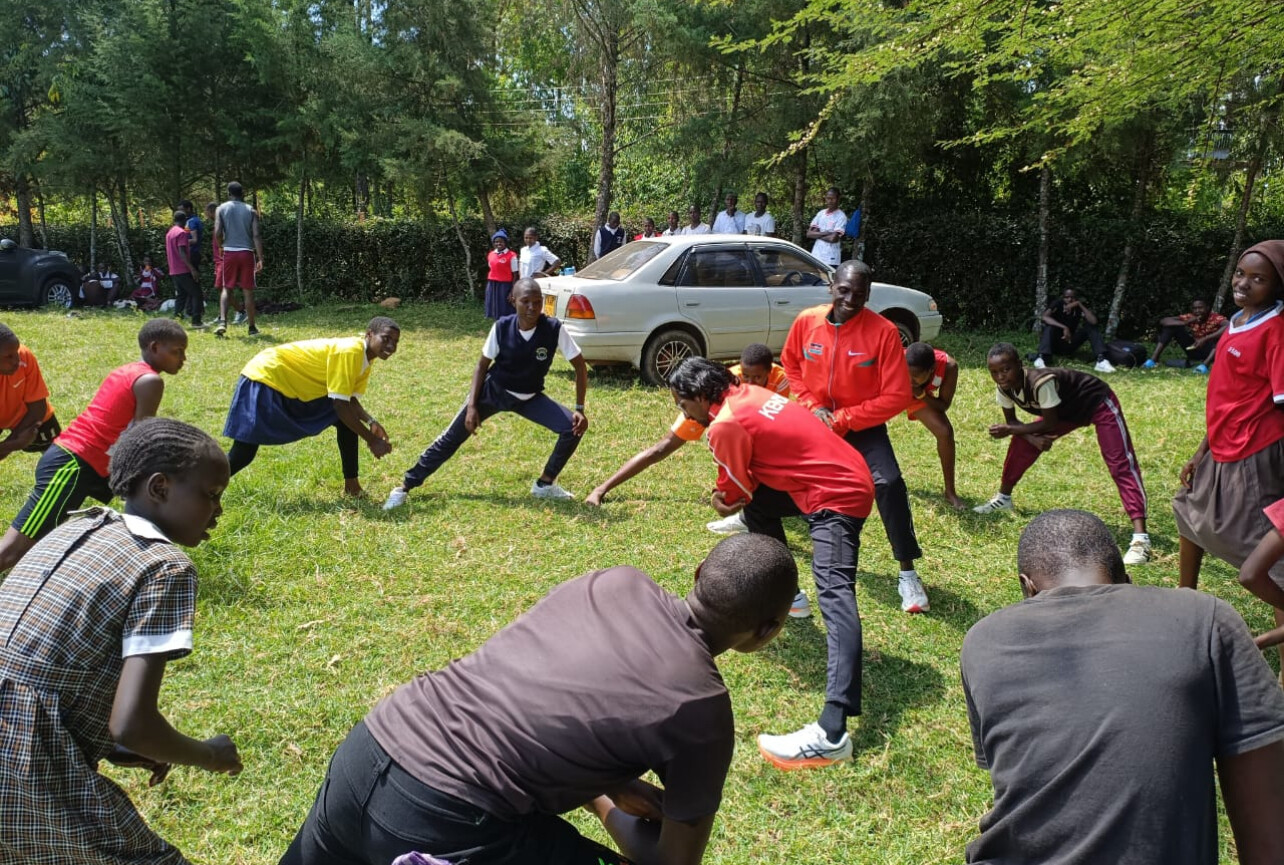
Photos: Paul Kipsiele Koech KATA team in Sofia 2. Ruth Chumo 3. Ruth's KATA Camp outside of Eldoret 4. KATA athletes planting potatoes in Molo under the direction of camp operator Eric 5. KATA ten camps 6. KATA athletes in Iten 7. Preparing potatoes in Kapcherop 8. Paul Kipsiele Koech coaching his KATA athletes in Sotik.
(06/18/25) Views: 271Boris Baron
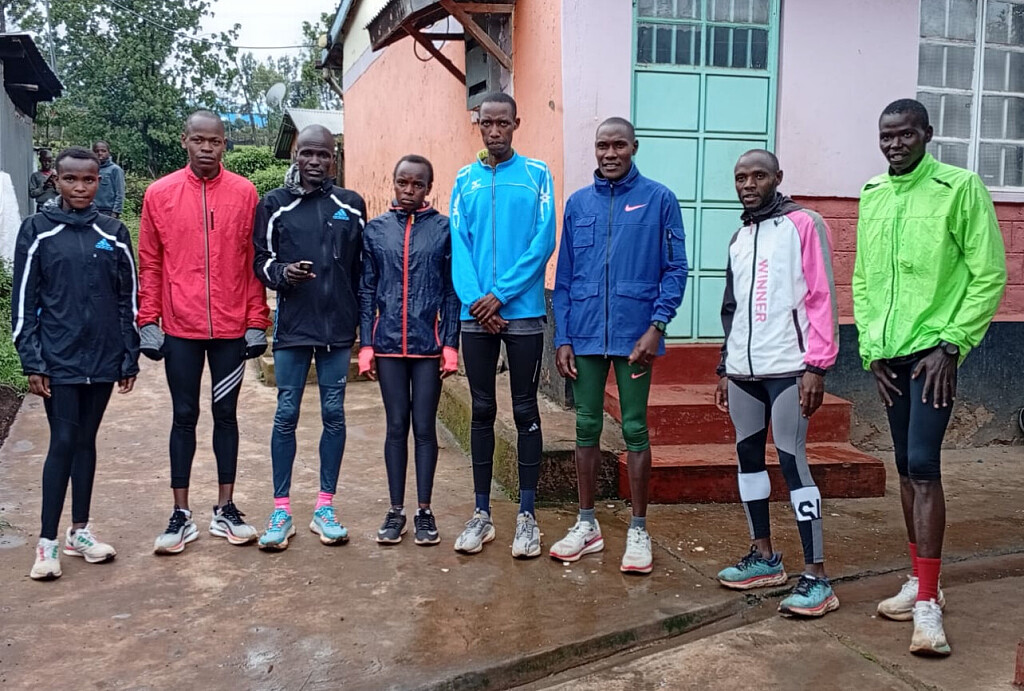
KATA Running Camps Launch a Bold New Era for Distance Running in Kenya
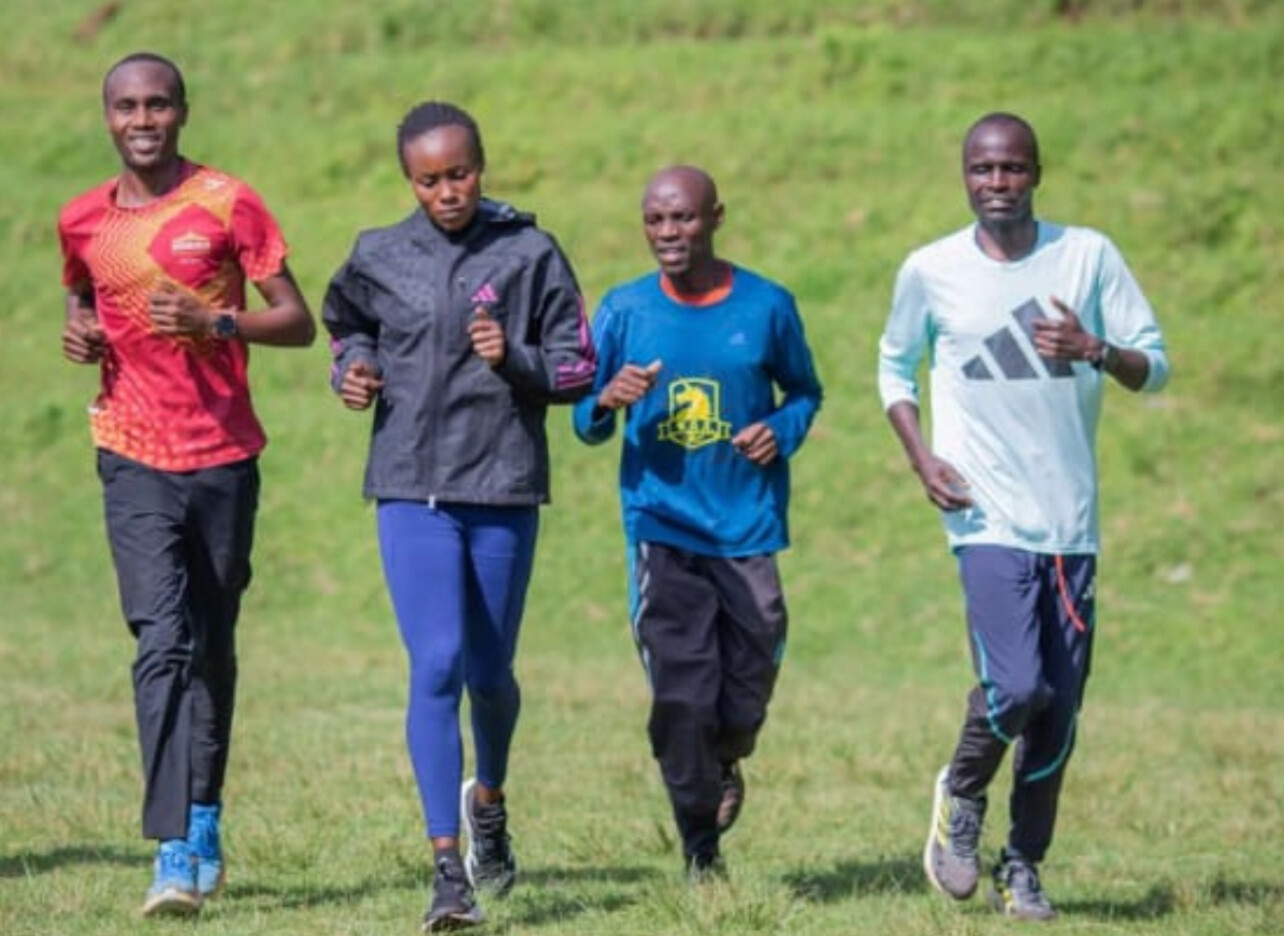
In a bold move to reshape the future of distance running, Bob Anderson, the legendary founder of Runner’s World and lifelong runner, has launched a groundbreaking initiative that’s taking root across Kenya. What began in 2019 with the Kenyan Athletics Training Academy (KATA) in Thika, and expanded to Portugal earlier this year, is now flourishing into a national movement—with eight KATA Running Camps already confirmed, and ten expected by July 1, plus two full-service KATA Retreats in Thika and Monforte da Beira, Portugal.
photos: 1. Edwin's KATA team reporting to his camp today in Kericho. 2. Eric's KATA in Molo will be planting their first acre of KATA potatoes tomorrow.

"As far as I know, there’s nothing like what we are doing,” says Bob Anderson. “My team and I believe we’re going to make a big difference in the running world. We’ll have nearly 200 KATA athletes by July. We have so much talent, and with strong leadership and support, we can help them become world-class stars
A Sustainable Model with a Powerful Vision
What sets KATA apart is its innovative self-sustaining model that combines elite athletic training with agriculture and community building.
Each KATA Running Camp:
• Supports 3 acres of KATA potato farms
• Requires athletes to work 25 hours per week on the farm
• Asks athletes to contribute 15% of any prize money earned to support their camp
In return, every KATA athlete receives:
• Free lodging
• Three nutritious meals daily
• World-class coaching
“Within six months, all camps will be fully self-sustaining,” Anderson says. “This is not just a running camp—it’s a lifestyle, a community, and a path to opportunity.
Powered by Champions
Two of KATA’s confirmed camp operators are Olympic medalists who bring unmatched experience to the program:
• Edwin Soi, bronze medalist in the 5000m at the 2008 Olympics, now leads KATA Kericho. He’s still racing—and proving his form. On June 15, he clocked a blazing 27:30 for 10,000 meters on the track.
• Paul Kipsiele Koech, bronze medalist at the 2004 Olympics in the 3000m steeplechase, heads KATA Sotik, bringing leadership, discipline, and deep tactical knowledge.
A Vision for 50 Camps, 1,000 Athletes
Anderson’s vision is as ambitious as it is inspiring:
“We hope to build a network of 50 KATA Running Camps to train nearly 1,000 athletes. At the same time, we’re working closely with local communities to promote healthier lifestyles through running, nutrition, and education.”
Each camp is embedded within its local area—supporting food security through farming, developing young talent, and strengthening communal ties.
More Than a Camp. A Movement.
KATA is not just about producing the next world record holder. It’s about giving hundreds of athletes the opportunity to reach their full potential—on the track, in life, and within their communities.
By combining sport with sustainability, and elite training with grassroots outreach, Bob Anderson’s KATA is poised to become one of the most impactful distance running projects in the world.
(06/16/25) Views: 204Boris Baron

LA Grand Slam Track Meet Canceled, Casting Uncertainty Over Series Finale
The highly anticipated LA Grand Slam Track meet, scheduled for June 28–29 at UCLA’s Drake Stadium, has officially been canceled, marking an abrupt and disappointing end to the inaugural season of Michael Johnson’s ambitious new professional track league.
The cancellation, confirmed via athlete emails and an internal league meeting held shortly after the Oslo Diamond League, follows a string of logistical and financial setbacks that have shadowed the 2025 Grand Slam Track series.
Why Was the LA Meet Canceled?
Multiple factors contributed to the league’s decision to call off its final stop:
• Venue costs: UCLA’s Drake Stadium lease proved to be prohibitively expensive, and cost-benefit analysis showed the meet could not be held sustainably under current terms.
• Market saturation: The earlier cancellation of the LA Grand Prix by USA Track & Field, citing overlap with Grand Slam Track, signaled underlying concerns about the local track market.
• Attendance and revenue: Despite high-profile athletes and large prize purses, audience turnout and ticket sales in previous meets (notably Kingston and Miami) fell short of expectations.
• Operational strain: The Philadelphia Slam was also shortened from three days to two, reflecting broader constraints in the league’s first year.
Recapping the 2025 Grand Slam Track Series
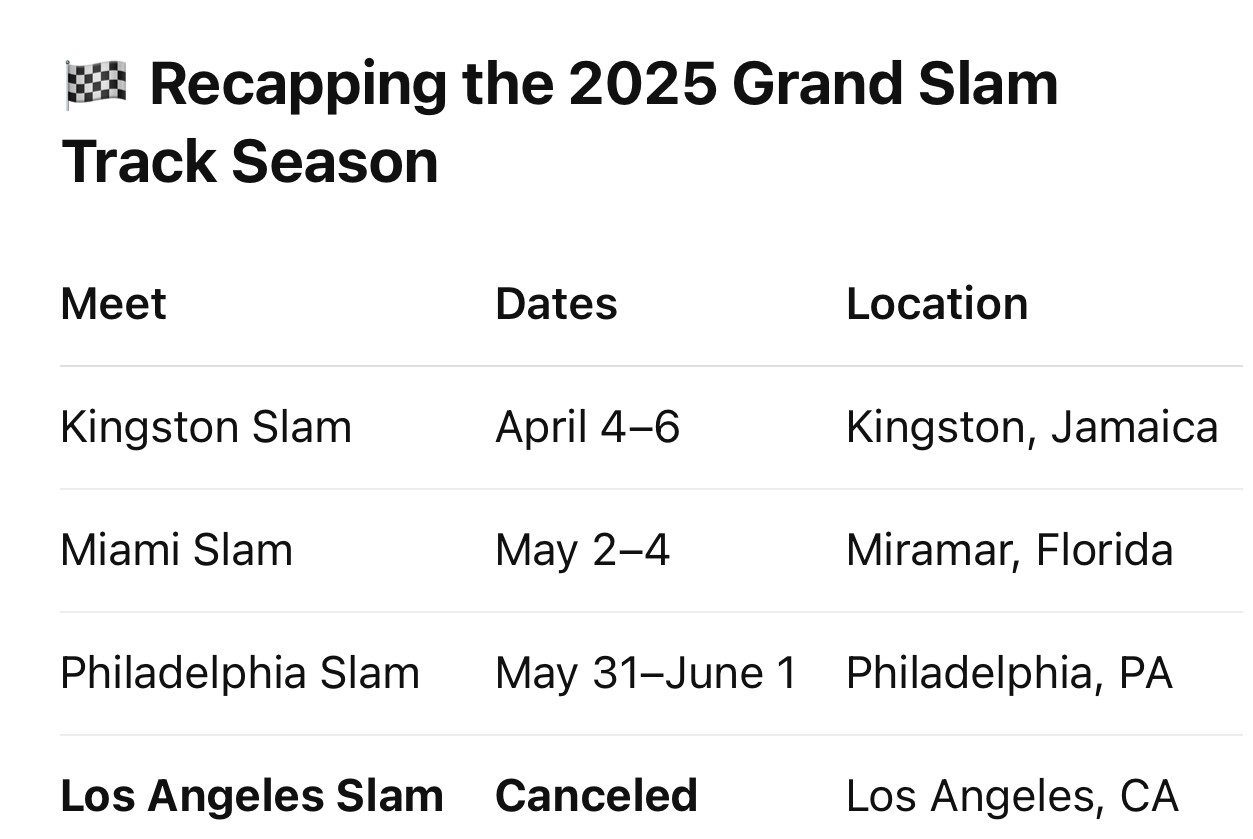
Each meet featured world-class fields and a $100,000 winner’s prize per event—part of a $12.6 million total purse. The series received coverage on Peacock and The CW, and was positioned as a bold alternative to the Diamond League.
What’s Next for Grand Slam Track?
Despite the disappointing end, founder Michael Johnson insists the pilot season met its objectives: proving that a high-stakes, athlete-first, fan-centered pro track league can attract global attention.
The league now shifts its focus to 2026, aiming to:
• Secure new strategic partners and sponsorships
• Optimize venue selection and fan engagement
• Revise its financial model for long-term sustainability
While the LA cancellation raises questions about viability, there is still optimism that Grand Slam Track will return, stronger and more refined, in season two.
The cancellation of the LA meet is a setback—but not a death blow. Grand Slam Track managed to draw eyes, deliver compelling performances, and push the conversation forward in pro track and field. Whether it can evolve into a sustainable, annual series remains to be seen—but the world will be watching.
(06/13/25) Views: 154Boris Baron
Olympic Medalist Paul Kipsiele Koech to Lead KATA Running Camp in Sotik
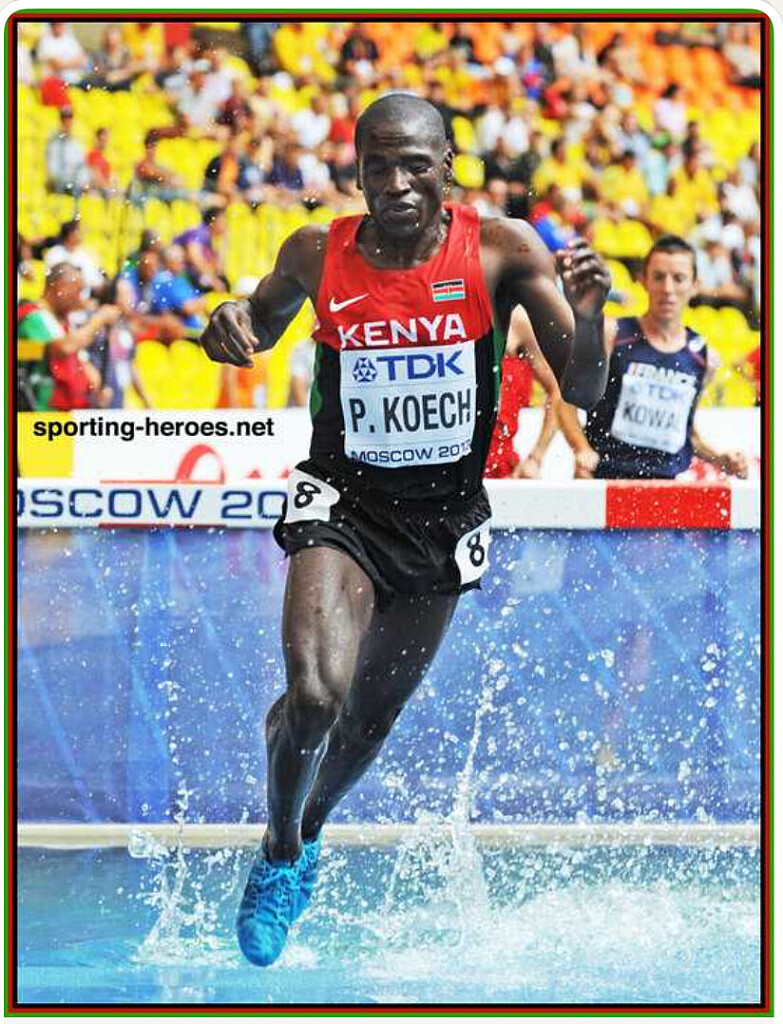
Paul Kipsiele Koech, one of Kenya’s most decorated distance runners, has officially joined the growing KATA Running Camp network as the operator of the new satellite camp in Sotik, Kenya.
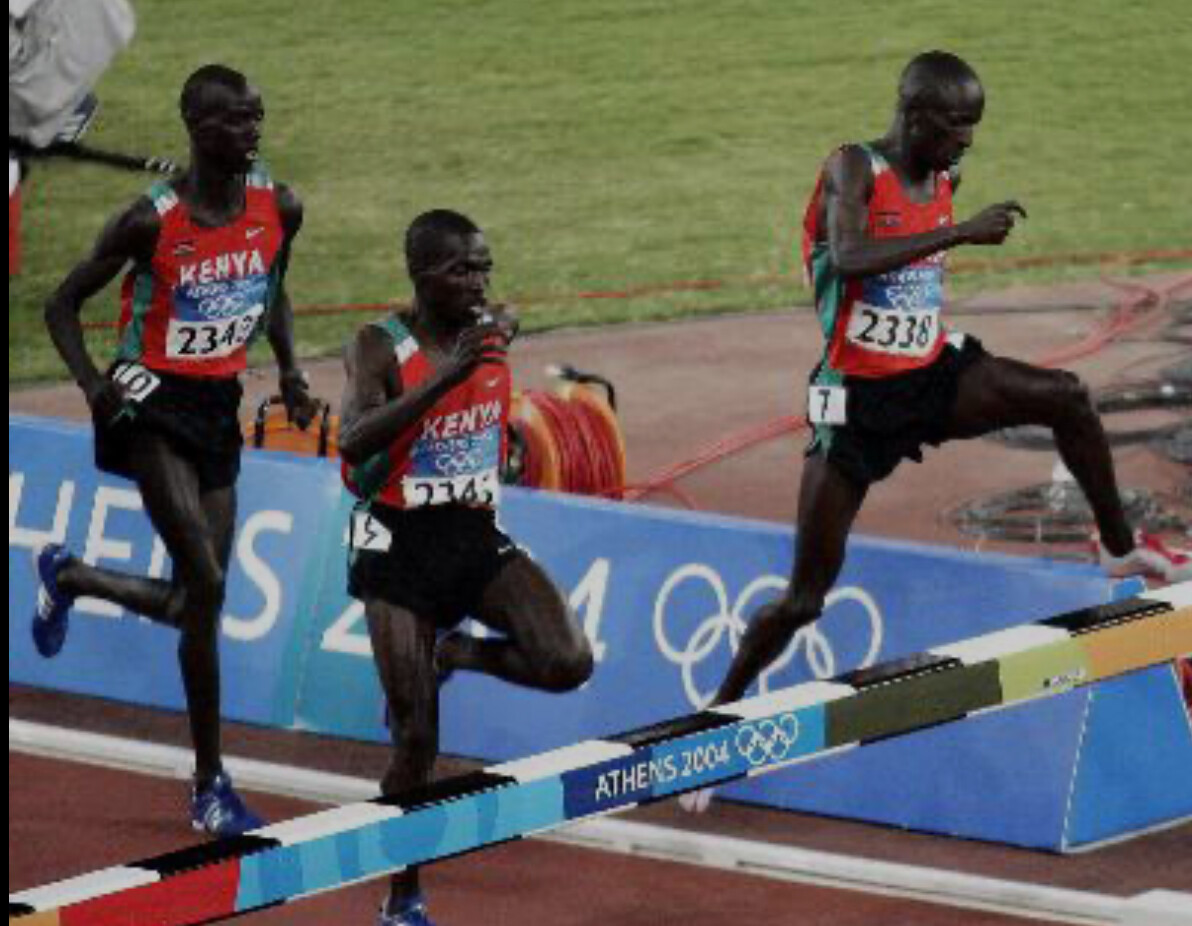
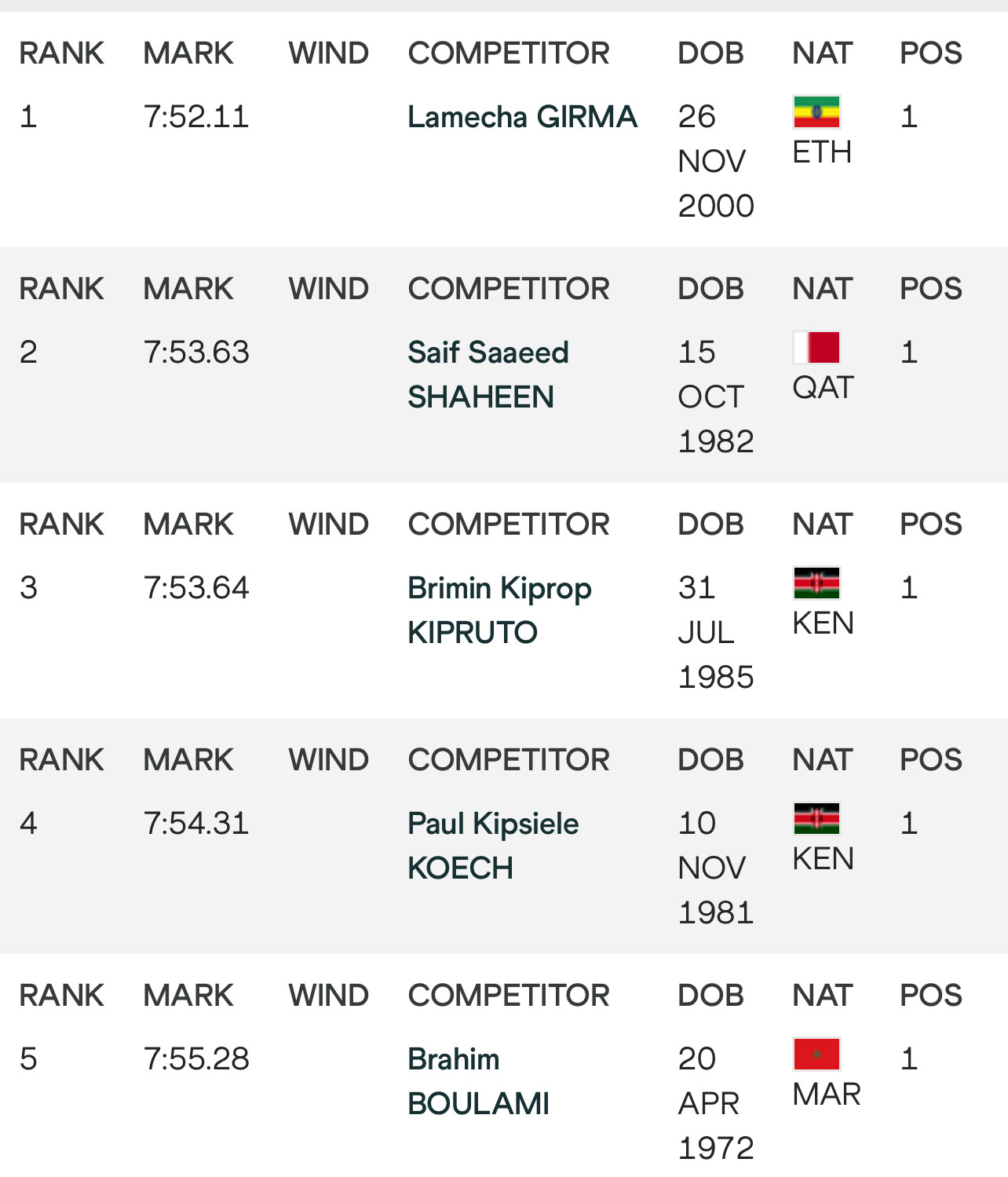
Koech won the bronze medal in the 3000m steeplechase at the 2004 Olympic Games in Athens and remains one of the most accomplished athletes in the history of the event. His personal best of 7:54.31 still ranks as the 4th fastest time ever run in the 3000m steeplechase.
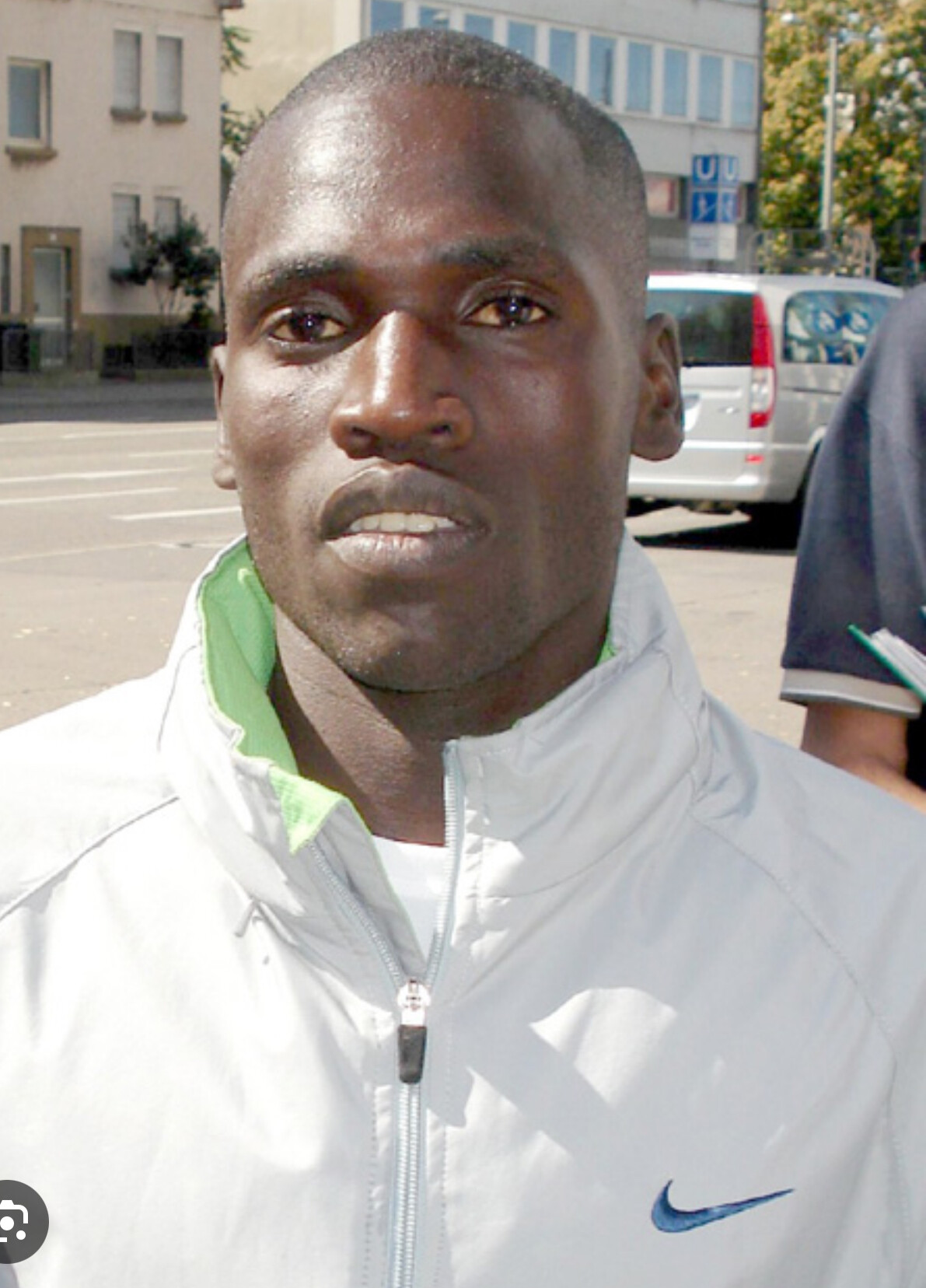
Even more impressively, Paul has run more sub-8:10 steeplechase races than any other athlete in history, with 110 such performances—a level of consistency that showcases his incredible fitness and longevity in one of the sport’s most grueling disciplines.
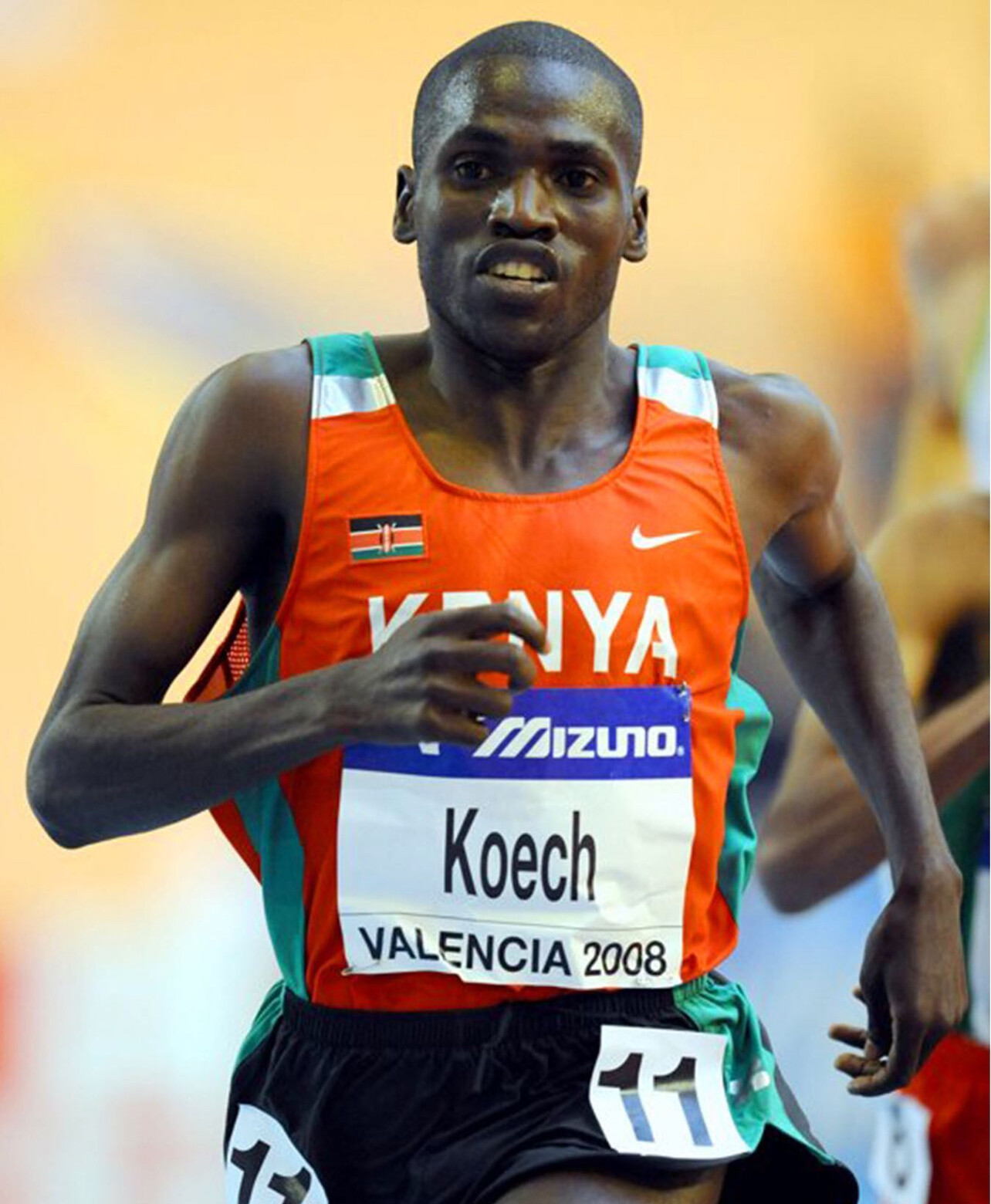
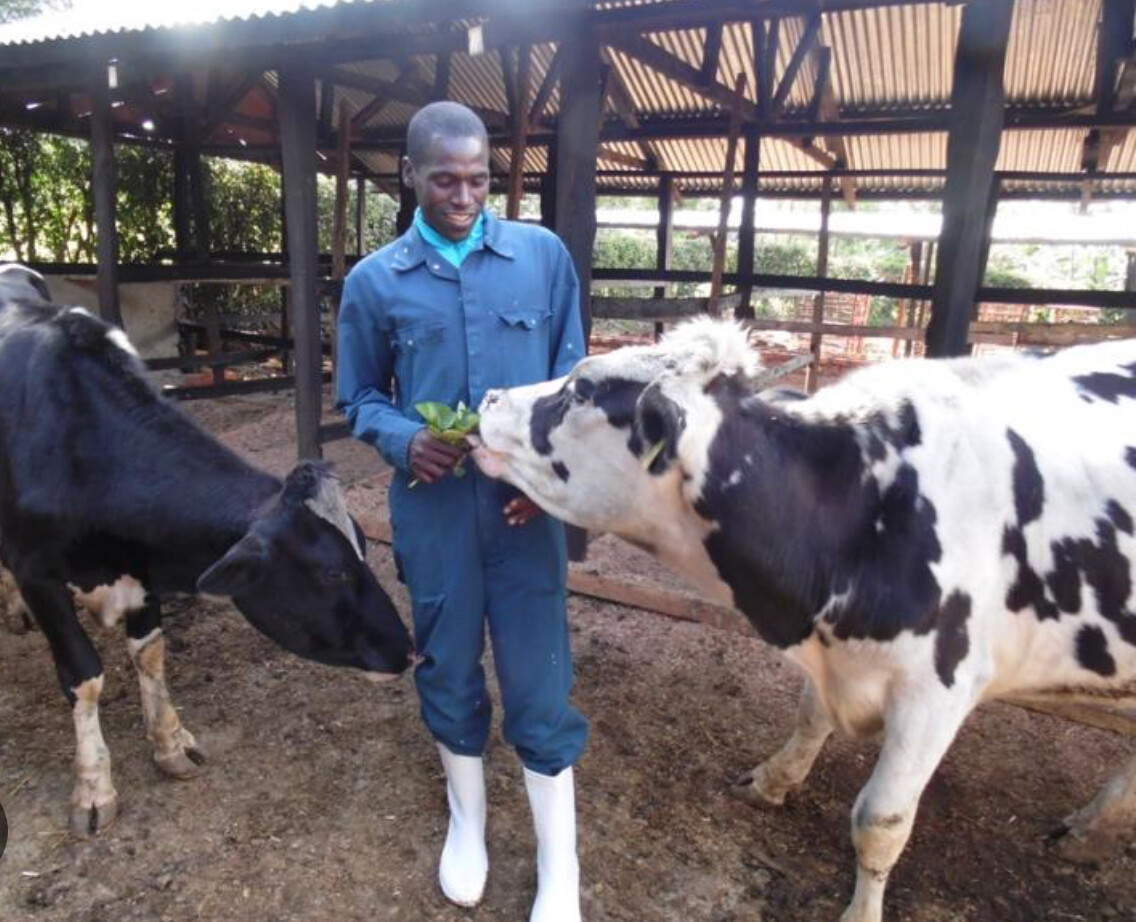
Now a world-class masters runner, Koech continues to train and inspire. But his talents extend beyond the track: he’s a successful dairy farmer with his own milk company and has extensive experience growing potatoes across the Rift Valley.
His deep agricultural background makes him the perfect fit for KATA’s innovative model, which combines elite running with sustainable farming. The KATA Running Camp Sotik will provide athletes with top-tier coaching and facilities, as well as hands-on experience in potato farming—a dual focus designed to build both athletic and life skills.
“I am so excited to be part of the KATA Running Camp program Bob has put together,” says Paul. “We are going to make a difference.”
Top five all-time best times for 3000m Steeplechase:
With Paul Kipsiele Koech at the helm, the Sotik camp becomes a powerful addition to the KATA mission: helping uncover new talent, supporting athlete development, and strengthening local communities—one stride at a time.
(06/14/25) Views: 149Boris Baron

Fake News Creeps Into Athletics World with False Usain Bolt Claim
In a digital age overflowing with misinformation, fake news has found its way into nearly every corner of public life—and now it’s creeping into the world of athletics. Over the weekend, a Facebook post from a fan page titled Usain Bolt Fans falsely claimed that the legendary sprinter was stepping down as Jamaica’s ambassador.
The post, filled with dramatic language and linked to a questionable site (dailypressnewz.com), quickly gained traction—racking up hundreds of reactions, comments, and shares. But there’s one problem: it’s not true.
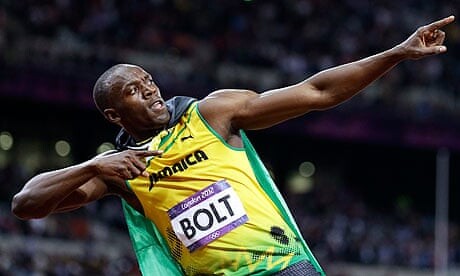
There has been no official confirmation from Usain Bolt, the Jamaican government, or any reputable media outlet. This appears to be a blatant fabrication—another example of how social media platforms, especially Facebook, are failing to properly police misinformation.
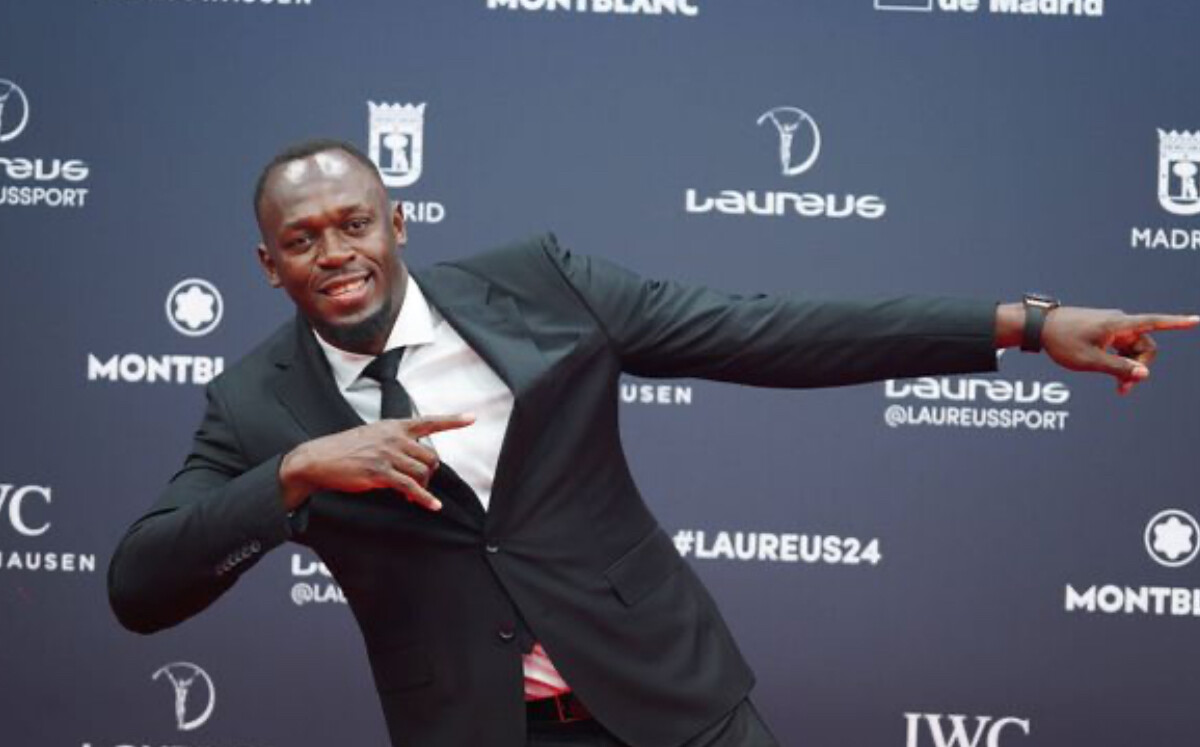
“Why would anyone want to spread such lies?” That’s the troubling question. Perhaps it’s about driving traffic to ad-heavy websites. Or it could be more sinister—part of a broader trend of undermining public trust in institutions and public figures. Either way, it’s deeply concerning.
Usain Bolt isn’t just an Olympic icon—he’s a symbol of excellence, integrity, and global unity through sport. Misusing his name to generate clicks is not only dishonest, it’s harmful.
At My Best Runs, we believe in truth, accuracy, and the integrity of the running community. If false headlines are allowed to spread unchecked, they can damage reputations and distort public perception—especially among younger athletes who look up to role models like Bolt.
This incident is a wake-up call. If fake news can so easily invade the running world, no part of our sport is safe from digital misinformation.
Let’s stay vigilant. Let’s ask questions. And let’s continue celebrating the real stories that make our sport so powerful.
(06/17/25) Views: 120Boris Baron
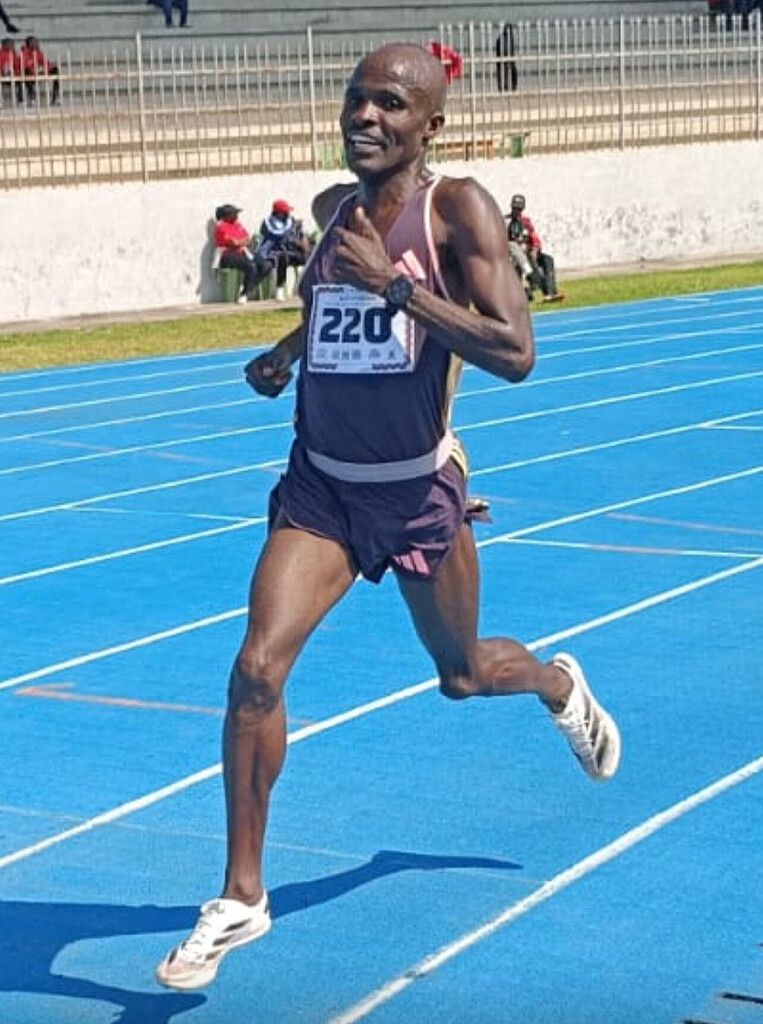
Edwin Soi Blazes 27:30 for 10,000m at South Rift Regional Meet in Nakuru
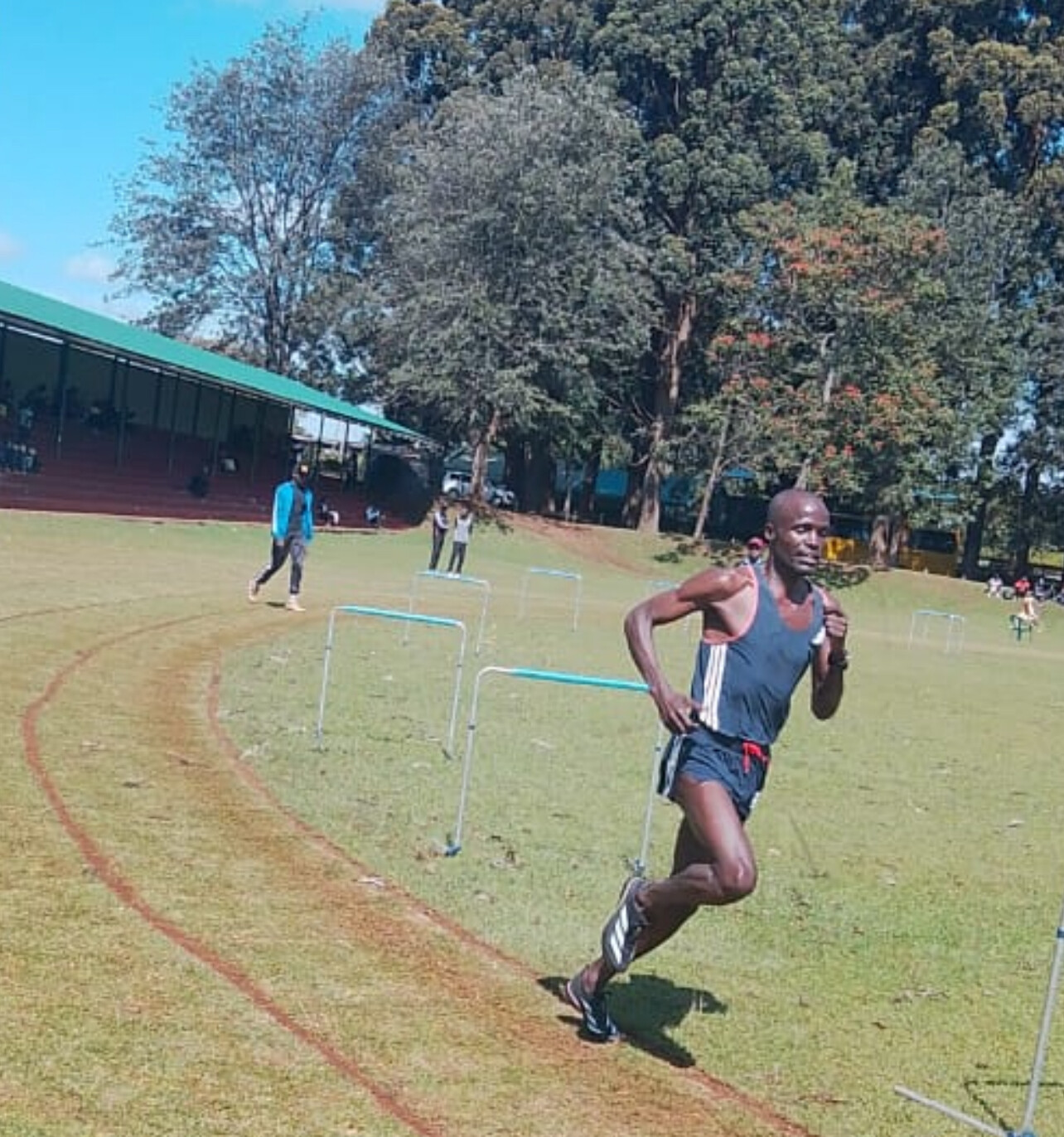
Veteran Olympian Edwin Soi made a powerful statement in Nakuru County on June 15, dominating the 10,000m at the South Rift Region athletics qualification meet with a stunning time of 27:30. The race, held at Afraha Stadium, served as a regional qualifier for the Kenyan National Trials, which take place July 9 in Nairobi and will determine the team for the World Championships.
Soi, the newly appointed operator of the KATA Running Camp and KATA Potato Farm in Kericho, blew away the field with his performance—remarkable not only for the result but for the circumstances behind it.
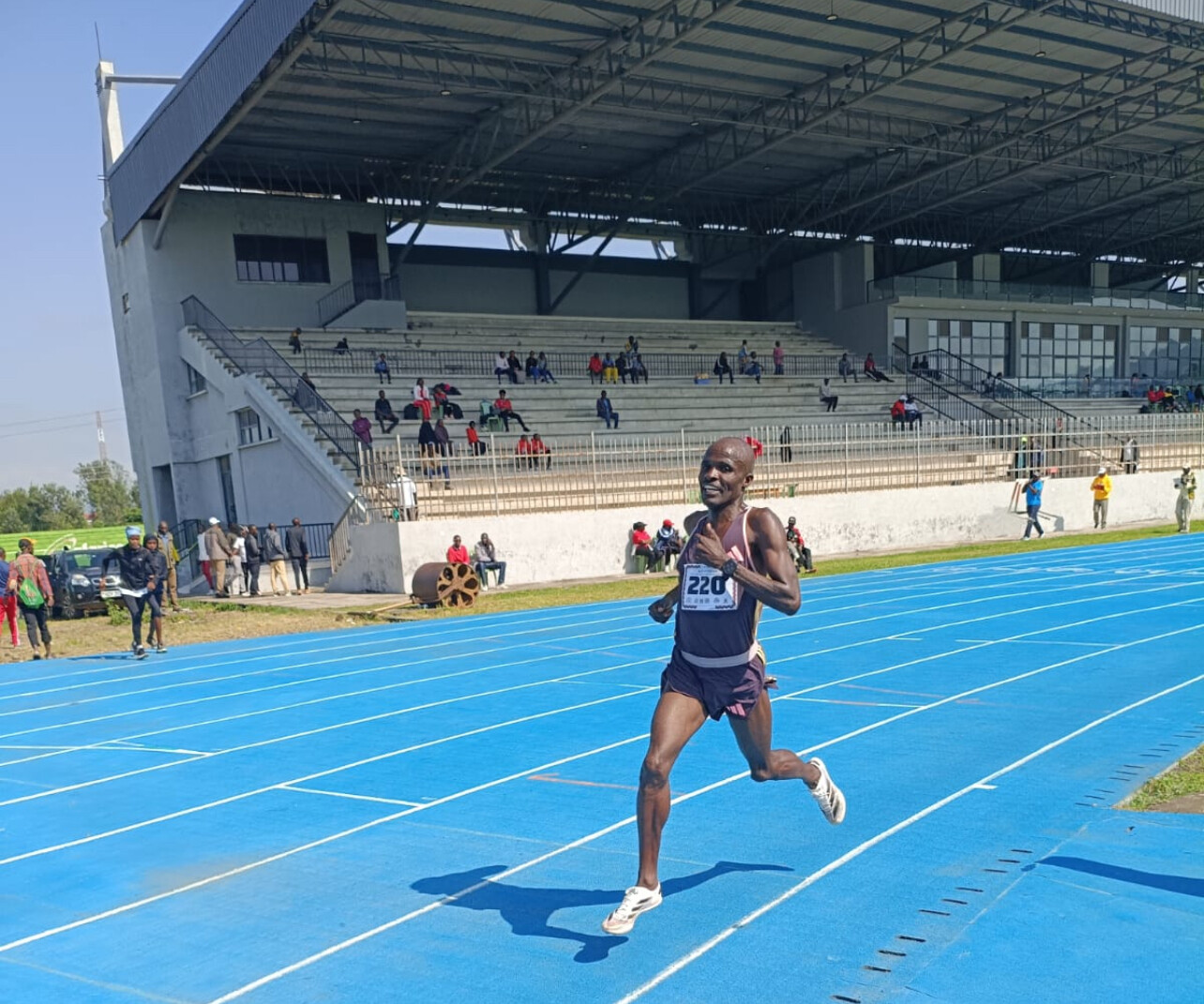
“I’m pleased with my time,” Soi said. “I’ve only been doing marathon training and no speed work. When Bob [Anderson], our KATA Running Camps founder and director, asked me a few days ago what I thought I could run, I told him sub-28—and I did.”
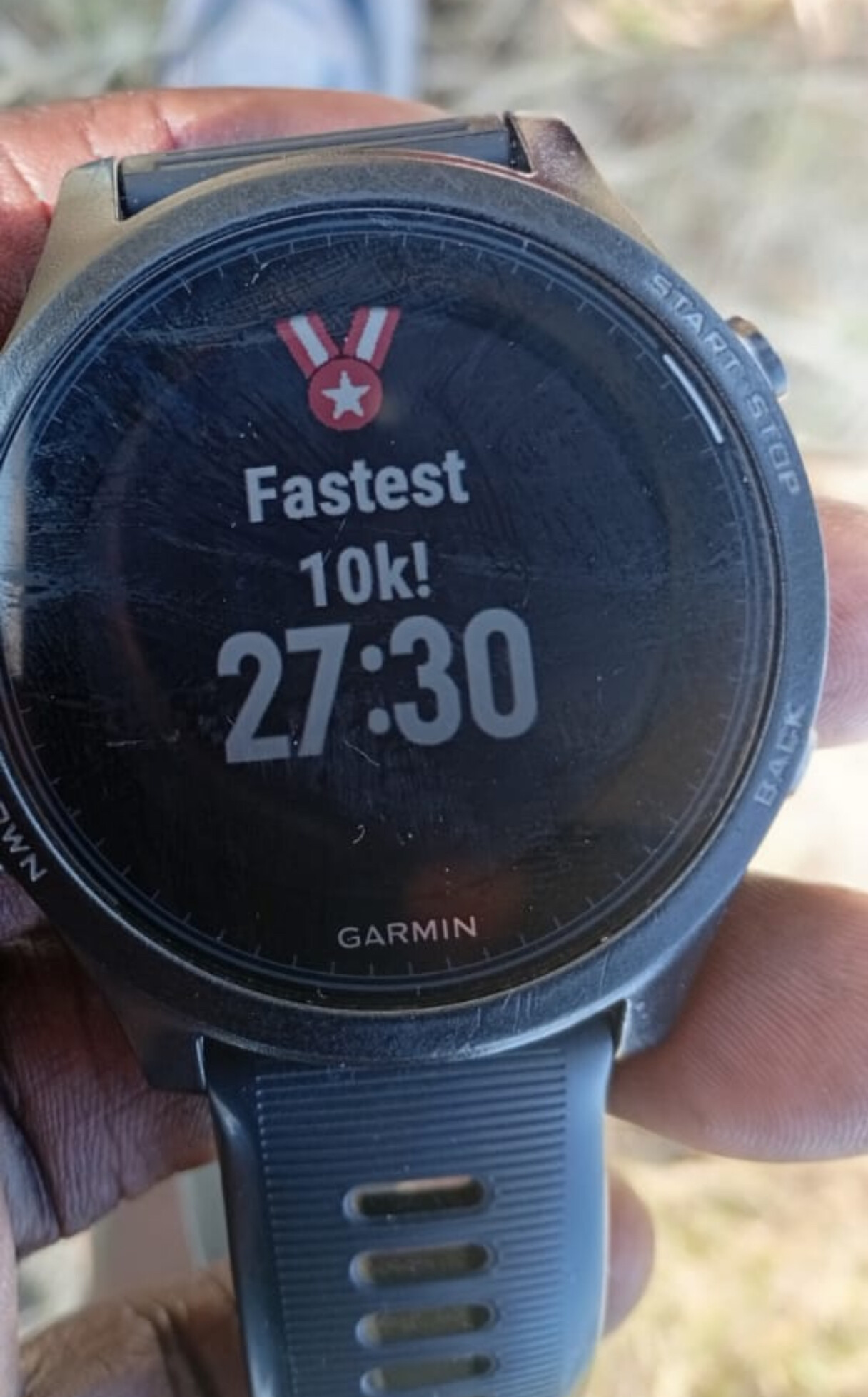
Soi’s effort drew praise from Bob Anderson, the founder of Runner’s World and director of the KATA Running Camps initiative. “Edwin just signed on to operate KATA Running Camp - Kericho and has been preparing to officially open his camp on Monday,” Anderson said. “I was very excited to hear of his time this morning. He will be ready to make the Kenya national team.”
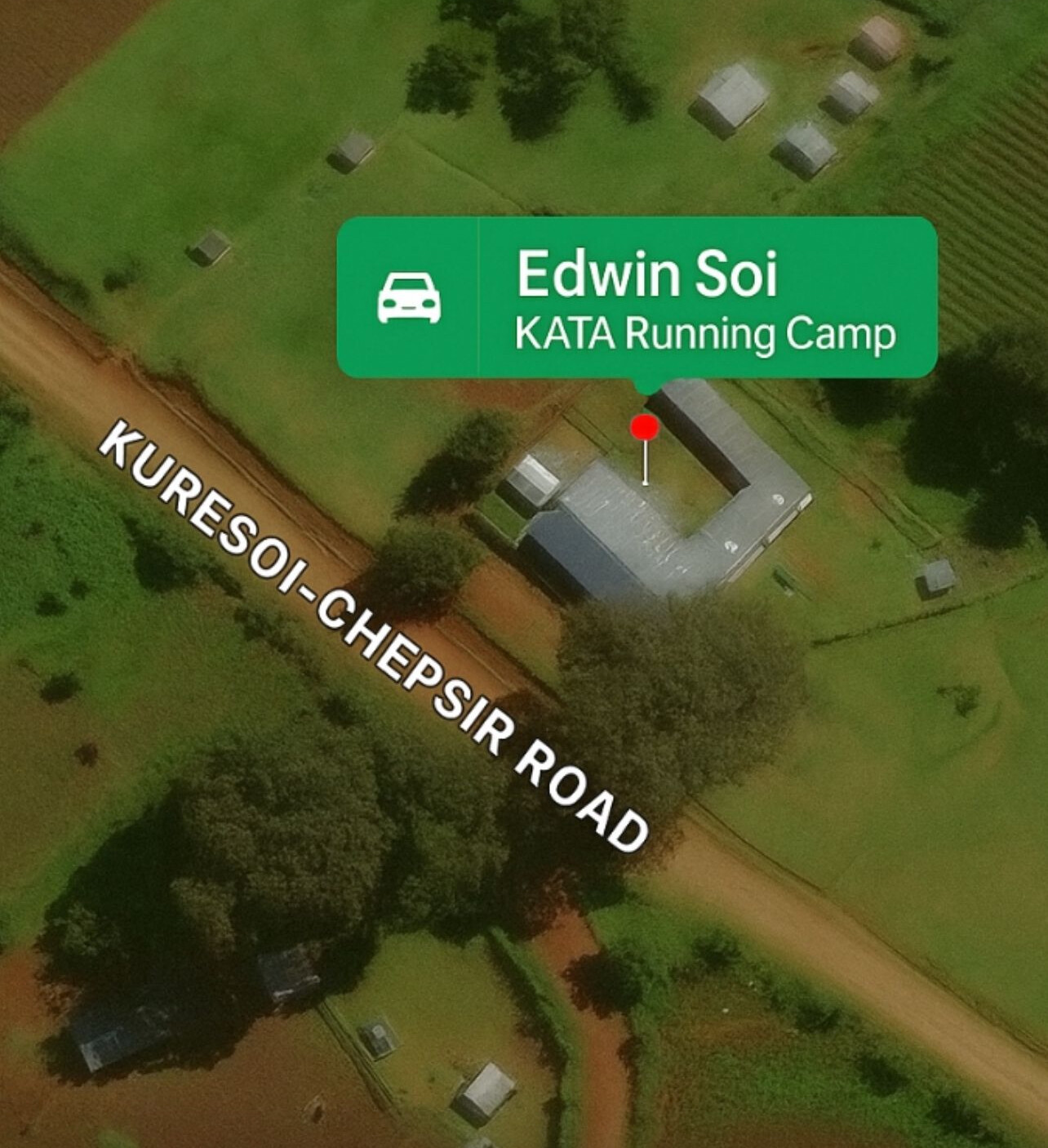
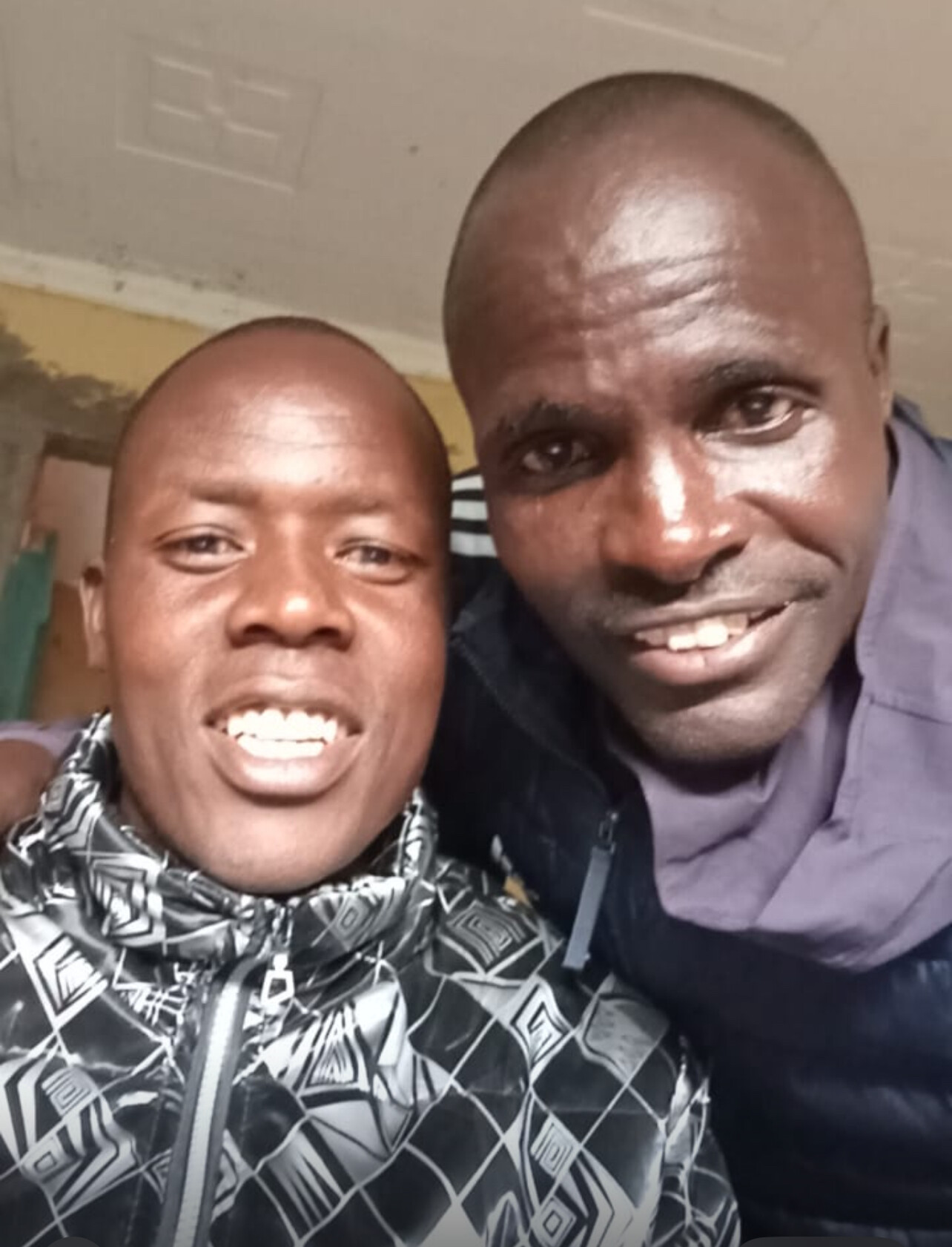
Photo five is Edwin visiting with Job at the KATA Running Camp - Molo. Photo six is Edwin transporting beds to his camp in Kericho earlier in the week.
Soi, who won the bronze medal in the 5,000m at the 2008 Beijing Olympics, has been transitioning to longer distances in recent years, including the marathon. His performance in Nakuru indicates he still has world-class speed and may be poised for another major appearance on the global stage.

Boris Baron
Ottawa Runners Victorious at the 2025 Under Armour Toronto 10K
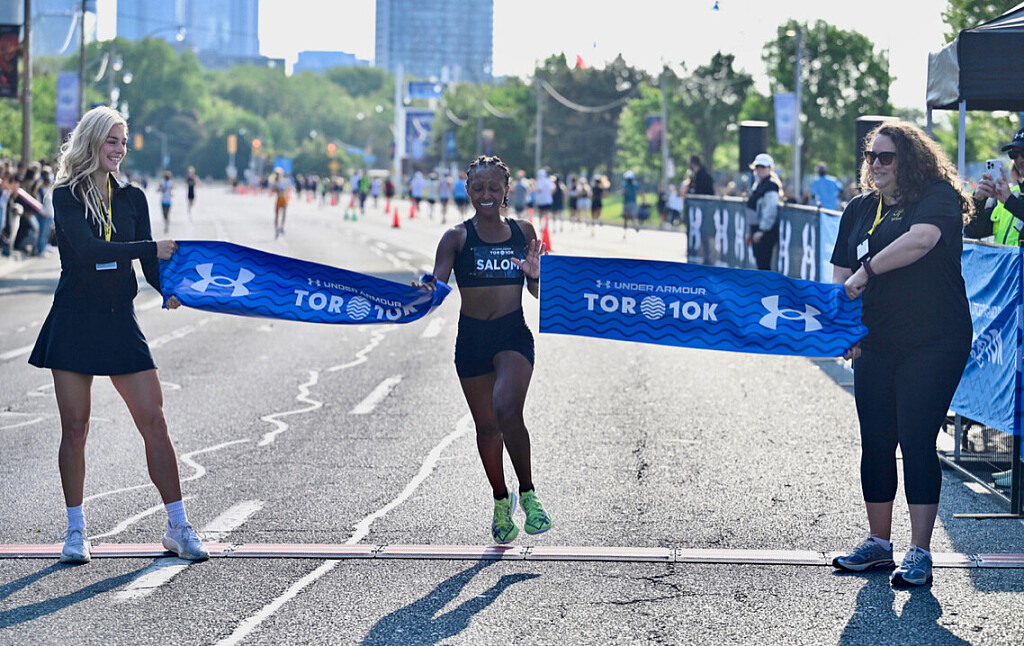
It was a case of “third time’s a charm” for Rwanda’s Salome Nyirarukundo, as the 27-year-old claimed the women’s crown at the 2025 Under Armour Toronto 10K.
Her winning time of 34:05 bettered her performances from the past two years, when she finished second on both occasions. Given the record 8,500 runners faced a stiff headwind along the shores of Lake Ontario, her result was all the more impressive.
Nyirarukundo, who has lived in Ottawa for the past five years, didn’t have an easy time. Rachel Hannah, the 2015 Pan Am Games marathon bronze medalist, tried to close the gap over the final two kilometers but settled for second in 34:17. Fellow Ottawa runner Teagan Robertson finished third in 34:52.
A two-time Olympian for Rwanda (2016 Olympics, 2018 Commonwealth Games), Nyirarukundo still holds the national records in the 5,000m and 10,000m for her native country.
“I feel so amazing. I’m very emotional because I’ve come here three times and finished second twice,” Nyirarukundo said with a broad smile. “After 3K, I started pushing because I know Rachel is very strong. I was really worried I made a bad decision, but I caught up to a couple of guys and used them to stay ahead.”
At 38, Hannah remains a formidable competitor. After finishing 11th at the Houston Marathon in January and 29th at the Boston Marathon, she placed fifth at the Canadian 10K Championships in Ottawa. She admits the shorter distances keep things exciting.
“She wasn’t far ahead,” Hannah said. “It helps to have someone to chase. This was my best run here. I’ve been third a couple of times. It was windy, but I live by Lake Huron—I’m used to wind,” she laughed.
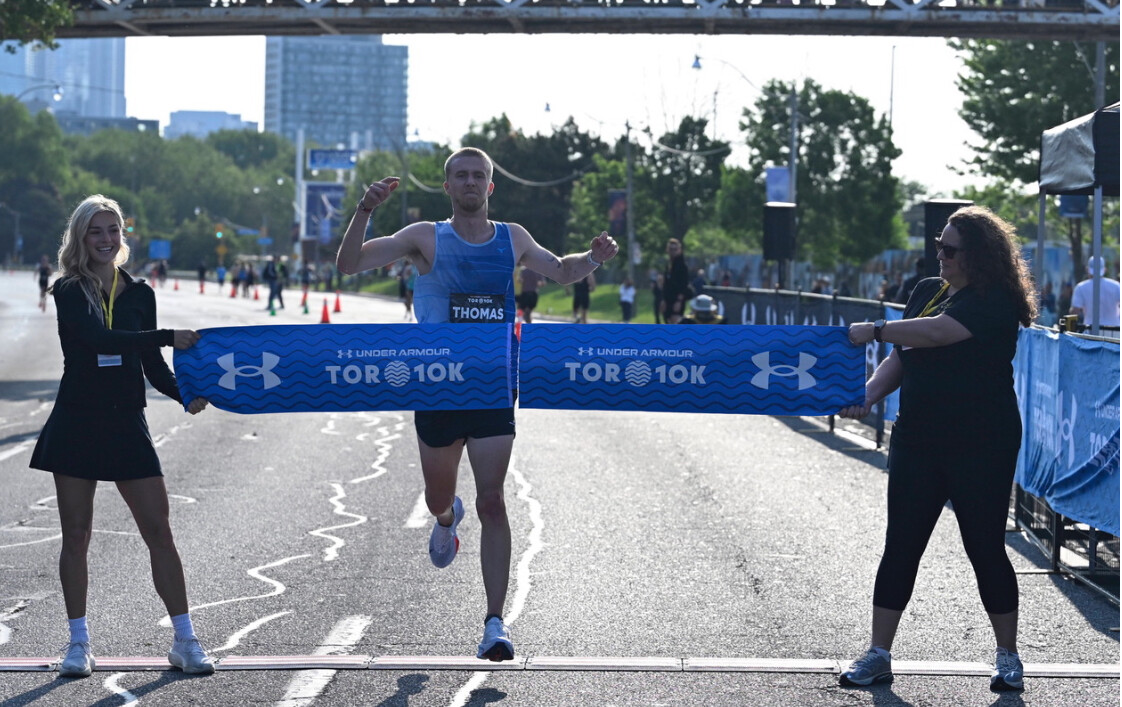
The men’s race also went Ottawa’s way as Thomas Nobbs, 25, coached by Brant Stachel, surged over the final kilometer to hold off Lee Wesselius, winning in 29:35.
Nobbs, who recently ran 28:58 at the Canadian 10K Championships (6th place), had hoped to improve on that time but adapted to race-day challenges.
“My coach said not to lead, but there I was,” Nobbs said, laughing. “I had a terrible sleep and ripped my shoelaces just before the start. But I know I’m fit, and even on a bad day I can come through.”
Originally from Vancouver, Nobbs ran two years at the University of Washington before finishing his degree at UBC. He now trains mostly solo under Stachel’s guidance.
Much of the race was shared up front with Wesselius, 31, a full-time large animal veterinarian, who finished just five seconds back.
“It was a good step forward from Ottawa,” Wesselius said. “I tried to make a move into the wind and opened a bit of a gap. But Thomas responded well and made his move at the turnaround.”
Alex Cyr of Toronto rounded out the podium in 29:45, earning respect from Nobbs for his season-long progression.
“Alex is strong in the lead. He’s probably made the biggest leap out of all of us this year,” Nobbs added.
Both Nobbs and Nyirarukundo were quick to thank Canada Running Series for organizing the event and inviting them to compete against some of the country’s best.
(06/15/25) Views: 107Paul Gains
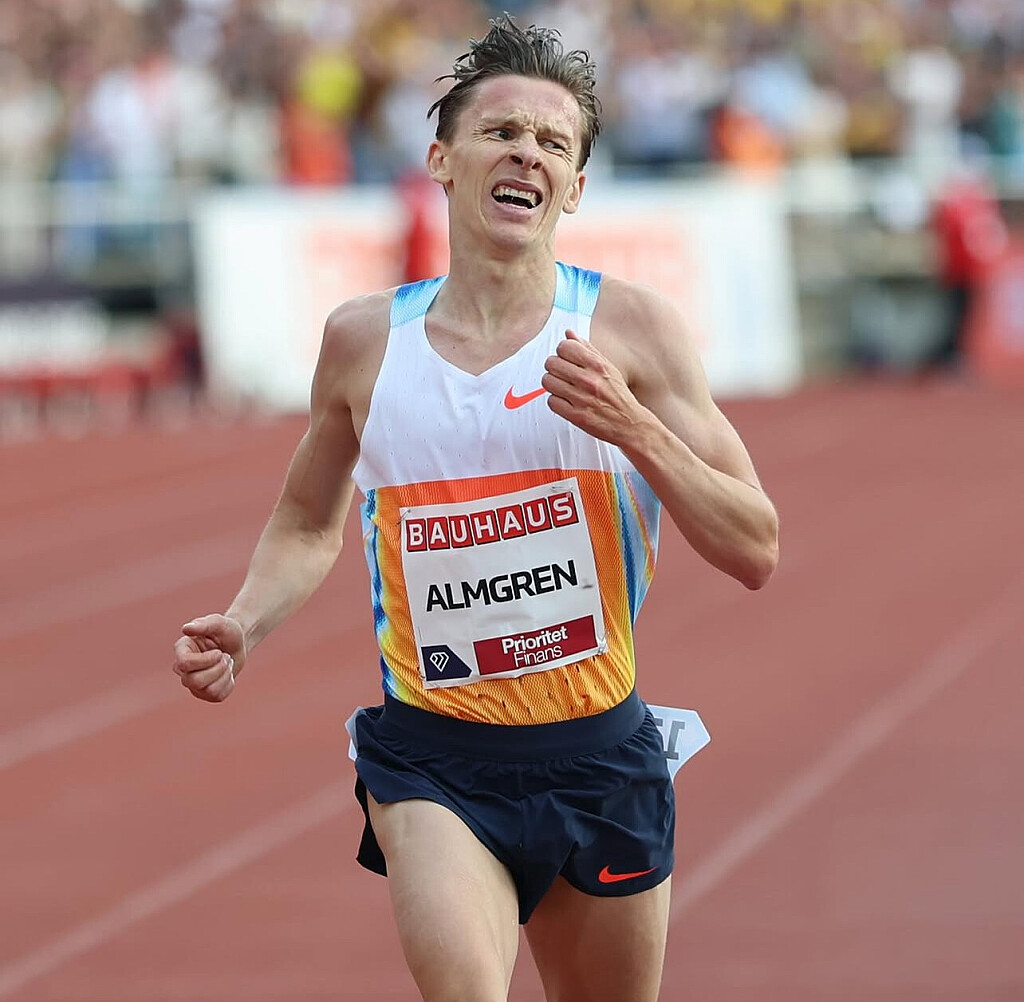
Andreas Almgren Stuns the World with 12:44.27 in Stockholm 5000m, Smashing European Record and Entering All-Time Top 10
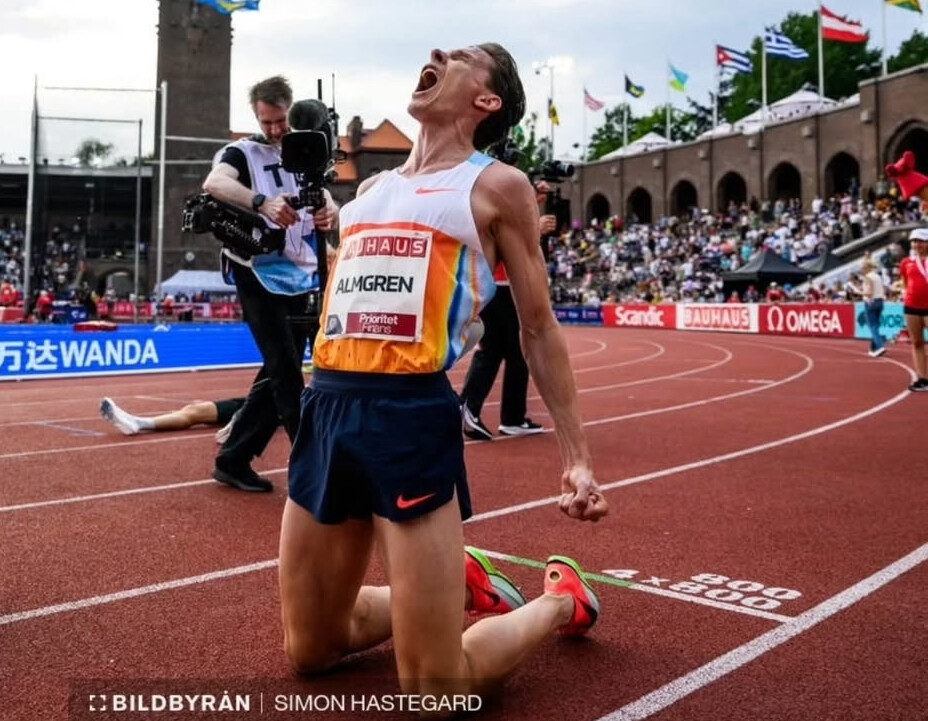
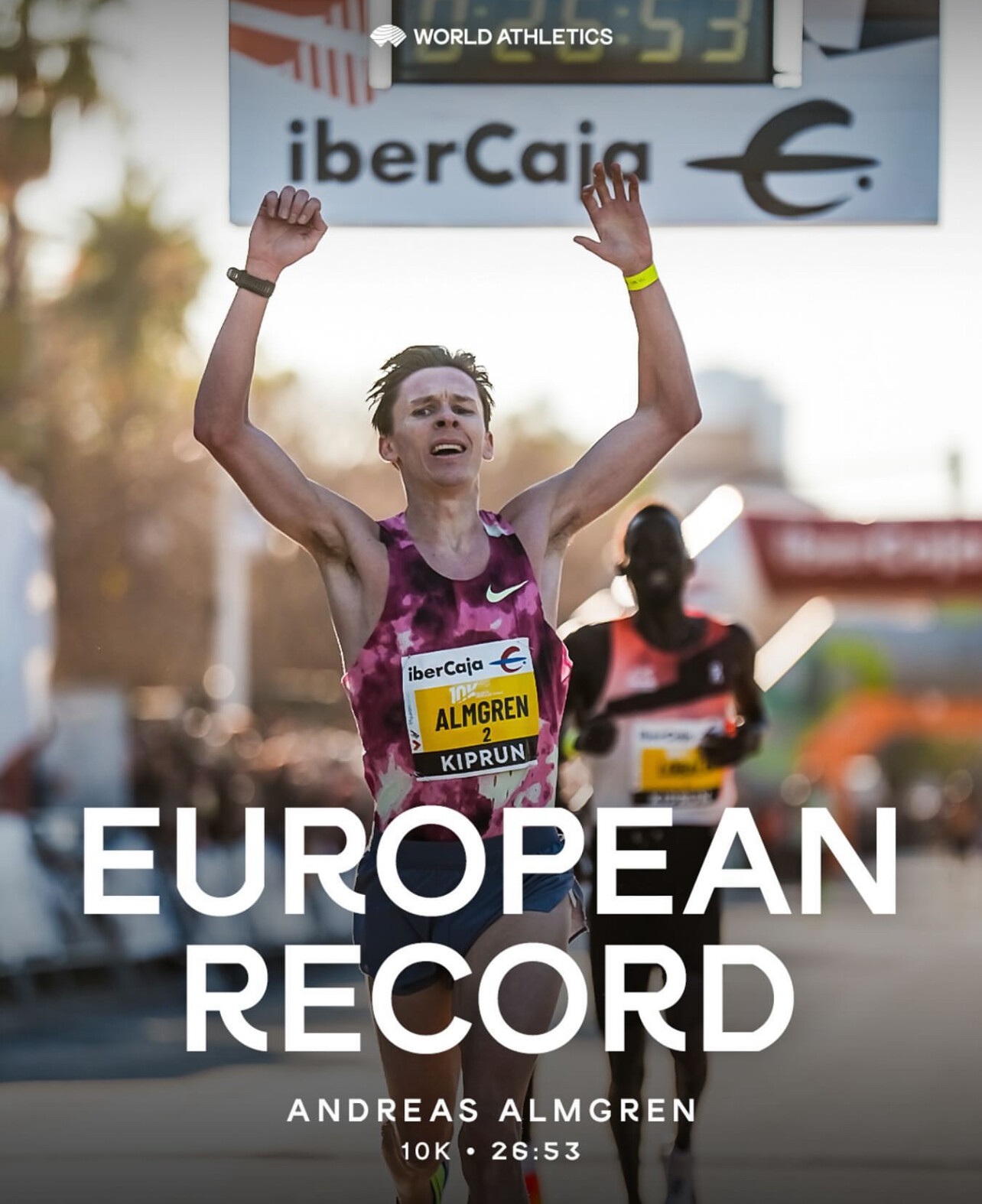
Swedish distance star Andreas Almgren delivered the race of his life at the Stockholm Diamond League, clocking a breathtaking 12:44.27 to win the men’s 5000m and send shockwaves through the global distance running world. His time not only shattered the European Record (ER) and the meet record, but it also catapulted him into the top 10 fastest performers in history, now ranking #8 all-time.
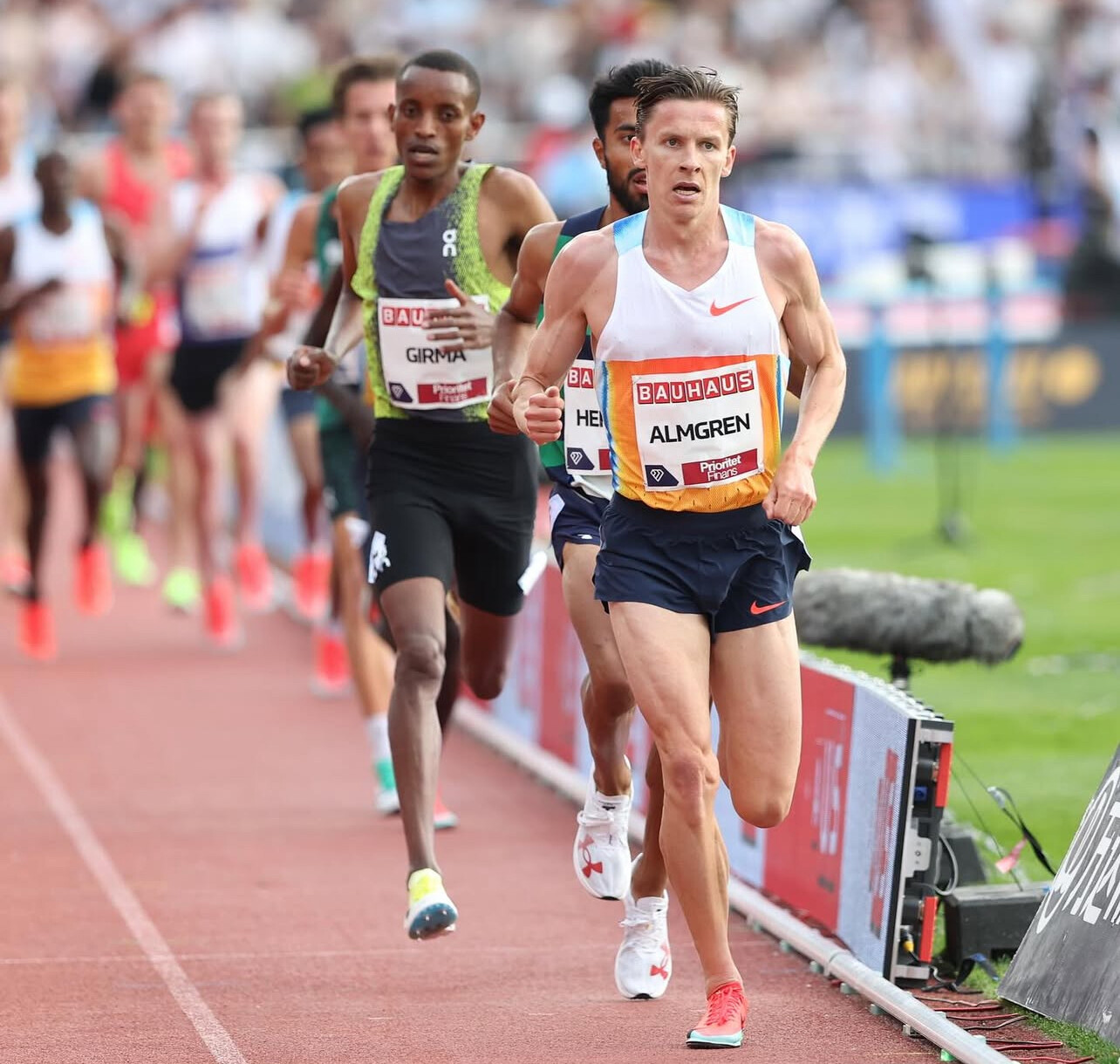
The home crowd in Stockholm witnessed a historic moment as Almgren, traditionally known for his prowess over 800m and 1500m, made a stunning statement in the long-distance arena. He became the first European ever to dip under 12:45 and now holds the fastest 5000m time ever run by a European athlete, surpassing Spain’s Mohamed Katir (12:45.01 from 2023).
? Top Results – Men’s 5000m (Stockholm Diamond League)
1. Andreas Almgren (Sweden) – 12:44.27 ?? ER MR
2. Kama Girma (Ethiopia) – 12:57.46 ??
3. Ky Robinson (Australia) – 12:58.38 ??
4. Mike Foppen (Netherlands) – 13:02.43 ??
5. Kenneth Kiprop (Uganda) – 13:02.69 ??
6. Denis Kipkoech (Kenya) – 13:07.02 ??
All-Time Men’s 5000m Rankings (As of June 2025)
Andreas Almgren now stands 8th on the all-time global list, behind legends like Cheptegei, Bekele, and Gebrselassie.
|
Rank |
Athlete |
Country |
Time |
Year |
|
1 |
Joshua Cheptegei |
UGA |
12:35.36 |
2020 |
|
2 |
Kenenisa Bekele |
ETH |
12:37.35 |
2004 |
|
3 |
Haile Gebrselassie |
ETH |
12:39.36 |
1998 |
|
4 |
Daniel Komen |
KEN |
12:39.74 |
1997 |
|
5 |
Hagos Gebrhiwet |
ETH |
12:42.18 |
2023 |
|
6 |
Selemon Barega |
ETH |
12:43.02 |
2018 |
|
7 |
Mohamed Katir |
ESP |
12:45.01 |
2023 |
|
8 |
Andreas Almgren |
SWE |
12:44.27 |
2025 ✅ |
|
9 |
Yomif Kejelcha |
ETH |
12:46.79 |
2023 |
|
10 |
Berihu Aregawi |
ETH |
12:46.91 |
2021 |
Pace Breakdown – Almgren’s 12:44.27
• Per kilometer: 2:32.85/km
• Per mile: 4:05.57/mile
(12:44.27 = 764.27 seconds total
5000 meters = 5 kilometers or 3.10686 miles)
A New Era in Distance Running?
The Stockholm performance underscores a growing shift in elite distance running. For decades, Kenya, Ethiopia, and Uganda have been dominant in the 5000m and 10,000m, but Almgren’s performance—alongside strong finishes by Australia’s Ky Robinson and the Netherlands’ Mike Foppen—suggests a broader international resurgence.
As the World Championships in Tokyo loom, Almgren’s breakout raises the stakes. Can the Swede replicate this form against the likes of Cheptegei and Barega on the biggest stage of all?
One thing is clear: the race to the podium in global distance running is no longer limited to East Africa. Andreas Almgren has kicked open the door—and the world is watching.
(06/16/25) Views: 96Boris Baron

Can Your Finger Length Predict Marathon Potential?
Take a look at your hands—specifically the lengths of your fingers. If your ring finger is noticeably shorter than your index finger, you might be more suited to endurance running than you think.
That’s the takeaway from a new study published in the American Journal of Human Biology, which analyzed data from over 5,000 individuals across 12 countries. The research focused on the 2D:4D ratio—the length of the second digit (index finger) compared to the fourth digit (ring finger). A lower ratio (meaning a relatively shorter ring finger) was associated with a higher ventilatory threshold—the point during exertion when breathing becomes labored.
This doesn’t necessarily mean you have a higher VO₂ max, the gold standard of cardiovascular fitness. But it does mean you might be able to push your body harder and longer before hitting the gasping-for-air stage—an important advantage in endurance events like the marathon.
Hormones Before Birth May Shape More Than We Think
The finger ratio in question is thought to reflect prenatal testosterone exposure, and the ring finger has more hormone receptors than the index finger. That means your fingers may quietly preserve a record of hormone levels you were exposed to in the womb—levels that could influence how your lungs, muscles, and nervous system respond to physical stress.
Even mental traits—like competitiveness or pain tolerance—could be shaped by these early hormone patterns. That could explain why people with a lower 2D:4D ratio might be better at pushing through discomfort during long training sessions or races—not just physically, but psychologically too.
A Clue, Not a Conclusion
It’s important to note the study’s limitations. Most of the participants were already fit—athletes, military recruits, or students—so this isn’t a broad sample of the general population. And the clearest links between finger length and endurance showed up in adults, likely because hormonal influences become more pronounced after puberty.
While it’s not a magic formula for predicting who will qualify for Boston or crack a sub-3:00 marathon, it’s a fascinating insight into how our bodies might be wired for performance long before we ever lace up a pair of running shoes.
And as the author herself put it: knowing your finger ratio might hint at potential—but it won’t get you across the finish line. That still takes consistent training, grit, and determination.
(For the record, she checked her own hands. Marathon running isn’t on her horizon anytime soon.)
(06/13/25) Views: 94Ashley Fike | Adapted for My Best Runs – June 13, 2025
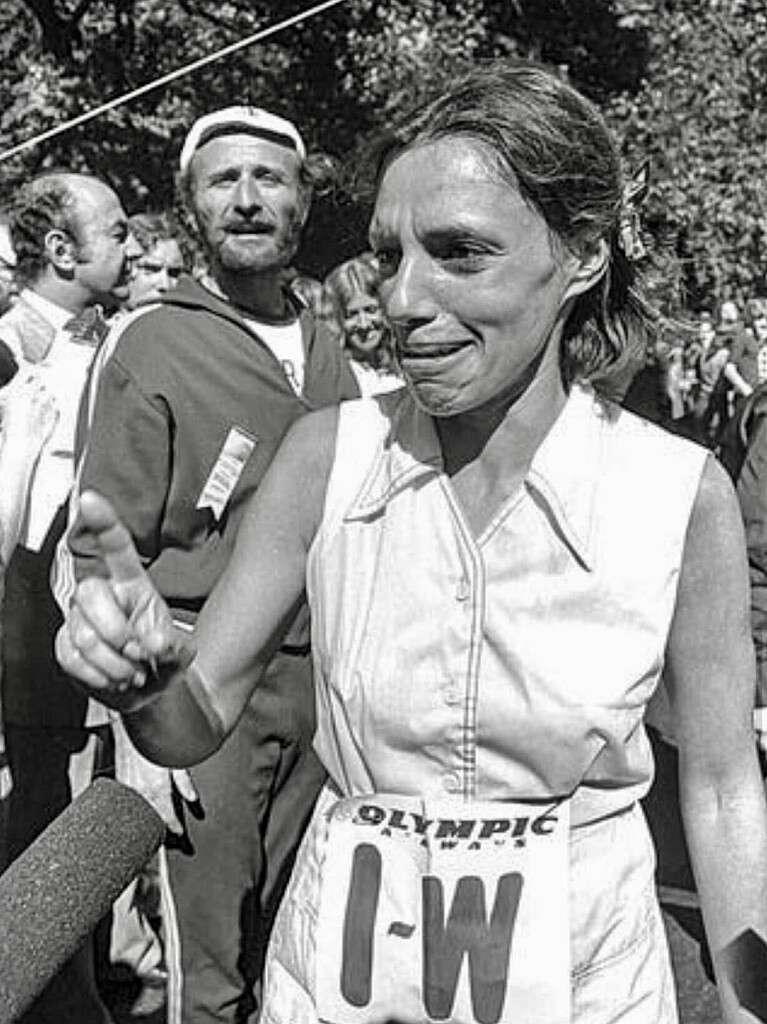
Nina Kuscsik, Trailblazing Running Pioneer, Passes Away
The global running community is mourning the loss of Nina Kuscsik, a legendary figure whose courage and determination helped redefine the landscape of women’s distance running. Kuscsik passed away at the age of 85, leaving behind a legacy that forever changed the sport.
Nina Kuscsik made history in 1972 when she became the first officially sanctioned female winner of the Boston Marathon, finishing with a time of 2:56:04. That victory wasn’t just a personal triumph—it was a breakthrough moment for women’s participation in marathon running, occurring in the same year Boston formally allowed female entrants.
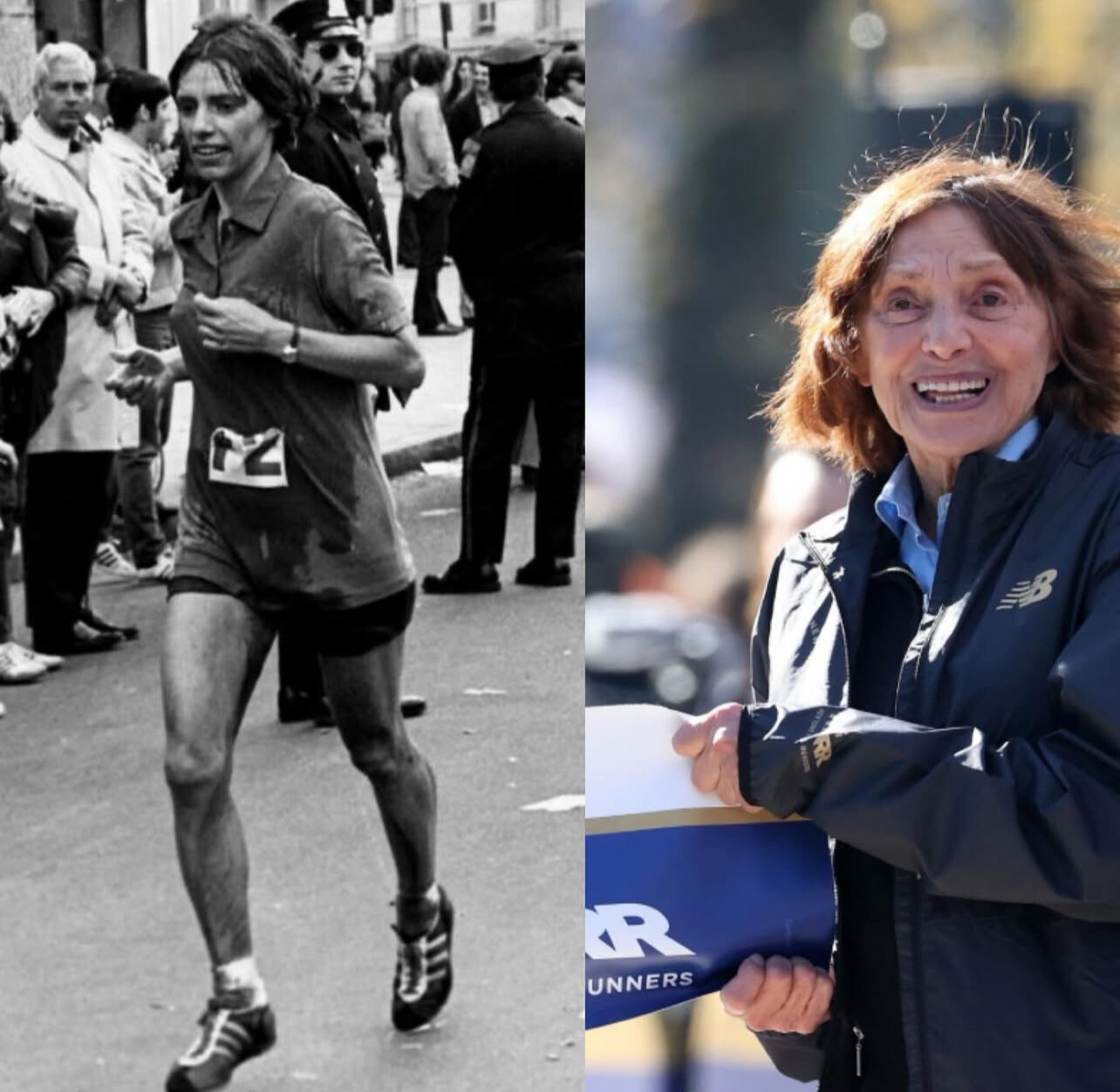
“I am saddened to hear of the passing of Nina Kuscsik,” says Bob Anderson, who was in Boston covering the race as the publisher of Runner’s World at the time. “She was indeed a pioneer. She won the first officially sanctioned women’s Boston Marathon in 1972, with a time of 2:56:04. Roberta Gibb had finished the Boston Marathon in 1966, 1967, and 1968 before Kathrine Switzer, unofficially won as a ‘field invader.’ Also, Sara Mae Berman unofficially completed the 1969 and 1970 Boston Marathons, and Kathrine Switzer officially registered and finished in 1970 after her 1967 incident, paving the way for future generations.”
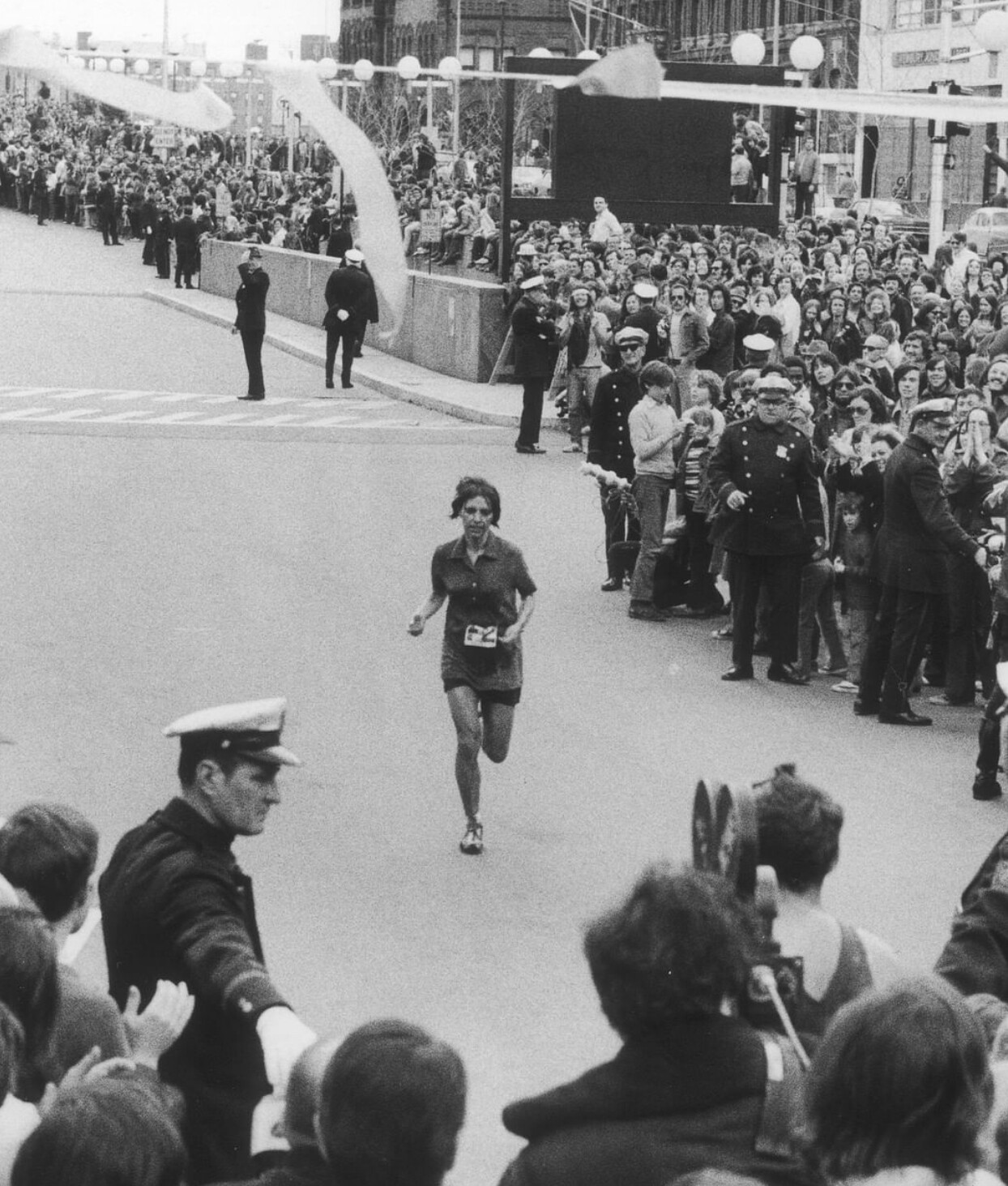
Following her groundbreaking Boston victory, Kuscsik continued to lead as an advocate for equality in sport. She was instrumental in pushing the Amateur Athletic Union (AAU) to change its policies and allow women to compete officially in longer races—efforts that contributed directly to the inclusion of the women’s marathon in the 1984 Olympics.
In 2012, Kuscsik was inducted into the New York Road Runners Hall of Fame, honored alongside fellow legend Miki Gorman. George Hirsch, then-chairman of NYRR, posted a tribute this week:
“So saddened at the loss of the warm, joyful Nina Kuscsik. She was a true pioneer in the world of running. Here I am welcoming Nina (left) and Miki Gorman into the New York Road Runners Hall of Fame in 2012. Nina will be missed by countless friends and admirers.”
Kuscsik didn’t just run races—she opened doors. Her influence extended well beyond finish lines, and her work laid the foundation for generations of women to compete on equal footing. As the world remembers Nina, we also celebrate the progress she helped create—step by step, mile by mile.
(06/16/25) Views: 94Boris Baron
