

Running News Daily
Top Ten Stories of the Week
6/28/2025
These are the top ten stories based on views over the last week.
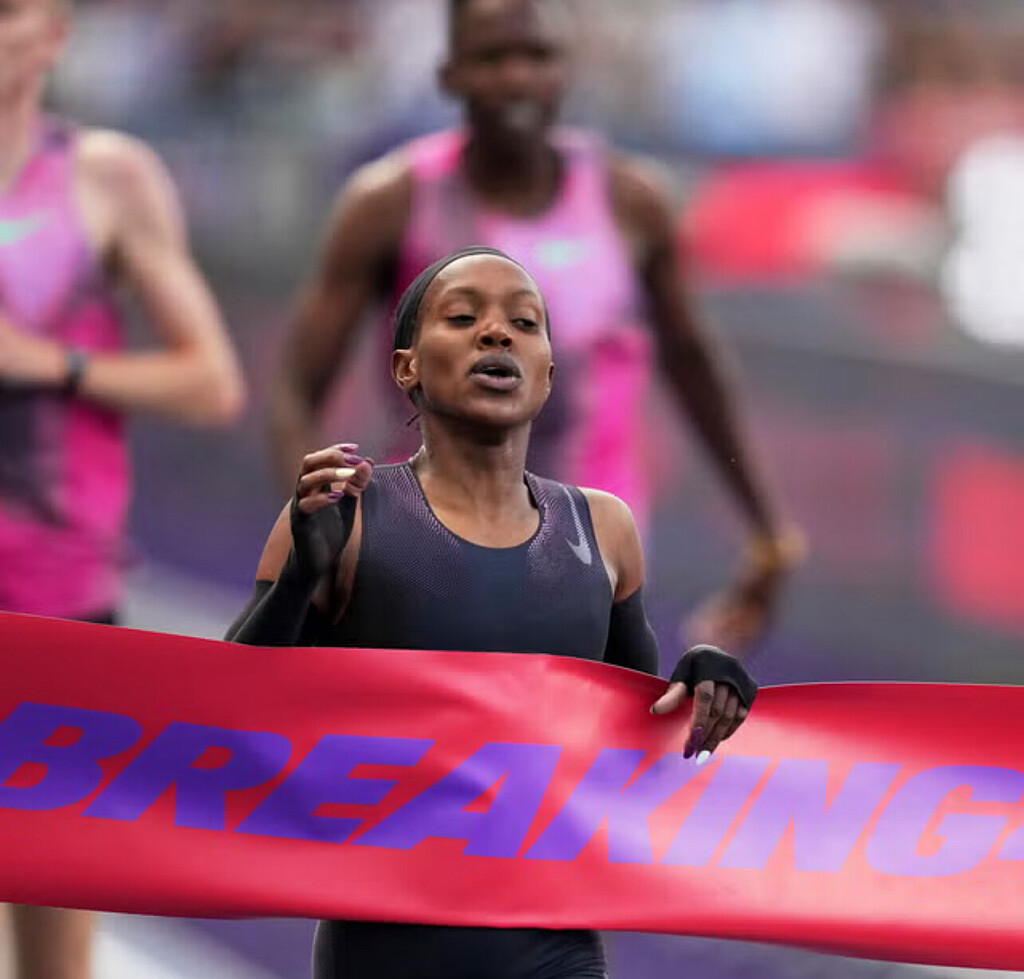


Too Many Pacers and a Missed Opportunity: Why Faith’s Sub-Four Mile Attempt Fell Short
By Bob Anderson
I watched with high hopes as Faith Kipyegon attempted to become the first woman to break four minutes for the mile—this time on the track in Paris. Nike clearly spent millions putting this event together. The lights, the controlled environment, the precision pacing system, the high-tech spikes—it was all there. Faith is one of the greatest middle-distance runners in history. If anyone could do it, she could. But what unfolded wasn’t the historic breakthrough it could have been. It was, frankly, a case study in poor execution.
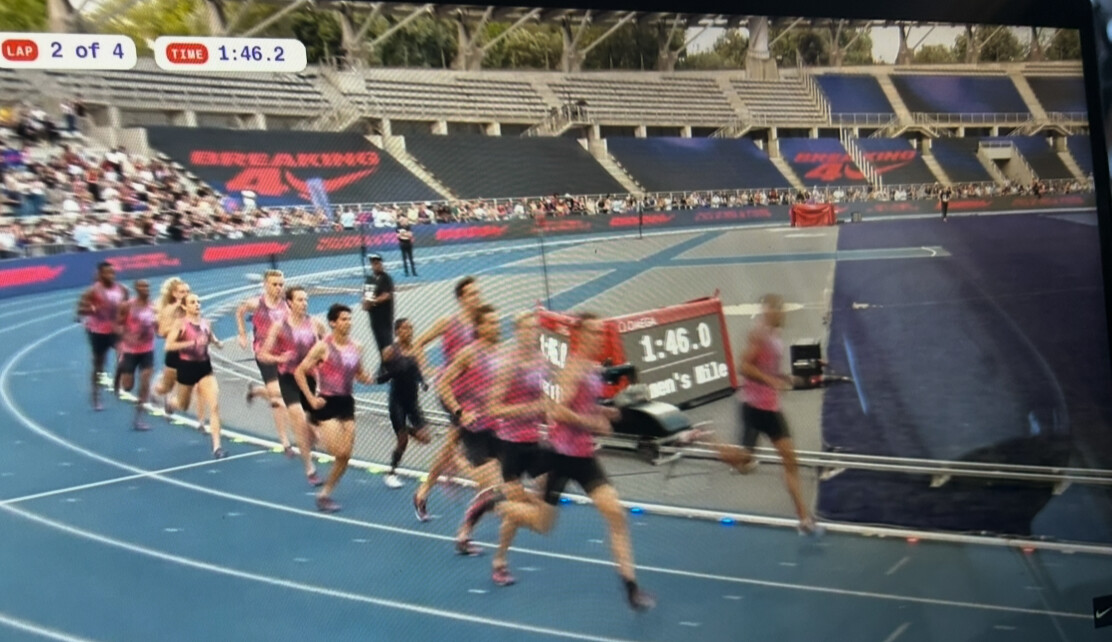
Let’s talk about the pacers. Whoever made the decision to assign thirteen of them made a fundamental error. A great runner doesn’t want five or six athletes stacked in front of her. It’s not just about drafting—it’s about mental clarity, rhythm, and feeling in control. Instead of creating an ideal pacing setup, they created visual and physical chaos. It didn’t feel like Faith was on the hunt for history—it felt like she was caught in someone else’s traffic jam.

The strategy should have been simple: three pacers. That’s it. Three men capable of running 3:58 for the mile. One slightly ahead of her to cut the wind and manage the pace. One at her side to maintain tempo. One behind to steady and support. And critically, with 400 meters to go, they should have faded and let her take the lead—let her own the moment and drive the finish.
This wasn’t a Diamond League race or a championship final. It was a fully staged time trial. Nike had total control over every variable—from the lighting system and pacing software to Faith’s state-of-the-art shoes, designed to give her the maximum mechanical advantage. The shoes themselves—part of Nike’s elite spike line—were made for moments like this. But even the best gear in the world can’t fix a flawed race plan.
Faith needed to feel like the leader. She needed space to surge and the right psychology. Instead, it looked and felt more like a corporate production than a runner-centric event. Too many distractions, too little intuition.
After the race, I reached out to Charles Ngeno, Faith’s former childhood coach and now a KATA Running Camp operator in Olenguruone, Kenya. He said it best:
“Faith is one of the most disciplined and gifted athletes I’ve ever worked with. She has what it takes to run under four minutes. But this wasn’t the way. She needs a setup that gives her space, rhythm, and control—not distraction. I believe she can do it, but next time the race must be for her, not for the cameras.”

He’s right. Faith will have more chances. She’s too talented not to. But next time, I hope the planners listen—to athletes, to coaches, to those who understand what’s required to break barriers. High-tech shoes and flashing lights don’t make history. Precision, psychology, and smart pacing do.
This was a missed opportunity. Let’s not miss the next one.
(06/26/25) Views: 1,017Bob Anderson
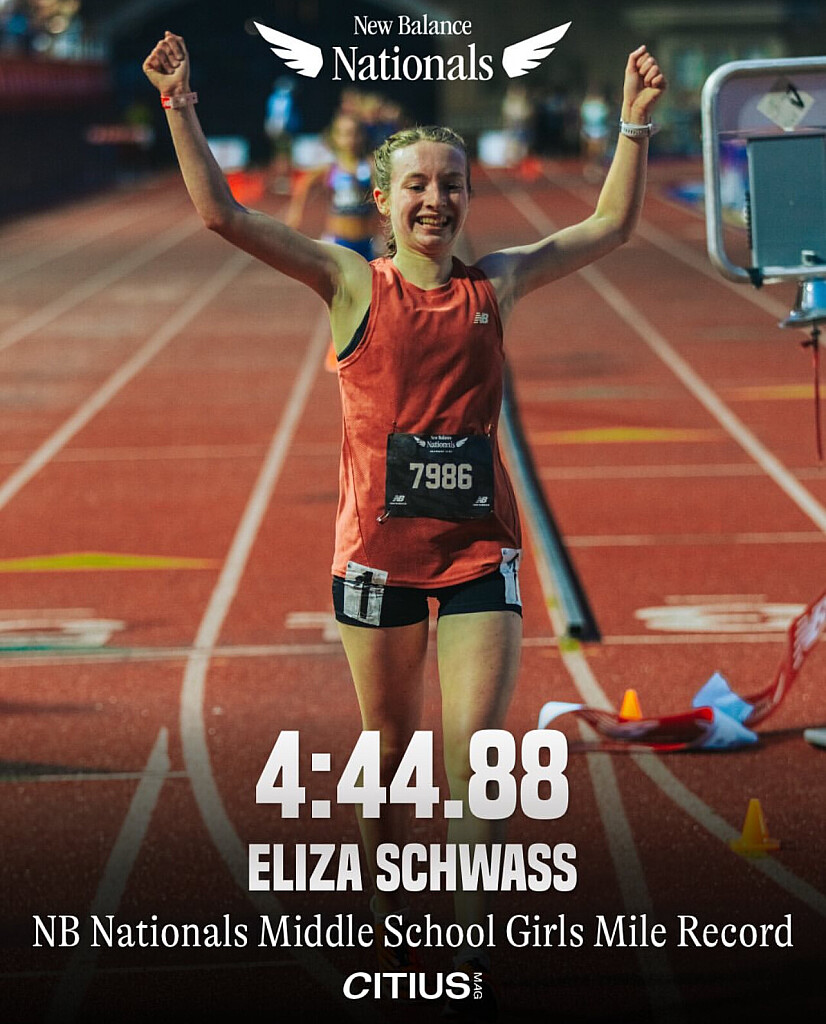
Eliza Schwass Shatters Middle School Girls Mile Record with 4:44.88 at NB Nationals
On June 19, 2025, at the New Balance Nationals Outdoor meet in Philadelphia, Eliza Schwassdelivered one of the most stunning performances in middle school track history—running 4:44.88 in the mile to break the national middle school girls record.
Held at the historic Franklin Field, the race featured some of the nation’s most promising young runners. Yet even among elite competition, Schwass stood out. Her 4:44.88 finish wasn’t just fast—it was record-breaking, officially setting the New Balance Nationals Middle School Girls Mile Record.
Schwass, just an 8th grader, raced with remarkable maturity. She stayed composed through the early laps, then unleashed a fierce closing kick over the final 200 meters. Her stride remained powerful and steady, her expression focused, and her finish—unforgettable.
Her time places her ahead of many high school athletes nationally and instantly positions her as one of the most promising distance runners in the country. With a time like this before even entering high school, Eliza Schwass has become a name to remember.
What’s Next?
Schwass’s performance marks her as a future star, and fans of the sport will be watching closely as she transitions into high school-level competition. If this mile is any indication, her story is only just beginning.
(06/20/25) Views: 218Boris Baron

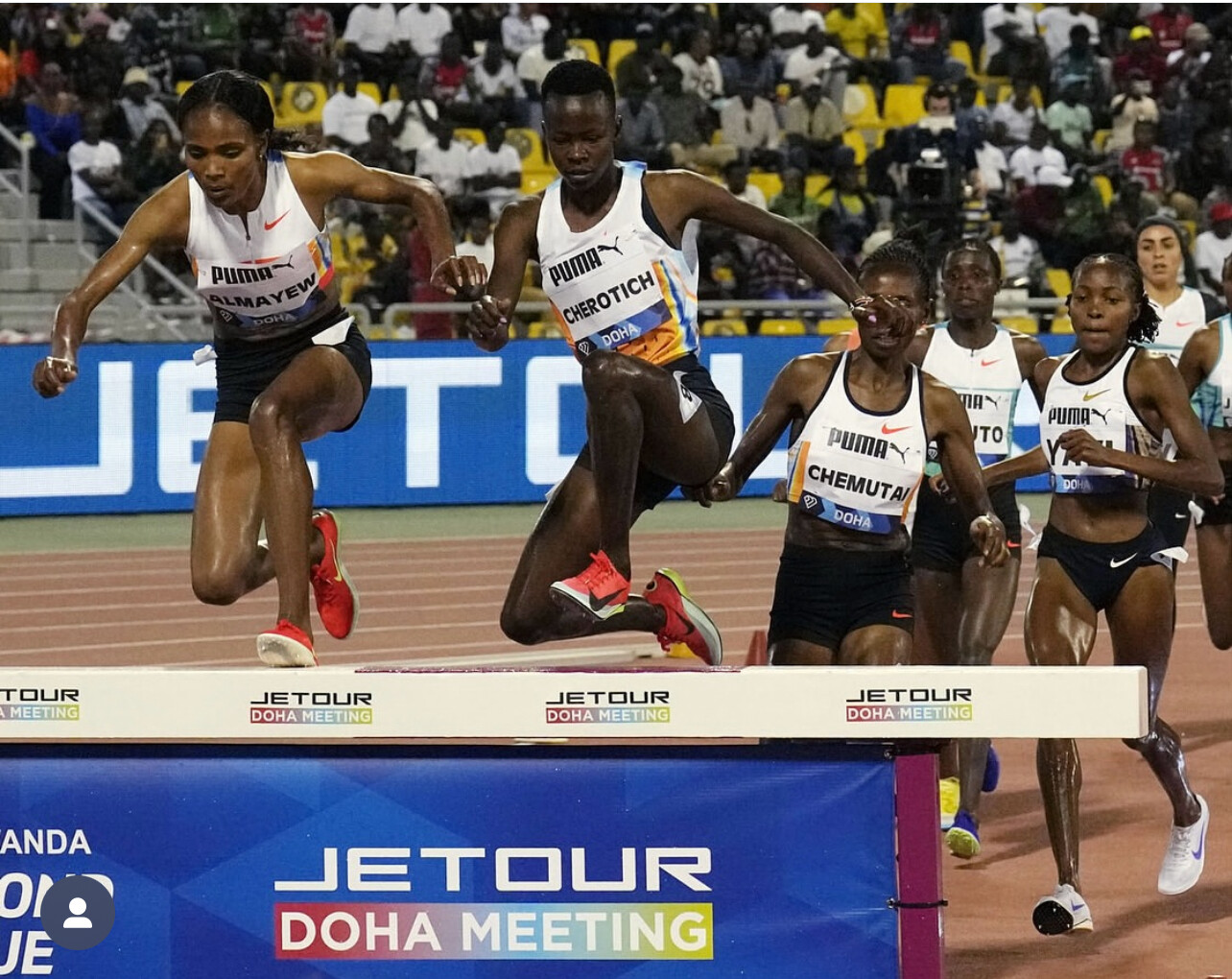
Faith Cherotich’s 8:53 Breakthrough: 6th-Fastest Steeplechase Ever—Now She’s Targeting Gold in Tokyo
Faith Cherotich is rewriting the women’s 3000m steeplechase narrative. The 20-year-old Olympic and World bronze medalist exploded onto the senior stage this year, slashing over 11 seconds off her personal best and firmly establishing herself among the all-time greats. With the World Championships set for Tokyo in 2025, she’s made it clear—she’s not done yet.

Olympic Roots, Meteoric Rise
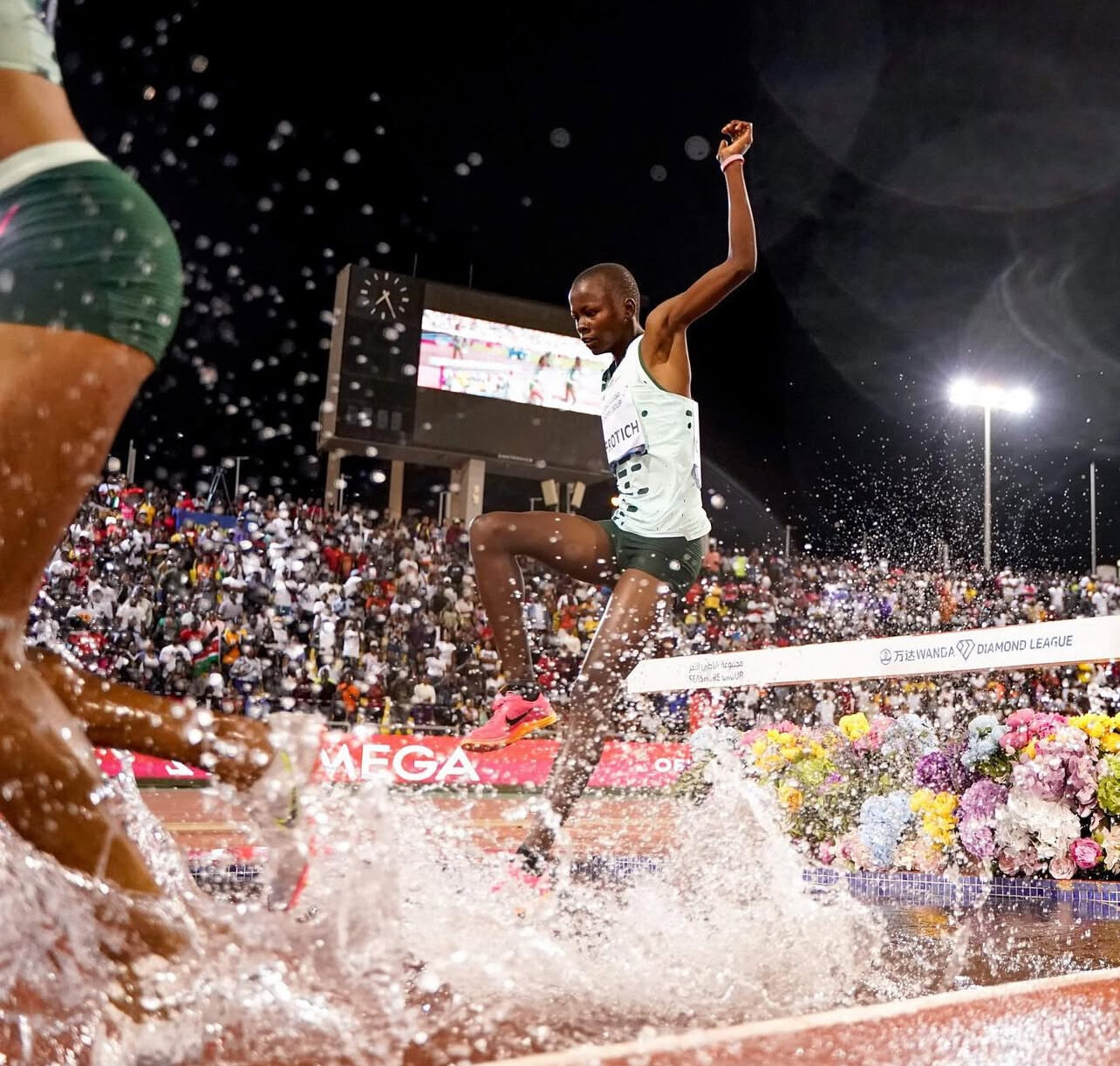
Cherotich made her Olympic debut in Paris 2024, earning bronze in 9:04.24 behind Winfred Yavi and Peruth Chemutai. Just a year later, she’s running nearly 11 seconds faster.
At the 2023 World Championships in Budapest, she finished second in 9:00.69, already hinting at her vast potential. But 2025 has been a different level altogether.
Diamond League Domination
Cherotich’s progression this season has been remarkable:
• Doha Diamond League – 9:05.08
• Oslo Diamond League – 9:02.60 (meet record)
• Paris Diamond League – a stunning 8:53.37, now the world lead for 2025 and the 6th-fastest time in history
In Paris, she confidently shadowed 2020 Olympic champion Peruth Chemutai before surging ahead for the win.
“I am happy to have run a PB,” Cherotich said after the race. “It was not an easy race… after a few laps I got confident enough to take the lead and knew I could manage the race and win.”
All-Time Rankings & World Record Watch
• Fastest time ever: 8:44.32 — Beatrice Chepkoech (2018)
• Second-fastest: 8:44.39 — Winfred Yavi (Rome, 2024)
• Cherotich: Now #6 all-time with 8:53.37
Her consistency, combined with tactical growth, has vaulted her into serious world title contention
Focused on Tokyo 2025
With the World Championships returning to Tokyo, Cherotich is more motivated than ever:
“My target this season is to win the world title… I want to run good races… I am going to fight and do all my best to achieve my goal… It will be a different result this time in Tokyo.”
She currently leads the Diamond League standings by 10 points over rival Yavi and has shown she can beat any competitor on the day.
✅ Performance Summary
|
Meet |
Time |
Result |
|
Paris DL |
8:53.37 |
1st – PB, WL |
|
Oslo DL |
9:02.60 |
1st – MR |
|
Doha DL |
9:05.08 |
1st |
|
Budapest Worlds (2023) |
9:00.69 |
2nd – Silver |
|
Paris Olympics (2024) |
9:04.24 |
3rd – Bronze |
Cherotich isn’t just winning races—she’s chasing history. With the world title in her sights and her confidence growing with every lap, all roads now lead to Tokyo.
(06/21/25) Views: 147Boris Baron
She Just Keeps Breaking Records
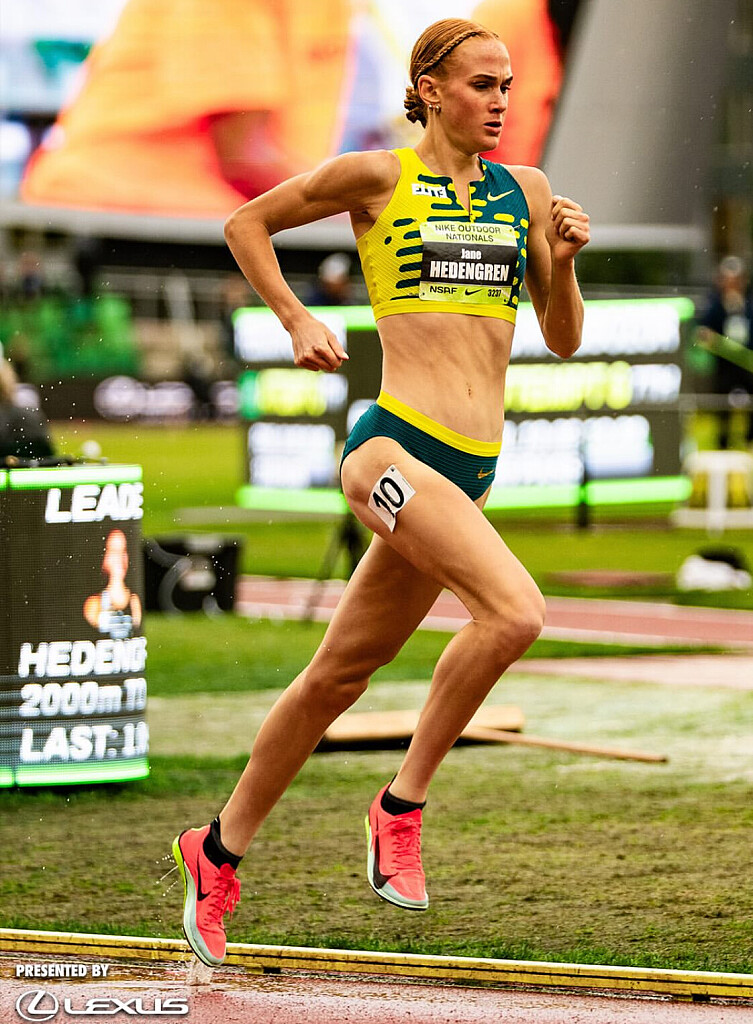
Jane Hedengren Runs 8:40.03 to Shatter Her Own American U20 and High School Record in the 3000m
Jane Hedengren isn’t just rewriting the record books — she’s obliterating them. On Saturday, June 21, at the Nike Outdoor Nationals in Eugene, Oregon, the 17-year-old phenom delivered another jaw-dropping performance, clocking 8:40.03 in the 3000 meters to lower her own American U20 and high school record.
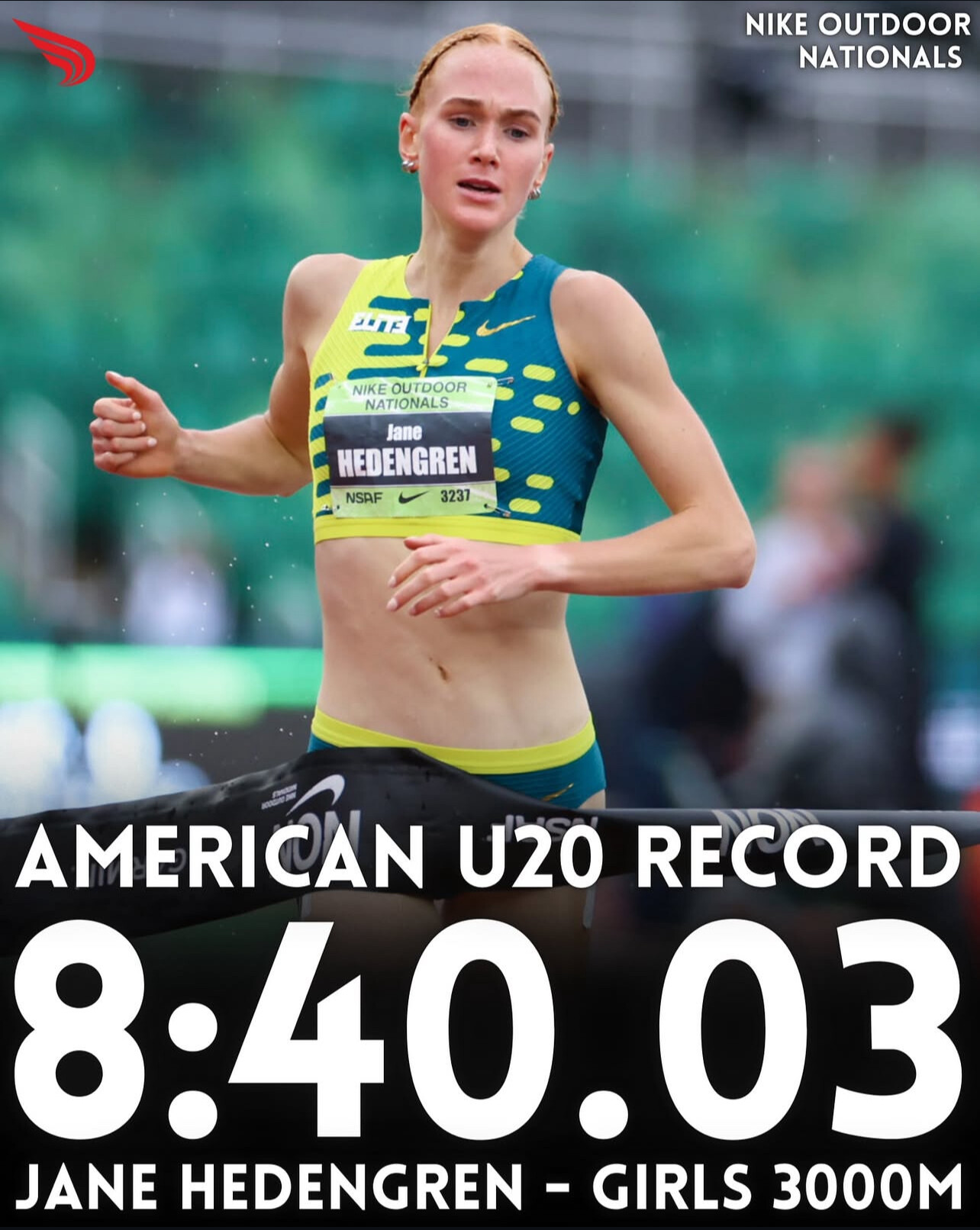
Or This mark, set on the storied track at Hayward Field, came just two weeks after Hedengren ran 8:40.99 at the Brooks PR Invitational — which, at the time, was the fastest 3000m ever run by an American high school girl. Saturday’s performance confirms what the track world is quickly realizing: we’re witnessing one of the most extraordinary distance runners the U.S. has ever produced at this age.
One of the Greatest Streaks in High School History
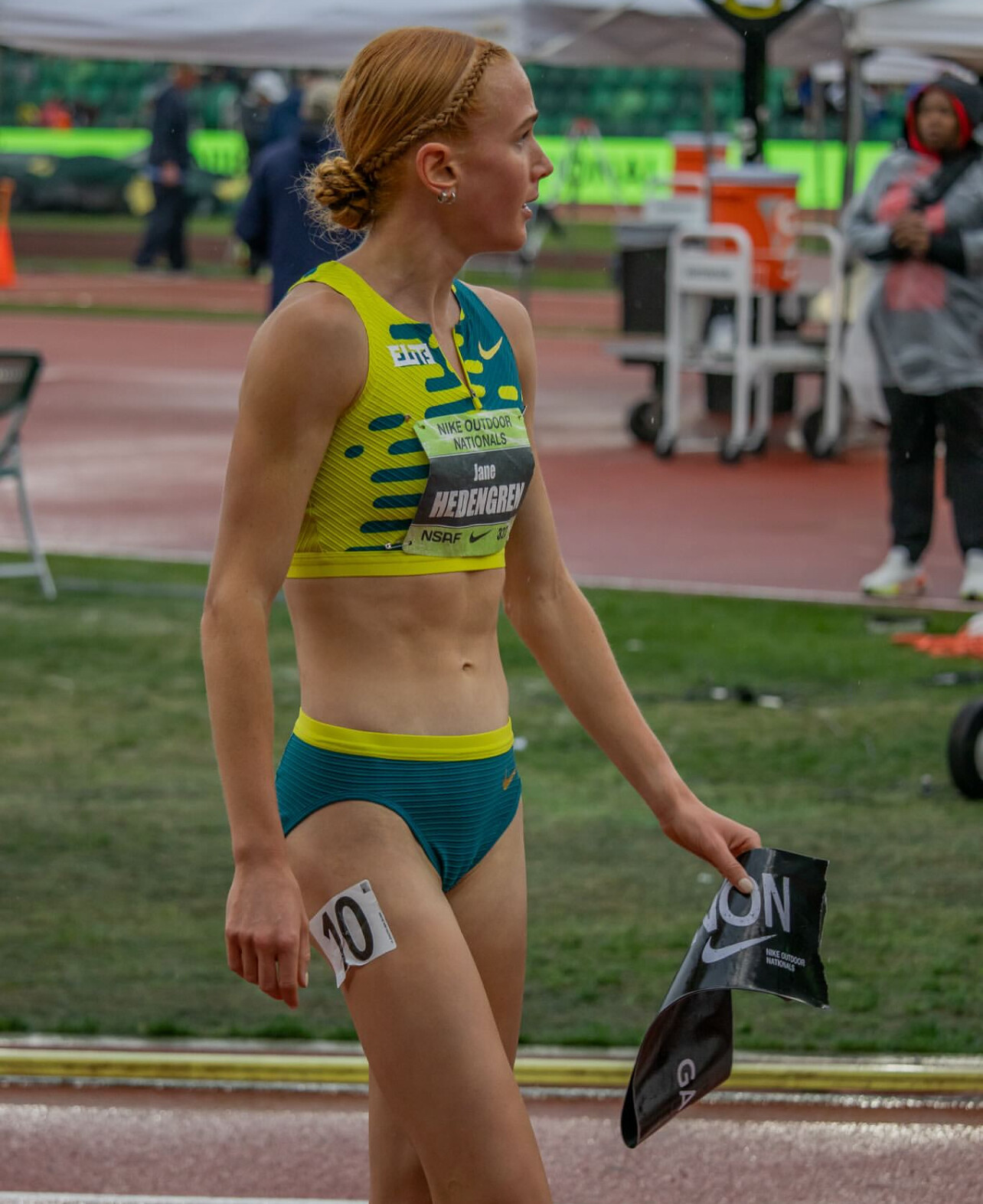
Hedengren’s 2025 season has been nothing short of historic. In the span of just a few months, she has broken high school national records in:
Mile – 4:23.50
1600m – Converted from her mile time
Two Mile – 9:17.75 (en route during her previous 3000m record)
5000m – Both indoors and outdoors
3000m – Now twice, with her latest 8:40.03 mark
And she’s still not done.
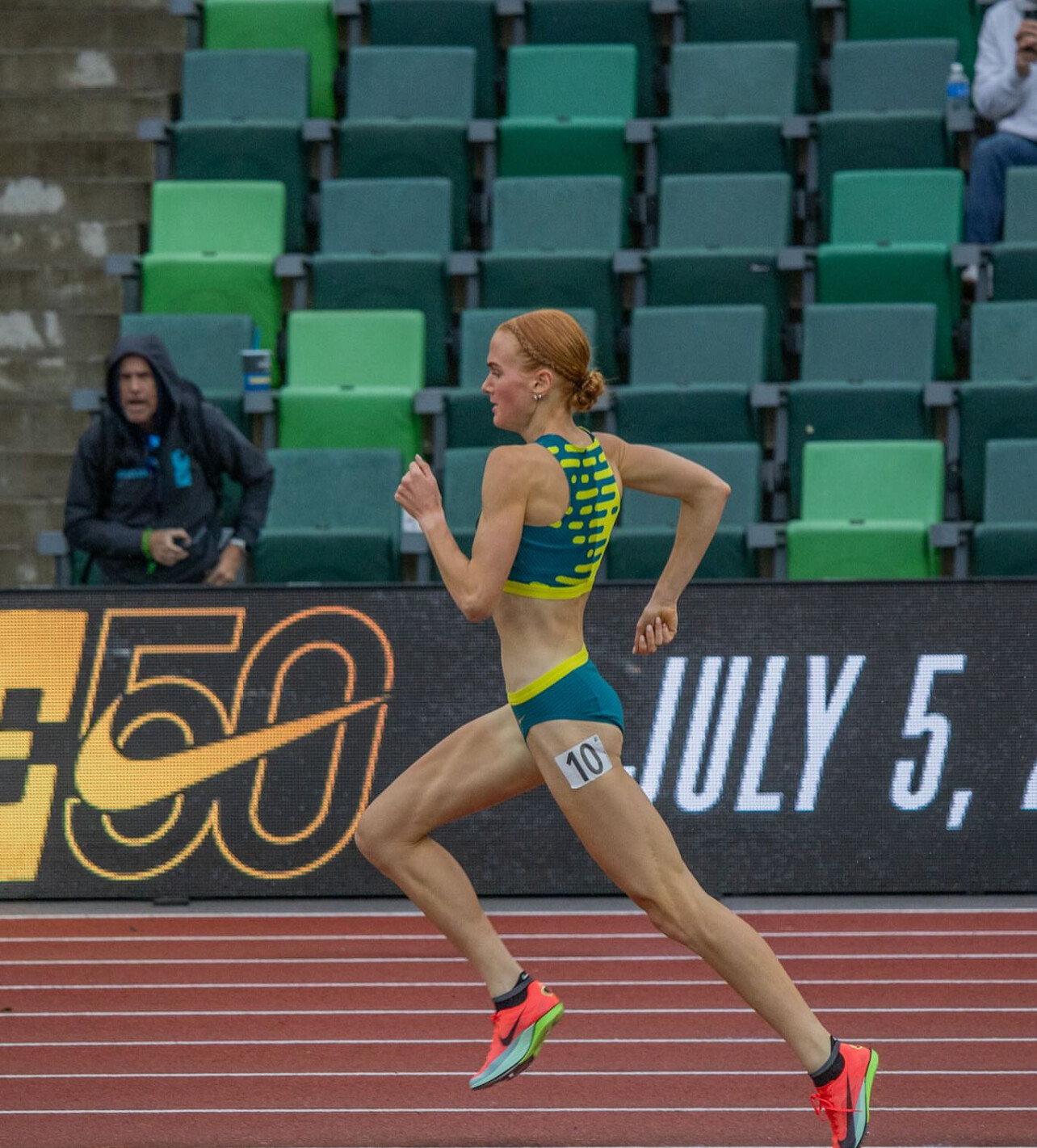
Despite cool, rainy conditions in Eugene, Hedengren ran with poise and control, steadily widening her lead throughout the race. Her form was fluid, her pacing flawless — a reminder that even under less-than-ideal conditions, she is a generational talent.
A Glimpse into the Future
Hedengren, who has committed to BYU, is heading to college as the most decorated high school distance runner in recent memory. With times already rivaling some of the top NCAA runners, her transition to the next level could be seismic.
But beyond the times, it’s her consistency and fearlessness that are setting her apart. She’s not afraid to front-run, to chase big goals, and to compete against older, more experienced athletes. That mindset — combined with her physical gifts — suggests this is only the beginning.
What’s Next?
With the summer track season still in full swing, there’s a chance Hedengren could take aim at even more records, including some at the senior level. Whether or not she races again this season, her mark on 2025 is already indelible.
From the mile to the 5K, indoors and out, Jane Hedengren just keeps breaking records. Her latest — an 8:40.03 3000m — is not just another national best. It’s a signal to the running world: the future is here.
(06/22/25) Views: 146
Boris Baron
Is There A Running Life After a Ban? Abraham Kiptum Hopes His Comeback Tells a New Story
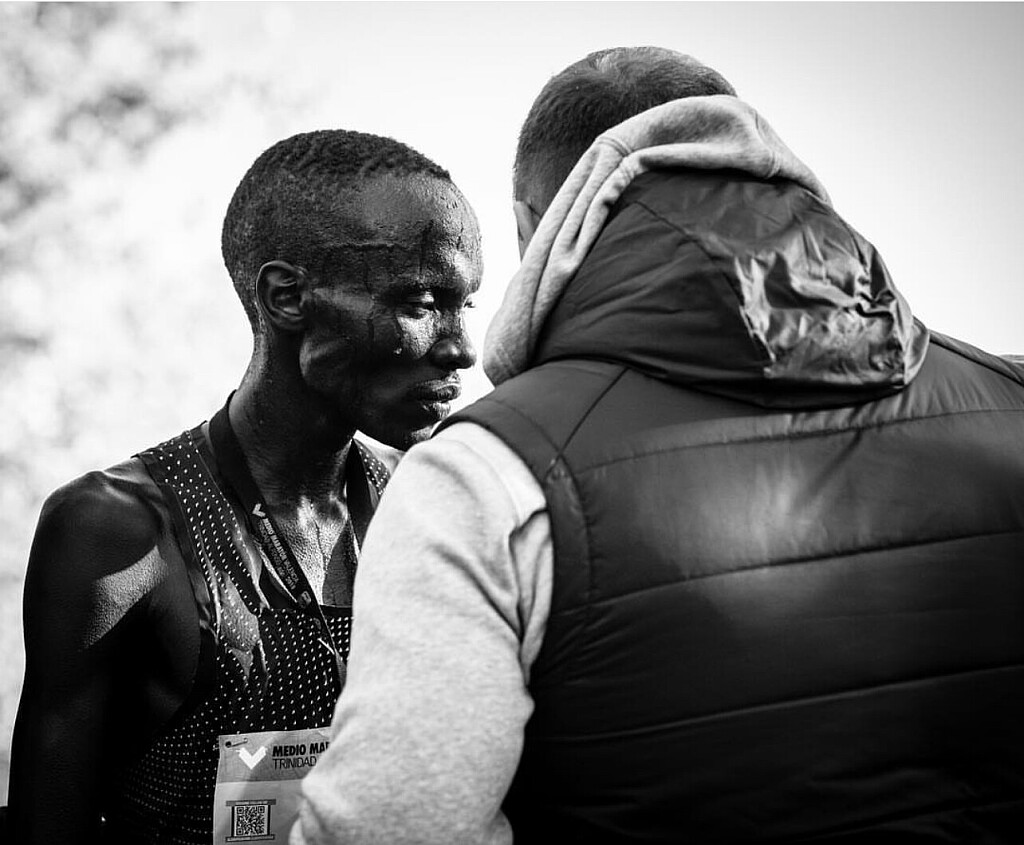
After nearly six years out of competition, former world half-marathon record holder Abraham Kiptum is preparing to make a dramatic return to the sport that once made him a star. The 34-year-old Kenyan, who was banned for four years in 2019 due to irregularities in his Athlete Biological Passport (ABP), has set his eyes on two major races: the Nairobi City Marathon and the Kericho Half Marathon.
But his path back has been anything but easy.
A Record-Breaking Rise
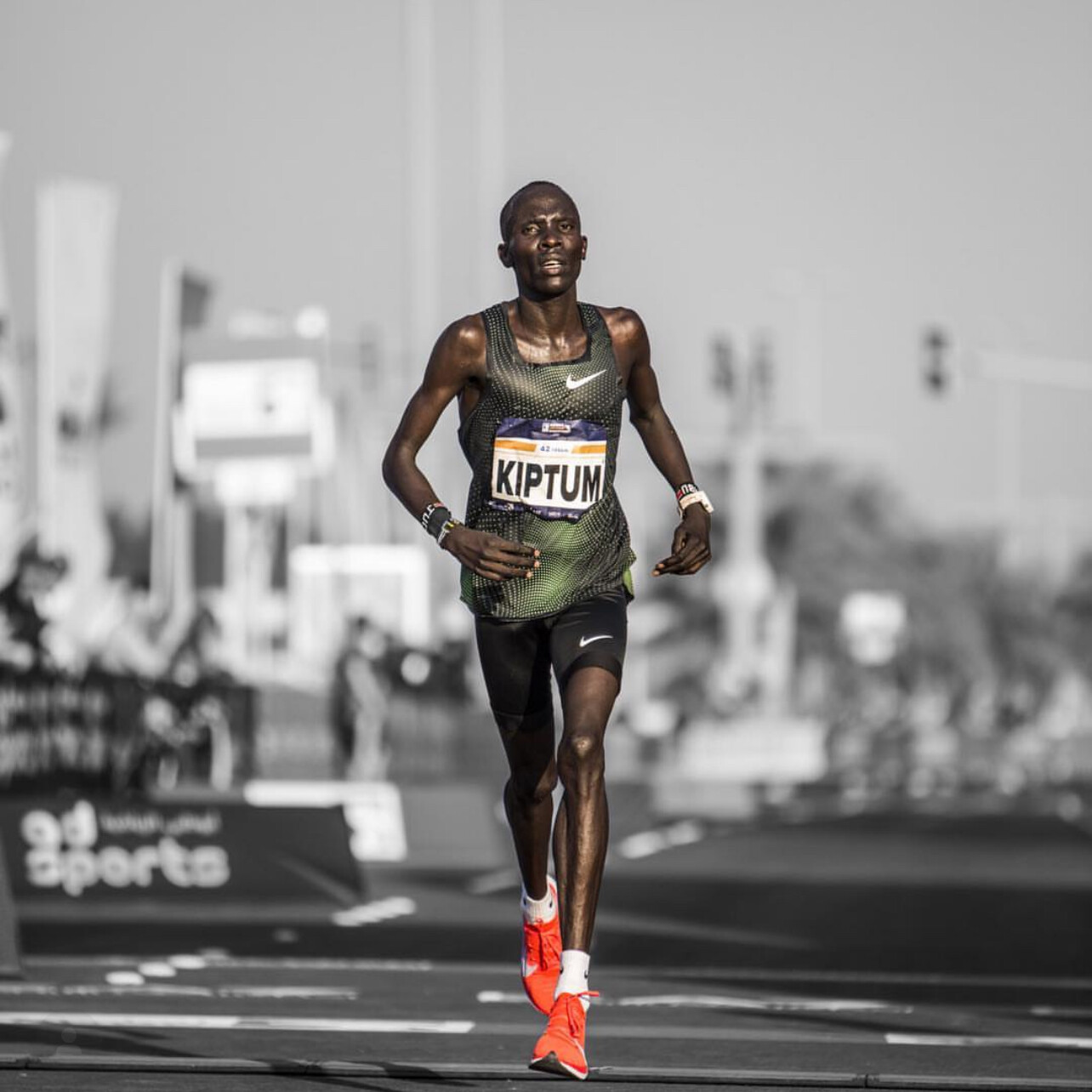
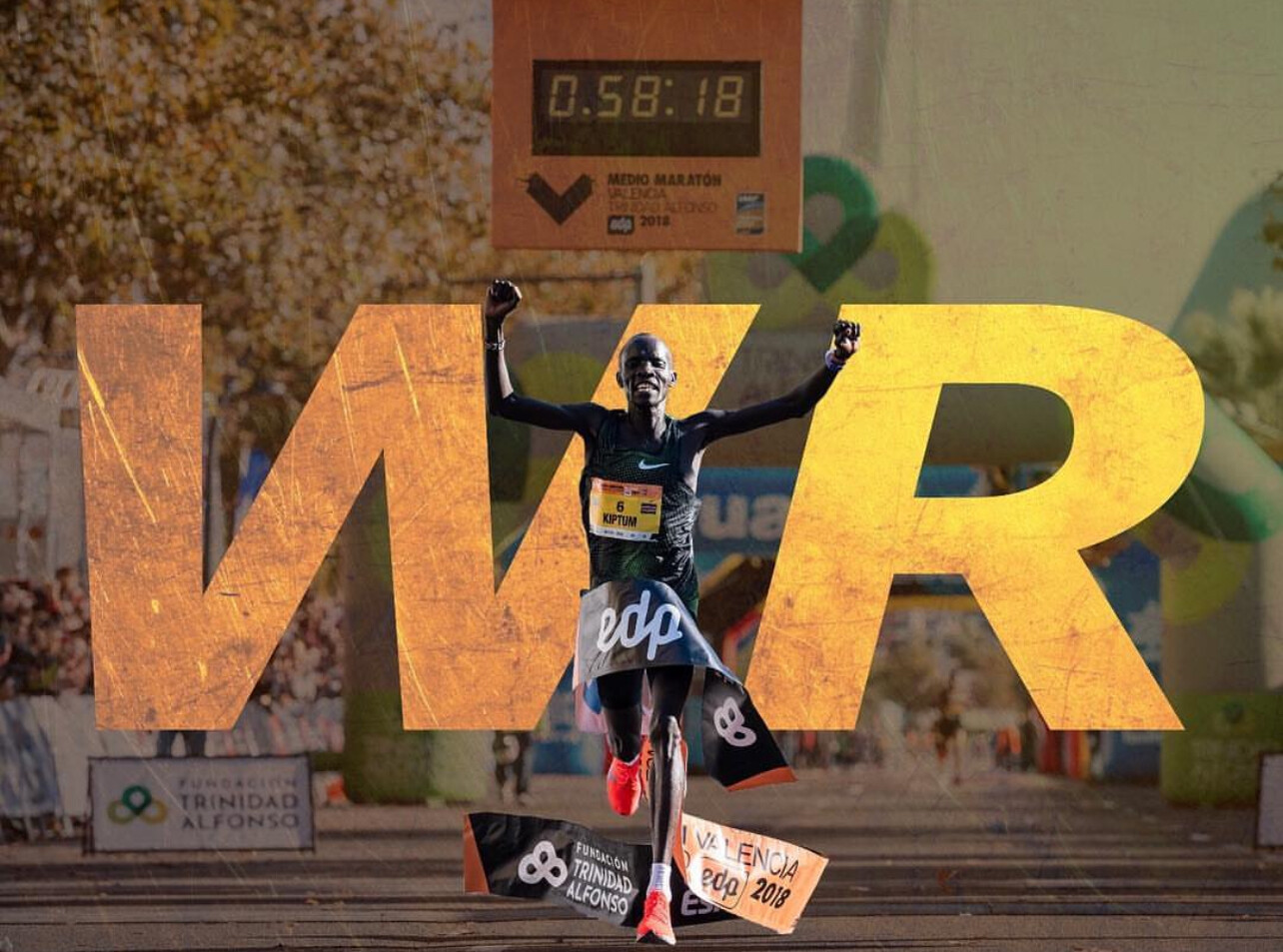
Kiptum’s running career took off like a rocket. After early days pacing elite women’s marathons while still in high school, he racked up victories in Lagos, Casablanca, and Madrid. At the 2017 Amsterdam Marathon, he ran a personal best of 2:05:26. Then in 2018, Kiptum stunned the running world by setting a new half-marathon world record at the Valencia Half Marathon, clocking 58:18—breaking a record that had stood since 2010.
But that triumph would soon be erased.
The Fall from Grace
Just one day before he was scheduled to compete in the 2019 London Marathon, everything unraveled. On April 26, 2019, the Athletics Integrity Unit (AIU) provisionally suspended Kiptum for ABP violations. The ABP doesn’t detect banned substances directly, but rather monitors biological markers over time—looking for signs of manipulation.
“I was so surprised about ABP because I had never heard about it in my entire life,” Kiptum said.
Not only did he miss London, but all of his results after October 13, 2018—including his world record—were nullified.
A Life Unraveled
Returning to his hometown in Nandi County, Kiptum didn’t just lose races—he lost his sense of purpose, his reputation, and many of his relationships.
“I was sent back home, and I stayed there until I completed my ban,” he recalled. “To make matters worse, my wife and friends deserted me. I was only left with my parents and brothers.”
With no races, no income, and little support, he turned to farming and herding animals to survive. For years, he lived in isolation, his name a shadow of its former glory.
A Second Chance
After completing his suspension, it was his younger brother who pushed him to rejoin the sport. He brought Kiptum to a training camp to reignite the flame.
“After serving four years, I have returned to action, doing what I know best—running,” he said. “My body is responding well, and I feel ready.”
Now, he’s training hard with hopes of reaching the podium at the 2025 Nairobi City Marathon, slated for Sunday, July 5 at Uhuru Gardens.
Lessons from the Abyss
Kiptum doesn’t shy away from admitting the ban taught him hard truths.
“Yes, I had money when I set the world record. I even bought land and helped change the lives of my family,” he said. “But I’ve learnt that money comes and goes. What matters most is staying around the right people.”
As he builds toward redemption, Kiptum carries both scars and lessons—reminders of a fall that nearly ended it all, and a second chance that might redefine him.
Can Abraham Kiptum reclaim his place among the world’s best distance runners? No one knows. But what’s clear is that he’s not giving up.
There may just be life—and speed—after a ban.
(06/22/25) Views: 137Boris Baron
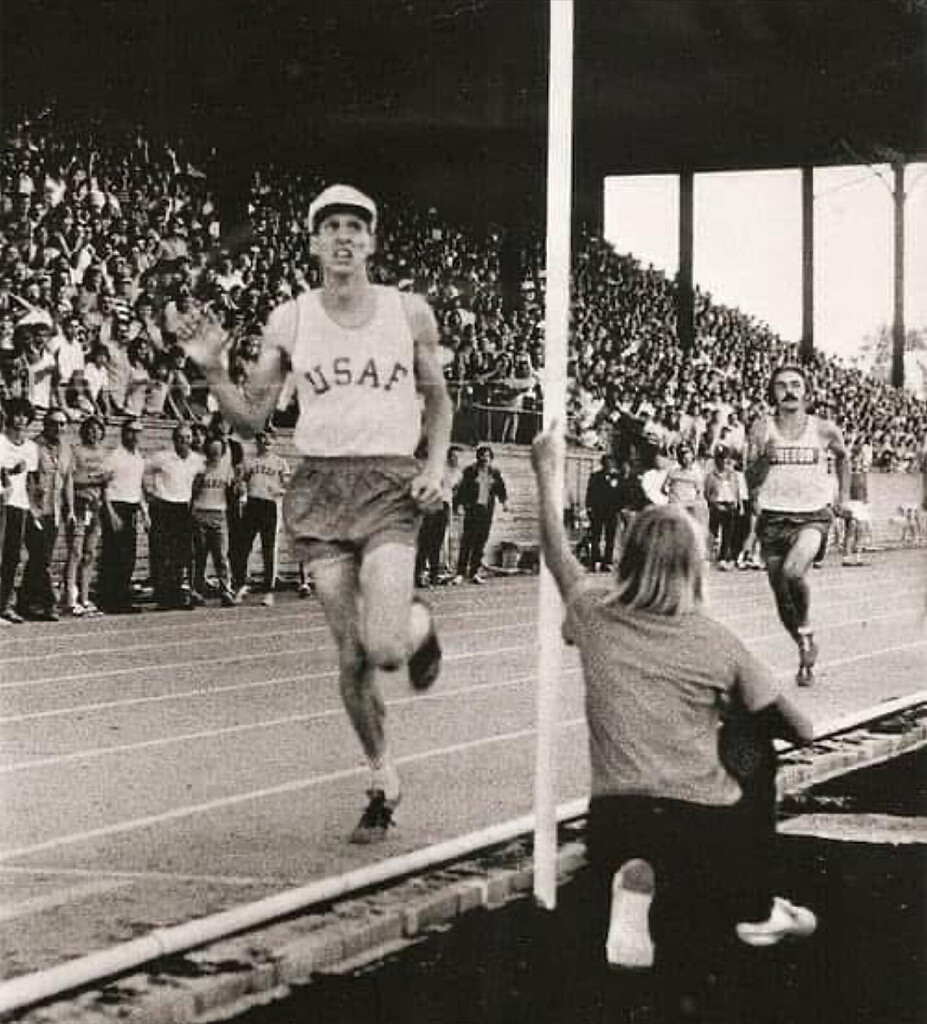
Pre vs. Wottle: The Day Eugene Witnessed a Mile Duel for the Ages
Inspired by a post from Eric Giacoletto
On June 20, 1973, Hayward Field in Eugene, Oregon, hosted one of the most legendary mile showdowns in U.S. track history—a dramatic match race between Steve Prefontaine and Dave Wottlethat captivated a sold-out crowd and etched itself into the sport’s folklore.
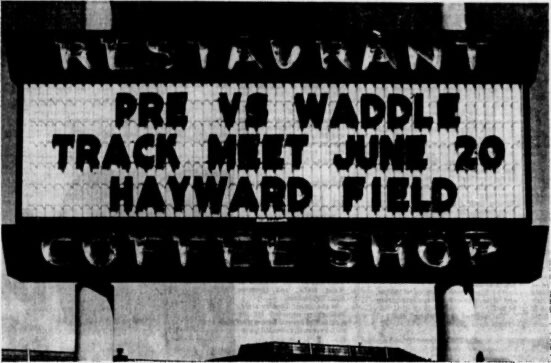
The event was the Hayward Restoration Meet, a grassroots effort to raise funds to rebuild the stadium’s deteriorating wooden grandstands, which had been condemned by the Eugene Fire Department. Prefontaine, ever the promoter and competitor, helped organize a marquee matchup to fill the stands and elevate the cause.
Pre invited Dave Wottle, who was then riding high after winning gold in the 800 meters at the 1972 Munich Olympics, for a one-mile race that would bring elite energy to Eugene. Wottle accepted the challenge.
According to Giacoletto’s telling, Prefontaine told Wottle:
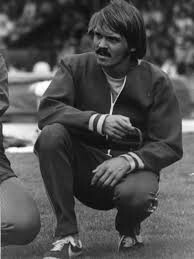
“We’ll go after the world record in the mile, and I’ll set the pace. I’ll bring you through in 2:56, and then it’s each man for himself on the last lap.”
On race day, true to his word, Pre hit the 880-yard mark in 1:56.8 and the three-quarter mile in 2:56.0—perfect pacing for a potential world record.
But with just over 220 yards remaining, Wottle unleashed his signature long sprint. In front of a roaring Hayward crowd, Wottle surged past Pre to win in 3:53.3, the third-fastest mile in history at the time, behind only Jim Ryun’s 3:51.1 world record (1967) and Marty Liquori’s 3:52.2 (1971).
Prefontaine finished second in 3:54.7, which tied him for ninth on the all-time list. John Hartnett of Villanova and Ireland kicked hard to take third in 3:54.8, placing 11th all-time.
Why This Race Still Resonates
• It was Wottle’s career-best mile, proving his range extended well beyond 800 meters.
• It showed Prefontaine’s commitment to elevating the sport, even at the risk of losing.
• It became a key chapter in Hayward Field’s history and Oregon’s running identity.
As Eric Giacoletto beautifully summarized, this was “an epic day in track nerd history”—a pure demonstration of guts, pacing, and competitive fire that helped shape American distance running.
(06/20/25) Views: 125Boris Baron
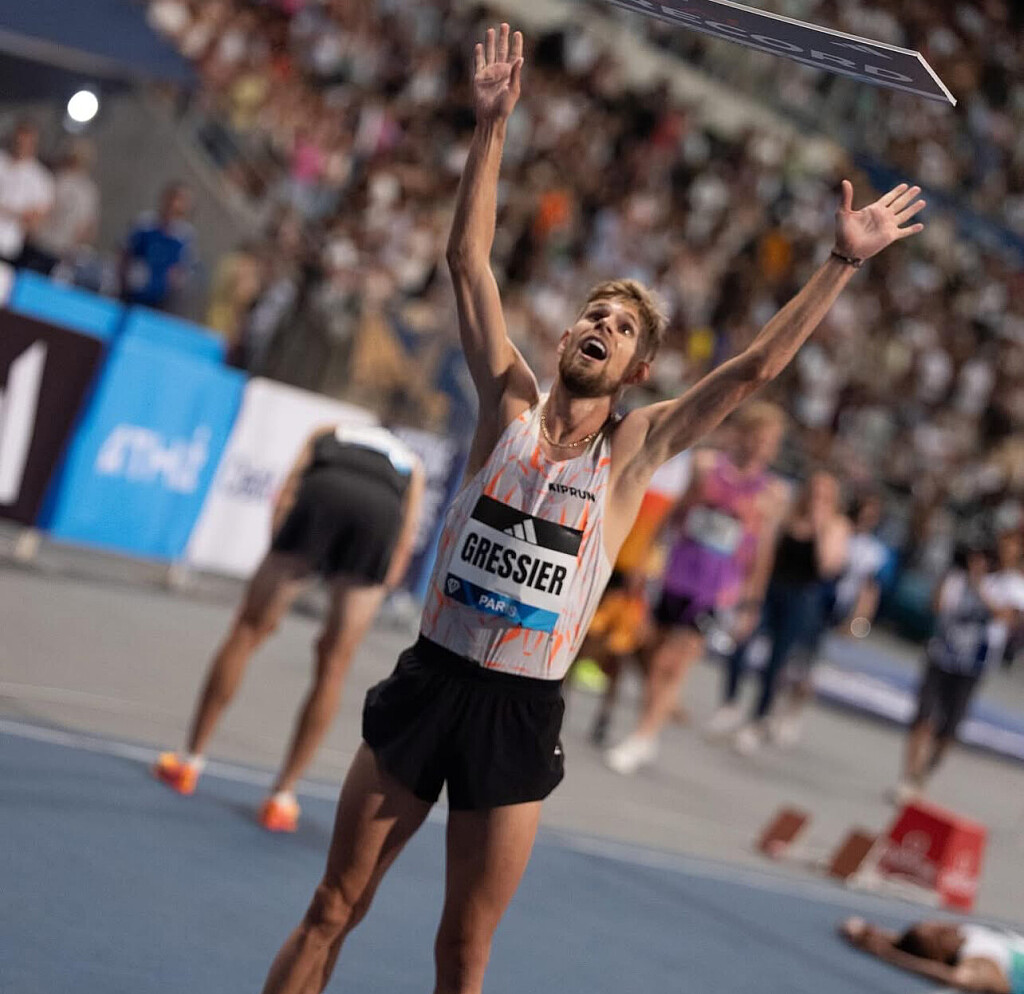
Jimmy Gressier Breaks French 5000m Record at Paris Diamond League
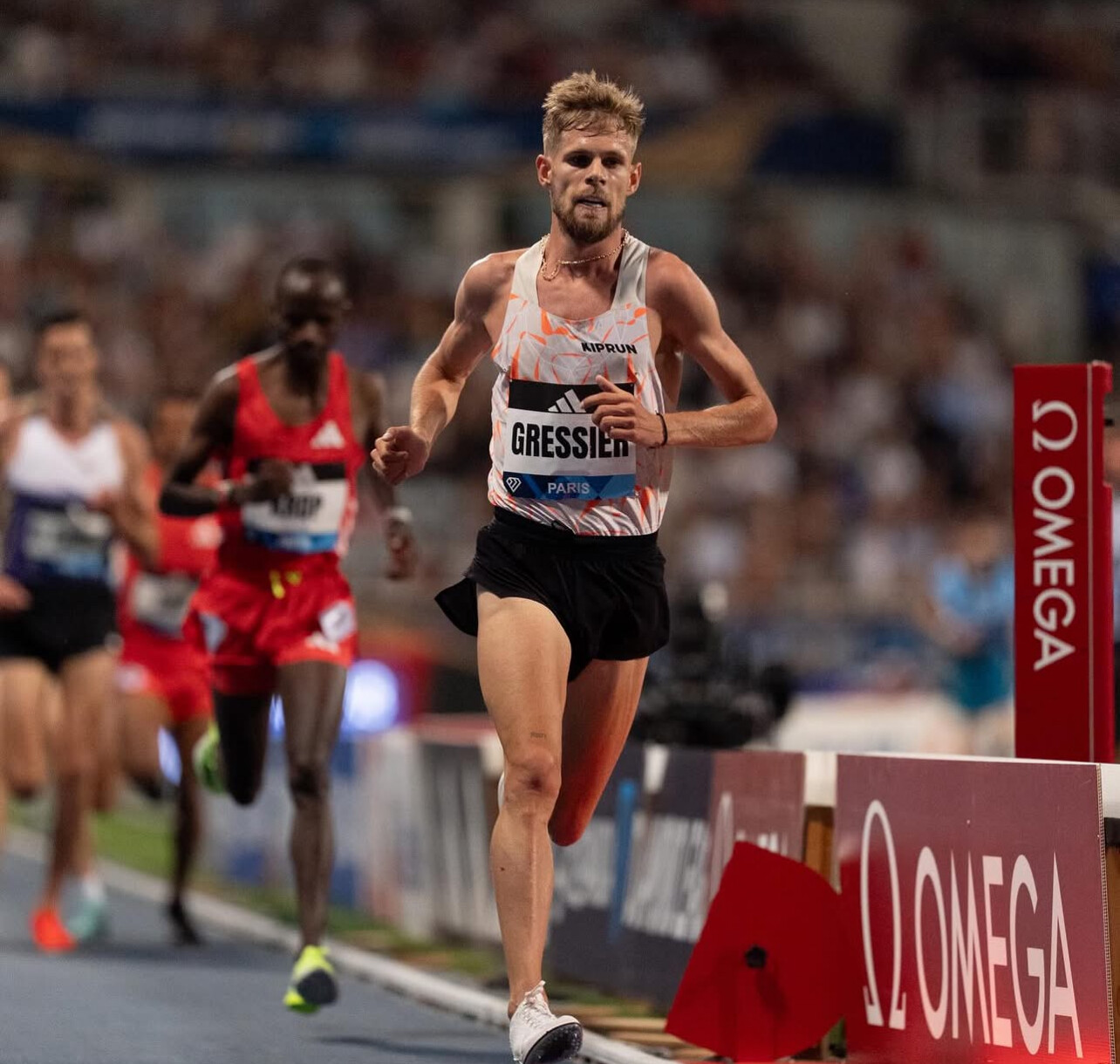
Paris, June 20, 2025 – In front of an electric home crowd at the Wanda Diamond League Meeting de Paris, Jimmy Gressier delivered the race of his life. The 28-year-old French distance star shattered his own national record in the 5000m, crossing the line in 12:51.59 to finish fourth in a stacked international field.
This performance not only marked a personal best for Gressier, but also cemented his place among the world’s elite, as one of only a handful of Europeans to run under 12:52 in the event.
“I might not be at 100%, but I didn’t want to miss out on being part of the celebration,” Gressier said before the race. That mindset paid off.
Racing Against the Best in the World
The race was won by Ethiopia’s Yomif Kejelcha, who clocked 12:47.84, followed closely by America’s Graham Blanks in 12:48.16 and Kenya’s Jacob Krop in 12:49.71. Gressier held his own against the top-tier field, surging in the final laps to break his previous French record of 12:54.92 (set indoors in 2024) by more than three seconds.

His fourth-place finish came with style and grit, as he crossed the line visibly elated, later holding up a large sign reading “National Record” to the roaring approval of the French fans at Stade Charléty.
A Milestone on the Road to Tokyo

Gressier’s record-setting run is a timely confidence boost ahead of the upcoming World Championships in Tokyo. A consistent performer on the European road and cross-country circuits, he now proves he can contend with the world’s best on the track as well.
Already the European 5 km road record holder and a multi-time national champion, Gressier is building one of the most versatile résumés in distance running today. His strength across surfaces and distances—from indoor tracks to rolling road courses—positions him as a serious contender for a medal on the global stage.
“Breaking the national record by over three seconds against this level of competition shows I’m on the right path,” Gressier said after the race.
What’s Next for Gressier?
With this new national record under his belt, Gressier’s focus now shifts to Tokyo, where the French star hopes to translate his breakthrough into a podium finish. He remains committed to a robust training block under longtime coach Dinielle Arnaud, with fine-tuning to be done before the biggest race of his life.
The Rise of French Distance Running
Gressier’s performance isn’t just personal—it’s symbolic. For French athletics, his record represents a resurgence in elite distance running. With Paris having hosted the Olympics just a year earlier, the momentum behind the sport in France is real. Gressier’s run serves as inspiration to a new generation of French runners aiming to follow in his fast footsteps.
Jimmy Gressier’s 12:51.59 at the 2025 Paris Diamond League is more than a national record—it’s a bold message to the world. He’s not just running with the best—he’s becoming one of them.
(06/21/25) Views: 113Boris Baron
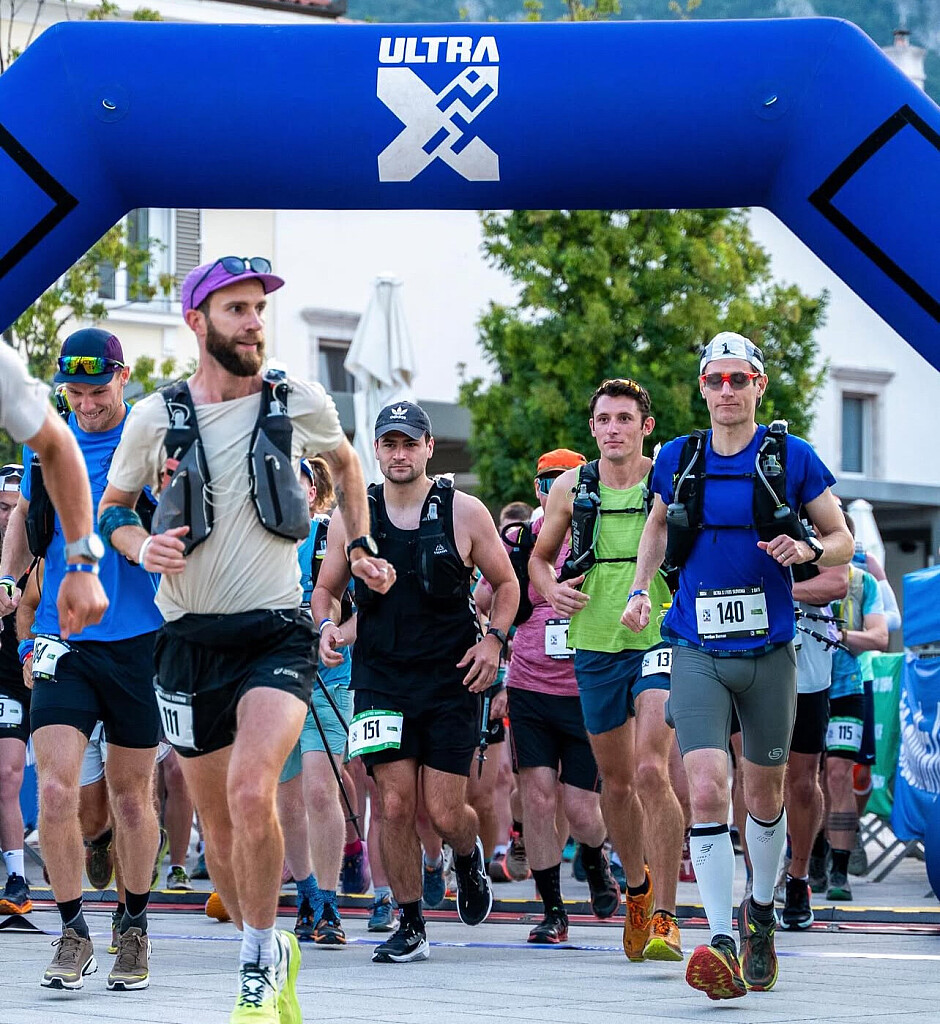
Runners From Around the World to Converge on Loch Ness for Ultra X Scotland 2026
The Scottish Highlands will once again welcome hundreds of endurance runners as Ultra X Scotland returns May 2–3, 2026. Now recognized as the nation’s largest ultra-marathon and recently listed among the world’s top ultra races by TimeOutdoors, this rugged event draws competitors from across the globe to challenge themselves on some of the UK’s most dramatic terrain.
Ultra X Scotland isn’t a single race but a weekend-long festival of trail running, offering something for every level of ultrarunner. Participants can choose from six distances:

• Ultra X Scotland 110km – A full ultra that can be run in one stage or split into two.
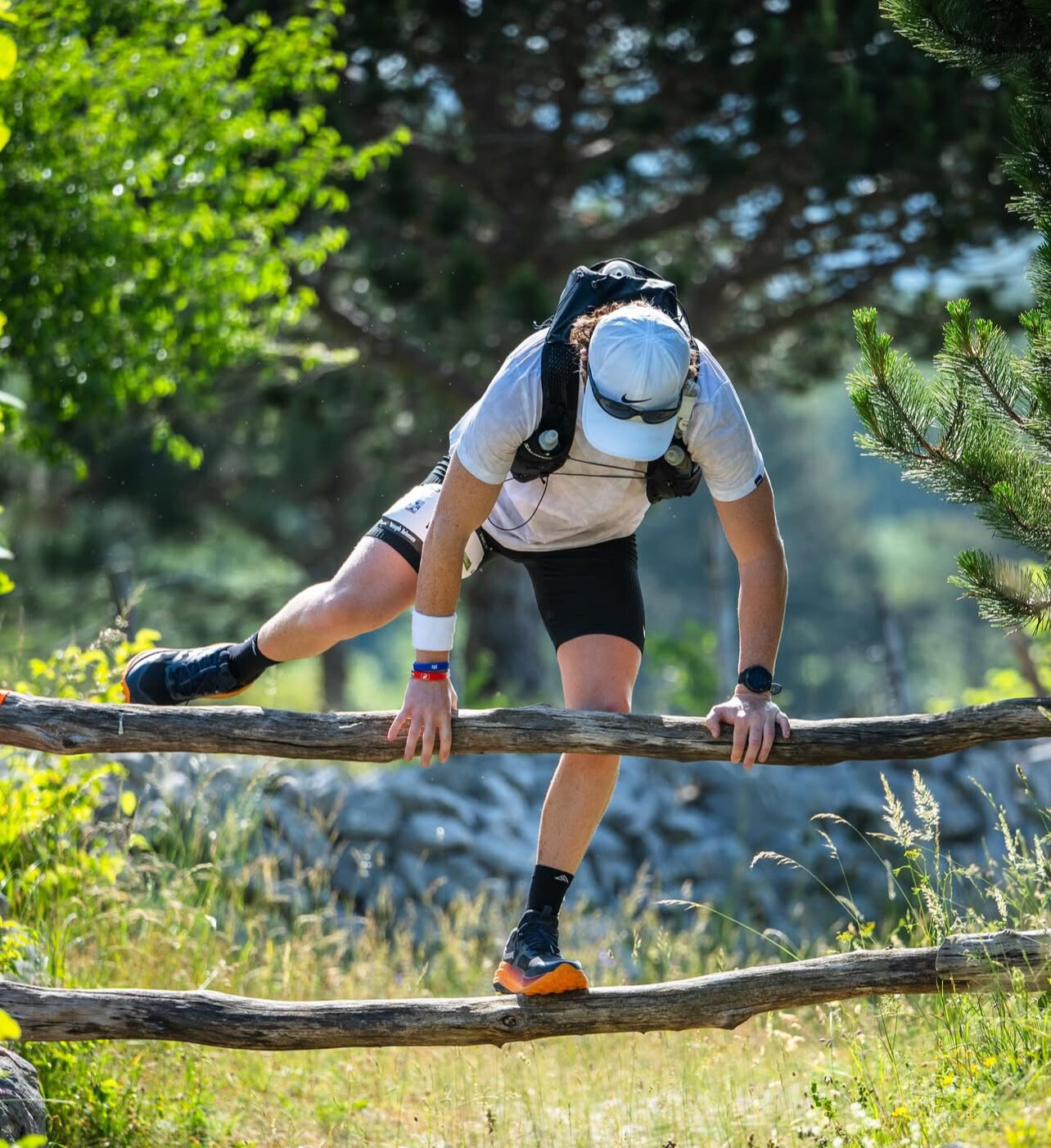
• Ultra X Scotland 60km – Following the Great Glen Way and the North side of Loch Ness.
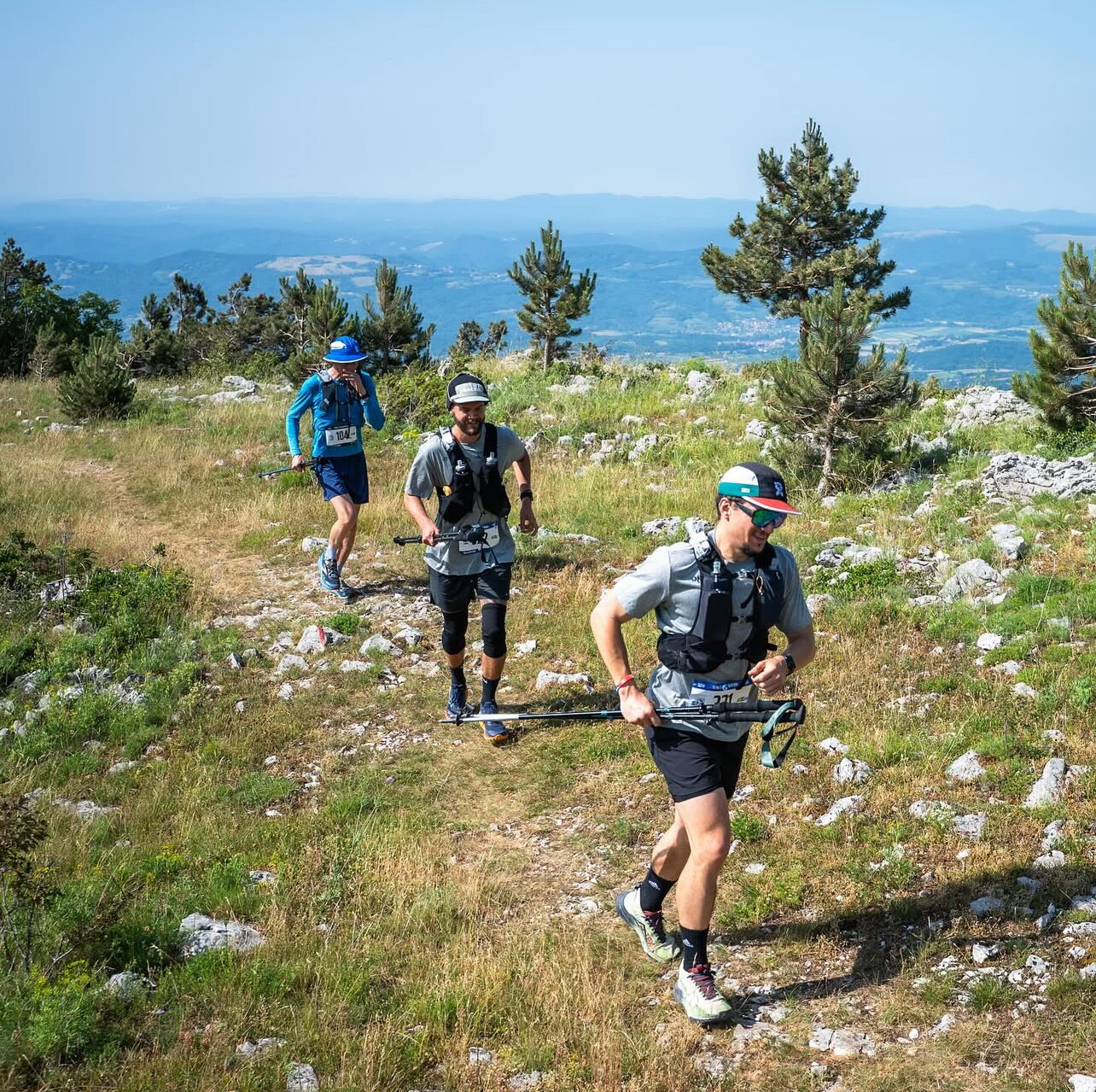
• Ultra X Scotland 50km – Tracing the South Loch Ness Trail.
• Ultra X Scotland 25km – A shorter but still challenging point-to-point route finishing in Dores.
• Ultra X Scotland 12km – An entry-level trail option also finishing in Dores.
All races wind through the hills, forests, and lochside paths of the Highlands, immersing runners in the region’s rugged natural beauty. The 110km event is a UTMB® World Series Qualifier in the 100K category, while the 60km, 50km, and 25km routes serve as qualifiers in their respective UTMB® distances. This connection to the global UTMB® series adds a level of prestige and stakes for many competitors.
In 2025, the event drew over 800 runners from more than 38 countries, bringing a direct economic impact of more than £200,000 to the Inverness area. Emma Harrison, Destination Development Manager at Visit Loch Ness, praised the race’s role in promoting active tourism:
“Ultra X events have become an important active offering for Inverness and Loch Ness. The organisers bring the area to life over the weekend, offering runners the chance to experience our unique landscape. We fully support these races, knowing the team involves the community and supports local businesses.”
Indeed, the event collaborates with a broad coalition of regional partners, including Loch Ness Highland Resort, the Great Glen Way, Forestry and Land Scotland, and a range of local food and drink vendors from Dog Falls Brewing to Red Shank Catering.
While the scenery may be postcard-worthy, the course itself is anything but tame. Participants will face the wild and varied terrain of the Highlands—climbing through pine forests, tracing the shores of Loch Ness, and crossing remote glens that seem untouched by time.
For many, it’s more than a race. It’s a test of endurance in one of the most storied landscapes in Europe.
Registration for Ultra X Scotland 2026 opens June 23, 2025. If past years are any indication, early spots won’t last long.
(06/21/25) Views: 108Boris. Baron
Support Athletes. Uplift Communities. Help Shape the Future of Kenyan Running
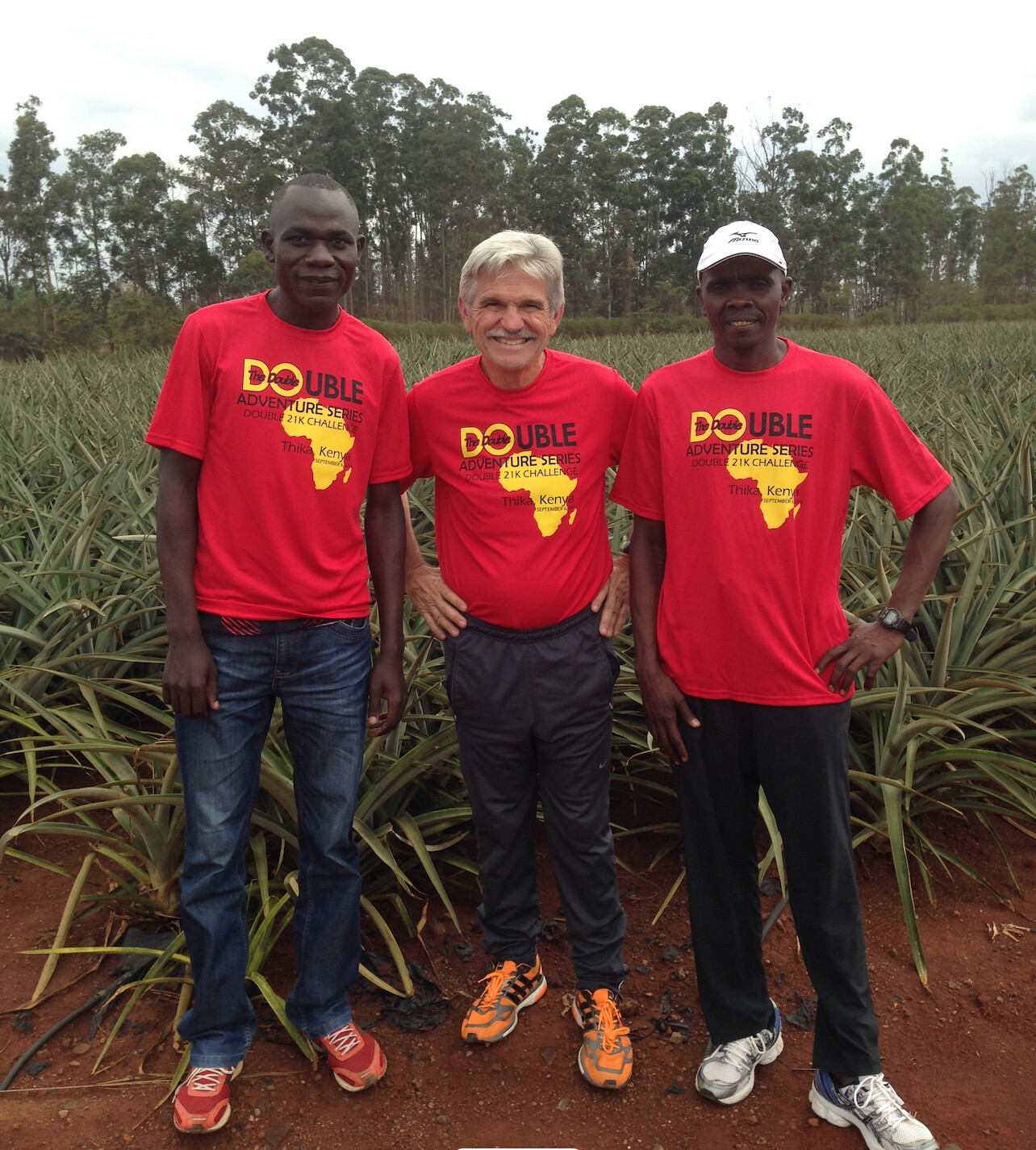
.For decades, Bob Anderson—founder of Runner’s World and a lifelong champion of distance running—has believed in the transformative power of athletics. In 2019, inspired by visits to Kenya dating back to 1987, he launched the Kenyan Athletics Training Academy (KATA) in Thika to give promising athletes the opportunity to rise. In 2024, Anderson expanded the vision internationally, opening a second training retreat in Portugal.
Until now, every KATA camp and retreat has been fully funded by Bob himself. But as momentum builds, he’s extending an invitation: become a KATA Partner and help expand this game-changing model—while earning a meaningful return on your investment.
“We’ve proven the model works,” says Anderson. “Now we want visionary partners to help take KATA to the next level. This isn’t charity—it’s an investment in performance, purpose, and people.”
What Is the KATA Partner Program?
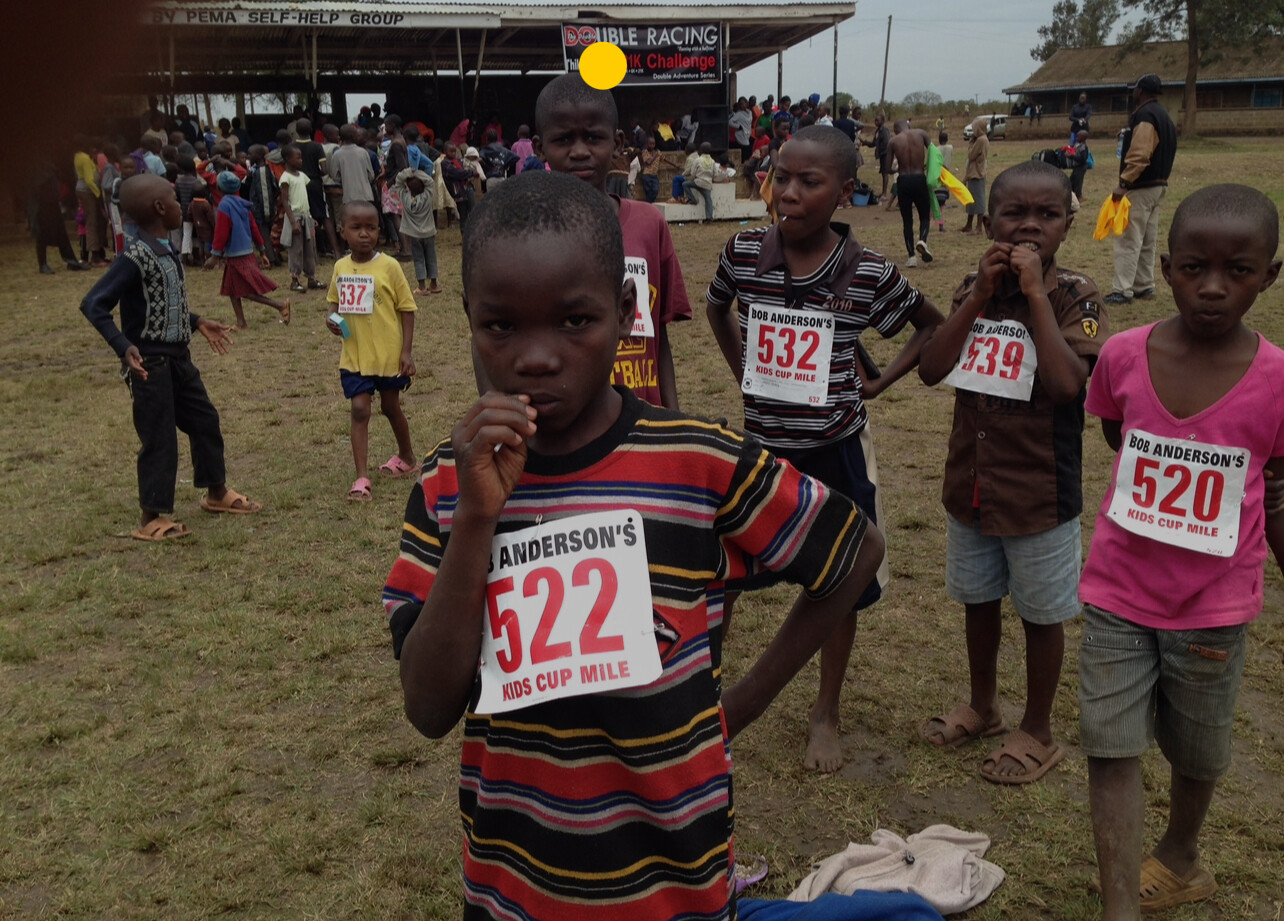
The KATA Partner Program offers a ground-floor opportunity to support elite athlete development and rural progress through a unique model that combines world-class coaching with sustainable agriculture.

Each KATA Running Camp is paired with a three-acre KATA Potato Farm. Athletes live, train, and work part-time on the farm—25 hours per week—in exchange for full room and board plus expert coaching. In return, they contribute 15% of any prize money they earn back to their camp. The rest is theirs to keep.

As a KATA Partner, you help fund and launch a new camp. In return, you:

• Earn a share of revenue from potato farm sales and athlete prize winnings
• Gain naming rights to the camp (e.g., [Your Name or Organization Name] KATA Running Camp)
• Empower athletes and uplift local communities through long-term partnership
Two Pathways to Partnership
International Partner Program
• One-time KATA membership fee: $5,000 USD in 2025
• Fee increases to $6,500 USD starting January 1, 2026
• Annual dues: $1,000 USD (starting year two)
• Share of revenue:
• 15% of potato farm revenue
• 15% of athlete prize money
Kenyan National Partner Program
• One-time KATA membership fee: KES 900,000
• Annual dues: KES 50,000 (starting year two)
• Each additional acre: KES 100,000 (plus KES 25,000 in annual dues)
• Share of revenue:
• 10% of potato farm revenue
• 10% of athlete prize money
This is not a donation—it’s a purpose-driven investment with a guaranteed revenue share. You’re helping athletes succeed and communities thrive, while building your own legacy.
KATA Handles Everything
Whether you want to be hands-on or prefer a passive role, KATA takes care of:
• Finding and securing land and housing
• Recruiting qualified operators (often Olympic medalists and elite coaches)
• Setting up the farm and camp
• Managing all agricultural operations and logistics
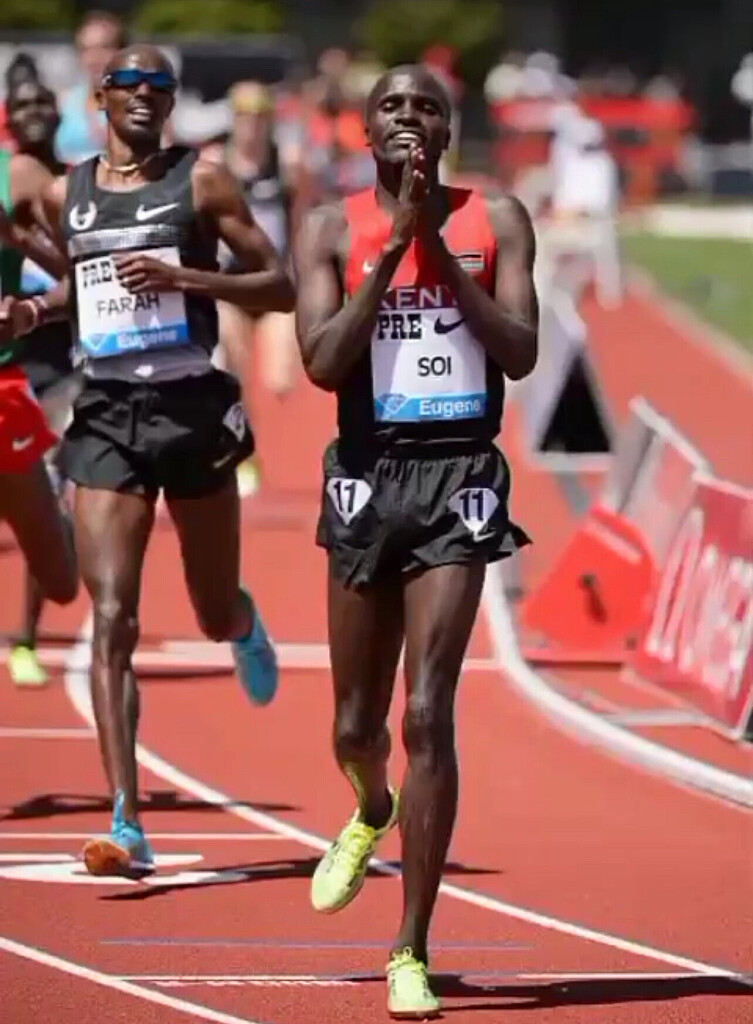
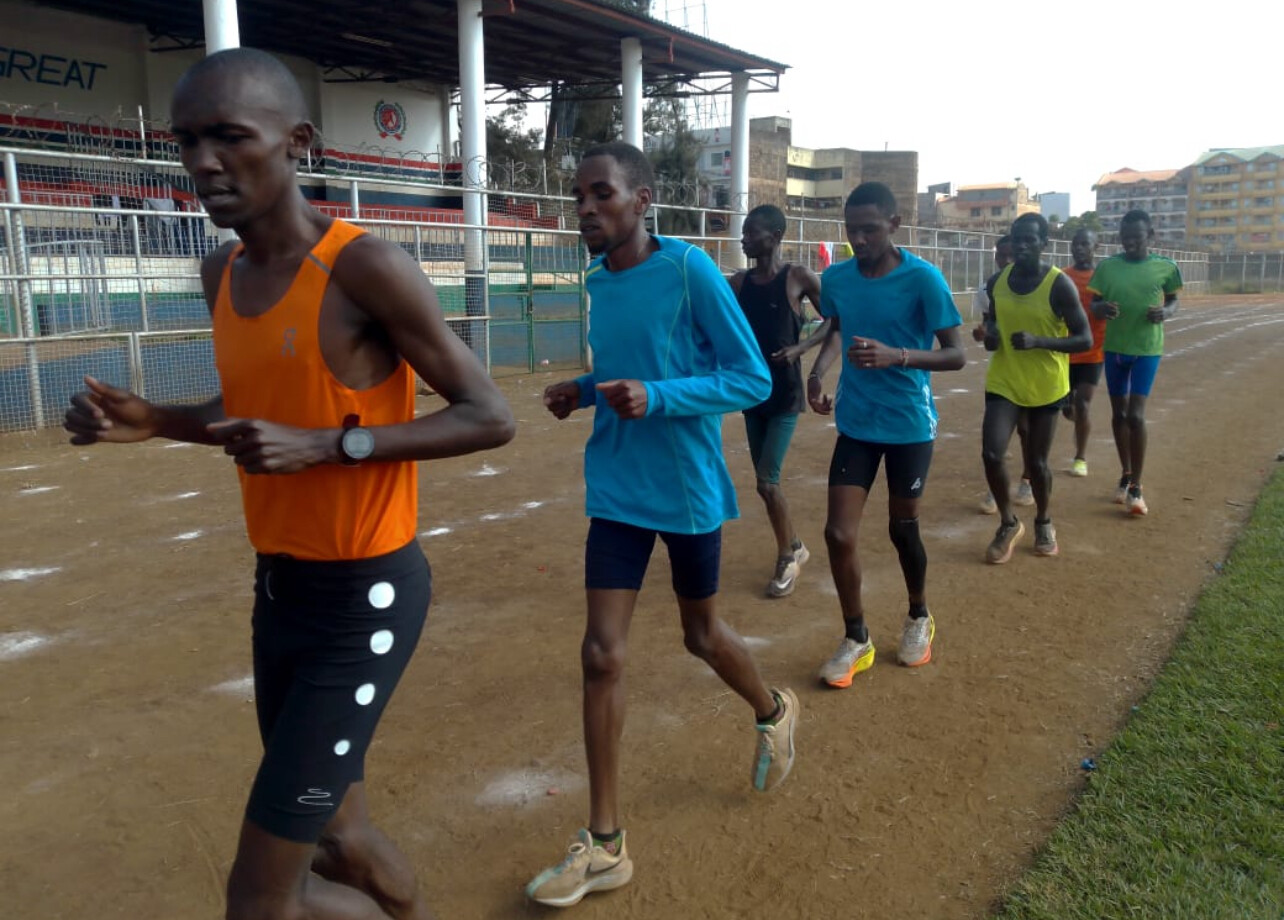
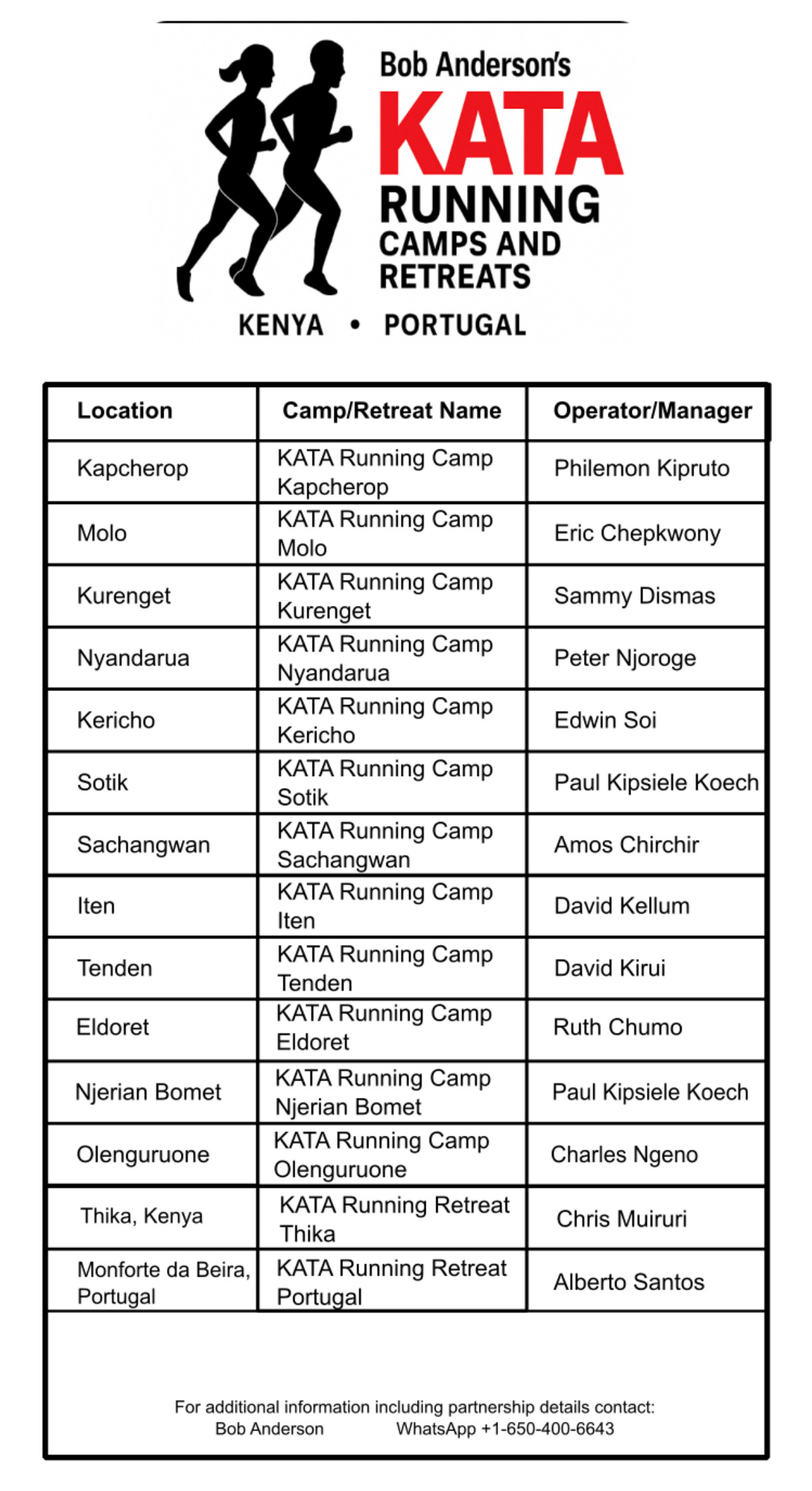
Current camps are operated by respected figures like Olympic medalists Paul Kipsiele Koech and Edwin Soi, coaching veterans such as Charles Ngeno, and long-time team members like Elam Wangerwo, who has worked with KATA since 2014.
Why It Matters
This program isn’t just about running—it’s about changing lives. KATA gives talented young runners the platform to pursue greatness while bringing food security and economic opportunity to rural Kenya.
“If you’ve ever wanted to be part of something that matters—something that delivers both impact and return—this is your moment,” says Anderson.
Join the KATA Movement
To learn more or become a KATA Partner, contact:
Bob Anderson via WhatsApp: +1 (650) 400-6643
The next great Kenyan runner is already out there. Let’s make sure they have a place to grow—on the track and in their community.
(06/25/25) Views: 99Bob Anderson
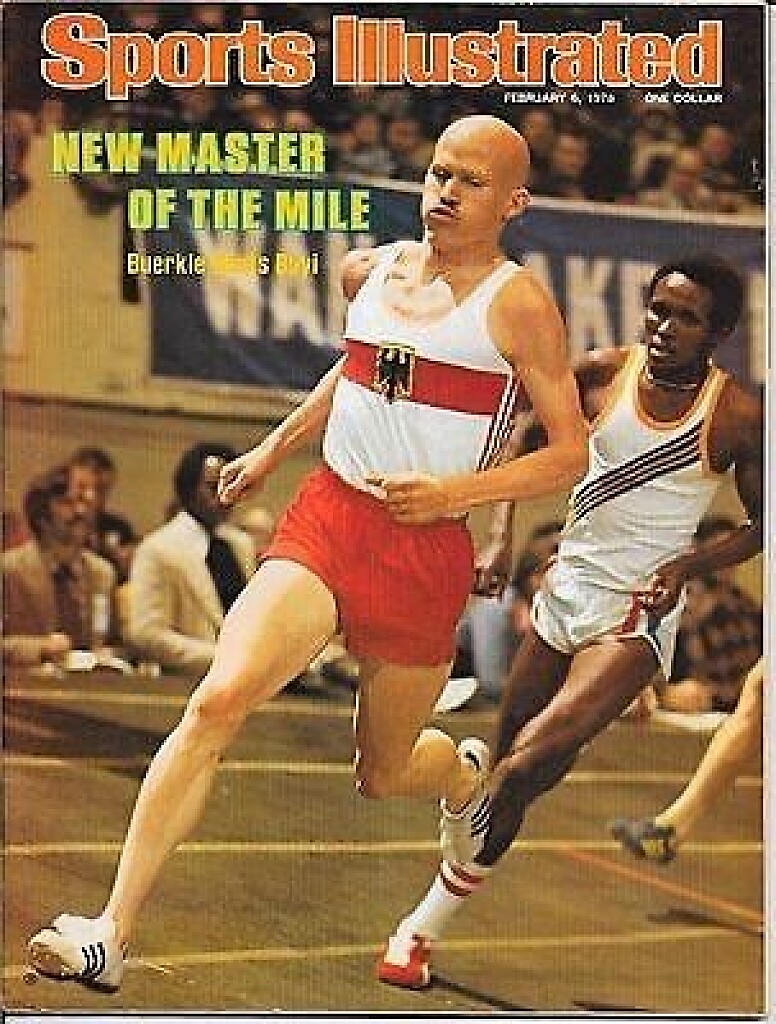
Remembering Dick Buerkle — Indoor Mile World Record Holder and Olympic Qualifier
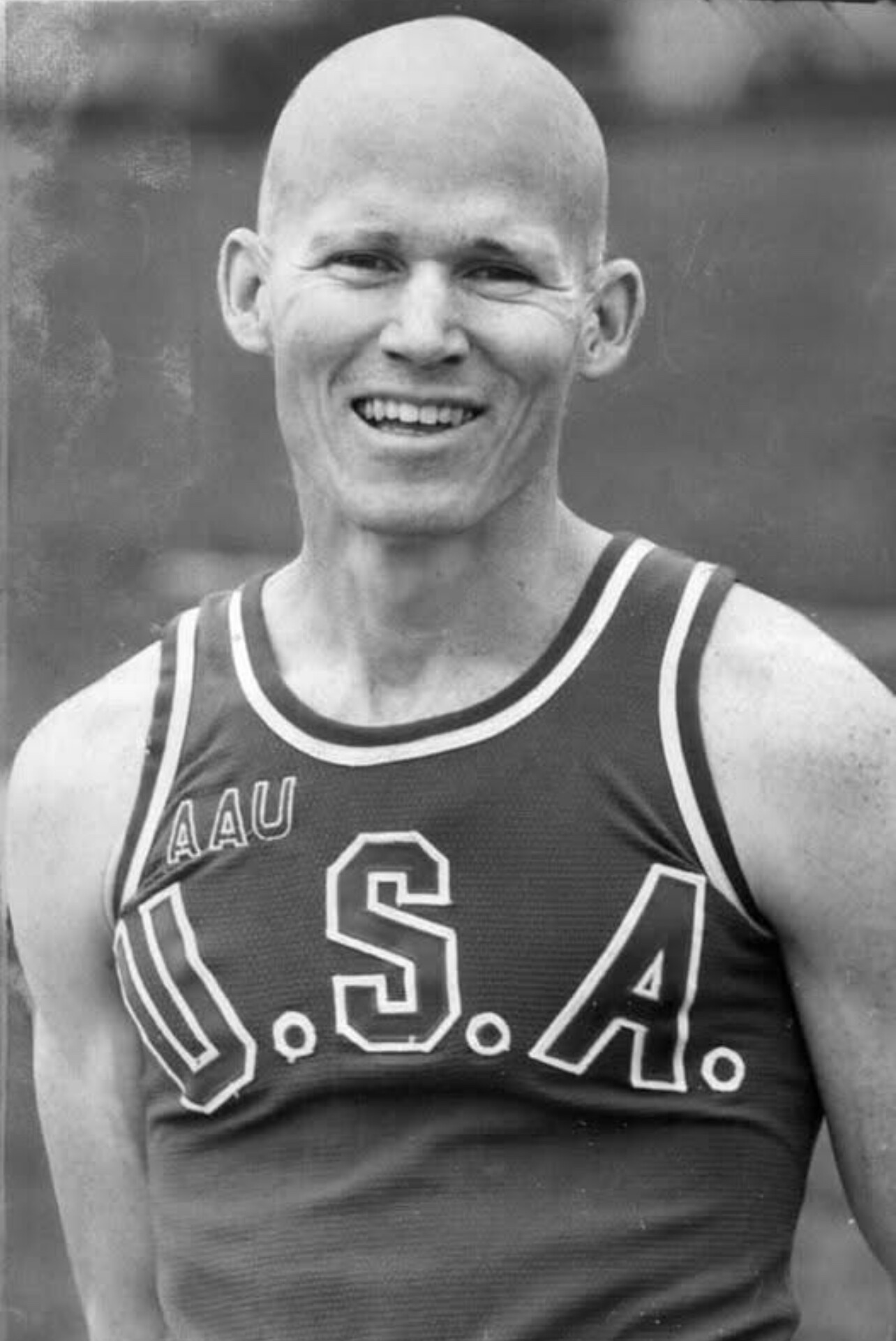
June 22, 2020 — Five years ago today, the running world lost a legend. Dick Buerkle, a two-time U.S. Olympian and former world indoor mile record holder, passed away at the age of 72. He died in Atlanta, Georgia, after battling a rare neurological condition known as multiple system atrophy (MSA).
Buerkle’s journey was one of remarkable perseverance. A walk-on at Villanova University, he trained under the legendary coach Jumbo Elliott and blossomed into a three-time NCAA All-American, finishing third in three NCAA finals: the 1969 and 1970 indoor two-mile races and the 1970 outdoor three-mile.
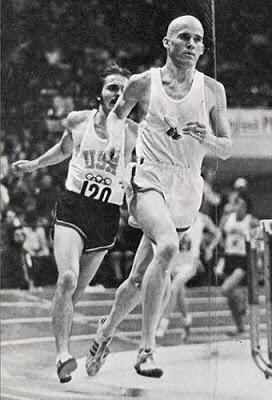
He cemented his place in history when he set the world indoor mile record in 1978, clocking 3:54.93. That achievement came on the heels of a memorable performance at the Wanamaker Mile at the Millrose Games, where he won in 3:58.4, beating Wilson Waigwa and Filbert Bayi for his second consecutive victory on Madison Square Garden’s storied track.
Despite the U.S. boycott of the 1980 Moscow Olympics, Buerkle’s two-time qualification (1976 and 1980) and his world-class performances left a lasting legacy. Known for his determined racing style and iconic bald head, he inspired a generation of runners with both his grit and grace.
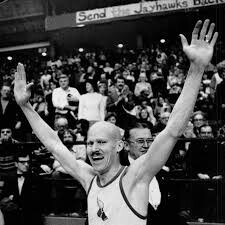
Runner Eric Giacoletto recently shared a heartfelt tribute on social media, helping the running community reflect on Buerkle’s lasting impact.
“Dick Buerkle’s story reminds us that greatness isn’t always about starting at the top,” said Bob Anderson, founder of My Best Runs. “He earned every second of his success.”
Today, we remember and honor Dick Buerkle — five years gone, never forgotten.
(06/23/25) Views: 96Boris Baron
