

Running News Daily
Running News Daily is edited by Bob Anderson and team. Send your news items to bob@mybestruns.com Advertising opportunities available.
Index to Daily Posts · Sign Up For Updates · Run The World Feed
Articles tagged #Emsley Carr Mile
Today's Running News



Josh Kerr’s Mile Mastery Could One Day Lead Him To The London Marathon
Josh Kerr has conquered one of athletics’ most historic distances. Yet, remarkably, the Scottish star is already dreaming about a challenge that sits more than 25 miles beyond the distance that has made him a global track sensation.
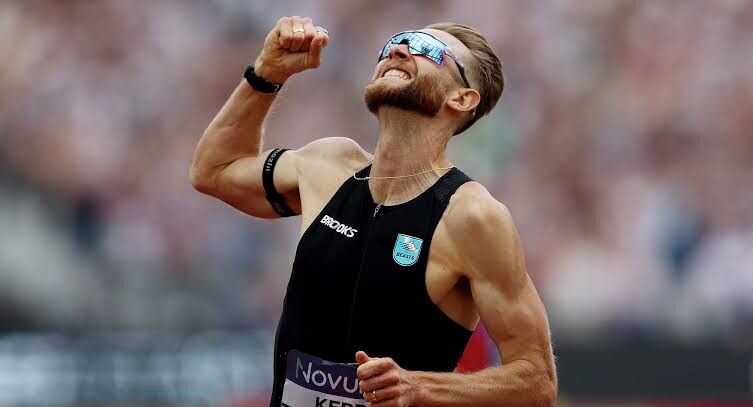
Kerr produced one of the defining performances of his career on July 18, 2026, at the London Stadium, storming to a sensational 3:42.66 in the Emsley Carr Mile to shatter Hicham El Guerrouj’s world record. The Moroccan’s 3:43.13 had stood untouched since 1999, but Kerr finally brought the 27-year-old mark down by 0.47 seconds.
The performance confirmed Kerr’s place among the greatest milers of his generation, but his ambitions extend well beyond the track.
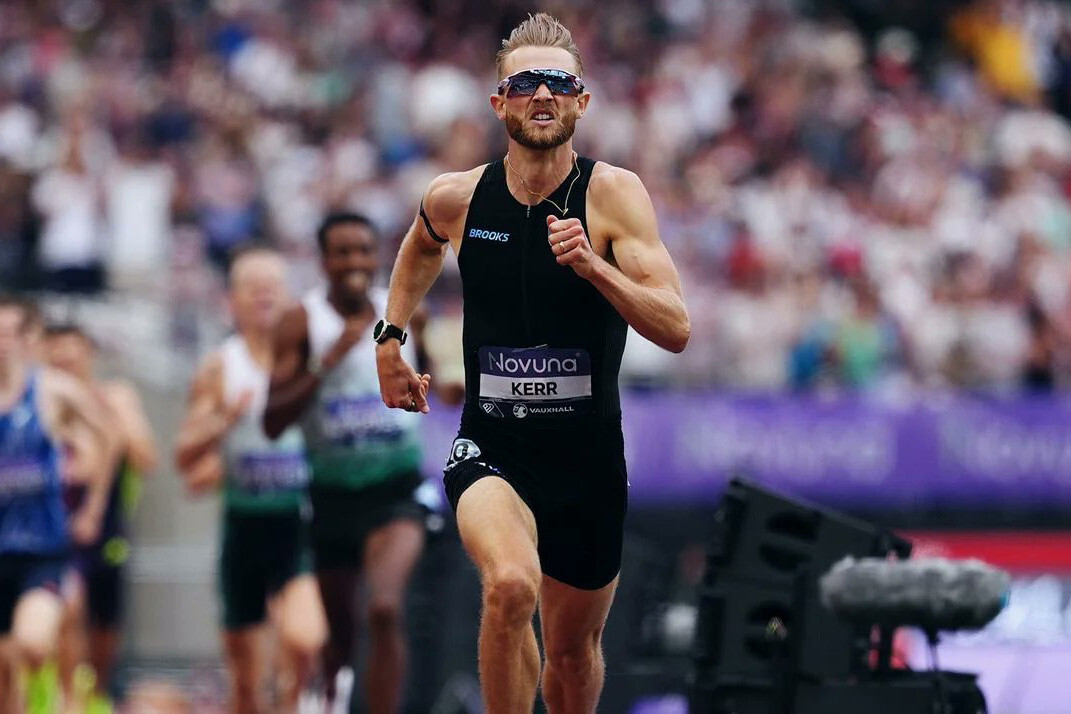
Speaking after his historic achievement, the 28-year-old revealed that the marathon is a distance he has become increasingly fascinated by, with the London Marathon occupying a particularly special place in his long-term imagination. For Kerr, the ultimate attraction would not necessarily be a world-class time, but the possibility of one day winning the race.
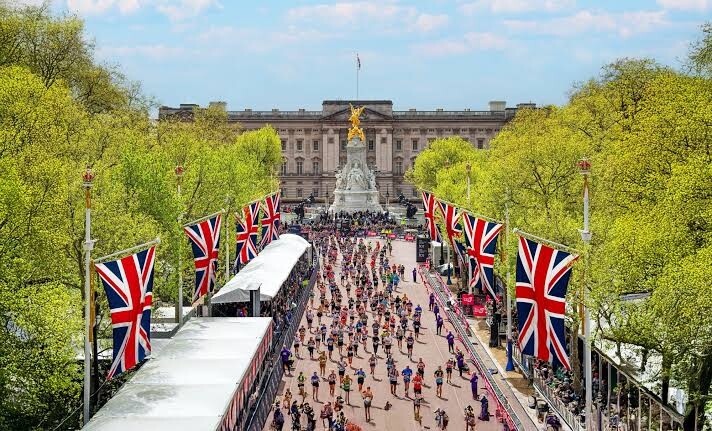
He remains realistic about how distant that ambition is. Kerr has made it clear that there is still important work to be completed on the track, with the Los Angeles 2028 Olympic Games among his major objectives. His marathon dream, therefore, belongs to the future rather than the immediate present.
That patience could prove crucial.
The transition from the mile to the marathon is one of the most demanding changes an elite distance runner can make. It requires far more than simply possessing exceptional aerobic fitness. The marathon places extraordinary demands on endurance, efficiency, energy management and the ability to maintain a high pace for more than two hours.
History, however, has shown that a world-class track runner can successfully make the leap when the timing is right.
Sifan Hassan provides perhaps the most spectacular modern example. After establishing herself as one of the most versatile distance runners in history, competing successfully from 1,500m through 10,000m, the Dutchwoman made her marathon debut at the 2023 London Marathon. She won in 2:18:33 after producing a remarkable finishing sprint, then went on to claim Olympic marathon gold the following year.
Her ability to change gears late in races became one of her greatest weapons. It is also an attribute Kerr knows particularly well.
Kerr has built his reputation around devastating finishing speed. Whether competing over 1,500m or the mile, his ability to accelerate when others are already approaching their physical limits has repeatedly separated him from the field. The question is whether that same weapon could eventually become a decisive advantage over the marathon distance.
Mo Farah's journey offers a more complicated lesson.
The British legend spent years dominating the 5,000m and 10,000m before turning his attention to the marathon. Despite possessing an extraordinary endurance base, Farah discovered that the marathon demanded an entirely different level of preparation. He finished eighth on his London Marathon debut in 2014 in 2:08:21 before eventually improving the British record to 2:06:22 in 2018.
Farah later explained that mastering the marathon took considerable time, underlining just how different the event is from even the longest Olympic track distances.
For Kerr, the physiological challenge would be even greater because his speciality is the mile.
The mile rewards an athlete who can combine enormous aerobic power with exceptional speed. The marathon, by contrast, demands the ability to operate efficiently for a prolonged period below maximum aerobic capacity. Running economy, lactate-threshold ability, endurance and the capacity to preserve energy deep into a race become increasingly important.
That transformation cannot be rushed.
And the marathon landscape Kerr would eventually enter is becoming more extraordinary by the year.
The 2026 London Marathon demonstrated just how far the event has evolved. Kenya’s Sabastian Sawe made history by becoming the first athlete to officially break the two-hour barrier in a competitive marathon, winning in 1:59:30. Ethiopia’s Yomif Kejelcha also finished inside two hours, while three men ultimately finished faster than the previous world record.
That is the standard waiting for Kerr if his distant ambition eventually becomes reality.
For now, however, there is no need to hurry. Kerr has already rewritten the mile record books, becoming the first man to break 3:43 and ending one of the longest-standing world records in modern athletics.
His next chapter is still firmly rooted on the track, where Olympic glory remains a major target. But somewhere beyond those ambitions lies a different challenge: 26.2 miles of London roads, a distance more than 25 miles longer than the event in which he currently reigns supreme.
It may sound improbable today, but Kerr is not dismissing the possibility.
“I promise I will try it.”
And if the day eventually comes when the world mile record-holder lines up on The Mall with the London Marathon title in his sights, it could become one of the most intriguing distance-running transitions the sport has ever witnessed.
by Erick Cheruiyot for My Best Runs.
Login to leave a comment
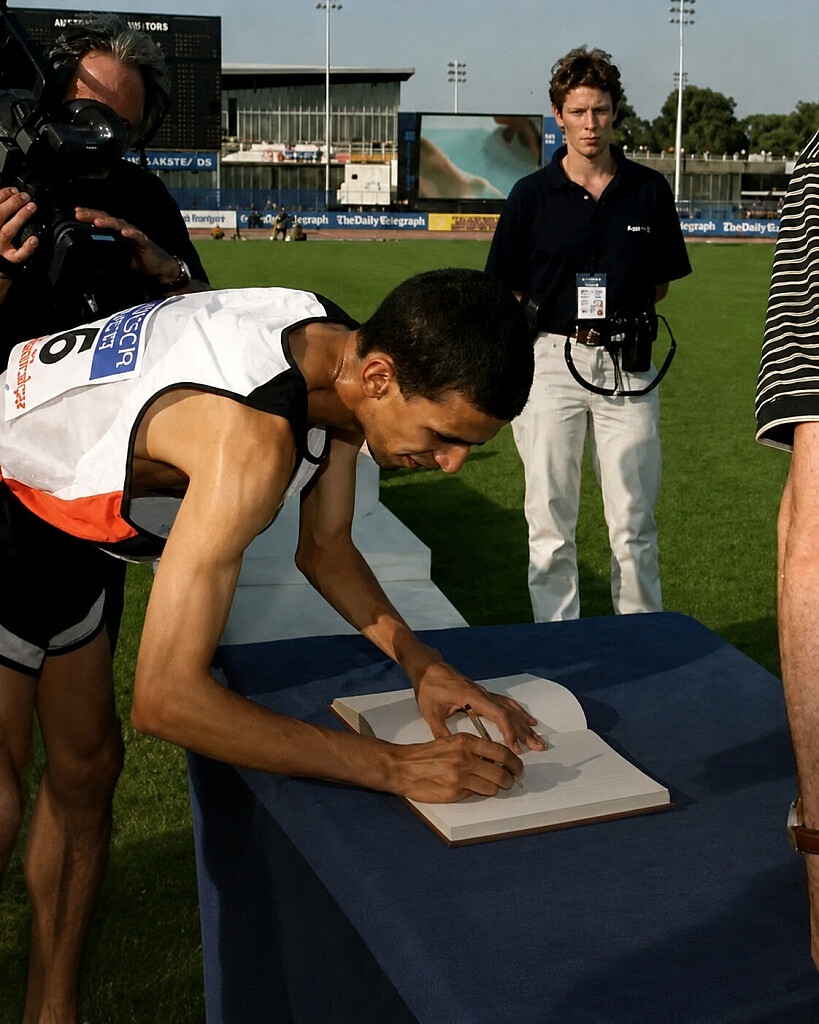
The Red Book Of Legends: How One Signature Became The Mile's Greatest Tradition
Long before digital records, social media posts, and instant celebrations, the Emsley Carr Mile created a tradition that has quietly preserved the history of one of athletics' most prestigious races. It is a tradition built not on medals or trophies, but on ink, leather, and the signatures of greatness.
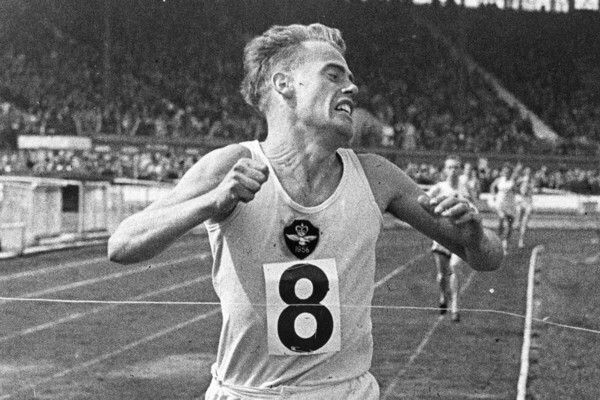
Since the inaugural Emsley Carr Mile in 1953, every champion has been invited to sign the same red leather book—a remarkable archive that has become one of the sport's most treasured historical artifacts.
Bound in luxurious Moroccan leather, the book is far more than a register of winners. It is a living timeline of middle-distance excellence, carrying the names of the athletes who redefined what humanity believed was possible over the mile.
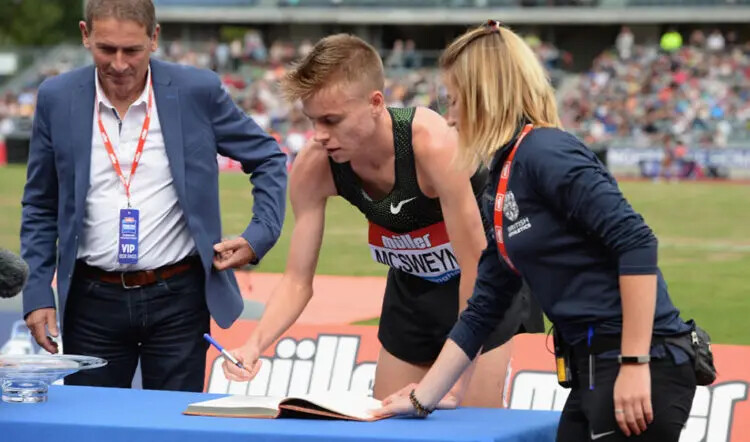
As the pages of the original volume filled, a second volume was introduced in 1980. Yet the tradition never changed. Each year's champion adds another signature, another chapter, another piece of history to a legacy spanning more than seven decades.
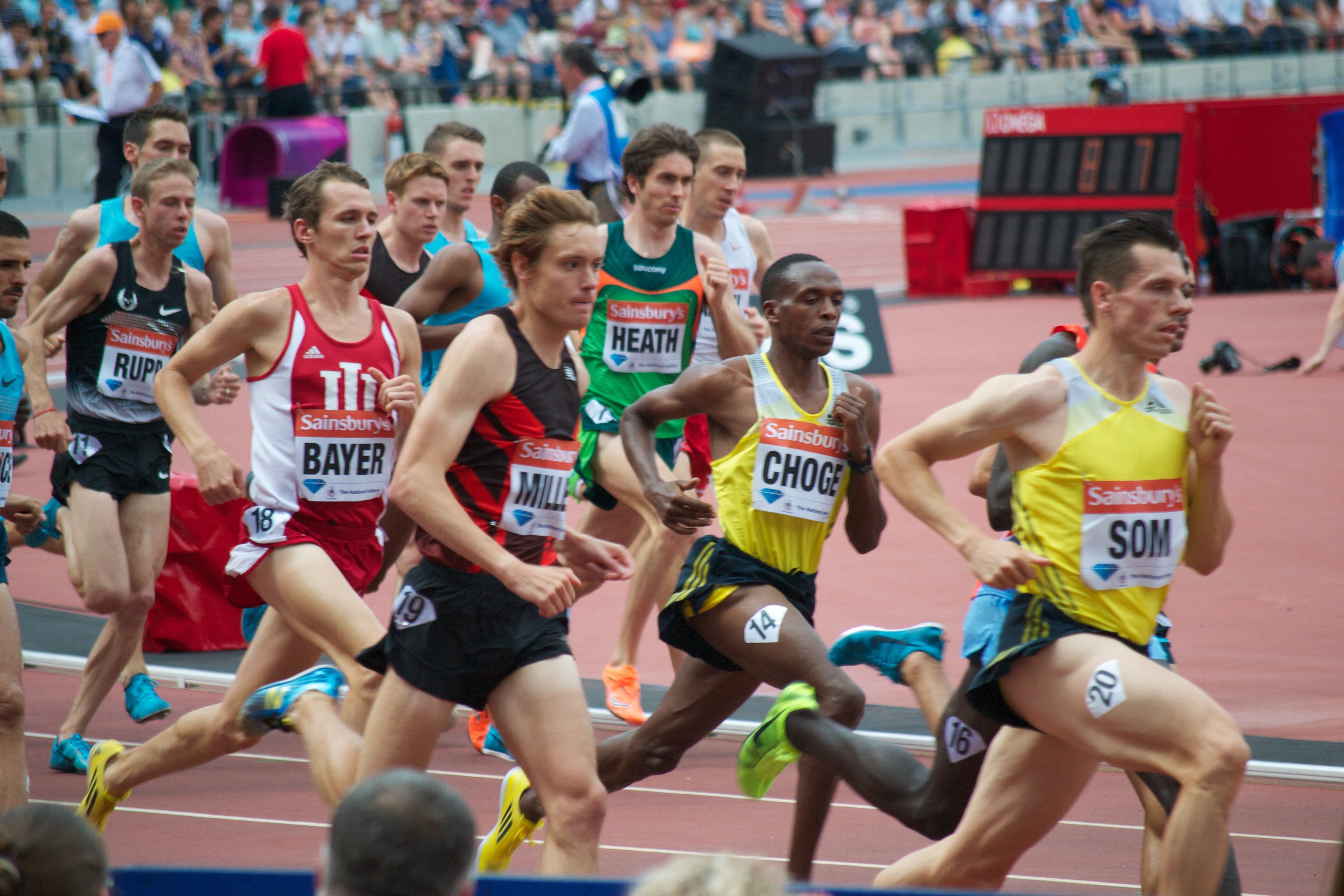
Within its pages are some of the greatest names athletics has ever known. Kenyan icon Kip Keino signed it. Steve Ovett left his mark. So did Sebastian Coe, Haile Gebrselassie, and the incomparable Hicham El Guerrouj. Altogether, the book bears the signatures of eleven Olympic champions and seven men who have held the world mile record—a remarkable concentration of sporting greatness.
Yet one name is conspicuously absent.
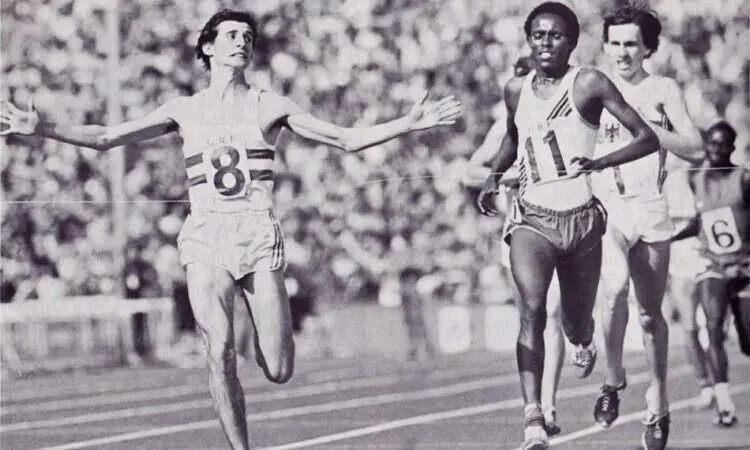
Roger Bannister, the first man to break the four-minute mile, never signed the famous book.
Ironically, the Emsley Carr Mile had originally been established to encourage athletes in their pursuit of the once-impossible four-minute barrier. But by the time the race was held for only the second time, Bannister had already etched his own name into sporting immortality with his historic run at Oxford's Iffley Road in May 1954. His career soon moved in a different direction, and the opportunity to sign the book never came. Decades later, the empty space where his signature might have appeared remains one of the sport's most fascinating "what if" stories.
While legends came and went, one man quietly built a record that still stands unmatched.
British runner Ken Wood remains the most successful athlete in Emsley Carr Mile history, winning the race four times between 1954 and 1961. Consequently, his signature appears more frequently than any other in the historic volume—a lasting reminder of an athlete whose achievements deserve far greater recognition.
The race itself has journeyed across some of Britain's most iconic athletics venues, moving from White City to Crystal Palace, then Alexander Stadium, and today the London Stadium. Through every relocation, one constant has remained: the red leather book has travelled alongside it, faithfully collecting the signatures of every new champion.
With each passing year, the book grows heavier—not because of its pages, but because of the extraordinary history they contain.
Now, another chapter has been written.
Fresh from producing one of the greatest mile performances ever witnessed, Josh Kerr has added his name to the same legendary book signed by generations of champions before him. His signature now sits alongside the sport's greatest icons, but with one remarkable distinction: the time attached to his victory is faster than any recorded above it.
The names have changed. The venues have changed. The records have fallen.
But the tradition has endured.
For more than seventy years, one red leather book has silently chronicled the evolution of the mile, reminding every new champion that while records may eventually be broken, true sporting legacy is written one signature at a time.
by Erick Cheruiyot for My Best Runs.
Login to leave a comment
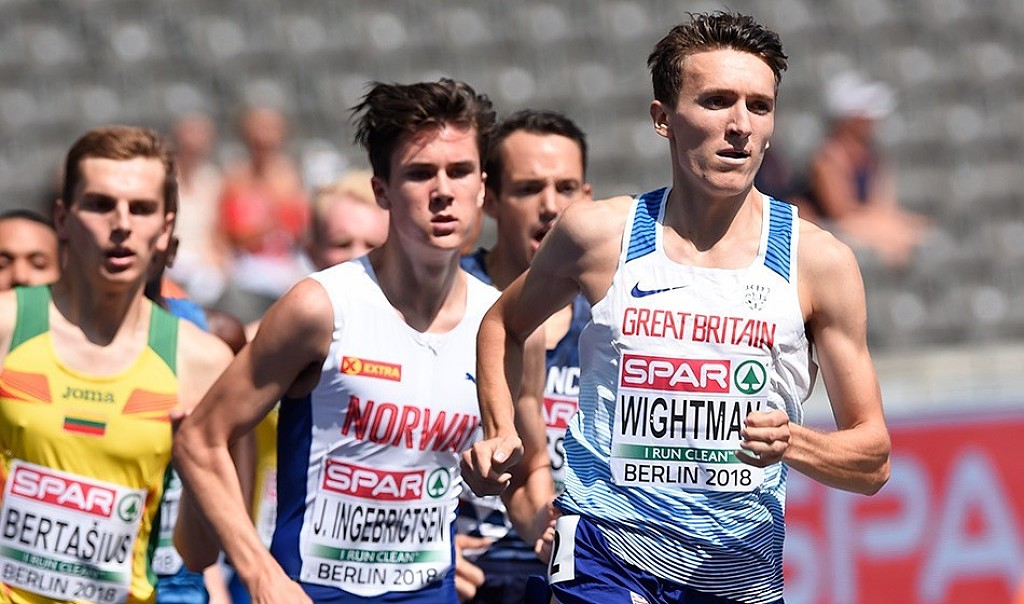
Jake Wightman aiming to break 38-year-old Scottish record in final Tokyo tune up
The Olympic-bound Scot, who turned 27 on Sunday, will sign off his build-up in the historic Emsley Carr Mile at the Diamond League leg against a largely domestic field that also includes his 1500m rival at the Games, Jake Heyward. But despite two wins in four starts this summer, Wightman admits he’s hunting a fast time for the ideal pre-Games booster ahead of his medal tilt.
“It's weird running this because it could not go well,” he said. “And it would not be a nice way to go into Olympics. But I want to be able to try and run quick because I feel like the rounds in Tokyo, and especially a final, could potentially be quick. And I've not gone fast this year, really. So I want to try and make sure I get a race which prepares me for that.”
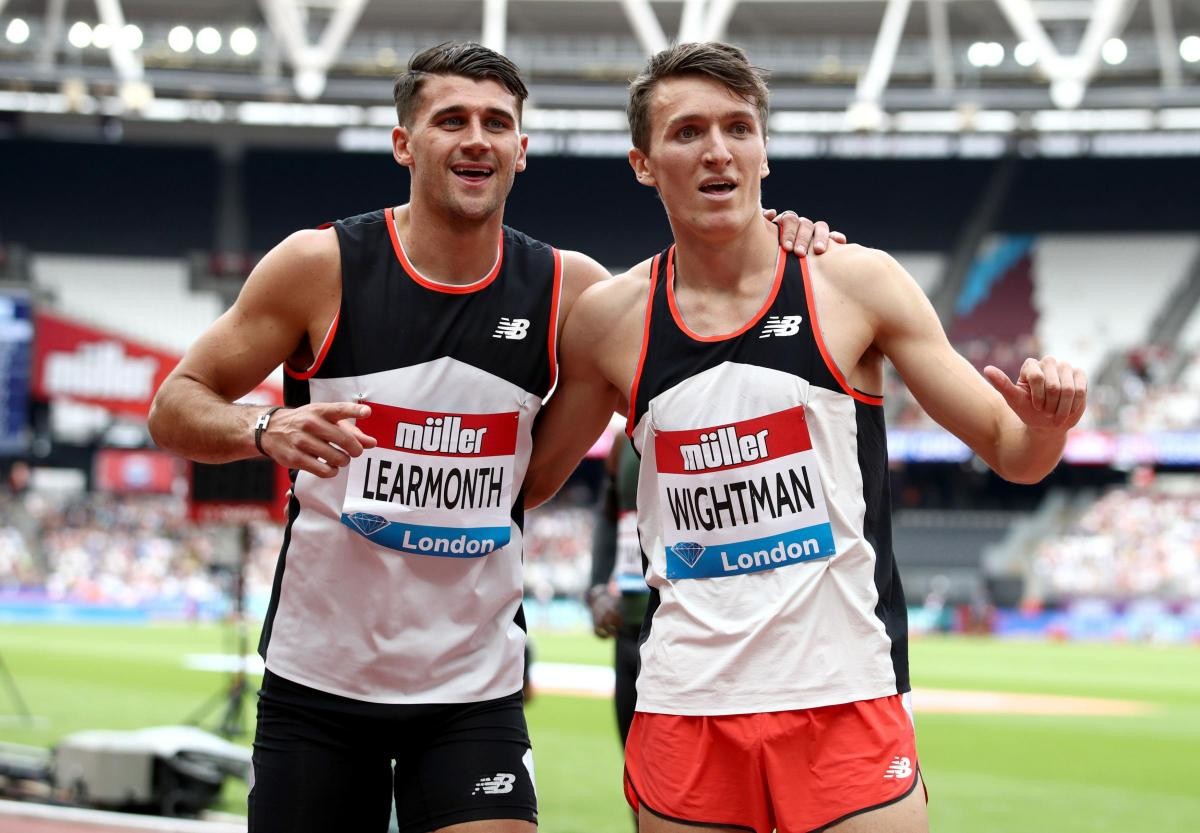
The European medalist will target Graham Williamson’s Scottish mile record of 3:50.64 that has stood for exactly 38 years to the very day.
Andy Butchart is slated to run the 3000m at the Grand Prix despite his Olympic place remaining in limbo just days before he is due to travel to Japan. Nicole Yeargin will get her Diamond League debut in the women’s 400m while Beth Dobbin takes on Rio 2016 gold medallist Elaine Thompson over 200m.
For Wightman and his Edinburgh club-mate Josh Kerr, there remains uncertainty too, with no confirmation still on the fate of world 1500m champion Timothy Cheriuyot, whose omission from the Kenyan team for Tokyo could yet be overturned. But whether or not the fastest man in the world this year is at the Games, opportunity knocks, Wightman insists.
“I don't think that the rest of us are that far behind or going to be discounted,” he said. “We could still be in there. Matt Centrowitz from 2016 is the one person that keeps me going. Thinking that anything can happen in an Olympic final. Because nobody would have said that Centro was going to win that race. If you have a perfect day, you can do anything.”
“Hopefully I get that,” he said. “Steve Cram let me know he has got the stadium record. So that's another incentive, to try and get that.
“I need to try and improve my mile time. I don't really getting the chance to run them too often. And obviously there's a lot of history in the event. So have a time that you can say is sub-3.50 to me is a lot bigger deal than obviously running four minutes, which I did a while ago.”
by The Scotman
Login to leave a comment

Tokyo 2020 Olympic Games
Fifty-six years after having organized the Olympic Games, the Japanese capital will be hosting a Summer edition for the second time, originally scheduled from July 24 to August 9, 2020, the games were postponed due to coronavirus outbreak, the postponed Tokyo Olympics will be held from July 23 to August 8 in 2021, according to the International Olympic Committee decision. ...
more...