

Running News Daily
Running News Daily is edited by Bob Anderson and team. Send your news items to bob@mybestruns.com Advertising opportunities available.
Index to Daily Posts · Sign Up For Updates · Run The World Feed
Articles tagged #London Marathon
Today's Running News
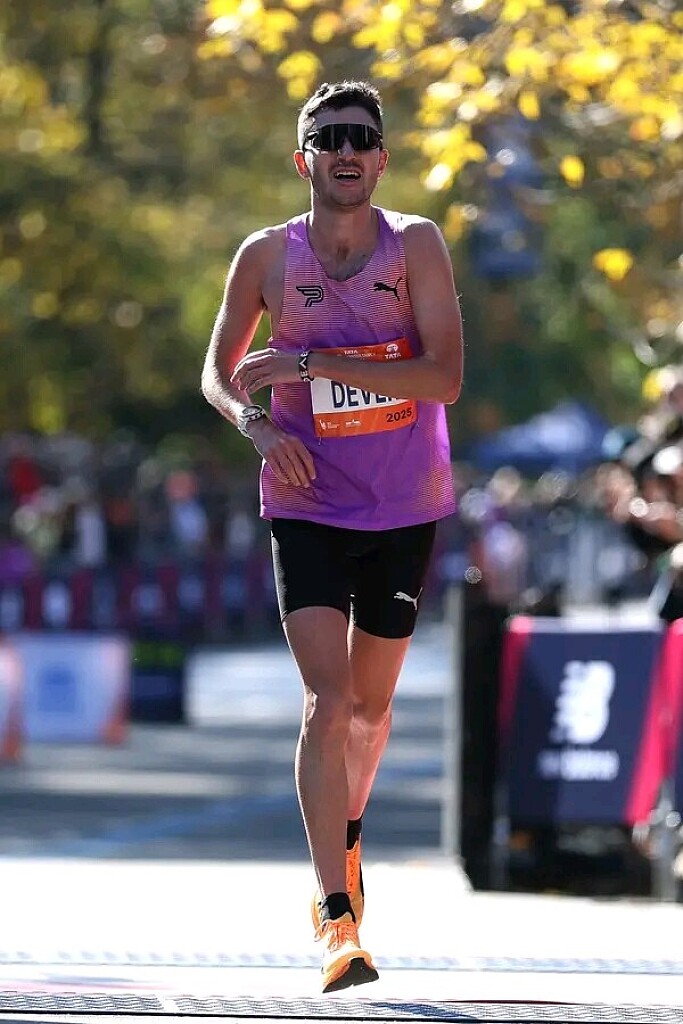


Patrick Dever Returns To New York With Olympic Ambitions: Can He Take Another Step Forward?
Patrick Dever returns to the streets of New York City on Sunday with unfinished business, renewed confidence and a much bigger target on the horizon.
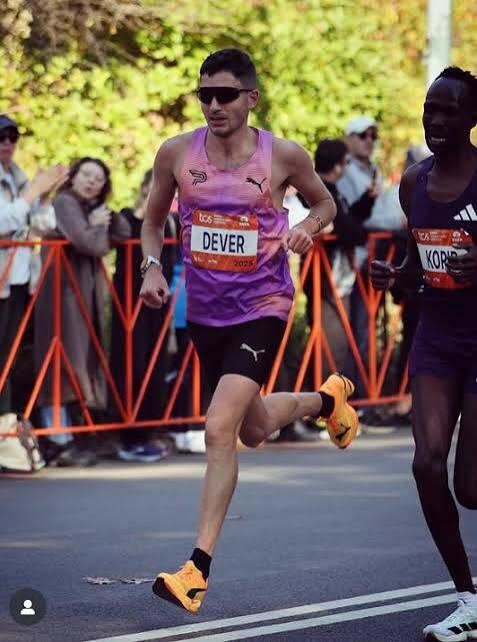
The 30-year-old Brit made an immediate impression on his marathon debut at last year’s New York City Marathon, crossing the line in 2:08:58 for what was initially recorded as fourth place. His result was later upgraded to third following Albert Korir’s five-year ban after anti-doping violations, giving Dever a podium finish on one of the world’s most demanding marathon stages.
But Dever has since shown that his potential stretches far beyond that breakthrough performance.
In April, he produced a major personal best of 2:06:18 at the London Marathon, elevating himself to third on the United Kingdom’s all-time marathon list. Only Mo Farah, with 2:05:11, and Mahamed Mahamed, with 2:06:14, have run faster for Britain.
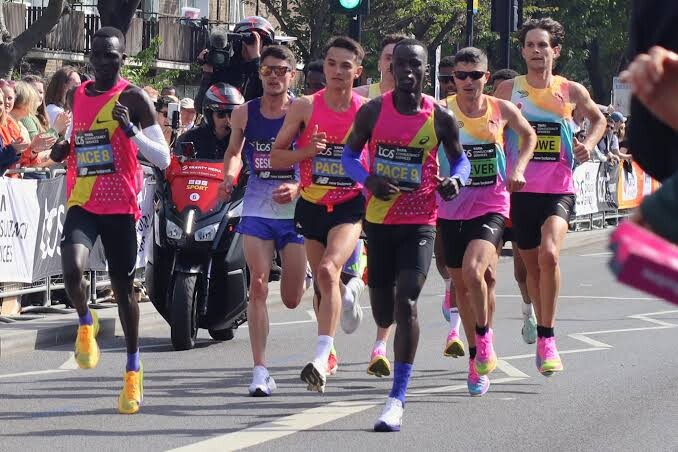
Now, Dever heads back to New York with another opportunity to test how far he has progressed.
The challenge will be particularly valuable because New York offers a very different racing environment from London. There will be no pacemakers to dictate the rhythm, meaning Dever will have to rely on his own tactical judgement, positioning and ability to respond when the race begins to unfold.
That is exactly the kind of experience he wants.
With the Los Angeles 2028 Olympic Games firmly in his long-term sights, Dever is using New York as an opportunity to sharpen his ability to race in a championship-style environment, where athletes must make their own decisions rather than simply follow a predetermined pace.
For a runner with ambitions of representing Great Britain on the Olympic stage, those lessons could prove invaluable.
New York is also a race that demands patience. The course features bridges, rolling terrain and a notoriously difficult final stretch through Central Park, making it less about simply chasing a fast time and more about executing a complete marathon.
Dever already knows what it takes to succeed there. This time, however, he returns as a significantly faster and more accomplished marathoner.
A year after announcing himself on the New York streets, the British star arrives with a 2:06:18 personal best, a place among Britain’s fastest marathoners and an Olympic dream that is beginning to look increasingly realistic.
The question now is whether Dever can turn that progress into another standout performance in the Big Apple.
by Erick Cheruiyot for My Best Runs.
Login to leave a comment

TCS New York City Marathon
The first New York City Marathon, organized in 1970 by Fred Lebow and Vince Chiappetta, was held entirely in Central Park. Of 127 entrants, only 55 men finished; the sole female entrant dropped out due to illness. Winners were given inexpensive wristwatches and recycled baseball and bowling trophies. The entry fee was $1 and the total event budget...
more...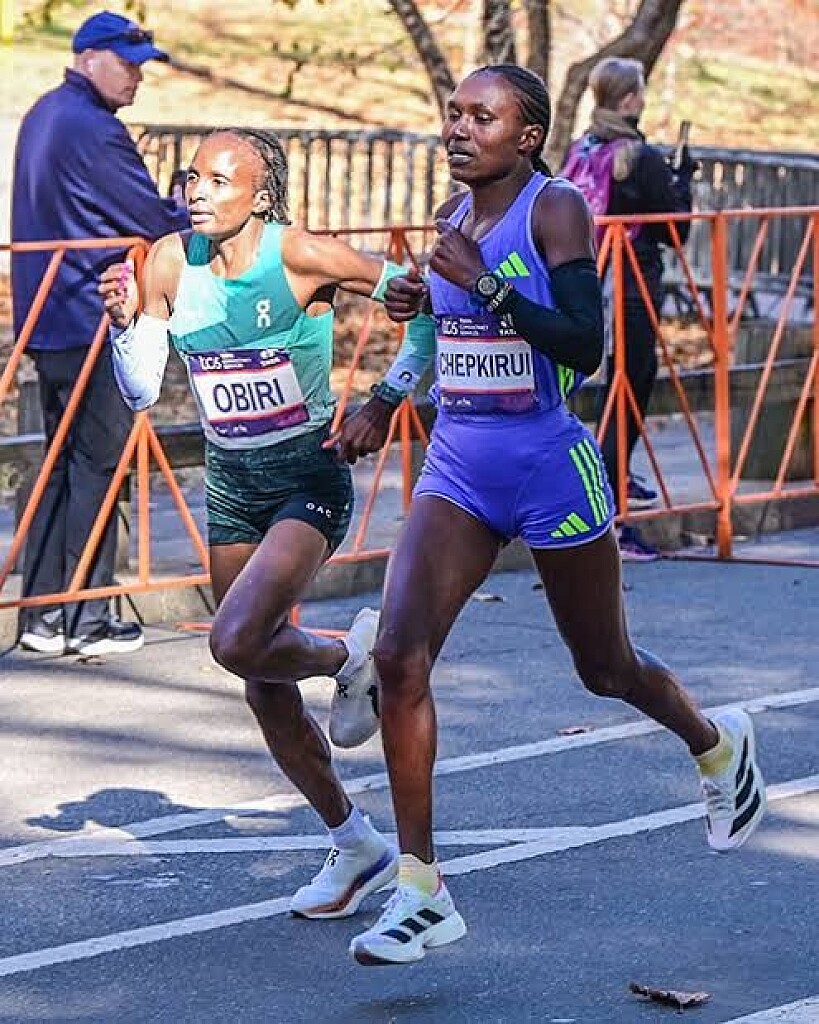
Hellen Obiri vs Sheila Chepkirui: A New York Rivalry Reignited
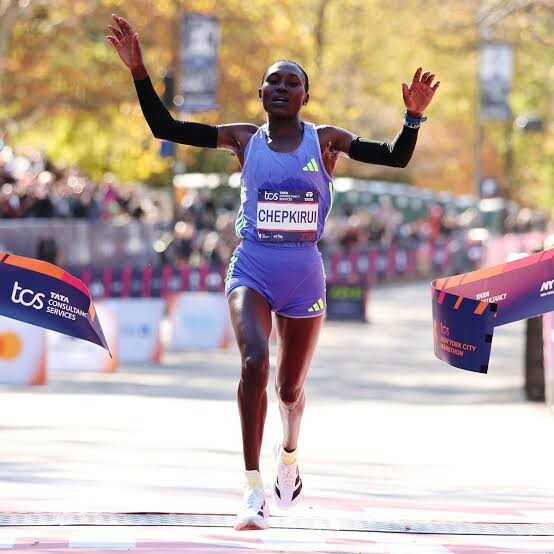
Hellen Obiri vs Sheila Chepkirui in New York City — round three.
The streets of New York are preparing for another fascinating chapter in a growing Kenyan marathon rivalry, as two of the last three winners of the TCS New York City Marathon return to the Big Apple for another showdown on Sunday.
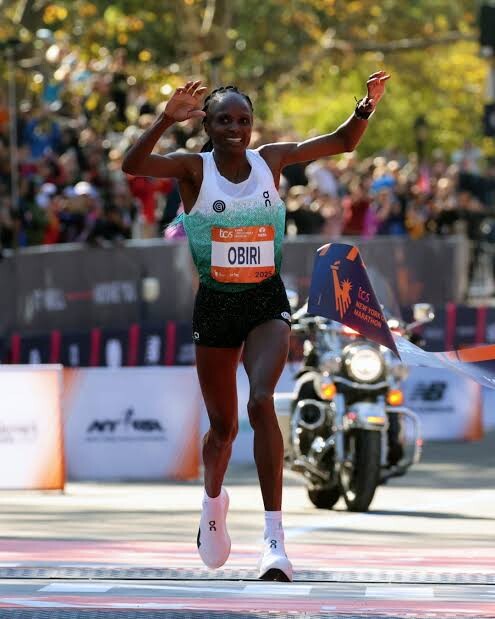
Obiri arrives as the defending champion and one of the biggest names in the elite women’s field, while Chepkirui returns determined to reclaim the title she won in 2024. Their recent history in New York has already produced two dramatically different outcomes, setting the stage for another potentially unforgettable battle.
Chepkirui announced herself on the New York stage in 2024 by producing a breakthrough performance to win her first TCS New York City Marathon title in 2:24:35. Obiri, who had won the race the previous year in 2:27:23, finished runner-up in 2:24:49 — just 14 seconds behind her fellow Kenyan.
But Obiri responded in emphatic fashion twelve months later. In the 2025 edition, she produced a sensational performance to win in 2:19:51, smashing the previous course record and becoming a two-time New York champion. Sharon Lokedi finished second in 2:20:07, while Chepkirui placed third in 2:20:24.
Now they meet again, with the balance of power once more up for debate.
Obiri has plenty of momentum behind her. Earlier this year, she lowered her marathon personal best to 2:15:53 when she finished second at the 2026 London Marathon, establishing herself as the fastest woman entered in this year’s New York field.
Chepkirui, however, is far from an outsider. Her 2:17:29 personal best makes her one of the strongest challengers in the field, and her victory over Obiri in New York two years ago is proof that she has the strength, patience and tactical ability to thrive on one of marathon running’s most demanding courses.
For Obiri, the motivation goes beyond simply defending her crown. A third New York victory would elevate her into the exclusive company of three-time champions, alongside the legendary Paula Radcliffe. After winning in 2023 and again in 2025, Obiri now has another opportunity to add her name to one of the race’s most prestigious lists.
Yet Chepkirui knows exactly what it takes to defeat her. She has already stood on top of the podium in New York, and after finishing third behind Obiri last year, she will have every reason to believe she can reverse the order once again.
The race itself could make their battle even more intriguing. New York’s five-borough course, bridges, hills and notoriously unpredictable tactics rarely allow the marathon to unfold like a straightforward time trial. Every surge and every decision could become decisive as the runners make their way toward the final miles and the iconic finish in Central Park.
Two Kenyan champions. Two recent New York winners. One course that has already witnessed them trade victories.
Obiri wants history. Chepkirui wants revenge.
And when the battle reaches the streets of Manhattan and the final stretch into Central Park, the question will be simple:
Who will rule New York this time — Hellen Obiri or Sheila Chepkirui?
by Erick Cheruiyot for My Best Runs.
Login to leave a comment
TCS New York City Marathon
The first New York City Marathon, organized in 1970 by Fred Lebow and Vince Chiappetta, was held entirely in Central Park. Of 127 entrants, only 55 men finished; the sole female entrant dropped out due to illness. Winners were given inexpensive wristwatches and recycled baseball and bowling trophies. The entry fee was $1 and the total event budget...
more...
At 44, Kenenisa Bekele Refuses To Let Time Have The Final Word
At an age when most elite distance runners have long stepped away from the highest level of competition, Kenenisa Bekele continues to challenge the limits of longevity. At 44, the Ethiopian distance-running icon remains willing to line up against a new generation of younger athletes, even as injuries and difficult races have made the latest chapter of his remarkable career increasingly demanding.
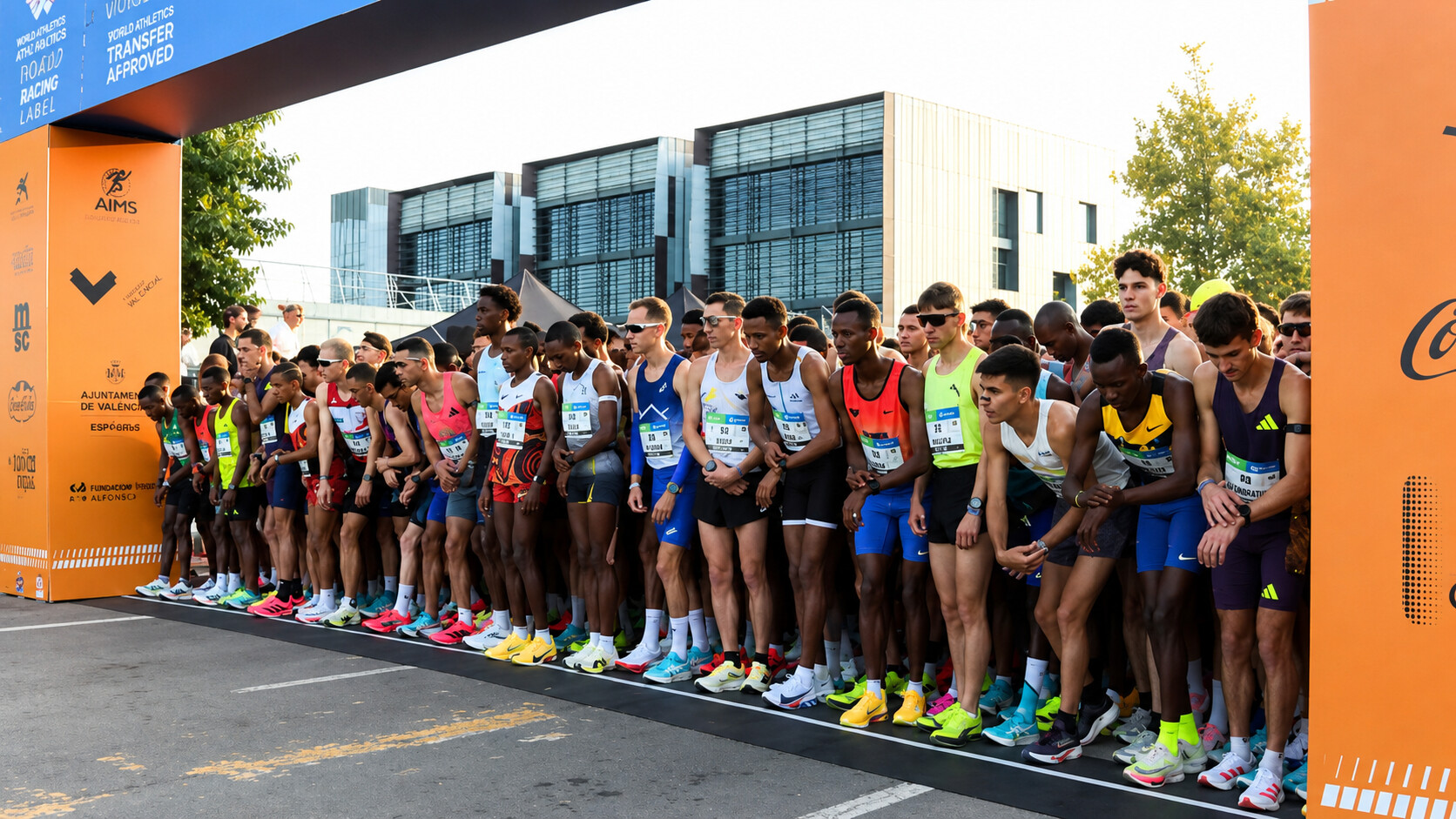
Bekele’s recent journey has been a mixture of extraordinary resilience and frustrating setbacks. His 2024 campaign demonstrated both sides of that story. At the London Marathon in April, he produced one of the greatest performances ever recorded by a masters athlete, running 2:04:15 for second place behind Alexander Mutiso Munyao. The performance established a world record for the M40 age category and showed that, even beyond his 40th birthday, Bekele could still operate at a breathtaking level.
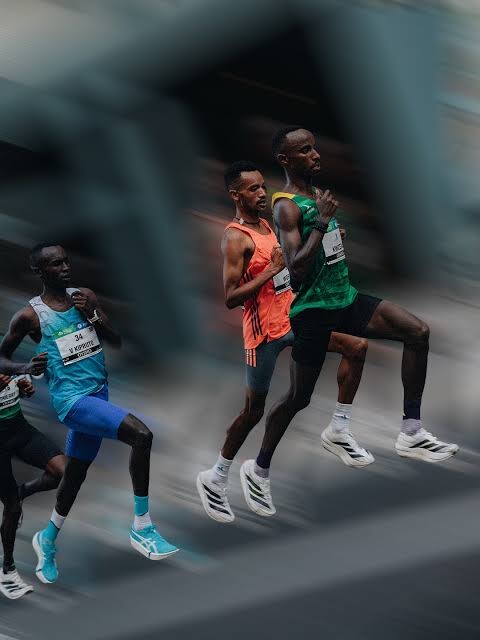
A few months later, however, the Olympic marathon in Paris offered a very different challenge. Bekele finished 39th in 2:12:24 after struggling with a hamstring problem during the race. He later explained that he felt the hamstring stretch around 15 kilometres, yet he continued to the finish rather than joining the growing list of athletes who abandoned the brutal Olympic course.
The setbacks continued into 2025, when Bekele recorded a DNF at the TCS New York City Marathon. Then came another obstacle in 2026. His highly anticipated return to the Berlin Marathon was halted after he suffered a left Achilles tendon injury in training only days before the race, forcing him to withdraw.
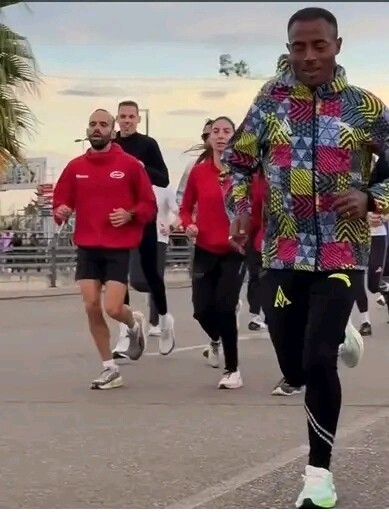
Rather than allowing another setback to end the conversation, Bekele returned to competition at the Valencia Half Marathon on October 25, 2026. The target was ambitious: breaking the 60-minute barrier for the first time in his career while pursuing the M40 world record of 59:53.
But the clock proved unforgiving. Bekele recorded 14:38 through the opening 5 kilometres before eventually dropping out of the race.
For an athlete whose career has been defined by extraordinary victories, records and comebacks, another DNF may look like a painful statistic. But judging Bekele solely by his most recent results would overlook the extraordinary body of work that has made him one of the greatest distance runners in history.
In December 2023, at 41, he ran 2:04:19 to finish fourth at the Valencia Marathon, setting a world masters record at the time. Four months later, he went even faster in London, producing the remarkable 2:04:15 that remains his M40 world record.
And his legacy extends far beyond the marathon. Bekele is a three-time Olympic champion, winning the 10,000 metres at Athens 2004 before completing the 5,000m and 10,000m double at Beijing 2008. He also collected five World Championship gold medals and 11 World Cross Country Championship titles.
His 2:01:41 victory at the 2019 Berlin Marathon remains one of the most extraordinary marathon performances ever produced. Although it is no longer the second-fastest marathon in history—as faster performances have since been recorded—it remains among the all-time great marks and currently sits seventh on the World Athletics all-time list.
That is what makes Bekele’s current journey so compelling. The 44-year-old is no longer competing simply to add another ordinary result to his résumé. Every appearance represents another test of how far experience, determination and an extraordinary athletic foundation can carry an athlete against the relentless passage of time.
Valencia did not deliver the sub-60 performance he was chasing. The Achilles injury disrupted his Berlin comeback. New York ended without a finish. Yet none of those moments can erase what Bekele has already achieved—or the remarkable fact that he continues to stand on start lines against athletes who are sometimes more than a decade younger.
Perhaps that is the most enduring part of Kenenisa Bekele’s story. Records eventually fall, races eventually become difficult, and the body eventually demands a price. But the competitive spirit that carried him from Olympic glory to world records has never disappeared.
At 44, Bekele may no longer be chasing the same version of himself who dominated the track and conquered Berlin. Instead, he is fighting a different battle—the battle to discover just how much of that greatness still remains.
And as long as Kenenisa Bekele keeps answering the starting gun, the running world will keep watching.
by Erick Cheruiyot for My Best Runs.
Login to leave a comment
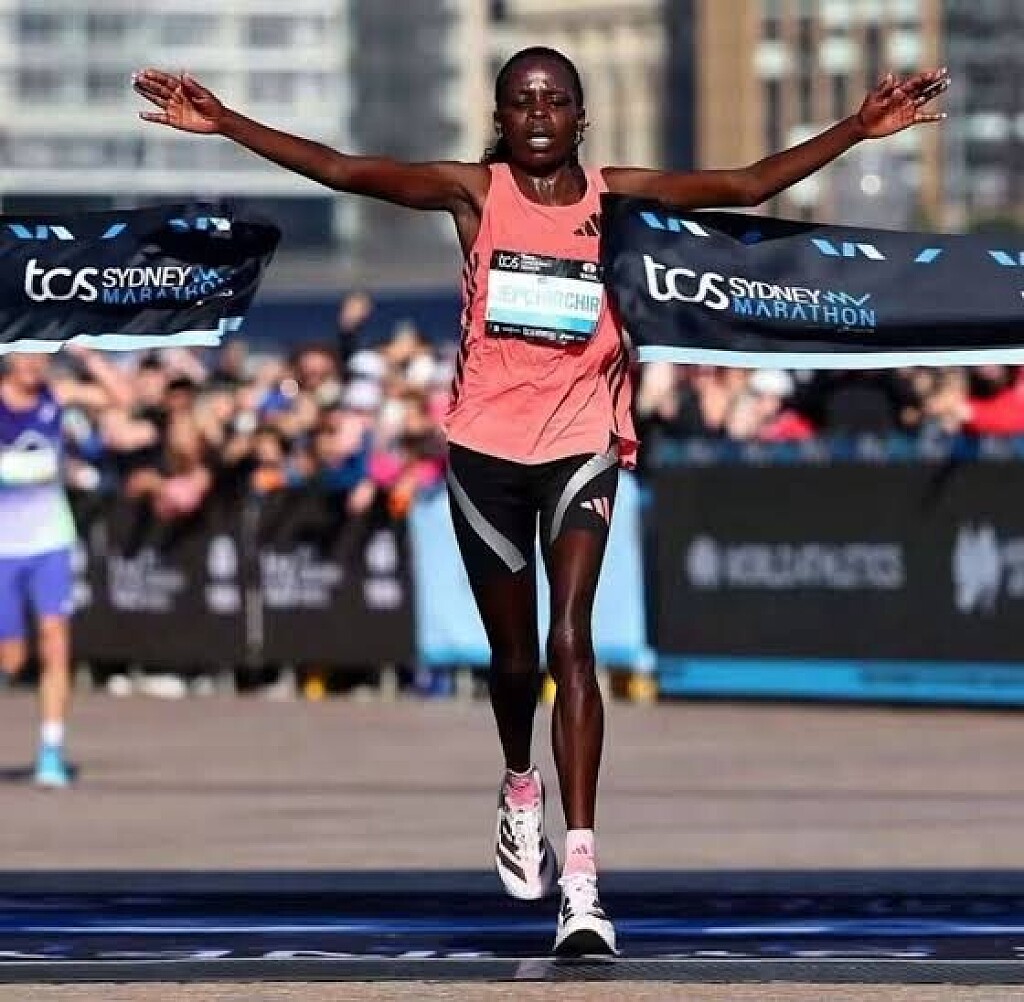
Shocking Development: Peres Jepchirchir Provisionally Suspended Over EPO Finding As Sydney Marathon Title Hangs In The Balance
Kenyan distance running has been rocked by a major development after Peres Jepchirchir, the reigning world marathon champion and 2021 Olympic gold medallist, was provisionally suspended by the Athletics Integrity Unit (AIU) following an adverse analytical finding for erythropoietin (EPO).
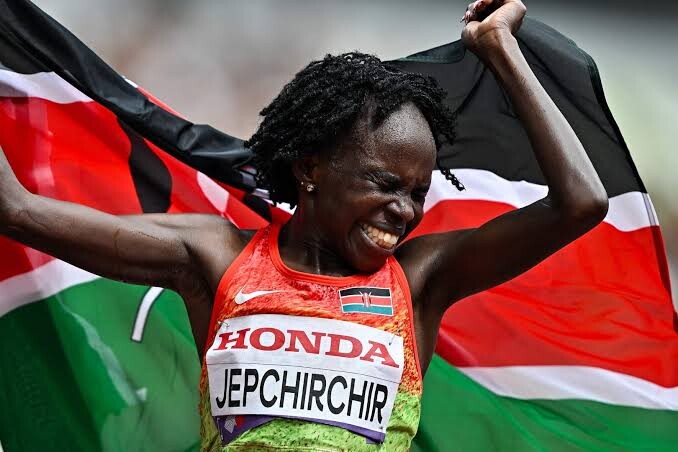
The 33-year-old reportedly tested positive for the prohibited substance in an out-of-competition sample collected in Kenya before the Sydney Marathon on August 30, 2026. The development has cast uncertainty over the future of one of the most accomplished female marathon runners of her generation, whose impressive career includes Olympic gold, a world championship title and victories at three of the sport's most prestigious marathons.
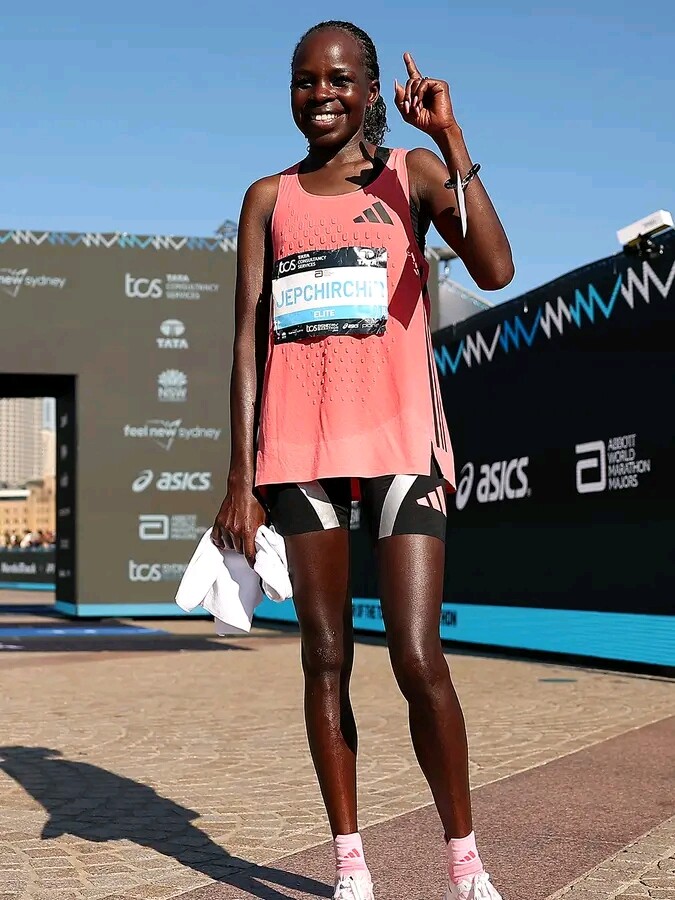
Jepchirchir returned to marathon competition in Sydney after a stress fracture forced her to withdraw from the London Marathon in April. Her comeback initially appeared to be another triumphant chapter in her career, as she stormed to victory in 2:18:31, finishing 3:40 ahead of compatriot Irine Cheptai.
However, the reported adverse analytical finding has placed that achievement under scrutiny, with the possibility that her Sydney victory could eventually be annulled depending on the outcome of the anti-doping proceedings.
Under anti-doping rules, results can be disqualified from the date of an adverse analytical finding or another applicable date determined under the regulations. If the relevant results are annulled, Jepchirchir could lose the Sydney Marathon title, which would have given her victories at four different World Marathon Majors, following her previous triumphs in New York, Boston and London.
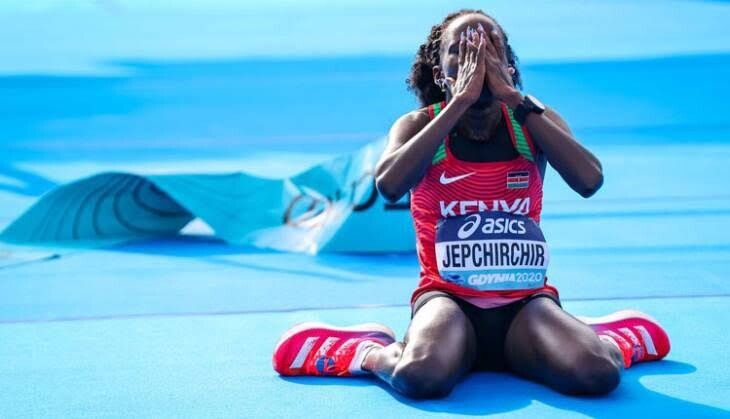
EPO is a prohibited substance that stimulates red blood cell production, increasing the blood's capacity to transport oxygen to working muscles. Its performance-enhancing potential makes it particularly significant in endurance sports, including marathon running.
The substance is prohibited under anti-doping regulations, and a confirmed violation can carry serious consequences. Under the World Anti-Doping Code, a first violation involving a non-specified substance such as EPO generally carries a four-year period of ineligibility when the applicable conditions are met, although the final sanction depends on the circumstances of the case.
Jepchirchir's provisional suspension, however, is not a final sanction and does not itself establish that an anti-doping rule violation has been conclusively proven. The case must proceed through the relevant process, during which the athlete has the opportunity to exercise her rights under the applicable rules.
As of the information available, Jepchirchir has not commented publicly on the matter.
The Sydney Marathon has also acknowledged the seriousness of the situation while emphasising the importance of a fair process. In a statement, the event said Jepchirchir “is entitled to due process, and we will make no further comment on the case until that process has concluded.”
The case has attracted considerable attention because of Jepchirchir's standing in international athletics. She won Olympic marathon gold at the Tokyo Games in 2021 before claiming victory at the New York City Marathon later that year. In 2022, she conquered the Boston Marathon, adding another prestigious title to her growing collection.
Her success continued in 2024 when she won the London Marathon, becoming one of the few women to capture victories at New York, Boston and London. She subsequently reached another career milestone at the 2025 World Athletics Championships in Tokyo, where she won the women's marathon title by just two seconds in a dramatic finish against Ethiopia's Tigst Assefa.
Jepchirchir has also established herself among the fastest women in marathon history. Her personal best of 2:14:43 places her ninth on the all-time women's marathon list, underscoring the level of performance that has defined her career.
Beyond the immediate implications for her Sydney victory, the case could have wider consequences if an anti-doping rule violation is ultimately established. The World Marathon Majors' rules provide for lifetime exclusion from the series for athletes who receive a doping-related ban of three months or longer, meaning a sufficiently lengthy sanction could jeopardise Jepchirchir's future participation in all eight events.
For an athlete who has built her reputation through success on the sport's biggest stages, such an outcome would represent a significant setback. Nevertheless, any consequences for her results, eligibility or future participation will depend on the applicable rules and the final outcome of the proceedings.
The development also renews attention on Kenya's ongoing efforts to protect the integrity of distance running. The country has produced generations of exceptional marathon runners, but high-profile anti-doping cases continue to raise difficult questions about clean competition and the responsibility of athletes, coaches and support personnel.
For now, the focus remains on the AIU's proceedings and the evidence surrounding the reported finding. Jepchirchir's provisional suspension marks a serious moment in her career, but the distinction between an adverse analytical finding and a final ruling remains essential as the case moves forward.
Once celebrated for her Olympic triumph, world championship glory and victories in the world's most prestigious marathons, the Kenyan star now faces an uncertain period as the anti-doping process unfolds. The eventual outcome will determine whether her latest Sydney success remains part of her remarkable record or becomes one of the most consequential episodes of her career.
by Erick Cheruiyot for My Best Runs.
Login to leave a comment
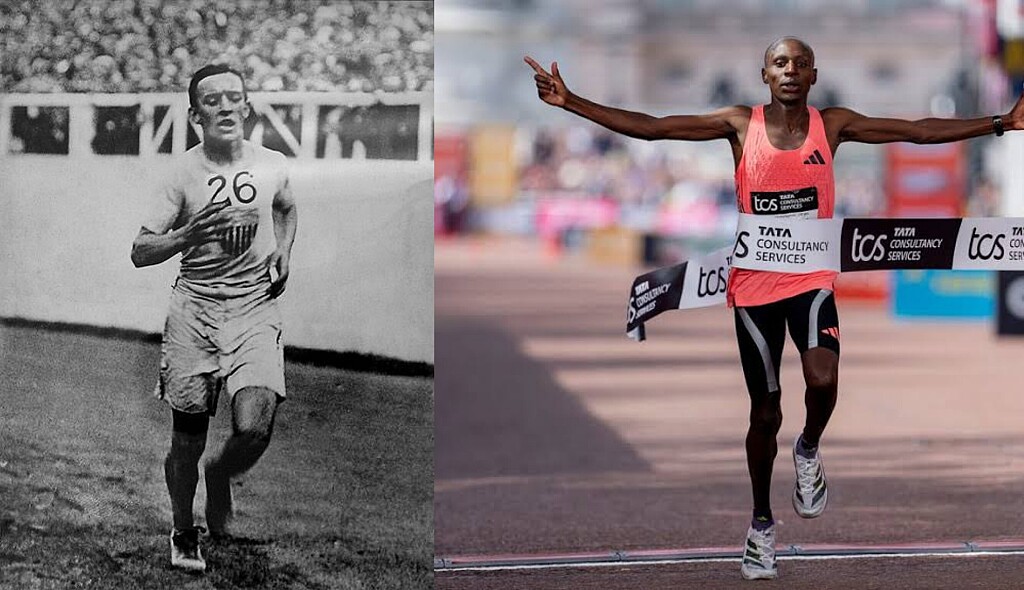
From 2:55:18 To 1:59:30: How 118 Years Transformed The Marathon
The marathon has undergone one of the most extraordinary transformations in sporting history, and two landmark performances separated by 118 years offer a remarkable illustration of just how far human endurance has advanced.
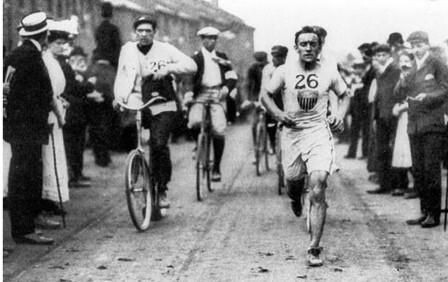
In 1908, American distance runner Johnny Hayes won the Olympic marathon in London in 2:55:18, producing one of the defining performances of the early modern era of distance running. On April 26, 2026, the same city witnessed another historic moment when Kenya’s Sabastian Sawe stormed to victory at the London Marathon in 1:59:30, becoming the first man to complete the marathon in under two hours in a record-eligible race.
Although their achievements belong to different eras, the contrast between the two performances captures more than a century of progress in athletics.
Hayes’s victory at the 1908 London Olympics came in a race that helped shape the modern marathon. His winning time of 2:55:18 was an Olympic milestone, although it was not an officially ratified marathon world record under the standards used today. Marathon world records were formally recognised much later.
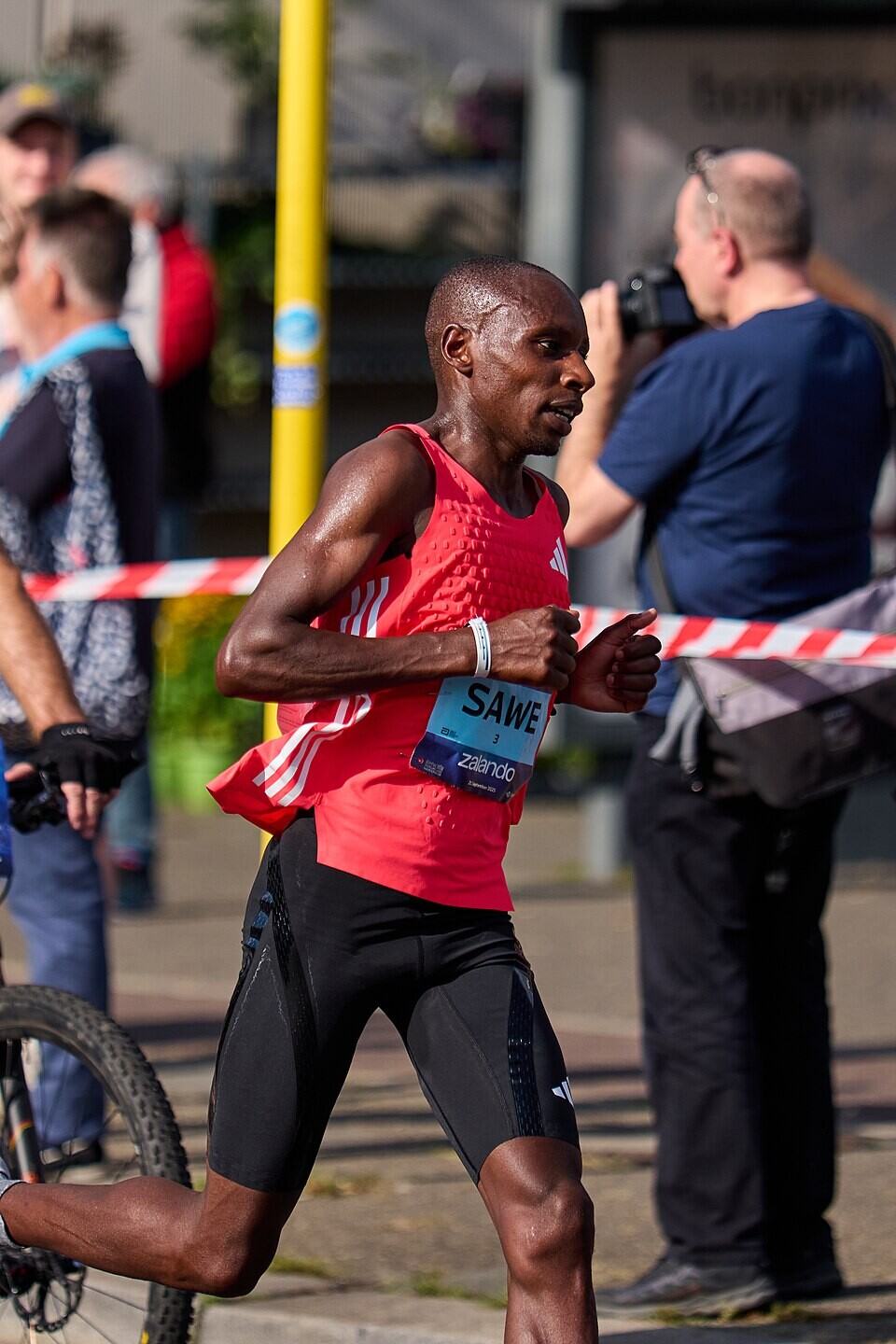
More than a century later, Sawe rewrote the limits of what was considered possible over the classic 42.195-kilometre distance. His sensational 1:59:30 performance at the 2026 London Marathon broke the recognised men’s world record by 65 seconds, becoming the first officially eligible sub-two-hour marathon in history.
The difference between Hayes’s finishing time and Sawe’s is a staggering 55 minutes and 48 seconds.
Put another way, Sawe completed the marathon almost an hour faster than Hayes, despite both athletes tackling the same fundamental challenge: covering 42.195 kilometres on foot.
The pace comparison makes the scale of that evolution even more striking. Hayes averaged approximately 4:09 per kilometre, while Sawe maintained an astonishing average of about 2:50 per kilometre.
That means Sawe ran each kilometre roughly 79 seconds faster than Hayes’s average pace. Sustaining that difference over the entire marathon adds up to an extraordinary gap between two generations of distance running.
Imagine placing the two performances side by side. At Hayes’s average pace, Sawe would already have crossed the finish line while Hayes still had approximately 13.4 kilometres left to cover.
Such a comparison would have been almost unimaginable in the early days of Olympic marathon running.
The evolution of the sport has been driven by numerous advances. Modern athletes benefit from more sophisticated training methods, scientific approaches to recovery, carefully planned race strategies and increasingly precise nutritional support. Advances in footwear, particularly lightweight racing shoes incorporating carbon-fibre plates and advanced foams, have also changed the landscape of elite marathon running.
Pacing strategies have become more refined, while sports science has helped athletes understand how to distribute their energy, maintain efficiency and sustain demanding speeds over longer periods.
Sawe’s performance demonstrated what can happen when exceptional natural ability, meticulous preparation, modern technology and near-perfect race execution come together. His achievement was not simply a victory over the clock; it was a breakthrough that pushed the perceived boundaries of human endurance into new territory.
Yet, amid all these changes, one essential element has remained constant.
The marathon is still 42.195 kilometres long.
From Hayes’s triumph in London in 1908 to Sawe’s historic sub-two-hour performance in the British capital in 2026, the distance has remained unchanged while the speed at which the world’s finest athletes cover it has evolved dramatically.
One performance belongs to the formative years of modern marathon running. The other represents a new frontier in a sport that continues to redefine its limits.
London has now witnessed both ends of this remarkable historical comparison: an Olympic champion completing the marathon in 2:55:18 and a Kenyan world-record holder conquering it in 1:59:30.
The distance stayed the same. The shoes, science, training and understanding of human performance changed. And the clock tells the story of just how far marathon running has come.
by Erick Cheruiyot for My Best Runs.
Login to leave a comment
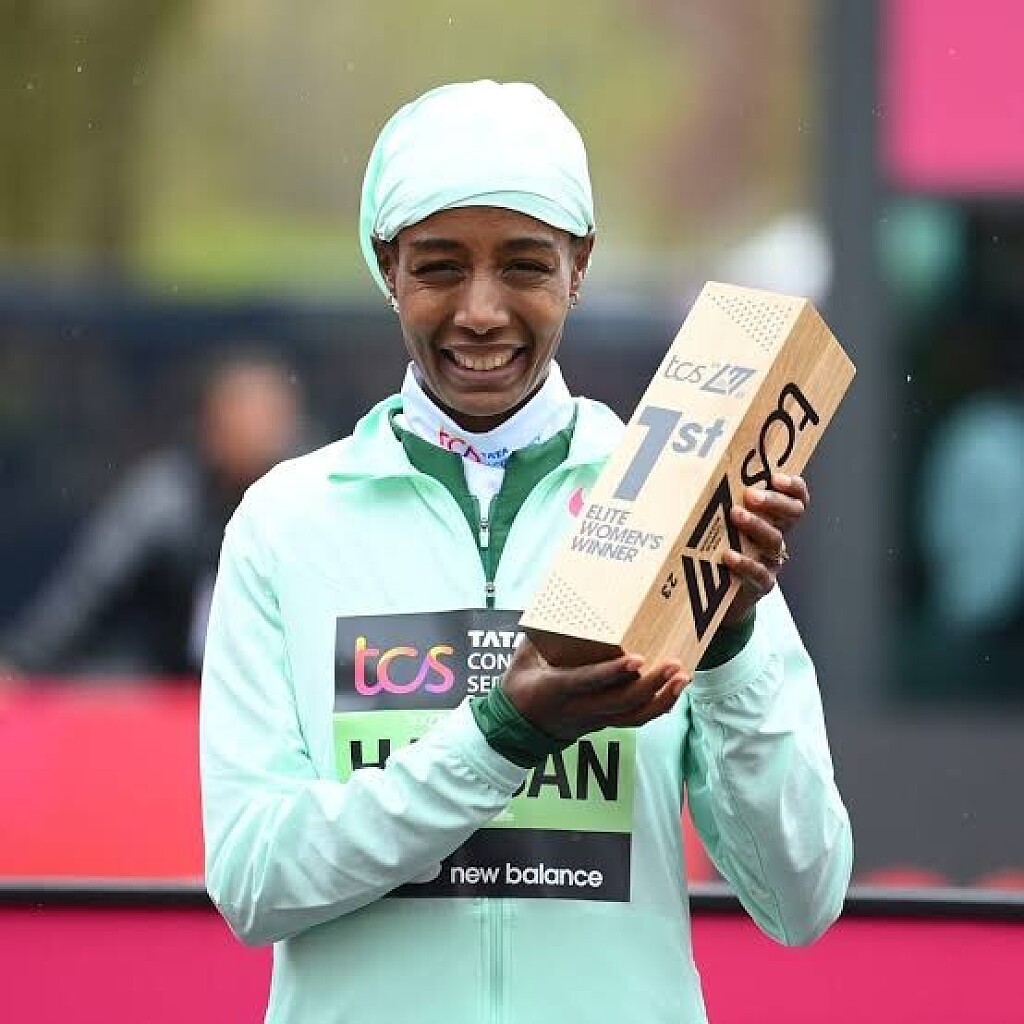
Sifan Hassan Withdraws From 2026 New York City Marathon As Illness Disrupts Her Preparation
Olympic marathon champion Sifan Hassan of the Netherlands has officially withdrawn from the 2026 TCS New York City Marathon after illness disrupted her preparations, ending hopes of seeing the versatile distance-running star return to one of the world’s most prestigious road races this autumn.
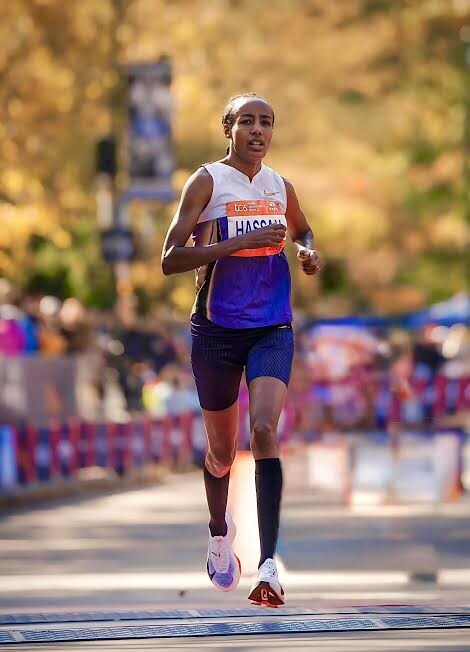
Hassan announced her decision on social media, explaining that sickness had slowed her training and left her short of the level of preparation she had hoped to achieve ahead of the November 1 race. The withdrawal is a setback for the Dutch star, who had been looking forward to returning stronger after her previous appearance in New York.
“I was so excited to come back stronger, but a sickness slowed down my training and I’m not where I wanted to be. Sometimes, things just don’t go as planned,” Hassan wrote.
Despite her disappointment, the Olympic champion also sent her best wishes to the athletes preparing to compete in New York, demonstrating her support for the wider running community even as she steps away from the competition.
Hassan, who holds a personal best of 2:13:44, ranks fifth on the women’s all-time marathon list. Her extraordinary range across track and road running has established her as one of the most versatile athletes of her generation, capable of competing at the highest level from shorter distances to the marathon.
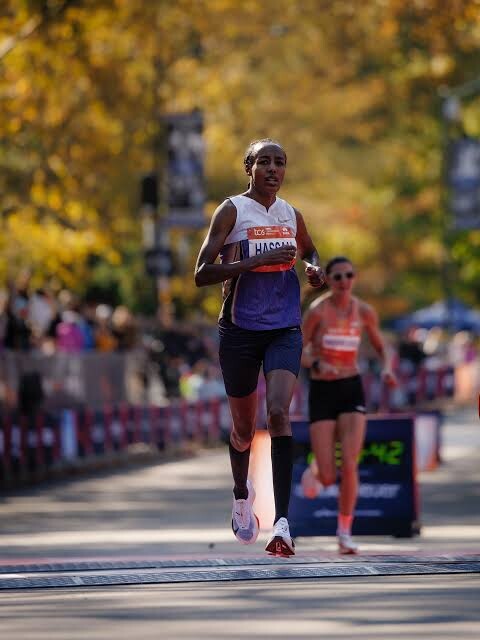
Her marathon career has already produced several memorable achievements. Hassan has won the London Marathon and Chicago Marathon, claimed victory at the Sydney Marathon, and secured Olympic marathon gold at the Paris 2024 Games. Those accomplishments underline her ability to adapt to different courses, race conditions and competitive challenges.
The withdrawal from New York follows another interruption to her 2026 campaign. Hassan previously pulled out of the London Marathon because of an Achilles injury, and the latest illness has further disrupted her plans for the season. With her training affected, stepping aside from New York allows her to prioritise her recovery rather than compete without the preparation she considers necessary.
Hassan’s absence will be a significant talking point in the build-up to the New York City Marathon, which takes runners through all five boroughs of the city before finishing in Central Park. The demanding course and deep international field regularly produce compelling racing, and her withdrawal creates an opportunity for other leading contenders to strengthen their ambitions.
Although the precise implications for the women’s elite field will depend on the final start list, the race remains an important opportunity for leading East African athletes and top American runners to challenge for victory. Without Hassan on the starting line, attention will turn to the athletes capable of taking advantage of the opportunity and delivering a memorable performance on the streets of New York.
For Hassan, however, the priority is no longer the immediate challenge of another marathon. The Dutch star has built her reputation through resilience, adaptability and a willingness to take on some of the toughest challenges in distance running. Recovering fully and returning to structured training will be essential as she considers her next competitive objectives.
At 33, Hassan already has an exceptional record that includes Olympic glory and victories at some of the world's most prestigious marathons. While her withdrawal is disappointing for fans who hoped to see her compete in New York again, it does not diminish the achievements that have made her one of the defining distance runners of her era.
The running world will now wait for news of her recovery and next racing plans. For the moment, Hassan’s message is clear: sometimes, even the best-laid preparations do not go according to plan, and knowing when to step back is part of an athlete’s journey.
The 2026 TCS New York City Marathon is scheduled for November 1. Hassan’s withdrawal removes one of the most accomplished names from the anticipated women’s field, but the race will continue to bring together elite athletes from around the world for another major contest over the five-borough course.
by Erick Cheruiyot for My Best Runs.
Login to leave a comment
TCS New York City Marathon
The first New York City Marathon, organized in 1970 by Fred Lebow and Vince Chiappetta, was held entirely in Central Park. Of 127 entrants, only 55 men finished; the sole female entrant dropped out due to illness. Winners were given inexpensive wristwatches and recycled baseball and bowling trophies. The entry fee was $1 and the total event budget...
more...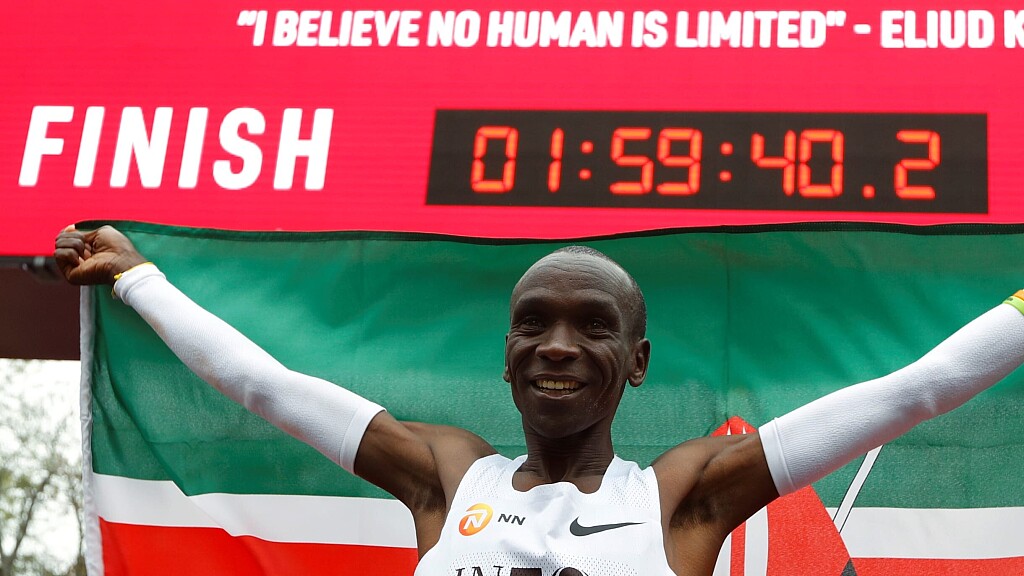
From Kipchoge’s Impossible Dream to Sawe’s Historic Reality: Kenya Redefines Marathon Running
Seven years after Eliud Kipchoge challenged the limits of human endurance in Vienna, fellow Kenyan Sabastian Sawe has transformed that extraordinary vision into a landmark achievement in competitive marathon running, becoming the first man to complete the 42.195-kilometre distance in under two hours under record-eligible race conditions.
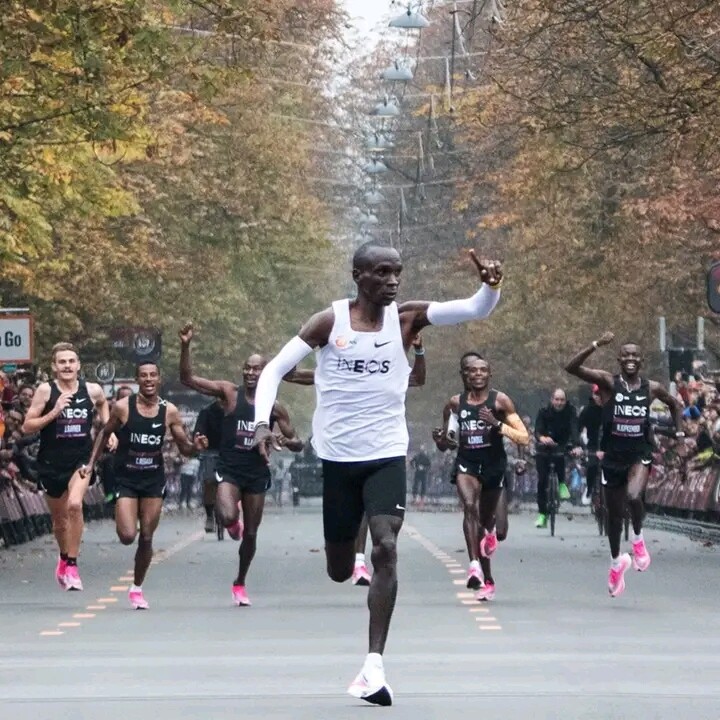
On October 12, 2019, Kipchoge etched his name into sporting history when he completed the INEOS 1:59 Challenge in Vienna, Austria, in an astonishing 1:59:40.2. Although the performance could not be recognised as an official world record because of the controlled conditions under which it was staged, it demonstrated that the seemingly impossible barrier was within human reach.
Kipchoge’s achievement carried a powerful message that resonated far beyond athletics: “No human is limited.” His words became a symbol of determination, ambition and the courage to challenge established boundaries.
However, the dream of breaking two hours in an official marathon remained unfinished.
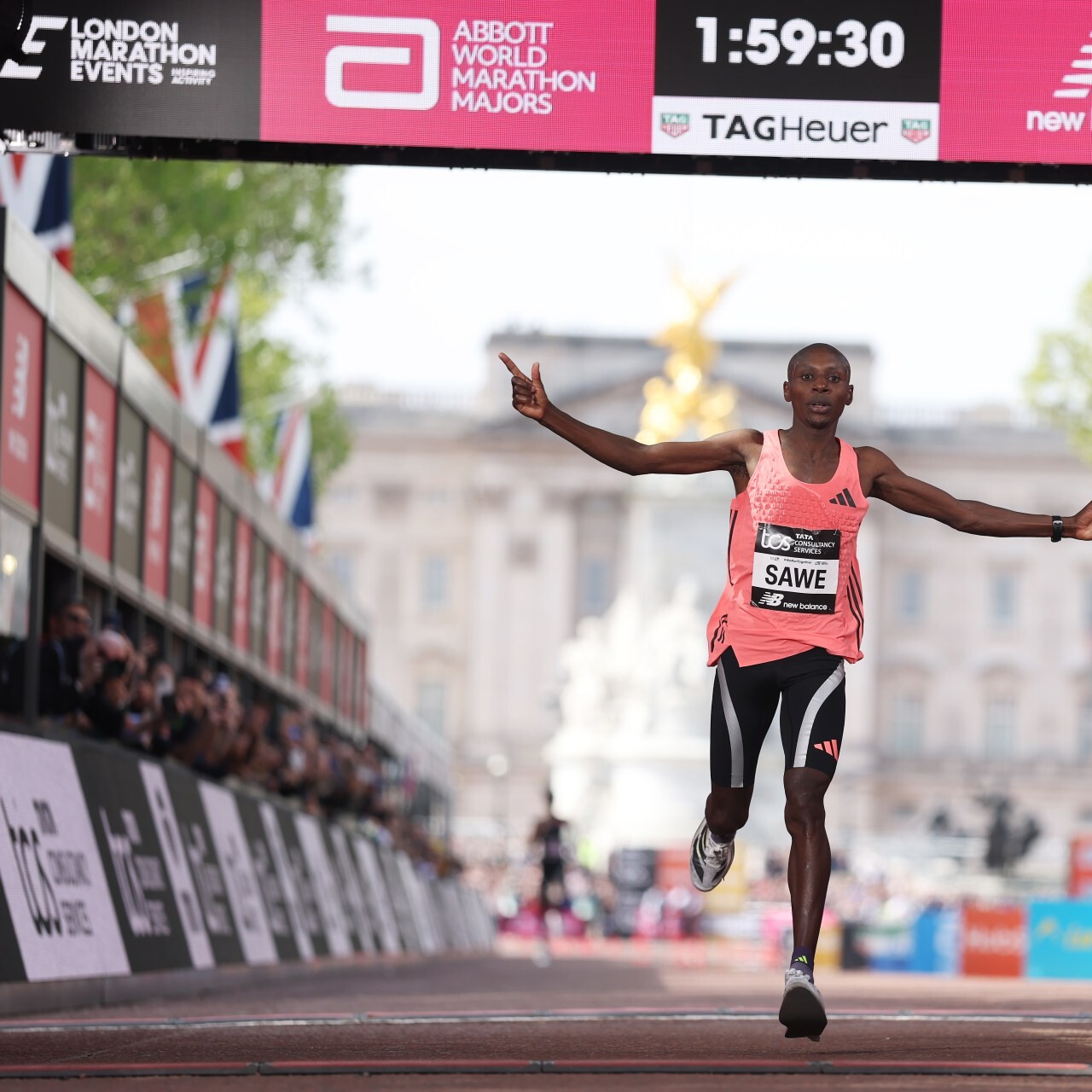
That changed on April 26, 2026, when Sawe delivered a breathtaking performance at the TCS London Marathon, stopping the clock at 1:59:30 to claim victory and establish a new men's marathon world record. The Kenyan took an astonishing 65 seconds off the previous record of 2:00:35, set by the late Kelvin Kiptum at the 2023 Chicago Marathon.
Sawe’s achievement was historic not simply because he ran faster than Kipchoge’s celebrated Vienna time, but because he accomplished the feat in an official, competitive marathon eligible for world-record recognition. The distinction elevated his performance into an entirely new chapter of distance-running history.
Remarkably, Sawe was not the only athlete to challenge the two-hour barrier that day. Ethiopia’s Yomif Kejelcha finished second in 1:59:41, becoming the second man to run under two hours in a competitive marathon. Uganda’s Jacob Kiplimo completed the podium in 2:00:28, also finishing inside Kiptum’s previous world record.
The extraordinary results underlined how dramatically the boundaries of marathon running have shifted in a sport where even a few seconds can separate an athlete from immortality.
For Kenya, Sawe’s triumph represents another defining moment in a remarkable tradition of distance-running excellence. From the groundbreaking achievements of Kipchoge to Kiptum’s world-record performance and now Sawe’s sub-two-hour marathon, Kenyan athletes have continued to shape the evolution of the sport.
Yet the connection between Kipchoge and Sawe goes beyond nationality. Kipchoge demonstrated that the marathon distance could be covered in less than two hours under specially controlled conditions. Sawe carried that vision into open competition, where the challenge had to be conquered within the demands of an official race.
Their achievements tell a compelling story of how sporting dreams can inspire future generations to pursue what once appeared unattainable.
On October 12, 2026, exactly seven years after Kipchoge’s landmark run in Vienna, the anniversary offers a powerful opportunity to reflect on how far marathon running has progressed. What began as a demonstration of human potential has become an officially recognised world-record achievement.
Kipchoge opened the door to a new era of possibility. Sawe ran through it and changed marathon history forever.
One dream. Two Kenyan legends. A new definition of human endurance.
The message remains as powerful as ever: No human is limited.
by Erick Cheruiyot for My Best Runs.
Login to leave a comment
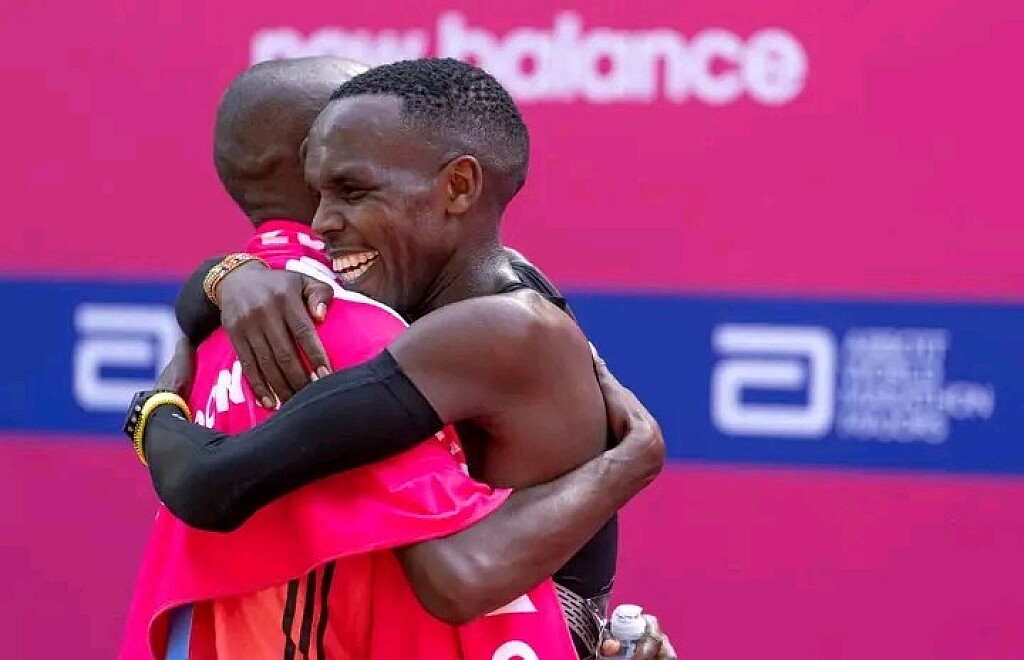
Amos Kipruto Clocks Fifth-Fastest Marathon Major Time In History With Sensational Chicago Victory
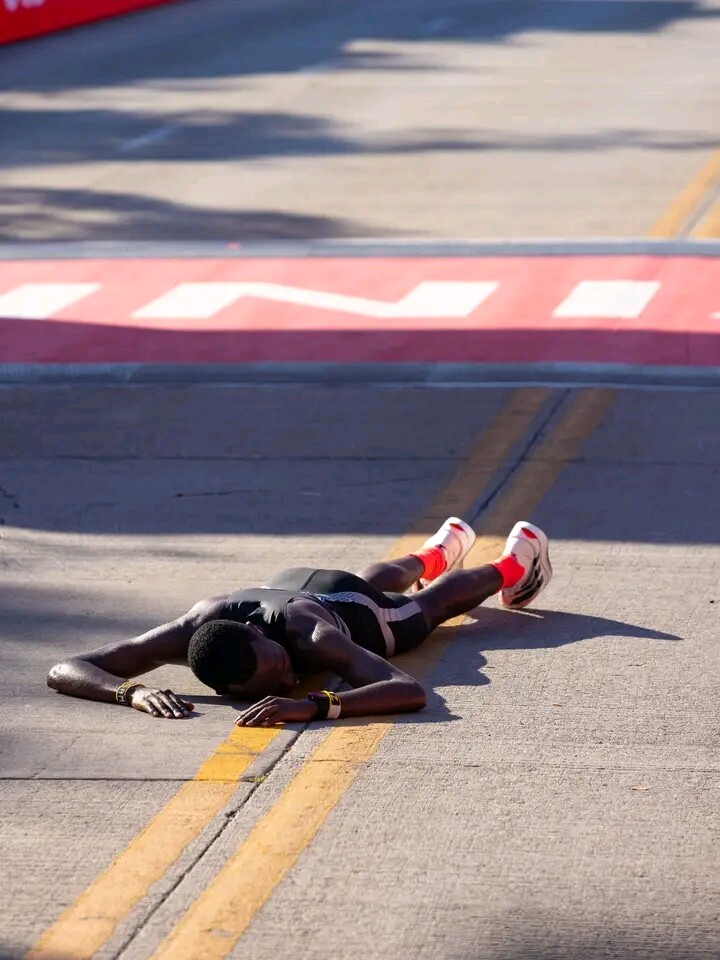
Amos Kipruto delivered a sensational performance at the 2026 Bank of America Chicago Marathon, storming to victory in 2:01:09 and securing his place among the fastest marathon runners in history.

The Kenyan distance star produced a remarkable display of endurance, speed and determination to conquer the streets of Chicago, adding another prestigious title to his impressive career. His winning time ranks joint fifth on the all-time list of the fastest performances recorded at the Abbott World Marathon Majors, matching the 2:01:09 achieved by fellow Kenyan Eliud Kipchoge at the 2022 Berlin Marathon.
Kipruto's performance was particularly significant because it came in an era when the men's marathon world record has entered previously unimaginable territory. Kenya's Sabastian Sawe currently holds the official world record of 1:59:30, set at the 2026 London Marathon, where he became the first man to complete a record-eligible marathon in under two hours.
Sawe's historic achievement surpassed the previous world record of 2:00:35, set by the late Kelvin Kiptum at the 2023 Chicago Marathon. Kiptum's performance had represented a major breakthrough for marathon running before Sawe pushed the boundaries even further with his extraordinary sub-two-hour performance in London.
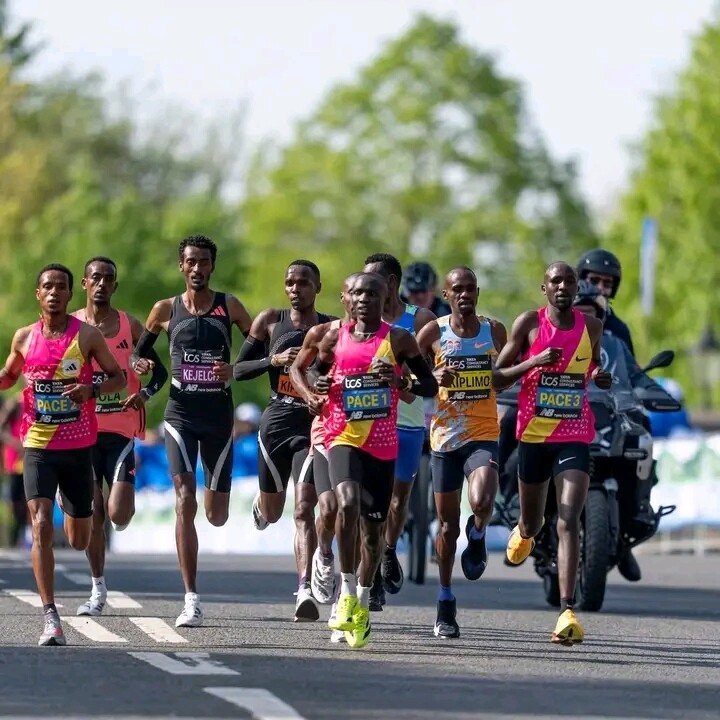
Behind Sawe on the updated all-time list are Ethiopia's Yomif Kejelcha, who ran 1:59:41 in London, and Uganda's Jacob Kiplimo, who clocked 2:00:28 at the same race. Kiptum's 2:00:35 remains one of the greatest performances in marathon history, while Kipruto's 2:01:09 now places him alongside Kipchoge's former world-record mark.
Kipruto's Chicago victory was the culmination of three consecutive years of progress at the prestigious race. He finished third in 2024, improved to second in 2025 and finally climbed to the top of the podium in 2026. After coming close on his previous two appearances, he turned his persistence into a memorable triumph.
The experienced Kenyan had already established himself as a formidable competitor on the international marathon circuit, winning the London Marathon in 2022. His Chicago triumph marked another major achievement in a career built on consistency, resilience and the ability to compete against the world's strongest distance runners.
His winning time also improved on the 2:01:39 he recorded at the 2026 London Marathon, representing a 30-second personal-best improvement. That progress underlined his continued development at the highest level and demonstrated his ability to deliver outstanding performances on the sport's biggest stages.
Kipruto's achievement further highlighted Kenya's enduring influence on international marathon running. From Kipchoge's historic world-record performances to Kiptum's extraordinary speed and Sawe's groundbreaking sub-two-hour run, Kenyan athletes have repeatedly redefined the limits of what is possible over 42.195 kilometres.
For Kipruto, however, the spotlight belonged to a runner whose determination finally brought him the Chicago crown after two consecutive podium finishes. His 2:01:09 victory not only secured a prestigious title but also placed him among the elite performers who have helped shape the modern marathon era.
With a new personal best, a long-awaited Chicago victory and a place among the fastest marathon major performances ever recorded, Kipruto has delivered a landmark performance in his career. His triumph adds another memorable chapter to Kenya's rich marathon history, while the world-record progression led by Sawe continues to push the sport into a remarkable new era.
by Erick Cheruiyot for My Best Runs.
Login to leave a comment
Chicago Marathon 2026: Can Jacob Kiplimo or Amos Kipruto Break Kelvin Kiptum’s Legendary Course Record?
The spotlight is firmly on the men’s elite field at the 2026 Bank of America Chicago Marathon, where one of the biggest questions is whether Kelvin Kiptum’s extraordinary course record will finally be broken.
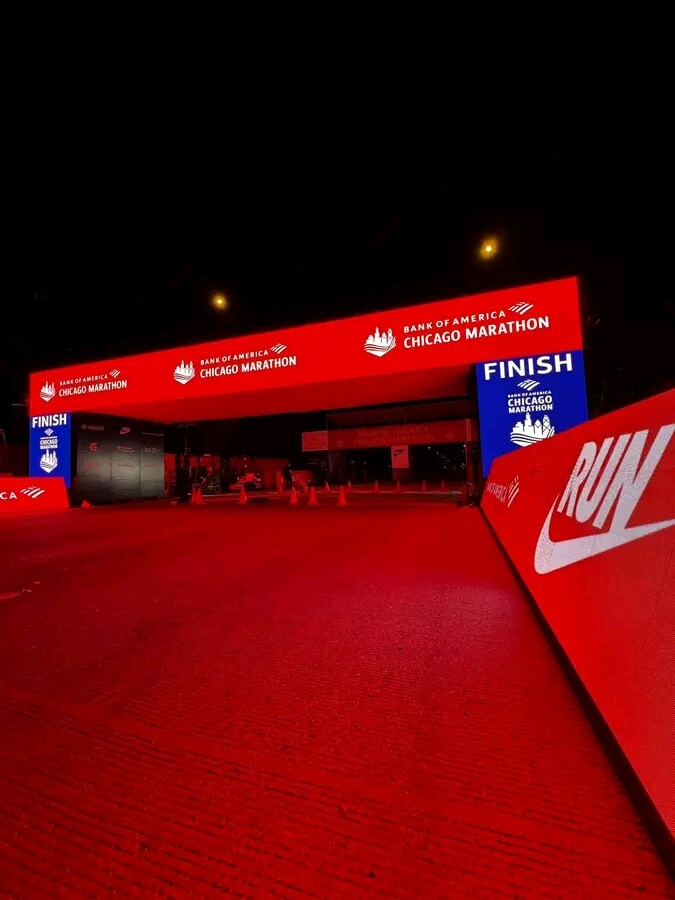
Kiptum made history in Chicago in 2023, storming to victory in 2:00:35 to establish a course record that remains one of the most remarkable performances in marathon running. His sensational achievement also set a world record at the time, placing him among the greatest marathon runners in history.
Three years later, Chicago once again provides the stage for the world’s leading distance runners to test themselves against that extraordinary benchmark. Among the leading challengers are Uganda’s Jacob Kiplimo and Kenya’s Amos Kipruto, two accomplished marathoners whose recent performances have added considerable intrigue to the record chase.
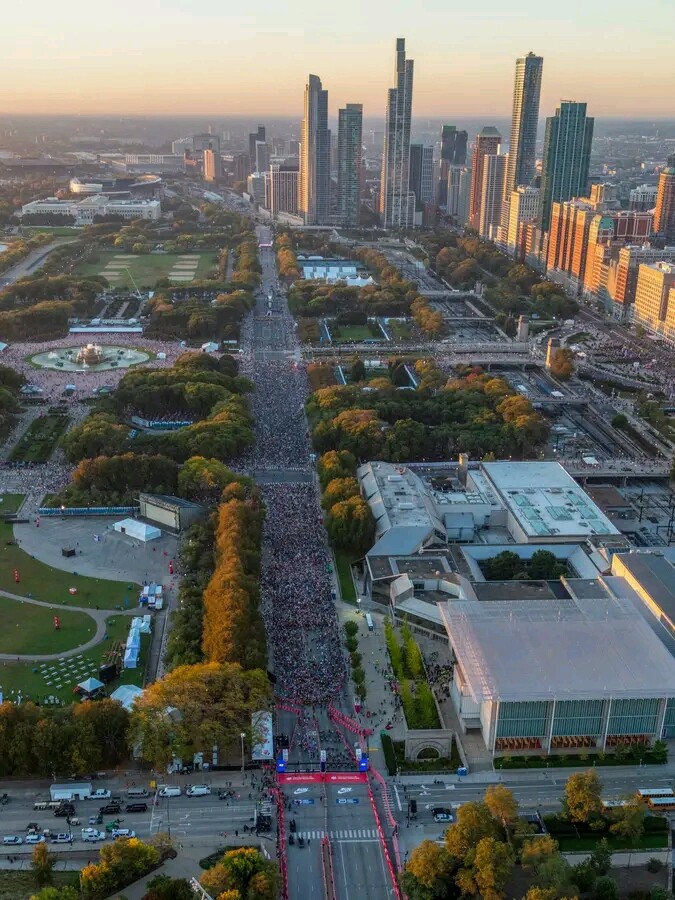
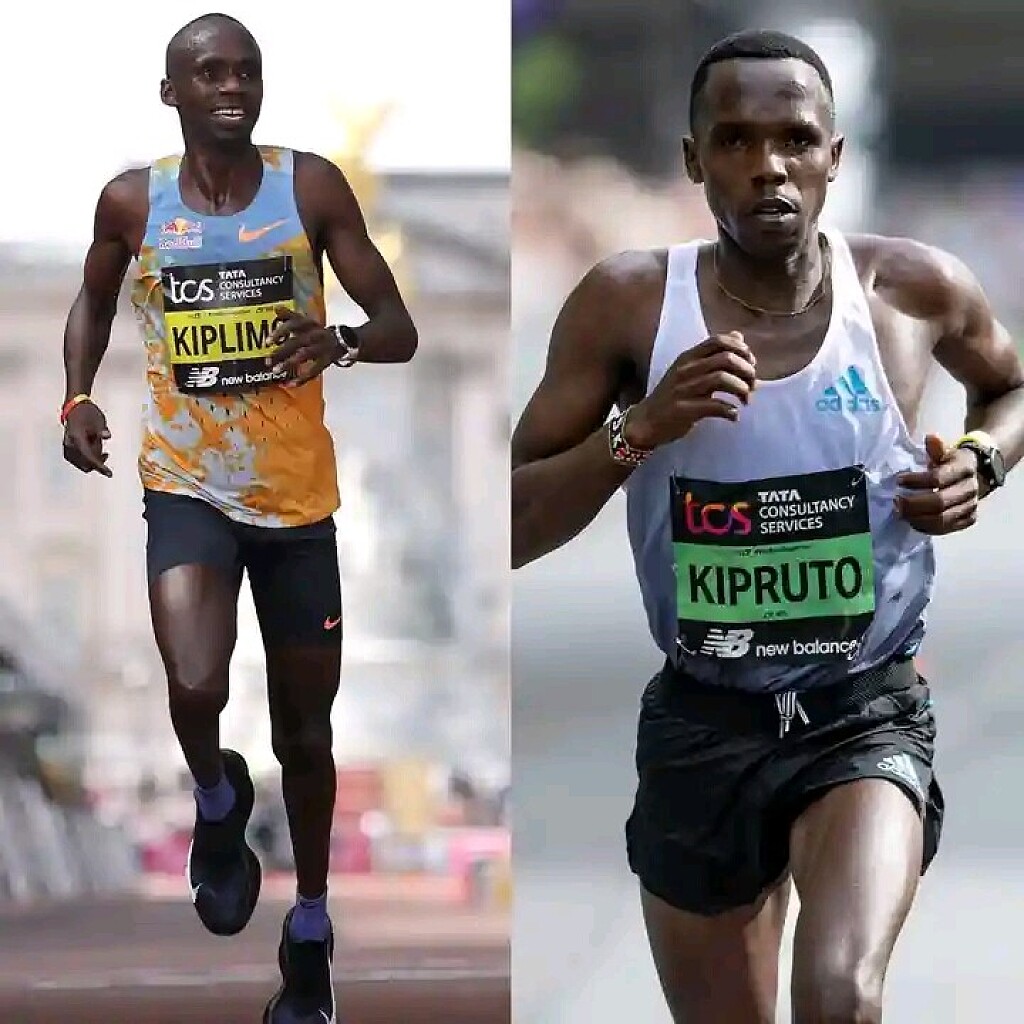
Jacob Kiplimo arrives in Chicago with a personal best of 2:00:28, recorded at the London Marathon on April 26, 2026, where he finished third overall. His performance placed him among the fastest marathon runners in history and demonstrated his ability to compete at the highest level over the classic distance. Remarkably, his London time is seven seconds faster than Kiptum’s Chicago course record, making him one of the most compelling athletes to watch in the race.
Kenya’s Amos Kipruto also enters the contest with an impressive personal best of 2:01:39, set at the same London Marathon, where he finished fourth. The experienced marathoner has established himself as a consistent contender on the international stage and will be eager to challenge for victory against a formidable field. His previous success in major marathons and familiarity with Chicago make him another important name in the conversation.
The contrast between their personal bests and Kiptum’s course record makes the contest particularly fascinating. Kiplimo has already demonstrated the ability to run seven seconds faster than the Chicago mark, while Kipruto’s London performance confirms that he can compete at an exceptionally high level. However, personal bests achieved on different courses do not automatically translate into similar performances elsewhere.
Kiplimo will also benefit from returning as the defending Chicago Marathon champion. He won the 2025 edition in 2:02:23, finishing ahead of Kipruto, who placed second. That previous experience could prove valuable as he attempts to defend his title and potentially produce another landmark performance on the streets of Chicago.
For Kipruto, the challenge is equally significant. The Kenyan will need to combine his experience, endurance and tactical awareness to remain competitive against Kiplimo and the other leading contenders. If the pace is sufficiently aggressive and conditions are favourable, the battle for the title could develop into a race against both the field and the clock.
Weather conditions, pacing and the strength of the leading group will all play important roles in determining whether Kiptum’s record comes under serious threat. Maintaining the necessary speed over 42.195 kilometres requires exceptional preparation and execution, and even the smallest mistake can prove costly when the margins are this narrow.
Ultimately, Kiptum’s 2:00:35 remains the benchmark every contender must beat to claim the Chicago course record. With Kiplimo boasting a 2:00:28 personal best and Kipruto entering with a 2:01:39 best, the stage is set for an intriguing contest between ambition, experience and one of marathon running’s most celebrated performances.
Will Jacob Kiplimo rewrite the record books? Can Amos Kipruto produce a surprise, or will Kelvin Kiptum’s legendary Chicago course record survive another year?
MAKE YOUR PREDICTION: RECORD BROKEN OR RECORD SAFE?
by Erick Cheruiyot for My Best Runs.
Login to leave a comment

Bank of America Chicago
Running the Bank of America Chicago Marathon is the pinnacle of achievement for elite athletes and everyday runners alike. On race day, runners from all 50 states and more than 100 countries will set out to accomplish a personal dream by reaching the finish line in Grant Park. The Bank of America Chicago Marathon is known for its flat and...
more...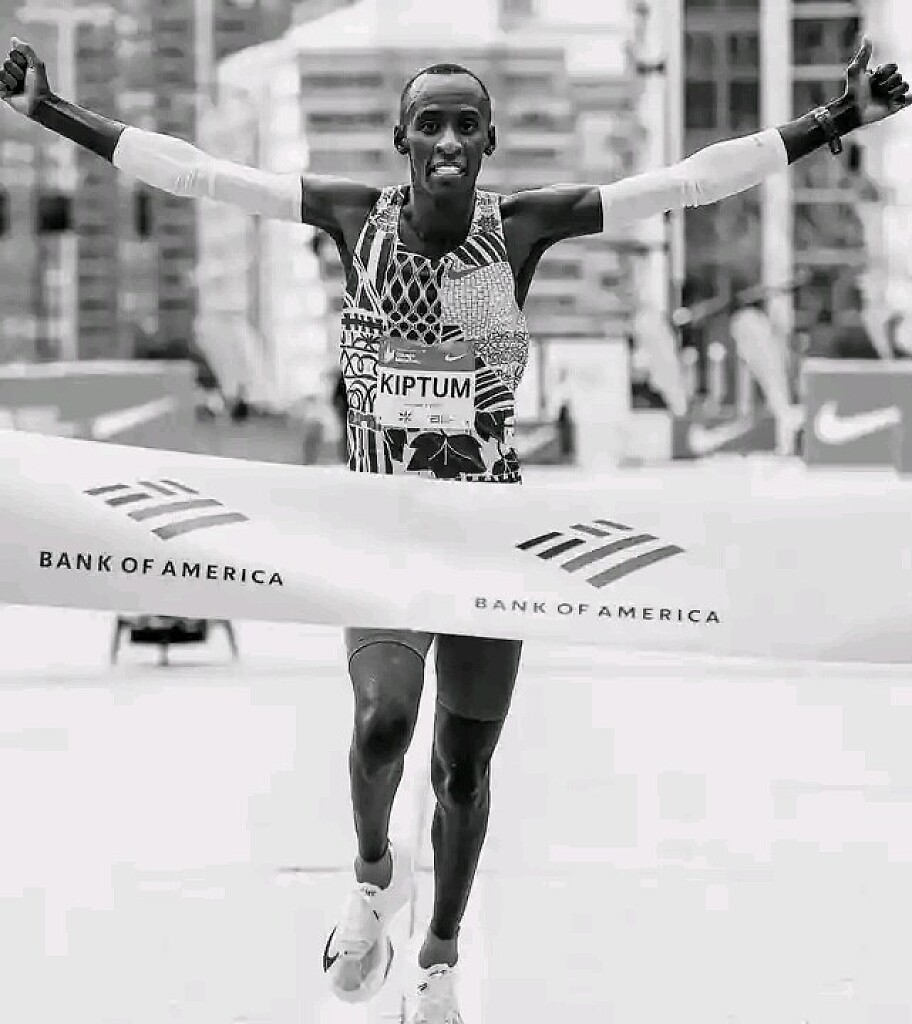
Three Years On, Kelvin Kiptum’s Historic Chicago Masterpiece Still Echoes
Three years ago today, Kelvin Kiptum delivered a marathon performance that changed the sport forever.
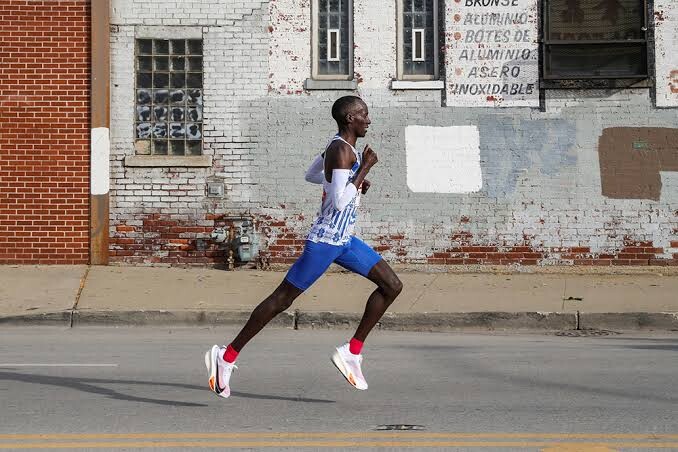
On October 8, 2023, the 23-year-old Kenyan arrived at the Bank of America Chicago Marathon as one of the most exciting young talents in distance running. By the finish, he had rewritten the history books with a breathtaking world record of 2:00:35.
Kiptum improved Eliud Kipchoge’s previous world record by 34 seconds, becoming the first athlete in history to officially break the 2:01 barrier in a record-eligible marathon.
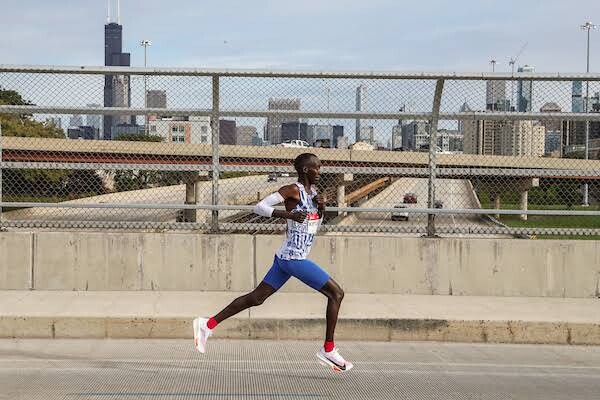
But the most remarkable aspect of the performance was not simply the finishing time. It was the way Kiptum produced it.
He reached halfway in 1:00:48, before covering the second half in an astonishing 59:47. Rather than struggling as the race entered its final stages, Kiptum accelerated, producing a negative split at a pace that seemed almost impossible to sustain.
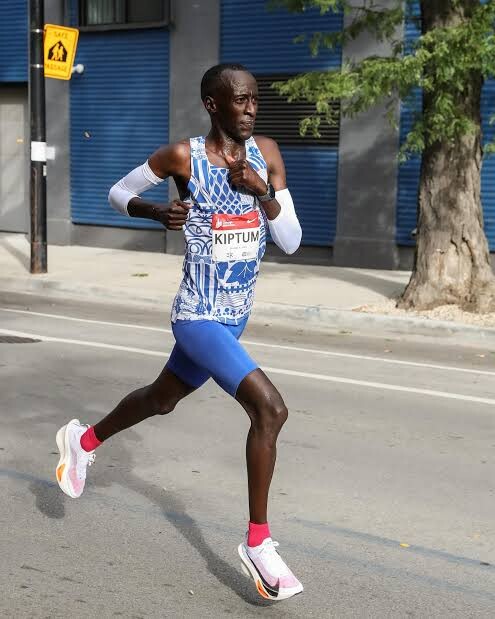
His final kilometres became a masterclass in marathon racing. With every stride, the young Kenyan moved further away from the field and closer to sporting immortality.
And remarkably, Chicago was only his third marathon.
Kiptum had announced himself on the global stage by winning the 2022 Valencia Marathon in 2:01:53, before lowering the course record at the 2023 London Marathon with 2:01:25. Seven months later, he produced something even more extraordinary in Chicago.
At just 23, Kiptum had already established himself among the very best marathoners in the world.
His Chicago triumph was more than another victory. It was a glimpse of what appeared to be an extraordinary future — a future in which Kiptum seemed destined to push the limits of the marathon even further.
Tragically, that future would never unfold.
On February 11, 2024, just four months after his historic Chicago victory, Kiptum died in a road accident in Kenya alongside his Rwandan coach, Gervais Hakizimana. He was only 24 years old.
The loss sent shockwaves through the athletics world.
Today, three years after that unforgettable October morning in Chicago, 2:00:35 remains far more than a number on a record list.
It represents the extraordinary talent of a young athlete who appeared to be only at the beginning of his journey. It represents courage, ambition and a fearless approach to the marathon. And, perhaps most poignantly, it represents a chapter of greatness that ended far too soon.
Kelvin Kiptum gave the world one of the greatest marathon performances ever witnessed.
Three years later, the memory of that incredible morning remains alive.
Gone far too soon, but never forgotten.
by Erick Cheruiyot for My Best Runs.
Login to leave a comment
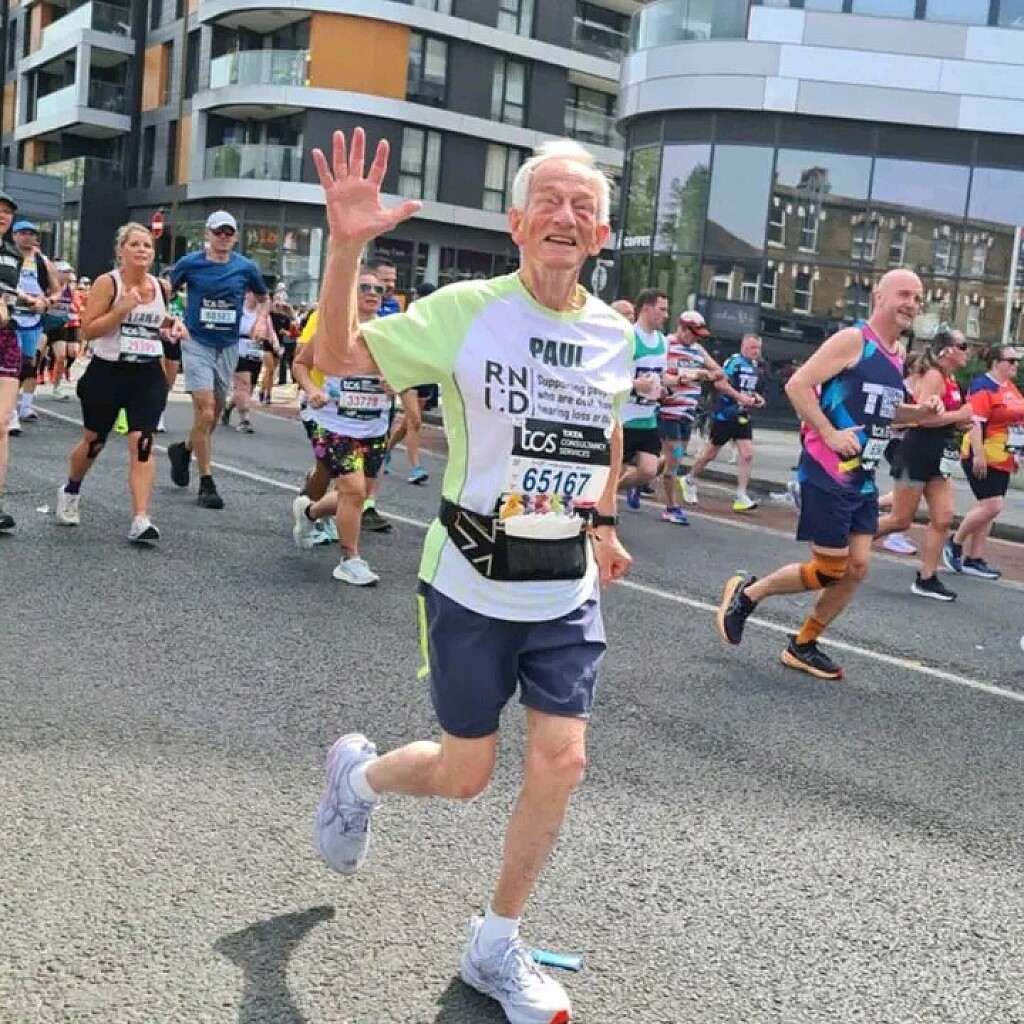
At 84, Paul Watson Defies Two Hip Replacements To Complete Another London Marathon
At 84 years old, Paul Watson has proved that some of the greatest victories in distance running have little to do with the clock and everything to do with courage, persistence and the determination to keep moving forward.
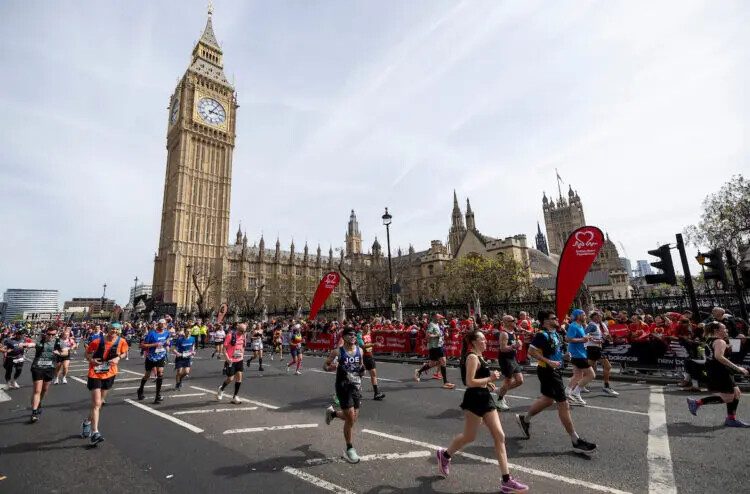
Watson completed the 2026 London Marathon in 5:32:24, achieving a remarkable return to one of the world's most famous marathon courses just 22 months after undergoing a left hip replacement through the NHS.
His relationship with the London Marathon stretches back more than four decades. He first tackled the race in 1984, when he produced a remarkable 2:58 finish. After returning to London in 2007, persistent hip problems eventually forced him to undergo his first hip replacement on the right side in 2010.
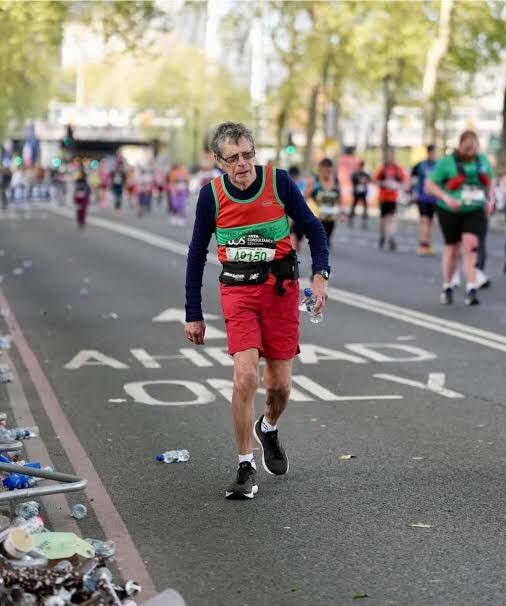
Years later, another major challenge emerged.
In June 2024, Watson underwent a left hip replacement after severe pain began affecting his leg. At that point, there was genuine uncertainty over whether he would ever be able to return to marathon running.
Rather than accept that his running journey was over, however, Watson began the long process of rebuilding.
With rehabilitation, careful training and encouragement from his surgeon, he was back to structured running just four months after the operation. He trained three times a week, using a combination of outdoor roads and a treadmill at his retirement village while carefully managing his recovery and avoiding unnecessary injury risks.
His return to London also carried a purpose beyond personal achievement.
Watson ran the 2026 marathon in support of RNID, a charity particularly close to his heart because his wife uses a cochlear implant. His determination inspired others as he raised £2,500 for the organisation.
The marathon itself was far from straightforward.
A mishap with his stopwatch at the beginning of the race caused Watson to misjudge his early pace. By around mile 15, the effort had caught up with him and he admitted that he had "hit the wall."
But even then, he refused to give in.
Watson dug deep during the closing stages, found another burst of energy and remarkably finished the marathon with a sprint towards the line.
After everything his body had been through, crossing that finish line represented far more than a finishing time.
It was the culmination of more than 40 years of running, two hip replacements, countless training sessions and an unwavering belief that age does not necessarily have to dictate what is possible.
Watson's message to anyone wondering whether they should attempt another marathon is beautifully simple:
“If you really want to run another marathon, go for it.”
At 84, with two artificial hips and more than four decades of running behind him, Paul Watson is still chasing finish lines — and reminding the running world that sometimes the most inspiring performances are not the fastest ones.
They are the ones that simply refuse to stop.
by Erick Cheruiyot for My Best Runs.
Login to leave a comment
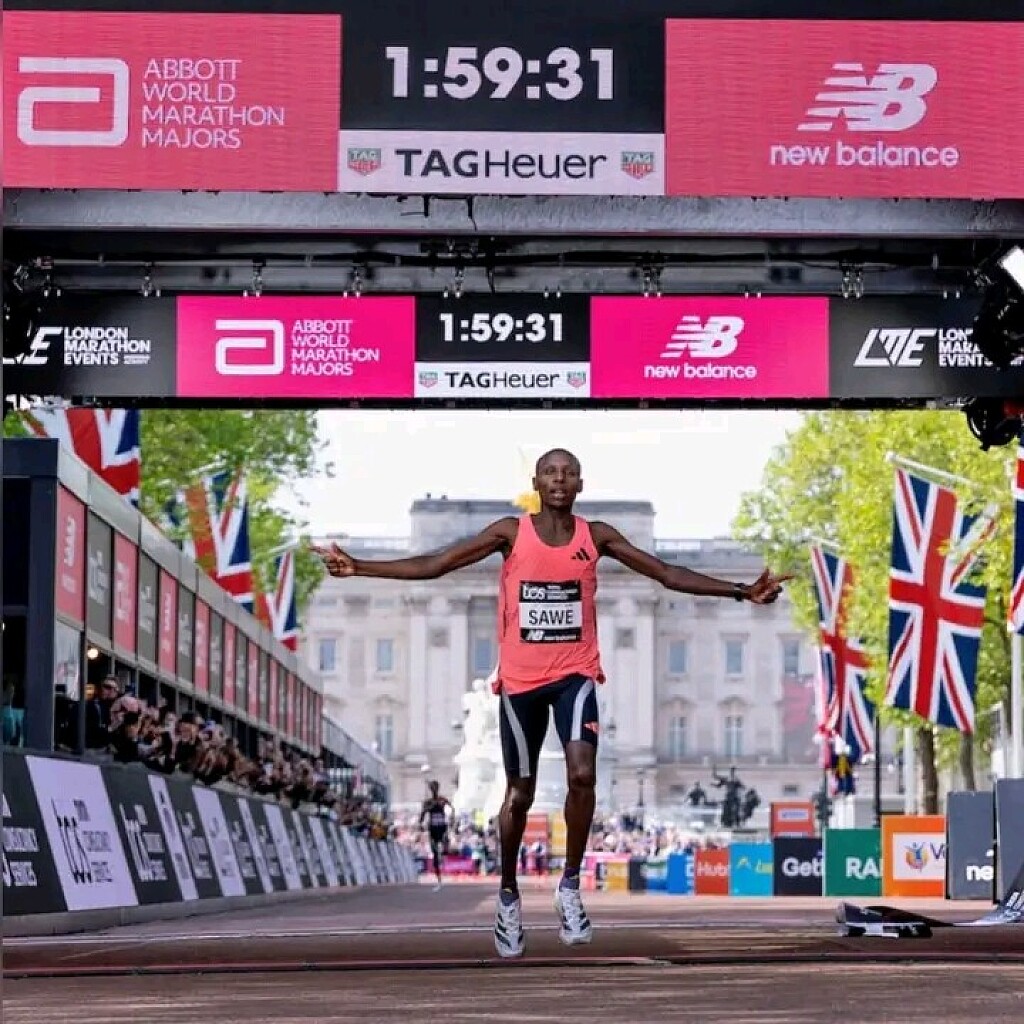
Sabastian Sawe Set For London Marathon Title Defence After Historic Sub-Two Triumph
Kenyan marathon star Sabastian Sawe is set to return to the streets of London in 2027 to defend the title he claimed in unprecedented fashion a year earlier.
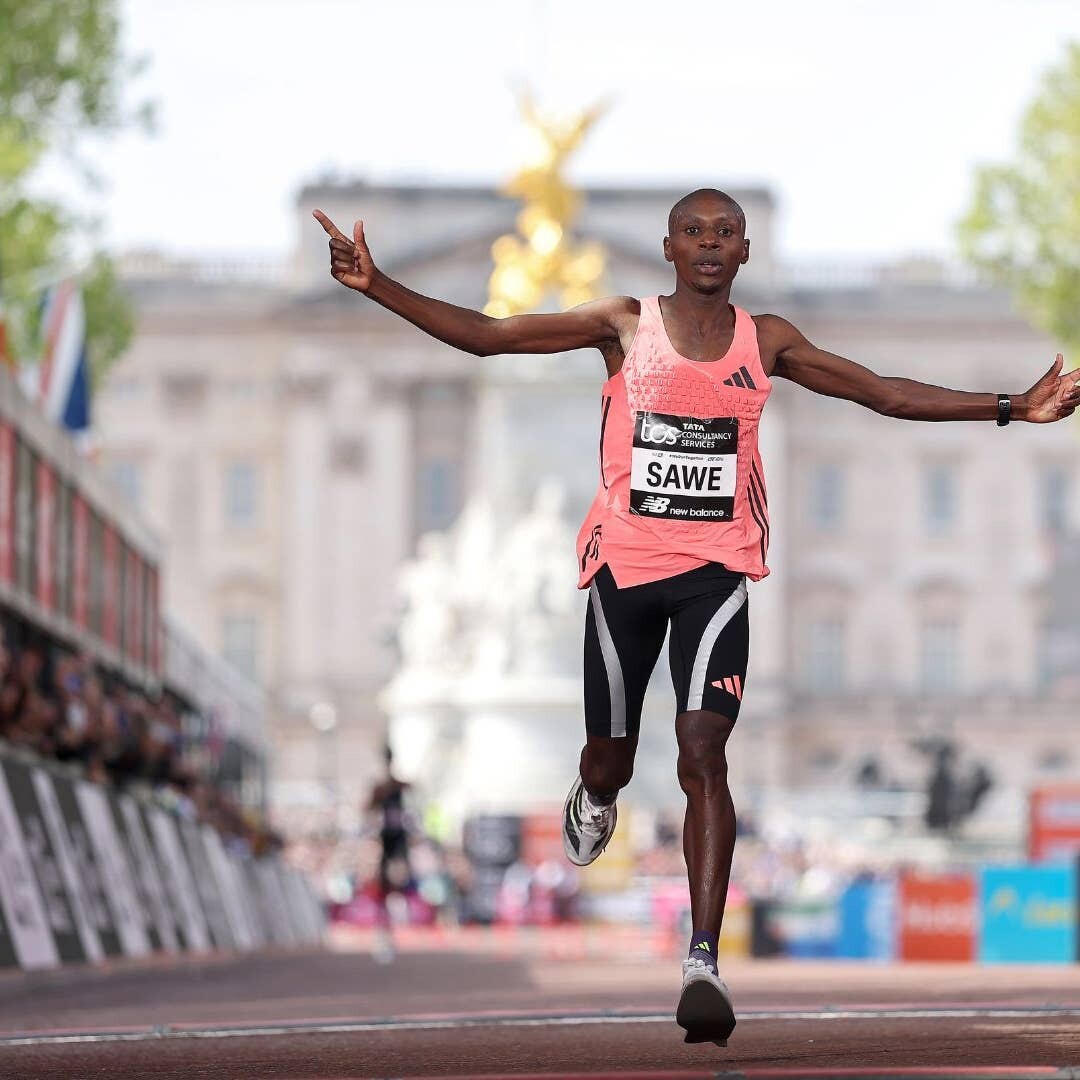
The reigning TCS London Marathon champion and marathon world-record holder has been confirmed for the 2027 TCS London Marathon, scheduled to take place on Saturday, April 24, and Sunday, April 25.
Sawe made history in the British capital in April 2026 when he clocked an astonishing 1:59:30, becoming the first man to break the two-hour barrier in a record-eligible marathon. His extraordinary performance also saw him improve the previous world record by 65 seconds.
Now, the Kenyan superstar will return to the scene of his greatest marathon achievement with the chance to defend his London crown and add another memorable chapter to his remarkable career.
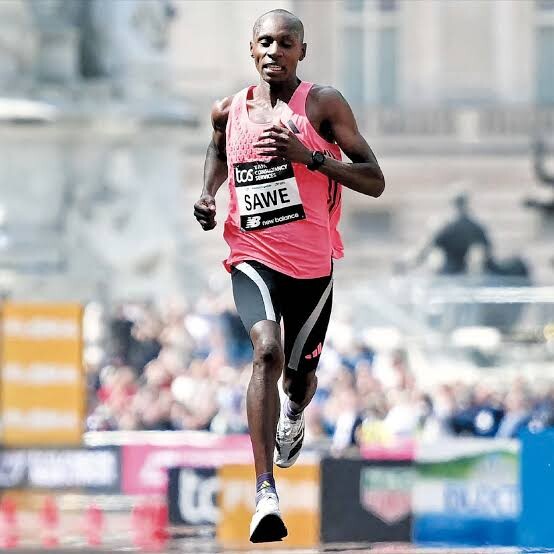
However, the 2027 edition will be unlike any London Marathon that has come before it.
For the first time, the iconic event will be held across a two-day marathon weekend, with a huge field of 100,000 participants expected to take part. The historic format will see the elite and mass-participation races distributed across Saturday and Sunday.
Remarkably, the decision over which elite athletes would compete on each day was settled in one of the most unusual ways imaginable — through a game of rock, paper, scissors.
Sawe faced Catherine Debrunner, the women's wheelchair world-record holder, in a contest to determine who would claim the traditional Sunday slot.
Debrunner won the showdown, meaning Sawe and the elite men's field will headline the action on Saturday, April 24, while the elite women's and women's wheelchair races will take centre stage on Sunday, April 25.
Saturday's programme will feature the Elite Men's Open, Men's Wheelchair and Men's Good for Age races, while Sunday's schedule will include the Elite Women's Open, Women's Wheelchair and Women's Championship races.
For Sawe, though, the novelty surrounding the 2027 event will eventually give way to the familiar challenge of covering 26.2 miles through the streets of London.
He will arrive as the defending champion and marathon world-record holder, carrying the weight of history after delivering one of the most extraordinary performances ever seen over the marathon distance.
On April 24, 2027, the spotlight will once again fall on the Kenyan superstar as Sawe begins his bid to retain his London Marathon crown and create another unforgettable moment on one of the world's most famous marathon courses.
by Erick Cheruiyot for My Best Runs.
Login to leave a comment

TCS London Marathon
Since its inaugural edition on March 29, 1981, the TCS London Marathon has grown into one of the world's most prestigious road races, blending elite competition with an extraordinary charitable legacy. Founded by former Olympic champion and journalist Chris Brasher alongside Welsh athlete John Disley, the event has been staged every year and has been held in the spring annually...
more...
London Marathon 2027 Set To Shape Britain’s Road To Beijing And LA Olympics
The 2027 London Marathon is set to take on huge significance for British marathon runners, serving as the trial race for both the 2027 World Athletics Championships in Beijing and the LA 2028 Olympic Games.
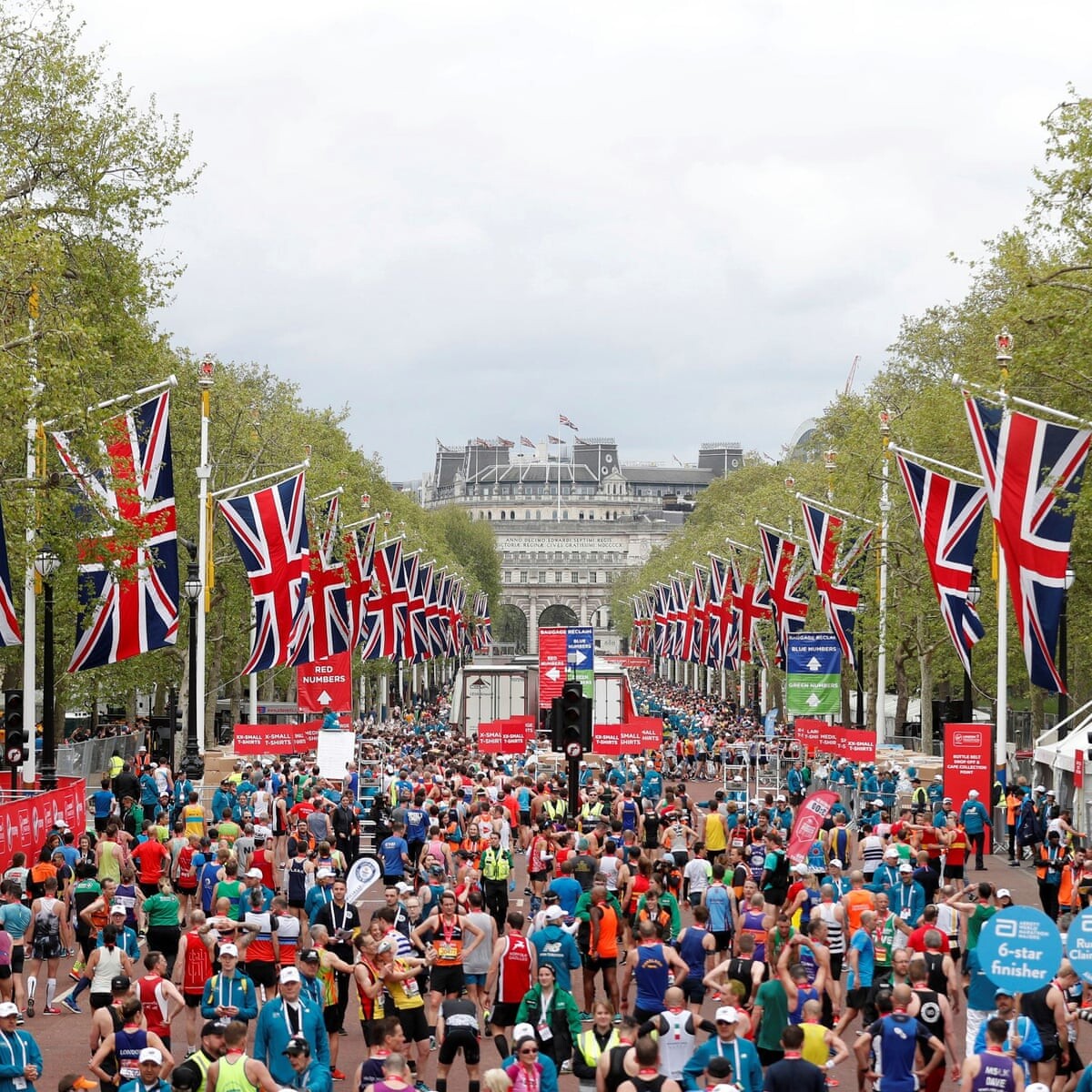
For the Beijing 2027 World Championships, the first two British finishers in both the elite men’s and women’s races will be eligible for selection, provided they have achieved the required World Athletics qualifying standard either before or on the day of the London Marathon.
The qualifying marks are 2:06:00 for men and 2:23:20 for women.
That puts a premium on both position and performance in London, with athletes knowing that a strong finish could potentially secure them a place on Britain’s team for the global championships in Beijing later in 2027.
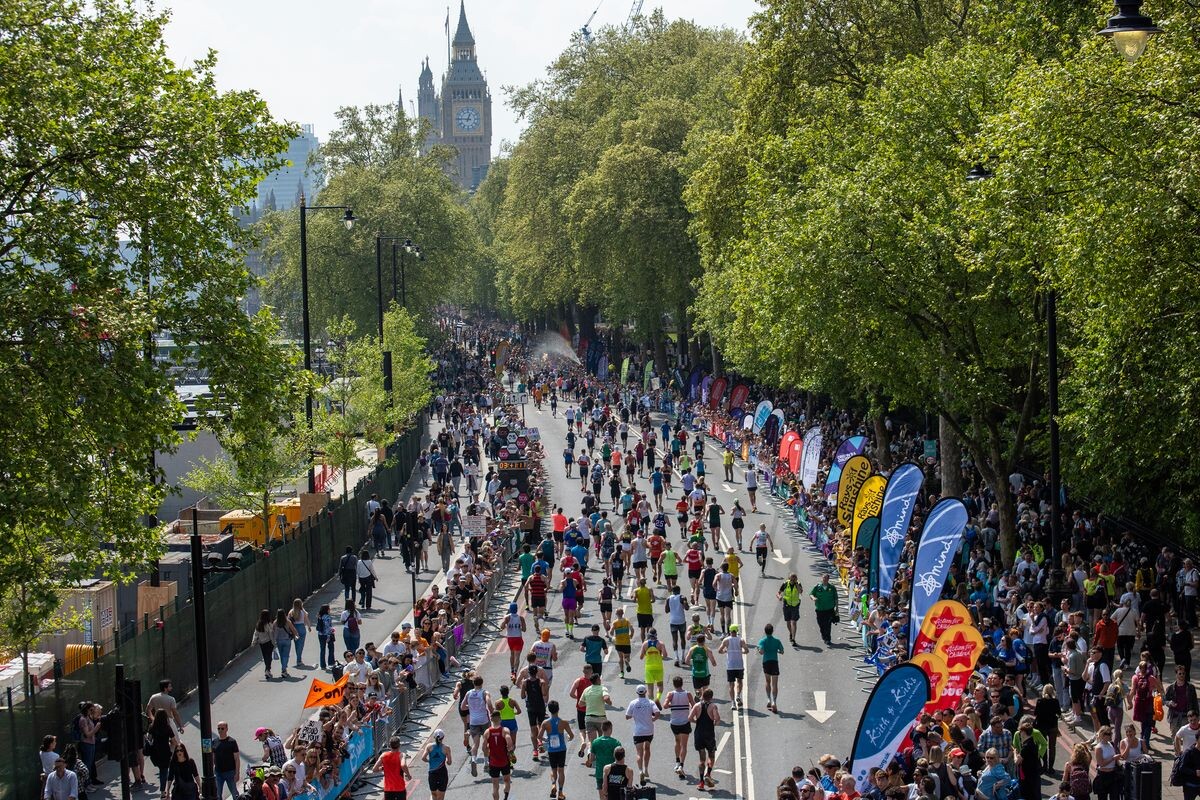
The stakes will be even higher for those targeting the LA 2028 Olympics.
The first British man and first British woman across the London Marathon finish line will be pre-selected for the 2028 Olympic marathon team, provided they achieve the Olympic qualifying standards, which are expected to be confirmed by the end of 2026.
However, pre-selection will not be the final step. Those athletes will still need to demonstrate their form through performances over different distances during the 2028 season before their Olympic places can ultimately be confirmed.
With London already one of the most prestigious marathons in the world, the 2027 edition now carries an added layer of national importance.
British marathoners will have more than a coveted London Marathon result on the line. For the leading athletes, the race could become the first major step towards Beijing 2027, while simultaneously opening the door to a potential Olympic journey ending in Los Angeles in 2028.
London 2027 is shaping up to be a defining race for Britain’s marathon ambitions — with Beijing and LA firmly on the horizon.
by Erick Cheruiyot for My Best Runs.
Login to leave a comment
TCS London Marathon
Since its inaugural edition on March 29, 1981, the TCS London Marathon has grown into one of the world's most prestigious road races, blending elite competition with an extraordinary charitable legacy. Founded by former Olympic champion and journalist Chris Brasher alongside Welsh athlete John Disley, the event has been staged every year and has been held in the spring annually...
more...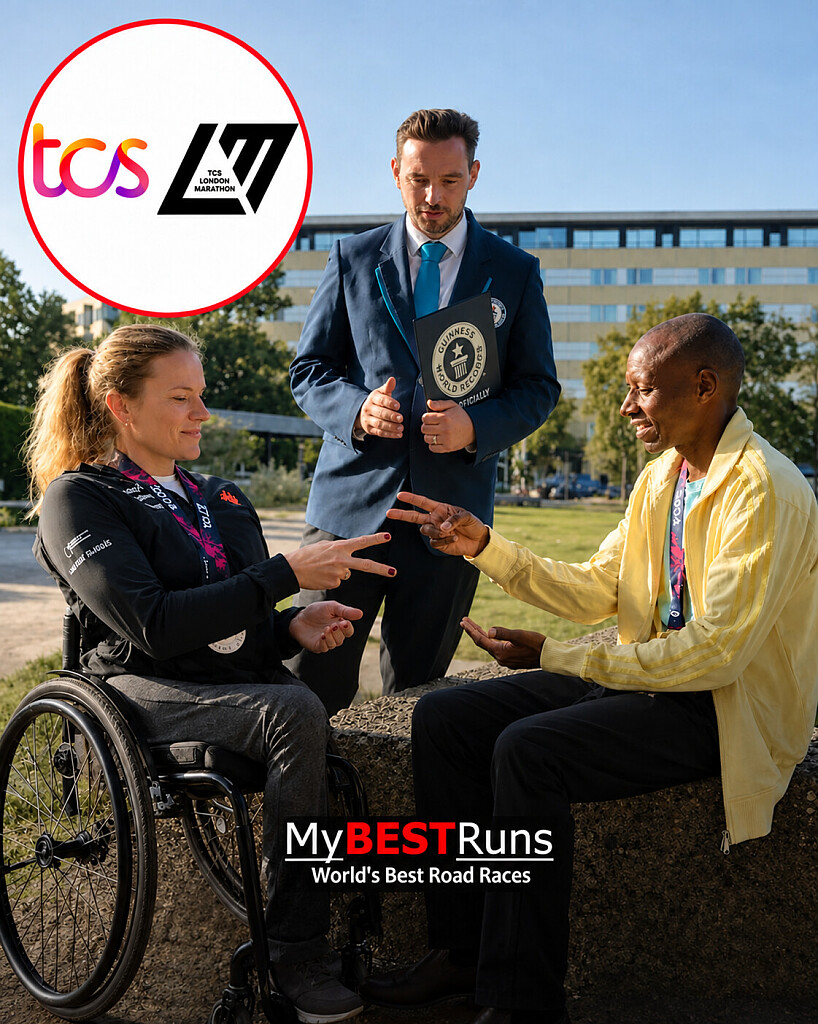
London Marathon’s 2027 Elite Schedule Decided By Rock, Paper, Scissors
The 2027 TCS London Marathon has found a remarkably unconventional way to settle one of its biggest questions — with a game of rock, paper, scissors.

Kenyan marathon star Sabastian Sawe and Swiss wheelchair champion Catherine Debrunner, the reigning London Marathon champions in their respective races, went head-to-head in a contest overseen by an official Guinness World Records adjudicator.
Debrunner emerged victorious, securing Sunday, April 25, 2027, for the elite women’s and women’s wheelchair races. As a result, the elite men’s and men’s wheelchair races will open the historic weekend on Saturday, April 24.
The unusual showdown has also earned its place in the record books, with Guinness World Records recognising it as the first elite marathon race start ever decided by a game of rock, paper, scissors.
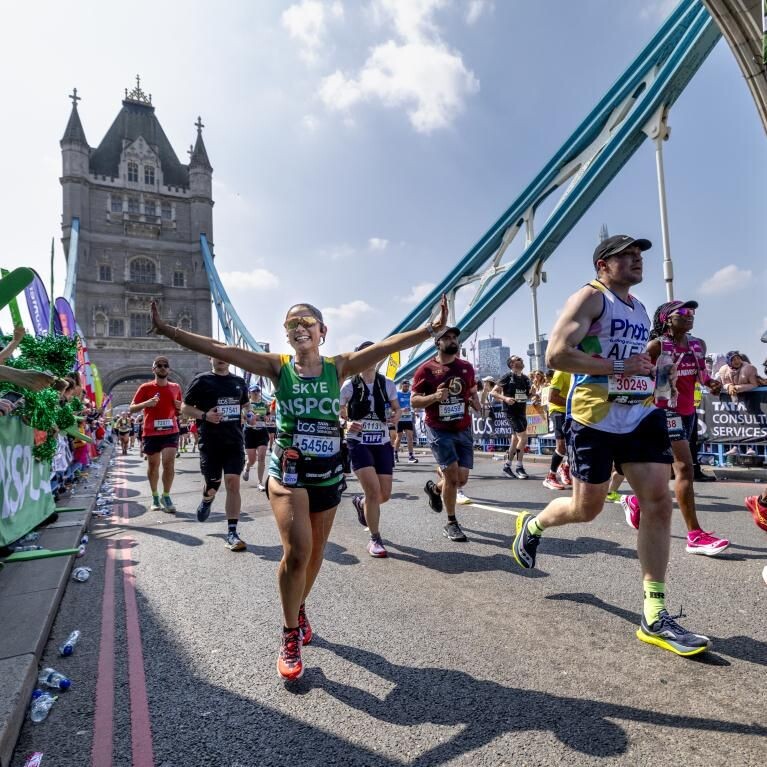
The decision adds another memorable chapter to what will already be an extraordinary edition of the London Marathon. For 2027 only, the race will be staged across two days, creating the Double TCS London Marathon, with around 100,000 participants expected to take part across the weekend.
Sawe enters the story as one of the defining figures of the 2026 London Marathon. The Kenyan made history by clocking 1:59:30, becoming the first athlete to run a sub-two-hour marathon in a record-eligible competitive race.
Debrunner, meanwhile, is a four-time London Marathon wheelchair champion, making her one of the most successful athletes in the event’s history. Her victory over Sawe means the women’s elite and women’s wheelchair races will retain the traditional Sunday spotlight.
The 2026 London Marathon also produced another landmark performance on the same course, with Ethiopia’s Tigst Assefa setting a women’s-only marathon world record.
The unprecedented two-day format was introduced following extraordinary demand for places. A record 1.33 million people applied for the 2027 London Marathon ballot, surpassing the previous record for any marathon.
With approximately 100,000 runners expected to finish on The Mall over the weekend — close to twice the size of the 2026 field — London is preparing for one of the biggest marathon weekends ever staged.
London Marathon Events chief executive Hugh Brasher added a playful warning after the rock-paper-scissors showdown, suggesting that while Sawe and Debrunner could settle the schedule with a game, the atmosphere would be considerably more competitive once the racing begins.
And so, before the first elite athlete has even reached the start line, the 2027 London Marathon has already made history — with its schedule decided not by the clock, but by rock, paper, scissors.
by Erick Cheruiyot for My Best Runs.
Login to leave a comment
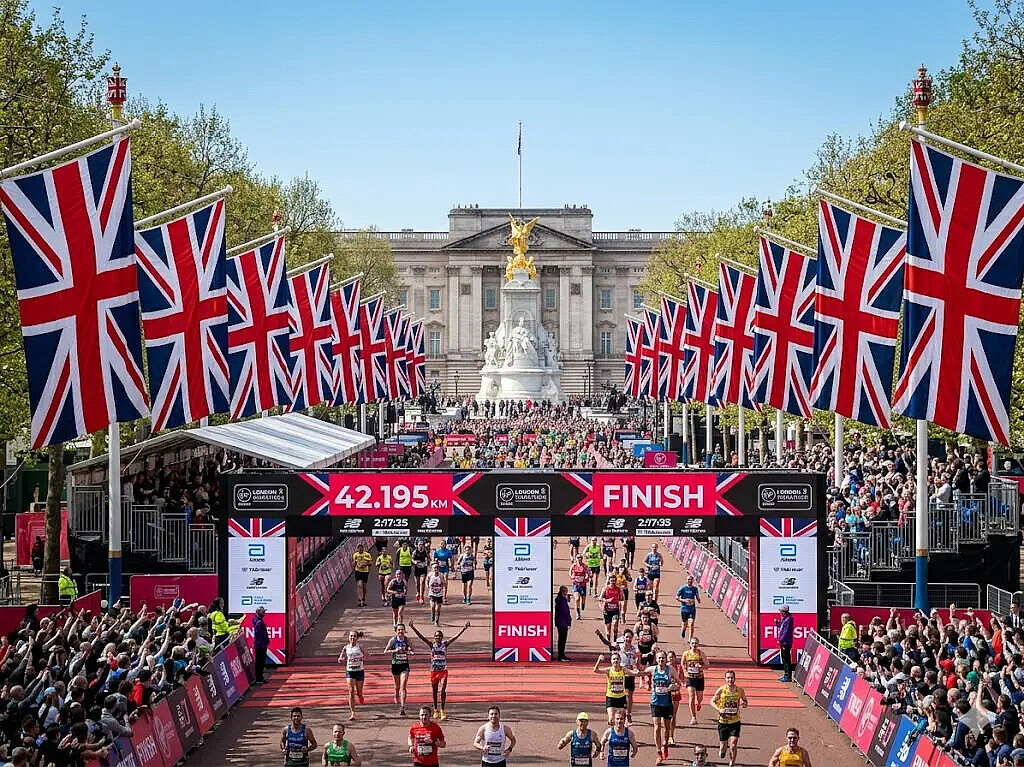
London Marathon Makes History With 100,000 Runners Across Two Days In 2027
The TCS London Marathon is preparing to make history in 2027, with the world-famous race set to become a two-day event for the first time.
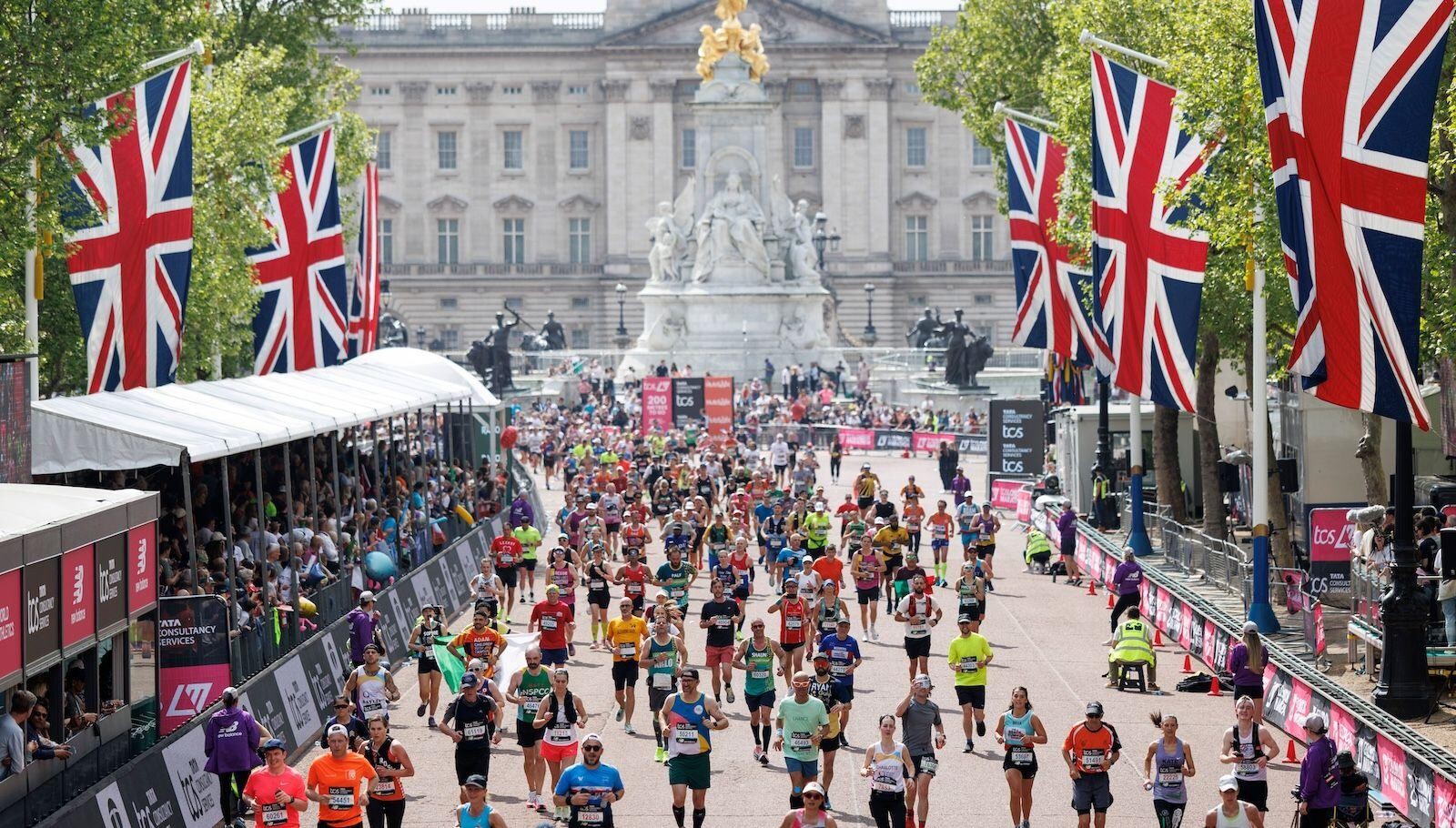
The landmark edition will take place on Saturday, April 24, and Sunday, April 25, 2027, bringing together an unprecedented 100,000 participants across the weekend in a one-off expansion of one of the world's most prestigious marathons.
Known as the 2027 Double TCS London Marathon, the historic weekend will give thousands more runners the opportunity to experience the legendary course from Greenwich to Westminster, while elite athletes and mass participants share the spotlight across two days.
The decision to introduce the two-day format follows extraordinary demand for places. More than 1.33 million people entered the ballot for the 2027 marathon, underlining the enormous global appeal of the London Marathon.
DOUBLE BILL!
For the first time in the event's history, the elite programme will be spread across two days, creating a unique weekend of world-class marathon racing.
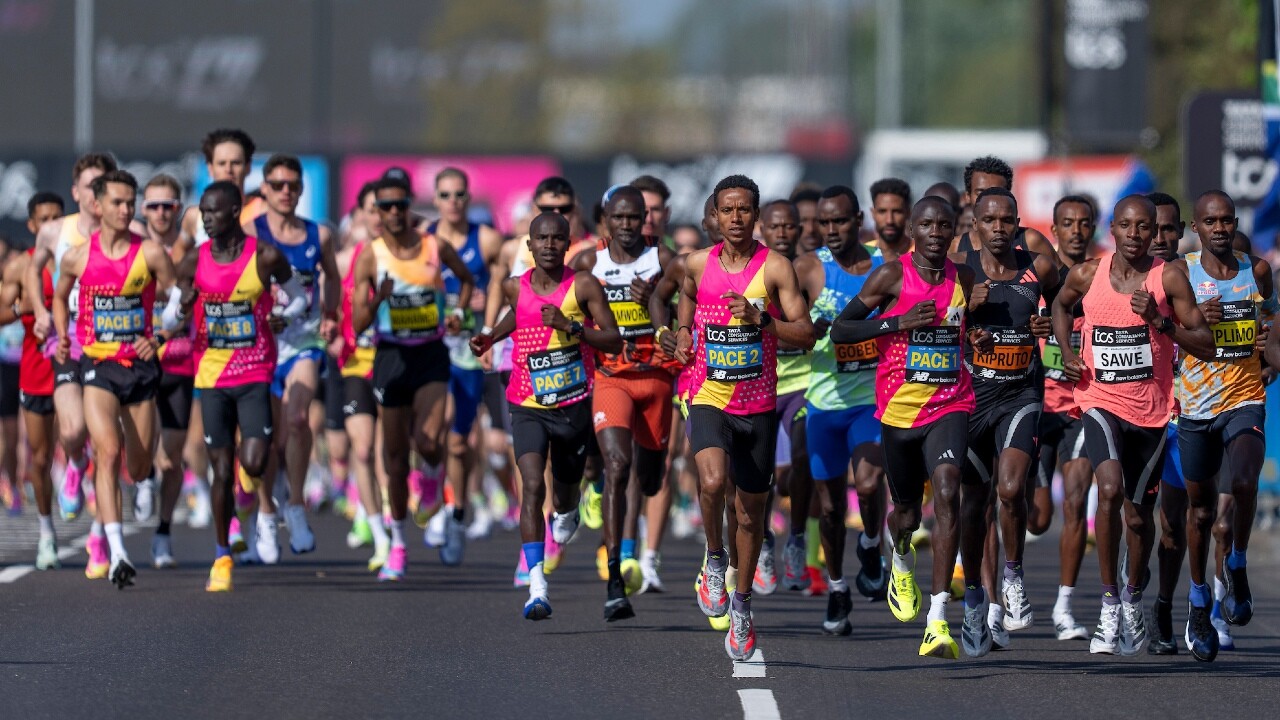
SATURDAY, APRIL 24
1. Elite Men's Wheelchair
2. Elite Men
3. Men's Championships and Good For Age
Saturday will put the spotlight on the men's competition, with the elite men's wheelchair race and elite men's marathon forming the centrepiece of the opening day. Men's Championship and Good For Age runners will also take to the iconic London course.
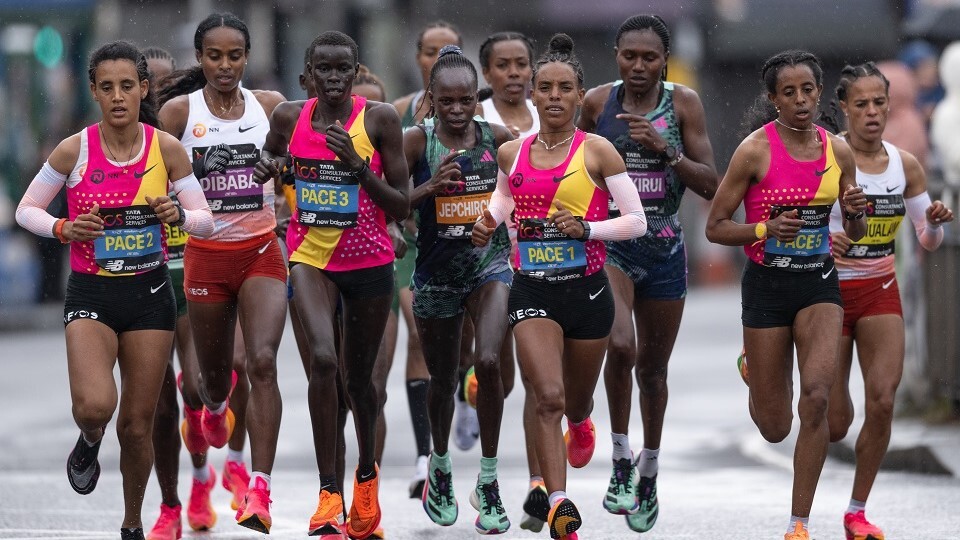
SUNDAY, APRIL 25
1. Elite Women's Wheelchair
2. Elite Women
3. Women's Championships and Good For Age
Sunday will then belong to the women's field, with the elite women's wheelchair and elite women's marathon races followed by the Women's Championships and Good For Age categories.
The two-day arrangement will create a completely different atmosphere around the London Marathon, allowing the world's leading athletes and thousands of amateur runners to share the spotlight across an extraordinary weekend.
A Marathon Weekend Like No Other
Despite the expanded format, the event will retain the character that has made the London Marathon one of the world's most recognisable road races.
Runners will once again take on the iconic route through the streets of the British capital, beginning in the Greenwich area before making their way towards the famous finish in central London.
The 2027 edition will also provide an enormous platform for spectators, charities, volunteers and running communities from across the globe to become part of a historic occasion.
More Than Just A Race
The 2027 Double is expected to become much more than a marathon. It will be a huge celebration of running, charity and London communities, bringing together recreational runners, elite athletes, volunteers, spectators and supporters from around the world.
The London Marathon has long been recognised as one of the world's major fundraising events, and the expanded 2027 edition is expected to create even greater opportunities for charities and community organisations to raise money.
Organisers have projected that the 2027 Double could generate more than £150 million for good causes, while also delivering a significant economic and social contribution to the United Kingdom.
The wider celebrations will also include the TCS Mini London Marathon, ensuring that young runners have their own opportunity to be part of this historic weekend.
One Historic Weekend, One Iconic Race
Although the 2027 edition will look very different from previous London Marathons, the two-day format is planned as a one-off change for 2027.
With 100,000 participants, two days of elite competition and a mass field representing runners from around the world, the 2027 TCS London Marathon is set to become one of the most extraordinary editions in the event's history.
From world-class wheelchair athletes and elite marathoners to Championship competitors, Good For Age runners and thousands of recreational participants, London will become the centre of the global running world for one unforgettable weekend.
by Erick Cheruiyot for My Best Runs.
Login to leave a comment
TCS London Marathon
Since its inaugural edition on March 29, 1981, the TCS London Marathon has grown into one of the world's most prestigious road races, blending elite competition with an extraordinary charitable legacy. Founded by former Olympic champion and journalist Chris Brasher alongside Welsh athlete John Disley, the event has been staged every year and has been held in the spring annually...
more...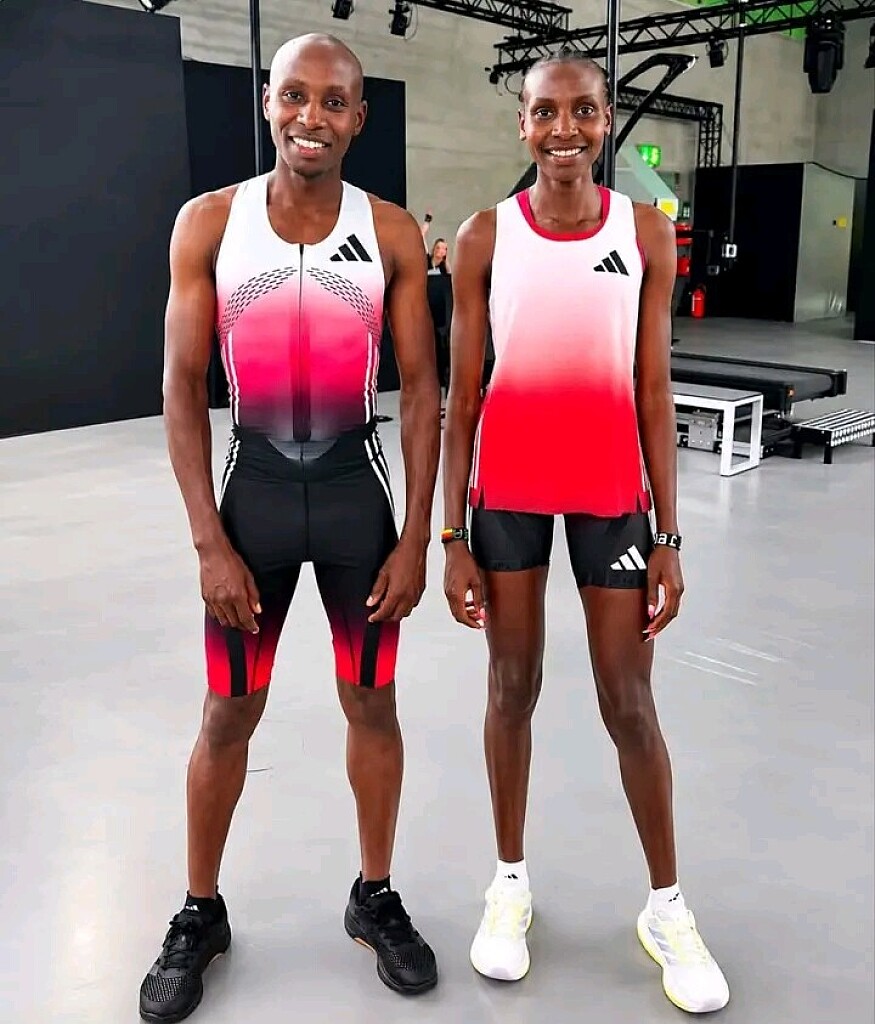
Two Kenyan Giants Rewriting The Record Books: Sabastian Sawe And Agnes Ngetich Lead A New Distance Running Era
Kenya continues to produce athletes capable of redefining the limits of distance running, and in 2026, two names have stood out above the rest: Sabastian Sawe and Agnes Ngetich.
Both Adidas-sponsored Kenyan stars have produced performances that have reshaped the global distance-running landscape, with Sawe conquering the marathon and Ngetich dominating across cross country, the half marathon and 10km.
Their paths are different, but the scale of their achievements is remarkably similar.
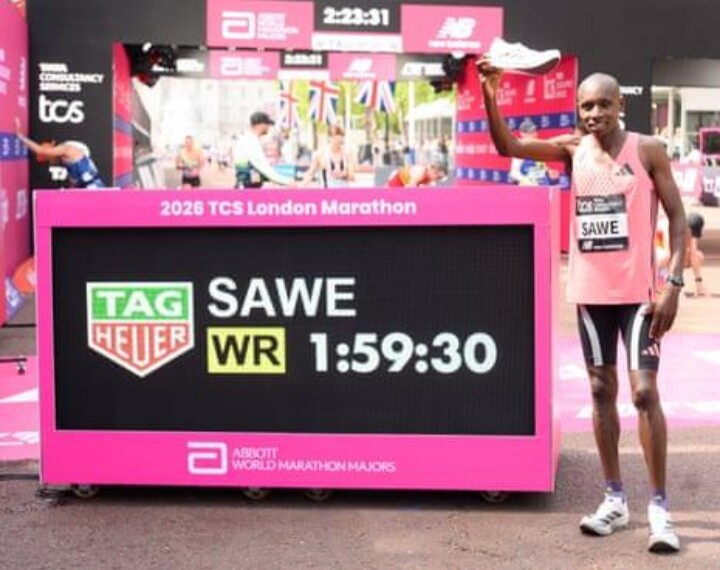
Sabastian Sawe: The Man Who Finally Broke Two Hours
Few performances in the history of marathon running can compare with what Sawe produced at the 2026 London Marathon on April 26.
The Kenyan stormed to 1:59:30, becoming the first athlete to officially break the two-hour barrier in a record-eligible marathon.
It was not merely a victory. It was a landmark moment for the event itself.
Sawe averaged approximately 2:50 per kilometre for the full 42.195km, sustaining a pace that had previously existed only as a theoretical boundary in competitive marathon running.
Remarkably, his historic London triumph was another chapter in an extraordinary marathon career.
Sawe first announced himself over the distance with a sensational 2:02:05 victory in Valencia in December 2024, establishing himself among the world's elite marathoners.
He followed that with a dominant 2:02:27 victory at the 2025 London Marathon, before returning five months later to win the 2025 Berlin Marathon in 2:02:16.
Those victories established Sawe as one of the most formidable marathoners of his generation.
His 2026 season then took another extraordinary turn.
In London, Yomif Kejelcha finished second in 1:59:41, becoming the second man under two hours in an official marathon, while Jacob Kiplimo completed the podium in 2:00:28.
Sawe had been scheduled to return to Berlin in September to defend his title, but an injury forced him to withdraw from the race.
Even without another appearance, his 1:59:30 has already secured its place among the defining performances in the history of the marathon.
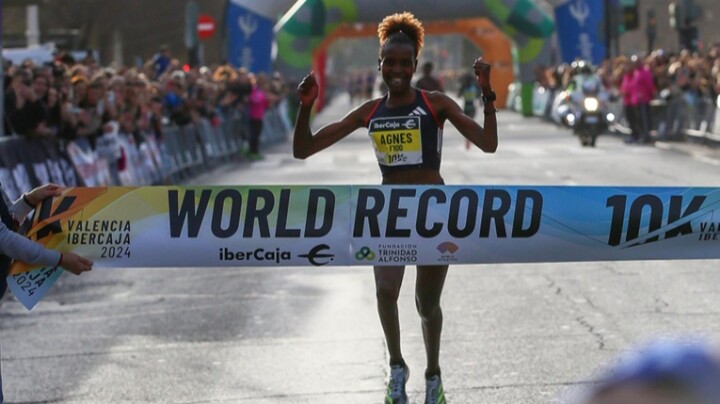
Agnes Ngetich: From Cross Country To World Records
If Sawe has rewritten the marathon script, Ngetich has been doing something similar across several disciplines.
Her 2026 campaign began in spectacular fashion at the World Athletics Cross Country Championships in Tallahassee, United States, on January 10.
Ngetich dominated the senior women's 10km race, crossing the line in 31:28 to win her first individual global title.
That victory was only the beginning.
Later in the year, Ngetich added another global title at the World Athletics Road Running Championships in Copenhagen, producing another masterclass over the half marathon.
The Kenyan ran 1:05:15 to win the women's half marathon and break the women-only world record by one second.
The performance underlined her extraordinary consistency at the highest level and added another global title to a season already highlighted by her World Cross Country triumph.
But Ngetich's record-breaking credentials stretch far beyond the half marathon.
She owns the women's 10km world record in a mixed race at 28:46, set in Valencia in January 2024. That performance made her the first woman to break 29 minutes over the distance.
She also holds the women-only 10km world record of 29:27, set in Herzogenaurach in April 2025. She became the first woman to break 30 minutes in a women-only 10km race.
Ngetich's achievements therefore span the full spectrum of modern distance running — from the grass of cross country to the roads of the world's biggest championships and record-setting races.
Two Stars, One Kenyan Running Revolution
Sawe and Ngetich represent two different sides of modern distance running.
Sawe has pushed the marathon beyond a barrier that once seemed almost untouchable, while Ngetich has demonstrated extraordinary versatility, winning on the grass at World Cross Country and then moving onto the roads to rewrite the record books over 10km and the half marathon.
Their achievements also underline the remarkable depth of Kenyan distance running.
Sawe has established himself as one of the defining marathoners of his generation, while Ngetich has built an extraordinary collection of global titles and world records across several distances.
Two athletes.
Different distances.
Different challenges.
But the same Kenyan flag at the centre of some of the most extraordinary performances the sport has witnessed.
Sabastian Sawe and Agnes Ngetich are not simply winning races — they are expanding the boundaries of what Kenyan distance runners, and distance runners everywhere, can achieve.
by Erick Cheruiyot for My Best Runs.
Login to leave a comment
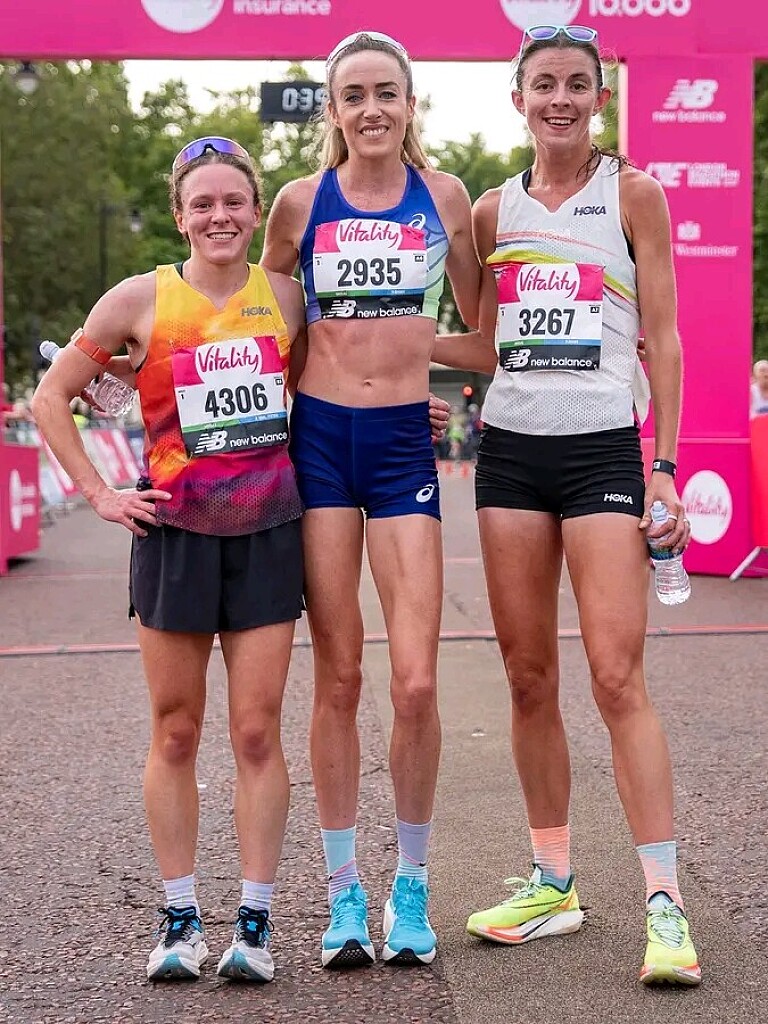
Eilish McColgan Makes History as Kadar Omar Abdullahi Completes London 10,000 Triumph
Kadar Omar Abdullahi and Eilish McColgan took centre stage at the 2026 Vitality London 10,000 on Sunday, with both athletes producing commanding performances on the streets of the British capital.

Abdullahi capped a memorable September by securing the men’s title in 29:20, pulling clear of British distance-running star Phil Sesemann, who crossed the line second in 29:39. Freddy Richardson completed the podium in 29:53.
The victory continued Abdullahi’s impressive run of form after his breakthrough triumph at the Big Half earlier this month. Having already demonstrated his strength over 13.1 miles, the British athlete returned to the roads of London and produced another controlled performance over 10 kilometres, ultimately creating a 19-second winning margin.
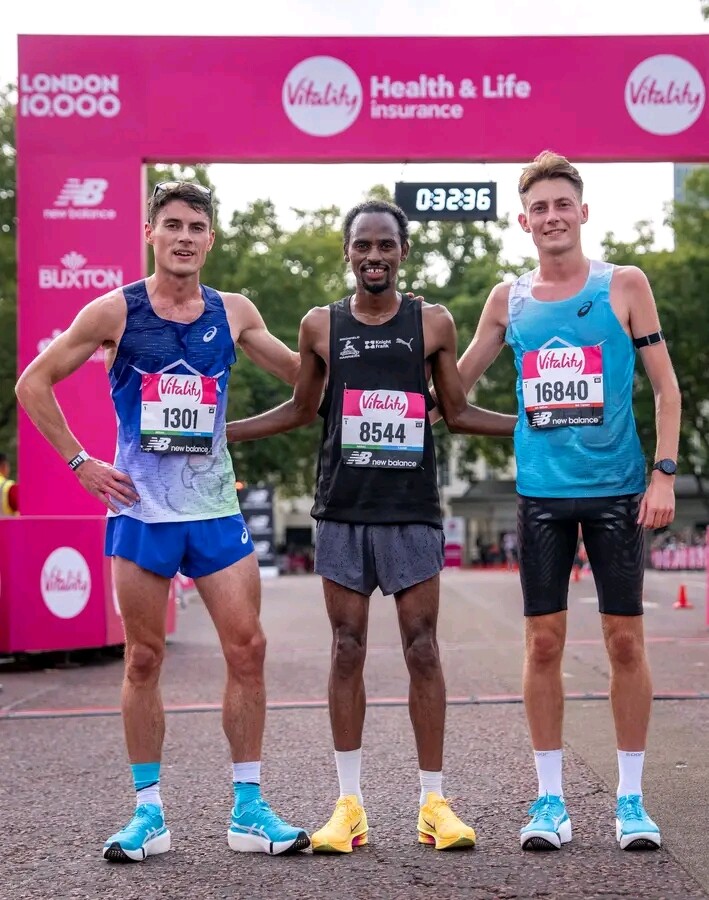
Sesemann remained his closest challenger, but Abdullahi was able to establish the decisive gap and bring the race under control in the closing stages. Richardson followed in third, giving the home crowd a strong British presence across the men’s podium.
For Abdullahi, the victory adds another significant chapter to what has been an outstanding month on the London road-racing scene. His back-to-back victories at the Big Half and Vitality London 10,000 underline both his speed and versatility across the longer road distances.
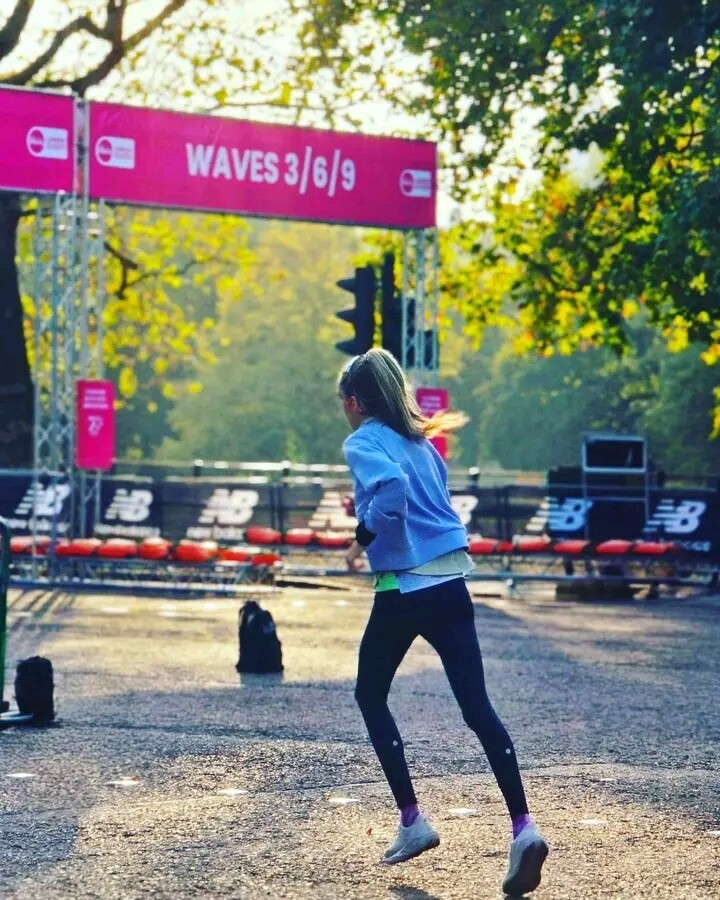
In the women’s race, Eilish McColgan delivered the headline performance of the day, winning in 31:50 to claim an unprecedented fourth Vitality London 10,000 title.
The Scottish distance star finished comfortably ahead of Jess Warner-Judd, who took second in 33:13, while Kate Estlea-Morris secured third in 33:58.
McColgan’s latest victory moves her clear as the most successful woman in the history of the event. She had previously won the race in 2022, 2024 and 2025, and her latest triumph adds another piece of history to an already remarkable career on the track and road.
The achievement is particularly notable given the twists and turns of McColgan’s 2026 season. After suffering a broken toe during the London Marathon in April and subsequently missing the Commonwealth Games, she returned to racing with a victory at the Big Half before another setback forced her to withdraw from the Great North Run.
Just two weeks later, she was back at the sharp end of competition, producing a composed 31:50 performance to reclaim the London 10,000 crown.
The Vitality London 10,000, one of the capital’s most prominent road races, follows a fast and largely flat route beginning on The Mall and finishing outside Buckingham Palace, providing a spectacular setting for both elite and mass-participation runners.
With Abdullahi extending his remarkable September run and McColgan rewriting the event’s record books, the 2026 edition provided a memorable double triumph for two athletes who arrived in London carrying momentum—and left with another major victory to their names.
by Erick Cheruiyot for My Best Runs.
Login to leave a comment

Vitality London 10,000
The Vitality London 10,000 takes you past many landmark sites, including the London Eye, Buckingham Palace and the Bank of England – so you even get to do a bit of sightseeing along the way! You will run alongside elite runners and have coverage from the BBC, making this 10km one of the highest in profile of its kind....
more...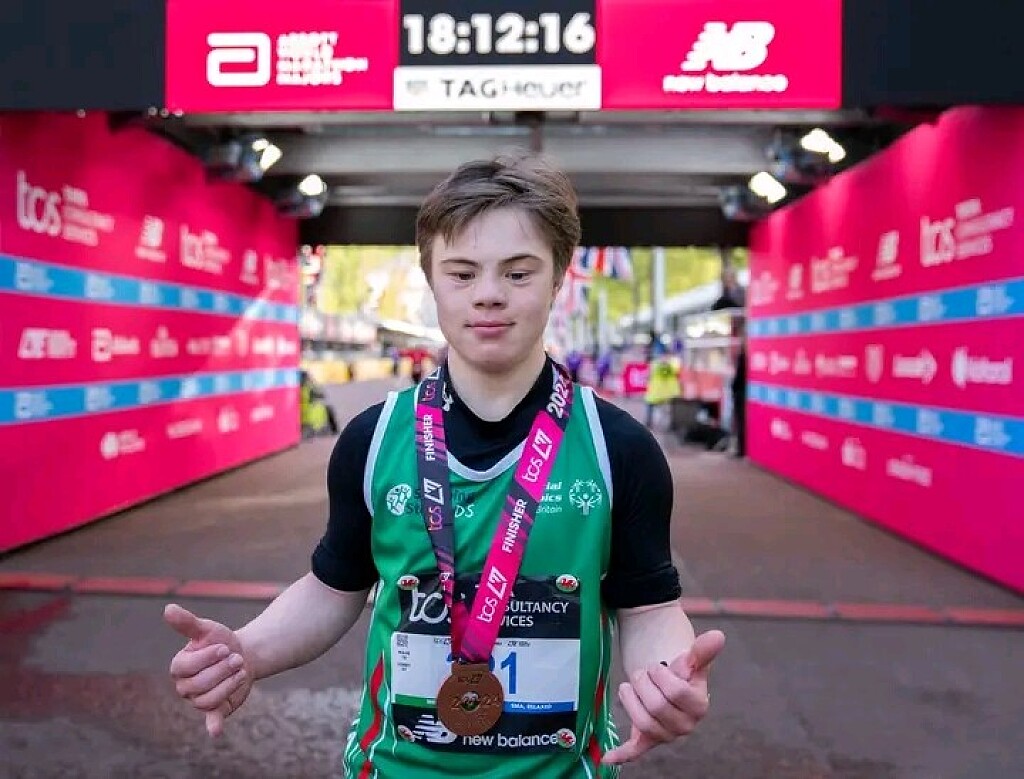
From Being Told He Might Never Walk to Making Marathon History: Lloyd Martin’s Remarkable Journey
Lloyd Martin’s journey to the finish line of the London Marathon is far more than a story about completing 26.2 miles. It is a story of determination, family support and refusing to allow other people’s expectations to define what is possible.
Born with Down syndrome and a hole in his heart, Lloyd faced serious uncertainty from the beginning of his life. His family was warned that he might never walk, talk or become independent, according to his mother, Ceri Hooper. Those early concerns, however, did not become the limits of Lloyd’s future.
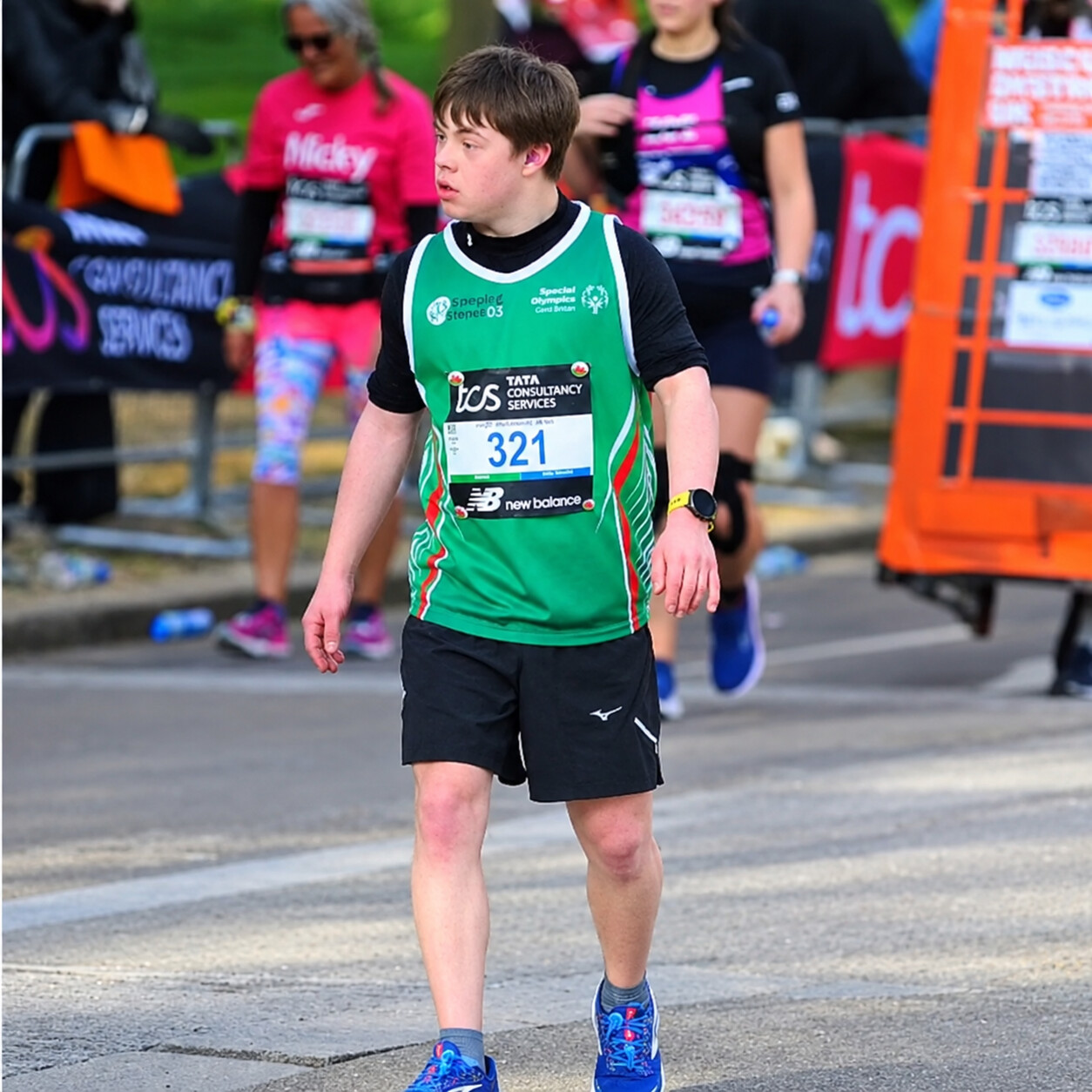
In 2021, Lloyd underwent surgery on his knees, adding another difficult chapter to his journey. Yet he continued to embrace sport and eventually developed a passion for running, initially taking part in regular 5K parkrun events.
When the opportunity to take on the iconic TCS London Marathon arrived, the challenge was enormous. Before beginning his marathon preparation, Lloyd had never run beyond the 5K distance. His mother then designed a five-month training programme, gradually increasing his long runs while ensuring that he trained safely and enjoyed the experience.
On 21 April 2024, at just 19 years old, Lloyd stood on the London Marathon start line with a remarkable goal: to finish the race and make history.
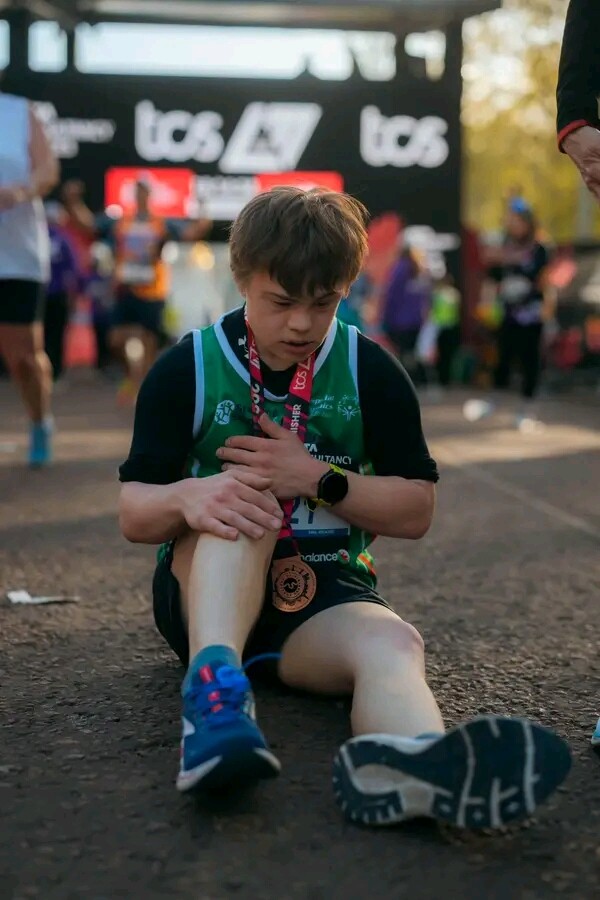
He did exactly that.
Lloyd completed the 26.2-mile course in 6:46:10, crossing the finish line alongside his mother and guide runner, Ceri. His performance earned him a Guinness World Records title as the youngest person to complete a marathon in the II2 category (male).
For Ceri, who is herself an experienced marathon runner, the achievement carried an especially powerful meaning. She had been beside Lloyd throughout his preparation, accompanying him through countless training sessions and helping him build the endurance required for the biggest running challenge of his young life.
But running is only one part of Lloyd’s sporting story.
He is also an accomplished gymnast and footballer through Special Olympics Great Britain. His sporting journey has continued to grow since his marathon breakthrough, and later in 2024 he added another Guinness World Records title by becoming the youngest male in the II2 category to complete a half marathon, finishing the Great North Run in 2:39:09.
Lloyd’s London Marathon achievement also became a platform for fundraising. Through his marathon campaign, he raised money for causes close to his heart, including Special Olympics Great Britain and Stepping Stones DS. His story has since continued to inspire people well beyond the marathon course.
What makes Lloyd’s story particularly powerful is the distance between the predictions made at the beginning of his life and the achievements he has gone on to accomplish.
There was a time when his family was warned that he might never walk. Years later, he was not only walking but running, competing in sport, completing marathons and entering the Guinness World Records.
His 6:46:10 finish in London was therefore about much more than a finishing time. It represented years of encouragement, training, perseverance and a family's belief in what Lloyd could achieve.
From facing uncertainty at birth to becoming a Guinness World Records holder at 19, Lloyd Martin has built a remarkable sporting story—one step, one kilometre and one challenge at a time.
His journey is a powerful reminder that a starting point does not have to determine the destination.
by Erick Cheruiyot for My Best Runs.
Login to leave a comment

Sawe And Kejelcha Honoured At adidas Headquarters After Historic Sub-Two Marathons
Kenyan marathon star Sabastian Sawe and Ethiopian distance-running sensation Yomif Kejelcha have been honoured at the Adidas Group Headquarters in Herzogenaurach, Germany, following their historic sub-two-hour marathon performances in London.

The adidas celebration brought together the only two men to have officially broken the two-hour barrier in record-eligible marathon races, marking a remarkable moment in the history of the sport.
Sawe etched his name into the record books at the 2026 London Marathon, producing an extraordinary 1:59:30 to become the first athlete to officially complete a record-eligible marathon inside two hours. His performance also lowered the previous world record by more than a minute.
Kejelcha followed closely behind with a stunning 1:59:41, making him the second-fastest marathoner in history and the second man to officially break the elusive two-hour barrier.
Together, Sawe and Kejelcha have achieved something that had remained beyond the reach of every marathoner before them. Their performances in London represented a defining moment for a discipline that has spent decades chasing the symbolic two-hour mark.
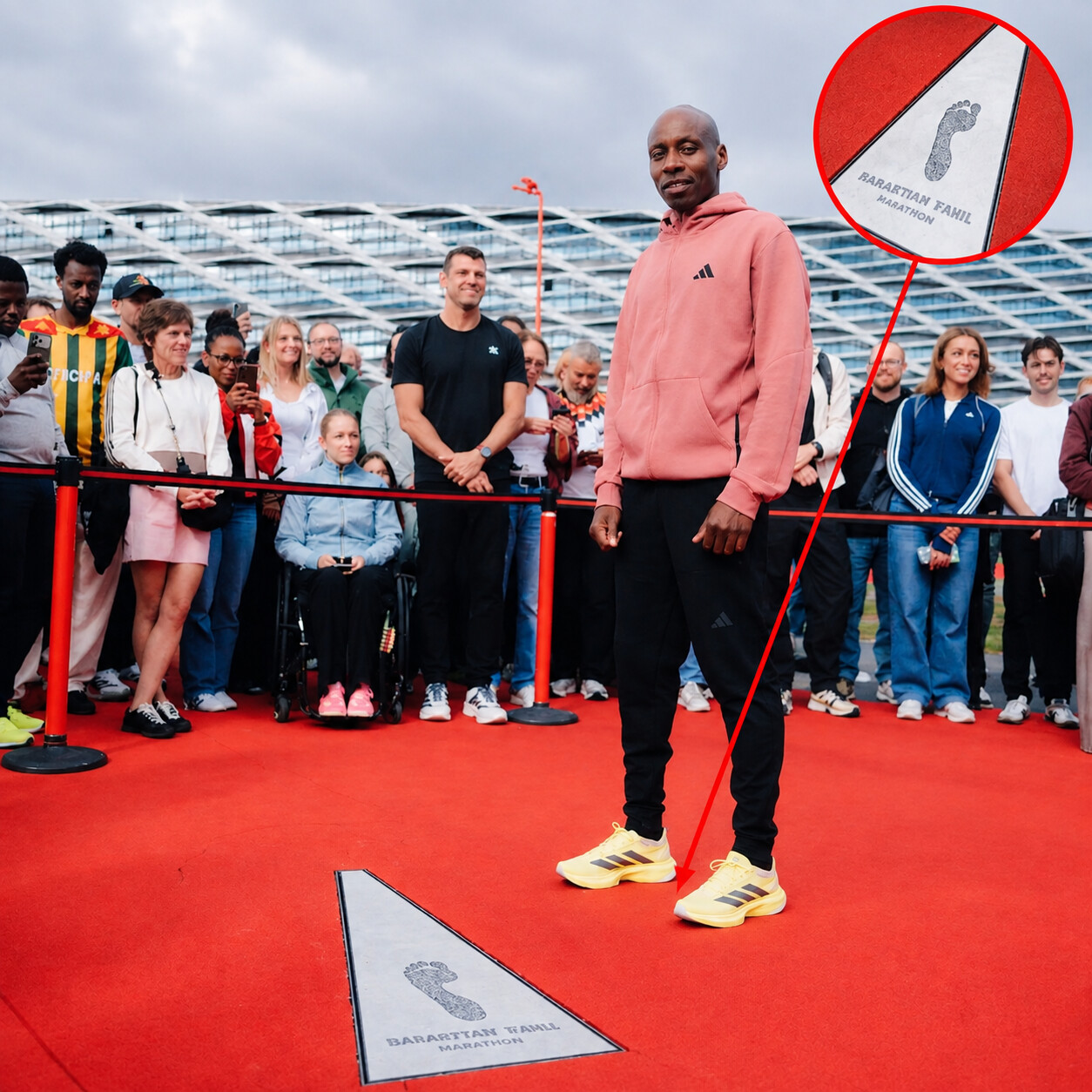
As part of the celebration at adidas headquarters, Sawe and Kejelcha were honoured for their groundbreaking achievements, with both Sawe and Kejelcha also leaving their footprints at the company's headquarters as a lasting physical reminder of their historic 1:59:30 and 1:59:41.

For Sawe, the visit provided another opportunity to commemorate the performance that transformed his career and pushed the limits of marathon running. His record-breaking run was achieved in adidas' Adizero Adios Pro Evo 3, further connecting the historic performance with the brand's technological development.
Kejelcha's achievement was equally significant. His 1:59:41 made him the second man to cross the two-hour threshold in an official marathon, placing him just 11 seconds behind Sawe and firmly establishing the Ethiopian among the greatest marathoners of the modern era.
Interestingly, neither of the two historic athletes will line up at this Sunday's BMW Berlin Marathon.
Sawe was scheduled to defend the title he won in Berlin in 2025, but an injury forced him to withdraw from this year's race. Kejelcha, meanwhile, will also be absent from the prestigious German marathon as he prepares for Valencia marathon in December, meaning the two men who recently rewrote the boundaries of the marathon will not be part of Sunday's elite field.
Their absence will nevertheless do little to diminish the significance of what they accomplished in London.
Two athletes. Two nations. One historic barrier.
Sawe's 1:59:30 and Kejelcha's 1:59:41 have created a new chapter in marathon history, and their performances are likely to remain a source of inspiration for generations of distance runners who will continue chasing the limits of human endurance.
by Erick Cheruiyot for My Best Runs.
Login to leave a comment
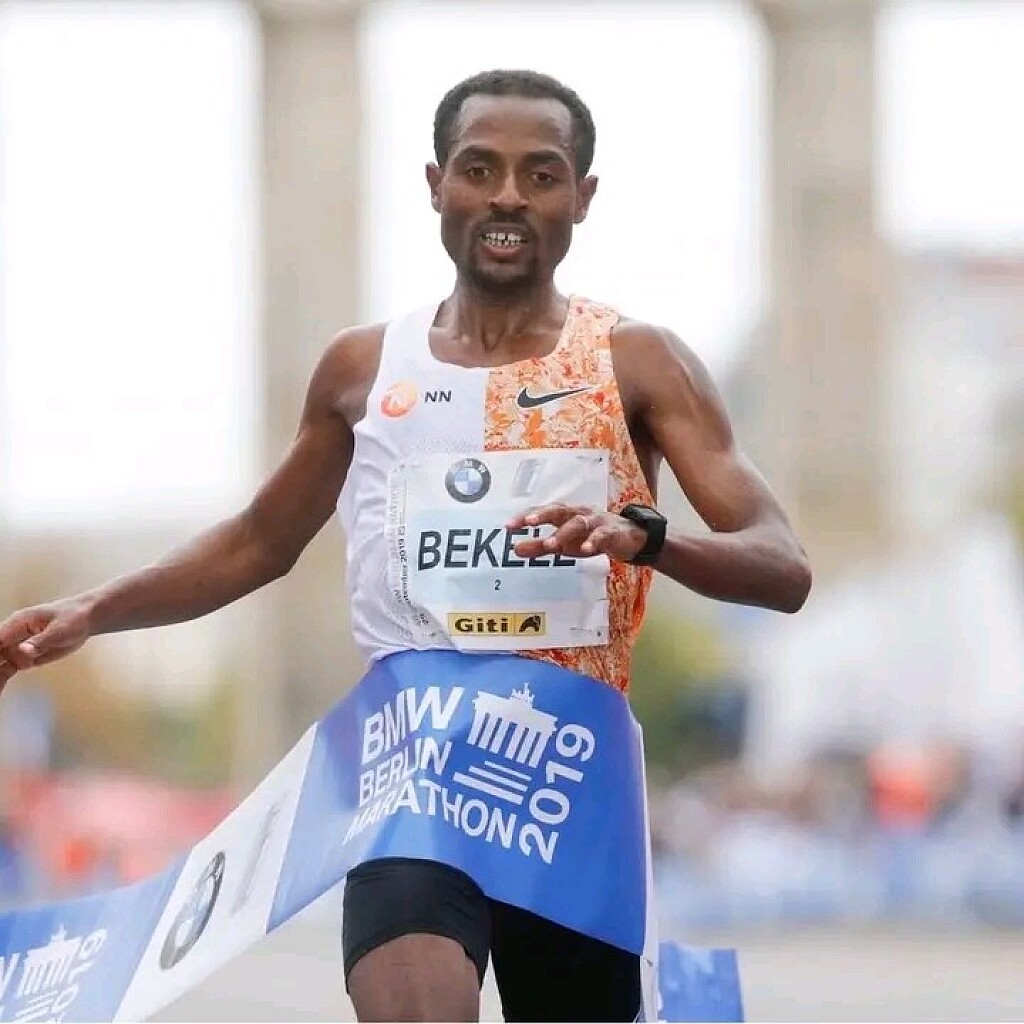
Kenenisa Bekele Withdraws From Berlin Marathon After Achilles Injury
Kenenisa Bekele’s much-anticipated return to the BMW Berlin Marathon has been abruptly cancelled after the Ethiopian distance-running legend suffered an injury to his left Achilles tendon during one of his final training sessions.
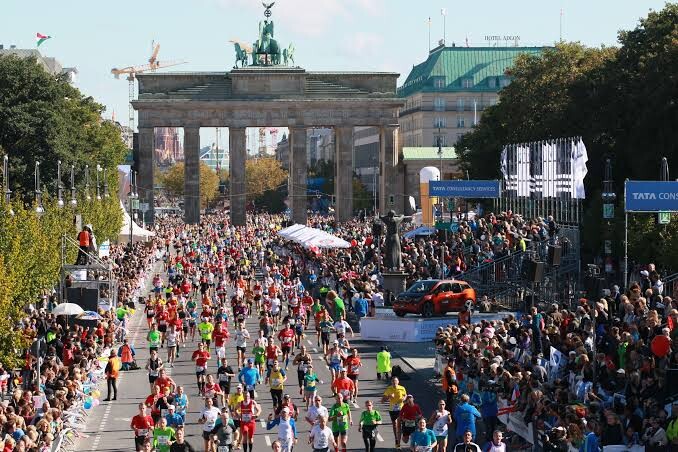
The 44-year-old Bekele was due to return to competitive action on Sunday, September 27, after being added to the elite field only last week. His late inclusion had generated enormous excitement, with fans looking forward to seeing one of the greatest distance runners in history back on one of the courses where he has produced some of his most memorable performances.
However, the injury has forced Bekele to withdraw just days before the race.
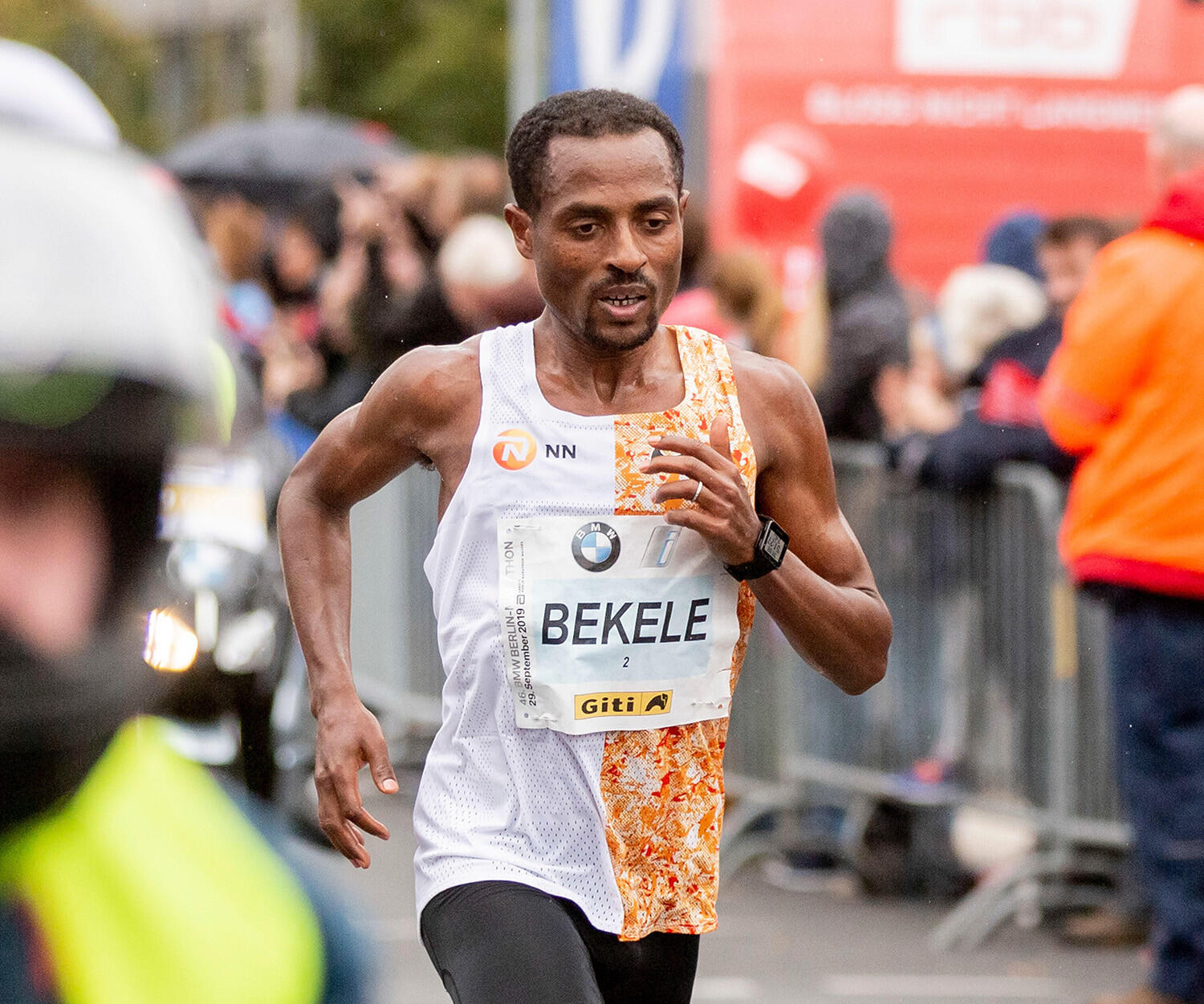
Bekele has a remarkable history in Berlin, having won the marathon twice. In 2016, he stormed to victory in 2:03:03 before returning three years later to produce one of the greatest marathon performances of his career, clocking 2:01:41 in 2019. That performance left him just two seconds short of Eliud Kipchoge’s then-world record of 2:01:39.
His 2:01:41 remains one of the fastest marathon performances ever recorded, and Berlin has long been a special stage in Bekele’s extraordinary career.
This year’s appearance was also expected to mark another chapter in his remarkable longevity. Bekele entered the race as a 44-year-old and had been targeting another strong performance after previously setting a masters marathon world record of 2:04:15 at the 2024 London Marathon, a mark he established at the age of 41.
Instead, his preparations have ended in disappointment.
Bekele has not completed a marathon since the Paris 2024 Olympic Marathon, where he finished 39th in 2:12:24. He subsequently entered the 2025 New York City Marathon but did not finish.
His withdrawal is another frustrating setback for a legendary athlete whose career has repeatedly been interrupted by injuries but who has continued to produce extraordinary performances well beyond the age at which many elite distance runners have retired.
For now, Berlin will have to wait for another Bekele appearance.
The Ethiopian legend will not be on the start line this Sunday, but his legacy on the Berlin streets remains firmly etched in marathon history.
by Erick Cheruiyot for My Best Runs.
Login to leave a comment

BMW Berlin Marathon
The story of the BERLIN-MARATHON is a story of the development of road running. When the first BERLIN-MARATHON was started on 13th October 1974 on a minor road next to the stadium of the organisers‘ club SC Charlottenburg Berlin 286 athletes had entered. The first winners were runners from Berlin: Günter Hallas (2:44:53), who still runs the BERLIN-MARATHON today, and...
more...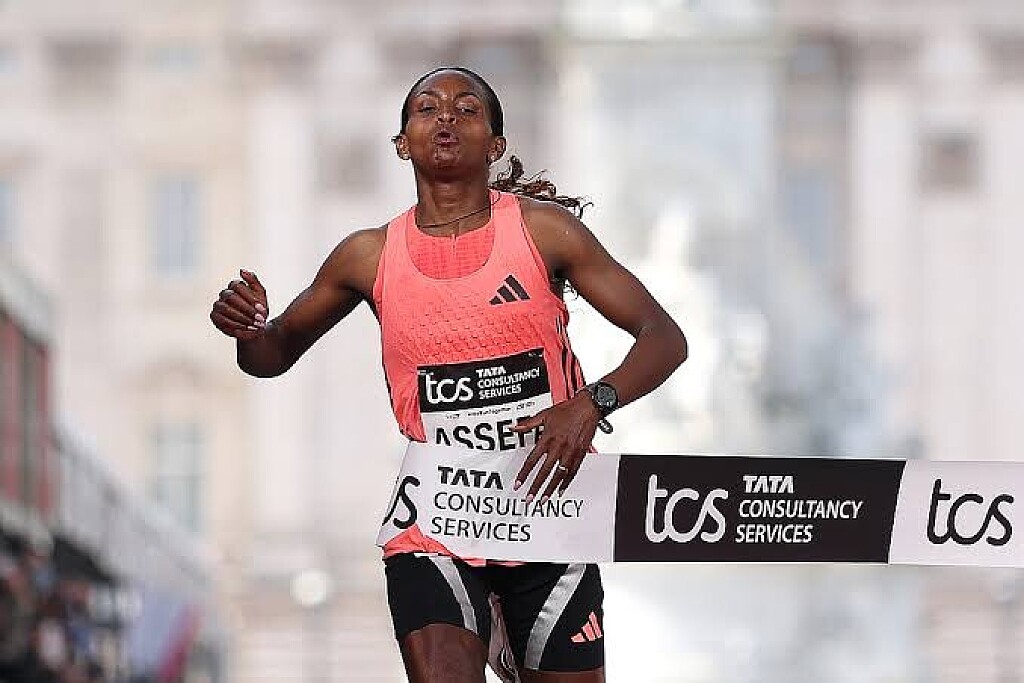
Tigst Assefa Extends East Africa’s Remarkable Reign Over the Women-Only Marathon World Record
The women-only marathon world record has remained in East African hands since 2017, with Kenya and Ethiopia trading the historic mark in a remarkable sequence of record-breaking performances.
The latest chapter belongs to Ethiopia’s Tigst Assefa, who lowered the record to 2:15:41 at the 2026 London Marathon, taking nine seconds off her own previous mark of 2:15:50.
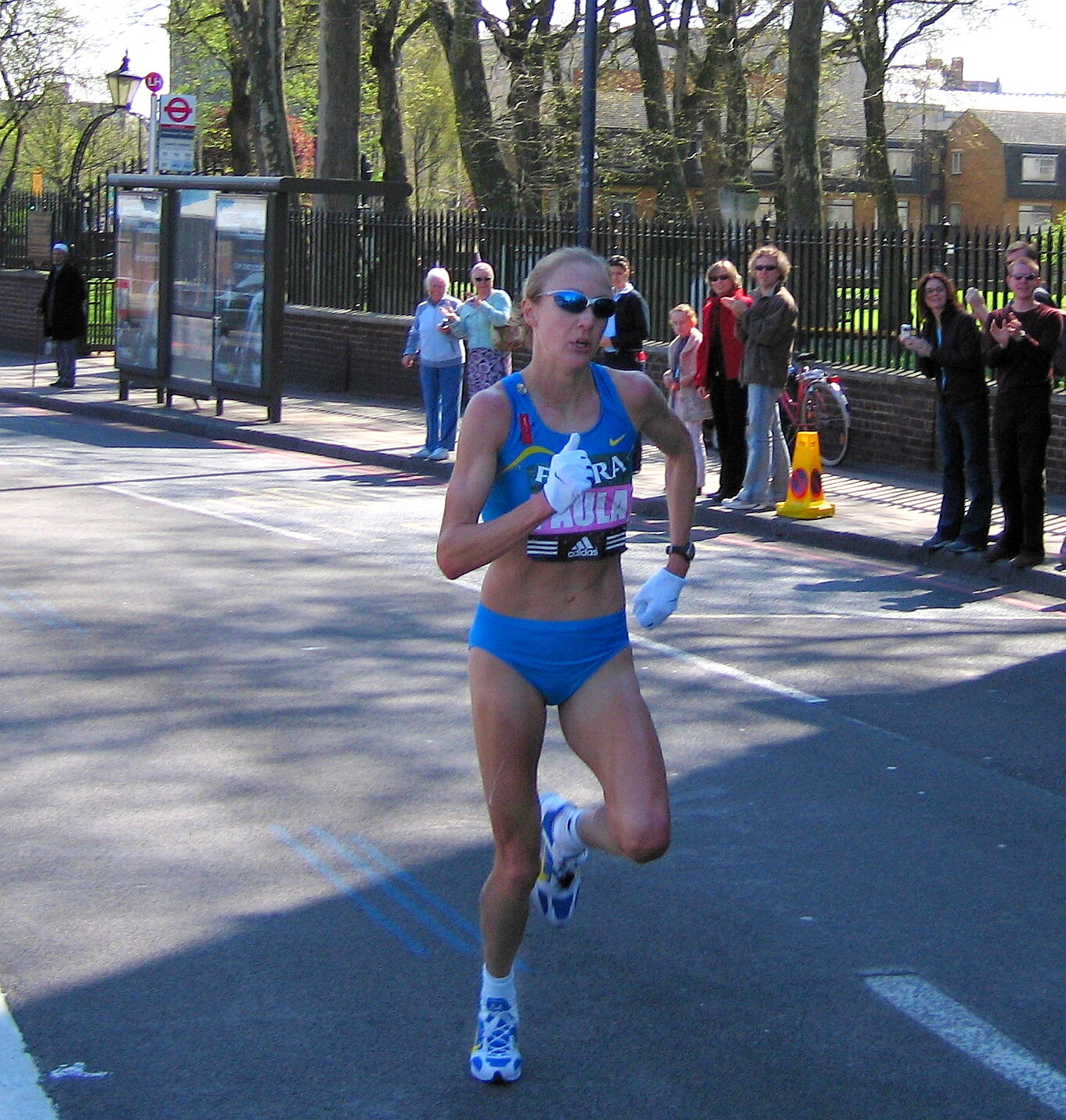
The progression began with Britain’s Paula Radcliffe, whose 2:17:42 in 2005 stood for 12 years before Kenya’s Mary Keitany finally brought the record down. Keitany clocked 2:17:01 at the 2017 London Marathon, beginning the current East African era of the women-only record.
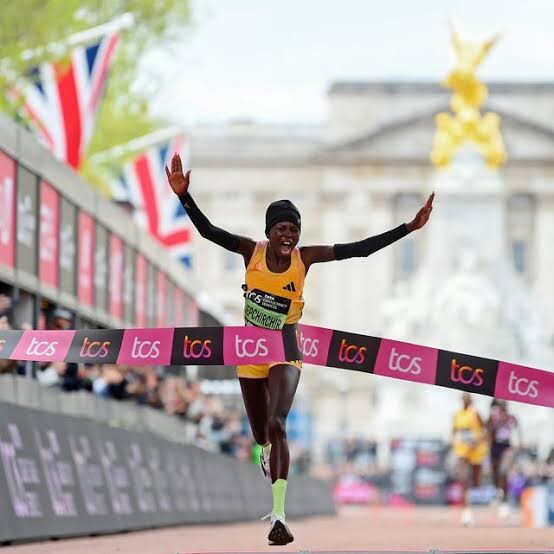
Kenya strengthened its grip in 2024 when Olympic champion Peres Jepchirchir produced one of the defining performances of her career in London. She ran 2:16:16, cutting 45 seconds from Keitany’s record and becoming the latest Kenyan to set the women-only marathon world record.
But the record did not remain in Kenya for long. At the 2025 London Marathon, Assefa produced a spectacular 2:15:50, improving Jepchirchir’s mark by 26 seconds and establishing herself as the latest Ethiopian custodian of the record.
A year later, Assefa returned to London with the record still in her sights. She delivered again, running 2:15:41 to successfully defend her title and extend her own world record by another nine seconds.
Behind her, Kenya’s Hellen Obiri ran a personal best of 2:15:53, while Joyciline Jepkosgei followed in 2:15:55. The extraordinary depth of the race meant three women finished inside 2:16 in the same marathon.
The rivalry between Kenya and Ethiopia has consequently become a defining feature of the modern women-only marathon record. Each breakthrough has raised the standard, creating an increasingly demanding target for the next generation of marathon stars.
It is also important to distinguish the women-only record from the overall women's marathon world record. A women-only race does not use male pacemakers, while mixed-gender races can have male athletes helping to maintain the pace. This distinction makes the progression of the women-only record a particularly interesting measure of women's marathon racing.
For now, the record progression reads:
Great Britain — Paula Radcliffe, 2:17:42 (2005)
Kenya — Mary Keitany, 2:17:01 (2017)
Kenya — Peres Jepchirchir, 2:16:16 (2024)
Ethiopia — Tigst Assefa, 2:15:50 (2025)
Ethiopia — Tigst Assefa, 2:15:41 (2026)
From Radcliffe’s landmark performance in 2005 to Assefa’s latest breakthrough in 2026, the record has undergone a remarkable transformation. Since Keitany ended Radcliffe’s 12-year reign, every improvement has come from either Kenya or Ethiopia, underlining the extraordinary depth of East African women’s marathon running.
And with the record now standing at 2:15:41, the next chapter is waiting to be written. The question is not only who will break the mark next, but how much further the women-only marathon can ultimately be pushed.
by Erick Cheruiyot for My Best Runs.
Login to leave a comment
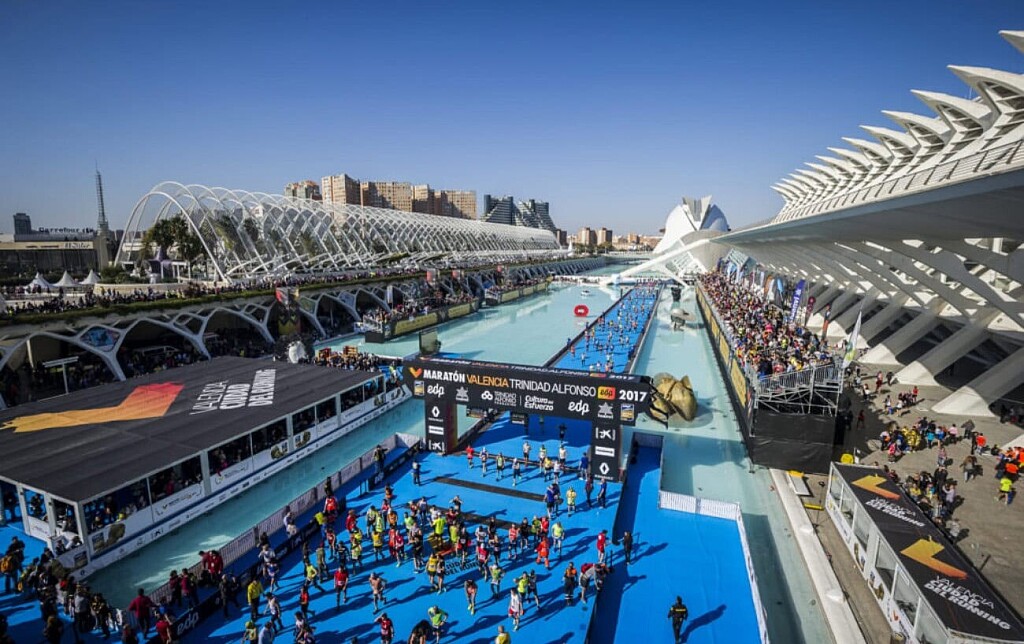
Valencia Marathon Offers €1 million World Record Jackpot As Kejelcha And Korir Lead Star-Studded Field
The road to marathon history will lead to Valencia on December 6, where the 2026 Valencia Marathon has put a staggering €1 million — approximately KSh 148.7 million — on the line for any athlete who breaks the official marathon world record on its fast Spanish streets.
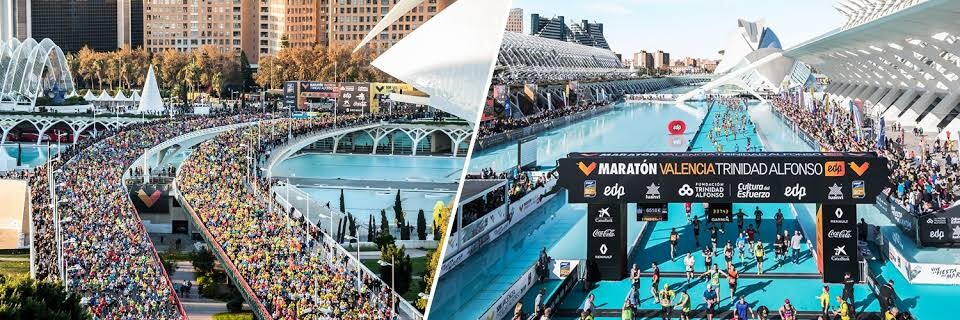
According to the race's official 2026 regulations, the million-euro bonus is available separately for both the men's and women's world records. The target for men is 1:59:30, while the women's target is 2:09:56. Athletes must be officially entered in the race, and the performances must pass the required recognition and anti-doping procedures.
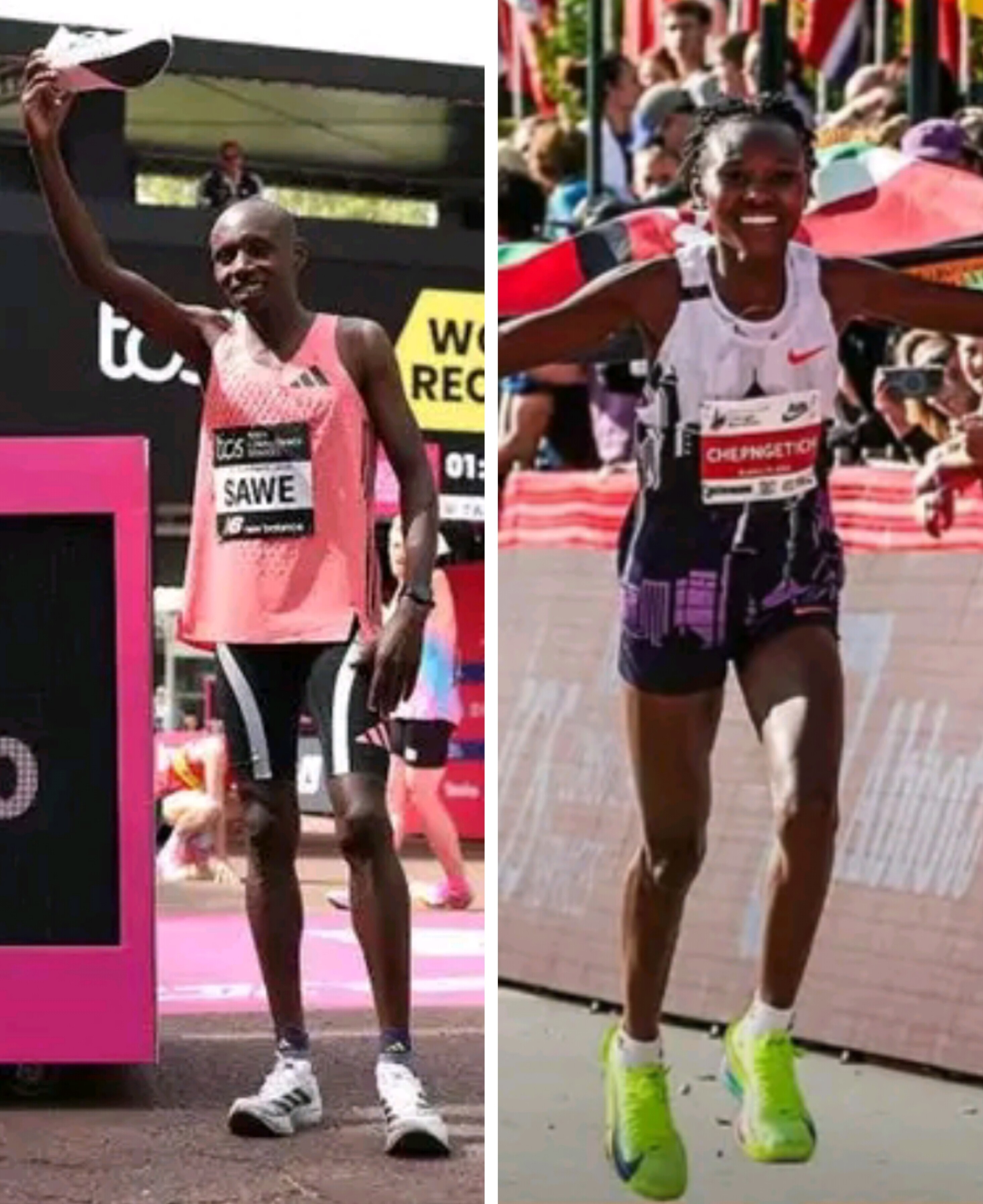
The men's benchmark was established by Kenya's Sabastian Sawe when he became the first man to officially break the two-hour barrier, running 1:59:30 at the 2026 London Marathon. Ethiopia's Yomif Kejelcha finished second that day in 1:59:41, becoming the second-fastest marathoner in history at the time and producing the fastest marathon debut ever.
On the women's side, the mark to beat remains Kenya's Ruth Chepngetich's 2:09:56, set at the 2024 Chicago Marathon. That performance made her the first woman to officially run under 2:10 for the marathon.
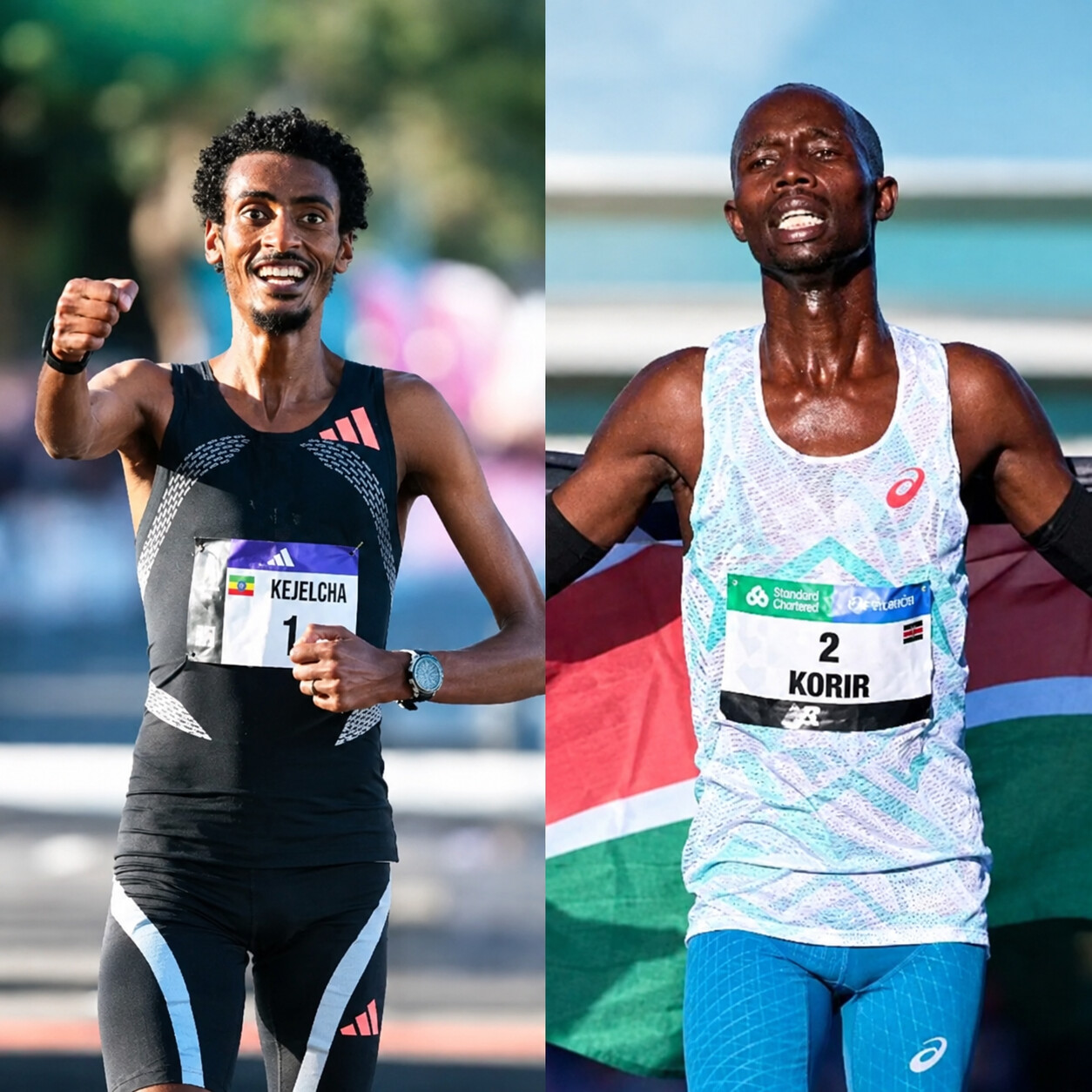
The enormous incentive is closely connected to the ambition of Valencia's running movement and the backing of businessman and philanthropist Juan Roig, whose Trinidad Alfonso Foundation has played a major role in supporting the marathon and the wider development of athletics in Valencia. Roig has previously spoken about the ambition of bringing the marathon world record to the city.
And the timing could hardly be more intriguing.
Kejelcha will return to Valencia for his second marathon, while defending champion John Korir of Kenya will be back after winning the 2025 edition in 2:02:24. The official elite announcement also includes Alexander Mutiso, Dawit Wolde and Nibret Melak, creating an exceptionally deep men's field.
Kejelcha arrives with a remarkable 1:59:41 from London, meaning he has already demonstrated the ability to sustain the extraordinary pace required to challenge the two-hour barrier. Korir, meanwhile, knows the Valencia course intimately and will be seeking to defend his title while chasing an even faster performance.
Valencia has earned its reputation as one of the world's fastest marathon destinations. Its course record currently stands at 2:01:48, set by Ethiopia's Sisay Lemma in 2023, while the 2025 edition saw Joyciline Jepkosgei run 2:14:00, the fastest women's marathon of that year.
With KSh 148 million-plus waiting for a successful world-record assault, a defending champion hungry for another victory and Kejelcha returning after coming within 11 seconds of the men's world record in London, Valencia is shaping up to be one of the most closely watched marathons of 2026.
On December 6, the question will be simple: will Valencia finally witness another marathon world record — and send one athlete home with a seven-figure euro cheque?
by Erick Cheruiyot for My Best Runs.
Login to leave a comment

VALENCIA TRINIDAD ALFONSO
The Trinidad Alfonso EDP Valencia Marathon is held annually in the historic city of Valencia which, with its entirely flat circuit and perfect November temperature, averaging between 12-17 degrees, represents the ideal setting for hosting such a long-distance sporting challenge. This, coupled with the most incomparable of settings, makes the Valencia Marathon, Valencia, one of the most important events in...
more...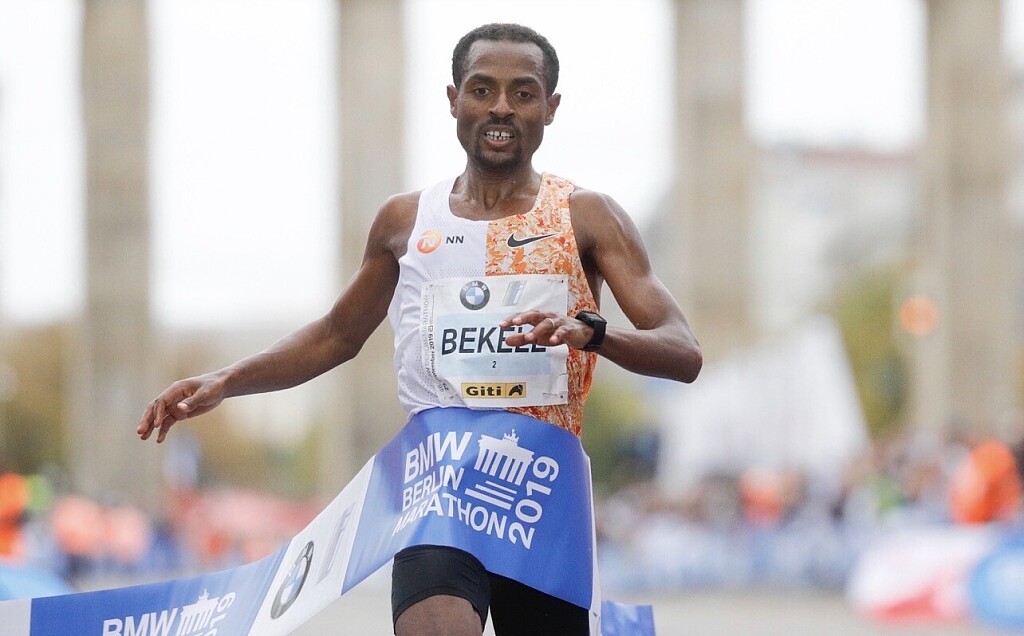
Kenenisa Bekele Returns to Berlin; Alisa Vainio Added to Elite Field
Kenenisa Bekele will run the BMW BERLIN-MARATHON on September 27, race organizers announced today. It will be the legendary Ethiopian’s first race of the year. At 44, Bekele may no longer be among the favorites for victory, but a strong performance remains possible.
Bekele has won the BMW BERLIN-MARATHON twice during his remarkable career, narrowly missing the world record on both occasions. In 2016, he crossed the line in 2:03:03, and in 2019, he clocked 2:01:41. Had he been just two seconds faster seven years ago, he would have become the first runner in history to hold the world records for 5,000 meters, 10,000 meters and the marathon simultaneously.

His return brings one of the greatest distance runners of all time back to Berlin. Bekele’s achievements on the track and in cross-country are extraordinary. He held the world records for 5,000 meters (12:37.35) and 10,000 meters (26:17.53) for approximately 15 years—longer than any other runner in history.
Bekele won 5,000-meter gold at the 2008 Olympic Games and the 2009 World Championships. Over 10,000 meters, he won Olympic gold in 2004 and 2008, along with world titles in 2003, 2005, 2007 and 2009. He also earned 11 individual gold medals at the World Cross Country Championships.
Two and a half years ago, at 41, Bekele nearly produced another extraordinary victory. He led during the closing stages of the London Marathon before finishing second in 2:04:15, setting a world masters record for the 40-plus age group that still stands. He was subsequently selected for the 2024 Olympic Games but finished 39th in Paris. Berlin offers him the opportunity to complete his first marathon since those Games.
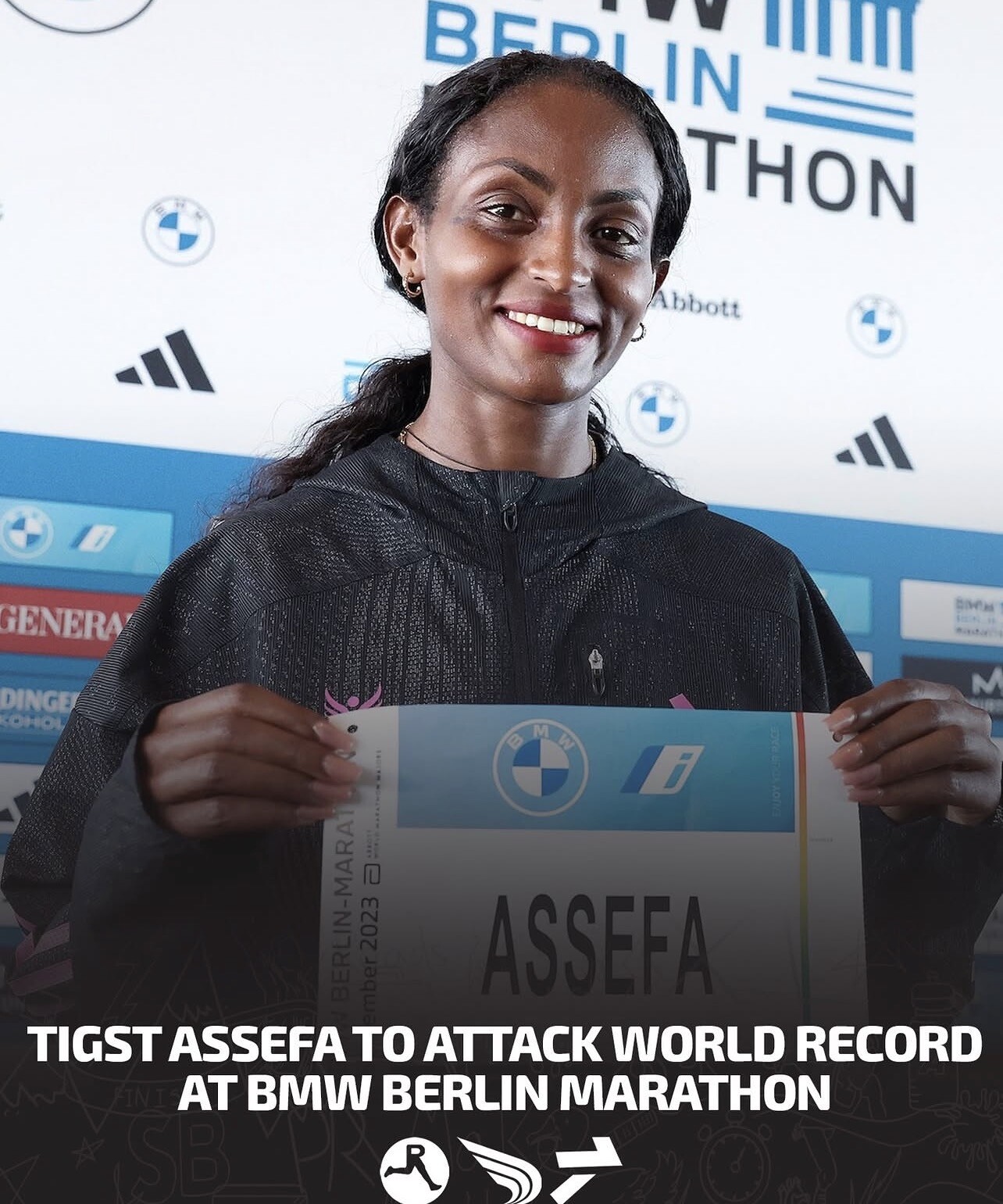
European Champion Alisa Vainio Joins the Field
The women’s elite field has also received a strong late addition: European marathon champion Alisa Vainio.
A month ago, the Finnish runner claimed gold at the European Championships in Birmingham with a commanding performance, setting a championship record of 2:22:26.
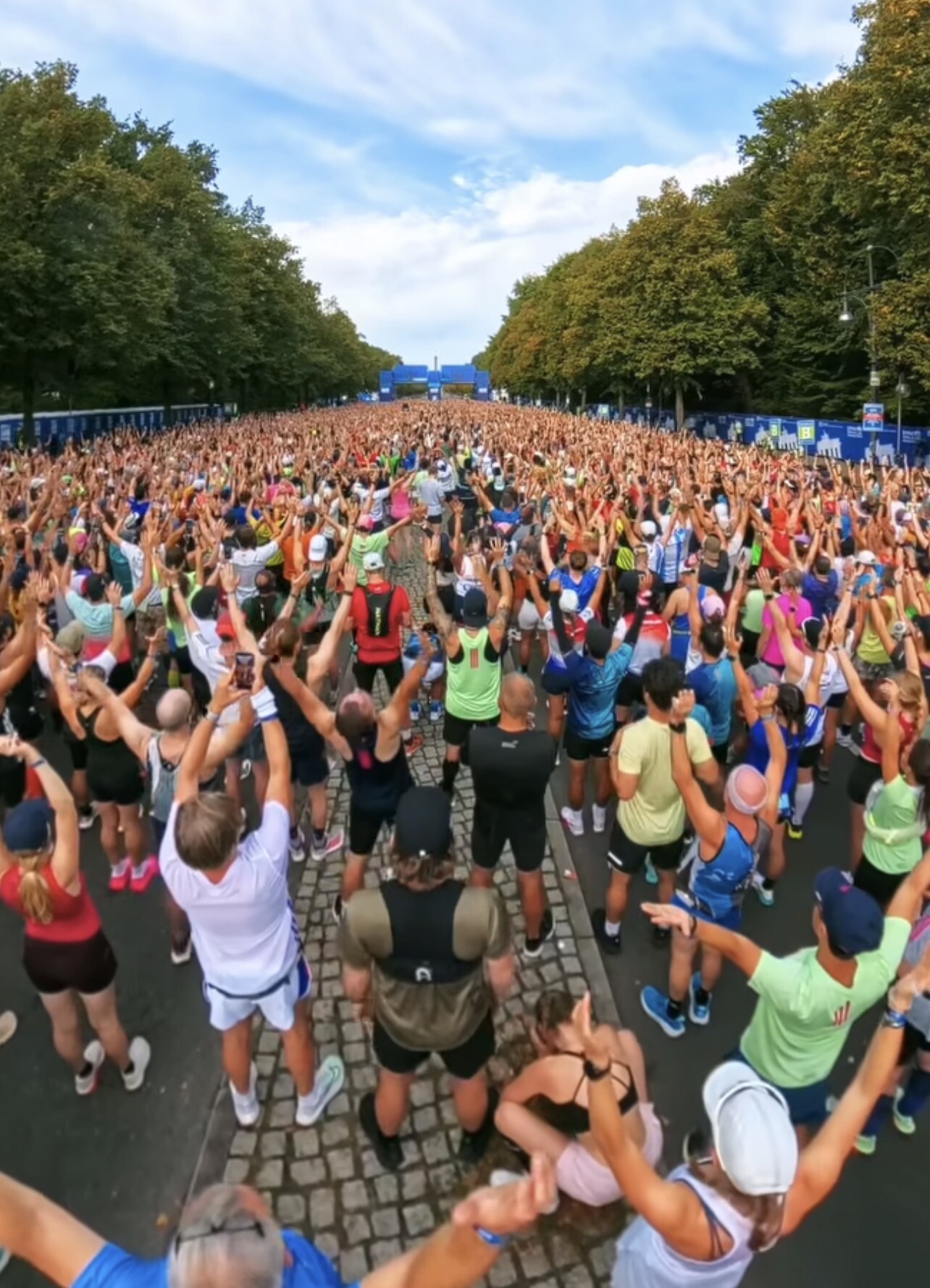
Last year, Vainio was the top European finisher at the World Championships in Tokyo, placing fifth. She then went on to set three consecutive Finnish national records, improving to 2:20:39 with her victory in Seville in February.
That performance made her the fastest Nordic women’s marathon runner in history, surpassing the 2:21:06 set by Norway’s former world record-holder Ingrid Kristiansen.
Fastest Runners on the Start List
Men
|
Athlete |
Country |
Personal Best |
|
Kenenisa Bekele |
ETH |
2:01:41 |
|
Gabriel Geay |
TAN |
2:03:00 |
|
Getaneh Molla |
ETH |
2:03:34 |
|
Guye Adola |
ETH |
2:03:46 |
|
Shura Kitata |
ETH |
2:03:59 |
|
Erick Sang |
KEN |
2:04:30 |
|
Selemon Barega |
ETH |
2:05:00 |
|
Taresa Tolosa |
ETH |
2:05:17 |
|
Tadu Abate |
ETH |
2:05:38 |
|
Asefa Boki |
ETH |
2:05:40 |
|
Kenya Sonota |
JPN |
2:05:59 |
|
Tsubasa Ichiyama |
JPN |
2:06:00 |
|
Kiyoto Hirabayashi |
JPN |
2:06:14 |
|
Yuhei Urano |
JPN |
2:06:23 |
|
Hidekazu Hijikata |
JPN |
2:06:26 |
Women
|
Athlete |
Country |
Personal Best |
|
Tigst Assefa |
ETH |
2:11:53 |
|
Rosemary Wanjiru |
KEN |
2:16:14 |
|
Bedatu Hirpa |
ETH |
2:18:27 |
|
Dera Dida |
ETH |
2:18:32 |
|
Zeineba Yimer |
ETH |
2:18:47 |
|
Bosena Mulatie |
ETH |
2:19:00 |
|
Misgane Alemayehu |
ETH |
2:19:08 |
|
Bekelech Gudeta |
ETH |
2:19:39 |
|
Evaline Chirchir |
KEN |
2:20:33 |
|
Alisa Vainio |
FIN |
2:20:39 |
|
Deshun Zhang |
CHN |
2:20:53 |
|
Gadise Mulu |
ETH |
2:20:59 |
|
Eebbisee Addunyaa |
ETH |
by Race News Service
Login to leave a comment
BMW Berlin Marathon
The story of the BERLIN-MARATHON is a story of the development of road running. When the first BERLIN-MARATHON was started on 13th October 1974 on a minor road next to the stadium of the organisers‘ club SC Charlottenburg Berlin 286 athletes had entered. The first winners were runners from Berlin: Günter Hallas (2:44:53), who still runs the BERLIN-MARATHON today, and...
more...
When The Finish Line Has To Wait: Eilish McColgan’s Great North Run Heartbreak
Athletics can be brutally unforgiving.
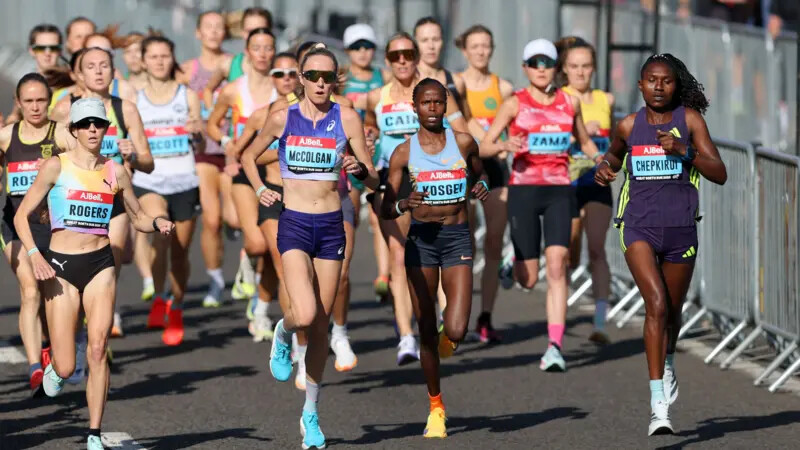
For Eilish McColgan, the 2026 Great North Run ended in heartbreak when she was forced to pull out of the race after a painful blister caused the skin on the bottom of her foot to rip open.
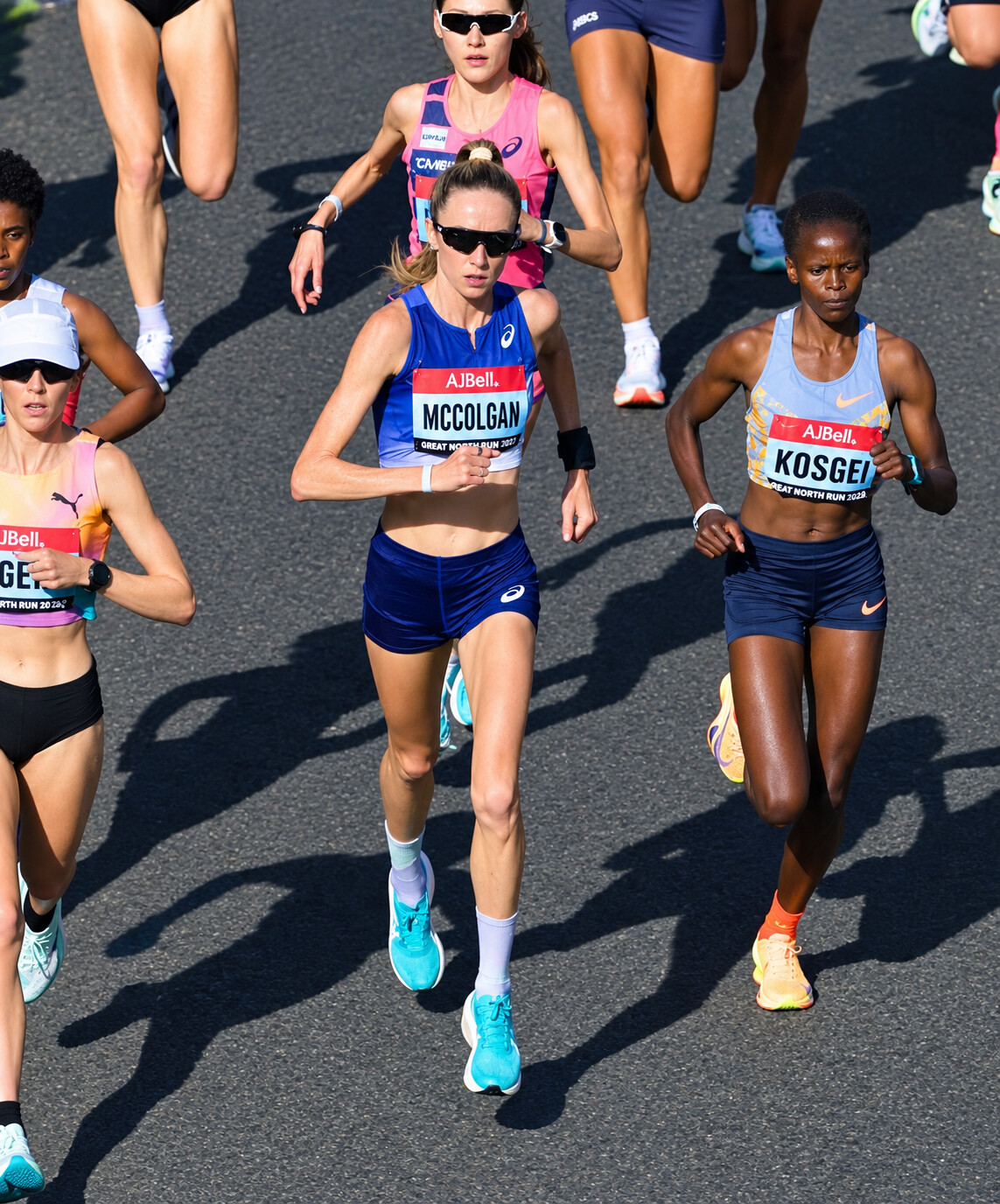
It was a particularly frustrating way for the Scottish distance star to see her race come to an end, especially because she felt physically strong heading into the event. There were no injuries, no niggles and, by her own assessment, her body was in a good place.
But sometimes athletics has other plans.
McColgan later took to social media to reveal the extent of her frustration, describing it as her first-ever DNF in a road race. Despite the disappointment, she still found something to celebrate within her family, as her younger brother successfully completed his first Great North Run.
"At least one McColgan made it to the finish line," she joked, while proudly congratulating her brother on completing the race in 1:28.
For McColgan, however, the day was considerably more difficult.
She explained that her withdrawal was not caused by a conventional injury, but by another blister—an issue that has repeatedly troubled her this year despite never having been a problem previously. The blister became so severe that the bottom of her foot was effectively ripped open, leaving her unable to continue comfortably.
The timing made the situation even more painful.
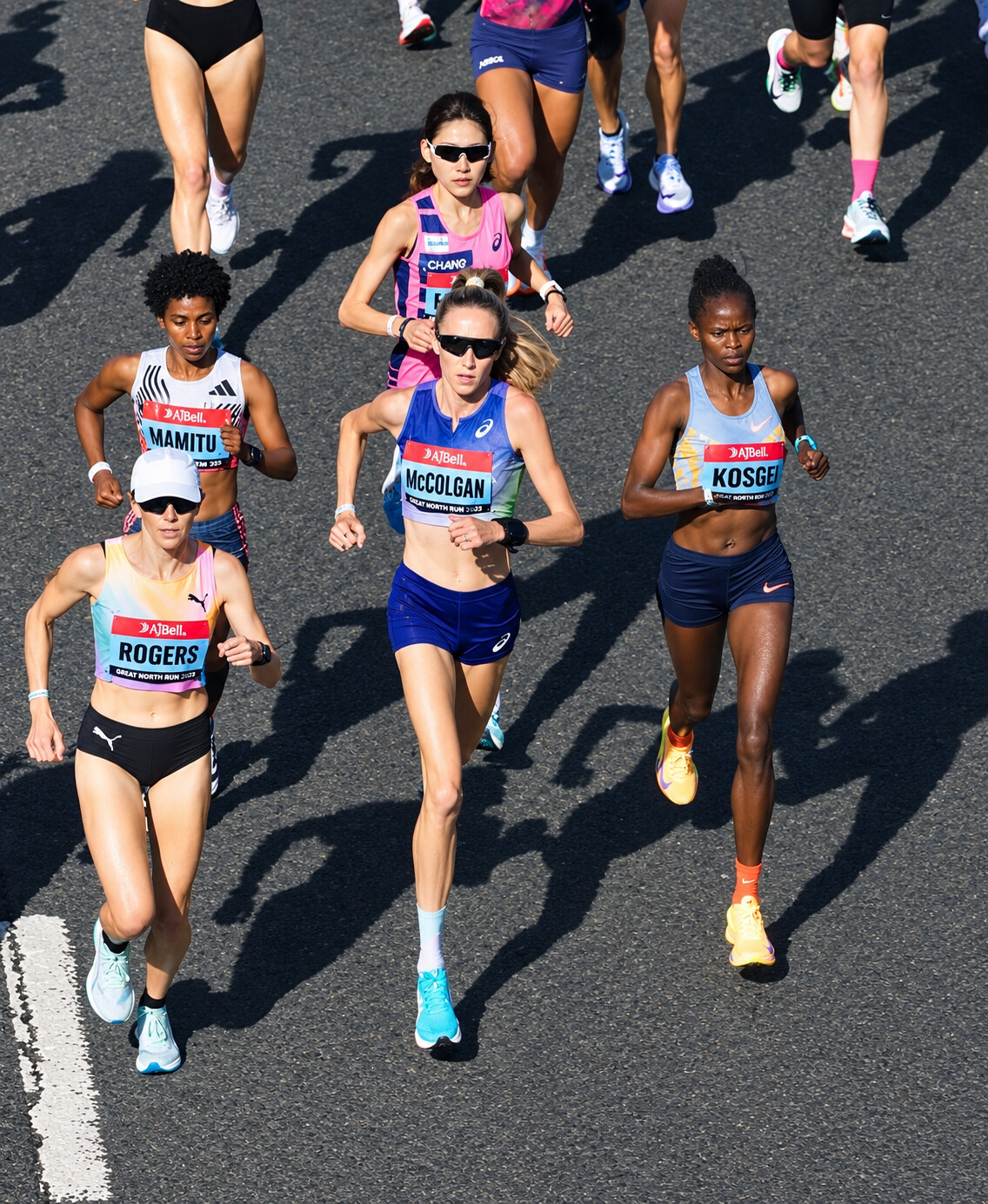
McColgan said she was particularly frustrated because the problem emerged so early in the race. She admitted that viewers watching the BBC broadcast may have heard her expressing that frustration in rather colourful language—a natural reaction from an athlete who had prepared extensively only to see her race unravel almost immediately.
Perhaps most importantly, McColgan stressed that her body itself was feeling good.
She had no injuries or lingering niggles and felt ready to race. But having experienced problems during the London Marathon, she did not want to risk repeating the same situation and potentially turning a relatively manageable problem into something much more serious.

That decision highlights an important reality of elite sport: sometimes stopping is not a sign that an athlete has given up. It can be a decision made to protect everything that comes next.
Behind every race is months of preparation that spectators rarely see. There are early mornings, demanding workouts, recovery sessions, sacrifices and countless hours spent preparing for a single day of competition.
When an athlete records a DNF, all of that work does not suddenly disappear.
McColgan's disappointment was obvious, but so was her determination. Despite describing herself as "not a happy bunny," she immediately looked ahead, promising to return to the Great North Run next year with renewed motivation.
She also took time to congratulate everyone who reached the finish line, describing the day as a stunning one.
That attitude says plenty about the character required to compete at the highest level.
Athletics is often defined by victories, personal bests, records and triumphant finishes. But there is another side to the sport—the painful days, unexpected setbacks and moments when an athlete's body simply refuses to cooperate.
McColgan's Great North Run was one of those days.
Her DNF may appear as just three letters beside her name in the results, but behind those letters lies months of preparation, genuine frustration and a painful problem that forced her to make a difficult decision.
Sometimes the finish line has to wait.
For McColgan, the goal now is simple: get the foot problem sorted, recover properly and come back stronger.
And if her determination is anything to go by, she intends to return to the Great North Run next year with a vengeance.
by Erick Cheruiyot for My Best Runs.
Login to leave a comment

Great North Run
Great North Run founder Brendan Foster believes Britain is ready to welcome the world with open arms after the launch of the event's most ambitious plan to date. The Great World Run campaign seeks to recruit one runner from every country in the United Nations – 193 in total – to take part in the iconic half marathon in...
more...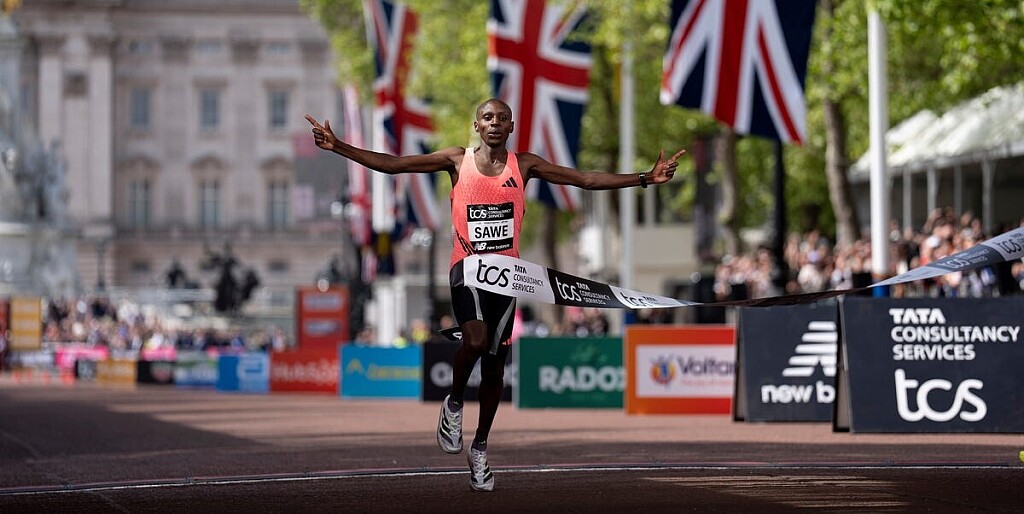
Marathon Majors Course Records: Where Speed, History And The Course Collide
The world’s biggest marathons are united by prestige, elite fields and unforgiving 26.2-mile battles, but their course records tell very different stories. From Tokyo to Sydney, each course has its own character, while London and Chicago have become synonymous with extraordinary speed.
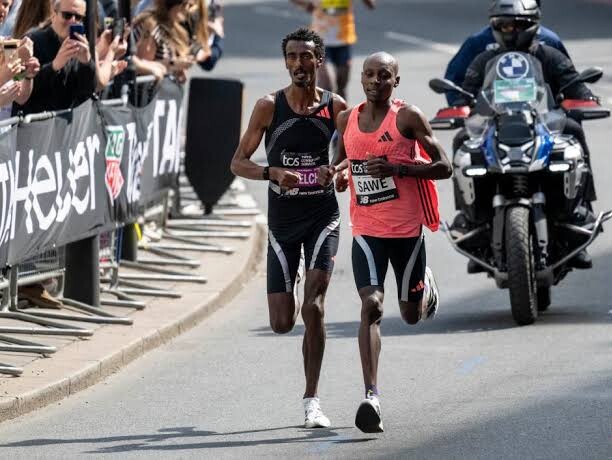
At the top of the men’s list stands the London Marathon, where Kenya’s Sabastian Sawe produced one of the greatest performances in road-running history. Sawe clocked 1:59:30 in April 2026, becoming the first athlete to officially break the two-hour barrier in a marathon. His performance also lowered the world record from Kelvin Kiptum’s previous mark of 2:00:35.
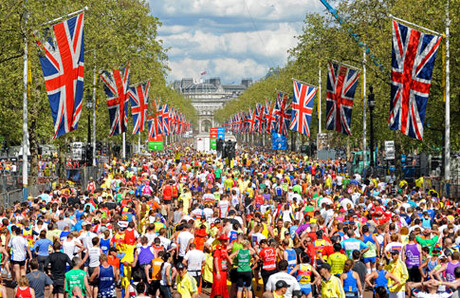
Chicago, meanwhile, owns one of the most remarkable records in women’s marathon history. Kenya’s Ruth Chepngetich ran 2:09:56 in 2024, becoming the first woman to break the 2:10 barrier. The performance remains a landmark in the event’s history and gives Chicago a special place among the fastest marathon courses in the world.
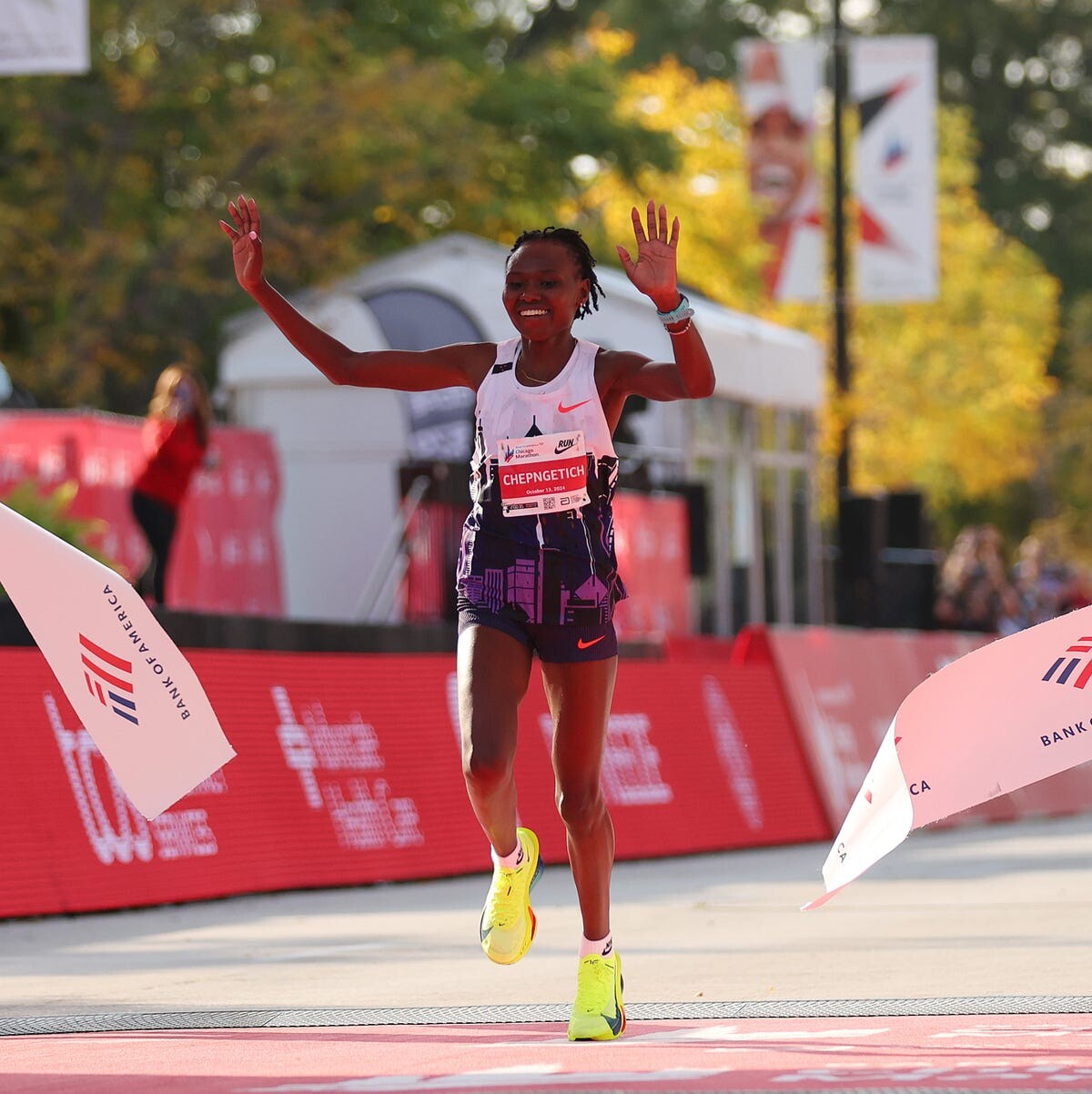
The men’s Chicago record is 2:00:35, set by the late Kelvin Kiptum in 2023. That performance stood as the world record until Sawe’s extraordinary 1:59:30 in London in 2026.

Then there is Berlin, perhaps the most celebrated world-record factory in marathon history. Kenya’s Eliud Kipchoge holds the men’s course record at 2:01:09, while Ethiopia’s Tigist Assefa owns the women’s mark at 2:11:53. Berlin has hosted numerous men’s world records over the years, underlining its reputation as one of the fastest marathon courses on the planet.
The elevation figures help explain why the courses produce such different performances. Berlin has relatively modest elevation changes, creating a fast and rhythm-friendly route. Other Majors present considerably greater challenges.
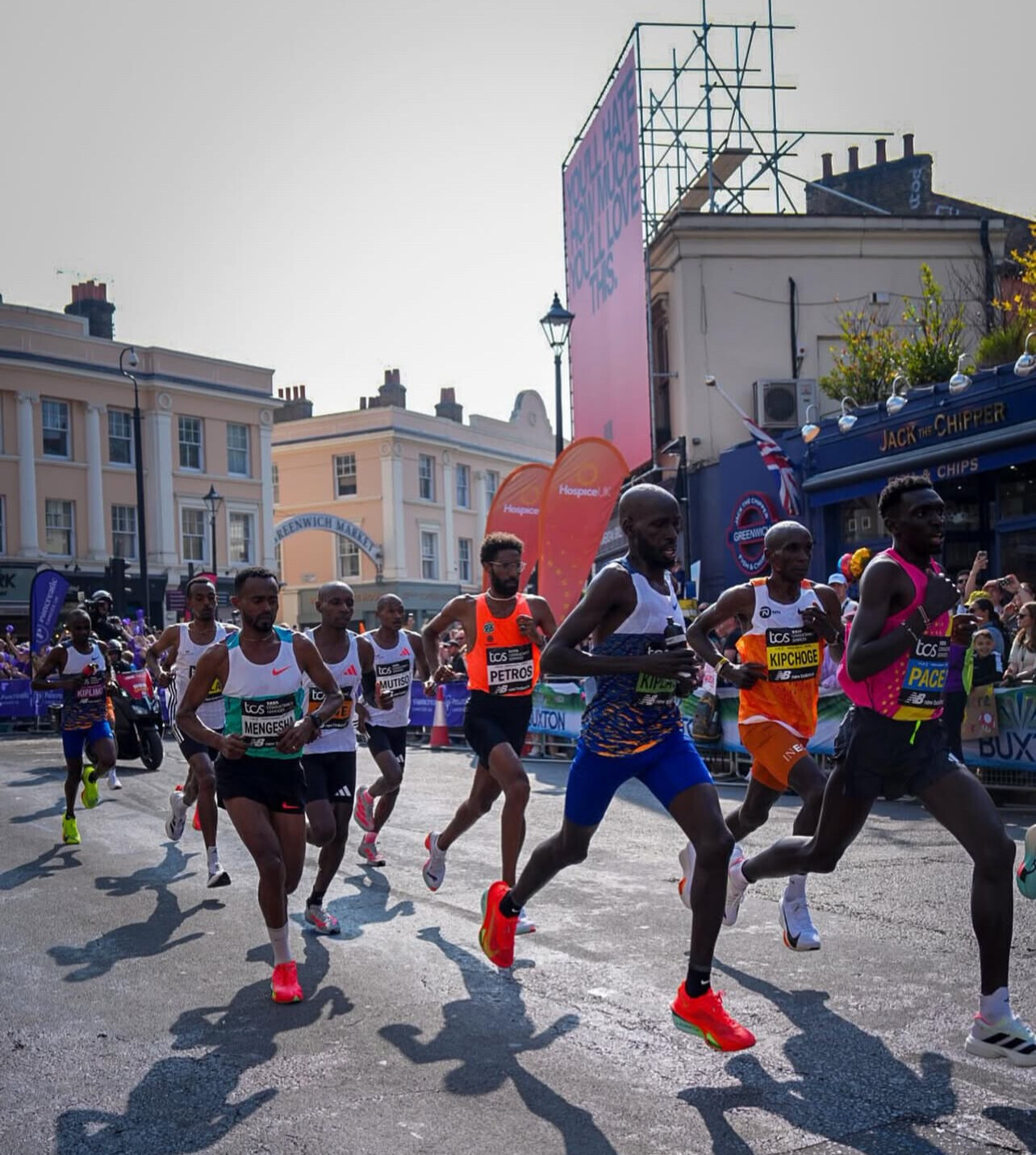
Boston, for example, climbs 248 metres but descends 388 metres. Its famous point-to-point layout and net downhill profile make it exceptionally fast in places, but its course does not qualify for official world-record purposes because the elevation drop exceeds the limit permitted by World Athletics.
New York City is a completely different proposition. With approximately 246 metres of climbing, it is among the toughest Major Marathon courses, demanding strength and tactical patience rather than simply raw speed. Its records therefore carry a different kind of significance, earned on a course that tests athletes through bridges, climbs and a demanding closing stretch into Central Park.
Tokyo offers another fast but distinctive challenge, with Benson Kipruto holding the men’s course record in 2:02:16. Brigid Kosgei’s 2:14:29 remains the women’s course record, illustrating the exceptional standard required to rewrite the record books in the Japanese capital.
And then there is Sydney, the newest addition to the Abbott World Marathon Majors family. Its course has already produced outstanding performances, with Addisu Gobena’s 2:04:42 listed as the men’s course record and Sifan Hassan’s 2:18:22 as the women’s mark in the graphic. With its demanding elevation profile, those performances underline just how quickly the Sydney course has established itself among the world’s major marathon stages.
What makes these records fascinating is that they cannot be judged by the clock alone. A 2:01 on a fast, record-legal course is a completely different achievement from a 2:04 on a demanding route, while Boston’s unique course rules mean that even exceptionally fast performances cannot enter the official world-record conversation.
For decades, marathon greatness was largely measured by who could run fastest. Today, the Majors show that where the time is run can be almost as important as the time itself. From Sawe’s historic sub-two-hour breakthrough in London to Chepngetich’s barrier-breaking run in Chicago and Berlin’s remarkable record history, these performances represent different chapters of marathon history—and the next chapter could be written at any Major.
by Erick Cheruiyot for My Best Runs.
Login to leave a comment
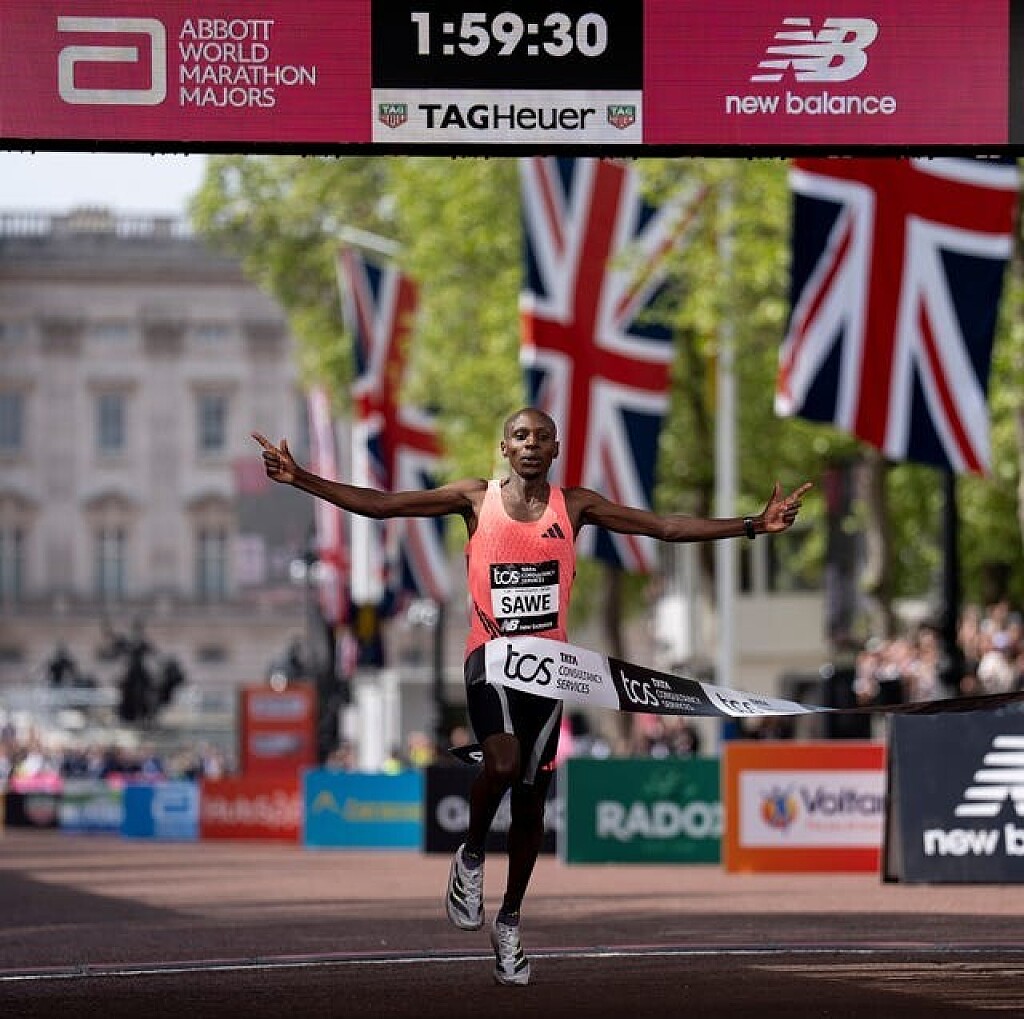
2026: The Year Distance Running’s Impossible Records Began to Fall
Distance running has witnessed extraordinary seasons before, but 2026 is producing something that feels almost unprecedented.
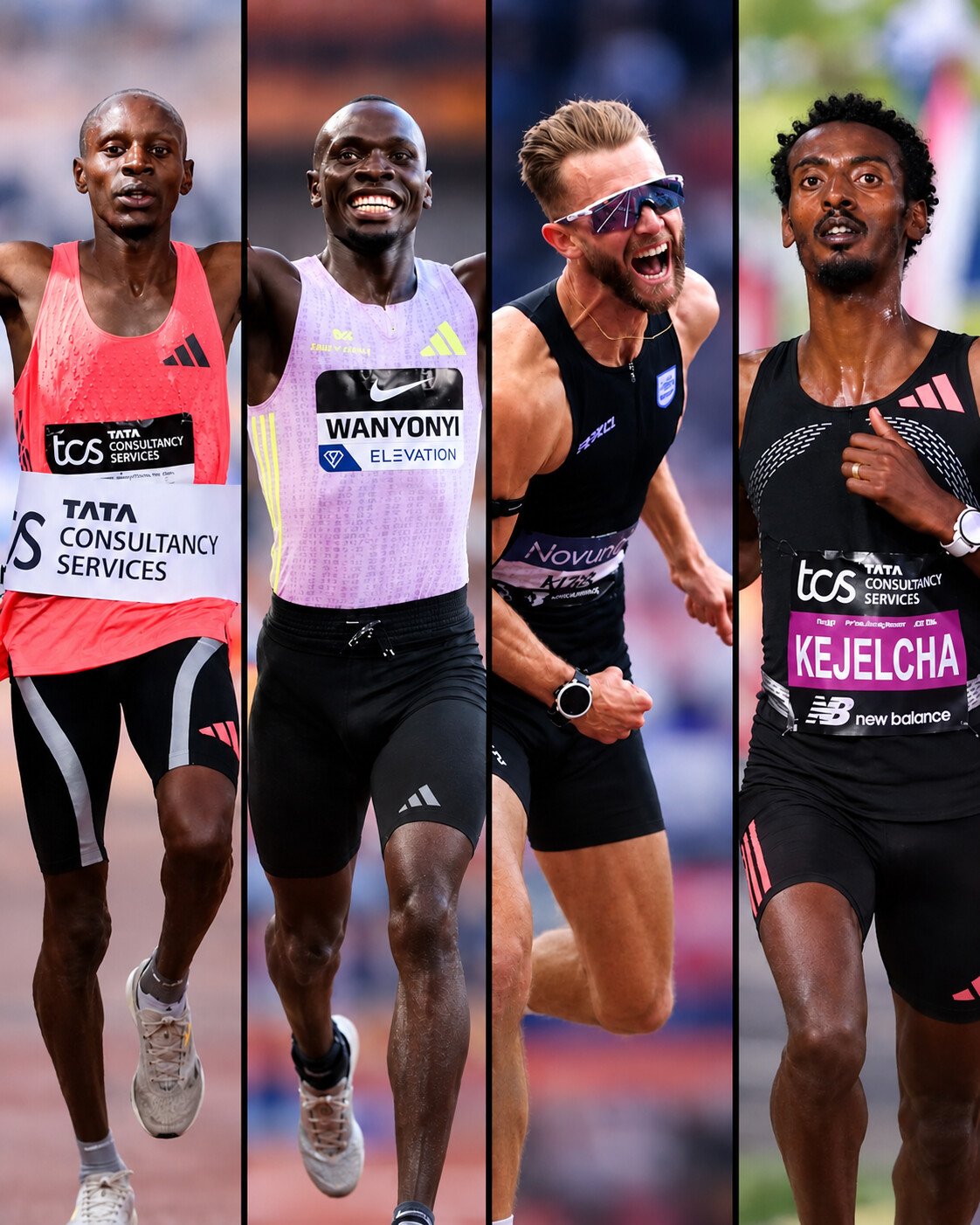
Records that had survived for decades, marks that appeared untouchable and performances that had defined entire generations of athletes are falling at a remarkable rate. In the space of just four months, four historic world records were rewritten, creating one of the most astonishing stretches the sport has ever seen.
And with four months still remaining in 2026, the question is no longer whether this has been an exceptional year.
It is just how much further the boundaries can be pushed.
The extraordinary sequence began on April 26 at the London Marathon, where Sabastian Sawe delivered one of the defining performances in the history of the event. The Kenyan crossed the finish line in a breathtaking 1:59:30, becoming the first athlete to run a marathon under two hours in officially recognised, record-eligible conditions.
Eliud Kipchoge had famously broken the two-hour barrier in Vienna in 2019, proving that such a performance was humanly possible, but the specially organised conditions—including rotating pacemakers and a pace car—meant the time could not be recognised as an official world record.
Sawe's performance was different.
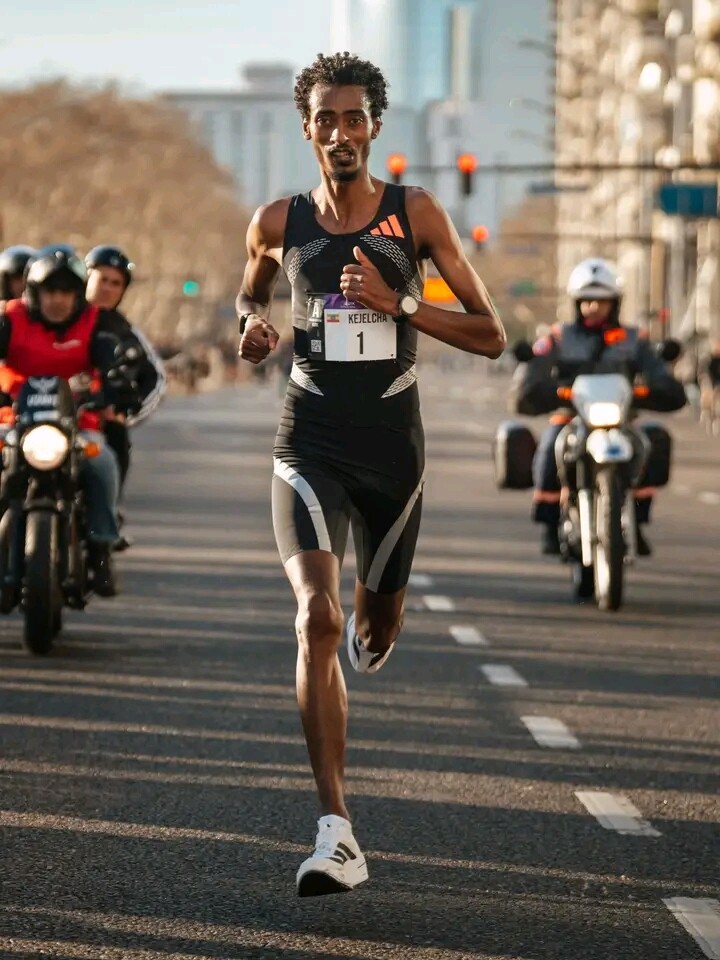
His 1:59:30 came in a conventional elite marathon race, and the historic morning became even more extraordinary as Ethiopia's Yomif Kejelcha finished in 1:59:41, while Uganda's Jacob Kiplimo clocked 2:00:28. In one astonishing race, three athletes went faster than the previous world-record standard.
Then came Monaco.
On July 10, Emmanuel Wanyonyi stepped into completely unfamiliar territory when he lined up for his first-ever 1000m race. What followed was nothing short of spectacular. The Kenyan middle-distance star stormed to 2:11.83, smashing a world record that had belonged to Noah Ngeny since 1999.
The previous mark had stood for 27 years, having been set four years before Wanyonyi was even born. Yet on his debut over the distance, Wanyonyi made history look effortless, while Britain's Jake Wightman also produced a superb performance to move into fifth place on the all-time list.
Just eight days later, London delivered another historic moment.
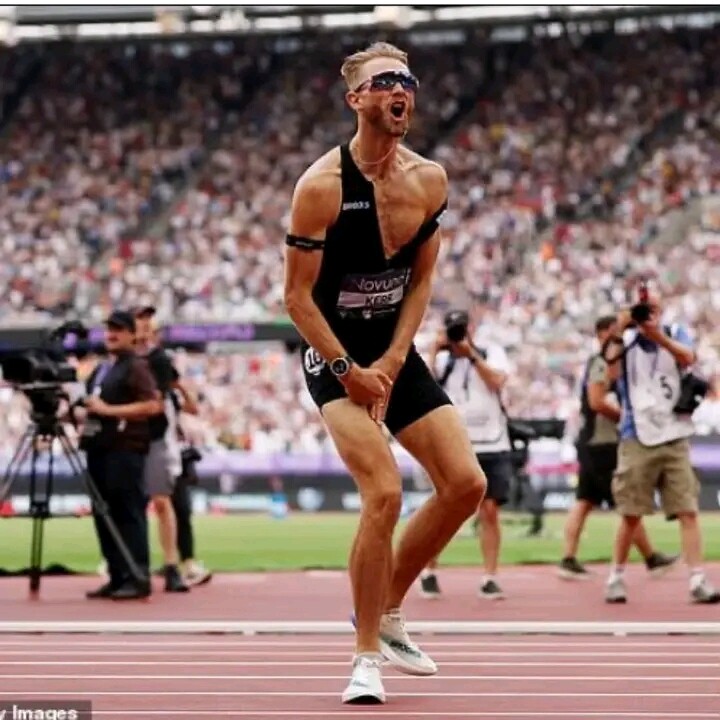
Josh Kerr had spoken openly about his ambitious mission, calling it “Project 222.” On the track, however, ambition turned into reality. The British star produced a stunning 3:42.66 for the mile, finally surpassing Hicham El Guerrouj's legendary 3:43.13 world record.
For decades, El Guerrouj's mark had stood as one of athletics' most iconic standards—a performance that appeared almost immune to the passing of time. Kerr changed that, producing a run that instantly secured its place among the greatest mile performances ever witnessed.
And then, in Buenos Aires on August 23, Yomif Kejelcha returned to the centre of the distance-running world.
Having already played a major role in London's historic marathon, the Ethiopian produced another extraordinary performance, this time over the half marathon. Kejelcha clocked 56:51, becoming the first man in history to break 57 minutes for the distance under valid record conditions.
What made the performance even more remarkable was the manner in which it unfolded. Kejelcha was running alone from around the 7km mark, with no rival beside him and no dramatic sprint finish required. He simply continued driving forward, producing one of the most dominant record-breaking performances ever seen on the roads.
Four historic records.
Four months.
A marathon barrier that had long been considered impossible in official competition. A 1000m record that had survived for 27 years. A mile record that had belonged to one of the greatest middle-distance runners in history. And a half-marathon performance that carried the event into completely new territory.
Distance running is living through a year unlike almost anything the sport has experienced before.
The most remarkable part?
2026 is not over yet.
With four months still remaining, the athletes of this extraordinary era may not be finished rewriting history.
by Erick Cheruiyot for My Best Runs.
Login to leave a comment
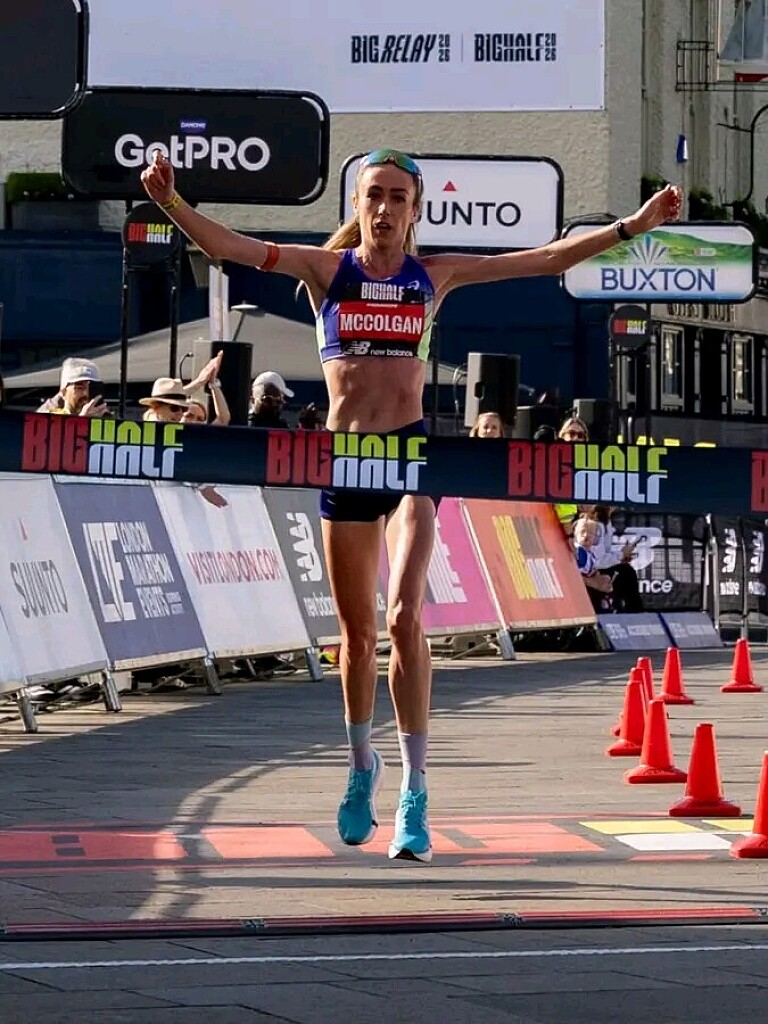
Eilish McColgan Lights Up London With Big Half Triumph
Eilish McColgan made a winning return to competitive racing in the British capital, powering to victory at The Big Half in London five months after her last appearance at the London Marathon.
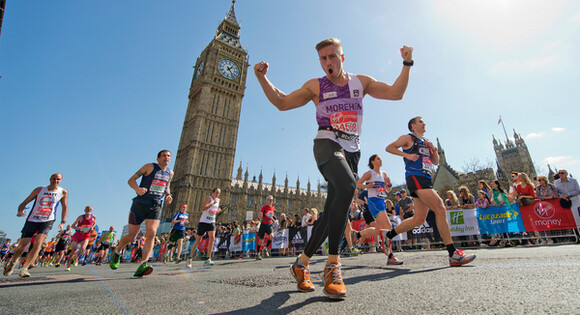
Back on the roads and once again competing in front of a home crowd, the Scottish distance star delivered a composed and commanding performance over the 13.1-mile course, crossing the finish line in 70:54 to claim the women’s title.
McColgan’s victory marked an impressive comeback to racing after a five-month competitive break. Rather than simply returning to the start line, she returned with purpose—and produced the performance needed to finish on top of a strong British field.
Behind her, Jess Warner-Judd battled her way to second place in 72:13, while Emma Pallant completed the podium after stopping the clock at 72:59.
McColgan back where she belongs
The victory adds another memorable chapter to McColgan’s remarkable distance-running career. Known for her determination and ability to perform on the biggest stages, she once again showed the resilience that has made her one of Britain’s leading endurance athletes.
Five months after her previous race at the London Marathon, the 13.1-mile challenge provided the perfect opportunity to test herself again—and McColgan seized it.
With the London streets providing the backdrop, she steadily built her advantage and held her nerve through the closing stages before celebrating victory at the finish.
For Warner-Judd and Pallant, second and third respectively capped strong performances, but the spotlight ultimately belonged to McColgan.
A champion in London once again, McColgan’s return could hardly have been more convincing.
by Erick Cheruiyot for My Best Runs.
Login to leave a comment

The Vitality Big Half
Created by London Marathon Events Ltd, in partnership with Sported,The Vitality Big Half is a community running festival, taking place in London in March. This one-day event offers a host of running distances, from a challenging half marathon to a free one-mile course, as well as a family-friendly festival of food, music and activities. What’s happening? Take part with friends...
more...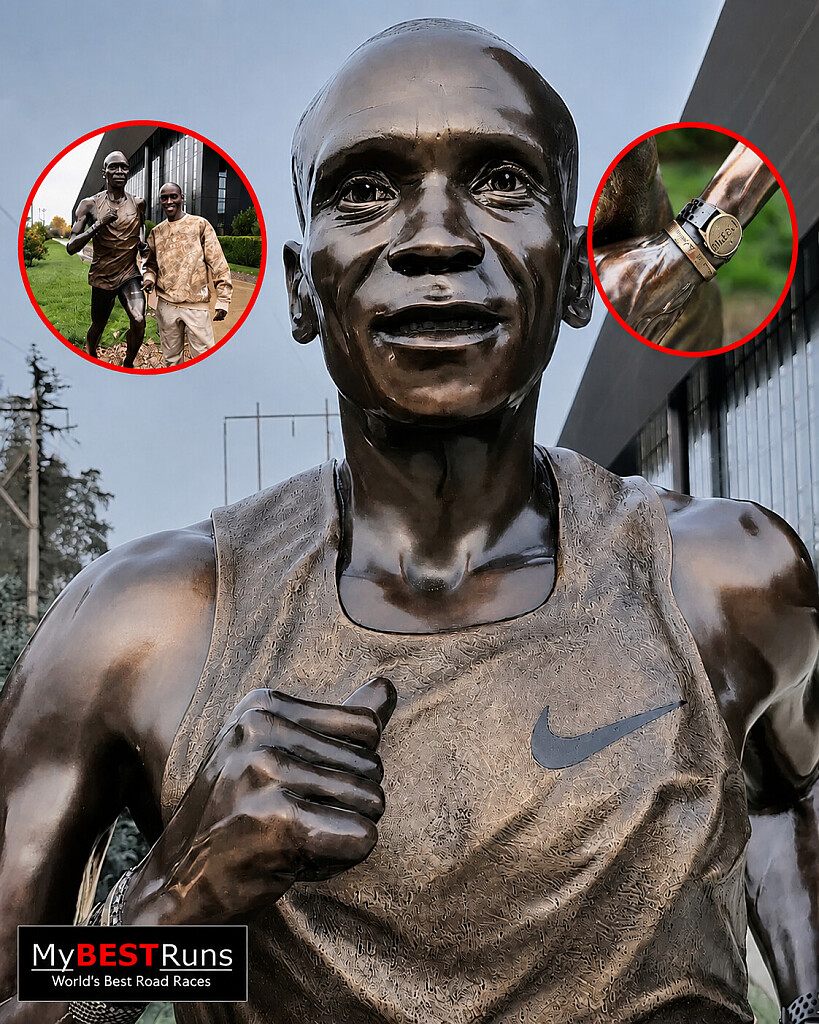
The Statue That Predicted History: How Kipchoge’s ‘No Human Is Limited’ Became Reality
Inside Nike’s World Headquarters in Beaverton, Oregon, a bronze figure stands frozen in motion.
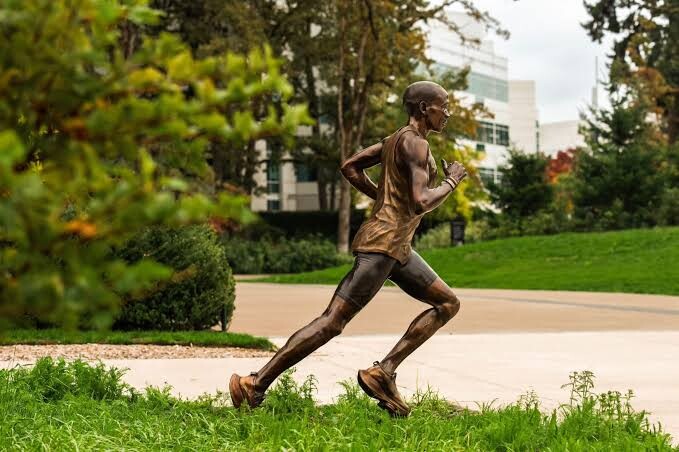
It is Eliud Kipchoge — captured in his unmistakable running posture, every detail carefully sculpted to resemble the Kenyan marathon legend at full stride. But this is more than a statue. It is a permanent reminder of a barrier that once seemed beyond human reach.
Created by Oregon artist Alison Caswell and commissioned by Nike, the life-size bronze sculpture was unveiled in October 2023 as part of the company’s celebration of its 20-year partnership with Kipchoge. Nike described the statue as a tribute to his signature gait and unique running style.
Look closely, however, and the sculpture tells an even deeper story.
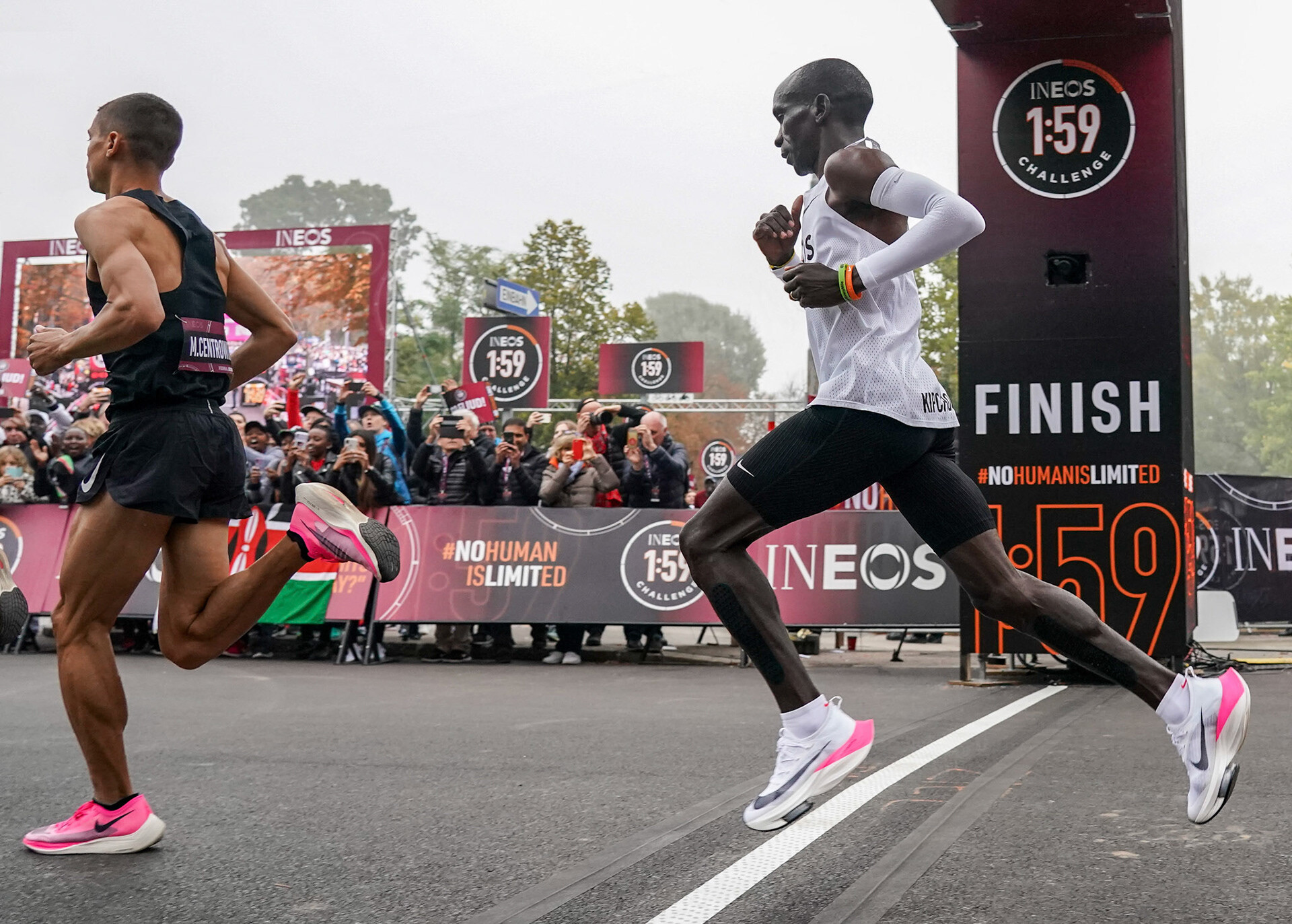
The watch on Kipchoge’s wrist displays 1:59:40, recalling the extraordinary morning of October 12, 2019, when he became the first person to run the marathon distance in under two hours during the INEOS 1:59 Challenge in Vienna.
His official recorded time was 1:59:40.2.
The achievement came under specially controlled conditions, with 41 pacemakers rotating in formations around him and extensive logistical support designed specifically for the attempt. Because it was not a standard record-eligible marathon, the performance was not recognized as an official world record. But its significance went far beyond the record books.
On the statue's left wrist is another detail that carries perhaps even greater meaning.
The wristband bears Kipchoge's famous philosophy:
“No human is limited.”
Those four words became synonymous with his pursuit of the impossible. In Vienna, they were no longer simply a slogan. Kipchoge had demonstrated that a boundary which had appeared almost untouchable could, under the right circumstances, be broken.
Four years later, the bronze figure remained in place at Nike's headquarters — but the marathon world had changed dramatically.
In October 2023, Kelvin Kiptum lowered the official men's marathon world record to 2:00:35 in Chicago, bringing the sport closer than ever to the barrier Kipchoge had already conquered unofficially in Vienna.
Then came April 26, 2026.
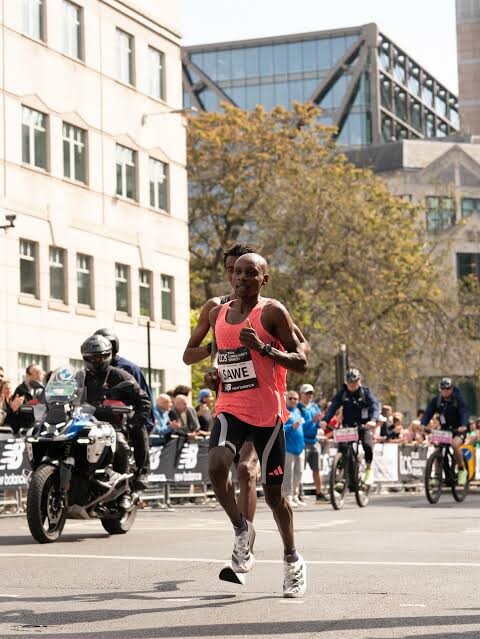
On the streets of London, Kenya's Sabastian Sawe entered territory that had previously belonged only to Kipchoge's extraordinary exhibition achievement.
Sawe won the London Marathon in 1:59:30, becoming the first man to officially complete a record-eligible marathon in under two hours. He also erased Kiptum's world record by 65 seconds. World Athletics subsequently ratified the performance as the official men's marathon world record.
And remarkably, Sawe did it in an ordinary competitive marathon — not on a specially designed course, not with rotating pacemakers, and not under the unique conditions of the 2019 INEOS challenge.
The symbolism is difficult to miss.
When Nike unveiled Kipchoge's statue in 2023, the 1:59:40 engraved on its wrist represented a moment when humanity had first stepped beyond the two-hour marathon barrier.
Today, that number represents something different.
It is no longer the fastest anyone has ever run 42.195 kilometres.
Instead, it has become part of the history that led to something even greater: the first officially recognized sub-two-hour marathon.
Kipchoge opened the door in Vienna.
Kiptum pushed the official world record closer.
And Sawe eventually walked — or rather, ran — through the door.
The bronze statue in Beaverton has not moved. Its watch still points to 1:59:40, and its wristband still carries the words “No human is limited.”
But the meaning of those words has grown.
What once looked like a statement of belief now reads like a prediction.
The statue was built to celebrate what Kipchoge had already achieved.
History has since given it another purpose: to remind the world that yesterday's impossible can become tomorrow's starting point.
by Erick Cheruiyot for My Best Runs.
Login to leave a comment

From Buenos Aires History to Valencia Ambition: Kejelcha Begins the Next Chapter
Ethiopian distance-running sensation Yomif Kejelcha has been taking time to reflect on an unforgettable week in Buenos Aires, where he delivered one of the most extraordinary performances of his career and added another historic chapter to his remarkable journey.
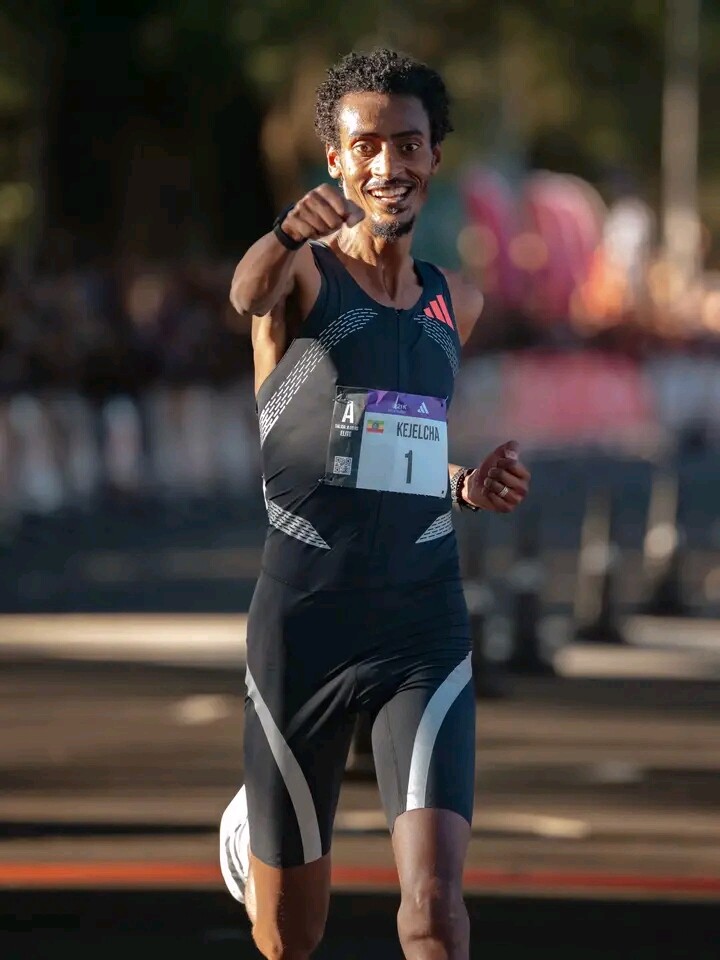
The memories from the Argentine capital remain fresh after Kejelcha produced a sensational 56:51 to break the half marathon world record in August 2026. His performance lowered the previous record by 29 seconds and marked another extraordinary milestone for one of the most versatile distance runners in the sport.
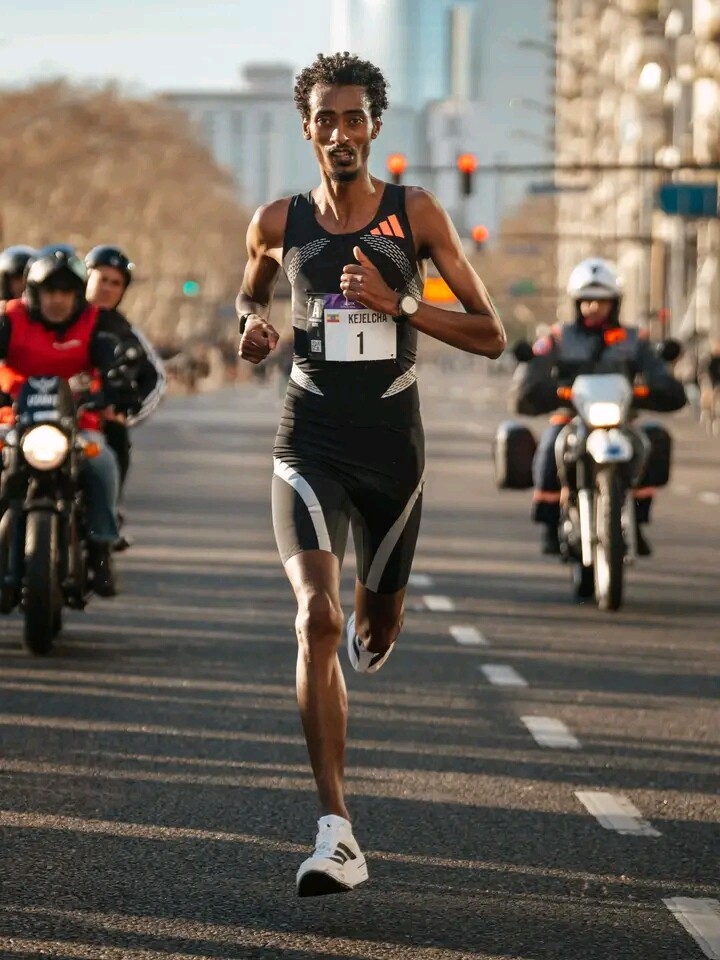
It was also a return to familiar territory for Kejelcha, who had previously held the half marathon world record after clocking 57:30 in Valencia in 2024. His latest performance in Buenos Aires therefore reinforced his remarkable ability over the 21.1km distance and added further significance to a city and race that he says left him deeply grateful for the warmth and support he received.
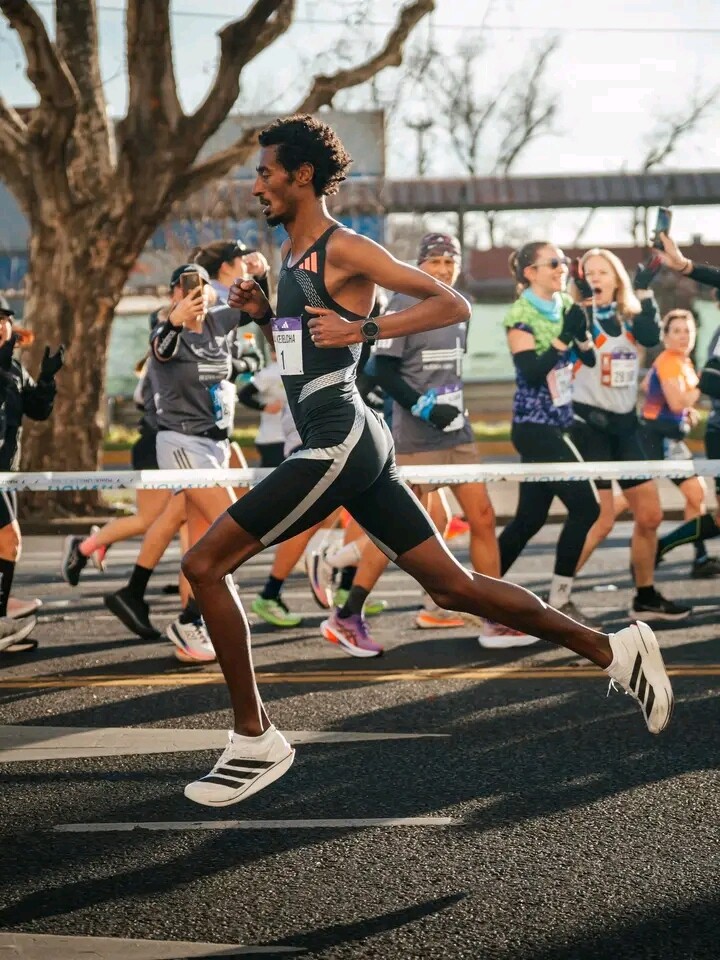
Reflecting on his time in Buenos Aires, Kejelcha shared his happiness over everything he experienced during the trip, expressing sincere appreciation for the love, encouragement and hospitality shown to him. The reception he received from fans and the local community made the historic occasion even more memorable.
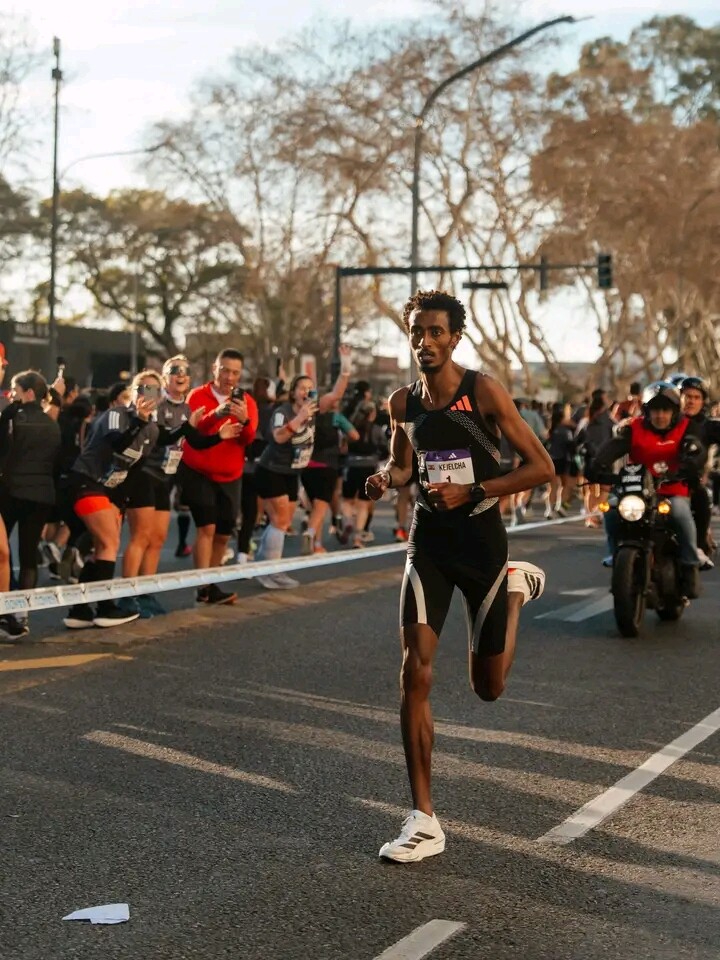
After the intensity and emotion of that performance, Kejelcha has returned home to Ethiopia, where the past week has been dedicated to rest, recovery and spending valuable time with his family. Following a demanding stretch of racing and training, the Ethiopian star is now giving both his body and mind the opportunity to recharge before gradually returning to his normal routine.
His incredible 2026 season has already featured another historic achievement. In April, Kejelcha made his marathon debut at the London Marathon and finished second in a breathtaking 1:59:41. The performance became the fastest marathon debut in history and made him only the second athlete to officially break the two-hour barrier in a record-eligible race.
Now, however, his attention is beginning to turn towards the next major challenge.
Kejelcha has identified the Valencia Marathon as his main objective for the closing stages of the season. Step by step, he is preparing to resume full training and build towards the prestigious Spanish race, where he will aim to bring an already historic campaign to a memorable conclusion.
Valencia also carries special significance in Kejelcha's recent career. It was there in 2024 that he set his previous half marathon world record, and he will now return to the Spanish city with even greater experience, confidence and a growing reputation as one of the most formidable distance runners of his generation.
The Ethiopian star also expressed his gratitude to supporters around the world for the overwhelming messages and affection he has received since his latest achievement. He made it clear that the encouragement from fans has meant a great deal to him and has added even more meaning to an unforgettable period in his career.
For now, the focus remains on recovery, family and patiently rebuilding towards the final major test of the season. But after rewriting history in Buenos Aires and producing a stunning marathon debut earlier in the year, Kejelcha's journey is far from over.
With Valencia now firmly in his sights, one of distance running's most exciting talents is preparing for the next chapter—and if 2026 has shown anything so far, it is that Yomif Kejelcha is capable of producing something truly extraordinary whenever history is on the line.
by Erick Cheruiyot for My Best Runs.
Login to leave a comment
VALENCIA TRINIDAD ALFONSO
The Trinidad Alfonso EDP Valencia Marathon is held annually in the historic city of Valencia which, with its entirely flat circuit and perfect November temperature, averaging between 12-17 degrees, represents the ideal setting for hosting such a long-distance sporting challenge. This, coupled with the most incomparable of settings, makes the Valencia Marathon, Valencia, one of the most important events in...
more...
26 Years Later, Vivian Cheruiyot Returns To Sydney As A Kenyan Distance-Racing Legend
Twenty-six years ago, a 17-year-old Vivian Cheruiyot arrived in Sydney carrying the dreams of a young Kenyan athlete and the promise of a remarkable future.
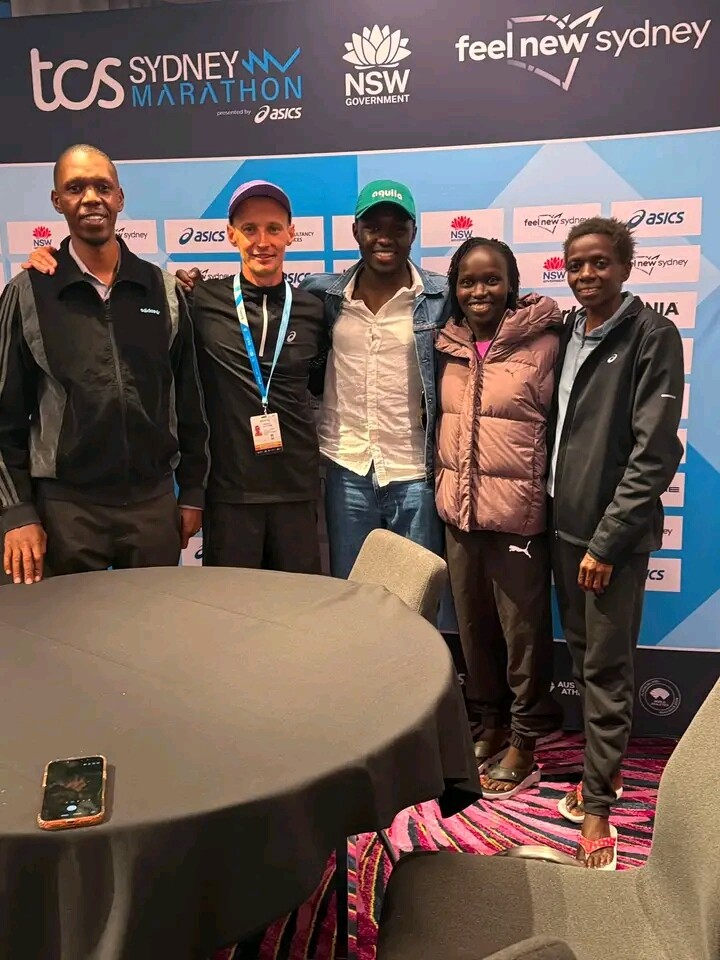
Today, she returns to the same Australian city as something far greater — an Olympic champion, four-time world champion, world cross-country champion, London Marathon winner, Laureus Sportswoman of the Year and one of Kenya’s most accomplished distance runners.
At 42, Cheruiyot will line up for the TCS Sydney Marathon on Sunday, August 30, completing an extraordinary full circle in a career that has stretched across more than two decades and transformed her from a teenage Olympian into one of the defining figures of her generation.
When Cheruiyot first competed in Sydney at the 2000 Olympic Games, few could have imagined the heights she would eventually reach. Still only 17, she advanced to the 5000m final and finished 14th — an experience that became the first chapter of an Olympic journey that would eventually span four Games.
The years that followed brought an extraordinary collection of victories.
Cheruiyot became world 5000m champion in 2009, then produced one of the greatest championship performances of her career in Daegu in 2011, winning both the 5000m and 10,000m titles while also claiming World Cross Country gold earlier that year. She added another world 10,000m title in Beijing in 2015, taking her tally to four senior world championships.
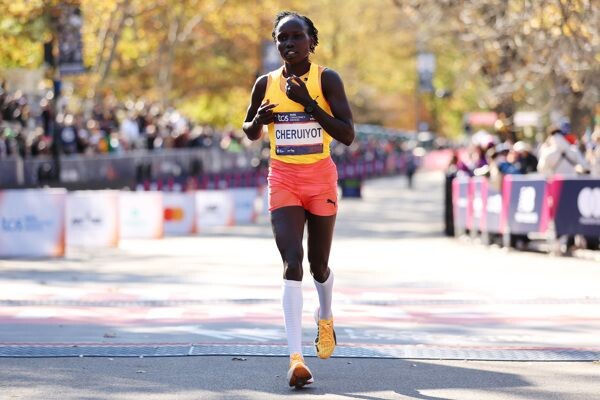
But the Olympic gold medal remained the one prize missing from her collection.
That changed dramatically in Rio in 2016.
After winning silver in the 10,000m, Cheruiyot returned to the track for the 5000m final and delivered a masterclass in championship racing. She surged away from Ethiopia’s Almaz Ayana in the closing stages to win Olympic gold in 14:26.17, finally completing the collection of major titles she had chased for so many years.
“I said I want to win,” Cheruiyot recalled after that historic victory. “This was my fourth Olympics and I’ve been dreaming about this since the very start.”
Her brilliance was not confined to the track.
After moving into marathon running, Cheruiyot established herself among the world’s best over 42.195km. She finished fourth in her London Marathon debut in 2017 before returning the following year to produce a stunning victory in 2:18:31 — a performance that placed her fourth on the world all-time list at the time and remains her marathon personal best.
She also finished runner-up in the New York City Marathon in 2018 and second in London in 2019, further demonstrating that her extraordinary competitive instinct had successfully followed her from the track to the roads.
Away from competition, Cheruiyot’s story has also evolved with her life. She became a mother, welcomed her daughter Arielle in 2021 and returned to competitive racing in 2023. In 2024, she claimed third place at the New York City Marathon, followed by fifth at the 2025 London Marathon.
Now Sydney offers her another opportunity to write her name into the city’s sporting history.
“I look back on my career with pride. I was able to win almost everything and have been at the top for a long time,” Cheruiyot said ahead of her return.
She also remembers the extraordinary generation in which she competed — an era that included global icons such as Usain Bolt, Tirunesh Dibaba and Meseret Defar.
“I was running in a great era and had a close-up view of athletes like Usain Bolt setting the world alight,” she reflected.
Yet perhaps the most remarkable aspect of Cheruiyot’s return is not simply the passage of time, but her willingness to keep challenging herself.
She arrives in Sydney having put considerable work into rebuilding her fitness, knowing that the marathon demands something entirely different from the explosive championship races that defined her track career.
“I am very excited to go back to Sydney,” she said. “It has been 26 years since I was there, and a lot has changed in my life since then. I hope to have a good run — I have put in a lot of work to regain fitness and hope my body will stand up to the 42km.”
Twenty-six years ago, Sydney introduced the world to a fearless Kenyan teenager chasing an Olympic dream.
Now, the same city welcomes back a woman who went on to conquer the track, cross country and marathon — and to leave an indelible mark on Kenyan athletics.
From teenage Olympian to Olympic champion. From world champion to marathon winner. From rising talent to mother and enduring icon.
Vivian Cheruiyot has come full circle — and Sydney is once again the stage.
by Erick Cheruiyot for My Best Runs.
Login to leave a comment

Sydney Marathon
The Sydney Marathon is a marathon held annually in Sydney, Australia. The event was first held in 2001 as a legacy of the 2000 Summer Olympics, which were held in Sydney. In addition to the marathon, a half marathon, 9 kilometres (5.6 mi) "Bridge Run", and a 3.5 kilometres (2.2 mi) "Family Fun Run" are also held under the banner...
more...
Sabastian Sawe Withdraws from Berlin Marathon After Injury, Ending Title Defence Hopes
Kenyan marathon sensation Sabastian Sawe has been forced to withdraw from the 2026 BMW Berlin Marathon because of injury, delivering a major blow to one of the most eagerly anticipated races of the year.
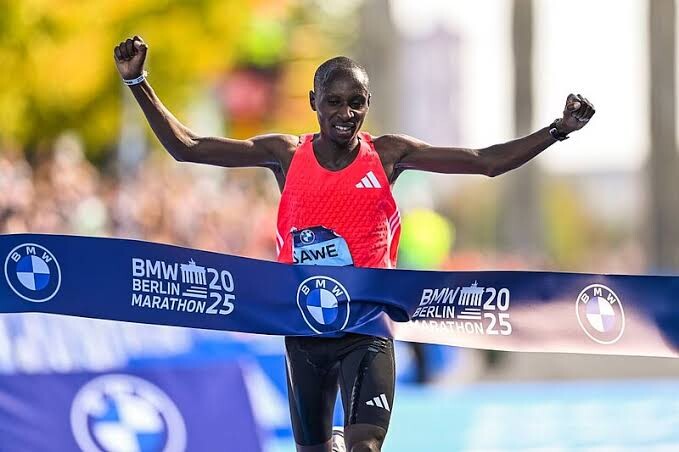
The 31-year-old Sawe, the reigning Berlin Marathon champion and marathon world-record holder, was scheduled to return to the German capital on September 27 with hopes of defending the title he won in 2025. However, injury has now ruled him out, bringing an abrupt end to his highly anticipated appearance.
The Berlin Marathon organisers officially confirmed Sawe’s withdrawal through their social media channels, expressing their disappointment at the Kenyan star’s absence and wishing him a full and speedy recovery.
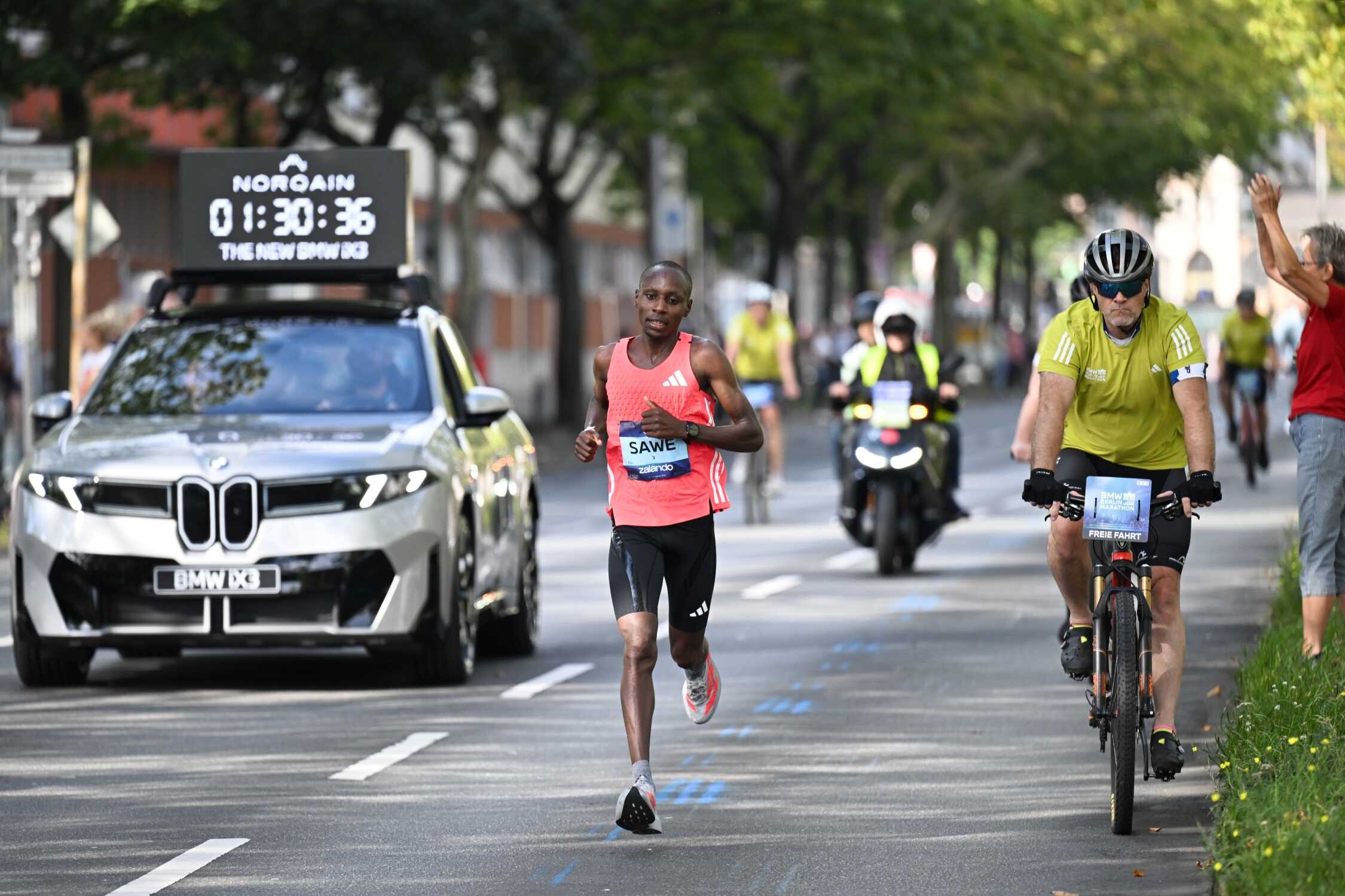
Sawe’s withdrawal is particularly significant because the Berlin Marathon was expected to mark his first official marathon appearance since his historic triumph in London earlier this year. The Kenyan made history at the London Marathon in April by becoming the first man to officially break the two-hour barrier in a marathon, stopping the clock at an astonishing 1:59:30.
That extraordinary performance elevated Sawe to another level in the sport and made his planned return to Berlin even more eagerly anticipated. Having already conquered the German capital in 2025, he was expected to arrive as both the defending champion and the man at the centre of the marathon world’s attention.
Last year, Sawe produced a superb performance to claim the Berlin Marathon title in 2:02:16, establishing himself as one of the dominant figures on one of the fastest marathon courses in the world. He had hoped to build on that victory this year, but his injury has forced him to abandon those plans.
Sawe expressed his deep disappointment at the withdrawal, revealing that he was leaving the race with a “heavy heart” after hoping to achieve something special on the streets of Berlin. His words reflect just how much the opportunity meant to him as he looked forward to returning to the scene of his previous triumph.
His absence will be a significant blow to the 2026 Berlin Marathon, removing one of the biggest stars from an elite field expected to deliver another memorable race. Sawe’s remarkable speed, endurance and record-breaking credentials had made him one of the main attractions of the event.
For now, the marathon king’s priority will be a full recovery. The athletics world will hope to see the Kenyan star back on the starting line soon, healthy, stronger and ready to add another chapter to an already extraordinary career.
Berlin will have to wait for its champion. But when Sawe returns, the marathon world will be watching.
by Erick Cheruiyot for My Best Runs.
Login to leave a comment
BMW Berlin Marathon
The story of the BERLIN-MARATHON is a story of the development of road running. When the first BERLIN-MARATHON was started on 13th October 1974 on a minor road next to the stadium of the organisers‘ club SC Charlottenburg Berlin 286 athletes had entered. The first winners were runners from Berlin: Günter Hallas (2:44:53), who still runs the BERLIN-MARATHON today, and...
more...
Geoffrey Kamworor Eyes New York Hat-Trick as Kenyan Star Chases Another Major Triumph
Two-time New York City Marathon champion Geoffrey Kamworor is set for another assault on the Big Apple, with the Kenyan distance-running star targeting a historic third victory when the Abbott World Marathon Majors race returns on November 1.
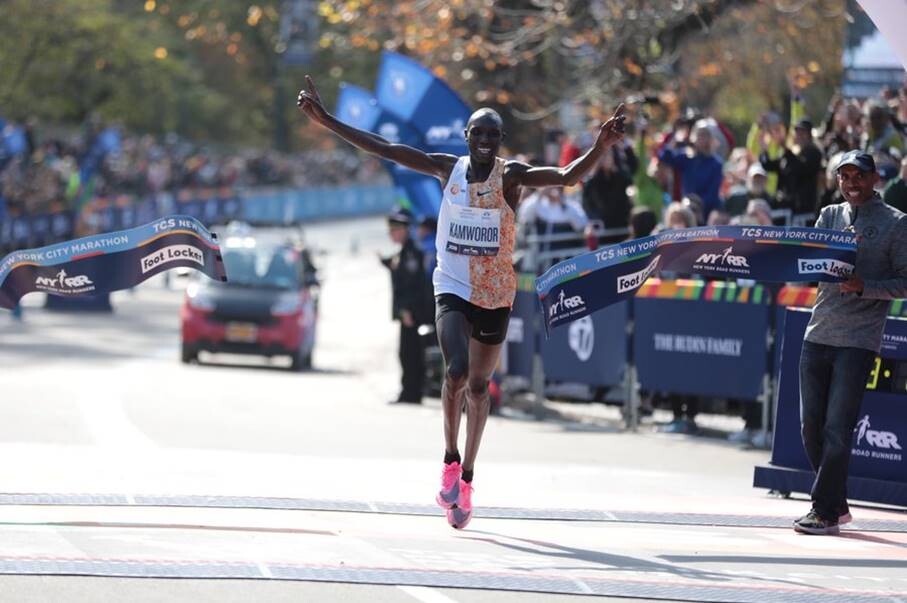
For Kamworor, New York represents much more than another marathon. It is a course where he has already enjoyed some of the defining moments of his illustrious career, and where he will now seek to add another prestigious title to a remarkable collection of achievements.
The 33-year-old has developed a special relationship with the New York course since making his debut there in 2015. On that occasion, he finished runner-up in 2:10:48 behind compatriot Stanley Biwott, who won in 2:10:34.
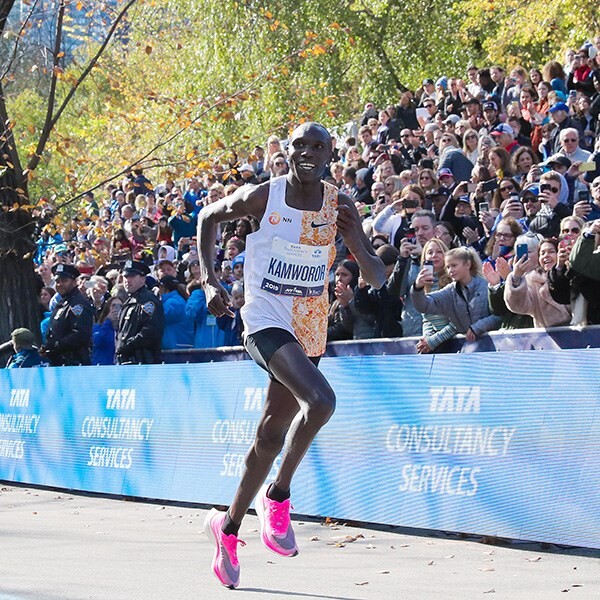
Two years later, Kamworor went one step further.
In 2017, he produced a composed performance to claim his first New York Marathon crown, crossing the finish line in 2:10:53. He held off fellow Kenyan and former world record-holder Wilson Kipsang, who finished just three seconds behind in 2:10:56, while Ethiopia's Lelisa Desisa took third in 2:11:32.

Kamworor returned the following year hoping to defend his title but had to settle for third place. Desisa triumphed in 2:05:59, ahead of Shura Kitata in 2:06:01, while Kamworor clocked 2:06:26.
But the Kenyan refused to stay away from the top for long.
In 2019, he reclaimed the New York crown in emphatic fashion, winning in 2:08:13. Albert Korir followed in second in 2:08:36, with Ethiopia's Girma Bekele completing the podium in 2:08:38.
Those two victories remain Kamworor's only Abbott World Marathon Majors titles, making New York a particularly significant venue in his career.
His latest appearance in the race, however, ended without another podium finish. Returning in 2024, Kamworor placed fifth in 2:08:50 as the Netherlands' Abdi Nageeye won in 2:07:39. Kenya's Evans Chebet was second in 2:07:45, while Albert Korir took third in 2:08:00.
Now, Kamworor is eager to return to the city where he has already tasted victory twice.
“I am very excited to be going back to New York,” Kamworor said, expressing his anticipation ahead of another demanding battle through the streets of the world's most famous city.
For the Kenyan star, the race offers a unique combination of sporting pressure and an atmosphere unlike any other.
“It's always an incredible experience to run the biggest marathon in the world. I'm really looking forward to feeling the energy of the crowd again,” he added.
Kamworor's challenge will be to arrive in New York at his best after a mixed campaign in 2026.
He began the year in spectacular fashion, winning the Ras Al Khaimah Half Marathon on February 14. The Kenyan clocked an impressive 58:14, finishing ahead of Bahrain's Birhanu Balew, who ran 58:23, and compatriot Gideon Rono, who crossed the line in 58:38.
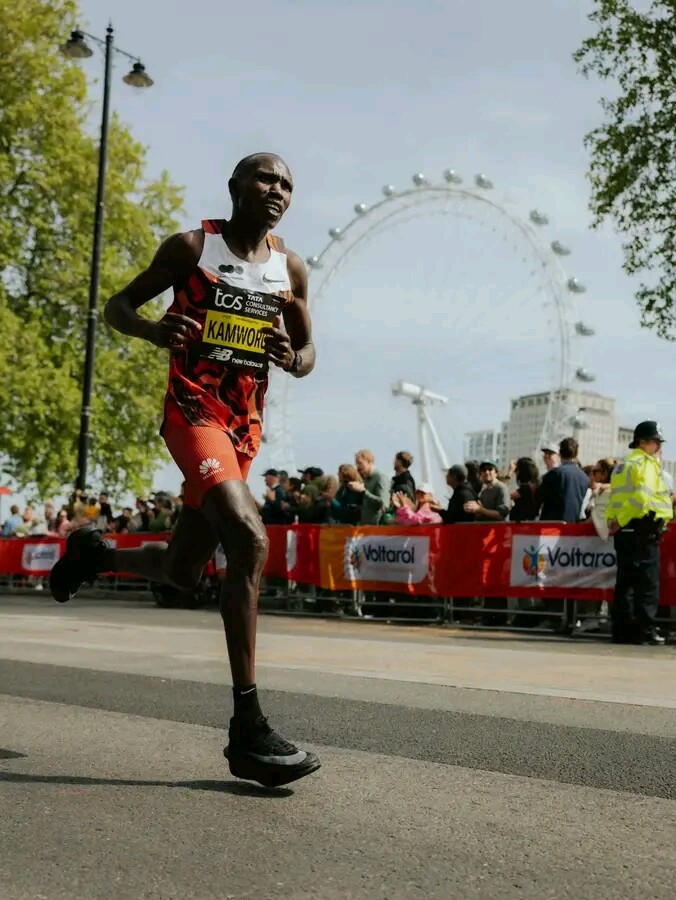
His London Marathon campaign on April 26 proved considerably tougher. Kamworor finished eighth in 2:05:38 in a historic race dominated by Sebastian Sawe, who produced a sensational 1:59:30 to become the first man to break the two-hour barrier in a marathon. Ethiopia's Yomif Kejelcha was second in 1:59:41, while Uganda's Jacob Kiplimo finished third in 2:00:28.
Kamworor will therefore arrive in New York with both experience and motivation on his side. He knows exactly what the course demands, having already navigated its hills, turns and relentless closing stages on multiple occasions.
Beyond the marathon, his career is decorated with major international honours across several disciplines.
Kamworor is a three-time world half marathon champion, winning his first title in Copenhagen in 2014 before successfully defending his crown in Cardiff in 2016 and completing his remarkable hat-trick in Valencia in 2018.
He has also established himself as one of Kenya's finest cross-country runners. He won the world junior cross-country title in Punta Umbria in 2011 before becoming a senior world champion in Guiyang in 2015 and Kampala in 2017. He added a bronze medal at the 2019 World Cross Country Championships in Aarhus.
That versatility has long been one of Kamworor's greatest strengths. From cross country to the half marathon and now the marathon, he has repeatedly demonstrated the endurance, tactical intelligence and competitive resilience required to succeed at the highest level.
Yet New York remains unfinished business.
With two victories already secured and another opportunity waiting on November 1, Kamworor has a chance to strengthen his legacy on one of the sport's most iconic stages.
A third triumph would not only give him a coveted New York hat-trick but would further cement his status as one of Kenya's most accomplished distance runners of his generation.
The Big Apple has already given Kamworor some of the proudest moments of his career. Now, the Kenyan star is returning with one clear ambition — to conquer New York once again.
by Erick Cheruiyot for My Best Runs.
Login to leave a comment
TCS New York City Marathon
The first New York City Marathon, organized in 1970 by Fred Lebow and Vince Chiappetta, was held entirely in Central Park. Of 127 entrants, only 55 men finished; the sole female entrant dropped out due to illness. Winners were given inexpensive wristwatches and recycled baseball and bowling trophies. The entry fee was $1 and the total event budget...
more...
Kejelcha and Sawe: Two Men Driving Road Running Into a New Era
Men's road running is moving into extraordinary territory, and two athletes are increasingly at the heart of its breathtaking evolution: Yomif Kejelcha of Ethiopia and Sabastian Sawe of Kenya.
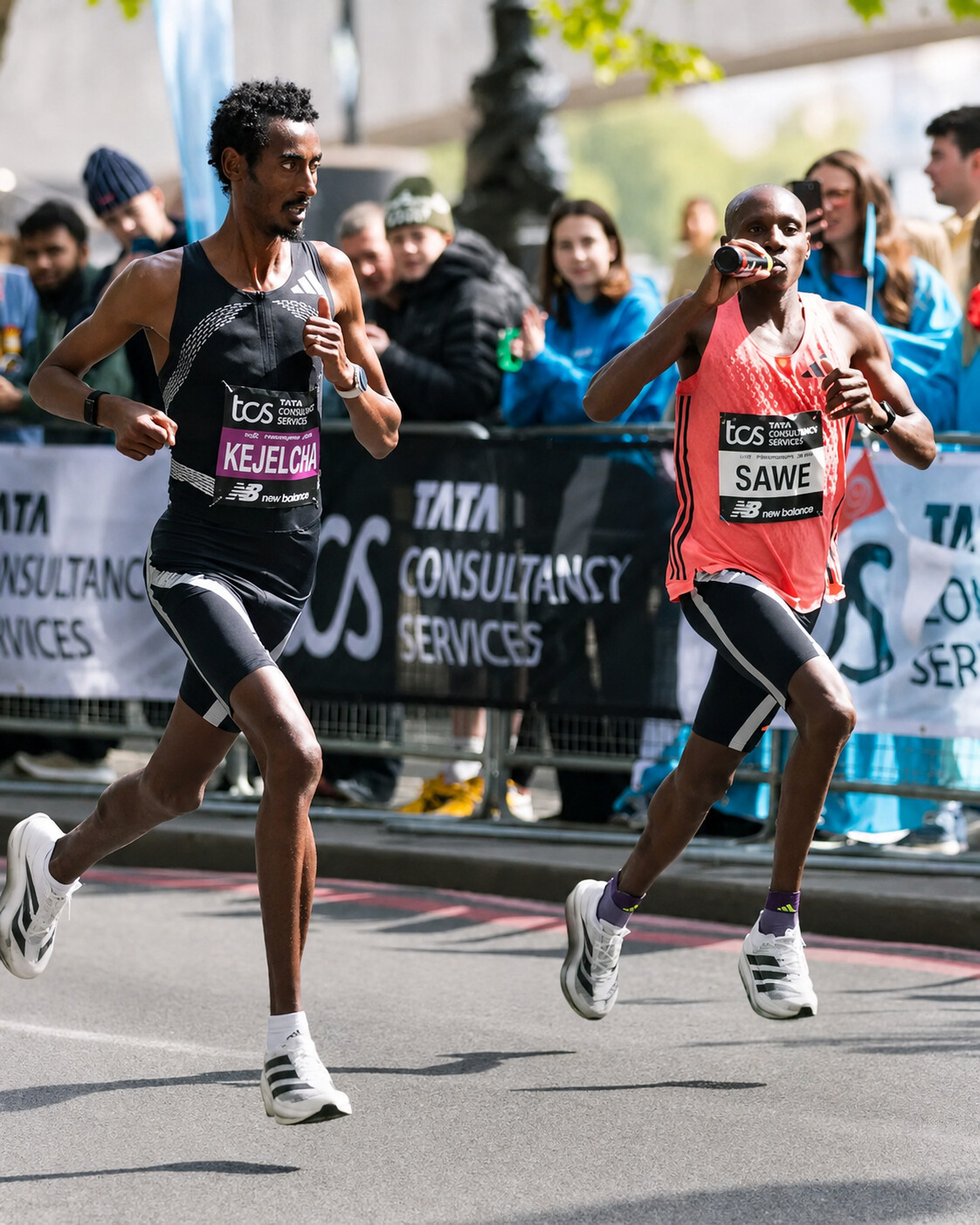
The pair represent the remarkable depth of modern East African distance running, but they are also doing something even more significant: pushing the boundaries of marathon and half-marathon performance to levels that once seemed almost unimaginable. Through their exceptional speed, endurance and ability to perform at the highest level, Kejelcha and Sawe are helping to redefine what is possible on the roads.
Sawe has established himself as one of the most formidable marathon runners in the world. His astonishing 1:59:30 marathon performance at TCS London Marathon on April 26, 2026, marked as a world record, African record and Kenyan record, demonstrated the extraordinary level the marathon has now reached. It also underlined his position at the very top of the men's marathon world rankings.
Kejelcha has been equally sensational, although his journey has highlighted a different kind of versatility. The Ethiopian, whose background includes world-class performances on the track and across shorter road distances, ran 1:59:41 for the marathon debut also at the TCS London Marathon on April 26, 2026, a performance marked as a national record. Just four months later, he delivered another stunning display by clocking 56:51 for the half marathon at the Argentina's capital, Buenos Aires on August 23, 2026, with the performance marked as a pending world record, African record and Ethiopian national record.
That combination of performances illustrates just how exceptional this new generation has become. Kejelcha's ability to threaten the absolute limits over the half marathon while also producing a sub-two-hour marathon performance speaks to his extraordinary range. Sawe, meanwhile, has continued to establish himself as a dominant force over the classic 42.195km distance, combining remarkable efficiency with the strength and speed required to compete at the very highest level.

The two stars are now preparing to take their talents to different stages of the road-running calendar. Kejelcha's next focus is the Valencia Marathon on December 6, where he will once again turn his attention to the marathon distance and look to build on his remarkable breakthrough over 42.195km. Sawe, meanwhile, is set to race the BMW Berlin Marathon on September 27, giving the Kenyan another major opportunity to showcase his extraordinary marathon strength on one of the world's fastest and most prestigious courses.
Those upcoming races add another fascinating dimension to their respective journeys. While Kejelcha heads to Valencia carrying exceptional speed and versatility into another marathon challenge, Sawe will arrive in Berlin with his sights firmly fixed on maintaining his dominance at the highest level of the sport.
What makes their rise particularly exciting is the wider message it sends to athletics. The marathon is no longer progressing only through small margins. The standards at the top are being pushed relentlessly forward, and performances that once appeared impossible are becoming increasingly realistic.
The official sub-two-hour marathon remains one of athletics' ultimate frontiers. Achieving it under standard race conditions would represent one of the greatest endurance breakthroughs in sporting history. Yet with athletes such as Sawe already breaking the two-hour barrier and Kejelcha running only seconds above it while also producing unprecedented half-marathon speed, that frontier appears closer than ever.
Their careers are different, and their strengths are not identical. Sawe has rapidly become a dominant marathon specialist, while Kejelcha brings exceptional versatility from the track to the roads and across multiple distances. But together, they symbolize the relentless progression of men's road running.
Yomif Kejelcha and Sabastian Sawe are not merely among the fastest men of their generation. They are helping to drive the sport toward a future that once seemed unthinkable. With Valencia and Berlin now on their horizons, the next chapter of this remarkable road-running revolution is already waiting to be written.
by Erick Cheruiyot for My Best Runs.
Login to leave a comment
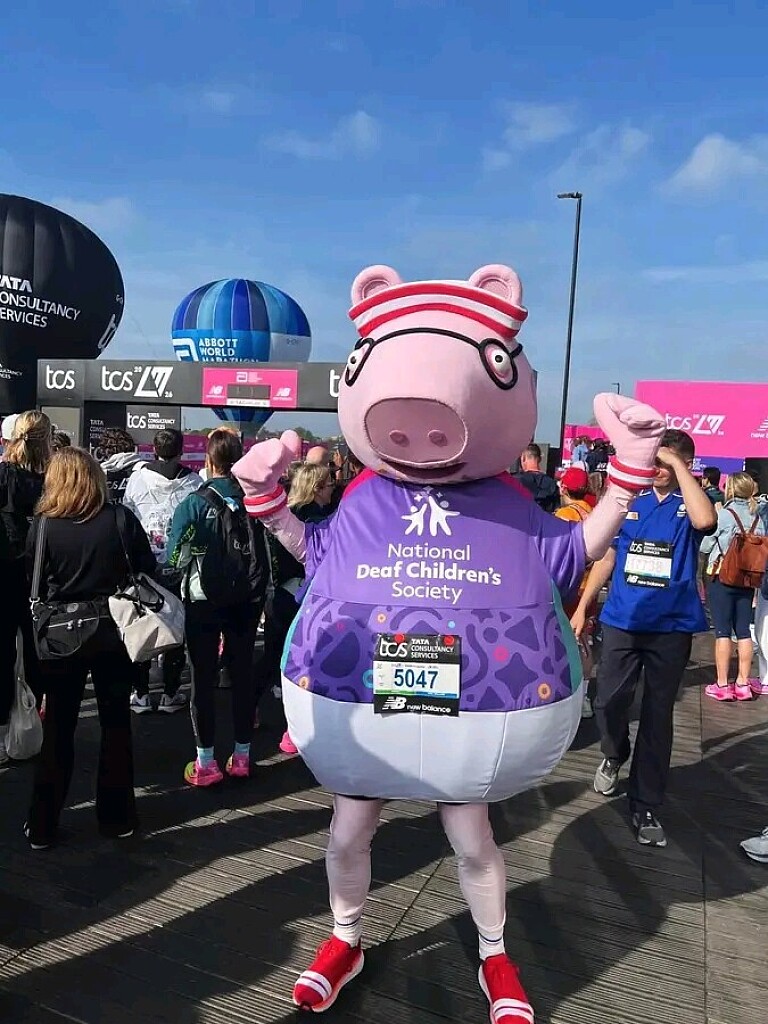
Daddy Pig Faces Berlin’s Unforgiving Marathon Rules After Narrowly Beating Joe Wicks in London
Daddy Pig may have won one of the most entertaining battles of the 2026 London Marathon, but his next appearance at the BMW Berlin Marathon could come with a very different kind of pressure.
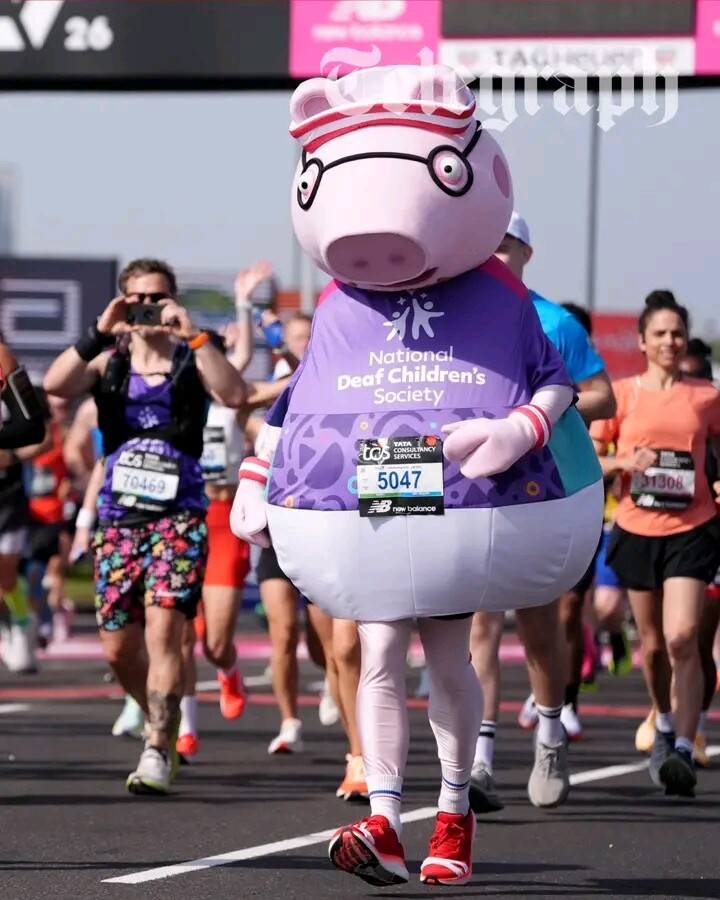
The beloved Peppa Pig character completed the London Marathon in 5:51:53, edging fitness coach Joe Wicks by the smallest possible margin after Wicks crossed the line in 5:51:54. One second separated the two after more than 42 kilometres of running, creating one of the most memorable celebrity moments of the marathon.

Now Daddy Pig is heading to Berlin on September 27, where the rules leave considerably less room for sentiment.
The BMW Berlin Marathon operates under a strict 6-hour-15-minute limit from the moment each runner crosses the start line. Falling outside that limit means leaving the official course. The race also enforces intermediate cutoffs, with runners required to reach 33km by 3:50 p.m. and 38km by 4:35 p.m. Those who miss the deadlines can be taken to the finish in the race's famous broom bus and will not receive an official finishing time, a medal or post-finish services.
Against his London performance, that would leave Daddy Pig just 23 minutes and seven seconds to spare.
For an ordinary marathon runner, that margin would already demand respect. For someone competing inside a large and physically demanding character costume, it could make the challenge even more formidable.
London was a celebration. The crowds embraced Daddy Pig as he battled his way around the capital alongside Wicks, turning a charity campaign into one of the day's most talked-about stories. Berlin, however, is a race governed by the clock. Popularity, celebrity status and cartoon fame do not alter the timing mats or extend the official road closures.
Daddy Pig's London appearance also carried a purpose beyond entertainment. He ran in support of the National Deaf Children's Society, following the storyline involving his son, George Pig, who is deaf and wears a hearing aid. The campaign used one of children's television's most recognisable families to raise awareness and funds for deaf children and their families.
The identity of the person inside the Daddy Pig costume has remained part of the fun, with the character famously refusing to reveal more than the fact that “Daddy Pig is a Pig.”
Berlin will continue that charitable mission, although current campaign information describes Daddy Pig's September appearance as part of a celebrity relay initiative supporting children with hearing impairments. That means the prospect of a second complete World Marathon Major finish in the same calendar year should not yet be presented as confirmed.
But the larger appeal of the story remains unchanged.
Daddy Pig has already proved that a cartoon character can become a genuine part of marathon culture, complete with a real bib number, an official finishing time and a one-second victory over one of Britain's best-known fitness personalities.
Whether Berlin brings another full-distance adventure or a relay appearance, the message is the same: once the starting gun goes off at a World Marathon Major, even the most famous pig on television has to respect the clock.
by Erick Cheruiyot for My Best Runs.
Login to leave a comment
BMW Berlin Marathon
The story of the BERLIN-MARATHON is a story of the development of road running. When the first BERLIN-MARATHON was started on 13th October 1974 on a minor road next to the stadium of the organisers‘ club SC Charlottenburg Berlin 286 athletes had entered. The first winners were runners from Berlin: Günter Hallas (2:44:53), who still runs the BERLIN-MARATHON today, and...
more...
Yomif Kejelcha and Fotyen Tesfay Arrive in Buenos Aires as the Fastest 21K Beckons
Buenos Aires is ready for a spectacular day of road racing, with Ethiopian stars Yomif Kejelcha and Fotyen Tesfay already in the Argentine capital ahead of Sunday’s Buenos Aires Half Marathon, also known as the 21K Buenos Aires.
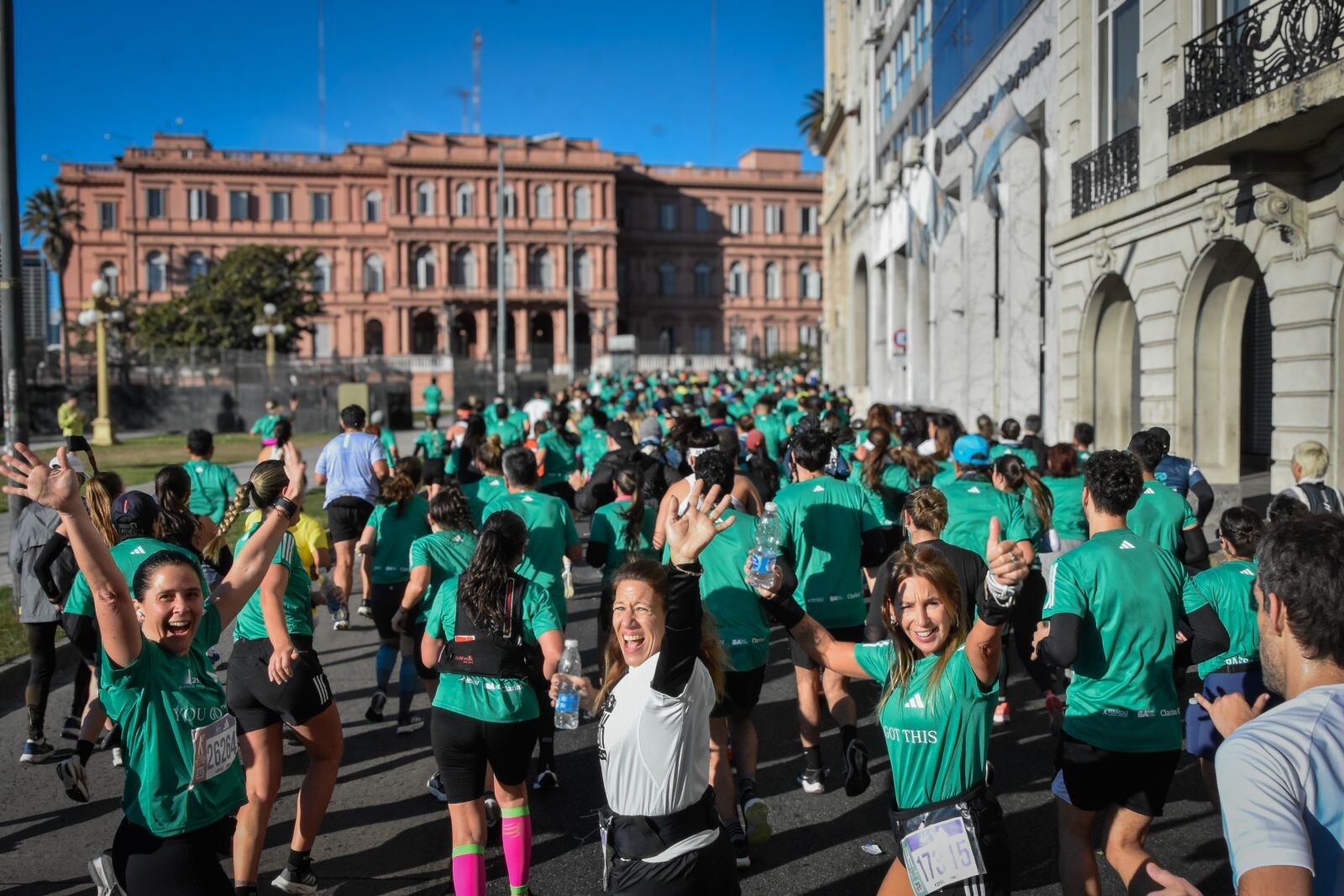
The race takes place on Sunday, August 23, 2026, bringing together a record field of 31,500 runners after entries sold out. Alongside the mass field, some of the world’s leading distance athletes will take centre stage, with the spotlight firmly on the elite races as they chase victory and potentially exceptional times over 21.097 kilometres.
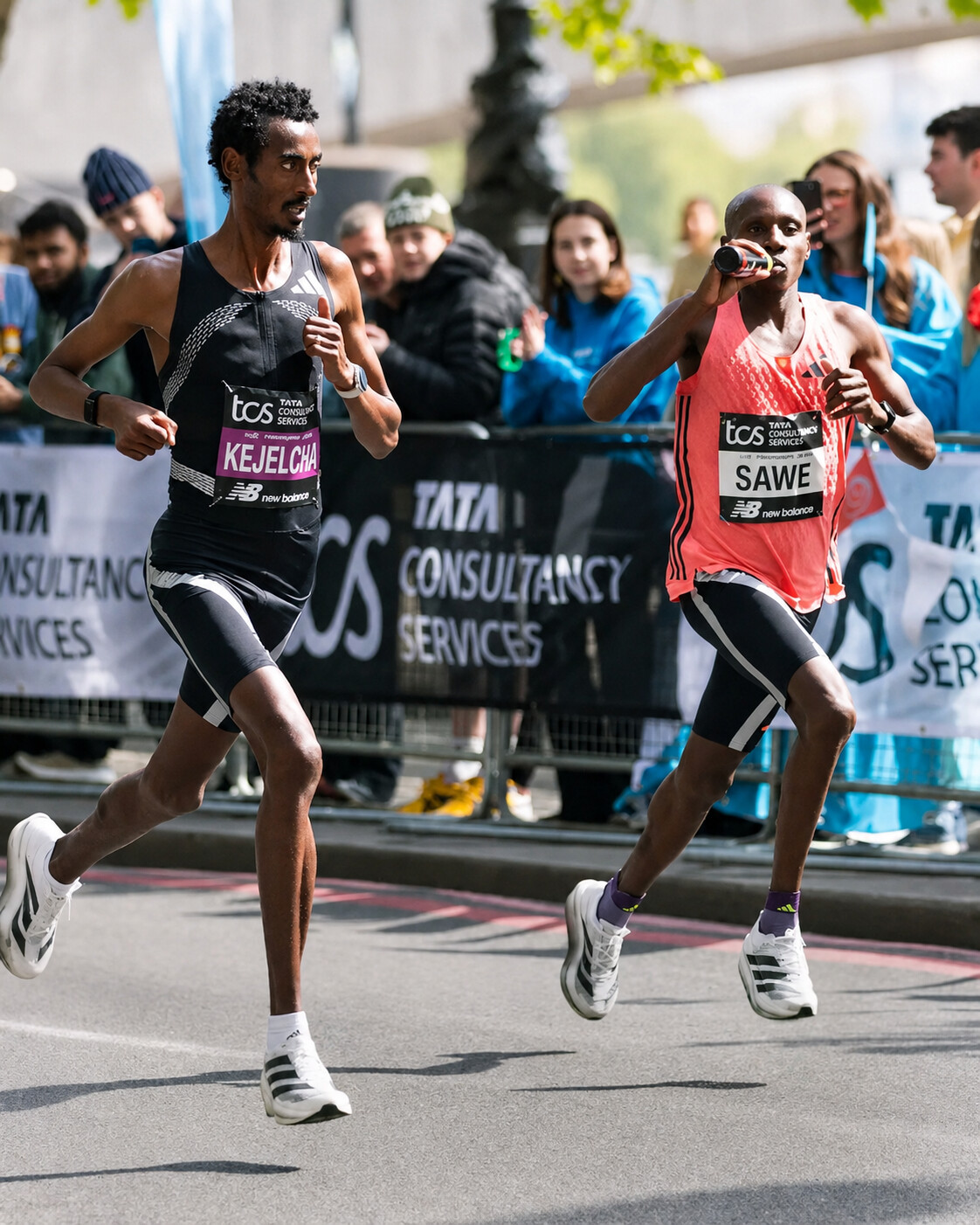
The race starts and finishes in Palermo, at Av. Figueroa Alcorta and Av. Dorrego, before taking runners onto a fast, flat 21.097-kilometre course through the Argentine capital. The route winds past some of Buenos Aires’ most iconic landmarks, including the Obelisco, Teatro Colón and Casa Rosada, providing a spectacular setting for one of the region’s premier road races.
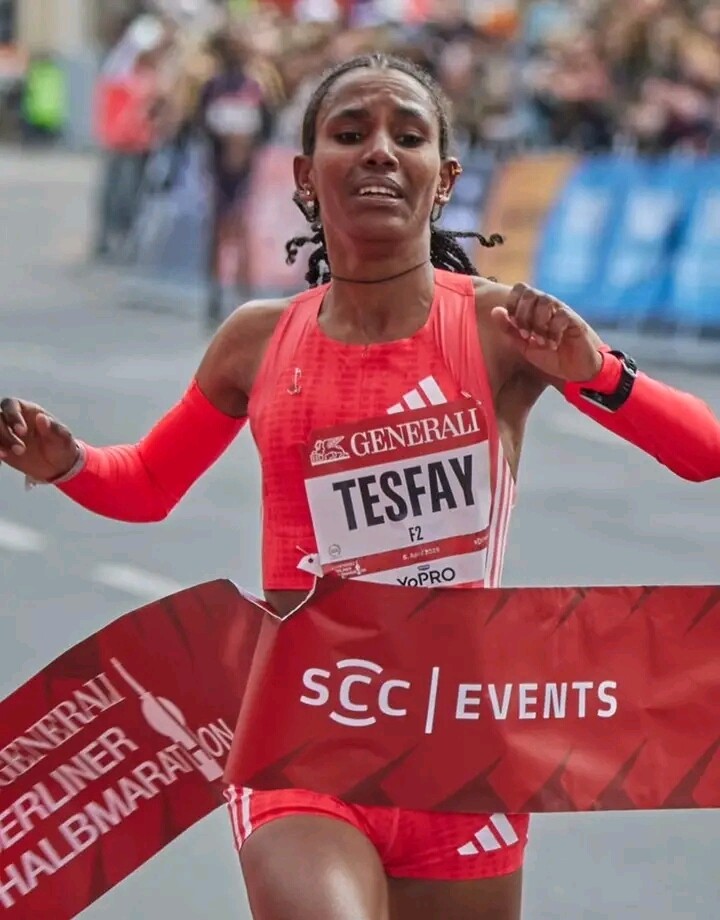
Kejelcha arrives as one of the most formidable names in modern distance running. The 29-year-old Ethiopian is the reigning world-record holder for the half marathon, having clocked 57:30 in Valencia in October 2024. He has also established himself as an exceptional marathoner, running 1:59:41 on his debut at the 2026 London Marathon — the fastest marathon debut ever recorded and the second-fastest official marathon performance in history.
His presence adds enormous prestige to a Buenos Aires race that has become synonymous with fast running. In 2025, Uganda’s Jacob Kiplimo ran 58:29 in Buenos Aires, producing one of the fastest half-marathon performances ever recorded in the Americas and further cementing the event’s reputation as a venue capable of delivering extraordinary times.
Tesfay brings equally impressive credentials to the women’s race. The 28-year-old Ethiopian owns a half-marathon personal best of 1:03:21, achieved in Valencia in 2024. Her progression over the marathon distance has been equally striking, highlighted by her 2:10:51 national record set in March 2026.
The conditions could further enhance the prospects of fast racing. Buenos Aires typically experiences cool temperatures around race time, with conditions commonly ranging between 9°C and 14°C — favourable weather for elite distance running when combined with the course’s flat profile.
For Kejelcha and Tesfay, the mission is clear: compete for the titles, test themselves against a strong international field and take advantage of one of the fastest half-marathon stages in the Americas.
With thousands of runners preparing to flood the streets and two Ethiopian stars already in position, anticipation is reaching its peak.
The stars have arrived. The course is ready. On Sunday, Buenos Aires waits for the fireworks.
by Erick Cheruiyot for My Best Runs.
Login to leave a comment

Buenos Aires Half Marathon
The Buenos Aires Half Marathon is one of the most important in Latin America and attracted more than 25,000 runners from all over the world. Dare to run the fastest half marathon in Latin America....
more...
Michael Roeger’s Long Road Back to the Marathon World Record — and Now Sydney Awaits
On August 30, approximately 35,000 runners will line up at Miller Street in North Sydney for the 2026 TCS Sydney Marathon. Among them will be an athlete who already owns a piece of marathon history: Michael Roeger, the Australian T46 marathon world-record holder and one of the most remarkable endurance athletes of his generation.

At 38, Roeger returns to the marathon with a career shaped by persistence, reinvention and an extraordinary ability to keep moving forward whenever circumstances have threatened to derail him.
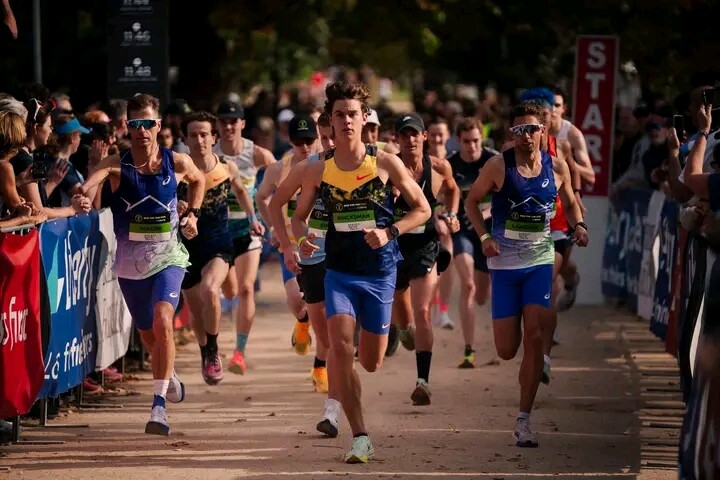
Sydney is a fitting stage for the next chapter. The marathon, now part of the Abbott World Marathon Majors, takes runners through some of the city's most recognisable landmarks, beginning in North Sydney, crossing the Harbour Bridge and eventually finishing near the Opera House. For Roeger, however, this is about far more than another marathon.
He is returning to the distance in the city where he set the fastest T46 marathon ever recorded.

Roeger grew up in Langhorne Creek, a small South Australian community about 55 kilometres south of Adelaide. Born without the lower half of his right arm, he discovered Para athletics after Paralympian Neil Fuller visited his school when Roeger was 12.
What began as an introduction to sport eventually developed into a career spanning five Paralympic Games, world championships, major medals and multiple world records.
His T46 classification covers athletes with an arm amputation or comparable upper-limb difference. Yet describing Roeger's performances simply through his classification fails to capture the complexity of what he has achieved.
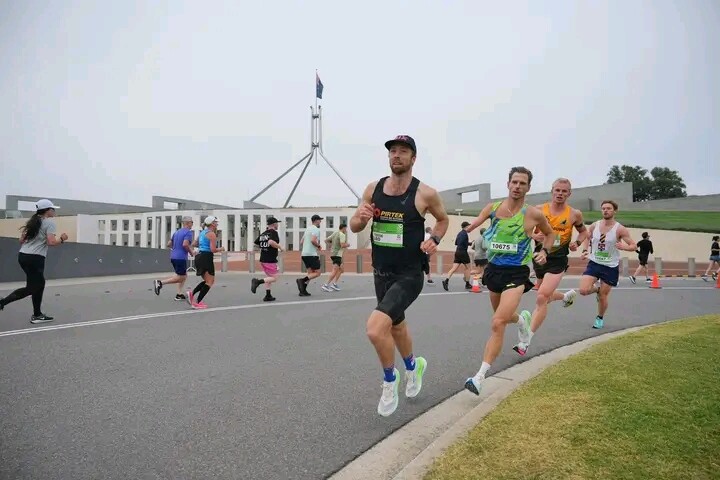
Running is an intricate coordination of the entire body. The arms contribute to balance, rhythm and control, helping the torso manage the rotational forces created by every stride. Over 42.195 kilometres, maintaining efficient movement is an enormous physical and technical challenge.

Roeger's marathon performances therefore represent much more than a number attached to a classification. They are elite endurance performances in their own right.
His transition to the marathon was remarkably rapid. Roeger made his marathon debut at the Melbourne Marathon in October 2018, running 2:23:31. The performance was faster than the existing T46 world record at the time, although it was not ratified as a world record because the race did not have the necessary status.
Six months later, he returned to the distance at the 2019 London Marathon, where the World Para Athletics Marathon Championships were staged within the race.
This time, everything came together.
Roeger won the T46 world title in 2:22:51, lowering the ratified world record and establishing himself as the world's leading marathoner in the classification. Even when cramp began to trouble him during the closing stages, he held on to become a world champion.
The progression continued.

At the 2020 Chevron Houston Marathon, Roeger ran 2:19:33, becoming the first ambulant Para athlete to break the 2:20 barrier and once again lowering his own world record.
But his most significant breakthrough came back in Australia.
On April 25, 2021, Roeger lined up in Sydney for the Athletics Australia Tokyo Qualifying Marathon. He produced the fastest marathon of his career, crossing the finish line in 2:18:53.
That performance remains the T46 marathon world record.
The progression is remarkable. From 2:23:31 in Melbourne to 2:22:51 in London, 2:19:33 in Houston and finally 2:18:53 in Sydney, Roeger repeatedly moved the benchmark forward.
It was almost five minutes of improvement across four marathon performances.
But the record is only one part of the story.
Roeger's career has never followed a smooth upward trajectory. At the 2008 Beijing Paralympic Games, aged only 20, he contested the 800m, 1500m and 5000m T46 events, with seventh place in the 1500m his best finish.
Four years later in London, he arrived with genuine medal ambitions. Instead, gastrointestinal bleeding struck on the eve of the T46 800m. He still started the race but was forced to withdraw after one lap.
Rio 2016 finally delivered a Paralympic medal, with Roeger winning bronze in the 1500m. That success helped convince him to move towards the longer distances and eventually make the marathon his primary focus.
Then came another major setback.
Six weeks before the Tokyo 2020 Paralympic Games, Roeger suffered a stress fracture in his lower leg, destroying much of his preparation for the marathon. Despite the injury, he travelled to Tokyo and made the start line.
He finished sixth in 2:34:45, a time far outside the level he had demonstrated before the Games.
For most athletes, such a setback could have marked the end of the road. For Roeger, it became another chapter in a career defined by adaptation.
Before the Paris 2024 Paralympic Games, another obstacle emerged when the T46 marathon was removed from the programme. The event in which Roeger had become a world-record holder was no longer available at the Games.
His only remaining distance was the 1500m.
So he adapted once again.
Roeger returned to the track and competed in Paris, ultimately adding another Paralympic medal to his collection with silver in the T46 1500m.
Now the marathon is calling again.
The 2026 TCS Sydney Marathon will provide a very different challenge from the flat courses on which many of the world's fastest marathon times are produced. The route begins in North Sydney, crosses the Sydney Harbour Bridge and winds through the city before finishing at the Opera House.
The course features substantial elevation changes, with approximately 313 metres of climbing across the 42.195 kilometres. It is a course that rewards strength, patience and the ability to maintain efficient form when the legs are already carrying the fatigue of a long marathon.
For Roeger, that challenge will be amplified by the quality of the field around him.
The Australian elite field includes a strong collection of domestic marathoners, while the international men's race features considerable depth, with numerous athletes holding personal bests below 2:10.
Roeger will therefore not be lining up in isolation as a Para athlete. He will be part of a major international marathon field, surrounded by runners pursuing national titles, personal bests and elite honours.
That is also central to the way he has approached his career.
Roeger has long resisted the idea that Para athletes should be viewed as fundamentally separate from their able-bodied counterparts. His philosophy has been simple: once the starting gun goes, the competition is about running.
That attitude has helped him move comfortably between Para athletics and open elite competition, and Sydney 2026 offers another opportunity to do exactly that.
His partnership with coach Dr Philo Saunders has been particularly important throughout his career, helping him develop into a world-class athlete across multiple distances.
Yet perhaps the most impressive part of Roeger's story is not any individual medal or record.
It is the number of times he has had to begin again.
From a small South Australian town to five Paralympic Games. From disappointment in Beijing and London to a medal in Rio. From the track to the marathon. From a devastating injury before Tokyo to a world-record performance. From losing his marathon event before Paris to returning to the 1500m and winning another Paralympic medal.
Every time the route has changed, Roeger has found another way forward.
Now, at 38, he is returning to the marathon once more.
And there could hardly be a more fitting destination than Sydney.
It is the city where he produced his 2:18:53 world record in 2021. Five years later, he will return to the same city carrying the experience of a career that has tested his resilience at almost every turn.
The world record is already in his name.
On August 30, Michael Roeger will have another chance to show the world what remains in the legs of the man who refused to let setbacks define the limits of his career.
by Erick Cheruiyot for My Best Runs.
Login to leave a comment
Sydney Marathon
The Sydney Marathon is a marathon held annually in Sydney, Australia. The event was first held in 2001 as a legacy of the 2000 Summer Olympics, which were held in Sydney. In addition to the marathon, a half marathon, 9 kilometres (5.6 mi) "Bridge Run", and a 3.5 kilometres (2.2 mi) "Family Fun Run" are also held under the banner...
more...
Amanal Petros Strikes Gold in Birmingham with Championship Record
Germany’s Amanal Petros has crowned a remarkable rise to the European marathon summit, winning the men’s marathon title at the European Athletics Championships in Birmingham in a championship-record 2:09:11.
Petros arrived in Birmingham with a major championship medal already secured at global level. After taking silver in the marathon at last year’s World Athletics Championships in Tokyo, the German moved one step higher on the podium this time, converting his international consistency into European gold.
The victory adds another significant achievement to a season that has already included a strong performance at the London Marathon in April, where Petros finished 15th. Four months later, he produced a much stronger showing on the championship stage, delivering when the European title was at stake.
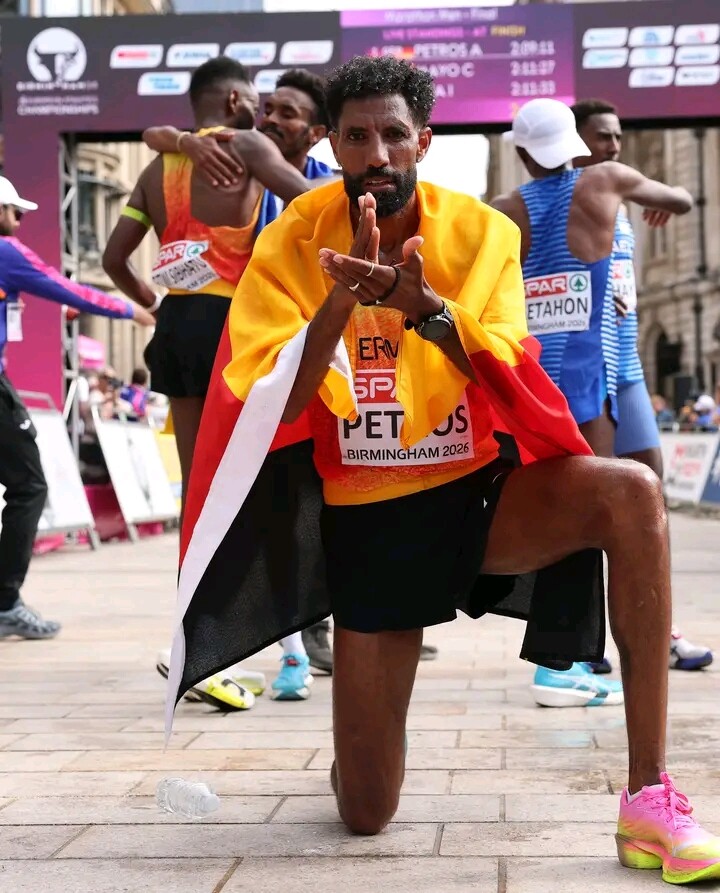
His 2:09:11 was enough not only to secure the gold medal but also to set a new European Athletics Championships record for the men’s marathon. Petros held off a tightly contested battle for the podium, with Italy’s Pietro Riva taking silver in 2:09:18 and Israel’s Gashau Ayale completing the podium with 2:09:21.
The three medalists were separated by just 10 seconds, highlighting the intensity of the Birmingham race. Riva came within seven seconds of Petros, while Ayale was a further three seconds behind, ensuring a thrilling finish to the championship marathon.
The victory also gives Petros another milestone in a career that continues to gather momentum. From his world silver medal to his latest European triumph, the German has steadily established himself as a formidable championship performer, and Birmingham has now provided the biggest title of his career so far.
For Petros, Birmingham provided the perfect opportunity to turn his recent championship success into the ultimate European prize. After his world silver medal in Tokyo, he can now add a European title and a championship record to his growing collection of major international honours.
The German’s latest triumph represents another important chapter in his career and confirms his status among Europe’s leading marathon runners.
by Erick Cheruiyot for My Best Runs.
Login to leave a comment

European Athletics Champioships
The27thEuropean Athletics Championshipswill be held from 10 to 16 August 2026 at theAlexander StadiuminBirmingham, United Kingdom.[1] This is the first time that a British city will have staged the European Athletics Championships although Birmingham has hosted many high-profile events, including the2007 European Athletics Indoor Championships, the2003and2018 IAAF World Indoor Championshipsand the2022 Commonwealth Games. Alexander Stadium was renovated between 2019 and...
more...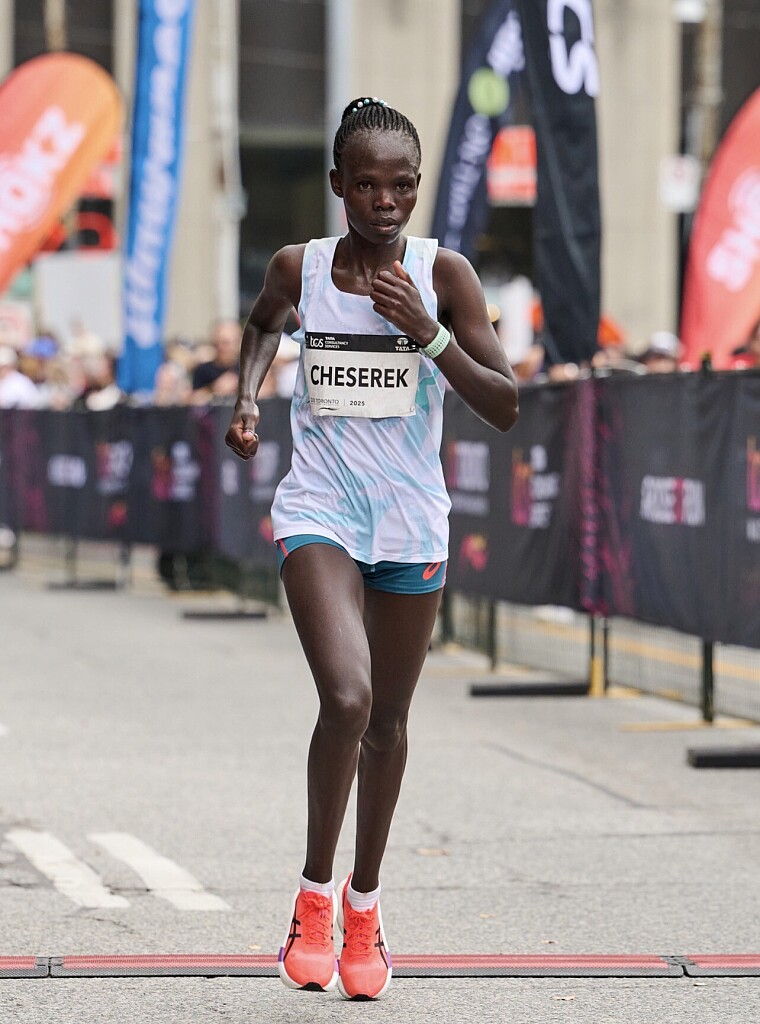
Kenya’s Beatrice Cheserek Returns to TCS Toronto Waterfront Marathon
A year after choosing the TCS Toronto Waterfront Marathon to make her debut at the 42.2km distance Kenya’s Beatrice Cheserek will return to the 2026 edition of the race October 18 with great ambition.
The now 27-year-old could manage just 5th place in 2:30:25 last year. Four months later she finished second in the Seville Marathon (February 15) with a time of 2:21:56. There is a simple explanation for such a dramatic improvement.
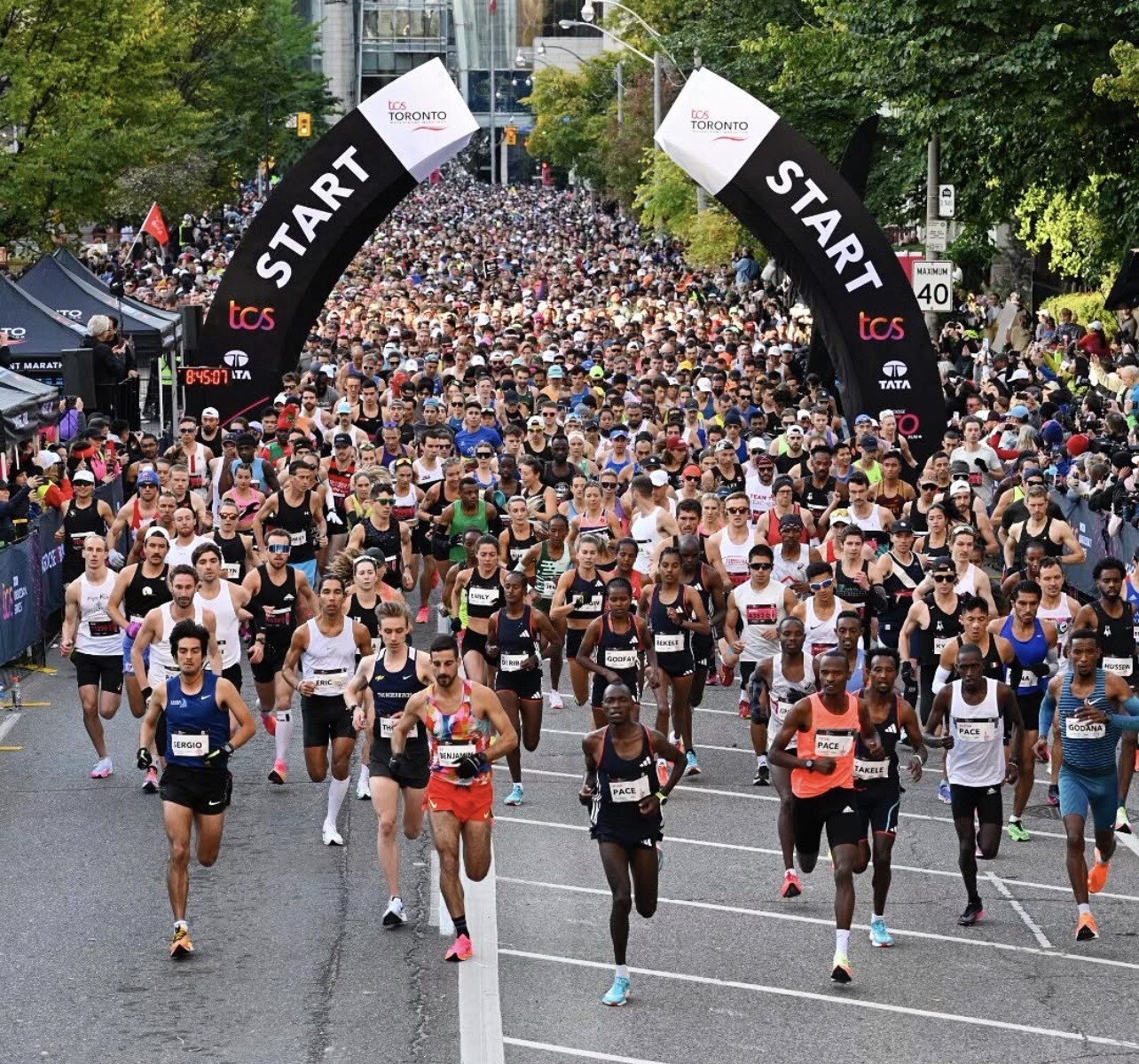
“This year my training is stronger than last year because then (2025) I was coming from maternity,” she explains from her hotel room in Bogota, Colombia where she had finished 4th in the Bogota Half Marathon a few days earlier.

“So it’s more training than last year. I have done a lot of mileage. This time around a lot of mileage, speed work and strength so now I can run better.”
Cheserek’s husband Cyrus Kiplagat is her main training partnerand she is now running up to 150 kilometres a week in preparation for TCS Toronto Waterfront Marathon, which is a World Athletics Elite Label race.
In 2024 the couple welcomed a son into the world. They named him Fabian and she proudly announces: “He is doing good. He is almost three years old now.” While she is away training and competing her sister-in-law serves as a nanny.

"Toronto last year, it’s a good place but it was my first time running a marathon,” she recalls. “I was doubting myself because it was my debut. I was doubting whether I could finish or if I would drop out. Then afterwards I raced Seville and I was happy there. I am thinking I will do something there in Toronto.”
‘Something' refers to a new personal best and, if conditions are suitable there could be an assault on the Toronto WaterfrontMarathon course record which was set in 2024 by Ethiopia’s Waganesh Mekasha (2:20:44). And she will not be alone in her quest. While the team at Canada Running Series always hires pacemakers for the elite athletes this time Cyrus will accompany her to Toronto to be one of the two pacers for the lead women’s group.
Cheserek has an excellent personal best of 1:06:48 for the half marathon which led to speculation among running experts that her step up to the full marathon distance would be noteworthy. And her talent led to her being selected as the designated pacemaker for fellow Kenyan Rosemary Wanjiru when she won the 2023 Tokyo Marathon. She performed similar duties for the 2025 London Marathon elite women’s field. Having Cyrus in Toronto she expects will help tremendously.
“Even before I went to Seville I was with him training and he was the one pushing me,” Cheserek adds. “It is good for me (that Cyrus will be in Toronto) to try to lower the course record. All the marathon races before I was pacing so he never came with me. It was just me and the other people. And, he was not in Seville.”
Beatrice and her family live in Iten, ‘The Home of Champions’ as it is known in Kenya at around 2,400m above sea level. Bogota sits at a slightly higher elevation. So the two weeks away from her home training ground has not interrupted her preparation for Toronto Waterfront Marathon in any way.
“I am spending two weeks in Colombia; this is my first time to be here,” she offers. “Colombia is a very good place for training. It is (also) a good place to race in hot conditions. I have my fellow colleagues from Kenya here.”
Cheserek finished 4th in the Bogota Half Marathon on July 26 in 1:12:42 just 13 seconds behind the winner. As expected, the field was dominated by athletes from high altitude countries including Ethiopia and Kenya who are best suited to Bogota’s 2,600m elevation.
Then, on August 9th, she finished 4th in the Cali 10k (32:57) the day before an earthquake measuring 7.4 on the Richter scale, struck. She and her compatriots were at the Cali airport checking in when panic ensued. They returned to their hotel as the airport was temporarily closed.
The TCS Toronto Waterfront Marathon organizers (Canada Running Series) will be wishing for ideal conditions to allow athletes such as Beatrice Cheserek to challenge the course records. Clearly, all her preparation is focused on the race.
by Paul Gains
Login to leave a comment

TCS Toronto Waterfront Marathon
The Scotiabank Toronto Waterfront Marathon, Half-Marathon & 5k Run / Walk is organized by Canada Running Series Inc., organizers of the Canada Running Series, "A selection of Canada's best runs!" Canada Running Series annually organizes eight events in Montreal, Toronto and Vancouver that vary in distance from the 5k to the marathon. The Scotiabank Toronto Waterfront Marathon and Half-Marathon are...
more...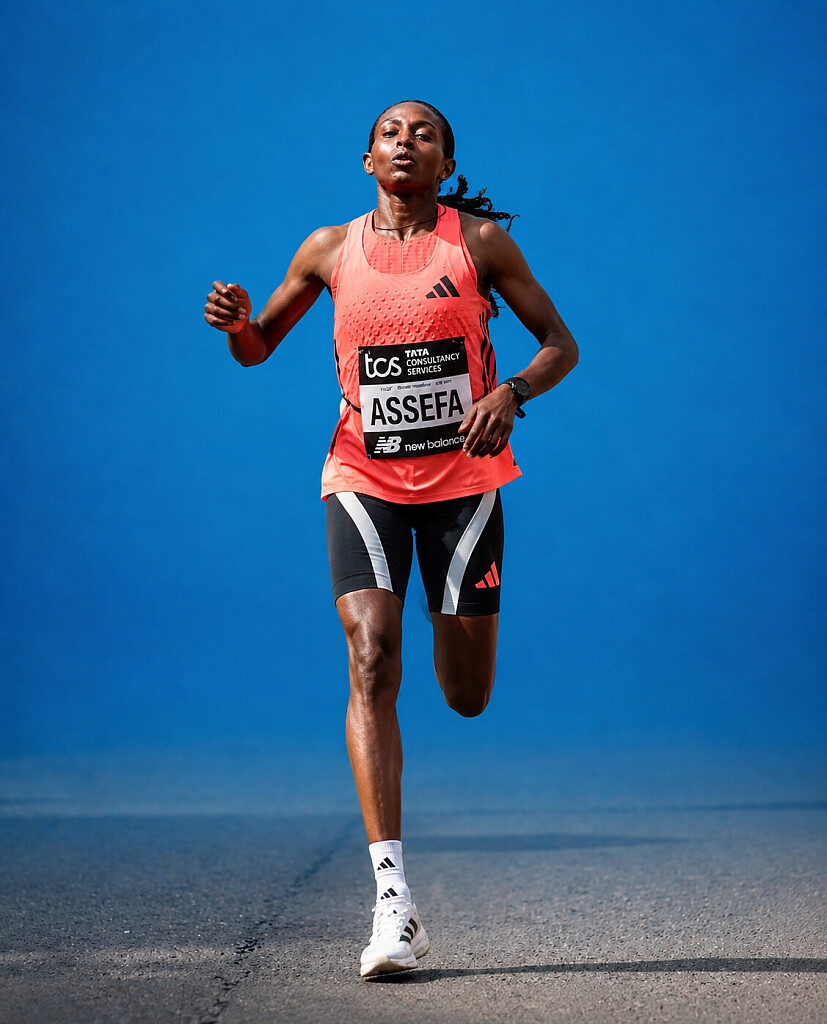
Berlin’s Women’s Marathon Field Brimming With Elite Talent as Star-Studded Line-Up Takes Shape
The women’s field for the 2026 BMW BERLIN-MARATHON is rapidly developing into one of the most intriguing marathon line-ups of the year, bringing together world-class champions, established contenders and an exciting collection of athletes determined to make their mark on one of the sport’s fastest stages.
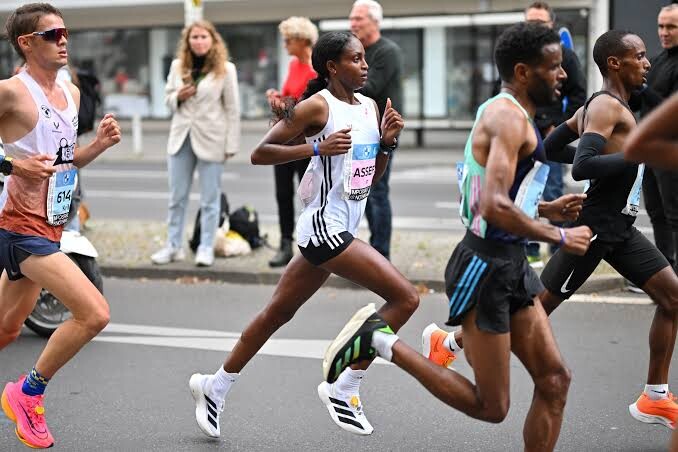
At the forefront is Ethiopia’s Tigst Assefa, whose extraordinary marathon career has already placed her among the all-time greats. Assefa is the current women-only marathon world-record holder, having improved her own mark to 2:15:41 at the 2026 TCS London Marathon, where she successfully defended her title.
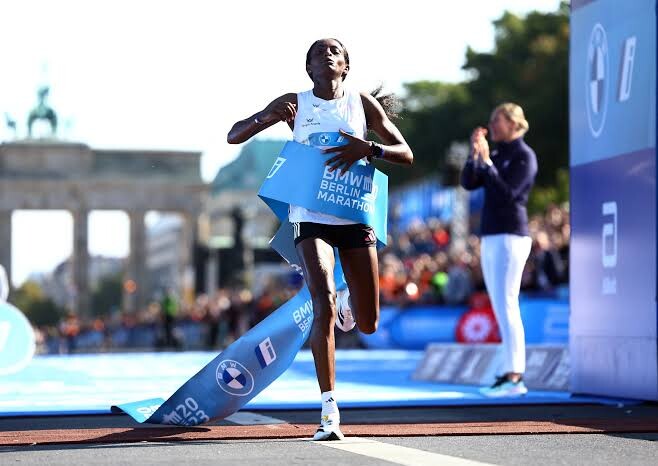
Her place in marathon history was secured even earlier in Berlin. At the 2023 BMW BERLIN-MARATHON, Assefa stormed to 2:11:53, smashing the then women’s world record by more than two minutes. The performance was subsequently ratified by World Athletics and remains among the fastest women’s marathon ever recorded in a mixed-gender race.
Kenya’s Rosemary Wanjiru, with a 2:16:14 personal best, provides another formidable presence at the sharp end of the race, while Ethiopia’s Bedatu Hirpa adds yet another major threat to an already exceptional field.
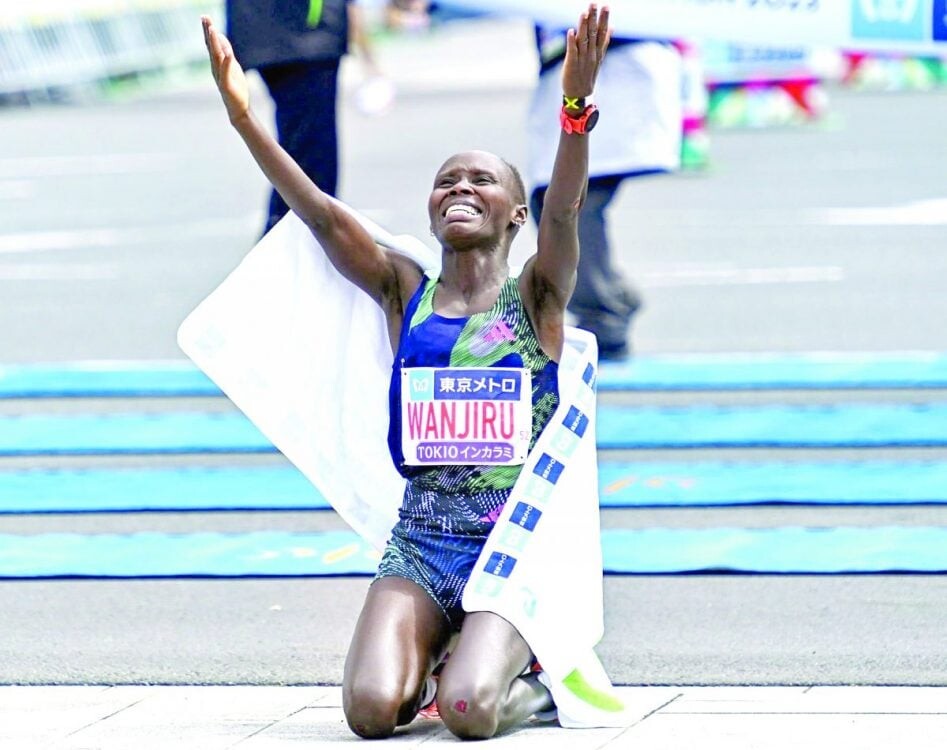
The 27-year-old Hirpa has built an impressive marathon résumé in a remarkably short period. She owns a 2:18:27 personal best, achieved when she won the Dubai Marathon, before continuing her winning momentum with victory at the Paris Marathon just months later. She also underlined her consistency this year with a second-place finish at the Osaka Marathon in 2:19:54. With her combination of speed, confidence and major-marathon experience, Hirpa could be one of the athletes capable of challenging the leading names in Berlin.
The Ethiopian challenge does not end there. Dera Dida (2:18:32), Zeineba Yimer (2:18:47), Bosena Mulatie (2:19:00), Misgane Alemayehu (2:19:08), Bekelech Gudeta (2:19:39), Gadise Mulu (2:20:59), Eebbisee Addunya (2:21:13) and Aminet Ahmed (2:21:24) give Ethiopia extraordinary depth, with every one of them boasting a personal best inside 2:22.
Kenya will also have strong representation through Evaline Chirchir (2:20:33) and Pascaline Jelagat (2:22:44), adding further firepower to a nation renowned for producing world-class marathon talent. China’s Deshun Zhang (2:20:53) also brings a sub-2:21 credential to the starting line.
Japan arrives with a deep group of proven marathoners. Rika Kaseda (2:21:55), Mao Uesugi (2:22:11), Natsuki Omori (2:23:45) and Rino Goshima (2:24:44) all possess impressive personal bests and could play an important role as the race develops. Morocco’s Fatima Gardadi (2:24:06) adds another strong international presence, while France’s Manon Trapp (2:23:38), the United States’ Jacqueline Gaughan (2:24:40) and Kodi Kleven (2:24:48), and Great Britain’s Lucy Reid (2:26:37) further strengthen the international depth.
Germany will have plenty to cheer for on home soil, with a sizeable contingent led by Kristina Hendel (2:27:29), who will be looking to rediscover the form that made her one of the country’s leading marathoners. After injury setbacks interrupted her progress, Hendel returns with the ambition of rebuilding her momentum on one of the biggest stages in the sport.
Anna Langerwisch is another German athlete attracting considerable interest. The 24-year-old has emerged rapidly among the country’s promising marathoners, winning the Hanover Half Marathon in 70:53 before improving her marathon personal best to 2:32:13 in Prague, remarkably in only her second marathon. Her recent 32:17 over 10 kilometres at the adidas Runners City Night in early August has added further intrigue around what she might produce over the full marathon distance.
Germany’s depth extends further, with Thea Heim (2:33:25), Cara Zollenkopf (2:36:05), Esther Pfeiffer (2:37:00), Katja Fischer (2:40:13), Sophia Wunsch (2:40:49) and Jule Vetter (2:42:18) also listed for the race. Their presence gives the home nation a broad representation across the field and adds another layer to an already fascinating international contest.
With Assefa’s extraordinary pedigree, Wanjiru’s proven class, Hirpa’s growing reputation and a supporting cast filled with athletes boasting sub-2:25 credentials, Berlin is shaping up for a women’s race packed with possibilities.
For Assefa, the return to Berlin carries an added historical dimension. It was on these very streets in 2023 that she produced the 2:11:53 performance that changed the landscape of women’s marathon running. Now, after lowering the women-only world record to 2:15:41 in London, she returns with another opportunity to write a new chapter in her remarkable career.
For the established stars, Berlin will be a chance to reaffirm their place among the marathon elite; for the emerging contenders, it could be the moment they announce themselves on one of the sport’s grandest stages.
The BMW BERLIN-MARATHON is renowned for fast racing and ambitious performances, and with such remarkable depth already assembled, the 2026 edition promises to deliver a captivating battle from the opening kilometres to the iconic finish on the Straße des 17. Juni.
by Erick Cheruiyot for My Best Runs.
Login to leave a comment
BMW Berlin Marathon
The story of the BERLIN-MARATHON is a story of the development of road running. When the first BERLIN-MARATHON was started on 13th October 1974 on a minor road next to the stadium of the organisers‘ club SC Charlottenburg Berlin 286 athletes had entered. The first winners were runners from Berlin: Günter Hallas (2:44:53), who still runs the BERLIN-MARATHON today, and...
more...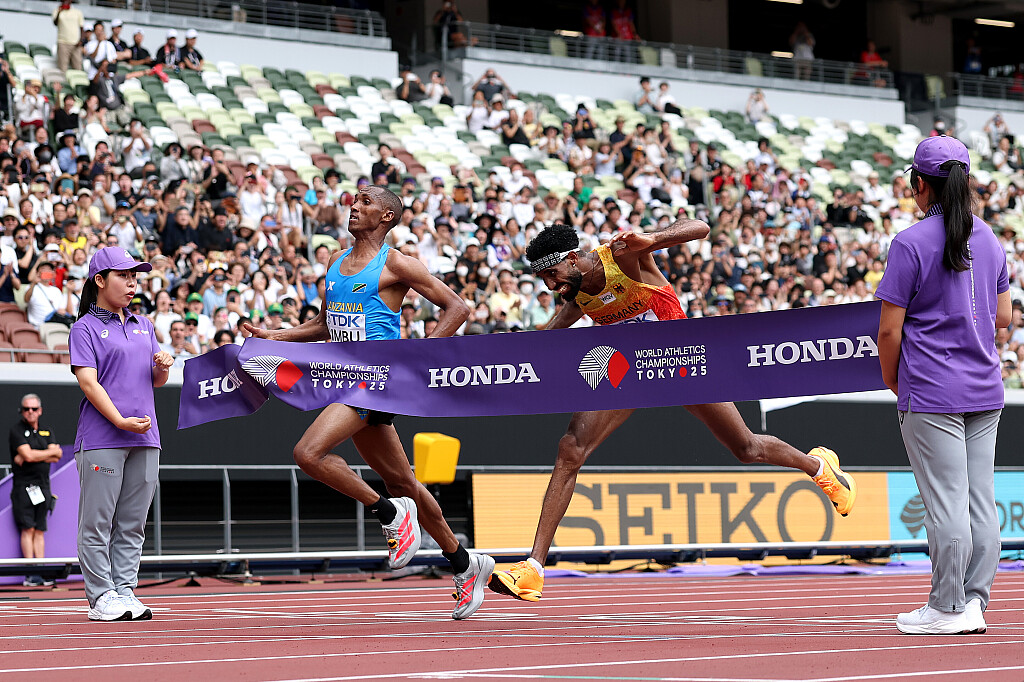
Can Amanal Petros Finally Turn Heartbreak into European Gold in Birmingham?
All eyes will be on Amanal Petros when the men’s marathon takes centre stage at the 2026 European Athletics Championships in Birmingham, with the German star chasing the major championship title that has repeatedly slipped through his fingers.
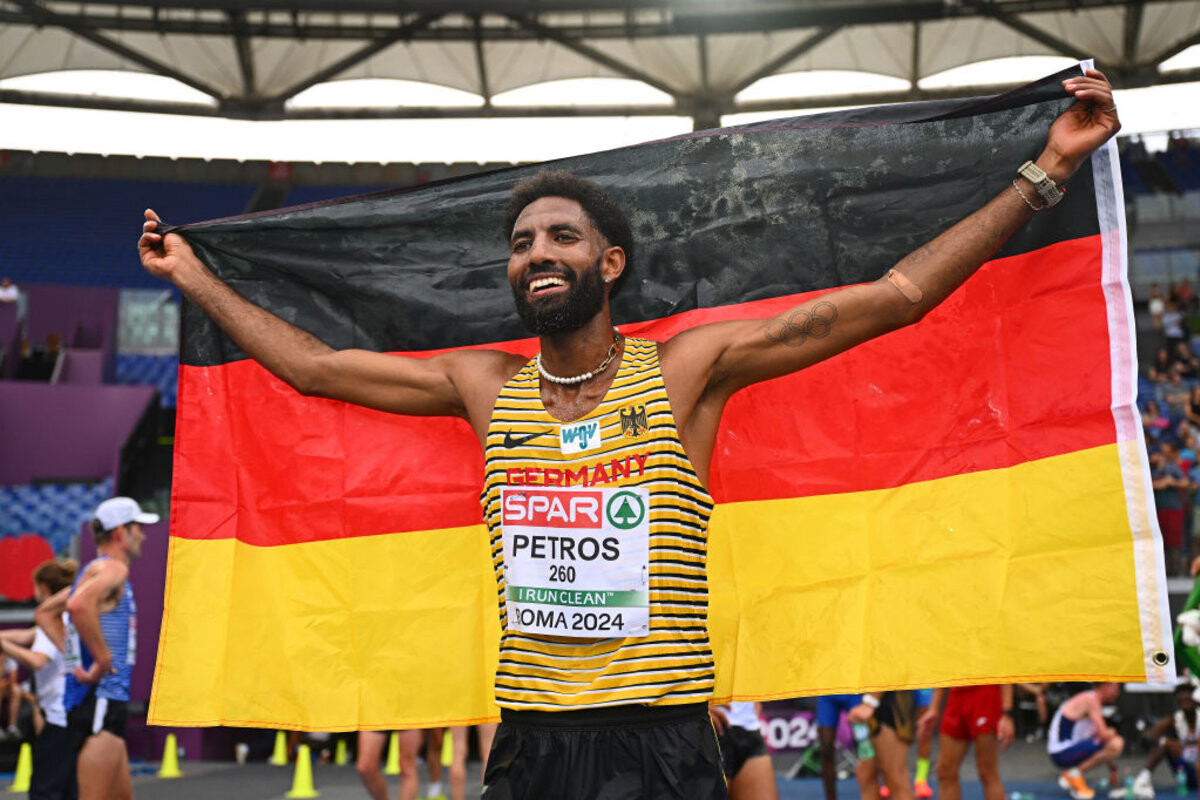
Petros arrives with one of the strongest résumés in the field and the credentials to challenge for gold. At 2:04:03, he is the third-fastest European marathoner of all time, behind Belgium’s Bashir Abdi (2:03:36) and France’s Morhad Amdouni (2:03:47). That level of performance underlines Petros’ ability to compete with the very best, although his career has also been marked by agonisingly narrow defeats on the biggest stages.
His most recent heartbreak came at the 2025 World Athletics Championships in Tokyo, where Tanzania’s Alphonce Simbu edged him out by just 0.03 seconds in one of the closest finishes in championship history. That defeat underlined both Petros’ quality and the fine margins that have prevented him from claiming an individual global title.
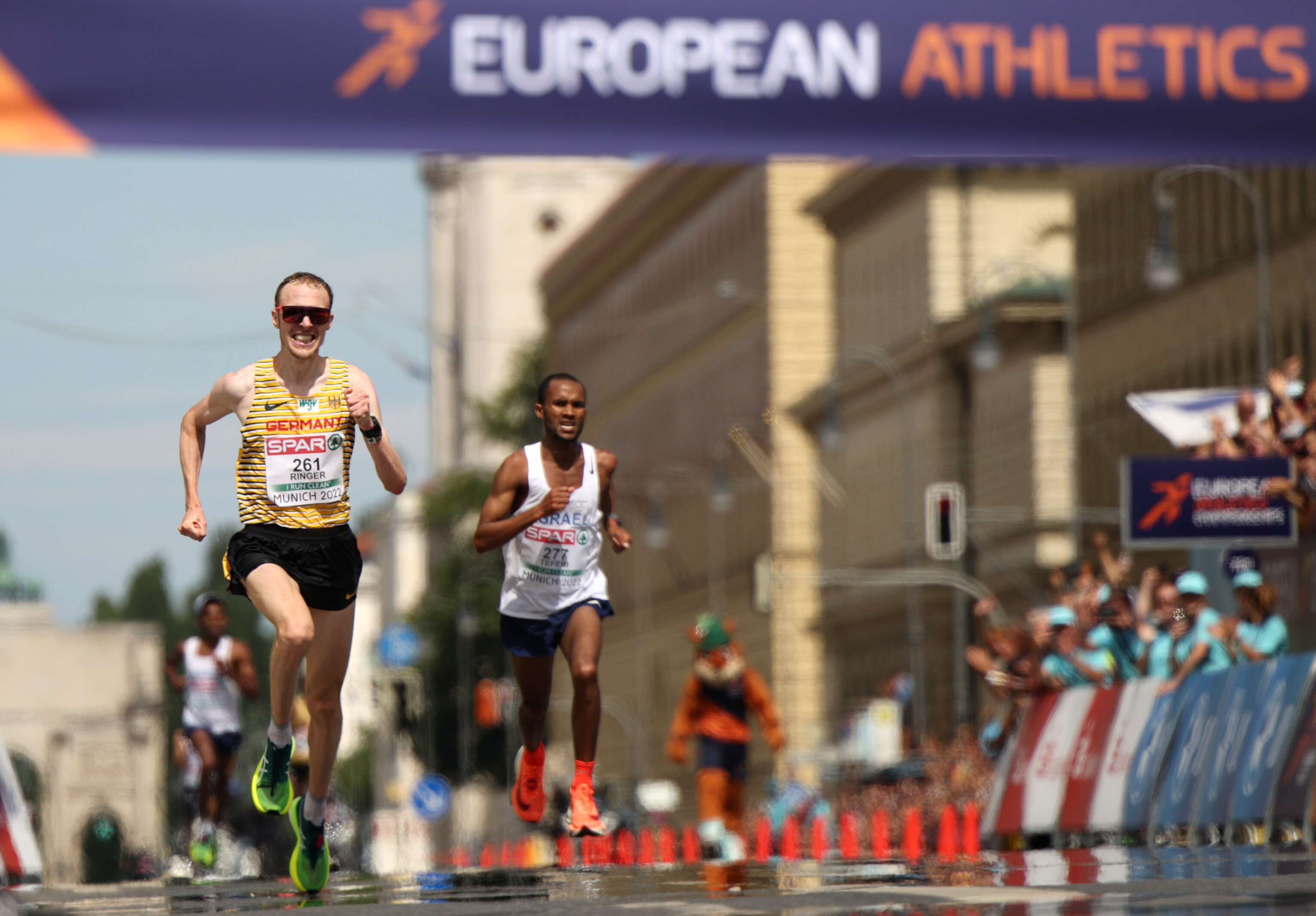
The European Championships have also brought frustration. At the 2024 European Athletics Championships, Petros took bronze in the half marathon after being beaten in a three-way finish by Italy’s Yemaneberhan Crippa. Two years earlier in Munich, he was unable to stay with the medal contenders during the decisive stages of the marathon.
Now Birmingham presents another opportunity—and Petros has every reason to believe this could finally be his moment.
His season-best of 2:08:31 does not tell the full story. At the London Marathon, Petros passed halfway in a blistering 61:16, initially targeting Bashir Abdi’s European record of 2:03:36, before easing during the latter stages. His 2:04:03 runner-up performance at the Valencia Marathon last December is arguably a much better indication of his true potential.
Standing in his way will be a strong German contingent, led alongside Petros by defending European champion Richard Ringer. Ringer produced one of the most memorable performances of the 2022 championships in Munich, unleashing a dramatic late surge during the final kilometre to overtake three athletes—including Petros—and snatch a remarkable victory.
At 37, Ringer continues to compete at an exceptional level. He produced the fastest marathon of his career in April, running 2:04:47 at the Boston Marathon to finish eighth overall while recording the fastest European time in the race.
Germany’s strength does not end there. Samuel Fitwi has been even faster in 2026, recording a personal best of 2:04:45 when finishing second at the Hamburg Marathon. That performance makes him the fastest athlete on the Birmingham entry list based on season’s bests.
With Petros, Ringer and Fitwi forming a formidable German trio, the team will have serious ambitions of collecting individual medals while also challenging for the team title. Their depth could prove particularly valuable in a championship marathon, where tactical racing and team strength can be just as important as raw personal-best times.
France’s Emmanuel Roudolff is among the principal threats to the German challenge. He established a personal best of 2:05:58 when finishing sixth at the Paris Marathon and has the speed to remain in contention if the race develops into a fast affair.
Veteran Kaan Kigen Özbilen will also bring considerable experience to the starting line. The Kenyan-born Turkish athlete, who once held the European record with 2:04:16, remains capable of competing at the highest level. He ran 2:05:59 for fifth in Barcelona earlier this year.
Israel will also arrive with a strong team, having won the marathon team title in Munich four years ago. Maru Teferi and Gashau Ayale, who claimed silver and bronze respectively in Munich, return with valuable championship experience and will hope to challenge for more medals in Birmingham.
Italy’s hopes will centre on Pietro Riva. With Crippa focusing on the 10,000m and Iliass Aouani sidelined by shin problems, Riva becomes Italy’s leading marathon contender. He finished second behind Crippa and ahead of Petros in the half marathon at the 2024 European Championships, giving him another opportunity to challenge the German favourite on the European stage.
For the home crowd, one of the most intriguing stories will be Mahamed Mahamed, who could give Britain a realistic shot at its first men’s European marathon medal in decades.
Great Britain has not won a men’s marathon medal at these championships since Ian Thompson claimed gold in Rome in 1974. Mahamed has emerged as a genuine contender after producing a lifetime best of 2:06:14 at the London Marathon in April. That performance made him the second-fastest British marathoner in history behind Mo Farah, while also placing him fourth among the Birmingham entrants based on 2026 season’s bests.
With a home crowd behind him and confidence gained from his breakthrough performance in London, Mahamed could become one of the most dangerous outsiders in the field.
Birmingham therefore promises a fascinating battle between proven championship performers, emerging German strength and a collection of experienced international challengers. Petros, however, remains the man at the centre of the story.
He has already come agonisingly close to major championship glory. He possesses the speed, experience and proven ability to run under 2:05. What remains is to produce the decisive performance when the medals are on the line.
After years of near misses, Birmingham could finally be the stage where Amanal Petros turns silver and heartbreak into European gold.
by Erick Cheruiyot for My Best Runs.
Login to leave a comment
European Athletics Champioships
The27thEuropean Athletics Championshipswill be held from 10 to 16 August 2026 at theAlexander StadiuminBirmingham, United Kingdom.[1] This is the first time that a British city will have staged the European Athletics Championships although Birmingham has hosted many high-profile events, including the2007 European Athletics Indoor Championships, the2003and2018 IAAF World Indoor Championshipsand the2022 Commonwealth Games. Alexander Stadium was renovated between 2019 and...
more...
Josh Kerr’s Mile Mastery Could One Day Lead Him To The London Marathon
Josh Kerr has conquered one of athletics’ most historic distances. Yet, remarkably, the Scottish star is already dreaming about a challenge that sits more than 25 miles beyond the distance that has made him a global track sensation.
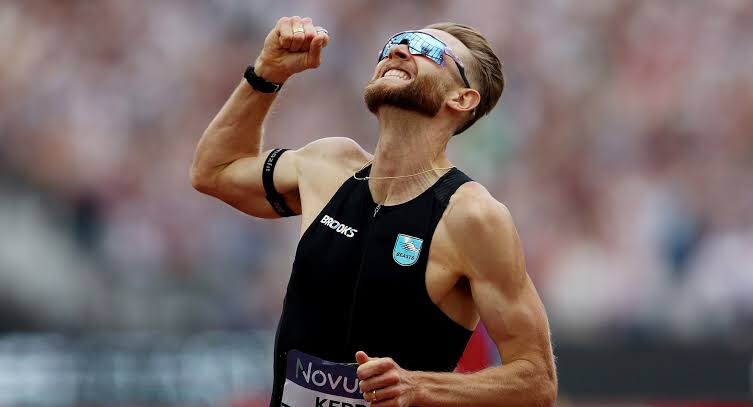
Kerr produced one of the defining performances of his career on July 18, 2026, at the London Stadium, storming to a sensational 3:42.66 in the Emsley Carr Mile to shatter Hicham El Guerrouj’s world record. The Moroccan’s 3:43.13 had stood untouched since 1999, but Kerr finally brought the 27-year-old mark down by 0.47 seconds.
The performance confirmed Kerr’s place among the greatest milers of his generation, but his ambitions extend well beyond the track.
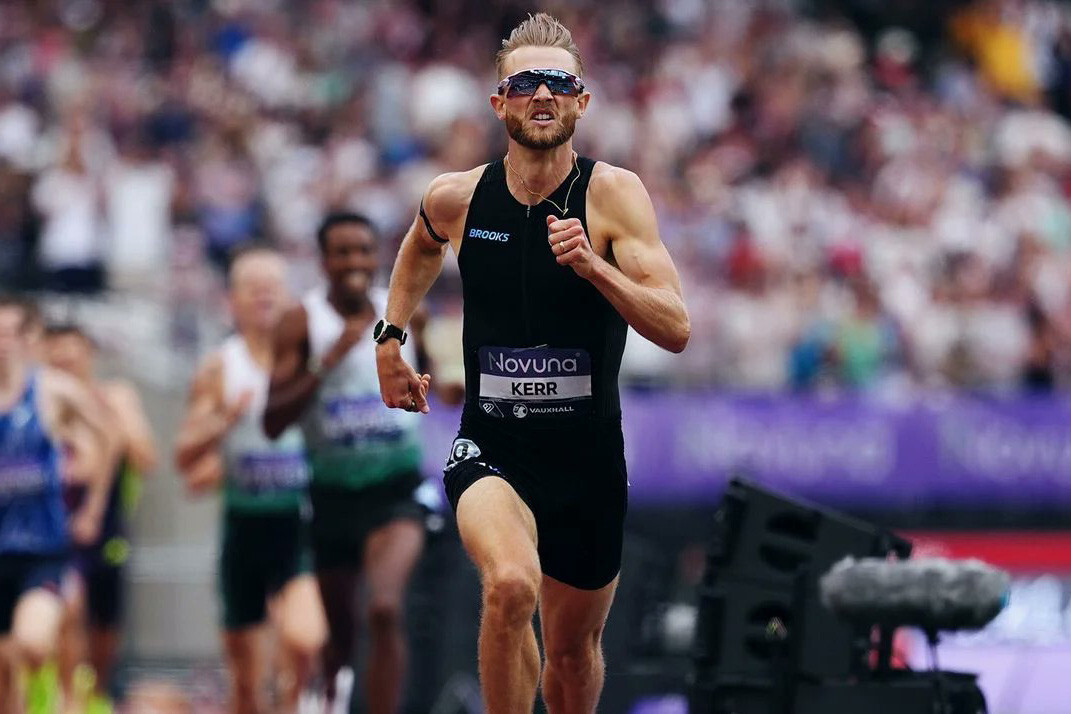
Speaking after his historic achievement, the 28-year-old revealed that the marathon is a distance he has become increasingly fascinated by, with the London Marathon occupying a particularly special place in his long-term imagination. For Kerr, the ultimate attraction would not necessarily be a world-class time, but the possibility of one day winning the race.
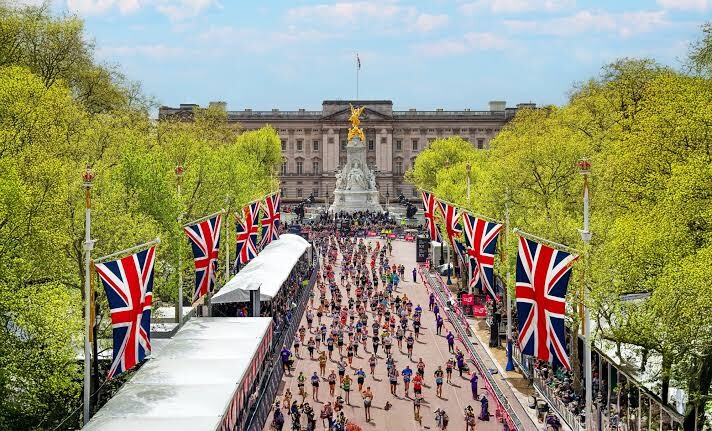
He remains realistic about how distant that ambition is. Kerr has made it clear that there is still important work to be completed on the track, with the Los Angeles 2028 Olympic Games among his major objectives. His marathon dream, therefore, belongs to the future rather than the immediate present.
That patience could prove crucial.
The transition from the mile to the marathon is one of the most demanding changes an elite distance runner can make. It requires far more than simply possessing exceptional aerobic fitness. The marathon places extraordinary demands on endurance, efficiency, energy management and the ability to maintain a high pace for more than two hours.
History, however, has shown that a world-class track runner can successfully make the leap when the timing is right.
Sifan Hassan provides perhaps the most spectacular modern example. After establishing herself as one of the most versatile distance runners in history, competing successfully from 1,500m through 10,000m, the Dutchwoman made her marathon debut at the 2023 London Marathon. She won in 2:18:33 after producing a remarkable finishing sprint, then went on to claim Olympic marathon gold the following year.
Her ability to change gears late in races became one of her greatest weapons. It is also an attribute Kerr knows particularly well.
Kerr has built his reputation around devastating finishing speed. Whether competing over 1,500m or the mile, his ability to accelerate when others are already approaching their physical limits has repeatedly separated him from the field. The question is whether that same weapon could eventually become a decisive advantage over the marathon distance.
Mo Farah's journey offers a more complicated lesson.
The British legend spent years dominating the 5,000m and 10,000m before turning his attention to the marathon. Despite possessing an extraordinary endurance base, Farah discovered that the marathon demanded an entirely different level of preparation. He finished eighth on his London Marathon debut in 2014 in 2:08:21 before eventually improving the British record to 2:06:22 in 2018.
Farah later explained that mastering the marathon took considerable time, underlining just how different the event is from even the longest Olympic track distances.
For Kerr, the physiological challenge would be even greater because his speciality is the mile.
The mile rewards an athlete who can combine enormous aerobic power with exceptional speed. The marathon, by contrast, demands the ability to operate efficiently for a prolonged period below maximum aerobic capacity. Running economy, lactate-threshold ability, endurance and the capacity to preserve energy deep into a race become increasingly important.
That transformation cannot be rushed.
And the marathon landscape Kerr would eventually enter is becoming more extraordinary by the year.
The 2026 London Marathon demonstrated just how far the event has evolved. Kenya’s Sabastian Sawe made history by becoming the first athlete to officially break the two-hour barrier in a competitive marathon, winning in 1:59:30. Ethiopia’s Yomif Kejelcha also finished inside two hours, while three men ultimately finished faster than the previous world record.
That is the standard waiting for Kerr if his distant ambition eventually becomes reality.
For now, however, there is no need to hurry. Kerr has already rewritten the mile record books, becoming the first man to break 3:43 and ending one of the longest-standing world records in modern athletics.
His next chapter is still firmly rooted on the track, where Olympic glory remains a major target. But somewhere beyond those ambitions lies a different challenge: 26.2 miles of London roads, a distance more than 25 miles longer than the event in which he currently reigns supreme.
It may sound improbable today, but Kerr is not dismissing the possibility.
“I promise I will try it.”
And if the day eventually comes when the world mile record-holder lines up on The Mall with the London Marathon title in his sights, it could become one of the most intriguing distance-running transitions the sport has ever witnessed.
by Erick Cheruiyot for My Best Runs.
Login to leave a comment

London Takes a Giant Leap Toward Hosting the 2029 World Athletics Championships
London has taken a major step toward welcoming the world's best athletes once again after Athletic Ventures officially submitted its final bid to host the 2029 World Athletics Championships.
The bid, finalized on August 6, 2026, represents the culmination of months of planning by Athletic Ventures—a partnership between UK Athletics, London Marathon Events, and the Great Run Company. Together, the organizations are seeking to bring the world's premier athletics event back to the British capital and its iconic London Stadium.
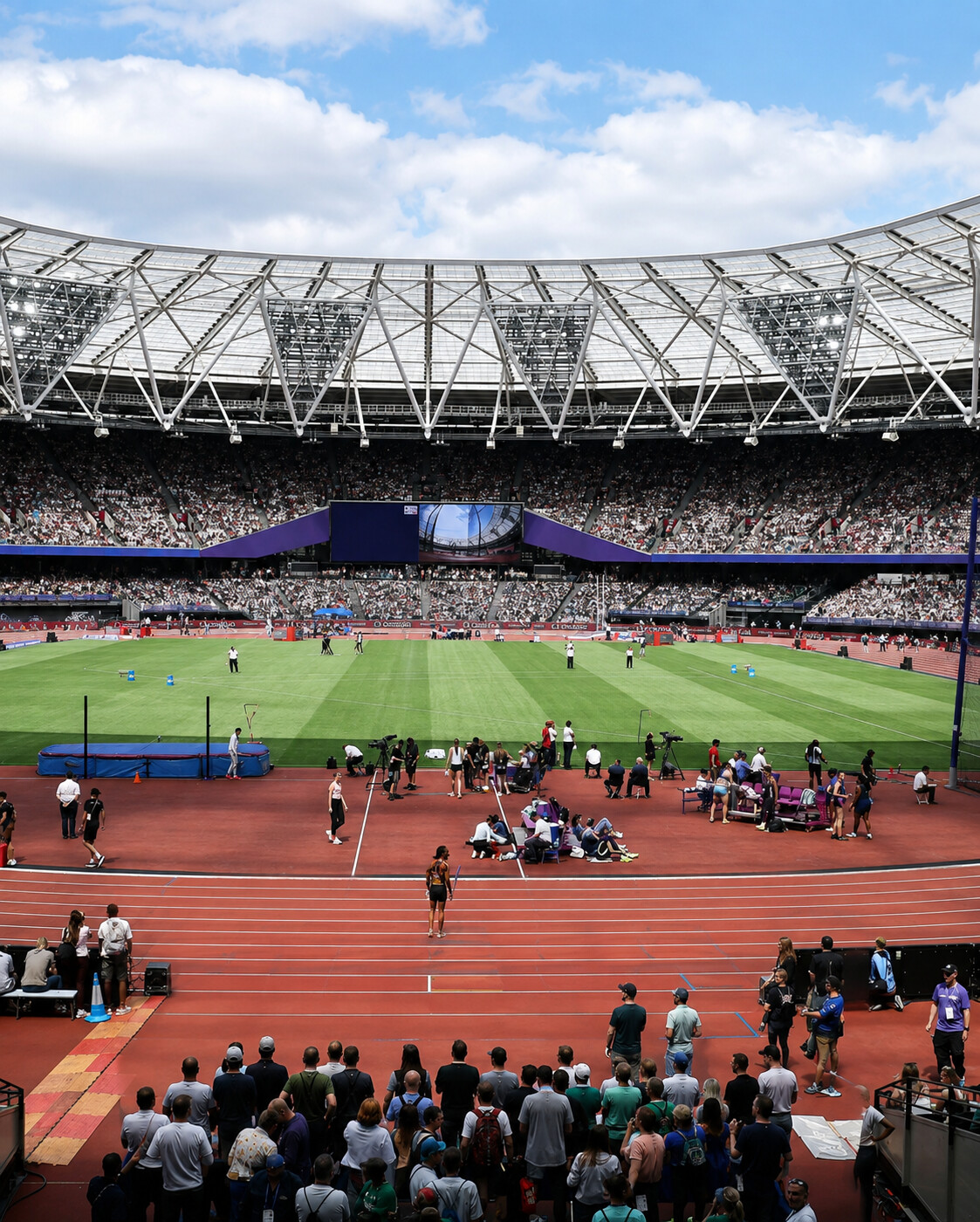
The campaign gathered significant momentum after UK Athletics and its partners secured a landmark agreement with West Ham United and London Stadium LLP, resolving earlier scheduling concerns and officially confirming London Stadium as the proposed championship venue. The agreement removes one of the biggest obstacles facing the bid and reinforces London's readiness to stage another world-class event.
London Stadium remains one of athletics' most celebrated arenas. Originally built as the centerpiece of the 2012 Olympic Games, the venue successfully hosted the 2017 World Athletics Championships, producing packed crowds, unforgettable performances, and one of the most vibrant atmospheres the sport has witnessed. That proven legacy has become a cornerstone of London's latest campaign.
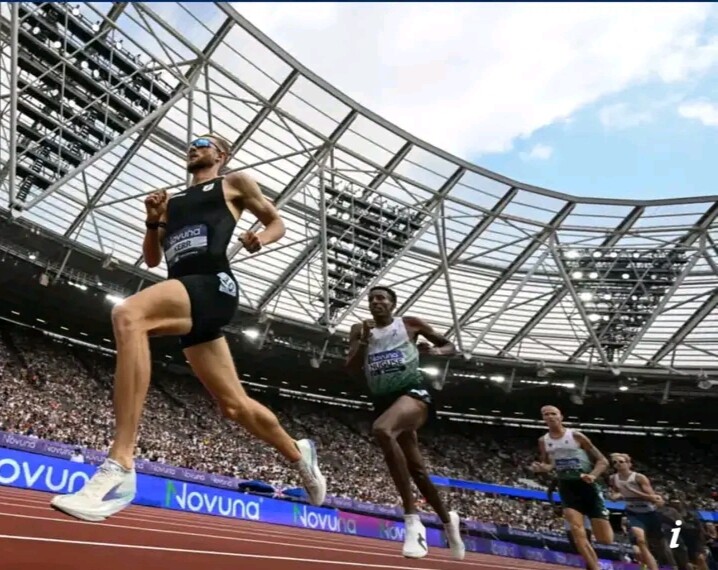
The bid has also received strong financial backing, with £45 million (approximately $61 million) in public funding committed by the UK Government and the Mayor of London. Organizers believe the investment will help deliver a championship capable of setting new standards both on and off the track.
Beyond elite competition, the proposed championships are expected to leave a lasting legacy. Bid organizers estimate the event could generate more than £400 million in economic and social benefits through tourism, job creation, business opportunities, and community engagement. Plans also include major mass-participation running events designed to inspire people of all ages to embrace athletics and healthy lifestyles.
For British athletics, hosting the championships would provide a powerful platform to inspire the next generation of athletes while reaffirming London's status as one of the world's leading destinations for global sporting events. With world-class infrastructure, experienced organizers, and passionate fans, the city believes it has all the ingredients to deliver another memorable edition of the championships.
Attention now turns to the final decision. World Athletics is expected to announce the successful host city in September 2026, with London facing strong competition from Rome, Munich, and Nairobi in the race to stage the 2029 championships.
As anticipation builds, athletics fans around the world will soon discover which city will earn the privilege of hosting the sport's biggest global gathering. If successful, London would once again become the heartbeat of world athletics, offering another spectacular stage where history can be written.
Who do you think deserves to host the 2029 World Athletics Championships—London, Rome, Munich, or Nairobi?
by Erick Cheruiyot for My Best Runs.
Login to leave a comment
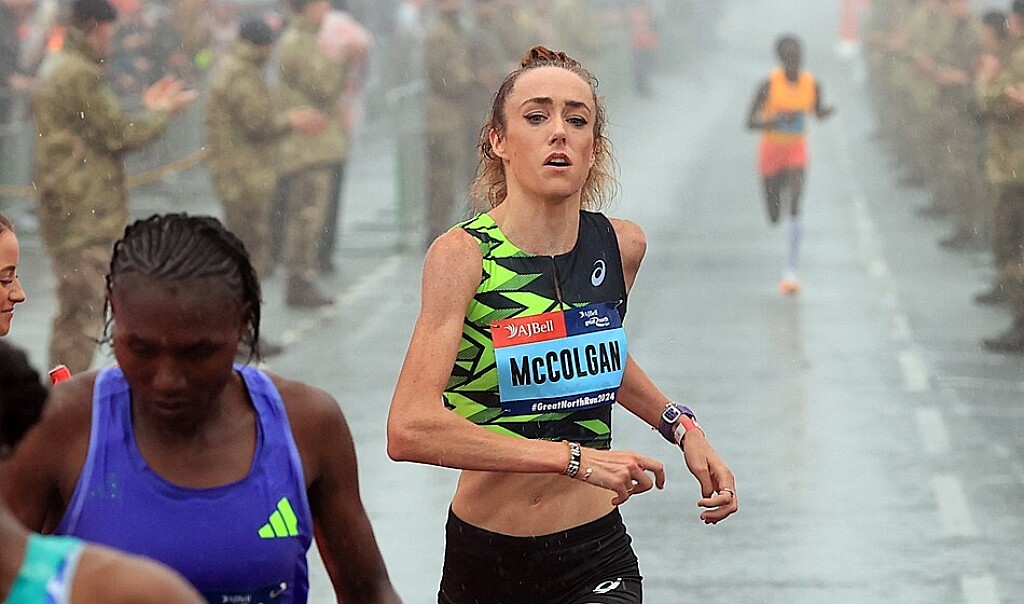
Eilish McColgan Eyes Historic Big Half Hat-Trick After Injury Setback
British distance-running star Eilish McColgan is set to make her highly anticipated return to The Big Half in London, where she will chase a record-extending third women's title after being confirmed for this year's race.
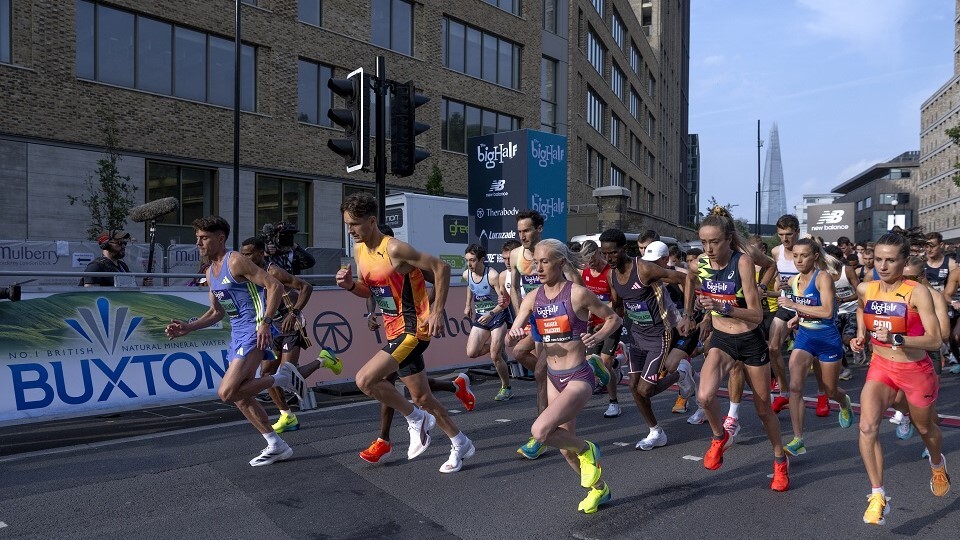
The British half marathon record holder heads back to one of her favourite events with unfinished business, determined to reignite her season following a frustrating spell on the sidelines. Having already lifted the Big Half crown in 2022 and 2024, McColgan now has the opportunity to add a third title to her impressive résumé and further cement her legacy as one of Britain's greatest road runners.
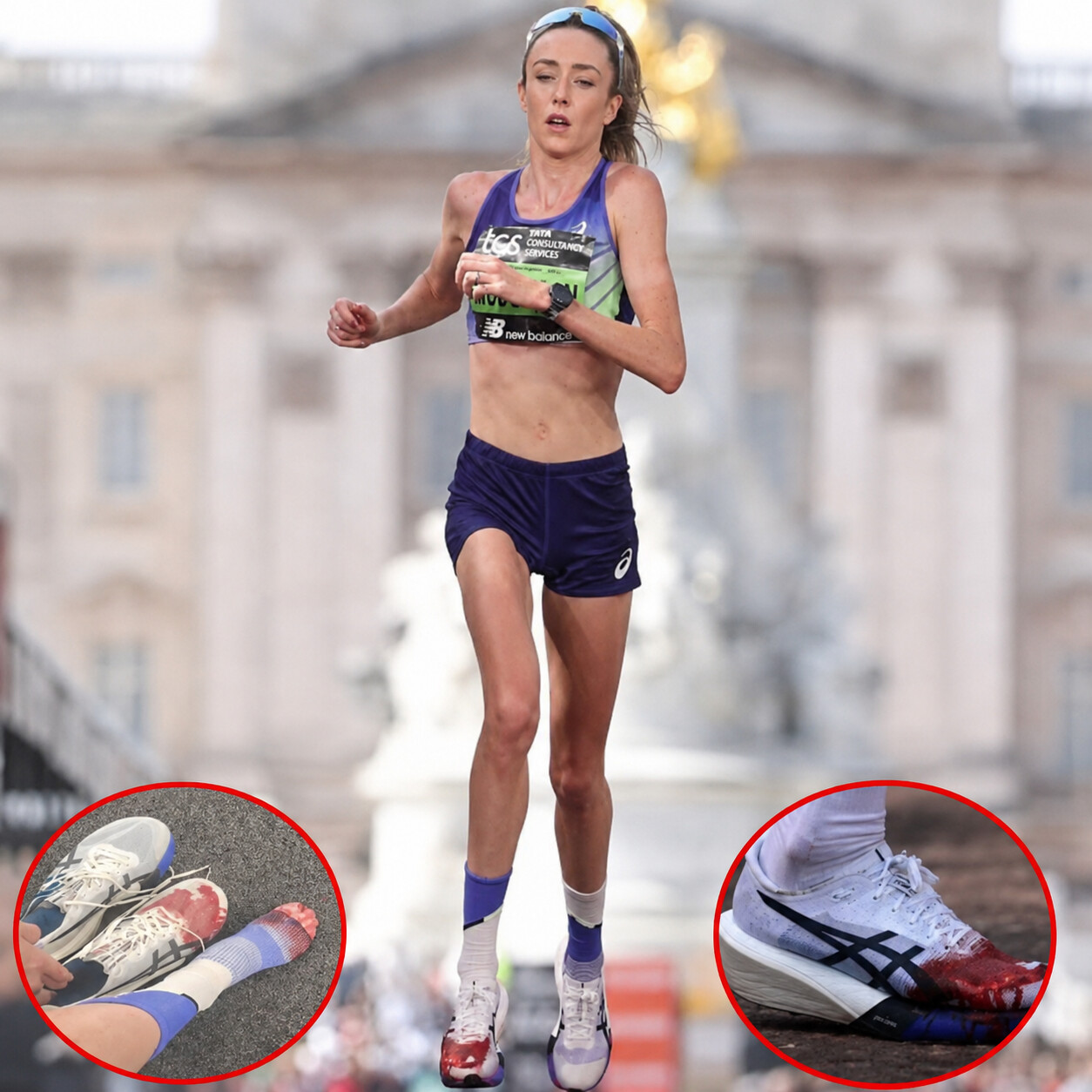
Her return comes after a difficult few months that tested both her resilience and patience. McColgan sustained a toe injury during the London Marathon in April, an issue that disrupted her training and ultimately forced her to withdraw from the Glasgow 2026 Commonwealth Games. As the defending 10,000m champion, she admitted she had not been given enough time to recover and reach the level of fitness required to defend her title.
Now fully focused on the road season, the Scottish star will be eager to put those setbacks behind her. The Big Half presents an ideal opportunity for McColgan to showcase the progress she has made since returning from injury. A strong performance would not only boost her confidence but also reaffirm her status as one of Britain's premier distance runners as she builds momentum for the races ahead.
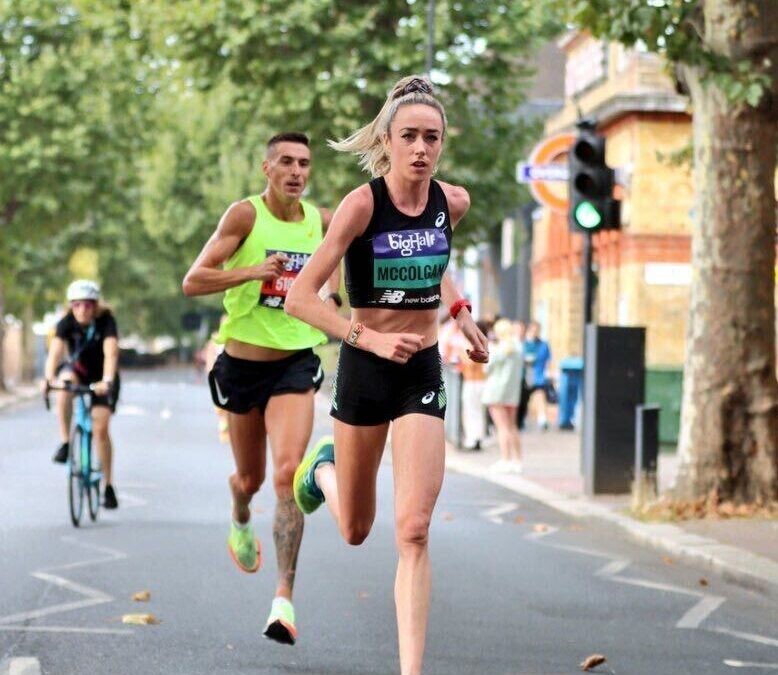
Beyond the race for another title, McColgan's appearance marks an important step in her comeback journey. After months of rehabilitation and carefully rebuilding her fitness, the event will provide a valuable measure of her progress against a world-class field. A commanding performance would reaffirm her place among Britain's and Europe's elite distance runners while strengthening her confidence for the major road races and championships still to come.
The men's elite race is also shaping up to be one of the strongest in the event's history. British marathon standout Jack Rowe has been confirmed for the race and will be chasing a remarkable fourth consecutive Big Half title. Should he triumph once again, Rowe would surpass Sir Mo Farah's record to become the most successful elite men's champion in the history of the event.
With history on the line in both elite races, this year's Big Half promises to be one of the most captivating editions yet. Thousands of runners will take to the streets of London alongside some of Britain's finest distance athletes, creating a spectacular celebration of road running. McColgan's pursuit of a historic third women's crown and Rowe's bid to establish a new men's record ensure that fans can look forward to a thrilling day of competition filled with ambition, resilience, and memorable performances.
For fans of distance running, all eyes will be on London's streets as two British stars attempt to add another memorable chapter to their careers. Whether it is McColgan completing her remarkable comeback with another victory or Rowe rewriting the history books, this year's Big Half is perfectly poised to deliver another unforgettable showcase of British distance running at its finest.
by Erick Cheruiyot for My Best Runs.
Login to leave a comment

From Small Steps to a Giant Impact: Nine-Year-Old Oliver Smith's Inspiring Run for Hope
At just nine years old, Oliver Smith has achieved something extraordinary—not by chasing records or medals, but by proving that determination, compassion, and consistency can create a life-changing impact.
Hailing from Wombwell, on the outskirts of Barnsley, Oliver set himself a remarkable challenge at the beginning of the year. Rather than attempting a single marathon, he decided to complete the equivalent distance of nine marathons over several months. From January 1 to April 26, the young runner covered an incredible 380 kilometres, breaking the distance into manageable daily runs suitable for a child his age.

His routine was built on dedication. Saturdays were reserved for parkrun events, Sundays for junior parkrun, while the remaining kilometres were steadily accumulated throughout the week. Averaging approximately 3.3 kilometres each day, Oliver never lost sight of the goal that inspired every step.
The challenge carried deep personal meaning. Last summer, Oliver's father, Tom Smith, suffered a devastating health setback after losing most of the vision in one eye. Medical examinations revealed a 4-centimetre meningioma wrapped around his optic nerve, leading to a complex 12-hour operation at the Royal Hallamshire Hospital in Sheffield.
Throughout the family's difficult journey, The Brain Tumour Charity provided invaluable guidance, support, and reassurance. Grateful for the help his family received, Oliver decided he wanted to give back in the most meaningful way he could. He launched a fundraising campaign with an initial goal of raising £2,000 to support others facing similar challenges.
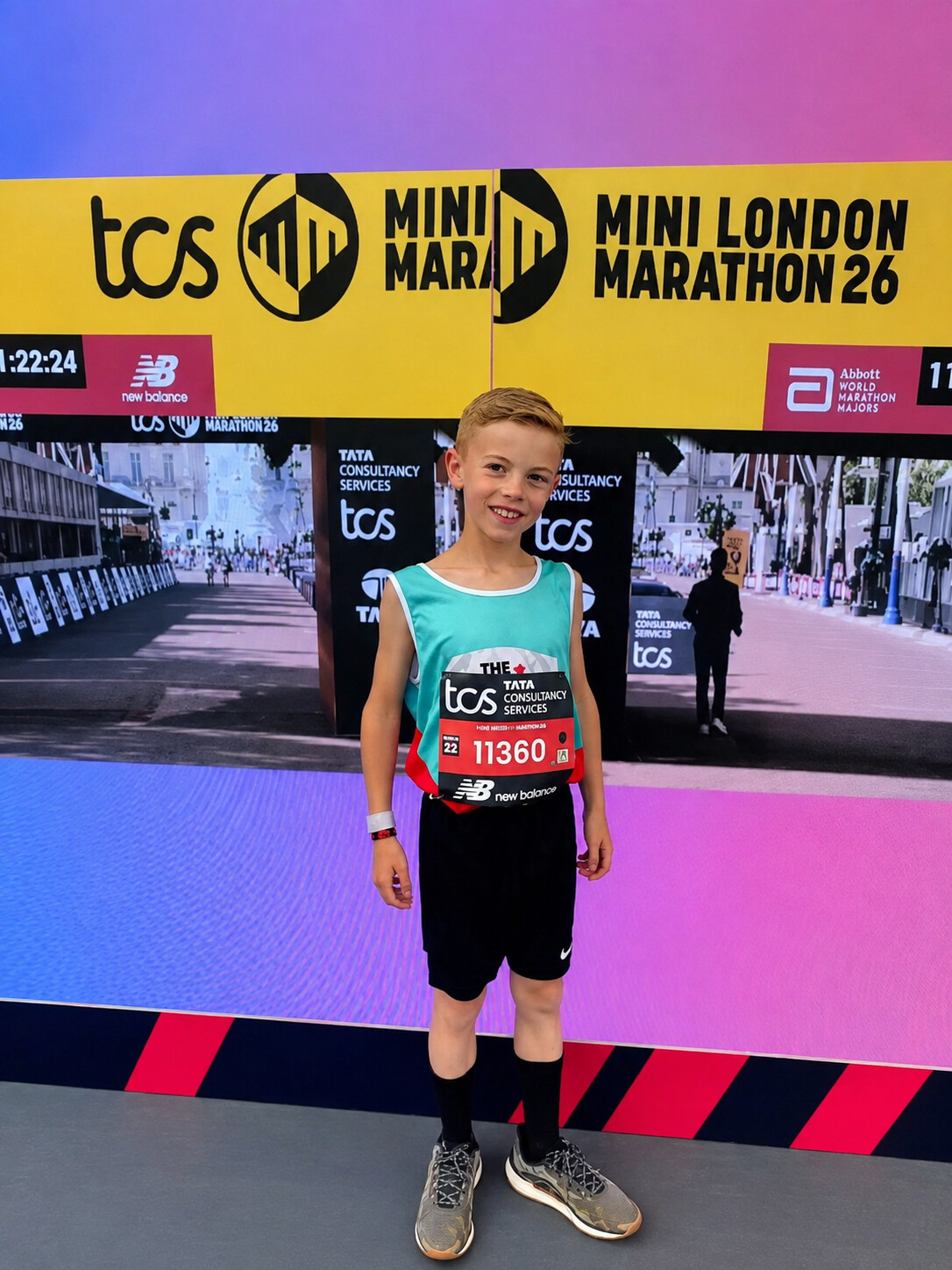
What followed exceeded everyone's expectations.
Oliver brought his incredible fundraising challenge to a memorable conclusion at the Mini London Marathon, finishing on the very same day his mother, Hannah Smith, completed her first-ever London Marathon. It was a fitting family celebration of courage, resilience, and perseverance.
By the time Oliver crossed the finish line, donations had soared beyond £16,500—more than eight times his original target. His remarkable achievement captured the hearts of supporters, demonstrating how one young boy's determination could unite an entire community behind an important cause.
For Oliver, however, the journey is far from over. Inspired by the overwhelming support and the difference his efforts have made, he has already begun working toward his next fundraising challenge.
His story serves as a powerful reminder that age is no barrier to making a meaningful difference. Sometimes, the greatest acts of courage are measured not by speed or distance, but by the willingness to take one small step after another for the benefit of others.
Oliver Smith's inspiring journey is more than a fundraising success—it is a testament to the strength of family, the power of kindness, and the extraordinary impact that can begin with the simplest decision to help.
by Erick Cheruiyot for My Best Runs.
Login to leave a comment

Eilish McColgan Withdraws from Glasgow 2026 as Recovery Takes Priority
Home favorite Eilish McColgan will not compete at the 2026 Commonwealth Games in Glasgow, bringing an end to hopes of defending the women's 10,000m title she captured in Birmingham four years ago.
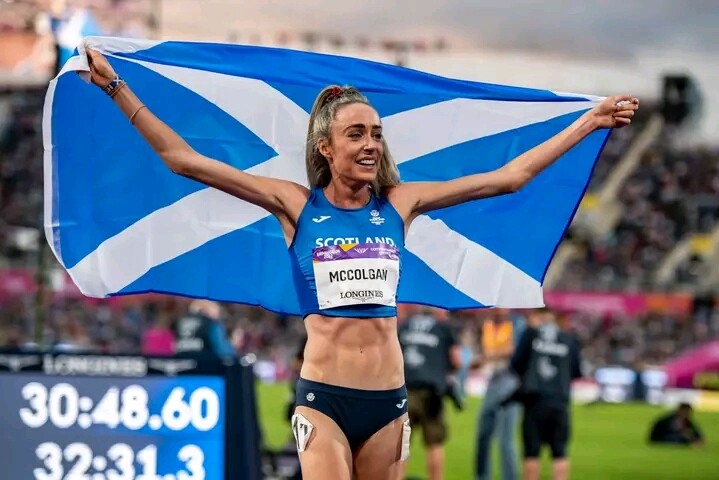
The Scottish distance-running star has made the difficult decision to withdraw as she continues her recovery from a lingering foot injury that disrupted her season. McColgan's last competitive appearance came at the London Marathon, where she initially battled through what appeared to be a minor toe problem. Further medical examinations later revealed the injury was, in fact, an undetected stress fracture.
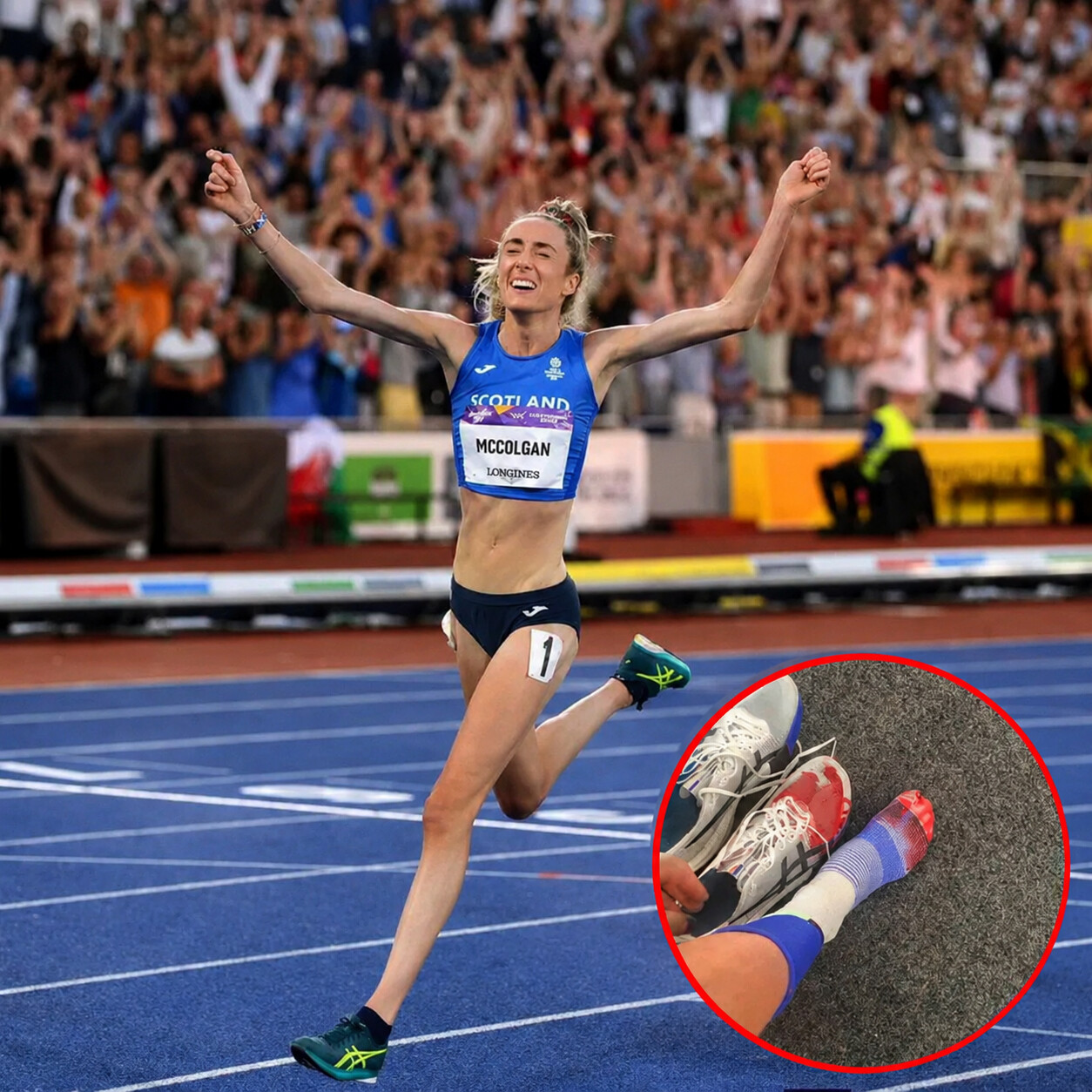
The diagnosis forced the multiple-time Commonwealth medalist to spend 10 weeks away from running, delaying her preparations for the biggest championship on home soil. Although she has now resumed training, McColgan believes she has not had sufficient time to rebuild the fitness required to compete at her highest level.
Her withdrawal is a significant setback for the Glasgow Games, where she was expected to be one of the headline attractions and a leading contender for another memorable performance in front of a home crowd.
While fans will undoubtedly be disappointed by her absence, McColgan's decision reflects a long-term approach to protecting her health and extending her career. Rather than rushing back for a major championship, the British distance-running star is prioritizing a complete recovery with the aim of returning stronger for future international competitions.
The Glasgow 2026 athletics program will move forward without one of Scotland's most celebrated athletes, but McColgan's focus now shifts to regaining full fitness and ensuring she is ready to compete again when the time is right.
by Erick Cheruiyot for My Best Runs.
Login to leave a comment
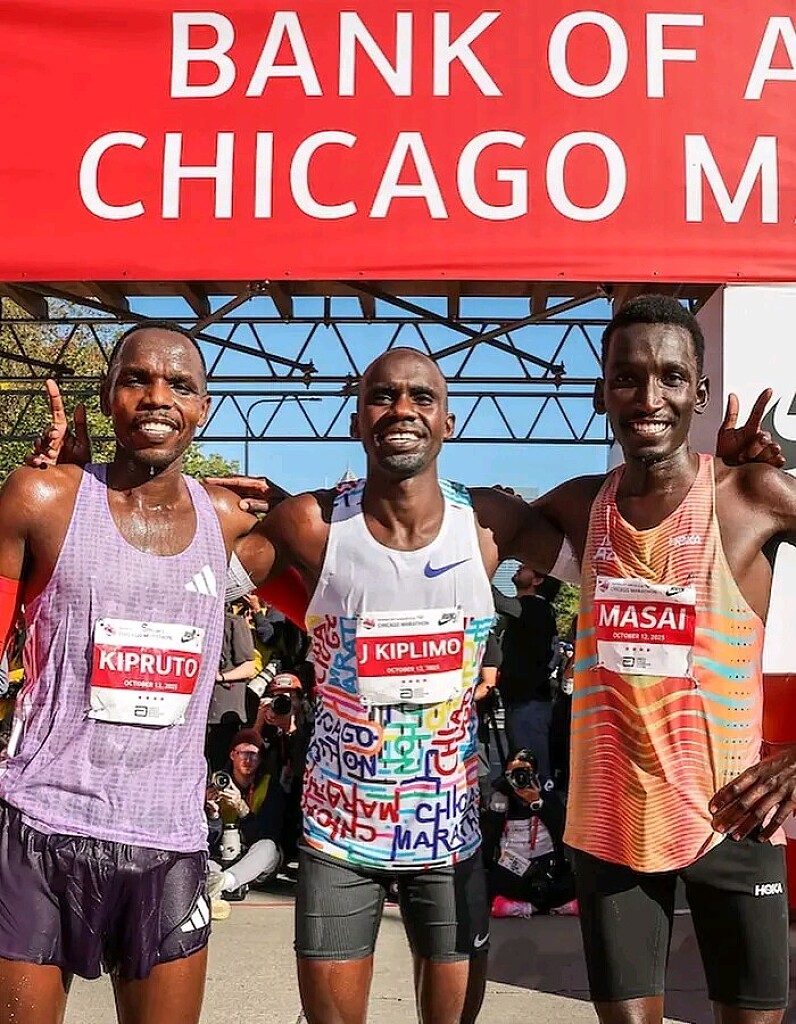
The Rematch Is On: Kiplimo, Kipruto and Masai Lead Star-Studded Chicago Marathon Field
The Bank of America Chicago Marathon is preparing for one of the most anticipated men's races in its history after unveiling an extraordinary elite field for the 48th edition of the event, scheduled for Sunday, October 11, 2026.
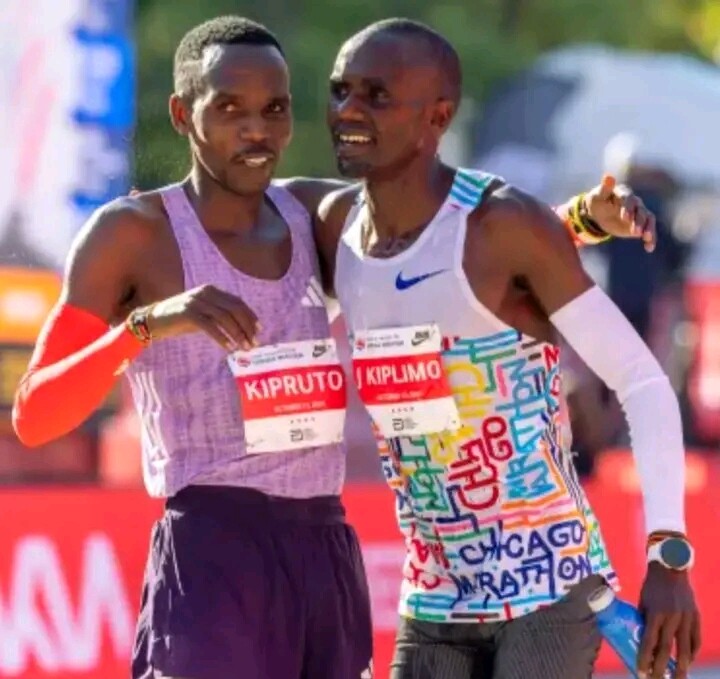
At the heart of the excitement is a compelling rematch featuring the entire podium from the 2025 Chicago Marathon, with defending champion Jacob Kiplimo, runner-up Amos Kipruto, and third-place finisher Alex Masai all returning to battle once again on the fast streets of the Windy City.
The reunion of last year's top three finishers already guarantees an intense contest, but the depth of the field suggests this could develop into one of the greatest marathon races Chicago has ever witnessed.
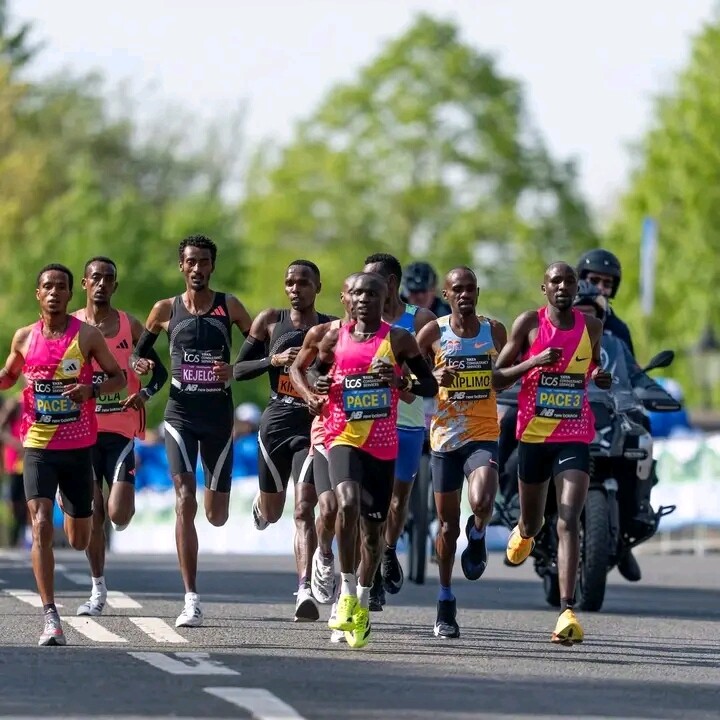
Uganda's Jacob Kiplimo returns wearing the champion's crown after producing a brilliant 2:02:23 performance to capture the 2025 Chicago Marathon title. Since that victory, the distance-running sensation has strengthened his reputation as one of the world's premier marathoners, delivering an astonishing 2:00:28 at the 2026 London Marathon—a performance that firmly established him among the fastest marathon runners in history.
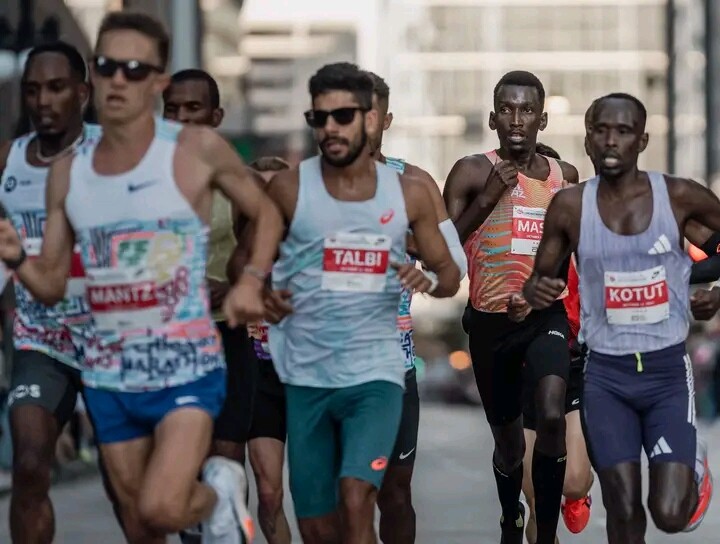
Standing in his way once again will be Kenya's Amos Kipruto, who finished second in Chicago last year in 2:03:54. Kipruto arrives in exceptional form after rewriting his personal best with a stunning 2:01:39 at the 2026 London Marathon, proving he possesses both the speed and experience to challenge for the Chicago crown.
Completing the returning podium is fellow Kenyan Alex Masai, whose impressive 2:04:37 earned him third place in 2025. Now returning with valuable experience and growing confidence, Masai will be aiming to transform last year's podium finish into his first-ever World Marathon Major victory.
Yet the battle for victory extends far beyond the returning podium.
The 2026 Chicago Marathon has assembled one of the deepest elite men's fields ever seen, featuring six athletes with personal bests under 2:04. Among them are Milkesa Mengesha of Ethiopia, the reigning 2024 Berlin Marathon champion, and compatriot Tadese Takele Bikila, who arrives as the Tokyo Marathon champion. Their presence adds even greater quality to a field already packed with proven championship performers and world-class speed.
With Olympic-caliber talent, major marathon champions, and some of the fastest men ever to cover the 42.195-kilometre distance lining up together, all the ingredients are in place for a memorable contest. Whether the race develops into a tactical championship battle or a relentless pursuit of another sub-2:02 performance, fans can expect fireworks from the opening miles to the finish on Columbus Drive.
As Chicago prepares to welcome the world's finest marathoners, one question now dominates the conversation:
Can Jacob Kiplimo successfully defend his title, or will Amos Kipruto, Alex Masai, or another world-class challenger rise to claim one of the sport's most prestigious crowns? The answer will unfold on October 11, when another chapter in Chicago Marathon history is written.
by Erick Cheruiyot for My Best Runs.
Login to leave a comment
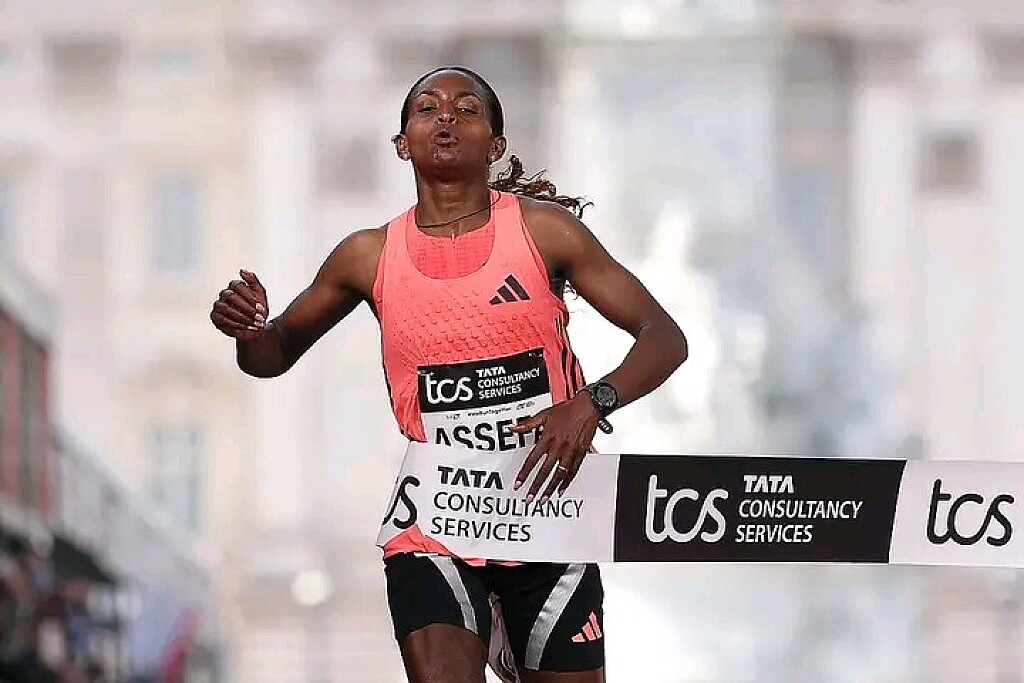
World Athletics Ratifies Tigst Assefa's Historic Women-Only Marathon World Record
History has officially been confirmed.
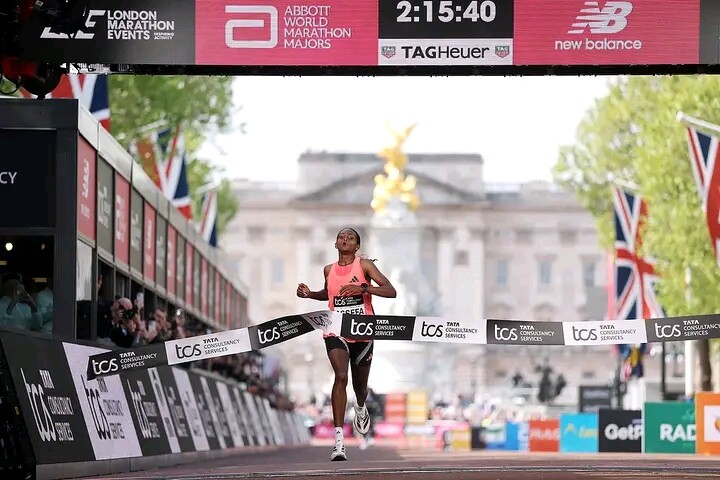
World Athletics has ratified Tigst Assefa's sensational 2:15:41 performance at the London Marathon as the new women-only marathon world record, cementing the Ethiopian star's place among the greatest marathon runners of all time.
The record-breaking run, produced on the streets of London, improves the previous women-only world record that Assefa herself established on the same course just one year earlier. With another remarkable display of endurance, precision and speed, she once again rewrote the history books, proving that her dominance in the marathon continues to reach new heights.
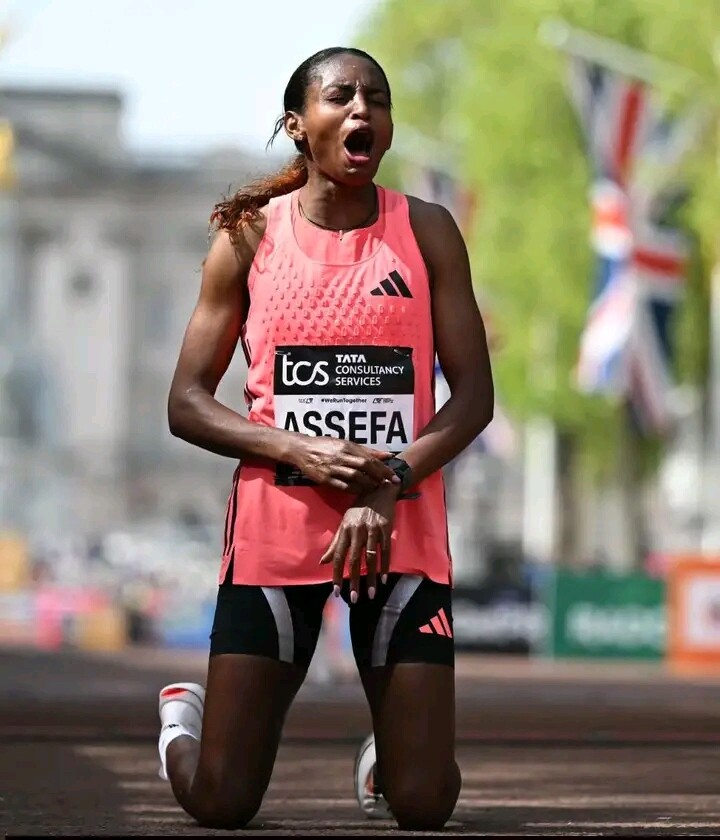
Unlike mixed-gender marathons, where male pacemakers are permitted, the women-only category is contested exclusively by female athletes from start to finish. It is regarded as one of the purest tests of marathon racing, making Assefa's achievement even more significant.
Her ratified mark of 2:15:41 stands as one of the fastest performances ever produced by a woman under women-only race conditions, highlighting her extraordinary consistency at the highest level of the sport.
The official ratification by World Athletics removes any remaining formality, transforming a breathtaking race-day performance into a permanent chapter in athletics history. It is another milestone in a glittering career that has seen Assefa repeatedly redefine what is possible over the 42.195-kilometre distance.
For Ethiopia, the record adds another proud moment to the nation's rich tradition of producing world-class distance runners. For the global athletics community, it is further evidence that the women's marathon continues to evolve, with barriers once considered untouchable now being shattered.
Tigst Assefa's name is now permanently etched into the record books once again—not only as an Olympic and world-class marathon champion, but as the officially ratified women-only marathon world record holder, a distinction earned through an unforgettable performance on one of the sport's biggest stages in London.
by Erick Cheruiyot for My Best Runs.
Login to leave a comment
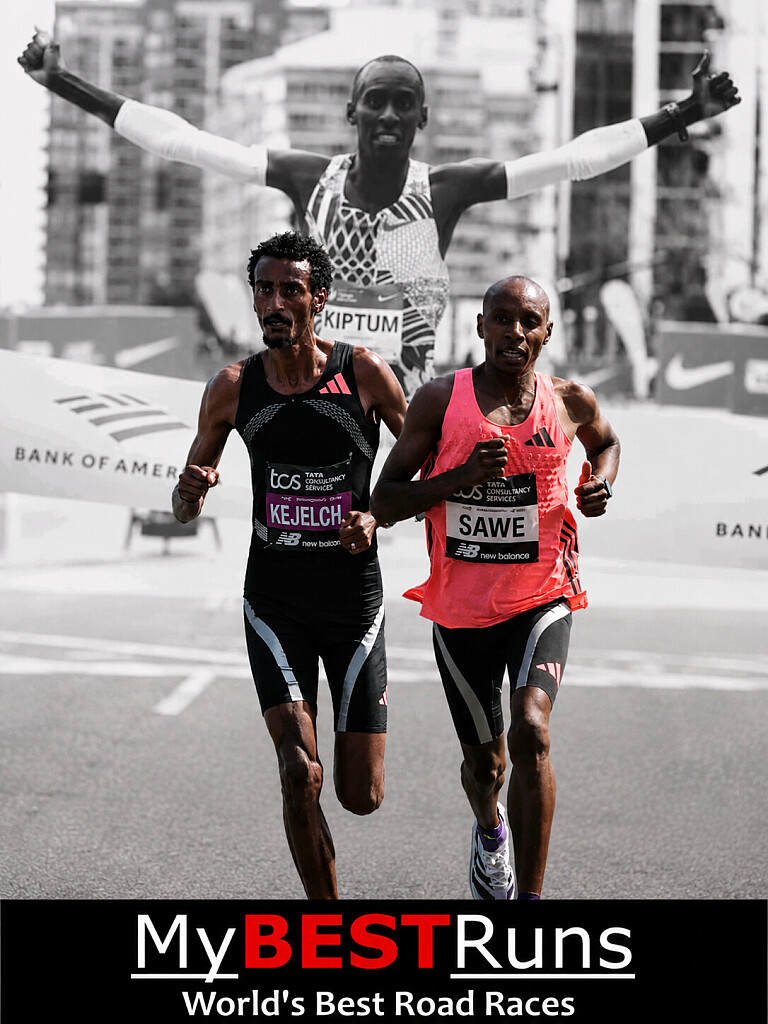
Kelvin Kiptum's World Record Is Gone. His Legacy Never Will Be
Records are made to be broken. Legacies are not.
On October 8, 2023, the streets of Chicago witnessed one of the greatest performances in marathon history. At just 23 years old, Kenya's Kelvin Kiptum stormed to a world record of 2:00:35, redefining what many believed was possible over 42.195 kilometres.
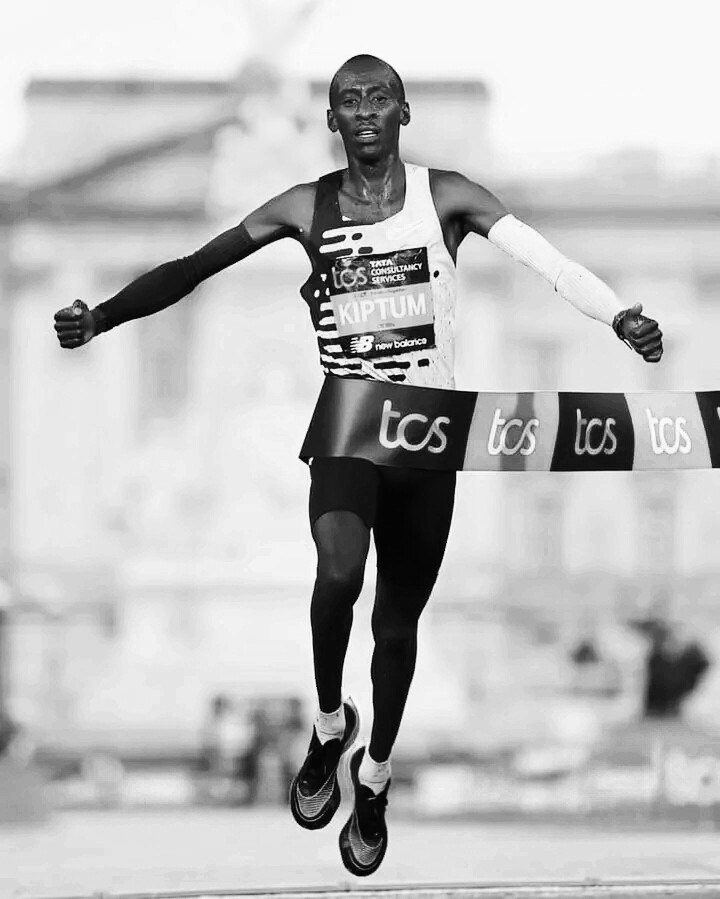
It was a performance that stunned the sporting world. Yet, no one could have imagined it would become his final masterpiece.
Just four months later, tragedy struck. Kiptum lost his life in a road accident at the age of 24, only five days after World Athletics officially ratified his world record. His marathon career lasted just three races, but it was nothing short of extraordinary. He won all three, remained unbeaten over the distance, and left behind a standard that inspired a new generation of marathon runners.
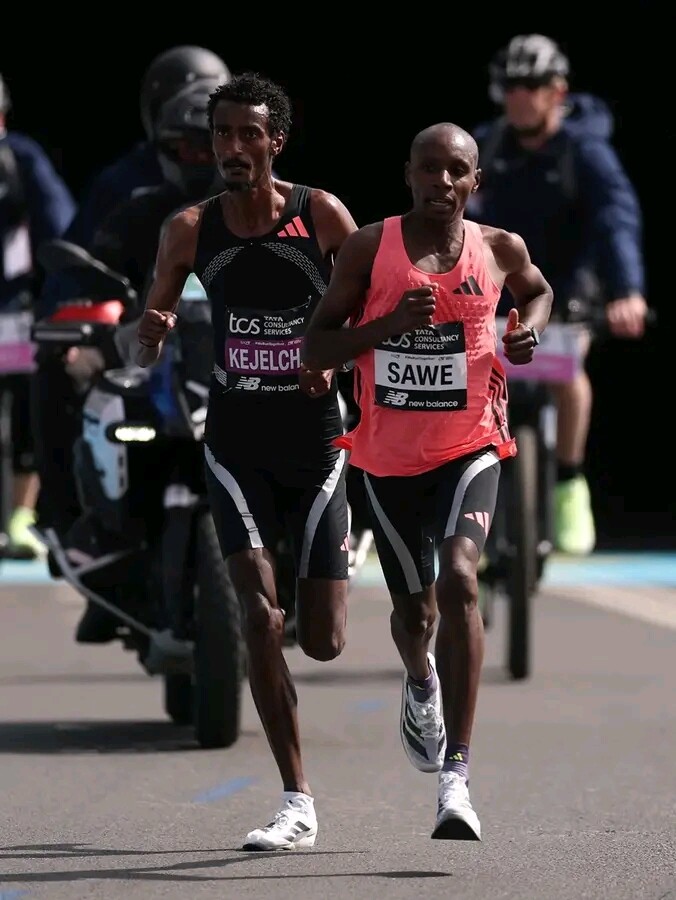
Then came another historic chapter.
At the London Marathon, a new world record was born. Sabastian Sawe delivered a sensational 1:59:30 to become the first man to officially break the two-hour barrier in a record-eligible marathon. Yomif Kejelcha followed with an extraordinary 1:59:41 on his marathon debut, while Jacob Kiplimo completed a remarkable podium in 2:00:28. In one unforgettable afternoon, Kiptum's world record was surpassed, signalling yet another leap forward in the evolution of marathon running.
But while the record books have changed, Kiptum's place in history has not.
His greatness was never defined solely by the time on the clock. It was defined by the belief he inspired. Kiptum proved that a young athlete training on the rugged roads of rurals around the world, competing sparingly and still shaping his own coaching journey, could challenge the very limits of human endurance. His achievements expanded what athletes believed was possible and helped usher the marathon into a new era.
His influence continues to resonate throughout the sport. Ruth Chepngetich dedicated her memorable 2024 Chicago Marathon victory to his memory, while Sawe's historic world-record performance came nearly two and a half years after Kiptum's unforgettable run in Chicago.
Time has moved forward. New records have been set. New champions have emerged.
Yet Kelvin Kiptum's name remains permanently etched in marathon history—not simply because he once held the world record, but because he changed the way the world viewed the marathon.
His world record is gone. His legacy never will be.
by Erick Cheruiyot for My Best Runs.
Login to leave a comment
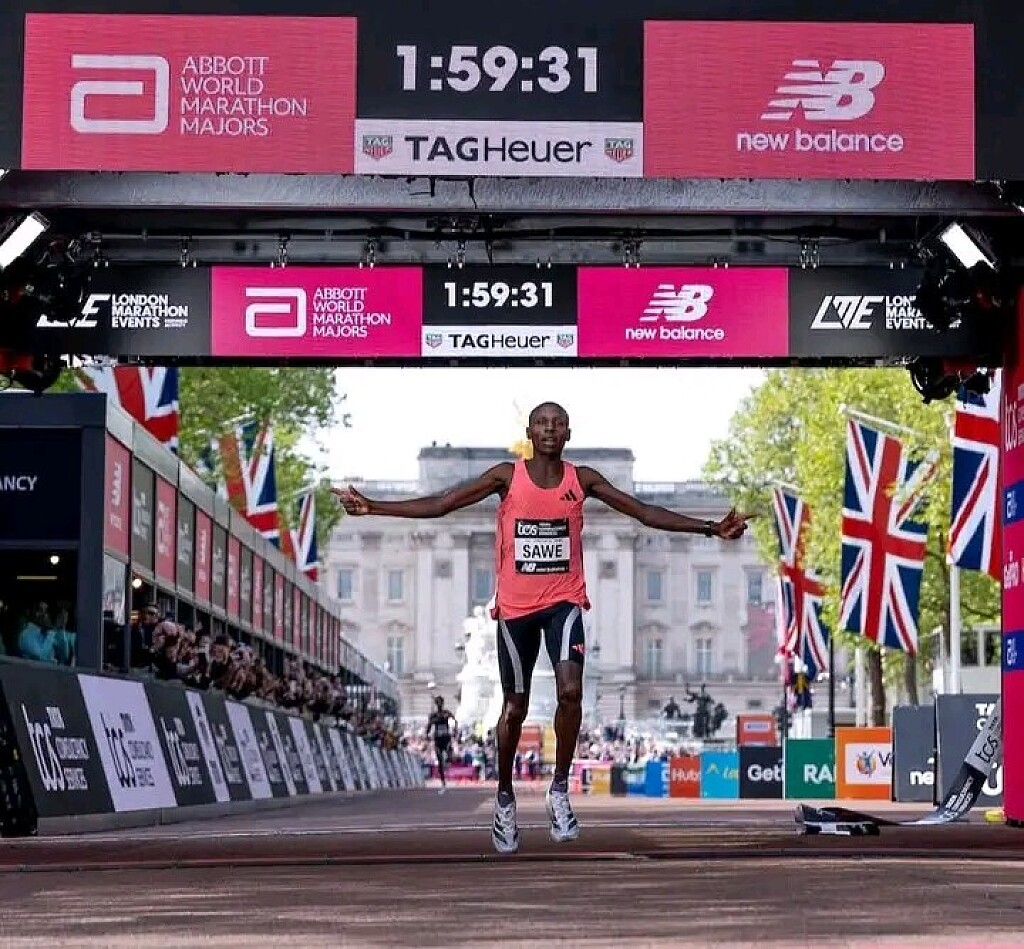
London Marathon Ballot Day Arrives as Record 1.33 Million Applicants Learn Their 2027 Fate
For more than 1.3 million hopeful runners around the world, the wait is finally over.
Today, 1,338,544 applicants are discovering whether they have secured a coveted place in the 2027 TCS London Marathon, as ballot result emails are sent out to every entrant. It marks one of the most eagerly anticipated days in the global running calendar, with this year's ballot rewriting the history books before a single runner has even crossed the start line.
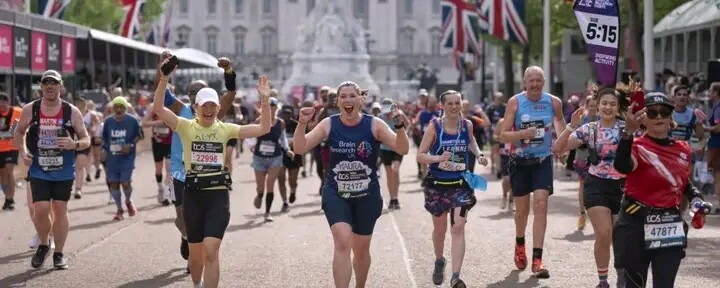
The unprecedented number of applications has set a new world record for marathon ballot entries, highlighting the ever-growing appeal of one of the world's most iconic road races. Despite organizers expanding the event to accommodate a record-breaking 100,000 participants, demand was still extraordinary, leaving the chances of success at approximately one in 13.
The 2027 edition will stand apart from every previous London Marathon. To celebrate the event on an unprecedented scale, organizers will stage the race across two days—Saturday, April 24, and Sunday, April 25, 2027—creating what has been named The Double. Around 45,000 runners will take to the streets on Saturday, while 55,000 will compete on Sunday, making it the largest marathon event ever staged.
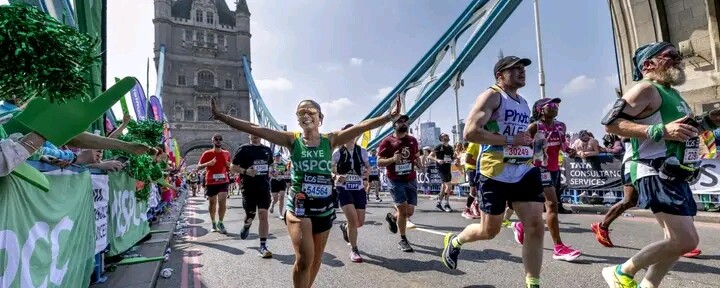
Unlike previous years, every ballot entrant was automatically considered for both race days. Successful applicants will therefore receive confirmation not only that they have earned a place but also which day they will run the famous 26.2-mile route from Greenwich to Westminster.
London Marathon Events Chief Executive Hugh Brasher described the occasion as a landmark moment for the sport.
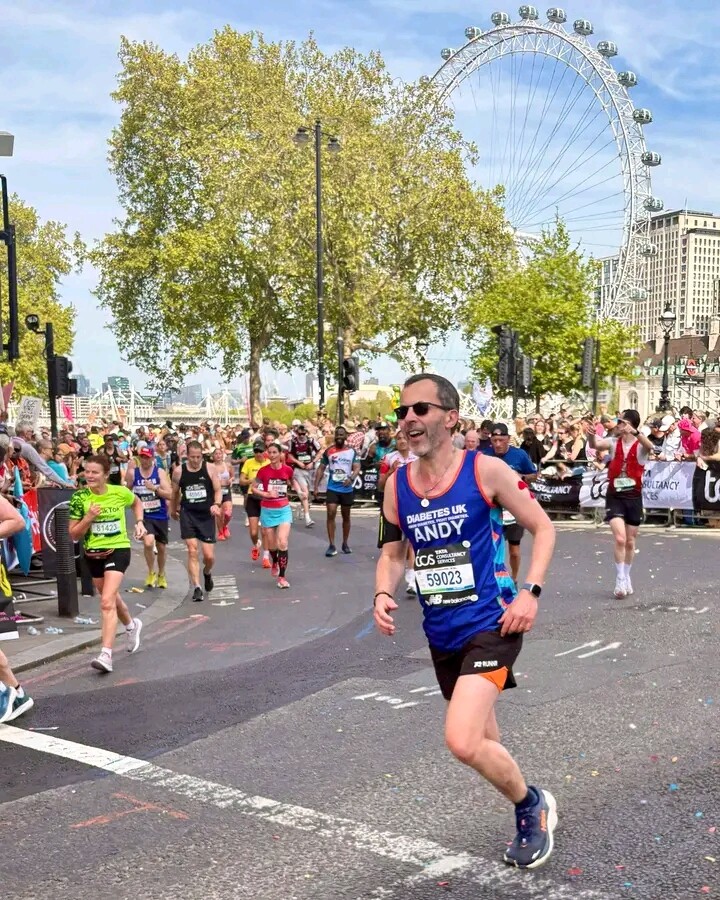
"The 2027 Double TCS London Marathon will be a weekend of celebration like no other in history. This is a once-in-a-lifetime opportunity for 100,000 people to take part across the two days," Brasher said.
While many runners will be celebrating today's life-changing email, over a million others will inevitably miss out through the ballot. However, the draw is far from the only route into the race.
Charity entries remain available, and for this unique 2027 edition, selected charities will also offer places on the Saturday race. The National Autistic Society has been named the event's official Charity of the Year. Additional opportunities are available through Good for Age qualification, affiliated running clubs, and the MyWay virtual marathon, allowing participants to complete the marathon distance anywhere in the world during the same weekend.
Another major announcement is still to come. Organizers have yet to reveal whether the elite men's and women's races, along with the Championship and Good for Age fields, will be staged on Saturday or Sunday. The decision is expected to attract significant attention following this year's historic London Marathon, which witnessed the first officially ratified sub-two-hour marathon performance, further elevating the race's global prestige.
For the fortunate 100,000 receiving positive news today, however, those details can wait. Their focus now shifts from anticipation to preparation as they begin the journey toward becoming part of one of the most historic marathon weekends the sport has ever seen.
The countdown to the 2027 TCS London Marathon has officially begun, and for those holding a successful ballot email, history awaits on the streets of London.
by Erick Cheruiyot for My Best Runs.
Login to leave a comment

Valencia Marathon 2026: Can John Korir Challenge the Two-Hour Barrier?
The 2026 Valencia Marathon is already shaping up to be one of the most eagerly anticipated races of the year, with an exceptional men's field confirmed for 6 December. As the countdown begins, one question is capturing the imagination of athletics fans worldwide: Can John Korir become the next man to break the two-hour barrier in an official marathon?
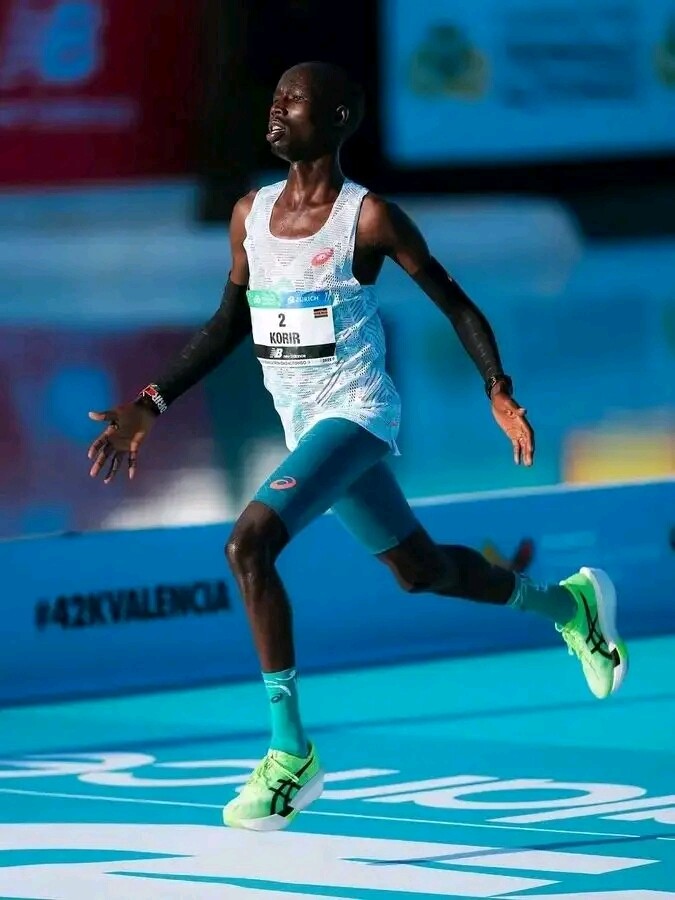
Korir returns to Valencia as the defending champion, having stormed to victory in 2025 with a then-personal best of 2:02:24. Since that triumph, the Kenyan has elevated his career to another level. On 20 April 2026, he delivered a sensational performance at the Boston Marathon, smashing the course record and lowering his lifetime best to 2:01:52. That remarkable run confirmed his status as one of the fastest and most dangerous marathoners in the world.
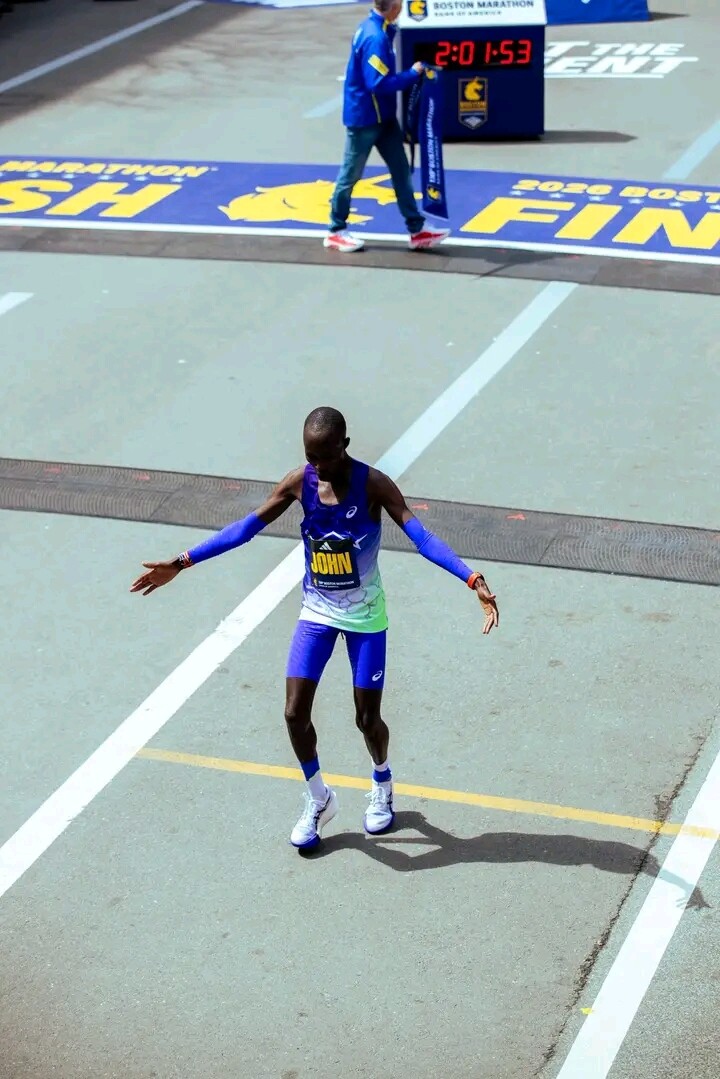
With his confidence soaring and his form peaking, Korir now heads back to the Spanish city where he first announced himself as a Valencia champion. The course's flat profile, cool December conditions and reputation for producing exceptionally fast times make it an ideal venue for another historic performance.
Standing in his way is Ethiopia's Yomif Kejelcha, whose marathon career has begun in spectacular fashion. In April, Kejelcha stunned the athletics world by clocking 1:59:41 on his 26.2-mile debut in London, becoming only the second athlete in history to cover the marathon distance in under two hours. His arrival in Valencia immediately raises the prospect of another record-breaking performance.
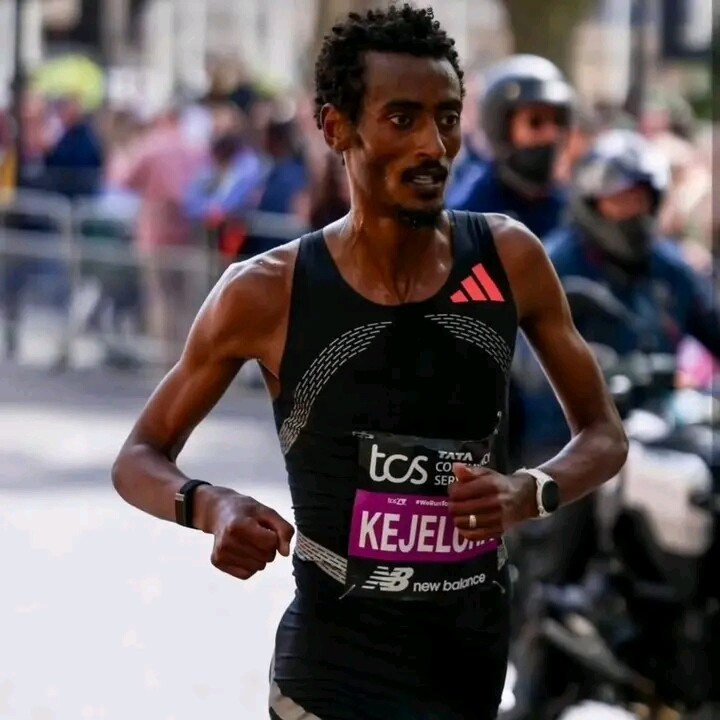
Kejelcha is no stranger to success on Valencia's streets. In 2024, he produced a then-world-record 57:30 to win the Valencia Half Marathon, demonstrating just how perfectly the course suits his aggressive racing style. That previous success makes him one of the leading contenders for marathon victory.
Adding even greater quality to the field is fellow Kenyan Alexander Mutiso, the 2024 London Marathon champion, who owns a personal best of 2:03:11. With three proven world-class athletes lining up, the men's race promises to be one of the strongest marathon contests of the season.
While breaking the two-hour barrier in an official marathon remains one of the greatest challenges in athletics, Valencia has built a reputation as a stage where extraordinary performances become reality. If the pace is relentless and the weather cooperates, fans could witness one of the fastest marathons ever run.
On 6 December, the streets of Valencia will host far more than a battle for victory. They will provide the stage for a fascinating showdown between defending champion John Korir, the explosive Yomif Kejelcha, and Alexander Mutiso—a clash that could redefine the limits of marathon running.
by Erick Cheruiyot for My Best Runs.
Login to leave a comment
VALENCIA TRINIDAD ALFONSO
The Trinidad Alfonso EDP Valencia Marathon is held annually in the historic city of Valencia which, with its entirely flat circuit and perfect November temperature, averaging between 12-17 degrees, represents the ideal setting for hosting such a long-distance sporting challenge. This, coupled with the most incomparable of settings, makes the Valencia Marathon, Valencia, one of the most important events in...
more...