

Running News Daily
Running News Daily is edited by Bob Anderson and team. Send your news items to bob@mybestruns.com Advertising opportunities available.
Index to Daily Posts · Sign Up For Updates · Run The World Feed
Articles tagged #Australia
Today's Running News
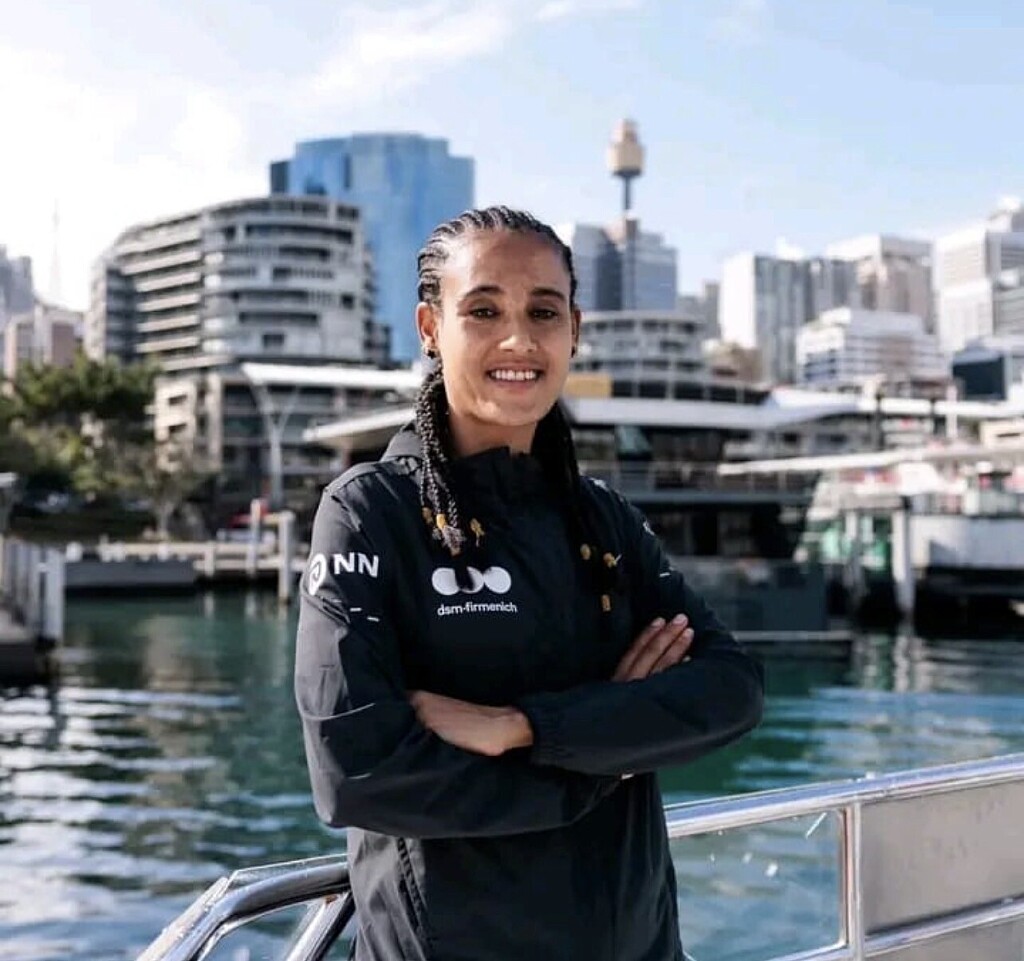


Sydney Marathon 2026: World Champions, Record Hunters And A Star-Studded Showdown
SYDNEY, AUSTRALIA — August 30, 2026
Sydney is preparing for a spectacular morning of marathon racing as reigning world champions Peres Jepchirchir of Kenya and Alphonce Simbu of Tanzania headline a world-class elite field at the TCS Sydney Marathon on Sunday, August 30.
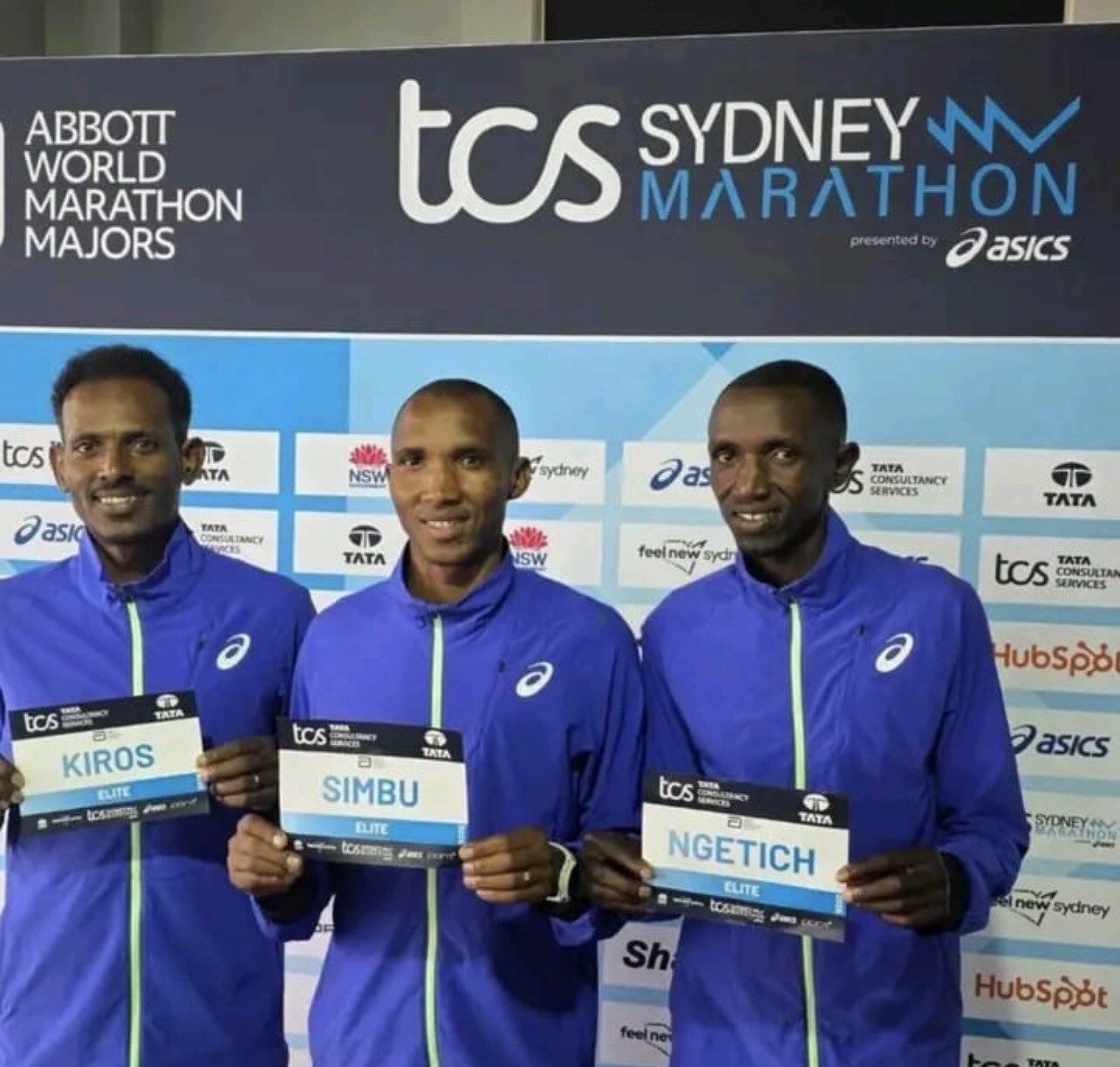
The race is set to provide another defining moment for Australian distance running, with more than 40,000 participants expected to take on the streets of Sydney and a remarkable collection of elite athletes competing for victory on one of the world's newest Abbott World Marathon Majors.
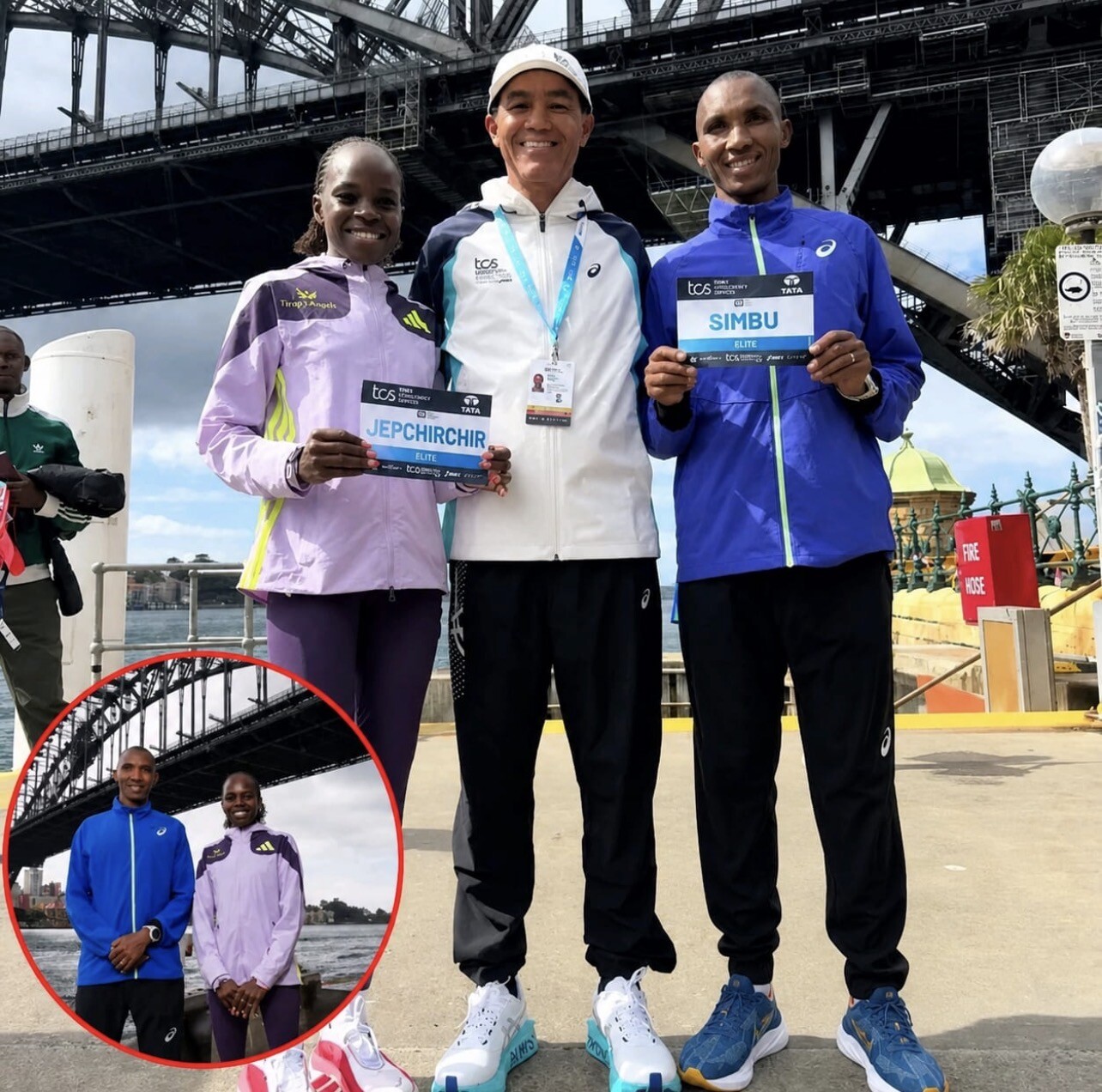
Jepchirchir and Simbu will bring an added layer of prestige to the occasion as the reigning women's and men's world marathon champions. Their presence ensures that the spotlight will be firmly fixed on Sydney as some of the world's finest distance runners battle for one of the most coveted titles on the international marathon calendar.

There will also be records in the crosshairs. The men's course record stands at 2:06:06, while the women's benchmark is 2:18:22, meaning the quality of the field has created genuine anticipation that both marks could come under threat.
In the men's race, Simbu arrives with considerable confidence and an ambitious target. The Tanzanian produced one of the most dramatic finishes of the 2025 World Athletics Championships in Tokyo, holding off Germany's Amanal Petros to claim the world title. With a personal best of 2:02:47, Simbu has the speed, championship experience and belief to challenge the very best, and he has made no secret of his desire to attack Sydney's course record.
However, standing in his way is an elite group led by Ethiopia's Sisay Lemma, whose outstanding 2:01:48 personal best makes him the fastest entrant in the field. A former London and Boston Marathon champion, Lemma brings a wealth of experience at the highest level and will be one of the principal threats to Simbu's ambitions.
Kenya will also have a strong presence, with Timothy Kiplagat and Vincent Ngetich adding further firepower to an already formidable men's lineup.
Perhaps the most intriguing storyline, however, belongs to Ethiopian track star Hagos Gebrhiwet, who is set to make his highly anticipated marathon debut. A former Olympic 5,000m medallist and one of the world's fastest track distance runners, Gebrhiwet has already shown extraordinary endurance over shorter distances, including a 57:41 half-marathon personal best. His transition to the marathon will be closely watched, with fans eager to discover whether his world-class track speed can be converted into success over 42.195 kilometres.
The depth of the men's field is remarkable. No fewer than 25 athletes have broken 2:10, while 19 have already recorded times faster than Sydney's existing course record, setting the stage for a race that could develop into a battle of extraordinary pace and tactics.
The women's contest promises just as much drama, with Jepchirchir leading the way. The Kenyan superstar arrives in Sydney as the reigning world champion and Olympic champion, carrying a 2:14:43 personal best, the fastest among the women entered.
Yet victory will not come easily. Jepchirchir faces a powerful Kenyan challenge from Irine Cheptai, who owns a 2:17:51 personal best and has already established herself as a major force on the international marathon circuit.
Tanzania's Magdalena Shauri, the country's national record holder with a personal best of 2:18:03, will provide another serious threat, while the experienced Vivian Cheruiyot of Kenya adds further championship pedigree to an already impressive women's field.
Ethiopian stars Shure Demise and Haven Hailu, alongside Uganda's Stella Chesang, will also be looking to make their mark as the race unfolds through Sydney's iconic streets.
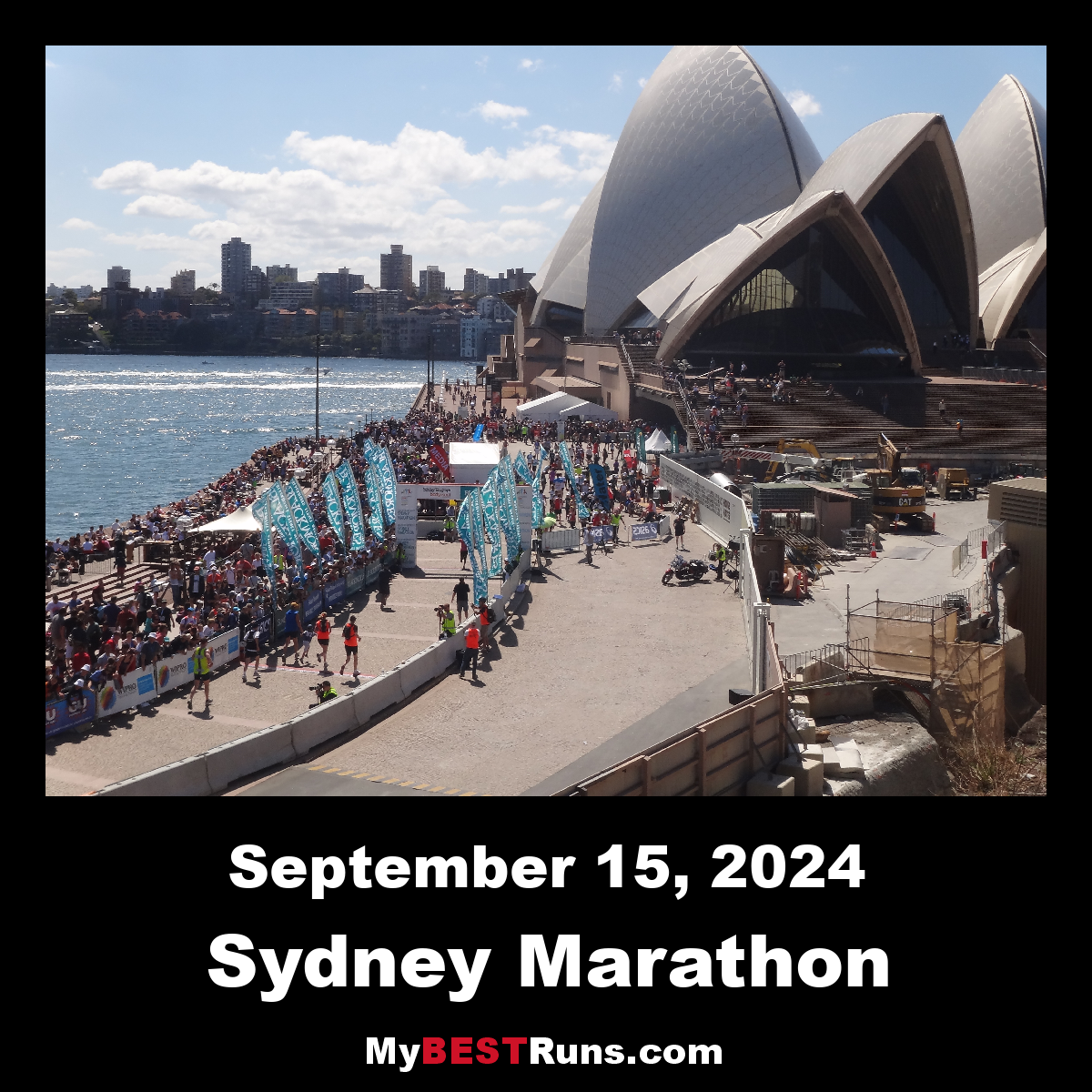
The setting could hardly be more spectacular. Starting in North Sydney, the marathon takes runners across the famous Sydney Harbour Bridge before heading towards the unforgettable finish at the Sydney Opera House. With the city providing a breathtaking backdrop, the race has all the ingredients for another historic chapter in its rapid rise on the global marathon scene.
For the elite athletes, however, the beauty of Sydney will quickly become secondary once the gun goes off.
The champions will be chasing victory. The record hunters will be chasing history. And for Gebrhiwet, an entirely new chapter of his career will begin.
Two reigning world champions. Multiple sub-2:05 contenders. A world-class women's field. A highly anticipated marathon debut. And course records that could be under serious threat.
Everything is in place for an unforgettable Sunday in Sydney.
Will Alphonce Simbu turn his ambition into a new course record?
Can Sisay Lemma's 2:01:48 experience carry him to victory?
Will Hagos Gebrhiwet announce himself as a future marathon superstar?
And can Peres Jepchirchir add the Sydney Marathon crown to her already extraordinary list of achievements?
Sydney is ready.
The champions have arrived. The records are waiting. The stage is set for a spectacular showdown.
by Erick Cheruiyot for My Best Runs
Login to leave a comment
Sydney Marathon
The Sydney Marathon is a marathon held annually in Sydney, Australia. The event was first held in 2001 as a legacy of the 2000 Summer Olympics, which were held in Sydney. In addition to the marathon, a half marathon, 9 kilometres (5.6 mi) "Bridge Run", and a 3.5 kilometres (2.2 mi) "Family Fun Run" are also held under the banner...
more...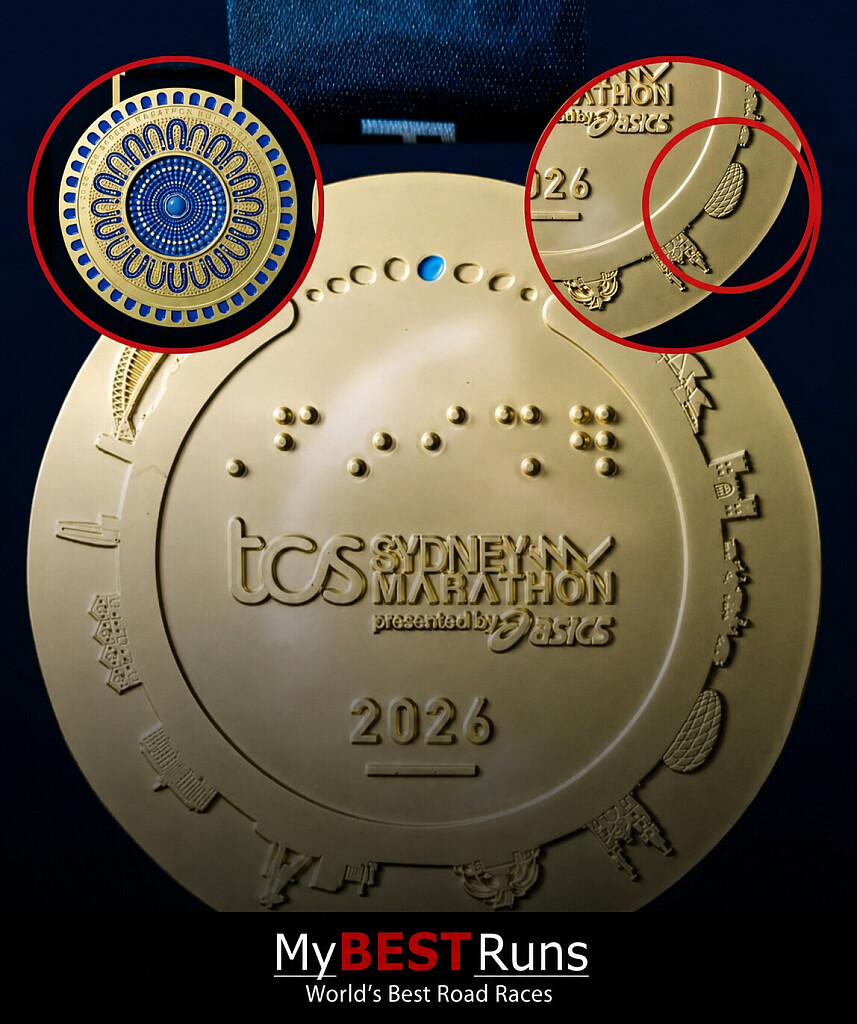
Sydney Marathon’s Medal Blunder: How Munich’s Allianz Arena Ended Up in a Sydney Souvenir
The Sydney Marathon was meant to celebrate one of Australia’s most iconic cities. Instead, its 2026 finisher’s medal has unexpectedly brought a little piece of Munich into the spotlight.
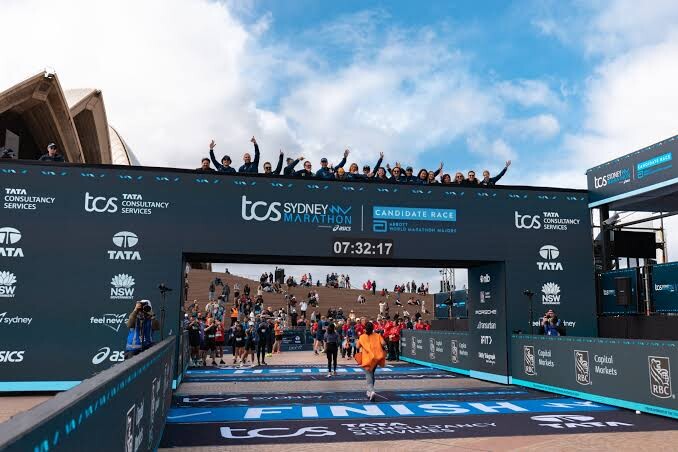
The back of the medal features a collection of landmarks designed to represent Sydney and the 42.2-kilometre journey runners will take through the city, including the Sydney Opera House and Sydney Harbour Bridge. But alongside those unmistakably Australian symbols is a rather surprising addition: Munich’s Allianz Arena.
The stadium was supposed to represent Sydney’s Allianz Stadium in Moore Park. Instead, the medal designers somehow used the distinctive home of Bayern Munich in Germany.
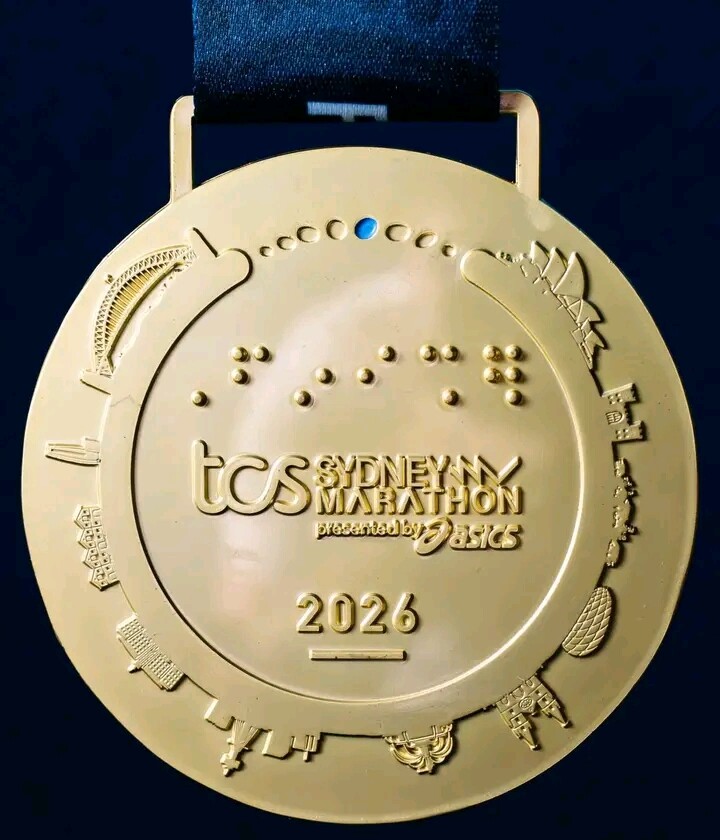
The mistake was spotted shortly after the medal was unveiled and quickly spread across social media before attracting international media attention. With the race now just days away, there is no time to redesign and replace the medals already produced for the event.
Organisers have acknowledged the mistake, describing it as an “unfortunate error” and making clear that the medals will still be presented to runners on race day.
Rather than attempting to hide the blunder, Sydney Marathon has chosen to embrace the unexpected twist, saying the medal is now “a little more unique.” Their response ended on a light-hearted note: “You noticed. We noticed. We’re human.”
And while the incorrect stadium may have created an embarrassing moment for the organisers, it has also given the 2026 medal something no previous Sydney Marathon medal has had — a story of its own.
That story will be carried around the necks of approximately 40,000 runners when the Sydney Marathon takes place on Sunday, August 30.
The timing could hardly be more significant for the race. Sydney is only in its second year as an Abbott World Marathon Major, having joined the prestigious series in 2024 alongside Tokyo, Boston, London, Berlin, Chicago and New York. The event has rapidly established itself as one of the world’s most sought-after marathons, with more than 123,000 runners entering the ballot for the 2026 race, a 56 percent increase from the previous year.
For those 40,000 successful entrants, the medal will ultimately represent something far more important than a design mistake. Behind every medal is months of preparation, early mornings, long training runs, sacrifices and the determination required to cover 42.2 kilometres.
And when the runners finally reach the finish line at the Sydney Opera House, they will receive a medal that was intended to tell the story of Sydney — but accidentally tells a small story about Munich too.
What began as an embarrassing design error may now become one of the most memorable quirks in Sydney Marathon history. Years from now, runners may look back at their 2026 medals not simply as souvenirs of finishing one of the world’s major marathons, but as unusual collector’s pieces from the year Sydney accidentally put Munich on its medal.
A Sydney marathon. A Munich stadium. One unforgettable medal.
by Erick Cheruiyot for My Best Runs.
Login to leave a comment
Sydney Marathon
The Sydney Marathon is a marathon held annually in Sydney, Australia. The event was first held in 2001 as a legacy of the 2000 Summer Olympics, which were held in Sydney. In addition to the marathon, a half marathon, 9 kilometres (5.6 mi) "Bridge Run", and a 3.5 kilometres (2.2 mi) "Family Fun Run" are also held under the banner...
more...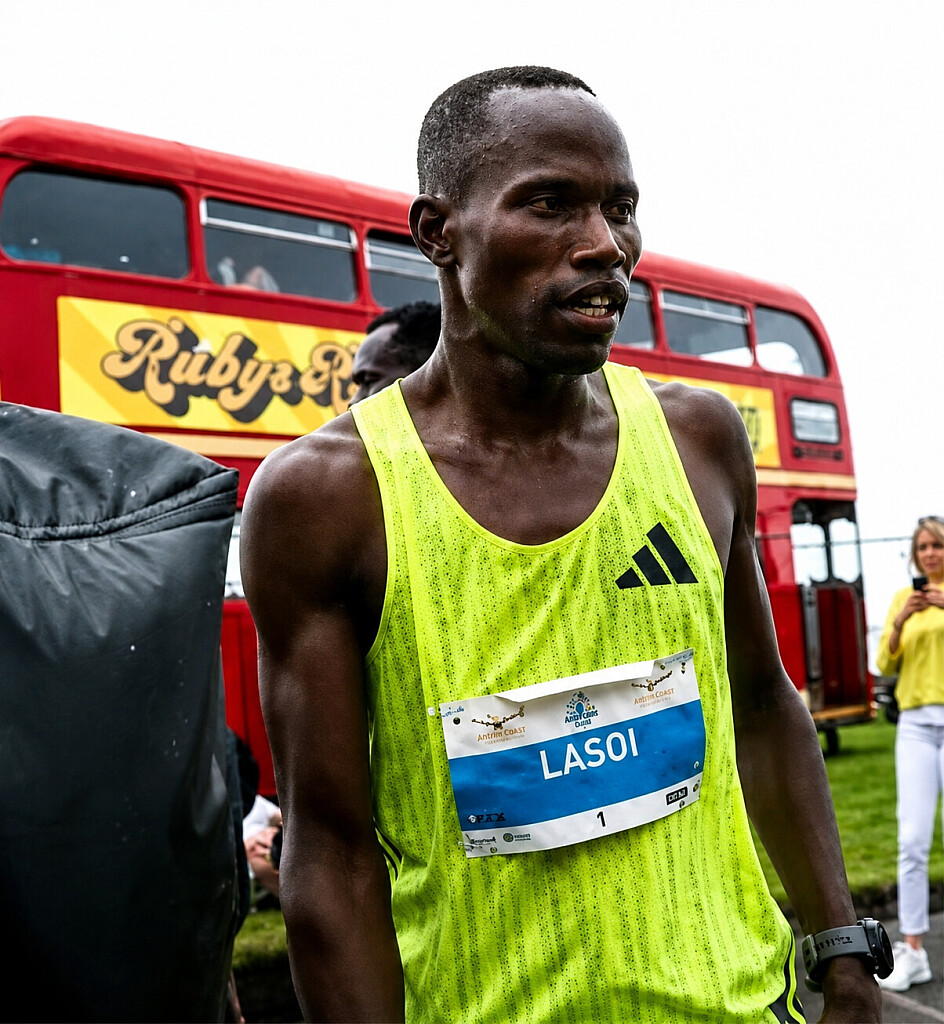
Isaia Lasoi Leads Kenyan Podium Sweep at Antrim Coast Half Marathon
Kenya delivered another commanding display of distance-running excellence at the Antrim Coast Half Marathon, with Isaia Lasoi leading a memorable Kenyan clean sweep of the men's podium in a race packed with world-class performances.
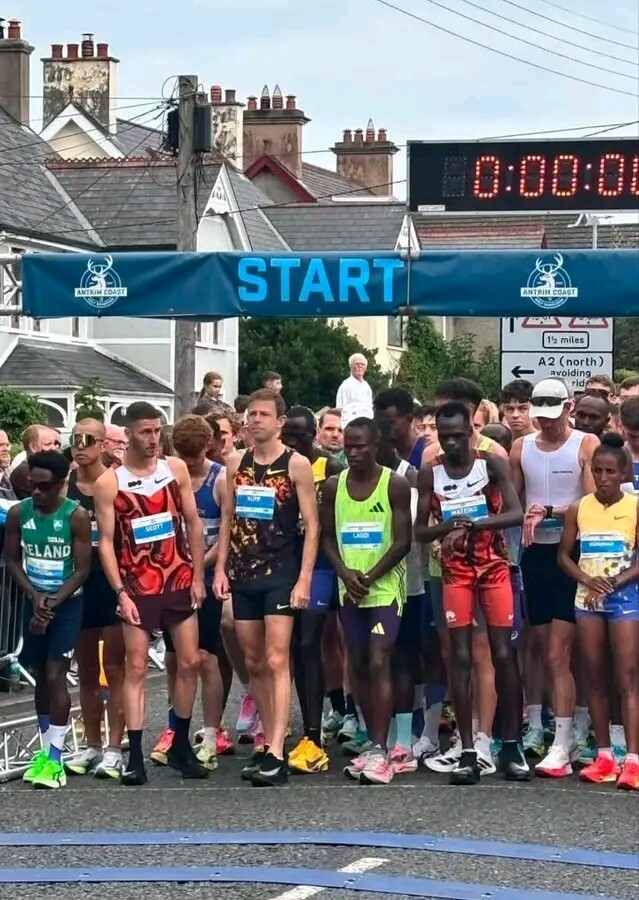
Lasoi emerged victorious after a thrilling battle at the front, crossing the finish line in a superb 58:26 setting a new course record. His winning performance underlined his strength and speed over the half-marathon distance, but he was made to work all the way by fellow Kenyan Daniel Mateiko, who finished just three seconds behind in 58:29 after an electrifying duel for the title.
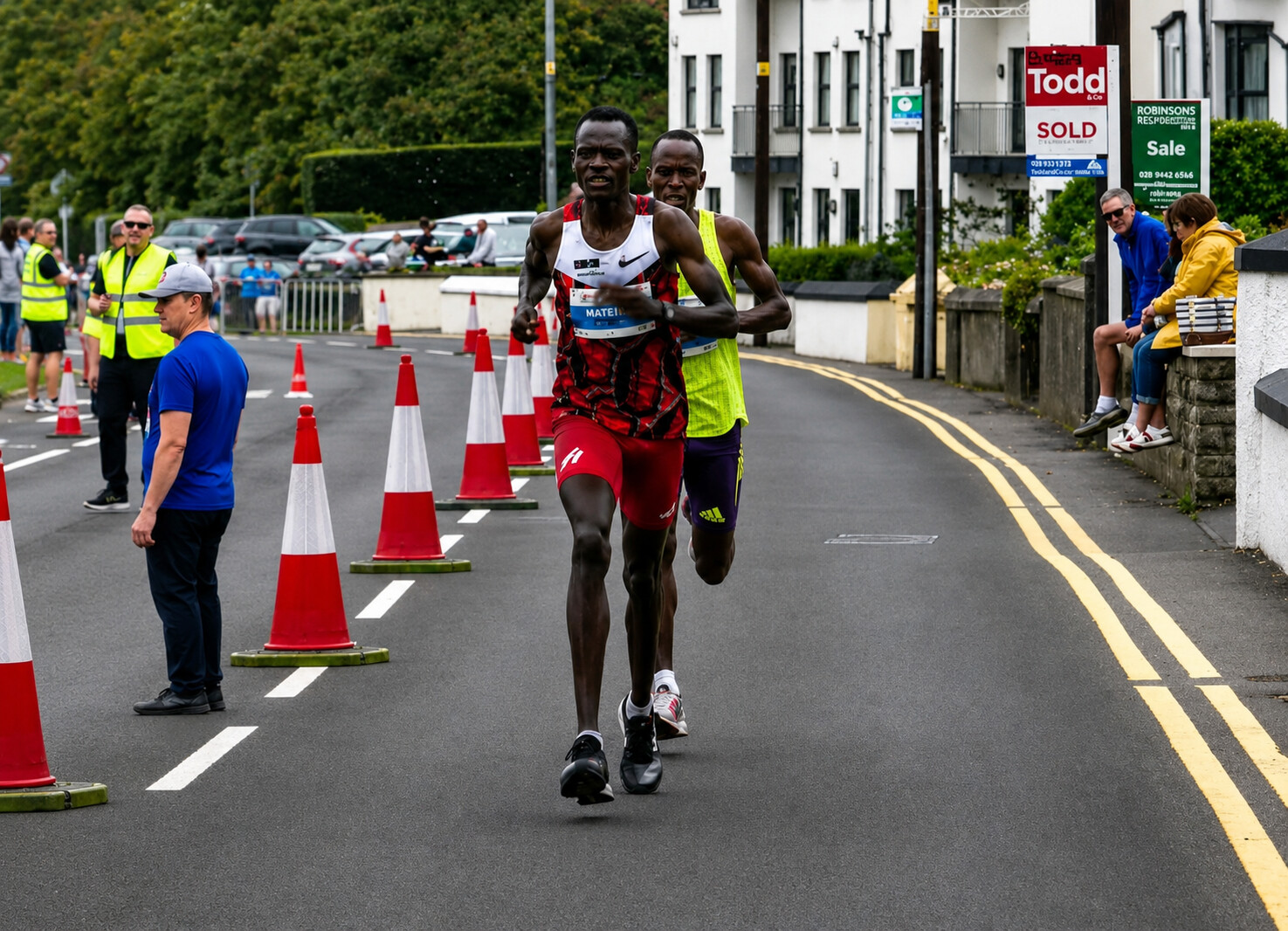
The contest between the two leaders produced one of the standout moments of the race, with both athletes pushing deep into elite territory as they fought for victory. In the end, Lasoi found just enough to secure the win, while Mateiko's narrow defeat highlighted the remarkable depth and quality of Kenya's leading distance runners.
Vincent Kipkorir completed the Kenyan sweep, taking third place in 1:00:38 to ensure that all three places on the podium belonged to Kenyan athletes. Samwel Chebolei added further Kenyan strength to the results, finishing fourth in 1:01:01, while Amos Langat was also among the leading finishers.
The international field featured several prominent names. Australia's Jimmy Whelan produced a strong run, while Ethiopia's Yismaw Dillu featured among the front group. American marathon star Galen Rupp also delivered a notable performance, clocking 1:01:29 in another competitive outing for the experienced distance runner. Former world-class track and road athlete Edward Cheserek was also among the top finishers.
Lasoi's 58:26 victory, however, was the defining performance of the day. Together with Mateiko and Kipkorir, he gave Kenya a perfect podium and another emphatic reminder of the country's extraordinary strength in elite road running.
The Antrim Coast Half Marathon once again provided a fast, competitive stage for some of the world's finest distance runners, but when the decisive moments arrived, it was Kenya that owned the podium.
by Erick Cheruiyot for My Best Runs.
Login to leave a comment
MEA ANTRIM COAST HALF MARATHON
The MEA Antrim Coast Half Marathon 2022 has been approved by World Athletics as an Elite Event. The World Athletics certified course takes in some of the most stunning scenery in Europe, combined with some famous landmarks along the route. With it's flat and fast course, the race is one of the fastest half marathons in the world. Starting...
more...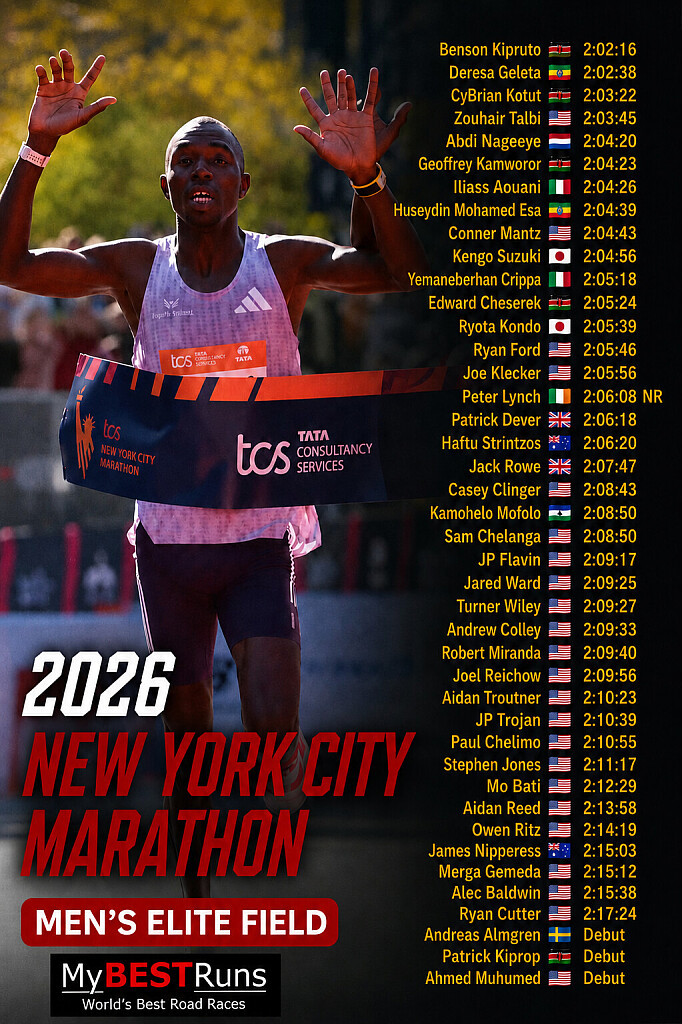
New York Marathon Set For Blockbuster Showdown As America’s Two Fastest Men Collide
The 2026 TCS New York City Marathon is shaping up to be one of the most anticipated editions in recent history, with New York Road Runners unveiling a remarkable men’s professional field that brings together the two fastest American marathoners ever on the same starting line.
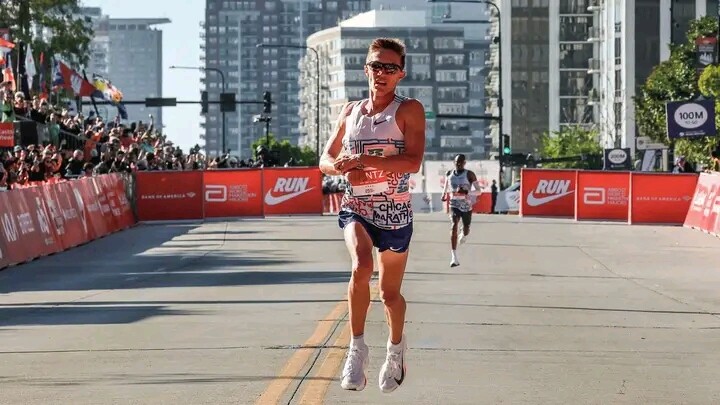
The race, scheduled for November 1, will feature American record-holder Conner Mantz (2:04:43) and Zouhair Talbi (2:03:45), whose performance at the 2026 Boston Marathon is the fastest marathon ever run by an American by clock time. However, because Boston is not a record-eligible course, Talbi’s mark does not replace Mantz’s official American record.
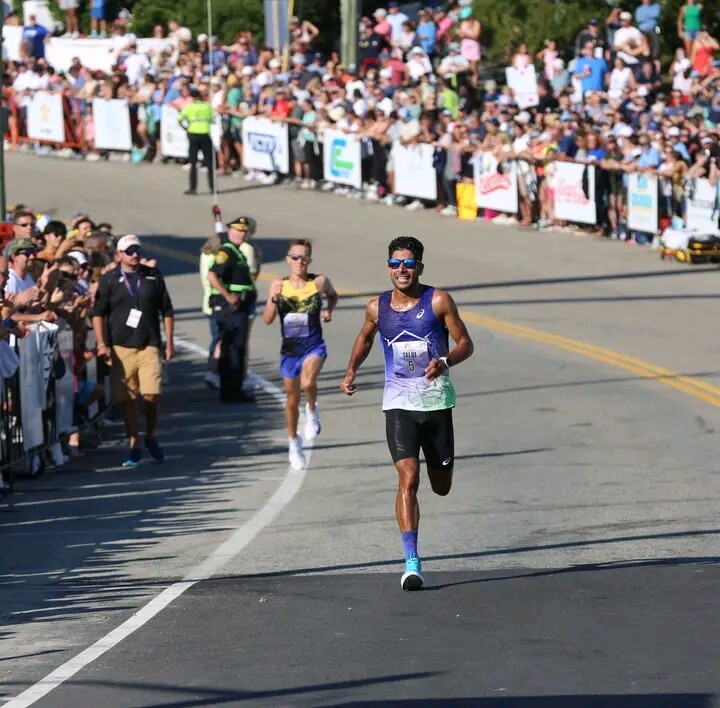
Mantz established the American record with his 2:04:43 fourth-place finish at the 2025 Chicago Marathon, breaking a national record that had stood since 2002. Talbi went even faster in Boston in April, crossing the line fifth in 2:03:45 and adding another extraordinary chapter to the rapid evolution of American marathon running.
That makes New York particularly intriguing. For the first time, the two men who occupy the top two positions on the all-time American marathon performance list will have the opportunity to race each other over a record-eligible course, with the streets of New York providing the stage.
And the American showdown will be only one part of a much bigger battle.
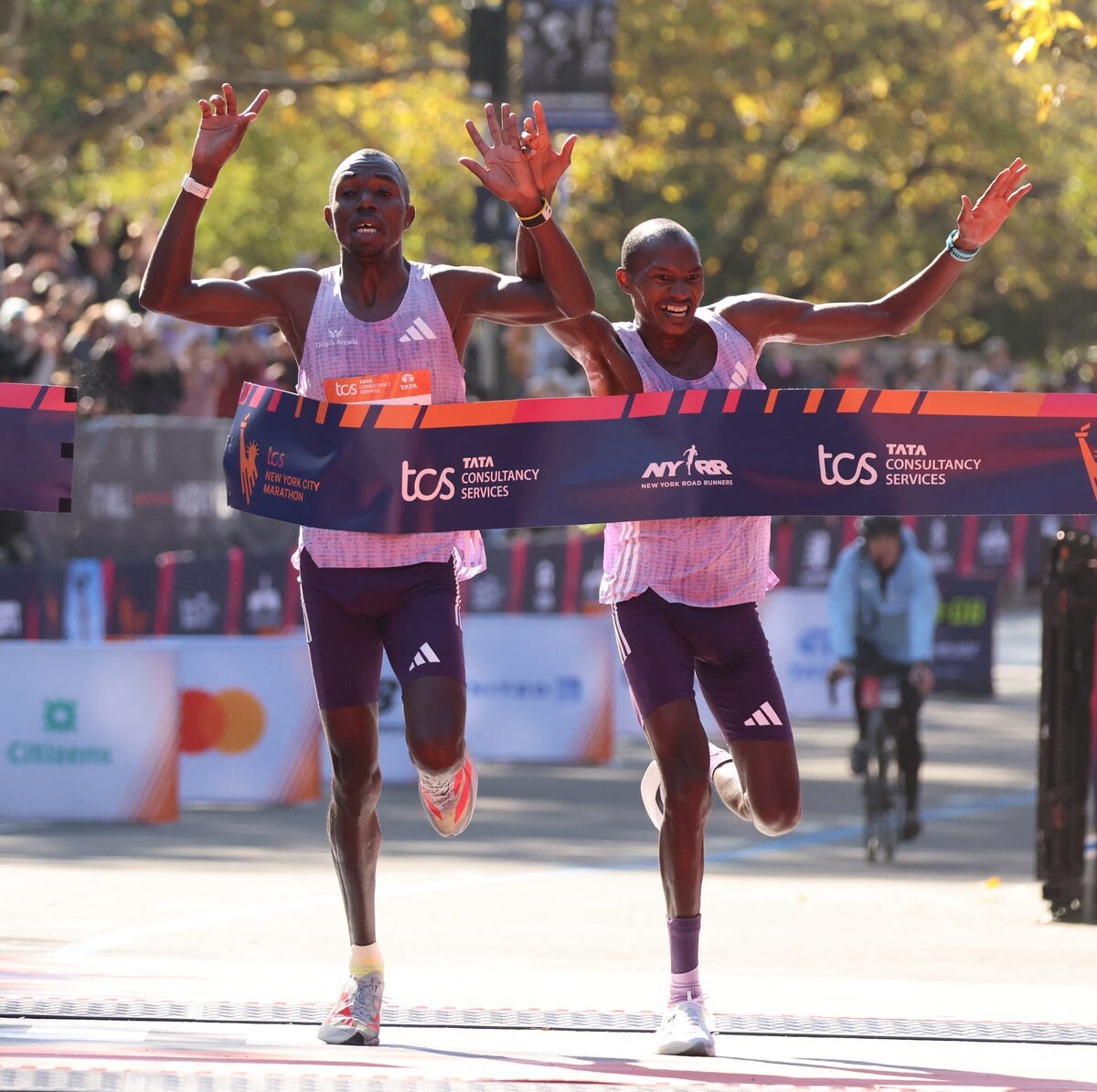
The international challenge is formidable. Defending champion Benson Kipruto (2:02:16) leads the field, followed by Ethiopia’s Deresa Geleta (2:02:38) and Kenya’s CyBrian Kotut (2:03:22). The lineup also includes the Netherlands’ Abdi Nageeye (2:04:20), Kenya’s Geoffrey Kamworor (2:04:23), Italy’s Iliass Aouani (2:04:26) and Ethiopia’s Huseydin Mohamed Esa (2:04:39).
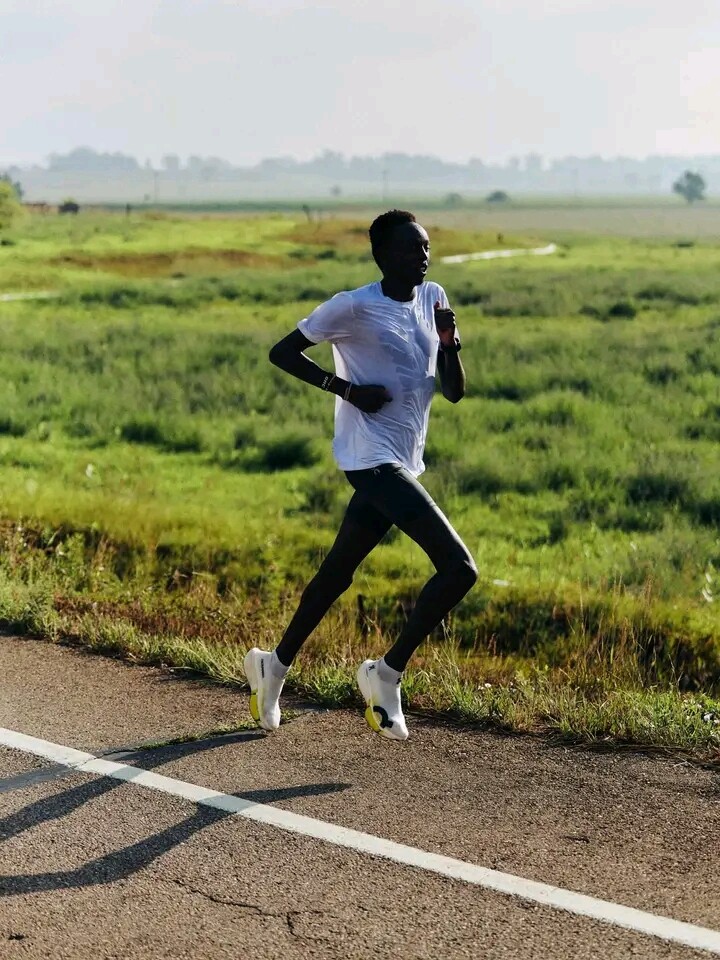
Just behind that group is Japan’s Kengo Suzuki (2:04:56), Italy’s Yemaneberhan Crippa (2:05:18), Kenya’s Edward Cheserek (2:05:24) and Japan’s Ryota Kondo (2:05:39). Ireland’s Peter Lynch (2:06:08), Great Britain’s Patrick Dever (2:06:18), Australia’s Haftu Strintzos (2:06:20) and Britain’s Jack Rowe (2:07:47) further strengthen a field that possesses extraordinary depth.
The American contingent is just as fascinating. Alongside Mantz and Talbi are Ryan Ford (2:05:46), Joe Klecker (2:05:56), Casey Clinger (2:08:43), Sam Chelanga (2:08:50), JP Flavin (2:09:17), Jared Ward (2:09:25), Turner Wiley (2:09:27), Andrew Colley (2:09:33), Robert Miranda (2:09:40) and Joel Reichow (2:09:56).
The depth continues with Aidan Troutner (2:10:23), JP Trojan (2:10:39), Paul Chelimo (2:10:55), Stephen Jones (2:11:17), Mo Bati (2:12:29), Aidan Reed (2:13:58), Owen Ritz (2:14:19), Merga Gemeda (2:15:12), Alec Baldwin (2:15:38) and Ryan Cutter (2:17:24). Australia’s James Nipperess (2:15:03) and Lesotho’s Kamohelo Mofolo (2:08:50) are also on the start list.
Three athletes will make their marathon debuts in New York: Sweden’s Andreas Almgren, Kenya’s Patrick Kiprop and American Ahmed Muhumed. Almgren, in particular, brings tremendous track credentials into his first attempt at 26.2 miles after winning the European 10,000m title in Birmingham in a championship-record 27:23.44.
The numbers tell the story of just how deep this field is. Ten men have personal bests faster than the existing New York City Marathon course record of 2:04:58, set by Tamirat Tola in 2023. Remarkably, Tola himself is not entered, nor is Alexander Mutiso, who finished runner-up to Kipruto in last year’s dramatic race.
For Mantz and Talbi, however, the stakes extend beyond the American record books. No American man has won the New York City Marathon since Meb Keflezighi in 2009, meaning the American contingent will arrive carrying a 17-year wait for another homegrown champion. Mantz and Talbi will have to overcome a formidable international field if either is to end that drought.
New York’s course will add another layer of difficulty. The bridges, sharp turns, rolling sections and notoriously demanding final miles toward Central Park have humbled some of the world’s fastest marathoners. Raw personal-best times will matter, but so will patience, positioning, tactical intelligence and the ability to produce a decisive move when the race reaches its most unforgiving stages.
With the official American record-holder, the fastest American by clock time, a defending champion, multiple 2:04 marathoners and a host of world-class contenders all converging on the Big Apple, the 2026 New York City Marathon has the ingredients of a classic.
On November 1, the streets of New York could become the setting for another extraordinary chapter in marathon history.
by Erick Cheruiyot for My Best Runs.
Login to leave a comment

TCS New York City Marathon
The first New York City Marathon, organized in 1970 by Fred Lebow and Vince Chiappetta, was held entirely in Central Park. Of 127 entrants, only 55 men finished; the sole female entrant dropped out due to illness. Winners were given inexpensive wristwatches and recycled baseball and bowling trophies. The entry fee was $1 and the total event budget...
more...
Phil Gore Takes On Project 168: Seven Days, 700 Miles And An Uncharted Endurance Challenge
Phil Gore already knows what it takes to push backyard ultra running beyond conventional limits. Now, later this month, the Australian ultrarunner is preparing to chase a number so extreme that his sport has no official category for it.
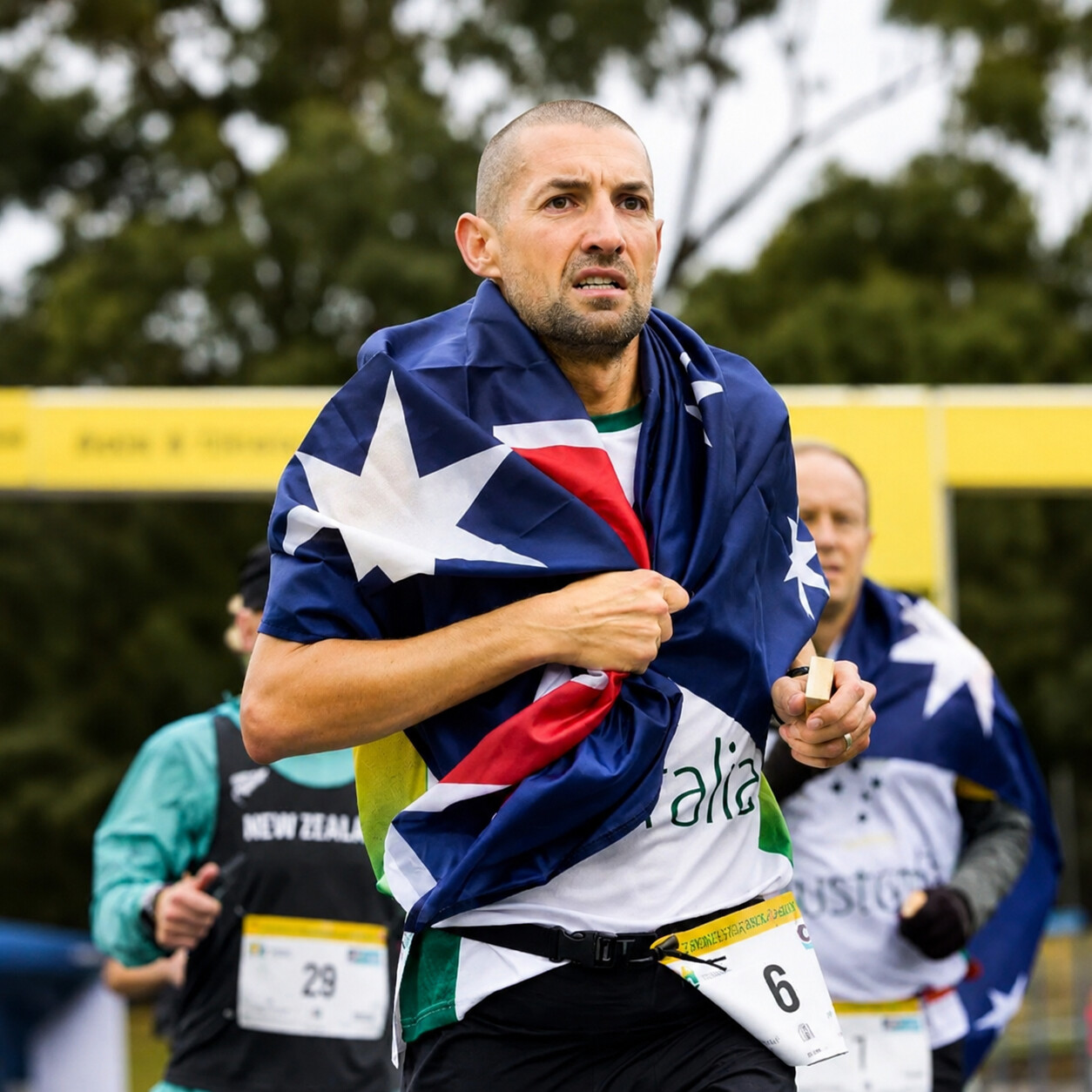
From August 23 to 30, Gore will attempt Project 168 at Alfred Skeet Reserve in Forrestdale, Western Australia, running one 6.71-kilometre loop every hour, on the hour, for seven consecutive days.
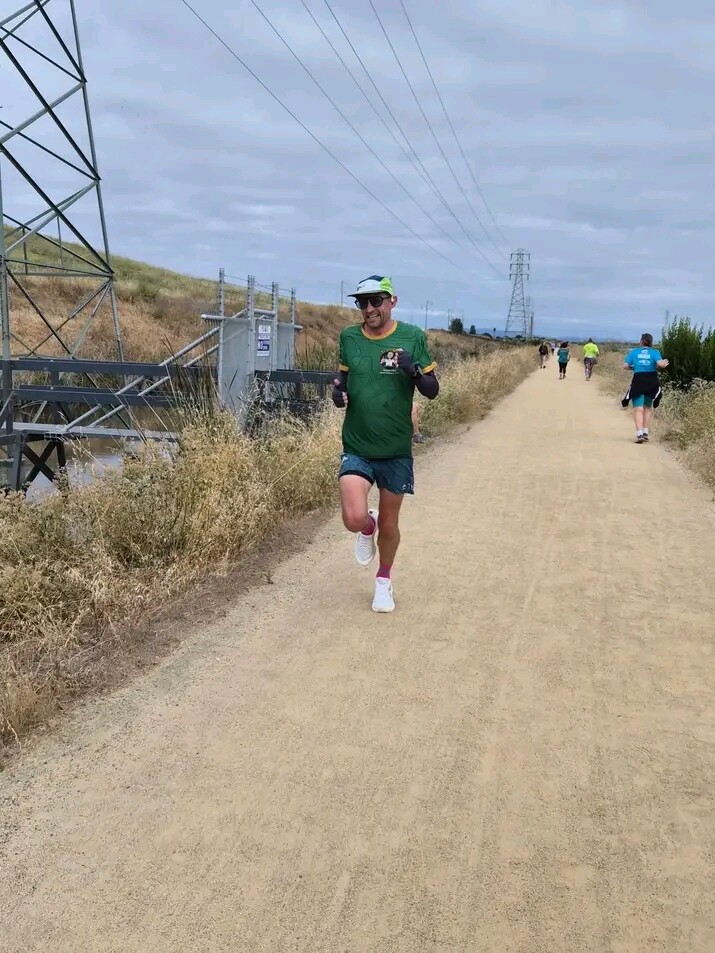
The name says almost everything about the challenge. There are 168 hours in a week, and Gore's plan is simple in concept but extraordinary in execution: complete one loop every hour until the seven days are over.
If he manages to complete all 168 loops, he will have covered approximately 1,127 kilometres, or 700 miles, across a single week.
But the distance is only part of what makes Project 168 so remarkable. This time, Gore will be alone.
Backyard ultras traditionally revolve around competition. Runners must complete a set loop every hour, with the race continuing until only one athlete remains. Gore's previous 119-lap world-record performance was built within that format, with Sam Harvey pushing him through five days of relentless running.
Project 168 removes that element entirely. There will be no rival waiting on the course, no athlete to chase and no opponent forcing the pace. Instead, Gore will face the same loop, the same hourly deadline and the growing physical and mental fatigue that comes with repeating the process for an entire week.
Every hour brings another decision: get back out there and complete another 6.71 kilometres.
Then do it again.
And again.
For 168 hours.
The challenge will test far more than Gore's ability to run long distances. Sleep deprivation, nutrition, hydration, recovery and the psychological pressure of knowing another loop is always approaching will become part of the battle. What might seem like a manageable 6.71-kilometre run at the beginning could become a formidable test after dozens of consecutive hours.
Yet Project 168 is not being undertaken solely as a personal endurance experiment. Every lap will help raise money for Telethon 7, giving the extraordinary challenge a purpose beyond the numbers on the course.
Gore, a firefighter and father of four, is attempting to build a benchmark for a challenge that has never before been pursued in this exact format. There is no official record waiting at the finish line, no rival to beat and no conventional race clock to stop.
There will simply be 168 hours, 168 loops and approximately 1,127 kilometres standing between Phil Gore and a completely new measure of endurance.
On August 23, the first hour begins. From there, the question will remain the same every 60 minutes:
Can he go again?
by Erick Cheruiyot for My Best Runs.
Login to leave a comment

Michael Roeger’s Long Road Back to the Marathon World Record — and Now Sydney Awaits
On August 30, approximately 35,000 runners will line up at Miller Street in North Sydney for the 2026 TCS Sydney Marathon. Among them will be an athlete who already owns a piece of marathon history: Michael Roeger, the Australian T46 marathon world-record holder and one of the most remarkable endurance athletes of his generation.
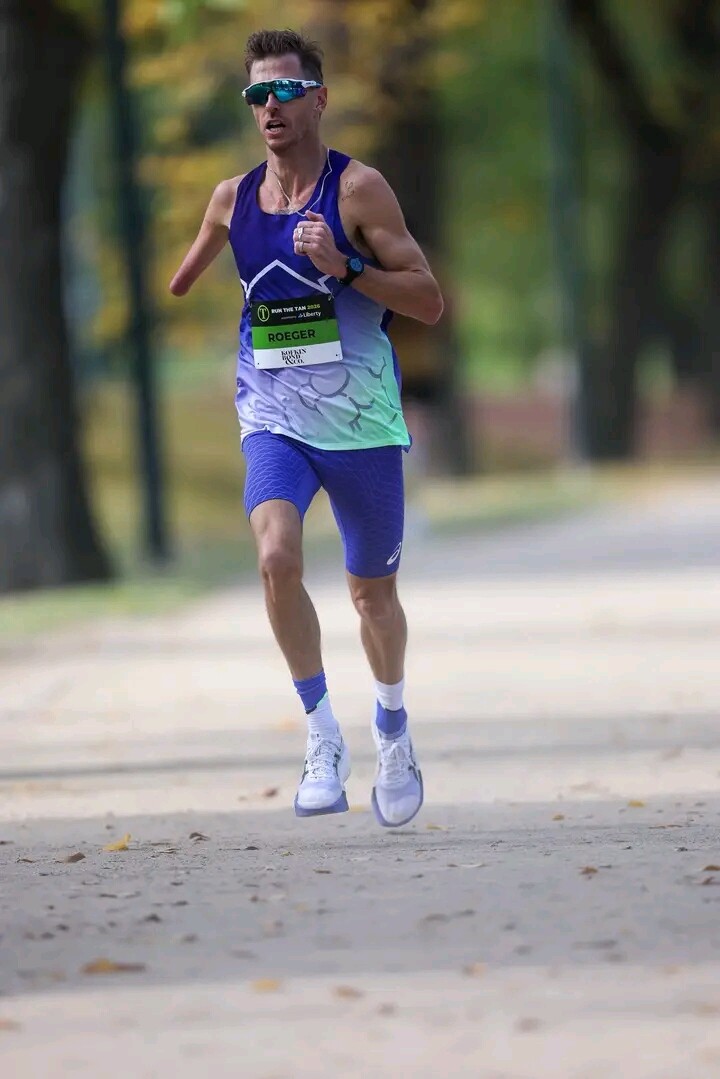
At 38, Roeger returns to the marathon with a career shaped by persistence, reinvention and an extraordinary ability to keep moving forward whenever circumstances have threatened to derail him.
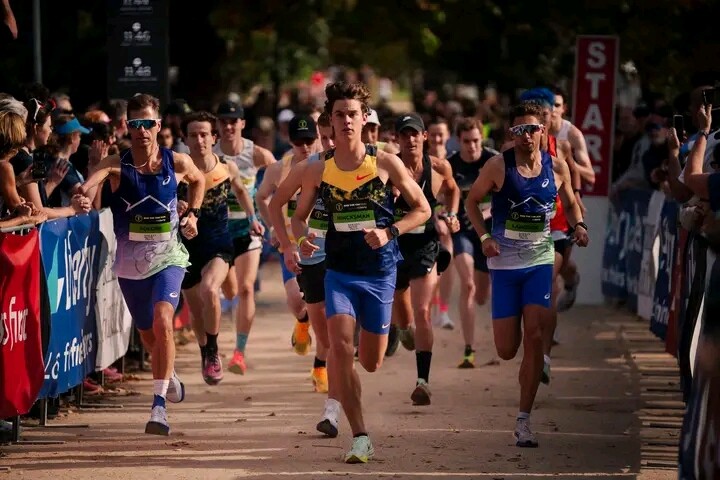
Sydney is a fitting stage for the next chapter. The marathon, now part of the Abbott World Marathon Majors, takes runners through some of the city's most recognisable landmarks, beginning in North Sydney, crossing the Harbour Bridge and eventually finishing near the Opera House. For Roeger, however, this is about far more than another marathon.
He is returning to the distance in the city where he set the fastest T46 marathon ever recorded.
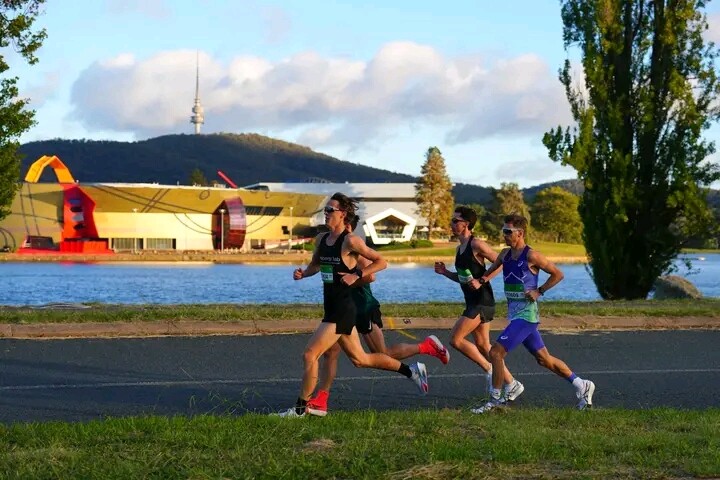
Roeger grew up in Langhorne Creek, a small South Australian community about 55 kilometres south of Adelaide. Born without the lower half of his right arm, he discovered Para athletics after Paralympian Neil Fuller visited his school when Roeger was 12.
What began as an introduction to sport eventually developed into a career spanning five Paralympic Games, world championships, major medals and multiple world records.
His T46 classification covers athletes with an arm amputation or comparable upper-limb difference. Yet describing Roeger's performances simply through his classification fails to capture the complexity of what he has achieved.
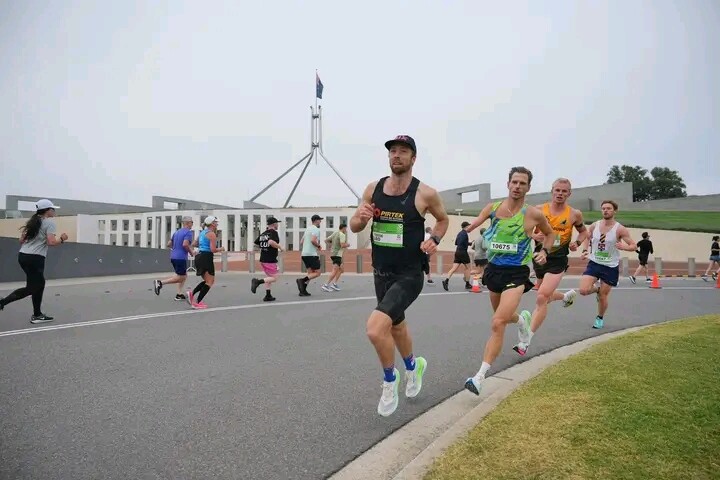
Running is an intricate coordination of the entire body. The arms contribute to balance, rhythm and control, helping the torso manage the rotational forces created by every stride. Over 42.195 kilometres, maintaining efficient movement is an enormous physical and technical challenge.
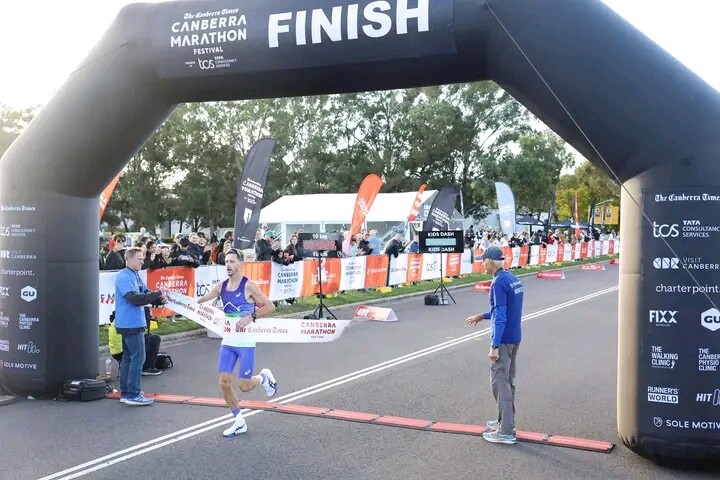
Roeger's marathon performances therefore represent much more than a number attached to a classification. They are elite endurance performances in their own right.
His transition to the marathon was remarkably rapid. Roeger made his marathon debut at the Melbourne Marathon in October 2018, running 2:23:31. The performance was faster than the existing T46 world record at the time, although it was not ratified as a world record because the race did not have the necessary status.
Six months later, he returned to the distance at the 2019 London Marathon, where the World Para Athletics Marathon Championships were staged within the race.
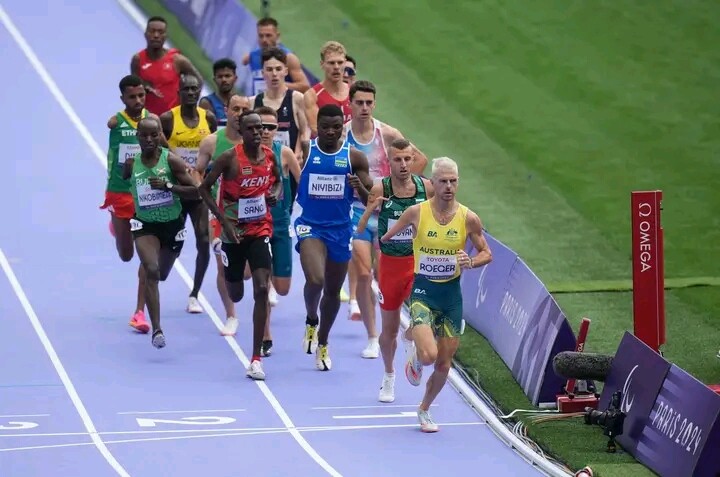
This time, everything came together.
Roeger won the T46 world title in 2:22:51, lowering the ratified world record and establishing himself as the world's leading marathoner in the classification. Even when cramp began to trouble him during the closing stages, he held on to become a world champion.
The progression continued.
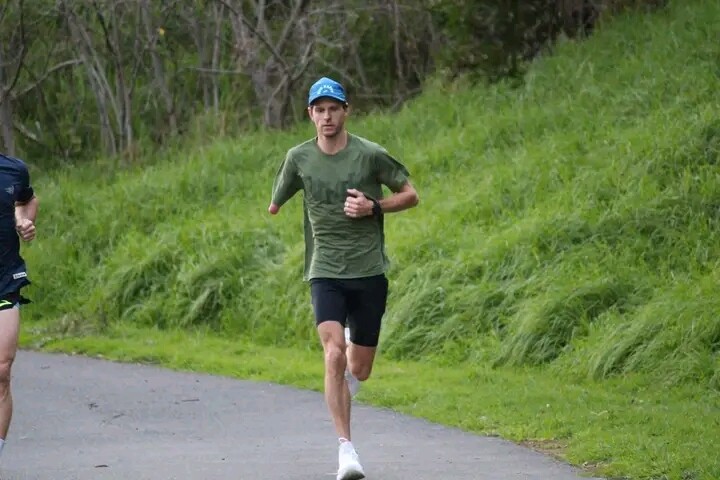
At the 2020 Chevron Houston Marathon, Roeger ran 2:19:33, becoming the first ambulant Para athlete to break the 2:20 barrier and once again lowering his own world record.
But his most significant breakthrough came back in Australia.
On April 25, 2021, Roeger lined up in Sydney for the Athletics Australia Tokyo Qualifying Marathon. He produced the fastest marathon of his career, crossing the finish line in 2:18:53.
That performance remains the T46 marathon world record.
The progression is remarkable. From 2:23:31 in Melbourne to 2:22:51 in London, 2:19:33 in Houston and finally 2:18:53 in Sydney, Roeger repeatedly moved the benchmark forward.
It was almost five minutes of improvement across four marathon performances.
But the record is only one part of the story.
Roeger's career has never followed a smooth upward trajectory. At the 2008 Beijing Paralympic Games, aged only 20, he contested the 800m, 1500m and 5000m T46 events, with seventh place in the 1500m his best finish.
Four years later in London, he arrived with genuine medal ambitions. Instead, gastrointestinal bleeding struck on the eve of the T46 800m. He still started the race but was forced to withdraw after one lap.
Rio 2016 finally delivered a Paralympic medal, with Roeger winning bronze in the 1500m. That success helped convince him to move towards the longer distances and eventually make the marathon his primary focus.
Then came another major setback.
Six weeks before the Tokyo 2020 Paralympic Games, Roeger suffered a stress fracture in his lower leg, destroying much of his preparation for the marathon. Despite the injury, he travelled to Tokyo and made the start line.
He finished sixth in 2:34:45, a time far outside the level he had demonstrated before the Games.
For most athletes, such a setback could have marked the end of the road. For Roeger, it became another chapter in a career defined by adaptation.
Before the Paris 2024 Paralympic Games, another obstacle emerged when the T46 marathon was removed from the programme. The event in which Roeger had become a world-record holder was no longer available at the Games.
His only remaining distance was the 1500m.
So he adapted once again.
Roeger returned to the track and competed in Paris, ultimately adding another Paralympic medal to his collection with silver in the T46 1500m.
Now the marathon is calling again.
The 2026 TCS Sydney Marathon will provide a very different challenge from the flat courses on which many of the world's fastest marathon times are produced. The route begins in North Sydney, crosses the Sydney Harbour Bridge and winds through the city before finishing at the Opera House.
The course features substantial elevation changes, with approximately 313 metres of climbing across the 42.195 kilometres. It is a course that rewards strength, patience and the ability to maintain efficient form when the legs are already carrying the fatigue of a long marathon.
For Roeger, that challenge will be amplified by the quality of the field around him.
The Australian elite field includes a strong collection of domestic marathoners, while the international men's race features considerable depth, with numerous athletes holding personal bests below 2:10.
Roeger will therefore not be lining up in isolation as a Para athlete. He will be part of a major international marathon field, surrounded by runners pursuing national titles, personal bests and elite honours.
That is also central to the way he has approached his career.
Roeger has long resisted the idea that Para athletes should be viewed as fundamentally separate from their able-bodied counterparts. His philosophy has been simple: once the starting gun goes, the competition is about running.
That attitude has helped him move comfortably between Para athletics and open elite competition, and Sydney 2026 offers another opportunity to do exactly that.
His partnership with coach Dr Philo Saunders has been particularly important throughout his career, helping him develop into a world-class athlete across multiple distances.
Yet perhaps the most impressive part of Roeger's story is not any individual medal or record.
It is the number of times he has had to begin again.
From a small South Australian town to five Paralympic Games. From disappointment in Beijing and London to a medal in Rio. From the track to the marathon. From a devastating injury before Tokyo to a world-record performance. From losing his marathon event before Paris to returning to the 1500m and winning another Paralympic medal.
Every time the route has changed, Roeger has found another way forward.
Now, at 38, he is returning to the marathon once more.
And there could hardly be a more fitting destination than Sydney.
It is the city where he produced his 2:18:53 world record in 2021. Five years later, he will return to the same city carrying the experience of a career that has tested his resilience at almost every turn.
The world record is already in his name.
On August 30, Michael Roeger will have another chance to show the world what remains in the legs of the man who refused to let setbacks define the limits of his career.
by Erick Cheruiyot for My Best Runs.
Login to leave a comment
Sydney Marathon
The Sydney Marathon is a marathon held annually in Sydney, Australia. The event was first held in 2001 as a legacy of the 2000 Summer Olympics, which were held in Sydney. In addition to the marathon, a half marathon, 9 kilometres (5.6 mi) "Bridge Run", and a 3.5 kilometres (2.2 mi) "Family Fun Run" are also held under the banner...
more...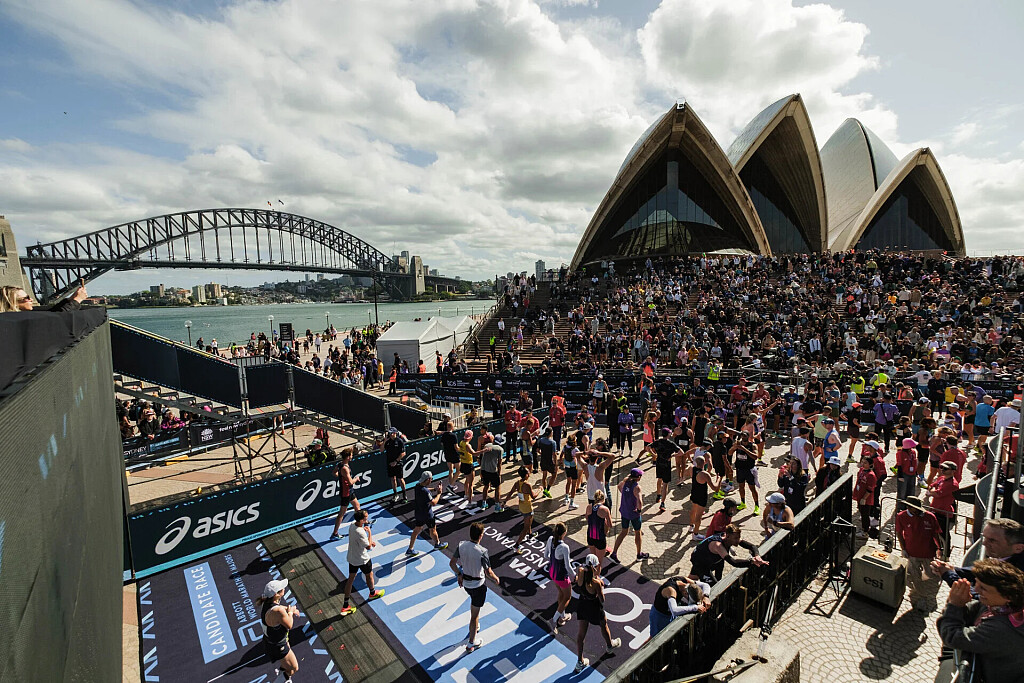
Sydney Marathon Turns Race Week Into a Citywide Celebration as Run Perks Opens the Event to Everyone
The TCS Sydney Marathon is no longer content to be a one-day spectacle reserved for those wearing race bibs. In 2026, the event is extending its reach across the Harbour City, turning marathon week into a citywide celebration that runners, spectators, residents and visitors can all enjoy.
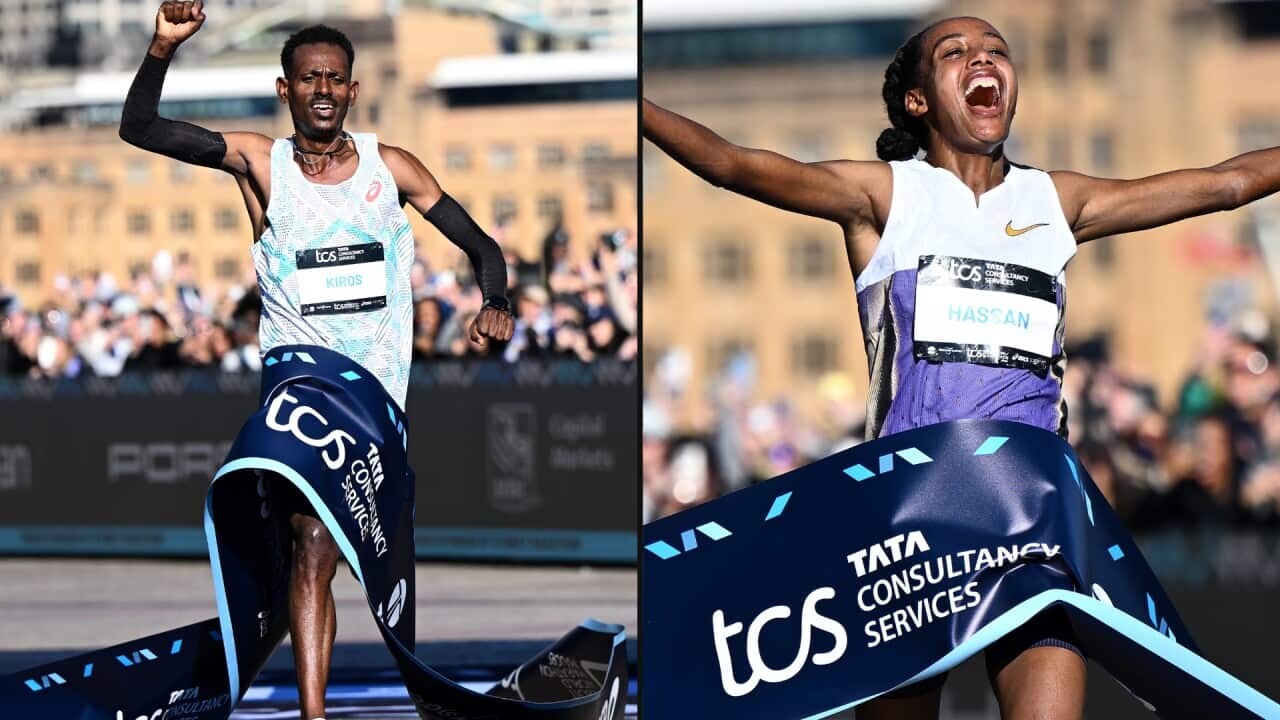
The fourth edition of the marathon’s Run Perks program will run from Tuesday, August 25, through Monday, August 31, surrounding race day on Sunday, August 30, with Medal Monday following on August 31.
The initiative brings restaurants, pubs, cafés and tourism operators into the marathon experience, offering a wide range of special deals designed to encourage people to explore Sydney while supporting local businesses. Offers are listed through the official TCS Sydney Marathon app, with location-aware features helping users discover participating venues closest to them.
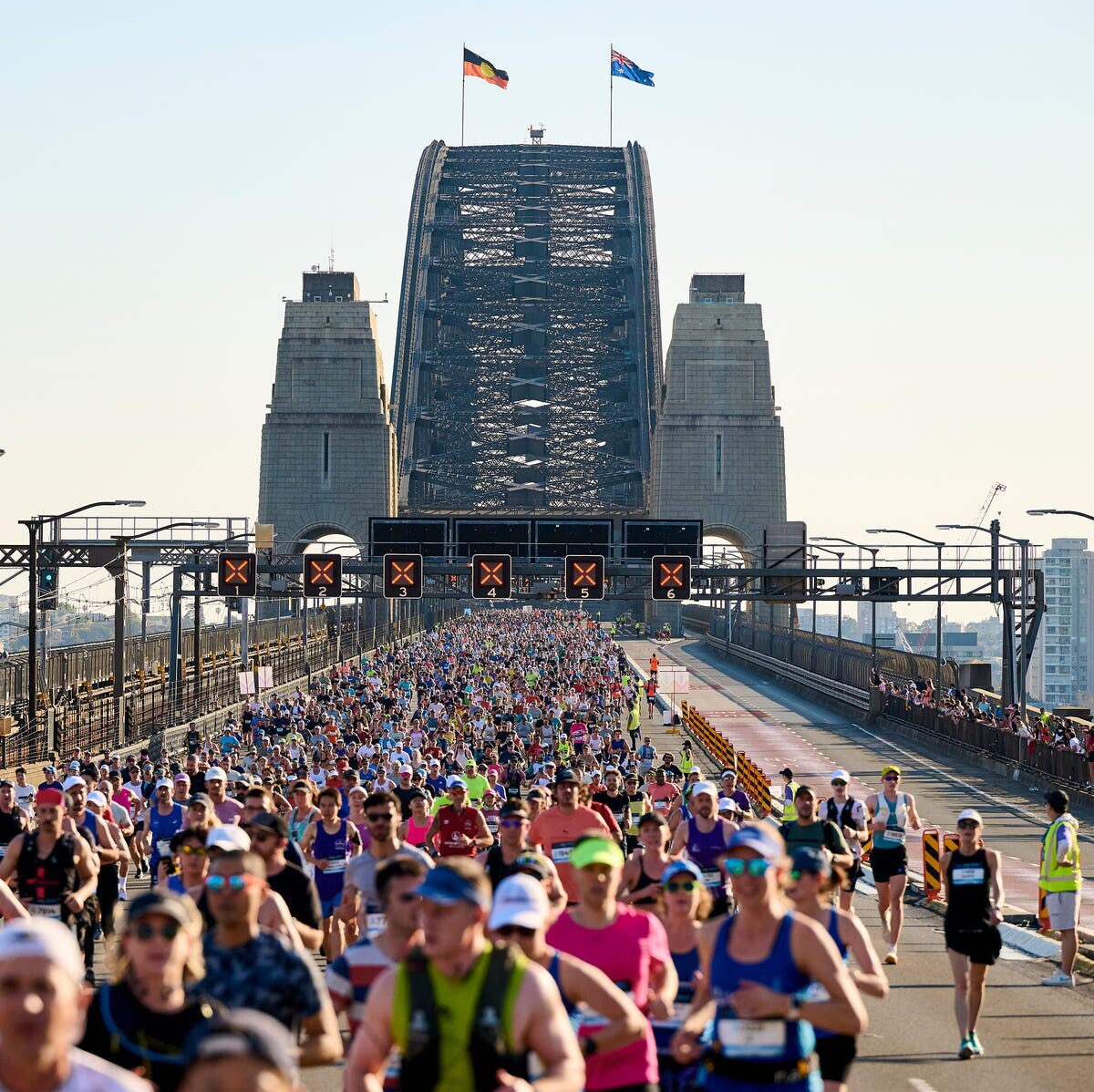
What makes Run Perks particularly appealing is that the benefits are not exclusively reserved for competitors. While some individual offers are specifically aimed at marathon participants, many are available to the wider marathon community, meaning you do not necessarily need a race bib or finisher’s medal to take part in the broader race-week experience.
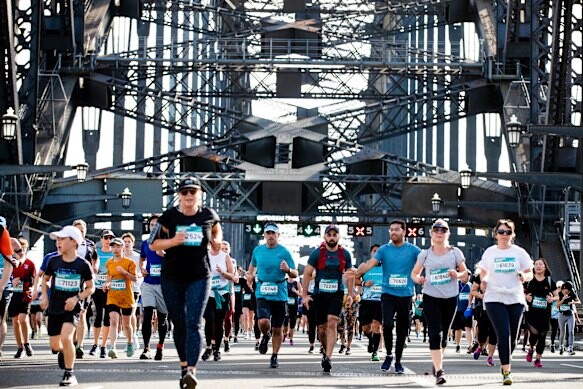
The deals range from straightforward food and drink specials to experiences designed to help visitors discover more of Sydney. Among the offerings are $20 schnitzels at The Glenmore Hotel, a $25 pizza-and-beer deal at The Australian Heritage Hotel, and a $19 lunch special at 4 Doors Down. Other venues are offering coffee deals, discounts on meals, tours and attractions across the city.
There are also race-specific opportunities for those taking part in the marathon. Some businesses are offering post-race incentives for finishers who present their medals or proof of participation, while others are extending discounts to spectators, support crews and the wider marathon community.
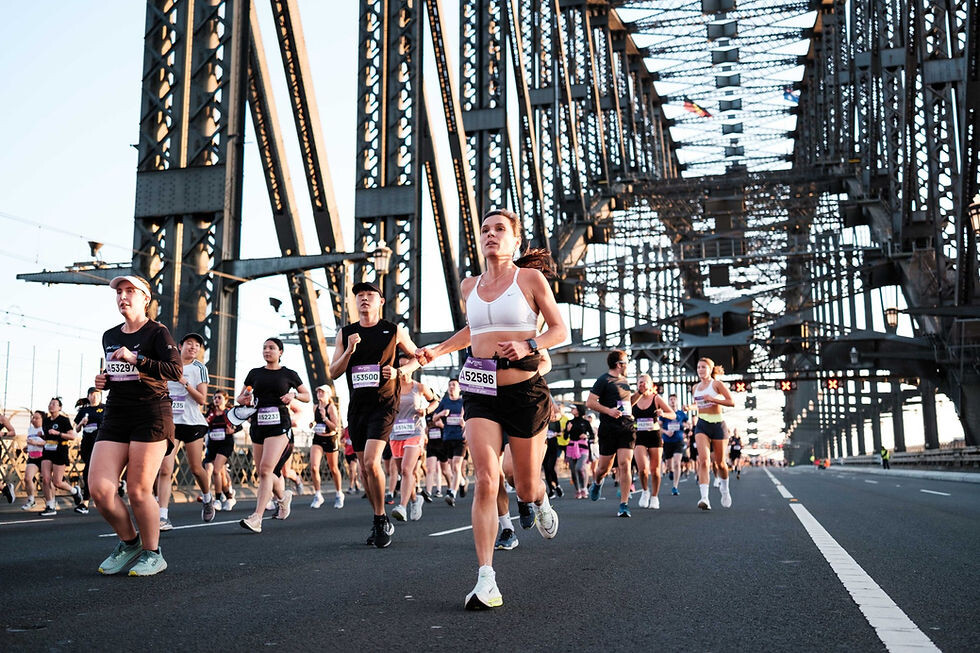
The concept reflects a broader shift in how Sydney is embracing its marathon. After making history as the seventh Abbott World Marathon Major, the TCS Sydney Marathon is becoming increasingly intertwined with the identity, tourism and business life of the city itself. The 2026 edition is expected to attract more than 40,000 participants, building on the 32,963 finishers recorded in 2025.
That scale gives Run Perks significance beyond a collection of discounts. Thousands of runners and their families will spend several days in Sydney, while spectators and residents will encounter the event throughout the city. By encouraging people to eat locally, visit attractions and experience different parts of Sydney, the marathon is helping turn the economic and social impact of race week into something that extends well beyond the course.
The timing is also important. Sydney is still establishing itself as one of the world’s major marathon destinations, having entered the Abbott World Marathon Majors in 2025. The 2026 event represents its second year as a Major and comes with ambitions for an even larger field and an even greater international profile.
And that is perhaps the most interesting part of Run Perks: the marathon is becoming less about what happens between the start and finish lines and more about what happens throughout the entire city.
From a coffee before sunrise to a post-race meal, an afternoon exploring The Rocks or an evening enjoying one of Sydney’s many restaurants and pubs, race week is being woven into the everyday rhythm of the city.
The official marathon app remains the best source for the latest participating venues, opening hours, redemption requirements and individual offer conditions, as these vary from business to business.
With more than 40,000 participants expected on August 30, Sydney is preparing for much more than another marathon. It is preparing for a week in which the entire city gets a chance to move, celebrate, explore and benefit from the energy of one of the world’s fastest-growing major marathons.
Sydney Marathon may have a start line and a finish line, but in 2026, its footprint stretches far beyond both.
by Erick Cheruiyot for My Best Runs.
Login to leave a comment
Sydney Marathon
The Sydney Marathon is a marathon held annually in Sydney, Australia. The event was first held in 2001 as a legacy of the 2000 Summer Olympics, which were held in Sydney. In addition to the marathon, a half marathon, 9 kilometres (5.6 mi) "Bridge Run", and a 3.5 kilometres (2.2 mi) "Family Fun Run" are also held under the banner...
more...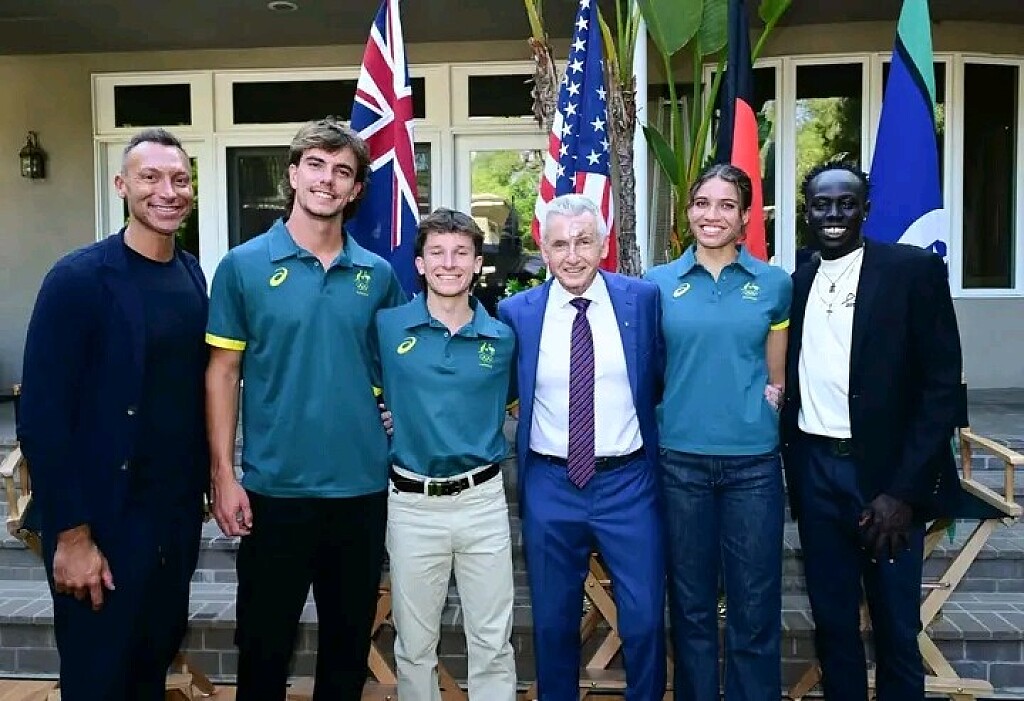
Gout Gout, Ian Thorpe and Australian Athletics’ Rising Stars Celebrate Olympic Dreams in Los Angeles
Australian athletics’ next generation received a memorable welcome in Los Angeles as rising sprint sensation Gout Gout joined Olympic great Ian Thorpe and a host of high-profile guests at a special Olympic Club of Australia gathering.
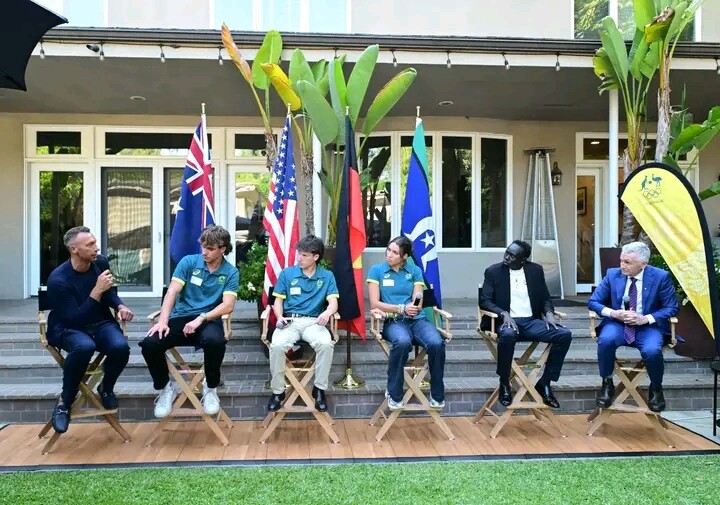
The event, hosted by Australia’s Consul-General to Los Angeles, Tanya Bennett, brought together members of the Australian Athletics U20 team on their return journey from Oregon, where they had been competing on the international stage.
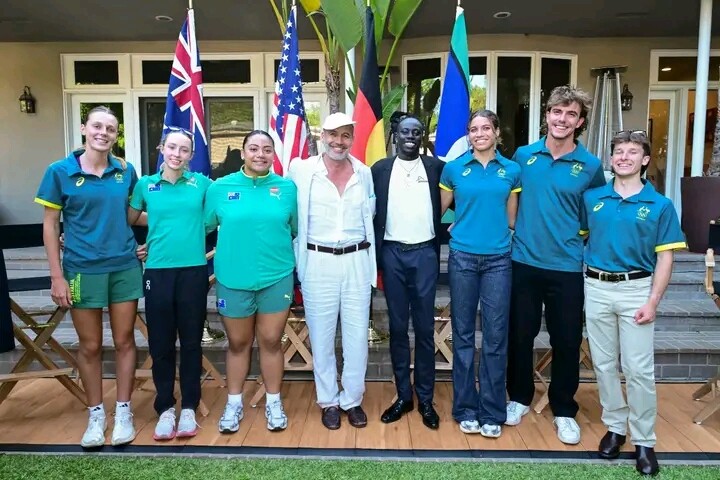
Gout, one of the most closely watched young talents in Australian athletics, was among the athletes at the gathering alongside Thorpe, the legendary five-time Olympic gold medallist. Broadcaster Bruce McAvaney and actor Billy Zane were also part of the star-studded occasion, creating an unusual but fitting meeting of Australian sporting excellence, media and entertainment.
The celebration came at an important moment for Australia’s young athletes, with the Los Angeles 2028 Olympic Games increasingly becoming a realistic target for many of the emerging stars. Beyond LA28, the prospect of competing at a home Olympics in Brisbane in 2032 offers an even bigger incentive for this generation to continue developing and dreaming on the world stage.
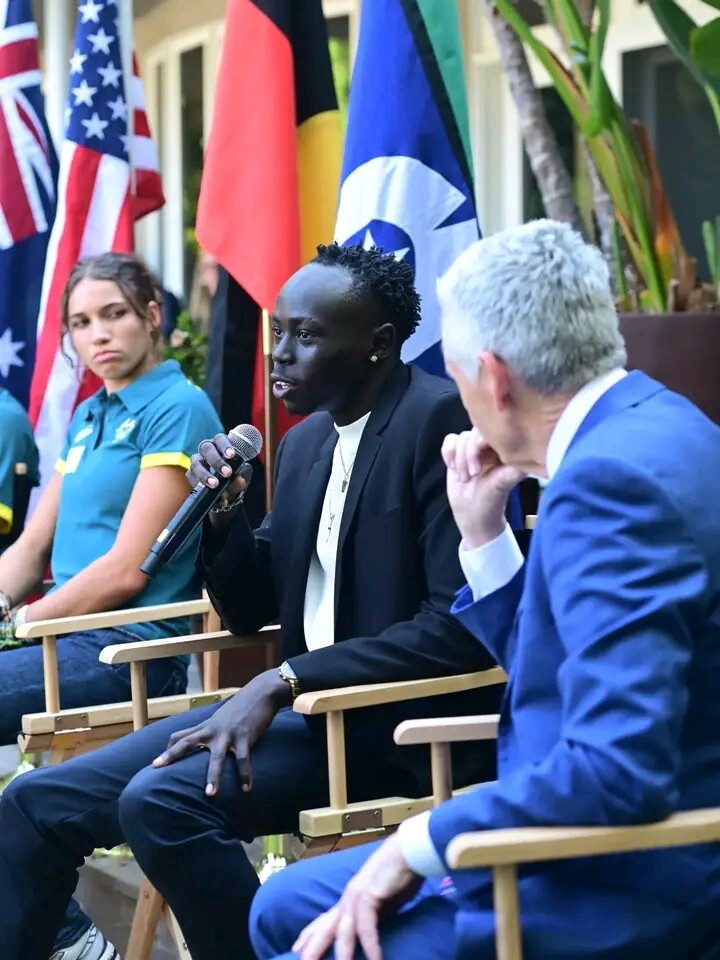
The occasion also highlighted the newly launched Olympic Club of Australia, an initiative of the Australian Olympic Committee designed to help raise funds in support of Olympians and coaches.
For Australia’s emerging athletes, the significance goes well beyond financial support. Olympic sport can provide young people with role models and demonstrate what can be achieved through ambition, commitment and perseverance.
With Gout and his fellow U20 athletes now beginning to look towards the next stage of their careers, the road to Los Angeles could mark the beginning of an exciting new chapter for Australian athletics.
And with Brisbane 2032 waiting beyond LA28, the athletes being celebrated today could ultimately become some of the biggest names carrying Australia’s hopes on home soil.
by Erick Cheruiyot for My Best Runs.
Login to leave a comment
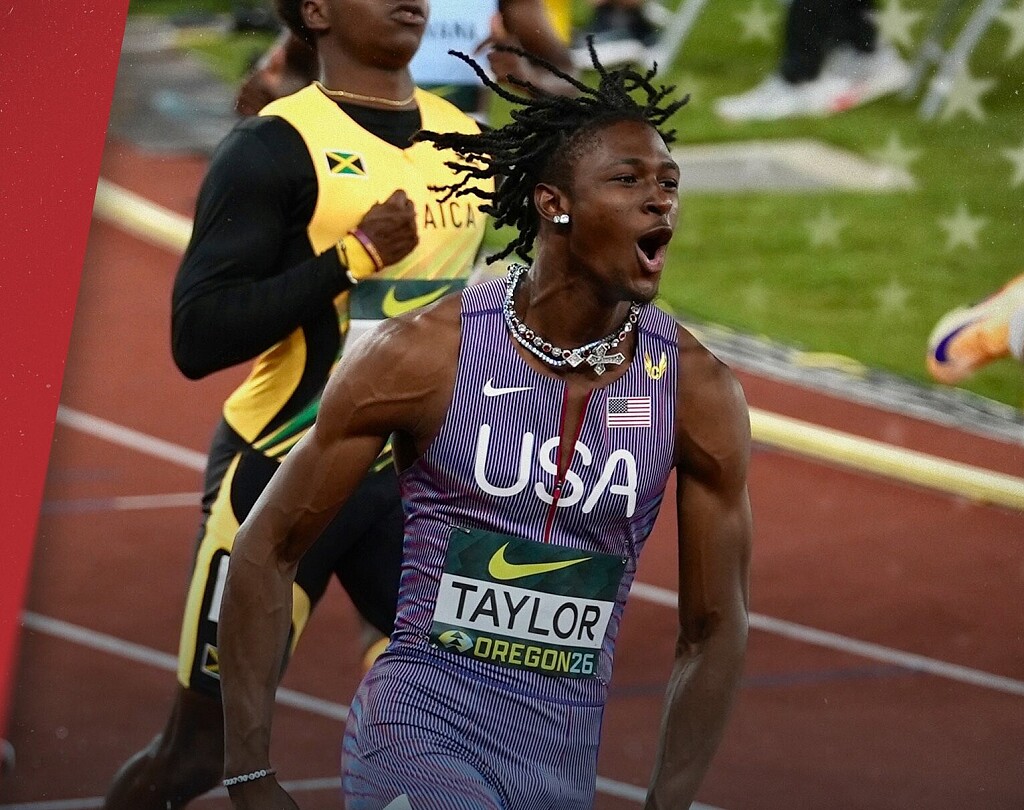
Tate Taylor Makes History With Three Gold Medals At World U20 Championships
At just 18 years old, Tate Taylor has transformed the World Athletics U20 Championships in Eugene into the stage for one of the most extraordinary sprint performances in the history of the competition.
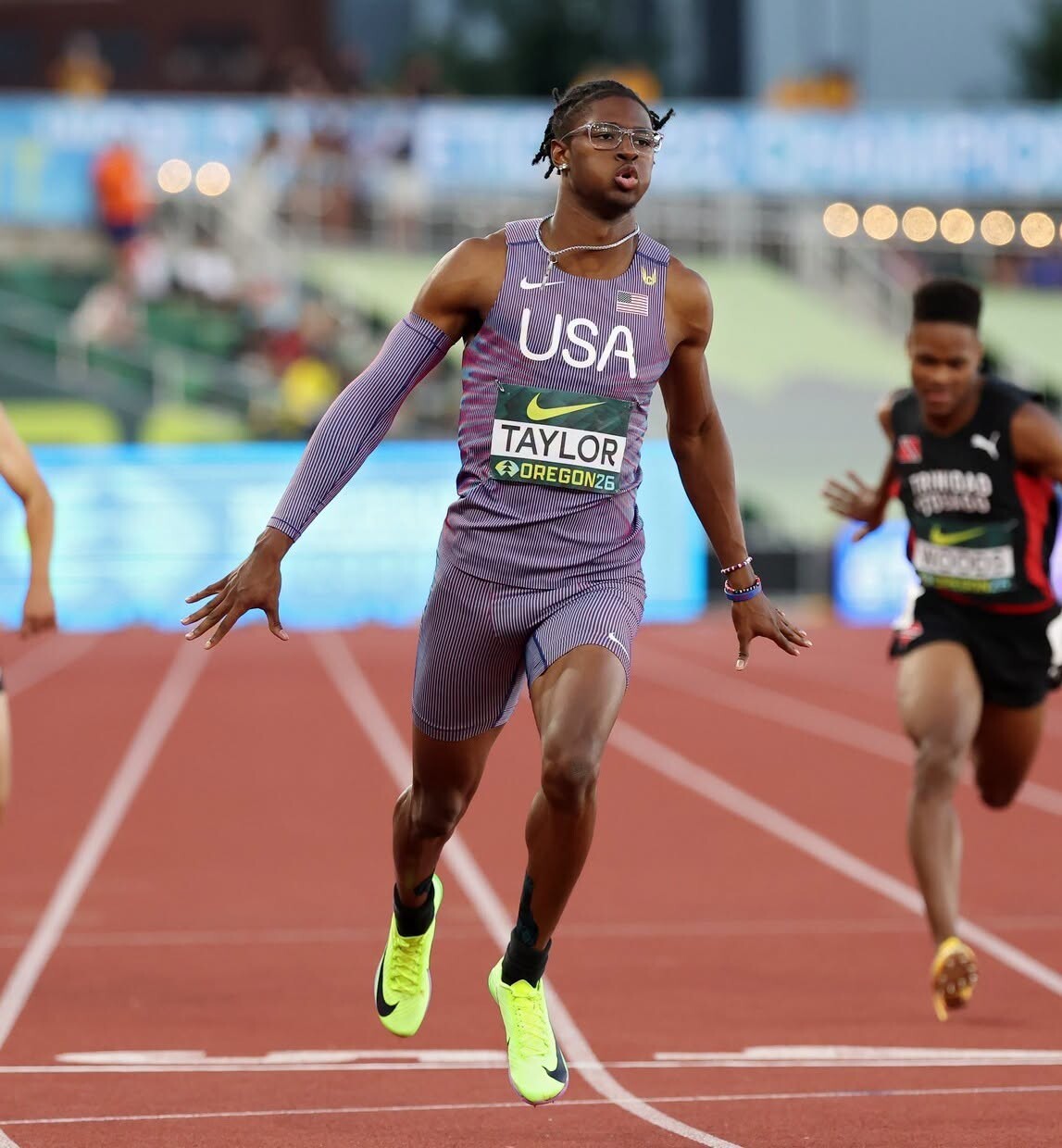
The American speedster completed a remarkable championship treble, winning gold in the men’s 100m, 200m and 4x100m relay as Team USA closed the championships in spectacular fashion.
Taylor began his assault on the sprint titles with victory in the 100m, producing a superb 9.94 seconds to establish himself as the fastest man in the field and add a World U20 title to his rapidly growing list of achievements.
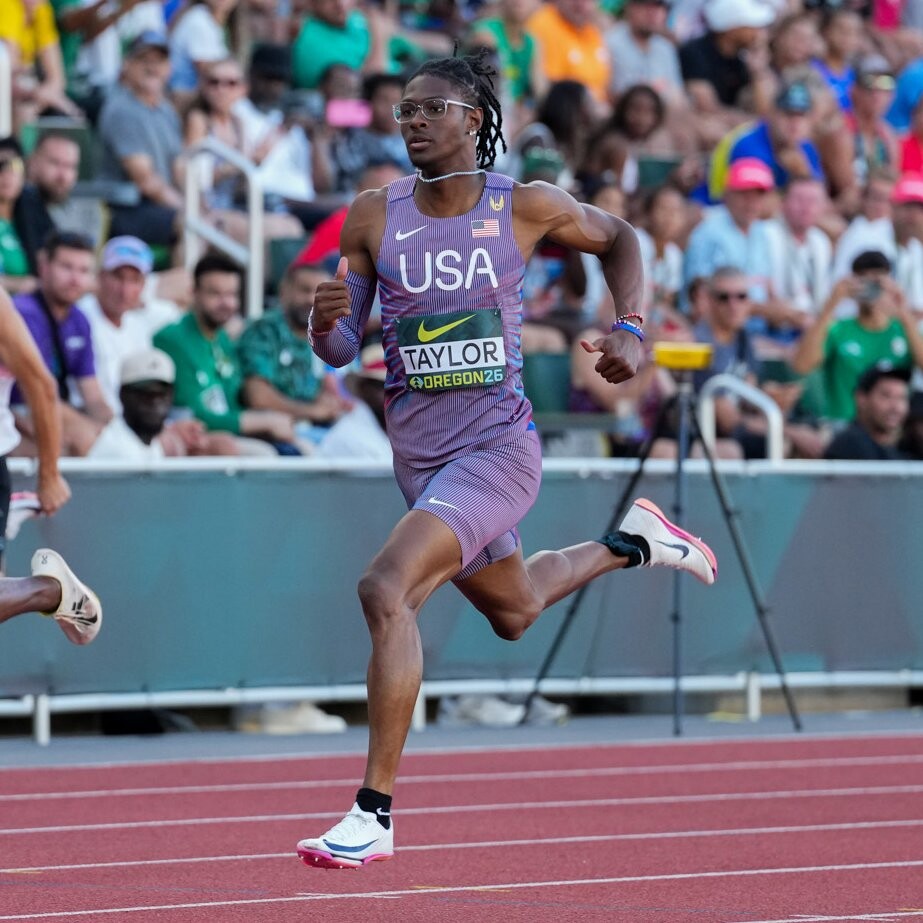
He then returned to Hayward Field for the 200m, where he delivered an even more emphatic statement. Taylor stormed to gold in 19.83 seconds, setting a new World Athletics U20 Championships record.
The performance placed him just 0.16 seconds behind the world U20 record of 19.67 set by Australia’s Gout Gout earlier this year. It also completed Taylor’s historic 100m-200m double, making him the first American man to achieve the feat at the World U20 Championships.
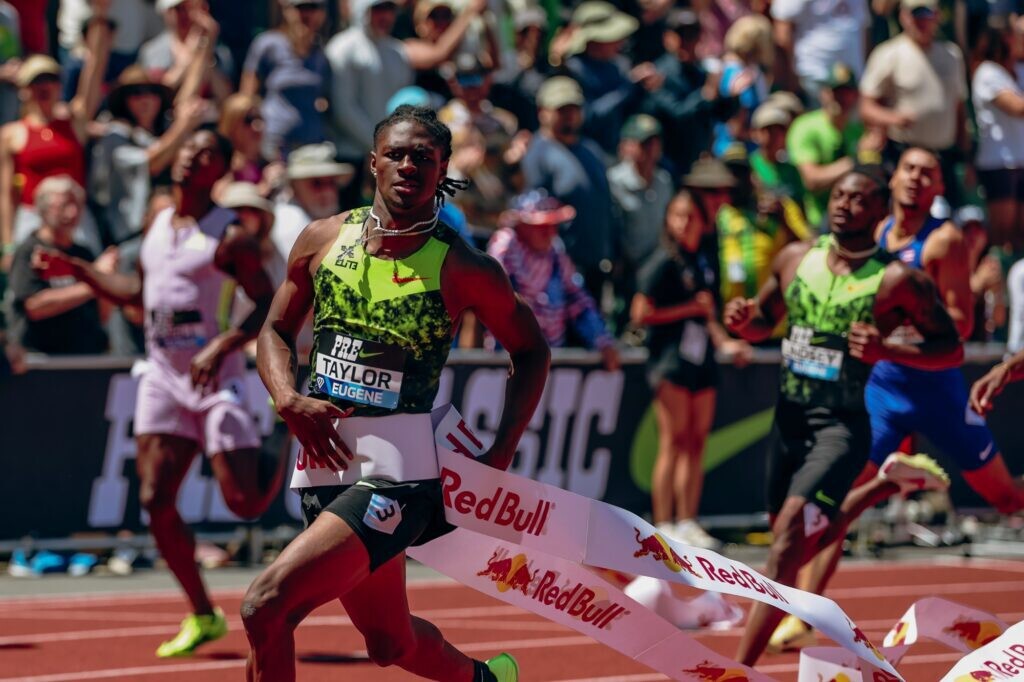
But Taylor was not finished.
In the men’s 4x100m relay, he was handed the baton for the anchor leg with another piece of history within reach. The American quartet delivered a sensational performance, crossing the finish line in 38.16 seconds to set a new world U20 record.
Taylor produced a powerful closing leg to bring the United States home, adding a third gold medal to his collection and helping cap a championship that had already established him as one of the brightest young sprinting talents in the world.
His three victories have now placed him in a rare category in World U20 Championships history. At only 18, Taylor leaves Eugene not simply as a triple champion, but as the central figure in one of the defining performances of the 2026 championships.
The significance of his achievement is even greater when viewed alongside the progression he has made throughout the season. Before arriving at the U20 championships, Taylor had already announced himself on the senior international stage by winning the 200m at the Prefontaine Classic in Eugene in a personal best of 19.75 seconds.
Now, after three races, three gold medals and two championship/world U20 records, Taylor has written his name into the history of the competition.
Eugene was supposed to be a championship for the next generation.
Tate Taylor made it his own.
by Erick Cheruiyot for My Best Runs.
Login to leave a comment
World U20 Relay History Rewritten As Great Britain Breaks Fresh Record After Australia's Brief Reign
Records were rewritten twice within the space of a few unforgettable minutes as the inaugural World Athletics U20 Mixed 4x100m relay produced one of the most dramatic sessions of the World Athletics U20 Championships in Eugene, Oregon.
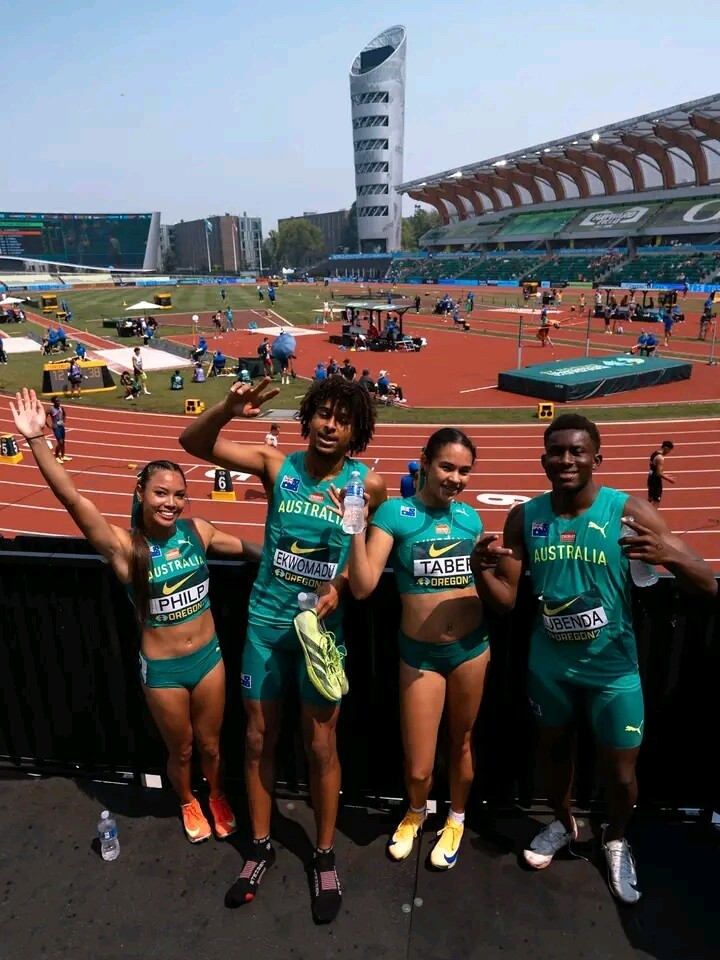
Australia ignited the excitement in the opening heat by storming to a world U20 record of 41.64 seconds, becoming the first team ever to reach that mark and briefly claiming a place in history. For five memorable minutes, the Australian quartet of Uwezo Lebenda, Maya Taber, Kelechi Ekwomadu and Thewbelle Philp stood as world record holders after a sensational performance that also secured their place in Saturday's final.
Their celebration, however, proved to be short-lived.
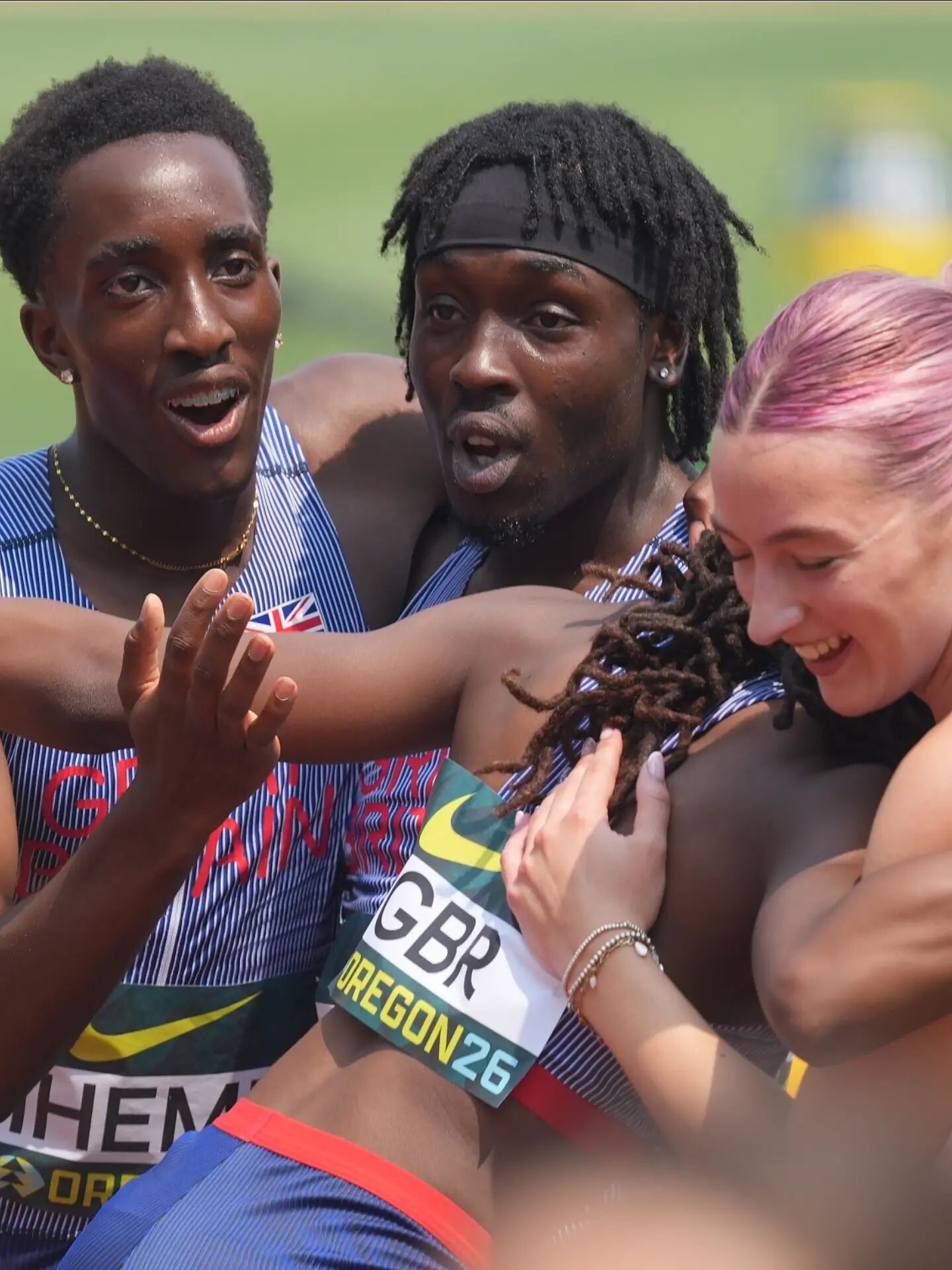
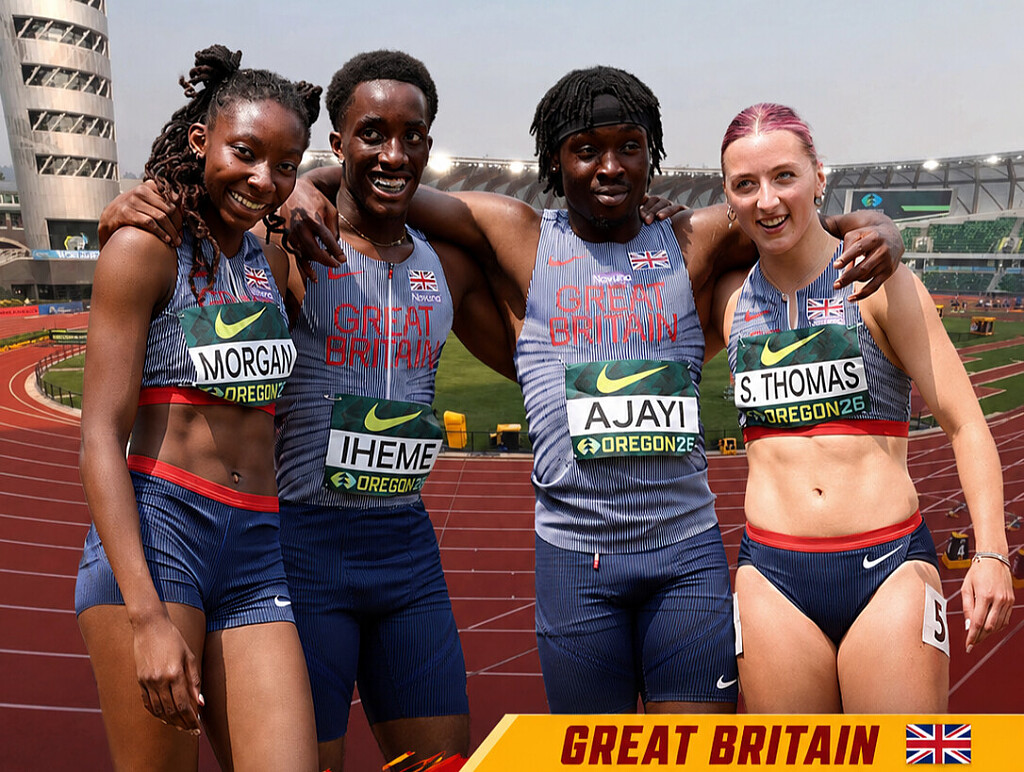
Moments later, Great Britain delivered an even more electrifying display in the second heat, clocking 41.60 to erase Australia's newly established mark and set a fresh World U20 record. It was a masterclass in speed, precision and flawless baton exchanges that propelled the British team into the history books.
The record-breaking quartet of Divine Iheme, Savannah McKenzie Morgan, Mathew Ajayi and Sophie Thomas combined brilliantly from start to finish to produce the fastest mixed U20 4x100m relay ever recorded. Sophie Thomas, who is set to compete for the University of Connecticut (UConn) this year, produced a composed anchor leg to seal the landmark performance.
The extraordinary back-to-back world records underlined the remarkable depth of sprint talent on display, with several other nations also producing outstanding performances to qualify for the final.
Italy impressed with a personal best of 41.74, while the United States advanced comfortably in 41.82. Nigeria also produced a personal best of 41.91 to secure qualification.
Jamaica (42.08 PB), Germany (42.12 PB), France (42.16 PB) and Poland (42.18 PB) completed the eight-team final after delivering strong performances in one of the fastest mixed relay qualifying rounds ever witnessed at the U20 Championships.
With two world records already falling in rapid succession, anticipation is now soaring ahead of Saturday's final. If the qualifying heats are any indication, the newly established global mark of 41.60 may once again come under serious threat as the world's best young sprinters chase another piece of athletics history.
by Erick Cheruiyot for My Best Runs.
Login to leave a comment
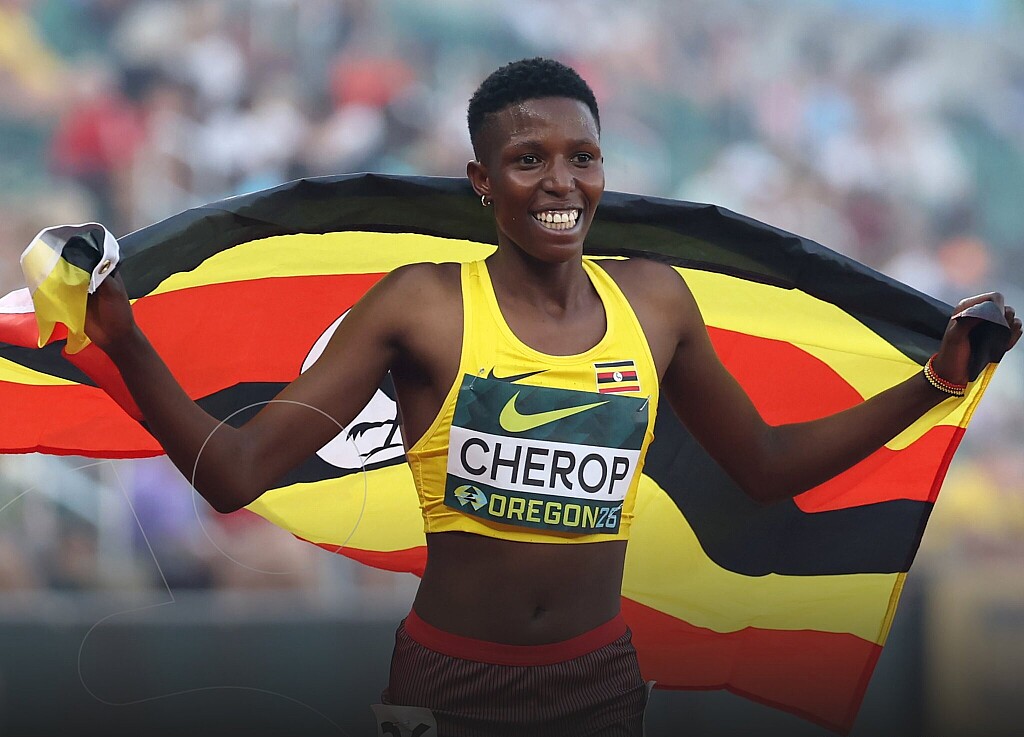
From Silver to Gold: Charity Cherop Storms to World U20 5000m Crown with Tactical Masterclass
Uganda's 19-year-old long-distance sensation Charity Cherop delivered the performance of her young career, producing a championship masterclass to capture the women's 5000m title at the 2026 World Athletics U20 Championships at Hayward Field in Eugene, Oregon.
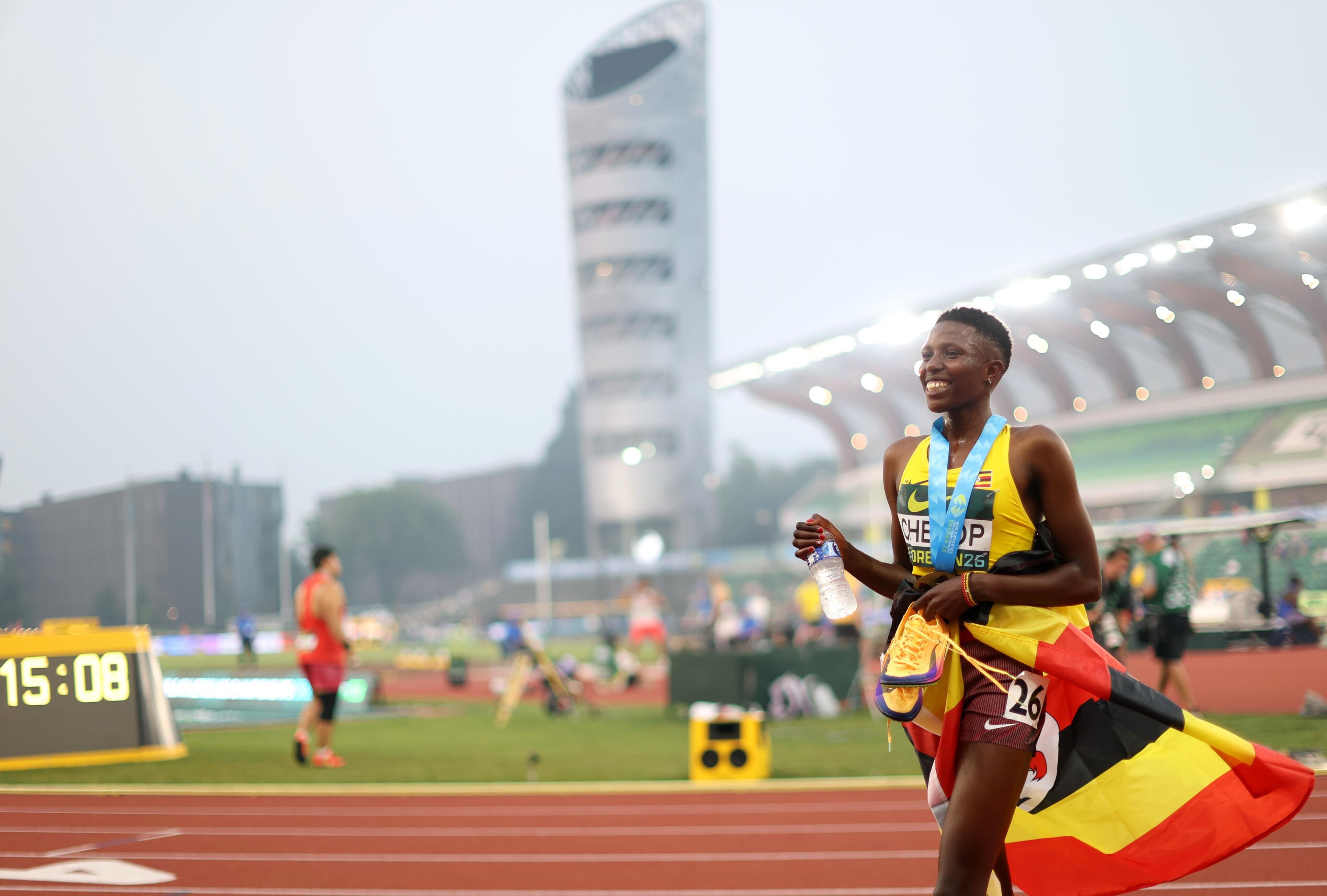
Born on July 4, 2007, Cherop executed a tactically brilliant race, remaining patient throughout the early stages before unleashing a devastating surge over the final kilometre. Her perfectly timed move proved decisive as she crossed the finish line in 15:03.88, becoming the new World U20 champion.
The victory was more than just a world title—it completed a remarkable journey from silver to gold. After finishing runner-up at the previous World Athletics U20 Championships in Lima, Cherop returned to the global stage stronger and more determined, upgrading her silver medal to gold and confirming herself as one of the brightest young stars in international distance running.
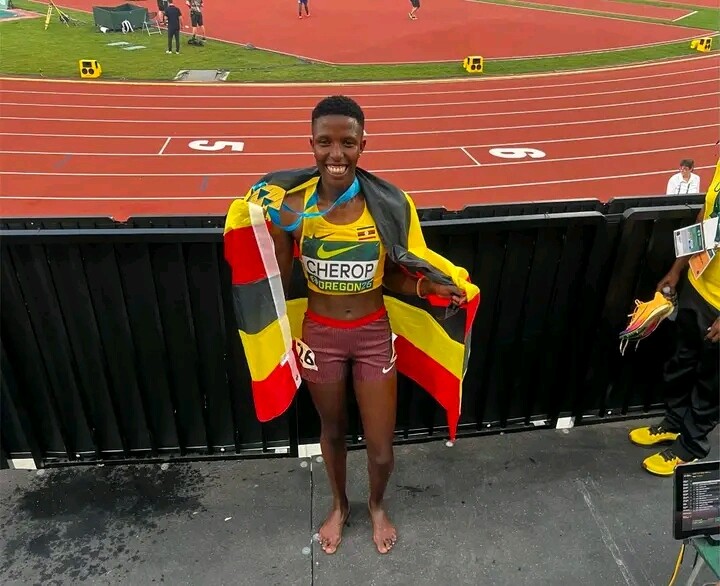
Behind the Ugandan star, Ethiopia's Shito Gumi fought bravely to secure the silver medal in 15:07.91, while Kenya's Joyline Chepkemoi delivered an outstanding performance to claim bronze in 15:09.08, setting a new personal best in the process. The battle for the podium remained fiercely contested until the closing stages, with every medal decided through courage, tactical awareness, and a powerful finishing kick.
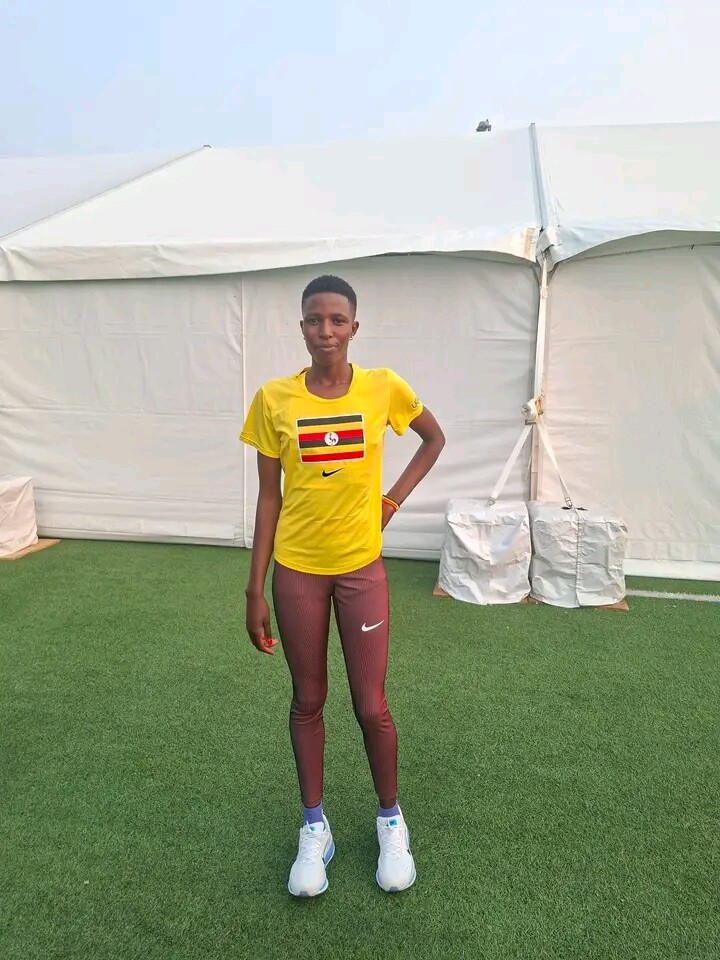
Kenya narrowly missed placing two athletes on the podium as Cynthia Chepkirui finished a strong fourth in 15:14.86, while Sweden's Carmen Cernjul rounded out the top five in 15:22.18.
Ethiopia's Emebet Tilahun placed sixth in 15:32.51, followed by Japan's Yui Onotora in seventh with 15:37.33. Uganda celebrated another top-10 finish through Bentalin Yeko, who finished eighth in 15:48.35, underlining the nation's impressive depth in women's distance running.
Germany's Julia Ehrle claimed ninth in 16:09.53, with France's Lamia Mourabit completing the top ten in 16:10.80.
Further down the field, Portugal's Carolina Correia impressed with an 11th-place finish in a personal best 16:11.47, while Norway's Venus Teffera also celebrated a lifetime best of 16:12.07 in 12th. Germany's Gloria Herold added another personal best, clocking 16:13.75 for 15th place.
France's Laly Porentru, Japan's Ayami Yoshida, the Netherlands' Rosalie Ten Bruggencate, Italy's Sofia Ferrari and Mimosa Miari Fulcis, Spain's Fatima Hernandez, Switzerland's Anina Hirzel, Great Britain's Eliza Nicholson, Canada's Airlie Downie-Back and Athena Andrecyk, Mexico's Kenya Cuahutle, and Australia's Libby Mantay and Imogen Baker all battled courageously to the finish, highlighting the exceptional depth and global talent assembled for the championship final.
The only athlete unable to start the race was the United States' Emily Wisniewski, who was listed as DNS.
The women's 5000m final showcased the very best of championship distance running—patience, tactical intelligence, and a thrilling finish. On the biggest stage of her junior career, Charity Cherop produced a race worthy of a world champion, transforming silver in Lima into gold in Eugene and writing another unforgettable chapter in Uganda's rich distance-running legacy.
by Erick Cheruiyot for My Best Runs.
Login to leave a comment

Eugene Welcomes the Future of Athletics as the 2026 World U20 Championships Get Underway
The global spotlight turns to Eugene, Oregon, today as the 2026 World Athletics U20 Championships officially get underway at the iconic Hayward Field, launching five days of elite competition that will showcase the sport's brightest young talents.
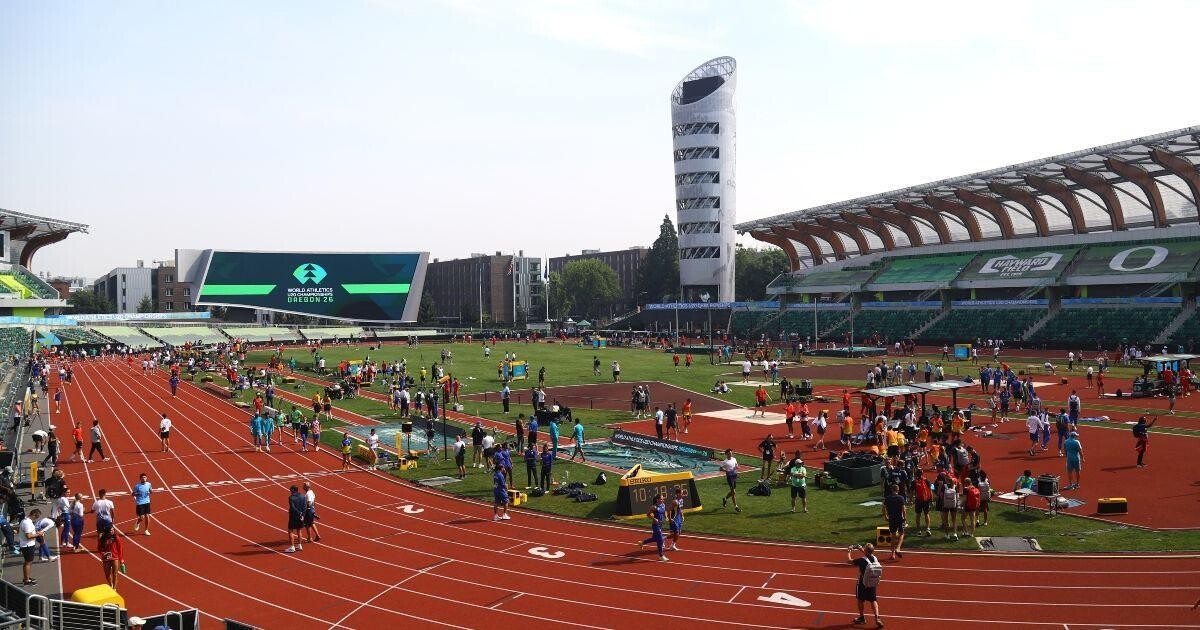
Running from August 5 to August 9, the 40th edition of the championships is the biggest in the event's history, bringing together more than 1,800 athletes representing 147 nations. For many of these rising stars, the championships mark the first major step toward future Olympic, World Championship, and Diamond League success.
The opening day immediately promises world-class action with three gold medals on the line. The women's 5,000m and men's 5,000m finals will test the endurance of the world's finest young distance runners, while the mixed 4×400m relay is expected to provide a thrilling conclusion to the day's competition as teams battle for the first relay title of the championships.
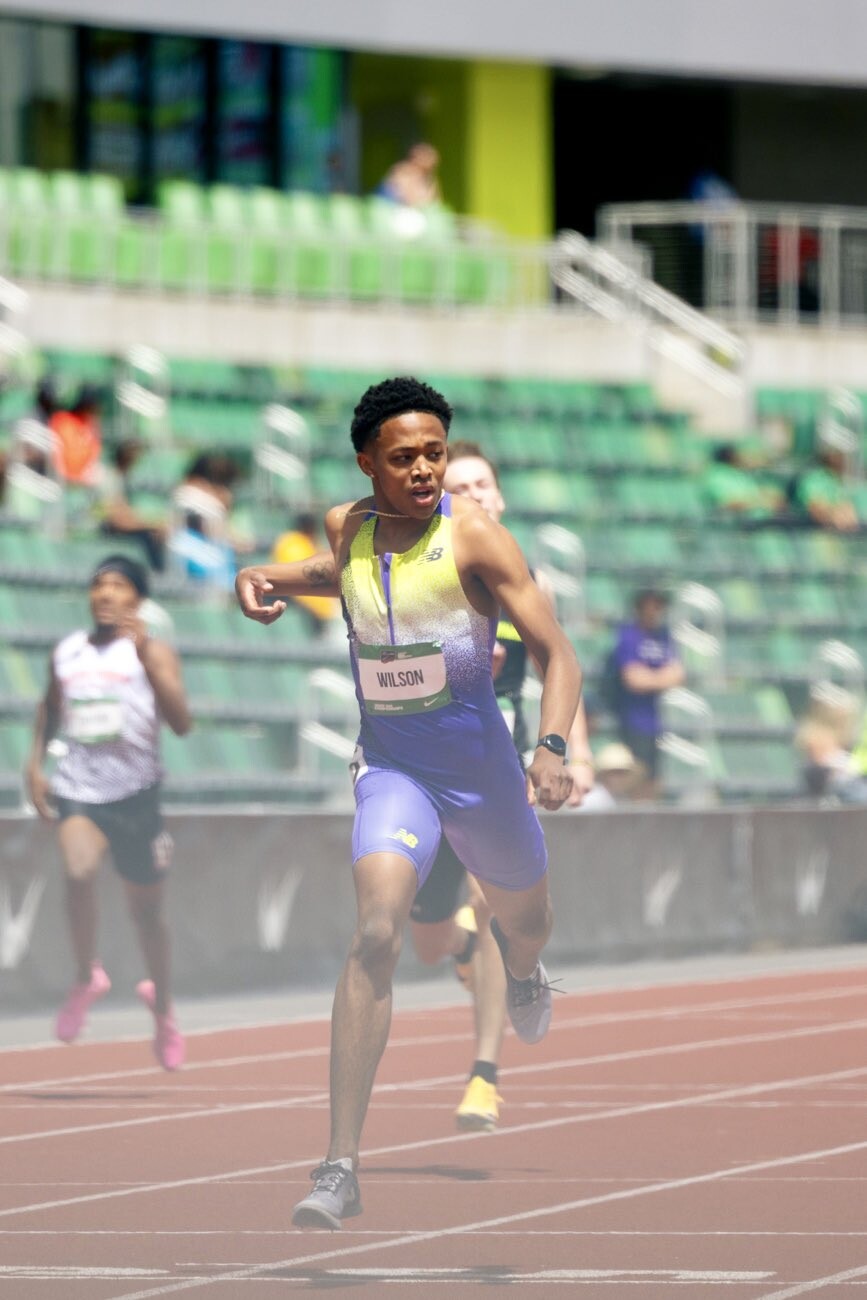
Several exciting athletes arrive in Eugene carrying high expectations. American sprint sensation Quincy Wilson will be one of the biggest attractions on home soil after establishing himself as one of the fastest young quarter-milers in the world. Fellow American Tate Taylor, the high school national record holder, will also be aiming to translate his remarkable speed into championship gold.
Jamaica's emerging sprint talent Shanoya Douglas enters the competition determined to challenge for the women's 200m title, while Kenya's Frankline Kibet will spearhead his country's pursuit of more distance-running success, continuing a tradition that has produced some of the greatest champions in athletics history.
Beyond the medals, the World U20 Championships have long served as the launching pad for future legends of the sport. Numerous Olympic and world champions first announced themselves on this very stage, making Eugene the perfect setting for another generation of athletes eager to leave their mark on the global scene.
Fans around the world will be able to follow every moment of the action through a range of broadcast partners, including Peacock in the United States, SuperSport across Sub-Saharan Africa, Eurovision Sport throughout Europe, CBC Gem in Canada, Seven Network in Australia, and World Athletics+ in eligible territories.
With national pride, championship titles, and the chance to announce themselves to the world at stake, the stage is set for five unforgettable days of athletics. As competition begins at the historic Hayward Field, the next generation of global stars is ready to write the opening chapter of what could become remarkable careers.
by Erick Cheruiyot for My Best Runs.
Login to leave a comment
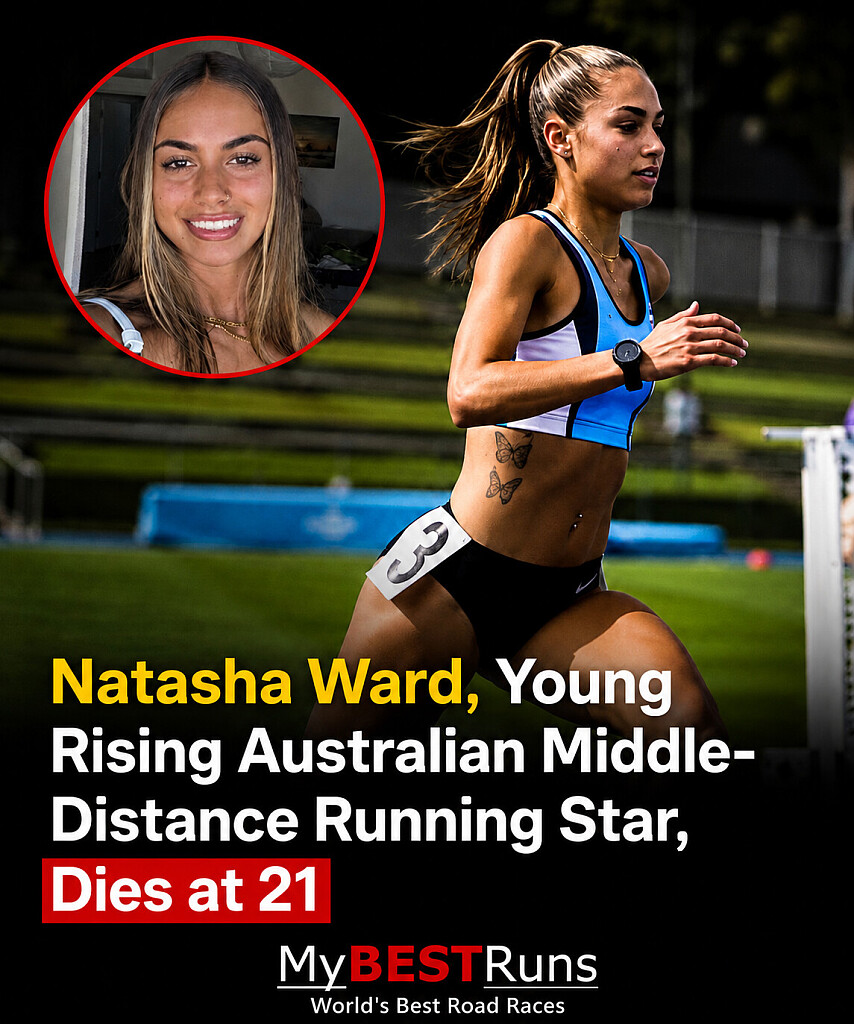
Australian Athletics Mourns Rising Middle-Distance Talent Natasha Ward, Dead at 21
Australian athletics is mourning the heartbreaking loss of promising middle-distance runner Natasha Ward, who has died at the age of 21, bringing an abrupt end to a career that had shown remarkable promise on both the track and in academia.

The news was confirmed on Thursday in a joint statement released by NSW Athletics and the Sutherland District Athletics Club in Sydney. No cause of death was disclosed.
Ward had established herself as one of the emerging talents in Australian middle-distance running, competing primarily in the 400m, 800m and 1,500m. Her journey began with impressive performances as a junior athlete, including a medal-winning run in the 1,500m at the New South Wales All Schools Championships.
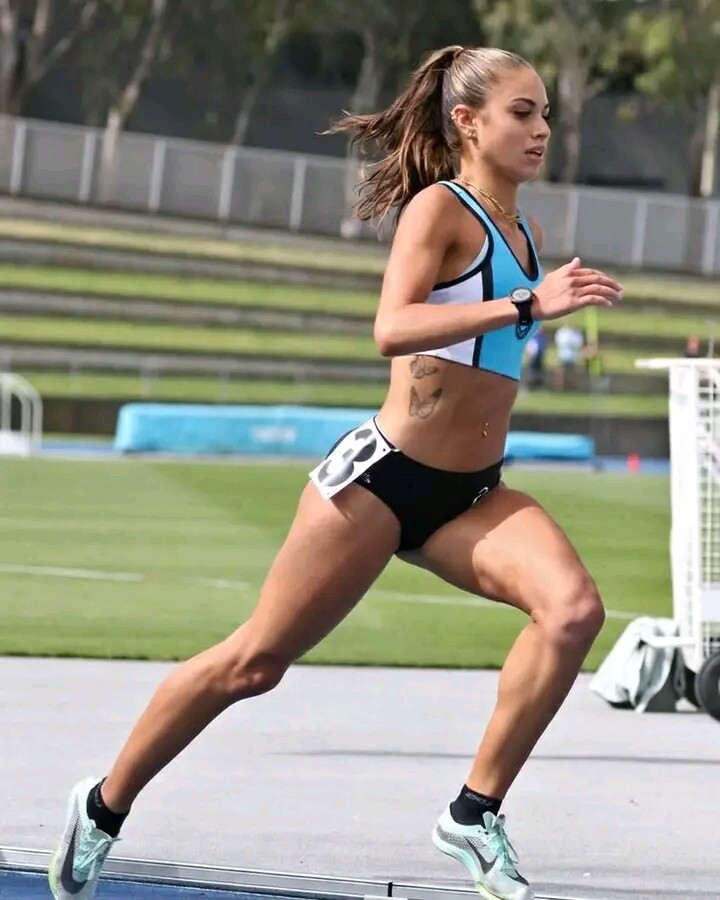
She continued to build on that success at university level, claiming a medal in the 1,500m at the 2023 UniSport Nationals before returning this year to earn bronze in the 800m. Her steady progression also saw her compete at the 2024 Australian Athletics Championships, lining up against some of the nation's leading middle-distance stars, including Morgan Mitchell and Claudia Hollingsworth.
Away from competition, Ward was equally dedicated to her future beyond athletics. She was studying Exercise and Sports Science at Macquarie University in Sydney, combining her academic ambitions with an unwavering commitment to the sport she loved.
Her club remembered her not only as a gifted athlete but also as a teammate who always put others first. Whether representing the club in its summer and winter relay competitions or volunteering to fill in when teams were short of runners, Ward earned admiration for her generosity, reliability and infectious enthusiasm.
In a heartfelt tribute, NSW Athletics and the Sutherland District Athletics Club described her as a cherished member of the athletics community.
"Beyond her achievements on the track, Natasha was a greatly loved member of our community. Her kindness and joy touched everyone fortunate enough to know her, and her magnetic smile and warm personality have left a permanent mark on Australian athletics. Our thoughts are with Natasha's family, friends, and everyone who had the privilege of knowing her."
Ward's passing comes only weeks after Australian sprint athlete Jemma Stapleton, 25, died in a road accident while on holiday in Thailand. Authorities have indicated there is no connection between the two tragedies.
As tributes continue to pour in from across Australia's athletics community, Natasha Ward will be remembered not only for the medals she won and the races she ran, but also for the warmth, humility and positivity she brought to everyone around her. Her loss leaves a profound void in Australian athletics, with many believing she had only begun to reveal the full extent of her potential.
by Erick Cheruiyot for My Best Runs.
Login to leave a comment
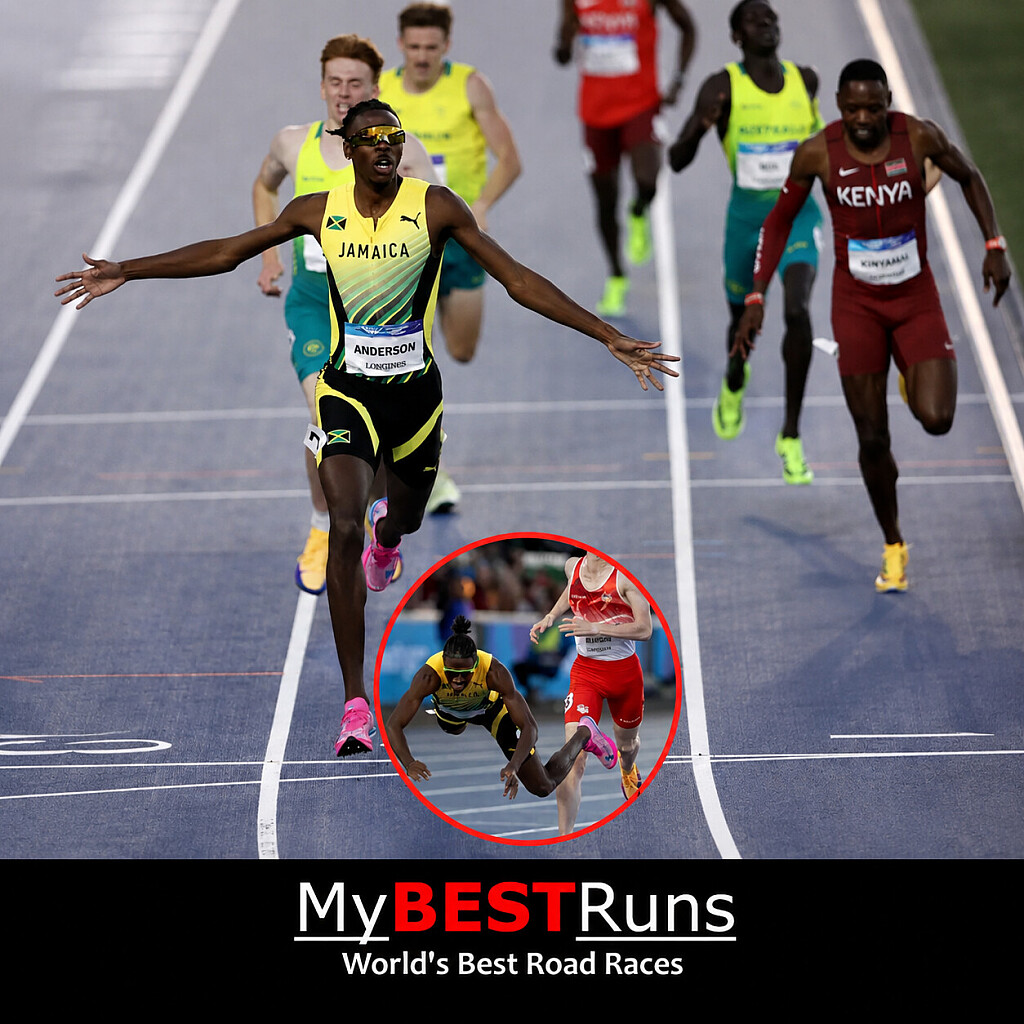
From Last Qualifier to Commonwealth Glory: Navasky Anderson Completes Remarkable 800m Triumph in Glasgow
Sometimes the smallest opportunity creates the greatest triumph, and Jamaica's Navasky Anderson proved exactly that with a stunning performance to capture the men's 800m title at the 2026 Commonwealth Games in Glasgow.
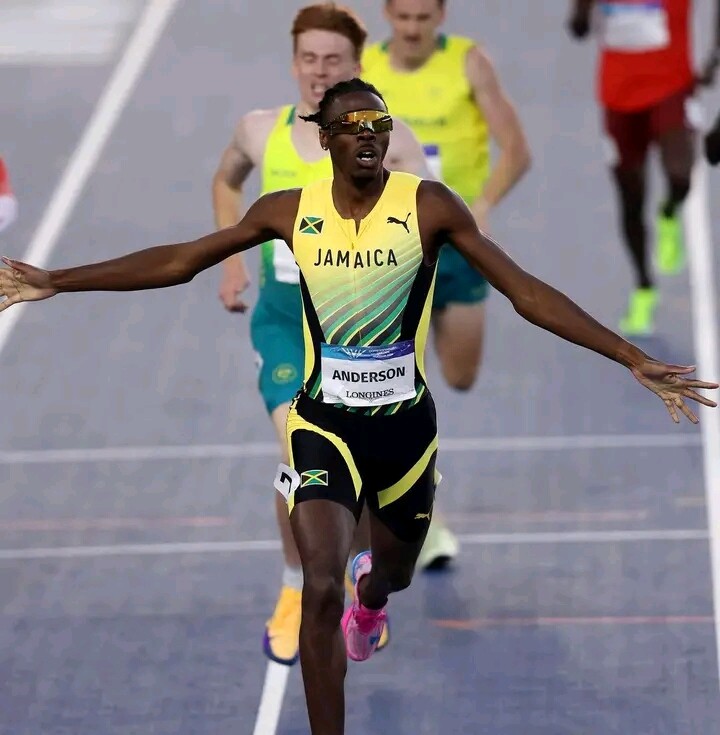
Less than 24 hours after scraping into the final by the slimmest of margins, Anderson produced the race of his life, surging to victory in 1:45.33 to complete one of the most remarkable comeback stories of the championships. His gold medal was not only a reward for exceptional talent but also for courage, determination, and unwavering belief when everything was on the line.
The journey to the top nearly ended in the semifinals. Locked in an intense battle with England's Max Burgin for the final qualification place, Anderson threw himself across the finish line in a dramatic dive, stopping the clock at 1:45.38. That desperate effort earned him the last available place in the final as the fastest non-automatic qualifier, keeping his Commonwealth dream alive by the narrowest of margins.
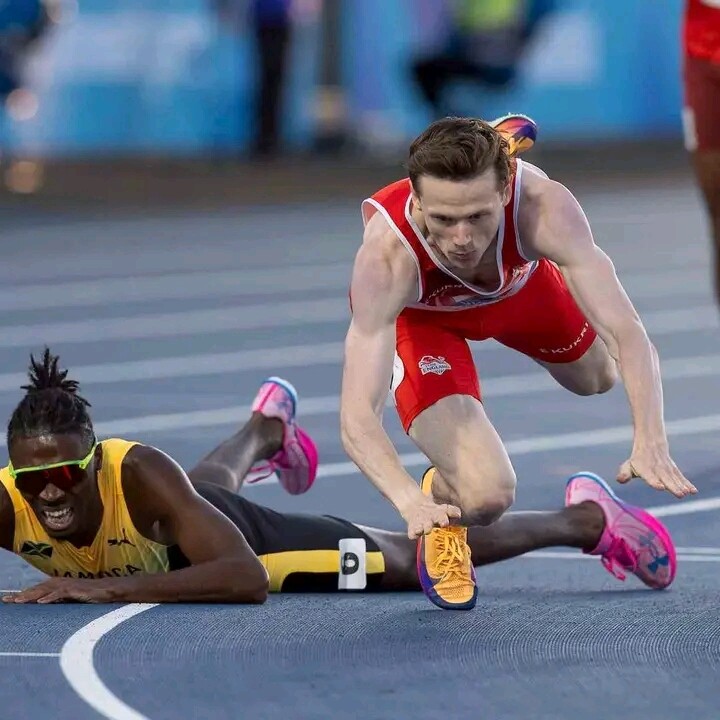
With another chance in his hands, the Jamaican made sure it counted.
In a fiercely contested final, Anderson displayed outstanding tactical awareness and patience throughout the opening stages before unleashing a devastating finishing kick down the home straight. His perfectly timed acceleration left the rest of the field with no answer as he crossed the finish line first, securing a memorable Commonwealth crown and one of Jamaica's standout victories of the Games.
Australia's Luke Boyes delivered an impressive performance to claim the silver medal in 1:45.93, while Kenya's Wyclife Kinyamal battled strongly to take bronze in 1:46.12 after another highly competitive championship race.
Anderson's unforgettable triumph will be remembered as one of the defining moments of Glasgow 2026—a powerful reminder that championships are not always won by the fastest qualifier, but often by the athlete who refuses to surrender. From a fearless dive that kept his hopes alive to a brilliant gold-medal performance less than a day later, the Jamaican wrote one of the most inspiring chapters of these Commonwealth Games.
Men's 800m Final Results
1. Navasky Anderson (Jamaica) — 1:45.33
2. Luke Boyes (Australia) — 1:45.93
3. Wyclife Kinyamal (Kenya) — 1:46.12
Navasky Anderson arrived in the final as the last man to qualify, but he left Glasgow as the Commonwealth champion—a remarkable transformation that perfectly captures the unpredictable beauty of championship athletics.
by Erick Cheruiyot for My Best Runs.
Login to leave a comment
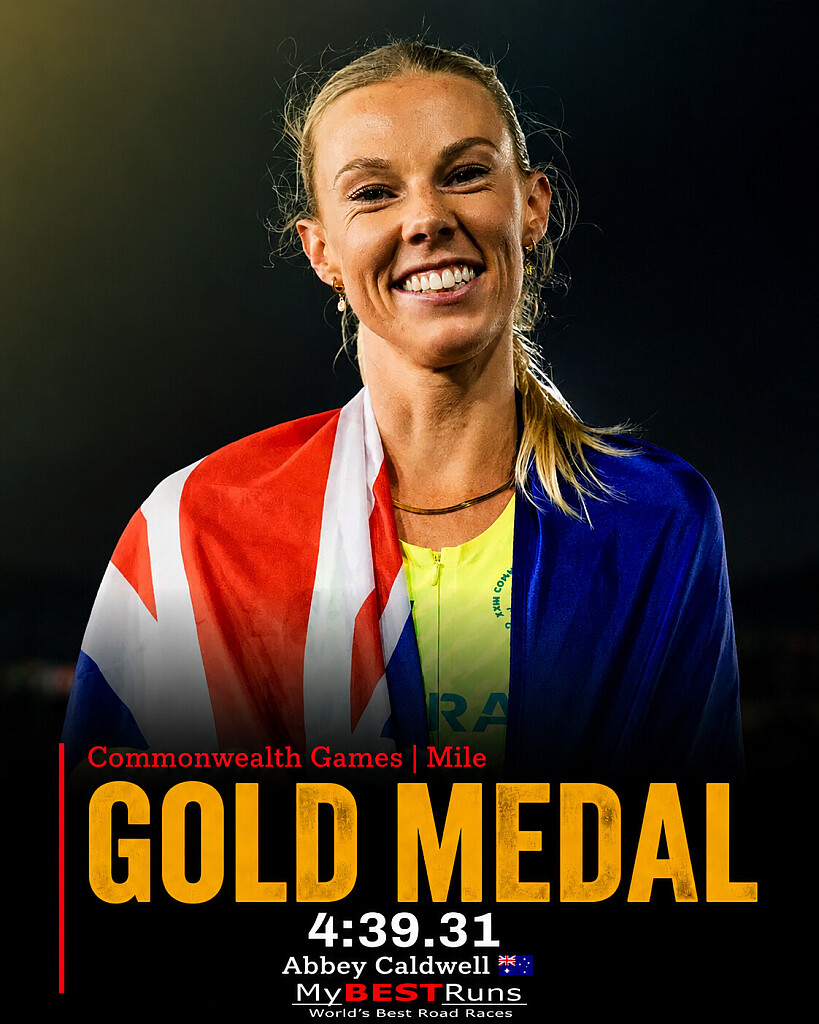
Australia Dominates Commonwealth Games Women's Mile With Historic Podium Sweep as Abbey Caldwell Strikes Gold
Australia produced one of the most memorable moments of the Glasgow 2026 Commonwealth Games, completing a sensational clean sweep of the women's mile as Abbey Caldwell led teammates Jessica Hull and Claudia Hollingsworth across the finish line in a remarkable display of national dominance.
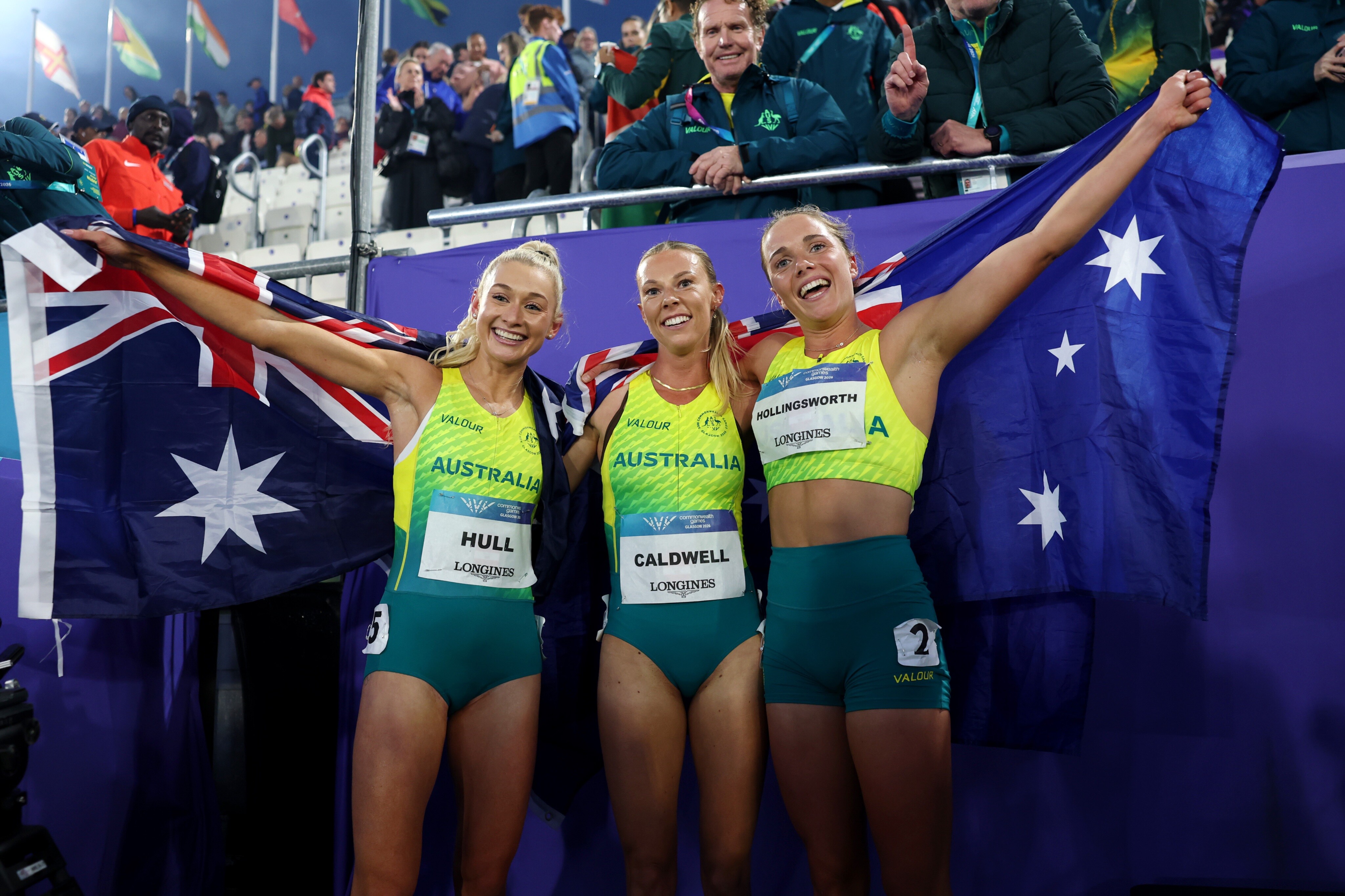
In a race that showcased Australia's incredible middle-distance depth, Caldwell timed her finish to perfection, surging to victory in 4:39.31 to claim the Commonwealth title. Behind her, Jessica Hull continued her outstanding championship campaign by securing the silver medal in 4:39.86, while rising star Claudia Hollingsworth completed the historic podium sweep with bronze in 4:40.20.
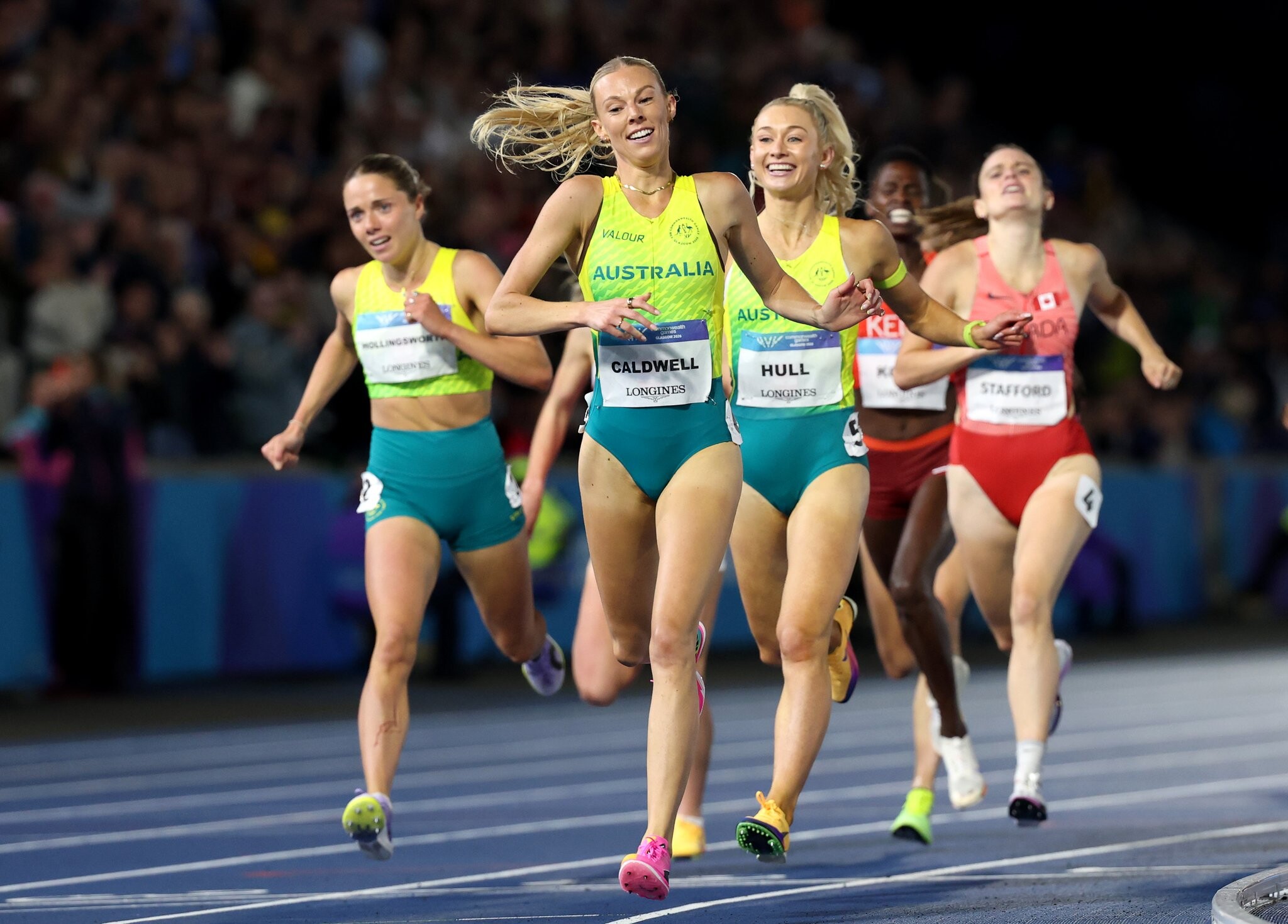
The 1-2-3 finish marked one of Australia's finest achievements in Commonwealth Games middle-distance history, underlining the nation's growing strength on the global stage. With all three medals belonging to Australia, the celebration became a picture-perfect moment that will be remembered for years to come.
For Hull, the silver medal represented another impressive chapter in an already exceptional Games. After earlier standing on the podium in another event, she added a second silver medal to her collection with another composed and determined performance. The Olympic medallist once again demonstrated her consistency at the highest level, remaining firmly among the world's elite middle-distance runners.
Caldwell, however, proved unstoppable on the day. She controlled the decisive stages of the race with confidence before producing a powerful finishing kick that her teammates and the rest of the field could not match. Hollingsworth also delivered under pressure, completing Australia's unforgettable clean sweep with a well-earned bronze medal.
The historic result highlighted the remarkable depth Australia has developed in women's middle-distance running. Rather than relying on a single standout athlete, the nation showcased a trio capable of dominating one of the Games' most competitive events.
As the Australian flags were raised together during the medal ceremony, the moment perfectly captured the team's unity, preparation, and excellence. It was more than just a race victory—it was a statement that Australia has established itself as one of the leading forces in women's middle-distance athletics, with a generation of athletes capable of rewriting history together.
by Erick Cheruiyot for My Best Runs.
Login to leave a comment

The Commonwealth Games
The Commonwealth Games are coming to Victoria - bringing an action packed sports program to our regional cities and delivering a long-term legacy for our future. From 17 to 29 March 2026, Geelong, Bendigo, Ballarat, Gippsland and Shepparton will be on the world stage, attracting millions of viewers and creating thousands of jobs. The multi-city model will...
more...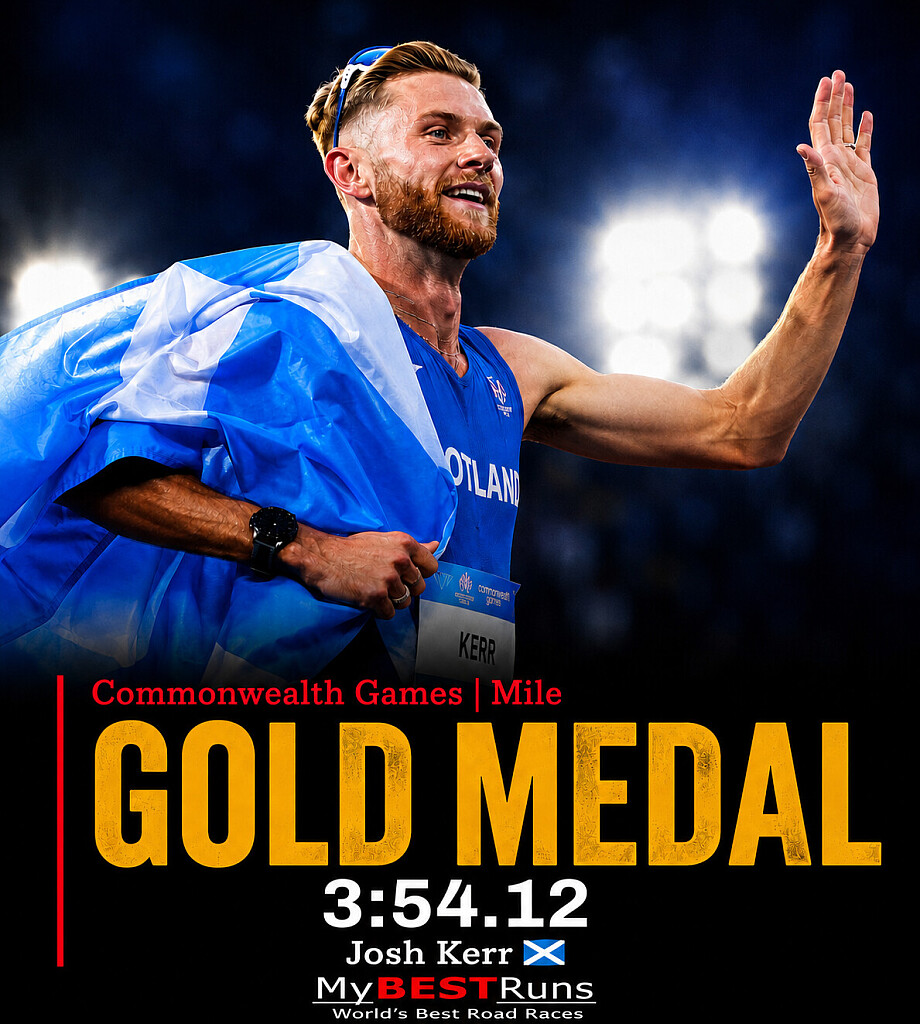
Josh Kerr Delivers Historic Commonwealth Mile Gold On Home Soil
Josh Kerr produced a performance worthy of the occasion as he etched his name into Commonwealth Games history, storming to victory in the men's mile final in front of an ecstatic home crowd in Glasgow.
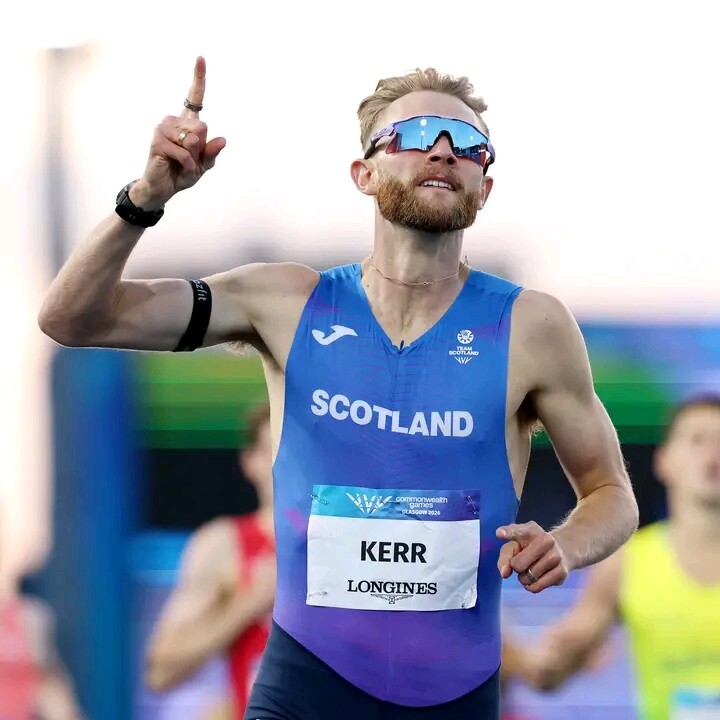
The race marked the long-awaited return of the mile to the Commonwealth Games programme for the first time in 60 years, and there could hardly have been a more fitting champion than the reigning world record holder. Just two weeks after rewriting the record books by breaking the world mile record, Kerr added another remarkable chapter to his career by capturing Commonwealth gold in front of his home supporters. The timing could not have been more perfect—Scotland's king of the mile reigning supreme in his own colosseum as the stadium erupted in celebration.
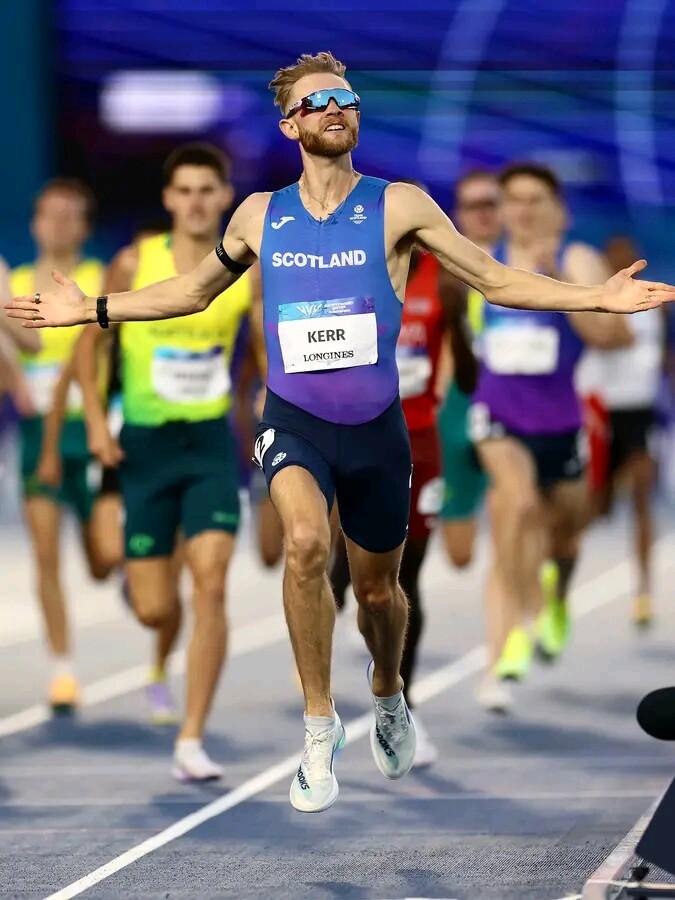
Yet the victory was anything but straightforward. For much of the race, Kerr found himself boxed in and engaged in a physical battle for position as the tightly packed field jostled for control. With precious metres slipping away, it appeared his path to gold might be closing. However, displaying the composure and race intelligence that have made him the world's fastest miler, the Scottish star finally found an opening as the bell rang for the final lap. Once in clear running, he unleashed a devastating finishing kick that no one in the field could match, surging away to claim a memorable victory on home soil.
Kerr crossed the finish line in 3:54.12, raising his arms in triumph as the Glasgow crowd erupted into deafening cheers. It was a performance that perfectly reflected his status as the world's premier miler and one that will be remembered as one of the defining moments of the Glasgow 2026 Commonwealth Games.
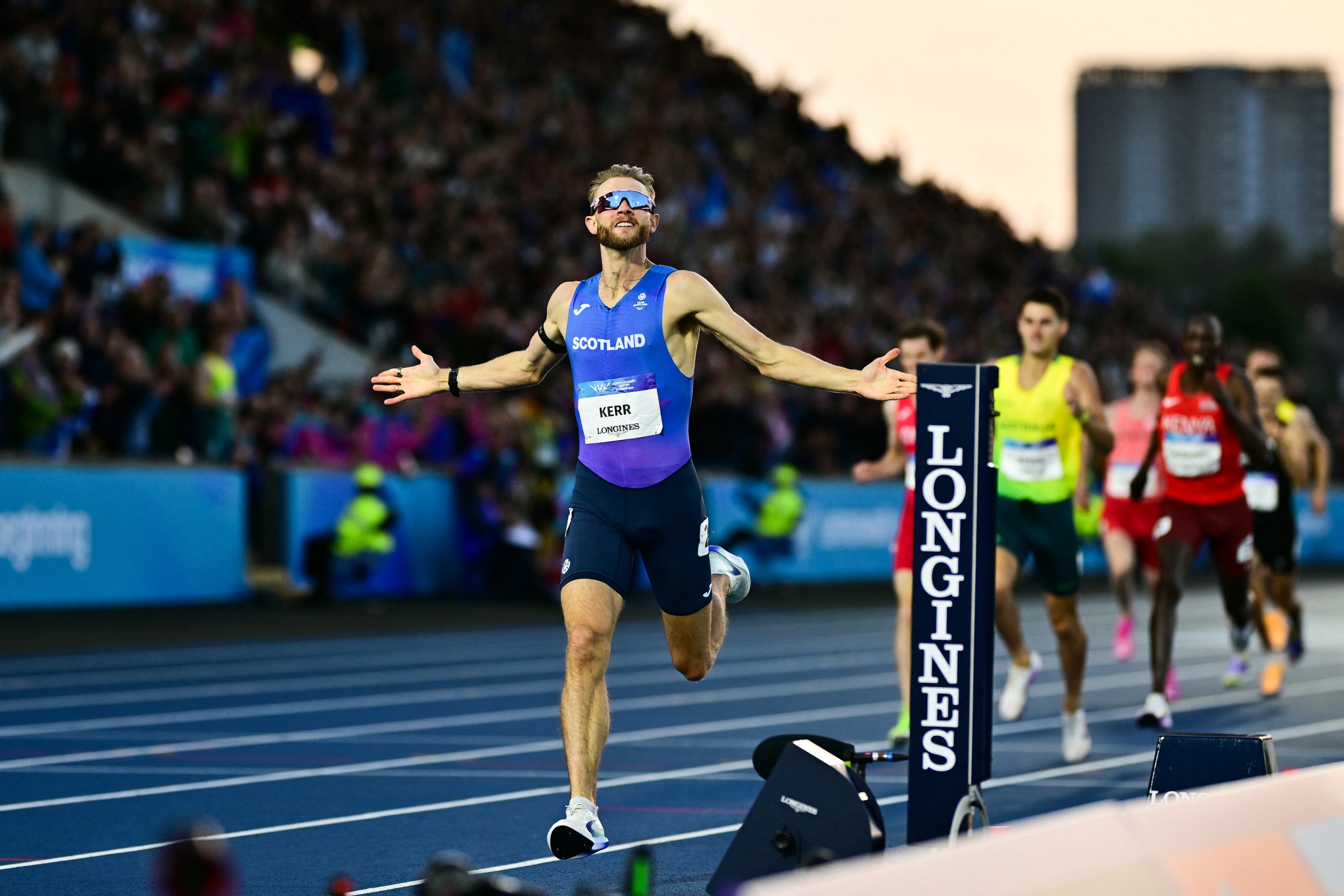
Australia's teenage sensation Cameron Meyers produced a superb closing lap to secure the silver medal in 3:55.26, continuing his rapid rise on the international stage. Kenya's former world champion Timothy Cheruiyot battled courageously throughout the race to earn the bronze medal in 3:55.41, adding another major championship podium finish to his distinguished career.
The battle for the remaining places was equally fierce. Wales' Jake Heyward narrowly missed the podium after clocking 3:55.54, while Australia's Oliver Hoare finished fifth in 3:56.28. Scotland's Jake Wightman delighted the home supporters with sixth place in 3:56.36, and Canada's Foster Malleck finished seventh in 3:56.46.
For Kerr, however, this triumph meant far more than another championship title. Winning the first Commonwealth Games mile in six decades in front of a passionate Scottish crowd created a storybook moment that will live long in the nation's sporting history. Coming just weeks after setting the world record, overcoming adversity during the race, and then producing a breathtaking final-lap surge made the achievement even more extraordinary.
As the Scottish flag waved proudly around the stadium and celebrations swept across Glasgow, one message rang true: who else? The world record holder had once again delivered when it mattered most. On a historic night for Scottish athletics and the Commonwealth Games, Josh Kerr proved that champions are defined not only by records but by their ability to rise to the biggest occasions. On home soil, before his own people, the King of Scotland ruled once again.
by Erick Cheruiyot for My Best Runs.
Login to leave a comment
The Commonwealth Games
The Commonwealth Games are coming to Victoria - bringing an action packed sports program to our regional cities and delivering a long-term legacy for our future. From 17 to 29 March 2026, Geelong, Bendigo, Ballarat, Gippsland and Shepparton will be on the world stage, attracting millions of viewers and creating thousands of jobs. The multi-city model will...
more...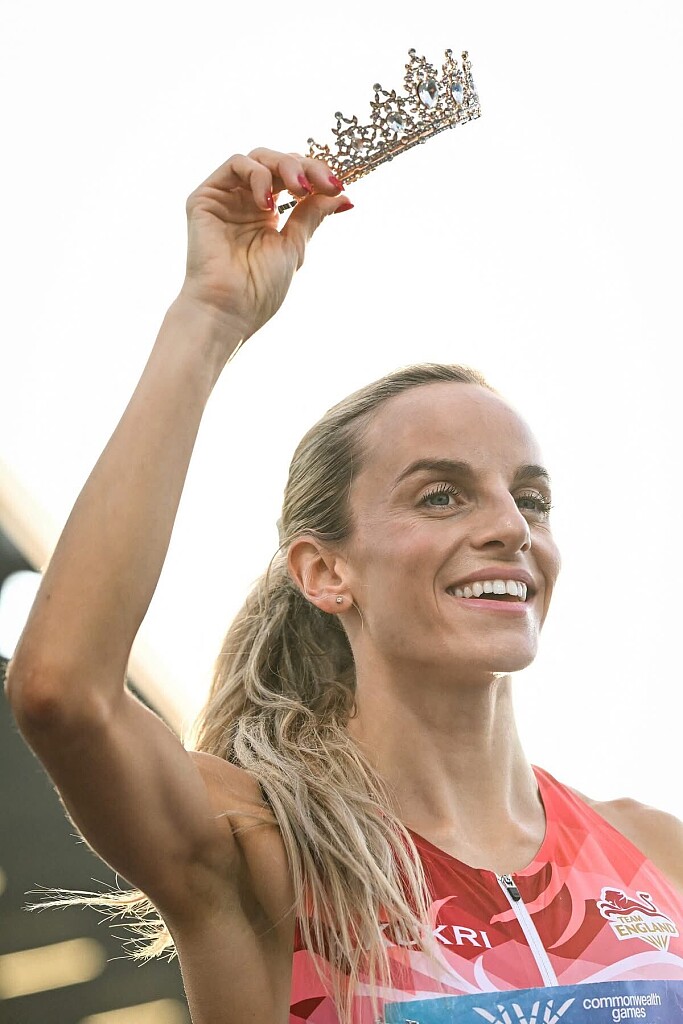
Georgia Hunter Bell Produces A Tactical Masterclass To Win Commonwealth Games 800m Gold
Georgia Hunter Bell delivered a performance of exceptional composure and precision to capture the women's 800m title at the 2026 Commonwealth Games in Glasgow, producing a perfectly judged race to secure gold for England in 1:59.51.
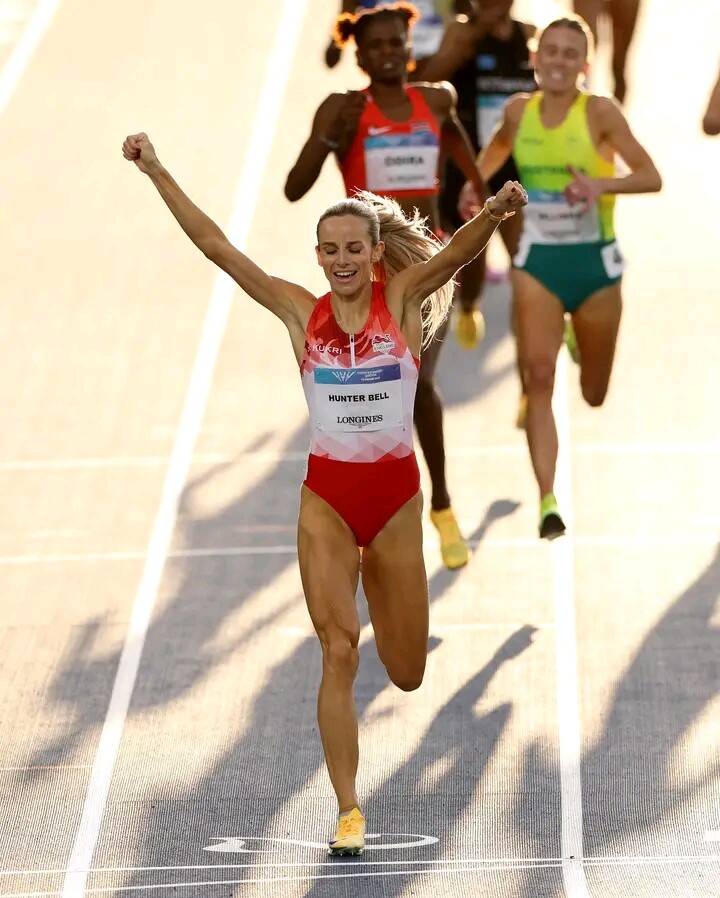
In a final featuring some of the Commonwealth's strongest middle-distance athletes, Hunter Bell refused to be drawn into an early battle for position. Instead, she dictated the rhythm from the front, maintaining complete control before unleashing a devastating surge over the final 250 metres that none of her rivals could match.
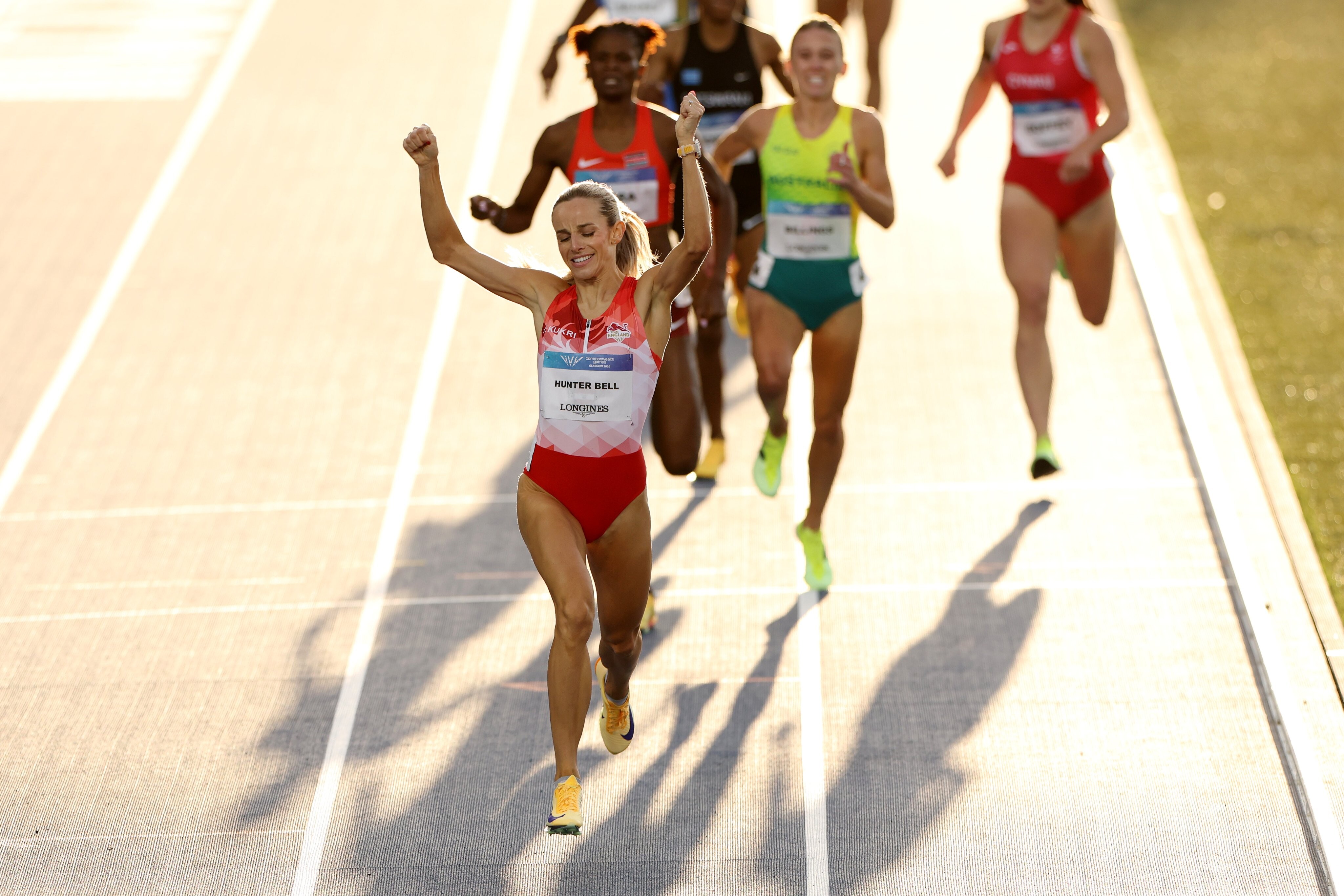
Her decisive finishing kick proved too much for Kenya's Lilian Odira, the reigning world champion, who chased hard over the closing stages but had to settle for the silver medal in 2:00.58. Australia's Sarah Billings completed the podium after edging a thrilling battle for bronze, crossing the line in 2:00.61, just three hundredths of a second behind Odira.
The race was a showcase of tactical intelligence rather than outright speed. Hunter Bell's confidence in setting the pace and her ability to produce a powerful finish at precisely the right moment highlighted why she has become one of the world's leading 800m runners.
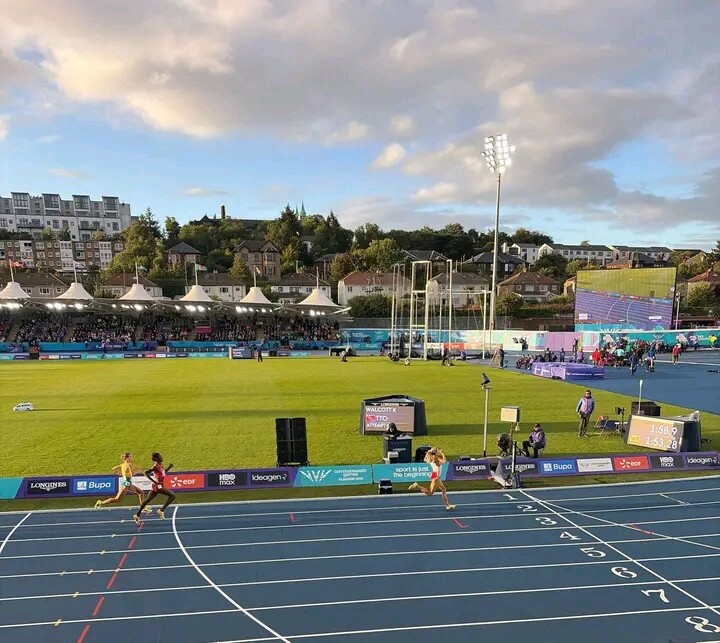
Behind the medal winners, Botswana's Oratile Nowe finished fourth in 2:01.29, followed by Wales' Isabelle Boffey in fifth with 2:01.44. Saint Vincent and the Grenadines' Shafiqua Maloney claimed sixth in 2:02.17, Jamaica's Kelly-Ann Beckford was seventh in 2:02.77, while Mauritius' Rachel Klopfenstein rounded out the finalists in eighth with 2:03.81.
Official Women's 800m Final Results
1. Georgia Hunter Bell (England) – 1:59.51
2. Lilian Odira (Kenya) – 2:00.58
3. Sarah Billings (Australia) – 2:00.61
4. Oratile Nowe (Botswana) – 2:01.29
5. Isabelle Boffey (Wales) – 2:01.44
6. Shafiqua Maloney (Saint Vincent and the Grenadines) – 2:02.17
7. Kelly-Ann Beckford (Jamaica) – 2:02.77
8. Rachel Klopfenstein (Mauritius) – 2:03.81
The victory adds another major championship title to Hunter Bell's growing résumé and underlines England's continued strength in middle-distance running. Her calm race management, combined with an explosive finishing burst, ensured she was in complete command when the medals were decided.
The women's 800m final proved to be one of the most captivating races of the Glasgow Games, blending tactical brilliance with fierce competition and producing a memorable finish that kept spectators on the edge of their seats until the final metres.
by Erick Cheruiyot for My Best Runs.
Login to leave a comment
The Commonwealth Games
The Commonwealth Games are coming to Victoria - bringing an action packed sports program to our regional cities and delivering a long-term legacy for our future. From 17 to 29 March 2026, Geelong, Bendigo, Ballarat, Gippsland and Shepparton will be on the world stage, attracting millions of viewers and creating thousands of jobs. The multi-city model will...
more...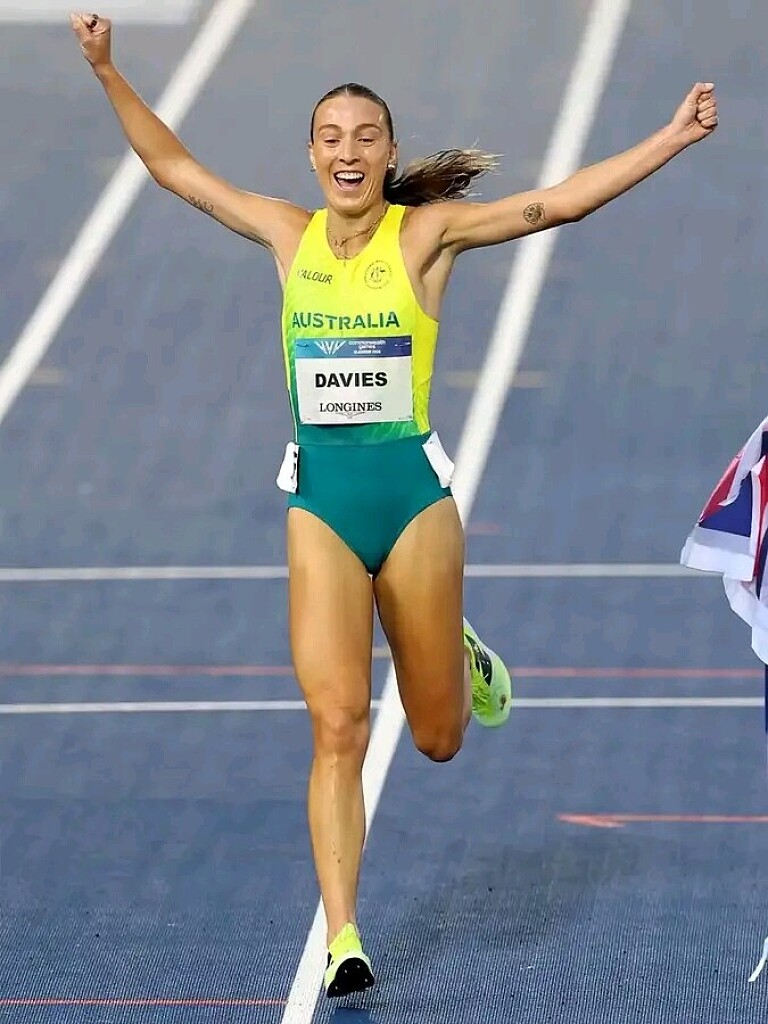
Rose Davies Completes Golden Double as Australia Delivers Historic One-Two in Thrilling Commonwealth Games 5,000m Final
Australia produced one of the most memorable distance-running performances of the Glasgow 2026 Commonwealth Games on Thursday night, claiming a remarkable one-two finish in the women's 5,000 metres as Rose Davies sprinted to her second gold medal of the championships.
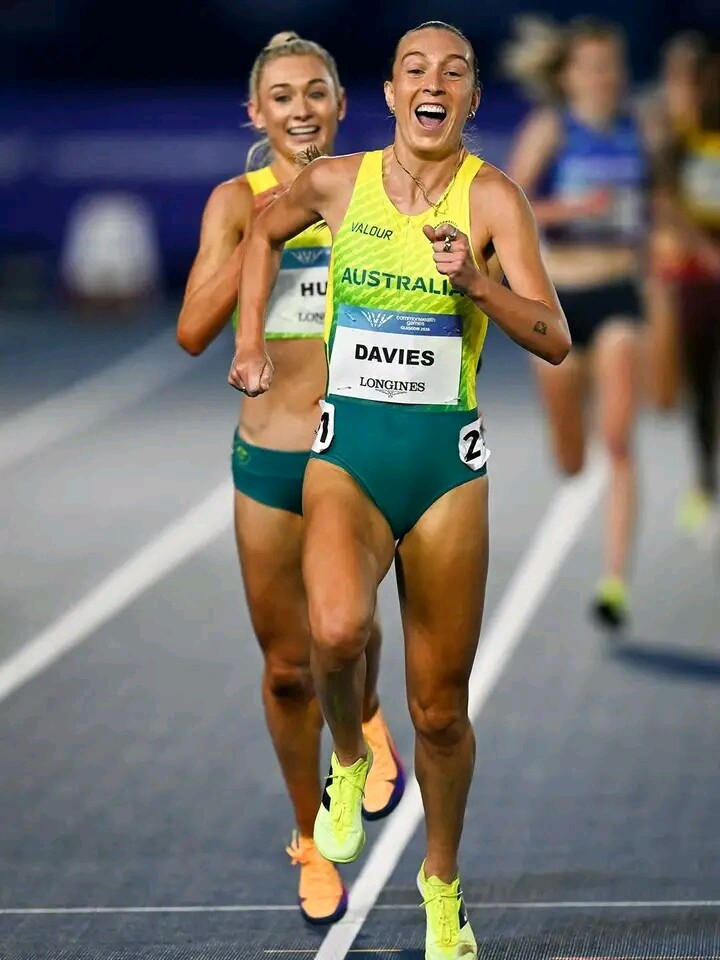
Just days after conquering the 10,000m, Davies completed a sensational distance double by clocking a season's best 14:44.53 to edge fellow Australian Jessica Hull, who crossed the line just 0.48 seconds later in 14:45.01. The historic finish marked a dominant night for Australian athletics, with the nation's two leading distance stars proving untouchable when the race reached its decisive stages.
The women's 5,000m unfolded as a tactical contest for much of the race before exploding into life with 1,200 metres remaining. Davies, Hull and Scotland's Megan Keith launched a sustained surge that immediately stretched the field and shattered the hopes of the chasing pack. Their relentless acceleration proved too much for the African contenders, who were unable to respond as the medals slipped away.
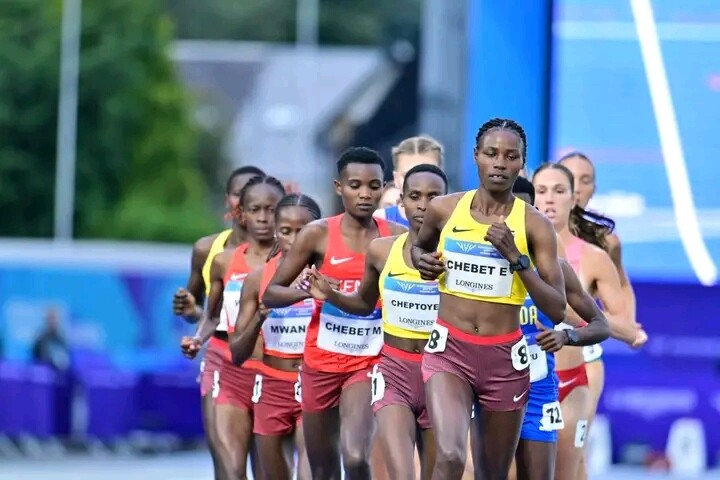
Davies remained composed over the closing lap despite fierce pressure from Hull, holding her form all the way to the finish to secure another Commonwealth crown and cement her place among the standout performers of the Games. Her victory completed a rare golden double in the 5,000m and 10,000m, underlining her exceptional endurance and championship racing instincts.
Hull's silver medal completed Australia's historic one-two finish, rewarding another world-class performance from one of the sport's premier middle- and long-distance runners. Meanwhile, the home crowd erupted as Scotland's Megan Keith produced a season's best 14:49.10 to claim bronze, giving the hosts a memorable podium finish in front of a packed Glasgow stadium.
Uganda's Esther Chebet battled bravely to finish fourth in a personal best 14:50.70 after leading the pursuit of the front trio, while England's Hannah Nuttall placed fifth in a season's best 14:51.34. Kenya's Caroline Nyaga crossed the line sixth in 14:54.00, with Australia's Linden Hall adding further depth to her country's outstanding evening by finishing seventh.
The race also featured several outstanding individual performances further down the field. South Africa's Tayla Kavanagh recorded a personal best, Rwanda's Emeline Imanizabayo celebrated a new national record with ninth place, while Uganda's Joy Cheptoyek, England's Innes Fitzgerald, Canada's Gabriela Debues-Stafford and several others produced season or lifetime bests in one of the deepest women's 5,000m finals of the Games.
Women's 5,000m Top 10 Final Results
1. Rose Davies (Australia) – 14:44.53 (Season Best)
2. Jessica Hull (Australia) – 14:45.01 (Season Best)
3. Megan Keith (Scotland) – 14:49.10 (Season Best)
4. Esther Chebet (Uganda) – 14:50.70 (Personal Best)
5. Hannah Nuttall (England) – 14:51.34 (Season Best)
6. Caroline Nyaga (Kenya) – 14:54.00
7. Linden Hall (Australia) – 14:55.28
8. Tayla Kavanagh (South Africa) – 14:58.49 (Personal Best)
9. Emeline Imanizabayo (Rwanda) – 14:59.92 (National Record)
10. Joy Cheptoyek (Uganda) – 15:00.97 (Season Best)
With two gold medals around her neck and Australia's first-ever Commonwealth Games one-two finish in the women's 5,000m, Rose Davies leaves Glasgow having delivered one of the defining performances of the championships. Her unforgettable triumph, backed by Jessica Hull's silver medal, showcased Australia's growing strength in global distance running and ensured the event will be remembered as one of the highlights of the 2026 Commonwealth Games.
by Erick Cheruiyot for My Best Runs.
Login to leave a comment
The Commonwealth Games
The Commonwealth Games are coming to Victoria - bringing an action packed sports program to our regional cities and delivering a long-term legacy for our future. From 17 to 29 March 2026, Geelong, Bendigo, Ballarat, Gippsland and Shepparton will be on the world stage, attracting millions of viewers and creating thousands of jobs. The multi-city model will...
more...
Georgia Hunter Bell Sets Up Blockbuster Commonwealth 800m Final Rematch with Lilian Odira
Georgia Hunter Bell produced another composed and commanding performance to book her place in the women's 800m final at the 2026 Commonwealth Games, setting the stage for what promises to be one of the most captivating races of the championships.
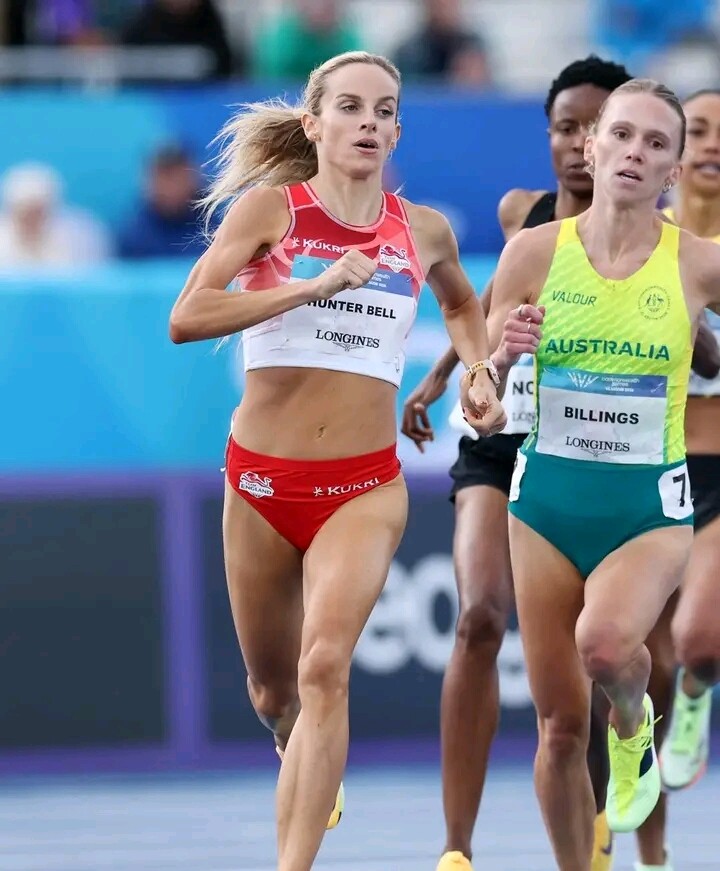
Representing England, Hunter Bell controlled her semi-final with confidence before crossing the line in a superb 1:59.88, comfortably securing automatic qualification for Friday night's title race in Glasgow. Her performance underlined both her consistency and championship experience, sending a clear message to the rest of the field that she is ready to challenge for Commonwealth gold.
The excitement surrounding the final intensified even further after reigning world champion Lilian Odira of Kenya also produced a masterclass in her semi-final. Running with complete confidence and remarkable composure, Odira cruised to victory in 1:59.39, ensuring that the two biggest stars of the event will once again share the starting line in what is shaping up to be a blockbuster rematch.
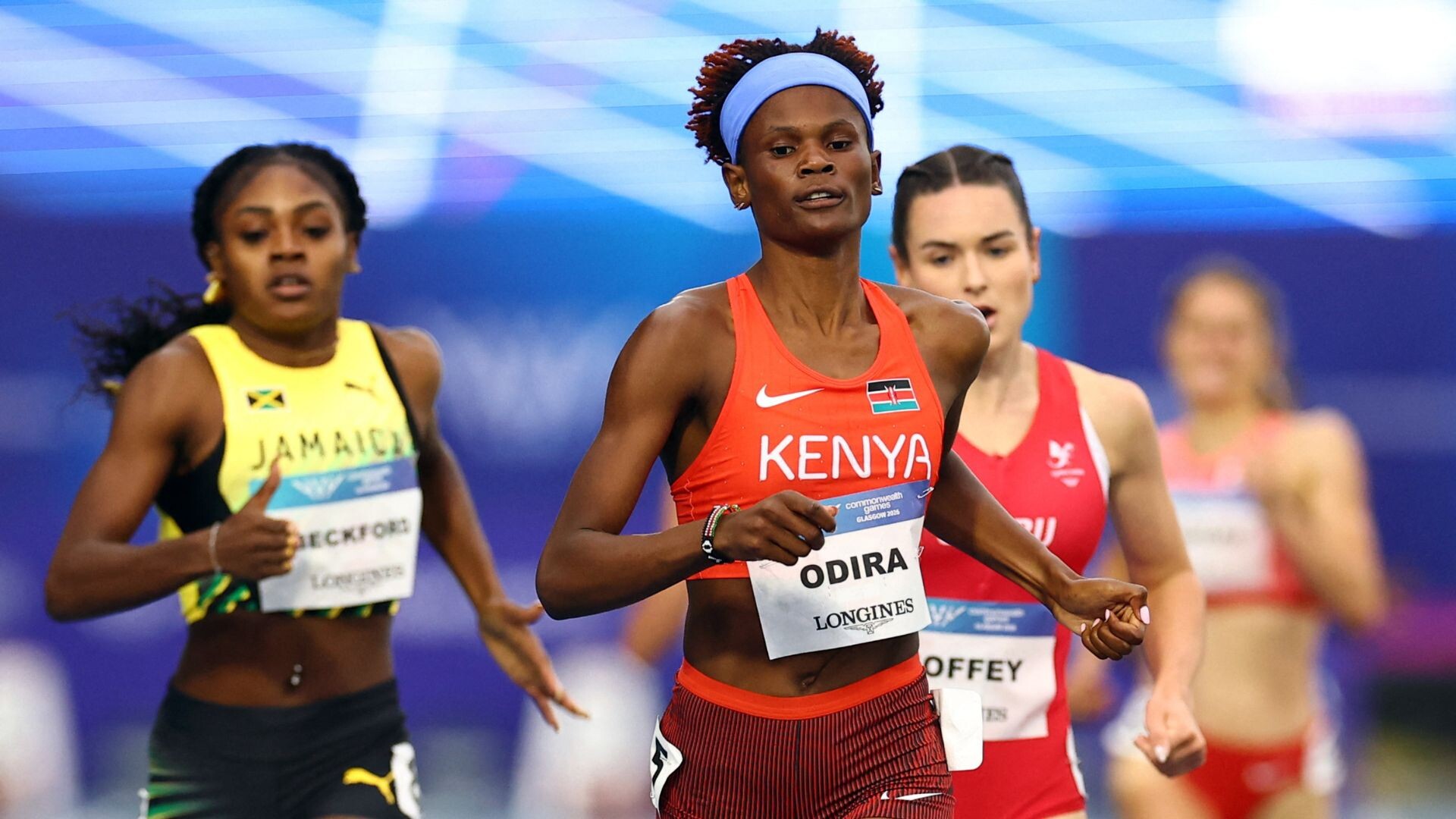
Their latest meeting rekindles one of the most compelling rivalries in women's middle-distance running. The pair last met on the sport's biggest stage at the 2025 World Athletics Championships in Tokyo, where Odira held off a relentless challenge from Hunter Bell to win the world title in a championship-record 1:54.62, while the English star claimed the silver medal after an unforgettable race that had fans around the world on the edge of their seats.
Now, with Commonwealth glory at stake, another fascinating chapter is about to be written. Odira will be aiming to reinforce her status as the world's premier 800m runner, while Hunter Bell will be determined to reverse the result and capture one of the biggest titles of her career. Their contrasting styles—Odira's fearless front-running strength against Hunter Bell's tactical brilliance and devastating finishing kick—could produce yet another modern classic.
Athletics fans can expect an electric atmosphere inside the Glasgow stadium as two of the world's finest 800m athletes battle for gold. With the field packed with quality and the leading contenders separated by only fractions of a second, the final has all the ingredients of a championship masterpiece that could be remembered for years to come.
The women's 800m final is scheduled for Friday night, July 31, with thousands expected inside the Glasgow stadium and millions more around the world eagerly awaiting what promises to be one of the most thrilling races of the 2026 Commonwealth Games.
Women's 800m Final Start List
1. Rachel Klopfenstein (Canada)
2. Kelly-Ann Beckford (Jamaica)
3. Shafiqua Maloney (Saint Vincent and the Grenadines)
4. Sarah Billings (Australia)
5. Georgia Hunter Bell (England)
6. Oratile Nowe (Botswana)
7. Lilian Odira (Kenya)
8. Isabelle Boffey (England)
With both Odira and Hunter Bell arriving in the final after emphatic semi-final victories, anticipation has reached fever pitch. The reigning world champion will look to extend her dominance, while the world silver medallist has the perfect opportunity to rewrite the script and claim Commonwealth glory. If their previous encounters are any indication, Glasgow is about to witness a spectacular race filled with tactical brilliance, relentless determination and a breathtaking finish that could become one of the defining moments of these Commonwealth Games.
by Erick Cheruiyot for My Best Runs.
Login to leave a comment
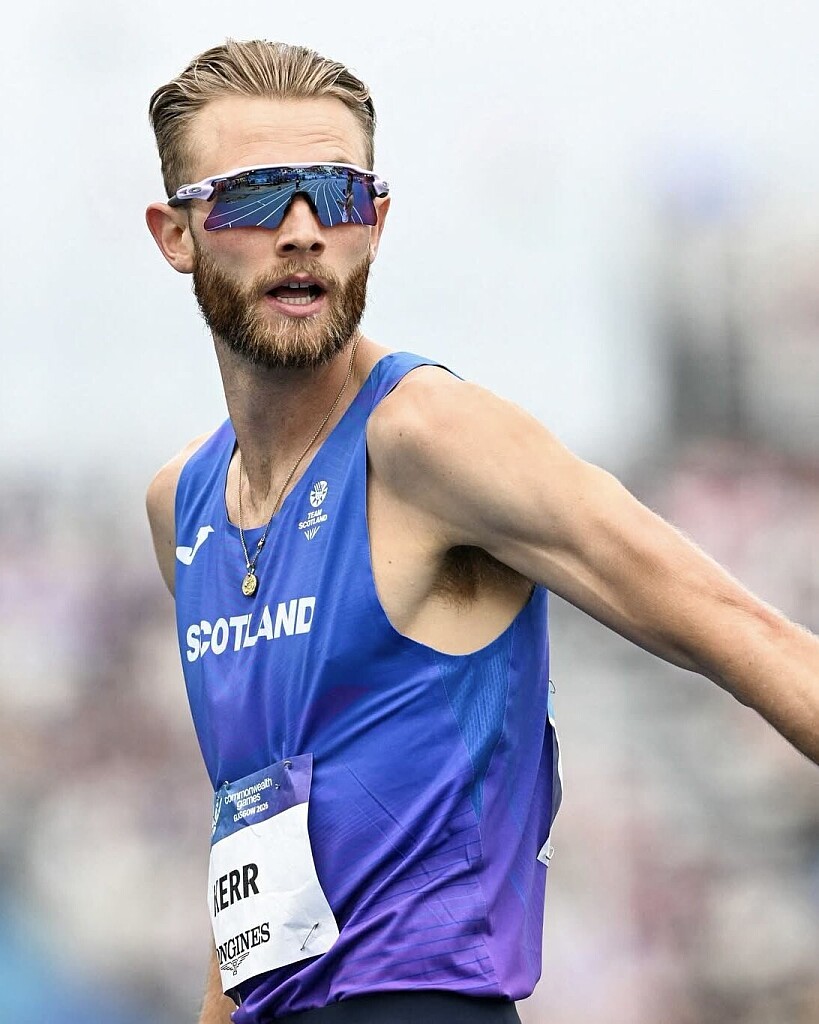
"It's Going to Be a War": Josh Kerr Sets the Stage for a Blockbuster Commonwealth Games Mile Final
The stage is set for one of the most eagerly anticipated races of the 2026 Commonwealth Games after Scottish star Josh Kerr delivered both a commanding performance and a powerful warning to his rivals.
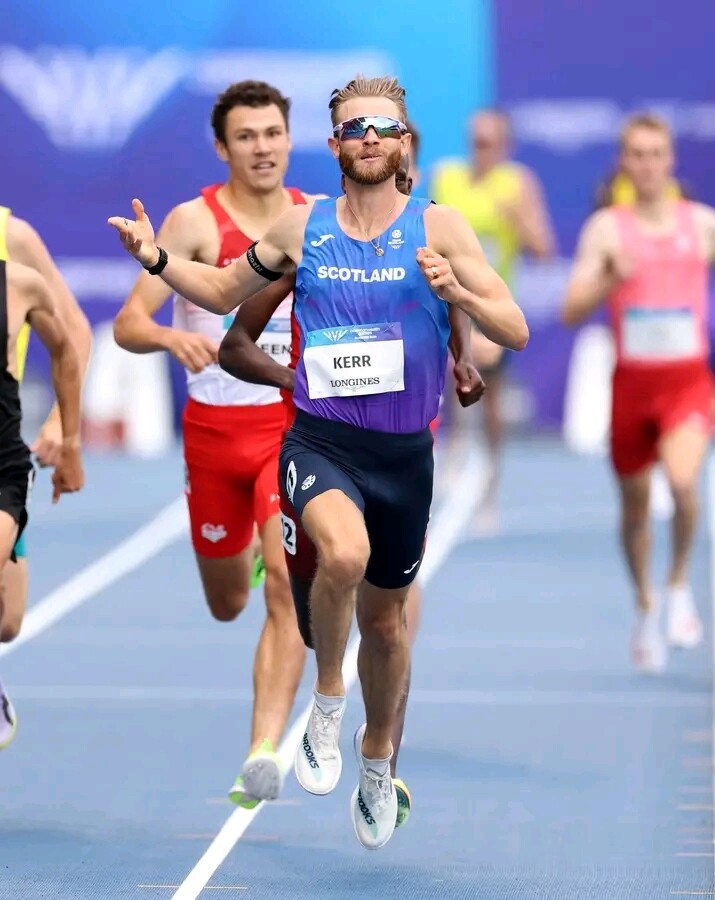
Moments after comfortably booking his place in Saturday night's men's mile final, Kerr summed up what everyone can expect with just five words: "It's going to be a war."
The reigning world-class miler looked relaxed and in complete control as he claimed victory in Heat 1 of the Men's One Mile Round 1, crossing the line in 3:58.57 to secure automatic qualification for the final. While the winning time was well within his capabilities, Kerr's composed display sent a strong message to the rest of the field that he is ready to fight for Commonwealth gold.
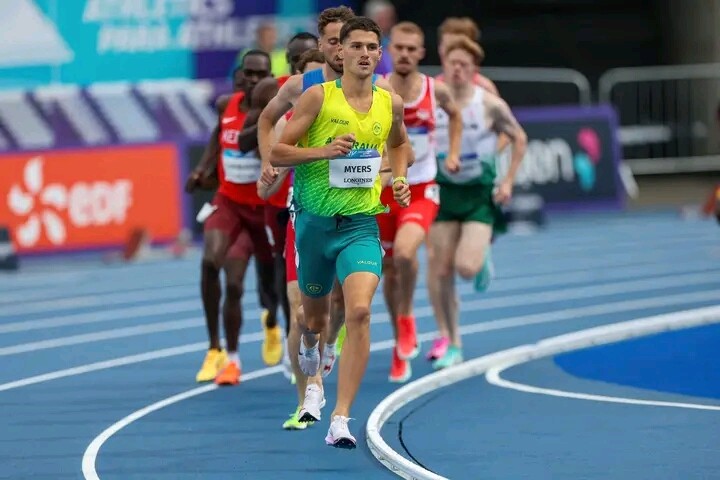
However, the fastest performance of the opening round belonged to Australia's Cameron Myers, who produced an impressive 3:53.85 to win Heat 2 and top the qualifying times. Myers' blistering run underlined the exceptional quality of the field and added another major contender to what is already shaping up to be a thrilling championship final.
Kenya's Timothy Cheruiyot, a former world champion and one of the most accomplished middle-distance runners of his generation, stayed close throughout Heat 1 before finishing second in 3:58.98, comfortably sealing his own place in the final. New Zealand's Samuel Tanner completed the top three in 3:59.31, also advancing to Saturday night's showdown.
Competing in front of a passionate home crowd at Scotstoun Stadium, Kerr soaked in every moment. Over the closing stages, he acknowledged the roaring Scottish supporters, urging them to raise the volume even higher as he surged down the home straight. It was a fitting celebration between athlete and fans, with the biggest challenge still lying ahead.
Saturday night's final promises to be a spectacular occasion, and Scotland will have twice the firepower in the battle for gold. Joining Kerr on the start line will be fellow Scot Jake Wightman, giving the host nation two genuine medal contenders capable of producing an unforgettable performance on home soil.
The men's mile final is already shaping up to be one of the standout events of the Glasgow 2026 Commonwealth Games. With Myers entering as the fastest qualifier, Kerr carrying the hopes of the home nation, Cheruiyot bringing his championship experience, Wightman adding another formidable Scottish challenge, and a field packed with world-class talent, the race promises tactical brilliance, relentless pace, and a dramatic fight all the way to the finish.
If Kerr's prediction is anything to go by, spectators are about to witness a true middle-distance classic.
by Erick Cheruiyot for My Best Runs.
Login to leave a comment
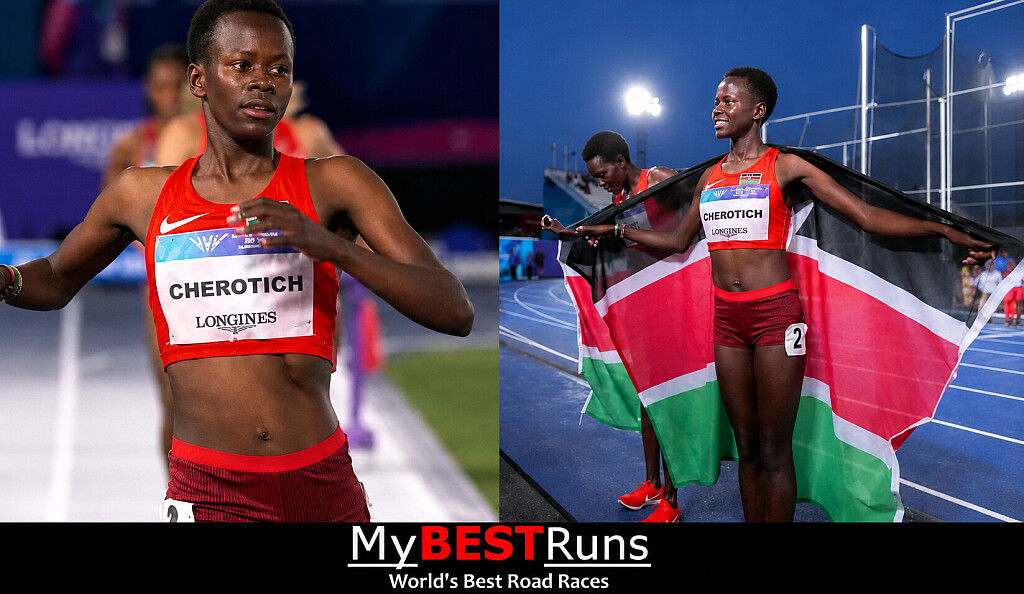
Faith Cherotich Rewrites Commonwealth Games History with Record-Breaking Steeplechase Triumph
Faith Cherotich delivered one of the greatest performances of the Glasgow 2026 Commonwealth Games, producing a breathtaking run to capture the women's 3,000m steeplechase gold medal while rewriting the championship record books.
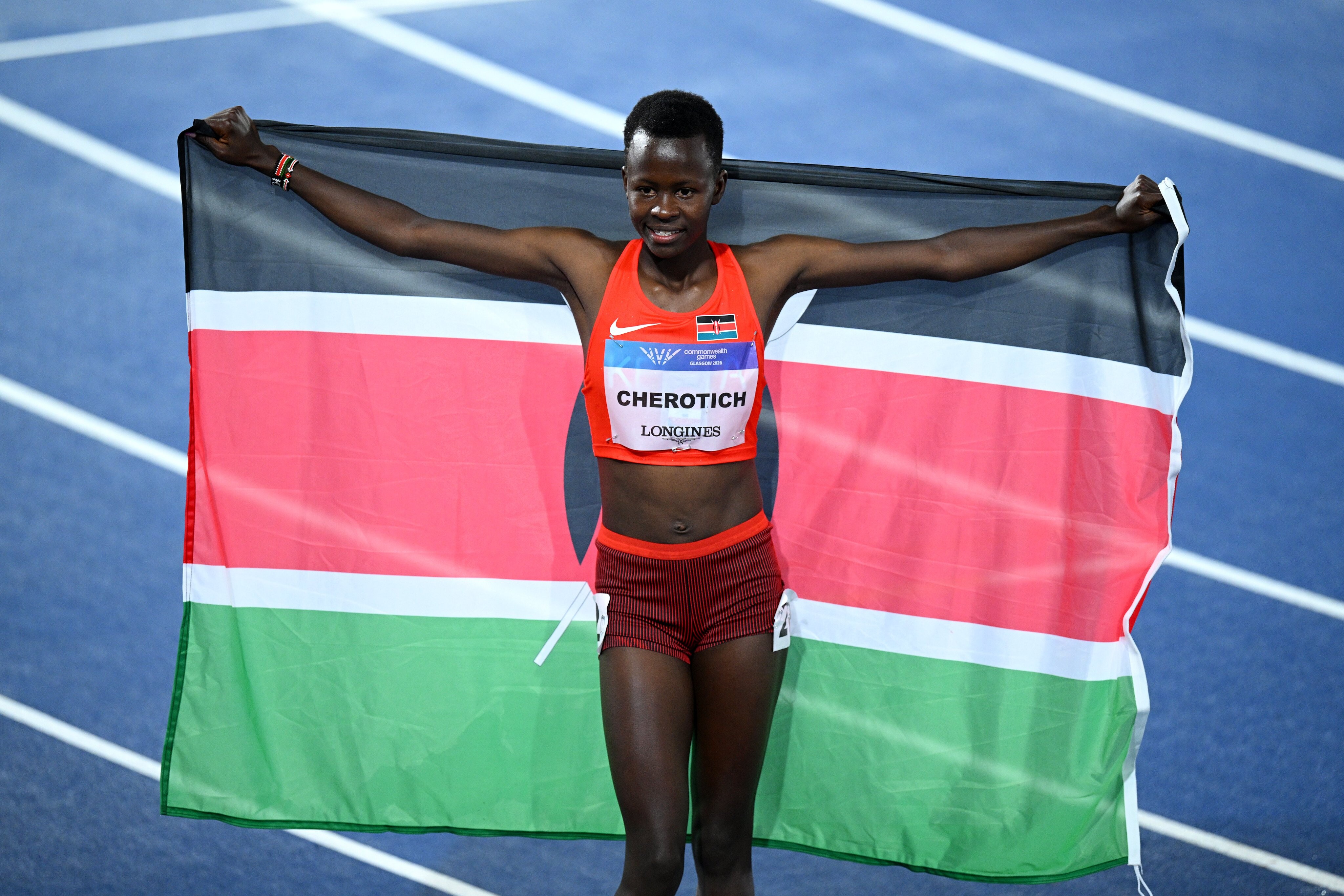
The Kenyan sensation powered away from the field with authority, crossing the finish line in a remarkable 9:01.76 to claim the Commonwealth title in unforgettable fashion. Her stunning performance erased the previous Commonwealth Games record of 9:15.68, set by fellow Kenyan Jackline Chepkoech at the Birmingham 2022 Games, underlining Kenya's continued dominance in one of its signature events.
From the opening laps, Cherotich looked composed and determined, confidently controlling the race before unleashing a devastating surge that none of her rivals could answer. Clearing every barrier with precision and maintaining a relentless rhythm, she transformed the closing stages into a celebration of world-class steeplechasing.
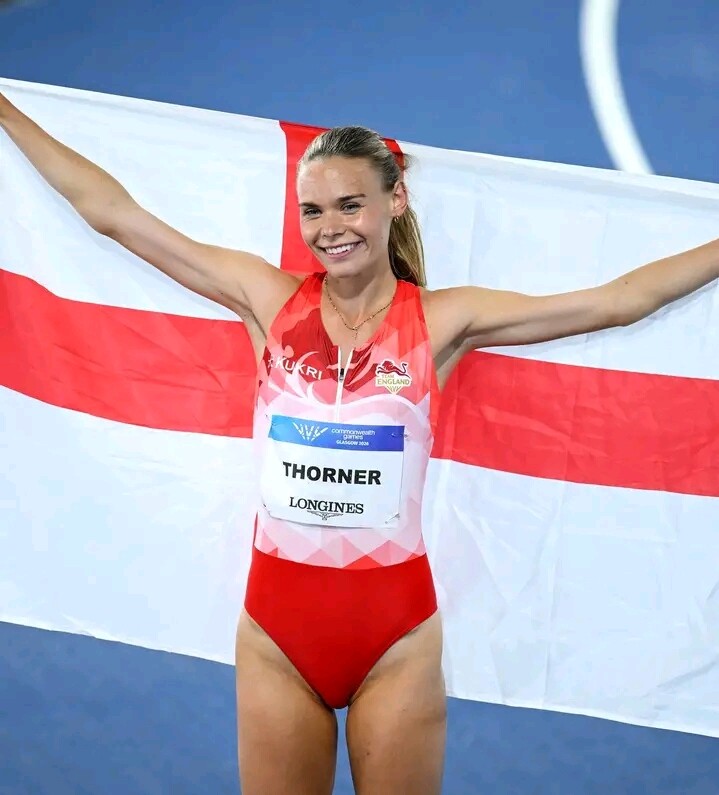
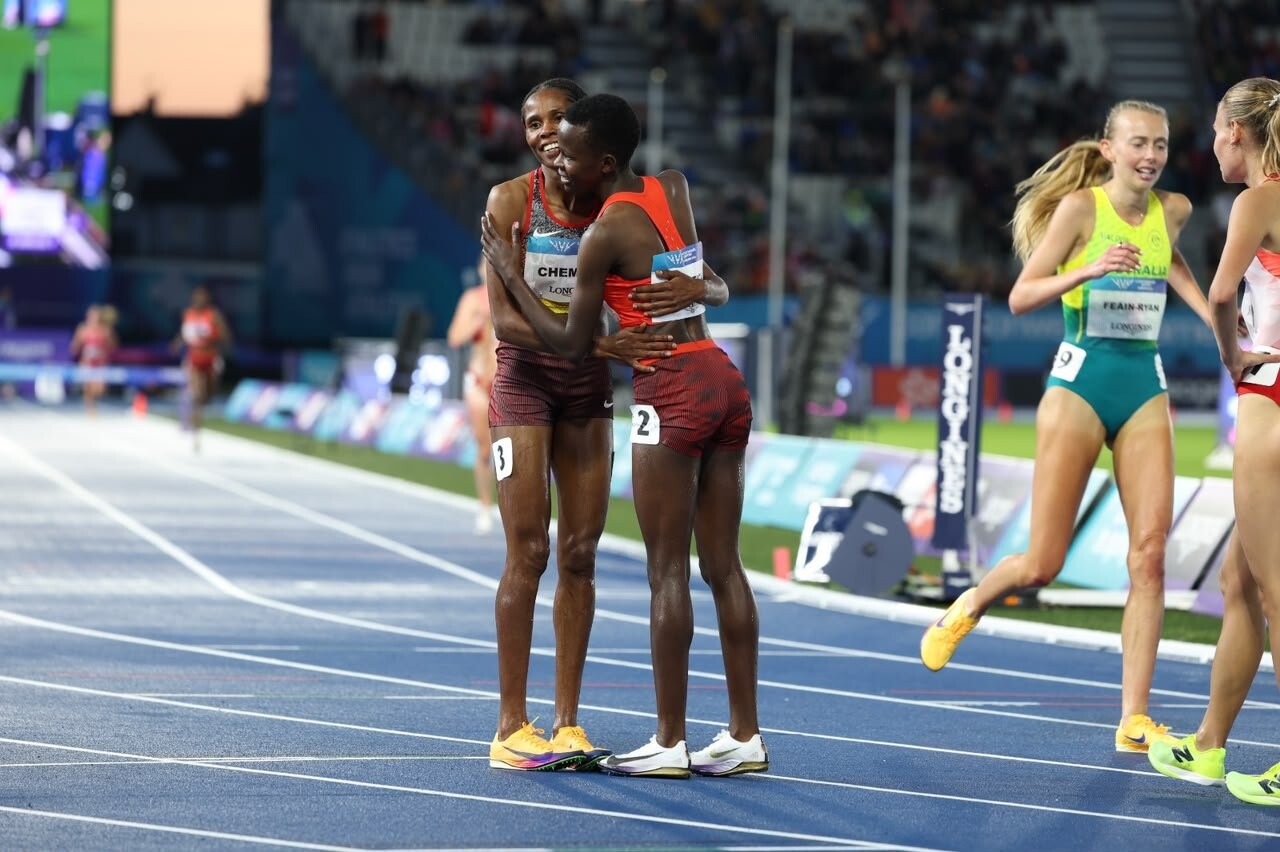
The battle for the medals was every bit as captivating. England's Elise Thorner produced a lifetime best of 9:05.45 to secure the silver medal, while Olympic champion Peruth Chemutai of Uganda claimed bronze in 9:09.96 after another courageous performance. Australia's Cara Feain-Ryan finished fourth in 9:22.07, with India's Parul Chaudhary taking fifth in 9:26.75. Canada's Grace Fetherstonhaugh crossed the line sixth in a personal best 9:27.49, while Kenya's Celestine Jepkosgei Biwot added a strong seventh-place finish in 9:33.61.
Women's 3000m Steeplechase Final – Glasgow 2026 Commonwealth Games
1. Faith Cherotich (Kenya) – 9:01.76 (Gold, Commonwealth Games Record)
2. Elise Thorner (England) – 9:05.45 (Silver, Personal Best)
3. Peruth Chemutai (Uganda) – 9:09.96 (Bronze)
4. Cara Feain-Ryan (Australia) – 9:22.07
5. Parul Chaudhary (India) – 9:26.75
6. Grace Fetherstonhaugh (Canada) – 9:27.49 (Personal Best)
7. Celestine Jepkosgei Biwot (Kenya) – 9:33.61
8. Cari Hughes (Wales) – 9:40.71 (National Record)
9. Katelyn Stewart-Barnett (Canada) – 9:46.98
10. Sarah Tait (Scotland) – 9:47.41
Cherotich's victory not only earned Kenya another gold medal but also reinforced the nation's remarkable legacy in the women's steeplechase. Breaking the Commonwealth Games record by nearly 14 seconds is a statement that echoes far beyond Glasgow, confirming the young Kenyan as one of the world's finest athletes in the event.
On a night filled with memorable performances, Faith Cherotich stood above them all. Draped in the Kenyan flag after her historic triumph, she celebrated a victory that will be remembered for years to come—a performance defined by courage, speed, and history-making brilliance.
by Erick Cheruiyot for My Best Runs.
Login to leave a comment
The Commonwealth Games
The Commonwealth Games are coming to Victoria - bringing an action packed sports program to our regional cities and delivering a long-term legacy for our future. From 17 to 29 March 2026, Geelong, Bendigo, Ballarat, Gippsland and Shepparton will be on the world stage, attracting millions of viewers and creating thousands of jobs. The multi-city model will...
more...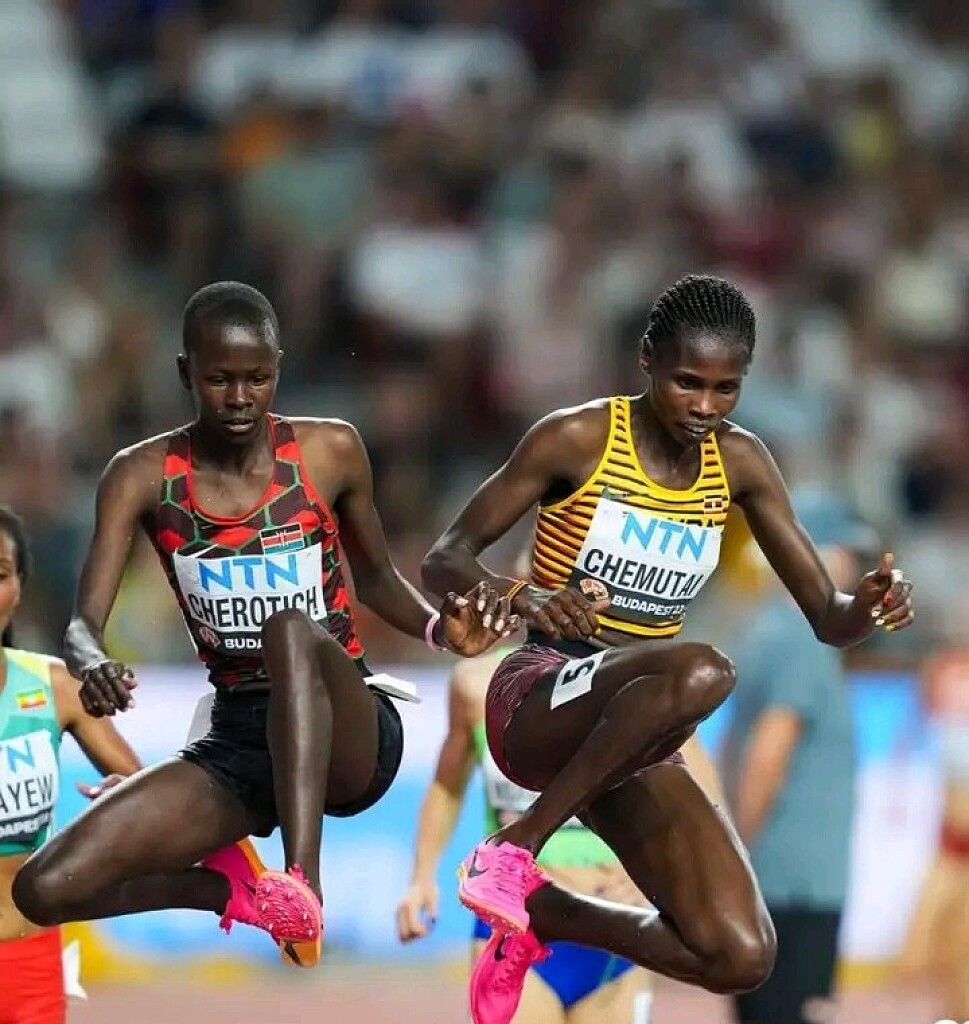
Faith Cherotich and Peruth Chemutai Set for Blockbuster Commonwealth Games Steeplechase Final in Glasgow
One of the most eagerly anticipated distance races of the 2026 Commonwealth Games will take center stage tonight in Glasgow as the women's 3,000m steeplechase final brings together two of the world's finest barrier specialists in a captivating battle for Commonwealth gold.
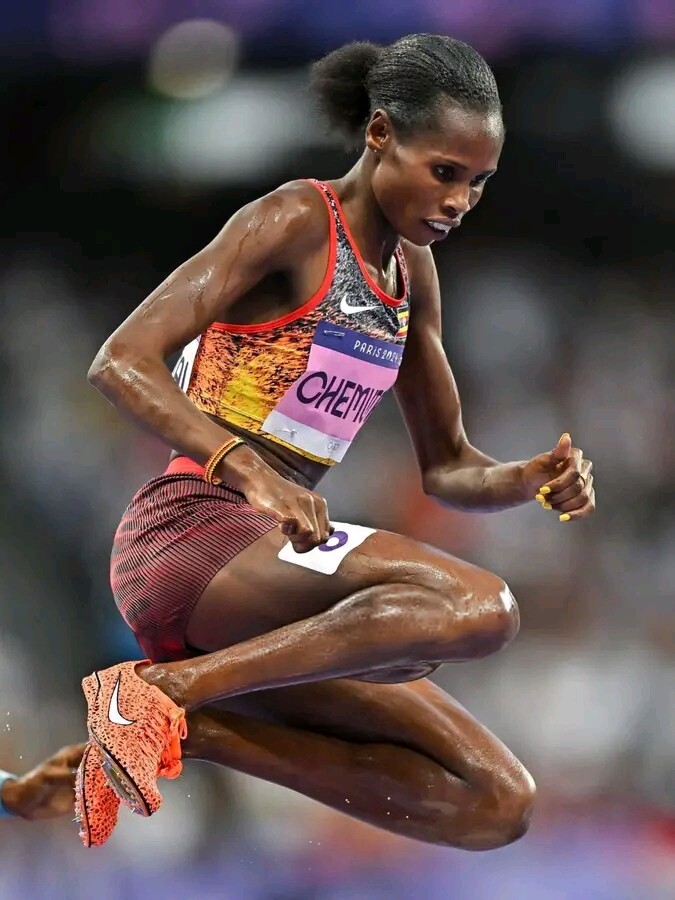
All eyes will be on Kenya's Faith Cherotich and Uganda's Peruth Chemutai, whose remarkable form this season has set the stage for what promises to be an unforgettable showdown. With both athletes arriving in Glasgow separated by less than half a second on the season's rankings, the margin for error could hardly be smaller.
Chemutai, the Olympic champion from Uganda, enters the final with the fastest season's best in the field at 8:51.06, while Kenya's rising star Cherotich has clocked an equally impressive 8:51.48. Even more remarkably, both women own personal bests under 8:49, highlighting the exceptional quality expected in the final.
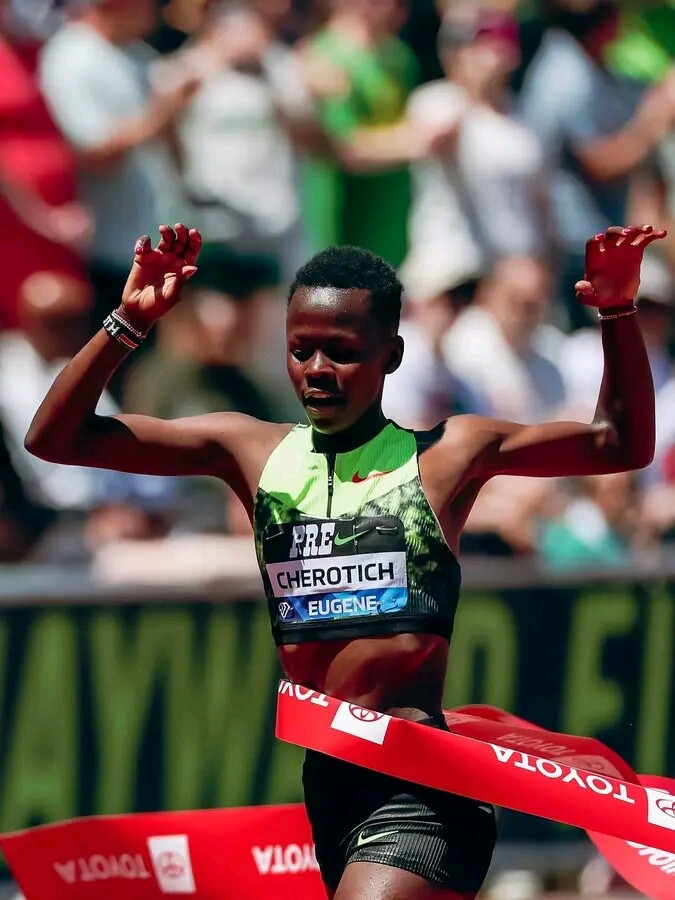
The race is expected to be a fascinating clash of styles. Chemutai's experience and relentless rhythm over the barriers will be tested by Cherotich's fearless racing instincts and devastating finishing speed. If the pace remains honest throughout, the outcome may not be decided until the final water jump or the last sprint down the home straight.
Although the spotlight naturally falls on the East African rivals, the battle for the medals extends well beyond them. England's Elise Thorner, boasting a personal best of 9:07.39, arrives as a genuine podium contender, while India's Parul Chaudhary has consistently demonstrated her ability to compete at the highest international level. Scotland's Sarah Tait will also enjoy passionate home support as she attempts to challenge the established favorites.
Kenya's Celestine Jepkosgei Biwot adds further depth to a competitive field that also includes Canada's Grace Fetherstonhaugh and Katelyn Stewart-Barnett, Australia's Cara Feain-Ryan, and Wales' Cari Hughes, ensuring the race will feature talent from across the Commonwealth.
Women's 3,000m Steeplechase Final – Start List
1. Grace Fetherstonhaugh (Canada) – PB: 9:28.42 | SB: 9:31.98
2. Faith Cherotich (Kenya) – PB: 8:48.71 | SB: 8:51.48
3. Peruth Chemutai (Uganda) – PB: 8:48.03 | SB: 8:51.06
4. Sarah Tait (Scotland) – PB: 9:18.66 | SB: 9:40.92
5. Parul Chaudhary (India) – PB: 9:12.46 | SB: 9:12.84
6. Katelyn Stewart-Barnett (Canada) – PB: 9:33.21 | SB: 9:36.69
7. Elise Thorner (England) – PB: 9:07.39 | SB: 9:07.39
8. Celestine Jepkosgei Biwot (Kenya) – PB: 9:17.06 | SB: 9:26.12
9. Cara Feain-Ryan (Australia) – PB: 9:21.35 | SB: 9:21.35
10. Cari Hughes (Wales) – PB: 9:41.66 | SB: 9:59.89
With two world-class athletes at the peak of their powers, national pride on the line, and a Commonwealth title at stake, Glasgow is set for a spectacular night of steeplechasing. Whether it is Chemutai's championship experience or Cherotich's youthful brilliance that prevails, fans can expect an electrifying contest that could become one of the defining races of the 2026 Commonwealth Games. The stage is set, the athletes are ready, and tonight promises to deliver a thrilling battle all the way to the finish line.
by Erick Cheruiyot for My Best Runs.
Login to leave a comment
The Commonwealth Games
The Commonwealth Games are coming to Victoria - bringing an action packed sports program to our regional cities and delivering a long-term legacy for our future. From 17 to 29 March 2026, Geelong, Bendigo, Ballarat, Gippsland and Shepparton will be on the world stage, attracting millions of viewers and creating thousands of jobs. The multi-city model will...
more...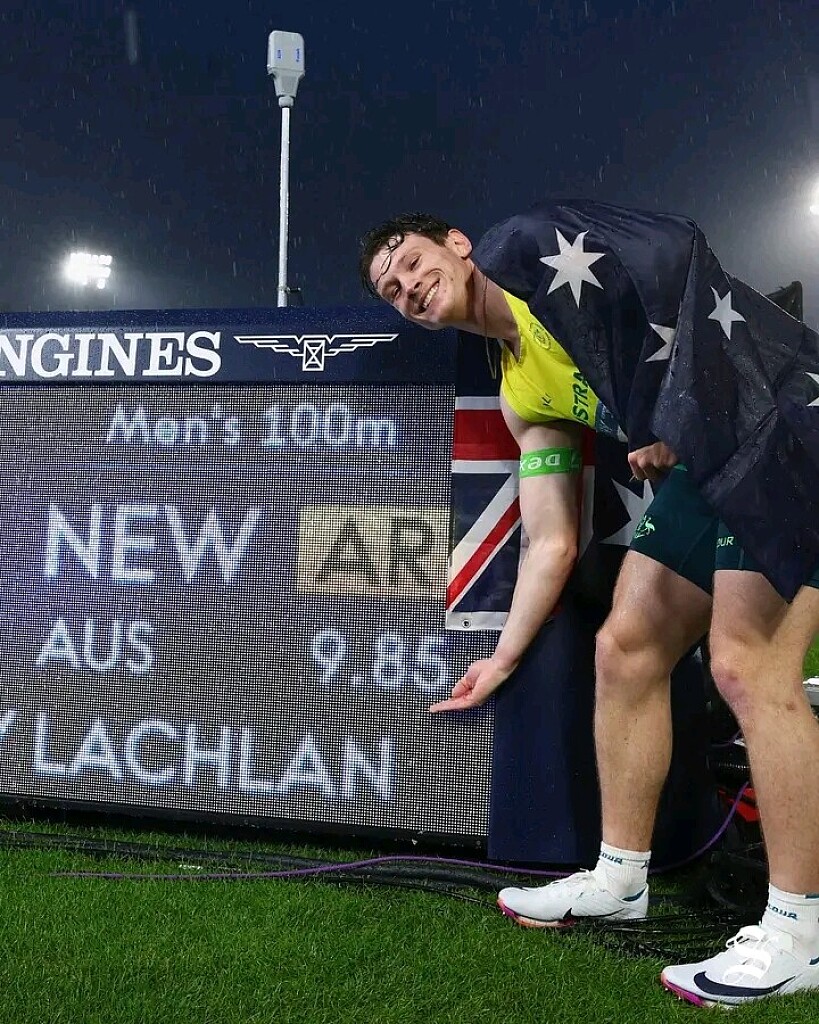
Lachlan Kennedy Smashes 23-Year Oceanian Record With Stunning 9.85 Sprint to Commonwealth Silver
Australian sprint sensation Lachlan Kennedy produced one of the standout performances of the season, rewriting Oceanian athletics history with a breathtaking run in the men's 100m final at the Commonwealth Games in Glasgow.
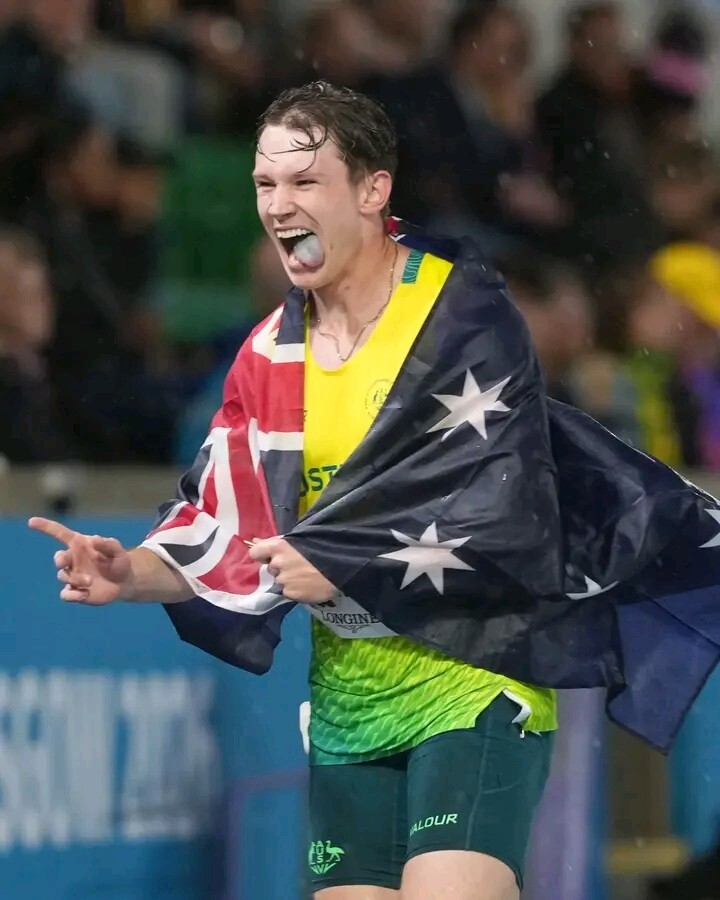
Kennedy stormed to the silver medal in an astonishing 9.85 seconds with a legal +1.3 m/s tailwind, delivering one of the fastest times recorded anywhere in the world this year. His electrifying performance not only earned him a place on the podium but also erased one of the region's longest-standing records.
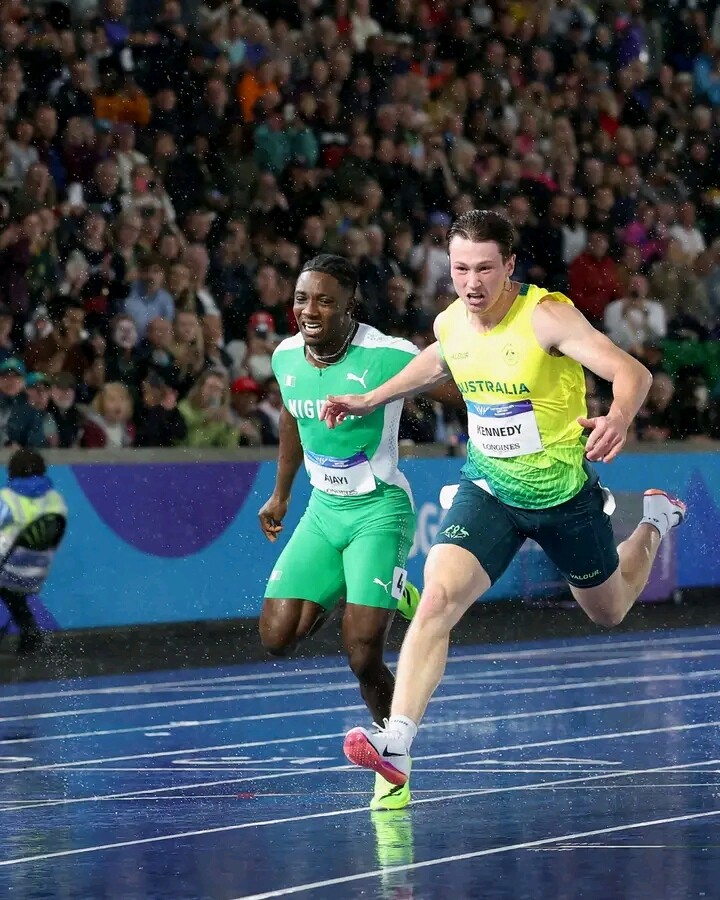
The 9.85 clocking shattered the previous Oceanian record of 9.93, set by fellow Australian Patrick Johnson in 2003. Johnson's mark had stood untouched for 23 years, surviving generations of talented sprinters before Kennedy finally broke through with a run for the history books.
Kennedy's achievement marks a defining moment for Australian sprinting. Breaking below the 9.90 barrier places him among the world's elite and signals the arrival of a genuine global medal contender ahead of the sport's biggest championships. His acceleration, composure under pressure, and powerful finish combined to produce a race that will be remembered as one of the finest 100m performances ever by an Oceanian athlete.
Beyond the record itself, the race showcased the growing strength of men's sprinting on the international stage. With world-class competition pushing athletes to extraordinary performances, Kennedy seized the moment and delivered when it mattered most, announcing himself as one of the fastest men on the planet.
For Australian athletics, Kennedy's record-breaking sprint represents far more than a silver medal. It is the beginning of a new era—one in which a 23-year-old benchmark has fallen, and a new standard has been established for future generations to chase.
by Erick Cheruiyot for My Best Runs.
Login to leave a comment
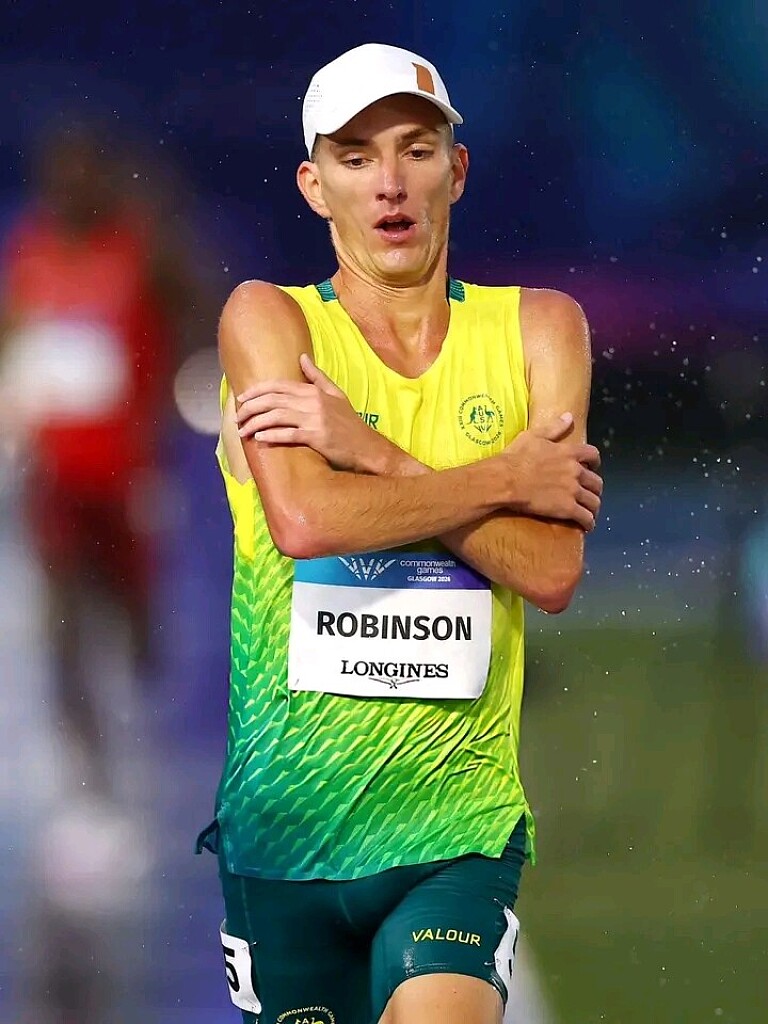
Australia Ends Long Wait as Ky Robinson Claims Historic Commonwealth 10,000m Gold in Glasgow
Australia's Ky Robinson produced the race of his career to capture the men's 10,000m gold medal at the 2026 Commonwealth Games in Glasgow, Scotland, becoming the first Australian ever to win the Commonwealth title in the event.
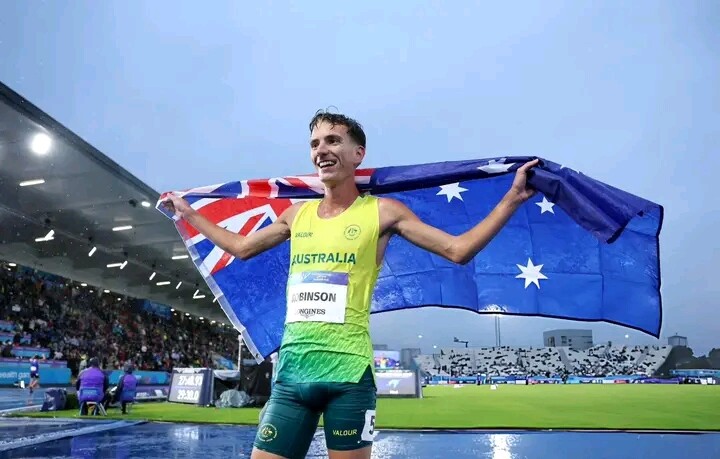
On a cold and rain-soaked night at Scotstoun Stadium, Robinson timed his finish to perfection, crossing the line in 27:48.93 to secure a landmark victory and complete an Australian sweep of the Commonwealth Games 10,000m titles after the nation's success in the women's race.
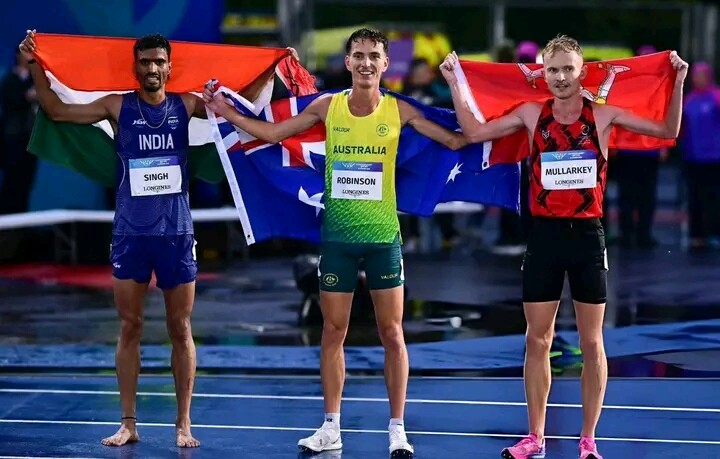
The race unfolded into one of the most dramatic distance finals of the championships. With the rain making conditions treacherous, a tightly packed lead group remained together well into the closing stages as the pace intensified lap after lap. Robinson found another gear in the final stretch to hold off a determined challenge from India's Gulveer Singh, while David Mullarkey unleashed a late surge to secure bronze. Just behind them, Edwin Kurgat fought bravely for Kenya but missed the podium by only 0.70 seconds, highlighting just how fiercely contested the battle for medals was. The top four athletes were separated by barely two seconds, making it one of the closest and most thrilling men's 10,000m finals in recent Commonwealth Games history.
India also celebrated a historic breakthrough as Gulveer Singh delivered the performance of his life to take silver in 27:49.78, earning India's first-ever Commonwealth Games medal in the men's 10,000m. David Mullarkey of the Isle of Man completed the podium in 27:50.28, capping a memorable evening for both nations.
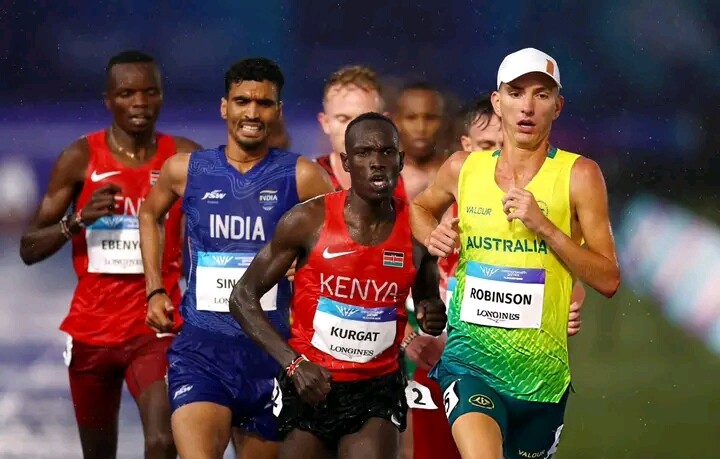
For Kenya, hopes of extending its proud tradition in the event fell agonizingly short. Edwin Kurgat led the Kenyan challenge with a courageous fourth-place finish in 27:50.98, narrowly missing out on a medal. Former Commonwealth Games Birmingham 2022 silver medalist Daniel Ebenyo finished sixth in 27:56.35, while Ishmael Kipkurui placed 10th in 28:04.60 as the Kenyan team was left without a podium finish.
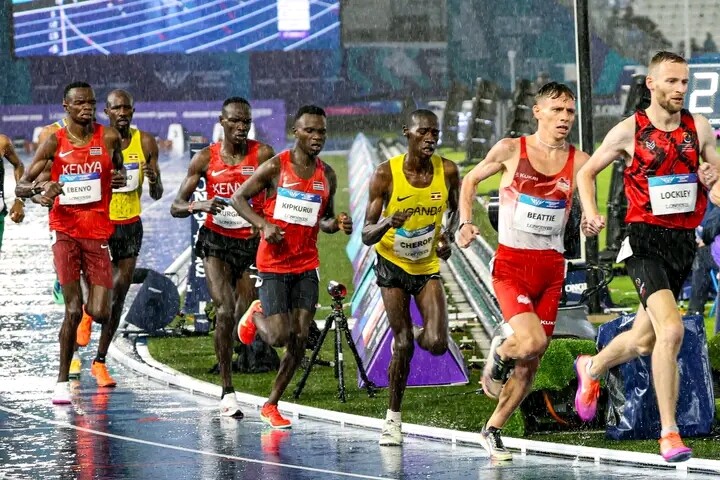
Uganda also came up short despite another determined performance from Samuel Simba Cherop, who clocked a personal best of 27:56.68 to finish seventh. The result ended an extraordinary era of Ugandan dominance in the men's 10,000m at the Commonwealth Games. Since Boniface Kiprop's victory at the 2006 Commonwealth Games in Melbourne, Australia, Uganda had ruled the event for two decades through a succession of outstanding distance runners, making Ky Robinson's triumph the first by another nation since Kiprop's breakthrough gold in Melbourne.
The final also showcased the growing depth of Commonwealth distance running, with athletes from Australia, India, the Isle of Man, Kenya, England, Uganda, Lesotho, Scotland and Tanzania all featuring prominently in a race that demonstrated the event's increasing global competitiveness.
Men's 10,000m Final Results – Glasgow 2026 Commonwealth Games
1. Ky Robinson (Australia) – 27:48.93
2. Gulveer Singh (India) – 27:49.78
3. David Mullarkey (Isle of Man) – 27:50.28
4. Edwin Kurgat (Kenya) – 27:50.98 (SB)
5. Scott Beattie (England) – 27:54.50
6. Daniel Ebenyo (Kenya) – 27:56.35 (SB)
7. Samuel Simba Cherop (Uganda) – 27:56.68 (PB)
8. Benjamin Ratsim (Tanzania) – 27:59.70 (PB)
9. Kamohelo Mofolo (Lesotho) – 28:01.00 (NR)
10. Ishmael Rokitto Kipkurui (Kenya) – 28:04.66 (SB)
11. Dan Kibet (Uganda) – 28:05.84 (SB)
12. Oscar Chelimo (Uganda) – 28:10.60
13. Andrew Butchart (Scotland) – 28:16.70
Robinson's historic triumph not only delivered Australia's first-ever Commonwealth men's 10,000m gold medal but also signaled a changing landscape in Commonwealth distance running, ending Uganda's remarkable 20-year reign and proving that the battle for long-distance supremacy is becoming more competitive than ever.
by Erick Cheruiyot for My Best Runs.
Login to leave a comment
The Commonwealth Games
The Commonwealth Games are coming to Victoria - bringing an action packed sports program to our regional cities and delivering a long-term legacy for our future. From 17 to 29 March 2026, Geelong, Bendigo, Ballarat, Gippsland and Shepparton will be on the world stage, attracting millions of viewers and creating thousands of jobs. The multi-city model will...
more...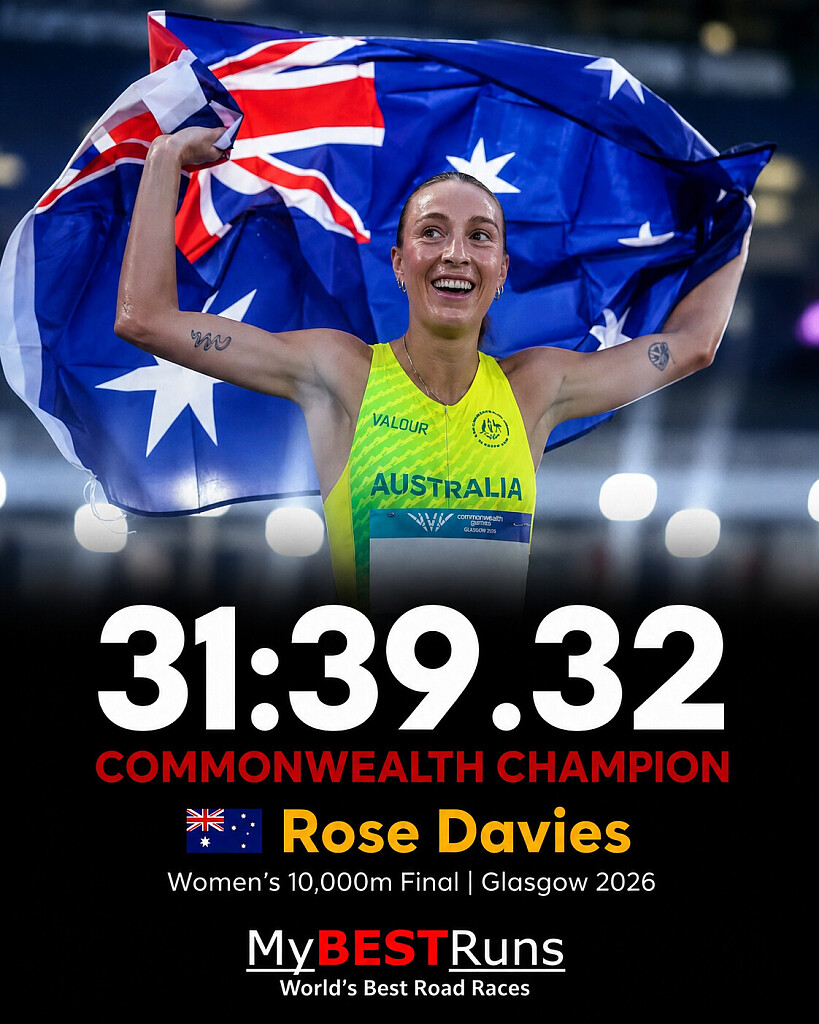
Rose Davies Makes History, Diana Wanza Claims Silver, and Florence Niyonkuru Shines with Bronze in Memorable Commonwealth Games 10,000m Final
Australia celebrated a landmark moment in distance running as Rose Davies produced a brilliant performance to win the women's 10,000m title at the 2026 Commonwealth Games in Glasgow, becoming the first Australian athlete ever to capture Commonwealth gold in the event. Clocking 31:39.32, Davies also recorded a season's best (SB) to crown a remarkable evening and write her name into Australian athletics history.
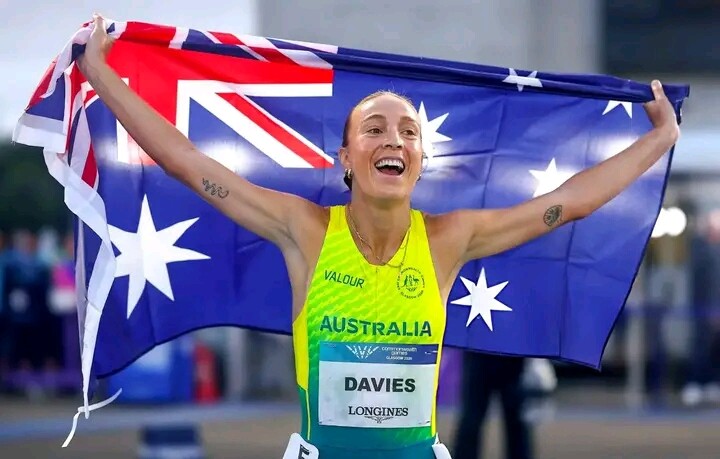
Davies delivered a composed and confident race from start to finish, demonstrating exceptional patience before unleashing a decisive surge in the closing stages to secure a historic victory. Her remarkable triumph not only earned Australia a long-awaited gold medal but also etched her name into the Commonwealth Games record books, adding one of the finest achievements in Australian distance-running history.
Kenya's Diana Wanza produced a courageous and determined performance to secure the silver medal in 31:50.13, further strengthening the nation's proud legacy in long-distance running. Remaining among the front-runners throughout the race, Wanza matched every challenge with grit and composure before crossing the finish line with a well-deserved runner-up finish against an outstanding field.
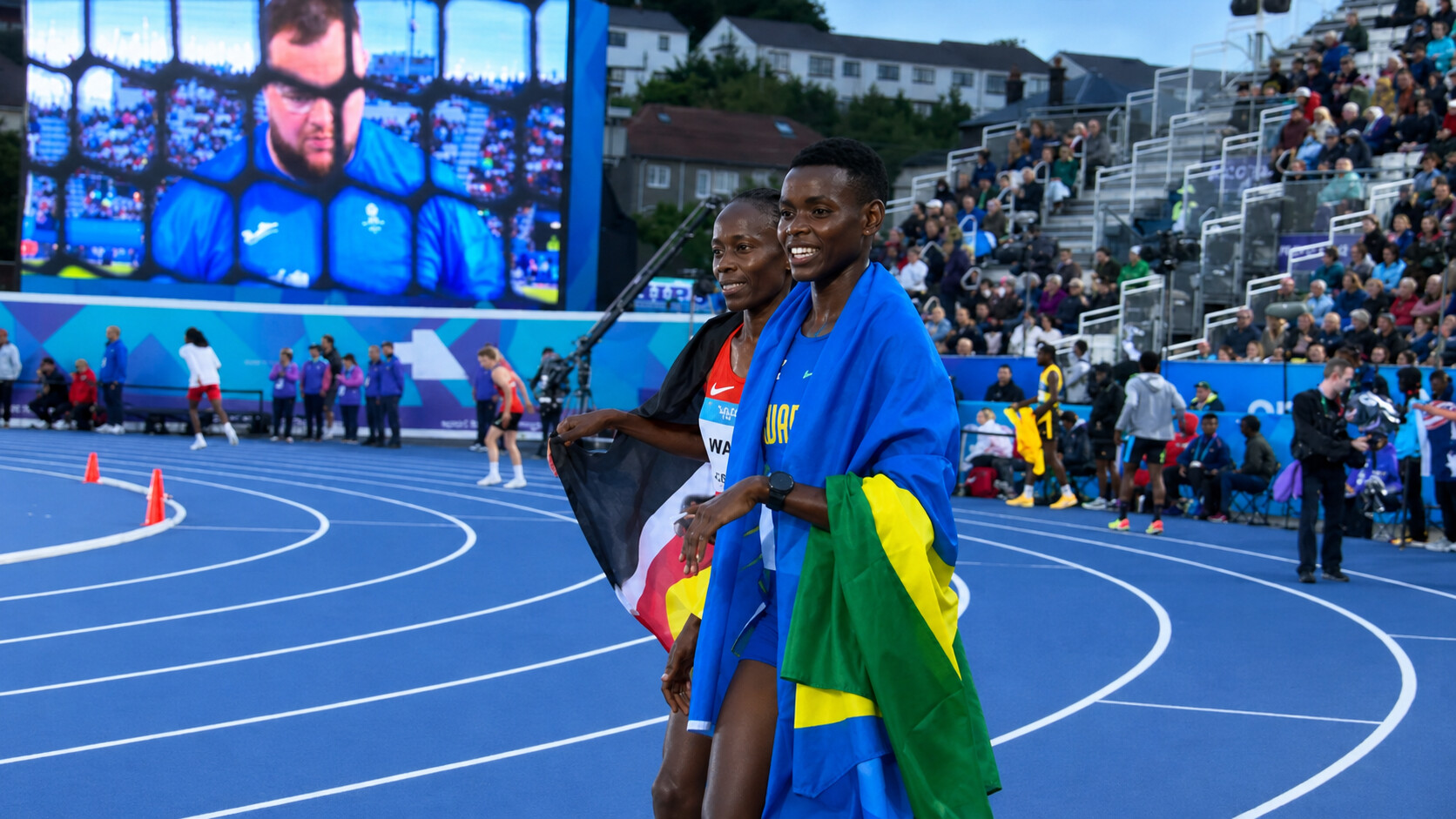
Rwanda's Florence Niyonkuru completed the podium with a superb run to capture the bronze medal in 31:55.47. Her impressive display underlined Rwanda's continued rise in international distance running and rewarded months of hard work with one of the biggest achievements of her career.
The race was fiercely contested from the opening laps, with the leading pack refusing to give an inch as the pace intensified. As the tension built inside the stadium, every lap brought fresh excitement and anticipation from the Glasgow crowd. Davies found another gear when it mattered most, Wanza responded with tremendous determination in pursuit of gold, while Niyonkuru held her composure to secure bronze in a thrilling finish. Behind the medalists, Uganda's Esther Chebet narrowly missed the podium by just 0.23 seconds, finishing fourth in a personal best of 31:55.70, highlighting just how competitive the championship final proved to be.
The depth of the field was reflected throughout the results, with several athletes producing season's bests and personal bests in one of the highest-quality women's 10,000m finals of the Games. Australia's Lauren Ryan finished fifth with a season's best, Uganda's Joy Cheptoyek placed sixth with another season's best, while Scotland's Megan Keith delighted the home crowd with a season's best ninth-place finish. The race showcased the exceptional standard of women's distance running across the Commonwealth.
Women's 10,000m Final – Commonwealth Games Glasgow 2026
1. Rose Davies (Australia) – 31:39.32 (SB)
2. Diana Wanza (Kenya) – 31:50.13
3. Florence Niyonkuru (Rwanda) – 31:55.47
4. Esther Chebet (Uganda) – 31:55.70 (PB)
5. Lauren Ryan (Australia) – 31:59.41 (SB)
6. Joy Cheptoyek (Uganda) – 32:01.92 (SB)
7. Miriam Chebet (Kenya) – 32:12.97
8. Rebecca Chelangat (Uganda) – 32:16.28 (SB)
9. Megan Keith (Scotland) – 32:22.11 (SB)
10. Rebecca Mwangi (Kenya) – 32:36.12
11. Izzy Fry (England) – 32:50.81
12. Poppy Tank (England) – 32:50.83
13. Florence Caron (Canada) – 32:59.51
14. Nthabiseng Letokoto (Lesotho) — 34:52.00 (SB)
The women's 10,000m final perfectly illustrated the depth of talent across the Commonwealth, with three exceptional athletes delivering performances worthy of the podium. While Rose Davies celebrated a groundbreaking victory for Australia, Diana Wanza once again demonstrated Kenya's enduring excellence in distance running, and Florence Niyonkuru's bronze medal highlighted Rwanda's growing presence among the world's elite. Together, they produced a championship race that will be remembered for its quality, intensity, and historic significance.
by Erick Cheruiyot for My Best Runs.
Login to leave a comment
The Commonwealth Games
The Commonwealth Games are coming to Victoria - bringing an action packed sports program to our regional cities and delivering a long-term legacy for our future. From 17 to 29 March 2026, Geelong, Bendigo, Ballarat, Gippsland and Shepparton will be on the world stage, attracting millions of viewers and creating thousands of jobs. The multi-city model will...
more...
Brigid Kosgei Returns to the Course Where She Redefined Women's Marathon Running
Seven years after producing one of the most extraordinary performances the marathon has ever witnessed, Brigid Kosgei is heading back to the streets where she etched her name into athletics history. The Kenyan distance-running icon will return to the Bank of America Chicago Marathon on October 11, 2026, rekindling memories of her breathtaking triumph in 2019 that transformed the sport forever.
Chicago was the stage where Kosgei delivered a performance for the ages, crossing the finish line in an astonishing 2:14:04 to erase Paula Radcliffe's 16-year-old women's marathon world record. That unforgettable run remains one of the greatest achievements in long-distance running and cemented her place among the finest marathoners in history.
Her return comes at the perfect moment. Kosgei arrives in exceptional form after capturing victory at the 2026 Tokyo Marathon, where she stormed to a course-record 2:14:29, proving she is once again among the world's most dangerous marathon competitors. With renewed confidence and outstanding fitness, she will be aiming to conquer Chicago for another memorable chapter in her remarkable career.
However, victory will be anything but straightforward. The 2026 women's race features one of the deepest and strongest marathon fields ever assembled, setting the stage for a spectacular battle between some of the sport's biggest names.
Defending champion Hawi Feysa returns determined to protect her Chicago crown after establishing herself among the world's elite. Ethiopia's Sutume Kebede and Megertu Alemu add further strength to an already formidable lineup, while Kenya's Brillian Kipkoech, Loice Chemnung, Joan Kilimo, Magdalyne Masai, and Mary Ngugi Cooper ensure the East African rivalry will be as fierce as ever.
Another athlete attracting enormous attention is Boston Marathon champion Sharon Lokedi, who will make her highly anticipated Chicago Marathon debut. Having already proven herself on the biggest stages, Lokedi adds another exciting dimension to a race packed with championship pedigree and world-class talent.
The international field is equally impressive, with Ethiopia's Degitu Azimeraw and Fantu Worku joining Japan's Yuka Ando, Australia's Isobel Batt-Doyle, and American standouts Sara Hall, Susanna Sullivan, Des Linden, and Natosha Rogers in pursuit of marathon glory.
With a former world-record holder returning to her most historic venue, a defending champion eager to retain her title, and several major marathon winners chasing one of the sport's most prestigious crowns, the 2026 Bank of America Chicago Marathon promises to deliver a thrilling contest from start to finish. Every indication suggests this could become one of the most memorable women's marathon races in recent history.
As the countdown to October 11 continues, anticipation is rapidly building. Can Brigid Kosgei recreate the magic that changed marathon history, or will a new champion rise on the streets of Chicago? One thing is certain—the world will be watching as an exceptional field battles for one of road running's most coveted titles.
by Erick Cheruiyot for My Best Runs.
Login to leave a comment

Bank of America Chicago
Running the Bank of America Chicago Marathon is the pinnacle of achievement for elite athletes and everyday runners alike. On race day, runners from all 50 states and more than 100 countries will set out to accomplish a personal dream by reaching the finish line in Grant Park. The Bank of America Chicago Marathon is known for its flat and...
more...
A New Champion Will Rise: Women's Commonwealth Games 10,000m Crown Up for Grabs After Eilish McColgan's Withdrawal
The stage is set for one of the most fascinating distance races of the 2026 Commonwealth Games after reigning women's 10,000m champion Eilish McColgan officially withdrew from the competition, ending her hopes of defending the title she won in memorable fashion four years ago.

McColgan's absence leaves the event without its defending champion and guarantees that a new name will be etched into Commonwealth Games history when the athletes line up for tonight's final in Glasgow. While her withdrawal is a significant setback for Scottish supporters hoping to celebrate another home victory, it has also created one of the most open and unpredictable championship races in recent memory.
Kenya's Miriam Chebet enters the final as the fastest athlete in the field with a personal best of 30:27.30 and will undoubtedly be one of the leading contenders for the gold medal. However, she faces formidable opposition from Australia's Rose Davies and Lauren Ryan, both of whom have consistently delivered world-class performances and possess the endurance to challenge for the top step of the podium.
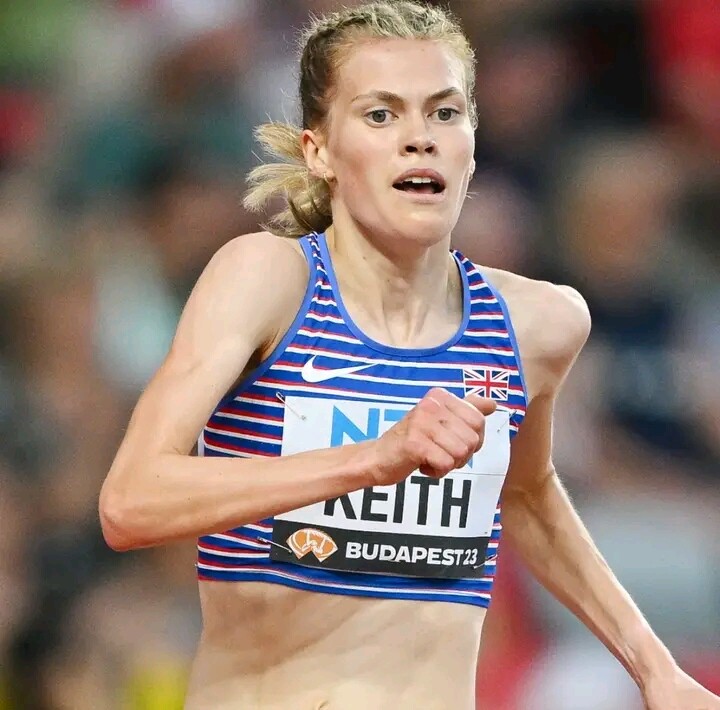
With McColgan no longer in the race, Scotland's hopes now rest on Megan Keith. Competing before a passionate home crowd in Glasgow, Keith has the opportunity to produce the performance of her career and give the host nation another unforgettable distance running moment.
The race is also packed with outstanding talent from East Africa. Rwanda's Emeline Imanizabayo and Florence Niyonkuru arrive with valuable international experience, while Uganda's Joy Cheptoyek and Rebecca Chelangat have repeatedly shown they are capable of excelling in championship competition. Kenya's Diana Wanza and Rebecca Mwangi further strengthen an exceptionally deep field where every position is expected to be fiercely contested.
England's Izzy Fry and Poppy Tank will also be aiming to make their mark, with Tank continuing to inspire many through her remarkable journey to the Games despite competing without the financial backing enjoyed by many of her rivals. Canada's Florence Caron, Lesotho's Nthabiseng Letokoto, and the Isle of Man's Christa Cain complete a line-up that promises an exciting and highly competitive contest.
Unlike races with an overwhelming favourite, this championship appears wide open. The outcome could depend as much on race tactics as outright speed, with every athlete aware that a rare opportunity now lies before them. Whether the pace is aggressive from the opening laps or develops into a tactical battle decided over the closing stages, the fight for gold is expected to captivate athletics fans from start to finish.
Tonight, all eyes will be on Glasgow as the Commonwealth Games crown a new women's 10,000m champion. With an outstanding field assembled and the defending champion no longer on the start line, the race has all the ingredients to become one of the defining moments of the athletics programme, as a new queen of the Commonwealth emerges.
by Erick Cheruiyot for My Best Runs.
Login to leave a comment
The Commonwealth Games
The Commonwealth Games are coming to Victoria - bringing an action packed sports program to our regional cities and delivering a long-term legacy for our future. From 17 to 29 March 2026, Geelong, Bendigo, Ballarat, Gippsland and Shepparton will be on the world stage, attracting millions of viewers and creating thousands of jobs. The multi-city model will...
more...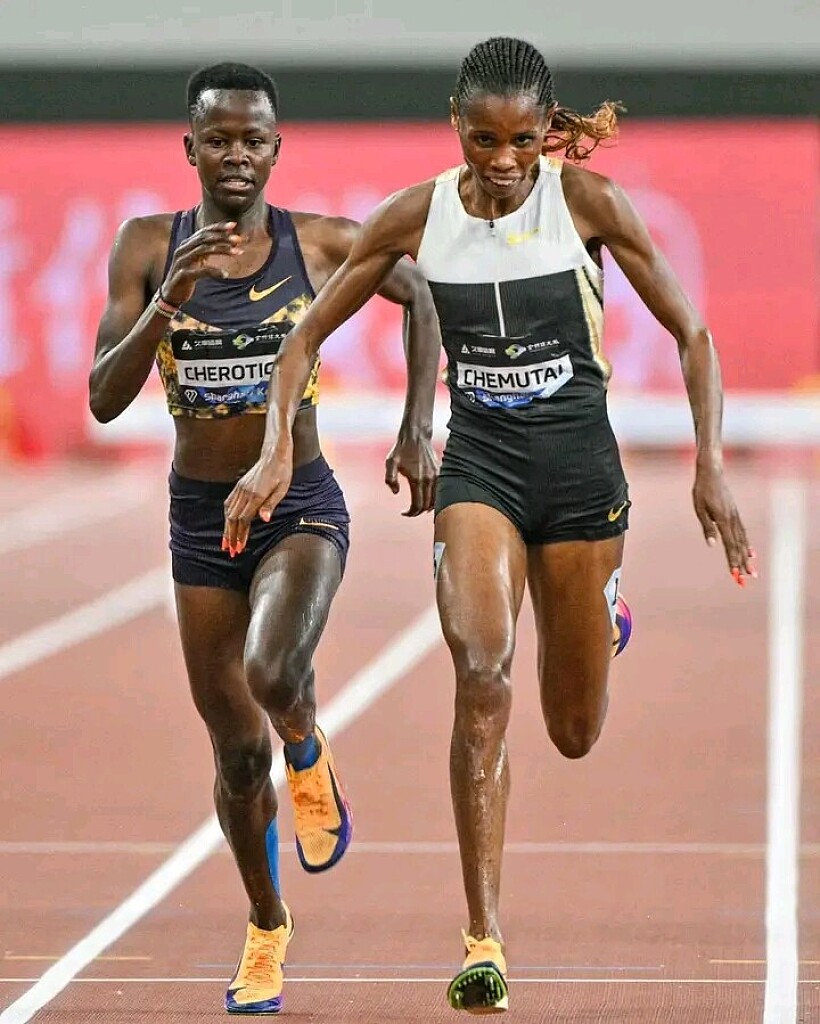
Commonwealth Games Women's Steeplechase Set for a Classic Showdown as Faith Cherotich and Peruth Chemutai Renew Their Rivalry
The women's 3,000-meter steeplechase promises to be one of the standout distance races of the 2026 Commonwealth Games when a talented field lines up on July 29, headlined by two of the world's finest barrier specialists: Kenya's Faith Cherotich and Uganda's Peruth Chemutai.
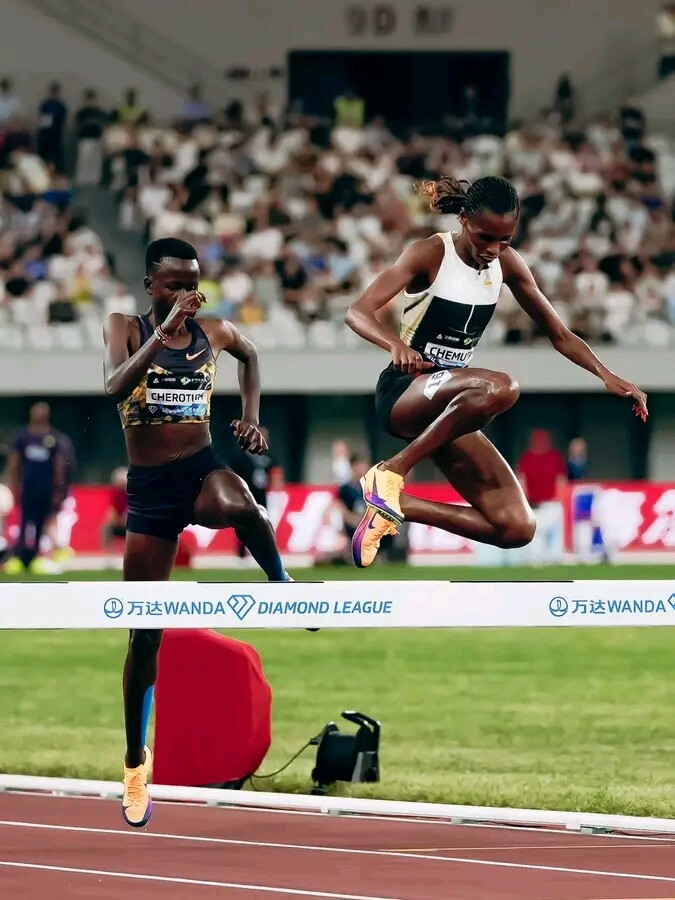
With personal bests separated by less than a second, the race has all the ingredients of a championship classic. Olympic medalists, emerging stars, and national champions will all be chasing Commonwealth glory, but much of the spotlight will naturally fall on the fierce rivalry between Cherotich and Chemutai.
Cherotich arrives as one of the fastest women ever over the barriers with a personal best of 8:48.71, a mark that underlines her remarkable rise to the top of global steeplechasing. The young Kenyan has established herself as one of the sport's brightest talents through her fearless front-running, smooth hurdling technique, and devastating finishing speed.
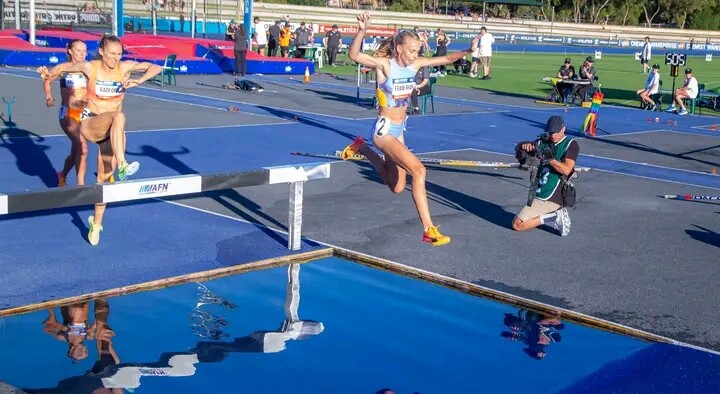
Standing in her way is Uganda's Peruth Chemutai, whose personal best of 8:48.03 makes her the fastest athlete in the field on paper. The Olympic champion has repeatedly proven she thrives in championship racing, combining tactical intelligence with years of experience on the biggest stages. Her ability to produce her very best when medals are on the line makes her an exceptionally dangerous competitor.
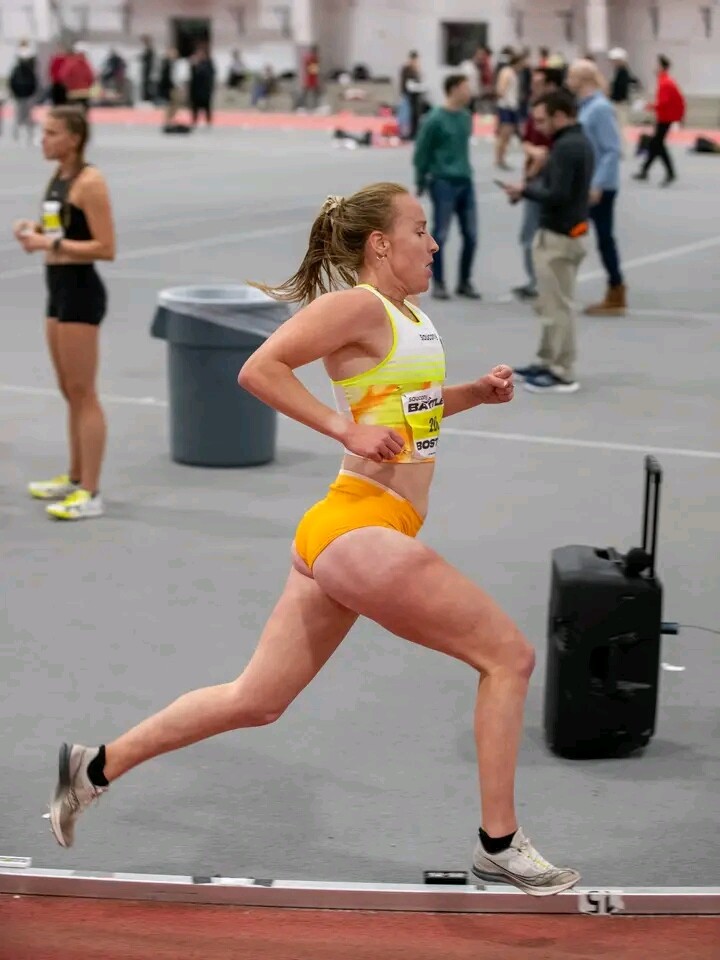
Kenya also boasts impressive depth through Celestine Jepkosgei Biwot, who owns a personal best of 9:19.06 and could play a significant role in the race if the early pace becomes tactical. A Kenyan podium sweep may be difficult against such quality opposition, but Biwot has shown she is capable of competing with the continent's elite.
England's Elise Thorner enters as one of the strongest challengers outside East Africa. With a personal best of 9:07.39, she has consistently demonstrated the ability to race aggressively and could place herself firmly in medal contention if the favorites hesitate.
India's Parul Chaudhary brings another compelling storyline after lowering her personal best to 9:12.46, establishing herself as one of Asia's leading steeplechasers. She will be aiming to deliver one of India's strongest distance performances of the Games.
Australia's Cara Feain-Ryan (9:21.35), Scotland's Sarah Tait (9:18.66), Canada's Grace Fetherstonhaugh (9:31.98), Canada's Katelyn Stewart-Barnett (9:36.69), and Wales' Cari Hughes (9:41.66) complete a diverse and competitive field representing six Commonwealth nations.
While personal bests provide an indication of form, championship racing often rewards patience, tactical awareness, and flawless barrier technique as much as outright speed. Every water jump and every barrier could prove decisive in a race where momentum can change within seconds.
The start list suggests a fascinating battle between proven championship performers and ambitious newcomers eager to announce themselves on one of athletics' biggest stages. If the pace is honest from the opening laps, spectators could witness one of the fastest Commonwealth Games steeplechase finals in history.
With continental pride, championship medals, and Commonwealth supremacy at stake, all eyes will turn to the women's 3,000-meter steeplechase on July 29, where Faith Cherotich and Peruth Chemutai are set to write another thrilling chapter in one of distance running's most exciting rivalries.
by Erick Cheruiyot for My Best Runs.
Login to leave a comment
The Commonwealth Games
The Commonwealth Games are coming to Victoria - bringing an action packed sports program to our regional cities and delivering a long-term legacy for our future. From 17 to 29 March 2026, Geelong, Bendigo, Ballarat, Gippsland and Shepparton will be on the world stage, attracting millions of viewers and creating thousands of jobs. The multi-city model will...
more...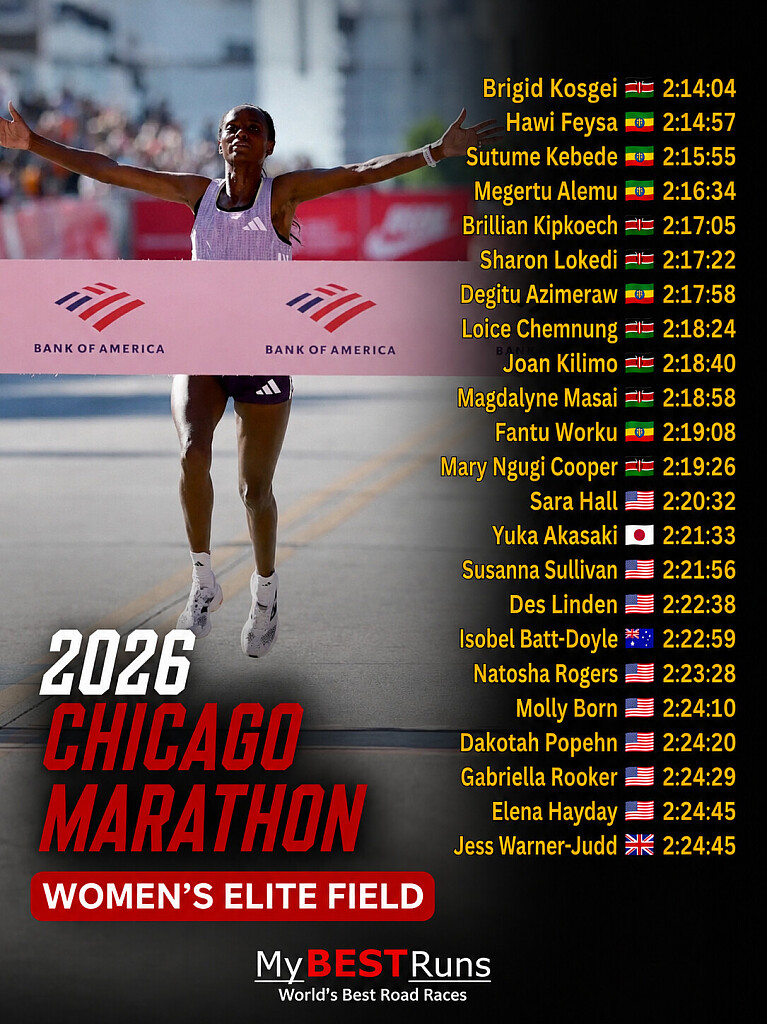
Chicago Marathon Unveils One of the Strongest Women's Elite Fields in Race History
The world's finest women marathoners will converge in Chicago, Illinois, on Sunday, October 11, for what promises to be one of the most competitive races in the history of the 2026 Bank of America Chicago Marathon. Returning to defend her Chicago Marathon title is Ethiopia's Hawi Feysa, who produced a breakthrough victory in last year's race. With a personal best of 2:14:57, Feysa returns carrying the confidence of a reigning champion and will be determined to become the first woman in several years to successfully defend the Chicago Marathon crown. Her title defense adds another compelling storyline to what is already one of the strongest women's marathon fields ever assembled in Chicago.
Adding even greater star power to the race is former world record holder Brigid Kosgei, whose outstanding personal best of 2:14:04 remains one of the fastest marathon performances in history. The Kenyan legend leads an exceptional field packed with proven champions, major marathon winners, and rising stars, ensuring every mile will be fiercely contested.
The depth of this year's lineup is nothing short of extraordinary. Twelve athletes boast personal bests under 2:20, highlighting the exceptional quality of the field. Rarely has Chicago welcomed such an impressive collection of elite marathon talent, making this one of the most competitive women's races in the event's history.
Ethiopia arrives with a formidable squad led by defending champion Hawi Feysa, alongside Sutume Kebede (2:15:55), Megertu Alemu (2:16:34), Degitu Azimeraw (2:17:58) and Fantu Worku (2:19:08). Together, they represent one of the strongest national teams in the race, with each athlete capable of challenging for victory.

Kenya counters with an equally impressive lineup headed by Brigid Kosgei, while Brillian Kipkoech, Sharon Lokedi, Loice Chemnung, Joan Kilimo, Magdalyne Masai, and Mary Ngugi Cooper add further strength to a nation renowned for producing world-class marathon champions.
The international challenge is equally compelling. The United States fields a strong contingent featuring Sara Hall, Susanna Sullivan, Des Linden, Natosha Rogers, Molly Born, Dakotah Popehn, Gabriella Rooker, and Elena Hayday, while Japan's Yuka Akasaki, Australia's Isobel Batt-Doyle, and Great Britain's Jess Warner-Judd complete a truly global field capable of producing surprises.
With defending champion Hawi Feysa seeking back-to-back victories, former world record holder Brigid Kosgei aiming to add another World Marathon Major title to her illustrious career, and 12 women with sub-2:20 personal bests on the start line, Chicago on October 11 is set to host one of the most anticipated women's marathon races of the year. Fans can expect a thrilling contest that could produce another unforgettable chapter in the rich history of the Chicago Marathon.
by Erick Cheruiyot for My Best Runs.
Login to leave a comment
Bank of America Chicago
Running the Bank of America Chicago Marathon is the pinnacle of achievement for elite athletes and everyday runners alike. On race day, runners from all 50 states and more than 100 countries will set out to accomplish a personal dream by reaching the finish line in Grant Park. The Bank of America Chicago Marathon is known for its flat and...
more...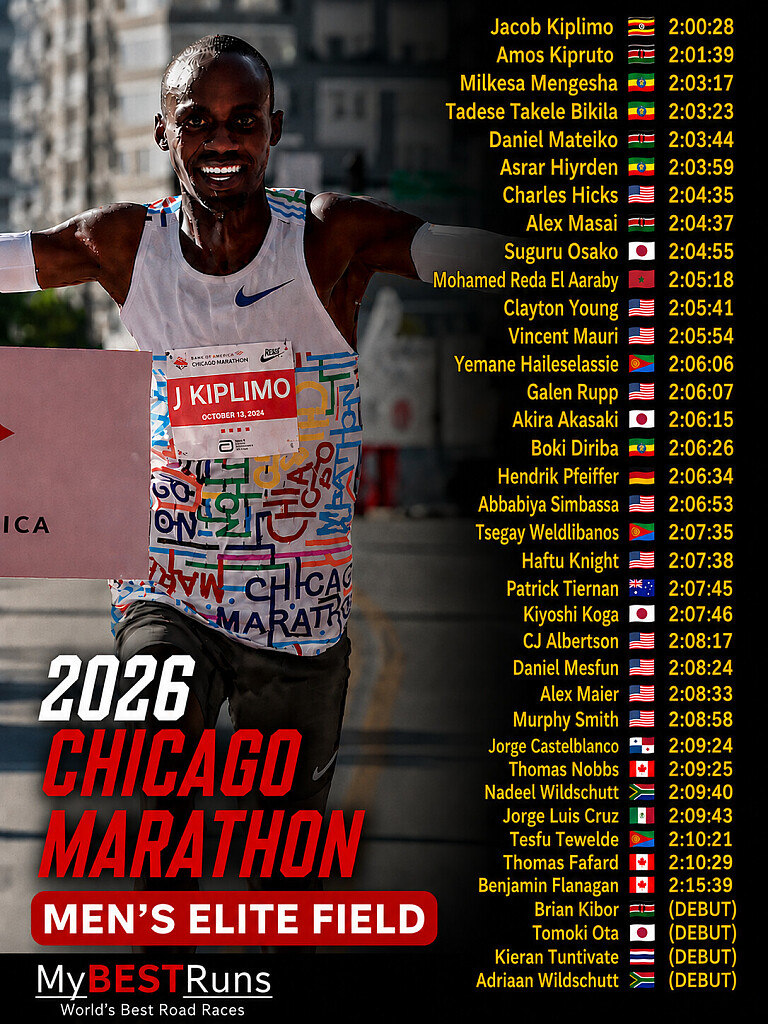
Jacob Kiplimo Leads Historic Men's Lineup as 2026 Chicago Marathon Unveils a World-Class Elite Field
The 2026 Bank of America Chicago Marathon has assembled one of the deepest and most competitive men's elite fields in the event's history, with Ugandan superstar Jacob Kiplimo returning to the Windy City to headline a remarkable international lineup capable of producing another unforgettable day of marathon racing.
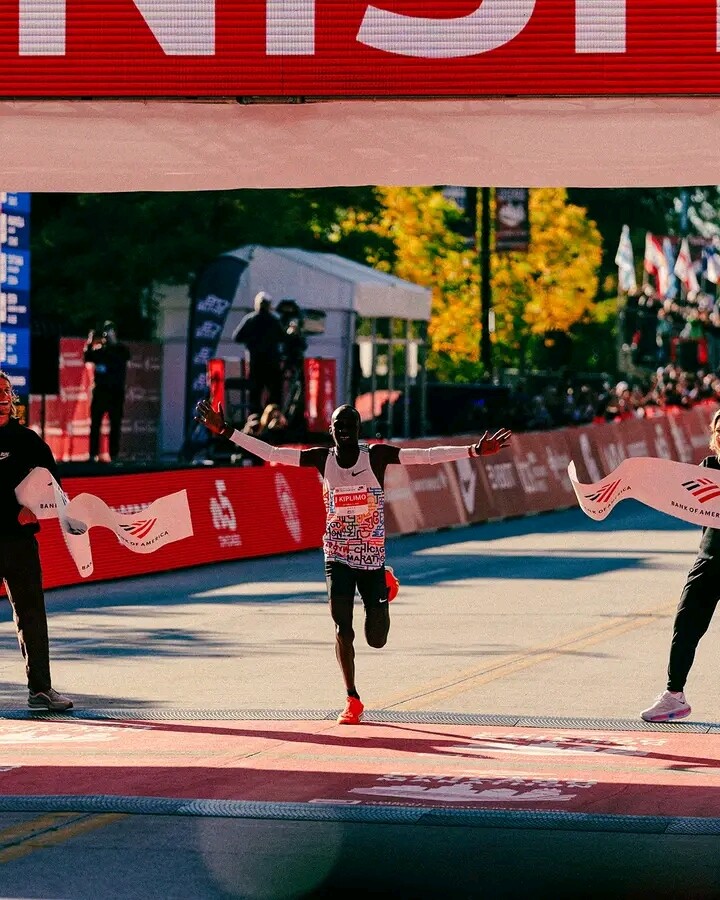
Kiplimo, who owns a sensational personal best of 2:00:28, enters as the fastest man in the field and one of the world's most exciting distance runners. After a spectacular marathon breakthrough, the Ugandan star returns to Chicago carrying the hopes of delivering another historic performance on one of the fastest marathon courses on the planet.
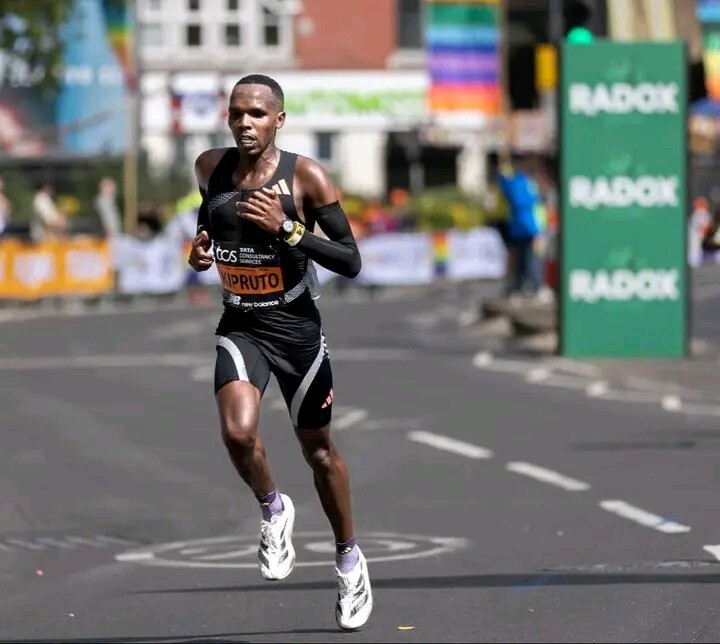
Standing between Kiplimo and victory is an exceptional collection of proven champions and rising stars. Kenya's Amos Kipruto (2:01:39) brings Olympic pedigree and world-class experience, while Ethiopia's Milkesa Mengesha (2:03:17), Tadese Takele Bikila (2:03:23), and Asrar Hiyrden (2:03:59) strengthen Ethiopia's challenge. Kenya will also be represented by the rapidly improving Daniel Mateiko (2:03:44) and Alex Masai (2:04:37), adding even more firepower to an already stacked front pack.
Japan fields an impressive trio of Suguru Osako (2:04:55), Akira Akasaki (2:06:15), and Kiyoshi Koga (2:07:46), while Morocco's Mohamed Reda El Aaraby, Eritrea's Yemane Haileselassie and Tsegay Weldlibanos, Germany's Hendrik Pfeiffer, Australia's Patrick Tiernan, Panama's Jorge Castelblanco, Canada's Thomas Nobbs, Thomas Fafard, and Benjamin Flanagan, South Africa's Nadeel Wildschutt, Mexico's Jorge Luis Cruz, and Ethiopia's Boki Diriba further underline the race's global quality.
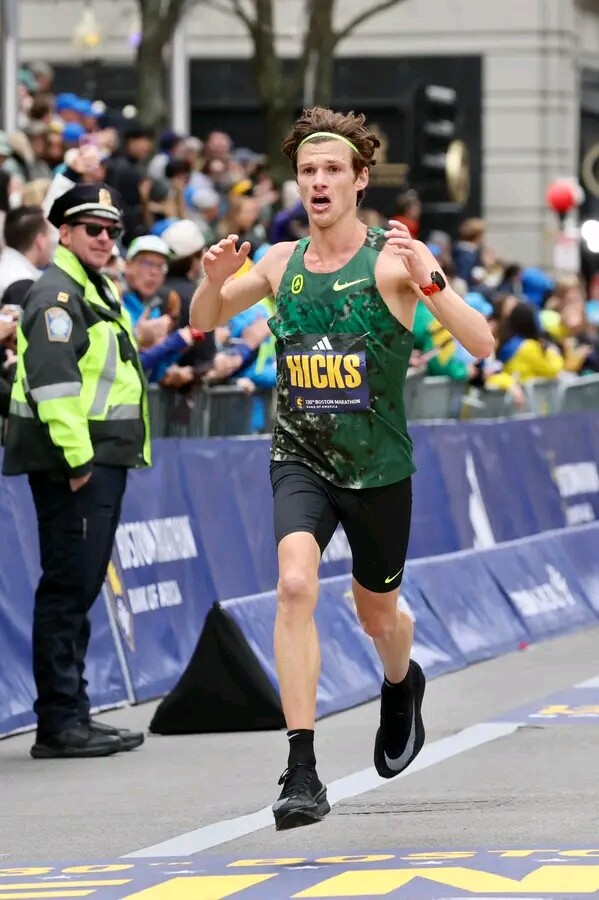
Several highly anticipated marathon debuts will also add intrigue to this year's race. Kenya's Brian Kibor, Japan's Tomoki Ota, Thailand's Kieran Tuntivate, and South Africa's Adriaan Wildschutt are all set to tackle the classic 42.195-kilometre distance for the first time, bringing fresh excitement and unpredictability to an already loaded field.
The United States will also have a strong presence, led by Charles Hicks, Clayton Young, Vincent Mauri, Abbabiya Simbassa, Haftu Knight, CJ Albertson, Daniel Mesfun, Alex Maier, Murphy Smith, and marathon legend Galen Rupp, giving home fans plenty of athletes to cheer throughout the race.
With multiple athletes boasting personal bests under 2:04, an outstanding mix of established marathon champions and fearless debutants, and Chicago's reputation for producing exceptionally fast times, the ingredients are in place for one of the greatest marathon contests of 2026.
All eyes may be on Jacob Kiplimo, but with such extraordinary depth from across the globe, the battle for the Chicago Marathon crown promises to be one of the highlights of the international road racing season.
by Erick Cheruiyot for My Best Runs.
Login to leave a comment
Bank of America Chicago
Running the Bank of America Chicago Marathon is the pinnacle of achievement for elite athletes and everyday runners alike. On race day, runners from all 50 states and more than 100 countries will set out to accomplish a personal dream by reaching the finish line in Grant Park. The Bank of America Chicago Marathon is known for its flat and...
more...
Torrie Lewis Rewrites Australian Sprint History With Electrifying 11.04 Masterpiece In Slovakia
Australian sprint sensation Torrie Lewis continues to redefine the limits of her remarkable young career after storming to a stunning 11.04 seconds in the women's 100 metres at the TIPOS P-T-S Meeting in Slovakia, setting a new Australian record in breathtaking fashion.
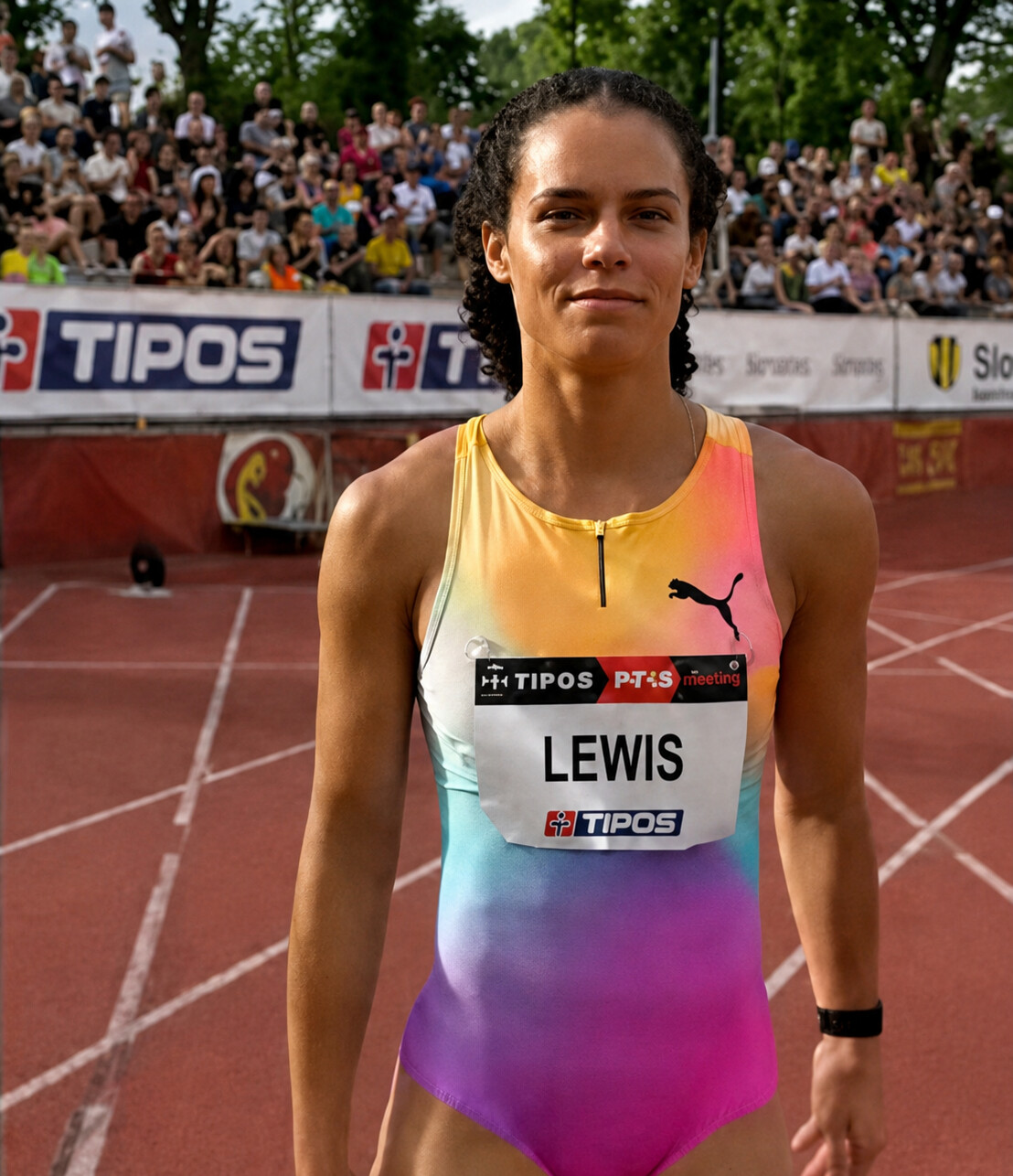
Lewis sliced 0.04 seconds off her own previous national record of 11.08, producing the fastest performance ever by an Australian woman over the distance. Her blistering run confirmed that her rise is no fleeting moment—it is the arrival of one of the world's most exciting sprint talents.
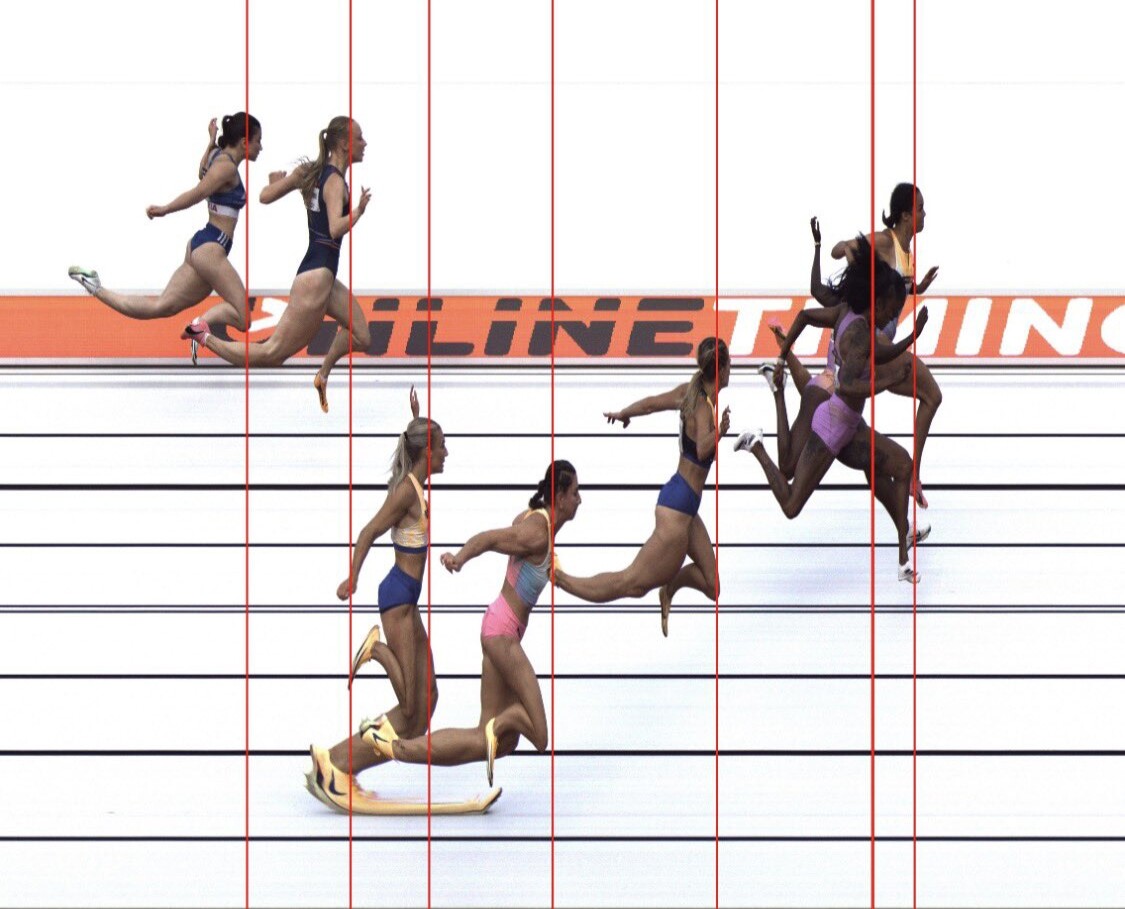
The race itself was a spectacle from start to finish. Lewis exploded from the blocks, held her composure through the drive phase, and unleashed a powerful finish to edge one of the greatest sprinters in history, Elaine Thompson-Herah of Jamaica, who crossed the line in 11.06. Austria's Christania Williams also clocked 11.06, making it one of the most fiercely contested 100-metre races of the meeting.
Beyond the victory, the performance carries even greater significance. Lowering a national record is never easy, especially after already establishing yourself as the country's fastest woman. Yet Lewis demonstrated that she is still finding new levels, delivering a performance that signals she is becoming an increasingly serious contender on the international stage.
The 11.04 clocking is another milestone in a season that continues to gather momentum. With every race, Lewis is proving she possesses not only exceptional speed but also the consistency and composure needed to challenge the world's elite when the stakes are highest.
As global championship season approaches, Australia's sprint star has sent a powerful message to her rivals. If this latest record-breaking performance is any indication, Torrie Lewis is only beginning to reveal the full extent of her potential, and the fastest chapters of her career may still lie ahead.
by Erick Cheruiyot for My Best Runs.
Login to leave a comment
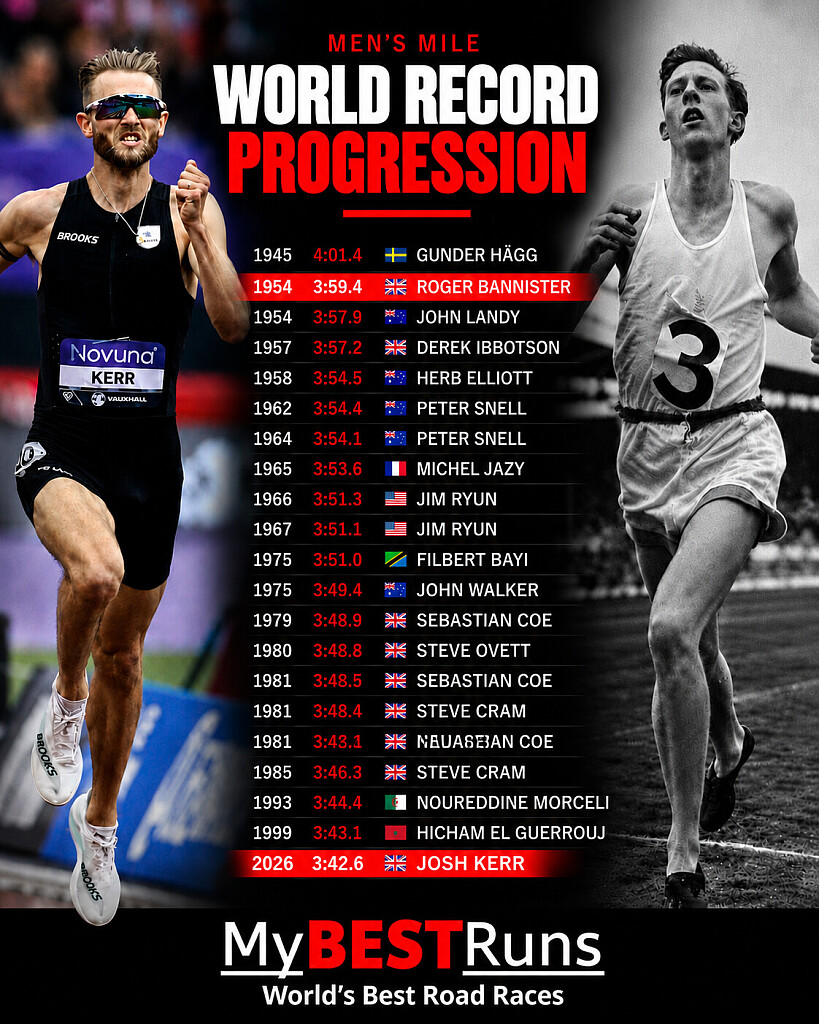
Sir Roger Bannister's Greatest Legacy: From The First Sub-Four Mile To Josh Kerr's World Record
When Sir Roger Bannister crossed the finish line in Oxford on May 6, 1954, in 3:59.4, he did far more than become the first man to run a sub-four-minute mile. He demolished one of sport's greatest psychological barriers, proving that what had long been considered impossible was simply waiting for someone bold enough to achieve it.
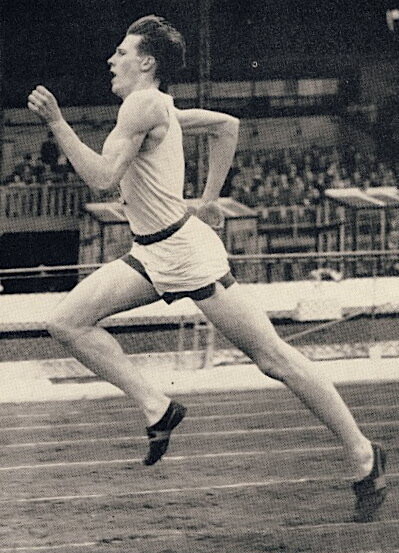
More than seven decades later, that historic run remains the most famous mile ever raced—not because it is still the fastest, but because it transformed athletics forever. Bannister's achievement inspired generations of runners to dream bigger, train harder and believe that seemingly unreachable barriers could be broken.
Today, however, the mile has entered an entirely different dimension.
Josh Kerr's sensational 3:42.66 world record has redefined the limits of middle-distance running. In one unforgettable race, the Scottish star erased Hicham El Guerrouj's legendary 3:43.13 mark that had stood untouched since 1999, proving once again that every era has its athlete capable of rewriting history.
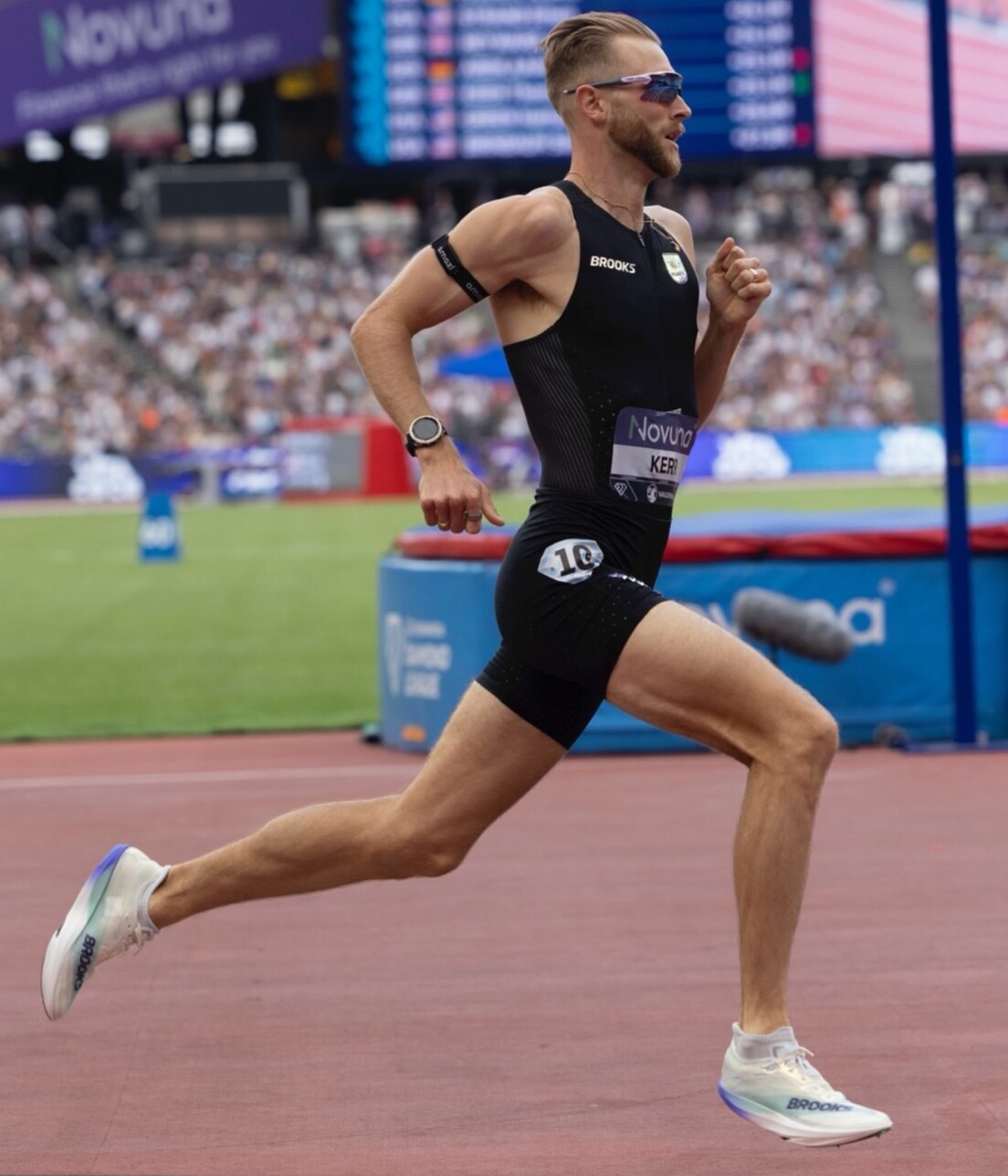
The numbers tell a remarkable story of progress. If Bannister's iconic 3:59.4 were placed in the same race as Kerr's 3:42.66, the man who first conquered the sub-four-minute barrier would finish almost 17 seconds behind. At the pace Kerr sustained, that deficit would amount to well over 100 metres—an extraordinary margin in an event where the world's best are often separated by hundredths of a second.
Yet those statistics should never be mistaken for a comparison of greatness. Bannister and Kerr competed in vastly different eras, under different conditions and with entirely different levels of sports science, training knowledge, footwear technology and track surfaces. Bannister raced on a cinder track wearing heavy leather spikes, balancing elite athletics with his demanding medical studies. Kerr benefits from decades of scientific advancement, world-class support systems and cutting-edge equipment that have helped athletes push the boundaries of human performance.
Every generation has added another chapter to the mile's extraordinary story. Just weeks after Bannister's breakthrough, Australia's John Landy lowered the record to 3:57.9. The baton then passed through legendary names including Derek Ibbotson, Herb Elliott, Peter Snell, Michel Jazy, Jim Ryun, Filbert Bayi, John Walker, Sebastian Coe, Steve Ovett, Steve Cram, Noureddine Morceli and Hicham El Guerrouj. Each champion dared to believe the record could fall again, leaving the event stronger than they found it.
Josh Kerr is now the latest custodian of that legacy. His world record is not simply another fast time—it is the culmination of more than 80 years of relentless progress. Every stride he took was built upon the courage, ambition and achievements of those who came before him.
Perhaps the most fascinating aspect of the mile is how dramatically its meaning has changed. In 1954, the world was captivated by one question: Could anyone ever run under four minutes? Today, the conversation has shifted to how much further the event can evolve. With Kerr already under 3:43, the now-unthinkable prospect of a sub 3:42 mile no longer feels like fantasy but a genuine possibility for the future.
That is the enduring beauty of athletics. Every world record eventually falls, but the performances that redefine belief never fade. Bannister's sub-four-minute mile remains the sport's most iconic breakthrough because it changed the way humanity viewed its own limits. Kerr's 3:42.66 is the newest benchmark of excellence, standing as proof that the impossible is never permanent—it is simply the starting point for the next generation.
by Erick Cheruiyot for My Best Runs.
Login to leave a comment
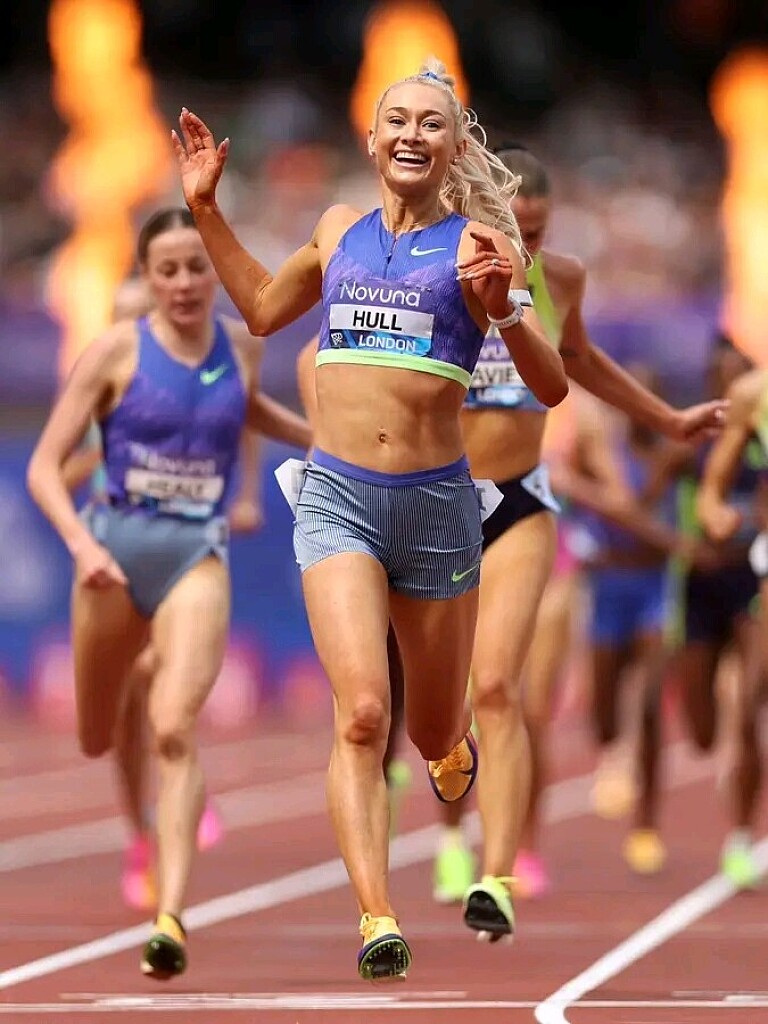
Jessica Hull unleashes devastating finishing kick to lead Australian one-two in London 3000m thriller
Jessica Hull delivered a masterclass in championship racing, producing a breathtaking final-lap surge to claim victory in a high-quality women's 3000m at the London Diamond League on Saturday.
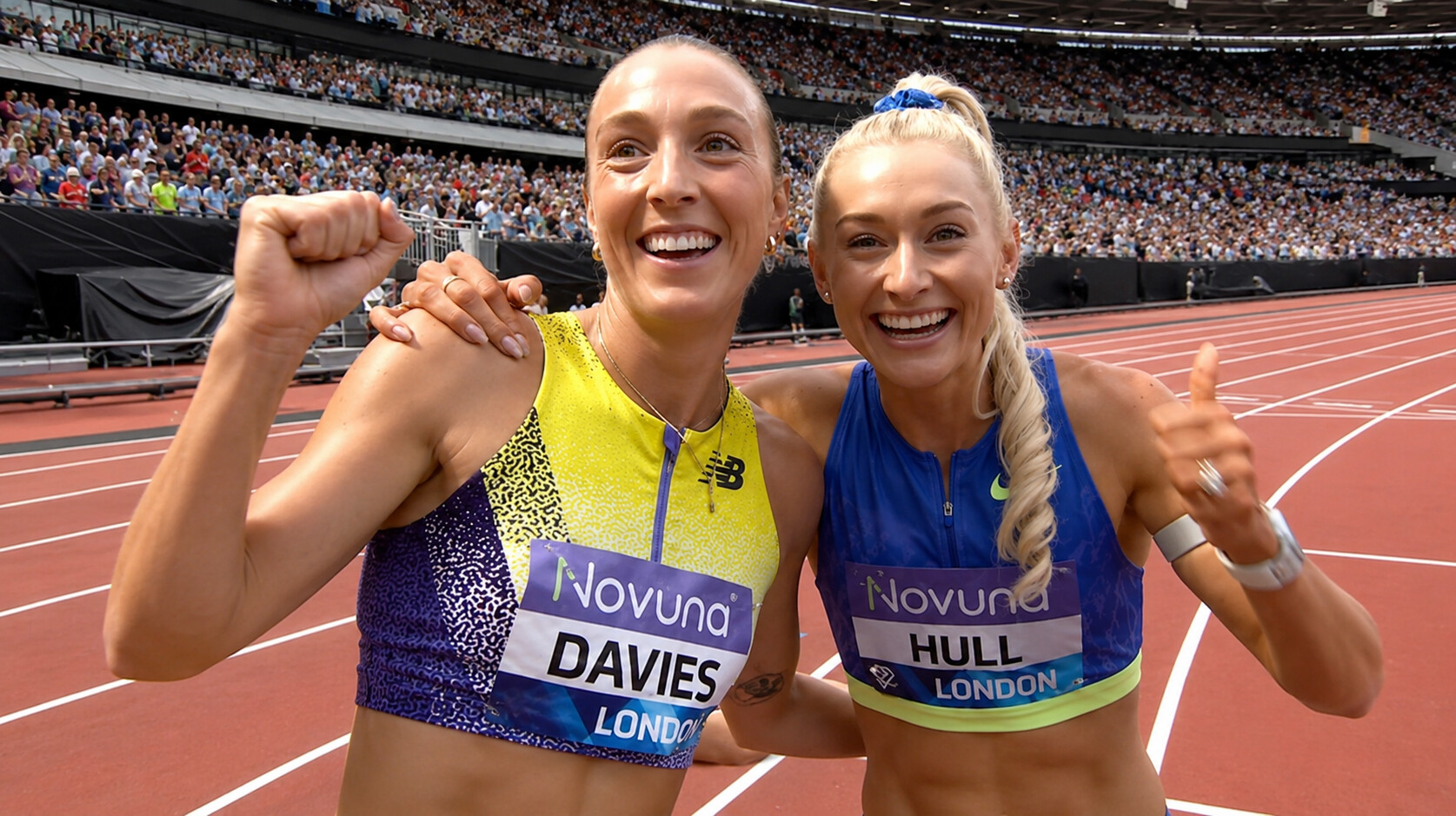
The Australian star timed her race to perfection before unleashing a devastating kick over the closing 400 metres, powering clear to cross the finish line in 8:24.69. Her composed tactical display and explosive finish proved too much for a world-class field as she secured one of the standout victories of the meeting.
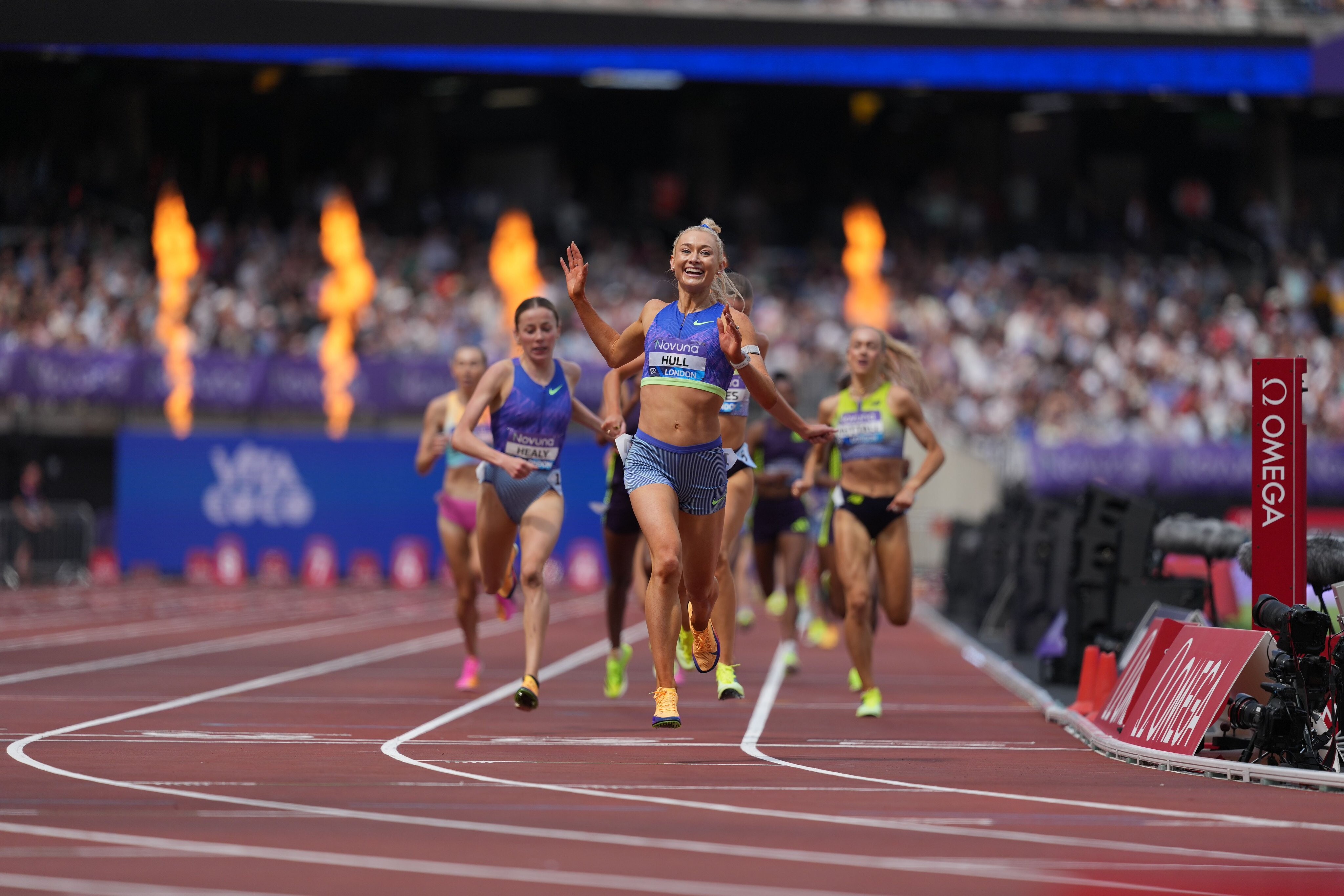
Australia celebrated an unforgettable evening as Rose Davies completed a memorable one-two finish. Davies ran superbly throughout the race, staying in contention until the closing stages before finishing second in 8:25.38, underlining Australia's growing strength in women's distance running.
Ireland's Sarah Healy also enjoyed a breakthrough performance, producing a lifetime best of 8:25.63 to finish third. Her personal best marked another significant step forward in her rapidly developing international career and demonstrated her ability to compete with the world's elite.
British fans were equally encouraged by the performance of Hannah Nuttall, who delivered the race of her life on home soil. Nuttall clocked a personal best of 8:26.48 to finish fourth, capping an outstanding evening with a performance that showcased her continued progress on the global stage.
The race developed into a thrilling battle of endurance, patience and speed, but when the decisive moment arrived, Hull's superior finishing gears separated her from the field. Her commanding victory not only highlighted her exceptional racing instincts but also reaffirmed her status as one of the world's premier middle- and long-distance athletes.
With multiple personal bests, an Australian one-two finish and a spectacular winning kick from Jessica Hull, the London Diamond League produced another unforgettable chapter in an already remarkable athletics season.
by Erick Cheruiyot for My Best Runs.
Login to leave a comment

WORLD RECORD FORM MEETS WORLD-LEADING SPEED IN LONDON
The stage is set for one of the most eagerly anticipated middle-distance races of the season as three of the world's fastest 800m stars prepare to collide at the London Diamond League on Saturday, 18 July 2026. With Olympic glory, world-leading performances, national records and personal pride all on the line, the British capital is ready for a race that could redefine the event this season.
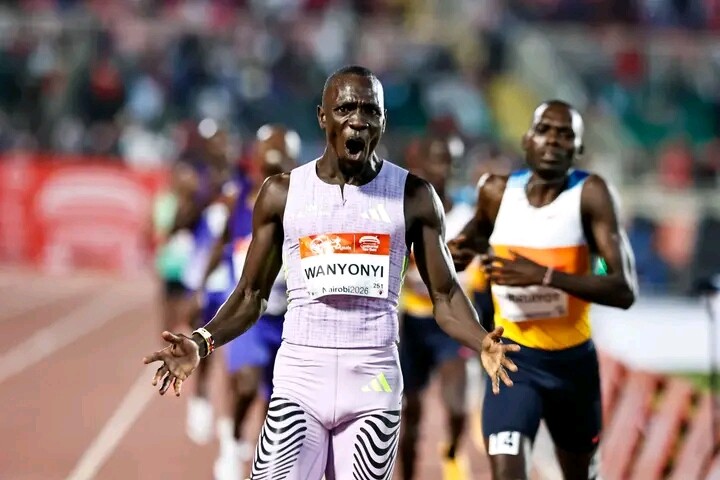
Leading the charge is Kenya's Emmanuel Wanyonyi, the reigning Olympic champion, who arrives in London riding an extraordinary wave of confidence. The 21-year-old has been virtually unstoppable in recent weeks and reminded the world of his exceptional talent when he produced a sensational 2:11.83 over 1,000m at the Monaco Diamond League on 10 July, smashing a world record that had stood for nearly three decades.
Now Wanyonyi returns to a track where he created unforgettable memories a year ago, storming to victory in a meeting-record 1:42.00. His mission this weekend is straightforward but far from easy—defend his London crown against the strongest field assembled this year.
Standing in his way is Canada's Marco Arop, who has looked every bit the athlete capable of dominating the global 800m scene. The Olympic silver medallist currently owns the fastest two-lap performance in the world this season after an emphatic 1:41.84 victory at the Paris Diamond League in late June. Combining blistering speed with remarkable strength over the closing stages, Arop has established himself as one of Wanyonyi's greatest rivals.
Adding another fascinating dimension is Great Britain's Max Burgin, who will enjoy the full backing of a passionate home crowd. Burgin already proved earlier this season that Wanyonyi can be beaten, producing a stunning upset in Rabat where he claimed victory in 1:42.98. Returning to compete on home soil, he now has an even greater target in sight—Sebastian Coe's British record of 1:41.73, a mark that has stood as one of the nation's most iconic athletics achievements for decades.
But the battle extends well beyond the headline trio.
The race features one of the deepest fields of the Diamond League season, with American star Bryce Hoppel, former world champion Jake Wightman, Australian standout Peter Bol, Ireland's experienced Mark English, Britain's Ben Pattison, Norway's Tobias Grønstad, Ireland's rising talent Cian McPhillips, and Poland's Patryk Sieradzki all capable of influencing the outcome.
With so much quality assembled on one start line, there will be little room for hesitation. Every tactical decision, every move through the bell lap and every stride over the final 200 metres could determine who emerges victorious.
London has witnessed countless unforgettable 800m battles over the years, but this edition promises something truly special. A reigning Olympic champion chasing another statement victory. The world's fastest man of the season determined to confirm his dominance. A home favourite inspired by the roar of the crowd and chasing history.
When the starter's gun fires, reputations will matter little. For two laps, only courage, speed and perfectly judged tactics will decide the champion.
The countdown is over. London is ready for another classic, and the men's 800 metres promises to be nothing short of spectacular.
by Erick Cheruiyot for My Best Runs.
Login to leave a comment
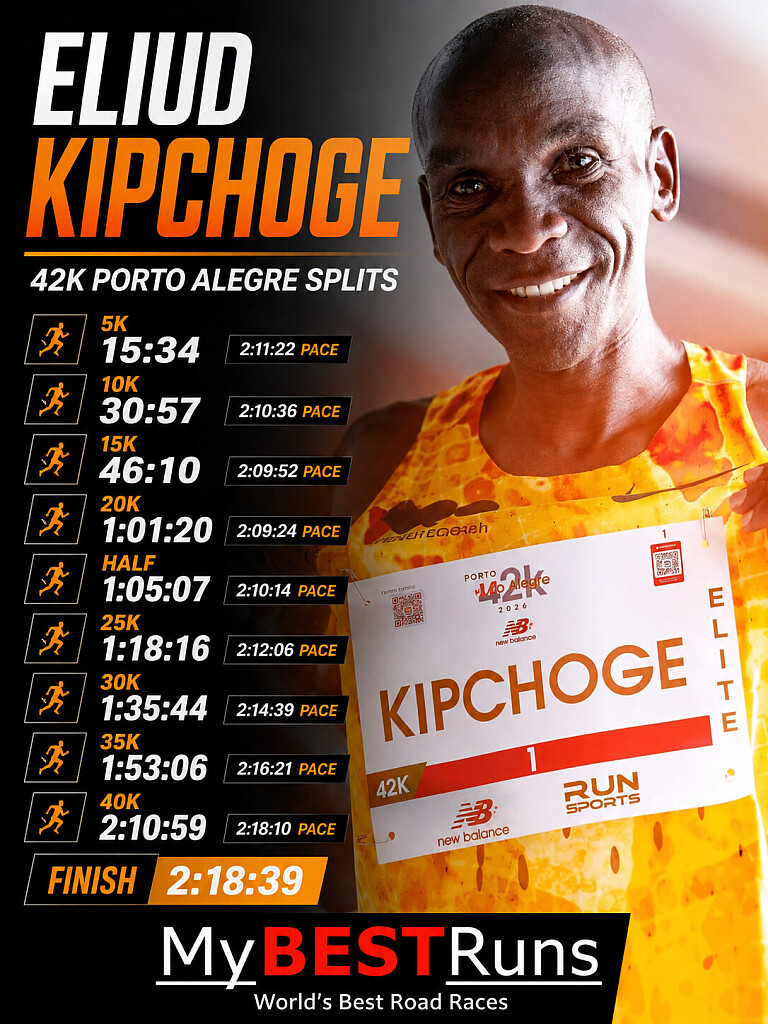
Beyond the Finish Line: Eliud Kipchoge's Journey Continues to Inspire the World
Eliud Kipchoge's remarkable World Tour continued on Brazilian soil as the Kenyan marathon icon completed the New Balance 42K Porto Alegre Marathon, crossing the finish line in 2:18:39 to place 12th overall during the second stop of his ambitious seven-continent global running tour.
Competing against a strong international field, the two-time Olympic marathon champion displayed the resilience and determination that have defined his legendary career. While the result was not among the victories that have made him one of the greatest marathon runners in history, Kipchoge once again demonstrated the unwavering commitment that continues to inspire athletes and fans across the globe.
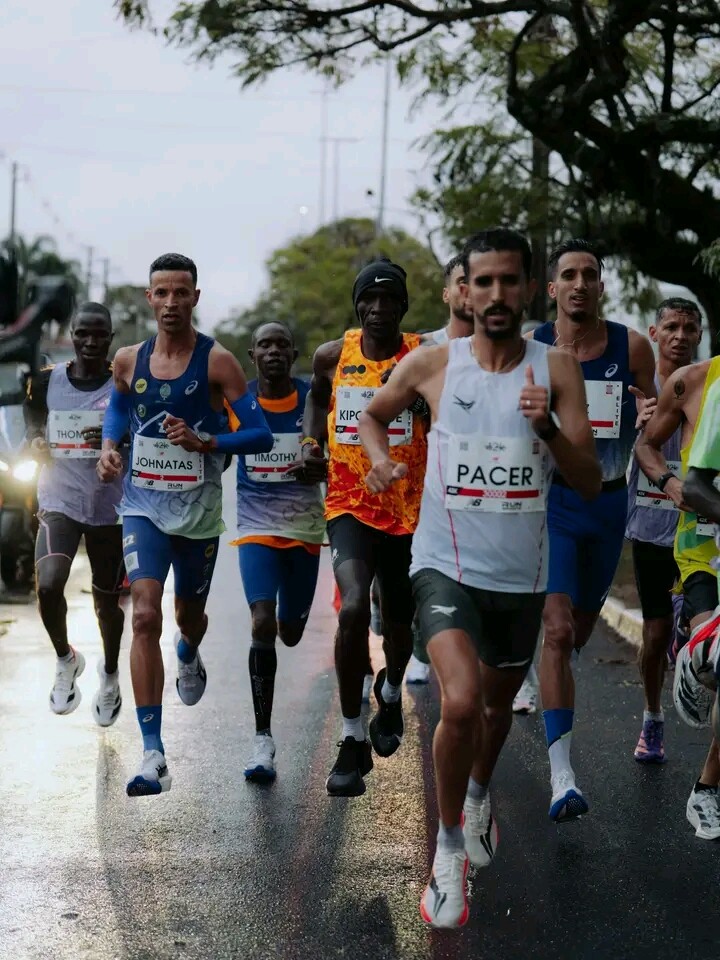
Morocco's Zineddine Ouria claimed victory in a superb 2:08:49, with Kipchoge finishing 9 minutes and 50 seconds behind the race winner after navigating the demanding course in Porto Alegre.
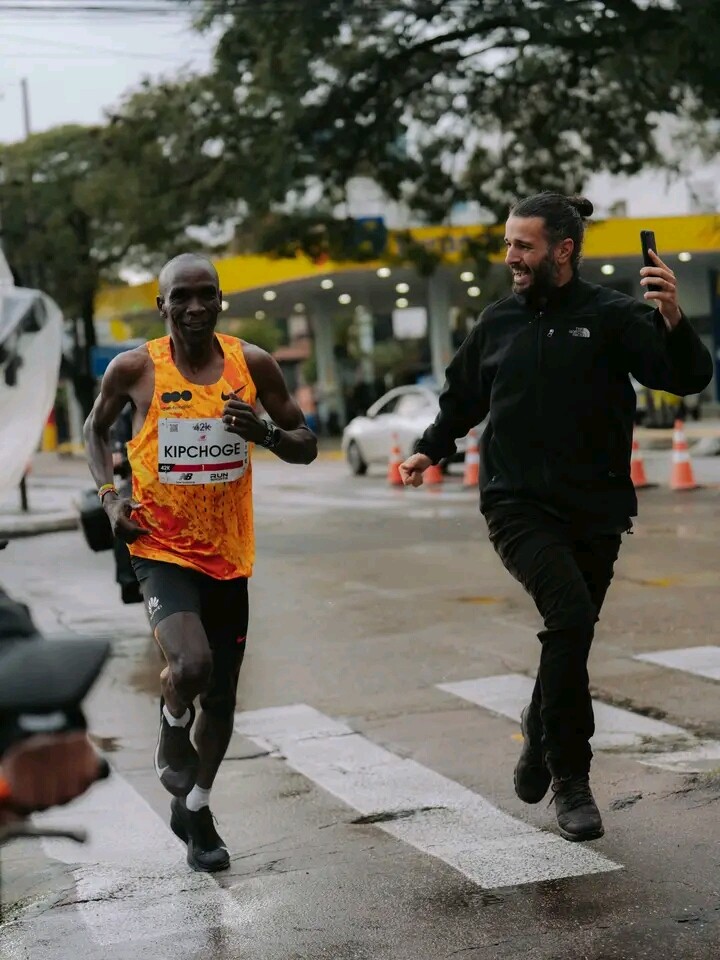
Kipchoge began the race with controlled and confident pacing, reaching 5km in 15:34 before passing the halfway mark in 1:05:07. As the race entered its decisive stages, the pace gradually slowed, but the veteran marathoner pressed on with characteristic determination, completing the 42.195-kilometre challenge in 2:18:39.
For many, the story will be told through the finishing position. But for those who truly understand greatness, this journey is about far more than medals, records, or podium finishes. Kipchoge's World Tour is a celebration of the sport itself—an opportunity to connect with runners across every continent, inspire the next generation, and continue living by the philosophy that has become synonymous with his career: "No Human Is Limited."
The Brazilian appearance also carried added significance, coming shortly after Kipchoge was permanently honoured in Porto Alegre with his footprints unveiled at the entrance of Parque Harmonia—a lasting tribute to his extraordinary impact on distance running and his enduring legacy in the sport.
Once a champion. Forever an inspiration. Legends do not stop inspiring when the victories become fewer; they inspire because they never stop showing up. Through every stride, every finish line, and every challenge embraced, Kipchoge continues to prove that true greatness is measured not only by what an athlete wins, but by the lives they touch along the way.
With the second stop of his World Tour now complete, Kipchoge will turn his attention to the next chapter of his global adventure when he lines up at the Melbourne Marathon in Australia this October. Wherever he races, millions will once again follow the journey of a man whose legacy extends far beyond the stopwatch.
by Erick Cheruiyot for My Best Runs.
Login to leave a comment
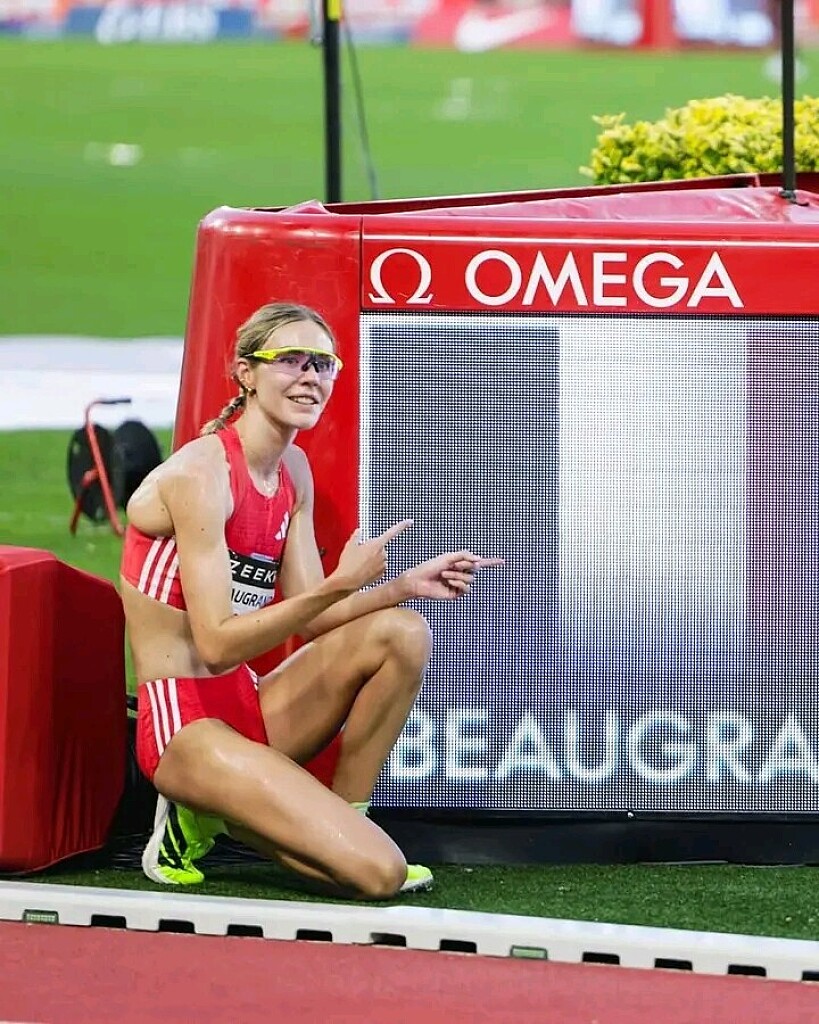
Cassandre Beaugrand Smashes French 3000m Record with Stunning Display Against World-Class Field
Olympic triathlon champion Cassandre Beaugrand has once again demonstrated that her talent extends far beyond multisport competition, producing a breathtaking performance on the track to rewrite the French women's 3000m record.
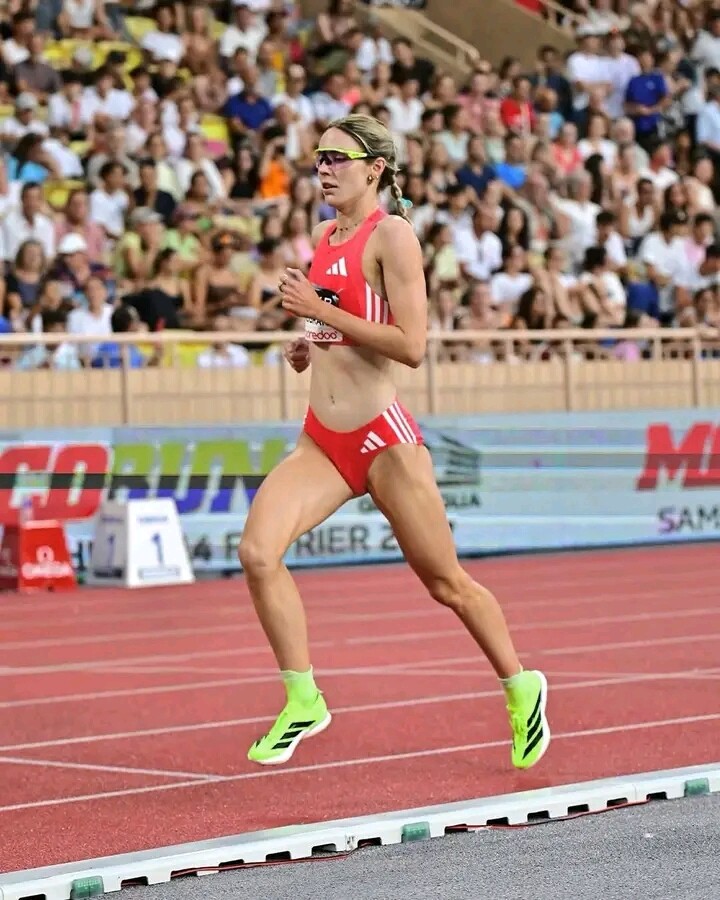
The French star clocked an outstanding 8:32.86, setting a new national record in the event and further cementing her reputation as one of the most versatile endurance athletes in the world. Her remarkable run highlighted not only her exceptional speed but also her ability to compete at the highest level against some of the finest distance runners on the planet.
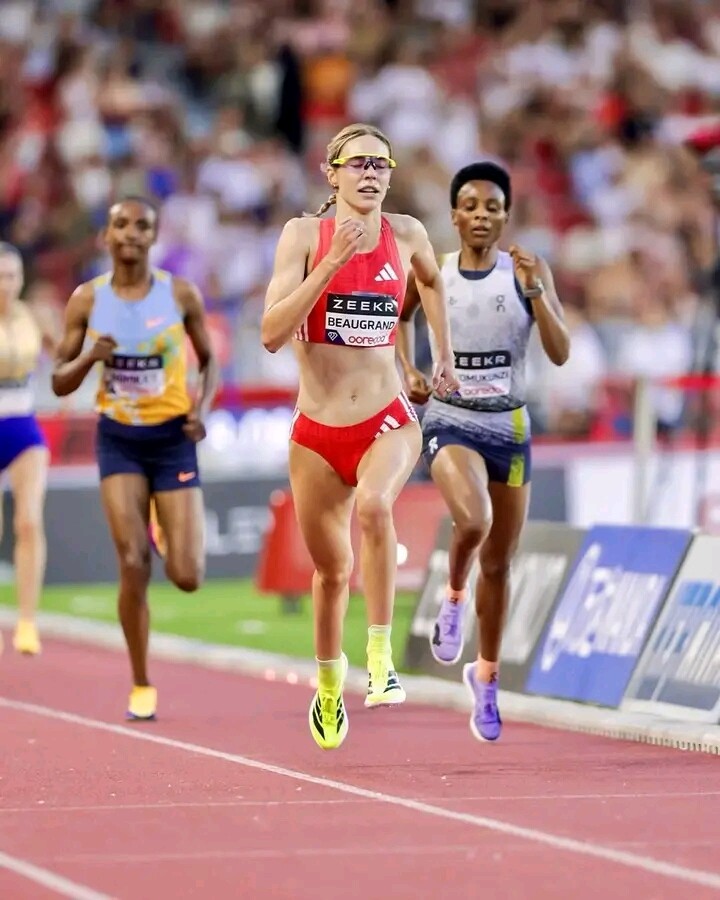
What made the performance even more impressive was the calibre of the field. Beaugrand lined up alongside global distance-running stars, including Kenya's Faith Kipyegon and Agnes Jebet Ngetich, Belgium's Jana Van Lent, and Australia's Jessica Hull. Rather than being intimidated by such elite company, the Olympic champion matched the intensity of the race and delivered the performance of her career.
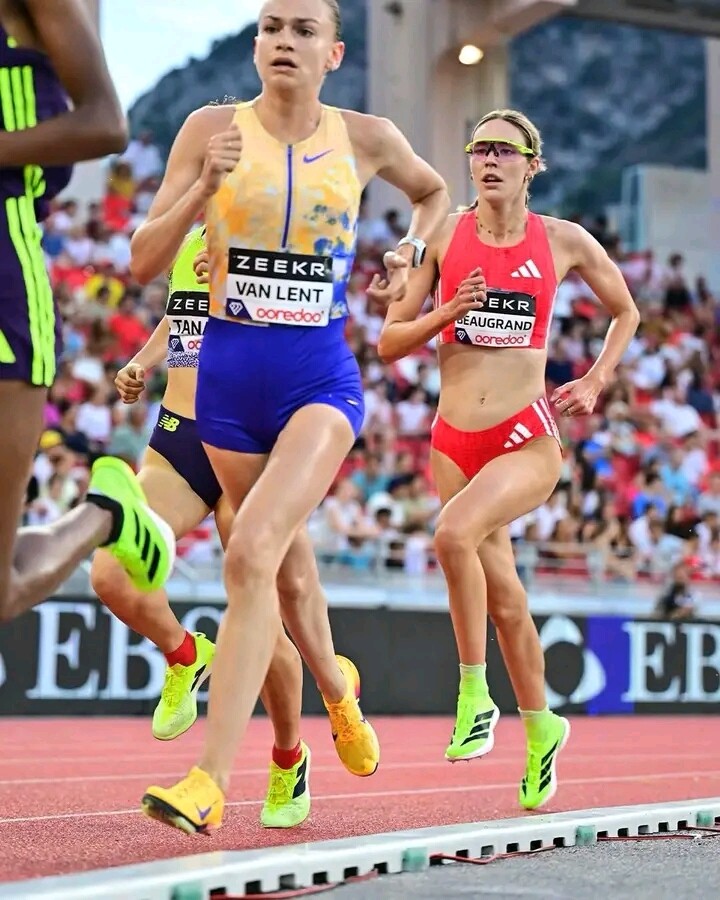
Her record-breaking run is another clear indication that Beaugrand is rapidly becoming a serious force on the track, adding another dimension to an already glittering career that includes Olympic success in triathlon. The 8:32.86 performance reflects the extraordinary endurance, speed, and tactical awareness she has developed through years of competing at the highest level.
Beaugrand's achievement also underlines the increasingly blurred lines between elite triathlon and world-class athletics. Few athletes can transition so seamlessly from swimming, cycling, and running to producing national-record performances on the track, making her accomplishment all the more remarkable.
As she continues to push the boundaries of what is possible across endurance sports, Cassandre Beaugrand is proving that she belongs among the world's elite runners. Her latest French record is not only a milestone for her country but also a powerful statement that the Olympic triathlon champion has become a genuine track-running sensation capable of challenging the very best.
by Erick Cheruiyot for My Best Runs.
Login to leave a comment
Backyard Ultra World Records Erased: Lazarus Lake Declares Historic Russian Performances Invalid
What appeared to be the greatest Backyard Ultra ever staged has officially been wiped from the record books.
Just weeks after athletes in Russia delivered performances that seemed to redefine the limits of endurance, Backyard Ultra founder Lazarus Lake has ruled that every world-record mark achieved at the event is void and will not be recognized due to violations of the competition's strict rules.
The decision overturns what initially looked like one of the most remarkable chapters in the sport's history.
At the Biotropika Backyard Ultra in Russia's Leningrad Region, Dmitry Klimov stunned the ultra-running world by completing 123 consecutive loops—covering 512.5 miles (824.8 km) over five relentless days. His effort surpassed the existing men's world record, while fellow competitors Dmitry Sheremet and Ivan Zaborsky also ran beyond the previous global mark before eventually dropping out.
In the women's race, Vera Chekalina completed 96 loops, improving the existing women's world record by one loop and seemingly securing her place in Backyard Ultra history.
For a brief moment, the event appeared to have rewritten the sport's record books.
Instead, it has become one of its most controversial.
According to Lazarus Lake, the issue was not the athletes' performances but the race's failure to comply with the Backyard Ultra's fundamental regulations. Video evidence reportedly showed non-competitors—including members of the media, race officials, volunteers, organizers, and support personnel—accompanying runners on the course during active loops.
Under Backyard Ultra rules, competitors must complete every loop without anyone else sharing the course. Any presence of non-runners is considered outside assistance, making the performances ineligible for official recognition.
Questions surrounding the event had already surfaced before the ruling. The record-breaking performances were announced only as "subject to ratification," while some participants and observers also debated whether the event's halfway water station violated the competition's strict limitations on personal aid.
Following the review, Lake confirmed that none of the results would be ratified.
As a result, the official world records remain unchanged.
Australian ultrarunner Phil Gore retains the men's Backyard Ultra world record with 119 loops, set at Dead Cow Gully in 2025, while Sarah Perry's 95-loop performance at Big's Backyard Ultra in Tennessee continues to stand as the women's world record.
Although the Russian performances will never appear in the official record books, they remain an extraordinary display of human endurance. Three men covered more distance than anyone had ever managed in a Backyard Ultra, while Chekalina pushed beyond the previous women's benchmark.
Yet the Backyard Ultra has always been defined as much by its rules as by its distance. Every hour begins the same way, every loop follows the same principles, and every runner competes under identical conditions.
This ruling serves as a reminder that in one of endurance sport's most demanding disciplines, exceptional performances alone are not enough. To become part of Backyard Ultra history, athletes must not only outlast every competitor—they must also do so within the uncompromising rules that define the event.
by Erick Cheruiyot for My Best Runs.
Login to leave a comment
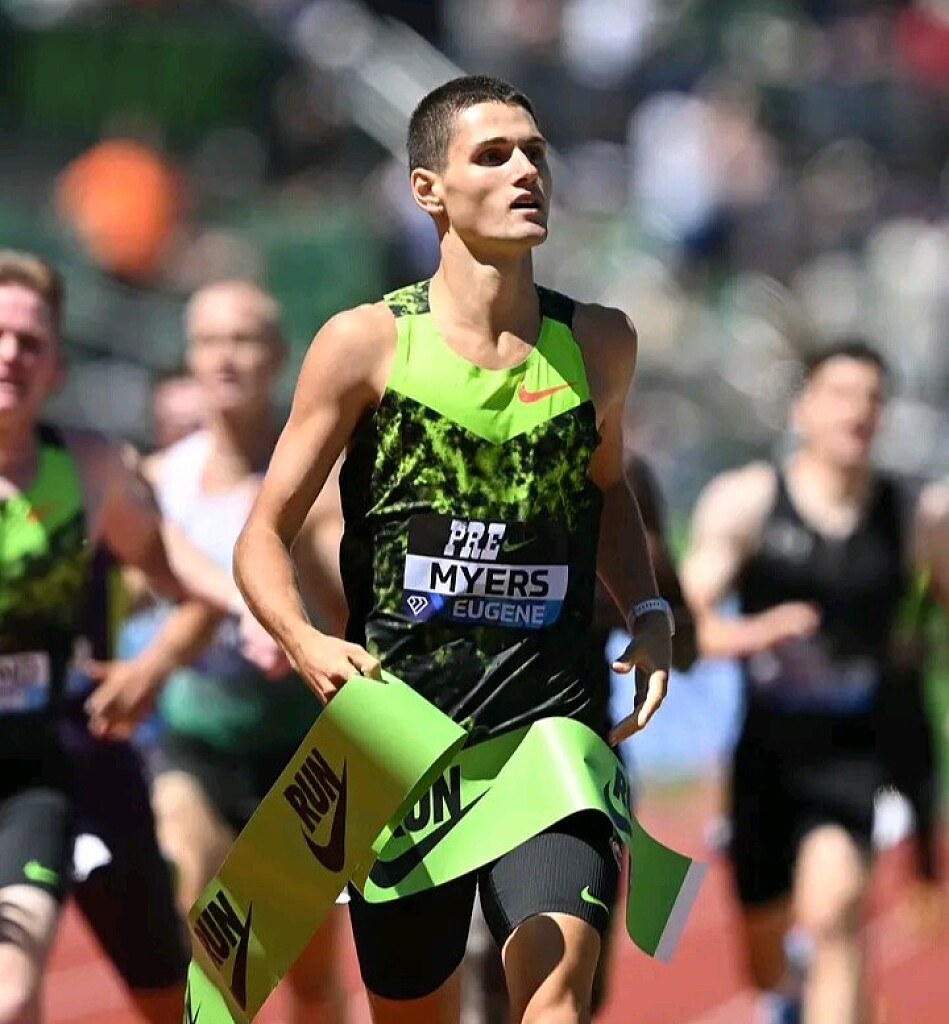
Cameron Myers Rewrote Australian History with Record-Breaking Bowerman Mile Victory
At just 20 years old, Cameron Myers is rapidly becoming one of the brightest stars in global middle-distance running.
The young Australian delivered the performance of his career at the prestigious Bowerman Mile in Eugene, Oregon, producing a fearless front-running display to clock a sensational 3:46.06—the fastest mile in the world this year. The remarkable run not only earned him victory but also shattered the Australian national record, set a new Oceania record, and firmly established him among the sport's elite.
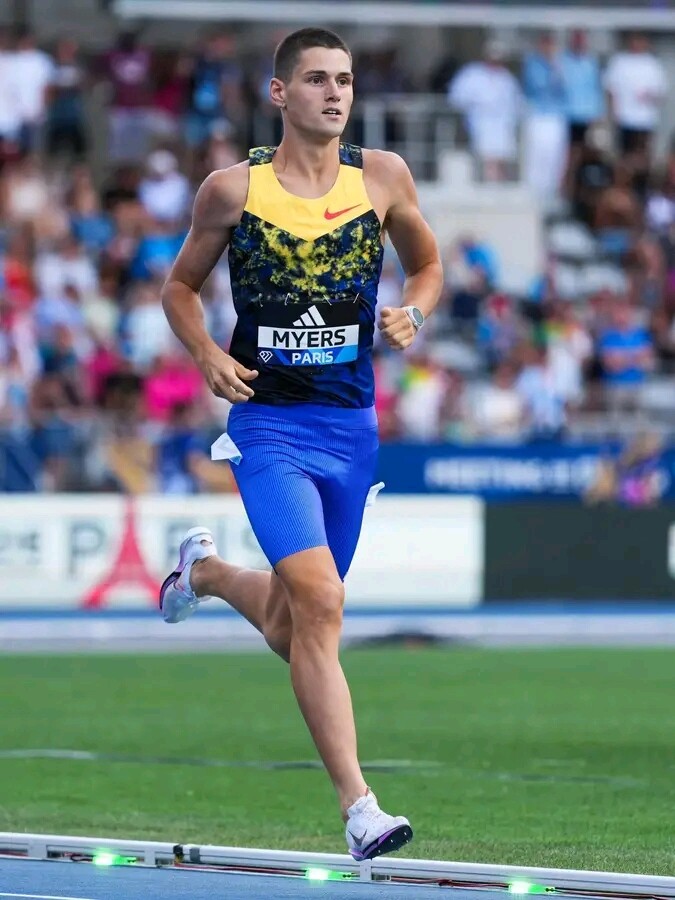
In a race packed with world-class talent, Myers showed maturity well beyond his years. As the pacemaker stepped aside during the third quarter of the race, the Australian immediately seized control. Rather than waiting for others to dictate the pace, he confidently moved to the front, maintained his rhythm through the bell lap, and unleashed a composed finishing kick that none of his rivals could answer.
American star Yared Nuguse crossed the line second in a season's best 3:46.61, while Ethan Strand claimed third in 3:46.97. Despite racing on home soil, the North American record holder and the rest of the field were unable to reel in the determined Australian, who never relinquished the lead once he took command.
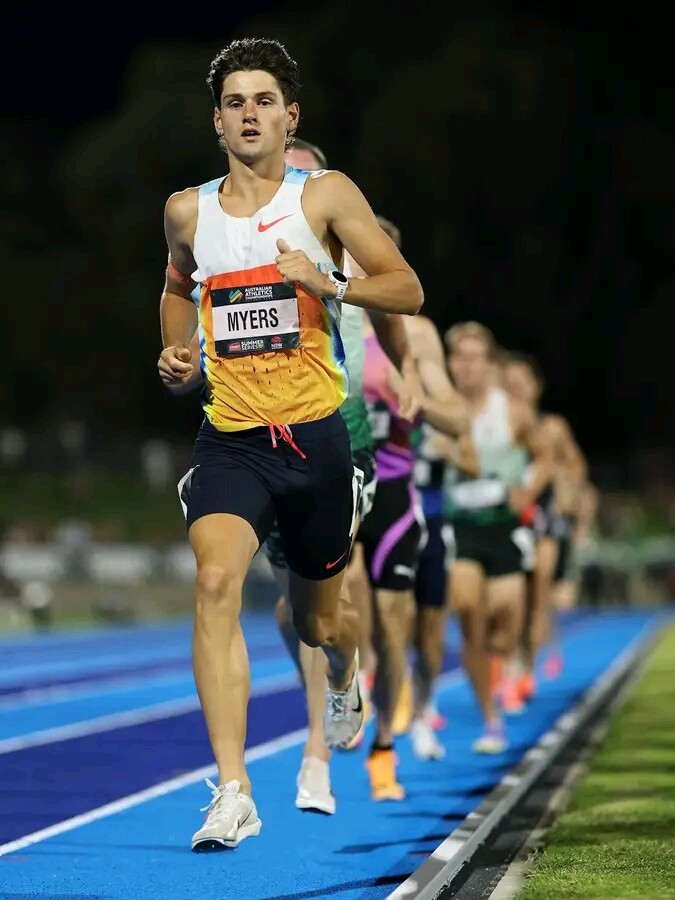
The victory crowns an extraordinary fortnight for Myers.
Only 13 days earlier, he had stormed to 3:28.00 at the Paris Diamond League, breaking the Australian 1500-metre record. Now, with the national mile record also under his name, Myers has become the holder of Australia's two most prestigious middle-distance records before celebrating his 21st birthday.
His latest performance also secured another piece of history. Myers is now the youngest man ever to run under 3:47 for the mile, a milestone that highlights both his exceptional talent and remarkable composure under pressure.
The Bowerman Mile has long been regarded as one of the sport's most iconic races, producing countless unforgettable performances over the past five decades. Many of the greatest milers in history have left their mark on Hayward Field, and Cameron Myers has now added his name to that distinguished legacy.
What makes his rise even more remarkable is not simply the records themselves, but the speed at which they are arriving. Achievements that often take athletes years—sometimes an entire career—to accumulate are coming to Myers within weeks.
At only 20 years old, Cameron Myers is no longer just one of Australia's most promising prospects. He has become a genuine global contender, and if his current trajectory is any indication, the best chapters of his remarkable journey are still to come.
by Erick Cheruiyot for My Best Runs.
Login to leave a comment
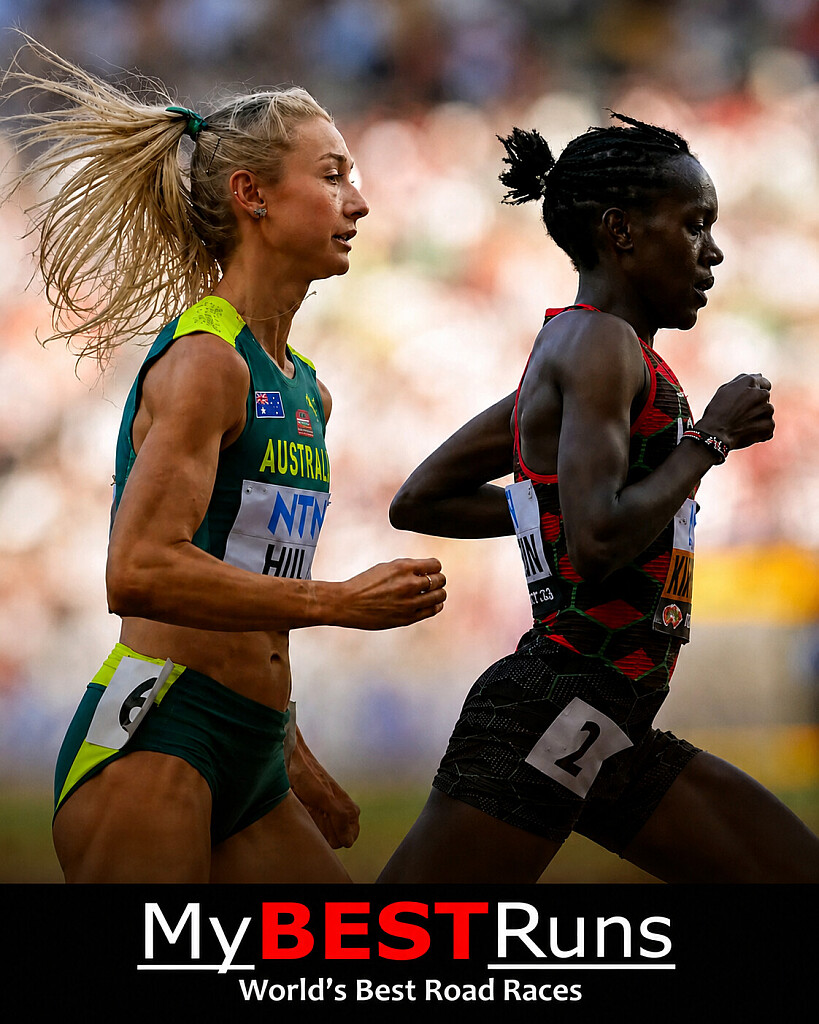
Two World Records. One Legendary Track. Another Epic Battle in Monaco
The Stade Louis II in Monaco has become a place where middle-distance history is made. On Friday evening, two women who have each rewritten the record books on this famous track will return—this time to face each other over 3,000 meters in one of the most compelling races of the Diamond League season.
Faith Kipyegon of Kenya and Jessica Hull of Australia have already left unforgettable marks on Monaco, but at different distances. Now, their paths converge once again in a race that promises world-class quality from start to finish.
Kipyegon's connection with Monaco is legendary. In 2023, the Kenyan superstar produced one of the greatest performances in athletics history, clocking a breathtaking 4:07.64 to shatter the women's mile world record. It was another masterpiece from an athlete who has built a career on redefining what is possible in middle-distance running.
Since then, her résumé has only grown stronger. Kipyegon is a three-time Olympic 1500m champion, a five-time world champion, and remains the fastest woman ever over the mile. She arrives in Monaco after racing the women's mile at last weekend's Prefontaine Classic, making this a quick but intriguing turnaround as she steps up to 3,000 meters.
Hull, meanwhile, has her own unforgettable Monaco memories. The Australian star lit up the same track in 2024 when she stormed to a world record of 5:19.70 in the 2,000 meters, proving she belongs among the greatest middle-distance runners of her generation. Her fearless front-running style and remarkable endurance transformed that race into a historic performance.
The Olympic silver medallist over 1500 meters also holds the Australian record for 3,000 meters, making Friday's event an ideal opportunity to test herself once again against the very best.
Although much of the spotlight will understandably fall on Kipyegon and Hull, the race is far from a two-woman contest.
Italy's Nadia Battocletti continues to establish herself among Europe's finest distance runners and will be eager to challenge the established stars. Ethiopia's Freweyni Hailu also enters the race in outstanding form as the 2026 world leader over 3,000 meters, adding another serious contender to an already exceptional field.
Monaco has long been regarded as one of the fastest tracks in the world, producing countless records thanks to ideal conditions and elite competition. For Kipyegon, it has been the stage for career-defining brilliance. For Hull, it became the venue where she announced herself as a world-record holder.
Now, those two stories intersect once again.
Different world records. Different distances. The same fierce rivalry.
With championship pedigree, record-breaking speed and a stacked field assembled under the lights at Stade Louis II, Friday's women's 3,000 meters has all the ingredients to become another unforgettable chapter in Monaco's rich athletics history. Fans can expect nothing less than a race worthy of the track where both Kipyegon and Hull have already made history.
by Erick Cheruiyot for My Best Runs.
Login to leave a comment
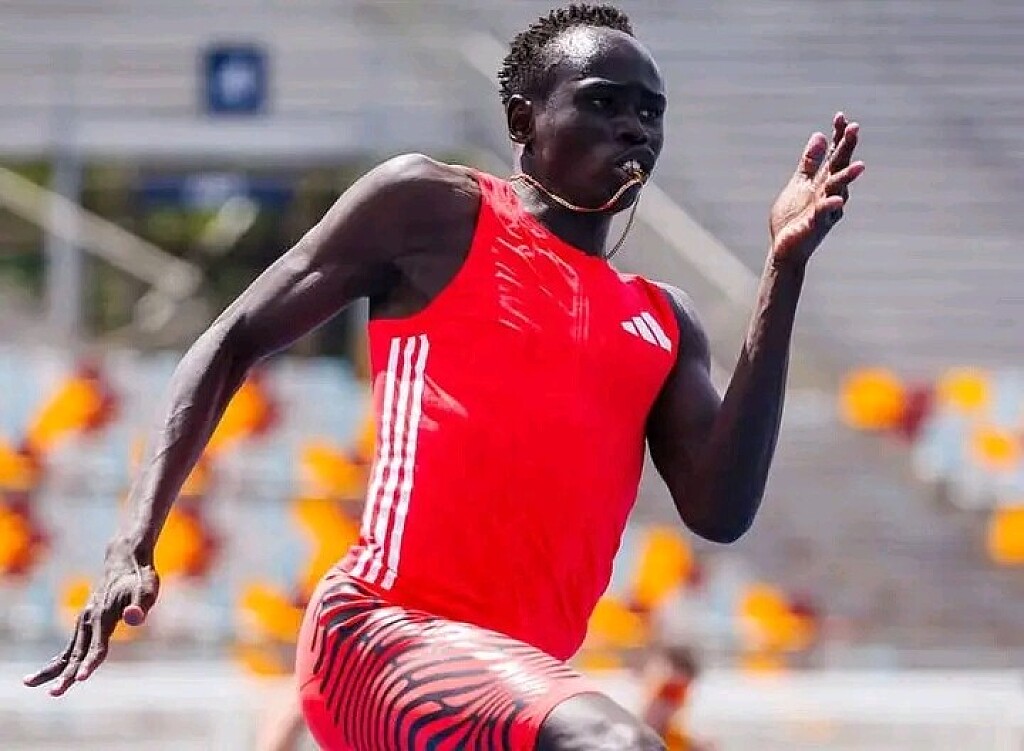
Heartbreak for Gout Gout: Australian Sprint Sensation Ruled Out of World U20 Championships With Serious Hamstring Injury
Australian teenage sprint sensation Gout Gout has suffered a devastating setback after being ruled out of next month's World Athletics U20 Championships in Eugene following a serious hamstring injury sustained during training in Brisbane.
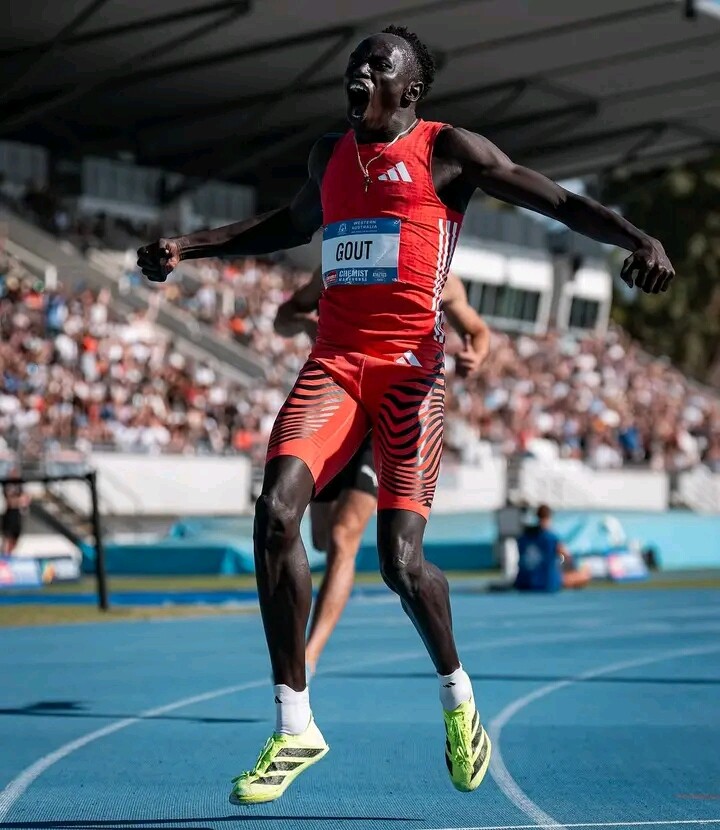
The highly rated sprinter injured his left hamstring during a training session on Wednesday night. An MRI scan conducted the following morning confirmed a Grade 3C partial tear of the proximal biceps femoris tendon. While the tear affects less than 10 percent of the tendon's cross-sectional area, it extends over an eight-centimetre length, making it a significant injury that requires a lengthy rehabilitation period.
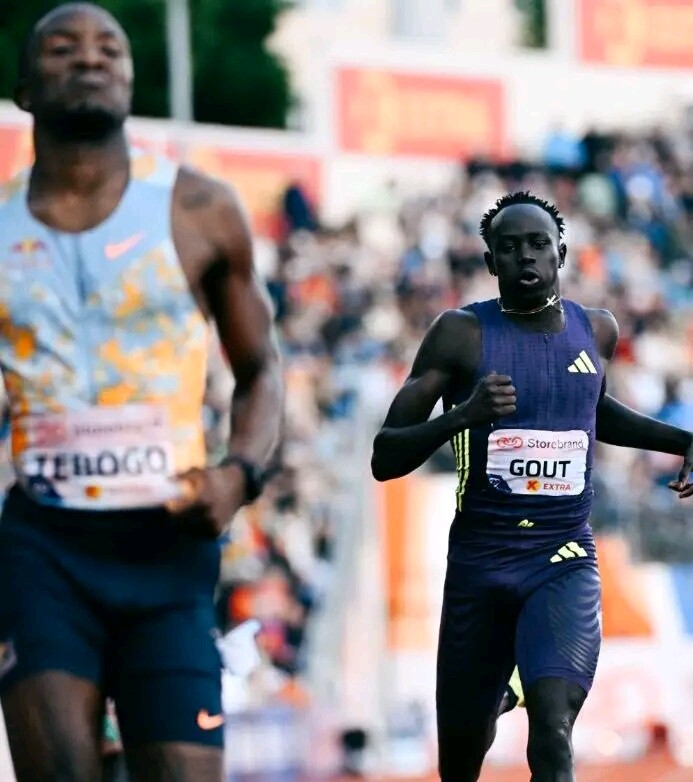
The diagnosis immediately ended Gout's hopes of competing in Eugene, where he had been expected to challenge for gold. The disappointment is even greater considering he had deliberately prioritized the World U20 Championships over the upcoming Commonwealth Games in Glasgow, choosing to focus his entire season on the global junior championships.
In a heartfelt statement following the diagnosis, Gout shared his disappointment while remaining determined to return stronger.
"I'm very disappointed but I have no other possibility but to accept the situation. I understand this is part of athletics. My focus now will be on my rehab in the coming weeks and months and ensuring I come back in 2027 better and stronger and faster."
The withdrawal is a major blow not only for Australian athletics but also for fans around the world who had eagerly anticipated watching one of the sport's brightest young stars compete on the international stage. Gout has emerged as one of the most exciting sprint prospects of his generation, earning global attention with his remarkable speed and maturity at such a young age.
Although missing the World U20 Championships is a painful setback, the teenager and his support team are now focused entirely on recovery. Rather than rushing back to competition, the priority will be a complete rehabilitation to ensure he returns in peak condition.
With youth firmly on his side and enormous potential still ahead of him, there is every reason to believe this injury will become just another chapter in what promises to be an outstanding career. Athletics fans everywhere will now be hoping to see Gout Gout back on the track in 2027—fully recovered, stronger than ever, and ready to continue his rise among the world's elite sprinters.
by Erick Cheruiyot for My Best Runs.
Login to leave a comment
Faith Kipyegon Returns to Monaco Seeking Redemption in a Star-Studded 3,000m Showdown
Few venues have witnessed more memorable performances from Faith Kipyegon than Monaco's iconic Stade Louis II, and on Friday night the Kenyan superstar returns to the track where she has repeatedly produced athletics history. This time, however, the challenge is different. Instead of chasing another mile masterpiece, the reigning world record holder will test herself over 3,000 metres at the Herculis EBS Diamond League in one of the most anticipated races of the season.
Kipyegon's return comes just weeks after suffering a rare defeat at the Prefontaine Classic, a result that only adds intrigue to an event featuring some of the strongest distance runners in the world. The three-time Olympic champion has built her career on responding to adversity with exceptional performances, making Monaco the perfect stage for another statement run.
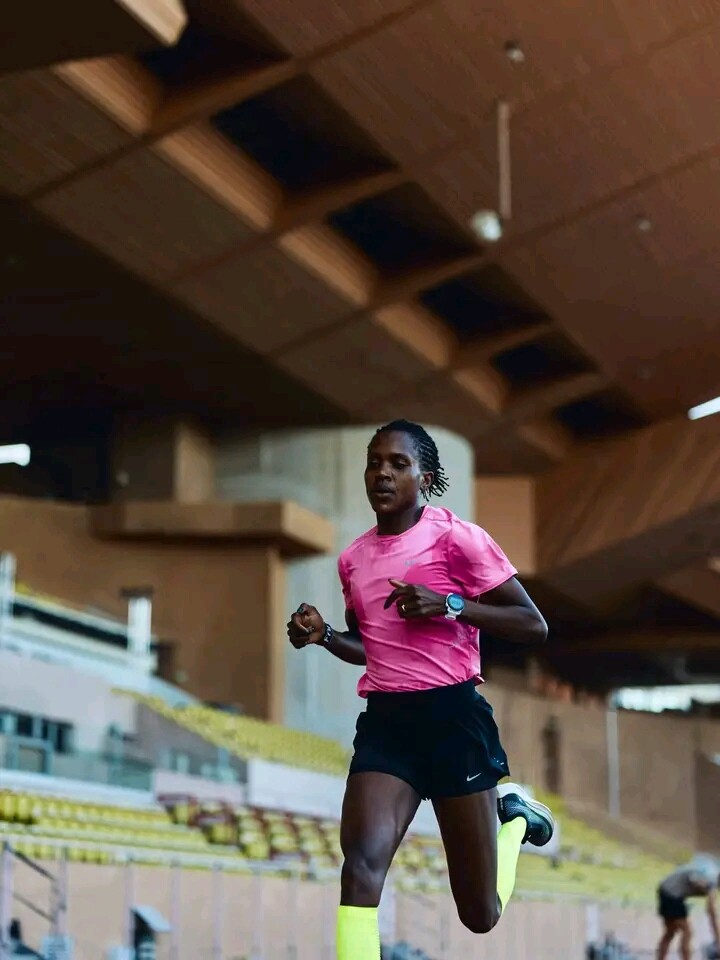
The women's 3,000m field promises to deliver one of the finest contests of the Diamond League campaign. Australia's Jessica Hull, Italy's Nadia Battocletti, and Ethiopia's Freweyni Hailu all arrive with the credentials to challenge for victory, ensuring that every lap will demand tactical precision and relentless pace from the gun.
Adding further depth to the race is Kenyan standout Agnes Ngetich, whose remarkable rise over the past year has established her among the world's elite distance runners. With multiple global contenders lining up together, the event has all the ingredients of a championship-calibre battle rather than a typical circuit race.
Monaco has long been regarded as one of athletics' fastest venues, where ideal conditions and world-class competition regularly produce unforgettable performances. It was here that Kipyegon rewrote the history books with her breathtaking mile world record three years ago, cementing the principality's reputation as one of her happiest hunting grounds.
Whether Friday's race delivers another record or simply a thrilling victory, expectations are exceptionally high. With redemption, prestige and momentum all on the line, the women's 3,000m is shaping up to be one of the defining moments of the Monaco Diamond League, as the world's greatest middle- and long-distance stars battle under the lights in pursuit of another unforgettable chapter in athletics history
by Elam wangwero for My Best Runs.
Login to leave a comment
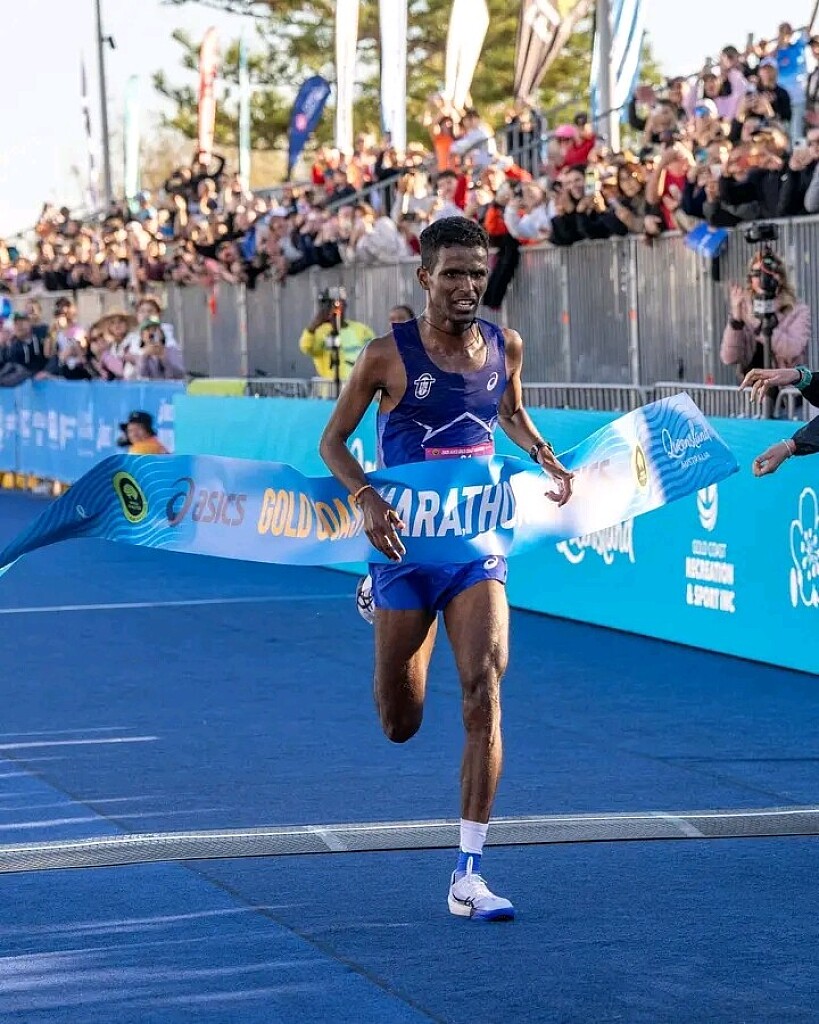
Haftu Strintzos Produces a Stunning Breakthrough to Win the 2026 ASICS Gold Coast Marathon
Australian distance runner Haftu Strintzos delivered the performance of his career with a commanding victory at the 2026 ASICS Gold Coast Marathon, storming to the men's title in an outstanding 2:06:20. Displaying remarkable strength, composure, and endurance from start to finish, Strintzos crossed the line alone to claim one of the biggest wins of his professional career on the famous streets of Queensland.
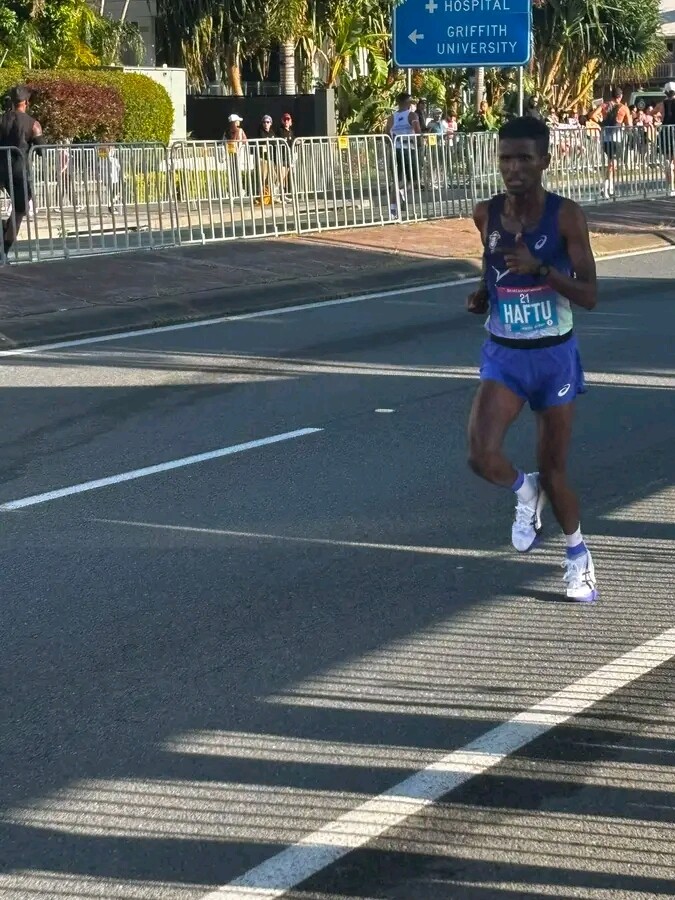
The triumph marked a significant milestone for the talented Australian, who mastered the fast Gold Coast course with an impressive blend of tactical intelligence and relentless pace. Roared on by enthusiastic home supporters, Strintzos maintained complete control in the closing stages before breaking the tape in emphatic fashion, confirming his emergence as one of Australia's leading marathon talents.
Japan enjoyed an exceptional day with a strong collective performance, filling four of the top seven positions. Hidekazu Hijikata secured second place in 2:07:20, while compatriot Jinya Ozaki completed the podium in 2:07:48. Ryoma Takeuchi followed in fourth with 2:08:20, and Kaisei Sugiyama rounded out the top five in 2:09:03, underlining Japan's remarkable depth in the marathon.
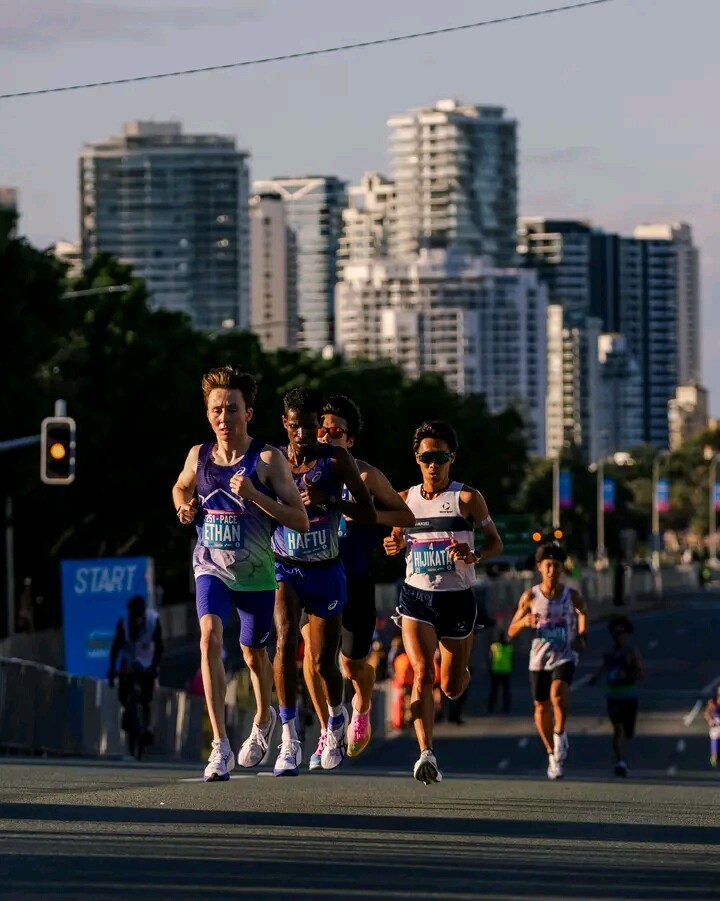
Kenya's Benson Tunyo Murkomen finished sixth in 2:09:18, producing another solid international performance, while Naoki Tomita of Japan claimed seventh place in 2:09:28 to complete an impressive display from the Japanese contingent.
Beyond the individual achievements, the race highlighted the growing global competitiveness of marathon running, with athletes from Australia, Japan, Kenya, and several other nations producing world-class performances on one of the sport's fastest courses. The high standard of competition and the thrilling battles throughout the field once again demonstrated why the Gold Coast Marathon remains one of the premier road racing events on the international calendar.
The 2026 ASICS Gold Coast Marathon once again lived up to its reputation as one of the world's fastest and most prestigious marathons. With elite athletes delivering outstanding performances and thousands of passionate spectators creating an unforgettable atmosphere, the event celebrated the very best of distance running. Haftu Strintzos' unforgettable breakthrough victory will be remembered as one of the defining moments of this year's race, marking a landmark achievement for Australian athletics and further enhancing the rich legacy of the Gold Coast Marathon.
by Erick Cheruiyot for My Best Runs.
Login to leave a comment

Gold Coast Airport Marathon
The Gold Coast Airport Marathon is held annually in one of the most popular holiday destinations in the world. It is Australia’s premier road race and was the first marathon in the country to hold an International Association of Athletics Federations (IAAF) Road Race Gold Label. The event is held on the first weekend of July and attracts more than...
more...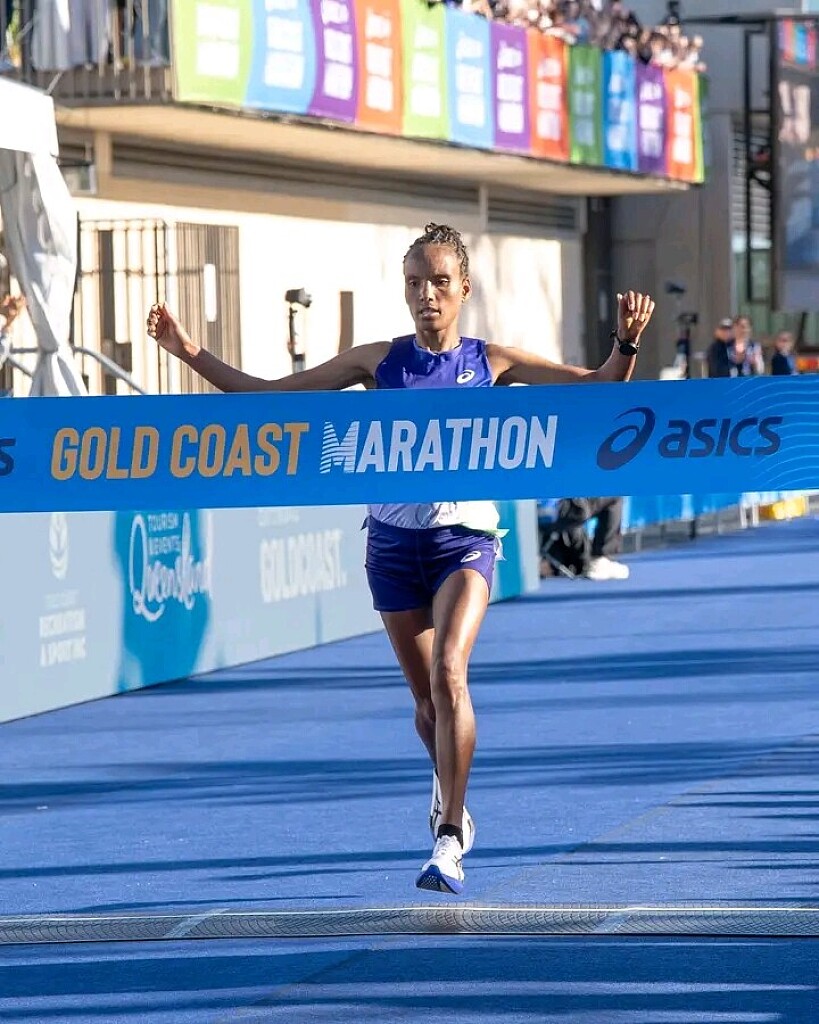
20-Year-Old Almaz Kebebe Shines with Sensational Victory at the 2026 ASICS Gold Coast Marathon
Ethiopia's rising distance-running star Almaz Kebebe delivered a magnificent performance to capture the women's title at the 2026 ASICS Gold Coast Marathon, crossing the finish line in an outstanding 2:24:53 to secure the biggest victory of her young career.
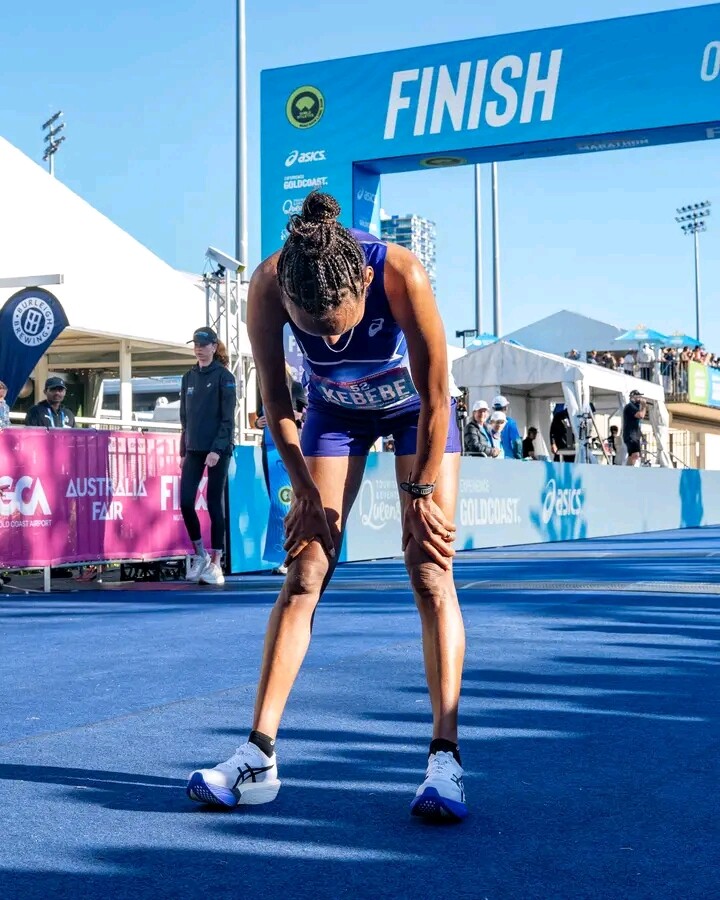
At just 20 years old, Kebebe showcased remarkable composure, endurance, and tactical brilliance over the 42.195-kilometre course. Running with confidence from start to finish, she timed her race to perfection before pulling away in the decisive stages to claim a memorable triumph on Australia's iconic Gold Coast. Her commanding display not only earned her the prestigious title but also announced her arrival as one of Ethiopia's most exciting emerging marathon talents.
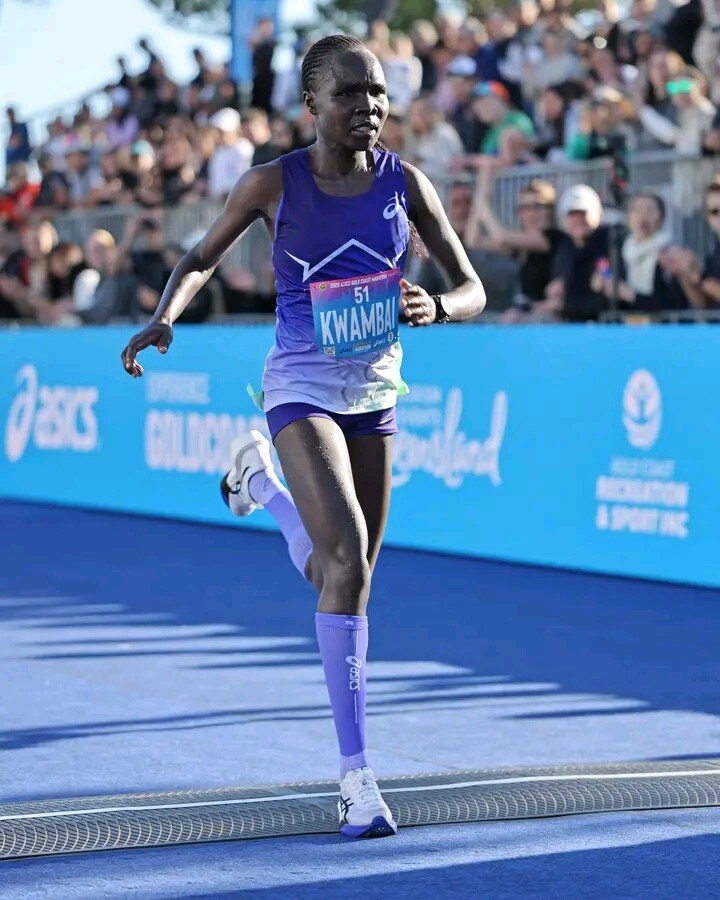
The Gold Coast Marathon is widely regarded as one of the world's fastest and most competitive road races, attracting elite athletes from across the globe each year. Kebebe rose to the occasion with exceptional maturity, maintaining a controlled pace before unleashing a powerful finish that proved too strong for the rest of the field.
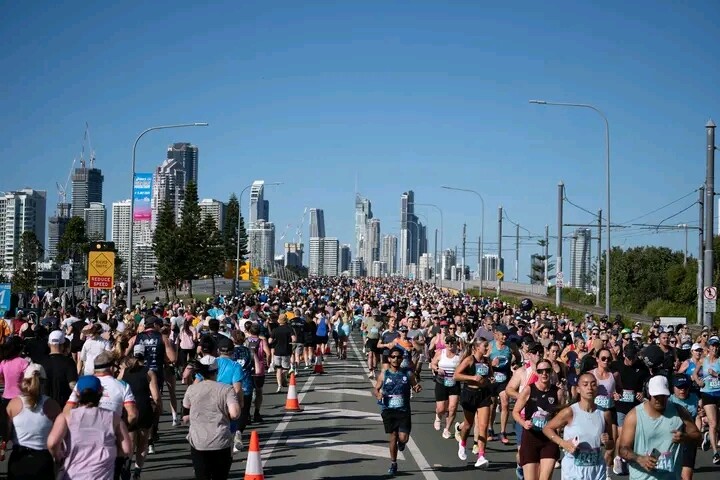
She crossed the line 48 seconds ahead of Kenya's Antonina Kwambai, who finished second in 2:25:41, while Japan's Kaede Kawamura claimed third place in 2:28:00 to complete the podium in a highly competitive race.
Beyond the impressive victory, Kebebe's performance further highlights Ethiopia's enduring excellence in women's distance running. At only 20 years of age, her winning time and composed racing style suggest she has the potential to become a consistent contender on the world's biggest marathon stages, making her one of the sport's brightest young stars to watch in the years ahead.
The victory marks another significant milestone in Kebebe's promising career and reinforces Ethiopia's rich legacy of producing world-class marathon champions. If this performance is any indication, the future looks exceptionally bright for the talented youngster as she continues her rise among the global elite.
by Erick Cheruiyot for My Best Runs.
Login to leave a comment
Gold Coast Airport Marathon
The Gold Coast Airport Marathon is held annually in one of the most popular holiday destinations in the world. It is Australia’s premier road race and was the first marathon in the country to hold an International Association of Athletics Federations (IAAF) Road Race Gold Label. The event is held on the first weekend of July and attracts more than...
more...
Faith Kipyegon's Five-Year Unbeaten Run Ends as Nikki Hiltz Shatters Meet Record at Prefontaine Classic
One of the biggest shocks of the 2026 athletics season unfolded at Hayward Field as Kenya's middle-distance queen, Faith Kipyegon, suffered her first defeat over the 1500m/mile on the track since the 2021 Rome Diamond League, bringing an end to an extraordinary unbeaten streak that had lasted nearly five years.
The athlete who ended that remarkable run was American star Nikki Hiltz, who produced the race of a lifetime to win the women's mile in a world-leading 4:17.49. Backed by a roaring home crowd, Hiltz timed the race to perfection before unleashing a decisive finishing kick to secure one of the most significant victories of her career.
The victory carried even greater significance as Hiltz also erased a 38-year-old Prefontaine Classic meet record, adding another historic milestone to an unforgettable evening at Hayward Field.
Kenya still had reason to celebrate as Dorcus Ewoi delivered an exceptional performance to finish second in 4:17.62, proving she belongs among the world's elite middle-distance runners.
Kipyegon, widely regarded as the greatest female middle-distance runner in history, battled bravely over the final lap but could not produce her trademark finishing burst. She crossed the line third in 4:17.80, a rare result for the five-time world champion and multiple Olympic gold medalist.
The remarkable depth of the race was evident throughout the field. Poland's Klaudia Kazimierska placed fourth in 4:17.90, narrowly ahead of Australia's Jessica Hull, who finished fifth in 4:18.03. Emily Mackay, Sarah Healy, and Georgia Hunter Bell completed a world-class lineup in one of the fastest mile races of the season.
While Kipyegon's third-place finish will undoubtedly generate headlines, it does little to diminish a legacy built on years of unmatched consistency and dominance. Every great champion eventually faces defeat, and the Kenyan icon has repeatedly shown an extraordinary ability to respond with even greater performances.
For Nikki Hiltz, however, this was far more than just another Diamond League victory. Ending Kipyegon's unbeaten run, setting a world-leading time, and breaking a meet record that had stood for nearly four decades is a defining statement ahead of the season's major championships.
The result has injected fresh excitement into women's middle-distance running, serving as a reminder that even the sport's greatest champions can be challenged. As the championship season approaches, the battle for global supremacy has suddenly become far more open—and far more compelling.
by Erick Cheruiyot for My Best Runs.
Login to leave a comment
Gold Coast Half Marathon Delivers Course Record and Elite Performances
The Gold Coast Half Marathon produced a thrilling morning of world-class distance running, with elite athletes delivering exceptional performances across both the men's and women's races on one of Australia's fastest and most prestigious road-running courses.

The men's race belonged to Japan's Shumpei Tomita, who produced a sensational performance to storm to victory in a new course record of 1:00:52. Tomita's historic run rewrote the event's record books as he held off a fierce late challenge from Great Britain's Edward Marks, who finished just five seconds behind in 1:00:57. Fellow Japanese runner Kazuto Kawabata completed the podium in 1:01:16, highlighting Japan's impressive depth in elite road racing.
The women's race was equally captivating as Great Britain's Izzi Batt-Doyle delivered a composed and commanding performance to take the title in 1:07:29. Japan's Rino Goshima claimed second place in 1:08:50, while another British athlete, Caitlin Scott, rounded out the podium after crossing the finish line in 1:09:09.
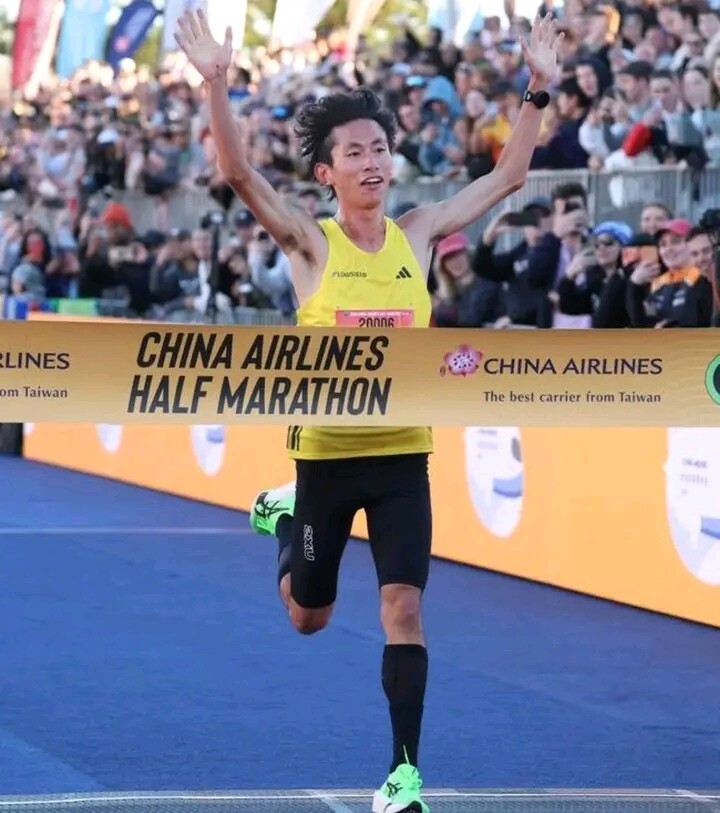
Among the standout performances of the day, Tomita's course record stole the spotlight, while Batt-Doyle's convincing victory reaffirmed her status as one of Britain's leading distance runners. Together, British and Japanese athletes dominated the event, sweeping all six podium positions and showcasing the remarkable strength and depth of their distance running programs.
The impressive performances on the Gold Coast also provide a timely confidence boost for many athletes as the international road racing season gathers momentum. With personal bests, national pride, and major championship ambitions driving the world's top competitors, the high-quality racing in Australia once again demonstrated why the Gold Coast Half Marathon remains one of the premier events on the global road racing calendar.
With a course record, thrilling finishes, and outstanding performances from an international field, this year's Gold Coast Half Marathon delivered another memorable chapter in the race's rich history, offering fans an unforgettable showcase of speed, endurance, and world-class competition.
by Erick Cheruiyot for My Best Runs.
Login to leave a comment
Gold Coast Airport Marathon
The Gold Coast Airport Marathon is held annually in one of the most popular holiday destinations in the world. It is Australia’s premier road race and was the first marathon in the country to hold an International Association of Athletics Federations (IAAF) Road Race Gold Label. The event is held on the first weekend of July and attracts more than...
more...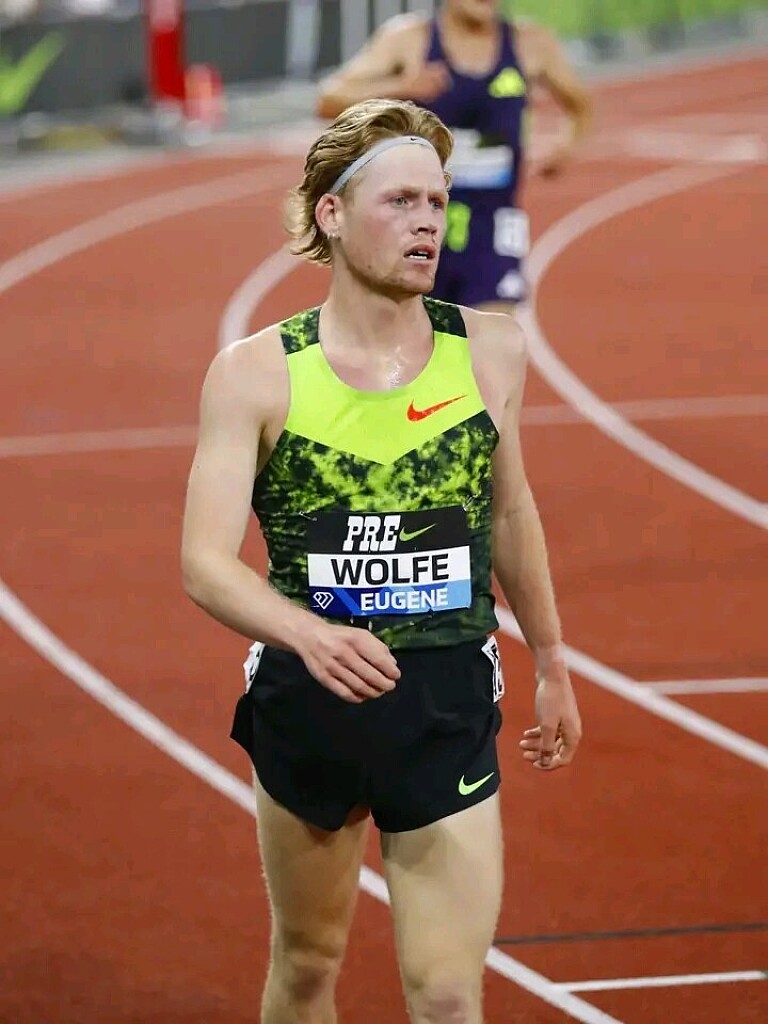
Parker Wolfe Produces a Masterclass Finish to Claim Epic 2-Mile Victory at the Prefontaine Classic
The men's two-mile race at the 2026 Prefontaine Classic delivered exactly what fans expected from one of the world's premier athletics meetings—relentless pace, tactical brilliance, and a breathtaking finish that showcased the very best of distance running.
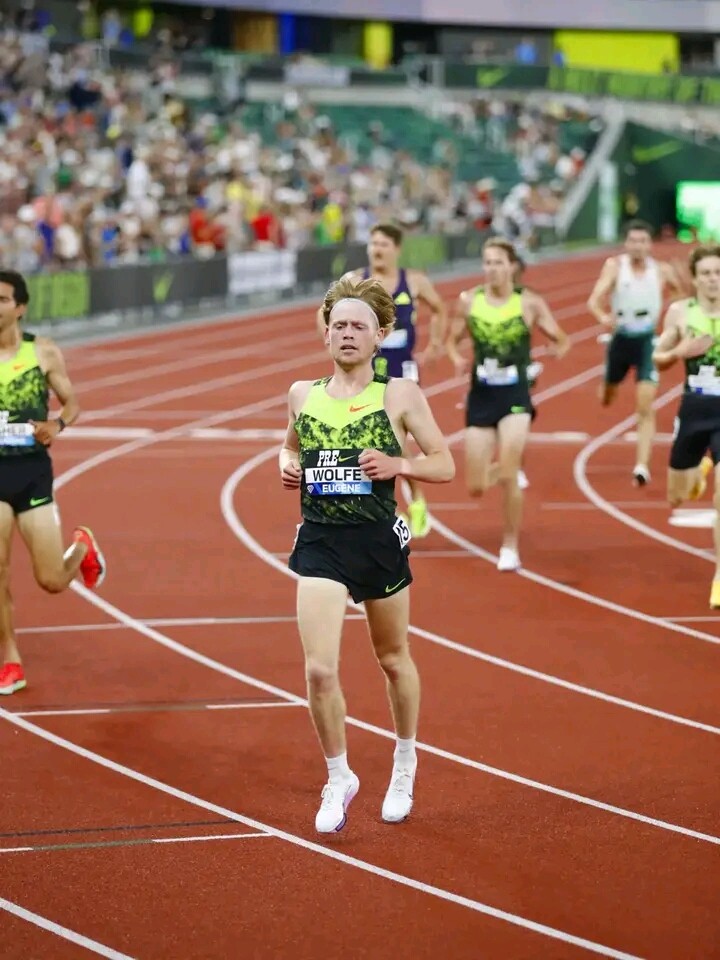
American star Parker Wolfe produced the performance of his career, unleashing a devastating closing kick to capture victory in 8:10.13 after an enthralling battle with a world-class field. The home crowd at Hayward Field erupted as Wolfe timed his finishing burst to perfection, sealing one of the biggest victories of his career in spectacular fashion.
The contest remained fiercely competitive from the opening laps, with the lead changing hands several times before Wolfe asserted his authority in the closing stages. Germany's Mohamed Abdilaahi stayed within striking distance throughout and finished just 0.21 seconds behind the winner in 8:10.34, while American distance star Grant Fisher completed the podium in 8:10.96 after another outstanding display of consistency.
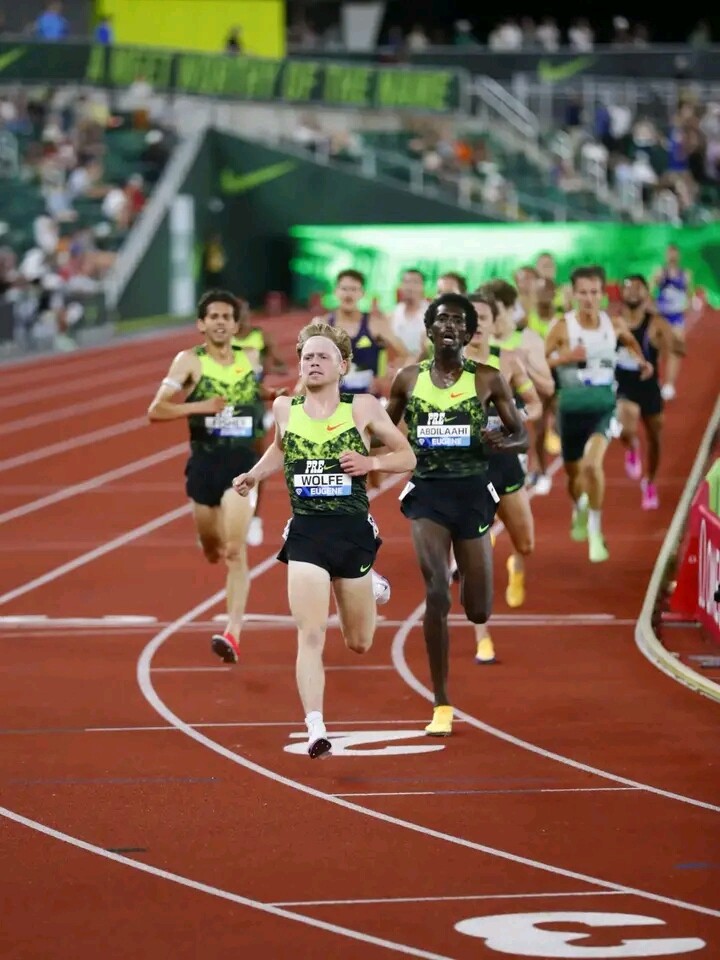
Sweden's Andreas Almgren narrowly missed the podium with 8:11.12, finishing fourth in one of the deepest two-mile fields assembled this season. Fellow Americans Thomas Ratcliffe (8:11.68) and Cooper Teare (8:12.00) added further strength to the home contingent, while Australia's Ky Robinson crossed seventh in 8:12.16.
Behind the front-runners, several athletes produced career-defining performances. Mexico's Eduardo "Lalo" Herrera delivered one of the highlights of the evening, clocking a superb personal best of 8:13.72 to finish 12th against elite international opposition. His performance marked another significant milestone in his steady rise on the global distance-running stage.
Uruguay's Santiago Catrofe also impressed, placing 16th in 8:18.09, while Ethiopia's Mezgebu Sime finished 13th in 8:14.12 in another tightly contested section of the race.
The remarkable depth of the competition was evident throughout the field, with numerous athletes separated by only fractions of a second. Nearly every lap demanded precision, resilience, and tactical awareness as the relentless pace punished even the slightest mistake.
Although Americans Benjamin Balazs and Jeffery Rogers were unable to finish, the race remained an unforgettable spectacle, underlining why the Prefontaine Classic continues to attract the world's finest distance runners.
With Parker Wolfe producing a perfectly executed finishing sprint and several athletes recording outstanding performances, the men's two-mile became one of the standout races of the meeting. It was a contest defined by exceptional depth, fearless racing, and a thrilling conclusion that once again demonstrated the enduring appeal of world-class distance running.
by Erick Cheruiyot for My Best Runs.
Login to leave a comment

Prefontaine Classic
The Pre Classic, part of the Diamond League series of international meets featuring Olympic-level athletes, is scheduled to be held at the new Hayward Field in Eugene. The Prefontaine Classicis the longest-running outdoor invitational track & field meet in America and is part of the elite Wanda Diamond League of meets held worldwide annually. The Pre Classic’s results score has...
more...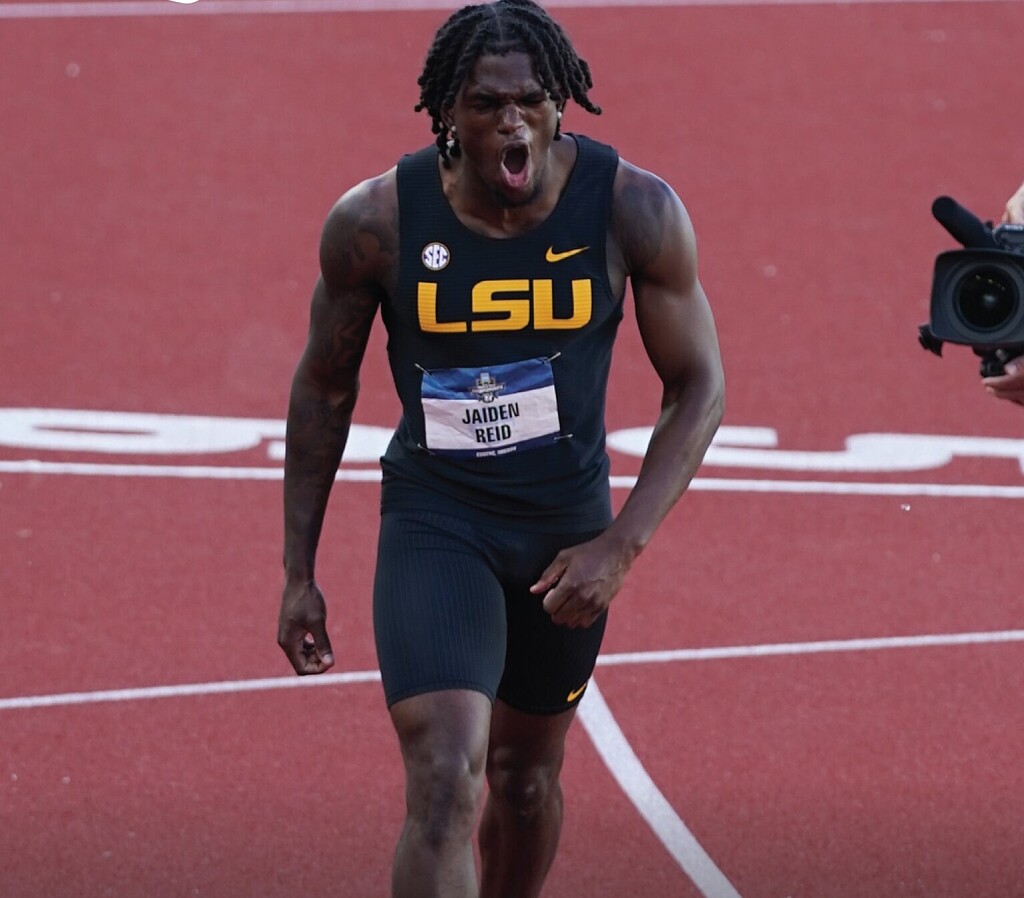
Jaiden Reid Sets the Pace as the Men's 200m Reaches Boiling Point in 2026
The battle for global sprint supremacy is intensifying, and as June draws to a close, the men's 200m rankings paint the picture of a season that is already rewriting expectations. With several athletes breaking the 20-second barrier in spectacular fashion, the race to the World Championships is shaping up to be one of the most competitive in recent memory.
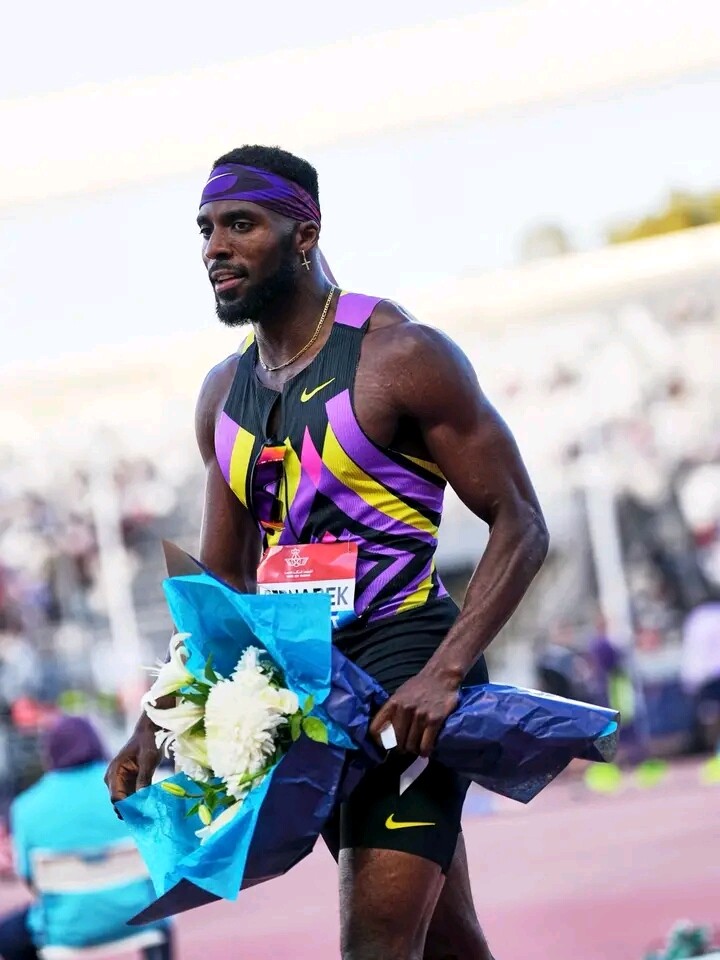
Leading the world standings is Jaiden Reid, whose stunning 19.63 performance has propelled him to the top of the 2026 leaderboard. The breakthrough run not only established him as the fastest man over the distance this season but also confirmed his arrival among the sport's elite.
Hot on his heels is Australia's teenage sensation Gout Gout, who continues to justify the enormous excitement surrounding his career. His remarkable 19.67 places him second in the world, further cementing his reputation as one of sprinting's brightest young stars and proving he is ready to challenge the very best on the global stage.
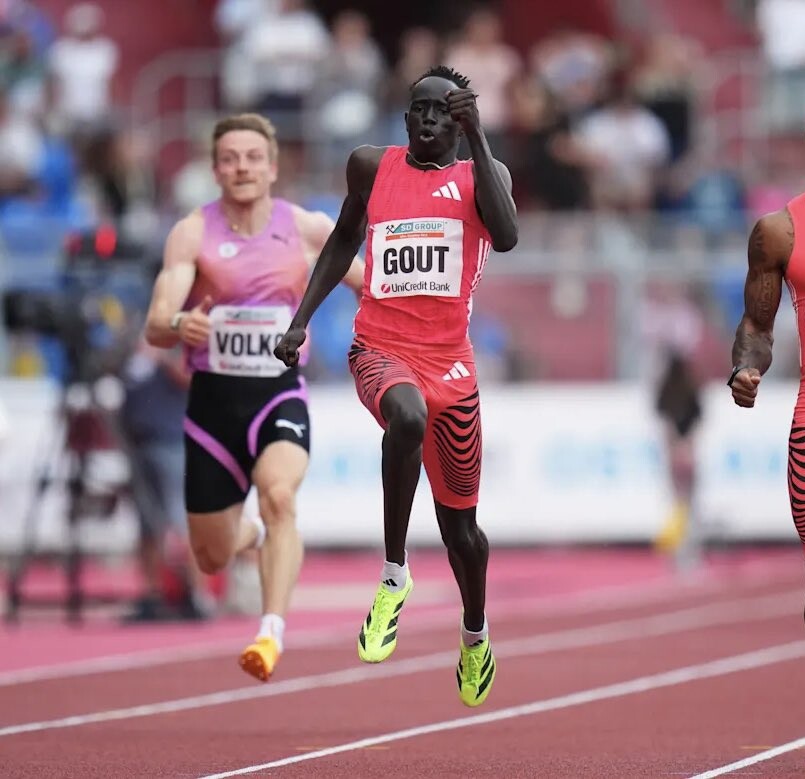
Completing the top three is American star Kenny Bednarek, whose 19.69 demonstrates the consistency that has made him one of the world's most dependable 200m specialists. Breaking the 19.70 barrier once again, Bednarek remains firmly in contention for every major title this season.
With three athletes already clocking sub-19.70 performances before the halfway point of the season, the standard has been set extraordinarily high. Yet the chasing pack remains dangerously close, meaning every major meeting over the coming weeks could produce another shake-up in the rankings.
As the countdown to the championship season continues, the men's 200m is rapidly becoming one of athletics' most captivating events. If the first six months are any indication, the second half of 2026 promises even faster times, fierce rivalries, and unforgettable finishes.
by Erick Cheruiyot for My Best Runs.
Login to leave a comment
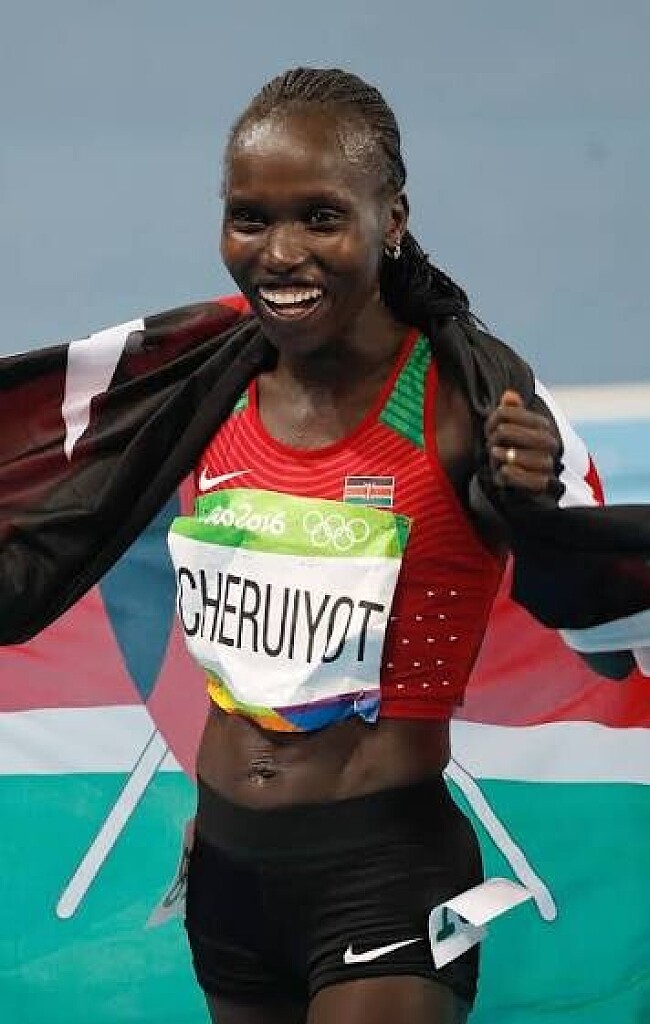
Olympic Legend Vivian Cheruiyot Set for 2026 Sydney Marathon Showdown
Kenyan distance-running icon Vivian Cheruiyot is set to add another exciting chapter to her glittering career after confirming her participation in the 2026 Sydney Marathon, scheduled for August 30 in Australia.
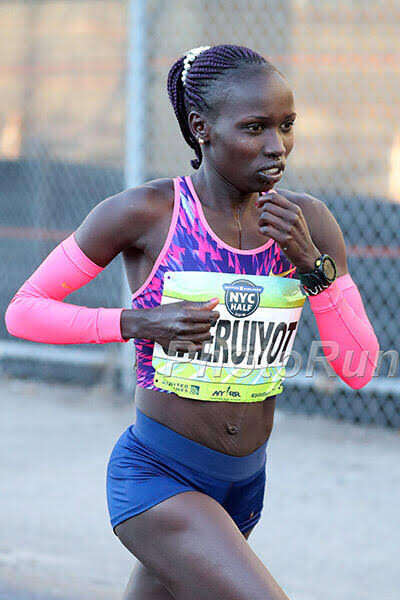
The 42-year-old marathon star, who owns a personal best of 2:18:31, will line up against one of the strongest women's marathon fields ever assembled in Australia. Awaiting her is a mouthwatering showdown with fellow Kenyan and Olympic marathon champion Peres Jepchirchir, promising fans a battle between two of the sport's finest competitors.
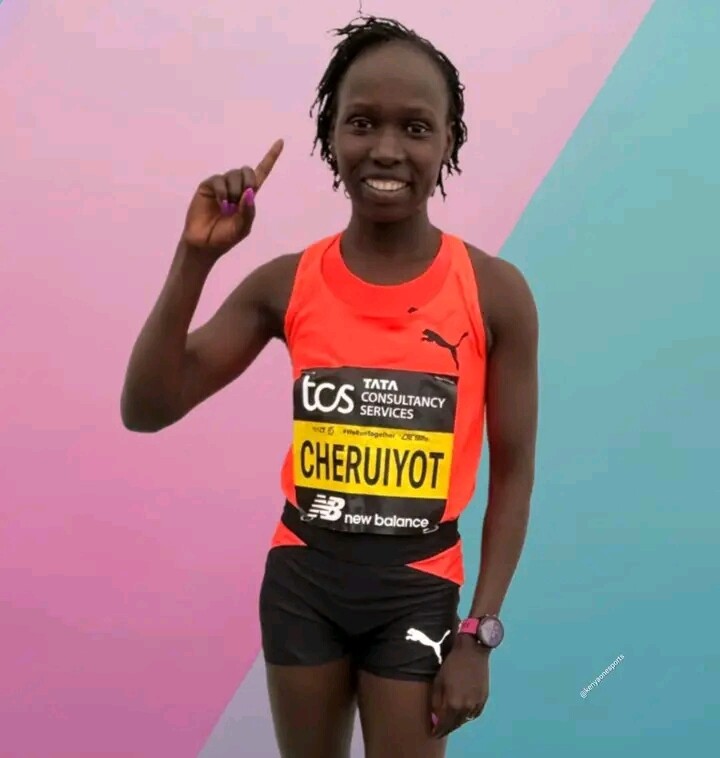
Cheruiyot arrives in Sydney with one of the most decorated résumés in the history of distance running. Across four Olympic Games, she has amassed an extraordinary collection of medals, winning Olympic gold in the 5,000m and silver in the 10,000m at the 2016 Rio Games, where she also set a new Olympic record in the 5,000m. She previously claimed silver in the 5,000m and bronze in the 10,000m at the 2012 London Olympics, cementing her place among Kenya's greatest track athletes.
Her success extends well beyond the Olympic stage. Cheruiyot is a multiple-time world champion, capturing the 5,000m world title in 2009 and 2011, while also completing a memorable long-distance double by winning the 10,000m world crown in 2011 before reclaiming the event's global title in 2015. She also earned silver in the 5,000m at the 2007 World Championships and has enjoyed success indoors with a silver medal in the 3,000m at the 2010 World Indoor Championships.
In addition to her global championship triumphs, Cheruiyot dominated the 2010 season by securing the Commonwealth Games, African Championships, Continental Cup, and Diamond League titles over 5,000 metres, further highlighting her remarkable consistency and versatility.
Although now competing in the marathon, Cheruiyot continues to prove that class and determination know no age. Her experience, tactical brilliance, and championship pedigree make her one of the standout names in an elite field packed with world-class talent.
With the Sydney Marathon continuing to establish itself as one of the world's premier road races, all eyes will be on Vivian Cheruiyot as the legendary Kenyan seeks to produce another memorable performance on Australian soil.
by Erick Cheruiyot for My Best Runs.
Login to leave a comment
Two World Records Fall as Russian Backyard Ultra Rewrites Endurance History
The world of ultrarunning witnessed an extraordinary chapter this week as both the men's and women's Backyard Ultra world records were shattered at the Biotropika Ultra Trail in Russia's Leningrad Region, in a display of endurance that pushed the limits of human resilience.
The men's race delivered an unforgettable battle, with Dmitry Klimov emerging as the last runner standing after an astonishing 123 consecutive hourly loops. Covering 824.8 kilometres (512.5 miles) over more than 123 hours, Klimov eclipsed the previous world record of 119 laps, set by Australia's Phil Gore almost exactly one year earlier.
What made the achievement even more remarkable was the incredible depth of the competition. Fellow Russians Ivan Zaborsky and Dmitry Sheremet also surpassed Gore's previous benchmark, completing 121 and 122 laps respectively before bowing out. With his rivals unable to continue, Klimov completed the decisive final lap alone, sealing a historic new world record.

The women's competition was equally inspiring. Vera Chekalina, 49, produced a remarkable performance by completing 96 laps, covering 643.2 kilometres (399.7 miles) to establish a new women's Backyard Ultra world record. Her achievement highlighted not only exceptional physical endurance but also the mental toughness required to excel in one of the sport's most demanding formats.
Unlike traditional ultramarathons, the Backyard Ultra follows a deceptively simple concept. Athletes must complete a 6.706-kilometre (4.167-mile) loop within one hour. At the start of every new hour, every remaining runner must begin another lap. There are no finish lines or predetermined distances—the race continues until only one competitor remains capable of completing another lap.
In this relentless format, raw speed offers little advantage. Success depends on meticulous pacing, effective recovery, disciplined nutrition, careful foot management, and the ability to resist the temptation to push too hard while watching competitors gradually drop out. Klimov, Sheremet, Zaborsky, and Chekalina demonstrated those qualities at the highest level, sustaining their efforts for more than five days.
The Biotropika Ultra Trail will now be remembered as one of the most significant events in Backyard Ultra history, producing two world records and redefining what is possible in one of endurance sport's most unforgiving disciplines. As the global ultrarunning community reflects on these remarkable performances, one thing is clear: the boundaries of human endurance have been pushed further than ever before.
by Erick Cheruiyot for My Best Runs.
Login to leave a comment
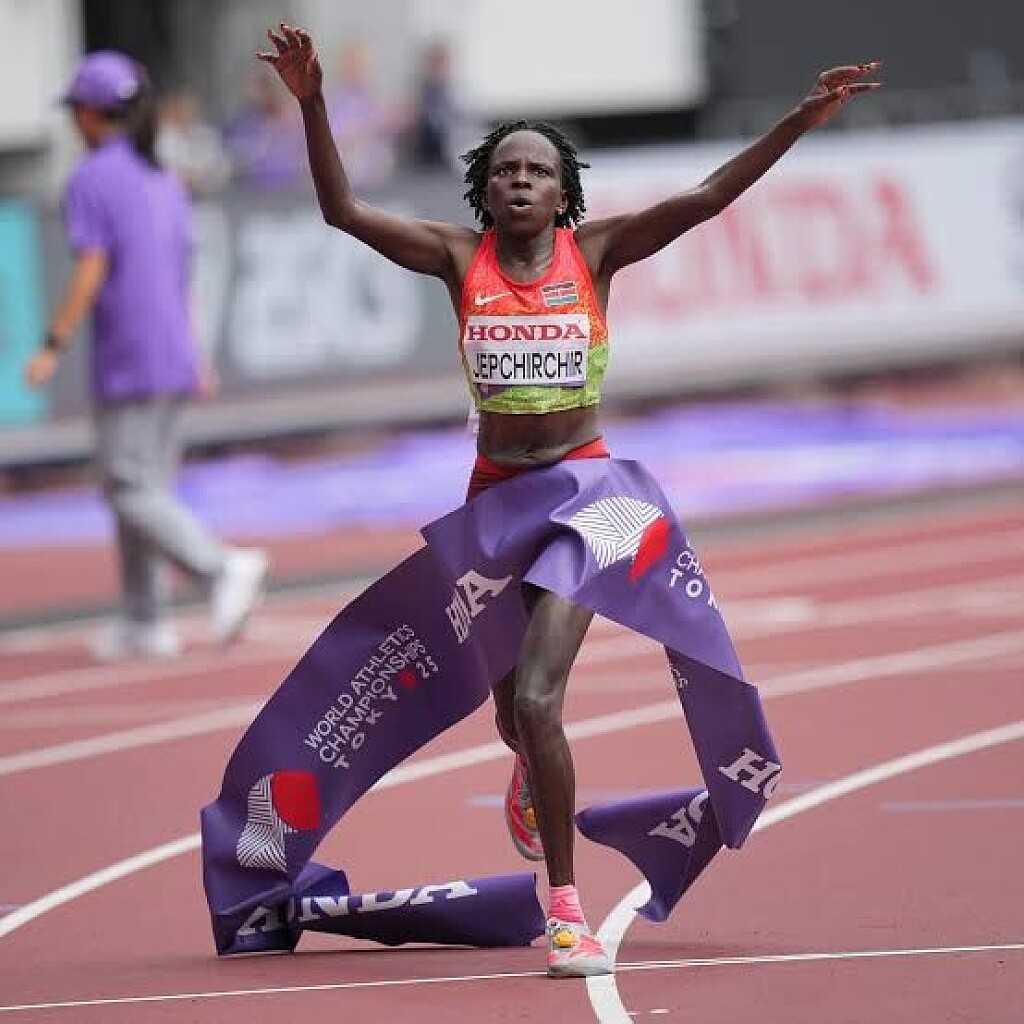
Sydney Set for a Historic Showdown as Record-Breaking Women's Elite Field Assembles
The TCS Sydney Marathon presented by ASICS is set to deliver one of the most captivating marathon spectacles of the year, with the strongest women's elite field ever assembled on Australian soil preparing to battle for glory.
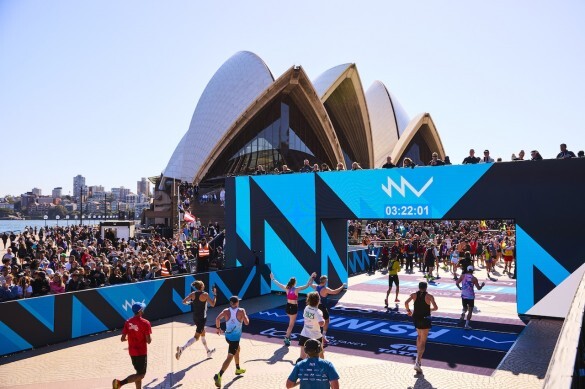
Headlining the star-studded lineup is reigning World Marathon Champion Peres Jepchirchir Ngeno, whose remarkable personal best of 2:14:43 makes her the fastest athlete in the field. The Kenyan arrives as one of the sport's most accomplished marathoners and will carry the weight of expectation as she leads an exceptionally deep and competitive international field.
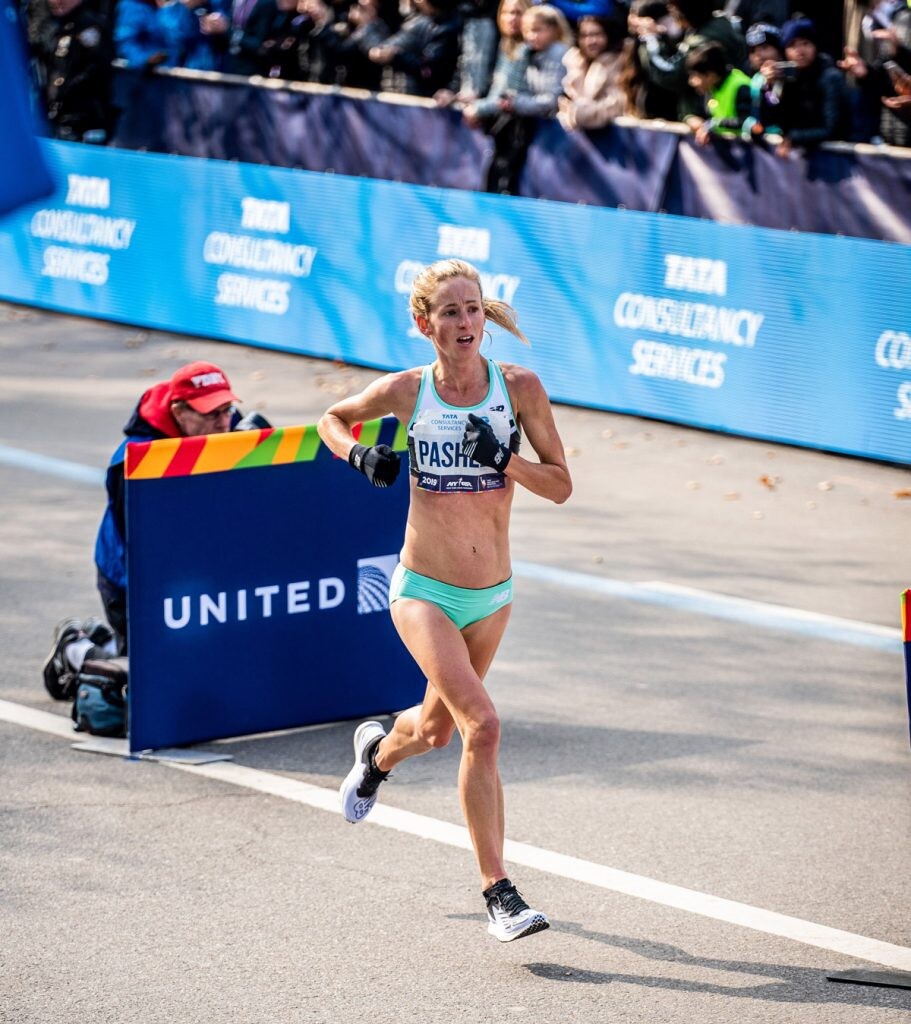
Kenya's challenge extends far beyond its world champion. Irine Cheptai (2:17:51), Vivian Cheruiyot (2:18:31), Sharon Chelimo (2:19:33), Joyce Tele (2:19:50), Jackline Cherono (2:21:14) and Priscah Cherono (2:25:17) add tremendous depth, reinforcing the nation's reputation as the dominant force in women's marathon running.
Ethiopia will be equally formidable, boasting an impressive squad led by Ruti Aga (2:18:09), Shure Demise (2:18:34), Haven Hailu (2:19:09), Meseret Abebayehau (2:19:50), Aberu Ayana (2:20:20), Waganesh Mekasha (2:20:26), Azmera Gebru (2:20:48) and Fikrte Wereta (2:21:32). With such remarkable depth, Ethiopia has every opportunity to challenge for victory and dominate the podium.
The international flavor continues with Magdalena Shauri of Tanzania (2:18:03), Uganda's Stella Chesang (2:18:26), American-based Biruktayit Degefa (2:21:34), France's Melody Julien (2:25:01), Morocco's Kaoutar Farkoussi (2:25:12), Japan's Mizuki Nishimura (2:25:54) and Australia's leading hopes Ellie Pashley (2:26:21), Caitlin Scott (Adams) (2:30:26) and Rebecca Lowe (2:30:50).
With multiple women boasting personal bests under 2:20, the race promises relentless pace from the opening kilometres. The combination of proven championship pedigree, world-class experience and emerging talent sets the stage for what could become the fastest and most competitive women's marathon ever contested in Australia.
As the TCS Sydney Marathon presented by ASICS continues to cement its status among the world's premier marathons, the 2026 edition is shaping up to be a defining moment in the event's history. Fans can expect a fierce contest where every second will matter and marathon excellence will be on full display.
by Erick Cheruiyot for My Best Runs.
Login to leave a comment
Sydney Marathon
The Sydney Marathon is a marathon held annually in Sydney, Australia. The event was first held in 2001 as a legacy of the 2000 Summer Olympics, which were held in Sydney. In addition to the marathon, a half marathon, 9 kilometres (5.6 mi) "Bridge Run", and a 3.5 kilometres (2.2 mi) "Family Fun Run" are also held under the banner...
more...