

Running News Daily
Running News Daily is edited by Bob Anderson and team. Send your news items to bob@mybestruns.com Advertising opportunities available.
Index to Daily Posts · Sign Up For Updates · Run The World Feed
Articles tagged #Munich
Today's Running News
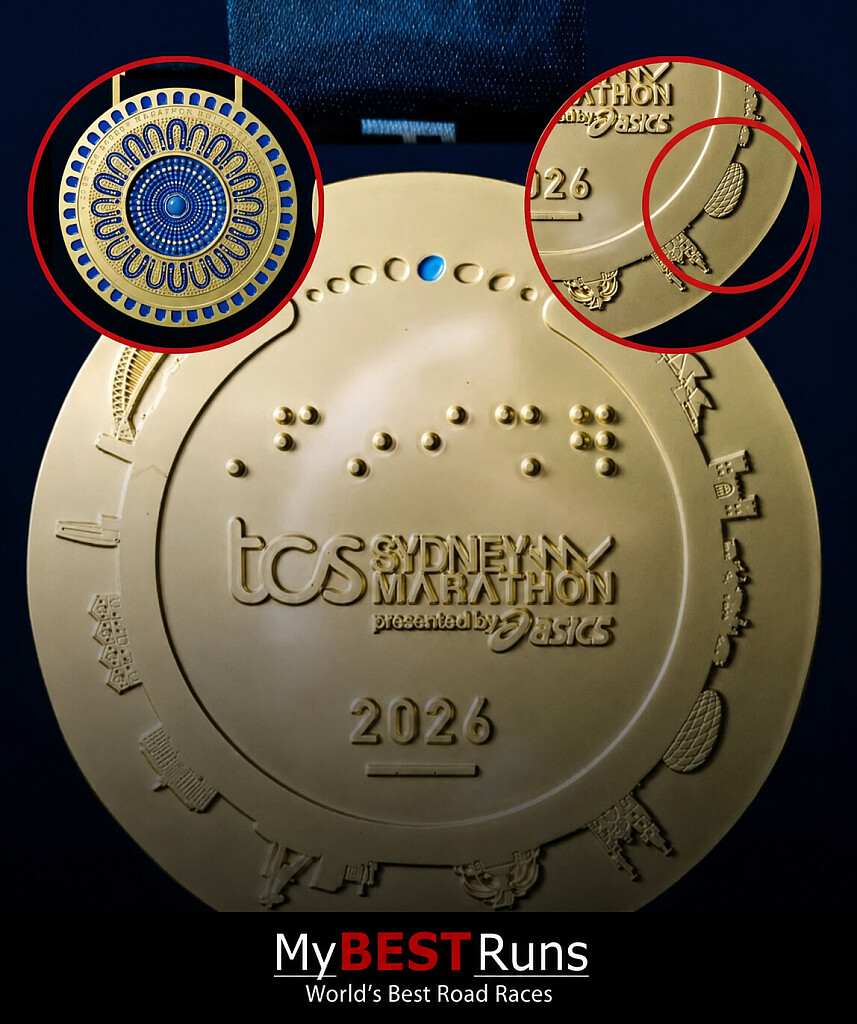


Sydney Marathon’s Medal Blunder: How Munich’s Allianz Arena Ended Up in a Sydney Souvenir
The Sydney Marathon was meant to celebrate one of Australia’s most iconic cities. Instead, its 2026 finisher’s medal has unexpectedly brought a little piece of Munich into the spotlight.
The back of the medal features a collection of landmarks designed to represent Sydney and the 42.2-kilometre journey runners will take through the city, including the Sydney Opera House and Sydney Harbour Bridge. But alongside those unmistakably Australian symbols is a rather surprising addition: Munich’s Allianz Arena.
The stadium was supposed to represent Sydney’s Allianz Stadium in Moore Park. Instead, the medal designers somehow used the distinctive home of Bayern Munich in Germany.
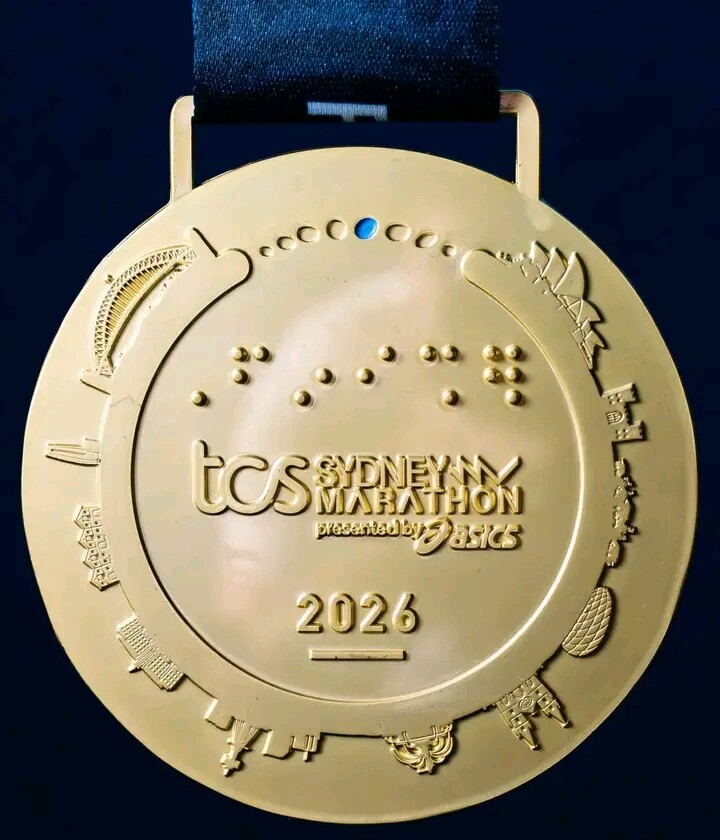
The mistake was spotted shortly after the medal was unveiled and quickly spread across social media before attracting international media attention. With the race now just days away, there is no time to redesign and replace the medals already produced for the event.
Organisers have acknowledged the mistake, describing it as an “unfortunate error” and making clear that the medals will still be presented to runners on race day.
Rather than attempting to hide the blunder, Sydney Marathon has chosen to embrace the unexpected twist, saying the medal is now “a little more unique.” Their response ended on a light-hearted note: “You noticed. We noticed. We’re human.”
And while the incorrect stadium may have created an embarrassing moment for the organisers, it has also given the 2026 medal something no previous Sydney Marathon medal has had — a story of its own.
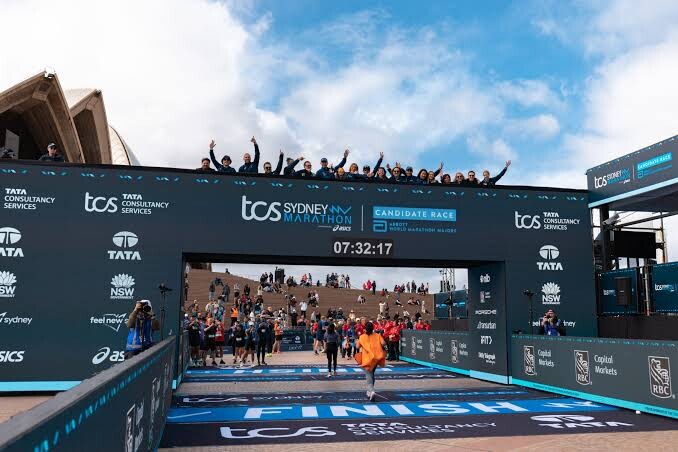
That story will be carried around the necks of approximately 40,000 runners when the Sydney Marathon takes place on Sunday, August 30.
The timing could hardly be more significant for the race. Sydney is only in its second year as an Abbott World Marathon Major, having joined the prestigious series in 2024 alongside Tokyo, Boston, London, Berlin, Chicago and New York. The event has rapidly established itself as one of the world’s most sought-after marathons, with more than 123,000 runners entering the ballot for the 2026 race, a 56 percent increase from the previous year.
For those 40,000 successful entrants, the medal will ultimately represent something far more important than a design mistake. Behind every medal is months of preparation, early mornings, long training runs, sacrifices and the determination required to cover 42.2 kilometres.
And when the runners finally reach the finish line at the Sydney Opera House, they will receive a medal that was intended to tell the story of Sydney — but accidentally tells a small story about Munich too.
What began as an embarrassing design error may now become one of the most memorable quirks in Sydney Marathon history. Years from now, runners may look back at their 2026 medals not simply as souvenirs of finishing one of the world’s major marathons, but as unusual collector’s pieces from the year Sydney accidentally put Munich on its medal.
A Sydney marathon. A Munich stadium. One unforgettable medal.
by Erick Cheruiyot for My Best Runs.
Login to leave a comment
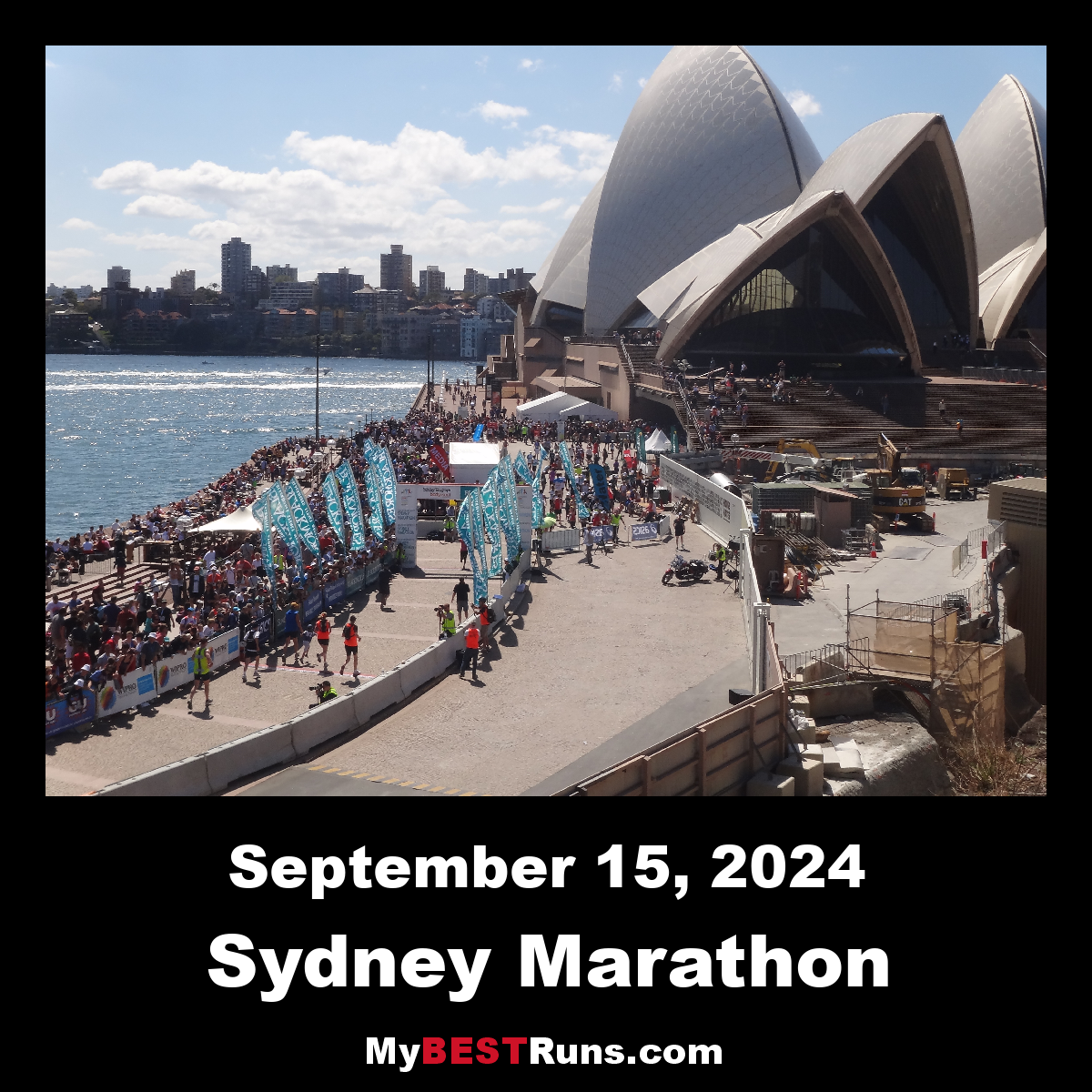
Sydney Marathon
The Sydney Marathon is a marathon held annually in Sydney, Australia. The event was first held in 2001 as a legacy of the 2000 Summer Olympics, which were held in Sydney. In addition to the marathon, a half marathon, 9 kilometres (5.6 mi) "Bridge Run", and a 3.5 kilometres (2.2 mi) "Family Fun Run" are also held under the banner...
more...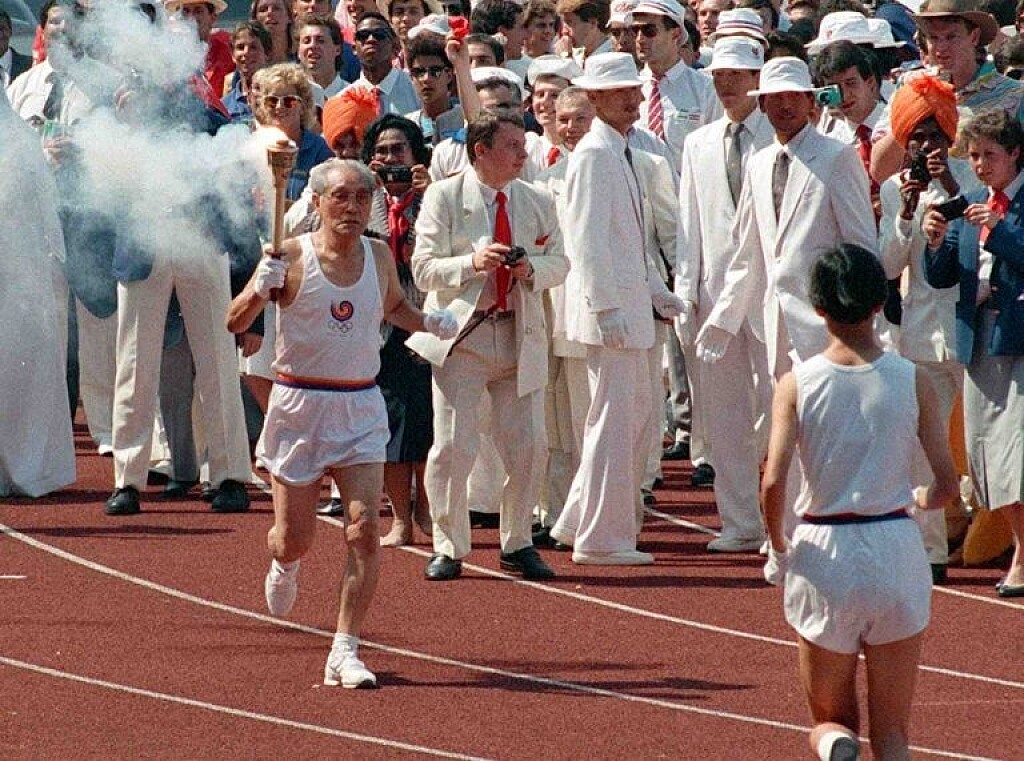
The Olympic Gold That Korea Had To Wait 52 Years To Truly Claim
On August 9, 1936, Sohn Kee-chung crossed the finish line of the Olympic marathon in Berlin in 2:29:19.2, becoming the first Korean to win an Olympic gold medal.
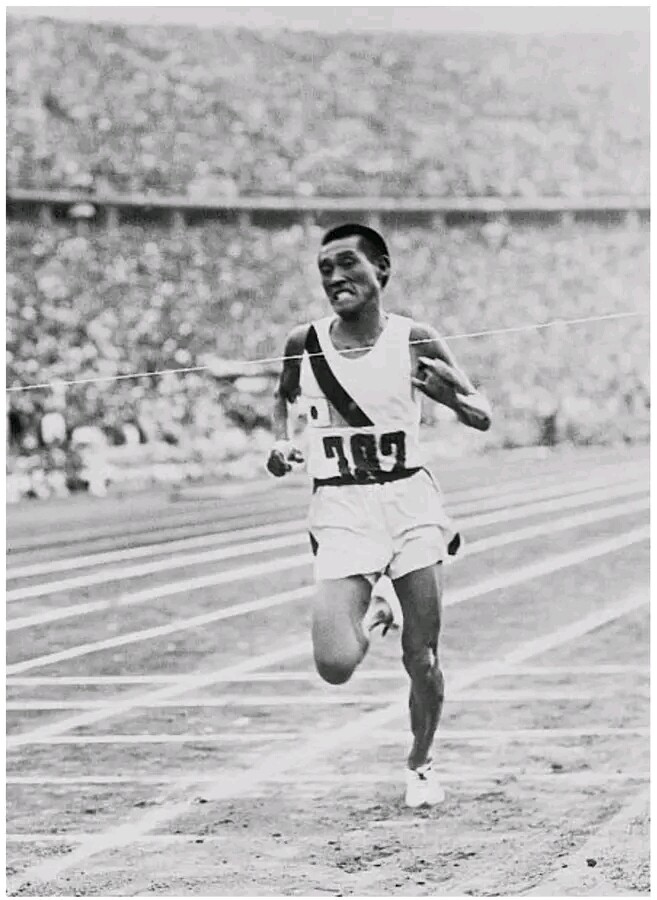
But there was a painful contradiction behind the triumph.
The scoreboard did not identify him as Sohn Kee-chung. It listed him as Kitei Son — the Japanese pronunciation of his Korean name. And instead of competing for Korea, he was officially entered as a member of the Japanese delegation because Korea had been under Japanese colonial rule since 1910.
Sohn was born in 1912 near Sinuiju, in what is now North Pyongan Province, and emerged as one of the outstanding distance runners of his generation. His talent became impossible to ignore in the 1930s, and in November 1935 he ran 2:26:42 in Tokyo to set a world marathon record.
By the time he arrived in Berlin, Sohn was already a world-class marathoner. Yet his greatest sporting achievement would unfold under an identity that had been imposed upon him.
He was not permitted to compete under his Korean name. He was not permitted to carry the Korean flag. His uniform bore the Japanese emblem.
And even after winning Olympic gold, he could not celebrate as a Korean champion.
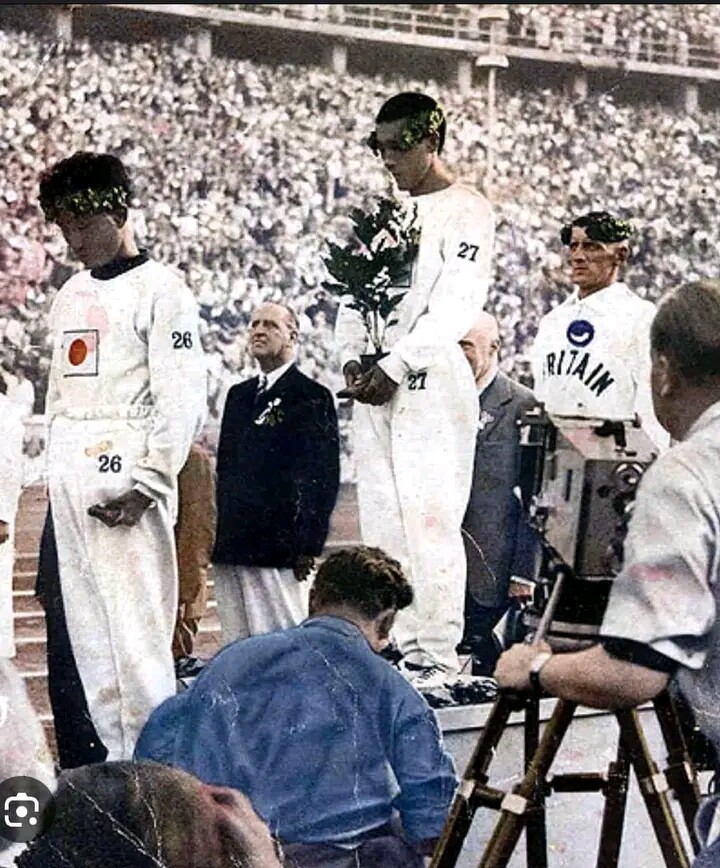
Sohn won the marathon ahead of Britain's Ernie Harper, while another Korean, Nam Sung-yong, claimed bronze. Sohn became the first Olympic marathoner to break the 2:30 barrier, with his 2:29:19.2 Olympic record standing as a remarkable achievement. Importantly, however, his Berlin time was not a world record — his world-best mark had come the previous year in Tokyo.
The medal ceremony became one of the most haunting images in Olympic history.
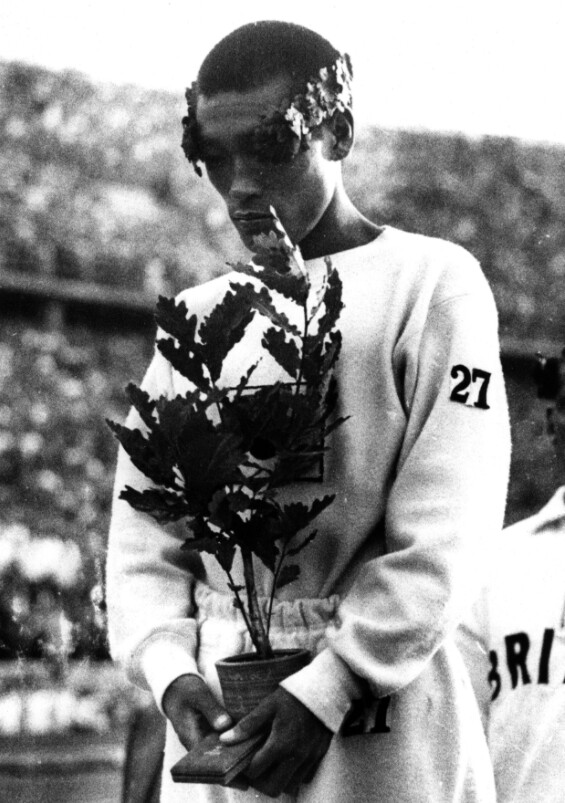
As the Japanese flag was raised and the Japanese anthem played, Sohn stood on the top step of the podium with his head lowered. Nam Sung-yong stood beside him on the third step. Neither athlete was able to represent the nation from which they came.
Sohn held the laurel wreath he had received for winning the marathon across his chest, concealing the Japanese flag on his uniform.
The gesture was silent.
But the message was powerful.
He had won the race for himself and for Korea, even though the official ceremony claimed him for Japan.
Back home, Koreans celebrated his victory with enormous pride. For many, Sohn's success was a rare moment of national affirmation during colonial rule. Yet the emotions were complicated. Some Korean nationalists viewed participation in the Japanese team as a painful compromise, while others saw Sohn's victory as a powerful act of resistance against the colonial claim that Koreans were inferior.
The reaction of the Korean press became another chapter in the story.
On August 25, 1936, the Dong-A Ilbo published the famous photograph of Sohn on the podium with the Japanese flag removed from his uniform. The newspaper's journalists had deliberately erased the emblem — an act of defiance against Japan's colonial authorities. The incident triggered a major crackdown. Multiple journalists were arrested, and the newspaper was forced to suspend publication for months. Historical accounts record that eight people involved were imprisoned and that the paper was suspended for roughly nine months.
The photograph became more than an image of an Olympic champion.
It became an image of a nation trying to preserve its identity.
After Korea was liberated in 1945, Sohn's life took a new direction. He became an influential coach and helped develop the next generation of Korean distance runners. Among those he guided were Suh Yun-bok, who won the Boston Marathon in 1947, and Ham Ki-yong, the 1950 Boston Marathon champion. Sohn also served in various athletic organizations in South Korea.
In 1948, he carried the flag for the newly independent Republic of Korea at the London Olympics — another deeply symbolic moment in a life that had begun with his identity being taken from him on an Olympic starting line.
Decades later, Sohn returned to Germany and, in 1972, attended the Munich Olympics. There, he was reunited with filmmaker Leni Riefenstahl, whose film Olympia had documented the 1936 Berlin Games.
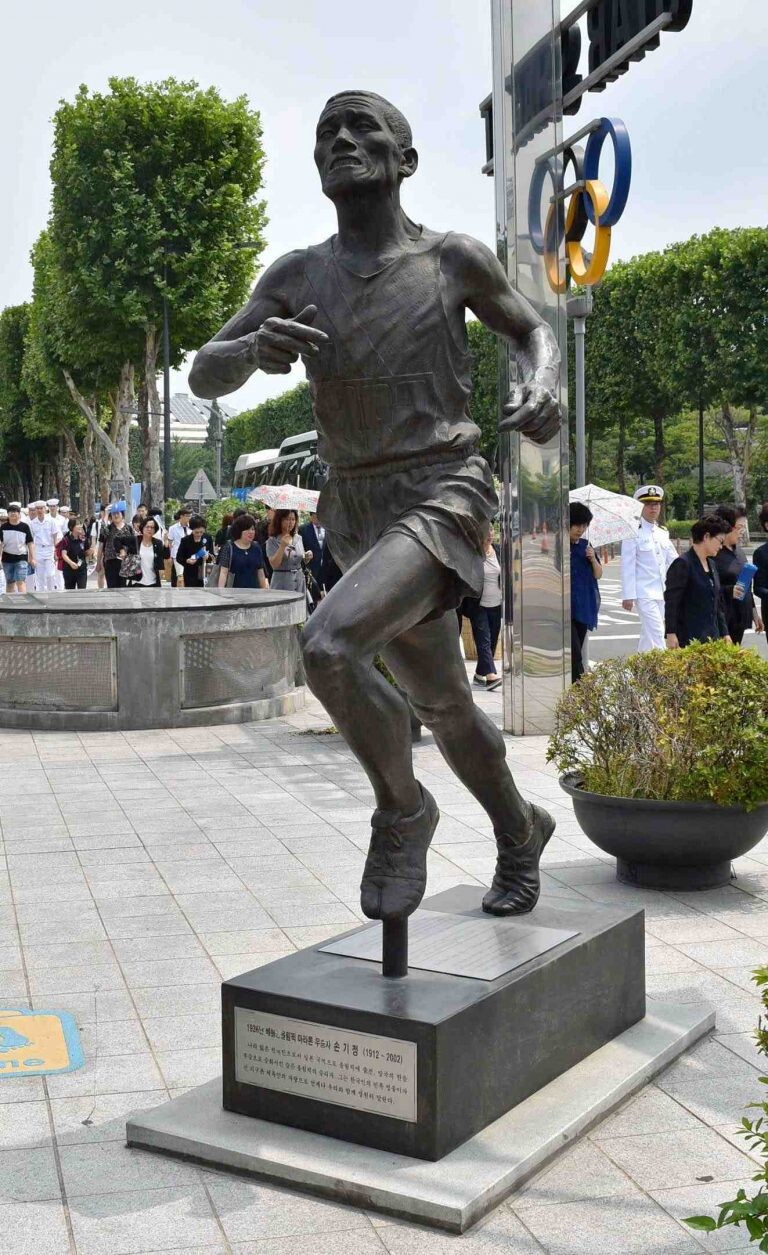
Today, Sohn Kee-chung’s legacy is also preserved in Seoul, South Korea, where a statue of the legendary marathoner stands at Sohn Kee-chung Athletic Park, near the memorial hall named in his honor. The memorial site includes a bronze head statue created in 1990, depicting Sohn in his later years, with scenes from his historic 1936 Berlin victory engraved below. Another statue, unveiled in 2016 to mark the 80th anniversary of his Olympic triumph, portrays the young Sohn proudly holding the Olympic trophy — this time with the South Korean flag in place of the Japanese emblem that had appeared on his uniform in Berlin.
But perhaps the most emotional chapter came in Seoul.
On September 17, 1988, 52 years after his Berlin triumph, the 76-year-old Sohn Kee-chung carried the Olympic torch into the stadium at the opening ceremony of the Seoul Olympics.
Think about what that moment represented.
In Berlin in 1936, he had stood on the Olympic podium beneath a foreign flag, unable to openly celebrate his victory as a Korean.
In Seoul in 1988, he entered an Olympic stadium carrying the flame for his own country.
The symbolism was almost impossible to miss.
The young runner who had once been forced to compete under the name Kitei Son was now an elderly Korean national hero, carrying the Olympic flame before his people.
He had spent more than five decades watching history slowly return his name to him.
Sohn Kee-chung died in November 15, 2002, aged 90, in Seoul, South Korea leaving behind far more than an Olympic medal. He left a story about athletic greatness, identity, dignity and resistance — a story in which a marathon victory became inseparable from the history of an entire nation.
His Berlin gold medal may have been officially recorded under Japan's name.
But in Korea, the champion was always Sohn Kee-chung.
And perhaps that is why the photograph of him standing on the podium, head bowed and the laurel wreath covering the Japanese emblem, remains so powerful.
He won the race in Berlin. But the world took decades to understand who had actually won it.
by Erick Cheruiyot for My Best Runs.
Login to leave a comment

Nairobi Makes History the Prize as Kenya Bids to Bring 2029 World Athletics Championships to Africa
Nairobi has formally entered the race to host the 2029 World Athletics Championships, placing Kenya at the centre of a historic contest that could bring the sport’s premier global track and field event to African soil for the first time.
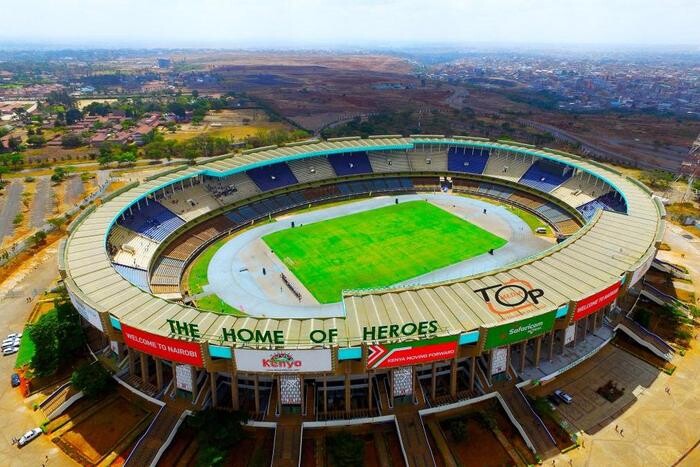
Nairobi has formally submitted its bid to host the 2029 World Athletics Championships, with the Kenyan capital facing competition from London, Rome and Munich. Four cities are now in contention for one historic decision, with World Athletics expected to announce the successful host after the inaugural World Athletics Ultimate Championships conclude in Budapest next month.
For Nairobi, however, this is about far more than securing another major sporting event. A successful bid would break a decades-long geographical barrier: despite Africa’s enormous influence on global athletics, the World Athletics Championships have never been staged on the continent.

A Nairobi victory would bring the World Athletics Championships to Africa for the first time in the event’s 50-year history and stage the global showpiece at an altitude of approximately 1,800 metres. The proposed venue is Moi International Sports Center Kasarani Stadium, which has a capacity of 48,063, while the Kenyan government has committed full backing for infrastructure, security and event delivery. Kenya’s athletics credentials are equally compelling, with 17 current world records and 72 World Championships gold medals, making it the second-most successful nation in championship history.
The significance of Nairobi’s bid is amplified by Kenya’s extraordinary place in the history of the sport. The country has produced generations of world-class distance runners and currently holds 17 recognised world records across middle- and long-distance events.

Kenya is also the second-most successful nation in World Athletics Championships history by gold medals, with 72 titles after the 2025 edition. At the Tokyo 2025 championships, Kenya claimed five gold medals, including victories by Beatrice Chebet in the 5,000m and 10,000m.
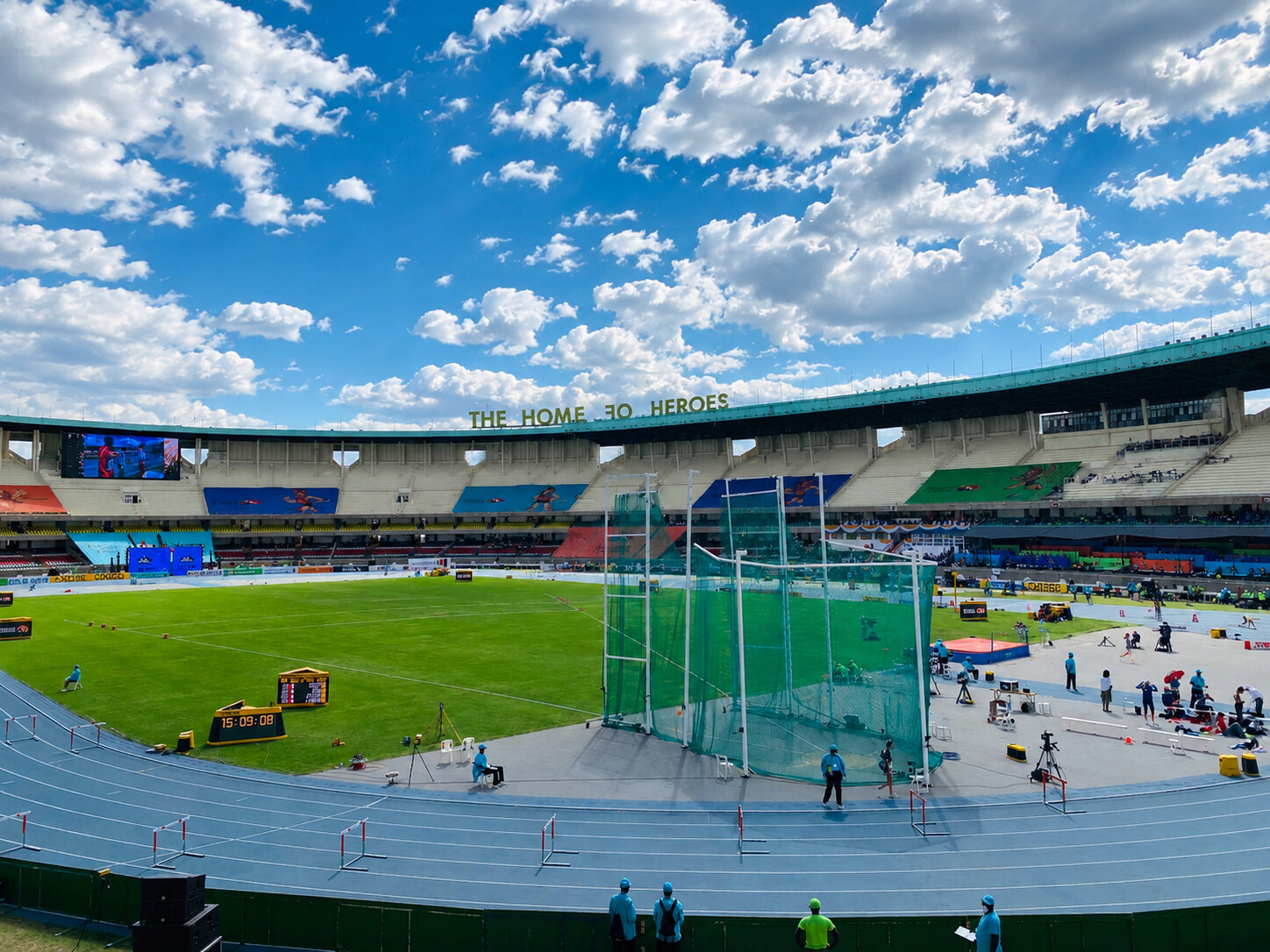
The country also has recent experience staging major international athletics competitions. Nairobi hosted the 2017 World U18 Championships and the 2021 World U20 Championships, while Kenya previously staged the 2007 World Cross Country Championships in Mombasa and the 2010 African Athletics Championships in Nairobi.
A Nairobi victory would therefore carry a powerful symbolism: the athletes who have helped define modern distance running on African soil could finally compete for world titles at home, in front of a Kenyan crowd.
The competition, however, will be formidable. London is seeking a return to the city that hosted the highly successful 2017 World Championships, while Rome and Munich bring their own strong European sporting traditions and established event infrastructure.
Yet Nairobi offers something none of its rivals can match — the opportunity to open an entirely new chapter in the history of the championships.
The World Athletics Championships have travelled across Europe, Asia, North America and the Middle East, but Africa has remained the missing continent on the event’s hosting map. Kenya’s bid seeks to change that.
With the formal bid now submitted and the final presentation and defence completed, Nairobi’s campaign enters its decisive phase. September will determine whether the championships finally make their long-awaited debut on African soil.
Four cities. One host. One potentially historic decision.
In September, World Athletics will decide whether the world’s greatest track and field athletes will converge on Nairobi in 2029 — and whether Africa will finally get its moment on the biggest stage of all.
by Erick Cheruiyot for My Best Runs.
Login to leave a comment
Audrey Werro Rules the European 800m as the Big Three Deliver a Birmingham Classic
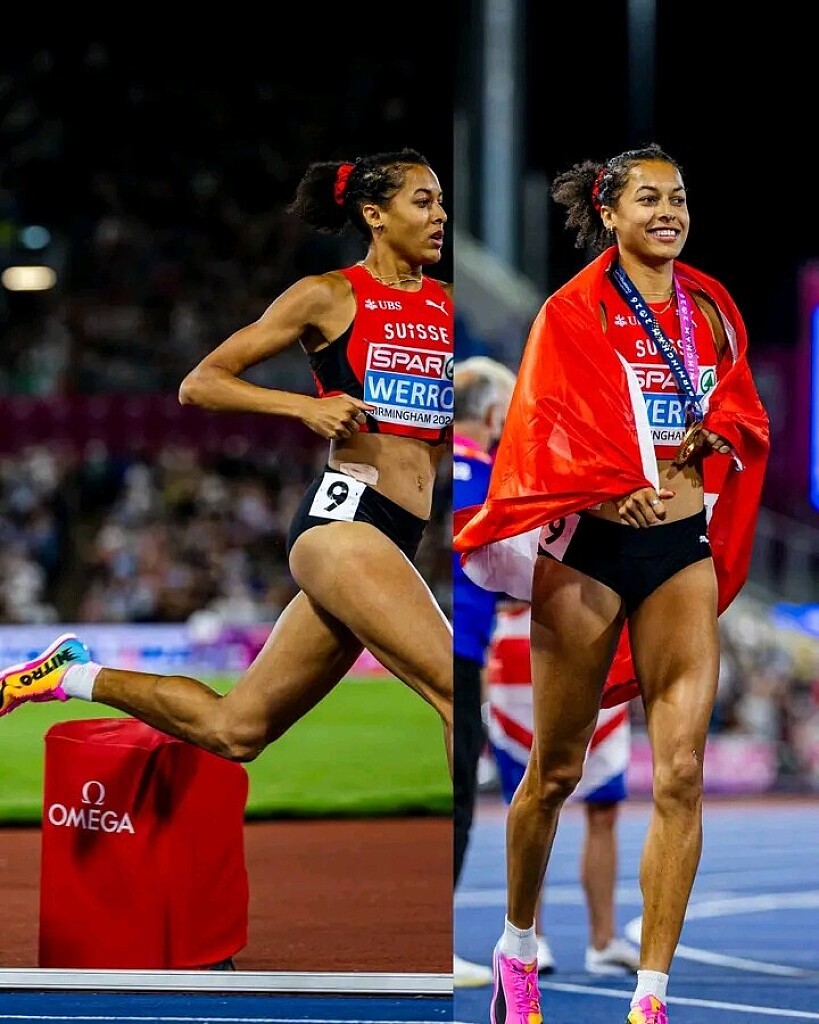
Audrey Werro has firmly established herself among the world's leading 800m runners after producing a breathtaking performance to claim European Championship gold in Birmingham, winning one of the most eagerly anticipated finals in recent middle-distance history.
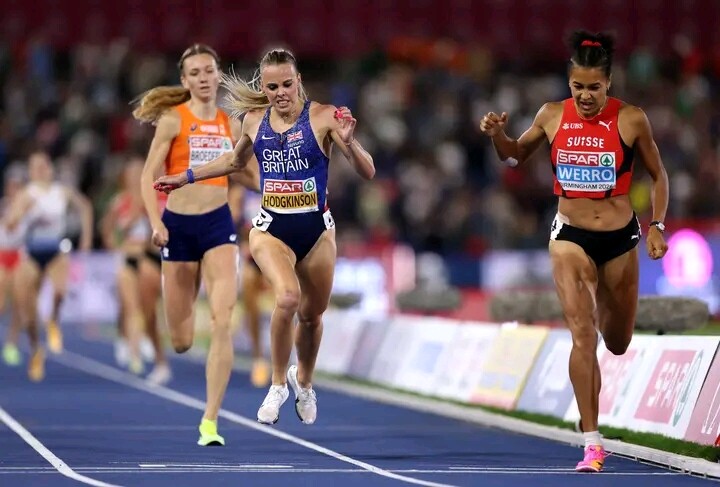
The Swiss star delivered when it mattered most, stopping the clock at a sensational 1:54.81 to set a new European Championships record and hold off Britain's Olympic champion and defending European champion, Keely Hodgkinson, who took silver in 1:55.01.
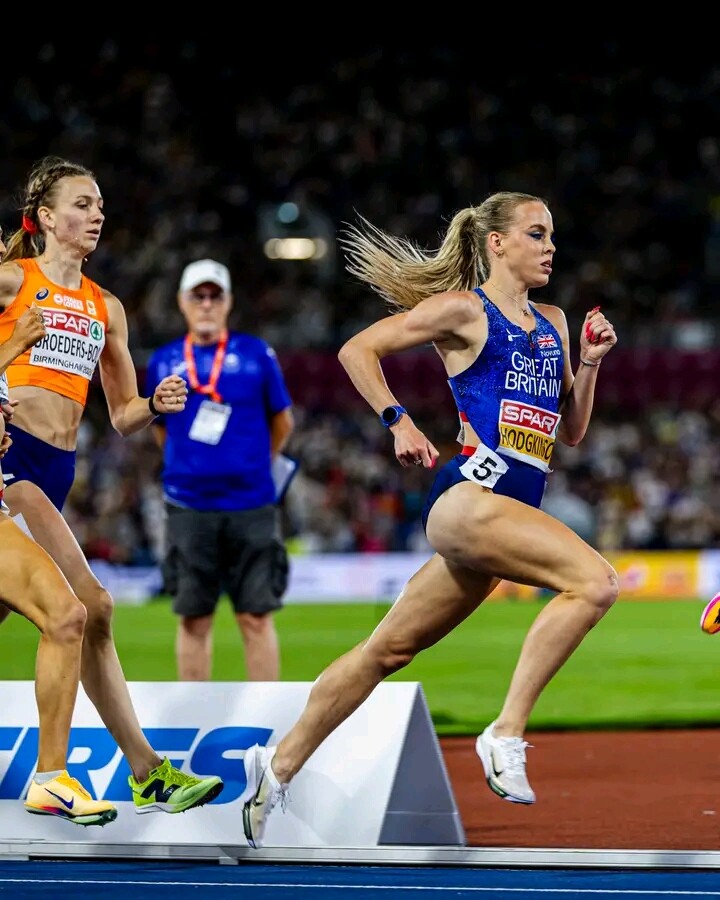
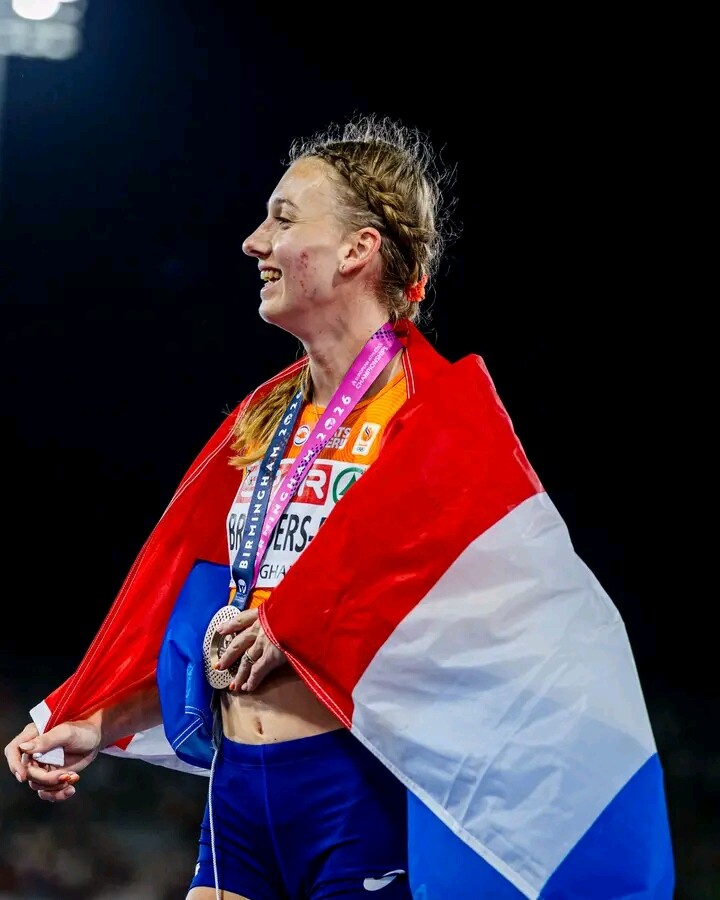
The Netherlands' Femke Broeders-Bol completed an extraordinary podium, charging home to secure bronze in 1:55.54, a time that equalled the Dutch national record.
It was everything the build-up had promised.
For months, anticipation had surrounded the possibility of seeing Werro, Hodgkinson and Broeders-Bol finally line up together in the same major championship final. In Birmingham, the "Big Three" finally came together—and the track wrote its own remarkable story.
Werro won gold. Hodgkinson held onto silver. Broeders-Bol brought home bronze.
The quality of the performances was extraordinary. Werro seized control of the race and displayed remarkable strength and composure through the closing stages. Hodgkinson, propelled by the energy of her home crowd, refused to surrender and fought desperately down the finishing straight, but the Swiss athlete had just enough in reserve to stay clear.
The margin was only 0.20 seconds, underlining just how fiercely contested the final was.
Behind the leading pair, Broeders-Bol produced another outstanding performance to cross the line in 1:55.54, matching the Dutch national record and becoming part of an exceptional three-way battle at the front.
The top three were in a different class from the rest of the field, with all three breaking the 1:56 barrier and finishing almost four seconds ahead of the remainder of the finalists.
For Werro, the victory represents far more than another medal. It is a statement of intent.
The Swiss athlete arrived in Birmingham as one of the fastest 800m runners in the world and leaves the championships as European champion and championship-record holder.
Her triumph is even more remarkable considering the drama that preceded the final. Werro fell during her semi-final after contact with France's Anaïs Bourgoin and initially failed to qualify, before a successful Swiss appeal reinstated her in the final.
Less than 24 hours later, she transformed that setback into one of the defining performances of the championships.
Werro's season has already been extraordinary. She had previously run 1:53.80 in Paris, placing her among the fastest women ever over 800m. Now she has added a European title and championship record to her growing résumé.
For Hodgkinson, the result was undoubtedly a disappointment after arriving in Birmingham with hopes of completing a hat-trick of consecutive European 800m titles. The British star had won European gold in Munich in 2022 and Rome in 2024, but her quest for a third successive title ended with silver on home soil.
Nevertheless, Hodgkinson's 1:55.01 was itself a world-class performance, and she pushed Werro all the way to the line in a race that demanded extraordinary speed, strength and composure.
While the spotlight naturally fell on Werro and Hodgkinson, Broeders-Bol produced a performance worthy of its own headline. Her 1:55.54 secured the bronze medal while simultaneously equalling the Dutch national record, adding another remarkable dimension to an already historic final.
The official results placed Gabija Galvydytė fourth in 1:59.12, followed by Britain's Jemma Reekie in 1:59.15 and Italy's Eloisa Coiro in 1:59.35. Switzerland's Valentina Rosamilia finished seventh in 1:59.42, with compatriot Veronica Vancardo eighth in 2:00.17. France's Anaïs Bourgoin was ninth in 2:00.65, while Clara Liberman completed the field in 2:01.84.
But the night belonged overwhelmingly to the three women at the front.
Three athletes under 1:56. A championship record. A national record. A reigning champion forced to settle for silver. And a new European champion standing proudly at the top of the podium.
The Big Three finally came together in the final, and the story was written—Werro wins gold, Hodgkinson holds onto silver and Broeders-Bol brings it home in bronze.
Who needs fairytales when the track is writing stories like this?
The women's 800m final at the Birmingham 2026 European Championships delivered everything a championship race should: drama, speed, history, heartbreak and a thrilling battle between three exceptional athletes.
And when the story was finally written, Audrey Werro was the woman wearing the crown.
Gold for Werro. Silver for Hodgkinson. Bronze for Broeders-Bol.
A spectacular night for the 800m—and potentially the beginning of one of the most compelling rivalries in women's middle-distance running.
by Erick Cheruiyot for My Best Runs.
Login to leave a comment

European Athletics Champioships
The27thEuropean Athletics Championshipswill be held from 10 to 16 August 2026 at theAlexander StadiuminBirmingham, United Kingdom.[1] This is the first time that a British city will have staged the European Athletics Championships although Birmingham has hosted many high-profile events, including the2007 European Athletics Indoor Championships, the2003and2018 IAAF World Indoor Championshipsand the2022 Commonwealth Games. Alexander Stadium was renovated between 2019 and...
more...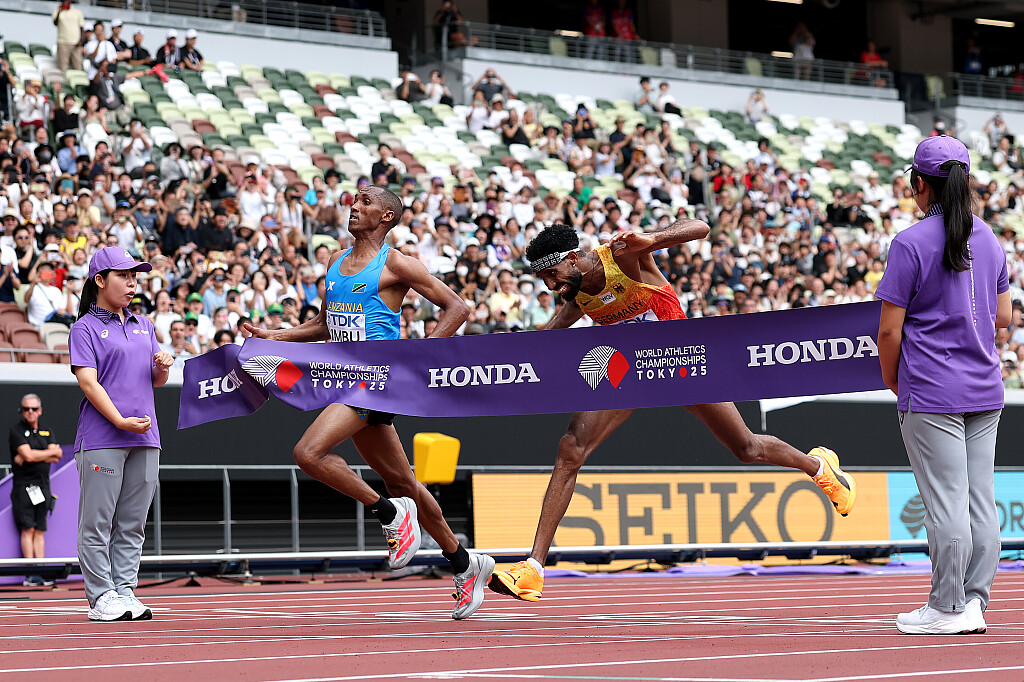
Can Amanal Petros Finally Turn Heartbreak into European Gold in Birmingham?
All eyes will be on Amanal Petros when the men’s marathon takes centre stage at the 2026 European Athletics Championships in Birmingham, with the German star chasing the major championship title that has repeatedly slipped through his fingers.
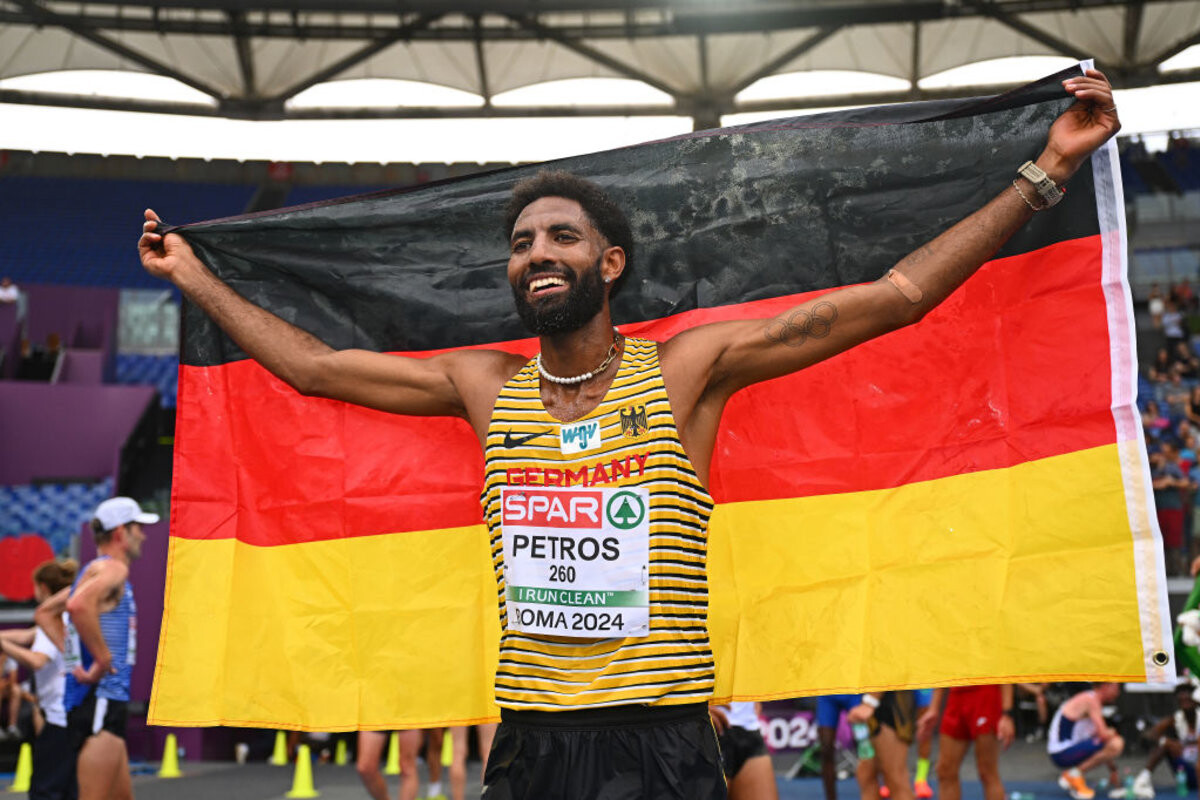
Petros arrives with one of the strongest résumés in the field and the credentials to challenge for gold. At 2:04:03, he is the third-fastest European marathoner of all time, behind Belgium’s Bashir Abdi (2:03:36) and France’s Morhad Amdouni (2:03:47). That level of performance underlines Petros’ ability to compete with the very best, although his career has also been marked by agonisingly narrow defeats on the biggest stages.
His most recent heartbreak came at the 2025 World Athletics Championships in Tokyo, where Tanzania’s Alphonce Simbu edged him out by just 0.03 seconds in one of the closest finishes in championship history. That defeat underlined both Petros’ quality and the fine margins that have prevented him from claiming an individual global title.
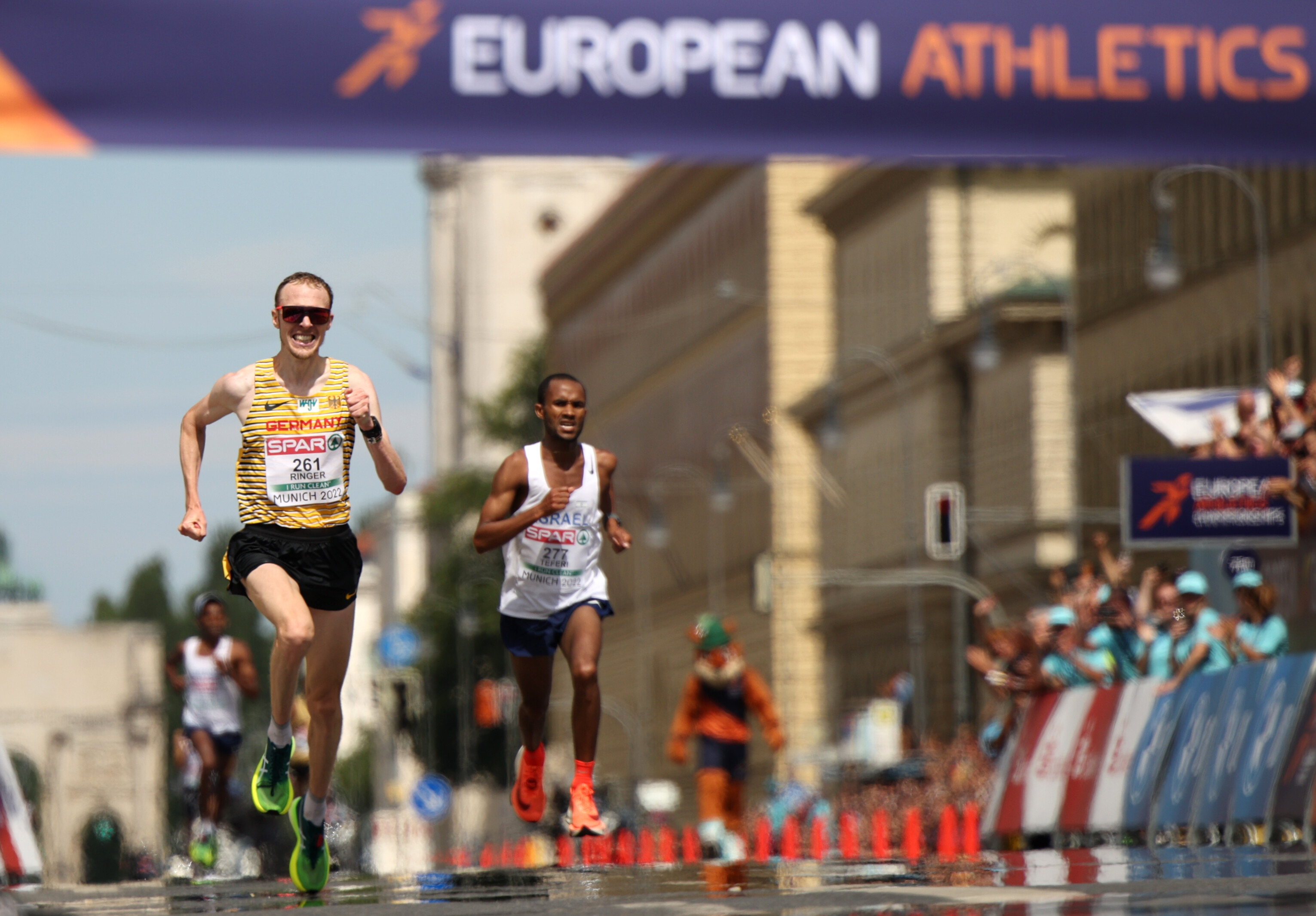
The European Championships have also brought frustration. At the 2024 European Athletics Championships, Petros took bronze in the half marathon after being beaten in a three-way finish by Italy’s Yemaneberhan Crippa. Two years earlier in Munich, he was unable to stay with the medal contenders during the decisive stages of the marathon.
Now Birmingham presents another opportunity—and Petros has every reason to believe this could finally be his moment.
His season-best of 2:08:31 does not tell the full story. At the London Marathon, Petros passed halfway in a blistering 61:16, initially targeting Bashir Abdi’s European record of 2:03:36, before easing during the latter stages. His 2:04:03 runner-up performance at the Valencia Marathon last December is arguably a much better indication of his true potential.
Standing in his way will be a strong German contingent, led alongside Petros by defending European champion Richard Ringer. Ringer produced one of the most memorable performances of the 2022 championships in Munich, unleashing a dramatic late surge during the final kilometre to overtake three athletes—including Petros—and snatch a remarkable victory.
At 37, Ringer continues to compete at an exceptional level. He produced the fastest marathon of his career in April, running 2:04:47 at the Boston Marathon to finish eighth overall while recording the fastest European time in the race.
Germany’s strength does not end there. Samuel Fitwi has been even faster in 2026, recording a personal best of 2:04:45 when finishing second at the Hamburg Marathon. That performance makes him the fastest athlete on the Birmingham entry list based on season’s bests.
With Petros, Ringer and Fitwi forming a formidable German trio, the team will have serious ambitions of collecting individual medals while also challenging for the team title. Their depth could prove particularly valuable in a championship marathon, where tactical racing and team strength can be just as important as raw personal-best times.
France’s Emmanuel Roudolff is among the principal threats to the German challenge. He established a personal best of 2:05:58 when finishing sixth at the Paris Marathon and has the speed to remain in contention if the race develops into a fast affair.
Veteran Kaan Kigen Özbilen will also bring considerable experience to the starting line. The Kenyan-born Turkish athlete, who once held the European record with 2:04:16, remains capable of competing at the highest level. He ran 2:05:59 for fifth in Barcelona earlier this year.
Israel will also arrive with a strong team, having won the marathon team title in Munich four years ago. Maru Teferi and Gashau Ayale, who claimed silver and bronze respectively in Munich, return with valuable championship experience and will hope to challenge for more medals in Birmingham.
Italy’s hopes will centre on Pietro Riva. With Crippa focusing on the 10,000m and Iliass Aouani sidelined by shin problems, Riva becomes Italy’s leading marathon contender. He finished second behind Crippa and ahead of Petros in the half marathon at the 2024 European Championships, giving him another opportunity to challenge the German favourite on the European stage.
For the home crowd, one of the most intriguing stories will be Mahamed Mahamed, who could give Britain a realistic shot at its first men’s European marathon medal in decades.
Great Britain has not won a men’s marathon medal at these championships since Ian Thompson claimed gold in Rome in 1974. Mahamed has emerged as a genuine contender after producing a lifetime best of 2:06:14 at the London Marathon in April. That performance made him the second-fastest British marathoner in history behind Mo Farah, while also placing him fourth among the Birmingham entrants based on 2026 season’s bests.
With a home crowd behind him and confidence gained from his breakthrough performance in London, Mahamed could become one of the most dangerous outsiders in the field.
Birmingham therefore promises a fascinating battle between proven championship performers, emerging German strength and a collection of experienced international challengers. Petros, however, remains the man at the centre of the story.
He has already come agonisingly close to major championship glory. He possesses the speed, experience and proven ability to run under 2:05. What remains is to produce the decisive performance when the medals are on the line.
After years of near misses, Birmingham could finally be the stage where Amanal Petros turns silver and heartbreak into European gold.
by Erick Cheruiyot for My Best Runs.
Login to leave a comment
European Athletics Champioships
The27thEuropean Athletics Championshipswill be held from 10 to 16 August 2026 at theAlexander StadiuminBirmingham, United Kingdom.[1] This is the first time that a British city will have staged the European Athletics Championships although Birmingham has hosted many high-profile events, including the2007 European Athletics Indoor Championships, the2003and2018 IAAF World Indoor Championshipsand the2022 Commonwealth Games. Alexander Stadium was renovated between 2019 and...
more...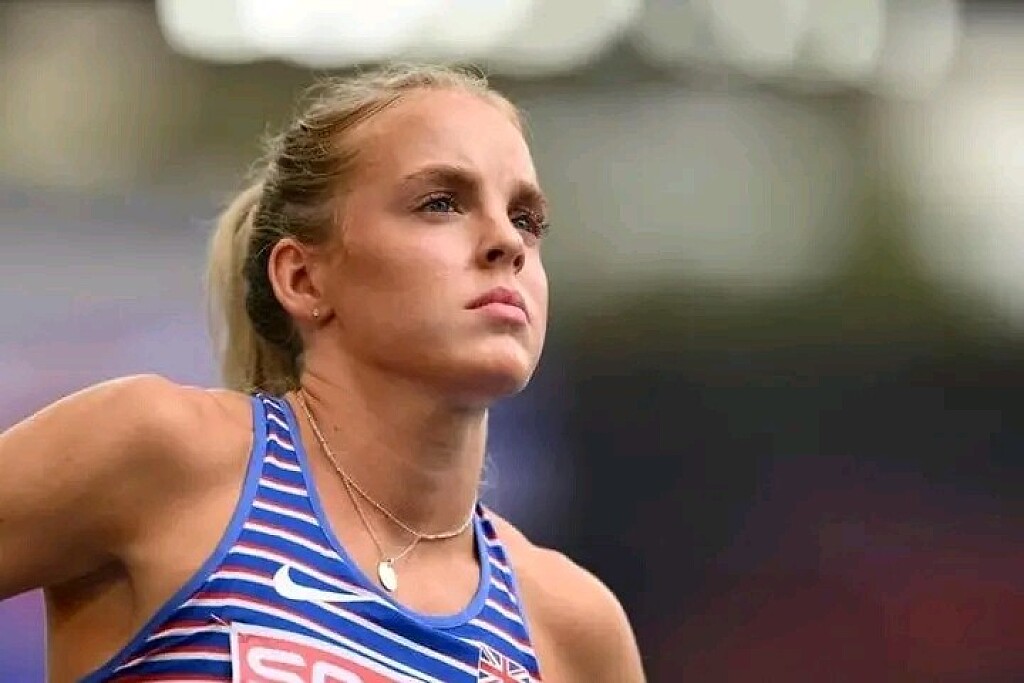
Keely Hodgkinson Embraces Fierce 800m Challenge In Bid For Third European Crown
Keely Hodgkinson is relishing the quality of competition awaiting her in Birmingham as she prepares to defend her European 800m title and pursue an unprecedented hat-trick on home soil.
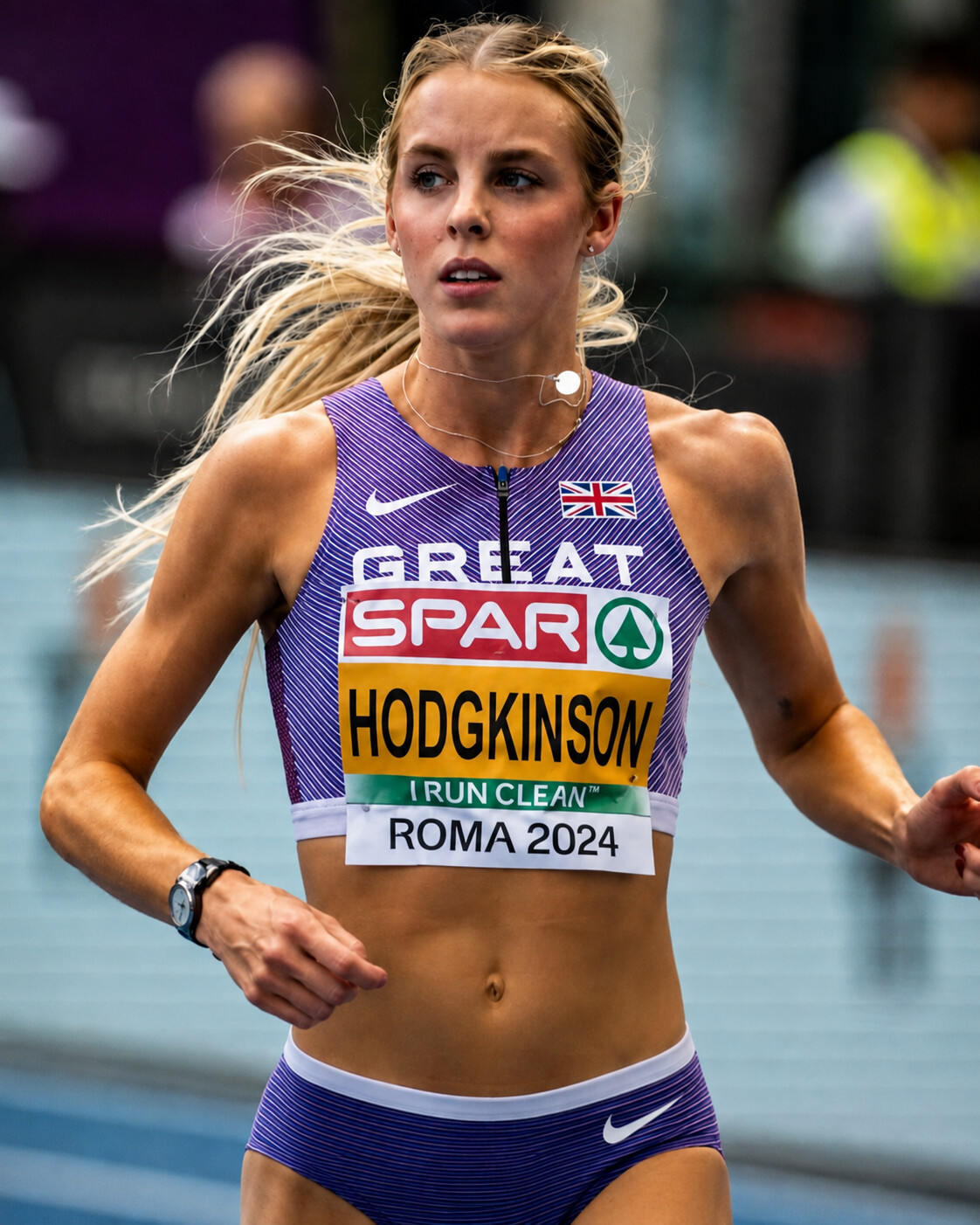
The Olympic champion arrives at the European Athletics Championships as the reigning two-time European champion over two laps, having successfully defended the title in Rome in 2024 after first winning European gold in Munich in 2022. Now, with a home crowd expected to rally behind her, Hodgkinson has another opportunity to underline her place among the leading 800m runners of her generation.
Her credentials are formidable. Hodgkinson produced the fastest race of her career at the Stockholm Diamond League, clocking 1:54.33 to break the British record and move to second on the world list for 2026. Only Austria’s Audrey Werro has gone faster this year, with her 1:53.80 placing her at the top of the rankings.
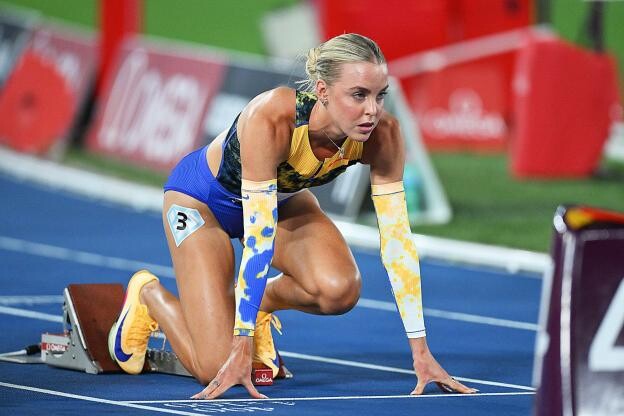
The Birmingham field also includes formidable opposition, with Femke Broeders-Bol at 1:55.60 and France’s Anaïs Bourgoin at 1:55.65, ensuring Hodgkinson will have little room for error if she is to extend her European reign.
Yet the 24-year-old Briton is not allowing the weight of expectation to overshadow what she has already achieved. Reflecting on her British-record performance in Stockholm, Hodgkinson emphasised that the mark represents the fastest she has ever run and something she wants to appreciate rather than take for granted.
“It was my fastest time ever and I’m going to remind myself of that because I’m proud of that,” Hodgkinson said.
Her perspective on the European Championships has also evolved as the standard of women’s 800m running across the continent has risen dramatically.
Looking back to the 2024 European Championships in Rome, Hodgkinson pointed to how much the event has progressed since then. She noted that the improvement in the European standard means winning a continental title now carries a significance comparable to a global championship.
“It means that a European title is just as important and just as fun as a world title at this point,” she said.
That transformation has added another layer to Hodgkinson’s challenge in Birmingham. She is not simply defending a title; she is entering an 800m environment that has become increasingly competitive, with several athletes now capable of producing times that would previously have been considered exceptional.
For Hodgkinson, however, the pressure of a home championship appears to be part of the attraction. With two European titles already secured, an Olympic gold medal in her collection and a new British record to her name, she arrives in Birmingham with both experience and ambition.
The target is clear: another European crown, another chapter in her remarkable 800m career and, potentially, a third consecutive continental title in front of a home crowd.
by Erick Cheruiyot for My Best Runs.
Login to leave a comment

London Takes a Giant Leap Toward Hosting the 2029 World Athletics Championships
London has taken a major step toward welcoming the world's best athletes once again after Athletic Ventures officially submitted its final bid to host the 2029 World Athletics Championships.
The bid, finalized on August 6, 2026, represents the culmination of months of planning by Athletic Ventures—a partnership between UK Athletics, London Marathon Events, and the Great Run Company. Together, the organizations are seeking to bring the world's premier athletics event back to the British capital and its iconic London Stadium.
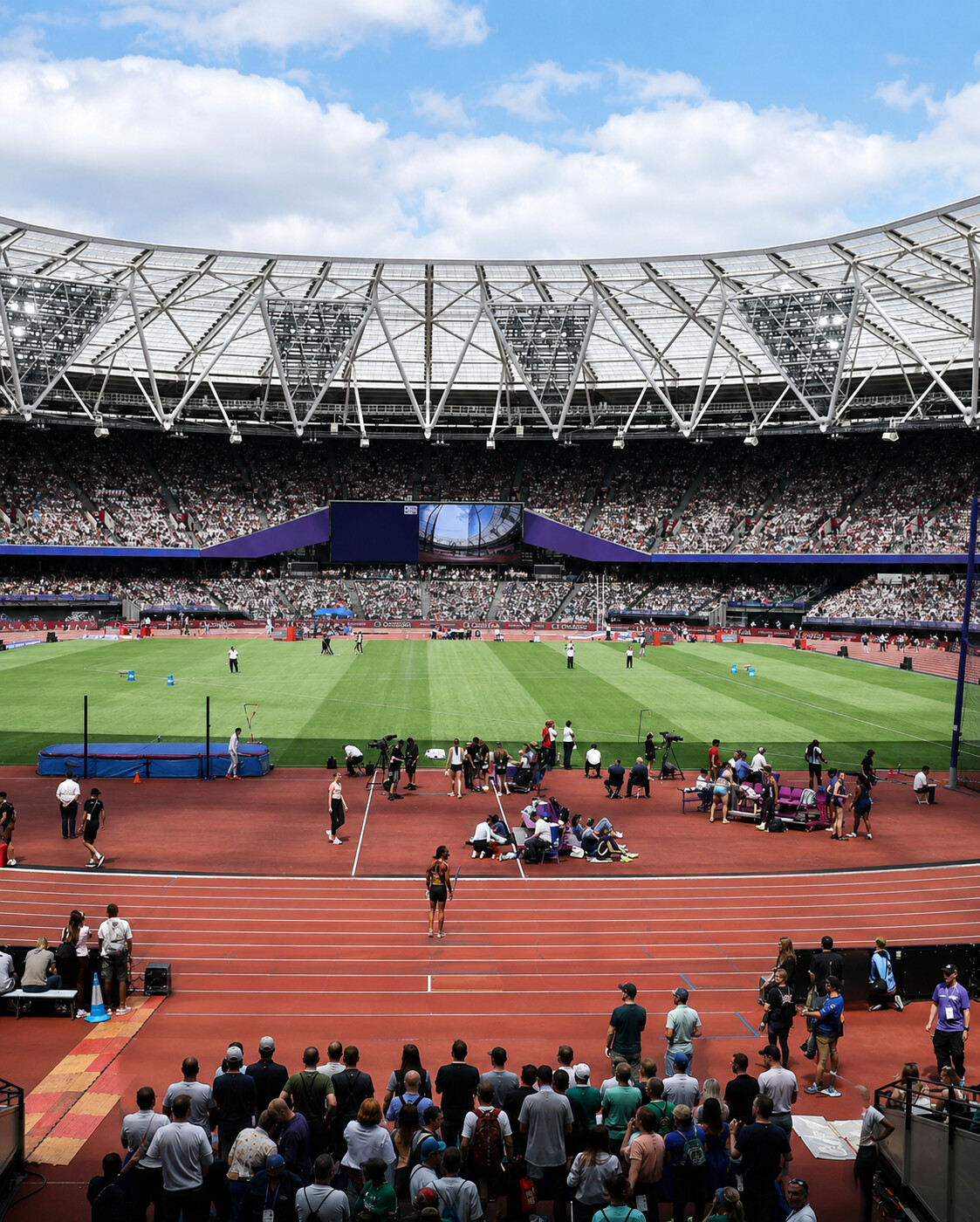
The campaign gathered significant momentum after UK Athletics and its partners secured a landmark agreement with West Ham United and London Stadium LLP, resolving earlier scheduling concerns and officially confirming London Stadium as the proposed championship venue. The agreement removes one of the biggest obstacles facing the bid and reinforces London's readiness to stage another world-class event.
London Stadium remains one of athletics' most celebrated arenas. Originally built as the centerpiece of the 2012 Olympic Games, the venue successfully hosted the 2017 World Athletics Championships, producing packed crowds, unforgettable performances, and one of the most vibrant atmospheres the sport has witnessed. That proven legacy has become a cornerstone of London's latest campaign.
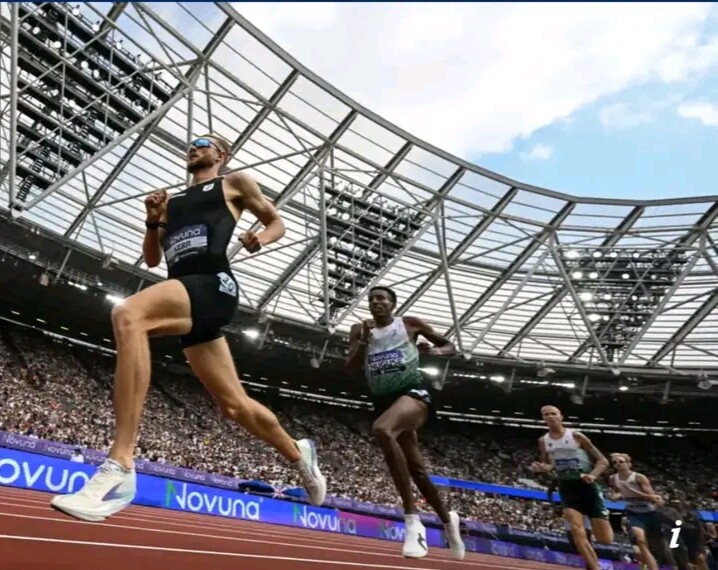
The bid has also received strong financial backing, with £45 million (approximately $61 million) in public funding committed by the UK Government and the Mayor of London. Organizers believe the investment will help deliver a championship capable of setting new standards both on and off the track.
Beyond elite competition, the proposed championships are expected to leave a lasting legacy. Bid organizers estimate the event could generate more than £400 million in economic and social benefits through tourism, job creation, business opportunities, and community engagement. Plans also include major mass-participation running events designed to inspire people of all ages to embrace athletics and healthy lifestyles.
For British athletics, hosting the championships would provide a powerful platform to inspire the next generation of athletes while reaffirming London's status as one of the world's leading destinations for global sporting events. With world-class infrastructure, experienced organizers, and passionate fans, the city believes it has all the ingredients to deliver another memorable edition of the championships.
Attention now turns to the final decision. World Athletics is expected to announce the successful host city in September 2026, with London facing strong competition from Rome, Munich, and Nairobi in the race to stage the 2029 championships.
As anticipation builds, athletics fans around the world will soon discover which city will earn the privilege of hosting the sport's biggest global gathering. If successful, London would once again become the heartbeat of world athletics, offering another spectacular stage where history can be written.
Who do you think deserves to host the 2029 World Athletics Championships—London, Rome, Munich, or Nairobi?
by Erick Cheruiyot for My Best Runs.
Login to leave a comment
Europe's Elite Women Marathoners Ready for Thrilling Championship Battle in Birmingham
The women's marathon at the 2026 European Athletics Championships is set to be one of the most eagerly anticipated races of the championships, bringing together an exceptional field of experienced championship performers, rising stars, and defending medalists in what promises to be a fascinating battle for European glory.
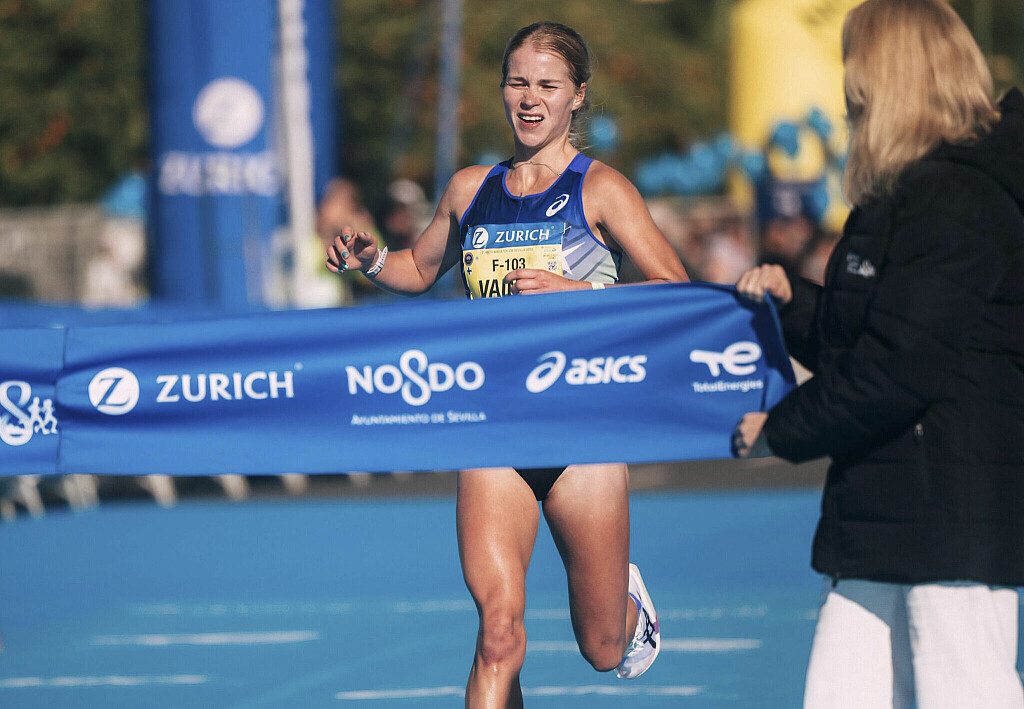
While Finland's Alisa Vainio enters Birmingham as the fastest European woman this season after clocking a brilliant 2:20:39 at the Seville Marathon, she faces stiff competition from some of the continent's strongest marathon nations, including Germany, Spain, Poland, Ireland, and host nation Great Britain.
Vainio's journey to the top has been years in the making. Widely regarded as one of Europe's brightest teenage distance-running prospects, she qualified for the marathon for the Rio 2016 Olympic Games at just 18 years old but was unable to compete because she did not meet the minimum age requirement. Instead of fading from the spotlight, she steadily rebuilt her career and has now matured into one of Europe's premier marathon runners.
Her breakthrough came at the 2025 World Athletics Championships in Tokyo, where she produced a composed and intelligent race in oppressive heat and humidity to finish fifth overall as the first European athlete across the finish line. Just three weeks later, she shattered the Finnish marathon record with a solo 2:23:06 performance at the national championships in Vantaa.
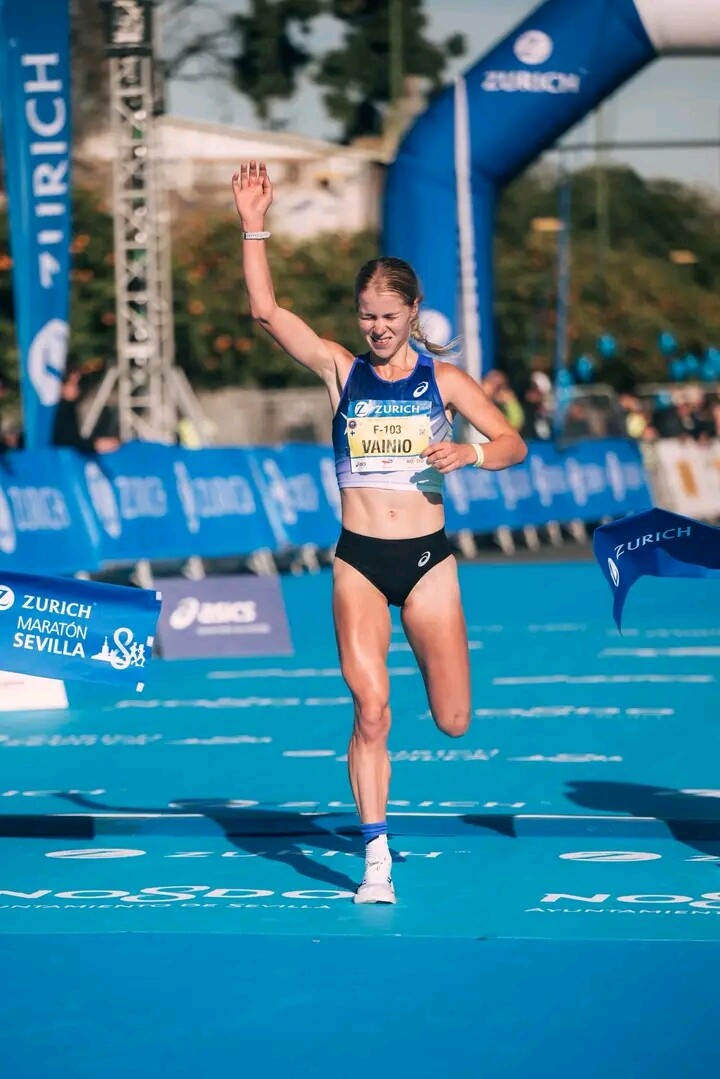
Vainio has continued her remarkable momentum ever since. She completed three additional marathons, highlighted by a commanding victory at the Seville Marathon, where she lowered the Finnish record once again while setting the European-leading mark of 2:20:39, establishing herself as the athlete to beat heading into Birmingham.
Germany arrives with one of the deepest squads in the championship and will be aiming to defend the women's team title won in Munich four years ago. Fabienne Königstein leads the German challenge after setting a personal best of 2:22:17 with a sixth-place finish at the Berlin Marathon. She is joined by the versatile Laura Hottenrott, who added another major achievement to her career earlier this year by winning silver in the uphill race at the European Athletics Off-Road Running Championships.
Spain also boasts an exceptionally strong lineup and is expected to challenge for both the individual and team honors. Fatima Azzahraa Ouhaddou Nafie demonstrated her championship resilience by recovering from a mid-race fall to win the marathon at the 2025 European Running Championships. Laura Luengo brings a personal best of 2:22:31, while Meritxell Soler, Ester Navarrete, and Carolina Robles complete a formidable squad. Impressively, every Spanish athlete in the team owns a lifetime best under 2:25, highlighting the country's remarkable marathon depth.
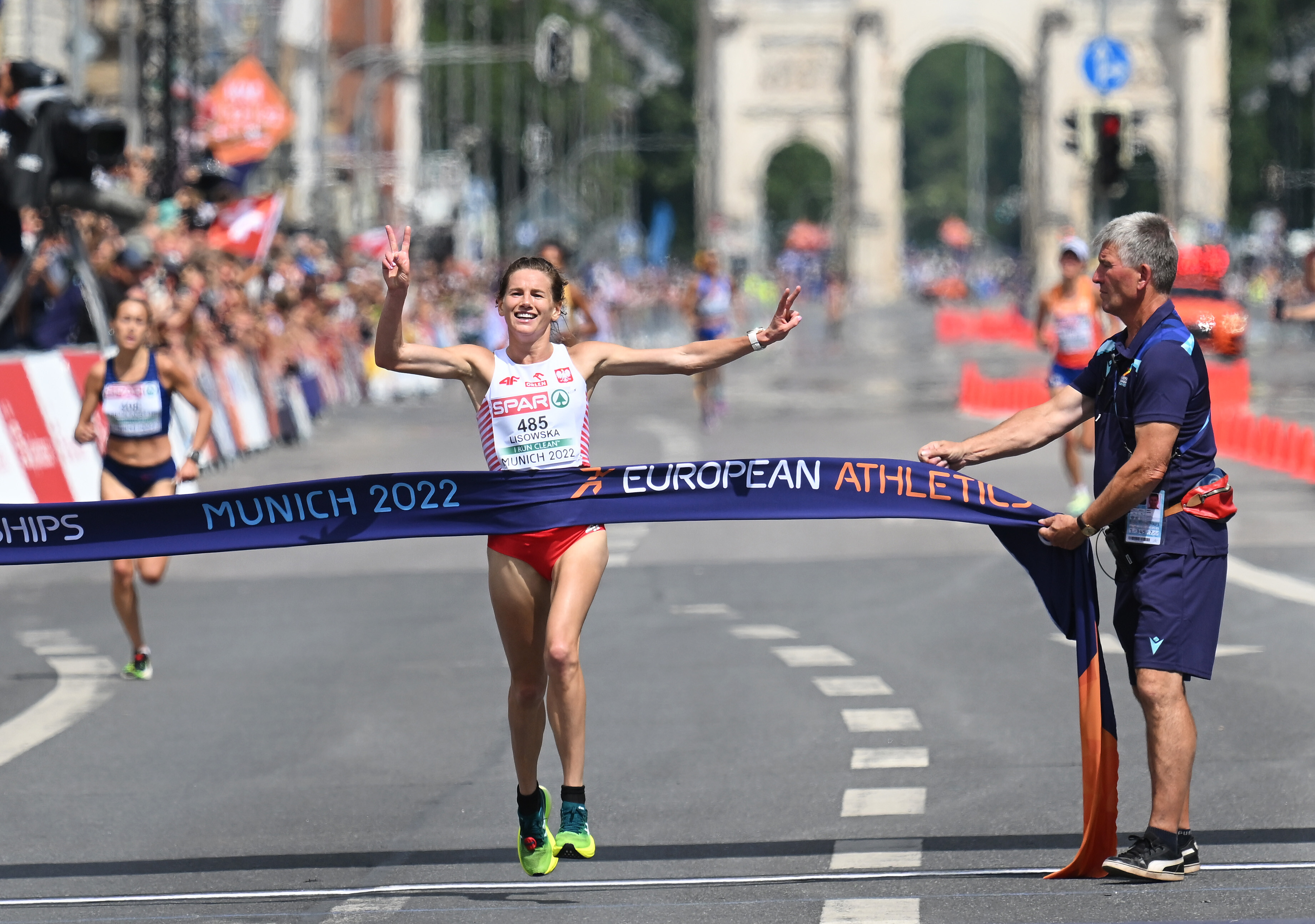
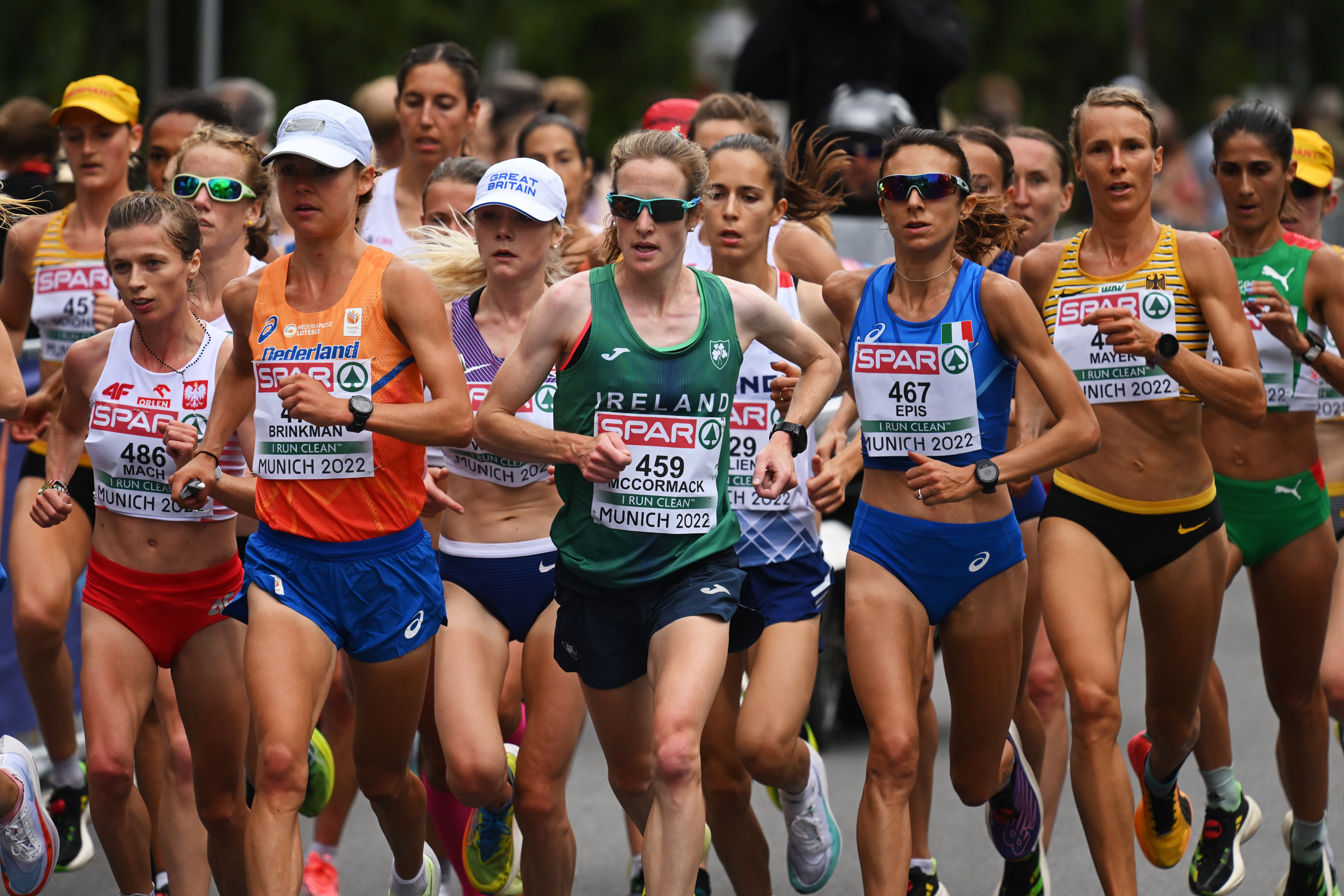
Defending champion Aleksandra Lisowska of Poland cannot be overlooked despite not being among the pre-race favorites. Her surprise victory in Munich four years ago proved that championship marathons often reward tactical brilliance, patience, and resilience rather than raw speed alone. Having already demonstrated her ability to thrive under championship pressure, the Polish star remains a genuine threat in Birmingham.
Ireland's Fionnuala McCormack will also be one of the most compelling athletes to watch. Just weeks before her 42nd birthday, the experienced marathoner continues her pursuit of a first European Championships medal after several near misses during her distinguished career. She finished fourth twice in the 10,000m at previous championships and was seventh in the marathon in Munich before producing another impressive performance with ninth place at the 2025 World Athletics Championships, finishing second among the European athletes behind Vainio.
Host nation Great Britain will be eager to make history on home roads. British women have never won an individual medal in the European Athletics Championships marathon since the event was introduced in 1982. Their hopes rest with Paris Olympians Rose Harvey and Clara Evans, alongside 2023 European cross-country bronze medallist Abbie Donnelly, who made an impressive marathon debut with a time of 2:24:11 in Frankfurt last year.
With proven champions, emerging contenders, experienced veterans, and deep national teams all chasing medals, the women's marathon is expected to deliver one of the most competitive races of the championships. Whether the title is decided by relentless pace, tactical patience, or a decisive late surge, Birmingham is set to provide a memorable contest worthy of the European crown.
by Erick Cheruiyot for My Best Runs.
Login to leave a comment
European Athletics Champioships
The27thEuropean Athletics Championshipswill be held from 10 to 16 August 2026 at theAlexander StadiuminBirmingham, United Kingdom.[1] This is the first time that a British city will have staged the European Athletics Championships although Birmingham has hosted many high-profile events, including the2007 European Athletics Indoor Championships, the2003and2018 IAAF World Indoor Championshipsand the2022 Commonwealth Games. Alexander Stadium was renovated between 2019 and...
more...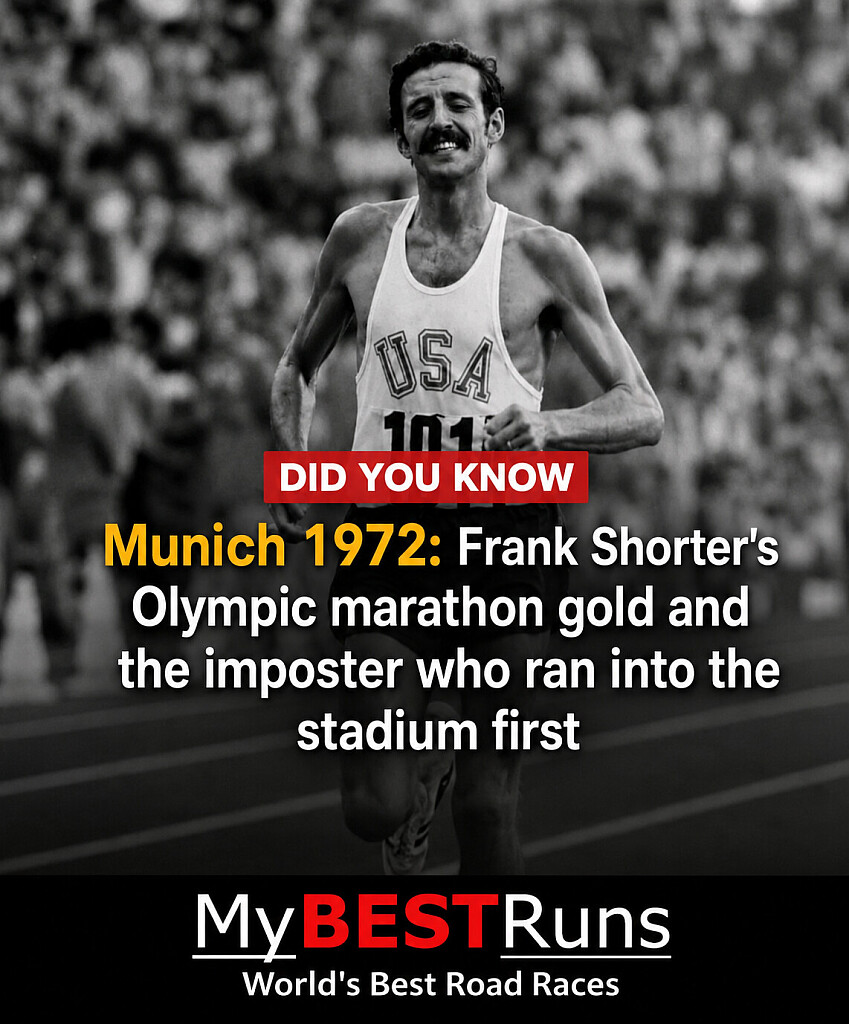
The Olympic Marathon's Most Bizarre Finish: When Frank Shorter's Greatest Triumph Was Almost Stolen
The men's marathon at the 1972 Munich Olympic Games produced one of the most extraordinary and misunderstood moments in Olympic history—a finish so surreal that even the man who won the gold medal was briefly denied the celebration he had earned.
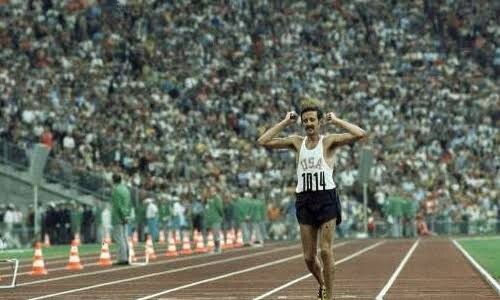
American distance star Frank Shorter had produced a masterclass over the 42.195-kilometre course. Breaking away from the field, he built a commanding lead of more than a minute and, with just one kilometre remaining, victory was all but certain. As he approached the Olympic Stadium, he could already hear the roar of nearly 80,000 spectators awaiting the arrival of the marathon champion.
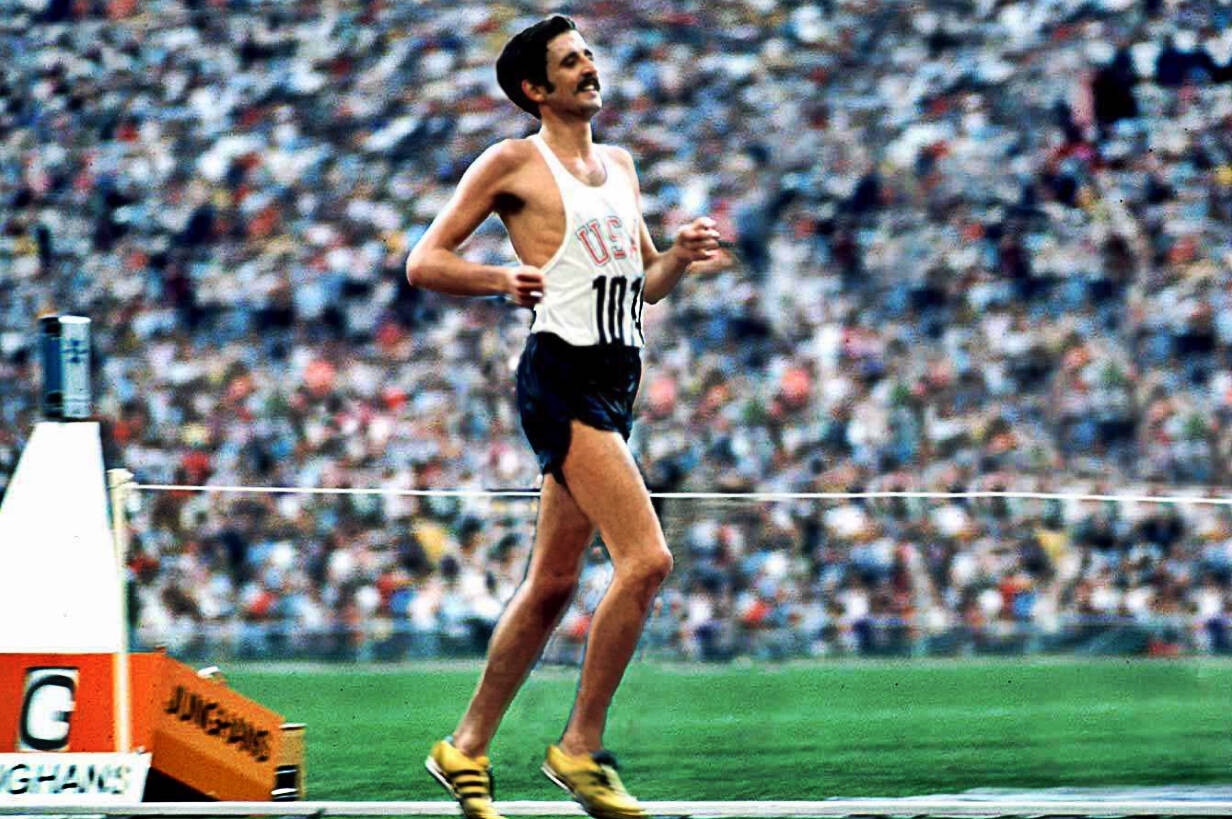
But inside the stadium, something astonishing had already happened.
A young man wearing a grey tracksuit burst onto the marathon course just before the entrance tunnel. His name was Norbert Sudhaus, a West German student with no connection to the race. Blending into the finish route, he sprinted into the stadium ahead of the real leader and completed what appeared to be the final lap of the Olympic marathon.
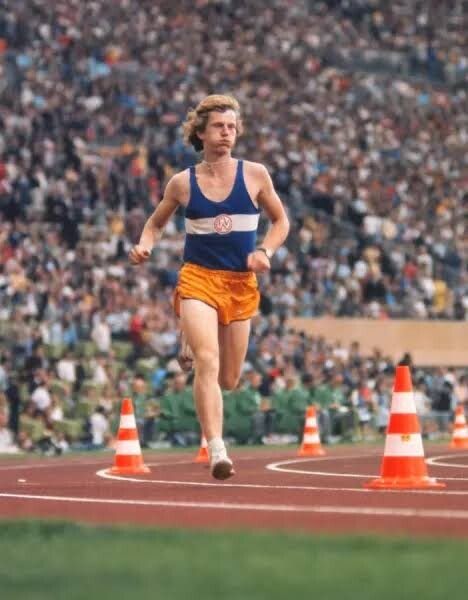
The unsuspecting crowd erupted.
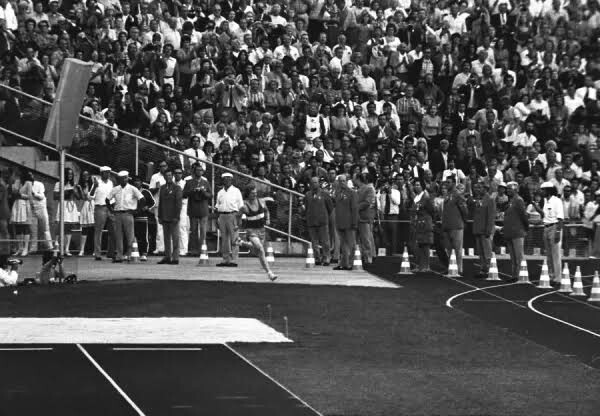
Believing they were witnessing the arrival of the Olympic champion, tens of thousands rose to their feet, cheering wildly as the imposter crossed the track. For several chaotic moments, confusion reigned. Security officials and race organisers eventually realised the deception, removed Sudhaus from the track, and hurried to restore order.
Then, about a minute later, the true champion finally emerged.
Frank Shorter entered the stadium expecting the deafening ovation reserved for an Olympic marathon winner. Instead, he was met by puzzled silence before the spectators slowly realised their mistake and began applauding again. The emotional climax of one of the greatest victories in American distance running had been unintentionally stolen by an unexpected intruder.
Despite the bizarre interruption, nothing could erase what Shorter had accomplished on the roads of Munich.
He crossed the finish line to claim Olympic gold, becoming the first American to win the Olympic marathon since 1908. His triumph inspired millions across the United States, igniting a running boom that transformed the marathon from a niche endurance event into one of the world's most popular races. Countless recreational runners, road races, and marathon events that flourished during the 1970s can trace part of their inspiration back to Shorter's unforgettable victory.
Yet history remembers an extraordinary twist.
One of the greatest marathon performances ever seen concluded not with the uninterrupted roar of a grateful stadium, but with a moment of bewilderment. The final 400 metres of Frank Shorter's Olympic masterpiece were overshadowed by a prank that fooled an entire stadium and created one of the strangest finishes the Olympic Games have ever witnessed.
More than five decades later, the image remains unforgettable—a champion running toward immortality while the loudest applause had already been given to someone who was never part of the race at all.
by Erick Cheruiyot for My Best Runs.
Login to leave a comment
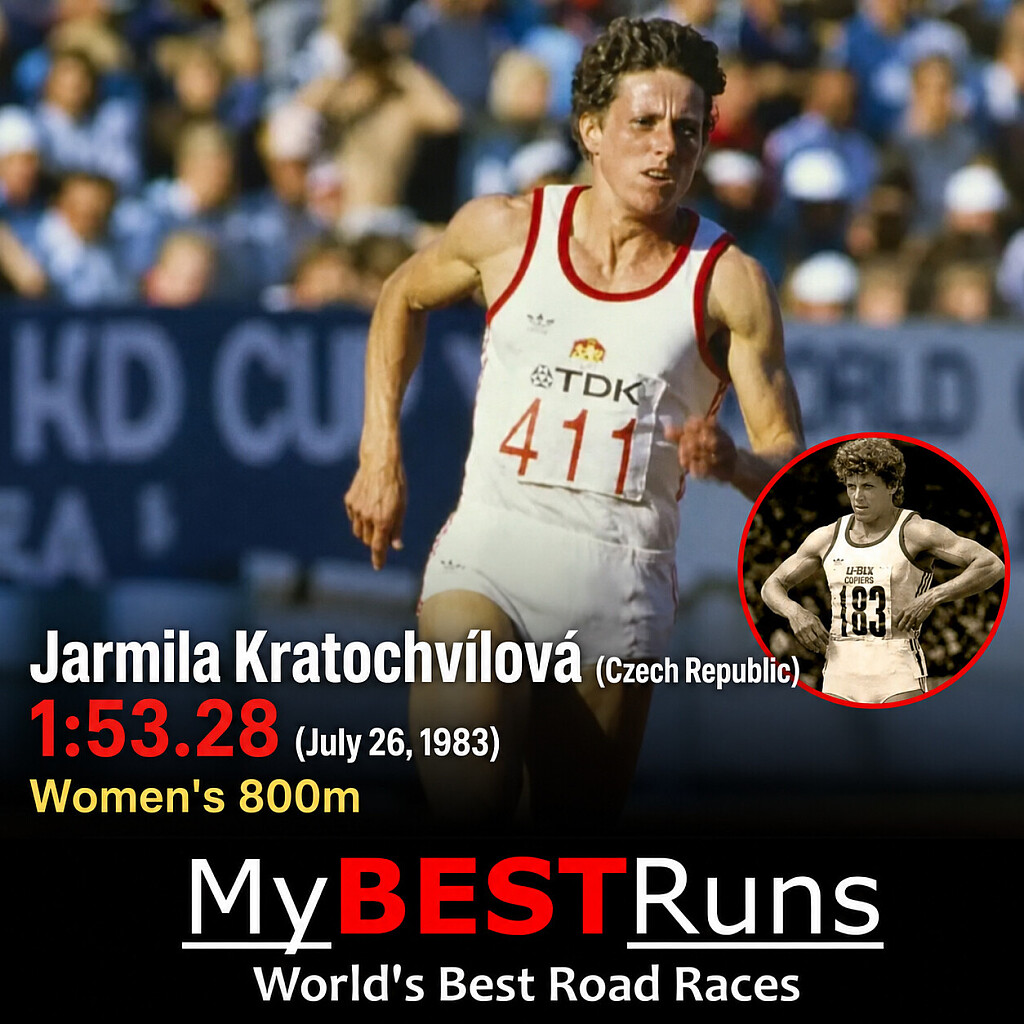
Forty-Three Years of Greatness: Is Jarmila Kratochvílová's Legendary 800m World Record Finally Ready to Fall?
Some world records define an era. Others transcend generations. Jarmila Kratochvílová's astonishing 1:53.28 in the women's 800 meters belongs firmly in the latter category.
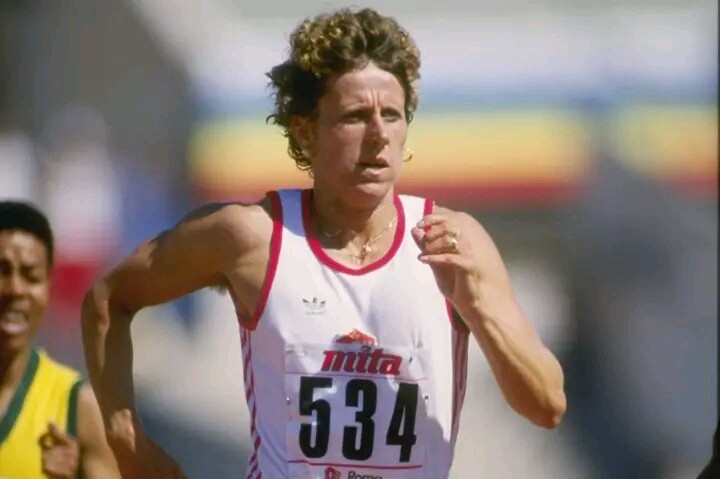
On July 26, 1983, in Munich, the Czech star delivered one of the most extraordinary performances the sport has ever witnessed, setting a world record that has now survived for an incredible 43 years. It remains the longest-standing individual track world record in athletics, a remarkable achievement in an era when advances in training, sports science, nutrition, and competition have seen countless other records disappear.
What makes Kratochvílová's feat even more extraordinary is that she was not primarily an 800-meter runner. She built her reputation as a dominant 400-meter specialist and only entered the two-lap race as a fitness test after recovering from leg cramps. What began as an experiment quickly turned into history.
After charging through an aggressive opening lap, Kratochvílová maintained her relentless pace all the way to the finish, crossing the line in an astonishing 1:53.28. It was a performance so far ahead of its time that generations of elite middle-distance runners have spent more than four decades trying—and failing—to erase it from the record books.
The longevity of the mark is no accident. Running 800 meters at world-record pace demands one of the rarest combinations in athletics: the explosive speed of a world-class 400-meter runner blended with the endurance, strength, and tactical intelligence of an elite middle-distance athlete. Few athletes in history have possessed that unique balance.
Even today, Kratochvílová sits comfortably atop one of the strongest all-time rankings in athletics history:
1. Jarmila Kratochvílová (Czech Republic) – 1:53.28 (July 26, 1983)
2. Nadezhda Olizarenko (Soviet Union) – 1:53.43 (July 27, 1980)
3. Audrey Werro (Switzerland) – 1:53.80 (June 28, 2026)
4. Pamela Jelimo (Kenya) – 1:54.01 (August 29, 2008)
5. Caster Semenya (South Africa) – 1:54.25 (June 30, 2018)
For many years, Kratochvílová's record was widely viewed as virtually untouchable. That perception, however, is beginning to change.
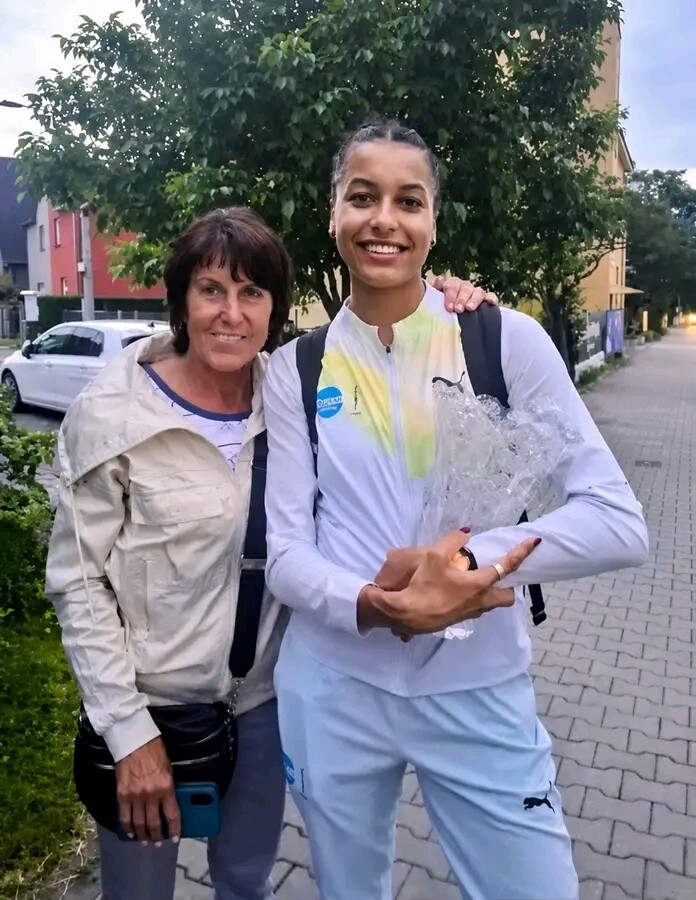
Swiss sensation Audrey Werro has reignited the conversation after producing a breathtaking 1:53.80 in Paris, moving into third place on the all-time list. Her performance was not only one of the fastest ever recorded but also the closest anyone has come to the world record in decades. At just the beginning of what promises to be a long career, Werro has demonstrated that the impossible may finally be within reach.
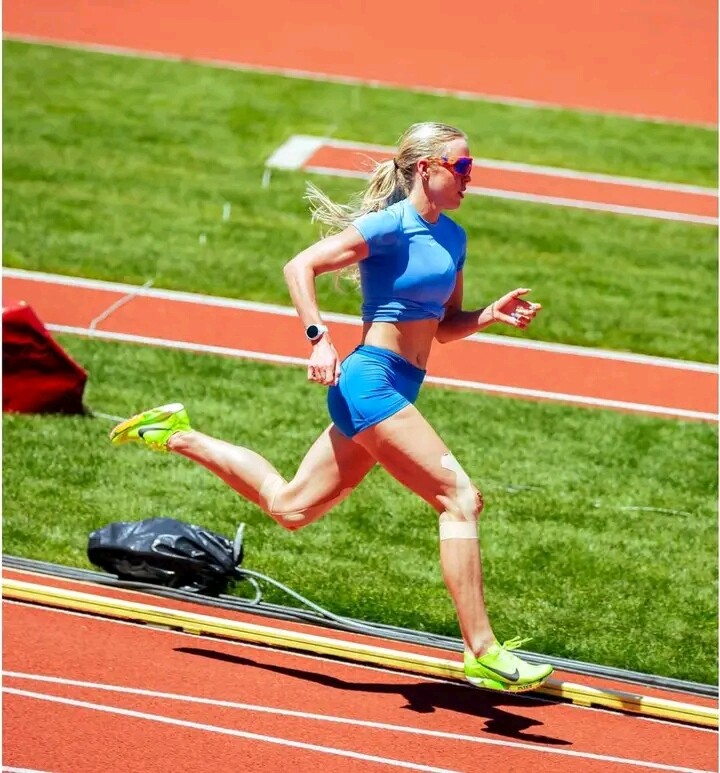
Great Britain's Keely Hodgkinson also remains one of the most compelling candidates. Already an Olympic champion and one of the most consistent performers of her generation, Hodgkinson reinforced her credentials by setting the world indoor short-track record of 1:54.87. Her combination of speed, racing intelligence, and consistency suggests that an outdoor assault on the world record cannot be ruled out.
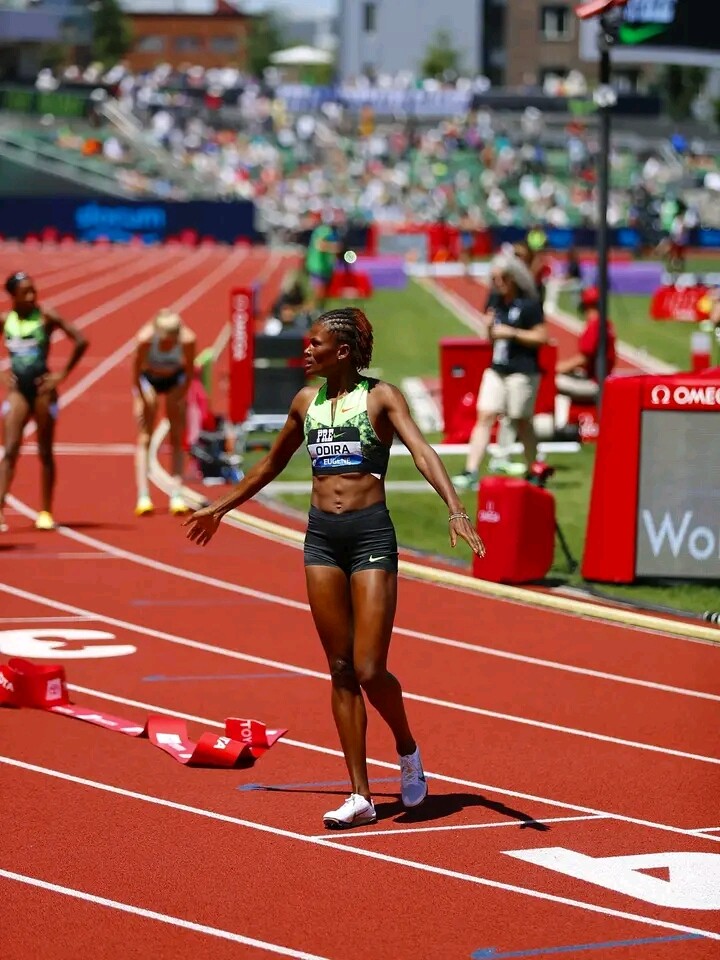
Kenya's Lilian Odira has also emerged as a genuine threat. The reigning world champion owns a personal best of 1:54.62, ranking her among the fastest women in history. She has already eclipsed Kratochvílová's long-standing championship record and continues to showcase an exceptional finishing kick that makes her dangerous in any race. If the pace is right, few athletes possess a stronger blend of championship experience and raw talent.
For 43 years, the athletics world has watched wave after wave of exceptional runners attempt to chase down one of sport's most iconic performances. Olympic champions, world champions, and record holders have all fallen short.
Yet the landscape feels different today. A new generation led by Audrey Werro, Keely Hodgkinson, and Lilian Odira is pushing the women's 800 meters to unprecedented depths. Their performances suggest that one of athletics' oldest and most celebrated records is no longer beyond imagination.
Whether Kratochvílová's 1:53.28 survives another season or another decade remains one of the sport's most fascinating questions. What is certain is that a record once considered untouchable is finally facing its most serious challenge in more than four decades.
The countdown may have already begun.
by Erick Cheruiyot for My Best Runs.
Login to leave a comment
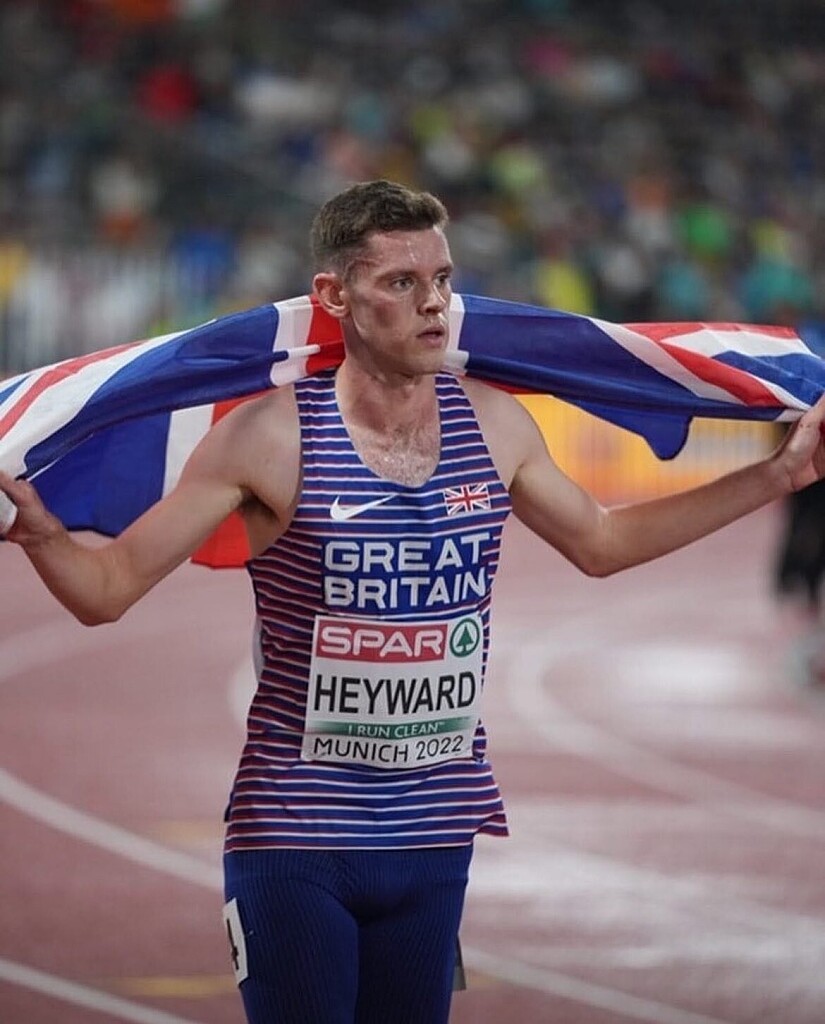
Jake Heyward’s Long Road Back: British Star Set for Diamond League Return at BAUHAUS-galan
After nearly three years away from the Diamond League spotlight, British middle-distance star Jake Heyward is finally preparing for a long-awaited return to elite competition as he lines up for the men’s 1500m at next month’s BAUHAUS-galan in Stockholm.
For Heyward, the announcement marks far more than just another race entry. It represents the latest chapter in a determined comeback journey after a frustrating spell dominated by long-term injury setbacks that stalled the momentum of one of Europe’s most gifted milers.
The Brit’s last appearance on the Diamond League circuit came back in Zurich in 2022 — the same season in which he produced some of the finest performances of his career. Since then, injuries forced him away from the biggest stages of global athletics, interrupting what had looked like a rapid rise toward world-class consistency.
Now, however, encouraging signs are beginning to emerge.
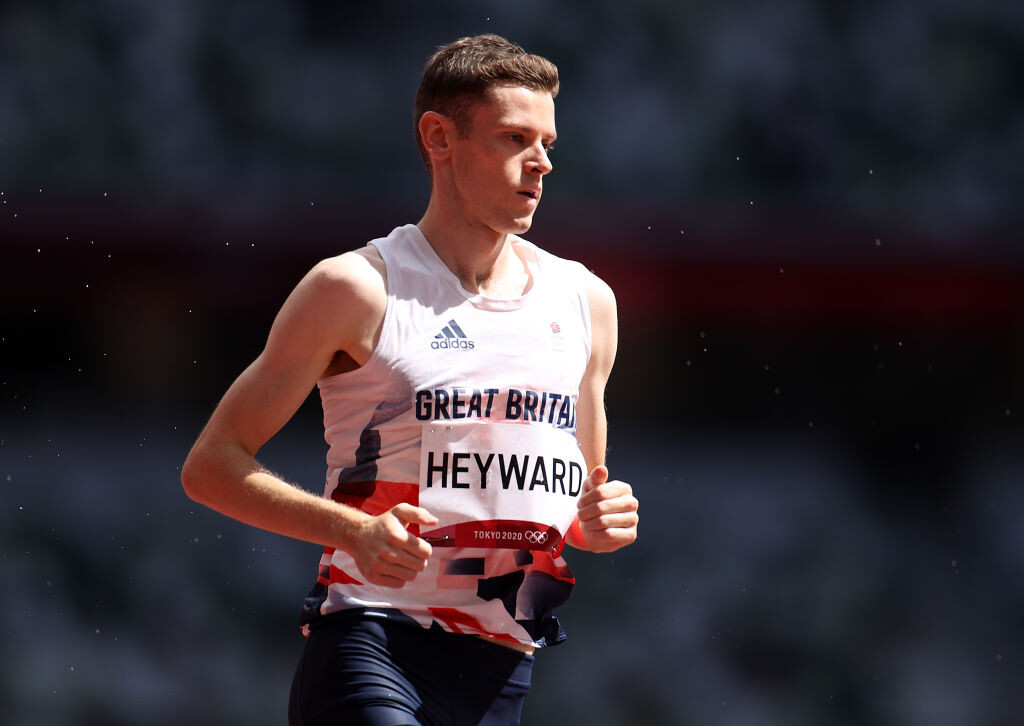
Earlier this month in California, Heyward clocked 3:34.18 over 1500m, a performance that hinted at growing sharpness and renewed confidence as he rebuilds his fitness ahead of a crucial summer campaign. While still short of his lifetime best of 3:31.08, the run suggested the European silver medallist is steadily rediscovering the rhythm that once placed him among the continent’s elite.
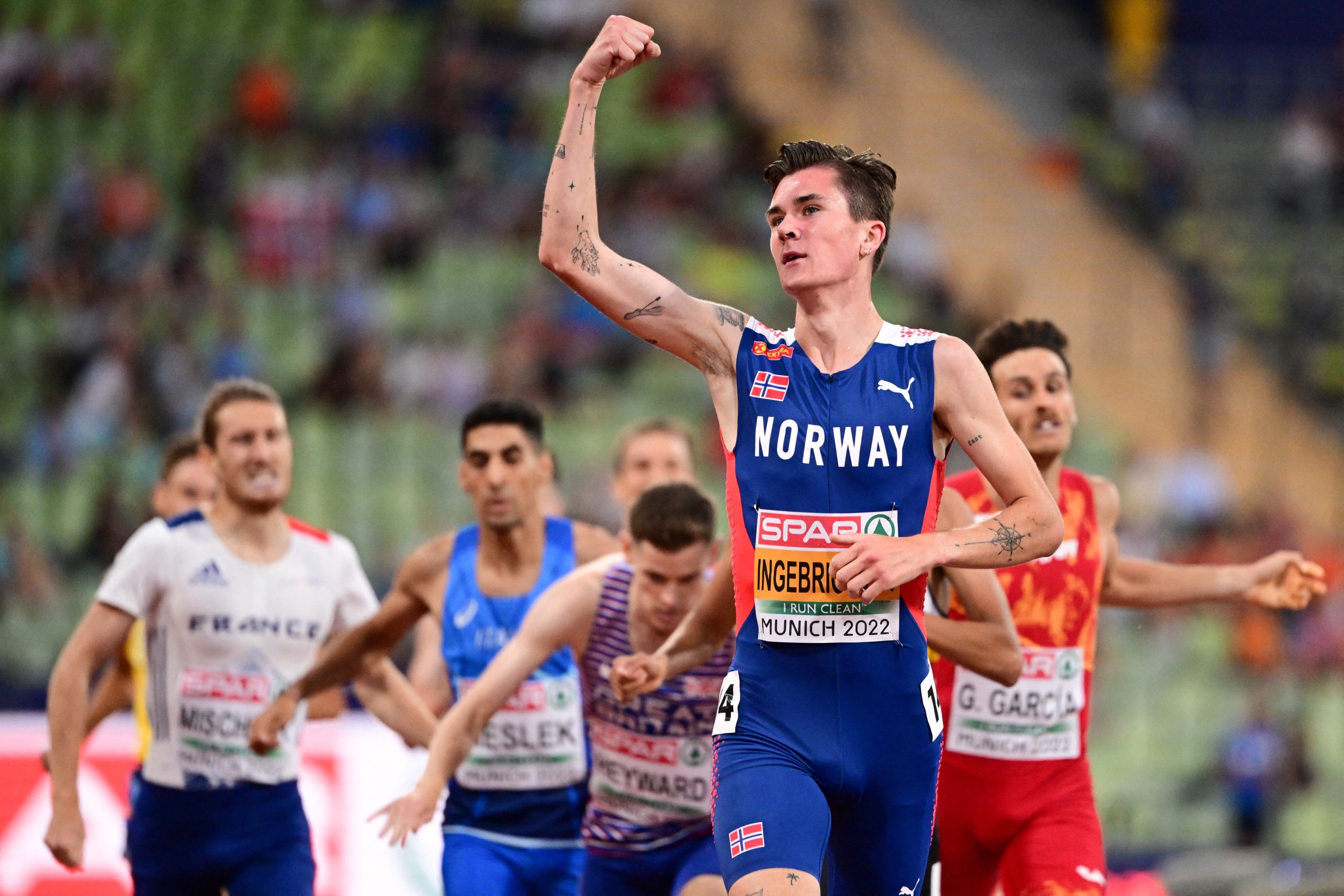
Heyward’s breakthrough season in 2022 remains one of the defining moments of his career. At the European Athletics Championships in Munich, he stormed to the 1500m silver medal behind Norway’s dominant Olympic champion Jakob Ingebrigtsen, showcasing both tactical maturity and finishing speed against one of the strongest fields in Europe.
That performance elevated Heyward into the upper tier of international middle-distance running and reinforced Britain’s rich tradition in the event. Many believed it was only the beginning.
Instead, the years that followed became a battle for recovery, patience, and persistence.
Returning to the Diamond League at BAUHAUS-galan now offers Heyward an opportunity to measure himself once again against world-class opposition and test how far his comeback has progressed. Stockholm’s historic meeting has long been known for producing fast middle-distance races, and the event could provide the perfect environment for the Brit to continue building momentum.
At 1500m level, where fractions of a second often separate contenders from champions, regaining race sharpness after an extended absence is never straightforward. Yet Heyward’s recent performances suggest the foundations are gradually falling back into place.
For British athletics fans, his return will be watched with both excitement and curiosity. A healthy Jake Heyward remains one of the most naturally talented milers of his generation — and if his body finally allows him sustained continuity, the next phase of his career could still hold enormous promise.
by Erick Cheruiyot for My Best Runs.
Login to leave a comment
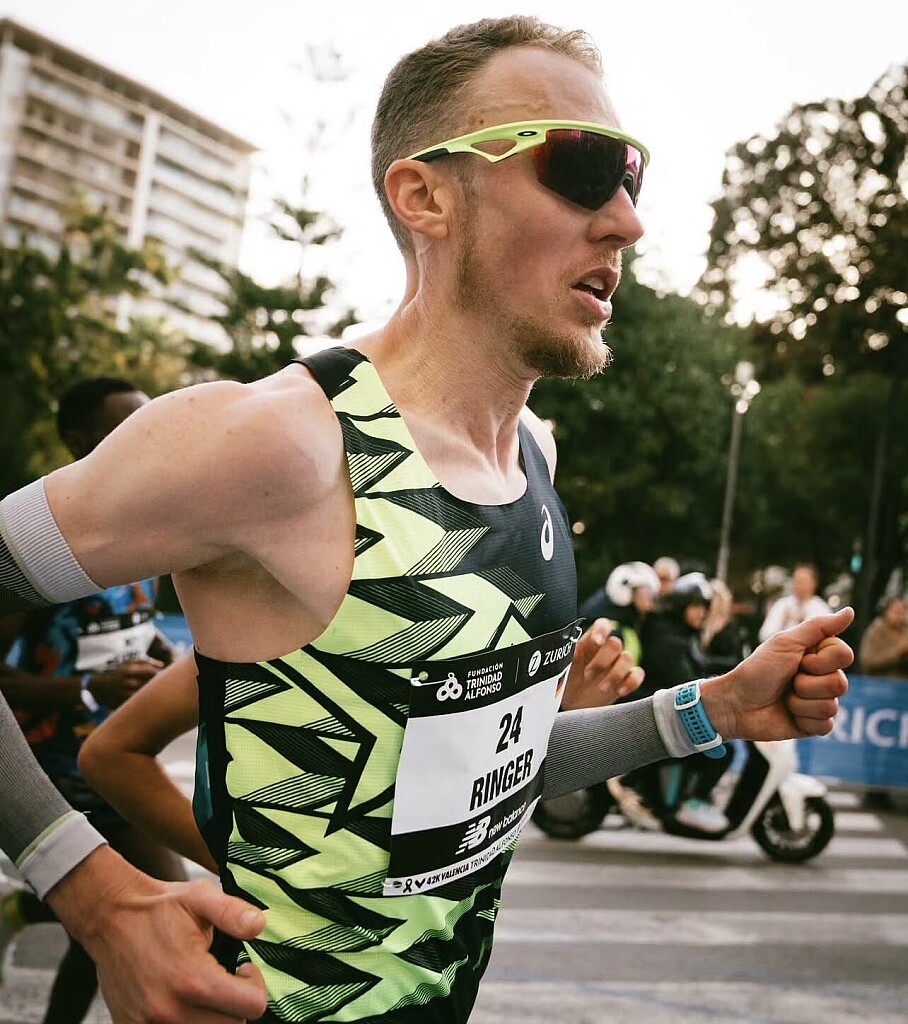
German Marathon Stars Set Sights on Frankfurt and National Record
Germany’s top marathoners Richard Ringer and Samuel Fitwi will headline the Mainova Frankfurt Marathon on October 25, setting up what could become one of the most exciting marathons ever staged on German soil.
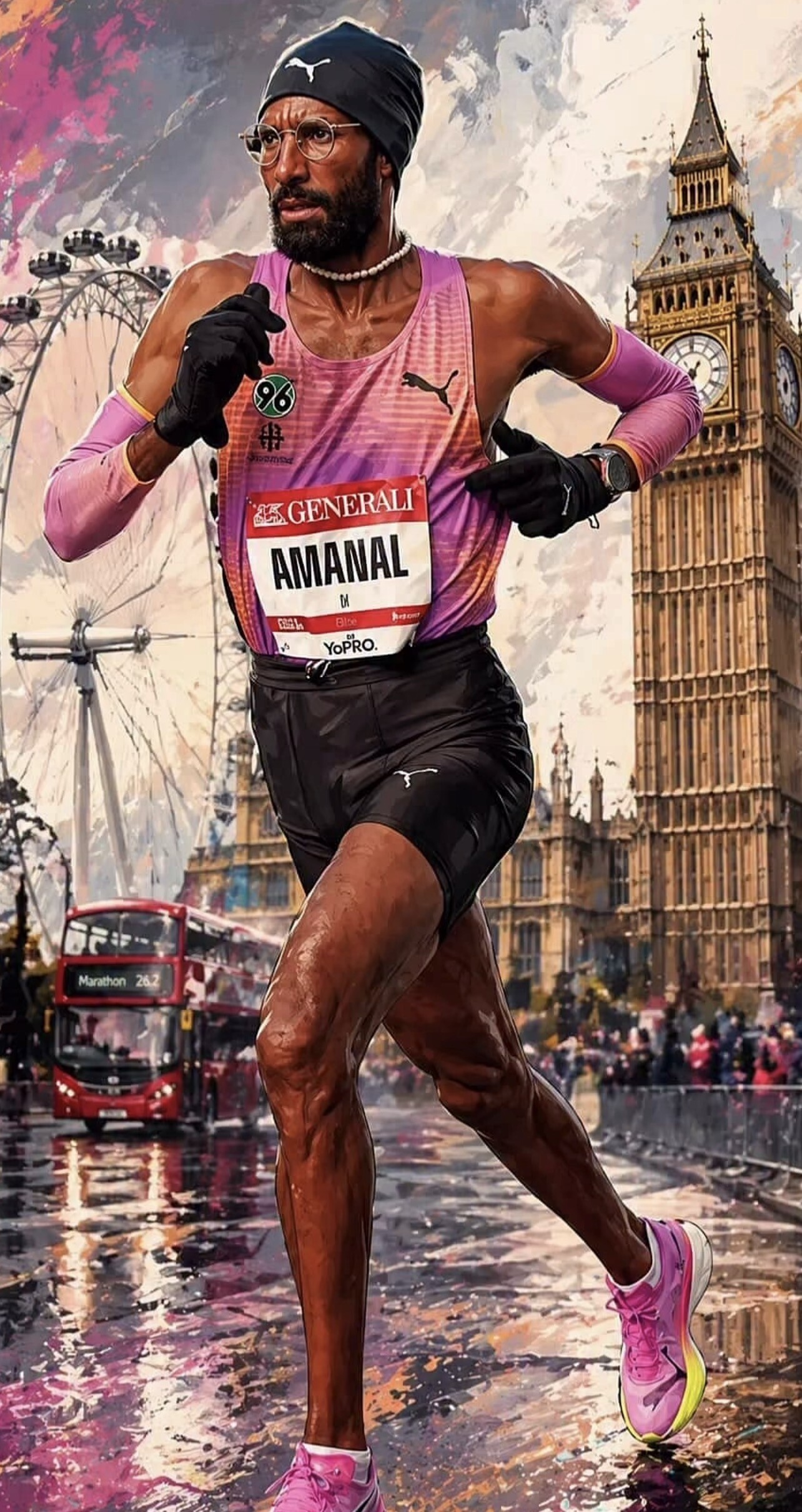
Currently ranked No. 2 and No. 3 on Germany’s all-time marathon list, Samuel Fitwi and Richard Ringer have their eyes firmly set on the national record of 2:04:03 held by Amanal Petros. Fitwi ran 2:04:45 in Hamburg earlier this year, while Ringer clocked 2:04:47 in Boston in April on the famously difficult and non-record-eligible course.
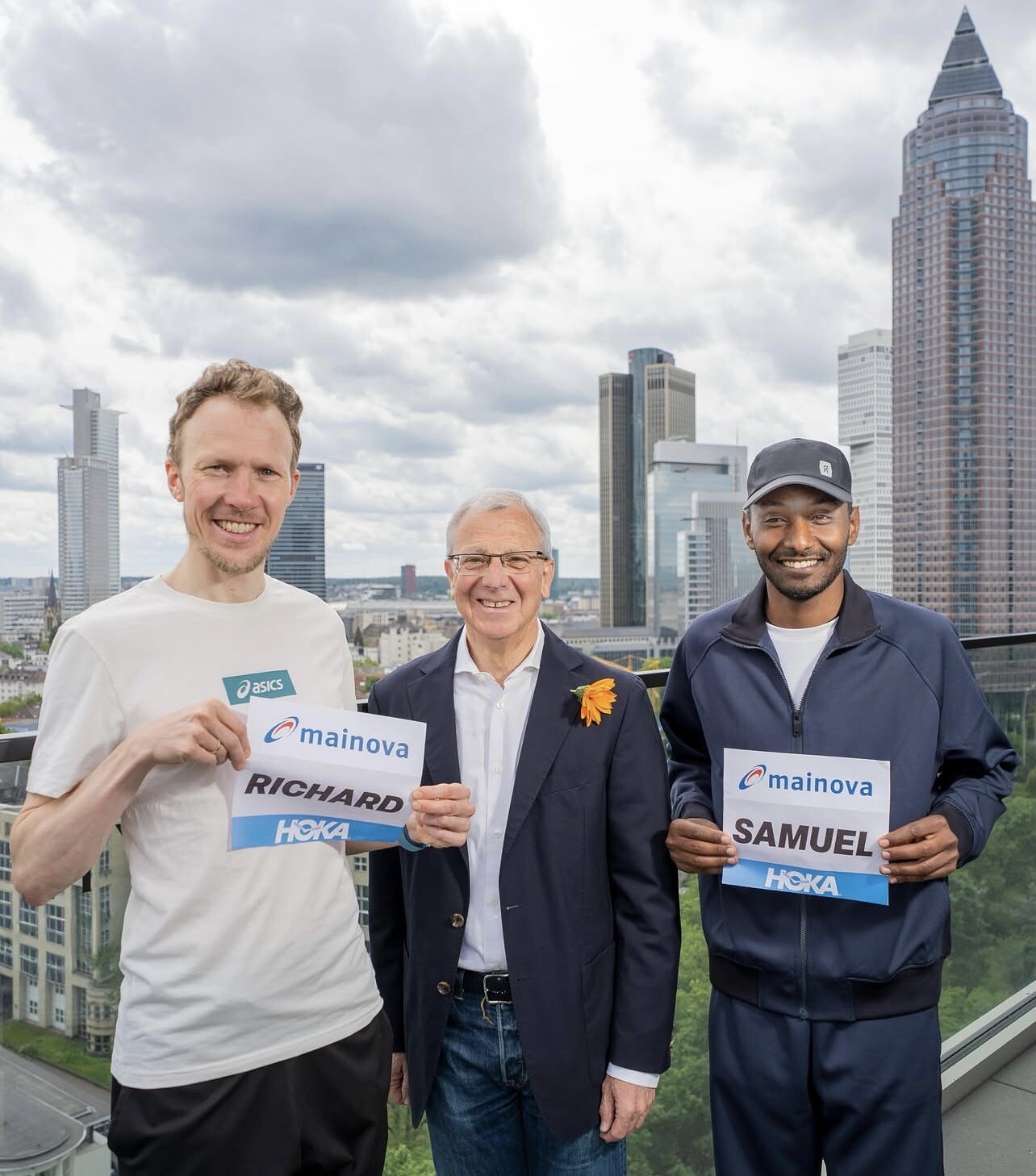
The Mainova Frankfurt Marathon, one of Europe’s fastest courses and an Elite Label Road Race of World Athletics, has long been known for producing breakthrough performances. Organizers are expecting tremendous interest this year and are increasing the race capacity from 18,500 to 20,000 runners.
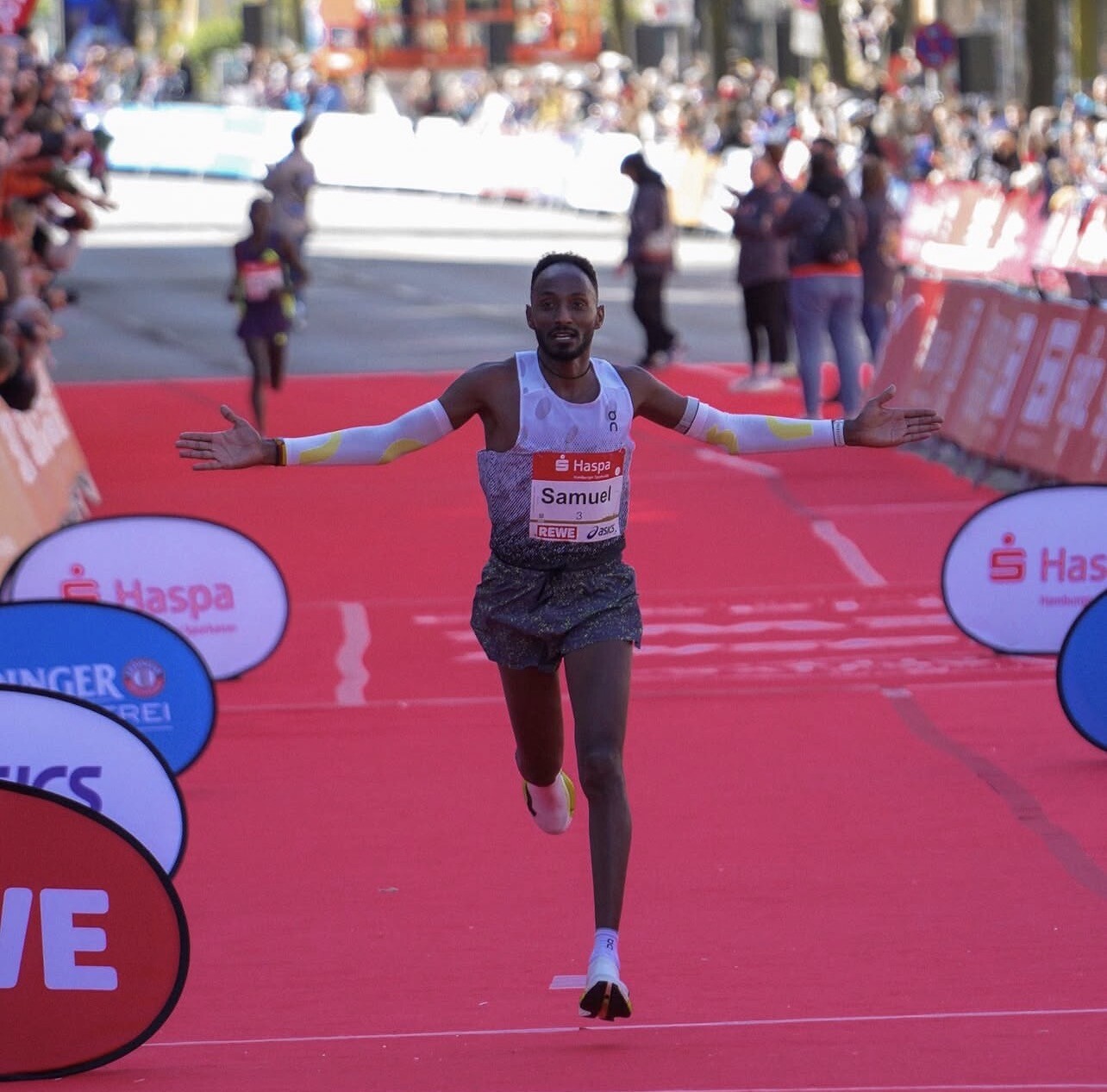
“Samuel and Richard running here is proof of the strong position and appeal of the Mainova Frankfurt Marathon,” said Race Director Jo Schindler. “We expect a spectacular race and will provide the best possible set-up for their races. Perhaps, as we did in 2015 with Arne Gabius, we can produce another piece of German marathon history.”
Frankfurt was the site of Gabius’s historic 2:08:33 national record performance in 2015, ending a 27-year-old mark held by Jörg Peter.
For Richard Ringer, Frankfurt holds special meaning. Although this will be his first time racing the marathon there, he previously served as a pacemaker at the event in 2018 for Arne Gabius. The race helped launch his eventual move toward the marathon.
“I have fond memories of Frankfurt and am very much looking forward to racing there on October 25,” said the 37-year-old Ringer, who won marathon gold at the 2022 European Championships in Munich. “If we can win a medal in Birmingham, then run 2:04 and maybe even win Frankfurt, we would have done everything right.”
Both Ringer and Fitwi are expected to compete at the European Championships in Birmingham in August before turning their full focus toward Frankfurt. Ringer believes the championship course may actually help his preparation.
“With the hilly course in Birmingham, I do not expect an especially fast race there,” he said. “It could feel more like a long training run with a fast final 10K.”
Samuel Fitwi enters Frankfurt in the best form of his career. His runner-up finish in Hamburg made him the first German man since Carsten Eich in 1999 to finish on the podium there.
“Frankfurt is a super-fast course,” said the 30-year-old Fitwi. “I want to improve my personal best again. Of course I always want to win and ideally break the national record. But even a PB and a podium finish would be a superb result.”
Richard Ringer also produced a landmark performance this spring when he finished eighth at the Boston Marathon, becoming the first German man in nearly 100 years to place in the top 10 of the iconic race. The last German to accomplish something comparable was Paul de Bruyn, who won Boston in 1932.
With two of Europe’s fastest marathoners lining up on one of the world’s quickest courses, Frankfurt could become the stage for another historic chapter in German distance running.
by Race News Service
Login to leave a comment
Mainova Frankfurt Marathon
Frankfurt is an unexpectedly traditional and charming city, with half-timbered buildings huddled in its quaint medieval Altstadt (old city), cosy apple wine taverns serving hearty regional food, village-like neighbourhoods filled with outdoor cafes, boutiques and street art, and beautiful parks, gardens and riverside paths. The city's cache of museums is second in Germany only to Berlin’s, and its nightlife...
more...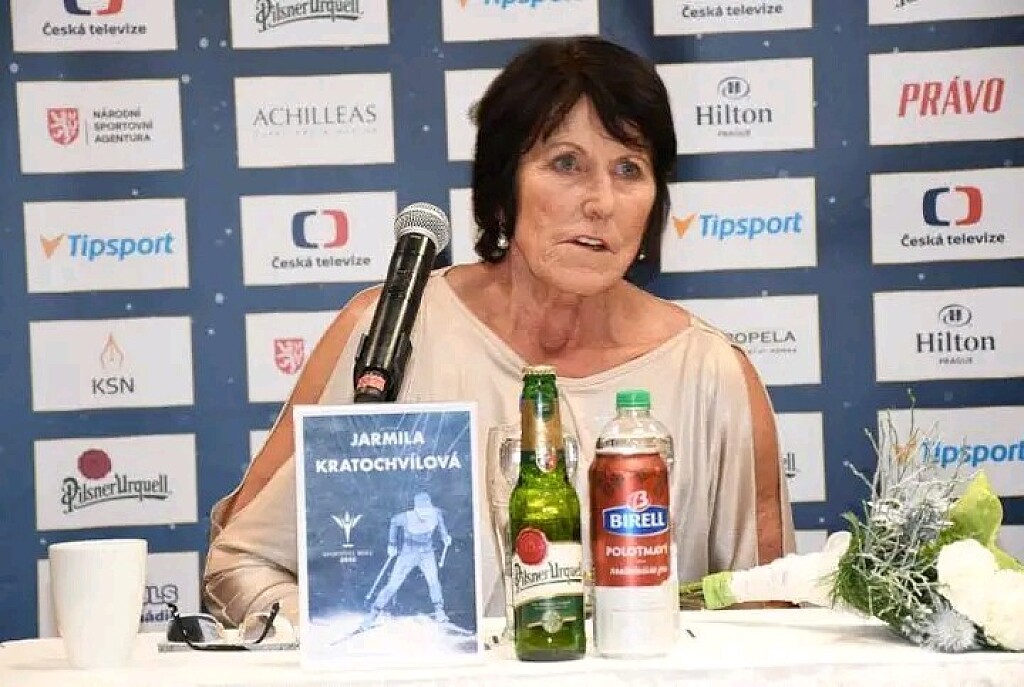
Jarmila Kratochvílová and the 800m Record That Time Could Not Touch
Some records are broken within months. Others survive for years. Then there are the rare marks that outlive generations and become part of sporting mythology. Few achievements in athletics carry that aura more powerfully than the women’s 800 metres world record of 1:53.28, set by Jarmila Kratochvílová on July 26, 1983, in Munich.
More than four decades later, the astonishing performance still stands untouched, making it one of the oldest and most remarkable world records in track and field. In an era where training science, technology, and competition standards have advanced dramatically, that number continues to resist every challenge.
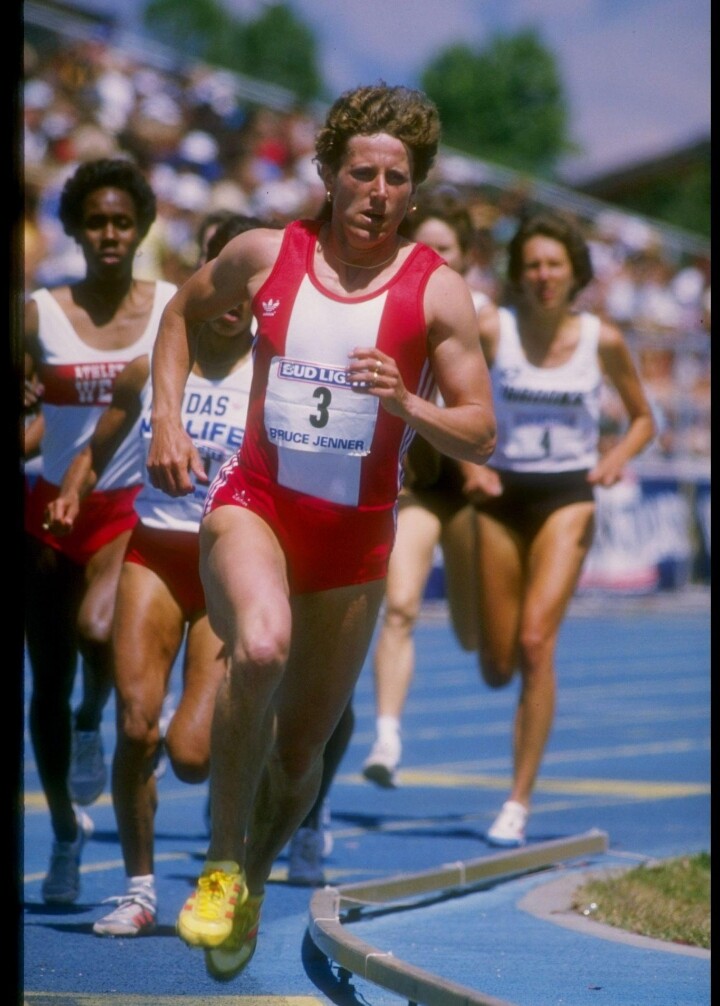
What makes the feat even more extraordinary is the story behind it. Kratochvílová was primarily known as a 400-metre specialist, not an 800-metre star. Her appearance in Munich came after a late change of plans caused by injury, and she was not even expected to headline the event. Yet when the gun fired, she produced one of the finest races ever seen.
She passed the opening lap in a fearless 56.1 seconds, surged through 600 metres in 1:26.3, and still found another devastating finish over the final bend and straight. Crossing the line in 1:53.28, she did far more than win a race—she created a benchmark that would challenge every generation to come.
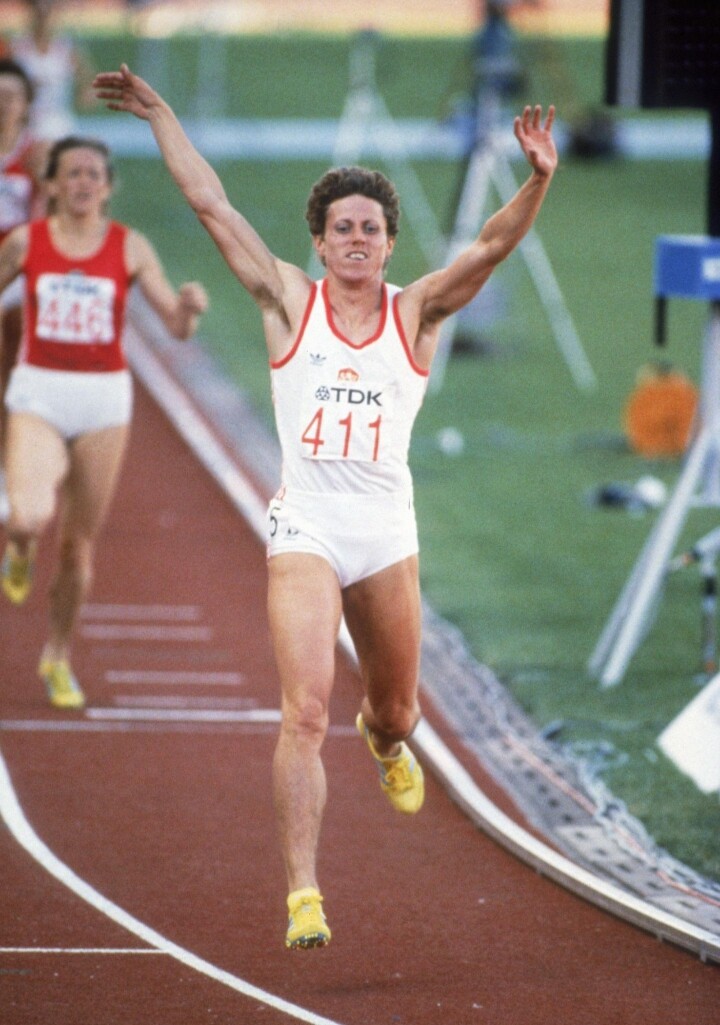
That unforgettable evening crowned a sensational 1983 campaign. Weeks later, at the first-ever World Championships in Helsinki, Kratochvílová completed a rare and historic double by winning gold in both the 400 metres and the 800 metres. She also ran 47.99 for the 400m that season, becoming the first woman in history to break the 48-second barrier. Only a select few athletes, including Marita Koch, have since joined that elite company.
Her rise had already been confirmed earlier when she claimed Olympic silver in the 400 metres at the 1980 Summer Olympics. Many believed even greater Olympic success awaited her, but history intervened. The boycott of the 1984 Summer Olympics denied her the chance to compete on sport’s biggest stage once again.
Even after leaving competition, Kratochvílová continued shaping the sport. As a coach, she guided Ludmila Formanová to the 800m world title in 1999, proving her knowledge and influence extended well beyond her own racing career.
Her record has not escaped controversy or debate. In 2017, World Athletics proposed stricter standards for the ratification of older world records, raising questions over marks set before modern testing systems. Yet the 1:53.28 remained official, preserving one of the sport’s most famous milestones.
As of 2026, athletes continue to chase history. Among the strongest modern contenders is Keely Hodgkinson, whose rise has renewed belief that the seemingly impossible may one day fall. But until that moment arrives, Kratochvílová’s run in Munich remains the gold standard.
Whether it survives another season or another generation, one truth is certain: Jarmila Kratochvílová did not simply set a world record—she created a legend that time itself has struggled to defeat.
by Erick Cheruiyot for My Best Runs.
Login to leave a comment
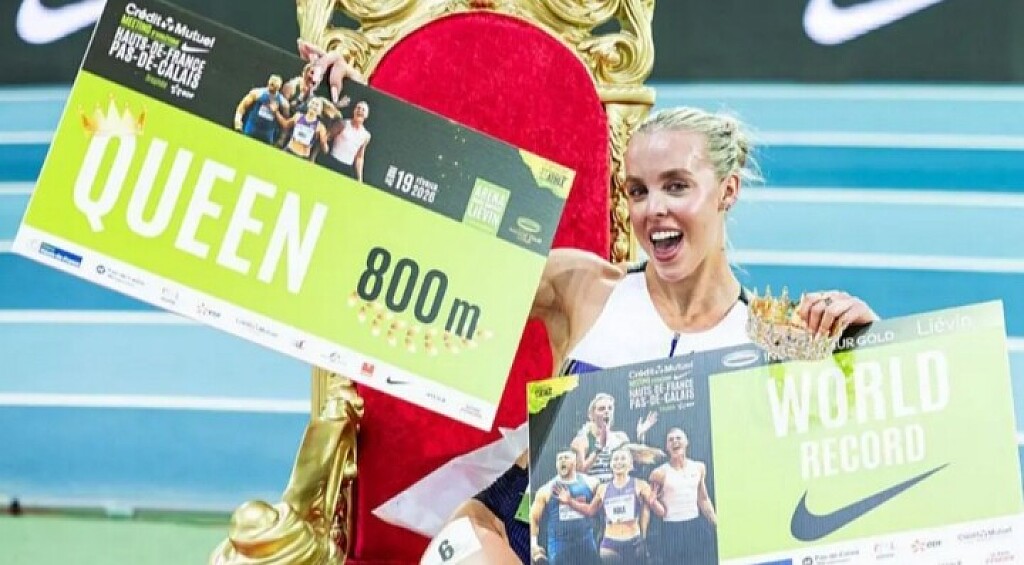
Forty-Three Years on the Clock: Is 1:53.28 Finally Ready to Fall?
For more than four decades, one number has hovered over women’s middle-distance running like a mountain peak few dare to climb: 1:53.28.
Set in 1983 by Jarmila Kratochvílová in Munich, it remains the oldest world record still standing in women’s track and field. Generations have come and gone. Champions have risen, medals have been won, but the clock has stubbornly refused to yield.
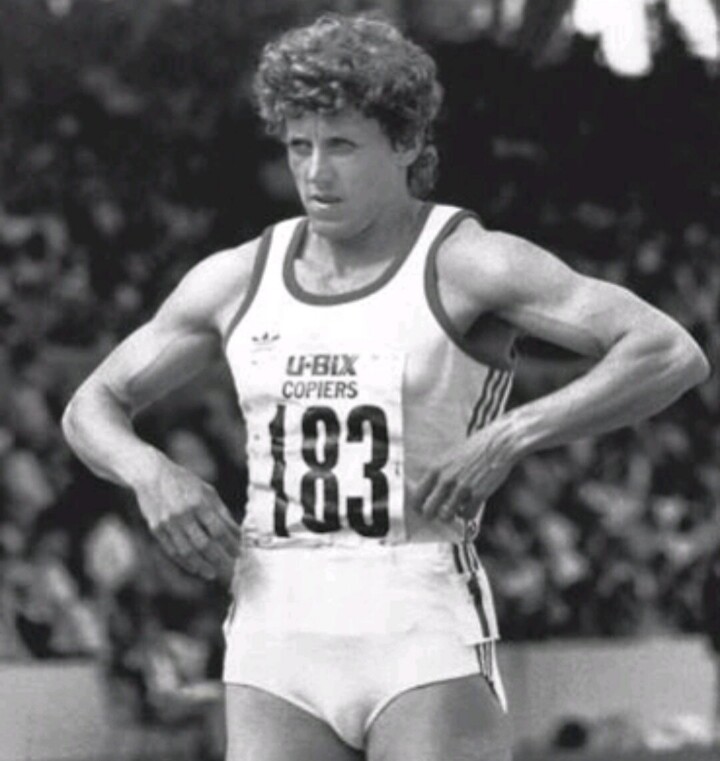
Now, the question feels sharper than ever: is that 43-year-old record finally under serious threat?
Just a week after rewriting history indoors, Keely Hodgkinson has shifted her focus to the ultimate prize — the outdoor 800m world record. Her recent indoor world record was not just a victory; it was a statement. A declaration that the margins are closing and that the impossible may simply be waiting for the right moment.
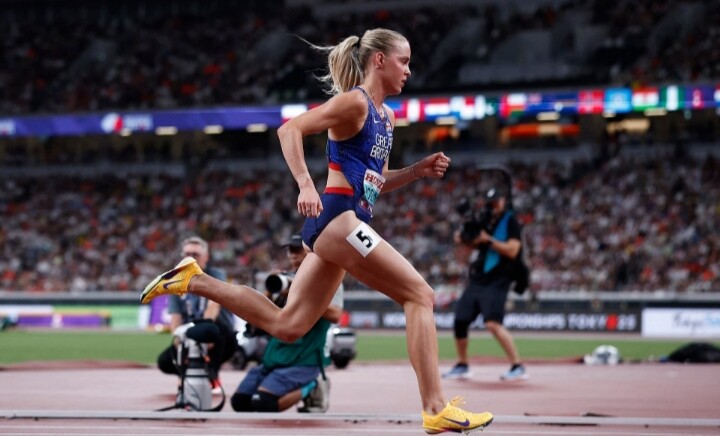
For years, Hodgkinson has hovered tantalisingly close to the barrier. The 1:54s have become familiar territory — controlled, composed, almost routine for an athlete who has built her career on remarkable consistency at the highest level. Olympic and world medals have confirmed her place among the elite, but the stopwatch keeps whispering that there is still more.
“We’ve been saying for years now,” she admitted, “and I think I’ve just been tipping on those 1:54s and at some point a 1:53 is going to come.”
That belief no longer sounds hopeful. It sounds calculated.
Hodgkinson is careful to protect what she already owns. She has made it clear that medals — earned through championship battles and tactical brilliance — mean more than a time on a scoreboard. Yet even she recognises the magnitude of what breaking 1:53.28 would represent.
“Now I do really believe that we can break it,” she said. “I think the outdoor 800m record would be like ‘cemented GOAT.’ I do really believe it’s possible.”
That phrase — cemented GOAT — captures the scale of the challenge. This is not simply about running fast. It is about redefining the boundaries of women’s middle-distance running. It is about erasing a mark that has survived eras, technologies, and entire generations of talent.
What makes this moment different is momentum. Hodgkinson is no longer chasing from a distance; she is knocking on the door. Her strength through 600 metres, her composure under pressure, and her devastating final drive suggest an athlete entering her prime with unfinished business.
Records do not fall because they are old. They fall because someone arrives who is fearless enough to believe the clock can be beaten.
For 43 years, 1:53.28 has stood untouched — a relic of another era. But with Hodgkinson’s confidence rising and her form sharper than ever, the barrier feels less mythical and more mathematical.
Is 1:53.28 finally under threat?
For the first time in decades, the answer does not feel like nostalgia.
It feels like anticipation.
by Erick Cheruiyot for My Best Runs.
Login to leave a comment
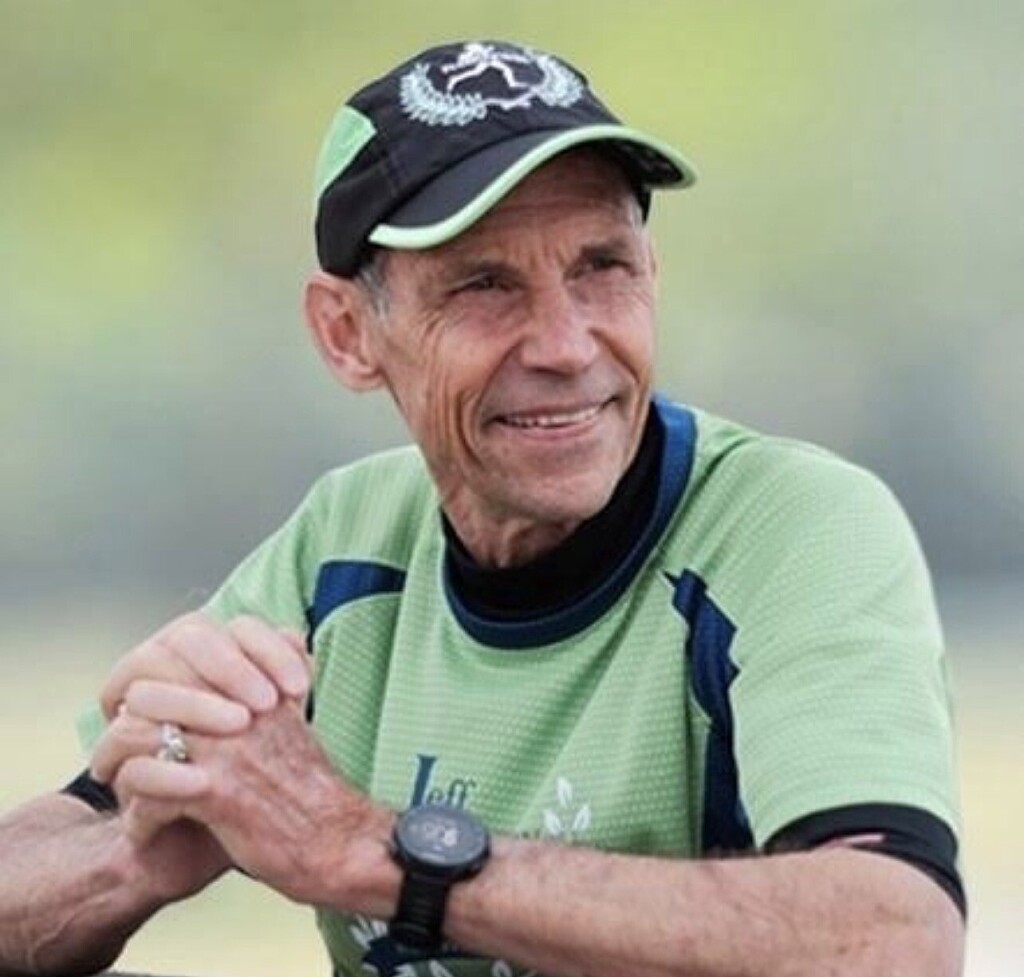
Jeff Galloway Dies at 80 Leaving a Legacy That Changed Running
The running world has lost one of its most influential voices. Olympian, author, and lifelong running advocate Jeff Galloway has died at the age of 80 following complications from a stroke.
For more than five decades, Galloway inspired runners of all ages and abilities to lace up their shoes and head out the door. His message was simple but powerful: running is for everyone.

From Olympic Athlete to Running Pioneer

Born July 12, 1945, in Raleigh, North Carolina, Galloway rose to prominence during the great running boom of the late 1960s and early 1970s. A talented distance runner, he earned a spot on the U.S. Olympic team in the 10,000 meters at the 1972 Olympic Games in Munich.
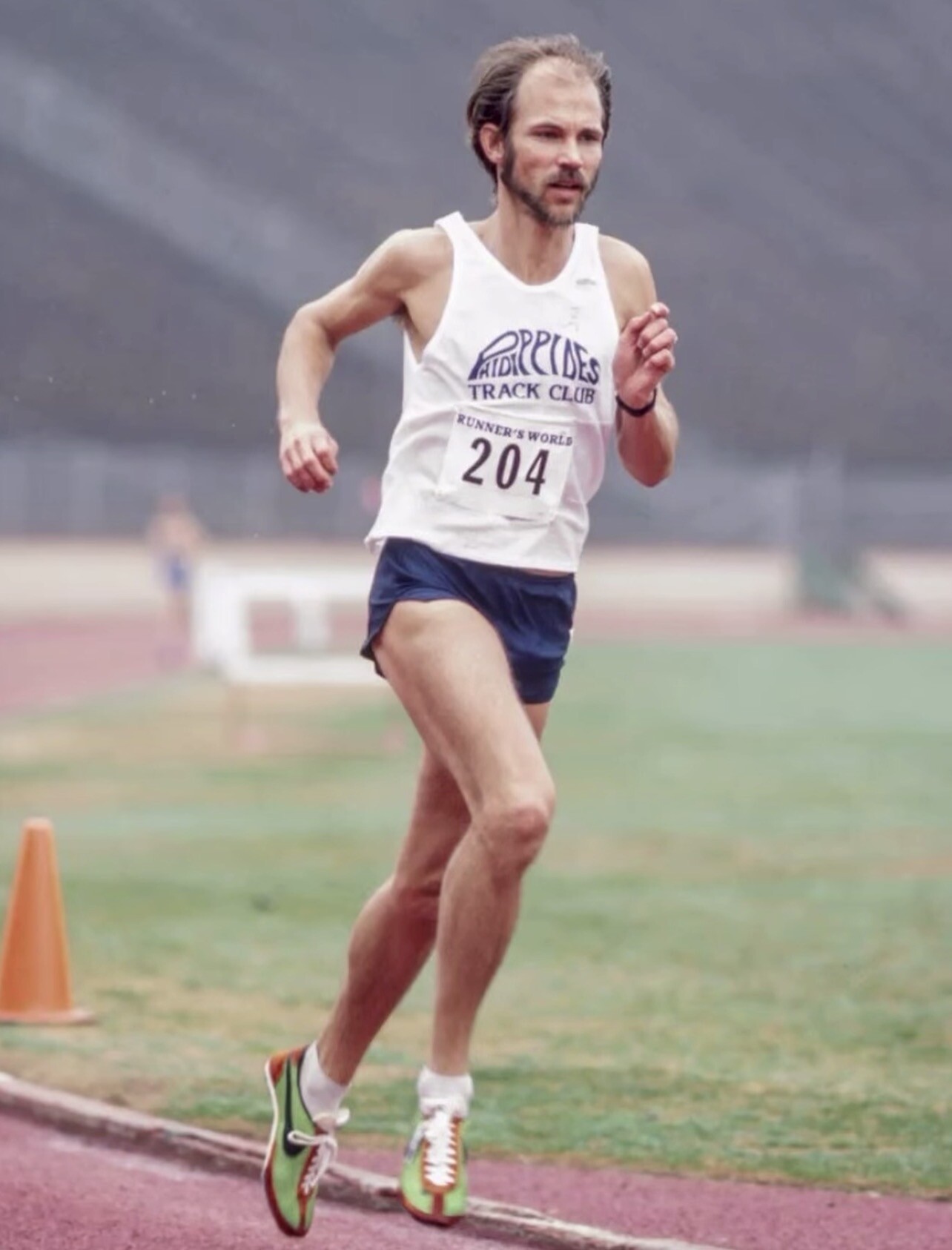
While his own racing career was notable, Galloway’s greatest contribution to the sport came afterward.
He understood something that would shape the future of running—that millions of people wanted to run but needed encouragement, guidance, and a realistic path to get started.
The Method That Opened the Sport to Millions
Galloway became widely known for developing the Run Walk Run method, a training strategy that encouraged runners to take short, planned walking breaks during their runs.
At the time, the concept challenged traditional thinking. Many believed walking during a run meant failure. Galloway saw it differently.
By alternating running and walking, runners could go longer, recover faster, and reduce injury risk. The method helped countless beginners complete races they once thought impossible and helped experienced runners stay consistent.
Over time, the strategy spread around the world. In many running communities it earned its own nickname: “Jeffing.”
A Teacher and Ambassador for the Sport
Beyond races and training plans, Galloway became one of the most recognizable teachers in running. Through books, clinics, and coaching programs he helped guide generations of runners toward their first 5K, half marathon, or marathon.
He had a rare ability to make the sport feel welcoming rather than intimidating.
Many runners credit him with helping them start—or continue—their running journey.
Part of Running’s Greatest Era of Growth
Galloway was part of the generation that helped shape modern distance running. During the early years of the running boom, voices like his helped bring the sport out of the shadows and into everyday life.
The idea that anyone could become a runner helped transform road racing from a niche activity into a global movement.
Few people contributed more to that shift than Jeff Galloway.
A Lasting Legacy
Even in his later years, Galloway remained deeply connected to the sport, continuing to coach, speak, and encourage runners to stay active.
Today, countless runners crossing finish lines—from small community races to major marathons—are part of the legacy he helped build.
Jeff Galloway was 80 years old. His influence on running will continue for generations.
by Bob Anderson for My Best Runs
Login to leave a comment
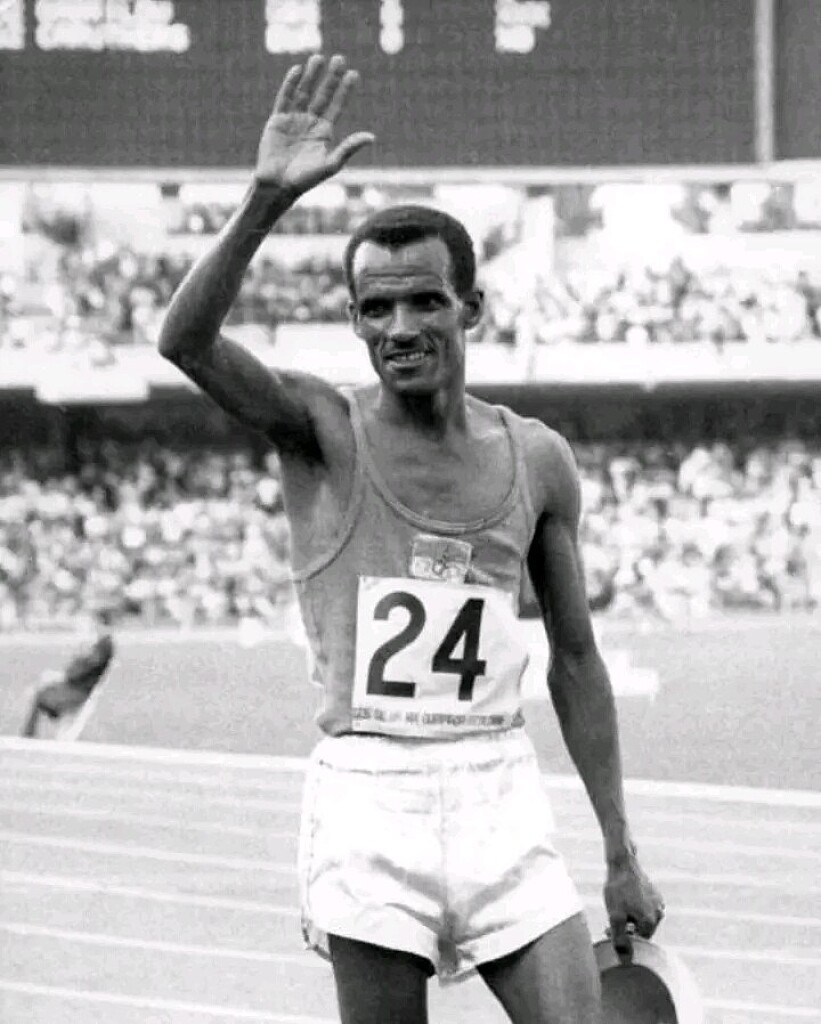
Degaga “Mamo” Wolde: The Marathoner Who Carried Ethiopia to Olympic Immortality
Long before Ethiopian distance running became a global empire, there was a man who first showed the world what the green, yellow, and red could achieve on the biggest stage of all. Degaga “Mamo” Wolde was not just an athlete; he was a pathfinder, a symbol of endurance, and a quiet force who reshaped how the world viewed Ethiopian athletics.
Born on June 12, 1932, Wolde emerged in an era when global recognition for African runners was still rare. His journey was built on patience and range, developing from middle-distance races into the most demanding events on the track and road. That versatility became his trademark. From the 800 meters to the marathon, Wolde demonstrated an uncommon ability to adapt, endure, and excel, steadily sharpening his craft across decades of competition.
The defining chapter of his legacy unfolded at the 1968 Olympic Games in Mexico City. Battling altitude, pressure, and the weight of national expectation, Wolde delivered a performance that would echo through history. He stormed to Olympic gold in the marathon, running with authority and composure to claim one of Ethiopia’s most iconic sporting triumphs. As if that were not enough, he doubled back onto the track to secure a silver medal in the 10,000 meters, underlining his extraordinary endurance and competitive spirit. In a single Olympic Games, Wolde cemented himself among the greatest all-round distance runners the sport has ever seen.
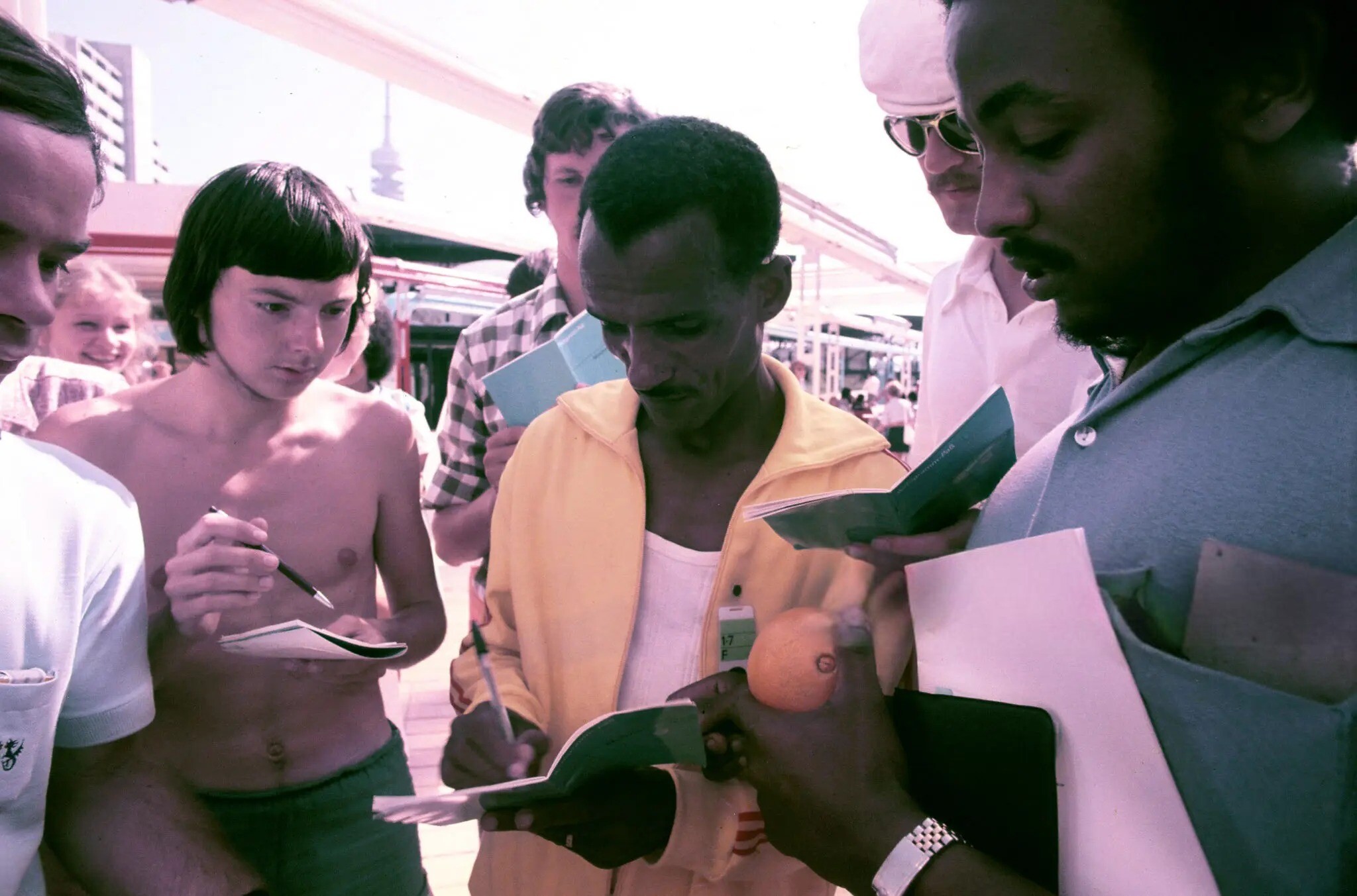
His excellence did not fade with time. Four years later, at the 1972 Munich Olympic Games, Wolde once again stood on the podium, earning a bronze medal in the marathon. It was a powerful statement of longevity, proof that his success was not a moment of brilliance but the result of sustained discipline and resilience. Across his career, his personal bests told the same story—speed over 800 meters, tactical strength in the 1500 and 5000 meters, grit in the 10,000 meters, and supreme stamina over the marathon distance.
Yet Wolde’s impact reaches far beyond medals and times. He laid the foundation for Ethiopia’s distance-running tradition, inspiring generations who would follow his footsteps onto global podiums. Every Ethiopian marathon victory since carries a trace of his pioneering spirit. He showed that athletes from the Horn of Africa could dominate not just one event, but the entire spectrum of endurance racing.
When Degaga “Mamo” Wolde passed away on May 26, 2002, Ethiopia lost a national hero—but his legacy did not leave with him. It lives on in every long stride taken by Ethiopian runners across the world, in every championship won, and in every young athlete who dares to believe that greatness can rise from humble beginnings.
Mamo Wolde did more than win races. He carried a nation’s pride across finish lines, turning belief into history and endurance into legacy.
by Erick Cheruiyot for My Best Runs.
Login to leave a comment
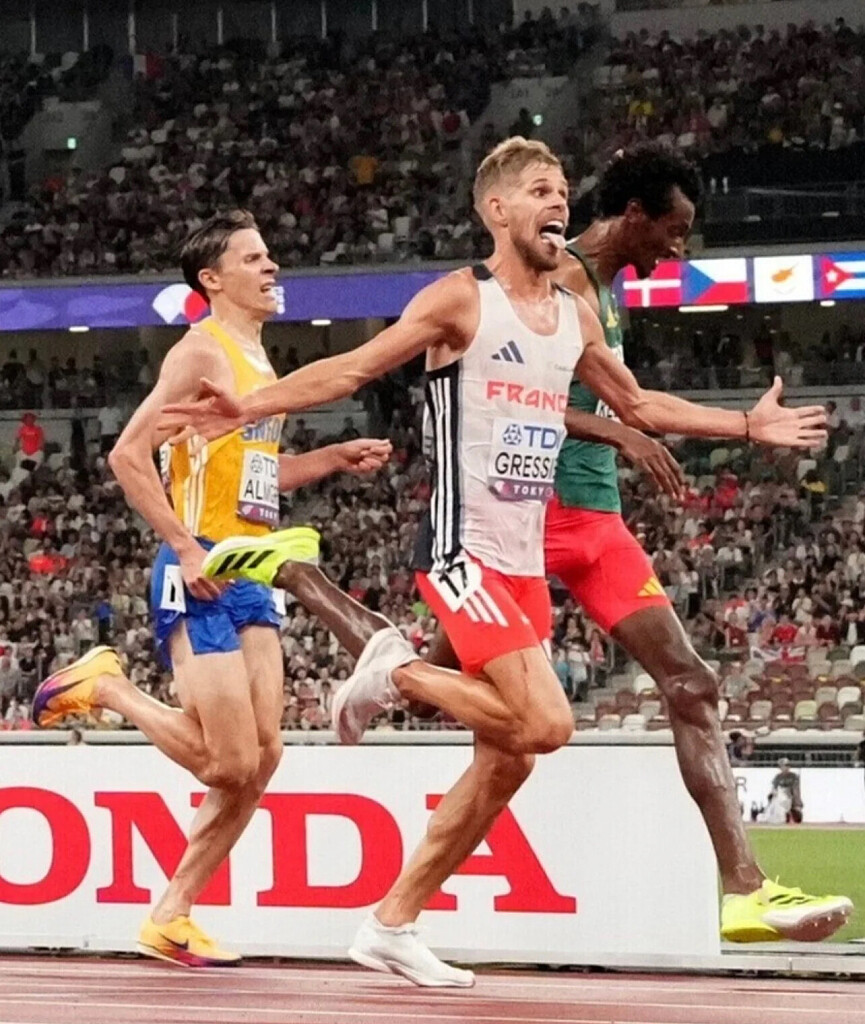
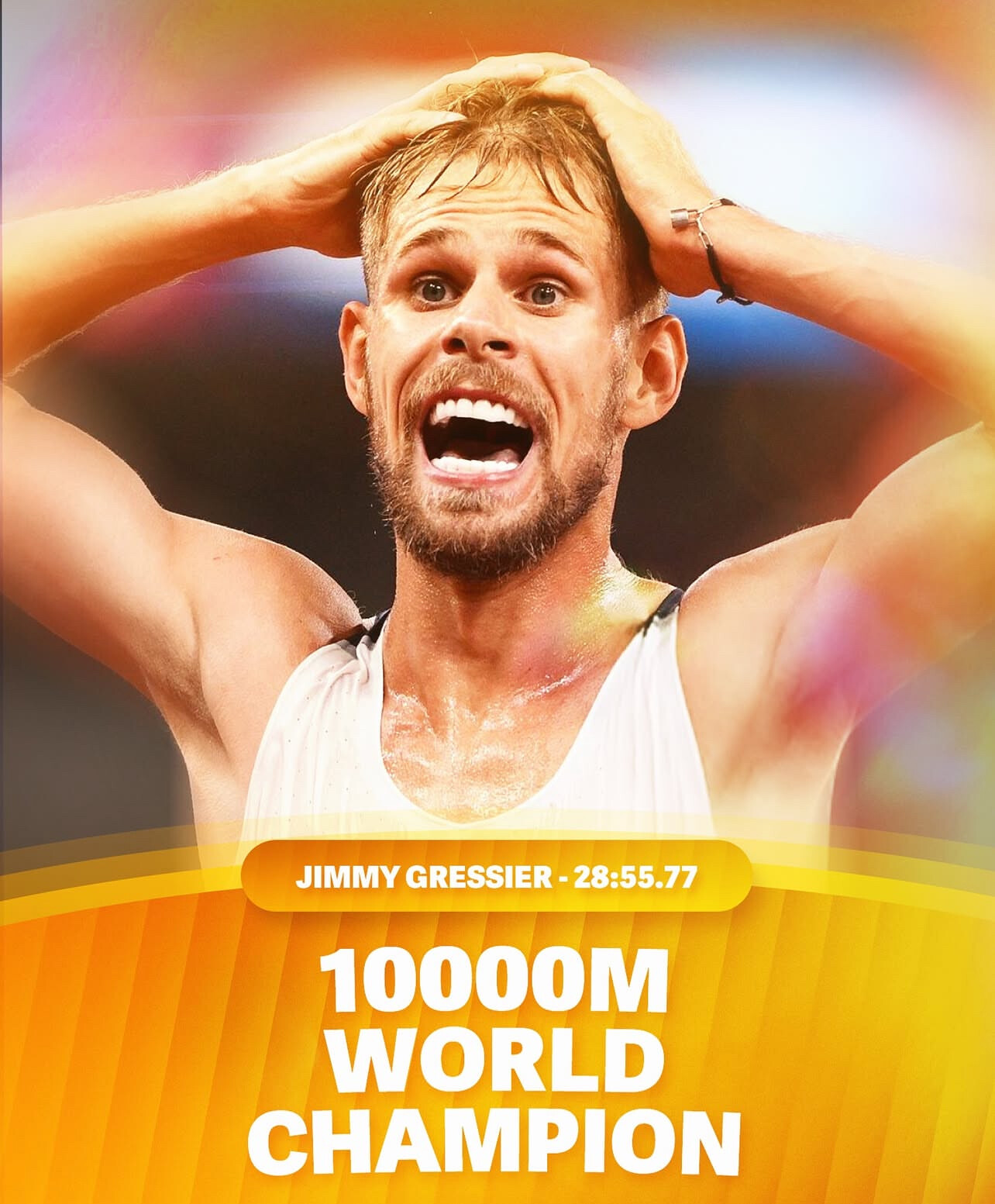
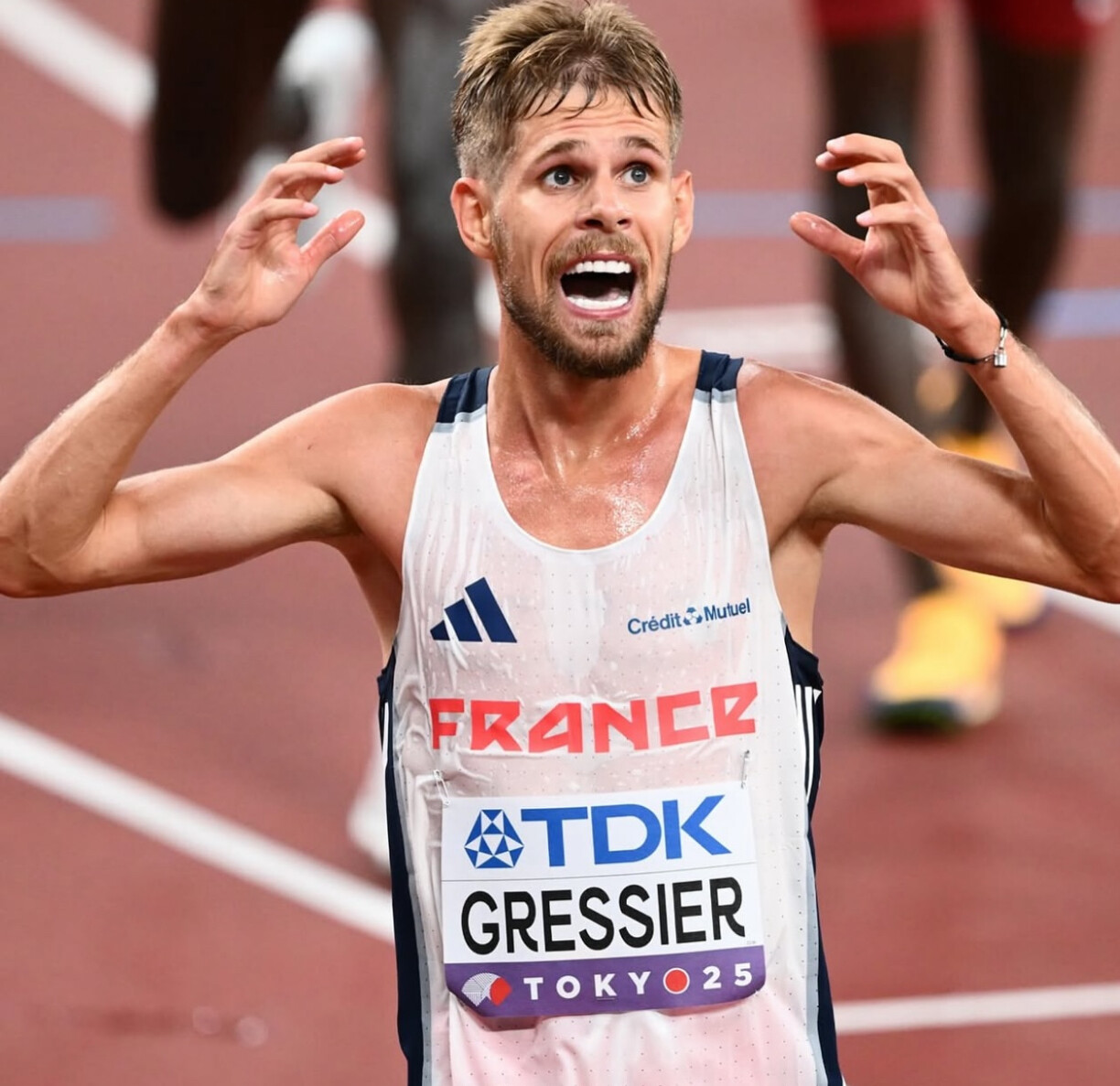
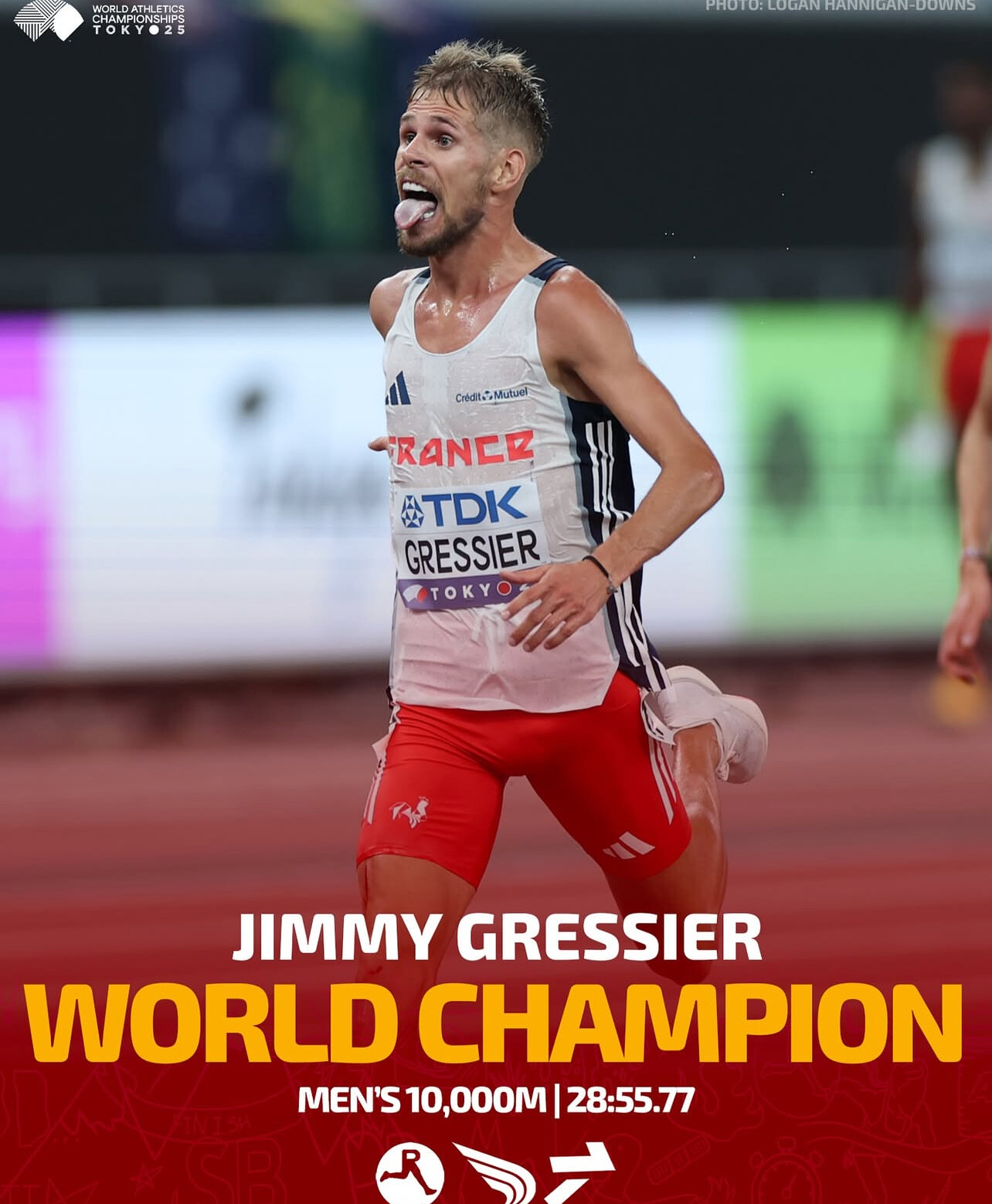
Jimmy Gressier shocks the world with stunning 10000m victory in Tokyo
France’s Jimmy Gressier stunned the athletics world in Tokyo Sept 14, sprinting past Ethiopia’s Yomif Kejelcha in the final strides to claim the men’s 10,000m world title. His winning time of 28:55.77wasn’t about records — it was about patience, tactics, and a devastating final kick. With that surge, Gressier became the first non–East African-born world champion in the event since 1983.
But for those who have followed his career, this moment wasn’t magic out of thin air. It was years in the making.
Building Blocks: Cross-Country and U23 Glory
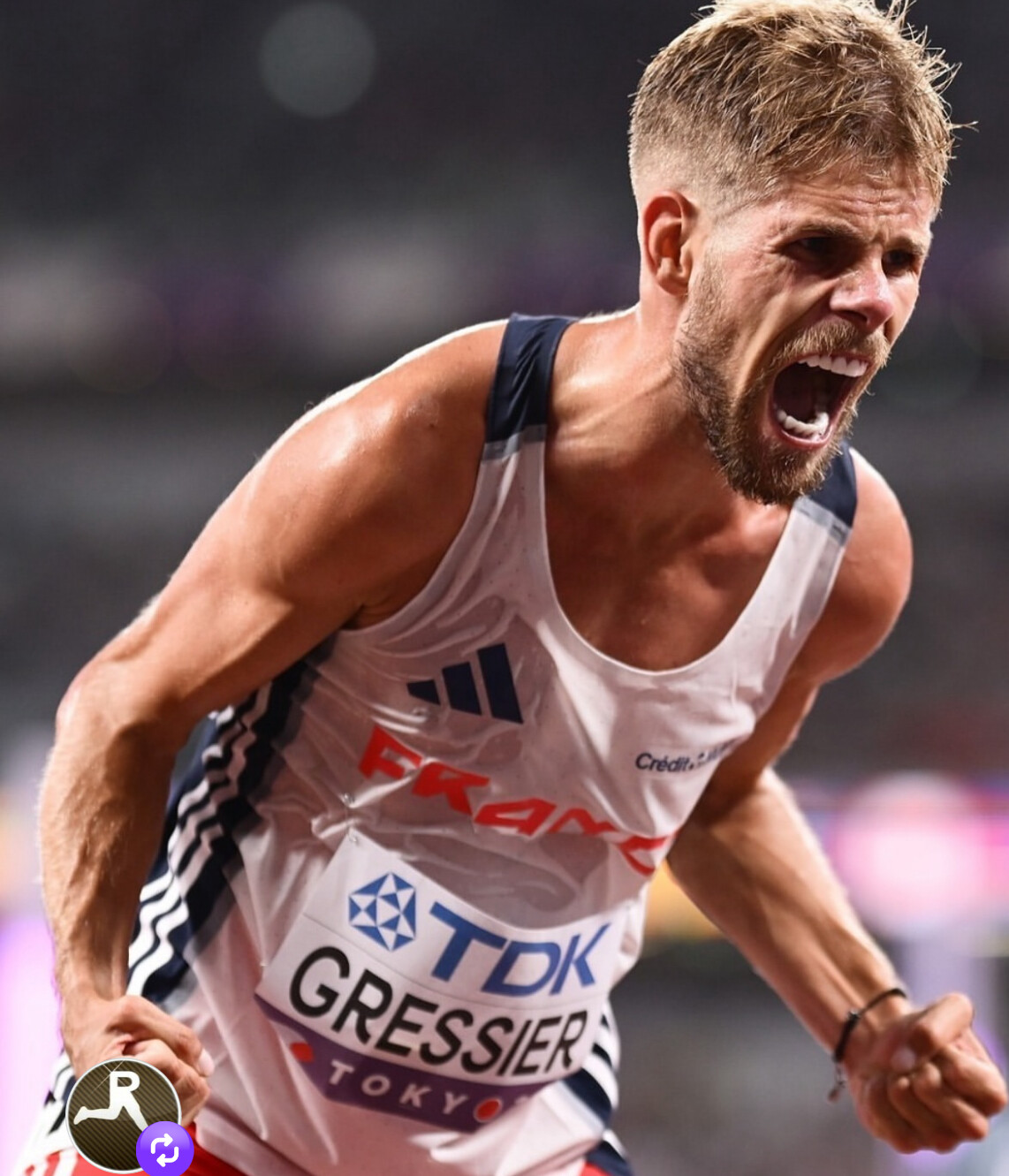
Born May 4, 1997, in Boulogne-sur-Mer, France, Gressier’s rise began on the fields of European cross-country. Between 2017 and 2019, he won three consecutive U23 European Cross-Country Championships, showcasing his toughness in cold, muddy races far from the track’s bright lights.
At the 2019 European U23 Championships, he doubled up to win gold in both the 5,000m and 10,000m, proving his versatility and hinting at bigger things to come.
Records on Track and Road
Gressier has rewritten France’s distance running records, and in some cases Europe’s.
• European 5K road record: In 2025, he became the first European to break the 13-minute barrier on the roads, clocking 12:57.
• French national records: He has owned the national bests in both the 5,000m and 10,000m on the track.
• Range: From 3,000m indoors to road races, Gressier has consistently proven his speed and endurance.
These performances made him one of Europe’s most promising distance runners, but until Tokyo he hadn’t converted that talent into senior global hardware.
Close Calls and Lessons Learned
The near misses added to his hunger.
• At the 2021 Tokyo Olympics, he finished 13th in the 5,000m.
• At the 2022 World Championships in Eugene, he placed 11th in the 10,000m.
• At the 2022 European Championships in Munich, he narrowly missed the podium, finishing 4th in the 10,000m.
Each result showed progress, but also left him on the outside looking in when medals were awarded.
The Breakthrough in Tokyo
That changed on a humid night at the 2025 World Championships. The men’s 10,000m was run cautiously, the pack conserving energy for the inevitable burn-up over the final lap. When the bell rang, Gressier positioned himself perfectly. His closing burst in the home straight carried him past Kejelcha by just 0.06 seconds, with Sweden’s Andreas Almgren snatching bronze behind them.
It was a win not just for Gressier, but for European distance running — a reminder that the East African dominance of the 10,000m can be challenged.
Jimmy Gressier celebrates on the biggest stage
Until a few weeks ago, Jimmy Gressier was best known internationally for his celebrations, in particular at the European U23 cross country championshiops. Then he won the Diamond League final at 3000m with a big kick over Grant Fisher. Now he is world champion at 10,000m. He said, “It was a dream, and today I can say it: I am world champion.”
Gressier had shown flashes internationally (5th at the World Road Running Champs in the half marathon), but nothing on the track. He was 13th at last year’s Olympics (one spot behind Nico Young) and only 5th in a tactical European 10,000. He had never medalled at Europeans on the track and had a best finish of just ninth in four previous global finals across the 5,000 and 10,000. But he has run pbs this year in the 1500 (3:32), 3000 (7:30), and 5,000 (12:51), and after his big finish got him the Diamond League win, Gressier said he started to believe anything was possible at Worlds.
He explained: “I surprised myself in Zurich, but not today… I knew I could repeat the same plan, and that’s exactly what happened.” Gressier waited until the final 100m to attack and zig-zagged down the home straight to the title.
What Comes Next
At only 28, Gressier’s career is still entering its peak. With records behind him and now a world title to his name, the Frenchman has options: chasing more global medals on the track, doubling up in the 5,000m, or testing himself further on the roads.
For now, his Tokyo triumph stands as a moment of validation. Years of persistence, hard lessons, and belief came together in a single sprint — and Jimmy Gressier crossed into history.
by Boris Baron
Login to leave a comment
The Untouchable Record: Jarmila Kratochvílová’s 800m Mark Still Stands 42 Years Later — But Should It?
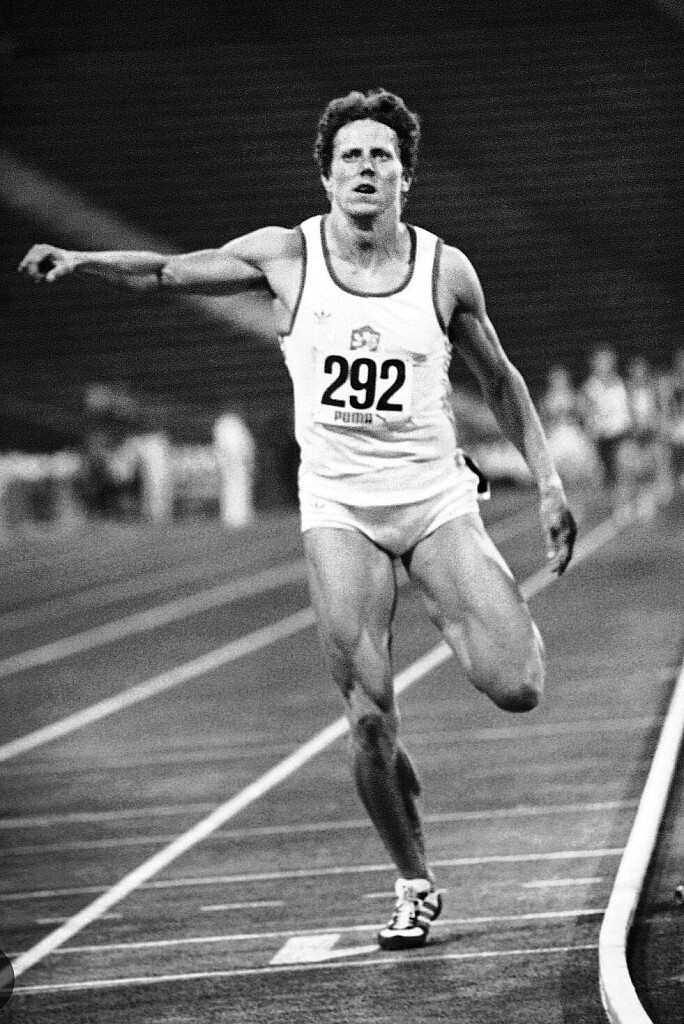
In the fast-evolving world of athletics, records are made to be broken — except, it seems, for one. On July 26, 1983, in Munich, Czechoslovakia’s Jarmila Kratochvílová ran an astonishing 1:53.28 in the women’s 800 meters. Four decades later, that time remains the oldest unbroken individual world record in track and field history.
It has withstood super spikes, altitude training, hyper-focused coaching, and the world’s most gifted middle-distance runners. Olympic champions like Caster Semenya and Athing Mu have come close, but none have truly threatened it. Which begs the question — how did a performance like this come to be? And should it still be recognized?
A Record Born in a Different Era
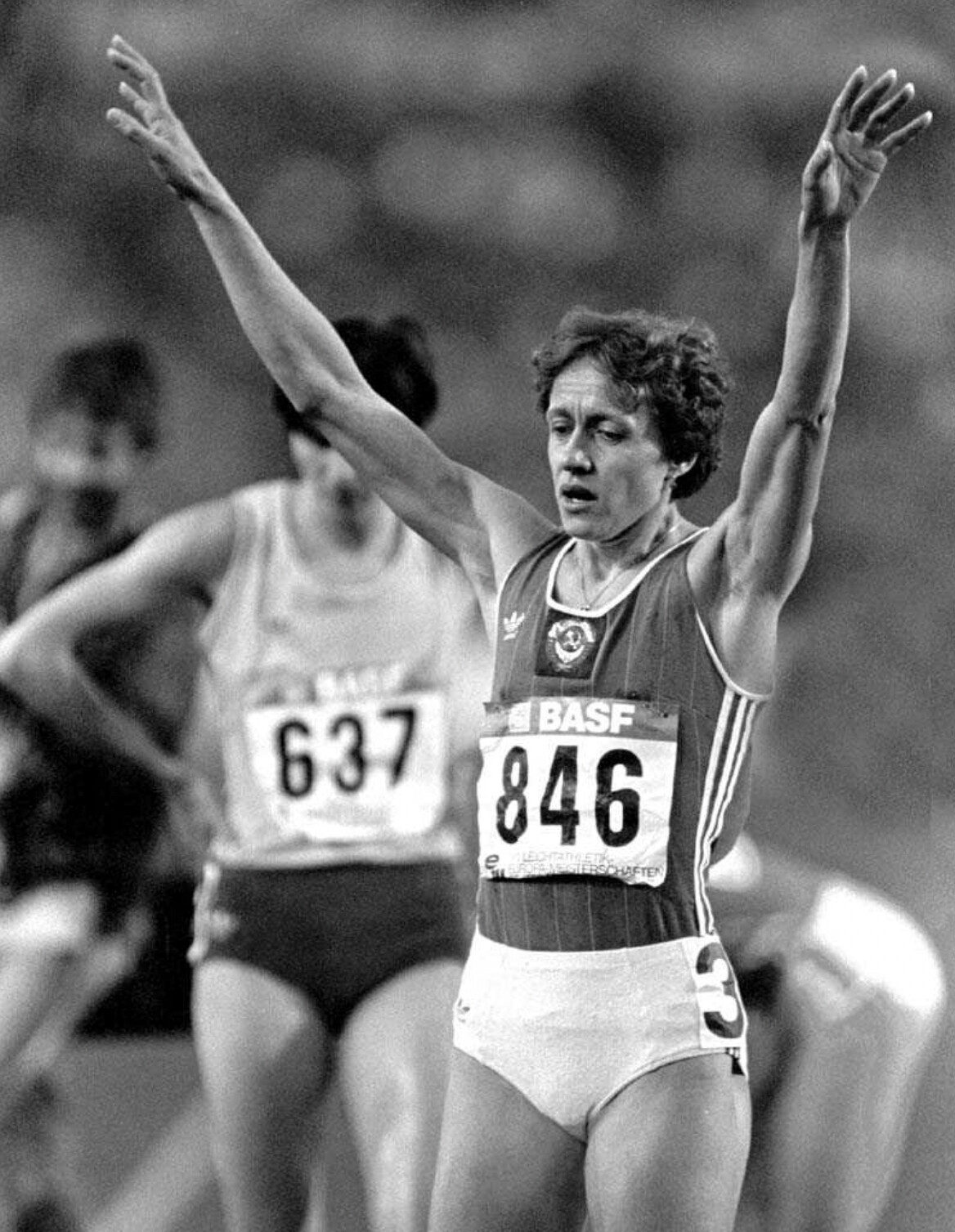
Kratochvílová’s performance came at a time when Eastern Bloc nations, including Czechoslovakia, were deep into state-sponsored sports programs. In that era, the line between elite preparation and banned enhancement was often blurred. Many athletes from that period, particularly from East Germany and the Soviet Union, have since admitted or been linked to systemic doping programs.
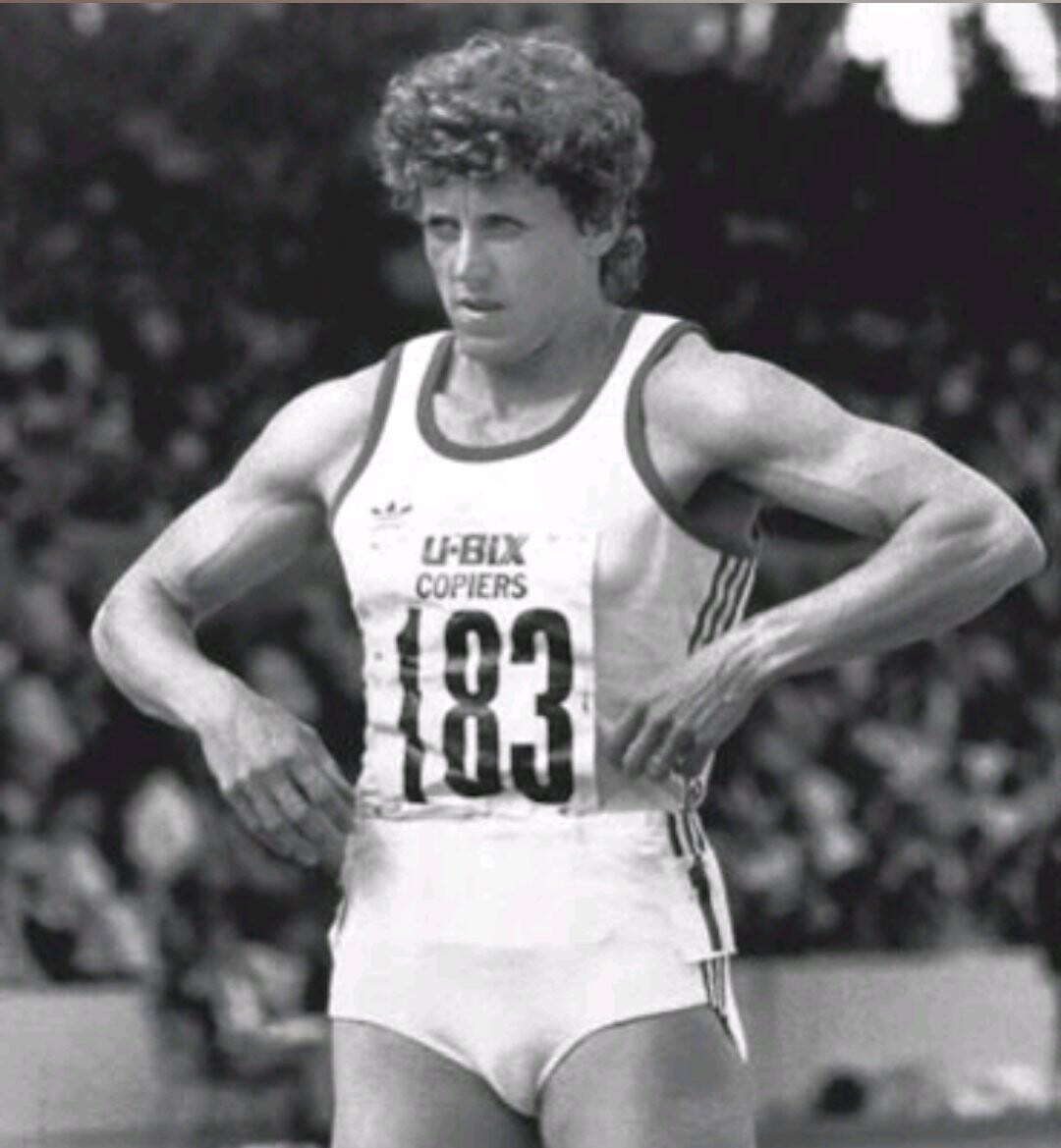
While there has been no formal proof that Kratochvílová used banned substances, the context raises suspicions. Her physical appearance — muscular, powerful, and more commonly compared to male counterparts than to female contemporaries — only added to the speculation. Combined with her unprecedented strength over both 400m and 800m distances, critics argue that the performance is not only unmatched, but possibly unnatural.
Why the Doubts Persist
• Performance Gap: Her time is still more than a second faster than most modern Olympic champions — a massive difference at the elite level.
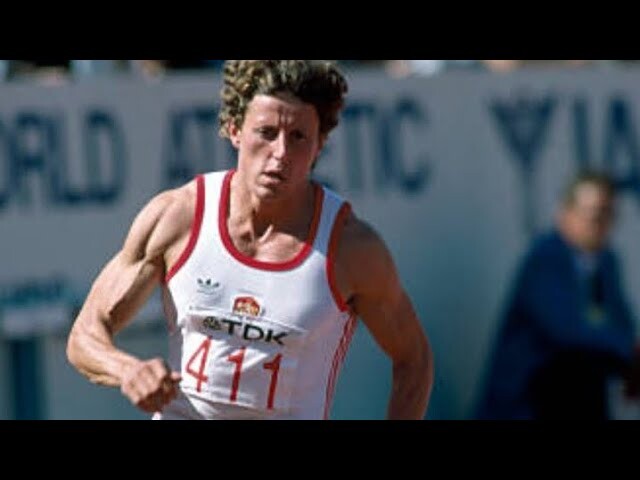
• Era of Doping: Kratochvílová competed during a time when drug testing was primitive and records were often set under questionable conditions.
• Physique & Speculation: Her highly muscular build and deep voice led some to question if she should have been eligible to compete in the women’s category — though gender testing at the time did not flag her.
• Lack of Longevity: After 1983, Kratochvílová’s presence at major championships waned. Some suggest this could point to the unsustainable nature of her peak performance.
Arguments for Letting It Stand
Supporters of the record, including Kratochvílová herself, insist that the performance was clean and the result of hard work and unconventional training. She famously avoided standard intervals and instead focused on long sessions in heavy shoes and rugged conditions. No positive test exists, and the record has survived decades of scrutiny by World Athletics.
Moreover, some point out that breaking a record doesn’t validate its legitimacy — it simply reflects the evolution of training, equipment, and talent pools. If no one has broken it yet, perhaps it’s just one of those rare, generational performances that transcends time.
Should It Be Removed?
There have been proposals — including from World Athletics — to reset all pre-2005 records due to the lack of out-of-competition drug testing during earlier decades. The suggestion faced pushback, especially from record holders who never failed a test.
But the debate continues. Some believe Kratochvílová’s 1:53.28 represents a performance that belongs to a different set of rules — and therefore shouldn’t be part of the same record book as today’s achievements. Others see it as an enduring symbol of what the human body (with or without help) once accomplished.
Final Thought
Whether you view Jarmila Kratochvílová’s 800m world record as a miraculous outlier or a relic of a flawed system, one thing is certain: it has become the ultimate benchmark. Until someone runs faster — cleanly and unquestionably — the debate will rage on. And with every passing year, this 1983 run becomes less of a record and more of a legend.
by Boris Baron
Login to leave a comment
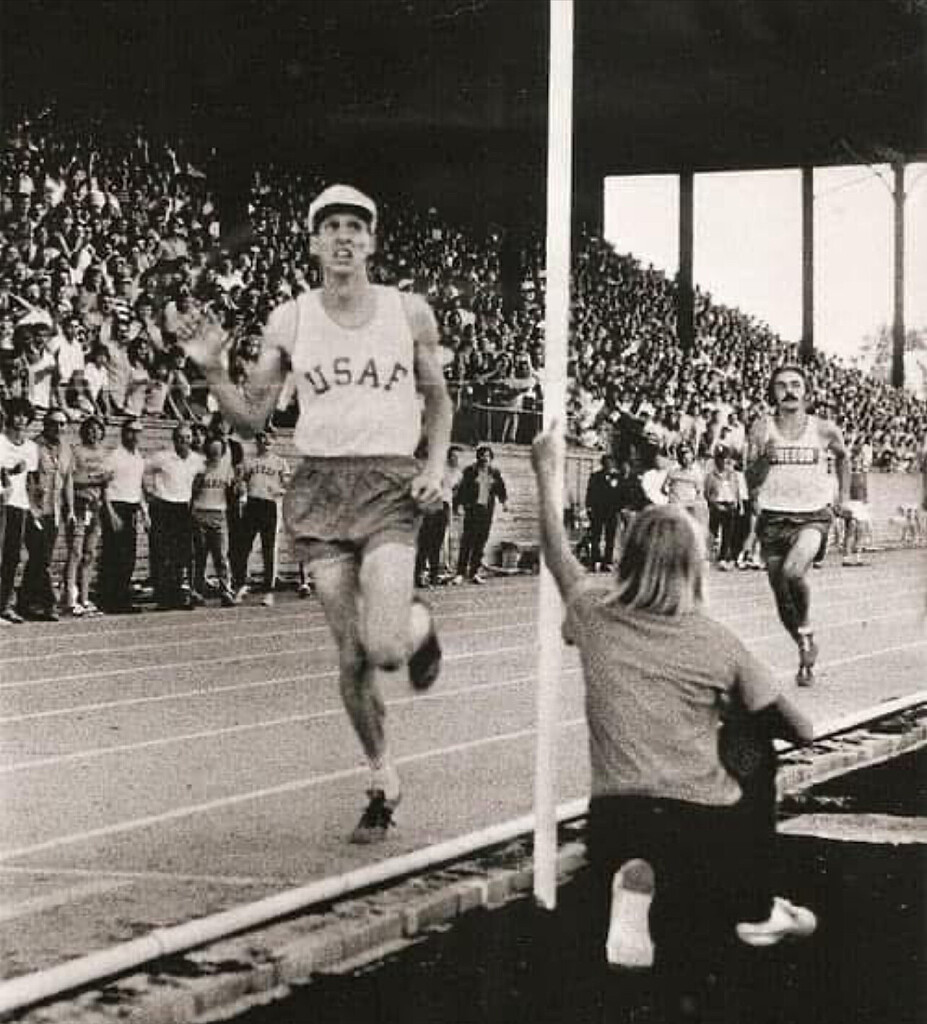
Pre vs. Wottle: The Day Eugene Witnessed a Mile Duel for the Ages
Inspired by a post from Eric Giacoletto
On June 20, 1973, Hayward Field in Eugene, Oregon, hosted one of the most legendary mile showdowns in U.S. track history—a dramatic match race between Steve Prefontaine and Dave Wottlethat captivated a sold-out crowd and etched itself into the sport’s folklore.
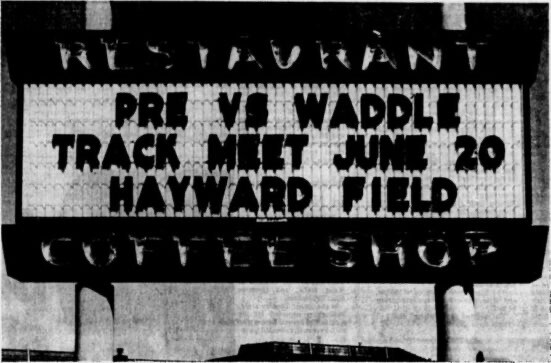
The event was the Hayward Restoration Meet, a grassroots effort to raise funds to rebuild the stadium’s deteriorating wooden grandstands, which had been condemned by the Eugene Fire Department. Prefontaine, ever the promoter and competitor, helped organize a marquee matchup to fill the stands and elevate the cause.
Pre invited Dave Wottle, who was then riding high after winning gold in the 800 meters at the 1972 Munich Olympics, for a one-mile race that would bring elite energy to Eugene. Wottle accepted the challenge.
According to Giacoletto’s telling, Prefontaine told Wottle:
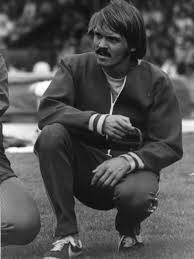
“We’ll go after the world record in the mile, and I’ll set the pace. I’ll bring you through in 2:56, and then it’s each man for himself on the last lap.”
On race day, true to his word, Pre hit the 880-yard mark in 1:56.8 and the three-quarter mile in 2:56.0—perfect pacing for a potential world record.
But with just over 220 yards remaining, Wottle unleashed his signature long sprint. In front of a roaring Hayward crowd, Wottle surged past Pre to win in 3:53.3, the third-fastest mile in history at the time, behind only Jim Ryun’s 3:51.1 world record (1967) and Marty Liquori’s 3:52.2 (1971).
Prefontaine finished second in 3:54.7, which tied him for ninth on the all-time list. John Hartnett of Villanova and Ireland kicked hard to take third in 3:54.8, placing 11th all-time.
Why This Race Still Resonates
• It was Wottle’s career-best mile, proving his range extended well beyond 800 meters.
• It showed Prefontaine’s commitment to elevating the sport, even at the risk of losing.
• It became a key chapter in Hayward Field’s history and Oregon’s running identity.
As Eric Giacoletto beautifully summarized, this was “an epic day in track nerd history”—a pure demonstration of guts, pacing, and competitive fire that helped shape American distance running.
by Boris Baron
Login to leave a comment
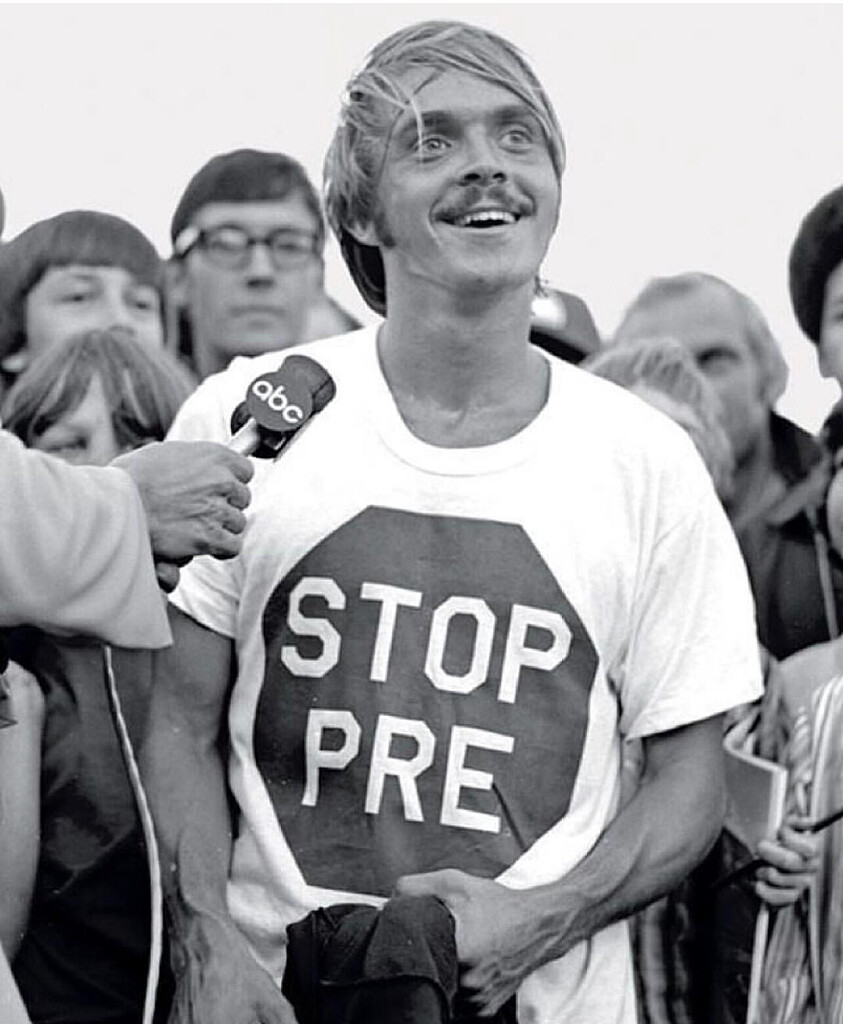
Remembering Steve Prefontaine: 50 Years Since His Untimely Passing
On May 30, 1975, the running world lost one of its most charismatic and determined figures: Steve Prefontaine. Known simply as “Pre,” he wasn’t just a distance runner—he was a phenomenon, captivating fans with his relentless style and rebellious spirit. As we mark 59 years since his passing, let’s celebrate his life by sharing stories and facts that many may not know.
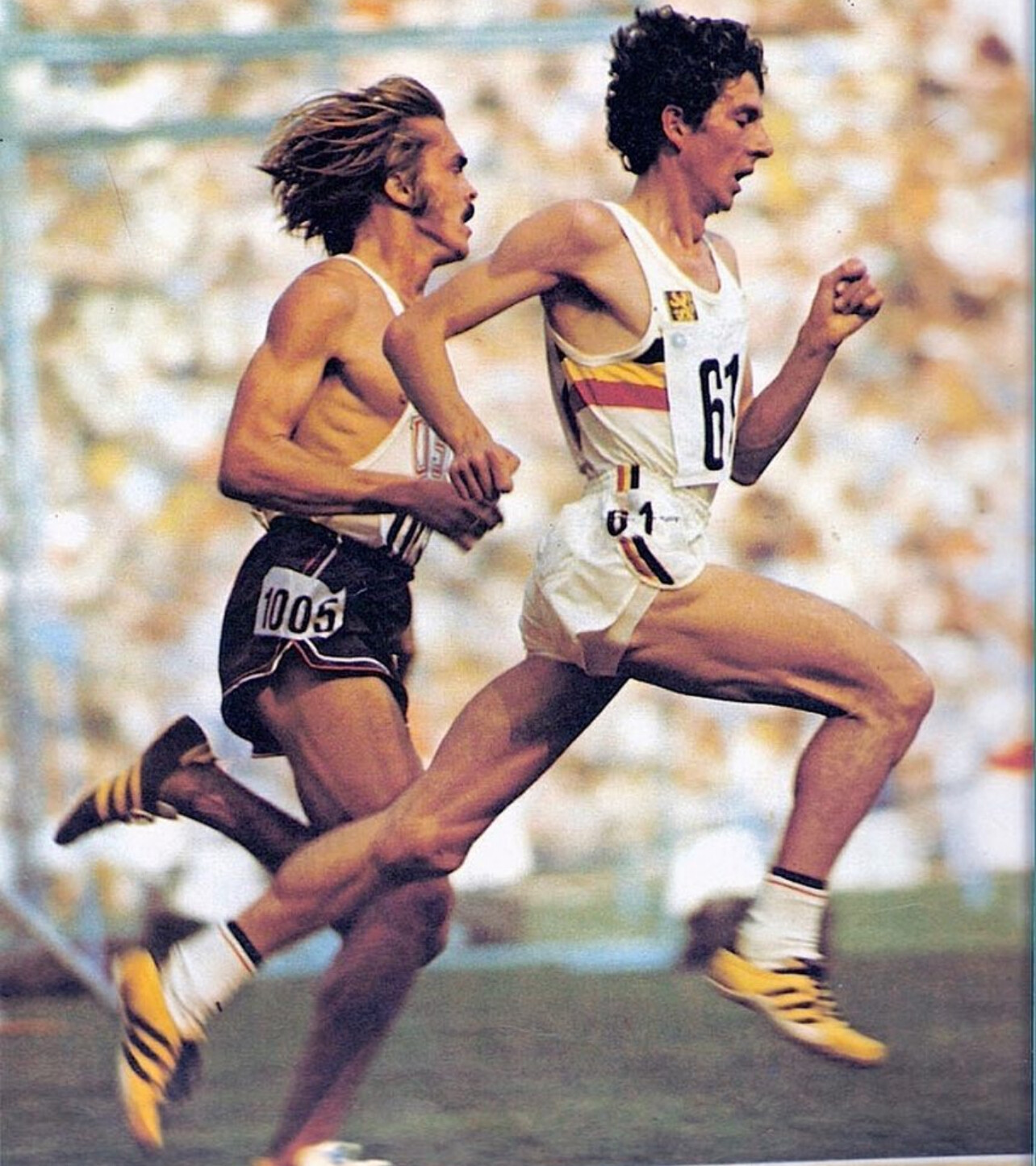
The Man Behind the Legend
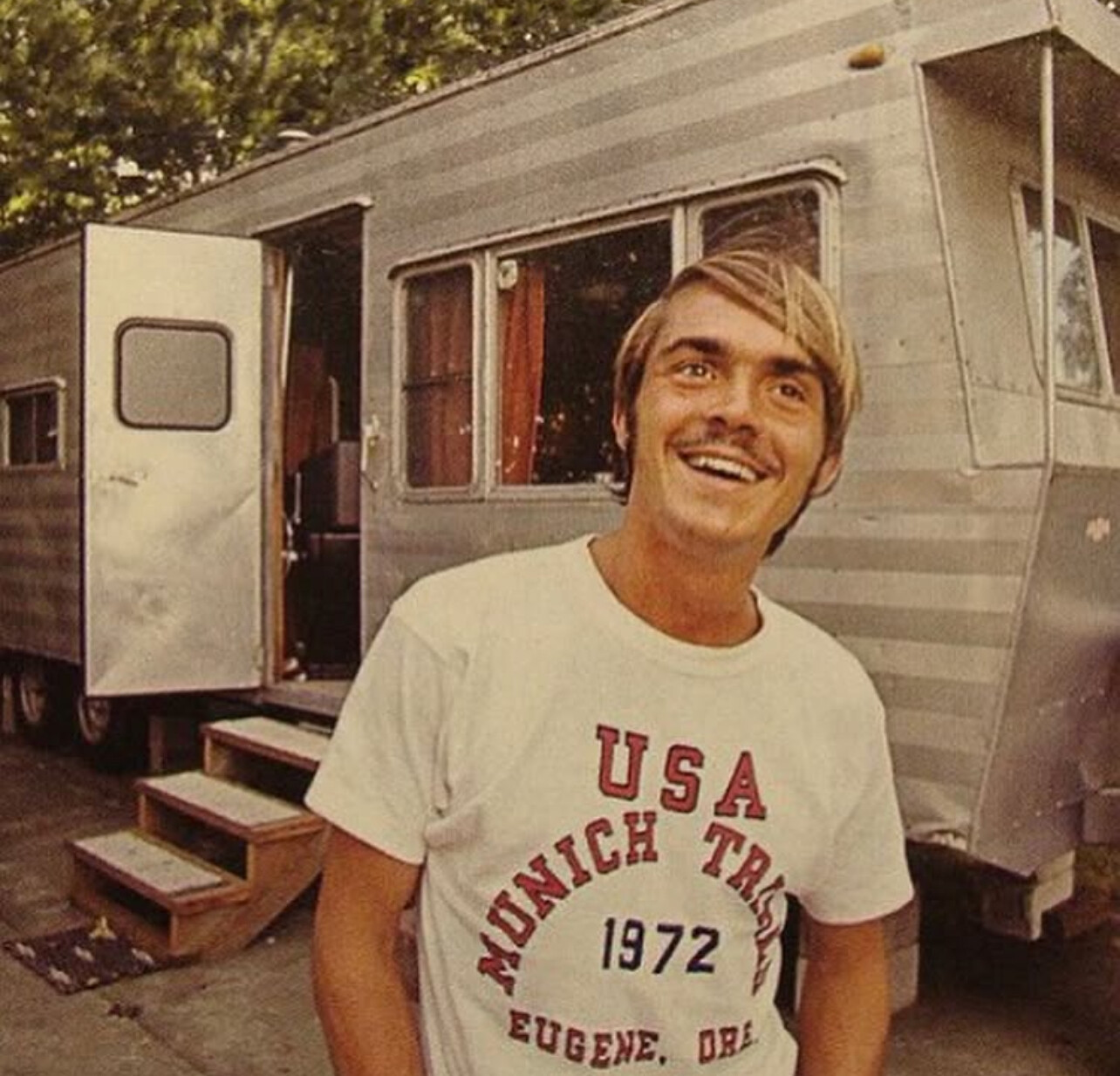
Born in Coos Bay, Oregon, Steve Prefontaine became a running icon in an era dominated by more conservative racing strategies. His front-running style—pushing the pace from the gun—symbolized not just his physical prowess but his sheer will to win.
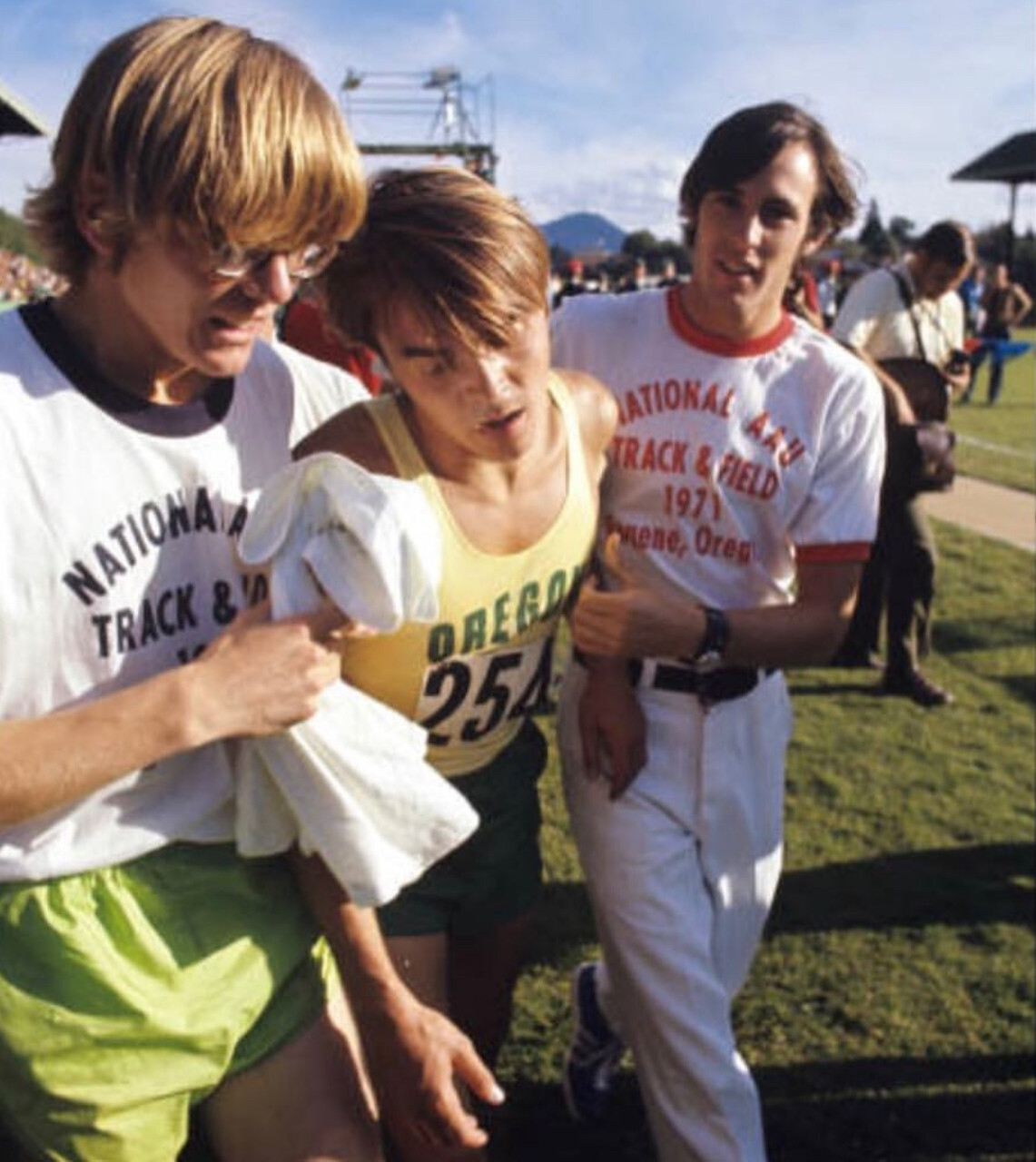
While many remember his records, charisma, and tragic death at age 24, there’s more to Pre’s story:
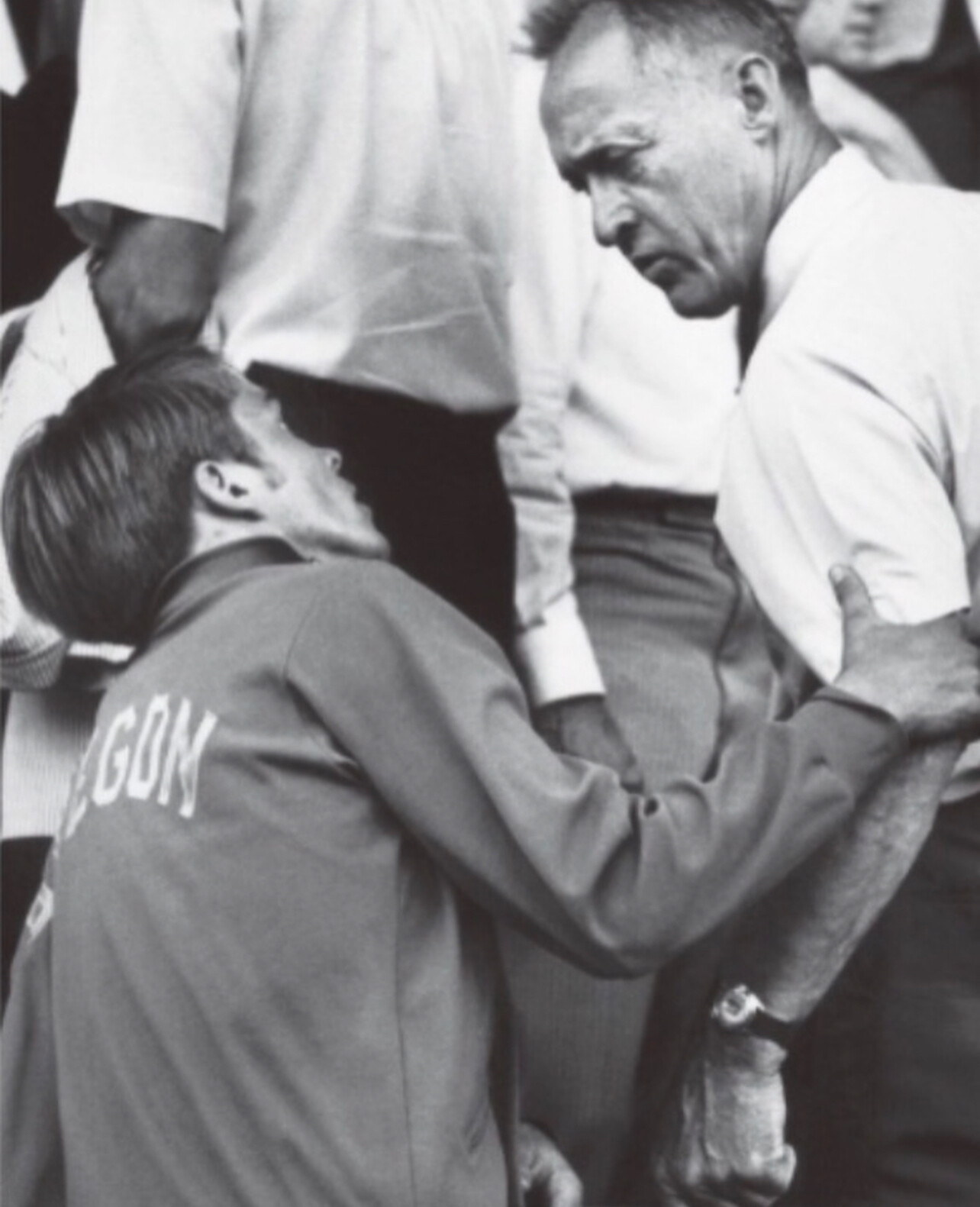
Lesser-Known Facts About Steve Prefontaine
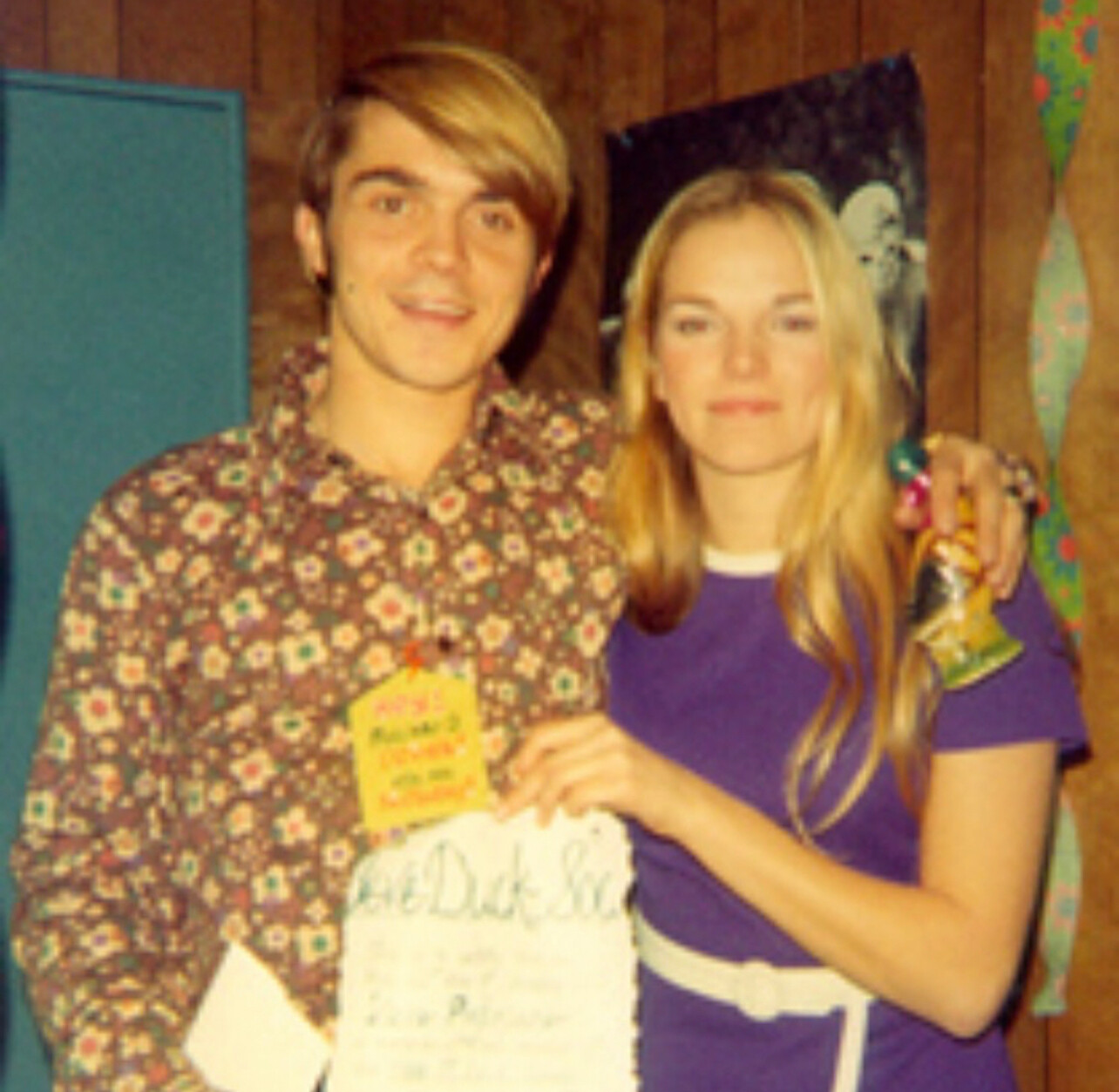
✅ His First Love Was Football
Before he discovered distance running, Prefontaine dreamed of playing football. His small stature (just over 5’9”) eventually led him to cross-country and track, where his natural talent shone.
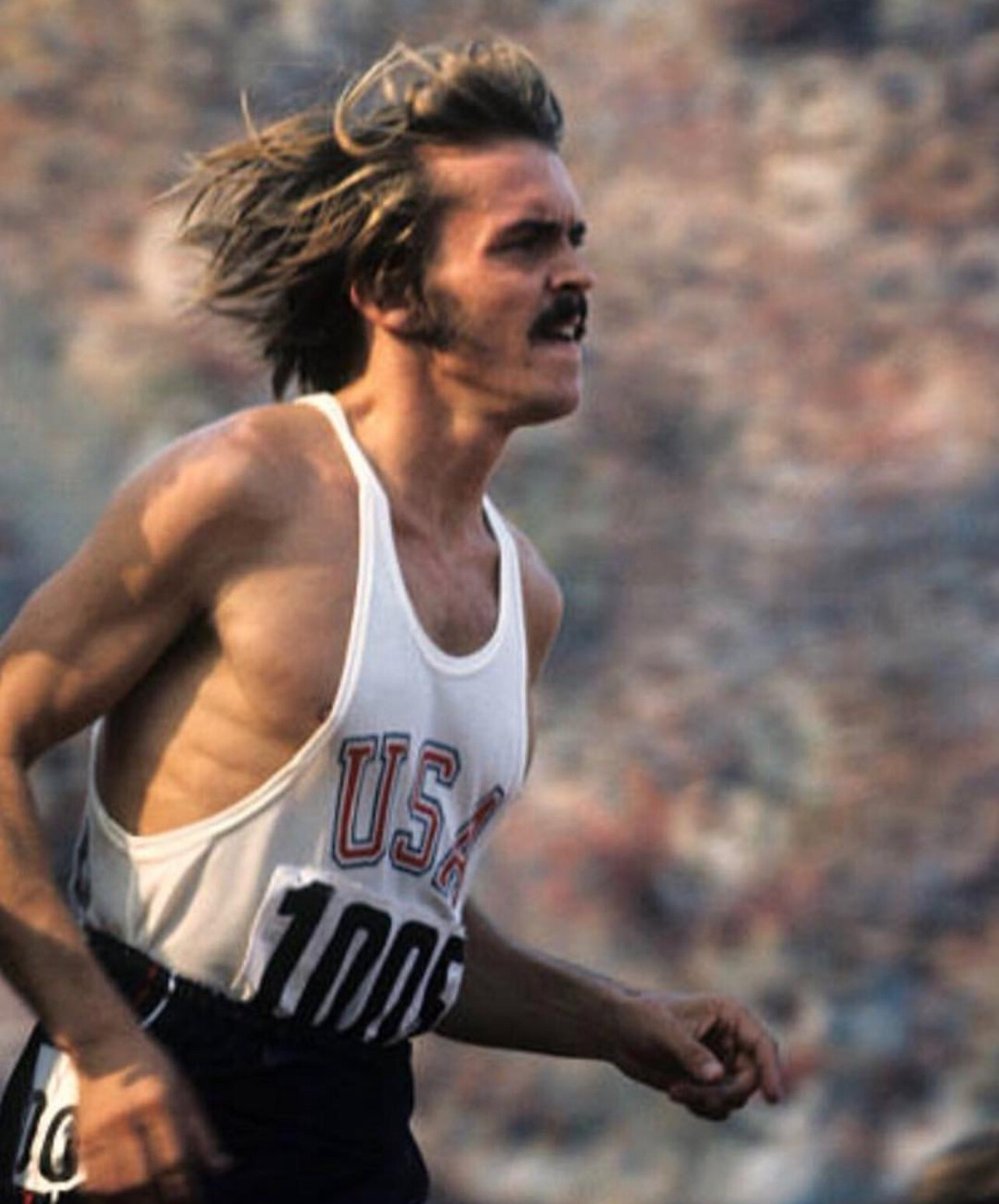
✅ He Was a Student of the Sport
Pre wasn’t just a competitor—he was a student of running. He meticulously logged his workouts and was known to study race tactics and course layouts in detail, even though he famously raced “without a watch.”
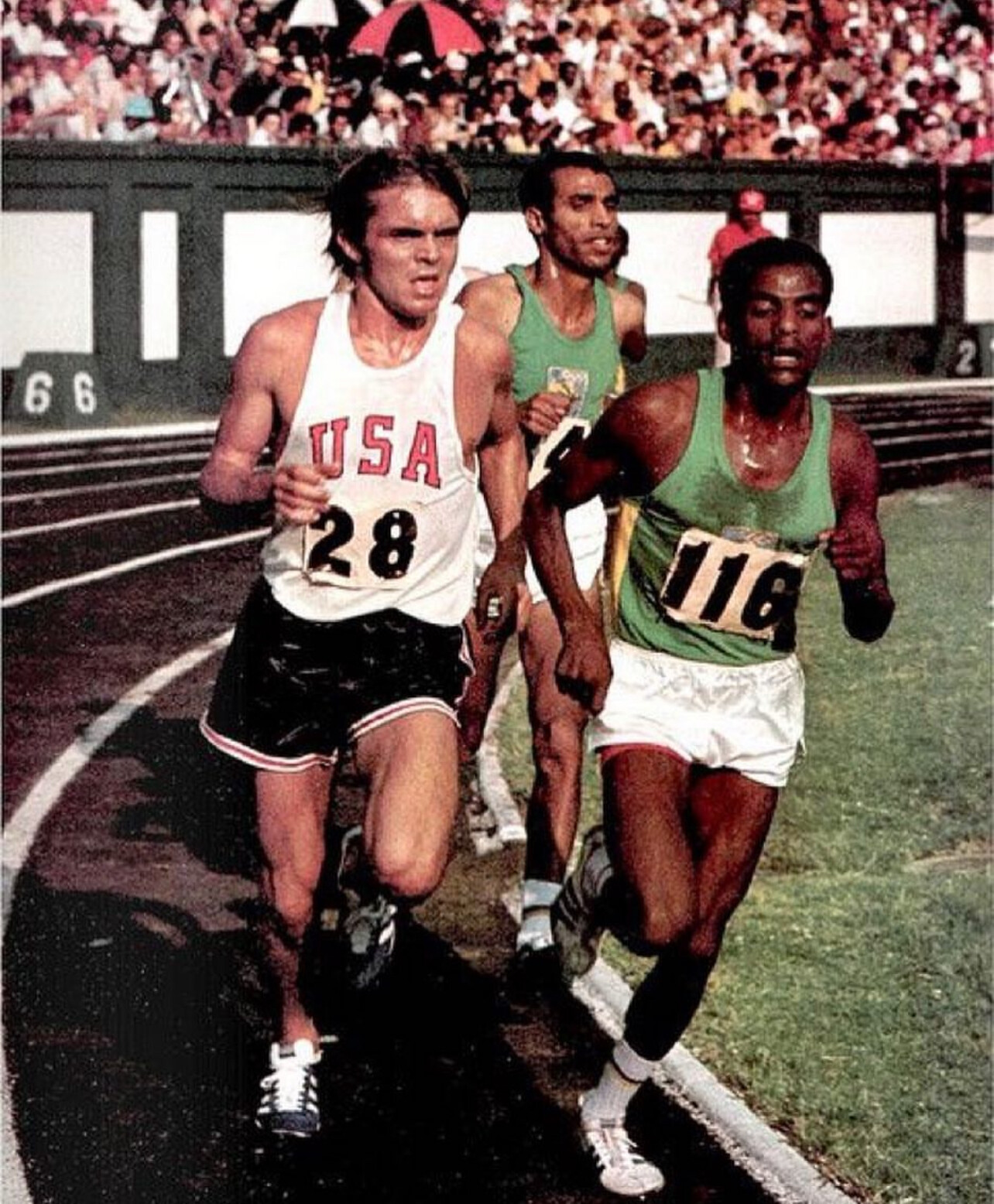
✅ He Worked Hard Off the Track
While at the University of Oregon, Prefontaine worked part-time at a bar called The Prince Pückler’s Ice Cream Parlor to make ends meet. He was known for being personable and engaging with customers.
✅ He Advocated for Amateur Athletes
Pre was a vocal critic of the AAU (Amateur Athletic Union) and its restrictive policies. He championed athlete rights, paving the way for future reforms in track and field compensation and professionalism.
✅ He Had an Eye for Art
Many don’t know that Prefontaine had a strong artistic side. He enjoyed sketching and was known to doodle during downtime, particularly in college.
✅ The 1972 Munich Olympics Fueled His Fire
After finishing fourth in the 5000 meters in Munich, just shy of the medals, Pre’s determination was stronger than ever. He was already planning his strategy for the 1976 Montreal Olympics—a dream tragically cut short.
✅ His Car Crash Had Controversial Theories
While officially ruled an accident (his MGB sports car flipped after hitting a rock wall), there have been whispers over the years of mechanical failure or other drivers being involved. Regardless, the crash at 24 years old left the running world stunned.
✅ He Was an Early Nike Ambassador
Phil Knight, co-founder of Nike, was an early supporter of Prefontaine. Pre wore early versions of Nike shoes and even helped test prototypes, playing a key role in building the brand’s credibility among elite athletes.
Legacy Beyond the Finish Line
Steve Prefontaine’s legacy isn’t just about times or places—it’s about spirit. His courage to lead from the front, his determination to fight for athletes’ rights, and his ability to inspire transcended the track. His story continues to resonate with runners and fans, even 59 years after his death.
As we reflect today, let’s honor Pre’s legacy not just by remembering his races, but by embracing his passion, fearlessness, and commitment to excellence.
by Boris Baron
Login to leave a comment
Kenyan Elites Eye Fast Times at Sunday’s Vienna City Marathon
The 42nd edition of the Vienna City Marathon, Austria’s premier road racing event and a World Athletics Elite Label race, is set to unfold this Sunday with over 45,000 participants—including a record 13,000 marathoners. A strong Kenyan contingent is expected to set a blistering pace as they aim for personal bests on the historic streets of Vienna.
Kenya’s Justus Kangogo (PB 2:05:57), Asbel Rutto (2:06:24), and Stanley Kurgat (2:07:05)headline a deep elite field. All three confirmed at Friday’s press conference that they’re not just here to win—they’re here to run fast.
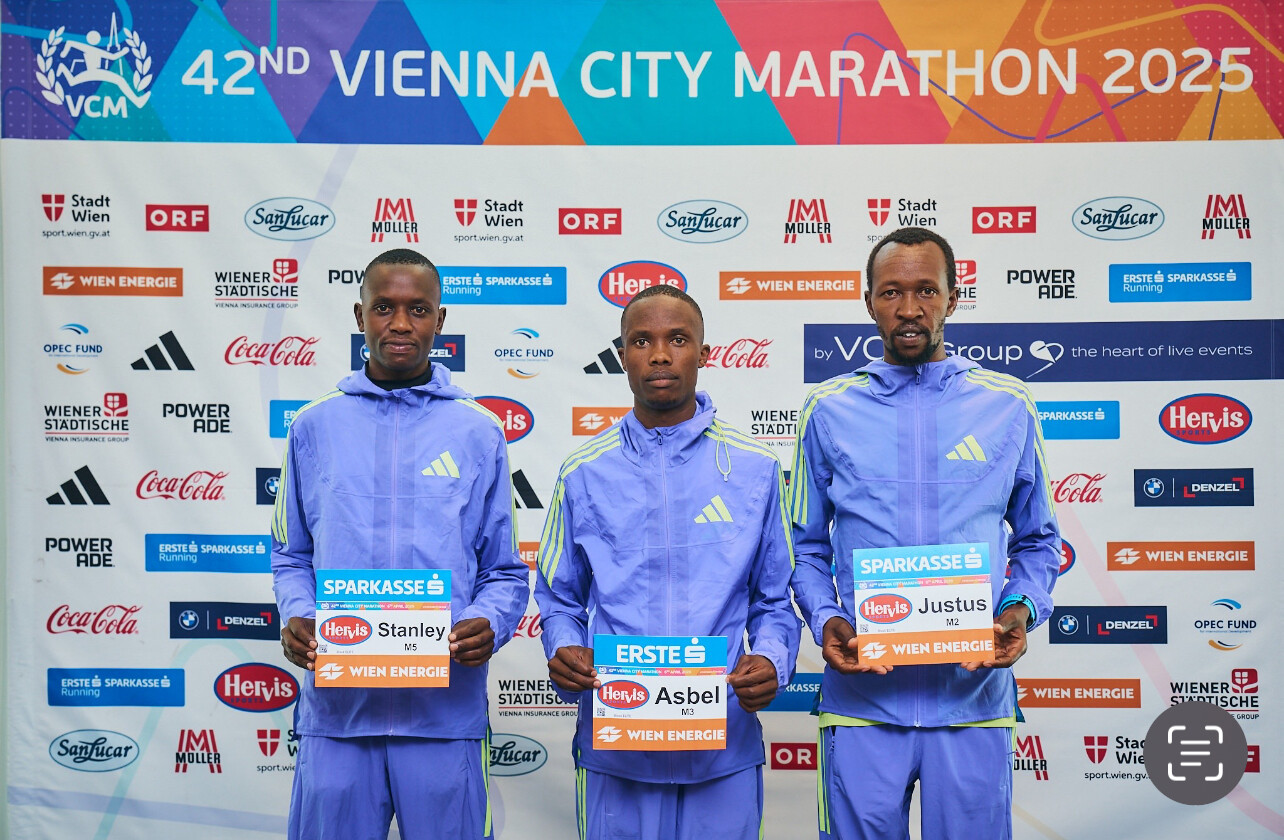
“We have an interesting elite field that should provide a thrilling race,” said Johannes Langner, elite coordinator. “Our target for the lead group is a half marathon split between 62:30 and 62:45, with a second group about a minute behind.”
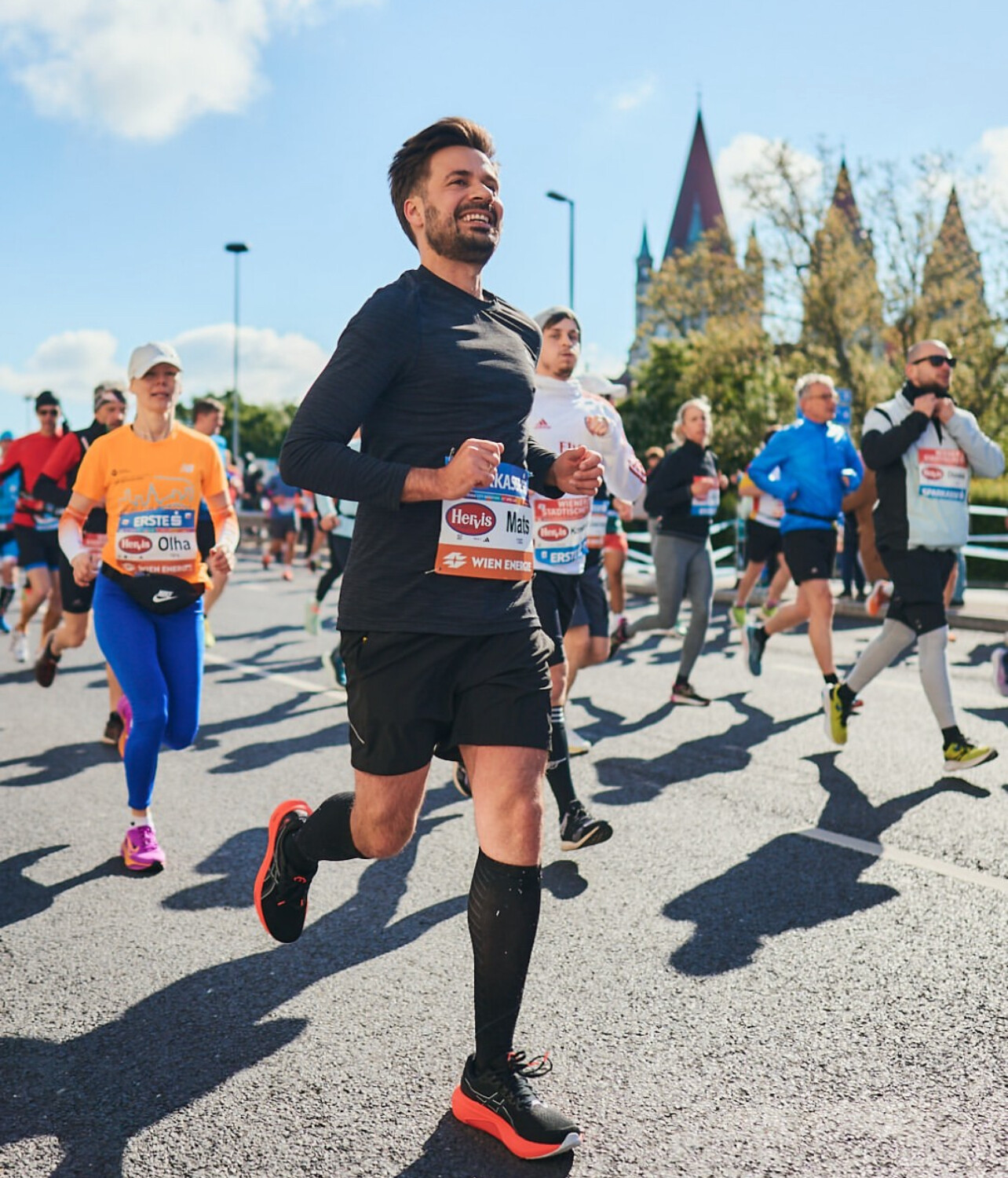
Though the forecast calls for dry but cold weather, with temperatures just above freezing at the 9 a.m. start, the elite field still has its sights set on the 2:05:08 course record.
Kangogo, who ran his PB in Berlin, said he’s eager to team up with Rutto: “I am a frontrunner as well, so we will work together. And once we finish, we will celebrate.”
Rutto made headlines with his course record victory in Rome last year, running solo to a 2:06:24 finish. “I am a frontrunner,” said the 23-year-old. “If you stay behind, you can’t win. On Sunday, I’m going for a personal best.”
Stanley Kurgat brings a strategic edge, having paced Vienna last year up to 32K. “Now I’ll go the full distance. I know this course, and even if it’s cold, it will still be a good race.”
Other strong contenders include Douglas Chebii (2:06:31), Charles Ndiema (2:08:12), and Benard Kimeli (2:08:34). Keep an eye on Bernard Muia, last year’s runner-up in Vienna, who comes in with a 2:09:17 PB from Munich. Meanwhile, Wisley Kibichii, a 59:57 half marathoner, will make his highly anticipated marathon debut.
Vienna City Marathon General Manager Dominik Konrad, son of longtime race director Wolfgang Konrad, emphasized the event’s growing impact: “We’re seeing another running boom. Entries came early and never stopped. This year’s marathon is not only a celebration of sport but also a huge boost to Vienna’s economy, with runners from 146 nations—a record.”
Top Men’s Elite Field – Personal Bests
• Justus Kangogo (KEN) – 2:05:57
• Asbel Rutto (KEN) – 2:06:24
• Douglas Chebii (KEN) – 2:06:31
• Stanley Kurgat (KEN) – 2:07:05
• Charles Ndiema (KEN) – 2:08:12
• Benard Kimeli (KEN) – 2:08:34
• Bernard Muia (KEN) – 2:09:17
• Mica Cheserek (KEN) – 2:09:26
• Kipsambu Kimakal (KEN) – 2:09:41
• Geoffrey Koech (KEN) – 2:10:12
• Haftamu Abadi (ETH) – 2:10:33
• Lemawork Ketema (AUT) – 2:10:44
• Gadisa Tajebe (ETH) – 2:11:02
• Edward Koonyo (KEN) – 2:11:24
• Evans Yego (KEN) – 2:12:56
• Henry Kichana (KEN) – 2:13:06
• Andreas Vojta (AUT) – 2:13:43
• Andrew Davies (GBR) – 2:14:23
• Daverso Ramos (PER) – 2:14:25
• Wisley Kibichii (KEN) – Debut
• Mogos Tuemay (ETH) – Debut
by Race News Service
Login to leave a comment

Vienna City Marathon
More than 41,000 runners from over 110 nations take part in the Vienna City Marathon, cheered on by hundreds of thousands of spectators. From the start at UN City to the magnificent finish on the Heldenplatz, the excitement will never miss a beat. In recent years the Vienna City Marathon has succeeded in creating a unique position as a marathon...
more...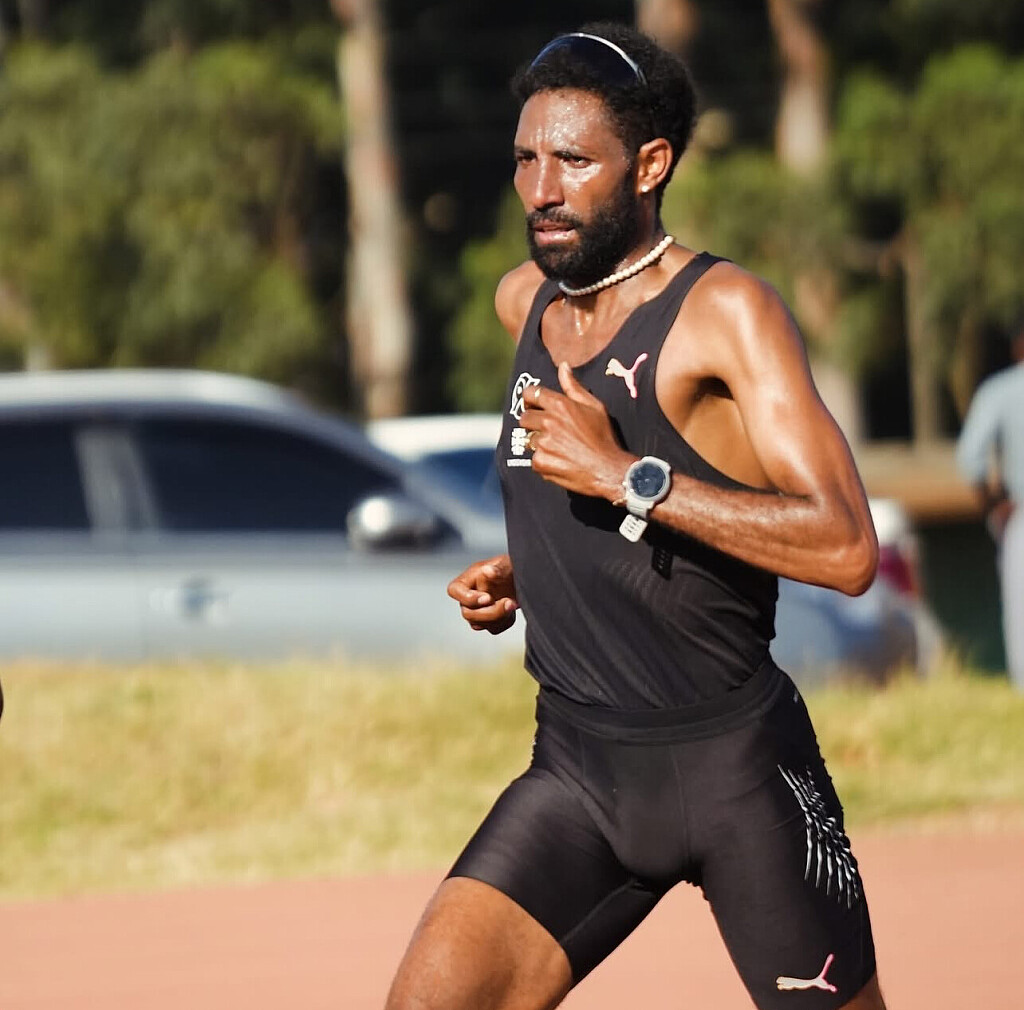
Amanal Petros - From Refugee to Record-Breaker, Eyes Set on London Marathon Glory
German marathon record-holder Amanal Petros is preparing for a significant milestone in his athletic career as he sets his sights on the 2025 London Marathon, scheduled for April 27, 2025. This event will mark his inaugural participation in the London Marathon, where he will compete alongside an elite field featuring renowned athletes such as Eliud Kipchoge and Kenenisa Bekele. Petros’s personal best of 2:04:58, achieved at the 2023 Berlin Marathon, positions him as a formidable contender in this prestigious race.
A Journey of Resilience and Achievement
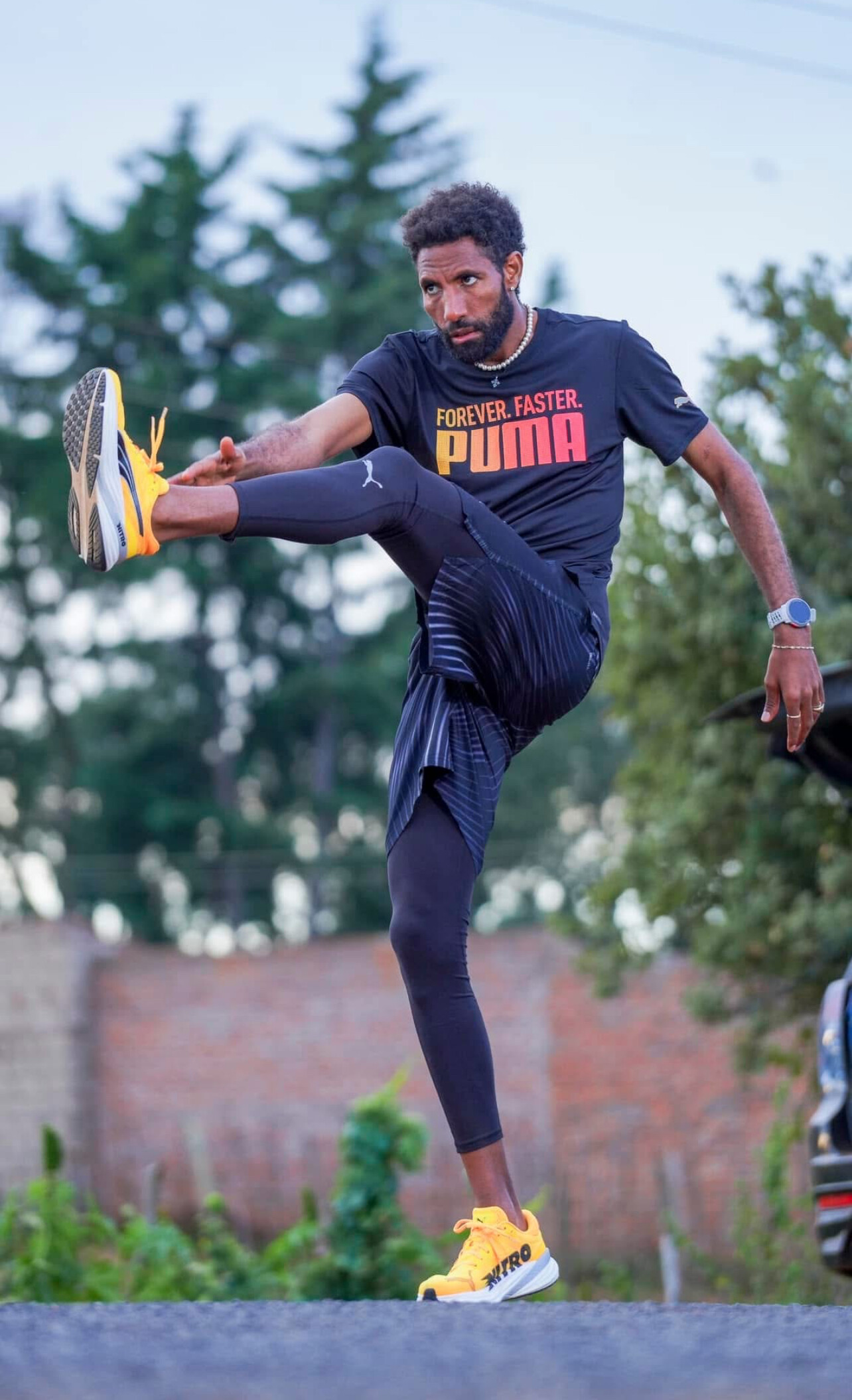
Born on May 17, 1995, in Assab, Eritrea, Petros’s early life was marked by adversity. At the age of two, his family fled the Eritrean-Ethiopian conflict, seeking refuge in Ethiopia. In 2012, as a teenager, Petros embarked on a journey to Germany, where he sought asylum and eventually acquired citizenship in 2015. It was in Germany that he discovered his passion and talent for long-distance running, setting the stage for a series of remarkable achievements.
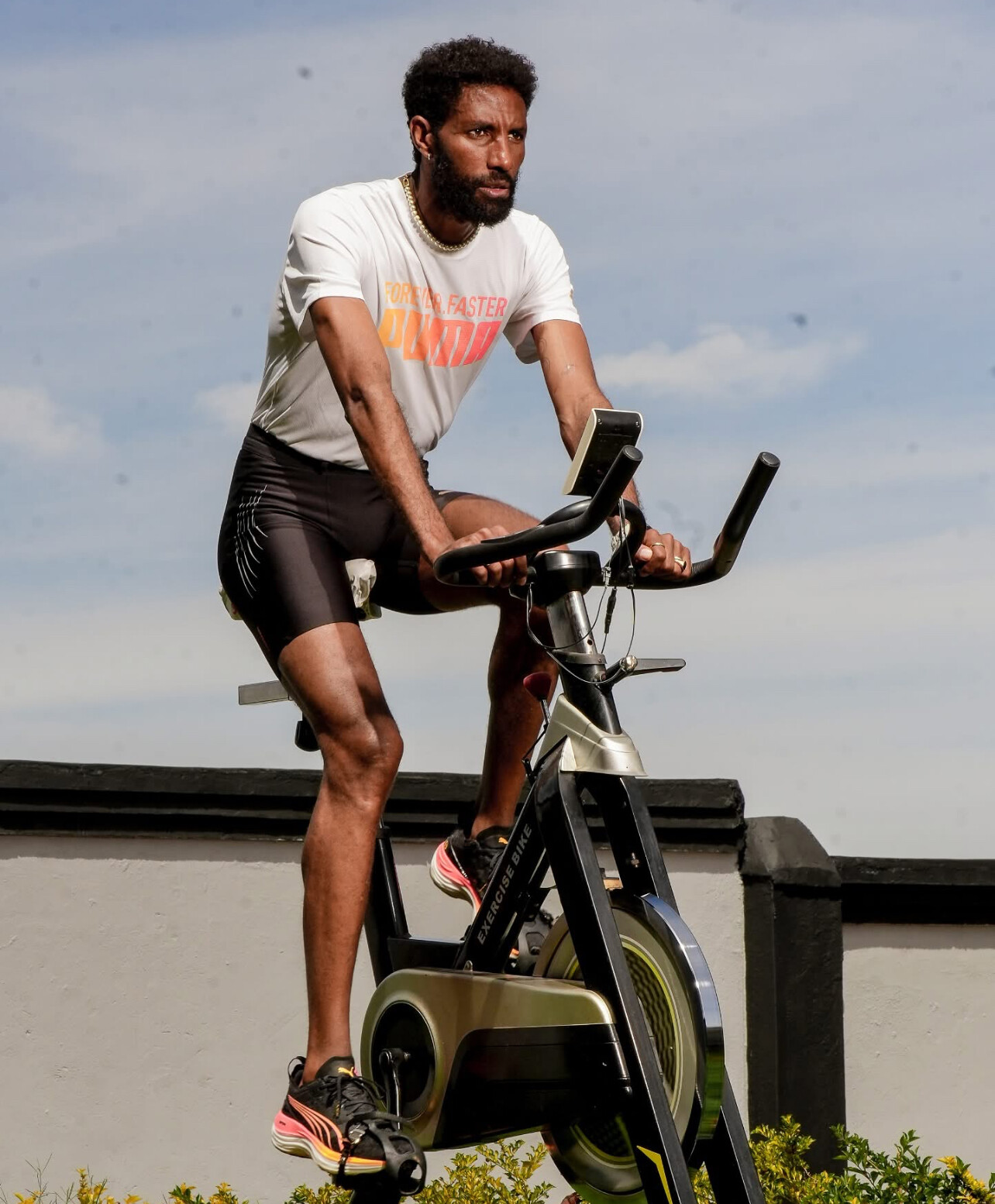
Record-Breaking Performances
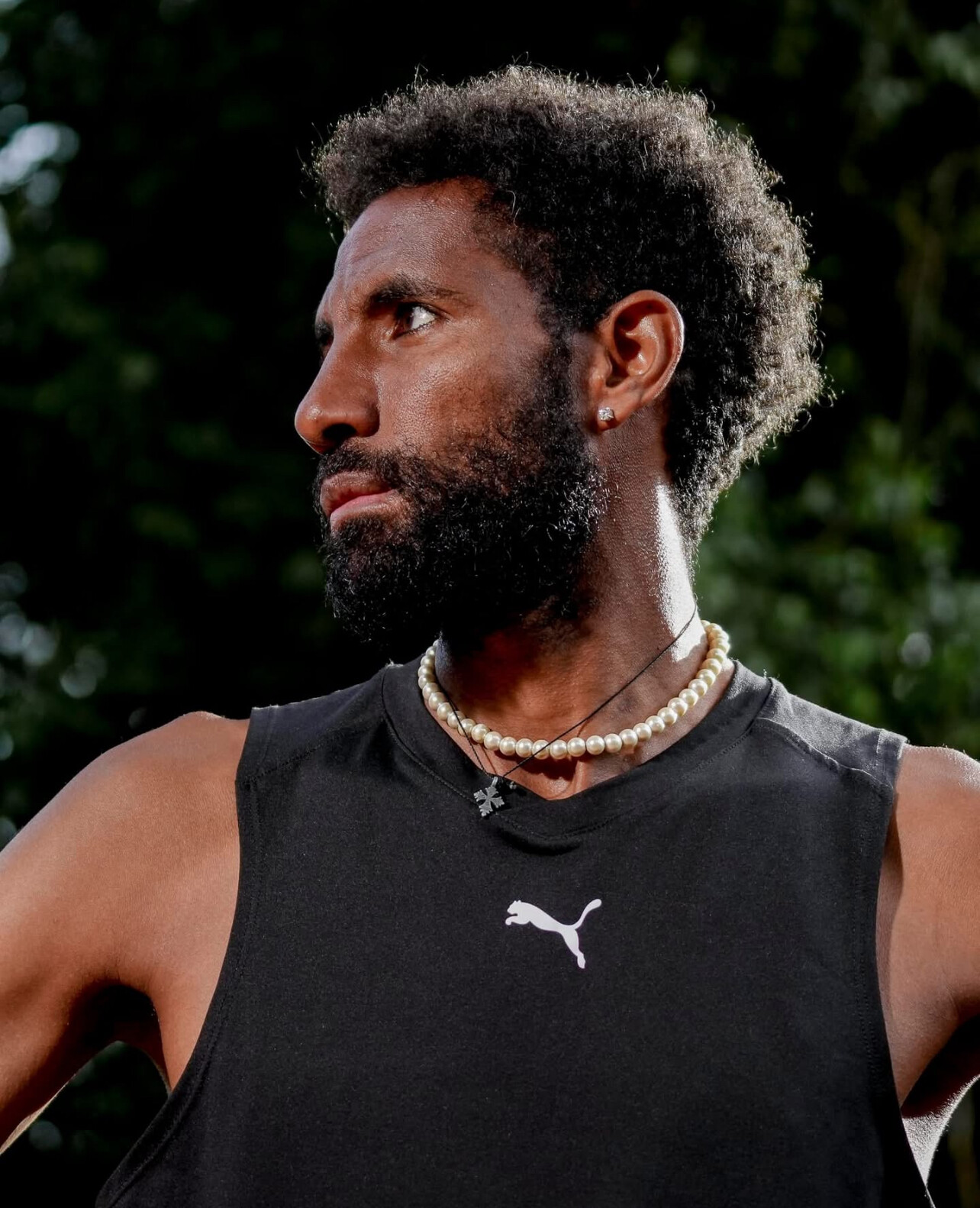
Petros’s dedication and perseverance have led to several national records:
• Marathon: German national record of 2:04:58, set at the 2023 Berlin Marathon.
• Half Marathon: National record of 1:00:09, achieved in Valencia on October 24, 2021.
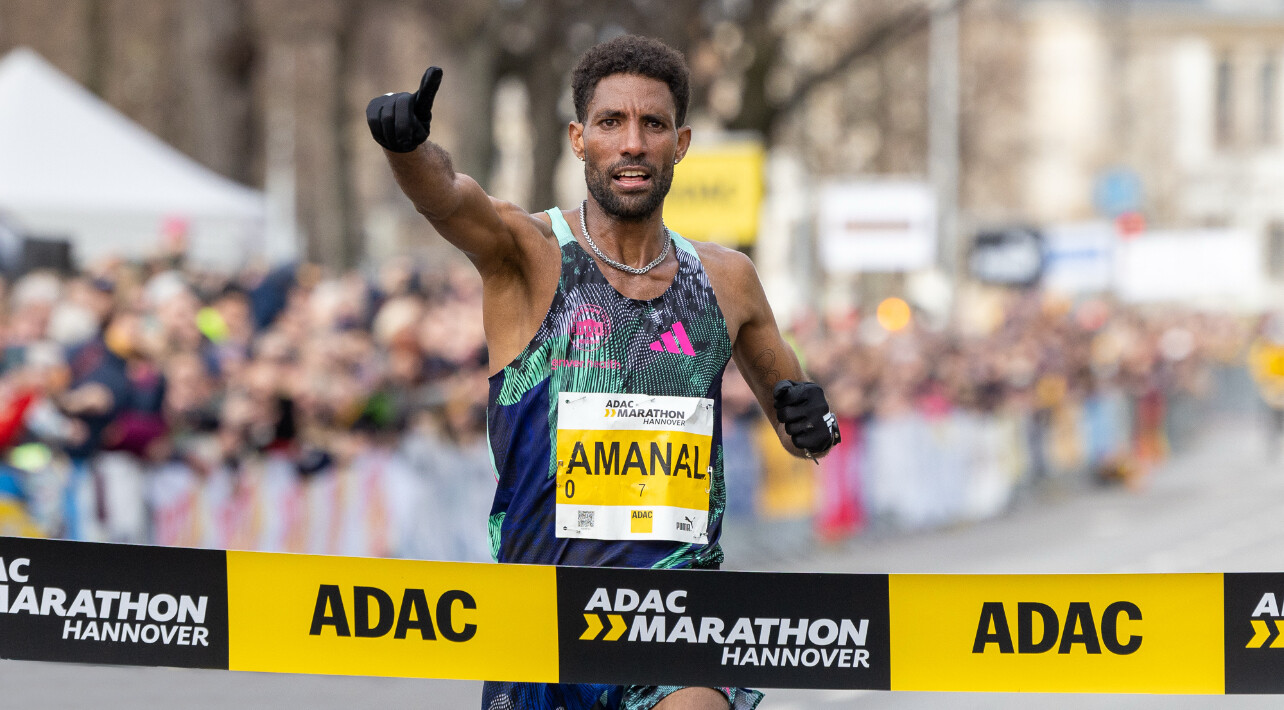
• 10 km Road Race: National record of 27:32, set in Castellón, Spain, on February 26, 2023.
International Representation
Petros has proudly represented Germany on the international stage:
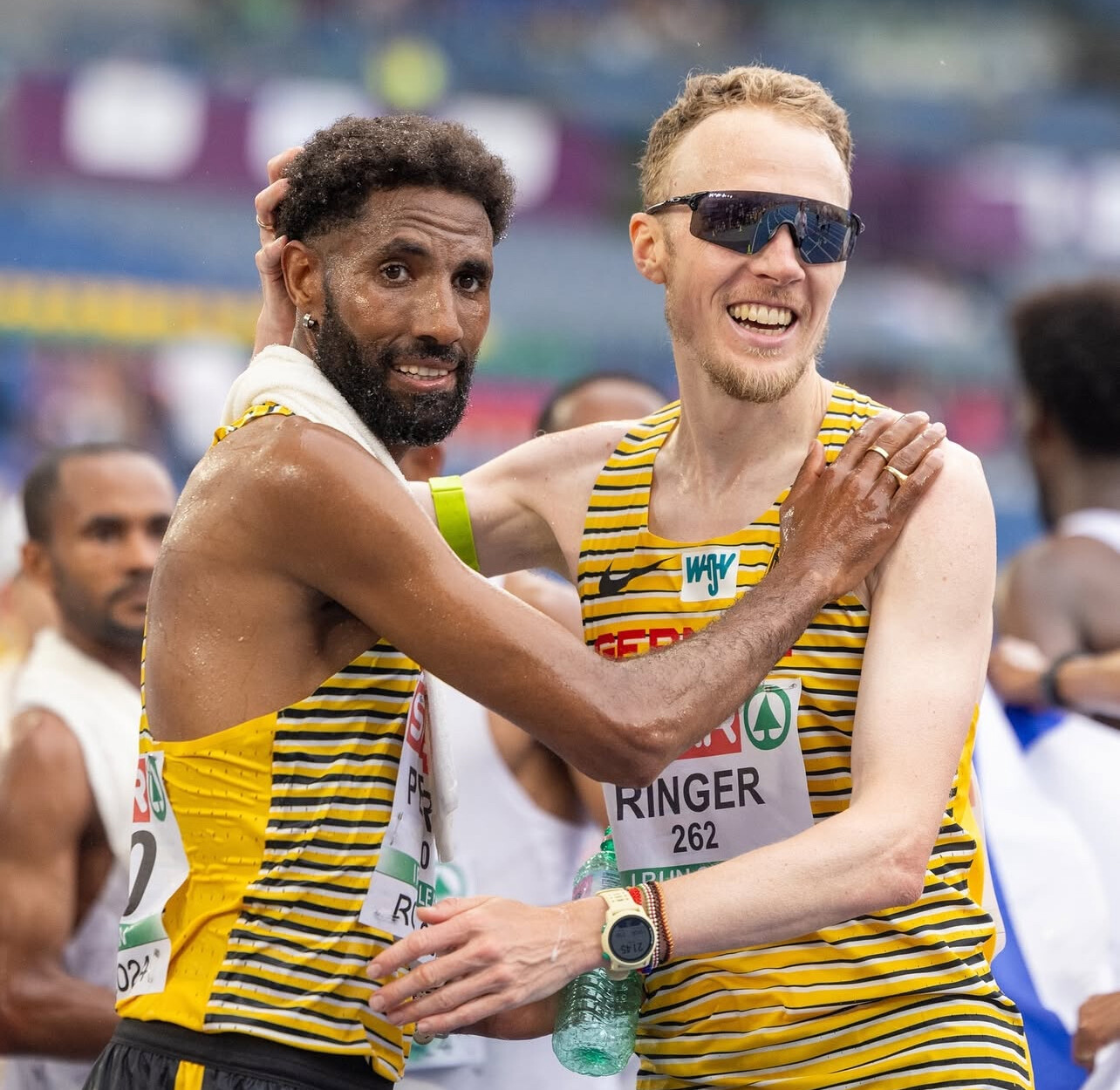
• Olympic Games: Competed in the men’s marathon at the 2020 Tokyo Olympics, finishing 30th.
• European Championships: Secured a silver medal in the team marathon event and placed fourth individually at the 2022 European Athletics Championships in Munich.
Recent Preparations and Professional Milestones
In preparation for the London Marathon, Petros participated in the eDreams Mitja Marató Barcelonaon February 16, 2025, completing the half marathon in 1:01:51. Reflecting on his performance, he stated:
“Today I ran quite far from my German record, but I am happy to run my first competition in 61:50 after the Olympic Games in Paris. Looking forward to my first marathon in London 2025.”
In addition to his athletic endeavors, Petros has recently joined the Puma Running Team, expressing enthusiasm about this new partnership and the opportunities it presents for the upcoming seasons.
Looking Ahead
As the 2025 London Marathon approaches, the running community eagerly anticipates Petros’s performance. His journey from a refugee seeking asylum to a national record-holder exemplifies resilience and determination. With his eyes set on London, Petros continues to inspire and set new benchmarks in long-distance running.
The last photo
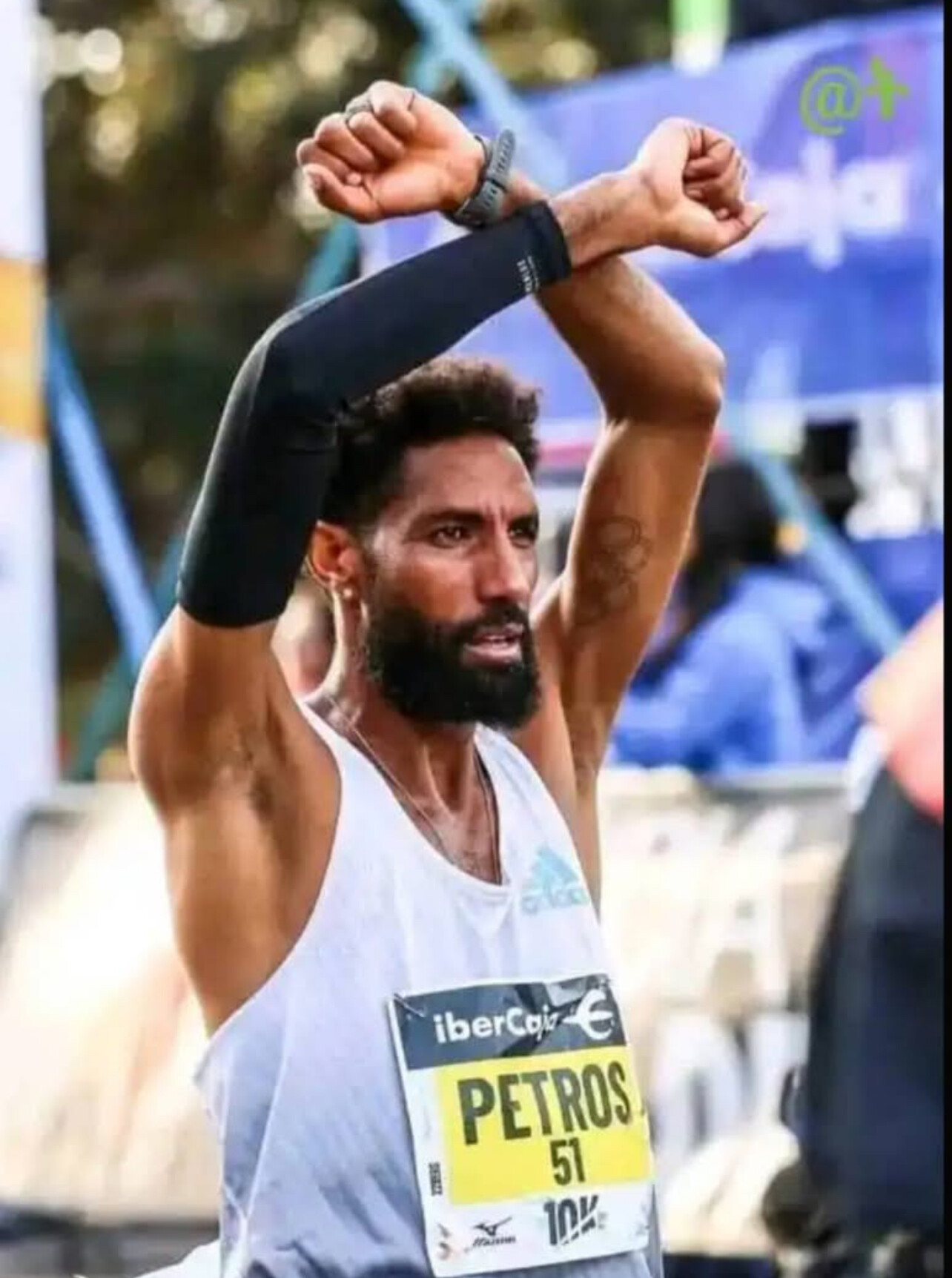
The gesture Amanal Petros is making in this photo — crossing his arms above his head — is a powerful and symbolic act. He does not do this gesture often but his beliefs have not changed.
This “X” gesture has been widely recognized as a sign of solidarity with the Tigray people in northern Ethiopia. It’s used by athletes and others to bring attention to the humanitarian crisis and conflict in the region, where countless civilians have suffered due to war, famine, and displacement.
Petros, who was born in Eritrea and whose roots are in Tigray, is using this moment at the finish line to make a public statement of support and raise awareness.
by Boris Baron
Login to leave a comment
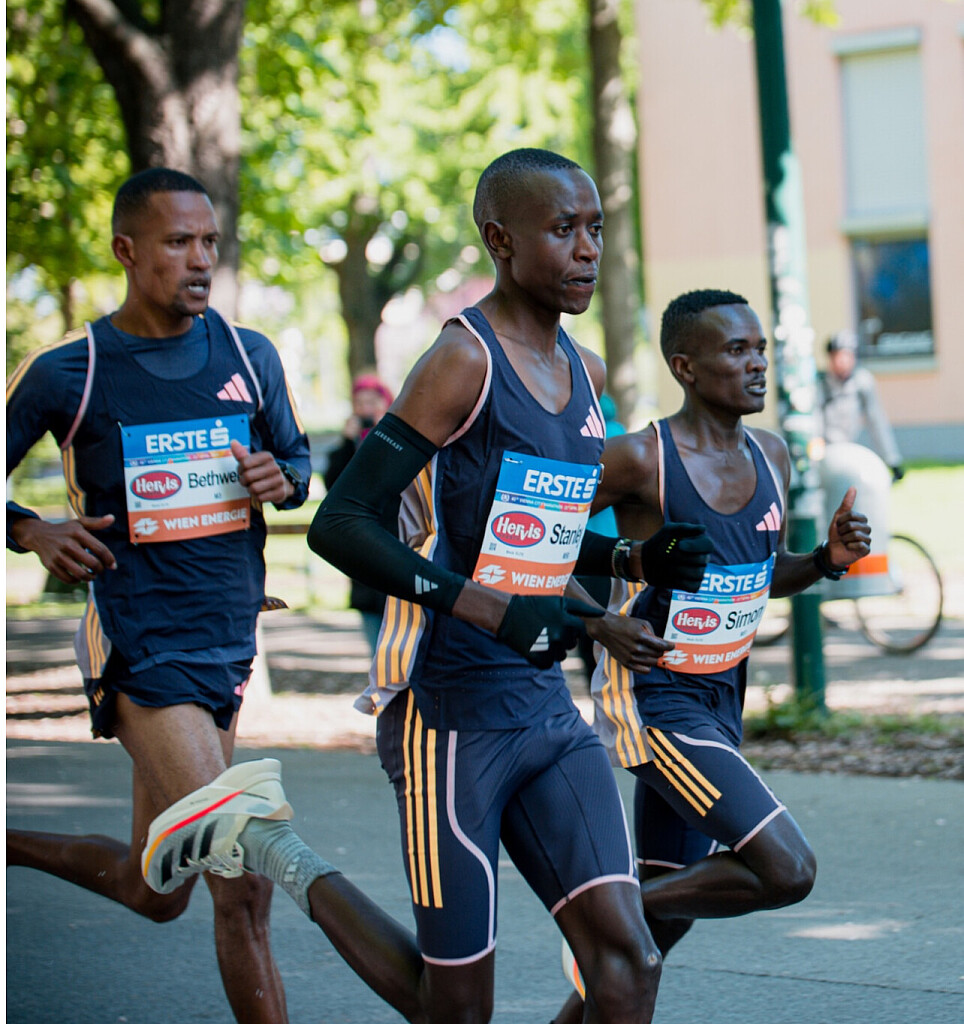
Kenyans Set Their Sights on Regaining Vienna City Marathon Crown
This year’s Vienna City Marathon will form a unique bond with the classical music Austria’s capital is known for. Celebrating Johann Strauss’ 200th birthday, his Danube Waltz will be played before the start of the race. While the music will be soft and flattering, once the runners get on their way, the battle for victory is expected to be thrilling and fierce, with no clear favorite.
The Kenyan trio of Justus Kangogo, Douglas Chebii, and Stanley Kurgat lead the men’s elite field on April 6. With personal best times ranging from 2:06 to 2:07, they will be joined by two more athletes who have run under 2:09. The organizers of Austria’s premier road race event have officially announced the men’s top contenders.
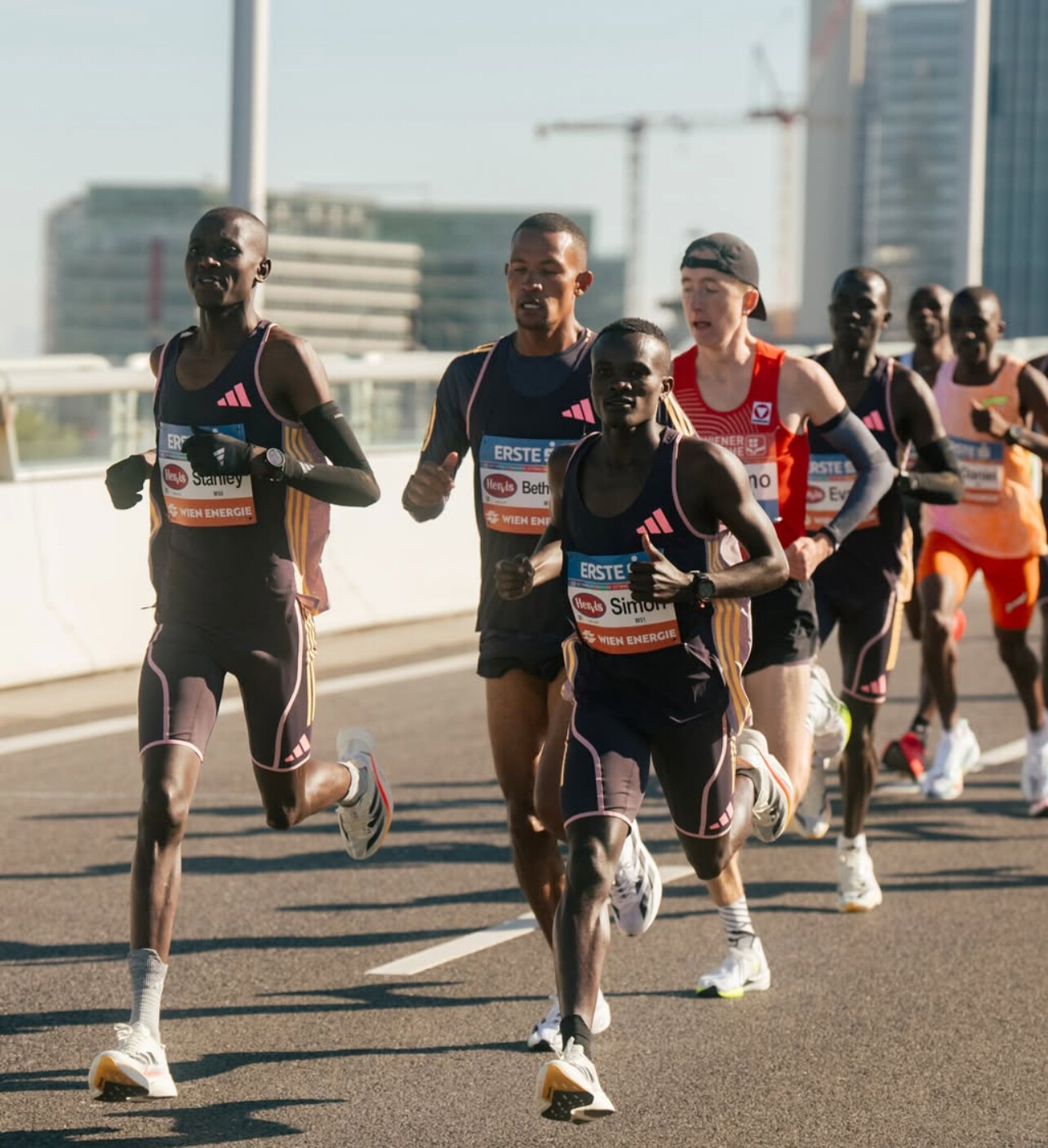
A record-breaking field of nearly 13,000 marathoners has been registered for the 42nd edition of the Vienna City Marathon, a World Athletics Elite Label Race. With shorter-distance events included, the total number of participants will exceed 45,000.
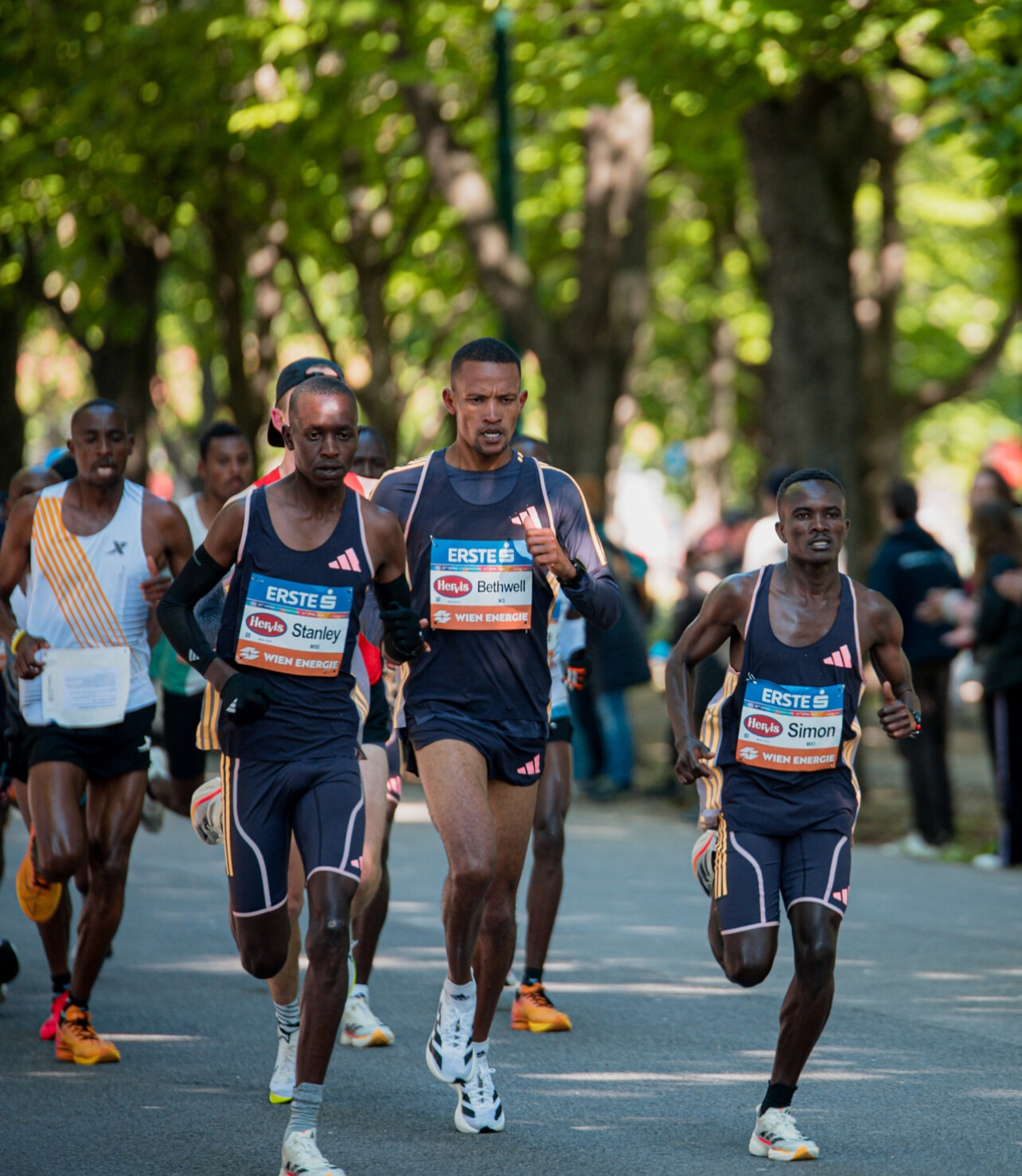
Kenya’s elite runners are eager to reclaim the men’s title after losing it last year to Ethiopia’s Chala Regasa. Prior to that, Kenya had dominated the event, securing four consecutive victories, culminating in Samwel Mailu’s record-breaking 2:05:08 win in 2023.
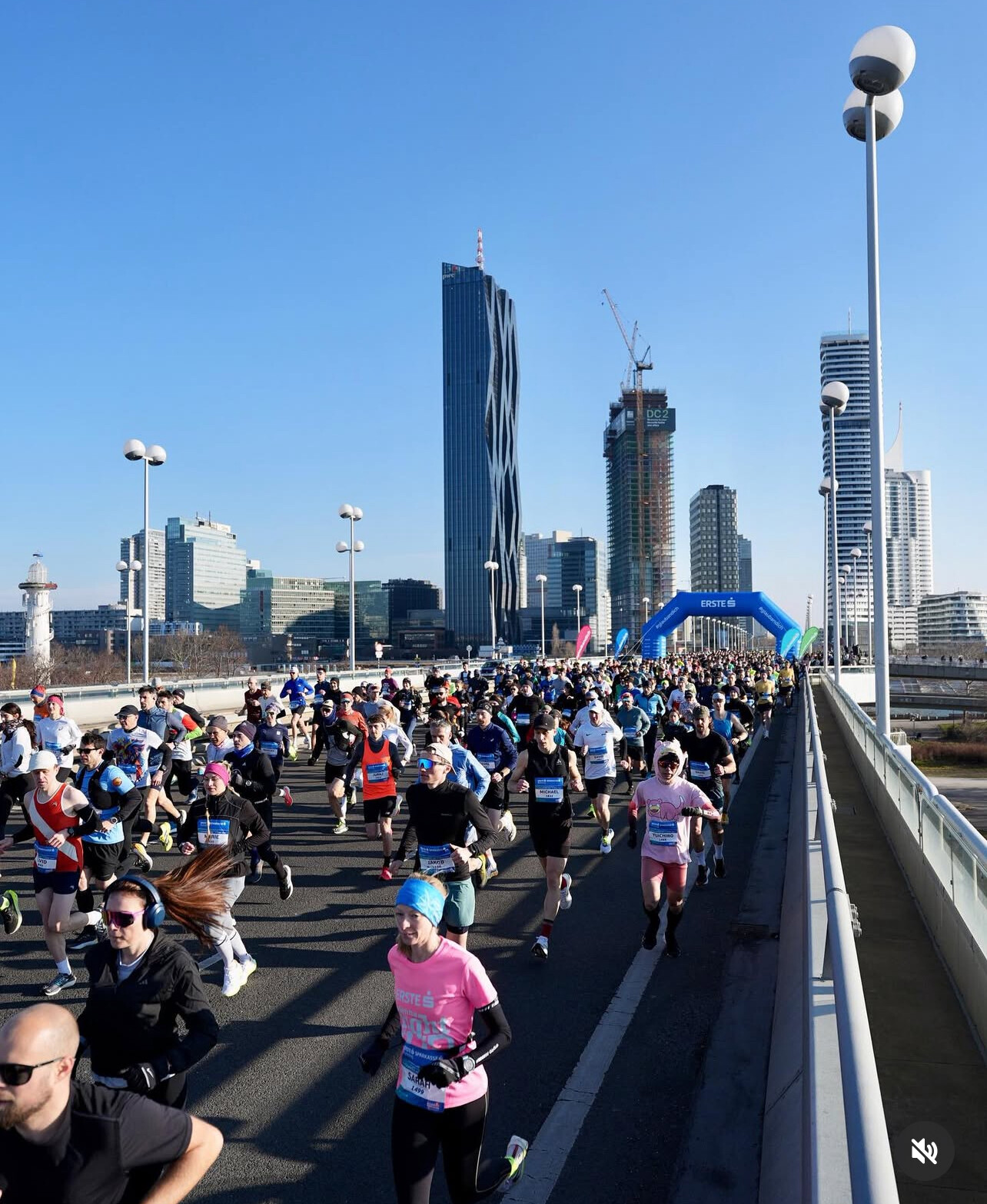
The three leading Kenyan contenders arrive in Vienna with strong credentials. Justus Kangogo, 29, clocked 2:06:45 for fourth place in Amsterdam last October. His personal best of 2:05:57 was set in Berlin in 2022. Douglas Chebii, 31, has demonstrated remarkable consistency, running 2:06:31 in Linz in 2022, 2:07:11 in Seville in 2023, and placing seventh in the highly competitive Dubai Marathon in 2024 with 2:08:15—making him the fastest Kenyan in Dubai that year.
The youngest of the trio, 25-year-old Stanley Kurgat, made a significant breakthrough just six months ago, improving his marathon time from 2:11:50 in his Valencia debut to 2:07:05 in Berlin. Though he finished 15th in that deep field, he now has a real shot at claiming his biggest career victory in Vienna. He also holds an advantage, having paced the race up to the 30K mark last year, giving him valuable experience on the course.
Other Kenyan hopefuls include Charles Ndiema and Benard Kimeli, both boasting sub-2:09 personal bests. Ndiema, who finished fourth in Vienna in 2022 with a time of 2:08:12, will look to improve on that performance. Kimeli ran 2:08:34 in Tokyo last year. Meanwhile, Bernard Muia is a potential dark horse. The Kenyan finished runner-up in Vienna last year with 2:10:42, surging from fourth to second place in the final two kilometers, closing a 48-second gap. Muia ran his PB of 2:09:17 when he won the Munich Marathon in 2023.
Austrian record holder Peter Herzog, who clocked 2:10:06 at the 2020 London Marathon, will lead the national elite field, aiming for a time around 2:12. Former Austrian record holder Lemawork Ketema (2:10:44) is also set to compete, hoping for a strong comeback after a long injury layoff.
With a highly competitive field and no clear frontrunner, the Vienna City Marathon promises an exciting showdown, as Kenya’s top athletes aim to reclaim the crown.
by Boris Baron
Login to leave a comment
Vienna City Marathon
More than 41,000 runners from over 110 nations take part in the Vienna City Marathon, cheered on by hundreds of thousands of spectators. From the start at UN City to the magnificent finish on the Heldenplatz, the excitement will never miss a beat. In recent years the Vienna City Marathon has succeeded in creating a unique position as a marathon...
more...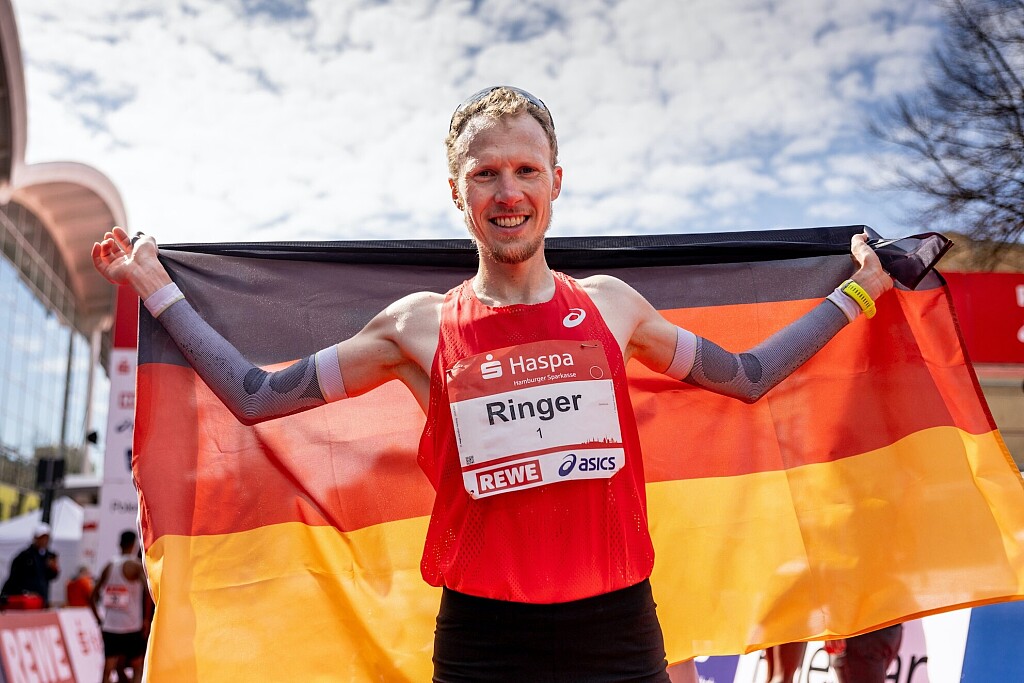
Richard Ringer Set for a Competitive Return to Hamburg Marathon
European Marathon Champion Richard Ringer is set to compete in the Haspa Marathon Hamburg on April 27. The German runner has opted not to defend his continental title at the European Championships earlier in April, which will be held in a new format.
Ringer, who improved his marathon personal best to 2:05:46 in Valencia last December, making him the third-fastest German marathoner in history, will face stiff competition from at least four athletes who have run significantly faster times. Leading the start list is former London Marathon winner Amos Kipruto, who holds a personal best of 2:03:13, making him the joint fastest entrant ever in Germany's premier spring marathon.
"We are still finalizing the elite fields, but we anticipate a highly competitive men's race. Based on the fastest runners in the field, this will be the strongest lineup in our history. Richard Ringer may not be the favorite, but we know he has the ability to deliver an unexpected performance," said chief organizer Frank Thaleiser at a press conference in Hamburg. A total of 15,000 runners have registered for the 39th edition of the Haspa Marathon Hamburg, marking the highest participation in years.
For the first time, Hamburg will feature three athletes with personal bests under 2:04. In addition to Amos Kipruto, Ethiopian runners Guye Adola and Kinde Atanaw have also achieved this feat. The 32-year-old Kipruto recorded his personal best of 2:03:13 when finishing second to Eliud Kipchoge in the 2022 Tokyo Marathon.
Later that year, he secured his biggest career victory, winning the London Marathon in 2:04:39. Kipruto has continued to perform at a high level, running sub-2:05 times in both 2023 and 2024. His best time ties him as the fastest entrant in Hamburg's marathon history, equaling the record set by Emmanuel Mutai in 2018.
Guye Adola's personal best of 2:03:46 places him second on the current entry list. The Ethiopian achieved this mark in his marathon debut in Berlin in 2017, where he challenged Kipchoge until the final kilometers and secured second place with an unofficial world debut record. Although his career has been affected by injuries, Adola, now 34, remains a formidable contender.
Kinde Atanaw achieved his best time of 2:03:51 in 2019 when he won the Valencia Marathon. Meanwhile, Philemon Kiplimo has demonstrated strong recent performances, breaking 2:05 in Berlin in 2023 with a time of 2:04:56 and securing third place in last year's Haspa Marathon Hamburg with 2:05:37.
Richard Ringer chose to focus on Germany's biggest spring marathon rather than defend his European title. The 35-year-old returns to Hamburg with fond memories, having improved to 2:08:08 there two years ago, narrowly meeting the Olympic qualifying standard and finishing sixth in a competitive field.
"The course and the atmosphere at the Haspa Marathon Hamburg are fantastic. Choosing to return was an easy decision. This time, my training will be even more focused on this race to ensure I am in peak form on race day," Ringer stated. "My goal for the summer is to compete in the marathon at the World Championships." Ringer has proven himself to be a strong championship competitor, having won the European marathon title in Munich in 2022 and finishing as Germany's top runner in the Olympic marathons of 2021 and 2024, placing 25th and 12th, respectively.
Login to leave a comment
Haspa Marathon Hamburg
The HASPA MARATHON HAMBURG is Germany’s biggest spring marathon and since 1986 the first one to paint the blue line on the roads. Hamburcourse record is fast (2:05:30), the metropolitan city (1.8 million residents) lets the euphoric atmosphere spill over and carry you to the finish. Make this experience first hand and follow the Blue Line....
more...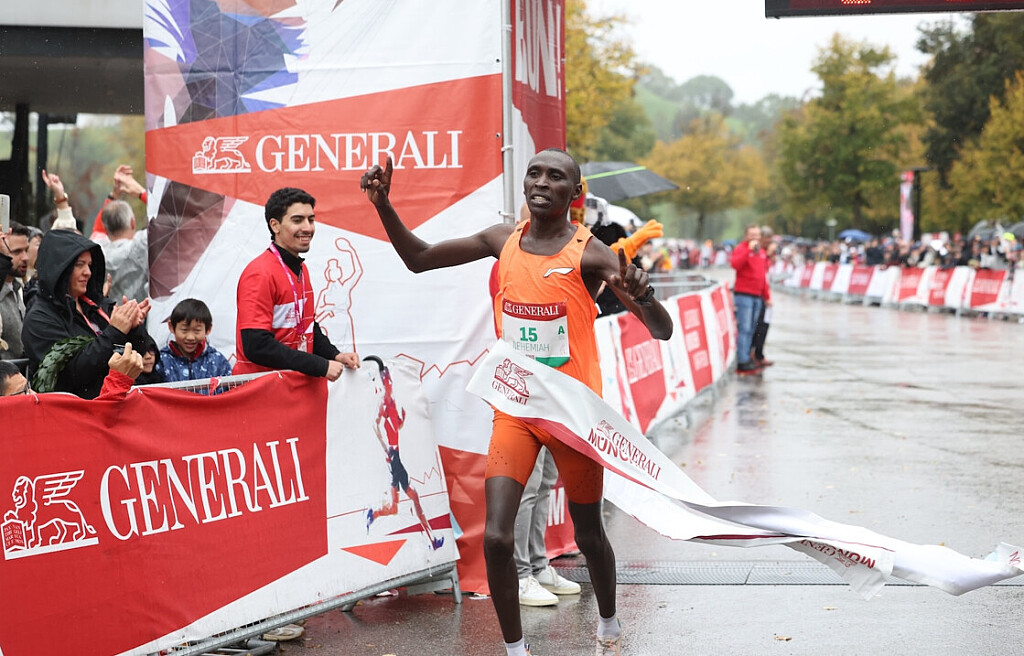
Kenyan debutant Nehemiah Kipyegon and Ethiopian newcomer Asmare Assefa win in Munich
Kenyan debutant Nehemiah Kipyegon took the 38th edition of the GENERALI MUNICH MARATHON, beating his challengers by a huge margin while also fighting against windy and rainy conditions. Taking into account the wet weather during the second half of the race the 26 year-old showed an impressive performance and clocked a highly respectable 2:10:02.
In a race without pacemakers he was in the lead throughout and achieved the fourth fastest winning time in the history of the event. Nehemiah Kipyegon was more than five minutes ahead of Siyum Tola. The Ethiopian ran his first marathon as well and finished in 2:15:29. Kenya’s Benard Chumba was third in 2:19:00.
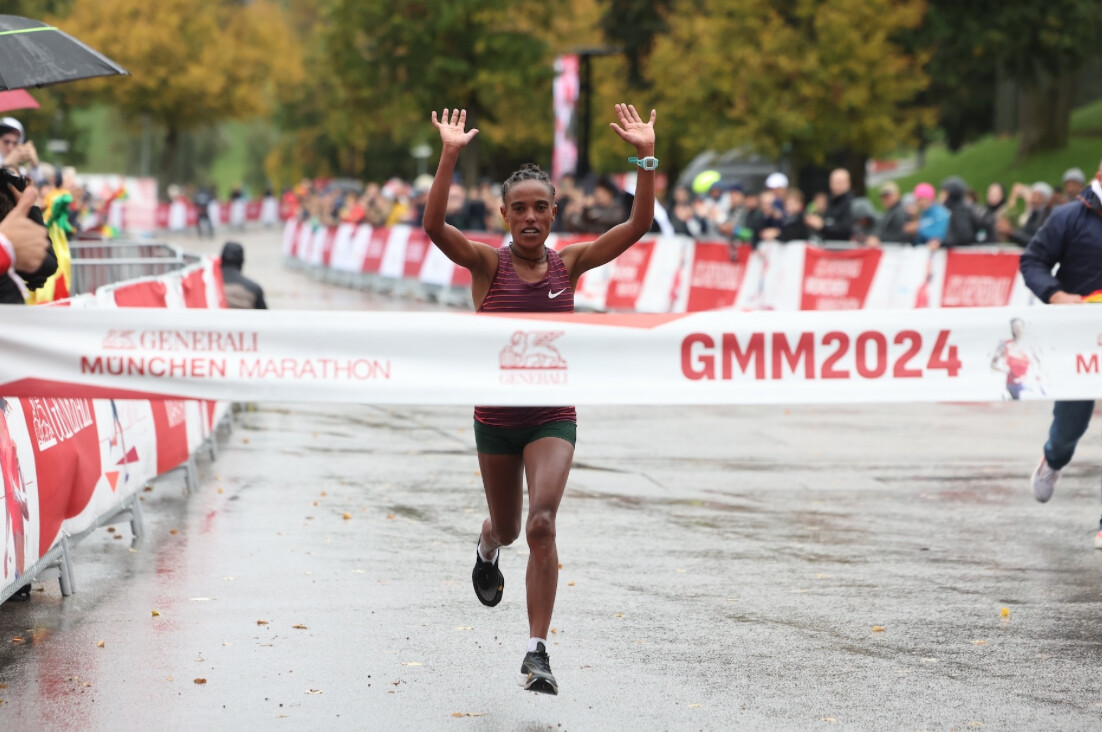
Running her first race in Europe Ethiopia’s newcomer Asmare Assefa won the race in 2:29:44. The 26 year-old clocked a personal best and the second fastest winning time of the GENERALI MUNICH MARATHON. Kenya’s Shamilah Kipsiror was second in 2:34:01 and Gelane Senbete of Ethiopia followed in third with 2:35:44.
Organisers of the GENERALI MUNICH MARATHON registered a record number of almost 28,000 entries from 120 nations including events at shorter distances. Among them were 6,250 marathon runners.
“Today we witnessed a superb event with an impressive entry record and we have further established the international standing of the GENERALI MUNICH MARATHON. We hope that we can continue staging this race,“ said Race Director Gernot Weigl, who also pointed out the huge financial benefit the marathon generates for the city of Munich. It is estimated that this is in the region of twelve million Euro.
Nehemiah Kipyegon, who had recently improved his half marathon PB to 60:34 in Copenhagen, took the lead right after the start with four runners following behind him. Without any pacemakers he then reached the half marathon point in 64:13. At this point only Siyum Tola and William Kibor of Kenya were still behind him. However Kibor dropped back soon after half way. The Kenyan suffered badly with muscle problems and later finished well behind in 2:26:13. In a duel of two debutants Tola could not hold on for long.
When Kipyegon ran sub 3:00 kilometre splits between 24 and 26k the Ethiopian was beaten. “He did not help pacing, so I decided to make a move,“ said Nehemiah Kipyegon, who lives and trains in Keringet which is in between Nairobi and Eldoret. “This is my biggest career win so far. I think I can run times of around 2:05 in the future.“
In the women’s race four runners passed the 10k mark in 34:54. Running without pacemakers as well Shamilah Kipsiror did most of the pacing. While Ethiopians Gelane Senbete and Gadise Negasa were dropped Asmare Assefa stayed behind the Kenyan. When the two passed the half marathon point in 73:34 they were almost a minute ahead already. With less than ten kilometres to go Assefa finally passed Kipsiror and quickly build a big lead. The Kenyan was so exhausted that she collapsed after crossing the finish line and needed medical treatment.
“I was able to stay behind Shamilah for a long period and it went very well for me. However it was getting difficult when the rain turned stronger at around 27k. I think in good weather conditions I would have been three minutes faster,“ said Asmare Assefa. “I would like to come back to Munich for this race next year.“
Login to leave a comment
Generali Munich Marathon
The GENERALI MUNICH MARATHON has held the elite label of the WORLD ATHLETICS since 2020 and the marathon route is officially measured and recognized. The route runs from the Olympic Park and Schwabing to Leopoldstraße with the Siegestor, via Königsplatz and the Pinakotheken to the English Garden. From there past the Chinese Tower and Art Nouveau villas in Bogenhausen, through...
more...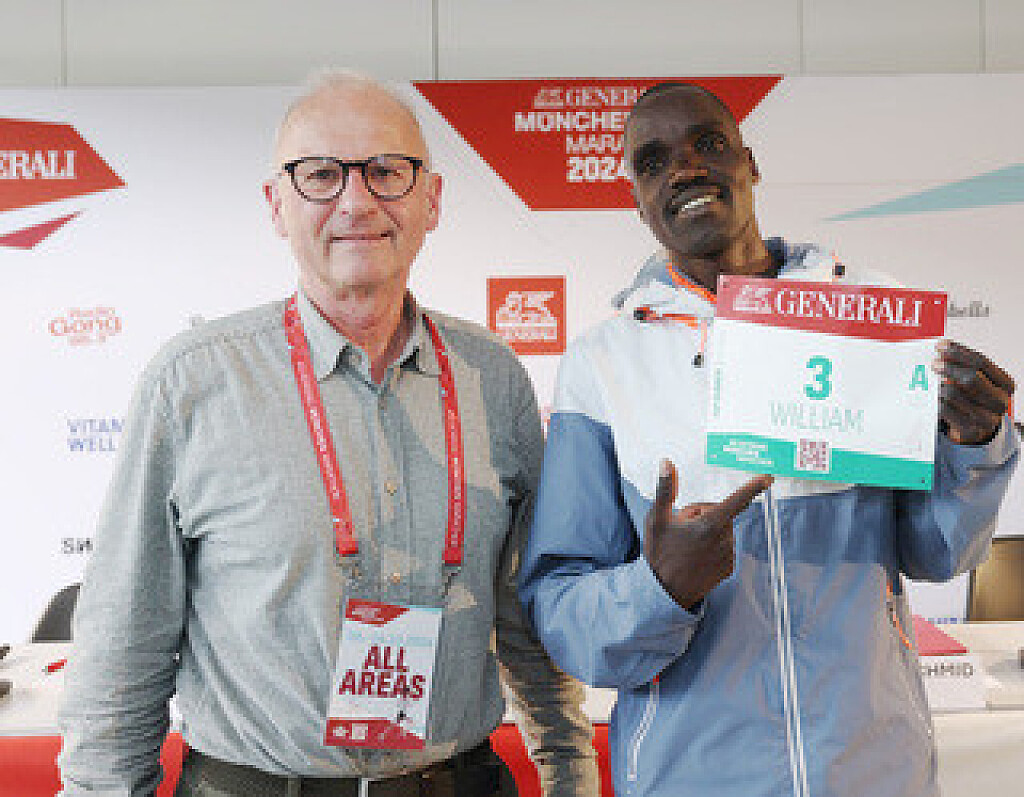
Kenyans target a double hat-trick in Munich
Kenya’s elite runners target a double hat-trick at Sunday’s Generali Munich Marathon: If successful it will be the third time in a row that runners from this country take Germany’s fourth biggest marathon race.
Cosmas Birech and Shamilah Kipsiror are heading the start list with personal bests of 2:08:03 and 2:27:33 respectively.
Organizers registered a record total of over 27,000 entries from 120 countries for the 38th edition of the Generali Munich Marathon, which will start and finish next to the iconic Munich Olympic Stadium. Due to building works in the arena runners can not finish inside on the track this year. While the total figure includes races at shorter distances there will be around 6,200 marathon runners on Sunday.
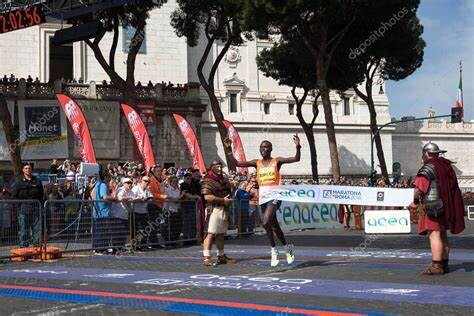
A number of athletes had to cancel their start due to either injuries of visa problems. The latest withdrawal came from Dominic Nyairo of Kenya, who would have been a strong favorite on Sunday. However there is still enough talent left to produce a good race. “It is our aim to achieve winning times of sub 2:09 and sub 2:26,“ said Michael Kraus, the elite field coordinator. The weather might be challenging, but we remain optimistic to see faster winning times than last year.“
Cosmas Birech ran his personal record when he won the Rome Marathon in 2018 with 2:08:03. Rome is not known as a particularly fast course, so Birech hopes to achieve a similar time at the Generali Munich Marathon. Fellow Kenyans William Kibor and Benard Chumba are also among the favorites. Kibor has a PB of 2:08:32 from the Vienna City Marathon back in 2012 and Chumba ran 2:10:33 in Marrakech last year. All three of them are from Kaptagat and train together. “My training went very well and I feel that I am in the same kind of shape as when I ran my personal best. If the weather is good I hope to run between 2:07 and 2:09 on Sunday,“ said William Kibor at Friday’s press conference in Munich.
A marathon debutant could do very well on Sunday: Kenya’s Nehemiah Kipyegon showed very promising form recently. The 26 year-old improved his half marathon PB to 60:34 in Copenhagen last month. In the highly competitive race he finished ninth. Siyum Tola of Ethiopia is another athlete who will run his debut in the Generali Munich Marathon. He has been involved in marathons as a pacemaker and is a training partner of Milkesa Mengesha who won the Berlin Marathon two weeks ago.
In the women’s race Shamilah Kipsiror will be the main favorite. The Kenyan improved to 2:27:33 for fourth place in Rome this spring. Her half marathon PB of 67:53 indicates that there is potentially more to come, especially on a flat course like Munich. A trio of Ethiopians will most likely be her strongest rivals on Sunday. Gelane Senbete has a personal record of 2:29:54 while Gadise Negasa has run 2:30:30. Asmare Assefa could be in for a surprise and a big improvement. So far she has not run faster than 2:33:10 but the Generali Munich Marathon will be her first race outside Africa. Assefa is in the same training group with Tola and Mengesha in Addis Ababa.
“We are thrilled by the record entry which means we have a 20 percent surge compared to last year. We are proud of these figures which show that our event and the course are really popular,“ said Gernot Weigl, who runs the Generali Munich Marathon as Race Director for almost 25 years. Stronger elite fields and international media work have helped bring up the numbers recently.
Although the city of Munich benefits from the growing number of international runners the event attracts, it was Munich’s government that clouded the future of the Generali Munich Marathon. Officers of the city’s district department (Kreisverwaltungsreferat) decided to pass on the right of staging a marathon in the city to a new organizer who has never ever staged a road race. There is talk of a two-lap marathon course and it looks as if the city of Munich gambles with a successful international event that in addition keeps a legacy of the 1972 Munich Olympic Games. “I have never heard of anything like this happening to a major international marathon race,” said Gernot Weigl, who is now legally challenging the decision of the Munich district department.
by AIMS
Login to leave a comment
Generali Munich Marathon
The GENERALI MUNICH MARATHON has held the elite label of the WORLD ATHLETICS since 2020 and the marathon route is officially measured and recognized. The route runs from the Olympic Park and Schwabing to Leopoldstraße with the Siegestor, via Königsplatz and the Pinakotheken to the English Garden. From there past the Chinese Tower and Art Nouveau villas in Bogenhausen, through...
more...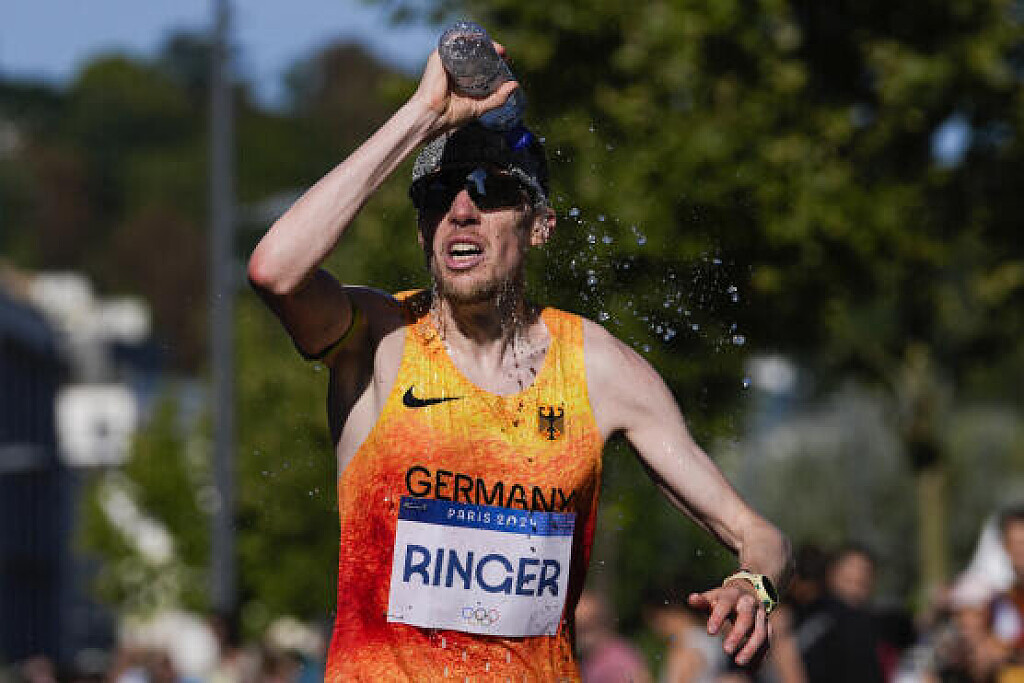
Paris bans plastic bottles from races
On Monday, Paris City Hall announced a ban on single-use plastic in all its races, including the Paris 20 km in mid-October and the Paris Marathon.
Didn't get to crisscross the Paris asphalt during the Paris 2024 Olympics' Marathon pour Tous ("Marathon for Everyone")? You'll have a chance to make up for it on October 13, with one of the many races taking place in the capital, the 46th annual Paris 20-kilometer race.
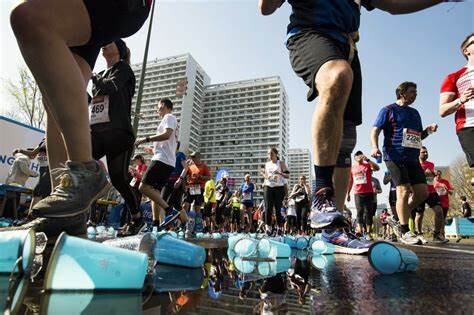
But don't forget your water bottle. At the press conference presenting the event on Monday, September 23, Pierre Rabadan, deputy mayor of Paris responsible for sports, confirmed that the ban on single-use plastic bottles would come into force.
"In Paris, you won't be able to organize a race if you use plastic bottles, it's as simple as that," assured the 44-year-old former rugby player, in remarks reported by sports paper L'Equipe. "It was one of the objectives of the Olympic legacy. We have to reduce the use of single-use plastic in our daily lives, and sport has to get on board. It's an evolution, and even a revolution for the organizers."

No fewer than 13 races will be held in Paris between now and December 31, for a total of some 50 events a year – including the Paris Marathon and Half Marathon, which attract around 50,000 runners. In these races, particularly the longer ones, over a million bottles are used each year to rehydrate runners – "who generally only take two or three sips before throwing it away.
I know because it's happened to me too when I used to take part in races," insisted Rabadan. So that's the end of the individual bottles cans, or cartons, which are to be replaced instead by reusable water bottles and reusable cups. The City of Paris has invested in a stock of 100,000 of these cups, which it can lend to race organizers.
Target 'zero single-use plastic' for the Olympics
During the Olympic marathon, however, competitors were granted a dispensation to continue using bottles – to avoid the risk of contamination, or even doping, according to the organizing committee – and elite athletes could continue to benefit from such policies. "It's all about the masses and all the other participants who aren't gambling their season on a race," said Paris's deputy mayor for sports.
Drawing inspiration from initiatives in Munich, Amsterdam and San Francisco, but above all from the refill London campaign (2018) across the Channel and the Brussels 20 km, the city has been working since 2019 to achieve the goal of "zero single-use plastic," for the hosting of the Olympic and Paralympic Games, which have claimed to be the greenest in history. This is a legacy that must live on.
Nevertheless, through the International Olympic Committee's (IOC) game of "world" sponsors, the American giant Coca-Cola – the world's leading "plastic polluter" according to the NGO Break Free from Plastic's 2023 ranking – was entrusted with the exclusive distribution of drinks at the 2024 Olympics. Numerous associations, including France Nature Environnement, Zero Waste France and No Plastic in My Sea, awarded the IOC partner the greenwashing medal.
The soda producer promoted its fountains, returnable cups and glass bottles. But over 40% of the total drinks distributed were poured into an eco-cup from... a plastic bottle. The kind of bottle that should no longer be seen at Parisian races.
by Sports department
Login to leave a comment
Les 20K de Paris
The 20 Kilometers de Paris (Paris 20 km) is an annual road running competition over 20 kilometers which takes place on the streets of Paris, France in October. First held in 1979, the race attracts top level international competitors and holds IAAF Bronze Label Road Race status. The competition was the idea of Michel Jazy, a French runner who was...
more...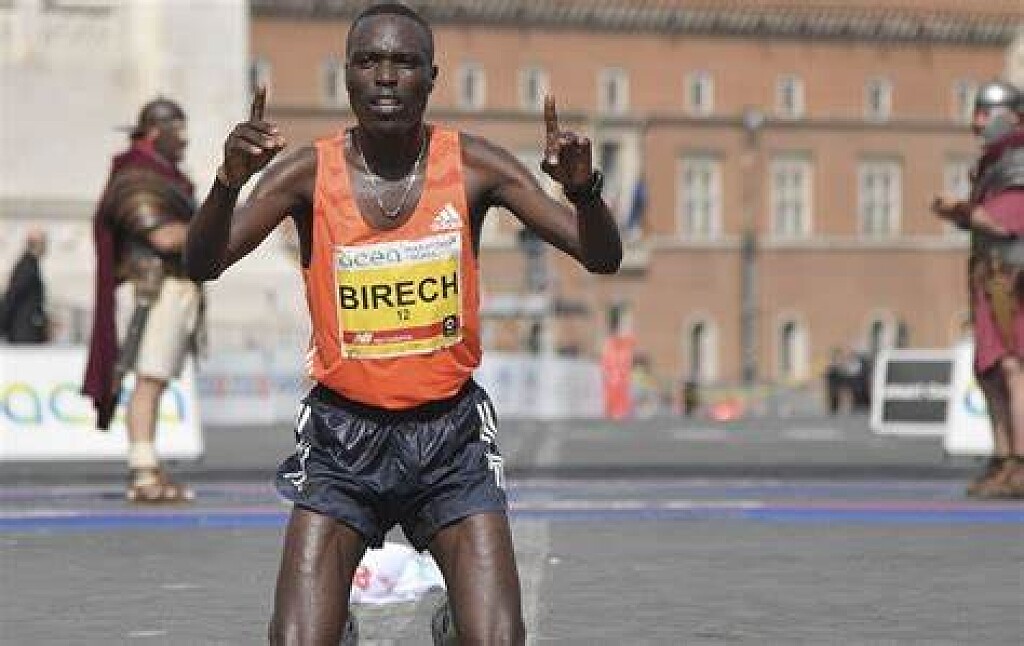
Trio looks to extend Kenya's dominance in Munich
The trio of Cosmas Birech, Dominic Nyairo and William Kibor are set to extend Kenya’s dominance at the Munich Marathon as they line up in the German city on October 13.
Kenya has ruled the men’s event for the past two years, with Philemon Kipchumba clinching victory in 2022 in 2:07:28, ahead of Ethiopia’s Mengistu Gezahagn (2:07:56) and Eritrea’s Berhane Tesfay (2:08:10).
Last year, Kenyan athletes swept the podium, led by Bernard Muia, who won in a time of 2:09:17, with Benson Nzioka (2:09:21) and Mica Cheserek (2:09:26) completing the podium.
Cosmas Kiplimo (2:10:07), Amos Birgen (2:11:15) and Luke Kibet (2:11:41) finished fourth, sixth and seventh respectively.
Race organizers expect a fast-paced event in the men’s race with a target of a 2:08 finish.
“We have produced the fastest times in the history of our event in the past two years. I hope we will once again see results in the region of 2:08 to 2:09,” said Gernot Weigl.
Birech comes with an impressive resume, boasting wins at the 2018 Roma Marathon (2:08:03) and the Lugano Half Marathon (1:01:02).
Nyairo, on the other hand, is the 2021 Hofu Marathon champion (2:09:34) as well as the runners-up from the Aveiro Marathon (2:09:57) in April.
Kibor hold victories from the 2014 Verona Half Marathon (1:00:51) and the 2016 Las Vegas Half Marathon (1:01:21).
In the women’s race, Shamilah Kipsiror, the 2023 Ghent Half Marathon champion, will be looking to defend Kenya’s title.
In 2023, Kenyans secured the top five positions in the women’s event led by Catherine Cherotich (2:31:34). Teclah Chebet (2:32:13), Flomena Ngurasia (2:33:17), Caroline Chepkwony (2:36:32) and Beatrice Cheburet (2:46:42) followed in that order.
During the 2022 edition, Agnes Keino cruised to victory in 2:23:26 besting Ethiopia’s Dibaba Hurssa (2:24:12) and Morocco’s Souad Kanbouchia (2:27:35).
The target for the women’s event is 2:25; “In the women’s race, times between 2:25 and 2:27 should be possible,” added Weigl.
Kipsiror’s resume includes a third-place finish at the 2023 Bucharest Half Marathon (1:19:19), a fourth-place finish at the Roma Marathon (2:27:33) in March and a fifth-place finish at the Riyadh Half Marathon (1:14:09) in February.
by Teddy Mulei
Login to leave a comment
Generali Munich Marathon
The GENERALI MUNICH MARATHON has held the elite label of the WORLD ATHLETICS since 2020 and the marathon route is officially measured and recognized. The route runs from the Olympic Park and Schwabing to Leopoldstraße with the Siegestor, via Königsplatz and the Pinakotheken to the English Garden. From there past the Chinese Tower and Art Nouveau villas in Bogenhausen, through...
more...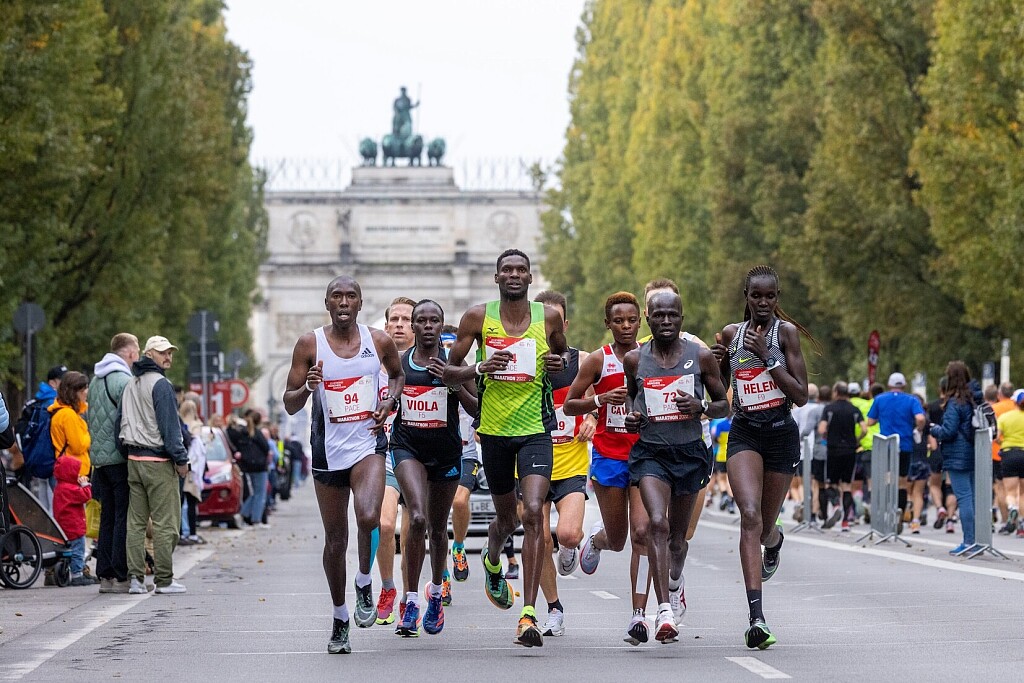
Kenyans aim to continue Munich’s success story
With the help of a strong African elite field organisers of the GENERALI MUNICH MARATHON hope to continue their recent success story on 13th October. Three Kenyan runners with personal bests slightly over 2:08:00 will be on the start line besides the Olympic Stadium. The women’s race will feature two runners who have clocked good half marathon times and could be in for a breakthrough over the full distance in Munich.
Including races at shorter distances a record total of over 25,000 runners is expected to compete in the 38th edition of the GENERALI MUNICH MARATHON, which is an increase of around 20 percent compared to last year. About 7,000 will run the marathon. Registration is still possible at: www.generalimuenchenmarathon.de
“We are really happy with the strong development of our entry figures. This shows that our concept is working and bearing fruit,“ said Race Director Gernot Weigl.
Parts of the elite fields were announced today. Kenya’s Cosmas Birech is currently the fastest runner on the start list. He won the 2018 Rome Marathon in 2:08:03. In the same year he also clocked a half marathon PB of 60:06. While there were hardly any races during the pandemic Cosmas Birech was unlucky once the period of lockdowns was over. The Kenyan was injured for a longer time. At the age of 38 he now wants to give it another go and hopes to get back to his best.
Dominic Nyairo, who has a personal best of 2:08:13, produced fine performances in his recent marathons. The 27 year-old will be one of the main favorites on 13th October. In 2021 Nyairo won his debut in Hofu, Japan, with a sprint finish in 2:09:34. In 2023 the Kenyan came back to Japan and placed 16th in the highly competitive Tokyo Marathon, improving to 2:08:13. He then ran the Berlin Marathon and finished 19th in a fine 2:08:47. In contrast William Kibor achieved his personal best quite some time ago. He clocked 2:08:32 when he was fifth in the Vienna City Marathon in 2012. After a longer break, which was partly due to the pandemic, he came back running a couple of half marathons last year. The GENERALI MUNICH MARATHON will be Kibor’s first race at the classic distance since 2019.
“We have produced the fastest times in the history of our event in the past two years. And I hope that we will once again see results in the region of 2:08to 2:09,“ said Gernot Weigl. „In the women’s race times between 2:25 and 2:27 should be possible.“
Two women who can still be regarded as newcomers could produce a surprise at the GENERALI MUNICH MARATHON. Shamilah Kipsiror only started her career last year when she was already 36 years old. When she competed outside Kenya for the first time she had instant success, winning the Ghent Half Marathon in a fine 67:53. Kipsiror then ran a 2:28:13 marathon debut in Venice last October. She was fourth in that race and fourth again when she returned to Italy for the Rome Marathon this spring, improving to 2:27:33.
One of Kipsiror’s strongest rivals will be Uganda’s Viola Chemos. She has only run one marathon so far, but that was in high altitude in Eldoret, Kenya. While she clocked 2:36:38 the 31 year-old followed this up with a fine race in July. Chemos took the Kaptagat Half Marathon in Kenya’s well-known high altitude training region with 69:23. Because of their strong half marathon performances Shamilah Kipsiror and Viola Chemos could improve significantly at the GENERALI MUNICH MARATHON.
Login to leave a comment
Košice Peace Marathon’s origins from Paris Olympic Marathon in 1924
The Košice Peace Marathon returns to Paris after 100 years
The inspiring and authentic story of the founder of the Košice Peace Marathon (KPM), Vojtech Bukovsky, has captivated the world. In the venue of the 2024 Olympic Games in Paris, the Maison Slovaque – the Slovak Olympic House – hosted the ceremonial presentation of Europe’s oldest marathon.
Today in the Slovak Olympic House, the organisers of the KPM, representatives of the Marathon Club, the Slovak Olympic and Sports Committee and the City of Košice presented the history of the race’s creation. The breathtakingly inspiring story of Vojtech Bukovsky was told through the premiere of a documentary film dedicated to the 100th anniversary of the founding of the Košice Marathon.
Among the invited guests were Mr. Christophe Najdovski, Vice Mayor of the City of Paris, Ms. Kirsty Coventry, Member of the Executive Committee of the International Olympic Committee and Minister of Sport of Zimbabwe, Mr. Dobromir Karamarinov, President of European Athletics, H.E. Ján Šoth, Ambassador of the Slovak Republic to France, and Mr. Jean-Michel Brun, Member of the Executive Board of the European Olympic Committee and Vice President of the French Olympic Committee.
“Over the weekend we will learn the names of the new Olympic winners in the marathon. We will pay tribute to them in the same way as Vojtech Bukovsky, the founder of the marathon in Košice, did here in Paris on 13 July 1924, when he stood up at the Colombes stadium to greet the Finnish runner Albin Stenroos and all his rivals in the finish line. 100 years have passed since then. We watch today’s battles under the Eiffel Tower with enthusiasm and are filled with pride that we can stand here and tell the story of the centenary of the marathon in Košice to the whole world. It is a story filled with courage, friendship, perseverance and the desire for peace and comfort. Vojtech Bukovsky was enchanted by the Paris Olympics 100 years ago and by the ideas of Baron Pierre de Coubertin. He said, among other things, that the most important thing in life is not to win, but to compete. And these words of his fully capture one of the basic philosophies of the modern marathon today. Let’s stay true to it,” said Branislav Koniar, Race Director of the Košice Peace Marathon.
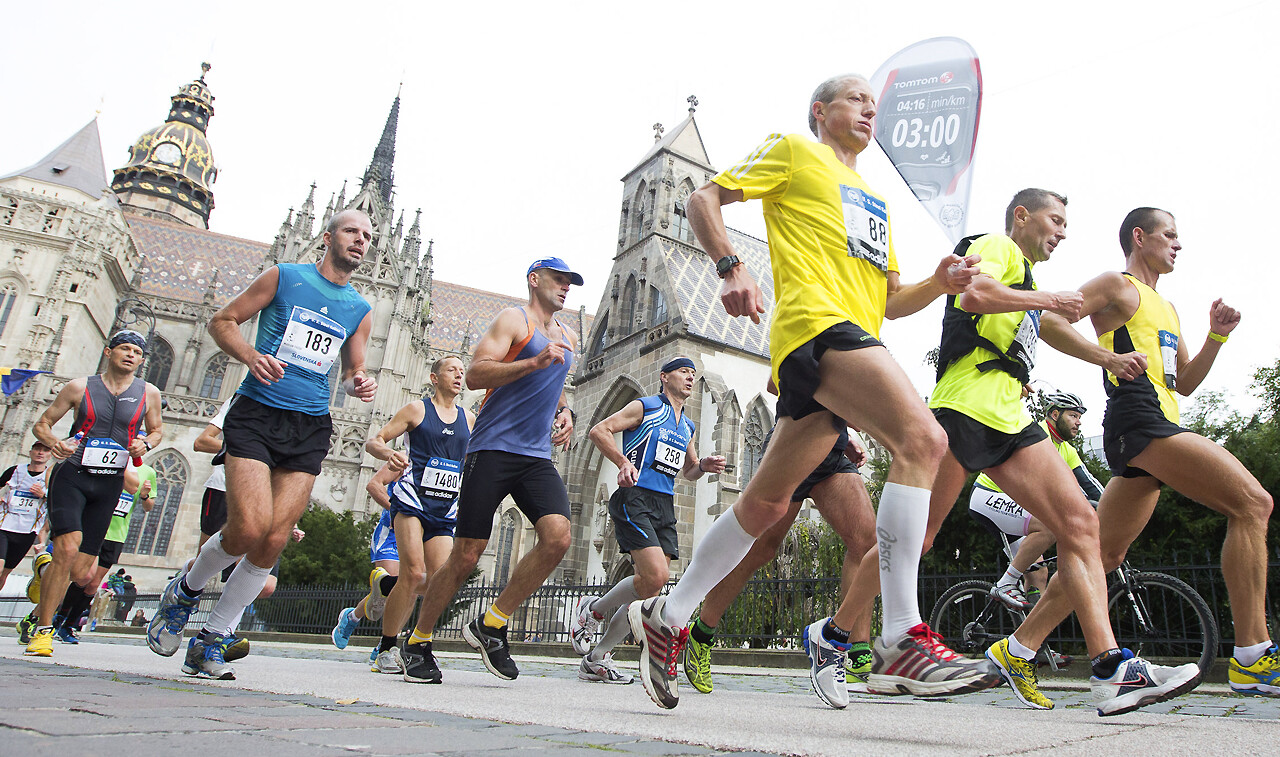
The metropolis of France and the Olympic ideals have a very special place in the birth certificate of the Košice Peace Marathon. The impulses leading to its creation are very stronglylinked to Paris, where, as today, the 1924 race was held under the five rings. The 30-year-old Vojtech Bukovský was also watching closely the competition that time. He came from Košice to experience this sporting event first-hand as a sports enthusiast, journalist and referee. When he applauded Albin Stenroos, the Finnish winner of the Olympic marathon, on 13 July, a dream was born in his mind, which he turned into reality just three months later.
“The Košice Peace Marathon marks an extraordinary milestone of its history. Inspired by the Olympic spirit of Paris 1924, it is a living example of the power of Olympic ideals to unite nations and celebrate peace through sport. At the Maison Slovaque, the Slovak Olympic House in Paris, we symbolically linked two historical moments. After 100 years, the story of one of the biggest and most important events in Slovak sport has once again returned to the city where the inspiration for its creation came from. Symbolically, it happened again at the time of the Olympic Games. This precious legacy reminds us that the Olympic Games are more than just a competition. They are an impulse that can inspire and change the world. We are proud at the Slovak Olympic and Sports Committee that the dream of one man inspired by the Olympic marathon continues today, uniting endurance athletes from around the world in the name of peace and understanding," said Slovak Olympic and Sports Committee Secretary General, Jozef Liba.
The courage with which Vojtech Bukovský set about organising the marathon is still an amazing act also on a global scale. Despite the fact that this sporting adventure did not come easily, today the marathon enjoys prestige and an important position on the world athletics map. In Košice, the tradition has become an event with a society-wide impact, representing the city and its inhabitants in a unique way. “The marathon is always a special event for us. And we, the citizens of Košice, are happy that runners from all over the world come back to us. But it is not for the records or the financial bonuses. They come for the people of Košice and the unrepeatable atmosphere. I also feel the need to recall the message of the Olympics, which is ekecheiria – that is, peace to arms, because the message of the Kosice Marathon is exactly that – peace. It is the strongest value for all of us, even in these times,” adds the Mayor of the City of Košice, Jaroslav Polaček. The City of Košice is one of the most important partners of the KPM, and it participates not only financially and organizationally, but also technically and personally in the preparations of the biggest sporting event.
The presentation of the KPM in Paris is the best invitation to the anniversary edition of the event. In addition to the sporting feats of elite runners, the performances of “mortals”, amateur or weekend runners, who sign up in their thousands for the Košice marathon course, will also resonate. This community has always been the soul of the KPM. “Millions of runners from all continents constantly confirm us that sport and marathon can unite people of every religion, every skin colour, every nationality. The strength of this community is unparalleled. And it gives strength to us in Košice. Without it, we would certainly not have been able to overcome the most diverse obstacles for 100 years. Let us wish that tomorrow’s marathon mission here in Paris will be a success for everyone – both for the medal winners and for those who finish later. It will certainly be the same on 6 October 2024 in Košice. Come to see it, come to experience it. You will be cordially welcome,” – concludes Ján Sudzina, the President of the Košice Marathon Club.Part of this commemorative meeting was also the presentation of miniaturized replicas of the statue of the marathoner, which has been a landmark of the city and the marathon itself since 1962. They will go to Paris City Hall and also to the International Olympic Committee and Europaen Athletics represented at this ceremony by President Dobromir Karamanirov.
And of course, there was talk of the actual Olympic marathon, which will become a hugely watched event on Saturday, 10th August. In addition to the best marathon runners, more than 20,000 runners from all over the world will take to the track in a unique project that has so far been unprecedented at the Games under five rings. The starting field of hobby runners will include those from Slovakia. Three of them have accepted the invitation from the Marathon Club and will personally take part in the ceremony. They are Milan Šimoník, Lukáš Jáchym and Marián Vidra. From the hands of Branislav Koniar and Jan Sudzina they have received symbolic starting numbers, with which they will take part in tomorrow’s marathon in Paris. They carry the logo and the message of the mutual relationship between the two cities, which was born from the enthusiasm of Vojtech Bukovsky 100 years ago.
Let us also add that two legendary athletes were also present at the ceremony. Kipchoge Keino of Kenya became the first African to win Olympic gold in track and field in Mexico City in 1968 and defended his title four years later in Munich. His compatriot Tegla Loroupe competed in Košice in 1997 and won a gold medal at the World Half Marathon Championships held in the city. After winning the world’s biggest marathons and retiring from her career, she became a special UN ambassador with the aim of putting together repeatedly a team of athletes made up of refugees who have had to leave their country for war or humanitarian reasons. Such a team is also starting this time at the Games in Paris.
by AIMS
Login to leave a comment
kosice Peace Marathon
The Kosice Peace Marathon is the oldest European marathon.This year for the organizers of Kosice Peace Marathon is also about memories and flashbacks. One of the fastest marathon courses has been created in Košice 20 years ago on that occasion it was the 1997 IAAF World Half Marathon Champioships. Tegla Loroupe and Shem Kororia were awarded from the hands of...
more...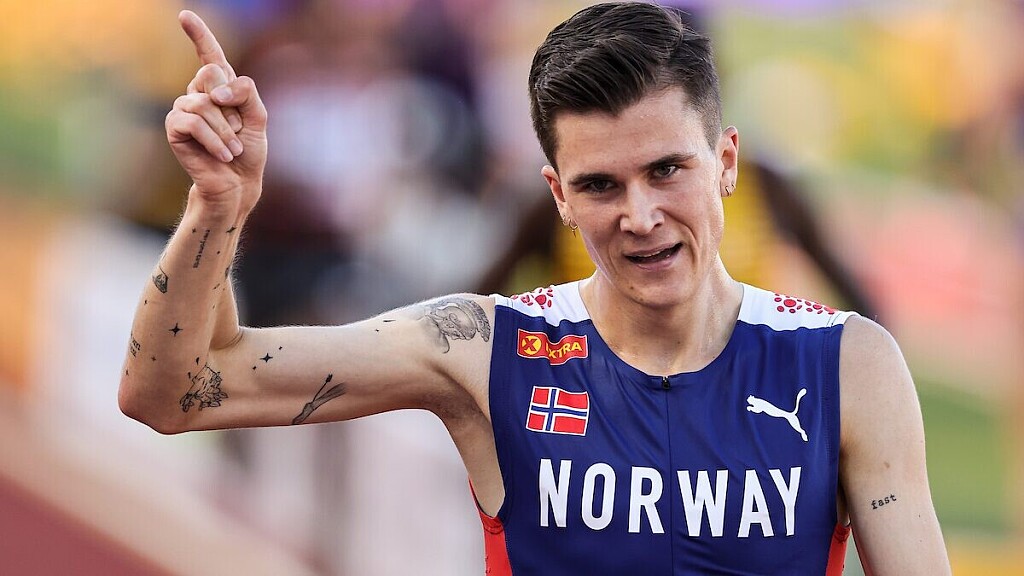
Jakob Ingebrigtsen wins historic sixth European gold in record time
On Wednesday night at the 2024 European Championships in Rome, Norway’s Jakob Ingebrigtsen became the first track athlete in history to earn six European gold medals, winning the men’s 1,500m with a championship record of 3:31.95. This marks his third consecutive European 1,500m title.
Ingebrigtsen showcased his tactical prowess by initially taking the back of the pack on the first lap. After a swift 56-second start, he surged to the front, slowed the pace, then accelerated again to win gold. He finished two seconds ahead of Belgium’s Jochem Vermeulen and Italy’s Pietro Arese, both of whom earned their first senior European championship medals.
The Ingebrigtsen family, including Jakob’s brothers Filip and Henrik, have dominated the men’s 1,500m at the European Championships, winning the last five gold medals since 2012. The last three European 1,500m titles have been won by Jakob.
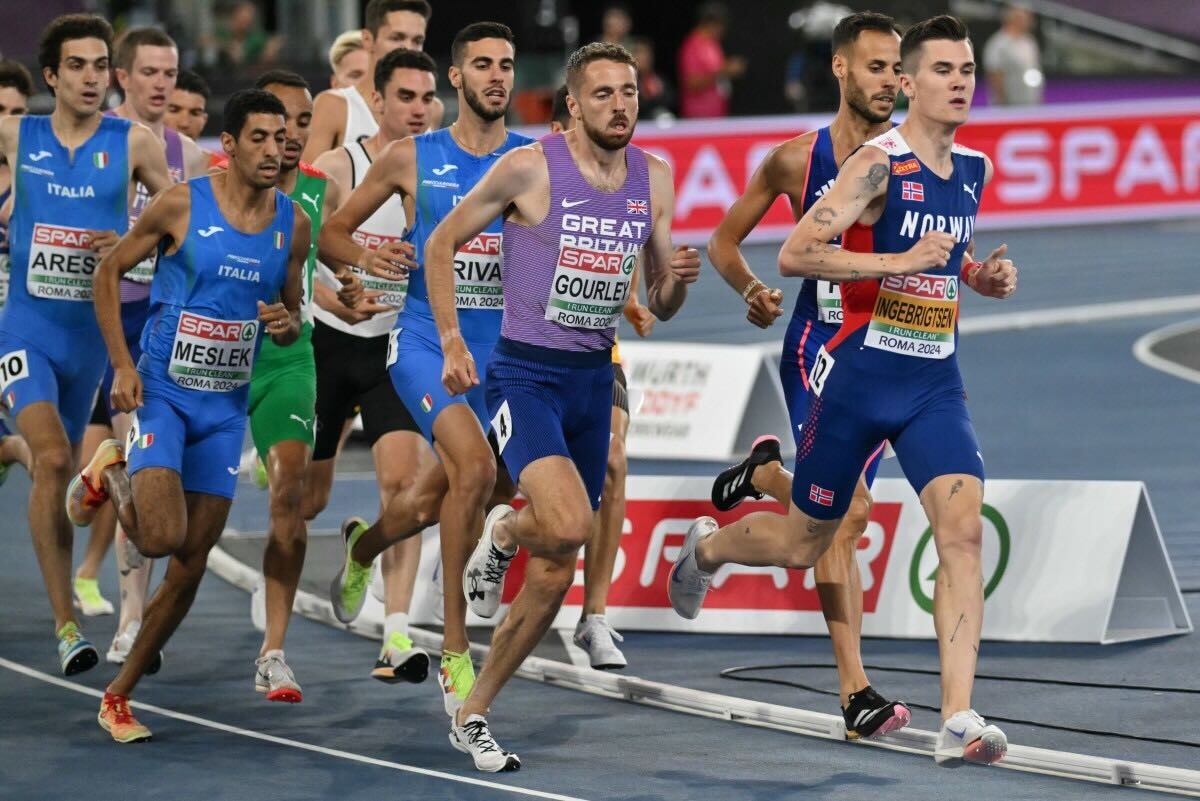
Earlier in the championships, Ingebrigtsen also won gold in the men’s 5,000m event. This is the third time he has achieved the 1,500m/5,000m double at the European Championships, having previously done so in Munich in 2022 and Berlin in 2018.
Notably absent from the championships was Ingebrigtsen’s rival, 1,500m world champion Josh Kerr, who opted to skip the 2024 European Championships to focus on the British Olympic Trials and the Olympics in Paris. Earlier this season, Kerr got the best of Ingebrigtsen in the Bowerman Mile at the Eugene Diamond League in Oregon. He is the only man to beat him twice. (Kerr also outran him at the 2023 World Championships in Budapest.)
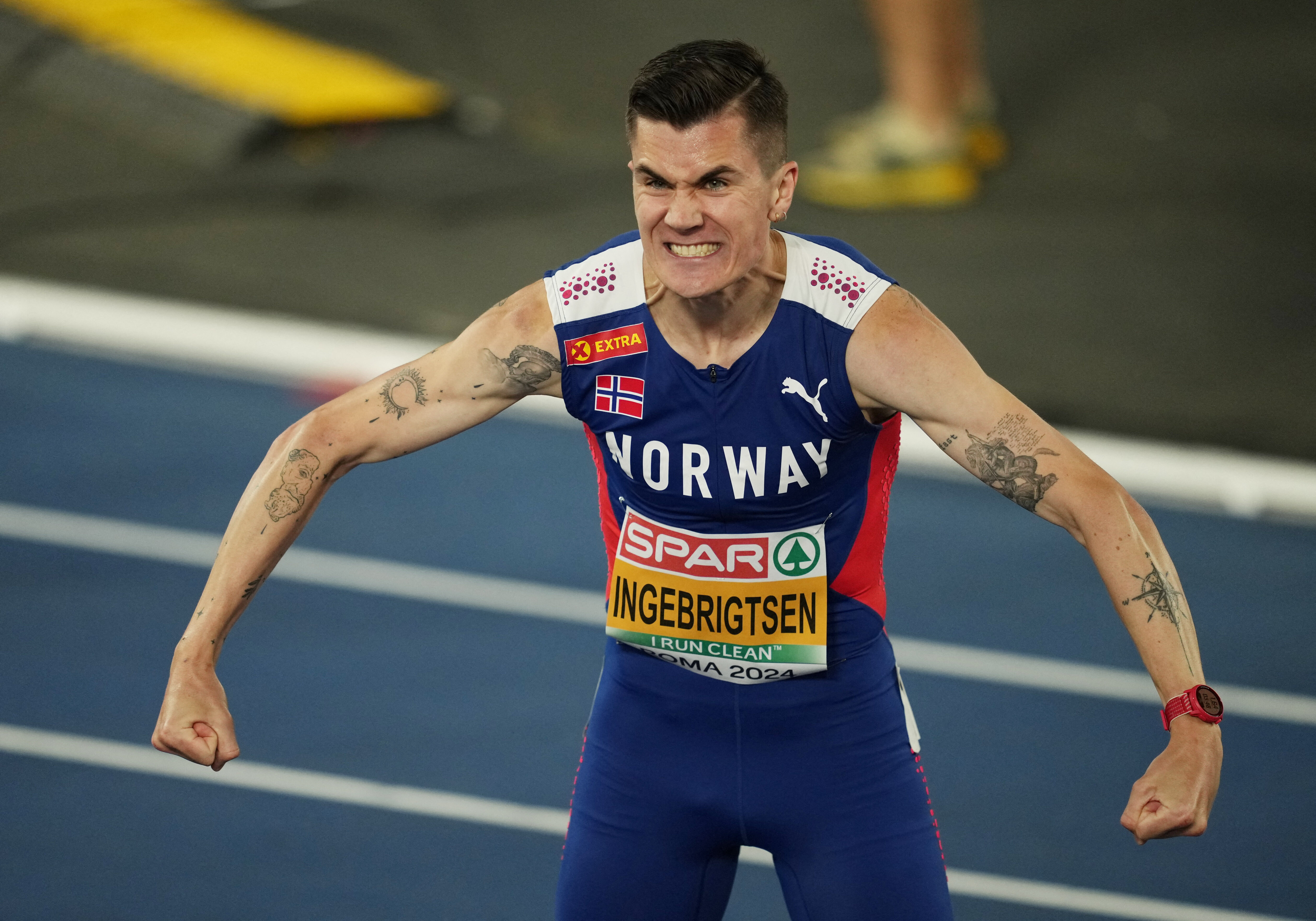
The next likely encounter between Ingebrigtsen and Kerr will be at the Paris Olympic Games.
by Marley Dickinson
Login to leave a comment
Is Running a Four-Minute Mile the Secret to Longevity?
A new study shows that running may increase your longevity and that elite runners live longer than their peers.
The 200th person to break four minutes for the mile, according to the National Union of Track Statisticians, was a Swiss runner named Rolf Gysin. On August 16, 1974, Gysin clocked a 3:56.88. It wasn’t a big surprise: he had already run 3:37 for 1,500 meters the year before, which is equivalent to about a 3:54 mile, and had competed in the Munich Olympics a few years earlier. He was 22 when he broke four; he’s now 72—and still kicking, so to speak.
Gysin was the last guy to make the cut in a new British Journal of Sports Medicine study assessing the longevity of the first 200 runners to break four minutes in the mile, timed to coincide with the seventieth anniversary of Roger Bannister’s famous run. Sub-four doesn’t have the cachet it used to—Track and Field News announced last year that they would stop tracking American sub-fours because the barrier was no longer relevant, though it later reversed the decision—but it’s still a big deal now and was even more so a few generations ago. So did the rigors of pushing their bodies past a once impassable barrier shave years off the lives of these supermen? In a word, no. The study adds another data point to the general finding that elite endurance athletes—Olympians, Tour de France riders, runners—are rewarded with increased longevity. What this finding actually means, though, is perhaps less obvious than it seems.
The study was led by Stephen Foulkes and Mark Haykowsky of the University of Alberta along with André La Gerche of St. Vincent’s Hospital Melbourne in Australia. Its set-up is straightforward. Take the first 200 sub-four milers, and hit up Google to see when they were born and when or if they died. Overall, 60 of the 200 men had died, at an average age of 73.6. Those still alive had an average age of 77.6 and counting. The researchers weren’t able to obtain causes of death for everyone, but of the seven who died before the age of 55, six were traumatic deaths or suicide and one was cancer.
For each runner, they then calculated their life expectancy on the day they broke four. For Bannister, the relevant comparison was how long a 25-year-old Englishman would be expected to live in 1954; for Gysin, it was a 22-year-old Swiss in 1974. Then they aggregated the results to see whether the runners had greater longevity than their age- and sex-matched countrymen.
Here’s what the survival curve looks like, with the x-axis showing years since first sub-four mile:
On average the runners outlive the matched general population by 4.7 years. There’s a generational effect: those who broke four in the 1950s outlived their peers by 9.2 years, while those who did it in the 1960s or 1970s had an edge of 5.5 or 2.9 years, respectively. That could be because the health of the general population is improving thanks to better medical care. But a bigger factor, I assume, is that most of the milers are still alive. Check back in another decade or two, and Rolf Gysin and his 1970s peers will (touch wood) have added to their longevity stats.
The main spur for this study was the long-running debate on whether “extreme” levels of exercise can damage your health—and lead to heart problems in particular. You may think that running a mile isn’t very extreme. But training to run a sub-four-minute mile is definitely extreme: this analysis from a few years ago found that top milers generally run between 75 and 105 miles a week, with around 20 percent of it at very high intensities. So it’s good news to find that barrier-breaking milers aren’t dropping like flies.
Still, there are a bunch of caveats to this kind of study. One is that outliving the average person is a pretty low bar to clear. How do athletes fare compared to someone doing the modest amount of exercise recommended by public health guidelines? One estimate found that the equivalent of just five hours of brisk walking per week extends your life expectancy by 4.2 years. Other estimates, to be fair, are less optimistic—but a comparison of sub-four milers with, say, 5:00 or 6:00 milers rather than the average couch-potato would be interesting.
The other big question is how much of the milers’ longevity is a result of genetics. I’m of the opinion that breaking four is something that only a small fraction of the world’s population can achieve, regardless of how hard they train, how healthily they eat, how fervently they believe in themselves, and how springy their shoes are. Perhaps the traits that make a four-minute mile feasible—strong heart, robust metabolism, great immune system—also favor longevity. Maybe Bannister would have lived just as long even if he had never run a step.
These are tricky problems to solve: you can’t randomly assign people to follow one lifestyle or another for decades, so every dataset has weaknesses. This particular study is also, yet again, all men. The women’s mile record is Faith Kipyegon’s 4:07.64, set last summer. At first I was thinking you could pick an alternate benchmark to study in women, like sub-four for 1,500 meters. But that barrier wasn’t broken until 1976, and by 2000 only 64 women had done it, most of whom are presumably still alive. Even if you pick lower thresholds, there simply weren’t that many women competing until longer track events were added to the Olympic program in the 1970s. Unfortunately, this sort of longevity analysis for female endurance runners will likely have to wait a few more decades.
But even if you could tease out the effects of genetics and training, I suspect there might still be something missing from the analysis: the mystique of the four-minute barrier. I’d love to see a comparison of those first 200 sub-four milers with their contemporaries who ran between 4:00.0 and 4:01.0 in the same era—the near-misses. Back in 2018, a Dutch economist named Adrian Kalwij studied the longevity of U.S. Olympic medalists between 1904 and 1936. All the medalists lived longer than the general population, but silver medalists lived about three years less than gold or bronze medalists. There was something about being “first loser” that was even worse than coming third—an observation that has been confirmed by facial expression analysis on the podium, which finds that silver medalists are the least likely to smile.
Kalwij is interested in the effect of socio-economic status (SES) on health: why do rich people live longer than poor people, and by how much? But his theory is that it’s not just about resources; it’s also about the psychological effects of winning and losing—whether it’s a race, or a spot at an elite college, or a job promotion. In a follow-up study in 2019 (which I wrote about here), he found that the effect of SES on the longevity of Dutch Olympians has been growing, from no effect in the earliest cohort to a difference of 11 years between high- and low-SES athletes in the most recent cohort. That reflects, he believes, an increasingly winner-take-all society in which we all have more opportunities to succeed but also more opportunities to fail. Those who accrue loss after loss in these micro-competitions pay a price in our health.
Whenever I see a study about the longevity of athletes—or, say, Oscar winners, who live longer than Oscar nominees—I’m reminded of Kalwij’s work. I have no doubt that physical activity is the single most powerful lever we have to improve health. I’m fairly confident that those benefits accrue even to those who train really hard, even if the new miler study doesn’t prove it. But I also wonder how much you benefit from the transcendent experience of reaching the top of the mountain—perhaps because my own best 1,500 time, according to World Athletics scoring tables, is equivalent to a 4:00.03 mile. Ouch.
by Outside Online
Login to leave a comment
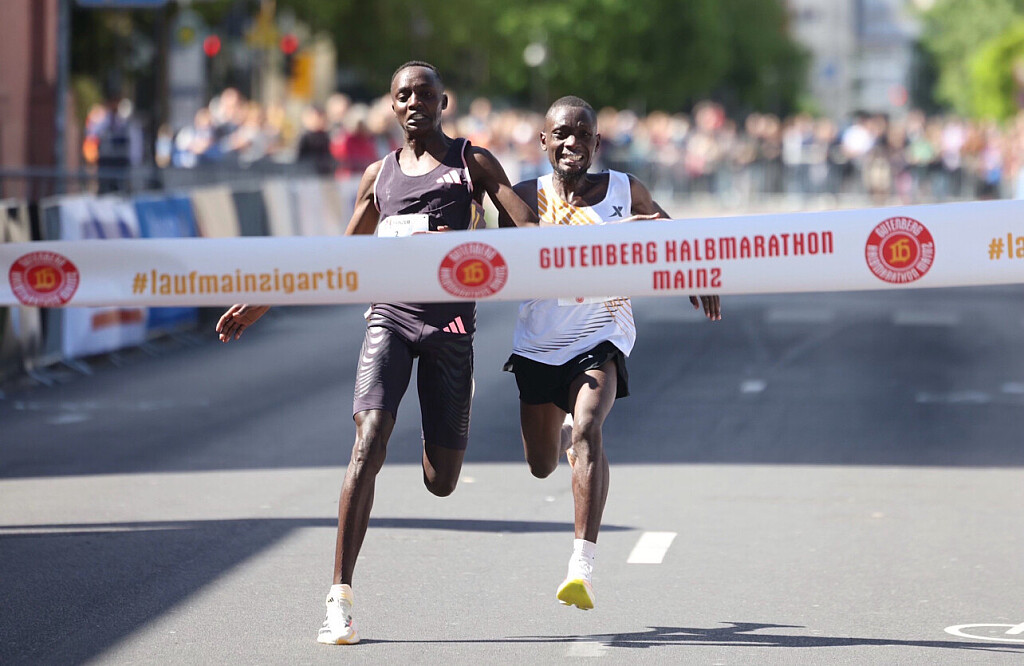
Spectacular finish in Mainz, both course records smashed
A new fast German half marathon has emerged in the city of Mainz at the picturesque river Rhine. On Sunday morningboth course records were smashed at the Gutenberg Half Marathon Mainz and the men’s fight for victory ended in a spectacular and very rare dead race.
Debutant Benson Mutiso and fellow-Kenyan Victor Kimutai stormed over the finish line in 61:01 and neither with photos nor with video material it was possible to separate them. While both athletes shared victory Collins Kipkemboi followed in third with 61:38 and made it an all Kenyan podium.
There was more success for Kenyan debutants in Mainz: Josephine Naukot won the race in 69:26 while Brenda Jepchirchir took second with 69:45. Both ran their first half marathon. Belgium’s Hanne Verbruggen took a fine third place with a personal best of 70:15. Once again she was inside the qualifying standard for the European Championships in Rome next month.
The new focus on the half marathon distance turned out to be an immediate success for the event that was the former Mainz Marathon. The fine winning times propelled the race up into second place in the current German rankings of half marathons. Only the Berlin Half Marathon produced faster times in 2023 and 2024. “We have achieved the times we targeted and we showed that it is possible to run fast in Mainz. And there is quite some room for improvement,“ said Race Director Jo Schindler, who is also the Director of the Mainova Frankfurt Marathon. Including races at shorter distances organisers registered around 11,000 entries for the Gutenberg Half Marathon Mainz.
Benson Mutiso and Victor Kimutai took the lead after the 12k point and it was then mainly Mutiso who ran in the lead. However shortly before the finish Kimutai moved ahead. But Mutiso reacted and once they reached the line they were right next to each other. “I thought I was ahead,“ said Benson Mutiso, who had run a marathon before (2:09:21 in Munich last year), but never competed in a half marathon. “My next goal is to run a fast marathon in October. I would like to go to Frankfurt for that.“ Victor Kimutai as well thought that he was first over the line. “We know each other well since we train together in one group in Iten. So it is fine for us to share victory,“ said Kimutai who ran a personal best in Mainz with 61:01. Behind Collins Kipkemboi (61:38) fellow-Kenyan Patrick Kiprop took fourth place and also ran inside 62:00 minutes with 61:55.
In the women’s race Josephine Naukot already took the lead around the 13k mark. With 69:26 she was then well ahead of fellow-Kenyan Brenda Jepchirchir (69:45). “This was the best race of my career and my greatest victory,“ said Josephine Naukot. “My next goal is to run a time between 65 and 66 minutes. I would like to come back to Mainz next year and further improve the course record. I am not thinking about the marathon yet.“
Belgium’s Hanne Verbruggen showed another fine performance, improving her recent PB of 70:23 to 70:15. “I hoped to run sub 70:00, but I was on my own for large parts of the race. That made it difficult. My big goal is to break the Belgium half marathon record of 68:58“, said Hanne Verbruggen, who is now number three of the Belgium all-time list. Next month she will compete in the European Championships’ half marathon and then in the Olympic Games’ marathon in August.
The top five women in Mainz all clocked personal bests in good weather conditions. Ethiopians Lelise Wakweya and Hadas Shimuye finished in fourth and fifth places with 71:17 and 72:39 respectively. “My impression after this race is that there is huge potential in Mainz. We can build on this,“ said Elite Race Coordinator Philipp Kopp.
Login to leave a comment
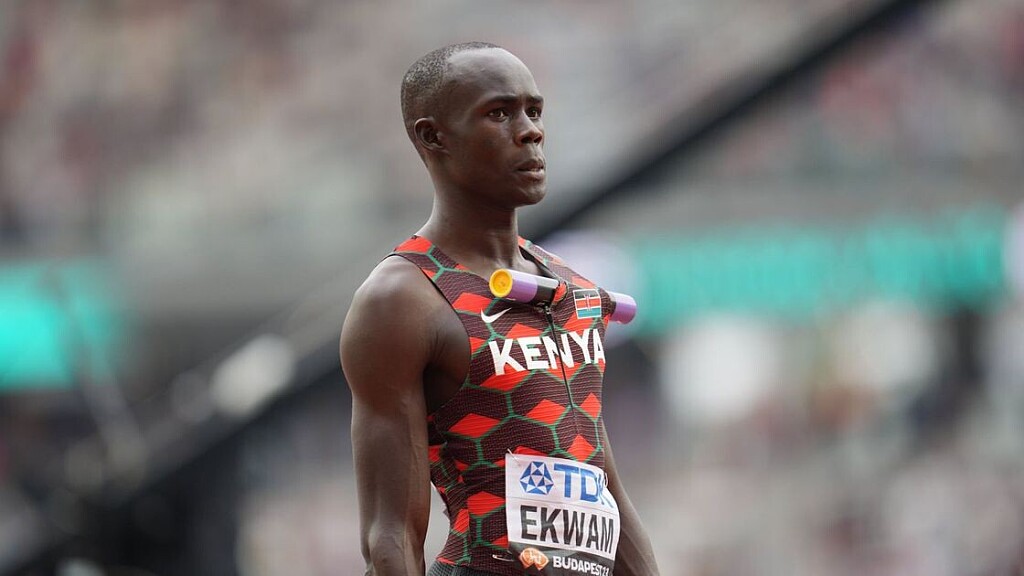
Ekwam looks to leave a mark at the Paris Olympics
Zablon Ekwam is keen to leave his mark in the 400m event at the Paris Olympics after securing his qualification time at the Kip Keino Classic last week.
Ekwam powered to fourth place in 44.69 seconds, closely trailing Botswana’s Leungo Scotch at 44.54. Bryce Deadmon of the USA took second (44.41), while Botswana’s Bayapo Ndori clinched the title (44.10).
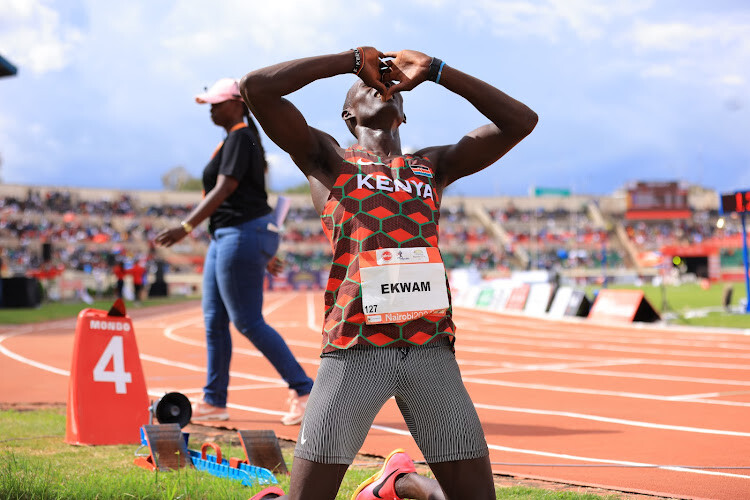
With the 2024 Olympic mark set at 45.00 for men and 50.95 for women, Ekwam’s performance puts him in prime position for the global showdown.
“The Olympics is the climax of any sporting event and every athlete's dream is to make it to the global showpiece. I look forward to making my mark in Paris,” Ekwam remarked.
Ekwam highlighted the privilege of representing the country in an event where few Kenyan athletes qualify. “Representing the country in an event where there are not as many athletes qualifying is a nice feeling,” he stated.
Kenya has only secured two medals at the Olympics in the 400m, first at the 1972 Olympics in Munich, where Julius Sang clocked 44.92 to secure bronze and in 1992 in Barcelona, where the late Samson Kitur also won bronze in 44.24.
The last athlete to represent the country at the Olympics in the 400m was Emmanuel Korir at the 2020 Tokyo Olympics, where he was disqualified for a false start.
Despite missing out on the 2020 Tokyo Olympics, Ekwam remains determined to post impressive results this time around.
“I have been fighting for this spot for four years. I missed out on the 2020 Tokyo Olympics because I did not make the cut,” he stated.
He pointed out that consistent training was the key to making the Olympic team. “I went back to training consistently for three years to make the 2024 Olympics.”
Ekwam’s dedication paid off, as he recently contributed to shattering two African records with the 4x400m men’s relay team at the World Athletics Indoor Championships in Glasgow, Scotland in March.
He was in the company of Wiseman Were, Boniface Mweresa and Kelvin Tauta.
Looking ahead, Ekwam is also set to represent Kenya at the World Relay Championships in Nassau, Bahamas as he seeks to showcase his prowess in the 4x400m mixed relay.
He will be joined by Were, Kennedy Kimeu, Mercy Chebet, Mary Moraa and Maureen Thomas as they hunt for a top-14 finish that will secure Olympic qualification for the relay team.
by Teddy Mulei
Login to leave a comment

Paris 2024 Olympic Games
For this historic event, the City of Light is thinking big! Visitors will be able to watch events at top sporting venues in Paris and the Paris region, as well as at emblematic monuments in the capital visited by several millions of tourists each year. The promise of exceptional moments to experience in an exceptional setting! A great way to...
more...
World-class fields will go for course records and target Olympic qualification in Sunday’s Haspa Marathon Hamburg
Kenya’s defending champion and course record holder Bernard Koech, who tied his personal best with 2:04:09 a year ago, is back while Gotytom Gebreslase, the World Champion from 2022, is the favorite in the women’s race.
The Ethiopian, who has a PB of 2:18:18, wants to secure the third spot for the Paris Olympic race in Hamburg. Fellow-Ethiopian Yalemzerf Yehualaw holds Hamburg’s course record of 2:17:23. Late entry Nienke Brinkman will also try to qualify for Paris. The Dutch runner is the bronze medalist from the European Championships in Munich in 2022.
Organizers of Germany’s biggest and fastest spring marathon have registered a record total of 38,210 runners. Among them are 15,000 athletes who will compete in the classic event. “If all goes well on Sunday and the pacemakers run a bit more even and slightly faster we could see similar results to last year. I am curious to see if Gotytom Gebreslase manages to qualify for Paris and if she is able to break the course record. But even a sub 2:20 time is something special since we only have one so far,“ said chief organizer Frank Thaleiser, who introduced an additional bonus of 20,000 Euros for the course records. All runners – men and women – who finish inside the course records share this amount. If there would be one man and three women who clock faster times than the previous records they would each receive 5,000 Euros. “This way we want to encourage the runners in a leading group to go for a fast time after the last pacemaker has dropped out,“ explained Frank Thaleiser.
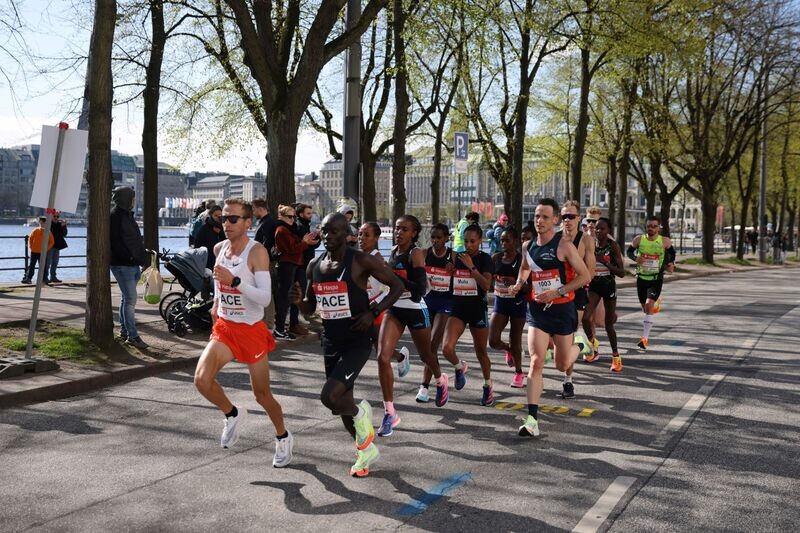
“Training was going well and compared to last year in Hamburg I have reached the same level. So if the weather conditions are fine then a fast time is possible,“ said Bernard Koech. It is highly unlikely that he could still be selected for the Olympic marathon, but he said: “I will give everything and if they should select me then I will be ready.“ Bernard Koech is one of seven runners in the race who feature personal bests of sub 2:05:00. While Ethiopia’s Getaneh Molla is the fastest on the start list with 2:03:34 he has not reached such times in recent years.
Brimin Misoi and Philemon Kiplimo are tipped to be among the strongest challengers for defending champion Koech. Both have done very well on German roads in the past. Misoi has won the Frankfurt Marathon twice in a row. When he defended his title last autumn the Kenyan improved to 2:04:53 despite windy and rainy conditions. He now intends to run faster in Hamburg. “I ran the Paris Marathon at the beginning of April. But because of breathing problems I dropped out and then decided to go for Hamburg,“ said Misoi. It was in Berlin last year, where Philemon Kiplimo improved to 2:04:56 and finished eighth in a very competitive race. “German roads are good for me, so I am looking forward to Sunday. I want to run with the leading group and improve my time,“ said Kiplimo, who has a superb half marathon PB of 58:11.
“We are planning a pace in the region of the course record, may be slightly faster. Additionally there will be a really big group of probably 25 athletes who will target the 2:08:10 Olympic qualifying time“, said Hamburg’s Elite Race Coordinator Jurrie van der Velden of Jos Hermens’ Global management. “We are not quite sure yet, but the women’s leading group might run a pace somewhere between 2:16 and 2:18. There is a group as well which targets Olympic qualification, running sub 2:26:50 pace.“
“It is my goal to qualify for the Olympics on Sunday,“ said Gotytom Gebreslase, who surprisingly won her debut marathon in Berlin in 2021, then went on to become World Champion in the following year and took the silver medal at last year’s global championships in Budapest. Jurrie van der Velden explained that the Ethiopian federation usually selects the two fastest runners during the qualifying window and then picks the athlete who performed best at major championships as long as that athlete confirms good form. When Gebreselase ran the Nagoya Marathon in March she did not finish. “I got stomach problems during the race and dropped out after 35k. Then I trained well and decided to run in Hamburg. I am in good form now and want to run sub 2:18 here. Perhaps I can attack the course record. I would think such a performance should be enough to get selected,“ said Gotytom Gebreslase.
Nienke Brinkman joined Hamburg’s elite field at short notice. The European bronze medalist from 2022 has still not achieved the qualifying time for the Olympics. She ran her PB of 2:22:51 in 2022, but that was outside the qualifying period. A year ago Brinkman clocked a fine 2:24:58 in Boston, but this course is not record eligible and results do not count as qualifying times. However it is a far easier task for Brinkman to achieve qualification in Hamburg than for Gebreslase. Reaching the qualifying standard of 2:26:50 should be enough for the former Durch record holder.
A debutant could well be in the mix for at least a place on the podium: Irine Cheptai is the World Cross Country Champion from 2017. “I started preparing for my marathon debut in January and training went very well. I think I will go with the second group on Sunday,“ said the Kenyan who has already run a very fast and promising half marathon time of 64:53.
Among a number of German runners Katharina Steinruck is probably the one who could produce the national highlight in Hamburg. She improved to 2:24:56 this winter and now hopes to break the family record: It was exactly 25 years ago when Katrin Dörre-Heinig, the bronze medalist of the 1988 Olympic marathon in Seoul, won the Hamburg Marathon with 2:24:35. For many years this remained the German marathon record. “It is my aim to break my Mum’s record and it would be great if I could do it in Hamburg,“ said Steinruck.
by AIMS
Login to leave a comment
Haspa Marathon Hamburg
The HASPA MARATHON HAMBURG is Germany’s biggest spring marathon and since 1986 the first one to paint the blue line on the roads. Hamburcourse record is fast (2:05:30), the metropolitan city (1.8 million residents) lets the euphoric atmosphere spill over and carry you to the finish. Make this experience first hand and follow the Blue Line....
more...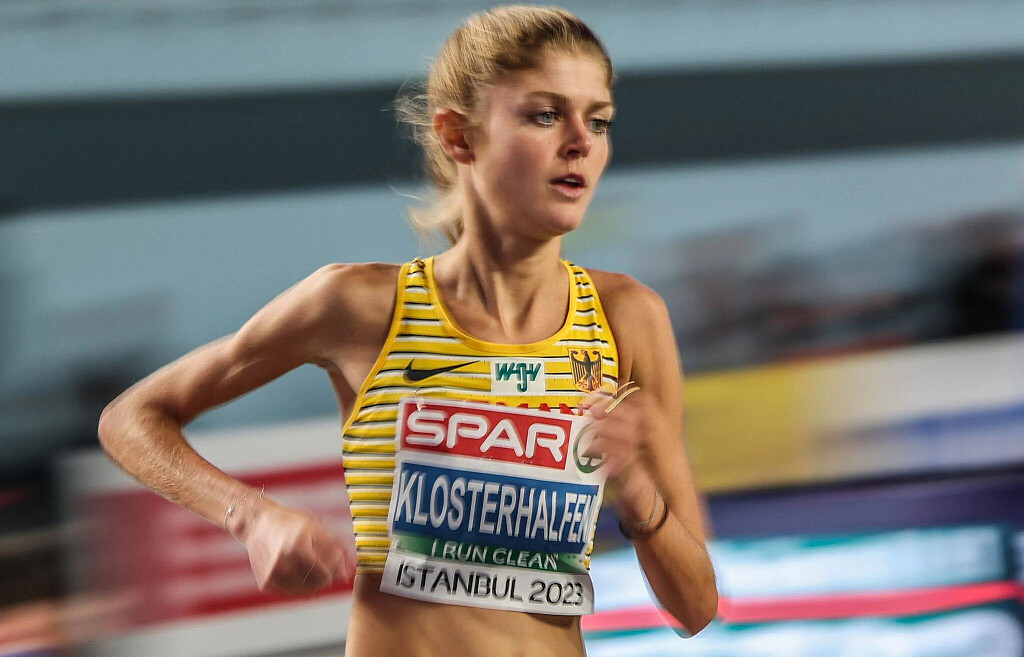
Konstanze Klosterhalfen will run in the Paderborn Easter Run
The traditional Paderborn Easter Run is celebrating its 76th edition on Saturday. Konstanze Klosterhalfen has signed up at short notice and will almost meet the assembled German marathon elite over 10 kilometers.
Among the men, Simon Boch is chasing the first 27s. Station two of the 2024 R5K tour awaits the U20 and U23 talents over 5 kilometers.
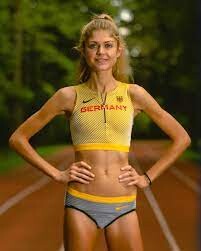
What a line-up at the Paderborn Easter Run: With the marathon aces Katharina Steinruck (Eintracht Frankfurt), Fabienne Königstein (MTG Mannheim) and Deborah and Rabea Schöneborn (both SCC Berlin), the 10-kilometer race was on Holy Saturday (March 30th). already well staffed. Konstanze Klosterhalfen (TSV Bayer 04 Leverkusen), currently the best German runner on this route and the 5,000-meter European champion in Munich 2022, has now announced her participation.
Konstanze Klosterhalfen has her eye on the Olympic standard of 30:40 minutes for the 10,000 meters on the track and wants to show that this mark is already within her reach on the road. Her current best time on the road, set on March 16th when she won in Laredo (Spain), is 31:07 minutes. However, the 27-year-old is only number two on the star list behind the Kenyan Purity Gitonga (PB 30:57 minutes) - although she was significantly slower in her recent triumph in Dresden in 31:40 minutes.
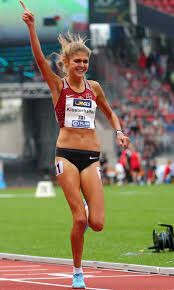
The fastest German runner in the elite field over 10 kilometers is Simon Boch (LG Telis Finanz Regensburg). He narrowly missed his first time of 27 minutes three times in 28:01 and 28:02 minutes respectively. In the wake of the favored Kenyans Vincent Kimutai Towett (PB 27:42 min) and Victor Kiptoo Kimutai (PB 27:52 min), the mark in Paderborn could finally be due. With Velten Schneider (VfL Sindelfingen), the fourth place in the DM also mixes with the road runners over the obstacles. His best time of 29:01 minutes from last year shows that he is in good hands there.
SECOND STOP ON THE R5K TOUR 2024
The prospect of a race under the eyes of the German running elite is certainly a special motivation for the young talents. They will start their five-kilometer lap in Paderborn at 11:00 a.m. in the second race of the R5K Tour 2024 , before the aces led by running star “Koko” Klosterhalfen start their ten kilometers on the super-fast Paderborn course at 12:20 p.m .
There are also well-known names on the start list at the second stop of the R5K tour 2024 to Dresden ( we reported ): Tristan Kaufhold (SSC Hanau-Rodenbach) and Linda Meier (LAV Stadtwerke Tübingen), two running talents, are starting in Paderborn, who will be in the 2023 The opening season of the R5K tour celebrated overall victories in the U20. While the Hessian can defend his title in the U20 this year, the Tübingen native has moved up to the U23. There she will meet again Sonja Lindemann from LG Wedel Pinneberg, with whom she had a duel for the U20 overall victory in the R5K tour in 2023.
MIDDLE DISTANCE RUNNERS VERSUS LONG DISTANCE RUNNERS
The female U20 and U23 are strong in this year's R5K tour for young running talent in Germany. At the start of the second race of the racing series initiated by German Road Races (GRR) together with the German Athletics Association (DLV), there are two other runners, Vanessa Mikitenko (SSC Hanau-Rodenbach) and Carolina Schäfer (TG Schwalbach), alongside Linda Meier In 2023, they competed for Germany at the U20 European Championships in Jerusalem.
This also applies to U20 European Championship participant Jan Dillemuth (Königsteiner LV), who is competing in the U23 in Paderborn: “The meeting of middle distance runners like him with runners who otherwise concentrate on long distances is also what makes the five kilometers so appealing race as part of the R5K tour,” says Christian Stork, head of organization for the Paderborn Easter Run. And so it will be particularly exciting to see how last year's winner Tristan Kaufhold will present himself, who, as the German U20 champion over 10 kilometers, improved the German best time for under 20 year olds to 29:40 minutes.
by Christian Ermet
Login to leave a comment

Paderborner Sterlauf
It is well known that the fascination of running has steadily increased in recent years.But the Paderborn Easter Run has been around for 72 years. It is the oldest street race in Germany, organized by the SC Grün-Weiß Paderborn, enjoys even after so many decades of growing popularity and belongs to many already traditional Easter.There are even runners and helpers...
more...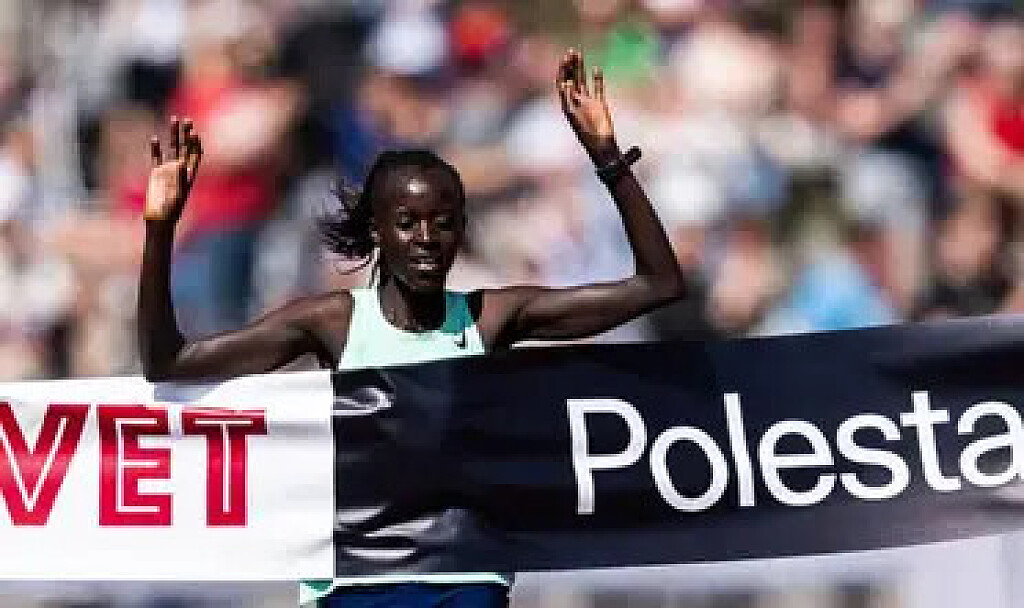
Susan Chembai is aiming for victory and a course record at the NN CPC Loop Den Haag
Susan Chembai is aiming for victory and a course record during the 48th NN CPC Run, current national half marathon champion, is also at the start. It was previously announced that Abdi Nageeye will launch an attack on his own Dutch record half marathon .
Susan ChembaiSusan Chembai is the big favorite among the women during the 48th NN CPC Run on Sunday, March 10. The 24-year-old Kenyan wants to give her performance at the NN Half Marathon extra shine with a course record. The fastest time ever run by an athlete in the royal city has been in the name of Lornah Kiplagat since 2000. The Dutch triumphed at the time in 1.06.56.
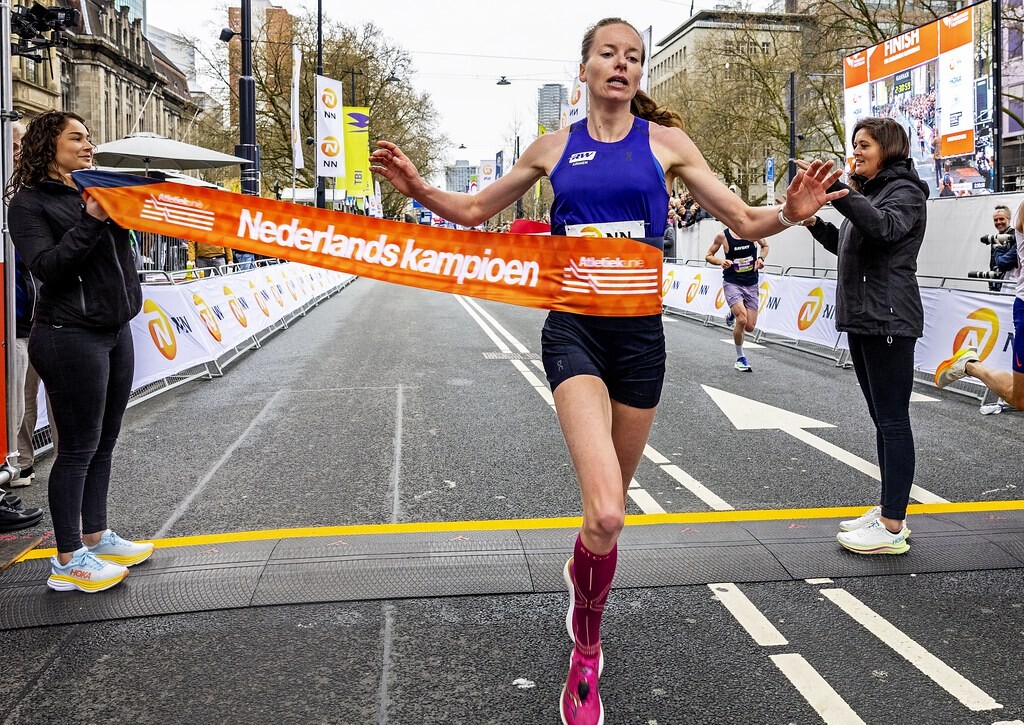
Chembai is a promising athlete who makes great progress every year. She improved her personal best in the half marathon from 1.13.22 (2021, Verona) via 1.11.34 (2022, Lisbon) to 1.09.26 (2023, Copenhagen). She wants to surpass herself again on the attractive and fast course of the NN CPC Run The Hague. Last year she also stood out with a PR of 52.48 during the CZ Tilburg Ten Miles.
Katharina SteinruckAnother eye-catching appearance in the field of participants is Katharina Steinruck. The 34-year-old athlete won gold with the German women's marathon team during the 2022 European Athletics Championships in Munich. In the same year she set her PR in the half marathon in Berlin: 1.09.38. Steinruck is the daughter of Katrin Dörre, an athlete with an impressive list of honors. Dörre ran more than forty marathons and finished first in Osaka (4x), London (3x), Tokyo (3x), Frankfurt (3x), Berlin, Hamburg and Enschede. The (East) German won the bronze medal at the Seoul Olympics (1988) and at the Tokyo World Championships (1991).Katharina Steinruck is getting closer to her mother's personal top times. In the half marathon: 1.09.38 versus 1.09.15. In the marathon: 2:24:56 versus 2:24:35. Katrin Dörre, now 62 and national coach, ran her last marathon in 1999. Striking detail: mother and daughter both won the Enschede marathon during their careers.
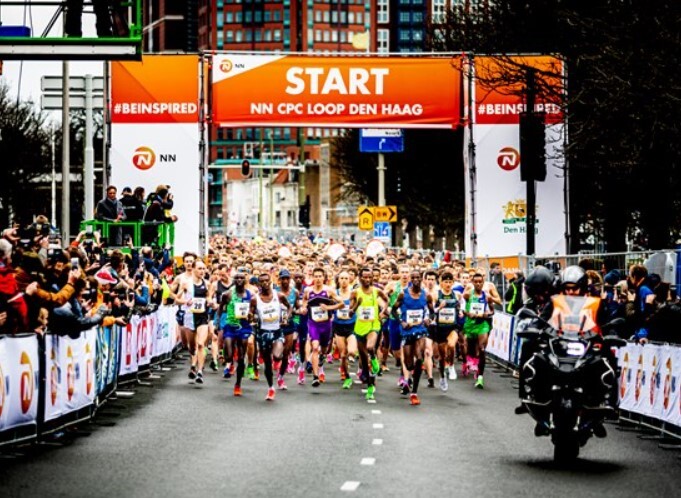
Anne LuijtenAnne Luijten (29) is a Dutch star who has already met the marathon limit for the Paris Olympic Games with 2.26.36. That part is on the program in the French capital on Sunday, August 11 at eight o'clock in the morning. Luijten, born in Rijswijk, is the reigning Dutch champion in the half and full marathon. Last year she set a personal record of 1.12.12 at the CPC Loop The Hague. The women's race was then won impressively by Nienke Brinkman (1.07.44).
MenWilbert Lek, organizer of the CPC Run The Hague: "Once again we can speak of an interesting field of participants among women. We count on just as exciting a race as last year, when Nienke Brinkman won with a strong personal record. Following in the footsteps of the top athletes, many recreational participants will again pursue their personal goals, because the 'CPC' is the inspiring running event for everyone. We will soon provide more information about the men.”
Running partyThe CPC Run is the largest running party in the residence and attracts more than 30,000 participants every year in an unprecedentedly atmospheric atmosphere. In addition to being a top sporting event, it is a fun and sporty 'outing' for the whole family. With distances up to and including the half marathon, the event is known as a spring classic. The event is almost completely sold out, there are only starting tickets available for the 10 KM Run.
All distances start and finish at the Malieveld. The courses run through the crowd-filled streets of The Hague. The main part, the Half Marathon, goes from the city to the iconic Pier in Scheveningen and then finishes back in the city.
Login to leave a comment

NN CPC Loop Den Haag
The City-Pier-City Half Marathon (NN CPC Loop Den Haag) was first held in 1975 and featured a 14.5km course. This was extended to the half marathon distance the following year. The competition has been used as the Dutch half marathon championships on a number of occasions. The course is a relatively flat one, which lends itself to fast times for...
more...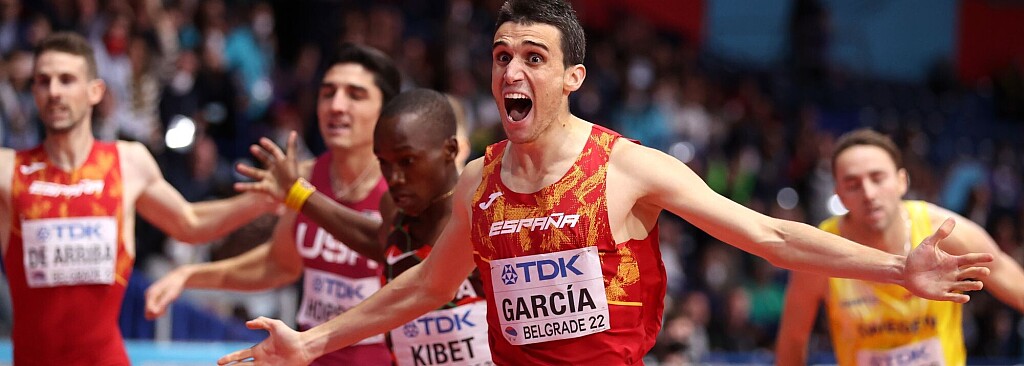
Garcia on Spanish team to defend world indoor title in Glasgow
Mariano Garcia forms part of the Spanish team for the World Athletics Indoor Championships Glasgow 24 and will defend his 800m title at the event that takes place from March 1-3.
The 26-year-old claimed his first global title in Belgrade two years ago and went on to win European 800m gold that year in Munich.
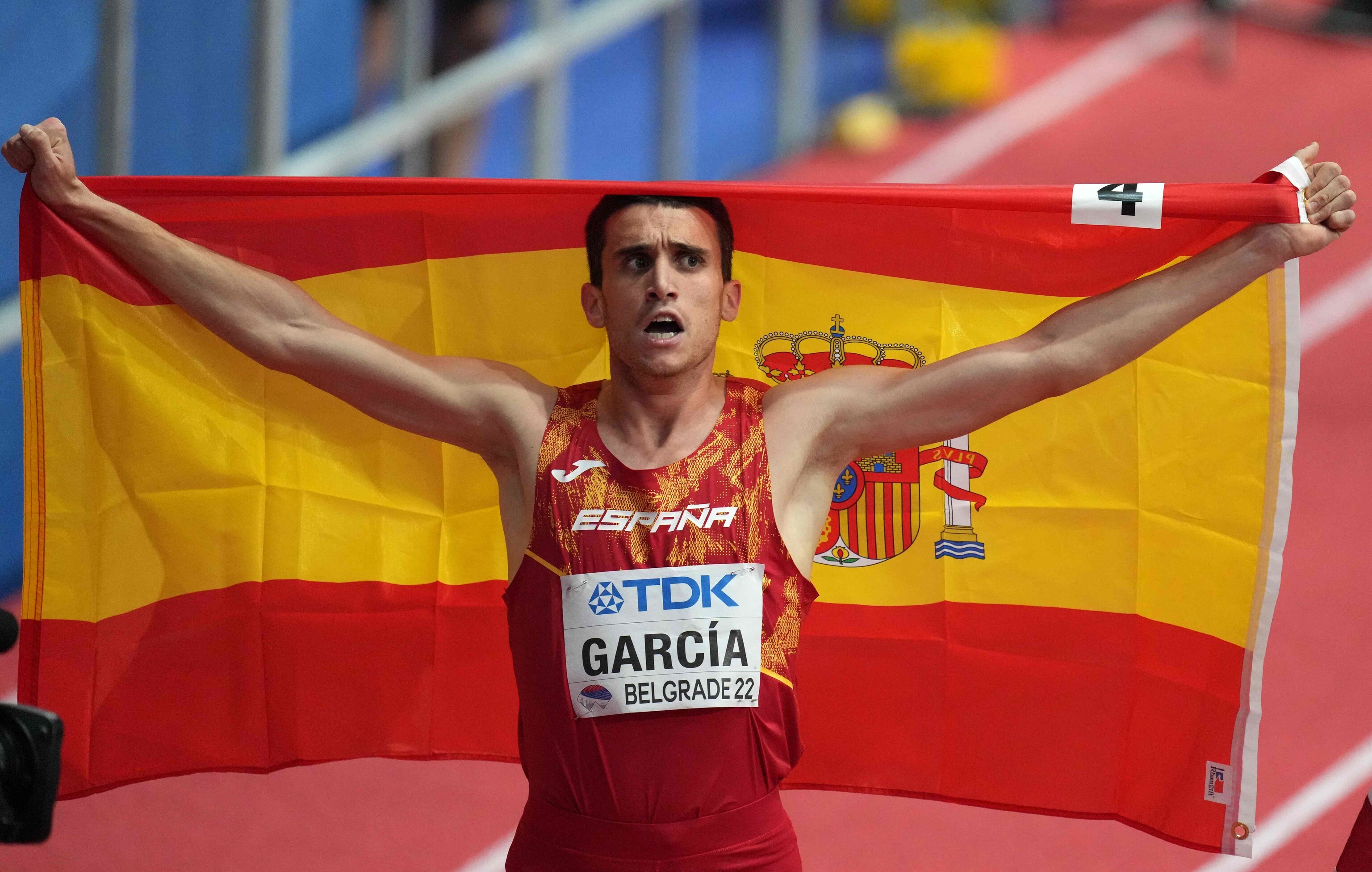
In Glasgow, Garcia will be joined in the men’s 800m by teammate Mohamed Attaoui.
Maria Vicente heads to Glasgow in the form of her life, having scored a world-leading national record of 4728 points in the pentathlon in Aubiere in January.
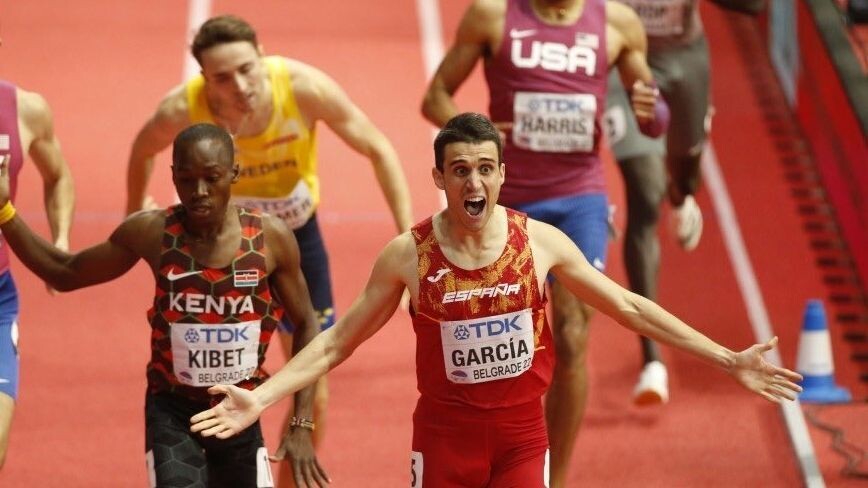
National mile record-holder Marta Perez and national champion Esther Guerrero are both entered for the women’s 1500m.
After winning three medals at the European Indoor Championships between 2017 and 2023 and finishing fifth at the 2018 World Indoor Championships in the 3000m, Adel Mechaal will contest the 1500m in Glasgow. He will be joined in that event by two-time world finalist Mario Garcia.
Asier Martinez will look to build on his fourth-place finish in Belgrade in the 60m hurdles.
The full team will be confirmed once world rankings places have been finalised.
Spanish team for Glasgow
Women
60m: Jael Bestue
1500m: Esther Guerrero, Marta Perez
60m hurdles: Xenia Benach
Pentathlon: Maria Vicente
Men
800m: Mohamed Attaoui, Mariano Garcia
1500m: Mario Garcia, Adel Mechaal
60m hurdles: Enrique Llopis, Asier Martinez
by World Athletics
Login to leave a comment

World Athletics Indoor Championships
World-Class Competition Lands in Poland: 2026 World Athletics Indoor Championships The 21stWorld Athletics Indoor Championshipsare being held from 20 to 22 March 2026 at theKujawsko-Pomorska Arena ToruńinToruń,BiT City,Kuyavian–Pomeranian,Poland. It is the second time the country has held the event after the2014 editioninSopot. The venue previously hosted the2021 European Athletics Indoor Championships. On 22 March 2023, the World Athletics Council...
more...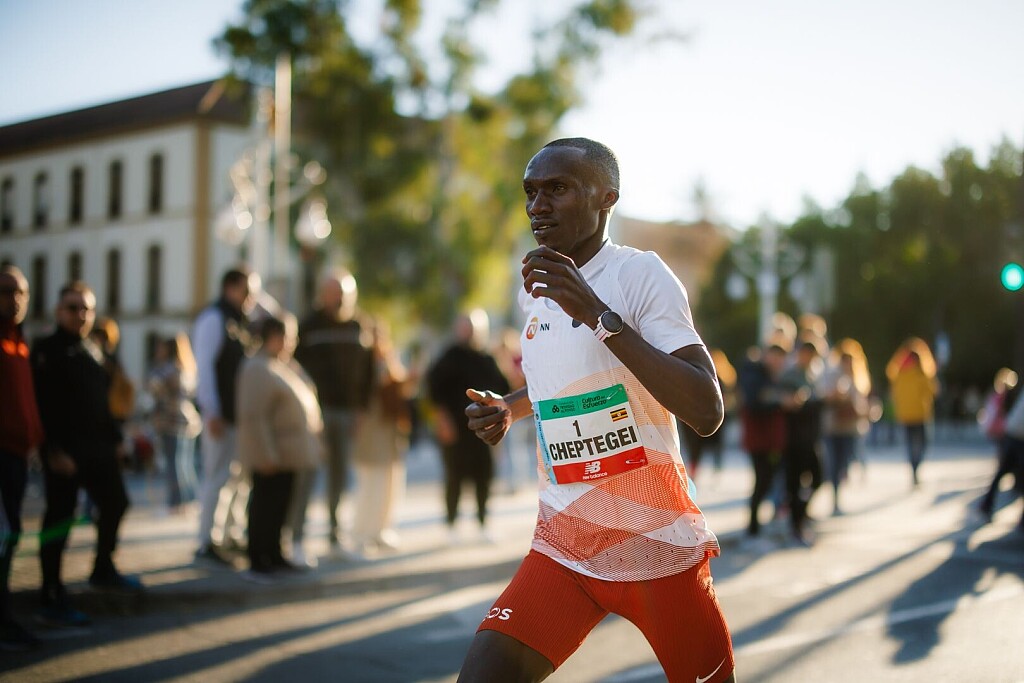
Marathon debut behind him, Cheptegei turns focus back to 10,000m for Paris
Just a few miles away from the site of his world 10,000m record three years prior, Joshua Cheptegei stumbled towards the finish line of the Valencia Marathon.
On the track, the Olympic 5000m gold medallist and three-time world 10,000m champion is renowned for his unbeatable finishing strength. But in what was his debut over the marathon distance, with each foot somehow supporting a tired body on the brink, the Ugandan had to be content with 37th place in the Spanish city, clocking 2:08:59.
Cheptegei wasn’t too disappointed or surprised, though. Supported by race organiser Marc Roig, Cheptegei hobbled to the elite finishers’ tent immediately after the race, beaming from ear to ear.
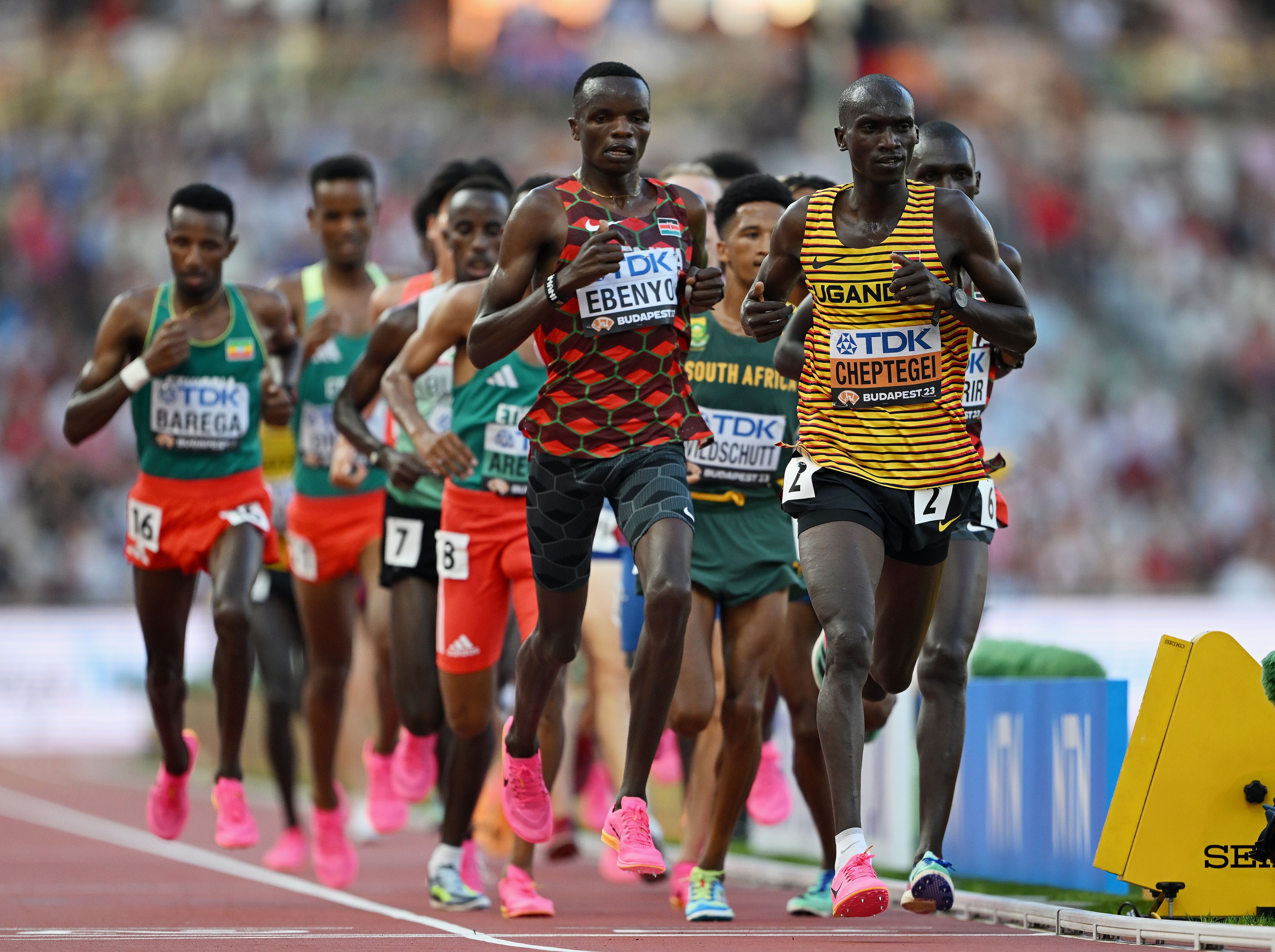
A few days before, Cheptegei had prophetically warned: "The marathon has no respect for people.”
Not even Olympic champions, it would seem.
Fans have grown used to Cheptegei finding his rhythm in a leading pack, so it was no surprise to see him there at halfway. Going through 13.1 miles in 1:00:36 wasn’t part of the plan – not that there necessarily was one.
When asked in the build-up to the race what he wanted from his debut, Cheptegei simply said: “I want to learn.”
Collapsing over the line with a rueful smile, Cheptegei made it clear that his objective had been achieved.
He knew that his preparation for the event had been far from perfect. It started with pulling out of the Wanda Diamond League final due to a reaction to wearing spikes in defending his world 10,000m crown in Budapest. Once he did return, the weeks that followed saw his usual runs around the rolling hills of Kapchorwa deemed too dangerous due to constant deluges.
Cheptegei never ran more than 160km a week – which, by the standards of most current marathon specialists, was a light schedule.
Yet in Valencia, he still chose to go with the pace. Many would expect little else from a world 5000m and 10,000m record holder consistently pushing the margins of the possible.
For many fans, their first clear memory of Cheptegei at a senior level was his performance at the 2017 World Cross Country Championships on home soil in Kampala.
That day, the 2016 Olympic 10,000m sixth-place finisher ripped the senior race apart, striding away through the middle section and building a huge lead into the final kilometer.
The Ugandan fans chasing him in bursts around the course almost went as far as to hand over the red, yellow and black flag.
As the commentators proclaimed his title, Cheptegei had pushed himself to the limit, a smooth stride rolling to a wayward struggle.
Defending champion Geoffrey Kamworor – a former mentor to Cheptegei during his time in Kenya in 2015 – silenced the crowds, passing the struggling Ugandan in a fleeting second and going on to win. Cheptegei eventually finished 30th.
“Joshua had a great belief and a great determination in running,” Kamworor commented on his Ugandan rival. “Whenever you talk with him, you could see in his mind that he had great aspirations in life.
“He's even becoming one of my mentors.”
Cheptegei won the senior title at his next attempt in Aarhus in 2019, the year of the first of three consecutive world 10,000m titles. An Olympic silver in Tokyo in that event accompanied 5000m gold.
Risks taken, lessons learnt all in a bid to break new ground. It's core to Cheptegei’s philosophy as a runner and ultimately role model to those that follow him around the world but perhaps most importantly back home in Uganda.
It’s also followed him since his first days as a professional.
While training with Kamworor, Eliud Kipchoge and the rest in Kaptagat, barely aged 20, the 2014 world U20 10,000m champion made a difficult but bold decision.
“I told my management that I wanted to go back home and build a running culture, and to inspire the young generation here in Uganda.”
As a young athlete – and although it happened 24 years before Cheptegei was born – Cheptegei was made aware of the fact that John Akii-Bua earned Uganda's first Olympic athletics medal when taking 400m hurdles gold in Munich in 1972.
It’s clear that Cheptegei now feels a sense of responsibility when it comes to developing the sport in his country, in much the same way Akii-Bua did more than 50 years ago.
“It’s a privilege to have had great guys like him open the way for us, especially in a difficult time where the country was unstable,” says Cheptegei.
Akii-Bua was forced to live out a large part of his life outside Uganda, moving to Kenya towards the final days of the Idi Amin dictatorship.
Likewise, Uganda’s next Olympic gold medalist, Stephen Kiprotich, trained for much of his career in their eastern neighbor.
The then 15-year-old Cheptegei admits taking a break from kicking a football around the schoolyard to watch Kiprotich win Olympic marathon gold in 2012, that being the moment he made his own plans for global success.
“I was like, ‘right it’s in my heart. I want to become a champion, a national hero like him’.”
Cheptegei has developed those ambitions. For better or worse, he aims to deliberately show the next generation they need not leave home. No altitude camps elsewhere, high tech facilities or trips to some winter sun.
“I have always trained in Uganda, always and always," he reiterates.
Despite the world records, Olympic gold and world championship titles, Cheptegei still feels that to prove that emphatically, one achievement remains left to tick off.
It's all about the number 10.
“2024, it’ll be 10 years running internationally,” he says. “10 years at a high level.
“I'm still in love with the 10,000m, the special distance. I still want to go to Paris and win.”
Only Kenenisa Bekele and Haile Gebrselassie have won more world 10,000m titles than Cheptegei. Both won two Olympic golds in the event.
Cheptegei will head to the French capital hungry to find his first, motivated in the knowledge that in doing so he'll send a message to that young Ugandan watching, hoping to follow in his path.
by George Mallett for World Athletics
Login to leave a comment
Paris 2024 Olympic Games
For this historic event, the City of Light is thinking big! Visitors will be able to watch events at top sporting venues in Paris and the Paris region, as well as at emblematic monuments in the capital visited by several millions of tourists each year. The promise of exceptional moments to experience in an exceptional setting! A great way to...
more...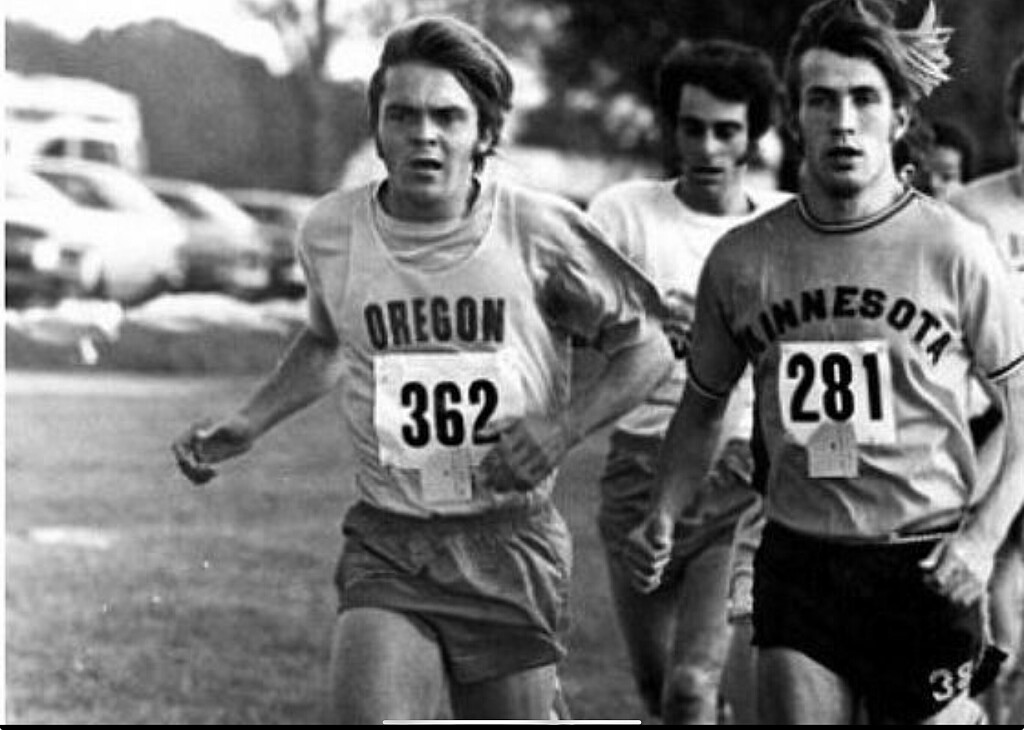
5 things you should know about Steve Prefontaine
Steve “Pre” Prefontaine would have turned 73 on Thursday, and the legendary runner’s enduring legacy and impact on the sport continues. From Coos Bay, Ore., Pre became one of the biggest stars in the sport during his time at the University of Oregon in the 70s, where he held seven American records from the 2,000m to the 10,000m. Here are five facts about the iconic runner, whose achievements and words continue to inspire and resonate.
Trailblazer of distance running
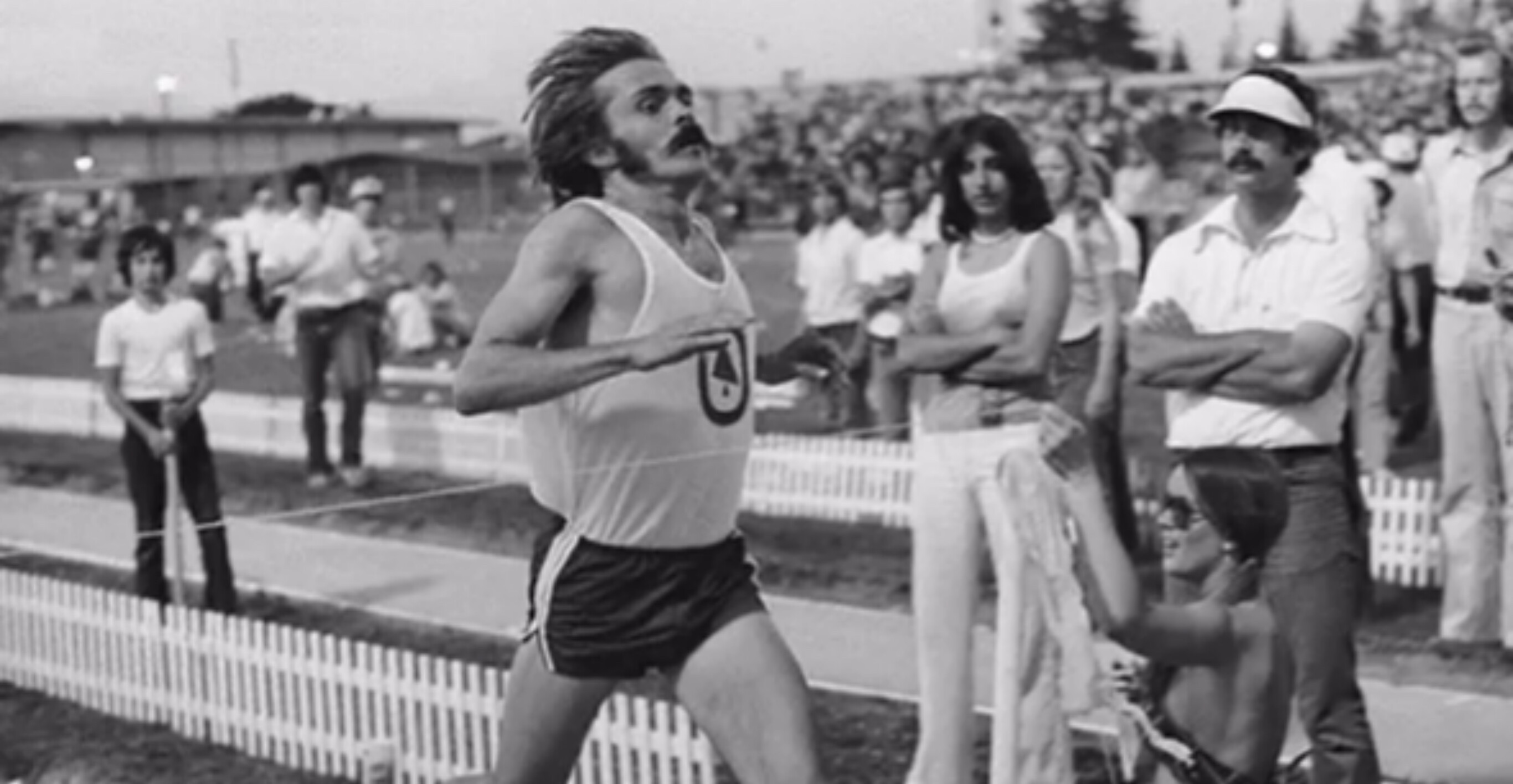
Prefontaine was a pioneer in distance running, known for his fearless approach and unwavering determination. He burst onto the scene in the early 1970s, and his aggressive front-running style and refusal to settle for anything but victory revolutionized distance running in the U.S. and beyond.
Prefontaine’s Olympic journey was tragically cut short when he was 24. He competed in the 1972 Summer Olympics in Munich and was preparing for the 1976 Olympics with the Oregon Track Club when he died in a car accident on May 30, 1975.
Advocate for athletes’ rights
Beyond his achievements on the track, Prefontaine was a vocal advocate for the rights of amateur athletes. He challenged the existing system, governed by the Amateur Athletic Union (AAU) that restricted athletes’ ability to earn money while maintaining their amateur status. Prefontaine defied the AAU by organizing a series of meets with a group of Finnish athletes. One of these meets, held at Marshfield High School in 1975, was where Prefontaine set his last American record.
Legendary duel at the 1972 Munich Olympics
One of Prefontaine’s most memorable moments was the 5,000m race at the 1972 Munich Olympics. In a fierce battle against Finnish runner Lasse Virén, Prefontaine showcased his indomitable spirit, finishing fourth in a race that is often considered one of the greatest duels in Olympic history. The image of Prefontaine pushing himself to the limit serves as a timeless reminder of his competitive fire.
Nike’s first signature athlete
In 1974, Prefontaine signed with Nike for $5,000—as the first runner to sign with the company, he jump-started the brand as a running shoe company. Bill Bowerman, the sports coach at the University of Oregon, also happened to be the co-founder of Nike. In 2022, a pair of Nike Oregon waffle shoes worn by the distance runner were sold for USD $163,800 on the auction site, Sothebys.com.
The Prefontaine Classic
In honor of Pre’s lasting impact on the sport, the annual Prefontaine Classic track and field meet was established in Eugene, Ore. This prestigious event attracts elite athletes from around the world and continues to be a fitting tribute to Pre’s legacy. Hayward Field, where the meet is held, holds a special place in the hearts of runners as the venue where Prefontaine achieved many of his remarkable feats.
Prefontaine is remembered not only for his athletic prowess but also for the passion, courage, and advocacy that defined his life.
Login to leave a comment
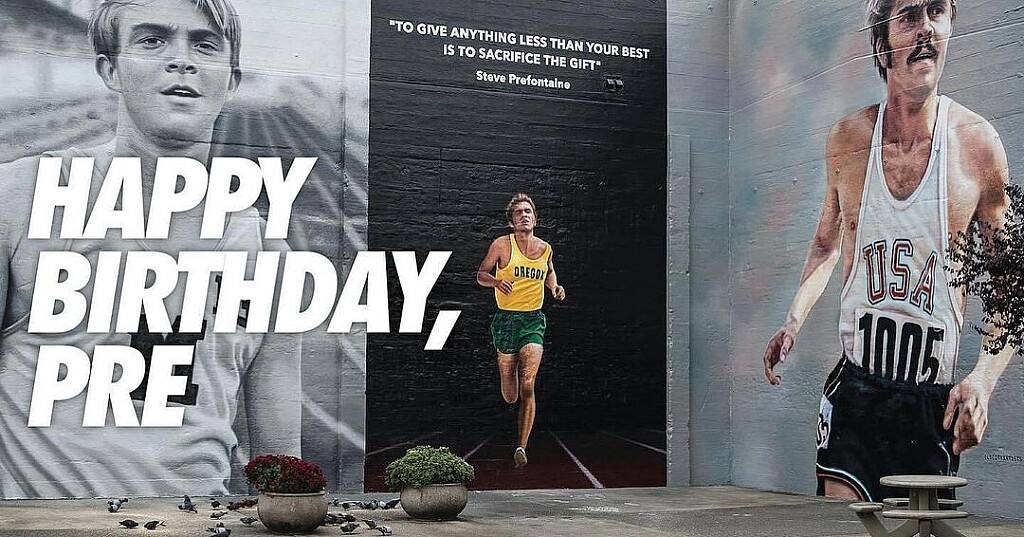
Five things you should know about Steve Prefontaine, on his birthday
Steve “Pre” Prefontaine would turn 73 on Thursday (Jan 25), and the legendary runner’s enduring legacy and impact on the sport continues. From Coos Bay, Ore., Pre became one of the biggest stars in the sport during his time at the University of Oregon in the 70s, where he held seven American records from the 2,000m to the 10,000m. Here are five facts about the iconic runner, whose achievements and words continue to inspire and resonate worldwide.
1.- Trailblazer of distance running
Prefontaine was a pioneer in distance running, known for his fearless approach and unwavering determination. He burst onto the scene in the early 1970s, and his aggressive front-running style and refusal to settle for anything but victory revolutionized distance running in the U.S. and beyond.
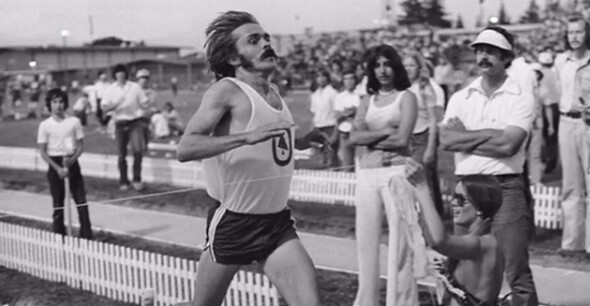
Prefontaine’s Olympic journey was tragically cut short when he was 24. Prefontaine competed in the 1972 Summer Olympics in Munich and was preparing for the 1976 Olympics with the Oregon Track Club when he died in a car accident on May 30, 1975.
2.- Advocate for athlete’s rights

Beyond his achievements on the track, Prefontaine was a vocal advocate for the rights of amateur athletes. He challenged the existing system, governed by the Amateur Athletic Union (AAU) that restricted athletes’ ability to earn money while maintaining their amateur status. Prefontaine defied the AAU by organizing a series of meets with a group of Finnish athletes. One of these meets, held at Marshfield High School in 1975, was where Prefontaine set his last American record.
3.- Legendary duel at the 1972 Munich Olympics
One of Prefontaine’s most memorable moments was the 5,000-meter race at the 1972 Munich Olympics. In a fierce battle against Finnish runner Lasse Virén, Prefontaine showcased his indomitable spirit, finishing fourth in a race that is often considered one of the greatest duels in Olympic history. The image of Prefontaine pushing himself to the limit serves as a timeless reminder of his competitive fire.
4.- Nike’s first signature athlete
In 1974, Prefontaine signed with Nike for $5,000—as the first runner to sign with the company, he jump-started the brand as a running shoe company. Bill Bowerman, the sports coach at the University of Oregon, also happened to be the co-founder of Nike. In 2022, a pair of Nike Oregon Waffle shoes worn by distance runner Prefontaine were sold for USD $163,800 on the auction site, Sothebys.com
5.- The Prefontaine Classic
In honor of Pre’s lasting impact on the sport, the Prefontaine Classic, an annual track and field meet, was established in Eugene, Ore. This prestigious event attracts elite athletes from around the world and continues to be a fitting tribute to Pre’s legacy. Hayward Field, where the meet is held, holds a special place in the hearts of runners as the venue where Prefontaine achieved many of his remarkable feats.
Prefontaine is remembered not only for his athletic prowess but also for the passion, courage, and advocacy that defined his life.
by Keeley Milne
Login to leave a comment

Prefontaine Classic
The Pre Classic, part of the Diamond League series of international meets featuring Olympic-level athletes, is scheduled to be held at the new Hayward Field in Eugene. The Prefontaine Classicis the longest-running outdoor invitational track & field meet in America and is part of the elite Wanda Diamond League of meets held worldwide annually. The Pre Classic’s results score has...
more...
Mary Moraa has returned to training for a grueling 2024 season and is using one of NBA legend Shaquille O'Neal's famous quotes to motivate her
Reigning world 800m champion Mary Moraa is surely on a mission to make history this year as she eyes the Olympic Games in Paris, France scheduled for July 26 to August 11.
As she burns the midnight oil to ensure she makes her dreams come true, Moraa is not leaving her fans out of the mix as she keeps updating them on what she is up to.
In her recent Facebook post, she shared a video of her training at the Nyayo National Stadium and captioned the video with one of NBA legend Shaquille O'Neal’s famous quotes.
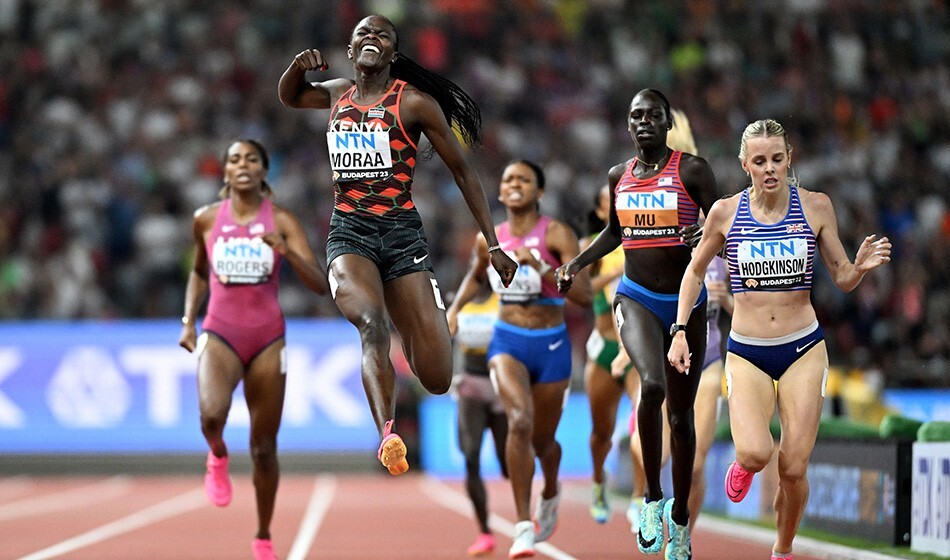
The Commonwealth Games champion said: “Excellence is not a singular act but a habit. You are what you do repeatedly.”
She also added other two photos after returning to training and captioned them saying: “I really enjoyed my first track training session this season with my training regime.”
O’Neal was one of the greatest basketball players and centers of all time and Moraa recognizing him means she is on the right track.
Meanwhile, Kisii Express has made it clear that she wants to clock 1:53, the women’s 800m world record, and she is surely putting in the work.
The world record has surely stood the test of time and the world is banking on Moraa to shatter it. It was set by Jarmila Kratochvílová back in 1983.
On July 26, the Czech athlete took to the Olympiapark Meeting in Munich’s Olympic Stadium and shattered the 800m world record, clocking 1:53.28 to win the race.
by Abigael Wuafula
Login to leave a comment
Mary Moraa dreaming of breaking 800m world record soon
Mary Moraa has promised that she will attack the 800m world record very soon.
Reigning World 800m champion Mary Moraa has promised to go for the 800m world record very soon.
In a post on her Facebook page, Moraa shared a throwback photo of herself and double world record holder Faith Kipyegon. She was in awe of Kipyegon’s record-breaking spree and noted that she is an inspiration to many people.
She said: “When you step out in style with the world's middle distance track finest Faith Kipyegon. A great inspiration. Hii 800m World Record tutavunja siku moja...hivi karibuni (We shall one day break this 800m world record…very soon).”
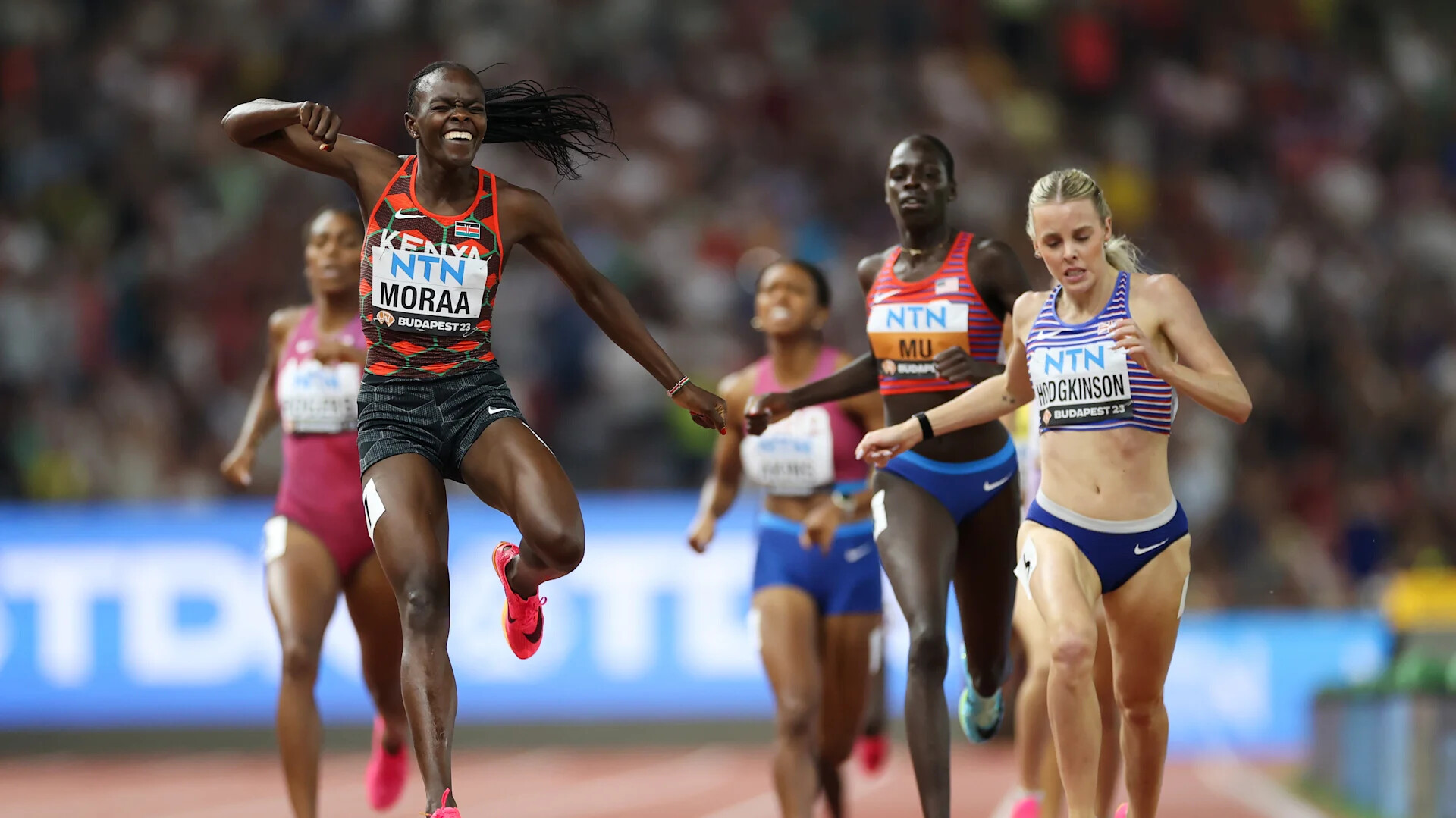
The women’s world record over the 800m stands at 1:53.28 and was set by Jarmila Kratochvílová 40 years ago.
She clocked the time on July 26, 1983, at the Olympiapark Meeting in Munich’s Olympic Stadium and has remained to be the oldest outdoor world record in the book.
On her part, Moraa’s Personal Best time currently stands at 1:56.03, a time she clocked to win the race at the World Championships in Budapest, Hungary.
By winning the title, she became just but the third Kenyan woman to win the 800m on the global stage. She comes after Janeth Jepkosgei and Eunice Sum who won the titles in 2007 and 2013 respectively.
She has also been banked on severally to break the 800m world record and affirming her fans that she would surely go for it is a sign of light at the end of the tunnel.
The reigning Commonwealth Games champion is gearing up for the Olympic Games in Paris, France next year where she hopes to extend her winning streak. This season, she only lost one 800m race, the Prefontaine Classic.
by Abigael Wuafula
Login to leave a comment
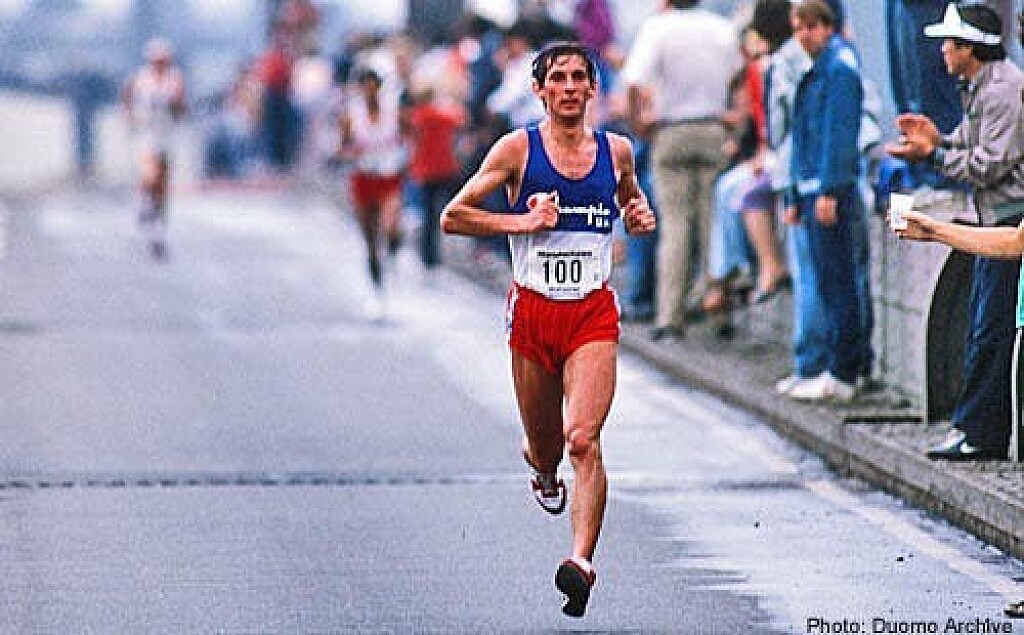
Pizzolato donates 1984 New York City Marathon winning shoes to MOWA
At the end of ABC television’s coverage of the 1984 New York City Marathon, there’s a shot of Orlando Pizzolato sitting on a bench in Central Park, retying his well-worn footwear. “Those shoes may have had it,” remarked anchorman Jim McKay.
Not quite. Some 39 years on, the shoes that took the unheralded Italian to the biggest upset victory in the history of the Big Apple’s big race have been generously donated to the ever-expanding Heritage Collection in the Museum of World Athletics (MOWA).
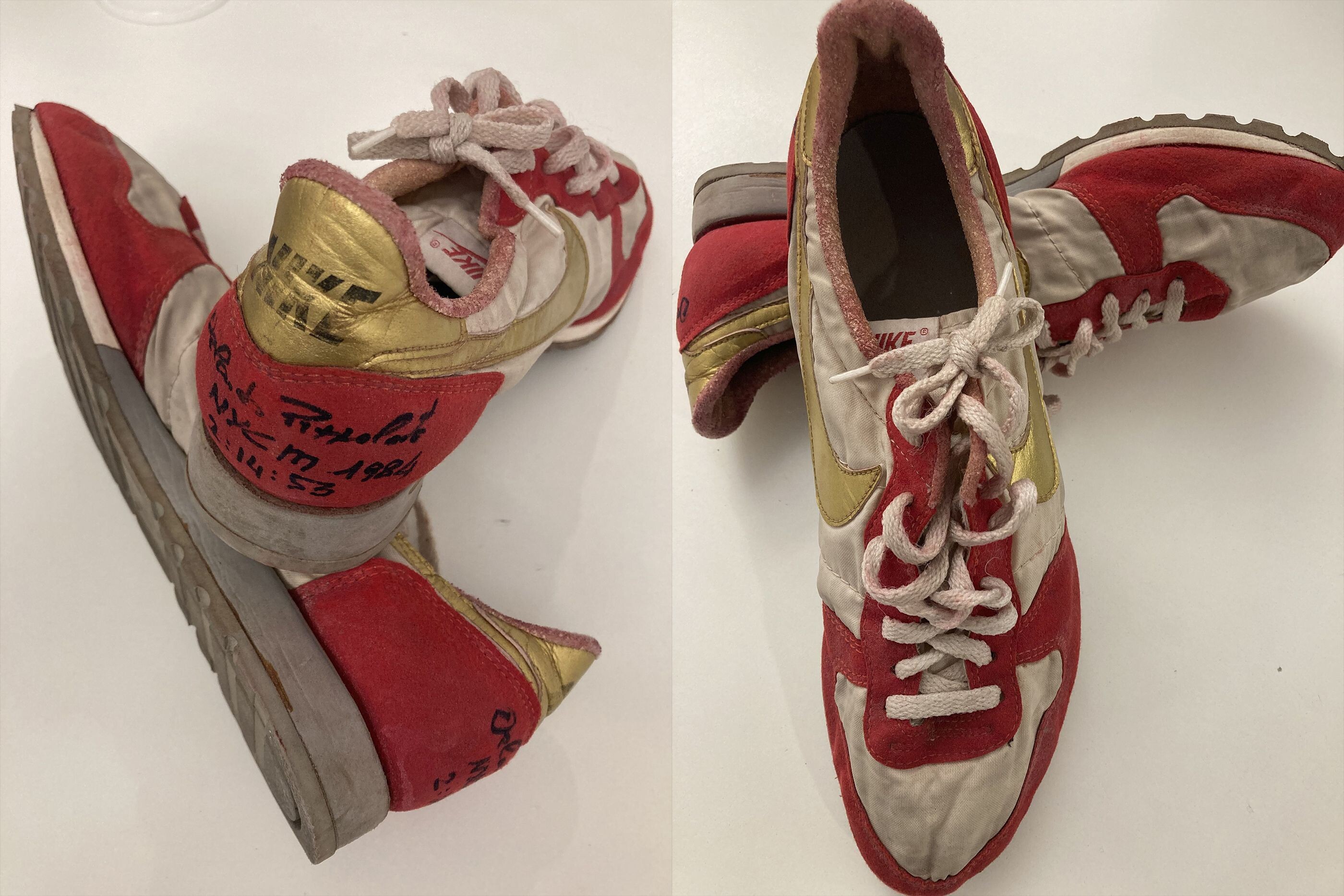
Whatever unfolds in the 2023 edition of the New York City Marathon this weekend, there’s unlikely to be anything as dramatic as the battle of attrition from which the plucky Pizzolato emerged as the unlikely hero in 1984.
As the Italian and the rest of the 18,000 field assembled for the start, it was difficult to pick out the contours of the Verrazano-Narrows Bridge. Such was the heat haze that had descended upon the Big Apple on the last Sunday in October that year.
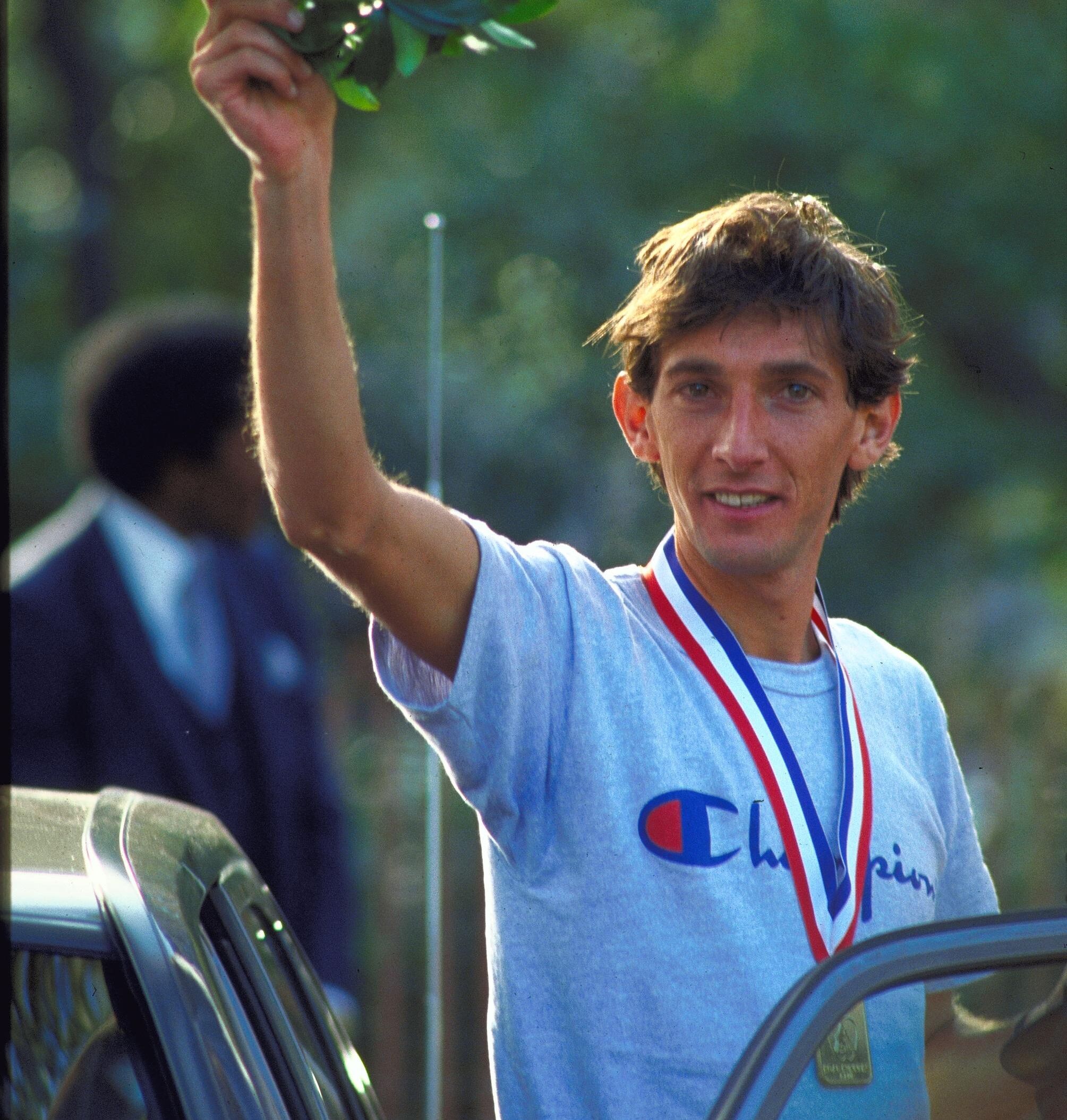
“The weather is going to be a huge factor,” proclaimed Marty Liquori, the great US miler, working as the expert summarizer on the men’s race for ABC Sports. “We’re looking at the hottest and most humid New York Marathon ever.”
The mercury was already pushing 70°F and the humidity was close to maximum.
“That causes two things to happen at the front of the pack,” continued Liquori, runner up to Miruts Yifter in the 5000m at the inaugural World Cup in Dusseldorf in 1977. “The natural front runners get conservative, so the pack stays tighter. The second thing is the hotter it gets, the greater chance there is for an upset.”
“Yes, look out for the man you do not know in this marathon,” predicted McKay, the distinguished Voice of ABC’s Wide World of Sports.
“This man could be for real”
Not a lot of people were looking out for the runner bearing race number 100, clad in the colors of his homeland – blue and white singlet, red shorts.
Pizzolato, a 26-year-old representing the University of Ferrara sports club from the north of Italy, was no Ferrari of a marathoner.
In seven attempts at the classic 26.2-mile distance, he boasted a best of 2:15:28 - more than seven minutes slower than the world record figures of 2:08:05 set by Welshman Steve Jones in Chicago a week before the 1984 New York race.
Pizzolato’s PB came in New York in 1983, the year Rod Dixon made up a half-mile deficit to overhaul Briton Geoff Smith virtually on the finish line in Central Park. The New Zealander’s winning time was 2:08:59. He finished 6min 29sec and 26 places ahead of Pizzolato.
Twelve months later, Dixon, the Olympic 1500m bronze medalist behind Finn Pekka Vasala and the trailblazing Kenyan Kip Keino in Munich in 1972, returned to New York as favorite for the men’s title – and the $25,000 prize and Mercedes Benz that went with it in that first year of open professional running.
“I’m a lot more confident in my own mind, having run successfully in ’83,” he told Liquori in a pre-race interview. “I think I’m rightly the favorite. I’ve trained well and I’ve got confidence in my own ability. I’ll go out and if I strike it right, they won’t catch me.”
Five miles in, given the exceptional conditions, Liquori and four-time winner Bill Rodgers, following the men’s race from ABC’s on-course buggy, felt Dixon was striking it right – 18 seconds down on home runners Pat Petersen and Terry Baker in a pack that included two-time Commonwealth gold medallist Gidamis Shahanga of Tanzania.
Pizzolato was also among the chasing group, seemingly unknown to any of the experts. His first name check came as he overtook Jose Gomez of Mexico to claim pole position, shortly before reaching halfway in 65:03.
“Could this, Marty, be the man they did not know?” McKay enquired.
“This man could be for real,” Liquori replied. “In the hotel I saw Franco Fava, a great steeplechaser from Italy, and he mentioned that it has been so hot in Italy this summer and fall. So, this is one person who is accustomed to the heat.”
Rodgers was not quite so sure. “I think it’s still anybody’s race,” he said. “The guy from Italy looks good. But we’ll have to see later in the race.”
“The Pope, Reagan and then it was me”
The guy from northern Italy was certainly looking good.
While Dixon seemed ill at ease, struggling to cope with the pace and the conditions some 1:15 behind, Pizzolato appeared to be feeling groovy as he crossed the Queensboro Bridge, the subject of Simon and Garfunkel’s 59th Street Bridge Song.
“Orlando looks very good,” Liquori observed. “He looks to have a style that’s fitting for a marathoner. When you’re looking around, taking in the scenery, you know that the running is coming easy.
“One thing should be pointed out. Steve Jones, who set the world record last week, was a very well-established track runner. He was eighth in the 10,000m at the Olympic Games.
“But Orlando has run a minute slower for 10,000m: 28:22. Were he to win this, it would be just about the biggest upset in a major marathon that I’ve seen.”
By the 20th mile mark, it was clear that Pizzolato himself was somewhat upset. The temperature had risen to 74 degrees and the humidity to 96%. His pace slowed to a 5:26 mile.
Briton Dave Murphy was gathering momentum, moving up into second, and Dixon into third.
“Well, I think we’re entering the last chapter of Orlando,” ventured Liquori. “I think I might have got too excited at 18 miles. Maybe it was the Italian in me.”
Soon after, Pizzolato grabbed his chest and slowed to a temporary halt. Three times he stopped, then started up again. “This man is in trouble,” said McKay.
Entering Central Park, with less than three miles to go, Pizzolato stopped for a fourth time. He clutched his chest, glugged half a cup of water and poured the other half over his head.
Dixon was out of the equation at this point, having stepped off the course suffering from cramps. But Murphy had closed to within 15 seconds.
“It’s like the tortoise and the hare,” said Liquori. “Pizzolato’s running-stopping, running-stopping. Murphy is just taking a steady course. It looks like it’s his race.
“For Pizzolato now, the drama now is how much of his soul he’s going to lay down.”
Thrice more, Pizzolato stopped and started, each time taking on fluid and calmly checking out the gap behind him. Somehow, he managed to lay down enough of his soul to bridge over his troubled water.
The finished line approached with Murphy not yet in sight.
“He has pulled it off,” Liquori pronounced. “He has mentally been able to fight through his form having gone to pieces, through having had so many problems.”
“It was very hot,” said Pizzolato, who crossed the line in 2:14:53, 43 sec ahead of Murphy. “I had cramp in my stomach. It was very terrible, but I am very happy.”
The New York Times the next day concentrated on Grete Waitz’s sixth success in the women’s section, praising Pizzolato in passing for having overcome the heat and the late challenge of Murphy in “a men’s competition that the stifling heat and humidity reduced to a battle of attrition.”
Back home in Italy, the reaction was different. “The first story in the news was the Pope,” Pizzolato reported, “then Ronald Reagan’s election. Then it was me.”
Retained title
Twelve months later, the guy from Italy returned to New York and proved he was no flash in the marathon pan.
This time he was the tortoise, running his steady race while Geoff Smith burned himself out at world record pace, then overtaking Djibouti’s World Cup Marathon winner Ahmad Saleh two miles from home to become the Big Apple’s first overseas two-time winner, clocking 2:11:34.
“Last year I won by mistake, probably,” Pizzolato told The New York Times. “This year was more exciting. I was not in confusion in the last 365 yards.
“All the people seemed to know my name and my number. It was like everyone was a friend of mine. It was a great source of power.”
In an era when the fast men of the track came to dominate the men’s marathon – with the likes of Jones, Dixon and Carlos Lopes, the Portuguese runner who won the Olympic title in Los Angeles in 1984 and succeeded Jones as world record-holder in 1985 – Pizzolato was a great source of power and inspiration to the traditional specialists of the event.
He never broke 2:10. His fastest time was 2:10:23, which he recorded while placing sixth in the World Cup Marathon in Hiroshima in 1985. The following year Pizzolato was third in Boston (2:11:43), then overtook a shattered Jones to claim the European Championships silver in Stuttgart (2:10:57) behind his compatriot Gelindo Bordin, and returned to New York taking third place (2:12:13) behind another Italian, Gianni Poli.
These days the two-time Italian king of New York operates a company bearing his name which offers running camps and a consultation service, and which provides scholarships to athletes aged from 16 to 22.
by Simon Turnbull for World Athletics Heritage
Login to leave a comment
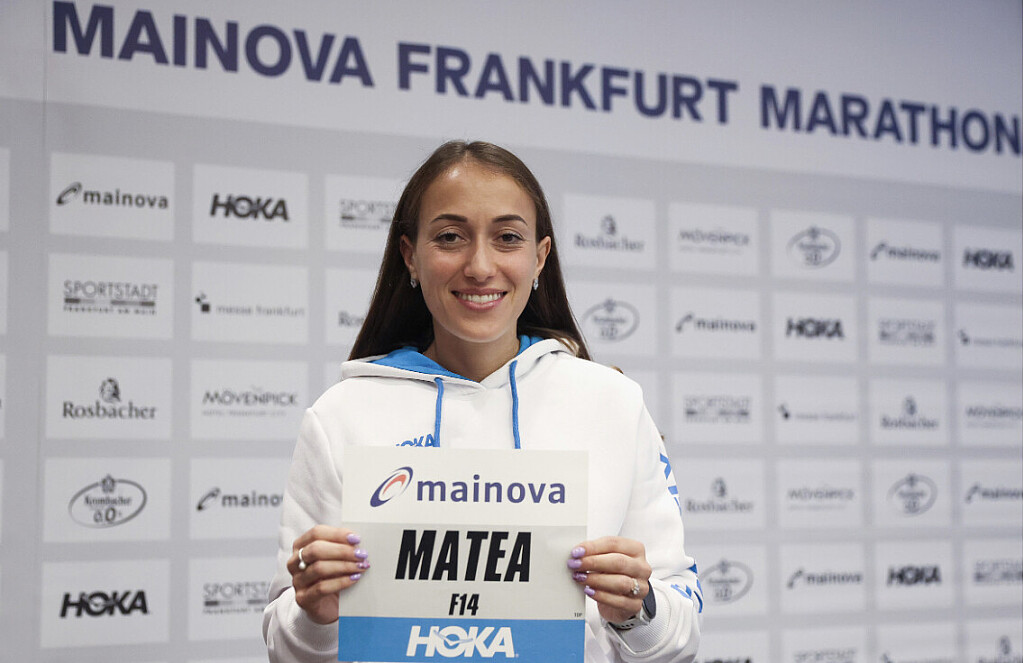
Matea Parlov Kostro: How she became a Croatian Sports Star
The German roads are much to Matea Parlov Kostro’s liking. Within little more than six months she has celebrated both the biggest success of her career to date and her greatest win. In August 2022 she won the silver medal at the European Championships in Munich which turned her at a stroke into a Croatian Sports Star.
This was the first medal won by a Croatan woman in a running event in almost a century of the European Championships. Then in May this year she enjoyed her biggest victory so far. The athlete from Zagreb won the Hanover Marathon, breaking both the course record and her personal best with 2:25:45. This performance placed the 31-year-old firmly among the very best of the European marathon running elite. Now she will run Sunday’s Mainova Frankfurt Marathon.
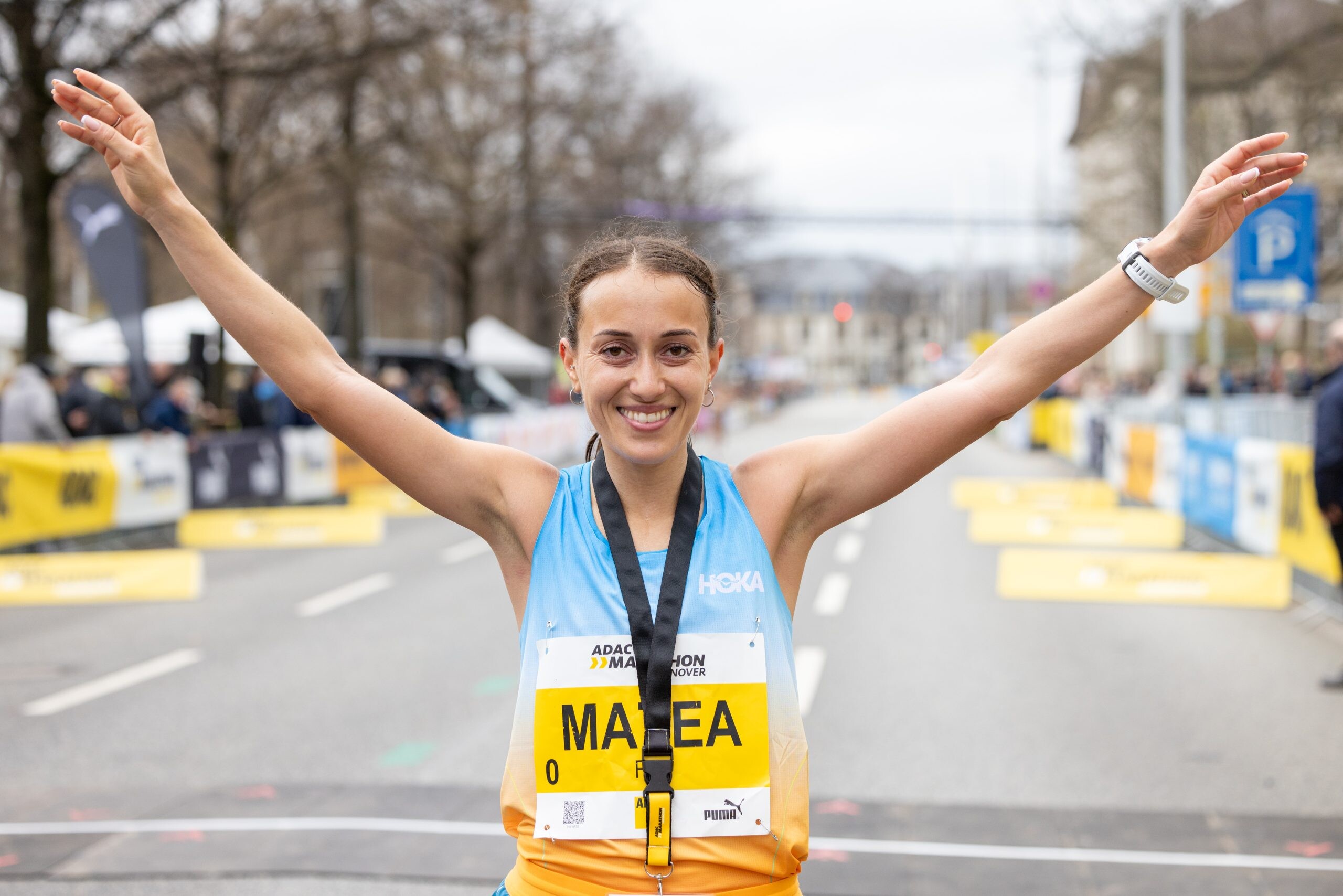
“I decided to run the Mainova Frankfurt Marathon because it’s a fast race with a high-quality field. I always feel good when I run in Germany, that was another factor in Frankfurt’s favour. Another reason was that I am so looking forward to the spectacular run to the finish line in the Festhalle,” explained Matea Parlov Kostro before Sunday’sMainova Frankfurt Marathon. “My form is better than ever, the performances in training are better than before the European Championships. I have had a slight cold but feel good now.”
"I’m happy that I no longer have to worry about making the Olympic qualifying time, I’ve made sure of my ticket to Paris. But I want to run a personal best so, of course, there’s always some form of pressure to perform.”
Her first sport wasn’t running but handball. “Then one day a sports teacher asked if I wanted to run a 600m race on the track for the school. It meant I didn’t have to go to school that day, so I did it, not that I was bad at my studies, on the contrary.” She finished third off no specific training and her talent was immediately evident. The Croatian’s career was off and running.
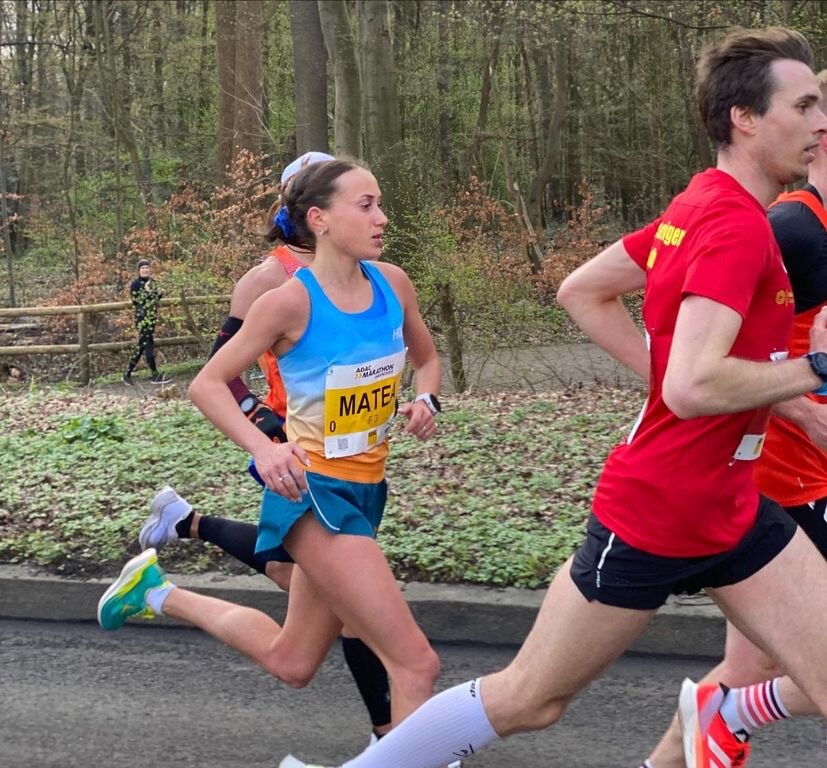
At first she ran middle distance but did not have enough speed over 800 and 1500m to make an impression internationally. Her performances over the longer distances were better, however. She ran 9:08.49 for a Croatian record over 3,000m. Road racing offered still more potential and she has concentrated on this more since 2018, making her marathon debut in Berlin in that year with 2:38:05. She had made great strides since then, literally. At the Valencia Marathon in 2020 she emerged from the lockdown of the Corona pandemic to break 2:30 for the first time, running 2:28:52. This ensured Olympic qualification. Competing in the 2021 Olympic, held in Sapporo, she achieved a highly creditable 21st place in extreme heat.
She made big improvement on her shorter distance speed as well in 2022, running a personal best for 10km of 31:54 in Berlin, which stood her in good stead for her eventual silver medal in the marathon at the European Championships later that year.
This race transformed her life. “Without a medal, you’re a nobody in Croatia, but when you win one, you’re a star overnight,” explained Matea Parlov Kostro. “I don’t earn much more money but am regularly invited to appear on TV programmes and people speak to me on the street and want to take a photo of me, especially after a training run when they’ve seen me.”
What does she think of the stupendous women’s world record by the Ethiopian Tigst Assefa, running 2:11:53 in Berlin? “When I saw the time, I was shocked. I wouldn’t have thought it possible that a woman could run so fast. And she didn’t show any weakness during the race after 30 kilometres, it was astonishing.”
The best Europeans have in the past consistently achieved high finishing places and even won medals at the Olympic Games. Asked if she dreamed of winning an Olympic medal in Paris, Matea Parlov Kostro replied: “Of course, an Olympic medal is the dream. But that’s not realistic, the African women are simply too strong.”
Login to leave a comment
Mainova Frankfurt Marathon
Frankfurt is an unexpectedly traditional and charming city, with half-timbered buildings huddled in its quaint medieval Altstadt (old city), cosy apple wine taverns serving hearty regional food, village-like neighbourhoods filled with outdoor cafes, boutiques and street art, and beautiful parks, gardens and riverside paths. The city's cache of museums is second in Germany only to Berlin’s, and its nightlife...
more...
The 40th edition of the Mainova Frankfurt marathon is set for Sunday and the course record of 2:03:42 could go down
When the 30th edition of the Mainova Frankfurt Marathon took place in 2011, Wilson Kipsang crowned the anniversary with a magnificent course record of 2:03:42. This performance took the Kenyan to number two in the world all-time lists at the time and was only four seconds outside the world record. Since then, no-one has gone close to threatening the course record. But at the next anniversary on Sunday, 12 years on, given the two years missed because of the Corona lockdown, this course record could at last be broken.
If the weather is favourable for the 40th Mainova Frankfurt Marathon, the leading contenders including last year’s champion Brimin Misoi and Vienna Marathon winner Samwel Mailu want to attack this target. The Kenyans know full well that they cannot afford to disregard Guye Adola of Ethiopia, whose personal best of 2:03:46 makes him the fastest man in the field. The women’s race has the makings of a thrilling contest for the title with seven runners who have run between 2:21:00 and 2:24:00. Two from the home contingent will have their sights set on achieving the Olympic qualifying time. Simon Boch and Miriam Dattke have places in the German team for next year’s Olympic Marathon in Paris as their goal.
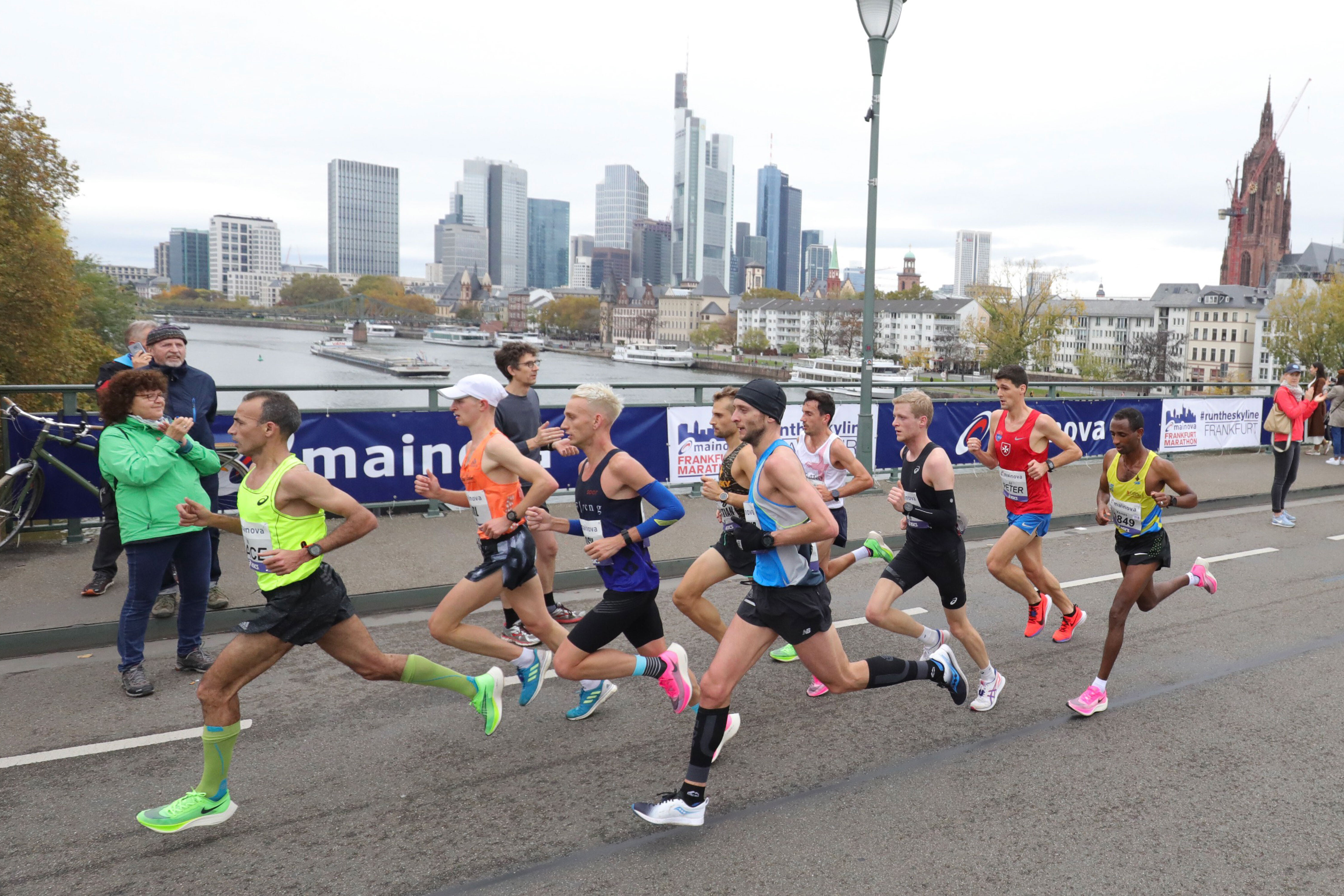
The event organizers have so far received 23,726 entries from 115 countries. 13,036 of them will run the marathon while there are also races at shorter distances, held in conjunction with the marathon. The race is an Elite Label Road Race, a distinction awarded by World Athletics, the sport’s governing body.
The press conference in Frankfurt started with a minute of silence in memory of Christoph Kopp. The Berliner had died after a short illness on 28th April aged 75. Christoph Kopp was the elite race coordinator of the Frankfurt Marathon for two decades and guided the race into world-class - as he had done with the Berlin Marathon before and a number of other events. „In Christoph we have lost a true friend and the man who developed and shaped the elite races of the Mainova Frankfurt Marathon so successfully“, sagte Race Direktor Jo Schindler.
Men’s race preview: Course record could be challenged
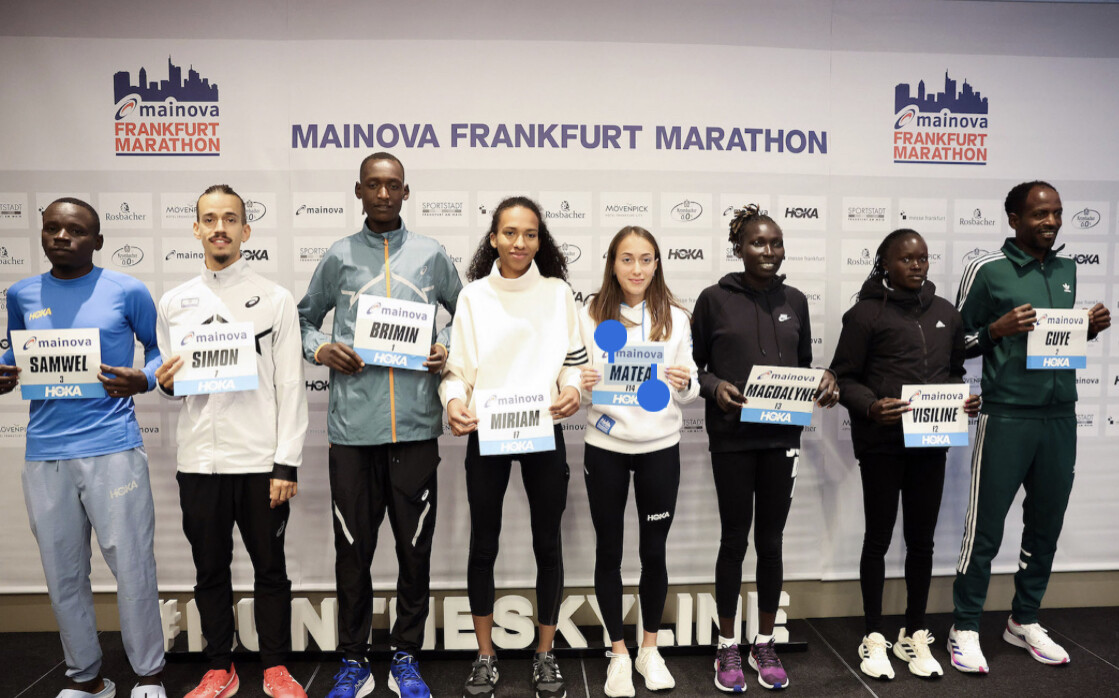
Christoph Kopp’s son Philipp has taken over the role of Elite Race Co-ordinator in Frankfurt. Three of strongest contenders in the men’s elite field had already been recruited by his father for the Mainova Frankfurt Marathon: Brimin Misoi, Samwel Mailu, both from Kenya and Guye Adola of Ethiopia. The latter had to withdraw from the event a few years ago because of injury so this will be his debut in Frankfurt. “We are working towards a halfway split between 61:50 and 62:00 to give the possibility of a course record,” explained Philipp Kopp.
Samwel Mailu has produced outstanding form recently. He won the Vienna City Marathon in April, breaking the course record with his personal best of 2:05:08. He continued by taking the bronze medal at the World Half Marathon Championships in Riga on October 1, again setting a personal best of 59:19. “The field in Frankfurt is very strong but I think I can run 2:04,” he announced. The celebrations back home in Kenya for his bronze medal at the World Half Marathon Championships have been an added incentive: “The messages of congratulation were simply fantastic.” But that didn’t mean he lost his concentration on the job in hand, he has every intention of being first across the finish line in Frankfurt’s Festhalle on Sunday.
Guye Adola (2:03:46 pb), Brimin Misoi (2:06:11) and the Ethiopian duo of Mulugeta Uma (2:06:07) and Abdi Kebede (2:06:43) will have to be on their best form to prevent Samwel Mailu winning. Adola certainly sounded confident: “I think I can run a very good time. If the pacemakers and other runners run fast, I don’t see any reason why I cannot run 2:03. As for qualifying for the Olympics, there’s not a leading Ethiopian runner who doesn’t have that as their goal – but, ultimately, it depends on the national federation.” Should the 2021 Berlin Marathon winner run in the region of his personal best, he would have a chance of booking his place for the Olympics. Brimin Misoi is also ready for a fast marathon: “I have trained very well and want to beat my personal best.”
The Olympic Games are also the top target for Simon Boch. The leading German male runner has a best of 2:09:25, achieved in winning the Linz title in spring but he needs to run under 2:08:10. “I will either run a high 2:07 or end up on a bench around 35 k,“ said Simon Boch.
Women’s Race: Kenyans are favourites
The compact but high-quality women’s field shows every chance of producing a thrilling contest. “I hope that a big group can stay together for a long time and help each other,” said Philipp Kopp. Among the genuine favourites is Magdalyne Masai of Kenya, who showed plenty of confidence when assessing her prospects: “I have had the best preparation ever for a marathon in my career.” She had more than role model for inspiration in her family. Sister Linet won the 10,000m title at the World Championships in Berlin in 2009 and her brother Moses took the bronze at the same distance in the men’s event.
“I had role models in my family and that gave me confidence. Above all, the performances of my sister because it’s not always easy for a woman in elite level sport. I said to myself, if she can do it, so can I.” Then there was the support from a ten-strong training group. Among them is Rosemary Wanjiru, who won this year’s Tokyo Marathon with an outstanding time of 2:16:28.
Magdalyne Masai, just as her compatriot and Frankfurt rival Visiline Jepkesho, has returned to marathon training and competition this year after maternity leave. “It was hard to come back after having a child,” said Jepkesho, whose youngest of two sons is now two years and three months. “I feel very good and am ready to run in the fastest group,” said the 33-year-old. Her personal best of 2:21:37, set six years ago, makes her the fastest woman in the field. Also in excellent form are two more Kenyans, Agnes Keino and Winfridah Moseti.
A similar form of co-operation may well happen between Miriam Dattke and Matea Parlov Kostro on Sunday. The former, the leading German runner in the field, achieved a surprise fourth place at the European Championships last year. She has a personal best of 2:26:50. Her target in Frankfurt is 2:24. This could secure her a place on the Olympic Marathon team. Parlov Kostro from Croatia, who won a silver medal at the same championships in Munich, improved her best to 2:25:45 with victory at the Hanover Marathon in spring. She is aiming to go through halfway on Sunday in 72:00. “I’m in better form than ever, my performances in training are stronger than before the European Championships,” said Matea Parlov Kostro, who has already achieved Olympic qualification.
Elite runners with personal bests
MEN:
Guye Adola ETH 2:03:46
Samwel Mailu KEN 2:05:08
Mulugeta Uma ETH 2:06:07
Brimin Misoi KEN 2:06:11
Abdi Kebede ETH 2:06:43
Titus Kipkosgei KEN 2:07:46
Albert Kangogo KEN 2:07:48
Frederick Kibii KEN 2:08:09
Dominic Letting KEN 2:09:16
Simon Boch GER 2:09:25
Yimer Getahun ISR 2:09:27
Bukayaw Malede ISR 2:09:28
Soufiyan Bouqantar MAR 2:09:54
Tesema Moges ISR 2:10:31
Archie Casteel SWE 2:10:49
Tom Anderson GBR 2:12:07
Dominic Kiptarus KEN 2:12:46
Mario Bauernfeind AUT 2:15:34
Thorben Dietz GER 2:19:20
Andreas Vojta AUT 2:19:27
Isaac Lelei KEN Debut
WOMEN:
Visiline Jepkesho KEN 2:21:37
Magdalyne Masai KEN 2:22:16
Buzunesh Gudeta ETH 2:22:38
Paskalia Jepkogei KEN 2:22:47
Meseret Meleka ETH 2:22:52
Agnes Keino KEN 2:23:26
Winfridah Moseti KEN 2:23:38
Naom Jebet KEN 2:24:33
Viola Kibiwott KEN 2:24:54
Sharon Arusho KEN 2:25:20
Matea Parlov Kostro CRO 2:25:45
Medina Armino ETH 2:26:12
Miriam Dattke GER 2:26:50
Viktoriia Kaliuzhna UKR 2:27:05
Tereza Hrochova CZE 2:29:06
Kinsey Middleton CAN 2:29:22
Login to leave a comment
Mainova Frankfurt Marathon
Frankfurt is an unexpectedly traditional and charming city, with half-timbered buildings huddled in its quaint medieval Altstadt (old city), cosy apple wine taverns serving hearty regional food, village-like neighbourhoods filled with outdoor cafes, boutiques and street art, and beautiful parks, gardens and riverside paths. The city's cache of museums is second in Germany only to Berlin’s, and its nightlife...
more...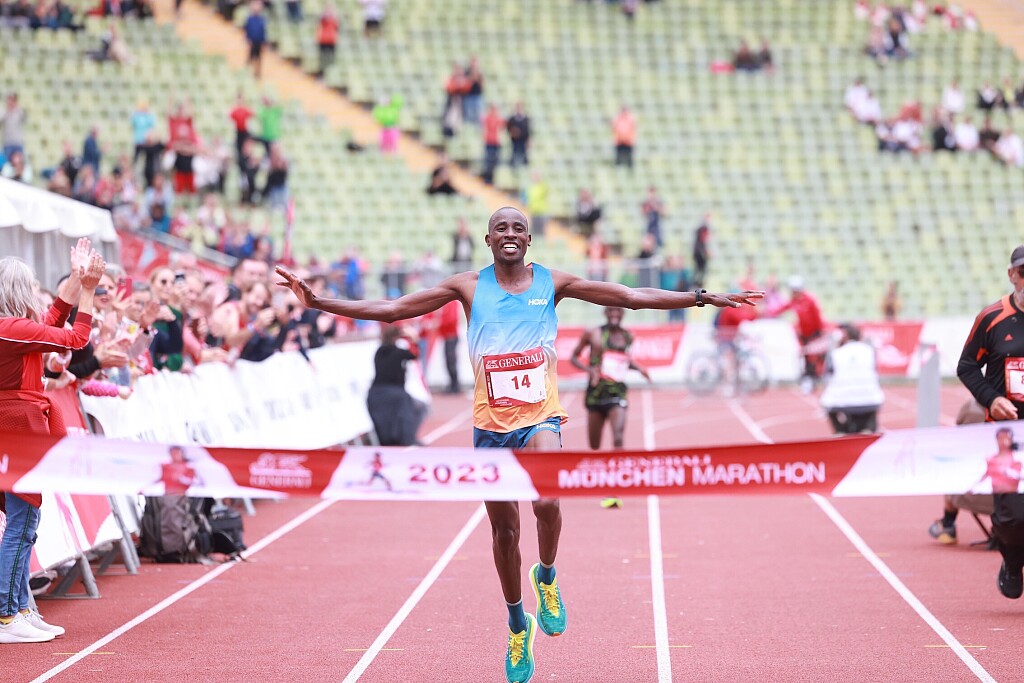
Kenyans Bernard Muia and Catherine Cherotich take eventful races in Munich
An eventful GENERALI MUNICH MARATHON produced a Kenyan double triumph on Sunday. In fine weather conditions Bernard Muia clocked 2:09:17. This is the second fastest winning time in the history of the race which saw its 37th edition. Catherine Cherotich took the women’s race crossing the finish line in the Munich Olympic Stadium in 2:31:34. Germany’s Sebastian Hendel was the fastest European runner in fifth place with a personal best of 2:10:14. However he missed the Olympic qualifying time of 2:08:10.
The men’s leading group passed the half way mark in 64:29, which was almost exactly the split time targeted. With less than ten kilometers to go Kenyans Bernard Muia and Benson Nzioki pushed the pace, breaking up the leading group. They covered the kilometre sections from 34 to 36k in 2:56, 2:58 and 2:53 and built a decisive lead. It was then Bernard Muia - a training partner of the World Half Marathon Championships’ bronze medallist Samwel Mailu - who left behind his compatriot in the final kilometre.
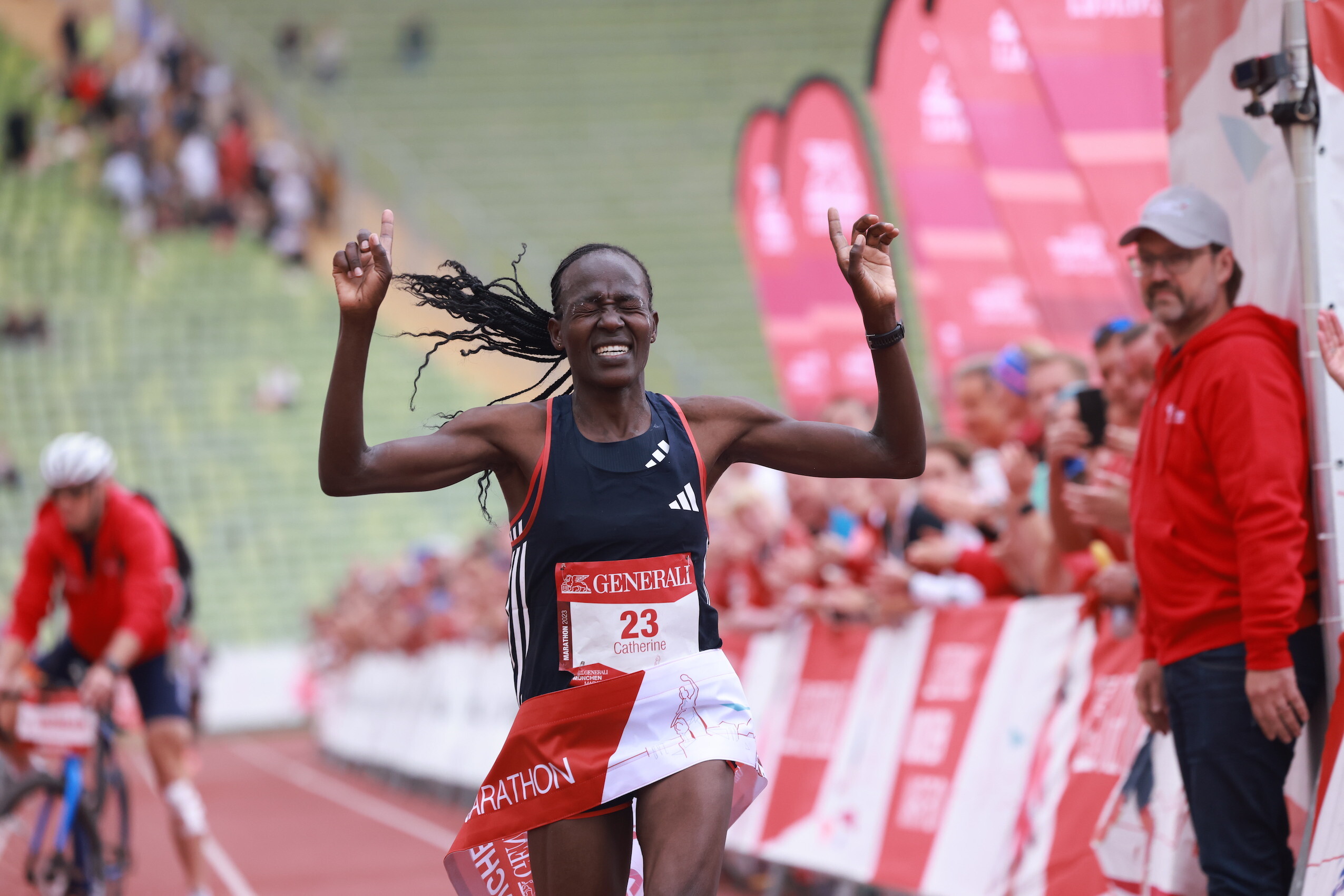
The 28 year-old was first over the line with 2:09:17 after he was added to the Munich elite field only on Tuesday. He had been training for a marathon and was accepted in Munich after an other athlete had to cancel his start. Marathon debutant Benson Nzioki took second in 2:09:12 while Mica Cheserek completed the Kenyan podium with 2:09:26.
The men’s leading group was unfortunate during the race when they missed a turn shortly before the 10k mark. The group had to turn around and lost about half a minute. „It is a pity that something like this has occurred, but unfortunately it can happen in a marathon. At least I know I am stronger than in 2022 and should be able to run sub 2:10 next time,“ said Sebastian Hendel, who ran 2:10:37 in Munich a year ago in his debut and now improved by 23 seconds.
The women had a major problem in this section of the course as well, when they were misguided and took the same turn too early. They were suddenly around 600 m short and their times would have been invalid. However organisers staged a unique rescue mission for these athletes by adding two laps for the affected runners in the Olympic Stadium before the finish.
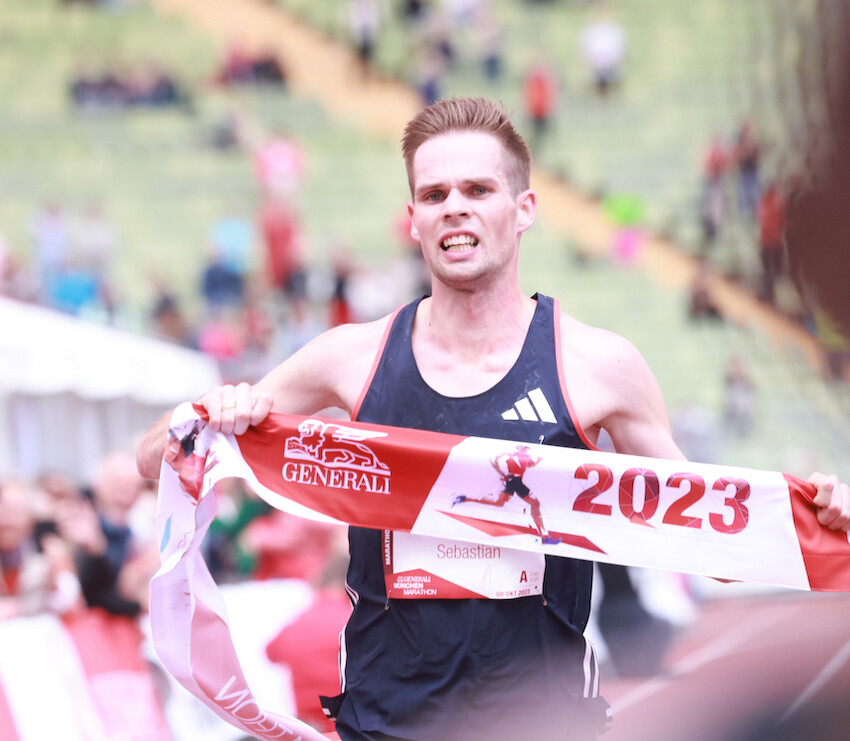
There was an all-Kenyan podium in the women’s race as well: Catherine Cherotich, who left behind Teclah Chebet just before the 30k mark, was the winner with 2:31:34. Chebet took second in 2:32:13 while Flomena Ngurasia followed in third with 2:33:17. "Of course I was very tired, but the spectators pushed me towards the finish line on these two laps in the stadium. The atmosphere was great,“ said 28 year-old Catherine Cherotich.
“I have never experienced anything like this in 23 years of organizing this race. I can not point the finger on anyone. The section of the course where they took the wrong turns contains major road works and it was all very confusing,“ said Race Director Gernot Weigl, who was still happy with the overall event: “We had thrilling races and there was a lot of excitement.“
A total of 21,647 runners from 87 nations entered the 37th edition of the GENERALI MUNICH MARATHON, including races at shorter distances. 5,210 of them were marathon runners, making the event the fourth biggest German marathon.
Results:
Men:
1 Bernard Muia KEN 2:09:17
2 Benson Nzioki KEN 2:09:21
3 Mica Cheserek KEN 2:09:26
4 Cosmas Kiplimo KEN 2:10:07
5 Sebastian Hendel GER 2:10:14
6 Amos Birgen KEN 2:11:15
7 Luke Kibet KEN 2:11:41
8 Merhawi Ghebreslasie FRA 2:17:33
Women:
1 Catherine Cherotich KEN 2:31:34
2 Teclah Chebet KEN 2:32:13
3 Flomena Ngurasia KEN 2:33:17
4 Caroline Chepkwony KEN 2:36:32
5 Beatrice Cheburet KEN 2:46:42
Login to leave a comment
Generali Munich Marathon
The GENERALI MUNICH MARATHON has held the elite label of the WORLD ATHLETICS since 2020 and the marathon route is officially measured and recognized. The route runs from the Olympic Park and Schwabing to Leopoldstraße with the Siegestor, via Königsplatz and the Pinakotheken to the English Garden. From there past the Chinese Tower and Art Nouveau villas in Bogenhausen, through...
more...
Kenyans are favorites in Munich, Hendel chases Olympic dream
A group of Kenyan runners headed by Luke Kibet could be challenged by Sebastian Hendel in the race for victory at the GENERALI MUNICH MARATHON on Sunday. The German elite runner hopes to dip under the Olympic qualifying time of 2:08:10 when he will finish in the Munich Olympic Stadium. Athletes from Kenya are the fastest on the women’s start list as well. Catherine Cherotich has a personal best of 2:26:41.
Including events at shorter distances well over 20,000 runners have so far registered for the 37th edition of the GENERALI MUNICH MARATHON. More than 5,000 of them will run the classic distance through the Bavarian capital, starting and finishing inside the Olympic Stadium. Entries are still accepted at: www.generalimuenchenmarathon.de
The GENERALI MUNICH MARATHON will be streamed live from 8.55 am (CET).
"After a great elite race comeback with two course records a year ago we are now looking forward to more thrilling races at the GENERALI MUNICH MARATHON on Sunday. Additionally I hope that Sebastian Hendel can produce a strong performance and makes the next step with a sub 2:10 time,“ said Race Director Gernot Weigl. Relatively warm temperatures are expected around midday on Sunday. While the elite athletes will have already finished their races water supply at the course has been increased for the fun runners.
With a personal record of 2:08:45 Luke Kibet is the fastest runner on the start list. The 28 year-old Kenyan achieved this time in Chuncheon, Korea, four years ago. Kibet has prepared for the GENERALI MUNICH MARATHON in Iten, Kenya, where he joined the strong training group of Germany’s marathon record holder Amanal Petros. While compatriots Edwin Kimaiyo and Cosmas Kiplimo are number two and three on the start list with PBs of 2:09:12 and 2:09:44 respectively Bernard Muia could be in for a surprise.
He has only a 2:13:40 to his credit so far, but the Kenyan ran this time in Nairobi in high altitude. Muia is a training partner of Samwel Mailu, the course record holder of the Vienna City Marathon and world half marathon championships bronze medalist. He is a said to be in fine form. Benson Nzioki, also from Kenya, is tipped to produce a good debut.
Sebastian Hendel was fourth in Munich a year ago with a 2:10:37 debut. When the 27 year-old returns to the GENERALI MUNICH MARATHON he wants to break 2:10 and hopes to become the third German to break the Olympic qualifying time of 2:08:10. “My shape is good and actually better than a year ago. I want to run the first half in 64:20 and then hope to achieve the Olympic standard with a negative split,“ said Sebastian Hendel. If he should be able to run such a time he will most probably be in contention for victory as well.
With personal bests of around 2:27:00 three Kenyan women head the elite start list. With 2:26:41 Catherine Cherotich is the fastest of the three. It is worth noting that she ran her PB in Nairobi. Because of the high altitude she should be able to run faster on Sunday in Munich. While Caroline Chepkwony took the Enschede Marathon in 2019 with 2:27:00 Munich’s elite race coordinator Michael Kraus expects Teclah Chebet to do well. She has won six of her seven marathons and most recently took the race in Linz, Austria, this spring with a PB of 2:27:18.
Elite runners with personal bests:
MEN
Luke Kibet KEN 2:08:45
Edwin Kimaiyo KEN 2:09:12
Cosmas Kiplimo KEN 2:09:44
Sebastian Hendel GER 2:10:37
Cornelius Chepkok KEN 2:11:46
Jackson Rutto KEN 2:12:02
Merhawi Ghebreslasie FRA 2:12:34
Amos Birgen KEN 2:13:09
Bernard Muia KEN 2:13:40
Alessandro Giacobazzi ITA 2:15:25
Benson Nzioki KEN Debüt
WOMEN
Catherine Cherotich KEN 2:26:41
Caroline Chepkwony KEN 2:27:00
Teclah Chebet KEN 2:27:18
Beatrice Cheburet KEN 2:30:41
Flomens Ngurasia KEN 2:30:42
Login to leave a comment
Generali Munich Marathon
The GENERALI MUNICH MARATHON has held the elite label of the WORLD ATHLETICS since 2020 and the marathon route is officially measured and recognized. The route runs from the Olympic Park and Schwabing to Leopoldstraße with the Siegestor, via Königsplatz and the Pinakotheken to the English Garden. From there past the Chinese Tower and Art Nouveau villas in Bogenhausen, through...
more...
Kenyan Caroline Jepchirchir headlines Munich Marathon
Kenya’s Caroline Jepchirchir will lead a strong Kenyan team at the 37th edition of the Generali Munich Marathon scheduled on October 08, 2023 Olympic Stadium in Munich, Germany.
The 35 year-old who is also the reigning Iten Marathon champion, comes to this race with a life time best of 2:26.11 that she got last year at the Enschede Marathon where she finished in fourth place.
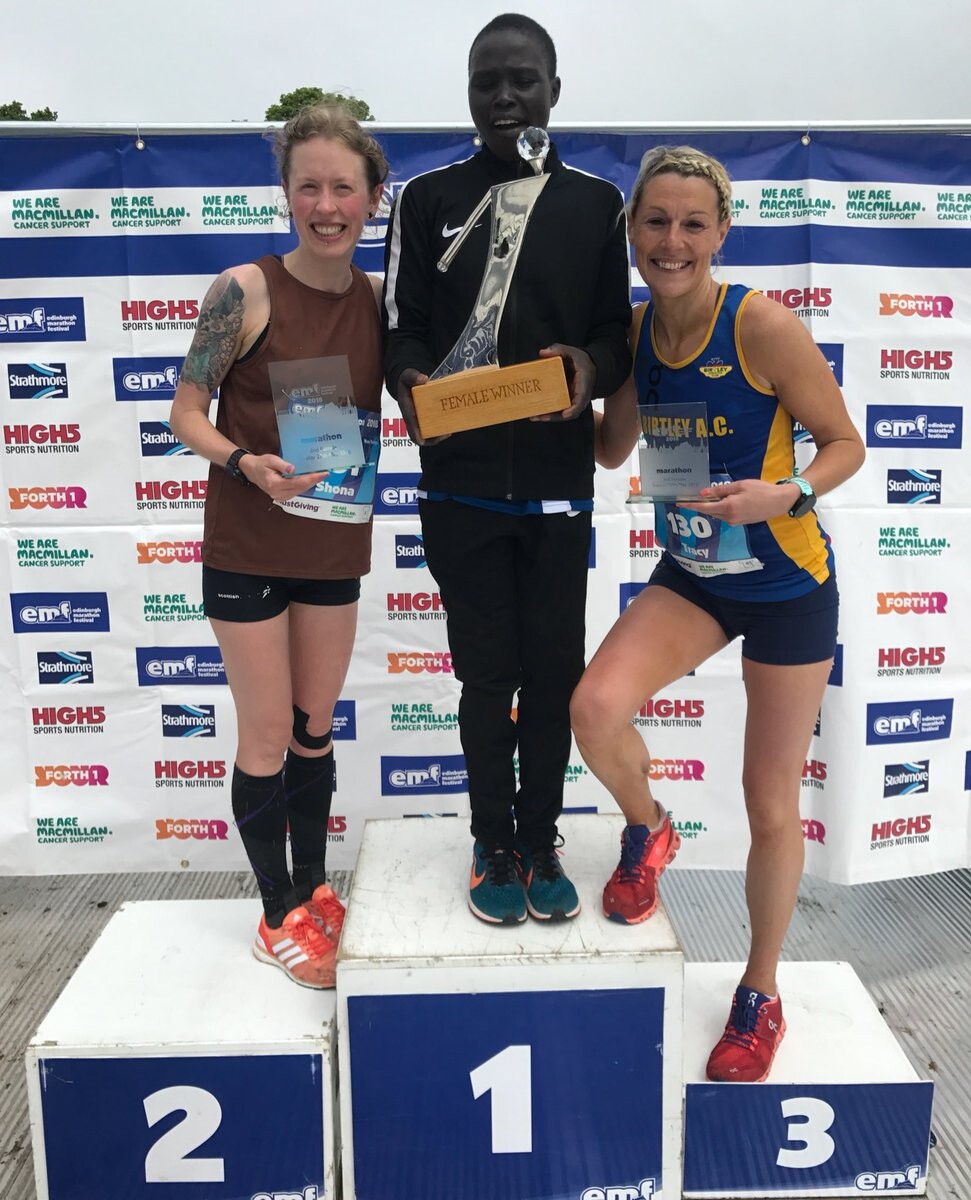
Jepchirchir will have to get past Tecla Chebet who has won six of her seven marathons with her latest being Linz Marathon where she posted her personal best of 2:27.18.
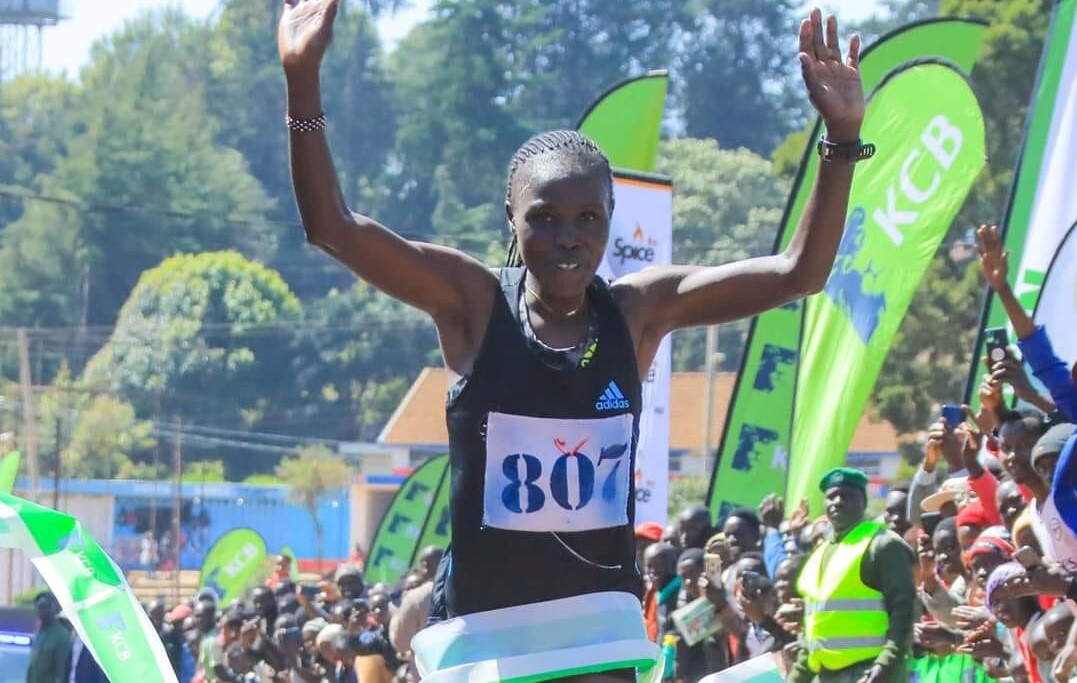
The two Kenyans will be chasing to lower the race course record of 2:23.09 that was set last year by their compatriot Agnes Keiono who destroyed the previous record of 2:33.09 that had stood for thirty one years by Karolina Szabó from Hungary.
“In 2022 we successfully came back with international elite racing and it is now our aim to further establish our position at this higher level. Last year’s course records proved that our course is not only very attractive regarding the sightseeing features but very fast as well. A marathon weekend trip to Munich is definitely worth it, “said Race Director Gernot Weigl.
by John Vaselyne
Login to leave a comment
Generali Munich Marathon
The GENERALI MUNICH MARATHON has held the elite label of the WORLD ATHLETICS since 2020 and the marathon route is officially measured and recognized. The route runs from the Olympic Park and Schwabing to Leopoldstraße with the Siegestor, via Königsplatz and the Pinakotheken to the English Garden. From there past the Chinese Tower and Art Nouveau villas in Bogenhausen, through...
more...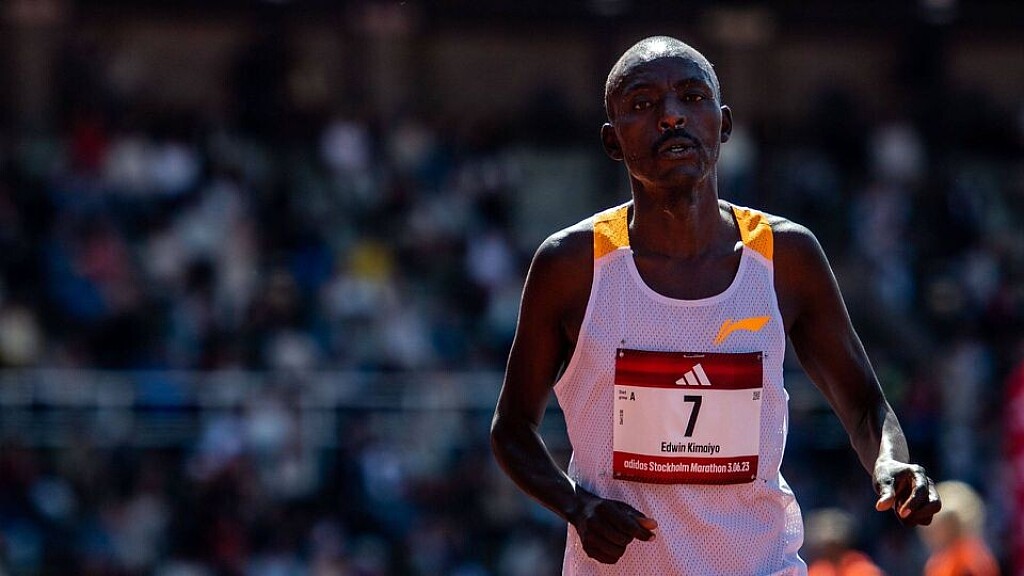
Edwin Kimaiyo will return to Germany with one goal in mind
Edwin Kimaiyo will be returning to Germany with the hope of achieving a podium finish at the Munich Marathon scheduled for Sunday October 8.
Germany is definitely one of the favorite destinations for Kimaiyo and he will be hoping to improve on his performance from last year.
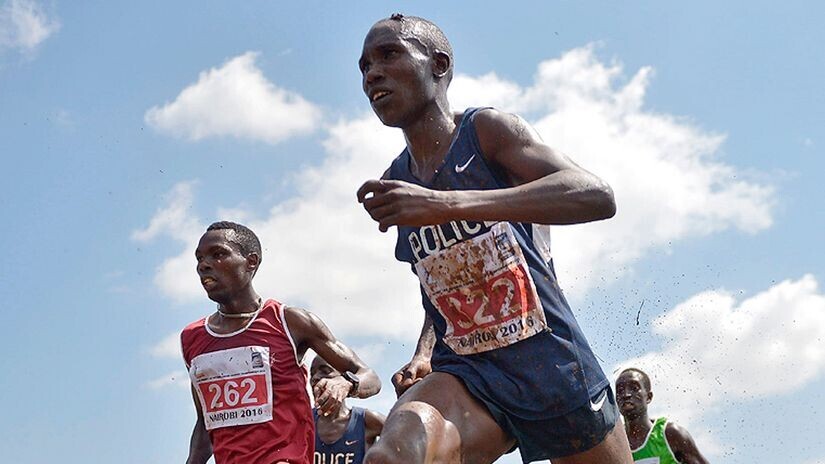
During the 2022 edition of the race, the 37-year-old finished fifth. With mastery of the course, he will definitely pull a surprise performance.
Kimaiyo has a Personal Best time of 2:09:12 and he is the fastest in the men’s field currently in Germany’s fourth biggest marathon.
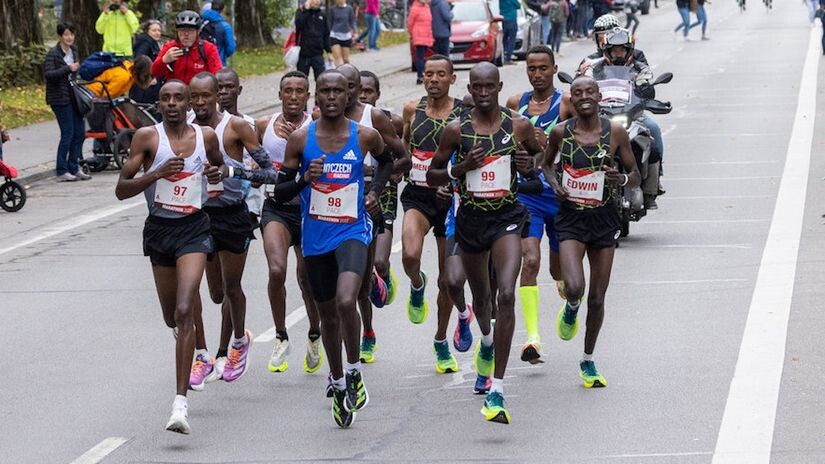
The Kenyan has vast experience and he took a fine third place at the 2011 Berlin Marathon with 2:09:50. He will be joined by compatriot Cosmas Kiplimo who is still a newcomer to international road racing.
He made his international debut at the Linz Marathon in Austria last year, clocking 2:09:44 for 11th place. He finished third at the Geneva Marathon earlier this year.
Sebastian Hendel will lead the home charge and he will be returning to the Munich Marathon as well. He goes into the race after clocking 2:11:29 at the Vienna City Marathon.
In the women’s field, Caroline Jepchirchir leads the field with a PB time of 2:26:11. The 35-year-old ran her personal best in Enschede, Netherlands, in 2022 when she settled for fourth.
Her compatriot, Tecla Chebet will be among her challengers but she is yet to run a major international marathon. Jepchirchir has managed to bag six of her seven international marathons. This year the Kenyan took the Linz Marathon with a personal record of 2:27:18.
Meanwhile, the organisers of the 37th edition of the event are expecting a field of around 22,000 runners including races at shorter distances. It was noted that around 7,000 of them will run the marathon.
by Abigael Wuafula
Login to leave a comment
