

Running News Daily
Running News Daily is edited by Bob Anderson and team. Send your news items to bob@mybestruns.com Advertising opportunities available.
Index to Daily Posts · Sign Up For Updates · Run The World Feed
Articles tagged #Scotstoun Stadium
Today's Running News
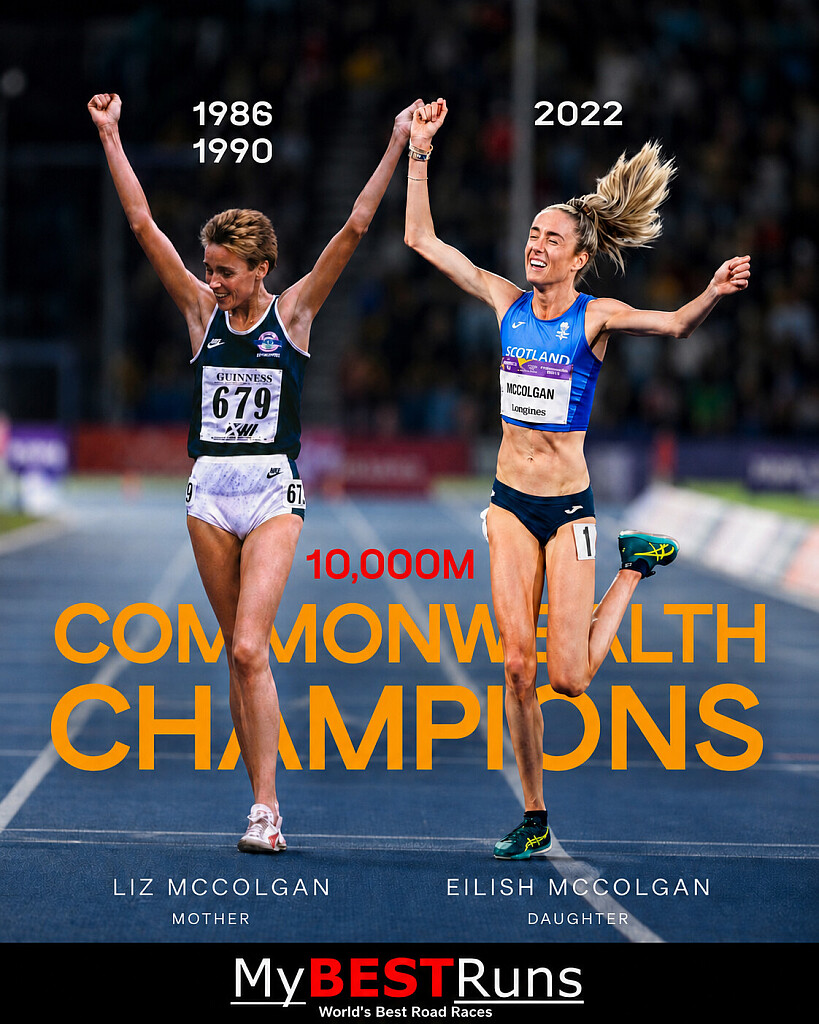


Forty Years Apart: The McColgan Legacy That Was Meant to Come Full Circle
Forty years after her mother etched her name into Commonwealth Games history, Eilish McColgan was poised to write the next chapter of one of Scottish athletics' most cherished family legacies. Instead, Glasgow 2026 was remembered for the race she never got to run.
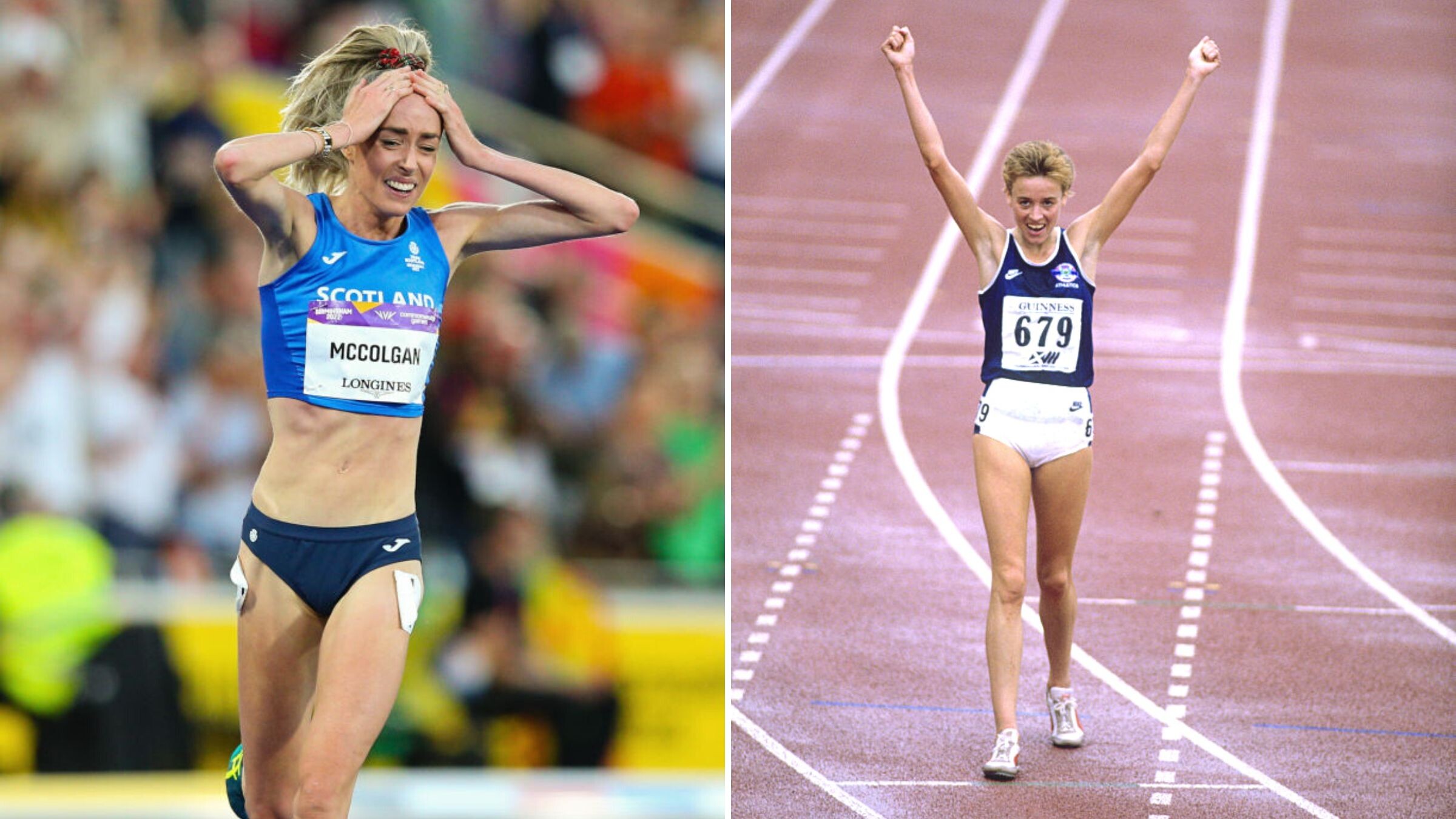
The defending Commonwealth 10,000m champion had been forced to withdraw from the Games after suffering a fractured foot, bringing months of anticipation to a heartbreaking end. What had been expected to become one of the defining moments of the athletics programme instead became one of its greatest disappointments.
For Scotland, it was a heartbreaking blow. For McColgan, it was the cruel interruption of a dream that carried far greater meaning than simply defending a title.
Back in 1986, at the Commonwealth Games in Edinburgh, Liz McColgan won the women's 10,000m gold on home soil, producing one of the most memorable victories in Scottish athletics history. She successfully defended her title four years later at the 1990 Commonwealth Games in Auckland, New Zealand, becoming a two-time Commonwealth 10,000m champion and cementing her place among the greatest distance runners in the history of the Games. Forty years after that first triumph in Edinburgh, Eilish had been presented with the rare opportunity to defend the same title on home soil, wearing the same Scottish colours and hoping to continue one of Scottish athletics' most remarkable family legacies.
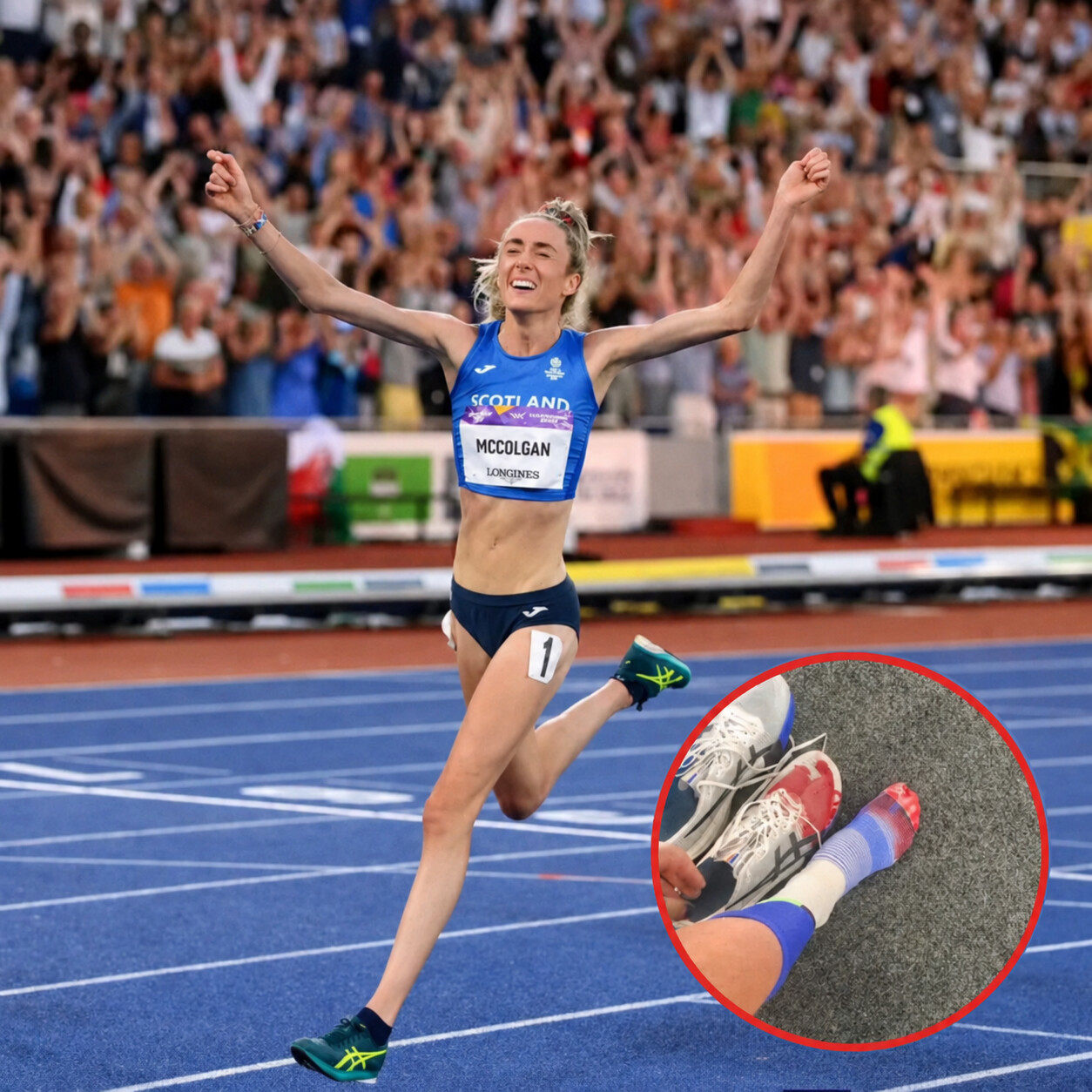
It was a remarkable sporting symmetry: mother and daughter, the same event, the same nation, separated by four decades.
But elite sport rarely followed the script.
McColgan had spoken throughout the season about how much those Games had meant to her. Returning to Glasgow, where Scottish athletics had enjoyed some of its greatest modern moments, and defending a title that connected directly to her family's legacy had become one of the defining ambitions of her season.
Instead, injury had the final word.
A fractured foot ruled her out of the competition, leaving the women's 10,000m final at Scotstoun Stadium without its defending champion and without the athlete many believed would provide the emotional centrepiece of the championships.
There was still a Commonwealth champion crowned, and medals were awarded in one of nine athletics finals at Scotstoun. Yet McColgan's absence inevitably changed the atmosphere, removing the storyline that had captured the imagination of Scottish fans long before the opening gun.
For the home crowd, the disappointment extended far beyond the loss of a medal contender. They did not witness the continuation of a family story that had spanned generations, linking Edinburgh 1986 with Glasgow 2026 through one remarkable surname.
For McColgan, the season became one of rebuilding rather than defending her Commonwealth crown. Her immediate focus shifted from chasing another gold medal to recovering fully and ensuring the injury did not define the next chapter of her career.
Athletics has always celebrated stories of resilience as much as victory. Although Glasgow moved forward without its hometown favourite on the start line, few doubted that Eilish McColgan would return stronger.
Sometimes the race everyone remembered was not the one that was won, but the one that never had the chance to begin.
by Erick Cheruiyot for My Best Runs.
Login to leave a comment
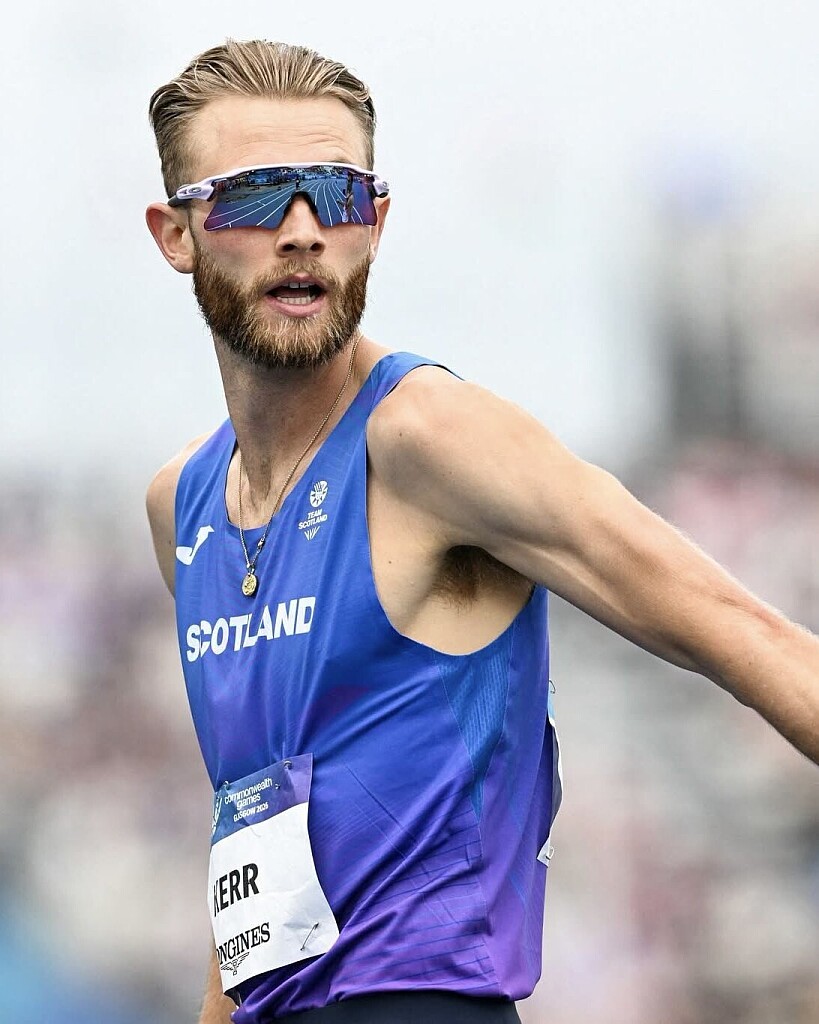
"It's Going to Be a War": Josh Kerr Sets the Stage for a Blockbuster Commonwealth Games Mile Final
The stage is set for one of the most eagerly anticipated races of the 2026 Commonwealth Games after Scottish star Josh Kerr delivered both a commanding performance and a powerful warning to his rivals.
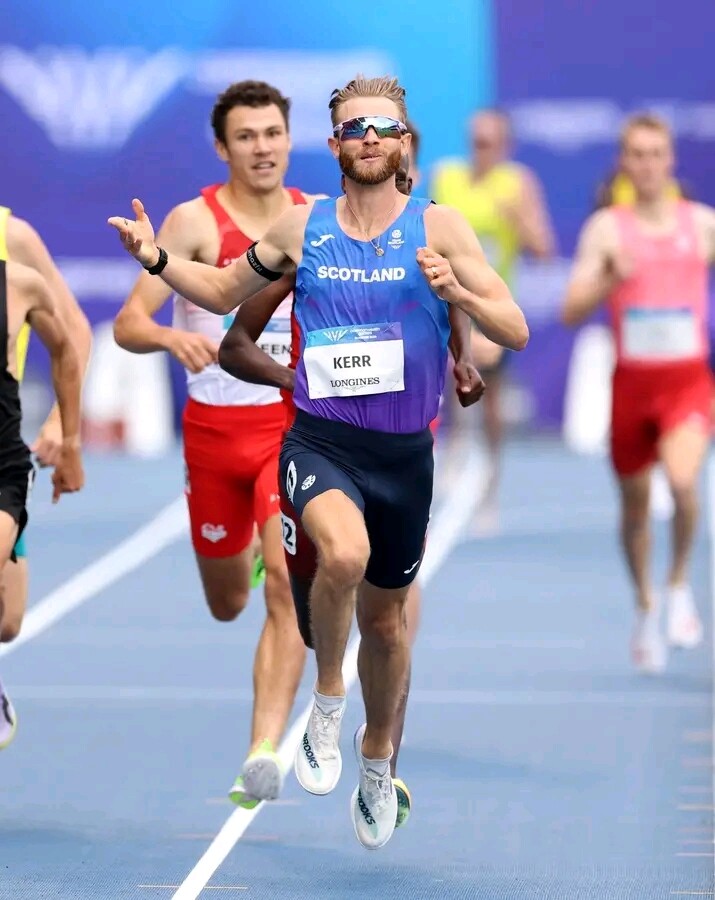
Moments after comfortably booking his place in Saturday night's men's mile final, Kerr summed up what everyone can expect with just five words: "It's going to be a war."
The reigning world-class miler looked relaxed and in complete control as he claimed victory in Heat 1 of the Men's One Mile Round 1, crossing the line in 3:58.57 to secure automatic qualification for the final. While the winning time was well within his capabilities, Kerr's composed display sent a strong message to the rest of the field that he is ready to fight for Commonwealth gold.
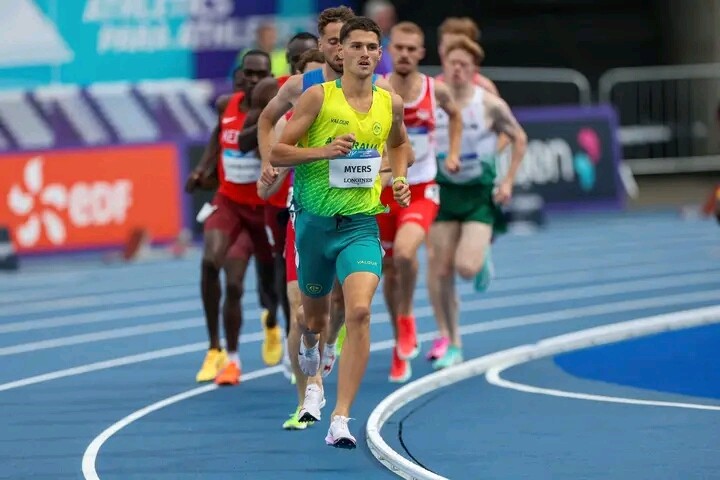
However, the fastest performance of the opening round belonged to Australia's Cameron Myers, who produced an impressive 3:53.85 to win Heat 2 and top the qualifying times. Myers' blistering run underlined the exceptional quality of the field and added another major contender to what is already shaping up to be a thrilling championship final.
Kenya's Timothy Cheruiyot, a former world champion and one of the most accomplished middle-distance runners of his generation, stayed close throughout Heat 1 before finishing second in 3:58.98, comfortably sealing his own place in the final. New Zealand's Samuel Tanner completed the top three in 3:59.31, also advancing to Saturday night's showdown.
Competing in front of a passionate home crowd at Scotstoun Stadium, Kerr soaked in every moment. Over the closing stages, he acknowledged the roaring Scottish supporters, urging them to raise the volume even higher as he surged down the home straight. It was a fitting celebration between athlete and fans, with the biggest challenge still lying ahead.
Saturday night's final promises to be a spectacular occasion, and Scotland will have twice the firepower in the battle for gold. Joining Kerr on the start line will be fellow Scot Jake Wightman, giving the host nation two genuine medal contenders capable of producing an unforgettable performance on home soil.
The men's mile final is already shaping up to be one of the standout events of the Glasgow 2026 Commonwealth Games. With Myers entering as the fastest qualifier, Kerr carrying the hopes of the home nation, Cheruiyot bringing his championship experience, Wightman adding another formidable Scottish challenge, and a field packed with world-class talent, the race promises tactical brilliance, relentless pace, and a dramatic fight all the way to the finish.
If Kerr's prediction is anything to go by, spectators are about to witness a true middle-distance classic.
by Erick Cheruiyot for My Best Runs.
Login to leave a comment
Australia Ends Long Wait as Ky Robinson Claims Historic Commonwealth 10,000m Gold in Glasgow
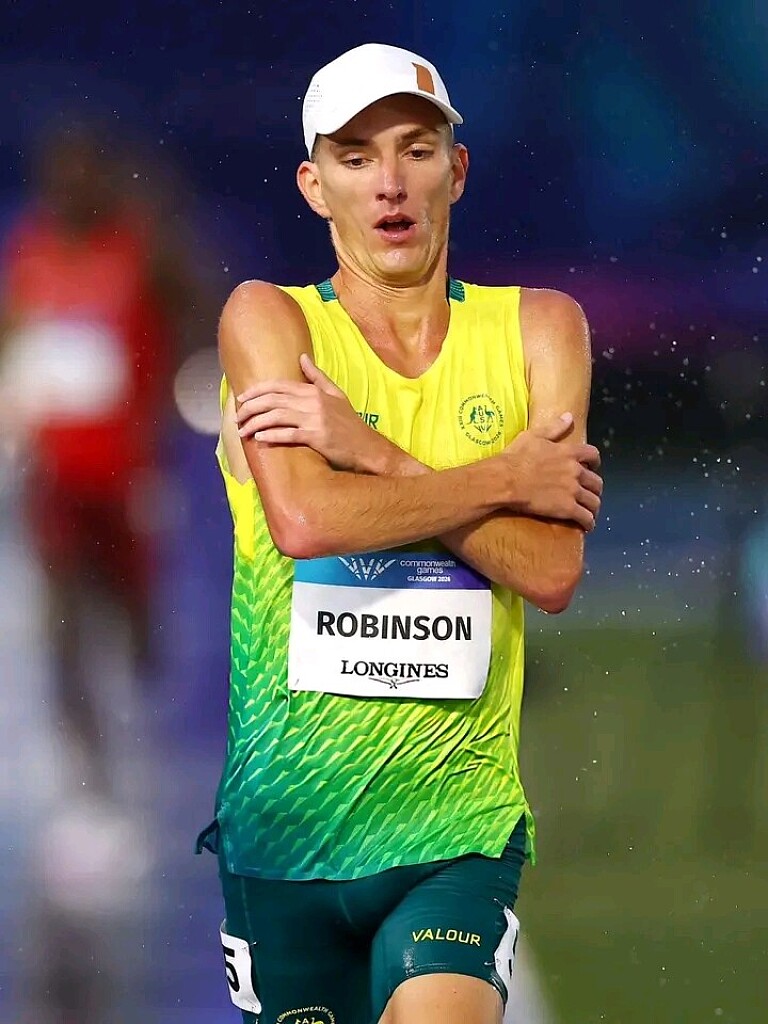
Australia's Ky Robinson produced the race of his career to capture the men's 10,000m gold medal at the 2026 Commonwealth Games in Glasgow, Scotland, becoming the first Australian ever to win the Commonwealth title in the event.
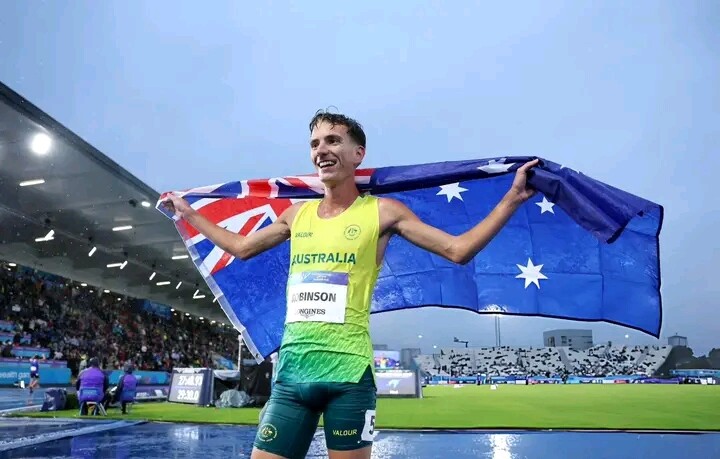
On a cold and rain-soaked night at Scotstoun Stadium, Robinson timed his finish to perfection, crossing the line in 27:48.93 to secure a landmark victory and complete an Australian sweep of the Commonwealth Games 10,000m titles after the nation's success in the women's race.
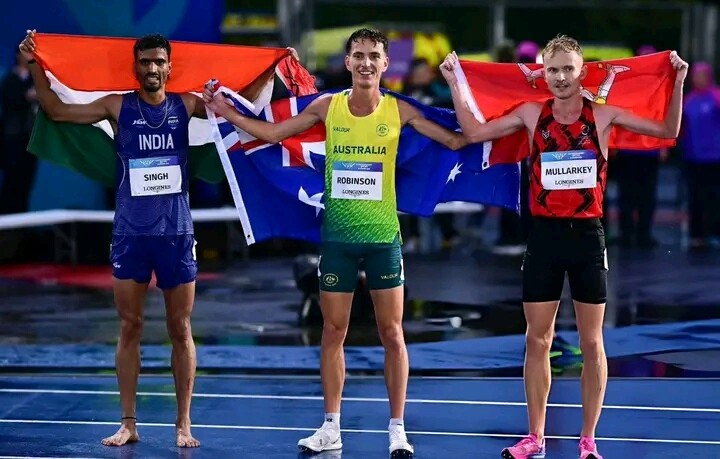
The race unfolded into one of the most dramatic distance finals of the championships. With the rain making conditions treacherous, a tightly packed lead group remained together well into the closing stages as the pace intensified lap after lap. Robinson found another gear in the final stretch to hold off a determined challenge from India's Gulveer Singh, while David Mullarkey unleashed a late surge to secure bronze. Just behind them, Edwin Kurgat fought bravely for Kenya but missed the podium by only 0.70 seconds, highlighting just how fiercely contested the battle for medals was. The top four athletes were separated by barely two seconds, making it one of the closest and most thrilling men's 10,000m finals in recent Commonwealth Games history.
India also celebrated a historic breakthrough as Gulveer Singh delivered the performance of his life to take silver in 27:49.78, earning India's first-ever Commonwealth Games medal in the men's 10,000m. David Mullarkey of the Isle of Man completed the podium in 27:50.28, capping a memorable evening for both nations.
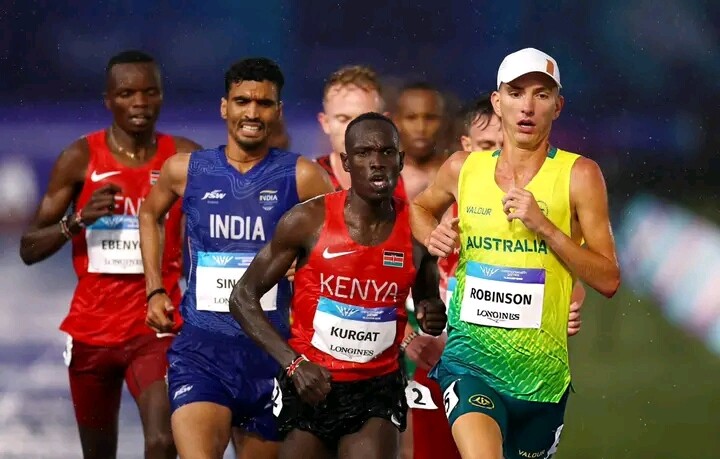
For Kenya, hopes of extending its proud tradition in the event fell agonizingly short. Edwin Kurgat led the Kenyan challenge with a courageous fourth-place finish in 27:50.98, narrowly missing out on a medal. Former Commonwealth Games Birmingham 2022 silver medalist Daniel Ebenyo finished sixth in 27:56.35, while Ishmael Kipkurui placed 10th in 28:04.60 as the Kenyan team was left without a podium finish.
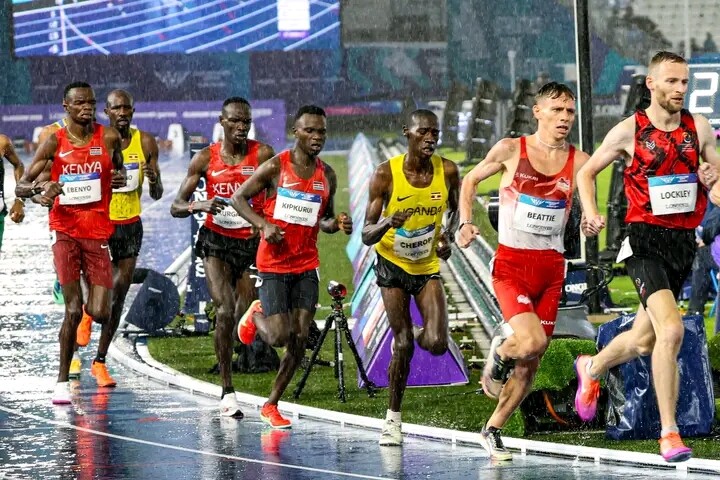
Uganda also came up short despite another determined performance from Samuel Simba Cherop, who clocked a personal best of 27:56.68 to finish seventh. The result ended an extraordinary era of Ugandan dominance in the men's 10,000m at the Commonwealth Games. Since Boniface Kiprop's victory at the 2006 Commonwealth Games in Melbourne, Australia, Uganda had ruled the event for two decades through a succession of outstanding distance runners, making Ky Robinson's triumph the first by another nation since Kiprop's breakthrough gold in Melbourne.
The final also showcased the growing depth of Commonwealth distance running, with athletes from Australia, India, the Isle of Man, Kenya, England, Uganda, Lesotho, Scotland and Tanzania all featuring prominently in a race that demonstrated the event's increasing global competitiveness.
Men's 10,000m Final Results – Glasgow 2026 Commonwealth Games
1. Ky Robinson (Australia) – 27:48.93
2. Gulveer Singh (India) – 27:49.78
3. David Mullarkey (Isle of Man) – 27:50.28
4. Edwin Kurgat (Kenya) – 27:50.98 (SB)
5. Scott Beattie (England) – 27:54.50
6. Daniel Ebenyo (Kenya) – 27:56.35 (SB)
7. Samuel Simba Cherop (Uganda) – 27:56.68 (PB)
8. Benjamin Ratsim (Tanzania) – 27:59.70 (PB)
9. Kamohelo Mofolo (Lesotho) – 28:01.00 (NR)
10. Ishmael Rokitto Kipkurui (Kenya) – 28:04.66 (SB)
11. Dan Kibet (Uganda) – 28:05.84 (SB)
12. Oscar Chelimo (Uganda) – 28:10.60
13. Andrew Butchart (Scotland) – 28:16.70
Robinson's historic triumph not only delivered Australia's first-ever Commonwealth men's 10,000m gold medal but also signaled a changing landscape in Commonwealth distance running, ending Uganda's remarkable 20-year reign and proving that the battle for long-distance supremacy is becoming more competitive than ever.
by Erick Cheruiyot for My Best Runs.
Login to leave a comment

The Commonwealth Games
The Commonwealth Games are coming to Victoria - bringing an action packed sports program to our regional cities and delivering a long-term legacy for our future. From 17 to 29 March 2026, Geelong, Bendigo, Ballarat, Gippsland and Shepparton will be on the world stage, attracting millions of viewers and creating thousands of jobs. The multi-city model will...
more...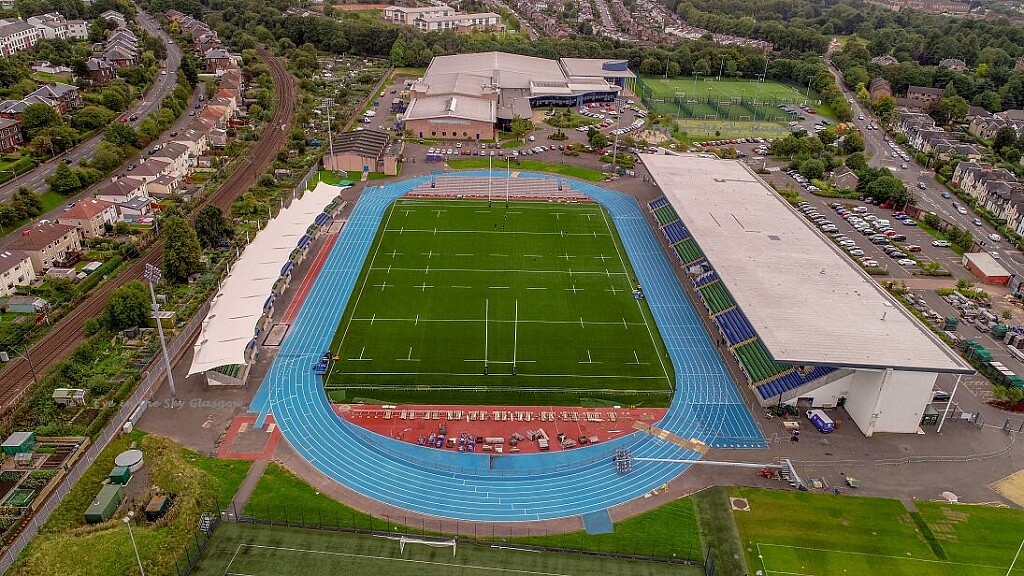
Australia Eyes Another Commonwealth Athletics Statement as Glasgow Countdown Intensifies
With just two months remaining until the Commonwealth Games athletics and para-athletics programme begins at Scotstoun Stadium on July 27, anticipation is rapidly building around what could be another defining chapter for Australian athletics.
After delivering one of their strongest performances in recent Commonwealth Games history at Birmingham 2022, Australia now heads toward Glasgow carrying both momentum and expectation. The nation concluded the previous edition with an impressive haul of 25 medals — including 10 gold, 10 silver and five bronze — underlining its emergence as one of the most complete and versatile athletics powerhouses within the Commonwealth.
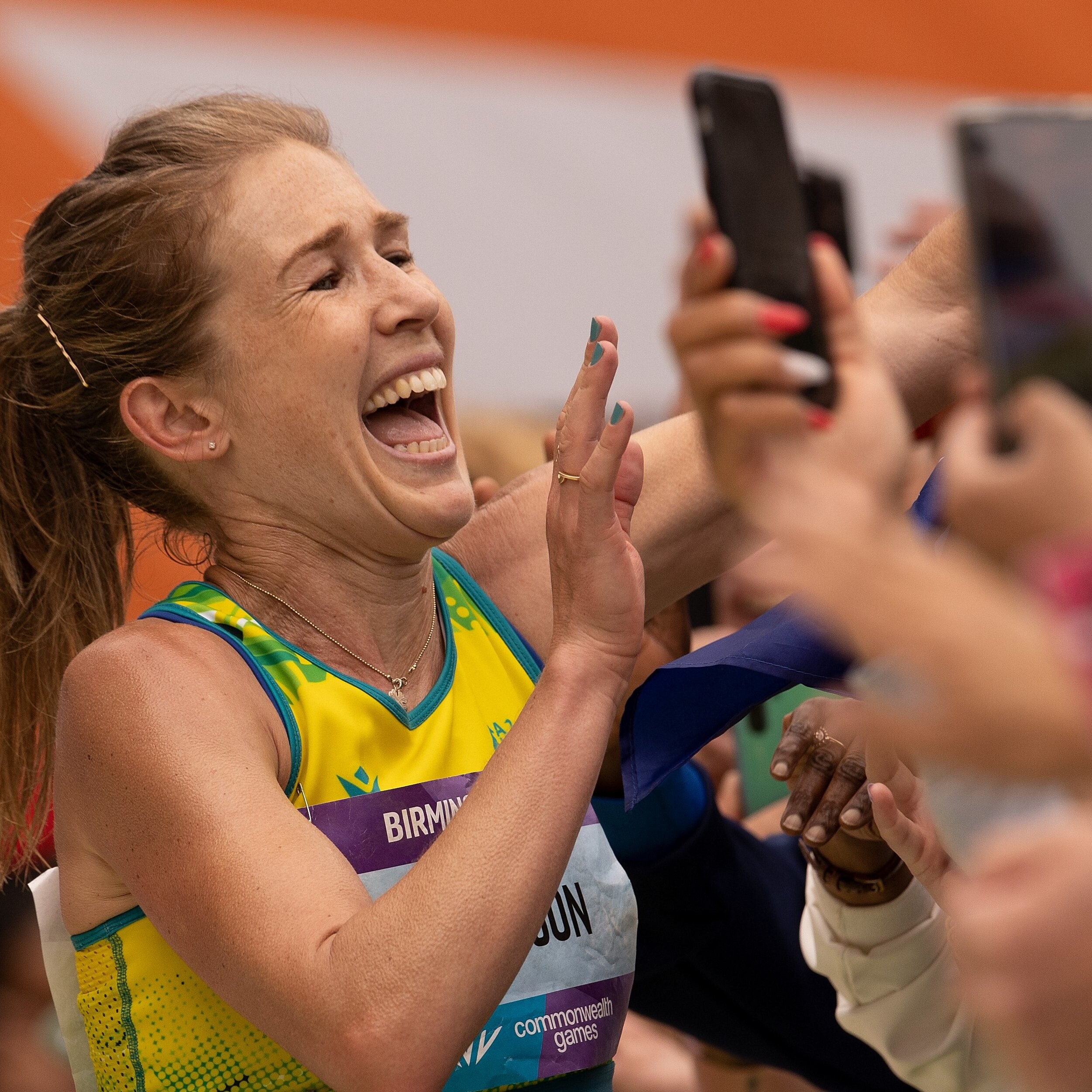
The upcoming competition presents an opportunity not only to defend that reputation, but potentially surpass it.
Australia’s recent rise has been fuelled by a remarkable blend of established champions and fearless young talent. Across sprinting, middle-distance running, jumps, throws and para-athletics, the country has steadily developed a deeper and more competitive squad capable of challenging traditionally dominant nations across multiple disciplines.
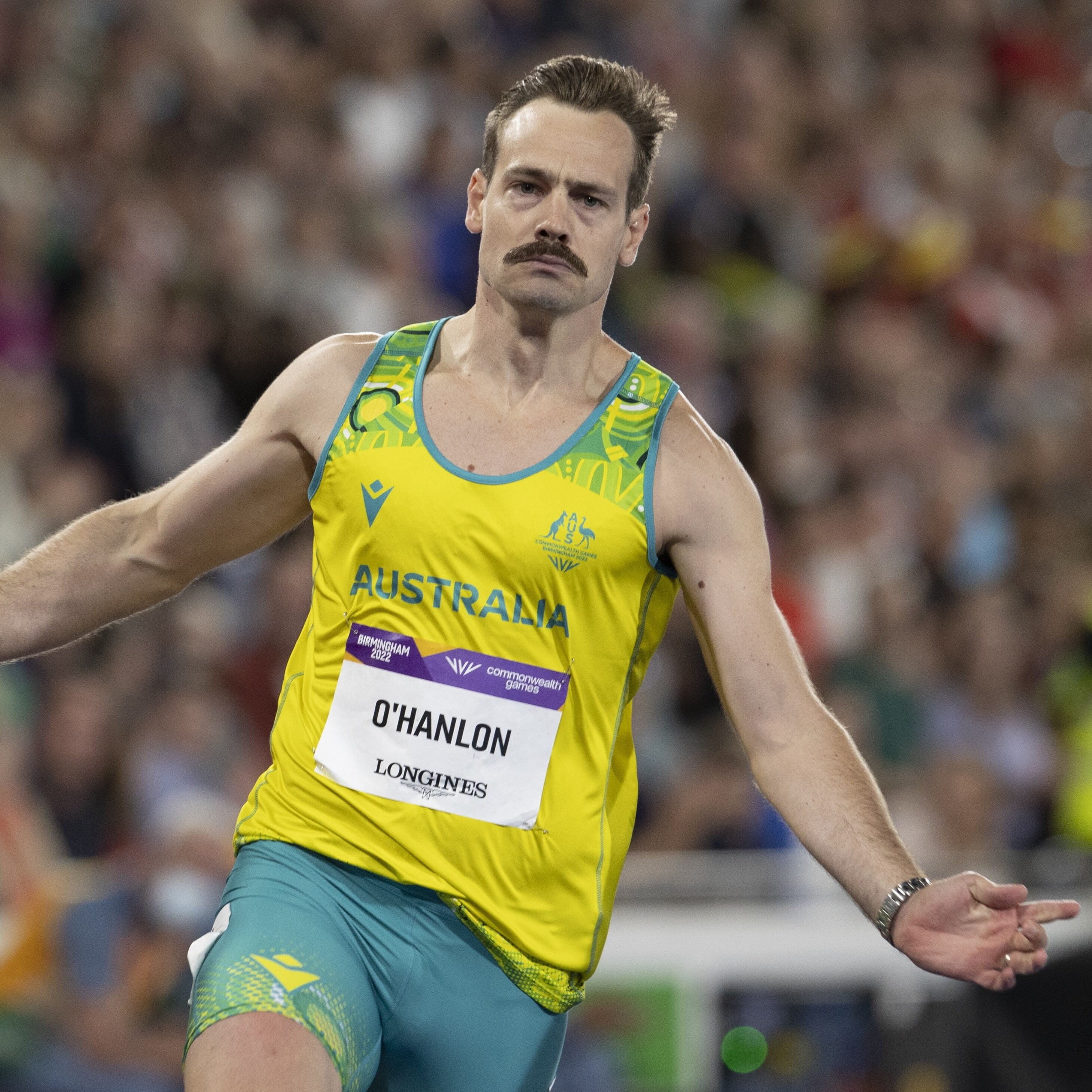
What makes the current Australian generation especially dangerous is its consistency on the global stage. Over the last few seasons, Australian athletes have continued to produce breakthrough performances at World Championships, Diamond League meetings and continental competitions, signalling that Birmingham was not an isolated success but part of a larger upward trajectory.
The Glasgow atmosphere is also expected to add another layer of intensity. Scotstoun Stadium will host six days of action packed with medal opportunities, rivalries and emotional moments, as athletes from across the Commonwealth battle for supremacy in one of the sport’s most celebrated multi-sport events.
Australia’s para-athletics squad is equally expected to play a major role in the medal race. The nation has consistently demonstrated strength in inclusive athletics competition, with para-athletes continuing to elevate the country’s international standing through world-class performances and resilience.
While several nations are expected to arrive with strong teams, Australia enters the Games as one of the countries attracting significant attention. The challenge now will be transforming expectation into execution once competition begins.
With the countdown officially underway, the question surrounding Australian athletics is no longer whether the nation can compete with the best — but whether this emerging golden era can produce an even greater medal return than Birmingham 2022.
by Erick Cheruiyot for My Best Runs.
Login to leave a comment
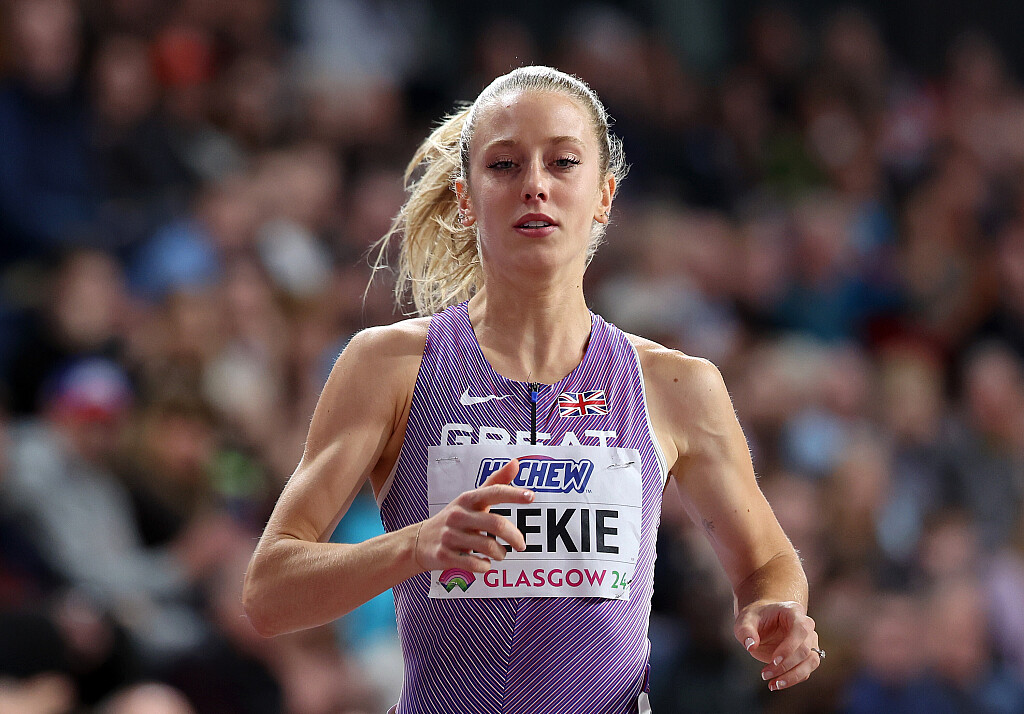
Eyes on Glory: Jemma Reekie’s Bold Vision for a Glasgow 2026 Double
As the indoor season gathers momentum, Scottish middle-distance star Jemma Reekie stands at a pivotal crossroads—balancing immediate ambitions with a long-term dream that could define her career. While her focus is firmly set on the upcoming World Athletics Indoor Championships in Poland, her eyes are already drifting toward a grander stage: the Commonwealth Games 2026 on home soil.
For Reekie, the indoor championships represent more than just another competition. It is an opportunity to sharpen her racing edge, test her form against world-class opposition, and build momentum. Yet beneath that immediate goal lies a deeper, more personal aspiration—one that has begun to take shape in her own words and quiet confidence.
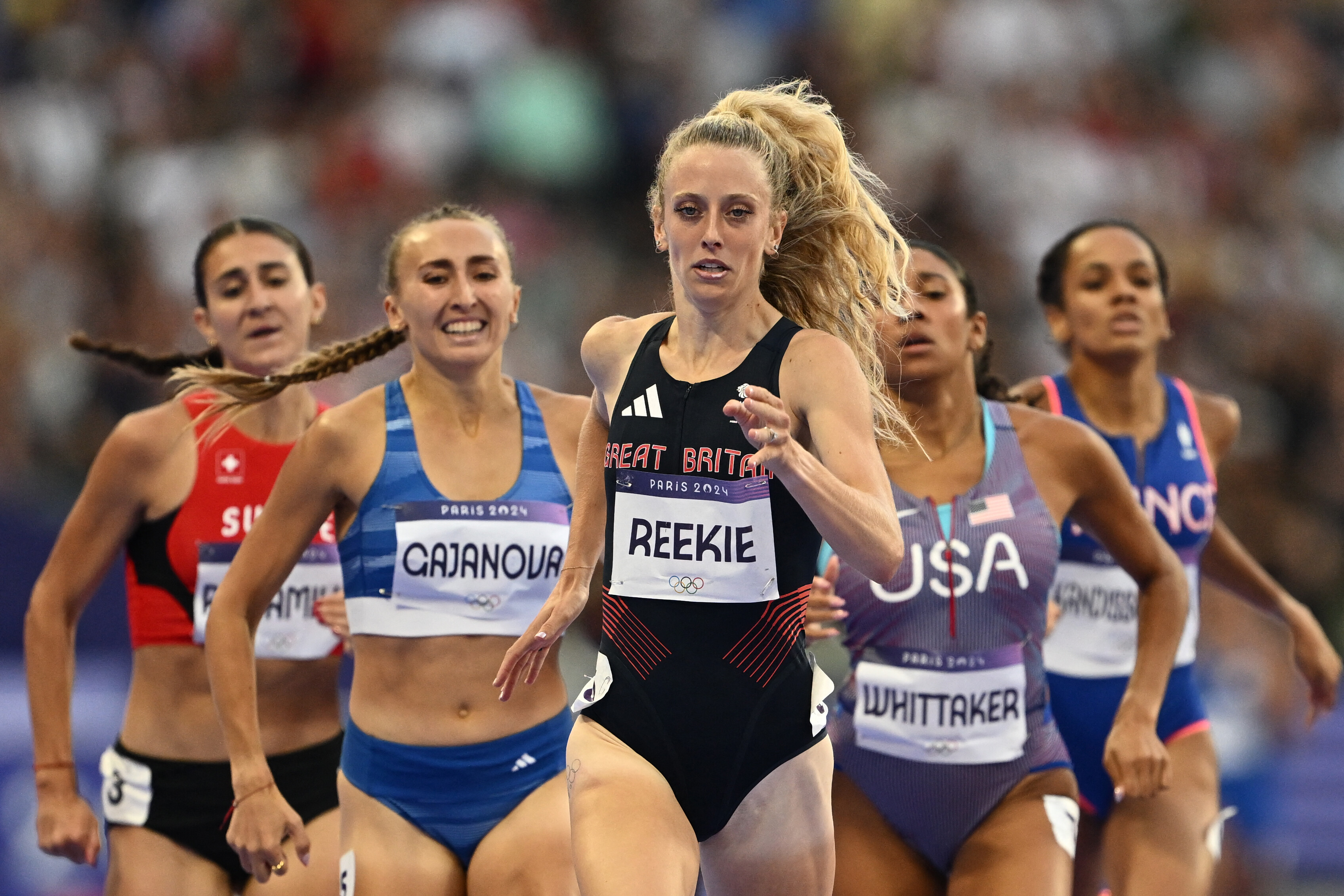
Speaking to the BBC, the Kilbarchan AAC athlete revealed her excitement at the prospect of competing in Glasgow, where the roar of a home crowd could fuel something extraordinary. The venue, Scotstoun Stadium, is set to host athletics during the Games, offering a familiar and electrifying stage for Scottish athletes.
What makes her vision particularly compelling is the scale of her ambition. Reekie is not merely aiming to participate—she is contemplating a middle-distance double, a feat that demands not only elite endurance and speed but also precise tactical execution across rounds. Balancing events such as the 800m and 1500m at a major championship requires resilience, recovery, and an unshakable competitive mindset.
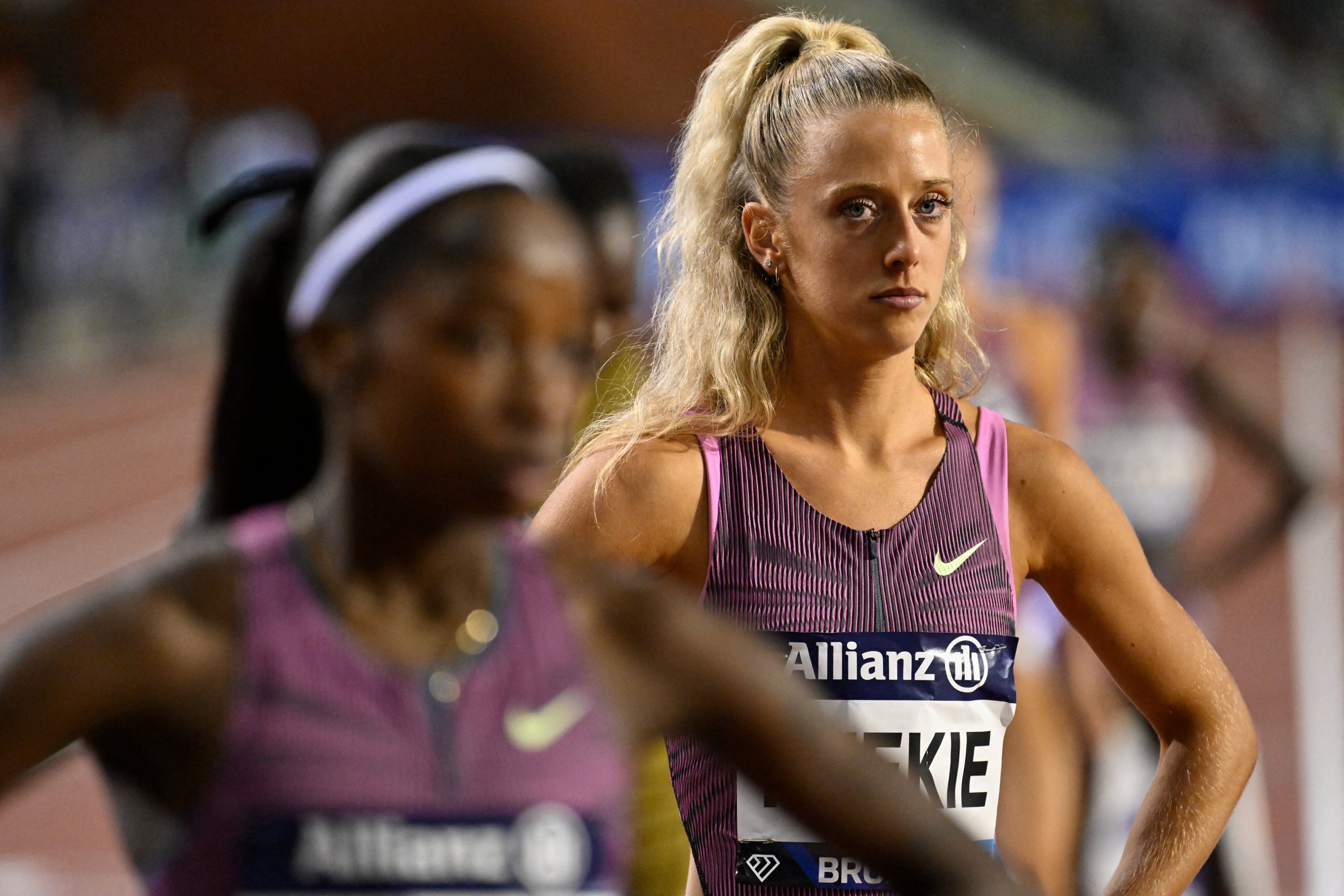
This ambition reflects the evolution of an athlete who has steadily matured on the global stage. Once known primarily as a rising talent, Reekie has developed into a seasoned competitor capable of challenging the very best. Her performances in recent seasons have demonstrated consistency and courage, qualities essential for anyone daring to attempt a championship double.
The timing of the Glasgow Games adds another layer of intrigue. Competing at home is both a privilege and a pressure. Expectations will be high, but so too will be the support—a powerful force that has historically lifted athletes to career-defining performances. For Reekie, the idea of delivering a standout showing in front of a Scottish crowd is as motivating as it is daunting.
As she heads into Poland for the indoor championships, every stride, every split, and every tactical decision will serve a dual purpose. It is not just about medals in the present—it is about laying the groundwork for something greater in 2026.
In many ways, this moment captures the essence of elite sport: the constant interplay between now and next, between preparation and possibility. For Jemma Reekie, the journey to Glasgow has already begun—not with a starting gun, but with a vision bold enough to inspire.
And if that vision becomes reality, the home crowd at Scotstoun may witness not just participation, but history in the making.
by Erick Cheruiyot for My Best Runs.
Login to leave a comment
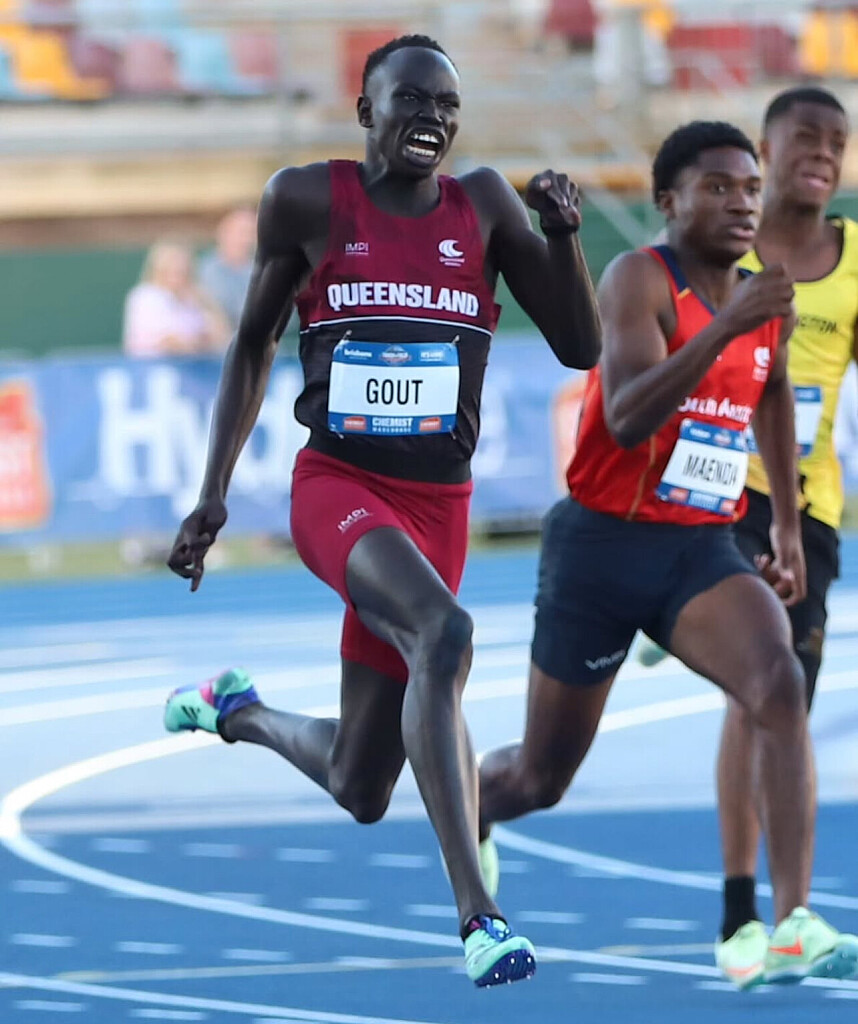
Australia’s teenage sprint sensation, Gout Gout, is gearing up for his biggest stage yet — the 2026 Commonwealth Games in Glasgow.
At just 17 years old, Gout Gout has already rewritten the record books. The Queensland-based sprinter, born in December 2007 to South Sudanese parents, is widely regarded as one of the most exciting young talents in global athletics. His rapid rise has drawn comparisons to legends like Usain Bolt — and for good reason.
Gout currently holds the Oceanian 200m record with a time of 20.02 seconds, set at the Golden Spike meet in Ostrava earlier this year. He also clocked 10.17 in the 100m to win the Australian U-18 title and later dominated the U-20 division. His combination of top-end speed, graceful stride, and fierce competitive drive has made him a must-watch on the world stage.
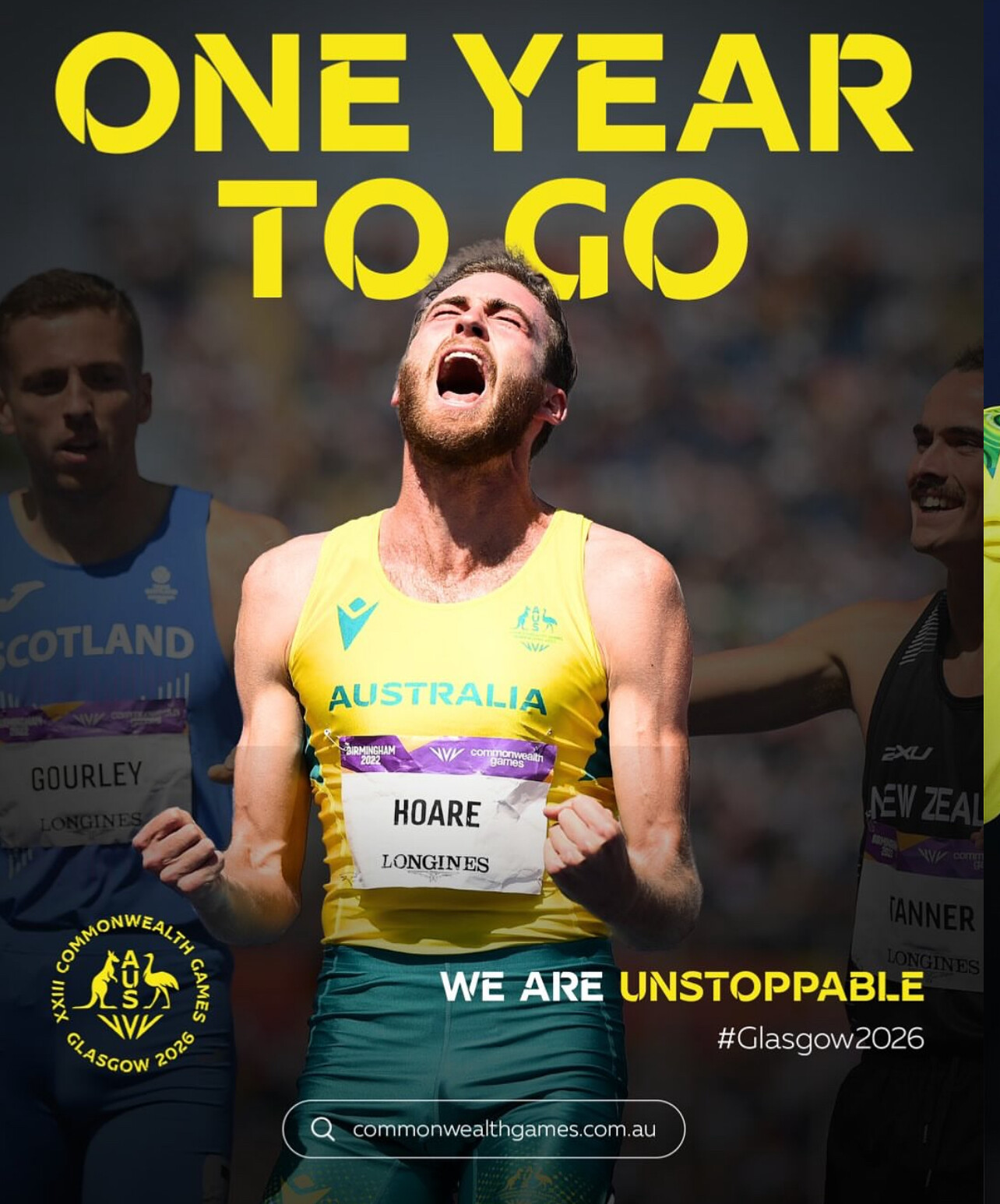
Now, the teen phenom is set to represent Australia at the 2026 Commonwealth Games, scheduled for July 23 to August 2 in Glasgow, Scotland. He is expected to compete in the 100m, while his entry in the 200m remains under consideration due to scheduling conflicts with the World Junior Championships, which will take place shortly after in Eugene, Oregon.
Gout’s Path to Stardom

Gout’s emergence as a global sprint force has been nothing short of remarkable. Raised in Ipswich, Queensland, he was introduced to athletics at a young age and quickly caught the attention of Australia’s elite coaches. Under the guidance of Diane Sheppard, Gout has developed into a technically polished athlete with a mature race strategy far beyond his years.
His silver medal at the 2024 World U20 Championships in the 200m confirmed what many already believed — Gout Gout isn’t just Australia’s future; he’s already one of its best.
Sheppard has praised his dedication, humility, and focus, noting:
“With Gout, it’s not just talent — it’s mindset. He’s willing to do the work and stay grounded.”
Glasgow 2026: A Games Reimagined
The 2026 Commonwealth Games will mark a return to Glasgow, which last hosted the event in 2014. Following Victoria’s withdrawal as host due to financial concerns, Glasgow stepped up with a streamlined, cost-efficient plan built on existing infrastructure.
The Games will feature:
• 10 core sports and 47 para-sport events
• Key venues including Scotstoun Stadium (track and field), Tollcross International Swimming Centre, and the Sir Chris Hoy Velodrome
• A strong focus on sustainability and legacy, with no new athletes’ village planned
Mascot “Finnie the Unicorn”, named after the Finnieston Crane and created by local students, has already captured hearts with its fun, distinctly Scottish vibe.
by Boris Baron
Login to leave a comment
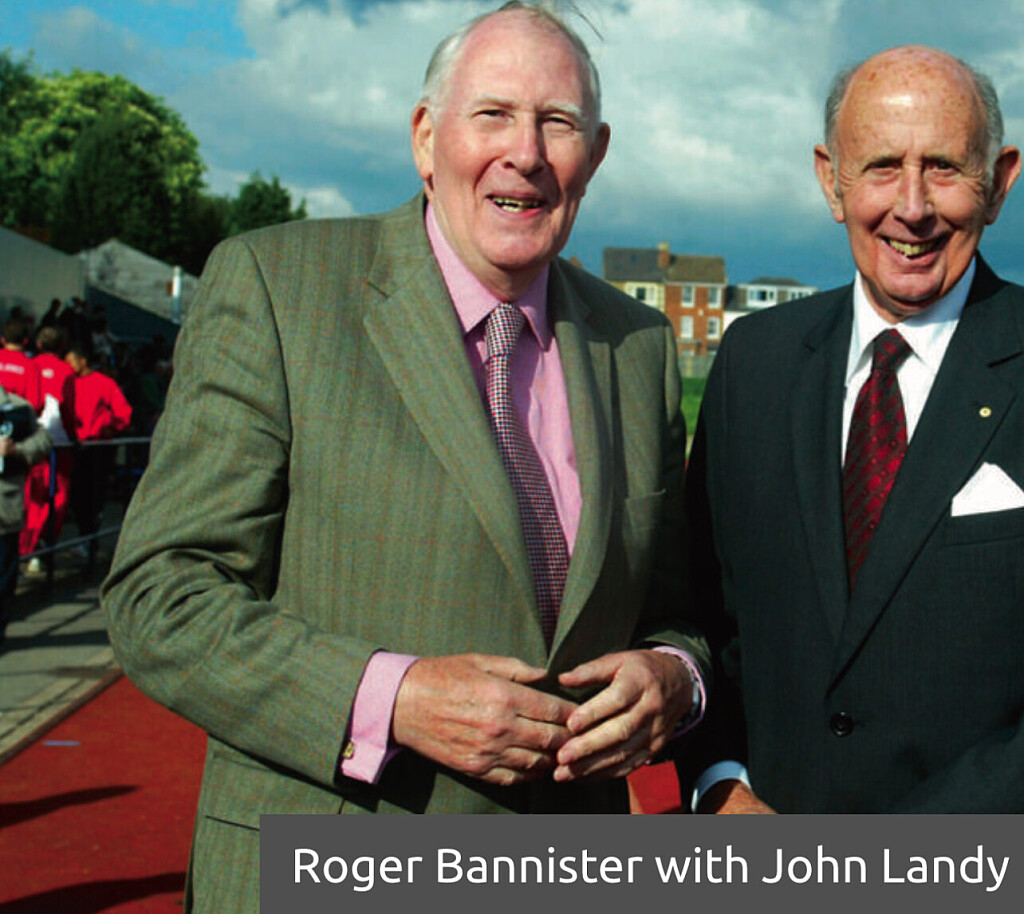
Commonwealth Games 2026: Mile Race Returns and Mixed 4x400m Relay Introduced
The Glasgow 2026 Commonwealth Games will mark a historic shift in athletics, with the reintroduction of the mile race, replacing the traditional 1500m event, and the addition of the mixed 4x400m relay. The Games will take place from July 23 to August 2, 2026, featuring a 10-sport programme across four venues, with Scotstoun Stadium hosting the athletics competitions.
The Return of the Commonwealth Mile

For the first time since 1966, the mile race will make its return, paying tribute to the legendary "Miracle Mile" at the 1954 Vancouver Commonwealth Games, where England’s Roger Bannister and Australia’s John Landy—the first two athletes to break the four-minute barrier—battled head-to-head in one of the most iconic races in history.
World Athletics President Sebastian Coe welcomed the decision, emphasizing the mile’s significance within the Commonwealth:
"The one mile is the quintessential Commonwealth athletics event whose return to the Games in Glasgow 2026 I very much welcome. The mile is easy to understand—four laps of the track—and remains a standard everyday measurement across the Commonwealth."
He further highlighted the race’s rich legacy:
"From 1930 through to 1966, the mile was the blue-riband event of each Games. Its place in international sports lore was secured when Sir Roger Bannister broke the four-minute barrier in May 1954. The magic of the mile continues to resonate with sports fans, and a ticket to watch its Commonwealth final will be one of the must-have seats in Glasgow next year."
New Additions: Mixed 4x400m Relay and Expanded Para Athletics Programme
Alongside the return of the mile, the mixed 4x400m relay will be introduced, further enhancing the athletics programme. Additionally, for the first time in Commonwealth Games history, para athletes will compete across all three major disciplines—jumping, throwing, and track events—cementing a new era of inclusivity in the sport.
The full event lineup is available on the Glasgow 2026 Commonwealth Games website, showcasing a programme designed to honor tradition while embracing innovation.
by Boris Baron
Login to leave a comment
The Commonwealth Games
The Commonwealth Games are coming to Victoria - bringing an action packed sports program to our regional cities and delivering a long-term legacy for our future. From 17 to 29 March 2026, Geelong, Bendigo, Ballarat, Gippsland and Shepparton will be on the world stage, attracting millions of viewers and creating thousands of jobs. The multi-city model will...
more...