

Running News Daily
Running News Daily is edited by Bob Anderson and team. Send your news items to bob@mybestruns.com Advertising opportunities available.
Index to Daily Posts · Sign Up For Updates · Run The World Feed
Articles tagged #Boston Marathon
Today's Running News
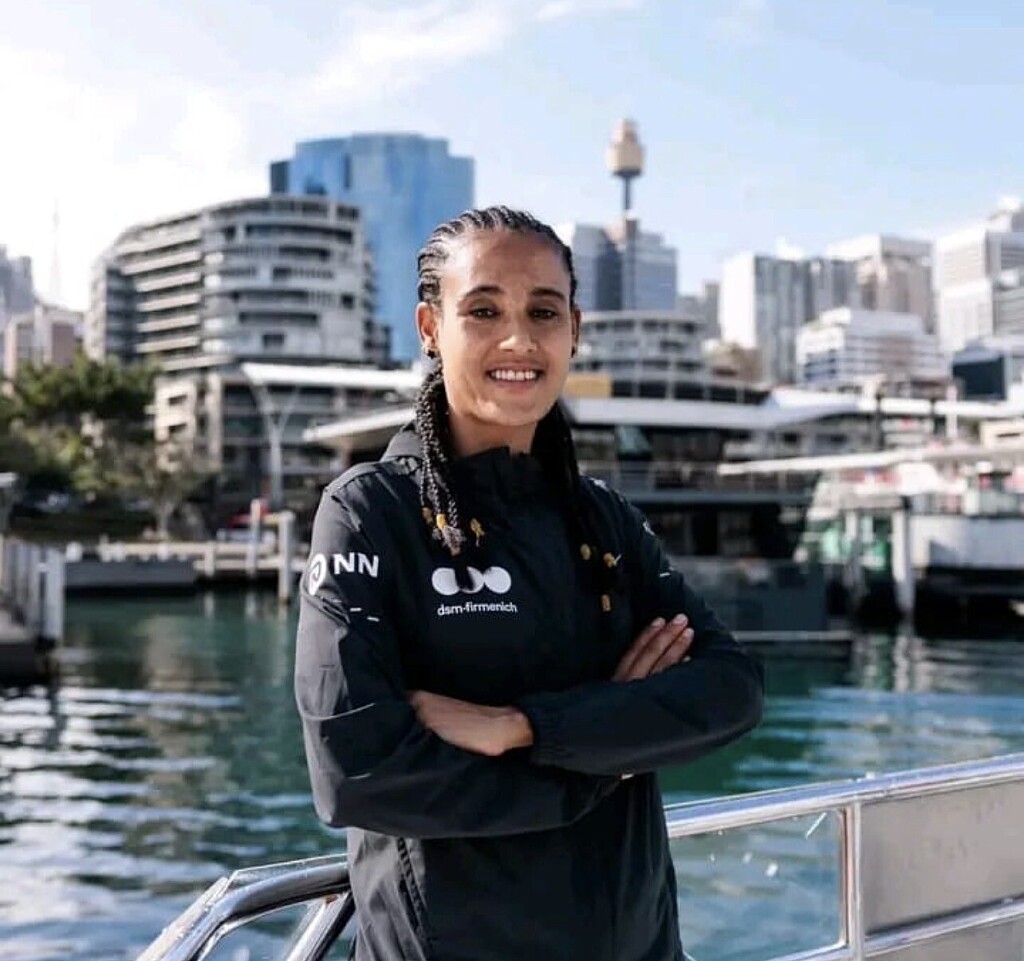


Sydney Marathon 2026: World Champions, Record Hunters And A Star-Studded Showdown
SYDNEY, AUSTRALIA — August 30, 2026
Sydney is preparing for a spectacular morning of marathon racing as reigning world champions Peres Jepchirchir of Kenya and Alphonce Simbu of Tanzania headline a world-class elite field at the TCS Sydney Marathon on Sunday, August 30.
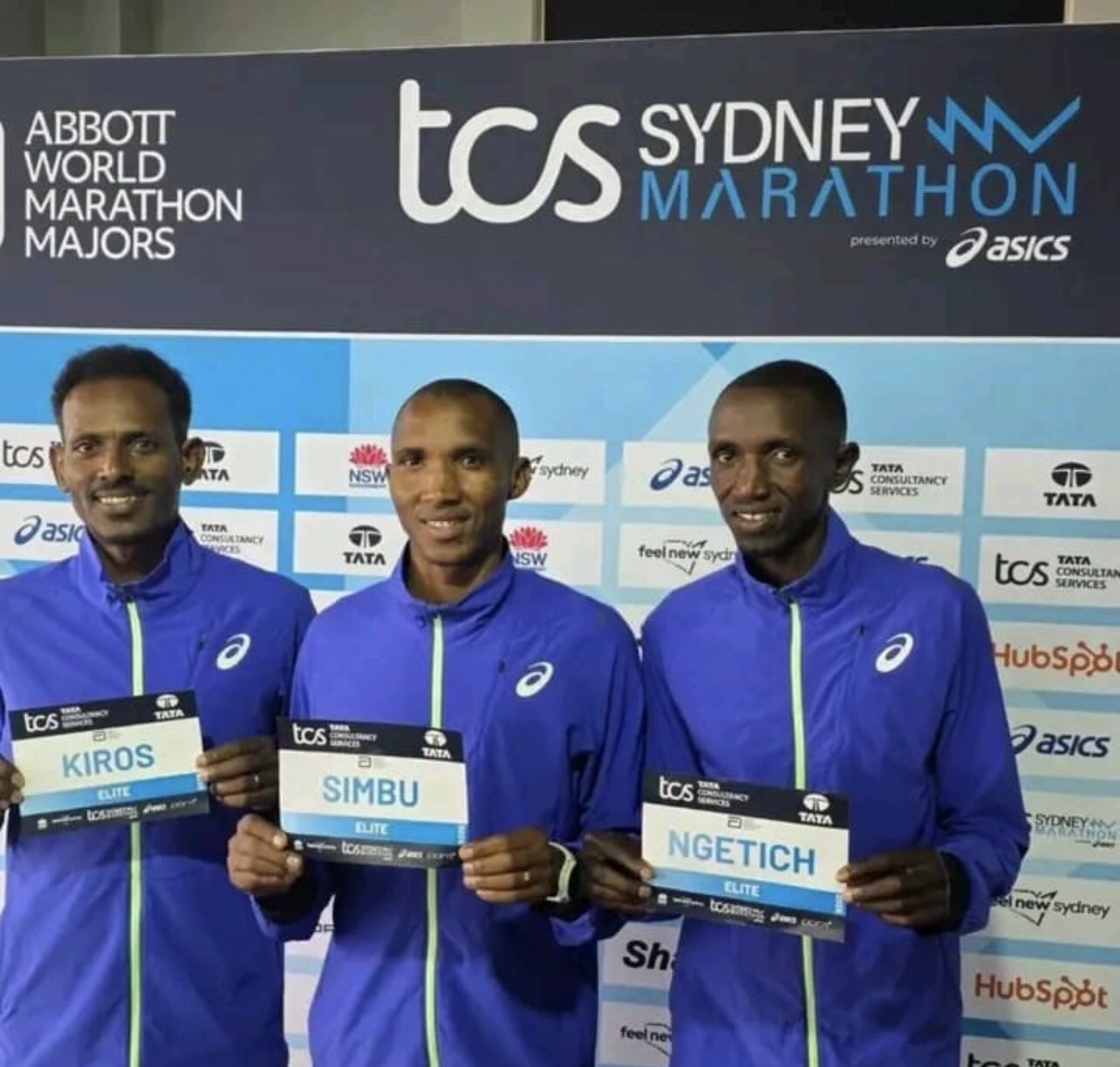
The race is set to provide another defining moment for Australian distance running, with more than 40,000 participants expected to take on the streets of Sydney and a remarkable collection of elite athletes competing for victory on one of the world's newest Abbott World Marathon Majors.
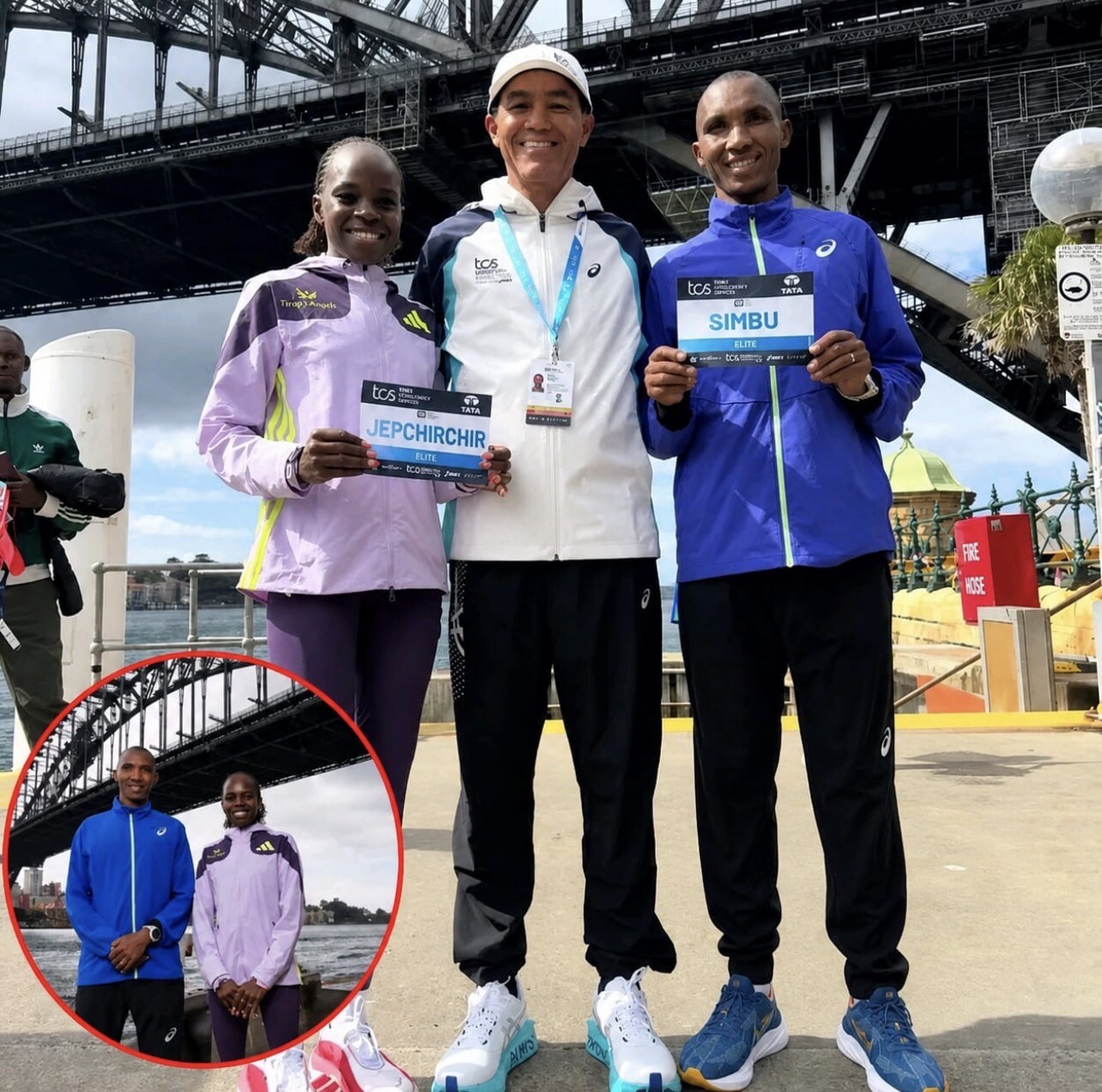
Jepchirchir and Simbu will bring an added layer of prestige to the occasion as the reigning women's and men's world marathon champions. Their presence ensures that the spotlight will be firmly fixed on Sydney as some of the world's finest distance runners battle for one of the most coveted titles on the international marathon calendar.

There will also be records in the crosshairs. The men's course record stands at 2:06:06, while the women's benchmark is 2:18:22, meaning the quality of the field has created genuine anticipation that both marks could come under threat.
In the men's race, Simbu arrives with considerable confidence and an ambitious target. The Tanzanian produced one of the most dramatic finishes of the 2025 World Athletics Championships in Tokyo, holding off Germany's Amanal Petros to claim the world title. With a personal best of 2:02:47, Simbu has the speed, championship experience and belief to challenge the very best, and he has made no secret of his desire to attack Sydney's course record.
However, standing in his way is an elite group led by Ethiopia's Sisay Lemma, whose outstanding 2:01:48 personal best makes him the fastest entrant in the field. A former London and Boston Marathon champion, Lemma brings a wealth of experience at the highest level and will be one of the principal threats to Simbu's ambitions.
Kenya will also have a strong presence, with Timothy Kiplagat and Vincent Ngetich adding further firepower to an already formidable men's lineup.
Perhaps the most intriguing storyline, however, belongs to Ethiopian track star Hagos Gebrhiwet, who is set to make his highly anticipated marathon debut. A former Olympic 5,000m medallist and one of the world's fastest track distance runners, Gebrhiwet has already shown extraordinary endurance over shorter distances, including a 57:41 half-marathon personal best. His transition to the marathon will be closely watched, with fans eager to discover whether his world-class track speed can be converted into success over 42.195 kilometres.
The depth of the men's field is remarkable. No fewer than 25 athletes have broken 2:10, while 19 have already recorded times faster than Sydney's existing course record, setting the stage for a race that could develop into a battle of extraordinary pace and tactics.
The women's contest promises just as much drama, with Jepchirchir leading the way. The Kenyan superstar arrives in Sydney as the reigning world champion and Olympic champion, carrying a 2:14:43 personal best, the fastest among the women entered.
Yet victory will not come easily. Jepchirchir faces a powerful Kenyan challenge from Irine Cheptai, who owns a 2:17:51 personal best and has already established herself as a major force on the international marathon circuit.
Tanzania's Magdalena Shauri, the country's national record holder with a personal best of 2:18:03, will provide another serious threat, while the experienced Vivian Cheruiyot of Kenya adds further championship pedigree to an already impressive women's field.
Ethiopian stars Shure Demise and Haven Hailu, alongside Uganda's Stella Chesang, will also be looking to make their mark as the race unfolds through Sydney's iconic streets.
The setting could hardly be more spectacular. Starting in North Sydney, the marathon takes runners across the famous Sydney Harbour Bridge before heading towards the unforgettable finish at the Sydney Opera House. With the city providing a breathtaking backdrop, the race has all the ingredients for another historic chapter in its rapid rise on the global marathon scene.
For the elite athletes, however, the beauty of Sydney will quickly become secondary once the gun goes off.
The champions will be chasing victory. The record hunters will be chasing history. And for Gebrhiwet, an entirely new chapter of his career will begin.
Two reigning world champions. Multiple sub-2:05 contenders. A world-class women's field. A highly anticipated marathon debut. And course records that could be under serious threat.
Everything is in place for an unforgettable Sunday in Sydney.
Will Alphonce Simbu turn his ambition into a new course record?
Can Sisay Lemma's 2:01:48 experience carry him to victory?
Will Hagos Gebrhiwet announce himself as a future marathon superstar?
And can Peres Jepchirchir add the Sydney Marathon crown to her already extraordinary list of achievements?
Sydney is ready.
The champions have arrived. The records are waiting. The stage is set for a spectacular showdown.
by Erick Cheruiyot for My Best Runs
Login to leave a comment
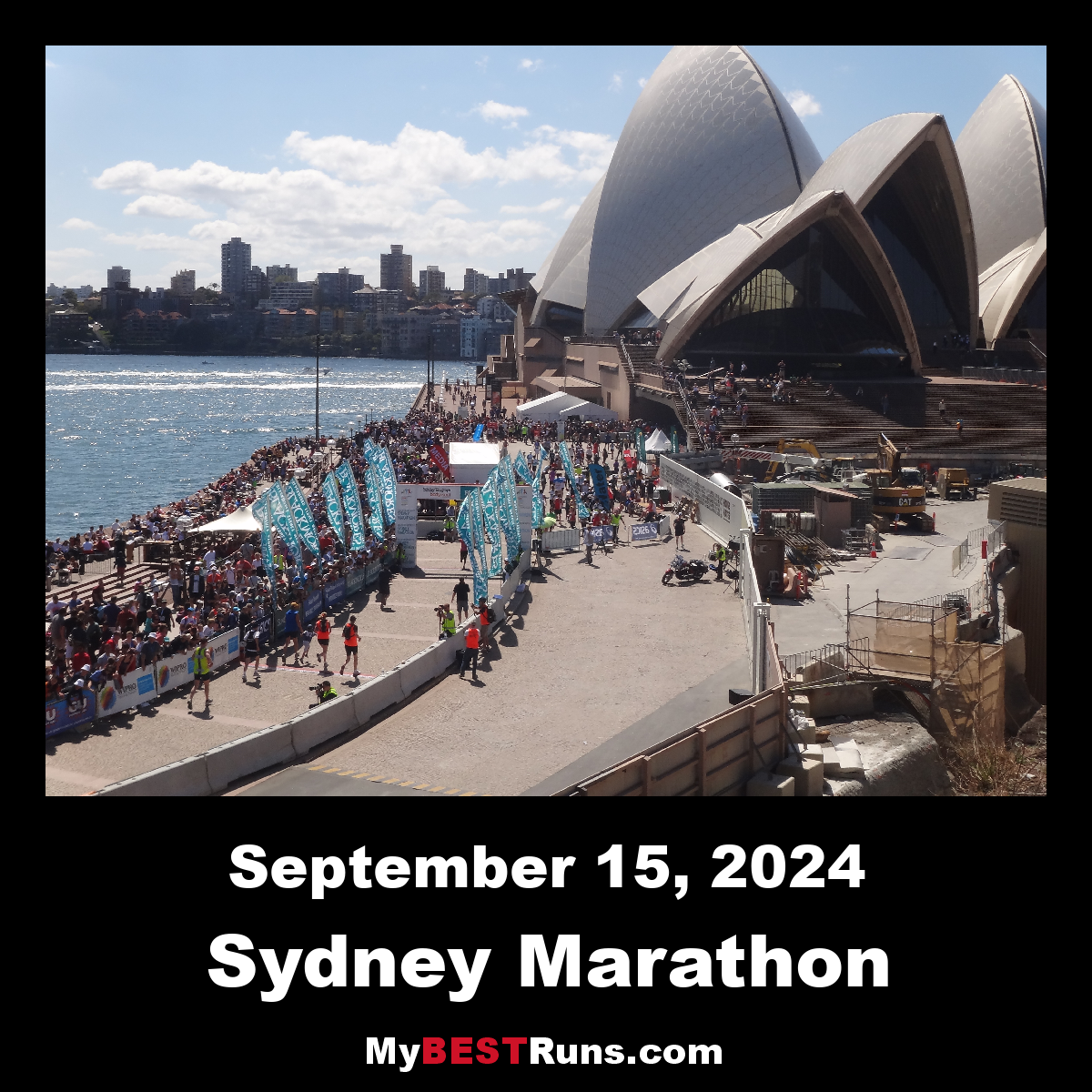
Sydney Marathon
The Sydney Marathon is a marathon held annually in Sydney, Australia. The event was first held in 2001 as a legacy of the 2000 Summer Olympics, which were held in Sydney. In addition to the marathon, a half marathon, 9 kilometres (5.6 mi) "Bridge Run", and a 3.5 kilometres (2.2 mi) "Family Fun Run" are also held under the banner...
more...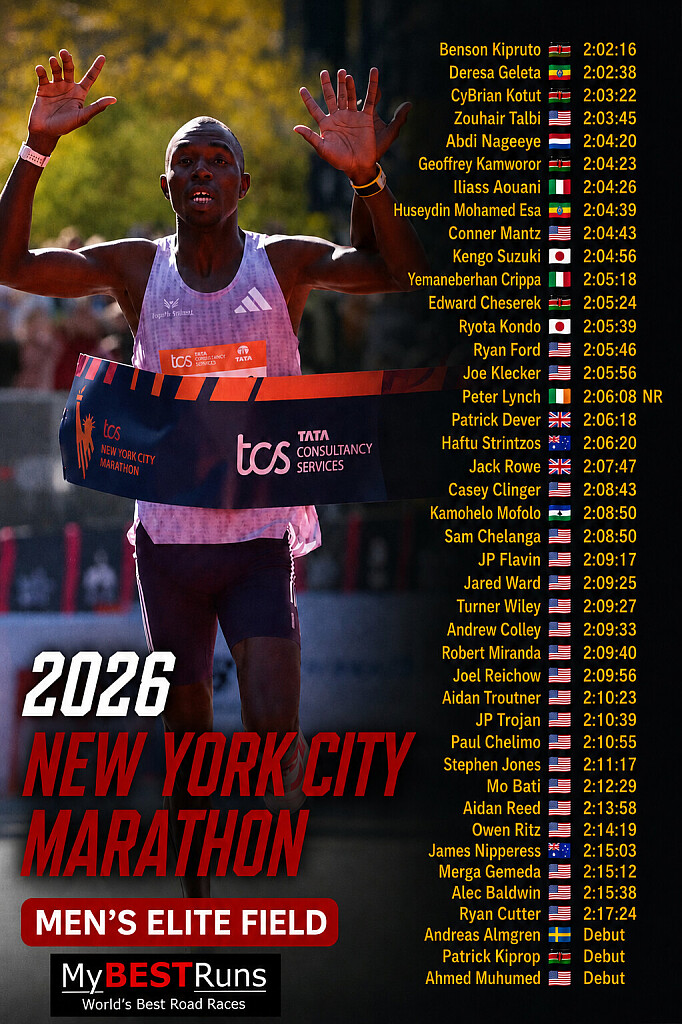
New York Marathon Set For Blockbuster Showdown As America’s Two Fastest Men Collide
The 2026 TCS New York City Marathon is shaping up to be one of the most anticipated editions in recent history, with New York Road Runners unveiling a remarkable men’s professional field that brings together the two fastest American marathoners ever on the same starting line.
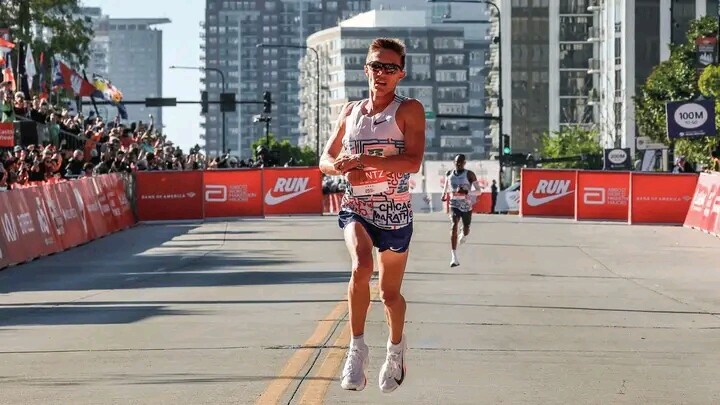
The race, scheduled for November 1, will feature American record-holder Conner Mantz (2:04:43) and Zouhair Talbi (2:03:45), whose performance at the 2026 Boston Marathon is the fastest marathon ever run by an American by clock time. However, because Boston is not a record-eligible course, Talbi’s mark does not replace Mantz’s official American record.
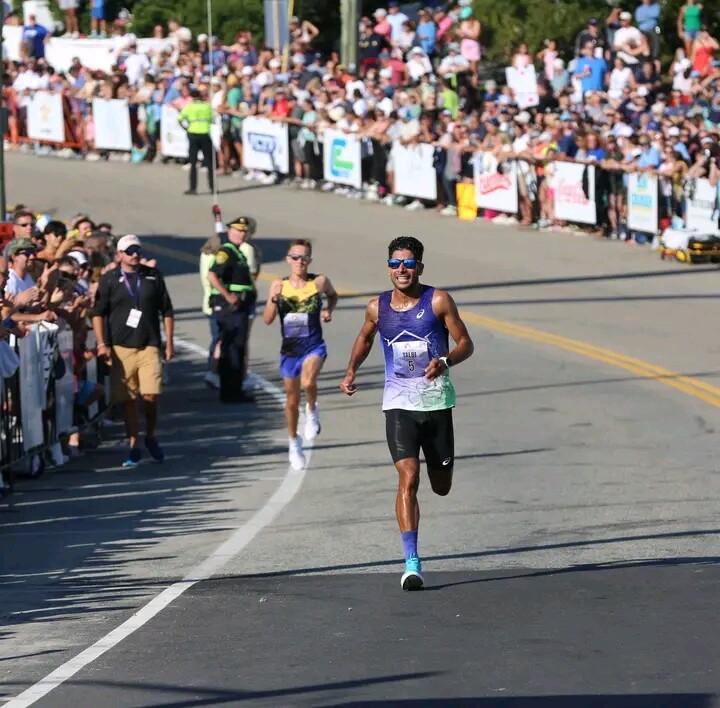
Mantz established the American record with his 2:04:43 fourth-place finish at the 2025 Chicago Marathon, breaking a national record that had stood since 2002. Talbi went even faster in Boston in April, crossing the line fifth in 2:03:45 and adding another extraordinary chapter to the rapid evolution of American marathon running.
That makes New York particularly intriguing. For the first time, the two men who occupy the top two positions on the all-time American marathon performance list will have the opportunity to race each other over a record-eligible course, with the streets of New York providing the stage.
And the American showdown will be only one part of a much bigger battle.
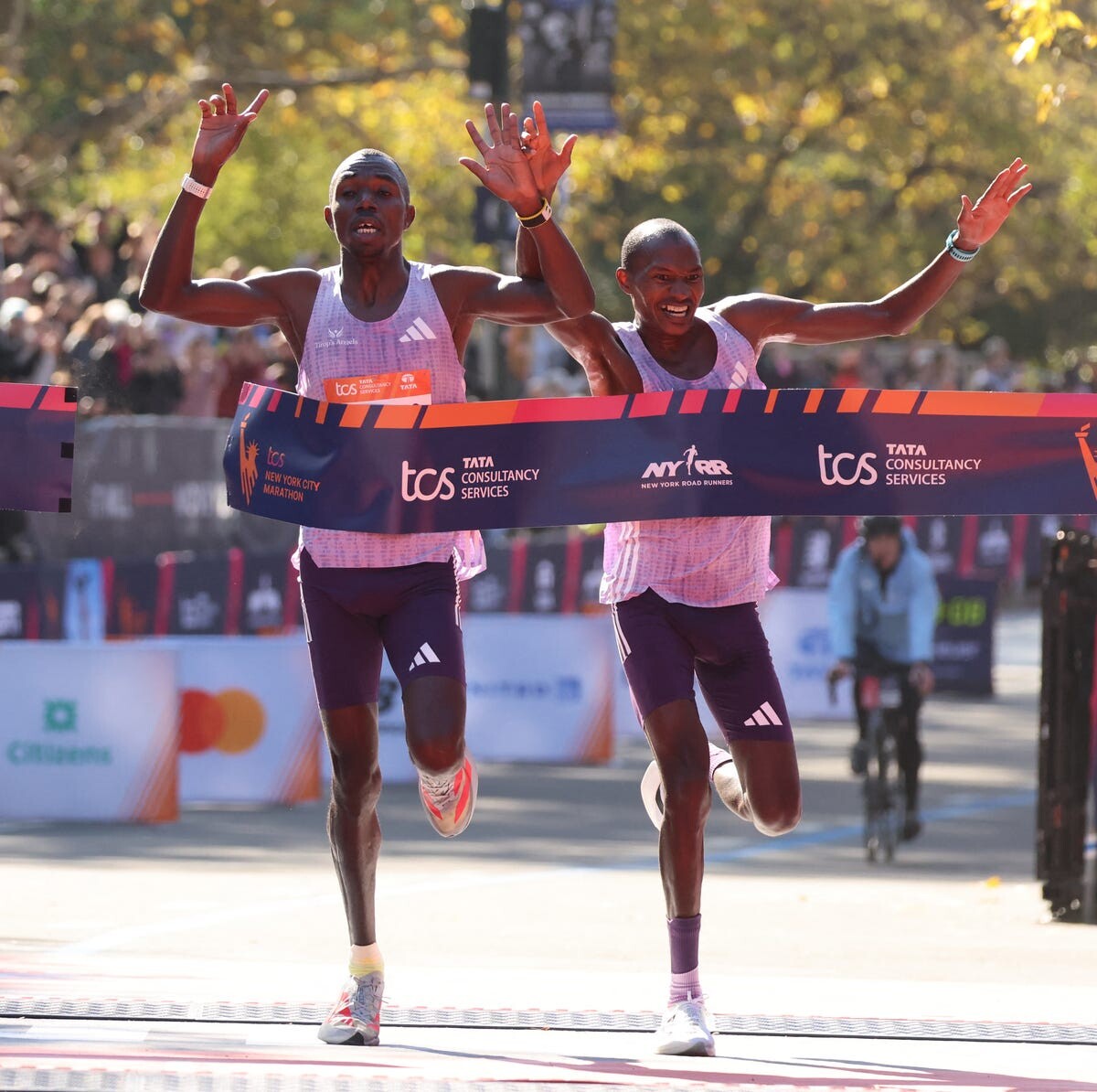
The international challenge is formidable. Defending champion Benson Kipruto (2:02:16) leads the field, followed by Ethiopia’s Deresa Geleta (2:02:38) and Kenya’s CyBrian Kotut (2:03:22). The lineup also includes the Netherlands’ Abdi Nageeye (2:04:20), Kenya’s Geoffrey Kamworor (2:04:23), Italy’s Iliass Aouani (2:04:26) and Ethiopia’s Huseydin Mohamed Esa (2:04:39).
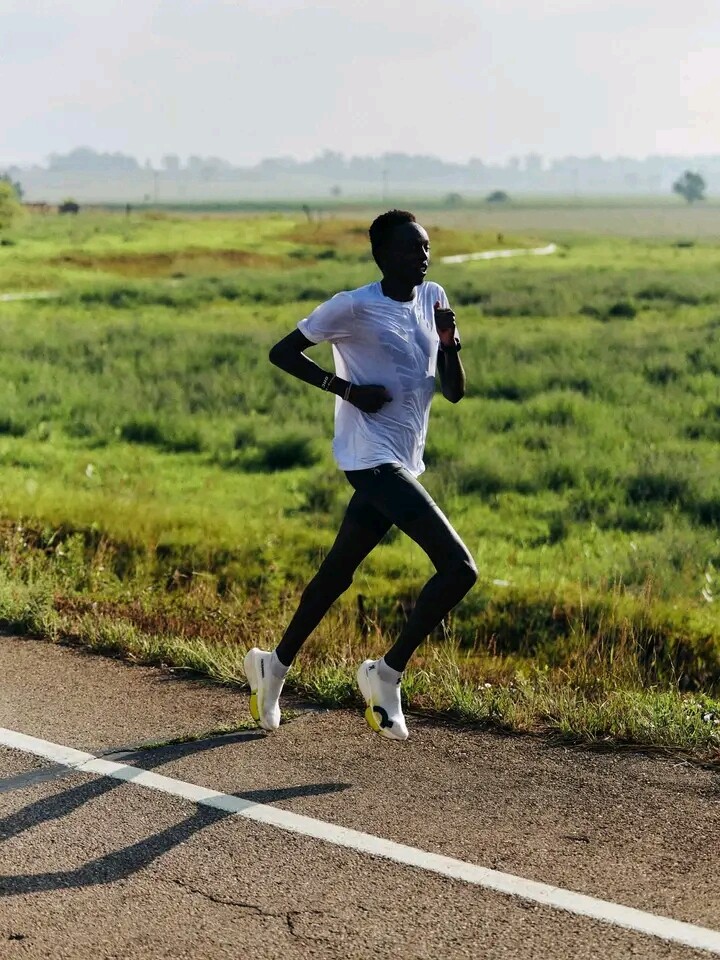
Just behind that group is Japan’s Kengo Suzuki (2:04:56), Italy’s Yemaneberhan Crippa (2:05:18), Kenya’s Edward Cheserek (2:05:24) and Japan’s Ryota Kondo (2:05:39). Ireland’s Peter Lynch (2:06:08), Great Britain’s Patrick Dever (2:06:18), Australia’s Haftu Strintzos (2:06:20) and Britain’s Jack Rowe (2:07:47) further strengthen a field that possesses extraordinary depth.
The American contingent is just as fascinating. Alongside Mantz and Talbi are Ryan Ford (2:05:46), Joe Klecker (2:05:56), Casey Clinger (2:08:43), Sam Chelanga (2:08:50), JP Flavin (2:09:17), Jared Ward (2:09:25), Turner Wiley (2:09:27), Andrew Colley (2:09:33), Robert Miranda (2:09:40) and Joel Reichow (2:09:56).
The depth continues with Aidan Troutner (2:10:23), JP Trojan (2:10:39), Paul Chelimo (2:10:55), Stephen Jones (2:11:17), Mo Bati (2:12:29), Aidan Reed (2:13:58), Owen Ritz (2:14:19), Merga Gemeda (2:15:12), Alec Baldwin (2:15:38) and Ryan Cutter (2:17:24). Australia’s James Nipperess (2:15:03) and Lesotho’s Kamohelo Mofolo (2:08:50) are also on the start list.
Three athletes will make their marathon debuts in New York: Sweden’s Andreas Almgren, Kenya’s Patrick Kiprop and American Ahmed Muhumed. Almgren, in particular, brings tremendous track credentials into his first attempt at 26.2 miles after winning the European 10,000m title in Birmingham in a championship-record 27:23.44.
The numbers tell the story of just how deep this field is. Ten men have personal bests faster than the existing New York City Marathon course record of 2:04:58, set by Tamirat Tola in 2023. Remarkably, Tola himself is not entered, nor is Alexander Mutiso, who finished runner-up to Kipruto in last year’s dramatic race.
For Mantz and Talbi, however, the stakes extend beyond the American record books. No American man has won the New York City Marathon since Meb Keflezighi in 2009, meaning the American contingent will arrive carrying a 17-year wait for another homegrown champion. Mantz and Talbi will have to overcome a formidable international field if either is to end that drought.
New York’s course will add another layer of difficulty. The bridges, sharp turns, rolling sections and notoriously demanding final miles toward Central Park have humbled some of the world’s fastest marathoners. Raw personal-best times will matter, but so will patience, positioning, tactical intelligence and the ability to produce a decisive move when the race reaches its most unforgiving stages.
With the official American record-holder, the fastest American by clock time, a defending champion, multiple 2:04 marathoners and a host of world-class contenders all converging on the Big Apple, the 2026 New York City Marathon has the ingredients of a classic.
On November 1, the streets of New York could become the setting for another extraordinary chapter in marathon history.
by Erick Cheruiyot for My Best Runs.
Login to leave a comment
TCS New York City Marathon
The first New York City Marathon, organized in 1970 by Fred Lebow and Vince Chiappetta, was held entirely in Central Park. Of 127 entrants, only 55 men finished; the sole female entrant dropped out due to illness. Winners were given inexpensive wristwatches and recycled baseball and bowling trophies. The entry fee was $1 and the total event budget...
more...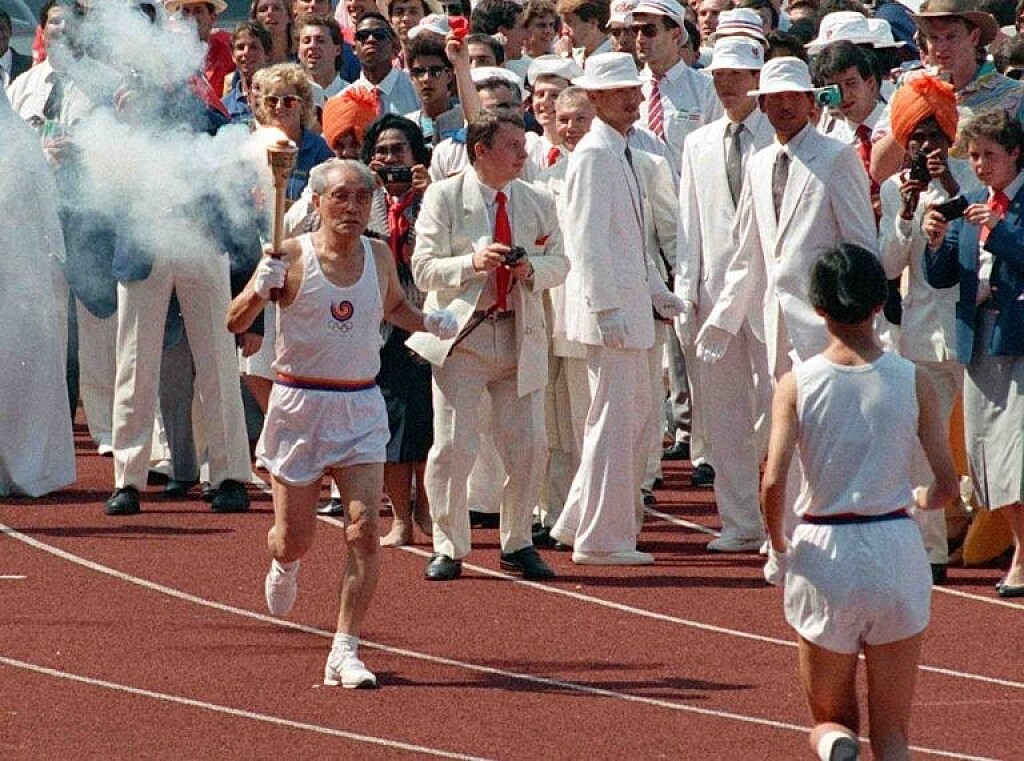
The Olympic Gold That Korea Had To Wait 52 Years To Truly Claim
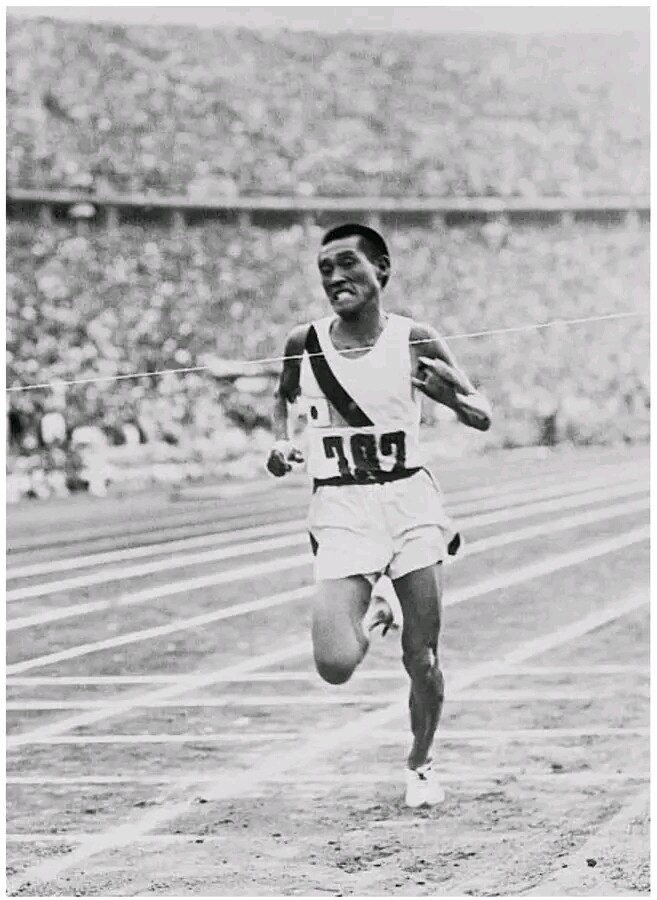
On August 9, 1936, Sohn Kee-chung crossed the finish line of the Olympic marathon in Berlin in 2:29:19.2, becoming the first Korean to win an Olympic gold medal.
But there was a painful contradiction behind the triumph.
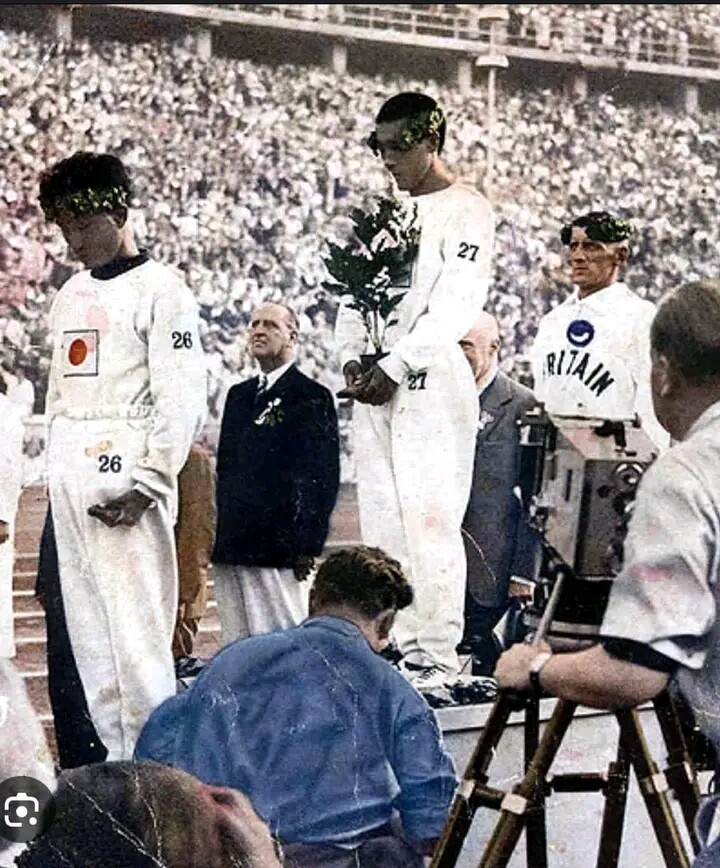
The scoreboard did not identify him as Sohn Kee-chung. It listed him as Kitei Son — the Japanese pronunciation of his Korean name. And instead of competing for Korea, he was officially entered as a member of the Japanese delegation because Korea had been under Japanese colonial rule since 1910.
Sohn was born in 1912 near Sinuiju, in what is now North Pyongan Province, and emerged as one of the outstanding distance runners of his generation. His talent became impossible to ignore in the 1930s, and in November 1935 he ran 2:26:42 in Tokyo to set a world marathon record.
By the time he arrived in Berlin, Sohn was already a world-class marathoner. Yet his greatest sporting achievement would unfold under an identity that had been imposed upon him.
He was not permitted to compete under his Korean name. He was not permitted to carry the Korean flag. His uniform bore the Japanese emblem.
And even after winning Olympic gold, he could not celebrate as a Korean champion.
Sohn won the marathon ahead of Britain's Ernie Harper, while another Korean, Nam Sung-yong, claimed bronze. Sohn became the first Olympic marathoner to break the 2:30 barrier, with his 2:29:19.2 Olympic record standing as a remarkable achievement. Importantly, however, his Berlin time was not a world record — his world-best mark had come the previous year in Tokyo.
The medal ceremony became one of the most haunting images in Olympic history.
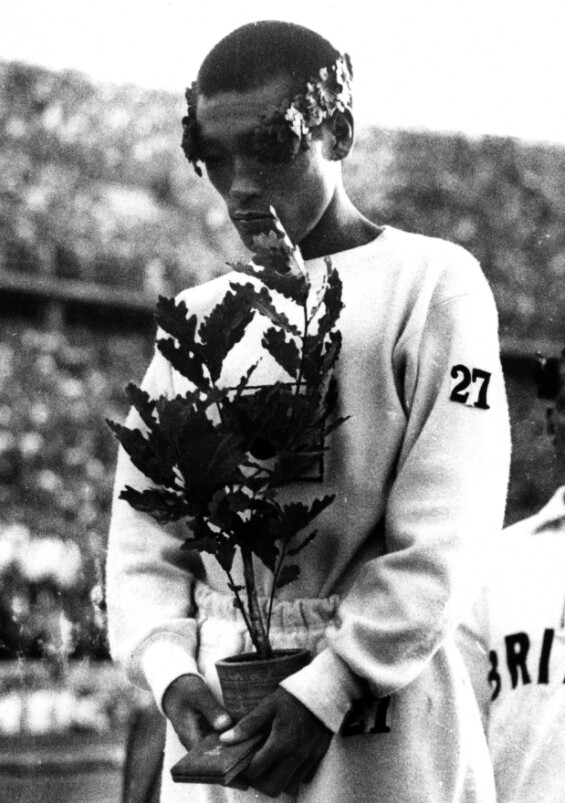
As the Japanese flag was raised and the Japanese anthem played, Sohn stood on the top step of the podium with his head lowered. Nam Sung-yong stood beside him on the third step. Neither athlete was able to represent the nation from which they came.
Sohn held the laurel wreath he had received for winning the marathon across his chest, concealing the Japanese flag on his uniform.
The gesture was silent.
But the message was powerful.
He had won the race for himself and for Korea, even though the official ceremony claimed him for Japan.
Back home, Koreans celebrated his victory with enormous pride. For many, Sohn's success was a rare moment of national affirmation during colonial rule. Yet the emotions were complicated. Some Korean nationalists viewed participation in the Japanese team as a painful compromise, while others saw Sohn's victory as a powerful act of resistance against the colonial claim that Koreans were inferior.
The reaction of the Korean press became another chapter in the story.
On August 25, 1936, the Dong-A Ilbo published the famous photograph of Sohn on the podium with the Japanese flag removed from his uniform. The newspaper's journalists had deliberately erased the emblem — an act of defiance against Japan's colonial authorities. The incident triggered a major crackdown. Multiple journalists were arrested, and the newspaper was forced to suspend publication for months. Historical accounts record that eight people involved were imprisoned and that the paper was suspended for roughly nine months.
The photograph became more than an image of an Olympic champion.
It became an image of a nation trying to preserve its identity.
After Korea was liberated in 1945, Sohn's life took a new direction. He became an influential coach and helped develop the next generation of Korean distance runners. Among those he guided were Suh Yun-bok, who won the Boston Marathon in 1947, and Ham Ki-yong, the 1950 Boston Marathon champion. Sohn also served in various athletic organizations in South Korea.
In 1948, he carried the flag for the newly independent Republic of Korea at the London Olympics — another deeply symbolic moment in a life that had begun with his identity being taken from him on an Olympic starting line.
Decades later, Sohn returned to Germany and, in 1972, attended the Munich Olympics. There, he was reunited with filmmaker Leni Riefenstahl, whose film Olympia had documented the 1936 Berlin Games.
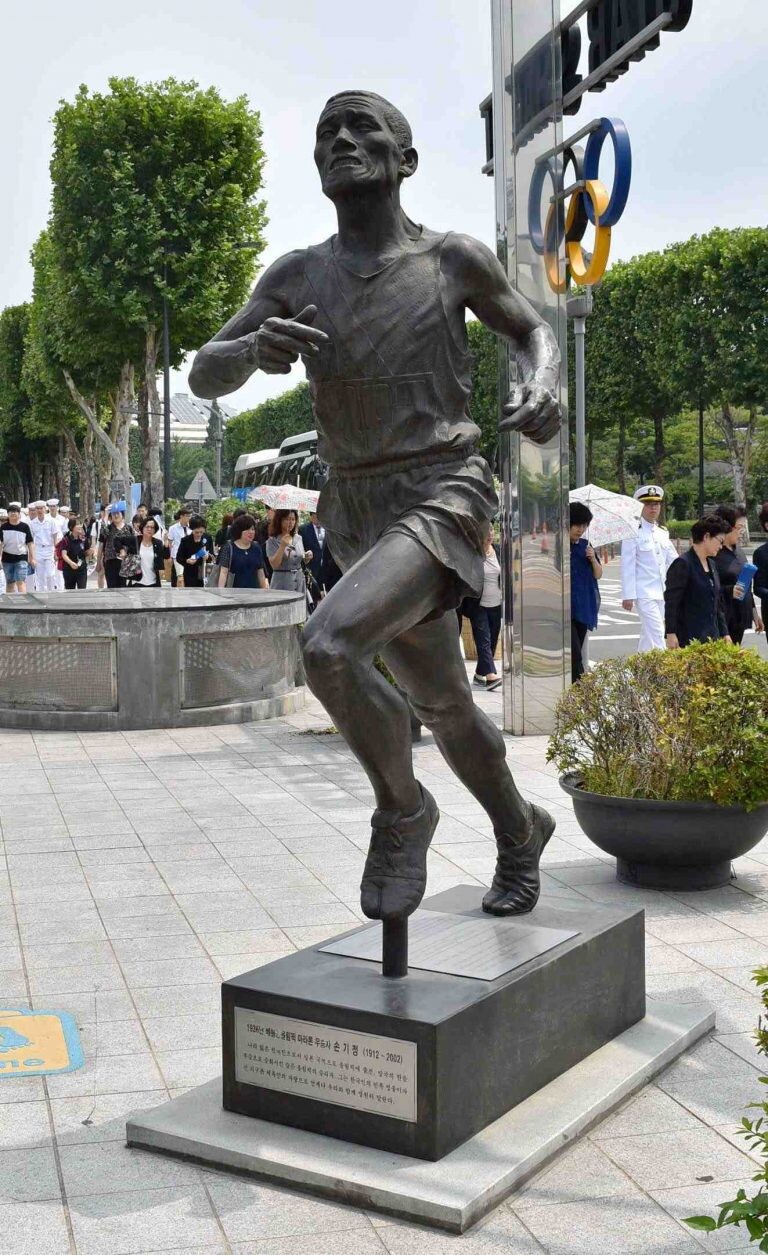
Today, Sohn Kee-chung’s legacy is also preserved in Seoul, South Korea, where a statue of the legendary marathoner stands at Sohn Kee-chung Athletic Park, near the memorial hall named in his honor. The memorial site includes a bronze head statue created in 1990, depicting Sohn in his later years, with scenes from his historic 1936 Berlin victory engraved below. Another statue, unveiled in 2016 to mark the 80th anniversary of his Olympic triumph, portrays the young Sohn proudly holding the Olympic trophy — this time with the South Korean flag in place of the Japanese emblem that had appeared on his uniform in Berlin.
But perhaps the most emotional chapter came in Seoul.
On September 17, 1988, 52 years after his Berlin triumph, the 76-year-old Sohn Kee-chung carried the Olympic torch into the stadium at the opening ceremony of the Seoul Olympics.
Think about what that moment represented.
In Berlin in 1936, he had stood on the Olympic podium beneath a foreign flag, unable to openly celebrate his victory as a Korean.
In Seoul in 1988, he entered an Olympic stadium carrying the flame for his own country.
The symbolism was almost impossible to miss.
The young runner who had once been forced to compete under the name Kitei Son was now an elderly Korean national hero, carrying the Olympic flame before his people.
He had spent more than five decades watching history slowly return his name to him.
Sohn Kee-chung died in November 15, 2002, aged 90, in Seoul, South Korea leaving behind far more than an Olympic medal. He left a story about athletic greatness, identity, dignity and resistance — a story in which a marathon victory became inseparable from the history of an entire nation.
His Berlin gold medal may have been officially recorded under Japan's name.
But in Korea, the champion was always Sohn Kee-chung.
And perhaps that is why the photograph of him standing on the podium, head bowed and the laurel wreath covering the Japanese emblem, remains so powerful.
He won the race in Berlin. But the world took decades to understand who had actually won it.
by Erick Cheruiyot for My Best Runs.
Login to leave a comment
Habtom Samuel Makes Falmouth History With A Record-Breaking Sub-31-Minute Victory
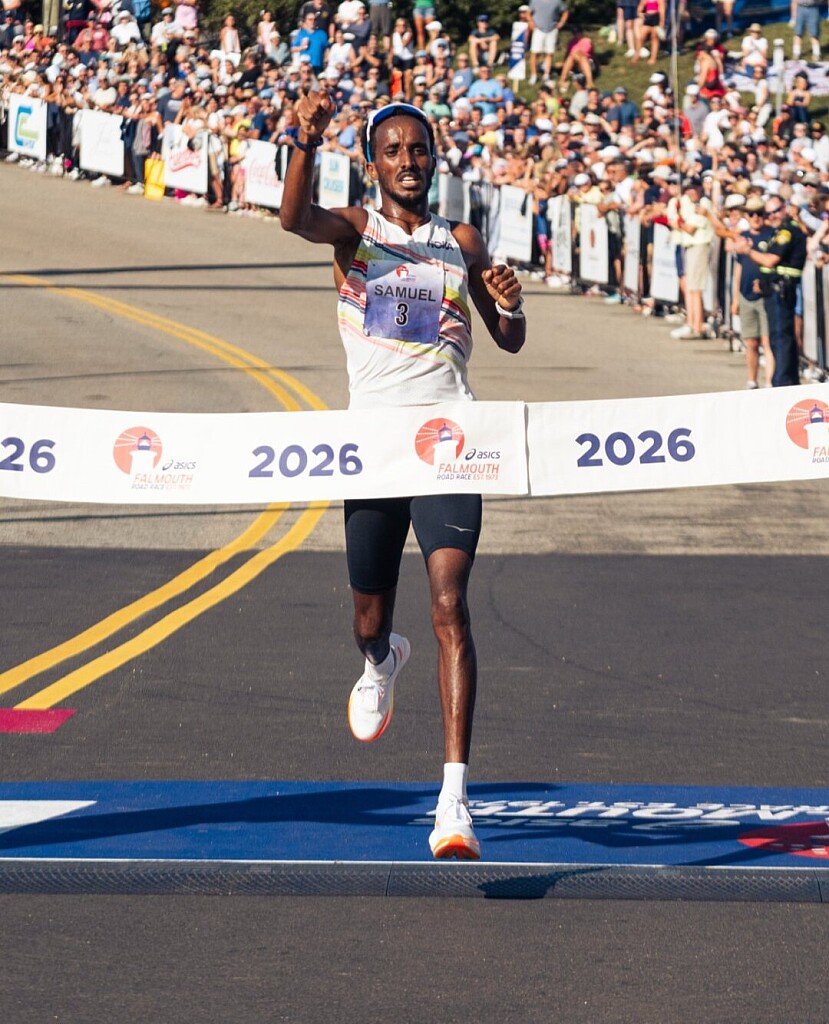
History was made on Sunday morning, August 16, 2026, as Eritrea’s Habtom Samuel produced a breathtaking performance at the Falmouth Road Race, becoming the first athlete in the event’s history to break the 31-minute barrier.
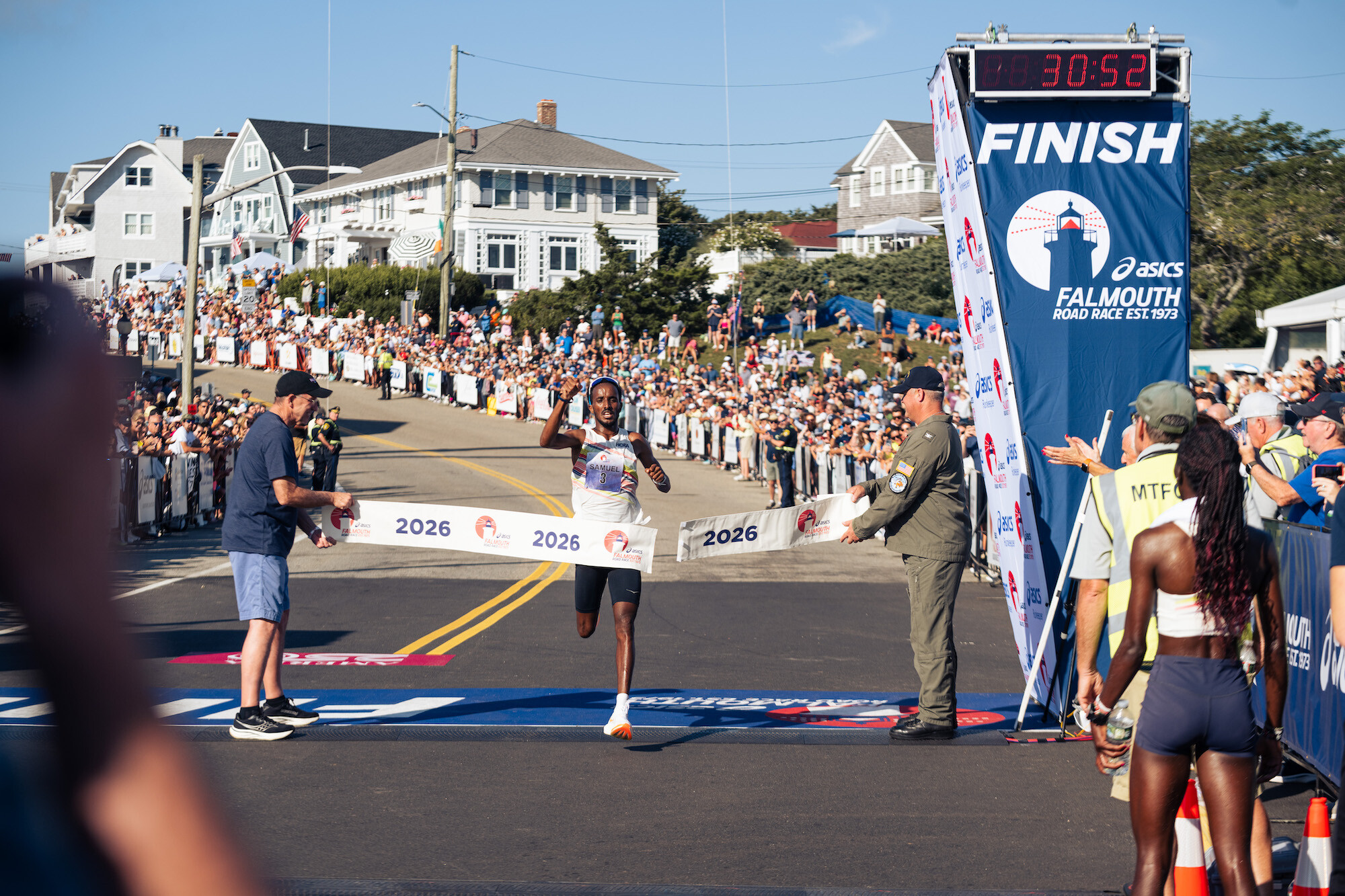
The 22-year-old Samuel, competing in his first Falmouth Road Race and only his second professional road race, turned an already remarkable debut into a piece of history. The former University of New Mexico standout completed his transition to the professional ranks following an undefeated collegiate season and has now opened his professional career with two victories.
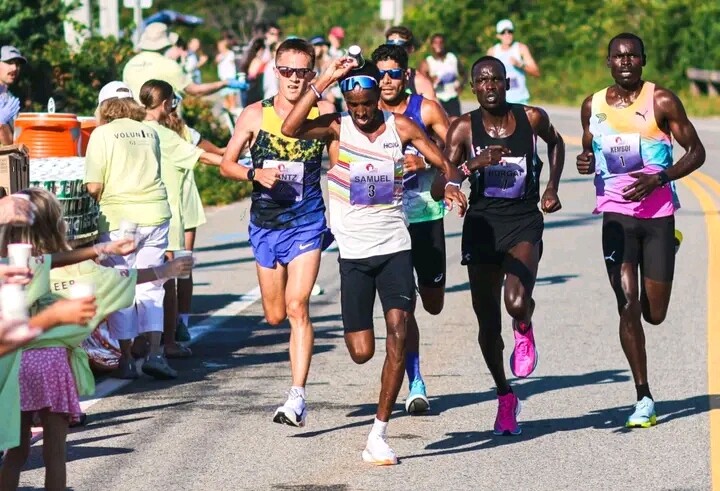
The men’s race unfolded at a ferocious pace from the opening miles, with the leaders threatening the long-standing course record almost immediately. By the fifth mile, the contest had narrowed to a two-man duel between Samuel and Kenya’s Edwin Kurgat.
The pair remained together from the end of Surf Drive until around the turn onto Falmouth Heights Road, matching each other stride for stride as the race entered its decisive stages.
Then Samuel found another gear.
With roughly a mile remaining, the Eritrean surged decisively away from Kurgat and never looked back. He powered toward the finish with authority, creating an 11-second winning margin and stopping the clock in 30:54.
His performance shattered the previous course record of 31:08 and made him the first athlete ever to dip under 31 minutes at Falmouth.
The record had stood for more than two decades. Kenya’s Gilbert Okari first established the 31:08 mark in 2004, while compatriot Wesley Kiptoo equalled it in 2023. Samuel’s extraordinary run finally moved the benchmark into a new era.
“Breaking this course record in this amazing historical road race is awesome,” Samuel said. “I’m so proud of myself and I’m glad to be the first person able to run under 31 minutes.”
Samuel’s victory also continues a remarkable start to his professional career. After completing an undefeated campaign at the University of New Mexico, he made his road-racing debut at the Beach to Beacon 10K in Maine in July, where he immediately claimed victory. His Falmouth triumph now makes it two wins from two professional road races.
Kurgat, meanwhile, produced a performance that would have been enough to win every previous edition of the Falmouth Road Race. The 2019 champion crossed the line in a remarkable 31:04, finishing comfortably inside the former course-record mark despite being unable to match Samuel’s decisive late surge.
The American men also delivered a memorable battle behind the leading pair.
Zouhair Talbi, the American course-record holder at the Boston Marathon, and Conner Mantz, the American record holder in both the half marathon and marathon, spent much of the race locked together as they battled for the top American position.
Talbi ultimately prevailed, finishing third overall in 31:17 and setting a new American course record for the Falmouth course. It marked his best finish at the race, improving on last year’s fifth-place result.
Mantz followed closely in 31:19, also running faster than the previous American course record.
The result was a spectacular morning on Cape Cod, with the race producing a new overall course record, a historic first sub-31-minute performance and four men finishing faster than the previous 31:08 benchmark.
But above them all stood Samuel, whose remarkable surge in the final stages transformed a closely fought road race into one of the defining performances in Falmouth Road Race history.
by Erick Cheruiyot for My Best Runs.
Login to leave a comment
Falmouth Road Race
The Falmouth Road Race was established in 1973 and has become one of the premier running events of the summer season. Each year the race draws an international field of Olympians, elite runners and recreational runners out to enjoy the scenic 7-mile seaside course. The non-profit Falmouth Road Race organization is dedicated to promoting health and fitness for all in...
more...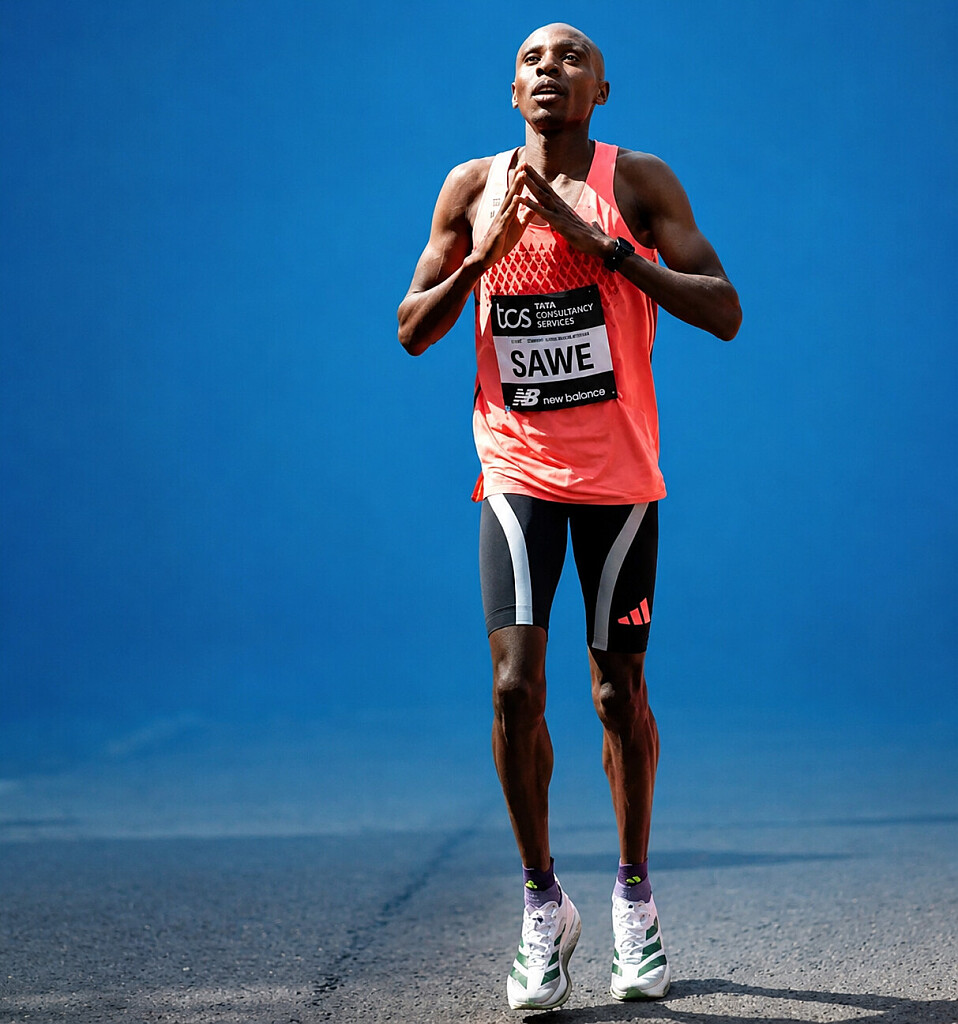
Sabastian Sawe Set for Another Historic Berlin Marathon as Elite Field Takes Shape
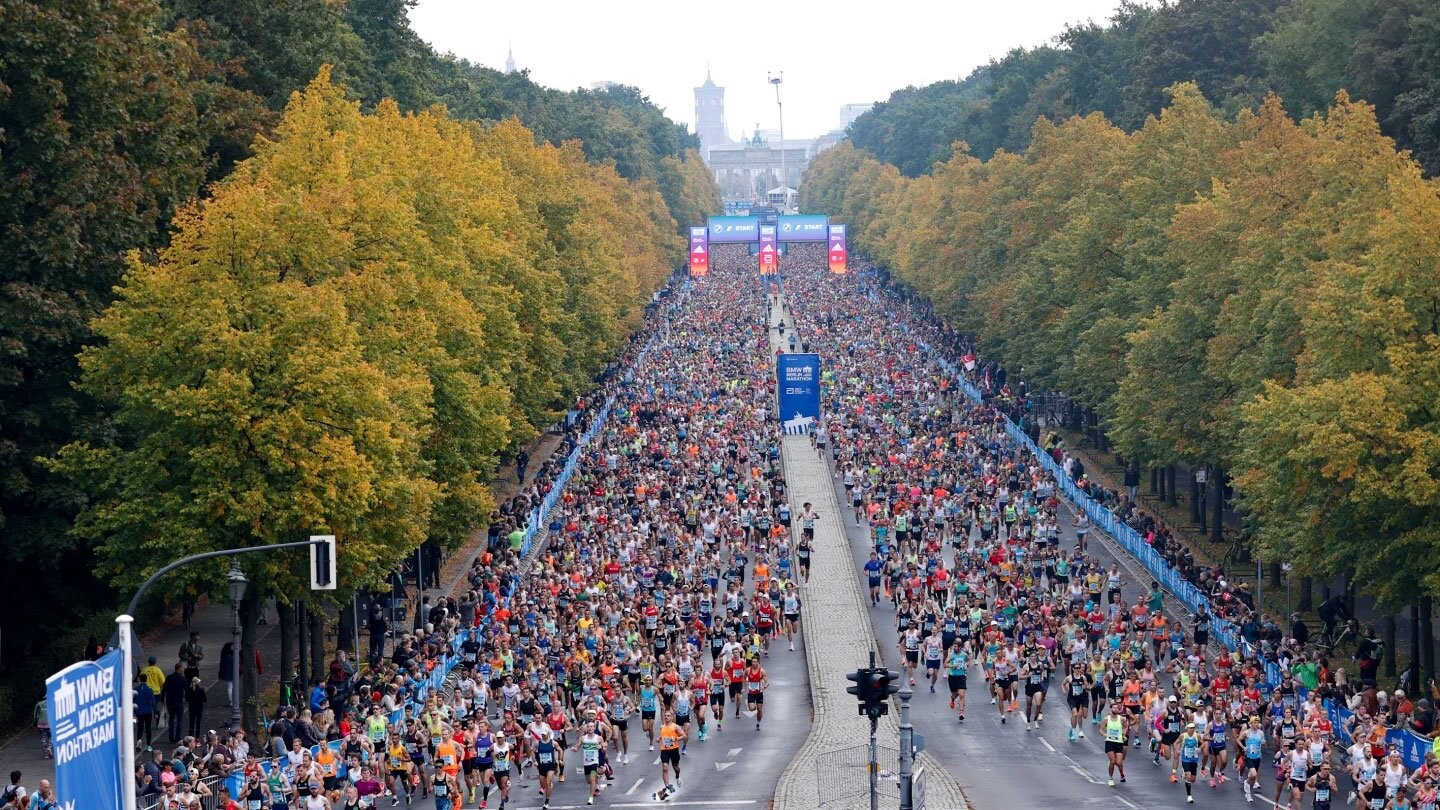
World record holder Sabastian Sawe is set to return to the BMW Berlin Marathon on September 27, where the Kenyan superstar will defend his title and attempt to add another remarkable chapter to his already extraordinary marathon career.
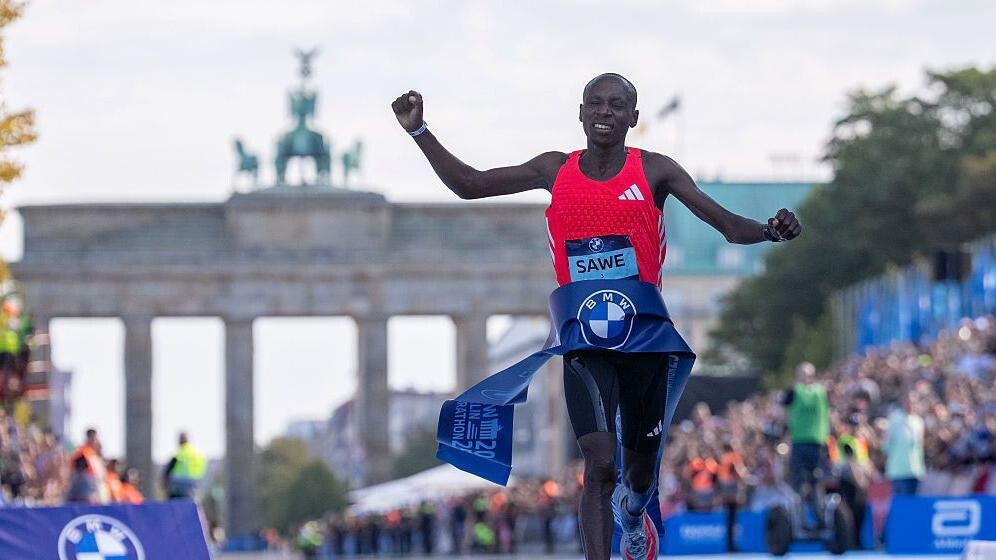
Sawe arrives in Berlin with unprecedented confidence after his sensational 1:59:30 performance in London, which made him the first athlete to officially break the two-hour barrier in the marathon. That landmark achievement has elevated expectations for his return to the German capital, where he will once again line up on one of the fastest marathon courses in the world.
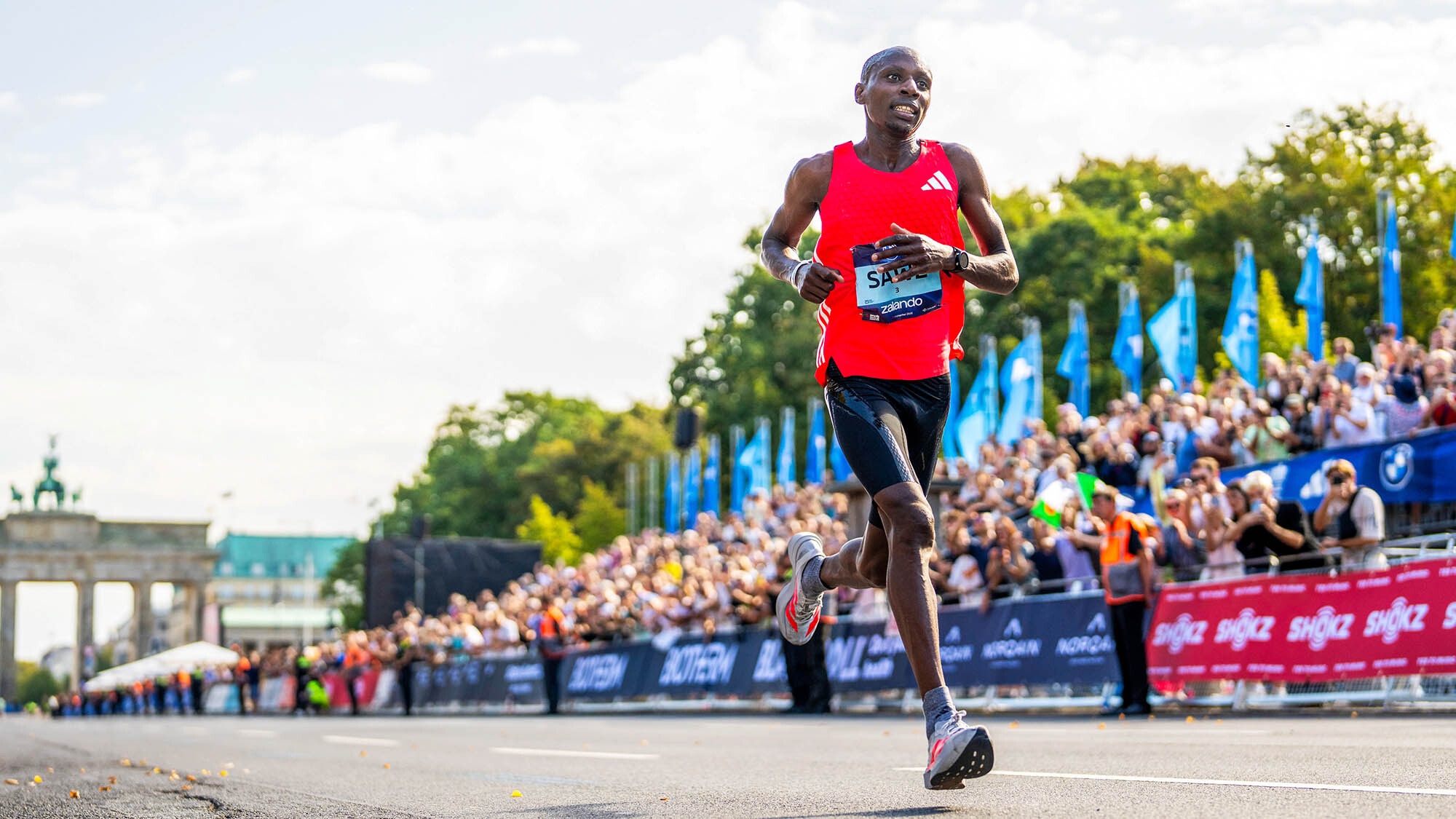
The Kenyan won the 2025 Berlin Marathon in 2:02:16 despite warm conditions, demonstrating his ability to produce a world-class performance even when circumstances are far from ideal. This time, he returns as the defending champion and world-record holder, with the famously flat Berlin course providing another opportunity to test the limits of what is possible over 42.195km.
Berlin has a remarkable history of producing record-breaking performances, and Sawe's presence immediately raises the possibility of another extraordinary race. The question now is whether the 31-year-old can go beyond his own 1:59:30 world record and take the marathon to an even higher level.
However, Sawe will face formidable opposition.
Tanzania’s Gabriel Geay has joined the elite field, bringing a personal best of 2:03:00 set in Valencia in 2022. The 29-year-old Tanzanian record holder established himself among the world’s leading marathoners with that performance and further underlined his credentials by finishing runner-up at the 2023 Boston Marathon.
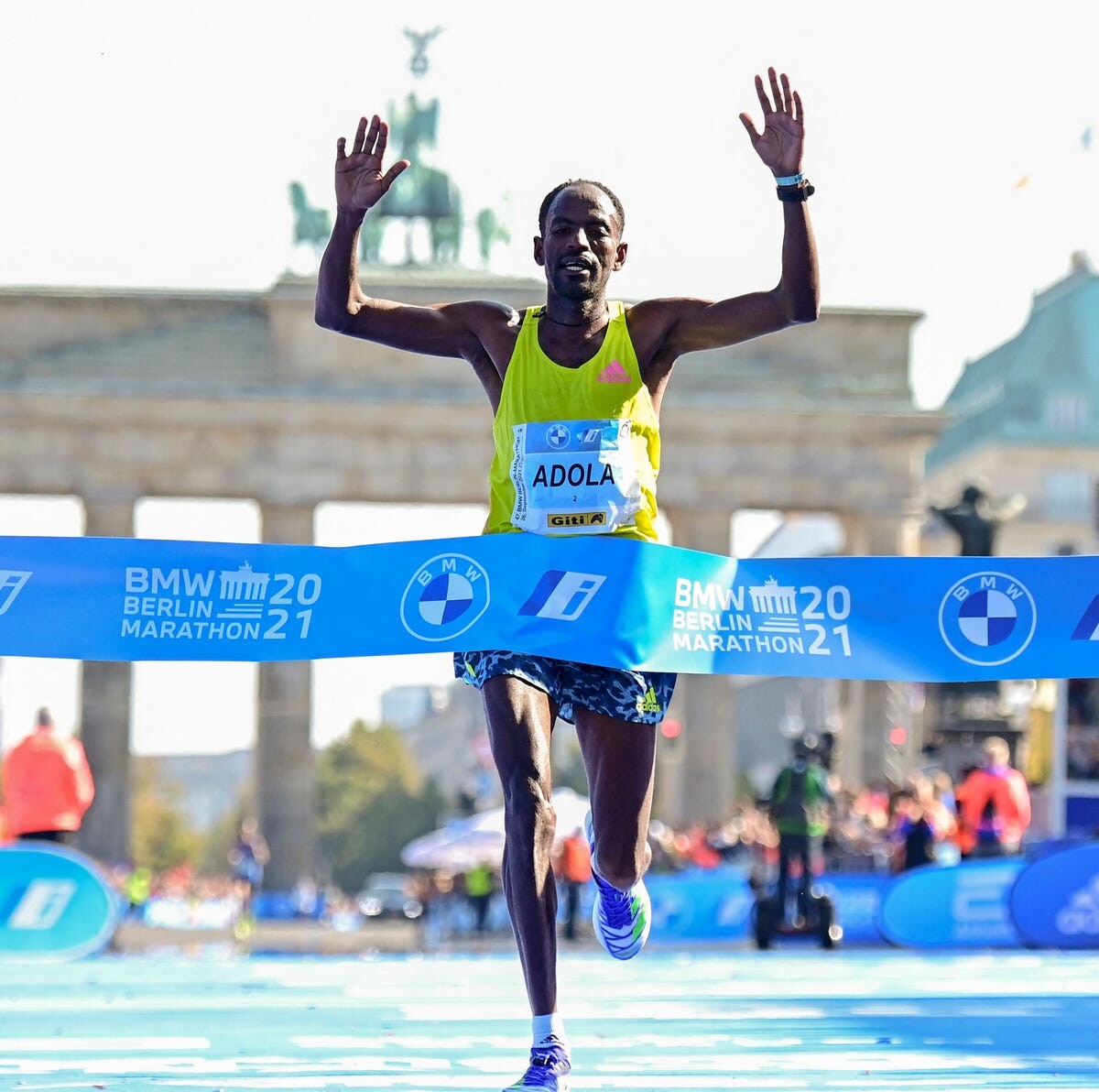
Ethiopia’s Guye Adola will also return to Berlin, the scene of some of the most memorable moments of his marathon career. In 2017, Adola stunned the athletics world on his marathon debut, pushing Eliud Kipchoge deep into the race before finishing second in a remarkable 2:03:46. Four years later, on September 26, 2021, Adola returned to Berlin and claimed victory in 2:05:45, adding another significant chapter to his association with the iconic German marathon. Now, after his recent return to top form, he will once again line up on the streets where he has already made history.
Now 35, Adola has endured injury setbacks in recent years, but his victory at the Rotterdam Marathon in 2:03:54 this spring proved that he remains a major force on the international marathon circuit.
The addition of Geay and Adola adds further quality to a field already packed with athletes capable of running at an extraordinary pace. With Sawe leading the charge, Berlin is shaping up to deliver another thrilling battle among some of the world's finest marathoners.
The depth of the field extends well beyond the leading contenders, with Ethiopia boasting an imposing group of marathoners. Getaneh Molla (2:03:34), Shura Kitata (2:03:59), Dejene Hailu (2:04:15), Selemon Barega (2:05:00), Taresa Tolosa (2:05:17), Tadu Abate (2:05:38), Asefa Boki (2:05:40) and Andamlak Belihu (2:06:40) will all bring proven credentials and the ambition to challenge for fast times in Berlin.
Japan, meanwhile, has assembled a particularly deep contingent, led by Kenya Sonota (2:05:59), Tsubasa Ichiyama (2:06:00), Kyoto Hirabayashi (2:06:14), Yuhei Urano (2:06:23), Hidekazu Hijikata (2:06:26), Yusuke Nishiyama (2:06:31), Naoki Koyama (2:06:33), Kazuya Nishiyama (2:06:45), Daisuke Uekado (2:06:54) and Shin Kimura (2:07:34). China’s Jie He (2:06:57) and Kenya’s Richard Yator (2:07:36) complete a remarkably deep field, setting the stage for a race where the battle for victory could be accompanied by a long list of outstanding personal performances.
For Sawe, though, the challenge goes beyond defending his Berlin crown. Having already broken the two-hour barrier, he now has an opportunity to chase an even more remarkable achievement on a course renowned for producing marathon history.
Can Sabastian Sawe lower his own 1:59:30 world record in Berlin on September 27?
The countdown is on, and if the conditions are right, the defending champion could once again have the marathon world watching every step.
by Erick Cheruiyot for My Best Runs.
Login to leave a comment

BMW Berlin Marathon
The story of the BERLIN-MARATHON is a story of the development of road running. When the first BERLIN-MARATHON was started on 13th October 1974 on a minor road next to the stadium of the organisers‘ club SC Charlottenburg Berlin 286 athletes had entered. The first winners were runners from Berlin: Günter Hallas (2:44:53), who still runs the BERLIN-MARATHON today, and...
more...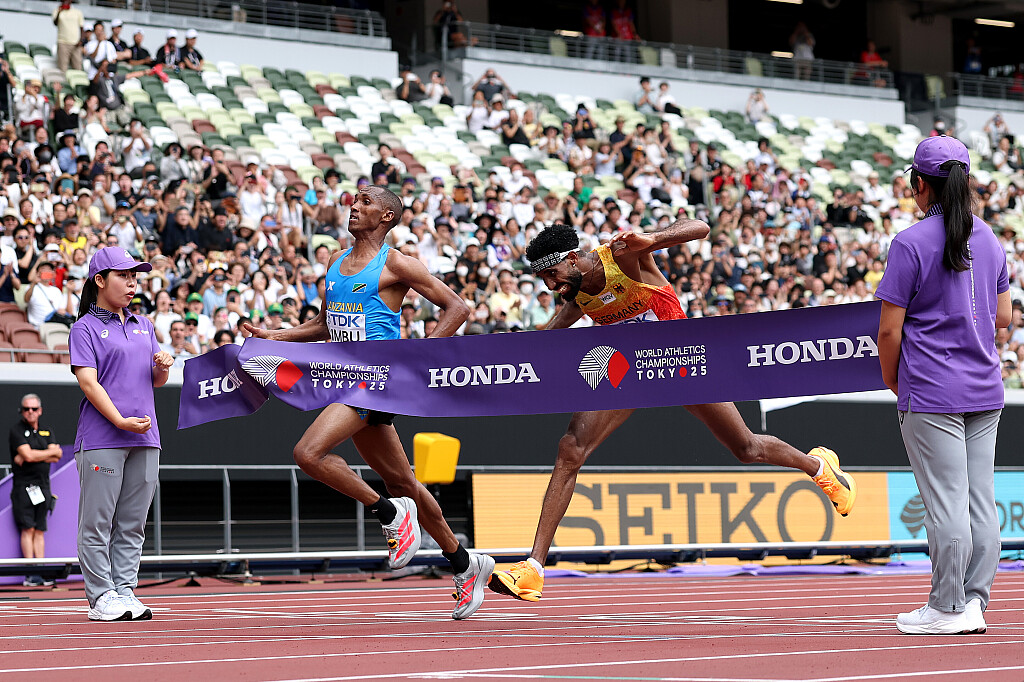
Can Amanal Petros Finally Turn Heartbreak into European Gold in Birmingham?
All eyes will be on Amanal Petros when the men’s marathon takes centre stage at the 2026 European Athletics Championships in Birmingham, with the German star chasing the major championship title that has repeatedly slipped through his fingers.
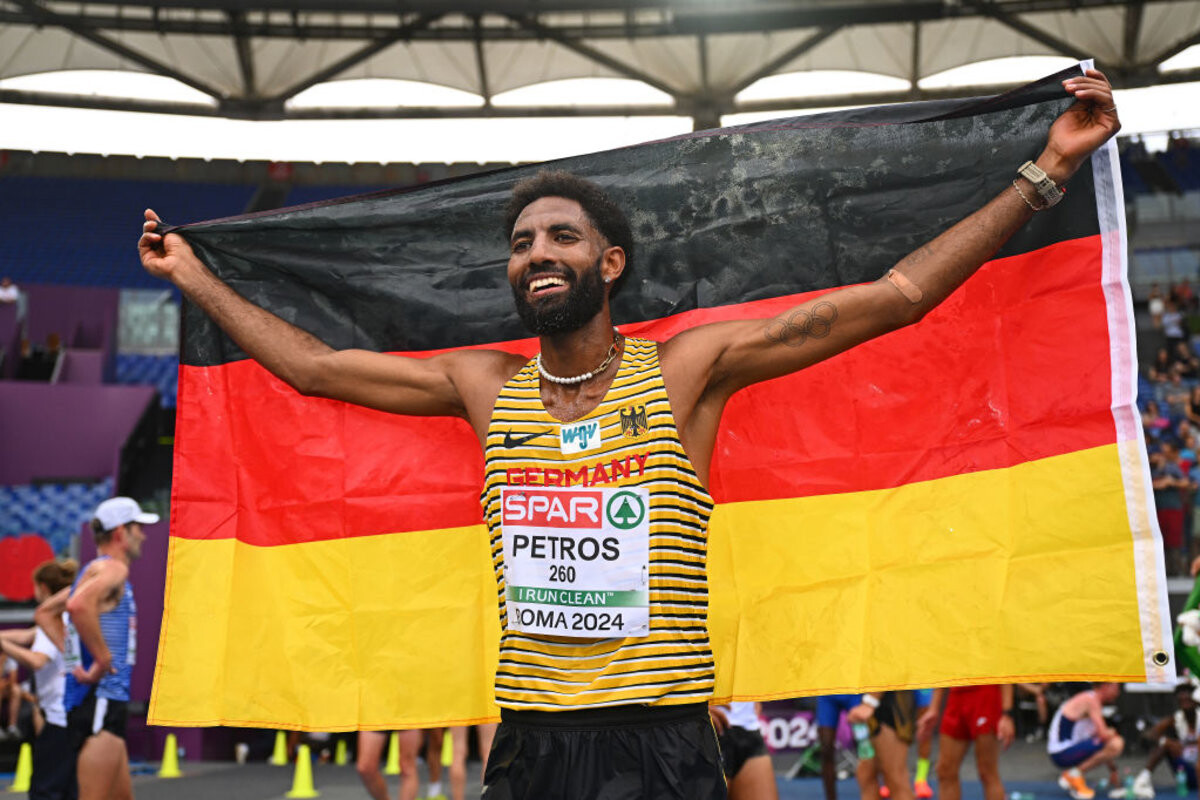
Petros arrives with one of the strongest résumés in the field and the credentials to challenge for gold. At 2:04:03, he is the third-fastest European marathoner of all time, behind Belgium’s Bashir Abdi (2:03:36) and France’s Morhad Amdouni (2:03:47). That level of performance underlines Petros’ ability to compete with the very best, although his career has also been marked by agonisingly narrow defeats on the biggest stages.
His most recent heartbreak came at the 2025 World Athletics Championships in Tokyo, where Tanzania’s Alphonce Simbu edged him out by just 0.03 seconds in one of the closest finishes in championship history. That defeat underlined both Petros’ quality and the fine margins that have prevented him from claiming an individual global title.
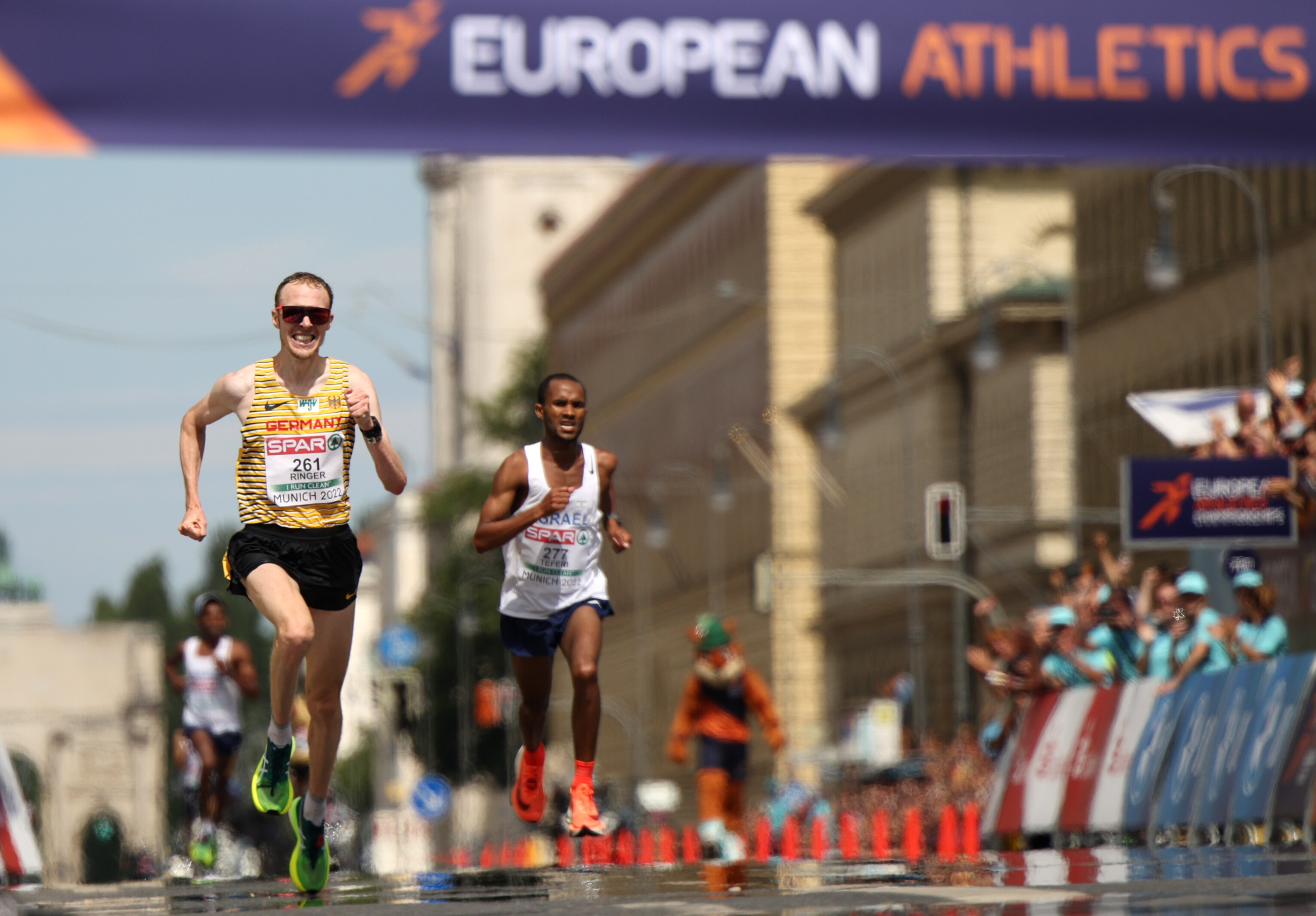
The European Championships have also brought frustration. At the 2024 European Athletics Championships, Petros took bronze in the half marathon after being beaten in a three-way finish by Italy’s Yemaneberhan Crippa. Two years earlier in Munich, he was unable to stay with the medal contenders during the decisive stages of the marathon.
Now Birmingham presents another opportunity—and Petros has every reason to believe this could finally be his moment.
His season-best of 2:08:31 does not tell the full story. At the London Marathon, Petros passed halfway in a blistering 61:16, initially targeting Bashir Abdi’s European record of 2:03:36, before easing during the latter stages. His 2:04:03 runner-up performance at the Valencia Marathon last December is arguably a much better indication of his true potential.
Standing in his way will be a strong German contingent, led alongside Petros by defending European champion Richard Ringer. Ringer produced one of the most memorable performances of the 2022 championships in Munich, unleashing a dramatic late surge during the final kilometre to overtake three athletes—including Petros—and snatch a remarkable victory.
At 37, Ringer continues to compete at an exceptional level. He produced the fastest marathon of his career in April, running 2:04:47 at the Boston Marathon to finish eighth overall while recording the fastest European time in the race.
Germany’s strength does not end there. Samuel Fitwi has been even faster in 2026, recording a personal best of 2:04:45 when finishing second at the Hamburg Marathon. That performance makes him the fastest athlete on the Birmingham entry list based on season’s bests.
With Petros, Ringer and Fitwi forming a formidable German trio, the team will have serious ambitions of collecting individual medals while also challenging for the team title. Their depth could prove particularly valuable in a championship marathon, where tactical racing and team strength can be just as important as raw personal-best times.
France’s Emmanuel Roudolff is among the principal threats to the German challenge. He established a personal best of 2:05:58 when finishing sixth at the Paris Marathon and has the speed to remain in contention if the race develops into a fast affair.
Veteran Kaan Kigen Özbilen will also bring considerable experience to the starting line. The Kenyan-born Turkish athlete, who once held the European record with 2:04:16, remains capable of competing at the highest level. He ran 2:05:59 for fifth in Barcelona earlier this year.
Israel will also arrive with a strong team, having won the marathon team title in Munich four years ago. Maru Teferi and Gashau Ayale, who claimed silver and bronze respectively in Munich, return with valuable championship experience and will hope to challenge for more medals in Birmingham.
Italy’s hopes will centre on Pietro Riva. With Crippa focusing on the 10,000m and Iliass Aouani sidelined by shin problems, Riva becomes Italy’s leading marathon contender. He finished second behind Crippa and ahead of Petros in the half marathon at the 2024 European Championships, giving him another opportunity to challenge the German favourite on the European stage.
For the home crowd, one of the most intriguing stories will be Mahamed Mahamed, who could give Britain a realistic shot at its first men’s European marathon medal in decades.
Great Britain has not won a men’s marathon medal at these championships since Ian Thompson claimed gold in Rome in 1974. Mahamed has emerged as a genuine contender after producing a lifetime best of 2:06:14 at the London Marathon in April. That performance made him the second-fastest British marathoner in history behind Mo Farah, while also placing him fourth among the Birmingham entrants based on 2026 season’s bests.
With a home crowd behind him and confidence gained from his breakthrough performance in London, Mahamed could become one of the most dangerous outsiders in the field.
Birmingham therefore promises a fascinating battle between proven championship performers, emerging German strength and a collection of experienced international challengers. Petros, however, remains the man at the centre of the story.
He has already come agonisingly close to major championship glory. He possesses the speed, experience and proven ability to run under 2:05. What remains is to produce the decisive performance when the medals are on the line.
After years of near misses, Birmingham could finally be the stage where Amanal Petros turns silver and heartbreak into European gold.
by Erick Cheruiyot for My Best Runs.
Login to leave a comment

European Athletics Champioships
The27thEuropean Athletics Championshipswill be held from 10 to 16 August 2026 at theAlexander StadiuminBirmingham, United Kingdom.[1] This is the first time that a British city will have staged the European Athletics Championships although Birmingham has hosted many high-profile events, including the2007 European Athletics Indoor Championships, the2003and2018 IAAF World Indoor Championshipsand the2022 Commonwealth Games. Alexander Stadium was renovated between 2019 and...
more...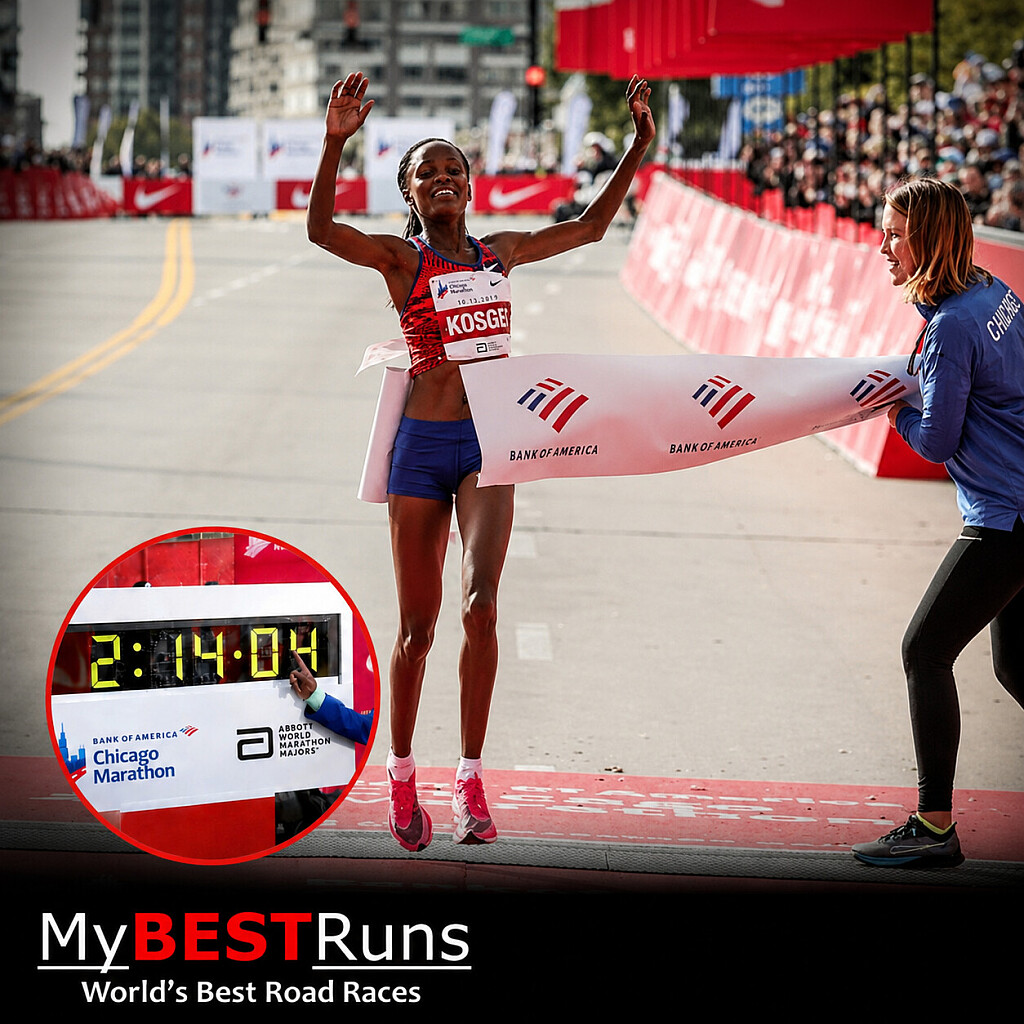
Brigid Kosgei Returns to the Course Where She Redefined Women's Marathon Running
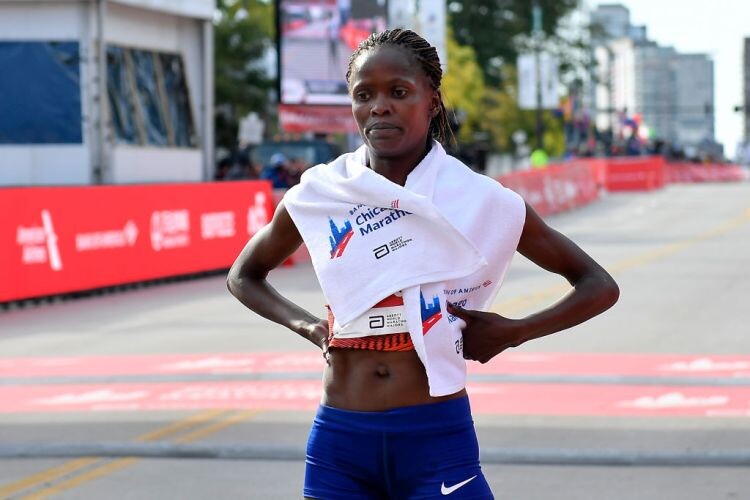
Seven years after producing one of the most extraordinary performances the marathon has ever witnessed, Brigid Kosgei is heading back to the streets where she etched her name into athletics history. The Kenyan distance-running icon will return to the Bank of America Chicago Marathon on October 11, 2026, rekindling memories of her breathtaking triumph in 2019 that transformed the sport forever.
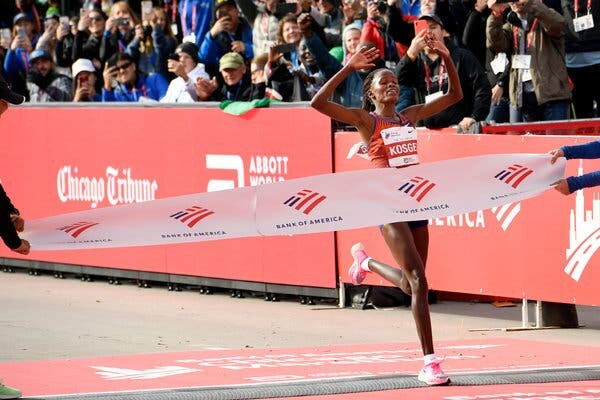
Chicago was the stage where Kosgei delivered a performance for the ages, crossing the finish line in an astonishing 2:14:04 to erase Paula Radcliffe's 16-year-old women's marathon world record. That unforgettable run remains one of the greatest achievements in long-distance running and cemented her place among the finest marathoners in history.
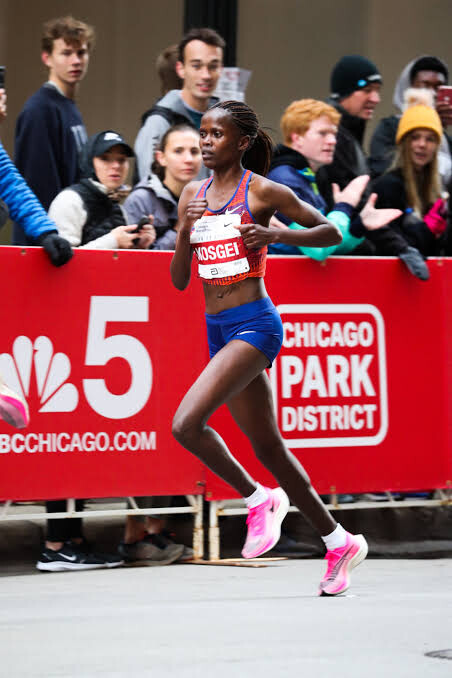
Her return comes at the perfect moment. Kosgei arrives in exceptional form after capturing victory at the 2026 Tokyo Marathon, where she stormed to a course-record 2:14:29, proving she is once again among the world's most dangerous marathon competitors. With renewed confidence and outstanding fitness, she will be aiming to conquer Chicago for another memorable chapter in her remarkable career.
However, victory will be anything but straightforward. The 2026 women's race features one of the deepest and strongest marathon fields ever assembled, setting the stage for a spectacular battle between some of the sport's biggest names.
Defending champion Hawi Feysa returns determined to protect her Chicago crown after establishing herself among the world's elite. Ethiopia's Sutume Kebede and Megertu Alemu add further strength to an already formidable lineup, while Kenya's Brillian Kipkoech, Loice Chemnung, Joan Kilimo, Magdalyne Masai, and Mary Ngugi Cooper ensure the East African rivalry will be as fierce as ever.
Another athlete attracting enormous attention is Boston Marathon champion Sharon Lokedi, who will make her highly anticipated Chicago Marathon debut. Having already proven herself on the biggest stages, Lokedi adds another exciting dimension to a race packed with championship pedigree and world-class talent.
The international field is equally impressive, with Ethiopia's Degitu Azimeraw and Fantu Worku joining Japan's Yuka Ando, Australia's Isobel Batt-Doyle, and American standouts Sara Hall, Susanna Sullivan, Des Linden, and Natosha Rogers in pursuit of marathon glory.
With a former world-record holder returning to her most historic venue, a defending champion eager to retain her title, and several major marathon winners chasing one of the sport's most prestigious crowns, the 2026 Bank of America Chicago Marathon promises to deliver a thrilling contest from start to finish. Every indication suggests this could become one of the most memorable women's marathon races in recent history.
As the countdown to October 11 continues, anticipation is rapidly building. Can Brigid Kosgei recreate the magic that changed marathon history, or will a new champion rise on the streets of Chicago? One thing is certain—the world will be watching as an exceptional field battles for one of road running's most coveted titles.
by Erick Cheruiyot for My Best Runs.
Login to leave a comment
Bank of America Chicago
Running the Bank of America Chicago Marathon is the pinnacle of achievement for elite athletes and everyday runners alike. On race day, runners from all 50 states and more than 100 countries will set out to accomplish a personal dream by reaching the finish line in Grant Park. The Bank of America Chicago Marathon is known for its flat and...
more...
Boston Marathon Opens a New Door: Historic Lottery Gives Rejected Qualifiers a Second Chance in 2027
For generations, earning a place at the Boston Marathon has been one of the toughest achievements in distance running. Unlike most of the world's major marathons, Boston has always stood by one uncompromising principle: meet the qualifying standard—and beat everyone else who qualified—or miss out. That long-standing tradition is now evolving.
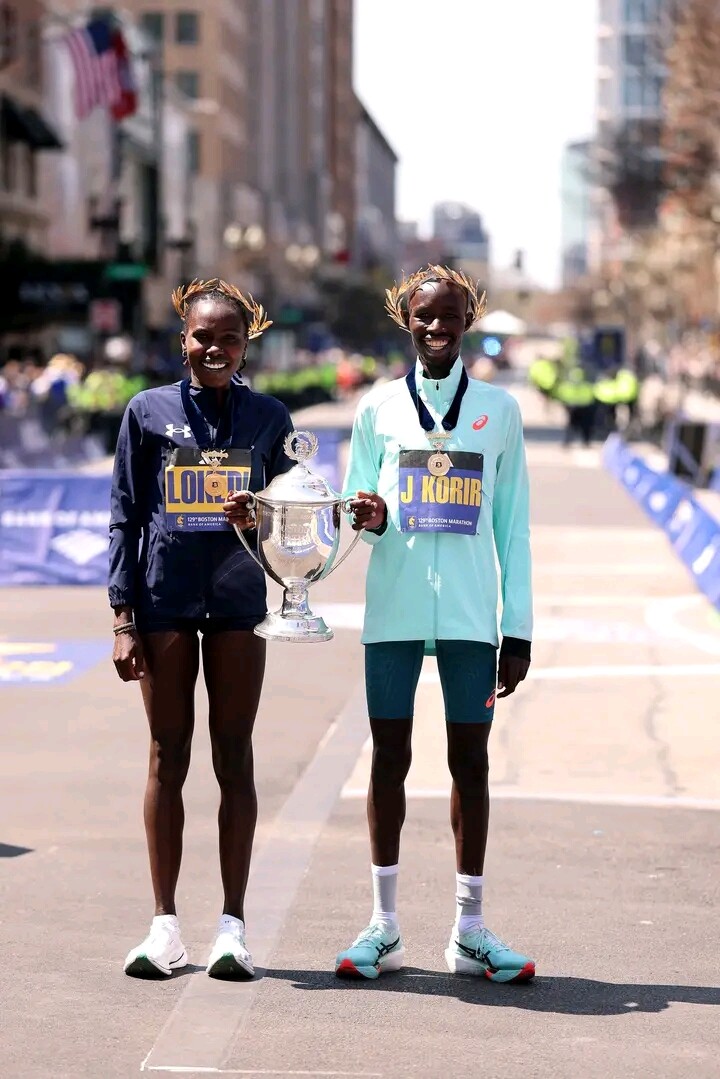
In a landmark announcement, the Boston Athletic Association (B.A.A.) has confirmed that the 2027 Boston Marathon will introduce a new lottery system, giving approximately 1,000 runners who achieve a Boston qualifying time—but narrowly miss the annual entry cut-off—a second opportunity to reach the iconic starting line in Hopkinton.
The move marks one of the most significant changes to Boston's qualification process in decades, while preserving the race's elite qualifying standards.
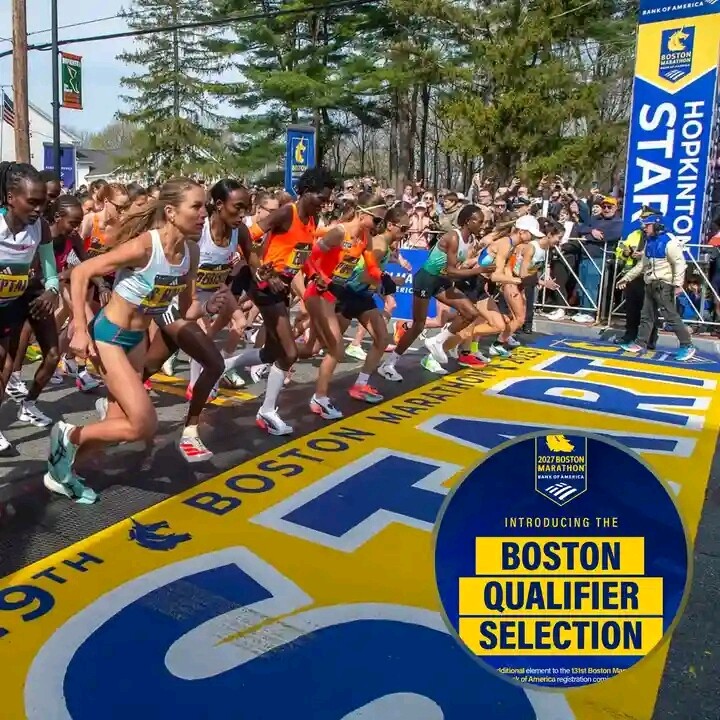
The new system will not replace Boston's traditional selection process. Instead, all applicants will continue to be ranked according to how much they exceeded the official qualifying standard for their respective age group and gender. After race times are verified, the fastest qualifiers will receive guaranteed entry until the field reaches capacity, establishing the annual cut-off time.
What changes in 2027 is what happens next.
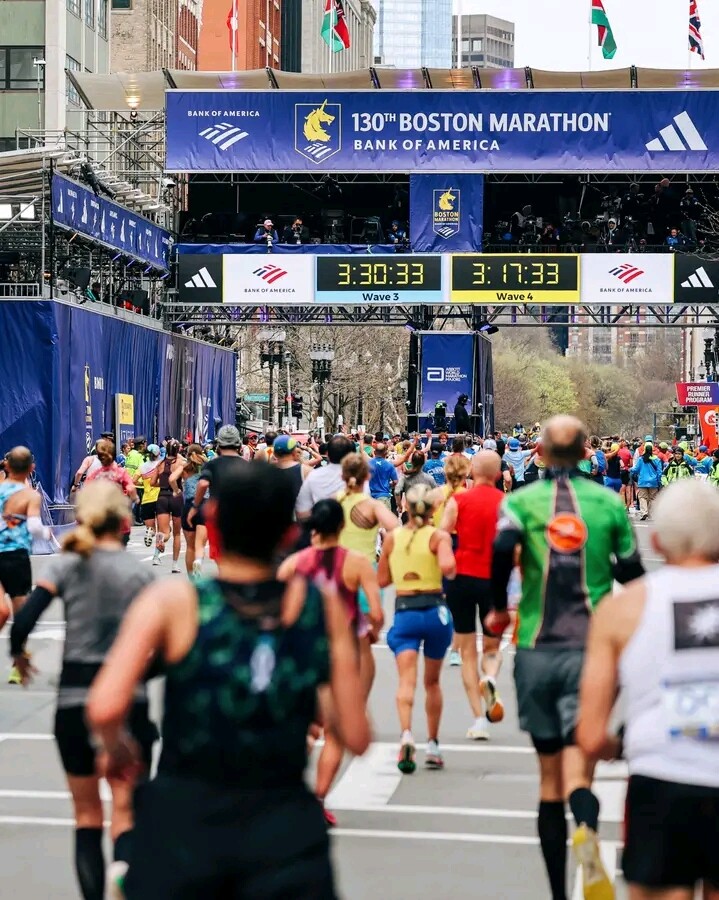
Rather than ending the process there, the B.A.A. will randomly select around 1,000 additional runners from the pool of qualified athletes who fell below the cut-off. Any runner who meets the qualifying standard but is not initially accepted will automatically be entered into the draw, with no separate application required.
The announcement comes after several years of record-breaking demand.
More than 11,000 qualified runners were denied entry for both the 2024 and 2025 editions despite posting official qualifying performances. In 2024, 11,039 qualifiers missed out, while that number climbed to a record 12,324 for the 2025 race. Even for the 2026 Boston Marathon, approximately 8,900 qualified applicants were left disappointed after 33,249 runners applied for just 24,362 available places.
Under the new format, the additional 1,000 lottery entries would have provided an opportunity to roughly one in every nine to twelve rejected qualifiers based on recent registration figures.
B.A.A. President and Chief Executive Officer Jack Fleming said the initiative reflects the increasingly competitive nature of marathon running.
"With the increasingly fast times in our sport, our random Boston Qualifier Selection gives all those who have met the standard for their age group a chance to run Boston," Fleming said.
The decision also brings Boston closer to the registration models used by its fellow Abbott World Marathon Majors. While Boston has traditionally relied almost exclusively on qualifying performances, races such as London, New York City, and Chicago have long allocated significant portions of their fields through public lotteries.
Alongside the lottery announcement, the B.A.A. also confirmed another notable update for the 2027 qualifying process. For the first time, qualifying performances achieved on courses with more than 1,500 feet (457 metres) of net elevation loss will be adjusted through a downhill indexing system, ensuring a more consistent comparison of performances across different marathon courses.
Registration for qualified runners will take place from September 14–18, 2026, with all applicants expected to receive their acceptance status in early October.
While Boston's qualifying standards remain among the most demanding in the sport, the introduction of a lottery offers hope to thousands of runners whose dreams have previously been decided by mere seconds. For the first time in the race's storied history, qualifying alone may no longer guarantee disappointment for those who narrowly miss the cut—because chance will now have a place alongside speed on the road to Boston.
by Erick Cheruiyot for My Best Runs.
Login to leave a comment

Boston Marathon
Among the nation’s oldest athletic clubs, the B.A.A. was established in 1887, and, in 1896, more than half of the U.S. Olympic Team at the first modern games was composed of B.A.A. club members. The Olympic Games provided the inspiration for the first Boston Marathon, which culminated the B.A.A. Games on April 19, 1897. John J. McDermott emerged from a...
more...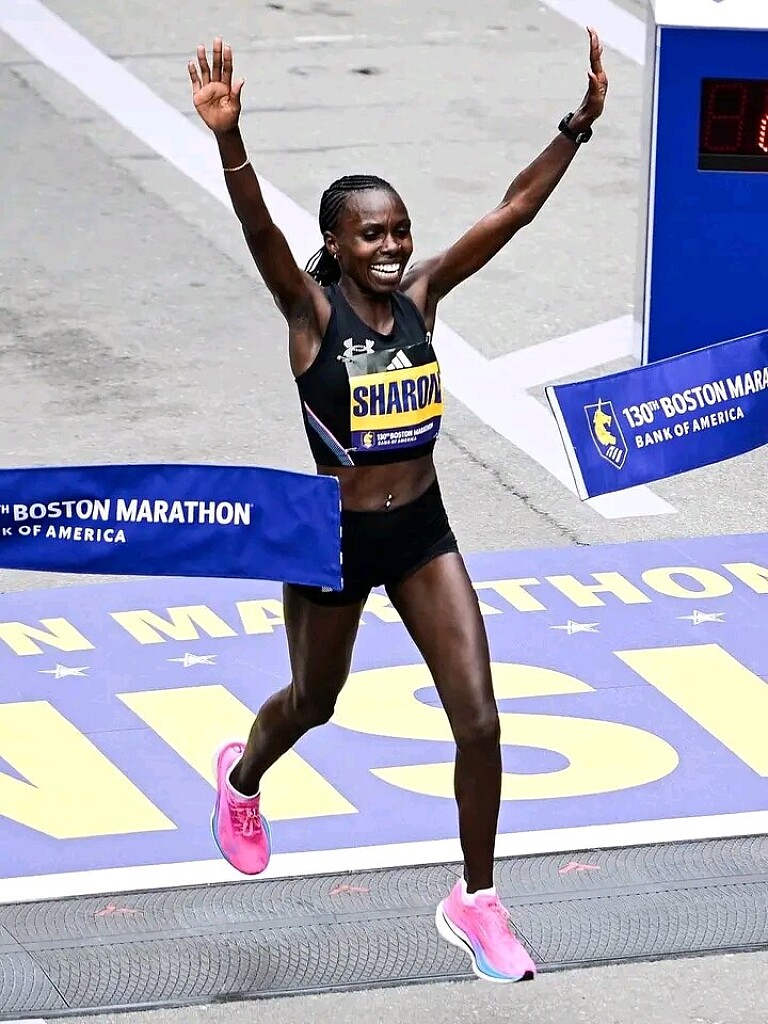
One Little Girl's Cheer Became Sharon Lokedi's Most Memorable Boston Marathon Moment
Defending a title at the Boston Marathon demands far more than exceptional fitness—it requires resilience, composure, and the ability to draw strength from the most unexpected places. For Kenya's Sharon Lokedi, her unforgettable victory on April 20, 2026, was powered not only by months of relentless preparation but also by a simple voice from the roadside that reminded her why the sport means so much.
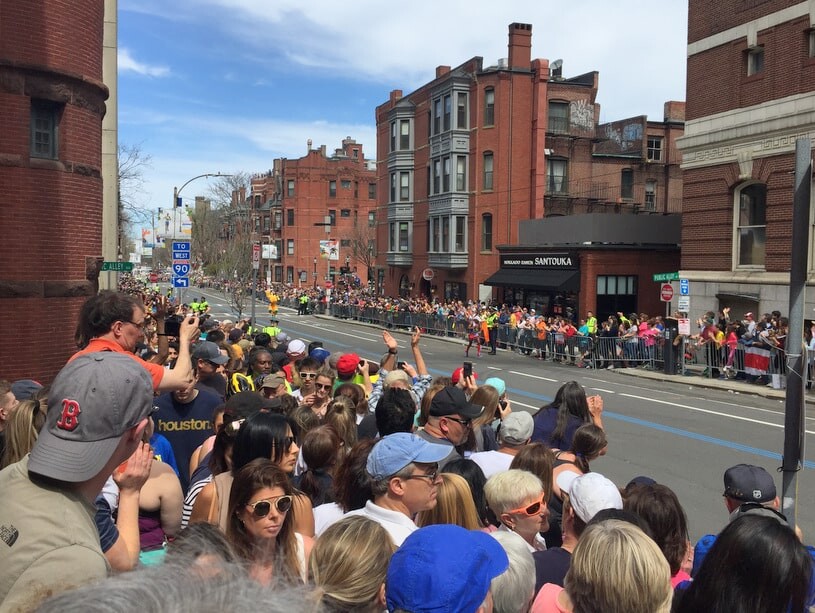
As Lokedi surged toward a successful defense of her Boston Marathon crown, more than 800,000 spectators lined the iconic 26.2-mile course, creating one of the most electrifying atmospheres in world athletics. From the famous "Scream Tunnel" in Wellesley, where college students filled the air with deafening cheers, to the legendary Newton Hills, where generations of families returned to their traditional viewing spots, Boston once again delivered the unmatched energy that has made it one of the world's most celebrated marathons.
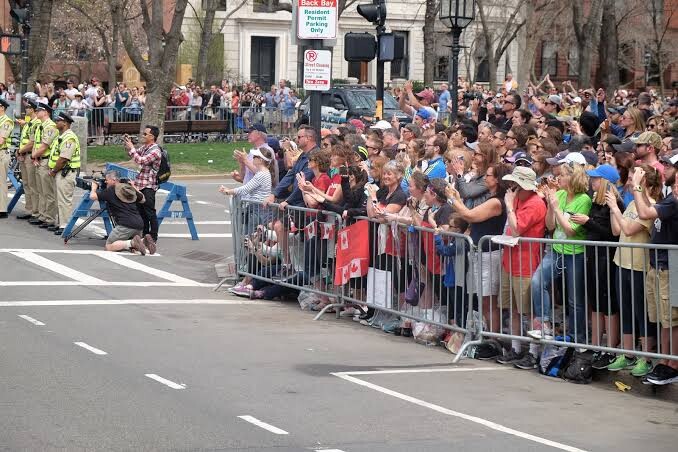
While the race demanded tactical brilliance and unwavering determination, it was not the roar of the massive crowd that remained etched in Lokedi's memory. Instead, one small but powerful moment stood above everything else.
"I heard this little girl yell out, 'You got this, ladies!' It was so cute—and that's what it's all about."
Those heartfelt words, spoken by an unknown young spectator, became an emotional highlight of Lokedi's race. Amid the physical exhaustion and relentless pace of elite marathon competition, a child's innocent encouragement cut through the noise and reminded the champion that running is about far more than medals, records, or prize money.
Elite marathoners often speak about how races eventually blur together, with every mile blending into the next under immense physical strain. Yet the moments they carry with them are often deeply personal—a handwritten sign, a smiling child, or a single voice offering encouragement at exactly the right time. For Lokedi, that brief interaction became one of the defining memories of her remarkable day in Boston.
Her reflection also captured the unique spirit of marathon racing. Unlike many sporting events, marathons bring athletes and spectators together in an intimate way, where complete strangers become part of an athlete's journey. On one of the biggest stages in distance running, the fastest woman on the streets of Boston found inspiration not from the clock or the competition, but from a young girl she may never meet.
That simple exchange perfectly illustrated why the Boston Marathon continues to hold such a special place in the hearts of runners around the world. Beyond the fierce competition and historic achievements, it is the shared human connection between athletes and fans that transforms the race into something unforgettable. Sharon Lokedi defended her title with the heart of a champion, but her most cherished memory came from a reminder that the greatest victories are often measured not only by crossing the finish line first, but by the lives touched along the way.
by Erick Cheruiyot for My Best Runs.
Login to leave a comment
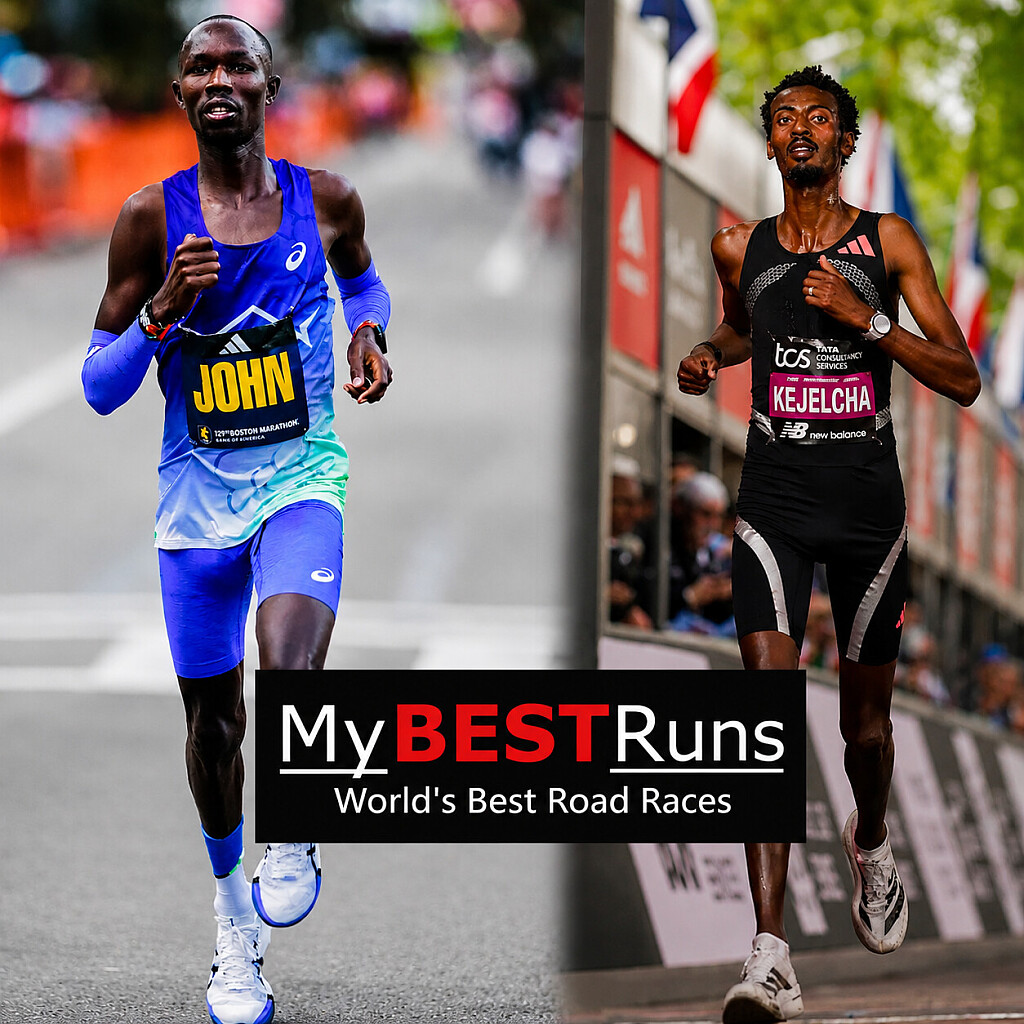
Valencia Marathon 2026: Can John Korir Challenge the Two-Hour Barrier?
The 2026 Valencia Marathon is already shaping up to be one of the most eagerly anticipated races of the year, with an exceptional men's field confirmed for 6 December. As the countdown begins, one question is capturing the imagination of athletics fans worldwide: Can John Korir become the next man to break the two-hour barrier in an official marathon?
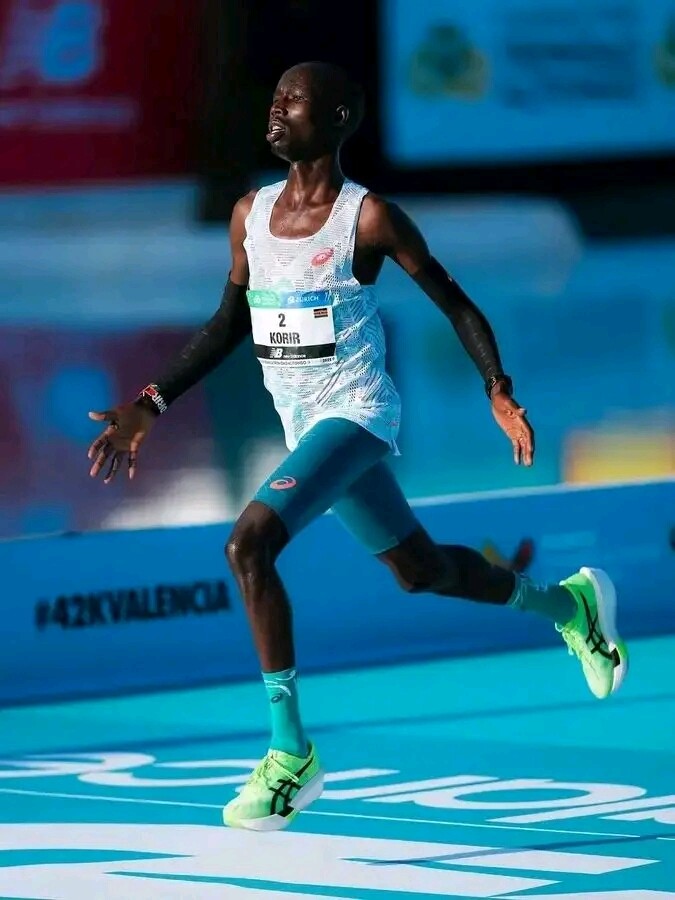
Korir returns to Valencia as the defending champion, having stormed to victory in 2025 with a then-personal best of 2:02:24. Since that triumph, the Kenyan has elevated his career to another level. On 20 April 2026, he delivered a sensational performance at the Boston Marathon, smashing the course record and lowering his lifetime best to 2:01:52. That remarkable run confirmed his status as one of the fastest and most dangerous marathoners in the world.
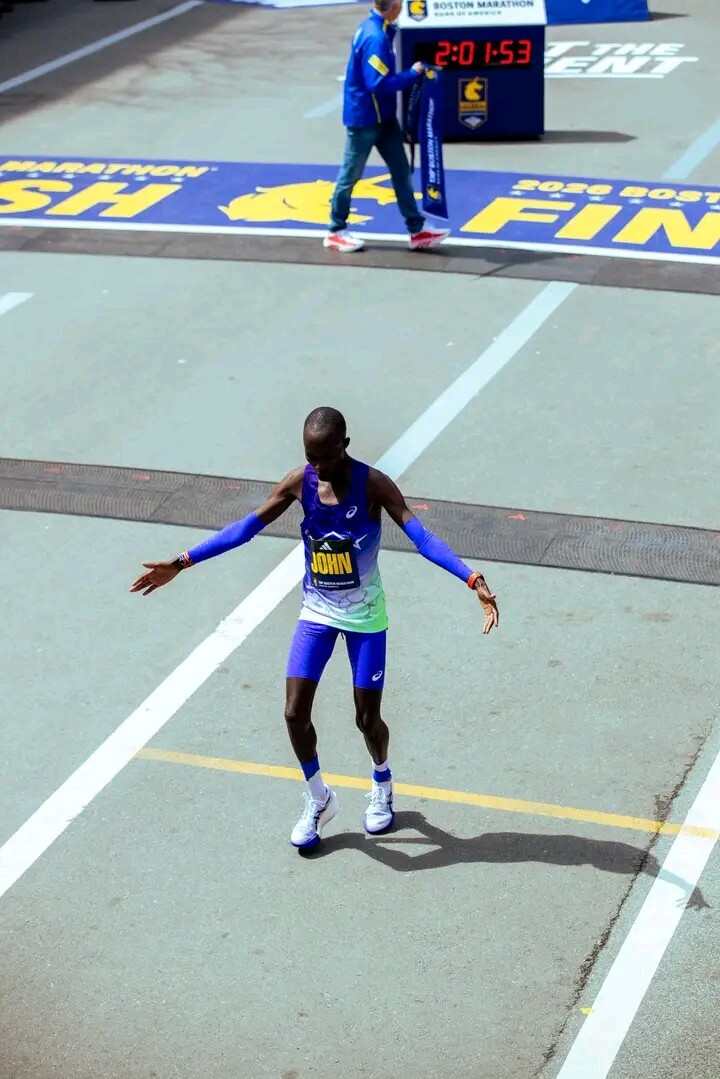
With his confidence soaring and his form peaking, Korir now heads back to the Spanish city where he first announced himself as a Valencia champion. The course's flat profile, cool December conditions and reputation for producing exceptionally fast times make it an ideal venue for another historic performance.
Standing in his way is Ethiopia's Yomif Kejelcha, whose marathon career has begun in spectacular fashion. In April, Kejelcha stunned the athletics world by clocking 1:59:41 on his 26.2-mile debut in London, becoming only the second athlete in history to cover the marathon distance in under two hours. His arrival in Valencia immediately raises the prospect of another record-breaking performance.
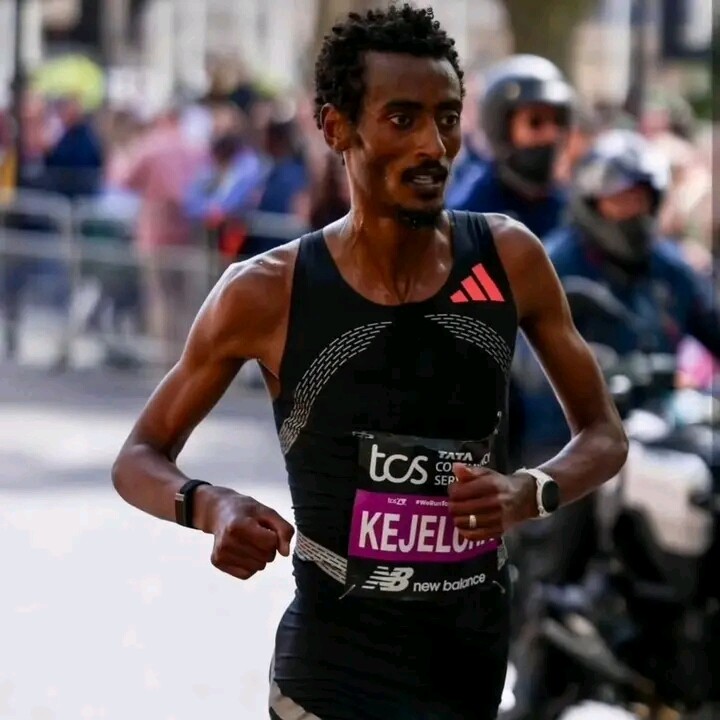
Kejelcha is no stranger to success on Valencia's streets. In 2024, he produced a then-world-record 57:30 to win the Valencia Half Marathon, demonstrating just how perfectly the course suits his aggressive racing style. That previous success makes him one of the leading contenders for marathon victory.
Adding even greater quality to the field is fellow Kenyan Alexander Mutiso, the 2024 London Marathon champion, who owns a personal best of 2:03:11. With three proven world-class athletes lining up, the men's race promises to be one of the strongest marathon contests of the season.
While breaking the two-hour barrier in an official marathon remains one of the greatest challenges in athletics, Valencia has built a reputation as a stage where extraordinary performances become reality. If the pace is relentless and the weather cooperates, fans could witness one of the fastest marathons ever run.
On 6 December, the streets of Valencia will host far more than a battle for victory. They will provide the stage for a fascinating showdown between defending champion John Korir, the explosive Yomif Kejelcha, and Alexander Mutiso—a clash that could redefine the limits of marathon running.
by Erick Cheruiyot for My Best Runs.
Login to leave a comment

VALENCIA TRINIDAD ALFONSO
The Trinidad Alfonso EDP Valencia Marathon is held annually in the historic city of Valencia which, with its entirely flat circuit and perfect November temperature, averaging between 12-17 degrees, represents the ideal setting for hosting such a long-distance sporting challenge. This, coupled with the most incomparable of settings, makes the Valencia Marathon, Valencia, one of the most important events in...
more...
Hal Higdon at 95: The Coach Who Helped Millions Believe They Could Run a Marathon
In a sport filled with record breakers, Olympic champions, and marathon legends, few people have shaped the running world as profoundly as Hal Higdon. This week, the iconic coach, author, and lifelong runner celebrated his 95th birthday—a milestone that offers the global running community a chance to reflect on an extraordinary legacy that continues to inspire runners of every level.
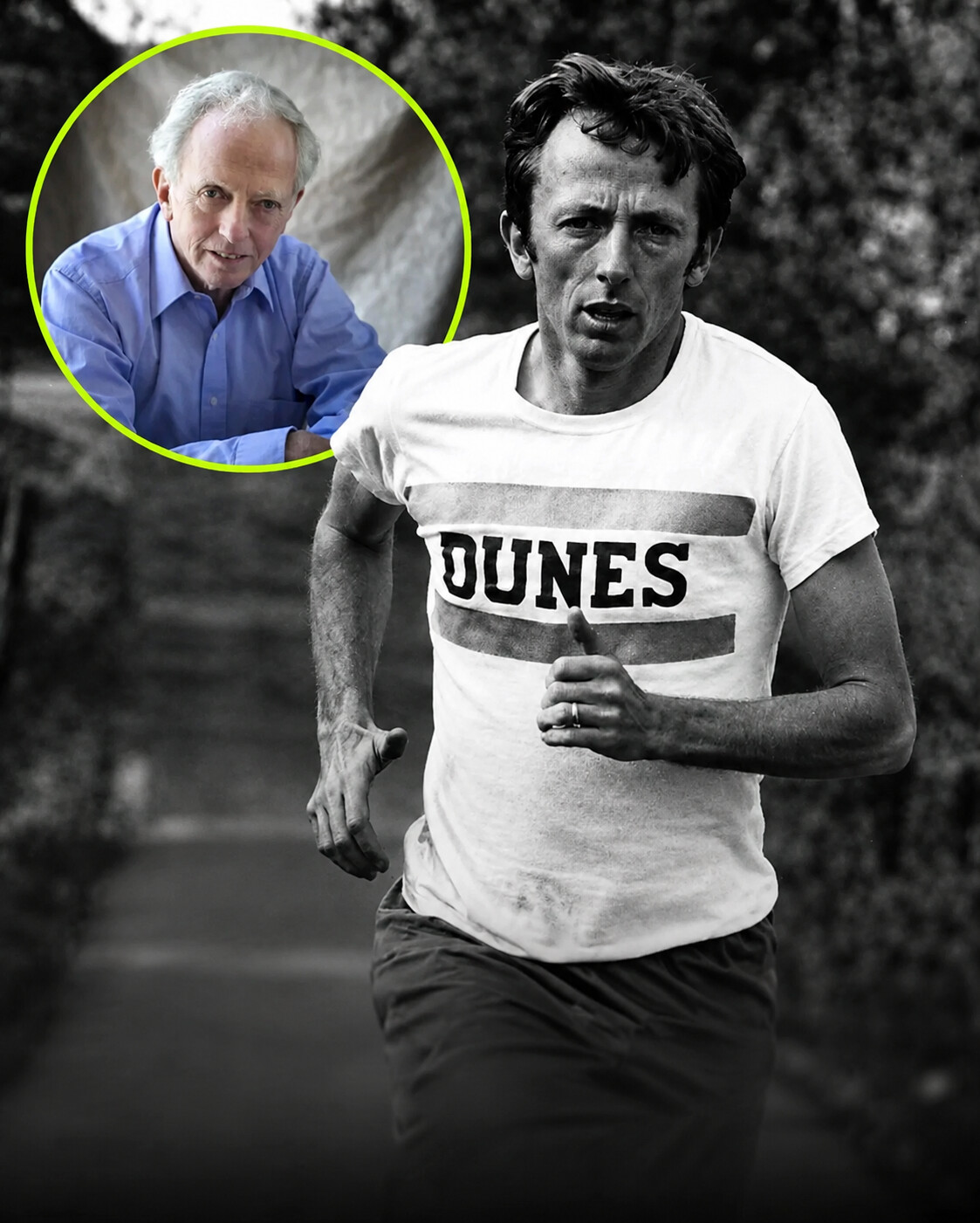
For countless marathoners, Higdon's name is instantly familiar. Long before training apps and smartwatches became the norm, aspiring runners were printing out his training plans, pinning them to refrigerators, and following them mile by mile toward goals they once thought impossible. His programs transformed marathon preparation from something reserved for elite athletes into a journey that ordinary people could embrace with confidence.
Born and raised in Chicago, Higdon's relationship with running stretches back nearly eight decades. He began competing in 1947 and built a remarkable competitive career that included eight appearances at the U.S. Olympic Trials. His achievements on the roads were equally impressive. A regular competitor at the prestigious Boston Marathon, Higdon delivered one of his finest performances in 1964, finishing fifth overall in 2:21:55 and emerging as the top American finisher.
Yet what makes his story truly remarkable is not simply the races he ran, but the longevity and passion with which he pursued them. Over the course of his life, Higdon completed 111 marathons. Even approaching his 70th birthday, he demonstrated the same determination that defined his younger years by running seven marathons in seven consecutive months.
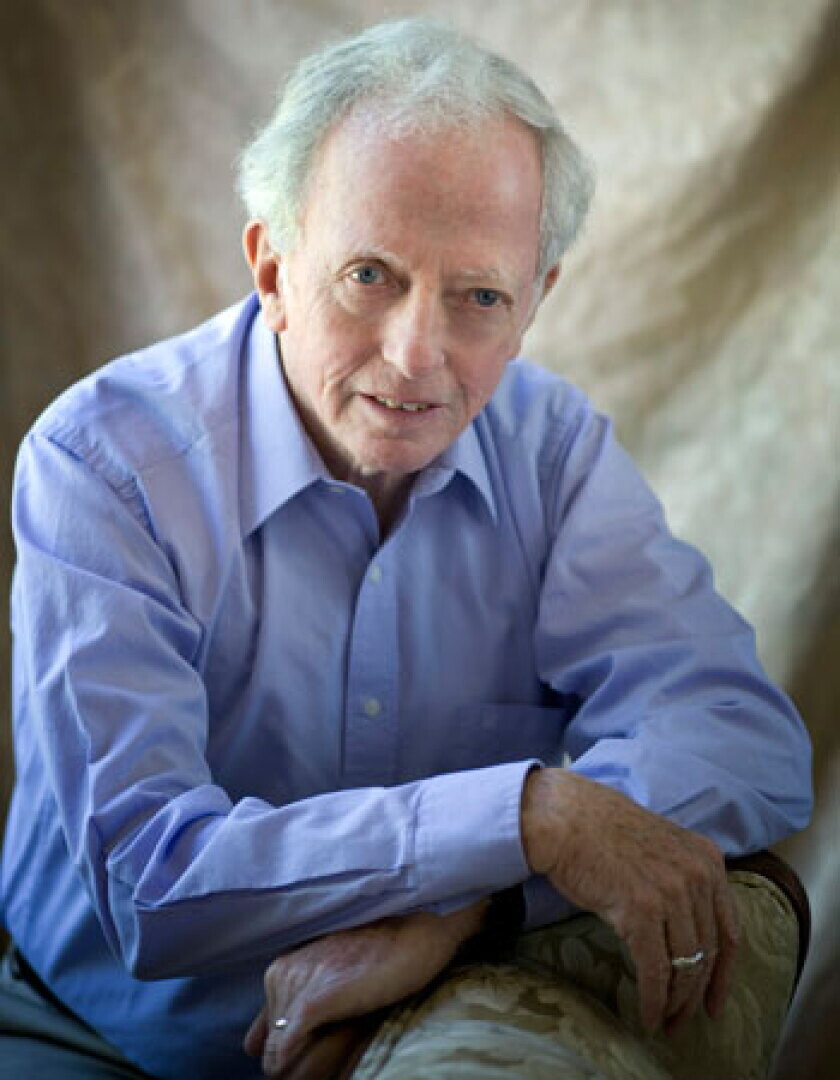
While his accomplishments as an athlete earned admiration, it was his work as a writer and coach that cemented his place in running history. Over the years, he authored more than three dozen books and became one of the most trusted voices in the sport through his extensive work with Runner's World. His landmark publication, Marathon: The Ultimate Training Guide, now in its fifth edition, remains a trusted companion for first-time marathoners around the world.
What sets Higdon apart is his ability to make the marathon feel achievable. His training philosophy emphasized consistency, patience, and gradual progress rather than intimidating mileage or complex workouts. Through simple, structured plans, he helped generations of runners discover that the marathon was not reserved for a select few—it was a challenge that anyone willing to commit could conquer.
Perhaps the most remarkable part of the story is that his influence remains active today. His training plans continue to be freely available online, reaching new runners every year. The family business remains strong, supported by his children and grandchildren, ensuring that his guidance continues to inspire future generations.
Many lifetime achievement awards serve as a final chapter in a distinguished career. Hal Higdon's story is different. At 95, he remains engaged, writing, teaching, and encouraging runners across the globe. His impact is measured not only in races completed or books sold, but in the millions of lives he has touched through the simple belief that ordinary people are capable of extraordinary things.
As runners around the world shared their stories and gratitude in celebration of his birthday, one message rang clear: the sport owes Hal Higdon far more than applause. It owes him generations of first miles, first finish lines, and first marathons.
At 95, the legendary coach is still inspiring runners to take the next step forward—and that may be his greatest achievement of all.
by Erick Cheruiyot for My Best Runs.
Login to leave a comment
Calli Hauger-Thackery Joins UCAN as Pregnancy Sponsorship Sparks Fresh Conversation
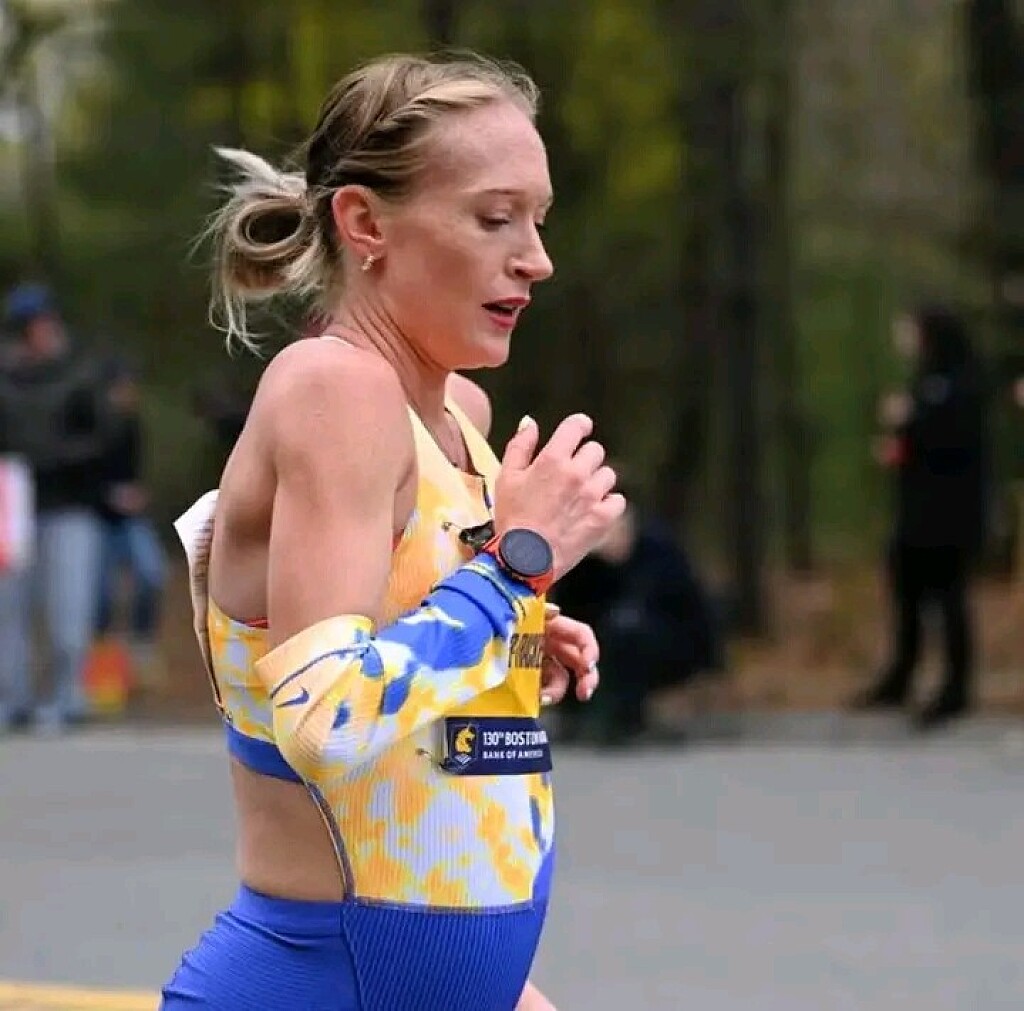
British marathon star Calli Hauger-Thackery has become the latest elite athlete to join UCAN, announcing a new sponsorship agreement while navigating one of the most significant chapters of her life — pregnancy.
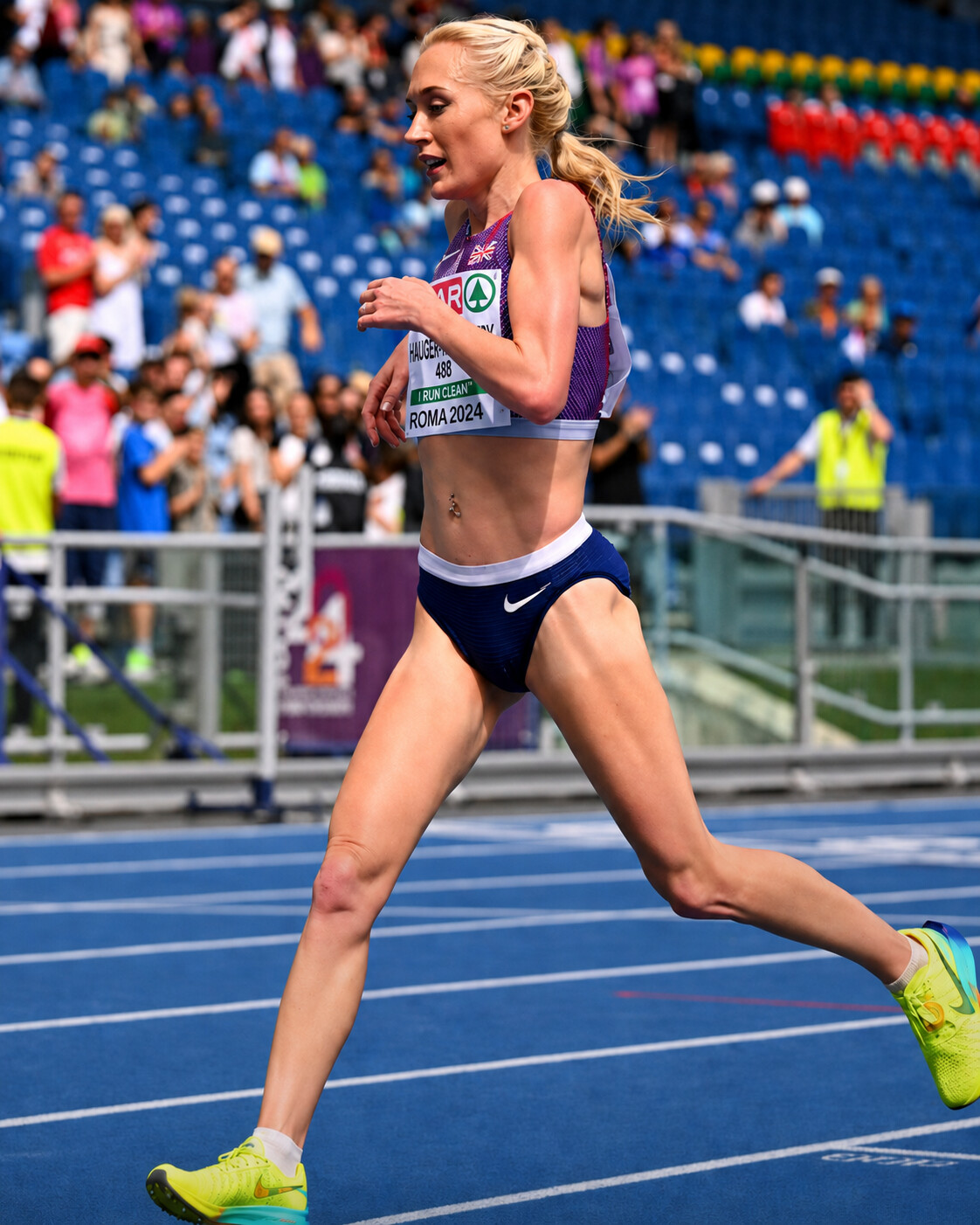
The 33-year-old Olympian revealed the partnership on Instagram this week, describing the nutrition brand as a key part of her recent training and racing success. Hauger-Thackery said she relied on UCAN's slow-release carbohydrate products throughout her preparation for the Boston Marathon and during the race itself, crediting the brand for helping her manage the demands of elite competition.
“UCAN has literally been a saviour during this time for me,” she wrote, sharing the news with her followers.
The announcement comes at a remarkable stage in Hauger-Thackery's career. Despite being pregnant, she remains one of Britain's most accomplished distance runners. Her personal best of 2:21:24 makes her the second-fastest British woman in marathon history, trailing only legendary marathon world-record holder Paula Radcliffe.
Recent months have highlighted her outstanding form. Hauger-Thackery claimed victory at the JAL Honolulu Marathon in December before following it up with another impressive win at the Chevron Houston Marathon in January, cementing her place among the world's leading marathoners.
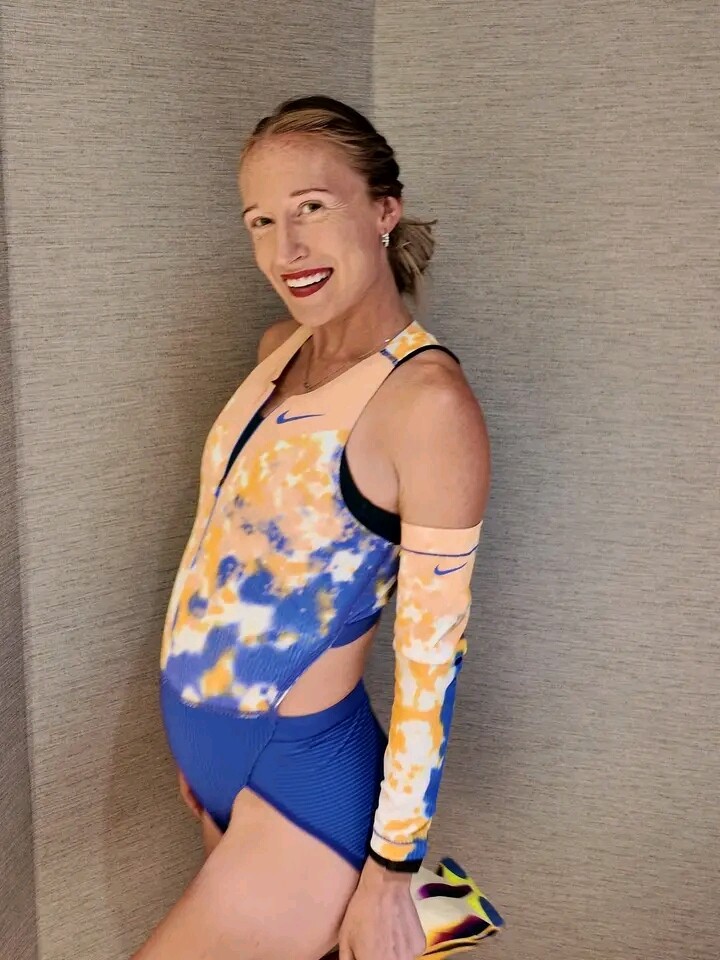
Yet the sponsorship news arrives against a backdrop that has already placed UCAN under public scrutiny.
Earlier this year, American marathon star Emma Bates publicly alleged that the company ended their three-year partnership shortly after she informed them she was pregnant. The claim sparked widespread discussion across the running community about athlete sponsorship, maternity protections, and the challenges female athletes often face when starting families while pursuing professional careers.
UCAN disputed Bates' account and rejected suggestions that her pregnancy influenced the decision. Bates has since moved on, signing a sponsorship agreement with sports nutrition company NeverSecond.
Neither Hauger-Thackery nor UCAN referenced the controversy when announcing their new partnership. Instead, the focus remained on performance, trust, and the athlete's positive experience with the products.
Still, the timing of the announcement inevitably draws attention. In a sport that continues to examine how pregnancy and motherhood intersect with professional athletics, the signing of a pregnant elite marathoner by a company recently involved in a high-profile maternity-related dispute is likely to generate discussion.
For Hauger-Thackery, however, the story is currently about a new partnership and the next phase of an already remarkable journey. As one of Britain's greatest marathon talents balances elite competition with impending motherhood, her latest sponsorship deal adds another compelling chapter to a career that continues to break barriers both on and off the road.
by Erick Cheruiyot for My Best Runs.
Login to leave a comment
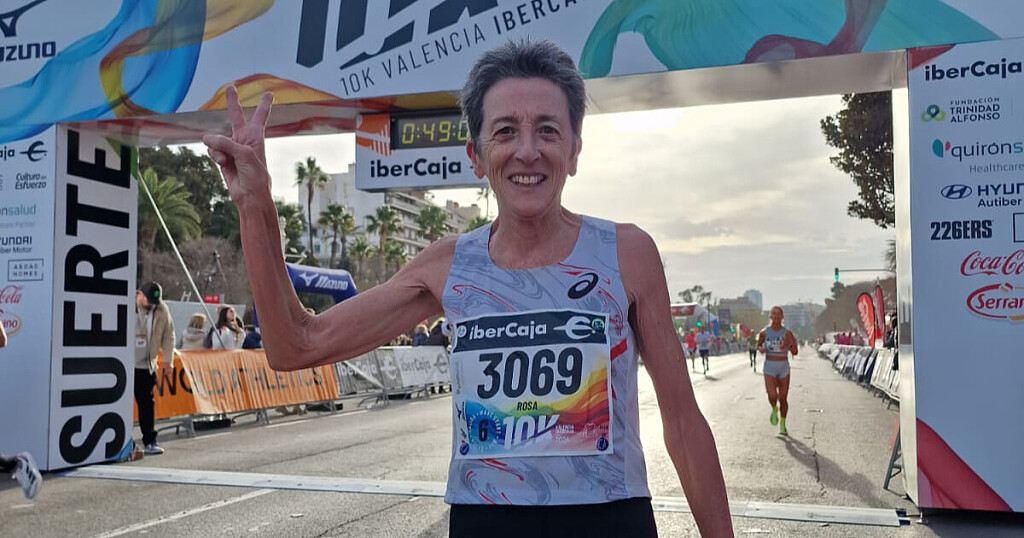
Rosa Mota: The Woman Who Refused to Accept Limits and Redefined Marathon Greatness
Long before women's distance running received the recognition it deserved, a young girl from the historic streets of Porto was quietly preparing to change the sport forever.
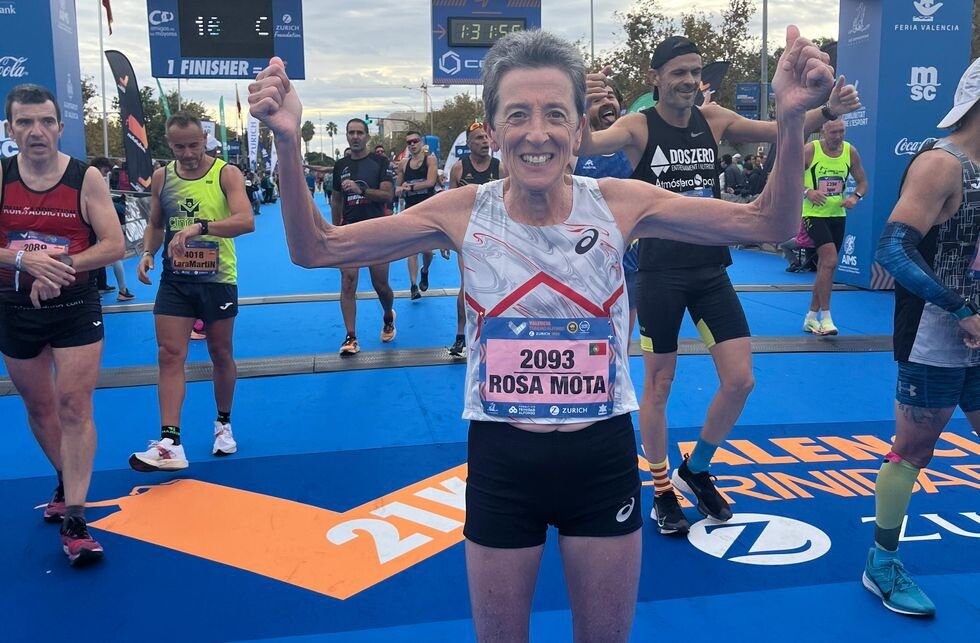
Born in the Foz Velha district of Portugal's second-largest city, Rosa Mota grew up battling asthma and sciatica—two conditions that might have convinced many that elite athletics was an impossible dream. In an era when opportunities for female athletes were scarce and expectations even lower, she was often reminded of her supposed limitations.
Rosa chose not to listen.
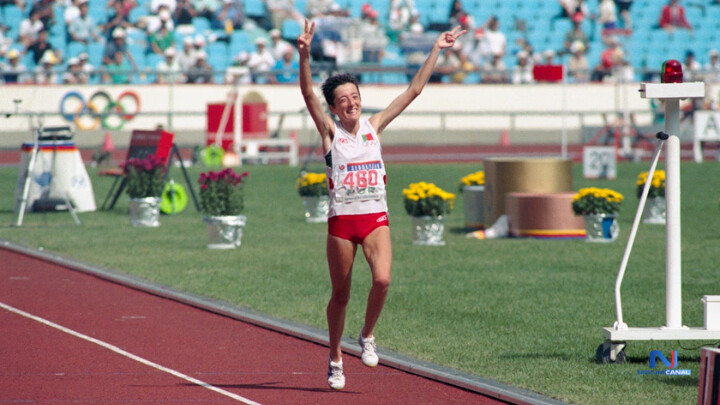
Instead, she ran.
She ran beyond the boundaries others placed around her. She ran beyond pain. She ran beyond doubt. And in doing so, she became one of the greatest marathon runners the world has ever known.
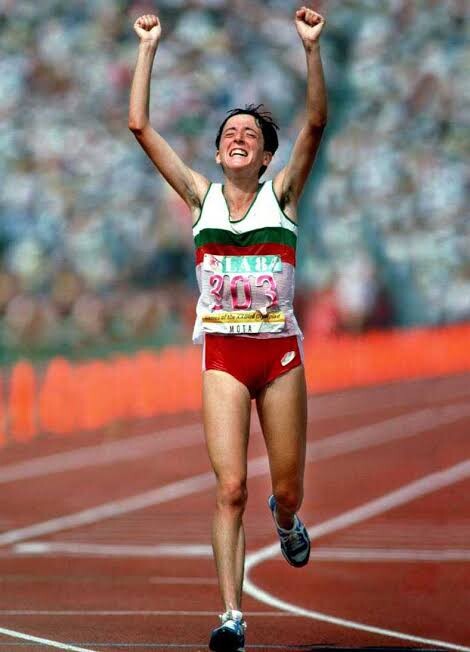
When the inaugural women's marathon was introduced at the 1982 European Championships in Athens, few outside Portugal expected Rosa Mota to be a contender. The race featured some of the finest distance runners of the era, including Norway's legendary Ingrid Kristiansen.
By the end of the race, expectations had been shattered.
Mota stormed to victory, announcing herself on the international stage and beginning a reign that would redefine women's marathon running. It was not merely a breakthrough win—it was the arrival of a champion whose influence would extend far beyond medals and records.
What made Rosa extraordinary was not overwhelming physical dominance. Her greatness stemmed from something deeper: an unbreakable resilience, remarkable tactical intelligence, and an ability to perform under the highest pressure. She carried herself with calm confidence, but beneath that calm was an iron determination that competitors found impossible to match.
Over the next decade, Mota assembled one of the most remarkable résumés in athletics history.
She became European champion, World champion, and Olympic champion—a combination no other woman has ever held simultaneously in the marathon. Her crowning achievement arrived at the 1988 Olympic Games in Seoul, where she produced a masterclass in championship racing.
With just two kilometres remaining, Mota launched a perfectly timed surge that left her rivals with no answer. She crossed the finish line 13 seconds clear of the field, securing Olympic gold and becoming the first Portuguese woman in history to win an Olympic title.
The victory elevated her from national hero to global icon.
Her success did not stop there.
In 1990, she captured her third Boston Marathon title, further cementing her status among the sport's elite. Later that same year, she defended her European Championship crown in Split in dramatic fashion. After building a commanding lead, she was gradually reeled in by Soviet athlete Valentina Yegorova. Yet when the race entered its decisive moments, Mota found another gear and held on to win by five seconds.
The triumph made history.
No athlete—male or female—had ever won three European marathon titles. Rosa Mota became the first.
Numbers alone illustrate the scale of her dominance. During a remarkable ten-year period, she contested 21 marathons and won 14 of them. Consistency at such a level is almost unheard of, particularly in an event as demanding as the marathon.
The sport itself eventually delivered its verdict.
The Association of International Marathons and Distance Races honoured Mota as the greatest female marathon runner of all time, a distinction reflecting not only her achievements but also the profound impact she had on the development of women's distance running worldwide.
Yet despite her accomplishments, her name is not always mentioned as frequently as some of her male contemporaries. It is one of the lingering injustices of sporting history: many pioneering women achieved greatness equal to any champion, yet their stories often received far less attention.
Rosa Mota deserves to be remembered among the sport's immortals.
Even after retiring from elite competition, she never drifted far from running. She carried the Olympic flame through Athens in 2004, received the prestigious Abebe Bikila Award for her contributions to long-distance running, and continued competing well into her sixties.
Remarkably, age did little to slow her down.
She won the Macau Mini Marathon multiple times and later set a world record for the women's 65–69 age category over 10,000 metres, proving that the spirit which drove her to Olympic glory never faded.
Today, a sports pavilion in Porto proudly bears her name—a fitting tribute to a woman whose achievements transcended generations.
Rosa Mota's story is not simply about medals, records, or championships. It is a story of perseverance. A story of breaking barriers when few believed they should be broken. A story of showing up, year after year, race after race, regardless of the obstacles.
Some champions are remembered because they were loud.
Others are remembered because they changed history.
Rosa Mota did both through the power of her performances alone.
She was a pioneer. She was a trailblazer. She was an Olympic champion.
And for many, she remains the greatest female marathon runner the sport has ever seen.
by Erick Cheruiyot for My Best Runs.
Login to leave a comment
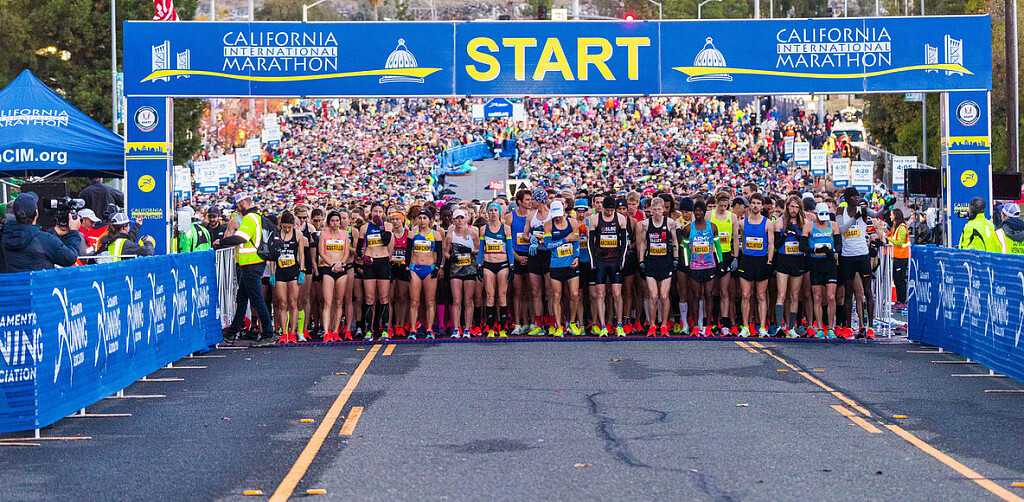
California International Marathon Announces Historic Growth, Bigger Field and Longer Finish Window for 2027
The California International Marathon is preparing for one of the most significant transformations in its history, with organizers confirming plans to dramatically expand the race beginning in 2027. Long regarded as one of America's premier marathon courses, CIM will nearly double its capacity while giving runners more time to reach the finish line, opening the door for thousands of additional participants.
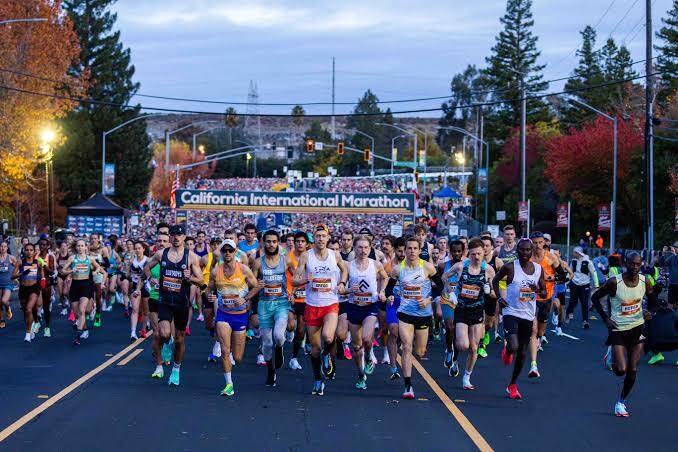
The announcement follows a new agreement involving Union Pacific, whose freight rail operations have historically influenced race-day logistics along the course. Under the new arrangement, trains will be held for a longer period, allowing organizers to extend road closures and accommodate a much larger field than ever before.
As a result, participation is expected to grow from approximately 10,000 runners to nearly 20,000 through the introduction of a second starting wave. The expansion marks a major milestone for a race that has steadily increased in popularity among both elite competitors and recreational marathoners.
Perhaps the most welcome change for many runners is the extension of the race cutoff time. For years, CIM enforced a strict six-hour limit, largely because the course needed to reopen before scheduled rail operations resumed. Beginning in 2027, that deadline will be extended to at least six hours and 45 minutes, with race organizers gaining an additional 45 minutes to an hour of road-closure time.
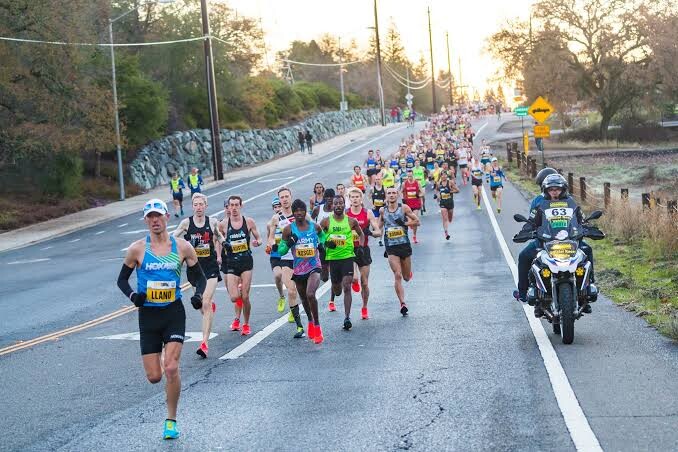
The revised cutoff creates new opportunities for participants who may have previously struggled to finish within the existing time restriction. More runners will now be able to complete the marathon experience without the pressure of an unusually demanding cutoff clock.
Despite the expansion, the California International Marathon will retain the characteristics that have made it one of the world's most respected marathon courses. The point-to-point route from Folsom to downtown Sacramento remains unchanged, featuring a net elevation drop of 366 feet while staying comfortably within Boston Marathon qualifying standards for downhill courses.
Combined with Northern California's typically cool early-December conditions, the course has earned a reputation as one of the fastest and most reliable venues for athletes chasing personal bests and Boston Marathon qualification marks.
That reputation is supported by impressive numbers. In 2025, more than 30 percent of CIM finishers achieved Boston-qualifying times, an extraordinary statistic that highlights the race's appeal among serious marathoners. With Boston Marathon qualifying standards becoming five minutes faster for most age groups beginning in 2026, fast and athlete-friendly courses such as CIM are expected to become even more sought after.
For runners planning their next marathon, there is no immediate change. The 2026 edition will operate under the same format that has defined the event for more than four decades. The landmark expansion—including the larger field and extended cutoff time—will officially debut in 2027.
As the California International Marathon enters a new era, organizers are balancing growth with tradition, ensuring that one of America's most celebrated road races remains both accessible and competitive. For thousands of future participants, the message is clear: there will soon be more room on the start line and more opportunity at the finish.
by Erick Cheruiyot for My Best Runs.
Login to leave a comment
California International Marathon
The California International Marathon (CIM) is a marathon organized by runners, for runners! CIM was founded in 1983 by the Sacramento Running Association (SRA), a 501(c)(3) non-profit organization. The SRA Board of Directors is comprised of runners with a combined total of 150+ years of service to the CIM. The same route SRA management created for the 1983 inaugural CIM...
more...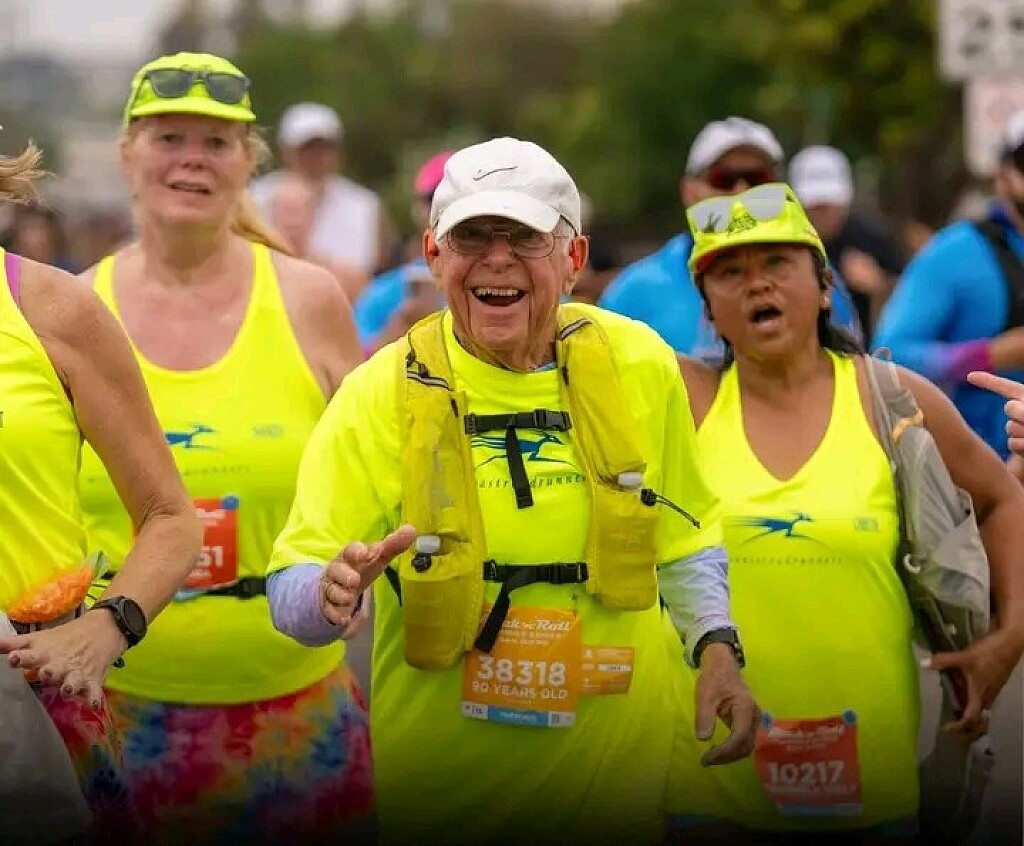
At 90, Bill Schwarz Proves It’s Never Too Late to Chase a Marathon Dream
Age may slow the clock, but it does not have to limit ambition. At 90 years old, Bill Schwarz has achieved something many runners spend a lifetime pursuing—completing his first marathon.
On May 31, Schwarz took on the full 26.2-mile challenge at the Rock ‘n’ Roll San Diego Marathon, embarking on a journey that was never about pace, rankings, or finishing inside the official cutoff time. For him, there was only one goal: cover the entire distance.
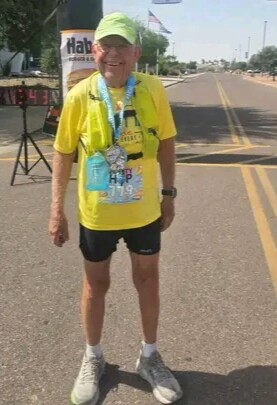
More than nine hours after starting, Schwarz was still moving forward. While the official race clock had long stopped, he continued until his watch confirmed he had completed every mile of the marathon course. That was the achievement that mattered most.
Schwarz’s remarkable accomplishment is made even more inspiring by the life he has led. A retired engineer, he once contributed to the Apollo space program, helping design components that played a role in humanity’s journey to the moon. Decades later, he is still proving that exploration and perseverance know no age limit.
Unlike many people in their later years, Schwarz takes no medication and has never undergone a joint replacement. Running first entered his life in the 1950s when he was a high school student. What began as a practical way to balance his interests eventually became something much deeper. Over the years, he stepped away from the sport and returned to it several times, describing running as a form of meditation that brings clarity and peace.
The marathon dream gained new meaning following the loss of his wife, Janice, two and a half years ago. Searching for purpose and direction during a difficult period, Schwarz registered for a local 5K race. That single event reignited his passion for movement and personal challenge.
One race led to another. A 5K became a half marathon. Then another half marathon. Soon, he had completed five. Last year, he walked and ran 60 miles along Spain’s historic Camino de Santiago over six days. The experience convinced him that his body was capable of tackling an even greater challenge—the marathon.
Determined to give himself every opportunity to succeed, Schwarz committed fully to preparation. He trained approximately ten hours each week with the support of a strength coach, running coach, stretch trainer, and Pilates instructor. Along the way, he lost 40 pounds and embraced a data-driven approach to training, monitoring his effort through heart-rate zones and using modern technology to help plan his nutrition strategy.
On race day, he was not alone. A friend of his daughter accompanied him throughout the entire journey, providing encouragement and companionship over every mile of the demanding course.
Yet, despite finally conquering his first marathon at an age when most people have long retired from athletic pursuits, Schwarz is not finished dreaming.
His sights are already set on the next challenge: the Boston Marathon. The oldest official finisher in the race’s storied history was 84 years old, meaning Schwarz could potentially rewrite the record books if he reaches the starting line and completes the course.
Before taking on San Diego, he summed up his philosophy with a simple but powerful statement:
"My objective is to finish. And whatever time it takes, it's going to be wonderful."
That mindset carried him through 26.2 miles and into marathon history. More importantly, it delivered a message that resonates far beyond running: goals do not have an expiration date, and it is never too late to pursue a dream.
by Erick Cheruiyot for My Best Runs.
Login to leave a comment
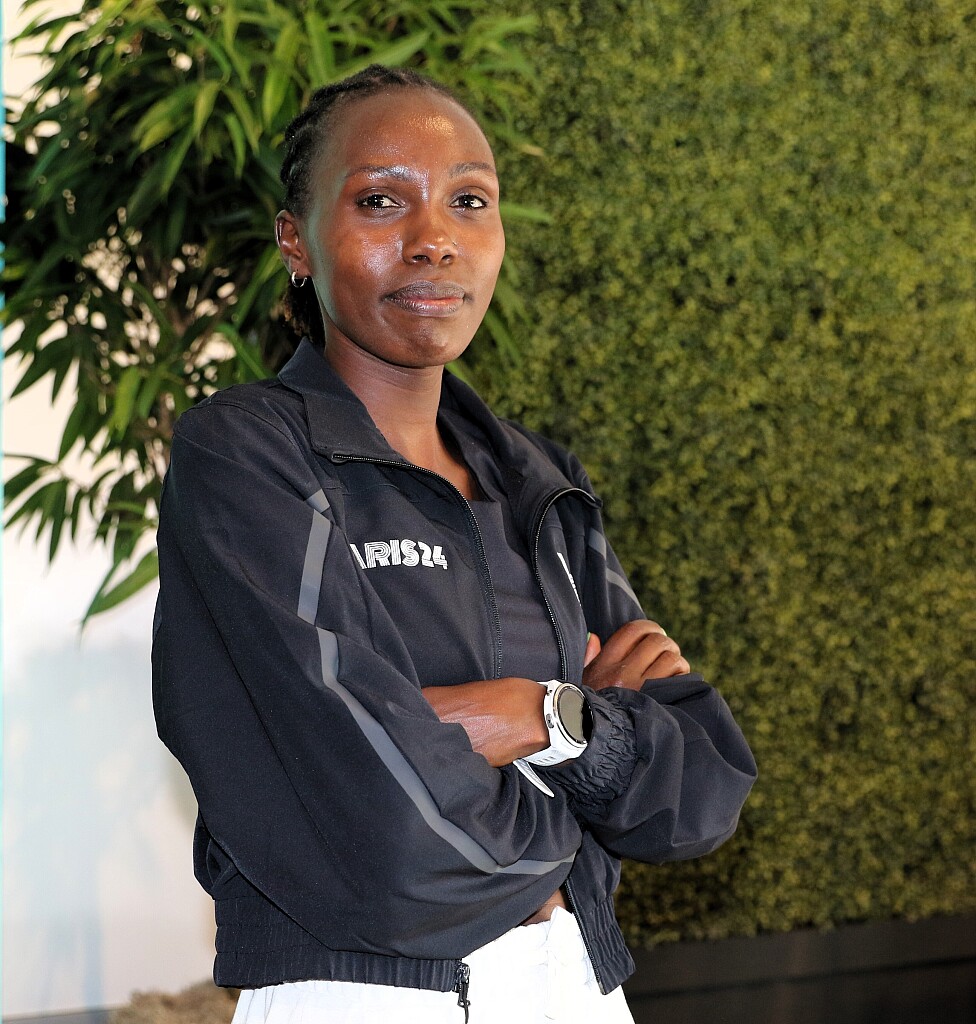
Sharon Lokedi Returns to Boston Seeking Another Triumph at the 2026 B.A.A. 10K
The city of Boston is set to welcome back one of its most celebrated champions as Kenya’s Sharon Lokedi headlines a world-class field for the 2026 B.A.A. 10K presented by Mass General Brigham Cancer Institute on June 21.
Fresh from another remarkable victory at the Boston Marathon in April, Lokedi returns to the streets of Boston and Cambridge carrying both momentum and confidence as she aims to defend the title she captured in dominant fashion last year.
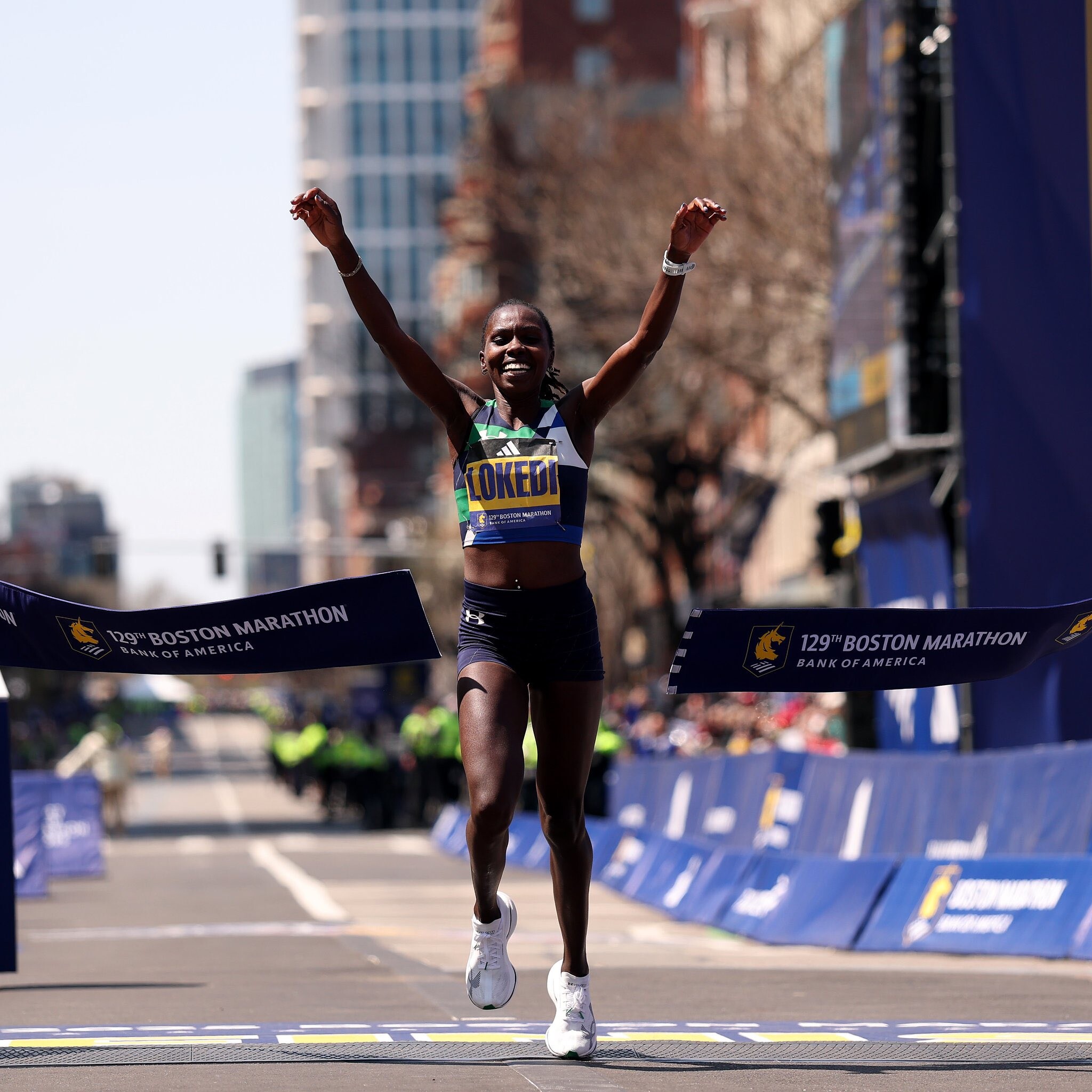
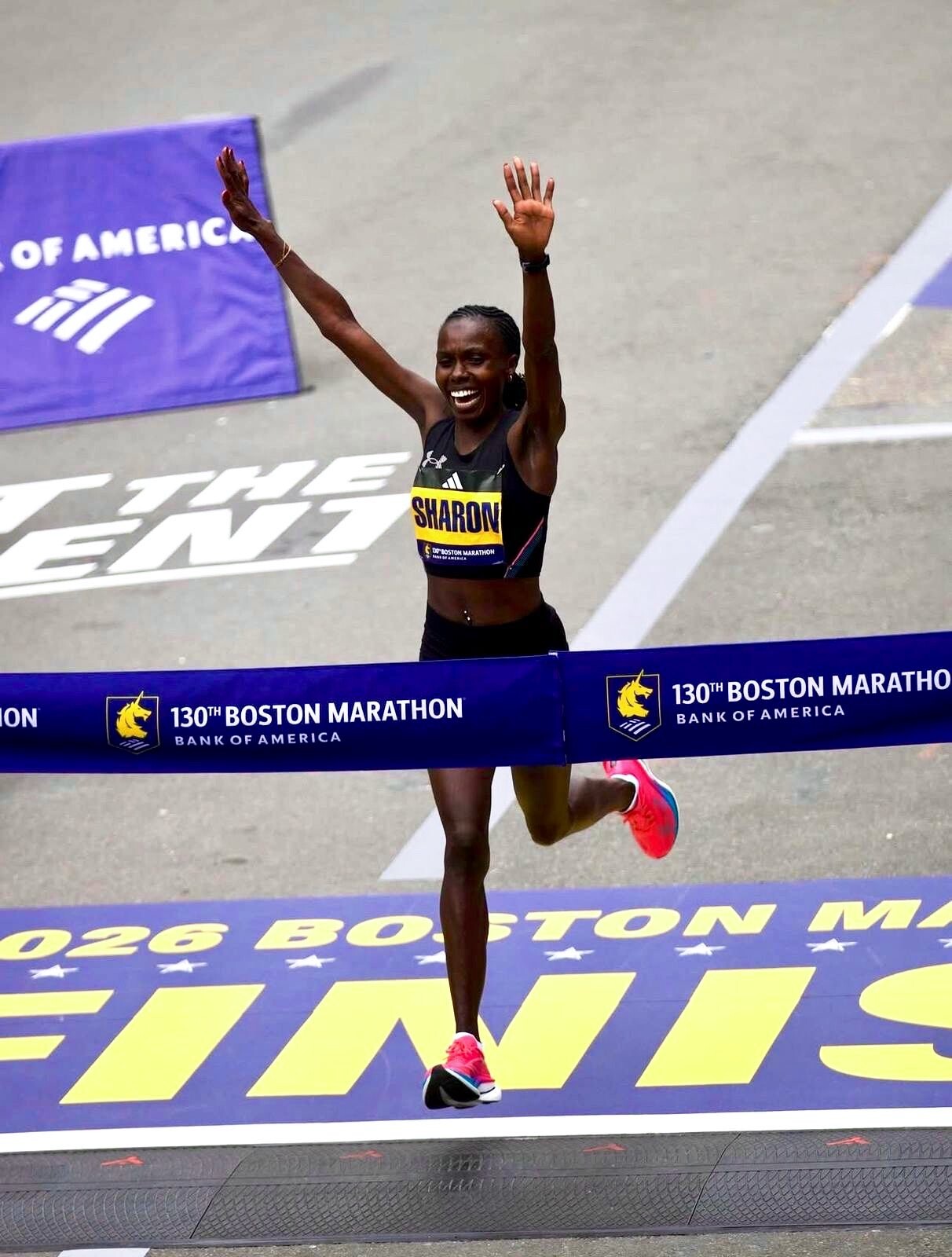
The two-time Boston Marathon champion has developed a special connection with the historic race city. In 2025, she produced a course-record performance of 2:17:22 to win the Boston Marathon before returning this year to claim another victory in 2:18:51, the second-fastest winning time in the event’s storied history. Her success has cemented her status as one of the premier road runners in the world.
Lokedi will be making her first competitive appearance since her marathon triumph and arrives as the reigning B.A.A. 10K champion after clocking 31:39 over the challenging 6.2-mile course in 2025.
“Boston has become a very special place for me,” Lokedi said ahead of the race. “The atmosphere created by the fans and the community is unlike anywhere else. I’m excited to return and give everything I have to defend my title.”
The women’s race promises to be highly competitive. American Olympian Rachel Smith, who finished second at the Boston 5K in April, leads the domestic challenge. Kenya’s strong contingent includes African 10,000m champion Gladys Kwamboka, former B.A.A. 10K runner-up Stacy Ndiwa, and experienced road racer Viola Cheptoo. British Olympian Jessica Warner-Judd adds further international depth to a field packed with proven performers.
The men’s race is equally impressive, featuring elite athletes from 13 nations.
Ethiopia’s Dawit Seare enters as one of the leading contenders after capturing the 2025 Boston 5K title and bringing the fastest 10K personal best in the field at 27:21. Kenya will be represented by an accomplished group led by Alexander Mutiso, winner of the 2024 London Marathon and runner-up at last year’s New York City Marathon.
Patrick Kiprop also arrives in outstanding form after securing victory at the prestigious BolderBoulder 10K on Memorial Day, while Alex Masai returns looking to continue his strong record in Boston. Masai recently finished ninth at the Boston Marathon and has earned three top-ten finishes at the B.A.A. 10K.
Among the international stars making their mark is South Africa’s Adriaan Wildschutt, who makes his race debut after an impressive season highlighted by victory at the NYC Half Marathon in 59:30. Ethiopia’s Olympic bronze medallist Hagos Gebrhiwet adds further quality to the field, bringing a wealth of championship experience and previous success in Boston.
Canadian national 10K champion Andrew Alexander, two-time U.S. Olympian Hillary Bor, marathon standout Ryan Ford, and reigning USA 25K champion Andrew Colley complete a field stacked with talent and depth.
With defending champions, Olympic finalists, national champions and rising stars all converging on Boston, the 2026 B.A.A. 10K is shaping up to be one of the most competitive editions in recent memory. For Sharon Lokedi, however, the mission is simple: return to the city where she has repeatedly excelled and add another memorable chapter to her growing Boston legacy.
by Erick Cheruiyot for My Best Runs.
Login to leave a comment

B.A.A. 10K
The 6.2-mile course is a scenic tour through Boston's Back Bay. Notable neighborhoods and attractions include the legendary Bull and Finch Pub, after which the television series "Cheers" was developed, the campus of Boston University, and trendy Kenmore Square. ...
more...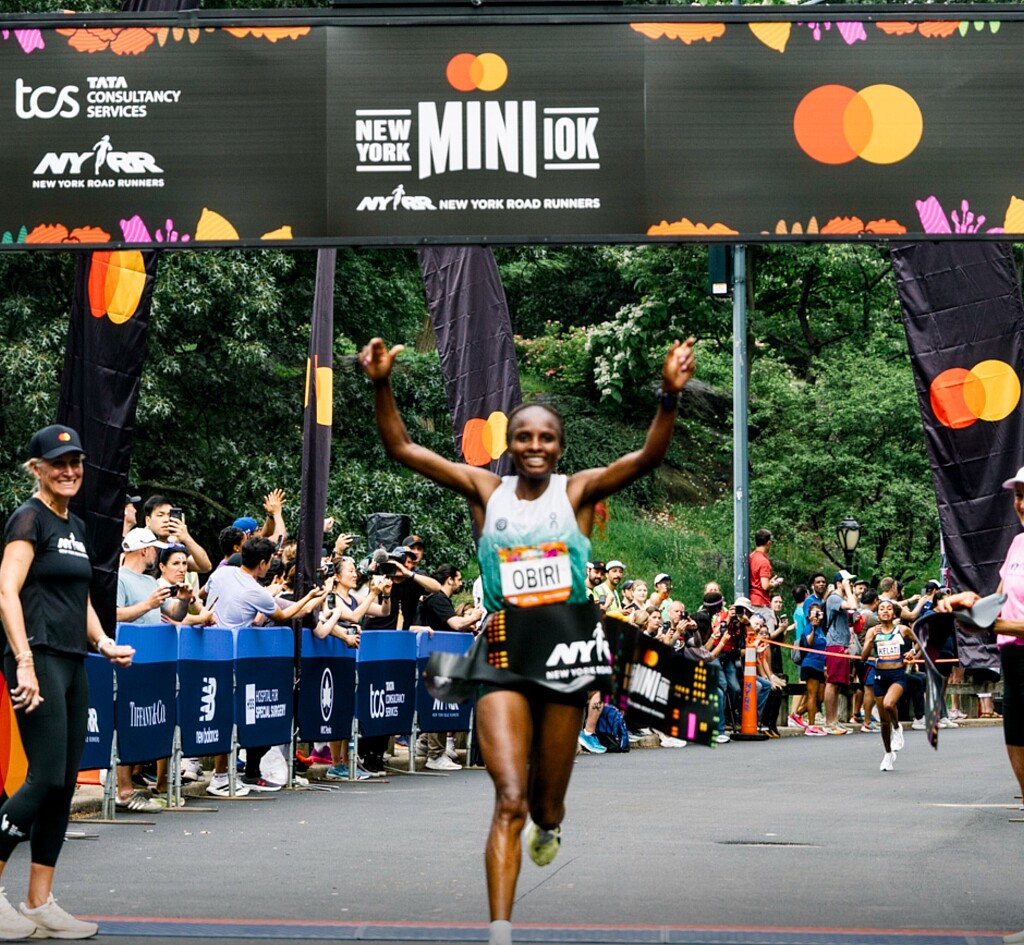
Queens of Distance Running Set for Explosive Showdown at 2026 Mastercard New York Mini 10K
The streets of Central Park are once again preparing for a spectacle of speed, rivalry, and history as the 54th edition of the iconic Mastercard New York Mini 10K returns on Saturday, June 6. Widely celebrated as the world’s original women-only road race, the event has assembled one of the strongest fields ever seen in global road running, headlined by Olympic champions, world record holders, and national icons ready to ignite New York City.
At the center of attention will be Kenya’s marathon queen Hellen Obiri, who returns to defend her crown after establishing herself as one of the most dominant athletes on the New York Road Runners circuit. Obiri already owns an extraordinary NYRR triple crown, having conquered the Mini 10K, the NYC Half, and the New York City Marathon, and now faces another major test against a world-class lineup hungry to dethrone her.
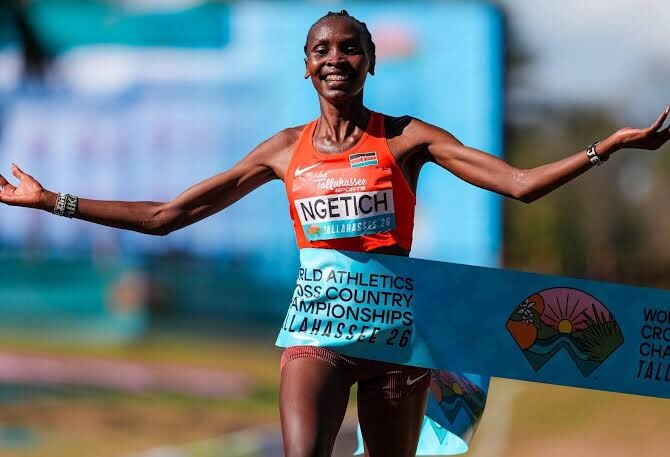
Standing directly in her path is fellow Kenyan sensation Agnes Ngetich, the reigning world 10K record holder whose astonishing 28:46 performance rewrote history and made her the first woman ever to break the 29-minute barrier on the roads. Ngetich arrives in New York carrying immense momentum after capturing victory at the 2026 World Cross Country Championships, and her Mini 10K debut immediately elevates the race into must-watch territory.
The highly anticipated clash becomes even more compelling with the return of Sharon Lokedi. Fresh from cementing her status as a two-time Boston Marathon champion, Lokedi is eager to improve on last year’s runner-up finish in New York. Her recent rivalry with Obiri has already captivated the distance running world, and fans who were left wanting more after their dramatic Boston battle will now witness another thrilling chapter unfold in Central Park.
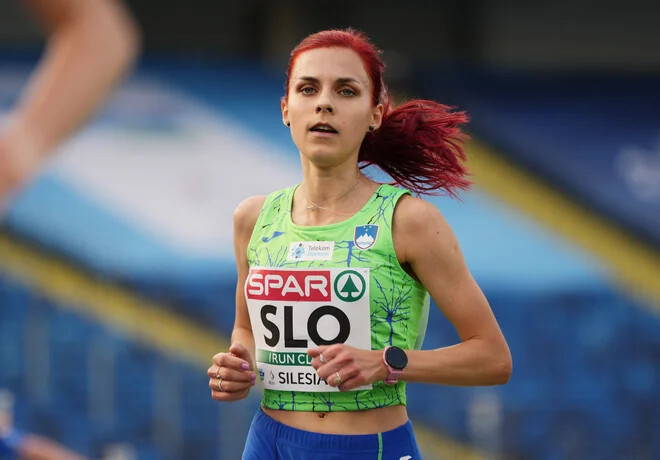
Adding further international firepower is Slovenia’s Klara Lukan, who continues to redefine European distance running standards. Lukan recently became the first European woman in history to run under 30 minutes for 10 kilometers, and her NYRR debut introduces yet another dangerous contender capable of shaking up the podium.
The American challenge is equally formidable. Leading the home contingent is Weini Kelati, the fastest American woman ever over 10 kilometers and the newly crowned American half marathon record holder following her brilliant 1:06:04 run in Barcelona. Kelati’s rise has positioned her among the world’s elite, and racing on home soil could provide the perfect stage for another breakthrough performance.
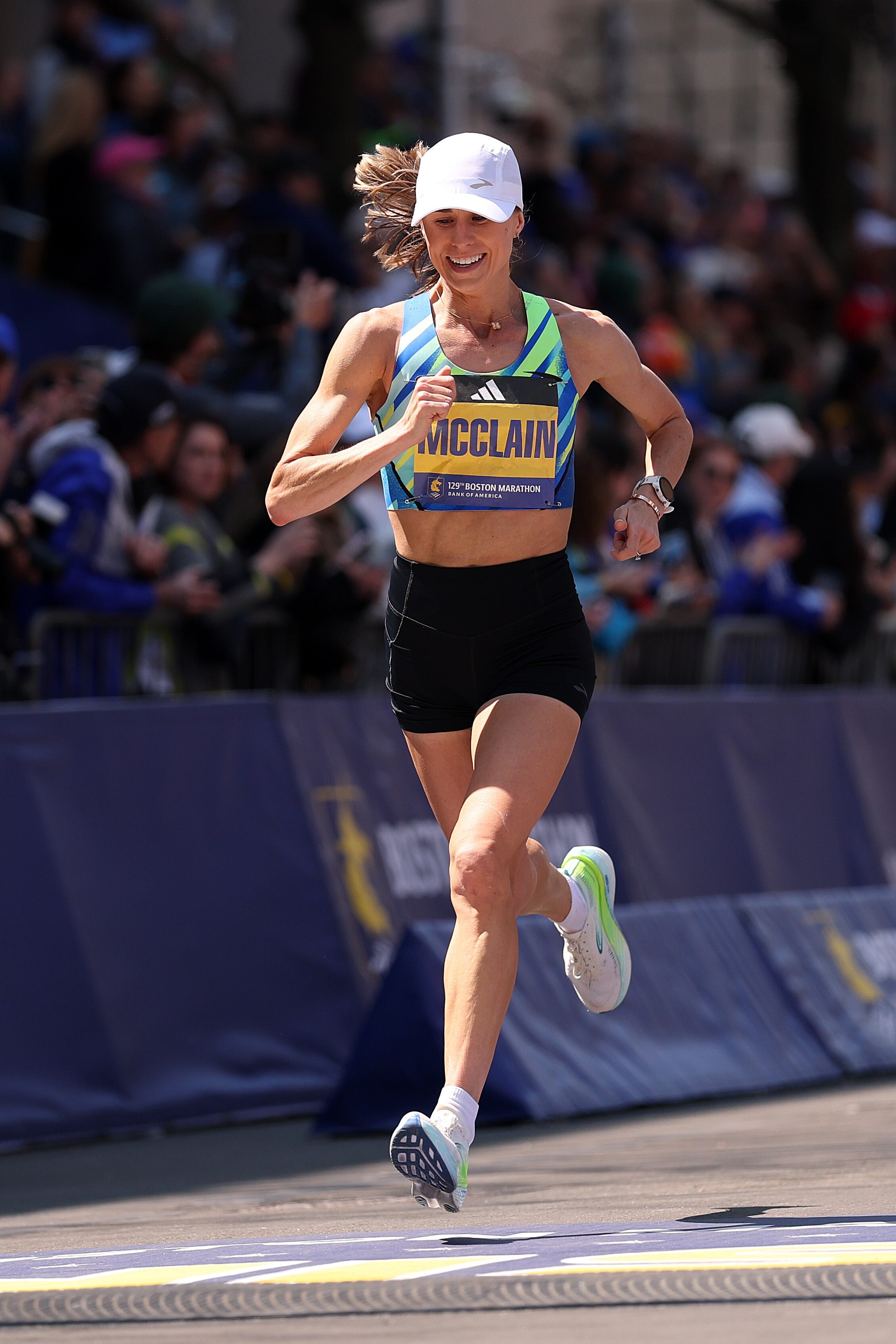
Jess McClain also enters with confidence soaring after finishing as the top American at the 2026 Boston Marathon while simultaneously breaking the women’s course record. Emma Grace Hurley, the American 8K record holder and two-time national champion, further strengthens the domestic lineup alongside notable names such as Annie Frisbie, Dakotah Popehn, Ednah Kurgat, and Amanda Vestri.
With Olympic pedigree, world records, national milestones, and fierce rivalries all converging in one race, the 2026 Mastercard New York Mini 10K promises far more than a traditional road event. It is shaping up to be a celebration of women’s distance running at its absolute highest level — a race where legends defend their legacy and rising stars chase history beneath the iconic skyline of New York City.
by Erick Cheruiyot for My Best Runs.
Login to leave a comment

New York Mini 10K
Join us for the NYRR New York Mini 10K, a race just for women. This race was made for you! It’s the world’s original women-only road race, founded in 1972 and named for the miniskirt, and it empowers women of all ages and fitness levels to be active and to look and feel great on the run. Every woman who...
more...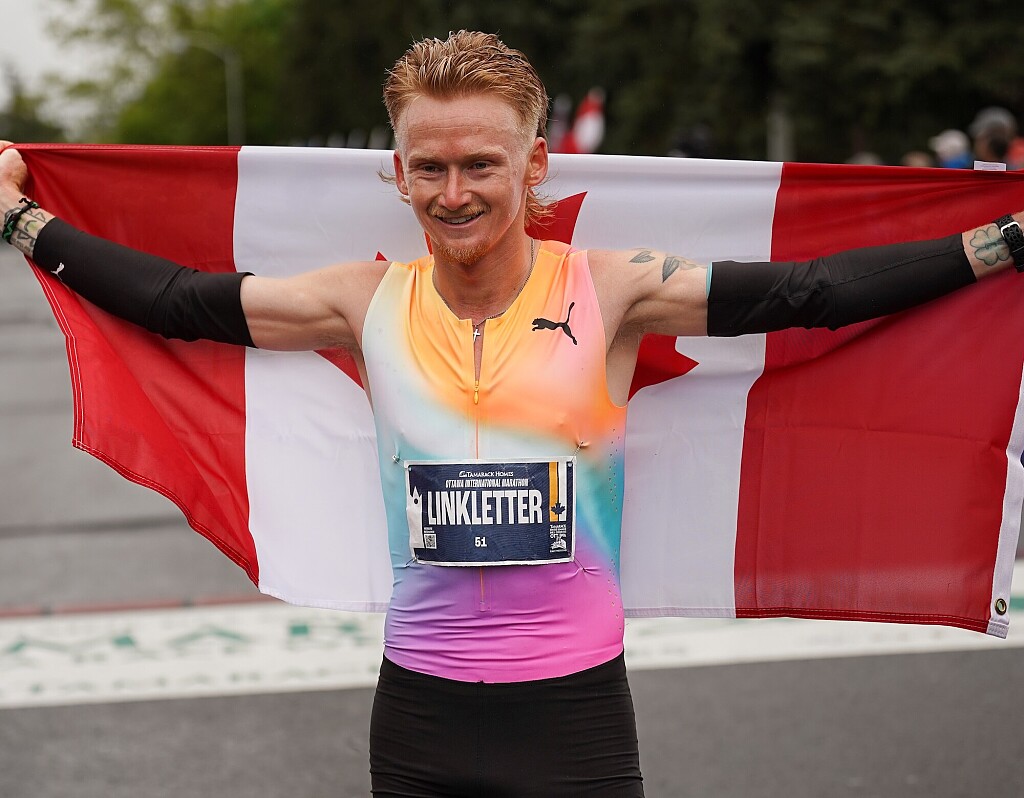
Rory Linkletter’s Relentless Marathon Double Earns Admiration Again
For the second consecutive year, Rory Linkletter has proven that resilience, consistency, and courage still define the soul of marathon running.
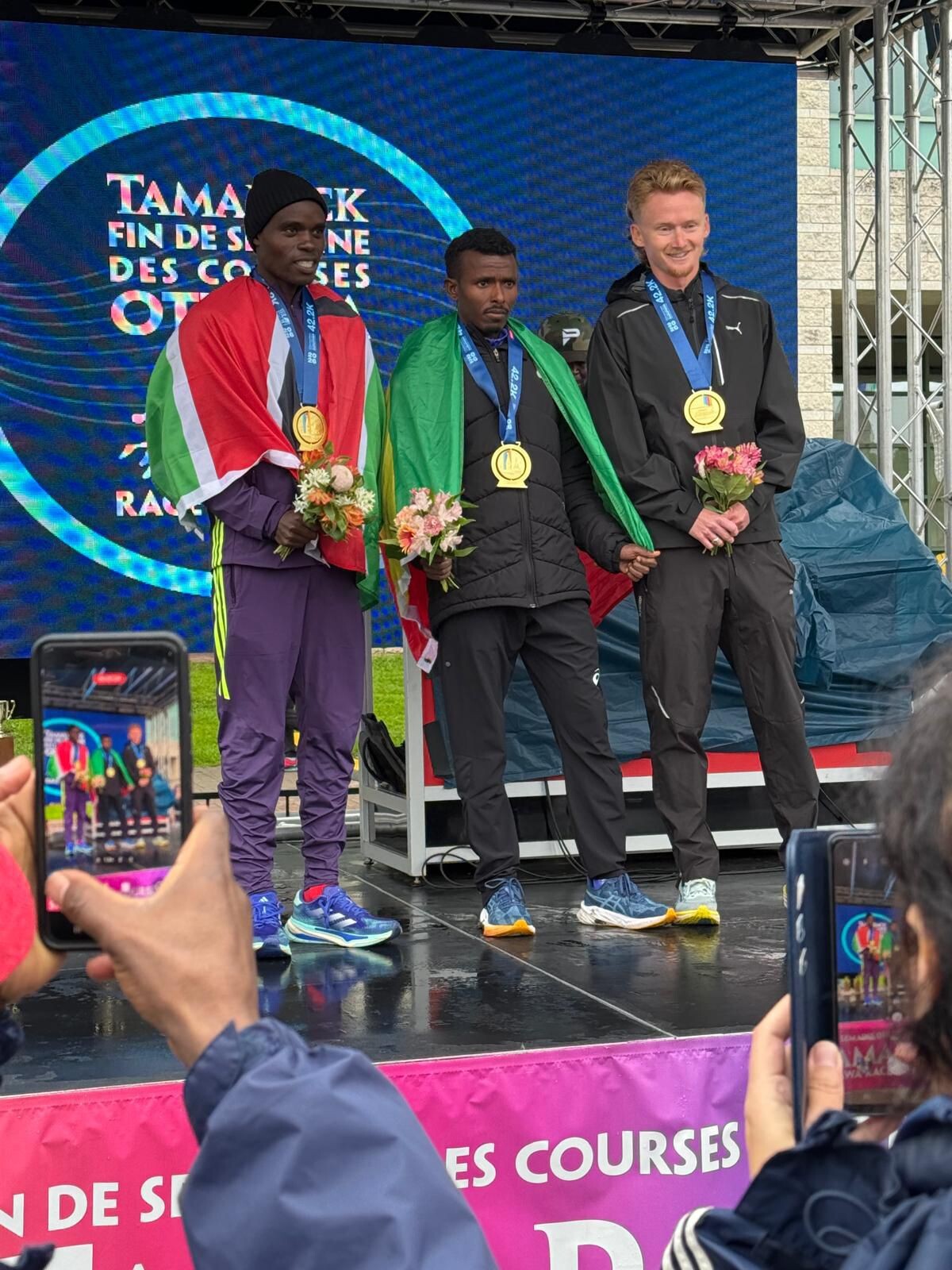
The Canadian distance star once again embraced one of the toughest challenges in elite road racing — competing at both the Boston Marathon and the Ottawa Marathon within the span of a single month — and once again delivered performances that placed him among the very best.
In 2025, Linkletter stunned the marathon world by clocking a remarkable 2:07:02 to finish sixth in Boston before returning weeks later to take second place in Ottawa with another elite performance of 2:08:31. Rather than treating the back-to-back races as a one-time experiment, he returned in 2026 and repeated the demanding double with equal determination.
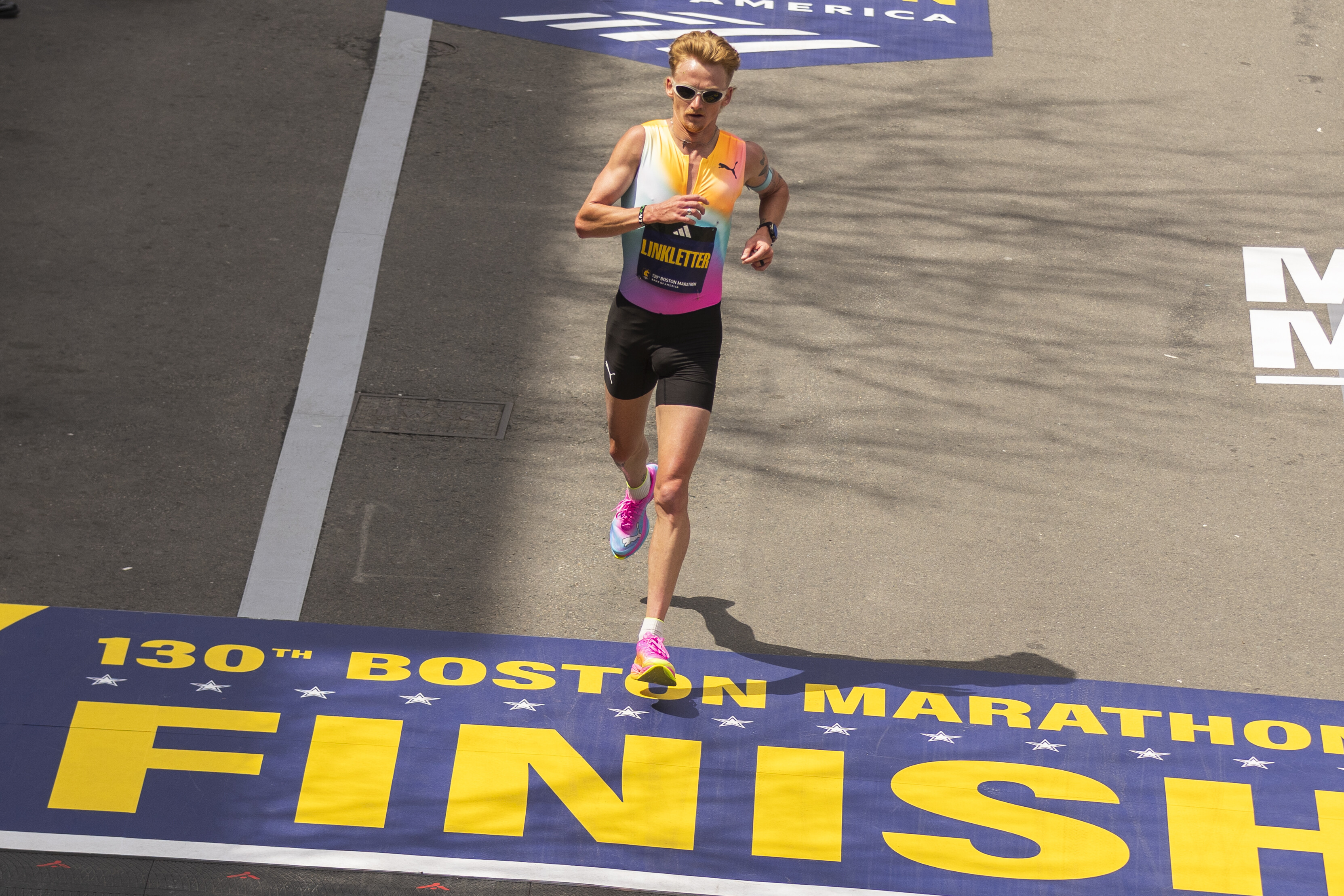
This year, the Canadian standout crossed the line in 2:06:04 at Boston against one of the deepest marathon fields assembled, finishing 14th in a brutally competitive race. Many athletes would have ended their spring season there, but Linkletter chose to push further. In Ottawa, he once again demonstrated his remarkable endurance and competitive spirit, battling his way to third place in 2:09:43.
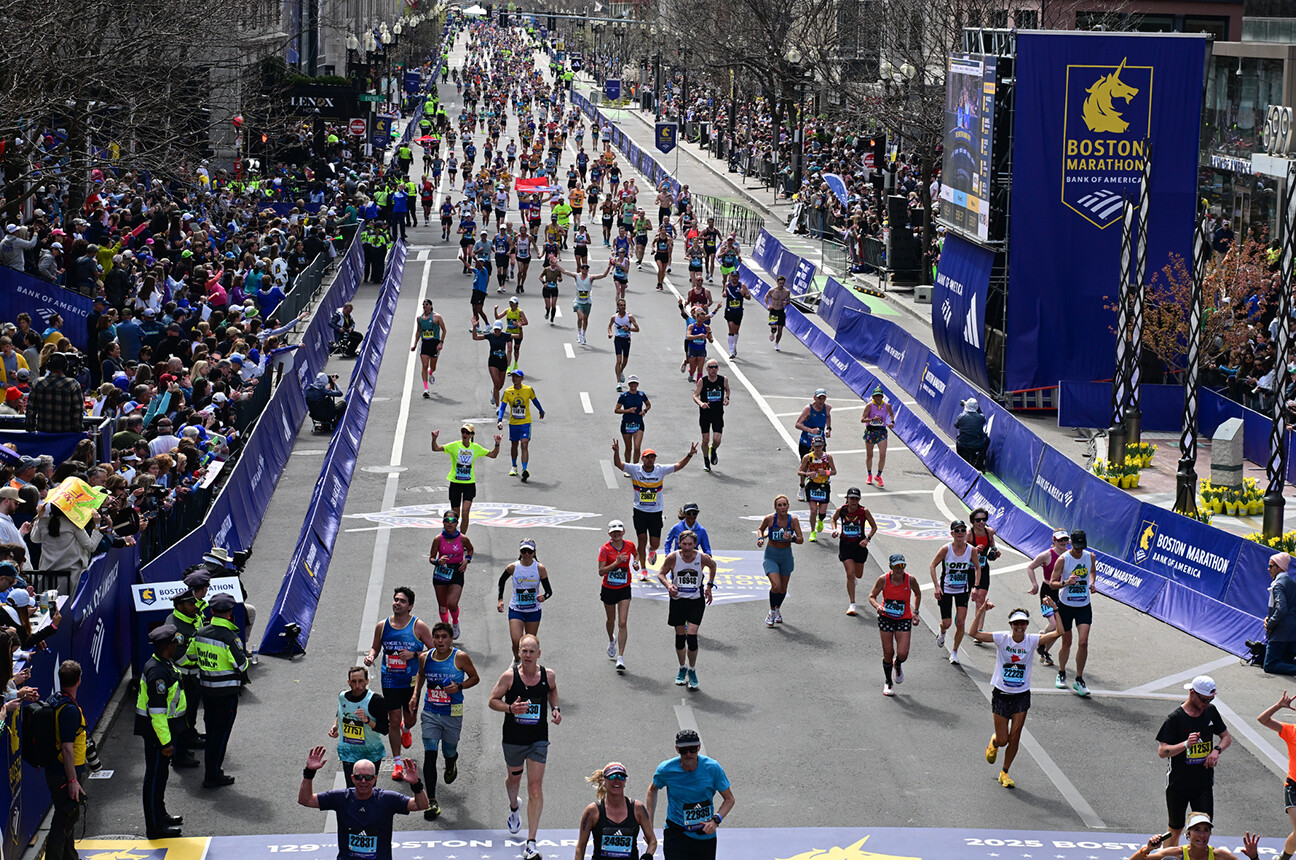
Running two world-class marathons within weeks is an enormous physical and mental undertaking, especially at such elite speeds. Yet Linkletter has built a reputation around embracing difficult challenges and showing up fearlessly against the world’s strongest fields. His ability to recover quickly and still produce championship-level performances speaks volumes about both his preparation and mindset.
Beyond the finishing times and podium places, Linkletter’s humility continues to resonate with fans across the running world. Reflecting on his demanding back-to-back marathon campaigns, he offered a simple but heartfelt message:
“Just thankful for everyone in my corner.”
That gratitude has become part of what makes his journey so compelling. While marathon running often celebrates records and victories, Linkletter’s story highlights another side of the sport — perseverance, loyalty to the process, and appreciation for the people who make success possible.
In an era where many athletes carefully limit their racing schedules, Rory Linkletter continues to embrace the grind, proving that toughness and consistency remain among the marathon’s most admirable qualities.
by Erick Cheruiyot for My Best Runs.
Login to leave a comment
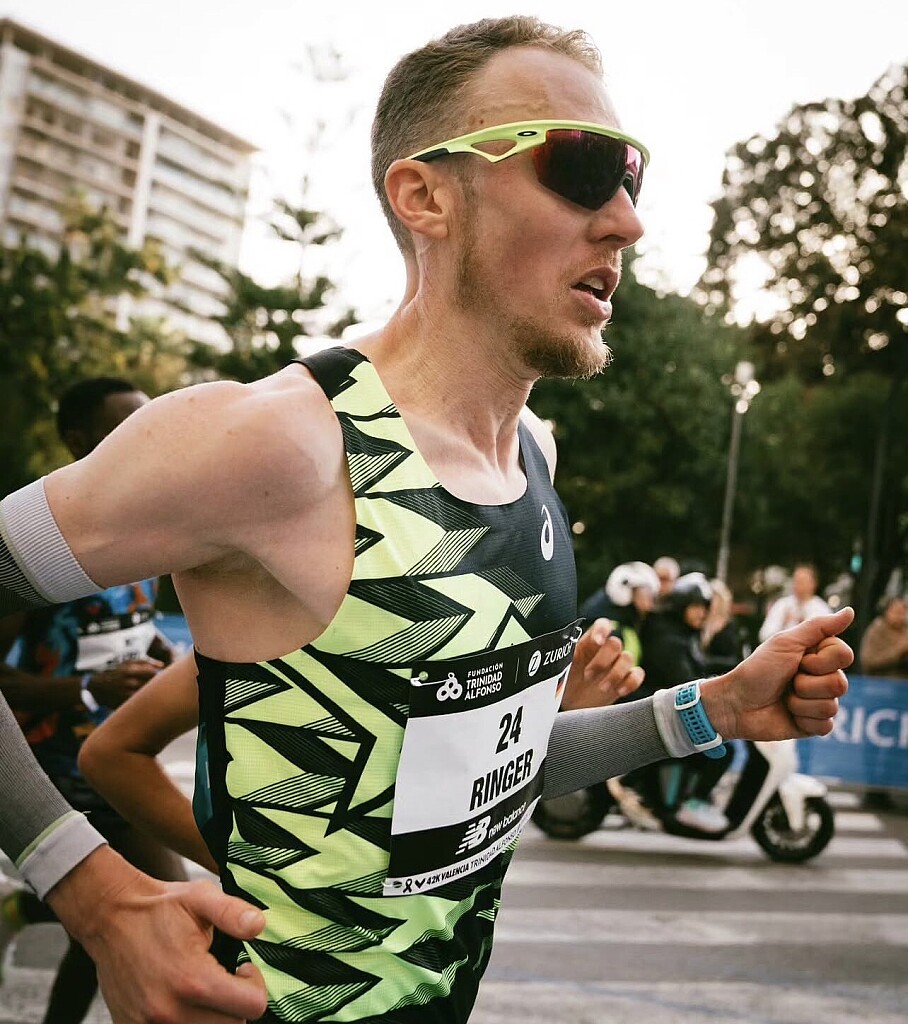
German Marathon Stars Set Sights on Frankfurt and National Record
Germany’s top marathoners Richard Ringer and Samuel Fitwi will headline the Mainova Frankfurt Marathon on October 25, setting up what could become one of the most exciting marathons ever staged on German soil.
Currently ranked No. 2 and No. 3 on Germany’s all-time marathon list, Samuel Fitwi and Richard Ringer have their eyes firmly set on the national record of 2:04:03 held by Amanal Petros. Fitwi ran 2:04:45 in Hamburg earlier this year, while Ringer clocked 2:04:47 in Boston in April on the famously difficult and non-record-eligible course.
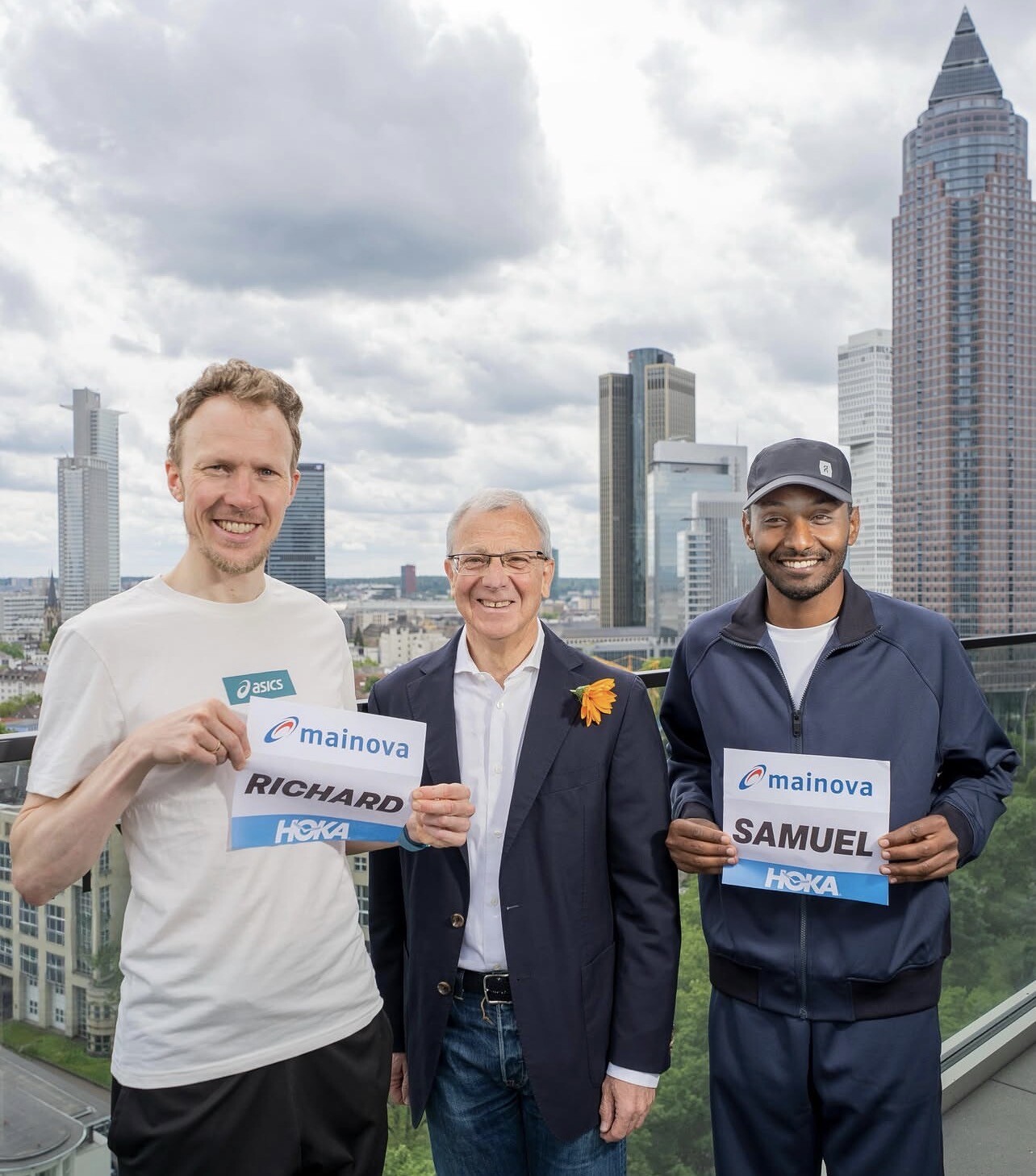
The Mainova Frankfurt Marathon, one of Europe’s fastest courses and an Elite Label Road Race of World Athletics, has long been known for producing breakthrough performances. Organizers are expecting tremendous interest this year and are increasing the race capacity from 18,500 to 20,000 runners.
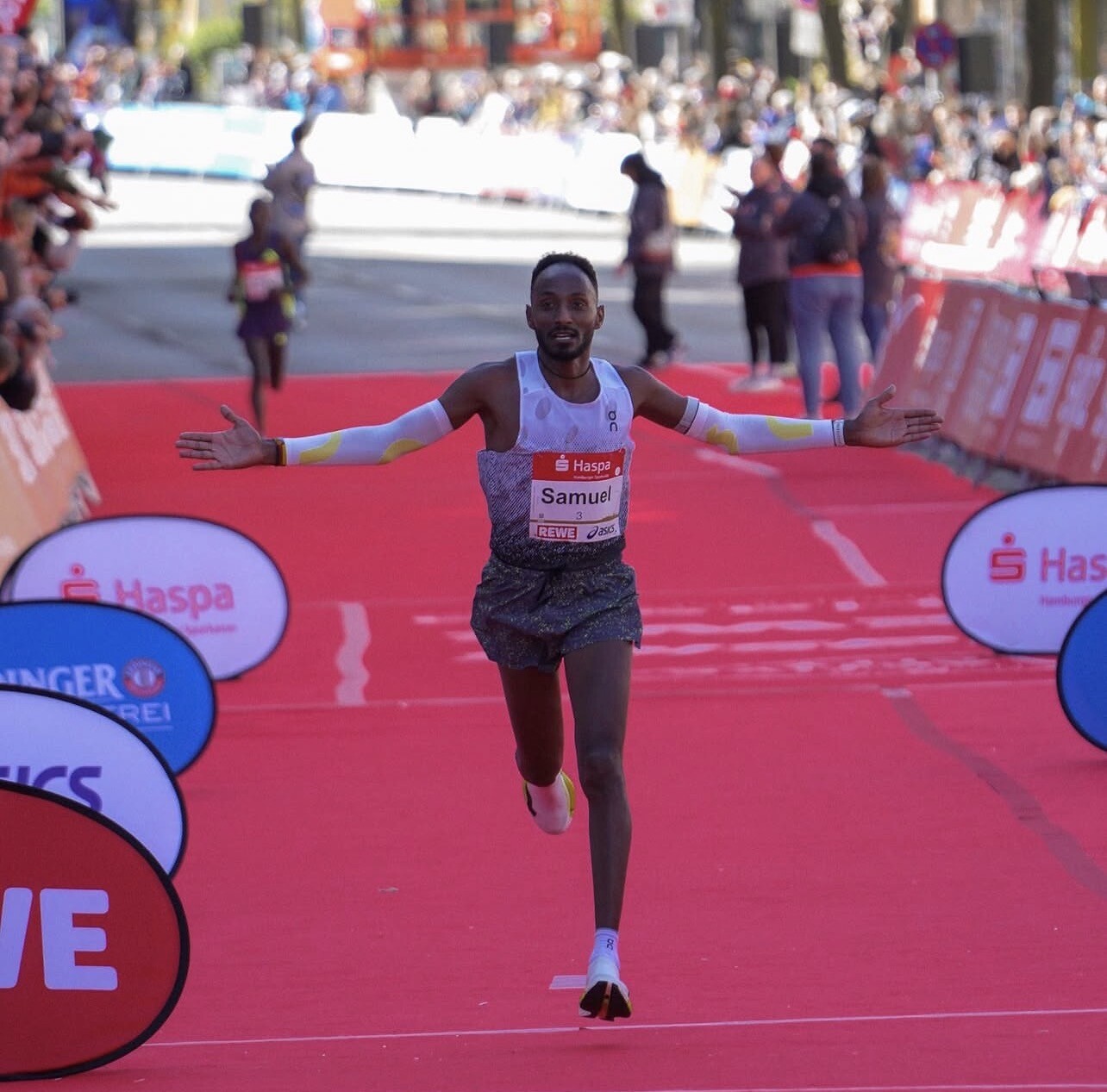
“Samuel and Richard running here is proof of the strong position and appeal of the Mainova Frankfurt Marathon,” said Race Director Jo Schindler. “We expect a spectacular race and will provide the best possible set-up for their races. Perhaps, as we did in 2015 with Arne Gabius, we can produce another piece of German marathon history.”
Frankfurt was the site of Gabius’s historic 2:08:33 national record performance in 2015, ending a 27-year-old mark held by Jörg Peter.
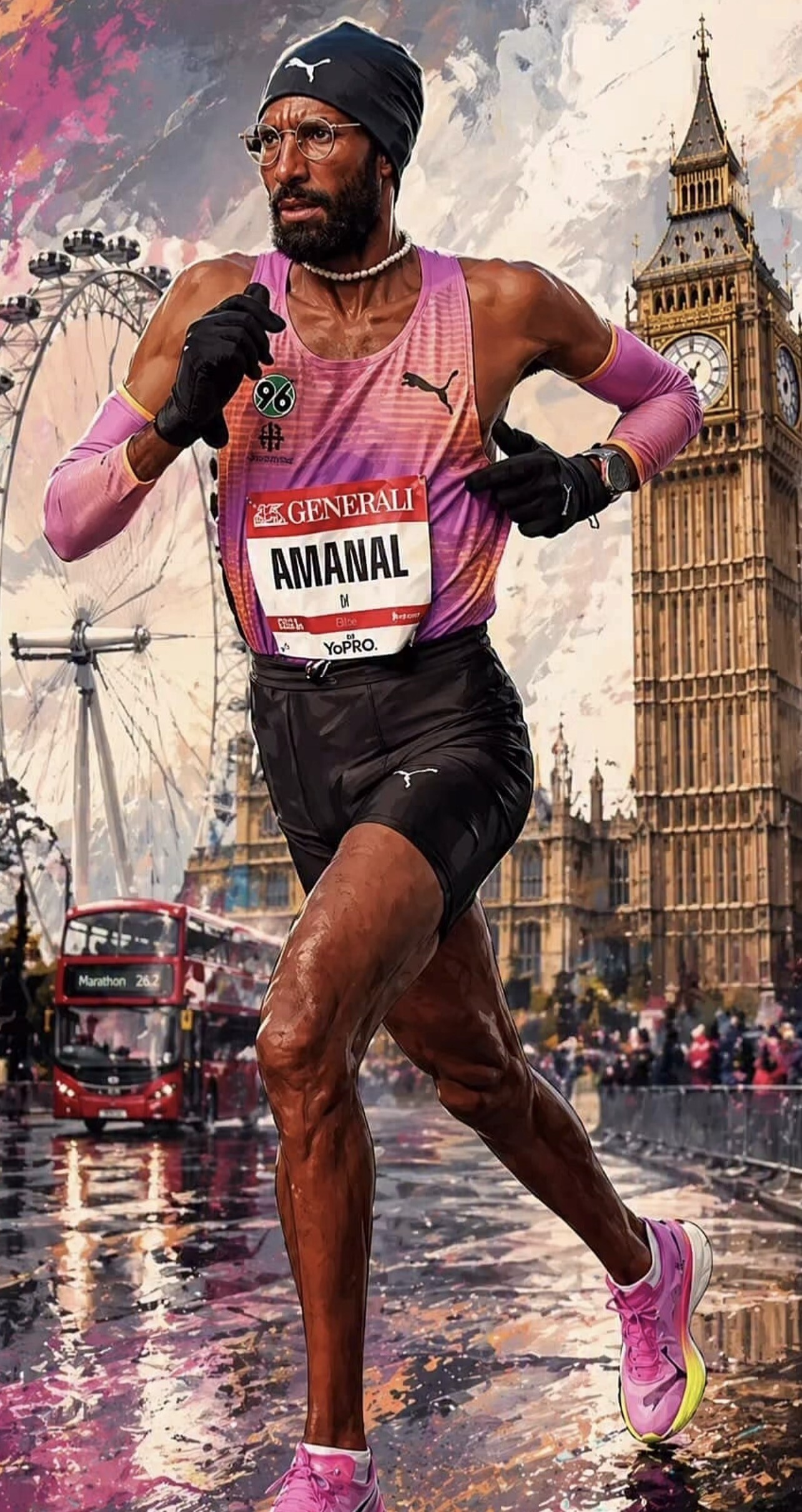
For Richard Ringer, Frankfurt holds special meaning. Although this will be his first time racing the marathon there, he previously served as a pacemaker at the event in 2018 for Arne Gabius. The race helped launch his eventual move toward the marathon.
“I have fond memories of Frankfurt and am very much looking forward to racing there on October 25,” said the 37-year-old Ringer, who won marathon gold at the 2022 European Championships in Munich. “If we can win a medal in Birmingham, then run 2:04 and maybe even win Frankfurt, we would have done everything right.”
Both Ringer and Fitwi are expected to compete at the European Championships in Birmingham in August before turning their full focus toward Frankfurt. Ringer believes the championship course may actually help his preparation.
“With the hilly course in Birmingham, I do not expect an especially fast race there,” he said. “It could feel more like a long training run with a fast final 10K.”
Samuel Fitwi enters Frankfurt in the best form of his career. His runner-up finish in Hamburg made him the first German man since Carsten Eich in 1999 to finish on the podium there.
“Frankfurt is a super-fast course,” said the 30-year-old Fitwi. “I want to improve my personal best again. Of course I always want to win and ideally break the national record. But even a PB and a podium finish would be a superb result.”
Richard Ringer also produced a landmark performance this spring when he finished eighth at the Boston Marathon, becoming the first German man in nearly 100 years to place in the top 10 of the iconic race. The last German to accomplish something comparable was Paul de Bruyn, who won Boston in 1932.
With two of Europe’s fastest marathoners lining up on one of the world’s quickest courses, Frankfurt could become the stage for another historic chapter in German distance running.
by Race News Service
Login to leave a comment

Mainova Frankfurt Marathon
Frankfurt is an unexpectedly traditional and charming city, with half-timbered buildings huddled in its quaint medieval Altstadt (old city), cosy apple wine taverns serving hearty regional food, village-like neighbourhoods filled with outdoor cafes, boutiques and street art, and beautiful parks, gardens and riverside paths. The city's cache of museums is second in Germany only to Berlin’s, and its nightlife...
more...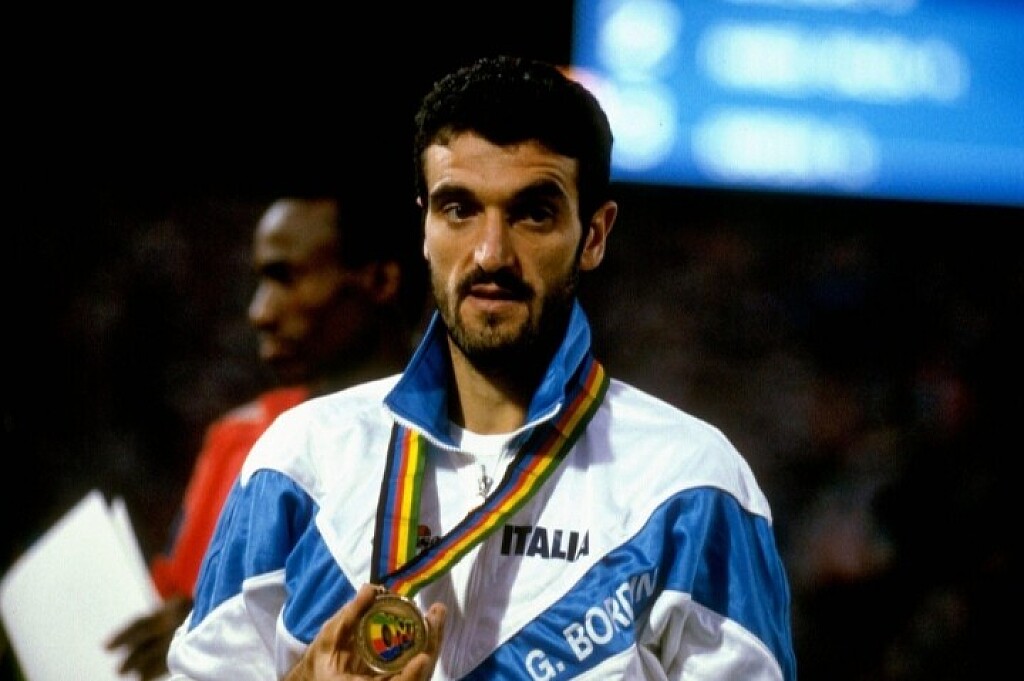
Gelindo Bordin: The Quiet Runner Who Chased Down Immortality
Not every sporting legend arrives wrapped in noise and spectacle. Some emerge gradually, almost unnoticed at first, built not on flamboyance but on resilience, discipline, and an unshakable belief in endurance. That was the essence of Gelindo Bordin — a man whose greatness unfolded not in dramatic declarations, but stride by stride across the unforgiving roads of marathon racing.
Long before Olympic glory found him, Bordin was simply a determined young runner from Vicenza, training with little indication that history was quietly preparing a place for his name. There was nothing theatrical about his rise. His running carried a calm rhythm, patient and controlled, yet beneath that composure lived a relentless competitive spirit waiting for the right stage to reveal itself.
That revelation began in earnest at the 1986 European Championships in Stuttgart. The marathon unfolded like a battle of endurance against fatigue, and Bordin mastered it with remarkable maturity. He did not dominate through reckless aggression; instead, he absorbed the suffering better than everyone else. As rivals faded in the closing stages, the Italian surged toward gold, announcing himself as one of the finest marathon runners of his generation.
A year later came another defining examination at the 1987 World Championships in Rome. The brutal heat transformed the race into a test of survival, punishing every tactical mistake. While others attacked too early, Bordin ran with restraint and intelligence, conserving both energy and composure for the decisive final kilometres. When exhaustion consumed the field after 35 kilometres, he moved forward with clinical precision, earning a hard-fought bronze medal that showcased not only physical strength, but extraordinary patience and tactical discipline.
Yet it was at the 1988 Olympic Games in Seoul where Gelindo Bordin elevated himself from elite athlete to eternal icon.
The Olympic marathon began cautiously, with Bordin sitting quietly among the leading pack, unreadable and composed. As the race intensified beyond the halfway mark, the contenders gradually separated themselves from the rest. By the closing stages, only three men appeared capable of winning Olympic gold: Bordin, Kenya’s Douglas Wakiihuri, and Djibouti’s Ahmed Salah.
Then came the moment that seemed to decide the race.
Ahmed Salah launched a ferocious acceleration, dragging Wakiihuri with him and opening a painful gap on the Italian. The marathon appeared settled. Spectators believed Bordin was fading toward bronze, honourable but beaten. The leaders looked gone.
But greatness often reveals itself in the darkest kilometres of a marathon.
Somewhere inside the agony of those final moments, Bordin discovered reserves that defied logic. He began clawing his way back with astonishing determination, reducing the gap metre by metre. First he reeled in Wakiihuri. Then he hunted down Salah himself. And once he surged into the lead, there was no hesitation left in him.
With less than a kilometre remaining, Gelindo Bordin was no longer merely competing for victory — he was running into history.
He crossed the finish line as Olympic champion, becoming the first Italian ever to win Olympic gold in the marathon. It remains one of the most courageous comeback victories the event has ever witnessed, a masterpiece forged through patience, timing, and refusal to surrender.
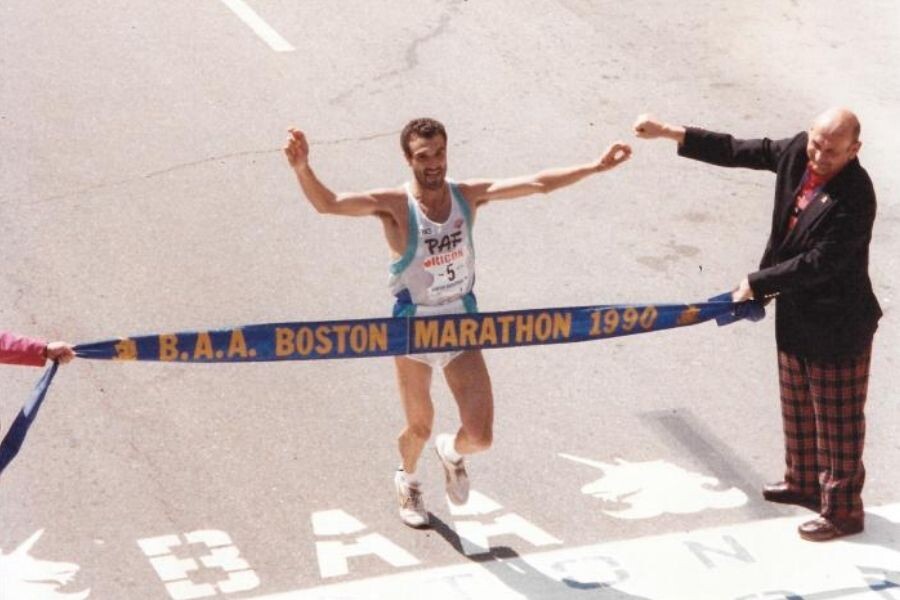
Bordin’s excellence did not end in Seoul. In 1990, he defended his European marathon title, becoming the first athlete in history to achieve that feat. That same year, he conquered the legendary Boston Marathon, a triumph he later described as the second-greatest performance of his career. Battling cold winds and the relentless demands of the Boston course, he delivered another unforgettable display of strength and tactical brilliance.
To this day, Gelindo Bordin remains the only athlete ever to win both the Olympic marathon and the Boston Marathon — a distinction that elevates his legacy into truly rare territory.
Like every great endurance athlete, however, his journey eventually encountered heartbreak. Tokyo brought disappointment. Barcelona in 1992 brought something even more painful: a groin injury that shattered his hopes of defending his Olympic crown midway through the race. Soon after, Bordin stepped away from professional competition.
His retirement carried the same quiet dignity that had defined his running career. He did not leave the sport defeated. He left it complete.
What endures most about Gelindo Bordin is not merely the medals or records, but the spirit behind them. His story is a timeless reminder that patience can become a weapon, that resilience often matters more than spectacle, and that the calmest competitors sometimes produce the loudest echoes in sporting history.
In an era that often celebrates noise, Gelindo Bordin proved that true greatness can still arrive in silence — and run straight into immortality.
by Erick Cheruiyot for My Best Runs.
Login to leave a comment

From Exclusion to Domination: Rachel Entrekin’s Historic Cocodona Triumph Redefines Women’s Endurance Running
For decades, women were pushed to the margins of competitive distance running, denied opportunities in races that today define the pinnacle of endurance sport. The idea of women conquering extreme distances was once dismissed entirely by sporting authorities who believed the female body was incapable of enduring such physical punishment.
The history is impossible to ignore.

The legendary Boston Marathon did not officially allow female entrants until 1972, despite women proving for years that they could compete at the highest level. Even more striking, the Olympic marathon remained closed to women until the 1984 Games, a staggering reminder of how recently barriers still existed in elite running.
Now, decades later, the sport has witnessed another groundbreaking chapter — one that perfectly captures how dramatically the landscape has changed.
While men may generally possess advantages in raw speed and physical strength, endurance science has increasingly highlighted areas where women excel — particularly in prolonged fatigue resistance, energy efficiency, and the remarkable ability to tolerate physical suffering over extreme durations. Few performances in recent memory have illustrated that reality more powerfully than what unfolded this week in the Arizona wilderness.
On the brutal and unforgiving trails of the Cocodona 250, Rachel Entrekin produced one of the greatest ultramarathon performances ever witnessed, defeating the entire field outright to claim her third consecutive title in spectacular fashion.
The American endurance star conquered the staggering 254-mile course in an astonishing 56 hours, 9 minutes, and 48 seconds — the fastest time ever recorded over the distance by any athlete.

Male or female.
Across punishing mountain climbs, endless desert trails, technical terrain, and crushing exhaustion, Entrekin remained relentless from start to finish. Even more astonishing was the physical sacrifice behind the achievement: she reportedly completed the entire race on just 15 minutes of sleep.
In a contest where most athletes battle hallucinations, muscle failure, and severe mental fatigue, Entrekin somehow maintained elite-level pace and composure for more than two continuous days of running. The performance did not merely secure victory — it completely shattered assumptions about the limits of human endurance.
The Cocodona 250 is widely regarded as one of the most grueling ultramarathons on Earth. Stretching across Arizona’s harsh backcountry, the race tests athletes through sleep deprivation, brutal elevation gain, extreme temperatures, and relentless physical punishment that pushes even the world’s strongest runners to collapse.
Yet Entrekin appeared almost untouchable.
Adding another fascinating layer to the historic achievement was the footwear behind the run. Entrekin covered the entire course wearing the unreleased norda 055, a highly anticipated trail shoe expected to launch in the summer of 2026. Her extraordinary performance has already generated massive curiosity within the global running community, with many eager to learn more about the shoe that carried her through one of ultrarunning’s greatest displays of dominance.
More importantly, however, her victory symbolizes something far bigger than records, technology, or trophies.
It represents the evolution of women’s distance running itself — from exclusion and doubt to complete mastery on the sport’s most demanding stages. What was once considered impossible has now become undeniable reality.
And deep in the deserts and mountains of Arizona, Rachel Entrekin did more than simply win a race.
She delivered a performance that may forever redefine the boundaries of endurance sport.
by Erick Cheruiyot for My Best Runs.
Login to leave a comment
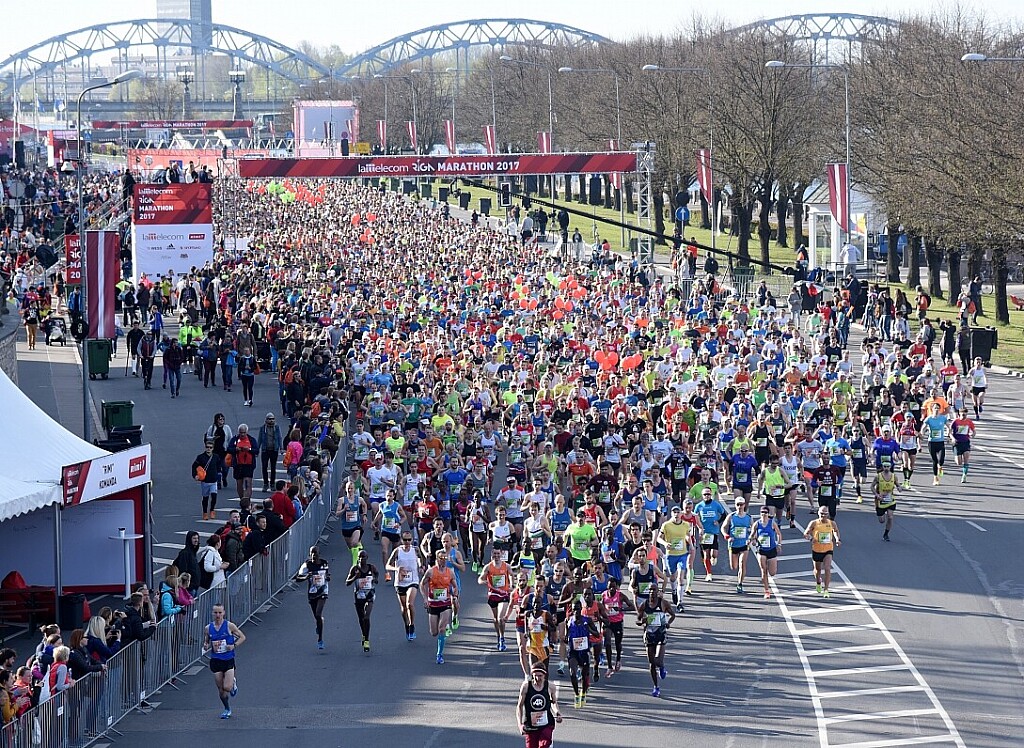
Riga Ready for a World-Class Half Marathon Spectacle as Elite Men and Women Prepare for Epic 21km Battle
The stage is set for an unforgettable day of road racing as the Rimi Riga Marathon prepares to host one of the strongest elite half marathon fields in its history on May 17, 2026. With international stars from Kenya, Ethiopia, Uganda, Tanzania, Germany, and Japan confirmed for the 21km showdown, the streets of Riga are expected to witness a breathtaking display of endurance, tactical brilliance, and raw speed.
The men’s field is packed with proven sub-one-hour performers capable of producing a blistering pace from the opening kilometers. Kenya’s Robert Kiprop Koech and James Kipkogei headline a powerful Kenyan challenge after recording personal bests of 59:51 and 59:31 respectively. Both athletes arrive in Riga carrying the reputation of fearless racers with the ability to dominate fast-paced road contests.
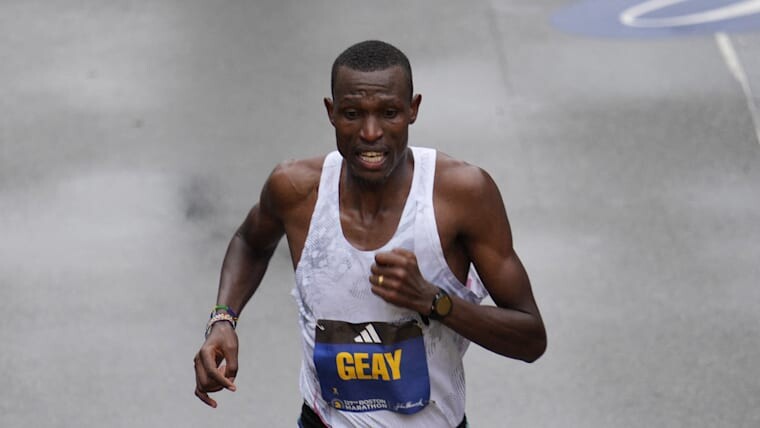
Tanzania’s Gabriel Gerald Geay adds even greater depth to the lineup. With a personal best of 59:18 and years of experience competing against the world’s best, Geay remains one of the strongest contenders for victory. Kenya's Alfred Kipchirchir Mukche and Charles Mbatha Matata are also expected to play major roles, while Japan’s Tomoya Ogikubo brings international flair and tactical discipline to the elite contest.
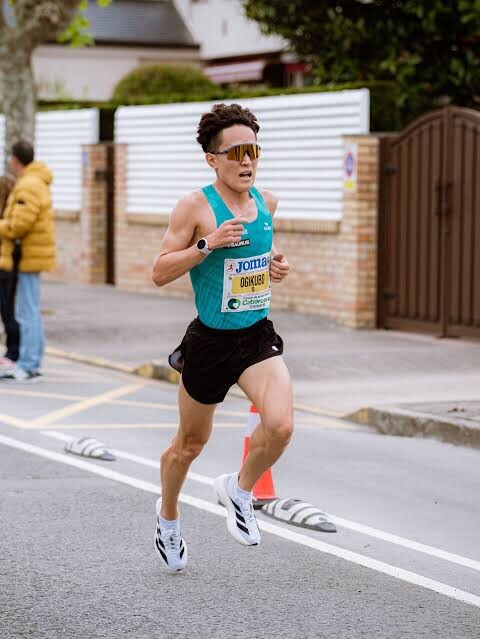
Equally captivating will be the women’s race, where some of the world’s finest distance runners are preparing for a fierce battle over 21 kilometers. Leading the field is Kenya’s Sharon Lokedi, the two-time Boston Marathon champion whose rise among the sport’s elite has been extraordinary. Renowned for her calm racing style and devastating finishing kick, Lokedi enters Riga as one of the headline attractions of the entire event.
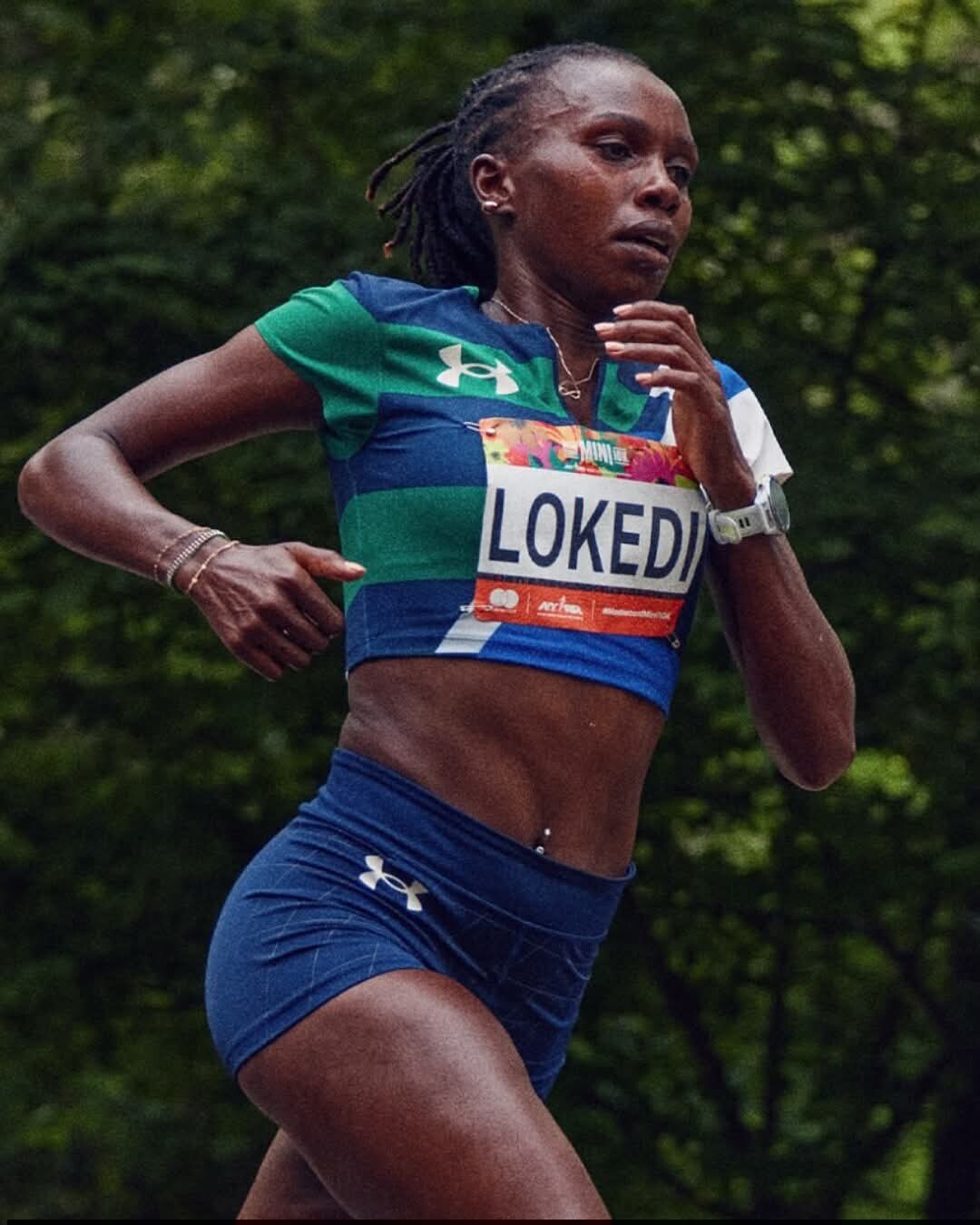
Ethiopia’s challenge will be spearheaded by Ejgayehu Taye, the World Road Running Championships bronze medallist who previously impressed in Riga during the 2023 championships. Her ability to sustain relentless pace deep into races makes her a major threat for the title. Ethiopia will also rely on rising stars Diniya Abaraya and Bertukan Welde, two athletes widely regarded as future stars of global road running.
Uganda’s Stella Chesang further strengthens the women’s lineup with her championship pedigree and proven consistency on both the track and roads. Meanwhile, Germany’s Domenika Mayer will carry European hopes as the defending Riga Marathon champion and national record holder. Her experience on the Riga course could provide a crucial advantage against such a deep international field.
With elite champions, global medallists, and emerging talents all converging in Latvia, anticipation for the 2026 Rimi Riga Half Marathon continues to soar. Both the men’s and women’s races promise uncompromising competition where every second will matter, and where victory may only be decided in the dramatic closing stages.
As race day approaches, Riga is preparing not just for another marathon weekend, but for a landmark celebration of world-class road running that could deliver some of the fastest and most memorable performances of the season.
by Erick Cheruiyot for My Best Runs.
Login to leave a comment

Lattelecom Riga Marathon
If you have never been to Riga then, running a marathon or half-marathon could be a good reason to visit one of the most beautiful cities on the Baltic Sea coast. Marathon running has a long history in Riga City and after 27 years it has grown to welcome 33,000 runners from 70 countries offering five race courses and...
more...
Gossa and Ndiwa Upset Defending Champions at Cali Marathon
Challa Gossa of Ethiopia and Kenya’s Stacy Ndiwa denied the defending champions at the Cali Marathon in Colombia on Sunday, overcoming tough conditions of heat, humidity, and altitude to take impressive victories.
Warm temperatures above 20°C, high humidity, and an elevation of around 1,000 meters made fast times difficult and ended hopes of course records. Still, the races produced exciting finishes in both the men’s and women’s competitions.
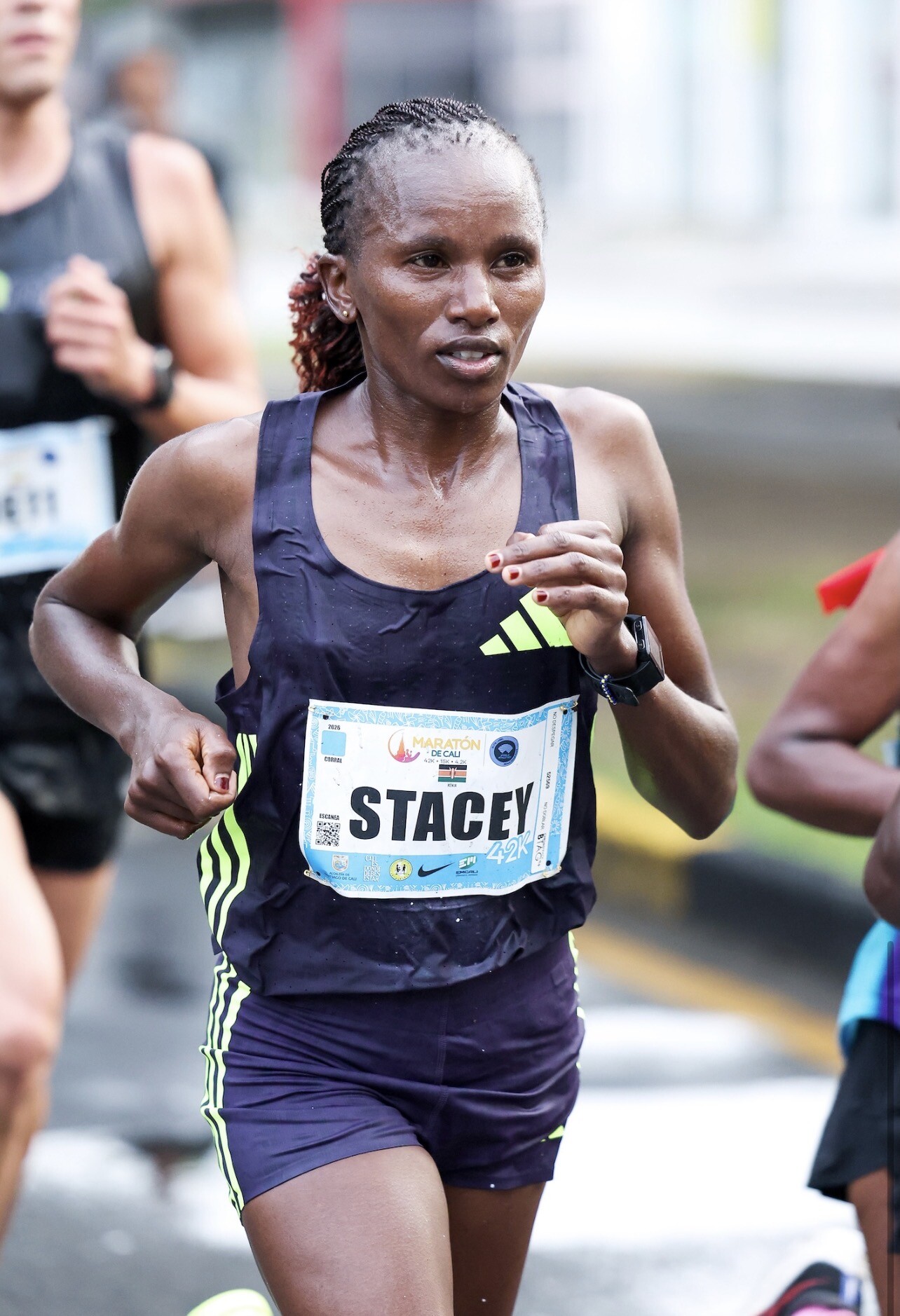
In the men’s race, Challa Gossa surged past defending champion Evans Mayaka with just 250 meters remaining to win in 2:11:49. Mayaka, who set the course record of 2:11:04 last year, finished just five seconds back in 2:11:54, with Ethiopia’s Habtamu Birlew close behind in 2:11:56. The top four runners all broke 2:12 in a tightly contested finish.
The early pace was aggressive, with a group of ten passing 10K in 30:23, well on course-record pace. However, the humid conditions took their toll as the race progressed. By halfway (65:00), a lead pack of six runners and two pacemakers remained, including Mayaka, Birlew, Gossa, and Uganda’s Martin Musau.
After the pacemakers stepped aside and the pace slowed, the leading group stayed together deep into the race. Mayaka made a move shortly after 40K, but could not break clear. Gossa then unleashed his finishing speed in the closing meters to take his first marathon victory.
“The conditions were very difficult, so I stayed with the group and relied on my finishing speed,” said 25-year-old Gossa, who was runner-up in Frankfurt in 2024 and owns a personal best of 2:07:32.
Mayaka admitted the weather played a major role: “After the pacers stopped, I tried several times to increase the pace, but my body was too tired. The humidity and conditions were much harder than last year.”
Kenya’s Eric Kiptanui, who has a 2:05:47 personal best, dropped off the lead group before 15K but ran much of the race alone to finish sixth in 2:16:27.
In the women’s race, Stacy Ndiwa ran a controlled and confident race to win in 2:29:55, pulling away from defending champion Emmah Ndiwa with about 8 kilometers remaining. Emmah Ndiwa finished second in 2:31:01, followed by Gladys Chesir in 2:33:59.
An early lead group of five included both Ndiwas, Chesir, Nazret Weldu, and Ethiopia’s Sadiya Awel. The pace quickened after 10K (34:35), and by halfway (73:18), three runners remained.
As in the men’s race, the second half slowed significantly due to the humidity. Awel briefly lost contact after stopping at a refreshment table at 25K and was unable to regain her position.
Stacy Ndiwa made her decisive move after 35K. “My training had gone well, and I was confident,” she said. “We were on pace early, but I began to tire, so we slowed down. When I saw Emmah struggling, I pushed harder and was able to break away.”
The 33-year-old Kenyan, who finished ninth at the Boston Marathon last year with a personal best of 2:23:29, held her lead comfortably to the finish.
The Cali Marathon continues to grow rapidly, with more than 20,000 athletes from 49 nations registered across all race distances—nearly double the number from its inaugural edition. Over 3,000 runners competed in the marathon, which holds World Athletics Elite Label status.
Men:
Challa Gossa (ETH) – 2:11:49
Evans Mayaka (KEN) – 2:11:54
Habtamu Birlew (ETH) – 2:11:56
Martin Musau (UGA) – 2:11:59
Ezra Kering (KEN) – 2:12:20
Eric Kiptanui (KEN) – 2:16:27
Carlos Mario Patiño (COL) – 2:18:38
Santiago Zerda (COL) – 2:18:38
Women:
Stacy Ndiwa (KEN) – 2:29:55
Emmah Ndiwa (KEN) – 2:31:01
Gladys Chesir (KEN) – 2:33:59
Sadiya Awel (ETH) – 2:34:25
Cynthia Kosgei (KEN) – 2:35:22
Nazret Weldu (ERI) – 2:37:49
Mildrey Echavarría (COL) – 2:40:45
Kellys Arias (COL) – 2:41:50
by Race. News Service
Login to leave a comment
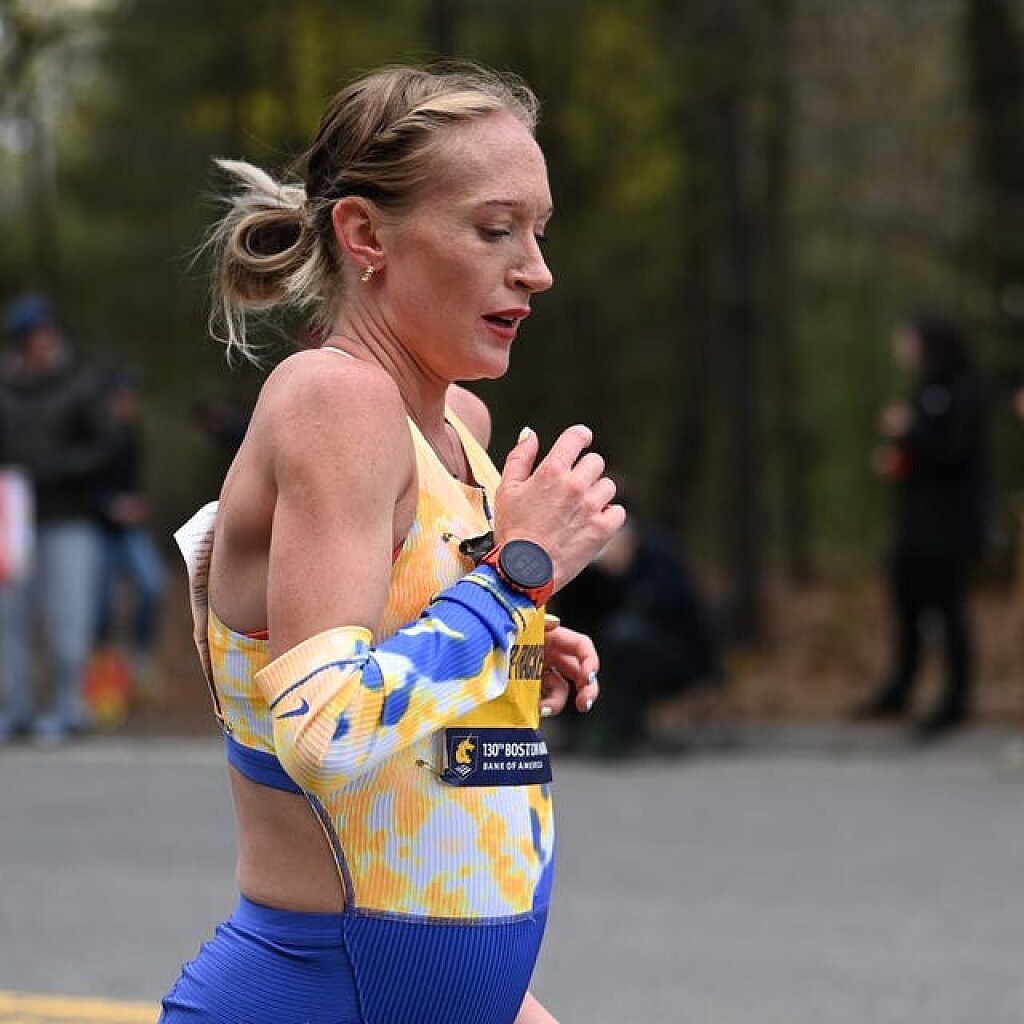
Running Beyond Limits: Calli Hauger-Thackery’s Remarkable Boston Marathon While Expecting
In a sport defined by endurance, discipline, and the relentless pursuit of limits, few stories capture the imagination quite like that of Calli Hauger-Thackery at the Boston Marathon. On a day when the world’s finest distance runners converged on the historic course, the British athlete delivered a performance that transcended competition itself.
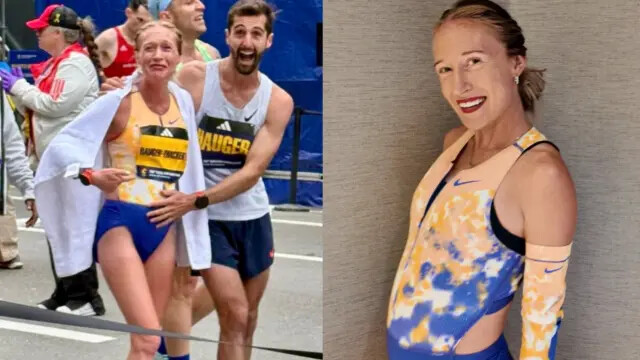
At 22 weeks pregnant and expecting her first child—a baby boy due later this August—Hauger-Thackery stepped onto the start line with a different kind of strength. While many would understandably step back from elite racing under such circumstances, she chose to lean in, embracing both the physical and emotional demands of the moment.
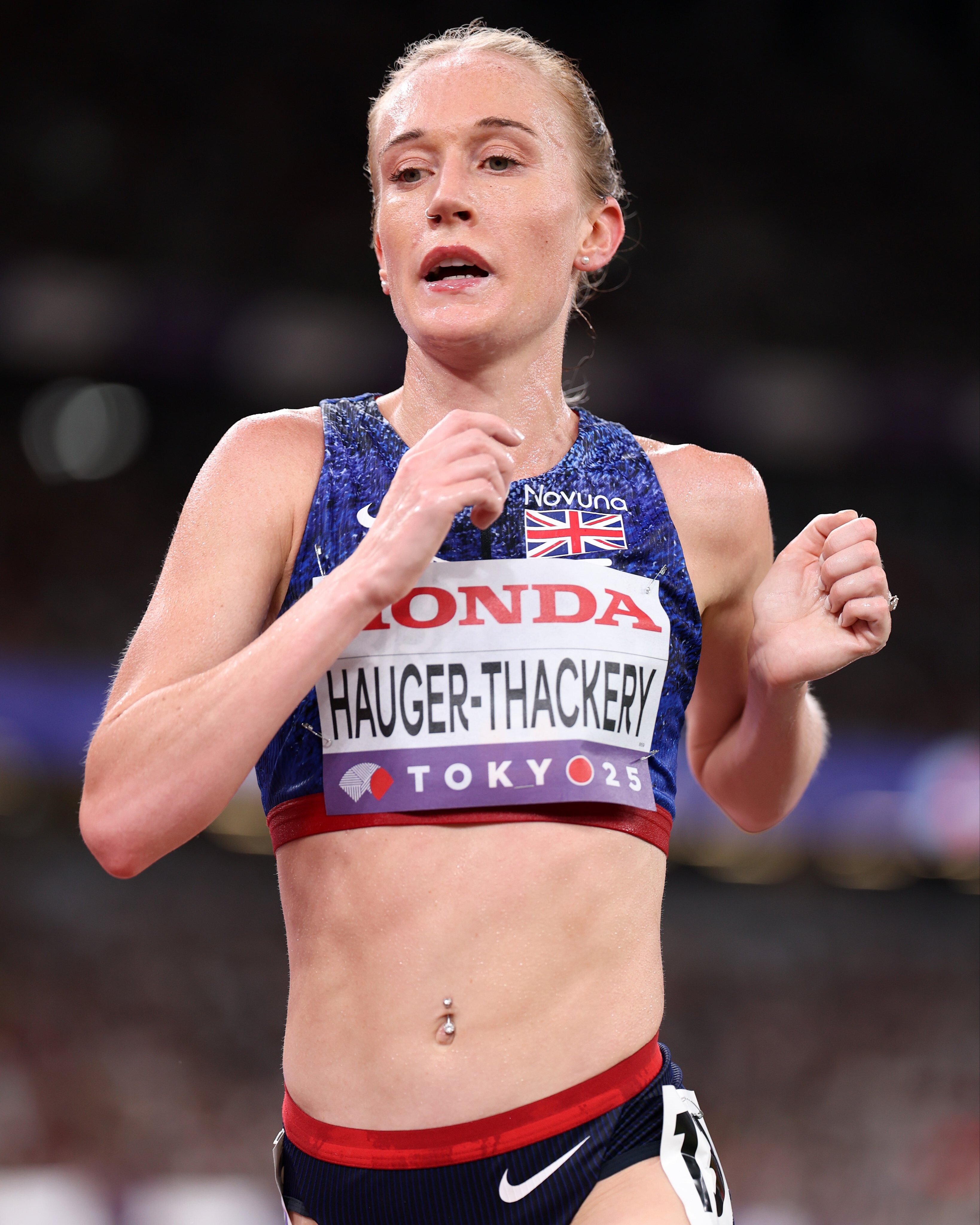
What followed was nothing short of extraordinary.
Navigating the famously challenging Boston course, she crossed the finish line in 2:43:58, securing 65th place in a highly competitive field. It was not just the time that stood out, but the context—running at a sustained pace of approximately 3:53 per kilometre while balancing the physiological demands of pregnancy.
Her performance speaks to a broader narrative within modern athletics: one where motherhood and elite sport are no longer seen as mutually exclusive. In recent years, more athletes have redefined what is possible during and after pregnancy, but Hauger-Thackery’s Boston run adds a powerful new chapter to that evolving story.
Beyond the statistics lies something more compelling—the quiet resilience required to train, prepare, and ultimately compete at such a level while carrying new life. It is a reminder that elite athletes are not only competitors, but individuals navigating complex, deeply personal journeys alongside their professional ambitions.
For Hauger-Thackery, this was not about chasing podiums or headlines. It was about showing up, testing her limits responsibly, and proving—both to herself and to the wider sporting world—that strength can take many forms.
As she now turns her focus toward motherhood, her Boston Marathon performance will linger as a defining moment—not just of athletic achievement, but of courage, balance, and redefining possibility.
by Erick Cheruiyot for My Best Runs.
Login to leave a comment
Boston Marathon
Among the nation’s oldest athletic clubs, the B.A.A. was established in 1887, and, in 1896, more than half of the U.S. Olympic Team at the first modern games was composed of B.A.A. club members. The Olympic Games provided the inspiration for the first Boston Marathon, which culminated the B.A.A. Games on April 19, 1897. John J. McDermott emerged from a...
more...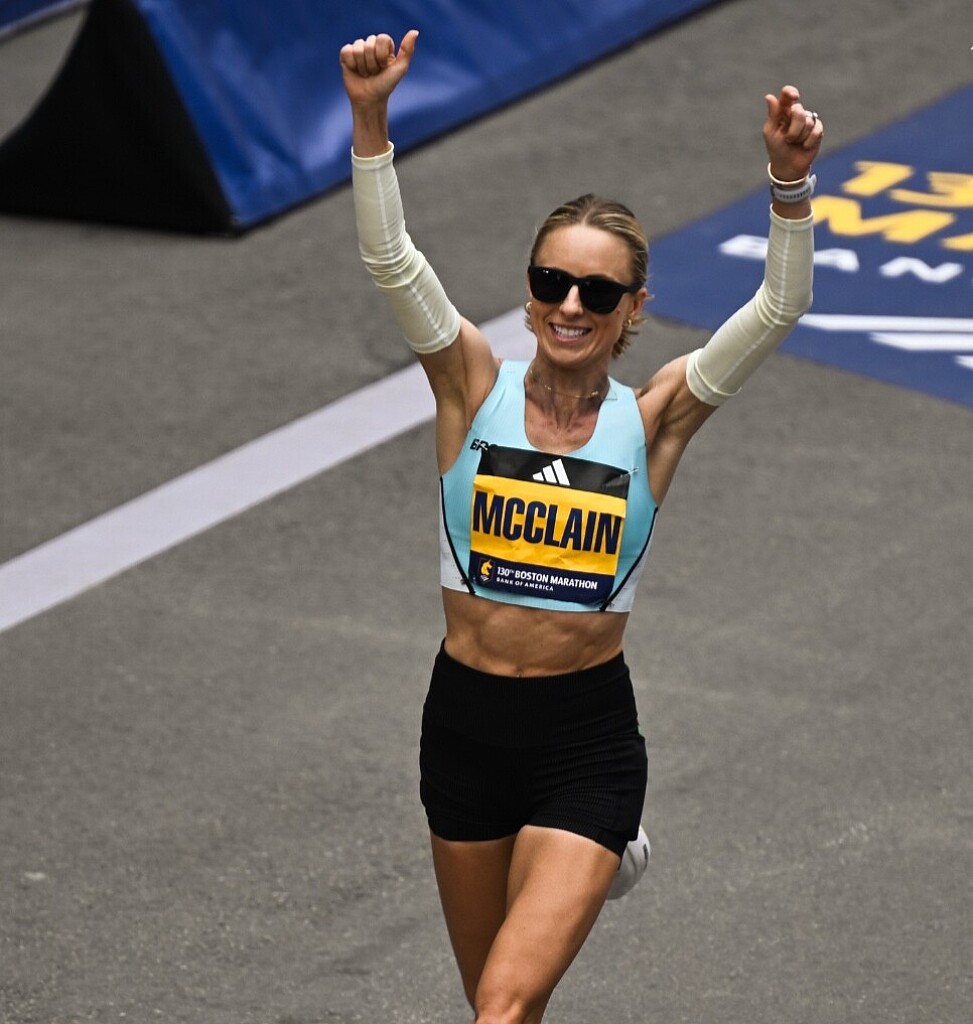
Jess McClain Rewrites the Script in Boston with Record-Breaking American Run
On a day steeped in history and relentless competition, Boston Marathon 2026 witnessed a performance that will echo across American distance running for years to come. Jess McClain delivered a race of rare precision and courage, surging to a remarkable fifth-place finish while carving her name into the record books as the fastest American woman ever on the iconic Boston course.
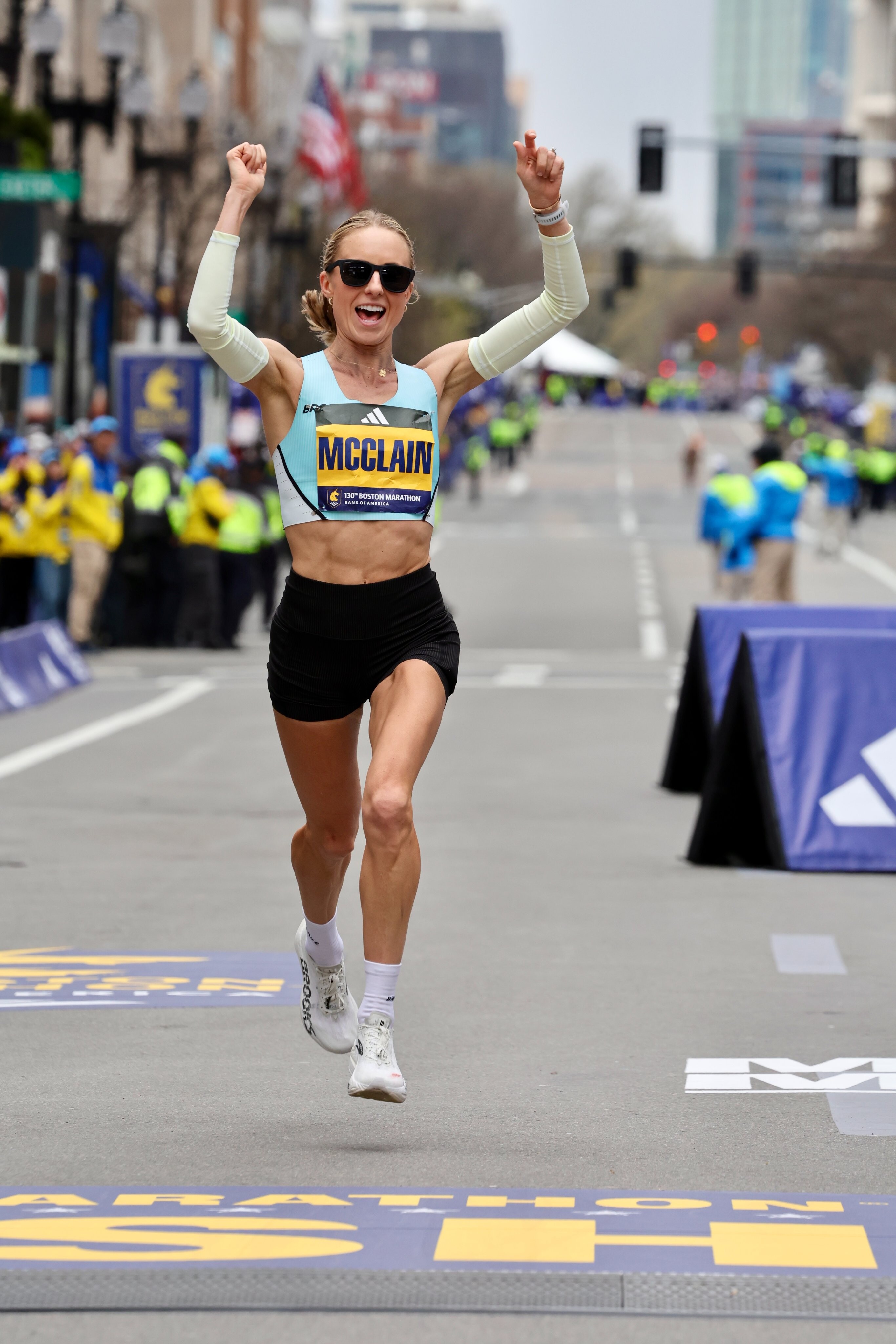
Clocking an extraordinary 2:20:49, McClain did more than simply lead her compatriots—she obliterated the long-standing American course record previously held by Shalane Flanagan, whose 2:22:02 from 2014 had stood as a benchmark of excellence for over a decade. By slicing more than a minute off that mark, McClain elevated the standard and signaled a new era of American competitiveness on one of the sport’s most demanding stages.
Her performance was not a solitary breakthrough but the continuation of a powerful upward trajectory. Having run 2:22:43 just a year prior, McClain’s near two-minute personal best reflects a runner evolving with intent—stronger, sharper, and increasingly fearless against elite global competition. The progression from seventh place in 2025 to fifth in 2026 underscores not just improvement, but a growing authority in the marathon ranks.
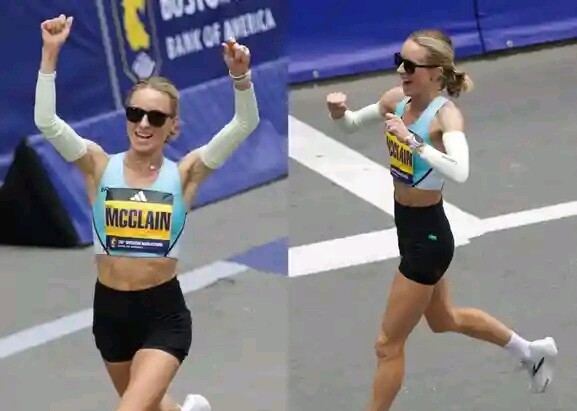
Beyond individual brilliance, McClain’s run spearheaded an impressive resurgence for American women. In a field stacked with international heavyweights, four U.S. athletes surged into the top ten—a collective statement of depth and ambition that has been years in the making. At the forefront stood McClain, composed and commanding, leading by example on the unforgiving Boston course.
What made the performance even more compelling was its context. The Boston Marathon is not a race that yields easily to records, with its rolling hills and tactical unpredictability. Yet McClain navigated it with remarkable efficiency, balancing aggression and control to produce a run that felt both calculated and fearless.
Back-to-back years as the top American finisher in Boston now cement her status as a cornerstone of U.S. marathoning. But more than titles or statistics, this was a statement—of arrival, of intent, and of possibility.
In Boston, where legends are forged mile by mile, Jess McClain didn’t just compete—she transformed expectation into achievement, and achievement into history.
by Erick Cheruiyot for My Best Runs.
Login to leave a comment
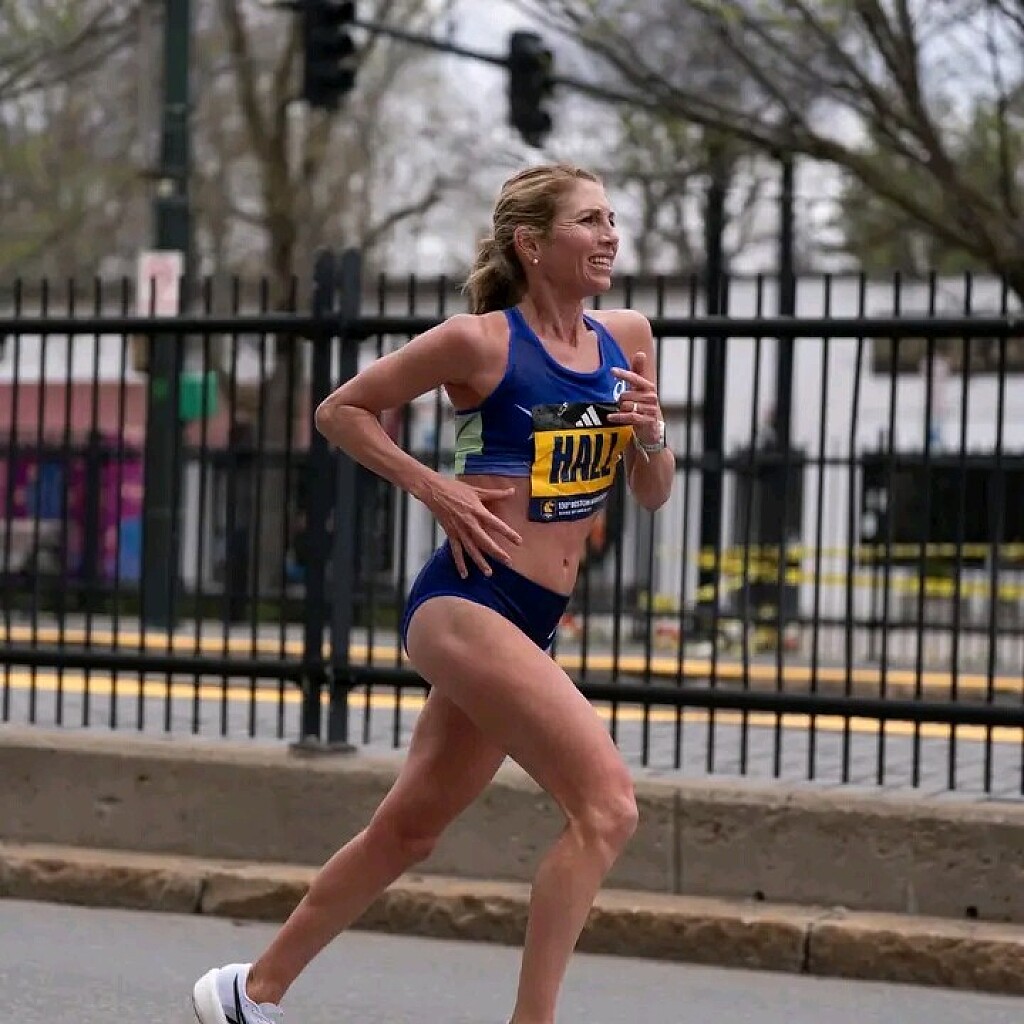
Ageless Excellence: Sara Hall Defies Time with Masterful Boston Triumph
Just two days after celebrating her 43rd birthday, Sara Hall delivered a performance that transcended age and expectation, seizing the spotlight at the Boston Marathon 2026 with a commanding victory in the women’s masters division.
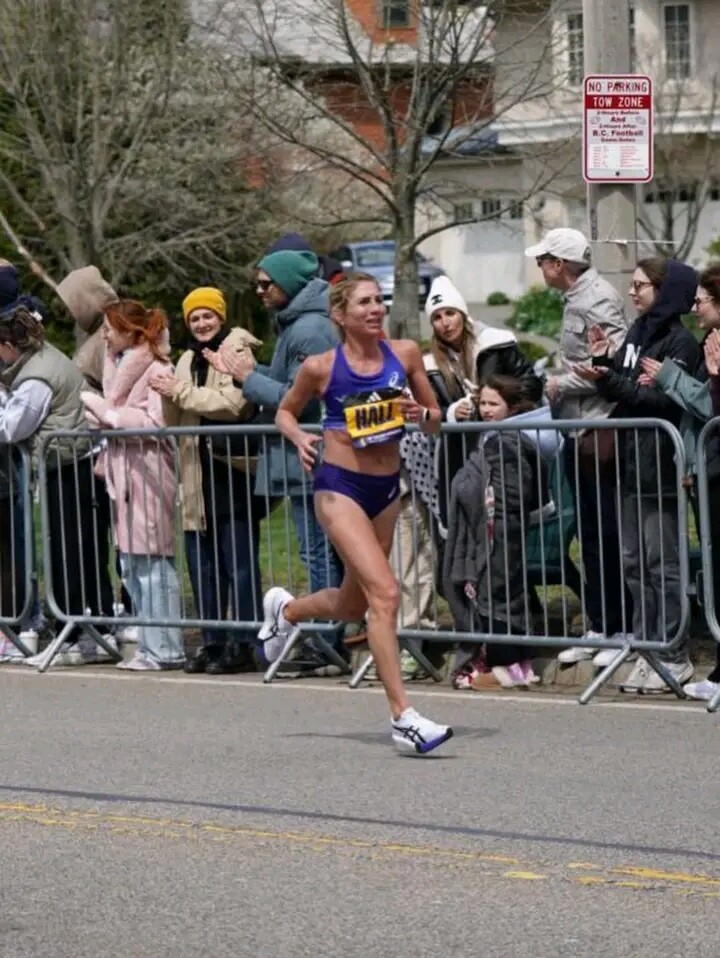
On a cool April morning in Boston, Hall demonstrated the rare blend of experience, tactical intelligence, and unyielding determination that has defined her career. Crossing the finish line in an impressive 2:31:55, she not only secured first place among athletes over 40 but also placed an outstanding 21st overall in a fiercely competitive elite women’s field—many of whom were decades younger.
From the early stages of the race, Hall asserted her authority. Setting a confident tempo, she distanced herself from her masters rivals with calculated precision, maintaining her rhythm across Boston’s demanding course. Her performance was not merely a victory; it was a statement—one that reaffirmed her status as a perennial force in American distance running.
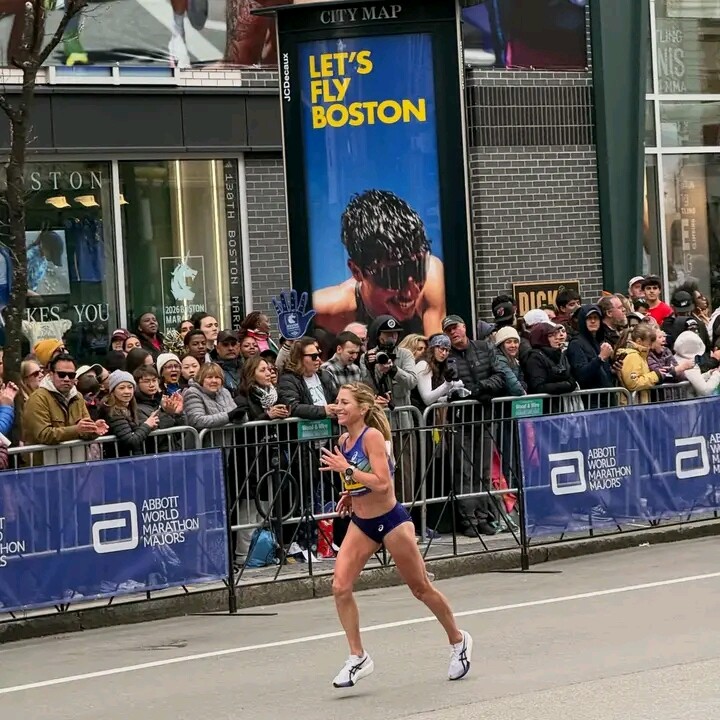
The achievement also carried tangible reward, as Hall finished as the fastest runner over 40, earning eligibility for the masters prize purse. Yet beyond accolades and financial incentives, it was the symbolism of the moment that resonated most deeply. Competing at such a high level in her forties, Hall continues to challenge conventional limits in endurance sport.
In an era often defined by youth, Hall’s run stands as a compelling reminder that excellence is not bound by age, but by commitment, resilience, and passion. Her 2:31:55 in Boston is more than a time on the clock—it is a testament to longevity at the highest level.
For Sara Hall, greatness is not a phase. It is a standard she continues to uphold, stride after remarkable stride.
by Erick Cheruiyot for My Best Runs.
Login to leave a comment
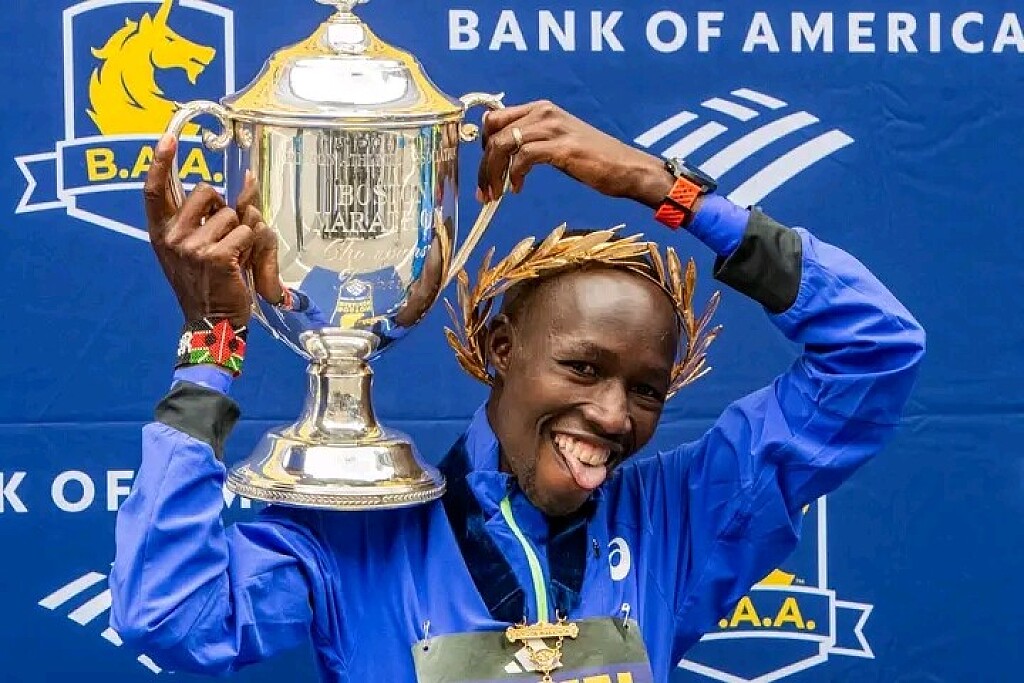
Korir’s Relentless Surge: A Boston Masterpiece That Rewrote History
On a cool 20th of April morning at the Boston Marathon, history did not merely repeat itself—it was emphatically rewritten. Kenya’s John Korir delivered a performance of rare authority and precision, storming to victory in 2:01:52 and erasing a record that had stood untouched for over a decade. In doing so, he eclipsed the legendary 2:03:02 set by fellow Kenyan Geoffrey Mutai in 2011—by a staggering 70 seconds.
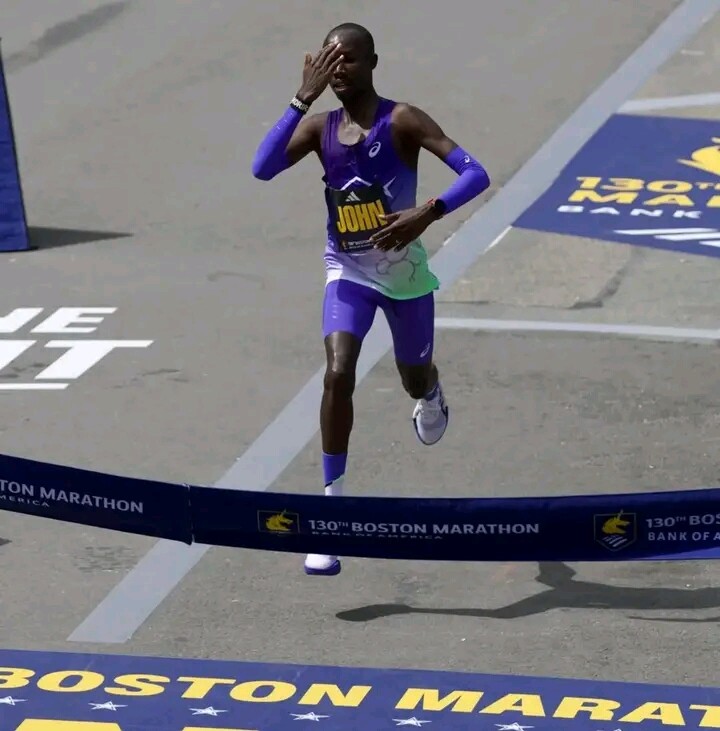
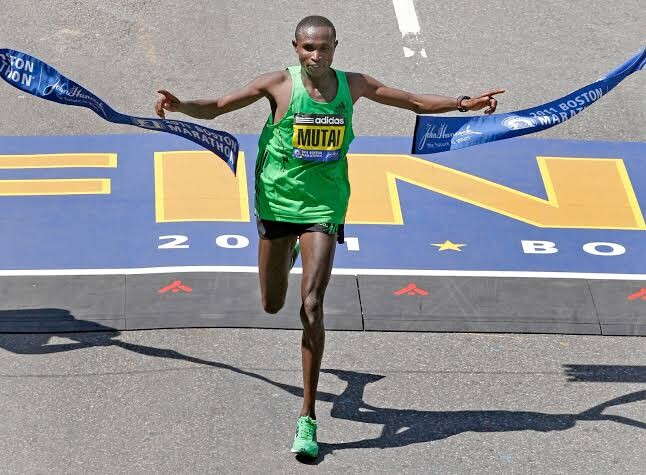
This was no ordinary win. It was a calculated dismantling of one of the most revered course records in marathon history, achieved not through reckless speed, but through a perfectly judged rhythm that crescendoed into a devastating second-half surge.
From the opening kilometers, Korir signaled intent. By 5K, he was already 15 seconds ahead of Mutai’s historic pace, clocking 14:20. Though the margins fluctuated slightly—Mutai briefly edging ahead around 20K—the race remained delicately poised through the halfway mark, with Korir passing in 1:01:50, eight seconds faster than the 2011 benchmark.
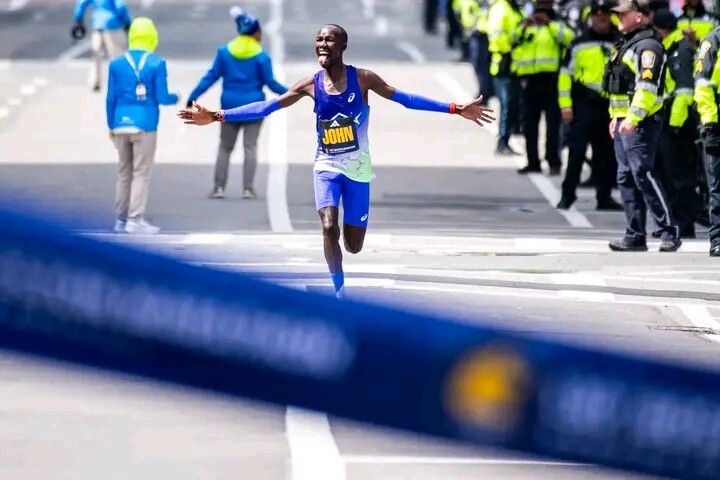
But it was beyond 25K that the race transformed.
With a decisive injection of pace, Korir began to stretch the field and history alike. By 30K, he had carved out a remarkable 45-second advantage over Mutai’s split. What followed was a masterclass in endurance and controlled aggression. At 35K, the gap widened further, and by 40K, Korir was a full minute ahead of the legendary schedule.
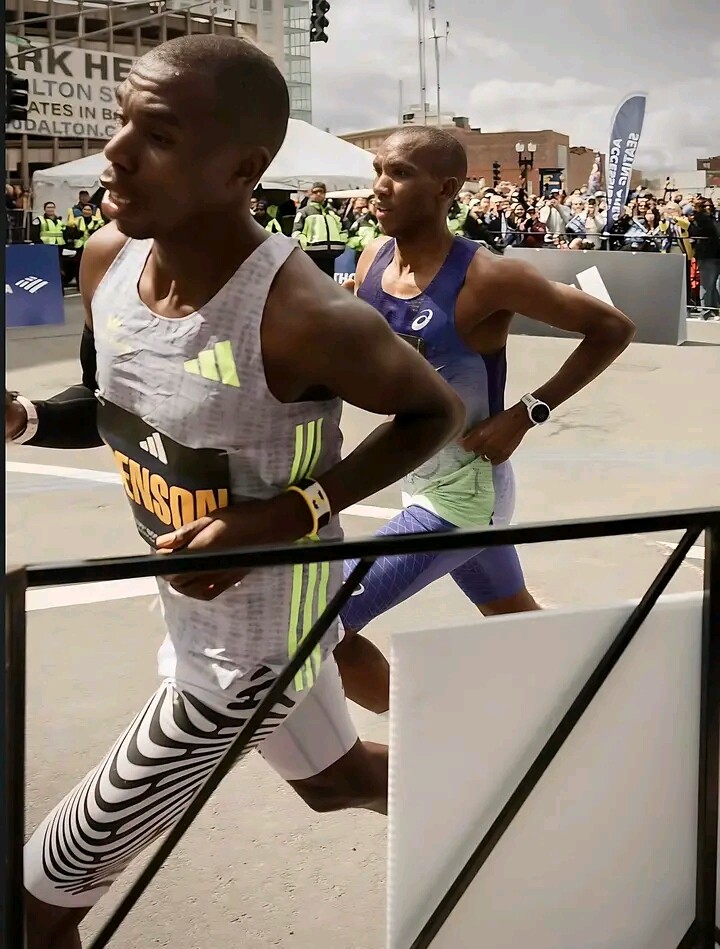
The defining moment came on the unforgiving slopes of Heartbreak Hill. Where races are often lost, Korir surged. His astonishing 4:42 mile over this iconic segment was not just fast—it was defiant. In a section where fatigue typically dictates caution, Korir attacked, turning the course’s greatest challenge into his platform for separation.
From there, the outcome was inevitable.
He crossed the finish line in 2:01:52, sealing the fastest time ever recorded on this storied course and completing the fastest second half in Boston Marathon history—an extraordinary 1:00:02 for the final 13.1 miles.
Context only deepens the brilliance of the performance. Mutai’s 2011 run benefited from a powerful 21 mph tailwind, widely regarded as one of the most favorable conditions the race has seen. Korir, by contrast, navigated a more modest 9 mph assisting breeze. The temperatures were similarly cool in both editions, but the reduced wind advantage in 2026 underscores the sheer quality of Korir’s run.
Step by step, split by split, the data tells a compelling story: this was not a fleeting burst of brilliance, but a sustained, strategic dismantling of a legendary benchmark.
In the end, the numbers speak with clarity—but the performance resonates even louder. John Korir did not just break a record; he redefined what is possible on the demanding roads of Boston, delivering a run that will stand as a new reference point for marathon excellence.
by Erick Cheruiyot for My Best Runs.
Login to leave a comment
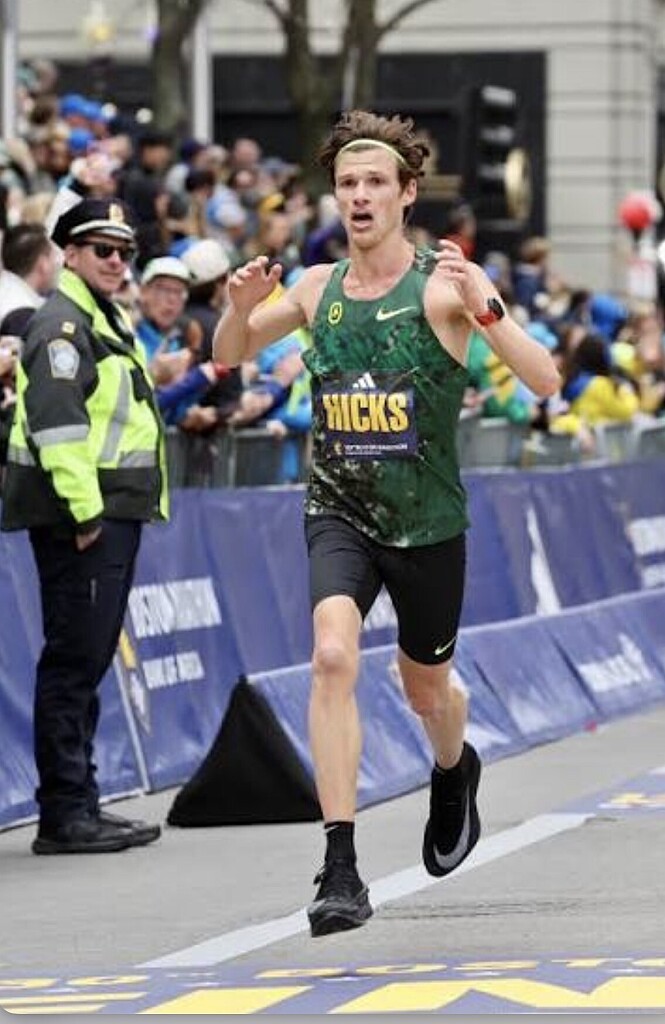
Charles Hicks Delivers One of the Fastest American Marathons Ever at Boston
In just the second marathon of his young career, Charles Hicks has already placed himself among the fastest American marathoners in history.
The 24-year-old ran 2:04:35 to finish seventh at the 2026 Boston Marathon, recording the second-fastest marathon ever by an American man. On a course that does not qualify for record purposes, Hicks’ performance still stands as a major statement—one that confirms his rapid rise in the sport.
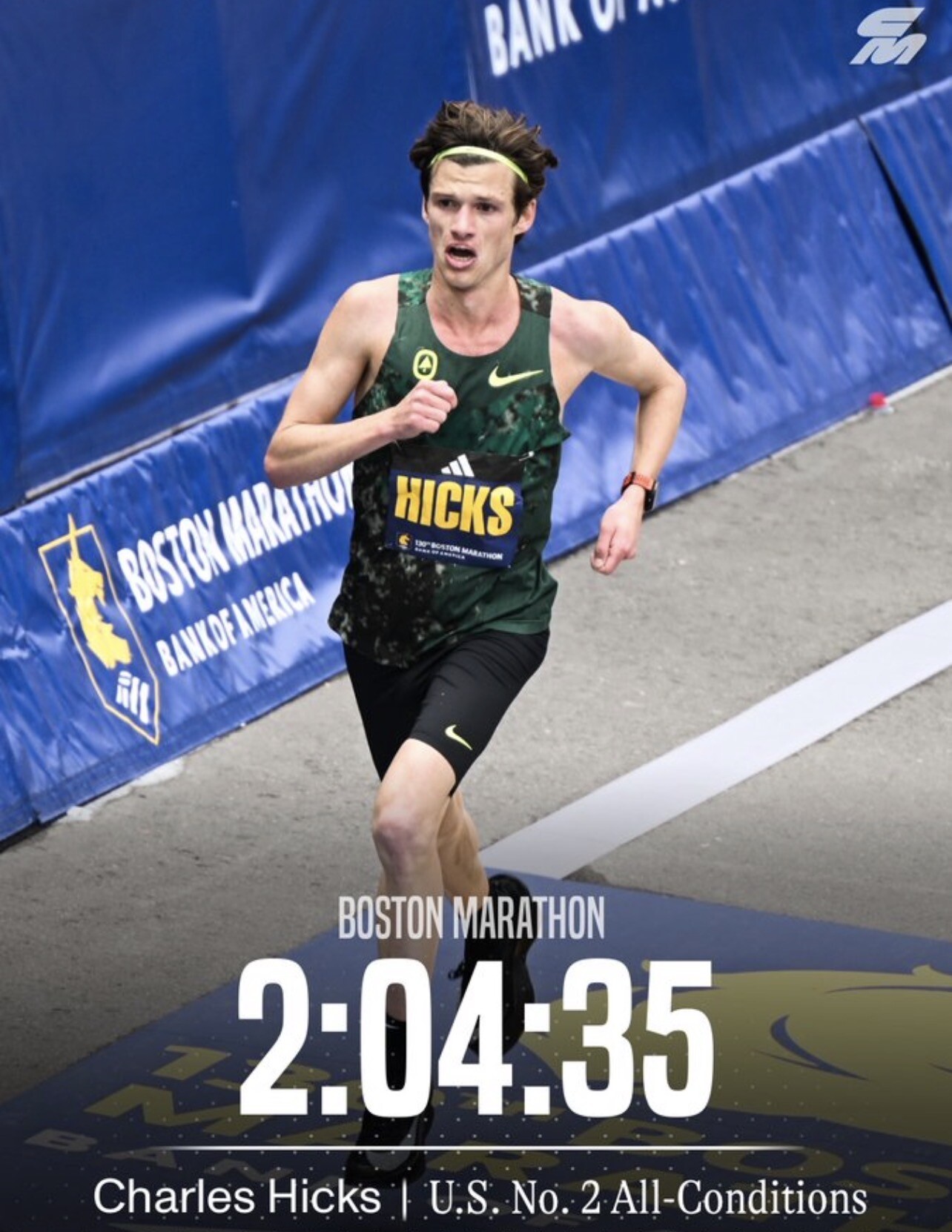
Boston is not a place where fast times come easily. The point-to-point course, unpredictable weather, and late-race challenges make it one of the most difficult marathons in the world to master. Yet Hicks handled it with the composure of a far more experienced runner, staying competitive with a deep international field and closing strong over the final miles.
What makes the performance even more impressive is how quickly it has come.
Hicks made his marathon debut in New York, where he finished sixth, immediately showing that he could compete at the highest level. In Boston, he nearly matched that placing while significantly improving his time, taking a major step forward in just his second attempt at the distance.
At 24, Hicks represents the next wave of American distance running—young, fearless, and capable of producing world-class performances early in his career. His 2:04:35 places him in elite company and signals that he may have even more to come as he gains experience.
His progression also highlights the depth currently building in American marathoning. With athletes like Zouhair Talbi, Conner Mantz, and Clayton Young pushing the front, Hicks now firmly joins that group as a runner to watch on the global stage.
Boston has long been a proving ground, and Hicks passed the test in emphatic fashion.
This was not just a strong performance.
It was the kind of run that suggests a major career is just beginning.
by Boris Baron
Login to leave a comment
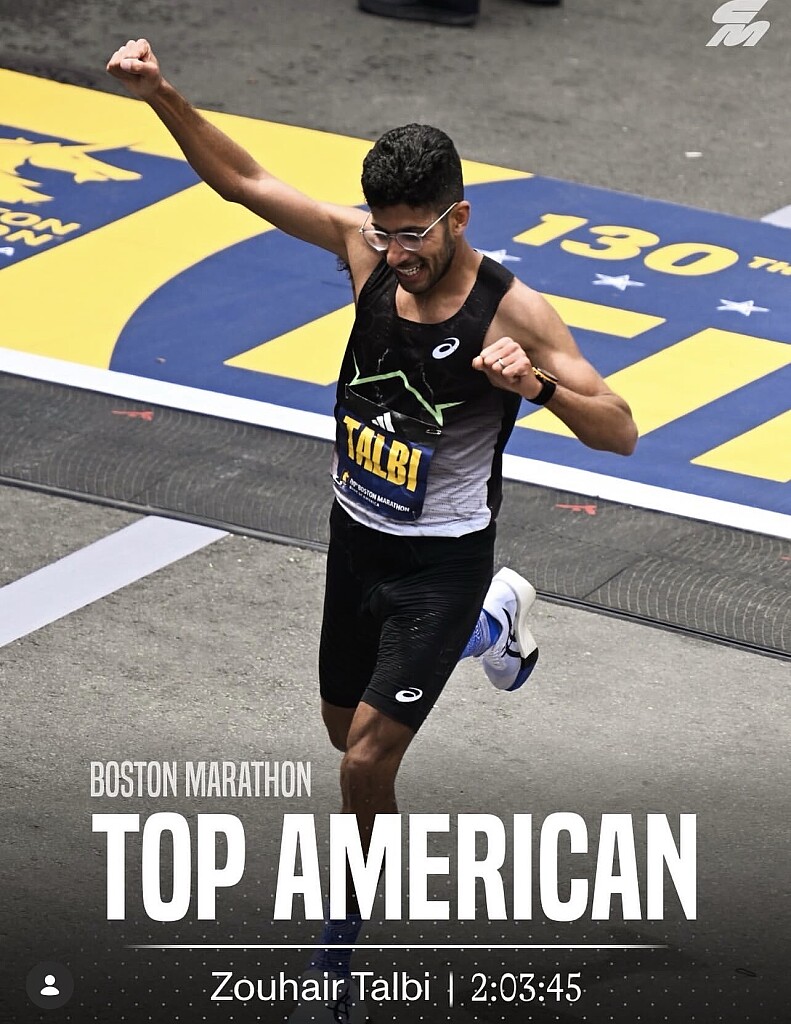
Zouhair Talbi: The New American Force Who Just Rewrote Boston’s History
At the 2026 Boston Marathon, a new name moved firmly into the spotlight of American distance running.
Zouhair Talbi, racing under the U.S. flag for the first time as a newly minted citizen, delivered one of the most remarkable performances ever by an American on the historic Boston course. Finishing fifth overall in 2:03:45, Talbi did more than place among the world’s best—he ran faster than any American ever has in Boston Marathon history.
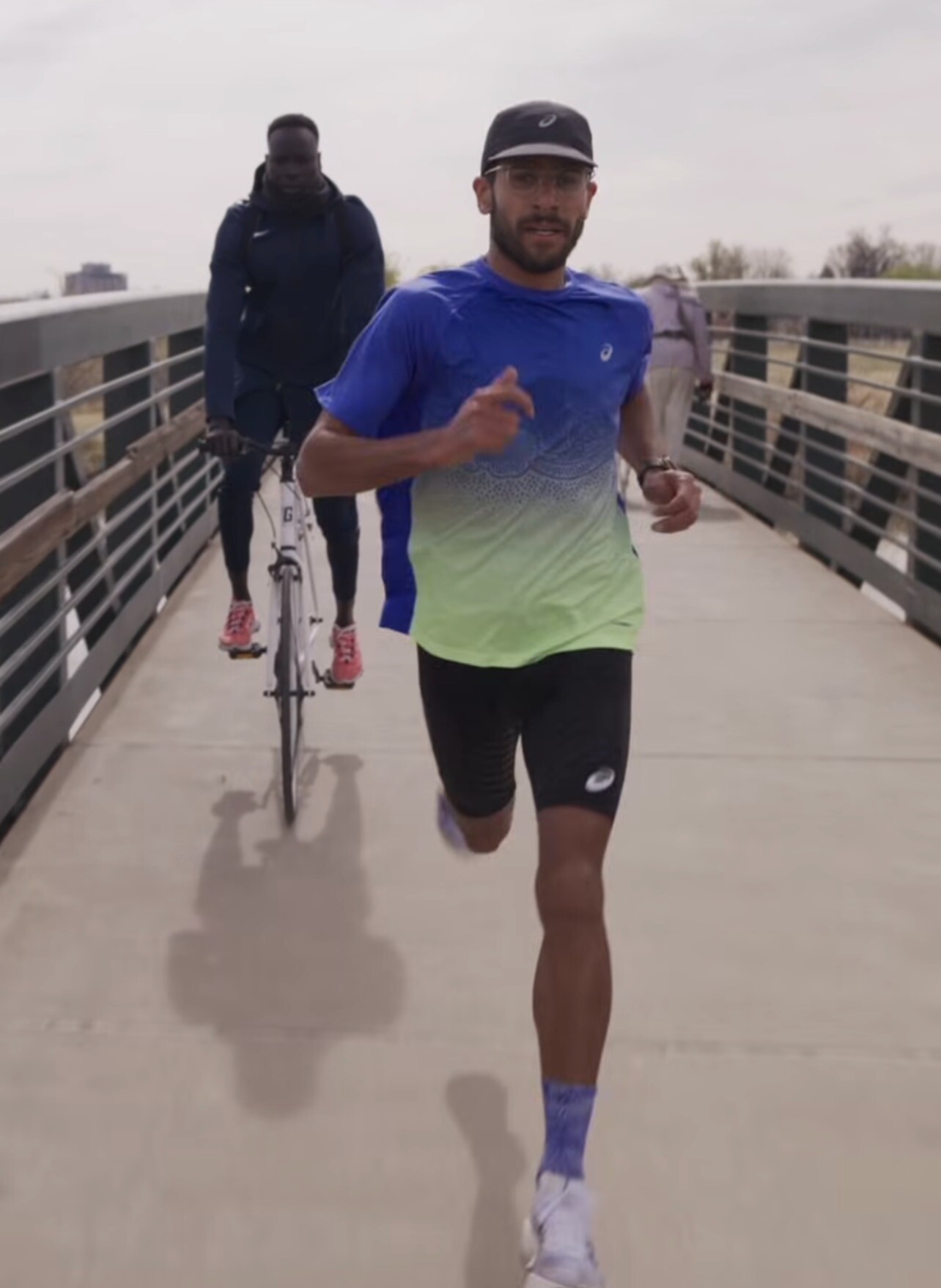
While Boston’s point-to-point course prevents official record status, the performance stands as a powerful statement. Talbi’s time eclipsed the long-standing benchmark set by Ryan Hall, whose 2:04:58 in 2011 had defined the upper limit of American success on this course for over a decade.
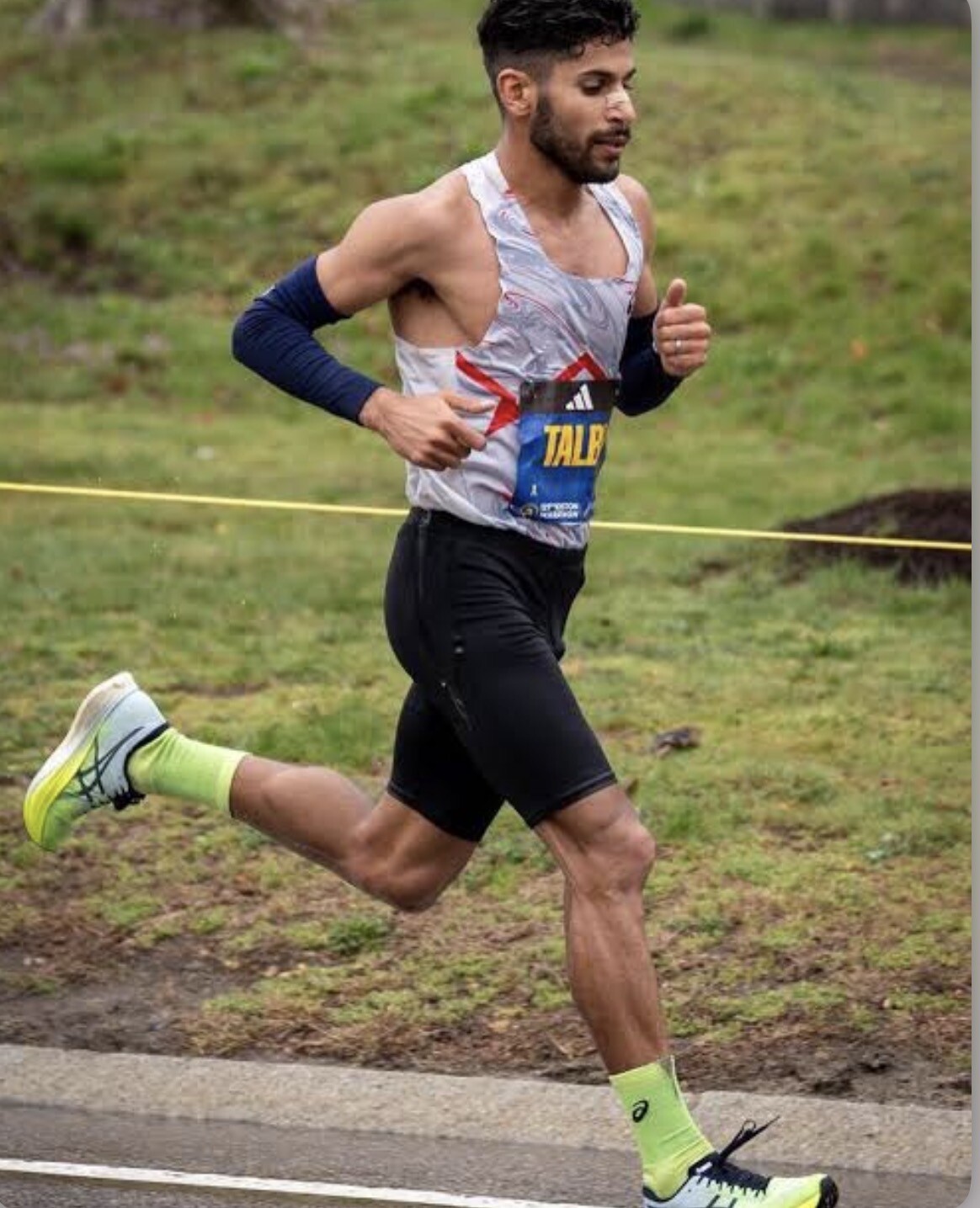
Talbi’s rise has been steady, but in 2026 it has become undeniable
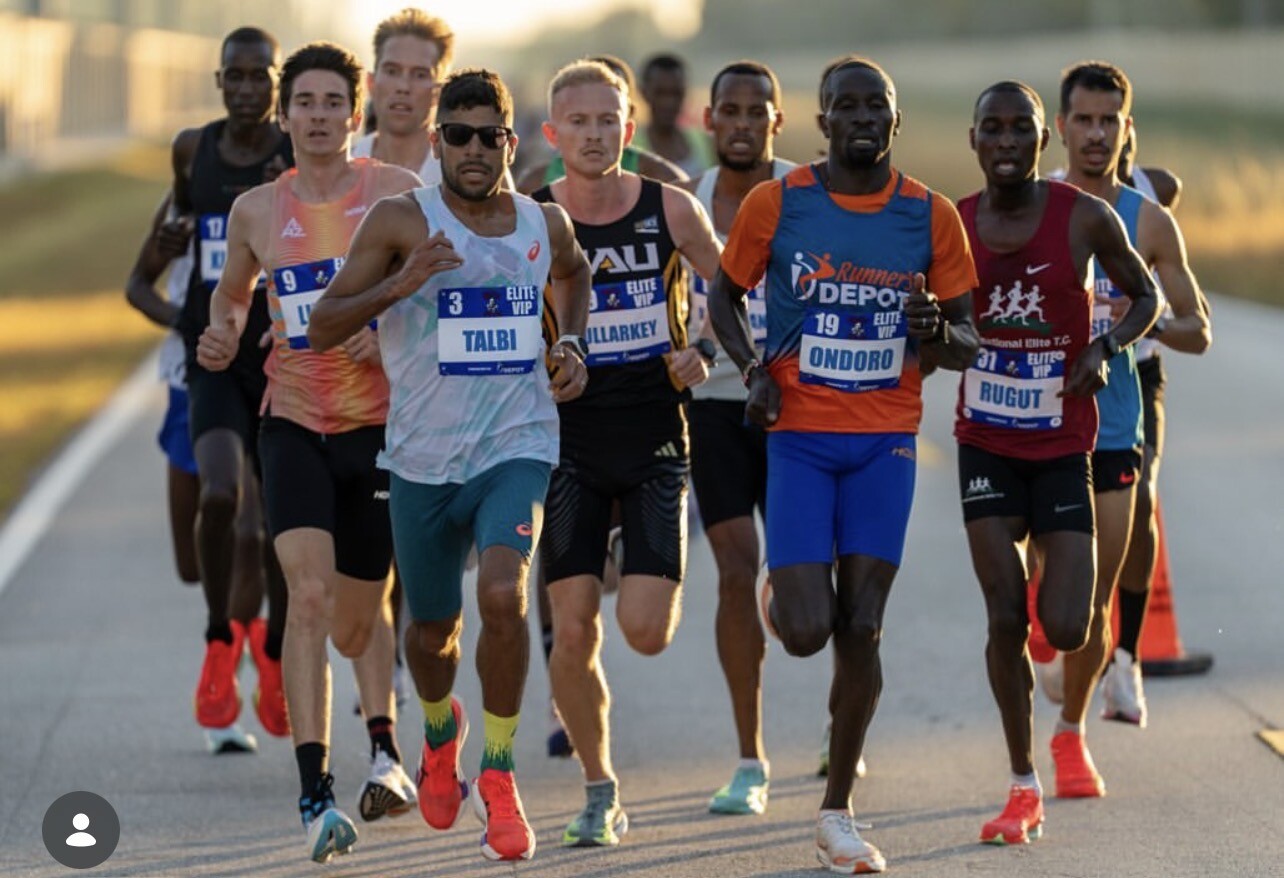
Earlier this year, he captured the Houston Marathon title in 2:05:45, instantly placing himself among the fastest American marathoners of all time. That performance signaled his arrival. Boston confirmed it.
What makes Talbi’s story especially compelling is his journey. Born in Morocco, he came to the United States to attend Oklahoma City University, where he developed both academically and athletically. Over time, the U.S. became home. In 2025, he officially became an American citizen.
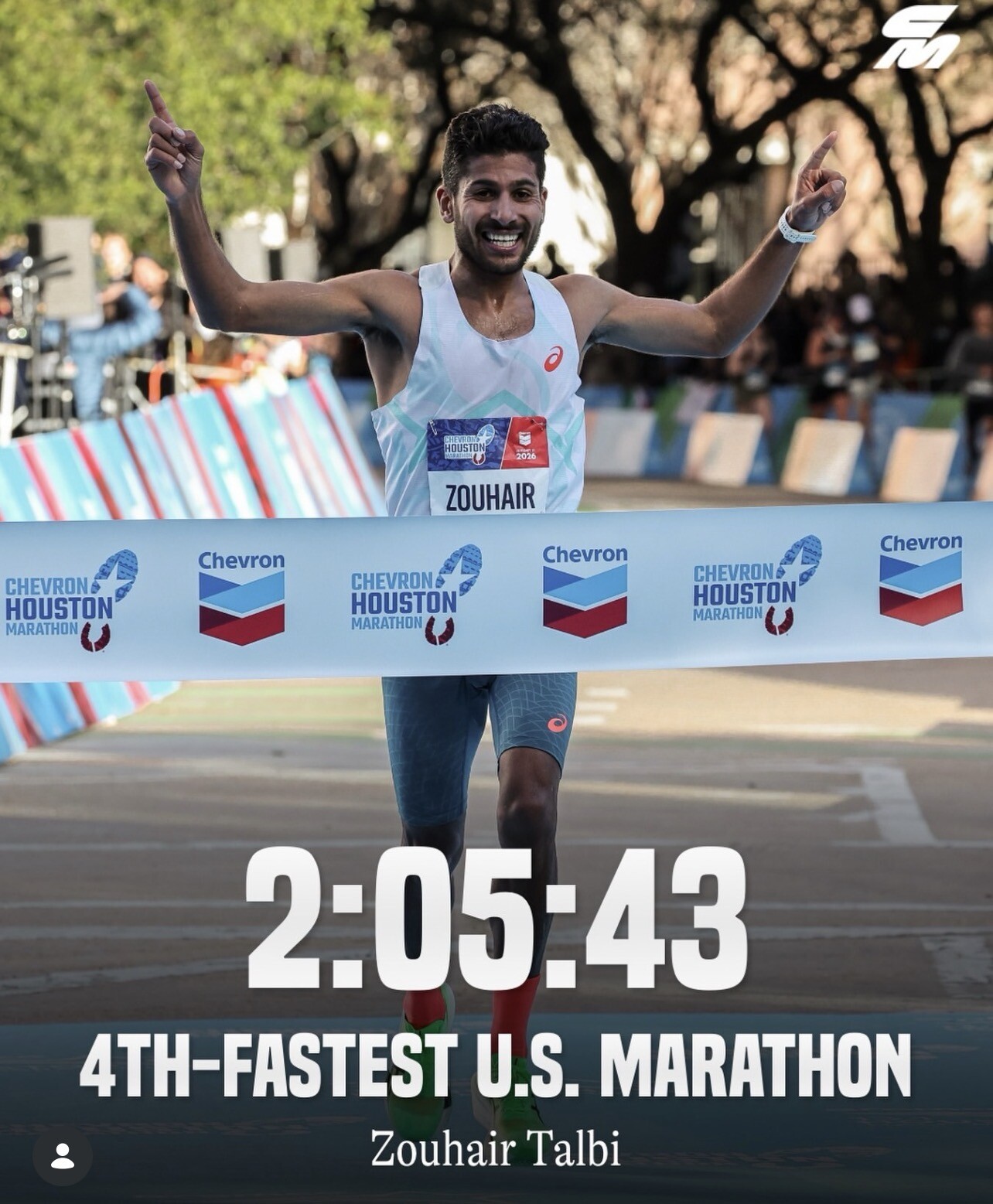
Now, less than a year later, he has already etched his name into American marathon history.
Talbi also serves in the United States Army Reserve, balancing elite-level training with military service—another layer that speaks to both discipline and commitment. His progression reflects a blend of international roots and American opportunity, a combination that is increasingly shaping the modern landscape of U.S. distance running.
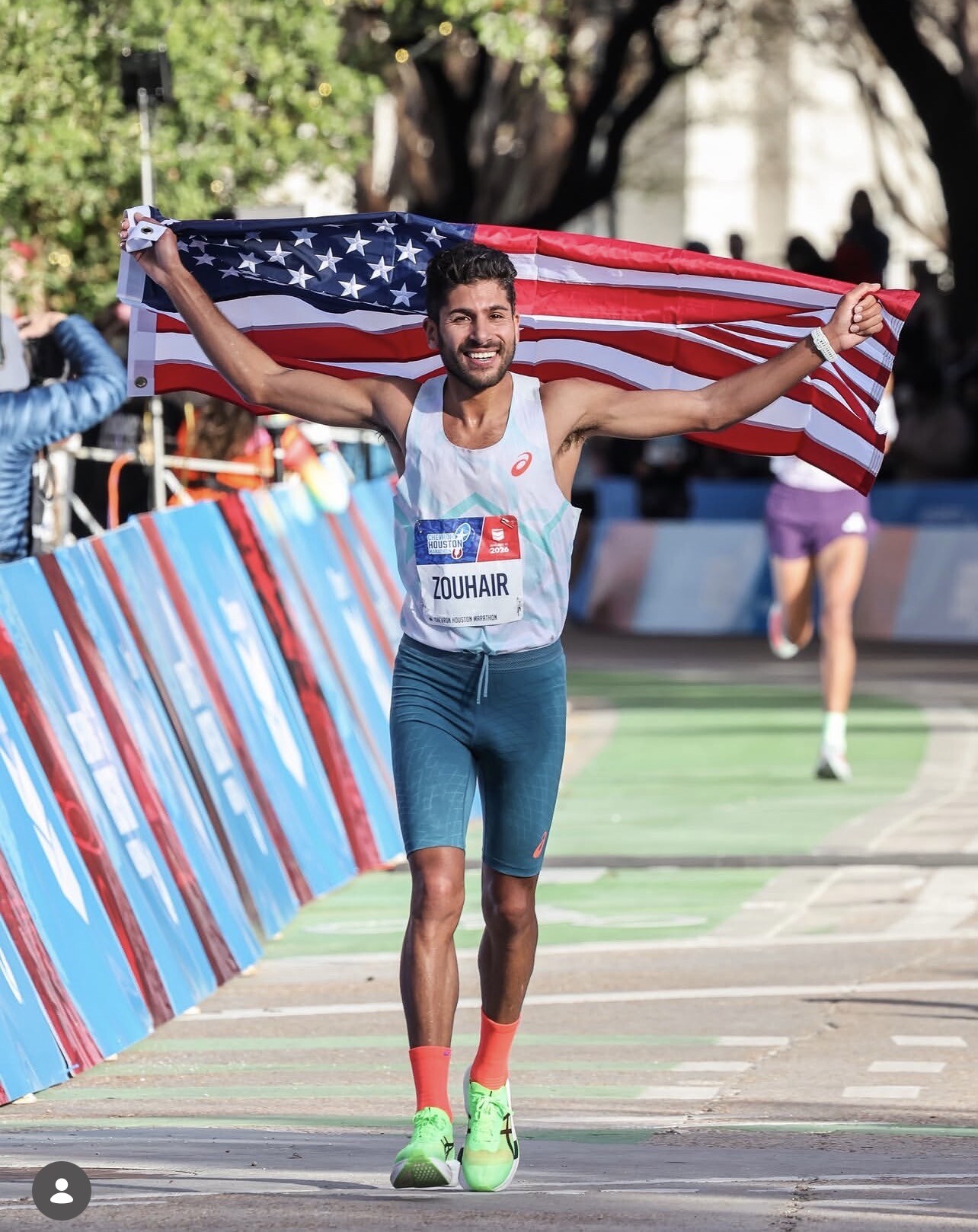
His Boston performance did not come in isolation. It came in one of the deepest and fastest eras the sport has seen, where American men are once again pushing toward global relevance. Talbi now stands alongside the likes of Conner Mantz and Clayton Young as part of a group redefining what is possible.
But Boston felt different.
There was no hesitation, no sign that he was simply aiming to compete. Talbi ran with authority, positioning himself among the leaders and holding strong through the late miles on a course that punishes even the most experienced runners.
Fifth place at Boston is always meaningful. Fifth place in 2:03:45 changes the conversation entirely.
For American distance running, it signals something bigger than one result. It suggests that the ceiling is rising again.
Zouhair Talbi is no longer a developing talent.
He is now a central figure in the future of the American marathon.
by Boris Baron
Login to leave a comment
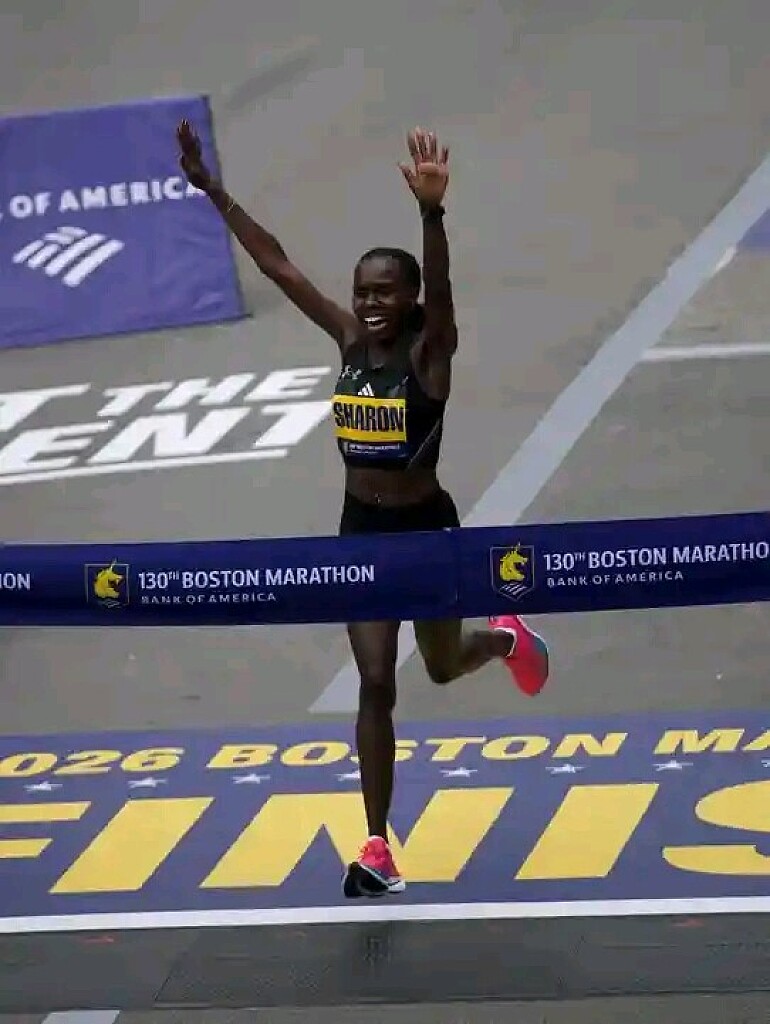
Lokedi Reigns Again as Kenya Completes Historic Boston Domination
Kenya delivered a masterclass in marathon excellence at the 2026 Boston Marathon as Sharon Lokedi successfully defended her title, leading an extraordinary clean sweep in the women’s race and reaffirming the nation’s unmatched pedigree in distance running.
With calm authority and flawless execution, Lokedi surged to victory in 2:18:51, retaining her crown in one of the world’s most prestigious road races. Under the pressure of expectation, the Kenyan star rose magnificently, proving once again that champions are defined not only by winning once, but by returning to win again.
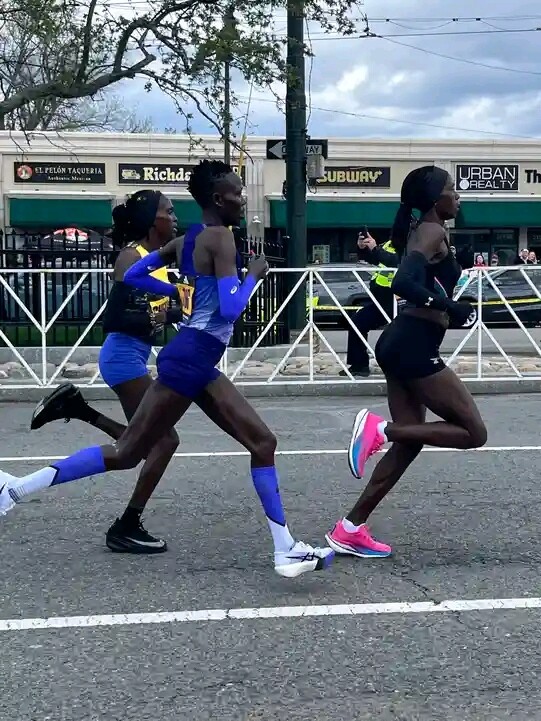
The defending champion successfully retained her title in 2:18:51, the second-fastest winning time ever recorded in Boston. Running with poise and authority, Lokedi controlled the decisive stages before unleashing a powerful late surge that left her rivals behind. It was a victory carved out through strength, tactical intelligence, and elite composure—another magnificent chapter in her growing legacy.
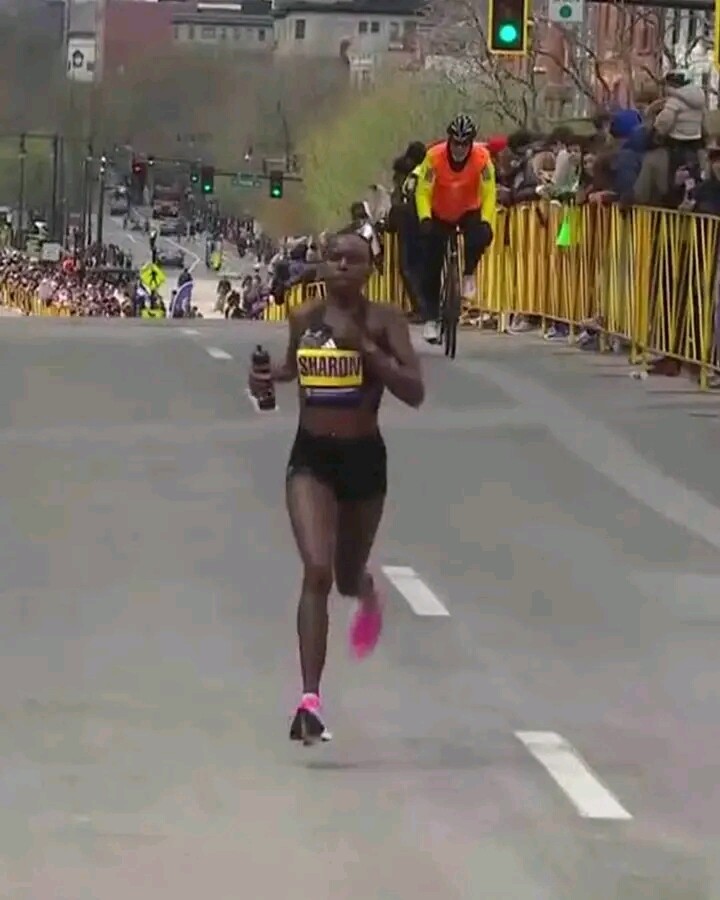
Her triumph was only the beginning of a remarkable Kenyan celebration. Loice Chemnung produced the performance of her career to secure second place in 2:19:35, running with courage and composure from start to finish. Close behind, the experienced Mary Ngugi-Cooper claimed third in 2:20:07, adding yet another major achievement to her distinguished journey in the sport.
Mercy Chelagat completed the stunning display by finishing fourth, ensuring that Kenya dominated the front of the field in emphatic fashion. It was more than just a victory—it was a statement of depth, class, and sustained excellence from a nation that continues to shape the history of long-distance running.
From the early pace battles to the decisive closing miles, the streets of Boston belonged to Kenya. Every stride reflected discipline, resilience, and the relentless spirit that has made Kenyan athletes icons across the globe.
Women’s Professional – Top 10
1. Sharon Lokedi (KEN) – 2:18:51
2. Loice Chemnung (KEN) – 2:19:35
3. Mary Ngugi-Cooper (KEN) – 2:20:07
4. Mercy Chelangat (KEN) – 2:20:30
5. Jess McClain (USA) – 2:20:49
6. Irine Cheptai (KEN) – 2:20:54
7. Workenesh Edesa (ETH) – 2:21:52
8. Annie Frisbie (USA) – 2:22:00
9. Emily Sisson (USA) – 2:22:39
10. Carrie Ellwood (USA) – 2:22:53
At the heart of it all stood Sharon Lokedi—composed, powerful, and untouchable when it mattered most. Her successful title defence now becomes another golden chapter in Boston Marathon history, while Kenya’s clean sweep will be remembered as one of the finest collective performances the race has ever witnessed.
by Erick Cheruiyot for My Best Runs.
Login to leave a comment
Boston Marathon
Among the nation’s oldest athletic clubs, the B.A.A. was established in 1887, and, in 1896, more than half of the U.S. Olympic Team at the first modern games was composed of B.A.A. club members. The Olympic Games provided the inspiration for the first Boston Marathon, which culminated the B.A.A. Games on April 19, 1897. John J. McDermott emerged from a...
more...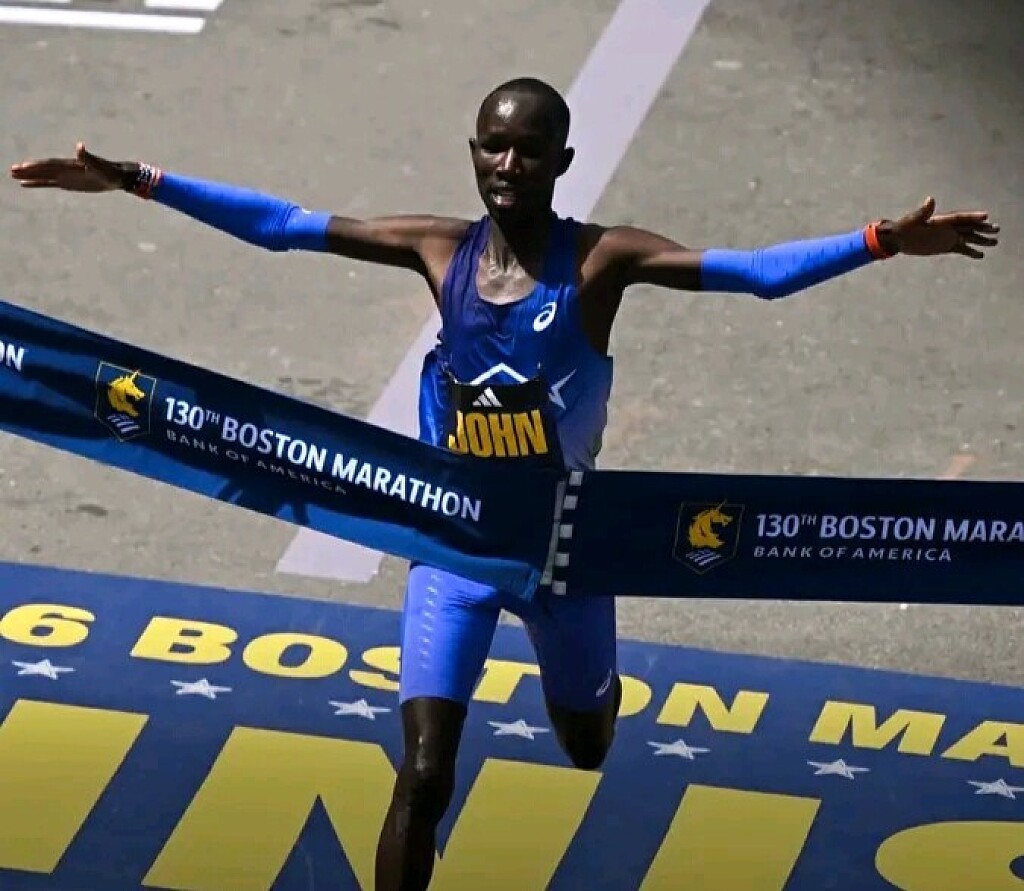
Korir Conquers Boston: Kenyan Star Rewrites Marathon History with Stunning Course Record
John Korir delivered a performance for the ages as he stormed to victory at the Boston Marathon, producing one of the fastest marathon runs ever recorded and etching his name into the sport’s history books.
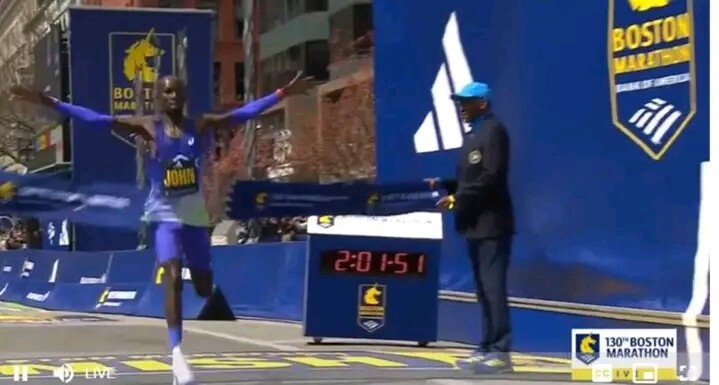
The Kenyan distance star crossed the finish line in a breathtaking 2:01:52, securing the title in emphatic fashion. That sensational mark not only shattered the previous Boston course record of 2:03:02, set by fellow Kenyan Geoffrey Mutai in 2011, but also stands as the fifth-fastest marathon time in history.
Boston is widely regarded as one of the most demanding marathons in the world. Its rolling hills, unpredictable weather, and punishing late-race climbs have tested generations of elite runners. Yet Korir turned the iconic route into his personal stage, blending tactical patience, relentless strength, and devastating speed to deliver a masterclass in endurance.
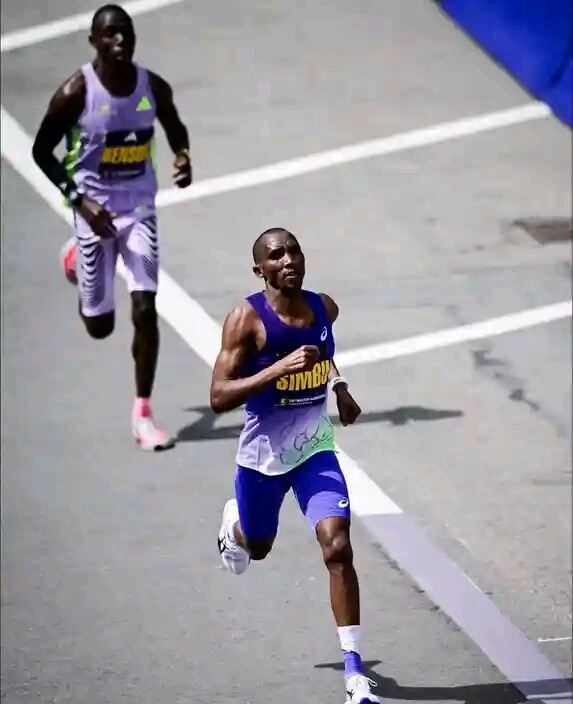
From the opening miles, the pace signaled something extraordinary. Korir remained calm within the lead group, carefully measuring his effort while others searched for an advantage. When the defining moment arrived, he surged decisively, broke clear of his challengers, and powered toward a historic finish.
Behind him, the battle for the podium was equally intense. Alphonse Simbu, the world championship medalist, produced a superb run to claim second place in 2:02:47, while former champion Benson Kipruto completed a high-quality podium in third with 2:02:50.
Korir’s triumph was about more than victory alone. By lowering one of the most respected records in road racing and defeating a world-class field, he confirmed his status as one of the defining marathoners of this generation. His brilliance was also rewarded financially, with a $50,000 course record bonus in addition to the winner’s prize.
What made the achievement even more remarkable was the extraordinary quality of the field behind him. Boston’s demanding course rarely produces such depth, yet this year’s race unfolded at a relentless tempo as elite contenders chased history from start to finish. Korir’s decisive surge after 25 kilometers broke the contest open, but the battle for the remaining podium places remained fierce, with multiple athletes producing lifetime-caliber performances. The 2026 edition will be remembered not only for a record-breaking champion, but for one of the fastest and most competitive races ever witnessed on the streets of Boston.
Men’s Professional – Top 10
1. John Korir (Kenya) – 2:01:52
2. Alphonce Felix Simbu (Tanzania) – 2:02:47
3. Benson Kipruto (Kenya) – 2:02:50
4. Hailemaryam Kiros (Ethiopia) – 2:03:42
5. Zouhair Talbi (United States) – 2:03:45
6. Tebello Ramakongoana (Lesotho) – 2:04:18
7. Charles Hicks (USA) – 2:04:35
8. Richard Ringer (GER) – 2:04:47
9. Alex Masai (KEN) – 2:05:32
10. Milkesa Mengesha (ETH) – 2:05:35
For the crowds lining the streets and the millions watching around the globe, it was a race of rare quality. For John Korir, it was the day he rose from champion to legend. In Boston, the standard has been raised—and the fastest name now belongs to Korir.
by Erick Cheruiyot for My Best Runs.
Login to leave a comment
Boston Marathon
Among the nation’s oldest athletic clubs, the B.A.A. was established in 1887, and, in 1896, more than half of the U.S. Olympic Team at the first modern games was composed of B.A.A. club members. The Olympic Games provided the inspiration for the first Boston Marathon, which culminated the B.A.A. Games on April 19, 1897. John J. McDermott emerged from a...
more...
Boston Collision Course: John Korir and Benson Kipruto Ready to Ignite a Marathon Classic
The streets of Boston are bracing for a contest worthy of marathon history as two of Kenya’s finest distance stars prepare to clash in one of the most anticipated races of the season. Defending champion John Korir will return to the iconic course with unfinished ambition, but standing in his path is a man who knows exactly how to win here—former champion Benson Kipruto.
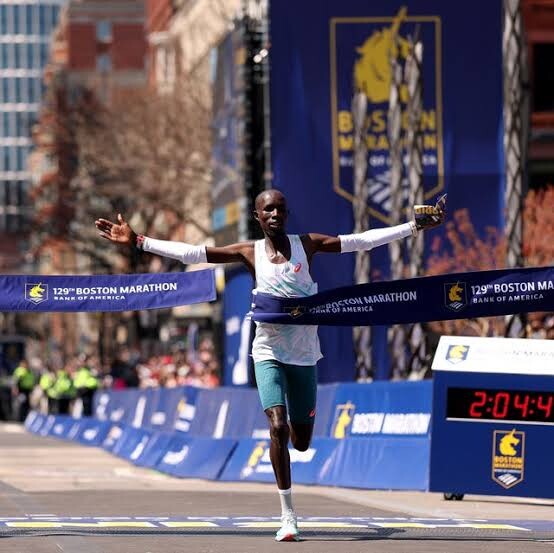
On paper, the matchup could hardly be closer. Their personal bests are separated by only eight seconds, a razor-thin margin at the highest level of marathon racing. Korir owns a lifetime best of 2:02:24, while Kipruto has gone even faster with 2:02:16. In a race measured over 42.195 kilometers, such a difference is almost invisible.
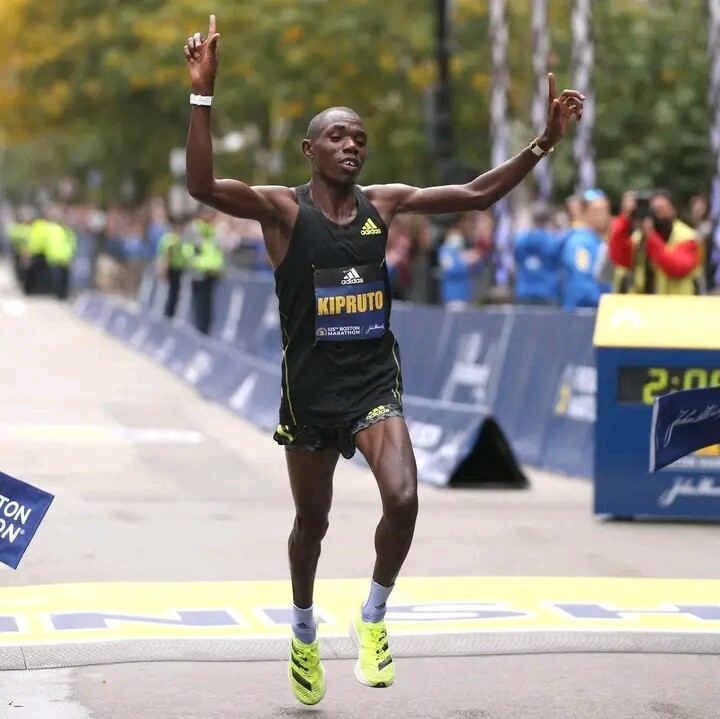
Yet statistics only tell part of the story.
Korir arrives in Boston carrying the momentum of a remarkable run of form. His recent victories in Valencia 2025, Boston 2025, and Chicago 2024 have elevated him into the sport’s elite bracket. Powerful, composed, and tactically sharp, he has become one of the most dangerous men in championship-style racing. Returning as defending champion adds another layer of pressure—but also confidence.
Kipruto, however, is no stranger to the grandest stages. His résumé speaks with authority: triumphs in New York 2025, Tokyo 2024, Chicago 2022, and, most importantly for this occasion, Boston 2021. That previous success on the demanding Boston course could prove invaluable. He understands its rhythm, its unpredictability, and the moment when patience must give way to attack.
This is more than a race between two fast men. It is a collision of momentum versus experience, title defense versus redemption, present dominance versus proven mastery.
Boston has never been a course that rewards numbers alone. Its rolling terrain, shifting weather, and legendary late-race challenges often crown the athlete with the sharpest instincts rather than the quickest personal best. Strength, courage, and timing will matter just as much as speed.
When the leaders reach the decisive miles, reputations will mean nothing. One athlete will fight to defend his throne. The other will chase a second crown. And somewhere between the opening stride and the finish line on Boylston Street, a new chapter of Boston Marathon drama will be written.
by Erick Cheruiyot for My Best Runs.
Login to leave a comment
Boston Marathon
Among the nation’s oldest athletic clubs, the B.A.A. was established in 1887, and, in 1896, more than half of the U.S. Olympic Team at the first modern games was composed of B.A.A. club members. The Olympic Games provided the inspiration for the first Boston Marathon, which culminated the B.A.A. Games on April 19, 1897. John J. McDermott emerged from a...
more...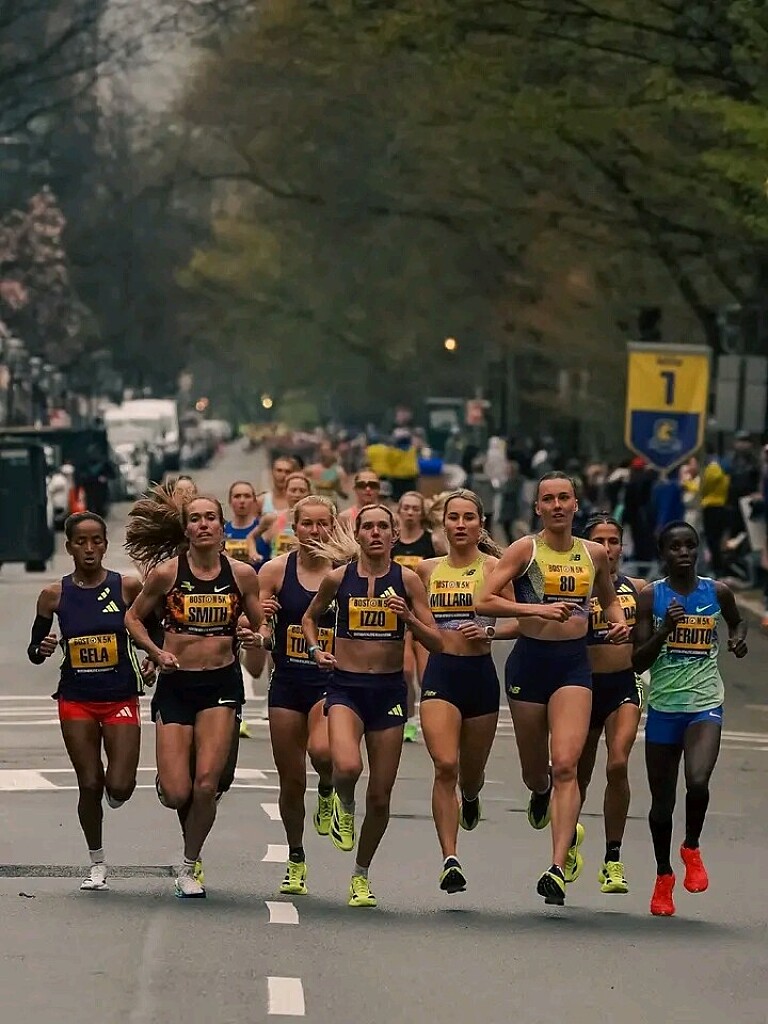
Ethiopian Brilliance Ignites Boston 5K as Addisu Yihune and Gela Hambese Deliver Commanding Wins
The streets of Boston came alive with speed and precision as Ethiopian standouts Addisu Yihune and Gela Hambese produced electrifying performances to seize victory at the 2026 Boston 5K, setting the tone for an exhilarating marathon weekend.
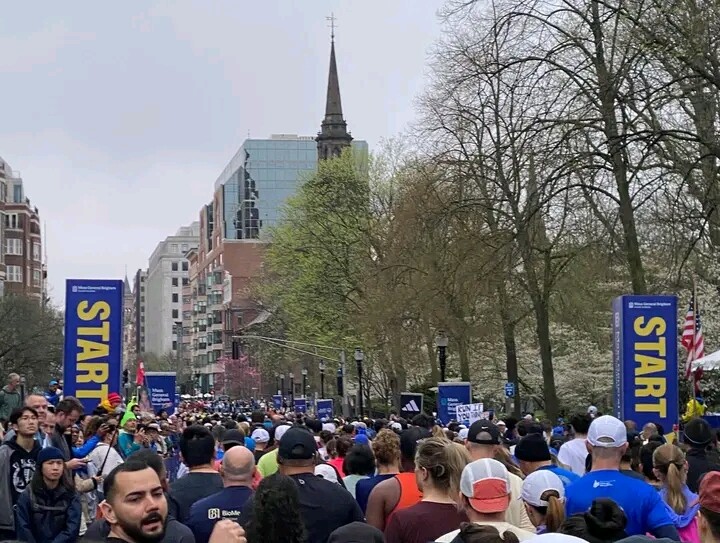
Under cool morning conditions, the men’s race unfolded with intensity from the outset, a tightly packed lead group testing each other through the early kilometers. As the race edged toward its decisive phase, Yihune asserted control with remarkable authority. The 23-year-old unleashed a devastating finishing burst, surging clear of his rivals to claim victory in a stunning 13:14, a performance that not only secured the win but also etched his name into the race’s history with a new course record.
Behind him, fellow Ethiopian Mezgebu Sime fought valiantly to take second place in 13:21, while Kenya’s Edwin Kurgat completed the podium in 13:23, capping a fiercely competitive contest.
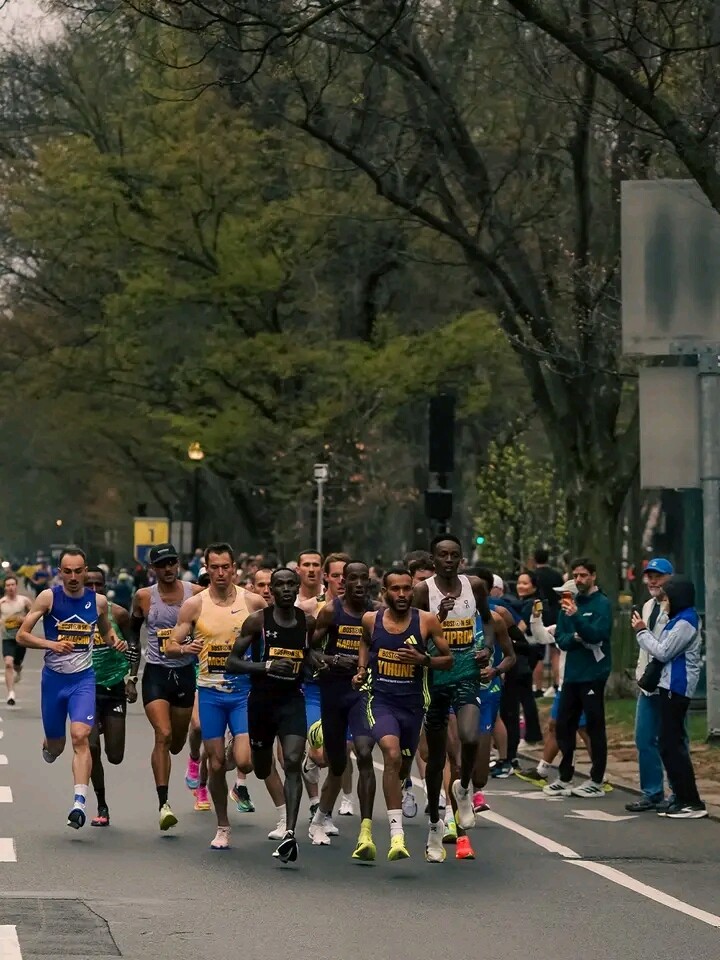
If the men’s race was a display of explosive finishing speed, the women’s contest was a masterclass in control and timing. Hambese, already a familiar force on Boston’s roads, delivered a composed and confident run to successfully defend her title. Remaining patient in the early stages, she gradually increased the tempo before breaking away with purpose, crossing the line unchallenged in 15:28.
Her back-to-back triumph underscored her growing dominance on the international road racing scene and reaffirmed her status as one of Ethiopia’s most consistent performers.
Chasing from behind, American athletes Rachel Smith and Katie Izzo pushed hard in the closing stages, both clocking 15:33, but the gap to Hambese had already been decisively carved.
As a curtain-raiser to the iconic Boston Marathon weekend, the 5K once again delivered a spectacle of world-class competition. The races combined tactical intelligence, raw speed, and thrilling finishes—offering a glimpse of the excitement still to come.
For Ethiopia, it was a morning defined by excellence—a clean sweep that highlighted not just victory, but authority on one of the sport’s most celebrated stages.
by Erick Cheruiyot for My Best Runs.
Login to leave a comment

B.A.A. 5K
The B.A.A. 5K began in 2009, and became an instant hit among runners from far and wide. Viewed by many as the “calm before the storm,” the Sunday of Marathon weekend traditionally was for shopping, loading up on carbohydrates at the pasta dinner, and most importantly- resting. But now, runners of shorter distances, and even a few marathoners looking for...
more...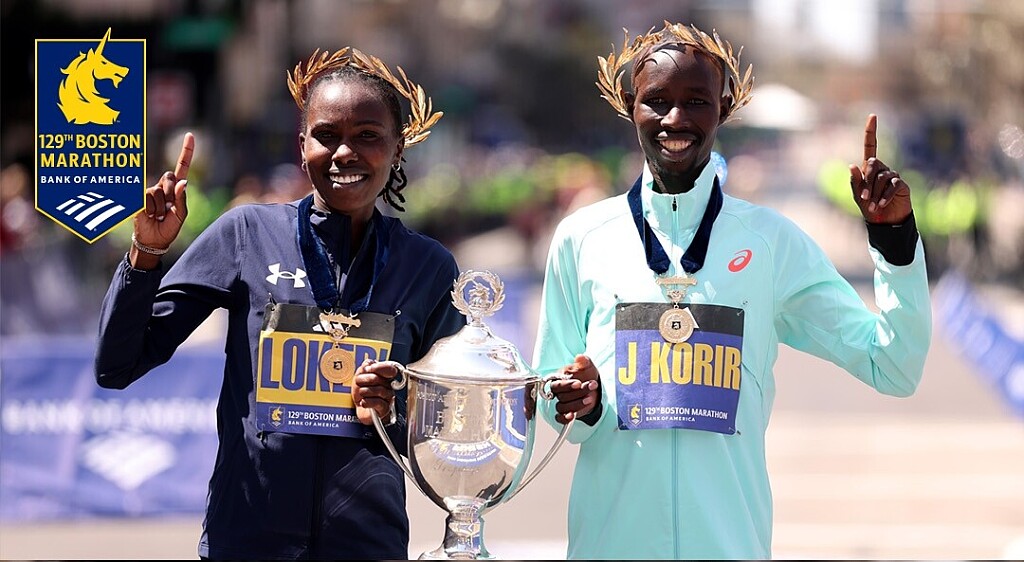
Champions Return: Korir and Lokedi Set the Tone Ahead of Boston Marathon Showdown
Anticipation is steadily building in Boston as defending champions John Korir and Sharon Lokedi have already arrived in the historic city ahead of the 2026 Boston Marathon, scheduled for Monday, April 20.
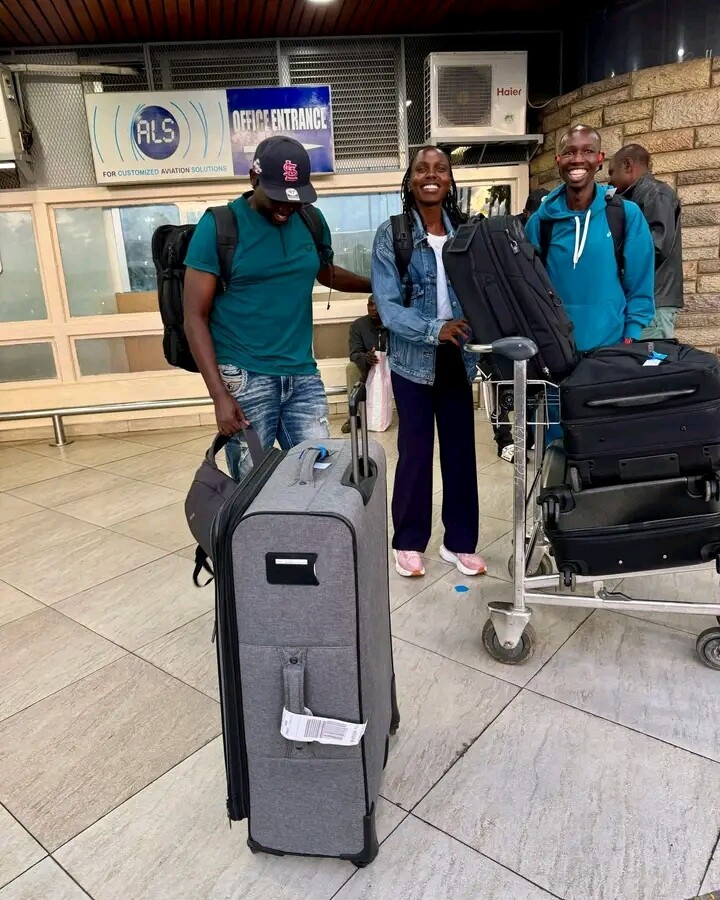
The early arrival of both athletes signals not only intent, but quiet confidence. Boston is no ordinary race—it is a course steeped in tradition, unpredictability, and prestige. For Korir and Lokedi, returning as reigning champions brings a unique blend of expectation and opportunity.
Korir, known for his strength and tactical discipline, will be aiming to defend his crown against a field that is certain to test every ounce of his endurance. The men’s race in Boston often rewards patience and resilience over pure speed, qualities the Kenyan star has consistently demonstrated on the global stage.
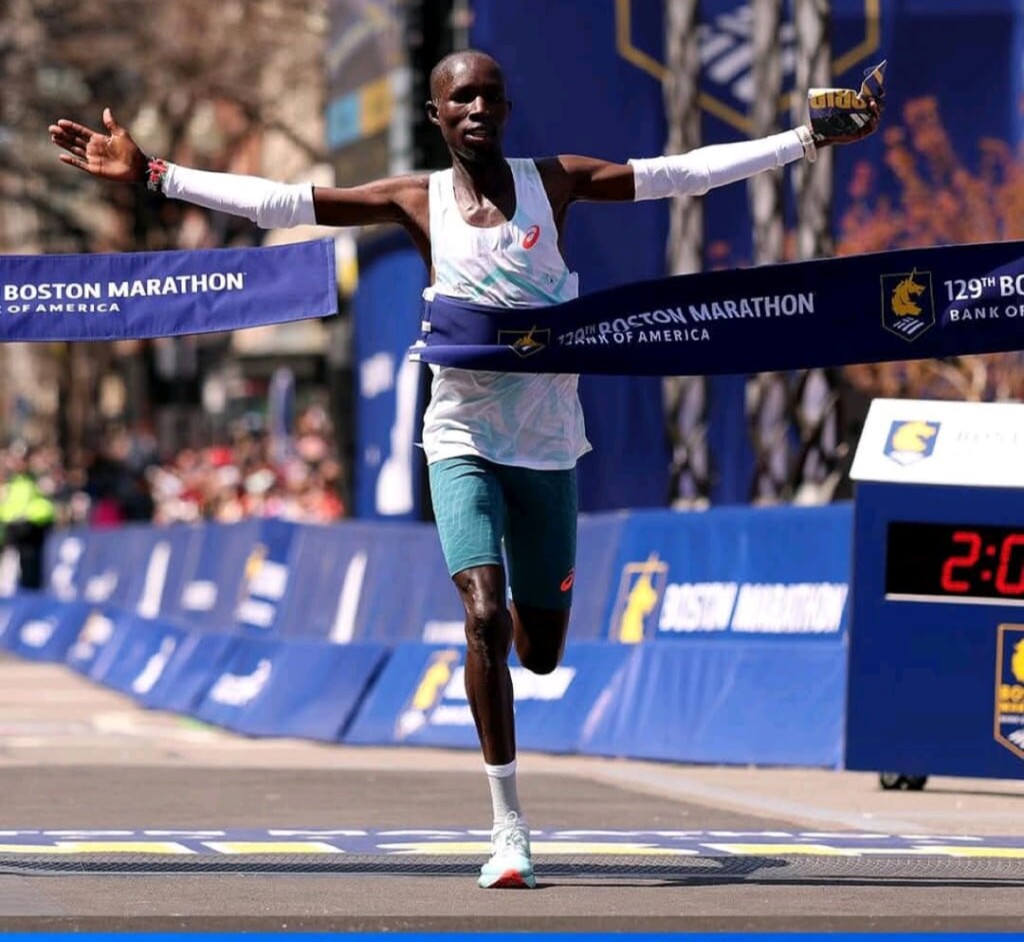
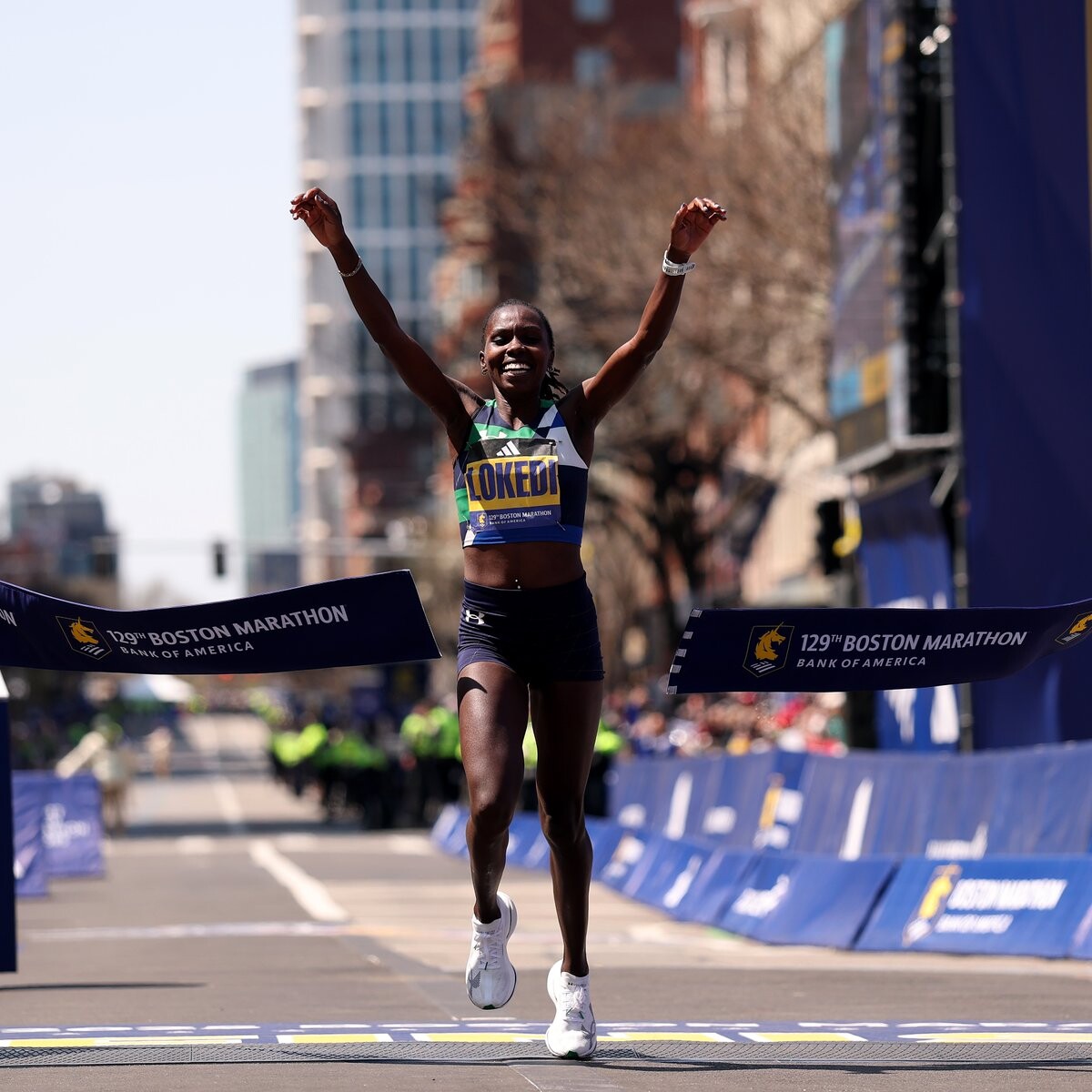
On the women’s side, Lokedi returns to a course where she has already etched her name into history. Her composure, combined with a powerful finishing kick, makes her one of the most formidable contenders once again. With the spotlight firmly on her, she will be looking to reaffirm her dominance against an elite international lineup.
Their presence in Boston days before race day reflects a deliberate approach—fine-tuning preparations, adapting to the course, and embracing the atmosphere of one of the world’s most iconic marathons. From the rolling hills to the legendary Heartbreak Hill, every detail matters.
As race day approaches, the narrative is already taking shape: can the defending champions rise again, or will new challengers seize the moment? One thing is certain—the stage is set for a compelling chapter in Boston Marathon history, and Korir and Lokedi are right at the heart of it.
by Erick Cheruiyot for My Best Runs.
Login to leave a comment
Boston Marathon
Among the nation’s oldest athletic clubs, the B.A.A. was established in 1887, and, in 1896, more than half of the U.S. Olympic Team at the first modern games was composed of B.A.A. club members. The Olympic Games provided the inspiration for the first Boston Marathon, which culminated the B.A.A. Games on April 19, 1897. John J. McDermott emerged from a...
more...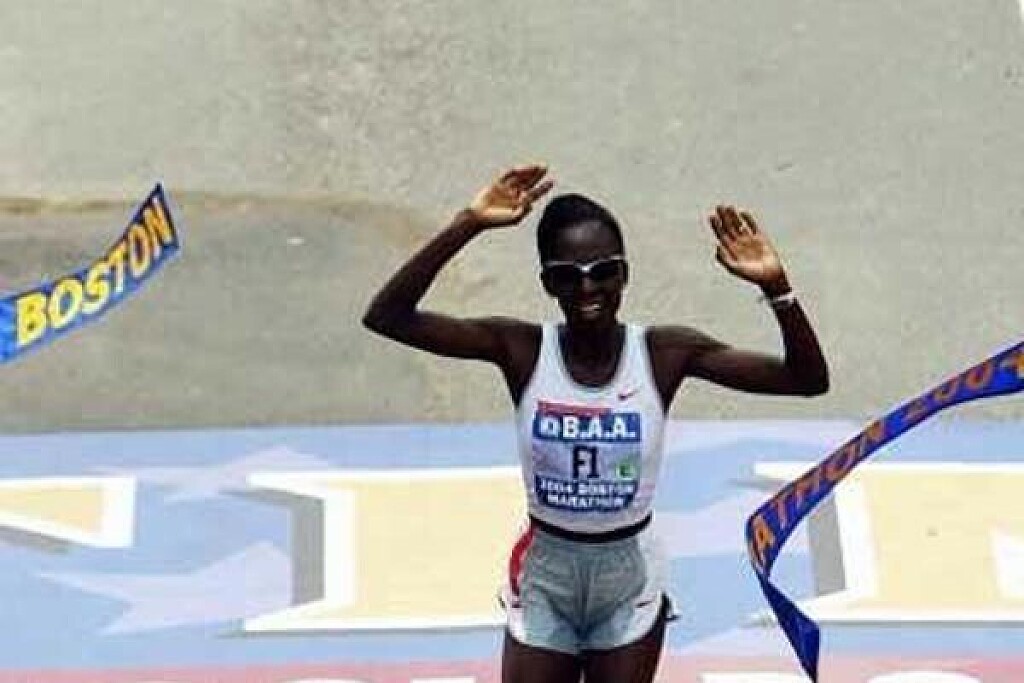
Silver Jubilee of Greatness: Remembering Catherine Ndereba’s Brilliant 2001 Boston Marathon Triumph
Twenty-five years ago, the streets of Boston witnessed the rise of one of long-distance running’s greatest queens. On a day like today, April 16, 2001, Kenya’s legendary Catherine Ndereba delivered a masterclass of endurance, strength, and tactical brilliance to win the women’s race at the prestigious Boston Marathon.
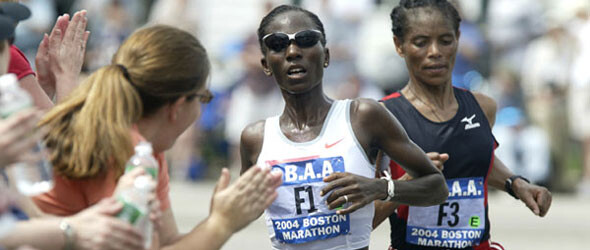
Ndereba crossed the finish line in an outstanding 2:23:53, securing a memorable victory and confirming her place among the world’s elite marathoners. It was a performance built on discipline and resilience, as she conquered the famous Boston course with the confidence of a champion.
Behind the Kenyan star came Poland’s Małgorzata Sobańska, who claimed second place in 2:26:42, while Russia’s Lyubov Mogunova completed the podium in 2:27:18 after a determined run.
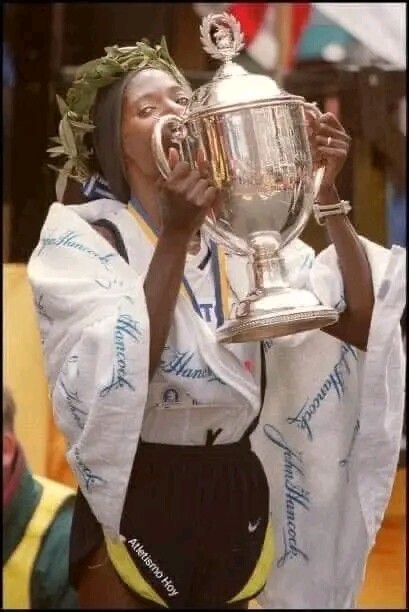
The race also highlighted the depth of African excellence, with Kenya’s Lornah Kiplagat finishing fourth in 2:27:56, while Ethiopia’s Fatuma Roba took fifth in 2:28:08.
Further down the top ten were Russia’s Irina Timofeyeva (2:28:50), Lyudmila Petrova (2:29:23), China’s Wei Yanan (2:29:52), Italy’s Bruna Genovese (2:30:39), and Japan’s Kaori Tanabe, who rounded out the top ten in 2:31:31.
Ndereba’s victory was more than just another race win—it was the beginning of an unforgettable legacy in Boston. She would go on to become one of the most celebrated marathon runners in history, admired for her grace, consistency, and remarkable ability to shine on the biggest stages.
A quarter of a century later, her 2001 triumph remains a proud chapter in Kenyan athletics history and a reminder that true greatness never fades.
by Erick Cheruiyot for My Best Runs.
Login to leave a comment
From Orbit to Asphalt: Suni Williams Prepares for a Historic Boston Marathon Return
There are countless remarkable stories woven into the legacy of the Boston Marathon, but none quite like that of Suni Williams—the only person in history to have run the race from space. Now, nearly two decades after that extraordinary feat, she is set to experience the marathon in its purest form—on the ground, surrounded by the roar of the crowd and the rhythm of pounding footsteps through Boston’s streets.
Back in 2007, while orbiting Earth aboard the International Space Station, Williams took on the Boston Marathon in a way no one else ever has. Secured to a treadmill in microgravity, she completed the 26.2-mile distance in 4:23:46, all while traveling at approximately 17,500 miles per hour as the station circled the planet. It was a surreal fusion of endurance and exploration—her race unfolding high above the very course where thousands of runners pushed forward in the traditional way from Hopkinton to Boston.
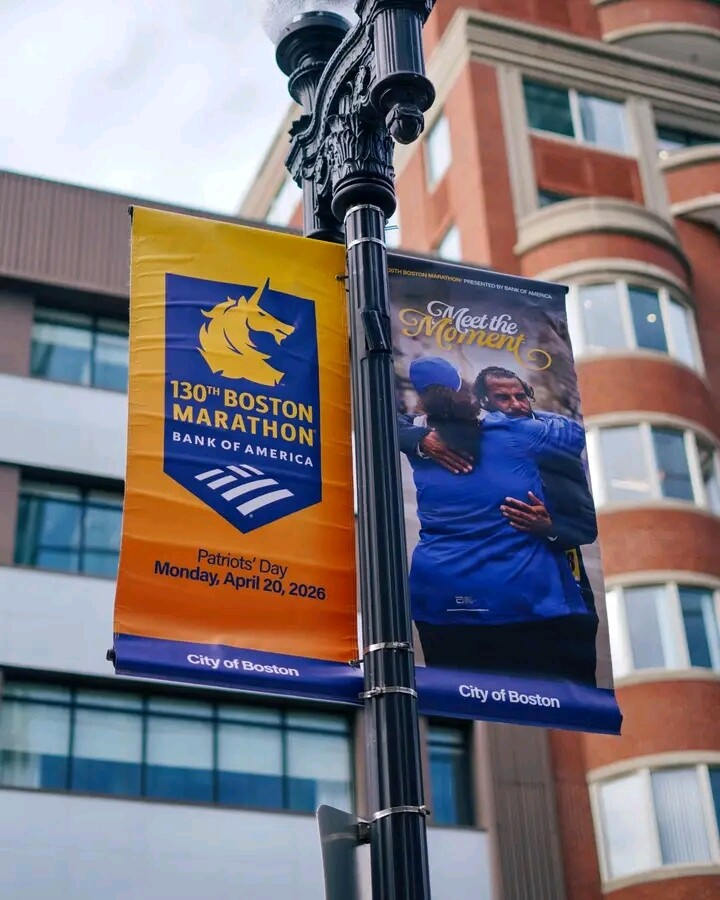
Now, on April 20, Williams will trade the silence of space for the electric atmosphere of race day. For someone who has spent years gazing down at Earth from orbit, this moment represents more than just a marathon—it is a deeply human experience, grounded in connection, community, and the shared pursuit of challenge.
Her journey to this start line carries even greater weight following her retirement from NASA in January 2026, after an extraordinary 27-year career. During her time as an astronaut, she amassed one of the longest cumulative durations in space among NASA personnel and set the benchmark for spacewalking hours by a woman—achievements that underscore her resilience, discipline, and pioneering spirit.
In recognition of those qualities, the Boston Athletic Association has named Williams the recipient of the 2026 Patriots’ Award. The honor celebrates individuals who embody perseverance, service, and curiosity—values that have defined her career both beyond Earth and back on it. For Williams, a native of Needham, Massachusetts, this race is also a homecoming, a return not just to Boston, but to her roots.
As she prepares to toe the line, one intriguing question lingers: does her 2007 orbital run count as a personal best? Technically, the time stands. But this time, the challenge will be different—gravity, terrain, and the raw, unfiltered energy of race day. No harness. No orbit. Just the road ahead.
And perhaps that is what makes this moment so compelling. After conquering the marathon in space, Suni Williams now embraces the simplicity—and the beauty—of running it on Earth.
by Erick Cheruiyot for My Best Runs.
Login to leave a comment
Boston Marathon
Among the nation’s oldest athletic clubs, the B.A.A. was established in 1887, and, in 1896, more than half of the U.S. Olympic Team at the first modern games was composed of B.A.A. club members. The Olympic Games provided the inspiration for the first Boston Marathon, which culminated the B.A.A. Games on April 19, 1897. John J. McDermott emerged from a...
more...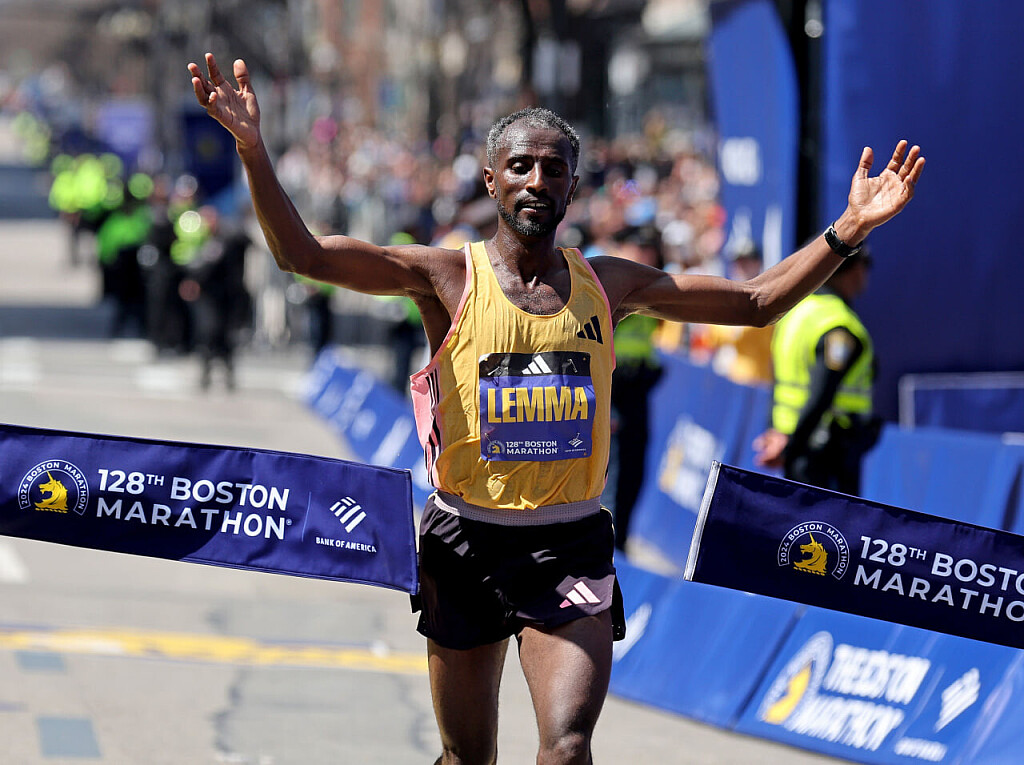
Elite Shake-Up in Boston—But the Firepower Remains Intact
With just three weeks remaining until the iconic Boston Marathon 2026 takes center stage on April 20, the race narrative has already been dramatically rewritten. What once appeared to be a deep and stable elite lineup is now shifting rapidly, as a wave of high-profile withdrawals reshapes both the men’s and women’s fields.
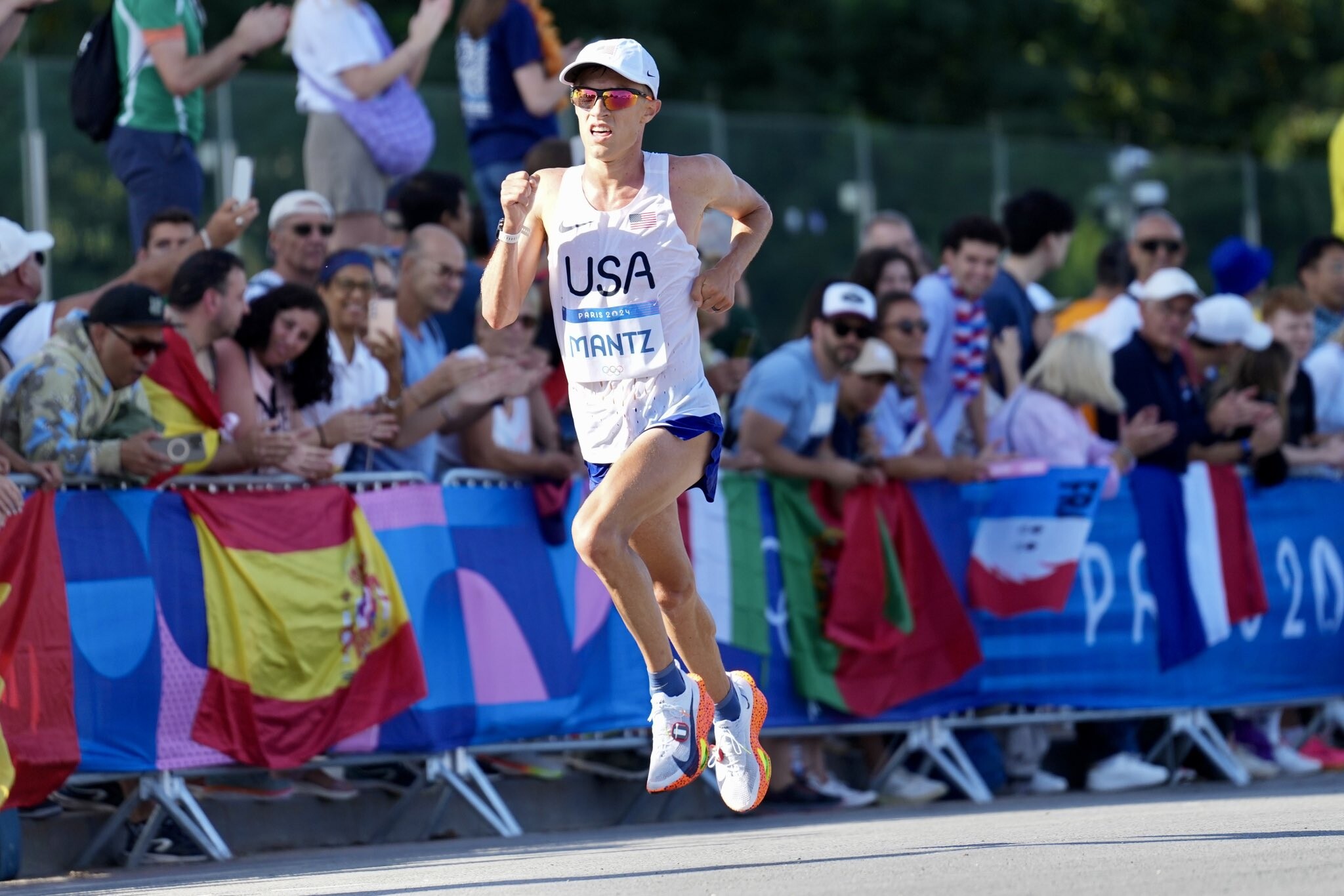
The most notable development is the withdrawal of American record holder Conner Mantz. Once considered a leading home contender, Mantz confirmed he will not compete after struggling to regain full fitness following a sacral stress fracture and other setbacks. His decision reflects a long-term focus—choosing patience over risking a return before peak condition.
The shake-up does not end there. Kenyan legend Vivian Cheruiyot has also officially pulled out, dealing a significant blow to the women’s race. She is joined on the withdrawal list by American marathon star Keira D'Amato, Tanzania’s Magdalena Shauri, and U.S. distance runner Biya Simbassa.
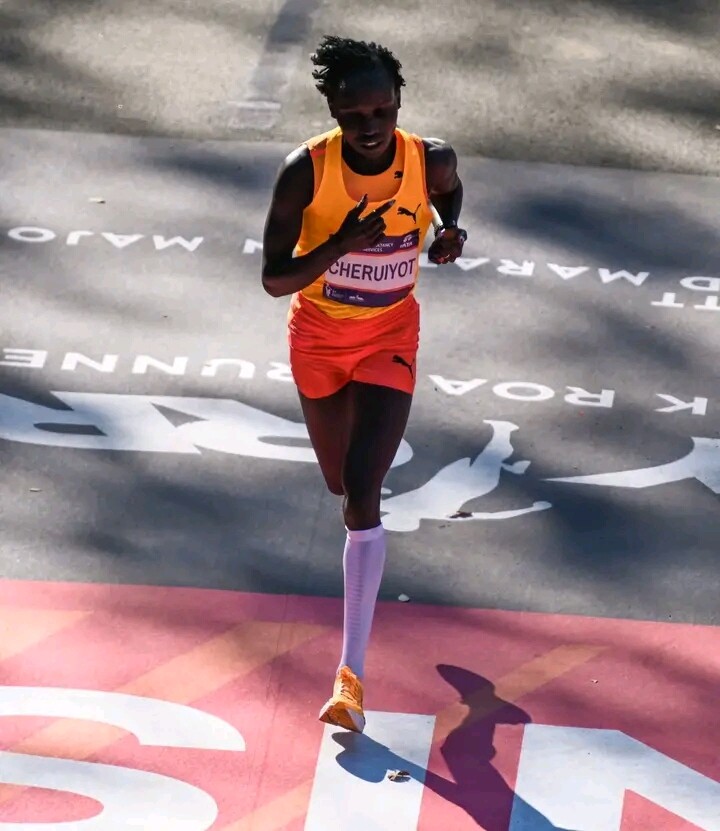
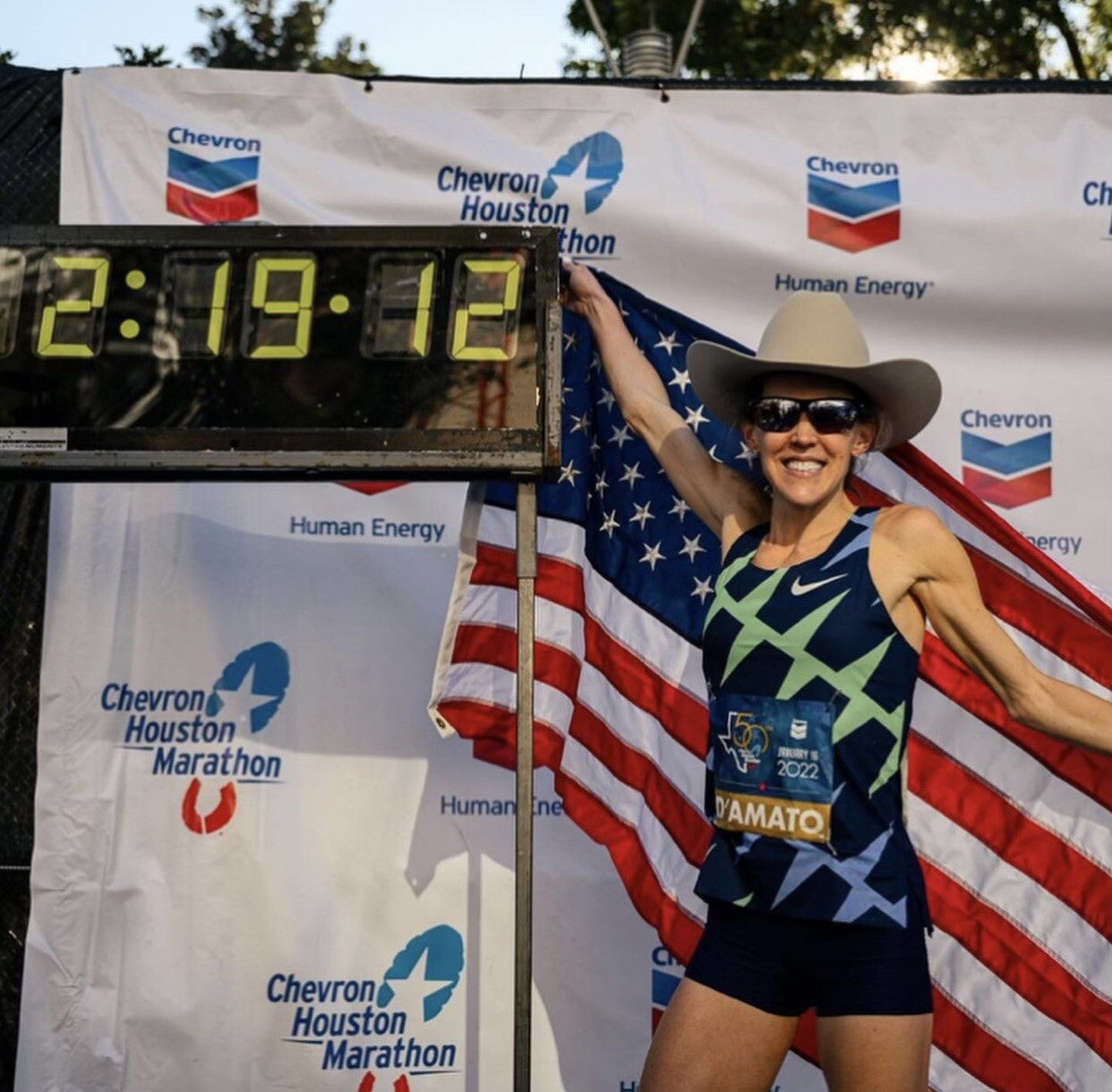
This cluster of late exits has thinned the field’s depth and removed several experienced contenders, leaving both races more open and tactically unpredictable.
Yet amid the withdrawals, a new force has emerged. Ethiopia’s Milkesa Mengesha has been added late to the men’s field, bringing with him a formidable personal best of 2:03:17. His inclusion injects fresh intensity into the race and positions him as a serious contender capable of disrupting the established order.
With Mantz no longer in the picture, the men’s race now leans heavily on proven champions. Kenya’s Benson Kipruto—the 2021 Boston winner and reigning New York City Marathon champion—returns with confidence and experience. Standing opposite him is Ethiopia’s Sisay Lemma, the defending champion determined to hold onto his title on Boston’s demanding course.
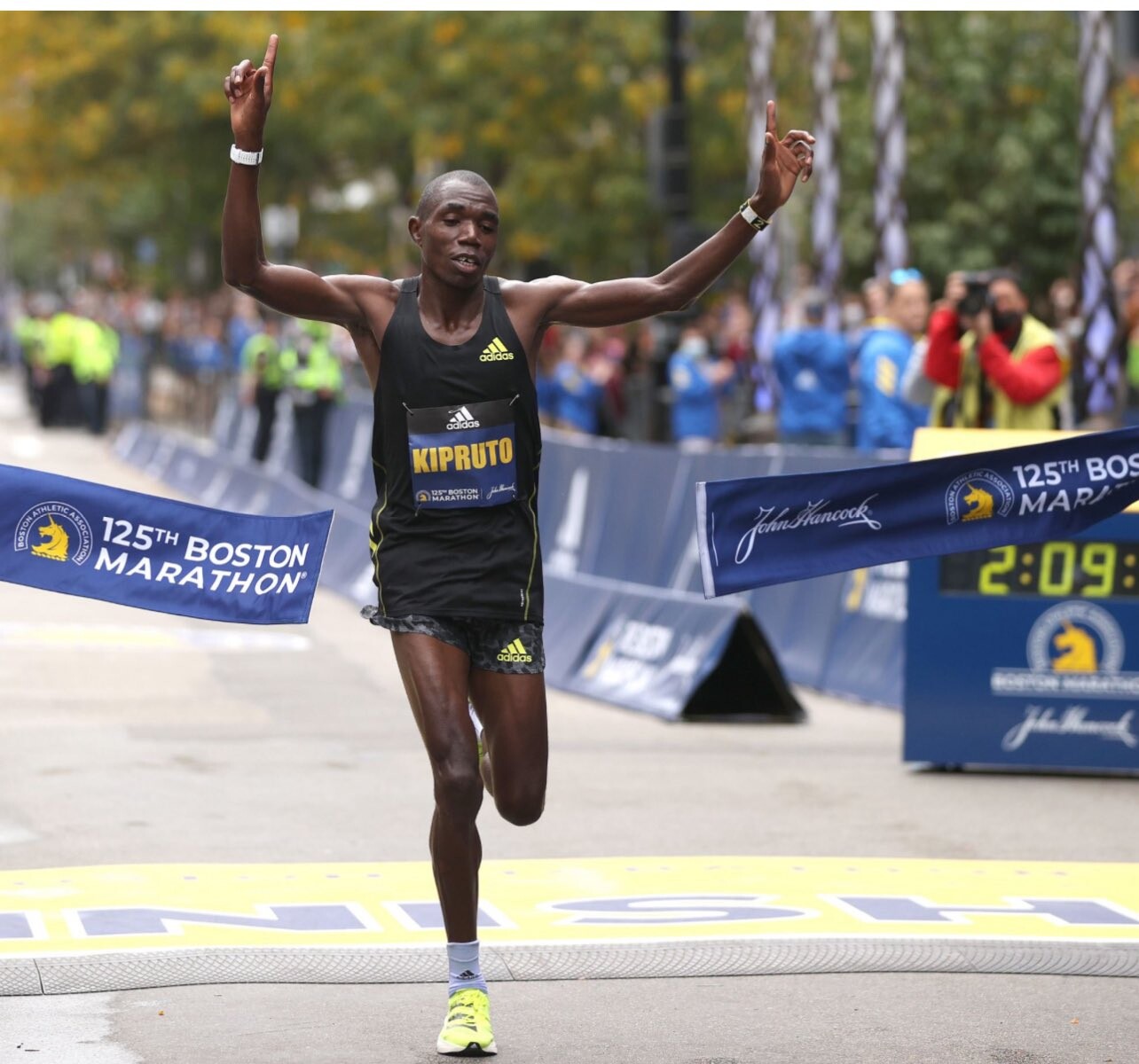
What once seemed like a straightforward clash of elite names has evolved into something far more compelling. The withdrawals have not diminished the race—they have transformed it. With gaps to fill and opportunities emerging, the 2026 edition now promises a battle defined by resilience, tactics, and the unexpected.
As Boston prepares for another unforgettable Patriots’ Day, anticipation continues to build. The script has changed—but the stakes may be higher than ever.
by Erick Cheruiyot for My Best Runs.
Login to leave a comment
Boston Marathon
Among the nation’s oldest athletic clubs, the B.A.A. was established in 1887, and, in 1896, more than half of the U.S. Olympic Team at the first modern games was composed of B.A.A. club members. The Olympic Games provided the inspiration for the first Boston Marathon, which culminated the B.A.A. Games on April 19, 1897. John J. McDermott emerged from a...
more...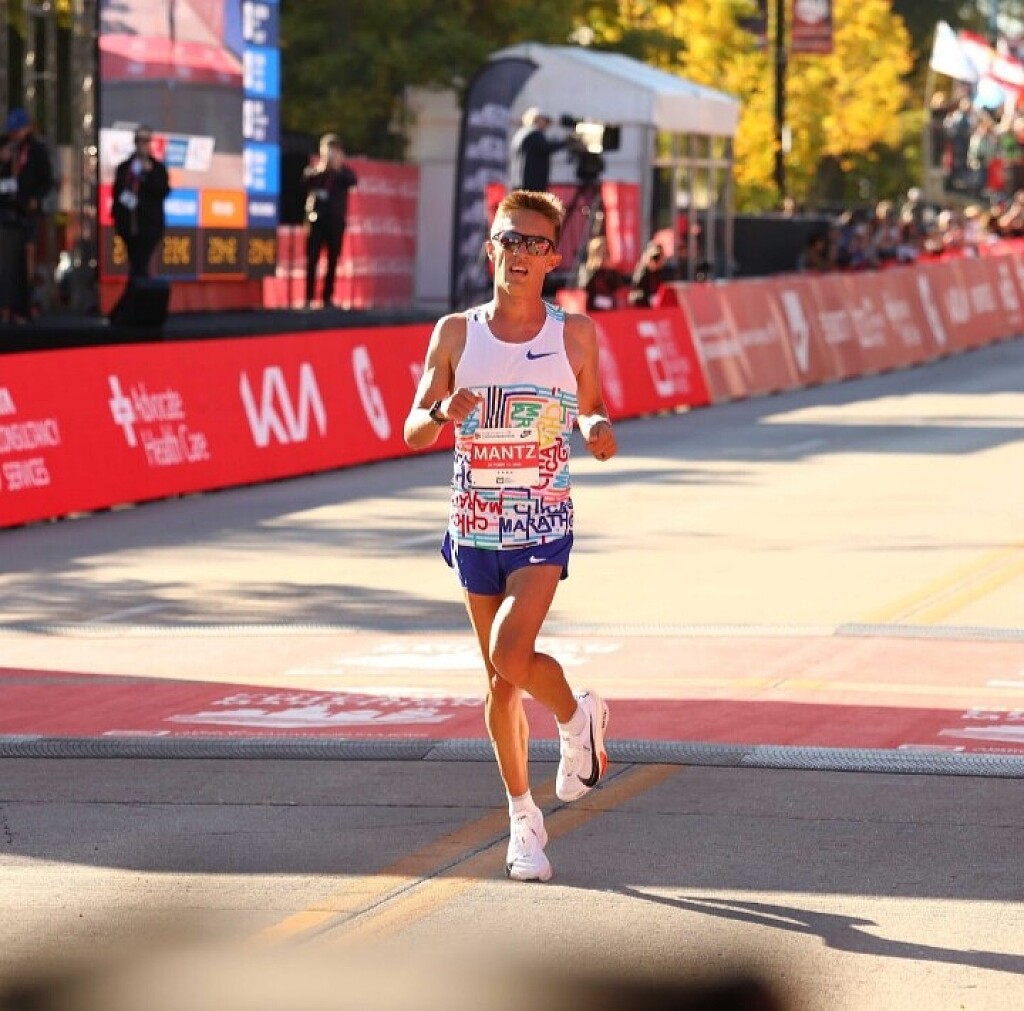
Mantz Withdraws from Boston Marathon, Leaving Elite Field Reshaped
In a significant development ahead of one of the world’s most prestigious road races, American distance star Conner Mantz has officially withdrawn from the 130th edition of the Boston Marathon, scheduled for this April. The announcement comes as a disappointment not only to Mantz himself, but also to fans and analysts who had anticipated a strong showing from the rising marathon force.
Mantz, who holds a personal best of 2:04:42 and has rapidly established himself as a central figure in American distance running, cited concerns over his current fitness as the primary reason behind his decision. In a candid statement, he acknowledged that his preparation had not reached the level required to compete at his best on Boston’s demanding course.
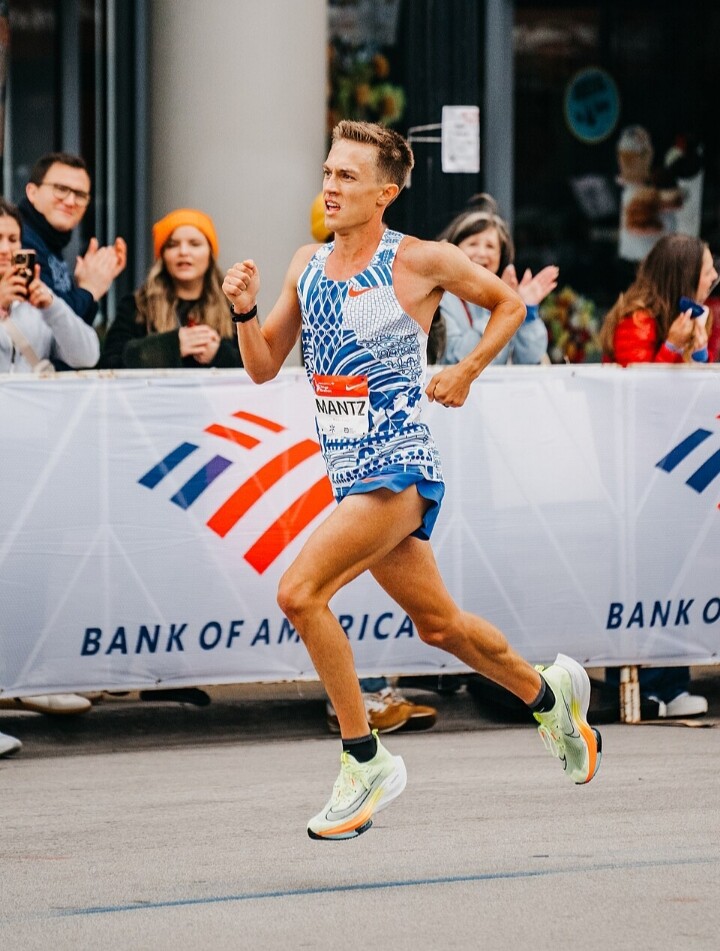
“Unfortunately, my fitness has not progressed well enough for me to be able to race the upcoming Boston Marathon at my best,” Mantz shared. “I am very disappointed, but I look forward to being back racing soon.”
His withdrawal reshapes the competitive dynamics of this year’s race, removing one of the key contenders from the elite men’s field. Known for his aggressive racing style and steady progression on the global stage, Mantz was widely expected to challenge both domestic and international rivals in Boston—a race renowned for its tactical complexity and unforgiving terrain.
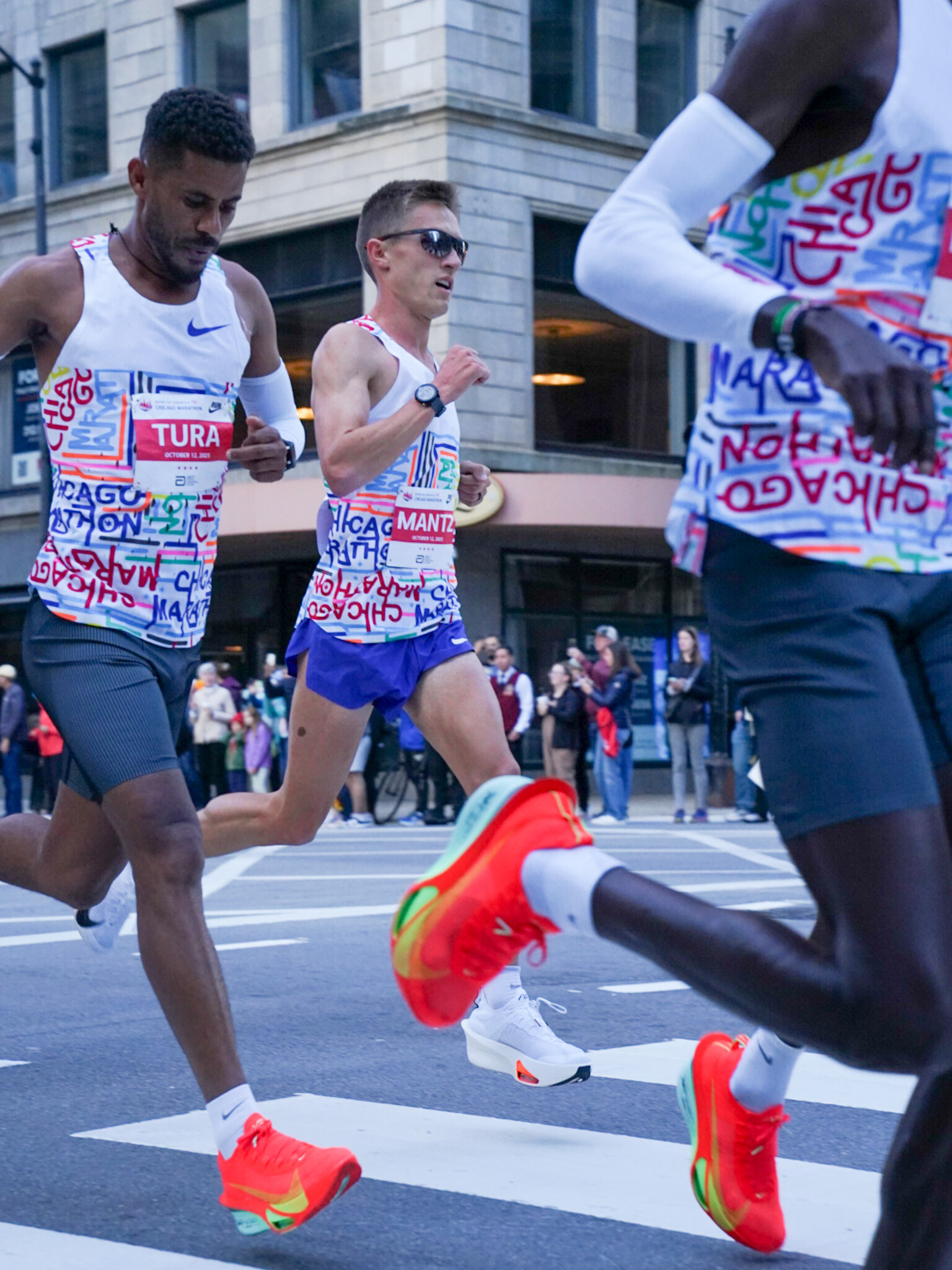
The decision, however, reflects a growing trend among elite athletes prioritizing long-term performance over short-term participation. By stepping back now, Mantz preserves the opportunity to return at full strength later in the season, rather than risking an underwhelming performance or potential injury.
While his absence will undoubtedly be felt, it also opens the door for other contenders to seize the spotlight in Boston. The marathon remains a cornerstone of the global athletics calendar, and this year’s edition promises to deliver compelling narratives despite the late change in the lineup.
For Mantz, the focus now shifts to recovery, recalibration, and a return to racing form. If his trajectory thus far is any indication, this setback may prove only a brief pause in what is shaping up to be a remarkable career.
by Erick Cheruiyot for My Best Runs.
Login to leave a comment
Boston Marathon
Among the nation’s oldest athletic clubs, the B.A.A. was established in 1887, and, in 1896, more than half of the U.S. Olympic Team at the first modern games was composed of B.A.A. club members. The Olympic Games provided the inspiration for the first Boston Marathon, which culminated the B.A.A. Games on April 19, 1897. John J. McDermott emerged from a...
more...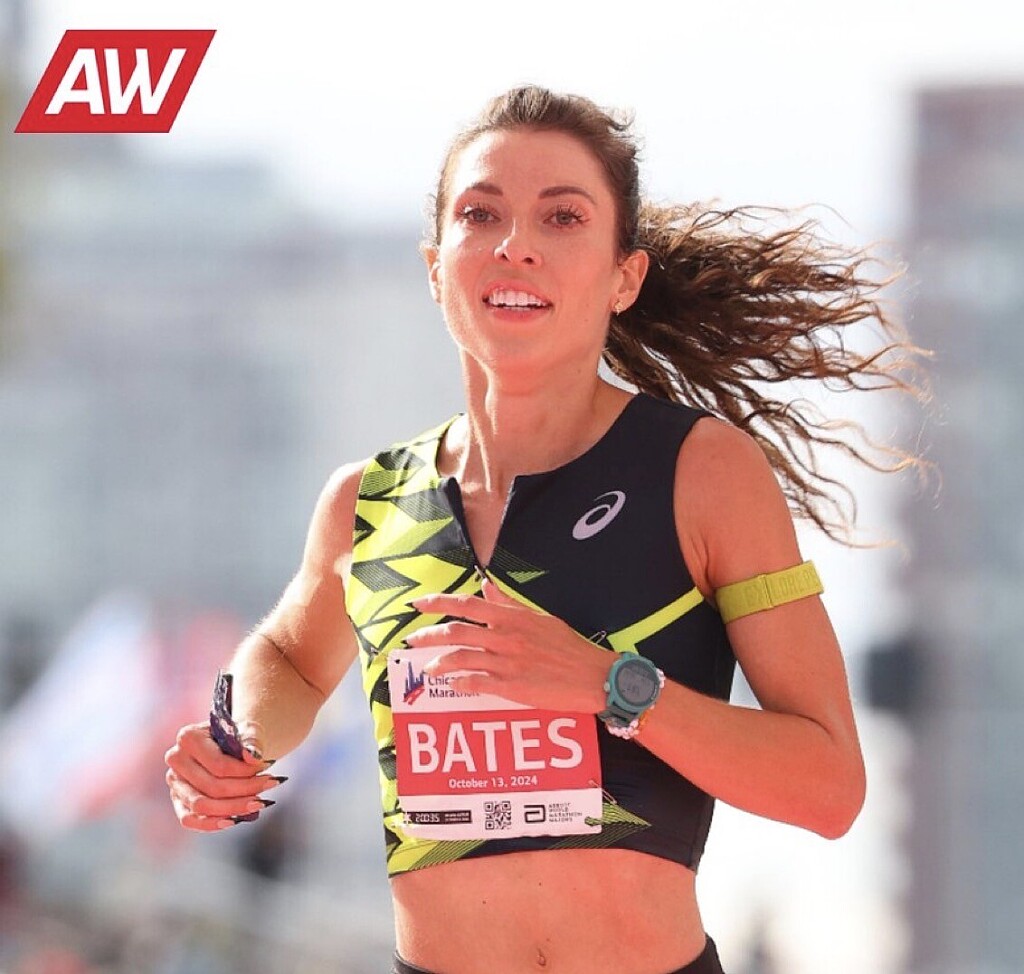
Emma Bates Says She Was Dropped by Sponsor During Pregnancy
American marathoner Emma Bates says she has been dropped by her longtime nutrition sponsor UCAN after revealing she is pregnant.
Bates, who owns a personal best of 2:23:18, had been with the Connecticut-based company for nearly four years. During that time, she delivered some of the strongest performances of her career, including a runner-up finish at the 2021 Chicago Marathon and multiple appearances as the top American woman at the Boston Marathon.
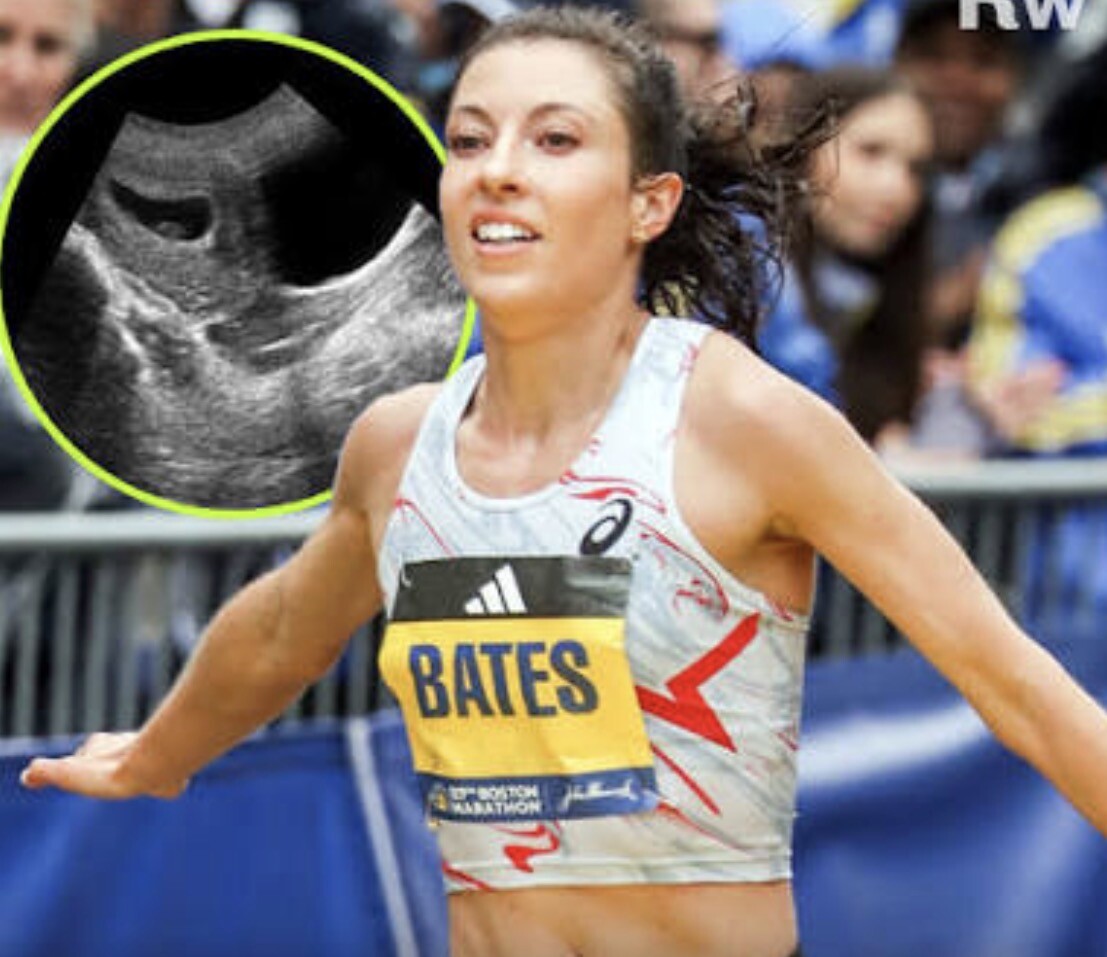
According to Bates, the sponsorship ended following news of her pregnancy—a situation that has once again raised questions about how female athletes are supported during one of the most important phases of their lives.
UCAN, however, tells a different story.
“We’re proud of the three-year partnership we had with Emma Bates and the many accomplishments we achieved together,” the company said in a statement. “The partnership decisions were made in September 2025 as part of regular business planning and prior to any knowledge of her pregnancy.
“We made an effort to continue working with Emma under a new agreement, but Emma ultimately chose not to move forward with that option. We’ve always supported—and will continue to support—athletes at all stages of life, including pregnancy and motherhood.”
The differing accounts leave open questions about what changed—and when.
In recent years, the issue of maternity protections in professional running has gained increased attention, with several high-profile athletes speaking out about contract terms, reduced pay, or lost sponsorship during pregnancy.
Bates, one of the most consistent American marathoners of her generation, now finds herself at the center of that ongoing conversation.
Her next chapter—both as an athlete and soon-to-be mother—will be closely followed across the sport.
by Boris Baron for My Best Runs
Login to leave a comment
Dick Beardsley: The Relentless Dreamer Who Redefined Marathon Greatness
Born on March 21, 1956, Dick Beardsley carved his name into the golden pages of marathon history through grit, heart, and an unbreakable competitive spirit. His journey from humble beginnings to global recognition is not just a tale of speed, but one of perseverance, passion, and unforgettable moments that still echo across the sport today.
Beardsley’s marathon story began modestly in 1977 at the Paavo Nurmi Marathon, where he clocked 2:47:14. Yet, what followed was nothing short of extraordinary. With each race, he chipped away at his times—2:33:22, 2:33:06, and 2:31:50—demonstrating a rare consistency and hunger for improvement. In fact, Beardsley achieved an astonishing 13 consecutive personal bests in the marathon, a feat so remarkable that it earned him a place in the Guinness World Records.
But it was 1981 that truly defined his legacy. At the inaugural London Marathon, Beardsley and Norway’s Inge Simonsen produced one of the most iconic finishes in marathon history. In a rare act of sportsmanship, the two runners crossed the finish line hand in hand, sharing victory in 2:11:48. It was a moment that transcended competition—symbolizing unity, respect, and the pure joy of running. As Beardsley later reflected, it meant everything, as neither had ever won a marathon before.
That same year, Beardsley delivered another masterclass at the Grandma's Marathon, storming to victory in 2:09:37—a course record that astonishingly stood for 33 years until finally broken in 2014. It was a performance that cemented his reputation among the world’s elite.

Yet, perhaps his most legendary race came in 1982 at the Boston Marathon. In what is often described as one of the greatest duels in marathon history, Beardsley went stride for stride with Alberto Salazar in a breathtaking battle to the finish. Though he placed second in 2:08:53, Beardsley’s performance shattered both the course record and the American record at the time. It was not defeat—it was a defining moment of courage and excellence.
His achievements in those golden years speak volumes:
1981
Won London Marathon – 2:11:48
Won Grandma’s Marathon – 2:09:37
1982
Won Grandma’s Marathon – 2:14:50
Position two Boston Marathon – 2:08:53
Beyond competition, Beardsley’s love for the sport evolved into mentorship. In 2003, he founded the Dick Beardsley Marathon Running Camp in Minnesota, creating a space where runners of all levels could connect, learn, and be inspired by his journey. What began at Rainbow Resort now continues near Lake Bemidji, carrying forward his legacy of passion and community.
Dick Beardsley’s story is more than a list of times and titles—it is a testament to the beauty of persistence and the human spirit. In every stride he took, he reminded the world that greatness is not only measured in victories, but in the courage to chase them relentlessly.
by Erick Cheruiyot for My Best Runs.
Login to leave a comment
A Bold New Stride: Clayton Young Embraces Brooks Era Ahead of Boston Showdown
After weeks of swirling speculation, American distance star Clayton Young has finally lifted the curtain on his future, officially announcing his partnership with Brooks Running just weeks before the iconic Boston Marathon. The revelation, shared through his social platforms, signals more than just a sponsorship change—it marks the beginning of a deeply personal and carefully orchestrated new chapter, closing the door on his long-standing relationship with ASICS.
What sets this transition apart is not just the timing, but the manner in which it was handled. In an era where agents often dominate contract negotiations, Young chose a different path—representing himself throughout the entire process. It was a bold, calculated decision that reflects both his confidence and his desire for complete ownership of his career. This was no hurried leap; rather, it was the culmination of years of quiet evaluation, with his previous deal steadily approaching its natural conclusion at the end of 2025.
Behind the scenes, Young immersed himself in a meticulous selection process. He engaged with multiple brands, tested a range of footwear, and scrutinized every detail with a singular focus—performance. Central to his final choice was Brooks’ innovation in racing shoe technology. From trialing prototype models to assessing their responsiveness under controlled conditions, every step pointed toward a partnership grounded in trust and competitive edge. Coming off an 18-week ankle injury, the stakes were even higher. Stability, comfort, and speed were not luxuries—they were necessities. Brooks, it seems, delivered on all fronts.
Now, the narrative shifts to the roads of Boston. As the countdown to the Boston Marathon intensifies, Young finds himself in a delicate yet determined phase of rebuilding. His training, once disrupted, is steadily regaining rhythm—each mile a testament to resilience, each session a step closer to peak form. While he has openly acknowledged the uncertainties surrounding his fitness, this announcement carries an unmistakable undertone of belief—belief in his recovery, and belief in the partnership he has chosen.
Boston will represent more than just a race. It will be his first appearance in Brooks colours, and it has set the stage for a powerful test of this new alliance. As he steps onto one of the sport’s most historic courses, Clayton Young has not only turned a new page—he has begun writing a story defined by resilience, independence, and renewed ambition.
by Erick Cheruiyot for My Best Runs.
Login to leave a comment
Boston Marathon
Among the nation’s oldest athletic clubs, the B.A.A. was established in 1887, and, in 1896, more than half of the U.S. Olympic Team at the first modern games was composed of B.A.A. club members. The Olympic Games provided the inspiration for the first Boston Marathon, which culminated the B.A.A. Games on April 19, 1897. John J. McDermott emerged from a...
more...
“Carrying a Dream: The Timeless Legacy of Dick Hoyt and His Son Rick”
On March 17, the running world paused to remember a man who redefined the true meaning of endurance, love, and partnership—Dick Hoyt. He passed away at the age of 80, leaving behind not just records and races, but a story that continues to move hearts across generations.
Their journey began in 1977 with a simple, yet powerful request. Rick Hoyt, born with cerebral palsy and unable to speak, expressed a desire to take part in a local five-mile race. For most, it would have seemed impossible. But for Dick, a father with no running background, there was only one answer—yes.
Pushing his son in a wheelchair, Dick lined up at the start. They crossed the finish line near the back of the field, but what they achieved that day went far beyond placement. After the race, Rick communicated something that would change everything: when he ran, he didn’t feel disabled.
That single moment ignited a lifelong mission.
From then on, father and son became inseparable on the roads. They ran, cycled, and even competed in triathlons—covering thousands of miles together. Their bond grew stronger with every race, every mile, and every challenge conquered side by side.
Their story reached its peak at the legendary Boston Marathon, where they competed an astonishing 32 times. It wasn’t just about finishing races—it was about proving that limits are often defined by perception, not reality. In 2013, their extraordinary journey was immortalized when a statue was dedicated to them at the marathon’s starting line, a lasting tribute to their impact on sport and humanity.
What made Team Hoyt remarkable wasn’t speed or medals—it was purpose. Dick didn’t just push a wheelchair; he carried his son’s dreams, turning them into a global symbol of resilience and unconditional love.
Today, as the world reflects on his passing, the legacy of Dick and Rick Hoyt lives on far beyond the finish lines they crossed. Their story reminds us that the strongest force in sport—and in life—is not physical strength, but the power of the human spirit, fueled by love.
And perhaps their greatest victory was never recorded on a clock—it was in showing the world that no obstacle is too great when you refuse to leave someone behind.
by Erick Cheruiyot for My Best Runs.
Login to leave a comment
Boston Marathon
Among the nation’s oldest athletic clubs, the B.A.A. was established in 1887, and, in 1896, more than half of the U.S. Olympic Team at the first modern games was composed of B.A.A. club members. The Olympic Games provided the inspiration for the first Boston Marathon, which culminated the B.A.A. Games on April 19, 1897. John J. McDermott emerged from a...
more...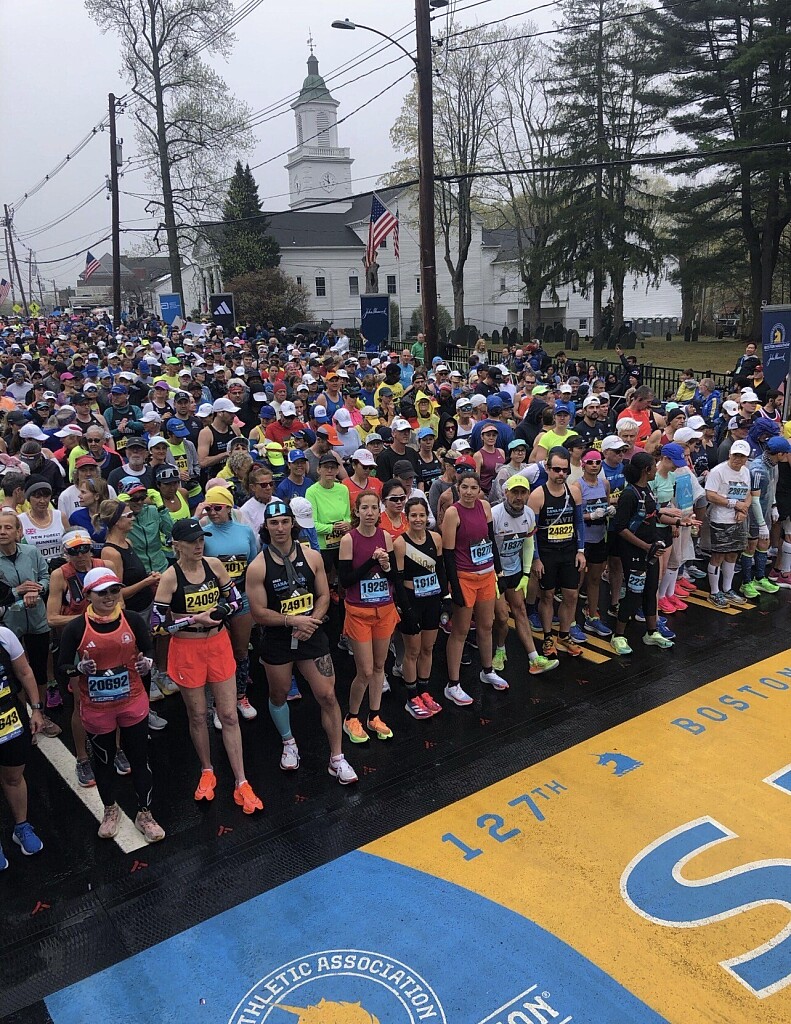
Boston Marathon Expands to Six Start Waves Beginning in 2026 to Ease Crowding
If you’ve ever run one of the marathon majors, you know how crowded the start lines can be. Thousands of runners are all trying to find enough road space to settle in. It can be chaotic, and the Boston Athletic Association (B.A.A.) has recognized that by introducing two new start waves for the 2026 race and beyond.
In a recent press release, the B.A.A. confirmed that the Boston Marathon will move from four start waves to six. The overall field size will remain at 30,000 runners, but the additional waves are designed to improve the flow of athletes from the start in Hopkinton to the finish near the Boston Public Library.
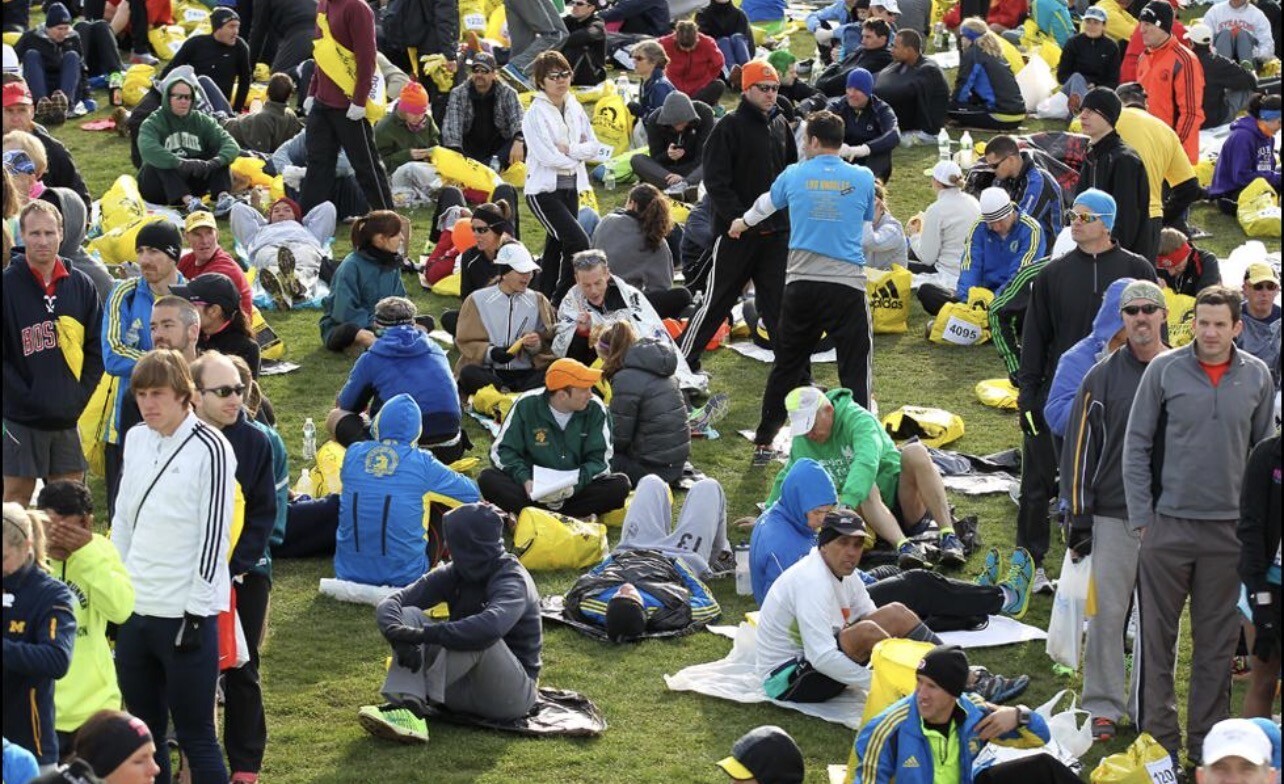
For years, Boston runners have been required to arrive three to four hours before their start time at the southwest corner of Boston Common. From there, they board school buses—often packed with 50 runners each—for the ride to a schoolyard in Hopkinton. With only four waves in the past, the system could feel congested, with overlapping groups of runners creating long lines for buses, gear check, and pre-race porta-potties.
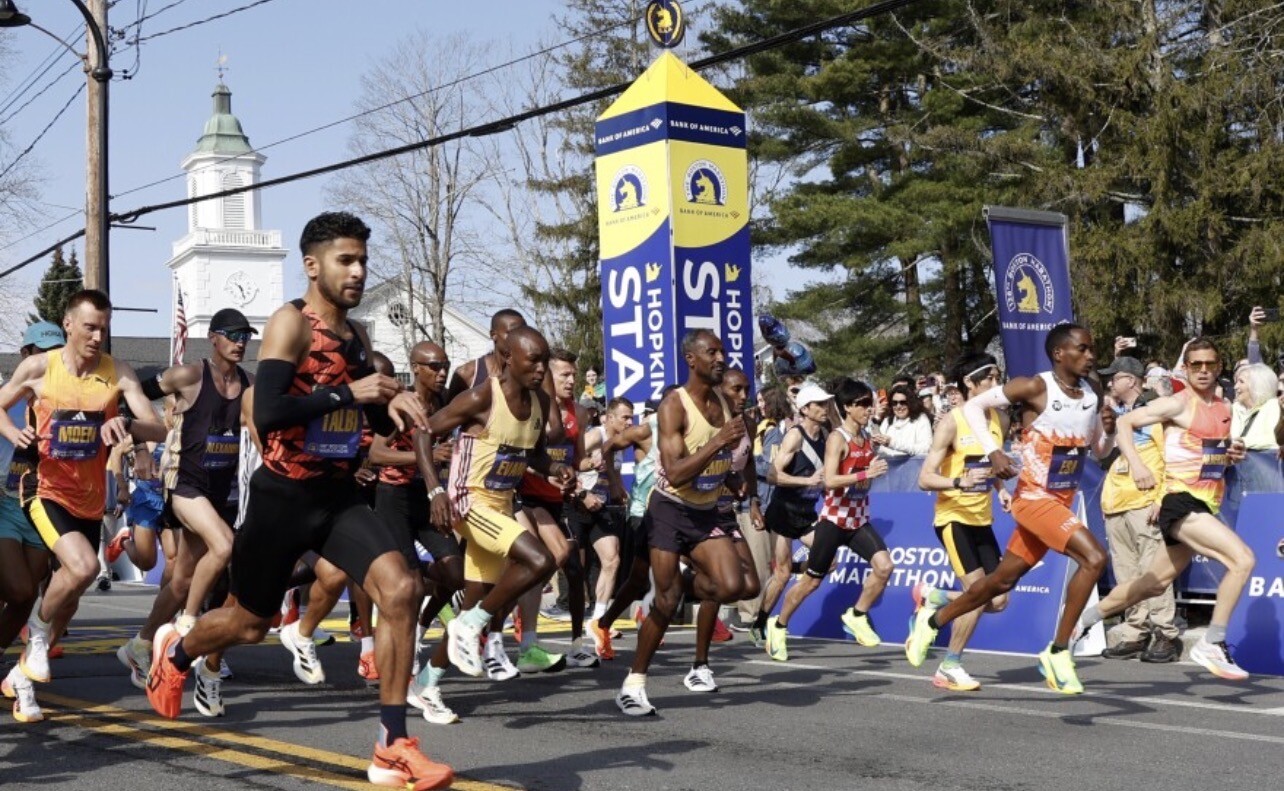
With two additional waves, organizers hope to reduce congestion and create a smoother race-day experience. Runners should encounter shorter lines and a more relaxed buildup before the race—leaving more time to focus on preparation and fueling.
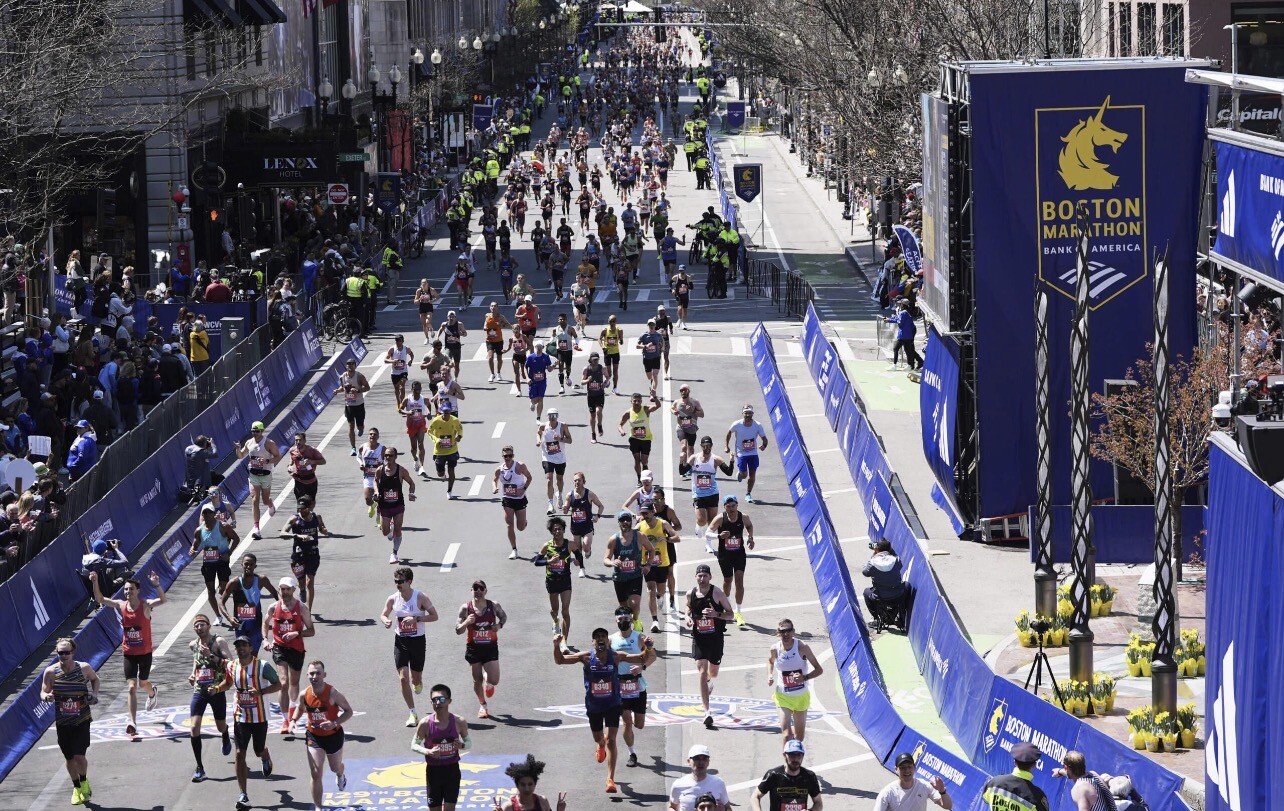
According to the B.A.A., the change follows an extensive review of race-day logistics. Crowd scientists studied athlete density throughout last year’s race and concluded that the entire start process—from gear check and bus loading to the athletes’ village and the Hopkinton starting line—would benefit from a more continuous flow of athletes.
Under the new system, wave sizes will range from approximately 3,200 to 7,100 runners, depending on qualifying times and projected finish times. In recent years, each of the four waves typically included around 7,500 runners, which contributed to the congestion.
“The new six-wave start system is aimed at enhancing each participant’s experience,” said Lauren Proshan, the B.A.A.’s Chief of Operations. “All athletes are anticipated to be across the starting line before 11:30 a.m., like previous years, and will have the same amount of time to complete the course as in 2025, with the finish line closing at 5:30 p.m. in Boston.”
The B.A.A. also announced that bib numbers, corral assignments, and start times for the 130th Boston Marathon will be released later. The race will take place on Patriots’ Day, April 20, 2026.
For many runners, the Boston Marathon start has always been part of the experience—long bus rides, crowded staging areas, and thousands of athletes waiting together in Hopkinton. With the addition of two more start waves, the B.A.A. hopes the journey from Hopkinton to Boston will begin a little more smoothly for everyone.
by Boris Baron
Login to leave a comment
Boston Marathon
Among the nation’s oldest athletic clubs, the B.A.A. was established in 1887, and, in 1896, more than half of the U.S. Olympic Team at the first modern games was composed of B.A.A. club members. The Olympic Games provided the inspiration for the first Boston Marathon, which culminated the B.A.A. Games on April 19, 1897. John J. McDermott emerged from a...
more...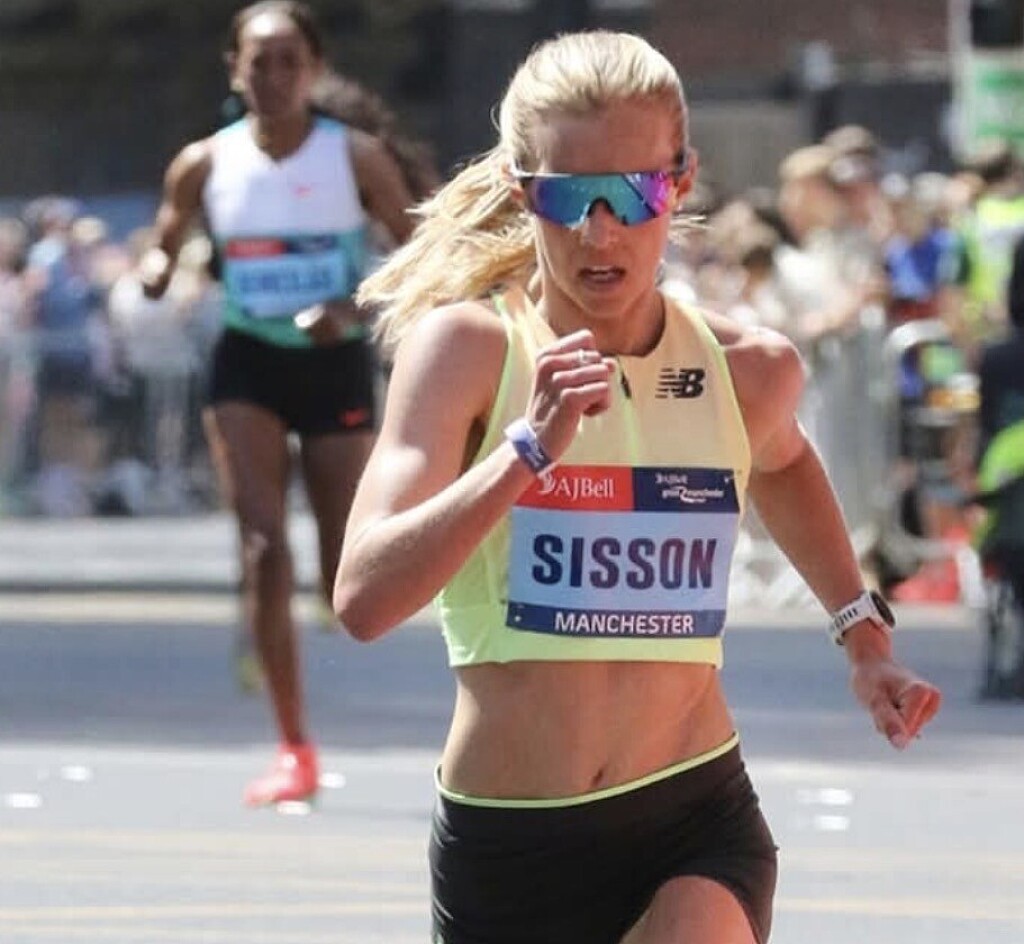
Obiri, Lokedi, Ngetich and Sisson Headline Elite Women’s Race at NYC Half Marathon
A stacked international women’s field will headline the 2026 United Airlines NYC Half Marathon on Sunday, March 15, 2026, in New York City, where world-class road specialists from Kenya, the United States, and Europe will battle for supremacy on one of the world’s most competitive half marathon stages.
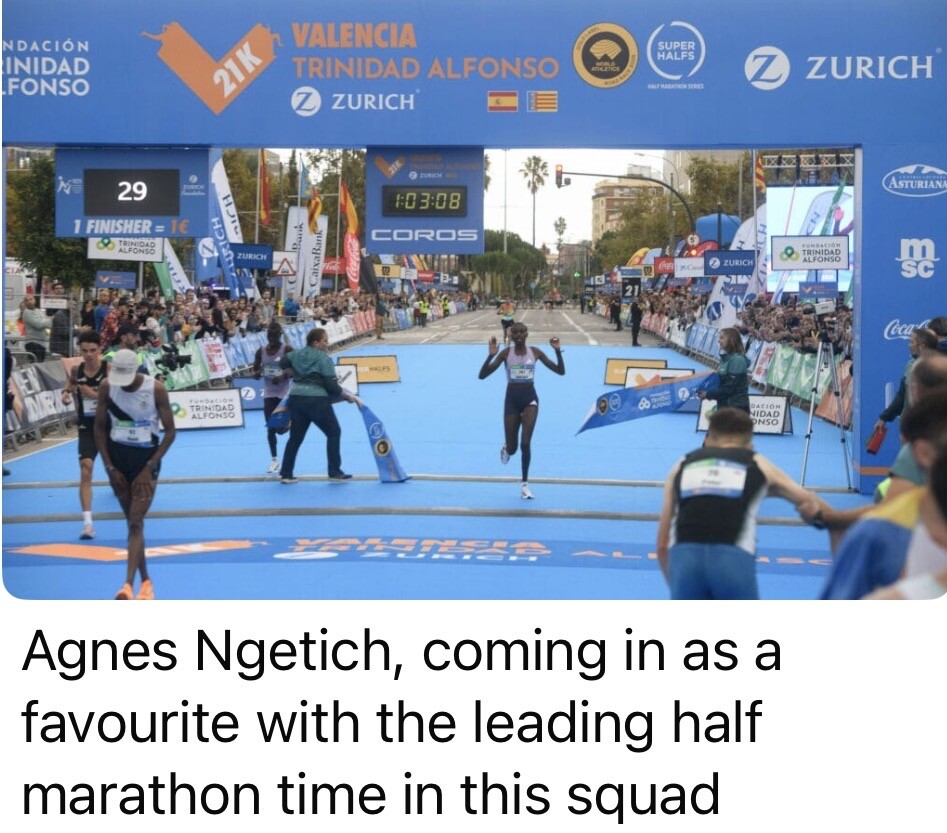
Leading the lineup is Kenyan road sensation Agnes Ngetich, who enters the race with the fastest personal best in the field at 1:03:04. The rising star has quickly established herself as one of the most formidable talents on the roads, and her aggressive racing style could make her the athlete to watch as the race unfolds through the streets of Brooklyn, across the Manhattan Bridge, and into Central Park.
Kenyan Powerhouses Set the Pace
Ngetich will face formidable opposition from a powerful Kenyan contingent that includes Hellen Obiri and Sharon Lokedi.
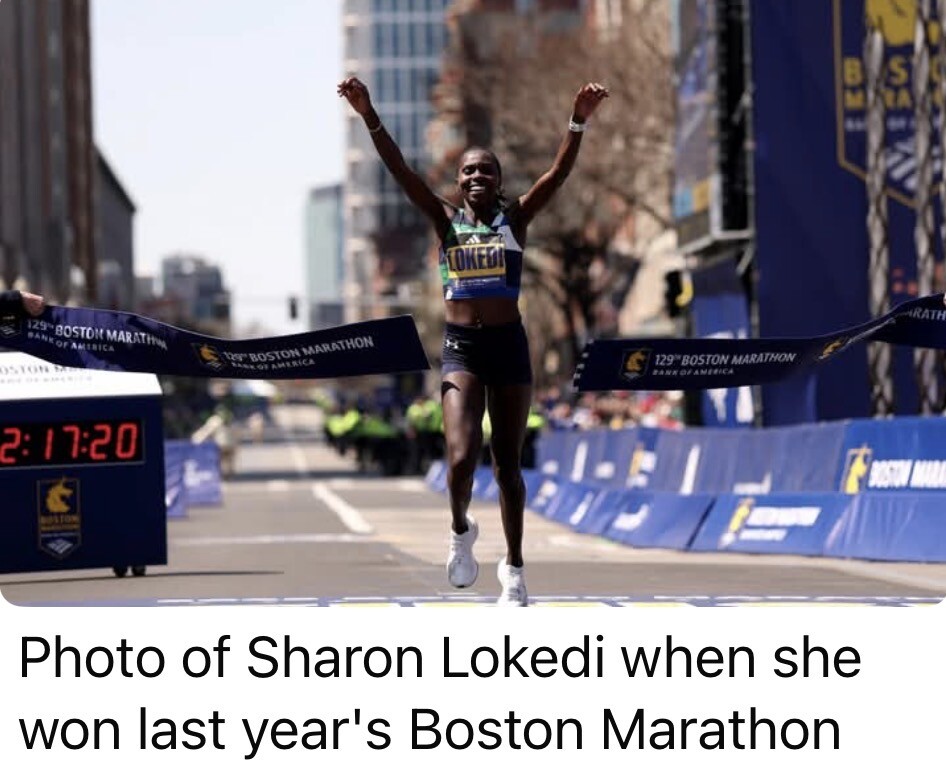
Obiri, a multiple Olympic and World Championship medalist on the track before transitioning successfully to the roads, boasts a half marathon best of 1:04:22. Known for her tactical brilliance and finishing speed, Obiri remains one of the most dangerous competitors in any elite field.
Lokedi, the Boston Marathon champion, arrives with a personal best of 1:05:00 and the experience of winning on the world’s biggest marathon stages. Her strength and racing intelligence make her a serious podium contender.
Completing the Kenyan lineup is Mercy Chelangat, who has steadily built her reputation on the roads and will be hoping to challenge the frontrunners.
International Contenders Ready to Challenge
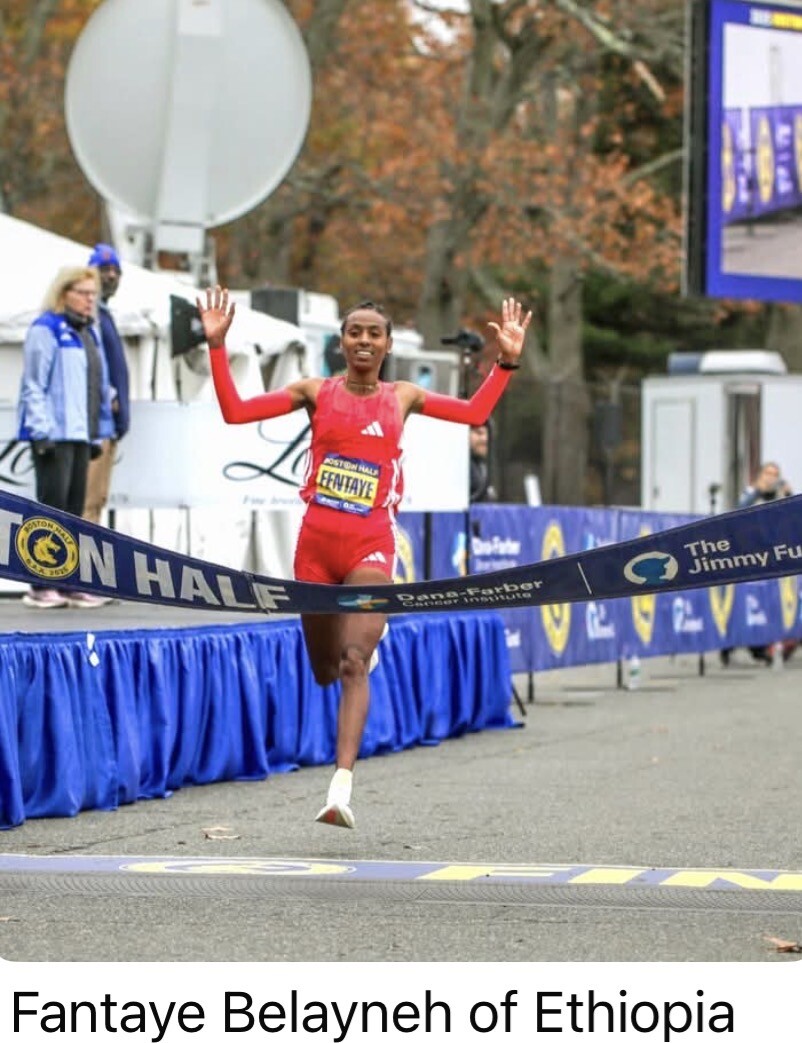
Ethiopia will be represented by Fantaye Belayneh, whose personal best of 1:04:49 places her among the fastest entrants. Belayneh has demonstrated impressive consistency on the international road circuit and could prove dangerous if the race develops into a fast early pace.
Germany’s Konstanze Klosterhalfen adds further depth to the field. The former European champion owns a half marathon best of 1:05:41 and has the pedigree to challenge the East African stars.
Strong American Home Challenge
The host nation will also field a strong challenge led by American distance standout Emily Sisson. The U.S. record holder in the half marathon brings a personal best of 1:06:52 and will be eager to deliver a strong performance in front of the home crowd.
Sisson will be joined by a deep American lineup that includes Natosha Rogers, Annie Frisbie, Amanda Vestri, and Dakotah Popehn, all of whom have recorded competitive performances on the roads in recent seasons.
Their presence ensures the United States will have multiple athletes capable of mixing it up with the international elite.
Debuts and Rising Stars Add Intrigue
Britain’s Calli Hauger-Thackery enters the race with a personal best of 1:06:58, while her compatriot Megan Keith will make her half marathon debut, adding an intriguing storyline to the competition.
Elsewhere, Diane Van Es of the Netherlands and Sweden’s Sarah Lahti will also be aiming to make an impact, while Canada’s experienced marathoner Natasha Wodak brings valuable championship experience to the elite field.
The international lineup is further strengthened by athletes from Latin America, including Uruguay’s Julia Paternain and Mexico’s Erika Priego.
A Race That Could Turn Fast
With several athletes in the field boasting personal bests under 1:06, the women’s race could develop into a fast and tactical contest. Much will depend on whether the frontrunners choose an aggressive early pace or adopt a more cautious strategy before the decisive moves in the final miles.
For Ngetich, the race presents another opportunity to underline her growing reputation as one of the leading figures in global road running. But with seasoned competitors such as Obiri, Lokedi, and Sisson in the lineup, the women’s elite race promises to be one of the highlights of the 2026 United Airlines NYC Half Marathon on March 15.
Elite Women to Watch
Agnes Ngetich (Kenya)
Personal Best: 1:03:04
The fastest entrant on paper, Ngetich arrives as the athlete to beat. Known for her aggressive front-running style, she has the credentials to dictate the pace and could turn the race into a fast contest if she pushes early.
Hellen Obiri (Kenya)
Personal Best: 1:04:22
A proven championship racer, Obiri brings tactical brilliance and finishing strength. The former world champion on the track has successfully transitioned to the roads and remains a major threat.
Sharon Lokedi (Kenya)
Personal Best: 1:05:00
The Boston Marathon champion has established herself as a consistent performer on the global road circuit and is always dangerous in tactical races.
Emily Sisson (USA)
Personal Best: 1:06:52
The American record holder will lead the home challenge and will look to use local support to test the East African dominance.
Fantaye Belayneh (Ethiopia)
Personal Best: 1:04:49
Belayneh has consistently delivered strong performances internationally and possesses the speed to stay with the leaders deep into the race.
by Robert Kibet for My Best Runs
Login to leave a comment
United Airlines NYC Half-Marathon
The United Airlines NYC Half takes runners from around the city and the globe on a 13.1-mile tour of NYC. Led by a talent-packed roster of American and international elites, runners will stop traffic in the Big Apple this March! Runners will begin their journey on Prospect Park’s Center Drive before taking the race onto Brooklyn’s streets. For the third...
more...
Shanghai Marathon Moves Closer to World Marathon Major Status as Global Series Eyes Historic Expansion
The landscape of global marathon racing could soon undergo a significant transformation after the Abbott World Marathon Majors confirmed that the Shanghai Marathon has successfully passed the first stage of evaluation in its quest to join the prestigious marathon series.
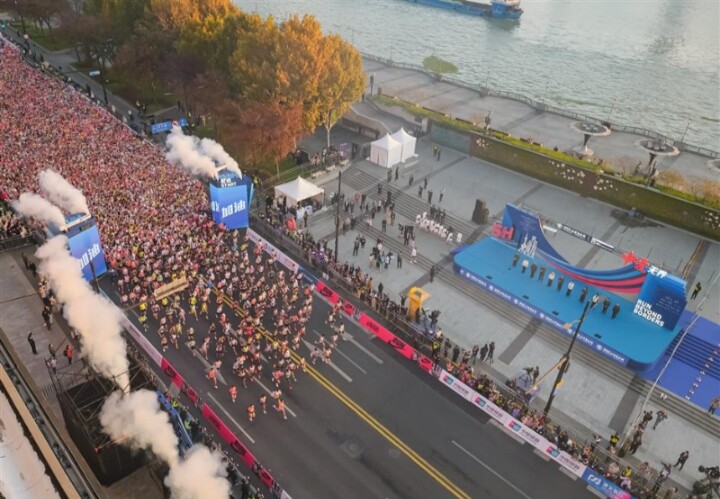
The Chinese race is now one step closer to becoming part of one of the most exclusive clubs in road running. If the event fulfills all remaining criteria during its December 2026 edition, Shanghai could officially be welcomed into the Majors calendar as early as 2027.
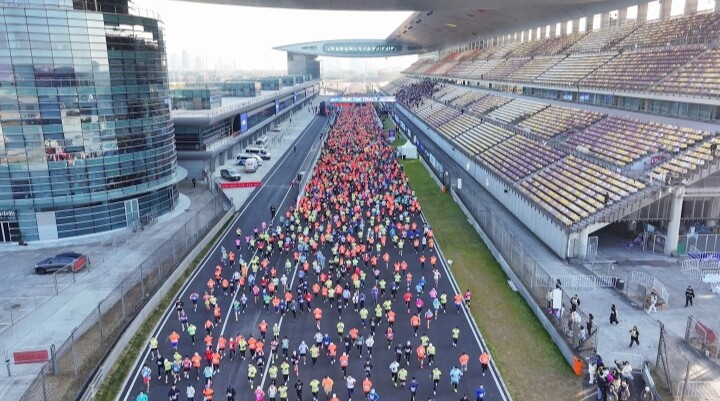
Such a development would mark a major milestone not only for the race itself but also for marathon running in Asia. In recent years, the Shanghai Marathon has steadily grown in stature, attracting elite athletes and producing performances that signal its readiness for the sport’s highest tier.
Evidence of that progress was on full display at the latest edition when former world record holder Brigid Kosgei delivered a historic run, clocking the fastest marathon ever recorded on Chinese soil. Her performance underscored the race’s rising reputation as a venue capable of hosting world-class competition and record-breaking moments.
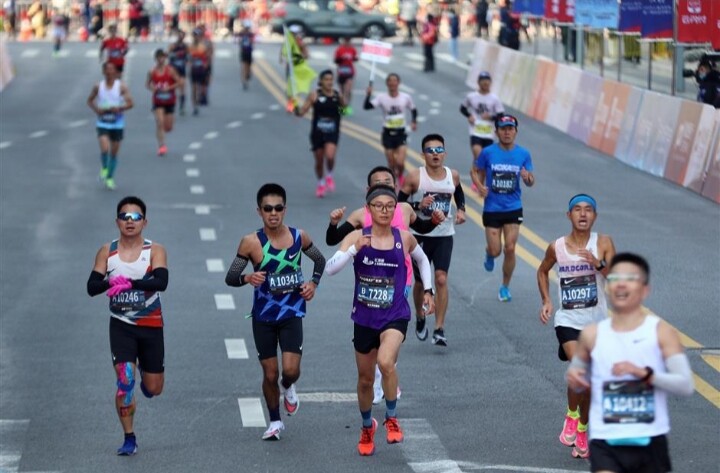
At the same time, another race is nearing a decisive moment in its own bid for inclusion. The Cape Town Marathon is currently undergoing its final evaluation phase, with hopes of becoming the first African event to join the celebrated marathon series. Should it succeed, it would represent a landmark achievement for distance running across the continent and further highlight Africa’s profound influence on the sport.
If both Shanghai and Cape Town ultimately secure approval, the Abbott World Marathon Majors would expand from seven races to nine, reflecting the sport’s growing global reach.
At present, the Majors circuit consists of the world’s most iconic marathons: the Tokyo Marathon, Boston Marathon, London Marathon, Berlin Marathon, Chicago Marathon, the New York City Marathon, and the recently added Sydney Marathon.
The possible addition of Shanghai and Cape Town would represent more than just numerical growth. It would signal a new era for marathon running — one that reflects the sport’s expanding global footprint, bringing the Majors closer to runners and fans across Asia and Africa while strengthening the truly worldwide identity of the marathon.
by Erick Cheruiyot for My Best Runs.
Login to leave a comment

Shanghai International Marathon
Shanghai International Marathon has established itself as the marquee running event on China’s Marathon calendar. Every November, tens of thousand participants run passing the many historical places of this city such as Bund Bull, Customs House, Shanghai Museum, Shanghai Grand Theater, Shanghai Exhibition center, Jing’an Temple, Nan Pu Bridge, Lu Pu Bridge, Long Hua Temple, Shanghai Stadium. The course records...
more...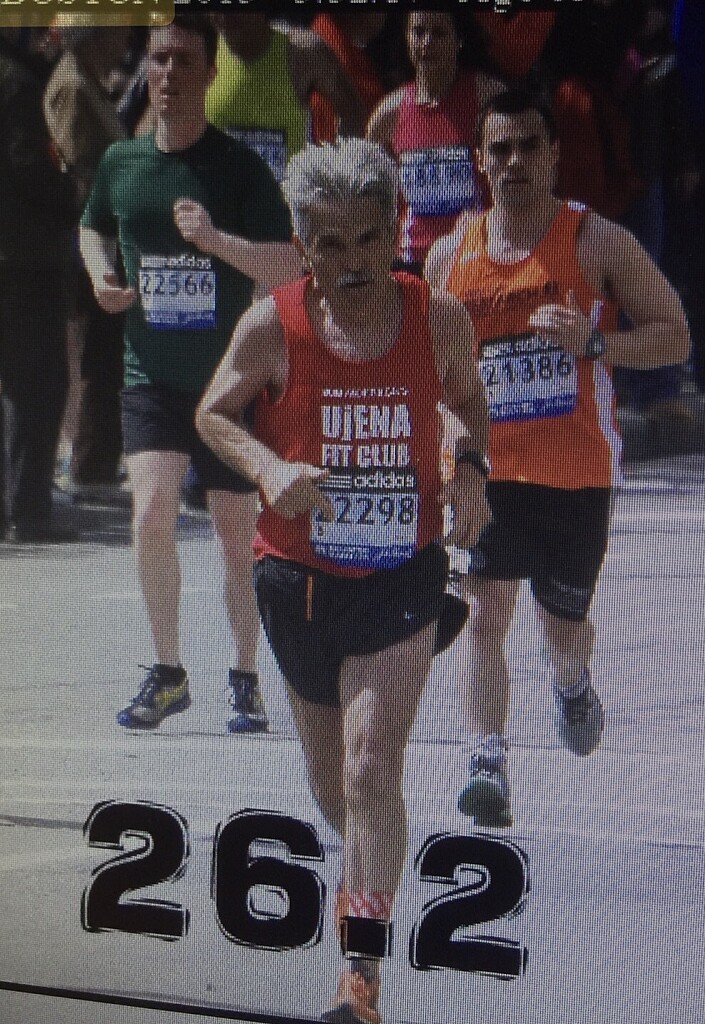
A Marathon Is 26.2 Miles — Nothing Less No Matter what says Bob Anderson
The decision at the Los Angeles Marathon to allow runners to stop at 18 miles and still receive a finisher’s medal was, in my opinion, a very poor decision. The weather was not extreme, and the idea sends the wrong message about what a marathon represents.
A marathon has always meant one thing: 26.2 miles. It is a challenge that requires preparation, discipline, and the willingness to push through the toughest miles near the end of the race.

As a lifetime runner who has finished 11 marathons (first photo me running the Boston Marathon at age 65 finishing in 3:32:17) I can say with certainty that the real marathon does not even begin until around mile 20. Stopping at mile 18 and accepting a marathon medal simply does not represent finishing a marathon.
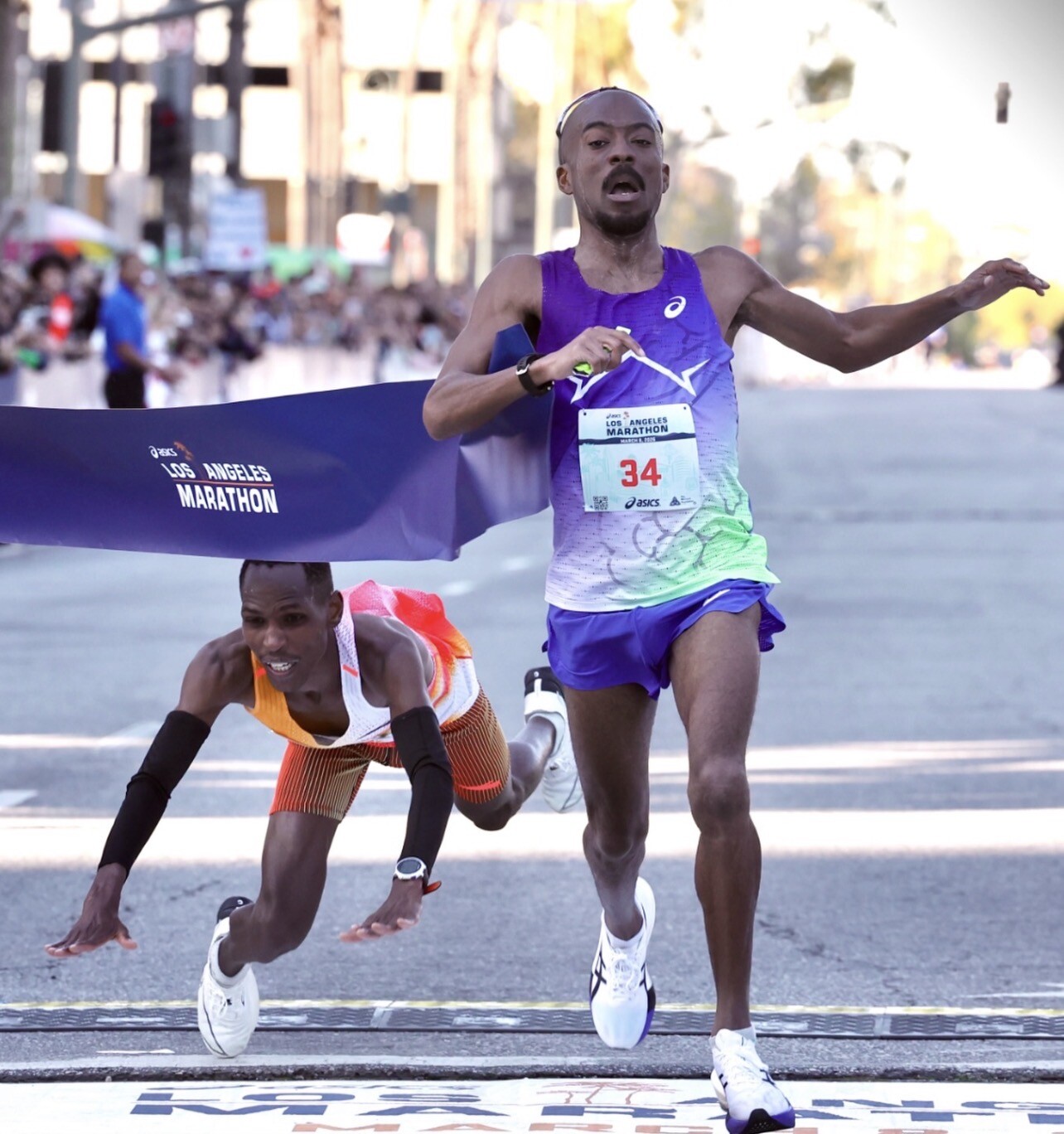
I’m glad to hear that most runners chose to continue the full distance. That shows the spirit of our sport is still strong. (Third photo the photo finish this year.)
Running is built on honesty and personal integrity. When you cross the finish line of a marathon, you know exactly what you accomplished. A medal only has meaning if it represents the full distance. For the organizers to endorse only running 18 miles but still get a marathon finishers medal is shameful.
Those who stopped at 18 miles may have participated in the event, but they did not finish a marathon.
— Bob Anderson
Lifetime Runner, Finisher of 11 Marathons, Founder and Publisher of Runner’s World for 18 years, Editor and publisher of my best runs
by Bob Anderson for My best Runs.
Login to leave a comment
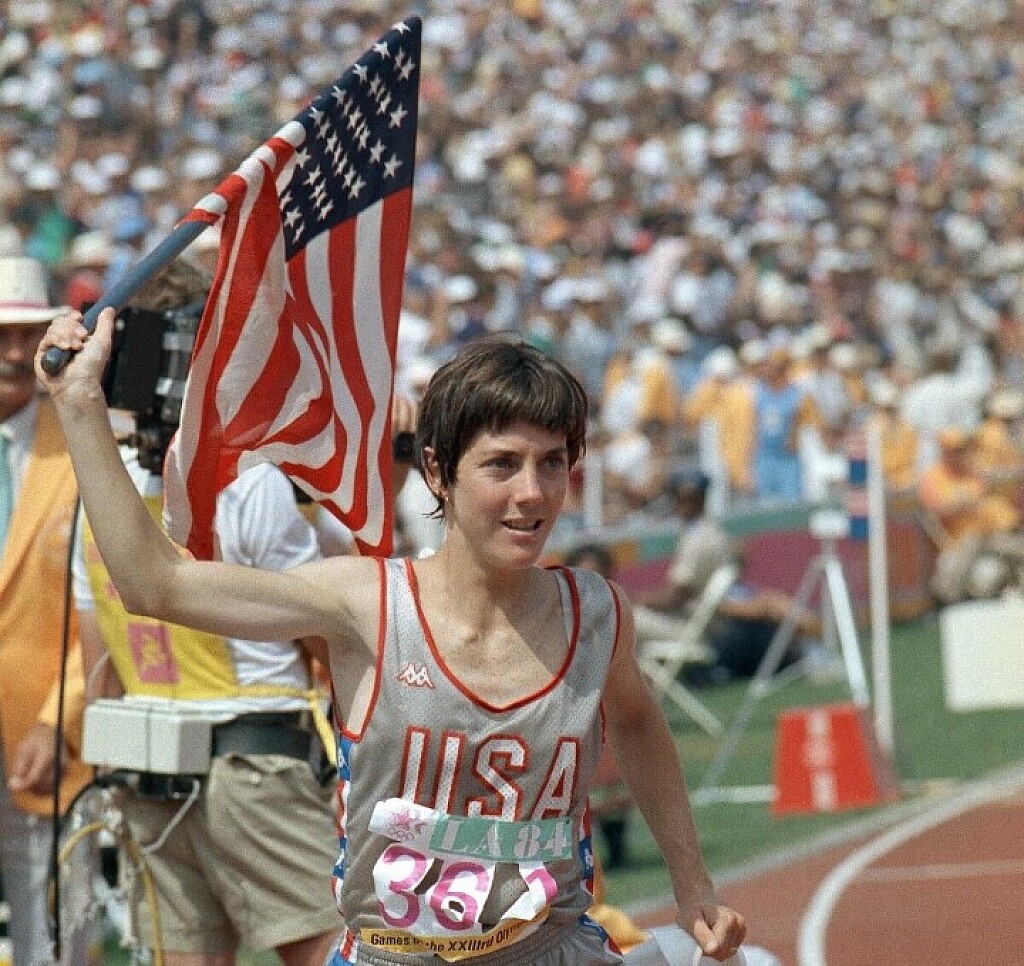
When History Finally Opened the Road: Joan Benoit’s Defining Run in Los Angeles, California — August 5, 1984
Los Angeles, California — August 5, 1984.
The California sun pressed heavily against the city streets, the temperature rising past 80 degrees as thousands of spectators lined the course. In the distance, a lone figure in a white painter’s cap ran with fearless intent, far ahead of the world’s best.
That woman was Joan Benoit — and she was not even supposed to be there.
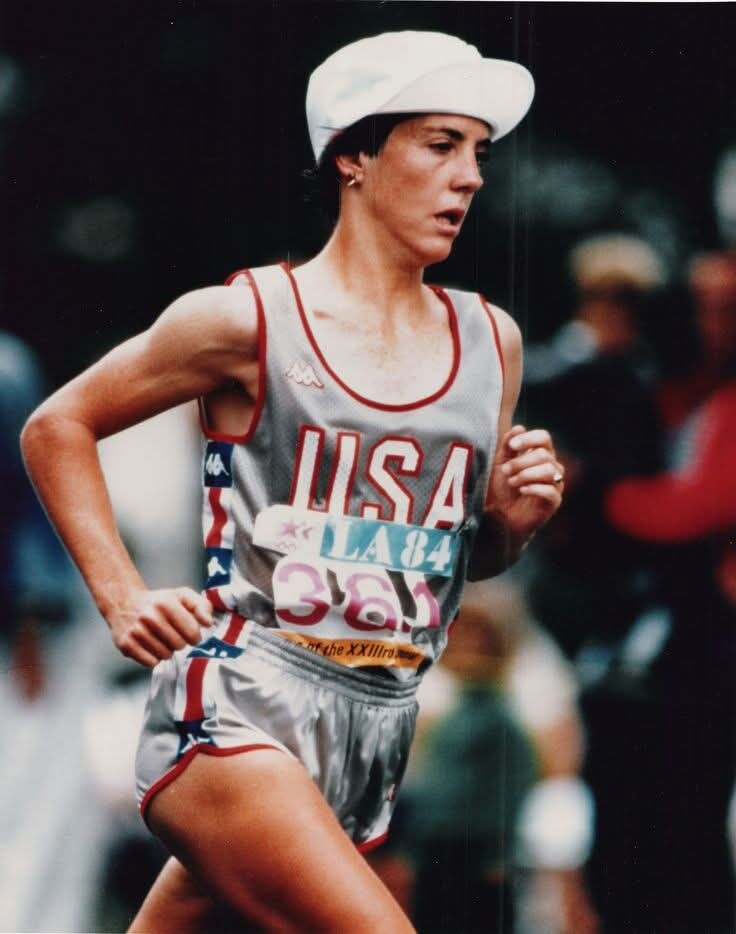
Just three months earlier, her knee had collapsed in training. Doctors delivered a harsh verdict: immediate surgery, followed by months of recovery. Yet the U.S. Olympic Trials were only 17 days away. For most athletes, that diagnosis would have ended the dream.
But 1984 was no ordinary Olympic year. It marked the first time women were officially allowed to compete in the marathon at the 1984 Summer Olympics. For decades, women had been barred from long-distance racing under claims that their bodies were too fragile, that endurance would harm their health, even that it would threaten their ability to bear children. The resistance had been so entrenched that the Boston Marathon only officially opened its doors to women in 1972.
This was not just a race; it was a long-overdue correction.
Benoit understood the gravity of the moment. There would only ever be one first women’s Olympic marathon. If she missed it, that page of history would turn without her name written on it.
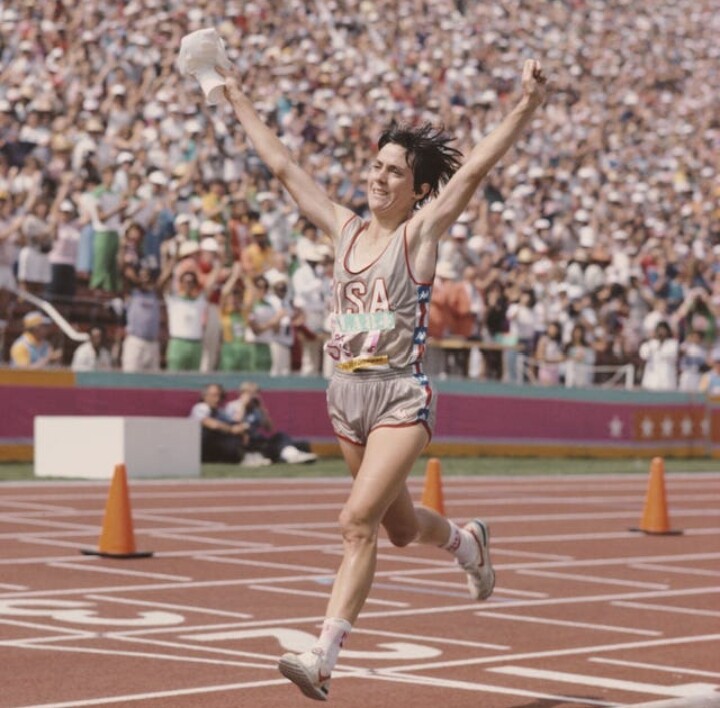
She chose surgery. Seventeen days later, still healing, she stood at the Trials start line — and won.
On August 5, 1984, the Olympic marathon began on the streets of Los Angeles, California, winding through the city beneath relentless summer heat. And before the race even reached mile three, Benoit did something astonishing.
She surged.
Breaking away from the pack with bold conviction, she committed herself to more than 23 miles alone. Commentators questioned the move. Behind her were giants of the sport — Grete Waitz and Rosa Mota — champions with unmatched credentials. Surely, they would reel her back in.
But mile after mile, the gap held.
She ran with a composure that defied both heat and doubt. The chase pack never closed the distance. Instead, Benoit extended her lead, stride by determined stride, as if carrying the weight of generations who had been denied this very opportunity.
At mile 23, she approached the iconic Los Angeles Memorial Coliseum. Still alone. Still leading. As she entered the stadium, more than 70,000 spectators rose to their feet, their roar echoing through the historic arena.
She crossed the finish line in 2:24:52, winning by over 400 meters.
The woman who had undergone knee surgery just weeks before the Trials had conquered the world’s finest on the sport’s biggest stage — in the very first women’s Olympic marathon ever held.
But her victory meant more than gold. It ended a debate that never deserved to exist. It proved that endurance does not belong to one gender, and that courage, when paired with conviction, can dismantle decades of disbelief.
Today, the women’s marathon stands as one of the most prestigious events in global athletics. Records have fallen, legends have risen, and young girls everywhere line up believing they belong.
It all traces back to Los Angeles, California — to August 5, 1984 — to a woman in a white cap who ran alone from mile three and refused to let history move forward without her
by Erick Cheruiyot for My Best Runs.
Login to leave a comment
Yuki Kawauchi Breaks 2:15 Again at Osaka Marathon
Former Boston Marathon champion Yuki Kawauchi showed encouraging progress in his comeback at the Osaka Marathon on February 22, 2026.
Kawauchi clocked 2:14:30, marking his first sub-2:15 performance in two years as he continues returning from injury.
The Japanese fan favorite shared afterward that the result represents an important step forward.
“I’m finally on the road to recovery now,” he wrote.

Known worldwide as the “Citizen Runner,” Kawauchi built his reputation on racing frequently and fearlessly. His career reached global attention in 2018, when he captured a stunning victory at the Boston Marathon in brutal weather conditions.
Now 38, Kawauchi believes he can still return to a much higher level. He has run more sub 2:20 marathons than anyone in the world. This makes number 128.
“This year I will once again break 2:10,” he said after the race. “It took a long time, but I will definitely do it.”
While the Osaka result was not about winning, it showed the former Boston champion is moving closer to the form that made him one of the most admired runners in the sport.
For fans around the world, seeing Kawauchi back under 2:15 is a promising sign that his remarkable racing story is still being written.
He also recently announced, "I will be the pacemaker for sub 2:50 in this year's Tokyo Marathon. Runners aiming for sub 2:50 in this year's Tokyo Marathon, let's run together in Tokyo."
by Boris Baron for My Best Runs
Login to leave a comment
Ethan Shuley Breaks Through in Osaka With the Seventh-Fastest Marathon Ever by an American
The Osaka Marathon, held February 22, 2026, in Osaka, Japan, produced one of the most significant American marathon performances of the year. While the race featured a deep international field and fast times at the front, the biggest story for U.S. distance running came from former BYU athlete Ethan Shuley.
Shuley ran 2:07:14, a performance that now ranks as the seventh-fastest marathon ever by an American on a record-eligible course
Just two years ago, Shuley’s personal best stood at 2:20:53, making his rise particularly striking. During the 2025 season he began to show major progress, running 2:18:13 for fifth place at the Nagano Marathon in April before finishing second at the Kobe Marathon in November with 2:11:30. In Osaka he took another massive step forward, slicing more than four minutes off that mark.
Shuley’s path to elite running is far from traditional. The American is currently based in Shinjuku, Tokyo, where he studies film while continuing to train and compete. He shares much of his training and life in Japan on his YouTube channel, offering a rare look into the life of a developing international marathoner.
His coaching situation is equally unconventional. Shuley works remotely—sometimes even communicating through Instagram—with coach Isaac Wood.
The Osaka Marathon has built a reputation as one of Asia’s premier road races, known for producing fast times and attracting strong international competition. The 2026 edition continued that tradition, with elite runners battling through cool conditions on a course that winds through the heart of the city.
While international athletes claimed the overall titles, Shuley’s performance stood out as one of the most important American results of the year and immediately placed him among the country’s top marathoners.
Fastest American Marathons
(Record-Eligible Courses) Because the Boston Marathon is a point-to-point course with significant net downhill, performances there are not eligible for records. The following marks were run on courses that meet international record standards.
1. Conner Mantz – 2:04:43 (Chicago 2025)
2. Khalid Khannouchi – 2:05:38 (London 2002)
3. Zouhair Talbi – 2:05:45 (Houston 2026)
4. Galen Rupp – 2:06:07 (Prague 2018)
5. Ryan Hall – 2:06:17 (London 2008)
6. Biya Simbassa – 2:06:53 (Valencia 2024)
7. Ethan Shuley – 2:07:14 (Osaka 2026)
Breaking into this list is no small achievement. It places Shuley alongside some of the most accomplished runners in U.S. marathon history.
For now, Osaka may be remembered as the race where a new American contender officially arrived. If Shuley’s trajectory continues, this performance could be only the beginning.
by Boris Baron for My Best Runs
Login to leave a comment

Osaka Marathon
In 2022 the Lake Biwa Mainichi Marathon and Osaka Marathon were held together. For 2023 the name of the marathon will be Osaka and both men and women can run the race. The original male-only competition was first held in 1946 and, having taken place every year since then, it is Japan's oldest annual marathon race. The early editions of...
more...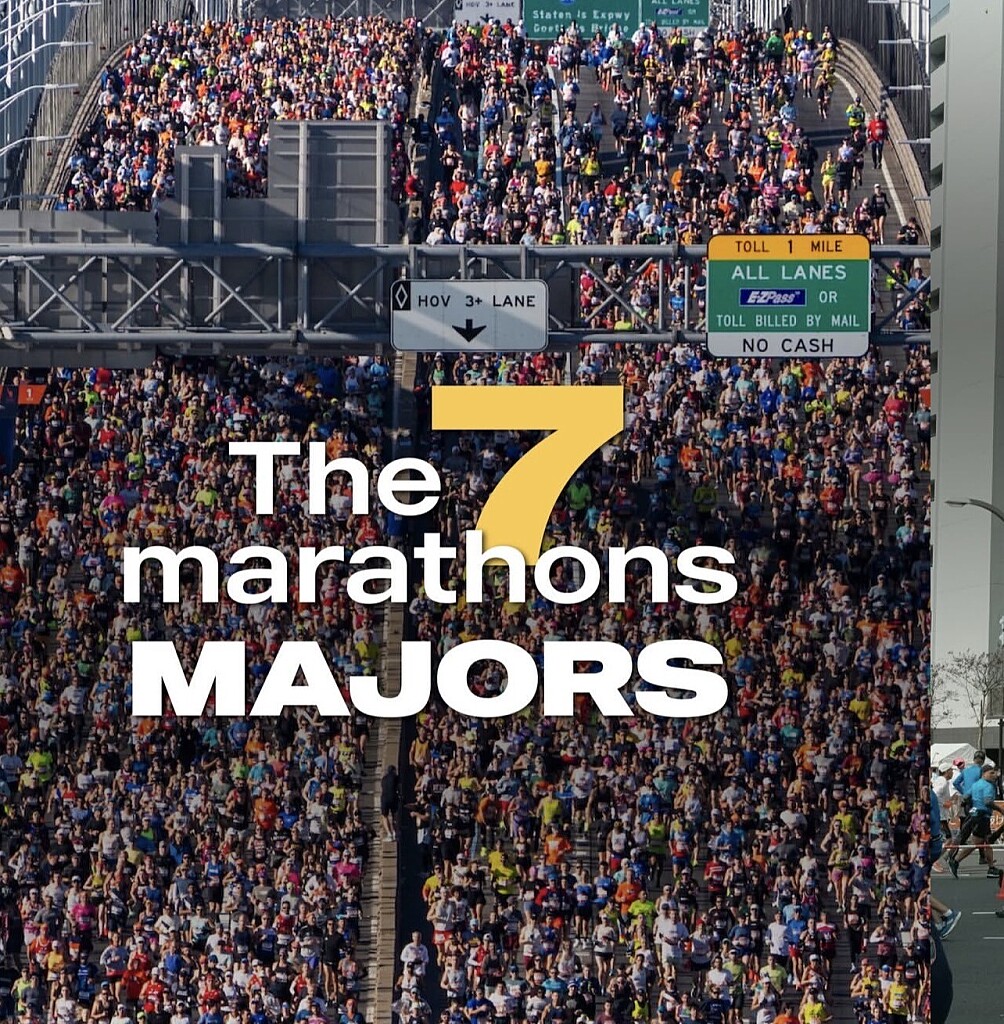
The 2026 World Marathon Majors Calendar Is Set
The global marathon spotlight will once again circle the world in 2026 as the Abbott World Marathon Majors return with a powerful seven-race series that stretches from Asia to Europe, Australia to North America. Each stop carries its own personality, history, and racing rhythm — but together they represent the highest level of marathon competition on the planet.
Here is the confirmed 2026 World Marathon Majors calendar:
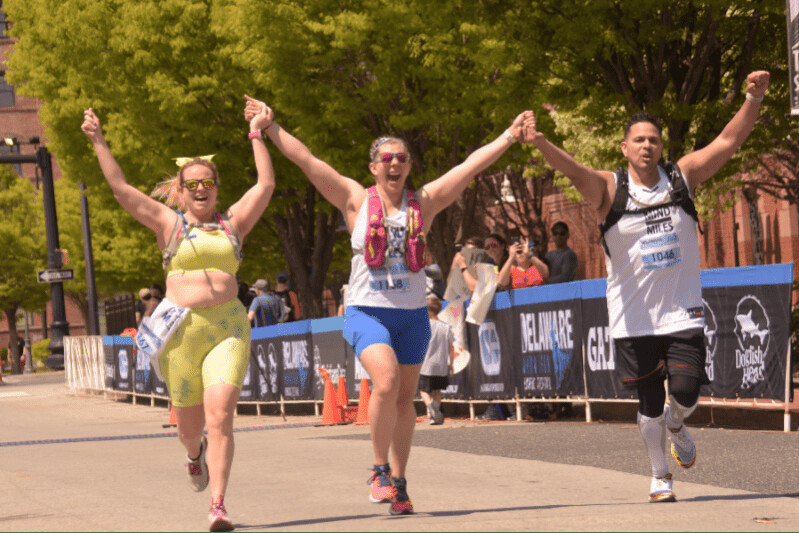
Tokyo Marathon – March 1, 2026
Boston Marathon – April 20, 2026
London Marathon – April 26, 2026
Sydney Marathon – August 30, 2026
Berlin Marathon – September 27, 2026
Chicago Marathon – October 11, 2026
New York City Marathon – November 1, 2026
Seven races. Seven cities. One global championship narrative.
Season Opener in Asia
The series begins with the Tokyo Marathon on March 1. Known for its flat layout and disciplined organization, Tokyo has become a consistent stage for fast times and tactical early-season showdowns. Elite athletes often use Tokyo to set the tone for the year — and occasionally to chase course records.
April: Marathon Royalty Month
April remains the heart of the marathon calendar.
The Boston Marathon on April 20 returns to Patriots’ Day tradition. With its point-to-point course from Hopkinton to Boylston Street, Boston remains the ultimate test of racing intelligence, strength, and patience. You don’t just run Boston — you compete Boston.
Six days later, the London Marathon on April 26 brings a different dynamic: deep elite fields, aggressive pacing, and often the fastest head-to-head racing of the spring season. London has become a proving ground for Olympic champions, world record holders, and breakout stars alike.
The April double — Boston and London — continues to define legacies.
Sydney’s Growing Influence
The Sydney Marathon on August 30 strengthens the Majors’ global footprint. As the newest addition to the series, Sydney represents the expansion of the championship to Oceania and adds a late-summer championship feel before the traditional fall European and American races.
Its presence reshapes how athletes build their seasons. With Sydney now in the mix, the Majors truly span the globe.
Fall Speed Season
The Berlin Marathon on September 27 remains synonymous with world records. Its flat, fast course has witnessed some of the greatest performances in distance running history. If athletes are chasing the clock, Berlin is often the chosen battlefield.
Two weeks later, the Chicago Marathon on October 11 continues the speed theme. Chicago’s downtown course has produced extraordinary times and dramatic finishes. It blends American racing culture with global elite competition in one of the sport’s most electric settings.
The Grand Finale in New York
The New York City Marathon closes the 2026 series on November 1. Five boroughs, 26.2 miles, and more than two million spectators lining the course. New York is rarely about world records — it’s about resilience, atmosphere, and championship racing. It’s the ultimate test of strength over speed.
The hills of the Verrazzano-Narrows Bridge and the roar in Central Park ensure that the season ends with drama.
The Bigger Picture
The 2026 calendar highlights the evolution of the World Marathon Majors into a truly global championship. With seven events spanning three continents, the series now demands strategic planning from elite athletes and offers recreational runners the opportunity to pursue the coveted Six (now Seven) Star journey.
For professionals, the Majors series often determines annual rankings, sponsorship leverage, and historical standing. For age-groupers, it represents bucket-list achievement. For fans, it offers nearly nine months of high-level marathon drama.
From Tokyo’s precision to Boston’s grit, London’s speed, Sydney’s emergence, Berlin’s records, Chicago’s rhythm, and New York’s spectacle — the 2026 World Marathon Majors promise another unforgettable season.
The road to greatness is mapped out.
Now it’s time to run it.
by Bob Anderson for My Best Runs
Login to leave a comment
