

Running News Daily
Running News Daily is edited by Bob Anderson and team. Send your news items to bob@mybestruns.com Advertising opportunities available.
Index to Daily Posts · Sign Up For Updates · Run The World Feed
Articles tagged #Berlin
Today's Running News
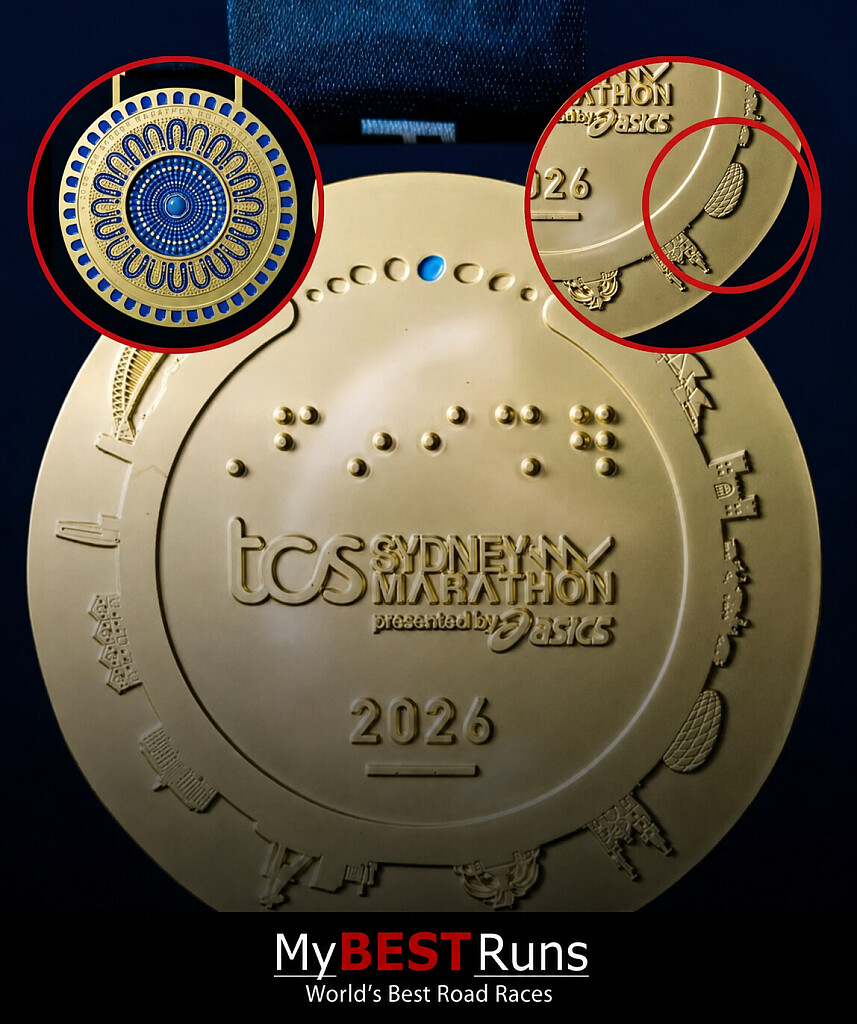


Sydney Marathon’s Medal Blunder: How Munich’s Allianz Arena Ended Up in a Sydney Souvenir
The Sydney Marathon was meant to celebrate one of Australia’s most iconic cities. Instead, its 2026 finisher’s medal has unexpectedly brought a little piece of Munich into the spotlight.
The back of the medal features a collection of landmarks designed to represent Sydney and the 42.2-kilometre journey runners will take through the city, including the Sydney Opera House and Sydney Harbour Bridge. But alongside those unmistakably Australian symbols is a rather surprising addition: Munich’s Allianz Arena.
The stadium was supposed to represent Sydney’s Allianz Stadium in Moore Park. Instead, the medal designers somehow used the distinctive home of Bayern Munich in Germany.
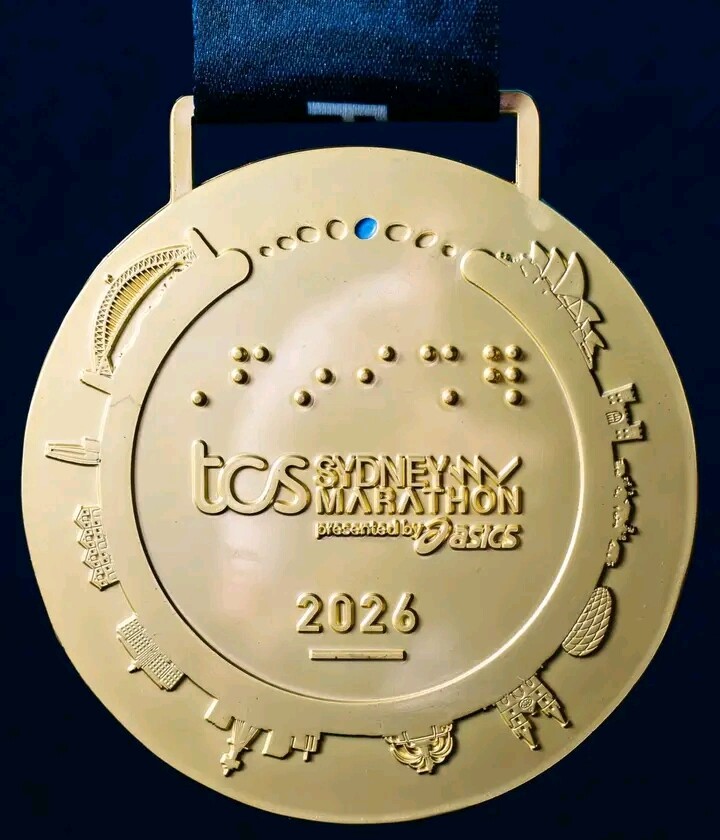
The mistake was spotted shortly after the medal was unveiled and quickly spread across social media before attracting international media attention. With the race now just days away, there is no time to redesign and replace the medals already produced for the event.
Organisers have acknowledged the mistake, describing it as an “unfortunate error” and making clear that the medals will still be presented to runners on race day.
Rather than attempting to hide the blunder, Sydney Marathon has chosen to embrace the unexpected twist, saying the medal is now “a little more unique.” Their response ended on a light-hearted note: “You noticed. We noticed. We’re human.”
And while the incorrect stadium may have created an embarrassing moment for the organisers, it has also given the 2026 medal something no previous Sydney Marathon medal has had — a story of its own.
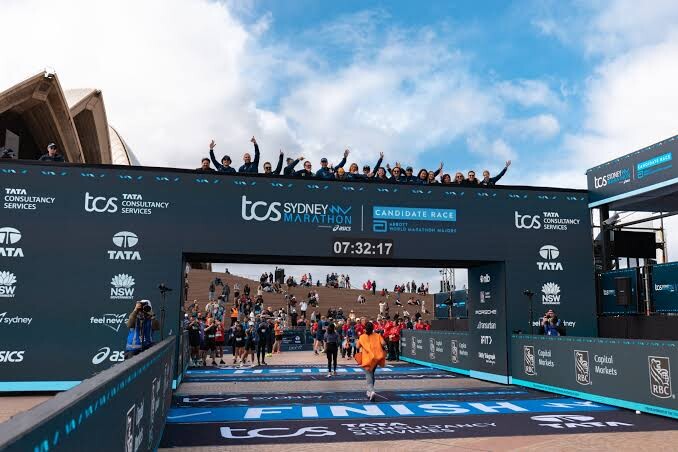
That story will be carried around the necks of approximately 40,000 runners when the Sydney Marathon takes place on Sunday, August 30.
The timing could hardly be more significant for the race. Sydney is only in its second year as an Abbott World Marathon Major, having joined the prestigious series in 2024 alongside Tokyo, Boston, London, Berlin, Chicago and New York. The event has rapidly established itself as one of the world’s most sought-after marathons, with more than 123,000 runners entering the ballot for the 2026 race, a 56 percent increase from the previous year.
For those 40,000 successful entrants, the medal will ultimately represent something far more important than a design mistake. Behind every medal is months of preparation, early mornings, long training runs, sacrifices and the determination required to cover 42.2 kilometres.
And when the runners finally reach the finish line at the Sydney Opera House, they will receive a medal that was intended to tell the story of Sydney — but accidentally tells a small story about Munich too.
What began as an embarrassing design error may now become one of the most memorable quirks in Sydney Marathon history. Years from now, runners may look back at their 2026 medals not simply as souvenirs of finishing one of the world’s major marathons, but as unusual collector’s pieces from the year Sydney accidentally put Munich on its medal.
A Sydney marathon. A Munich stadium. One unforgettable medal.
by Erick Cheruiyot for My Best Runs.
Login to leave a comment

Sydney Marathon
The Sydney Marathon is a marathon held annually in Sydney, Australia. The event was first held in 2001 as a legacy of the 2000 Summer Olympics, which were held in Sydney. In addition to the marathon, a half marathon, 9 kilometres (5.6 mi) "Bridge Run", and a 3.5 kilometres (2.2 mi) "Family Fun Run" are also held under the banner...
more...
Sabastian Sawe Withdraws from Berlin Marathon After Injury, Ending Title Defence Hopes
Kenyan marathon sensation Sabastian Sawe has been forced to withdraw from the 2026 BMW Berlin Marathon because of injury, delivering a major blow to one of the most eagerly anticipated races of the year.
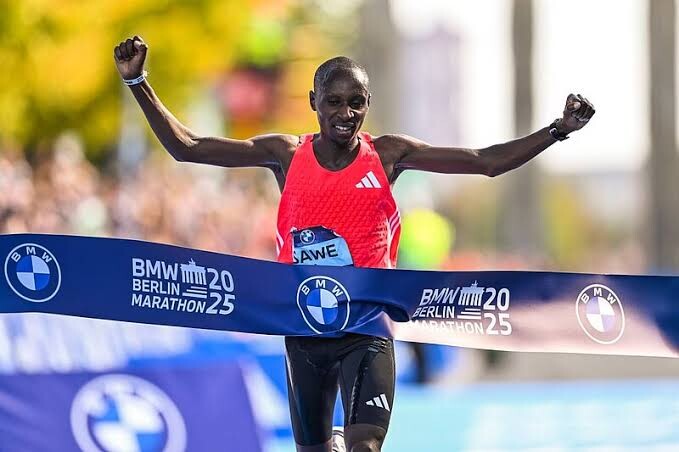
The 31-year-old Sawe, the reigning Berlin Marathon champion and marathon world-record holder, was scheduled to return to the German capital on September 27 with hopes of defending the title he won in 2025. However, injury has now ruled him out, bringing an abrupt end to his highly anticipated appearance.
The Berlin Marathon organisers officially confirmed Sawe’s withdrawal through their social media channels, expressing their disappointment at the Kenyan star’s absence and wishing him a full and speedy recovery.
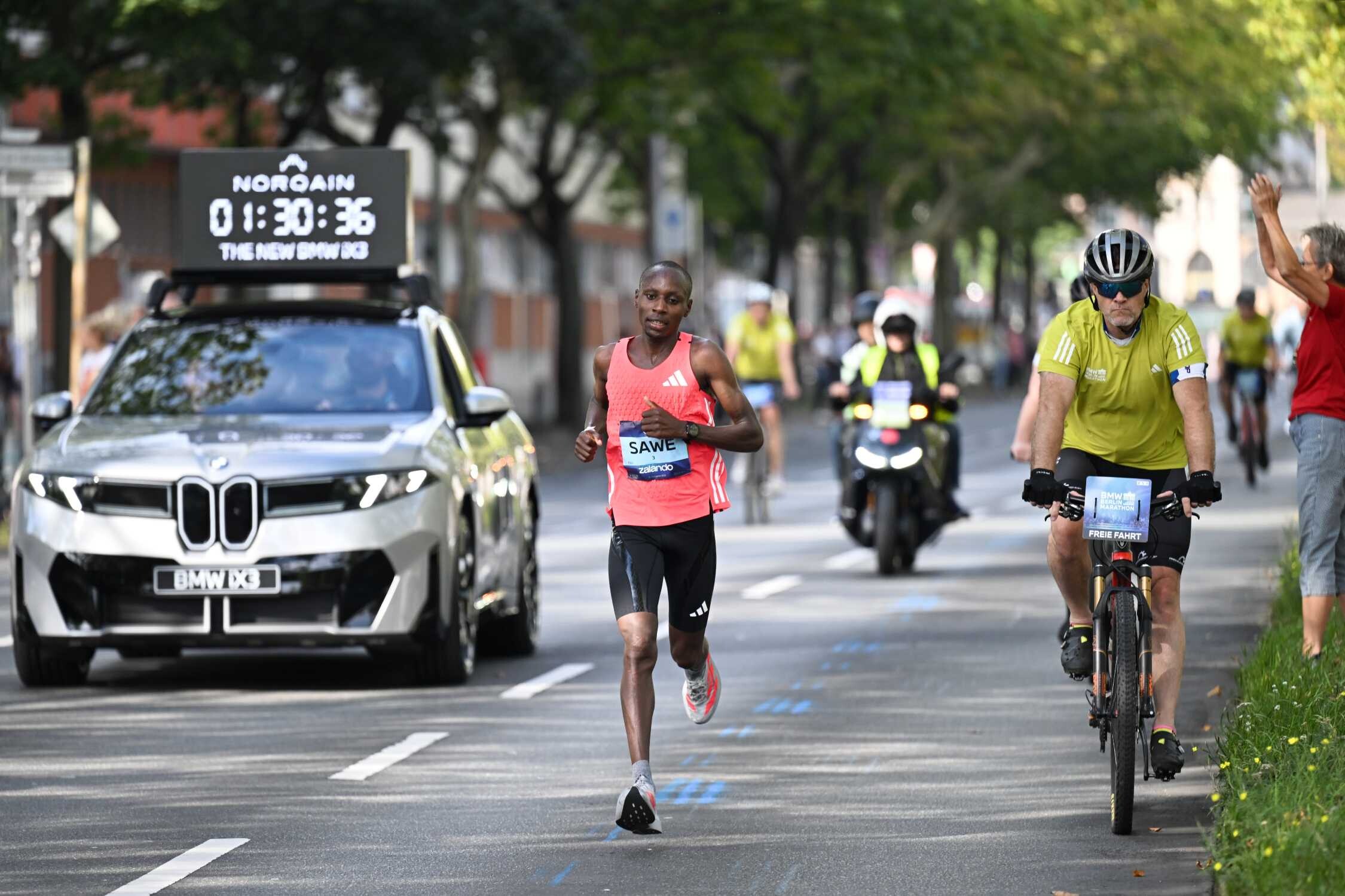
Sawe’s withdrawal is particularly significant because the Berlin Marathon was expected to mark his first official marathon appearance since his historic triumph in London earlier this year. The Kenyan made history at the London Marathon in April by becoming the first man to officially break the two-hour barrier in a marathon, stopping the clock at an astonishing 1:59:30.
That extraordinary performance elevated Sawe to another level in the sport and made his planned return to Berlin even more eagerly anticipated. Having already conquered the German capital in 2025, he was expected to arrive as both the defending champion and the man at the centre of the marathon world’s attention.
Last year, Sawe produced a superb performance to claim the Berlin Marathon title in 2:02:16, establishing himself as one of the dominant figures on one of the fastest marathon courses in the world. He had hoped to build on that victory this year, but his injury has forced him to abandon those plans.
Sawe expressed his deep disappointment at the withdrawal, revealing that he was leaving the race with a “heavy heart” after hoping to achieve something special on the streets of Berlin. His words reflect just how much the opportunity meant to him as he looked forward to returning to the scene of his previous triumph.
His absence will be a significant blow to the 2026 Berlin Marathon, removing one of the biggest stars from an elite field expected to deliver another memorable race. Sawe’s remarkable speed, endurance and record-breaking credentials had made him one of the main attractions of the event.
For now, the marathon king’s priority will be a full recovery. The athletics world will hope to see the Kenyan star back on the starting line soon, healthy, stronger and ready to add another chapter to an already extraordinary career.
Berlin will have to wait for its champion. But when Sawe returns, the marathon world will be watching.
by Erick Cheruiyot for My Best Runs.
Login to leave a comment

BMW Berlin Marathon
The story of the BERLIN-MARATHON is a story of the development of road running. When the first BERLIN-MARATHON was started on 13th October 1974 on a minor road next to the stadium of the organisers‘ club SC Charlottenburg Berlin 286 athletes had entered. The first winners were runners from Berlin: Günter Hallas (2:44:53), who still runs the BERLIN-MARATHON today, and...
more...
Kejelcha and Sawe: Two Men Driving Road Running Into a New Era
Men's road running is moving into extraordinary territory, and two athletes are increasingly at the heart of its breathtaking evolution: Yomif Kejelcha of Ethiopia and Sabastian Sawe of Kenya.
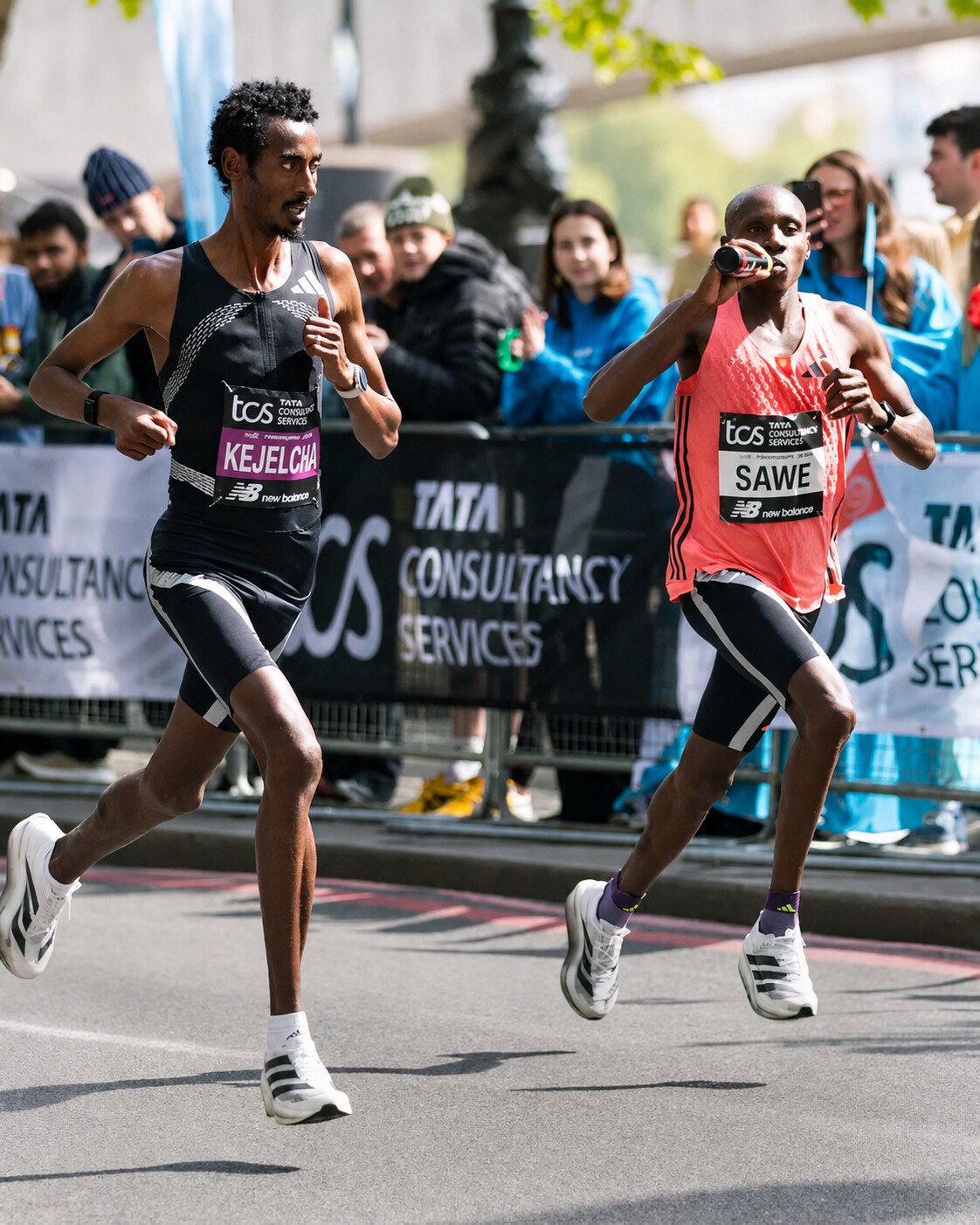
The pair represent the remarkable depth of modern East African distance running, but they are also doing something even more significant: pushing the boundaries of marathon and half-marathon performance to levels that once seemed almost unimaginable. Through their exceptional speed, endurance and ability to perform at the highest level, Kejelcha and Sawe are helping to redefine what is possible on the roads.
Sawe has established himself as one of the most formidable marathon runners in the world. His astonishing 1:59:30 marathon performance at TCS London Marathon on April 26, 2026, marked as a world record, African record and Kenyan record, demonstrated the extraordinary level the marathon has now reached. It also underlined his position at the very top of the men's marathon world rankings.
Kejelcha has been equally sensational, although his journey has highlighted a different kind of versatility. The Ethiopian, whose background includes world-class performances on the track and across shorter road distances, ran 1:59:41 for the marathon debut also at the TCS London Marathon on April 26, 2026, a performance marked as a national record. Just four months later, he delivered another stunning display by clocking 56:51 for the half marathon at the Argentina's capital, Buenos Aires on August 23, 2026, with the performance marked as a pending world record, African record and Ethiopian national record.
That combination of performances illustrates just how exceptional this new generation has become. Kejelcha's ability to threaten the absolute limits over the half marathon while also producing a sub-two-hour marathon performance speaks to his extraordinary range. Sawe, meanwhile, has continued to establish himself as a dominant force over the classic 42.195km distance, combining remarkable efficiency with the strength and speed required to compete at the very highest level.
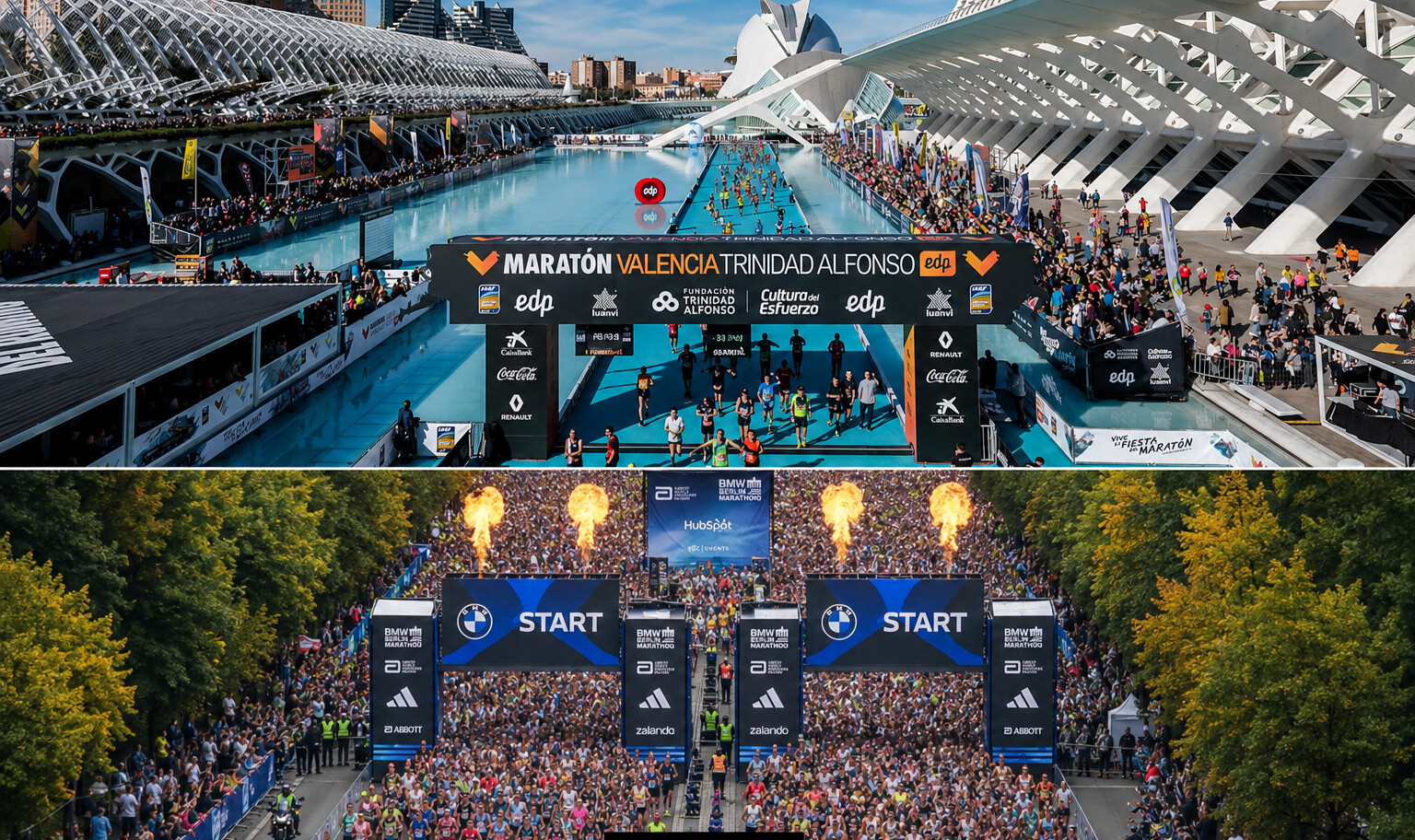
The two stars are now preparing to take their talents to different stages of the road-running calendar. Kejelcha's next focus is the Valencia Marathon on December 6, where he will once again turn his attention to the marathon distance and look to build on his remarkable breakthrough over 42.195km. Sawe, meanwhile, is set to race the BMW Berlin Marathon on September 27, giving the Kenyan another major opportunity to showcase his extraordinary marathon strength on one of the world's fastest and most prestigious courses.
Those upcoming races add another fascinating dimension to their respective journeys. While Kejelcha heads to Valencia carrying exceptional speed and versatility into another marathon challenge, Sawe will arrive in Berlin with his sights firmly fixed on maintaining his dominance at the highest level of the sport.
What makes their rise particularly exciting is the wider message it sends to athletics. The marathon is no longer progressing only through small margins. The standards at the top are being pushed relentlessly forward, and performances that once appeared impossible are becoming increasingly realistic.
The official sub-two-hour marathon remains one of athletics' ultimate frontiers. Achieving it under standard race conditions would represent one of the greatest endurance breakthroughs in sporting history. Yet with athletes such as Sawe already breaking the two-hour barrier and Kejelcha running only seconds above it while also producing unprecedented half-marathon speed, that frontier appears closer than ever.
Their careers are different, and their strengths are not identical. Sawe has rapidly become a dominant marathon specialist, while Kejelcha brings exceptional versatility from the track to the roads and across multiple distances. But together, they symbolize the relentless progression of men's road running.
Yomif Kejelcha and Sabastian Sawe are not merely among the fastest men of their generation. They are helping to drive the sport toward a future that once seemed unthinkable. With Valencia and Berlin now on their horizons, the next chapter of this remarkable road-running revolution is already waiting to be written.
by Erick Cheruiyot for My Best Runs.
Login to leave a comment
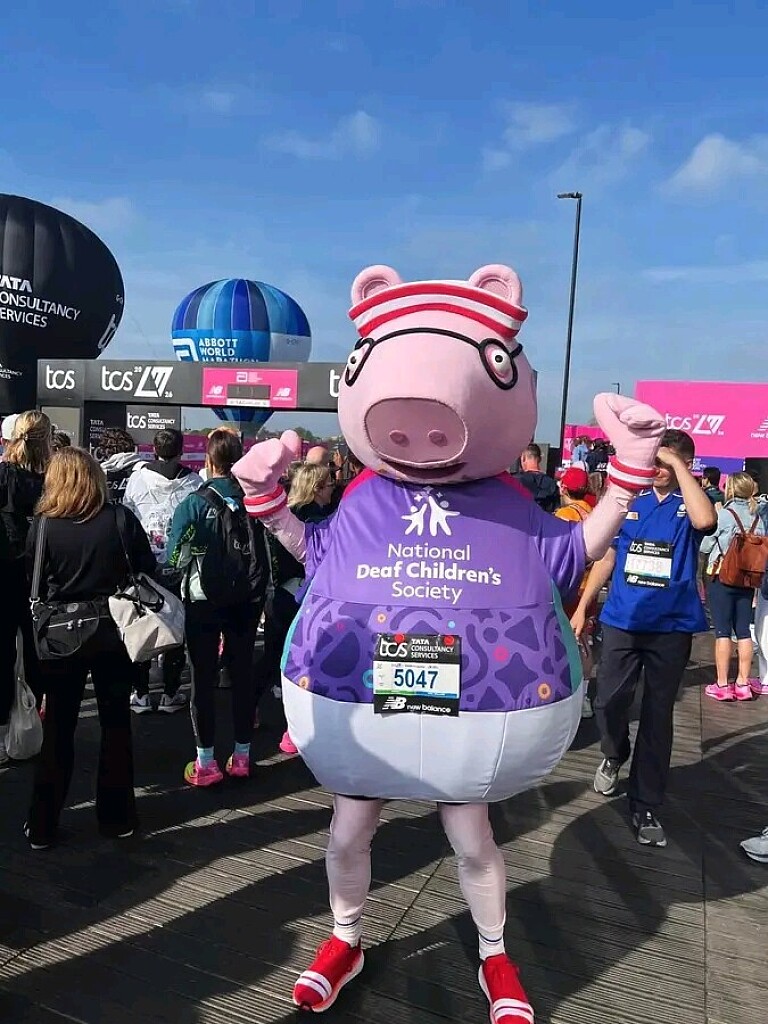
Daddy Pig Faces Berlin’s Unforgiving Marathon Rules After Narrowly Beating Joe Wicks in London
Daddy Pig may have won one of the most entertaining battles of the 2026 London Marathon, but his next appearance at the BMW Berlin Marathon could come with a very different kind of pressure.
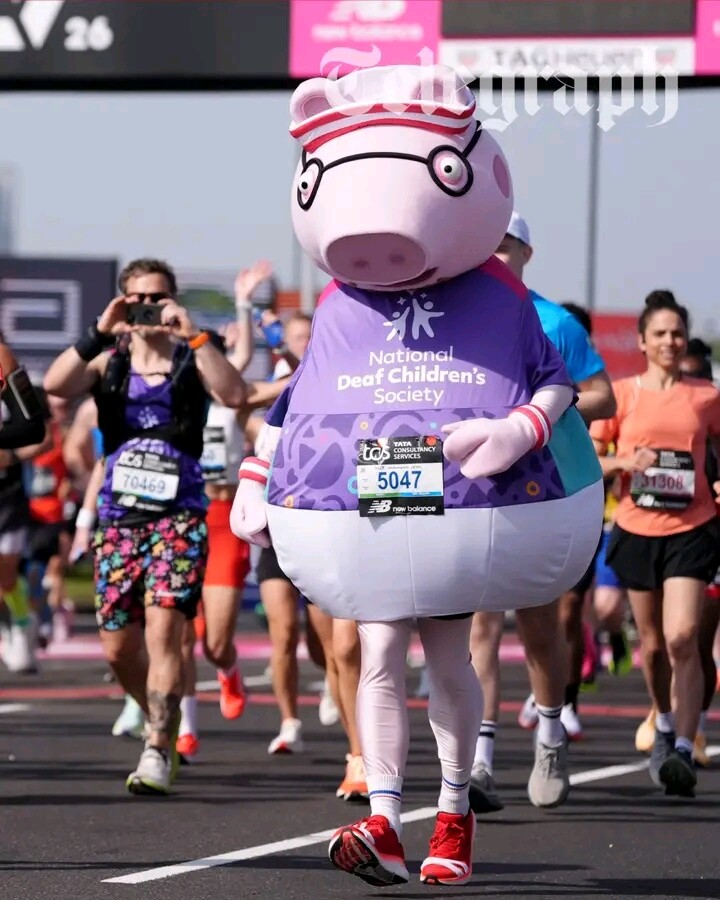
The beloved Peppa Pig character completed the London Marathon in 5:51:53, edging fitness coach Joe Wicks by the smallest possible margin after Wicks crossed the line in 5:51:54. One second separated the two after more than 42 kilometres of running, creating one of the most memorable celebrity moments of the marathon.
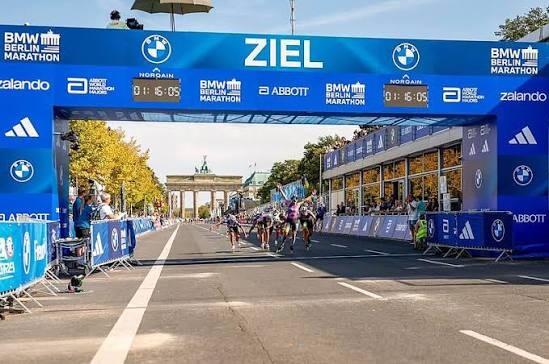
Now Daddy Pig is heading to Berlin on September 27, where the rules leave considerably less room for sentiment.
The BMW Berlin Marathon operates under a strict 6-hour-15-minute limit from the moment each runner crosses the start line. Falling outside that limit means leaving the official course. The race also enforces intermediate cutoffs, with runners required to reach 33km by 3:50 p.m. and 38km by 4:35 p.m. Those who miss the deadlines can be taken to the finish in the race's famous broom bus and will not receive an official finishing time, a medal or post-finish services.

Against his London performance, that would leave Daddy Pig just 23 minutes and seven seconds to spare.
For an ordinary marathon runner, that margin would already demand respect. For someone competing inside a large and physically demanding character costume, it could make the challenge even more formidable.
London was a celebration. The crowds embraced Daddy Pig as he battled his way around the capital alongside Wicks, turning a charity campaign into one of the day's most talked-about stories. Berlin, however, is a race governed by the clock. Popularity, celebrity status and cartoon fame do not alter the timing mats or extend the official road closures.
Daddy Pig's London appearance also carried a purpose beyond entertainment. He ran in support of the National Deaf Children's Society, following the storyline involving his son, George Pig, who is deaf and wears a hearing aid. The campaign used one of children's television's most recognisable families to raise awareness and funds for deaf children and their families.
The identity of the person inside the Daddy Pig costume has remained part of the fun, with the character famously refusing to reveal more than the fact that “Daddy Pig is a Pig.”
Berlin will continue that charitable mission, although current campaign information describes Daddy Pig's September appearance as part of a celebrity relay initiative supporting children with hearing impairments. That means the prospect of a second complete World Marathon Major finish in the same calendar year should not yet be presented as confirmed.
But the larger appeal of the story remains unchanged.
Daddy Pig has already proved that a cartoon character can become a genuine part of marathon culture, complete with a real bib number, an official finishing time and a one-second victory over one of Britain's best-known fitness personalities.
Whether Berlin brings another full-distance adventure or a relay appearance, the message is the same: once the starting gun goes off at a World Marathon Major, even the most famous pig on television has to respect the clock.
by Erick Cheruiyot for My Best Runs.
Login to leave a comment
BMW Berlin Marathon
The story of the BERLIN-MARATHON is a story of the development of road running. When the first BERLIN-MARATHON was started on 13th October 1974 on a minor road next to the stadium of the organisers‘ club SC Charlottenburg Berlin 286 athletes had entered. The first winners were runners from Berlin: Günter Hallas (2:44:53), who still runs the BERLIN-MARATHON today, and...
more...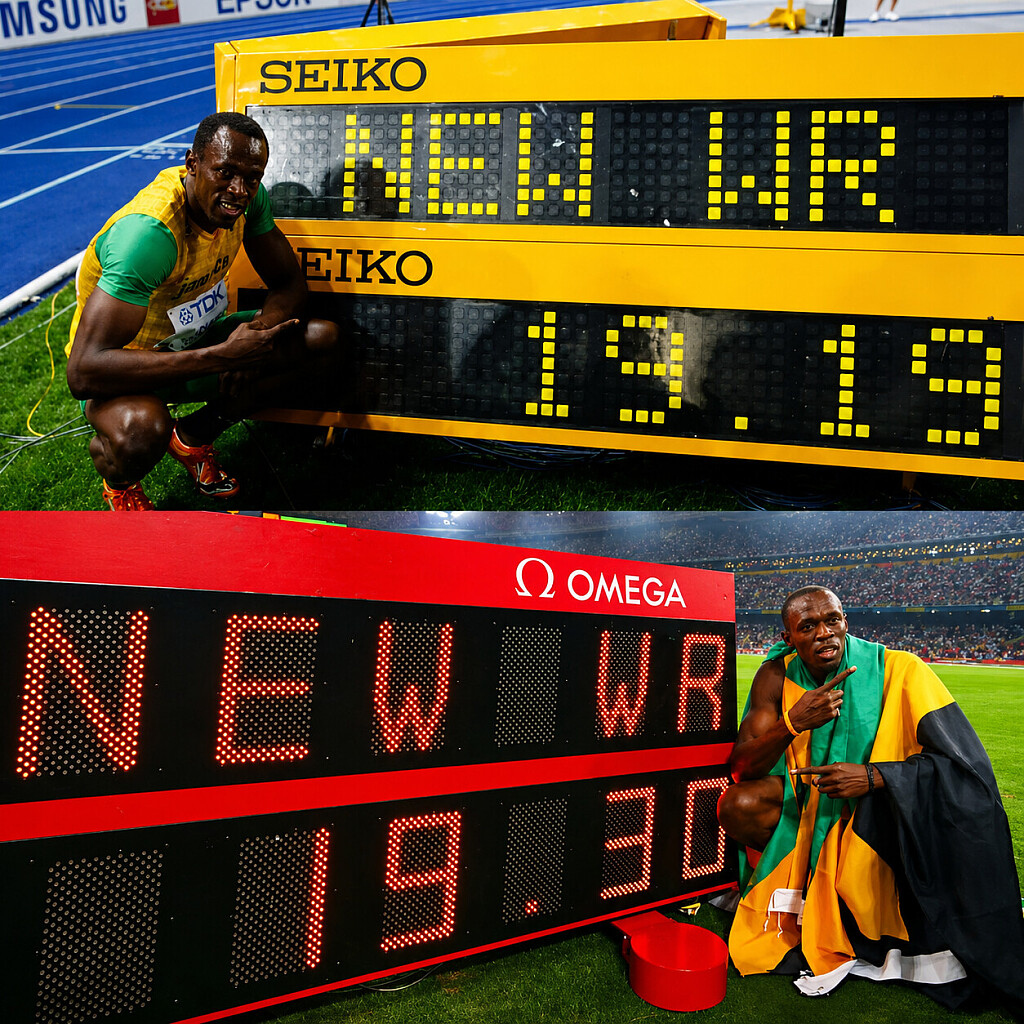
August 20: The Day Usain Bolt Rewrote the 200m Record Book—Twice
Some dates become part of sporting history. August 20 belongs to Usain Bolt.
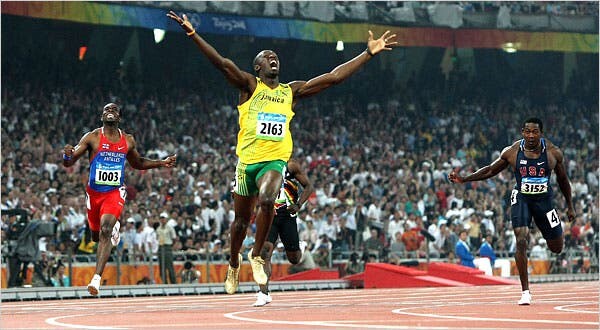
On two consecutive years, the Jamaican sprinting phenomenon transformed the men’s 200 metres, producing performances that seemed almost impossible even by his extraordinary standards.
On August 20, 2008, inside Beijing’s Bird’s Nest, Bolt lined up for the Olympic 200m final carrying enormous expectations. Four days earlier, he had stunned the world by winning the 100m in a then-world-record 9.69 seconds. Yet the 200m was about to become another chapter in his growing legend.
Bolt exploded around the bend before powering down the home straight, crossing the finish line in 19.30 seconds to win Olympic gold and shatter Michael Johnson’s long-standing world record of 19.32, set in Atlanta in 1996. The improvement was only two hundredths of a second, but the significance was enormous: Johnson’s seemingly formidable record had survived for 12 years before Bolt finally brought it down.
And there was another remarkable detail. Bolt’s Beijing record came with a 0.9 m/s headwind, making the performance even more extraordinary.
But Bolt was not finished.
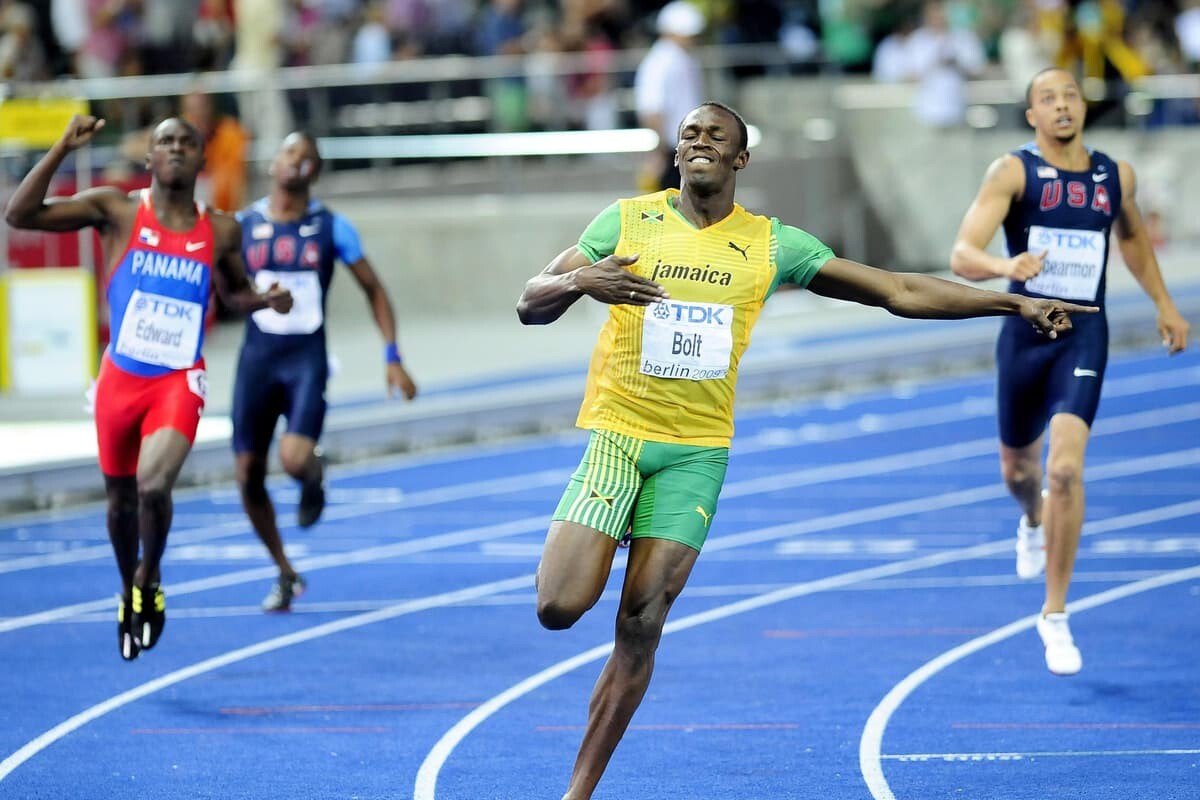
Exactly one year later, on August 20, 2009, he returned to the same event at the World Athletics Championships in Berlin with another opportunity to redefine the limits of speed.
Four days earlier, he had already demolished his own 100m world record, running 9.58 seconds. Now the 200m world record was in his sights.
What followed was extraordinary.
Bolt stormed to 19.19 seconds, taking 11 hundredths off the world record he had established in Beijing. The performance came with a 0.3 m/s headwind, yet he still produced a time that would immediately become one of the most iconic performances in athletics history.
The progression was staggering:
19.30 in Beijing.
19.19 in Berlin.
Michael Johnson’s record had become Bolt’s record—and then, just 12 months later, Bolt destroyed his own mark.
His Berlin victory was also emphatic. Bolt finished more than half a second ahead of Panama’s Alonso Edward, who ran 19.81, while Wallace Spearmon took bronze in 19.85.
What made the achievement even more remarkable was the consistency of Bolt’s record-breaking brilliance. Across the Beijing Olympics and Berlin World Championships, he produced a succession of world records in the 100m and 200m, repeatedly turning major championship finals into historic moments. World Athletics noted after Berlin that Bolt had become the first man to break both the 100m and 200m world records more than once.
And now, 17 years after that unforgettable Berlin night, the 19.19-second world record still stands.
The mark has survived generations of exceptional sprinters, including athletes who have come remarkably close to the 19-second barrier. Yet Bolt’s time remains untouched at the summit of the all-time list.
That is why August 20 is more than a date on the athletics calendar.
It is the anniversary of the day Usain Bolt first broke Michael Johnson’s seemingly untouchable standard—and then returned exactly one year later to make his own record look vulnerable.
Beijing gave the world 19.30.
Berlin gave it 19.19.
Two August 20s. Two world records. One extraordinary sprinter.
Usain Bolt was not simply winning races. He was changing the definition of human speed.
And the question that remains for the next generation is perhaps the most intriguing of all:
Will we ever see another sprinter capable of breaking the 19-second barrier and finally taking down the 19.19 mark that Bolt left behind?
by Erick Cheruiyot for My Best Runs.
Login to leave a comment
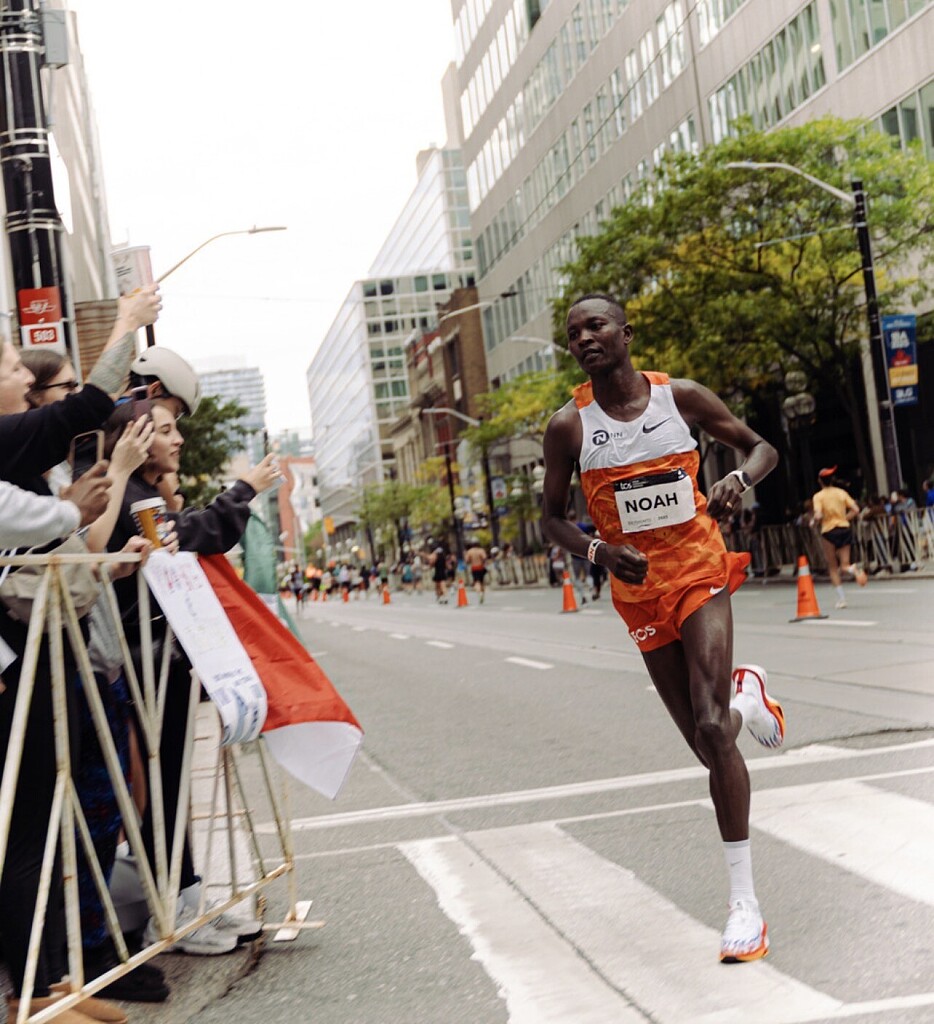
Noah Kipkemboi Hopes It Will Be Third Time Lucky in Toronto
Will it be a case of third time lucky at the TCS Toronto Waterfront Marathon for Noah Kipkemboi?
In his first appearance at the TCS Toronto Waterfront Marathon in 2024, the Kenyan star finished third. Last year, he moved up one place to finish second. Now, with the benefit of knowing the course intimately, he returns intent on reaching the top step of the podium.
“It’s really my hope to run well on the course again and to be on the podium,” he says of the October 18 race. “It is my pleasure if I come position one this time. Now I am in training and preparing for the race.”
Kipkemboi’s personal best remains the 2:07:31 he ran during his initial Toronto appearance, and improving on that time would be especially satisfying. Clearly, his two visits have endeared him to the event and the people he has met in Toronto. At the finish line and during the post-race press conference, he kindly served as an interpreter for 2025 winner Leonard Langat, who is more comfortable speaking Kiswahili than English.
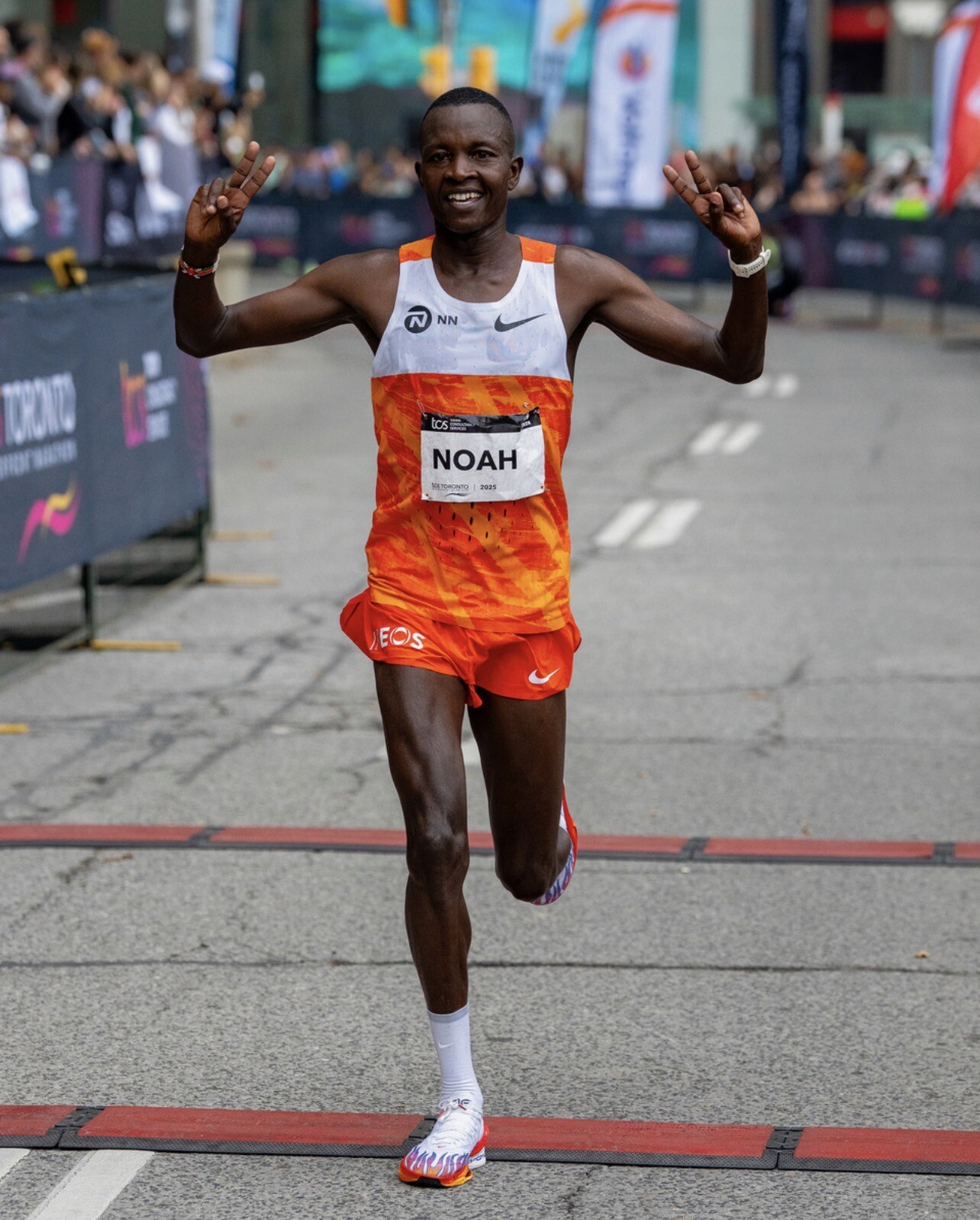
“Please say hello to everyone in Toronto,” he begins during a WhatsApp video interview. “It is a beautiful city, and thank you for inviting me back.
“I really like when people from the Toronto communities where we run through are happy and cheering us. Here, everyone is shouting ‘go,’ giving us motivation. Being cheered, you can get power and keep going better.
As a Christian, Kipkemboi has also been inspired by hearing the Canadian national anthem traditionally sung at the race start, especially the line “God keep our land glorious and free.” But it is the competition that initially attracts world-class runners.
The TCS Toronto Waterfront Marathon serves as both the official Athletics Canada Canadian Marathon Championship and a World Athletics Elite Label race. The $25,000 Canadian prize offered to each winner is especially meaningful to the runners. Kipkemboi has put his earnings to good use, raising three young children of his own while also contributing to the school fees of two other children in his village. There have also been medical expenses to consider.
“During the two times racing in Toronto, I have been having difficulty before the race,” he reveals. “The first Toronto race, my daughter Phoebe was not feeling comfortable, and after the 2025 race, she was having a second kidney operation.
“I was on the start line praying that I would win so my kids would be happy. Now she is okay. My happiness, if I come position one, it will be so beautiful, so my kids will be happy.”
Kipkemboi has been represented by the Dutch-based Global Sports Communication throughout his career. From Monday through Saturday, he lives and trains at the organization’s camp in Kaptagat, while his family remains at their home in Eldoret, 24 kilometres away. Such living arrangements are typical among Kenya’s world-class runners.
Among Kipkemboi’s training partners is the legendary Eliud Kipchoge, the former world marathon record holder and two-time Olympic marathon champion. Kipkemboi served as a pacer during Kipchoge’s 2022 world-record performance in Berlin.
Another close friend and former training partner, Philemon Rono, won the Toronto Waterfront Marathon three times and holds the course record of 2:05:00.
“He has gone to another management group, but we are still friends,” Kipkemboi says of his compatriot. “His camp is not far from our camp. Mostly, when we are training in the forest, we meet them and wave.
“He asked me, ‘Are you going back to Toronto? Can we go together this time?’ We were chatting about Toronto. He said, ‘You go this time and win that race!’”
These days, Kipkemboi is running as much as 200 kilometres a week in preparation for Toronto. Between training sessions, life at the camp consists of daily household chores divided among the runners, physiotherapy and massage sessions, and meals. For relaxation, the runners enjoy watching football together.
“Yes, we normally watch football. Me, I like Arsenal,” he says with a smile. “Most of us in the camp, most of the athletes, are fans of Arsenal. The Commonwealth Games steeplechase champion Edmund Serem likes Arsenal. When he won the gold medal, he did what Arsenal striker Viktor Gyökeres does in celebration.”
With that, Kipkemboi interlocks his fingers to form a mask below his eyes, as the Swedish footballer does after scoring—a reference to the Batman villain Bane in “The Dark Knight Rises.”
Like many successful Kenyan runners, Kipkemboi is planning for life after his competitive career comes to an end. With prize money from his first Toronto appearance, he opened a general store in Eldoret that sells everything from candy and flour to soap and perfume. He also farms a plot of land.
Victory at the TCS Toronto Waterfront Marathon will not come easily. But Kipkemboi feels at home on the streets of Toronto, and that could very well make it third time lucky.
by Paul Gains
Login to leave a comment
TCS Toronto Waterfront Marathon
The Scotiabank Toronto Waterfront Marathon, Half-Marathon & 5k Run / Walk is organized by Canada Running Series Inc., organizers of the Canada Running Series, "A selection of Canada's best runs!" Canada Running Series annually organizes eight events in Montreal, Toronto and Vancouver that vary in distance from the 5k to the marathon. The Scotiabank Toronto Waterfront Marathon and Half-Marathon are...
more...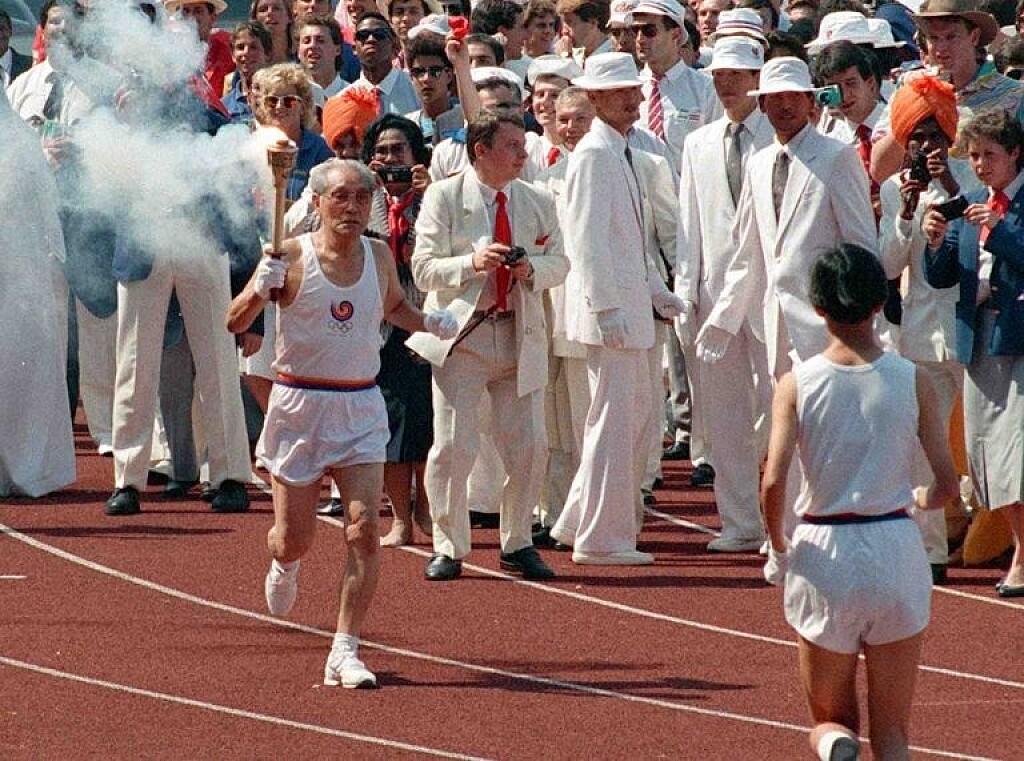
The Olympic Gold That Korea Had To Wait 52 Years To Truly Claim
On August 9, 1936, Sohn Kee-chung crossed the finish line of the Olympic marathon in Berlin in 2:29:19.2, becoming the first Korean to win an Olympic gold medal.
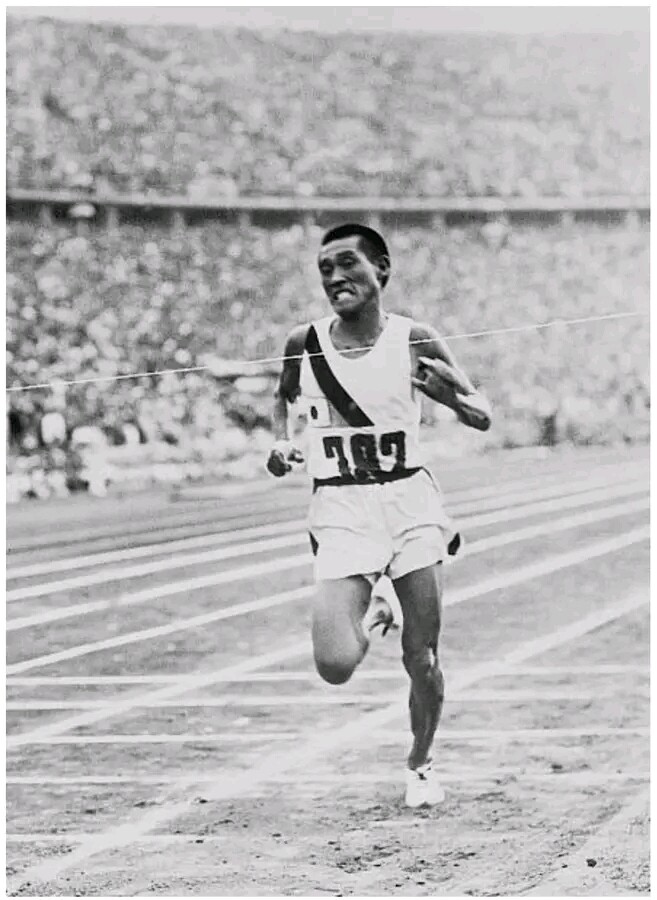
But there was a painful contradiction behind the triumph.
The scoreboard did not identify him as Sohn Kee-chung. It listed him as Kitei Son — the Japanese pronunciation of his Korean name. And instead of competing for Korea, he was officially entered as a member of the Japanese delegation because Korea had been under Japanese colonial rule since 1910.
Sohn was born in 1912 near Sinuiju, in what is now North Pyongan Province, and emerged as one of the outstanding distance runners of his generation. His talent became impossible to ignore in the 1930s, and in November 1935 he ran 2:26:42 in Tokyo to set a world marathon record.
By the time he arrived in Berlin, Sohn was already a world-class marathoner. Yet his greatest sporting achievement would unfold under an identity that had been imposed upon him.
He was not permitted to compete under his Korean name. He was not permitted to carry the Korean flag. His uniform bore the Japanese emblem.
And even after winning Olympic gold, he could not celebrate as a Korean champion.
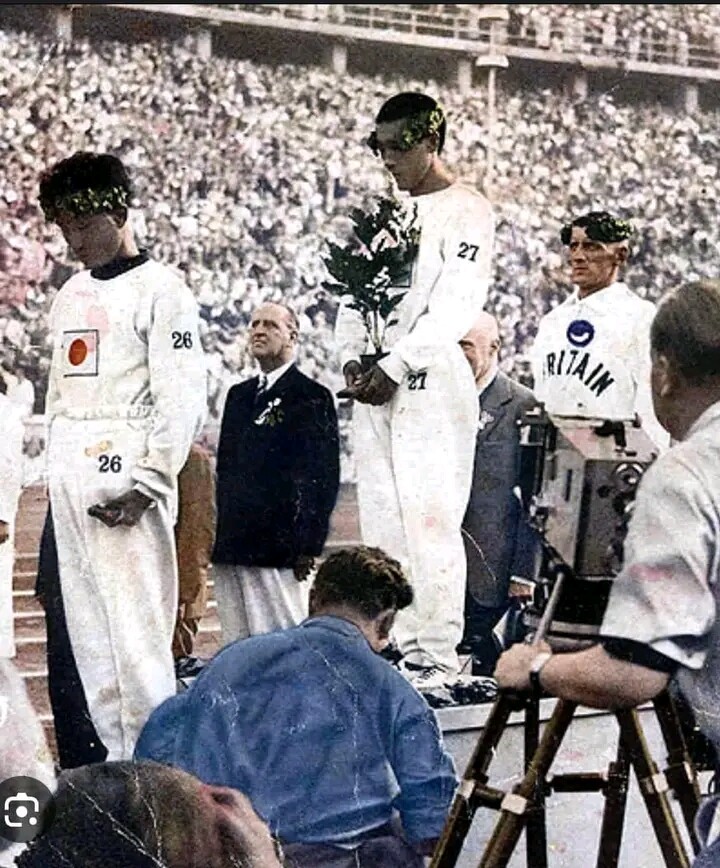
Sohn won the marathon ahead of Britain's Ernie Harper, while another Korean, Nam Sung-yong, claimed bronze. Sohn became the first Olympic marathoner to break the 2:30 barrier, with his 2:29:19.2 Olympic record standing as a remarkable achievement. Importantly, however, his Berlin time was not a world record — his world-best mark had come the previous year in Tokyo.
The medal ceremony became one of the most haunting images in Olympic history.
As the Japanese flag was raised and the Japanese anthem played, Sohn stood on the top step of the podium with his head lowered. Nam Sung-yong stood beside him on the third step. Neither athlete was able to represent the nation from which they came.
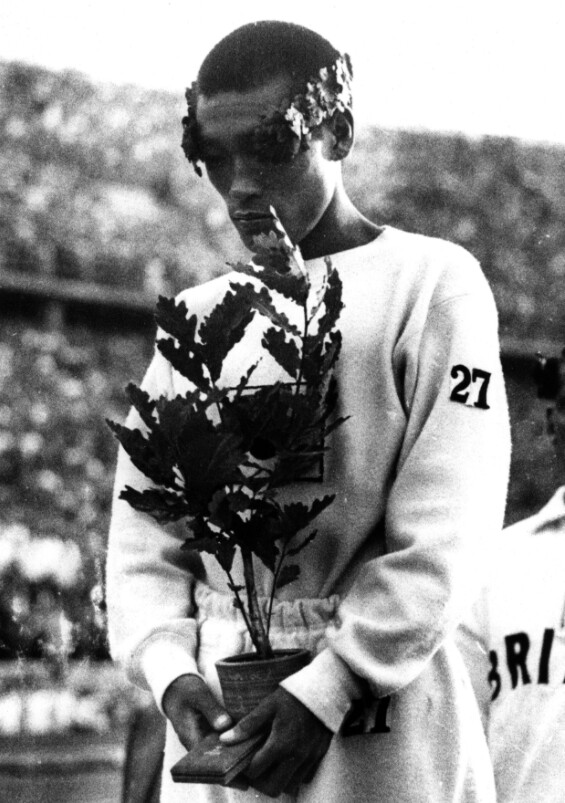
Sohn held the laurel wreath he had received for winning the marathon across his chest, concealing the Japanese flag on his uniform.
The gesture was silent.
But the message was powerful.
He had won the race for himself and for Korea, even though the official ceremony claimed him for Japan.
Back home, Koreans celebrated his victory with enormous pride. For many, Sohn's success was a rare moment of national affirmation during colonial rule. Yet the emotions were complicated. Some Korean nationalists viewed participation in the Japanese team as a painful compromise, while others saw Sohn's victory as a powerful act of resistance against the colonial claim that Koreans were inferior.
The reaction of the Korean press became another chapter in the story.
On August 25, 1936, the Dong-A Ilbo published the famous photograph of Sohn on the podium with the Japanese flag removed from his uniform. The newspaper's journalists had deliberately erased the emblem — an act of defiance against Japan's colonial authorities. The incident triggered a major crackdown. Multiple journalists were arrested, and the newspaper was forced to suspend publication for months. Historical accounts record that eight people involved were imprisoned and that the paper was suspended for roughly nine months.
The photograph became more than an image of an Olympic champion.
It became an image of a nation trying to preserve its identity.
After Korea was liberated in 1945, Sohn's life took a new direction. He became an influential coach and helped develop the next generation of Korean distance runners. Among those he guided were Suh Yun-bok, who won the Boston Marathon in 1947, and Ham Ki-yong, the 1950 Boston Marathon champion. Sohn also served in various athletic organizations in South Korea.
In 1948, he carried the flag for the newly independent Republic of Korea at the London Olympics — another deeply symbolic moment in a life that had begun with his identity being taken from him on an Olympic starting line.
Decades later, Sohn returned to Germany and, in 1972, attended the Munich Olympics. There, he was reunited with filmmaker Leni Riefenstahl, whose film Olympia had documented the 1936 Berlin Games.
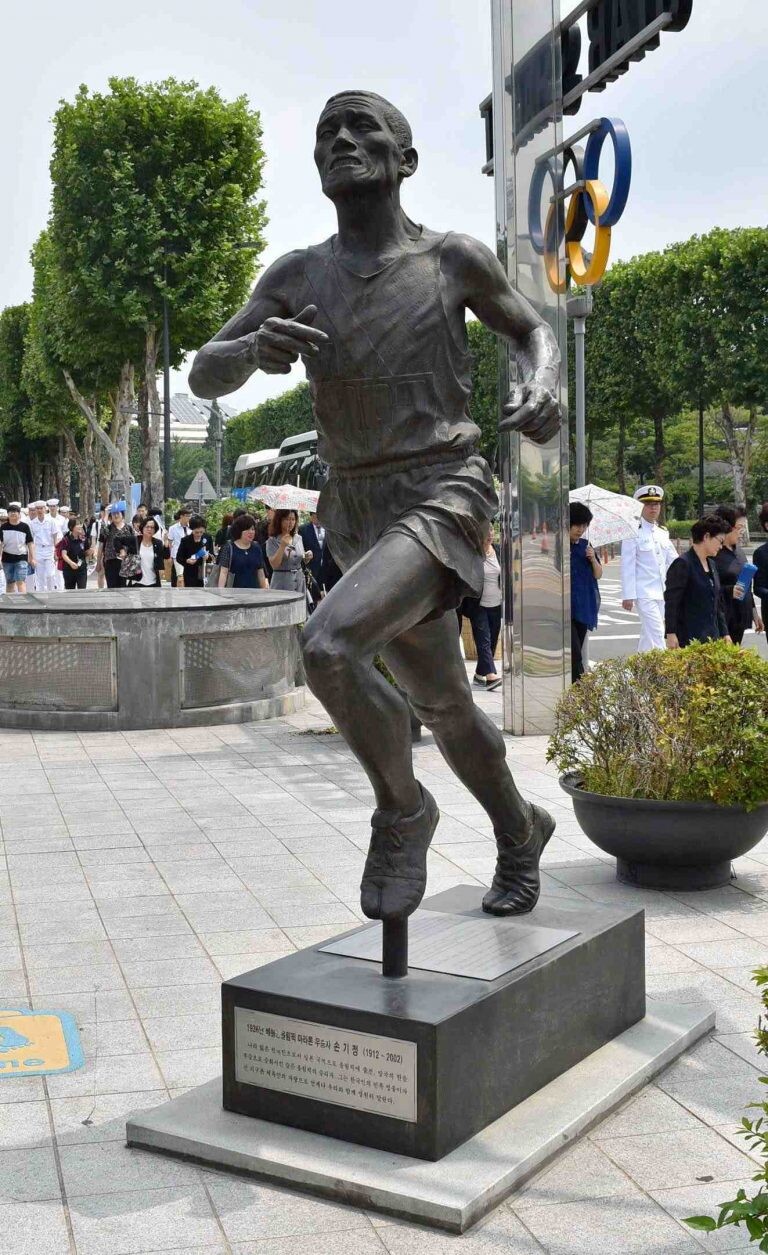
Today, Sohn Kee-chung’s legacy is also preserved in Seoul, South Korea, where a statue of the legendary marathoner stands at Sohn Kee-chung Athletic Park, near the memorial hall named in his honor. The memorial site includes a bronze head statue created in 1990, depicting Sohn in his later years, with scenes from his historic 1936 Berlin victory engraved below. Another statue, unveiled in 2016 to mark the 80th anniversary of his Olympic triumph, portrays the young Sohn proudly holding the Olympic trophy — this time with the South Korean flag in place of the Japanese emblem that had appeared on his uniform in Berlin.
But perhaps the most emotional chapter came in Seoul.
On September 17, 1988, 52 years after his Berlin triumph, the 76-year-old Sohn Kee-chung carried the Olympic torch into the stadium at the opening ceremony of the Seoul Olympics.
Think about what that moment represented.
In Berlin in 1936, he had stood on the Olympic podium beneath a foreign flag, unable to openly celebrate his victory as a Korean.
In Seoul in 1988, he entered an Olympic stadium carrying the flame for his own country.
The symbolism was almost impossible to miss.
The young runner who had once been forced to compete under the name Kitei Son was now an elderly Korean national hero, carrying the Olympic flame before his people.
He had spent more than five decades watching history slowly return his name to him.
Sohn Kee-chung died in November 15, 2002, aged 90, in Seoul, South Korea leaving behind far more than an Olympic medal. He left a story about athletic greatness, identity, dignity and resistance — a story in which a marathon victory became inseparable from the history of an entire nation.
His Berlin gold medal may have been officially recorded under Japan's name.
But in Korea, the champion was always Sohn Kee-chung.
And perhaps that is why the photograph of him standing on the podium, head bowed and the laurel wreath covering the Japanese emblem, remains so powerful.
He won the race in Berlin. But the world took decades to understand who had actually won it.
by Erick Cheruiyot for My Best Runs.
Login to leave a comment
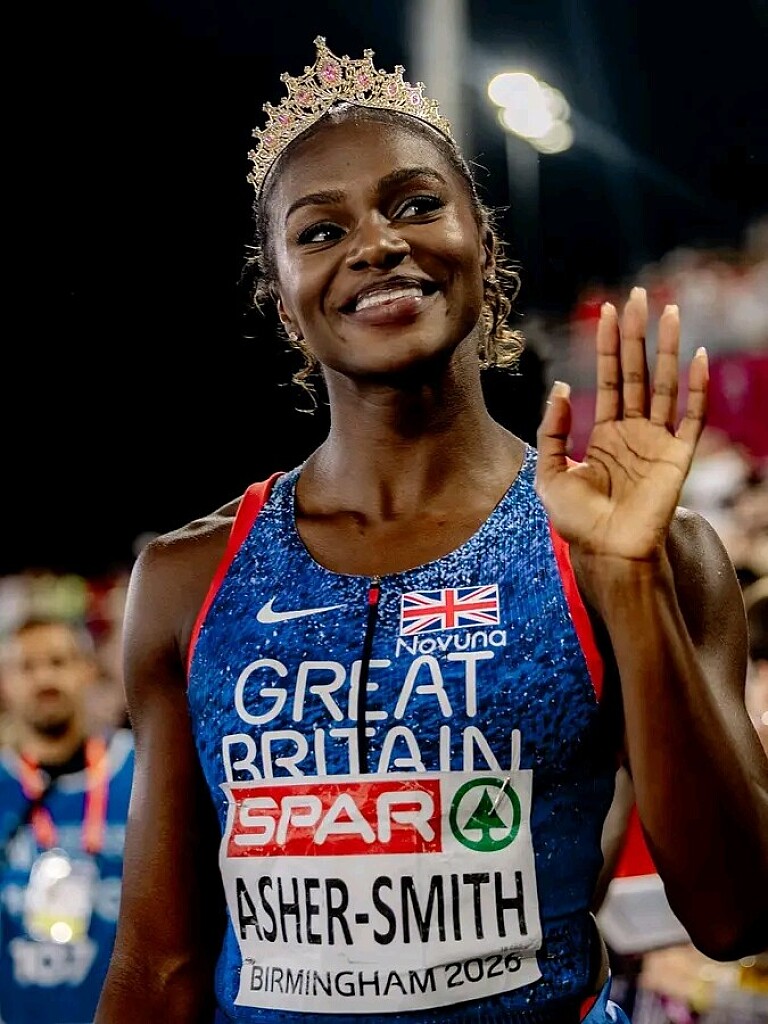
Dina Asher-Smith Makes European Championships History With Eight Golds
Dina Asher-Smith has cemented her place among the greatest athletes in European Championships history, becoming the most successful gold-medal winner in the competition’s history with an extraordinary haul of eight titles.
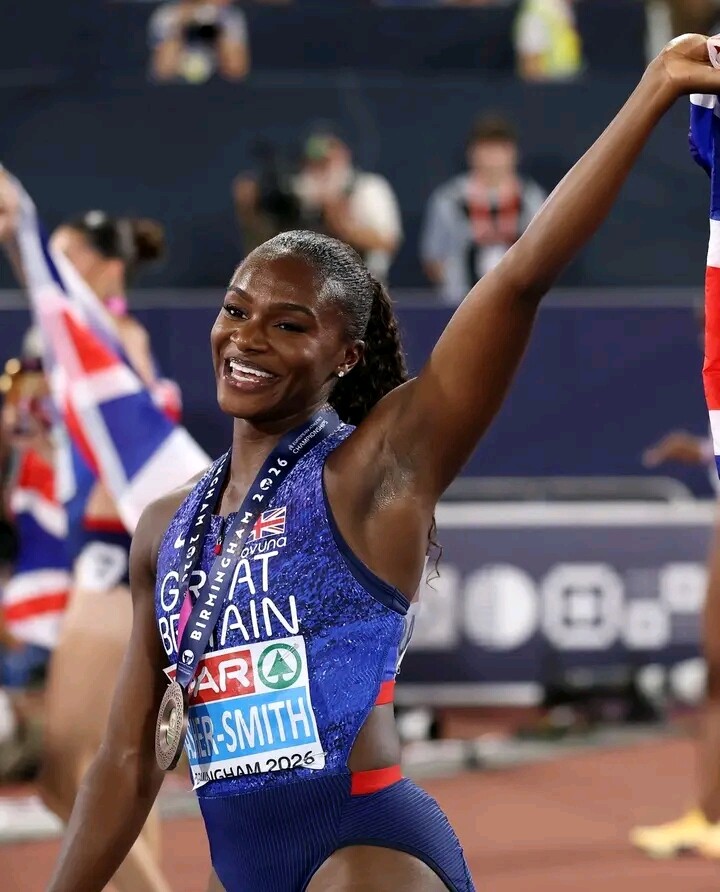
The British sprint star added another chapter to her remarkable European story at the Birmingham 2026 Championships, helping Great Britain triumph in both the women’s 4x100m relay and the mixed 4x100m relay. Those two victories took her career tally to eight European Championships golds — more than any other athlete in the history of the competition.
Asher-Smith’s journey to the top began in Amsterdam in 2016, where she claimed the 200m title. Two years later in Berlin, she produced one of the finest performances of her career, winning both the 100m and 200m before helping Great Britain secure another gold in the women’s 4x100m relay.

Her European dominance continued in Rome in 2024. Asher-Smith successfully defended her place at the top of the 100m podium and then added another relay gold as part of the victorious British women’s 4x100m team.
Birmingham 2026 brought two more historic triumphs. Asher-Smith played a key role in Britain’s victories in both the women’s 4x100m relay and the mixed 4x100m relay, taking her European Championships gold collection to an unprecedented eight.
Her eight European Championships golds are:
Amsterdam 2016 — 200m (Gold)
Berlin 2018 — 100m (Gold)
Berlin 2018 — 200m (Gold)
Berlin 2018 — Women’s 4x100m relay (Gold)
Rome 2024 — 100m (Gold)
Rome 2024 — Women’s 4x100m relay (Gold)
Birmingham 2026 — Women’s 4x100m relay (Gold)
Birmingham 2026 — Mixed 4x100m relay (Gold)
Eight titles across four championships, stretching from Amsterdam to Birmingham.
It is a remarkable testament to Asher-Smith’s speed, consistency and longevity at the highest level. Over a decade, she has continued to deliver on Europe’s biggest stage — and now she stands alone as the most decorated gold-medal winner in European Championships history.
by Erick Cheruiyot for My Best Runs.
Login to leave a comment
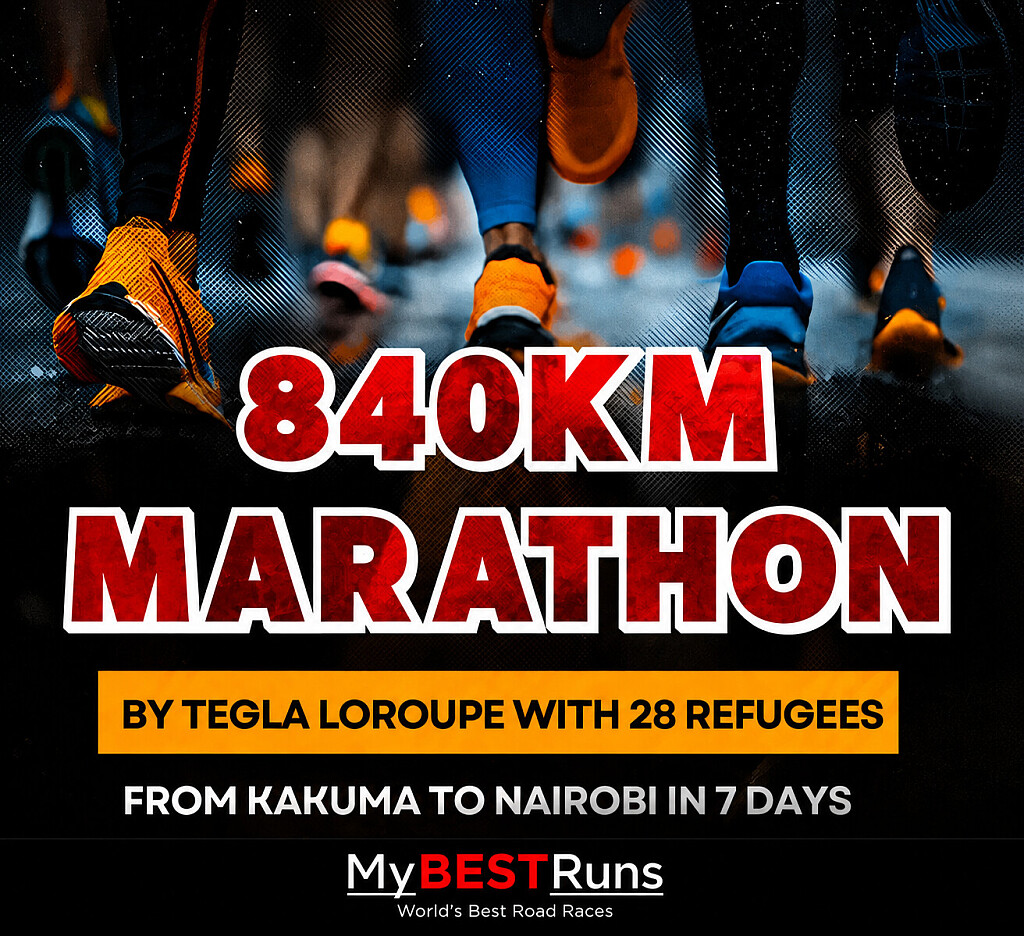
Tegla Loroupe Embarks On 840-Kilometre Peace Run From Kakuma To Nairobi
Ambassador Tegla Chepkite Loroupe has embarked on an extraordinary 840-kilometre run from Kakuma Refugee Camp in Turkana County to Uhuru Park in Nairobi, turning a seven-day endurance challenge into a powerful campaign for peace, education, inclusion and greater awareness of the experiences and aspirations of refugees.
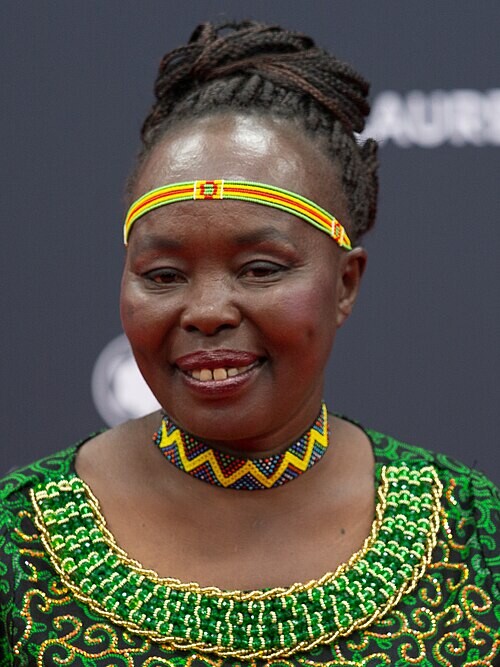
Loroupe is undertaking the journey alongside 28 refugees, with the initiative designed to shine a light on the challenges facing refugee communities in Kakuma and Dadaab while promoting stronger relationships between refugees and their host communities.

For Loroupe, the run represents far more than a test of endurance. It is an extension of a mission she has pursued for years—using sport as a platform to promote peace, opportunity, education and inclusion for people whose lives have been affected by displacement.
Reflecting on the early days of advocating for refugee inclusion in sport and development, Loroupe said it was deeply meaningful to see Yiech Pur Biel continue that mission. Biel, who grew up in Kakuma Refugee Camp and went on to represent the Refugee Olympic Team, will lead the team at the Youth Olympic Games in Senegal this year.

“Reflecting on the early days of advocating for refugee inclusion in sports and development, it means so much to see Yiech Pur Biel carry that mission forward — this year, he’ll lead the Refugee Olympic Team at the Youth Olympic Games in Senegal. I’m taking on an 840km journey over seven days, running from Kakuma Refugee Camp to Uhuru Park in Nairobi alongside 28 refugees. Every kilometre of this run is a reminder: displacement doesn’t have to mean the end of a dream. Everyone deserves the chance to pursue theirs,” Amb. Tegla Loroupe said.
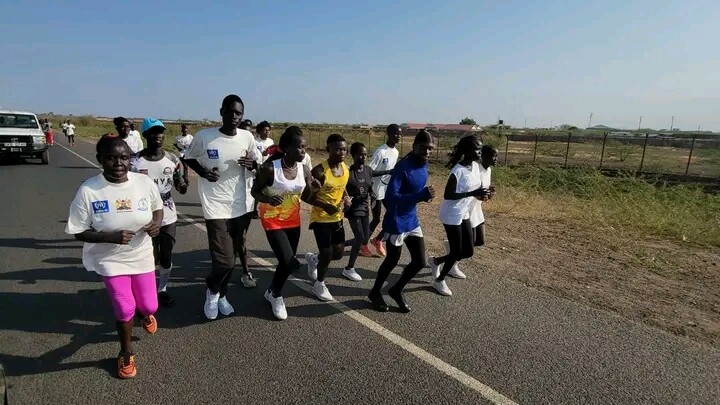
The message captures the heart of the initiative. By running alongside refugees rather than simply speaking about their experiences, Loroupe is seeking to bring their stories, ambitions and hopes closer to the national conversation.
Her journey also reflects the remarkable transformation of her own life from elite athlete to global advocate. Born on 9 May 1973, Loroupe established herself as one of Kenya’s most accomplished long-distance runners before devoting much of her influence to peacebuilding, education, women's rights and humanitarian causes.
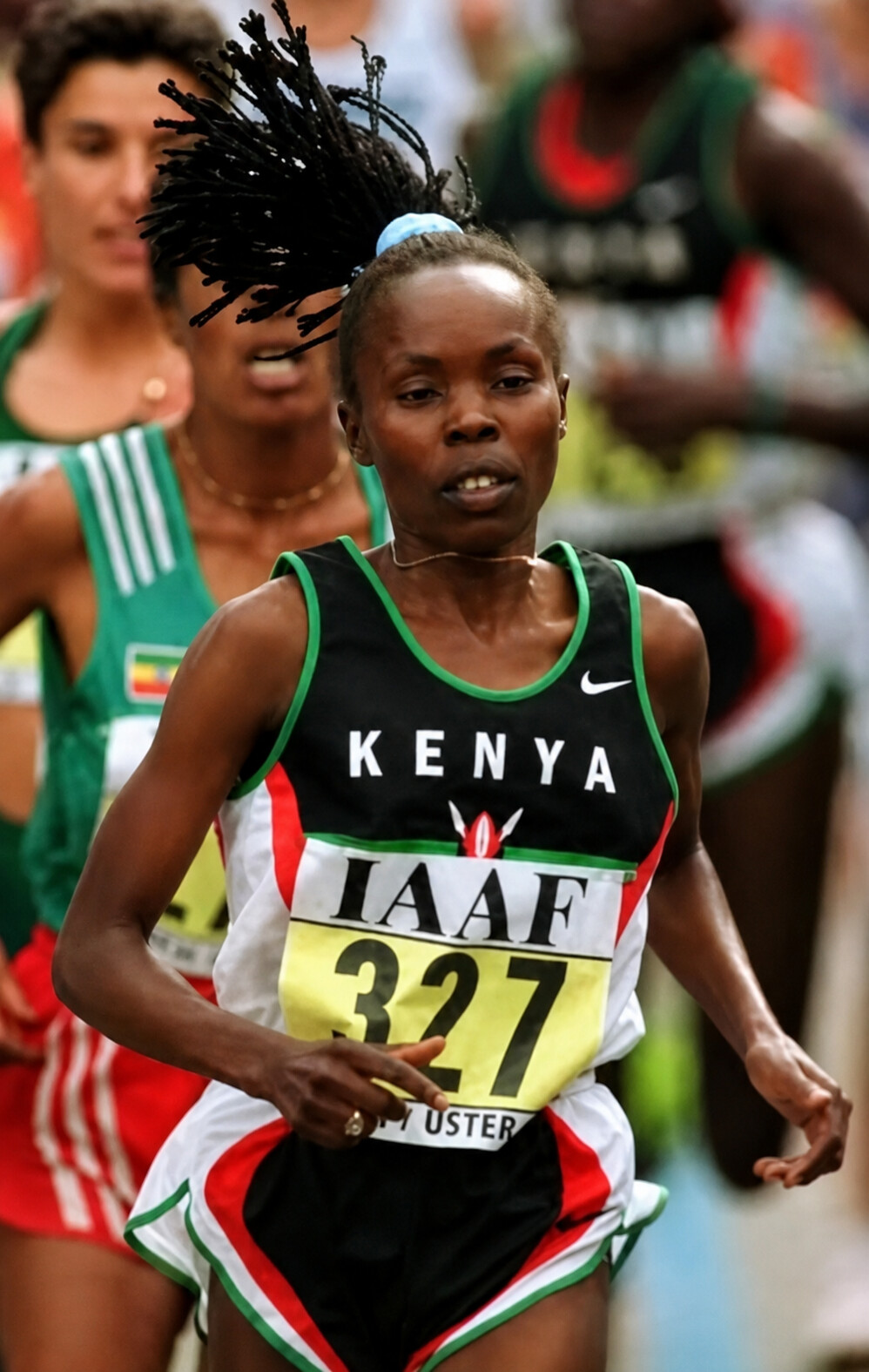
During her illustrious career, she held world records over 25 and 30 kilometres and became the first African woman to hold the women's marathon world record. She also became a three-time world half-marathon champion and made history as the first African woman to win the New York City Marathon, claiming the prestigious race twice.
Her victories extended to several of the world's major marathons, including London, Rotterdam, Hong Kong, Berlin and Rome, cementing her reputation as one of the outstanding distance runners of her generation.
Yet Loroupe's influence today extends well beyond her achievements on the road. Through the Tegla Loroupe Peace Foundation and other initiatives, she has continued to champion peaceful coexistence and opportunities for communities affected by conflict and displacement.
The 840-kilometre journey now gives that mission a physical form. From Kakuma to Nairobi, every kilometre is intended to carry a message of hope while drawing attention to the potential of refugees when they are given access to education, sport, opportunity and a supportive community.
The participation of 28 refugees makes the journey even more significant. Their presence transforms the run from a symbolic campaign into a collective expression of resilience, allowing those directly affected by displacement to become part of the story being told.
As Loroupe and her fellow runners make their way towards Uhuru Park over seven days, the distance will inevitably test their physical strength. But the greater purpose lies beyond the finish line: reminding Kenya and the wider world that being displaced does not mean being without dreams.
For Loroupe, every stride is therefore a statement of possibility—a call for peace, inclusion and education, and a powerful reminder that with the right opportunities, refugees can move beyond survival and pursue the futures they envision.
by Erick Cheruiyot for My Best Runs.
Login to leave a comment
Seventeen Years On, Usain Bolt’s 9.58 Still Stands Alone
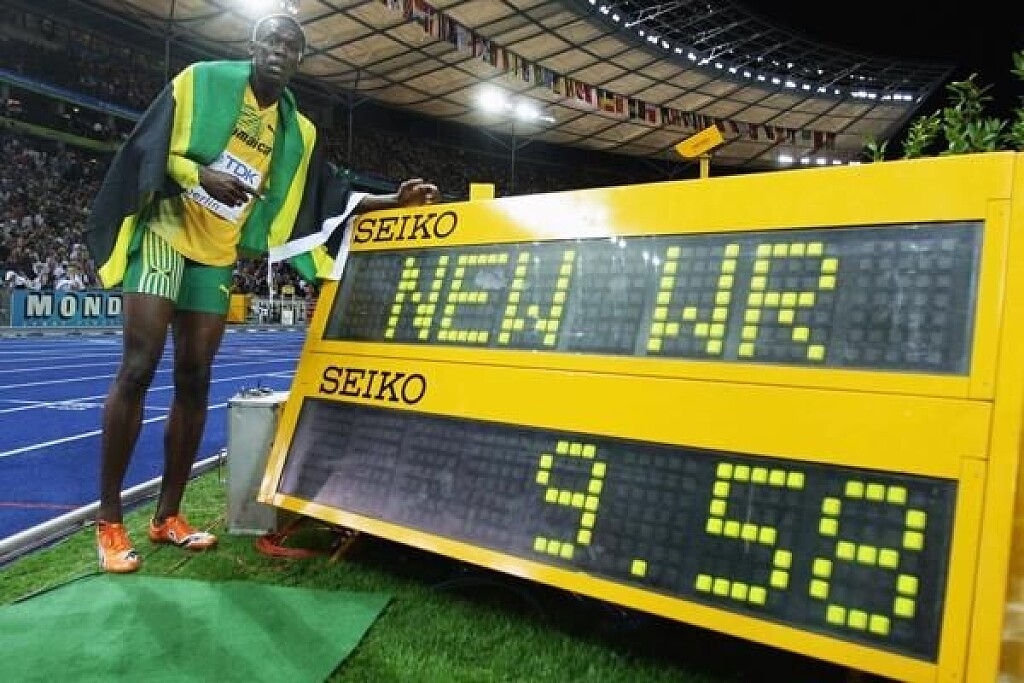
Seventeen years ago today, Jamaica’s Usain Bolt produced one of the most extraordinary performances in the history of athletics, sprinting into sporting immortality with a breathtaking 9.58 seconds in the men’s 100m final at the 2009 World Championships in Berlin.
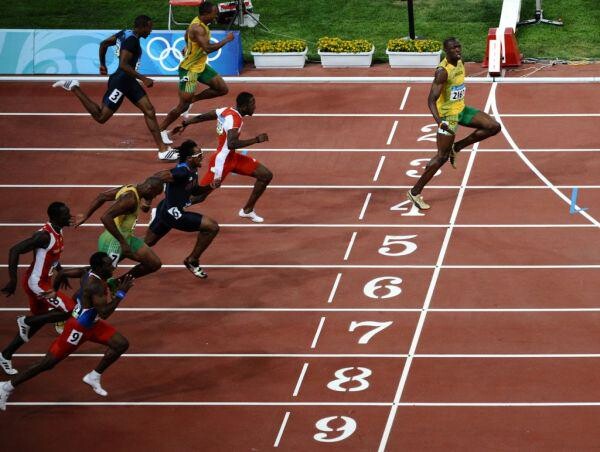
Under the lights of Berlin’s Olympic Stadium, the Jamaican superstar dismantled his own world record, slicing an astonishing 0.11 seconds from the 9.69 he had set at the Beijing Olympics exactly one year earlier. With a legal tailwind of +0.9 m/s, Bolt crossed the finish line in 9.58 — a mark that remains the fastest 100m ever recorded by a man.
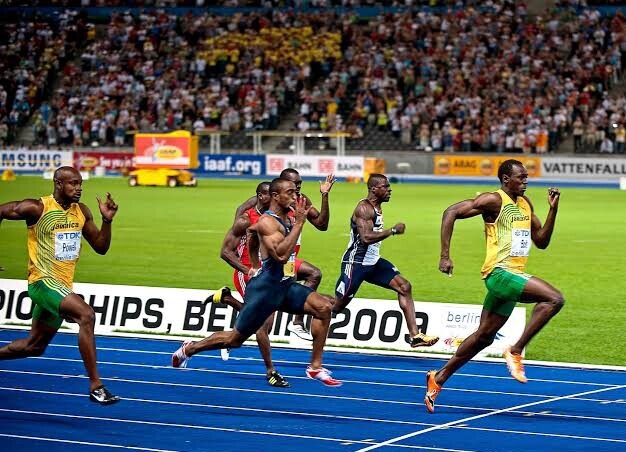
The race was billed as a heavyweight showdown between Bolt and American Tyson Gay, but once the Jamaican found his rhythm, the contest was effectively decided. Bolt surged away from the field with his trademark long, powerful strides, stopping the clock in a time that seemed almost beyond the limits of human speed.
Behind him, Gay produced a remarkable 9.71 for silver, setting a United States record, while Jamaica’s Asafa Powell claimed bronze in 9.84. Yet the night belonged entirely to Bolt, whose performance became the defining image of the Berlin championships.
What made the achievement even more remarkable was the scale of the improvement. Bolt had already rewritten the world record in Beijing with 9.69, but in Berlin he went to another level, becoming the first man to break the 9.6-second barrier. His 9.58 also represented the largest improvement to the men’s 100m world record since electronic timing was introduced.
Seventeen years later, the number still carries an almost mythical quality: 9.58 seconds. Generations of sprinters have chased faster times, but Bolt’s Berlin masterpiece remains untouched. The record has survived Olympic cycles, world championships and a new generation of elite sprinters, continuing to stand as one of the most enduring monuments to human speed.
On August 16, 2009, Usain Bolt did more than win a world title. He created a moment that transcended the race itself — a performance that continues to remind the world just how extraordinary the limits of speed can be.
Seventeen years on, 9.58 still belongs to Bolt. And the world is still waiting for someone to catch him.
by Erick Cheruiyot for My Best Runs.
Login to leave a comment
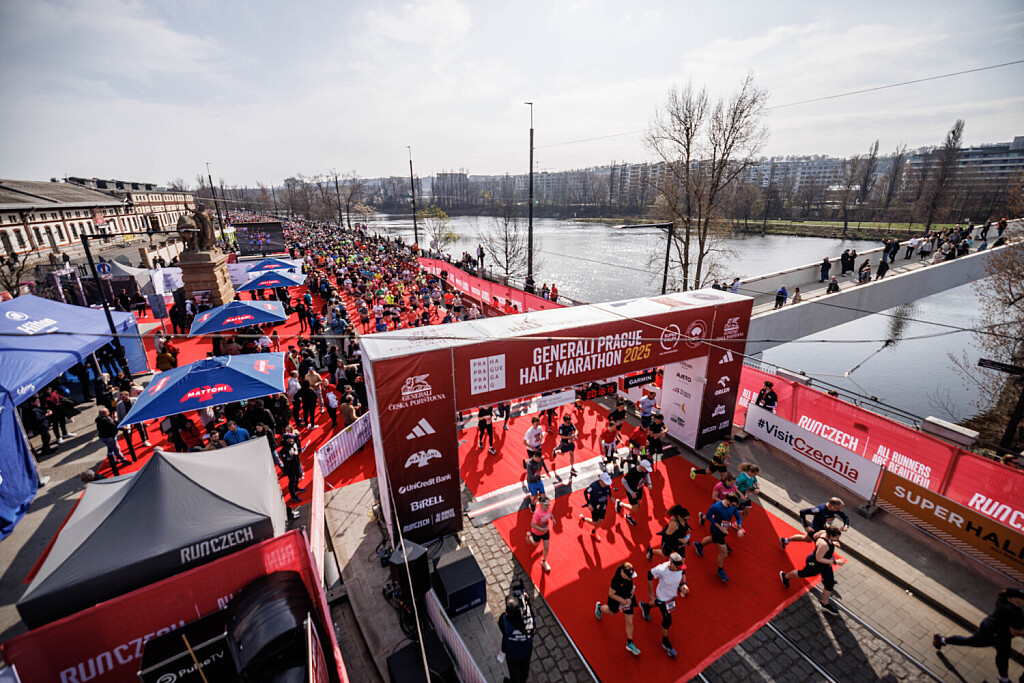
Prague Half Marathon’s First Ballot Draws More Than 70,000 Applications
The Generali Prague Half Marathon has entered a new era of unprecedented demand, with more than 70,000 runners reportedly applying for places in the race’s first-ever ballot for the 2027 edition.
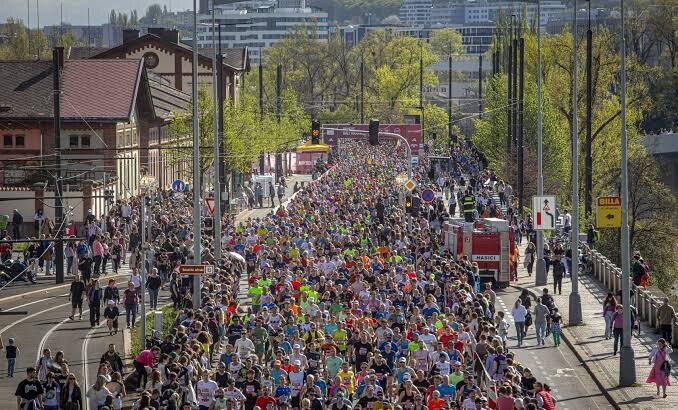
The remarkable response underlines the extraordinary international appeal of one of Europe’s most celebrated half marathons. With the race limited to 17,000 participants, the number of applications means demand exceeded available places by more than four times. RunCzech confirmed that the ballot attracted more than six times the race capacity in applications.
The move to a random draw marks a significant change from the previous registration system. In 2026, the 17,000-place field disappeared within just 2 hours and 23 minutes of registration opening, demonstrating how fiercely contested entry had become. Rather than rewarding those who happened to be quickest online, the new system gives applicants an equal opportunity through a random selection process.
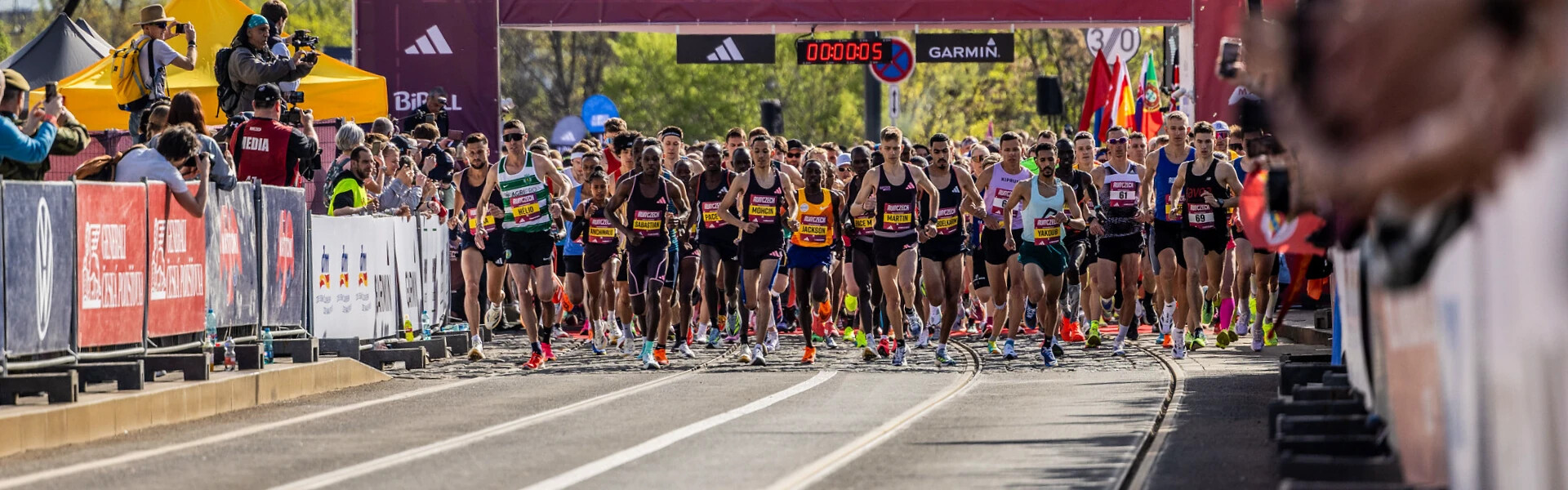
Applications opened on July 21 and closed at midnight heading into August 12, bringing three weeks of intense anticipation to an end. The draw is scheduled to take place this week, with every applicant due to receive the outcome by email no later than August 21. Those fortunate enough to secure a place will then have seven days to complete their registration before any unclaimed entries are returned to the pool.
The scale of the international interest is particularly striking. Applicants came from 161 countries, with 77 per cent of all applications submitted from outside the Czech Republic. The United Kingdom and Germany provided the largest overseas applicant groups, while Spain, Poland, Portugal, Italy and France were also strongly represented. Almost 1,300 applications came from Brazil and more than 700 from the United States.
For runners chasing the prestigious SuperHalfs series, Prague carries even greater significance. The race is one of the six founding members of the European half-marathon series, alongside Berlin, Copenhagen, Lisbon, Valencia and Cardiff, making a place on the start line highly coveted among runners pursuing the full collection. Around 45 per cent of ballot applicants already hold a SuperHalfs passport.
The 27th Generali Prague Half Marathon will take place on Saturday, April 3, 2027, taking runners through the historic heart of the Czech capital. The event also holds World Athletics Elite Label status, reinforcing its reputation not only as a mass-participation spectacular but also as a race capable of attracting world-class athletes and producing elite performances.
The huge ballot has transformed the meaning of simply getting to the start line in Prague. For thousands of runners, preparation has already begun, but their next step is not a training session or a race-plan decision—it is an email. This time, the fastest internet connection cannot guarantee a place; chance will decide who gets to experience the roar of the crowds, the historic streets and the unmistakable atmosphere of Prague at 21.1 kilometres.
The first ballot has therefore delivered a message that is impossible to ignore: Prague is no longer merely a race runners want to run—it is a race runners are competing to enter. With more than 70,000 applications chasing 17,000 places, the 2027 edition is already shaping up to be one of the most sought-after starts on the European road-racing calendar.
by Erick Cheruiyot for My Best Runs.
Login to leave a comment

Prague Half Marathon
Start the RunCzech season with one of the biggest running events in the Central Europe! Every year the Sportisimo Prague Half Marathon excites spectators with performances of elite athletes breaking records. Enjoy a course with incomparable scenery in the heart of historic Prague that follows along the Vltava river and crisscrosses five beautiful bridges. Take in majestic views of the...
more...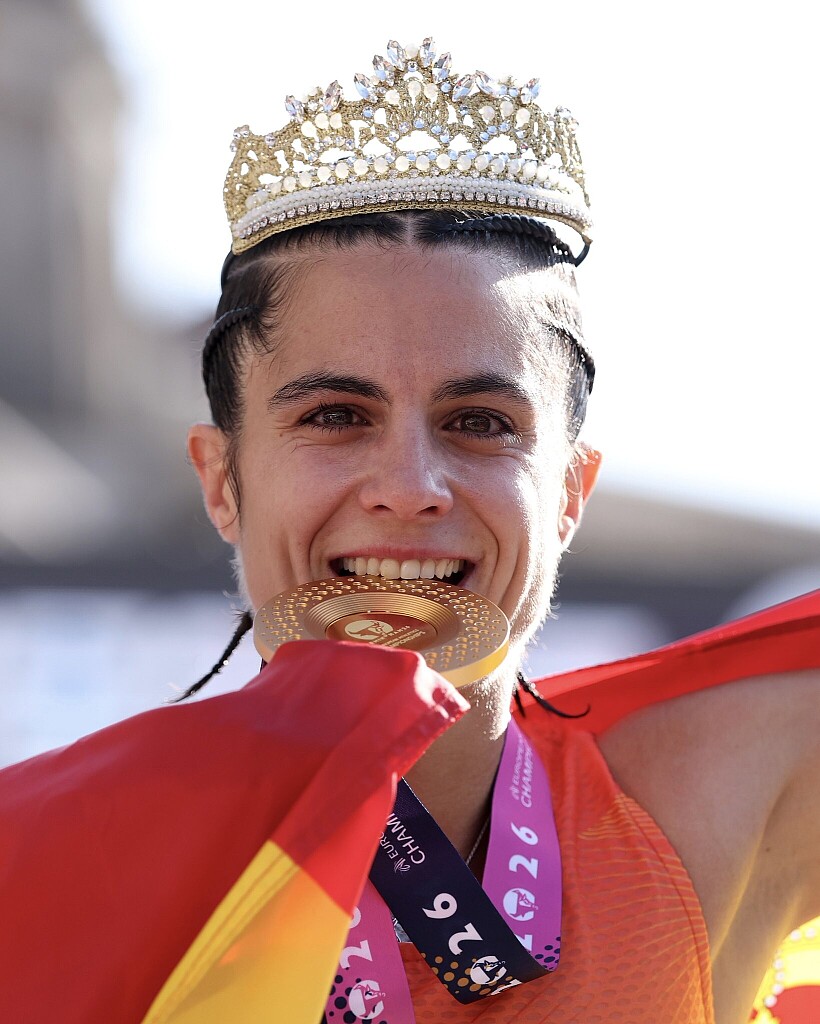
María Pérez Makes History with World Record and Inaugural European Half-Marathon Race Walk Gold
Spain’s María Pérez produced a breathtaking performance in Birmingham, storming to the inaugural European Athletics Championships women’s half-marathon race walk title in a stunning world record of 1:30:06*.
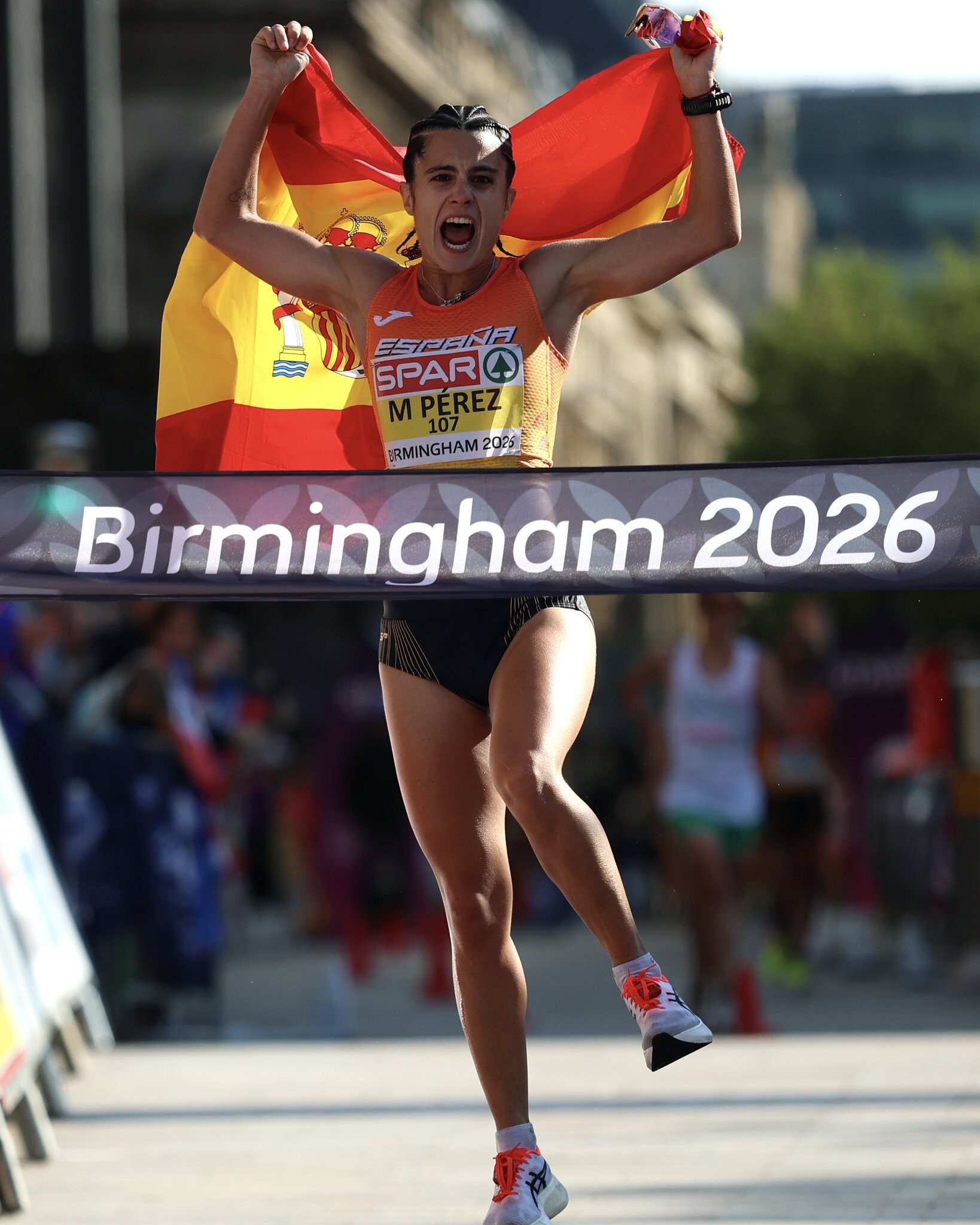
The 30-year-old Spaniard delivered a commanding display on the streets of Birmingham, pulling away from the field in the closing stages to win the gold medal by almost a minute. Her performance established the first championship benchmark for the new European half-marathon race walk event and placed Pérez firmly at the centre of another historic moment in race walking.
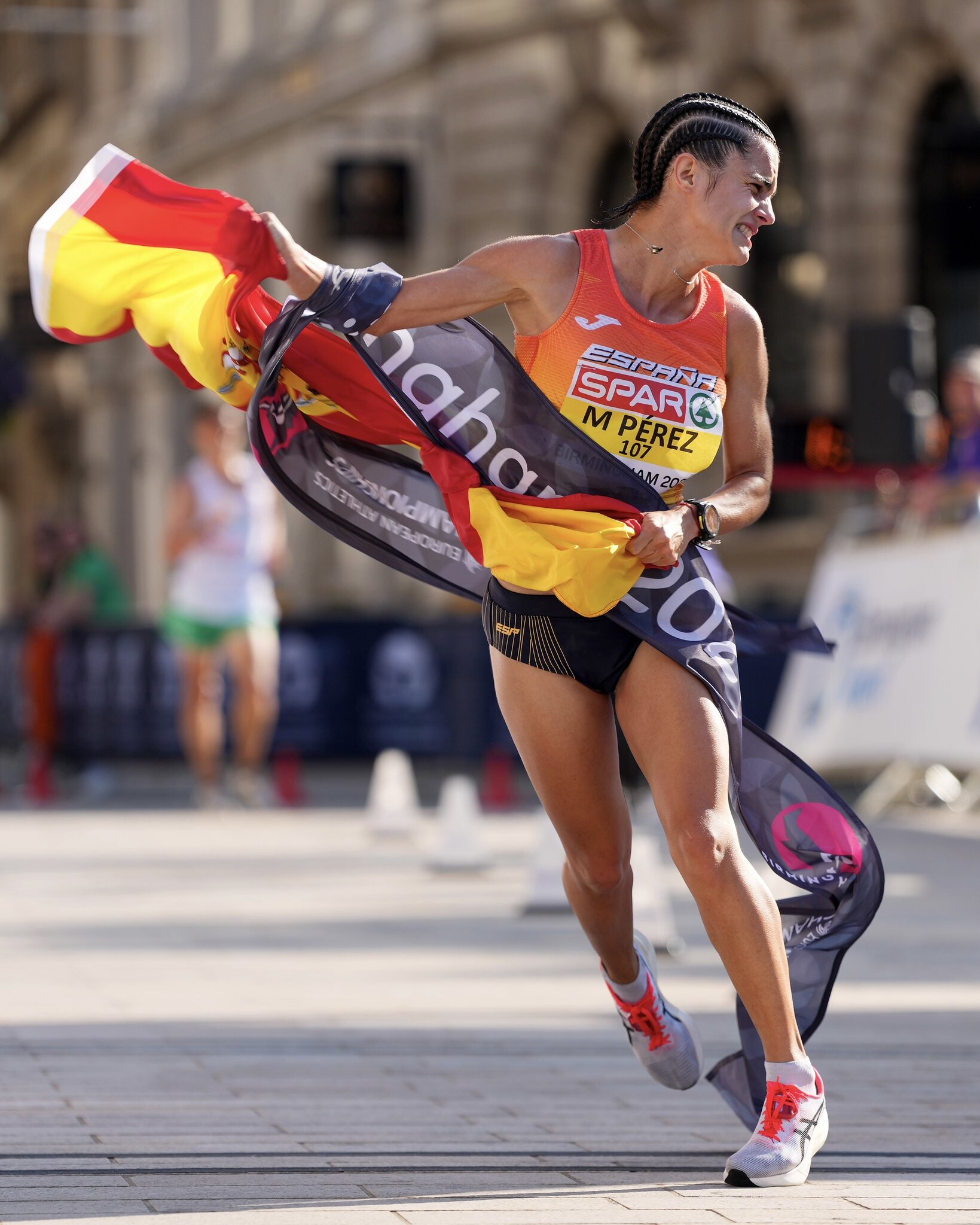
Pérez’s winning time smashed the previous world-best mark of 1:31:39, producing a remarkable improvement of 1 minute and 33 seconds. Italy’s Alexandrina Mihai followed in second in 1:31:04, while Ukraine’s Lyudmyla Olyanovska secured bronze in 1:31:07. France’s Pauline Stey was fourth in 1:31:12, meaning the top four all finished inside the previous world-record mark.
The victory adds another prestigious chapter to Pérez’s already remarkable career. Already the world-record holder over 35km, the Spanish star now has a second European title to her name, eight years after she captured the 20km race walk gold at the 2018 European Championships in Berlin.
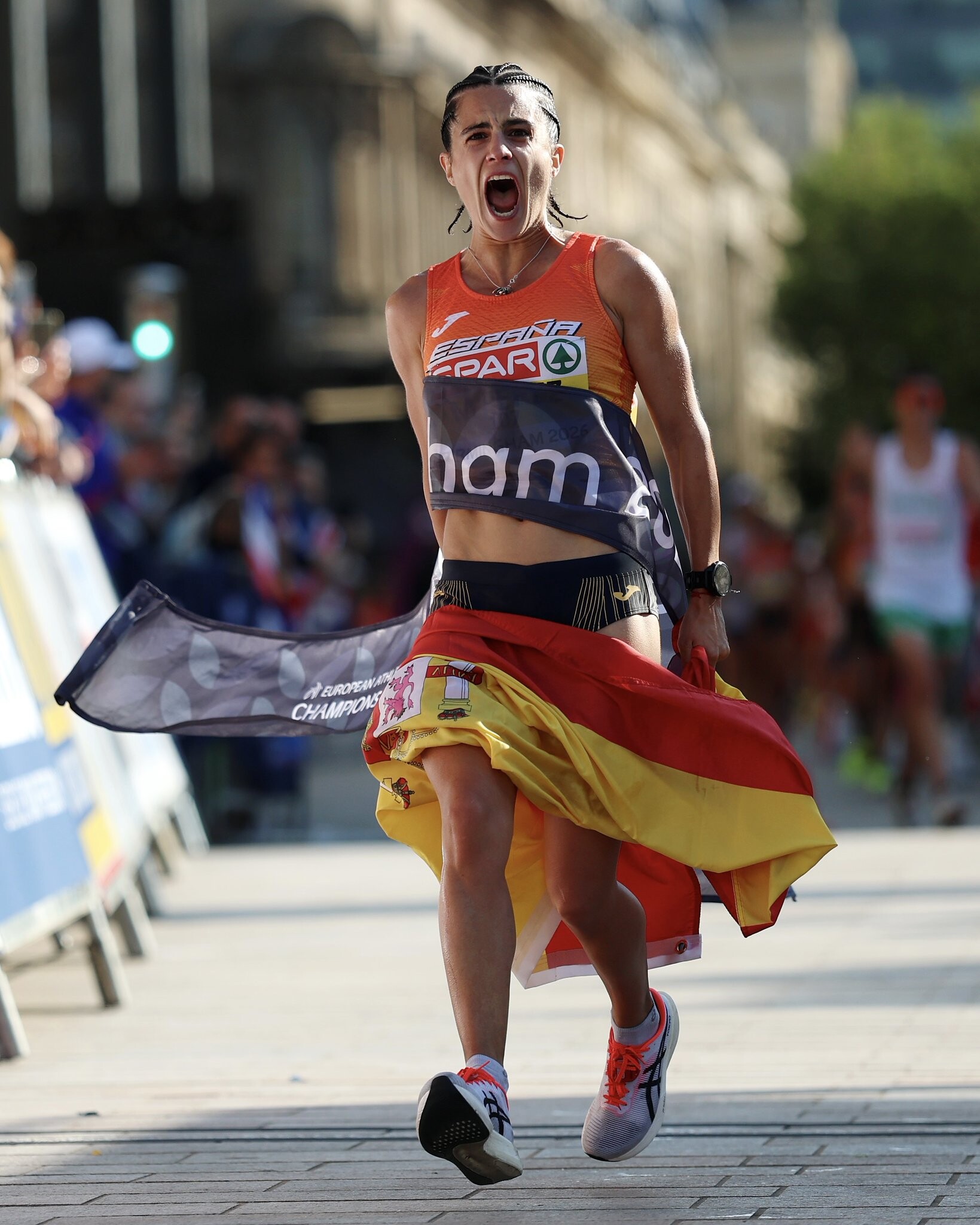
Pérez has also established herself as one of the dominant figures of modern race walking, having won world titles over both 20km and 35km. Her latest triumph demonstrates once again her ability to rise to the biggest occasions and set new standards while doing so.
The Birmingham race was therefore more than a European title. It was a landmark performance that gave the newly introduced half-marathon race walk its first championship champion and a world-record benchmark to chase.
María Pérez has done it again — another European crown, another record and another unforgettable chapter in her extraordinary career.
World record pending the usual ratification procedure.
by Erick Cheruiyot for My Best Runs.
Login to leave a comment

European Athletics Champioships
The27thEuropean Athletics Championshipswill be held from 10 to 16 August 2026 at theAlexander StadiuminBirmingham, United Kingdom.[1] This is the first time that a British city will have staged the European Athletics Championships although Birmingham has hosted many high-profile events, including the2007 European Athletics Indoor Championships, the2003and2018 IAAF World Indoor Championshipsand the2022 Commonwealth Games. Alexander Stadium was renovated between 2019 and...
more...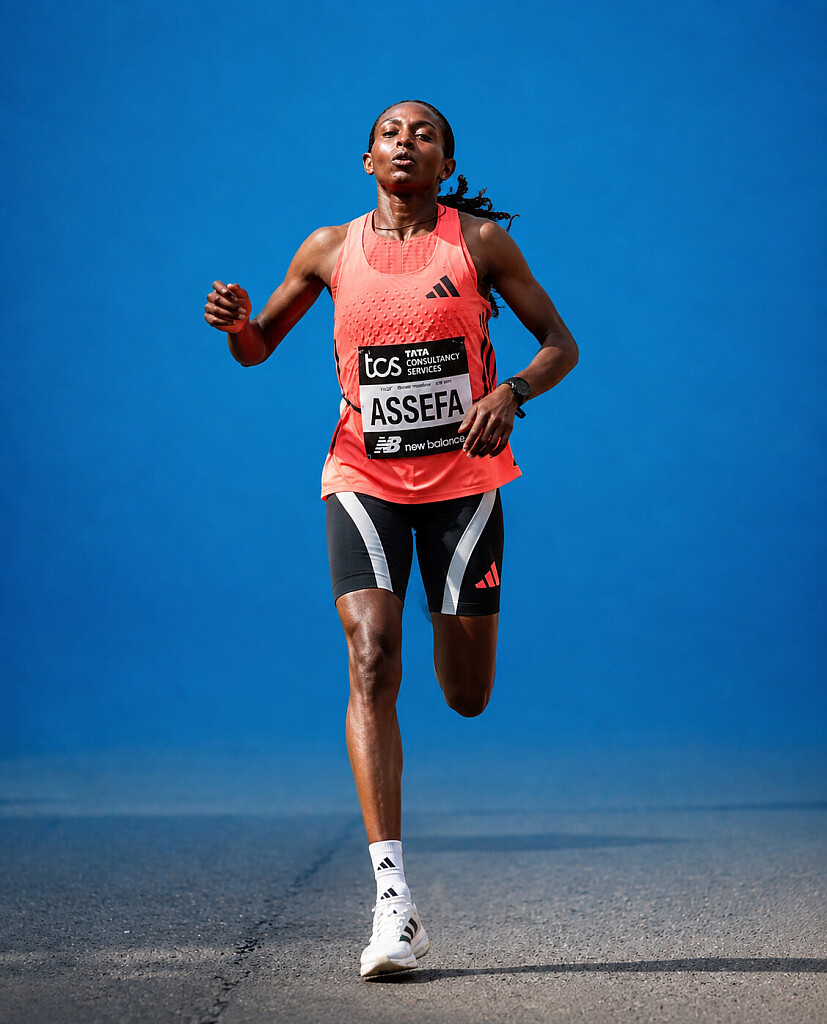
Berlin’s Women’s Marathon Field Brimming With Elite Talent as Star-Studded Line-Up Takes Shape
The women’s field for the 2026 BMW BERLIN-MARATHON is rapidly developing into one of the most intriguing marathon line-ups of the year, bringing together world-class champions, established contenders and an exciting collection of athletes determined to make their mark on one of the sport’s fastest stages.
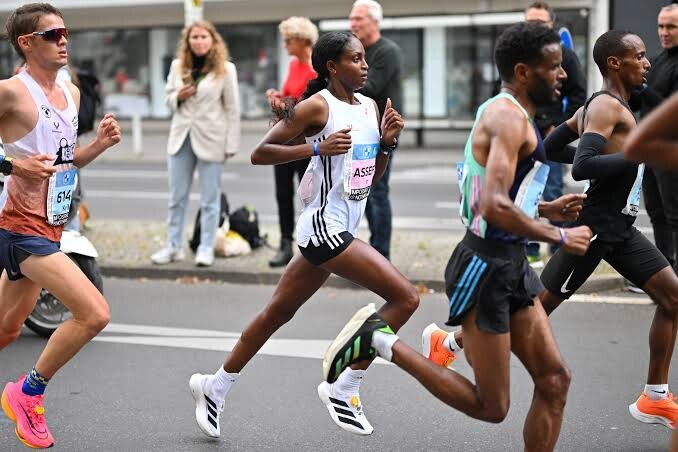
At the forefront is Ethiopia’s Tigst Assefa, whose extraordinary marathon career has already placed her among the all-time greats. Assefa is the current women-only marathon world-record holder, having improved her own mark to 2:15:41 at the 2026 TCS London Marathon, where she successfully defended her title.
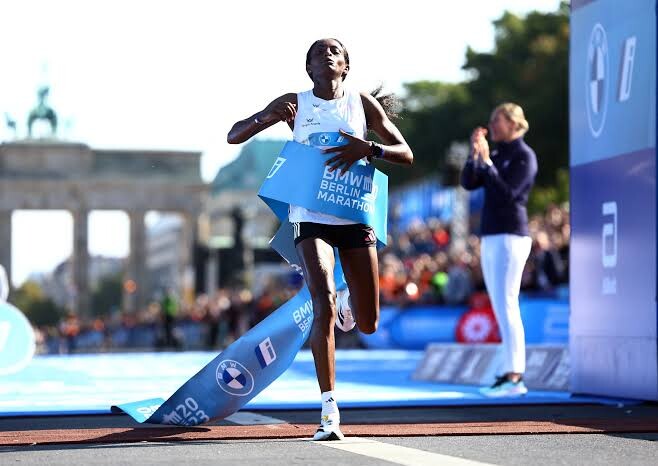
Her place in marathon history was secured even earlier in Berlin. At the 2023 BMW BERLIN-MARATHON, Assefa stormed to 2:11:53, smashing the then women’s world record by more than two minutes. The performance was subsequently ratified by World Athletics and remains among the fastest women’s marathon ever recorded in a mixed-gender race.
Kenya’s Rosemary Wanjiru, with a 2:16:14 personal best, provides another formidable presence at the sharp end of the race, while Ethiopia’s Bedatu Hirpa adds yet another major threat to an already exceptional field.
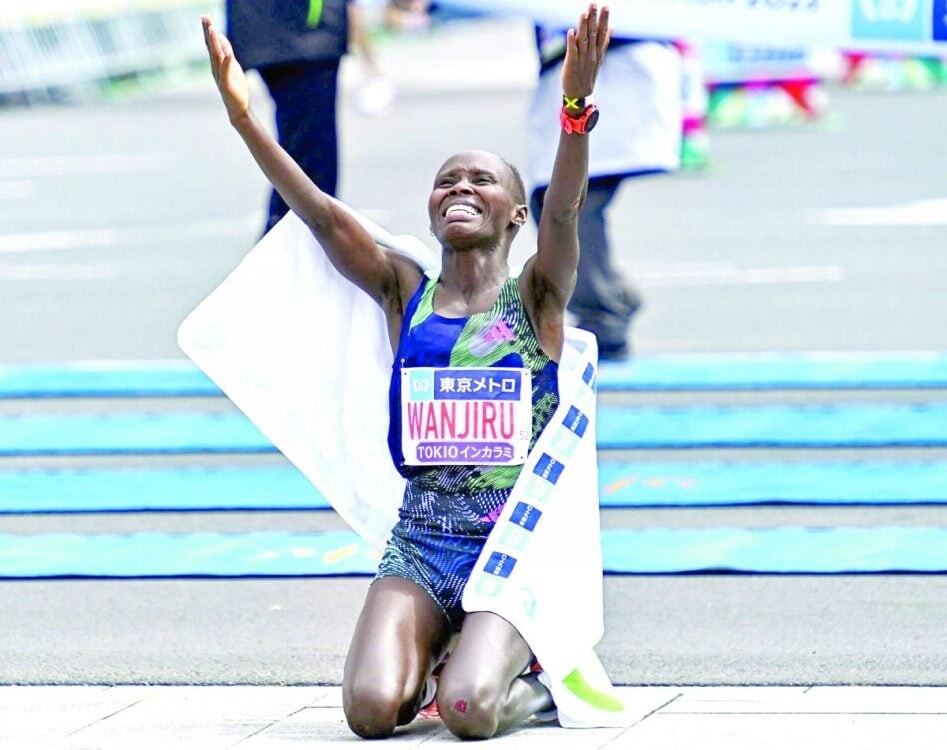
The 27-year-old Hirpa has built an impressive marathon résumé in a remarkably short period. She owns a 2:18:27 personal best, achieved when she won the Dubai Marathon, before continuing her winning momentum with victory at the Paris Marathon just months later. She also underlined her consistency this year with a second-place finish at the Osaka Marathon in 2:19:54. With her combination of speed, confidence and major-marathon experience, Hirpa could be one of the athletes capable of challenging the leading names in Berlin.
The Ethiopian challenge does not end there. Dera Dida (2:18:32), Zeineba Yimer (2:18:47), Bosena Mulatie (2:19:00), Misgane Alemayehu (2:19:08), Bekelech Gudeta (2:19:39), Gadise Mulu (2:20:59), Eebbisee Addunya (2:21:13) and Aminet Ahmed (2:21:24) give Ethiopia extraordinary depth, with every one of them boasting a personal best inside 2:22.
Kenya will also have strong representation through Evaline Chirchir (2:20:33) and Pascaline Jelagat (2:22:44), adding further firepower to a nation renowned for producing world-class marathon talent. China’s Deshun Zhang (2:20:53) also brings a sub-2:21 credential to the starting line.
Japan arrives with a deep group of proven marathoners. Rika Kaseda (2:21:55), Mao Uesugi (2:22:11), Natsuki Omori (2:23:45) and Rino Goshima (2:24:44) all possess impressive personal bests and could play an important role as the race develops. Morocco’s Fatima Gardadi (2:24:06) adds another strong international presence, while France’s Manon Trapp (2:23:38), the United States’ Jacqueline Gaughan (2:24:40) and Kodi Kleven (2:24:48), and Great Britain’s Lucy Reid (2:26:37) further strengthen the international depth.
Germany will have plenty to cheer for on home soil, with a sizeable contingent led by Kristina Hendel (2:27:29), who will be looking to rediscover the form that made her one of the country’s leading marathoners. After injury setbacks interrupted her progress, Hendel returns with the ambition of rebuilding her momentum on one of the biggest stages in the sport.
Anna Langerwisch is another German athlete attracting considerable interest. The 24-year-old has emerged rapidly among the country’s promising marathoners, winning the Hanover Half Marathon in 70:53 before improving her marathon personal best to 2:32:13 in Prague, remarkably in only her second marathon. Her recent 32:17 over 10 kilometres at the adidas Runners City Night in early August has added further intrigue around what she might produce over the full marathon distance.
Germany’s depth extends further, with Thea Heim (2:33:25), Cara Zollenkopf (2:36:05), Esther Pfeiffer (2:37:00), Katja Fischer (2:40:13), Sophia Wunsch (2:40:49) and Jule Vetter (2:42:18) also listed for the race. Their presence gives the home nation a broad representation across the field and adds another layer to an already fascinating international contest.
With Assefa’s extraordinary pedigree, Wanjiru’s proven class, Hirpa’s growing reputation and a supporting cast filled with athletes boasting sub-2:25 credentials, Berlin is shaping up for a women’s race packed with possibilities.
For Assefa, the return to Berlin carries an added historical dimension. It was on these very streets in 2023 that she produced the 2:11:53 performance that changed the landscape of women’s marathon running. Now, after lowering the women-only world record to 2:15:41 in London, she returns with another opportunity to write a new chapter in her remarkable career.
For the established stars, Berlin will be a chance to reaffirm their place among the marathon elite; for the emerging contenders, it could be the moment they announce themselves on one of the sport’s grandest stages.
The BMW BERLIN-MARATHON is renowned for fast racing and ambitious performances, and with such remarkable depth already assembled, the 2026 edition promises to deliver a captivating battle from the opening kilometres to the iconic finish on the Straße des 17. Juni.
by Erick Cheruiyot for My Best Runs.
Login to leave a comment
BMW Berlin Marathon
The story of the BERLIN-MARATHON is a story of the development of road running. When the first BERLIN-MARATHON was started on 13th October 1974 on a minor road next to the stadium of the organisers‘ club SC Charlottenburg Berlin 286 athletes had entered. The first winners were runners from Berlin: Günter Hallas (2:44:53), who still runs the BERLIN-MARATHON today, and...
more...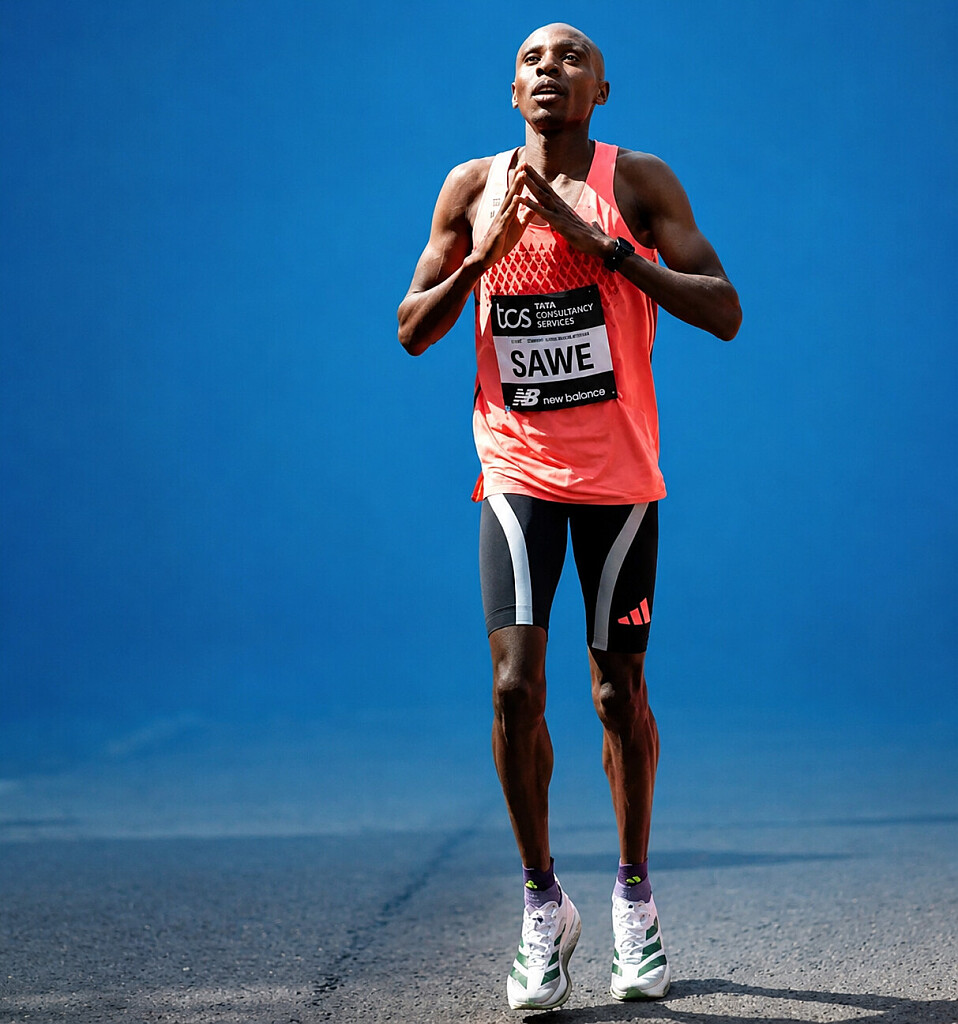
Sabastian Sawe Set for Another Historic Berlin Marathon as Elite Field Takes Shape
World record holder Sabastian Sawe is set to return to the BMW Berlin Marathon on September 27, where the Kenyan superstar will defend his title and attempt to add another remarkable chapter to his already extraordinary marathon career.
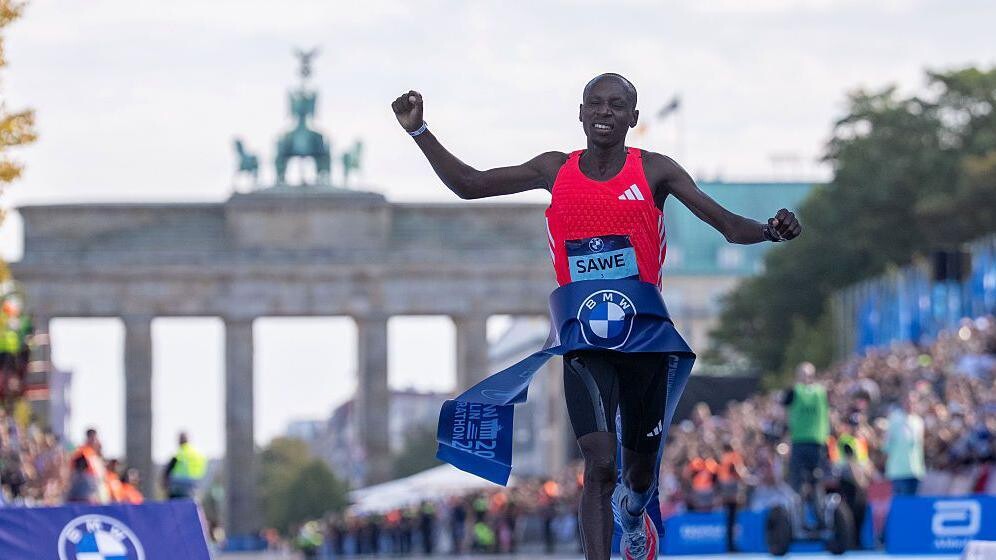
Sawe arrives in Berlin with unprecedented confidence after his sensational 1:59:30 performance in London, which made him the first athlete to officially break the two-hour barrier in the marathon. That landmark achievement has elevated expectations for his return to the German capital, where he will once again line up on one of the fastest marathon courses in the world.
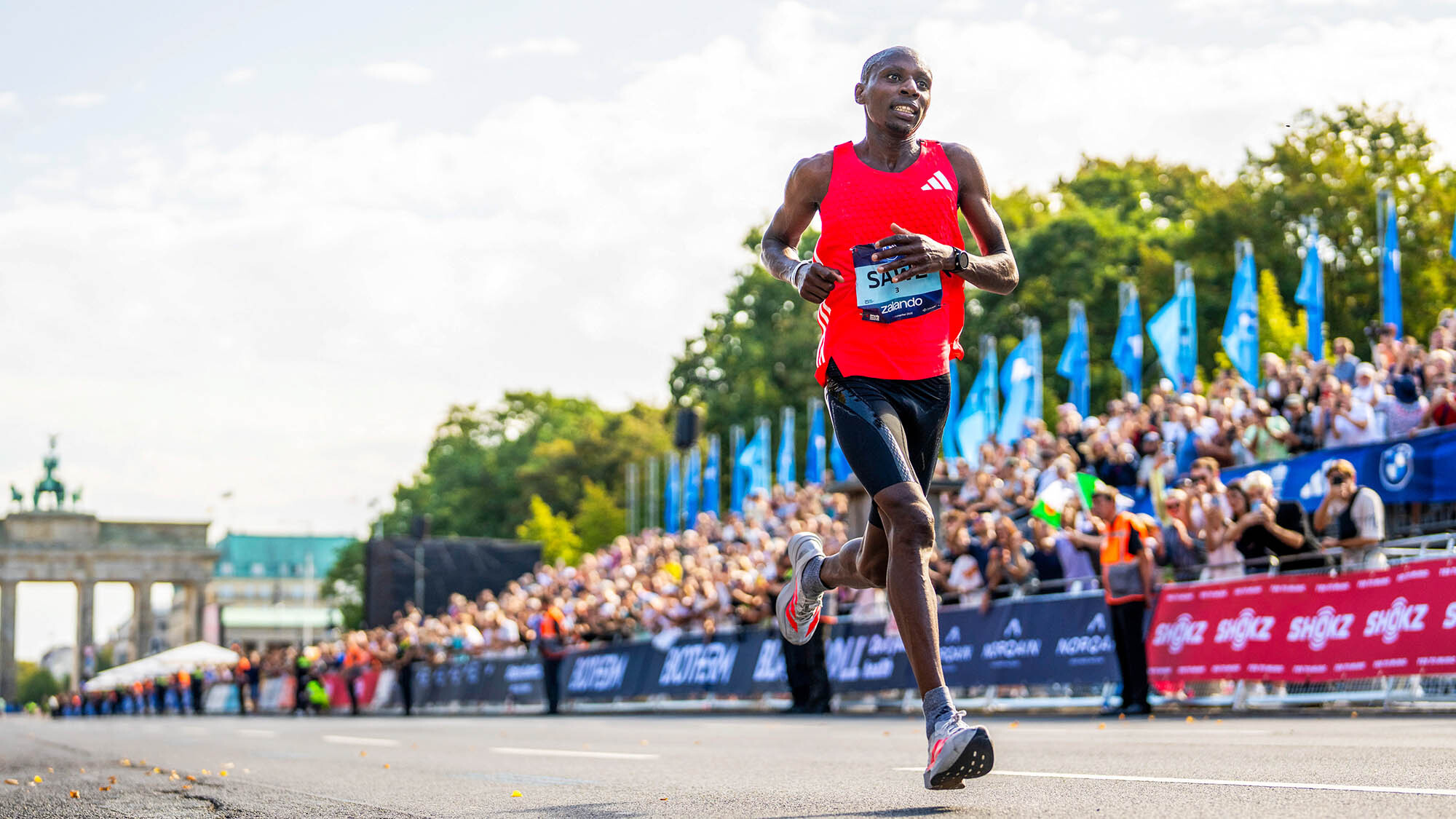
The Kenyan won the 2025 Berlin Marathon in 2:02:16 despite warm conditions, demonstrating his ability to produce a world-class performance even when circumstances are far from ideal. This time, he returns as the defending champion and world-record holder, with the famously flat Berlin course providing another opportunity to test the limits of what is possible over 42.195km.
Berlin has a remarkable history of producing record-breaking performances, and Sawe's presence immediately raises the possibility of another extraordinary race. The question now is whether the 31-year-old can go beyond his own 1:59:30 world record and take the marathon to an even higher level.
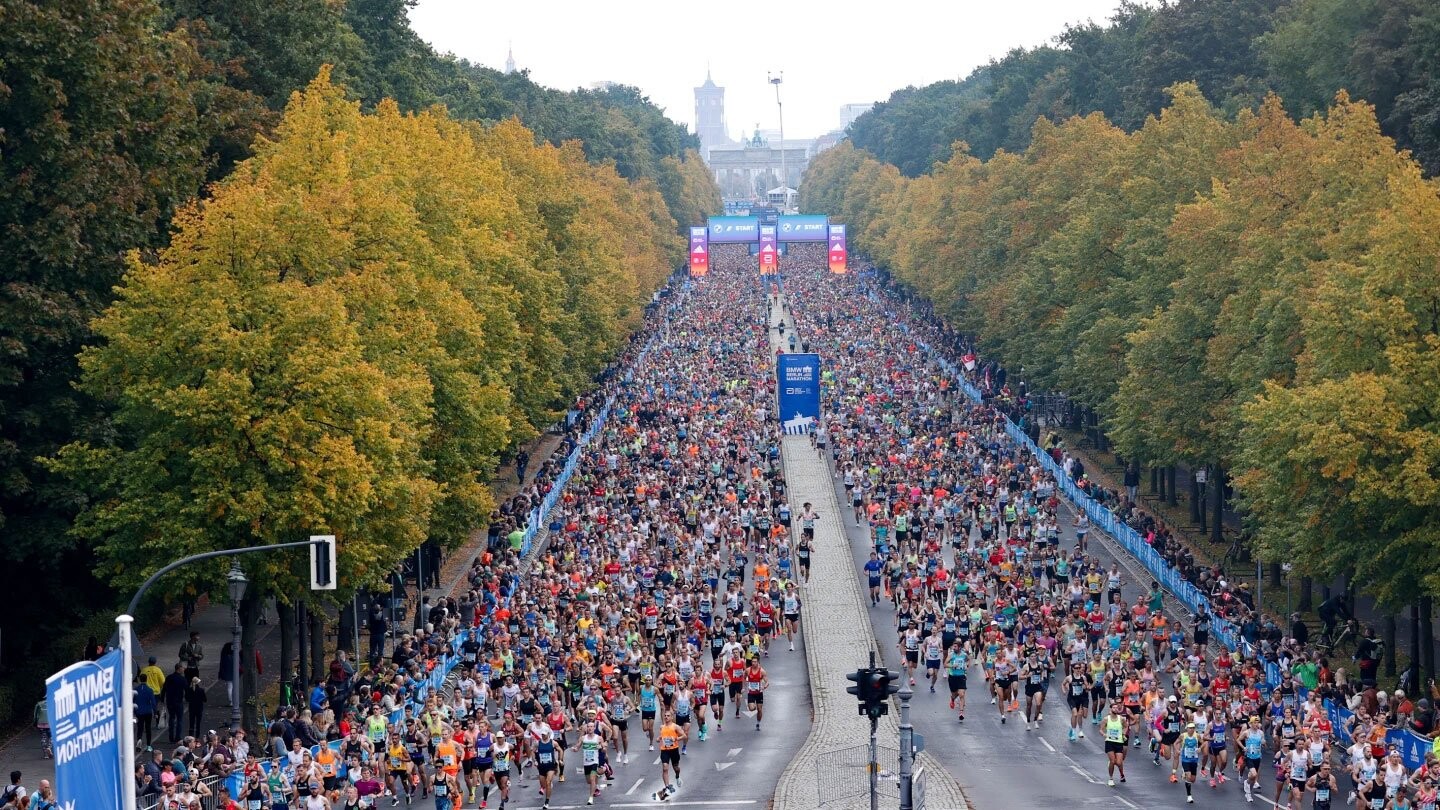
However, Sawe will face formidable opposition.
Tanzania’s Gabriel Geay has joined the elite field, bringing a personal best of 2:03:00 set in Valencia in 2022. The 29-year-old Tanzanian record holder established himself among the world’s leading marathoners with that performance and further underlined his credentials by finishing runner-up at the 2023 Boston Marathon.
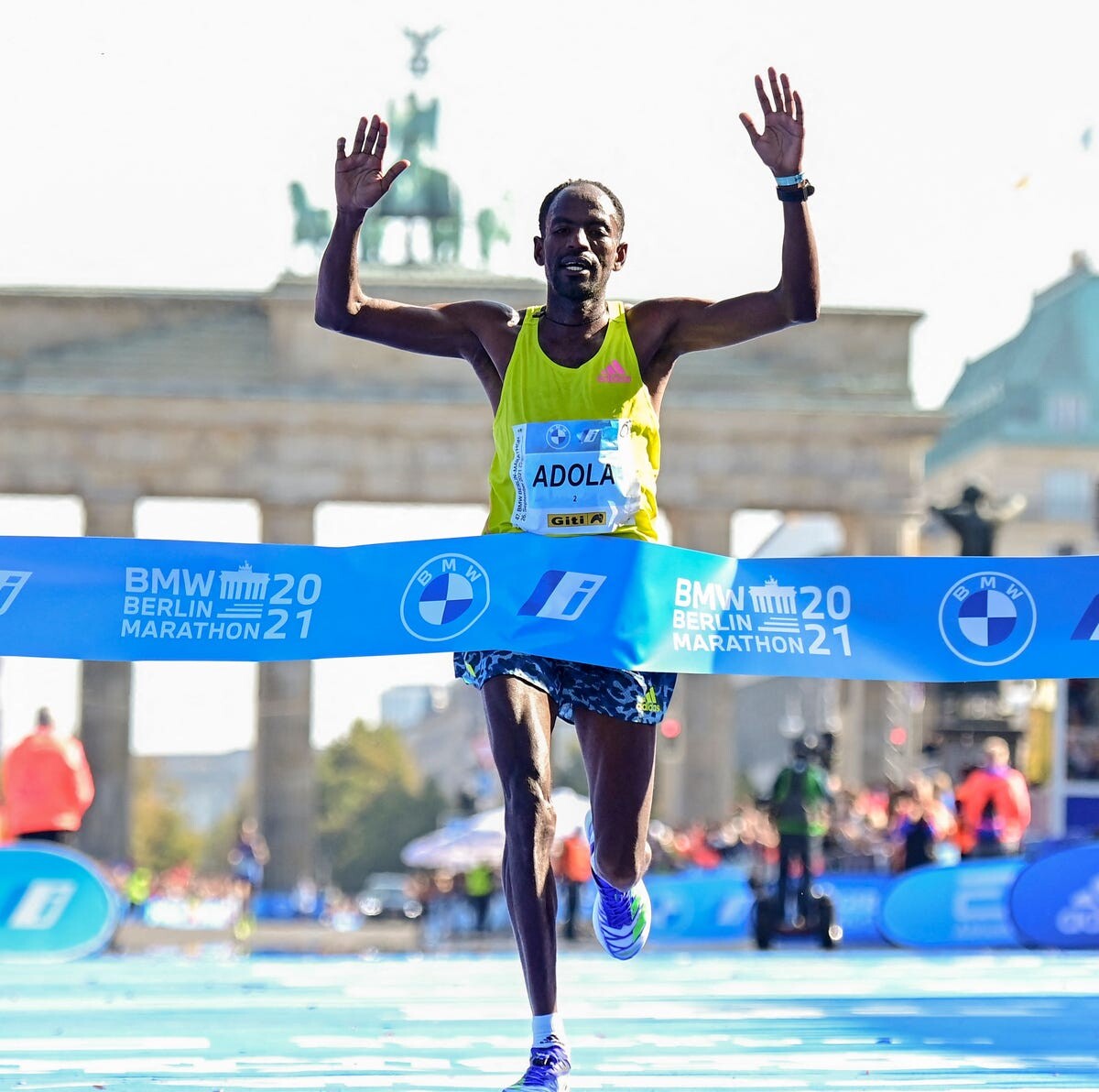
Ethiopia’s Guye Adola will also return to Berlin, the scene of some of the most memorable moments of his marathon career. In 2017, Adola stunned the athletics world on his marathon debut, pushing Eliud Kipchoge deep into the race before finishing second in a remarkable 2:03:46. Four years later, on September 26, 2021, Adola returned to Berlin and claimed victory in 2:05:45, adding another significant chapter to his association with the iconic German marathon. Now, after his recent return to top form, he will once again line up on the streets where he has already made history.
Now 35, Adola has endured injury setbacks in recent years, but his victory at the Rotterdam Marathon in 2:03:54 this spring proved that he remains a major force on the international marathon circuit.
The addition of Geay and Adola adds further quality to a field already packed with athletes capable of running at an extraordinary pace. With Sawe leading the charge, Berlin is shaping up to deliver another thrilling battle among some of the world's finest marathoners.
The depth of the field extends well beyond the leading contenders, with Ethiopia boasting an imposing group of marathoners. Getaneh Molla (2:03:34), Shura Kitata (2:03:59), Dejene Hailu (2:04:15), Selemon Barega (2:05:00), Taresa Tolosa (2:05:17), Tadu Abate (2:05:38), Asefa Boki (2:05:40) and Andamlak Belihu (2:06:40) will all bring proven credentials and the ambition to challenge for fast times in Berlin.
Japan, meanwhile, has assembled a particularly deep contingent, led by Kenya Sonota (2:05:59), Tsubasa Ichiyama (2:06:00), Kyoto Hirabayashi (2:06:14), Yuhei Urano (2:06:23), Hidekazu Hijikata (2:06:26), Yusuke Nishiyama (2:06:31), Naoki Koyama (2:06:33), Kazuya Nishiyama (2:06:45), Daisuke Uekado (2:06:54) and Shin Kimura (2:07:34). China’s Jie He (2:06:57) and Kenya’s Richard Yator (2:07:36) complete a remarkably deep field, setting the stage for a race where the battle for victory could be accompanied by a long list of outstanding personal performances.
For Sawe, though, the challenge goes beyond defending his Berlin crown. Having already broken the two-hour barrier, he now has an opportunity to chase an even more remarkable achievement on a course renowned for producing marathon history.
Can Sabastian Sawe lower his own 1:59:30 world record in Berlin on September 27?
The countdown is on, and if the conditions are right, the defending champion could once again have the marathon world watching every step.
by Erick Cheruiyot for My Best Runs.
Login to leave a comment
BMW Berlin Marathon
The story of the BERLIN-MARATHON is a story of the development of road running. When the first BERLIN-MARATHON was started on 13th October 1974 on a minor road next to the stadium of the organisers‘ club SC Charlottenburg Berlin 286 athletes had entered. The first winners were runners from Berlin: Günter Hallas (2:44:53), who still runs the BERLIN-MARATHON today, and...
more...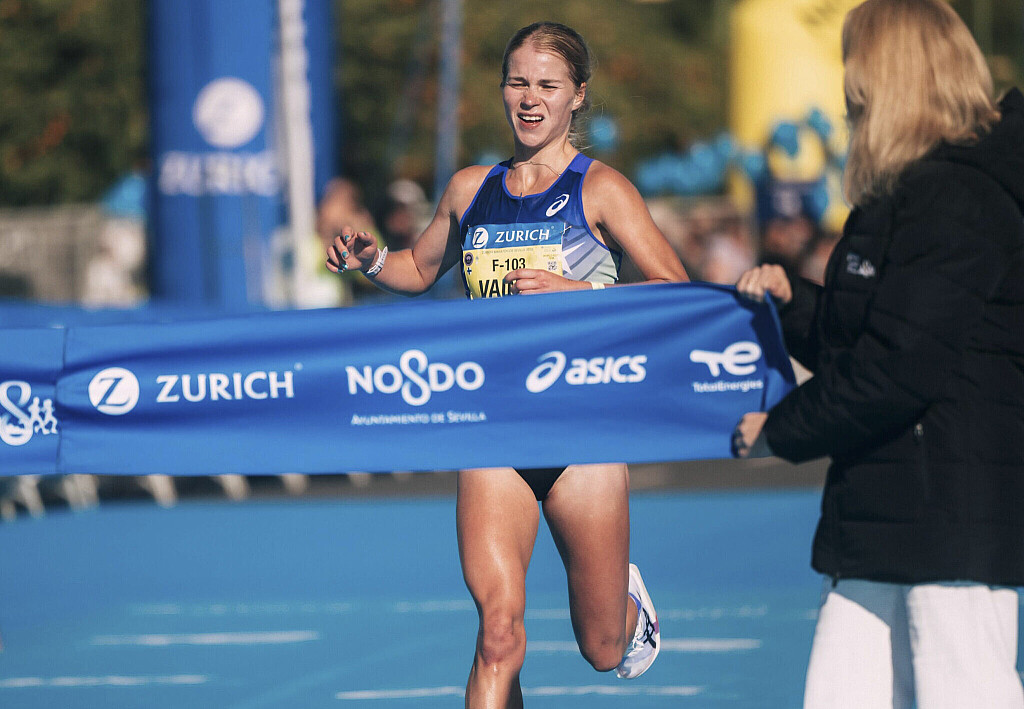
Europe's Elite Women Marathoners Ready for Thrilling Championship Battle in Birmingham
The women's marathon at the 2026 European Athletics Championships is set to be one of the most eagerly anticipated races of the championships, bringing together an exceptional field of experienced championship performers, rising stars, and defending medalists in what promises to be a fascinating battle for European glory.
While Finland's Alisa Vainio enters Birmingham as the fastest European woman this season after clocking a brilliant 2:20:39 at the Seville Marathon, she faces stiff competition from some of the continent's strongest marathon nations, including Germany, Spain, Poland, Ireland, and host nation Great Britain.
Vainio's journey to the top has been years in the making. Widely regarded as one of Europe's brightest teenage distance-running prospects, she qualified for the marathon for the Rio 2016 Olympic Games at just 18 years old but was unable to compete because she did not meet the minimum age requirement. Instead of fading from the spotlight, she steadily rebuilt her career and has now matured into one of Europe's premier marathon runners.
Her breakthrough came at the 2025 World Athletics Championships in Tokyo, where she produced a composed and intelligent race in oppressive heat and humidity to finish fifth overall as the first European athlete across the finish line. Just three weeks later, she shattered the Finnish marathon record with a solo 2:23:06 performance at the national championships in Vantaa.
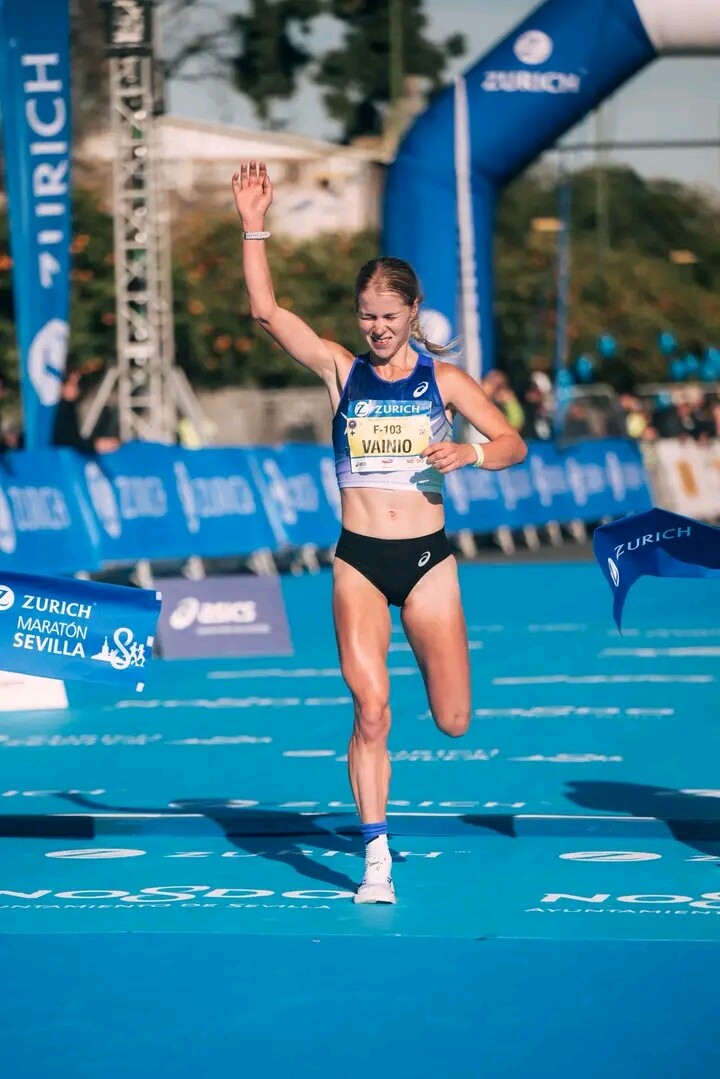
Vainio has continued her remarkable momentum ever since. She completed three additional marathons, highlighted by a commanding victory at the Seville Marathon, where she lowered the Finnish record once again while setting the European-leading mark of 2:20:39, establishing herself as the athlete to beat heading into Birmingham.
Germany arrives with one of the deepest squads in the championship and will be aiming to defend the women's team title won in Munich four years ago. Fabienne Königstein leads the German challenge after setting a personal best of 2:22:17 with a sixth-place finish at the Berlin Marathon. She is joined by the versatile Laura Hottenrott, who added another major achievement to her career earlier this year by winning silver in the uphill race at the European Athletics Off-Road Running Championships.
Spain also boasts an exceptionally strong lineup and is expected to challenge for both the individual and team honors. Fatima Azzahraa Ouhaddou Nafie demonstrated her championship resilience by recovering from a mid-race fall to win the marathon at the 2025 European Running Championships. Laura Luengo brings a personal best of 2:22:31, while Meritxell Soler, Ester Navarrete, and Carolina Robles complete a formidable squad. Impressively, every Spanish athlete in the team owns a lifetime best under 2:25, highlighting the country's remarkable marathon depth.
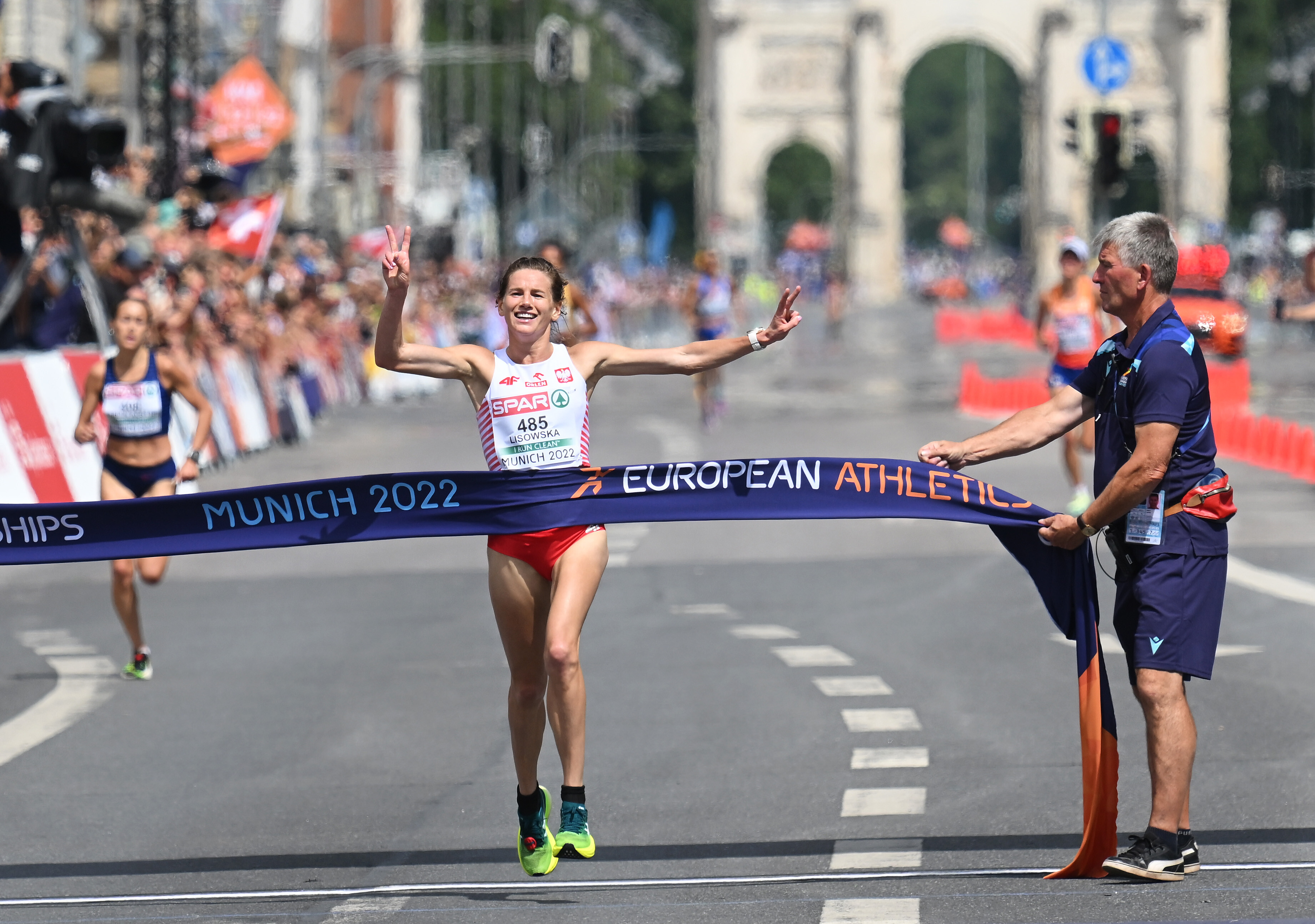
Defending champion Aleksandra Lisowska of Poland cannot be overlooked despite not being among the pre-race favorites. Her surprise victory in Munich four years ago proved that championship marathons often reward tactical brilliance, patience, and resilience rather than raw speed alone. Having already demonstrated her ability to thrive under championship pressure, the Polish star remains a genuine threat in Birmingham.
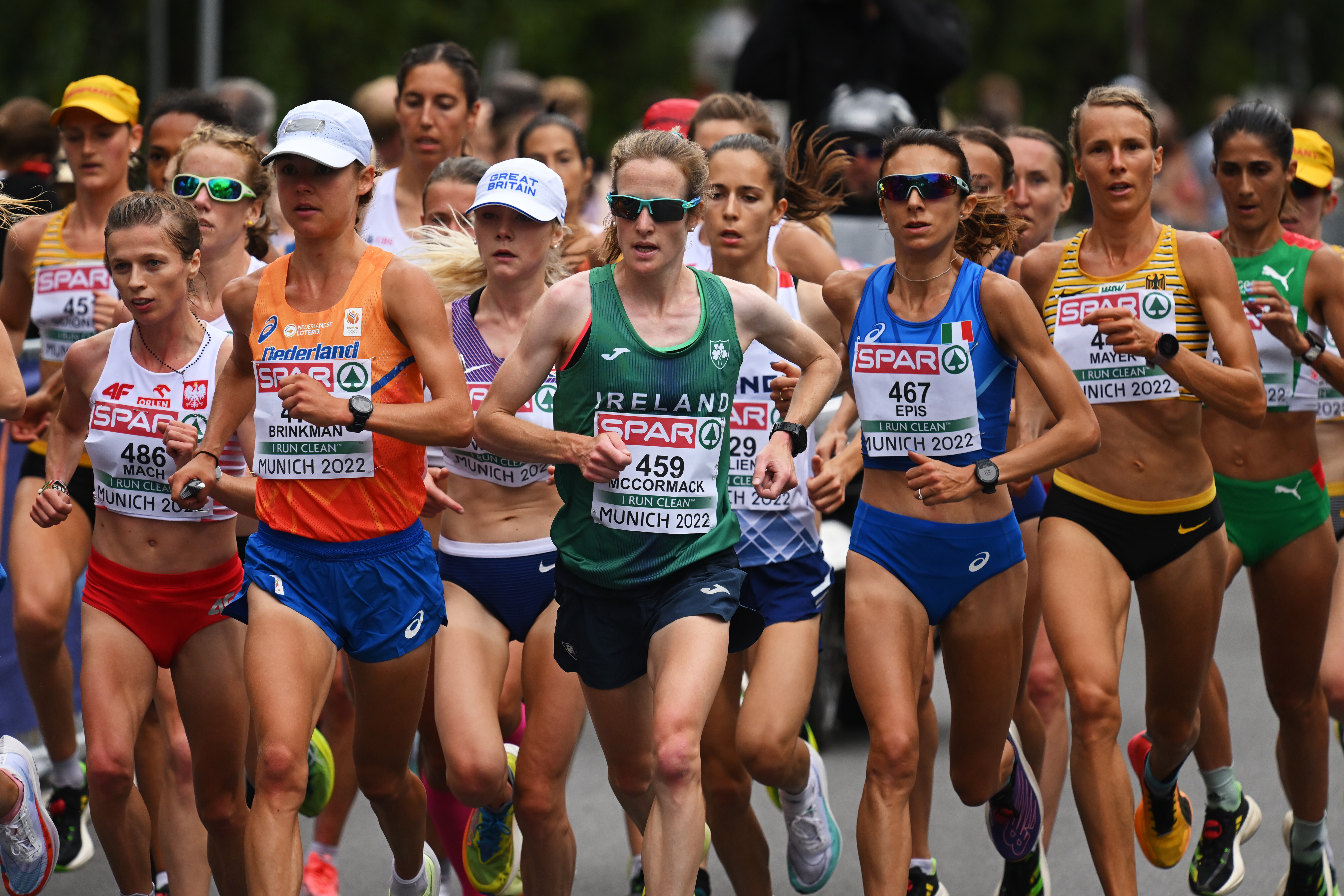
Ireland's Fionnuala McCormack will also be one of the most compelling athletes to watch. Just weeks before her 42nd birthday, the experienced marathoner continues her pursuit of a first European Championships medal after several near misses during her distinguished career. She finished fourth twice in the 10,000m at previous championships and was seventh in the marathon in Munich before producing another impressive performance with ninth place at the 2025 World Athletics Championships, finishing second among the European athletes behind Vainio.
Host nation Great Britain will be eager to make history on home roads. British women have never won an individual medal in the European Athletics Championships marathon since the event was introduced in 1982. Their hopes rest with Paris Olympians Rose Harvey and Clara Evans, alongside 2023 European cross-country bronze medallist Abbie Donnelly, who made an impressive marathon debut with a time of 2:24:11 in Frankfurt last year.
With proven champions, emerging contenders, experienced veterans, and deep national teams all chasing medals, the women's marathon is expected to deliver one of the most competitive races of the championships. Whether the title is decided by relentless pace, tactical patience, or a decisive late surge, Birmingham is set to provide a memorable contest worthy of the European crown.
by Erick Cheruiyot for My Best Runs.
Login to leave a comment
European Athletics Champioships
The27thEuropean Athletics Championshipswill be held from 10 to 16 August 2026 at theAlexander StadiuminBirmingham, United Kingdom.[1] This is the first time that a British city will have staged the European Athletics Championships although Birmingham has hosted many high-profile events, including the2007 European Athletics Indoor Championships, the2003and2018 IAAF World Indoor Championshipsand the2022 Commonwealth Games. Alexander Stadium was renovated between 2019 and...
more...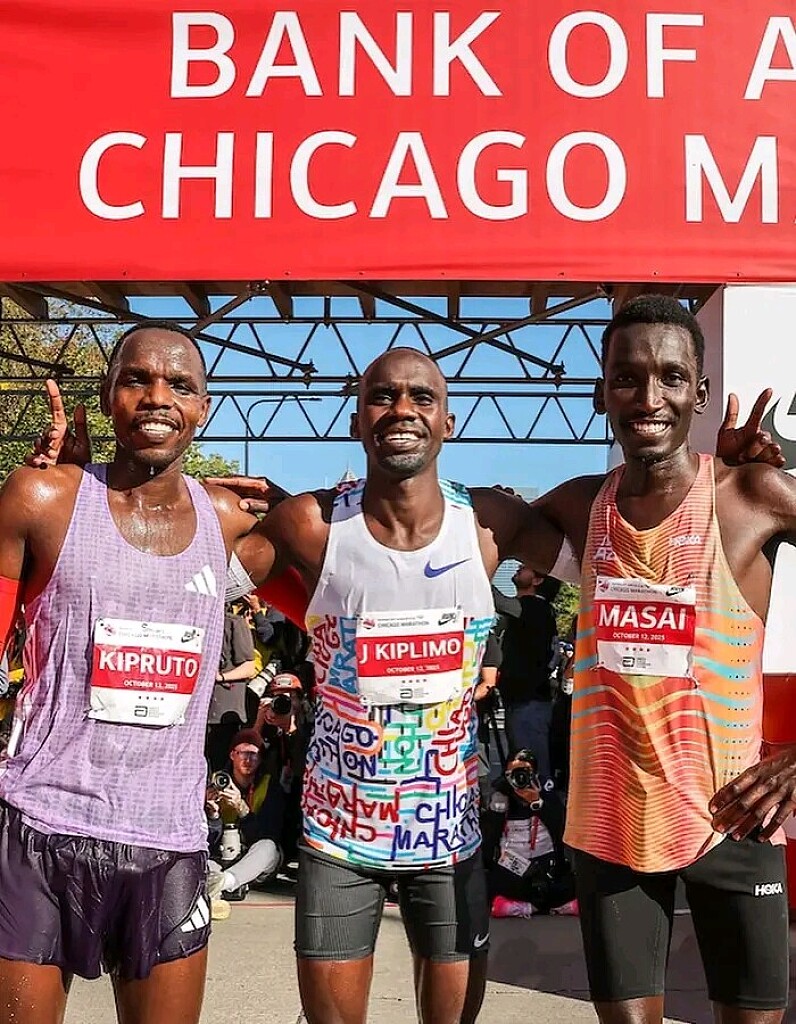
The Rematch Is On: Kiplimo, Kipruto and Masai Lead Star-Studded Chicago Marathon Field
The Bank of America Chicago Marathon is preparing for one of the most anticipated men's races in its history after unveiling an extraordinary elite field for the 48th edition of the event, scheduled for Sunday, October 11, 2026.
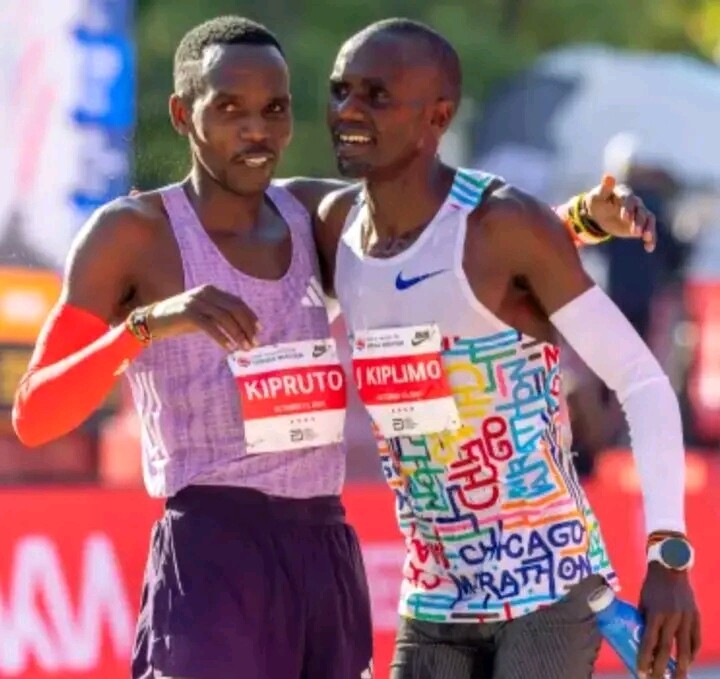
At the heart of the excitement is a compelling rematch featuring the entire podium from the 2025 Chicago Marathon, with defending champion Jacob Kiplimo, runner-up Amos Kipruto, and third-place finisher Alex Masai all returning to battle once again on the fast streets of the Windy City.
The reunion of last year's top three finishers already guarantees an intense contest, but the depth of the field suggests this could develop into one of the greatest marathon races Chicago has ever witnessed.
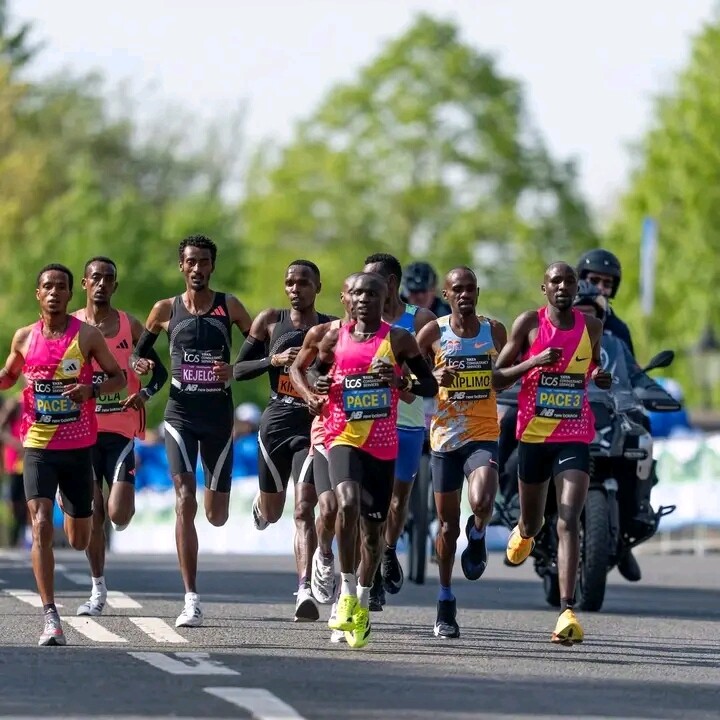
Uganda's Jacob Kiplimo returns wearing the champion's crown after producing a brilliant 2:02:23 performance to capture the 2025 Chicago Marathon title. Since that victory, the distance-running sensation has strengthened his reputation as one of the world's premier marathoners, delivering an astonishing 2:00:28 at the 2026 London Marathon—a performance that firmly established him among the fastest marathon runners in history.
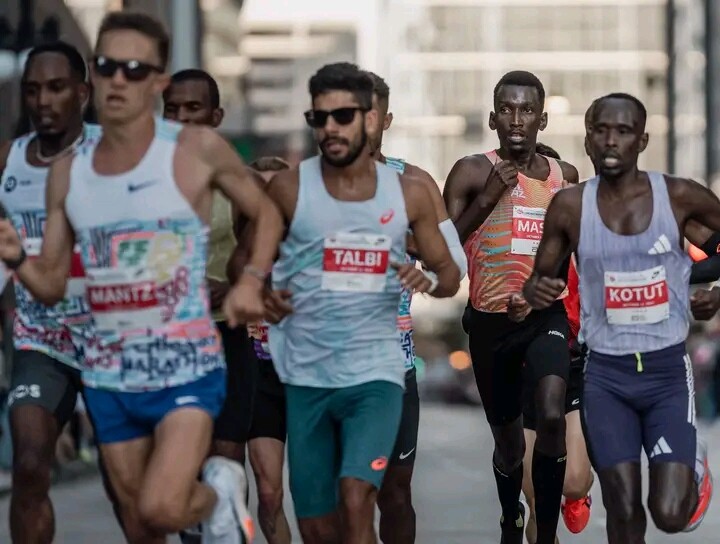
Standing in his way once again will be Kenya's Amos Kipruto, who finished second in Chicago last year in 2:03:54. Kipruto arrives in exceptional form after rewriting his personal best with a stunning 2:01:39 at the 2026 London Marathon, proving he possesses both the speed and experience to challenge for the Chicago crown.
Completing the returning podium is fellow Kenyan Alex Masai, whose impressive 2:04:37 earned him third place in 2025. Now returning with valuable experience and growing confidence, Masai will be aiming to transform last year's podium finish into his first-ever World Marathon Major victory.
Yet the battle for victory extends far beyond the returning podium.
The 2026 Chicago Marathon has assembled one of the deepest elite men's fields ever seen, featuring six athletes with personal bests under 2:04. Among them are Milkesa Mengesha of Ethiopia, the reigning 2024 Berlin Marathon champion, and compatriot Tadese Takele Bikila, who arrives as the Tokyo Marathon champion. Their presence adds even greater quality to a field already packed with proven championship performers and world-class speed.
With Olympic-caliber talent, major marathon champions, and some of the fastest men ever to cover the 42.195-kilometre distance lining up together, all the ingredients are in place for a memorable contest. Whether the race develops into a tactical championship battle or a relentless pursuit of another sub-2:02 performance, fans can expect fireworks from the opening miles to the finish on Columbus Drive.
As Chicago prepares to welcome the world's finest marathoners, one question now dominates the conversation:
Can Jacob Kiplimo successfully defend his title, or will Amos Kipruto, Alex Masai, or another world-class challenger rise to claim one of the sport's most prestigious crowns? The answer will unfold on October 11, when another chapter in Chicago Marathon history is written.
by Erick Cheruiyot for My Best Runs.
Login to leave a comment

Kenenisa Bekele: The Legend Who Never Stopped Learning
In an era where athletic careers often fade long before the fourth decade of life, Kenenisa Bekele continues to challenge expectations. The Ethiopian icon has spent more than two decades redefining excellence, proving that greatness is not measured solely by records but by the relentless desire to keep evolving.
The 2024 season marked Bekele's fifteenth year as a professional marathon runner, another remarkable chapter in a career that has already secured its place among the greatest in athletics history. Long before conquering the roads, Bekele ruled the track with unmatched authority. He held the world record over 5,000 metres from 2004 until 2020 and the 10,000 metres world record from 2005 to 2020, dominating an era with a combination of tactical brilliance, devastating finishing speed, and extraordinary endurance.
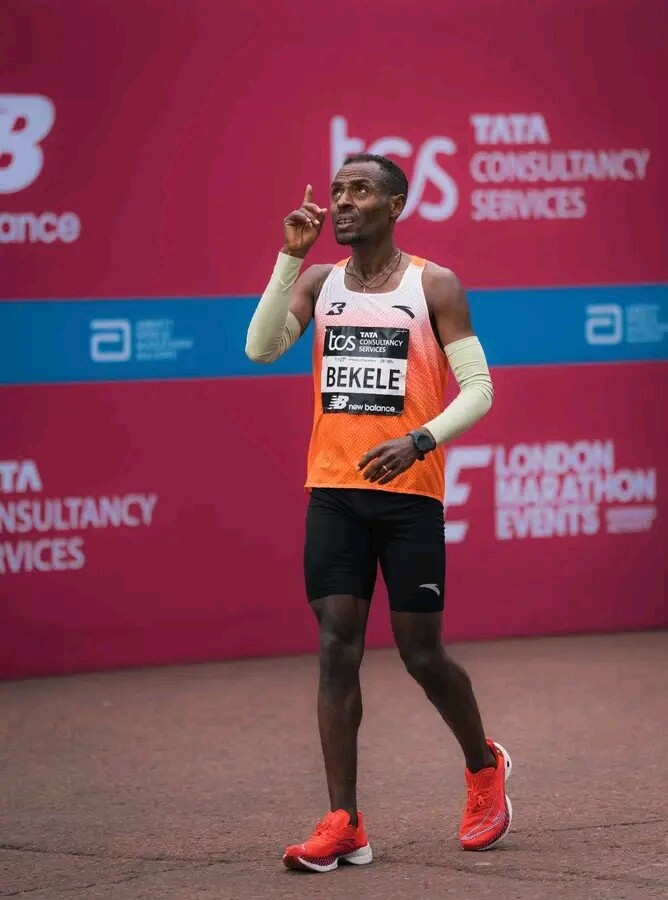
When he made the transition to the marathon in 2014, many wondered whether his brilliance on the track would translate to the roads. Bekele answered those doubts in spectacular fashion. His unforgettable 2:01:41 performance at the 2019 Berlin Marathon remains one of the fastest marathons ever run, cementing his status among the greatest marathoners the sport has ever witnessed.
By 2024, the mission had naturally evolved. Rather than chasing world records, Bekele focused on competing for podium finishes at the sport's biggest races. Even as younger athletes emerged with fresh legs and growing reputations, the Ethiopian veteran continued to demonstrate that experience, discipline, and intelligence can still compete with youth at the highest level.
What makes Bekele's longevity even more extraordinary is how rare it is in elite distance running. Most world-class runners reach their peak in their late twenties before gradually slowing in their thirties. Yet Bekele has continued to produce world-class performances well into his forties, still capable of running marathons in the low 2:03 range at an age when many former champions have long since retired.
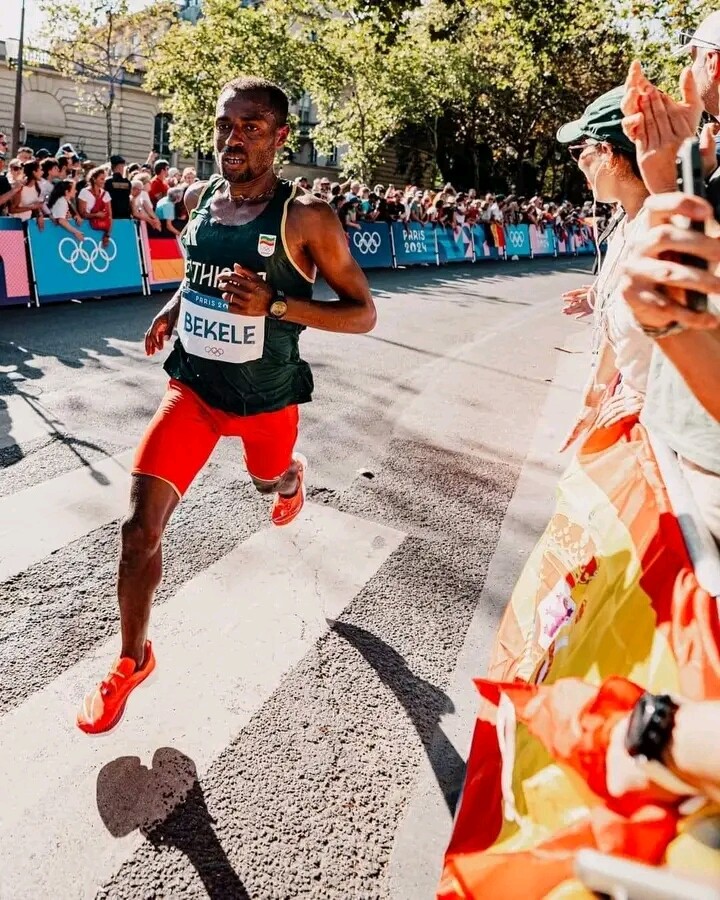
His remarkable durability has not come by accident. Over recent years, Bekele has reshaped his preparation with a greater emphasis on recovery, smarter workload management, and highly targeted marathon-specific training. Instead of relying on overwhelming mileage, his approach has become increasingly strategic, carefully building each season around the demands of the World Marathon Majors while allowing his body the recovery required to remain competitive.
Perhaps the greatest lesson from Bekele's career is not found in the medals or the records but in his mindset.
Despite achieving virtually everything the sport has to offer, Bekele has never believed he has mastered distance running completely. He continues to study training methods, exchange ideas with coaches and fellow athletes, and search for the smallest improvements that could make the difference on race day. His willingness to remain a student of the sport, even after becoming one of its greatest teachers through example, has become one of the defining characteristics of his enduring success.
That humility is what separates legends from champions. Records may eventually fall, rivals may come and go, and generations may change, but an athlete who never stops learning always finds new ways to remain relevant.
Kenenisa Bekele's story is no longer simply about speed. It is about resilience, adaptation, and an unwavering commitment to excellence. Every season serves as another reminder that true greatness is not built on past achievements alone, but on the courage to keep improving, regardless of age or accomplishment.
As athletics continues to evolve, Bekele remains a living testament that the pursuit of excellence has no finish line. For one of the greatest distance runners the world has ever known, every race is still another lesson, every season another opportunity to grow, and every step another chapter in a legacy that continues to inspire generations across the globe.
by Erick Cheruiyot for My Best Runs.
Login to leave a comment
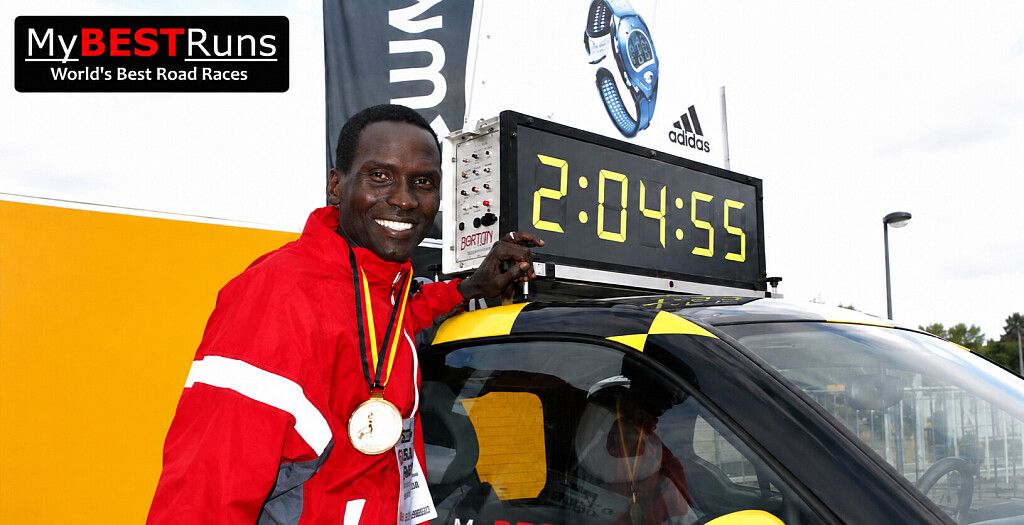
Paul Tergat: The Kenyan Legend Who Redefined Distance Running
On June 17, the athletics world celebrated the birthday of one of the greatest distance runners ever to grace the sport—Kenya’s Paul Kibii Tergat. Born in Baringo County, Kenya, on June 17, 1969, Tergat built a career that transcended generations, leaving an enduring legacy on the track, the roads, and the cross-country circuit.
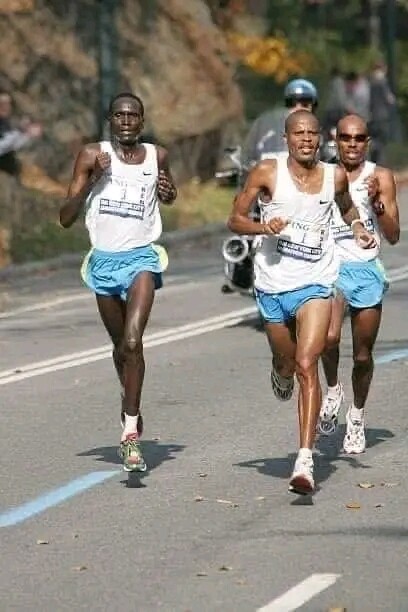
Few athletes in history have demonstrated such remarkable versatility and consistency across multiple disciplines. Whether battling through muddy cross-country courses, chasing medals on the track, or rewriting records on the marathon stage, Tergat established himself as one of the most complete distance runners the world has ever seen.
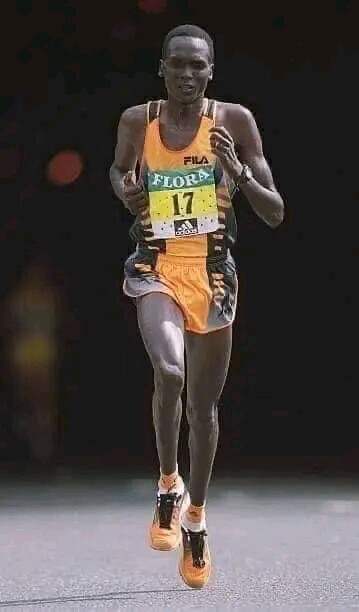
His dominance in cross-country remains one of the sport’s most extraordinary achievements. Between 1995 and 1999, Tergat captured an unprecedented five consecutive World Cross Country Championship titles, a feat that showcased not only his endurance but also his unmatched competitive spirit. From Durham to Cape Town, Turin, Marrakech, and Belfast, he conquered every challenge placed before him, cementing his status as the undisputed king of cross-country running.
Tergat’s brilliance extended to the half marathon, where he claimed back-to-back World Half Marathon Championship titles in Palermo, Italy, in 1999 and Veracruz, Mexico, in 2000. His ability to excel over varying distances highlighted the exceptional range that made him a global icon.
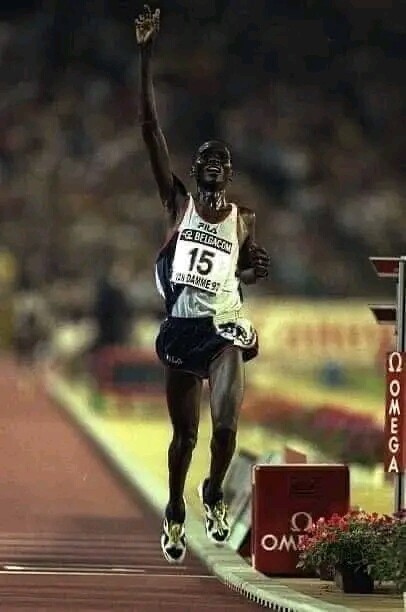
On the track, Tergat was a fierce competitor who regularly challenged the greatest runners of his era. He earned Olympic silver medals in the 10,000 meters at the Atlanta 1996 and Sydney 2000 Games, narrowly missing gold on both occasions. He also collected three World Championship medals over 10,000 meters, proving his consistency at the highest level of international competition.
Yet perhaps Tergat’s most historic contribution came on the roads. In 2003, at the Berlin Marathon, he became the first man in history to run the marathon in under 2 hours and 5 minutes, clocking a groundbreaking world record of 2:04:55. The performance marked a defining moment in distance running and opened a new chapter in the pursuit of marathon excellence.
His personal bests remain a testament to his extraordinary talent:
• 3,000m – 7:28.70
• 5,000m – 12:49.87
• 10,000m – 26:27.85
• Half Marathon – 59:17
• Marathon – 2:04:55
Beyond the medals and records, Tergat inspired a generation of athletes across Kenya and the world. His relentless determination, humility, and commitment to excellence transformed him into far more than a champion runner—he became a symbol of what is possible through hard work and perseverance.
Today, Paul Tergat’s name remains woven into the fabric of athletics history. From his reign as the king of cross-country to his revolutionary marathon achievements, his legacy continues to inspire runners pursuing greatness on every surface and over every distance.
by Erick Cheruiyot for My Best Runs.
Login to leave a comment
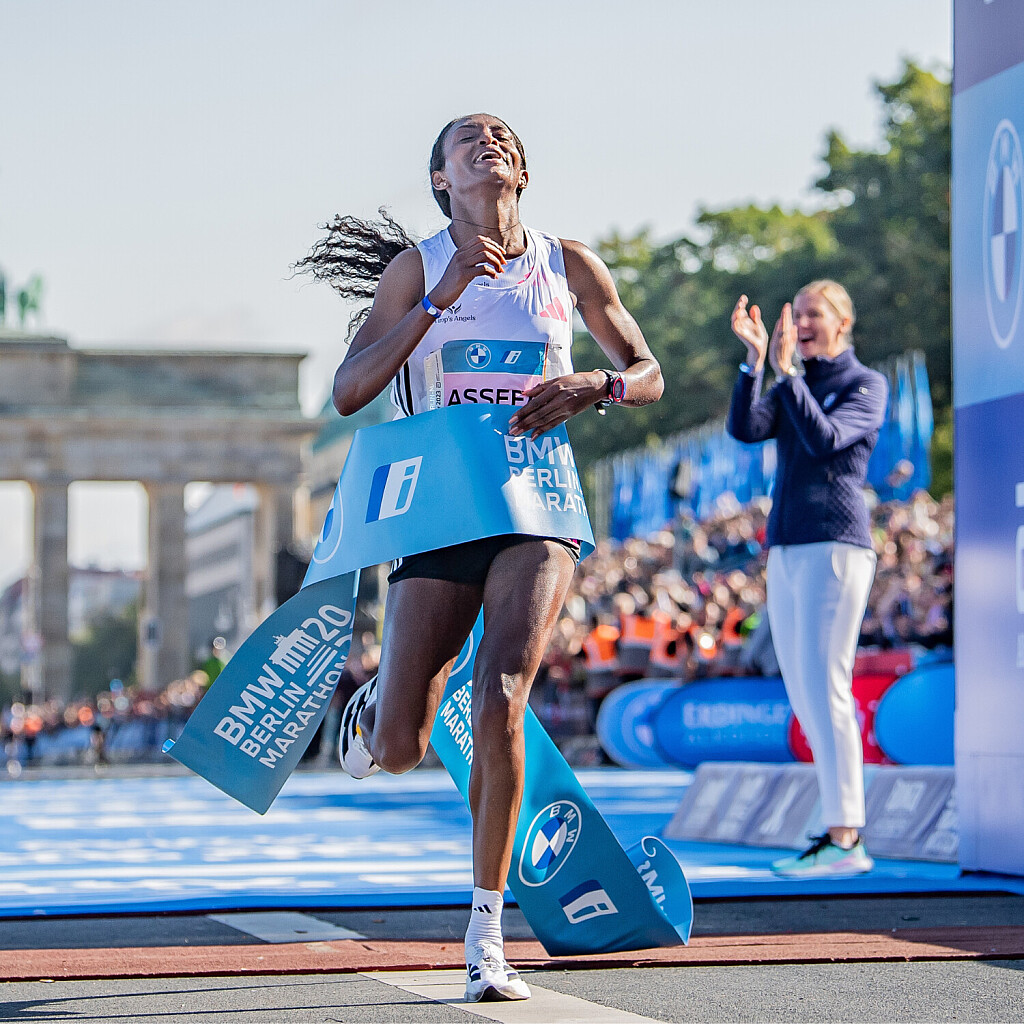
Tigst Assefa Targets History Again as Berlin Awaits Another World Record Assault
Three years after rewriting marathon history on the streets of Berlin, Ethiopia's Tigst Assefa is returning to the German capital with one goal firmly in sight — the world record.
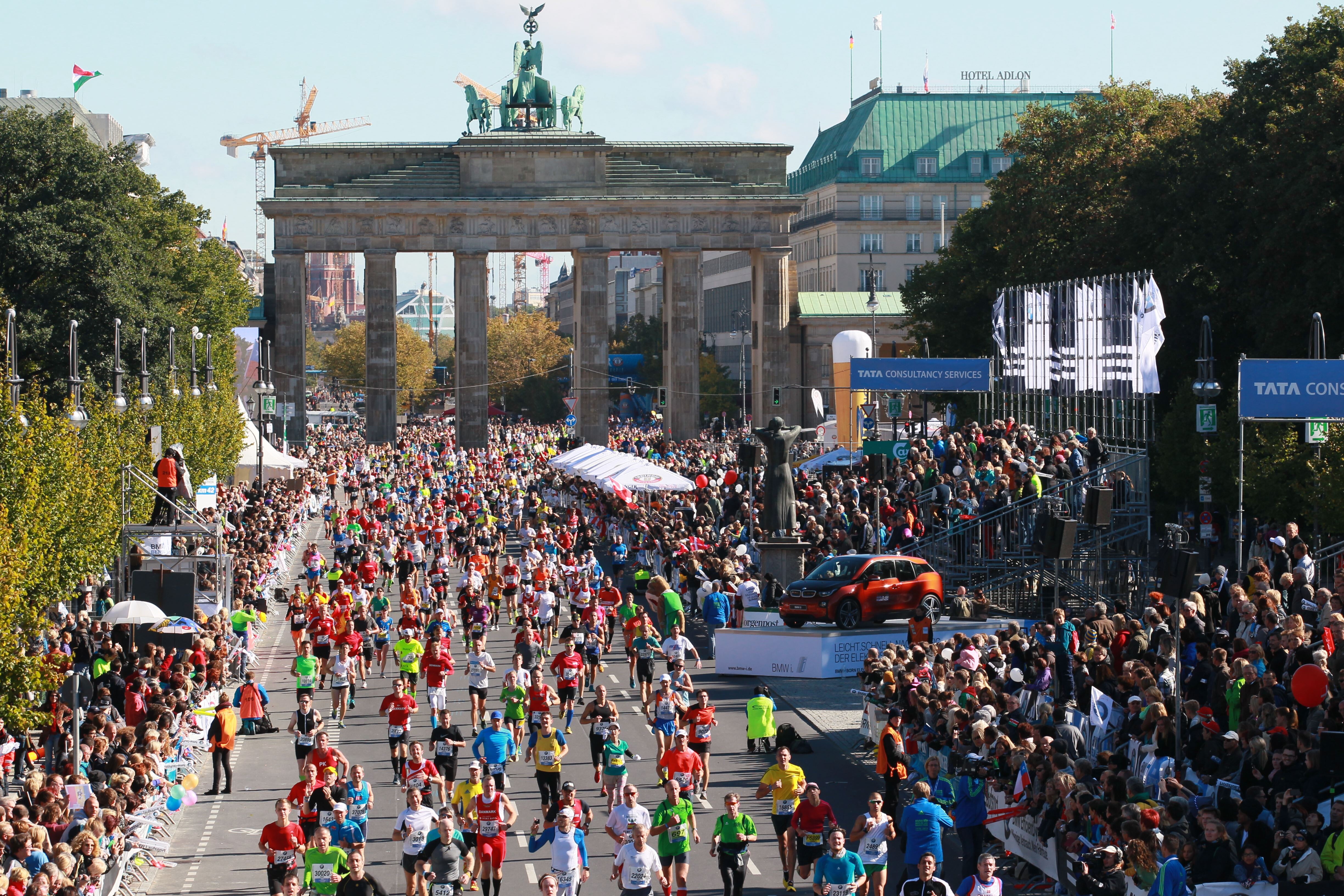
The former world record holder has been confirmed for the 2026 Berlin Marathon, scheduled for September 27, and has already made her intentions clear. Assefa wants to produce another historic performance on the course where she delivered one of the greatest marathon runs ever seen.
"It is a great pleasure for me to return to the streets of Berlin three years after setting my world record here in 2023. I am excited to once again try to break the world record," Assefa said after her participation was announced.
Berlin has long been regarded as the world's fastest marathon course, and few athletes understand that better than Assefa. It was there in 2023 that she stunned the athletics world by clocking a then-world record, cementing her place among the greatest marathon runners of her generation.
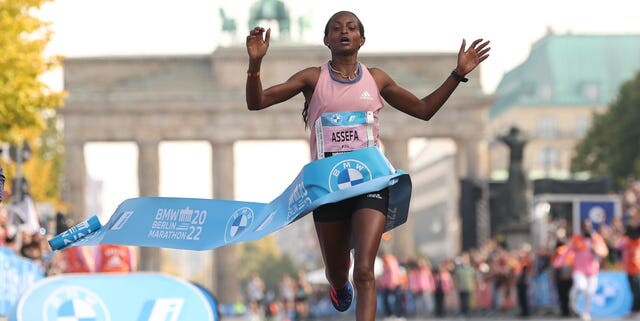
Now, the Ethiopian star is preparing for another assault on history.
Armed with a remarkable personal best of 2:11:53, Assefa will attempt to lower the current women's world record of 2:09:56, set by Kenya's Ruth Chepngetich. Achieving such a feat would require one of the fastest marathon performances ever produced, but Assefa has already shown she possesses the talent, courage and speed to challenge seemingly impossible barriers.
Her quest, however, will be far from straightforward.
The Berlin field is shaping up to be one of the strongest women's marathon line-ups of the year. Joining Assefa on the start line will be fellow Ethiopian and training partner Amane Beriso, a world-class performer capable of matching any pace on her day. Also in the race will be Kenya's Rosemary Wanjiru, the defending champion, who returns determined to protect her crown after a commanding victory in Berlin last year.
With three of the world's elite marathoners set to clash, the race promises a fascinating battle between championship experience, tactical intelligence and raw speed.
For Assefa, though, the challenge extends beyond defeating her rivals. The bigger target is the clock.
The Ethiopian has repeatedly demonstrated her ability to thrive on Berlin's flat and fast roads, and her return instantly raises expectations of another historic performance. Marathon fans around the world will be watching closely to see whether she can once again produce a run for the ages.
As the world's best distance runners converge on Berlin this September, the stage is set for another potentially historic afternoon. With a proven record on the course, unmatched ambition, and a world record firmly in her sights, Tigst Assefa arrives not merely to compete, but to challenge the limits of what is possible in women's marathon running. Whether history falls once again remains to be seen, but one thing is certain: all eyes will be on Berlin when the gun goes off on September 27.
by Erick Cheruiyot for My Best Runs.
Login to leave a comment
BMW Berlin Marathon
The story of the BERLIN-MARATHON is a story of the development of road running. When the first BERLIN-MARATHON was started on 13th October 1974 on a minor road next to the stadium of the organisers‘ club SC Charlottenburg Berlin 286 athletes had entered. The first winners were runners from Berlin: Günter Hallas (2:44:53), who still runs the BERLIN-MARATHON today, and...
more...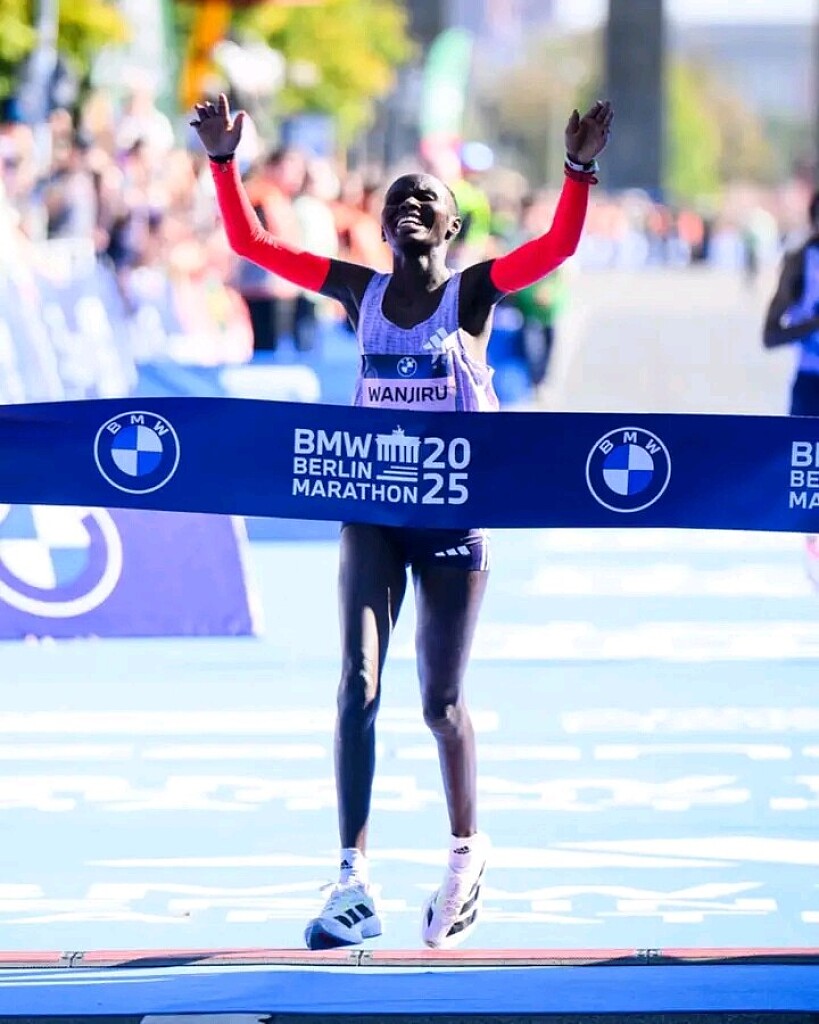
Berlin Braces for a Marathon Masterpiece as Assefa, Wanjiru and Beriso Collide
The stage is set for one of the greatest women's marathon races ever assembled.
When the BMW Berlin Marathon returns on September 27, 2026, the streets of the German capital will welcome an extraordinary cast of distance-running royalty led by Ethiopia's Tigst Assefa, Kenya's Rosemary Wanjiru and fellow Ethiopian star Amane Beriso. With three of the fastest women in marathon history confirmed for the race, anticipation is already building around what could become another landmark chapter in Berlin's rich marathon legacy.
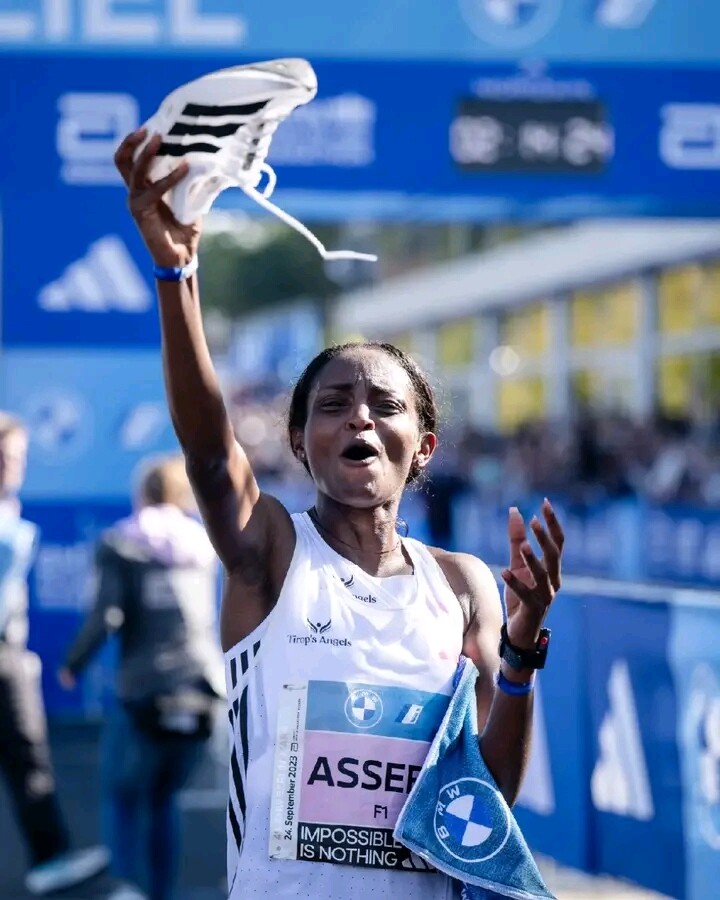
Adding even greater intrigue to the occasion is the return of Tigst Assefa, who will be chasing a remarkable hat-trick of victories in Berlin. Having already established herself as one of the course's most dominant champions, the Ethiopian star returns to a venue where she has repeatedly showcased her extraordinary talent. Few athletes in the modern era have forged such a powerful connection with the Berlin Marathon, and another victory would further cement her place among the event's all-time greats.
Standing in her path is defending champion Rosemary Wanjiru, the Kenyan star who captured the Berlin crown with a display of strength, patience and tactical brilliance. Wanjiru has consistently proven she belongs among the world's elite marathoners, and her return as defending champion adds another compelling storyline to what is already shaping up to be an unforgettable contest.
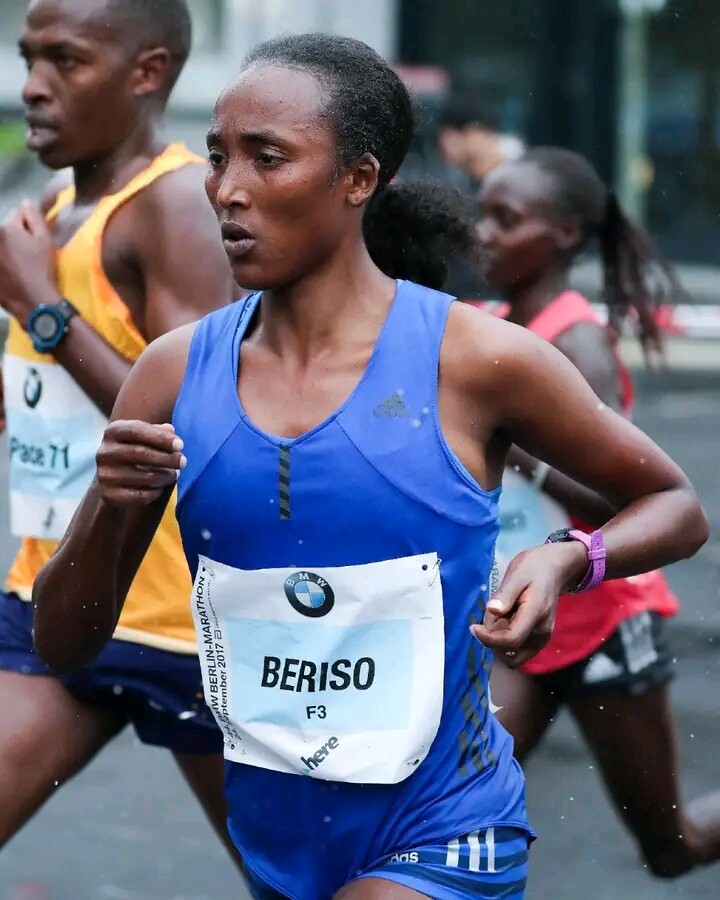
Completing the star-studded trio is Amane Beriso, one of the most accomplished marathon runners of her generation. With a personal best of 2:14:58 and a reputation for thriving under pressure, Beriso possesses all the credentials required to challenge for victory on one of the sport's biggest stages.
The numbers alone highlight the quality of the field. Assefa's astonishing personal best of 2:11:53 remains one of the fastest performances ever recorded by a woman, while Wanjiru's 2:16:14 and Beriso's 2:14:58 underline the exceptional depth assembled for this year's race.
Yet this race is about more than personal bests. It is about the collision of champions, the pursuit of greatness and the possibility of witnessing history unfold on Berlin's famously fast roads. The German capital has become synonymous with marathon excellence, producing countless record-breaking performances over the years. Whenever the world's finest athletes gather there, expectations naturally rise.
With Assefa seeking a third consecutive Berlin title, Wanjiru defending her crown and Beriso determined to add another major triumph to her résumé, the ingredients are in place for a spectacular battle from the opening kilometres to the finish line.
The marathon world has already begun counting down the days. Fans, analysts and athletes alike recognize that opportunities to witness a field of this calibre are rare. Three champions, three distinct stories and one iconic course create the perfect formula for a race that could redefine what is possible in women's marathon running.
On September 27, all roads will lead to Berlin. And if these three superstars push one another to their limits, the clock may once again become the biggest casualty of all.
by Erick Cheruiyot for My Best Runs.
Login to leave a comment
BMW Berlin Marathon
The story of the BERLIN-MARATHON is a story of the development of road running. When the first BERLIN-MARATHON was started on 13th October 1974 on a minor road next to the stadium of the organisers‘ club SC Charlottenburg Berlin 286 athletes had entered. The first winners were runners from Berlin: Günter Hallas (2:44:53), who still runs the BERLIN-MARATHON today, and...
more...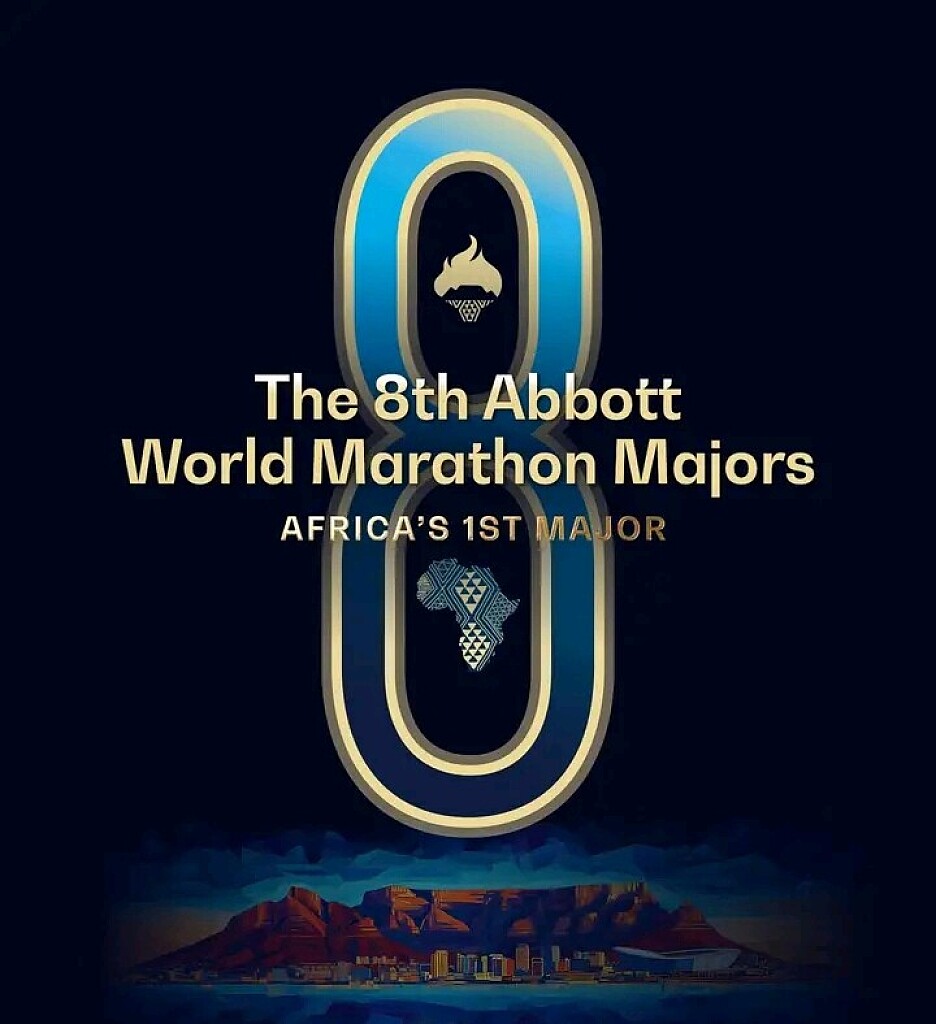
Africa Makes History as Sanlam Cape Town Marathon Earns World Marathon Major Status
CAPE TOWN, South Africa — A landmark chapter in global distance running has been written, with the Sanlam Cape Town Marathon officially securing its place among the world's most prestigious road races. Following a rigorous assessment process, the event has been awarded Abbott World Marathon Majors status, becoming the eighth race in the renowned series and the first ever on African soil.
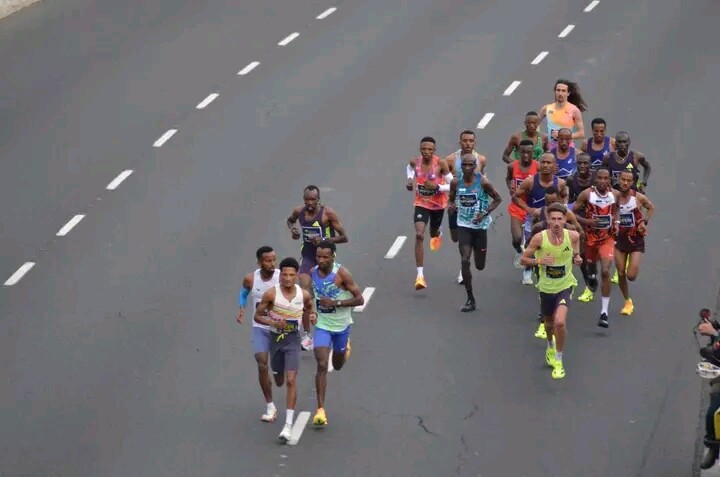
The announcement marks a historic breakthrough not only for South Africa but for the entire African continent, which has long been recognized as the heartbeat of distance running. For decades, African athletes have dominated marathon racing around the world. Now, Africa finally has a Major of its own.
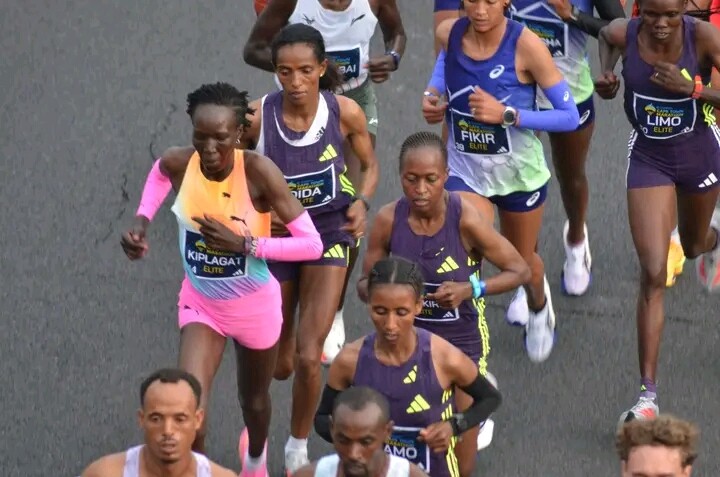
Beginning with the 2027 edition, scheduled for 22–23 May, the Sanlam Cape Town Marathon will join an elite group of races that includes Tokyo, Boston, London, Sydney, Berlin, Chicago, and New York City. The achievement elevates Cape Town into one of the most celebrated destinations in global marathon running and cements Africa's place at the highest level of the sport.
The journey to Major status has been years in the making, driven by relentless commitment from race organizers, athletes, volunteers, sponsors, running clubs, and supporters who believed in the vision of bringing a World Marathon Major to Africa. Through continuous improvements in race organization, international standards, athlete experience, and community engagement, the event steadily built a reputation worthy of the sport's grandest stage.
For many within the running community, the moment represents far more than the success of a single race. It is a victory for an entire continent whose passion for athletics has inspired generations. From elite champions to recreational runners, countless individuals have contributed to turning what once seemed an ambitious dream into reality.
The elevation of the Sanlam Cape Town Marathon is expected to boost international participation, tourism, and investment while providing a powerful platform to showcase Africa's culture, landscapes, and sporting excellence to a global audience.
As the countdown begins to May 2027, celebrations are already underway across the running world. The message resonating from Cape Town to every corner of Africa is clear: history has been made.
Africa's first Abbott World Marathon Major has arrived, and a new era for distance running has officially begun.
by Erick Cheruiyot for My Best Runs.
Login to leave a comment

Cape Town Marathon
The Sanlam Cape Town Marathon is a City Marathon held in Cape Town, South Africa, which is sponsored by Sanlam, the City of Cape Town and Vital Health Foods. The marathon is held on a fast and flat course, starting and finishing in Green Point, near the Cape Town Stadium. Prior to existing in its current format, the Cape Town...
more...
Paul Tergat Backs Kenya’s Ambitious Bid to Host World Athletics Championships
Kenyan athletics icon Paul Tergat has thrown his weight behind Kenya’s ambitious campaign to host the World Athletics Championships in 2029 describing the nation as the true heartbeat of global distance running.
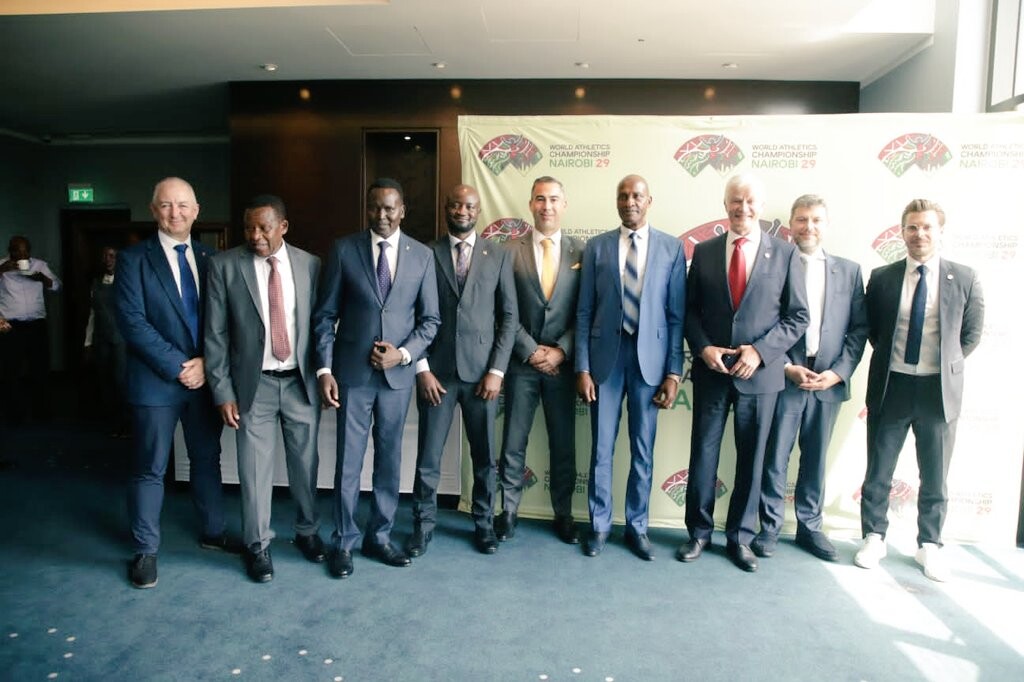
In a passionate message shared on X Space, the former marathon world record holder called on the international athletics community to experience the culture, heritage, and unmatched talent that have made Kenya one of the most dominant forces in the history of the sport.
“Kenya is inviting the world to experience running at its source,” Tergat said. “From the soil that produces legends, from communities where athletics is lived, breathed, and passed through generations.”
His remarks arrive at a time when Kenya is intensifying efforts to secure hosting rights for one of athletics’ most prestigious global events — a move that would mark a historic milestone for both the country and the African continent.
Few figures embody Kenya’s running excellence more than Tergat himself. The legendary distance runner became the first Kenyan man to set a marathon world record after producing a groundbreaking performance of 2:04:55 at the Berlin Marathon 2003. His record stood until 2007 and cemented his place among the greatest marathoners in history.
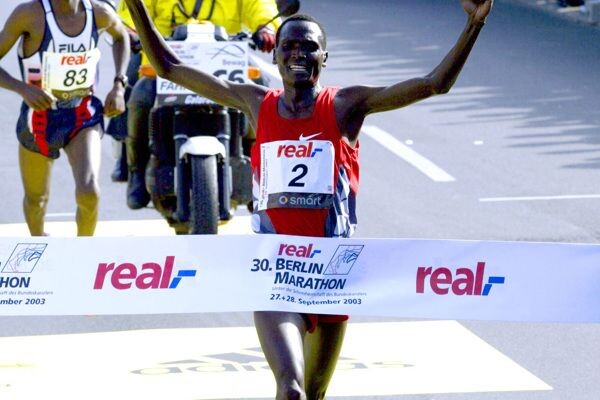
Before conquering the roads, Tergat had already established an extraordinary legacy in cross country running. Between 1995 and 1999, he achieved one of the sport’s rarest feats by winning five consecutive World Cross Country long-race titles, dominating an era filled with elite competition.
On the track, Tergat was renowned for his unforgettable rivalry with Ethiopian great Haile Gebrselassie. The Kenyan star captured Olympic silver medals in the 10,000m at both the 1996 Atlanta Games and the 2000 Sydney Olympics, while also earning silver medals at the 1997 and 1999 World Championships. Many of those races were decided in dramatic final laps, with Tergat and Gebrselassie pushing each other to historic performances.
His success extended beyond the track and marathon scene. Tergat claimed back-to-back IAAF World Half Marathon titles in 1999 and 2000 before later winning the prestigious 2005 New York City Marathon, further solidifying his reputation as one of the most versatile distance runners of his generation.
Away from competition, Tergat has remained deeply influential in Kenyan sport and athletics administration. He previously served as President of the National Olympic Committee of Kenya (NOC-K) and founded the Sports Personality of the Year Awards (SOYA), an initiative that continues to celebrate and recognize sporting excellence across the country.

For decades, Kenya has remained synonymous with excellence in middle- and long-distance running, producing generations of champions who have rewritten world records, conquered Olympic podiums, and elevated the nation’s reputation on the global sporting stage. From the high-altitude training camps of the Rift Valley to packed road races across the world, Kenyan athletics has evolved into more than just sport — it is part of the country’s identity.
Tergat believes hosting the championships would offer the world an opportunity to witness firsthand the environment that shapes elite athletes. Beyond the competition itself, he emphasized the cultural significance of Kenyan running communities, where young athletes grow up inspired by local heroes and where endurance running is deeply woven into everyday life.
The bid also represents Africa’s growing desire to host more major international sporting events. While African athletes have consistently dominated global athletics for generations, the continent has rarely been given the opportunity to stage the sport’s biggest championships. Kenya’s proposal is therefore seen as both symbolic and transformative for athletics worldwide.
Tergat’s endorsement adds significant weight to the campaign. Widely regarded as one of the greatest distance runners in history, the Kenyan legend remains a respected voice within international athletics circles. His support reflects the confidence many within the sport have in Kenya’s ability to deliver a memorable and globally impactful championship.
If successful, the championships would not only showcase elite competition but also spotlight Kenya’s rich sporting heritage, passionate fans, and deep-rooted connection to athletics — offering the world a chance to experience the birthplace of countless running legends.
by Erick Cheruiyot for My Best Runs.
Login to leave a comment
From Supporting a Legend to Running Her Own Race: Grace Sugut Conquers Cape Town Marathon
For more than two decades, the world has watched Eliud Kipchoge redefine the boundaries of endurance and greatness. At the 2026 Sanlam Cape Town Marathon, however, the spotlight belonged to someone whose strength has long existed away from the cameras — his wife, Grace Sugut.
In one of the most emotional stories of the marathon weekend, Grace completed her very first 42.2-kilometre race in 4:29:59, transforming a personal milestone into a moment that resonated far beyond the finish line in Cape Town.
Her marathon journey unfolded exactly the way most first marathons do — honest, demanding, unpredictable, and deeply human. She opened with calm discipline, reaching 5K in 28:30 while maintaining a controlled rhythm. By halfway, she was still moving strongly through the streets of the Mother City in 2:02:47, showing patience and composure in the early stages of the race.
Then the marathon began asking harder questions.
As the kilometres accumulated, the pace gradually slowed — the inevitable reality familiar to nearly every debut marathoner. By 30K, fatigue had started to take hold, and the final stretch became less about time and more about determination. Yet Grace kept pushing forward, kilometre after kilometre, refusing to surrender to the pain that defines the final chapter of every marathon.
And that perseverance carried special meaning.

Before the race, Eliud Kipchoge had spoken publicly about his wife’s challenge, encouraging her to embrace the suffering, trust the process, and simply finish the race. After she crossed the line, his words became even more powerful.
“I have run my first marathon 13 years ago. It has brought me to where I am today, but I could not do this without the support of many including my family,” Kipchoge shared. “My heart is filled with pride, for my wife Grace completing her first marathon in Cape Town.”

The message revealed a side of the marathon icon the world rarely sees — not the record-breaker or Olympic champion, but the grateful husband recognising the woman who has stood beside him throughout one of the greatest careers in sporting history.
While Eliud built a global legacy on the roads of Berlin, London, Tokyo, and Vienna, Grace quietly anchored the family behind the scenes in Eldoret, raising their children and managing family responsibilities far from international attention. For years, she supported marathon greatness from the sidelines. In Cape Town, she stepped into the arena herself.
That alone made her finish extraordinary.
Grace’s 4:29:59 will not enter record books, but its significance reaches somewhere deeper. It reflects the experience shared by countless runners around the world — the excitement of the start line, the physical battle through the closing kilometres, and the emotional reward that comes only after refusing to quit.
The final 12 kilometres tested her in every possible way. She answered every challenge with courage.
When Grace Sugut crossed the finish line in Cape Town, the crowd did not witness another world record performance. Instead, they witnessed something equally memorable: the beginning of a new running journey built on resilience, humility, and the quiet strength that has always existed behind one of athletics’ greatest champions.
by Erick Cheruiyot for My Best Runs.
Login to leave a comment
Home Soil, Historic Credentials: Natasha Wodak Ready for Ottawa Marathon Debut
Canadian distance running star Natasha Wodak is set to add another important chapter to her decorated career this Sunday as the national record holder prepares for her highly anticipated Ottawa Marathon debut.
Wodak arrives in the Canadian capital carrying the credentials of one of the greatest female distance runners in the country’s history. The veteran athlete currently holds the Canadian national marathon record after producing a brilliant 2:23:12 performance at the Berlin Marathon — a run that firmly established her among the elite names in global road racing. She is also the Canadian record holder over 8 kilometres on the road, further highlighting her range and consistency across long-distance events.
For years, Wodak has remained a symbol of endurance, professionalism, and longevity within Canadian athletics. Whether competing on the track, cross-country circuits, or road races, she has repeatedly delivered performances that elevated the national standard and inspired a new generation of runners.
Now, Ottawa presents a fresh challenge.
While she already owns the country’s marathon record, this weekend will mark her first appearance at one of Canada’s most celebrated marathon events. The debut has instantly become one of the race’s biggest talking points, with fans eager to witness how the experienced distance specialist performs on home soil.

Unlike the rhythm of championship track racing, the marathon demands patience, strategy, and near-perfect energy management across 42.195 kilometres. It is a discipline where experience often proves decisive — an area where Wodak holds a clear advantage after years of competing against the world’s best.
Her presence also brings additional prestige to the Ottawa Marathon, a race that continues to grow in stature on the North American road racing calendar. With one of Canada’s most accomplished runners leading the headlines, anticipation surrounding this year’s edition has risen significantly.
Beyond times and results, Wodak’s continued success represents something deeper for Canadian athletics. At a stage in her career when many athletes begin to fade from the spotlight, she continues to push boundaries and redefine expectations through discipline and resilience.
On Sunday, attention will once again follow every stride she takes through the streets of Ottawa. And for Natasha Wodak, another opportunity awaits — not simply to race, but to further cement a legacy already written among Canada’s distance running greats.
by Erick Cheruiyot for My Best Runs.
Login to leave a comment

Ottawa Marathon
As one of two IAAF Gold Label marathon events in Canada, the race attracts Canada’s largest marathon field (7,000 participants) as well as a world-class contingent of elite athletes every year. Featuring the beautiful scenery of Canada’s capital, the top-notch organization of an IAAF event, the atmosphere of hundreds of thousands of spectators, and a fast course perfect both...
more...
Kipchoge Backs Cape Town’s Historic Bid to Bring a World Marathon Major to Africa
Marathon icon Eliud Kipchoge has thrown his full support behind Cape Town’s ambitious campaign to become Africa’s first-ever Abbott World Marathon Major, describing the bid as a transformational moment for distance running across the continent. He is set to participate in Sanlam Cape Town marathon on May 24th, 2026.
The two-time Olympic marathon champion arrived in Cape Town as part of his global marathon tour spanning seven continents, but his presence in South Africa carried far deeper significance than a ceremonial visit. For Kipchoge, the possibility of an African city joining the prestigious World Marathon Majors series represents a long-overdue recognition of the continent that has shaped the modern era of distance running.
Speaking passionately about the vision behind the bid, Kipchoge emphasized that Africa has supplied generations of world-class runners, inspired millions through athletics, and consistently dominated the marathon scene, yet has never hosted one of the sport’s most celebrated marathon events.
He believes Cape Town now has the opportunity to change that narrative forever.

The Abbott World Marathon Majors currently features some of the most iconic races in global athletics, including events in Tokyo, Boston, London, Berlin, Chicago, Sydney and New York City. Cape Town’s inclusion would mark a historic breakthrough, positioning Africa at the center of elite marathon racing while opening new pathways for athletes, tourism, investment, and sporting development across the continent.
Kipchoge described the bid as more than just a race application, calling it a movement capable of inspiring an entirely new generation of African runners. According to the Kenyan legend, bringing a Major marathon to African soil would give young athletes tangible proof that the sport’s biggest stages are no longer distant dreams located overseas, but opportunities that can exist at home.
The marathon great also praised Cape Town’s scenery, culture, and growing international reputation as key strengths in the city’s campaign. With its breathtaking coastal routes, iconic landmarks, and passionate running community, Cape Town has increasingly emerged as one of the world’s most attractive long-distance racing destinations.
For many within global athletics, Kipchoge’s endorsement adds enormous credibility to the bid.
Few voices carry greater influence in marathon running than the Kenyan superstar, whose career has redefined human endurance. Beyond his Olympic triumphs and major marathon victories, Kipchoge became the first man in history to run a marathon in under two hours during the groundbreaking INEOS 1:59 Challenge — a feat that elevated him beyond sport and into global sporting folklore.
His support now places additional international attention on Cape Town’s push to make history.
Should the bid succeed, it would represent a monumental victory not only for South Africa, but for the entire African athletics community. It would finally bring one of marathon running’s highest honors to the continent that has produced countless champions and reshaped the global identity of endurance racing for decades.
As Kipchoge continues his journey across the seven continents, his message from Cape Town remains powerful and unmistakable: Africa’s time on marathon running’s grandest stage may finally have arrived.
by Erick Cheruiyot for My Best Runs.
Login to leave a comment
Cape Town Marathon
The Sanlam Cape Town Marathon is a City Marathon held in Cape Town, South Africa, which is sponsored by Sanlam, the City of Cape Town and Vital Health Foods. The marathon is held on a fast and flat course, starting and finishing in Green Point, near the Cape Town Stadium. Prior to existing in its current format, the Cape Town...
more...
Dennis Kipkogei Announced Himself to the World with Record-Breaking Mainz Half Marathon Triumph
Kenya’s next great road-running sensation may have officially arrived.
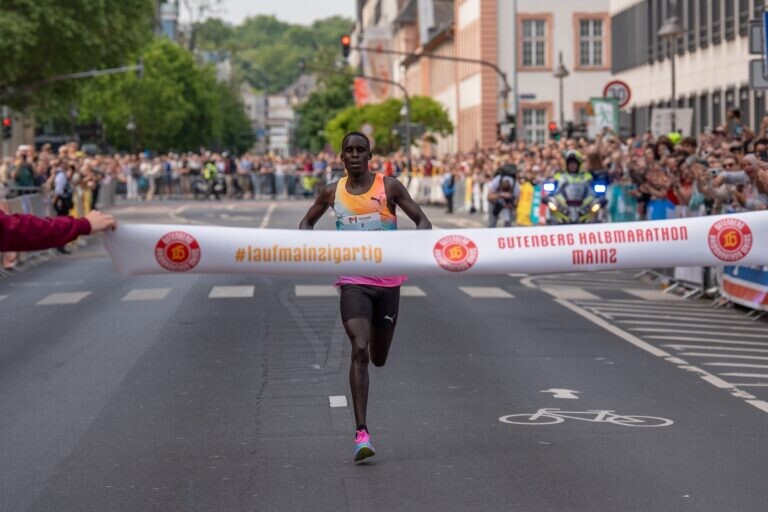
At just 24 years old, Dennis Kipkogei delivered a breathtaking performance at the Gutenberg Mainz Half Marathon on Sunday May 10th 2026, storming to victory in a sensational course-record time of 59:14. In doing so, the emerging Kenyan star not only shattered the previous mark but also elevated the status of the German event onto the global stage of elite half marathon racing.
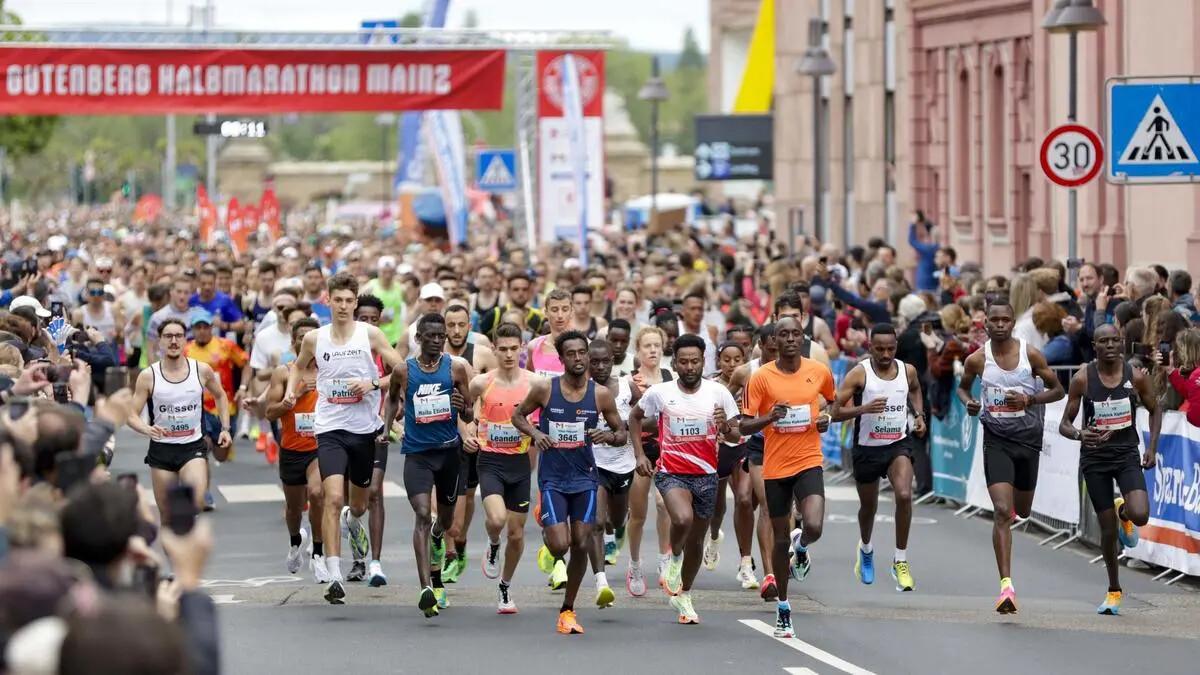
His remarkable run now ranks Mainz among the fastest half marathons in Germany, with only Berlin producing quicker winning times in recent years. But beyond the statistics, it was the authority, composure, and dominance of Kipkogei’s performance that captured attention.
The Kenyan crossed the finish line more than a minute ahead of the chasing pack, underlining the gulf in class between himself and the rest of the field. Fellow Kenyans Kelvin Kipruto and Jamal Kiprono completed a clean sweep of the podium, clocking 60:25 and 60:29 respectively, but the day unquestionably belonged to Kipkogei.
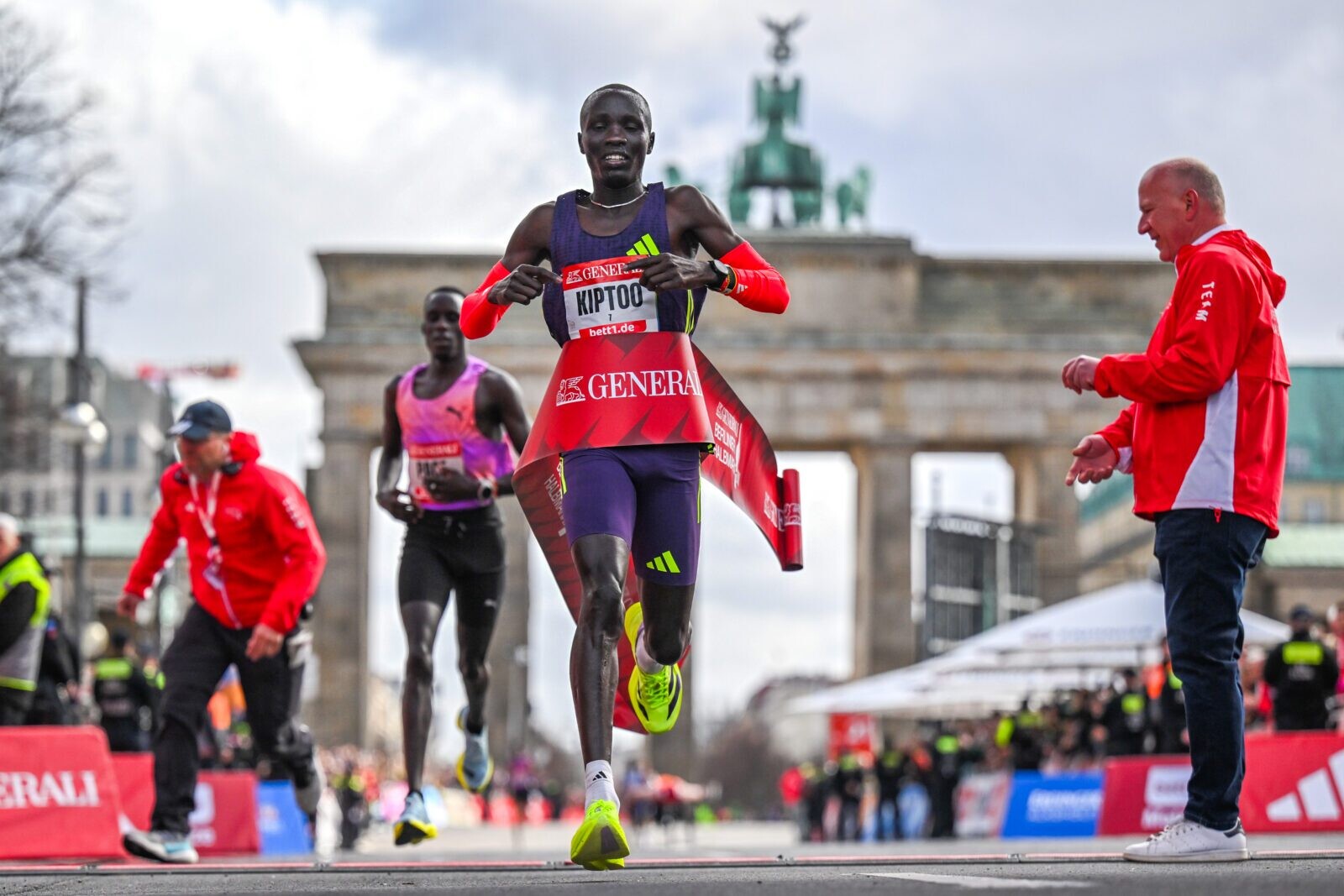
What makes the performance even more impressive is how rapidly the young runner is adapting to the international stage. Mainz marked only Kipkogei’s second race outside Kenya following his breakthrough appearance at the Berlin Half Marathon in March, where he finished runner-up after spending much of the race assisting with pacing duties. That performance hinted at enormous potential. His display in Mainz confirmed it.
This time there were no questions, no supporting role, and no shared spotlight. Kipkogei took command of the race with maturity far beyond his years, producing a fearless front-running display that signaled the arrival of a serious contender in global distance running.
His 59:14 performance now places him among the fastest half marathon runners in the world this season and strengthens Kenya’s already rich legacy in long-distance road racing. More importantly, it suggests that Dennis Kipkogei possesses the rare combination of speed, endurance, and tactical intelligence required to become one of the sport’s future headline names.
For German road racing, it was a historic morning. For Dennis Kipkogei, it may prove to be the moment the world truly took notice.
by Erick Cheruiyot for My Best Runs.
Login to leave a comment
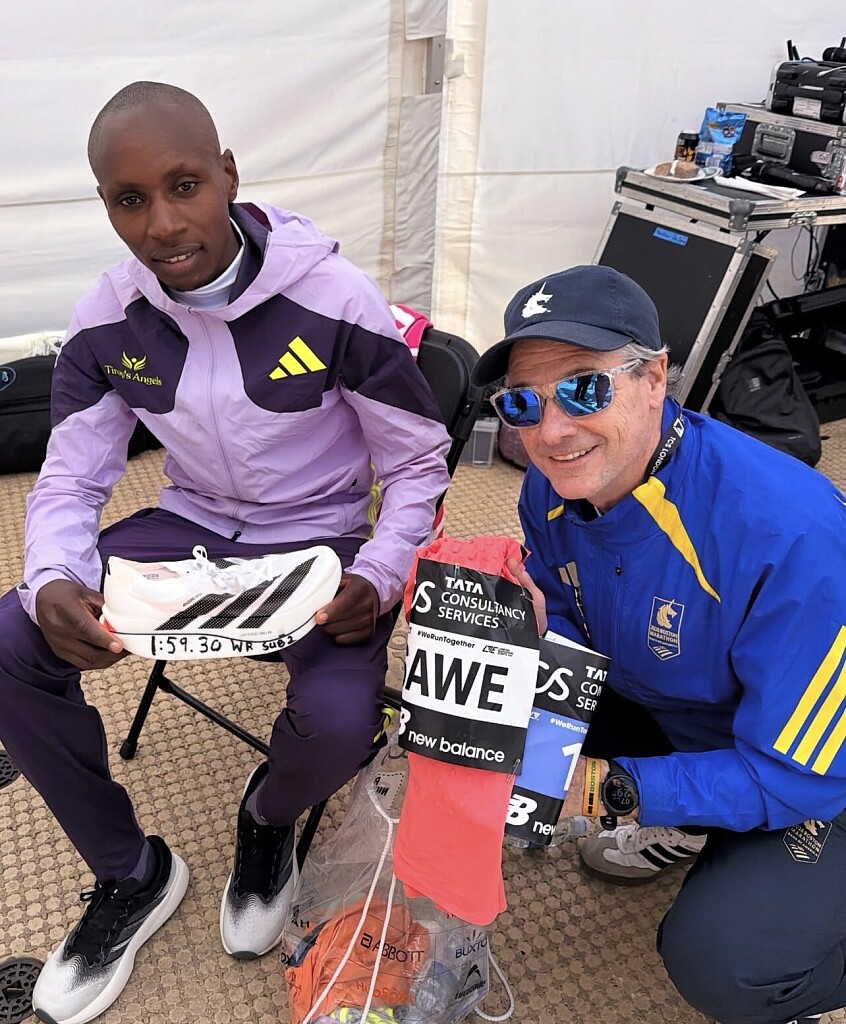
Berlin Marathon Lands the Fastest Marathoner in History as Sabastian Sawe Returns September 27
The 2026 Berlin Marathon already has its biggest headline. World record holder Sabastian Sawe has officially announced he will return to Berlin on September 27, setting the stage for another possible assault on marathon history.
Sawe stunned the running world in April when he won the London Marathon in a breathtaking 1:59:30, becoming the first athlete in history to officially run a marathon under two hours. Ethiopia’s Yomif Kejelcha followed closely behind in 1:59:41, making London the first marathon in history where two men officially broke the two-hour barrier. To date, Sawe and Kejelcha remain the only athletes ever to achieve the feat in official competition.
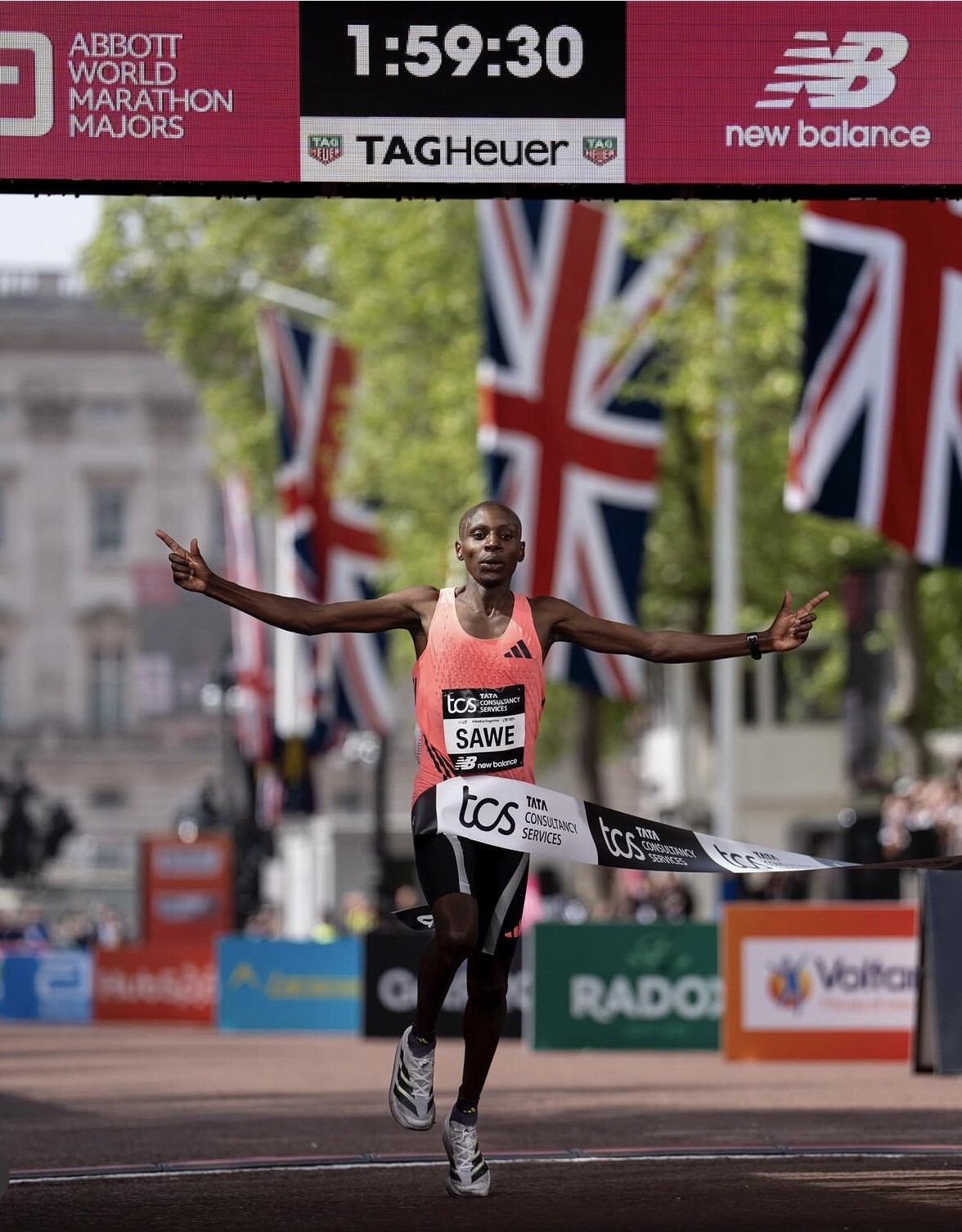
Now Sawe heads back to Berlin, widely regarded as the fastest marathon course in the world. The flat layout, cool September temperatures, and precision pacing have helped produce nine men’s marathon world records over the past quarter century. Legends including Eliud Kipchoge used Berlin as the stage for some of the greatest performances in distance running history.

“Berlin is a fast course with several world records set there. With perfect weather we could again see a sub-two-hour marathon,” says Bob Anderson, lifetime runner and editor of My Best RunsSawe is no stranger to success in Berlin. He captured the 2025 title in 2:02:16 despite unusually warm temperatures approaching 25C, a performance many viewed as one of the finest warm-weather marathons ever run. But after what happened in London, expectations are now on an entirely different level.
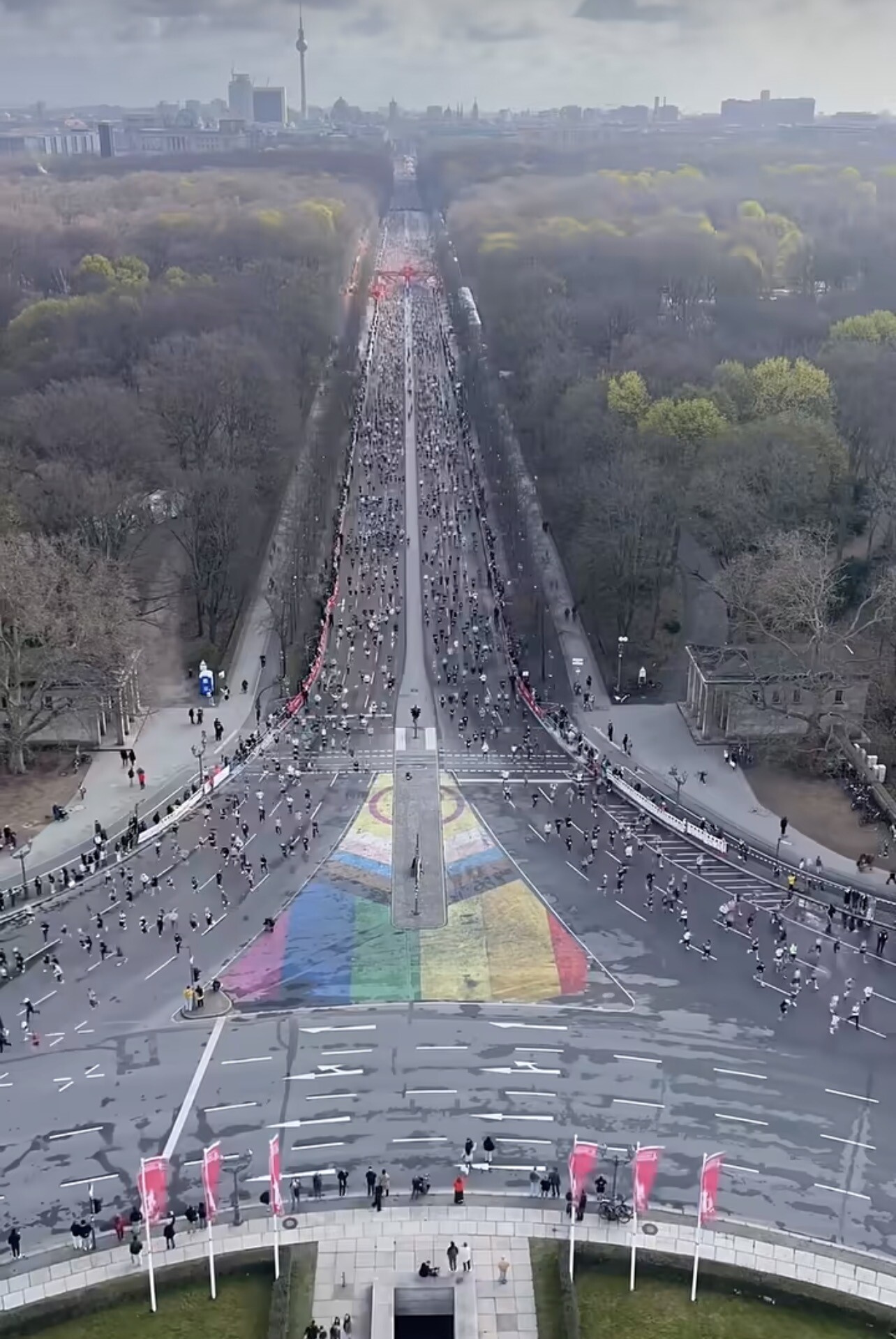
So far, Sawe is the only major elite men’s athlete officially confirmed for Berlin, though organizers are expected to announce additional top contenders in the coming weeks. The possibility of another historic showdown has already created enormous anticipation within the running world.
At the beginning of what could become one of the most remarkable marathon careers ever seen, Sawe has already changed the sport. Berlin may now offer the perfect stage for the next breakthrough.
by Boris Baron for My Best Runs
376
Login to leave a comment
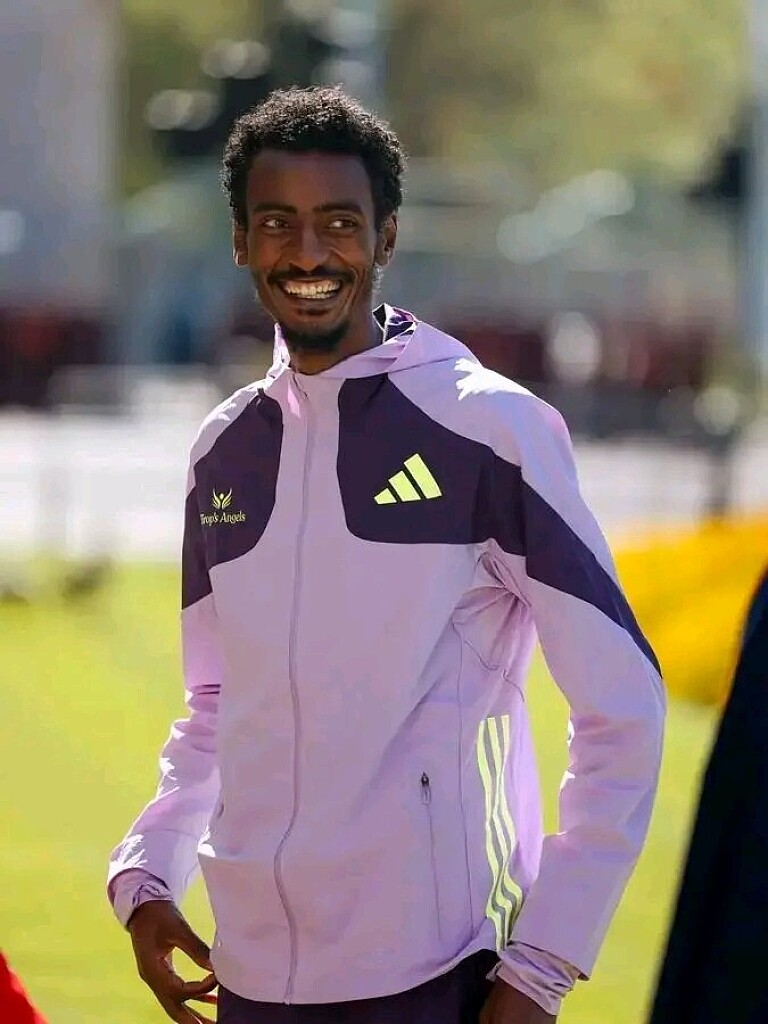
Kejelcha Returns to Valencia as Marathon World Awaits Another Historic Assault
The marathon world is once again bracing itself for something extraordinary after Ethiopian distance sensation Yomif Kejelcha was officially confirmed for the 2026 edition of the Valencia Marathon set for Sunday, December 6 in Spain.
The announcement immediately sent waves across global athletics, with anticipation already building around what could become one of the fastest marathons ever witnessed. Kejelcha returns to familiar territory carrying enormous momentum after his jaw-dropping performance at the 2026 London Marathon, where he stunned the world by clocking an astonishing 1:59:41 in his debut over the classic distance.
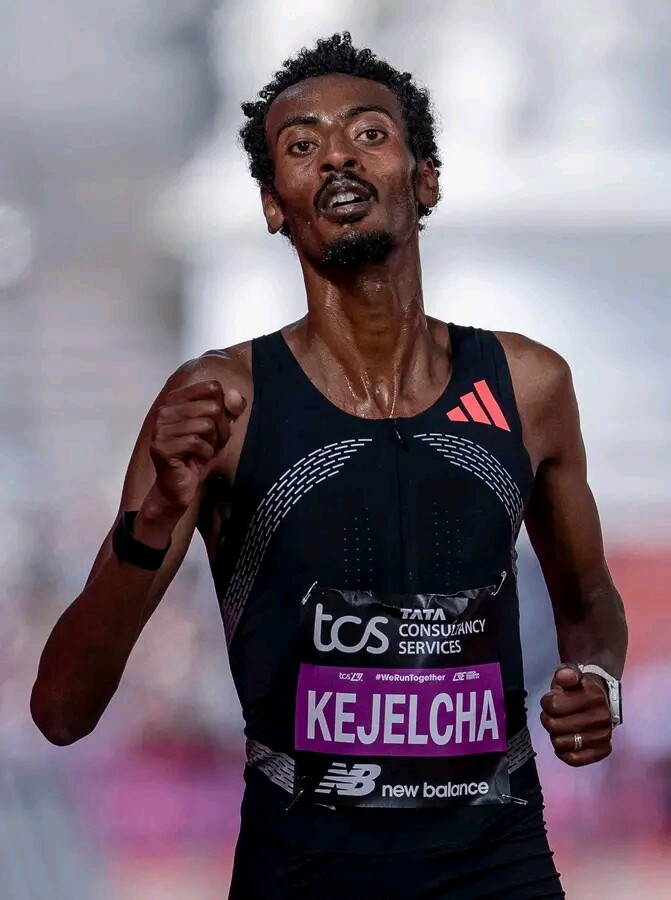
That breathtaking run not only rewrote marathon history, but also elevated Kejelcha into a completely new category of greatness. The Ethiopian star became just the second man ever to officially break the two-hour barrier in a record-eligible marathon, a feat once considered beyond human possibility.
Now, all eyes shift toward Valencia — a course widely regarded as one of the quickest marathon circuits on the planet.
For Kejelcha, the Spanish city already holds special significance. It was on these same lightning-fast streets that he produced one of the greatest half marathon performances in history, smashing the world record with a remarkable 57:30 in October 2024. That unforgettable display transformed Valencia into one of the defining venues of his career, and his return there feels less like coincidence and more like destiny.
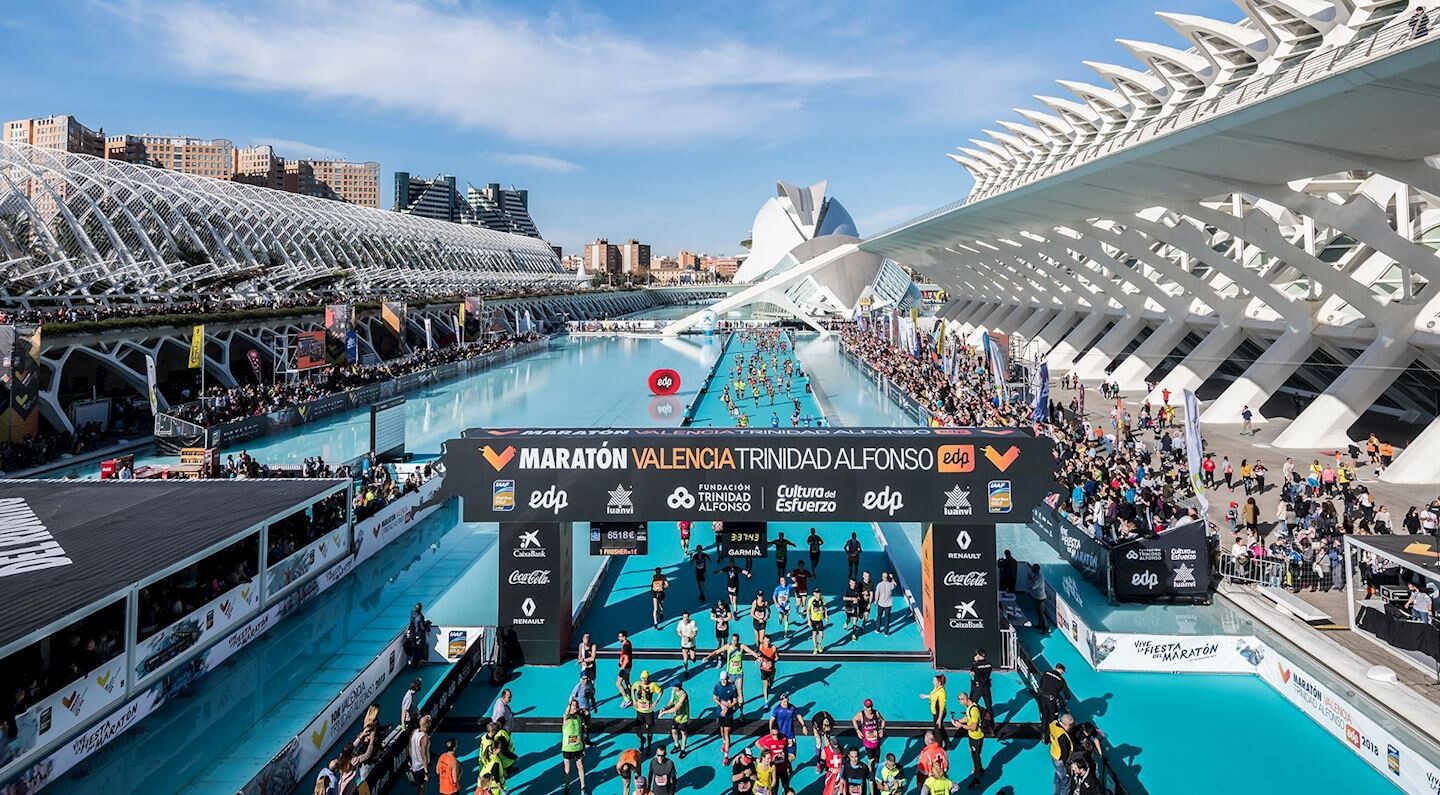
According to his manager, Gianni Demadonna, the decision to target Valencia followed extensive internal evaluations of Kejelcha’s current condition and long-term marathon potential. Those close to the Ethiopian camp reportedly believe the course offers the perfect environment for another historic performance.
And perhaps even more intriguing is the growing possibility of a world record attempt.
Valencia’s famously flat terrain — featuring minimal elevation changes across the entire course — has become a dream hunting ground for elite marathoners searching for fast times. With Kenyan star Sabastian Sawe expected to focus on Berlin later in the season, Kejelcha could arrive in Spain with a clearer path to dominate the race and fully attack the clock.
The prospect alone is enough to electrify the athletics community.
Kejelcha’s evolution from a dominant track athlete into a devastating road racer has unfolded with breathtaking speed. Already known for his explosive strength over 5,000m and 10,000m, the Ethiopian has now positioned himself as the newest giant of marathon running — a man capable of reshaping the limits of endurance sport.
As December approaches, excitement surrounding Valencia will only intensify. Fans, analysts, and fellow athletes understand the magnitude of what could unfold on the Spanish coast.
Because when Yomif Kejelcha steps onto a fast course, history no longer feels impossible — it feels expected.
by Erick Cheruiyot for My Best Runs.
Login to leave a comment
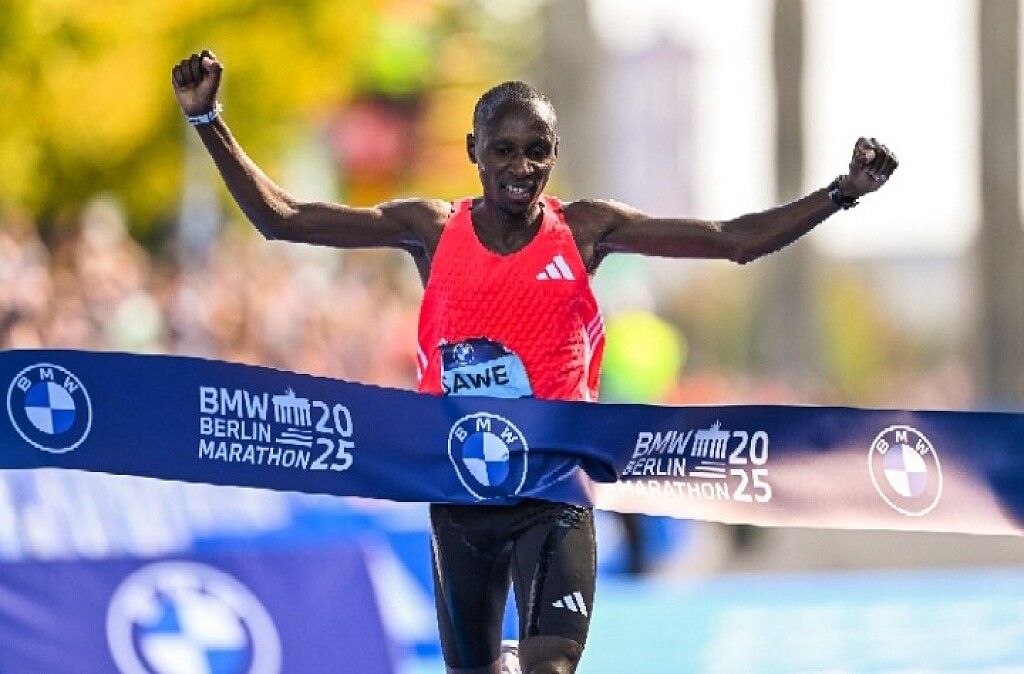
Sebastian Sawe Set for Berlin: The Marathon Revolution Continues
The marathon world is preparing for another historic chapter after Kenya’s sensation, Sebastian Sawe, officially confirmed his participation in the 2026 Berlin Marathon on 27 September.
The announcement has instantly elevated anticipation for this year’s race, with Berlin once again becoming the centre of global distance running. Widely regarded as one of the fastest marathon courses ever designed, the German capital has witnessed numerous world records over the years — and now the man who shattered the sport’s final barrier is heading there.
Sawe arrives in Berlin carrying the weight of history and the momentum of a career-defining breakthrough. Last month in London, the Kenyan star stunned the athletics world by clocking an astonishing 1:59:30 marathon world record, becoming the first human being ever to run under two hours in an official competitive marathon. It was a performance that completely redefined what was thought possible over 42.195 kilometres. He is determined to defend his title while launching another attack on the marathon world record on Berlin’s famously fast course. The Kenyan superstar is expected to headline one of the most anticipated marathon races in recent memory, with fans and analysts anticipating yet another historic performance as he continues to push the boundaries of human endurance and strengthen his growing legacy in global distance running.
What made the achievement even more extraordinary was the manner in which he delivered it. Sawe did not merely break the previous world record — he demolished psychological boundaries that had stood untouched for generations. His run in London combined ruthless pace, tactical brilliance, and unmatched endurance, transforming the marathon into a new era of possibility.
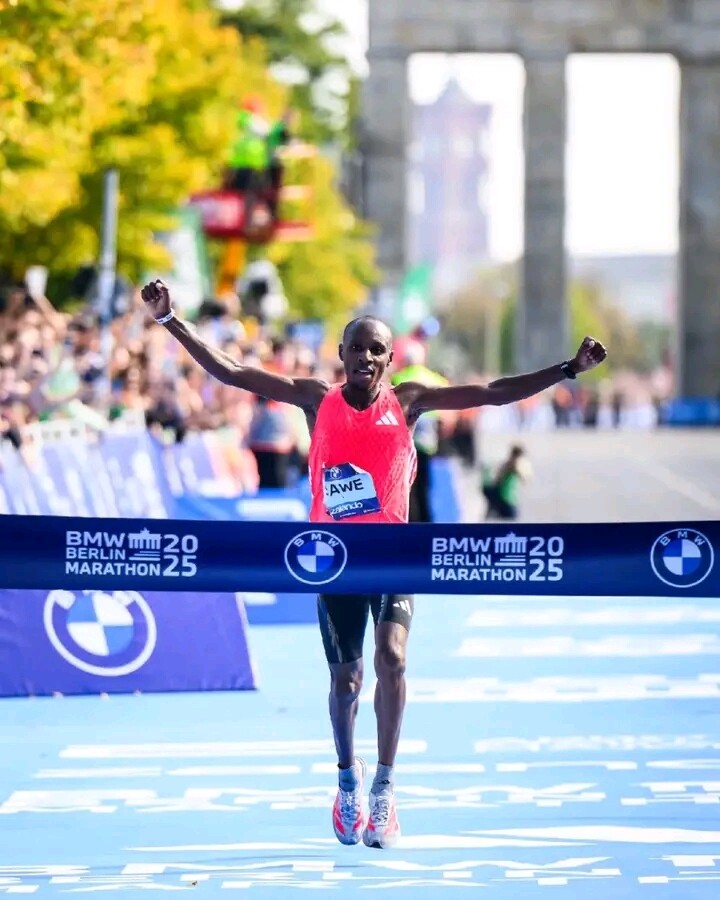
Now, attention shifts to Berlin.
For decades, the Berlin Marathon has been synonymous with speed. Its flat roads, cool weather, and perfectly engineered course have produced some of the greatest performances in distance-running history. Legends have built their reputations there, records have fallen there, and now Sawe has the opportunity to further cement his legacy on the same streets where marathon greatness has repeatedly been rewritten.
The prospect of the world’s fastest marathoner attacking Berlin’s rapid course is already sending excitement throughout the athletics community. Fans, analysts, and former champions are beginning to ask the same question: can Sebastian Sawe push the marathon even deeper into uncharted territory?
At just the right moment in his career, Sawe appears unstoppable. His rise has been built on discipline, fearless racing, and remarkable consistency, qualities that continue to position Kenya at the summit of global long-distance running. Every appearance now carries historic significance because each race feels capable of producing something never seen before.
Berlin 2026 is no longer just another marathon.
It is shaping into a global sporting spectacle — a collision between the fastest marathon course on earth and the fastest marathon runner in history.
by Erick Cheruiyot for My Best Runs.
Login to leave a comment
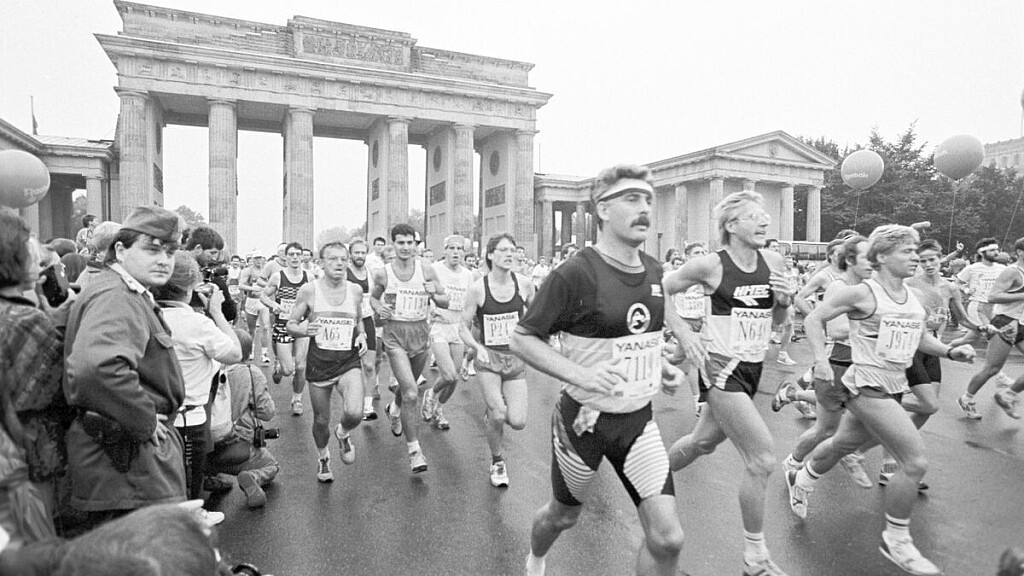
From Moneghetti to the Sub-2 Era: How Marathon Running Entered Another Dimension
The marathon has always been a race against human limits, but the distance between generations has never felt wider than it does today.
In 1990, Australian distance legend Steve Moneghetti produced one of the defining performances of his era when he stormed to victory at the Berlin Marathon in 2:08:16. At the time, the mark stood less than two minutes outside the world record — a remarkable achievement in an age when marathon running still seemed bound by barriers many believed could never be broken.
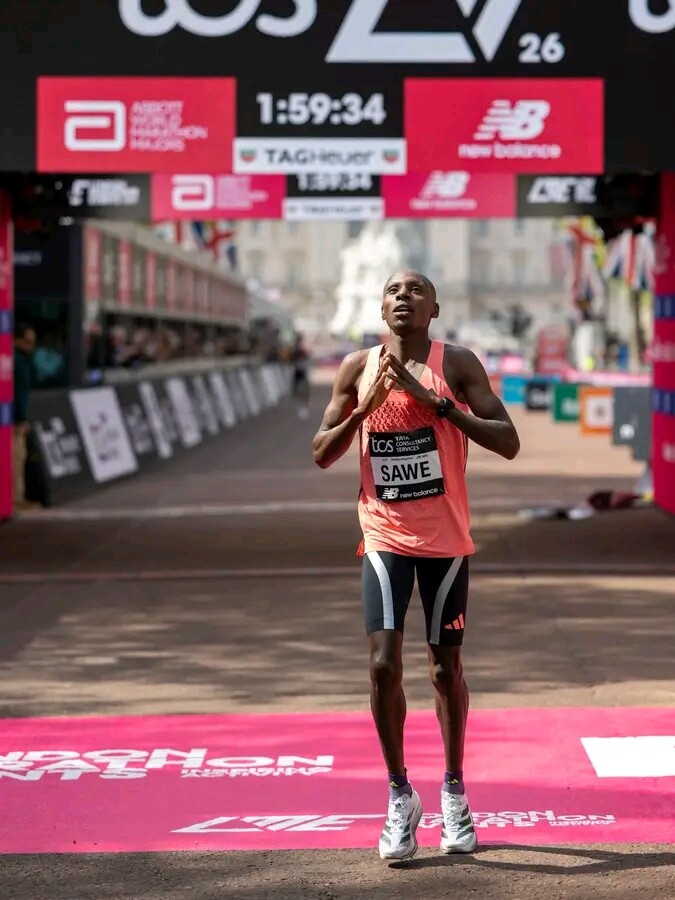
That performance elevated Moneghetti to the status of the 16th fastest marathoner in history, placing him among the sport’s global elite. His name carried weight in an era where every second shaved from the clock represented years of progress in training, nutrition, racing tactics, and endurance science.
Fast forward to today, and the landscape of marathon running has transformed almost beyond recognition.
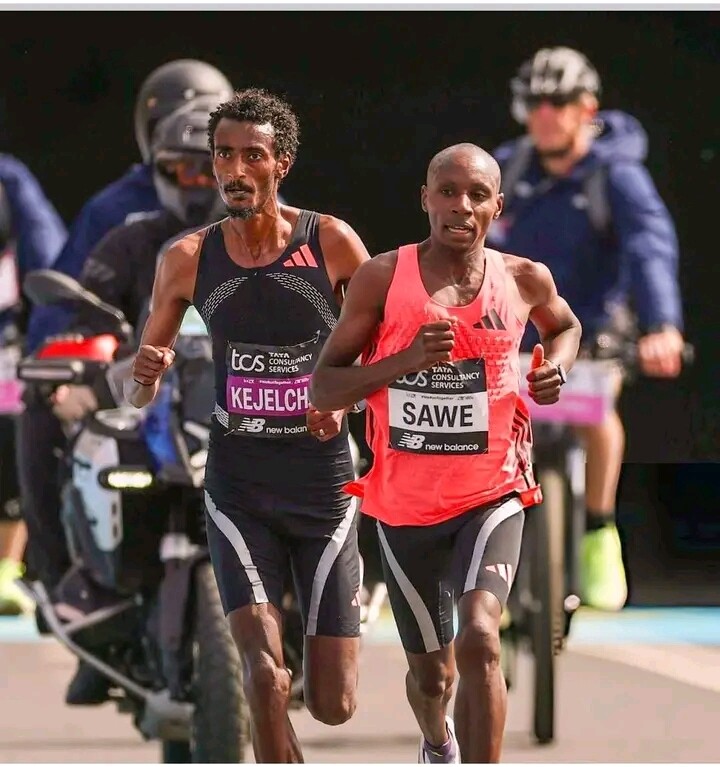
At the recent London Marathon, both Sabastian Sawe and Yomif Kejelcha delivered astonishing sub-2:00 performances, a feat that underlines the breathtaking evolution of the event. Times once considered untouchable are now being attacked with fearless ambition, as a new generation continues to redefine what the human body can endure over 42.195 kilometres.
The contrast perfectly captures the sport’s relentless progression. What once established an athlete among history’s greatest would no longer guarantee a place near the top of the modern rankings. Moneghetti himself reflected on that reality with remarkable honesty, noting that a performance which once made him the 16th fastest man ever would not even place him inside the top 100 today.
Yet that comparison does not diminish the greatness of past champions. Instead, it highlights how pioneers like Moneghetti helped lay the foundation for the marathon revolution unfolding today. Every generation pushes the boundaries further, inspiring the next to dream beyond what once appeared possible.
From Berlin in 1990 to London in the sub-2 era, marathon running has evolved from a test of endurance into a showcase of extraordinary human advancement. And judging by the speed of today’s athletes, the sport may still be far from reaching its final frontier.
by Erick Cheruiyot for My Best Runs.
Login to leave a comment
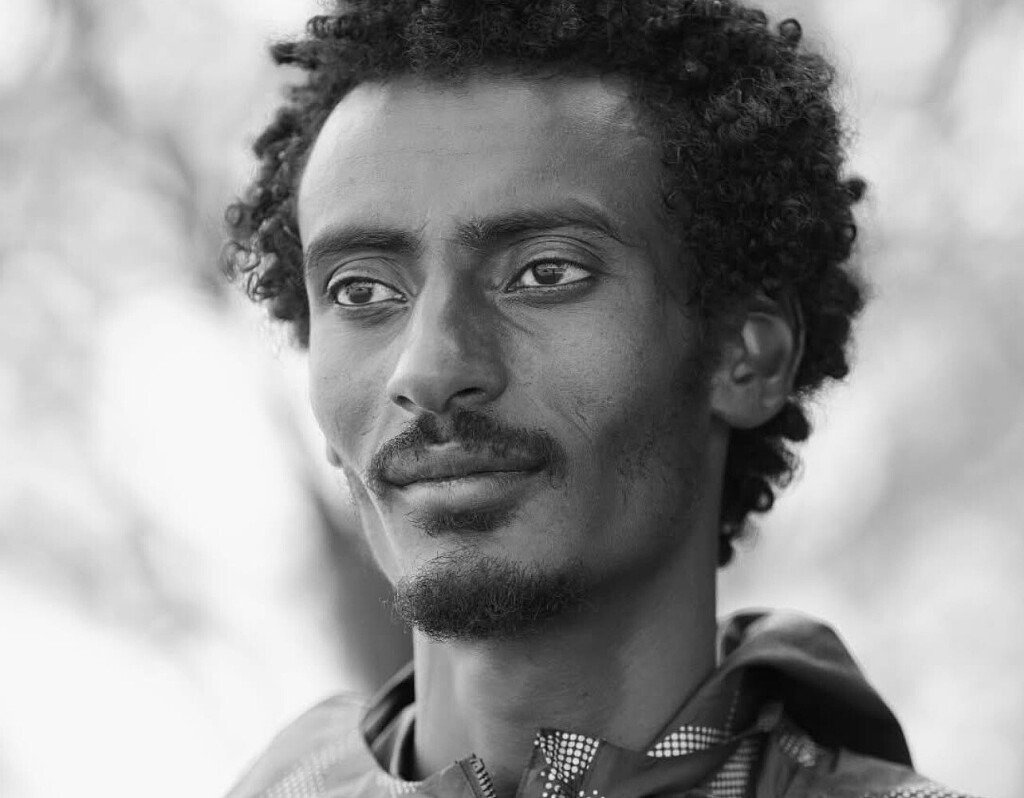
Where Should Yomif Kejelcha Run His Second Marathon — And Can He Break 1:59?
London changed marathon history forever as Sabastian Sawe and Yomif Kejelcha became the first two men ever to officially break the two-hour barrier for the marathon. Sawe won in 1:59:30, while Kejelcha stunned the world by running 1:59:41 in his marathon debut.
Now the focus shifts to the next question:
Where should Kejelcha run his second marathon?
And perhaps even more intriguing:
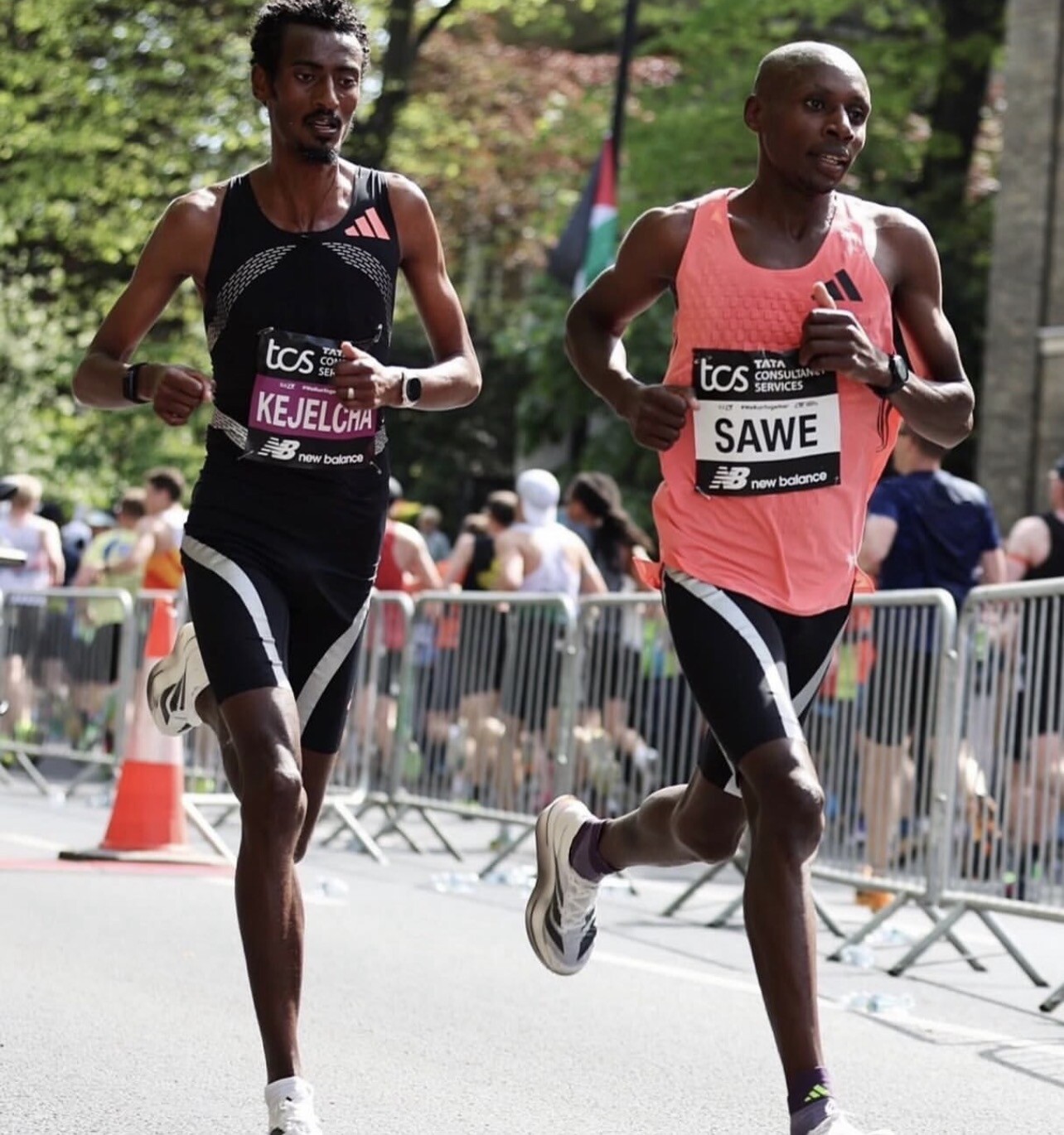
Can he become the first man to officially run under 1:59?
“Not to take away from Sawe’s amazing 1:59:30 marathon in winning London, but Kejelcha in second place clocked 1:59:41 in his first marathon ever. I think Yomif under perfect conditions can run under 1:59,” says Bob Anderson, lifetime runner and My Best Runs editor.
That possibility suddenly feels very real.
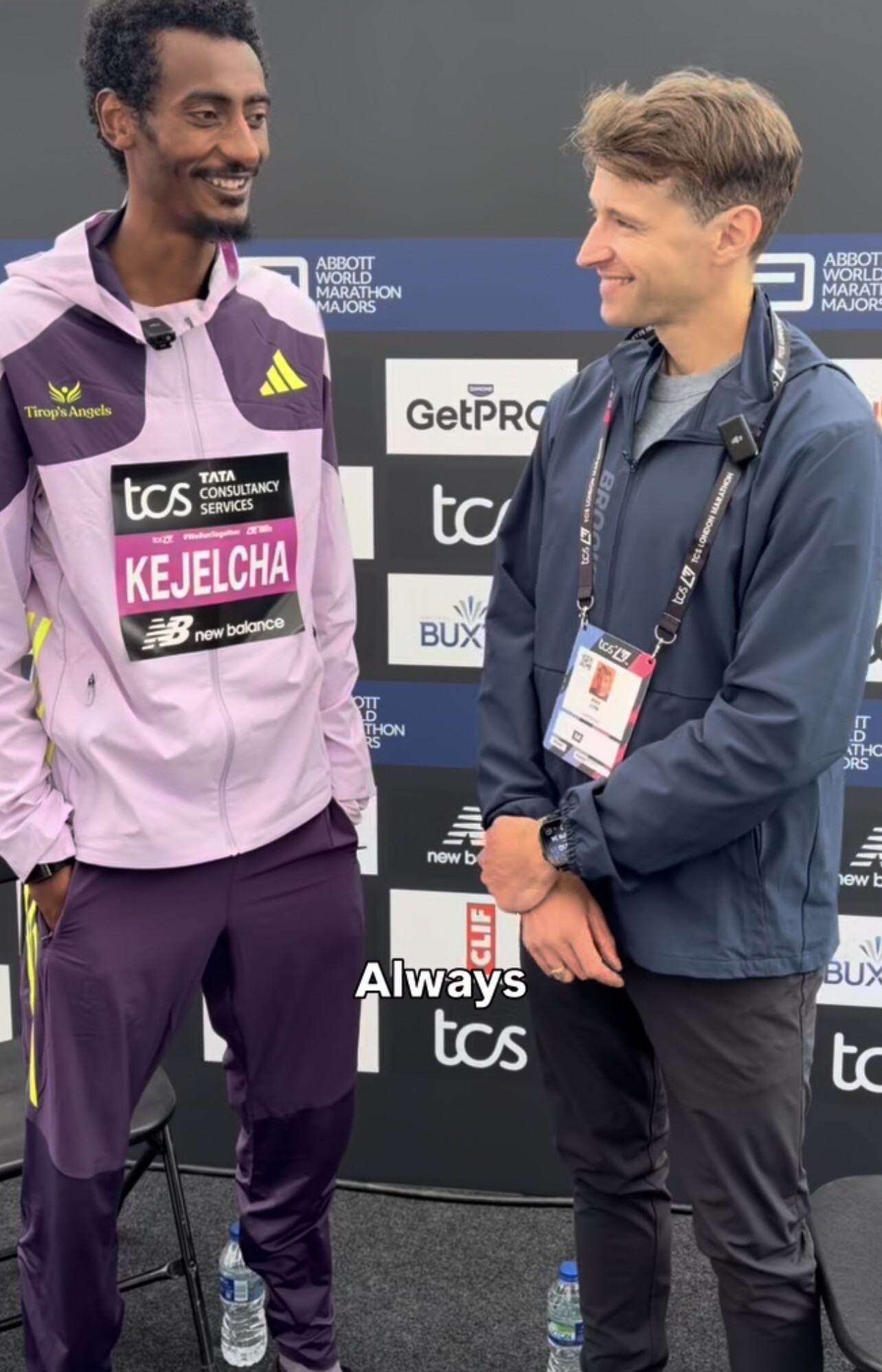
Kejelcha has long been considered one of the most naturally gifted distance runners in the sport. Before moving to the marathon, the Ethiopian star built a remarkable résumé that included world-class performances from 1500 meters through the half marathon. His 57:30 half marathon performance in Valencia confirmed that he possessed a rare combination of speed, efficiency, and endurance.
Those qualities are essential for what may become the next great frontier in distance running.
Breaking 1:59 would require sustaining approximately 4:32 per mile for the entire marathon distance. That demands not only endurance, but extraordinary efficiency and the ability to remain relaxed while running at near-impossible speeds.
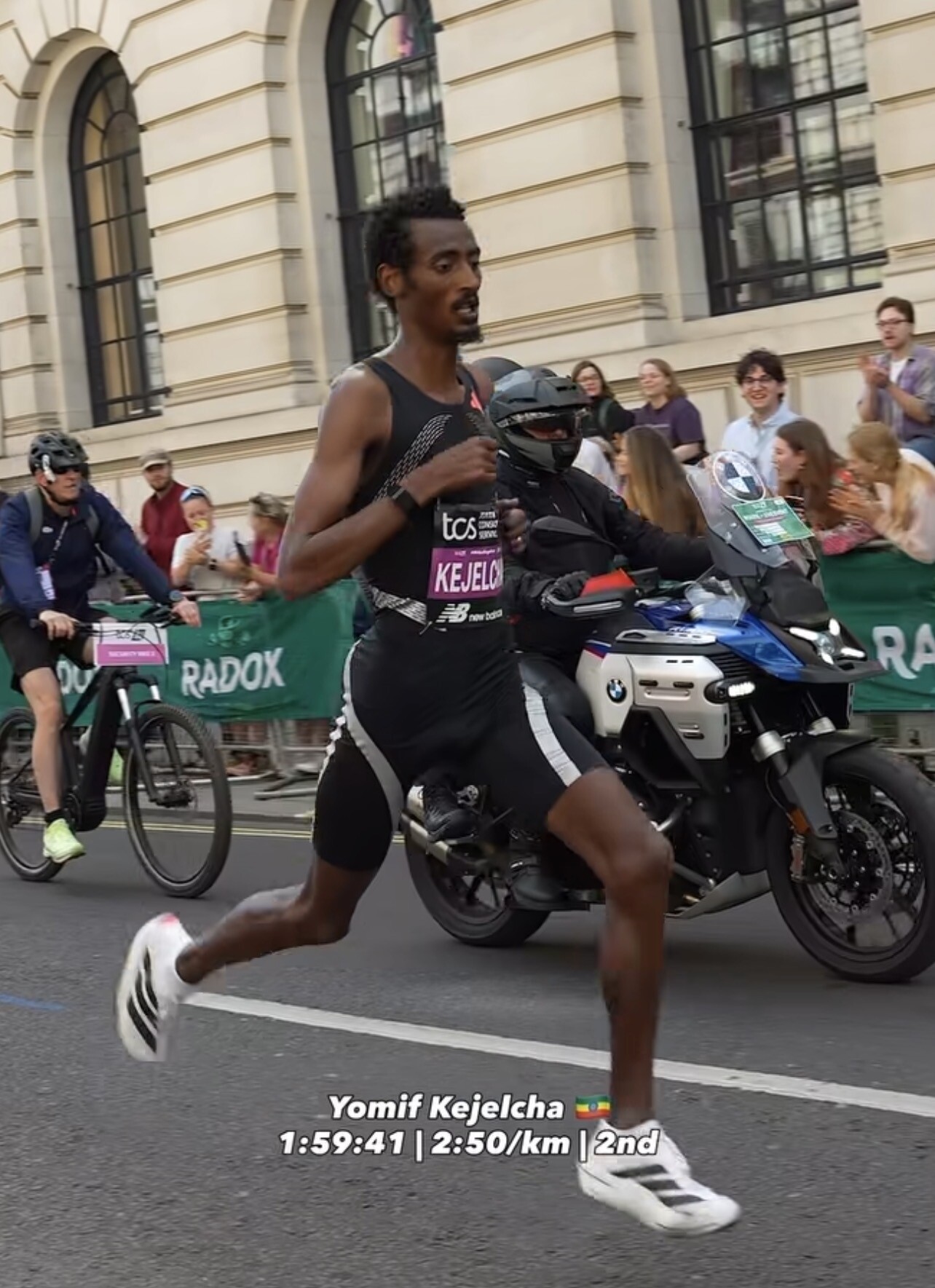
Very few athletes in history have appeared capable of that challenge.
Kejelcha now looks like one of them.
What makes his London performance even more extraordinary is that it came in his first attempt at the distance. Most elite marathoners require several races to learn the rhythm of fueling, pacing, and surviving the final 10 kilometers. Kejelcha immediately looked comfortable at a pace no one had ever officially sustained before.
That suggests there may still be room for improvement.
The question now becomes strategy.
Berlin immediately stands out as a logical option for his second marathon. No course in history has produced more marathon world records. Flat roads, cool temperatures, elite pacing, and ideal racing conditions have made Berlin the gold standard for fast marathoning.
If Kejelcha wants to make an immediate attack on history, Berlin would seem the obvious choice.
But there may be reasons to wait.
The Berlin Marathon comes only five months after London, and Kejelcha’s team may decide that patience is the smarter path. A debut marathon at world-record pace places enormous stress on the body, and carefully managing recovery could be critical to his long-term development.
Valencia may ultimately be the most intriguing possibility.
The Spanish race has rapidly become one of the fastest marathons in the world, producing countless personal bests and breakthrough performances. Kejelcha already has history there after running his half marathon world record, and the course appears perfectly suited to his smooth, efficient running style.
Chicago could also enter the conversation, though weather and wind conditions there can be less predictable.
Another option is Sevilla in early 2027, a race increasingly recognized for its fast course and ideal winter conditions.
Tokyo would provide prestige and global attention, but Berlin and Valencia are still generally viewed as superior venues for historic time attempts.
If Kejelcha’s goal is simply to win major marathons, he already has the ability to compete anywhere in the world.
But if the goal is to break 1:59, every detail matters:
weather,
pacing,
wind,
temperature,
fueling,
race timing,
and course design.
The difference between 1:59:41 and 1:58:59 may ultimately come down to only a few seconds per mile.
Still, London fundamentally changed how the running world views the limits of the marathon.
For years, an official sub-two-hour marathon felt impossible. Now the sport is already looking beyond that barrier.
At just 27 years old, Yomif Kejelcha may only be beginning his marathon career.
And after what happened in London, the possibility of a sub-1:59 marathon no longer feels unrealistic.
It feels possible.
by Boris Baron for My Best Runs
Login to leave a comment
Dennis Kipkogei Smashes Course Record in Mainz
Dennis Kipkogei announced himself as one of Kenya’s brightest emerging distance stars with a stunning course record performance at the Gutenberg Mainz Half Marathon on Sunday.
The 24-year-old Kenyan stormed to victory in 59:14, becoming the first runner to break the one-hour barrier in the history of the race and firmly placing Mainz among Europe’s premier half marathons. Among German races, only Berlin has produced faster half marathon performances.
Remarkably, it was only Kipkogei’s second race outside Kenya. Earlier this year he shocked observers by finishing runner-up at the Berlin Half Marathon after originally being entered as a pacemaker. In Mainz he proved that performance was no fluke, dominating the field and winning by more than a minute.
Fellow Kenyans Kelvin Kipruto and Jamal Kiprono completed a Kenyan sweep of the podium, clocking 60:25 and 60:29 respectively.
For the third consecutive year both course records fell in Mainz. Kenya’s Beatrice Cheserek captured the women’s title in 68:02 after a strong late-race surge. Germany’s Blanka Dörfel delivered a breakthrough performance to finish second in 68:06, improving her personal best by nearly two minutes and becoming the sixth-fastest German woman ever at the distance. Ethiopia’s Emebet Kebede Dessie took third in 69:01.
“We are very pleased that we were able to break both course records for the third time. A winning time under one hour is something special,” said Race Director Jo Schindler. “With that result we are currently the eleventh-fastest half marathon in the world this year — that is quite an achievement.”
The event continued its rapid growth with 12,960 entries in the half marathon alone. Including shorter races, more than 17,500 athletes participated across the weekend.
The men’s race opened at a blistering pace, with early split times suggesting a finishing time well under 59 minutes. Kipkogei made his decisive move shortly after 10K and quickly separated from the lead pack. Although warm temperatures near 20 Celsius slowed him slightly in the closing kilometers, he still came within three seconds of his personal best of 59:11 set in Berlin.
“I came here to break the course record and I am happy that I managed it,” said Kipkogei. “I had a problem with my hamstring so my body did not feel that good. Otherwise I could have run even faster.”
His 59:14 performance shattered the previous course record of 60:50 by more than a minute and a half.
“If I am selected I will compete at the World Half Marathon Championships in Copenhagen in September,” he added.
Behind the Kenyan sweep, Germany’s national marathon champion Tom Thurley finished eleventh in 64:07, narrowly missing his personal best by 11 seconds.
“My next goal is an autumn marathon and I will try to improve to under 2:10,” said Thurley.
The women’s race unfolded dramatically after Joan Chepleting broke away early, opening a sizable gap during the opening kilometers. However, the aggressive pace proved unsustainable and she was reeled in shortly before 10K.
A duel then developed between Cheserek and the fast-rising Dörfel. Over the final kilometers Cheserek gradually pulled away to secure victory and another course record.
“I am delighted with this victory,” said Cheserek. “My next goal is to run the World Half Marathon Championships and after that I plan to run an autumn marathon.”
Dörfel’s performance may have been the surprise of the day. Entering the race with a personal best of 69:46, the 24-year-old German shattered that mark with her 68:06 finish.
“I just ran at a pace that felt comfortable and did not pay attention to the split times,” Dörfel said. “When I looked at the clock on the home straight I was completely surprised by the time. I have never felt so good in a race before.”
Dörfel is now expected to target the 10,000 meters at this summer’s European Championships in Birmingham before likely stepping up to the marathon later this year. The Mainova Frankfurt Marathon on October 25 is considered a possible debut.
Men
Dennis Kipkogei (KEN) – 59:14
Kelvin Kipruto (KEN) – 60:25
Jamal Kiprono (KEN) – 60:29
Joshua Mengich (KEN) – 60:36
Jonathan Kamosong (KEN) – 60:53
Edward Koonyo (KEN) – 61:07
Enos Saat (KEN) – 61:18
Benard Kimeli (KEN) – 61:27
Women
Beatrice Cheserek (KEN) – 68:02
Blanka Dörfel (GER) – 68:06
Emebet Kebede Dessie (ETH) – 69:01
Orba Chemurgor (KEN) – 69:21
Joan Chepleting (KEN) – 70:03
Margaret Monicah (KEN) – 71:32
by Race News Service
Login to leave a comment
Dennis Kipkogei Headlines Strongest-Ever Field at Gutenberg Mainz Half Marathon
All eyes will be on Kenya’s rising star Dennis Kipkogei at Sunday’s Gutenberg Mainz Half Marathon, where the 24-year-old newcomer could make history in only his second race outside Kenya.
Kipkogei turned heads six weeks ago at the Berlin Half Marathon when he was assigned pacemaking duties for German record holder Amanal Petros. Instead of stepping aside late in the race, the Kenyan surged to the front in the closing stages and nearly claimed victory. His stunning 59:11 personal best from Berlin makes him the fastest man in the Mainz field, and organizers believe the race could produce its first-ever sub-one-hour winning performance.
“We have the strongest field ever assembled in Mainz. Our minimum target is to break both course records. In the men’s race there is a good chance that we will see a sub one hour winning time,” said elite field coordinator Philipp Kopp.
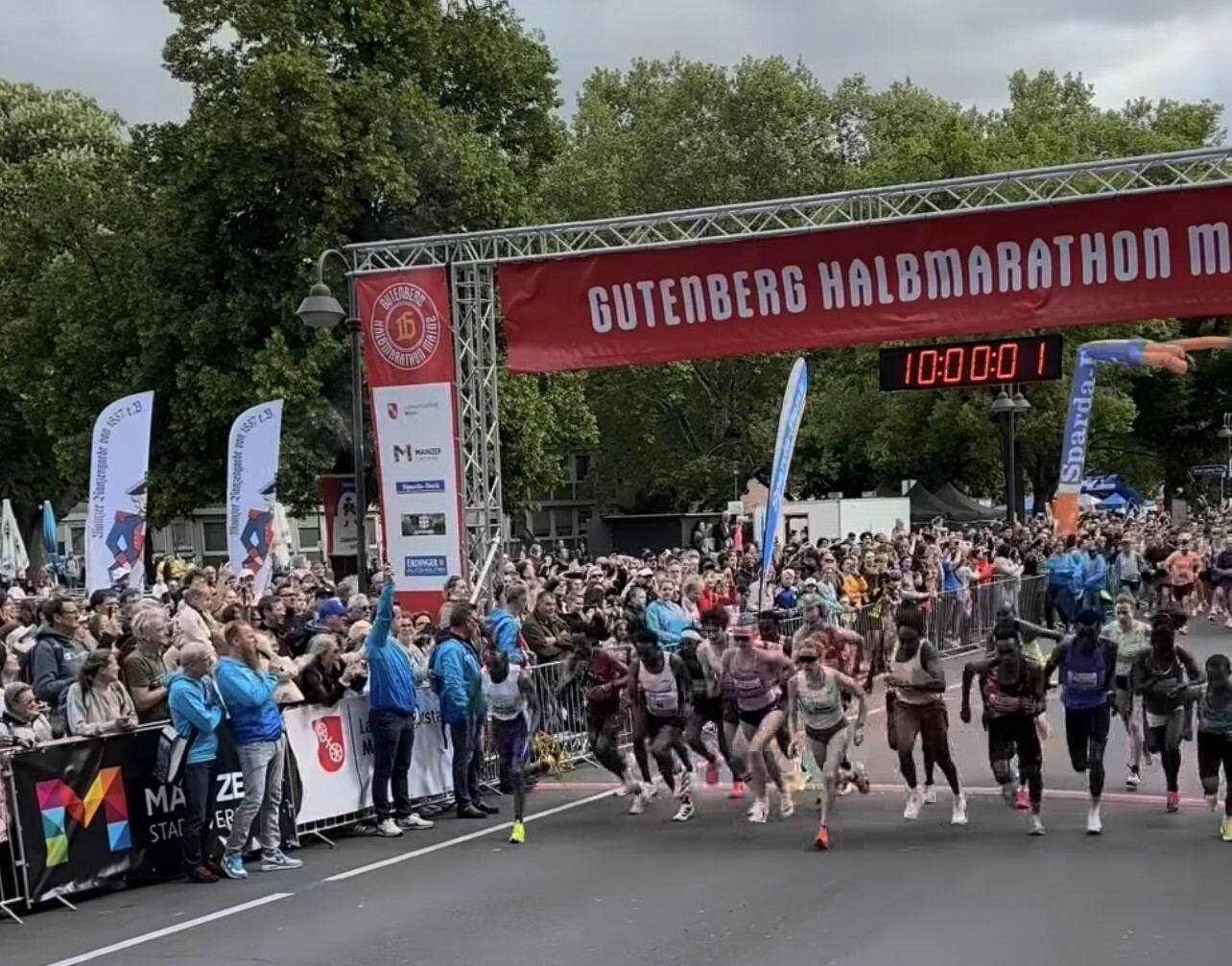
The event itself continues to grow rapidly. In just two years, participation in the half marathon has more than doubled—from 6,156 to 12,960 runners. Race director Jo Schindler has overseen a major transformation of the event, shifting the focus away from the marathon distance and building the race into one of Germany’s premier half marathons.
The Gutenberg Mainz Half Marathon is now regarded as Germany’s second-fastest race over the distance behind only Berlin.
Defending champion James Matelong returns after winning last year in a course record 60:50, which still stands as his personal best. But defending his title will be anything but easy. At least six fellow Kenyans in the field have already run faster.
Kipkogei enters as the clear favorite, especially with no pacemaking responsibilities this time around. The Kenyan, who trains under renowned Italian coach Renato Canova, believes another sub-60 performance is within reach.
“My shape is not bad, training was going well as usual,” said Kipkogei. “If weather conditions are fine I intend to run sub 60:00 again.”
Another athlete capable of breaking the hour barrier is Jamal Kiprono, who won the Venlo Half Marathon earlier this year in 59:55.
Germany’s top hope will likely be Tom Thurley. Four weeks ago he captured the German Marathon Championship in Hannover with a personal best of 2:11:02. Thurley owns a half marathon best of 63:56 and is targeting another breakthrough performance in Mainz.
“I will try to improve my PB. I know that it is possible to run fast in Mainz,” said Thurley.
The women’s race is equally loaded. Kenya’s Beatrice Cheserek leads the field with a personal best of 66:48, making her one of two women entered under the current course record of 68:52. Cheserek ran her PB while winning the Cardiff Half Marathon in 2022 and recently lowered her marathon best to 2:21:56 with a runner-up finish in Seville.
Fellow Kenyan Orba Chemurgor owns a 67:56 best from Ravenna last year and is another strong contender. Last year’s Mainz runner-up Rency Kogo returns with a personal best of 69:04 from this race.
Germany’s leading woman is Blanka Dörfel. The 24-year-old ran 69:46 in Berlin last year and arrives in Mainz fresh off winning the German 10,000-meter title.
“I prefer road running and look forward to racing in Mainz,” said Dörfel. “I am not quite sure what time I will be able to run. But my watch tells me I can achieve a sub 68:30.”
by Race News Service
Login to leave a comment
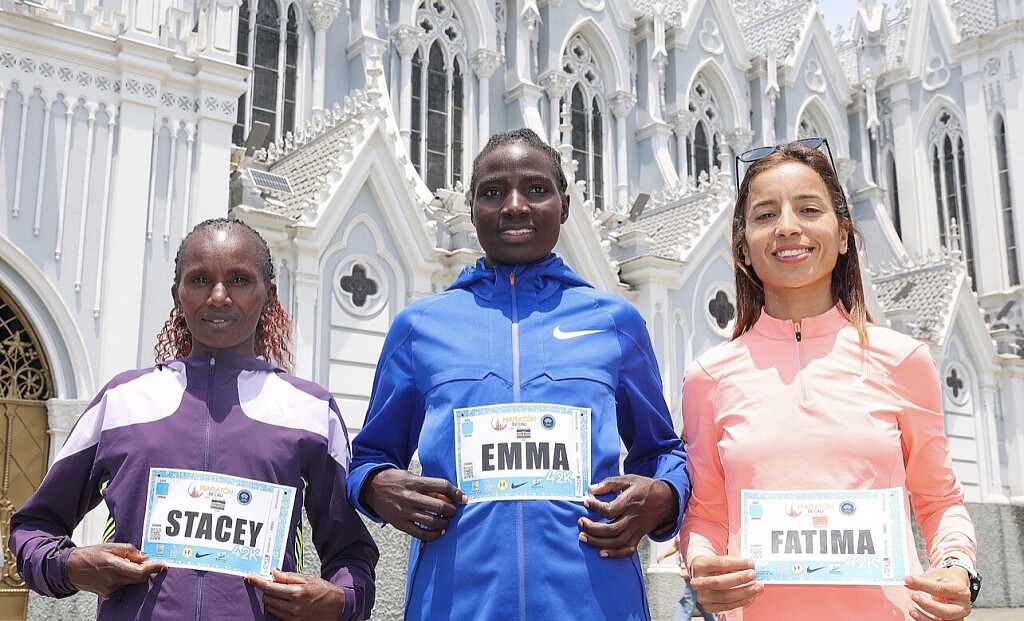
Cali Marathon Draws World-Class Talent in Bid to Become South America’s Premier Race
“Run in Heaven’s Capital.” That’s the bold promise as the Cali Marathon returns this Sunday in southwestern Colombia for its second edition. After a strong debut last year, organizers are aiming higher—positioning Cali as a future major international marathon.
They’ve taken a big step toward that goal with one of the deepest elite fields ever assembled on the continent. Kenya’s Ronald Korir (2:04:22) headlines the men’s race, while Eritrea’s Nazret Weldu (2:20:29) leads the women’s field. Defending champions Evans Mayaka and Emmah Ndiwa are back, but repeating will be anything but easy. No other marathon in South America currently matches Cali’s depth.
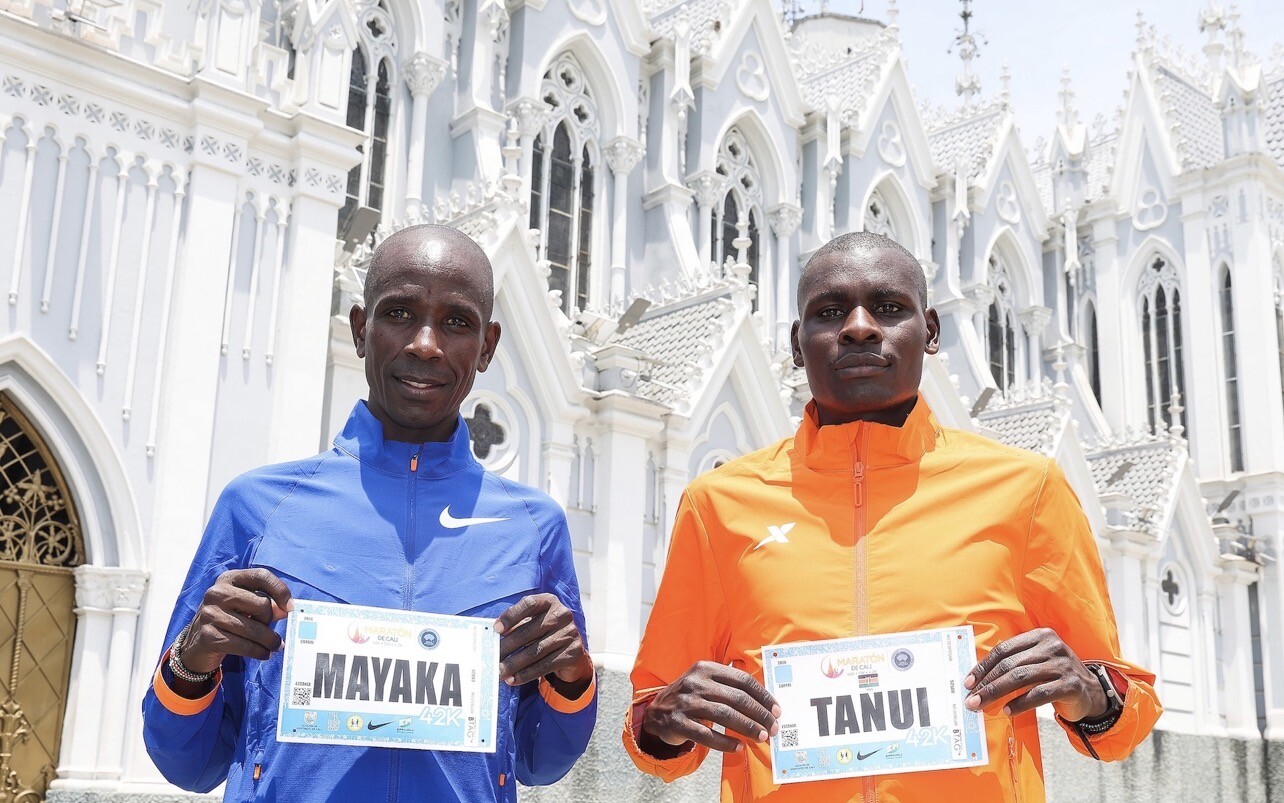
Participation has surged. A total of 20,000 athletes from 49 nations have entered across all distances, nearly doubling last year’s 11,000. The marathon itself will feature 3,000 runners. Race Director Luis Felipe Posso is encouraged but measured: the goal isn’t simply bigger numbers—it’s building a world-class marathon.
“This race has grown incredibly fast,” said Posso. “Now we want to increase the quality and establish Cali as a true destination for marathon runners.”
Even seasoned observers are impressed. Abel Antón, Spain’s two-time world marathon champion (1997, 1999), is in Cali as a guest of honor and noted how quickly the event has developed.
Conditions will play a role. At roughly 1,000 meters altitude with expected humidity and temperatures around 20°C (68°F), fast times are unlikely. But that often leads to compelling racing. Last year proved that, with late-race drama deciding the outcome.
Mayaka and Ndiwa both set Colombian all-comers’ records in 2025—2:11:04 and 2:29:26 respectively. Organizers would love to see those marks fall again, especially a first-ever sub-2:10 on Colombian soil.
Men’s Race
The depth is remarkable. Five athletes have run under 2:06, and eight have broken 2:10. Interestingly, defending champion Evans Mayaka ranks just ninth on paper with his 2:10:00 best—but he proved last year that position on a start list doesn’t decide the race.
Ronald Korir enters as the fastest man in the field. He ran 2:04:44 in Berlin and followed that with a strong 2:05:41 for fourth place in Hamburg. After battling injuries, he’s optimistic.
“It’s been a difficult couple of years, but my training for Cali has gone well,” Korir said. “I believe I can win.”
Ezra Tanui arrives in top form. He swept three marathons in 2025—Doha, JiLin, and Yellow River—and followed that with a 2:05:55 personal best for third in Osaka earlier this year.
“I’m confident,” Tanui said. “I’m not chasing a time—I trust my strength to carry me through.”
Adding to the moment, Kenya’s Abel Kirui—two-time world champion and Olympic silver medalist—will run the final marathon of his career. The 44-year-old owns a personal best of 2:05:04 and remains one of the sport’s most respected figures.
Women’s Race
The women’s field is equally competitive. Morocco’s Fatima Gardadi could thrive in Cali’s conditions. She won bronze at the 2023 World Championships in Budapest and has proven strength in warm-weather racing.
Nazret Weldu returns to competition after giving birth to her daughter in May last year. The Eritrean star, fourth at the 2022 World Championships and winner of the 2024 Vienna Marathon, is focused on competing rather than chasing time.
“I want to be competitive,” Weldu said. “I hope my strength will help me perform well.”
Kenya’s Stacy Ndiwa is another strong contender. The 2024 Los Angeles Marathon champion owns a 2:23:29 personal best and has shown consistency at major races. She is not related to defending champion Emmah Ndiwa, who will also be in the mix despite ranking outside the top tier on paper.
With so many athletes capable of contending, both races could come down to strength, patience, and positioning in the final kilometers—especially in Cali’s demanding conditions.
Elite runners with personal bests
MEN:
Ronald Korir KEN 2:04:22
Abel Kirui KEN 2:05:04
Okubay Tsegay ERI 2:05:20
Eric Kiptanui KEN 2:05:47
Ezra Tanui KEN 2:05:55
Challa Gossa ETH 2:07:32
Martin Musau UGA 2:08:42
Habtamu Birlew ETH 2:09:10
Evans Mayaka KEN 2:10:00
Derlys Ayala PAR 2:10:11
Ezra Kering KEN 2:11:55
Bernard Geay TAN 2:15:47
Mayko Geay TAN Debut
Brian Kwemoi KEN Debut
David Wanjohi KEN Debut
WOMEN:
Nazret Weldu ERI 2:20:29
Gladys Chesir KEN 2:20:30
Stacy Ndiwa KEN 2:23:29
Cynthia Kosgei KEN 2:23:43
Fatima Gardadi MAR 2:24:06
Letebrhan Haylay ETH 2:24:47
Sadiya Awel ETH 2:24:57
Emmah Ndiwa KEN 2:25:15
Rosa Chacha ECU 2:26:43
Nigist Muluneh ETH 2:27:41
Fatiha Benchatki MAR 2:28:29
Marcela Gomes ARG 2:28:58
Veronicah Wanjiru KEN 2:29:03
Login to leave a comment
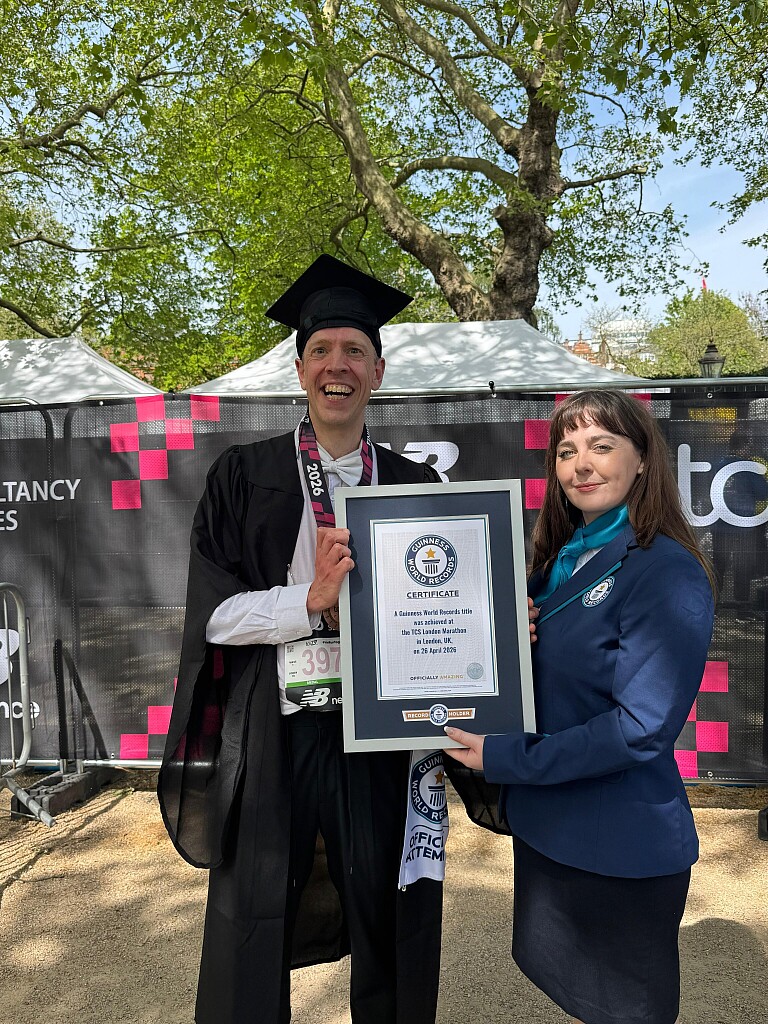
Scholar on the Run: How Alexander Betts Turned the London Marathon into a Record-Breaking Mission
At the 2026 London Marathon 2026, spectators witnessed a performance that went far beyond athletic excellence — it was a fusion of intellect, endurance, and purpose. Among the thousands of runners was Alexander Betts, a respected professor at University of Oxford, who lined up for his 23rd marathon with an ambition as bold as it was unconventional.
Unlike the typical elite athlete, Betts chose to take on the 42.195-kilometre challenge dressed not in lightweight racing gear, but in full academic regalia — a flowing gown, white bow tie, and mortarboard. His goal was clear: to break the Guinness World Record for the fastest marathon run in academic dress, a mark that previously stood at 3 hours and 31 minutes, set at the Berlin Marathon the year before.
What unfolded on the streets of London was nothing short of extraordinary. Battling heat, discomfort, and the constant struggle to keep his mortarboard in place, Betts pushed forward with determination and composure. He crossed the finish line in an astonishing 2 hours, 55 minutes and 26 seconds shattering the previous record and etching his name into the record books in emphatic fashion.
Yet, this achievement was never solely about time or titles. Behind every stride lay a deeper motivation. Betts is a passionate advocate for the transformative power of university sport within local communities. Through this remarkable effort, he sought to raise funds and awareness for Helen & Douglas House, a charity dedicated to supporting terminally ill children and their families.
Reflecting on his mission, Betts spoke with heartfelt conviction about the cause. He highlighted the profound impact hospice care has on families, while also drawing attention to the chronic underfunding such vital services often face. For him, this marathon was a way to give back — to channel personal endurance into collective hope.
His efforts have already inspired generosity, raising over £1,700 through his campaign, with support continuing to grow. But perhaps even more powerful than the funds raised is the message carried by his run: that excellence is not confined to a single field, and that true achievement often lies in using one’s platform to uplift others.
In blending academia with athleticism, Betts delivered more than a record-breaking performance — he offered a compelling reminder that knowledge and action, intellect and compassion, can move in perfect stride.
by Erick Cheruiyot for My Best Runs.
Login to leave a comment
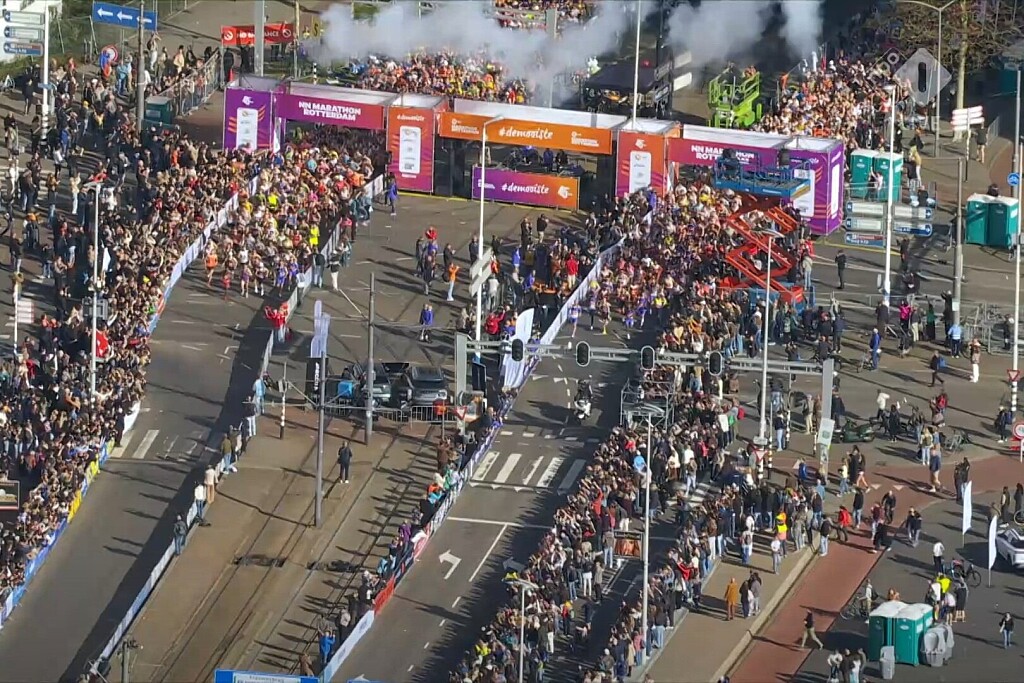
Guye Adola Turns Back the Clock as Rotterdam Marathon Delivers a Day of Brilliance
The 2026 Rotterdam Marathon produced a spectacular showcase of world-class distance running, headlined by a vintage performance from Guye Adola and a record-breaking run from Mekides Shimeles. On the fast streets of Rotterdam, elite athletes lit up one of the sport’s most respected stages with speed, drama, and unforgettable performances.
In the men’s race, Guye Adola reminded the world of his enduring quality by surging to victory in an outstanding 2:03:54. The Ethiopian star, who first rose to global prominence with his fearless battle against Eliud Kipchoge at the 2017 Berlin Marathon, returned to the spotlight with one of the finest victories of his career. It was his first performance under 2:04 since that famous breakthrough, making the triumph even more significant.
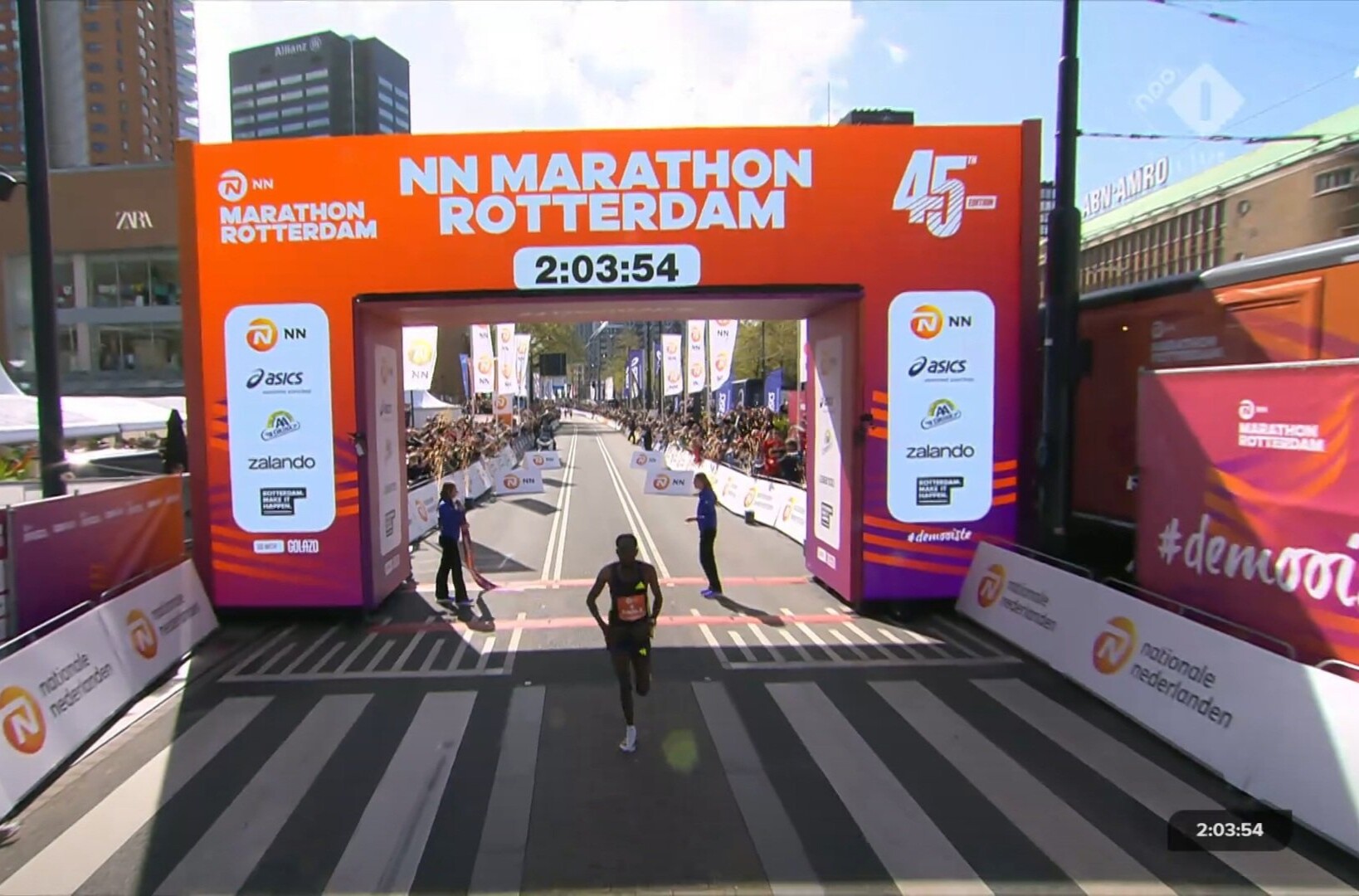
Adola ran with poise and intelligence, conserving energy before striking decisively in the closing stages to separate himself from a stacked field. His victory was not only fast, but symbolic a return to the very highest level of marathon racing.
The chase behind him was equally fierce. Fellow Ethiopian Tesfaye Deriba secured second place in 2:04:15, while Belgium’s Bashir Abdi finished a close third in 2:04:18. Kenya’s Kenneth Kemboi capped a remarkable men’s contest with fourth place in 2:04:21, underlining the depth of quality on display.
The women’s race brought its own moment of history as Mekides Shimeles produced a magnificent run to claim victory in 2:18:56, setting a new championship record. Her commanding performance placed her among the standout stars of the day and added another proud chapter to Ethiopia’s marathon legacy.
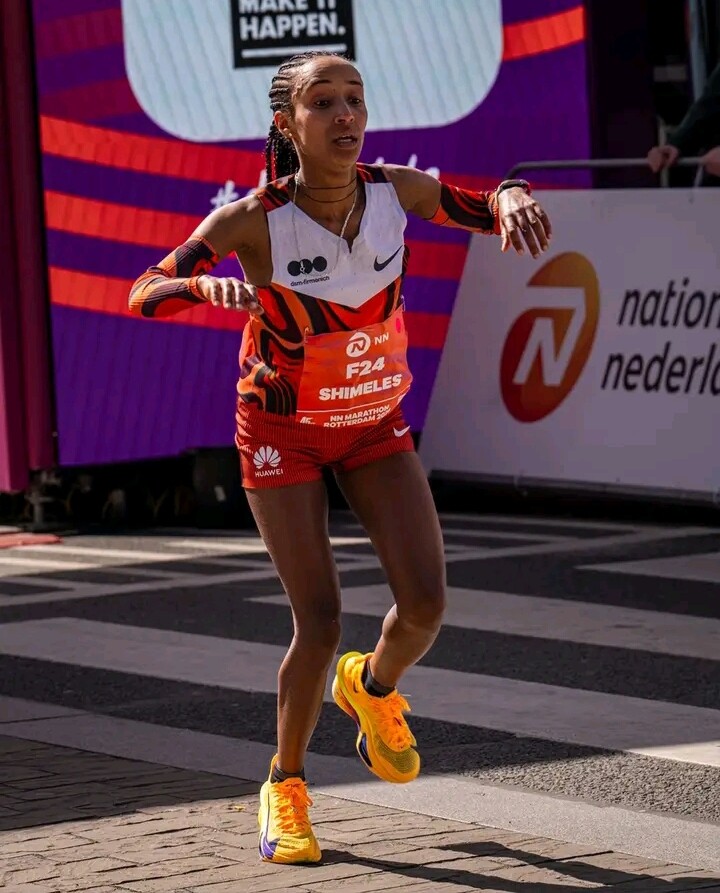
She was followed home by compatriot Aminet Ahmed, who ran 2:21:25 for second place. Bahrain’s Shitaye Eshete finished third in 2:23:22, while Pascalia Jepkogei made it two Bahraini athletes in the top four with a solid 2:24:34 for fourth.
2026 Rotterdam Marathon Results
Men – Top 4
1. Guye Adola (Ethiopia) – 2:03:54
2. Tesfaye Deriba (Ethiopia) – 2:04:15
3. Bashir Abdi (Belgium) – 2:04:18
4. Kenneth Kemboi (Kenya) – 2:04:21
Women – Top 4
1. Mekides Shimeles (Ethiopia) – 2:18:56 (CR)
2. Aminet Ahmed (Ethiopia) – 2:21:25
3. Shitaye Eshete (Bahrain) – 2:23:22
4. Pascalia Jepkogei (Bahrain) – 2:24:34
From Adola’s long-awaited return to major glory to Shimeles’ record-breaking masterclass, Rotterdam once again proved why it remains one of the premier marathon stages in the
by Erick Cheruiyot for My Best Runs.
Login to leave a comment

NN Rotterdam Marathon
The marathon has been the biggest one-day sporting event in the Netherlands for many years in a row with over 35000 athletes professionals inclusive. The world's top athletes will at the start on the bustling coolsingel, alongside thousands of other runners who will also triumph,each in their own way.The marathon weekend is a wonderful blend of top sport and festival. ...
more...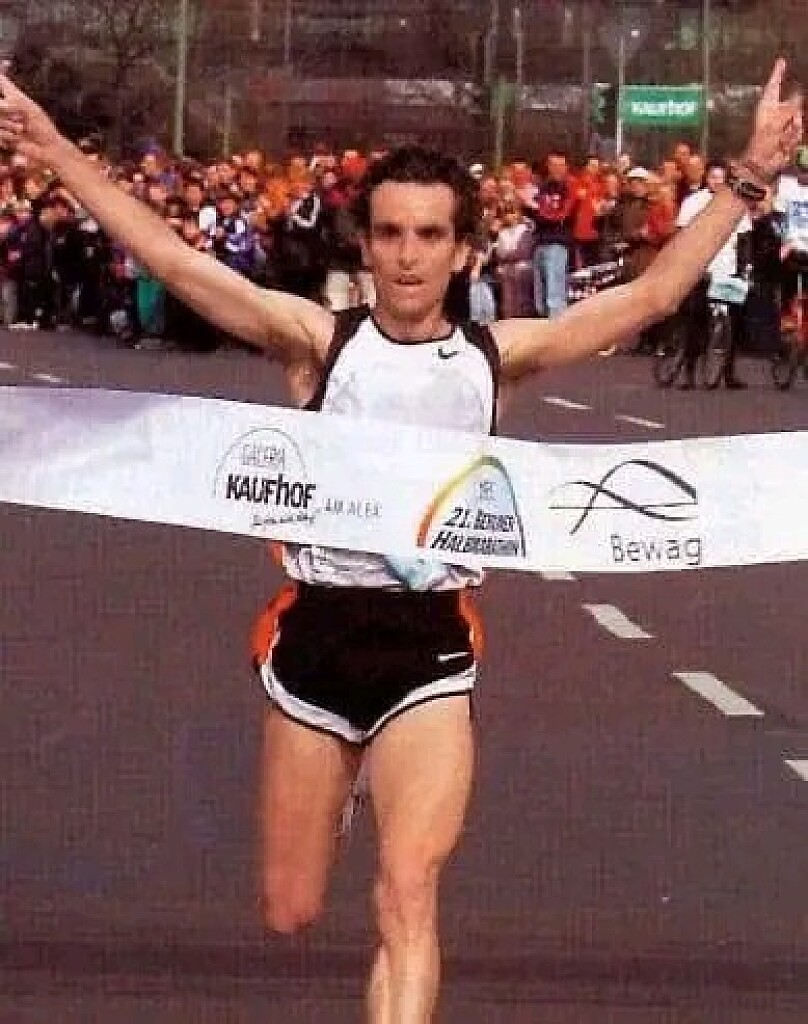
On This Day: Fabián Roncero Rewrote History with a 59:52 That Shook Europe
On April 1, 2001, long before sub-60-minute half marathons became a benchmark of global excellence, Fabián Roncero delivered a performance that redefined European distance running.
Racing through the fast streets of Berlin, the Spanish star produced a stunning 59:52, becoming not only the European record holder but also setting a new Spanish national record. Clocking an average pace of 2:50 per kilometer, Roncero broke through a barrier that, at the time, seemed almost unreachable for European athletes.
His run was more than just a victory against the clock—it was a statement. In an era dominated by East African distance runners, Roncero’s performance stood as a symbol of belief and possibility for European athletics. He was no longer just among the best; he had become a pioneer.
What makes this achievement even more remarkable is its longevity. Roncero’s European record stood firm for 18 years, a testament to its quality and the magnitude of the run. It wasn’t until February 8, 2019, that Kaan Kigen Özbilen finally edged past it with 59:48 in Ras Al Khaimah.
On the national stage, the record proved even more enduring. For 22 years, Roncero remained Spain’s benchmark in the half marathon, his name synonymous with excellence. That chapter eventually closed on October 23, 2023, when Carlos Mayo ran 59:39, shaving 13 seconds off the historic mark.
Yet records alone do not define legacy. Roncero’s achievement marked a turning point—he became the first Spanish athlete in history to break the 61-minute barrier, opening the door for future generations to dream bigger and run faster.
Today, 25 years on, that race in Berlin still resonates. It wasn’t just about the time on the clock—it was about courage, ambition, and rewriting what was believed to be possible.
by Erick Cheruiyot for My Best Runs.
Login to leave a comment
When the Pacemaker Becomes the Contender: Rethinking Roles in Elite Road Racing
In the finely tuned world of elite distance running, pacemakers are often cast as invisible architects—tasked with dictating rhythm, shielding athletes from the wind, and guiding races toward fast times before quietly stepping aside. But every so often, the script is rewritten. At the recent Berlin Half Marathon, Kenyan pacer Dennis Kipkemoi ignited fresh debate after surging beyond his assigned role to finish second, raising a familiar yet fascinating question: are pacers truly allowed to compete?
The answer, grounded in the regulations of World Athletics, is unequivocal. Pacemakers are not outsiders; they are registered athletes, official participants in the race with every right to continue beyond their pacing duties. If they possess the strength, strategy, and ambition to push past the finish line ahead of the field, the rulebook does not stand in their way.
Kipkemoi’s performance may have stirred conversation, but it is far from unprecedented. History offers compelling precedents where pacemakers have stepped out of the shadows and into the spotlight. At the 2000 Berlin Marathon, Simon Biwott famously transitioned from hired pacer to race winner, crafting one of the most remarkable narratives in marathon lore. More recently, Sebastian Sawe delivered a similar twist at the 2022 Seville Half Marathon, proving that the line between support act and star performer is often thinner than it appears.
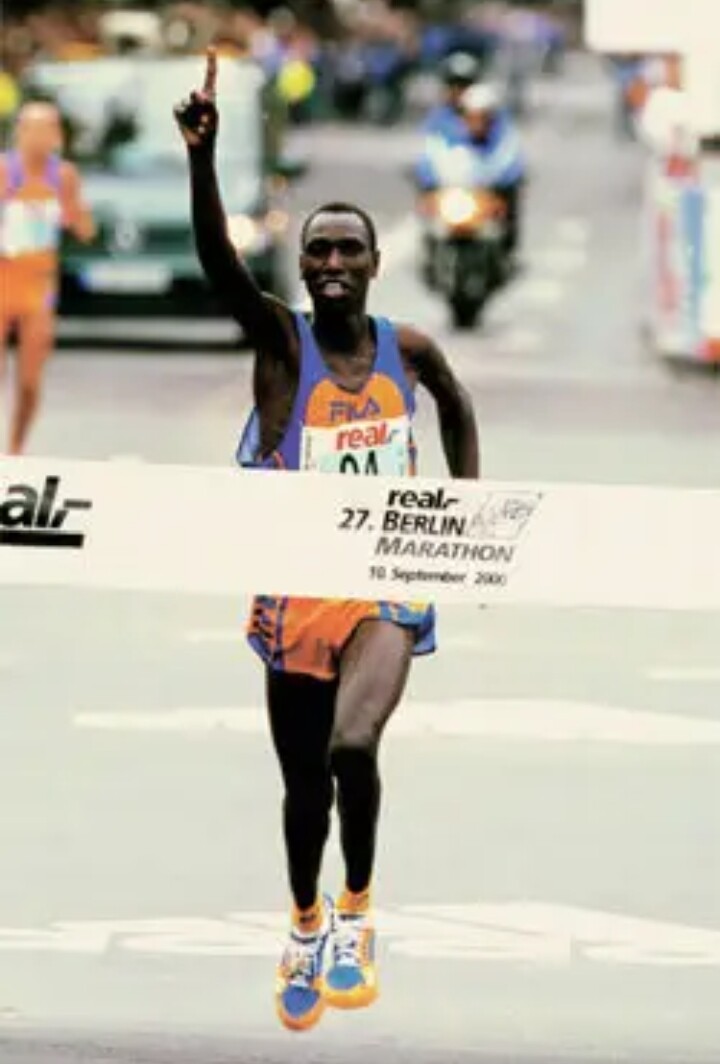
What makes these moments so compelling is the tension they introduce into the race dynamic. Pacemakers are typically expected to sacrifice their own ambitions for the benefit of others, operating with precision and discipline. Yet when one chooses to continue, it challenges traditional expectations and injects an element of unpredictability that enriches the sport. It is not a breach of ethics, but rather a demonstration of competitive instinct—an athlete recognizing opportunity and seizing it.
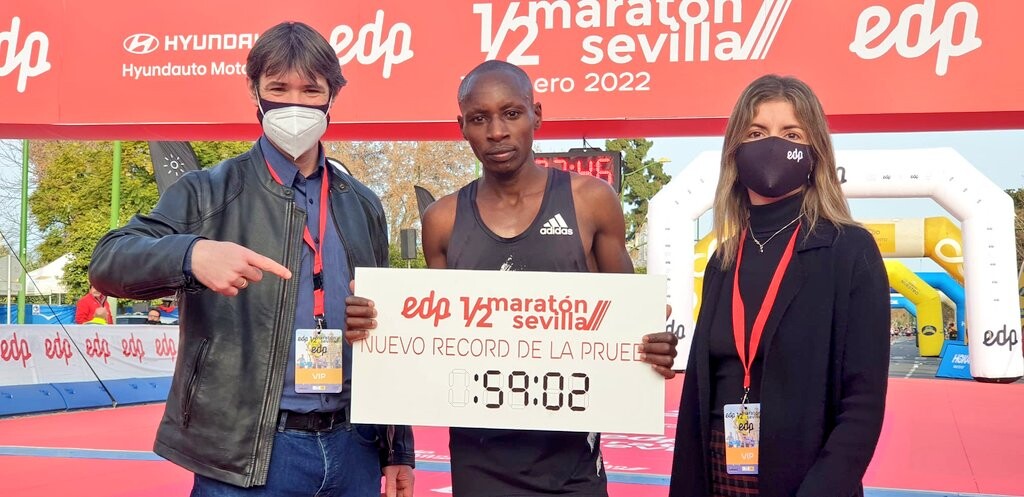
Critics argue that pacers stepping into contention may disrupt the competitive balance, particularly for athletes who rely on them purely as facilitators. But this perspective overlooks a fundamental truth: every athlete on the start line shares the same course, the same conditions, and ultimately, the same right to compete. Once the race unfolds, it belongs to those strong enough to endure it.
Dennis Kipkemoi’s bold finish in Berlin is a reminder that roles in athletics are not always fixed. The pacemaker, often unseen and underappreciated, can become a protagonist in their own right. And as long as the rules remain as they are, such moments will continue to surface—blurring boundaries, sparking debate, and adding yet another layer of intrigue to the ever-evolving theatre of distance running.
by Erick Cheruiyot for My Best Runs.
Login to leave a comment

A Star is Born in Berlin: Sheyla Eulogio Paucar Powers Perú into the Record Books
At the prestigious Berlin Half Marathon, a new name surged into global recognition as Sheyla Eulogio Paucar delivered a performance that blended courage, precision, and historic significance. The young Peruvian clocked an outstanding 1:10:03 to finish 18th overall, a result that not only elevated her standing on the international stage but also rewrote her nation’s record books. In doing so, she secured the third-fastest half marathon time ever recorded by a South American woman, placing herself among the continent’s most elite distance runners.
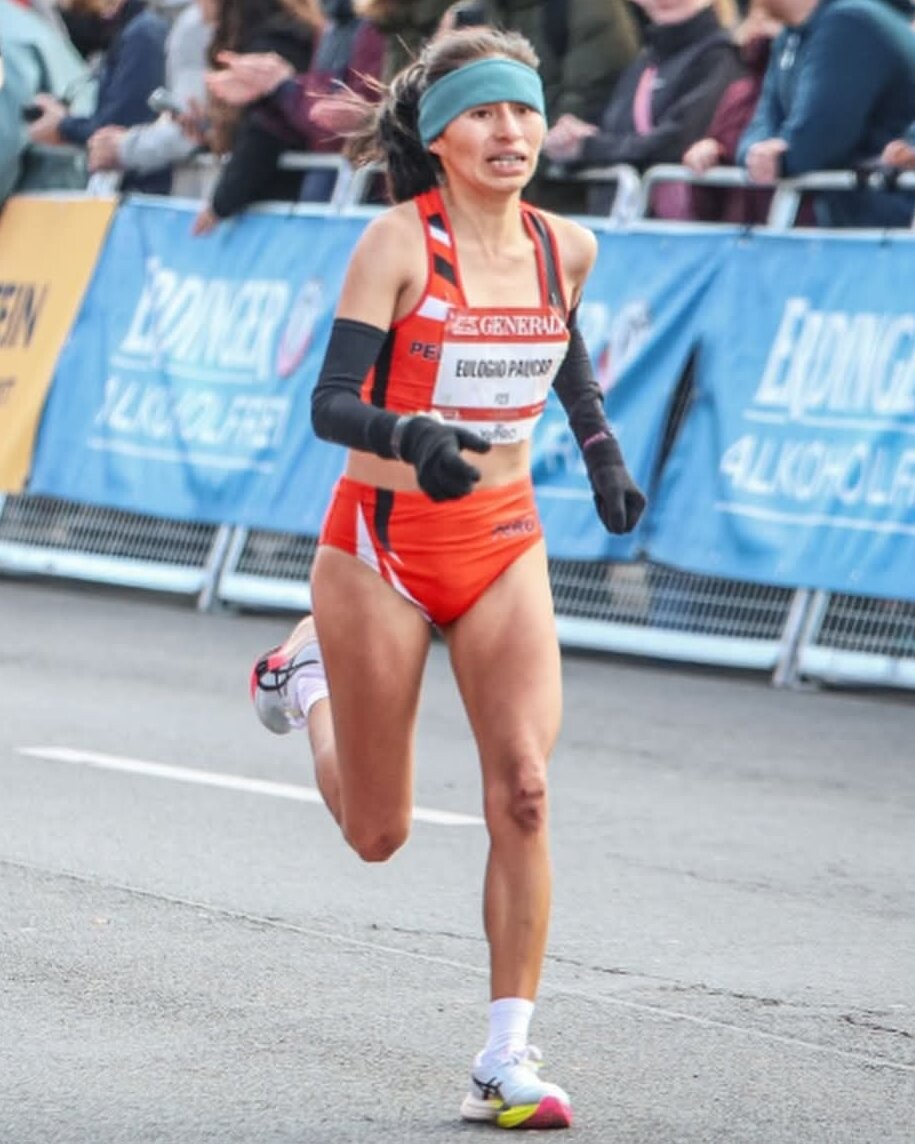
From the opening kilometers, Eulogio demonstrated remarkable composure, settling into a strong and consistent rhythm that reflected both tactical awareness and physical strength. She passed 5 kilometers in 16:24 and reached 10 kilometers in 32:46, maintaining an impressive 3:17 per kilometer pace. By 15 kilometers, she remained firmly in control at 49:17, before pushing through the final stretch to cross the line in 1:10:03. Her disciplined execution and ability to sustain pace under pressure revealed a maturity far beyond her years, marking her as one of the brightest emerging talents in global distance running.
Her breakthrough performance now places her firmly within the all-time greats of South American women’s half marathon running. The continental rankings are led by Florencia Borelli with 1:09:21, followed closely by Daiana Ocampo at 1:09:22. Eulogio’s 1:10:03 now stands third, ahead of a strong wave of Peruvian excellence including Zaida Ramos (1:10:05), Gladys Tejeda (1:10:14), Zarita Suárez (1:10:19), Luz Mery Rojas (1:10:32), Saida Meneses (1:10:44), Jovana de la Cruz (1:10:56), and Silvana Pereira (1:11:15).
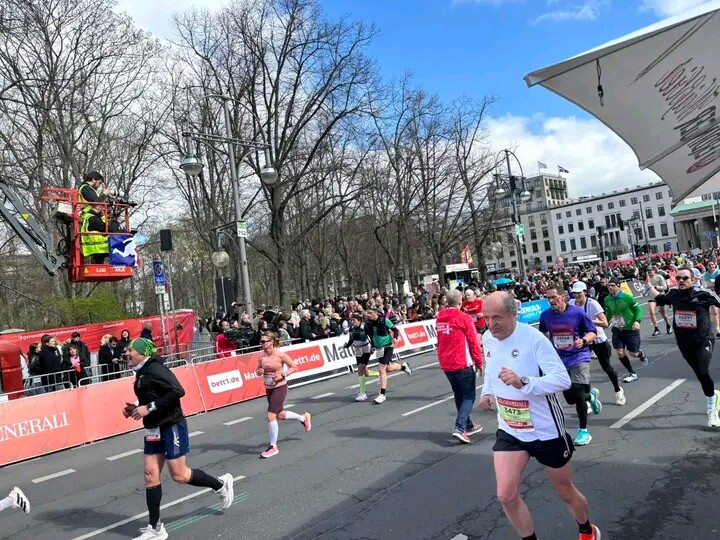
What makes this achievement even more compelling is its broader meaning. This was not just a fast race—it was a defining moment for Peruvian athletics. Eulogio’s rise signals a generational shift, where fearless young athletes are stepping onto the world stage with the belief and ability to challenge long-standing benchmarks. Her performance in Berlin serves as a powerful reminder that greatness is not only inherited through legacy but forged through bold ambition and relentless pursuit.
In one unforgettable run, Sheyla Eulogio Paucar did more than set a national record—she ignited a movement. And as Perú continues to rise in the world of distance running, her name will stand as a symbol of what is possible when talent meets opportunity on the grandest stage.
by Erick Cheruiyot for My Best Runs.
Login to leave a comment
When the Pacemaker Becomes the Story: Blurring the Line Between Duty and Glory in Berlin
The 2026 Generali Berlin Half Marathon delivered its usual spectacle of speed, precision, and world-class endurance—but amid the surging pack and the clock-chasing elites, it was an unexpected narrative that captured the imagination of fans and insiders alike. Not the winner’s triumph alone, but the presence of a pacemaker who refused to fade quietly into the background.
Kenya’s Dennis Kipkemoi arrived in Berlin with a clearly defined assignment: set the tempo, guide the field through the early and middle stages, and then step aside once his role had been fulfilled. It is a task often executed with clinical discipline, invisible yet essential to fast times and record-breaking performances. But on this occasion, Kipkemoi did more than just set the pace—he endured.
Stride for stride, kilometre after kilometre, he remained locked in with the leading group, matching the rhythm and intensity of the race as it unfolded. As the finish line approached, what was meant to be a supporting role had evolved into something far more compelling. Kipkemoi crossed the line alongside the eventual winner, Andrea Kiptoo, both men clocking 59:11 in a moment that blurred the boundaries between orchestrator and competitor.
Yet, in a subtle but telling gesture, Kipkemoi reportedly eased off in the final metres—an unspoken acknowledgment of his designated role. It was not a collapse, nor a tactical defeat, but rather a decision rooted in the unwritten code of pacing. Even in strength, he chose restraint.
This rare scenario reignites a long-standing debate within distance running. When a pacemaker finds himself not only capable but competitive, should he be permitted to race? Or does the integrity of the role demand strict adherence, regardless of how the body feels on the day?
Pacemakers are, after all, elite athletes in their own right. Many possess the fitness and tactical awareness to contend at the highest level. History has shown us glimpses of this crossover—moments when the line between helper and contender dissolves under the pressure of performance. But such instances raise important questions about fairness, race dynamics, and the spirit of competition.
Allowing pacemakers to transition into full competitors could fundamentally alter race strategies. Teams might deploy them not just as tempo-setters, but as concealed contenders—an evolution that could complicate the purity of head-to-head racing. On the other hand, denying a capable athlete the opportunity to compete, especially when they have earned their place through sheer strength, feels equally contentious.
What made Kipkemoi’s performance in Berlin so compelling was not just his physical execution, but the discipline behind it. He ran with remarkable fluency, his stride relaxed, his form efficient—a display suggesting that, under different circumstances, he might well have dipped under the elusive 58-minute barrier.
In the end, his run was both a contribution and a statement. It reminded us that pacemakers are not merely facilitators of greatness—they are, in many cases, greatness in waiting.
So where do we draw the line?
Are pacemakers simply part of the race’s architecture, tasked with shaping outcomes from the shadows? Or are they athletes entitled to seize the moment when opportunity presents itself?
Berlin did not give us a definitive answer. Instead, it offered something far more valuable—a moment of reflection, and a reminder that in distance running, even the roles we think we understand can evolve in the most unexpected ways.
by Erick Cheruiyot for My Best Runs.
Login to leave a comment

Berlin Half Marathon
The story of the Berlin Half Marathon reflects a major part of the history of the German capital. It all began during cold war times and continued during reunification. The events leading up to today's event could really only have happened in this city. Its predecessors came from East- and West Berlin. On 29th November 1981 the Lichtenberg Marathon was...
more...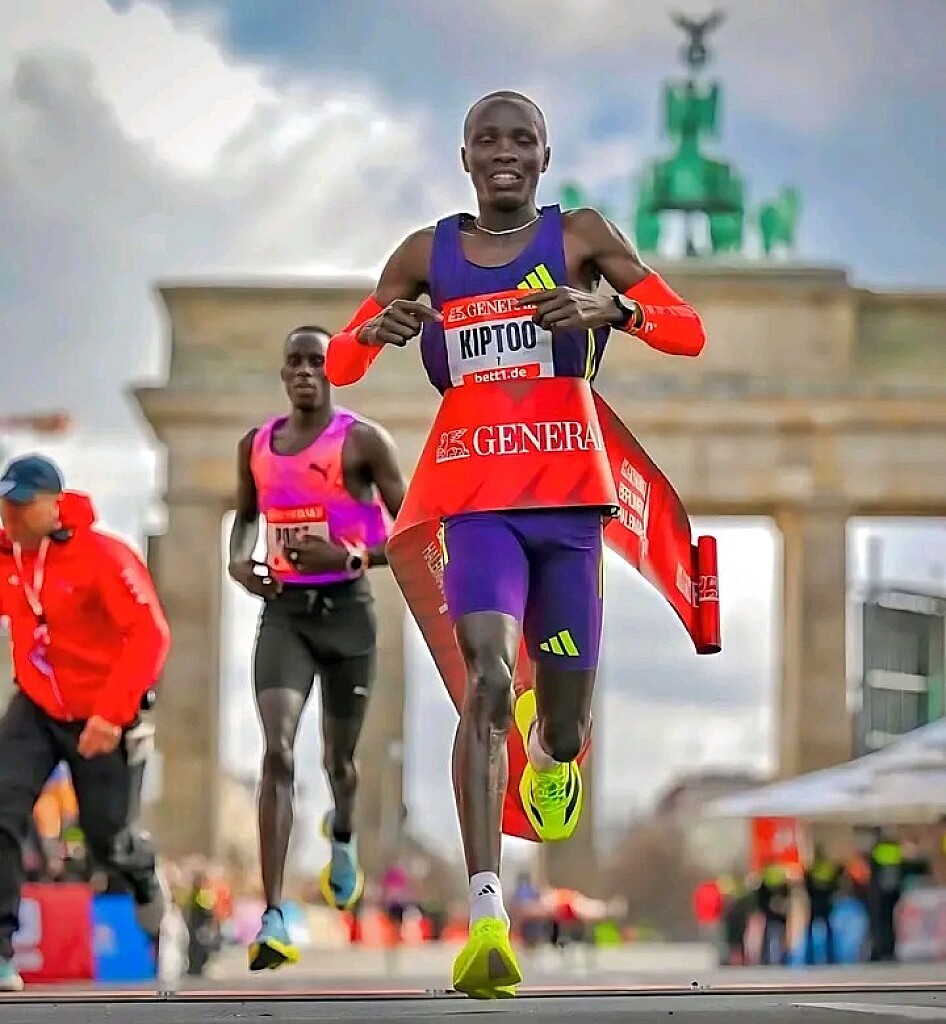
Sub-60 Fireworks Light Up Berlin as Kiptoo Edges Thriller and Amebaw Shines in Commanding Victory
The streets of Berlin witnessed a breathtaking exhibition of endurance and precision as the 2026 Berlin Half Marathon delivered one of the fastest and most competitive editions in recent memory. Bringing together more than 43,000 athletes from 134 nations—including a stellar lineup of world-class competitors—the race stood as a true global celebration of distance running at its highest level. In a contest defined by relentless pace and razor-thin margins, the men’s race produced a historic sub-60 double, while the women’s field showcased a masterclass of control and strength.
In the men’s race, Andrea Kiptoo of Kenya emerged victorious in a dramatic sprint finish, clocking a sensational 59:11 personal best. In a rare and electrifying moment, he was matched stride-for-stride by compatriot Dennis Kipkemoi, who crossed the line in the exact same time—also a personal best—settling for second place only by the narrowest of margins. The duo’s performance underlined Kenya’s continued dominance, as both men dipped under the prestigious 60-minute barrier.
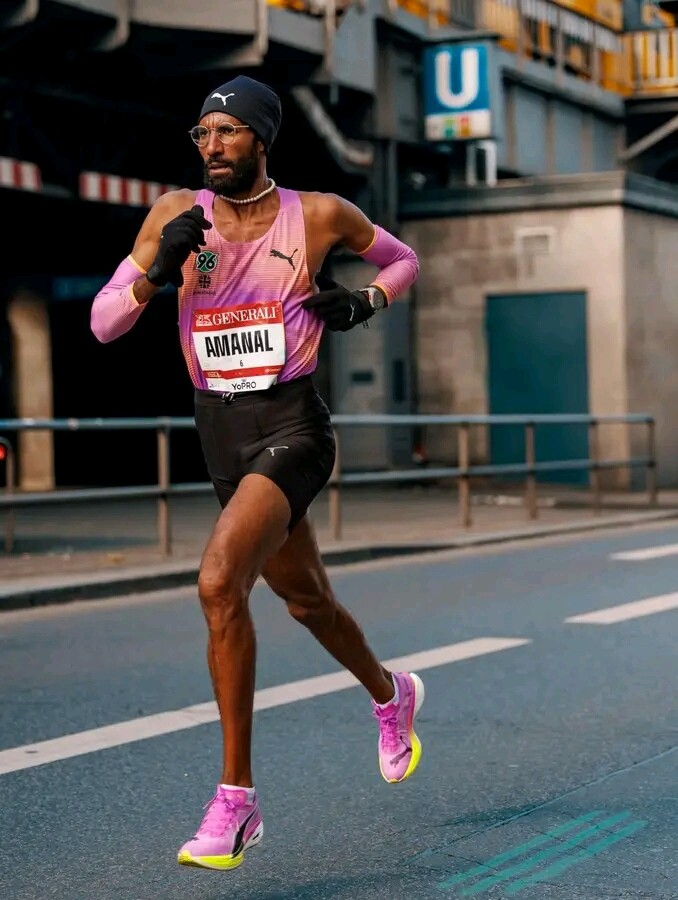
Germany’s Amanal Petros delivered a performance of immense national pride, claiming third place in 59:22, setting a new national record. Roared on by the home crowd, Petros not only secured a podium finish but etched his name deeper into German athletics history with a landmark run.
Just off the podium, South Sudan’s Dominic Lobalu impressed with a swift 59:23, while France’s Etienne Daguinos (59:27) and Ethiopia’s Bereket Nega (59:43) ensured the race remained fiercely competitive deep into the top ten.

On the women’s side, Ethiopia’s Likina Amebaw produced a composed and commanding run to take the win in 1:05:07, asserting her authority with a decisive move that left the field chasing. Behind her, Kenya’s Daisilah Jerono delivered a strong performance to secure second place in 1:05:21, a well-earned personal best that highlighted her rising trajectory.
Completing the podium was another Kenyan, Veronica Loleo, who clocked 1:05:35, also a personal best, sealing a double podium finish for Kenya in the women’s race. The trio set a high standard, combining tactical awareness with impressive finishing strength.
Further down the field, Rwanda’s Florence Niyonkuru (1:07:22) and Germany’s Esther Pfeiffer (1:07:25) led the chase pack, while Belgium’s Chloé Herbiet and Germany’s Eva Dieterich added depth to a high-quality top ten.
Top 10 Finishers
Men
1. Andrea Kiptoo (Kenya) – 59:11 (PB)
2. Dennis Kipkemoi (Kenya) – 59:11 (PB)
3. Amanal Petros (Germany) – 59:22 (NR)
4. Dominic Lobalu (South Sudan) – 59:23
5. Etienne Daguinos (France) – 59:27
6. Bereket Nega (Ethiopia) – 59:43
7. Robert Kiprop Koech (Kenya) – 59:51
8. Bastien Augusto (France) – 1:00:09
9. Célestin Ndikumana (Burundi) – 1:00:23
10. Said Mechaal (Spain) – 1:00:24
Women
1. Likina Amebaw (Ethiopia) – 1:05:07
2. Daisilah Jerono (Kenya) – 1:05:21 (PB)
3. Veronica Loleo (Kenya) – 1:05:35 (PB)
4. Florence Niyonkuru (Rwanda) – 1:07:22
5. Esther Pfeiffer (Germany) – 1:07:25
6. Chloé Herbiet (Belgium) – 1:07:32
7. Eva Dieterich (Germany) – 1:07:56
8. Carla Gallardo (Spain) – 1:08:30
9 Domenika Mayer (Germany) – 1:08:35
10. Elvanie Nimbona (Italy) – 1:08:38
As Berlin celebrates another remarkable chapter in its rich racing history, this edition will be remembered for its extraordinary scale, depth, and brilliance. From a global field of over 43,000 runners representing 134 nations to the elite athletes pushing the boundaries of human performance, the event embodied the unifying spirit of sport. In the end, it was not just about times and titles, but about the shared passion that binds the world through running—where every stride tells a story, and every finish line becomes a moment of triumph.
by Erick Cheruiyot for My Best Runs.
Login to leave a comment
Berlin Half Marathon
The story of the Berlin Half Marathon reflects a major part of the history of the German capital. It all began during cold war times and continued during reunification. The events leading up to today's event could really only have happened in this city. Its predecessors came from East- and West Berlin. On 29th November 1981 the Lichtenberg Marathon was...
more...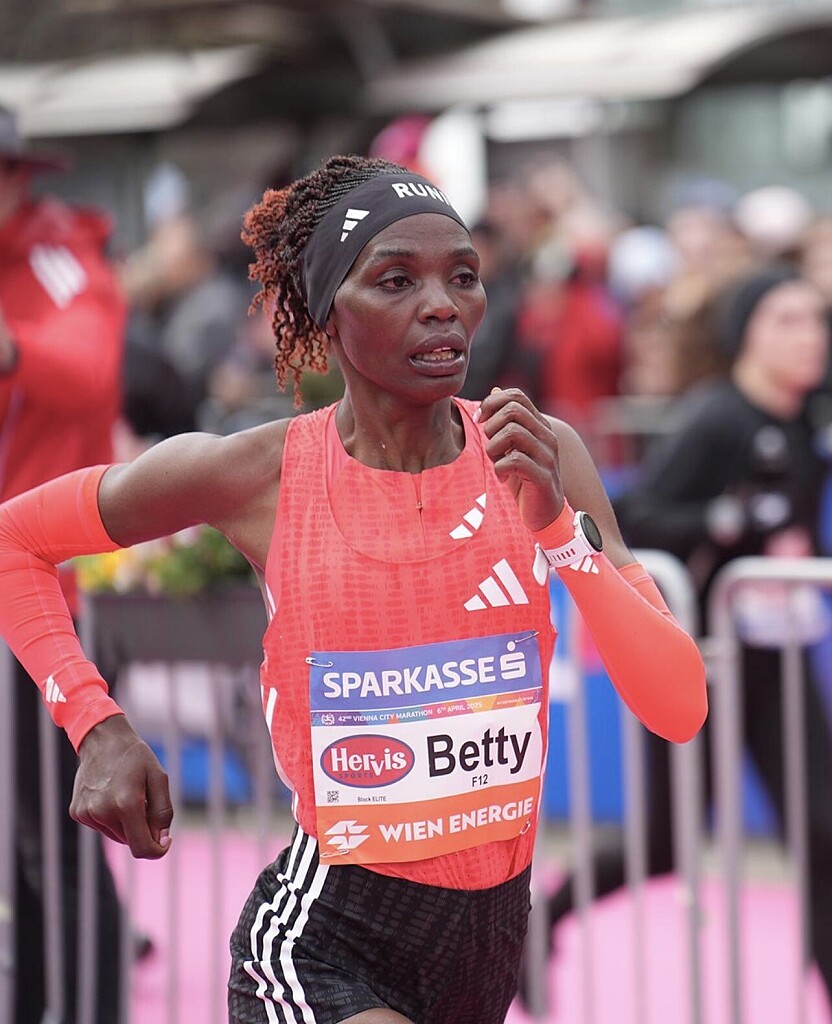
Vienna City Marathon Women Ready to Chase History
The spotlight may shine brightest on the women’s race at the Vienna City Marathon on April 19, where a deep Ethiopian lineup is ready to push the pace. Haftamnesh Tesfaye and Tigist Gezahagn lead the elite field, with organizers targeting not only the course record of 2:20:59 but potentially the first sub-2:20 performance in race history.
They will be challenged by Kenya’s defending champion Betty Chepkemoi, who returns with confidence after a breakthrough victory last year.
A record 46,000 athletes are entered across the two-day event, including 13,000 marathon runners, reinforcing Vienna’s position as one of Europe’s premier spring marathons and a World Athletics Elite Label Road Race.
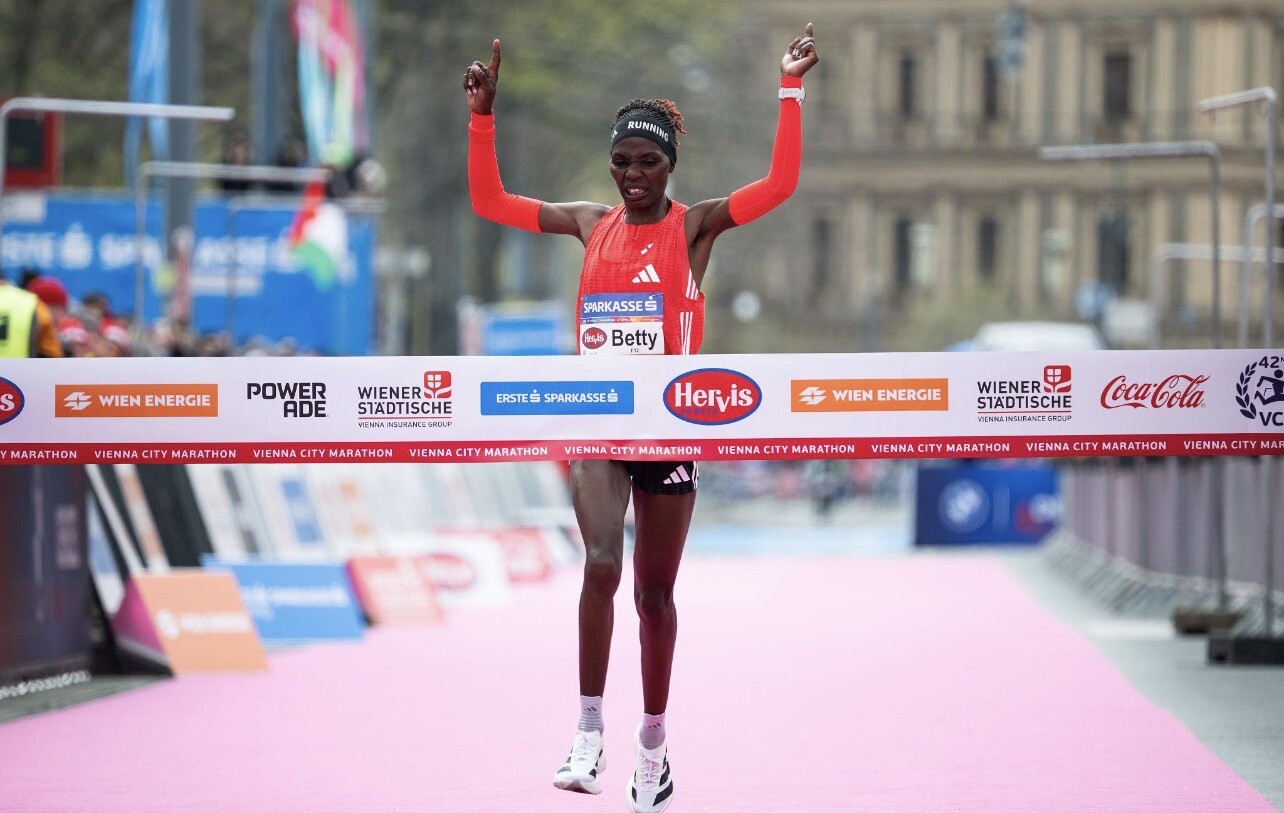
Could Vienna see a Tesfaye breakthrough moment
Earlier this month, Foyten Tesfaye shocked the marathon world with a stunning 2:10:51 debut in Barcelona, becoming one of the fastest women ever. While that level may be out of reach here, her older sister Haftamnesh Tesfaye arrives as a serious contender.
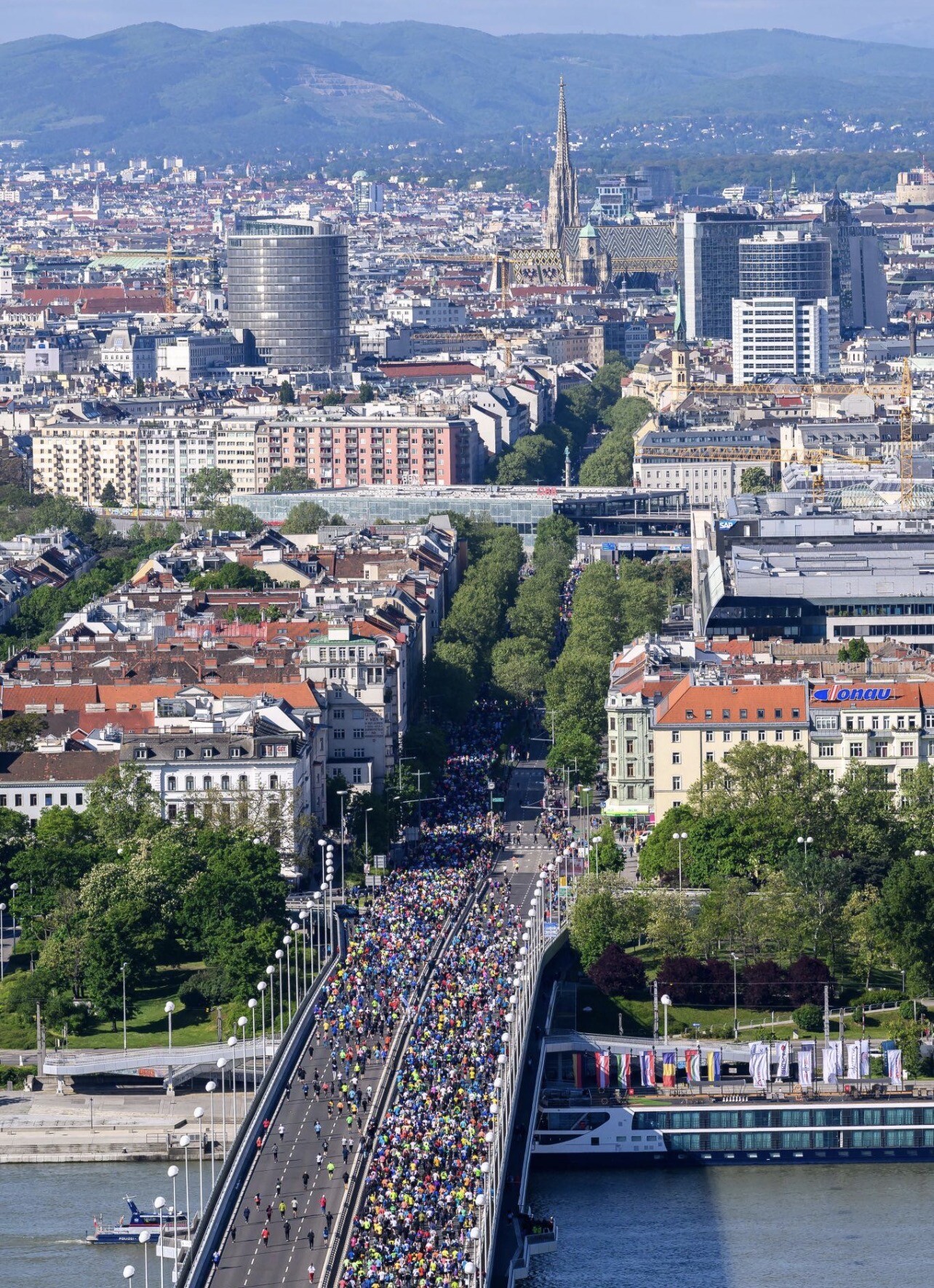
Now 31, Tesfaye ran 2:20:13 in her 2018 Dubai debut, which remains her personal best. After stepping away from the sport in 2020 and becoming a mother of two, she returns to the marathon stage in strong form and well prepared.
She has been training in Addis Ababa under Gemedu Dedefo alongside a world-class group that includes Olympic silver medalist and former world record holder Tigst Assefa, Chicago Marathon champion Hawi Feysa, and Dubai and Berlin winner Tigist Ketema.
Tigist Gezahagn, 26, has already won a marathon this year, taking victory in Doha in January with a personal best of 2:21:14. She now sets her sights on Vienna’s course record.
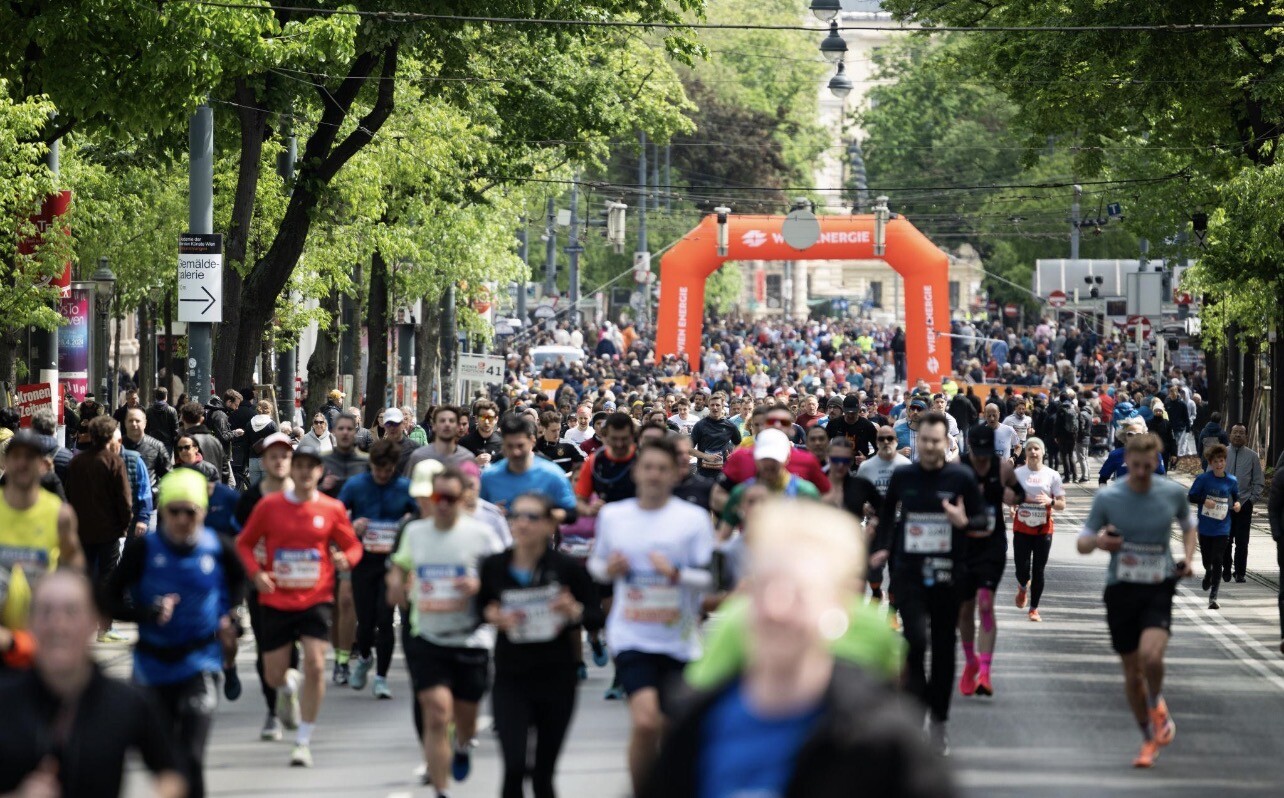
Her manager Tadesse Abraham said her recovery from Doha has gone well and that she is capable of a very strong performance if conditions are favorable. Gezahagn trains in Addis Ababa under coach Getamesay Molla.
Defending champion Betty Chepkemoi may not top the start list, but she brings momentum. Last year, in freezing conditions, she surged to victory in 2:24:14, improving dramatically in just her second marathon.
She said her training has gone well and that she hopes to improve her personal best and defend her title. Chepkemoi trains in Kapsabet under Claudio Berardelli.
American Lindsay Flanagan is the fastest non African woman in the field with a personal best of 2:23:31 from Chicago. After a long injury break, Vienna will mark her return to the marathon distance.
Another athlete to watch is Kenya’s Faith Chepkoech, who made a strong impression here two years ago when she finished second in her marathon debut with 2:26:22. She returns aiming to go even faster.
With a fast course, deep international field, and favorable expectations, Vienna is set up for a high level race. If conditions cooperate, the women’s field could deliver one of the most exciting performances of the spring season.
by Race News Service
Login to leave a comment

Vienna City Marathon
More than 41,000 runners from over 110 nations take part in the Vienna City Marathon, cheered on by hundreds of thousands of spectators. From the start at UN City to the magnificent finish on the Heldenplatz, the excitement will never miss a beat. In recent years the Vienna City Marathon has succeeded in creating a unique position as a marathon...
more...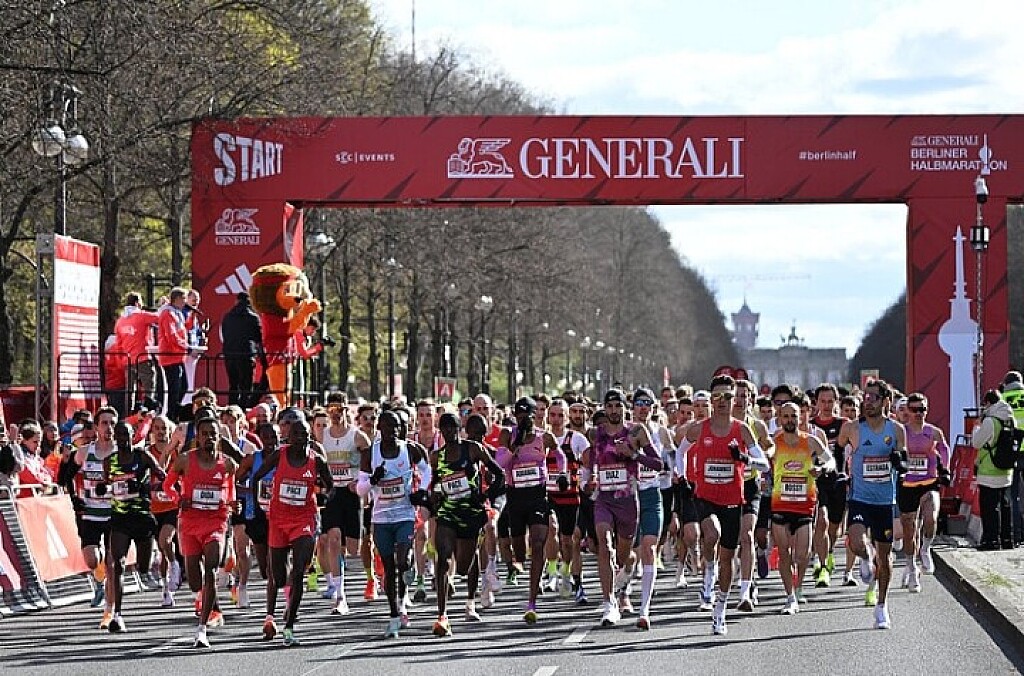
Berlin Half Marathon Set for Elite Showdown as World-Class Fields Assemble
The stage is set in Berlin for what promises to be a thrilling edition of the Berlin Half Marathon on March 29, as a formidable lineup of international talent prepares to clash over the fast and flat streets of the German capital.
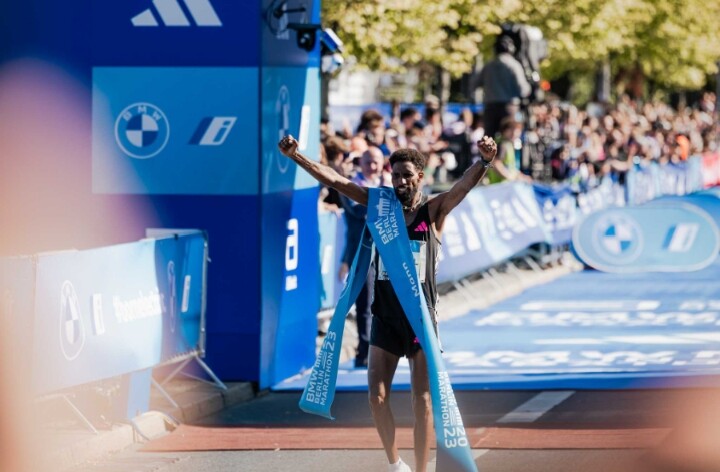
Leading the men’s field is Kenya’s Gideon Kiprotich, who arrives with an impressive personal best of 58:49, marking him as one of the standout contenders. He will face stiff competition from Switzerland’s Dominic Lobalu (59:12), whose rapid rise on the global stage has turned heads, and Germany’s Amanal Petros (59:31), a home favorite eager to deliver on familiar roads.
Adding further depth to the race is Ethiopia’s Bereket Nega (60:03), alongside Great Britain’s Jake Smith (60:31), both capable of disrupting the expected order if the pace intensifies early.
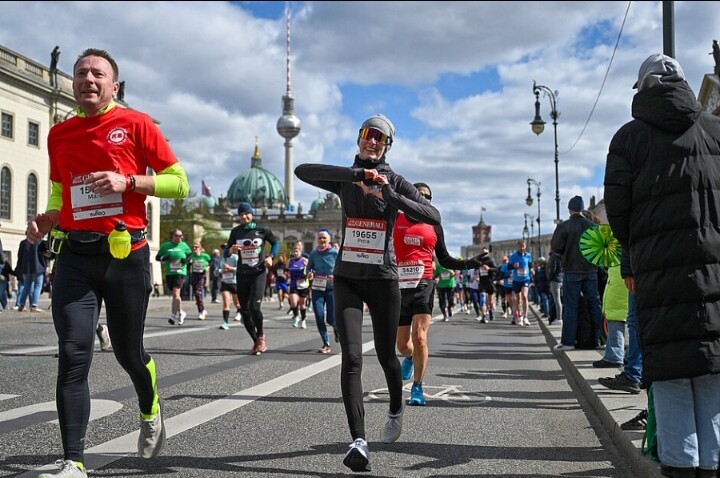
In the women’s race, Ethiopia’s Likina Amebaw leads the entries with a personal best of 64:44, setting the tone for a highly competitive contest. Kenya’s Veronica Loleo (65:46) will be among those aiming to challenge for top honors, bringing both strength and tactical awareness to the field.
Great Britain’s Samantha Harrison (67:10) and Ethiopia’s Melal Siyoum (67:21) add further intrigue, while Kenya’s Daisilah Jerono (67:27) rounds out a diverse and competitive lineup that promises an unpredictable race dynamic.
Renowned for its quick course and ideal racing conditions, Berlin has long been a proving ground for elite distance runners seeking fast times and breakthrough performances. With such a balanced and high-caliber field assembled, this year’s edition is poised to deliver both tactical battles and potentially record-threatening runs.
As the countdown begins, anticipation continues to build—because in Berlin, speed is not just expected, it is demanded.
by Erick Cheruiyot for My Best Runs.
Login to leave a comment
Berlin Half Marathon
The story of the Berlin Half Marathon reflects a major part of the history of the German capital. It all began during cold war times and continued during reunification. The events leading up to today's event could really only have happened in this city. Its predecessors came from East- and West Berlin. On 29th November 1981 the Lichtenberg Marathon was...
more...
Oqbe Kibrom Returns to Vienna Chasing Historic First Eritrean Victory
The 43rd Vienna City Marathon will take place on April 19, and one runner arriving with unfinished business is Oqbe Kibrom of Eritrea. Kibrom will return to the Austrian capital hoping to become the first Eritrean athlete to win the men’s race at this prestigious event.
Kibrom finished third in Vienna in 2022, and he enters this year’s race as the fastest man on the current start list with a personal best of 2:05:37.
Organizers report strong participation for this year’s race. More than 13,000 runners are registered for the marathon distance alone, and when shorter races over the two-day weekend are included, the total number of participants climbs to over 46,000, a record for the event.
A Second Chance at Victory
When Kibrom raced in Vienna four years ago, it briefly appeared he might make history.
After the final pacemaker stepped aside just past 30 kilometers, Kibrom surged into the lead and looked poised to become the first Eritrean man to win the race. However, the effort proved costly.
Kenya’s Cosmas Muteti closed the gap late in the race and passed Kibrom with five kilometers remaining, eventually taking the win. Kibrom finished third in 2:07:25.
While Eritrea has celebrated a women’s champion in Vienna, the men’s race has yet to be won by an Eritrean athlete.
Kibrom, whose manager is Swiss marathon record holder Tadesse Abraham, has remained consistently competitive on the global marathon stage. The 28-year-old set his personal best of 2:05:37 when finishing eighth at the Berlin Marathon two years ago.
More recently, he finished fourth at the Daegu Marathon in South Korea in 2025, running 2:06:04. With three sub-2:06 performances to his name, Kibrom may now be poised for his first major marathon victory.
Strong African Contenders
Kibrom will face strong competition from fellow African runners.
Ethiopia’s Tafese Delegen owns a personal best of 2:06:11, set at the Seville Marathon two years ago.
Kenya’s Stanley Kurgat ran 2:07:05 at the Berlin Marathon, finishing seven places behind Kibrom in that race.
Another Kenyan to watch is Albert Kangogo, who ran 2:07:26 while finishing second at the Mersin Marathon in Turkey last December. Kangogo has already proven he can perform well in Vienna—he placed third in the 2023 race in 2:10:44.
Austrian Hope: Aaron Gruen
Local fans will also be watching Aaron Gruen, who made headlines last spring by becoming the first Austrian runner to break 2:10 in the marathon.
The 27-year-old ran 2:09:53 in Congers, New York, improving his personal best by nearly five minutes.
Gruen has continued his strong form in 2026, setting a half marathon personal best of 61:14 in Houston earlier this year. Balancing elite training with his studies, he is currently attending Harvard Medical School in Boston, making his preparation even more impressive.
European Marathon Classics Series Launched
The Vienna City Marathon is also playing a central role in a newly created marathon series called European Marathon Classics (EMC).
Alongside Vienna, the series includes major European marathons in:
• London Marathon
• Rome Marathon
• Madrid Marathon
• Lisbon Marathon
• Warsaw Marathon
• Copenhagen Marathon
• Frankfurt Marathon
Runners who complete at least five of these marathons in different cities will receive a specially designed medal recognizing the achievement.
“European Marathon Classics embodies our ambition to explore Europe together while pushing boundaries—both geographically and philosophically,” said Hugh Brasher, Event Director of the London Marathon. “I hope it will inspire runners from around the world to experience Europe’s great marathons, cities, and communities.”
Kathrin Widu, joint managing director of the Vienna City Marathon along with Dominik Konrad, added:
“The European Marathon Classics are an inspiring challenge. By bringing together leading European marathons, we aim to inspire even more people to embrace marathon running. We are united by shared values such as a passion for the sport, community, health, and sustainability.”
by Race News Service
Login to leave a comment
Vienna City Marathon
More than 41,000 runners from over 110 nations take part in the Vienna City Marathon, cheered on by hundreds of thousands of spectators. From the start at UN City to the magnificent finish on the Heldenplatz, the excitement will never miss a beat. In recent years the Vienna City Marathon has succeeded in creating a unique position as a marathon...
more...
Shanghai Marathon Moves Closer to World Marathon Major Status as Global Series Eyes Historic Expansion
The landscape of global marathon racing could soon undergo a significant transformation after the Abbott World Marathon Majors confirmed that the Shanghai Marathon has successfully passed the first stage of evaluation in its quest to join the prestigious marathon series.
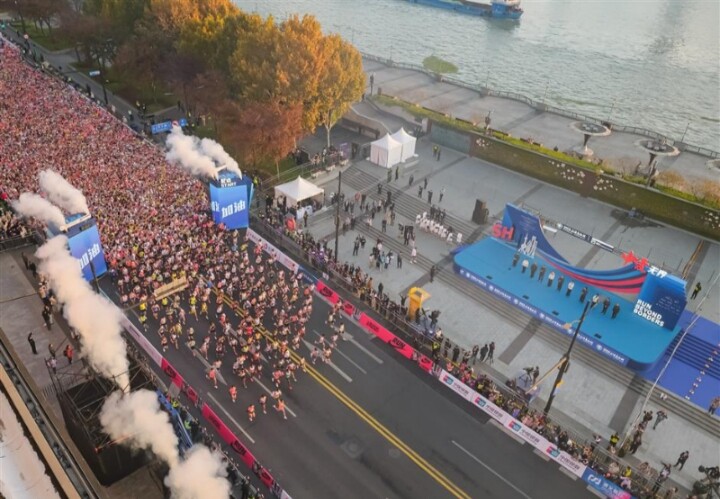
The Chinese race is now one step closer to becoming part of one of the most exclusive clubs in road running. If the event fulfills all remaining criteria during its December 2026 edition, Shanghai could officially be welcomed into the Majors calendar as early as 2027.
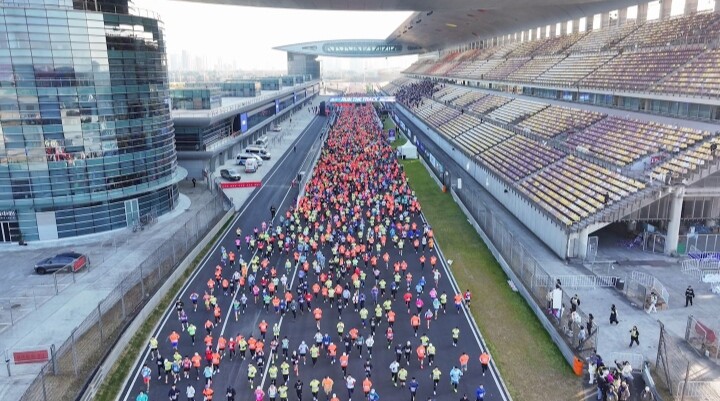
Such a development would mark a major milestone not only for the race itself but also for marathon running in Asia. In recent years, the Shanghai Marathon has steadily grown in stature, attracting elite athletes and producing performances that signal its readiness for the sport’s highest tier.
Evidence of that progress was on full display at the latest edition when former world record holder Brigid Kosgei delivered a historic run, clocking the fastest marathon ever recorded on Chinese soil. Her performance underscored the race’s rising reputation as a venue capable of hosting world-class competition and record-breaking moments.
At the same time, another race is nearing a decisive moment in its own bid for inclusion. The Cape Town Marathon is currently undergoing its final evaluation phase, with hopes of becoming the first African event to join the celebrated marathon series. Should it succeed, it would represent a landmark achievement for distance running across the continent and further highlight Africa’s profound influence on the sport.
If both Shanghai and Cape Town ultimately secure approval, the Abbott World Marathon Majors would expand from seven races to nine, reflecting the sport’s growing global reach.
At present, the Majors circuit consists of the world’s most iconic marathons: the Tokyo Marathon, Boston Marathon, London Marathon, Berlin Marathon, Chicago Marathon, the New York City Marathon, and the recently added Sydney Marathon.
The possible addition of Shanghai and Cape Town would represent more than just numerical growth. It would signal a new era for marathon running — one that reflects the sport’s expanding global footprint, bringing the Majors closer to runners and fans across Asia and Africa while strengthening the truly worldwide identity of the marathon.
by Erick Cheruiyot for My Best Runs.
Login to leave a comment

Shanghai International Marathon
Shanghai International Marathon has established itself as the marquee running event on China’s Marathon calendar. Every November, tens of thousand participants run passing the many historical places of this city such as Bund Bull, Customs House, Shanghai Museum, Shanghai Grand Theater, Shanghai Exhibition center, Jing’an Temple, Nan Pu Bridge, Lu Pu Bridge, Long Hua Temple, Shanghai Stadium. The course records...
more...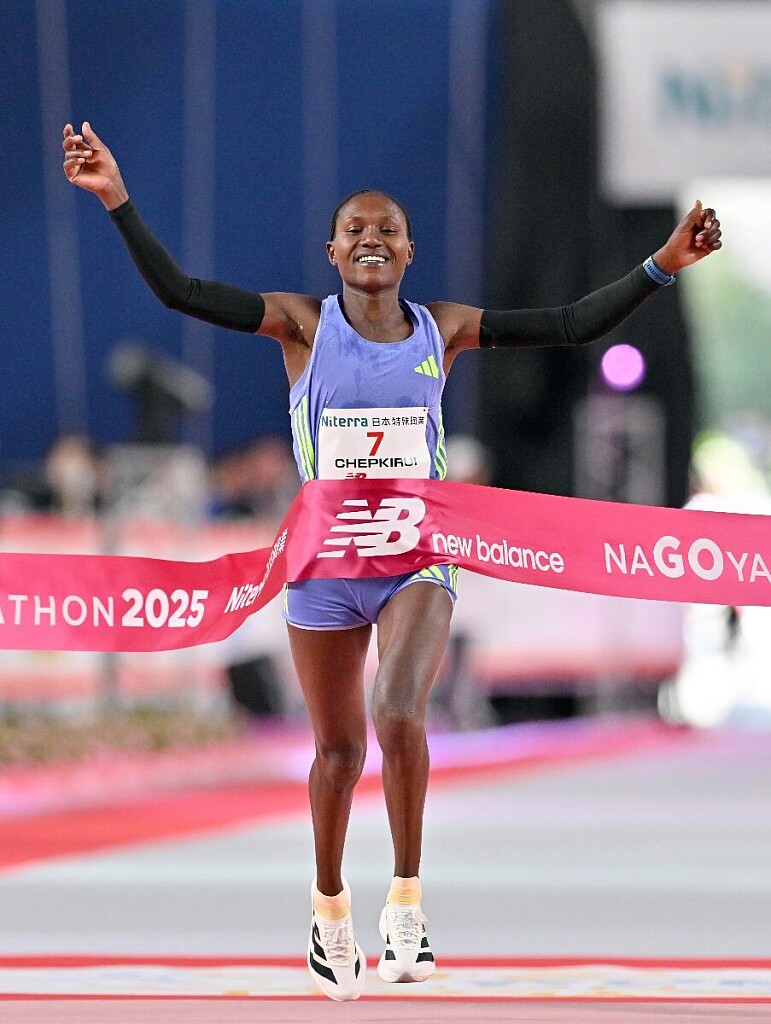
Nagoya Awaits a Marathon Showdown as Sheila Chepkirui Returns to Defend Her Crown
The world’s finest women marathoners are preparing for another thrilling chapter of the Nagoya Women’s Marathon as the 2026 edition unfolds in Nagoya, Japan on Sunday, March 8. Widely regarded as one of the most prestigious women-only marathons on the global calendar, the race once again brings together an impressive international field ready to battle over the classic 42.195-kilometer distance.
For fans across the world, the race will begin at 9:10 AM Japan Standard Time, which corresponds to 3:10 AM in East Africa (Nairobi time), 1:10 AM in West Africa, and 4:10 PM on Saturday evening on the U.S. Pacific Coast. Despite the early hours in many parts of the world, the event is expected to capture global attention as elite athletes chase victory on the streets of Nagoya.
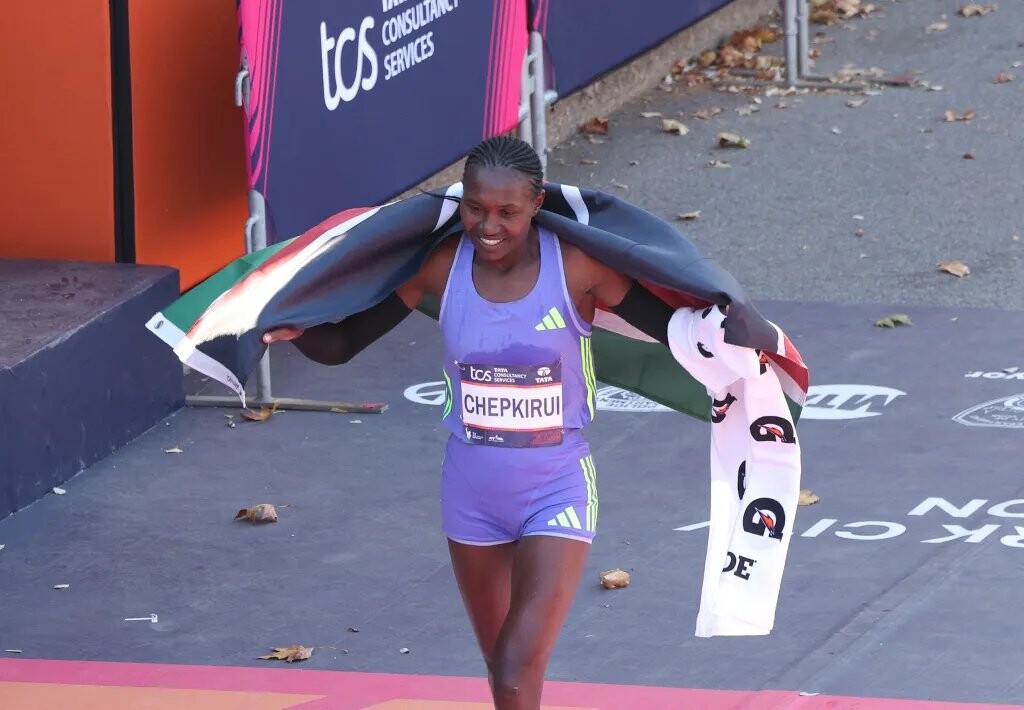
At the center of the spotlight is Kenya’s Sheila Chepkirui, who returns as the defending champion after a brilliant victory in 2025. Chepkirui arrives in Japan carrying a formidable personal best of 2:17:29, a time that places her among the fastest women in the field. Known for her strength in the latter stages of the marathon, the Kenyan star will be determined to prove that last year’s triumph was no accident.
However, the road to a successful title defense will be anything but easy.
Ethiopia’s Aynalem Desta enters the race as one of the strongest challengers. With a personal best of 2:17:37, Desta possesses both the speed and endurance needed to threaten Chepkirui’s reign. Ethiopian athletes have long been dominant forces in global distance running, and Desta will be eager to add another major marathon title to her nation’s proud legacy.
The home crowd, meanwhile, will place their hopes on Japan’s marathon star Honami Maeda. The national record holder with 2:18:59, Maeda remains one of the most respected long-distance runners in the country. Her recent journey has been one of determination and resilience. After an injury disrupted her plans during the Paris 2024 Olympic Games season, she has gradually rebuilt her fitness and confidence.
Maeda showed encouraging signs earlier this year when she ran 1:10:07 at the Houston Half Marathon, a performance that signaled her return to competitive form. She also competed at the Berlin Marathon last year, finishing in 2:24:36, and will now look to deliver a stronger performance in front of her home supporters.
Beyond the leading trio, the race features remarkable depth. Athletes such as Eunice Chebichii Chumba of Bahrain, Selly Chepyego Kaptich of Kenya, Spain’s Majida Maayouf, and Australia’s Genevieve Gregson add further strength to a field packed with international experience.
Japan will also be strongly represented by elite contenders including Sayaka Sato, Yuka Ando, Ayuko Suzuki, and Rika Kaseda, each capable of producing a breakthrough performance in front of passionate local fans.
With such a powerful lineup, the 2026 Nagoya Women’s Marathon promises a captivating clash of endurance, strategy, and national pride. Whether it is Chepkirui defending her crown, Ethiopia launching a successful challenge, or Japan celebrating a home victory, the streets of Nagoya are set to witness another unforgettable day in women’s marathon history.
All eyes now turn to the starting line — where champions will rise and a new chapter of the Nagoya marathon legacy will be written.
by Erick Cheruiyot for My Best Runs.
Login to leave a comment

Nagoya Women's Marathon
The Nagoya Women's Marathon named Nagoya International Women's Marathon until the 2010 race, is an annual marathon race for female runners over the classic distance of 42 km and 195 metres, held in Nagoya, Japan in early March every year. It holds IAAF Gold Label road race status. It began in 1980 as an annual 20-kilometre road race held in...
more...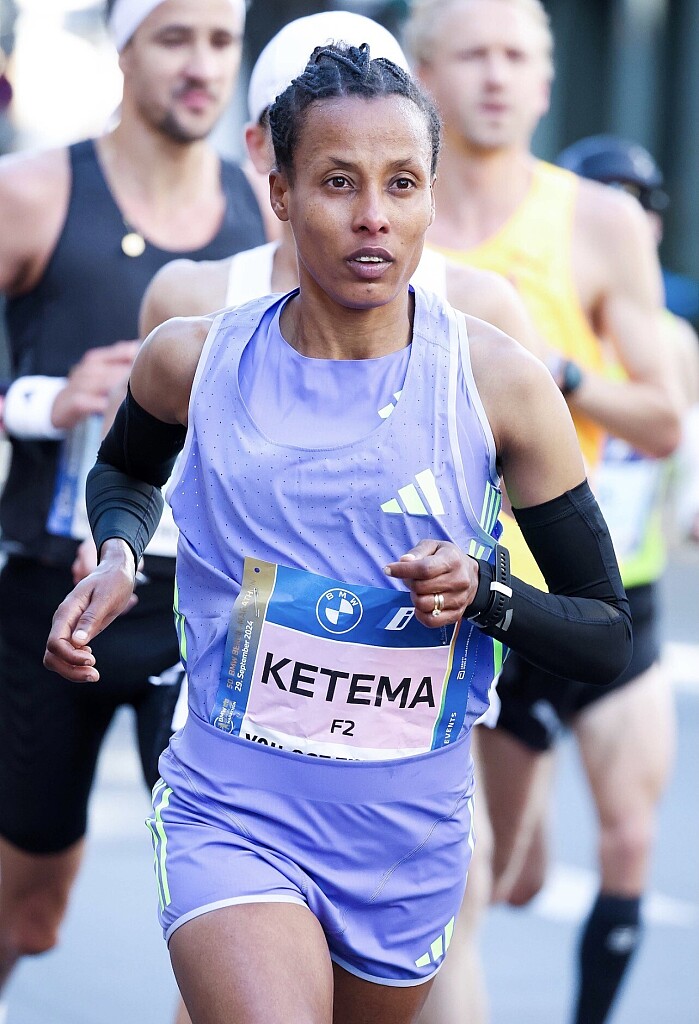
Fast Women Ready to Light Up Hamburg Marathon as Ethiopian Stars Headline 40th Edition
The women’s race at the 40th edition of the Haspa Marathon Hamburg, set for April 26, is shaping up to be a fast one. A powerful Ethiopian trio—Tigist Ketema, Degitu Azimeraw, and Sichala Kumeshi—headline the elite field for Germany’s biggest spring marathon.
Organizers expect a massive turnout for the anniversary edition. 20,000 runners are entered in the marathon, and when the shorter distance races held during the same weekend are included, a record total of 46,000 athletes will take part in the Hamburg running festival.
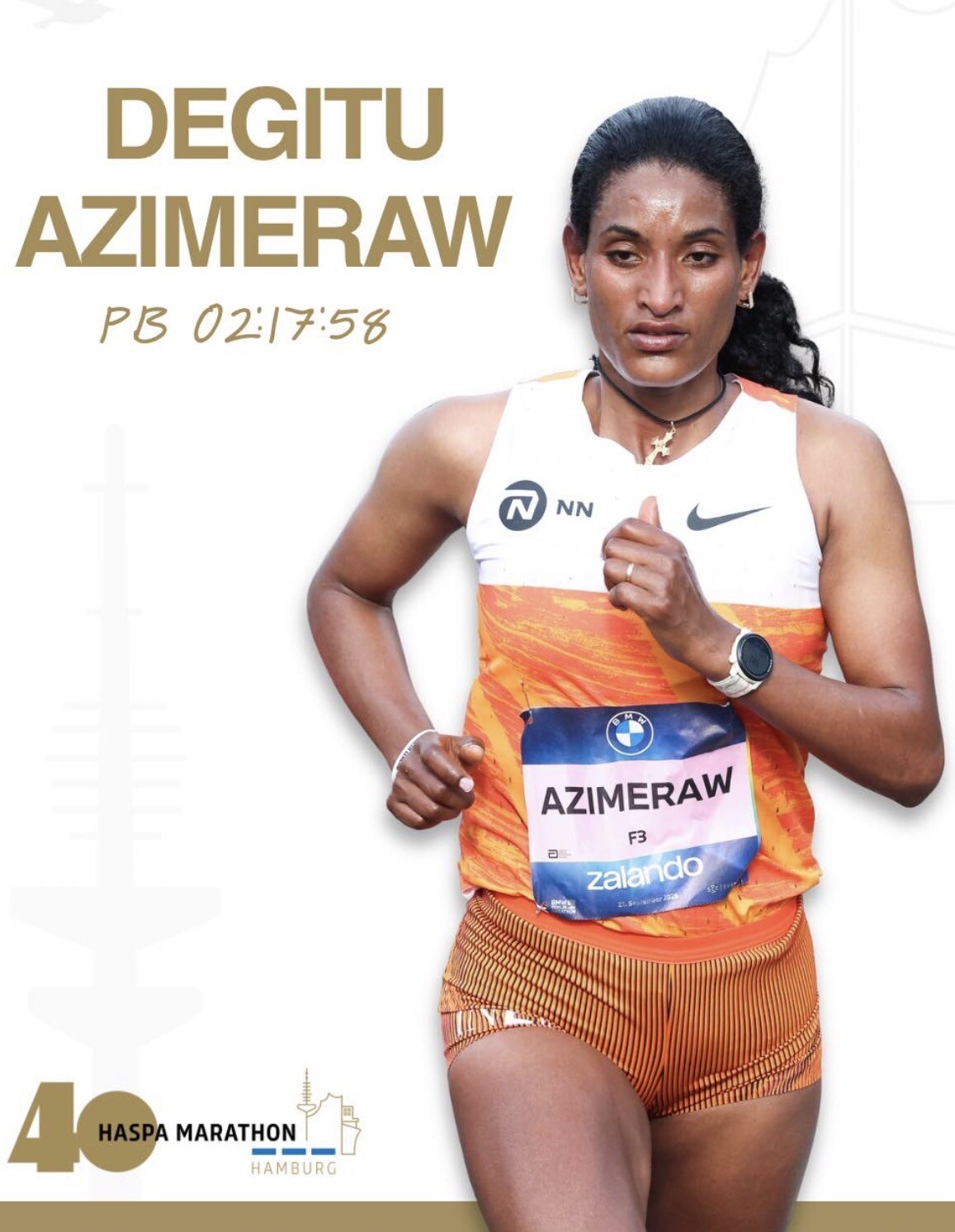
Ethiopia’s Strong History in Hamburg
Ethiopian runners have dominated the women’s race in recent years. In 2022, Yalemzerf Yehualaw set the course record with a stunning 2:17:23. That mark nearly fell again last year when Workenesh Edesa won in 2:17:55, the second-fastest time in race history.

With Ketema, Azimeraw, and Kumeshi on the start line this year, another Ethiopian victory—and perhaps another run at the course record—appears likely.
Tigist Ketema Returns After Breakthrough Seasons
At just 27 years old, Tigist Ketema has already established herself among the fastest marathoners in the world.
She made a sensational debut at the Dubai Marathon in January 2024, winning with a course record of 2:16:07—an unofficial world record for a debut marathon and, at the time, the eighth-fastest performance ever.
Later that year she confirmed her status by winning the Berlin Marathon in 2:16:42.
Ketema competed at the 2025 World Championships marathon in Tokyo, but difficult hot and humid conditions forced her to drop out. After that disappointment, Hamburg presents a perfect opportunity for the Ethiopian star to return to top form.
Degitu Azimeraw’s Consistent Excellence
Another major contender is Degitu Azimeraw, who has built one of the most consistent marathon careers in recent years.
Azimeraw won her debut at the 2019 Amsterdam Marathon in 2:19:26, immediately establishing herself as a world-class performer. Since then she has run under 2:20 four times.
Her best performance came at the 2021 London Marathon, where she finished runner-up with a personal best of 2:17:58.
After taking time away from competition to give birth, the 27-year-old returned impressively in 2024, winning the Barcelona Marathon in 2:19:52.
Kumeshi Returns to Familiar Roads
Sichala Kumeshi may have the advantage of experience on the Hamburg course.
The 30-year-old first ran the race in 2023, finishing in 2:26:53. But it was in 2025 when she truly made her mark in Hamburg, placing third with a personal best of 2:19:53, her first time breaking the 2:20 barrier.
Kumeshi has already shown strong form this season, running a half marathon personal best of 1:06:53 in Houston in January.
With confidence from that performance and familiarity with the course, she returns to Hamburg aiming for an even bigger result.
A Historic Edition
The 40th Haspa Marathon Hamburg promises to be one of the most exciting editions in the race’s history. With record participation numbers and a world-class women’s field led by three of Ethiopia’s top marathoners, the stage is set for another memorable race through the streets of one of Europe’s great running cities.
by Race News Service
Login to leave a comment
Haspa Marathon Hamburg
The HASPA MARATHON HAMBURG is Germany’s biggest spring marathon and since 1986 the first one to paint the blue line on the roads. Hamburcourse record is fast (2:05:30), the metropolitan city (1.8 million residents) lets the euphoric atmosphere spill over and carry you to the finish. Make this experience first hand and follow the Blue Line....
more...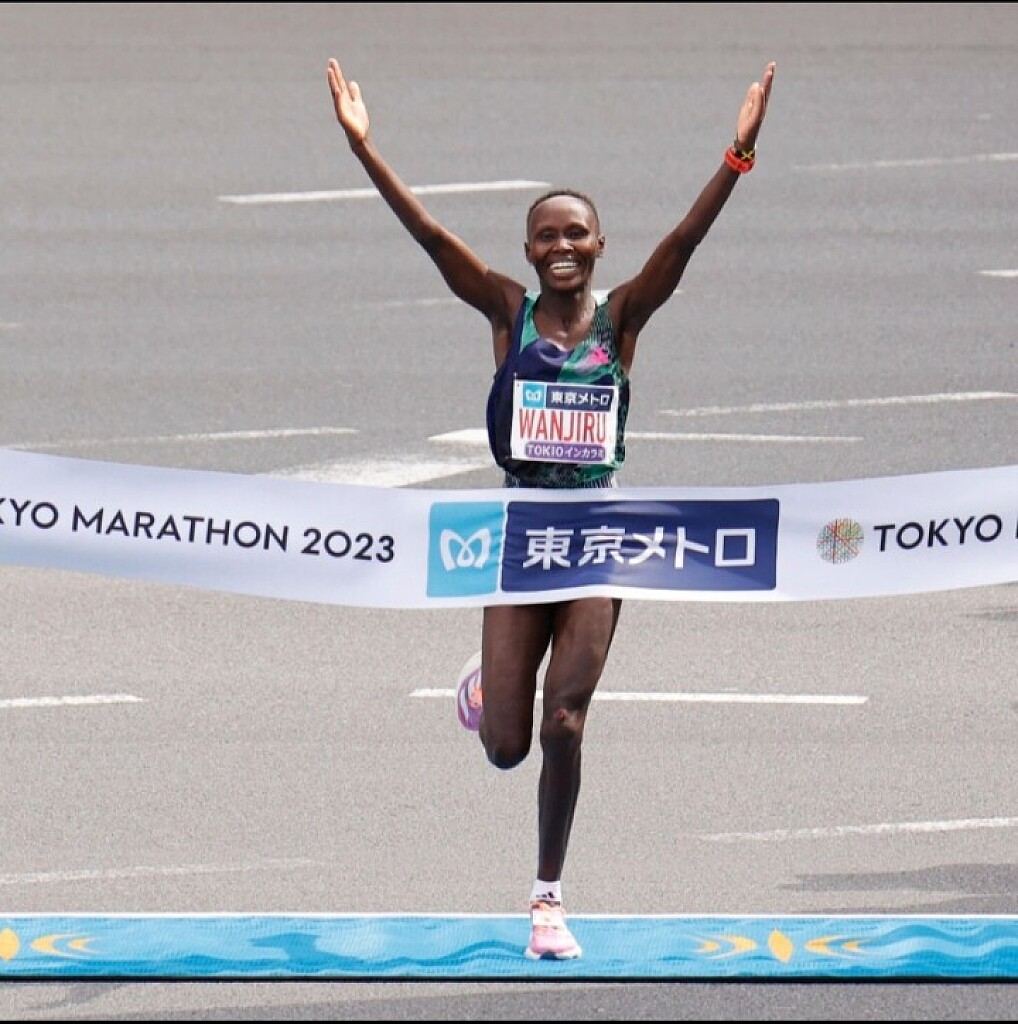
Wanjiru Returns to Tokyo: Kenya’s Marathon Queen Ready for Another Golden Chapter
She is back where memories were made and history was written.
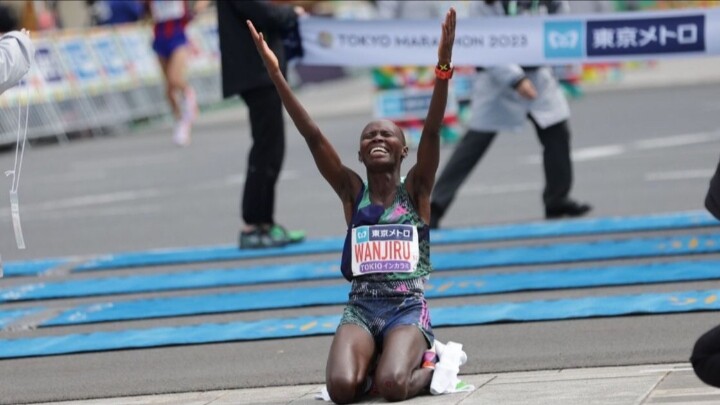
When the women’s elite field gathers in Tokyo for the Tokyo Marathon on Sunday, March 1, 2026, much of the attention will naturally settle on Rosemary Wanjiru — an athlete whose journey on these streets has already been remarkable.
Tokyo is more than just another stop on the marathon circuit for Wanjiru. In 2023, she produced a commanding performance to claim the title, controlling the race with confidence and finishing with authority. It was a breakthrough moment that elevated her standing among the world’s elite.
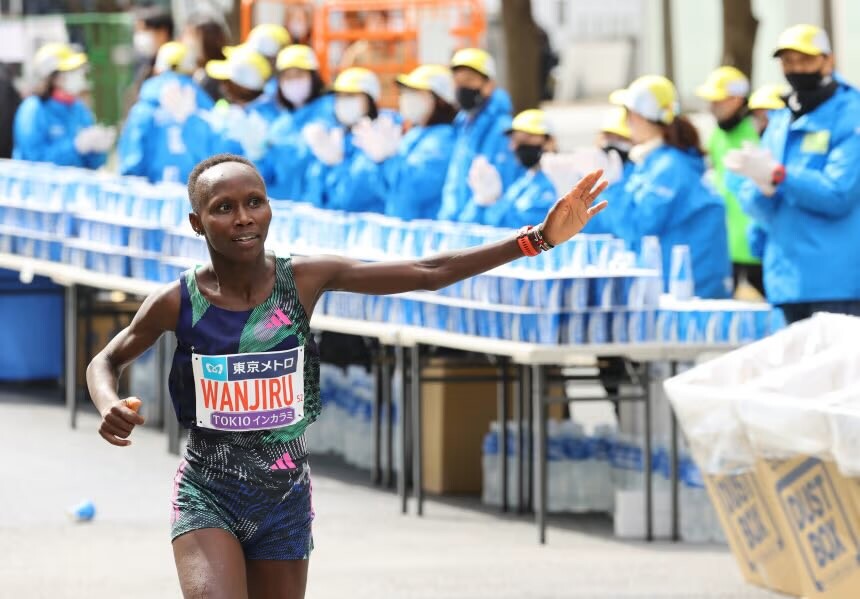
She returned to the same course and delivered even greater evidence of her progress, clocking a personal best of 2:16:14 — a time that underscored her ability to blend strength with precision pacing. On Tokyo’s fast layout, Wanjiru has consistently shown composure, patience in the early stages, and decisive strength when the race reaches its critical moments.
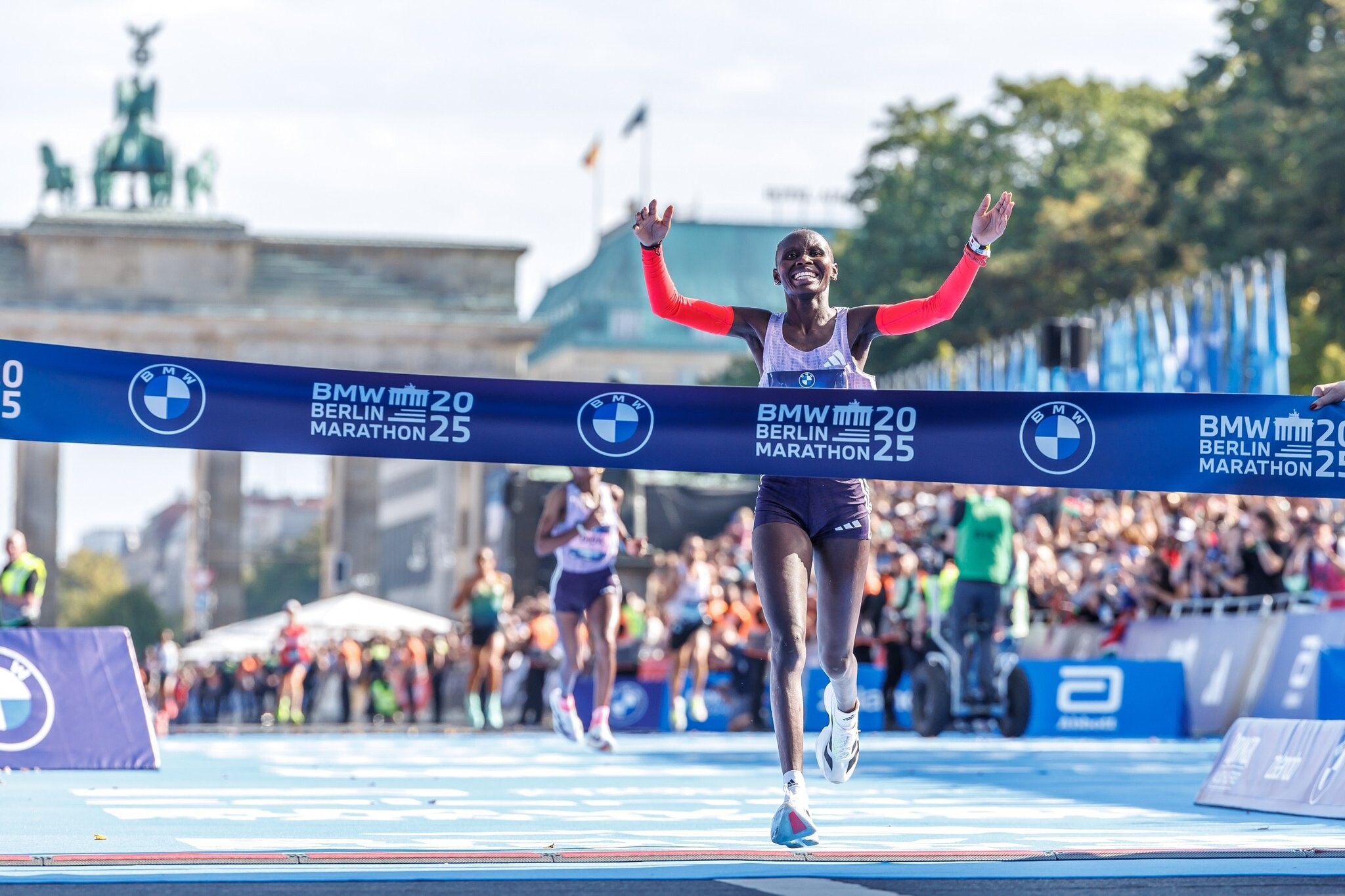
Her victory at the Berlin Marathon in 2025 added another dimension to her profile. Berlin, widely respected for its speed and depth of competition, demanded both tactical awareness and sustained aggression. Wanjiru met that challenge with maturity, reinforcing her reputation as one of the most reliable performers on the global stage.
Yet this year’s return comes within a broader competitive context. Defending champion Sutume Asefa Kebede will seek to protect her crown, while former world record holder Brigid Kosgei brings invaluable experience to the contest. The presence of such accomplished rivals ensures that Tokyo 2026 will be shaped by collective excellence rather than individual expectation.
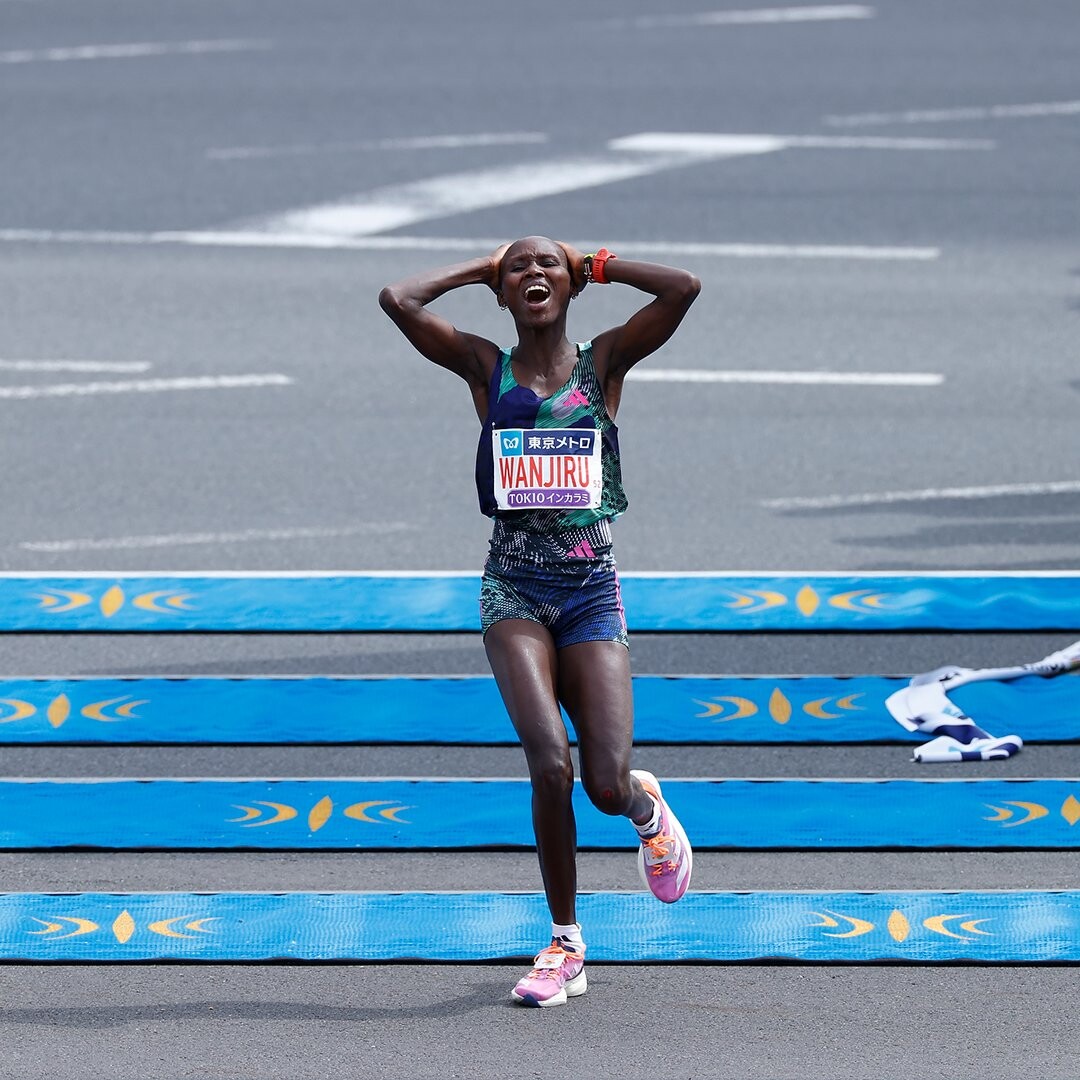
For Wanjiru, the objective is clear but measured: execute her race plan, respond to the rhythm of the field, and compete with the calm authority that has defined her recent seasons. The elite Men's and Women’s race in Tokyo will set off at 9:10 AM local time (JST). For fans following from across the world, this corresponds to earlier or later local times.
Local Time
Tokyo, Japan (JST)
9:10 AM
Sunday, Mar 1
Nairobi, Kenya (EAT)
3:10 AM
Sunday, Mar 1
As dawn breaks over Tokyo, Wanjiru will line up among the world’s best, representing Kenya’s depth in marathon running. While she is a leading contender, the race promises to be highly competitive, with multiple athletes capable of challenging for podium positions.
Tokyo 2026 is a global stage where strategy, endurance, and resilience define the winners. Rosemary Wanjiru’s return adds star power, but the race is open — and every competitor has a chance to make history.
by Erick Cheruiyot for My Best Runs.
Login to leave a comment
Karsten Warholm: The Man Who Smashed the 400m Hurdles Into a New Dimension
On February 28, 1996, in the quiet Norwegian town of Ulsteinvik, a champion was born. Over the years, Karsten Warholm has transformed himself into one of the most dominant and electrifying athletes of his generation — an Olympic champion, multiple-time world champion, European king, and the world record holder in the 400 meters hurdles.
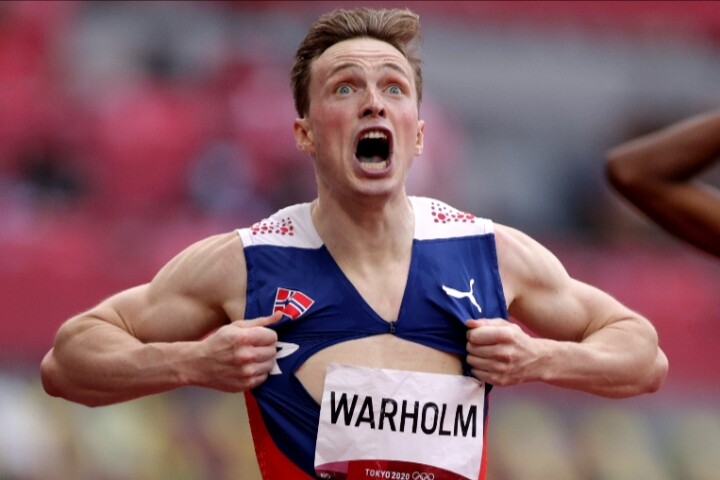
Warholm’s journey did not begin with hurdles alone. As a teenager, he displayed remarkable versatility in the combined events. In 2013, he became World Junior Champion in the octathlon in Donetsk, showcasing an unusual blend of speed, strength, and technical precision. The following year, he competed in the decathlon at the World Junior Championships in Eugene, finishing tenth against the best young athletes in the world. By 2015, he had already claimed double silver at the European Junior Championships in Eskilstuna — in both the 400 meters and the decathlon — a clear sign that he possessed rare, multidimensional talent.
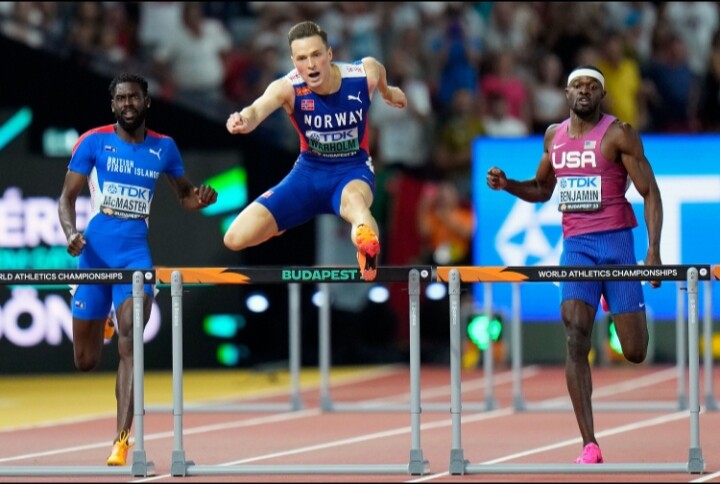
His early senior years hinted at something greater. He reached the semifinals of the 400m hurdles at the Rio 2016 Olympic Games, gaining valuable experience on the biggest stage. But it was in 2017 that the world truly took notice. At the World Championships in London, the young Norwegian stunned the field by winning gold in the 400m hurdles. Fearless from the gun and relentless between the barriers, he introduced a bold, attacking style that would become his trademark.
From that breakthrough moment, his rise accelerated. He secured European gold in Berlin in 2018 and claimed the European indoor 400m title in Glasgow in 2019, equaling the long-standing European indoor record of 45.05. Later that same year, he added another global crown at the World Championships in Doha, firmly establishing himself as the dominant force in his event.
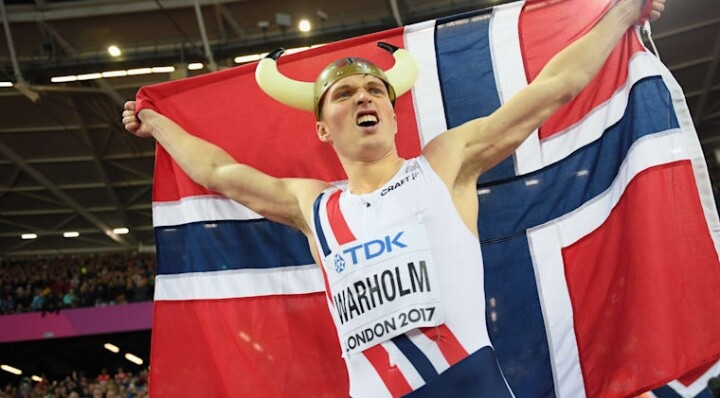
Then came August 3, 2021 — a date forever etched in athletics history. At the Olympic Games in Tokyo, Warholm produced one of the greatest performances the sport has ever witnessed. In a race of breathtaking intensity, he surged to Olympic gold and shattered the world record in the 400m hurdles with an astonishing 45.94 seconds. It was not just a victory; it was a redefinition of human possibility over barriers.
Champions are measured by how they respond to setbacks, and Warholm proved his resilience. After finishing seventh at the 2022 World Championships in Eugene, he returned stronger, reclaiming world gold in Budapest in 2023 with a commanding 46.89. In 2024, he added Olympic silver in Paris, European gold in Rome, and World Indoor silver in Glasgow, reinforcing his consistency at the highest level.
Beyond the hurdles, his athletic profile remains extraordinary. He has run 10.47 for 100 meters, 21.09 for 200 meters, and 44.87 for 400 meters. He holds the Norwegian record in the 300 meters at 32.49 and has cleared 2.05 meters in the high jump and leapt 7.66 meters in the long jump. Indoors, he has clocked 20.91 for 200 meters, equaled the European 400m record of 45.05, and set a world best of 34.26 in the 300m hurdles. Few specialists in modern athletics combine such speed, power, and technical mastery.
From a small coastal town to the pinnacle of global sport, Karsten Warholm has carried Norwegian athletics into a new era. His career is defined not only by medals and records but by courage, intensity, and an uncompromising will to push beyond limits. As he celebrates another year, one truth stands firm — the Viking of the 400m hurdles is not simply competing against rivals; he is racing against history itself, and more often than not, he wins.
by Erick Cheruiyot for My Best Runs.
Login to leave a comment
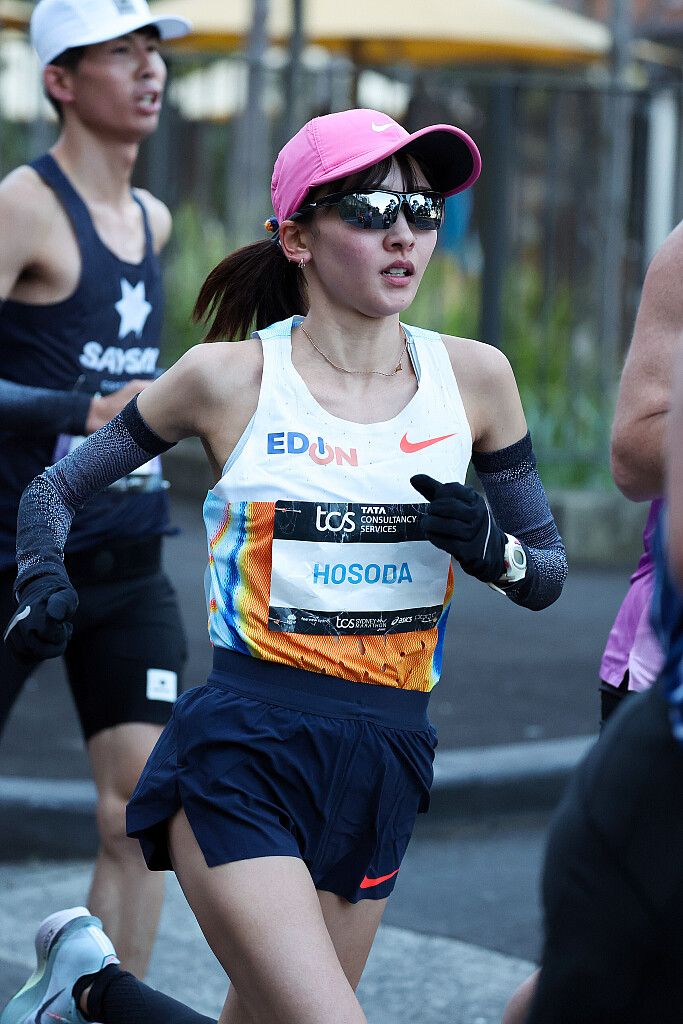
Queens of the Marathon: A Loaded Women’s Field Set to Ignite Tokyo 2026
The women’s race at the 2026 Tokyo Marathon to be staged on 1st March in Tokyo, Japan is shaping up to be one of the deepest and most compelling contests in recent marathon history, blending reigning champions, global major winners, national icons, and seasoned veterans into a single high-stakes showdown. At the center of the narrative stands Ethiopia’s formidable title defender Sutume Asefa Kebede, who returns to Tokyo chasing a third consecutive victory after dominating the previous two editions and establishing herself as the course record holder.
Kebede’s authority in Tokyo has been built on tactical intelligence and relentless pace control, but her path to another triumph will be far from straightforward. Among the most dangerous challengers is compatriot Hawi Feysa, who finished third in Tokyo last year before ascending to global prominence with victory at the 2025 Chicago Marathon. Her breakthrough confirmed what many suspected — that she possesses the finishing speed and endurance to win on any major stage.
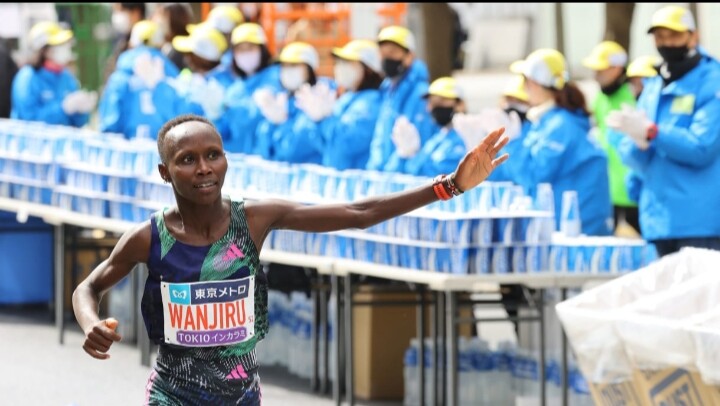
Another major threat comes from Kenya’s Rosemary Wanjiru, the 2025 Berlin Marathon champion, whose consistency at the highest level continues to make her one of the most dependable performers in elite women’s marathoning. With proven championship composure and a powerful late-race surge, Wanjiru enters Tokyo as a genuine title contender capable of disrupting Ethiopian dominance.
The depth extends even further with a wave of major champions from the past two seasons. Ethiopia’s Megertu Alemu, winner in Valencia in 2024, arrives with one of the fastest personal bests in the field, while Bertukan Welde brings confidence from her victory in Prague in 2025. Adding to the Ethiopian strength is Mestawut Fikir, who captured the Paris Marathon crown in 2024, and Waganesh Mekasha, winner of Osaka the same year — further proof of the nation’s extraordinary marathon pipeline.
Yet perhaps the most recognizable name in the field remains Kenya’s Brigid Kosgei, the former world record holder whose 2:14:04 still ranks among the fastest performances ever recorded by a woman. Kosgei’s experience, championship pedigree, and proven ability to handle aggressive pacing make her presence alone a psychological factor for the entire field.
Japan’s hopes will largely rest on Ai Hosoda, currently the nation’s seventh-fastest woman in history. Hosoda produced a career-best 2:20:31 in Berlin in 2024 and recently announced that Tokyo will serve as her farewell race. The emotional weight of competing at home in her final marathon could provide an added dimension of motivation, especially after she secured qualification for the 2028 Olympic Trials with a strong performance in Sydney last year.
Beyond the headline names, the international depth remains impressive. Canada’s Malindi Elmore brings championship experience and resilience, while American veteran Sara Hall continues to defy expectations deep into her career. China fields a strong contingent led by Yuyu Xia, joined by Poland’s Aleksandra Brzezińska and Australia’s Vanessa Wilson, all capable of influencing the race dynamics if conditions or tactics shift.
What makes Tokyo particularly fascinating is the blend of proven speed and competitive hunger. Several athletes own personal bests under 2:18, creating the possibility of a historically fast race if pacing conditions align. But Tokyo is rarely predictable. Weather, pack strategy, and the psychological battle after 35 kilometers often determine the final outcome more than raw times on paper.
As the world turns its attention to Japan’s capital, one question dominates: can Kebede secure a historic three-peat, or will a new champion emerge from one of the strongest women’s marathon fields assembled this season?
by Erick Cheruiyot for My Best Runs.
Login to leave a comment

Tokyo Marathon
The Tokyo Marathon is a world-renowned annual marathon held in Tokyo, Japan. As one of the prestigious Abbott World Marathon Majors, it attracts elite and amateur runners from around the globe. The race holds World Athletics Platinum Label status, recognizing its high competitive standards, top-tier organization, and international appeal. Sponsored by Tokyo Metro, the Tokyo Marathon has grown into one...
more...