

Running News Daily
Running News Daily is edited by Bob Anderson and team. Send your news items to bob@mybestruns.com Advertising opportunities available.
Index to Daily Posts · Sign Up For Updates · Run The World Feed
Articles tagged #world record
Today's Running News
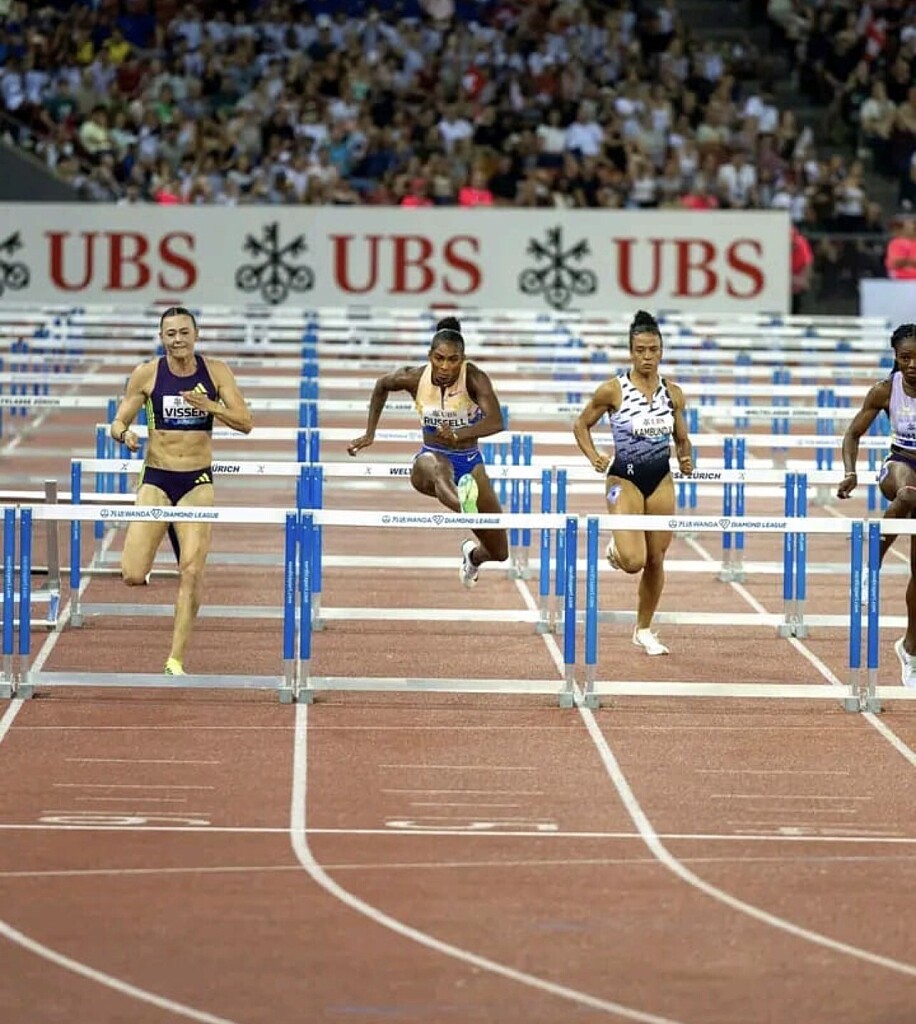


Masai Russell Makes History with Stunning 12.09 World Record in Zurich
Masai Russell delivered a performance for the ages at the Zurich Diamond League, storming to a stunning 12.09 seconds in the women’s 100m hurdles to break Tobi Amusan’s world record.
Running in completely still conditions with a legal 0.0 m/s wind, the American Olympic champion became the first woman in history to break the 12.10-second barrier.
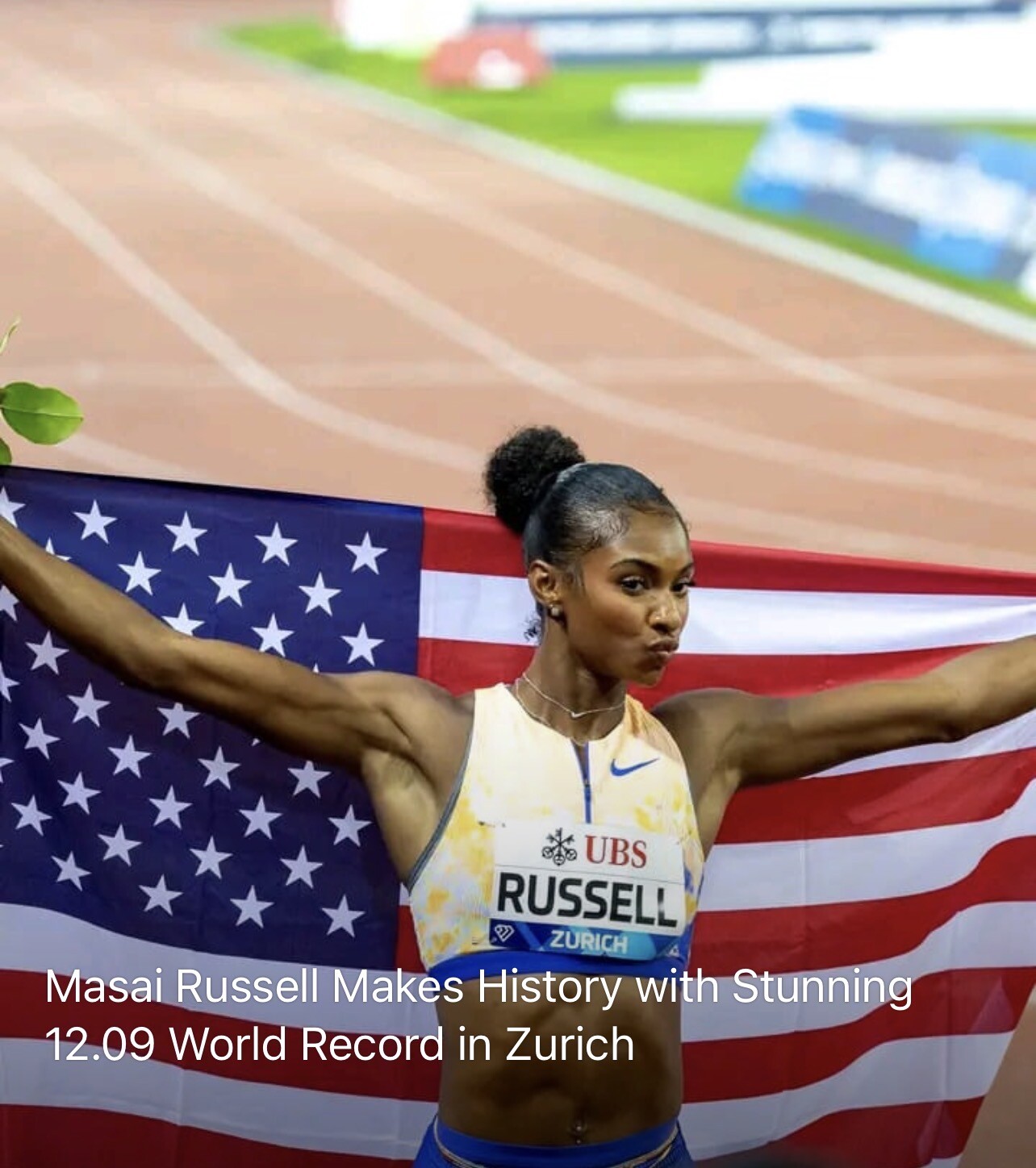
Russell improved upon Amusan’s previous world record of 12.12, set at the 2022 World Championships in Eugene. The mark is subject to the usual ratification process.
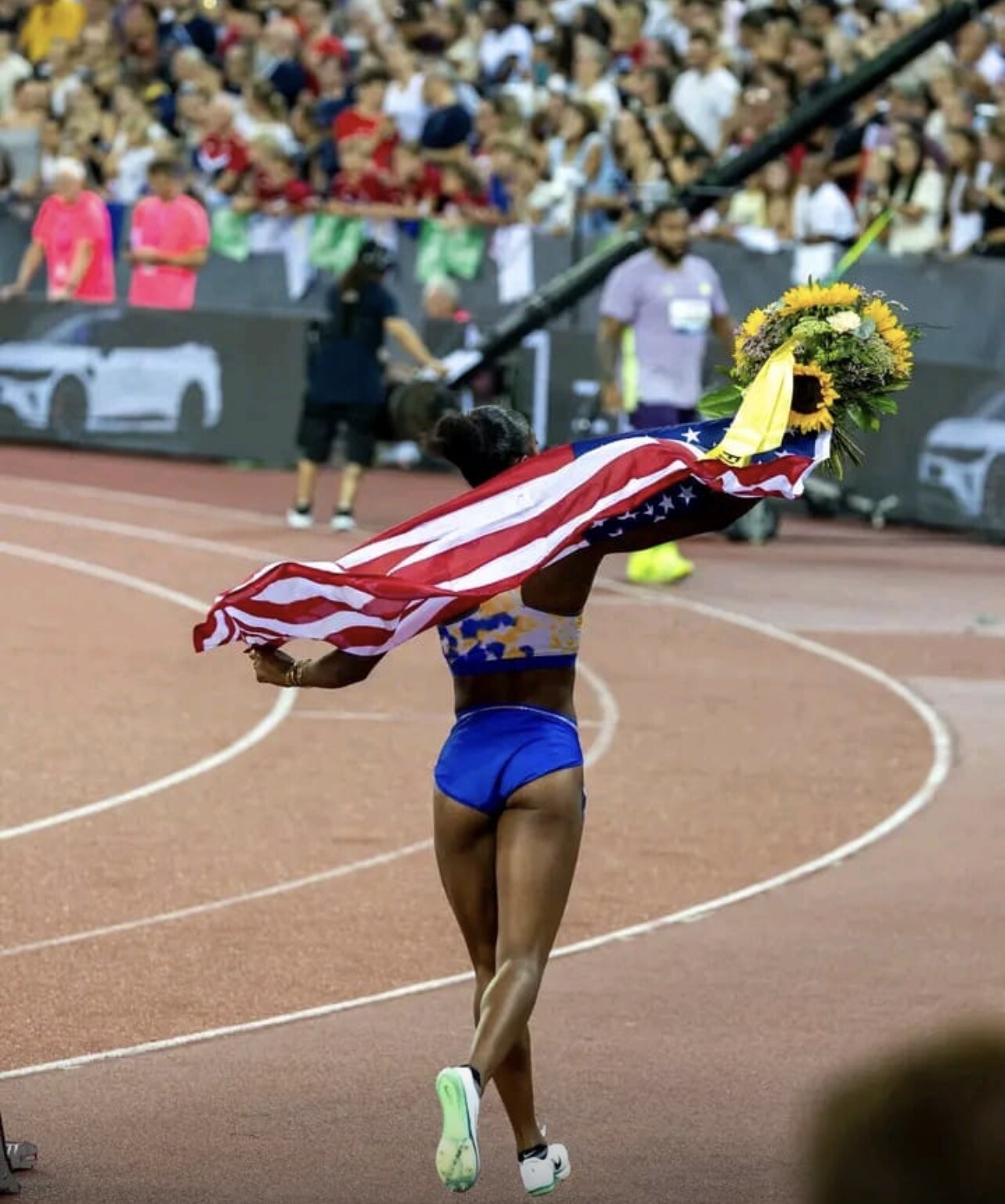
After repeatedly demonstrating her dominance throughout the season, Russell arrived in Zurich as the woman to beat. She attacked the race with extraordinary speed and precision, maintaining her rhythm over the hurdles before pulling away in the closing stages.
When the clock flashed 12.09, the significance of the performance was immediately clear. A barrier that had never been broken was gone.
Even more remarkably, the woman whose record she broke was racing beside her. Amusan, the Nigerian star who had held the world record for four years, finished second in 12.23.
The Netherlands’ Nadine Visser completed the podium in 12.34.
The performance adds another extraordinary chapter to Russell’s career. After establishing herself among the world’s elite and producing a season of remarkable consistency, she has reached the summit of the event as its fastest athlete in history.
Russell’s 12.09 was more than a victory. It rewrote the record books and provided the ultimate confirmation of her dominance.
Zurich had already witnessed a world record from Alison dos Santos in the men’s 400m hurdles. Less than 40 minutes later, Russell ensured the evening would become one of the most memorable in Diamond League history.
Masai Russell is now the world-record holder—and the first woman to run under 12.10 seconds for the 100m hurdles.
by Erick Cheruiyot for My Best Runs
Login to leave a comment
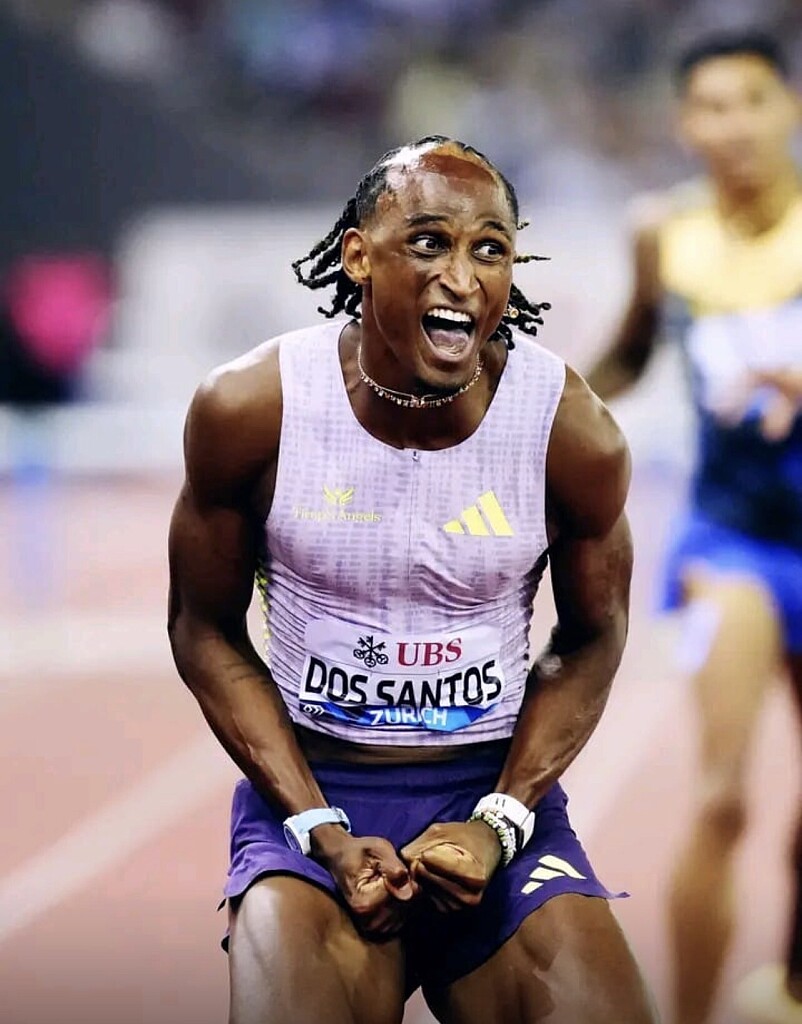
Alison dos Santos Makes History in Zurich, Smashing Warholm’s 400m Hurdles World Record
45.80 seconds. A new world record. A new chapter in the history of the 400m hurdles.
Brazilian star Alison dos Santos produced a breathtaking performance at the Zurich Diamond League on Thursday, storming to 45.80 seconds to shatter the men’s 400m hurdles world record and dethrone one of the greatest records in modern athletics.
Dos Santos delivered a sensational run at Weltklasse Zürich, becoming the first athlete to break the barrier set by Norway’s Karsten Warholm, whose legendary 45.94-second world record had stood since his spectacular victory at the Tokyo 2020 Olympic Games in 2021.
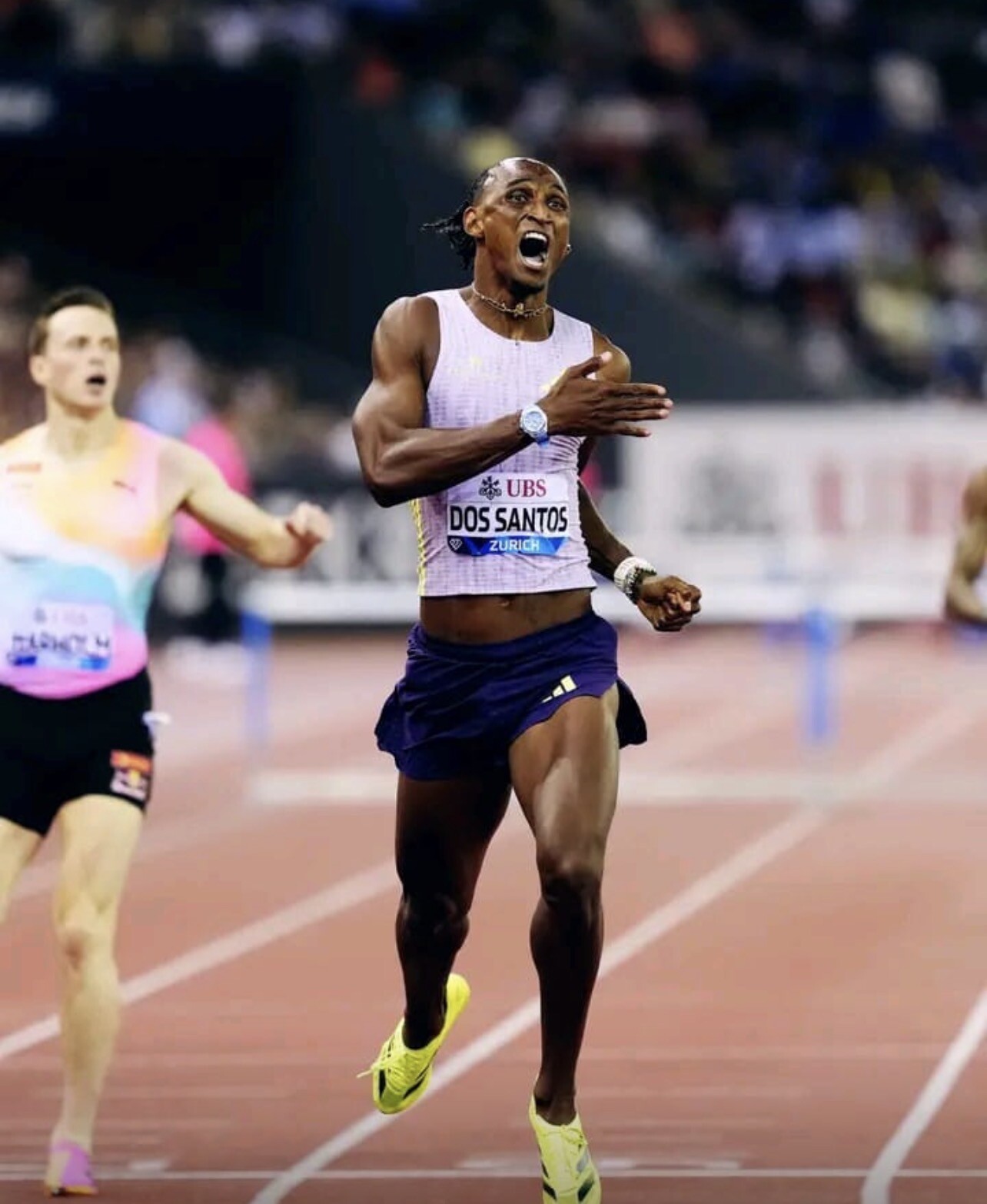
The Brazilian was in complete control from the opening stages, attacking the hurdles with remarkable speed and precision before powering down the final straight. The clock stopped at 45.80, sending shockwaves through the stadium and rewriting the record books.
Warholm, the former world-record holder and one of the sport’s most dominant figures, had to settle for second place in 46.69 seconds. Nigeria’s Ezekiel Nathaniel completed the podium in 47.50.

The result adds another extraordinary chapter to the rivalry between Dos Santos and Warholm. The pair have repeatedly pushed each other to new levels, but this time Dos Santos delivered the defining blow, taking down a record that had become synonymous with Warholm’s name.
The 26-year-old Brazilian has now cemented himself among the greatest 400m hurdlers in history. A world champion in 2022 and a two-time Olympic bronze medallist, Dos Santos has spent years chasing the sport’s very best — and in Zurich, he finally claimed its most coveted record.
His breakthrough is even more remarkable given that he entered the Zurich meeting with a personal best of 46.29 seconds in the 400m hurdles. His previous 2026 best had been 46.43, set just days earlier in Silesia, where he also defeated Warholm.
Now, the record belongs to Brazil.
Alison dos Santos — 45.80 seconds.
A new world record, a historic victory and a performance that will be remembered as one of the defining moments of the 2026 athletics season.
by Erick Cheruiyot for My Best Runs.
Login to leave a comment
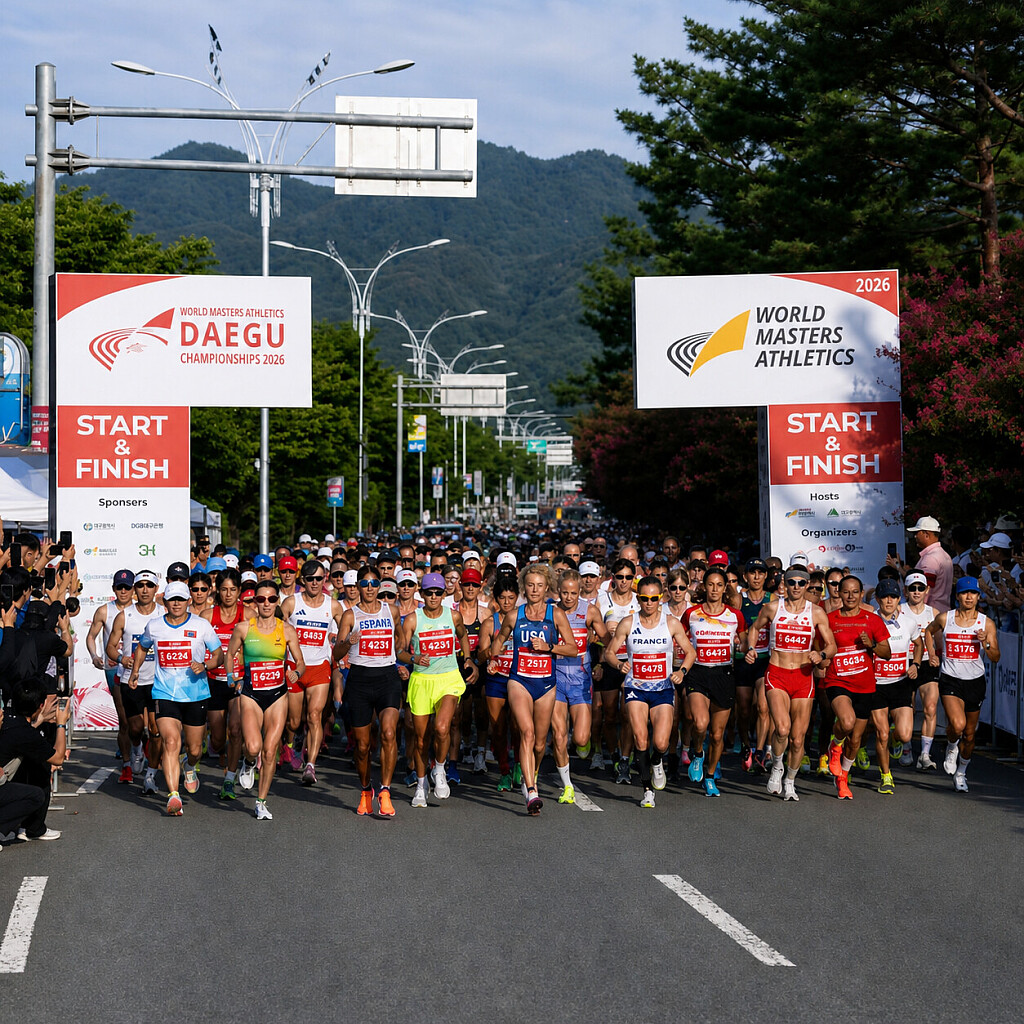
Four World Records Fall as Daegu Masters Championships Explode Into Life
The World Masters Athletics Championships in Daegu, South Korea, are only three days old, but the competition has already produced a remarkable display of speed, endurance and longevity, with four world records shattered and another 10 championship records rewritten.
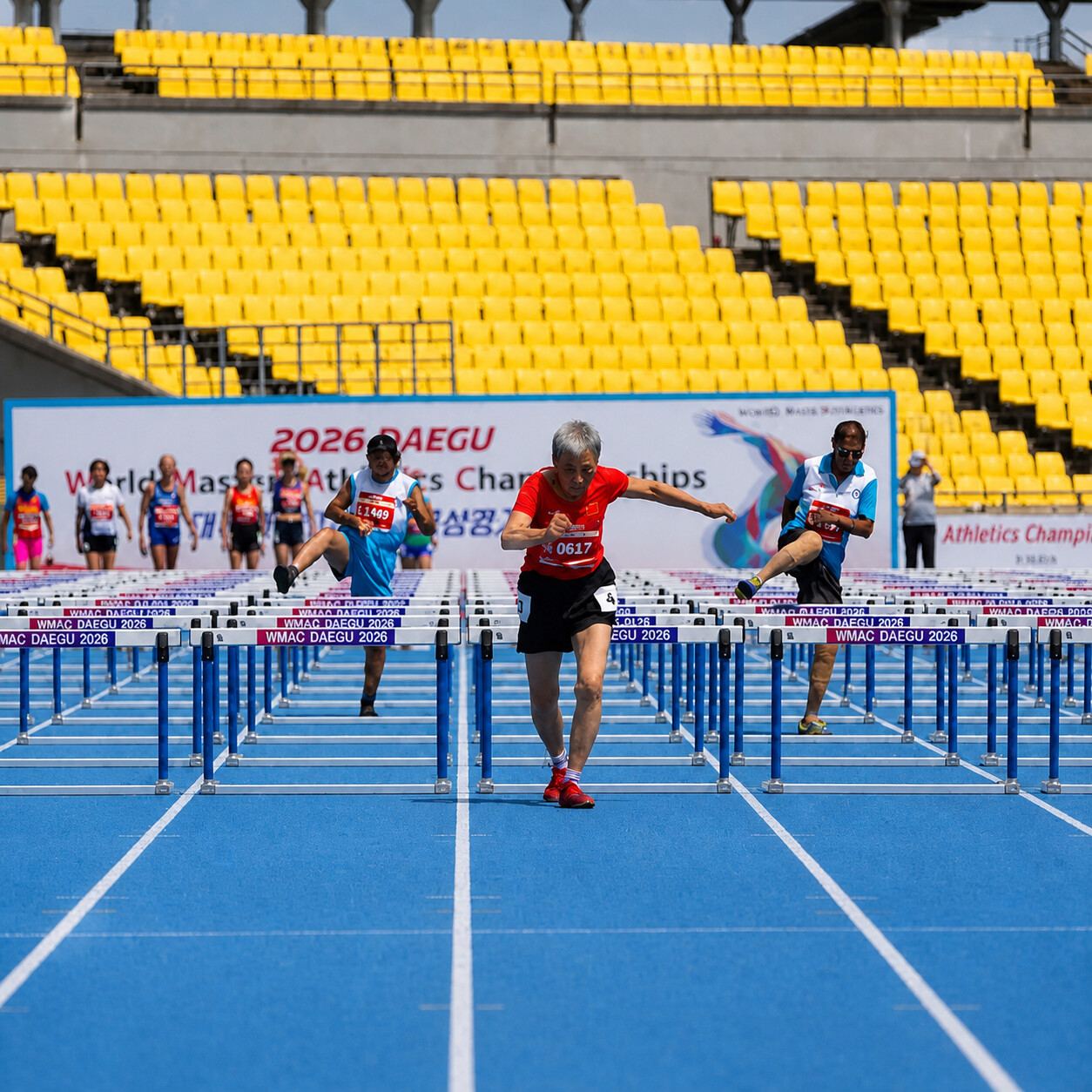
The record-breaking action began on the opening day when the United States’ Richard Lee produced a stunning performance in the M65 2,000m steeplechase. Lee stopped the clock at 7:09.29, winning gold while lowering the existing world record in the age group.
Day two proved even more dramatic, delivering three world records in quick succession.
Great Britain’s John Wright was first to strike, clocking 12.03 seconds to win the M65 100m. In doing so, the veteran sprinter improved his own world record of 12.15, set in 2024, underlining his remarkable consistency at the highest level of masters competition.
Only minutes later, the United States’ Kenton Brown produced another record-breaking run in the M80 100m. Brown crossed the line in 14.16, taking 0.05 seconds off his own previous world record of 14.21, which he established last year.
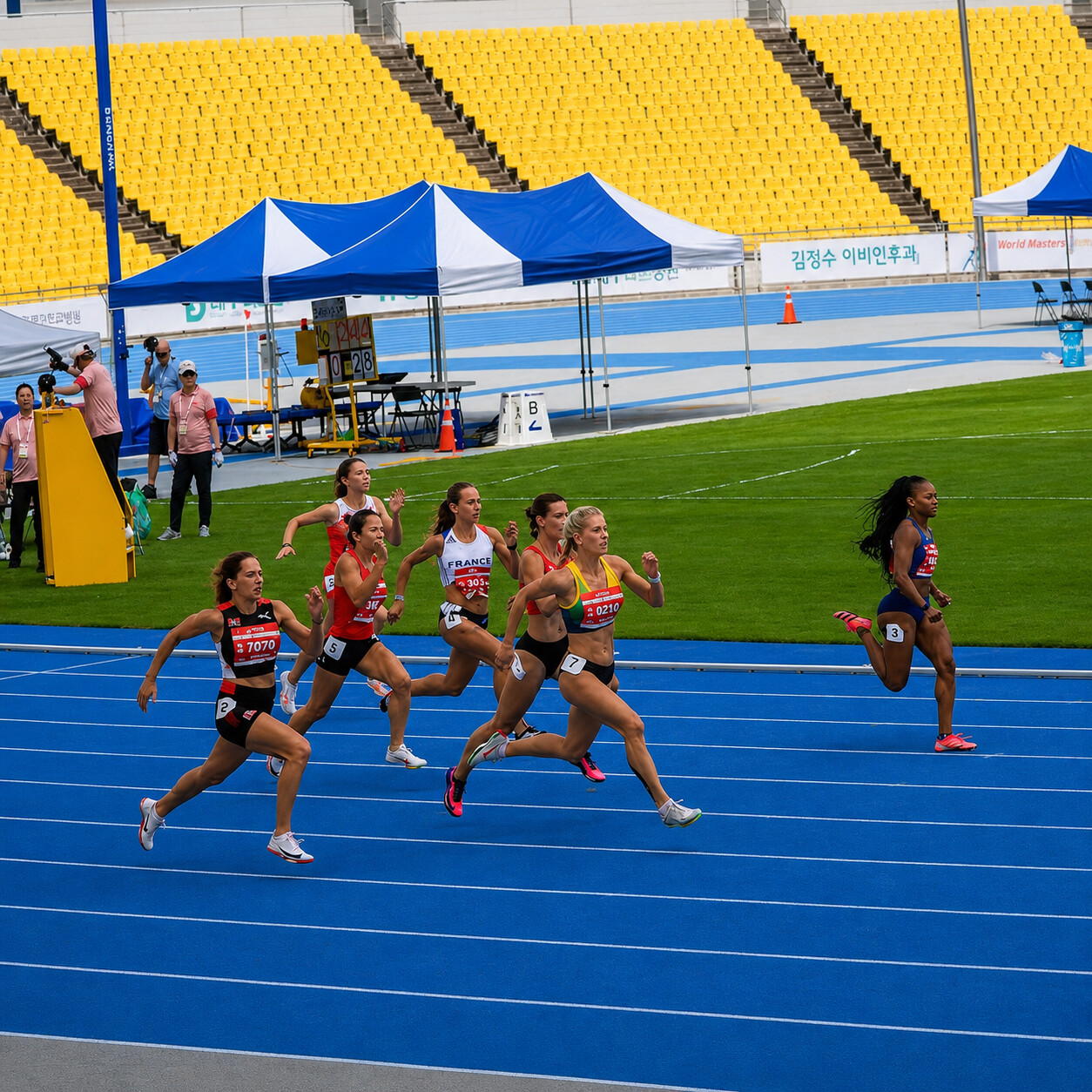
Thailand then added another name to the growing list of Daegu record-breakers. Somsanga Boonnok won the W70 80m hurdles in 15.61, breaking a world record that had belonged to Austria’s Marianne Maier since 2016.
Four world records in just three days tell only part of the story. Across the championships, 10 championship records have already fallen, highlighting the extraordinary standard being produced by athletes competing across the masters age groups.
Canada has also made its presence felt on the medal podium. Johana Flipsen captured W70 10K race walk gold in 1:04:18, while Vern Christensen won the M85 2,000m steeplechase in 14:48.25.
Canadian athletes have continued to add to the medal tally, with Lynne Wawryk Epp taking bronze in the W70 800m in 3:21.04, while Vanessa Johnson secured silver in the W40 race walk after finishing in 1:05:52.
But one of the most intriguing storylines to watch as the championships continue belongs to Canada’s Wendy Alexis.
At 71 years old, Alexis has arrived in Daegu with a world record firmly within reach. She is just 0.04 seconds away from the W70 100m world record of 14.37 seconds, and after targeting the championship throughout the season, she now has the opportunity to turn that ambition into history.
Alexis will contest her semifinal on Tuesday morning, with the final scheduled for later that evening.
With four world records already gone, 10 championship records broken and some of the world’s finest masters athletes still waiting to take to the track, Daegu is proving that age is no barrier to extraordinary performance.
And if the opening three days are anything to go by, the record books may have plenty more rewriting to come.
by Erick Cheruiyot for My Best Runs.
Login to leave a comment
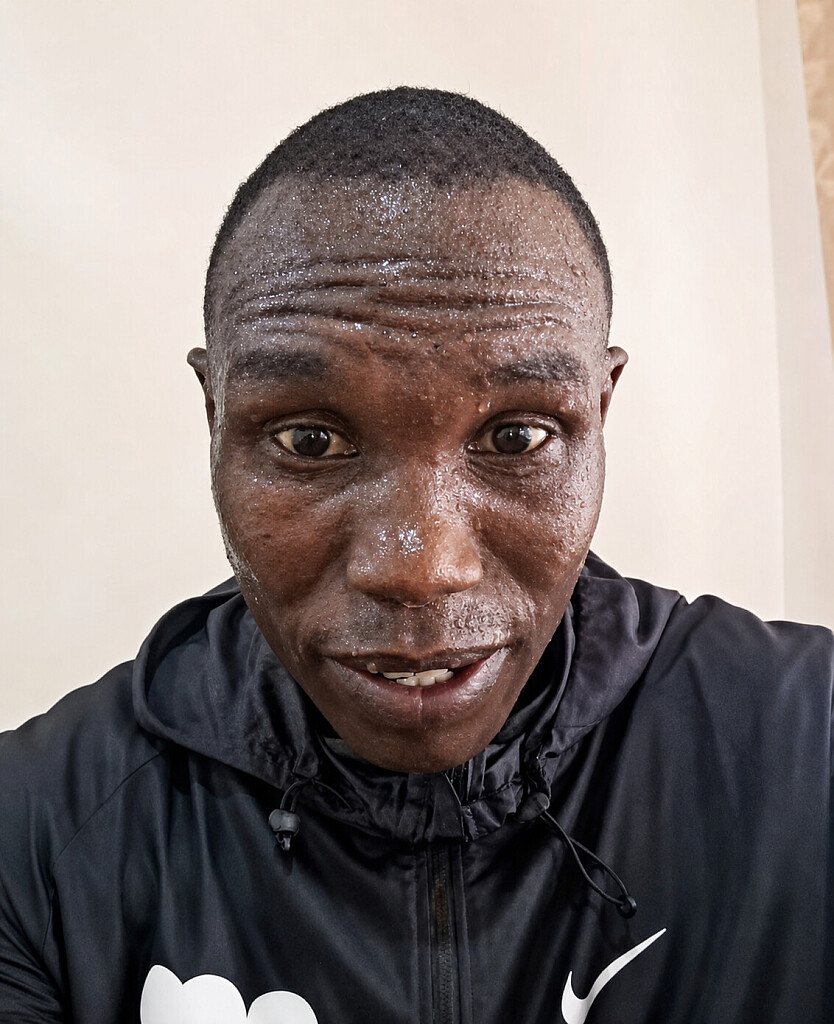
Geoffrey Kamworor Eyes New York Hat-Trick as Kenyan Star Chases Another Major Triumph
Two-time New York City Marathon champion Geoffrey Kamworor is set for another assault on the Big Apple, with the Kenyan distance-running star targeting a historic third victory when the Abbott World Marathon Majors race returns on November 1.
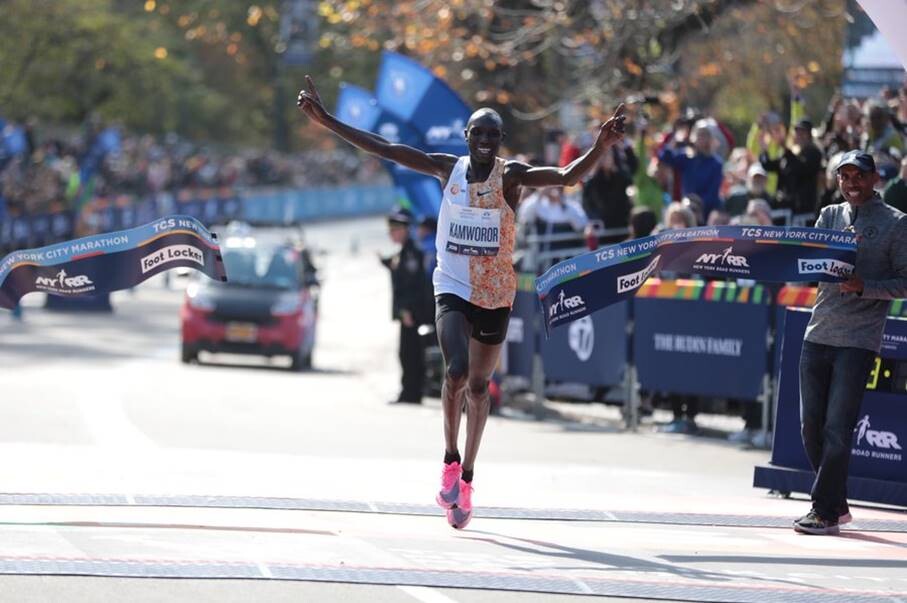
For Kamworor, New York represents much more than another marathon. It is a course where he has already enjoyed some of the defining moments of his illustrious career, and where he will now seek to add another prestigious title to a remarkable collection of achievements.
The 33-year-old has developed a special relationship with the New York course since making his debut there in 2015. On that occasion, he finished runner-up in 2:10:48 behind compatriot Stanley Biwott, who won in 2:10:34.
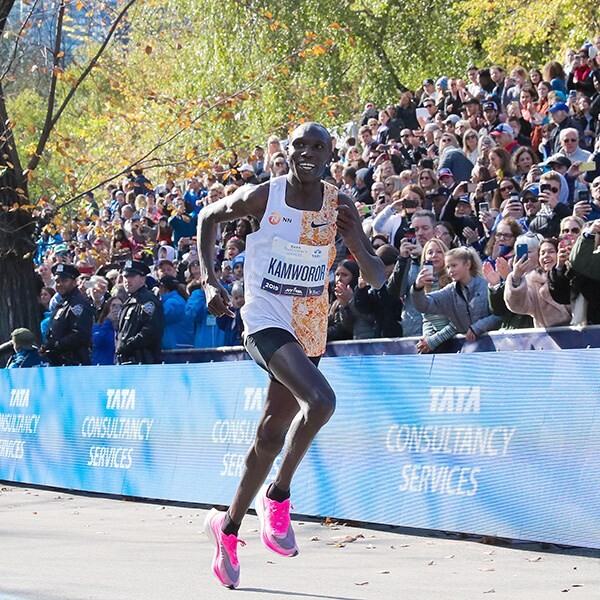
Two years later, Kamworor went one step further.
In 2017, he produced a composed performance to claim his first New York Marathon crown, crossing the finish line in 2:10:53. He held off fellow Kenyan and former world record-holder Wilson Kipsang, who finished just three seconds behind in 2:10:56, while Ethiopia's Lelisa Desisa took third in 2:11:32.

Kamworor returned the following year hoping to defend his title but had to settle for third place. Desisa triumphed in 2:05:59, ahead of Shura Kitata in 2:06:01, while Kamworor clocked 2:06:26.
But the Kenyan refused to stay away from the top for long.
In 2019, he reclaimed the New York crown in emphatic fashion, winning in 2:08:13. Albert Korir followed in second in 2:08:36, with Ethiopia's Girma Bekele completing the podium in 2:08:38.
Those two victories remain Kamworor's only Abbott World Marathon Majors titles, making New York a particularly significant venue in his career.
His latest appearance in the race, however, ended without another podium finish. Returning in 2024, Kamworor placed fifth in 2:08:50 as the Netherlands' Abdi Nageeye won in 2:07:39. Kenya's Evans Chebet was second in 2:07:45, while Albert Korir took third in 2:08:00.
Now, Kamworor is eager to return to the city where he has already tasted victory twice.
“I am very excited to be going back to New York,” Kamworor said, expressing his anticipation ahead of another demanding battle through the streets of the world's most famous city.
For the Kenyan star, the race offers a unique combination of sporting pressure and an atmosphere unlike any other.
“It's always an incredible experience to run the biggest marathon in the world. I'm really looking forward to feeling the energy of the crowd again,” he added.
Kamworor's challenge will be to arrive in New York at his best after a mixed campaign in 2026.
He began the year in spectacular fashion, winning the Ras Al Khaimah Half Marathon on February 14. The Kenyan clocked an impressive 58:14, finishing ahead of Bahrain's Birhanu Balew, who ran 58:23, and compatriot Gideon Rono, who crossed the line in 58:38.
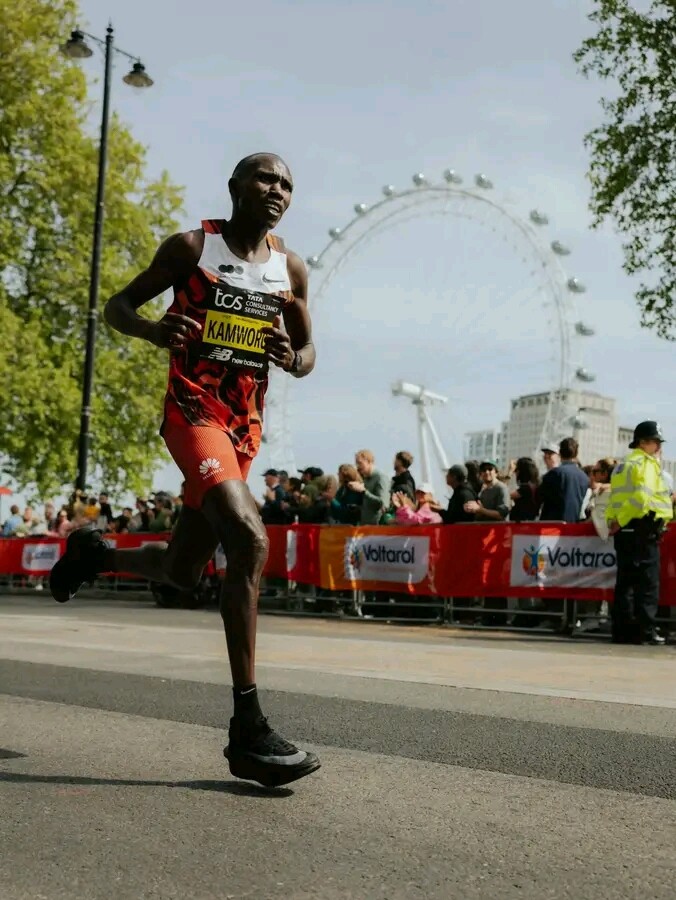
His London Marathon campaign on April 26 proved considerably tougher. Kamworor finished eighth in 2:05:38 in a historic race dominated by Sebastian Sawe, who produced a sensational 1:59:30 to become the first man to break the two-hour barrier in a marathon. Ethiopia's Yomif Kejelcha was second in 1:59:41, while Uganda's Jacob Kiplimo finished third in 2:00:28.
Kamworor will therefore arrive in New York with both experience and motivation on his side. He knows exactly what the course demands, having already navigated its hills, turns and relentless closing stages on multiple occasions.
Beyond the marathon, his career is decorated with major international honours across several disciplines.
Kamworor is a three-time world half marathon champion, winning his first title in Copenhagen in 2014 before successfully defending his crown in Cardiff in 2016 and completing his remarkable hat-trick in Valencia in 2018.
He has also established himself as one of Kenya's finest cross-country runners. He won the world junior cross-country title in Punta Umbria in 2011 before becoming a senior world champion in Guiyang in 2015 and Kampala in 2017. He added a bronze medal at the 2019 World Cross Country Championships in Aarhus.
That versatility has long been one of Kamworor's greatest strengths. From cross country to the half marathon and now the marathon, he has repeatedly demonstrated the endurance, tactical intelligence and competitive resilience required to succeed at the highest level.
Yet New York remains unfinished business.
With two victories already secured and another opportunity waiting on November 1, Kamworor has a chance to strengthen his legacy on one of the sport's most iconic stages.
A third triumph would not only give him a coveted New York hat-trick but would further cement his status as one of Kenya's most accomplished distance runners of his generation.
The Big Apple has already given Kamworor some of the proudest moments of his career. Now, the Kenyan star is returning with one clear ambition — to conquer New York once again.
by Erick Cheruiyot for My Best Runs.
Login to leave a comment

TCS New York City Marathon
The first New York City Marathon, organized in 1970 by Fred Lebow and Vince Chiappetta, was held entirely in Central Park. Of 127 entrants, only 55 men finished; the sole female entrant dropped out due to illness. Winners were given inexpensive wristwatches and recycled baseball and bowling trophies. The entry fee was $1 and the total event budget...
more...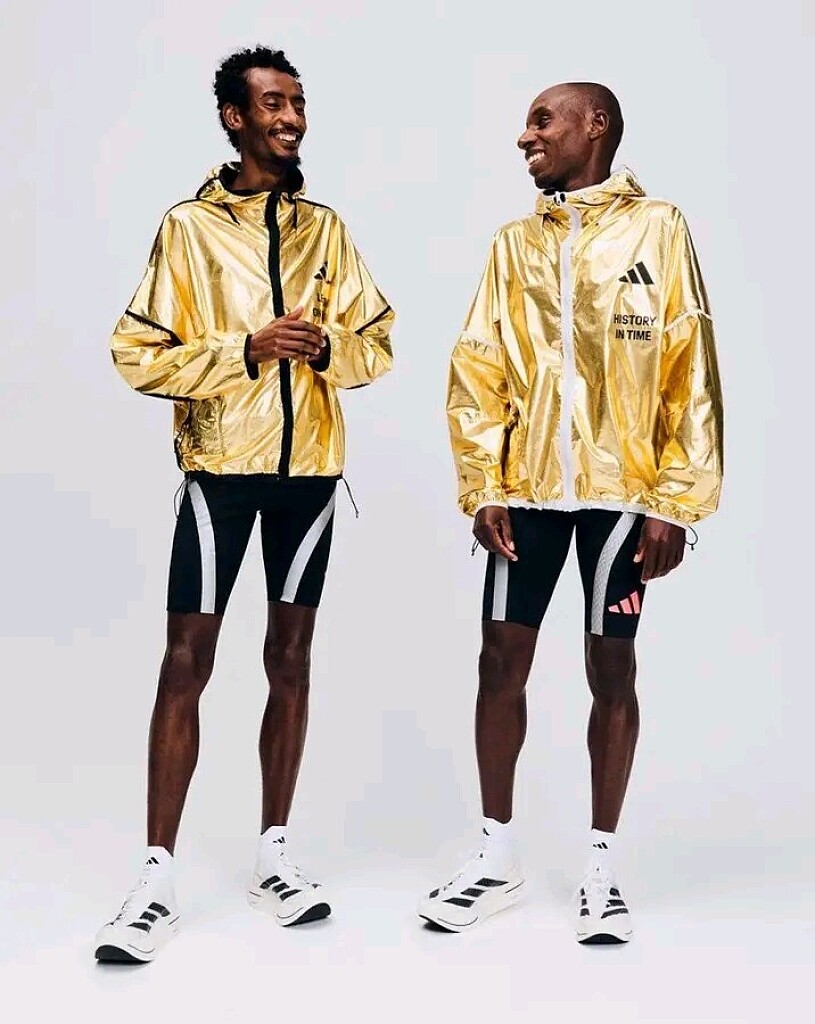
Kejelcha and Sawe: Two Men Driving Road Running Into a New Era
Men's road running is moving into extraordinary territory, and two athletes are increasingly at the heart of its breathtaking evolution: Yomif Kejelcha of Ethiopia and Sabastian Sawe of Kenya.
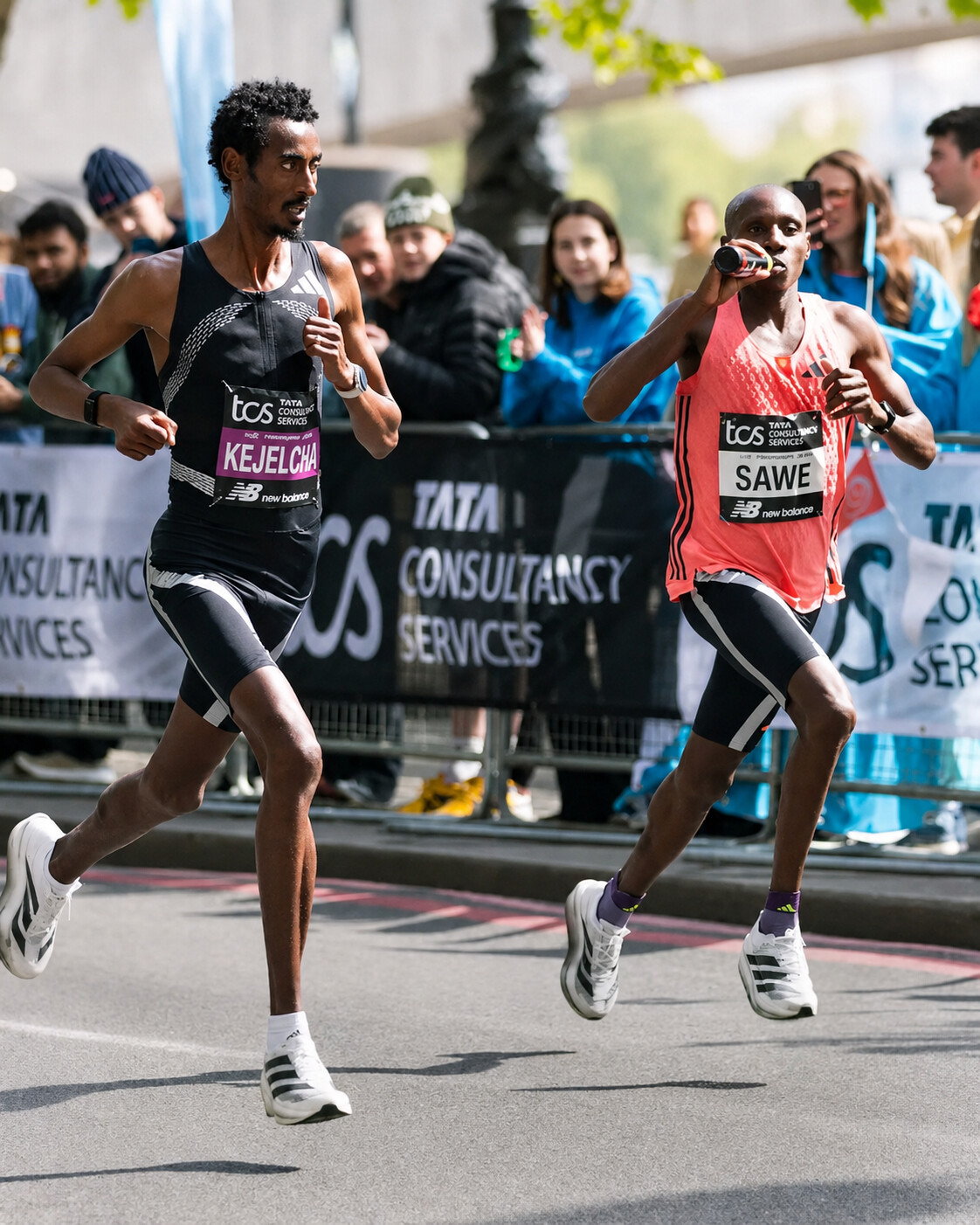
The pair represent the remarkable depth of modern East African distance running, but they are also doing something even more significant: pushing the boundaries of marathon and half-marathon performance to levels that once seemed almost unimaginable. Through their exceptional speed, endurance and ability to perform at the highest level, Kejelcha and Sawe are helping to redefine what is possible on the roads.
Sawe has established himself as one of the most formidable marathon runners in the world. His astonishing 1:59:30 marathon performance at TCS London Marathon on April 26, 2026, marked as a world record, African record and Kenyan record, demonstrated the extraordinary level the marathon has now reached. It also underlined his position at the very top of the men's marathon world rankings.
Kejelcha has been equally sensational, although his journey has highlighted a different kind of versatility. The Ethiopian, whose background includes world-class performances on the track and across shorter road distances, ran 1:59:41 for the marathon debut also at the TCS London Marathon on April 26, 2026, a performance marked as a national record. Just four months later, he delivered another stunning display by clocking 56:51 for the half marathon at the Argentina's capital, Buenos Aires on August 23, 2026, with the performance marked as a pending world record, African record and Ethiopian national record.
That combination of performances illustrates just how exceptional this new generation has become. Kejelcha's ability to threaten the absolute limits over the half marathon while also producing a sub-two-hour marathon performance speaks to his extraordinary range. Sawe, meanwhile, has continued to establish himself as a dominant force over the classic 42.195km distance, combining remarkable efficiency with the strength and speed required to compete at the very highest level.

The two stars are now preparing to take their talents to different stages of the road-running calendar. Kejelcha's next focus is the Valencia Marathon on December 6, where he will once again turn his attention to the marathon distance and look to build on his remarkable breakthrough over 42.195km. Sawe, meanwhile, is set to race the BMW Berlin Marathon on September 27, giving the Kenyan another major opportunity to showcase his extraordinary marathon strength on one of the world's fastest and most prestigious courses.
Those upcoming races add another fascinating dimension to their respective journeys. While Kejelcha heads to Valencia carrying exceptional speed and versatility into another marathon challenge, Sawe will arrive in Berlin with his sights firmly fixed on maintaining his dominance at the highest level of the sport.
What makes their rise particularly exciting is the wider message it sends to athletics. The marathon is no longer progressing only through small margins. The standards at the top are being pushed relentlessly forward, and performances that once appeared impossible are becoming increasingly realistic.
The official sub-two-hour marathon remains one of athletics' ultimate frontiers. Achieving it under standard race conditions would represent one of the greatest endurance breakthroughs in sporting history. Yet with athletes such as Sawe already breaking the two-hour barrier and Kejelcha running only seconds above it while also producing unprecedented half-marathon speed, that frontier appears closer than ever.
Their careers are different, and their strengths are not identical. Sawe has rapidly become a dominant marathon specialist, while Kejelcha brings exceptional versatility from the track to the roads and across multiple distances. But together, they symbolize the relentless progression of men's road running.
Yomif Kejelcha and Sabastian Sawe are not merely among the fastest men of their generation. They are helping to drive the sport toward a future that once seemed unthinkable. With Valencia and Berlin now on their horizons, the next chapter of this remarkable road-running revolution is already waiting to be written.
by Erick Cheruiyot for My Best Runs.
Login to leave a comment
Yomif Kejelcha Smashes Half Marathon World Record with Sensational 56:51 in Buenos Aires
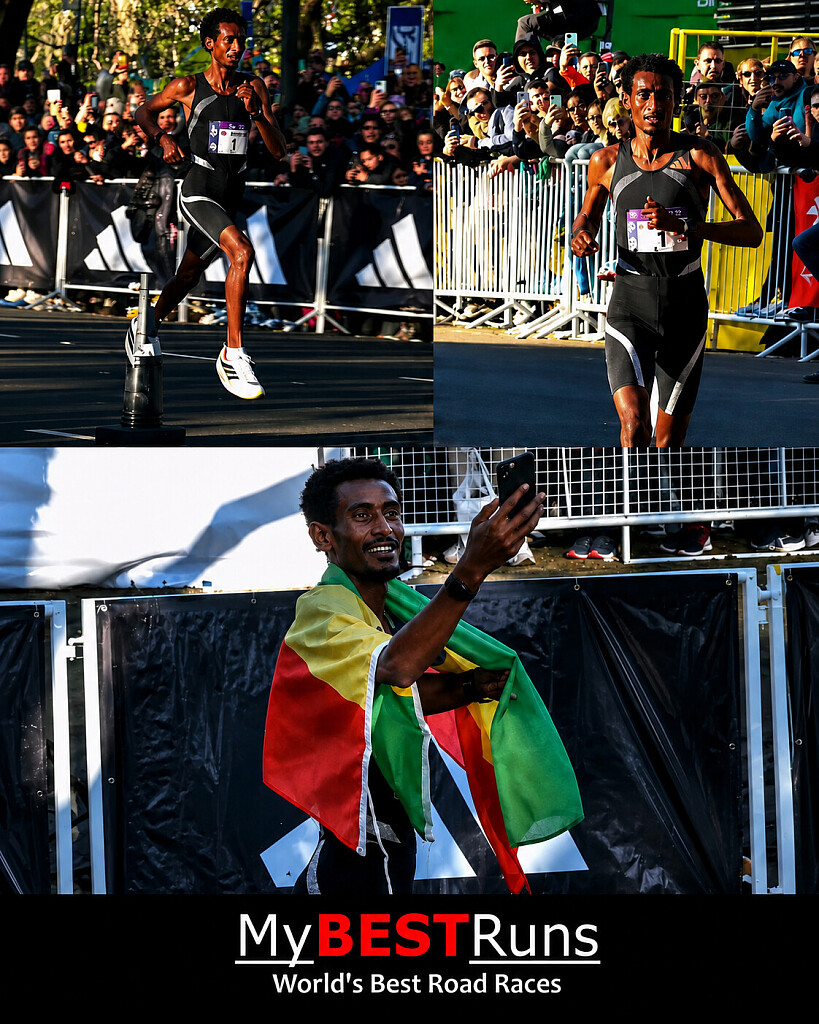
Ethiopia’s Yomif Kejelcha produced one of the most extraordinary performances in road racing history on the streets of Buenos Aires, Argentina, reclaiming the half marathon world record with a sensational 56:51 performance at the 2026 Buenos Aires Half Marathon.
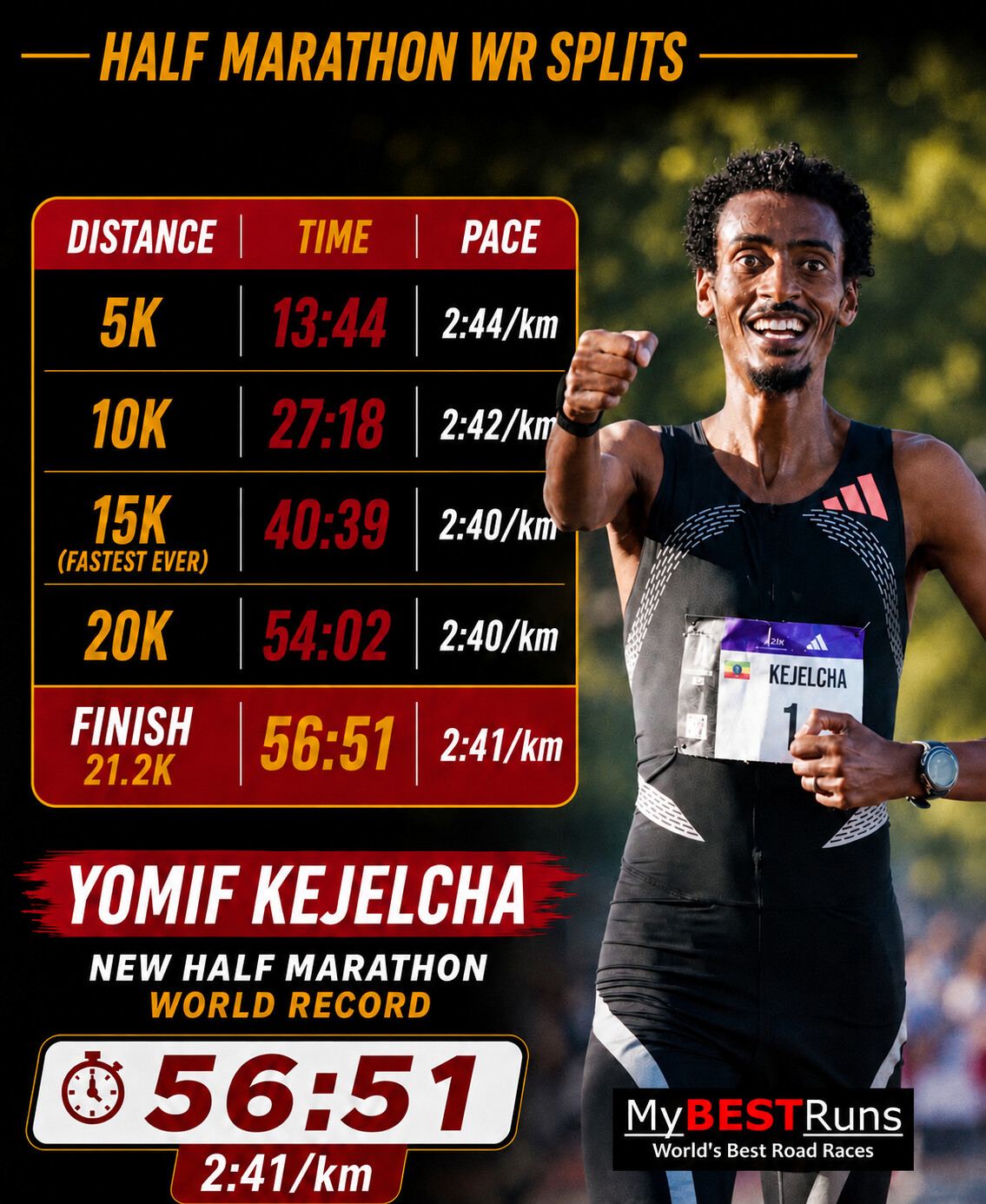
The former world record-holder delivered a breathtaking exhibition of speed and endurance to take 29 seconds off the previous pending mark of 57:20, set by Uganda’s Jacob Kiplimo and takes a huge chunk from his own former official world record. Kejelcha's new performance is pending the standard ratification procedures, but if officially ratified, it will return the world record to the Ethiopian star and mark another remarkable chapter in the evolution of the event.
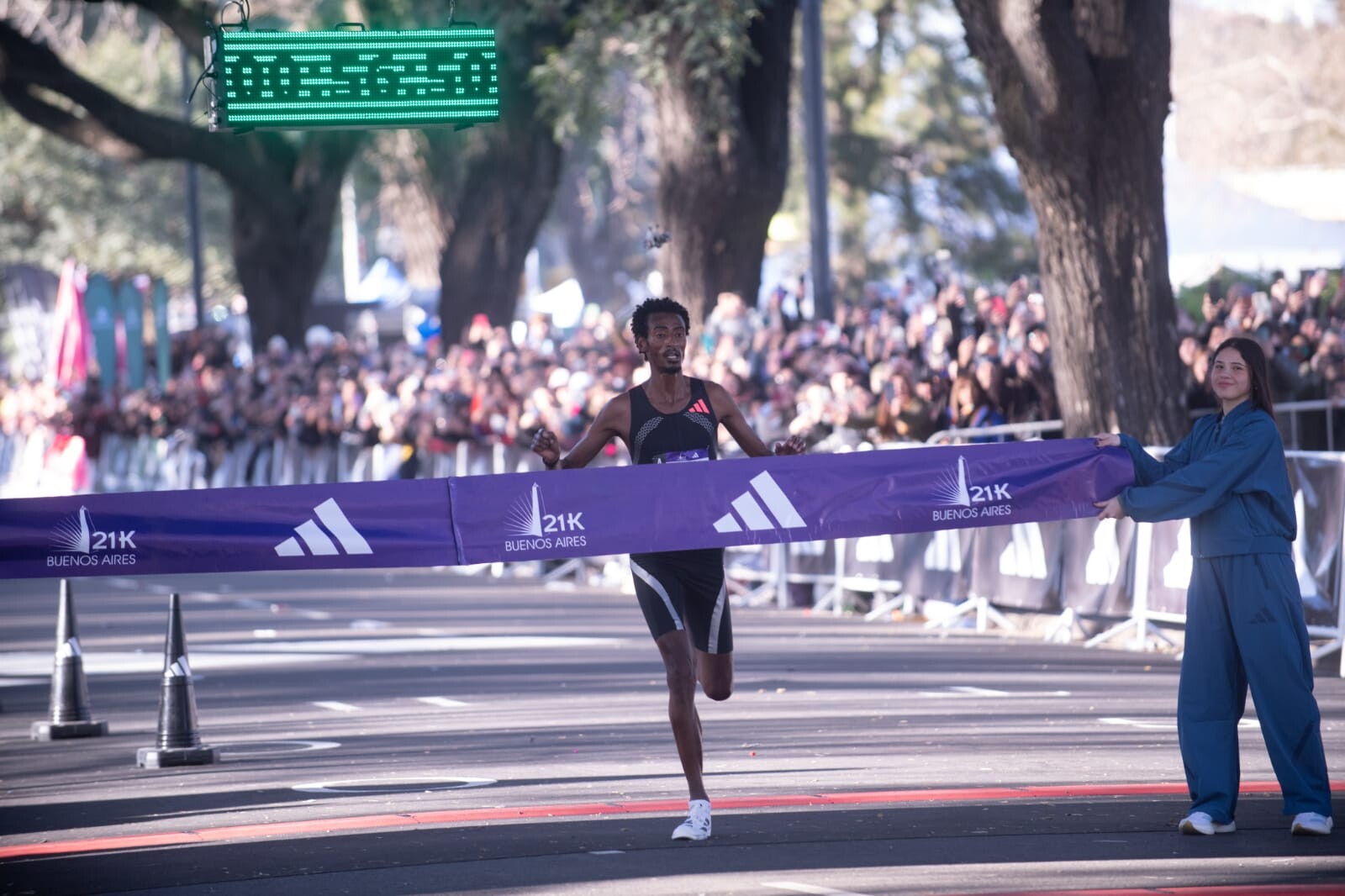
Kejelcha's achievement is particularly significant because the 57-minute barrier had already been broken before. Jacob Kiplimo had previously run under 57 minutes, clocking 56:42 that was not ratified demonstrating that the once-unthinkable barrier was possible. Kejelcha, however, has become the second man to run under 57-minute barrier who now returns to the top of the all-time rankings with another historic performance in Buenos Aires.

The Ethiopian's race was remarkable not only for the final time but also for the way he built his performance. He covered the opening five kilometres in 13:44 before reaching 10km in 27:18. Rather than slowing, Kejelcha accelerated through the middle stages, passing 15km in 40:39 and 20km in 54:02 as he continued to push the limits of elite road racing.
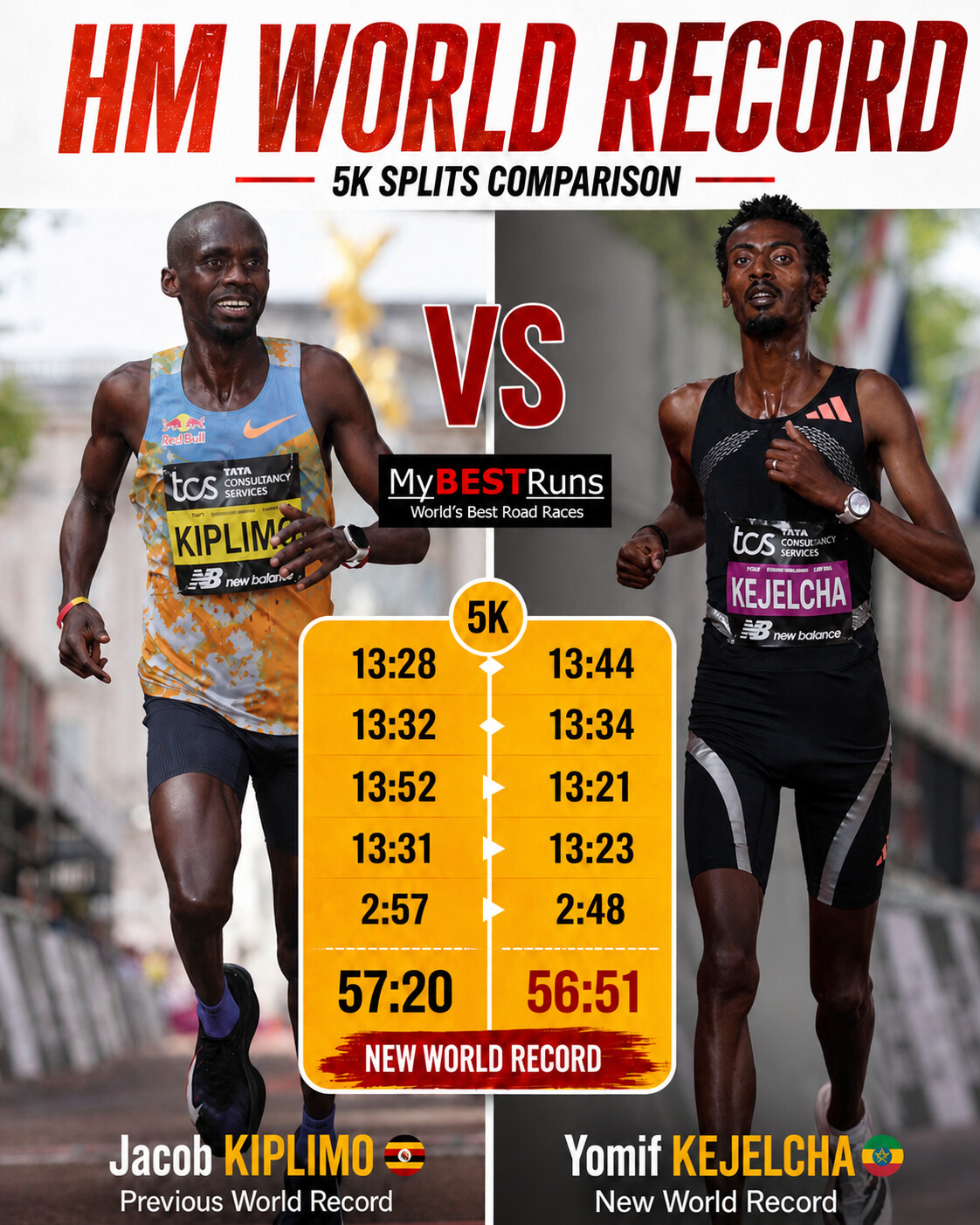
By the time he reached the finish line, Kejelcha had completed the race at an extraordinary average pace of approximately 2:42 per kilometre, producing one of the most astonishing sustained efforts ever witnessed in distance running. His stunning run sent a powerful message to the athletics world and further strengthened his status as one of the most formidable distance runners of his generation.
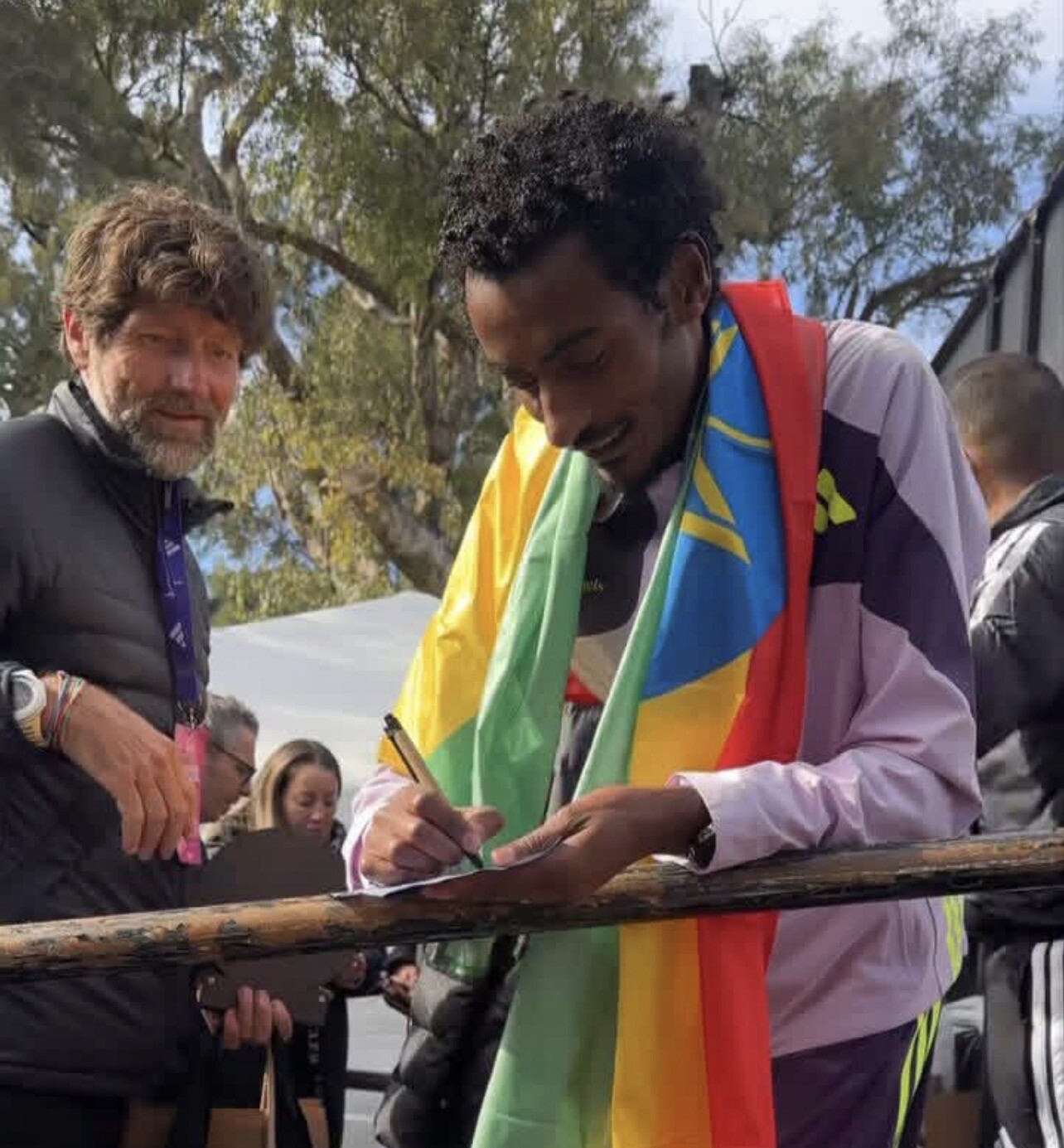
Behind the record-breaking champion, Ethiopia completed a dominant clean sweep of the men's podium. Tadese Worku Gebresilase claimed second place in 59:18, while Bereket Nega Batebo secured third in 1:00:17, giving Ethiopia a memorable one-two-three finish in the Argentine capital.
Kenya’s Jonathan Kipkoech Kamosong finished fourth in 1:00:20, followed by compatriot Simon Maywa in fifth with 1:00:55. Argentina’s Ignacio Erario gave the home supporters plenty to celebrate with an impressive sixth-place finish in 1:00:57, breaking the one-hour barrier in front of an enthusiastic local crowd.
Dillon Kipyeko of Kenya finished seventh in 1:01:07, with Robert Kiprop Koech eighth in 1:02:01. Mexico’s Julio Ortiz Ponce took ninth place in 1:03:17, while Colombia’s Jimmy Gómez completed the top 10 in 1:03:34.
The Buenos Aires Half Marathon will now take its place in the history books as the scene of a truly extraordinary breakthrough. For Kejelcha, this was more than just another victory. It was a spectacular return to the top, reclaiming a world record he had previously held and once again rewriting the limits of the half marathon.
The 56:51 performance remains pending ratification, but Yomif Kejelcha's run has already delivered one of the defining moments in the history of road racing.
by Erick Cheruiyot for My Best Runs.
Login to leave a comment


Buenos Aires Half Marathon
The Buenos Aires Half Marathon is one of the most important in Latin America and attracted more than 25,000 runners from all over the world. Dare to run the fastest half marathon in Latin America....
more...
World Record, McNuggets and Fries: The Extraordinary Pre-Race Ritual Behind Ja’Kobe Tharp’s Historic Run
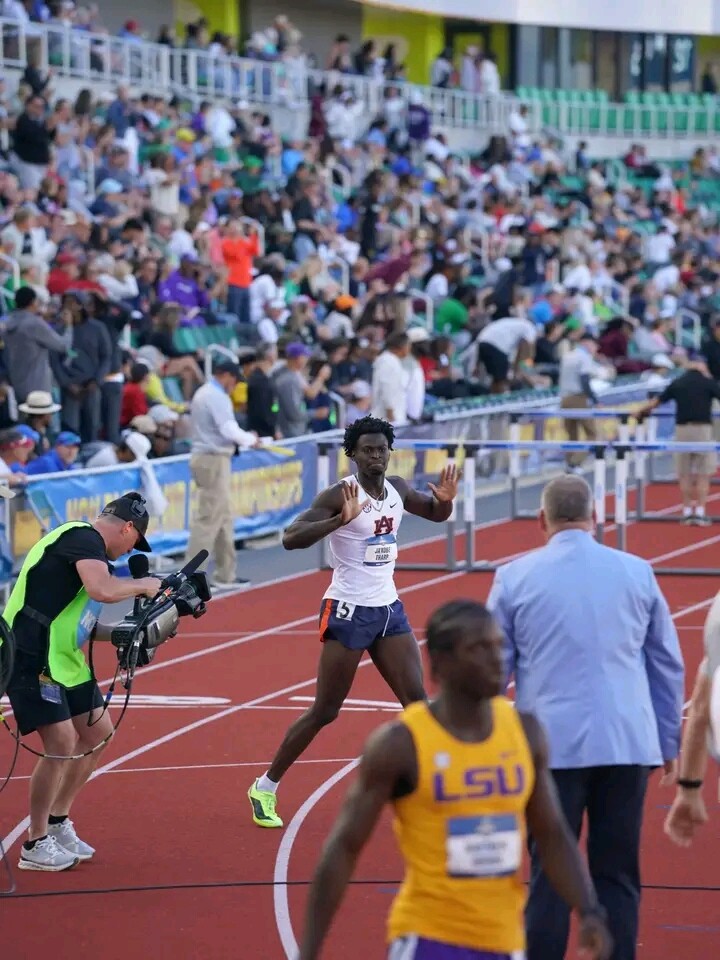
Three hours before producing one of the greatest performances in the history of sprint hurdling, Ja’Kobe Tharp followed a pre-race routine that few athletes—or sports nutritionists—would expect.
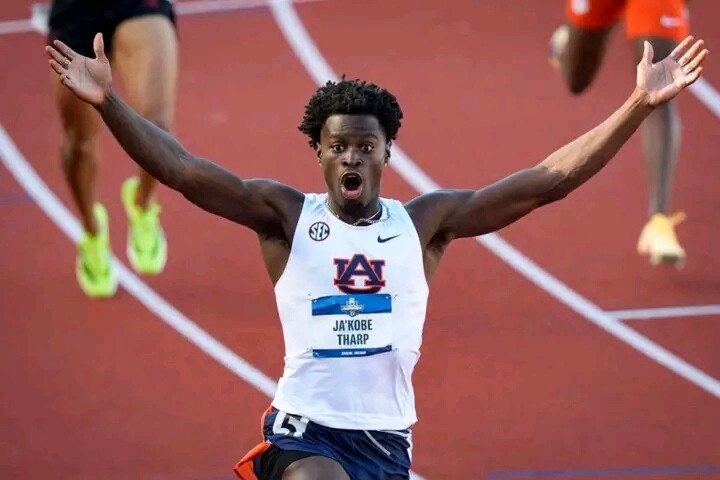
Two cheeseburgers. A large order of fries. And 10 Chicken McNuggets.
That was the meal Tharp ate before taking to the track and breaking the long-standing world record in the men’s 110m hurdles, surpassing Aries Merritt’s 12.80-second mark that had stood since 2012.
The Auburn University star's remarkable performance ended a 13-year wait for a new world record and made him the first man in half a century to set a world record at the NCAA Championships. Yet almost as quickly as his historic run captured attention, another part of the story became a major talking point: his extraordinary pre-race meal.
For Tharp, however, there is nothing new or experimental about the routine.
He has followed the same ritual since his high school years, first adopting it before winning a Tennessee state hurdles title as a junior. Since then, the order has remained remarkably unchanged, becoming an unlikely constant throughout his rise to the top of world athletics.

According to reporting from Auburn University, the meal contains approximately 1,246 calories, even before adding any dipping sauce. Tharp's coach, Ken Harnden, has become an important part of the tradition, reportedly collecting the same order for his athlete in different parts of the world, including Lima, Monaco, Tokyo and Budapest.
Tharp's philosophy is straightforward: if something has worked throughout his career, there is little reason to change it.
But does that mean runners should start filling their pre-race routines with cheeseburgers and fries?
Not necessarily.
The explanation behind why the meal appears to work for Tharp has much more to do with the specific demands of his event than with any magical qualities of fast food.
The men's 110m hurdles is over in less than 13 seconds. During such a short and explosive effort, the body relies primarily on immediate energy systems, particularly the ATP-phosphocreatine system, rather than depending on the gradual digestion of the meal eaten several hours earlier.
Timing is also crucial. By eating around three hours before competition, Tharp gives his body substantial time to digest the food while ensuring he does not arrive at the start line hungry.
A large meal immediately before a race would be a very different situation. But in Tharp's case, his body has also become accustomed to the routine after years of repeating it.
That consistency may be one of the most important aspects of the entire story.
Pre-race rituals can provide athletes with a sense of familiarity and control, particularly in high-pressure situations. By repeating the same preparation before important competitions, athletes can reduce uncertainty and approach the start line with greater confidence.
For Tharp, the McDonald's meal has become part of that psychological preparation.
His story is not entirely without precedent in sprinting.
Usain Bolt famously revealed that he ate enormous quantities of Chicken McNuggets during the 2008 Beijing Olympic Games after struggling to enjoy some of the food available to athletes. Bolt went on to produce one of the most dominant Olympic performances in history, winning three gold medals and setting world records.
However, these examples should not be mistaken for universal nutrition advice.
There is an enormous difference between preparing for a 110m hurdles race and preparing for a marathon.
A marathon places sustained demands on the digestive system and requires athletes to manage carbohydrate stores, hydration and energy intake over more than two hours of continuous effort. High-fat meals can slow gastric emptying and increase the likelihood of stomach discomfort—problems that can become particularly costly during a long-distance race.
That is why elite endurance runners generally follow a very different approach.
Pre-race meals for marathoners and other endurance athletes typically focus on easily digested carbohydrates while limiting foods high in fat and fibre. The objective is to maximise available energy without placing unnecessary stress on the stomach.
In other words, what may be perfectly manageable for an explosive hurdler could become a disastrous experiment for someone running 42.195 kilometres.
The real lesson from Tharp's remarkable routine, therefore, may not be the contents of his meal at all.
It is consistency.
Tharp did not randomly decide to eat more than 1,200 calories of fast food before attempting to break a world record. He had tested and repeated the routine over several years, allowing it to become a familiar part of his preparation.
That is a principle runners at every level can apply.
A pre-race meal should be practised during training rather than introduced on the morning of a major competition. Athletes should learn which foods their bodies tolerate, how long they need to digest them and what preparation leaves them feeling physically and mentally ready to perform.
There is also a wider point about individual athletes and individual routines.
Elite sport is full of unusual habits that work for specific competitors. A ritual can be successful without becoming a universal blueprint. Tharp's incredible achievement does not prove that cheeseburgers and Chicken McNuggets are the secret to faster hurdling—it proves that extraordinary athletes can sometimes thrive with routines that defy conventional expectations.
The temptation, of course, is to copy the most unusual part of a champion's preparation.
But Tharp's world record was not created by a single meal. It was the product of exceptional talent, years of training, technical precision, speed, strength and preparation. The McDonald's ritual is a fascinating detail in the story—not the reason behind the record itself.
Still, it has undoubtedly added another unforgettable chapter to one of track and field's most remarkable performances.
A world record in the 110m hurdles. A historic NCAA achievement. And, just three hours earlier, two cheeseburgers, fries and 10 Chicken McNuggets.
For Ja’Kobe Tharp, it may not look like a conventional recipe for sporting greatness.
But after a performance that rewrote the record books, it is certainly a routine that the athletics world will not forget anytime soon.
by Erick Cheruiyot for My Best Runs.
Login to leave a comment
August 20: The Day Usain Bolt Rewrote the 200m Record Book—Twice
Some dates become part of sporting history. August 20 belongs to Usain Bolt.
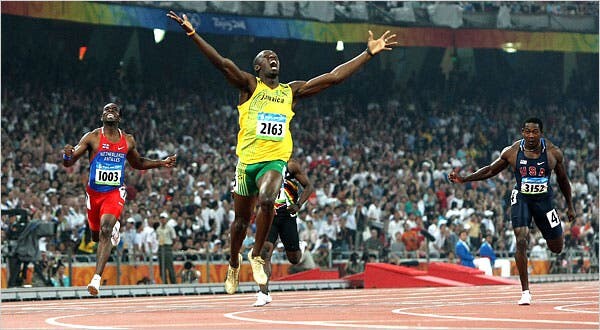
On two consecutive years, the Jamaican sprinting phenomenon transformed the men’s 200 metres, producing performances that seemed almost impossible even by his extraordinary standards.
On August 20, 2008, inside Beijing’s Bird’s Nest, Bolt lined up for the Olympic 200m final carrying enormous expectations. Four days earlier, he had stunned the world by winning the 100m in a then-world-record 9.69 seconds. Yet the 200m was about to become another chapter in his growing legend.
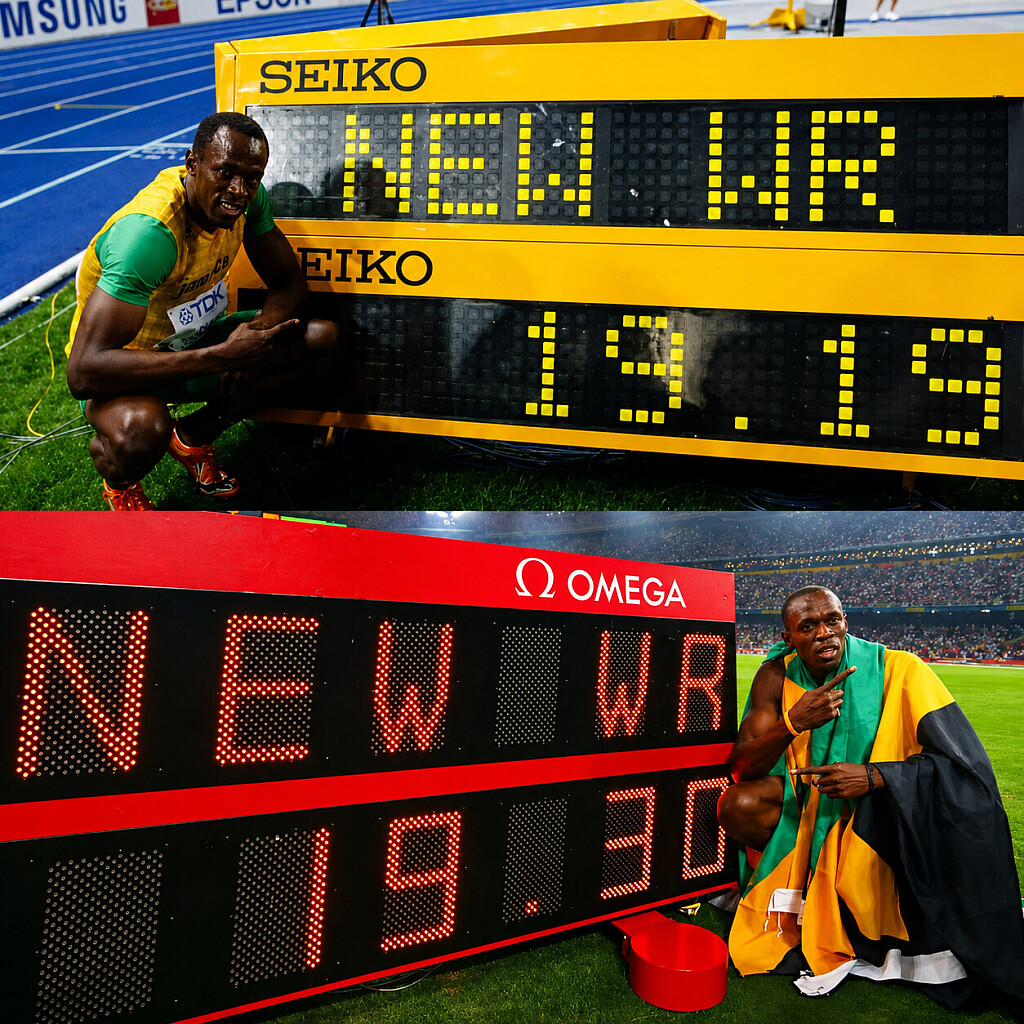
Bolt exploded around the bend before powering down the home straight, crossing the finish line in 19.30 seconds to win Olympic gold and shatter Michael Johnson’s long-standing world record of 19.32, set in Atlanta in 1996. The improvement was only two hundredths of a second, but the significance was enormous: Johnson’s seemingly formidable record had survived for 12 years before Bolt finally brought it down.
And there was another remarkable detail. Bolt’s Beijing record came with a 0.9 m/s headwind, making the performance even more extraordinary.
But Bolt was not finished.
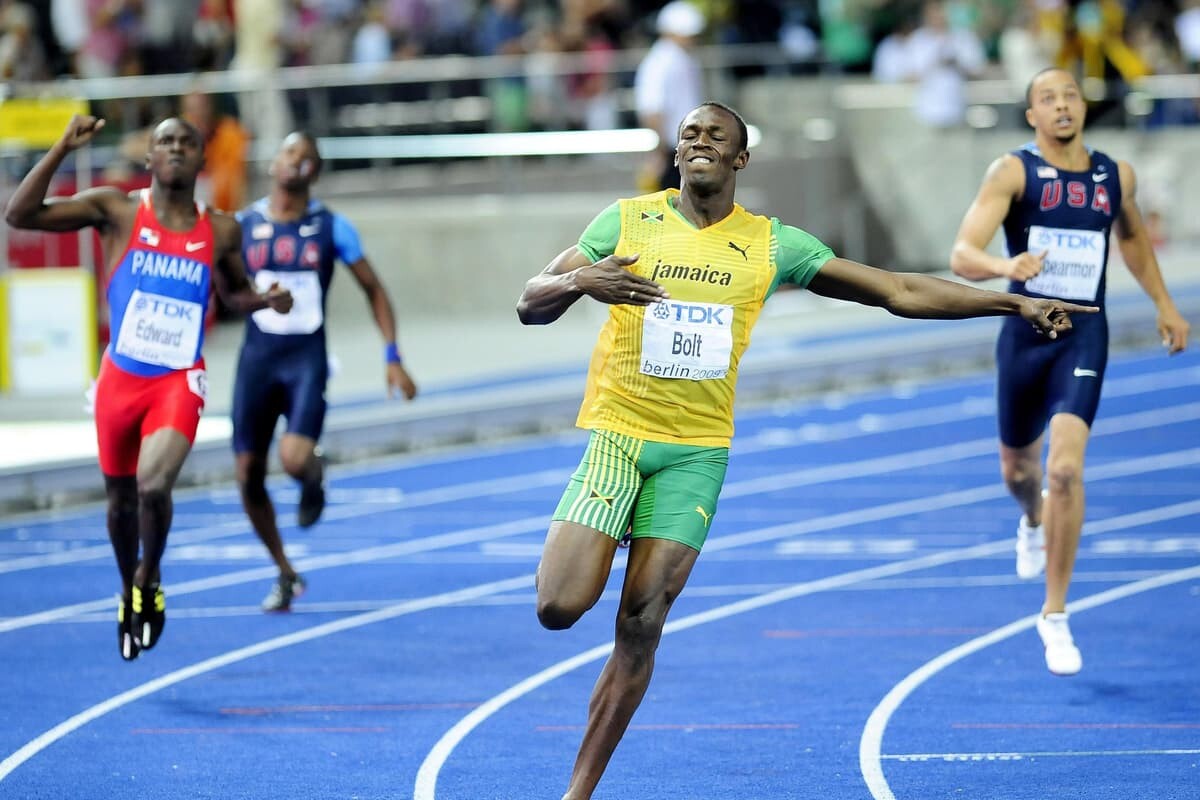
Exactly one year later, on August 20, 2009, he returned to the same event at the World Athletics Championships in Berlin with another opportunity to redefine the limits of speed.
Four days earlier, he had already demolished his own 100m world record, running 9.58 seconds. Now the 200m world record was in his sights.
What followed was extraordinary.
Bolt stormed to 19.19 seconds, taking 11 hundredths off the world record he had established in Beijing. The performance came with a 0.3 m/s headwind, yet he still produced a time that would immediately become one of the most iconic performances in athletics history.
The progression was staggering:
19.30 in Beijing.
19.19 in Berlin.
Michael Johnson’s record had become Bolt’s record—and then, just 12 months later, Bolt destroyed his own mark.
His Berlin victory was also emphatic. Bolt finished more than half a second ahead of Panama’s Alonso Edward, who ran 19.81, while Wallace Spearmon took bronze in 19.85.
What made the achievement even more remarkable was the consistency of Bolt’s record-breaking brilliance. Across the Beijing Olympics and Berlin World Championships, he produced a succession of world records in the 100m and 200m, repeatedly turning major championship finals into historic moments. World Athletics noted after Berlin that Bolt had become the first man to break both the 100m and 200m world records more than once.
And now, 17 years after that unforgettable Berlin night, the 19.19-second world record still stands.
The mark has survived generations of exceptional sprinters, including athletes who have come remarkably close to the 19-second barrier. Yet Bolt’s time remains untouched at the summit of the all-time list.
That is why August 20 is more than a date on the athletics calendar.
It is the anniversary of the day Usain Bolt first broke Michael Johnson’s seemingly untouchable standard—and then returned exactly one year later to make his own record look vulnerable.
Beijing gave the world 19.30.
Berlin gave it 19.19.
Two August 20s. Two world records. One extraordinary sprinter.
Usain Bolt was not simply winning races. He was changing the definition of human speed.
And the question that remains for the next generation is perhaps the most intriguing of all:
Will we ever see another sprinter capable of breaking the 19-second barrier and finally taking down the 19.19 mark that Bolt left behind?
by Erick Cheruiyot for My Best Runs.
Login to leave a comment

Faith Kipyegon Delivers Emotional Injury Update: “I’ll Be Back”
Kenyan athletics fans have been handed a worrying update from one of the country’s biggest sporting stars, with Faith Kipyegon revealing that her recovery from a hamstring injury will take longer than she had initially hoped.
The three-time Olympic champion and multiple world champion has been managing the injury for several weeks, and she has now made it clear that she will not rush her return to competition.
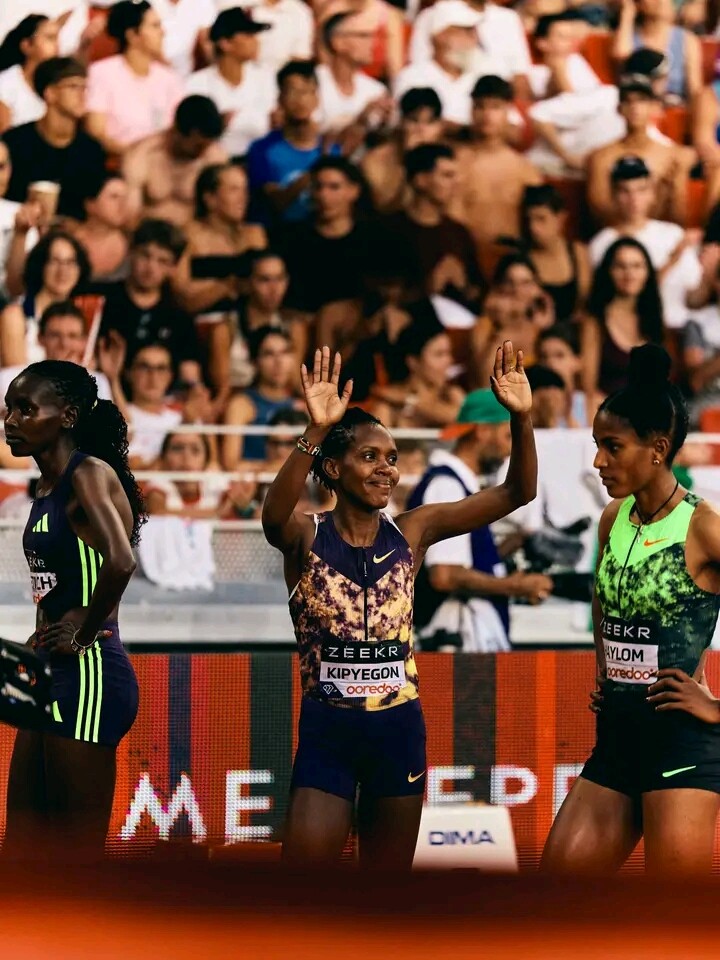
Kipyegon opened up about the setback in an emotional message to her followers, acknowledging the difficult balance elite athletes must maintain between pushing their bodies to the limit and protecting themselves from injury.
“As athletes, we ask a lot from our bodies. There is always a thin line between being fit and the risk of injury.”
The Kenyan superstar said she has been dealing with the hamstring problem since the end of May and admitted that the recovery process has proved slower than she anticipated.
“Since the end of May, I have been dealing with a hamstring injury and unfortunately it needs a bit longer to recover than I had hoped.”
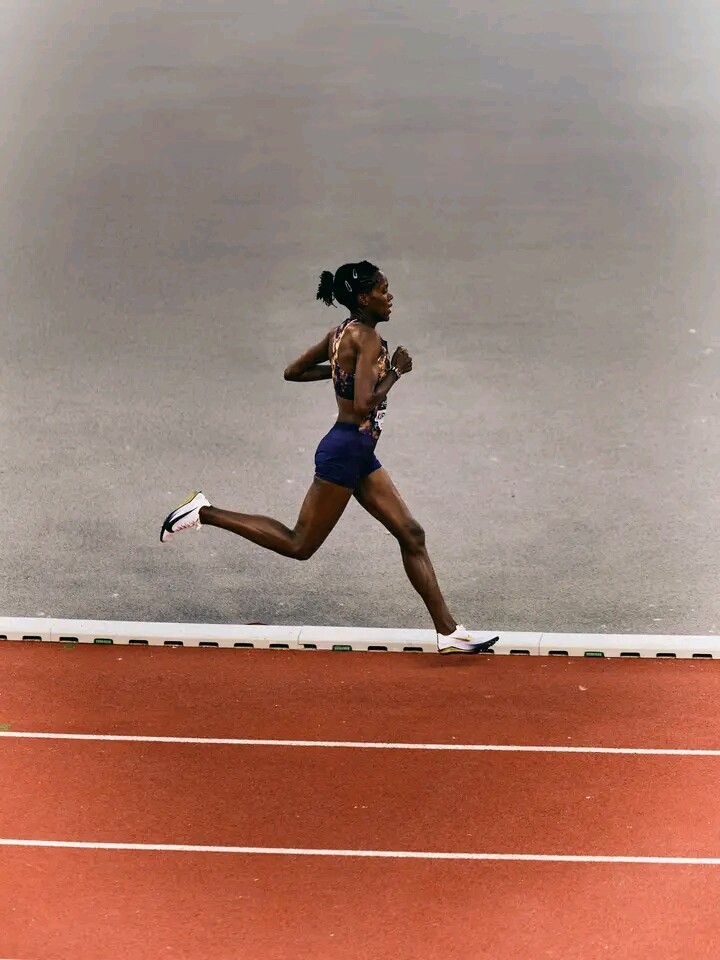
Rather than forcing an early comeback, Kipyegon has chosen to give her body the time it needs to heal properly. For an athlete accustomed to competing at the highest level and delivering spectacular performances on the biggest stages, the enforced break will undoubtedly be frustrating.
But the 32-year-old understands that patience now could be crucial to her long-term return.
“I know that taking care of it now is the most important thing I can do to come back at my best.”
Kipyegon’s decision is particularly significant given the extraordinary standards she has maintained throughout her career. She has dominated the women’s 1,500m for more than a decade, collecting Olympic and world titles while repeatedly rewriting the record books.
She currently owns the women’s world records for both the 1,500m and the mile. Her latest 1,500m world record of 3:48.68, set in Eugene in July 2025, made her the first woman to break 3:49 for the distance. Her mile world record stands at 4:07.64.
Her absence will nevertheless be felt across the athletics world. Kipyegon remains one of the defining figures of modern middle-distance running and one of Kenya’s most decorated athletes. Although she once held the women’s 5,000m world record, that mark now belongs to compatriot Beatrice Chebet, who ran 13:58.06 in Eugene in July 2025 to become the first woman to break 14 minutes over the distance.
For now, however, Kipyegon’s focus is firmly on recovery.
“So for now, I will take the time to heal, recover and get stronger. I’ll be back.”
Those final three words will resonate strongly with her supporters.
“I’ll be back.”
It is a simple message, but one that carries enormous weight. Kipyegon has built her career on resilience, discipline and an extraordinary ability to respond when expectations are at their highest.
This time, the challenge is different. There is no finish line to chase and no championship medal at stake—only the patience required to get her body right.
Kenyan fans may have to wait a little longer to see their champion back on the track, but Kipyegon’s message is unmistakable: the comeback has not been abandoned—it is simply being given the time it deserves.
by Erick Cheruiyot for My Best Runs.
Login to leave a comment
The Olympic Gold That Korea Had To Wait 52 Years To Truly Claim
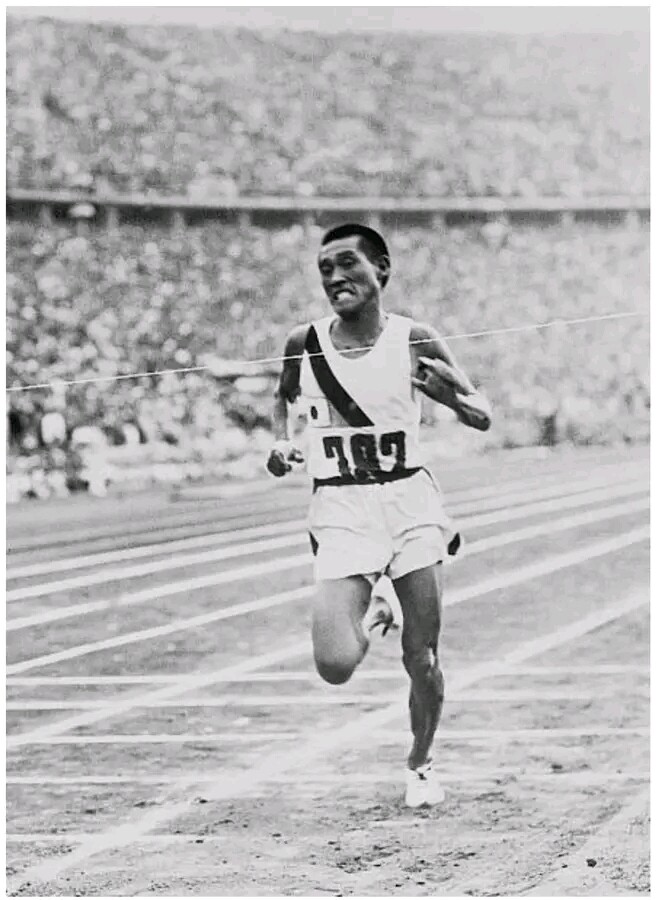
On August 9, 1936, Sohn Kee-chung crossed the finish line of the Olympic marathon in Berlin in 2:29:19.2, becoming the first Korean to win an Olympic gold medal.
But there was a painful contradiction behind the triumph.
The scoreboard did not identify him as Sohn Kee-chung. It listed him as Kitei Son — the Japanese pronunciation of his Korean name. And instead of competing for Korea, he was officially entered as a member of the Japanese delegation because Korea had been under Japanese colonial rule since 1910.
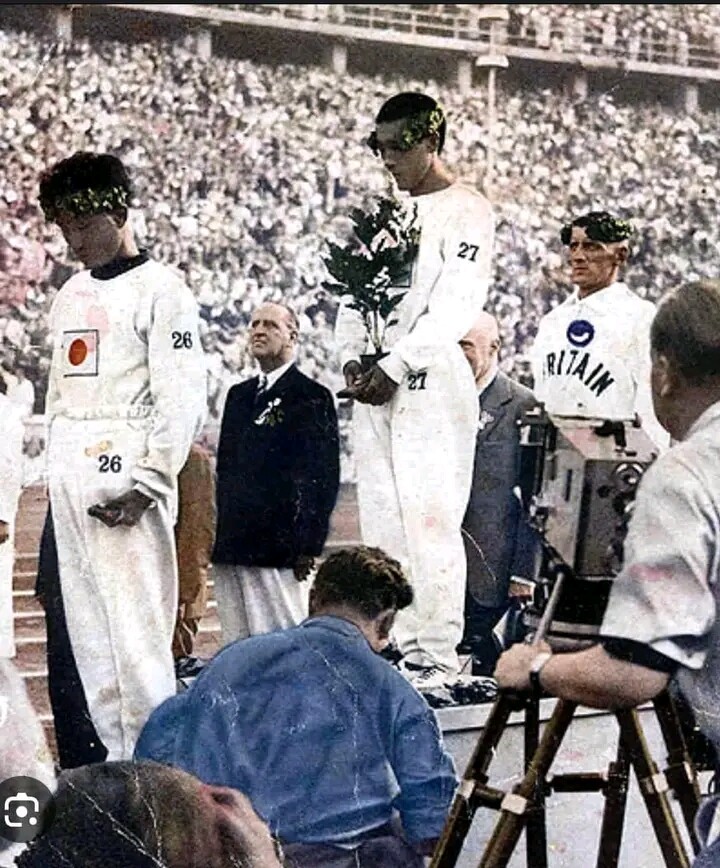
Sohn was born in 1912 near Sinuiju, in what is now North Pyongan Province, and emerged as one of the outstanding distance runners of his generation. His talent became impossible to ignore in the 1930s, and in November 1935 he ran 2:26:42 in Tokyo to set a world marathon record.
By the time he arrived in Berlin, Sohn was already a world-class marathoner. Yet his greatest sporting achievement would unfold under an identity that had been imposed upon him.
He was not permitted to compete under his Korean name. He was not permitted to carry the Korean flag. His uniform bore the Japanese emblem.
And even after winning Olympic gold, he could not celebrate as a Korean champion.
Sohn won the marathon ahead of Britain's Ernie Harper, while another Korean, Nam Sung-yong, claimed bronze. Sohn became the first Olympic marathoner to break the 2:30 barrier, with his 2:29:19.2 Olympic record standing as a remarkable achievement. Importantly, however, his Berlin time was not a world record — his world-best mark had come the previous year in Tokyo.
The medal ceremony became one of the most haunting images in Olympic history.
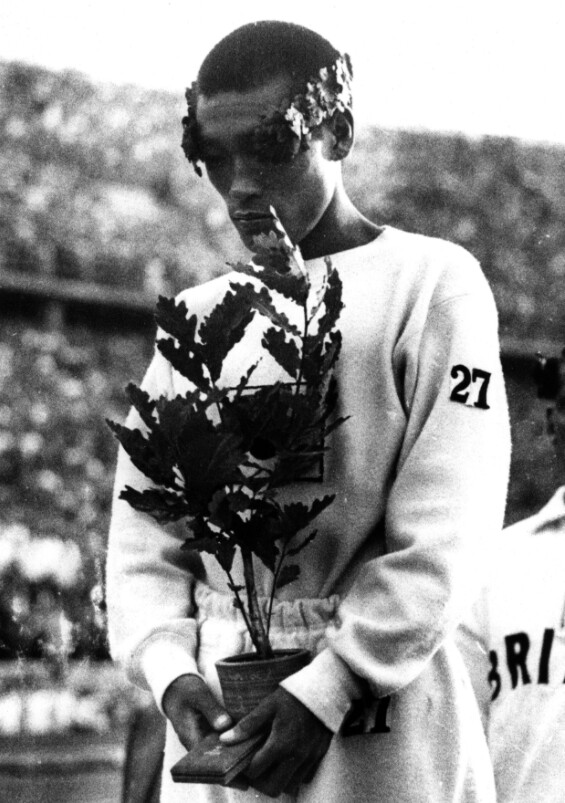
As the Japanese flag was raised and the Japanese anthem played, Sohn stood on the top step of the podium with his head lowered. Nam Sung-yong stood beside him on the third step. Neither athlete was able to represent the nation from which they came.
Sohn held the laurel wreath he had received for winning the marathon across his chest, concealing the Japanese flag on his uniform.
The gesture was silent.
But the message was powerful.
He had won the race for himself and for Korea, even though the official ceremony claimed him for Japan.
Back home, Koreans celebrated his victory with enormous pride. For many, Sohn's success was a rare moment of national affirmation during colonial rule. Yet the emotions were complicated. Some Korean nationalists viewed participation in the Japanese team as a painful compromise, while others saw Sohn's victory as a powerful act of resistance against the colonial claim that Koreans were inferior.
The reaction of the Korean press became another chapter in the story.
On August 25, 1936, the Dong-A Ilbo published the famous photograph of Sohn on the podium with the Japanese flag removed from his uniform. The newspaper's journalists had deliberately erased the emblem — an act of defiance against Japan's colonial authorities. The incident triggered a major crackdown. Multiple journalists were arrested, and the newspaper was forced to suspend publication for months. Historical accounts record that eight people involved were imprisoned and that the paper was suspended for roughly nine months.
The photograph became more than an image of an Olympic champion.
It became an image of a nation trying to preserve its identity.
After Korea was liberated in 1945, Sohn's life took a new direction. He became an influential coach and helped develop the next generation of Korean distance runners. Among those he guided were Suh Yun-bok, who won the Boston Marathon in 1947, and Ham Ki-yong, the 1950 Boston Marathon champion. Sohn also served in various athletic organizations in South Korea.
In 1948, he carried the flag for the newly independent Republic of Korea at the London Olympics — another deeply symbolic moment in a life that had begun with his identity being taken from him on an Olympic starting line.
Decades later, Sohn returned to Germany and, in 1972, attended the Munich Olympics. There, he was reunited with filmmaker Leni Riefenstahl, whose film Olympia had documented the 1936 Berlin Games.
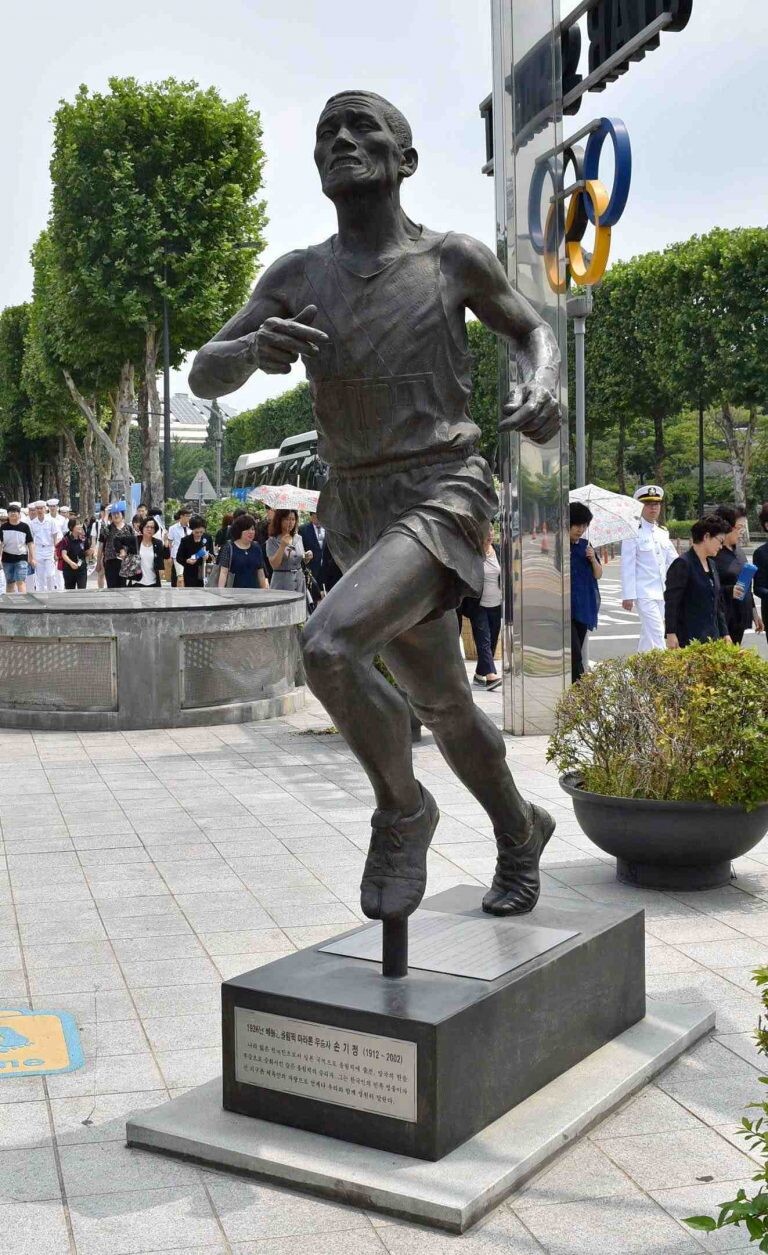
Today, Sohn Kee-chung’s legacy is also preserved in Seoul, South Korea, where a statue of the legendary marathoner stands at Sohn Kee-chung Athletic Park, near the memorial hall named in his honor. The memorial site includes a bronze head statue created in 1990, depicting Sohn in his later years, with scenes from his historic 1936 Berlin victory engraved below. Another statue, unveiled in 2016 to mark the 80th anniversary of his Olympic triumph, portrays the young Sohn proudly holding the Olympic trophy — this time with the South Korean flag in place of the Japanese emblem that had appeared on his uniform in Berlin.
But perhaps the most emotional chapter came in Seoul.
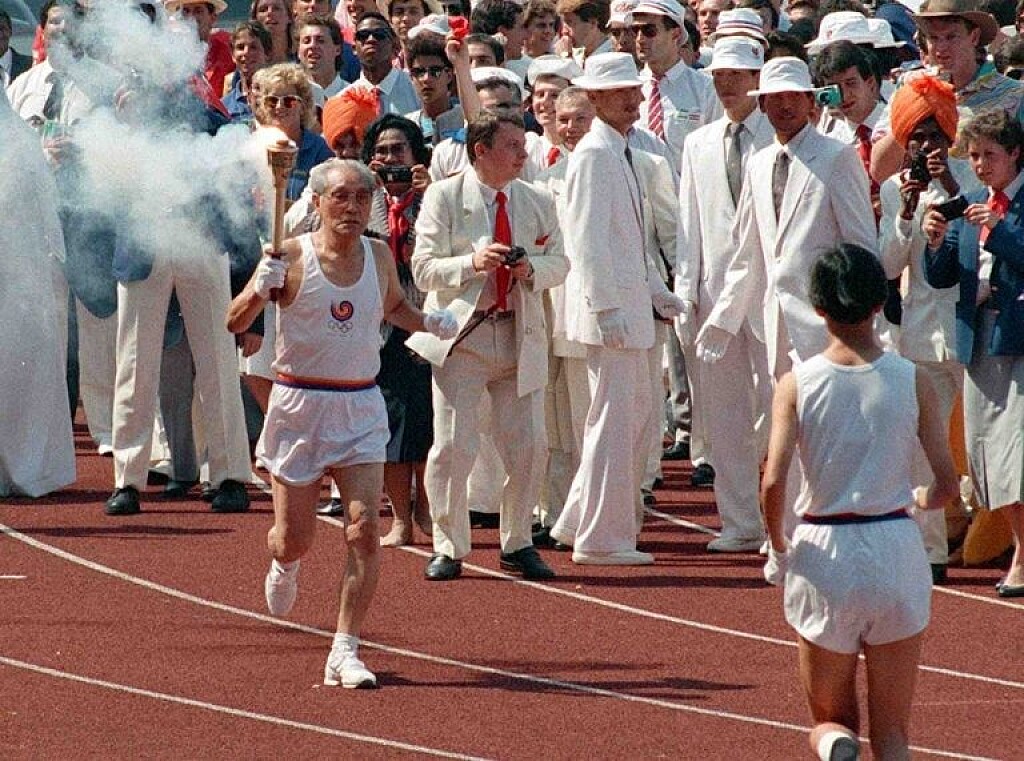
On September 17, 1988, 52 years after his Berlin triumph, the 76-year-old Sohn Kee-chung carried the Olympic torch into the stadium at the opening ceremony of the Seoul Olympics.
Think about what that moment represented.
In Berlin in 1936, he had stood on the Olympic podium beneath a foreign flag, unable to openly celebrate his victory as a Korean.
In Seoul in 1988, he entered an Olympic stadium carrying the flame for his own country.
The symbolism was almost impossible to miss.
The young runner who had once been forced to compete under the name Kitei Son was now an elderly Korean national hero, carrying the Olympic flame before his people.
He had spent more than five decades watching history slowly return his name to him.
Sohn Kee-chung died in November 15, 2002, aged 90, in Seoul, South Korea leaving behind far more than an Olympic medal. He left a story about athletic greatness, identity, dignity and resistance — a story in which a marathon victory became inseparable from the history of an entire nation.
His Berlin gold medal may have been officially recorded under Japan's name.
But in Korea, the champion was always Sohn Kee-chung.
And perhaps that is why the photograph of him standing on the podium, head bowed and the laurel wreath covering the Japanese emblem, remains so powerful.
He won the race in Berlin. But the world took decades to understand who had actually won it.
by Erick Cheruiyot for My Best Runs.
Login to leave a comment
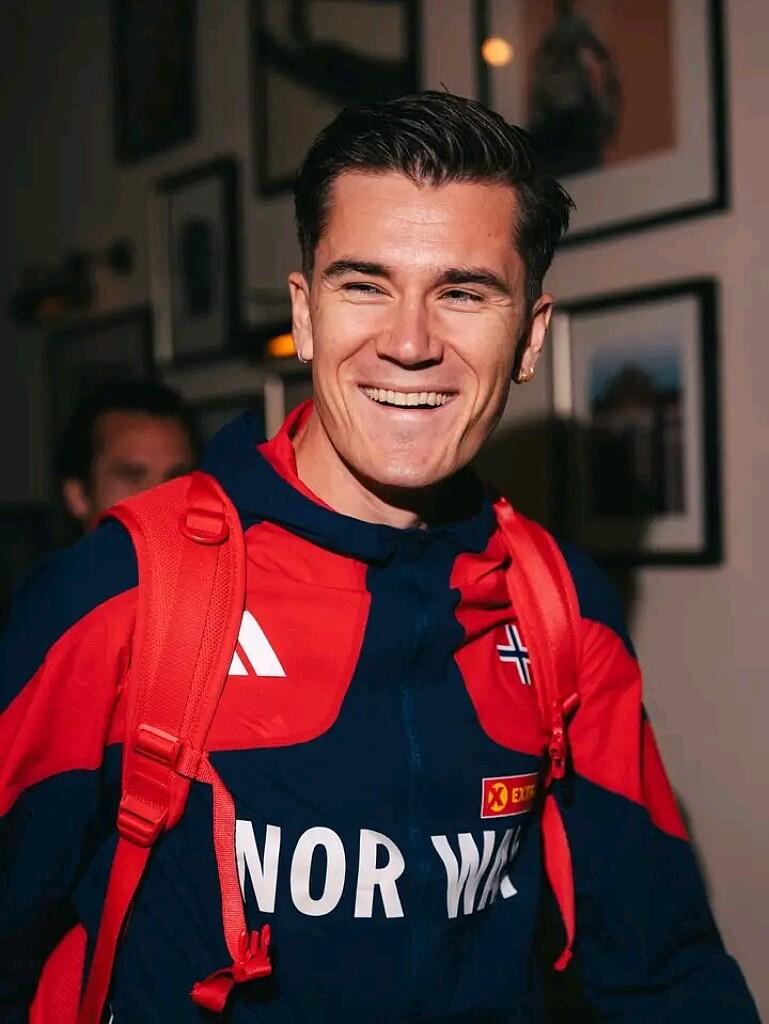
Jakob Ingebrigtsen Returns To Silesia: Can The Norwegian Reclaim The 1500m Throne?
Silesia has become a special chapter in Jakob Ingebrigtsen’s remarkable career, and on August 23, the Norwegian middle-distance superstar will return to the Diamond League with a question hanging over his comeback: can he return to the top of the 1500m?
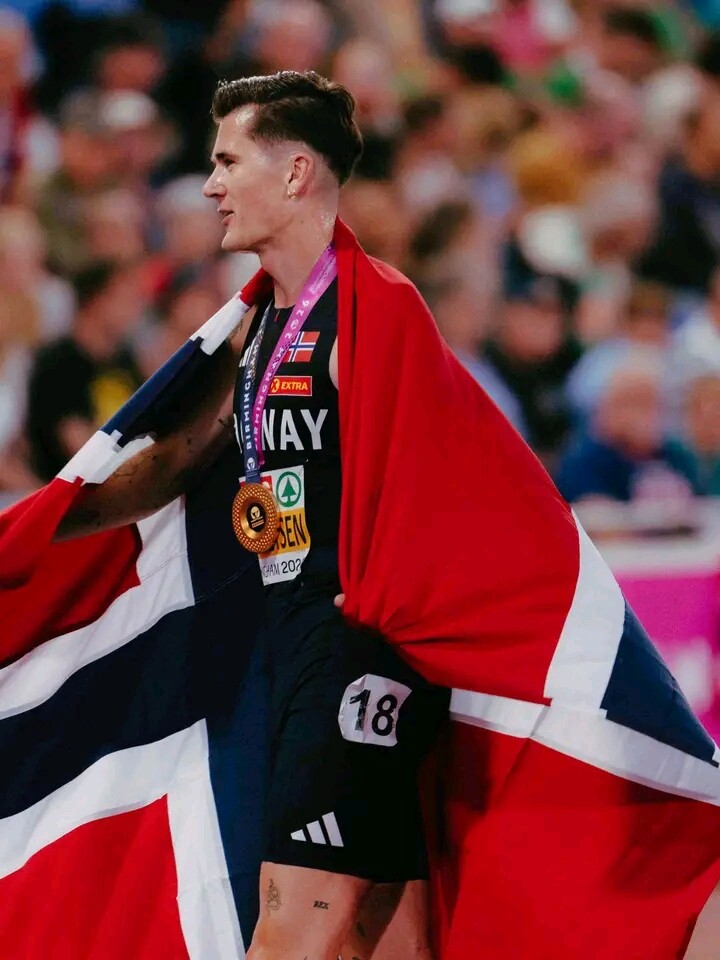
Ingebrigtsen is set to race his first 1500m since the 2025 World Athletics Championships, making his appearance at the Silesia Diamond League one of the most anticipated moments of the meeting.
The Norwegian’s return comes after a fascinating two-year stretch filled with major victories, record-breaking performances and unexpected setbacks.

Since the 2024 Paris Olympics, Ingebrigtsen has experienced almost every side of elite middle-distance running. At the Paris Games, he finished fourth in the 1500m, narrowly missing the podium before quickly responding with a victory in the Diamond League Final later that year.
He then began 2025 in spectacular fashion, breaking the indoor mile world record before going on to claim the world indoor title in the 3000m.
However, his outdoor campaign brought a different challenge. At the 2025 World Championships, Ingebrigtsen failed to advance from the 1500m heats, bringing an unexpected early end to his campaign in the event.
Now, nearly a year later, the 25-year-old is ready to return to the distance that has defined so much of his career.
And Silesia could hardly be a more fitting place for his comeback.
The last time Ingebrigtsen raced at the Polish venue, he produced a performance for the history books. He stormed to 7:17.55 in the 3000m, destroying the 28-year-old world record and once again demonstrating his extraordinary ability to combine speed with endurance.
This time, however, the focus shifts back to the 1500m.
The race will offer Ingebrigtsen an opportunity to measure himself against the world’s best after an extended absence from the event. His tactical instincts, finishing speed and ability to handle a fast pace will all come under the spotlight.
For a runner who has spent years setting the standard in the 1500m, this is more than simply another Diamond League appearance. It is a chance to begin writing the next chapter.
Can Jakob Ingebrigtsen return to the top?
Silesia will provide the stage. August 23 will provide the answer.
by Erick Cheruiyot for My Best Runs.
Login to leave a comment

Débora Simas Runs 866.21 Kilometres in Seven Days to Shatter the Women’s Treadmill Record
For seven relentless days, Débora Simas turned a treadmill inside a bustling shopping mall in Florianópolis, Brazil, into the stage for an extraordinary feat of endurance.
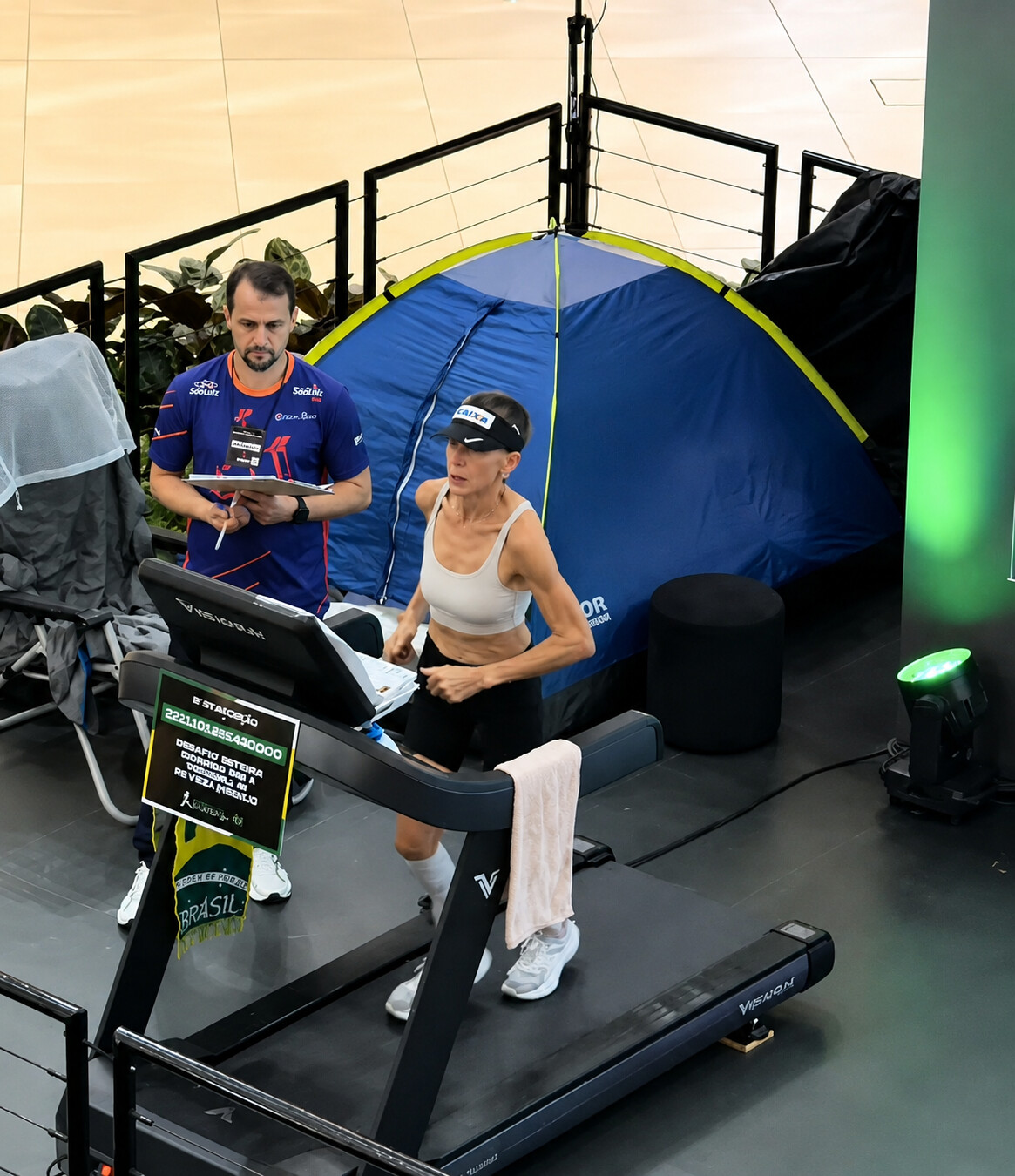
When the clock reached 168 hours at midday on Sunday, the 55-year-old ultramarathoner had covered an astonishing 866.21 kilometres — approximately 538 miles. That distance put her more than 20 kilometres beyond the previous Guinness World Records benchmark of 846.16 kilometres, set by New Zealand’s Emma Timmis in June 2024.

The achievement was the culmination of a challenge that demanded far more than simply running. For an entire week, Simas had to manage the relentless combination of physical fatigue, sleep deprivation, nutrition, recovery and the mental strain of repeatedly stepping back onto the treadmill.

Her temporary home was a tent positioned behind the treadmill, where she grabbed short periods of sleep and attended to essential recovery needs. Food, medical attention and other necessities had to be carefully fitted around the demands of the attempt, while a private bathroom inside the shopping centre provided the only place where she could briefly step away from the public eye.
This was not Simas’s first encounter with the unforgiving nature of seven-day treadmill running. In 2019, she completed 800.61 kilometres over the same 168-hour period at the Beiramar Shopping centre, setting a Brazilian and South American record at the time. Her return seven years later was driven by a very different ambition: to go beyond the world’s best mark.
The preparation behind the attempt was equally remarkable. Simas reportedly spent two years preparing for the challenge while balancing two jobs, often training largely on her own. Every kilometre of that preparation ultimately became part of a much bigger test of patience, resilience and belief.
There were moments during the seven days when the body threatened to take control. At one stage, a severe cramp placed the attempt in jeopardy and forced members of her support team to intervene. Yet Simas recovered and continued, refusing to let one difficult moment derail an effort that had taken years to build.
Her final distance of 866.21 kilometres represents an average of about 123.7 kilometres per day, or roughly 5.15 kilometres every hour across the full 168-hour period. That figure includes the periods when she was required to stop for essential needs, making the scale of the accomplishment even more striking.
Simas now has the number that matters most: 866.21 kilometres. However, there is an important distinction between breaking the previous mark and having the Guinness title officially ratified. Guinness World Records notes that records can change before they are immediately reflected online, and official recognition depends on the verification process.
For Simas, though, the significance of the achievement goes far beyond a number on a leaderboard. Her journey was a battle against exhaustion, discomfort and the powerful urge to stop — a test in which mental strength became just as important as physical endurance.
“I had to face the sleepiness, the pain, the exhaustion, and moments when my head had to be stronger than my body,” she said.
After 168 hours, the treadmill finally fell silent. Débora Simas stepped away having transformed seven days of relentless running into one of the most remarkable endurance performances of her career — and, pending official verification, a new women’s world-best mark for distance covered on a treadmill in one week.
by Erick Cheruiyot for My Best Runs.
Login to leave a comment

Tegla Loroupe Embarks On 840-Kilometre Peace Run From Kakuma To Nairobi
Ambassador Tegla Chepkite Loroupe has embarked on an extraordinary 840-kilometre run from Kakuma Refugee Camp in Turkana County to Uhuru Park in Nairobi, turning a seven-day endurance challenge into a powerful campaign for peace, education, inclusion and greater awareness of the experiences and aspirations of refugees.
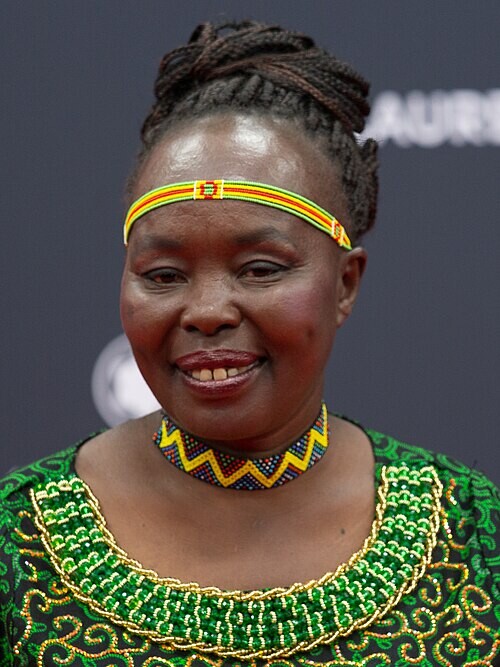
Loroupe is undertaking the journey alongside 28 refugees, with the initiative designed to shine a light on the challenges facing refugee communities in Kakuma and Dadaab while promoting stronger relationships between refugees and their host communities.

For Loroupe, the run represents far more than a test of endurance. It is an extension of a mission she has pursued for years—using sport as a platform to promote peace, opportunity, education and inclusion for people whose lives have been affected by displacement.
Reflecting on the early days of advocating for refugee inclusion in sport and development, Loroupe said it was deeply meaningful to see Yiech Pur Biel continue that mission. Biel, who grew up in Kakuma Refugee Camp and went on to represent the Refugee Olympic Team, will lead the team at the Youth Olympic Games in Senegal this year.

“Reflecting on the early days of advocating for refugee inclusion in sports and development, it means so much to see Yiech Pur Biel carry that mission forward — this year, he’ll lead the Refugee Olympic Team at the Youth Olympic Games in Senegal. I’m taking on an 840km journey over seven days, running from Kakuma Refugee Camp to Uhuru Park in Nairobi alongside 28 refugees. Every kilometre of this run is a reminder: displacement doesn’t have to mean the end of a dream. Everyone deserves the chance to pursue theirs,” Amb. Tegla Loroupe said.
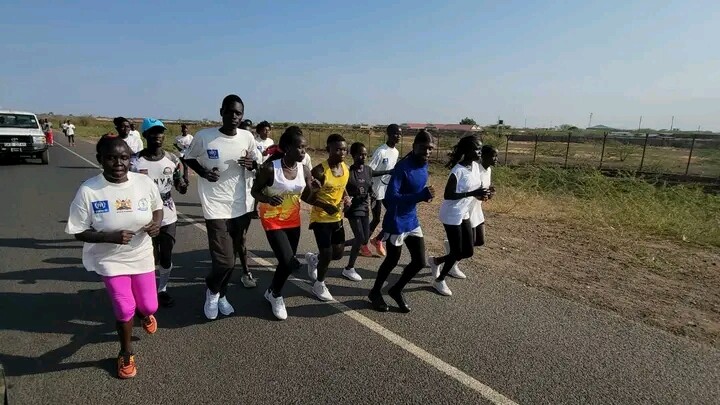
The message captures the heart of the initiative. By running alongside refugees rather than simply speaking about their experiences, Loroupe is seeking to bring their stories, ambitions and hopes closer to the national conversation.
Her journey also reflects the remarkable transformation of her own life from elite athlete to global advocate. Born on 9 May 1973, Loroupe established herself as one of Kenya’s most accomplished long-distance runners before devoting much of her influence to peacebuilding, education, women's rights and humanitarian causes.
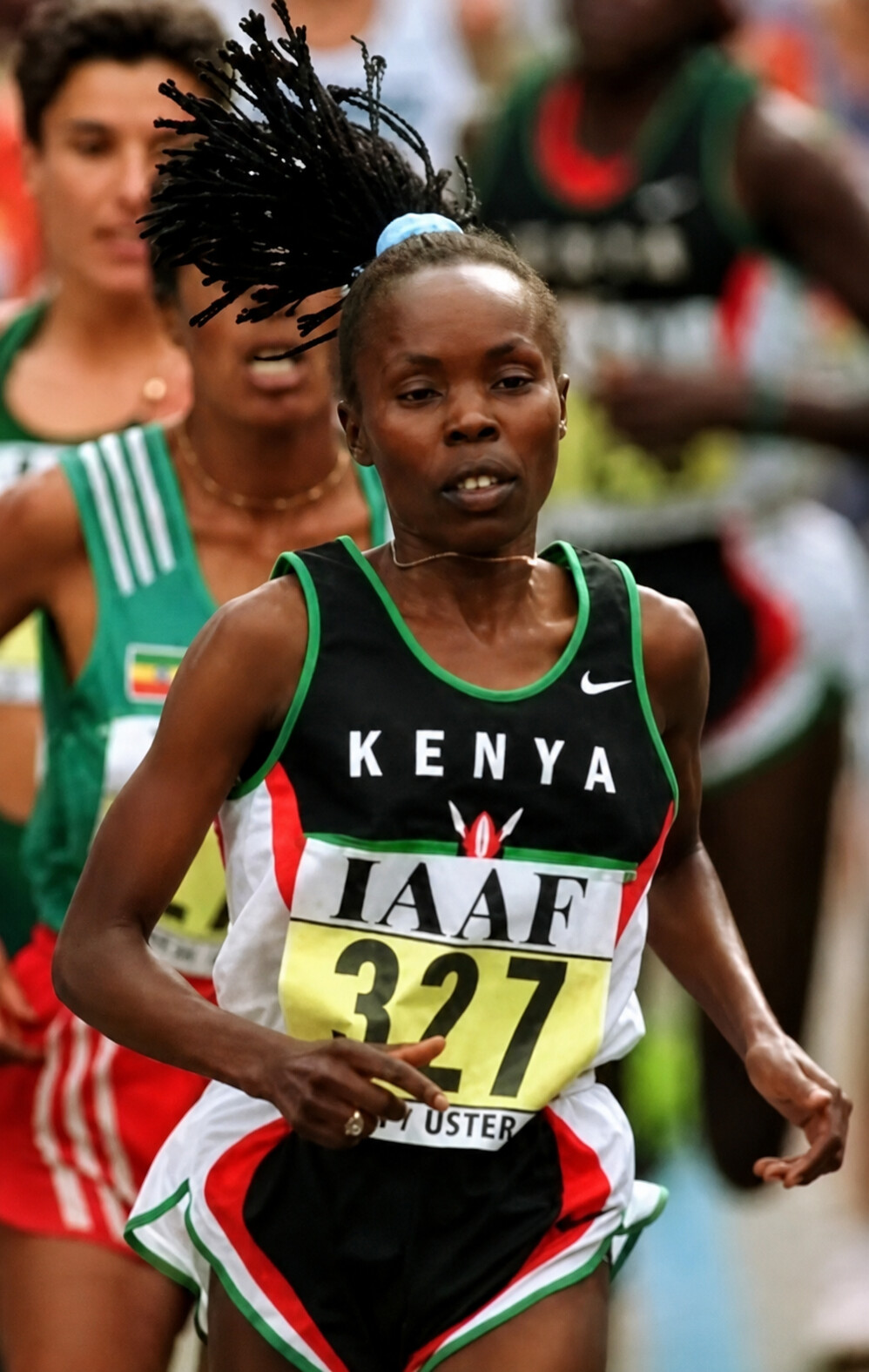
During her illustrious career, she held world records over 25 and 30 kilometres and became the first African woman to hold the women's marathon world record. She also became a three-time world half-marathon champion and made history as the first African woman to win the New York City Marathon, claiming the prestigious race twice.
Her victories extended to several of the world's major marathons, including London, Rotterdam, Hong Kong, Berlin and Rome, cementing her reputation as one of the outstanding distance runners of her generation.
Yet Loroupe's influence today extends well beyond her achievements on the road. Through the Tegla Loroupe Peace Foundation and other initiatives, she has continued to champion peaceful coexistence and opportunities for communities affected by conflict and displacement.
The 840-kilometre journey now gives that mission a physical form. From Kakuma to Nairobi, every kilometre is intended to carry a message of hope while drawing attention to the potential of refugees when they are given access to education, sport, opportunity and a supportive community.
The participation of 28 refugees makes the journey even more significant. Their presence transforms the run from a symbolic campaign into a collective expression of resilience, allowing those directly affected by displacement to become part of the story being told.
As Loroupe and her fellow runners make their way towards Uhuru Park over seven days, the distance will inevitably test their physical strength. But the greater purpose lies beyond the finish line: reminding Kenya and the wider world that being displaced does not mean being without dreams.
For Loroupe, every stride is therefore a statement of possibility—a call for peace, inclusion and education, and a powerful reminder that with the right opportunities, refugees can move beyond survival and pursue the futures they envision.
by Erick Cheruiyot for My Best Runs.
Login to leave a comment
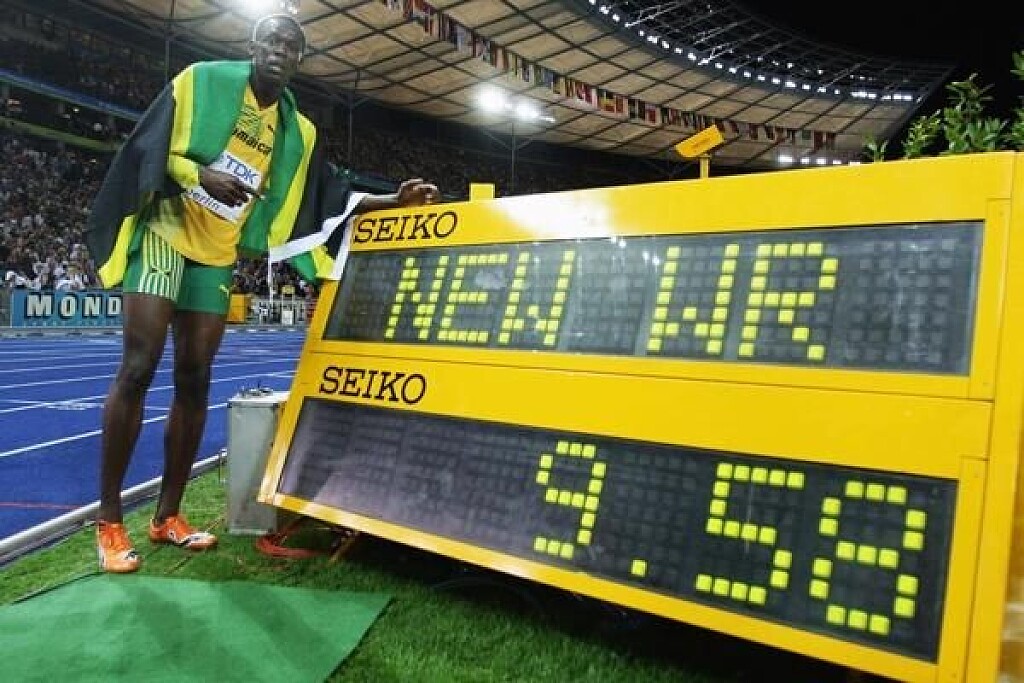
Seventeen Years On, Usain Bolt’s 9.58 Still Stands Alone
Seventeen years ago today, Jamaica’s Usain Bolt produced one of the most extraordinary performances in the history of athletics, sprinting into sporting immortality with a breathtaking 9.58 seconds in the men’s 100m final at the 2009 World Championships in Berlin.
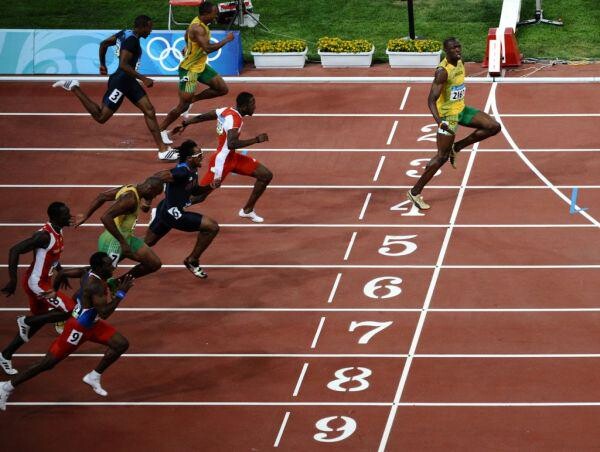
Under the lights of Berlin’s Olympic Stadium, the Jamaican superstar dismantled his own world record, slicing an astonishing 0.11 seconds from the 9.69 he had set at the Beijing Olympics exactly one year earlier. With a legal tailwind of +0.9 m/s, Bolt crossed the finish line in 9.58 — a mark that remains the fastest 100m ever recorded by a man.
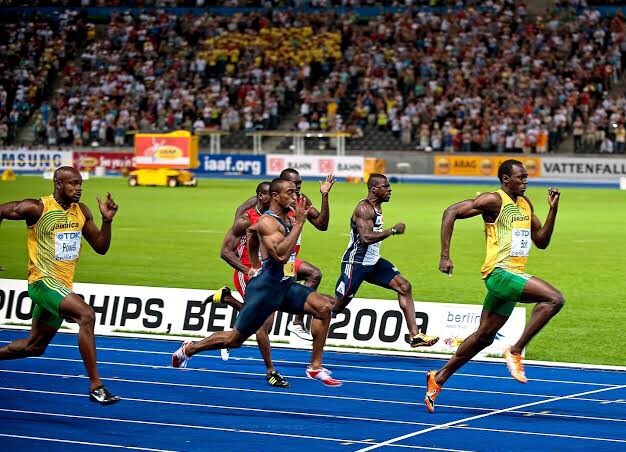
The race was billed as a heavyweight showdown between Bolt and American Tyson Gay, but once the Jamaican found his rhythm, the contest was effectively decided. Bolt surged away from the field with his trademark long, powerful strides, stopping the clock in a time that seemed almost beyond the limits of human speed.
Behind him, Gay produced a remarkable 9.71 for silver, setting a United States record, while Jamaica’s Asafa Powell claimed bronze in 9.84. Yet the night belonged entirely to Bolt, whose performance became the defining image of the Berlin championships.
What made the achievement even more remarkable was the scale of the improvement. Bolt had already rewritten the world record in Beijing with 9.69, but in Berlin he went to another level, becoming the first man to break the 9.6-second barrier. His 9.58 also represented the largest improvement to the men’s 100m world record since electronic timing was introduced.
Seventeen years later, the number still carries an almost mythical quality: 9.58 seconds. Generations of sprinters have chased faster times, but Bolt’s Berlin masterpiece remains untouched. The record has survived Olympic cycles, world championships and a new generation of elite sprinters, continuing to stand as one of the most enduring monuments to human speed.
On August 16, 2009, Usain Bolt did more than win a world title. He created a moment that transcended the race itself — a performance that continues to remind the world just how extraordinary the limits of speed can be.
Seventeen years on, 9.58 still belongs to Bolt. And the world is still waiting for someone to catch him.
by Erick Cheruiyot for My Best Runs.
Login to leave a comment

Michael Roeger’s Long Road Back to the Marathon World Record — and Now Sydney Awaits
On August 30, approximately 35,000 runners will line up at Miller Street in North Sydney for the 2026 TCS Sydney Marathon. Among them will be an athlete who already owns a piece of marathon history: Michael Roeger, the Australian T46 marathon world-record holder and one of the most remarkable endurance athletes of his generation.
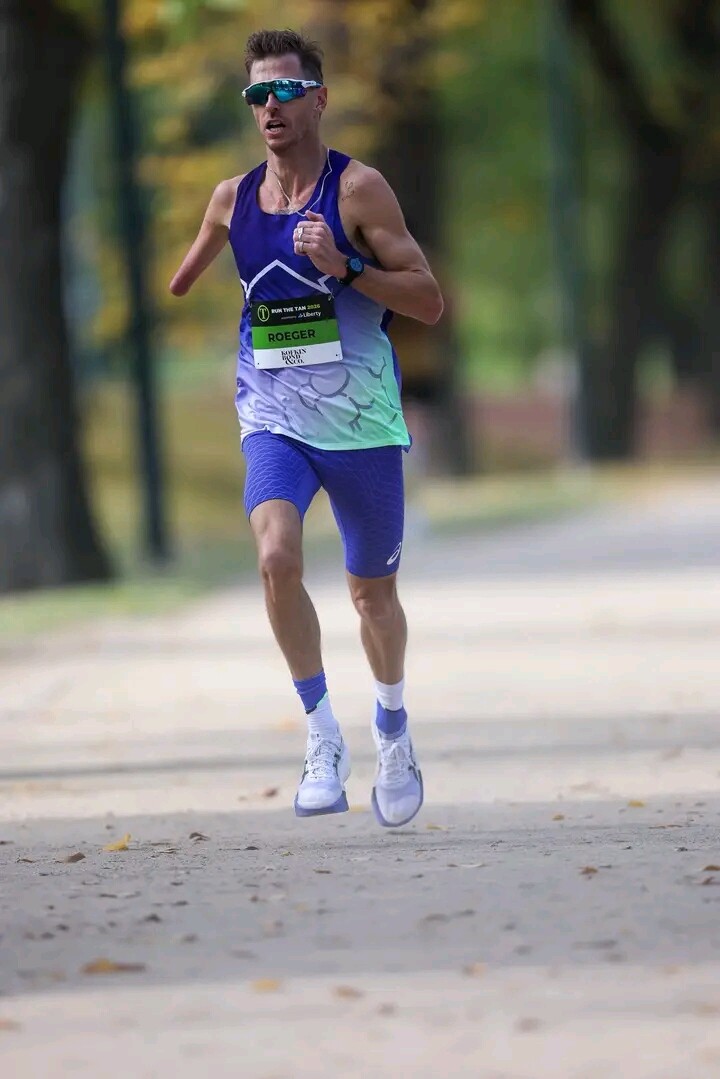
At 38, Roeger returns to the marathon with a career shaped by persistence, reinvention and an extraordinary ability to keep moving forward whenever circumstances have threatened to derail him.
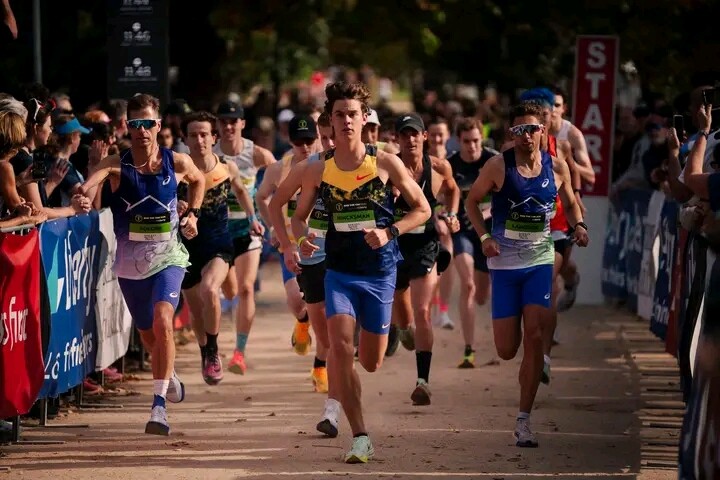
Sydney is a fitting stage for the next chapter. The marathon, now part of the Abbott World Marathon Majors, takes runners through some of the city's most recognisable landmarks, beginning in North Sydney, crossing the Harbour Bridge and eventually finishing near the Opera House. For Roeger, however, this is about far more than another marathon.
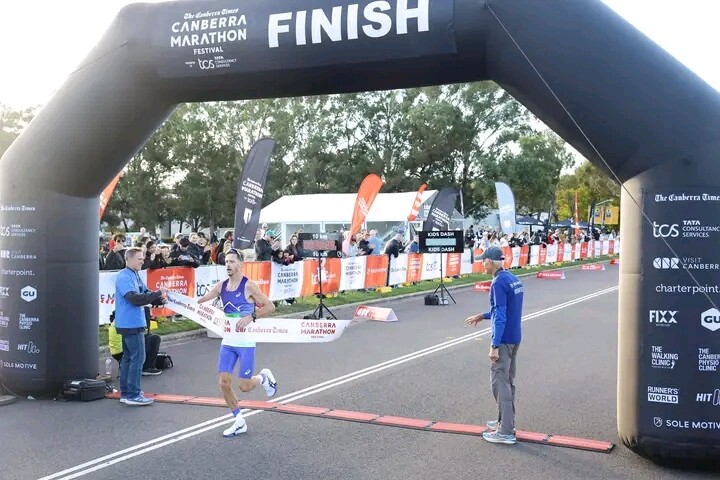
He is returning to the distance in the city where he set the fastest T46 marathon ever recorded.
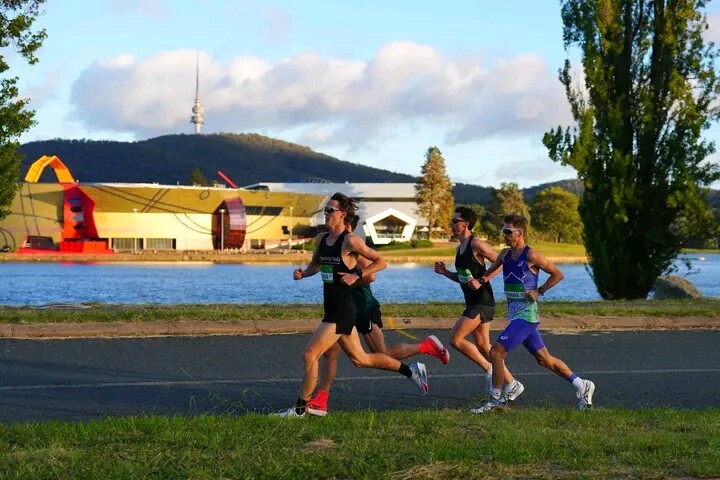
Roeger grew up in Langhorne Creek, a small South Australian community about 55 kilometres south of Adelaide. Born without the lower half of his right arm, he discovered Para athletics after Paralympian Neil Fuller visited his school when Roeger was 12.
What began as an introduction to sport eventually developed into a career spanning five Paralympic Games, world championships, major medals and multiple world records.
His T46 classification covers athletes with an arm amputation or comparable upper-limb difference. Yet describing Roeger's performances simply through his classification fails to capture the complexity of what he has achieved.
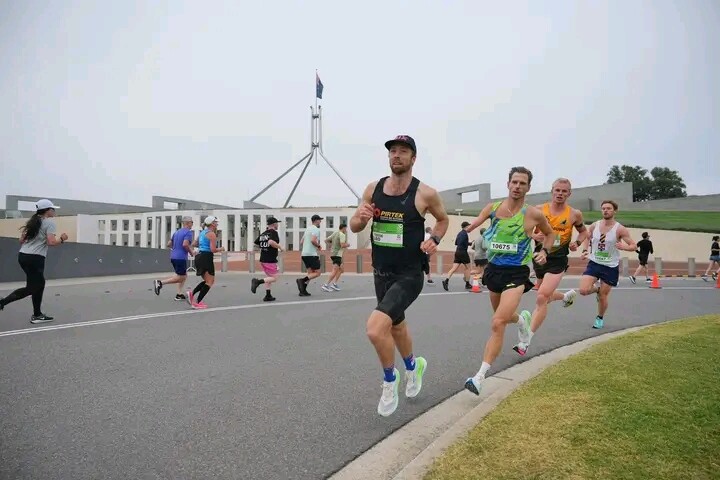
Running is an intricate coordination of the entire body. The arms contribute to balance, rhythm and control, helping the torso manage the rotational forces created by every stride. Over 42.195 kilometres, maintaining efficient movement is an enormous physical and technical challenge.
Roeger's marathon performances therefore represent much more than a number attached to a classification. They are elite endurance performances in their own right.
His transition to the marathon was remarkably rapid. Roeger made his marathon debut at the Melbourne Marathon in October 2018, running 2:23:31. The performance was faster than the existing T46 world record at the time, although it was not ratified as a world record because the race did not have the necessary status.
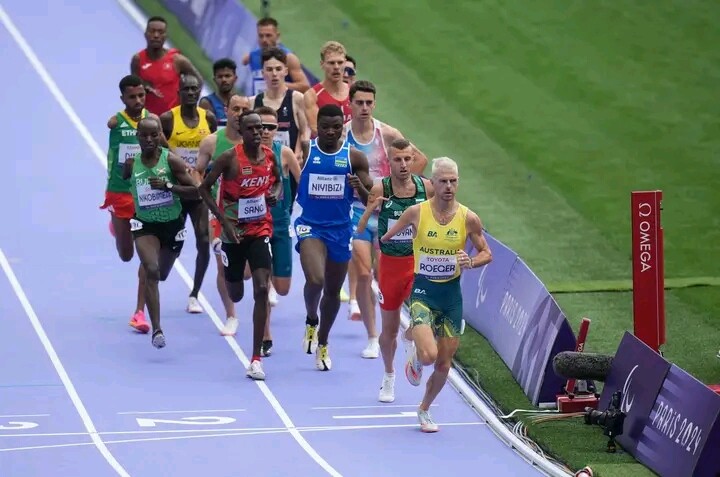
Six months later, he returned to the distance at the 2019 London Marathon, where the World Para Athletics Marathon Championships were staged within the race.
This time, everything came together.
Roeger won the T46 world title in 2:22:51, lowering the ratified world record and establishing himself as the world's leading marathoner in the classification. Even when cramp began to trouble him during the closing stages, he held on to become a world champion.
The progression continued.

At the 2020 Chevron Houston Marathon, Roeger ran 2:19:33, becoming the first ambulant Para athlete to break the 2:20 barrier and once again lowering his own world record.
But his most significant breakthrough came back in Australia.
On April 25, 2021, Roeger lined up in Sydney for the Athletics Australia Tokyo Qualifying Marathon. He produced the fastest marathon of his career, crossing the finish line in 2:18:53.
That performance remains the T46 marathon world record.
The progression is remarkable. From 2:23:31 in Melbourne to 2:22:51 in London, 2:19:33 in Houston and finally 2:18:53 in Sydney, Roeger repeatedly moved the benchmark forward.
It was almost five minutes of improvement across four marathon performances.
But the record is only one part of the story.
Roeger's career has never followed a smooth upward trajectory. At the 2008 Beijing Paralympic Games, aged only 20, he contested the 800m, 1500m and 5000m T46 events, with seventh place in the 1500m his best finish.
Four years later in London, he arrived with genuine medal ambitions. Instead, gastrointestinal bleeding struck on the eve of the T46 800m. He still started the race but was forced to withdraw after one lap.
Rio 2016 finally delivered a Paralympic medal, with Roeger winning bronze in the 1500m. That success helped convince him to move towards the longer distances and eventually make the marathon his primary focus.
Then came another major setback.
Six weeks before the Tokyo 2020 Paralympic Games, Roeger suffered a stress fracture in his lower leg, destroying much of his preparation for the marathon. Despite the injury, he travelled to Tokyo and made the start line.
He finished sixth in 2:34:45, a time far outside the level he had demonstrated before the Games.
For most athletes, such a setback could have marked the end of the road. For Roeger, it became another chapter in a career defined by adaptation.
Before the Paris 2024 Paralympic Games, another obstacle emerged when the T46 marathon was removed from the programme. The event in which Roeger had become a world-record holder was no longer available at the Games.
His only remaining distance was the 1500m.
So he adapted once again.
Roeger returned to the track and competed in Paris, ultimately adding another Paralympic medal to his collection with silver in the T46 1500m.
Now the marathon is calling again.
The 2026 TCS Sydney Marathon will provide a very different challenge from the flat courses on which many of the world's fastest marathon times are produced. The route begins in North Sydney, crosses the Sydney Harbour Bridge and winds through the city before finishing at the Opera House.
The course features substantial elevation changes, with approximately 313 metres of climbing across the 42.195 kilometres. It is a course that rewards strength, patience and the ability to maintain efficient form when the legs are already carrying the fatigue of a long marathon.
For Roeger, that challenge will be amplified by the quality of the field around him.
The Australian elite field includes a strong collection of domestic marathoners, while the international men's race features considerable depth, with numerous athletes holding personal bests below 2:10.
Roeger will therefore not be lining up in isolation as a Para athlete. He will be part of a major international marathon field, surrounded by runners pursuing national titles, personal bests and elite honours.
That is also central to the way he has approached his career.
Roeger has long resisted the idea that Para athletes should be viewed as fundamentally separate from their able-bodied counterparts. His philosophy has been simple: once the starting gun goes, the competition is about running.
That attitude has helped him move comfortably between Para athletics and open elite competition, and Sydney 2026 offers another opportunity to do exactly that.
His partnership with coach Dr Philo Saunders has been particularly important throughout his career, helping him develop into a world-class athlete across multiple distances.
Yet perhaps the most impressive part of Roeger's story is not any individual medal or record.
It is the number of times he has had to begin again.
From a small South Australian town to five Paralympic Games. From disappointment in Beijing and London to a medal in Rio. From the track to the marathon. From a devastating injury before Tokyo to a world-record performance. From losing his marathon event before Paris to returning to the 1500m and winning another Paralympic medal.
Every time the route has changed, Roeger has found another way forward.
Now, at 38, he is returning to the marathon once more.
And there could hardly be a more fitting destination than Sydney.
It is the city where he produced his 2:18:53 world record in 2021. Five years later, he will return to the same city carrying the experience of a career that has tested his resilience at almost every turn.
The world record is already in his name.
On August 30, Michael Roeger will have another chance to show the world what remains in the legs of the man who refused to let setbacks define the limits of his career.
by Erick Cheruiyot for My Best Runs.
Login to leave a comment

Sydney Marathon
The Sydney Marathon is a marathon held annually in Sydney, Australia. The event was first held in 2001 as a legacy of the 2000 Summer Olympics, which were held in Sydney. In addition to the marathon, a half marathon, 9 kilometres (5.6 mi) "Bridge Run", and a 3.5 kilometres (2.2 mi) "Family Fun Run" are also held under the banner...
more...
Sofia Fiorini Storms to World Record and European Gold in Birmingham
Italy’s Sofia Fiorini produced a stunning performance in Birmingham on Saturday, rewriting the women’s marathon race walk world record while cruising to European Championships gold in emphatic fashion.
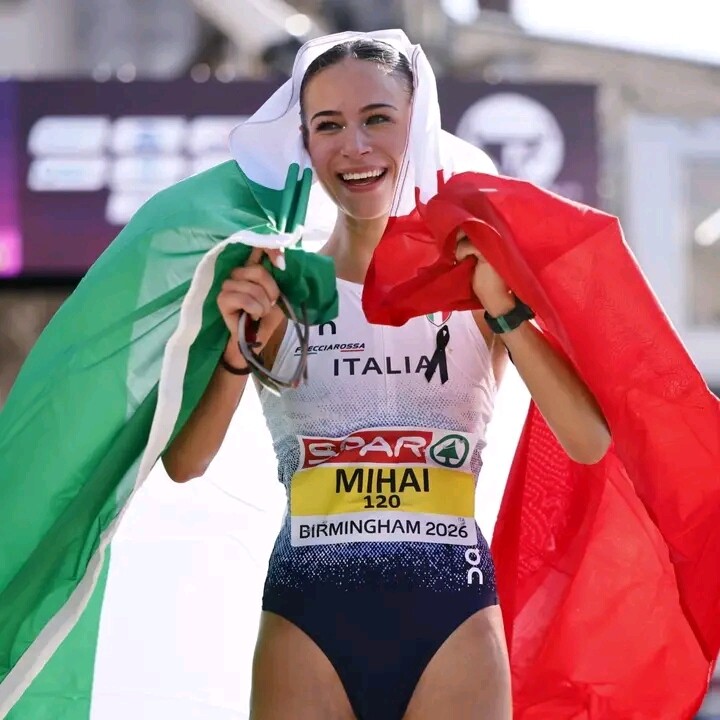
Fiorini crossed the finish line in 3:15:11, smashing the existing world-record benchmark of 3:17:00 and delivering the defining performance of her young career. The mark remains subject to the usual ratification procedures.

The 21-year-old Italian controlled the race with remarkable authority before making a decisive move inside the final 10 kilometres. From there, she opened an unbridgeable gap and powered away from the chasing pack to secure the European title in spectacular style.
Her winning margin was more than four and a half minutes, underlining just how dominant Fiorini was over the marathon distance. Poland’s Katarzyna Zdzieblo took silver, while Spain’s Raquel González completed the podium with bronze in 3:20:49.
Fiorini’s breakthrough comes just four months after she claimed silver at the World Athletics Race Walking Team Championships in Brasília. There, she set a European U23 record of 3:25:42, finishing behind Ecuador’s Paula Milena Torres.
That performance had already established Fiorini as one of the emerging forces in the new marathon race walk discipline. In Birmingham, however, she took another extraordinary leap forward, improving her personal best by more than 10 minutes and moving herself into the history books with a world-record performance.
For Italy, it was a remarkable statement of strength on the European stage. For Fiorini, it was the perfect combination of endurance, confidence and tactical precision — a commanding victory that transformed her from a rising talent into a world-record holder.
Sofia Fiorini: European champion, world-record holder and the undisputed queen of the Birmingham marathon race walk.
by Erick Cheruiyot for My Best Runs.
Login to leave a comment

European Athletics Champioships
The27thEuropean Athletics Championshipswill be held from 10 to 16 August 2026 at theAlexander StadiuminBirmingham, United Kingdom.[1] This is the first time that a British city will have staged the European Athletics Championships although Birmingham has hosted many high-profile events, including the2007 European Athletics Indoor Championships, the2003and2018 IAAF World Indoor Championshipsand the2022 Commonwealth Games. Alexander Stadium was renovated between 2019 and...
more...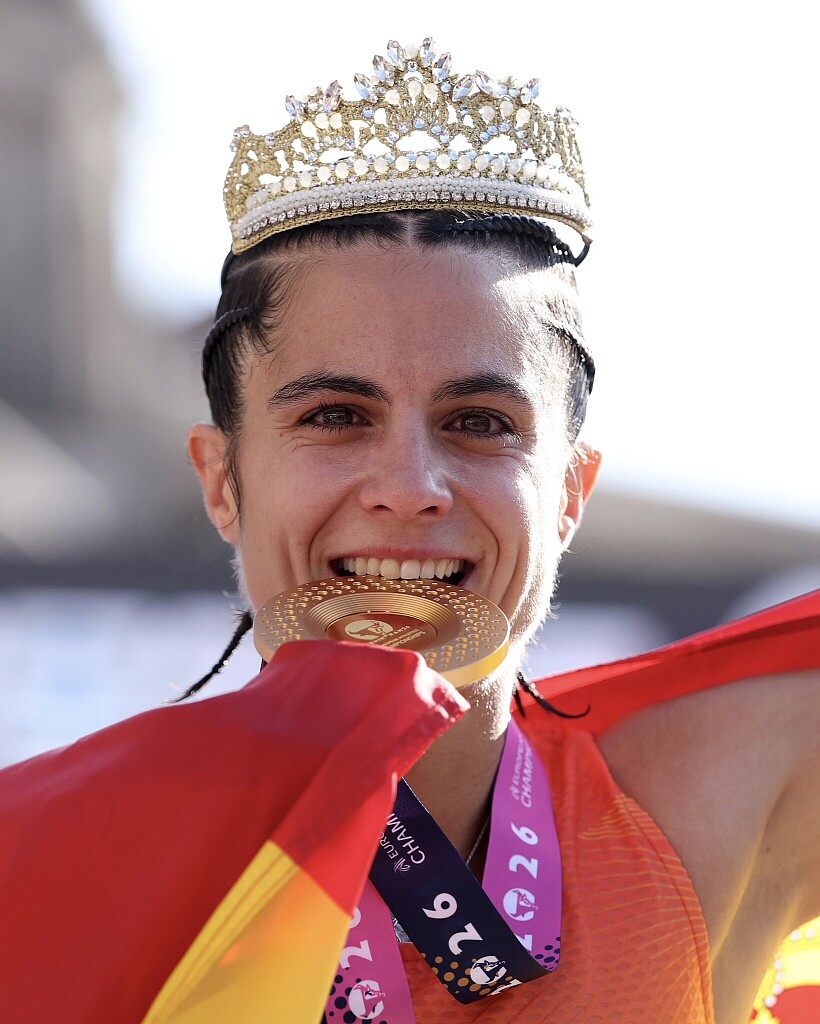
María Pérez Makes History with World Record and Inaugural European Half-Marathon Race Walk Gold
Spain’s María Pérez produced a breathtaking performance in Birmingham, storming to the inaugural European Athletics Championships women’s half-marathon race walk title in a stunning world record of 1:30:06*.
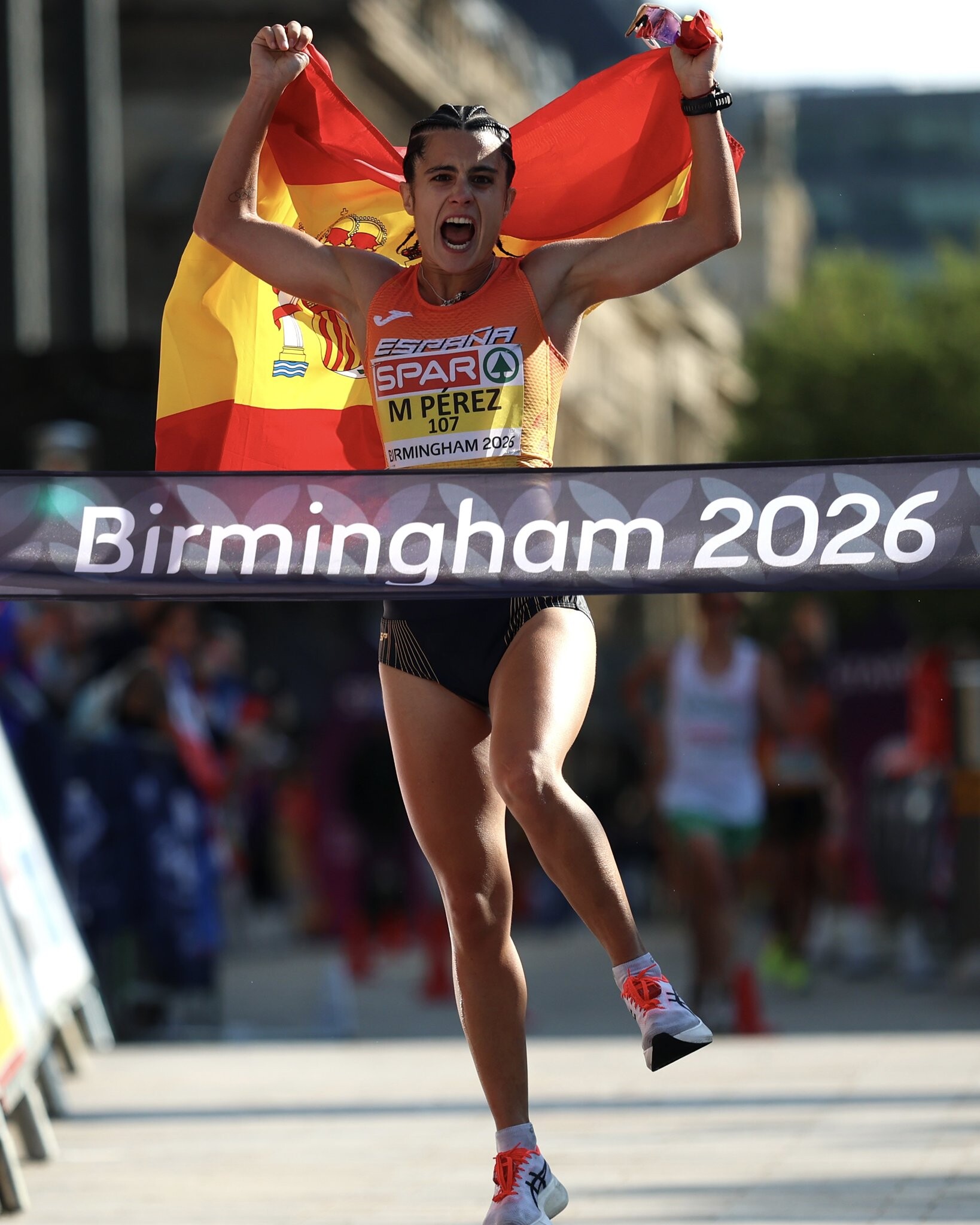
The 30-year-old Spaniard delivered a commanding display on the streets of Birmingham, pulling away from the field in the closing stages to win the gold medal by almost a minute. Her performance established the first championship benchmark for the new European half-marathon race walk event and placed Pérez firmly at the centre of another historic moment in race walking.
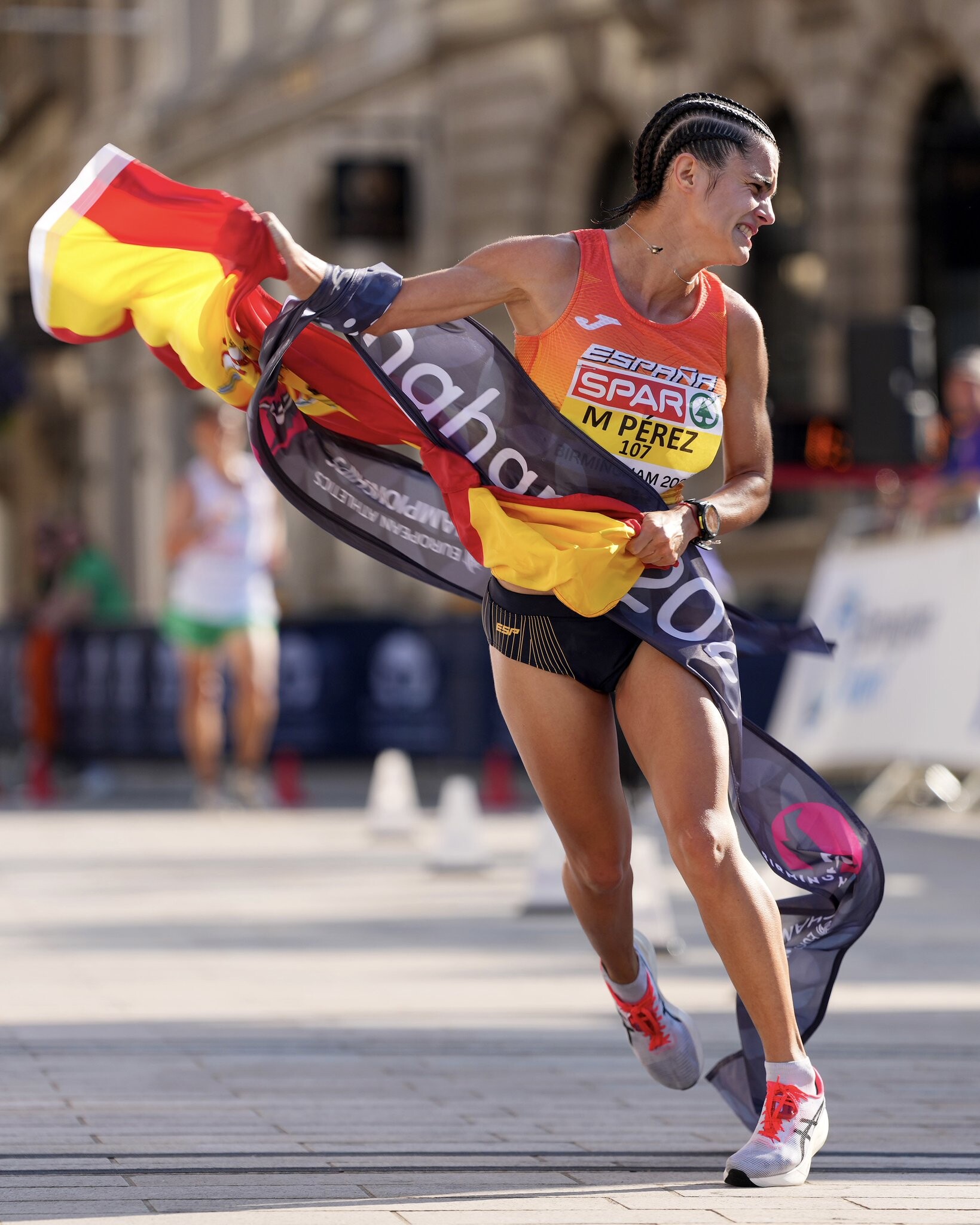
Pérez’s winning time smashed the previous world-best mark of 1:31:39, producing a remarkable improvement of 1 minute and 33 seconds. Italy’s Alexandrina Mihai followed in second in 1:31:04, while Ukraine’s Lyudmyla Olyanovska secured bronze in 1:31:07. France’s Pauline Stey was fourth in 1:31:12, meaning the top four all finished inside the previous world-record mark.
The victory adds another prestigious chapter to Pérez’s already remarkable career. Already the world-record holder over 35km, the Spanish star now has a second European title to her name, eight years after she captured the 20km race walk gold at the 2018 European Championships in Berlin.
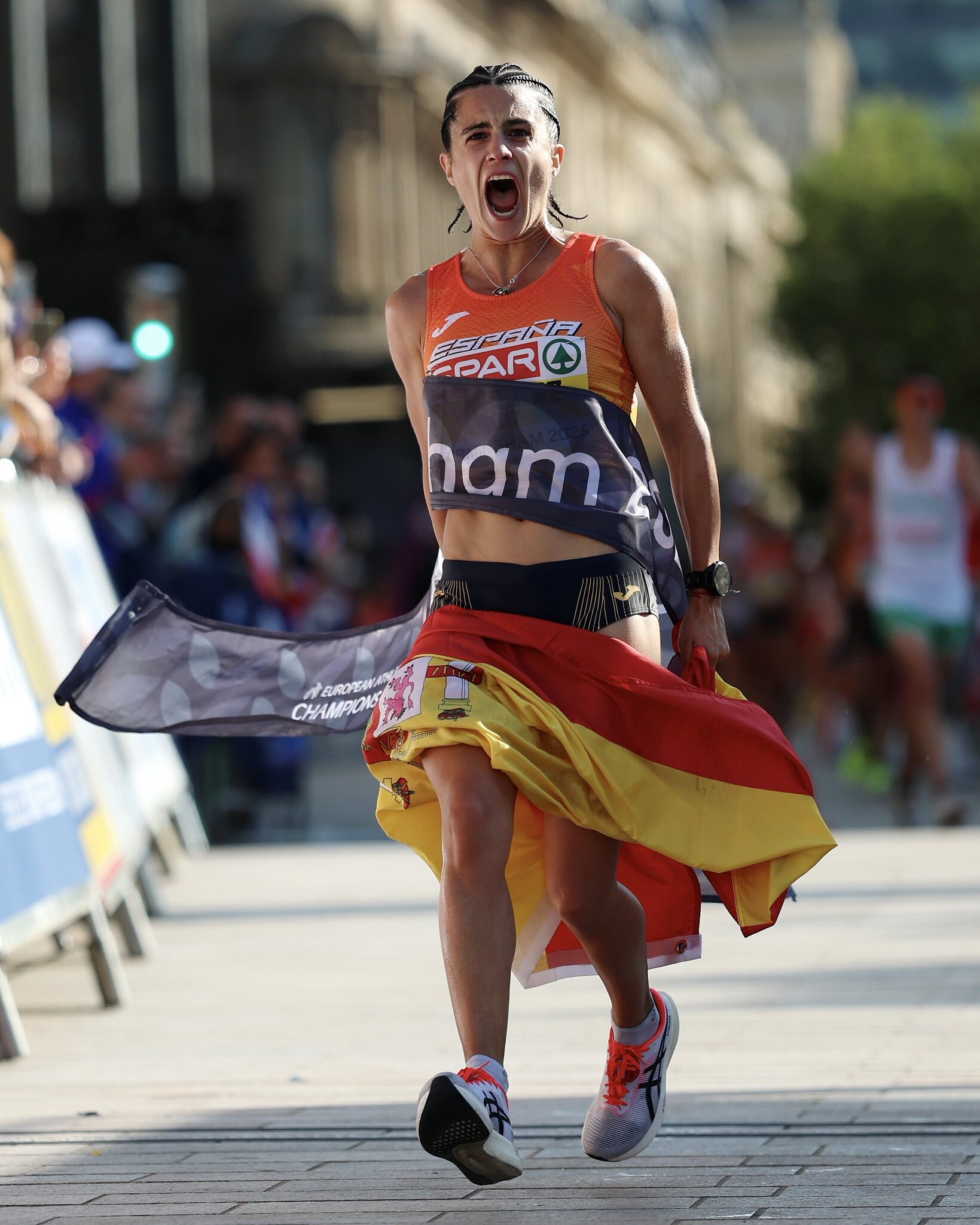
Pérez has also established herself as one of the dominant figures of modern race walking, having won world titles over both 20km and 35km. Her latest triumph demonstrates once again her ability to rise to the biggest occasions and set new standards while doing so.
The Birmingham race was therefore more than a European title. It was a landmark performance that gave the newly introduced half-marathon race walk its first championship champion and a world-record benchmark to chase.
María Pérez has done it again — another European crown, another record and another unforgettable chapter in her extraordinary career.
World record pending the usual ratification procedure.
by Erick Cheruiyot for My Best Runs.
Login to leave a comment
European Athletics Champioships
The27thEuropean Athletics Championshipswill be held from 10 to 16 August 2026 at theAlexander StadiuminBirmingham, United Kingdom.[1] This is the first time that a British city will have staged the European Athletics Championships although Birmingham has hosted many high-profile events, including the2007 European Athletics Indoor Championships, the2003and2018 IAAF World Indoor Championshipsand the2022 Commonwealth Games. Alexander Stadium was renovated between 2019 and...
more...
Nairobi Makes History the Prize as Kenya Bids to Bring 2029 World Athletics Championships to Africa
Nairobi has formally entered the race to host the 2029 World Athletics Championships, placing Kenya at the centre of a historic contest that could bring the sport’s premier global track and field event to African soil for the first time.
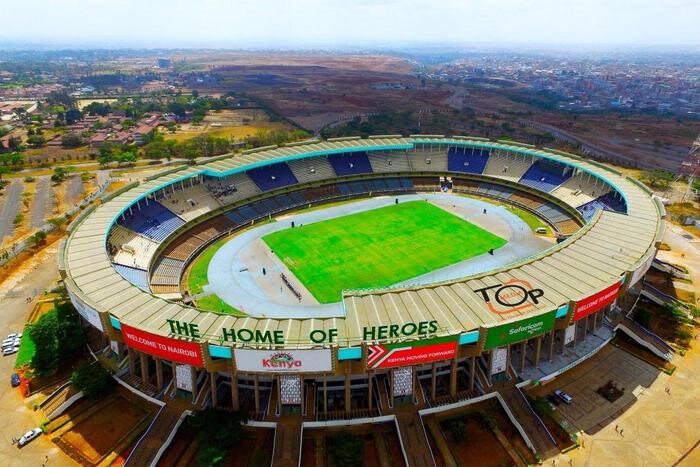
Nairobi has formally submitted its bid to host the 2029 World Athletics Championships, with the Kenyan capital facing competition from London, Rome and Munich. Four cities are now in contention for one historic decision, with World Athletics expected to announce the successful host after the inaugural World Athletics Ultimate Championships conclude in Budapest next month.
For Nairobi, however, this is about far more than securing another major sporting event. A successful bid would break a decades-long geographical barrier: despite Africa’s enormous influence on global athletics, the World Athletics Championships have never been staged on the continent.

A Nairobi victory would bring the World Athletics Championships to Africa for the first time in the event’s 50-year history and stage the global showpiece at an altitude of approximately 1,800 metres. The proposed venue is Moi International Sports Center Kasarani Stadium, which has a capacity of 48,063, while the Kenyan government has committed full backing for infrastructure, security and event delivery. Kenya’s athletics credentials are equally compelling, with 17 current world records and 72 World Championships gold medals, making it the second-most successful nation in championship history.
The significance of Nairobi’s bid is amplified by Kenya’s extraordinary place in the history of the sport. The country has produced generations of world-class distance runners and currently holds 17 recognised world records across middle- and long-distance events.

Kenya is also the second-most successful nation in World Athletics Championships history by gold medals, with 72 titles after the 2025 edition. At the Tokyo 2025 championships, Kenya claimed five gold medals, including victories by Beatrice Chebet in the 5,000m and 10,000m.
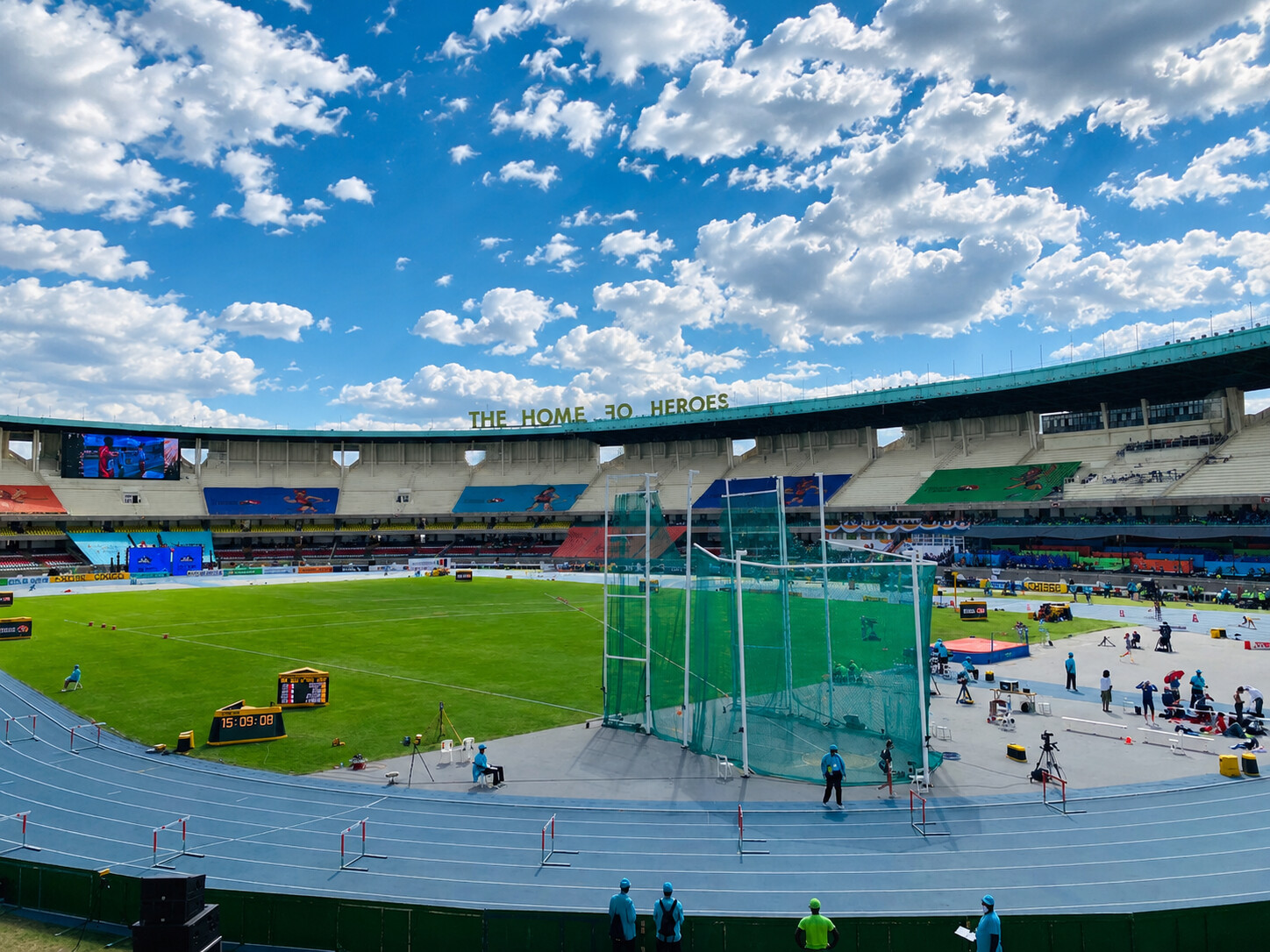
The country also has recent experience staging major international athletics competitions. Nairobi hosted the 2017 World U18 Championships and the 2021 World U20 Championships, while Kenya previously staged the 2007 World Cross Country Championships in Mombasa and the 2010 African Athletics Championships in Nairobi.
A Nairobi victory would therefore carry a powerful symbolism: the athletes who have helped define modern distance running on African soil could finally compete for world titles at home, in front of a Kenyan crowd.
The competition, however, will be formidable. London is seeking a return to the city that hosted the highly successful 2017 World Championships, while Rome and Munich bring their own strong European sporting traditions and established event infrastructure.
Yet Nairobi offers something none of its rivals can match — the opportunity to open an entirely new chapter in the history of the championships.
The World Athletics Championships have travelled across Europe, Asia, North America and the Middle East, but Africa has remained the missing continent on the event’s hosting map. Kenya’s bid seeks to change that.
With the formal bid now submitted and the final presentation and defence completed, Nairobi’s campaign enters its decisive phase. September will determine whether the championships finally make their long-awaited debut on African soil.
Four cities. One host. One potentially historic decision.
In September, World Athletics will decide whether the world’s greatest track and field athletes will converge on Nairobi in 2029 — and whether Africa will finally get its moment on the biggest stage of all.
by Erick Cheruiyot for My Best Runs.
Login to leave a comment
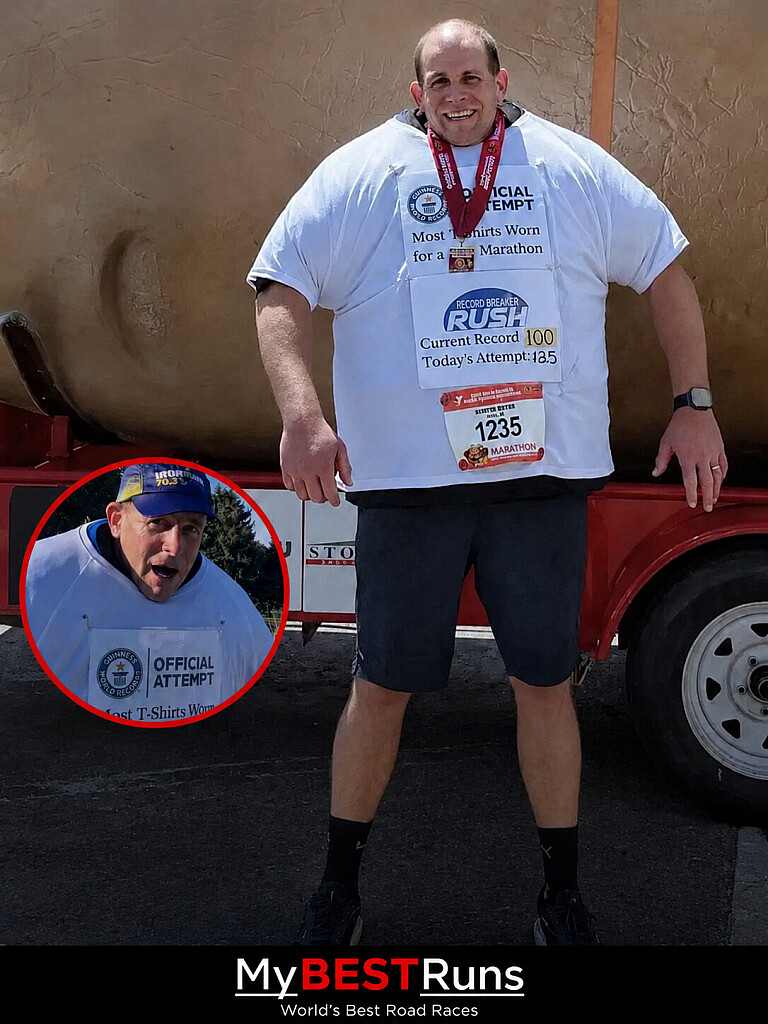
David Rush Sets Guinness World Record After Running Marathon in 125 T-Shirts
David Rush has turned one of the world’s most unusual running challenges into another Guinness World Record, completing a full marathon in Boise, Idaho, while wearing an astonishing 125 T-shirts.

Rush achieved the feat at the YMCA Famous Idaho Potato Marathon on May 16, 2026, finishing the 26.2-mile race in 5:54:50. Guinness World Records officially recognized the performance as the new record for the most T-shirts worn during a marathon, surpassing the previous mark of 100 shirts.

What appeared to be a bizarre running challenge quickly became a serious test of endurance and heat management. As the race progressed, the enormous number of layers trapped heat around Rush's body while restricting his movement. His arms became increasingly difficult to move, forcing his support team to help him with hydration, nutrition and cooling throughout the race.
The weight of the clothing also increased dramatically during the marathon. By the finish, the 125 T-shirts had absorbed enough sweat to weigh 43.4 pounds (19.7 kilograms). Rush also suffered severe chafing, painful blisters and swollen hands as the layers continued pressing against his body for hours.

The most alarming moment came when Rush began overheating after his supply of ice ran out. His support crew became concerned that the situation could deteriorate to the point where he would require medical attention. One of his support runners, Patrick, reportedly rushed into a nearby golf-course pro shop to obtain emergency ice.
Rush later said the additional ice was crucial in preventing what could have become a hospital visit. His team repeatedly used ice and cool water to help bring his body temperature down as he continued toward the finish.
Despite the physical toll, Rush refused to abandon the attempt. He eventually crossed the finish line in 5:54:50, leaving only five minutes and 10 seconds before the marathon's six-hour cutoff.
The achievement was the latest in a remarkable collection of Guinness World Records for Rush, who has built a reputation for pursuing highly unusual endurance and skill challenges. He had already set the men's record for the most T-shirts worn during a half marathon, completing the 2025 Famous Idaho Potato Half Marathon in 137 T-shirts.
This time, however, the challenge demanded far more than simply putting on layer after layer. It required Rush to endure nearly six hours of increasing heat, restricted movement, additional weight and severe physical discomfort while maintaining enough momentum to beat the clock.
In the end, the strange sight of a marathon runner buried beneath 125 T-shirts became a record-breaking achievement — but one that pushed the limits of endurance to an extraordinary degree.
David Rush is now officially the first man to complete a marathon wearing 125 T-shirts, securing a Guinness World Record in one of the most unconventional marathon challenges ever attempted.
by Erick Cheruiyot for My Best Runs.
Login to leave a comment
Berlin’s Women’s Marathon Field Brimming With Elite Talent as Star-Studded Line-Up Takes Shape
The women’s field for the 2026 BMW BERLIN-MARATHON is rapidly developing into one of the most intriguing marathon line-ups of the year, bringing together world-class champions, established contenders and an exciting collection of athletes determined to make their mark on one of the sport’s fastest stages.
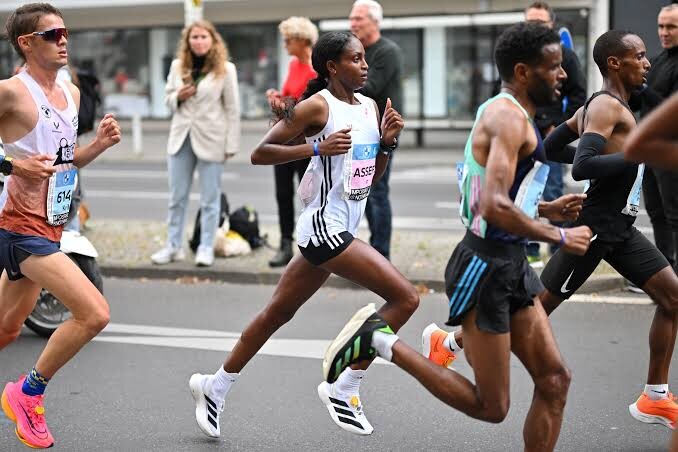
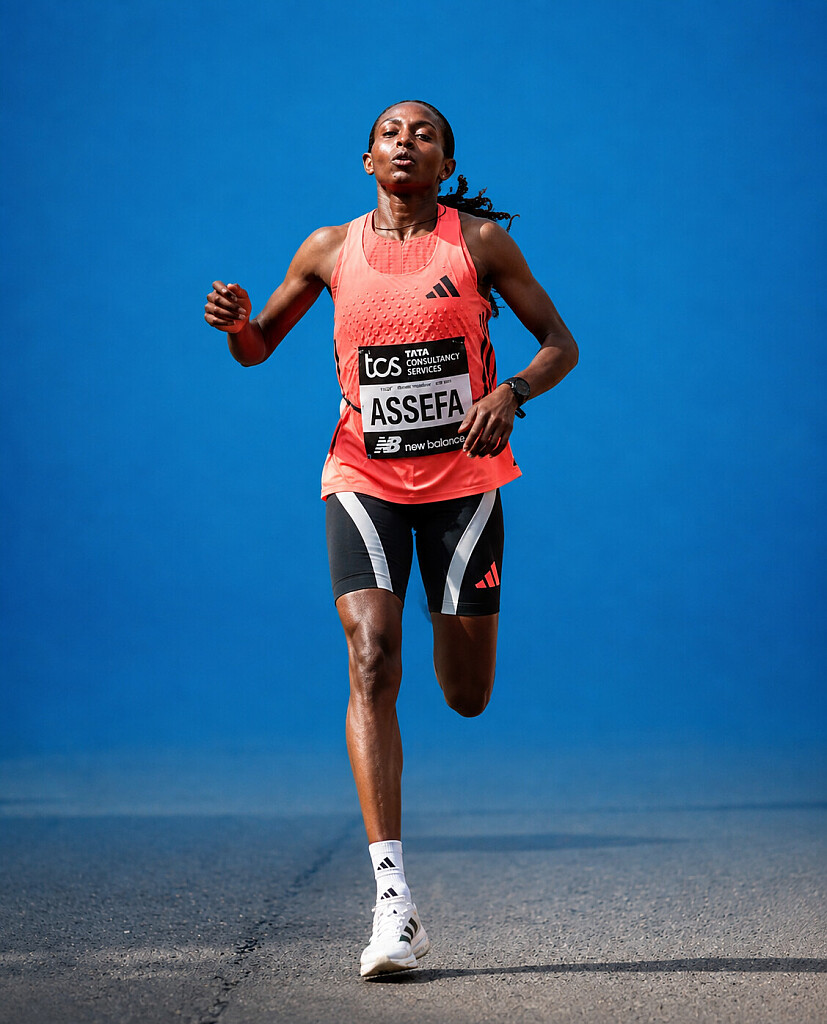
At the forefront is Ethiopia’s Tigst Assefa, whose extraordinary marathon career has already placed her among the all-time greats. Assefa is the current women-only marathon world-record holder, having improved her own mark to 2:15:41 at the 2026 TCS London Marathon, where she successfully defended her title.
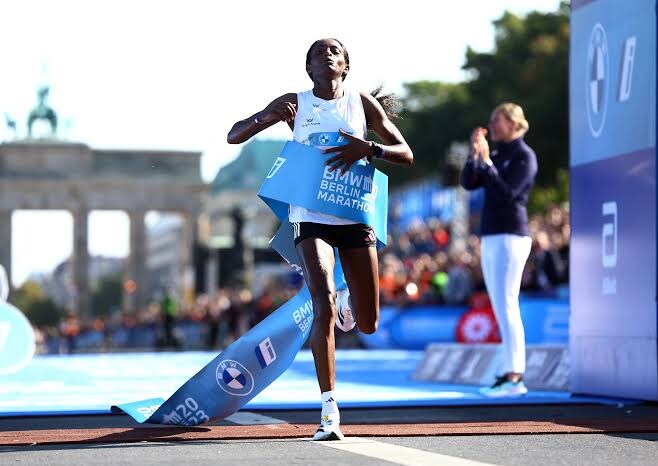
Her place in marathon history was secured even earlier in Berlin. At the 2023 BMW BERLIN-MARATHON, Assefa stormed to 2:11:53, smashing the then women’s world record by more than two minutes. The performance was subsequently ratified by World Athletics and remains among the fastest women’s marathon ever recorded in a mixed-gender race.
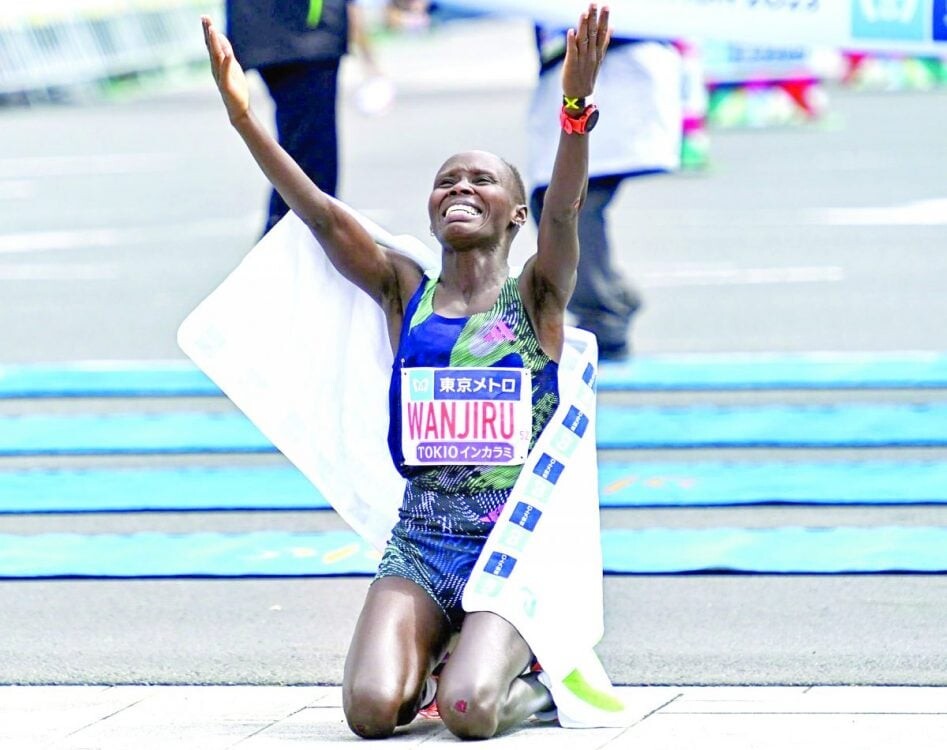
Kenya’s Rosemary Wanjiru, with a 2:16:14 personal best, provides another formidable presence at the sharp end of the race, while Ethiopia’s Bedatu Hirpa adds yet another major threat to an already exceptional field.
The 27-year-old Hirpa has built an impressive marathon résumé in a remarkably short period. She owns a 2:18:27 personal best, achieved when she won the Dubai Marathon, before continuing her winning momentum with victory at the Paris Marathon just months later. She also underlined her consistency this year with a second-place finish at the Osaka Marathon in 2:19:54. With her combination of speed, confidence and major-marathon experience, Hirpa could be one of the athletes capable of challenging the leading names in Berlin.
The Ethiopian challenge does not end there. Dera Dida (2:18:32), Zeineba Yimer (2:18:47), Bosena Mulatie (2:19:00), Misgane Alemayehu (2:19:08), Bekelech Gudeta (2:19:39), Gadise Mulu (2:20:59), Eebbisee Addunya (2:21:13) and Aminet Ahmed (2:21:24) give Ethiopia extraordinary depth, with every one of them boasting a personal best inside 2:22.
Kenya will also have strong representation through Evaline Chirchir (2:20:33) and Pascaline Jelagat (2:22:44), adding further firepower to a nation renowned for producing world-class marathon talent. China’s Deshun Zhang (2:20:53) also brings a sub-2:21 credential to the starting line.
Japan arrives with a deep group of proven marathoners. Rika Kaseda (2:21:55), Mao Uesugi (2:22:11), Natsuki Omori (2:23:45) and Rino Goshima (2:24:44) all possess impressive personal bests and could play an important role as the race develops. Morocco’s Fatima Gardadi (2:24:06) adds another strong international presence, while France’s Manon Trapp (2:23:38), the United States’ Jacqueline Gaughan (2:24:40) and Kodi Kleven (2:24:48), and Great Britain’s Lucy Reid (2:26:37) further strengthen the international depth.
Germany will have plenty to cheer for on home soil, with a sizeable contingent led by Kristina Hendel (2:27:29), who will be looking to rediscover the form that made her one of the country’s leading marathoners. After injury setbacks interrupted her progress, Hendel returns with the ambition of rebuilding her momentum on one of the biggest stages in the sport.
Anna Langerwisch is another German athlete attracting considerable interest. The 24-year-old has emerged rapidly among the country’s promising marathoners, winning the Hanover Half Marathon in 70:53 before improving her marathon personal best to 2:32:13 in Prague, remarkably in only her second marathon. Her recent 32:17 over 10 kilometres at the adidas Runners City Night in early August has added further intrigue around what she might produce over the full marathon distance.
Germany’s depth extends further, with Thea Heim (2:33:25), Cara Zollenkopf (2:36:05), Esther Pfeiffer (2:37:00), Katja Fischer (2:40:13), Sophia Wunsch (2:40:49) and Jule Vetter (2:42:18) also listed for the race. Their presence gives the home nation a broad representation across the field and adds another layer to an already fascinating international contest.
With Assefa’s extraordinary pedigree, Wanjiru’s proven class, Hirpa’s growing reputation and a supporting cast filled with athletes boasting sub-2:25 credentials, Berlin is shaping up for a women’s race packed with possibilities.
For Assefa, the return to Berlin carries an added historical dimension. It was on these very streets in 2023 that she produced the 2:11:53 performance that changed the landscape of women’s marathon running. Now, after lowering the women-only world record to 2:15:41 in London, she returns with another opportunity to write a new chapter in her remarkable career.
For the established stars, Berlin will be a chance to reaffirm their place among the marathon elite; for the emerging contenders, it could be the moment they announce themselves on one of the sport’s grandest stages.
The BMW BERLIN-MARATHON is renowned for fast racing and ambitious performances, and with such remarkable depth already assembled, the 2026 edition promises to deliver a captivating battle from the opening kilometres to the iconic finish on the Straße des 17. Juni.
by Erick Cheruiyot for My Best Runs.
Login to leave a comment

BMW Berlin Marathon
The story of the BERLIN-MARATHON is a story of the development of road running. When the first BERLIN-MARATHON was started on 13th October 1974 on a minor road next to the stadium of the organisers‘ club SC Charlottenburg Berlin 286 athletes had entered. The first winners were runners from Berlin: Günter Hallas (2:44:53), who still runs the BERLIN-MARATHON today, and...
more...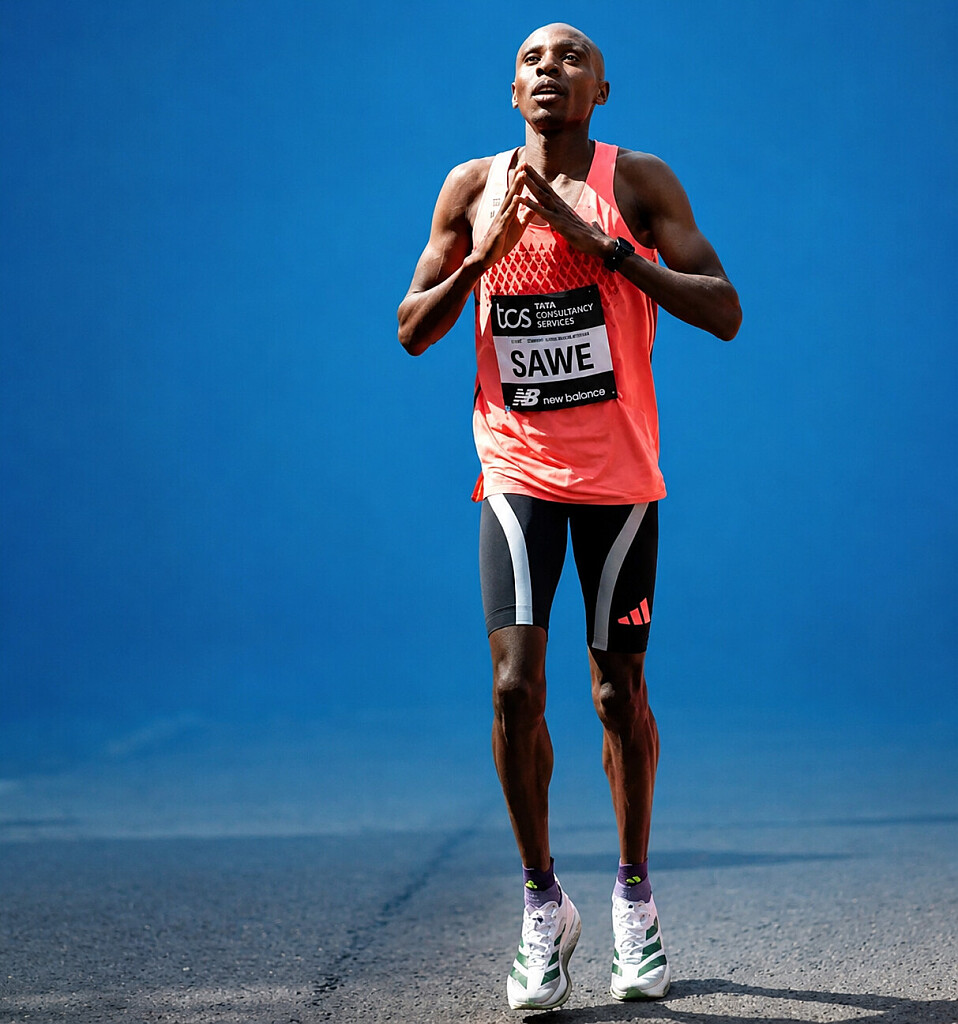
Sabastian Sawe Set for Another Historic Berlin Marathon as Elite Field Takes Shape
World record holder Sabastian Sawe is set to return to the BMW Berlin Marathon on September 27, where the Kenyan superstar will defend his title and attempt to add another remarkable chapter to his already extraordinary marathon career.
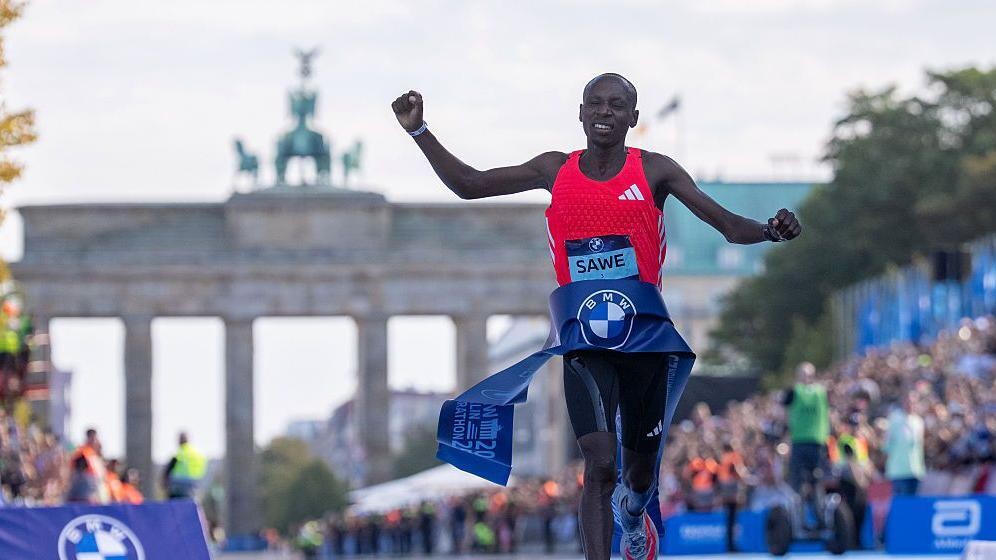
Sawe arrives in Berlin with unprecedented confidence after his sensational 1:59:30 performance in London, which made him the first athlete to officially break the two-hour barrier in the marathon. That landmark achievement has elevated expectations for his return to the German capital, where he will once again line up on one of the fastest marathon courses in the world.
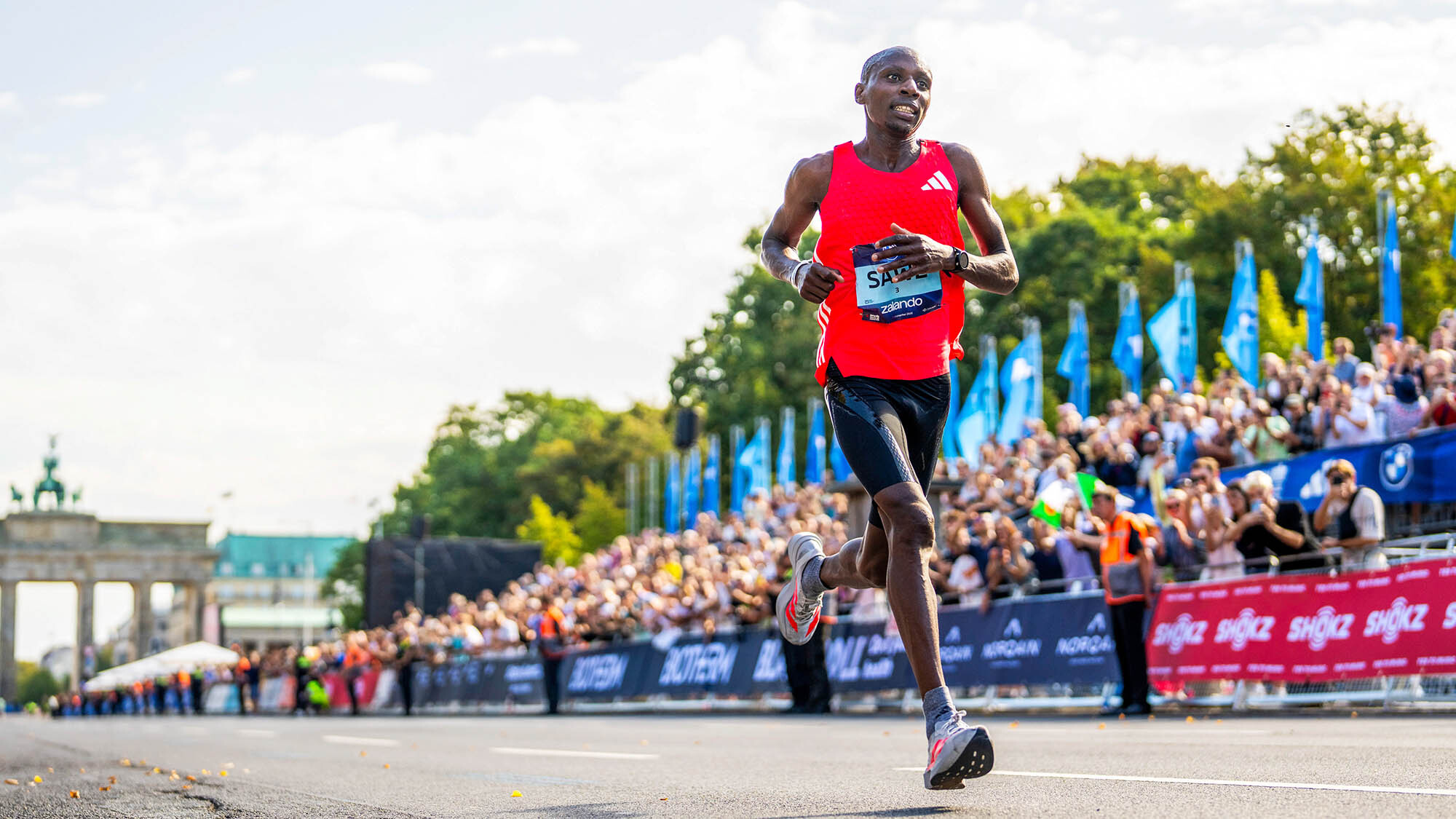
The Kenyan won the 2025 Berlin Marathon in 2:02:16 despite warm conditions, demonstrating his ability to produce a world-class performance even when circumstances are far from ideal. This time, he returns as the defending champion and world-record holder, with the famously flat Berlin course providing another opportunity to test the limits of what is possible over 42.195km.
Berlin has a remarkable history of producing record-breaking performances, and Sawe's presence immediately raises the possibility of another extraordinary race. The question now is whether the 31-year-old can go beyond his own 1:59:30 world record and take the marathon to an even higher level.
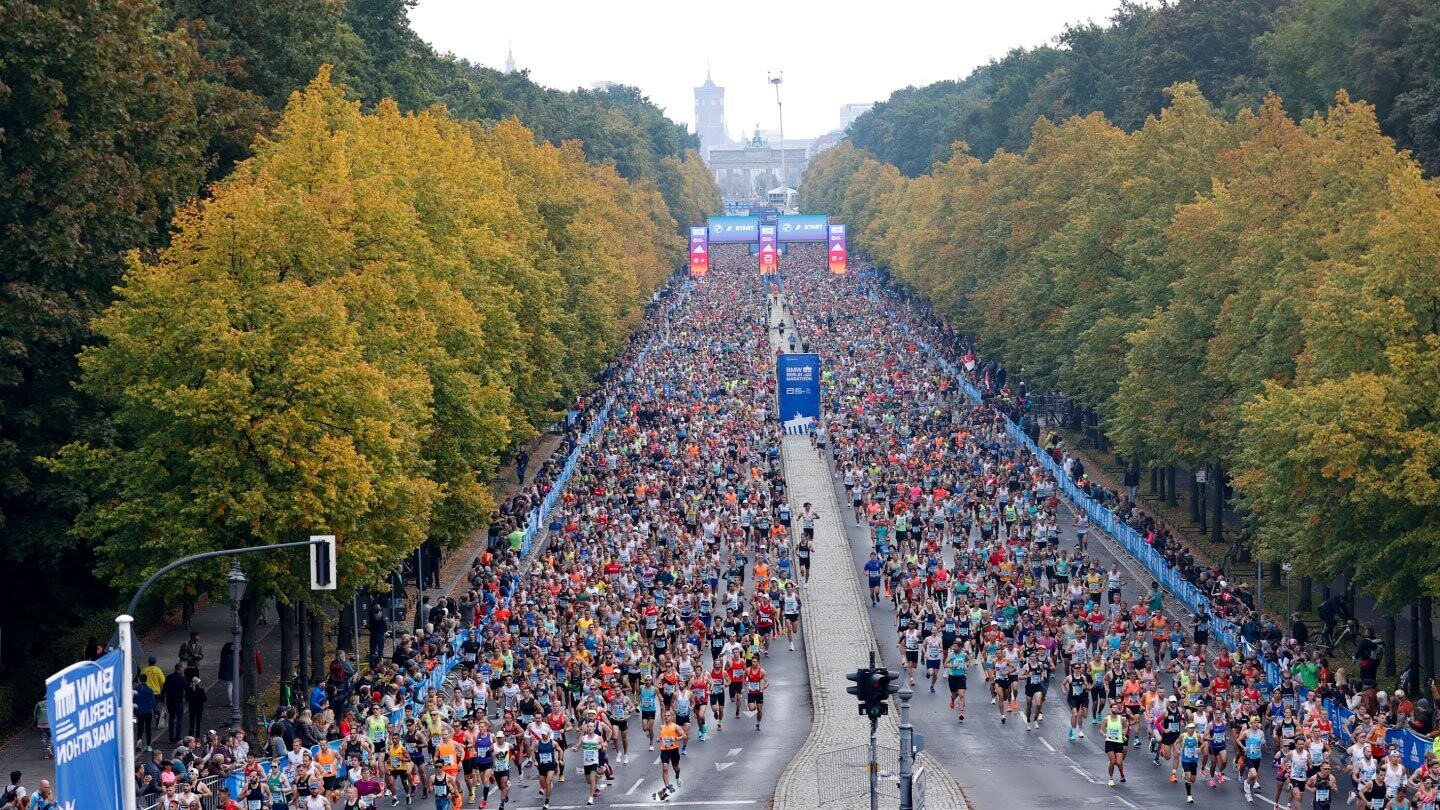
However, Sawe will face formidable opposition.
Tanzania’s Gabriel Geay has joined the elite field, bringing a personal best of 2:03:00 set in Valencia in 2022. The 29-year-old Tanzanian record holder established himself among the world’s leading marathoners with that performance and further underlined his credentials by finishing runner-up at the 2023 Boston Marathon.
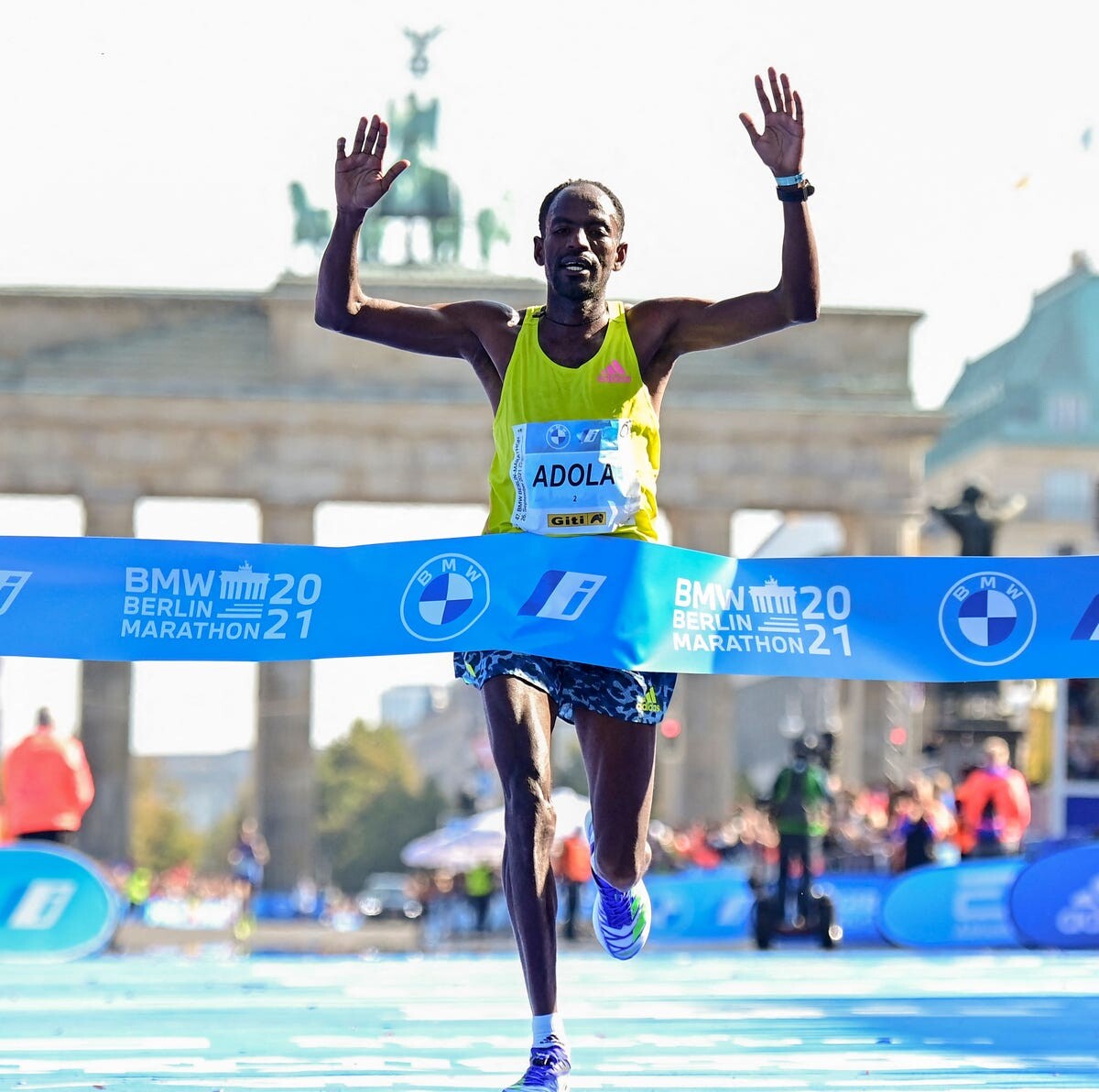
Ethiopia’s Guye Adola will also return to Berlin, the scene of some of the most memorable moments of his marathon career. In 2017, Adola stunned the athletics world on his marathon debut, pushing Eliud Kipchoge deep into the race before finishing second in a remarkable 2:03:46. Four years later, on September 26, 2021, Adola returned to Berlin and claimed victory in 2:05:45, adding another significant chapter to his association with the iconic German marathon. Now, after his recent return to top form, he will once again line up on the streets where he has already made history.
Now 35, Adola has endured injury setbacks in recent years, but his victory at the Rotterdam Marathon in 2:03:54 this spring proved that he remains a major force on the international marathon circuit.
The addition of Geay and Adola adds further quality to a field already packed with athletes capable of running at an extraordinary pace. With Sawe leading the charge, Berlin is shaping up to deliver another thrilling battle among some of the world's finest marathoners.
The depth of the field extends well beyond the leading contenders, with Ethiopia boasting an imposing group of marathoners. Getaneh Molla (2:03:34), Shura Kitata (2:03:59), Dejene Hailu (2:04:15), Selemon Barega (2:05:00), Taresa Tolosa (2:05:17), Tadu Abate (2:05:38), Asefa Boki (2:05:40) and Andamlak Belihu (2:06:40) will all bring proven credentials and the ambition to challenge for fast times in Berlin.
Japan, meanwhile, has assembled a particularly deep contingent, led by Kenya Sonota (2:05:59), Tsubasa Ichiyama (2:06:00), Kyoto Hirabayashi (2:06:14), Yuhei Urano (2:06:23), Hidekazu Hijikata (2:06:26), Yusuke Nishiyama (2:06:31), Naoki Koyama (2:06:33), Kazuya Nishiyama (2:06:45), Daisuke Uekado (2:06:54) and Shin Kimura (2:07:34). China’s Jie He (2:06:57) and Kenya’s Richard Yator (2:07:36) complete a remarkably deep field, setting the stage for a race where the battle for victory could be accompanied by a long list of outstanding personal performances.
For Sawe, though, the challenge goes beyond defending his Berlin crown. Having already broken the two-hour barrier, he now has an opportunity to chase an even more remarkable achievement on a course renowned for producing marathon history.
Can Sabastian Sawe lower his own 1:59:30 world record in Berlin on September 27?
The countdown is on, and if the conditions are right, the defending champion could once again have the marathon world watching every step.
by Erick Cheruiyot for My Best Runs.
Login to leave a comment
BMW Berlin Marathon
The story of the BERLIN-MARATHON is a story of the development of road running. When the first BERLIN-MARATHON was started on 13th October 1974 on a minor road next to the stadium of the organisers‘ club SC Charlottenburg Berlin 286 athletes had entered. The first winners were runners from Berlin: Günter Hallas (2:44:53), who still runs the BERLIN-MARATHON today, and...
more...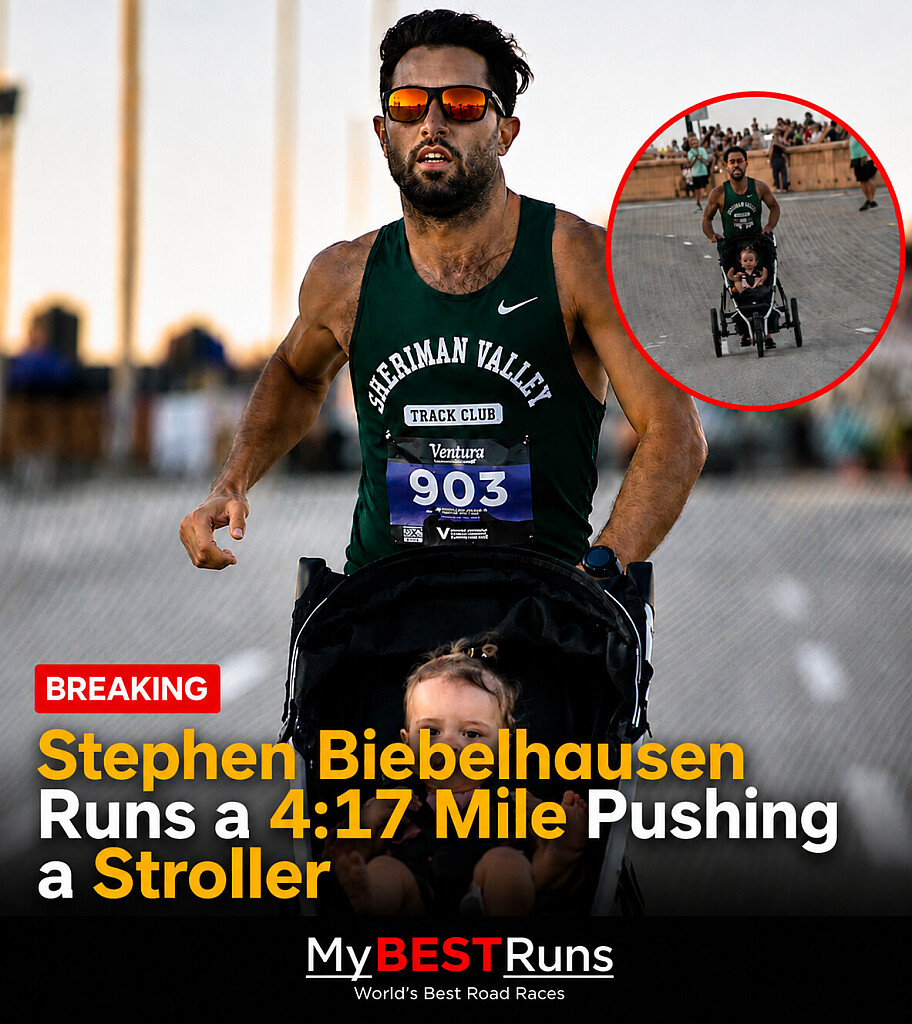
4:17 With A Stroller: Stephen Biebelhausen Chases Down Potential World Record
Stephen Biebelhausen has taken stroller running to an extraordinary level after reportedly running a mile in roughly 4:17 while pushing his child at the Guardian Mile in Cleveland.
The former college distance runner produced the remarkable performance on the Hope Memorial Bridge, covering the road-mile course at a pace that, if officially ratified, would dramatically rewrite the men's Guinness World Record for the fastest mile while pushing a stroller.
Biebelhausen's reported time is approximately nine seconds faster than the current men's record of 4:26.29, set by Silas Frantz in Arroyo Grande, California, in June 2025. For a record that is barely more than a year old, an improvement of that magnitude would be extraordinary.
And Biebelhausen had the running credentials to make such a performance possible.
During his college career with the Miami RedHawks, Biebelhausen established himself as a highly accomplished middle-distance runner. He owns a 1500m personal best of 3:48.11, a mark that places him among the fastest athletes in Miami University's history, while he also recorded a 4:06.68 indoor mile.
That background in competitive distance running makes the 4:17 stroller mile even more fascinating. Maintaining a pace of roughly 4:17 per mile is demanding under normal circumstances; doing it while pushing a stroller and a child throughout the race adds an entirely different physical challenge.
Biebelhausen was not the only athlete taking on the unusual challenge at the Guardian Mile. Another runner, also pushing his child, completed the race in an impressive 4:32.
Stroller racing has steadily developed into a genuine record category, with runners testing themselves over everything from the mile to the half marathon. On the women's side, Kaitlin Donner recorded a 5:11 stroller mile in 2024, while longer-distance attempts have also produced remarkable performances, including a 1:08:04 half marathon.
Yet Biebelhausen's reported 4:17 could prove to be the most eye-catching mark of them all.
There is one important catch: the performance is not officially a world record yet.
Guinness World Records must review the documentation and verify that the attempt complied with all of its requirements, including the specifications for the stroller and the minimum weight of the child being carried throughout the distance.
Until that verification is completed, Frantz's 4:26.29 remains the official men's record.
But if Biebelhausen's time is confirmed, the record will fall by a huge margin.
A 4:17 mile is already an exceptional performance. A 4:17 mile while pushing a stroller and a child is something altogether different.
If Biebelhausen's 4:17 is officially confirmed, the Guardian Mile will have produced far more than an impressive road race. It could have witnessed the setting of a remarkable new benchmark in one of running's most unusual and rapidly growing record categories — proving once again that the limits of speed can sometimes be pushed in the most unexpected ways.
by Erick Cheruiyot for My Best Runs.
Login to leave a comment

Josh Kerr’s Mile Mastery Could One Day Lead Him To The London Marathon
Josh Kerr has conquered one of athletics’ most historic distances. Yet, remarkably, the Scottish star is already dreaming about a challenge that sits more than 25 miles beyond the distance that has made him a global track sensation.
Kerr produced one of the defining performances of his career on July 18, 2026, at the London Stadium, storming to a sensational 3:42.66 in the Emsley Carr Mile to shatter Hicham El Guerrouj’s world record. The Moroccan’s 3:43.13 had stood untouched since 1999, but Kerr finally brought the 27-year-old mark down by 0.47 seconds.
The performance confirmed Kerr’s place among the greatest milers of his generation, but his ambitions extend well beyond the track.
Speaking after his historic achievement, the 28-year-old revealed that the marathon is a distance he has become increasingly fascinated by, with the London Marathon occupying a particularly special place in his long-term imagination. For Kerr, the ultimate attraction would not necessarily be a world-class time, but the possibility of one day winning the race.
He remains realistic about how distant that ambition is. Kerr has made it clear that there is still important work to be completed on the track, with the Los Angeles 2028 Olympic Games among his major objectives. His marathon dream, therefore, belongs to the future rather than the immediate present.
That patience could prove crucial.
The transition from the mile to the marathon is one of the most demanding changes an elite distance runner can make. It requires far more than simply possessing exceptional aerobic fitness. The marathon places extraordinary demands on endurance, efficiency, energy management and the ability to maintain a high pace for more than two hours.
History, however, has shown that a world-class track runner can successfully make the leap when the timing is right.
Sifan Hassan provides perhaps the most spectacular modern example. After establishing herself as one of the most versatile distance runners in history, competing successfully from 1,500m through 10,000m, the Dutchwoman made her marathon debut at the 2023 London Marathon. She won in 2:18:33 after producing a remarkable finishing sprint, then went on to claim Olympic marathon gold the following year.
Her ability to change gears late in races became one of her greatest weapons. It is also an attribute Kerr knows particularly well.
Kerr has built his reputation around devastating finishing speed. Whether competing over 1,500m or the mile, his ability to accelerate when others are already approaching their physical limits has repeatedly separated him from the field. The question is whether that same weapon could eventually become a decisive advantage over the marathon distance.
Mo Farah's journey offers a more complicated lesson.
The British legend spent years dominating the 5,000m and 10,000m before turning his attention to the marathon. Despite possessing an extraordinary endurance base, Farah discovered that the marathon demanded an entirely different level of preparation. He finished eighth on his London Marathon debut in 2014 in 2:08:21 before eventually improving the British record to 2:06:22 in 2018.
Farah later explained that mastering the marathon took considerable time, underlining just how different the event is from even the longest Olympic track distances.
For Kerr, the physiological challenge would be even greater because his speciality is the mile.
The mile rewards an athlete who can combine enormous aerobic power with exceptional speed. The marathon, by contrast, demands the ability to operate efficiently for a prolonged period below maximum aerobic capacity. Running economy, lactate-threshold ability, endurance and the capacity to preserve energy deep into a race become increasingly important.
That transformation cannot be rushed.
And the marathon landscape Kerr would eventually enter is becoming more extraordinary by the year.
The 2026 London Marathon demonstrated just how far the event has evolved. Kenya’s Sabastian Sawe made history by becoming the first athlete to officially break the two-hour barrier in a competitive marathon, winning in 1:59:30. Ethiopia’s Yomif Kejelcha also finished inside two hours, while three men ultimately finished faster than the previous world record.
That is the standard waiting for Kerr if his distant ambition eventually becomes reality.
For now, however, there is no need to hurry. Kerr has already rewritten the mile record books, becoming the first man to break 3:43 and ending one of the longest-standing world records in modern athletics.
His next chapter is still firmly rooted on the track, where Olympic glory remains a major target. But somewhere beyond those ambitions lies a different challenge: 26.2 miles of London roads, a distance more than 25 miles longer than the event in which he currently reigns supreme.
It may sound improbable today, but Kerr is not dismissing the possibility.
“I promise I will try it.”
And if the day eventually comes when the world mile record-holder lines up on The Mall with the London Marathon title in his sights, it could become one of the most intriguing distance-running transitions the sport has ever witnessed.
by Erick Cheruiyot for My Best Runs.
Login to leave a comment
David Rudisha’s 1:40.91: Fourteen Years Later, The 800m Still Has A Mountain To Climb
Fourteen years ago this weekend, David Rudisha delivered one of the most extraordinary performances ever witnessed on an athletics track — and remarkably, his world record still stands.
On August 9, 2012, the Kenyan lined up for the Olympic 800m final at London’s Olympic Stadium alongside seven of the world’s finest half-milers. What followed was a race that would forever redefine the limits of the event.
Rudisha did not wait for the final straight. From the gun, he went straight to the front and imposed a relentless pace on the field. He reached the 400m mark in a blistering 49.28 seconds, but instead of paying the price for such an aggressive opening lap, he continued to drive forward.
He passed 600m in 1:14.30 before producing a remarkable final 200 metres to cross the finish line in 1:40.91.
The stadium erupted.
Rudisha had broken his own world record and, for the first time in history, an athlete had broken the 1:41 barrier in the 800 metres. Even more remarkably, he had done it in an Olympic final, without a pacemaker and under the immense pressure of competing for the sport’s ultimate prize.
The runners behind him were dragged into history by his pace.
Botswana’s Nijel Amos finished second in 1:41.73, a world junior record at the time. Kenya’s 17-year-old Timothy Kitum produced a stunning 1:42.53 to take bronze, while American Duane Solomon ran 1:42.82 and Nick Symmonds clocked 1:42.95, both personal bests.
Ethiopia’s Mohammed Aman ran 1:43.20 for a national record, Abubaker Kaki finished in 1:43.32, and Great Britain’s Andrew Osagie completed the field in 1:43.77, also a personal best.
It was an extraordinary final in which all eight athletes finished inside 1:44, a testament to the astonishing pace set by the Kenyan.
Yet Rudisha was operating on another level.
His London performance was not a sudden flash of brilliance. It was the culmination of an era in which he had transformed the 800m through his fearless front-running style. Two years earlier, he had lowered the world record to 1:41.01 in Rieti, Italy. In London, he found another tenth of a second when the pressure was at its greatest.
That is what has made the record so difficult to approach.
For fourteen years, some of the greatest 800m runners of their generations have come and gone, but none has managed to take the final steps toward Rudisha’s mark. Nijel Amos remains the closest, his 1:41.73 from that same Olympic final leaving him 0.82 seconds short.
Then came Emmanuel Wanyonyi.
The young Kenyan has emerged as one of the most exciting 800m runners of his generation. In Lausanne in 2024, Wanyonyi produced a stunning 1:41.11, moving level with Wilson Kipketer as the second-fastest man in history and coming within just 0.20 seconds of Rudisha’s world record.
Twenty hundredths of a second may look insignificant on paper, but at the very top of the 800m, they represent a formidable barrier.
Wanyonyi has shown that Rudisha’s record is not beyond imagination. But reaching it requires something extraordinary — the perfect combination of speed, endurance, courage and execution over two unforgiving laps.
And perhaps that is what makes Rudisha’s achievement so enduring.
There was no pacemaker guiding him through the race. There was no carefully constructed invitational designed solely around producing a fast time. There was simply an Olympic final, eight athletes, two laps and a Kenyan determined to run faster than anyone had ever run before.
Rudisha went from the gun, controlled the race from the front and somehow maintained the speed required to produce a time that has remained beyond the reach of every challenger for fourteen years.
The next generation is getting closer, and Wanyonyi has shown that the record can at least be approached.
But 1:40.91 remains David Rudisha’s masterpiece — a world record forged under the brightest lights and on the biggest stage, and one that continues to define greatness in the 800 metres.
Fourteen years later, the challengers are getting closer, but Rudisha’s 1:40.91 remains the mountain every 800m runner dreams of climbing.
by Erick Cheruiyot for My Best Runs.
Login to leave a comment
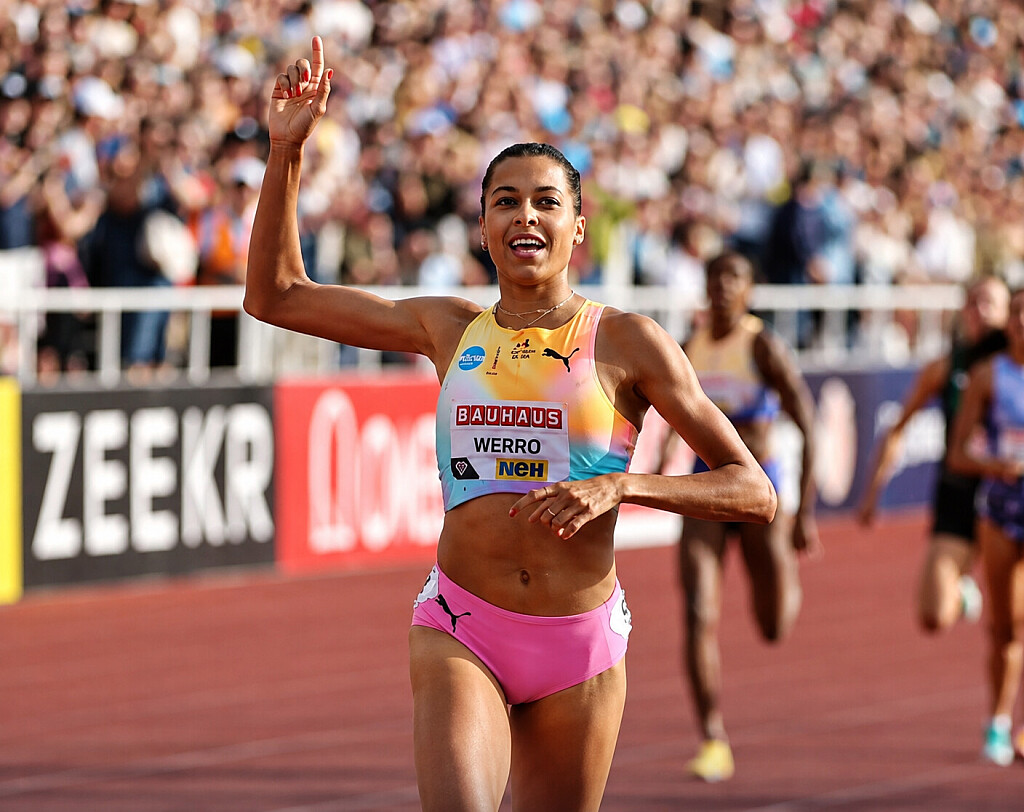
Audrey Werro Heads to Birmingham With History in Her Sights as Europe’s 800m Elite Prepare for a Blockbuster Showdown
Audrey Werro will arrive at the 2026 European Athletics Championships in Birmingham carrying more than just the hopes of Switzerland. The 22-year-old middle-distance star has established herself as the woman to beat in the women’s 800m, and she will enter Alexander Stadium with a world-leading time, extraordinary momentum and a realistic opportunity to chase one of athletics’ longest-standing records.
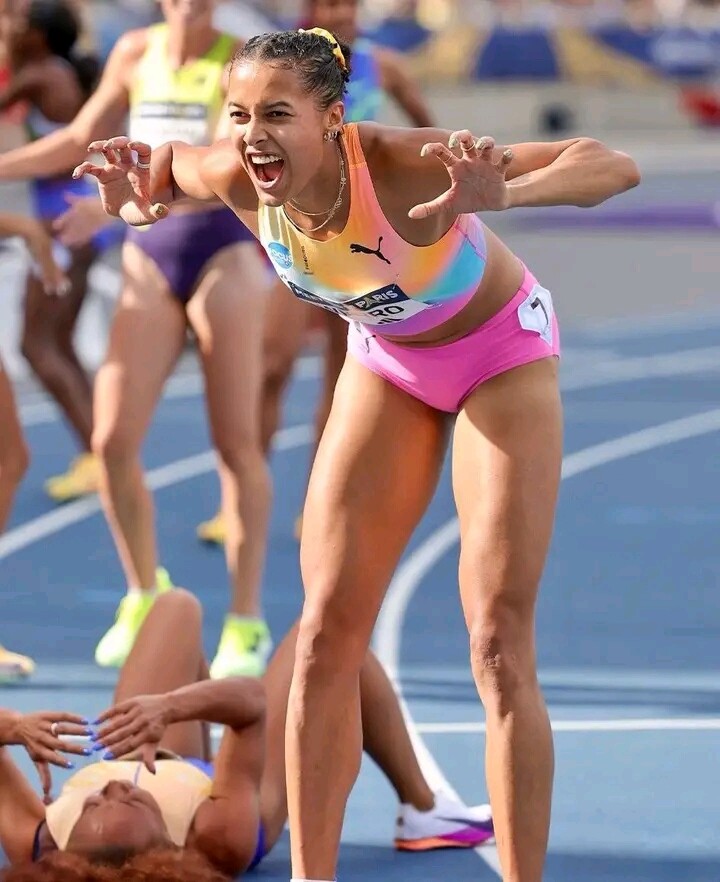
The European Championships will be held in Birmingham from August 10 to 16, with the women’s 800m among the events expected to command enormous attention.
Werro has already produced one of the defining performances of the 2026 season. At the Paris Diamond League on June 28, she stormed to 1:53.80, becoming only the third-fastest woman in history over 800m and moving within 0.52 seconds of Jarmila Kratochvílová’s world record of 1:53.28, which has stood since 1983.
Even more remarkable is that Paris was not an isolated performance.
Earlier in June, Werro stunned Olympic champion Keely Hodgkinson in Stockholm, producing 1:53.98 to claim another Diamond League victory. Hodgkinson followed in a personal best of 1:54.33, setting the stage for what could become one of the defining rivalries of the championship.
The numbers underline just how extraordinary the 2026 women’s 800m season has become.
Werro leads the world with 1:53.80, followed by Hodgkinson at 1:54.33. Femke Broeders-Bol has made a spectacular transition to the two-lap event, running 1:55.60 in Paris, while France’s Anaïs Bourgoin followed with a national record of 1:55.65. Britain’s Georgia Hunter Bell has also broken 1:56, clocking 1:55.93 in Birmingham earlier in the season.
That depth makes Birmingham particularly intriguing. Werro may be the fastest woman in the world this year, but she will not be racing in isolation. Hodgkinson brings Olympic and European championship pedigree, Broeders-Bol possesses exceptional finishing speed after moving across from the 400m hurdles, while Bourgoin and Hunter Bell have demonstrated that they are capable of staying in the conversation when the pace becomes ferocious.
Werro’s remarkable form has extended beyond the 800m. On June 23 in Biel, she ran 1:22.85 for 600m, the fastest mark on the 2026 world list for the event.
Her development has been equally impressive over the longer sprint distance. Werro owns a 400m personal best of 51.03, highlighting the speed reserve behind her increasingly dominant 800m performances.
The Swiss star has therefore arrived at a fascinating point in her career. She is no longer simply a promising young athlete. After being named European Athletics’ 2025 Women’s Rising Star and winning the European U23 title, Werro has now moved firmly into the senior elite.
And Birmingham could provide the biggest stage yet for her growing reputation.
The question is no longer whether Werro can run under 1:54. She has already done it twice this season. The question now is whether she can find the fractions required to move from an extraordinary performance to something historic.
The world record of 1:53.28 is only 0.52 seconds away.
With the European title on the line, Hodgkinson seeking another major championship triumph and a rapidly improving field ready to challenge for the podium, the women’s 800m could become one of the races of the entire Birmingham championships.
For Werro, however, the objective is simple: arrive ready, execute the perfect two laps and see just how close she can get to history.
Birmingham awaits. And Audrey Werro has already shown that she is ready.
by Erick Cheruiyot for My Best Runs.
Login to leave a comment
European Athletics Champioships
The27thEuropean Athletics Championshipswill be held from 10 to 16 August 2026 at theAlexander StadiuminBirmingham, United Kingdom.[1] This is the first time that a British city will have staged the European Athletics Championships although Birmingham has hosted many high-profile events, including the2007 European Athletics Indoor Championships, the2003and2018 IAAF World Indoor Championshipsand the2022 Commonwealth Games. Alexander Stadium was renovated between 2019 and...
more...
World U20 Relay History Rewritten As Great Britain Breaks Fresh Record After Australia's Brief Reign
Records were rewritten twice within the space of a few unforgettable minutes as the inaugural World Athletics U20 Mixed 4x100m relay produced one of the most dramatic sessions of the World Athletics U20 Championships in Eugene, Oregon.
Australia ignited the excitement in the opening heat by storming to a world U20 record of 41.64 seconds, becoming the first team ever to reach that mark and briefly claiming a place in history. For five memorable minutes, the Australian quartet of Uwezo Lebenda, Maya Taber, Kelechi Ekwomadu and Thewbelle Philp stood as world record holders after a sensational performance that also secured their place in Saturday's final.
Their celebration, however, proved to be short-lived.
Moments later, Great Britain delivered an even more electrifying display in the second heat, clocking 41.60 to erase Australia's newly established mark and set a fresh World U20 record. It was a masterclass in speed, precision and flawless baton exchanges that propelled the British team into the history books.
The record-breaking quartet of Divine Iheme, Savannah McKenzie Morgan, Mathew Ajayi and Sophie Thomas combined brilliantly from start to finish to produce the fastest mixed U20 4x100m relay ever recorded. Sophie Thomas, who is set to compete for the University of Connecticut (UConn) this year, produced a composed anchor leg to seal the landmark performance.
The extraordinary back-to-back world records underlined the remarkable depth of sprint talent on display, with several other nations also producing outstanding performances to qualify for the final.
Italy impressed with a personal best of 41.74, while the United States advanced comfortably in 41.82. Nigeria also produced a personal best of 41.91 to secure qualification.
Jamaica (42.08 PB), Germany (42.12 PB), France (42.16 PB) and Poland (42.18 PB) completed the eight-team final after delivering strong performances in one of the fastest mixed relay qualifying rounds ever witnessed at the U20 Championships.
With two world records already falling in rapid succession, anticipation is now soaring ahead of Saturday's final. If the qualifying heats are any indication, the newly established global mark of 41.60 may once again come under serious threat as the world's best young sprinters chase another piece of athletics history.
by Erick Cheruiyot for My Best Runs.
Login to leave a comment

Ultimate Clash Reloaded: Paris Olympic 1500m Medalists Set for Another Epic Battle in Budapest
The rivalry that captivated the athletics world in Paris is about to be reignited on one of the sport's biggest new stages.
More than two years after producing one of the greatest Olympic 1500m finals in history, Olympic champion Cole Hocker, world mile record holder Josh Kerr, and Olympic bronze medalist Yared Nuguse are set to face each other once again at the inaugural World Athletics Ultimate Championships in Budapest, Hungary, from September 11–13, 2026.
Their unforgettable showdown at the Paris Olympics stunned fans across the globe. Hocker stormed to Olympic gold in a remarkable 3:27.65, smashing the Olympic record in a race that redefined what was thought possible over 1500 metres. Kerr claimed silver after another fearless performance, while Nuguse completed an extraordinary American one-two-three finish by securing the bronze medal.
Now, the three medalists return to centre stage with even more at stake.
Hocker arrives in Budapest carrying the confidence of an Olympic champion determined to prove that his triumph in Paris was no one-off. Kerr, meanwhile, enters the championship in arguably the finest form of his career after recently rewriting history in London with a sensational 3:42.66 mile, breaking a world record that had stood for 27 years. For Nuguse, the Ultimate Championships present another opportunity to transform Olympic bronze into the biggest victory of his career.
Unlike traditional global championships, there will be no qualifying rounds, no tactical heats and no margin for error. The men's 1500m will be contested as a straight final featuring only 12 of the world's finest athletes, ensuring every lap is run at championship intensity from the opening gun.
The stakes extend well beyond prestige. The winner will collect a staggering US$150,000 from the event's US$10 million prize fund, adding even greater incentive to what is already shaping up to be one of the most eagerly anticipated races of the year.
The venue itself adds another fascinating chapter to the story. Budapest's National Athletics Centre was where Kerr claimed his world title in 2023, giving the British star fond memories of the track. Hocker will be aiming to reinforce his Olympic dominance, while Nuguse hopes this will finally be the race where he climbs to the top of the podium.
With three proven championship performers, contrasting racing styles and little separating them on talent, the men's 1500m promises to be one of the headline attractions of the inaugural World Athletics Ultimate Championships.
The Olympic champion, the reigning world mile record holder and the Olympic bronze medalist are ready to write the next chapter of one of middle-distance running's greatest modern rivalries.
Budapest awaits. The only question left is: who will emerge as the Ultimate Champion?
by Erick Cheruiyot for My Best Runs.
Login to leave a comment

Josh Kerr Sets His Sights on History: World Record Glory and Olympic Gold Drive Britain's Middle-Distance Star
Fresh from a thrilling victory in the mile at the Glasgow 2026 Commonwealth Games, Josh Kerr has made one thing abundantly clear—his greatest achievements may still lie ahead.
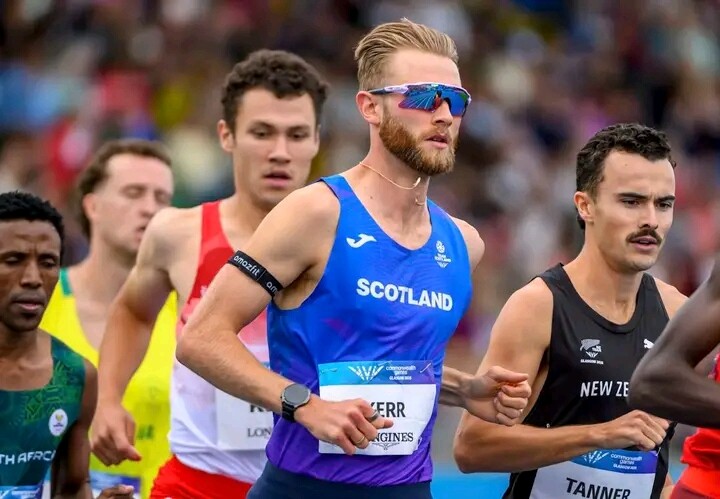
The British middle-distance star has unveiled an ambitious roadmap that could redefine his legacy, with two towering objectives at the heart of his journey: breaking Hicham El Guerrouj's legendary 1500m world record of 3:26.00, set on July 14, 1998, in Rome, and capturing the Olympic 1500m title at the Los Angeles 2028 Olympic Games.
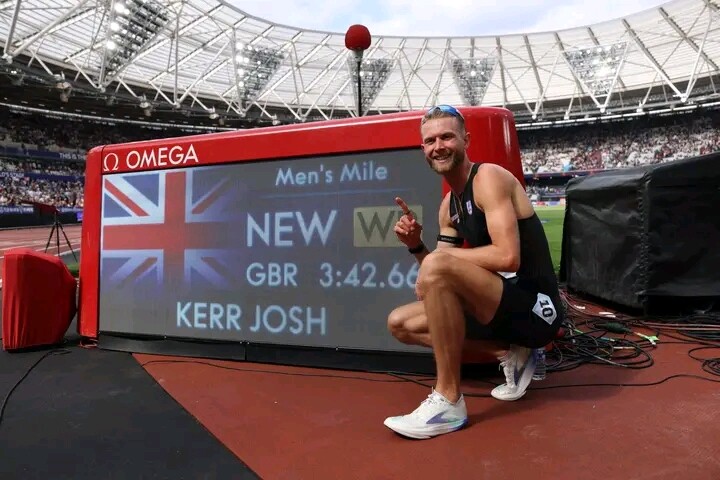
Kerr enters this new chapter with confidence soaring after producing one of the most remarkable performances in middle-distance history. His sensational 3:42.66 during the groundbreaking Project 222 campaign shattered the men's mile world record, ending a 27-year reign and proving he possesses the speed, endurance, and tactical brilliance required to challenge the sport's greatest barriers.
That achievement has strengthened Kerr's belief that the oldest and most revered record in men's middle-distance running is now within reach. For more than 28 years, Hicham El Guerrouj's 3:26.00, set in Rome on July 14, 1998, has stood as the benchmark of excellence in the 1500m, surviving generations of world-class challengers and earning a reputation as one of athletics' most untouchable performances.
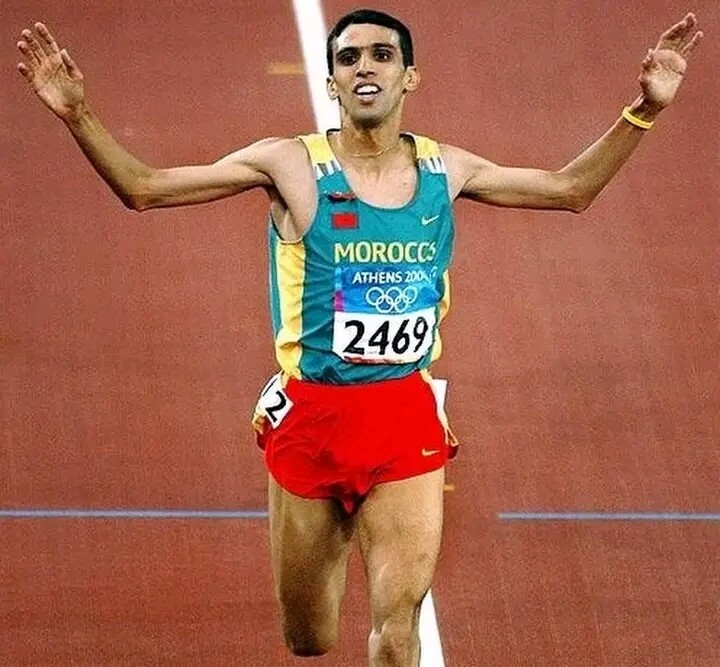
Rather than rushing the attempt, Kerr has laid out a carefully calculated plan designed to maximize his chances of success. His immediate priority is the 2027 World Athletics Championships in Beijing, where he hopes to reclaim the world 1500m title and reaffirm his position among the sport's elite.
Only after that championship campaign will his focus shift toward an assault on El Guerrouj's historic mark. A dedicated world-record attempt is expected later in 2027, built around months of meticulous preparation, altitude training, world-class pacing, ideal racing conditions, and flawless execution—the same ingredients that powered his record-breaking mile performance.
For Kerr, world records are not won by chance. They are earned through relentless preparation, perfect timing, and the courage to attack history when every detail aligns.
Beyond the pursuit of history lies one final prize that continues to fuel his ambition: Olympic gold.
Having earned bronze at the Tokyo 2020 Olympics and silver at the Paris 2024 Games, Kerr now has just one medal missing from an already glittering collection. His ultimate objective is to stand atop the Olympic podium in Los Angeles in 2028, completing a remarkable progression from bronze to silver and finally to gold.
If successful, Kerr would not only cement his place among Britain's greatest middle-distance runners but also become the first athlete to erase Hicham El Guerrouj's iconic 3:26.00 world record since it was established in Rome on July 14, 1998, before completing his Olympic medal collection with the sport's ultimate prize.
The stage is set, the blueprint is in place, and the countdown has begun. The question now is whether Josh Kerr can accomplish what generations of elite milers have failed to do—rewrite one of athletics' most enduring records and crown his career with Olympic gold in Los Angeles.
by Erick Cheruiyot for My Best Runs.
Login to leave a comment
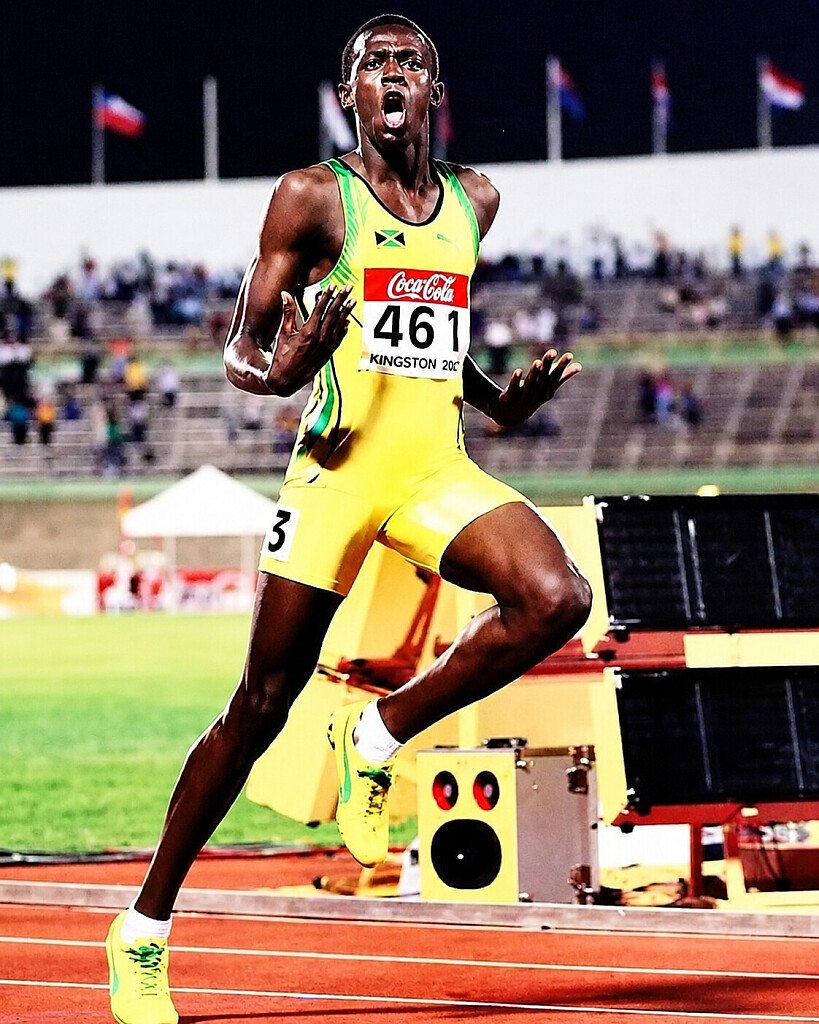
Where Greatness Begins: The Day a 15-Year-Old Usain Bolt Changed Sprinting Forever
Long before he became the fastest man in history, before the Olympic gold medals, world records, and global superstardom, Usain Bolt was simply a gifted teenager with extraordinary speed and limitless potential. In 2002, on the track at Kingston's National Stadium in Jamaica, the world witnessed the first chapter of a story that would forever change athletics.
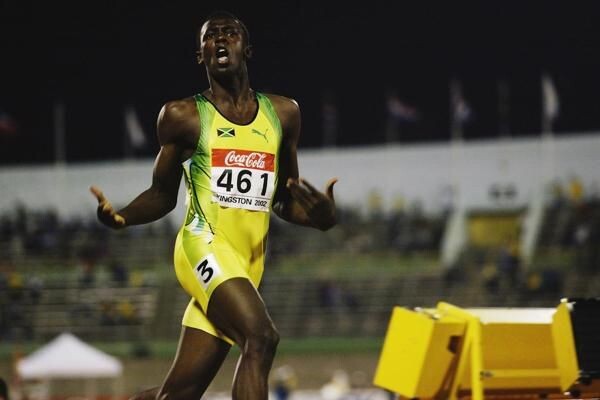
At just 15 years old, Bolt lined up for the men's 200 metres at the World Junior Championships with the weight of expectation resting on young shoulders. Competing before a passionate home crowd, the Jamaican prodigy produced a performance that instantly captivated the athletics world. Crossing the finish line in 20.61 seconds, he became the youngest athlete ever to win the men's 200m title at the championships.
It was far more than a gold medal. It was the moment the world realised that a once-in-a-generation talent had arrived.
Bolt's victory in Kingston marked the beginning of one of the greatest careers in sporting history. Over the years that followed, he rewrote the record books, dominated the Olympic Games and World Championships, and transformed sprinting into a global spectacle through his breathtaking speed, infectious personality, and unrivalled confidence. His legacy continues to inspire young athletes across the globe, many of whom dream of following the same path he once began as a teenager.

This week, that dream comes alive once again as the World Athletics U20 Championships take centre stage at the iconic Hayward Field in Eugene, Oregon. The venue has already witnessed the birth of future superstars. In 2014, it was where Britain's Dina Asher-Smith and Uganda's Joshua Cheptegei captured their first global titles, launching careers that would later produce world championships, Olympic medals, and lasting legacies in athletics.
Twelve years later, another generation arrives in Eugene hoping to create its own defining moment.
Among the brightest young talents is Great Britain's Jake Odey-Jordan, the 200m bronze medallist from Lima who now owns the European U20 100m record after an astonishing 10.01-second performance. He enters the championships eager to build on his growing reputation as one of Europe's most exciting young sprinters.
The United States will look to Tate Taylor, who has already made history as the first American high school athlete to break the 20-second barrier for the 200 metres. Fresh from a Diamond League victory in a sensational 19.75 seconds, he arrives in Eugene carrying the momentum of one of the most remarkable junior seasons ever recorded.
Jamaica, the nation that introduced the world to Usain Bolt, will once again have high hopes through Shanoya Douglas. The talented sprinter has established herself as one of the championship's leading contenders after producing lifetime bests of 10.98 seconds for the 100m and 22.11 for the 200m this season.
History has repeatedly shown that the World U20 Championships are far more than a junior competition. They are often the first chapter in the careers of future Olympic champions, world record holders, and global icons. Every generation arrives with ambitious dreams, but only a select few leave having announced themselves to the world.
No one can say with certainty whether the next Usain Bolt will emerge this week. Greatness cannot be predicted, and legends are never manufactured. Yet every legendary career begins with a single breakthrough performance.
For Bolt, that defining moment came in Kingston in 2002.
Now, under the famous lights of Hayward Field, another group of gifted teenagers stands ready to chase history. Somewhere among them could be the next athlete whose name will inspire the world for years to come.
by Erick Cheruiyot for My Best Runs.
Login to leave a comment
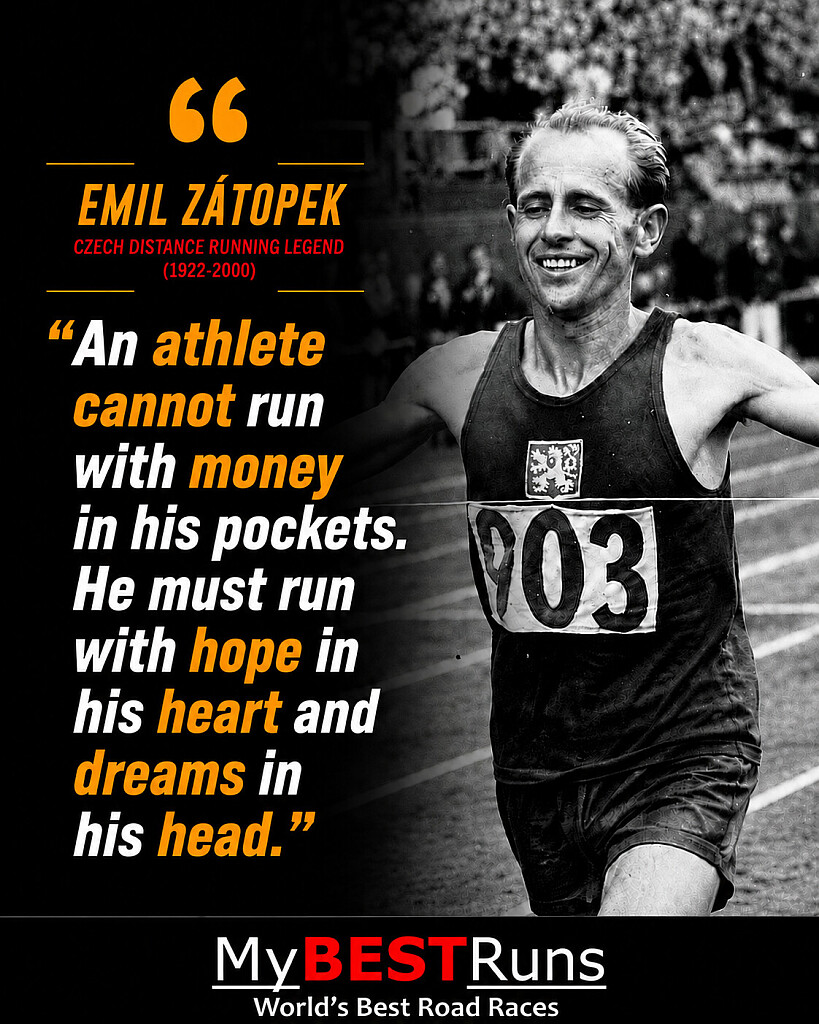
The Dream That Outruns Money: Emil Zátopek's Timeless Lesson for Every Runner
"An athlete cannot run with money in his pockets. He must run with hope in his heart and dreams in his head." More than seventy years after those words were spoken, they remain among the most powerful messages ever shared in distance running. They are often quoted as simple motivation, but behind them lies a remarkable story of sacrifice, courage, conviction, and an unwavering belief that true greatness is never measured by financial reward.
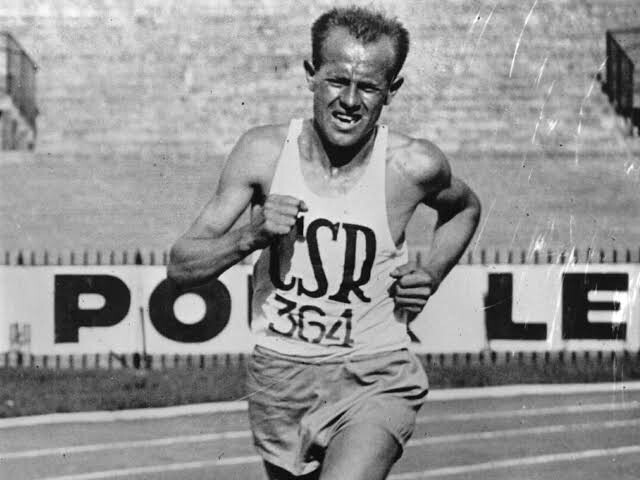
Few athletes have left a legacy as enduring as Emil Zátopek. Known around the world as "The Czech Locomotive" for his relentless determination and unmistakable running style, he redefined what was possible in endurance racing. His legendary performance at the 1952 Olympic Games in Helsinki still ranks among the greatest achievements in athletics history. In the space of just nine days, he captured Olympic gold in the 5,000 meters, the 10,000 meters, and, incredibly, the marathon—a race he had never attempted before.
Yet the world in which Zátopek competed was vastly different from today's professional athletics landscape. During the 1950s, elite sport officially operated under strict amateur rules. Olympic athletes were forbidden from accepting prize money or earning a living directly from competition, although unofficial financial arrangements existed in many sports. Zátopek himself never raced for appearance fees or lucrative prize purses. Instead, he served as an officer in the Czechoslovak People's Army, receiving a military salary while representing his country. Running brought him glory, but not personal wealth.
It was within that environment that his famous words carried genuine meaning. For Zátopek, success was never driven by the promise of money. He believed the greatest performances were fueled by hope, ambition, discipline, and the courage to pursue dreams that seemed impossible. Those qualities, rather than financial incentives, formed the foundation of lasting excellence.
With the benefit of history, his words carry even greater significance. In 1968, during the Prague Spring, Zátopek openly supported democratic reforms in Czechoslovakia. When the movement was crushed, he paid a heavy personal price for standing by his principles. He was stripped of his military rank, removed from public life, and forced into years of manual labor. The man who had once stood proudly atop the Olympic podium found himself performing physically demanding jobs, far removed from the stadiums where he had inspired millions.
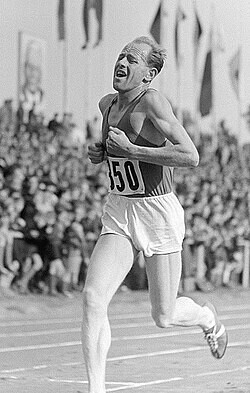
His story reminds us that the values he expressed were not empty words crafted for public admiration. He lived by them, even when doing so came at enormous personal cost. His belief that hope and conviction mattered more than material rewards became evident not only in the races he won, but also in the hardships he endured with remarkable dignity.
Distance running has changed dramatically since Zátopek's era. Today's elite athletes compete in a fully professional sport where prize money, sponsorship contracts, appearance fees, and endorsement deals can be worth millions. Success on the track and roads now offers opportunities that were unimaginable during the age of amateur competition. Professionalism has transformed the sport, allowing athletes to train full-time, access world-class coaching and sports science, and build financially secure careers.
Yet despite these changes, the essence of Zátopek's message has never lost its relevance.
Every elite runner naturally hopes to earn a good living from years of dedication and sacrifice. There is nothing wrong with financial success, and the rewards available today have elevated the standard of competition across the world. But history consistently shows that money alone is rarely enough to sustain greatness. The athletes whose careers endure the longest are often those driven by an inner passion to improve, to test their limits, and to chase excellence for its own sake. Financial rewards become the result of that commitment, not the reason for it.
When competition is motivated solely by wealth, its deeper purpose can fade. But when an athlete races with genuine belief, relentless determination, and an unwavering dream, extraordinary performances often follow naturally.
That is why Emil Zátopek's words continue to resonate across generations. His legacy extends far beyond Olympic medals and world records. It lives in every runner who laces up their shoes with a goal that cannot be measured in dollars, every athlete who refuses to surrender when the race becomes painful, and every competitor who understands that the greatest victories begin long before the finish line.
The economics of distance running may have evolved beyond recognition, but the heart of the sport remains unchanged. Every athlete still arrives at the starting line carrying something far more valuable than money—hope in their heart and dreams in their head. Those invisible qualities have always been, and will always remain, the true fuel of greatness.
by Erick Cheruiyot for My Best Runs.
Login to leave a comment

Back To Where It All Began: Agnes Ngetich Returns To Her Primary School As A World Record Holder
Success has a way of bringing people back to where their journey first began, and for Kenya's Agnes Jebet Ngetich, that journey started in the classrooms of Werep Primary School.
The world champion and world record holder recently made an emotional return to her former school, where she once sat as a young girl with dreams that seemed almost impossible to achieve. In a touching tribute to her humble beginnings, Ngetich briefly wore the Werep Primary School uniform once again, creating a powerful moment that reminded every learner that greatness can emerge from even the most difficult circumstances.
The visit was far more than a nostalgic homecoming. It was an opportunity to give back to the community that shaped her early years. Agnes donated brand-new school uniforms to many pupils, ensuring they can attend school with confidence and pride. More than 200 learners shared a nutritious meal, while schoolgirls received sanitary pads to help them stay in school with dignity and without interruption to their education.

For the children who welcomed one of Kenya's greatest distance runners, the visit transformed dreams into something tangible. Standing before them was someone who had once walked the same paths, studied in the same classrooms, and worn the very same uniform they wear today.
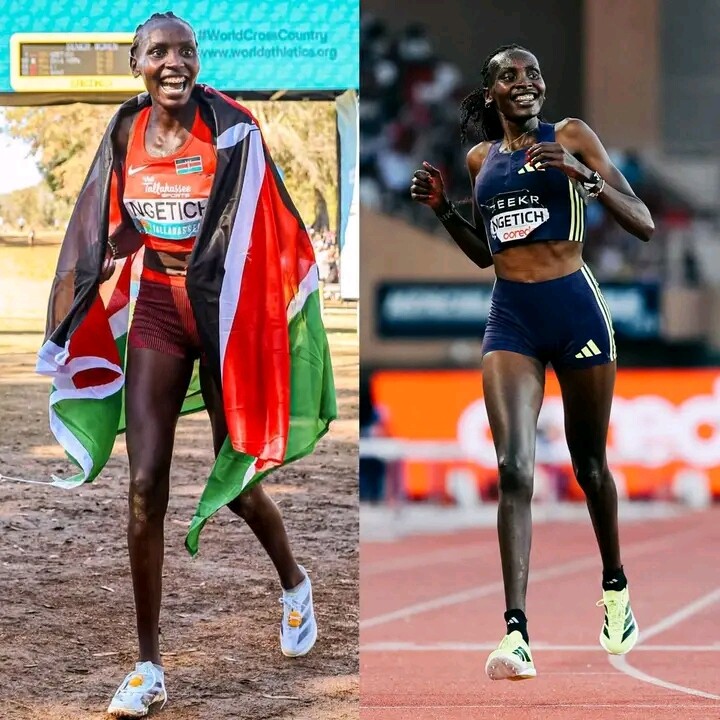
Yet behind the smile of a world champion lies a story of extraordinary hardship.
Born on January 23, 2001, in Elgeyo Marakwet County, Agnes lost her father when she was only 12 years old. His death plunged the family into severe financial hardship, forcing her to leave school on several occasions to help her mother earn a living. She spent countless days burning charcoal and working on local farms so her family could survive.
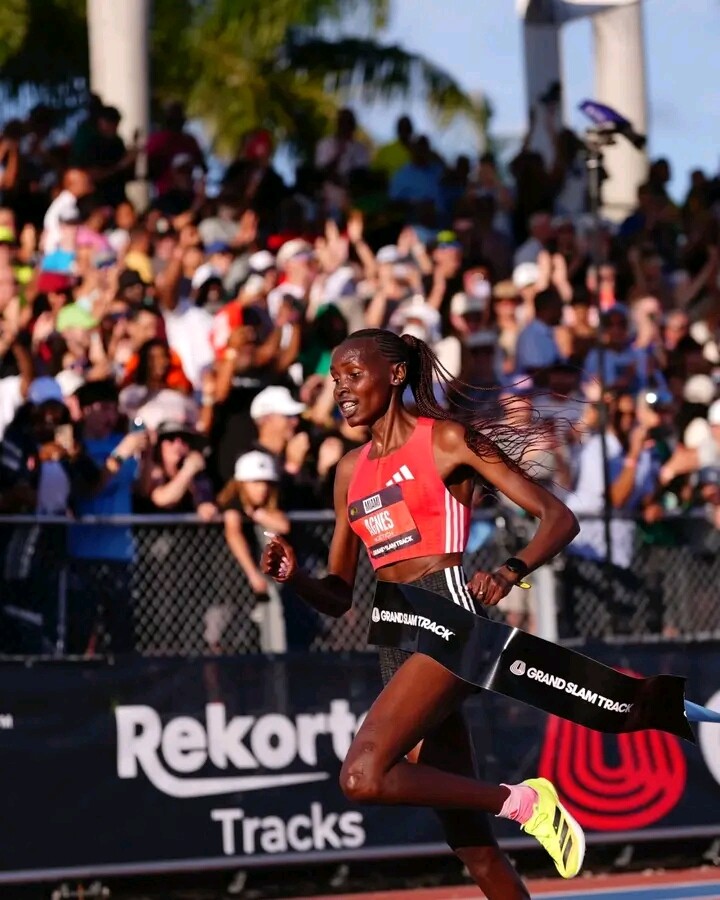
Running was never part of a carefully planned career. At first, it simply offered something many children take for granted—a meal through school competitions. Often racing barefoot and on an empty stomach, Agnes refused to let poverty define her future. In one regional race, she pushed herself so hard that she collapsed from hunger after crossing the finish line, a powerful illustration of the sacrifices she endured in pursuit of a better life.
Her destiny changed when coach Ruth Jepchumba Bundotich noticed her remarkable talent while she was working on a farm. Recognizing a rare gift, she gave the young runner an opportunity to train and develop her potential. That single act of belief opened the door to a future few could have imagined.
Today, Agnes Ngetich stands among the greatest distance runners in history. She became the first woman ever to break the 29-minute barrier for 10 kilometres on the road with an astonishing world record of 28:46. She also holds the women's-only 10km world record of 29:27, captured the 2026 World Cross Country title with a remarkable winning margin of 42 seconds, claimed victory at the 2026 New York Mini 10K while setting a course record, and is the Kenyan half marathon record holder with an outstanding time of 1:03:04.
Despite these extraordinary accomplishments, perhaps her greatest achievement cannot be measured by medals, trophies, or world records.
The success she earned through running transformed her family's future. Agnes has helped her siblings return to school after poverty forced them to drop out, while also giving her mother the security and comfort she had long dreamed of. Her journey has become a testament to how talent, resilience, and opportunity can change not only one life but an entire family.
Today, Agnes trains under head coach Julien Di Maria, widely known as Kip Evans, while continuing to work closely with her long-time mentor, Ruth Jepchumba Bundotich—the coach who first recognized her potential and helped guide her path to international success.
Her return to Werep Primary School was therefore much more than a celebration of athletic achievement. It was a full-circle moment that showed every child in attendance that humble beginnings do not determine one's destiny.
From carrying bags of charcoal to carrying the hopes of a nation, Agnes Jebet Ngetich has become one of Kenya's brightest sporting icons. Her remarkable story reminds the world that champions are not simply born—they are forged through hardship, sacrifice, unwavering determination, and the courage to keep believing when life offers every reason to give up.
For every pupil who watched her proudly wear the school uniform once again, the message was unmistakable: the classroom they sit in today could become the starting point of a journey that one day inspires the entire world.
by Erick Cheruiyot for My Best Runs.
Login to leave a comment

Josh Kerr Delivers Historic Commonwealth Mile Gold On Home Soil
Josh Kerr produced a performance worthy of the occasion as he etched his name into Commonwealth Games history, storming to victory in the men's mile final in front of an ecstatic home crowd in Glasgow.
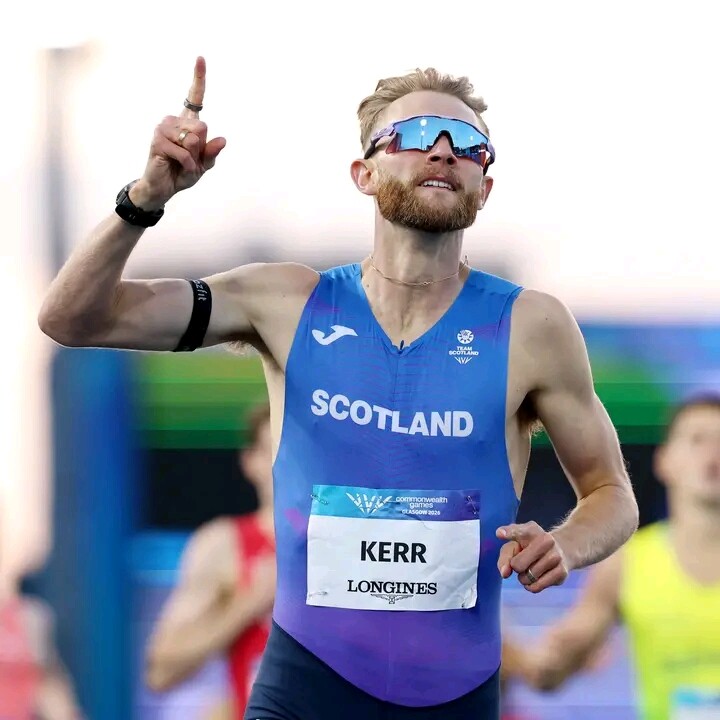
The race marked the long-awaited return of the mile to the Commonwealth Games programme for the first time in 60 years, and there could hardly have been a more fitting champion than the reigning world record holder. Just two weeks after rewriting the record books by breaking the world mile record, Kerr added another remarkable chapter to his career by capturing Commonwealth gold in front of his home supporters. The timing could not have been more perfect—Scotland's king of the mile reigning supreme in his own colosseum as the stadium erupted in celebration.
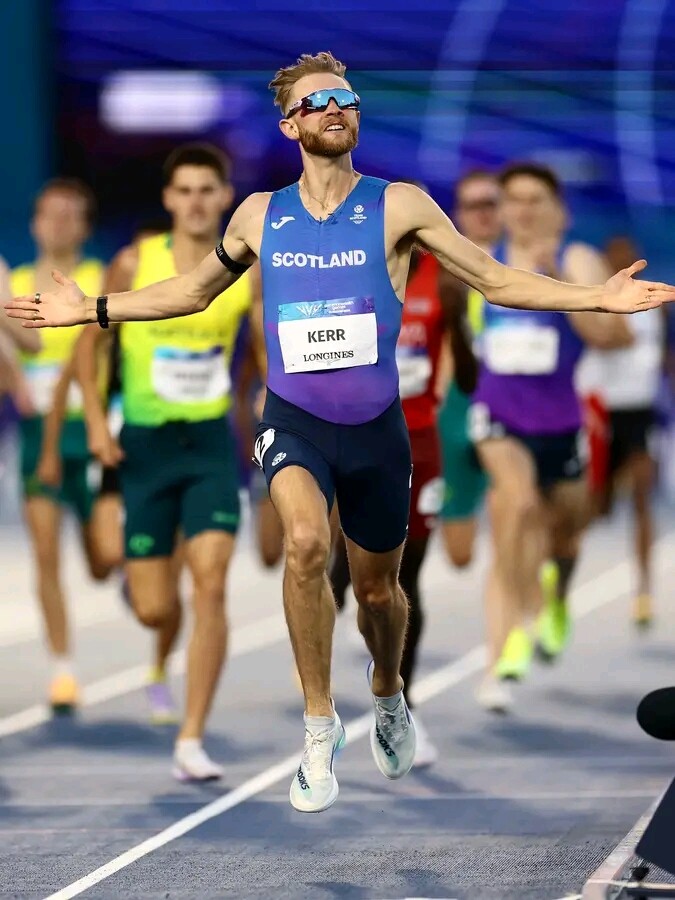
Yet the victory was anything but straightforward. For much of the race, Kerr found himself boxed in and engaged in a physical battle for position as the tightly packed field jostled for control. With precious metres slipping away, it appeared his path to gold might be closing. However, displaying the composure and race intelligence that have made him the world's fastest miler, the Scottish star finally found an opening as the bell rang for the final lap. Once in clear running, he unleashed a devastating finishing kick that no one in the field could match, surging away to claim a memorable victory on home soil.
Kerr crossed the finish line in 3:54.12, raising his arms in triumph as the Glasgow crowd erupted into deafening cheers. It was a performance that perfectly reflected his status as the world's premier miler and one that will be remembered as one of the defining moments of the Glasgow 2026 Commonwealth Games.
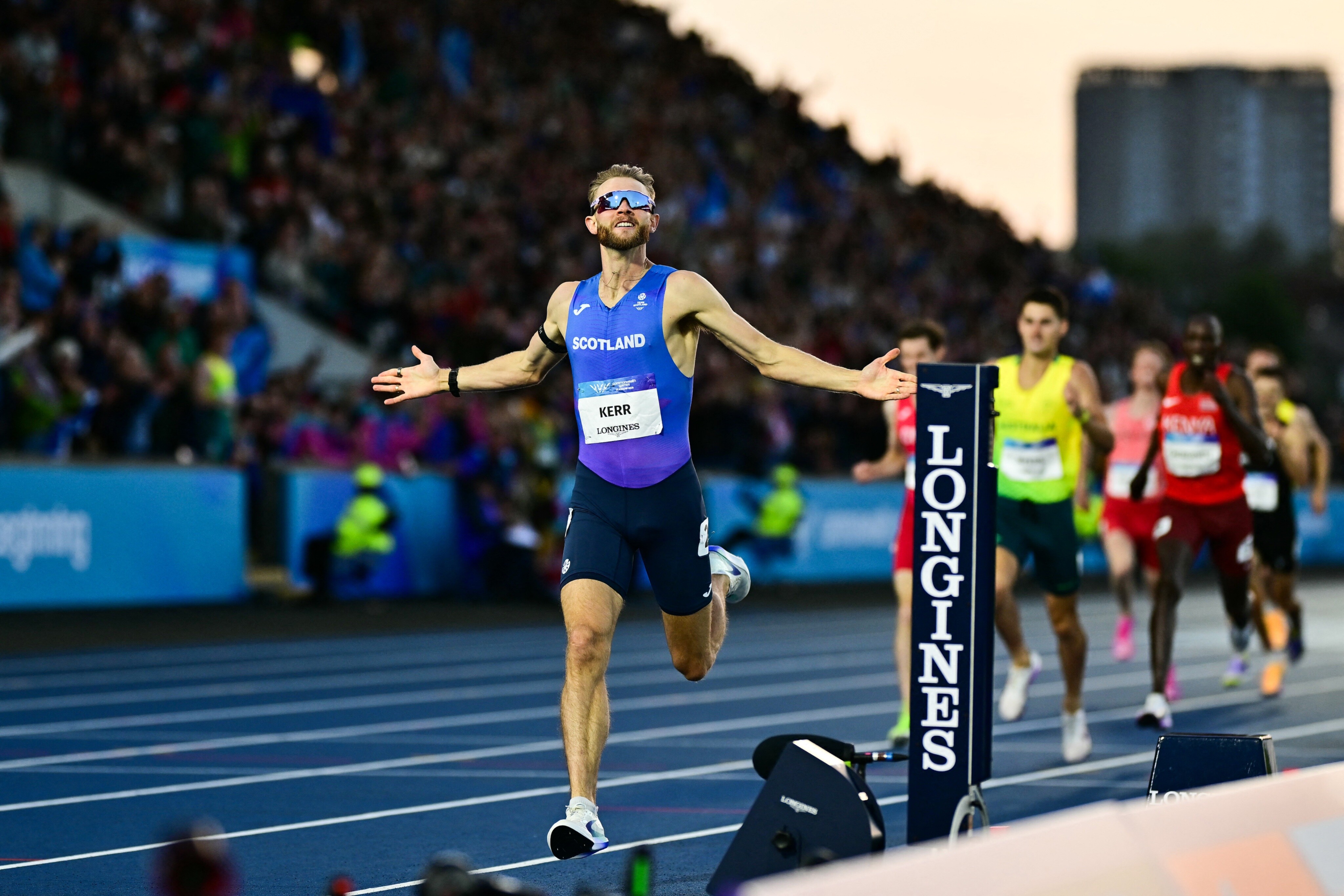
Australia's teenage sensation Cameron Meyers produced a superb closing lap to secure the silver medal in 3:55.26, continuing his rapid rise on the international stage. Kenya's former world champion Timothy Cheruiyot battled courageously throughout the race to earn the bronze medal in 3:55.41, adding another major championship podium finish to his distinguished career.
The battle for the remaining places was equally fierce. Wales' Jake Heyward narrowly missed the podium after clocking 3:55.54, while Australia's Oliver Hoare finished fifth in 3:56.28. Scotland's Jake Wightman delighted the home supporters with sixth place in 3:56.36, and Canada's Foster Malleck finished seventh in 3:56.46.
For Kerr, however, this triumph meant far more than another championship title. Winning the first Commonwealth Games mile in six decades in front of a passionate Scottish crowd created a storybook moment that will live long in the nation's sporting history. Coming just weeks after setting the world record, overcoming adversity during the race, and then producing a breathtaking final-lap surge made the achievement even more extraordinary.
As the Scottish flag waved proudly around the stadium and celebrations swept across Glasgow, one message rang true: who else? The world record holder had once again delivered when it mattered most. On a historic night for Scottish athletics and the Commonwealth Games, Josh Kerr proved that champions are defined not only by records but by their ability to rise to the biggest occasions. On home soil, before his own people, the King of Scotland ruled once again.
by Erick Cheruiyot for My Best Runs.
Login to leave a comment

The Commonwealth Games
The Commonwealth Games are coming to Victoria - bringing an action packed sports program to our regional cities and delivering a long-term legacy for our future. From 17 to 29 March 2026, Geelong, Bendigo, Ballarat, Gippsland and Shepparton will be on the world stage, attracting millions of viewers and creating thousands of jobs. The multi-city model will...
more...
Brigid Kosgei Returns to the Course Where She Redefined Women's Marathon Running
Seven years after producing one of the most extraordinary performances the marathon has ever witnessed, Brigid Kosgei is heading back to the streets where she etched her name into athletics history. The Kenyan distance-running icon will return to the Bank of America Chicago Marathon on October 11, 2026, rekindling memories of her breathtaking triumph in 2019 that transformed the sport forever.
Chicago was the stage where Kosgei delivered a performance for the ages, crossing the finish line in an astonishing 2:14:04 to erase Paula Radcliffe's 16-year-old women's marathon world record. That unforgettable run remains one of the greatest achievements in long-distance running and cemented her place among the finest marathoners in history.
Her return comes at the perfect moment. Kosgei arrives in exceptional form after capturing victory at the 2026 Tokyo Marathon, where she stormed to a course-record 2:14:29, proving she is once again among the world's most dangerous marathon competitors. With renewed confidence and outstanding fitness, she will be aiming to conquer Chicago for another memorable chapter in her remarkable career.
However, victory will be anything but straightforward. The 2026 women's race features one of the deepest and strongest marathon fields ever assembled, setting the stage for a spectacular battle between some of the sport's biggest names.
Defending champion Hawi Feysa returns determined to protect her Chicago crown after establishing herself among the world's elite. Ethiopia's Sutume Kebede and Megertu Alemu add further strength to an already formidable lineup, while Kenya's Brillian Kipkoech, Loice Chemnung, Joan Kilimo, Magdalyne Masai, and Mary Ngugi Cooper ensure the East African rivalry will be as fierce as ever.
Another athlete attracting enormous attention is Boston Marathon champion Sharon Lokedi, who will make her highly anticipated Chicago Marathon debut. Having already proven herself on the biggest stages, Lokedi adds another exciting dimension to a race packed with championship pedigree and world-class talent.
The international field is equally impressive, with Ethiopia's Degitu Azimeraw and Fantu Worku joining Japan's Yuka Ando, Australia's Isobel Batt-Doyle, and American standouts Sara Hall, Susanna Sullivan, Des Linden, and Natosha Rogers in pursuit of marathon glory.
With a former world-record holder returning to her most historic venue, a defending champion eager to retain her title, and several major marathon winners chasing one of the sport's most prestigious crowns, the 2026 Bank of America Chicago Marathon promises to deliver a thrilling contest from start to finish. Every indication suggests this could become one of the most memorable women's marathon races in recent history.
As the countdown to October 11 continues, anticipation is rapidly building. Can Brigid Kosgei recreate the magic that changed marathon history, or will a new champion rise on the streets of Chicago? One thing is certain—the world will be watching as an exceptional field battles for one of road running's most coveted titles.
by Erick Cheruiyot for My Best Runs.
Login to leave a comment

Bank of America Chicago
Running the Bank of America Chicago Marathon is the pinnacle of achievement for elite athletes and everyday runners alike. On race day, runners from all 50 states and more than 100 countries will set out to accomplish a personal dream by reaching the finish line in Grant Park. The Bank of America Chicago Marathon is known for its flat and...
more...
The Road Back Begins: Beatrice Chebet Shares First Training Run Since Motherhood
The first signs of Beatrice Chebet's return are here.

The Kenyan distance running superstar has delighted fans by sharing a photo from her early morning run, signaling the beginning of what promises to be an inspiring comeback. Captioning the image, the Olympic and world champion wrote: "Early mornings, beautiful skies and a little movement. Happy New Week," while tagging Nike and Nike Women.
The update may have seemed simple, but for athletics fans it carried a powerful message. After stepping away from competition to embrace motherhood and welcome her baby boy, Chebet is back on the roads, taking the first strides toward returning to elite racing.
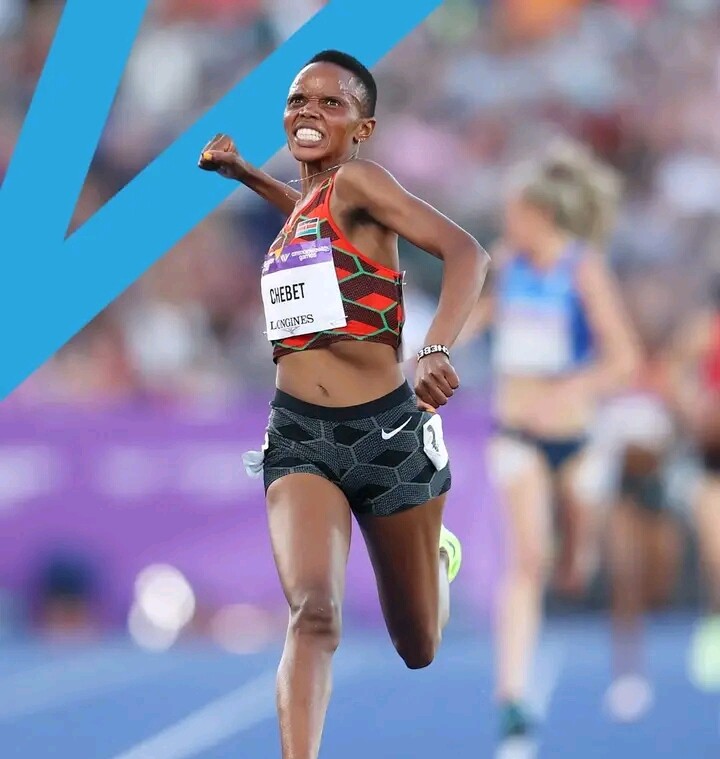
Few athletes have built a résumé as remarkable as Chebet's. She is the world record holder in the 5,000m, 10,000m, and road 5km, and her career includes Olympic gold medals in both the 5,000m and 10,000m, world titles, and multiple global championships that have established her as one of the greatest distance runners of her generation.
Now, her journey enters a different but equally inspiring phase. As she balances motherhood with the demands of elite training, every run represents another step toward regaining race fitness and returning to the sport she has dominated for years.
While there is no official timeline for her return to competition, Chebet's latest post has already sparked excitement across the athletics community. Fans will be hoping that these early morning runs are the foundation of another extraordinary chapter—one that could see the Kenyan superstar back on the starting line, chasing records and titles once again.
For one of the sport's brightest stars, the comeback has begun—not with medals or finish-line celebrations, but with quiet early morning miles, beautiful skies, and the determination that has always defined a champion.
by Erick Cheruiyot for My Best Runs.
Login to leave a comment

Gold, Diamonds, and a World Record: The Remarkable Story Behind Josh Kerr's Historic Mile
World records are remembered for the numbers on the clock, but sometimes the details surrounding them become part of the legend as well.
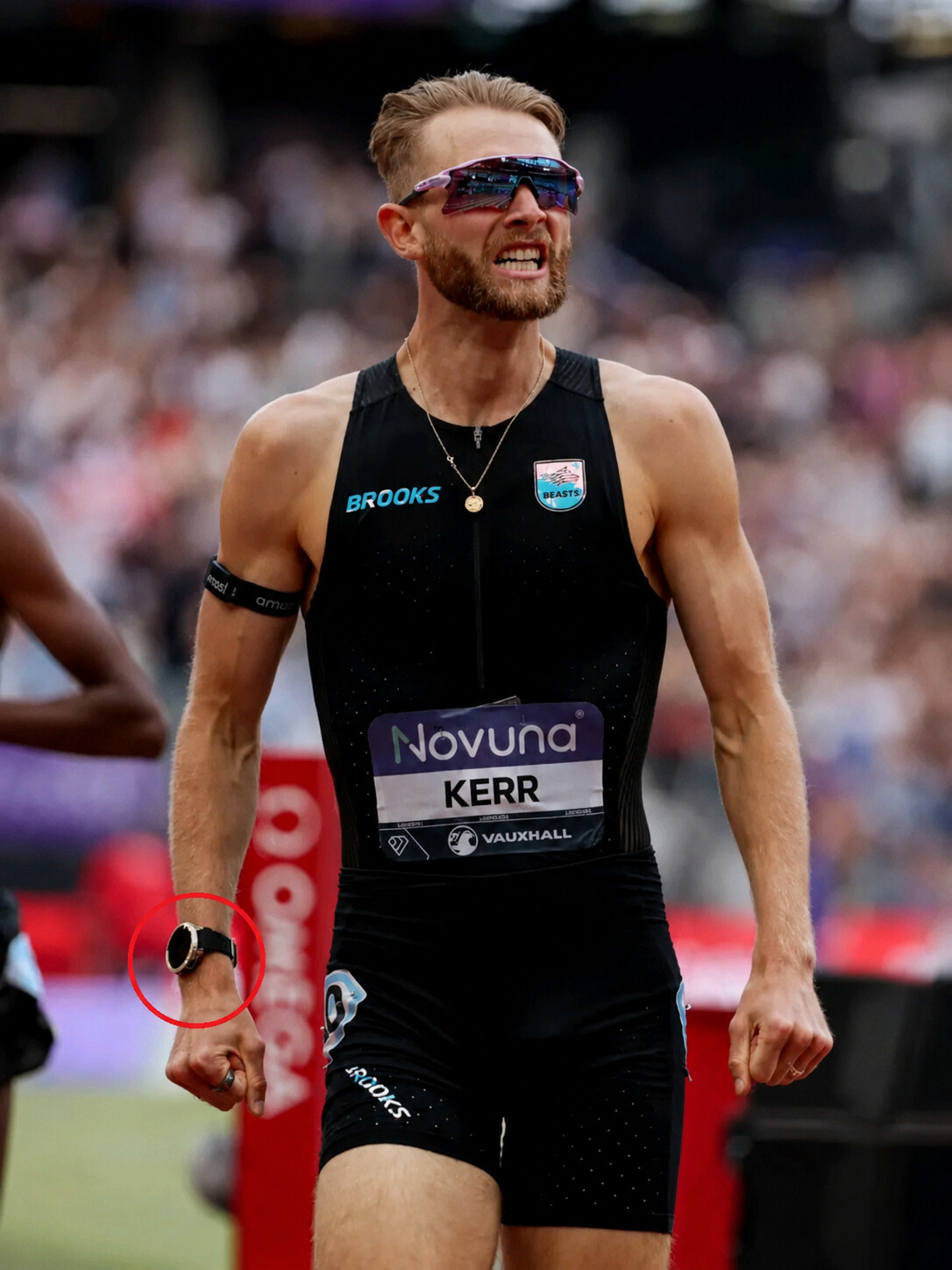
When Josh Kerr produced a breathtaking 3:42.66 to set a new men's mile world record at the London Diamond League on July 18, 2026, he didn't just rewrite one of athletics' most celebrated records. He did it while wearing one of the most exclusive performance watches ever created.
On Kerr's wrist was a one-of-a-kind Amazfit Cheetah 2 Pro, specially commissioned for his ambitious Project 222 campaign. The unique timepiece was designed by jeweller and former elite runner David Perry, combining luxury craftsmanship with cutting-edge sports technology in a way rarely seen in elite athletics.
The watch was impossible to miss. Its solid 10-karat gold-dipped bezel was set with 84 lab-grown diamonds, while the clasp carried a hand-engraved "222"—a tribute to Kerr's quest to become the first athlete in history to complete the mile in 222 seconds (3:42.00).

Although the record stopped just short of that ultimate target, Kerr's 3:42.66 performance was still one of the greatest middle-distance races ever run, lowering the world record and confirming his place among the sport's all-time legends.
The watch, however, was far more than a luxury accessory. Built around Amazfit's advanced sports technology, it captured every crucial detail of Kerr's historic run, providing an extraordinary glimpse into the physiology behind one of athletics' finest performances.
His race unfolded with remarkable consistency. Kerr covered the opening lap in 55.3 seconds, followed with 55.8, accelerated again with another 55.3, and completed the final 409 metres in 56.27 seconds to cross the finish line in world-record time.
The physiological data was equally impressive. Kerr maintained an average heart rate of 178 beats per minute, reached a peak of 188 bpm, and sustained an average cadence of 194 steps per minute throughout the race—evidence of the extraordinary efficiency required to perform at the absolute limits of human endurance.
Every stride, every heartbeat and every split was recorded as history unfolded on the London track.
Elite athletics has entered an era where wearable technology provides athletes and coaches with unprecedented insight into performance. From pacing strategies and recovery to biomechanics and physiological monitoring, modern devices have become powerful tools in the pursuit of excellence. Yet even the most sophisticated technology cannot replace the qualities that define champions.
No amount of gold, diamonds or cutting-edge engineering can substitute for years of disciplined training, exceptional talent, tactical intelligence and the courage to push beyond perceived limits when everything is on the line.
On that unforgettable evening in London, the dazzling watch certainly attracted attention. But when the finish-line clock displayed 3:42.66, it became clear that the greatest masterpiece wasn't the gold or the diamonds—it was the extraordinary athlete wearing them.
by Erick Cheruiyot for My Best Runs.
Login to leave a comment

Forty-Three Years of Greatness: Is Jarmila Kratochvílová's Legendary 800m World Record Finally Ready to Fall?
Some world records define an era. Others transcend generations. Jarmila Kratochvílová's astonishing 1:53.28 in the women's 800 meters belongs firmly in the latter category.
On July 26, 1983, in Munich, the Czech star delivered one of the most extraordinary performances the sport has ever witnessed, setting a world record that has now survived for an incredible 43 years. It remains the longest-standing individual track world record in athletics, a remarkable achievement in an era when advances in training, sports science, nutrition, and competition have seen countless other records disappear.
What makes Kratochvílová's feat even more extraordinary is that she was not primarily an 800-meter runner. She built her reputation as a dominant 400-meter specialist and only entered the two-lap race as a fitness test after recovering from leg cramps. What began as an experiment quickly turned into history.
After charging through an aggressive opening lap, Kratochvílová maintained her relentless pace all the way to the finish, crossing the line in an astonishing 1:53.28. It was a performance so far ahead of its time that generations of elite middle-distance runners have spent more than four decades trying—and failing—to erase it from the record books.
The longevity of the mark is no accident. Running 800 meters at world-record pace demands one of the rarest combinations in athletics: the explosive speed of a world-class 400-meter runner blended with the endurance, strength, and tactical intelligence of an elite middle-distance athlete. Few athletes in history have possessed that unique balance.
Even today, Kratochvílová sits comfortably atop one of the strongest all-time rankings in athletics history:
1. Jarmila Kratochvílová (Czech Republic) – 1:53.28 (July 26, 1983)
2. Nadezhda Olizarenko (Soviet Union) – 1:53.43 (July 27, 1980)
3. Audrey Werro (Switzerland) – 1:53.80 (June 28, 2026)
4. Pamela Jelimo (Kenya) – 1:54.01 (August 29, 2008)
5. Caster Semenya (South Africa) – 1:54.25 (June 30, 2018)
For many years, Kratochvílová's record was widely viewed as virtually untouchable. That perception, however, is beginning to change.
Swiss sensation Audrey Werro has reignited the conversation after producing a breathtaking 1:53.80 in Paris, moving into third place on the all-time list. Her performance was not only one of the fastest ever recorded but also the closest anyone has come to the world record in decades. At just the beginning of what promises to be a long career, Werro has demonstrated that the impossible may finally be within reach.
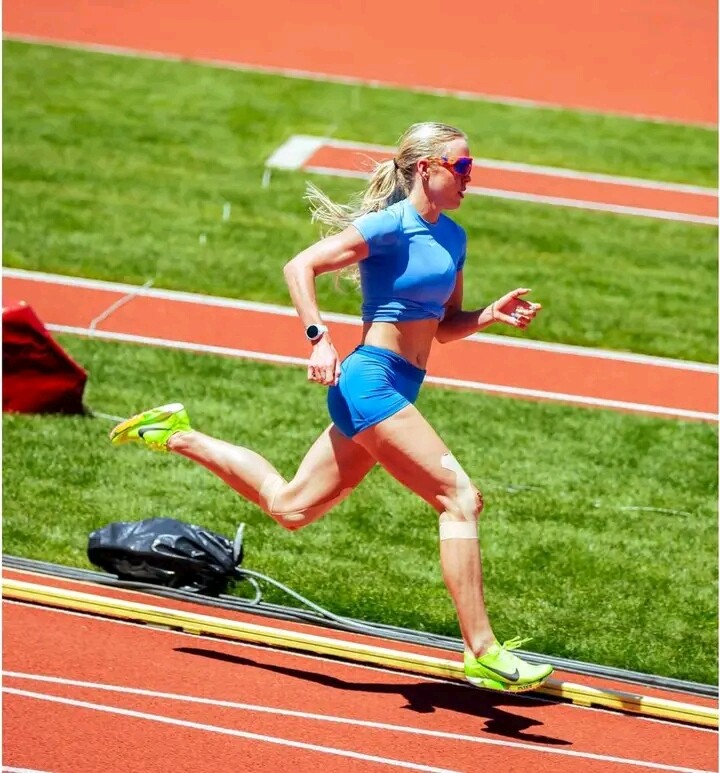
Great Britain's Keely Hodgkinson also remains one of the most compelling candidates. Already an Olympic champion and one of the most consistent performers of her generation, Hodgkinson reinforced her credentials by setting the world indoor short-track record of 1:54.87. Her combination of speed, racing intelligence, and consistency suggests that an outdoor assault on the world record cannot be ruled out.
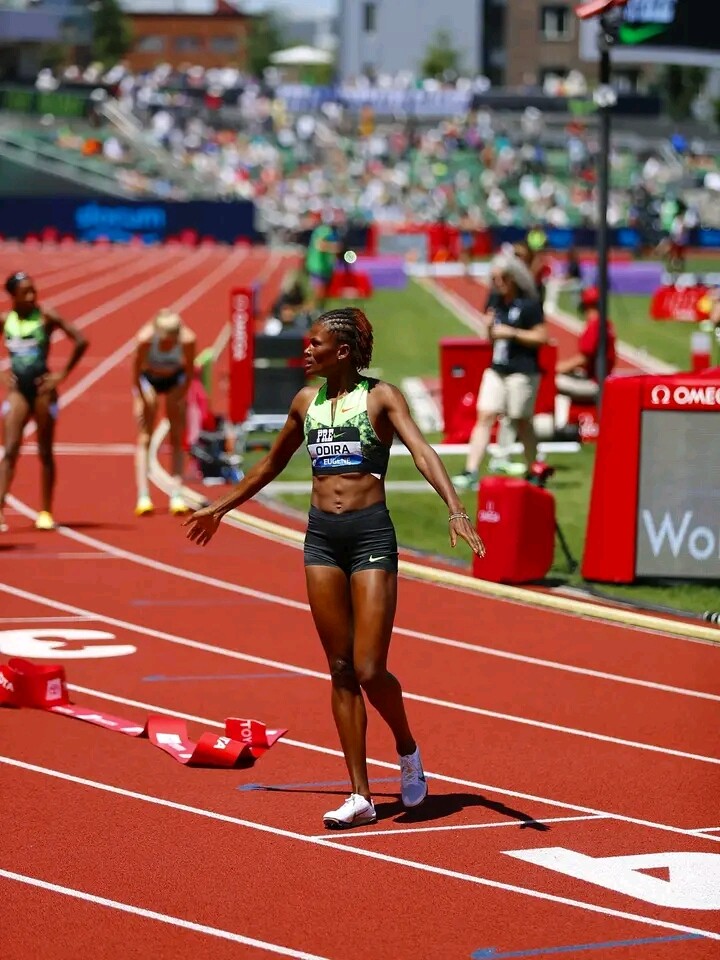
Kenya's Lilian Odira has also emerged as a genuine threat. The reigning world champion owns a personal best of 1:54.62, ranking her among the fastest women in history. She has already eclipsed Kratochvílová's long-standing championship record and continues to showcase an exceptional finishing kick that makes her dangerous in any race. If the pace is right, few athletes possess a stronger blend of championship experience and raw talent.
For 43 years, the athletics world has watched wave after wave of exceptional runners attempt to chase down one of sport's most iconic performances. Olympic champions, world champions, and record holders have all fallen short.
Yet the landscape feels different today. A new generation led by Audrey Werro, Keely Hodgkinson, and Lilian Odira is pushing the women's 800 meters to unprecedented depths. Their performances suggest that one of athletics' oldest and most celebrated records is no longer beyond imagination.
Whether Kratochvílová's 1:53.28 survives another season or another decade remains one of the sport's most fascinating questions. What is certain is that a record once considered untouchable is finally facing its most serious challenge in more than four decades.
The countdown may have already begun.
by Erick Cheruiyot for My Best Runs.
Login to leave a comment

Chicago Marathon Unveils One of the Strongest Women's Elite Fields in Race History
The world's finest women marathoners will converge in Chicago, Illinois, on Sunday, October 11, for what promises to be one of the most competitive races in the history of the 2026 Bank of America Chicago Marathon. Returning to defend her Chicago Marathon title is Ethiopia's Hawi Feysa, who produced a breakthrough victory in last year's race. With a personal best of 2:14:57, Feysa returns carrying the confidence of a reigning champion and will be determined to become the first woman in several years to successfully defend the Chicago Marathon crown. Her title defense adds another compelling storyline to what is already one of the strongest women's marathon fields ever assembled in Chicago.
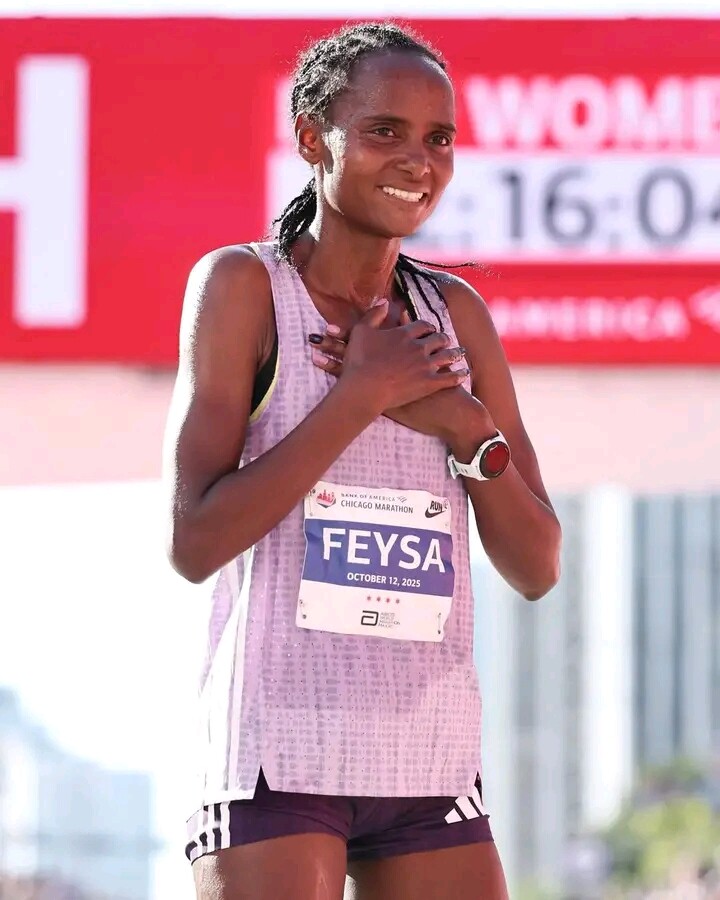
Adding even greater star power to the race is former world record holder Brigid Kosgei, whose outstanding personal best of 2:14:04 remains one of the fastest marathon performances in history. The Kenyan legend leads an exceptional field packed with proven champions, major marathon winners, and rising stars, ensuring every mile will be fiercely contested.
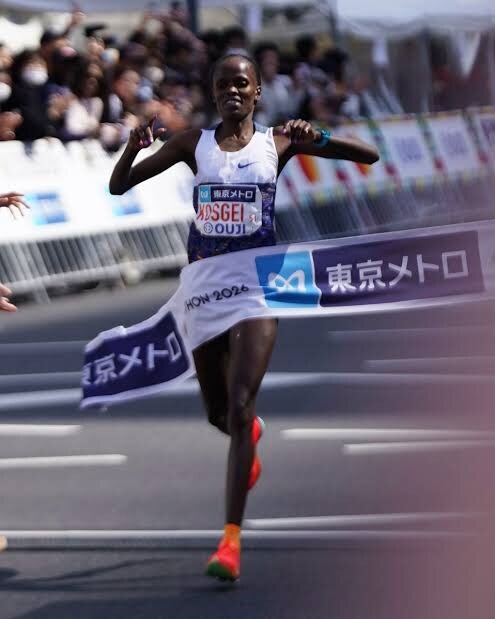
The depth of this year's lineup is nothing short of extraordinary. Twelve athletes boast personal bests under 2:20, highlighting the exceptional quality of the field. Rarely has Chicago welcomed such an impressive collection of elite marathon talent, making this one of the most competitive women's races in the event's history.
Ethiopia arrives with a formidable squad led by defending champion Hawi Feysa, alongside Sutume Kebede (2:15:55), Megertu Alemu (2:16:34), Degitu Azimeraw (2:17:58) and Fantu Worku (2:19:08). Together, they represent one of the strongest national teams in the race, with each athlete capable of challenging for victory.

Kenya counters with an equally impressive lineup headed by Brigid Kosgei, while Brillian Kipkoech, Sharon Lokedi, Loice Chemnung, Joan Kilimo, Magdalyne Masai, and Mary Ngugi Cooper add further strength to a nation renowned for producing world-class marathon champions.
The international challenge is equally compelling. The United States fields a strong contingent featuring Sara Hall, Susanna Sullivan, Des Linden, Natosha Rogers, Molly Born, Dakotah Popehn, Gabriella Rooker, and Elena Hayday, while Japan's Yuka Akasaki, Australia's Isobel Batt-Doyle, and Great Britain's Jess Warner-Judd complete a truly global field capable of producing surprises.
With defending champion Hawi Feysa seeking back-to-back victories, former world record holder Brigid Kosgei aiming to add another World Marathon Major title to her illustrious career, and 12 women with sub-2:20 personal bests on the start line, Chicago on October 11 is set to host one of the most anticipated women's marathon races of the year. Fans can expect a thrilling contest that could produce another unforgettable chapter in the rich history of the Chicago Marathon.
by Erick Cheruiyot for My Best Runs.
Login to leave a comment
Bank of America Chicago
Running the Bank of America Chicago Marathon is the pinnacle of achievement for elite athletes and everyday runners alike. On race day, runners from all 50 states and more than 100 countries will set out to accomplish a personal dream by reaching the finish line in Grant Park. The Bank of America Chicago Marathon is known for its flat and...
more...
Adrian Wildschutt Set for Long-Awaited Marathon Debut at the Chicago Marathon
South African distance-running star Adrian Wildschutt has officially announced that he will make his highly anticipated marathon debut at the 2026 Chicago Marathon, taking on the iconic 26.2-mile distance for the first time on October 11.
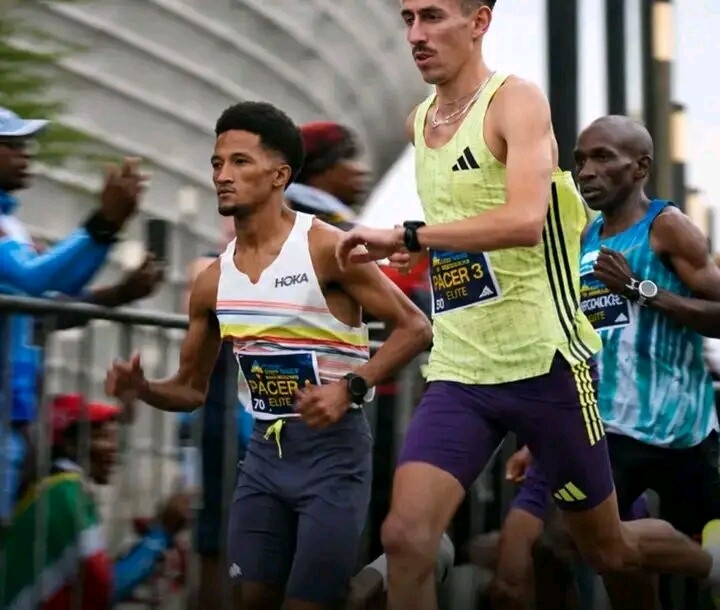
The announcement, shared on his social media channels, marks the beginning of an exciting new chapter for one of the world's most accomplished track and road racers. After building an impressive career over distances ranging from 3,000 metres to the half marathon, Wildschutt has decided the time is right to test himself in one of the sport's ultimate challenges.
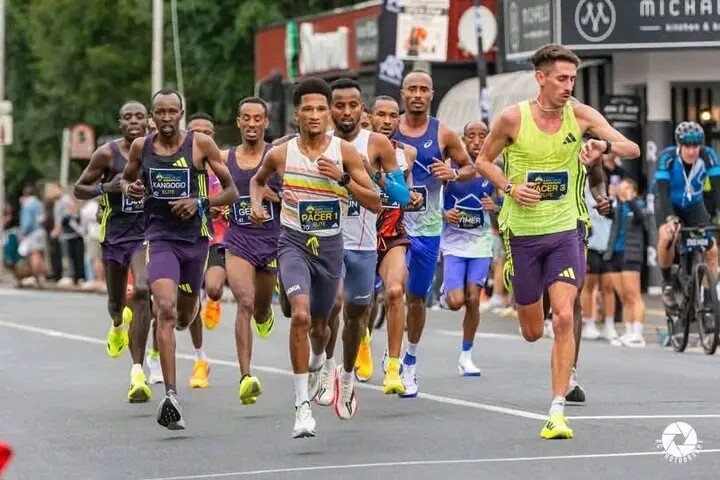
The move has been eagerly anticipated by fans and athletics followers, who have watched the South African steadily develop into one of the strongest endurance athletes on the international circuit. His combination of speed, strength and racing intelligence has long suggested that the marathon could become another stage on which he excels.
Wildschutt expressed both excitement and gratitude as he revealed the news, emphasizing that preparations are already well underway. His focus is now fully fixed on Chicago, where he hopes to translate years of experience over shorter distances into a successful marathon debut against one of the strongest fields in the world.
The Chicago Marathon has earned a reputation as one of the fastest marathon courses on the planet, producing numerous world records and unforgettable performances. It provides an ideal setting for elite athletes looking to make an immediate impact over the classic distance, making it a fitting choice for Wildschutt's first attempt.
Although marathon debuts are always unpredictable, Wildschutt arrives with an outstanding résumé that includes world-class performances on the track and road. His proven endurance, tactical racing ability and impressive half marathon credentials have already sparked excitement about what he might achieve over 42.195 kilometres.
With months of preparation still ahead, anticipation will continue to build as Wildschutt embarks on his journey toward one of the biggest milestones of his career. On October 11, all eyes will be on the streets of Chicago as the South African takes his first steps into marathon racing, aiming to announce himself on the global stage in spectacular fashion.
by Erick Cheruiyot for My Best Runs.
Login to leave a comment
Bank of America Chicago
Running the Bank of America Chicago Marathon is the pinnacle of achievement for elite athletes and everyday runners alike. On race day, runners from all 50 states and more than 100 countries will set out to accomplish a personal dream by reaching the finish line in Grant Park. The Bank of America Chicago Marathon is known for its flat and...
more...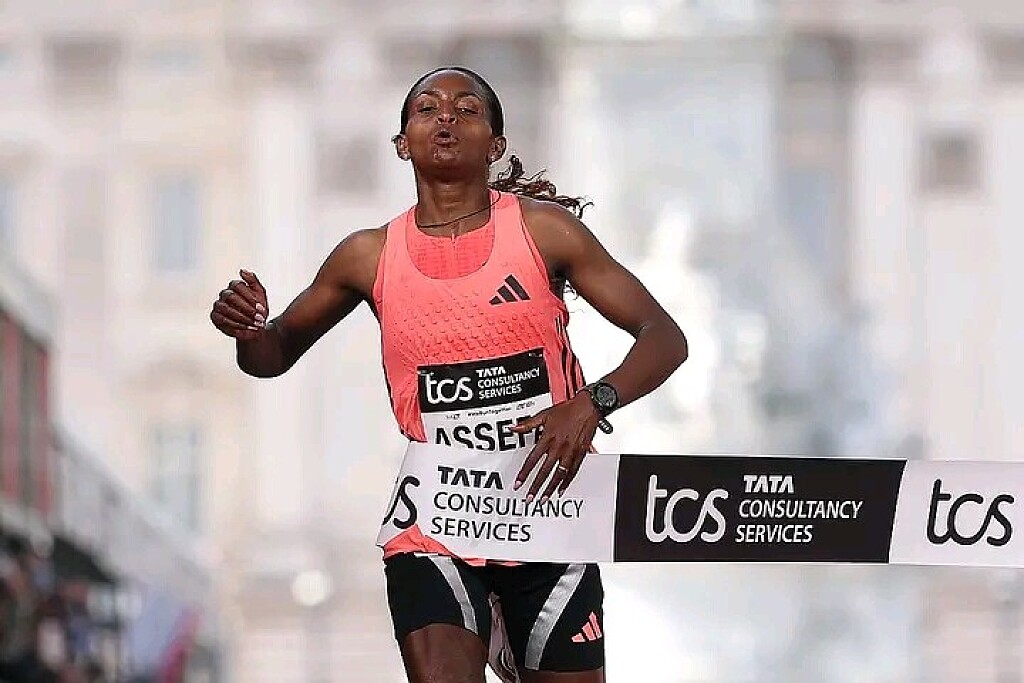
World Athletics Ratifies Tigst Assefa's Historic Women-Only Marathon World Record
History has officially been confirmed.
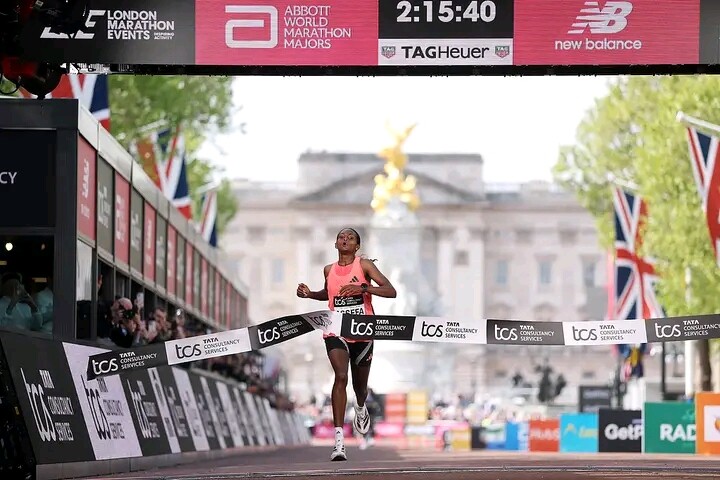
World Athletics has ratified Tigst Assefa's sensational 2:15:41 performance at the London Marathon as the new women-only marathon world record, cementing the Ethiopian star's place among the greatest marathon runners of all time.
The record-breaking run, produced on the streets of London, improves the previous women-only world record that Assefa herself established on the same course just one year earlier. With another remarkable display of endurance, precision and speed, she once again rewrote the history books, proving that her dominance in the marathon continues to reach new heights.
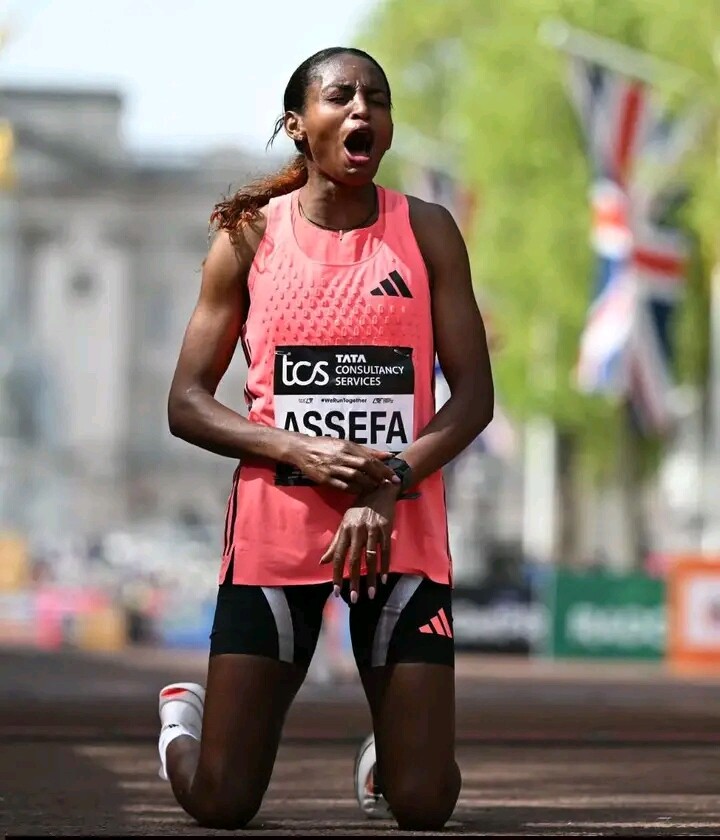
Unlike mixed-gender marathons, where male pacemakers are permitted, the women-only category is contested exclusively by female athletes from start to finish. It is regarded as one of the purest tests of marathon racing, making Assefa's achievement even more significant.
Her ratified mark of 2:15:41 stands as one of the fastest performances ever produced by a woman under women-only race conditions, highlighting her extraordinary consistency at the highest level of the sport.
The official ratification by World Athletics removes any remaining formality, transforming a breathtaking race-day performance into a permanent chapter in athletics history. It is another milestone in a glittering career that has seen Assefa repeatedly redefine what is possible over the 42.195-kilometre distance.
For Ethiopia, the record adds another proud moment to the nation's rich tradition of producing world-class distance runners. For the global athletics community, it is further evidence that the women's marathon continues to evolve, with barriers once considered untouchable now being shattered.
Tigst Assefa's name is now permanently etched into the record books once again—not only as an Olympic and world-class marathon champion, but as the officially ratified women-only marathon world record holder, a distinction earned through an unforgettable performance on one of the sport's biggest stages in London.
by Erick Cheruiyot for My Best Runs.
Login to leave a comment
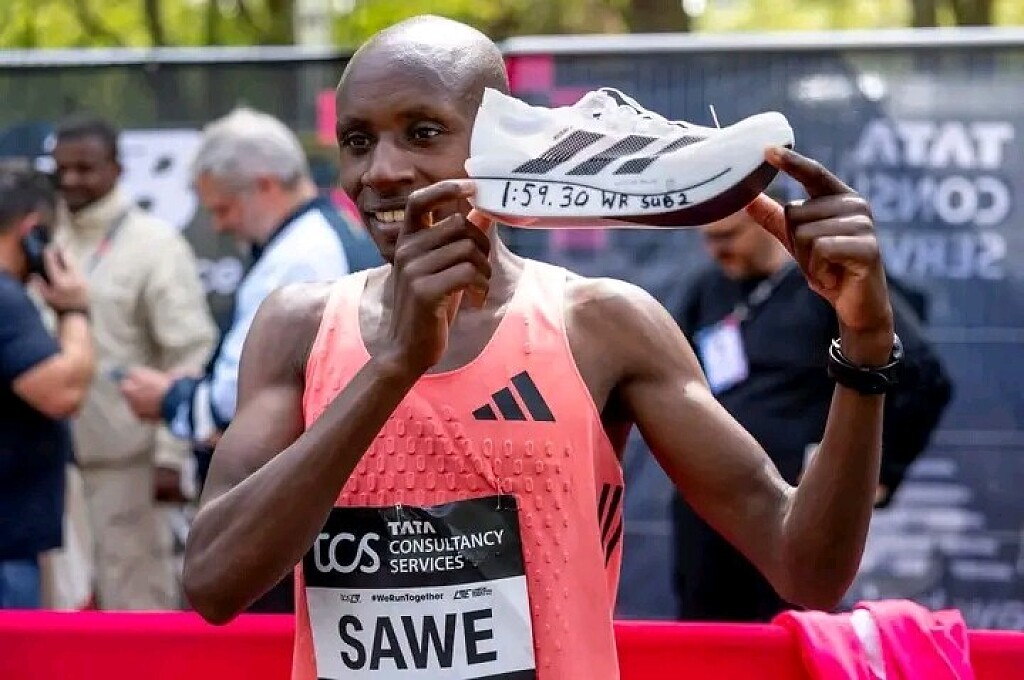
Ratified: Sabastian Sawe's Historic 1:59:30 Officially Enters the Record Books
There is no longer any debate. No asterisks. No waiting. What the world witnessed on the streets of London has now been permanently etched into athletics history.
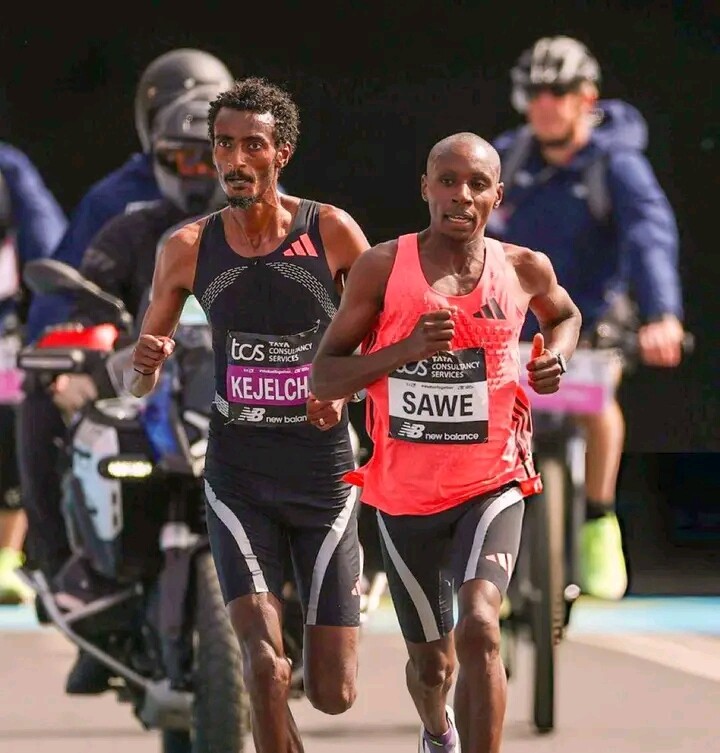
World Athletics has officially ratified Sabastian Sawe's astonishing 1:59:30 marathon, confirming it as the fastest marathon ever legally run and recognizing it as the first officially ratified sub-two-hour marathon in history.
For years, the two-hour barrier stood as the sport's ultimate frontier—a benchmark many believed would take decades to conquer under official race conditions. On that unforgettable day in London, Sawe rewrote those expectations with a performance that combined extraordinary endurance, tactical brilliance, and relentless pace from start to finish.
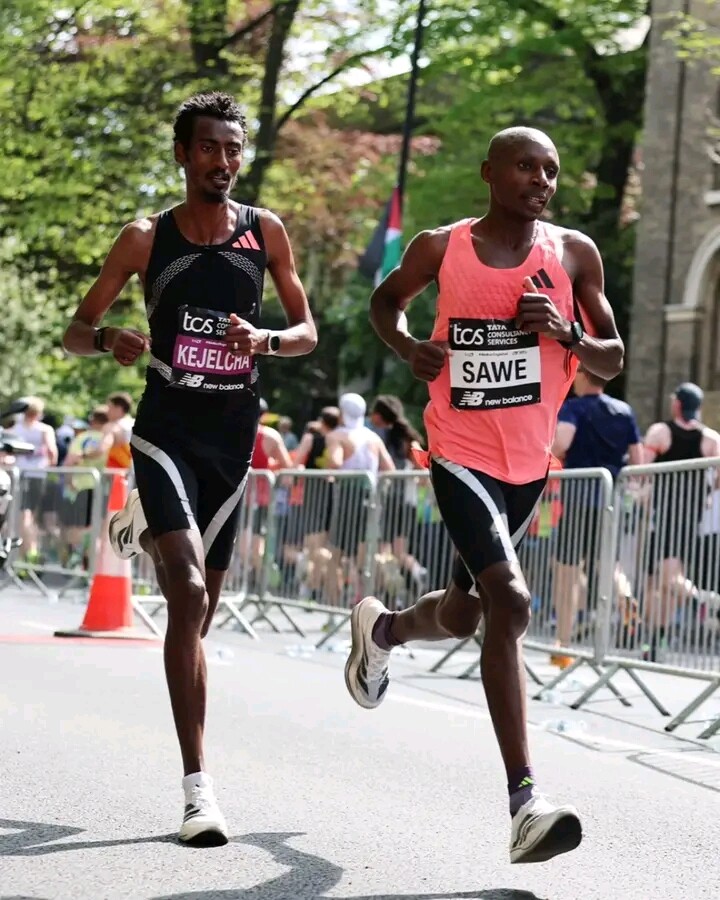
Now, the governing body of global athletics has sealed the achievement, elevating it from an unforgettable race-day spectacle to an official world record that will forever hold a place among the greatest milestones in sporting history.
The ratification is more than a confirmation of a time on the clock. It is recognition of a performance that has redefined what marathon runners can achieve under legal competition rules. Sawe's 1:59:30 not only lowered the world record but also shattered one of the last psychological barriers in distance running, proving that the impossible can become reality.
For Kenya, the moment carries even greater significance. The nation that has produced generations of marathon legends has once again reaffirmed its dominance on the global stage. From world champions to Olympic heroes, Kenya's rich distance-running legacy has gained another defining chapter—one that will be remembered for generations.
History was made on the streets of London. Today, it has been officially written into the record books.
Confirmed. Sealed. Ratified.
Sabastian Sawe's 1:59:30 is now the official marathon world record, and the first legally recognized sub-two-hour marathon in history—a landmark achievement that belongs to Kenya and to the sport forever.
by Erick Cheruiyot for My Best Runs.
Login to leave a comment
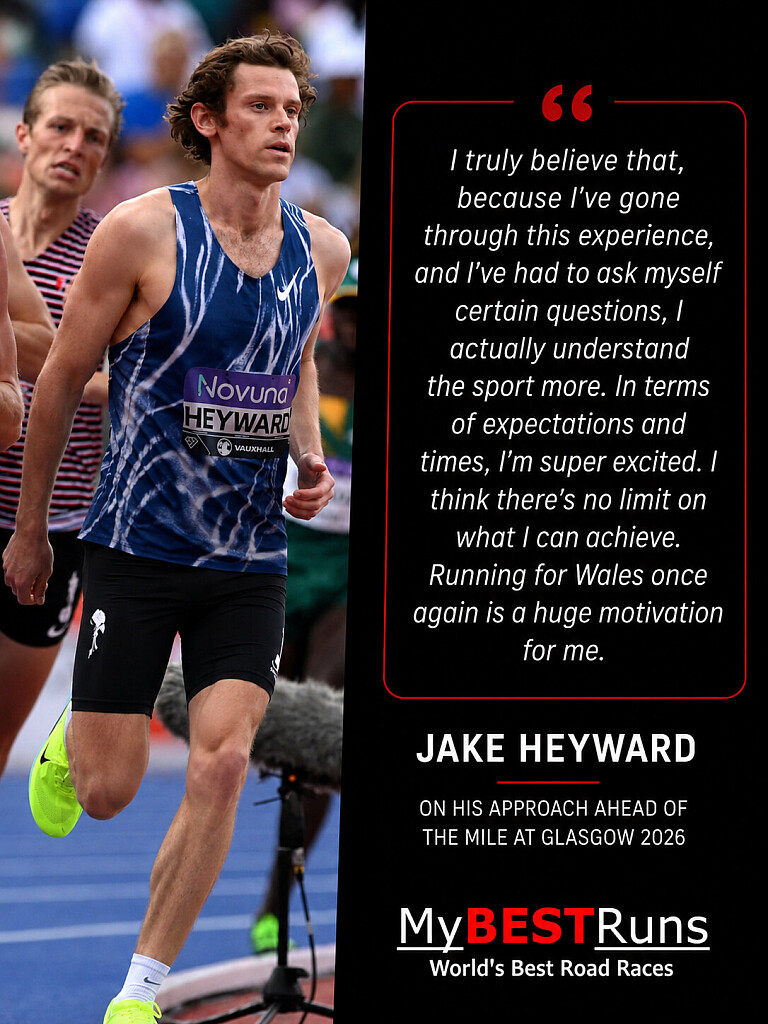
Jake Heyward's Remarkable Comeback: Welsh Record Ignites Commonwealth Games Medal Hopes
After years of battling injury and uncertainty, Jake Heyward is proving that resilience can be just as powerful as raw talent. The Welsh middle-distance star has announced his return to the sport in emphatic fashion, producing the performance of his career and emerging as one of the athletes to watch in the men's mile at the upcoming Commonwealth Games.
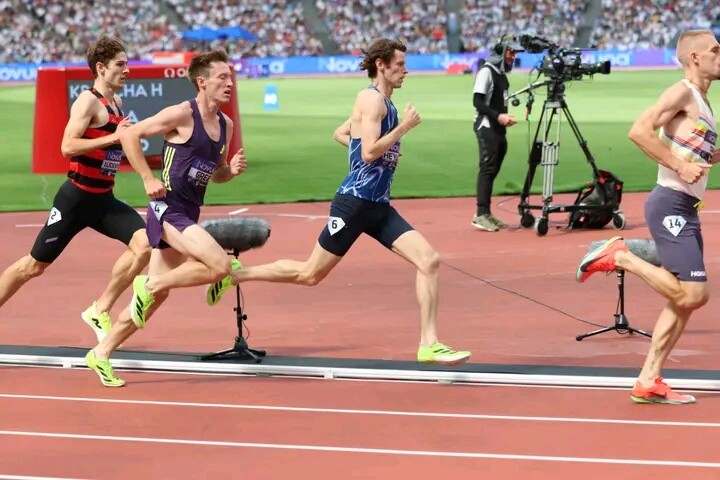
At the London Diamond League, Heyward delivered a sensational run, finishing as the second-fastest British athlete behind mile world record-holder Josh Kerr. His time of 3:46.73 not only established a new Welsh record but also elevated him to third on the United Kingdom's all-time mile rankings, trailing only Kerr and British legend Steve Cram.
For many athletes, such a breakthrough would simply mark another career milestone. For Heyward, however, it represents the culmination of an extraordinary journey back from one of the toughest periods of his life.
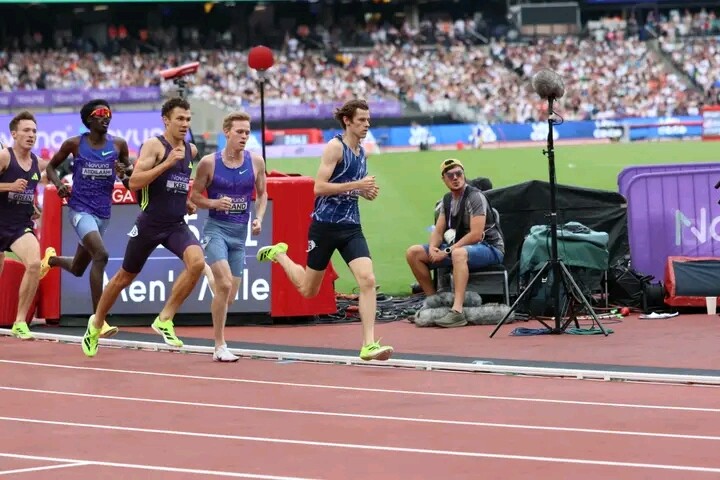
The 26-year-old revealed that before undergoing surgery, he had been competing while suffering from Haglund's deformity, a painful condition affecting the heel that placed constant strain on both Achilles tendons. The problem eventually led to a devastating double Achilles injury, forcing him away from competition for an astonishing 20 months.
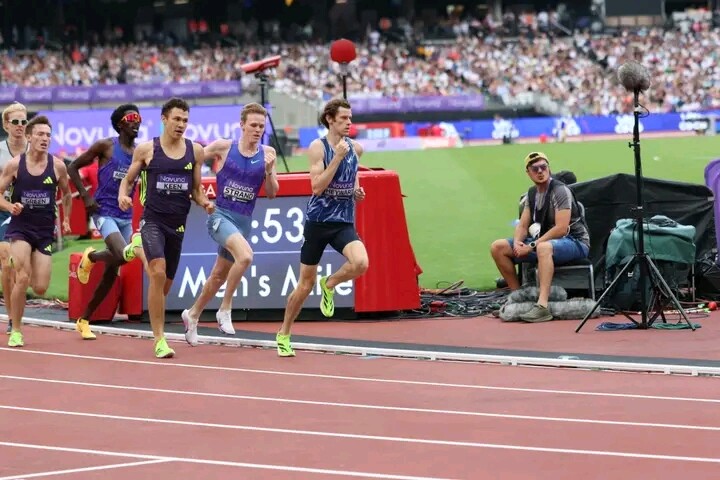
Rather than allowing the setback to define him, Heyward used the prolonged rehabilitation to rebuild both physically and mentally. Reflecting on that difficult chapter, he believes the experience has transformed his outlook on the sport.
"I truly believe that, because I've gone through this experience and I've had to ask myself certain questions, I actually understand the sport more. In terms of expectations and times, I'm super excited. I think there's no limit on what I can achieve. Running for Wales once again is a huge motivation."
Those words now carry even greater weight after his record-breaking performance in London.
Heyward's resurgence has injected fresh excitement into British middle-distance running and has positioned him as a genuine contender heading into Glasgow. With renewed confidence, a healthier body, and a deeper appreciation of the sport forged through adversity, he appears ready to challenge the world's best once again.
His journey from nearly two years on the sidelines to becoming Wales' fastest-ever miler is a powerful reminder that some of the greatest victories are earned long before the finish line. If his recent form is any indication, Jake Heyward's comeback story may only be just beginning, and the Commonwealth Games could provide the perfect stage for its next unforgettable chapter.
by Erick Cheruiyot for My Best Runs.
Login to leave a comment

A Century Of Greatness: Arch Jelley Witnesses Another Mile Revolution
Some moments in sport transcend generations. They remind us that while records may fall, the spirit of greatness never fades. One such moment unfolded when legendary New Zealand coach Arch Jelley watched Josh Kerr produce a breathtaking 3:42.66 mile world record—not from the stands, but from his bed, sharing the historic occasion with his former athlete, 1988 Olympian Christine Pfitzinger, herself once New Zealand's mile and 1500m record holder.

For most fans, Kerr's astonishing performance was simply another unforgettable chapter in the evolution of middle-distance running. For Jelley, however, it was something far more profound. It was a bridge between two eras separated by more than half a century, connecting the glorious past he helped shape with the remarkable future he lived long enough to witness.
As he approaches his 104th birthday on August 13, Jelley has seen the mile transformed in ways few people ever will. Long before modern technology, advanced sports science and super shoes reshaped the event, he guided one of athletics' greatest pioneers.
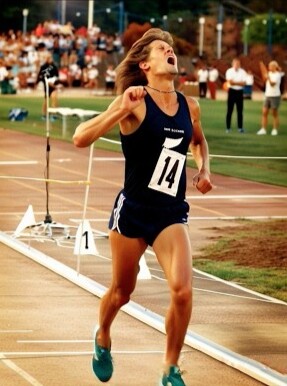
On August 12, 1975, in Gothenburg, Sweden, Jelley coached Sir John Walker to a revolutionary 3:49.4, making him the first man in history to break the seemingly impossible 3:50 barrier for the mile. It was a performance that changed the sport forever and cemented Walker's place among the all-time greats. Less than a year later, Walker crowned that success by winning the Olympic 1500m gold medal at the 1976 Montreal Games, fulfilling the promise of one of the finest coach-athlete partnerships athletics has ever known.
Yet Walker was only one chapter in Jelley's extraordinary coaching legacy.
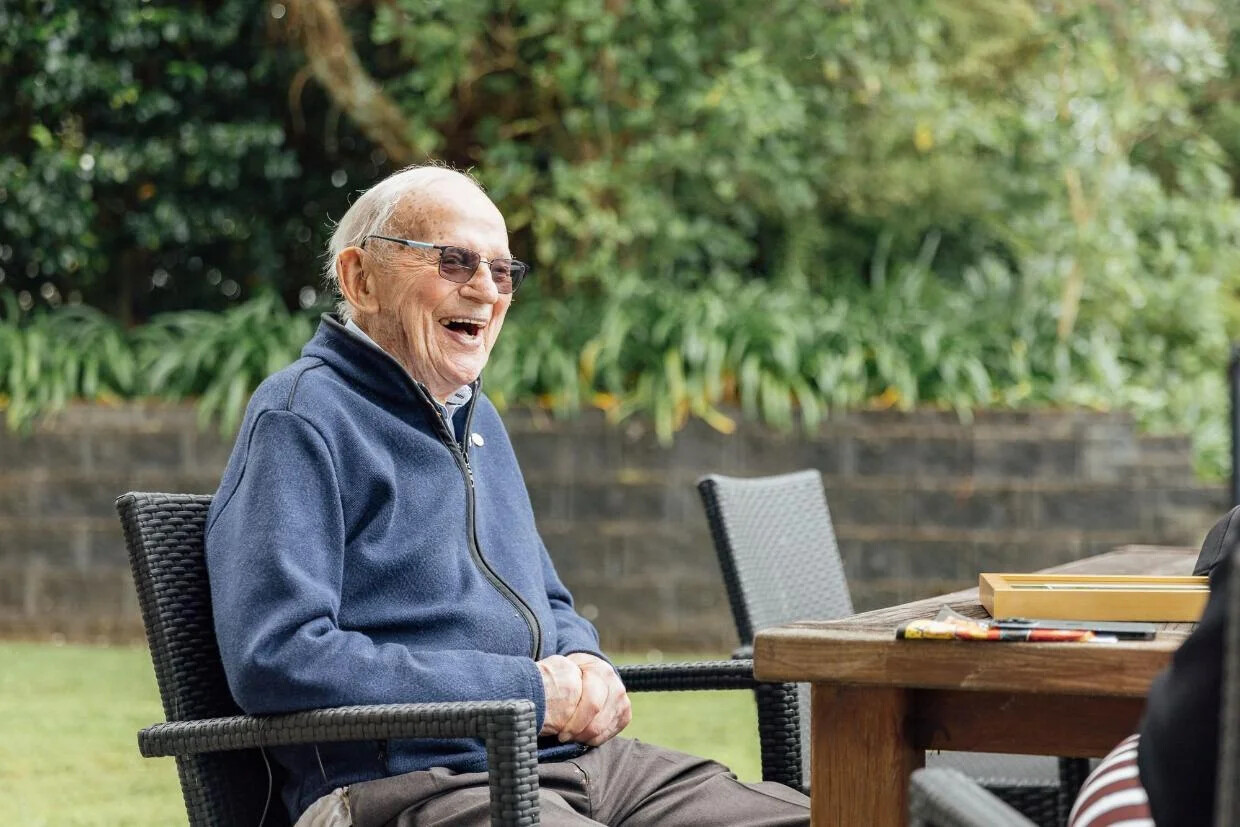
Across more than six decades, the master coach nurtured and inspired countless elite middle- and long-distance runners, earning a reputation for developing athletes through patience, wisdom and an unwavering belief in their potential. Even retirement could not keep him away from the sport he loved. At the remarkable age of 93, Jelley returned to coaching to help Hamish Carson qualify for the 2016 Rio Olympic Games, proving that passion for excellence has no expiration date.
Now, more than fifty years after witnessing Walker redefine what was possible, Jelley has watched another runner push the boundaries of human performance. Josh Kerr's magnificent 3:42.66 was not merely a new world record—it was another milestone in the endless pursuit of greatness, one observed by a man who has devoted almost an entire lifetime to that very journey.
There is something beautifully symbolic about the scene: a coach who once stood trackside guiding history now watching a new generation rewrite it through the lens of modern technology. The setting may have changed, but the emotion remains the same.
Few people in athletics can claim to have witnessed the evolution of the mile from the dawn of the sub-3:50 era to today's astonishing world-record performances. Arch Jelley can.
His life is more than a coaching story—it is a living timeline of the mile itself. From John Walker's historic breakthrough in 1975 to Josh Kerr's record-shattering masterpiece in 2026, Jelley has remained a constant witness to the relentless pursuit of human excellence, proving that while champions come and go, the love of the sport endures across every generation.
by Erick Cheruiyot for My Best Runs.
Login to leave a comment
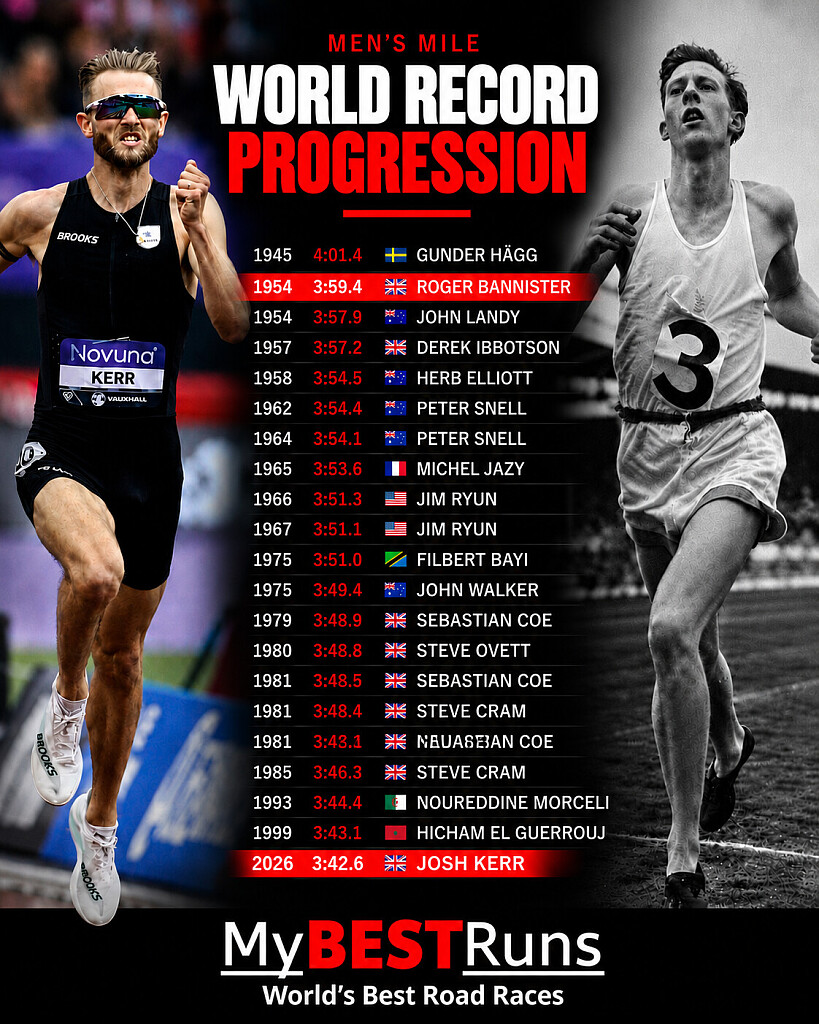
Sir Roger Bannister's Greatest Legacy: From The First Sub-Four Mile To Josh Kerr's World Record
When Sir Roger Bannister crossed the finish line in Oxford on May 6, 1954, in 3:59.4, he did far more than become the first man to run a sub-four-minute mile. He demolished one of sport's greatest psychological barriers, proving that what had long been considered impossible was simply waiting for someone bold enough to achieve it.
More than seven decades later, that historic run remains the most famous mile ever raced—not because it is still the fastest, but because it transformed athletics forever. Bannister's achievement inspired generations of runners to dream bigger, train harder and believe that seemingly unreachable barriers could be broken.
Today, however, the mile has entered an entirely different dimension.
Josh Kerr's sensational 3:42.66 world record has redefined the limits of middle-distance running. In one unforgettable race, the Scottish star erased Hicham El Guerrouj's legendary 3:43.13 mark that had stood untouched since 1999, proving once again that every era has its athlete capable of rewriting history.
The numbers tell a remarkable story of progress. If Bannister's iconic 3:59.4 were placed in the same race as Kerr's 3:42.66, the man who first conquered the sub-four-minute barrier would finish almost 17 seconds behind. At the pace Kerr sustained, that deficit would amount to well over 100 metres—an extraordinary margin in an event where the world's best are often separated by hundredths of a second.
Yet those statistics should never be mistaken for a comparison of greatness. Bannister and Kerr competed in vastly different eras, under different conditions and with entirely different levels of sports science, training knowledge, footwear technology and track surfaces. Bannister raced on a cinder track wearing heavy leather spikes, balancing elite athletics with his demanding medical studies. Kerr benefits from decades of scientific advancement, world-class support systems and cutting-edge equipment that have helped athletes push the boundaries of human performance.
Every generation has added another chapter to the mile's extraordinary story. Just weeks after Bannister's breakthrough, Australia's John Landy lowered the record to 3:57.9. The baton then passed through legendary names including Derek Ibbotson, Herb Elliott, Peter Snell, Michel Jazy, Jim Ryun, Filbert Bayi, John Walker, Sebastian Coe, Steve Ovett, Steve Cram, Noureddine Morceli and Hicham El Guerrouj. Each champion dared to believe the record could fall again, leaving the event stronger than they found it.
Josh Kerr is now the latest custodian of that legacy. His world record is not simply another fast time—it is the culmination of more than 80 years of relentless progress. Every stride he took was built upon the courage, ambition and achievements of those who came before him.
Perhaps the most fascinating aspect of the mile is how dramatically its meaning has changed. In 1954, the world was captivated by one question: Could anyone ever run under four minutes? Today, the conversation has shifted to how much further the event can evolve. With Kerr already under 3:43, the now-unthinkable prospect of a sub 3:42 mile no longer feels like fantasy but a genuine possibility for the future.
That is the enduring beauty of athletics. Every world record eventually falls, but the performances that redefine belief never fade. Bannister's sub-four-minute mile remains the sport's most iconic breakthrough because it changed the way humanity viewed its own limits. Kerr's 3:42.66 is the newest benchmark of excellence, standing as proof that the impossible is never permanent—it is simply the starting point for the next generation.
by Erick Cheruiyot for My Best Runs.
Login to leave a comment

Is Josh Kerr Ready To Rewrite History Again? Why The 1,500m World Record May Be The Next Great Target
Josh Kerr has already etched his name into athletics history with a breathtaking world mile record of 3:42.66, but the numbers hidden within that extraordinary performance suggest an even greater achievement could be just around the corner.
While the world celebrated the fastest mile ever run, another remarkable statistic quietly emerged. On his way to that historic finish, Kerr passed the 1,500m mark in an astonishing 3:27.62—the seventh-fastest performance ever recorded over the distance and just 1.62 seconds outside Hicham El Guerrouj's iconic world record of 3:26.00, which has stood as one of athletics' greatest benchmarks for more than a quarter of a century.
What makes Kerr's split so extraordinary is the context in which it was achieved.
Unlike a dedicated 1,500m race, Kerr wasn't running to the finish line when he reached 1,500 metres. He still had another 109 metres remaining before completing the mile. Throughout the race, he had to carefully distribute his effort, knowing there was still significant work left after crossing the traditional 1,500m distance.
His world-record mile required approximately 724 strides, each averaging about 2.22 metres in length. By the time he reached the 1,500m split, he still had enough energy reserved to launch one final charge toward the mile finish, meaning he could not afford to completely exhaust himself at that point.
That reality has fuelled growing excitement across the athletics community.
Imagine Kerr lining up for a race built solely around the 1,500m. With elite pacemakers setting the perfect rhythm from the gun, competitors pushing the pace all the way to the finish, and no need to save anything for an additional 109 metres, the conditions would be dramatically different. Every stride, every surge and every ounce of energy could be devoted exclusively to chasing one target—the world record.
Many athletics experts believe that under those ideal circumstances, bridging the remaining 1.62 seconds is far from impossible. In fact, they see it as a realistic challenge for an athlete who has consistently demonstrated remarkable finishing speed, tactical intelligence and the ability to perform under immense pressure.
Hicham El Guerrouj's 3:26.00 has long been regarded as one of the most untouchable records in middle-distance running. Yet every era eventually produces an athlete capable of redefining what was once thought impossible.
After witnessing Kerr's astonishing mile masterpiece, the conversation has shifted dramatically. The question is no longer whether he belongs among the greatest milers in history—it is whether he can become the man who finally brings down one of the sport's most enduring world records.
If his latest performance is any indication, the countdown to another historic assault may already have begun.
by Erick Cheruiyot for My Best Runs.
Login to leave a comment

Linda Botková Rewrites History: The 16-Year-Old Who Produced One Of The Greatest Junior Hurdle Performances Ever
Track and field has witnessed the emergence of another extraordinary teenage phenomenon.
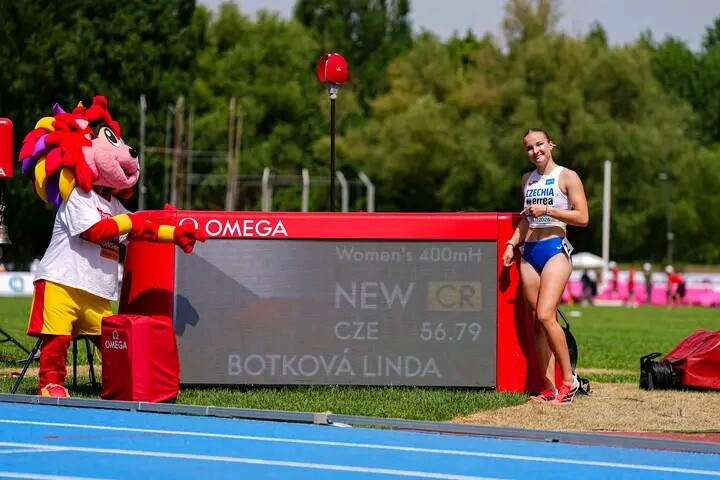
At just 16 years old, Czech sensation Linda Botková produced one of the greatest under-18 performances in the history of the women's 400m hurdles, storming to the European Athletics U18 Championship title in Rieti, Italy, with a breathtaking 55.19 seconds. It was far more than a gold-medal-winning run—it was a performance that rewrote the record books and firmly established her as one of the brightest young stars in global athletics.
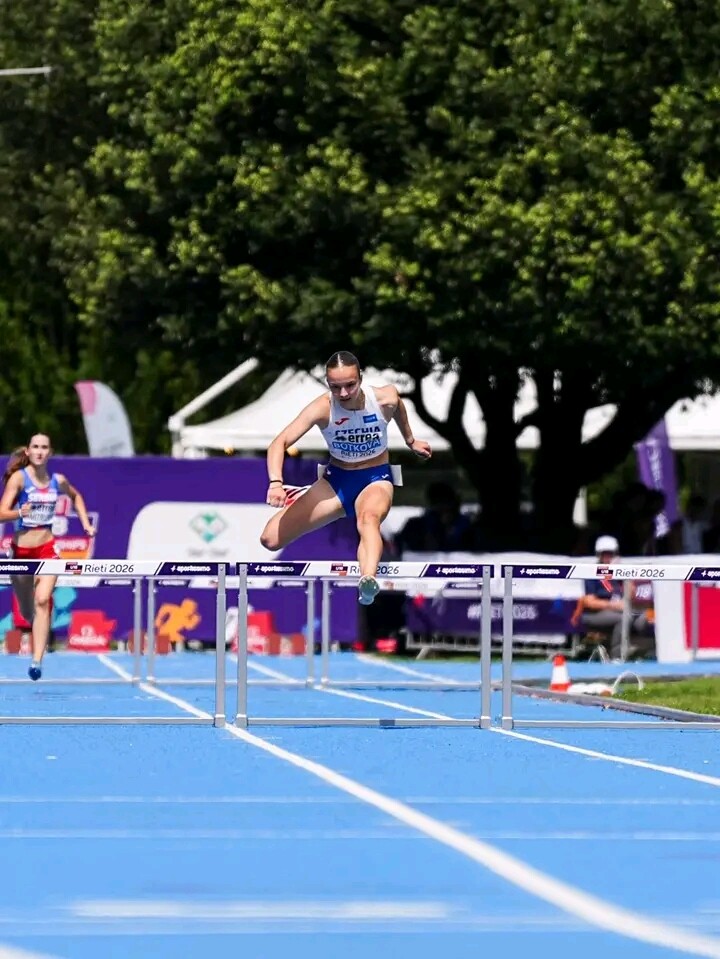
From the gun, Botková displayed remarkable maturity, attacking each hurdle with confidence, precision, and outstanding rhythm. She controlled the race from start to finish before unleashing a powerful sprint over the closing metres to cross the line in a stunning new personal best.
The significance of her performance extends well beyond the championship. Her sensational 55.19 not only earned her the European U18 crown but also produced an astonishing collection of milestones. She shattered the European Under-20 record, set a new European Under-18 best, established a new championship record, and remarkably lowered that championship record in all three rounds of the competition. The time also became the world Under-18 leading performance of the season, a new Czech Under-18 national record, and the second-fastest performance ever recorded by an Under-18 athlete.
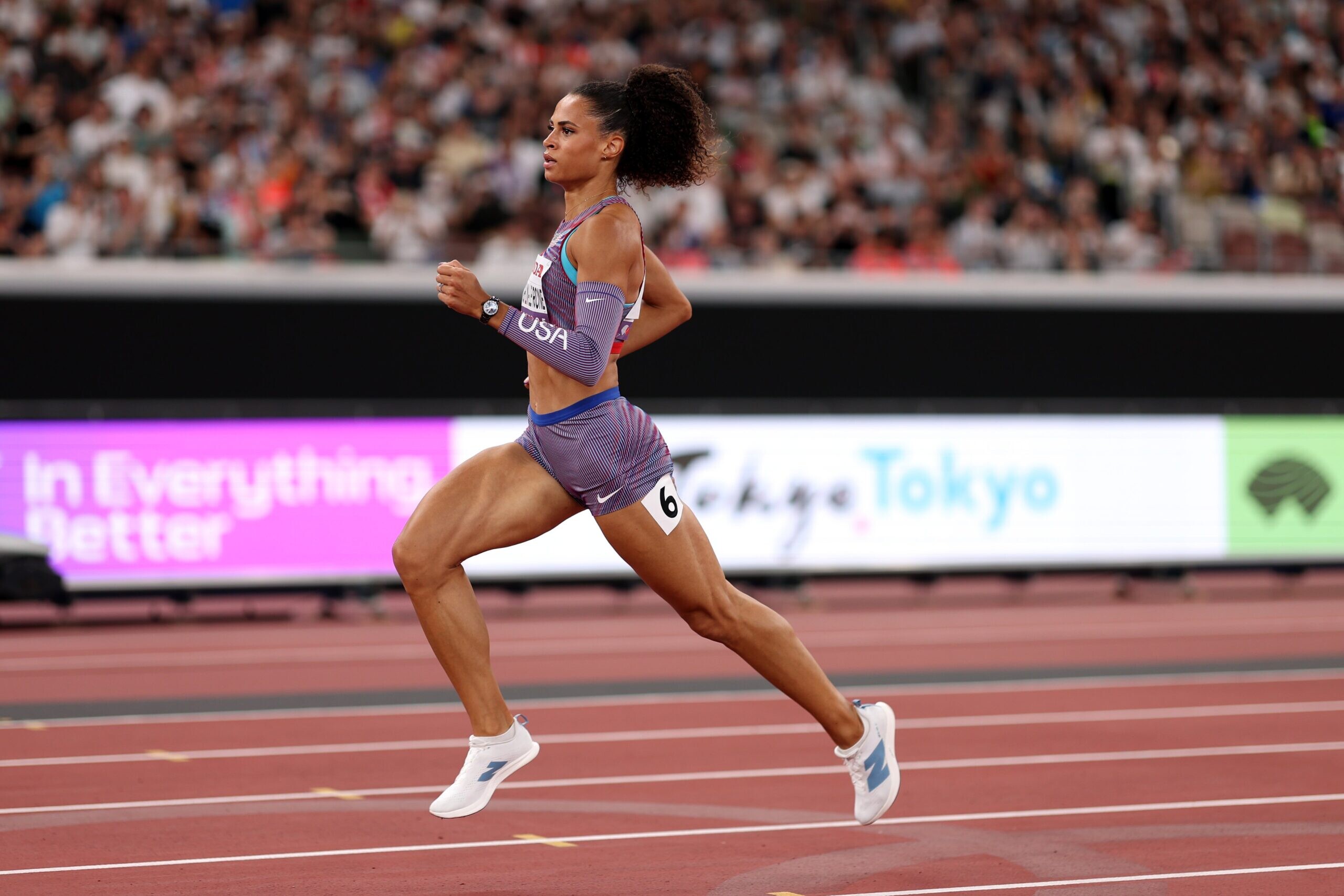
Only world record holder and Olympic champion Sydney McLaughlin-Levrone has ever run faster at the same age—a remarkable statistic that underscores just how exceptional Botková's achievement truly is.
Producing such a performance at only 16 years old, while still developing physically and technically, speaks volumes about her immense talent, discipline, and competitive maturity. It is a race that has instantly elevated her from a promising prospect to one of the most exciting young athletes in world track and field.
For Czech athletics, Botková's triumph represents the arrival of a potential global superstar. For the rest of the athletics world, it is a powerful reminder that a new generation is already pushing the boundaries of what seemed possible.
Winning European Under-18 gold was a remarkable achievement. Doing so in 55.19 seconds, while rewriting multiple records and becoming the second-fastest Under-18 400m hurdler in history, transformed the race into one of the greatest junior performances the event has ever witnessed.
by Erick Cheruiyot for My Best Runs.
Login to leave a comment
Daniel Komen's Timeless Masterpiece: The Night A Kenyan Legend Redefined Human Endurance
Exactly 29 years ago today, athletics witnessed a performance so extraordinary that it continues to stand among the greatest distance-running feats ever produced.
On July 19, 1997, under the lights of the KBC Night of Athletics in Hechtel, Belgium, Kenya's Daniel Komen delivered a race that seemed to defy the limits of human endurance. In an era long before carbon-plated shoes and today's advanced sports science, Komen ran a staggering 7:58.61 for two miles, becoming the first athlete in history to break eight minutes for the distance.
What made the performance even more astonishing was the way it unfolded. Komen effectively ran two consecutive sub-four-minute miles, covering each mile in approximately 3:59.3—an achievement that had never been accomplished within a single race. It was a display of relentless speed, flawless rhythm, and remarkable resilience that left the athletics world in awe.
For the next 26 years, Komen's world record stood untouched despite generations of world-class middle- and long-distance runners attempting to rewrite history. It was only in 2023 that Norway's Jakob Ingebrigtsen finally lowered the mark to 7:54.10, bringing an end to one of the longest-standing records in elite distance running.
Yet even with the record no longer in his possession, Komen's legacy remains unmatched in one extraordinary respect. He is still the only athlete in history to have broken the eight-minute barrier for two miles more than once—a testament to a level of consistency and excellence that has never been replicated.
Komen's Hechtel masterpiece was more than a world record. It was a statement that greatness is measured not only by the clock but by the courage to venture into territory where no one has gone before. His breathtaking run raised the standard for distance running and inspired generations of athletes to believe that seemingly impossible barriers exist only until someone is bold enough to break them.
Nearly three decades later, Daniel Komen's unforgettable night in Belgium remains one of Kenya's finest moments on the global athletics stage—a performance that continues to command admiration, celebrate Kenyan excellence, and remind the world why some achievements transcend time.
by Erick Cheruiyot for My Best Runs.
Login to leave a comment
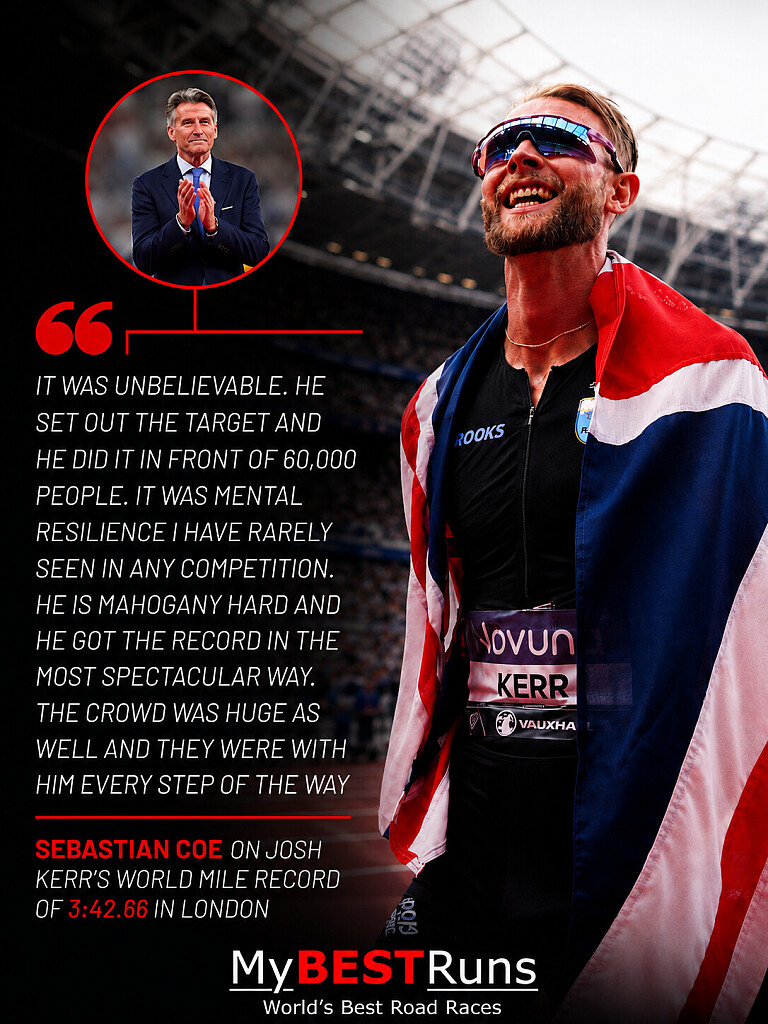
Sebastian Coe Hails Josh Kerr's World Mile Masterpiece: "A Performance Of Rare Mental Resilience
When one of the greatest milers in history stands to applaud a new world record holder, the moment carries extraordinary significance. Sebastian Coe, a three-time world mile record holder and one of Britain's most iconic middle-distance runners, reserved the highest praise for Josh Kerr after his breathtaking 3:42.66 mile world record at the London Diamond League.
For Coe, this was far more than another record falling. It was a performance that showcased courage, composure, and an unwavering belief under immense pressure.
"It was unbelievable," Coe said. "He set out the target and he did it in front of 60,000 people. It was mental resilience I have rarely seen in any competition. He is mahogany hard and he got the record in the most spectacular way. The crowd was huge as well and they were with him every step of the way."
Those words carry exceptional weight coming from a man who understands the demands of rewriting history. Coe himself redefined the mile three times during his legendary career, first clocking 3:48.95 in Oslo in 1979 before improving the mark to 3:48.53 in Zurich and then 3:47.33 in Brussels in 1981. His brilliance inspired generations of British middle-distance runners, and now he has witnessed another chapter being written.
Kerr's achievement was not built on surprise. It was the culmination of meticulous planning, relentless training, and the confidence to publicly declare his ambition before delivering it on the biggest stage. With more than 60,000 fans filling the London Stadium, the Olympic champion embraced the pressure rather than shrinking from it.
Every lap reflected precision. Every stride demonstrated conviction. And when Kerr crossed the finish line in 3:42.66, he not only erased Hicham El Guerrouj's 27-year-old world record but also returned the outdoor mile world record to Great Britain for the first time in nearly three decades.
In doing so, Kerr became the seventh British man in history to hold the outdoor world mile record, adding his name to one of the sport's most prestigious lineages.
What made the performance even more remarkable was its emotional backdrop. Competing in front of a home crowd that roared him through every metre, Kerr transformed the stadium into a theatre of history. The deafening support fueled an unforgettable evening that will be remembered as one of the greatest moments in British athletics.
Coe's tribute perfectly captured what statistics alone cannot explain. World records demand exceptional physical ability, but truly historic performances are forged through resilience, belief, and the willingness to embrace pressure when the world is watching.
Josh Kerr did exactly that. He didn't simply break a record—he produced a performance that united a nation, inspired the next generation, and earned the admiration of one of the greatest milers the sport has ever known.
by Erick Cheruiyot for My Best Runs.
Login to leave a comment

Josh Kerr's Greatest Victory Wasn't the World Record—It Was Inspiring the Next Generation
Josh Kerr had every reason to celebrate.
Moments earlier, the British star had delivered the race of his life, storming to a breathtaking 3:42.66 to erase Hicham El Guerrouj's 27-year-old mile world record before a jubilant home crowd at the London Diamond League. Years of sacrifice, relentless training and an unwavering belief in Project 222 had finally paid off, placing his name among the greatest athletes the sport has ever known.
For many champions, that would have been the end of a perfect evening.
For Josh Kerr, it was only the beginning.
Just a couple of hours after rewriting athletics history, Kerr was no longer in the spotlight celebrating his achievement. Instead, he was back on the warm-up track, patiently signing autographs, posing for photos and sharing smiles with young fans who had stayed behind to meet their new hero.
It was a simple gesture, yet one that spoke volumes about the man behind the world record.
The fastest miler on the planet understood that his greatest legacy would not be measured solely by 3:42.66 or by the world record beside his name. It would be measured by the dreams he ignited in the hearts of children who watched him accomplish what many believed was impossible.
Every signature was a reminder that greatness carries responsibility. Every conversation was an opportunity to inspire a youngster to lace up a pair of running shoes, believe in themselves and chase ambitions that seem beyond reach.
Kerr's journey to the top was never an overnight success. It was built through years of discipline, resilience and countless hours of preparation. There were setbacks, doubts and expectations to overcome, but he never stopped believing that one day he could stand atop the sport.
That belief became reality in London.
Yet instead of allowing the world record to define him, Kerr chose to give something back. In doing so, he showed that true champions are remembered not only for how fast they run, but also for how they treat people when the cheering fades.
His unforgettable performance shattered one of athletics' most iconic records. His humility afterwards may prove even more enduring.
Josh Kerr didn't just leave London as the fastest miler in history.
He left as an inspiration to the next generation, proving that the greatest victories are those that encourage others to believe that they, too, can achieve the extraordinary.
by Erick Cheruiyot for My Best Runs.
Login to leave a comment
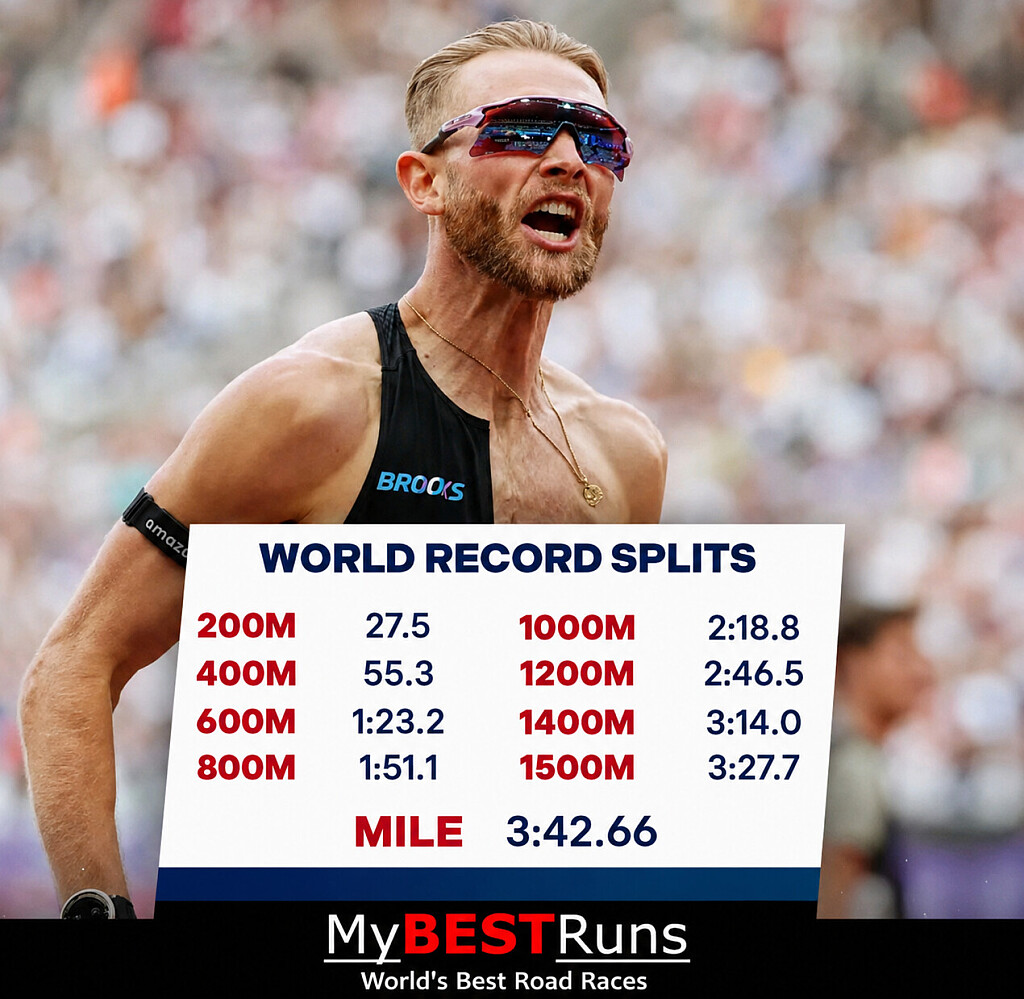
Josh Kerr Restores Britain's Mile Crown With a Historic World Record on Home Soil
Forty-one years after Great Britain last celebrated a men's mile world record, Josh Kerr has written a magnificent new chapter in the sport's rich history.
Competing before a passionate home crowd in London, Kerr delivered the performance of a lifetime, storming to a sensational 3:42.66 to erase one of athletics' longest-standing records. It was more than just a personal triumph—it marked the return of the mile world record to the nation that has shaped some of the greatest middle-distance runners the sport has ever known.
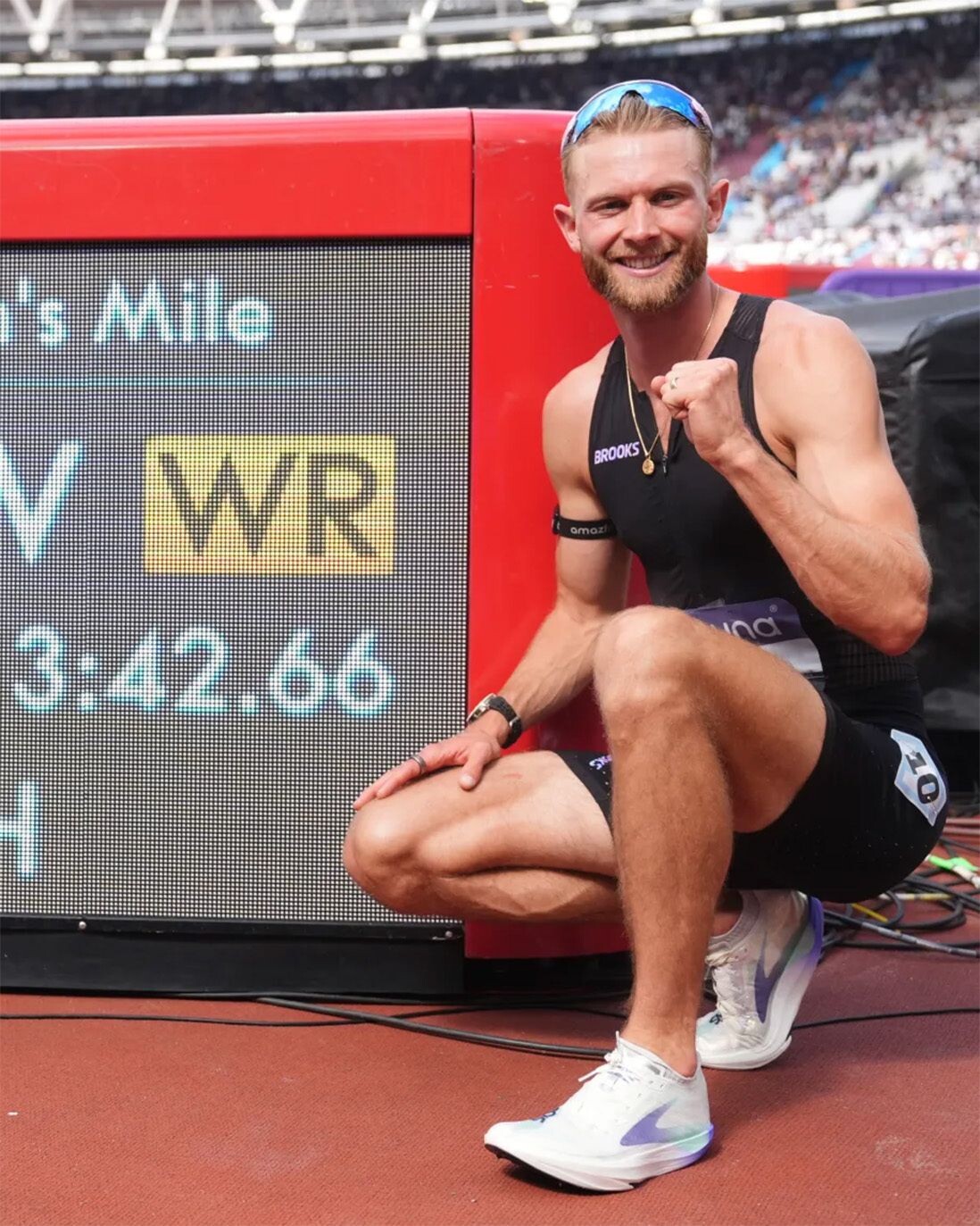
With that unforgettable run, Kerr became the seventh British man to hold the men's mile world record, joining a legendary lineage that stretches back nearly nine decades. His achievement places him alongside icons such as Sydney Wooderson, Roger Bannister, Derek Ibbotson, Sebastian Coe, Steve Ovett and Steve Cram—names forever woven into the history of British athletics.
For generations, Great Britain stood at the forefront of mile running. Wooderson first established the country's dominance in 1937 before Bannister forever changed athletics by becoming the first man to break the four-minute barrier in 1954. The baton was then carried by Ibbotson, Coe, Ovett and Cram, whose fierce rivalry elevated the event to extraordinary heights during the late 20th century.
Since Steve Cram's world record of 3:46.32 in 1985, Britain had waited more than four decades for another athlete capable of reclaiming the crown. Many exceptional runners emerged during that period, but none managed to rewrite the record books—until Josh Kerr.
The Scottish star embraced the enormous expectations surrounding his ambitious Project 222 with remarkable composure. Every split demonstrated the precision required to chase history. He opened with 27.5 seconds at 200m, reached 400m in 55.3, passed 600m in 1:23.2, and hit 800m in 1:51.1, perfectly positioning himself for a relentless second half.
Rather than fading, Kerr accelerated. He covered 1000m in 2:18.8, reached 1200m in 2:46.5, passed 1400m in 3:14.0, and crossed 1500m in a blistering 3:27.7 before producing one final surge over the closing 109 metres to stop the clock at an astonishing 3:42.66. It was a masterclass in pacing, endurance and finishing speed—proof that every stride had been meticulously planned.
Roared on by thousands of supporters inside London's packed stadium, Kerr transformed years of sacrifice, discipline and unwavering belief into one of the greatest performances ever witnessed in middle-distance running. He didn't simply attack the record—he dismantled it with authority.
Kerr's achievement is about far more than breaking a world record. It reconnects Great Britain with one of its proudest athletics traditions and signals the beginning of a new era for the iconic mile. His unforgettable run reminds the world that even the longest-standing records can fall when extraordinary talent meets fearless ambition.
On a magical evening in London, Josh Kerr didn't just rewrite the record books—he brought the mile world record back home and secured his place among the greatest middle-distance runners in history.
by Erick Cheruiyot for My Best Runs.
Login to leave a comment
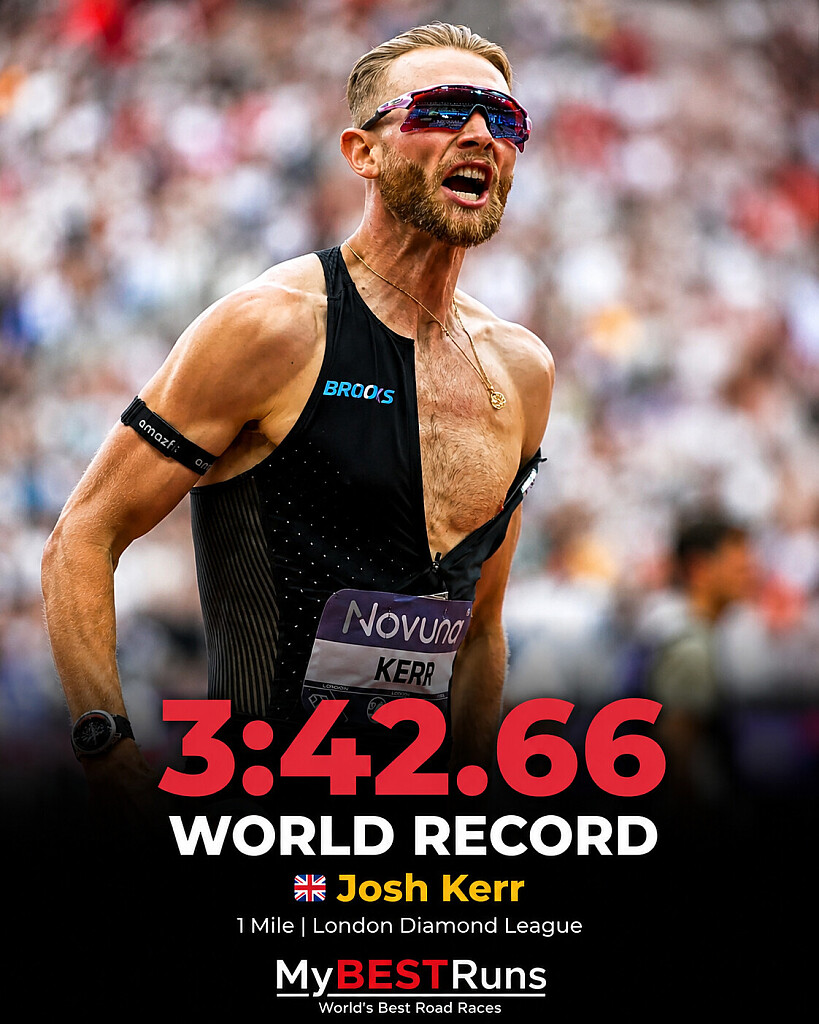
Project 222 shattered: Josh Kerr rewrites history with sensational mile world record
British middle-distance star Josh Kerr has etched his name into athletics folklore after producing one of the greatest performances the sport has ever witnessed, smashing the men's mile world record at the London Diamond League in front of a euphoric home crowd.
After months of anticipation surrounding Project 222, Kerr delivered on his bold promise in spectacular fashion. The British star stormed to an astonishing 3:42.66—exactly 222.66 seconds—to become the fastest miler in history and finally erase one of athletics' most iconic records.
His breathtaking run eclipsed the legendary 3:43.13 set by Moroccan great Hicham El Guerrouj in 1999, a mark that had stood for 27 years and was widely regarded as one of the most untouchable world records in track and field.
From the moment the pacemakers led the field through the opening laps, it was evident that Kerr had arrived with one objective—to make history. Maintaining relentless rhythm and remarkable composure, he unleashed a devastating final surge that carried him across the finish line in record-breaking fashion, igniting wild celebrations inside the London Stadium.
Project 222 was more than a slogan; it was Kerr's ambitious mission to complete the mile in under 223 seconds. On one unforgettable evening, he exceeded even those lofty expectations, stopping the clock at 222.66 seconds and proving that months of meticulous preparation, confidence, and fearless racing had culminated in the performance of a lifetime.
The achievement represents far more than a Diamond League victory. It marks the end of one of the longest-standing chapters in athletics history and signals the beginning of a new era in middle-distance running. Breaking such a revered record on home soil, surrounded by thousands of passionate British fans, made the moment even more memorable.
With his extraordinary 3:42.66, Josh Kerr has not only fulfilled the promise of Project 222 but has also secured his place among the greatest middle-distance runners of all time. On a historic evening in London, he proved that even the sport's most enduring barriers are meant to be broken.
by Erick Cheruiyot for My Best Runs.
Login to leave a comment
